
Author: mdierolf

  • OpenAI Unveils ChatGPT Atlas: Redefining Web Browsing with AI at Its Core

    OpenAI Unveils ChatGPT Atlas: Redefining Web Browsing with AI at Its Core

    In a move set to profoundly reshape the digital landscape, OpenAI officially launched ChatGPT Atlas on October 21, 2025. This groundbreaking AI-powered web browser aims to fundamentally redefine the online experience by seamlessly integrating advanced AI capabilities, including persistent memory, sophisticated task automation, and a deeply embedded intelligent assistant. OpenAI's ambitious foray into the browser market signals a significant shift from passive web navigation to an active, intelligent, and highly personalized interaction with the internet, positioning ChatGPT as a true "super-assistant" at the heart of daily digital life.

    The launch of ChatGPT Atlas is not merely an incremental update to existing browsing technologies; it represents a bold strategic pivot by OpenAI to embed its powerful artificial intelligence directly into the user's primary interface with the web. By offering a browser where AI is not an add-on but the core operating principle, OpenAI (NYSE: OPENAI) is challenging the status quo and igniting a new era of "AI browser wars." This development promises to enhance productivity, streamline complex online tasks, and usher in a new paradigm of human-computer interaction, making the web more intuitive and responsive than ever before.

    The Dawn of Agentic Browsing: Technical Prowess and Core Differentiators

    ChatGPT Atlas is built upon the robust Chromium engine, the same open-source foundation that powers popular browsers like Alphabet's (NASDAQ: GOOGL) Chrome and Microsoft's (NASDAQ: MSFT) Edge. However, its fundamental departure lies in the deep, pervasive integration of OpenAI's ChatGPT directly into the browser's architecture, transforming it into an AI-first platform. This is a stark contrast to existing browsers that offer AI features as supplementary tools; Atlas makes ChatGPT an active, constant companion throughout the browsing journey.

    The browser's technical capabilities are spearheaded by several innovative features:

    • Integrated Memory ("Browser Memories"): Atlas incorporates an opt-in memory system that allows ChatGPT to recall key details from a user's browsing history, visited pages, and preferences. This enables the AI to provide more personalized responses, contextually relevant suggestions, and anticipate user needs more effectively. Users retain granular control over these memories, with options to view, archive, delete, or set site-specific visibility.
    • Task Automation ("Agent Mode"): A standout feature, Agent Mode, available for ChatGPT Plus, Pro, and Business subscribers, empowers the AI to perform complex, multi-step tasks autonomously on the user's behalf. This can range from researching and planning a meal, creating an ingredient list, and adding items to a shopping cart, to drafting emails, filling out forms, or booking reservations. OpenAI emphasizes user control, allowing interruption, pausing, or manual takeover at any point, with strict safeguards preventing the agent from running code, downloading files, or installing extensions.
    • Built-in Assistant Capabilities: ChatGPT is interwoven throughout the browsing experience. The "Ask ChatGPT Sidebar" allows for instant summarization, analysis, or task handling related to webpage content. In-line writing assistance is available in any form field, offering contextual suggestions and corrections. A smarter new tab page allows users to ask questions or enter URLs, providing organized results including search links, images, videos, and news, alongside contextual AI help.

    This approach fundamentally differs from previous AI integrations, which often functioned as isolated chatbots or search enhancements. Atlas aims for a seamless, proactive AI-driven workflow that understands the current webpage, open tabs, and even a user's login status (with permission), creating an unparalleled contextual AI experience. Initial reactions from the AI research community and industry experts are largely positive, with many hailing it as a "game-changer" and a crucial step towards a "true super-assistant." OpenAI CEO Sam Altman described the launch as "a rare moment to rethink what it means to use the web." However, some skepticism remains, with analysts like Gene Munster of Deepwater Asset Management questioning if it offers a "10x better" experience than Chrome, given Google's resources and control over Chromium. Concerns about security vulnerabilities, such as "Clipboard Injection," and user data privacy have also been raised, though OpenAI asserts robust privacy controls.

    Reshaping the AI and Tech Landscape: A New Competitive Frontier

    The launch of ChatGPT Atlas has profound competitive implications, sending ripples across the AI industry, tech giants, and numerous startups. OpenAI's strategic move to control the user's primary internet interface positions it as a direct competitor to established players and a potential disruptor across multiple sectors.

    For Google (NASDAQ: GOOGL), the impact is particularly acute. Atlas directly challenges Chrome's dominance in the browser market and, more critically, threatens Google's core search engine business and its massive advertising revenue. By enabling ChatGPT to act as the primary information retrieval and task execution agent, Atlas bypasses traditional search, potentially diminishing the need for users to navigate to Google Search. Alphabet's stock reportedly saw a decline following the announcement, reflecting investor concerns. Google is expected to accelerate its integration of Gemini AI into Chrome and its search services, focusing on multimodal AI and agentic capabilities to counter OpenAI's aggressive move.

    Apple (NASDAQ: AAPL), while not a direct competitor in large-scale public LLMs, is also affected. With Atlas rolling out on macOS and planned for iOS, it directly competes for user attention within Apple's ecosystem. Safari and Apple's integrated services could face pressure from a more AI-native browsing experience. This development will likely compel Apple to significantly enhance Siri, transforming it into a more proactive and capable "agent" that can perform complex, multi-step tasks across its devices and the web, rivaling Atlas's functionalities. Apple will likely emphasize its strengths in on-device AI processing and robust privacy protections as key differentiators.

    For other AI companies like Anthropic and smaller LLM developers, Atlas raises the bar for AI integration. They may face increased pressure to develop their own deeply integrated user interfaces or browser-like experiences to ensure their foundational models remain relevant. Startups in AI productivity, summarization, content creation, and task automation face a dual challenge and opportunity. Many niche AI tools may find their core functionalities absorbed by Atlas's native capabilities, forcing them to pivot or hyper-specialize. Conversely, Atlas could create new opportunities for startups to build highly specialized AI applications that integrate with or leverage the platform. Startups focusing on privacy-centric AI browsing solutions may also find a growing market segment. The overall competitive landscape will become more intense, favoring those with strong AI models and the ability to integrate them seamlessly into user workflows.

    A New Paradigm: Wider Significance and Societal Implications

    ChatGPT Atlas marks a significant inflection point in the broader AI landscape, signaling a clear shift towards agentic AI systems becoming mainstream. This development is not merely about a better browser; it's about embedding an active, intelligent AI agent at the core of how humanity interacts with the digital world. It pushes beyond the reactive chatbot model, positioning AI as a proactive co-pilot that understands intent, makes decisions, and performs complex tasks autonomously. This move by OpenAI signifies an ambition to transform from a chatbot platform into a comprehensive technology ecosystem, aiming to acquire user data, unlock new revenue streams, and reduce dependence on other tech giants.

    The potential impacts on society and technology are far-reaching. Atlas promises to redefine internet interaction and personalization, offering a deeply contextual and adaptive browsing experience. Its Agent Mode could dramatically enhance personal and professional productivity by automating multi-step online tasks, freeing users from mundane digital chores. However, these advancements come with significant privacy concerns. Atlas's "browser memories" feature, while offering personalization, involves extensive data collection, potentially surpassing even Google Chrome's tracking. Cybersecurity specialists have warned about potential data leakage and "prompt injection" risks, where malicious instructions hidden in web content could trick the AI agent into disclosing sensitive information or performing unintended actions. While OpenAI has implemented safeguards and offers user controls over privacy settings and incognito modes, critics argue that the complexity of these controls may obscure the true extent of data processing.

    Comparing Atlas to previous AI milestones, it builds directly on the breakthroughs of large language models like GPT-3 and GPT-4, which popularized conversational AI. While early search engines revolutionized information retrieval, and the original ChatGPT made AI widely accessible, Atlas represents a tangible realization of "agentic AI" in a mainstream consumer application. It moves beyond AI summarizing a document or answering a question to actively interacting with the web for the user, blurring the lines between user action and AI autonomy. This development intensifies the "AI browser war," with competitors like Perplexity AI's Comet and Microsoft's (NASDAQ: MSFT) Edge with Copilot also vying for market share, but OpenAI's unique advantage lies in owning the underlying AI model, potentially offering a more seamless and powerful integration.

    The Horizon of AI Browsing: Future Developments and Challenges

    The launch of ChatGPT Atlas is merely the opening chapter in what promises to be a rapidly evolving landscape of AI-powered browsing. In the near term, OpenAI is committed to expanding Atlas's availability beyond macOS to Windows, iOS, and Android, ensuring broad accessibility. Enhancements to its integrated AI assistance, smarter search capabilities, and in-line writing help are expected to become more refined and intuitive. The "browser memories" feature will likely evolve, offering even more sophisticated personalization while maintaining user control.

    Looking further ahead, OpenAI's long-term vision positions ChatGPT not just as a super-assistant but as the "operating system for your life," a fully connected hub for managing daily tasks and achieving long-term goals. This trajectory includes:

    • Enhanced Multimodal Capabilities: Future iterations, potentially powered by GPT-5, will likely process and understand a wider array of data types—text, images, voice, and even video—simultaneously, leading to more natural and intuitive interactions.
    • Deeper Integration: Expect ChatGPT Atlas to integrate more profoundly with other AI technologies and third-party applications, creating comprehensive AI ecosystems that extend beyond the browser.
    • Advanced Personalization and Context Awareness: The AI will become even more adept at learning individual preferences, habits, and nuanced intent, offering hyper-personalized experiences across all digital interactions.
    • Agentic Evolution: The Agent Mode is expected to grow in sophistication, capable of handling increasingly complex and abstract tasks, potentially even managing multiple parallel workflows autonomously.

    Potential applications and use cases on the horizon are vast, spanning personal productivity (scheduling, task management), content creation (AI as a creative partner), customer service, education, healthcare (diagnosis, treatment planning, drug discovery), e-commerce, and cybersecurity. AI will become an indispensable tool for data analysis, enabling businesses to unlock deeper insights and optimize operations.

    However, this ambitious future is not without its challenges. Technical hurdles include refining common sense reasoning, ensuring scalability and efficiency of AI models, and establishing interoperability standards. Data-related challenges involve maintaining high data quality, managing vast datasets, and mitigating inherent biases in training data. Ethical and regulatory concerns are paramount, particularly regarding user privacy, data security, transparency, and explainability of AI decisions. The potential for AI "hallucinations" and misuse necessitates robust safety protocols. Furthermore, the societal impacts of job displacement and widening inequalities due to automation will require careful consideration and proactive policy development. Organizations also face adoption challenges, including skill gaps, cost, and potential employee resistance to new AI-driven workflows.

    Experts predict an intensifying "AI browser war," with all major tech players rushing to integrate more sophisticated AI. The future of browsing will shift towards agentic models, where AI proactively completes tasks on behalf of the user. User adoption will hinge on performance, reliability, and, critically, trust. Ensuring data privacy, security, and transparent AI governance will be paramount. The ethical implications of powerful AI agents acting autonomously will demand ongoing scrutiny and robust frameworks to guide their development and deployment.

    A Defining Moment in AI History

    OpenAI's launch of ChatGPT Atlas represents a monumental leap in the integration of artificial intelligence into everyday digital life. It signifies a pivotal moment where the web browser transcends its traditional role as a mere window to the internet, evolving into an intelligent, proactive, and deeply personalized digital assistant. The key takeaways are clear: AI is moving from being a separate tool to an embedded, agentic core of our online interactions, promising unprecedented levels of productivity and convenience.

    This development holds immense significance in AI history, marking a tangible realization of the long-anticipated vision of an intelligent agent that can understand context, remember past interactions, and execute complex tasks across the vast expanse of the internet. It sets a new benchmark for what users can expect from their digital tools, fundamentally reshaping the competitive landscape for tech giants and AI startups alike.

    In the coming weeks and months, the tech world will be watching closely. Key aspects to observe include the rate of user adoption, how quickly competitors respond with their own advanced AI browser integrations, the evolution of privacy controls and user data management, and the emergence of new, unforeseen applications and challenges. OpenAI's ChatGPT Atlas is not just a new product; it's a bold declaration of a future where AI is inextricably woven into the fabric of our digital existence, prompting us to rethink the very nature of our online lives.


    This content is intended for informational purposes only and represents analysis of current AI developments.

    TokenRing AI delivers enterprise-grade solutions for multi-agent AI workflow orchestration, AI-powered development tools, and seamless remote collaboration platforms.
    For more information, visit https://www.tokenring.ai/.

  • KLA Corporation Leads the Charge: Process Control Dominance Fuels Bullish Semiconductor Sentiment Amidst AI Boom

    KLA Corporation Leads the Charge: Process Control Dominance Fuels Bullish Semiconductor Sentiment Amidst AI Boom

    The semiconductor industry is experiencing an unprecedented wave of bullish sentiment in 2025, largely propelled by the insatiable demand for Artificial Intelligence (AI) and high-performance computing (HPC). In this dynamic environment, KLA Corporation (NASDAQ: KLAC) has emerged as a standout performer, demonstrating significant outperformance against its peer, Lam Research Corporation (NASDAQ: LRCX). This divergence highlights a critical shift in market confidence, underscoring the escalating importance of precision and quality control in the increasingly complex world of advanced chip manufacturing.

    KLA's leadership signals that while the race to design more powerful AI chips continues, the ability to manufacture them flawlessly and efficiently is becoming an equally, if not more, crucial determinant of success. Investors are keenly observing which companies provide the foundational technologies that enable these cutting-edge innovations, placing a premium on those that can ensure high yields and reliability in an era of miniaturization and sophisticated chip architectures.

    The Technical Edge: KLA's Precision in a Complex World

    KLA Corporation's robust performance is deeply rooted in its market-leading position in process control, defect inspection, and metrology solutions. As of late 2025, KLA commands a dominant market share of approximately 56% in the process control segment, a testament to its indispensable role in modern semiconductor fabrication. With chips becoming denser, featuring advanced packaging techniques, 3D architectures, and ever-shrinking process nodes, the ability to detect and rectify microscopic defects has become paramount for achieving acceptable manufacturing yields. KLA's technologies, particularly its AI-augmented inspection tools and high-bandwidth memory (HBM) process control solutions, are critical enablers for the next generation of AI and HPC applications. The demand for KLA's advanced packaging and process control solutions is projected to surge by a remarkable 70% in 2025, escalating from an estimated $500 million in 2024 to over $850 million.

    In contrast, Lam Research Corporation (NASDAQ: LRCX) remains a powerhouse in deposition and etch equipment, essential processes for building and refining nanometer-scale transistors. In early 2025, Lam introduced its Akara etch system, designed to offer greater precision and speed for advanced 3D memory and logic devices. Its Altus Halo deposition tool is also at the forefront of semiconductor manufacturing innovation. Lam Research was further recognized with the 2025 SEMI Award for North America for its groundbreaking cryogenic etch technology (Lam Cryo™ 3.0), vital for 3D NAND device manufacturing in the AI era, while also offering significant energy and emissions reductions. The company is strategically positioned in Gate-All-Around (GAA) technology and advanced packaging with tools like HALO ALD Moly and SABER 3D.

    The outperformance of KLA, despite Lam Research's significant advancements, highlights a critical differentiation. While Lam Research excels at building the intricate structures of advanced chips, KLA specializes in verifying and optimizing those structures. As manufacturing complexity scales, the need for stringent quality control and defect detection intensifies. The market's current valuation of KLA's niche reflects the industry's focus on mitigating yield losses and ensuring the reliability of increasingly expensive and complex AI chips, making KLA's offerings indispensable at the bleeding edge of semiconductor production. Analyst sentiment further reinforces this, with KLA receiving multiple upgrades and price target increases throughout late 2024 and mid-2025, and Citi maintaining KLA as a "Top Pick" with a $1,060 target in August 2025.

    Competitive Dynamics and Strategic Implications for the AI Ecosystem

    KLA Corporation's (NASDAQ: KLAC) ascendancy in the current market climate has profound implications for the entire AI ecosystem, from chip designers to data center operators. Companies at the forefront of AI chip development, such as NVIDIA Corporation (NASDAQ: NVDA), Advanced Micro Devices, Inc. (NASDAQ: AMD), and Intel Corporation (NASDAQ: INTC), are direct beneficiaries. KLA's sophisticated process control tools enable these firms to achieve higher yields and consistent quality for their highly complex and specialized AI accelerators, critical for performance and cost efficiency. Similarly, major foundries like Taiwan Semiconductor Manufacturing Company Limited (NYSE: TSM) and Samsung Foundry, along with Outsourced Semiconductor Assembly and Test (OSAT) players, heavily rely on KLA's equipment to meet the stringent demands of their advanced manufacturing lines.

    This competitive landscape means that while Lam Research Corporation (NASDAQ: LRCX) remains a crucial partner in chip fabrication, KLA's specialized advantage in process control grants it a unique strategic leverage in a high-growth, high-margin segment. The escalating complexity of AI chips makes robust inspection and metrology capabilities a non-negotiable requirement, effectively solidifying KLA's market positioning as an essential enabler of next-generation technology. For startups and smaller players in the semiconductor equipment space, this trend could lead to increased pressure to innovate rapidly in specialized niches or face consolidation, as larger players like KLA continue to expand their technological leadership.

    The potential disruption lies not in one company replacing another, but in the shifting priorities within the manufacturing workflow. The market's emphasis on KLA underscores that the bottlenecks in advanced chip production are increasingly shifting towards quality assurance and yield optimization. This strategic advantage allows KLA to influence manufacturing roadmaps and standards, ensuring that its tools are integral to any advanced fabrication process, thereby reinforcing its long-term growth trajectory and competitive moats.

    Wider Significance: A Bellwether for AI's Industrialization

    The bullish sentiment in the semiconductor sector, particularly KLA Corporation's (NASDAQ: KLAC) strong performance, serves as a powerful bellwether for the broader industrialization of Artificial Intelligence. This trend signifies that AI is moving beyond theoretical research and initial deployment, demanding robust, scalable, and highly reliable hardware infrastructure. It's no longer just about groundbreaking algorithms; it's equally about the ability to mass-produce the sophisticated silicon that powers them with impeccable precision.

    The impacts of this development are far-reaching. Improved process control and higher manufacturing yields translate directly into more reliable and potentially more affordable AI hardware in the long run, accelerating the adoption of AI across various industries. This efficiency is critical for managing the immense capital expenditures associated with advanced chip fabrication. However, potential concerns include the robustness of the global supply chain, which remains vulnerable to geopolitical tensions and unforeseen disruptions, and the growing talent gap for engineers capable of operating and maintaining such highly specialized and complex equipment. Comparisons to previous AI milestones, such as the initial breakthroughs in deep learning or the rise of large language models, reveal a consistent pattern: advancements in software are always eventually constrained or amplified by the underlying hardware capabilities. KLA's current standing indicates that the industry is now confronting and overcoming these hardware manufacturing hurdles with increasing sophistication.

    This era marks a pivotal moment where manufacturing excellence is as critical as design innovation. The drive for smaller nodes, 3D integration, and heterogeneous computing for AI demands unprecedented levels of control at every stage of production. The market's confidence in KLA reflects a collective understanding that without this foundational precision, the ambitious promises of AI cannot be fully realized, making the semiconductor equipment sector a central pillar in the ongoing AI revolution.

    The Horizon: Future Developments in Precision Manufacturing

    Looking ahead, the trajectory of the semiconductor equipment sector, particularly in process control and metrology, is poised for continued innovation and expansion. Near-term developments will likely focus on further integrating Artificial Intelligence directly into inspection tools, enabling predictive maintenance, real-time anomaly detection, and autonomous process optimization. This self-improving manufacturing ecosystem will be crucial for maintaining high yields as chip designs become even more intricate. In the long term, we can expect advancements that support next-generation computing paradigms, including highly specialized AI accelerators, neuromorphic chips designed to mimic the human brain, and even the foundational hardware for nascent quantum computing technologies.

    Potential applications and use cases on the horizon are vast. Enhanced manufacturing precision will enable the creation of more powerful and energy-efficient edge AI devices, bringing intelligent capabilities closer to the source of data. It will also facilitate the development of more robust autonomous systems, advanced medical diagnostics, and sophisticated scientific research tools that rely on flawless data processing. However, significant challenges remain. The exponential rise in research and development costs for ever-more complex equipment, the daunting task of managing and analyzing petabytes of data generated by billions of inspection points, and ensuring seamless interoperability across diverse vendor equipment are formidable hurdles that need continuous innovation.

    Experts predict a sustained period of strong growth for the process control segment of the semiconductor equipment market, potentially leading to further consolidation as companies seek to acquire specialized expertise and market share. The relentless pursuit of technological boundaries by AI will continue to be the primary catalyst, pushing the semiconductor industry to new heights of precision and efficiency. The coming years will undoubtedly see a fascinating interplay between design ingenuity and manufacturing prowess, with companies like KLA Corporation (NASDAQ: KLAC) playing an instrumental role in shaping the future of AI.

    Comprehensive Wrap-up: Precision as the Pillar of AI's Future

    The current bullish sentiment in the semiconductor sector, epitomized by KLA Corporation's (NASDAQ: KLAC) robust outperformance against Lam Research Corporation (NASDAQ: LRCX), offers critical insights into the evolving landscape of Artificial Intelligence. The key takeaway is the undeniable strategic advantage held by companies specializing in process control, defect inspection, and metrology. As AI chips grow exponentially in complexity, the ability to manufacture them with unparalleled precision and ensure high yields becomes a non-negotiable prerequisite for technological advancement. KLA's dominance in this niche underscores the market's confidence in foundational technologies that directly impact the reliability and scalability of AI hardware.

    This development marks a significant chapter in AI history, emphasizing that the journey to advanced intelligence is as much about the meticulous execution of manufacturing as it is about groundbreaking algorithmic design. The semiconductor sector's health, particularly the performance of its equipment providers, serves as a powerful indicator of the broader tech industry's future trajectory and the sustained momentum of AI innovation. The long-term impact will be a more robust, efficient, and ultimately more accessible AI ecosystem, driven by the foundational quality and precision enabled by companies like KLA.

    In the coming weeks and months, industry watchers should keenly observe quarterly earnings reports from key semiconductor equipment players, paying close attention to guidance on capital expenditures and R&D investments. New product announcements in metrology and inspection, particularly those leveraging AI for enhanced capabilities, will also be crucial indicators. Furthermore, updates on global fab construction and government initiatives aimed at strengthening domestic semiconductor manufacturing will provide additional context for the sustained growth and strategic importance of this vital sector.


    This content is intended for informational purposes only and represents analysis of current AI developments.

    TokenRing AI delivers enterprise-grade solutions for multi-agent AI workflow orchestration, AI-powered development tools, and seamless remote collaboration platforms.
    For more information, visit https://www.tokenring.ai/.

  • Teradyne: A Critical Enabler of the AI Revolution and a Long-Term Investment Powerhouse

    Teradyne: A Critical Enabler of the AI Revolution and a Long-Term Investment Powerhouse

    In the rapidly evolving landscape of artificial intelligence and semiconductor technology, Teradyne (NASDAQ: TER) stands as a foundational pillar, a "picks and shovels" provider whose automated test equipment (ATE) is indispensable for validating the increasingly complex chips that power our digital future. As of October 2025, Teradyne demonstrates robust market presence, with its stock price hovering around $139.78 to $143.33 USD and a market capitalization between $22.22 billion and $22.80 billion. The company's strategic position at the forefront of AI hardware validation, coupled with its diversification into industrial automation, underscores its critical relevance and long-term growth potential in the tech industry.

    Teradyne's core business revolves around two primary segments: Semiconductor Test and Industrial Automation. The Semiconductor Test division, its largest, provides essential equipment for integrated circuit manufacturers, ensuring the quality and functionality of everything from logic and RF chips to advanced memory devices. This segment is crucial for testing chips used in a vast array of applications, including automotive, industrial, communications, consumer electronics, and, most notably, the burgeoning field of AI hardware. The Industrial Automation segment, encompassing collaborative robots (cobots) from Universal Robots and autonomous mobile robots (AMRs) from Mobile Industrial Robots (MiR), addresses the growing demand for automation across various manufacturing sectors. Teradyne's role is not just about testing; it's about enabling innovation, accelerating time-to-market, and ensuring the reliability of the very components that drive technological progress.

    Decoding Teradyne's Investment Trajectory: Resilience and Growth in a Cyclical Industry

    Teradyne has consistently delivered strong long-term investment performance, largely attributable to its pivotal role in the semiconductor ecosystem. Over the past decade, an investment of $100 in Teradyne stock would have grown to approximately $757.17, representing an impressive average annual return of 22.58%. This significant outperformance against the broader market highlights the company's resilience and strategic positioning. While the semiconductor industry is inherently cyclical, Teradyne's durable operating model, characterized by strong profitability and robust cash flow, has allowed it to maintain consistent investments in R&D and customer support, insulating it from short-term market volatility.

    Financially, Teradyne has demonstrated solid metrics. Its revenue for the twelve months ending June 30, 2025, stood at $2.828 billion, reflecting a 4.57% year-over-year increase, with annual revenue for 2024 at $2.82 billion, up 5.36% from 2023. The company boasts strong profitability, with a gross profit margin of 59.14% and net income of $469.17 million for the trailing twelve months ending June 2025. Despite some cyclical declines in revenue in 2022 and 2023, Teradyne's strategic focus on high-growth areas like AI, 5G, and automotive has positioned it for sustained expansion. Its ability to continuously innovate and provide advanced testing solutions for new semiconductor technologies, exemplified by products like the Titan HP platform for AI and cloud infrastructure and UltraPHY 224G for high-speed data centers, is crucial to maintaining its market leadership and ensuring continued growth.

    The company's growth potential is significantly bolstered by the secular trends in Artificial Intelligence (AI), 5G, and the automotive sector. AI is a dominant driver, with Teradyne acting as a crucial "picks and shovels" provider for the AI hardware boom. It supplies essential tools to ensure the quality and yield of increasingly complex AI chips, including AI accelerators and custom ASICs, where it holds a significant market share. The rollout of 5G technology also presents a substantial growth avenue, as 5G devices and infrastructure demand advanced testing solutions for higher data rates and millimeter-wave frequencies. Furthermore, the automotive sector, particularly with the rise of electric vehicles (EVs) and autonomous driving, requires specialized ATE for power semiconductors like Silicon Carbide (SiC) and Gallium Nitride (GaN) devices, an area where Teradyne excels through partnerships with industry leaders like Infineon.

    Teradyne's Centrality: Shaping the Semiconductor Competitive Landscape

    Teradyne's technological prowess and dominant market position exert a profound influence across the semiconductor industry, impacting AI companies, tech giants, and nascent startups alike. As a leading provider of automated test equipment, its solutions are indispensable for validating the increasingly complex chips that underpin the artificial intelligence revolution.

    For AI companies, particularly those designing AI-specific chips like AI Systems-on-a-Chip (SoCs) and High-Bandwidth Memory (HBM), Teradyne's comprehensive portfolio of testing equipment and software is critical. Innovations such as the Titan HP system-level test (SLT) platform and the UltraPHY 224G instrument enable these companies to accelerate design cycles, reduce development costs, and bring more powerful, error-free AI hardware to market faster. This directly benefits major AI chip designers and manufacturers such as NVIDIA (NASDAQ: NVDA), Intel (NASDAQ: INTC), and AMD (NASDAQ: AMD), as well as custom ASIC developers. These tech giants rely heavily on Teradyne's sophisticated ATE to validate their cutting-edge AI processors, ensuring they meet the stringent performance and reliability requirements for deployment in data centers, AI PCs, and edge AI devices.

    Semiconductor startups also benefit significantly. By providing access to advanced testing tools, Teradyne helps these agile innovators validate their designs with greater confidence and efficiency, reducing time-to-market and mitigating risks. This allows them to compete more effectively against larger, established players. Beyond chip designers, foundries and Integrated Device Manufacturers (IDMs) like Taiwan Semiconductor Manufacturing Company (TSMC: TPE) and Apple (NASDAQ: AAPL), which have strong relationships with Teradyne, benefit from the advanced testing capabilities essential for their production processes.

    Teradyne's market leadership, particularly its estimated 50% market share in non-GPU AI ASIC designs and AI system-level testing, positions it as a critical "bottleneck control point" in the AI hardware supply chain. This dominance creates a dependency among major AI labs and tech companies on Teradyne's cutting-edge test solutions, effectively accelerating innovation by enabling faster design cycles and higher yields. Companies utilizing Teradyne's advanced testers gain a significant time-to-market advantage, reshaping the competitive landscape.

    The company's focus on AI-driven semiconductor testing also disrupts traditional testing methodologies. By leveraging AI and machine learning, Teradyne enhances testing accuracy, predicts component failures, and optimizes test parameters, leading to significant reductions in test time and costs. The shift towards comprehensive system-level testing, exemplified by the Titan HP platform, disrupts older approaches that fall short in validating highly integrated, multi-chip AI modules. In the industrial automation market, Teradyne's collaborative robots (Universal Robots) and autonomous mobile robots (MiR) are disrupting manufacturing processes by improving productivity, lowering costs, and addressing labor shortages, making automation accessible and flexible for a wider range of industries.

    Teradyne's Wider Significance: Fueling the AI Era

    Teradyne's role extends far beyond its financial performance; it is a critical enabler of the broader AI and semiconductor landscape. Its significance lies in its position as an indispensable infrastructure provider for the AI hardware revolution. As AI models grow in sophistication, the chips powering them become exponentially more complex, making rigorous testing a non-negotiable step for quality control and economic viability. Teradyne provides the essential tools that ensure these intricate AI hardware components function flawlessly, thereby accelerating the development and deployment of AI across all sectors.

    The semiconductor industry is undergoing a fundamental transformation, shifting from a purely cyclical pattern to one driven by robust, structural growth, primarily fueled by the insatiable demand for AI and High-Performance Computing (HPC). Key market trends include the explosive growth in AI hardware, particularly custom ASICs and High-Bandwidth Memory (HBM), where Teradyne has made targeted innovations. The increasing technological complexity, with chip nodes shrinking below 5nm, demands advanced testing methodologies like system-level testing (SLT) and "Known Good Die" (KGD) workflows, areas where Teradyne is a leader. Geopolitical and legislative influences, such as the CHIPS Act, are also driving increased demand for domestic test resources, further solidifying Teradyne's strategic importance.

    Teradyne's impact is multi-faceted: it accelerates AI development by guaranteeing the quality and reliability of foundational hardware, enables chip manufacturers to innovate and scale their AI offerings more quickly, and contributes to industry-wide efforts through initiatives like the SEMI Smart Data-AI Initiative, which aims to standardize test data and foster collaboration. Its specialized testers, like the Magnum 7H for HBM, and its dominance in custom ASIC testing underscore its critical role in enabling the AI hardware revolution.

    However, this market dominance also presents potential concerns. Teradyne, alongside its main competitor Advantest (OTC: ATEYY), forms a duopoly controlling approximately 90-95% of the semiconductor test equipment market. While this reflects technological leadership, the high cost and technical complexity of advanced test systems could create barriers to entry, potentially concentrating power among a few dominant providers. Furthermore, the rapid pace of technological advancement in semiconductors means Teradyne must continually innovate to anticipate future chip designs and testing requirements, particularly with the shift towards chiplet-based architectures and heterogeneous integration. The company also faces challenges from the inherent cyclicality of the semiconductor industry, intense competition, geopolitical risks, and the recent underperformance of its Robotics segment.

    Compared to previous AI or semiconductor milestones, Teradyne's contributions are best understood as critical enabling infrastructure rather than direct computational breakthroughs. While milestones like the rise of GPUs and specialized AI accelerators focused on increasing raw computational power, Teradyne's role, particularly with innovations like the UltraPHY 224G, addresses the fundamental bottleneck of reliably validating these complex components. Its work mirrors crucial infrastructure developments from earlier computing revolutions, ensuring that the theoretical power of AI algorithms can be translated into reliable, real-world performance by guaranteeing the quality and functionality of the foundational AI hardware.

    The Horizon: Future Developments and Expert Outlook

    The future outlook for Teradyne is largely optimistic, driven by its strategic alignment with the burgeoning AI market and ongoing advancements in semiconductor technology, despite facing challenges in its industrial automation segment.

    In the Semiconductor Test segment, the near term is marked by robust demand for testing AI accelerator ASICs and High Bandwidth Memory (HBM). The UltraFLEX platform is seeing record utilization for System-on-Chip (SoC) designs, and the Titan HP system has achieved its first hyperscaler acceptance for testing AI accelerators. Long-term, Teradyne is well-positioned for sustained growth as chip architectures become increasingly complex due to AI, 5G, silicon photonics, and advanced packaging techniques like chiplets. The company's significant investment in R&D ensures its testing tools remain compatible with future chip designs, with the broader semiconductor test market projected to grow at a CAGR of 7-9% through 2030. Potential applications on the horizon include validating cloud and edge AI processors, high-speed data center and silicon photonics interconnects, and next-generation communication technologies like mmWave and 5G/6G devices. The integration of AI into testing promises predictive capabilities to identify failures early, reduce downstream costs, and optimize test flows, crucial for "Known Good Die" (KGD) workflows in multi-chip AI modules.

    The Industrial Automation segment, despite some near-term challenges and restructuring efforts, showed sequential recovery in Q2 2025. A significant development is the partnership with NVIDIA (NASDAQ: NVDA), which has led to the AI-powered MiR1200 Pallet Jack, generating substantial backlog. A strategic partnership with Analog Devices Inc. (NASDAQ: ADI) also aims to accelerate AI in robotics. Long-term prospects remain strong, with the global industrial robotics market, particularly collaborative robots, projected for robust growth. Teradyne's robotics segment is projected to achieve an 18-24% CAGR through 2028, with potential involvement in large-scale warehouse automation programs serving as a significant growth catalyst. AI-powered cobots and AMRs are expected to further enhance safety, efficiency, and optimize fabrication and backend operations, addressing worker shortages.

    However, challenges persist. Teradyne operates in a highly competitive market requiring continuous innovation. Geopolitical and economic headwinds, including trade tensions and the inherent cyclicality of the semiconductor industry, pose ongoing risks. The increasing technological complexity of chips demands ATE systems with higher data rates and multi-station testing capabilities, leading to decreasing wafer yields and higher testing costs. The robotics segment's performance requires continued strategic realignment to ensure profitability, and the high cost of innovation necessitates significant ongoing R&D investment. A global shortage of skilled engineers in the semiconductor industry also presents a talent challenge.

    Despite these challenges, expert predictions for Teradyne and the broader AI/semiconductor industry are largely optimistic. Analysts generally rate Teradyne as a "Moderate Buy," with forecasts suggesting earnings growth of 21.6% per year and revenue growth of 12.5% per year. Management projects a doubling of EPS from 2024 to 2028, targeting revenues between $4.5 billion and $5.5 billion by 2028. Teradyne is recognized as a "wide-moat" provider, one of only two companies globally capable of testing the most advanced semiconductors, holding a leading market share in AI system-level testing (50%) and custom ASIC testing (over 50% of incremental Total Addressable Market). The global semiconductor industry is expected to reach $1 trillion in revenue by 2030, with AI-related devices potentially accounting for 71% of that revenue. Semiconductor test is considered the "next frontier" for AI innovation, crucial for optimizing manufacturing processes and accelerating time-to-market.

    A Cornerstone in the AI Era: Teradyne's Enduring Impact

    Teradyne's journey as a long-term investment powerhouse is inextricably linked to its role as an essential enabler of the AI revolution. The company's automated test equipment forms the bedrock upon which the most advanced AI chips are validated, ensuring their quality, reliability, and performance. This makes Teradyne not just a beneficiary of the AI boom, but a fundamental driver of its acceleration.

    The key takeaways from this analysis underscore Teradyne's strategic importance: its dominant market position in semiconductor testing, especially for AI chips; its consistent long-term financial performance despite industry cyclicality; and its proactive investments in high-growth areas like AI, 5G, and automotive. While its industrial automation segment has faced recent headwinds, strategic partnerships and product innovations are setting the stage for future growth.

    Teradyne's significance in AI history cannot be overstated. It represents the critical, often overlooked, infrastructure layer that transforms theoretical AI advancements into tangible, functional hardware. Without robust testing solutions, the complexity of modern AI processors would render mass production impossible, stifling innovation and delaying the widespread adoption of AI. Teradyne's continuous innovation in ATE ensures that as AI chips become more intricate, the tools to validate them evolve in lockstep, guaranteeing the integrity of the AI ecosystem.

    Looking ahead, investors and industry observers should watch for several key indicators. Continued expansion in Teradyne's AI-related testing revenue will be a strong signal of its ongoing leadership in this critical market. The performance and profitability turnaround of its Industrial Automation segment, particularly with the success of AI-powered robotics solutions like the MiR1200 Pallet Jack, will be crucial for its diversification strategy. Furthermore, monitoring the company's strategic partnerships and acquisitions in areas like silicon photonics and advanced packaging will provide insights into its ability to anticipate and adapt to future technological shifts in the semiconductor landscape. Teradyne remains a cornerstone of the AI era, and its trajectory will continue to offer a bellwether for the health and innovation within the broader semiconductor and technology industries.


    This content is intended for informational purposes only and represents analysis of current AI developments.

    TokenRing AI delivers enterprise-grade solutions for multi-agent AI workflow orchestration, AI-powered development tools, and seamless remote collaboration platforms.
    For more information, visit https://www.tokenring.ai/.

  • Pakistan’s Bold Leap: Youth-Powered Semiconductor Ambition Ignites Global Tech Stage

    Pakistan’s Bold Leap: Youth-Powered Semiconductor Ambition Ignites Global Tech Stage

    Islamabad, Pakistan – October 22, 2025 – Pakistan is making an assertive move onto the global technology stage, with its Minister for IT and Telecommunications, Shaza Fatima Khawaja, issuing a fervent call to the nation's youth to spearhead the development of a robust domestic semiconductor sector. This urgent appeal, coinciding with the launch of the ambitious "INSPIRE" (Initiative to Nurture Semiconductor Professionals for Industry, Research & Education) program, signals Pakistan's strategic intent to transform its economic landscape and secure a pivotal role in the burgeoning global semiconductor industry. The initiative, officially unveiled by Prime Minister Shehbaz Sharif on October 21, 2025, underscores a national commitment to fostering technological self-reliance and contributing significantly to the trillion-dollar market.

    The government's concerted drive aims to cultivate a highly skilled workforce, empowering young Pakistanis with advanced expertise in critical emerging technologies, including Artificial Intelligence (AI), Information Technology, and, most crucially, semiconductors. This strategic pivot is not merely about economic growth; it's about preparing Pakistan for the industries of tomorrow, fostering innovation, and bridging the existing skills gap to position the country as a credible and indispensable player in the global technology supply chain. The INSPIRE program is poised to be the cornerstone of this transformation, laying the groundwork for a future where Pakistan's intellectual capital drives its technological sovereignty and global competitiveness.

    Engineering a New Era: The Technical Blueprint of Pakistan's Semiconductor Push

    Pakistan's semiconductor development strategy, encapsulated within the INSPIRE initiative, is a meticulously planned blueprint designed to cultivate a comprehensive chip-design and research ecosystem from the ground up. At its core, the program aims to train an impressive 7,200 professionals in semiconductor design, verification, and research over the next five years. This intensive human capital development will be facilitated through nine public-sector universities across the country, which will serve as hubs for specialized education and skill transfer. Furthermore, the initiative includes the establishment of six state-of-the-art Integrated Circuit (IC) labs nationwide, providing critical infrastructure for practical training, research, and development.

    This approach significantly differs from previous, less coordinated efforts by focusing on a holistic ecosystem rather than isolated components. The emphasis on human capital development is paramount, recognizing that a skilled workforce is the bedrock of any successful high-tech industry. By nurturing young designers and researchers, Pakistan aims to build a sustainable talent pipeline capable of driving innovation in complex areas like chip architecture, embedded systems, and advanced materials. The INSPIRE program is strategically positioned as the inaugural phase of Pakistan's overarching National Semiconductor Development Roadmap, which envisions a progression towards Outsourced Assembly & Testing (OSAT) and ultimately, full-fledged fabrication capabilities. This phased approach demonstrates a clear understanding of the intricate and capital-intensive nature of the semiconductor industry, allowing for incremental growth and expertise acquisition. Initial reactions from local academic and industry experts have been overwhelmingly positive, hailing the initiative as a timely and necessary step towards future-proofing Pakistan's economy and integrating it into the global tech landscape.

    Reshaping the Global Tech Arena: Implications for AI and Semiconductor Giants

    Pakistan's aggressive foray into semiconductor development carries significant competitive implications for major AI labs, tech companies, and startups globally. While the immediate impact on established giants like (NASDAQ: INTC) Intel, (NASDAQ: NVDA) Nvidia, and (NASDAQ: TSM) TSMC might seem minimal, the long-term vision of Pakistan becoming a significant contributor to the global semiconductor supply chain could introduce new dynamics. Companies heavily reliant on external chip design and manufacturing could eventually find new partnership opportunities in Pakistan, especially as the nation progresses towards OSAT and fabrication capabilities. This could potentially diversify supply chains, offering alternatives and reducing geopolitical risks associated with over-reliance on a few key regions.

    For AI companies, particularly those focused on hardware acceleration and edge computing, a burgeoning semiconductor design talent pool in Pakistan could translate into a new source of skilled engineers and innovative design solutions. Startups, often more agile and open to exploring new talent pools, might find fertile ground for collaboration or even establishing design centers in Pakistan, leveraging competitive costs and a growing pool of expertise. The potential disruption to existing products or services could come from new, cost-effective design services or specialized chip solutions emerging from Pakistan, challenging established players in niche markets. Market positioning and strategic advantages will increasingly hinge on companies' ability to adapt to new centers of innovation and talent, making proactive engagement with emerging semiconductor ecosystems like Pakistan's a strategic imperative. The draft Semiconductor Policy & Action Plan, aiming to reduce import dependence and promote local manufacturing, signals a long-term shift that global players will need to monitor closely.

    A New Frontier: Pakistan's Semiconductor Ambition in the Broader AI Landscape

    Pakistan's strategic push into the semiconductor sector is a significant development within the broader AI landscape, aligning with a global trend of nations striving for technological sovereignty and a larger share in the digital economy. Semiconductors are the foundational hardware for all AI advancements, from sophisticated data centers running large language models to edge AI devices powering smart cities. By investing in this critical sector, Pakistan is not only aiming for economic growth but also laying the groundwork for indigenous AI innovation and deployment. This initiative fits into the broader trend of democratizing AI development, as more countries seek to control the means of producing the essential components that drive AI.

    The impacts of this initiative could be far-reaching. Domestically, it promises to create high-skilled jobs, stimulate research and development, and foster a culture of technological innovation. Globally, it could contribute to a more diversified and resilient semiconductor supply chain, reducing the concentration of manufacturing in a few regions. Potential concerns, however, include the immense capital investment required, the steep learning curve for advanced fabrication, and the intense global competition in the semiconductor industry. Comparisons to previous AI milestones, such as the rise of AI research hubs in other developing nations, suggest that with sustained investment and strategic partnerships, Pakistan could emulate similar successes. This move also highlights the increasing recognition that true AI leadership requires not just software prowess but also mastery over the underlying hardware.

    The Road Ahead: Future Developments and Expert Predictions

    The INSPIRE initiative marks the initial phase of Pakistan's ambitious National Semiconductor Development Roadmap, setting the stage for significant near-term and long-term developments. In the immediate future, the focus will be on the successful implementation of the human capital development program, with the training of 7,200 professionals and the establishment of six IC labs. Experts predict that within the next two to three years, Pakistan could begin to see a measurable increase in its capacity for chip design and verification services, attracting outsourced projects from international tech companies. The Public Sector Development Programme (PSDP) allocation of Rs 4.5 billion (or Rs 4.8 billion) underscores the government's financial commitment, with assurances of continued funding to ensure the program's success.

    Looking further ahead, the roadmap envisions Pakistan progressing towards Outsourced Assembly & Testing (OSAT) capabilities, which would involve the packaging and testing of semiconductor chips. This would be a crucial step towards becoming a more integrated part of the global supply chain. The ultimate long-term goal is to establish fabrication facilities, enabling Pakistan to manufacture its own chips – a monumental undertaking that would require substantial foreign direct investment and advanced technological transfer. Challenges that need to be addressed include attracting and retaining top talent, securing international partnerships for technology transfer, and navigating the complex geopolitical landscape of the semiconductor industry. Experts predict that while the journey to full-fledged fabrication will be arduous, the initial focus on design and talent development is a pragmatic and achievable first step, positioning Pakistan as a significant player in specific segments of the semiconductor value chain within the next decade.

    Pakistan's Semiconductor Vision: A Pivotal Moment for Global Tech

    Pakistan's bold commitment to developing its semiconductor sector, spearheaded by the urgent call for youth involvement from Minister Shaza Fatima Khawaja and the launch of the INSPIRE program, represents a pivotal moment in the nation's technological trajectory and holds significant implications for the global AI landscape. The key takeaways from this development are clear: Pakistan is strategically investing in human capital and infrastructure to become a credible contributor to the global semiconductor industry, with a long-term vision of technological self-reliance and economic diversification. The emphasis on training 7,200 professionals and establishing IC labs underscores a practical, phased approach to mastering the complex world of chip design and manufacturing.

    This development's significance in AI history lies in its potential to further decentralize and diversify the global tech supply chain, fostering new centers of innovation and talent. As AI continues to permeate every aspect of society, the ability to design and produce the underlying hardware becomes increasingly crucial, and Pakistan's entry into this arena could lead to new collaborations and competitive dynamics. Final thoughts on the long-term impact suggest that if executed successfully, this initiative could not only transform Pakistan's economy but also contribute to a more robust and resilient global semiconductor ecosystem, lessening reliance on a few concentrated manufacturing hubs. In the coming weeks and months, the world will be watching closely for the initial progress of the INSPIRE program, the formation of international partnerships, and any further details on Pakistan's National Semiconductor Development Roadmap, as the nation embarks on this ambitious journey to power the future of technology.


    This content is intended for informational purposes only and represents analysis of current AI developments.

    TokenRing AI delivers enterprise-grade solutions for multi-agent AI workflow orchestration, AI-powered development tools, and seamless remote collaboration platforms.
    For more information, visit https://www.tokenring.ai/.

  • Nexperia Semiconductor Standoff Threatens to Cripple Europe’s Auto Industry, Exposing AI’s Fragile Foundation

    Nexperia Semiconductor Standoff Threatens to Cripple Europe’s Auto Industry, Exposing AI’s Fragile Foundation

    Amsterdam, The Netherlands – October 22, 2025 – A deepening geopolitical standoff over Nexperia, a critical Dutch-headquartered semiconductor manufacturer, is sending shockwaves through the global automotive industry, threatening imminent production halts across Europe and beyond. The dispute, stemming from the Dutch government's unprecedented intervention into the Chinese-owned chipmaker and Beijing's swift retaliation, has laid bare the extreme vulnerabilities embedded within global supply chains, particularly for the foundational components essential for modern, increasingly AI-driven vehicles. This crisis not only jeopardizes immediate car production but also casts a long shadow over Europe's ambitions for technological independence and the future trajectory of AI innovation in the automotive sector.

    The escalating conflict, unfolding rapidly in late 2025, sees the Netherlands seizing temporary control of Nexperia from its Chinese parent, Wingtech Technology (SSE: 600745), citing national security and governance concerns. In a tit-for-tat move, China has retaliated by blocking the export of critical Nexperia-made components from its shores. With automakers' existing inventories of these "unglamorous but vital" chips projected to last only weeks, the industry faces an acute threat that could see assembly lines grind to a halt, compounding the challenges of an already turbulent period for global manufacturing and further exposing the delicate infrastructure underpinning advanced automotive technologies, including autonomous driving and sophisticated in-car AI systems.

    The Geopolitical Chip War: A Deep Dive into the Nexperia Imbroglio

    The Nexperia dispute is a complex web of geopolitical maneuvering and economic security concerns. At its core, the conflict centers on the Dutch government's invocation of its Goods Availability Act, an emergency law, to intervene in Nexperia's operations. This drastic step, taken on September 30, 2025, was driven by "serious governance shortcomings" and fears of critical technological knowledge being transferred out of Europe to its Chinese owner, Wingtech Technology. The move followed a December 2024 decision by the U.S. Department of Commerce to place Wingtech on its "entity list," restricting its access to American technology due to national security concerns, which was expanded in September 2025 to include entities at least 50% owned by blacklisted companies, directly impacting Nexperia.

    Key allegations fueling the Dutch intervention included the "improper transfer" of production capacity, financial resources, and intellectual property to a foreign entity linked to Nexperia's then-CEO, Zhang Xuezheng, who was subsequently suspended by the Amsterdam Enterprise Chamber on October 7, 2025. China swiftly retaliated on October 4, 2025, with its Ministry of Commerce imposing export restrictions, barring Nexperia's China arm and its subcontractors from exporting specific components and sub-assemblies manufactured within China. This corporate standoff intensified on October 19, 2025, when Nexperia China reportedly issued an internal memo instructing its employees to disregard directives from the Dutch headquarters, asserting its independence.

    Nexperia is a high-volume supplier of discrete semiconductors, including diodes, transistors (particularly MOSFETs), and logic circuits. These "basic" chips, while not the high-end processors that power advanced AI algorithms, are absolutely foundational. They are ubiquitous in electronic control units (ECUs), power management systems, and functional controls for everything from fuel delivery and braking to electronic seating and steering wheel controls. Six out of ten chips Nexperia produces are for automotive use, and the company accounts for roughly 40% of the global market for crucial transistors and diodes. Their critical role, coupled with stringent automotive qualification (AEC Q100/Q101) and deep integration into Tier 1 supplier modules (e.g., Bosch, Denso), makes them incredibly difficult to replace quickly, differing significantly from previous supply chain disruptions that often focused on more advanced, specialized chips. Initial reactions from industry experts and automotive associations have been alarm, with warnings of severe, immediate production impacts.

    Ripple Effects: Automakers on the Brink, AI Innovation Stifled

    The Nexperia dispute has sent shockwaves across the automotive and broader tech landscapes, with significant competitive implications. Major automotive companies are most vulnerable, facing the immediate threat of production halts. General Motors (NYSE: GM) CEO Mary Barra and the German Association of the Automotive Industry (VDA) have already voiced grave concerns, with automakers like Volkswagen (XTRA: VOW), BMW (XTRA: BMW), Mercedes-Benz (XTRA: MBG), Stellantis (NYSE: STLA), Renault (EPA: RNO), Honda (NYSE: HMC), and Toyota (NYSE: TM) scrambling to assess their exposure. Many have established task forces, and Volkswagen has warned of potential temporary production outages. Tier 1 suppliers such as Bosch and Denso (TSE: 6902), which embed Nexperia chips into their preassembled modules, are also highly exposed.

    While the dispute poses an existential threat to many, a handful of semiconductor firms stand to benefit from the crisis. Competing manufacturers of discrete semiconductors, diodes, and MOSFETs, such as Texas Instruments (NASDAQ: TXN) and various Taiwanese automotive semiconductor makers, are already experiencing a surge in demand and rush orders. This sudden supply-demand imbalance is projected to lead to price increases of 5% to 15% for MOSFETs and diodes in the fourth quarter, with high-end automotive components potentially seeing hikes over 20%. This situation could shift market positioning, favoring suppliers with diversified manufacturing bases or those capable of quickly scaling production of these essential components.

    Crucially, the Nexperia dispute indirectly but profoundly impacts the burgeoning automotive AI and autonomous driving sectors. While Nexperia's products are not the sophisticated AI processors themselves, they are the indispensable "nervous system" of modern vehicles. Without these foundational chips, the most advanced AI-driven systems—from sophisticated driver-assistance features to fully autonomous platforms—simply cannot function. This crisis forces established automotive players and emerging tech companies focused on AI to divert critical engineering and financial resources from AI-specific R&D to addressing basic component shortages and lengthy re-qualification processes for alternative suppliers. This diversion risks slowing down the pace of AI innovation and deployment in vehicles, potentially delaying crucial advancements in areas like perception systems, decision-making algorithms, and vehicle-to-everything (V2X) communication, all of which rely on a robust and secure underlying hardware infrastructure. The competitive landscape will likely pivot towards companies that demonstrate superior end-to-end supply chain resilience, not just in cutting-edge AI chips, but across the entire bill of materials.

    A New Era of Tech Nationalism: Global Implications and Concerns

    The Nexperia dispute is more than a supply chain hiccup; it's a stark indicator of a new era of tech nationalism and escalating geopolitical competition. It fits squarely into the broader AI and tech landscape's trend towards "de-risking" and technological sovereignty. The intervention by the Dutch government, influenced by US pressure, and China's retaliatory export bans, set a concerning precedent where national security concerns are prioritized over established market norms and the sanctity of international commercial agreements. This trend creates immense uncertainty for any tech company with global operations or reliance on components from politically sensitive regions.

    This crisis is a potent reminder of the vulnerabilities inherent in highly optimized, geographically dispersed supply chains, a lesson previously hammered home by the COVID-19 pandemic's global chip shortage. However, unlike that crisis, which was primarily driven by unexpected demand surges and logistical issues, the Nexperia dispute is fundamentally political. It echoes the 2023 US pressure on the Netherlands to restrict ASML (AMS: ASML) from selling its advanced EUV lithography machines to China, highlighting the Netherlands' critical role as a "chokepoint" in the US-China tech rivalry. This time, the conflict extends to "legacy" chips, demonstrating that even the most basic components are now instruments of geopolitical leverage.

    Potential long-term impacts include a hastened global push for technological independence, with initiatives like the European Chips Act gaining renewed urgency to bolster domestic manufacturing. While this could foster localized innovation, it also risks supply chain fragmentation, increased costs, and potentially slower global R&D collaboration. The dispute also raises significant concerns about global trade and investment, as China argues the Dutch actions retroactively invalidate legitimate transactions. If such interventions become commonplace, they could erode investor trust and undermine the principles of legal security and property rights essential for international commerce.

    The Road Ahead: Diversification, Diplomacy, and AI's Foundational Security

    In the near term, the primary focus will be on resolving the immediate supply crisis. Diplomatic efforts are reportedly underway, with the Dutch Economy Minister expecting to meet with Chinese officials. Nexperia itself is engaging with both US and Chinese authorities to seek exemptions from export controls. However, the situation remains "very fluid," exacerbated by Nexperia China's declaration of operational independence. Experts predict that "quick and pragmatic solutions" are essential to avert widespread production halts.

    For the automotive industry, the immediate challenge is securing alternative chip sources. This will likely accelerate the drive for diversified sourcing strategies and potentially localized production hubs to enhance resilience against future geopolitical shocks. The long-term implications for AI in automotive are significant. While direct AI chip supply might not be immediately affected, the foundational reliance on components like Nexperia's means that national and corporate "AI sovereignty" will increasingly depend on securing the entire semiconductor supply chain, not just the advanced processors. Future applications and use cases for AI in vehicles, from advanced safety systems to fully autonomous logistics, hinge on the stable and secure availability of all necessary hardware.

    Challenges include the lengthy re-homologation processes required for automotive components, the added sovereign risk for global investments, and Europe's precarious position between the US and China. Experts predict a new supply chain reality where geopolitical maneuvering can disrupt entire product ecosystems overnight, necessitating agile and diversified supply chain architectures. This could also spur increased R&D into alternative materials and chip architectures to reduce reliance on specific geopolitical supply chains, indirectly influencing innovation across the tech sector.

    A Wake-Up Call for a Connected World

    The Nexperia semiconductor dispute serves as a profound wake-up call for the globalized tech industry. It underscores the critical interconnectedness of even the most seemingly mundane components to the most advanced technological aspirations, including the future of AI. The crisis highlights that geopolitical tensions, when combined with concentrated supply chains, can create vulnerabilities capable of derailing entire industries.

    Key takeaways include the urgent need for supply chain diversification, the escalating weaponization of technology in international relations, and the indirect but significant impact on AI innovation when foundational hardware is disrupted. This development marks a significant moment in AI history, not for a breakthrough in AI itself, but for revealing the fragile industrial underpinnings upon which advanced AI applications are built. The long-term impact will likely be a fundamental re-evaluation of global manufacturing strategies, pushing towards greater regionalization and a heightened focus on end-to-end supply chain security.

    In the coming weeks and months, the world will be watching for diplomatic breakthroughs, the resilience of automotive production lines, and how quickly the industry can adapt to this new, politically charged reality. The Nexperia dispute is a stark reminder that the future of AI, particularly in critical sectors like automotive, is inextricably linked to the stability and security of the global semiconductor ecosystem.


    This content is intended for informational purposes only and represents analysis of current AI developments.

    TokenRing AI delivers enterprise-grade solutions for multi-agent AI workflow orchestration, AI-powered development tools, and seamless remote collaboration platforms.
    For more information, visit https://www.tokenring.ai/.

  • Clean Energy’s Ascendant 2025: A Seismic Shift in Investor Focus Overtakes Semiconductor Dominance

    Clean Energy’s Ascendant 2025: A Seismic Shift in Investor Focus Overtakes Semiconductor Dominance

    October 22, 2025 – The financial markets of 2025 are witnessing a profound reorientation of investor capital, as the clean energy sector emerges as an undeniable powerhouse, with stocks surging an impressive 44% year-to-date. This remarkable performance stands in stark contrast to, and in many ways overshadows, the robust yet more tempered growth seen in the bellwether semiconductor industry, including giants like Nvidia. The shift signals a pivotal moment where sustainable solutions are not just an ethical choice but a dominant financial imperative, drawing significant investment away from the long-reigning tech darlings.

    This dramatic surge in clean energy investments reflects a confluence of escalating global electricity demand, unwavering governmental policy support, and rapid technological advancements that are making renewable sources increasingly cost-competitive. While the artificial intelligence (AI) boom continues to fuel strong demand for semiconductors, the sheer scale and strategic importance of the energy transition are recalibrating market expectations and redefining what constitutes a high-growth sector in the mid-2020s.

    The Unprecedented Rise of Green Stocks Amidst Steady Tech Gains

    The clean energy sector's performance in 2025 has been nothing short of spectacular. The Invesco Roundhill Clean Energy ETF (PBW) has soared by 44% year-to-date, a clear indicator of broad-based enthusiasm. This momentum is further underscored by the iShares Clean Energy UCITS ETF (INRG), which has appreciated by 42.9% in the six months leading up to October 17, 2025. Individual companies within the sector have delivered even more staggering returns, with SolarEdge Technologies (NASDAQ: SEDG) seeing its stock jump 86% as of August 11, 2025, and Nextracker (NASDAQ: NXT) experiencing a phenomenal 136% year-to-date rise by October 22, 2025. Other standout performers include MP Materials Corp. (NYSE: MP), up 338%, Bloom Energy Corp. (NYSE: BE), soaring 331%, and Amprius Technologies Inc. (NYSE: AMPX), which increased by 308% year-to-date.

    These gains are not merely speculative; they are underpinned by fundamental shifts. The clean energy market is maturing beyond a subsidy-dependent model, driven by intrinsic demand and increasing cost competitiveness of renewables. Despite some concerns regarding potential shifts in U.S. policy and the rising cost of financing the net-zero transition, investors are "doubling down on renewables," recognizing the long-term, secular growth trends. The sector is characterized by continuous innovation in areas like utility-scale solar PV, onshore wind, and advanced battery storage, all contributing to its robust outlook.

    Meanwhile, the semiconductor sector, while still a formidable force, has seen a more nuanced performance. Nvidia (NASDAQ: NVDA), a titan of the AI revolution, has delivered robust growth, with its stock up approximately 31-35% year-to-date as of October 2025. The company achieved a staggering $4 trillion market capitalization in July, surpassing tech giants Apple and Microsoft. The broader Philadelphia Semiconductor Index (SOX) showed a solid 5.7% return year-to-date as of early 2025. Key individual semiconductor players have also demonstrated strong appreciation, including ACM Research Inc. (NASDAQ: ACMR) up 110%, Advanced Micro Devices (NASDAQ: AMD) up 47%, KLA Corp. (NASDAQ: KLAC) up 45%, and Broadcom (NASDAQ: AVGO) appreciating 47.8% year-to-date. Rambus Inc (NASDAQ: RMBS) stands out with a 116.40% one-year return. Furthermore, Taiwan Semiconductor Manufacturing Company (NYSE: TSM) reported record Q3 2025 results, with profit jumping 39% year-on-year, propelled by insatiable AI chip demand, and its stock surged nearly 48% year-to-date.

    Despite these impressive individual performances, the overall market sentiment for the technology and semiconductor sectors in October 2025 appears to be one of "caution," with some bearish trends noted in high-growth tech stocks. This contrasts with the overwhelmingly positive long-term outlook for clean energy, suggesting a significant reallocation of capital. While the long-term demand for AI infrastructure, next-gen chip design, and data center expansion ensures continued growth for semiconductors, the clean energy sector is capturing a larger share of new investment inflows, signaling a strategic pivot by investors towards sustainability.

    Realigning Corporate Strategies: Beneficiaries and Competitive Dynamics

    The ascendance of clean energy has profound implications for a wide array of companies, from established utilities to innovative startups. Companies deeply embedded in the renewable energy value chain – including solar panel manufacturers, wind turbine producers, battery storage developers, smart grid technology providers, and rare earth material suppliers like MP Materials Corp. (NYSE: MP) – are direct beneficiaries. Traditional energy companies are also increasingly investing in renewable assets, recognizing the inevitable transition and seeking to diversify their portfolios. This creates a competitive environment where agility and commitment to sustainable practices are becoming critical for market leadership.

    For AI companies and tech giants, the rise of clean energy presents a dual challenge and opportunity. While the core demand for high-performance chips, driven by AI and cloud computing, remains robust for companies like Nvidia (NASDAQ: NVDA) and TSMC (NYSE: TSM), the broader investment landscape is diversifying. Tech companies are increasingly under pressure to demonstrate their own sustainability efforts, leading to investments in renewable energy to power their data centers and operations. This could foster new partnerships between tech and clean energy firms, or even lead to direct investments by tech giants into renewable energy projects, as they seek to secure clean power sources and meet ESG (Environmental, Social, and Governance) goals.

    The competitive implications are significant. While semiconductors are indispensable for the digital economy, the sheer scale of investment required for the global energy transition means that clean energy companies are now competing for, and securing, a larger slice of the investment pie. This doesn't necessarily disrupt existing tech products or services but rather shifts the focus of new capital allocation. Market positioning is evolving, with companies demonstrating strong environmental credentials gaining a strategic advantage. This dynamic could compel tech companies to further integrate sustainability into their core business models, potentially leading to innovations in energy-efficient AI and green computing.

    The Broader Canvas: Sustainability as a Macroeconomic Driver

    The dramatic shift in investor focus towards clean energy in 2025 is more than just a market trend; it's a reflection of a fundamental reorientation within the broader global economy. This development is intrinsically linked to macro trends such as energy security, climate change mitigation, and the increasing demand for sustainable infrastructure. The imperative for energy security, particularly in a volatile geopolitical landscape, continues to propel renewable energy to the forefront of national agendas, fostering innovation and setting the stage for prolonged growth.

    This period can be compared to previous market shifts where a new technology or sector gained widespread acceptance and investment, such as the internet boom of the late 1990s or the early days of personal computing. However, the current clean energy surge feels more fundamentally driven, supported by global policy targets, technological maturity, and a palpable societal urgency to address climate change. The impacts are far-reaching: a rebalancing of economic power, significant job creation in green sectors, and a reduction in reliance on fossil fuels.

    While the enthusiasm for clean energy is largely positive, potential concerns include the ability of existing infrastructure to integrate a rapidly expanding renewable grid, and the aforementioned rising costs of financing the net-zero transition. There's also the perennial question of whether any rapidly appreciating sector could be susceptible to overvaluation. However, the current consensus suggests that the growth drivers are robust and long-term, mitigating immediate bubble fears. The demand for expertise in AI, machine learning, and cloud technologies also continues to create new opportunities, underscoring that while clean energy is ascendant, technological innovation remains a critical growth sector.

    The Horizon Ahead: Sustained Growth and Converging Technologies

    Looking ahead, the trajectory for both clean energy and the semiconductor industry appears set for continued, albeit potentially divergent, growth. Global investment in the energy transition reached a new high of USD 2.1 trillion in 2024, and annual clean energy investment is projected to rise to USD 4.5 trillion by 2030 to achieve net-zero pathways. This underscores the massive opportunities and sustained capital inflows expected in the clean energy sector. We can anticipate further advancements in utility-scale and small-scale solar PV, onshore wind, and particularly in battery storage technologies, which are crucial for grid stability and energy independence.

    For the semiconductor sector, the relentless demand for AI infrastructure, advanced computing, and data center expansion will continue to drive innovation. Experts predict ongoing advancements in next-gen chip design, specialized AI accelerators, and quantum computing components. The memory spot market, in particular, is bullish, with expectations of continued price hikes. Challenges for this sector include ensuring sufficient manufacturing capacity, navigating complex global supply chains, and addressing geopolitical tensions that impact chip production and trade.

    The convergence of these two powerful trends – clean energy and AI – is also a significant area for future development. AI will play an increasingly vital role in optimizing renewable energy grids, predicting energy demand, managing battery storage, and enhancing the efficiency of clean energy generation. Conversely, the push for sustainable operations will drive AI and tech companies to innovate in energy-efficient hardware and software. Experts predict that both sectors will continue to be critical engines of economic growth, with clean energy potentially leading in terms of relative growth acceleration in the coming years.

    A New Era of Investment: Sustainability and Innovation Drive Market Evolution

    The year 2025 marks a definitive moment in financial history, characterized by the remarkable outperformance of clean energy stocks and a discernible shift in investor priorities. While Nvidia (NASDAQ: NVDA) and the broader semiconductor sector continue their impressive growth trajectory, fueled by the insatiable demand for AI, the clean energy sector's 44% year-to-date surge signals a broader market re-evaluation. Investors are increasingly recognizing the long-term growth potential and strategic importance of sustainable energy solutions, leading to substantial capital reallocation.

    This development signifies more than just a sector rotation; it represents a fundamental acknowledgement of sustainability as a core driver of economic value. The confluence of technological innovation, supportive policies, and global demand for cleaner energy sources has propelled clean energy companies into the forefront of investment opportunities. Simultaneously, the enduring power of AI and cloud computing ensures that the semiconductor industry remains a critical, albeit mature, growth engine.

    In the coming weeks and months, market watchers will be keen to observe several key indicators: the stability of clean energy policies globally, further technological breakthroughs in both renewable energy and advanced chip manufacturing, and the continued integration of AI into energy management systems. This dual-engine approach, driven by both sustainability and cutting-edge innovation, is shaping a new era of market evolution, where environmental responsibility and technological prowess are not mutually exclusive but deeply intertwined paths to prosperity.


    This content is intended for informational purposes only and represents analysis of current AI developments.

    TokenRing AI delivers enterprise-grade solutions for multi-agent AI workflow orchestration, AI-powered development tools, and seamless remote collaboration platforms.
    For more information, visit https://www.tokenring.ai/.

  • Chipmakers Face Bifurcated Reality: AI Supercycle Soars While Traditional Markets Stumble

    Chipmakers Face Bifurcated Reality: AI Supercycle Soars While Traditional Markets Stumble

    October 22, 2025 – The global semiconductor industry is navigating a paradoxical landscape as of late 2025. While an unprecedented "AI Supercycle" is fueling explosive demand and record profits for companies at the forefront of artificial intelligence (AI) chip development, traditional market segments are experiencing a more subdued recovery, leading to significant stock slips for many chipmakers after their latest earnings reports. This bifurcated reality underscores a fundamental shift in the tech sector, with profound implications for innovation, competition, and global supply chains.

    The immediate significance of these chipmaker stock slips for the broader tech sector is substantial. The weakness in semiconductor stocks is consistently identified as a negative factor for the overall market, weighing particularly on tech-heavy indices like the Nasdaq 100 and the S&P 500. This sliding performance suggests a broader underperformance within the technology sector and could signal a shift in market sentiment. While strong demand for AI and high-performance computing (HPC) chips continues to be a growth driver for some, other segments of the semiconductor market are experiencing a more gradual recovery, creating a divergence in performance within the tech sector and increasing market selectivity among investors.

    The Dual Engines of the Semiconductor Market: AI's Ascent and Traditional Tech's Plateau

    The current market downturn is not uniform but concentrated in sectors relying on mature node chips and traditional end markets. After a period of high demand during the COVID-19 pandemic, many technology companies, particularly those involved in consumer electronics (smartphones, laptops, gaming consoles) and the automotive sector, accumulated excess inventory. This "chip glut" is especially pronounced in analog and mixed-signal microcontrollers, impacting companies like Microchip Technology (MCHP) and Texas Instruments (TXN), which have reported significant declines in net sales and revenue in these areas. While indicators suggest some normalization of inventory levels, concerns remain, particularly in the mature market semiconductor segment.

    Demand for semiconductors in smartphones, PCs, and the automotive sector has been stagnant or experiencing only modest growth in 2025. For instance, recent iPhone upgrades were described as minor, and the global smartphone market is not expected to be a primary driver of semiconductor growth. The automotive sector, despite a long-term trend towards higher semiconductor content, faces a modest overall market outlook and an inventory correction observed since the second half of 2024. Paradoxically, there's even an anticipated shortage of mature node chips (40nm and above) for the automotive industry in late 2025 or 2026, highlighting the complex dynamics at play.

    Capital expenditure (CapEx) adjustments further illustrate this divide. While some major players are significantly increasing CapEx to meet AI demand, others are cutting back in response to market uncertainties. Samsung (KRX:005930), for example, announced a 50% cut in its 2025 foundry capital expenditure to $3.5 billion, down from $7 billion in 2024, signaling a strategic pullback due to weaker-than-expected foundry orders and yield challenges. Intel (NASDAQ: INTC) also continues to cut capital expenditures, with its 2025 total investment expected to be around $20 billion, lower than initial estimates. Conversely, the AI and HPC segments are experiencing a robust boom, leading to sustained investments in advanced logic, High-Bandwidth Memory (HBM), and advanced packaging technologies. Taiwan Semiconductor Manufacturing Company (NYSE: TSM), for instance, projects 70% of its 2025 CapEx towards advanced process development and 10-20% towards advanced packaging.

    The financial performance of chipmakers in 2025 has been varied. The global semiconductor market is still projected to grow, with forecasts ranging from 9.5% to 15% in 2025, reaching new all-time highs, largely fueled by AI. However, major semiconductor companies generally expected an average revenue decline of approximately 9% in Q1 2025 compared to Q4 2024, significantly exceeding the historical average seasonal decline of 5%. TSMC reported record results in Q3 2025, with profit jumping 39% year-on-year to $14.77 billion and revenue rising 30.3% to $33.1 billion, driven by soaring AI chip demand. High-performance computing, including AI, 5G, and data center chips, constituted 57% of TSMC's total quarterly sales. In contrast, Intel is expected to report a 1% decline in Q3 2025 revenue to $13.14 billion, with an adjusted per-share profit of just one cent.

    This downturn exhibits several key differences from previous semiconductor market cycles or broader tech corrections. Unlike past boom-bust cycles driven by broad-based demand for PCs or smartphones, the current market is profoundly bifurcated. The "AI Supercycle" is driving immense demand for advanced, high-performance chips, while traditional segments grapple with oversupply and weaker demand. Geopolitical tensions, such as the U.S.-China trade war and tariffs, are playing a much more significant and direct role in shaping market dynamics and supply chain fragility than in many past cycles, as exemplified by the recent Nexperia crisis.

    Strategic Implications: Winners, Losers, and the AI Infrastructure Arms Race

    The bifurcated chip market is creating clear winners and losers across the tech ecosystem. AI companies are experiencing unprecedented benefits, with sales of generative AI chips forecasted to surpass $150 billion in 2025. This boom drives significant growth for companies focused on AI hardware and software, enabling the rapid development and deployment of advanced AI models. However, the astronomical cost of developing and manufacturing advanced AI chips poses a significant barrier, potentially centralizing AI power among a few tech giants.

    NVIDIA (NASDAQ: NVDA) remains a dominant force, nearly doubling its brand value in 2025, driven by explosive demand for its GPUs (like Blackwell) and its robust CUDA software ecosystem. TSMC is the undisputed leader in advanced node manufacturing, critical for AI accelerators, holding a commanding 92% market share in advanced AI chip manufacturing. Advanced Micro Devices (NASDAQ: AMD) is also making significant strides in AI chips and server processors, challenging NVIDIA in GPU and data center markets. Micron Technology (NASDAQ: MU) is benefiting from strong demand for high-bandwidth memory (HBM), crucial for AI-optimized data centers. Broadcom (NASDAQ: AVGO) is expected to benefit from AI-driven networking demand and its diversified revenue, including custom ASICs and silicon photonics for data centers and AI. OpenAI has reportedly struck a multi-billion dollar deal with Broadcom to develop custom AI chips.

    On the other hand, companies heavily exposed to traditional segments, such as certain segments of Texas Instruments and NXP Semiconductors (NASDAQ: NXPI), are navigating subdued recovery and oversupply, leading to conservative forecasts and potential stock declines. Intel, despite efforts in its foundry business and securing some AI chip contracts, has struggled to keep pace with rivals like NVIDIA and AMD in high-performance AI chips, with its brand value declining in 2025. ASML Holding (NASDAQ: ASML), the sole producer of Extreme Ultraviolet (EUV) lithography machines, experienced a significant plunge in October 2024 due to warnings about a more gradual recovery in traditional market segments and potential U.S. export restrictions affecting sales to China.

    The competitive implications are profound, sparking an "infrastructure arms race" among major AI labs and tech companies. Close partnerships between chipmakers and AI labs/tech companies are crucial, as seen with NVIDIA and TSMC. Tech giants like Alphabet (NASDAQ: GOOGL), Amazon (NASDAQ: AMZN), and Microsoft (NASDAQ: MSFT) are developing proprietary AI chips (e.g., Google's Axion, Microsoft's Azure Maia 100) to gain strategic advantages through custom silicon for their AI and cloud infrastructure, enabling greater control over performance, cost, and supply. This vertical integration is creating a competitive moat and potentially centralizing AI power. Geopolitical tensions and trade policies, such as U.S. export controls on AI chips to China, are also profoundly impacting global trade and corporate strategy, leading to a "technological decoupling" and increased focus on domestic manufacturing initiatives.

    A New Technological Order: Geopolitics, Concentration, and the Future of AI

    The bifurcated chip market signifies a new technological order, where semiconductors are no longer merely components but strategic national assets. This era marks a departure from open global collaboration towards strategic competition and technological decoupling. The "AI Supercycle" is driving aggressive national investments in domestic manufacturing and research and development to secure leadership in this critical technology. Eight major companies, including Microsoft, Amazon, Google, Meta, and OpenAI, are projected to invest over $300 billion in AI infrastructure in 2025 alone.

    However, this shift also brings significant concerns. The global semiconductor supply chain is undergoing a profound transformation towards fragmented, regional manufacturing ecosystems. The heavy concentration of advanced chip manufacturing in a few regions, notably Taiwan, makes the global AI supply chain highly vulnerable to geopolitical disruptions or natural disasters. TSMC, for instance, holds an estimated 90-92% market share in advanced AI chip manufacturing. Constraints in specialized components like HBM and packaging technologies further exacerbate potential bottlenecks.

    Escalating geopolitical tensions, particularly the U.S.-China trade war, are directly impacting the semiconductor industry. Export controls on advanced semiconductors and manufacturing equipment are leading to a "Silicon Curtain," forcing companies like NVIDIA and AMD to develop "China-compliant" versions of their AI accelerators, thereby fragmenting the global market. Nations are aggressively investing in domestic chip manufacturing through initiatives like the U.S. CHIPS and Science Act and the European Chips Act, aiming for technological sovereignty and reducing reliance on foreign supply chains. This "techno-nationalism" is leading to increased production costs and potentially deterring private investment. The recent Dutch government seizure of Nexperia (a Chinese-owned, Netherlands-based chipmaker) and China's subsequent export restrictions on Nexperia China components have created an immediate supply chain crisis for automotive manufacturers in Europe and North America, highlighting the fragility of globalized manufacturing.

    The dominance of a few companies in advanced AI chip manufacturing and design, such as TSMC in foundry services and NVIDIA in GPUs, raises significant concerns about market monopolization and high barriers to entry. The immense capital required to compete in this space could centralize AI development and power among a handful of tech giants, limiting innovation from smaller players and potentially leading to vendor lock-in with proprietary ecosystems.

    This "AI Supercycle" is frequently compared to past transformative periods in the tech industry, such as the dot-com boom or the internet revolution. However, unlike the dot-com bubble of 1999-2000, where many high-tech company valuations soared without corresponding profits, the current AI boom is largely supported by significant revenues, earnings, and robust growth prospects from companies deeply entrenched in the AI and data center space. This era is distinct due to its intense focus on the industrialization and scaling of AI, where specialized hardware is not just facilitating advancements but is often the primary bottleneck and key differentiator for progress. The elevation of semiconductors to a strategic national asset, a concept less prominent in earlier tech shifts, further differentiates this period from previous cycles.

    The Horizon of Innovation: Energy, Ethics, and the Talent Imperative

    Looking ahead, the chipmaking and AI landscapes will be defined by accelerated innovation, driven by an insatiable demand for AI-specific hardware and software. In the near term (2025-2026), advanced packaging and heterogeneous integration will be crucial, enabling multiple chips to be combined into a single, cohesive unit to improve performance and power efficiency. High-volume manufacturing of 2nm chips is expected to begin in Q4 2025, with commercial adoption increasing significantly by 2026-2027. The rapid evolution of AI, particularly large language models (LLMs), is also driving demand for HBM, with HBM4 expected in the latter half of 2025.

    Longer-term (2027-2030+), transformative technologies like neuromorphic computing, which mimics the human brain for energy-efficient, low-latency AI, are projected to see substantial growth. In-memory/near-memory computing (IMC/NMC) will address the "memory wall" bottleneck by integrating computing closer to memory units, leading to faster processing speeds and improved energy efficiency for data-intensive AI workloads. While still in its infancy, the convergence of quantum computing and AI is also expected to lead to transformative capabilities in fields like cryptography and drug discovery.

    AI integration will become more pervasive and sophisticated. Agentic AI, autonomous systems capable of performing complex tasks independently, and multimodal AI, which processes and integrates different data types, are becoming mainstream. Embedded AI (Edge AI) will increasingly be integrated into everyday devices for real-time decision-making, and generative AI will continue to redefine creative processes in content creation and product design. These advancements will drive transformative applications across healthcare (advanced diagnostics, personalized treatment), transportation (autonomous vehicles, intelligent traffic management), retail (recommendation engines, AI chatbots), and manufacturing (AI-powered robotics, hyperautomation).

    However, this rapid evolution presents significant challenges. Energy consumption is a critical concern; current AI models are "energy hogs," with the cost to power them potentially surpassing the GDP of the United States by 2027 if current trends continue. This necessitates a strong focus on developing more energy-efficient processors and sustainable data center practices. Ethical AI is paramount, addressing concerns over bias, data privacy, transparency, and accountability. The industry needs to establish strong ethical frameworks and implement AI governance tools. Furthermore, the semiconductor industry and AI landscape face an acute and widening shortage of skilled professionals, from fab labor to engineers specializing in AI, machine learning, and advanced packaging.

    Experts are cautiously optimistic about the market, with strong growth fueled by AI. The global semiconductor market is expected to reach approximately $697 billion in sales in 2025, an 11% increase over 2024, and surpass $1 trillion by 2030. While NVIDIA has been a dominant force in AI chips, a resurgent AMD and tech giants investing in their own AI chips are expected to diversify the market and increase competition.

    A Transformative Crossroads: Navigating the Future of AI and Chips

    The current chipmaker market downturn in traditional segments, juxtaposed with the AI boom, represents a dynamic and complex landscape, marking one of the most significant milestones in AI and technological history. The semiconductor industry's trajectory is now fundamentally tied to the evolution of AI, acting as its indispensable backbone. This era is defined by a new technological order, characterized by strategic competition and technological decoupling, driven by nations viewing semiconductors as strategic assets. The astronomical cost of advanced AI chip development and manufacturing is concentrating AI power among a few tech giants, profoundly impacting market centralization.

    In the coming weeks and months, observers should closely watch several key trends and events. Geopolitical escalations, including further tightening of export controls by major powers and potential retaliatory measures, especially concerning critical mineral exports and advanced chip technologies, will shape market access and supply chain configurations. The long-term impact of the Nexperia crisis on automotive production needs close monitoring. The success of TSMC's 2nm volume manufacturing in Q4 2025 and Intel's 18A technology will be critical indicators of competitive shifts in leading-edge production. The pace of recovery in consumer electronics, automotive, and industrial sectors, and whether the anticipated mature node chip shortage for automotive materializes, will also be crucial. Finally, the immense energy demands of AI data centers will attract increased scrutiny, with policy changes and innovations in energy-efficient chips and sustainable data center practices becoming key trends.

    The industry will continue to navigate the complexities of simultaneous exponential growth in AI and cautious recovery in other sectors, all while adapting to a rapidly fragmenting global trade environment. The ability of companies to balance innovation, resilience, and strategic geopolitical positioning will determine their long-term success in this transformative era.


    This content is intended for informational purposes only and represents analysis of current AI developments.

    TokenRing AI delivers enterprise-grade solutions for multi-agent AI workflow orchestration, AI-powered development tools, and seamless remote collaboration platforms.
    For more information, visit https://www.tokenring.ai/.

  • Micron’s Retreat from China Server Chip Market Signals Deepening US-China Tech Divide

    Micron’s Retreat from China Server Chip Market Signals Deepening US-China Tech Divide

    San Francisco, CA – October 22, 2025 – US chipmaker Micron Technology (NASDAQ: MU) is reportedly in the process of ceasing its supply of server chips to Chinese data centers, a strategic withdrawal directly stemming from a 2023 ban imposed by the Chinese government. This move marks a significant escalation in the ongoing technological tensions between the United States and China, further solidifying a "Silicon Curtain" that threatens to bifurcate the global semiconductor and Artificial Intelligence (AI) industries. The decision underscores the profound impact of geopolitical pressures on multinational corporations and the accelerating drive for technological sovereignty by both global powers.

    Micron's exit from this critical market segment follows a May 2023 directive from China's Cyberspace Administration, which barred major Chinese information infrastructure firms from purchasing Micron products. Beijing cited "severe cybersecurity risks" as the reason, a justification widely interpreted as a retaliatory measure against Washington's escalating restrictions on China's access to advanced chip technology. While Micron will continue to supply chips for the Chinese automotive and mobile phone sectors, as well as for Chinese customers with data center operations outside mainland China, its departure from the domestic server chip market represents a substantial loss, impacting a segment that previously contributed approximately 12% ($3.4 billion) of its total revenue.

    The Technical Fallout of China's 2023 Micron Ban

    The 2023 Chinese government ban specifically targeted Micron's Dynamic Random-Access Memory (DRAM) chips and other server-grade memory products. These components are foundational for modern data centers, cloud computing infrastructure, and the massive server farms essential for AI training and inference. Server DRAM, distinct from consumer-grade memory, is engineered for enhanced reliability and performance, making it indispensable for critical information infrastructure (CII). While China's official statement lacked specific technical details of the alleged "security risks," the ban effectively locked Micron out of China's rapidly expanding AI data center market.

    This ban differs significantly from previous US-China tech restrictions. Historically, US measures primarily involved export controls, preventing American companies from selling certain advanced technologies to Chinese entities like Huawei (SHE: 002502). In contrast, the Micron ban was a direct regulatory intervention by China, prohibiting its own critical infrastructure operators from purchasing Micron's products within China. This retaliatory action, framed as a cybersecurity review, marked the first time a major American chipmaker was directly targeted by Beijing in such a manner. The swift response from Chinese server manufacturers like Inspur Group (SHE: 000977) and Lenovo Group (HKG: 0992), who reportedly halted shipments containing Micron chips, highlighted the immediate and disruptive technical implications.

    Initial reactions from the AI research community and industry experts underscored the severity of the geopolitical pressure. Many viewed the ban as a catalyst for China's accelerated drive towards self-sufficiency in AI chips and related infrastructure. The void left by Micron has created opportunities for rivals, notably South Korean memory giants Samsung Electronics (KRX: 005930) and SK Hynix (KRX: 000660), as well as domestic Chinese players like Yangtze Memory Technologies Co. (YMTC) and ChangXin Memory Technologies (CXMT). This shift is not merely about market share but also about the fundamental re-architecting of supply chains and the increasing prioritization of technological sovereignty over global integration.

    Competitive Ripples Across the AI and Tech Landscape

    Micron's withdrawal from the China server chip market sends significant ripples across the global AI and tech landscape, reshaping competitive dynamics and forcing companies to adapt their market positioning strategies. The immediate beneficiaries are clear: South Korean memory chipmakers Samsung Electronics and SK Hynix are poised to capture a substantial portion of the market share Micron has vacated. Both companies possess the manufacturing scale and technological prowess to supply high-value-added memory for data centers, making them natural alternatives for Chinese operators.

    Domestically, Chinese memory chipmakers like YMTC (NAND flash) and CXMT (DRAM) are experiencing a surge in demand and government support. This situation significantly accelerates Beijing's long-standing ambition for self-sufficiency in its semiconductor industry, fostering a protected environment for indigenous innovation. Chinese fabless chipmakers, such as Cambricon Technologies (SHA: 688256), a local rival to NVIDIA (NASDAQ: NVDA), have also seen substantial revenue increases as Chinese AI startups increasingly seek local alternatives due to US sanctions and the overarching push for localization.

    For major global AI labs and tech companies, including NVIDIA, Amazon Web Services (NASDAQ: AMZN), Microsoft Azure (NASDAQ: MSFT), and Google Cloud (NASDAQ: GOOGL), Micron's exit reinforces the challenge of navigating a fragmented global supply chain. While these giants rely on a diverse supply of high-performance memory, the increasing geopolitical segmentation introduces complexities, potential bottlenecks, and the risk of higher costs. Chinese server manufacturers like Inspur and Lenovo, initially disrupted, have been compelled to rapidly re-qualify and integrate alternative memory solutions, demonstrating the need for agile supply chain management in this new era.

    The long-term competitive implications point towards a bifurcated market. Chinese AI labs and tech companies will increasingly favor domestic suppliers, even if it means short-term compromises on the absolute latest memory technologies. This drive for technological independence is a core tenet of China's "AI plus" strategy. Conversely, Micron is strategically pivoting its global focus towards other high-growth regions and segments, particularly those driven by global AI demand for High Bandwidth Memory (HBM). The company is also investing heavily in US manufacturing, such as its planned megafab in New York, to bolster its position as a global AI memory supplier outside of China. Other major tech companies will likely continue to diversify their memory chip sourcing across multiple geographies and suppliers to mitigate geopolitical risks and ensure supply chain resilience.

    The Wider Significance: A Deepening 'Silicon Curtain'

    Micron's reported withdrawal from the China server chip market is more than a corporate decision; it is a critical manifestation of the deepening technological decoupling between the United States and China. This event significantly reinforces the concept of a "Silicon Curtain," a term describing the division of the global tech landscape into two distinct spheres, each striving for technological sovereignty and reducing reliance on the other. This curtain is descending as nations increasingly prioritize national security imperatives over global integration, fundamentally reshaping the future of AI and the broader tech industry.

    The US strategy, exemplified by stringent export controls on advanced chip technologies, AI chips, and semiconductor manufacturing equipment, aims to limit China's ability to advance in critical areas. These measures, targeting high-performance AI chips and sophisticated manufacturing processes, are explicitly designed to impede China's military and technological modernization. In response, China's ban on Micron, along with its restrictions on critical mineral exports like gallium and germanium, highlights its retaliatory capacity and determination to accelerate domestic self-sufficiency. Beijing's massive investments in computing data centers and fostering indigenous chip champions underscore its commitment to building a robust, independent AI ecosystem.

    The implications for global supply chains are profound. The once globally optimized semiconductor supply chain, built on efficiency and interconnectedness, is rapidly transforming into fragmented, regional ecosystems. Companies are now implementing "friend-shoring" strategies, establishing manufacturing in allied countries to ensure market access and resilience. This shift from a "just-in-time" to a "just-in-case" philosophy prioritizes supply chain security over cost efficiency, inevitably leading to increased production costs and potential price hikes for consumers. The weaponization of technology, where access to advanced chips becomes a tool of national power, risks stifling innovation, as the beneficial feedback loops of global collaboration are curtailed.

    Comparing this to previous tech milestones, the current US-China rivalry is often likened to the Cold War space race, but with the added complexity of deeply intertwined global economies. The difference now is the direct geopolitical weaponization of foundational technologies. The "Silicon Curtain" is epitomized by actions like the US and Dutch governments' ban on ASML (AMS: ASML), the sole producer of Extreme Ultraviolet (EUV) lithography machines, from selling these critical tools to China. This effectively locks China out of the cutting-edge chip manufacturing process, drawing a clear line in the sand and ensuring that only allies have access to the most advanced semiconductor fabrication capabilities. This ongoing saga is not just about chips; it's about the fundamental architecture of future global power and technological leadership in the age of AI.

    Future Developments in a Bifurcated Tech World

    The immediate aftermath of Micron's exit and the ongoing US-China tech tensions points to a continued escalation of export controls and retaliatory measures. The US is expected to refine its restrictions, aiming to close loopholes and broaden the scope of technologies and entities targeted, particularly those related to advanced AI and military applications. In turn, China will likely continue its retaliatory actions, such as tightening export controls on critical minerals essential for chip manufacturing, and significantly intensify its efforts to bolster its domestic semiconductor industry. This includes substantial state investments in R&D, fostering local talent, and incentivizing local suppliers to accelerate the "AI plus" strategy.

    In the long term, experts predict an irreversible shift towards a bifurcated global technology market. Two distinct technological ecosystems are emerging: one led by the US and its allies, and another by China. This fragmentation will complicate global trade, limit market access, and intensify competition, forcing countries and companies to align with one side. China aims to achieve a semiconductor self-sufficiency rate of 50% by 2025, with an ambitious goal of 100% import substitution by 2030. This push could lead to Chinese companies entirely "designing out" US technology from their products, potentially destabilizing the US semiconductor ecosystem in the long run.

    Potential applications and use cases on the horizon will be shaped by this bifurcation. The "AI War" will drive intense domestic hardware development in both nations. While the US seeks to restrict China's access to high-end AI processors like NVIDIA's, China is launching national efforts to develop its own powerful AI chips, such as Huawei's Ascend series. Chinese firms are also focusing on efficient, less expensive AI technologies and building dominant positions in open-source AI, cloud infrastructure, and global data ecosystems to circumvent US barriers. This will extend to other high-tech sectors, including advanced computing, automotive electrification, autonomous driving, and quantum devices, as China seeks to reduce dependence on foreign technologies across the board.

    However, significant challenges remain. All parties face the daunting task of managing persistent supply chain risks, which are exacerbated by geopolitical pressures. The fragmentation of the global semiconductor ecosystem, which traditionally thrives on collaboration, risks stifling innovation and increasing economic costs. Talent retention and development are also critical, as the "Cold War over minds" could see elite AI talent migrating to more stable or opportunity-rich environments. The US and its allies must also address their reliance on China for critical rare earth elements. Experts predict that the US-China tech war will not abate but intensify, with the competition for AI supremacy and semiconductor control defining the next decade, leading to a more fragmented, yet highly competitive, global technology landscape.

    A New Era of Tech Geopolitics: The Long Shadow of Micron's Exit

    Micron Technology's reported decision to cease supplying server chips to Chinese data centers, following a 2023 government ban, serves as a stark and undeniable marker of a new era in global technology. This is not merely a commercial setback for Micron; it is a foundational shift in the relationship between the world's two largest economies, with profound and lasting implications for the Artificial Intelligence industry and the global tech landscape.

    The key takeaway is clear: the era of seamlessly integrated global tech supply chains, driven purely by efficiency and economic advantage, is rapidly receding. In its place, a landscape defined by national security, technological sovereignty, and geopolitical competition is emerging. Micron's exit highlights the "weaponization" of technology, where semiconductors, the foundational components of AI, have become central to statecraft. This event undeniably accelerates China's formidable drive for self-sufficiency in AI chips and related infrastructure, compelling massive investments in indigenous capabilities, even if it means short-term compromises on cutting-edge performance.

    The significance of this development in AI history cannot be overstated. It reinforces the notion that the future of AI is inextricably linked to geopolitical realities. The "Silicon Curtain" is not an abstract concept but a tangible division that will shape how AI models are trained, how data centers are built, and how technological innovation progresses in different parts of the world. While this fragmentation introduces complexities, potential bottlenecks, and increased costs, it simultaneously catalyzes domestic innovation in both the US and China, spurring efforts to build independent, resilient technological ecosystems.

    Looking ahead, the coming weeks and months will be crucial indicators of how this new tech geopolitics unfolds. We should watch for further iterations of US export restrictions and potential Chinese retaliatory measures, including restrictions on critical minerals. The strategies adopted by other major US chipmakers like NVIDIA and Intel to navigate this volatile environment will be telling, as will the acceleration of "friendshoring" initiatives by US allies to diversify supply chains. The ongoing dilemma for US companies—balancing compliance with government directives against the desire to maintain access to the strategically vital Chinese market—will continue to be a defining challenge. Ultimately, Micron's withdrawal from China's server chip market is not an end, but a powerful beginning to a new chapter of strategic competition that will redefine the future of technology and AI for decades to come.


    This content is intended for informational purposes only and represents analysis of current AI developments.

    TokenRing AI delivers enterprise-grade solutions for multi-agent AI workflow orchestration, AI-powered development tools, and seamless remote collaboration platforms.
    For more information, visit https://www.tokenring.ai/.
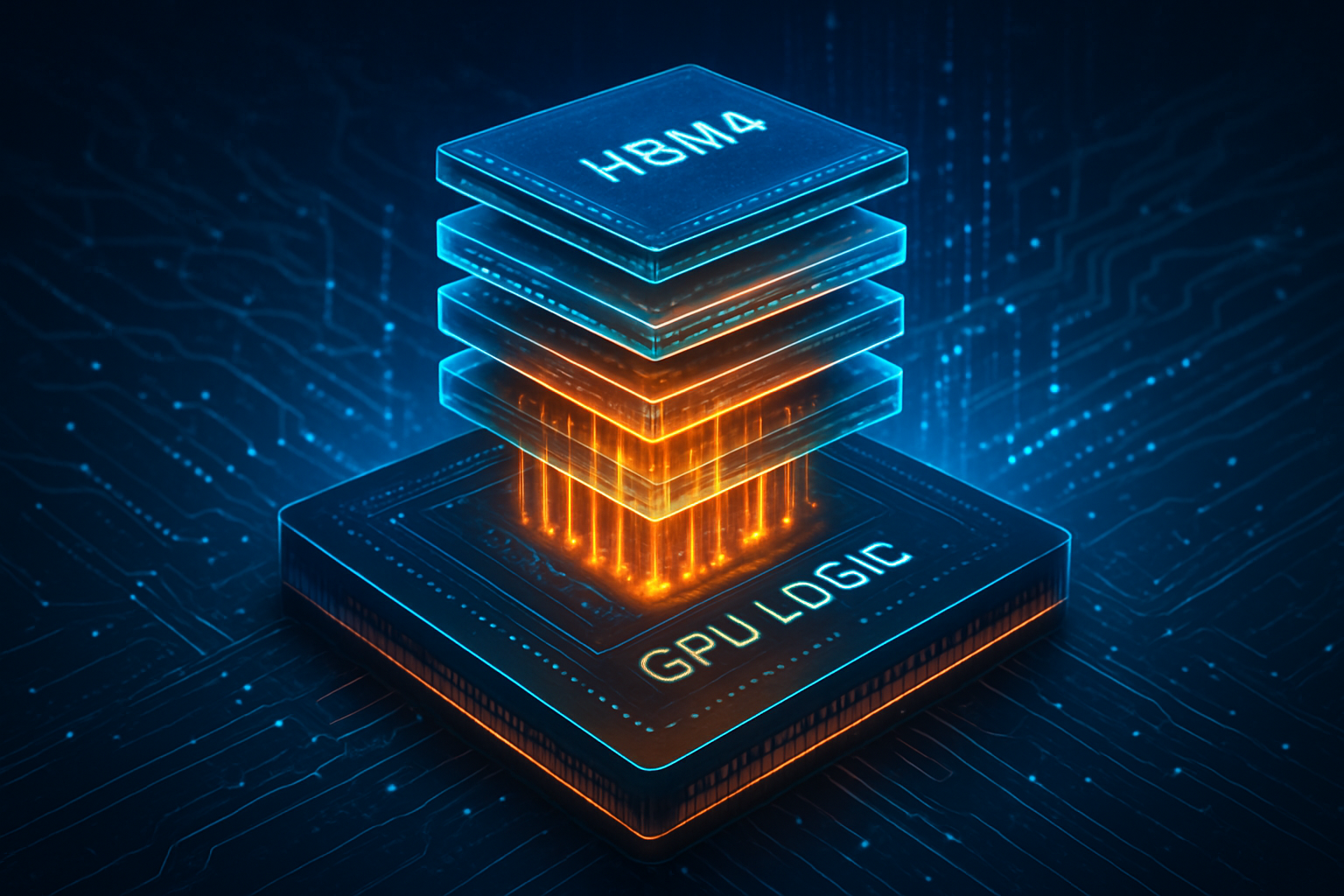
  • Geopolitical Tensions Spark New Chip Crisis for Volkswagen, Threatening Global Auto Production

    Geopolitical Tensions Spark New Chip Crisis for Volkswagen, Threatening Global Auto Production

    Volkswagen (XTRA: VOW) has once again sounded the alarm over potential production interruptions, citing renewed semiconductor supply chain challenges exacerbated by escalating geopolitical tensions. The German automotive giant's warning, issued in mid-to-late October 2025, underscores the enduring fragility of global manufacturing networks and the critical role semiconductors play in modern vehicles. This latest development, rooted in a specific dispute involving Dutch chipmaker Nexperia, threatens to send ripples across the entire automotive industry, potentially impacting tens of thousands of jobs and delaying vehicle deliveries worldwide.

    The immediate trigger for Volkswagen's concern is a contentious geopolitical maneuver: the Dutch government's recent seizure of Nexperia, a subsidiary of the Chinese technology group Wingtech, on national security grounds. This move prompted a swift retaliatory export ban from Beijing on certain Nexperia products manufactured in China, effectively cutting off a significant portion of the company's output—roughly 80%—from European markets. For Volkswagen and other major automakers, this dispute is not merely a political spat but a direct threat to their assembly lines, highlighting how deeply intertwined global politics are with the intricate web of modern supply chains.

    The Microchip Minefield: Geopolitics and the Auto Industry's Vulnerability

    Volkswagen's internal communications in October 2025 warned employees that "Given the dynamic situation, short-term impacts on production cannot be ruled out," with discussions underway for potential short-time work. While some temporary pauses for models like the Golf and Tiguan were partially attributed to inventory management, the core issue remains the Nexperia crisis. This isn't Volkswagen's first rodeo; the company faced severe disruptions during the 2020-2023 chip shortage, losing over 2.3 million units in production in 2021 alone. The current situation, however, introduces a new layer of complexity, directly linking chip availability to explicit geopolitical tit-for-tat rather than just pandemic-induced demand surges or natural disasters.

    The specific semiconductors at the heart of this latest crisis are often the most "inconspicuous" yet vital components: basic semiconductors like diodes, transistors, and MOSFETs (Metal Oxide Semiconductor Field-Effect Transistors). Nexperia is a market leader, supplying approximately 40% of the global market for these key transistors and diodes, which are essential for everything from vehicle lighting systems and electronic control units to sophisticated battery management. Unlike the earlier shortage that heavily impacted microcontroller units (MCUs) and analog chips, this dispute targets foundational components, making it particularly disruptive. The previous crisis saw manufacturing regions like Taiwan (TSMC (NYSE: TSM)), South Korea (Samsung (KRX: 005930)), and the U.S. (Texas plants of Infineon (XTRA: IFX) and NXP Semiconductors (NASDAQ: NXPI)) affected by diverse factors ranging from droughts to winter storms and factory fires. The Nexperia situation, however, zeroes in on a direct political intervention impacting a specific, critical supplier, primarily affecting components manufactured in the Netherlands and China.

    The broader context is the ongoing US-China trade war, which has been a persistent underlying factor in supply chain fragility since 2018. Export restrictions and blacklisting of Chinese chipmakers have fueled Beijing's drive for semiconductor independence, further fragmenting an already complex global production landscape where different countries control various stages of microchip manufacturing. This inherent global fragmentation makes the entire ecosystem exquisitely sensitive to political and trade disputes, transforming what might seem like a niche B2B transaction into a matter of national security and economic leverage.

    Ripple Effects: Competitive Landscape and Market Positioning

    The Nexperia dispute is not an isolated incident for Volkswagen (XTRA: VOW); its effects are "reverberating across the automotive industry." Major competitors such as Mercedes-Benz (XTRA: MBG), BMW (XTRA: BMW), Stellantis (NYSE: STLA), Toyota (NYSE: TM), and Renault (EPA: RNO) are all closely monitoring the situation. Mercedes-Benz has already warned that the Nexperia dispute could impact global auto production, despite having secured some short-term supplies. This widespread impact highlights the interconnectedness of the industry and the shared vulnerability to critical component shortages.

    Companies that have diversified their supply chains or invested in regional manufacturing capabilities might be better positioned to weather this storm. However, the specialized nature of semiconductor manufacturing, particularly for mature process nodes used in automotive components, makes rapid reshoring or diversification challenging and costly. For major AI labs and tech companies, this specific issue might not directly disrupt their advanced AI chip supply, which often relies on cutting-edge fabs. Still, it serves as a stark reminder of the broader risks within the global tech supply chain. The competitive implications are significant: prolonged disruptions could lead to market share shifts as some manufacturers struggle more than others to maintain production. Those with stronger supplier relationships, greater inventory buffers, or the financial muscle to secure alternative (and likely more expensive) components will gain a strategic advantage.

    The disruption could also accelerate the trend towards greater vertical integration or closer partnerships between automakers and chip manufacturers. While direct benefits are scarce in a shortage, companies that can innovate around existing chip designs or rapidly re-engineer components might mitigate some impact. The market positioning of companies like Nexperia (now under Dutch government control) and its parent Wingtech (a Chinese technology group) will also be critically altered, potentially leading to a re-evaluation of national control over critical technology suppliers.

    The Broader Significance: A Tectonic Shift in Global Supply Chains

    This latest semiconductor crisis, directly fueled by geopolitical tensions, marks a significant moment in the broader AI and tech landscape, underscoring a fundamental shift towards a more fragmented and politicized global supply chain. It's no longer just about optimizing for cost or efficiency; national security and technological sovereignty are now paramount considerations. This fits into a trend of "de-globalization" or "friend-shoring," where countries prioritize securing critical supplies from politically aligned nations, even if it means higher costs.

    The impacts are profound: potential economic slowdowns in the automotive sector, job losses due to production halts, and a further erosion of consumer confidence in predictable vehicle availability. Moreover, it heightens concerns about technological nationalism, where governments wield control over vital industries, potentially stifling innovation or creating artificial barriers to trade. This incident draws parallels to the initial COVID-19-induced chip shortage, but with a crucial distinction: the current bottleneck is a deliberate political act rather than an unforeseen consequence of a global health crisis. It highlights the weaponization of supply chains as a tool of foreign policy, a dangerous precedent for an increasingly interdependent world.

    For the AI industry, while the immediate impact might seem peripheral, the underlying message is clear: the foundational hardware necessary for AI development and deployment is susceptible to external shocks. From data centers to edge devices, AI relies on a robust and stable semiconductor supply. Any instability in the broader chip market can eventually trickle down, affecting component costs, availability, and lead times for AI-specific hardware, potentially slowing down innovation or increasing the cost of AI adoption. This geopolitical leverage over critical technology could also influence where AI research and manufacturing are concentrated, pushing for more localized or regionally secure ecosystems.

    The Road Ahead: Navigating a Politicized Future

    Looking ahead, the near-term developments are likely to involve prolonged negotiations and potential retaliatory measures between the Netherlands, China, and potentially other nations drawn into the Nexperia dispute. Industry executives already caution that sourcing replacement components could take months, implying that disruptions will persist well into 2026. Automakers will continue their urgent efforts to diversify suppliers, potentially accelerating investments in regional semiconductor manufacturing facilities, though such endeavors are capital-intensive and time-consuming.

    In the long term, this crisis will undoubtedly accelerate the trend towards greater supply chain resilience, which includes strategies like "dual sourcing" (having two suppliers for every component), increased inventory buffers, and strategic reshoring of critical manufacturing capabilities. We might see more collaborative efforts between governments and private industry to establish secure, domestic or allied-nation-based semiconductor ecosystems. Potential applications on the horizon include advanced AI-driven supply chain management systems designed to predict and mitigate such disruptions, leveraging machine learning to identify alternative suppliers or re-route logistics in real-time.

    However, significant challenges remain. The cost of reshoring and building new fabs is astronomical, and the talent pool for semiconductor manufacturing is specialized and limited. Geopolitical tensions are unlikely to abate, meaning companies will continually face the risk of supply chains being weaponized. Experts predict a future where supply chain security becomes as critical as cybersecurity, with nations and corporations investing heavily in mapping, monitoring, and de-risking their access to essential components. The push for greater transparency and traceability in the supply chain will also intensify.

    A New Era of Supply Chain Realism

    Volkswagen's latest warning serves as a sobering reminder that the era of lean, globally optimized supply chains, built primarily on cost efficiency, is rapidly giving way to a new paradigm defined by resilience, redundancy, and geopolitical alignment. The Nexperia dispute is not just another chip shortage; it's a potent illustration of how geopolitical maneuvers can directly impact industrial output and economic stability on a global scale.

    The key takeaway is the absolute criticality of semiconductors to modern industry and the inherent vulnerability of a highly concentrated, globally fragmented manufacturing process to political intervention. This development's significance in industrial history is profound, marking a definitive shift where national security concerns increasingly dictate trade and manufacturing strategies. What to watch for in the coming weeks and months includes how governments respond to calls from industry bodies like the European Automobile Manufacturers' Association (ACEA) and the German Association of the Automotive Industry (VDA) for intervention, the success (or failure) of automakers in securing alternative supplies, and whether this incident sparks further retaliatory measures or a more concerted effort towards de-escalation and supply chain stability. The long-term impact will be a more regionalized, albeit potentially less efficient, global manufacturing landscape, with profound implications for costs, innovation, and the very structure of the tech and automotive industries.


    This content is intended for informational purposes only and represents analysis of current AI developments.

    TokenRing AI delivers enterprise-grade solutions for multi-agent AI workflow orchestration, AI-powered development tools, and seamless remote collaboration platforms.
    For more information, visit https://www.tokenring.ai/.
  • Malaysia and IIT Madras Forge Alliance to Propel Semiconductor Innovation and Global Resilience

    Malaysia and IIT Madras Forge Alliance to Propel Semiconductor Innovation and Global Resilience

    Kuala Lumpur, Malaysia & Chennai, India – October 22, 2025 – In a landmark move set to reshape the global semiconductor landscape, the Advanced Semiconductor Academy of Malaysia (ASEM) and the Indian Institute of Technology Madras (IIT Madras Global) today announced a strategic alliance. Formalized through a Memorandum of Understanding (MoU) signed on this very day, the partnership aims to significantly strengthen Malaysia's position in the global semiconductor value chain, cultivate high-skilled talent, and reduce the region's reliance on established semiconductor hubs in the United States, China, and Taiwan. Simultaneously, the collaboration seeks to unlock a strategic foothold in India's burgeoning US$100 billion semiconductor market, fostering new investments and co-development opportunities that will enhance Malaysia's competitiveness as a design-led economy.

    This alliance arrives at a critical juncture for the global technology industry, grappling with persistent supply chain vulnerabilities and an insatiable demand for advanced chips, particularly those powering the artificial intelligence revolution. By combining Malaysia's robust manufacturing and packaging capabilities with India's deep expertise in chip design and R&D, the partnership signals a concerted effort by both nations to build a more resilient, diversified, and innovative semiconductor ecosystem, poised to capitalize on the next wave of technological advancement.

    Cultivating Next-Gen Talent with a RISC-V Focus

    The technical core of this alliance lies in its ambitious talent development programs, designed to equip Malaysian engineers with cutting-edge skills for the future of computing. In 2026, ASEM and IIT Madras Global will launch a Graduate Skilling Program in Computer Architecture and RISC-V Design. This program is strategically focused on the RISC-V instruction set architecture (ISA), an open-source standard rapidly gaining traction as a fundamental technology for AI, edge computing, and data centers. IIT Madras brings formidable expertise in this domain, exemplified by its "SHAKTI" microprocessor project, which successfully developed and booted an aerospace-quality RISC-V based chip, demonstrating a profound capability in practical, advanced RISC-V development. The program aims to impart critical design and verification skills, positioning Malaysia to move beyond its traditional strengths in manufacturing towards higher-value intellectual property creation.

    Complementing this, a Semester Exchange and Joint Certificate Program will be established in collaboration with the University of Selangor (UNISEL). This initiative involves the co-development of an enhanced Electrical and Electronic Engineering (EEE) curriculum, allowing graduates to receive both a local degree from UNISEL and a joint certificate from IIT Madras. This dual certification is expected to significantly boost the global employability and academic recognition of Malaysian engineers. ASEM, established in 2024 with strong government backing, is committed to closing the semiconductor talent gap, with a broader goal of training 20,000 engineers over the next decade. These programs are projected to train 350 participants in 2026, forming a crucial foundation for deeper bilateral collaboration in semiconductor education and R&D.

    This academic-industry partnership model represents a significant departure from previous approaches in Malaysian semiconductor talent development. Unlike potentially more localized or vocational training, this alliance involves direct, deep collaboration with a globally renowned institution like IIT Madras, known for its technical and research prowess in advanced computing and semiconductors. The explicit prioritization of advanced IC design, particularly with an emphasis on open-source RISC-V architectures, signals a strategic shift towards moving up the value chain into core R&D activities. Furthermore, the commitment to curriculum co-development and global recognition, coupled with robust infrastructure like ASEM’s IC Design Parks equipped with GPU resources and Electronic Design Automation (EDA) software tools, provides a comprehensive ecosystem for advanced talent development. Initial reactions from within the collaborating entities and Malaysian stakeholders are overwhelmingly positive, viewing the strategic choice of RISC-V as forward-thinking and relevant to future technological trends.

    Reshaping the Competitive Landscape for Tech Giants

    The ASEM-IIT Madras alliance is poised to have significant competitive implications for major AI labs, tech giants, and startups globally, particularly as it seeks to diversify the semiconductor supply chain.

    For Malaysian companies, this alliance provides a springboard for growth. SilTerra Malaysia Sdn Bhd (MYX: SITERRA), a global pure-play 200mm semiconductor foundry, is already partnering with IIT Madras for R&D in programmable silicon photonic processor chips for quantum computing and energy-efficient interconnect solutions for AI/ML. The new Malaysia IC Design Park 2 in Cyberjaya, collaborating with global players like Synopsys (NASDAQ: SNPS), Keysight (NYSE: KEYS), and Ansys (NASDAQ: ANSS), will further enhance Malaysia's end-to-end design capabilities. Malaysian SMEs and the robust Outsourced Assembly and Testing (OSAT) sector stand to benefit from increased demand and technological advancements.

    Indian companies are also set for significant gains. Startups like InCore Semiconductors, originating from IIT Madras, are developing RISC-V processors and AI IP. 3rdiTech, co-founded by IIT Madras alumni, focuses on commercializing image sensors. Major players like Tata Advanced Systems (NSE: TATAMOTORS) are involved in chip packaging for indigenous Indian projects, with the Tata group also establishing a fabrication unit with Powerchip Semiconductor Manufacturing Corporation (PSMC) (TWSE: 2337) in Gujarat. ISRO (Indian Space Research Organisation), in collaboration with IIT Madras, has developed the "IRIS" SHAKTI-based chip for self-reliance in aerospace. The alliance provides IIT Madras Research Park incubated startups with a platform to scale and develop advanced semiconductor learnings, while global companies like Qualcomm India (NASDAQ: QCOM) and Samsung (KRX: 005930) with existing ties to IIT Madras could deepen their engagements.

    Globally, established semiconductor giants such as Intel (NASDAQ: INTC), Infineon (FSE: IFX), and Broadcom (NASDAQ: AVGO), with existing manufacturing bases in Malaysia, stand to benefit from the enhanced talent pool and ecosystem development, potentially leading to increased investments and expanded operations.

    The alliance's primary objective to reduce over-reliance on the semiconductor industries of the US, China, and Taiwan directly impacts the global supply chain, pushing for a more geographically distributed and resilient network. The emphasis on RISC-V architecture is a crucial competitive factor, fostering an alternative to proprietary architectures like x86 and ARM. AI labs and tech companies adopting or developing solutions based on RISC-V could gain strategic advantages in performance, cost, and customization. This diversification of the supply chain, combined with an expanded, highly skilled workforce, could prompt major tech companies to re-evaluate their sourcing and R&D strategies, potentially leading to lower R&D and manufacturing costs in the region. The focus on indigenous capabilities in strategic sectors, particularly in India, could also reduce demand for foreign components in critical applications. This could disrupt existing product and service offerings by accelerating the adoption of open-source hardware, leading to new, cost-effective, and specialized semiconductor solutions.

    A Wider Geopolitical and AI Landscape Shift

    This ASEM-IIT Madras alliance is more than a bilateral agreement; it's a significant development within the broader global AI and semiconductor landscape, directly addressing critical trends such as supply chain diversification and geopolitical shifts. The semiconductor industry's vulnerabilities, exposed by geopolitical tensions and concentrated manufacturing, have spurred nations worldwide to invest in domestic capabilities and diversify their supply chains. This alliance explicitly aims to reduce Malaysia's over-reliance on established players, contributing to global supply chain resilience. India, with its ambitious $10 billion incentive program, is emerging as a pivotal player in this global diversification effort.

    Semiconductors are now recognized as strategic commodities, fundamental to national security and economic strategy. The partnership allows Malaysia and India to navigate these geopolitical dynamics, fostering technological sovereignty and economic security through stronger bilateral cooperation. This aligns with broader international efforts, such as the EU-India Trade and Technology Council (TTC), which aims to deepen digital cooperation in semiconductors, AI, and 6G. Furthermore, the alliance directly addresses the surging demand for AI-specific chips, driven by generative AI and large language models (LLMs). The focus on RISC-V, a global standard powering AI, edge computing, and data centers, positions the alliance to meet this demand and ensure competitiveness in next-generation chip design.

    The wider impacts on the tech industry and society are profound. It will accelerate innovation and R&D, particularly in energy-efficient architectures crucial for AI at the edge. The talent development initiatives will address the critical global shortage of skilled semiconductor workers, enhancing global employability. Economically, it promises to stimulate growth and create high-skilled jobs in both nations, while contributing to a human-centric and ethical digital transformation across various sectors. There's also potential for collaboration on sustainable semiconductor technologies, contributing to a greener global supply chain.

    However, challenges persist. Geopolitical tensions could still impact technology transfer and market stability. The capital-intensive nature of the semiconductor industry demands sustained funding and investment. Retaining trained talent amidst global competition, overcoming technological hurdles, and ensuring strong intellectual property protection are also crucial. This initiative represents an evolution rather than a singular breakthrough like the invention of the transistor. While previous milestones focused on fundamental invention, this era emphasizes geographic diversification, specialized AI hardware (like RISC-V), and collaborative ecosystem building, reflecting a global shift towards distributed, resilient, and AI-optimized semiconductor development.

    The Road Ahead: Innovation and Resilience

    The ASEM-IIT Madras semiconductor alliance sets a clear trajectory for significant near-term and long-term developments, promising to transform Malaysia's and India's roles in the global tech arena.

    In the near-term (2026), the launch of the graduate skilling program in computer architecture and RISC-V Design, alongside the joint certificate program with UNISEL, will be critical milestones. These programs are expected to train 350 participants, immediately addressing the talent gap and establishing a foundation for advanced R&D. IIT Madras's proven track record in national skilling initiatives, such as its partnership with the Union Education Ministry's SWAYAM Plus, suggests a robust and practical approach to curriculum delivery and placement assistance. The Tamil Nadu government's "Schools of Semiconductor" initiative, in collaboration with IIT Madras, further underscores the commitment to training a large pool of professionals.

    Looking further ahead, IIT Madras Global's expressed interest in establishing an IIT Global Research Hub in Malaysia is a pivotal long-term development. Envisioned as a soft-landing platform for deep-tech startups and collaborative R&D, this hub could position Malaysia as a gateway for Indian, Taiwanese, and Chinese semiconductor innovation within ASEAN. This aligns with IIT Madras's broader global expansion, including the IITM Global Dubai Centre specializing in AI, data science, and robotics. This network of research hubs will foster joint innovation and local problem-solving, extending beyond traditional academic teaching. Market expansion is another key objective, aiming to reduce Malaysia's reliance on traditional semiconductor powerhouses while securing a strategic foothold in India's rapidly growing market, projected to reach $500 billion in its electronics sector by 2030.

    The potential applications and use cases for the talent and technologies developed are vast. The focus on RISC-V will directly contribute to advanced AI and edge computing chips, high-performance data centers, and power electronics for electric vehicles (EVs). IIT Madras's prior work with ISRO on aerospace-quality SHAKTI-based chips demonstrates the potential for applications in space technology and defense. Furthermore, the alliance will fuel innovation in the Internet of Things (IoT), 5G, and advanced manufacturing, while the research hub will incubate deep-tech startups across various fields.

    However, challenges remain. Sustaining the momentum requires continuous efforts to bridge the talent gap, secure consistent funding and investment in a capital-intensive industry, and overcome infrastructural shortcomings. The alliance must also continuously innovate to remain competitive against rapid technological advancements and intense global competition. Ensuring strong industry-academia alignment will be crucial for producing work-ready graduates. Experts predict continued robust growth for the semiconductor industry, driven by AI, 5G, and IoT, with revenues potentially reaching $1 trillion by 2030. This alliance is seen as part of a broader trend of global collaboration and infrastructure investment, contributing to a more diversified and resilient global semiconductor supply chain, with India and Southeast Asia playing increasingly prominent roles in design, research, and specialized manufacturing.

    A New Chapter in AI and Semiconductor History

    The alliance between the Advanced Semiconductor Academy of Malaysia and the Indian Institute of Technology Madras Global marks a significant and timely development in the ever-evolving landscape of artificial intelligence and semiconductors. This collaboration is a powerful testament to the growing imperative for regional partnerships to foster technological sovereignty, build resilient supply chains, and cultivate the specialized talent required to drive the next generation of AI-powered innovation.

    The key takeaways from this alliance are clear: a strategic pivot towards high-value IC design with a focus on open-source RISC-V architecture, a robust commitment to talent development through globally recognized programs, and a concerted effort to diversify market access and reduce geopolitical dependencies. By combining Malaysia's manufacturing prowess with India's deep design expertise, the partnership aims to create a symbiotic ecosystem that benefits both nations and contributes to a more balanced global semiconductor industry.

    This development holds significant historical weight. While not a singular scientific breakthrough, it represents a crucial strategic milestone in the age of distributed innovation and supply chain resilience. It signals a shift from concentrated manufacturing to a more diversified global network, where collaboration between emerging tech hubs like Malaysia and India will play an increasingly vital role. The emphasis on RISC-V for AI and edge computing is particularly forward-looking, aligning with the architectural demands of future AI workloads.

    In the coming weeks and months, the tech world will be watching closely for the initial rollout of the graduate skilling programs in 2026, the progress towards establishing the IIT Global Research Hub in Malaysia, and the tangible impacts on foreign direct investment and market access. The success of this alliance will not only bolster the semiconductor industries of Malaysia and India but also serve as a blueprint for future international collaborations seeking to navigate the complexities and opportunities of the AI era.


    This content is intended for informational purposes only and represents analysis of current AI developments.

    TokenRing AI delivers enterprise-grade solutions for multi-agent AI workflow orchestration, AI-powered development tools, and seamless remote collaboration platforms. For more information, visit https://www.tokenring.ai/.