
Author: mdierolf

  • India Unleashes Semiconductor Revolution: Rs 1.6 Lakh Crore Investment Ignites Domestic Chip Manufacturing

    India Unleashes Semiconductor Revolution: Rs 1.6 Lakh Crore Investment Ignites Domestic Chip Manufacturing

    New Delhi, India – October 22, 2025 – India has taken a monumental leap towards technological self-reliance with the recent approval of 10 ambitious semiconductor projects, boasting a cumulative investment exceeding Rs 1.6 lakh crore (approximately $18.23 billion). Announced by Union Minister Ashwini Vaishnaw on October 18, 2025, this decisive move under the flagship India Semiconductor Mission (ISM) marks a pivotal moment in the nation's journey to establish a robust, indigenous semiconductor ecosystem. The projects, strategically spread across six states, are poised to drastically reduce India's reliance on foreign chip imports, secure critical supply chains, and position the country as a formidable player in the global semiconductor landscape.

    This massive infusion of capital and strategic focus underscores India's unwavering commitment to becoming a global manufacturing and design hub for electronics. The initiative is expected to catalyze unprecedented economic growth, generate hundreds of thousands of high-skilled jobs, and foster a vibrant ecosystem of innovation, from advanced chip design to cutting-edge manufacturing and packaging. It's a clear signal that India is not just aspiring to be a consumer of technology but a significant producer and innovator, securing its digital future and enhancing its strategic autonomy in an increasingly chip-dependent world.

    A Deep Dive into India's Chipmaking Blueprint: Technical Prowess and Strategic Diversification

    The 10 approved projects represent a diverse and technologically advanced portfolio, meticulously designed to cover various critical aspects of semiconductor manufacturing, from fabrication to advanced packaging. This multi-pronged approach under the India Semiconductor Mission (ISM) aims to build a comprehensive value chain, addressing both current demands and future technological imperatives.

    Among the standout initiatives, SiCSem Private Limited, in collaboration with UK-based Clas-SiC Wafer Fab Ltd., is set to establish India's first commercial Silicon Carbide (SiC) compound semiconductor fabrication facility in Bhubaneswar, Odisha. This is a crucial step as SiC chips are vital for high-power, high-frequency applications found in electric vehicles, 5G infrastructure, and renewable energy systems – sectors where India has significant growth ambitions. Another significant project in Odisha involves 3D Glass Solutions Inc. setting up an advanced packaging and embedded glass substrate facility, focusing on cutting-edge packaging technologies essential for miniaturization and performance enhancement of integrated circuits.

    Further bolstering India's manufacturing capabilities, Continental Device India Private Limited (CDIL) is expanding its Mohali, Punjab plant to produce a wide array of discrete semiconductors including MOSFETs, IGBTs, schottky bypass diodes, and transistors, with an impressive annual capacity of 158.38 million units. This expansion is critical for meeting the burgeoning demand for power management and switching components across various industries. Additionally, Tata Electronics is making substantial strides with an estimated $11 billion fab plant in Gujarat and an OSAT (Outsourced Semiconductor Assembly and Test) facility in Assam, signifying a major entry by an Indian conglomerate into large-scale chip manufacturing and advanced packaging. Not to be overlooked, global giant Micron Technology (NASDAQ: MU) is investing over $2.75 billion in an assembly, testing, marking, and packaging (ATMP) plant, further cementing international confidence in India’s emerging semiconductor ecosystem. These projects collectively represent a departure from previous, more fragmented efforts by providing substantial financial incentives (up to 50% of project costs) and a unified strategic vision, making India a truly attractive destination for high-tech manufacturing. The focus on diverse technologies, from SiC to advanced packaging and traditional silicon-based devices, demonstrates a comprehensive strategy to cater to a wide spectrum of the global chip market.

    Reshaping the AI and Tech Landscape: Corporate Beneficiaries and Competitive Shifts

    The approval of these 10 semiconductor projects under the India Semiconductor Mission is poised to send ripples across the global technology industry, particularly impacting AI companies, tech giants, and startups alike. The immediate beneficiaries are undoubtedly the companies directly involved in the approved projects, such as SiCSem Private Limited, 3D Glass Solutions Inc., Continental Device India Private Limited (CDIL), and Tata Electronics. Their strategic investments are now backed by significant government support, providing a crucial competitive edge in establishing advanced manufacturing capabilities. Micron Technology (NASDAQ: MU), as a global leader, stands to gain from diversified manufacturing locations and access to India's rapidly growing market and talent pool.

    The competitive implications for major AI labs and tech companies are profound. As India develops its indigenous chip manufacturing capabilities, it will reduce the global supply chain vulnerabilities that have plagued the industry in recent years. This will lead to greater stability and potentially lower costs for companies reliant on semiconductors, including those developing AI hardware and running large AI models. Companies like Google (NASDAQ: GOOGL), Microsoft (NASDAQ: MSFT), and Amazon (NASDAQ: AMZN), which are heavily invested in AI infrastructure and cloud computing, could benefit from more reliable and potentially localized chip supplies, reducing their dependence on a concentrated few global foundries. For Indian tech giants and startups, this initiative creates an unprecedented opportunity. Domestic availability of advanced chips and packaging services will accelerate innovation in AI, IoT, automotive electronics, and telecommunications. Startups focused on hardware design and embedded AI solutions will find it easier to prototype, manufacture, and scale their products within India, fostering a new wave of deep tech innovation. This could potentially disrupt existing product development cycles and market entry strategies, as companies with localized manufacturing capabilities gain strategic advantages in terms of cost, speed, and intellectual property protection. The market positioning of companies that invest early and heavily in leveraging India's new semiconductor ecosystem will be significantly enhanced, allowing them to capture a larger share of the burgeoning Indian and global electronics markets.

    A New Era of Geopolitical and Technological Significance

    India's monumental push into semiconductor manufacturing transcends mere economic ambition; it represents a profound strategic realignment within the broader global AI and technology landscape. This initiative positions India as a critical player in the ongoing geopolitical competition for technological supremacy, particularly in an era where chips are the new oil. By building domestic capabilities, India is not only safeguarding its own digital economy but also contributing to the diversification of global supply chains, a crucial concern for nations worldwide after recent disruptions. This move aligns with a global trend of nations seeking greater self-reliance in critical technologies, mirroring efforts in the United States, Europe, and China.

    The impact of this initiative extends to national security, as indigenous chip production reduces vulnerabilities to external pressures and ensures the integrity of vital digital infrastructure. It also signals India's intent to move beyond being just an IT services hub to becoming a hardware manufacturing powerhouse, thereby enhancing its 'Make in India' vision. Potential concerns, however, include the immense capital expenditure required, the need for a highly skilled workforce, and the challenge of competing with established global giants that have decades of experience and massive economies of scale. Comparisons to previous AI milestones, such as the development of large language models or breakthroughs in computer vision, highlight that while AI software innovations are crucial, the underlying hardware infrastructure is equally, if not more, foundational. India's semiconductor mission is a foundational milestone, akin to building the highways upon which future AI innovations will travel, ensuring that the nation has control over its technological destiny rather than being solely dependent on external forces.

    The Road Ahead: Anticipating Future Developments and Addressing Challenges

    The approval of these 10 projects is merely the first major stride in India's long-term semiconductor journey. In the near term, we can expect to see rapid progress in the construction and operationalization of these facilities, with a strong focus on meeting ambitious production timelines. The government's continued financial incentives and policy support will be crucial in overcoming initial hurdles and attracting further investments. Experts predict a significant ramp-up in the domestic production of a range of chips, from power management ICs and discrete components to more advanced logic and memory chips, particularly as the Tata Electronics fab in Gujarat comes online.

    Longer-term developments will likely involve the expansion of these initial projects, the approval of additional fabs, and a deepening of the ecosystem to include upstream (materials, equipment) and downstream (design, software integration) segments. Potential applications and use cases on the horizon are vast, spanning the entire spectrum of the digital economy: smarter automotive systems, advanced telecommunications infrastructure (5G/6G), robust defense electronics, sophisticated AI hardware accelerators, and a new generation of IoT devices. However, significant challenges remain. The immediate need for a highly skilled workforce – from process engineers to experienced fab operators – is paramount. India will need to rapidly scale its educational and vocational training programs to meet this demand. Additionally, ensuring a stable and competitive energy supply, robust water management, and a streamlined regulatory environment will be critical for sustained success. Experts predict that while India's entry will be challenging, its large domestic market, strong engineering talent pool, and geopolitical significance will allow it to carve out a substantial niche, potentially becoming a key alternative supply chain partner in the next decade.

    Charting India's Semiconductor Future: A Concluding Assessment

    India's approval of 10 semiconductor projects worth over Rs 1.6 lakh crore under the India Semiconductor Mission represents a transformative moment in the nation's technological and economic trajectory. The key takeaway is a clear and decisive shift towards self-reliance in a critical industry, moving beyond mere consumption to robust domestic production. This initiative is not just about manufacturing chips; it's about building strategic autonomy, fostering a high-tech ecosystem, and securing India's position in the global digital order.

    This development holds immense significance in AI history as it lays the foundational hardware infrastructure upon which future AI advancements in India will be built. Without a secure and indigenous supply of advanced semiconductors, the growth of AI, IoT, and other emerging technologies would remain vulnerable to external dependencies. The long-term impact is poised to be profound, catalyzing job creation, stimulating exports, attracting further foreign direct investment, and ultimately contributing to India's vision of a $5 trillion economy. As these projects move from approval to implementation, the coming weeks and months will be crucial. We will be watching for progress in facility construction, talent acquisition, and the forging of international partnerships that will further integrate India into the global semiconductor value chain. This initiative is a testament to India's strategic foresight and its determination to become a leading force in the technological innovations of the 21st century.


    This content is intended for informational purposes only and represents analysis of current AI developments.

    TokenRing AI delivers enterprise-grade solutions for multi-agent AI workflow orchestration, AI-powered development tools, and seamless remote collaboration platforms.
    For more information, visit https://www.tokenring.ai/.

  • Baltic States Forge Ahead: A Unified Front in Semiconductor Innovation

    Baltic States Forge Ahead: A Unified Front in Semiconductor Innovation

    Riga, Latvia – October 22, 2025 – In a strategic move poised to significantly bolster Europe's semiconductor landscape, the Baltic States of Latvia, Lithuania, and Estonia have formally cemented their commitment to regional cooperation in semiconductor development. Through a Memorandum of Understanding (MoU) signed in late 2022, these nations are pooling resources and expertise to strengthen their national chip competence centers, aiming to accelerate innovation and carve out a more prominent role within the global microelectronics supply chain.

    This collaborative initiative comes at a critical juncture, as the European Union strives for greater strategic autonomy in semiconductor manufacturing and design. The MoU is a direct response to the ambitions laid out in the European Chips Act, signifying a united Baltic front in contributing to the EU's goal of doubling its share of global semiconductor production to 20% by 2030. It underscores a collective recognition of semiconductors as foundational to future economic growth, technological sovereignty, and national security.

    A Blueprint for Baltic Chip Competence

    The trilateral MoU, spearheaded by key research institutions such as Riga Technical University (RTU) and the University of Latvia, Lithuania's Centre for Physical Sciences and Technology (FTMC), and Estonia's Metrosert Applied Research Centre, outlines a detailed framework for enhanced cooperation. The core technical objective is to create a more integrated and robust regional ecosystem for semiconductor research, development, and innovation. This involves aligning national strategies, sharing research infrastructure, and fostering joint R&D projects that leverage the unique strengths of each country.

    Specifically, the agreement emphasizes accelerating breakthroughs in critical areas such as chip design, advanced materials, and novel semiconductor systems. Unlike fragmented national efforts, this unified approach allows for a more efficient allocation of resources, preventing duplication of efforts and fostering a synergistic environment where knowledge and expertise can flow freely across borders. The focus is on building a comprehensive pipeline from fundamental research to industrial application, ensuring that innovations developed within the Baltic region can be scaled and integrated into the broader European semiconductor value chain. Initial reactions from the European AI and semiconductor research community have been largely positive, viewing this as a pragmatic step towards regional specialization and resilience, particularly given the historical reliance on East Asian manufacturing. Experts commend the focus on competence centers as a foundational element for long-term growth.

    This collaborative model differs significantly from previous siloed national initiatives by creating a formal mechanism for cross-border collaboration. Instead of individual countries vying for limited resources or developing parallel capabilities, the MoU promotes a shared vision. For instance, Latvia's burgeoning electronic and optical device manufacturing sector, Lithuania's strengths in photonics and materials science, and Estonia's prowess in digital infrastructure and software can now be synergistically combined. The joint application for EU R&D subsidies to map the regional semiconductor ecosystem and develop a unified strategy for a Baltic-Nordic semiconductor alliance is a testament to this integrated approach, aiming to leverage the European Chips Joint Undertaking (Chips JU) programs more effectively.

    Reshaping the Competitive Landscape

    The Baltic States' semiconductor MoU carries significant implications for a range of players, from established tech giants to emerging AI startups. While the Baltic region may not immediately host large-scale fabrication plants (fabs) on the scale of Intel (NASDAQ: INTC) or TSMC (NYSE: TSM), the strengthening of competence centers positions the region as a vital hub for research, design, and specialized component development. This could particularly benefit European semiconductor companies like Infineon Technologies (ETR: IFX) or STMicroelectronics (NYSE: STM) seeking to diversify their R&D footprint and access specialized talent and innovation.

    For AI companies, both major players and startups, this development could lead to enhanced access to cutting-edge chip designs and specialized hardware optimized for AI workloads. As AI models become increasingly complex, the demand for custom silicon and advanced packaging solutions grows. A stronger Baltic semiconductor ecosystem could provide a fertile ground for developing application-specific integrated circuits (ASICs) or neuromorphic chips, offering a competitive edge to companies focused on niche AI applications in areas such as autonomous systems, industrial automation, or secure communications. The MoU’s provision to help startups and SMEs connect with pilot lines and R&D infrastructure under the Chips JU programs is particularly significant, potentially nurturing a new generation of deep-tech ventures.

    The competitive implications extend to major AI labs and tech companies globally. While not directly challenging the dominance of major chip manufacturers, the Baltic initiative contributes to a broader trend of regionalization and diversification in semiconductor supply chains. This could reduce reliance on a single geographic area for advanced chip development, fostering greater resilience. Furthermore, by attracting EU funding and fostering specialized expertise, the Baltic region could become an attractive location for tech giants looking to establish satellite R&D centers or collaborate on specific projects, potentially disrupting existing product development cycles by introducing new, regionally-specific innovations.

    A Pillar in Europe's Digital Sovereignty

    The Baltic MoU fits squarely into the broader European AI and semiconductor landscape, serving as a crucial pillar in the continent's drive for digital sovereignty. The COVID-19 pandemic starkly highlighted the vulnerabilities of global supply chains, pushing the EU to prioritize self-sufficiency in critical technologies. This regional collaboration is a tangible manifestation of the European Chips Act's vision, aiming to reduce strategic dependencies and ensure a robust, resilient, and globally competitive European semiconductor ecosystem. It represents a proactive step by smaller member states to contribute meaningfully to a larger, continent-wide ambition.

    The impacts of this collaboration are expected to be multifaceted. Economically, it promises to stimulate growth in high-tech sectors, create skilled jobs, and attract foreign investment to the Baltic region. Strategically, it enhances Europe's collective capacity for innovation and production in a sector vital for defense, telecommunications, and advanced computing. Potential concerns, however, revolve around the scale of investment required to compete with established global players and the challenge of attracting and retaining top-tier talent in a highly competitive international market. While the MoU lays a strong foundation, sustained political will and significant financial backing will be crucial for its long-term success.

    This initiative draws comparisons to previous AI milestones and breakthroughs by demonstrating the power of collaborative ecosystems. Just as open-source AI frameworks have accelerated research by pooling developer efforts, this regional semiconductor alliance aims to achieve similar synergistic benefits. It echoes the spirit of collaborative European scientific endeavors, such as CERN, by creating a shared platform for advanced technological development. The focus on competence centers, rather than immediate large-scale manufacturing, is a pragmatic approach, building intellectual capital and specialized expertise that can feed into larger European fabrication efforts.

    The Road Ahead: From Competence to Commercialization

    Looking ahead, the Baltic States' semiconductor cooperation is expected to yield several near-term and long-term developments. In the near term, the joint application for EU R&D subsidies is a critical next step, which, if successful, will provide the financial impetus to further map the regional semiconductor ecosystem and formalize a unified Baltic-Nordic semiconductor alliance strategy. This will likely lead to the establishment of shared research platforms, specialized training programs, and increased academic and industrial exchanges between the three nations. The focus will be on developing niche capabilities in areas where the Baltic states already possess nascent strengths, such as advanced packaging, sensor technologies, or specialized materials.

    On the horizon, potential applications and use cases are vast. A strengthened Baltic semiconductor competence could lead to innovations in areas like secure-by-design chips for critical infrastructure, energy-efficient microcontrollers for IoT devices, and specialized processors for emerging AI applications in sectors such as healthcare, smart cities, and defense. The emphasis on supporting startups and SMEs suggests a future where the Baltic region becomes a breeding ground for innovative deep-tech companies that leverage these advanced semiconductor capabilities. Experts predict that within the next five to ten years, the Baltic States could establish themselves as a go-to region for specific, high-value components or design services within the European semiconductor value chain, rather than attempting to compete directly in high-volume commodity chip production.

    However, several challenges need to be addressed. Securing consistent and substantial funding beyond initial EU grants will be paramount. Attracting and retaining a critical mass of highly skilled engineers and researchers in a globally competitive talent market will also be crucial. Furthermore, effectively integrating the outputs of these competence centers into the broader European industrial landscape and ensuring a smooth transition from research to commercialization will require robust industry partnerships and streamlined regulatory frameworks. The success of this initiative will ultimately depend on sustained collaboration, strategic investment, and the ability to adapt to the rapidly evolving global semiconductor landscape.

    A Unified Vision for Europe's Microelectronics Future

    The Memorandum of Understanding signed by Latvia, Lithuania, and Estonia represents a significant milestone in the ongoing efforts to bolster Europe's strategic autonomy in semiconductor technology. By fostering regional cooperation and strengthening national chip competence centers, the Baltic States are laying a crucial foundation for innovation, economic growth, and technological resilience. The key takeaway is the power of collective action; by uniting their individual strengths, these nations are poised to make a disproportionately large impact on the European and global semiconductor stage.

    This development's significance in AI history lies in its contribution to diversifying the global AI hardware ecosystem. As AI capabilities become increasingly dependent on specialized silicon, initiatives like this ensure that innovation is not concentrated in a few geographic pockets but is distributed across a more resilient global network. The long-term impact could see the Baltic region emerge as a specialized hub for certain types of AI-optimized chip design and development, feeding into a more robust and secure European digital future.

    In the coming weeks and months, observers should watch for the outcome of the joint application for EU R&D subsidies, which will provide a clearer indication of the immediate funding and strategic direction. Further announcements regarding specific joint research projects, talent development programs, and industry partnerships will also be key indicators of the initiative's progress. The Baltic States are not just building chips; they are building a collaborative model for technological sovereignty that could serve as a blueprint for other regions within the European Union and beyond.


    This content is intended for informational purposes only and represents analysis of current AI developments.

    TokenRing AI delivers enterprise-grade solutions for multi-agent AI workflow orchestration, AI-powered development tools, and seamless remote collaboration platforms.
    For more information, visit https://www.tokenring.ai/.
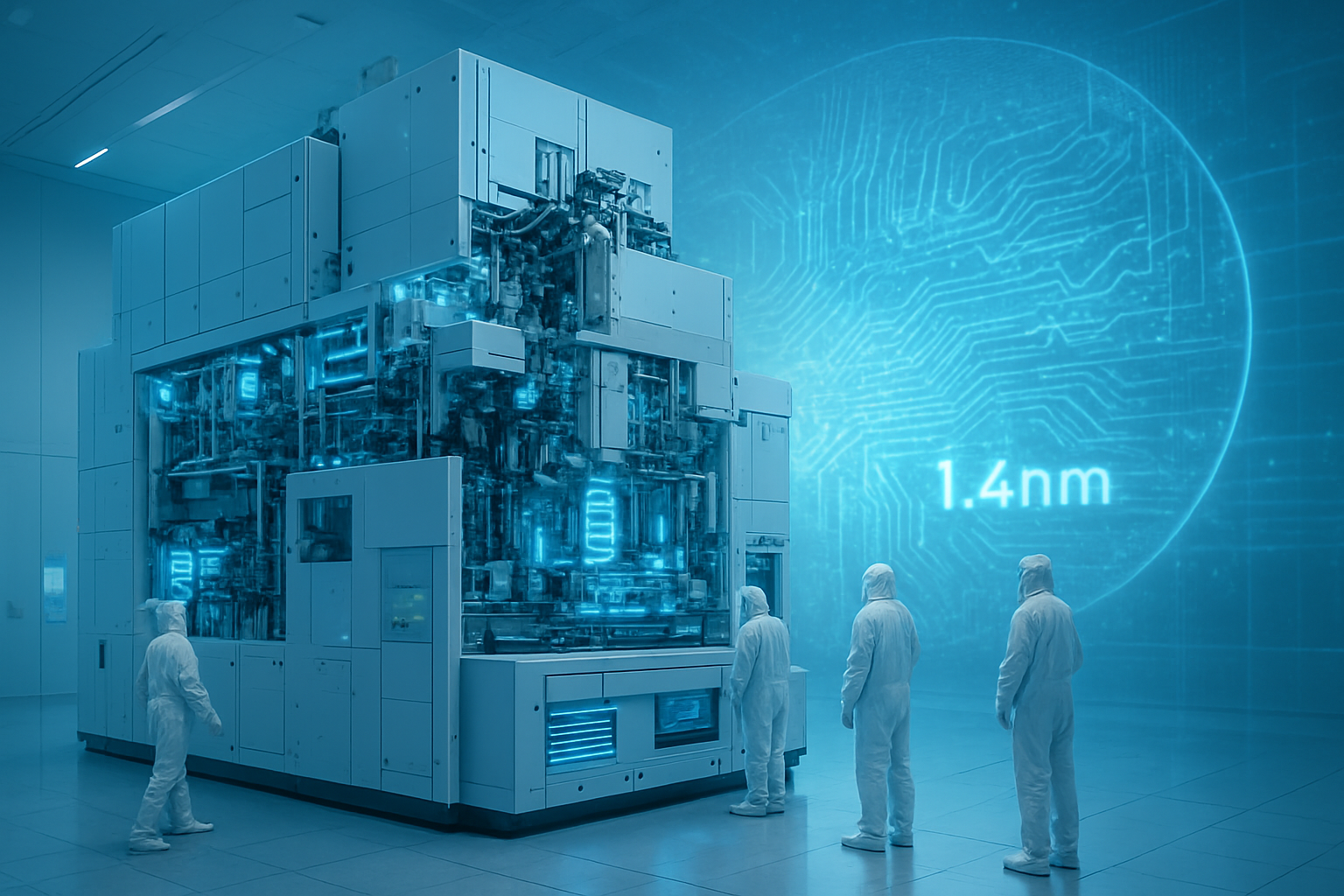
  • Extreme Ultraviolet Lithography Market Set to Explode to $28.66 Billion by 2031, Fueling the Next Era of AI Chips

    Extreme Ultraviolet Lithography Market Set to Explode to $28.66 Billion by 2031, Fueling the Next Era of AI Chips

    The global Extreme Ultraviolet Lithography (EUL) market is on the cusp of unprecedented expansion, projected to reach a staggering $28.66 billion by 2031, exhibiting a robust Compound Annual Growth Rate (CAGR) of 22%. This explosive growth is not merely a financial milestone; it signifies a critical inflection point for the entire technology industry, particularly for advanced chip manufacturing. EUL is the foundational technology enabling the creation of the smaller, more powerful, and energy-efficient semiconductors that are indispensable for the next generation of artificial intelligence (AI), high-performance computing (HPC), 5G, and autonomous systems.

    This rapid market acceleration underscores the indispensable role of EUL in sustaining Moore's Law, pushing the boundaries of miniaturization, and providing the raw computational power required for the escalating demands of modern AI. As the world increasingly relies on sophisticated digital infrastructure and intelligent systems, the precision and capabilities offered by EUL are becoming non-negotiable, setting the stage for profound advancements across virtually every sector touched by computing.

    The Dawn of Sub-Nanometer Processing: How EUV is Redefining Chip Manufacturing

    Extreme Ultraviolet Lithography (EUL) represents a monumental leap in semiconductor fabrication, employing ultra-short wavelength light to etch incredibly intricate patterns onto silicon wafers. Unlike its predecessors, EUL utilizes light at a wavelength of approximately 13.5 nanometers (nm), a stark contrast to the 193 nm used in traditional Deep Ultraviolet (DUV) lithography. This significantly shorter wavelength is the key to EUL's superior resolution, enabling the production of features below 7 nm and paving the way for advanced process nodes such as 7nm, 5nm, 3nm, and even sub-2nm.

    The technical prowess of EUL systems is a marvel of modern engineering. The EUV light itself is generated by a laser-produced plasma (LPP) source, where high-power CO2 lasers fire at microscopic droplets of molten tin in a vacuum, creating an intensely hot plasma that emits EUV radiation. Because EUV light is absorbed by virtually all materials, the entire process must occur in a vacuum, and the optical system relies on a complex arrangement of highly specialized, ultra-smooth reflective mirrors. These mirrors, composed of alternating layers of molybdenum and silicon, are engineered to reflect 13.5 nm light with minimal loss. Photomasks, too, are reflective, differing from the transparent masks used in DUV, and are protected by thin, high-transmission pellicles. Current EUV systems (e.g., ASML's NXE series) operate with a 0.33 Numerical Aperture (NA), but the next generation, High-NA EUV, will increase this to 0.55 NA, promising even finer resolutions of 8 nm.

    This approach dramatically differs from previous methods, primarily DUV lithography. DUV systems use refractive lenses and operate in ambient air, relying heavily on complex and costly multi-patterning techniques (e.g., double or quadruple patterning) to achieve smaller feature sizes. These multi-step processes increase manufacturing complexity, defect rates, and overall costs. EUL, by contrast, enables single patterning for critical layers at advanced nodes, simplifying the manufacturing flow, reducing defectivity, and improving throughput. The initial reaction from the semiconductor industry has been one of immense investment and excitement, recognizing EUL as a "game-changer" and "essential" for sustaining Moore's Law. While the AI research community doesn't directly react to lithography as a field, they acknowledge EUL as a crucial enabling technology, providing the powerful chips necessary for their increasingly complex models. Intriguingly, AI and machine learning are now being integrated into EUV systems themselves, optimizing processes and enhancing efficiency.

    Corporate Titans and the EUV Arms Race: Shifting Power Dynamics in AI

    The proliferation of Extreme Ultraviolet Lithography is fundamentally reshaping the competitive landscape for AI companies, tech giants, and even startups, creating distinct advantages and potential disruptions. The ability to access and leverage EUL technology is becoming a strategic imperative, concentrating power among a select few industry leaders.

    Foremost among the beneficiaries is ASML Holding N.V. (NASDAQ: ASML), the undisputed monarch of the EUL market. As the world's sole producer of EUL machines, ASML's dominant position makes it indispensable for manufacturing cutting-edge chips. Its revenue is projected to grow significantly, fueled by AI-driven semiconductor demand and increasing EUL adoption. The rollout of High-NA EUL systems further solidifies ASML's long-term growth prospects, enabling breakthroughs in sub-2 nanometer transistor technologies. Following closely are the leading foundries and integrated device manufacturers (IDMs). Taiwan Semiconductor Manufacturing Company (NYSE: TSM), the largest pure-play foundry, heavily leverages EUL to produce advanced logic and memory chips for a vast array of tech companies. Their robust investments in global manufacturing capacity, driven by strong AI and HPC requirements, position them as a massive beneficiary. Similarly, Samsung Electronics Co., Ltd. (KRX: 005930) is a major producer and supplier that utilizes EUL to enhance its chip manufacturing capabilities, producing advanced processors and memory for its diverse product portfolio. Intel Corporation (NASDAQ: INTC) is also aggressively pursuing EUL, particularly High-NA EUL, to regain its leadership in chip manufacturing and produce 1.5nm and sub-1nm chips, crucial for its competitive positioning in the AI chip market.

    Chip designers like NVIDIA Corporation (NASDAQ: NVDA) and Advanced Micro Devices, Inc. (NASDAQ: AMD) are indirect but significant beneficiaries. While they don't manufacture EUL machines, their reliance on foundries like TSMC to produce their advanced AI GPUs and CPUs means that EUL-enabled fabrication directly translates to more powerful and efficient chips for their products. The demand for NVIDIA's AI accelerators, in particular, will continue to fuel the need for EUL-produced semiconductors. For tech giants operating vast cloud infrastructures and developing their own AI services, such as Alphabet Inc. (NASDAQ: GOOGL), Microsoft Corporation (NASDAQ: MSFT), and Amazon.com, Inc. (NASDAQ: AMZN), EUL-enabled chips power their data centers and AI offerings, allowing them to expand their market share as AI leaders. However, startups face considerable challenges due to the high operational costs and technical complexities of EUL, often needing to rely on tech giants for access to computing infrastructure. This dynamic could lead to increased consolidation and make it harder for smaller companies to compete on hardware innovation.

    The competitive implications are profound: EUL creates a significant divide. Companies with access to the most advanced EUL technology can produce superior chips, leading to increased performance for AI models, accelerated innovation cycles, and a centralization of resources among a few key players. This could disrupt existing products and services by making older hardware less competitive for demanding AI workloads and enabling entirely new categories of AI-powered devices. Strategically, EUL offers technology leadership, performance differentiation, long-term cost efficiency through higher yields, and enhanced supply chain resilience for those who master its complexities.

    Beyond the Wafer: EUV's Broad Impact on AI and the Global Tech Landscape

    Extreme Ultraviolet Lithography is not merely an incremental improvement in manufacturing; it is a foundational technology that underpins the current and future trajectory of Artificial Intelligence. By sustaining and extending Moore's Law, EUVL directly enables the exponential growth in computational capabilities that is the lifeblood of modern AI. Without EUVL, the relentless demand for more powerful, energy-efficient processors by large language models, deep neural networks, and autonomous systems would face insurmountable physical barriers, stifling innovation across the AI landscape.

    Its impact reverberates across numerous industries. In semiconductor manufacturing, EUVL is indispensable for producing the high-performance AI processors that drive global technological progress. Leading foundries and IDMs have fully integrated EUVL into their high-volume manufacturing lines for advanced process nodes, ensuring that companies at the forefront of AI development can produce more powerful, energy-efficient AI accelerators. For High-Performance Computing (HPC) and Data Centers, EUVL is critical for creating the advanced chips needed to power hyperscale data centers, which are the backbone of large language models and other data-intensive AI applications. Autonomous systems, such as self-driving cars and advanced robotics, directly benefit from the precision and power enabled by EUVL, allowing for faster and more efficient real-time decision-making. In consumer electronics, EUVL underpins the development of advanced AI features in smartphones, tablets, and IoT devices, enhancing user experiences. Even in medical and scientific research, EUVL-enabled chips facilitate breakthroughs in complex fields like drug discovery and climate modeling by providing unprecedented computational power.

    However, this transformative technology comes with significant concerns. The cost of EUL machines is extraordinary, with a single system costing hundreds of millions of dollars, and the latest High-NA models exceeding $370 million. Operational costs, including immense energy consumption (a single tool can rival the annual energy consumption of an entire city), further concentrate advanced chip manufacturing among a very few global players. The supply chain is also incredibly fragile, largely due to ASML's near-monopoly. Specialized components often come from single-source suppliers, making the entire ecosystem vulnerable to disruptions. Furthermore, EUL has become a potent factor in geopolitics, with export controls and technology restrictions, particularly those influenced by the United States on ASML's sales to China, highlighting EUVL as a "chokepoint" in global semiconductor manufacturing. This "techno-nationalism" can lead to market fragmentation and increased production costs.

    EUVL's significance in AI history can be likened to foundational breakthroughs such as the invention of the transistor or the development of the GPU. Just as these innovations enabled subsequent leaps in computing, EUVL provides the underlying hardware capability to manufacture the increasingly powerful processors required for AI. It has effectively extended the viability of Moore's Law, providing the hardware foundation necessary for the development of complex AI models. What makes this era unique is the emergent "AI supercycle," where AI and machine learning algorithms are also being integrated into EUVL systems themselves, optimizing fabrication processes and creating a powerful, self-improving technological feedback loop.

    The Road Ahead: Navigating the Future of Extreme Ultraviolet Lithography

    The future of Extreme Ultraviolet Lithography promises a relentless pursuit of miniaturization and efficiency, driven by the insatiable demands of AI and advanced computing. The coming years will witness several pivotal developments, pushing the boundaries of what's possible in chip manufacturing.

    In the near-term (present to 2028), the most significant advancement is the full introduction and deployment of High-NA EUV lithography. ASML (NASDAQ: ASML) has already shipped the first 0.55 NA scanner to Intel (NASDAQ: INTC), with high-volume manufacturing platforms expected to be operational by 2025. This leap in numerical aperture will enable even finer resolution patterns, crucial for sub-2nm nodes. Concurrently, there will be continued efforts to increase EUV light source power, enhancing wafer throughput, and to develop advanced photoresist materials and improved photomasks for higher precision and defect-free production. Looking further ahead (beyond 2028), research is already exploring Hyper-NA EUV with NAs of 0.75 or higher, and even shorter wavelengths, potentially below 5nm, to extend Moore's Law beyond 2030. Concepts like coherent light sources and Directed Self-Assembly (DSA) lithography are also on the horizon to further refine performance. Crucially, the integration of AI and machine learning into the entire EUV manufacturing process is expected to revolutionize optimization, predictive maintenance, and real-time adjustments.

    These advancements will unlock a new generation of applications and use cases. EUL will continue to drive the development of faster, more efficient, and powerful processors for Artificial Intelligence systems, including large language models and edge AI. It is essential for 5G and beyond telecommunications infrastructure, High-Performance Computing (HPC), and increasingly sophisticated autonomous systems. Furthermore, EUVL will play a vital role in advanced packaging technologies and 3D integration, allowing for greater levels of integration and miniaturization in chips. Despite the immense potential, significant challenges remain. High-NA EUV introduces complexities such as thinner photoresists leading to stochastic effects, reduced depth of focus, and enhanced mask 3D effects. Defectivity remains a persistent hurdle, requiring breakthroughs to achieve incredibly low defect rates for high-volume manufacturing. The cost of these machines and their immense operational energy consumption continue to be substantial barriers.

    Experts are unanimous in predicting substantial market growth for EUVL, reinforcing its role in extending Moore's Law and enabling chips at sub-2nm nodes. They foresee the continued dominance of foundries, driven by their focus on advanced-node manufacturing. Strategic investments from major players like TSMC (NYSE: TSM), Samsung (KRX: 005930), and Intel (NASDAQ: INTC), coupled with governmental support through initiatives like the U.S. CHIPS and Science Act, will accelerate EUV adoption. While EUV and High-NA EUV will drive advanced-node manufacturing, the industry will also need to watch for potential supply chain bottlenecks and the long-term viability of alternative lithography approaches being explored by various nations.

    EUV: A Cornerstone of the AI Revolution

    Extreme Ultraviolet Lithography stands as a testament to human ingenuity, a complex technological marvel that has become the indispensable backbone of the modern digital age. Its projected growth to $28.66 billion by 2031 with a 22% CAGR is not merely a market forecast; it is a clear indicator of its critical role in powering the ongoing AI revolution and shaping the future of technology. By enabling the production of smaller, more powerful, and energy-efficient chips, EUVL is directly responsible for the exponential leaps in computational capabilities that define today's advanced AI systems.

    The significance of EUL in AI history cannot be overstated. It has effectively "saved Moore's Law," providing the hardware foundation necessary for the development of complex AI models, from large language models to autonomous systems. Beyond its enabling role, EUVL systems are increasingly integrating AI themselves, creating a powerful feedback loop where advancements in AI drive the demand for sophisticated semiconductors, and these semiconductors, in turn, unlock new possibilities for AI. This symbiotic relationship ensures a continuous cycle of innovation, making EUVL a cornerstone of the AI era.

    Looking ahead, the long-term impact of EUVL will be profound and pervasive, driving sustained miniaturization, performance enhancement, and technological innovation across virtually every sector. It will facilitate the transition to even smaller process nodes, essential for next-generation consumer electronics, cloud computing, 5G, and emerging fields like quantum computing. However, the concentration of this critical technology in the hands of a single dominant supplier, ASML (NASDAQ: ASML), presents ongoing geopolitical and strategic challenges that will continue to shape global supply chains and international relations.

    In the coming weeks and months, industry observers should closely watch the full deployment and yield rates of High-NA EUV lithography systems by leading foundries, as these will be crucial indicators of their impact on future chip performance. Continued advancements in EUV components, particularly light sources and photoresist materials, will be vital for further enhancements. The increasing integration of AI and machine learning across the EUVL ecosystem, aimed at optimizing efficiency and precision, will also be a key trend. Finally, geopolitical developments, export controls, and government incentives will continue to influence regional fab expansions and the global competitive landscape, all of which will determine the pace and direction of the AI revolution powered by Extreme Ultraviolet Lithography.


    This content is intended for informational purposes only and represents analysis of current AI developments.

    TokenRing AI delivers enterprise-grade solutions for multi-agent AI workflow orchestration, AI-powered development tools, and seamless remote collaboration platforms.
    For more information, visit https://www.tokenring.ai/.

  • ChipAgents Secures $21 Million to Revolutionize AI Chip Design with Agentic AI Platform

    ChipAgents Secures $21 Million to Revolutionize AI Chip Design with Agentic AI Platform

    Santa Barbara, CA – October 22, 2025 – ChipAgents, a trailblazing electronic design automation (EDA) company, has announced the successful closure of an oversubscribed $21 million Series A funding round. This significant capital infusion, which brings their total funding to $24 million, is set to propel the development and deployment of its innovative agentic AI platform, designed to redefine the landscape of AI chip design and verification. The announcement, made yesterday, October 21, 2025, underscores a pivotal moment in the AI semiconductor sector, highlighting a growing investor confidence in AI-driven solutions for hardware development.

    The funding round signals a robust belief in ChipAgents' vision to automate and accelerate the notoriously complex and time-consuming process of chip design. With modern chips housing billions, even trillions, of logic gates, traditional manual methods are becoming increasingly untenable. ChipAgents' platform promises to alleviate this bottleneck, empowering engineers to focus on higher-level innovation rather than tedious, routine tasks, thereby ushering in a new era of efficiency and capability in semiconductor development.

    Unpacking the Agentic AI Revolution in Silicon Design

    ChipAgents' core innovation lies in its "agentic AI platform," a sophisticated system engineered to transform how hardware companies define, validate, and refine Register-Transfer Level (RTL) code. This platform leverages generative AI to automate a wide spectrum of routine design and verification tasks, offering a stark contrast to previous, predominantly manual, and often error-prone approaches.

    At its heart, the platform boasts several key functionalities. It intelligently automates the initial stages of chip design by generating RTL code and automatically producing comprehensive documentation, tasks that traditionally demand extensive human effort. Furthermore, it excels in identifying inconsistencies and flaws by cross-checking specifications across multiple documents, a critical step in preventing costly errors down the line. Perhaps most impressively, ChipAgents dramatically accelerates debugging and verification processes. It can automatically generate test benches, rules, and assertions in minutes – tasks that typically consume weeks of an engineer's time. This significant speed-up is achieved by empowering designers with natural language-based commands, allowing them to intuitively guide the AI in code generation, testbench creation, debugging, and verification. The company claims an ambitious goal of boosting RTL design and verification productivity by a factor of 10x, and has already demonstrated an 80% higher productivity in verification compared to industry standards across independent teams, with its platform currently deployed at 50 leading semiconductor companies.

    Initial reactions from the AI research community and industry experts have been overwhelmingly positive. Professor William Wang, founder and CEO of ChipAgents, emphasized that the semiconductor industry is "witnessing the transformation… into agentic AI solutions for design verification." Investors echoed this sentiment, with Lance Co Ting Keh, Venture Partner at Bessemer Venture Partners, hailing ChipAgents as "the best product in the market that does AI-powered RTL design, debugging, and verification for chip developers." He further noted that the platform "brings together disparate EDA tools from spec ingestion to waveform analysis," positioning it as a "true force multiplier for hardware design engineers." This unified approach and significant productivity gains mark a substantial departure from fragmented EDA toolchains and manual processes that have long characterized the industry.

    Reshaping the Competitive Landscape: Implications for Tech Giants and Startups

    The success of ChipAgents' Series A funding round and the rapid adoption of its platform carry significant implications for the broader AI and semiconductor industries. Semiconductor giants like Micron Technology Inc. (NASDAQ: MU), MediaTek Inc. (TPE: 2454), and Ericsson (NASDAQ: ERIC), who participated as strategic backers in the funding round, stand to benefit directly. Their investment signifies a commitment to integrating cutting-edge AI-driven design tools into their workflows, ultimately leading to faster, more efficient, and potentially more innovative chip development for their own products. The 50 leading semiconductor companies already deploying ChipAgents' technology further underscore this immediate benefit.

    For major AI labs and tech companies, this development means the promise of more powerful and specialized AI hardware arriving on the market at an accelerated pace. As AI models grow in complexity and demand increasingly tailored silicon, tools that can speed up custom chip design become invaluable. This could give companies leveraging ChipAgents' platform a competitive edge in developing next-generation AI accelerators and specialized processing units.

    The competitive landscape for established EDA tool providers like Synopsys Inc. (NASDAQ: SNPS), Cadence Design Systems Inc. (NASDAQ: CDNS), and Siemens EDA (formerly Mentor Graphics) could face significant disruption. While these incumbents offer comprehensive suites of tools, ChipAgents' agentic AI platform directly targets a core, labor-intensive segment of their market – RTL design and verification – with a promise of unprecedented automation and productivity. The fact that former CTOs and CEOs from these very companies (Raúl Camposano from Synopsys, Jack Harding from Cadence, Wally Rhines from Mentor Graphics) are now advisors to ChipAgents speaks volumes about the perceived transformative power of this new approach. ChipAgents is strategically positioned to capture a substantial share of the growing market for AI-powered EDA solutions, potentially forcing incumbents to rapidly innovate or acquire similar capabilities to remain competitive.

    Broader Significance: Fueling the AI Hardware Renaissance

    ChipAgents' breakthrough fits squarely into the broader AI landscape, addressing one of its most critical bottlenecks: the efficient design and production of specialized AI hardware. As AI models become larger and more complex, the demand for custom-designed chips optimized for specific AI workloads (e.g., neural network inference, training, specialized data processing) has skyrocketed. This funding round underscores a significant trend: the convergence of generative AI with core engineering disciplines, moving beyond mere software code generation to fundamental hardware design.

    The impacts are profound. By dramatically shortening chip design cycles and accelerating verification, ChipAgents directly contributes to the pace of AI innovation. Faster chip development means quicker iterations of AI hardware, enabling more powerful and efficient AI systems to reach the market sooner. This, in turn, fuels advancements across various AI applications, from autonomous vehicles and advanced robotics to sophisticated data analytics and scientific computing. The platform's ability to reduce manual effort could also lead to significant cost savings in development, making advanced chip design more accessible and potentially fostering a new wave of semiconductor startups.

    Potential concerns, though not immediately apparent, could include the long-term implications for the workforce, particularly for entry-level verification engineers whose tasks might be increasingly automated. There's also the ongoing challenge of ensuring the absolute reliability and security of AI-generated hardware designs, as flaws at this fundamental level could have catastrophic consequences. Nevertheless, this development can be compared to previous AI milestones, such as the application of AI to software code generation, but it takes it a step further by applying these powerful generative capabilities to the intricate world of silicon, pushing the boundaries of what AI can design autonomously.

    The Road Ahead: Future Developments and Expert Predictions

    Looking ahead, ChipAgents is poised for rapid expansion and deeper integration into the semiconductor ecosystem. In the near term, we can expect to see continued adoption of its platform by a wider array of semiconductor companies, driven by the compelling productivity gains demonstrated thus far. The company will likely focus on expanding the platform's capabilities, potentially encompassing more stages of the chip design flow beyond RTL, such as high-level synthesis or even physical design aspects, further solidifying its "agentic AI" approach.

    Long-term, the potential applications and use cases are vast. We could be on the cusp of an era where fully autonomous chip design, guided by high-level specifications, becomes a reality. This could lead to the creation of highly specialized, ultra-efficient AI chips tailored for niche applications, accelerating innovation in areas currently limited by hardware constraints. Imagine AI designing AI, creating a virtuous cycle of technological advancement.

    However, challenges remain. Ensuring the trustworthiness and verifiability of AI-generated RTL code will be paramount, requiring robust validation frameworks. Seamless integration into diverse and often legacy EDA toolchains will also be a continuous effort. Experts predict that AI-driven EDA tools like ChipAgents will become indispensable, further accelerating the pace of Moore's Law and enabling the development of increasingly complex and performant chips that would be impossible to design with traditional methods. The industry is watching to see how quickly these agentic AI solutions can mature and become the standard for semiconductor development.

    A New Dawn for Silicon Innovation

    ChipAgents' $21 million Series A funding marks a significant inflection point in the artificial intelligence and semiconductor industries. It underscores the critical role that specialized AI hardware plays in the broader AI revolution and highlights the transformative power of generative and agentic AI applied to complex engineering challenges. The company's platform, with its promise of 10x productivity gains and 80% higher verification efficiency, is not just an incremental improvement; it represents a fundamental shift in how chips will be designed.

    This development will undoubtedly be remembered as a key milestone in AI history, demonstrating how intelligent agents can fundamentally redefine human-computer interaction in highly technical fields. The long-term impact will likely be a dramatic acceleration in the development of AI hardware, leading to more powerful, efficient, and innovative AI systems across all sectors. In the coming weeks and months, industry observers will be watching closely for further adoption metrics, new feature announcements from ChipAgents, and how established EDA players respond to this formidable new competitor. The race to build the future of AI hardware just got a significant boost.


    This content is intended for informational purposes only and represents analysis of current AI developments.

    TokenRing AI delivers enterprise-grade solutions for multi-agent AI workflow orchestration, AI-powered development tools, and seamless remote collaboration platforms.
    For more information, visit https://www.tokenring.ai/.

  • TSMC: The Unseen Architect Powering the AI Revolution with Unprecedented Spending

    TSMC: The Unseen Architect Powering the AI Revolution with Unprecedented Spending

    Taipei, Taiwan – October 22, 2025 – Taiwan Semiconductor Manufacturing Company (TSMC) (NYSE: TSM) stands as the undisputed titan in the global semiconductor industry, a position that has become critically pronounced amidst the burgeoning artificial intelligence revolution. As the leading pure-play foundry, TSMC's advanced manufacturing capabilities are not merely facilitating but actively dictating the pace and scale of AI innovation worldwide. The company's relentless pursuit of cutting-edge process technologies, coupled with a staggering capital expenditure, underscores its indispensable role as the "backbone" and "arms supplier" to an AI industry experiencing insatiable demand.

    The immediate significance of TSMC's dominance cannot be overstated. With an estimated 90-92% market share in advanced AI chip manufacturing, virtually every major AI breakthrough, from sophisticated large language models (LLMs) to autonomous systems, relies on TSMC's silicon. This concentration of advanced manufacturing power in one entity highlights both the incredible efficiency and technological leadership of TSMC, as well as the inherent vulnerabilities within the global AI supply chain. As AI-related revenue continues to surge, TSMC's strategic investments and technological roadmap are charting the course for the next generation of intelligent machines and services.

    The Microscopic Engines: TSMC's Technical Prowess in AI Chip Manufacturing

    TSMC's technological leadership is rooted in its continuous innovation across advanced process nodes and sophisticated packaging solutions, which are paramount for the high-performance and power-efficient chips demanded by AI.

    At the forefront of miniaturization, TSMC's 3nm process (N3 family) has been in high-volume production since 2022, contributing 23% to its wafer revenue in Q3 2025. This node delivers a 1.6x increase in logic transistor density and a 25-30% reduction in power consumption compared to its 5nm predecessor. Major AI players like Apple (NASDAQ: AAPL), NVIDIA (NASDAQ: NVDA), and Advanced Micro Devices (NASDAQ: AMD) are already leveraging TSMC's 3nm technology. The monumental leap, however, comes with the 2nm process (N2), transitioning from FinFET to Gate-All-Around (GAA) nanosheet transistors. Set for mass production in the second half of 2025, N2 promises a 15% performance boost at the same power or a remarkable 25-30% power reduction compared to 3nm, along with a 1.15x increase in transistor density. This architectural shift is critical for future AI models, with an improved variant (N2P) scheduled for late 2026. Looking further ahead, TSMC's roadmap includes the A16 (1.6nm-class) process with "Super Power Rail" technology and the A14 (1.4nm) node, targeting mass production in late 2028, promising even greater performance and efficiency gains.

    Beyond traditional scaling, TSMC's advanced packaging technologies are equally indispensable for AI chips, effectively overcoming the "memory wall" bottleneck. CoWoS (Chip-on-Wafer-on-Substrate), TSMC's pioneering 2.5D advanced packaging technology, integrates multiple active silicon dies, such as logic SoCs (e.g., GPUs or AI accelerators) and High Bandwidth Memory (HBM) stacks, on a passive silicon interposer. This significantly reduces data travel distances, enabling massively increased bandwidth (up to 8.6 Tb/s) and lower latency—crucial for memory-bound AI workloads. TSMC is aggressively expanding its CoWoS capacity, aiming to quadruple output by the end of 2025 and reach 130,000 wafers per month by 2026. Furthermore, SoIC (System-on-Integrated-Chips), a 3D stacking technology planned for mass production in 2025, pushes boundaries further by facilitating ultra-high bandwidth density between stacked dies with ultra-fine pitches below 2 microns, providing lower latency and higher power efficiency. AMD's MI300, for instance, utilizes SoIC paired with CoWoS. These innovations differentiate TSMC by offering integrated, high-density, and high-bandwidth solutions that far surpass previous 2D packaging approaches.

    Initial reactions from the AI research community and industry experts have been overwhelmingly positive, hailing TSMC as the "indispensable architect" and "golden goose of AI." Experts view TSMC's 2nm node and advanced packaging as critical enablers for the next generation of AI models, including multimodal and foundation models. However, concerns persist regarding the extreme concentration of advanced AI chip manufacturing, which could lead to supply chain vulnerabilities and significant cost increases for next-generation chips, potentially up to 50% compared to 3nm.

    Market Reshaping: Impact on AI Companies, Tech Giants, and Startups

    TSMC's unparalleled dominance in advanced AI chip manufacturing is profoundly shaping the competitive landscape, conferring significant strategic advantages to its partners and creating substantial barriers to entry for others.

    Companies that stand to benefit are predominantly the leading innovators in AI and high-performance computing (HPC) chip design. NVIDIA (NASDAQ: NVDA), a cornerstone client, relies heavily on TSMC for its industry-leading GPUs like the H100, Blackwell, and future architectures, which are crucial for AI accelerators and data centers. Apple (NASDAQ: AAPL) secures a substantial portion of initial 2nm production capacity for its AI-powered M-series chips for Macs and iPhones. AMD (NASDAQ: AMD) leverages TSMC for its next-generation data center GPUs (MI300 series) and Ryzen processors, positioning itself as a strong challenger. Hyperscale cloud providers and tech giants such as Alphabet (NASDAQ: GOOGL) (Google), Amazon (NASDAQ: AMZN), Meta Platforms (NASDAQ: META), and Microsoft (NASDAQ: MSFT) are increasingly designing custom AI silicon, optimizing their vast AI infrastructures and maintaining market leadership through TSMC's manufacturing prowess. Even Tesla (NASDAQ: TSLA) relies on TSMC for its AI-powered self-driving chips.

    The competitive implications for major AI labs and tech companies are significant. TSMC's technological lead and capacity expansion further entrench the market leadership of companies with early access to cutting-edge nodes, establishing high barriers to entry for newer firms. While competitors like Samsung Electronics (KRX: 005930) and Intel (NASDAQ: INTC) are aggressively pursuing advanced nodes (e.g., Intel's 18A process, comparable to TSMC's 2nm, scheduled for mass production in H2 2025), TSMC generally maintains superior yield rates and established customer trust, making rapid migration unlikely due to massive technical risks and financial costs. The reliance on TSMC also encourages some tech giants to invest more heavily in their own chip design capabilities to gain greater control, though they remain dependent on TSMC for manufacturing.

    Potential disruption to existing products or services is multifaceted. The rapid advancement in AI chip technology, driven by TSMC's nodes, accelerates hardware obsolescence, compelling continuous upgrades to AI infrastructure. Conversely, TSMC's manufacturing capabilities directly accelerate the time-to-market for AI-powered products and services, potentially disrupting industries slower to adopt AI. The unprecedented performance and power efficiency leaps from 2nm technology are critical for enabling AI capabilities to migrate from energy-intensive cloud data centers to edge devices and consumer electronics, potentially triggering a major PC refresh cycle as generative AI transforms applications in smartphones, PCs, and autonomous vehicles. However, the immense R&D and capital expenditures associated with advanced nodes could lead to a significant increase in chip prices, potentially up to 50% compared to 3nm, which may be passed on to end-users and increase costs for AI infrastructure.

    TSMC's market positioning and strategic advantages are virtually unassailable. As of October 2025, it holds an estimated 70-71% market share in the global pure-play wafer foundry market. Its technological leadership in process nodes (3nm in high-volume production, 2nm mass production in H2 2025, A16 by 2026) and advanced packaging (CoWoS, SoIC) provides unmatched performance and energy efficiency. TSMC's pure-play foundry model fosters strong, long-term partnerships without internal competition, creating customer lock-in and pricing power, with prices expected to increase by 5-10% in 2025. Furthermore, TSMC is aggressively expanding its manufacturing footprint with a capital expenditure of $40-$42 billion in 2025, including new fabs in Arizona (U.S.) and Japan, and exploring Germany. This geographical diversification serves as a critical geopolitical hedge, reducing reliance on Taiwan-centric manufacturing in the face of U.S.-China tensions.

    The Broader Canvas: Wider Significance in the AI Landscape

    TSMC's foundational role extends far beyond mere manufacturing; it is fundamentally shaping the broader AI landscape, enabling unprecedented innovation while simultaneously highlighting critical geopolitical and supply chain vulnerabilities.

    TSMC's leading role in AI chip manufacturing and its substantial capital expenditures are not just business metrics but critical drivers for the entire AI ecosystem. The company's continuous innovation in process nodes (3nm, 2nm, A16, A14) and advanced packaging (CoWoS, SoIC) directly translates into the ability to create smaller, faster, and more energy-efficient chips. This capability is the linchpin for the next generation of AI breakthroughs, from sophisticated large language models and generative AI to complex autonomous systems. AI and high-performance computing (HPC) now account for a substantial portion of TSMC's revenue, exceeding 60% in Q3 2025, with AI-related revenue projected to double in 2025 and achieve a compound annual growth rate (CAGR) exceeding 45% through 2029. This symbiotic relationship where AI innovation drives demand for TSMC's chips, and TSMC's capabilities, in turn, enable further AI development, underscores its central role in the current "AI supercycle."

    The broader impacts are profound. TSMC's technology dictates who can build the most powerful AI systems, influencing the competitive landscape and acting as a powerful economic catalyst. The global AI chip market is projected to contribute over $15 trillion to the global economy by 2030. However, this rapid advancement also accelerates hardware obsolescence, compelling continuous upgrades to AI infrastructure. While AI chips are energy-intensive, TSMC's focus on improving power efficiency with new nodes directly influences the sustainability and scalability of AI solutions, even leveraging AI itself to design more energy-efficient chips.

    However, this critical reliance on TSMC also introduces significant potential concerns. The extreme supply chain concentration means any disruption to TSMC's operations could have far-reaching impacts across the global tech industry. More critically, TSMC's headquarters in Taiwan introduce substantial geopolitical risks. The island's strategic importance in advanced chip manufacturing has given rise to the concept of a "silicon shield," suggesting it acts as a deterrent against potential aggression, particularly from China. The ongoing "chip war" between the U.S. and China, characterized by U.S. export controls, directly impacts China's access to TSMC's advanced nodes and slows its AI development. To mitigate these risks, TSMC is aggressively diversifying its manufacturing footprint with multi-billion dollar investments in new fabrication plants in Arizona (U.S.), Japan, and potentially Germany. The company's near-monopoly also grants it pricing power, which can impact the cost of AI development and deployment.

    In comparison to previous AI milestones and breakthroughs, TSMC's contribution is unique in its emphasis on the physical hardware foundation. While earlier AI advancements were often centered on algorithmic and software innovations, the current era is fundamentally hardware-driven. TSMC's pioneering of the "pure-play" foundry business model in 1987 fundamentally reshaped the semiconductor industry, enabling fabless companies to innovate at an unprecedented pace. This model directly fueled the rise of modern computing and subsequently, AI, by providing the "picks and shovels" for the digital gold rush, much like how foundational technologies or companies enabled earlier tech revolutions.

    The Horizon: Future Developments in TSMC's AI Chip Manufacturing

    Looking ahead, TSMC is poised for continued groundbreaking developments, driven by the relentless demand for AI, though it must navigate significant challenges to maintain its trajectory.

    In the near-term and long-term, process technology advancements will remain paramount. The mass production of the 2nm (N2) process in the second half of 2025, featuring GAA nanosheet transistors, will be a critical milestone, enabling substantial improvements in power consumption and speed for next-generation AI accelerators from leading companies like NVIDIA, AMD, and Apple. Beyond 2nm, TSMC plans to introduce the A16 (1.6nm-class) and A14 (1.4nm) processes, with groundbreaking for the A14 facility in Taichung, Taiwan, scheduled for November 2025, targeting mass production by late 2028. These future nodes will offer even greater performance at lower power. Alongside process technology, advanced packaging innovations will be crucial. TSMC is aggressively expanding its CoWoS capacity, aiming to quadruple output by the end of 2025 and reach 130,000 wafers per month by 2026. Its 3D stacking technology, SoIC, is also slated for mass production in 2025, further boosting bandwidth density. TSMC is also exploring new square substrate packaging methods to embed more semiconductors per chip, targeting small volumes by 2027.

    These advancements will unlock a wide array of potential applications and use cases. They will continue to fuel the capabilities of AI accelerators and data centers for training massive LLMs and generative AI. More sophisticated autonomous systems, from vehicles to robotics, will benefit from enhanced edge AI. Smart devices will gain advanced AI capabilities, potentially triggering a major refresh cycle for smartphones and PCs. High-Performance Computing (HPC), augmented and virtual reality (AR/VR), and highly nuanced personal AI assistants are also on the horizon. TSMC is even leveraging AI in its own chip design, aiming for a 10-fold improvement in AI computing chip efficiency by using AI-powered design tools, showcasing a recursive innovation loop.

    However, several challenges need to be addressed. The exponential increase in power consumption by AI chips poses a major challenge. TSMC's electricity usage is projected to triple by 2030, making energy consumption a strategic bottleneck in the global AI race. The escalating cost of building and equipping modern fabs, coupled with immense R&D, means 2nm chips could see a price increase of up to 50% compared to 3nm, and overseas production in places like Arizona is significantly more expensive. Geopolitical stability remains the largest overhang, given the concentration of advanced manufacturing in Taiwan amidst US-China tensions. Taiwan's reliance on imported energy further underscores this fragility. TSMC's global diversification efforts are partly aimed at mitigating these risks, alongside addressing persistent capacity bottlenecks in advanced packaging.

    Experts predict that TSMC will remain an "indispensable architect" of the AI supercycle. AI is projected to drive double-digit growth in semiconductor demand through 2030, with the global AI chip market exceeding $150 billion in 2025. TSMC has raised its 2025 revenue growth forecast to the mid-30% range, with AI-related revenue expected to double in 2025 and achieve a CAGR exceeding 45% through 2029. By 2030, AI chips are predicted to constitute over 25% of TSMC's total revenue. 2025 is seen as a pivotal year where AI becomes embedded into the entire fabric of human systems, leading to the rise of "agentic AI" and multimodal AI.

    The AI Supercycle's Foundation: A Comprehensive Wrap-up

    TSMC has cemented its position as the undisputed leader in AI chip manufacturing, serving as the foundational backbone for the global artificial intelligence industry. Its unparalleled technological prowess, strategic business model, and massive manufacturing scale make it an indispensable partner for virtually every major AI innovator, driving the current "AI supercycle."

    The key takeaways are clear: TSMC's continuous innovation in process nodes (3nm, 2nm, A16) and advanced packaging (CoWoS, SoIC) is a technological imperative for AI advancement. The global AI industry is heavily reliant on this single company for its most critical hardware components, with AI now the primary growth engine for TSMC's revenue and capital expenditures. In response to geopolitical risks and supply chain vulnerabilities, TSMC is strategically diversifying its manufacturing footprint beyond Taiwan to locations like Arizona, Japan, and potentially Germany.

    TSMC's significance in AI history is profound. It is the "backbone" and "unseen architect" of the AI revolution, enabling the creation and scaling of advanced AI models by consistently providing more powerful, energy-efficient, and compact chips. Its pioneering of the "pure-play" foundry model fundamentally reshaped the semiconductor industry, directly fueling the rise of modern computing and subsequently, AI.

    In the long term, TSMC's dominance is poised to continue, driven by the structural demand for advanced computing. AI chips are expected to constitute a significant and growing portion of TSMC's total revenue, potentially reaching 50% by 2029. However, this critical position is tempered by challenges such as geopolitical tensions concerning Taiwan, the escalating costs of advanced manufacturing, and the need to address increasing power consumption.

    In the coming weeks and months, several key developments bear watching: the successful high-volume production ramp-up of TSMC's 2nm process node in the second half of 2025 will be a critical indicator of its continued technological leadership and ability to meet the "insatiable" demand from its 15 secured customers, many of whom are in the HPC and AI sectors. Updates on its aggressive expansion of CoWoS capacity, particularly its goal to quadruple output by the end of 2025, will directly impact the supply of high-end AI accelerators. Progress on the acceleration of advanced process node deployment at its Arizona fabs and developments in its other international sites in Japan and Germany will be crucial for supply chain resilience. Finally, TSMC's Q4 2025 earnings calls will offer further insights into the strength of AI demand, updated revenue forecasts, and capital expenditure plans, all of which will continue to shape the trajectory of the global AI landscape.


    This content is intended for informational purposes only and represents analysis of current AI developments.

    TokenRing AI delivers enterprise-grade solutions for multi-agent AI workflow orchestration, AI-powered development tools, and seamless remote collaboration platforms.
    For more information, visit https://www.tokenring.ai/.

  • Broadcom’s AI Ascendancy: A 66% Revenue Surge Propels Semiconductor Sector into a New Era

    Broadcom’s AI Ascendancy: A 66% Revenue Surge Propels Semiconductor Sector into a New Era

    SAN JOSE, CA – October 22, 2025 – Broadcom Inc. (NASDAQ: AVGO) is poised to cement its position as a foundational architect of the artificial intelligence revolution, projecting a staggering 66% year-over-year rise in AI revenues for its fourth fiscal quarter of 2025, reaching approximately $6.2 billion. This remarkable growth is expected to drive an overall 30% climb in its semiconductor sales, totaling around $10.7 billion for the same period. These bullish forecasts, unveiled by CEO Hock Tan during the company's Q3 fiscal 2025 earnings call on September 4, 2025, underscore the profound and accelerating link between advanced AI development and the demand for specialized semiconductor hardware.

    The anticipated financial performance highlights Broadcom's strategic pivot and robust execution in delivering high-performance, custom AI accelerators and cutting-edge networking solutions crucial for hyperscale AI data centers. As the AI "supercycle" intensifies, the company's ability to cater to the bespoke needs of tech giants and leading AI labs is translating directly into unprecedented revenue streams, signaling a fundamental shift in the AI hardware landscape. The figures underscore not just Broadcom's success, but the insatiable demand for the underlying silicon infrastructure powering the next generation of intelligent systems.

    The Technical Backbone of AI: Broadcom's Custom Silicon and Networking Prowess

    Broadcom's projected growth is rooted deeply in its sophisticated portfolio of AI-related semiconductor products and technologies. At the forefront are its custom AI accelerators, known as XPUs (Application-Specific Integrated Circuits or ASICs), which are co-designed with hyperscale clients to optimize performance for specific AI workloads. Unlike general-purpose GPUs (Graphics Processing Units) that serve a broad range of computational tasks, Broadcom's XPUs are meticulously tailored, offering superior performance-per-watt and cost efficiency for large-scale AI training and inference. This approach has allowed Broadcom to secure a commanding 75% market share in the custom ASIC AI accelerator market, with key partnerships including Google (co-developing TPUs for over a decade), Meta Platforms (NASDAQ: META), and a significant, widely reported $10 billion deal with OpenAI for custom AI chips and network systems. Broadcom plans to introduce next-generation XPUs built on advanced 3-nanometer technology in late fiscal 2025, further pushing the boundaries of efficiency and power.

    Complementing its custom silicon, Broadcom's advanced networking solutions are critical for linking the vast arrays of AI accelerators in modern data centers. The recently launched Tomahawk 6 – Davisson Co-Packaged Optics (CPO) Ethernet switch delivers an unprecedented 102.4 Terabits per second (Tbps) of optically enabled switching capacity in a single chip, doubling the bandwidth of its predecessor. This leap significantly alleviates network bottlenecks in demanding AI workloads, incorporating "Cognitive Routing 2.0" for dynamic congestion control and rapid failure detection, ensuring optimal utilization and reduced latency. Furthermore, its co-packaged optics design slashes power consumption per bit by up to 40%. Broadcom also introduced the Thor Ultra 800G AI Ethernet Network Interface Card (NIC), the industry's first, designed to interconnect hundreds of thousands of XPUs. Adhering to the open Ultra Ethernet Consortium (UEC) specification, Thor Ultra modernizes RDMA (Remote Direct Memory Access) with innovations like packet-level multipathing and selective retransmission, enabling unparalleled performance and efficiency in an open ecosystem.

    The technical community and industry experts have largely welcomed Broadcom's strategic direction. Analysts view Broadcom as a formidable competitor to Nvidia (NASDAQ: NVDA), particularly in the AI networking space and for custom AI accelerators. The focus on custom ASICs addresses the growing need among hyperscalers for greater control over their AI hardware stack, reducing reliance on off-the-shelf solutions. The immense bandwidth capabilities of Tomahawk 6 and Thor Ultra are hailed as "game-changers" for AI networking, enabling the creation of massive computing clusters with over a million XPUs. Broadcom's commitment to open, standards-based Ethernet solutions is seen as a crucial counterpoint to proprietary interconnects, offering greater flexibility and interoperability, and positioning the company as a long-term bullish catalyst in the AI infrastructure build-out.

    Reshaping the AI Competitive Landscape: Broadcom's Strategic Advantage

    Broadcom's surging AI and semiconductor growth has profound implications for the competitive landscape, benefiting several key players while intensifying pressure on others. Directly, Broadcom Inc. (NASDAQ: AVGO) stands to gain significantly from the escalating demand for its specialized silicon and networking products, solidifying its position as a critical infrastructure provider. Hyperscale cloud providers and AI labs such as Google (NASDAQ: GOOGL), Meta Platforms (NASDAQ: META), ByteDance, and OpenAI are major beneficiaries, leveraging Broadcom's custom AI accelerators to optimize their unique AI workloads, reduce vendor dependence, and achieve superior cost and energy efficiency for their vast data centers. Taiwan Semiconductor Manufacturing Company (NYSE: TSM), as a primary foundry for Broadcom, also stands to gain from the increased demand for advanced chip production and packaging. Furthermore, providers of High-Bandwidth Memory (HBM) like SK Hynix and Micron Technology (NASDAQ: MU), along with cooling and power management solution providers, will see boosted demand driven by the complexity and power requirements of these advanced AI chips.

    The competitive implications are particularly acute for established players in the AI chip market. Broadcom's aggressive push into custom ASICs and advanced Ethernet networking directly challenges Nvidia's long-standing dominance in general-purpose GPUs and its proprietary NVLink interconnect. While Nvidia is likely to retain leadership in highly demanding AI training scenarios, Broadcom's custom ASICs are gaining significant traction in large-scale inference and specialized AI applications due to their efficiency. OpenAI's multi-year collaboration with Broadcom for custom AI accelerators is a strategic move to diversify its supply chain and reduce its dependence on Nvidia. Similarly, Broadcom's success poses a direct threat to Advanced Micro Devices (NASDAQ: AMD) efforts to expand its market share in AI accelerators, especially in hyperscale data centers. The shift towards custom silicon could also put pressure on companies historically focused on general-purpose CPUs for data centers, like Intel (NASDAQ: INTC).

    This dynamic introduces significant disruption to existing products and services. The market is witnessing a clear shift from a sole reliance on general-purpose GPUs to a more heterogeneous mix of AI accelerators, with custom ASICs offering superior performance and energy efficiency for specific AI workloads, particularly inference. Broadcom's advanced networking solutions, such as Tomahawk 6 and Thor Ultra, are crucial for linking vast AI clusters and represent a direct challenge to proprietary interconnects, enabling higher speeds, lower latency, and greater scalability that fundamentally alter AI data center design. Broadcom's strategic advantages lie in its leadership in custom AI silicon, securing multi-year collaborations with leading tech giants, its dominant market position in Ethernet switching chips for cloud data centers, and its offering of end-to-end solutions that span both semiconductor and infrastructure software.

    Broadcom's Role in the AI Supercycle: A Broader Perspective

    Broadcom's projected growth is more than just a company success story; it's a powerful indicator of several overarching trends defining the current AI landscape. First, it underscores the explosive and seemingly insatiable demand for specialized AI infrastructure. The AI sector is in the midst of an "AI supercycle," characterized by massive, sustained investments in the computing backbone necessary to train and deploy increasingly complex models. Global semiconductor sales are projected to reach $1 trillion by 2030, with AI and cloud computing as primary catalysts, and Broadcom is clearly riding this wave.

    Second, Broadcom's prominence highlights the undeniable rise of custom silicon (ASICs or XPUs) as the next frontier in AI hardware. As AI models grow to trillions of parameters, general-purpose GPUs, while still vital, are increasingly being complemented or even supplanted by purpose-built ASICs. Companies like OpenAI are opting for custom silicon to achieve optimal performance, lower power consumption, and greater control over their AI stacks, allowing them to embed model-specific learning directly into the hardware for new levels of capability and efficiency. This shift, enabled by Broadcom's expertise, fundamentally impacts AI development by providing highly optimized, cost-effective, and energy-efficient processing power, accelerating innovation and enabling new AI capabilities.

    However, this rapid evolution also brings potential concerns. The heavy reliance on a few advanced semiconductor manufacturers for cutting-edge nodes and advanced packaging creates supply chain vulnerabilities, exacerbated by geopolitical tensions. While Broadcom is emerging as a strong competitor, the economic profit in the AI semiconductor industry remains highly concentrated among a few dominant players, raising questions about market concentration and potential long-term impacts on pricing and innovation. Furthermore, the push towards custom silicon, while offering performance benefits, can also lead to proprietary ecosystems and vendor lock-in.

    Comparing this era to previous AI milestones, Broadcom's role in the custom silicon boom is akin to the advent of GPUs in the late 1990s and early 2000s. Just as GPUs, particularly with Nvidia's CUDA, enabled the parallel processing crucial for the rise of deep learning and neural networks, custom ASICs are now unlocking the next level of performance and efficiency required for today's massive generative AI models. This "supercycle" is characterized by a relentless pursuit of greater efficiency and performance, directly embedding AI knowledge into hardware design. While Broadcom's custom XPUs are proprietary, the company's commitment to open standards in networking with its Ethernet solutions provides flexibility, allowing customers to build tailored AI architectures by mixing and matching components. This mixed approach aims to leverage the best of both worlds: highly optimized, purpose-built hardware coupled with flexible, standards-based connectivity for massive AI deployments.

    The Horizon: Future Developments and Challenges in Broadcom's AI Journey

    Looking ahead, Broadcom's trajectory in AI and semiconductors promises continued innovation and expansion. In the near-term (next 12-24 months), the multi-year collaboration with OpenAI, announced in October 2025, will see the co-development and deployment of 10 gigawatts of OpenAI-designed custom AI accelerators and networking systems, with rollouts beginning in mid-2026 and extending through 2029. This landmark partnership, potentially worth up to $200 billion in incremental revenue for Broadcom through 2029, will embed OpenAI's frontier model insights directly into the hardware. Broadcom will also continue advancing its custom XPUs, including the upcoming Google TPU v7 roadmap, and rolling out next-generation 3-nanometer XPUs in late fiscal 2025. Its advanced networking solutions, such as the Jericho3-AI and Ramon3 fabric chip, are expected to qualify for production, aiming for at least 10% shorter job completion times for AI accelerators. Furthermore, Broadcom's Wi-Fi 8 silicon solutions will extend AI capabilities to the broadband wireless edge, enabling AI-driven network optimization and enhanced security.

    Longer-term, Broadcom is expected to maintain its leadership in custom AI chips, with analysts predicting it could capture over $60 billion in annual AI revenue by 2030, assuming it sustains its dominant market share. The AI infrastructure expansion fueled by partnerships like OpenAI will see tighter integration and control over hardware by AI companies. Broadcom is also transitioning into a more balanced hardware-software provider, with the successful integration of VMware (NASDAQ: VMW) bolstering its recurring revenue streams. These advancements will enable a wide array of applications, from powering hyperscale AI data centers for generative AI and large language models to enabling localized intelligence in IoT devices and automotive systems through Edge AI. Broadcom's infrastructure software, enhanced by AI and machine learning, will also drive AIOps solutions for more intelligent IT operations.

    However, this rapid growth is not without its challenges. The immense power consumption and heat generation of next-generation AI accelerators necessitate sophisticated liquid cooling systems and ever more energy-efficient chip architectures. Broadcom is addressing this through power-efficient custom ASICs and CPO solutions. Supply chain resilience remains a critical concern, particularly for advanced packaging, with geopolitical tensions driving a restructuring of the semiconductor supply chain. Broadcom is collaborating with TSMC for advanced packaging and processes, including 3.5D packaging for its XPUs. Fierce competition from Nvidia, AMD, and Intel, alongside the increasing trend of hyperscale customers developing in-house chips, could also impact future revenue. While Broadcom differentiates itself with custom silicon and open, Ethernet-based networking, Nvidia's CUDA software ecosystem remains a dominant force, presenting a continuous challenge.

    Despite these hurdles, experts are largely bullish on Broadcom's future. It is widely seen as a "strong second player" after Nvidia in the AI chip market, with some analysts even predicting it could outperform Nvidia in 2026. Broadcom's strategic partnerships and focus on custom silicon are positioning it as an "indispensable force" in AI supercomputing infrastructure. Analysts project AI semiconductor revenue to reach $6.2 billion in Q4 2025 and potentially surpass $10 billion annually by 2026, with overall revenue expected to increase over 21% for the current fiscal year. The consensus is that tech giants will significantly increase AI spending, with the overall AI and data center hardware and software market expanding at 40-55% annually towards $1.4 trillion by 2027, ensuring a continued "arms race" in AI infrastructure where custom silicon will play an increasingly central role.

    A New Epoch in AI Hardware: Broadcom's Defining Moment

    Broadcom's projected 66% year-over-year surge in AI revenues and 30% climb in semiconductor sales for Q4 fiscal 2025 mark a pivotal moment in the history of artificial intelligence. The key takeaway is Broadcom's emergence as an indispensable architect of the modern AI infrastructure, driven by its leadership in custom AI accelerators (XPUs) and high-performance, open-standard networking solutions. This performance not only validates Broadcom's strategic focus but also underscores a fundamental shift in how the world's largest AI developers are building their computational foundations. The move towards highly optimized, custom silicon, coupled with ultra-fast, efficient networking, is shaping the next generation of AI capabilities.

    This development's significance in AI history cannot be overstated. It represents the maturation of the AI hardware ecosystem beyond general-purpose GPUs, entering an era where specialized, co-designed silicon is becoming paramount for achieving unprecedented scale, efficiency, and cost-effectiveness for frontier AI models. Broadcom is not merely supplying components; it is actively co-creating the very infrastructure that will define the capabilities of future AI. Its partnerships, particularly with OpenAI, are testament to this, enabling AI labs to embed their deep learning insights directly into the hardware, unlocking new levels of performance and control.

    As we look to the long-term impact, Broadcom's trajectory suggests an acceleration of AI development, fostering innovation by providing the underlying horsepower needed for more complex models and broader applications. The company's commitment to open Ethernet standards also offers a crucial alternative to proprietary ecosystems, potentially fostering greater interoperability and competition in the long run.

    In the coming weeks and months, the tech world will be watching for several key developments. The actual Q4 fiscal 2025 earnings report, expected soon, will confirm these impressive projections. Beyond that, the progress of the OpenAI custom accelerator deployments, the rollout of Broadcom's 3-nanometer XPUs, and the competitive responses from other semiconductor giants like Nvidia and AMD will be critical indicators of the evolving AI hardware landscape. Broadcom's current momentum positions it not just as a beneficiary, but as a defining force in the AI supercycle, laying the groundwork for an intelligent future.


    This content is intended for informational purposes only and represents analysis of current AI developments.

    TokenRing AI delivers enterprise-grade solutions for multi-agent AI workflow orchestration, AI-powered development tools, and seamless remote collaboration platforms.
    For more information, visit https://www.tokenring.ai/.
  • Apple’s High-Stakes Legal Battle: A Defining Moment for Big Tech Regulation

    Apple’s High-Stakes Legal Battle: A Defining Moment for Big Tech Regulation

    In a landmark legal confrontation, Apple Inc. (NASDAQ: AAPL) has launched a comprehensive challenge against the European Union's ambitious Digital Markets Act (DMA), setting the stage for an unprecedented antitrust court test that could reshape the global regulatory landscape for technology giants. As of October 21, 2025, Apple's lawyers are presenting oral arguments before the EU's General Court in Luxembourg, initiating its broadest legal attack yet on a regulation designed to curb the power of "gatekeeper" platforms. This legal battle is not merely about a single company; it represents a pivotal moment in the ongoing struggle between national sovereignty and corporate control over the digital economy, with profound implications for innovation, competition, and consumer choice.

    The immediate significance of this challenge is immense. The outcome will not only dictate the future of Apple's tightly controlled ecosystem in the EU but also establish crucial precedents for how the DMA, and potentially similar regulations worldwide, are enforced. A favorable ruling for Apple could weaken the EU's regulatory teeth, while an EU victory would solidify its position as a global leader in digital antitrust, forcing significant changes across the tech industry.

    The Legal Gauntlet: Apple's Core Arguments Against the DMA

    Apple's legal offensive is multifaceted, targeting key provisions of the DMA that the company argues are "hugely onerous and intrusive" and threaten its foundational principles of user privacy, security, and intellectual property. The Digital Markets Act, largely applicable since May 2023, identifies dominant online platforms like Apple as "gatekeepers" and imposes specific "do's and don'ts" to prevent anti-competitive practices, such as favoring their own services or locking in users and businesses. The EU's motivation stems from a desire to foster a fairer digital economy and counter what it perceives as the "supernormal profits" derived from gatekeepers' control over their ecosystems.

    Central to Apple's challenge are three primary areas:

    1. Interoperability Requirements: Apple vehemently contests obligations demanding its iPhone hardware and services interoperate with competing third-party devices. The company argues that mandated interoperability with "unknown or unvetted hardware classes" could severely compromise user privacy and security, exposing iPhone users to malware and data breaches. Apple claims these requirements would force it to share sensitive user data and violate its intellectual property, which is integral to the iOS security architecture.
    2. App Store Designation: Apple disputes the European Commission's decision to classify the App Store as a core platform service under the DMA. The company maintains that the App Store does not fit the statute's definition of a single unified service for DMA purposes. This argument is particularly critical given a €500 million fine imposed on Apple in April 2025 for violating DMA anti-steering provisions, which prevented app developers from directing consumers to offers outside Apple's payment system. Apple is appealing both the designation and the penalty.
    3. iMessage Probe: Apple also challenges the procedural propriety of the EU's earlier inquiry into whether iMessage should be designated as a core platform service. Although the Commission ultimately decided against full DMA obligations for iMessage, Apple argues that initiating the investigation itself was improper.

    Apple's legal counsel, Daniel Beard, has asserted that the DMA's demands "ignore the protection of property rights and issues of privacy and security, which are vital to EU citizens." Furthermore, Apple claims the law has hindered its ability to roll out new features, such as enhanced Siri capabilities and Apple Intelligence integrations, in the EU, suggesting a chilling effect on innovation. This contrasts sharply with the EU's stance, which dismisses Apple's security concerns, stating that "nothing in the DMA requires companies to lower their privacy standards, their security standards."

    Reshaping the Competitive Landscape: Implications for Big Tech and Startups

    The outcome of Apple's legal challenge carries significant competitive implications for not only Apple (NASDAQ: AAPL) but also other designated gatekeepers such as Alphabet (NASDAQ: GOOGL), Amazon (NASDAQ: AMZN), ByteDance, Meta Platforms (NASDAQ: META), Microsoft (NASDAQ: MSFT), and Booking Holdings (NASDAQ: BKNG). A ruling upholding the DMA would likely force Apple to open up its ecosystem further, leading to potential disruptions in its existing business models and revenue streams, particularly from the App Store. This could manifest as increased competition in app distribution, payment processing, and hardware accessories, potentially eroding Apple's walled-garden advantage.

    For other tech giants, an EU victory would reinforce the precedent that regulators are willing and able to impose stringent controls on market-dominant platforms. This could accelerate similar legislative efforts globally and encourage more aggressive enforcement of existing antitrust laws. Companies like Alphabet and Meta, also subject to DMA obligations, would face renewed pressure to comply with provisions like allowing greater interoperability and enabling alternative app stores or payment systems.

    Conversely, a win for Apple could embolden other gatekeepers to challenge DMA provisions, potentially slowing down or even derailing the EU's broader digital market reform agenda. This scenario might allow major tech companies to maintain their current market positioning and strategic advantages, continuing to leverage their ecosystem control to promote their own services. For startups and smaller developers, the DMA promises a fairer playing field, with greater access to users and reduced reliance on gatekeeper platforms. If Apple's challenge succeeds, these benefits could be delayed or diminished, perpetuating the existing power imbalances in the digital economy.

    A Broader Battle: Digital Sovereignty and Global Regulation

    Apple's legal fight is more than just a corporate dispute; it is a critical front in the broader global trend towards increased regulation of Big Tech. The DMA itself is a cornerstone of the EU's strategy to assert digital sovereignty and create a more integrated Digital Single Market. This case will test the limits of that ambition and potentially influence similar legislative initiatives in the United States, the UK, and other jurisdictions grappling with the market power of tech giants.

    The debate centers on balancing innovation with competition and consumer welfare. While Apple warns of compromised security and privacy, the EU maintains that the DMA aims to enhance consumer choice, foster innovation by smaller businesses, and ultimately lead to better and more affordable services. This clash highlights fundamental differences in regulatory philosophies, with the EU prioritizing market contestability and user empowerment, while Apple emphasizes its proprietary ecosystem as a guarantor of quality and security.

    This legal battle can be compared to historical antitrust milestones, such as the U.S. government's case against Microsoft in the late 1990s, which ultimately led to significant changes in how the company operated. While the specific context differs, both cases represent a governmental effort to rein in dominant technology companies perceived as stifling competition. The outcome here will signal whether regulators can effectively challenge the pervasive influence of today's tech behemoths or if corporate power will continue to outpace legislative efforts.

    The Road Ahead: Long-Term Implications and Expert Predictions

    The legal proceedings are expected to be lengthy. While oral arguments are underway as of October 21, 2025, a decision from the EU's General Court is not anticipated for another 12-18 months. Any ruling is almost certain to be appealed to the EU's highest court, the Court of Justice of the European Union, meaning a final resolution could take several years. This extended timeline creates a period of uncertainty for Apple and other gatekeepers, potentially delaying strategic decisions and product roadmaps in the EU.

    Should the DMA's provisions be upheld, Apple would likely be forced to implement significant changes. This could include allowing third-party app stores on iOS devices, enabling alternative payment systems within apps without incurring Apple's commission, and opening up its hardware and software to greater interoperability with competing products. These changes could lead to new applications and use cases, fostering a more diverse and competitive mobile ecosystem. Challenges will include ensuring that any mandated openness does not genuinely compromise user security or experience, a balance that both regulators and tech companies will need to address.

    Experts predict a tough fight for Apple, given the EU's strong track record in antitrust enforcement and its clear legislative intent behind the DMA. However, Apple's legal team is formidable, and its arguments regarding security and privacy resonate with many consumers. What happens next will largely depend on the General Court's interpretation of the DMA's scope and its assessment of Apple's claims regarding the law's impact on its intellectual property and security architecture. The ongoing transatlantic tensions regarding digital regulation also suggest that the political ramifications of this case will extend far beyond the courtroom.

    A Defining Chapter in Digital Regulation

    Apple's legal challenge against the EU's Digital Markets Act marks a defining chapter in the history of digital regulation. The core takeaway is the fundamental clash between a powerful corporation's control over its ecosystem and a sovereign entity's ambition to foster a fairer, more open digital market. The significance of this development in AI and tech history cannot be overstated; it represents a major stress test for modern antitrust law in the face of increasingly integrated and dominant digital platforms.

    The long-term impact will reverberate across the tech industry, influencing how companies design products, interact with developers, and compete for users. Should the EU prevail, it will solidify its reputation as the world's leading tech regulator, potentially inspiring similar legislation globally. If Apple finds success, it could slow down the momentum of such regulatory efforts, raising questions about the efficacy of antitrust laws in the digital age.

    In the coming weeks and months, all eyes will be on the proceedings in Luxembourg, as well as any further enforcement actions by the European Commission against Apple or other gatekeepers. The legal arguments, expert testimonies, and ultimately, the court's decision, will provide invaluable insights into the future direction of digital market governance and the delicate balance between corporate innovation and public interest.


    This content is intended for informational purposes only and represents analysis of current AI developments.

    TokenRing AI delivers enterprise-grade solutions for multi-agent AI workflow orchestration, AI-powered development tools, and seamless remote collaboration platforms.
    For more information, visit https://www.tokenring.ai/.

  • Revolutionizing AI: New Energy-Efficient Artificial Neurons Pave Way for Powerful, Brain-Like Computers

    Revolutionizing AI: New Energy-Efficient Artificial Neurons Pave Way for Powerful, Brain-Like Computers

    Recent groundbreaking advancements in artificial neuron technology are set to redefine the landscape of artificial intelligence and computing. Researchers have unveiled new designs for artificial neurons that drastically cut energy consumption, bringing the vision of powerful, brain-like computers closer to reality. These innovations, ranging from biologically inspired protein nanowires to novel transistor-based and optical designs, promise to overcome the immense power demands of current AI systems, unlocking unprecedented efficiency and enabling AI to be integrated more seamlessly and sustainably into countless applications.

    Technical Marvels Usher in a New Era of AI Hardware

    The latest wave of breakthroughs in artificial neuron development showcases a remarkable departure from conventional computing paradigms, emphasizing energy efficiency and biological mimicry. A significant announcement on October 14, 2025, from engineers at the University of Massachusetts Amherst, detailed the creation of artificial neurons powered by bacterial protein nanowires. These innovative neurons operate at an astonishingly low 0.1 volts, closely mirroring the electrical activity and voltage levels of natural brain cells. This ultra-low power consumption represents a 100-fold improvement over previous artificial neuron designs, potentially eliminating the need for power-hungry amplifiers in future bio-inspired computers and wearable electronics, and even enabling devices powered by ambient electricity or human sweat.

    Further pushing the boundaries, an announcement on October 2, 2025, revealed the development of all-optical neurons. This radical design performs nonlinear computations entirely using light, thereby removing the reliance on electronic components. Such a development promises increased efficiency and speed for AI applications, laying the groundwork for fully integrated, light-based neural networks that could dramatically reduce energy consumption in photonic computing. These innovations stand in stark contrast to the traditional Von Neumann architecture, which separates processing and memory, leading to significant energy expenditure through constant data transfer.

    Other notable advancements include the "Frequency Switching Neuristor" by KAIST (announced September 28, 2025), a brain-inspired semiconductor that mimics "intrinsic plasticity" to adapt responses and reduce energy consumption by 27.7% in simulations. Furthermore, on September 9, 2025, the Chinese Academy of Sciences introduced SpikingBrain-1.0, a large-scale AI model leveraging spiking neurons that requires only about 2% of the pre-training data of conventional models. This follows their earlier work on the "Speck" neuromorphic chip, which consumes a negligible 0.42 milliwatts when idle. Initial reactions from the AI research community are overwhelmingly positive, with experts recognizing these low-power solutions as critical steps toward overcoming the energy bottleneck currently limiting the scalability and ubiquity of advanced AI. The ability to create neurons functioning at biological voltage levels is particularly exciting for the future of neuro-prosthetics and bio-hybrid systems.

    Industry Implications: A Competitive Shift Towards Efficiency

    These breakthroughs in energy-efficient artificial neurons are poised to trigger a significant competitive realignment across the tech industry, benefiting companies that can rapidly integrate these advancements while potentially disrupting those heavily invested in traditional, power-hungry architectures. Companies specializing in neuromorphic computing and edge AI stand to gain immensely. Chipmakers like Intel (NASDAQ: INTC) with its Loihi research chips, and IBM (NYSE: IBM) with its TrueNorth architecture, which have been exploring neuromorphic designs for years, could see their foundational research validated and accelerated. These new energy-efficient neurons provide a critical hardware component to realize the full potential of such brain-inspired processors.

    Tech giants currently pushing the boundaries of AI, such as Google (NASDAQ: GOOGL), Microsoft (NASDAQ: MSFT), and Amazon (NASDAQ: AMZN), which operate vast data centers for their AI services, stand to benefit from the drastic reduction in operational costs associated with lower power consumption. Even a marginal improvement in efficiency across millions of servers translates into billions of dollars in savings and a substantial reduction in carbon footprint. For startups focusing on specialized AI hardware or low-power embedded AI solutions for IoT devices, robotics, and autonomous systems, these new neurons offer a distinct strategic advantage, enabling them to develop products with capabilities previously constrained by power limitations.

    The competitive implications are profound. Companies that can quickly pivot to integrate these low-energy neurons into their AI accelerators or custom chips will gain a significant edge in performance-per-watt, a crucial metric in the increasingly competitive AI hardware market. This could disrupt the dominance of traditional GPU manufacturers like NVIDIA (NASDAQ: NVDA) in certain AI workloads, particularly those requiring real-time, on-device processing. The ability to deploy powerful AI at the edge without massive power budgets will open up new markets and applications, potentially shifting market positioning and forcing incumbent players to rapidly innovate or risk falling behind in the race for next-generation AI.

    Wider Significance: A Leap Towards Sustainable and Ubiquitous AI

    The development of highly energy-efficient artificial neurons represents more than just a technical improvement; it signifies a pivotal moment in the broader AI landscape, addressing one of its most pressing challenges: sustainability. The human brain operates on a mere 20 watts, while large language models and complex AI training can consume megawatts of power. These new neurons offer a direct pathway to bridging this vast energy gap, making AI not only more powerful but also environmentally sustainable. This aligns with global trends towards green computing and responsible AI development, enhancing the social license for further AI expansion.

    The impacts extend beyond energy savings. By enabling powerful AI to run on minimal power, these breakthroughs will accelerate the proliferation of AI into countless new applications. Imagine advanced AI capabilities in wearable devices, remote sensors, and fully autonomous drones that can learn and adapt in real-time without constant cloud connectivity. This pushes the frontier of edge computing, where processing occurs closer to the data source, reducing latency and enhancing privacy. Potential concerns, however, include the ethical implications of highly autonomous and adaptive AI systems, especially if their low power requirements make them ubiquitous and harder to control or monitor.

    Comparing this to previous AI milestones, this development holds similar significance to the invention of the transistor for electronics or the backpropagation algorithm for neural networks. While previous breakthroughs focused on increasing computational power or algorithmic efficiency, this addresses the fundamental hardware limitation of energy consumption, which has become a bottleneck for scaling. It paves the way for a new class of AI that is not only intelligent but also inherently efficient, adaptive, and capable of learning from experience in a brain-like manner. This paradigm shift could unlock "Super-Turing AI," as researched by Texas A&M University (announced March 25, 2025), which integrates learning and memory to operate faster, more efficiently, and with less energy than conventional AI.

    Future Developments: The Road Ahead for Brain-Like Computing

    The immediate future will likely see intense efforts to scale these energy-efficient artificial neuron designs from laboratory prototypes to integrated circuits. Researchers will focus on refining manufacturing processes, improving reliability, and integrating these novel neurons into larger neuromorphic chip architectures. Near-term developments are expected to include the emergence of specialized AI accelerators tailored for specific low-power applications, such as always-on voice assistants, advanced biometric sensors, and medical diagnostic tools that can run complex AI models directly on the device. We can anticipate pilot projects demonstrating these capabilities within the next 12-18 months.

    Longer-term, these breakthroughs are expected to lead to the development of truly brain-like computers capable of unprecedented levels of parallel processing and adaptive learning, consuming orders of magnitude less power than today's supercomputers. Potential applications on the horizon include highly sophisticated autonomous vehicles that can process sensory data in real-time with human-like efficiency, advanced prosthetics that seamlessly integrate with biological neural networks, and new forms of personalized medicine powered by on-device AI. Experts predict a gradual but steady shift away from purely software-based AI optimization towards a co-design approach where hardware and software are developed in tandem, leveraging the intrinsic efficiencies of neuromorphic architectures.

    However, significant challenges remain. Standardizing these diverse new technologies (e.g., optical vs. nanowire vs. transistor-based neurons) will be crucial for widespread adoption. Developing robust programming models and software frameworks that can effectively utilize these non-traditional hardware architectures is another hurdle. Furthermore, ensuring the scalability, reliability, and security of such complex, brain-inspired systems will require substantial research and development. What experts predict will happen next is a surge in interdisciplinary research, blending materials science, neuroscience, computer engineering, and AI theory to fully harness the potential of these energy-efficient artificial neurons.

    Wrap-Up: A Paradigm Shift for Sustainable AI

    The recent breakthroughs in energy-efficient artificial neurons represent a monumental step forward in the quest for powerful, brain-like computing. The key takeaways are clear: we are moving towards AI hardware that drastically reduces power consumption, enabling sustainable and ubiquitous AI deployment. Innovations like bacterial protein nanowire neurons, all-optical neurons, and advanced neuromorphic chips are fundamentally changing how we design and power intelligent systems. This development’s significance in AI history cannot be overstated; it addresses the critical energy bottleneck that has limited AI’s scalability and environmental footprint, paving the way for a new era of efficiency and capability.

    These advancements underscore a paradigm shift from brute-force computational power to biologically inspired efficiency. The long-term impact will be a world where AI is not only more intelligent but also seamlessly integrated into our daily lives, from smart infrastructure to personalized health devices, without the prohibitive energy costs of today. We are witnessing the foundational work for AI that can learn, adapt, and operate with the elegance and efficiency of the human brain.

    In the coming weeks and months, watch for further announcements regarding pilot applications, new partnerships between research institutions and industry, and the continued refinement of these nascent technologies. The race to build the next generation of energy-efficient, brain-inspired AI is officially on, promising a future of smarter, greener, and more integrated artificial intelligence.


    This content is intended for informational purposes only and represents analysis of current AI developments.

    TokenRing AI delivers enterprise-grade solutions for multi-agent AI workflow orchestration, AI-powered development tools, and seamless remote collaboration platforms.
    For more information, visit https://www.tokenring.ai/.

  • Rigaku Establishes Taiwan Technology Hub: A Strategic Leap for Semiconductor and AI Infrastructure

    Rigaku Establishes Taiwan Technology Hub: A Strategic Leap for Semiconductor and AI Infrastructure

    Rigaku Holdings Corporation (TSE: 6725) has announced a significant strategic expansion with the establishment of Rigaku Technology Taiwan Co., Ltd. (RTTW) and its integral Rigaku Technology Center Taiwan (RTC-TW). This pivotal move, with RTC-TW commencing full-scale operations in October 2025, underscores Rigaku's deep commitment to bolstering the critical semiconductor, life sciences, and materials science ecosystems within Taiwan. The new entity, taking over from the previously established Rigaku Taiwan Branch (RCTW), is poised to become a central hub for advanced research, development, and customer collaboration, signaling a substantial investment in the region's technological infrastructure and its burgeoning role in global innovation.

    This expansion is not merely an organizational restructuring but a calculated maneuver to embed Rigaku more deeply within one of the world's most dynamic technology landscapes. By establishing a robust local presence equipped with state-of-the-art facilities, Rigaku aims to accelerate technological advancements, enhance direct support for its strategic partners, and contribute to the sustainable growth of Taiwan's high-tech industries. The timing of this announcement, coinciding with the rapid global acceleration in AI and advanced computing, positions Rigaku to play an even more critical role in the foundational technologies that power these transformative fields.

    Technical Prowess and Strategic Alignment in Taiwan's Tech Heartland

    The core of Rigaku's (TSE: 6725) enhanced presence in Taiwan is the Rigaku Technology Center Taiwan (RTC-TW), envisioned as a cutting-edge engineering hub. This center is meticulously designed to foster advanced R&D, provide unparalleled customer support, and drive joint development initiatives with local partners. Equipped with sophisticated demonstration facilities and state-of-the-art laboratories, RTC-TW is set to significantly reduce development cycles and improve response times for customers in Taiwan's fast-paced technological environment.

    A key differentiator of RTC-TW is its integrated clean room, which meticulously replicates actual production environments. This facility, alongside dedicated spaces for product and technology demonstrations, comprehensive training, and collaborative development, is crucial for enhancing local engineering support. It allows Rigaku's technical teams to work in direct proximity to Taiwan's advanced semiconductor ecosystem, facilitating seamless integration and innovation while maintaining strong links to Rigaku's global R&D and manufacturing operations in Japan. The focus extends to critical measurements for thickness, composition, and crystallinity using advanced techniques like total reflection X-ray fluorescence (TXRF), X-ray topography, critical dimension measurement, stress/distortion analysis, and package inspection, all vital for next-generation logic and advanced packaging technologies.

    Beyond semiconductors, RTTW will also channel its expertise into materials science, offering solutions for evaluating material characteristics through X-ray diffraction (XRD), X-ray fluorescence (XRF), and 3D computed tomography (3DCT) imaging. The life sciences sector will also benefit from Rigaku's presence, with services such as biomolecular structure analysis and support for drug development. This comprehensive approach ensures that RTTW addresses a broad spectrum of scientific and industrial needs, differentiating itself by providing integrated analytical solutions crucial for the precision and innovation demanded by modern technological advancements, particularly those underpinning AI hardware and research.

    Implications for the AI and Tech Industry Ecosystem

    Rigaku's (TSE: 6725) strategic investment in Taiwan, particularly its focus on advanced semiconductor measurement and materials science, carries significant implications for AI companies, tech giants, and startups alike. Companies heavily reliant on cutting-edge semiconductor manufacturing, such as NVIDIA (NASDAQ: NVDA), AMD (NASDAQ: AMD), and Intel (NASDAQ: INTC), along with major foundries like Taiwan Semiconductor Manufacturing Company (TSMC) (NYSE: TSM), stand to directly benefit. Rigaku's enhanced local presence means quicker access to advanced metrology and inspection tools, crucial for optimizing the production of high-performance AI chips and advanced packaging, which are the backbone of modern AI infrastructure.

    The competitive landscape for major AI labs and tech companies will be subtly but significantly impacted. As the demand for more powerful and efficient AI hardware escalates, the precision and quality of semiconductor components become paramount. Rigaku's ability to provide localized, high-fidelity measurement and analysis tools directly to Taiwanese fabs can accelerate the development and deployment of next-generation AI accelerators. This could indirectly give companies utilizing these advanced fabs a competitive edge in bringing more capable AI solutions to market faster.

    Potential disruption to existing products or services might arise from the accelerated pace of innovation enabled by Rigaku's closer collaboration with Taiwanese manufacturers. Companies that previously relied on less sophisticated or slower analytical processes might find themselves needing to upgrade to maintain competitive quality and throughput. For startups in AI hardware or advanced materials, having a cutting-edge analytical partner like Rigaku in close proximity could lower barriers to innovation, allowing them to rapidly prototype and test new designs with confidence. Rigaku's market positioning is strengthened by this move, cementing its role as a critical enabler of the foundational technology infrastructure required for the global AI boom.

    Wider Significance in the Evolving AI Landscape

    Rigaku's (TSE: 6725) establishment of RTTW and RTC-TW fits squarely into the broader AI landscape and the ongoing trend of deepening technological specialization and regional hubs. As AI models become more complex and data-intensive, the demand for highly advanced and reliable hardware—particularly semiconductors—has skyrocketed. Taiwan, as the epicenter of advanced chip manufacturing, is therefore a critical nexus for any company looking to influence the future of AI. Rigaku's investment signifies a recognition of this reality, positioning itself at the very foundation of AI's physical infrastructure.

    The impacts extend beyond mere chip production. The precision metrology and materials characterization that Rigaku provides are essential for pushing the boundaries of what's possible in AI hardware, from neuromorphic computing to quantum AI. Ensuring the integrity and performance of materials at the atomic level is crucial for developing novel architectures and components that can sustain the ever-increasing computational demands of AI. Potential concerns, however, could include the concentration of critical technological expertise in specific regions, potentially leading to supply chain vulnerabilities if geopolitical tensions escalate.

    This development can be compared to previous AI milestones where advancements in foundational hardware enabled subsequent leaps in software and algorithmic capabilities. Just as improvements in GPU technology paved the way for deep learning breakthroughs, Rigaku's enhanced capabilities in semiconductor and materials analysis could unlock the next generation of AI hardware, allowing for more efficient, powerful, and specialized AI systems. It underscores a fundamental truth: the future of AI is inextricably linked to the continuous innovation in the physical sciences and engineering that support its digital manifestations.

    Charting Future Developments and Horizons

    Looking ahead, the establishment of Rigaku Technology Taiwan Co., Ltd. (RTTW) and its Rigaku Technology Center Taiwan (RTC-TW) promises several near-term and long-term developments. In the near term, we can expect accelerated co-development projects between Rigaku (TSE: 6725) and leading Taiwanese foundries and research institutions, particularly in areas like advanced packaging and next-generation lithography. The local presence will likely lead to more tailored solutions for the specific challenges faced by Taiwan's semiconductor industry, potentially speeding up the commercialization of cutting-edge AI chips. Furthermore, Rigaku's global expansion of production facilities for semiconductor process control instruments, targeting a 50% increase in capacity by 2027, suggests a direct response to the escalating demand driven by AI semiconductors, with RTTW playing a pivotal role in this broader strategy.

    Potential applications and use cases on the horizon include the development of even more precise metrology for 3D integrated circuits (3D ICs) and heterogeneous integration, which are vital for future AI accelerators. Rigaku's expertise in materials science could also contribute to the discovery and characterization of novel materials for quantum computing or energy-efficient AI hardware. Challenges that need to be addressed include the continuous need for highly skilled engineers to operate and innovate with these advanced instruments, as well as navigating the complexities of international supply chains and intellectual property in a highly competitive sector.

    Experts predict that Rigaku's deepened engagement in Taiwan will not only solidify its market leadership in analytical instrumentation but also foster an ecosystem of innovation that directly benefits the global AI industry. The move is expected to catalyze further advancements in chip design and manufacturing processes, paving the way for AI systems that are not only more powerful but also more sustainable and versatile. What happens next will largely depend on the collaborative projects that emerge from RTC-TW and how quickly these innovations translate into real-world applications within the AI and high-tech sectors.

    A Foundational Investment for AI's Next Chapter

    Rigaku Holdings Corporation's (TSE: 6725) establishment of Rigaku Technology Taiwan Co., Ltd. (RTTW) and the Rigaku Technology Center Taiwan (RTC-TW) represents a profoundly significant investment in the foundational infrastructure underpinning the future of artificial intelligence. Key takeaways include Rigaku's strategic commitment to Taiwan's critical semiconductor and materials science ecosystems, the creation of an advanced local R&D and support hub, and a clear focus on enabling next-generation AI hardware through precision measurement and analysis. This move, operational in October 2025, is a timely response to the escalating global demand for advanced computing capabilities driven by AI.

    This development's significance in AI history cannot be overstated. While often unseen by the end-user, the advancements in metrology and materials characterization provided by companies like Rigaku are absolutely crucial for pushing the boundaries of AI hardware. Without such precision, the complex architectures of modern AI chips—from advanced packaging to novel materials—would be impossible to reliably manufacture and optimize. Rigaku's enhanced presence in Taiwan is a testament to the fact that the digital revolution of AI is built upon a bedrock of meticulous physical science and engineering.

    Looking at the long-term impact, this investment is likely to accelerate the pace of innovation in AI hardware, contributing to more powerful, efficient, and specialized AI systems across various industries. It reinforces Taiwan's position as a vital global technology hub and strengthens the collaborative ties between Japanese technological prowess and Taiwanese manufacturing excellence. In the coming weeks and months, industry watchers should keenly observe the types of joint development projects announced from RTC-TW, the specific breakthroughs in semiconductor metrology, and how these advancements translate into tangible improvements in AI chip performance and availability. This is a foundational step, setting the stage for AI's next transformative chapter.


    This content is intended for informational purposes only and represents analysis of current AI developments.

    TokenRing AI delivers enterprise-grade solutions for multi-agent AI workflow orchestration, AI-powered development tools, and seamless remote collaboration platforms.
    For more information, visit https://www.tokenring.ai/.

  • Google’s $2 Million Boost Propels Miami Dade College to the Forefront of National AI Workforce Development

    Google’s $2 Million Boost Propels Miami Dade College to the Forefront of National AI Workforce Development

    Miami, FL – October 21, 2025 – In a landmark move poised to significantly shape the future of artificial intelligence education and workforce development across the United States, Google (NASDAQ: GOOGL) has announced a substantial $2 million award to Miami Dade College (MDC). This pivotal funding is earmarked to dramatically expand MDC's AI training initiative, particularly bolstering the National Applied Artificial Intelligence Consortium (NAAIC), an MDC-led collaboration aimed at forging a robust national pipeline of AI professionals. The initiative underscores a critical commitment to democratizing AI education, ensuring that educators and students nationwide are equipped with the skills necessary for the burgeoning AI-driven economy.

    This significant investment comes at a crucial juncture, as the demand for AI-skilled professionals continues to skyrocket across virtually every industry. Google's philanthropic arm, Google.org, is backing a program that not only aims to enhance digital infrastructure and develop cutting-edge AI curricula but also focuses on empowering faculty from community colleges and K-12 institutions. By strengthening the educational backbone, this partnership seeks to unlock pathways to high-demand AI careers for a diverse student population, including working adults and underrepresented groups, thereby addressing a critical talent gap and fostering inclusive economic growth.

    Accelerating Applied AI Education: A Deep Dive into the Program's Technical Foundation

    The $2 million grant from Google.org is specifically designed to amplify the reach and impact of the National Applied Artificial Intelligence Consortium (NAAIC). Launched in 2024 with support from the National Science Foundation, the NAAIC is set to expand its mentorship network to 30 community colleges across 20 states, fostering a collaborative ecosystem for AI education. A core technical aspect of this expansion involves the development and dissemination of new professional development programs and certifications, including Google's own "Generative AI for Educators" course. This curriculum is meticulously crafted to provide educators with practical, applied AI tools and real-world industry connections, enabling them to integrate cutting-edge AI skills directly into their classrooms.

    MDC's commitment to AI education predates this grant, with a comprehensive AI strategy initiated in 2021 that included training over 500 faculty members. In 2023, the college introduced a credit certificate and an associate degree program in AI, rapidly attracting over 750 students. Building on this foundation, 2024 saw the launch of Florida's first bachelor's degree in applied AI, demonstrating MDC's proactive approach to meeting industry demands. The enhanced curriculum covers a broad spectrum of AI topics, including AI Thinking, Ethics in AI, Computer Vision, Natural Language Processing, Machine Learning, Applied Decision and Optimization Theory, AI Systems Automation, Python Programming, and AI Applications Solutions. This comprehensive approach differentiates it from more theoretical programs, focusing instead on practical, technician-level skills highly sought after in small to mid-sized businesses. The integration of Google Data Analytics Certificate programs, with potential college credits, further strengthens the career pathways for students.

    Initial reactions from the AI research community and industry experts have been overwhelmingly positive. Antonio Delgado, Vice President of Innovation and Technology Partnerships at Miami Dade College and Executive Director of NAAIC, highlighted the transformative potential: “In just one year, we've seen how community colleges can redefine who gets to participate in the AI economy. The Google.org funding amplifies that mission, giving us the ability to train more educators, mentor more colleges, and reach more students at scale.” This sentiment resonates with the broader understanding that accessible, hands-on AI training is crucial for building a diverse and skilled workforce, moving beyond the traditional reliance on advanced university degrees for entry into the AI field.

    Strategic Implications for the AI Industry and Beyond

    Google's investment in Miami Dade College's AI initiative carries significant implications for various players in the AI landscape, from tech giants to emerging startups. Primarily, this development benefits Google (NASDAQ: GOOGL) itself by fostering a larger, more skilled talent pool familiar with its AI platforms and tools, potentially leading to increased adoption of Google Cloud services and AI technologies in the long run. By investing in education at the community college level, Google is cultivating a grassroots ecosystem that can feed into its own workforce needs and those of its partners and customers. This strategic move strengthens Google's position as a leader not just in AI innovation but also in AI enablement and education.

    For other major AI labs and tech companies, this initiative signals a growing trend towards investing in diverse educational pathways beyond traditional four-year universities. Companies like Microsoft (NASDAQ: MSFT), Amazon (NASDAQ: AMZN), and IBM (NYSE: IBM), which also have significant stakes in AI development and cloud computing, may find themselves needing to enhance their own educational partnerships to remain competitive in talent acquisition. The focus on applied AI skills, particularly for technician and machine learning specialist roles, could disrupt traditional recruitment pipelines, making community college graduates highly attractive candidates for a range of operational and development positions.

    Startups and small to mid-sized businesses (SMBs) stand to gain immensely from this initiative. The program's explicit goal of preparing students for AI technician and machine learning specialist jobs without necessarily requiring a Ph.D. directly addresses the talent needs of companies that may not have the resources to hire highly specialized AI researchers. This creates a more accessible and affordable talent pool, accelerating AI adoption and innovation within smaller enterprises. The competitive implications are clear: companies that embrace and leverage this newly trained workforce will gain a strategic advantage in developing and deploying AI-powered products and services, potentially disrupting existing markets with more efficient and accessible AI solutions.

    Broader Significance: Shaping the Future of AI Workforce Development

    This $2 million award from Google.org to Miami Dade College transcends a mere financial contribution; it represents a significant milestone in the broader AI landscape, signaling a critical shift towards democratizing access to AI education and professional development. Historically, advanced AI expertise has often been concentrated in elite universities and research institutions. This initiative, by focusing on community colleges and K-12 educators, actively works to broaden the base of AI talent, making it more diverse, equitable, and geographically distributed. It aligns perfectly with the growing trend of "AI for everyone," emphasizing practical application over purely theoretical research.

    The impact of this initiative is far-reaching. By training educators, the program creates a multiplier effect, empowering countless students with essential AI skills. This directly addresses the looming concern of a widening skills gap in the face of rapid AI advancement. Without a concerted effort to train a new generation of workers, the benefits of AI innovation could remain concentrated, exacerbating economic disparities. Miami Dade College President Madeline Pumariega articulated this vision, stating, “This transformative funding from Google marks a major milestone in MDC's ongoing mission to democratize AI training and empower educators to prepare students for the jobs of tomorrow.”

    Compared to previous AI milestones, which often celebrated breakthroughs in algorithms or computational power, this development highlights the crucial human element in the AI revolution. It acknowledges that the ultimate success and responsible deployment of AI depend on a skilled and ethically conscious workforce. While concerns about job displacement due to AI persist, initiatives like MDC's demonstrate a proactive approach to job creation and workforce adaptation, transforming potential threats into opportunities. This partnership sets a precedent for how public-private collaborations can effectively tackle complex societal challenges presented by technological shifts.

    The Road Ahead: Anticipating Future Developments and Challenges

    Looking ahead, Google's investment in Miami Dade College's AI training initiative is expected to catalyze several near-term and long-term developments. In the immediate future, the expansion of the National Applied Artificial Intelligence Consortium (NAAIC) to 30 community colleges across 20 states will rapidly increase the national footprint of applied AI education. The scheduled NAAIC AI Summit in February 2026 at Miami Dade College will serve as a crucial platform for knowledge sharing, curriculum refinement, and fostering further collaborations, solidifying the consortium's role as a national leader. We can expect to see a surge in the number of trained educators and students entering the AI workforce, particularly in technician-level and machine learning specialist roles.

    Potential applications and use cases on the horizon are vast. Beyond direct employment in AI analysis and programming, the skills acquired through these programs will empower individuals to apply AI in diverse sectors, from healthcare and logistics to manufacturing and creative industries. The focus on practical application means graduates will be well-positioned to innovate within existing companies or even launch their own AI-powered startups, fostering a new wave of localized economic growth. The pilot program with Miami-Dade County Public Schools, utilizing personalized AI tutoring agents for 100,000 high school students, hints at future educational models where AI plays a significant role in personalized learning experiences.

    However, challenges remain. Ensuring the curriculum stays current with the rapidly evolving AI landscape will be an ongoing task, requiring continuous updates and adaptation. The scalability of high-quality educator training across a national network of community colleges will also need careful management. Experts predict that the success of this model could inspire similar initiatives from other tech giants and government bodies, leading to a more fragmented yet ultimately richer AI education ecosystem. What happens next will largely depend on the ability of institutions like MDC to consistently demonstrate measurable outcomes in student employment and industry impact, thereby proving the efficacy of this applied, community-college-centric approach to AI workforce development.

    A New Blueprint for AI Workforce Development

    Google's $2 million award to Miami Dade College marks a seminal moment in the journey to build a robust, inclusive, and future-ready AI workforce. The key takeaways from this initiative are profound: the critical importance of democratizing AI education, the power of public-private partnerships, and the strategic value of investing in community colleges as vital hubs for applied skills training. By significantly expanding the National Applied Artificial Intelligence Consortium (NAAIC) and focusing on training educators and students in practical AI applications, this collaboration is setting a new standard for how nations can prepare for the technological shifts brought about by artificial intelligence.

    This development holds immense significance in AI history, not for a groundbreaking algorithm, but for its groundbreaking approach to human capital development. It acknowledges that the future of AI is not solely about advanced research but equally about widespread adoption and ethical application, which can only be achieved through a broadly skilled populace. The commitment to empowering educators, fostering national collaboration, and creating direct pathways to in-demand jobs positions this initiative as a blueprint for other regions and countries grappling with similar workforce challenges.

    In the coming weeks and months, all eyes will be on Miami Dade College and the NAAIC as they begin to implement this expanded vision. We will be watching for updates on educator training numbers, the expansion to new community colleges, and, most importantly, the success stories of students transitioning into AI-powered careers. This initiative is more than just a grant; it is a powerful statement about the future of work and education in an AI-driven world, demonstrating a tangible path toward ensuring that the benefits of AI are accessible to all.


    This content is intended for informational purposes only and represents analysis of current AI developments.

    TokenRing AI delivers enterprise-grade solutions for multi-agent AI workflow orchestration, AI-powered development tools, and seamless remote collaboration platforms.
    For more information, visit https://www.tokenring.ai/.