
Author: mdierolf

  • The Silicon Curtain: How Geopolitics is Reshaping the Global AI Chip Supply Chain

    The Silicon Curtain: How Geopolitics is Reshaping the Global AI Chip Supply Chain

    The global landscape of chip manufacturing, once primarily driven by economic efficiency and technological innovation, has dramatically transformed into a battleground for national security and technological supremacy. A "Silicon Curtain" is rapidly descending, primarily between the United States and China, fundamentally altering the availability and cost of the advanced AI chips that power the modern world. This geopolitical reorientation is forcing a profound re-evaluation of global supply chains, pushing for strategic resilience over pure cost optimization, and creating a bifurcated future for artificial intelligence development. As nations vie for dominance in AI, control over the foundational hardware – semiconductors – has become the ultimate strategic asset, with far-reaching implications for tech giants, startups, and the very trajectory of global innovation.

    The Microchip's Macro Impact: Policies, Performance, and a Fragmented Future

    The core of this escalating "chip war" lies in the stringent export controls implemented by the United States, aimed at curbing China's access to cutting-edge AI chips and the sophisticated equipment required to manufacture them. These measures, which intensified around 2022, target specific technical thresholds. For instance, the U.S. Department of Commerce has set performance limits on AI GPUs, leading companies like NVIDIA (NASDAQ: NVDA) to develop "China-compliant" versions, such as the A800 and H20, with intentionally reduced interconnect bandwidths to fall below export restriction criteria. Similarly, AMD (NASDAQ: AMD) has faced limitations on its advanced AI accelerators. More recent regulations, effective January 2025, introduce a global tiered framework for AI chip access, with China, Russia, and Iran classified as Tier 3 nations, effectively barred from receiving advanced AI technology based on a Total Processing Performance (TPP) metric.

    Crucially, these restrictions extend to semiconductor manufacturing equipment (SME), particularly Extreme Ultraviolet (EUV) and advanced Deep Ultraviolet (DUV) lithography machines, predominantly supplied by the Dutch firm ASML (NASDAQ: ASML). ASML holds a near-monopoly on EUV technology, which is indispensable for producing chips at 7 nanometers (nm) and smaller, the bedrock of modern AI computing. By leveraging its influence, the U.S. has effectively prevented ASML from selling its most advanced EUV systems to China, thereby freezing China's ability to produce leading-edge semiconductors independently.

    China has responded with a dual strategy of retaliatory measures and aggressive investments in domestic self-sufficiency. This includes imposing export controls on critical minerals like gallium and germanium, vital for semiconductor production, and initiating anti-dumping probes. More significantly, Beijing has poured approximately $47.5 billion into its domestic semiconductor sector through initiatives like the "Big Fund 3.0" and the "Made in China 2025" plan. This has spurred remarkable, albeit constrained, progress. Companies like SMIC (HKEX: 0981) have reportedly achieved 7nm process technology using DUV lithography, circumventing EUV restrictions, and Huawei (SHE: 002502) has successfully produced 7nm 5G chips and is ramping up production of its Ascend series AI chips, which some Chinese regulators deem competitive with certain NVIDIA offerings in the domestic market. This dynamic marks a significant departure from previous periods in semiconductor history, where competition was primarily economic. The current conflict is fundamentally driven by national security and the race for AI dominance, with an unprecedented scope of controls directly dictating chip specifications and fostering a deliberate bifurcation of technology ecosystems.

    AI's Shifting Sands: Winners, Losers, and Strategic Pivots

    The geopolitical turbulence in chip manufacturing is creating a distinct landscape of winners and losers across the AI industry, compelling tech giants and nimble startups alike to reassess their strategic positioning.

    Companies like NVIDIA and AMD, while global leaders in AI chip design, are directly disadvantaged by export controls. The necessity of developing downgraded "China-only" chips impacts their revenue streams from a crucial market and diverts valuable R&D resources. NVIDIA, for instance, anticipated a $5.5 billion hit in 2025 due to H20 export restrictions, and its share of China's AI chip market reportedly plummeted from 95% to 50% following the bans. Chinese tech giants and cloud providers, including Huawei, face significant hurdles in accessing the most advanced chips, potentially hindering their ability to deploy cutting-edge AI models at scale. AI startups globally, particularly those operating on tighter budgets, face increased component costs, fragmented supply chains, and intensified competition for limited advanced GPUs.

    Conversely, hyperscale cloud providers and tech giants with the capital to invest in in-house chip design are emerging as beneficiaries. Companies like Alphabet (NASDAQ: GOOGL) with its Tensor Processing Units (TPUs), Amazon (NASDAQ: AMZN) with Inferentia, Microsoft (NASDAQ: MSFT) with Azure Maia AI Accelerator, and Meta Platforms (NASDAQ: META) are increasingly developing custom AI chips. This strategy reduces their reliance on external vendors, provides greater control over performance and supply, and offers a significant strategic advantage in an uncertain hardware market. Domestic semiconductor manufacturers and foundries, such as Intel (NASDAQ: INTC), are also benefiting from government incentives like the U.S. CHIPS Act, which aims to re-establish domestic manufacturing leadership. Similarly, Chinese domestic AI chip startups are receiving substantial government funding and benefiting from a protected market, accelerating their efforts to replace foreign technology.

    The competitive landscape for major AI labs is shifting dramatically. Strategic reassessment of supply chains, prioritizing resilience and redundancy over pure cost efficiency, is paramount. The rise of in-house chip development by hyperscalers means established chipmakers face a push towards specialization. The geopolitical environment is also fueling an intense global talent war for skilled semiconductor engineers and AI specialists. This fragmentation of ecosystems could lead to a "splinter-chip" world with potentially incompatible standards, stifling global innovation and creating a bifurcation of AI development where advanced hardware access is regionally constrained.

    Beyond the Battlefield: Wider Significance and a New AI Era

    The geopolitical landscape of chip manufacturing is not merely a trade dispute; it's a fundamental reordering of the global technology ecosystem with profound implications for the broader AI landscape. This "AI Cold War" signifies a departure from an era of open collaboration and economically driven globalization towards one dominated by techno-nationalism and strategic competition.

    The most significant impact is the potential for a bifurcated AI world. The drive for technological sovereignty, exemplified by initiatives like the U.S. CHIPS Act and the European Chips Act, risks creating distinct technological ecosystems with parallel supply chains and potentially divergent standards. This "Silicon Curtain" challenges the historically integrated nature of the tech industry, raising concerns about interoperability, efficiency, and the overall pace of global innovation. Reduced cross-border collaboration and a potential fragmentation of AI research along national lines could slow the advancement of AI globally, making AI development more expensive, time-consuming, and potentially less diverse.

    This era draws parallels to historical technological arms races, such as the U.S.-Soviet space race during the Cold War. However, the current situation is unique in its explicit weaponization of hardware. Advanced semiconductors are now considered critical strategic assets, underpinning modern military capabilities, intelligence gathering, and defense systems. The dual-use nature of AI chips intensifies scrutiny and controls, making chip access a direct instrument of national power. Unlike previous tech competitions where the focus might have been solely on scientific discovery or software advancements, policy is now directly dictating chip specifications, forcing companies to intentionally cap capabilities for compliance. The extreme concentration of advanced chip manufacturing in a few entities, particularly Taiwan Semiconductor Manufacturing Company (NYSE: TSM), creates unique geopolitical chokepoints, making Taiwan's stability a "silicon shield" and a point of immense global tension.

    The Road Ahead: Navigating a Fragmented Future

    The future of AI, inextricably linked to the geopolitical landscape of chip manufacturing, promises both unprecedented innovation and formidable challenges. In the near term (1-3 years), intensified strategic competition, particularly between the U.S. and China, will continue to define the environment. U.S. export controls will likely see further refinements and stricter enforcement, while China will double down on its self-sufficiency efforts, accelerating domestic R&D and production. The ongoing construction of new fabs by TSMC in Arizona and Japan, though initially a generation behind leading-edge nodes, represents a critical step towards diversifying advanced manufacturing capabilities outside of Taiwan.

    Longer term (3+ years), experts predict a deeply bifurcated global semiconductor market with separate technological ecosystems and standards. This will lead to less efficient, duplicated supply chains that prioritize strategic resilience over pure economic efficiency. The "talent war" for skilled semiconductor and AI engineers will intensify, with geopolitical alignment increasingly dictating market access and operational strategies.

    Potential applications and use cases for advanced AI chips will continue to expand across all sectors: powering autonomous systems in transportation and logistics, enabling AI-driven diagnostics and personalized medicine in healthcare, enhancing algorithmic trading and fraud detection in finance, and integrating sophisticated AI into consumer electronics for edge processing. New computing paradigms, such as neuromorphic and quantum computing, are on the horizon, promising to redefine AI's potential and computational efficiency.

    However, significant challenges remain. The extreme concentration of advanced chip manufacturing in Taiwan poses an enduring single point of failure. The push for technological decoupling risks fragmenting the global tech ecosystem, leading to increased costs and divergent technical standards. Policy volatility, rising production costs, and the intensifying talent war will continue to demand strategic agility from AI companies. The dual-use nature of AI technologies also necessitates addressing ethical and governance gaps, particularly concerning cybersecurity and data privacy. Experts universally agree that semiconductors are now the currency of global power, much like oil in the 20th century. The innovation cycle around AI chips is only just beginning, with more specialized architectures expected to emerge beyond general-purpose GPUs.

    A New Era of AI: Resilience, Redundancy, and Geopolitical Imperatives

    The geopolitical landscape of chip manufacturing has irrevocably altered the course of AI development, ushering in an era where technological progress is deeply intertwined with national security and strategic competition. The key takeaway is the definitive end of a truly open and globally integrated AI chip supply chain. We are witnessing the rise of techno-nationalism, driving a global push for supply chain resilience through "friend-shoring" and onshoring, even at the cost of economic efficiency.

    This marks a pivotal moment in AI history, moving beyond purely algorithmic breakthroughs to a reality where access to and control over foundational hardware are paramount. The long-term impact will be a more regionalized, potentially more secure, but also likely less efficient and more expensive, foundation for AI. This will necessitate a constant balancing act between fostering domestic innovation, building robust supply chains with allies, and deftly managing complex geopolitical tensions.

    In the coming weeks and months, observers should closely watch for further refinements and enforcement of export controls by the U.S., as well as China's reported advancements in domestic chip production. The progress of national chip initiatives, such as the U.S. CHIPS Act and the EU Chips Act, and the operationalization of new fabrication facilities by major foundries like TSMC, will be critical indicators. Any shifts in geopolitical stability in the Taiwan Strait will have immediate and profound implications. Finally, the strategic adaptations of major AI and chip companies, and the emergence of new international cooperation agreements, will reveal the evolving shape of this new, geopolitically charged AI future.


    This content is intended for informational purposes only and represents analysis of current AI developments.

    TokenRing AI delivers enterprise-grade solutions for multi-agent AI workflow orchestration, AI-powered development tools, and seamless remote collaboration platforms. For more information, visit https://www.tokenring.ai/.

  • Neuromorphic Computing: The Brain-Inspired Revolution Reshaping Next-Gen AI Hardware

    Neuromorphic Computing: The Brain-Inspired Revolution Reshaping Next-Gen AI Hardware

    As artificial intelligence continues its relentless march into every facet of technology, the foundational hardware upon which it runs is undergoing a profound transformation. At the forefront of this revolution is neuromorphic computing, a paradigm shift that draws direct inspiration from the human brain's unparalleled efficiency and parallel processing capabilities. By integrating memory and processing, and leveraging event-driven communication, neuromorphic architectures are poised to shatter the limitations of traditional Von Neumann computing, offering unprecedented energy efficiency and real-time intelligence crucial for the AI of tomorrow.

    As of October 2025, neuromorphic computing is rapidly transitioning from the realm of academic curiosity to commercial viability, promising to unlock new frontiers for AI applications, particularly in edge computing, autonomous systems, and sustainable AI. Companies like Intel (NASDAQ: INTC) with its Hala Point, IBM (NYSE: IBM), and several innovative startups are leading the charge, demonstrating significant advancements in computational speed and power reduction. This brain-inspired approach is not just an incremental improvement; it represents a fundamental rethinking of how AI can be powered, setting the stage for a new generation of intelligent, adaptive, and highly efficient systems.

    Beyond the Von Neumann Bottleneck: The Principles of Brain-Inspired AI

    At the heart of neuromorphic computing lies a radical departure from the traditional Von Neumann architecture that has dominated computing for decades. The fundamental flaw of Von Neumann systems, particularly for data-intensive AI tasks, is the "memory wall" – the constant, energy-consuming shuttling of data between a separate processing unit (CPU/GPU) and memory. Neuromorphic chips circumvent this bottleneck by adopting brain-inspired principles: integrating memory and processing directly within the same components, employing event-driven (spiking) communication, and leveraging massive parallelism. This allows data to be processed where it resides, dramatically reducing latency and power consumption. Instead of continuous data streams, neuromorphic systems use Spiking Neural Networks (SNNs), where artificial neurons communicate through discrete electrical pulses, or "spikes," much like biological neurons. This event-driven processing means resources are only active when needed, leading to unparalleled energy efficiency.

    Technically, neuromorphic processors like Intel's (NASDAQ: INTC) Loihi 2 and IBM's (NYSE: IBM) TrueNorth are designed with thousands or even millions of artificial neurons and synapses, distributed across the chip. Loihi 2, for instance, integrates 128 neuromorphic cores and supports asynchronous SNN models with up to 130,000 synthetic neurons and 130 million synapses, featuring a new learning engine for on-chip adaptation. BrainChip's (ASX: BRN) Akida, another notable player, is optimized for edge AI with ultra-low power consumption and on-device learning capabilities. These systems are inherently massively parallel, mirroring the brain's ability to process vast amounts of information simultaneously without a central clock. Furthermore, they incorporate synaptic plasticity, allowing the connections between neurons to strengthen or weaken based on experience, enabling real-time, on-chip learning and adaptation—a critical feature for autonomous and dynamic AI applications.

    The advantages for AI applications are profound. Neuromorphic systems offer orders of magnitude greater energy efficiency, often consuming 80-100 times less power for specific AI workloads compared to conventional GPUs. This radical efficiency is pivotal for sustainable AI and enables powerful AI to operate in power-constrained environments, such as IoT devices and wearables. Their low latency and real-time processing capabilities make them ideal for time-sensitive applications like autonomous vehicles, robotics, and real-time sensory processing, where immediate decision-making is paramount. The ability to perform on-chip learning means AI systems can adapt and evolve locally, reducing reliance on cloud infrastructure and enhancing privacy.

    Initial reactions from the AI research community, as of October 2025, are "overwhelmingly positive," with many hailing this year as a "breakthrough" for neuromorphic computing's transition from academic research to tangible commercial products. Researchers are particularly excited about its potential to address the escalating energy demands of AI and enable decentralized intelligence. While challenges remain, including a fragmented software ecosystem, the need for standardized benchmarks, and latency issues for certain tasks, the consensus points towards a future with hybrid architectures. These systems would combine the strengths of conventional processors for general tasks with neuromorphic elements for specialized, energy-efficient, and adaptive AI functions, potentially transforming AI infrastructure and accelerating fields from drug discovery to large language model optimization.

    A New Battleground: Neuromorphic Computing's Impact on the AI Industry

    The ascent of neuromorphic computing is creating a new competitive battleground within the AI industry, poised to redefine strategic advantages for tech giants and fuel a new wave of innovative startups. By October 2025, the market for neuromorphic computing is projected to reach approximately USD 8.36 billion, signaling its growing commercial viability and the substantial investments flowing into the sector. This shift will particularly benefit companies that can harness its unparalleled energy efficiency and real-time processing capabilities, especially for edge AI applications.

    Leading the charge are tech behemoths like Intel (NASDAQ: INTC) and IBM (NYSE: IBM). Intel, with its Loihi series and the large-scale Hala Point system, is demonstrating significant efficiency gains in areas like robotics, healthcare, and IoT, positioning itself as a key hardware provider for brain-inspired AI. IBM, a pioneer with its TrueNorth chip and its successor, NorthPole, continues to push boundaries in energy and space-efficient cognitive workloads. While NVIDIA (NASDAQ: NVDA) currently dominates the GPU market for AI, it will likely benefit from advancements in packaging and high-bandwidth memory (HBM4), which are crucial for the hybrid systems that many experts predict will be the near-term future. Hyperscalers such as Amazon (NASDAQ: AMZN), Microsoft (NASDAQ: MSFT), and Google (NASDAQ: GOOGL) also stand to gain immensely from reduced data center power consumption and enhanced edge AI services.

    The disruption to existing products, particularly those heavily reliant on power-hungry GPUs for real-time, low-latency processing at the edge, could be significant. Neuromorphic chips offer up to 1000x improvements in energy efficiency for certain AI inference tasks, making them a far more viable solution for battery-powered IoT devices, autonomous vehicles, and wearable technologies. This could lead to a strategic pivot from general-purpose CPUs/GPUs towards highly specialized AI silicon, where neuromorphic chips excel. However, the immediate future likely involves hybrid architectures, combining classical processors for general tasks with neuromorphic elements for specialized, adaptive functions.

    For startups, neuromorphic computing offers fertile ground for innovation. Companies like BrainChip (ASX: BRN), with its Akida chip for ultra-low-power edge AI, SynSense, specializing in integrated sensing and computation, and Innatera, producing ultra-low-power spiking neural processors, are carving out significant niches. These agile players are often focused on specific applications, from smart sensors and defense to real-time bio-signal analysis. The strategic advantages for companies embracing this technology are clear: radical energy efficiency, enabling sustainable and always-on AI; real-time processing for critical applications like autonomous navigation; and on-chip learning, which fosters adaptable, privacy-preserving AI at the edge. Developing accessible SDKs and programming frameworks will be crucial for companies aiming to foster wider adoption and cement their market position in this nascent, yet rapidly expanding, field.

    A Sustainable Future for AI: Broader Implications and Ethical Horizons

    Neuromorphic computing, as of October 2025, represents a pivotal and rapidly evolving field within the broader AI landscape, signaling a profound structural transformation in how intelligent systems are designed and powered. It aligns perfectly with the escalating global demand for sustainable AI, decentralized intelligence, and real-time processing, offering a compelling alternative to the energy-intensive GPU-centric approaches that have dominated recent AI breakthroughs. By mimicking the brain's inherent energy efficiency and parallel processing, neuromorphic computing is poised to unlock new frontiers in autonomy and real-time adaptability, moving beyond the brute-force computational power that characterized previous AI milestones.

    The impacts of this paradigm shift are extensive. Foremost is the radical energy efficiency, with neuromorphic systems offering orders of magnitude greater efficiency—up to 100 times less energy consumption and 50 times faster processing for specific tasks compared to conventional CPU/GPU systems. This efficiency is crucial for addressing the soaring energy footprint of AI, potentially reducing global AI energy consumption by 20%, and enabling powerful AI to run on power-constrained edge devices, IoT sensors, and mobile applications. Beyond efficiency, neuromorphic chips enhance performance and adaptability, excelling in real-time processing of sensory data, pattern recognition, and dynamic decision-making crucial for applications in robotics, autonomous vehicles, healthcare, and AR/VR. This is not merely an incremental improvement but a fundamental rethinking of AI's physical substrate, promising to unlock new markets and drive innovation across numerous sectors.

    However, this transformative potential comes with significant concerns and technical hurdles. Replicating biological neurons and synapses in artificial hardware requires advanced materials and architectures, while integrating neuromorphic hardware with existing digital infrastructure remains complex. The immaturity of development tools and programming languages, coupled with a lack of standardized model hierarchies, poses challenges for widespread adoption. Furthermore, as neuromorphic systems become more autonomous and capable of human-like learning, profound ethical questions arise concerning accountability for AI decisions, privacy implications, security vulnerabilities, and even the philosophical considerations surrounding artificial consciousness.

    Compared to previous AI milestones, neuromorphic computing represents a fundamental architectural departure. While the rise of deep learning and GPU computing focused on achieving performance through increasing computational power and data throughput, often at the cost of high energy consumption, neuromorphic computing prioritizes extreme energy efficiency through its event-driven, spiking communication mechanisms. This "non-Von Neumann" approach, integrating memory and processing, is a distinct break from the sequential, separate-memory-and-processor model. Experts describe this as a "profound structural transformation," positioning it as a "lifeblood of a global AI economy" and as transformative as GPUs were for deep learning, particularly for edge AI, cybersecurity, and autonomous systems applications.

    The Road Ahead: Near-Term Innovations and Long-Term Visions for Brain-Inspired AI

    The trajectory of neuromorphic computing points towards a future where AI is not only more powerful but also significantly more efficient and autonomous. In the near term (the next 1-5 years, 2025-2030), we can anticipate a rapid proliferation of commercial neuromorphic deployments, particularly in critical sectors like autonomous vehicles, robotics, and industrial IoT for applications such as predictive maintenance. Companies like Intel (NASDAQ: INTC) and BrainChip (ASX: BRN) are already showcasing the capabilities of their chips, and we expect to see these brain-inspired processors integrated into a broader range of consumer electronics, including smartphones and smart speakers, enabling more intelligent and energy-efficient edge AI. The focus will remain on developing specialized AI chips and leveraging advanced packaging technologies like HBM and chiplet architectures to boost performance and efficiency, as the neuromorphic computing market is projected for explosive growth, with some estimates predicting it to reach USD 54.05 billion by 2035.

    Looking further ahead (beyond 2030), the long-term vision for neuromorphic computing involves the emergence of truly cognitive AI and the development of sophisticated hybrid architectures. These "systems on a chip" (SoCs) will seamlessly combine conventional CPU/GPU cores with neuromorphic processors, creating a "best of all worlds" approach that leverages the strengths of each paradigm for diverse computational needs. Experts also predict a convergence with other cutting-edge technologies like quantum computing and optical computing, unlocking unprecedented levels of computational power and efficiency. Advancements in materials science and manufacturing processes will be crucial to reduce costs and improve the performance of neuromorphic devices, fostering sustainable AI ecosystems that drastically reduce AI's global energy consumption.

    Despite this immense promise, significant challenges remain. Scalability is a primary hurdle; developing a comprehensive roadmap for achieving large-scale, high-performance neuromorphic systems that can compete with existing, highly optimized computing methods is essential. The software ecosystem for neuromorphic computing is still nascent, requiring new programming languages, development frameworks, and debugging tools. Furthermore, unlike traditional systems where a single trained model can be easily replicated, each neuromorphic computer may require individual training, posing scalability challenges for broad deployment. Latency issues in current processors and the significant "adopter burden" for developers working with asynchronous hardware also need to be addressed.

    Nevertheless, expert predictions are overwhelmingly optimistic. Many describe the current period as a "pivotal moment," akin to an "AlexNet-like moment for deep learning," signaling a tremendous opportunity for new architectures and open frameworks in commercial applications. The consensus points towards a future with specialized neuromorphic hardware solutions tailored to specific application needs, with energy efficiency serving as a key driver. While a complete replacement of traditional computing is unlikely, the integration of neuromorphic capabilities is expected to transform the computing landscape, offering energy-efficient, brain-inspired solutions across various sectors and cementing its role as a foundational technology for the next generation of AI.

    The Dawn of a New AI Era: A Comprehensive Wrap-up

    Neuromorphic computing stands as one of the most significant technological breakthroughs of our time, poised to fundamentally reshape the future of AI hardware. Its brain-inspired architecture, characterized by integrated memory and processing, event-driven communication, and massive parallelism, offers a compelling solution to the energy crisis and performance bottlenecks plaguing traditional Von Neumann systems. The key takeaways are clear: unparalleled energy efficiency, enabling sustainable and ubiquitous AI; real-time processing for critical, low-latency applications; and on-chip learning, fostering adaptive and autonomous intelligent systems at the edge.

    This development marks a pivotal moment in AI history, not merely an incremental step but a fundamental paradigm shift akin to the advent of GPUs for deep learning. It signifies a move towards more biologically plausible and energy-conscious AI, promising to unlock capabilities previously thought impossible for power-constrained environments. As of October 2025, the transition from research to commercial viability is in full swing, with major tech players and innovative startups aggressively pursuing this technology.

    The long-term impact of neuromorphic computing will be profound, leading to a new generation of AI that is more efficient, adaptive, and pervasive. We are entering an era of hybrid computing, where neuromorphic elements will complement traditional processors, creating a synergistic ecosystem capable of tackling the most complex AI challenges. Watch for continued advancements in specialized hardware, the maturation of software ecosystems, and the emergence of novel applications in edge AI, robotics, autonomous systems, and sustainable data centers in the coming weeks and months. The brain-inspired revolution is here, and its implications for the tech industry and society are just beginning to unfold.

    This content is intended for informational purposes only and represents analysis of current AI developments.

    TokenRing AI delivers enterprise-grade solutions for multi-agent AI workflow orchestration, AI-powered development tools, and seamless remote collaboration platforms.
    For more information, visit https://www.tokenring.ai/.

  • Quantum Leap: How Quantum Computing is Poised to Reshape Future AI Semiconductor Design

    Quantum Leap: How Quantum Computing is Poised to Reshape Future AI Semiconductor Design

    The landscape of Artificial Intelligence (AI) is on the cusp of a profound transformation, driven not just by advancements in algorithms, but by a fundamental shift in the very hardware that powers it. Quantum computing, once a theoretical marvel, is rapidly emerging as a critical force set to revolutionize semiconductor design, promising to unlock unprecedented capabilities for AI processing and computation. This convergence of quantum mechanics and AI hardware heralds a new era, where the limitations of classical silicon chips could be overcome, paving the way for AI systems of unimaginable power and complexity.

    This article explores the theoretical underpinnings and practical implications of integrating quantum principles into semiconductor design, examining how this paradigm shift will impact AI chip architectures, accelerate AI model training, and redefine the boundaries of what is computationally possible. The implications for tech giants, innovative startups, and the broader AI ecosystem are immense, promising both disruptive challenges and unparalleled opportunities.

    The Quantum Revolution in Chip Architectures: Beyond Bits and Gates

    At the core of this revolution lies the qubit, the quantum equivalent of a classical bit. Unlike classical bits, which are confined to states of 0 or 1, qubits leverage the principles of superposition and entanglement to exist in multiple states simultaneously and become intrinsically linked, respectively. These quantum phenomena enable quantum processors to explore vast computational spaces concurrently, offering exponential speedups for specific complex calculations that remain intractable for even the most powerful classical supercomputers.

    For AI, this translates into the potential for quantum algorithms to more efficiently tackle complex optimization and eigenvalue problems that are foundational to machine learning and AI model training. Algorithms like the Quantum Approximate Optimization Algorithm (QAOA) and Variational Quantum Eigensolver (VQE) could dramatically enhance the training of AI models, leading to faster convergence and the ability to handle larger, more intricate datasets. Future semiconductor designs will likely incorporate various qubit implementations, from superconducting circuits, such as those used in Google's (NASDAQ: GOOGL) Willow chip, to trapped ions or photonic structures. These quantum chips must be meticulously designed to manipulate qubits using precise quantum gates, implemented via finely tuned microwave pulses, magnetic fields, or laser beams, depending on the chosen qubit technology. A crucial aspect of this design will be the integration of advanced error correction techniques to combat the inherent fragility of qubits and maintain their quantum coherence in highly controlled environments, often at temperatures near absolute zero.

    The immediate impact is expected to manifest in hybrid quantum-classical architectures, where specialized quantum processors will work in concert with existing classical semiconductor technologies. This allows for an efficient division of labor, with quantum systems handling their unique strengths in complex computations while classical systems manage conventional tasks and control. This approach leverages the best of both worlds, enabling the gradual integration of quantum capabilities into current AI infrastructure. This differs fundamentally from classical approaches, where information is processed sequentially using deterministic bits. Quantum parallelism allows for the exploration of many possibilities at once, offering massive speedups for specific tasks like material discovery, chip architecture optimization, and refining manufacturing processes by simulating atomic-level behavior and identifying microscopic defects with unprecedented precision.

    The AI research community and industry experts have met these advancements with "considerable excitement," viewing them as a "fundamental step towards achieving true artificial general intelligence." The potential for "unprecedented computational speed" and the ability to "tackle problems currently deemed intractable" are frequently highlighted, with many experts envisioning quantum computing and AI as "two perfect partners."

    Reshaping the AI Industry: A New Competitive Frontier

    The advent of quantum-enhanced semiconductor design will undoubtedly reshape the competitive landscape for AI companies, tech giants, and startups alike. Major players like IBM (NYSE: IBM), Google (NASDAQ: GOOGL), Microsoft (NASDAQ: MSFT), and Intel (NASDAQ: INTC) are already at the forefront, heavily investing in quantum hardware and software development. These companies stand to benefit immensely, leveraging their deep pockets and research capabilities to integrate quantum processors into their cloud services and AI platforms. IBM, for instance, has set ambitious goals for qubit scaling, aiming for 100,000 qubits by 2033, while Google targets a 1 million-qubit quantum computer by 2029.

    This development will create new strategic advantages, particularly for companies that can successfully develop and deploy robust hybrid quantum-classical AI systems. Early adopters and innovators in quantum AI hardware and software will gain significant market positioning, potentially disrupting existing products and services that rely solely on classical computing paradigms. For example, companies specializing in drug discovery, materials science, financial modeling, and complex logistical optimization could see their capabilities dramatically enhanced by quantum AI, leading to breakthroughs that were previously impossible. Startups focused on quantum software, quantum machine learning algorithms, and specialized quantum hardware components will find fertile ground for innovation and significant investment opportunities.

    However, this also presents significant challenges. The high cost of quantum technology, a lack of widespread understanding and expertise, and uncertainty regarding practical, real-world uses are major concerns. Despite these hurdles, the consensus is that the fusion of quantum computing and AI will unlock new possibilities across various sectors, redefining the boundaries of what is achievable in artificial intelligence and creating a new frontier for technological competition.

    Wider Significance: A Paradigm Shift for the Digital Age

    The integration of quantum computing into semiconductor design for AI extends far beyond mere performance enhancements; it represents a paradigm shift with wider societal and technological implications. This breakthrough fits into the broader AI landscape as a foundational technology that could accelerate progress towards Artificial General Intelligence (AGI) by enabling AI models to tackle problems of unparalleled complexity and scale. It promises to unlock new capabilities in areas such as personalized medicine, climate modeling, advanced materials science, and cryptography, where the computational demands are currently prohibitive for classical systems.

    The impacts could be transformative. Imagine AI systems capable of simulating entire biological systems to design new drugs with pinpoint accuracy, or creating climate models that predict environmental changes with unprecedented precision. Quantum-enhanced AI could also revolutionize data security, offering both new methods for encryption and potential threats to existing cryptographic standards. Comparisons to previous AI milestones, such as the development of deep learning or large language models, suggest that quantum AI could represent an even more fundamental leap, enabling a level of computational power that fundamentally changes our relationship with information and intelligence.

    However, alongside these exciting prospects, potential concerns arise. The immense power of quantum AI necessitates careful consideration of ethical implications, including issues of bias in quantum-trained algorithms, the potential for misuse in surveillance or autonomous weapons, and the equitable distribution of access to such powerful technology. Furthermore, the development of quantum-resistant cryptography will become paramount to protect sensitive data in a post-quantum world.

    The Horizon: Near-Term Innovations and Long-Term Visions

    Looking ahead, the near-term future will likely see continued advancements in hybrid quantum-classical systems, with researchers focusing on optimizing the interface between quantum processors and classical control units. We can expect to see more specialized quantum accelerators designed to tackle specific AI tasks, rather than general-purpose quantum computers. Research into Quantum-System-on-Chip (QSoC) architectures, which aim to integrate thousands of interconnected qubits onto customized integrated circuits, will intensify, paving the way for scalable quantum communication networks.

    Long-term developments will focus on achieving fault-tolerant quantum computing, where robust error correction mechanisms allow for reliable computation despite the inherent fragility of qubits. This will be critical for unlocking the full potential of quantum AI. Potential applications on the horizon include the development of truly quantum neural networks, which could process information in fundamentally different ways than their classical counterparts, leading to novel forms of machine learning. Experts predict that within the next decade, we will see quantum computers solve problems that are currently impossible for classical machines, particularly in scientific discovery and complex optimization.

    Significant challenges remain, including overcoming decoherence (the loss of quantum properties), improving qubit scalability, and developing a skilled workforce capable of programming and managing these complex systems. However, the relentless pace of innovation suggests that these hurdles, while substantial, are not insurmountable. The ongoing synergy between AI and quantum computing, where AI accelerates quantum research and quantum computing enhances AI capabilities, forms a virtuous cycle that promises rapid progress.

    A New Era of AI Computation: Watching the Quantum Dawn

    The potential impact of quantum computing on future semiconductor design for AI is nothing short of revolutionary. It promises to move beyond the limitations of classical silicon, ushering in an era of unprecedented computational power and fundamentally reshaping the capabilities of artificial intelligence. Key takeaways include the shift from classical bits to quantum qubits, enabling superposition and entanglement for exponential speedups; the emergence of hybrid quantum-classical architectures as a crucial bridge; and the profound implications for AI model training, material discovery, and chip optimization.

    This development marks a significant milestone in AI history, potentially rivaling the impact of the internet or the invention of the transistor in its long-term effects. It signifies a move towards harnessing the fundamental laws of physics to solve humanity's most complex challenges. The journey is still in its early stages, fraught with technical and practical challenges, but the promise is immense.

    In the coming weeks and months, watch for announcements from major tech companies regarding new quantum hardware prototypes, advancements in quantum error correction, and the release of new quantum machine learning frameworks. Pay close attention to partnerships between quantum computing firms and AI research labs, as these collaborations will be key indicators of progress towards integrating quantum capabilities into mainstream AI applications. The quantum dawn is breaking, and with it, a new era for AI computation.

    This content is intended for informational purposes only and represents analysis of current AI developments.

    TokenRing AI delivers enterprise-grade solutions for multi-agent AI workflow orchestration, AI-powered development tools, and seamless remote collaboration platforms.
    For more information, visit https://www.tokenring.ai/.

  • EUV Lithography: The Unseen Engine Powering the Next AI Revolution

    EUV Lithography: The Unseen Engine Powering the Next AI Revolution

    As artificial intelligence continues its relentless march into every facet of technology and society, the foundational hardware enabling this revolution faces ever-increasing demands. At the heart of this challenge lies Extreme Ultraviolet (EUV) Lithography, a sophisticated semiconductor manufacturing process that has become indispensable for producing the high-performance, energy-efficient processors required by today's most advanced AI models. As of October 2025, EUV is not merely an incremental improvement; it is the critical enabler sustaining Moore's Law and unlocking the next generation of AI breakthroughs.

    Without continuous advancements in EUV technology, the exponential growth in AI's computational capabilities would hit a formidable wall, stifling innovation from large language models to autonomous systems. The immediate significance of EUV lies in its ability to pattern ever-smaller features on silicon wafers, allowing chipmakers to pack billions more transistors onto a single chip, directly translating to the raw processing power and efficiency that AI workloads desperately need. This advanced patterning is crucial for tackling the complexities of deep learning, neural network training, and real-time AI inference at scale.

    The Microscopic Art of Powering AI: Technical Deep Dive into EUV

    EUV lithography operates by using light with an incredibly short wavelength of 13.5 nanometers, a stark contrast to the 193-nanometer wavelength of its Deep Ultraviolet (DUV) predecessors. This ultra-short wavelength allows for the creation of exceptionally fine circuit patterns, essential for manufacturing chips at advanced process nodes such as 7nm, 5nm, and 3nm. Leading foundries, including Taiwan Semiconductor Manufacturing Company (TSMC) (NYSE: TSM), Samsung Electronics (KRX: 005930), and Intel Corporation (NASDAQ: INTC), have fully integrated EUV into their high-volume manufacturing (HVM) lines, with plans already in motion for 2nm and even smaller nodes.

    The fundamental difference EUV brings is its ability to achieve single-exposure patterning for intricate features. Older DUV technology often required complex multi-patterning techniques—exposing the wafer multiple times with different masks—to achieve similar resolutions. This multi-patterning added significant steps, increased production time, and introduced potential yield detractors. EUV simplifies this fabrication process, reduces the number of masking layers, cuts production cycles, and ultimately improves overall wafer yields, making the manufacturing of highly complex AI-centric chips more feasible and cost-effective. Initial reactions from the semiconductor research community and industry experts have been overwhelmingly positive, acknowledging EUV as the only viable path forward for advanced node scaling. The deployment of ASML Holding N.V.'s (NASDAQ: ASML) next-generation High-Numerical Aperture (High-NA) EUV systems, such as the EXE platforms with a 0.55 numerical aperture (compared to the current 0.33 NA), is a testament to this, with high-volume manufacturing using these systems anticipated between 2025 and 2026, paving the way for 2nm, 1.4nm, and even sub-1nm processes.

    Furthermore, advancements in supporting materials and mask technology are crucial. In July 2025, Applied Materials, Inc. (NASDAQ: AMAT) introduced new EUV-compatible photoresists and mask solutions aimed at enhancing lithography performance, pattern fidelity, and process reliability. Similarly, Dai Nippon Printing Co., Ltd. (DNP) (TYO: 7912) unveiled EUV-compatible mask blanks and resists in the same month. The upcoming release of the multi-beam mask writer MBM-4000 in Q3 2025, specifically targeting the A14 node for High-NA EUV, underscores the ongoing innovation in this critical ecosystem. Research into EUV photoresists also continues to push boundaries, with a technical paper published in October 2025 investigating the impact of polymer sequence on nanoscale imaging.

    Reshaping the AI Landscape: Corporate Implications and Competitive Edge

    The continued advancement and adoption of EUV lithography have profound implications for AI companies, tech giants, and startups alike. Companies like NVIDIA Corporation (NASDAQ: NVDA), Alphabet Inc. (NASDAQ: GOOGL), Microsoft Corporation (NASDAQ: MSFT), Meta Platforms, Inc. (NASDAQ: META), and Advanced Micro Devices, Inc. (NASDAQ: AMD), which are at the forefront of AI development, stand to benefit immensely. Their ability to design and procure chips manufactured with EUV technology directly translates into more powerful, energy-efficient AI accelerators, enabling them to train larger models faster and deploy more sophisticated AI applications.

    The competitive landscape is significantly influenced by access to these cutting-edge fabrication capabilities. Companies with strong partnerships with leading foundries utilizing EUV, or those investing heavily in their own advanced manufacturing (like Intel), gain a substantial strategic advantage. This allows them to push the boundaries of AI hardware, offering products with superior performance-per-watt metrics—a critical factor given the immense power consumption of AI data centers. Conversely, companies reliant on older process nodes may find themselves at a competitive disadvantage, struggling to keep pace with the computational demands of the latest AI workloads.

    EUV technology directly fuels the disruption of existing products and services by enabling new levels of AI performance. For instance, the ability to integrate more powerful AI processing directly onto edge devices, thanks to smaller and more efficient chips, could revolutionize sectors like autonomous vehicles, robotics, and smart infrastructure. Market positioning for AI labs and tech companies is increasingly tied to their ability to leverage these advanced chips, allowing them to lead in areas such as generative AI, advanced computer vision, and complex simulation, thereby cementing their strategic advantages in a rapidly evolving market.

    EUV's Broader Significance: Fueling the AI Revolution

    EUV lithography's role extends far beyond mere chip manufacturing; it is a fundamental pillar supporting the broader AI landscape and driving current technological trends. By enabling the creation of denser, more powerful, and more energy-efficient processors, EUV directly accelerates progress in machine learning, deep neural networks, and high-performance computing. This technological bedrock facilitates the development of increasingly complex AI models, allowing for breakthroughs in areas like natural language processing, drug discovery, climate modeling, and personalized medicine.

    However, this critical technology is not without its concerns. The immense capital expenditure required for EUV equipment and the sheer complexity of the manufacturing process mean that only a handful of companies globally can operate at this leading edge. This creates potential choke points in the supply chain, as highlighted by geopolitical factors and export restrictions on EUV tools. For example, nations like China, facing limitations on acquiring advanced EUV systems, are compelled to explore alternative chipmaking methods, such as complex multi-patterning with DUV systems, to simulate EUV-level resolutions, albeit with significant efficiency drawbacks.

    Another significant challenge is the substantial power consumption of EUV tools. Recognizing this, TSMC launched its EUV Dynamic Energy Saving Program in September 2025, demonstrating promising results by reducing the peak power draw of EUV tools by 44% and projecting savings of 190 million kilowatt-hours of electricity by 2030. This initiative underscores the industry's commitment to addressing the environmental and operational impacts of advanced manufacturing. In comparison to previous AI milestones, EUV's impact is akin to the invention of the transistor itself—a foundational technological leap that enables all subsequent innovation, ensuring that Moore's Law, once thought to be nearing its end, can continue to propel the AI revolution forward for at least another decade.

    The Horizon of Innovation: Future Developments in EUV

    The future of EUV lithography promises even more incredible advancements, with both near-term and long-term developments poised to further reshape the semiconductor and AI industries. In the immediate future (2025-2026), the focus will be on the full deployment and ramp-up of High-NA EUV systems for high-volume manufacturing of 2nm, 1.4nm, and even sub-1nm process nodes. This transition will unlock unprecedented transistor densities and performance capabilities, directly benefiting the next generation of AI processors. Continued investment in material science, particularly in photoresists and mask technologies, will be crucial to maximize the resolution and efficiency of these new systems.

    Looking further ahead, research is already underway for "Beyond EUV" technologies. This includes the exploration of Hyper-NA EUV systems, with a projected 0.75 numerical aperture, potentially slated for insertion after 2030. These systems would enable even finer resolutions, pushing the boundaries of miniaturization to atomic scales. Furthermore, alternative patterning methods involving even shorter wavelengths or novel approaches are being investigated to ensure the long-term sustainability of scaling.

    Challenges that need to be addressed include further optimizing the energy efficiency of EUV tools, reducing the overall cost of ownership, and overcoming fundamental material science hurdles to ensure pattern fidelity at increasingly minuscule scales. Experts predict that these advancements will not only extend Moore's Law but also enable entirely new chip architectures tailored specifically for AI, such as neuromorphic computing and in-memory processing, leading to unprecedented levels of intelligence and autonomy in machines. Intel, for example, deployed next-generation EUV lithography systems at its US fabs in September 2025, emphasizing high-resolution chip fabrication and increased throughput, while TSMC's US partnership expanded EUV lithography integration for 3nm and 2nm chip production in August 2025.

    Concluding Thoughts: EUV's Indispensable Role in AI's Ascent

    In summary, EUV lithography stands as an indispensable cornerstone of modern semiconductor manufacturing, absolutely critical for producing the high-performance AI processors that are driving technological progress across the globe. Its ability to create incredibly fine circuit patterns has not only extended the life of Moore's Law but has also become the bedrock upon which the next generation of artificial intelligence is being built. From enabling more complex neural networks to powering advanced autonomous systems, EUV's impact is pervasive and profound.

    The significance of this development in AI history cannot be overstated. It represents a foundational technological leap that allows AI to continue its exponential growth trajectory. Without EUV, the pace of AI innovation would undoubtedly slow, limiting the capabilities of future intelligent systems. The ongoing deployment of High-NA EUV systems, coupled with continuous advancements in materials and energy efficiency, demonstrates the industry's commitment to pushing these boundaries even further.

    In the coming weeks and months, the tech world will be watching closely for the continued ramp-up of High-NA EUV in high-volume manufacturing, further innovations in energy-saving programs like TSMC's, and the strategic responses to geopolitical shifts affecting access to this critical technology. EUV is not just a manufacturing process; it is the silent, powerful engine propelling the AI revolution into an ever-smarter future.


    This content is intended for informational purposes only and represents analysis of current AI developments.

    TokenRing AI delivers enterprise-grade solutions for multi-agent AI workflow orchestration, AI-powered development tools, and seamless remote collaboration platforms. For more information, visit https://www.tokenring.ai/.

  • Unlocking the AI Revolution: Advanced Packaging Propels Next-Gen Chips Beyond Moore’s Law

    Unlocking the AI Revolution: Advanced Packaging Propels Next-Gen Chips Beyond Moore’s Law

    The relentless pursuit of more powerful, efficient, and compact artificial intelligence (AI) systems has pushed the semiconductor industry to the brink of traditional scaling limits. As the era of simply shrinking transistors on a 2D plane becomes increasingly challenging and costly, a new paradigm in chip design and manufacturing is taking center stage: advanced packaging technologies. These groundbreaking innovations are no longer mere afterthoughts in the chip-making process; they are now the critical enablers for unlocking the true potential of AI, fundamentally reshaping how AI chips are built and perform.

    These sophisticated packaging techniques are immediately significant because they directly address the most formidable bottlenecks in AI hardware, particularly the infamous "memory wall." By allowing for unprecedented levels of integration between processing units and high-bandwidth memory, advanced packaging dramatically boosts data transfer rates, slashes latency, and enables a much higher computational density. This paradigm shift is not just an incremental improvement; it is a foundational leap that will empower the development of more complex, power-efficient, and smaller AI devices, from edge computing to hyperscale data centers, thereby fueling the next wave of AI breakthroughs.

    The Technical Core: Engineering AI's Performance Edge

    The advancements in semiconductor packaging represent a diverse toolkit, each method offering unique advantages for enhancing AI chip capabilities. These innovations move beyond traditional 2D integration, which places components side-by-side on a single substrate, by enabling vertical stacking and heterogeneous integration.

    2.5D Packaging (e.g., CoWoS, EMIB): This approach, pioneered by companies like TSMC (NYSE: TSM) with its CoWoS (Chip-on-Wafer-on-Substrate) and Intel (NASDAQ: INTC) with EMIB (Embedded Multi-die Interconnect Bridge), involves placing multiple bare dies, such as a GPU and High-Bandwidth Memory (HBM) stacks, on a shared silicon or organic interposer. The interposer acts as a high-speed communication bridge, drastically shortening signal paths between logic and memory. This provides an ultra-wide communication bus, crucial for data-intensive AI workloads, effectively mitigating the "memory wall" problem and enabling higher throughput for AI model training and inference. Compared to traditional package-on-package (PoP) or system-in-package (SiP) solutions with longer traces, 2.5D offers superior bandwidth and lower latency.

    3D Stacking and Through-Silicon Vias (TSVs): Representing a true vertical integration, 3D stacking involves placing multiple active dies or wafers directly atop one another. The enabling technology here is Through-Silicon Vias (TSVs) – vertical electrical connections that pass directly through the silicon dies, facilitating direct communication and power transfer between layers. This offers unparalleled bandwidth and even lower latency than 2.5D solutions, as signals travel minimal distances. The primary difference from 2.5D is the direct vertical connection, allowing for significantly higher integration density and more powerful AI hardware within a smaller footprint. While thermal management is a challenge due to increased density, innovations in microfluidic cooling are being developed to address this.

    Hybrid Bonding: This cutting-edge 3D packaging technique facilitates direct copper-to-copper (Cu-Cu) connections at the wafer or die-to-wafer level, bypassing traditional solder bumps. Hybrid bonding achieves ultra-fine interconnect pitches, often in the single-digit micrometer range, a significant improvement over conventional microbump technology. This results in ultra-dense interconnects and bandwidths up to 1000 GB/s, bolstering signal integrity and efficiency. For AI, this means even shorter signal paths, lower parasitic resistance and capacitance, and ultimately, more efficient and compact HBM stacks crucial for memory-bound AI accelerators.

    Chiplet Technology: Instead of a single, large monolithic chip, chiplet technology breaks down a system into several smaller, functional integrated circuits (ICs), or "chiplets," each optimized for a specific task. These chiplets (e.g., CPU, GPU, memory, AI accelerators) are then interconnected within a single package. This modular approach supports heterogeneous integration, allowing different functions to be fabricated on their most optimal process node (e.g., compute cores on 3nm, I/O dies on 7nm). This not only improves overall energy efficiency by 30-40% for the same workload but also allows for performance scalability, specialization, and overcomes the physical limitations (reticle limits) of monolithic die size. Initial reactions from the AI research community highlight chiplets as a game-changer for custom AI hardware, enabling faster iteration and specialized designs.

    Fan-Out Packaging (FOWLP/FOPLP): Fan-out packaging eliminates the need for traditional package substrates by embedding dies directly into a molding compound, allowing for more I/O connections in a smaller footprint. Fan-out Panel-Level Packaging (FOPLP) is an advanced variant that reassembles chips on a larger panel instead of a wafer, enabling higher throughput and lower cost. These methods provide higher I/O density, improved signal integrity due to shorter electrical paths, and better thermal performance, all while significantly reducing the package size.

    Reshaping the AI Industry Landscape

    These advancements in advanced packaging are creating a significant ripple effect across the AI industry, poised to benefit established tech giants and innovative startups alike, while also intensifying competition. Companies that master these technologies will gain substantial strategic advantages.

    Key Beneficiaries and Competitive Implications: Semiconductor foundries like TSMC (NYSE: TSM) are at the forefront, with their CoWoS platform being critical for high-performance AI accelerators from NVIDIA (NASDAQ: NVDA) and AMD (NASDAQ: AMD). NVIDIA's dominance in AI hardware is heavily reliant on its ability to integrate powerful GPUs with HBM using TSMC's advanced packaging. Intel (NASDAQ: INTC), with its EMIB and Foveros 3D stacking technologies, is aggressively pursuing a leadership position in heterogeneous integration, aiming to offer competitive AI solutions that combine various compute tiles. Samsung (KRX: 005930), a major player in both memory and foundry, is investing heavily in hybrid bonding and 3D packaging to enhance its HBM products and offer integrated solutions for AI chips. AMD (NASDAQ: AMD) leverages chiplet architectures extensively in its CPUs and GPUs, enabling competitive performance and cost structures for AI workloads.

    Disruption and Strategic Advantages: The ability to densely integrate specialized AI accelerators, memory, and I/O within a single package will disrupt traditional monolithic chip design. Startups focused on domain-specific AI architectures can leverage chiplets and advanced packaging to rapidly prototype and deploy highly optimized solutions, challenging the one-size-fits-all approach. Companies that can effectively design for and utilize these packaging techniques will gain significant market positioning through superior performance-per-watt, smaller form factors, and potentially lower costs at scale due to improved yields from smaller chiplets. The strategic advantage lies not just in manufacturing prowess but also in the design ecosystem that can effectively utilize these complex integration methods.

    The Broader AI Canvas: Impacts and Concerns

    The emergence of advanced packaging as a cornerstone of AI hardware development marks a pivotal moment, fitting perfectly into the broader trend of specialized hardware acceleration for AI. This is not merely an evolutionary step but a fundamental shift that underpins the continued exponential growth of AI capabilities.

    Impacts on the AI Landscape: These packaging breakthroughs enable the creation of AI systems that are orders of magnitude more powerful and efficient than what was previously possible. This directly translates to the ability to train larger, more complex deep learning models, accelerate inference at the edge, and deploy AI in power-constrained environments like autonomous vehicles and advanced robotics. The higher bandwidth and lower latency facilitate real-time processing of massive datasets, crucial for applications like generative AI, large language models, and advanced computer vision. It also democratizes access to high-performance AI, as smaller, more efficient packages can be integrated into a wider range of devices.

    Potential Concerns: While the benefits are immense, challenges remain. The complexity of designing and manufacturing these multi-die packages is significantly higher than traditional chips, leading to increased design costs and potential yield issues. Thermal management in 3D-stacked chips is a persistent concern, as stacking multiple heat-generating layers can lead to hotspots and performance degradation if not properly addressed. Furthermore, the interoperability and standardization of chiplet interfaces are critical for widespread adoption and could become a bottleneck if not harmonized across the industry.

    Comparison to Previous Milestones: These advancements can be compared to the introduction of multi-core processors or the widespread adoption of GPUs for general-purpose computing. Just as those innovations unlocked new computational paradigms, advanced packaging is enabling a new era of heterogeneous integration and specialized AI acceleration, moving beyond the limitations of Moore's Law and ensuring that the physical hardware can keep pace with the insatiable demands of AI software.

    The Horizon: Future Developments in Packaging for AI

    The current innovations in advanced packaging are just the beginning. The coming years promise even more sophisticated integration techniques that will further push the boundaries of AI hardware, enabling new applications and solving existing challenges.

    Expected Near-Term and Long-Term Developments: We can expect a continued evolution of hybrid bonding to achieve even finer pitches and higher interconnect densities, potentially leading to true monolithic 3D integration where logic and memory are seamlessly interwoven at the transistor level. Research is ongoing into novel materials and processes for TSVs to improve density and reduce resistance. The standardization of chiplet interfaces, such as UCIe (Universal Chiplet Interconnect Express), is crucial and will accelerate the modular design of AI systems. Long-term, we might see the integration of optical interconnects within packages to overcome electrical signaling limits, offering unprecedented bandwidth and power efficiency for inter-chiplet communication.

    Potential Applications and Use Cases: These advancements will have a profound impact across the AI spectrum. In data centers, more powerful and efficient AI accelerators will drive the next generation of large language models and generative AI, enabling faster training and inference with reduced energy consumption. At the edge, compact and low-power AI chips will power truly intelligent IoT devices, advanced robotics, and highly autonomous systems, bringing sophisticated AI capabilities directly to the point of data generation. Medical devices, smart cities, and personalized AI assistants will all benefit from the ability to embed powerful AI in smaller, more efficient packages.

    Challenges and Expert Predictions: Key challenges include managing the escalating costs of advanced packaging R&D and manufacturing, ensuring robust thermal dissipation in highly dense packages, and developing sophisticated design automation tools capable of handling the complexity of heterogeneous 3D integration. Experts predict a future where the "system-on-chip" evolves into a "system-in-package," with optimized chiplets from various vendors seamlessly integrated to create highly customized AI solutions. The emphasis will shift from maximizing transistor count on a single die to optimizing the interconnections and synergy between diverse functional blocks.

    A New Era of AI Hardware: The Integrated Future

    The rapid advancements in advanced packaging technologies for semiconductors mark a pivotal moment in the history of artificial intelligence. These innovations—from 2.5D integration and 3D stacking with TSVs to hybrid bonding and the modularity of chiplets—are collectively dismantling the traditional barriers to AI performance, power efficiency, and form factor. By enabling unprecedented levels of heterogeneous integration and ultra-high bandwidth communication between processing and memory units, they are directly addressing the "memory wall" and paving the way for the next generation of AI capabilities.

    The significance of this development cannot be overstated. It underscores a fundamental shift in how we conceive and construct AI hardware, moving beyond the sole reliance on transistor scaling. This new era of sophisticated packaging is critical for the continued exponential growth of AI, empowering everything from massive data center AI models to compact, intelligent edge devices. Companies that master these integration techniques will gain significant competitive advantages, driving innovation and shaping the future of the technology landscape.

    As we look ahead, the coming years promise even greater integration densities, novel materials, and standardized interfaces that will further accelerate the adoption of these technologies. The challenges of cost, thermal management, and design complexity remain, but the industry's focus on these areas signals a commitment to overcoming them. What to watch for in the coming weeks and months are further announcements from major semiconductor players regarding new packaging platforms, the broader adoption of chiplet architectures, and the emergence of increasingly specialized AI hardware tailored for specific workloads, all underpinned by these revolutionary advancements in packaging. The integrated future of AI is here, and it's being built, layer by layer, in advanced packages.

    This content is intended for informational purposes only and represents analysis of current AI developments.

    TokenRing AI delivers enterprise-grade solutions for multi-agent AI workflow orchestration, AI-powered development tools, and seamless remote collaboration platforms.
    For more information, visit https://www.tokenring.ai/.

  • Jericho Energy Ventures and Smartkem Forge Alliance to Power Next-Gen AI Infrastructure

    Jericho Energy Ventures and Smartkem Forge Alliance to Power Next-Gen AI Infrastructure

    In a strategic move poised to redefine the landscape of AI computing, Jericho Energy Ventures (TSX: JEV) and Smartkem (NASDAQ: SMTK) have announced a proposed all-stock business combination. This ambitious partnership, formalized through a non-binding Letter of Intent (LOI) dated October 6, 2025, and publicly announced on October 7, 2025, aims to create a vertically integrated, U.S.-owned and controlled AI infrastructure powerhouse. The combined entity is setting its sights on addressing the burgeoning demand for high-performance, energy-efficient AI data centers, a critical bottleneck in the continued advancement of artificial intelligence.

    This collaboration signifies a proactive step towards building the foundational infrastructure necessary for scalable AI. By merging Smartkem's cutting-edge organic semiconductor technology with Jericho Energy Ventures' robust energy platform, the companies intend to develop solutions that not only enhance AI compute capabilities but also tackle the significant energy consumption challenges associated with modern AI workloads. The timing of this announcement, coinciding with an exponential rise in AI development and deployment, underscores the immediate significance of specialized, sustainable infrastructure in the race for AI supremacy.

    A New Era for AI Semiconductors and Energy Integration

    The core of this transformative partnership lies in the synergistic integration of two distinct yet complementary technologies. Smartkem brings to the table its patented TRUFLEX® organic semiconductor platform. Unlike traditional silicon-based semiconductors, Smartkem's technology utilizes organic semiconductor polymers, enabling low-temperature printing processes compatible with existing manufacturing infrastructure. This innovation promises to deliver low-cost, high-performance components crucial for advanced computing. In the context of AI, this platform is being geared towards advanced AI chip packaging designed to significantly reduce power consumption and heat generation—two of the most pressing issues in large-scale AI deployments. Furthermore, it aims to facilitate low-power optical data transmission, enabling faster and more efficient interconnects within sprawling data centers, and conformable sensors for enhanced environmental monitoring and operational resilience.

    Jericho Energy Ventures complements this with its scalable energy platform, which includes innovations in clean hydrogen technologies. The vision is to integrate Smartkem's advanced organic semiconductor technology directly into Jericho's resilient, low-cost energy infrastructure. This holistic approach aims to create energy-efficient AI data centers engineered from the ground up for next-generation workloads. The departure from previous approaches lies in this vertical integration: instead of simply consuming energy, the infrastructure itself is designed with energy efficiency and resilience as foundational principles, leveraging novel semiconductor materials at the component level. While initial reactions from the broader AI research community are still forming, experts are keenly observing how this novel material science approach will translate into tangible performance and efficiency gains compared to the incremental improvements seen in conventional silicon architectures.

    Reshaping the Competitive Landscape for AI Innovators

    The formation of this new AI-focused semiconductor infrastructure company carries profound implications for a wide array of entities within the AI ecosystem. Companies heavily reliant on massive computational power for training large language models (LLMs), developing complex machine learning algorithms, and running sophisticated AI applications stand to benefit immensely. This includes not only major AI labs and tech giants like Google (NASDAQ: GOOGL), Microsoft (NASDAQ: MSFT), and Amazon (NASDAQ: AMZN) but also a multitude of AI startups that often face prohibitive costs and energy demands when scaling their operations. By offering a more energy-efficient and potentially lower-cost computing foundation, the Smartkem-Jericho partnership could democratize access to high-end AI compute, fostering innovation across the board.

    The competitive implications are significant. If successful, this venture could disrupt the market dominance of established semiconductor manufacturers by introducing a fundamentally different approach to AI hardware. Companies currently focused solely on silicon-based GPU and CPU architectures might face increased pressure to innovate or adapt. For major AI labs, access to such specialized infrastructure could translate into faster model training, reduced operational expenditures, and a competitive edge in research and development. Furthermore, by addressing the energy footprint of AI, this partnership could position early adopters as leaders in sustainable AI, a growing concern for enterprises and governments alike. The strategic advantage lies in providing a complete, optimized stack from energy source to chip packaging, which could offer superior performance-per-watt metrics compared to piecemeal solutions.

    Broader Significance and the Quest for Sustainable AI

    This partnership fits squarely into the broader AI landscape as a crucial response to two overarching trends: the insatiable demand for more AI compute and the urgent need for more sustainable technological solutions. As AI models grow in complexity and size, the energy required to train and run them has skyrocketed, leading to concerns about environmental impact and operational costs. The Smartkem-Jericho initiative directly addresses this by proposing an infrastructure that is inherently more energy-efficient through advanced materials and integrated power solutions. This aligns with a growing industry push towards "Green AI" and responsible technological development.

    The impacts could be far-reaching, potentially accelerating the development of previously compute-bound AI applications and making advanced AI more accessible. Potential concerns might include the scalability of organic semiconductor manufacturing to meet global AI demands and the integration challenges of a novel energy platform with existing data center standards. However, if successful, this could be compared to previous AI milestones that involved foundational hardware shifts, such as the advent of GPUs for parallel processing, which unlocked new levels of AI performance. This venture represents a potential paradigm shift, moving beyond incremental improvements in silicon to a fundamentally new material and architectural approach for AI infrastructure.

    The Road Ahead: Anticipating Future Developments

    Looking ahead, the immediate focus for the combined entity will likely be on finalizing the business combination and rapidly progressing the development and deployment of their integrated AI data center solutions. Near-term developments could include pilot projects with key AI partners, showcasing the performance and energy efficiency of their organic semiconductor-powered AI chips and optical interconnects within Jericho's energy-resilient data centers. In the long term, we can expect to see further optimization of their TRUFLEX® platform for even higher performance and lower power consumption, alongside the expansion of their energy infrastructure to support a growing network of next-generation AI data centers globally.

    Potential applications and use cases on the horizon span across all sectors leveraging AI, from autonomous systems and advanced robotics to personalized medicine and climate modeling, where high-throughput, low-latency, and energy-efficient compute is paramount. Challenges that need to be addressed include achieving mass production scale for organic semiconductors, navigating regulatory landscapes for energy infrastructure, and ensuring seamless integration with diverse AI software stacks. Experts predict that such specialized, vertically integrated infrastructure will become increasingly vital for maintaining the pace of AI innovation, with a strong emphasis on sustainability and cost-effectiveness driving the next wave of technological breakthroughs.

    A Critical Juncture for AI Infrastructure

    The proposed business combination between Jericho Energy Ventures and Smartkem marks a critical juncture in the evolution of AI infrastructure. The key takeaway is the strategic intent to create a U.S.-owned, vertically integrated platform that combines novel organic semiconductor technology with resilient energy solutions. This aims to tackle the twin challenges of escalating AI compute demand and its associated energy footprint, offering a pathway to more scalable, efficient, and sustainable AI.

    This development holds significant potential to be assessed as a pivotal moment in AI history, especially if it successfully demonstrates a viable alternative to traditional silicon-based architectures for high-performance AI. Its long-term impact could reshape how AI models are trained and deployed, making advanced AI more accessible and environmentally responsible. In the coming weeks and months, industry watchers will be keenly observing the finalization of this merger, the initial technical benchmarks of their integrated solutions, and the strategic partnerships they forge to bring this vision to fruition. The success of this venture could well determine the trajectory of AI hardware development for the next decade.

    This content is intended for informational purposes only and represents analysis of current AI developments.

    TokenRing AI delivers enterprise-grade solutions for multi-agent AI workflow orchestration, AI-powered development tools, and seamless remote collaboration platforms.
    For more information, visit https://www.tokenring.ai/.
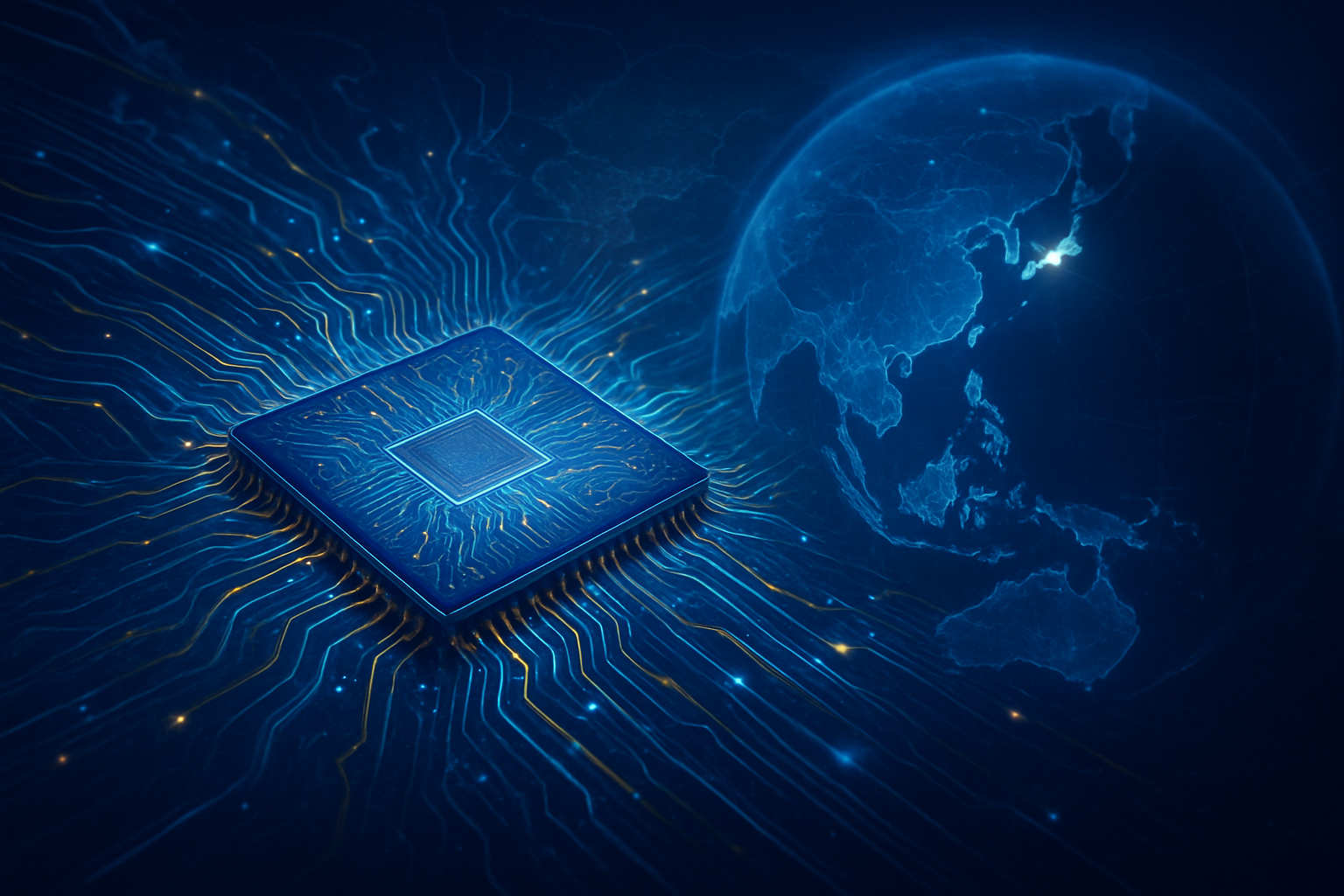
  • AMD Ignites AI Arms Race: MI350 Accelerators and Landmark OpenAI Deal Reshape Semiconductor Landscape

    AMD Ignites AI Arms Race: MI350 Accelerators and Landmark OpenAI Deal Reshape Semiconductor Landscape

    Sunnyvale, CA – October 7, 2025 – Advanced Micro Devices (NASDAQ: AMD) has dramatically escalated its presence in the artificial intelligence arena, unveiling an aggressive product roadmap for its Instinct MI series accelerators and securing a "transformative" multi-billion dollar strategic partnership with OpenAI. These pivotal developments are not merely incremental upgrades; they represent a fundamental shift in the competitive dynamics of the semiconductor industry, directly challenging NVIDIA's (NASDAQ: NVDA) long-standing dominance in AI hardware and validating AMD's commitment to an open software ecosystem. The immediate significance of these moves signals a more balanced and intensely competitive landscape, promising innovation and diverse choices for the burgeoning AI market.

    The strategic alliance with OpenAI is particularly impactful, positioning AMD as a core strategic compute partner for one of the world's leading AI developers. This monumental deal, which includes AMD supplying up to 6 gigawatts of its Instinct GPUs to power OpenAI's next-generation AI infrastructure, is projected to generate "tens of billions" in revenue for AMD and potentially over $100 billion over four years from OpenAI and other customers. Such an endorsement from a major AI innovator not only validates AMD's technological prowess but also paves the way for a significant reallocation of market share in the lucrative generative AI chip sector, which is projected to exceed $150 billion in 2025.

    AMD's AI Arsenal: Unpacking the Instinct MI Series and ROCm's Evolution

    AMD's aggressive push into AI is underpinned by a rapid cadence of its Instinct MI series accelerators and substantial investments in its open-source ROCm software platform, creating a formidable full-stack AI solution. The MI300 series, including the MI300X, launched in 2023, already demonstrated strong competitiveness against NVIDIA's H100 in AI inference workloads, particularly for large language models like LLaMA2-70B. Building on this foundation, the MI325X, with its 288GB of HBM3E memory and 6TB/s of memory bandwidth, released in Q4 2024 and shipping in volume by Q2 2025, has shown promise in outperforming NVIDIA's H200 in specific ultra-low latency inference scenarios for massive models like Llama3 405B FP8.

    However, the true game-changer appears to be the upcoming MI350 series, slated for a mid-2025 launch. Based on AMD's new CDNA 4 architecture and fabricated on an advanced 3nm process, the MI350 promises an astounding up to 35x increase in AI inference performance and a 4x generation-on-generation AI compute improvement over the MI300 series. This leap forward, coupled with 288GB of HBM3E memory, positions the MI350 as a direct and potent challenger to NVIDIA's Blackwell (B200) series. This differs significantly from previous approaches where AMD often played catch-up; the MI350 represents a proactive, cutting-edge design aimed at leading the charge in next-generation AI compute. Initial reactions from the AI research community and industry experts indicate significant optimism, with many noting the potential for AMD to provide a much-needed alternative in a market heavily reliant on a single vendor.

    Further down the roadmap, the MI400 series, expected in 2026, will introduce the next-gen UDNA architecture, targeting extreme-scale AI applications with preliminary specifications indicating 40 PetaFLOPS of FP4 performance, 432GB of HBM memory, and 20TB/s of HBM memory bandwidth. This series will form the core of AMD's fully integrated, rack-scale "Helios" solution, incorporating future EPYC "Venice" CPUs and Pensando networking. The MI450, an upcoming GPU, is central to the initial 1 gigawatt deployment for the OpenAI partnership, scheduled for the second half of 2026. This continuous innovation cycle, extending to the MI500 series in 2027 and beyond, showcases AMD's long-term commitment.

    Crucially, AMD's software ecosystem, ROCm, is rapidly maturing. ROCm 7, generally available in Q3 2025, delivers over 3.5x the inference capability and 3x the training power compared to ROCm 6. Key enhancements include improved support for industry-standard frameworks like PyTorch and TensorFlow, expanded hardware compatibility (extending to Radeon GPUs and Ryzen AI APUs), and new development tools. AMD's vision of "ROCm everywhere, for everyone," aims for a consistent developer environment from client to cloud, directly addressing the developer experience gap that has historically favored NVIDIA's CUDA. The recent native PyTorch support for Windows and Linux, enabling AI inference workloads directly on Radeon 7000 and 9000 series GPUs and select Ryzen AI 300 and AI Max APUs, further democratizes access to AMD's AI hardware.

    Reshaping the AI Competitive Landscape: Winners, Losers, and Disruptions

    AMD's strategic developments are poised to significantly reshape the competitive landscape for AI companies, tech giants, and startups. Hyperscalers and cloud providers like Microsoft (NASDAQ: MSFT), Meta (NASDAQ: META), and Oracle (NYSE: ORCL), who have already partnered with AMD, stand to benefit immensely from a viable, high-performance alternative to NVIDIA. This diversification of supply chains reduces vendor lock-in, potentially leading to better pricing, more tailored solutions, and increased innovation from a competitive market. Companies focused on AI inference, in particular, will find AMD's MI300X and MI325X compelling due to their strong performance and potentially better cost-efficiency for specific workloads.

    The competitive implications for major AI labs and tech companies are profound. While NVIDIA continues to hold a substantial lead in AI training, particularly due to its mature CUDA ecosystem and robust Blackwell series, AMD's aggressive roadmap and the OpenAI partnership directly challenge this dominance. The deal with OpenAI is a significant validation that could prompt other major AI developers to seriously consider AMD's offerings, fostering growing trust in its capabilities. This could lead to a capture of a more substantial share of the lucrative AI GPU market, with some analysts suggesting AMD could reach up to one-third. Intel (NASDAQ: INTC), with its Gaudi AI accelerators, faces increased pressure as AMD appears to be "sprinting past" it in AI strategy, leveraging superior hardware and a more mature ecosystem.

    Potential disruption to existing products or services could come from the increased availability of high-performance, cost-effective AI compute. Startups and smaller AI companies, often constrained by the high cost and limited availability of top-tier AI accelerators, might find AMD's offerings more accessible, fueling a new wave of innovation. AMD's strategic advantages lie in its full-stack approach, offering not just chips but rack-scale solutions and an expanding software ecosystem, appealing to hyperscalers and enterprises building out their AI infrastructure. The company's emphasis on an open ecosystem with ROCm also provides a compelling alternative to proprietary platforms, potentially attracting developers seeking greater flexibility and control.

    Wider Significance: Fueling the AI Supercycle and Addressing Concerns

    AMD's advancements fit squarely into the broader AI landscape as a powerful catalyst for the ongoing "AI Supercycle." By intensifying competition and driving innovation in AI hardware, AMD is accelerating the development and deployment of more powerful and efficient AI models across various industries. This push for higher performance and greater energy efficiency is crucial as AI models continue to grow in size and complexity, demanding exponentially more computational resources. The company's ambitious 2030 goal to achieve a 20x increase in rack-scale energy efficiency from a 2024 baseline highlights a critical trend: the need for sustainable AI infrastructure capable of training large models with significantly less space and electricity.

    The impacts of AMD's invigorated AI strategy are far-reaching. Technologically, it means a faster pace of innovation in chip design, interconnects (with AMD being a founding member of the UALink Consortium, an open-source alternative to NVIDIA's NVLink), and software optimization. Economically, it promises a more competitive market, potentially leading to lower costs for AI compute and broader accessibility, which could democratize AI development. Societally, more powerful and efficient AI hardware will enable the deployment of more sophisticated AI applications in areas like healthcare, scientific research, and autonomous systems.

    Potential concerns, however, include the environmental impact of rapidly expanding AI infrastructure, even with efficiency gains. The demand for advanced manufacturing capabilities for these cutting-edge chips also presents geopolitical and supply chain vulnerabilities. Compared to previous AI milestones, AMD's current trajectory signifies a shift from a largely monopolistic hardware environment to a more diversified and competitive one, a healthy development for the long-term growth and resilience of the AI industry. It echoes earlier periods of intense competition in the CPU market, which ultimately drove rapid technological progress.

    The Road Ahead: Future Developments and Expert Predictions

    The near-term and long-term developments from AMD in the AI space are expected to be rapid and continuous. Following the MI350 series in mid-2025, the MI400 series in 2026, and the MI500 series in 2027, AMD plans to integrate these accelerators with next-generation EPYC CPUs and advanced networking solutions to deliver fully integrated, rack-scale AI systems. The initial 1 gigawatt deployment of MI450 GPUs for OpenAI in the second half of 2026 will be a critical milestone to watch, demonstrating the real-world scalability and performance of AMD's solutions in a demanding production environment.

    Potential applications and use cases on the horizon are vast. With more accessible and powerful AI hardware, we can expect breakthroughs in large language model training and inference, enabling more sophisticated conversational AI, advanced content generation, and intelligent automation. Edge AI applications will also benefit from AMD's Ryzen AI APUs, bringing AI capabilities directly to client devices. Experts predict that the intensified competition will drive further specialization in AI hardware, with different architectures optimized for specific workloads (e.g., training, inference, edge), and a continued emphasis on software ecosystem development to ease the burden on AI developers.

    Challenges that need to be addressed include further maturing the ROCm software ecosystem to achieve parity with CUDA's breadth and developer familiarity, ensuring consistent supply chain stability for cutting-edge manufacturing processes, and managing the immense power and cooling requirements of next-generation AI data centers. What experts predict will happen next is a continued "AI arms race," with both AMD and NVIDIA pushing the boundaries of silicon innovation, and an increasing focus on integrated hardware-software solutions that simplify AI deployment for a broader range of enterprises.

    A New Era in AI Hardware: A Comprehensive Wrap-Up

    AMD's recent strategic developments mark a pivotal moment in the history of artificial intelligence hardware. The key takeaways are clear: AMD is no longer just a challenger but a formidable competitor in the AI accelerator market, driven by an aggressive product roadmap for its Instinct MI series and a rapidly maturing open-source ROCm software platform. The transformative multi-billion dollar partnership with OpenAI serves as a powerful validation of AMD's capabilities, signaling a significant shift in market dynamics and an intensified competitive landscape.

    This development's significance in AI history cannot be overstated. It represents a crucial step towards diversifying the AI hardware supply chain, fostering greater innovation through competition, and potentially accelerating the pace of AI advancement across the globe. By providing a compelling alternative to existing solutions, AMD is helping to democratize access to high-performance AI compute, which will undoubtedly fuel new breakthroughs and applications.

    In the coming weeks and months, industry observers will be watching closely for several key indicators: the successful volume ramp-up and real-world performance benchmarks of the MI325X and MI350 series, further enhancements and adoption of the ROCm software ecosystem, and any additional strategic partnerships AMD might announce. The initial deployment of MI450 GPUs with OpenAI in 2026 will be a critical test, showcasing AMD's ability to execute on its ambitious vision. The AI hardware landscape is entering an exciting new era, and AMD is firmly at the forefront of this revolution.


    This content is intended for informational purposes only and represents analysis of current AI developments.

    TokenRing AI delivers enterprise-grade solutions for multi-agent AI workflow orchestration, AI-powered development tools, and seamless remote collaboration platforms.
    For more information, visit https://www.tokenring.ai/.

  • Hyundai Mobis Drives South Korea’s Automotive Chip Revolution: A New Era for AI-Powered Vehicles

    As the global automotive industry races towards a future dominated by autonomous driving and intelligent in-car AI, the development of a robust and localized semiconductor ecosystem has become paramount. South Korea, a powerhouse in both automotive manufacturing and semiconductor technology, is making significant strides in this critical area, with Hyundai Mobis (KRX: 012330) emerging as a pivotal leader. The company's strategic initiatives, substantial investments, and collaborative efforts are not only bolstering South Korea's self-reliance in automotive chips but also laying the groundwork for the next generation of smart vehicles powered by advanced AI.

    The drive for dedicated automotive-grade chips is more crucial than ever. Modern electric vehicles (EVs) can house around 1,000 semiconductors, while fully autonomous cars are projected to require over 2,000. These aren't just any chips; they demand stringent reliability, safety, and performance standards that consumer electronics chips often cannot meet. Hyundai Mobis's aggressive push to design and manufacture these specialized components domestically represents a significant leap towards securing the future of AI-driven mobility and reducing the current 95-97% reliance on foreign suppliers for South Korea's automotive sector.

    Forging a Domestic Semiconductor Powerhouse: The Technical Blueprint

    Huyndai Mobis's strategy is multifaceted, anchored by the recently launched Auto Semicon Korea (ASK) forum in September 2025. This pioneering private-sector-led alliance unites 23 prominent companies and research institutions, including semiconductor giants like Samsung Electronics (KRX: 005930), LX Semicon (KOSDAQ: 108320), SK keyfoundry, and DB HiTek (KRX: 000990), alongside international partners such as GlobalFoundries (NASDAQ: GFS). The ASK forum's core mission is to construct a comprehensive domestic supply chain for automotive-grade chips, aiming to localize core production and accelerate South Korea's technological sovereignty in this vital domain. Hyundai Mobis plans to expand this forum annually, inviting startups and technology providers to further enrich the ecosystem.

    Technically, Hyundai Mobis is committed to independently designing and manufacturing over 10 types of crucial automotive chips, including Electronic Control Units (ECUs) and Microcontroller Units (MCUs), with mass production slated to commence by 2026. This ambitious timeline reflects the urgency of establishing domestic capabilities. The company is already mass-producing 16 types of in-house designed semiconductors—covering power, data processing, communication, and sensor chips—through external foundries, with an annual output reaching 20 million units. Furthermore, Hyundai Mobis has secured ISO 26262 certification for its semiconductor R&D processes, a testament to its rigorous safety and quality management, and a crucial enabler for partners transitioning into the automotive sector.

    This approach differs significantly from previous strategies that heavily relied on a few global semiconductor giants. By fostering a collaborative domestic ecosystem, Hyundai Mobis aims to provide a "technical safety net" for companies, particularly those from consumer electronics, to enter the high-stakes automotive market. The focus on defining controller-specific specifications and supporting real-vehicle-based validation is projected to drastically shorten development cycles for automotive semiconductors, potentially cutting R&D timelines by up to two years for integrated power semiconductors and other core components. This localized, integrated development is critical for the rapid iteration and deployment required by advanced autonomous driving and in-car AI systems.

    Reshaping the AI and Tech Landscape: Corporate Implications

    Hyundai Mobis's leadership in this endeavor carries profound implications for AI companies, tech giants, and startups alike. Domestically, companies like Samsung Electronics, LX Semicon, SK keyfoundry, and DB HiTek stand to benefit immensely from guaranteed demand and collaborative development opportunities within the ASK forum. These partnerships could catalyze their expansion into the high-growth automotive sector, leveraging their existing semiconductor expertise. Internationally, Hyundai Mobis's November 2024 investment of $15 million in US-based fabless semiconductor company Elevation Microsystems highlights a strategic focus on high-voltage power management solutions for EVs and autonomous driving, including advanced power semiconductors like silicon carbide (SiC) and gallium nitride (GaN) FETs. This signals a selective engagement with global innovators to acquire niche, high-performance technologies.

    The competitive landscape is poised for disruption. By increasing the domestic semiconductor adoption rate from the current 5% to 10% by 2030, Hyundai Mobis and Hyundai Motor Group are directly challenging the market dominance of established foreign automotive chip suppliers. This strategic shift enhances South Korea's global competitiveness in automotive technology and reduces supply chain vulnerabilities, a lesson painfully learned during recent global chip shortages. Hyundai Mobis, as a Tier 1 supplier and now a significant chip designer, is strategically positioning itself as a central figure in the automotive value chain, capable of managing the entire supply chain from chip design to vehicle integration.

    This integrated approach offers a distinct strategic advantage. By having direct control over semiconductor design and development, Hyundai Mobis can tailor chips precisely to the needs of its autonomous driving and in-car AI systems, optimizing performance, power efficiency, and security. This vertical integration reduces reliance on external roadmaps and allows for faster innovation cycles, potentially giving Hyundai Motor Group a significant edge in bringing advanced AI-powered vehicles to market.

    Wider Significance: A Pillar of AI-Driven Mobility

    Huyndai Mobis's initiatives fit squarely into the broader AI landscape and the accelerating trend towards software-defined vehicles (SDVs). The increasing sophistication of AI algorithms for perception, decision-making, and control in autonomous systems demands purpose-built hardware capable of high-speed, low-latency processing. Dedicated automotive semiconductors are the bedrock upon which these advanced AI capabilities are built, enabling everything from real-time object recognition to predictive analytics for vehicle behavior. The company is actively developing a standardized platform for software-based control across various vehicle types, targeting commercialization after 2028, further underscoring its commitment to the SDV paradigm.

    The impacts of this development are far-reaching. Beyond economic growth and job creation within South Korea, it represents a crucial step towards technological sovereignty in a sector vital for national security and economic prosperity. Supply chain resilience, a major concern in recent years, is significantly enhanced by localizing such critical components. This move also empowers Korean startups and research institutions by providing a clear pathway to market and a collaborative environment for innovation.

    While the benefits are substantial, potential concerns include the immense capital investment required, the challenge of attracting and retaining top-tier semiconductor talent, and the intense global competition from established chipmakers. However, this strategic pivot is comparable to previous national efforts in critical technologies, recognizing that control over foundational hardware is essential for leading the next wave of technological innovation. It signifies a mature understanding that true leadership in AI-driven mobility requires mastery of the underlying silicon.

    The Road Ahead: Future Developments and Expert Predictions

    Looking ahead, the near-term will see Hyundai Mobis pushing towards its 2026 target for mass production of domestically developed automotive semiconductors. The ASK forum is expected to expand, fostering more partnerships and bringing new companies into the fold, thereby diversifying the ecosystem. The ongoing development of 11 next-generation chips, including battery management systems and communication chips, over a three-year timeline, will be critical for future EV and autonomous vehicle platforms.

    In the long term, the focus will shift towards the full realization of software-defined vehicles, with Hyundai Mobis targeting commercialization after 2028. This will involve the development of highly integrated System-on-Chips (SoCs) that can efficiently run complex AI models for advanced autonomous driving features, enhanced in-car AI experiences, and seamless vehicle-to-everything (V2X) communication. The investment in Elevation Microsystems, specifically for SiC and GaN FETs, also points to a future where power efficiency and performance in EVs are significantly boosted by advanced materials science in semiconductors.

    Experts predict that this localized, collaborative approach will not only increase South Korea's domestic adoption rate of automotive semiconductors but also position the country as a global leader in specialized automotive chip design and manufacturing. The primary challenges will involve scaling production efficiently while maintaining the rigorous quality and safety standards demanded by the automotive industry, and continuously innovating to stay ahead of rapidly evolving AI and autonomous driving technologies.

    A New Horizon for AI in Automotive: Comprehensive Wrap-Up

    Huyndai Mobis's strategic leadership in cultivating South Korea's automotive semiconductor ecosystem marks a pivotal moment in the convergence of AI, automotive technology, and semiconductor manufacturing. The establishment of the ASK forum, coupled with significant investments and a clear roadmap for domestic chip production, underscores the critical role of specialized silicon in enabling the next generation of AI-powered vehicles. This initiative is not merely about manufacturing chips; it's about building a foundation for technological self-sufficiency, fostering innovation, and securing a competitive edge in the global race for autonomous and intelligent mobility.

    The significance of this development in AI history cannot be overstated. By taking control of the hardware layer, South Korea is ensuring that its AI advancements in automotive are built on a robust, secure, and optimized platform. This move will undoubtedly accelerate the development and deployment of more sophisticated AI algorithms for autonomous driving, advanced driver-assistance systems (ADAS), and personalized in-car experiences.

    In the coming weeks and months, industry watchers should closely monitor the progress of the ASK forum, the first prototypes and production milestones of domestically developed chips in 2026, and any new partnerships or investment announcements from Hyundai Mobis. This bold strategy has the potential to transform South Korea into a global hub for automotive AI and semiconductor innovation, profoundly impacting the future of transportation and the broader AI landscape.

    This content is intended for informational purposes only and represents analysis of current AI developments.

    TokenRing AI delivers enterprise-grade solutions for multi-agent AI workflow orchestration, AI-powered development tools, and seamless remote collaboration platforms.
    For more information, visit https://www.tokenring.ai/.

  • The Dawn of a New Era: Advanced Semiconductor Materials Powering the AI Revolution Towards 2032

    The Dawn of a New Era: Advanced Semiconductor Materials Powering the AI Revolution Towards 2032

    The insatiable appetite of Artificial Intelligence (AI) for computational power is driving an unprecedented revolution in semiconductor materials science. As traditional silicon-based technologies approach their inherent physical limits, a new generation of advanced materials is emerging, poised to redefine the performance and efficiency of AI processors and other cutting-edge technologies. This profound shift, projected to propel the advanced semiconductor materials market to between USD 127.55 billion and USD 157.87 billion by 2032-2033, is not merely an incremental improvement but a fundamental transformation that will unlock previously unimaginable capabilities for AI, from hyperscale data centers to the most minute edge devices.

    This article delves into the intricate world of novel semiconductor materials, exploring the market dynamics, key technological trends, and their profound implications for AI companies, tech giants, and the broader societal landscape. It examines how breakthroughs in materials science are directly translating into faster, more energy-efficient, and more capable AI hardware, setting the stage for the next wave of intelligent systems.

    Beyond Silicon: The Technical Underpinnings of AI's Next Leap

    The technical advancements in semiconductor materials are rapidly pushing beyond the confines of silicon to meet the escalating demands of AI processors. As silicon scaling faces fundamental physical and functional limitations in miniaturization, power consumption, and thermal management, novel materials are stepping in as critical enablers for the next generation of AI hardware.

    At the forefront of this materials revolution are Wide-Bandgap (WBG) Semiconductors such as Gallium Nitride (GaN) and Silicon Carbide (SiC). GaN, with its 3.4 eV bandgap (significantly wider than silicon's 1.1 eV), offers superior energy efficiency, high-voltage tolerance, and exceptional thermal performance, enabling switching speeds up to 100 times faster than silicon. SiC, boasting a 3.3 eV bandgap, is renowned for its high-temperature, high-voltage, and high-frequency resistance, coupled with thermal conductivity approximately three times higher than silicon. These properties are crucial for the power efficiency and robust operation demanded by high-performance AI systems, particularly in data centers and electric vehicles. For instance, NVIDIA (NASDAQ: NVDA) is exploring SiC interposers in its advanced packaging to reduce the operating temperature of its H100 chips.

    Another transformative class of materials is Two-Dimensional (2D) Materials, including graphene, Molybdenum Disulfide (MoS2), and Indium Selenide (InSe). Graphene, a single layer of carbon atoms, exhibits extraordinary electron mobility (up to 100 times that of silicon) and high thermal conductivity. TMDs like MoS2 and InSe possess natural bandgaps suitable for semiconductor applications, with InSe transistors showing potential to outperform silicon in electron mobility. These materials, being only a few atoms thick, enable extreme miniaturization and enhanced electrostatic control, paving the way for ultra-thin, energy-efficient transistors that could slash memory chip energy consumption by up to 90%.

    Furthermore, Ferroelectric Materials and Spintronic Materials are emerging as foundational for novel computing paradigms. Ferroelectrics, exhibiting reversible spontaneous electric polarization, are critical for energy-efficient non-volatile memory and in-memory computing, offering significantly reduced power requirements. Spintronic materials leverage the electron's "spin" in addition to its charge, promising ultra-low power consumption and highly efficient processing for neuromorphic computing, which seeks to mimic the human brain. Experts predict that ferroelectric-based analog computing in-memory (ACiM) could reduce energy consumption by 1000x, and 2D spintronic neuromorphic devices by 10,000x compared to CMOS for machine learning tasks.

    The AI research community and industry experts have reacted with overwhelming enthusiasm to these advancements. They are universally acknowledged as "game-changers" and "critical enablers" for overcoming silicon's limitations and sustaining the exponential growth of computing power required by modern AI. Companies like Google (NASDAQ: GOOGL) are heavily investing in researching and developing these materials for their custom AI accelerators, while Applied Materials (NASDAQ: AMAT) is developing manufacturing systems specifically designed to enhance performance and power efficiency for advanced AI chips using these new materials and architectures. This transition is viewed as a "profound shift" and a "pivotal paradigm shift" for the broader AI landscape.

    Reshaping the AI Industry: Competitive Implications and Strategic Advantages

    The advancements in semiconductor materials are profoundly impacting the AI industry, driving significant investments and strategic shifts across tech giants, established AI companies, and innovative startups. This is leading to more powerful, efficient, and specialized AI hardware, with far-reaching competitive implications and potential market disruptions.

    Tech giants are at the forefront of this shift, increasingly developing proprietary custom silicon solutions optimized for specific AI workloads. Google (NASDAQ: GOOGL) with its Tensor Processing Units (TPUs), Amazon (NASDAQ: AMZN) with Trainium and Inferentia, and Microsoft (NASDAQ: MSFT) with its Azure Maia AI Accelerator and Azure Cobalt CPU, are all leveraging vertical integration to accelerate their AI roadmaps. This strategy provides a critical differentiator, reducing dependence on external vendors and enabling tighter hardware-software co-design. NVIDIA (NASDAQ: NVDA), a dominant force in AI GPUs, continues to innovate with advanced packaging and materials, securing its leadership in high-performance AI compute. Other key players include AMD (NASDAQ: AMD) with its high-performance CPUs and GPUs, and Intel (NASDAQ: INTC), which is aggressively investing in new technologies and foundry services. Companies like TSMC (NYSE: TSM) and ASML (NASDAQ: ASML) are critical enablers, providing the advanced manufacturing capabilities and lithography equipment necessary for producing these cutting-edge chips.

    Beyond the giants, a vibrant ecosystem of AI companies and startups is emerging, focusing on specialized AI hardware, new materials, and innovative manufacturing processes. Companies like Cerebras Systems are pushing the boundaries with wafer-scale AI processors, while startups such as Upscale AI are building high-bandwidth AI networking fabrics. Others like Arago and Scintil are exploring photonic AI accelerators and silicon photonic integrated circuits for ultra-high-speed optical interconnects. Startups like Syenta are developing lithography-free processes for scalable, high-density interconnects, aiming to overcome the "memory wall" in AI systems. The focus on energy efficiency is also evident with companies like Empower Semiconductor developing advanced power management chips for AI systems.

    The competitive landscape is intensifying, particularly around high-bandwidth memory (HBM) and specialized AI accelerators. Companies capable of navigating new geopolitical and industrial policies, and integrating seamlessly into national semiconductor strategies, will gain a significant edge. The shift towards specialized AI chips, such as Application-Specific Integrated Circuits (ASICs), Neural Processing Units (NPUs), and neuromorphic chips, is creating new niches and challenging the dominance of general-purpose hardware in certain applications. This also brings potential market disruptions, including geopolitical reshaping of supply chains due to export controls and trade restrictions, which could lead to fragmented and potentially more expensive semiconductor industries. However, strategic advantages include accelerated innovation cycles, optimized performance and efficiency through custom chip design and advanced packaging, and the potential for vastly more energy-efficient AI processing through novel architectures. AI itself is playing a transformative role in chipmaking, automating complex design tasks and optimizing manufacturing processes, significantly reducing time-to-market.

    A Broader Canvas: AI's Evolving Landscape and Societal Implications

    The materials-driven shift in semiconductors represents a deeper level of innovation compared to earlier AI milestones, fundamentally redefining AI's capabilities and accelerating its development into new domains. This current era is characterized by a "profound shift" in the physical hardware itself, moving beyond mere architectural optimizations within silicon. The exploration and integration of novel materials like GaN, SiC, and 2D materials are becoming the primary enablers for the "next wave of AI innovation," establishing the physical foundation for the continued scaling and widespread deployment of advanced AI.

    This new foundation is enabling Edge AI expansion, where sophisticated AI computations can be performed directly on devices like autonomous vehicles, IoT sensors, and smart cameras, leading to faster processing, reduced bandwidth, and enhanced privacy. It is also paving the way for emerging computing paradigms such as neuromorphic chips, inspired by the human brain for ultra-low-power, adaptive AI, and quantum computing, which promises to solve problems currently intractable for classical computers. Paradoxically, AI itself is becoming an indispensable tool in the design and manufacturing of these advanced semiconductors, creating a virtuous cycle where AI fuels semiconductor innovation, which in turn fuels more advanced AI.

    However, this rapid advancement also brings forth significant societal concerns. The manufacturing of advanced semiconductors is resource-intensive, consuming vast amounts of water, chemicals, and energy, and generating considerable waste. The massive energy consumption required for training and operating large AI models further exacerbates these environmental concerns. There is a growing focus on developing more energy-efficient chips and sustainable manufacturing processes to mitigate this impact.

    Ethical concerns are also paramount as AI is increasingly used to design and optimize chips. Potential biases embedded within AI design tools could inadvertently perpetuate societal inequalities. Furthermore, the complexity of AI-designed chips can obscure human oversight and accountability in case of malfunctions or ethical breaches. The potential for workforce displacement due to automation, enabled by advanced semiconductors, necessitates proactive measures for retraining and creating new opportunities. Global equity, geopolitics, and supply chain vulnerabilities are also critical issues, as the high costs of innovation and manufacturing concentrate power among a few dominant players, leading to strategic importance of semiconductor access and potential fragilities in the global supply chain. Finally, the enhanced data collection and analysis capabilities of AI hardware raise significant privacy and security concerns, demanding robust safeguards against misuse and cyber threats.

    Compared to previous AI milestones, such as the reliance on general-purpose CPUs in early AI or the GPU-catalyzed Deep Learning Revolution, the current materials-driven shift is a more fundamental transformation. While GPUs optimized how silicon chips were used, the present era is about fundamentally altering the physical hardware, unlocking unprecedented efficiencies and expanding AI's reach into entirely new applications and performance levels.

    The Horizon: Anticipating Future Developments and Challenges

    The future of semiconductor materials for AI is characterized by a dynamic evolution, driven by the escalating demands for higher performance, energy efficiency, and novel computing paradigms. Both near-term and long-term developments are focused on pushing beyond the limits of traditional silicon, enabling advanced AI applications, and addressing significant technological and economic challenges.

    In the near term (next 1-5 years), advancements will largely center on enhancing existing silicon-based technologies and the increased adoption of specific alternative materials and packaging techniques. Advanced packaging technologies like 2.5D and 3D-IC stacking, Fan-Out Wafer-Level Packaging (FOWLP), and chiplet integration will become standard. These methods are crucial for overcoming bandwidth limitations and reducing energy consumption in high-performance computing (HPC) and AI workloads by integrating multiple chiplets and High-Bandwidth Memory (HBM) into complex systems. The continued optimization of manufacturing processes and increasing wafer sizes for Wide-Bandgap (WBG) semiconductors like GaN and SiC will enable broader adoption in power electronics for EVs, 5G/6G infrastructure, and data centers. Continued miniaturization through Extreme Ultraviolet (EUV) lithography will also push transistor performance, with Gate-All-Around FETs (GAA-FETs) becoming critical architectures for next-generation logic at 2nm nodes and beyond.

    Looking further ahead, in the long term (beyond 5 years), the industry will see a more significant shift away from silicon dominance and the emergence of radically new computing paradigms and materials. Two-Dimensional (2D) materials like graphene, MoS₂, and InSe are considered long-term solutions for scaling limits, offering exceptional electrical conductivity and potential for extreme miniaturization. Hybrid approaches integrating 2D materials with silicon or WBG semiconductors are predicted as an initial pathway to commercialization. Neuromorphic computing materials, inspired by the human brain, will involve developing materials that exhibit controllable and energy-efficient transitions between different resistive states, paving the way for ultra-low-power, adaptive AI systems. Quantum computing materials will also continue to be developed, with AI itself accelerating the discovery and fabrication of new quantum materials.

    These material advancements will unlock new capabilities across a wide range of applications. They will underpin the increasing computational demands of Generative AI and Large Language Models (LLMs) in cloud data centers, PCs, and smartphones. Specialized, low-power, high-performance chips will power Edge AI in autonomous vehicles, IoT devices, and AR/VR headsets, enabling real-time local processing. WBG materials will be critical for 5G/6G communications infrastructure. Furthermore, these new material platforms will enable specialized hardware for neuromorphic and quantum computing, leading to unprecedented energy efficiency and the ability to solve problems currently intractable for classical computers.

    However, realizing these future developments requires overcoming significant challenges. Technological complexity and cost associated with miniaturization at sub-nanometer scales are immense. The escalating energy consumption and environmental impact of both AI computation and semiconductor manufacturing demand breakthroughs in power-efficient designs and sustainable practices. Heat dissipation and memory bandwidth remain critical bottlenecks for AI workloads. Supply chain disruptions and geopolitical tensions pose risks to industrial resilience and economic stability. A critical talent shortage in the semiconductor industry is also a significant barrier. Finally, the manufacturing and integration of novel materials, along with the need for sophisticated AI algorithm and hardware co-design, present ongoing complexities.

    Experts predict a transformative future where AI and new materials are inextricably linked. AI itself will play an even more critical role in the semiconductor industry, automating design, optimizing manufacturing, and accelerating the discovery of new materials. Advanced packaging is considered the "hottest topic," with 2.5D and 3D technologies dominating HPC and AI. While silicon will remain dominant in the near term, new electronic materials are expected to gradually displace it in mass-market devices from the mid-2030s, promising fundamentally more efficient and versatile computing. The long-term vision includes highly automated or fully autonomous fabrication plants and the development of novel AI-specific hardware architectures, such as neuromorphic chips. The synergy between AI and quantum computing is also seen as a "mutually reinforcing power couple," with AI aiding quantum system development and quantum machine learning potentially reducing the computational burden of large AI models.

    A New Frontier for Intelligence: The Enduring Impact of Material Science

    The ongoing revolution in semiconductor materials represents a pivotal moment in the history of Artificial Intelligence. It underscores a fundamental truth: the advancement of AI is inextricably linked to the physical substrates upon which it runs. We are moving beyond simply optimizing existing silicon architectures to fundamentally reimagining the very building blocks of computation. This shift is not just about making chips faster or smaller; it's about enabling entirely new paradigms of intelligence, from the ubiquitous and energy-efficient AI at the edge to the potentially transformative capabilities of neuromorphic and quantum computing.

    The significance of these developments cannot be overstated. They are the bedrock upon which the next generation of AI will be built, influencing everything from the efficiency of large language models to the autonomy of self-driving cars and the precision of medical diagnostics. The interplay between AI and materials science is creating a virtuous cycle, where AI accelerates the discovery and optimization of new materials, which in turn empower more advanced AI. This feedback loop is driving an unprecedented pace of innovation, promising a future where intelligent systems are more powerful, pervasive, and energy-conscious than ever before.

    In the coming weeks and months, we will witness continued announcements regarding breakthroughs in advanced packaging, wider adoption of WBG semiconductors, and further research into 2D materials and novel computing architectures. The strategic investments by tech giants and the rapid innovation from startups will continue to shape this dynamic landscape. The challenges of cost, supply chain resilience, and environmental impact will remain central, demanding collaborative efforts across industry, academia, and government to ensure responsible and sustainable progress. The future of AI is being forged at the atomic level, and the materials we choose today will define the intelligence of tomorrow.


    This content is intended for informational purposes only and represents analysis of current AI developments.

    TokenRing AI delivers enterprise-grade solutions for multi-agent AI workflow orchestration, AI-powered development tools, and seamless remote collaboration platforms. For more information, visit https://www.tokenring.ai/.

  • India’s Silicon Ascent: Maharashtra Eyes Chip Capital Crown by 2030, Fueling AI Ambitions

    India’s Silicon Ascent: Maharashtra Eyes Chip Capital Crown by 2030, Fueling AI Ambitions

    India is rapidly accelerating its ambitions in the global semiconductor landscape, with the state of Maharashtra spearheading a monumental drive to emerge as the nation's chip capital by 2030. This strategic push is not merely about manufacturing; it's intricately woven into India's broader Artificial Intelligence (AI) strategy, aiming to cultivate a robust indigenous ecosystem for chip design, fabrication, and packaging, thereby powering the next generation of AI innovations and ensuring technological sovereignty.

    At the heart of this talent cultivation lies the NaMo Semiconductor Lab, an initiative designed to sculpt future chip designers and engineers. These concerted efforts represent a pivotal moment for India, positioning it as a significant player in the high-stakes world of advanced electronics and AI, moving beyond being just a consumer to a formidable producer of critical technological infrastructure.

    Engineering India's AI Future: From Design to Fabrication

    India's journey towards semiconductor self-reliance is underpinned by the India Semiconductor Mission (ISM), launched in December 2021 with a substantial outlay of approximately $9.2 billion (₹76,000 crore). This mission provides a robust policy framework and financial incentives to attract both domestic and international investments into semiconductor and display manufacturing. As of August 2025, ten projects have already been approved, committing a cumulative investment of about $18.23 billion (₹1.60 trillion), signaling a strong trajectory towards establishing India as a reliable alternative hub in global technology supply chains. India anticipates its first domestically produced semiconductor chip to hit the market by the close of 2025, a testament to the accelerated pace of these initiatives.

    Maharashtra, in particular, has carved out its own pioneering semiconductor policy, actively fostering an ecosystem conducive to chip manufacturing. Key developments include the inauguration of RRP Electronics Ltd.'s first semiconductor manufacturing OSAT (Outsourced Semiconductor Assembly and Test) facility in Navi Mumbai in September 2024, backed by an investment of ₹12,035 crore, with plans for a FAB Manufacturing unit in its second phase. Furthermore, the Maharashtra cabinet has greenlit a significant $10 billion (₹83,947 crore) investment proposal for a semiconductor chip manufacturing unit by a joint venture between Tower Semiconductor and the Adani Group (NSE: ADANIENT) in Taloja, Navi Mumbai, targeting an initial capacity of 40,000 wafer starts per month (WSPM). The Vedanta Group (NSE: VEDL), in partnership with Foxconn (TWSE: 2317), has also proposed a massive ₹1.6 trillion (approximately $20.8 billion) investment for a semiconductor and display fabs manufacturing unit in Maharashtra. These initiatives are designed to reduce India's reliance on foreign imports and foster a "Chip to Ship" philosophy, emphasizing indigenous manufacturing from design to the final product.

    The NaMo Semiconductor Laboratory, approved at IIT Bhubaneswar and funded under the MPLAD Scheme with an estimated cost of ₹4.95 crore, is a critical component in developing the necessary human capital. This lab aims to equip Indian youth with industry-ready skills in chip manufacturing, design, and packaging, positioning IIT Bhubaneswar as a hub for semiconductor research and skilling. India already boasts 20% of the global chip design talent, with a vibrant academic ecosystem where students from 295 universities utilize advanced Electronic Design Automation (EDA) tools. The NaMo Lab will further enhance these capabilities, complementing existing facilities like the Silicon Carbide Research and Innovation Centre (SiCRIC) at IIT Bhubaneswar, and directly supporting the "Make in India" and "Design in India" initiatives.

    Reshaping the AI Industry Landscape

    India's burgeoning semiconductor sector is poised to significantly impact AI companies, both domestically and globally. By fostering indigenous chip design and manufacturing, India aims to create a more resilient supply chain, reducing the vulnerability of its AI ecosystem to geopolitical fluctuations and foreign dependencies. This localized production will directly benefit Indian AI startups and tech giants by providing easier access to specialized AI hardware, potentially at lower costs, and with greater customization options tailored to local needs.

    For major AI labs and tech companies, particularly those with a significant presence in India, this development presents both opportunities and competitive implications. Companies like Tata Electronics, which has already announced plans for semiconductor manufacturing, stand to gain strategic advantages. The availability of locally manufactured advanced chips, including those optimized for AI workloads, could accelerate innovation in areas such as machine learning, large language models, and edge AI applications. This could lead to a surge in AI-powered products and services developed within India, potentially disrupting existing markets and creating new ones.

    Furthermore, the "Design Linked Incentive (DLI)" scheme, which has already approved 23 chip-design projects led by local startups and MSMEs, is fostering a new wave of indigenous AI hardware development. Chips designed for surveillance cameras, energy meters, and IoT devices will directly feed into India's smart city and smart mobility initiatives, which are central to its AI for All vision. This localized hardware development could give Indian companies a unique competitive edge in developing AI solutions specifically suited for the diverse Indian market, and potentially for other emerging economies. The strategic advantage lies not just in manufacturing, but in owning the entire value chain from design to deployment, fostering a robust and self-reliant AI ecosystem.

    A Cornerstone of India's "AI for All" Vision

    India's semiconductor drive is intrinsically linked to its ambitious "AI for All" vision, positioning AI as a catalyst for inclusive growth and societal transformation. The national strategy, initially articulated by NITI Aayog in 2018 and further solidified by the IndiaAI Mission launched in 2024 with an allocation of ₹10,300 crore over five years, aims to establish India as a global leader in AI. Advanced chips are the fundamental building blocks for powering AI technologies, from data centers running large language models to edge devices enabling real-time AI applications. Without a robust and reliable supply of these chips, India's AI ambitions would be severely hampered.

    The impact extends far beyond economic growth. This initiative is a critical component of building a resilient AI infrastructure. The IndiaAI Mission focuses on developing a high-end common computing facility equipped with 18,693 Graphics Processing Units (GPUs), making it one of the most extensive AI compute infrastructures globally. The government has also approved ₹107.3 billion ($1.24 billion) in 2024 for AI-specific data center infrastructure, with investments expected to exceed $100 billion by 2027. This infrastructure, powered by increasingly indigenous semiconductors, will be vital for training and deploying complex AI models, ensuring that India has the computational backbone necessary to compete on the global AI stage.

    Potential concerns, however, include the significant capital investment required, the steep learning curve for advanced manufacturing processes, and the global competition for talent and resources. While India boasts a large pool of engineering talent, scaling up to meet the specialized demands of semiconductor manufacturing and advanced AI chip design requires continuous investment in education and training. Comparisons to previous AI milestones highlight that access to powerful, efficient computing hardware has always been a bottleneck. By proactively addressing this through a national semiconductor strategy, India is laying a crucial foundation that could prevent future compute-related limitations from impeding its AI progress.

    The Horizon: From Indigenous Chips to Global AI Leadership

    The near-term future promises significant milestones for India's semiconductor and AI sectors. The expectation of India's first domestically produced semiconductor chip reaching the market by the end of 2025 is a tangible marker of progress. The broader goal is for India to be among the top five semiconductor manufacturing nations by 2029, establishing itself as a reliable alternative hub for global technology supply chains. This trajectory indicates a rapid scaling up of production capabilities and a deepening of expertise across the semiconductor value chain.

    Looking further ahead, the potential applications and use cases are vast. Indigenous semiconductor capabilities will enable the development of highly specialized AI chips for various sectors, including defense, healthcare, agriculture, and smart infrastructure. This could lead to breakthroughs in areas such as personalized medicine, precision agriculture, autonomous systems, and advanced surveillance, all powered by chips designed and manufactured within India. Challenges that need to be addressed include attracting and retaining top-tier global talent, securing access to critical raw materials, and navigating the complex geopolitical landscape that often influences semiconductor trade and technology transfer. Experts predict that India's strategic investments will not only foster economic growth but also enhance national security and technological sovereignty, making it a formidable player in the global AI race.

    The integration of AI into diverse sectors, from smart cities to smart mobility, will be accelerated by the availability of locally produced, AI-optimized hardware. This synergy between semiconductor prowess and AI innovation is expected to contribute approximately $400 billion to the national economy by 2030, transforming India into a powerhouse of digital innovation and a leader in responsible AI development.

    A New Era of Self-Reliance in AI

    India's aggressive push into the semiconductor sector, exemplified by Maharashtra's ambitious goal to become the country's chip capital by 2030 and the foundational work of the NaMo Semiconductor Lab, marks a transformative period for the nation's technological landscape. This concerted effort is more than an industrial policy; it's a strategic imperative directly fueling India's broader AI strategy, aiming for self-reliance and global leadership in a domain critical to future economic growth and societal progress. The synergy between fostering indigenous chip design and manufacturing and cultivating a skilled AI workforce is creating a virtuous cycle, where advanced hardware enables sophisticated AI applications, which in turn drives demand for more powerful and specialized chips.

    The significance of this development in AI history cannot be overstated. By investing heavily in the foundational technology that powers AI, India is securing its place at the forefront of the global AI revolution. This proactive stance distinguishes India from many nations that primarily focus on AI software and applications, often relying on external hardware. The long-term impact will be a more resilient, innovative, and sovereign AI ecosystem capable of addressing unique national challenges and contributing significantly to global technological advancements.

    In the coming weeks and months, the world will be watching for further announcements regarding new fabrication plants, partnerships, and the first indigenous chips rolling off production lines. The success of Maharashtra's blueprint and the output of institutions like the NaMo Semiconductor Lab will be key indicators of India's trajectory. This is not just about building chips; it's about building the future of AI, Made in India, for India and the world.

    This content is intended for informational purposes only and represents analysis of current AI developments.

    TokenRing AI delivers enterprise-grade solutions for multi-agent AI workflow orchestration, AI-powered development tools, and seamless remote collaboration platforms.
    For more information, visit https://www.tokenring.ai/.