
Author: mdierolf

  • Breakthrough in Photonics: Ultrafast Optical Gating Unlocks Instantaneous Readout from Microcavities

    Breakthrough in Photonics: Ultrafast Optical Gating Unlocks Instantaneous Readout from Microcavities

    October 15, 2025 – In a significant leap forward for photonic technologies, scientists have unveiled a revolutionary method employing ultrafast optical gating in a lithium niobate microcavity, enabling the instantaneous up-conversion of intra-cavity fields. This groundbreaking development promises to fundamentally transform how information is extracted from high-finesse optical microcavities, overcoming long-standing limitations associated with slow readout protocols and paving the way for unprecedented advancements in quantum computing, high-speed sensing, and integrated photonics.

    The core innovation lies in its ability to provide an "on-demand" snapshot of the optical field stored within a microcavity. Traditionally, the very nature of high-finesse cavities—designed to confine light for extended periods—makes rapid information retrieval a challenge. This new technique circumvents this bottleneck by leveraging nonlinear optics to convert stored light to a different, higher frequency, which can then be detected almost instantaneously. This capability is poised to unlock the full potential of microcavities, transitioning them from passive storage units to actively controllable and readable platforms critical for future technological paradigms.

    The Mechanics of Instantaneous Up-Conversion: A Deep Dive

    The technical prowess behind this breakthrough hinges on the unique properties of lithium niobate (LN) and the precise application of ultrafast optics. At the heart of the system is a high-quality (high-Q) microcavity crafted from thin-film lithium niobate, a material renowned for its exceptional second-order nonlinear optical coefficient (χ(2)) and broad optical transparency. These characteristics are vital, as they enable efficient nonlinear light-matter interactions within a confined space.

    The process involves introducing a femtosecond optical "gate" pulse into the microcavity. This gate pulse, carefully tuned to a wavelength where the cavity mirrors are transparent, interacts with the intra-cavity field—the light stored within the microcavity. Through a nonlinear optical phenomenon known as sum-frequency generation (SFG), photons from the intra-cavity field combine with photons from the gate pulse within the lithium niobate. This interaction produces new photons with a frequency that is the sum of the two input frequencies, effectively "up-converting" the stored signal. Crucially, because the gate pulse is ultrafast (on the femtosecond scale), this up-conversion occurs nearly instantaneously, capturing the precise state of the intra-cavity field at that exact moment. The resulting upconverted signal then exits the cavity as a short, detectable pulse.

    This method stands in stark contrast to conventional readout techniques, which often rely on waiting for the intra-cavity light to naturally decay or slowly couple out of the cavity. Such traditional approaches are inherently slow, often leading to distorted measurements when rapid readouts are attempted. The ultrafast gating technique bypasses these temporal constraints, offering a direct, time-resolved, and minimally perturbative probe of the intra-cavity state. Initial reactions from the AI research community and photonics experts have been overwhelmingly positive, highlighting its potential to enable real-time observation of transient phenomena and complex dynamics within optical cavities, a capability previously thought to be extremely challenging.

    Reshaping the Landscape for Tech Innovators and Giants

    This advancement in ultrafast optical gating is poised to create significant ripples across the tech industry, benefiting a diverse range of companies from established tech giants to agile startups. Companies heavily invested in quantum computing, such as IBM (NYSE: IBM), Google (NASDAQ: GOOGL) (Alphabet Inc.), and Microsoft (NASDAQ: MSFT), stand to gain immensely. The ability to rapidly and precisely read out quantum information stored in photonic microcavities is a critical component for scalable and fault-tolerant quantum computers, potentially accelerating the development of robust quantum processors and memory.

    Beyond quantum applications, firms specializing in high-speed optical communication and sensing could also see a transformative impact. Companies like Cisco Systems (NASDAQ: CSCO), Lumentum Holdings (NASDAQ: LITE), and various LiDAR and optical sensor manufacturers could leverage this technology to develop next-generation sensors capable of unprecedented speed and accuracy. The instantaneous readout capability eliminates distortions associated with fast scanning in microcavity-based sensors, opening doors for more reliable and higher-bandwidth data acquisition in autonomous vehicles, medical imaging, and industrial monitoring.

    The competitive landscape for major AI labs and photonics companies could shift dramatically. Those who can rapidly integrate this ultrafast gating technology into their existing research and development pipelines will secure a strategic advantage. Startups focusing on integrated photonics and quantum hardware are particularly well-positioned to disrupt markets by offering novel solutions that leverage this instantaneous information access. This development could lead to a new wave of innovation in chip-scale photonic devices, driving down costs and increasing the performance of optical systems across various sectors.

    Wider Significance and the Future of AI

    This breakthrough in ultrafast optical gating represents more than just a technical achievement; it signifies a crucial step in the broader evolution of AI and advanced computing. By enabling instantaneous access to intra-cavity fields, it fundamentally addresses a bottleneck in photonic information processing, a domain increasingly seen as vital for AI's future. The ability to rapidly manipulate and read quantum or classical optical states within microcavities aligns perfectly with the growing trend towards hybrid AI systems that integrate classical and quantum computing paradigms.

    The impacts are wide-ranging. In quantum AI, it could significantly enhance the fidelity and speed of quantum state preparation and measurement, critical for training quantum neural networks and executing complex quantum algorithms. For classical AI, particularly in areas requiring high-bandwidth data processing, such as real-time inference at the edge or ultra-fast data center interconnects, this technology could unlock new levels of performance by facilitating quicker optical signal processing. Potential concerns, however, include the complexity of integrating such delicate optical systems into existing hardware architectures and the need for further miniaturization and power efficiency improvements for widespread commercial adoption.

    Comparing this to previous AI milestones, this development resonates with breakthroughs in materials science and hardware acceleration that have historically fueled AI progress. Just as the advent of GPUs revolutionized deep learning, or specialized AI chips optimized inference, this photonic advancement could similarly unlock new computational capabilities by enabling faster and more efficient optical information handling. It underscores the continuous interplay between hardware innovation and AI's advancement, pushing the boundaries of what's possible in information processing.

    The Horizon: Expected Developments and Applications

    Looking ahead, the near-term developments will likely focus on refining the efficiency and scalability of ultrafast optical gating systems. Researchers will aim to increase the quantum efficiency of the up-conversion process, reduce the power requirements for the gate pulses, and integrate these lithium niobate microcavities with other photonic components on a chip. Expect to see demonstrations of this technology in increasingly complex quantum photonic circuits and advanced optical sensor prototypes within the next 12-18 months.

    In the long term, the potential applications are vast and transformative. This technology could become a cornerstone for future quantum internet infrastructure, enabling rapid entanglement distribution and readout for quantum communication networks. It could also lead to novel architectures for optical neural networks, where instantaneous processing of optical signals could dramatically accelerate AI computations, particularly for tasks like image recognition and natural language processing. Furthermore, its application in biomedical imaging could allow for real-time, high-resolution diagnostics by providing instantaneous access to optical signals from biological samples.

    However, several challenges need to be addressed. Miniaturization of the entire setup to achieve practical, chip-scale devices remains a significant hurdle. Ensuring robustness and stability in diverse operating environments, as well as developing cost-effective manufacturing processes for high-quality lithium niobate microcavities, are also critical. Experts predict that as these challenges are overcome, ultrafast optical gating will become an indispensable tool in the photonics toolkit, driving innovation in both classical and quantum information science.

    A New Era of Photonic Control

    In summary, the development of ultrafast optical gating in lithium niobate microcavities marks a pivotal moment in photonic engineering and its implications for AI. By enabling instantaneous up-conversion and readout of intra-cavity fields, scientists have effectively removed a major barrier to harnessing the full potential of high-finesse optical cavities. This breakthrough promises to accelerate advancements in quantum computing, high-speed sensing, and integrated photonics, offering unprecedented control over light-matter interactions.

    This development's significance in AI history cannot be overstated; it represents a fundamental hardware innovation that will empower future generations of AI systems requiring ultra-fast, high-fidelity information processing. It underscores the critical role that interdisciplinary research—combining materials science, nonlinear optics, and quantum physics—plays in pushing the frontiers of artificial intelligence. As we move forward, the coming weeks and months will undoubtedly bring further research announcements detailing enhanced efficiencies, broader applications, and perhaps even early commercial prototypes that leverage this remarkable capability. The future of photonic AI looks brighter and faster than ever before.


    This content is intended for informational purposes only and represents analysis of current AI developments.

    TokenRing AI delivers enterprise-grade solutions for multi-agent AI workflow orchestration, AI-powered development tools, and seamless remote collaboration platforms.
    For more information, visit https://www.tokenring.ai/.

  • Experts Warn of an Impending 2025 AI Stock Market Bubble Burst: A ‘Toxic Calm Before the Crash’

    Experts Warn of an Impending 2025 AI Stock Market Bubble Burst: A ‘Toxic Calm Before the Crash’

    Financial markets are currently experiencing a period of intense exuberance around Artificial Intelligence (AI), but a growing chorus of experts is sounding the alarm, warning of a potential stock market bubble burst in 2025. Describing the current environment as a "toxic calm before the crash," analysts and institutions, including the Bank of England and the International Monetary Fund (IMF), point to rapidly inflating valuations, unproven business models, and a disconnect between investment and tangible returns as harbingers of a significant market correction. This sentiment signals a profound shift in risk perception, with potential ramifications for global financial stability.

    The immediate significance of these warnings cannot be overstated. A sharp market correction, fueled by overheated tech stock prices, could lead to tighter financial conditions, dragging down world economic growth and adversely affecting households and businesses. Investors, many of whom are exhibiting aggressive risk-taking behavior and dwindling cash reserves, appear to be underestimating the potential for a sudden repricing of assets. Bank of America's Global Fund Manager Survey has for the first time identified an "AI equity bubble" as the top global market risk, indicating that institutional perception is rapidly catching up to these underlying concerns.

    Economic Indicators Flash Red: Echoes of Past Manias

    A confluence of economic and market indicators is fueling the warnings of an impending AI stock market bubble. Valuation metrics for AI-related companies are reaching levels that experts deem unsustainable, drawing stark comparisons to historical speculative frenzies, most notably the dot-com bubble of the late 1990s. While the forward Price-to-Earnings (P/E) ratio for the S&P 500 (NYSE: SPX) hasn't yet matched the dot-com peak, individual AI powerhouses like Nvidia (NASDAQ: NVDA) trade at over 40x forward earnings, and Arm Holdings (NASDAQ: ARM) exceeds 90x, implying exceptional, sustained growth. The median Price-to-Sales (P/S) ratio for AI-focused companies currently sits around 25, surpassing the dot-com era's peak of 18, with some AI startups securing valuations thousands of times their annual revenues.

    This overvaluation is compounded by concerns over "unproven business models" and "excessive capital expenditure and debt." Many AI initiatives, despite massive investments, are not yet demonstrating consistent earnings power or sufficient returns. A Massachusetts Institute of Technology (MIT) study revealed that 95% of organizations investing in generative AI are currently seeing zero returns. Companies like OpenAI, despite a staggering valuation, are projected to incur cumulative losses of $44 billion between 2023 and 2028 and may not break even until 2029. The industry is also witnessing aggressive spending on AI infrastructure, with projected capital expenditure (capex) surpassing $250 billion in 2025 and potentially reaching $2 trillion by 2028, a significant portion of which is financed through various forms of debt, including "secret debt financing" by some AI "hyperscalers."

    The parallels to the dot-com bubble are unsettling. During that period, the Nasdaq (NASDAQ: IXIC) soared 573% in five years, driven by unprofitable startups and a focus on potential over profit. Today, companies like Nvidia have seen their stock rise 239% in 2023 and another 171% in 2024. The International Monetary Fund (IMF) and the Bank of England have explicitly warned that current AI investment hype mirrors the excesses of the late 1990s, particularly noting "circular deals" or "vendor financing" where companies invest in customers who then purchase their products, potentially inflating perceived demand. While some argue that today's leading tech companies possess stronger fundamentals than their dot-com predecessors, the rapid ascent of valuations and massive, debt-fueled investments in AI infrastructure with uncertain near-term returns are flashing red lights for many market observers.

    Reshaping the AI Landscape: Winners and Losers in a Downturn

    A potential AI stock market bubble burst would significantly reshape the technology landscape, creating both vulnerabilities and opportunities across the industry. Tech giants like Microsoft (NASDAQ: MSFT), Alphabet (NASDAQ: GOOGL), Amazon (NASDAQ: AMZN), and Meta Platforms (NASDAQ: META), along with Nvidia, have been primary drivers of the AI boom, investing heavily in infrastructure and cloud services. While their significant cash reserves and diverse revenue streams offer a degree of resilience compared to dot-com era startups, their high valuations are tied to aggressive growth expectations in AI. A downturn could lead to substantial stock corrections, especially if AI progress or adoption disappoints.

    Established AI labs such as OpenAI and Anthropic are particularly vulnerable. Many operate with high valuations but without profitability, relying on continuous, massive capital injections for infrastructure and research. A loss of investor confidence or a drying up of funding could force these labs into bankruptcy or fire-sale acquisitions by cash-rich tech giants, leading to significant consolidation of AI talent and technology. Similarly, AI startups, which have attracted substantial venture capital based on potential rather than proven revenue, would be the hardest hit. Highly leveraged firms with unproven business models would likely face a dramatic reduction in funding, leading to widespread failures and a "creative destruction" scenario.

    Conversely, some companies stand to benefit from a market correction. Firms with strong fundamentals, consistent profitability, and diversified revenue streams, regardless of their immediate AI exposure, would likely see capital rotate towards them. "Application-driven" AI companies that translate innovation into tangible, sustainable value for specific industries would also be better positioned. Cash-rich tech giants, acting as opportunistic acquirers, could scoop up struggling AI startups and labs at distressed prices, further consolidating market share. Ultimately, a bust would shift the focus from speculative growth to demonstrating clear, measurable returns on AI investments, favoring companies that effectively integrate AI to enhance productivity, reduce costs, and create sustainable revenue streams.

    Broader Implications: Beyond the Tech Bubble

    The wider significance of a potential AI stock market bubble burst extends far beyond the immediate financial impact on tech companies. Such an event would fundamentally reshape the broader AI landscape, impacting technological development, societal well-being, and global economies. The current "capability-reliability gap," where AI hype outpaces demonstrated real-world productivity, would be severely exposed, forcing a re-evaluation of business models and a shift towards sustainable strategies over speculative ventures.

    A market correction would likely lead to a temporary slowdown in speculative AI innovation, especially for smaller startups. However, it could also accelerate calls for stricter regulatory oversight on AI investments, data usage, and market practices, particularly concerning "circular deals" that inflate demand. The industry would likely enter a "trough of disillusionment" (akin to the Gartner hype cycle) before moving towards a more mature phase where practical, impactful applications become mainstream. Despite enterprise-level returns often being low, individual adoption of generative AI has been remarkably fast, suggesting that while market valuations may correct, the underlying utility and integration of AI could continue, albeit with more realistic expectations.

    Societal and economic concerns would also ripple through the global economy. Job displacement from AI automation, coupled with layoffs from struggling companies, could create significant labor market instability. Investor losses would diminish consumer confidence, potentially triggering a broader economic slowdown or even a recession, especially given AI-related capital expenditures accounted for 1.1% of US GDP growth in the first half of 2025. The heavy concentration of market capitalization in a few AI-heavy tech giants poses a systemic risk, where a downturn in these companies could send ripple effects across the entire market. Furthermore, the massive infrastructure buildout for AI, particularly energy-intensive data centers, raises environmental concerns, with a bust potentially leading to "man-made ecological disasters" if abandoned.

    The Path Forward: Navigating the AI Evolution

    In the aftermath of a potential AI stock market bubble burst, the industry is poised for significant near-term and long-term developments. Immediately, a sharp market correction would lead to investor caution, consolidation within the AI sector, and a reduced pace of investment in infrastructure. Many AI startups with unproven business models would likely shut down, and businesses would intensify their scrutiny on the return on investment (ROI) from AI tools, demanding tangible efficiencies. While some economists believe a burst would be less severe than the 2008 financial crisis, others warn it could be more detrimental than the dot-com bust if AI continues to drive most of the economy's growth.

    Long-term, the underlying transformative potential of AI is expected to remain robust, but with a more pragmatic and focused approach. The industry will likely shift towards developing and deploying AI systems that deliver clear, tangible value and address specific market needs. This includes a move towards smaller, more efficient AI models, the rise of agentic AI systems capable of autonomous decision-making, and the exploration of synthetic data to overcome human-generated data scarcity. Investment will gravitate towards companies with robust fundamentals, diversified business models, and proven profitability. Key challenges will include securing sustainable funding, addressing exaggerated claims to rebuild trust, managing resource constraints (power, data), and navigating job displacement through workforce reskilling.

    Experts predict that the period from 2025-2026 will see the AI market transition into a more mature phase, with a focus on widespread application of AI agents and integrated systems. Applications in finance, healthcare, environmental solutions, and product development are expected to mature and become more deeply integrated. Regulation will play a crucial role, with increased scrutiny on ethics, data privacy, and market concentration, aiming to stabilize the market and protect investors. While a bubble burst could be painful, it is also seen as a "healthy reset" that will ultimately lead to a more mature, focused, and integrated AI industry, driven by responsible development and a discerning investment landscape.

    A Crucial Juncture: What to Watch Next

    The current AI market stands at a crucial juncture, exhibiting symptoms of exuberance and stretched valuations that bear striking resemblances to past speculative bubbles. Yet, the genuine transformative nature of AI technology and the financial strength of many key players differentiate it from some historical manias. The coming weeks and months will be pivotal in determining whether current investments translate into tangible productivity and profitability, or if market expectations have outpaced reality, necessitating a significant correction.

    Key takeaways suggest that while AI is a truly revolutionary technology, its financial market representation may be overheated, driven by massive investment that has yet to yield widespread profitability. This period will define long-term winners, forcing a maturation phase for the industry. A market correction, if it occurs, could serve as a "healthy reset," pruning overvalued companies and redirecting investment towards firms with solid fundamentals. Long-term, society is expected to benefit from the innovations and infrastructure created during this boom, even if some companies fail.

    Investors and policymakers should closely monitor upcoming earnings reports from major AI players, looking for concrete evidence of revenue growth and profitability. The focus will shift from raw model performance to the strategic deployment of AI for tangible business value. Watch for actual, significant increases in productivity attributable to AI, as well as regulatory developments that might address market concentration, ethical concerns, or speculative practices. Liquidity patterns and venture capital funding for startups will also be critical indicators. The market's heavy concentration in a few AI-centric giants means any instability in their AI divisions could have cascading effects across the tech ecosystem and broader economy.


    This content is intended for informational purposes only and represents analysis of current AI developments.

    TokenRing AI delivers enterprise-grade solutions for multi-agent AI workflow orchestration, AI-powered development tools, and seamless remote collaboration platforms.
    For more information, visit https://www.tokenring.ai/.
  • Sheriff Bizzell Campaigns for Re-election, Highlighting a Future Forged in Advanced Crime-Fighting Technology

    Sheriff Bizzell Campaigns for Re-election, Highlighting a Future Forged in Advanced Crime-Fighting Technology

    Johnston County, NC – October 15, 2025 – Johnston County Sheriff Steve Bizzell today officially announced his bid for re-election, a move that underscores his long-standing commitment to public safety and his vision for a future where cutting-edge technology plays a pivotal role in crime prevention and response. The Sheriff's campaign is poised to highlight the successful implementation of innovative tools within the Johnston County Sheriff's Office (JCSO) and signal an ongoing dedication to equipping deputies with the most advanced resources available.

    Sheriff Bizzell's announcement arrives amidst a growing national dialogue on the integration of artificial intelligence and sophisticated data analytics into law enforcement. While his initial re-election statement focused on a proven track record and community-centric policing, the underlying message is clear: modern challenges demand modern solutions, and technology is at the heart of his strategy to enhance public safety and operational efficiency across Johnston County.

    The Technological Edge: Drones, Data, and Real-Time Threat Detection

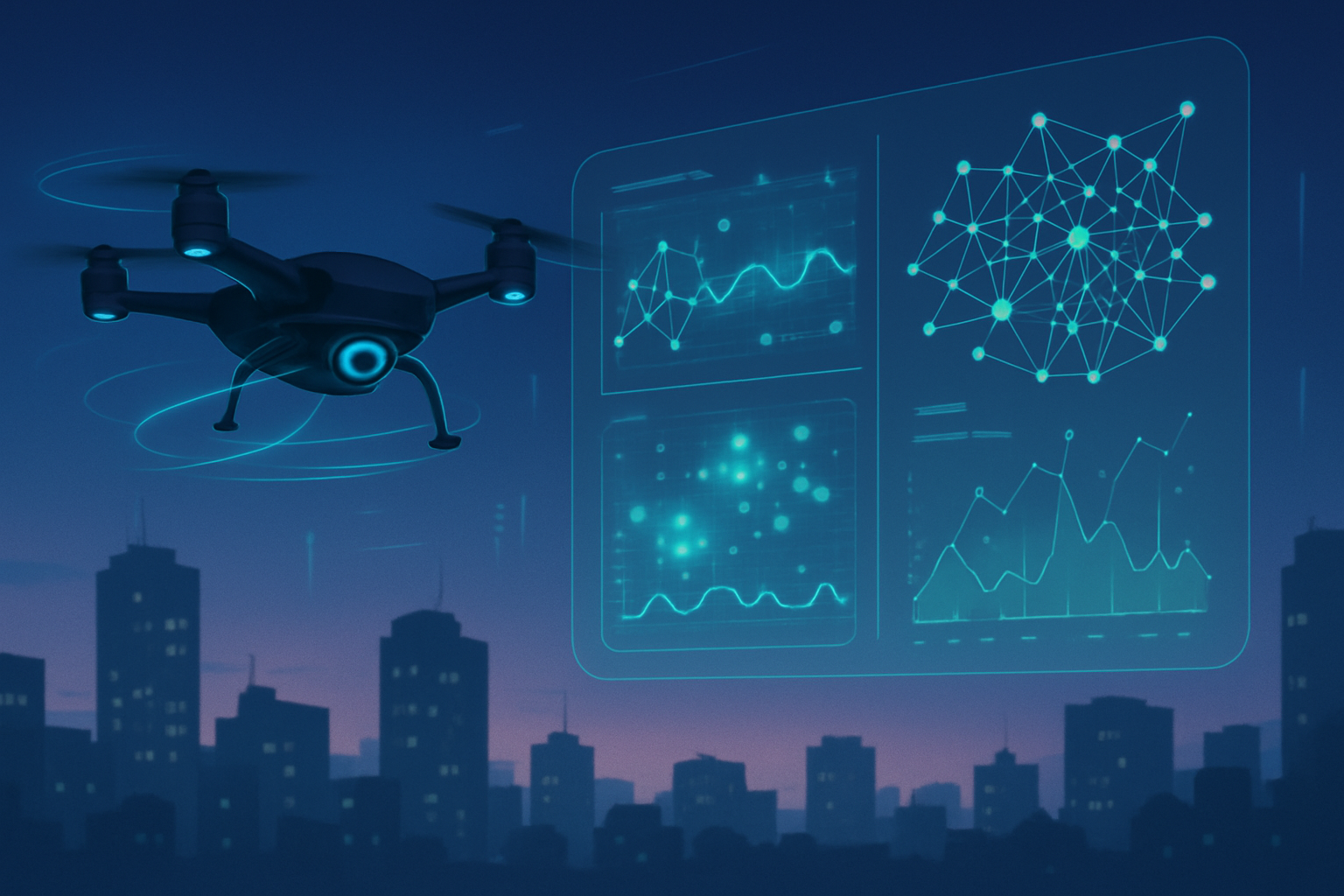
    Under Sheriff Bizzell's leadership, the JCSO has already demonstrated a proactive approach to technology adoption. A prime example is the acquisition in April 2018 of a Matrice 210 Law Enforcement Unmanned Aircraft System (UAS), commonly known as a drone. This sophisticated aerial platform is equipped with a FLIR thermal imaging camera, enabling crucial nighttime operations, and a Zenmuse Z30 high-resolution camera system for detailed visual capture. These drones are not merely gadgets; they are integral assets in critical operations such as locating missing persons, executing search and rescue missions, meticulously documenting crime scenes, and providing invaluable support in special tactics and response situations. This proactive embrace of drone technology significantly elevates the JCSO's capabilities, allowing for broader situational awareness and more efficient deployment of resources compared to traditional ground-based methods.

    The JCSO's commitment to technological advancement is further evidenced by its dedicated Computer Analyst, a role focused on the installation, maintenance, and recommendation of future technology purchases. This internal expertise ensures that the department remains at the forefront of innovation, constantly evaluating and integrating tools that can enhance deputy effectiveness and public safety. This differs significantly from older policing models that relied heavily on manual processes and reactive responses, showcasing a strategic shift towards data-driven and preemptive crime-fighting.

    Coincidentally, on the very day of Sheriff Bizzell's re-election announcement, a significant development in law enforcement technology was unveiled. ZeroEyes, a Pennsylvania-based tech firm, launched its "ZeroEyes Aerial Detection Kit" (ZAD). This drone-based software leverages advanced AI to detect firearms and other potential threats from live drone camera feeds, seamlessly integrating with existing law enforcement drone fleets and software. For an agency like the JCSO, already proficient in drone deployment, such AI-powered threat detection represents a compelling next step, offering real-time intelligence that could drastically reduce response times and potentially prevent violent incidents.

    Market Dynamics: AI Giants and Emerging Innovators in Public Safety

    The increasing demand for advanced technological solutions in law enforcement creates a fertile ground for both established tech giants and innovative startups. Companies like Palantir Technologies (Nasdaq: PLTR) are at the forefront, providing sophisticated data analysis platforms such as "Palantir Gotham." This intelligence tool is widely adopted by police forces globally, serving as a predictive policing system that integrates and analyzes vast datasets to identify patterns and forecast potential criminal activity. Palantir's expertise in large-scale data integration and analysis positions it as a key beneficiary of law enforcement's pivot towards data-driven strategies.

    Similarly, C3 AI (NYSE: AI) offers its "C3 Law Enforcement" application, designed to empower analysts, investigators, and officers by streamlining the search and synthesis of disparate datasets. This platform aggregates and analyzes information from various sources, including records management systems, dispatch software, license plate readers, and third-party intelligence feeds. With optional AI/Machine Learning capabilities, C3 AI facilitates crime trend reporting and relationship graphing, offering a comprehensive view of criminal networks and activities. These solutions provide a significant competitive advantage by enhancing efficiency and accuracy, potentially disrupting traditional investigative methods.

    ZeroEyes, with its newly announced ZAD system, represents an emerging force in the specialized niche of drone-based AI threat detection. While its public or private status was not immediately available, its innovative offering directly addresses a critical need for real-time, aerial surveillance capabilities. For agencies already invested in drone technology, ZeroEyes presents a compelling upgrade that could redefine the scope of proactive policing. The competitive landscape is intense, with companies vying to offer the most effective, secure, and ethically sound AI solutions to a public safety sector eager to leverage technological advancements.

    The Broader AI Landscape: Opportunities and Ethical Quandaries

    The integration of AI and advanced technology into law enforcement, exemplified by Sheriff Bizzell's approach, is a microcosm of a much broader trend in the AI landscape. This shift signifies a move towards "smart policing," where data and algorithms are deployed to enhance situational awareness, optimize resource allocation, and improve officer safety. The benefits are substantial: potentially leading to reduced crime rates, more efficient investigations, and faster responses to emergencies.

    However, this technological evolution is not without its complexities and concerns. The deployment of predictive policing systems, facial recognition technology, and widespread surveillance raises critical questions about privacy, civil liberties, and algorithmic bias. There are valid fears that such technologies could disproportionately target certain communities or lead to erroneous arrests if not implemented with stringent ethical guidelines and oversight. The accuracy and transparency of AI algorithms, as well as the potential for data misuse, remain significant points of contention for civil rights advocates and the public.

    Compared to previous AI milestones, such as early applications in forensics or database management, the current wave of AI in law enforcement represents a more pervasive and potentially transformative shift. It moves beyond mere data storage and retrieval to active, real-time analysis and predictive capabilities, demanding a careful balance between leveraging technological power for good and safeguarding fundamental rights.

    The Horizon of Policing: Future Developments and Ethical Frameworks

    Looking ahead, the integration of AI in law enforcement is expected to deepen and diversify. Near-term developments will likely include more sophisticated drone AI for automated patrol and detailed incident mapping, enhanced real-time threat assessment systems, and AI-powered tools for evidence analysis and digital forensics. We can anticipate the widespread adoption of AI for intelligent video analytics, enabling faster identification of persons of interest and suspicious activities in public spaces.

    In the long term, experts predict the emergence of AI-powered predictive resource deployment, where algorithms analyze crime patterns and socio-economic factors to recommend optimal patrol routes and personnel allocation. The concept of "smart cities" will likely see law enforcement AI seamlessly integrated with urban infrastructure, from traffic management to public safety alerts. However, realizing these applications will require addressing significant challenges, including securing adequate funding, providing comprehensive training for officers, fostering public trust through transparency, and developing robust regulatory frameworks to ensure ethical and unbiased deployment. Experts emphasize that the future success of AI in policing hinges not just on technological prowess, but equally on the establishment of strong ethical guidelines and continuous public engagement.

    A Tech-Forward Mandate for Public Safety

    Sheriff Steve Bizzell's re-election bid, launched today, October 15, 2025, serves as a powerful testament to the ongoing evolution of law enforcement in the digital age. His emphasis on leveraging advanced technology for crime-fighting underscores a critical shift towards proactive, data-driven policing, a trend that is reshaping public safety nationwide. The JCSO's existing drone program, coupled with the potential integration of cutting-edge AI solutions like ZeroEyes' Aerial Detection Kit, positions Johnston County at the forefront of this technological transformation.

    The significance of this development in AI history lies in its tangible impact on communities. While offering unprecedented capabilities for crime prevention and response, it also necessitates a careful and continuous dialogue about the ethical implications, privacy concerns, and the imperative for transparent and accountable AI systems. As companies like Palantir Technologies and C3 AI continue to innovate in the public safety sector, the coming weeks and months will be crucial in observing how law enforcement agencies balance the promise of AI with the need to uphold civil liberties and maintain public trust. The future of policing is undeniably intertwined with the future of artificial intelligence, and Sheriff Bizzell's campaign is a clear indicator of this evolving reality.


    This content is intended for informational purposes only and represents analysis of current AI developments.

    TokenRing AI delivers enterprise-grade solutions for multi-agent AI workflow orchestration, AI-powered development tools, and seamless remote collaboration platforms.
    For more information, visit https://www.tokenring.ai/.

  • T-Mobile Dominates as Wireless Internet Sign-ups Soar, Reshaping the Broadband Landscape

    T-Mobile Dominates as Wireless Internet Sign-ups Soar, Reshaping the Broadband Landscape

    A new report from J.D. Power, released on October 9, 2025, has sent ripples through the telecommunications industry, revealing a dramatic surge in residential wireless internet sign-ups and crowning T-Mobile (NASDAQ: TMUS) as the national leader in customer satisfaction. The "2025 U.S. Residential Internet Service Provider Satisfaction Study" highlights a significant shift in consumer preference, with wireless internet providers experiencing a 15% increase in new subscriptions over the past six months—more than double the growth seen by traditional wired providers. This pivotal moment underscores the growing appeal of Fixed Wireless Access (FWA) as a viable and often superior alternative to conventional broadband.

    The findings from J.D. Power's comprehensive study, which surveyed nearly 28,000 internet service customers between August 2024 and August 2025, paint a clear picture: wireless internet is not just a niche offering but a rapidly expanding segment of the market. T-Mobile's impressive score of 663 on a 1,000-point scale, significantly above the wireless segment average of 647, marks its second consecutive year at the top. This consistent leadership points to a successful strategy in delivering high-quality, affordable, and user-friendly internet solutions, fundamentally altering the competitive dynamics of the broadband sector.

    The Technical Edge: How Fixed Wireless Access is Redefining Connectivity

    The surge in wireless internet adoption is primarily driven by advancements in Fixed Wireless Access (FWA) technology, which leverages existing 5G and, to a lesser extent, 4G LTE cellular networks to deliver broadband directly to homes and businesses. Unlike traditional wired internet services—such as DSL, cable, or fiber optics, which require physical lines laid to each premise—FWA utilizes a wireless modem or gateway that receives signals from nearby cellular towers. This eliminates the need for extensive infrastructure deployment to individual homes, making setup significantly faster and often more affordable.

    Technically, FWA's appeal stems from several key capabilities. Modern 5G networks, particularly those utilizing mid-band and millimeter-wave (mmWave) spectrum, offer robust speeds comparable to, and in some cases exceeding, traditional cable broadband. The ease of installation is a major differentiator: customers can often self-install by simply plugging in a device, bypassing the need for technician visits and complex wiring. This "plug-and-play" simplicity, combined with transparent pricing models and flexible plans, stands in stark contrast to the often cumbersome installation processes and hidden fees associated with conventional internet service providers. The J.D. Power report specifically cited internet speed, availability, ease of starting service, and lower price points as key drivers of satisfaction for wireless internet customers.

    This approach fundamentally differs from previous wireless internet attempts, which often relied on slower 4G LTE networks or satellite connections that struggled with latency and data caps. The maturation of 5G, with its enhanced bandwidth and lower latency, has transformed FWA into a truly competitive broadband solution. Initial reactions from the AI research community and industry experts suggest that FWA's growing footprint provides a critical foundation for broader AI adoption, particularly in areas where high-speed wired internet is scarce. The proliferation of accessible, high-speed wireless internet can accelerate the deployment of edge AI applications, smart home technologies, and remote work solutions, democratizing access to the digital tools essential for AI-driven innovation.

    Competitive Ripples: Shifting Dynamics for Tech Giants and Startups

    The rapid ascent of Fixed Wireless Access and T-Mobile's leadership position are sending significant competitive ripples through the telecommunications and broader tech industries. T-Mobile (NASDAQ: TMUS) stands to benefit immensely from this development, solidifying its position not just as a mobile carrier but as a formidable broadband provider. Its strategy of leveraging its extensive 5G network for home internet has clearly resonated with consumers, giving it a strong strategic advantage in capturing market share from traditional internet service providers (ISPs).

    Competitors like Verizon (NYSE: VZ), which also offers 5G Home Internet, and AT&T (NYSE: T), which is expanding its own FWA offerings, are under pressure to accelerate their deployments and enhance their customer experience to match T-Mobile's performance. The J.D. Power report serves as a benchmark, highlighting areas where these tech giants need to improve to compete effectively in the burgeoning FWA market. For traditional wired ISPs such as Comcast (NASDAQ: CMCSA) and Charter Communications (NASDAQ: CHTR), the rise of FWA represents a significant disruption. They face the challenge of retaining customers who are increasingly drawn to the flexibility, ease of use, and competitive pricing of wireless alternatives. This could lead to increased price competition and a renewed focus on improving customer service and upgrading infrastructure (e.g., fiber expansion) to differentiate their offerings.

    Furthermore, this trend opens doors for innovative startups in areas like network optimization, customer premise equipment (CPE) development for FWA, and AI-driven service management. Companies specializing in efficient spectrum utilization, dynamic network slicing for FWA, or AI-powered predictive maintenance for wireless networks could find fertile ground. The market positioning of FWA providers is increasingly strong, as they offer a compelling alternative to incumbent wired services, especially in underserved rural areas and competitive urban markets where consumers seek more choices and better value. This shift is compelling major AI labs and tech companies to consider how ubiquitous wireless broadband impacts their cloud service delivery, edge computing strategies, and the deployment of AI-powered applications that rely on reliable home connectivity.

    Broader Significance: Reshaping the AI Landscape and Digital Equity

    The soaring adoption of wireless internet, spearheaded by FWA, signifies a profound shift in the broader AI landscape and global connectivity trends. This development directly contributes to closing the digital divide, offering high-speed internet access to millions of households, particularly in rural and underserved areas where laying fiber optic cables is economically unfeasible. By providing a more accessible and affordable pathway to broadband, FWA acts as a critical enabler for AI adoption across wider demographics, allowing more individuals and small businesses to leverage cloud-based AI services, participate in online learning, and access AI-powered productivity tools.

    The impacts extend to the very infrastructure supporting AI. As more data is generated and consumed at the edge of the network via FWA connections, there's a growing need for distributed AI processing capabilities. This trend accelerates the development of edge AI technologies, pushing computational power closer to the data source and reducing reliance on centralized cloud data centers for every operation. Potential concerns, however, include the strain on existing wireless spectrum and network capacity. While 5G offers significant bandwidth, a massive increase in FWA subscribers could lead to congestion in certain areas, potentially impacting service quality for both mobile and fixed wireless users. Regulatory bodies will need to carefully consider spectrum allocation and network infrastructure investments to sustain this growth.

    Compared to previous AI milestones, such as the rise of cloud computing or the breakthrough in deep learning, the widespread adoption of FWA represents a foundational shift in access. It democratizes the ability to participate in the AI-driven economy, moving beyond geographical and economic barriers that previously limited broadband availability. This widespread connectivity is essential for the next wave of AI applications, from smart cities and autonomous systems to advanced telemedicine and remote education, all of which rely on robust, pervasive internet access.

    The Horizon Ahead: Future Developments and AI Integration

    Looking ahead, the trajectory of wireless internet, particularly FWA, is poised for significant evolution, with profound implications for AI. In the near term, we can expect continued expansion of 5G FWA coverage as carriers densify their networks and optimize their spectrum utilization. This will likely lead to even faster speeds and greater reliability, making FWA an even more compelling alternative to traditional broadband. We'll also see further innovation in customer premise equipment (CPE), with more sophisticated AI-powered routers that can intelligently manage network traffic, optimize Wi-Fi performance, and integrate seamlessly with smart home ecosystems.

    Longer term, the advent of 6G technology promises to unlock unprecedented capabilities for wireless internet. While still in its nascent stages of research and development, 6G is envisioned to deliver terabit-per-second speeds, ultra-low latency, and pervasive connectivity, creating a truly intelligent and connected environment. These advancements will enable a new generation of AI applications, including holographic communication, real-time AI-powered digital twins, and highly distributed AI systems operating across vast sensor networks. Potential applications on the horizon include enhanced augmented and virtual reality experiences powered by edge AI, intelligent transportation systems relying on real-time FWA data, and advanced remote healthcare solutions.

    However, challenges remain. Addressing potential network congestion, ensuring equitable access to advanced spectrum, and developing robust cybersecurity measures for a vastly expanded wireless internet footprint are critical. Experts predict that the next phase will involve tighter integration of AI directly into network management and optimization, using machine learning to predict traffic patterns, allocate resources dynamically, and proactively identify and resolve issues. This intelligent network infrastructure will be essential to support the ever-increasing demands of AI-driven services.

    A New Era of Connectivity: Wrapping Up the Wireless Revolution

    J.D. Power's latest report unequivocally signals a new era in home internet connectivity, with wireless internet, particularly Fixed Wireless Access, emerging as a dominant force. The key takeaway is the dramatic shift in consumer preference towards FWA, driven by its ease of use, competitive pricing, and increasingly robust performance. T-Mobile's consistent top ranking underscores the importance of customer satisfaction and effective network deployment in this rapidly evolving market. This development is not merely a change in internet service providers; it represents a fundamental recalibration of the broadband landscape, with significant implications for how individuals and businesses access and leverage digital resources.

    The significance of this development in AI history cannot be overstated. Widespread, affordable, and easy-to-deploy wireless internet is a foundational layer for the ubiquitous adoption of AI. It accelerates the growth of edge computing, democratizes access to AI tools, and creates the necessary infrastructure for future AI innovations that rely on pervasive, high-speed connectivity. The long-term impact will likely see FWA becoming a primary broadband option for millions, fostering greater competition, and driving further technological advancements in both wireless communication and AI.

    In the coming weeks and months, watch for other carriers to intensify their FWA offerings, increased investment in 5G network expansion, and potential regulatory discussions around spectrum allocation to support this growing demand. This wireless revolution is far from over; it's just beginning to show its true potential in shaping a more connected and AI-powered future.


    This content is intended for informational purposes only and represents analysis of current AI developments.

    TokenRing AI delivers enterprise-grade solutions for multi-agent AI workflow orchestration, AI-powered development tools, and seamless remote collaboration platforms.
    For more information, visit https://www.tokenring.ai/.

  • Hitachi Energy Fuels India’s AI Ambitions with ₹2,000 Crore Chennai Innovation Hub Expansion

    Hitachi Energy Fuels India’s AI Ambitions with ₹2,000 Crore Chennai Innovation Hub Expansion

    Chennai, India – October 15, 2025 – In a monumental boost for India's burgeoning technology landscape and the global push towards sustainable energy, Hitachi Energy today announced a substantial investment of ₹2,000 crore (approximately $250 million) to significantly expand its Global Technology and Innovation Centre in Chennai. This strategic move, unveiled on this very day, is poised to create an impressive 3,000 new, high-value technology jobs, further solidifying India's position as a critical hub for advanced research and development in the energy sector.

    The expansion underscores Hitachi Energy's commitment to accelerating innovation, digitalization, and engineering capabilities, with a keen focus on developing cutting-edge sustainable energy solutions. The Chennai centre, already a powerhouse employing over 2,500 energy transition technologists, is set to become an even more formidable strategic global hub, consolidating diverse engineering and R&D expertise to serve both India and the world.

    Powering Tomorrow: AI and Digitalization at the Core of Chennai's Expanded Hub

    The ₹2,000 crore investment is earmarked for a comprehensive upgrade and expansion of the Chennai facility, transforming it into a nexus for next-generation energy technologies. At the heart of this transformation lies an aggressive push into digitalization and advanced artificial intelligence (AI) applications. The centre's enhanced capabilities will span critical areas including advanced grid automation, high-voltage systems, HVDC (High Voltage Direct Current) technologies, and seamless grid integration, all underpinned by sophisticated AI and machine learning frameworks.

    A key differentiator for the expanded centre will be its focus on "cutting-edge projects like development of digital twins and advanced grid automation applications." Digital twins, virtual replicas of physical assets, leverage AI for real-time data analysis, predictive maintenance, and optimized operational performance, enabling unprecedented levels of efficiency and reliability in energy infrastructure. Similarly, advanced grid automation, powered by AI, promises intelligent control, proactive fault detection, and enhanced resilience for complex power grids. This forward-thinking approach significantly deviates from traditional, often reactive, energy management systems, ushering in an era of predictive and self-optimizing energy networks. Initial reactions from the AI research community and industry experts highlight this as a pivotal step towards integrating AI deeply into critical infrastructure, setting a new benchmark for industrial digitalization.

    Beyond core energy technologies, the centre will also bolster its expertise in cybersecurity, recognizing the paramount importance of protecting digitized energy systems from evolving threats. AI and machine learning will be instrumental in developing robust defense mechanisms, anomaly detection, and threat intelligence to safeguard national and international energy grids. The creation of 3,000 high-value, high-paying, hi-tech jobs signals a clear demand for professionals skilled in AI, data science, advanced analytics, and complex software engineering, further enriching India's talent pool in these critical domains. The centre's capacity to manage over 1,000 projects annually across 40 countries speaks volumes about its global strategic importance.

    Competitive Edge and Market Disruption: The AI Factor in Energy

    This significant investment by Hitachi Energy (NSE: HITN) is poised to create substantial ripples across the energy sector, benefiting not only the company itself but also a broader ecosystem of AI companies, tech giants, and startups. Hitachi Energy stands to gain a considerable competitive advantage by spearheading the development of AI-driven sustainable energy solutions. Its consolidated global R&D hub in Chennai will enable faster innovation cycles and the creation of proprietary AI models tailored for grid optimization, renewable energy integration, and energy efficiency.

    For major AI labs and tech companies, this signals a growing demand for industrial AI expertise. Companies specializing in AI for IoT, predictive analytics, digital twin technology, and cybersecurity will find new avenues for collaboration and partnership with Hitachi Energy. The competitive implications are significant: companies that fail to integrate advanced AI and digitalization into their energy offerings risk falling behind. This development could disrupt existing products and services by introducing more efficient, resilient, and intelligent energy management solutions, potentially making older, less automated systems obsolete. Market positioning will increasingly favor firms capable of delivering end-to-end AI-powered energy solutions, and Hitachi Energy's move strategically positions it at the forefront of this transformation. Indian AI startups, in particular, could find fertile ground for growth, offering specialized AI components, services, or even becoming acquisition targets as Hitachi Energy seeks to augment its capabilities.

    A Global AI Trend Towards Sustainable Infrastructure

    Hitachi Energy's investment in Chennai fits squarely within the broader AI landscape and emerging trends that prioritize the application of artificial intelligence for sustainable development and critical infrastructure. As the world grapples with climate change and the need for reliable energy, AI is increasingly recognized as a key enabler for optimizing energy consumption, integrating intermittent renewable sources like solar and wind, and enhancing grid stability. This move reflects a global shift where industrial AI is moving beyond mere efficiency gains to become a cornerstone of national resilience and environmental stewardship.

    The impacts are far-reaching: enhanced energy efficiency will lead to reduced carbon footprints, while a more stable and intelligent grid will better accommodate renewable energy, accelerating the energy transition. Economically, the creation of 3,000 high-value jobs in India represents a significant boost to the local economy and reinforces India's reputation as a global tech talent hub. Potential concerns, while mitigated by the centre's focus on cybersecurity, include the ethical deployment of AI in critical infrastructure, data privacy in smart grids, and the potential for increased complexity in managing highly autonomous systems. This investment can be compared to other major AI milestones and breakthroughs where specialized AI centres are established to tackle specific societal challenges, underscoring AI's maturation from general-purpose research to targeted, impactful applications.

    The Horizon: Intelligent Grids and Predictive Energy Ecosystems

    Looking ahead, the expansion of Hitachi Energy's Chennai innovation centre promises a future where energy grids are not just smart, but truly intelligent and self-healing. Expected near-term developments include the deployment of advanced AI algorithms for real-time grid balancing, anomaly detection, and predictive maintenance across energy assets. In the long term, the centre is likely to drive innovations in AI-powered demand-response systems, intelligent energy trading platforms, and sophisticated microgrid management solutions that can operate autonomously.

    Potential applications and use cases on the horizon are vast, ranging from AI-optimized charging infrastructure for electric vehicles to intelligent energy storage management and the creation of fully decentralized, self-regulating energy communities. Challenges that need to be addressed include the continued acquisition and retention of top-tier AI talent, the development of robust regulatory frameworks that can keep pace with AI advancements in critical infrastructure, and the complexities of integrating diverse AI systems across legacy energy infrastructure. Experts predict that this investment will significantly accelerate the adoption of AI in the global energy sector, with India playing a pivotal role in shaping the next generation of sustainable and resilient energy systems. The innovations originating from Chennai are expected to be exported globally, setting new standards for energy digitalization.

    A New Chapter for AI in Sustainable Energy

    Hitachi Energy's ₹2,000 crore investment in its Chennai Global Technology and Innovation Centre marks a significant milestone in the convergence of artificial intelligence and sustainable energy. The key takeaways are clear: a massive financial commitment, substantial job creation, and a laser focus on AI-driven digitalization for critical energy infrastructure. This development is not merely an expansion; it's a strategic positioning of India as a global leader in industrial AI applications for the energy transition.

    Its significance in AI history lies in demonstrating how AI is moving beyond consumer applications to become an indispensable tool for tackling some of humanity's most pressing challenges, such as climate change and energy security. The long-term impact will likely manifest in more efficient, reliable, and sustainable energy systems worldwide, driven by innovations born in Chennai. In the coming weeks and months, the tech world will be watching for the first announcements of specific projects, partnerships, and breakthroughs emerging from this expanded hub, as Hitachi Energy embarks on a new chapter of powering a sustainable future with AI.


    This content is intended for informational purposes only and represents analysis of current AI developments.

    TokenRing AI delivers enterprise-grade solutions for multi-agent AI workflow orchestration, AI-powered development tools, and seamless remote collaboration platforms.
    For more information, visit https://www.tokenring.ai/.

  • AI-Driven Deluge: Wall Street Grapples with a 1.2 Trillion-Message Trading Surge

    AI-Driven Deluge: Wall Street Grapples with a 1.2 Trillion-Message Trading Surge

    Wall Street is experiencing an unprecedented surge in trading activity, with Artificial Intelligence (AI) systems now fueling a staggering 1.2 trillion-message daily volume, a figure recently disclosed by the president of the New York Stock Exchange (NYSE: ICE). This monumental increase in electronic communications—comprising orders, cancellations, and quotes—underscores the profound and rapidly accelerating impact of AI on global financial markets. The announcement serves as a stark indicator of a new era of hyper-automated, data-intensive trading, bringing with it both unparalleled efficiency and a complex array of challenges for market infrastructure and regulatory oversight.

    The sheer scale of this message surge highlights the intensified algorithmic activity dominating modern finance. AI-driven systems are now operating at speeds and volumes previously unimaginable, constantly analyzing vast datasets, identifying intricate patterns, and executing trades with a precision and rapidity that human traders simply cannot match. This development is not merely an incremental change but a fundamental shift in how financial markets operate, demanding robust infrastructure capable of processing an extraordinary flow of information without bottlenecks or delays.

    The Algorithmic Engine: Unpacking the Technical Underpinnings of the Surge

    The 1.2 trillion-message surge is a direct consequence of advanced AI and machine learning (ML) algorithms being deployed across various trading strategies. These sophisticated systems go far beyond traditional algorithmic trading, which primarily focused on executing large orders efficiently or exploiting simple arbitrage opportunities. Today's AI-powered trading leverages deep learning, reinforcement learning, and natural language processing (NLP) to achieve unprecedented levels of market analysis and execution.

    Technically, these AI systems are designed to process and synthesize enormous quantities of real-time data, including historical price action, currency valuations, macroeconomic indicators, news sentiment from various sources, social media trends, and even satellite imagery or supply chain data. Through continuous learning and adaptive models, they can identify optimal entry and exit points, dynamically adjust stop-loss thresholds, and manage risk with a granularity that was previously impossible. This differs significantly from older approaches, which relied on pre-programmed rules or simpler statistical models that lacked the capacity for self-improvement and complex pattern recognition. The ability of AI to make split-second decisions and execute thousands of trades per second is critical in high-frequency trading (HFT) and other latency-sensitive strategies, contributing massively to the message volume. Initial reactions from the AI research community acknowledge the impressive scale but also raise questions about model transparency and the potential for emergent market behaviors. Industry experts, while recognizing the efficiency gains, are also scrutinizing the systemic risks introduced by such pervasive automation.

    Corporate Beneficiaries and the Shifting Competitive Landscape

    The explosion of AI-driven trading has significant implications for a wide array of companies, from established tech giants to specialized AI startups and traditional financial institutions. Companies that stand to benefit most are those developing cutting-edge AI and machine learning platforms, high-performance computing infrastructure, and ultra-low-latency network solutions. Chipmakers like NVIDIA (NASDAQ: NVDA) and AMD (NASDAQ: AMD), whose GPUs are essential for training complex AI models, are seeing increased demand from financial firms. Cloud providers such as Amazon (NASDAQ: AMZN) Web Services, Microsoft (NASDAQ: MSFT) Azure, and Google (NASDAQ: GOOGL) Cloud are also critical, offering the scalable computing power and data storage necessary to run these extensive AI operations.

    Within the financial sector, quantitative hedge funds and proprietary trading firms with significant investments in AI research and development are gaining a distinct competitive edge. These firms are leveraging AI to optimize portfolios, enhance risk management, and generate alpha with greater consistency. Traditional investment banks and asset managers are also rapidly integrating AI, either by building in-house capabilities or partnering with AI solution providers, to avoid being left behind. The competitive landscape is intensifying, as firms race to deploy the most sophisticated AI models, leading to a potential disruption of existing products and services. Companies that fail to adapt risk losing market share to more agile, AI-driven competitors. Market positioning is increasingly defined by a firm's AI prowess, turning AI capabilities into a strategic advantage that dictates success in the modern financial arena.

    Broader Implications: Market Stability, Regulatory Scrutiny, and the Future of Finance

    The 1.2 trillion-message trading surge driven by AI fits into a broader trend of increasing automation and data-driven decision-making across all sectors, but its impact on financial markets is particularly profound. While AI enhances efficiency and liquidity, it also introduces significant potential concerns, especially regarding market stability and systemic risk. The opaque nature of AI decision-making processes, often referred to as the "black box" problem, makes it challenging to understand why an algorithm makes certain trades, potentially leading to unforeseen market dislocations.

    The speed and scale of AI-driven market movements could amplify volatility, as rapid, automated reactions to market events or even erroneous signals could trigger cascading effects. Past incidents, where aggressive algorithms contributed to "flash crashes," serve as cautionary tales. This scenario contrasts sharply with previous AI milestones, where the focus was often on improving specific tasks rather than orchestrating an entire market ecosystem. Regulators, including the U.S. Securities and Exchange Commission (SEC), are increasingly scrutinizing AI and algorithmic trading, exploring new rules and disclosures to mitigate these risks. The concern is not just about individual firm failures but about the potential for widespread market instability if multiple AI systems react in similar, unexpected ways. This concentration risk, where a significant portion of market movements is driven by a few dominant AI technologies or firms, is a growing area of focus for policymakers.

    The Road Ahead: Anticipating Future AI Developments in Finance

    Looking ahead, the evolution of AI in financial trading is expected to accelerate, leading to even more sophisticated applications and a deeper integration into market infrastructure. Near-term developments will likely focus on enhancing the explainability and interpretability of AI models, addressing the "black box" problem to foster greater trust and regulatory compliance. We can anticipate significant advancements in multi-agent AI systems, where different AI models collaborate and compete, potentially leading to more complex and adaptive market behaviors.

    On the horizon, potential applications include AI-driven generative models that can simulate market conditions for stress testing and scenario analysis, as well as advanced predictive analytics that incorporate an even wider array of alternative data sources. AI is also expected to play a larger role in personalized financial advice, automated compliance, and real-time fraud detection, moving beyond just trading. However, significant challenges remain, including data privacy and security, the ethical implications of autonomous trading, and the continuous need for robust, low-latency infrastructure. Experts predict a future where human oversight evolves from direct trading to managing and calibrating sophisticated AI systems, with a greater emphasis on risk governance and ethical AI development. The arms race in AI capabilities among financial institutions will continue, pushing the boundaries of what is technologically possible.

    A New Frontier: Assessing AI's Transformative Impact on Wall Street

    The 1.2 trillion-message trading surge fueled by AI is a defining moment in the history of financial markets and artificial intelligence. It underscores several key takeaways: the unparalleled efficiency and speed AI brings to trading, the immense demands placed on technological infrastructure, and the emergent complexities regarding market stability and regulatory oversight. This development marks a significant milestone, moving AI from a supportive role to a central, driving force in daily market operations.

    The long-term impact will likely involve a complete reshaping of financial institutions, with a premium placed on firms capable of harnessing and responsibly managing advanced AI. While the benefits in terms of efficiency and potential returns are clear, the challenges of ensuring market fairness, preventing systemic risks, and maintaining regulatory control in an increasingly automated landscape are paramount. In the coming weeks and months, market participants and regulators will be closely watching for further data on market volatility, new regulatory proposals addressing AI in finance, and how financial institutions continue to adapt their strategies and infrastructure to this new, hyper-automated reality. The era of AI-driven finance has truly arrived, and its full implications are only just beginning to unfold.


    This content is intended for informational purposes only and represents analysis of current AI developments.

    TokenRing AI delivers enterprise-grade solutions for multi-agent AI workflow orchestration, AI-powered development tools, and seamless remote collaboration platforms.
    For more information, visit https://www.tokenring.ai/.
  • Salesforce Unlocks $100 Million Annual Savings with AI-Powered Customer Support, Reshaping Enterprise Efficiency

    Salesforce Unlocks $100 Million Annual Savings with AI-Powered Customer Support, Reshaping Enterprise Efficiency

    San Francisco, CA – October 15, 2025 – In a landmark announcement at its annual Dreamforce conference yesterday, October 14, 2025, Salesforce (NYSE: CRM) revealed it is achieving a staggering $100 million in annual savings by integrating advanced artificial intelligence into its customer support operations. This significant milestone underscores the tangible economic benefits of AI adoption in business, setting a new benchmark for enterprise cost efficiency and operational transformation. CEO Marc Benioff highlighted that these savings are a direct result of automating routine tasks, enhancing agent productivity, and fundamentally rethinking how customer service is delivered.

    The revelation by Salesforce sends a clear message to the global enterprise community: AI is no longer just a futuristic concept but a powerful tool for immediate and substantial financial returns. As companies grapple with optimizing expenditures and improving service quality, Salesforce's success story provides a compelling blueprint for leveraging AI to streamline operations, reduce overheads, and reallocate human capital to higher-value tasks. This move not only solidifies Salesforce's position as an AI innovator but also ignites a broader conversation about the future of work and the inevitable integration of AI across all business functions.

    The AI Engine Behind the Savings: Agentforce and Einstein

    Salesforce's impressive $100 million in annual savings is primarily driven by a sophisticated interplay of its proprietary AI technologies, notably the Agentforce platform and the omnipresent Salesforce Einstein. The core mechanism of these savings lies in the automation of routine customer inquiries and the intelligent augmentation of human support agents. Agentforce, Salesforce's AI agent platform, deploys autonomous AI agents capable of communicating with customers across chat, email, and voice channels, effectively handling a vast percentage of initial and even complex service requests. This automation has allowed Salesforce to "rebalance headcount," reportedly reducing its human support team from approximately 9,000 to 5,000 employees, shifting human effort to more nuanced and strategic customer interactions.

    At the heart of Agentforce’s capabilities is Salesforce Einstein, the company’s comprehensive AI for CRM, which provides the intelligence backbone. Einstein leverages advanced Natural Language Processing (NLP) to understand customer intent, sentiment, and context, powering intelligent chatbots and virtual agents that offer 24/7 support. Its generative AI functionalities, such as Einstein Service Agent—the company's first fully autonomous AI agent—and Einstein Copilot, can not only provide relevant answers but also create seamless, conversational interactions, often resolving issues without human intervention. This capability is a significant departure from previous, more rule-based chatbot systems, offering a level of autonomy and intelligence that mimics human understanding. Furthermore, AI-generated replies, case summaries, intelligent routing, and predictive analytics significantly improve resolution times and overall agent efficiency, as evidenced by one client, Reddit, cutting resolution time by 84% and average response time from 8.9 to 1.4 minutes. AI-powered knowledge bases and self-service portals also play a crucial role in deflecting cases, with some clients achieving up to 46% case deflection.

    These advancements represent a paradigm shift from traditional customer support models. Where previous approaches relied heavily on human agents to handle every query, often leading to long wait times and inconsistent service, Salesforce's AI integration allows for instantaneous, personalized, and consistent support at scale. The ability of AI to proactively identify and address potential issues before they escalate further distinguishes this approach, moving from reactive problem-solving to proactive customer engagement. The initial reaction from the industry has been one of keen interest and validation, with experts noting the concrete financial proof of AI's transformative power in enterprise operations.

    Reshaping the Competitive Landscape in Enterprise AI

    Salesforce's announcement carries profound implications for the competitive dynamics within the AI industry, particularly for tech giants and emerging startups. By demonstrating a clear, nine-figure ROI from AI in customer support, Salesforce solidifies its leadership in the CRM and enterprise AI space. This move not only strengthens its Service Cloud offering but also positions it as a frontrunner in the broader race to embed generative AI across all business functions. Competitors in the CRM market, such as Microsoft (NASDAQ: MSFT) with Dynamics 365, Oracle (NYSE: ORCL), and SAP (NYSE: SAP), will face increased pressure to showcase similar, quantifiable AI-driven efficiency gains.

    The competitive implications extend beyond direct CRM rivals. Companies specializing in AI customer service solutions, contact center platforms, and automation tools will find themselves either validated by Salesforce's success or challenged to innovate rapidly. Startups focused on niche AI solutions for customer support may see increased investor interest and partnership opportunities, provided they can demonstrate comparable efficacy and scalability. Conversely, those offering less sophisticated or less integrated AI solutions might struggle to compete with the comprehensive, platform-wide capabilities of a giant like Salesforce. This development could accelerate consolidation in the customer service AI market, as larger players acquire promising technologies to bolster their offerings, potentially disrupting existing product ecosystems that rely on legacy or less intelligent automation. Salesforce’s success also creates a strategic advantage by allowing it to reallocate resources from operational costs to further innovation, widening the gap with competitors who are slower to adopt comprehensive AI strategies.

    Wider Significance and Societal Impacts

    Salesforce's achievement is a potent indicator of the broader AI landscape's trajectory, where the focus is increasingly shifting from theoretical capabilities to demonstrable economic impact. This $100 million saving epitomizes the "AI for efficiency" trend, where businesses are leveraging intelligent automation to optimize operations, reduce overheads, and unlock new avenues for growth. It underscores that AI is not just about groundbreaking research but about practical, scalable applications that deliver tangible business value. The ability to identify over $60 million in potential business opportunities by reaching previously overlooked customers also highlights AI's role in revenue generation, not just cost cutting.

    However, such significant savings, partly attributed to a reported reduction in human support staff, also bring potential concerns to the forefront. The shift from 9,000 to 5,000 employees in customer support raises questions about job displacement and the future of work in an increasingly automated world. While Salesforce emphasizes "rebalancing headcount," the broader societal impact of widespread AI adoption in service industries will necessitate careful consideration of workforce reskilling, upskilling, and the creation of new roles that complement AI capabilities. This development fits into a broader trend of AI milestones, from early expert systems to deep learning breakthroughs, but it stands out by providing clear, large-scale financial proof of concept for autonomous AI agents in a core business function. The challenge will be to ensure that these efficiency gains translate into a net positive for society, balancing corporate profitability with human welfare.

    The Horizon of Autonomous Enterprise AI

    Looking ahead, Salesforce's success with Agentforce and Einstein points towards a future where autonomous AI agents become an even more pervasive and sophisticated component of enterprise operations. We can expect near-term developments to focus on enhancing the cognitive abilities of these agents, allowing them to handle a wider array of complex, nuanced customer interactions with minimal human oversight. This will likely involve advancements in multimodal AI, enabling agents to process and respond to information across various formats, including voice, text, and even visual cues, for a truly holistic understanding of customer needs.

    Long-term, the potential applications extend far beyond customer support. Experts predict that the principles of autonomous AI agents demonstrated by Salesforce will be replicated across other enterprise functions, including sales, marketing, HR, and IT. Imagine AI agents autonomously managing sales pipelines, personalizing marketing campaigns at scale, or resolving internal IT issues with proactive intelligence. Challenges remain, particularly in ensuring data quality, developing truly ethical and unbiased AI systems, and fostering a workforce capable of collaborating effectively with advanced AI. However, the trajectory is clear: AI is moving towards becoming an indispensable, intelligent layer across the entire enterprise, driving unprecedented levels of efficiency and innovation.

    A New Era of AI-Driven Enterprise Efficiency

    Salesforce's announcement of saving $100 million annually through AI in customer support marks a pivotal moment in the history of enterprise AI. It serves as a powerful validation of artificial intelligence's capability to deliver substantial, measurable economic benefits, moving beyond theoretical discussions to concrete financial outcomes. The key takeaways are clear: AI, particularly through autonomous agents and generative capabilities, can dramatically reduce operational costs, enhance customer satisfaction, and strategically reallocate human resources.

    This development signifies a new era where AI is not merely an assistive technology but a transformative force capable of fundamentally reshaping business models and driving unprecedented levels of efficiency. As other companies race to emulate Salesforce's success, the coming weeks and months will be crucial. We should watch for further announcements from major tech players detailing their own AI-driven cost savings, the emergence of more sophisticated autonomous agent platforms, and the continued evolution of the workforce to adapt to this AI-augmented reality. Salesforce has laid down a gauntlet, and the enterprise world is now tasked with picking it up.


    This content is intended for informational purposes only and represents analysis of current AI developments.

    TokenRing AI delivers enterprise-grade solutions for multi-agent AI workflow orchestration, AI-powered development tools, and seamless remote collaboration platforms.
    For more information, visit https://www.tokenring.ai/.

  • JSS AHER and VIT Chennai Forge Alliance to Propel Cutting-Edge Tech Research

    JSS AHER and VIT Chennai Forge Alliance to Propel Cutting-Edge Tech Research

    In a significant move poised to accelerate India's technological advancement, JSS Academy of Higher Education and Research (JSS AHER), Mysuru, and Vellore Institute of Technology (VIT), Chennai, have formally joined forces by signing a Memorandum of Understanding (MoU). This landmark agreement, effective around October 15, 2025, establishes a robust framework for extensive collaboration in critical and rapidly evolving fields such as artificial intelligence, healthcare technologies, and biomedical innovation.

    The strategic partnership aims to synergize the strengths of both esteemed institutions, fostering a dynamic ecosystem for joint research, faculty and student exchange programs, and capacity building. By bridging the gap between academia, research, and industry, the collaboration is set to catalyze high-impact solutions, encourage joint publications, and develop crucial industry linkages, ultimately contributing to societal benefit and positioning India at the forefront of global technological innovation.

    Deep Dive into the Collaborative Research Frontier

    The MoU between JSS AHER and VIT Chennai specifically targets a consortium of cutting-edge technological domains: healthcare technologies, artificial intelligence, biomedical innovation, and interdisciplinary education. This focused approach underscores a recognition of the symbiotic relationship between these fields, particularly how AI is becoming an indispensable tool across healthcare and biomedical research. For instance, in healthcare technologies, the collaboration is expected to delve into areas like AI-powered diagnostics, personalized medicine, remote patient monitoring systems, and advanced medical imaging analysis. The integration of AI will likely focus on machine learning algorithms for predictive analytics, natural language processing for clinical data analysis, and computer vision for image-based medical applications.

    This collaborative model represents a significant departure from traditional, siloed academic research. By emphasizing interdisciplinary education, the partnership aims to cultivate a new generation of researchers and professionals who possess expertise across multiple domains, capable of tackling complex, real-world problems. This cross-pollination of ideas and methodologies from engineering, computer science, and medical sciences is crucial for breakthroughs in areas like drug discovery, prosthetics, and advanced surgical robotics. The pooling of resources, including specialized laboratories, computational infrastructure, and expert faculty from both institutions, provides a robust platform for ambitious research projects that might be challenging for a single entity to undertake.

    Initial reactions from the academic and research community have been overwhelmingly positive. Experts view this as a progressive step towards strengthening India's research output and fostering a culture of innovation. The emphasis on practical, industry-linked research is particularly lauded, as it promises to translate academic discoveries into tangible solutions. This collaborative framework is expected to accelerate the pace of innovation, allowing for quicker development and deployment of new technologies compared to more fragmented research efforts.

    Ripple Effects Across the AI and Tech Industry Landscape

    While this MoU is primarily an academic collaboration, its implications for AI companies, tech giants, and startups are substantial and far-reaching. Companies like Tata Consultancy Services (NSE: TCS), Infosys (NSE: INFY), and Wipro (NSE: WIPRO) often rely on a robust pipeline of skilled graduates and cutting-edge research emerging from top-tier academic institutions. This partnership, by fostering advanced research in AI, healthcare tech, and biomedical innovation, will directly contribute to a talent pool highly proficient in these critical areas, ready to be absorbed by the industry. Furthermore, joint research initiatives could lead to intellectual property (IP) and patents that could be licensed or spun off into new ventures, creating opportunities for startups.

    The competitive landscape for major AI labs and tech companies is constantly evolving, driven by breakthroughs in research. Academic collaborations like the one between JSS AHER and VIT Chennai act as crucial feeders for foundational and applied research. For instance, advancements in AI for medical diagnostics or drug discovery stemming from this partnership could provide a competitive edge to pharmaceutical companies, healthcare providers, or even AI solution providers looking to specialize in these verticals. Companies that strategically partner with or invest in the outcomes of such academic alliances stand to benefit significantly, gaining early access to talent, research findings, and potentially disruptive technologies.

    Potential disruption to existing products or services could arise from novel, high-impact solutions incubated through this collaboration. For example, if the partnership yields a significantly more accurate or cost-effective AI diagnostic tool, it could challenge existing diagnostic methods or hardware. From a market positioning perspective, institutions like JSS AHER and VIT Chennai, by engaging in such high-profile, interdisciplinary research, enhance their own standing, attracting more talent and funding, which in turn further fuels the innovation cycle that benefits the entire tech ecosystem.

    Broader Significance in the Evolving AI Landscape

    This strategic alliance between JSS AHER and VIT Chennai is a microcosm of a larger, global trend: the increasing recognition of interdisciplinary collaboration as essential for pushing the boundaries of AI and its applications. In the broader AI landscape, there's a growing understanding that truly transformative AI solutions often emerge at the intersection of various disciplines—computer science, medicine, ethics, social sciences, and more. This MoU perfectly encapsulates this trend, explicitly listing "interdisciplinary education" as a key focus, signifying a move beyond purely technical AI development towards holistic, application-driven innovation.

    The impacts of such collaborations are multifaceted. On one hand, they accelerate the development of AI technologies tailored to specific, high-impact sectors like healthcare, potentially leading to improved patient outcomes, more efficient healthcare systems, and novel therapeutic approaches. On the other hand, they also raise important considerations regarding data privacy, ethical AI deployment in sensitive domains like medicine, and the responsible development of autonomous systems. This partnership provides a platform to address these concerns proactively through integrated research and educational programs.

    Compared to previous AI milestones, which often focused on breakthroughs in core algorithms or computational power (e.g., deep learning's rise, AlphaGo's victory), this MoU highlights a shift towards the application and integration of AI into complex societal systems. It mirrors similar academic-industrial partnerships seen globally, emphasizing that the next wave of AI breakthroughs will likely come from solving real-world problems through concerted, cross-domain efforts, rather than isolated laboratory achievements. This development underscores India's commitment to leveraging AI for national development and global scientific contribution.

    Charting the Course: Future Developments and Horizon Applications

    Looking ahead, the MoU between JSS AHER and VIT Chennai is expected to yield a rich tapestry of near-term and long-term developments. In the immediate future, we can anticipate the launch of joint research projects, potentially leading to pilot programs in healthcare facilities, new academic courses or specializations, and an increase in collaborative publications. Student and faculty exchange programs will likely kick off, fostering a vibrant intellectual environment and cross-pollination of ideas. These initial phases will be crucial for establishing the operational frameworks and identifying high-potential research avenues.

    On the horizon, the potential applications and use cases are vast. In healthcare, we could see the development of AI-powered diagnostic tools for early disease detection, personalized treatment recommendations based on genetic profiles, and robotic assistance for complex surgeries. In biomedical innovation, the collaboration might lead to breakthroughs in novel drug discovery platforms, advanced biomaterials, and regenerative medicine, all accelerated by AI's analytical capabilities. Furthermore, the emphasis on interdisciplinary education could birth new fields of study and specialized training programs, preparing a workforce uniquely equipped for the future of technology and healthcare.

    However, challenges will undoubtedly need to be addressed. Securing consistent funding for ambitious, long-term research projects, navigating intellectual property rights across two institutions, and ensuring the ethical deployment of AI in sensitive fields like healthcare will be paramount. Experts predict that the success of this partnership will hinge on strong leadership, clear communication channels, and a shared vision for societal impact. The ability to attract and retain top talent, both faculty and students, will also be a critical factor in realizing the full potential of this collaboration.

    A New Blueprint for Academic Collaboration in the AI Era

    The signing of the MoU between JSS AHER and VIT Chennai marks a pivotal moment in India's academic and technological landscape. It signifies a robust commitment to fostering collaborative, interdisciplinary research, particularly in the high-impact fields of AI, healthcare technologies, and biomedical innovation. The key takeaways underscore the strategic importance of synergizing institutional strengths to accelerate scientific discovery, bridge the gap between theoretical research and practical application, and cultivate a future-ready workforce.

    This development holds significant historical weight in the context of AI's evolution. It represents a mature phase where AI is no longer just a theoretical concept or a specialized computer science domain, but a pervasive technology requiring deep integration with other sciences to solve complex societal challenges. The partnership serves as a blueprint for how academic institutions can proactively contribute to national and global technological leadership by fostering an ecosystem of shared knowledge, resources, and talent.

    In the coming weeks and months, observers will be keenly watching for the first concrete outcomes of this collaboration: the announcement of specific research projects, the initiation of faculty and student exchanges, and any preliminary findings or publications. The long-term impact promises to be profound, potentially establishing a new benchmark for academic excellence and innovation in India, while directly contributing to advancements that could benefit millions.


    This content is intended for informational purposes only and represents analysis of current AI developments.

    TokenRing AI delivers enterprise-grade solutions for multi-agent AI workflow orchestration, AI-powered development tools, and seamless remote collaboration platforms.
    For more information, visit https://www.tokenring.ai/.

  • The Sentient Sphere: Everyday Objects Awakened by AI

    The Sentient Sphere: Everyday Objects Awakened by AI

    The artificial intelligence landscape is undergoing a profound transformation, moving beyond traditional computing interfaces to imbue the physical world with intelligence. Researchers are now actively teaching everyday objects to sense, think, and move, heralding an era where our environment is not merely reactive but proactively intelligent. This groundbreaking development signifies a paradigm shift in human-machine interaction, promising to redefine convenience, safety, and efficiency across all facets of daily life. The immediate significance lies in the democratization of AI, embedding sophisticated capabilities into the mundane, making our surroundings intuitively responsive to our needs.

    This revolution is propelled by the convergence of advanced sensor technologies, cutting-edge AI algorithms, and novel material science. Imagine a coffee mug that subtly shifts to prevent spills, a chair that adjusts its posture to optimize comfort, or a building that intelligently adapts its internal environment based on real-time occupancy and external conditions. These are no longer distant sci-fi fantasies but imminent realities, as AI moves from the digital realm into the tangible objects that populate our homes, workplaces, and cities.

    The Dawn of Unobtrusive Physical AI

    The technical underpinnings of this AI advancement are multifaceted, drawing upon several key disciplines. At its core, the ability of objects to "sense, think, and move" relies on sophisticated integration of sensory inputs, on-device processing, and physical actuation. Objects are being equipped with an array of sensors—cameras, microphones, accelerometers, and temperature sensors—to gather comprehensive data about their environment and internal state. AI, particularly in the form of computer vision and natural language processing, allows these objects to interpret this raw data, enabling them to "perceive" their surroundings with unprecedented accuracy.

    A crucial differentiator from previous approaches is the proliferation of Edge AI (or TinyML). Instead of relying heavily on cloud infrastructure for processing, AI algorithms and models are now deployed directly on local devices. This on-device processing significantly enhances speed, security, and data privacy, allowing for real-time decision-making without constant network reliance. Machine learning and deep learning, especially neural networks, empower these objects to learn from data patterns, make predictions, and adapt their behavior dynamically. Furthermore, the emergence of AI agents and agentic AI enables these models to exhibit autonomy, goal-driven behavior, and adaptability, moving beyond predefined constraints. Carnegie Mellon University's Interactive Structures Lab, for instance, is pioneering the integration of robotics, large language models (LLMs), and computer vision to allow objects like mugs or chairs to subtly move and assist. This involves ceiling-mounted cameras detecting people and objects, transcribing visual signals into text for LLMs to understand the scene, predict user needs, and command objects to assist, representing a significant leap from static smart devices.

    Initial reactions from the AI research community and industry experts have been overwhelmingly positive, with many hailing this as the next frontier in AI. The ability to embed intelligence directly into everyday items promises to unlock a vast array of applications previously limited by the need for dedicated robotic systems. The focus on unobtrusive assistance and seamless integration is particularly lauded, addressing concerns about overly complex or intrusive technology.

    Reshaping the AI Industry Landscape

    This development carries significant implications for AI companies, tech giants, and startups alike. Major players like Google (NASDAQ: GOOGL), Amazon (NASDAQ: AMZN), and Microsoft (NASDAQ: MSFT), with their extensive research in AI, cloud computing, and smart home ecosystems, stand to benefit immensely. Their existing infrastructure and expertise in AI model development, sensor integration, and hardware manufacturing position them favorably to lead in this new wave of intelligent objects. Companies specializing in Edge AI and TinyML, such as Qualcomm (NASDAQ: QCOM) and various startups in the semiconductor space, will also see increased demand for their specialized processors and low-power AI solutions.

    The competitive landscape is poised for significant disruption. Traditional robotics companies may find their market challenged by the integration of robotic capabilities into everyday items, blurring the lines between specialized robots and intelligent consumer products. Startups focusing on novel sensor technologies, smart materials, and AI agent development will find fertile ground for innovation, potentially creating entirely new product categories and services. This shift could lead to a re-evaluation of market positioning, with companies vying to become the foundational platform for this new generation of intelligent objects. The ability to seamlessly integrate AI into diverse physical forms, moving beyond standard form factors, will be a key strategic advantage.

    The Wider Significance: Pervasive and Invisible AI

    This revolution in everyday objects fits squarely into the broader AI landscape's trend towards ubiquitous and contextually aware intelligence. It represents a significant step towards "pervasive and invisible AI," where technology seamlessly enhances our lives without requiring constant explicit commands. The impacts are far-reaching: from enhanced accessibility for individuals with disabilities to optimized resource management in smart cities, and increased safety in homes and workplaces.

    However, this advancement also brings potential concerns. Privacy and data protection are paramount, as intelligent objects will constantly collect and process sensitive information about our environments and behaviors. The potential for bias in AI models embedded in these objects, and the ethical implications of autonomous decision-making by inanimate items, will require careful consideration and robust regulatory frameworks. Comparisons to previous AI milestones, such as the advent of the internet or the rise of smartphones, suggest that this integration of AI into the physical world could be equally transformative, fundamentally altering how humans interact with their environment and each other.

    The Horizon: Anticipating a Truly Intelligent World

    Looking ahead, the near-term will likely see a continued proliferation of Edge AI in consumer devices, with more sophisticated sensing and localized decision-making capabilities. Long-term developments promise a future where AI-enabled everyday objects are not just "smart" but truly intelligent, autonomous, and seamlessly integrated into our physical environment. Expect to see further advancements in soft robotics and smart materials, enabling more flexible, compliant, and integrated physical responses in everyday objects.

    Potential applications on the horizon include highly adaptive smart homes that anticipate user needs, intelligent infrastructure that optimizes energy consumption and traffic flow, and personalized health monitoring systems integrated into clothing or furniture. Challenges that need to be addressed include developing robust security protocols for connected objects, establishing clear ethical guidelines for autonomous physical AI, and ensuring interoperability between diverse intelligent devices. Experts predict that the next decade will witness a profound shift towards "Physical AI" as a foundational model, where AI models continuously collect and analyze sensor data from the physical world to reason, predict, and act, generalizing across countless tasks and use cases.

    A New Era of Sentient Surroundings

    In summary, the AI revolution, where everyday objects are being taught to sense, think, and move, represents a monumental leap in artificial intelligence. This development is characterized by the sophisticated integration of sensors, the power of Edge AI, and the emerging capabilities of agentic AI and smart materials. Its significance lies in its potential to create a truly intelligent and responsive physical environment, offering unprecedented levels of convenience, efficiency, and safety.

    As we move forward, the key takeaways are the shift towards unobtrusive and pervasive AI, the significant competitive implications for the tech industry, and the critical need to address ethical considerations surrounding privacy and autonomy. What to watch for in the coming weeks and months are further breakthroughs in multimodal sensing, the development of more advanced large behavior models for physical systems, and the ongoing dialogue around the societal impacts of an increasingly sentient world.


    This content is intended for informational purposes only and represents analysis of current AI developments.

    TokenRing AI delivers enterprise-grade solutions for multi-agent AI workflow orchestration, AI-powered development tools, and seamless remote collaboration platforms.
    For more information, visit https://www.tokenring.ai/.
  • India’s Creative Tech Future Takes Flight: IICT Kicks Off Inaugural Batches for Next-Gen Talent

    India’s Creative Tech Future Takes Flight: IICT Kicks Off Inaugural Batches for Next-Gen Talent

    The Indian Institute of Creative Technologies (IICT) officially commenced its inaugural batches in August 2025, marking a pivotal moment in India's ambition to become a global leader in the cutting-edge AVGC-XR (Animation, Visual Effects, Gaming, Comics, and Extended Reality) sector. This initiative, announced by Union Minister for Information & Broadcasting, Shri Ashwini Vaishnaw, in May 2025, aims to cultivate a new generation of tech talent equipped with industry-aligned skills, positioning India at the forefront of the rapidly expanding creative economy. With a comprehensive portfolio of 18 specialized courses and strategic global partnerships, IICT is poised to replicate the nation's IT success within the dynamic media and entertainment landscape.

    The establishment of IICT, modeled after the prestigious Indian Institutes of Technology (IITs) and Indian Institutes of Management (IIMs), represents a significant governmental commitment, backed by a budget allocation of ₹400 crore. Its immediate goal is to nurture world-class talent, addressing the burgeoning demand for skilled professionals in creative technologies and cementing India's place as a global powerhouse in AVGC-XR. The institute’s strategic vision encompasses not just education but also holistic support for students through scholarships, internships, startup incubation, and robust placement opportunities, ensuring graduates are well-prepared for successful careers in an evolving digital landscape.

    Paving the Way for a New Creative Workforce: IICT's Cutting-Edge Curriculum

    The Indian Institute of Creative Technologies (IICT) has launched with an impressive academic offering, featuring 18 industry-driven courses meticulously designed to meet global standards in the AVGC-XR sector. These specialized programs are distributed across key domains, including six courses in Gaming, four in Post Production, and eight covering Animation, Comics, and Extended Reality. This targeted curriculum directly addresses the growing demand for highly specialized skills that are crucial for modern media production and interactive experiences.

    What sets IICT's approach apart from traditional educational models is its deep integration with industry leaders and global academic institutions. The institute has forged significant partnerships with technology giants such as Google (NASDAQ: GOOGL), YouTube, Adobe (NASDAQ: ADBE), Meta (NASDAQ: META), Microsoft (NASDAQ: MSFT), NVIDIA (NASDAQ: NVDA), and JioStar. These collaborations ensure that the curriculum remains current, incorporates the latest tools and techniques, and provides students with exposure to real-world production pipelines and industry best practices. Furthermore, a Memorandum of Understanding (MoU) with the University of York, UK, facilitates collaborative research, faculty exchange programs, and pathways to global certification, offering students an internationally recognized educational experience.

    This proactive and industry-aligned curriculum represents a significant departure from conventional education, which often struggles to keep pace with the rapid advancements in technology. By focusing on practical, hands-on training using cutting-edge software and hardware, IICT aims to produce graduates who are immediately employable and capable of contributing to complex projects. The initial reactions from the AI research community and industry experts have been overwhelmingly positive, viewing IICT as a crucial step towards bridging the skill gap in India's creative technology sector and fostering innovation from the ground up. The emphasis on XR technologies, in particular, is seen as forward-thinking, preparing students for an immersive digital future.

    Competitive Edge and Market Disruption: How IICT Impacts the Tech Landscape

    The commencement of IICT's specialized batches holds significant implications for AI companies, tech giants, and startups alike, particularly within the burgeoning AVGC-XR sector. Companies heavily invested in animation, visual effects, gaming, and extended reality stand to benefit immensely from a new pipeline of highly skilled talent. Studios like Technicolor Creative Studios (Euronext Paris: TCHCS), DNEG, and even in-house creative teams at tech giants like Amazon (NASDAQ: AMZN) and Apple (NASDAQ: AAPL) will find a richer talent pool in India, potentially reducing recruitment costs and accelerating project timelines.

    For major AI labs and tech companies, IICT's focus on cutting-edge skills in areas like 3D modeling, real-time rendering, virtual production, and AI-driven content creation could lead to new avenues for collaboration and innovation. Companies developing AI tools for content generation, digital twins, or immersive experiences will find graduates equipped to leverage these technologies effectively. This initiative could foster a more competitive environment, pushing existing training programs and universities to upgrade their offerings to match IICT's industry-aligned curriculum.

    The potential for disruption is also noteworthy. Startups, often limited by talent acquisition challenges, could thrive with easier access to specialized graduates, leading to a surge in innovative AVGC-XR ventures from India. This influx of talent could challenge the dominance of established players in certain creative technology niches, fostering a more dynamic and competitive market. From a market positioning perspective, India, already a global IT services hub, is strategically enhancing its capabilities in creative and immersive technologies, offering a more comprehensive and attractive proposition for global businesses seeking talent and innovation.

    Shaping the Broader AI Landscape: A New Era for Creative Intelligence

    IICT's initiative to cultivate expertise in AVGC-XR is not merely an educational development; it is a strategic move that profoundly impacts the broader AI landscape and trends, particularly concerning creative intelligence. As AI systems become increasingly capable of generating content, from images and videos to entire virtual worlds, the demand for human professionals who can guide, refine, and innovate using these tools will escalate. IICT's graduates, trained in the intricacies of creative technology, will be uniquely positioned to harness AI for artistic and commercial endeavors, acting as crucial intermediaries between AI capabilities and human creative vision.

    This development fits perfectly into the trend of AI democratizing creative processes while simultaneously elevating the need for specialized human oversight and innovation. The impact extends to fostering ethical AI development in creative fields, as these new professionals will be trained to understand the nuances of digital content creation, copyright, and responsible use of AI. Potential concerns, however, might include the pace at which AI-driven tools evolve, requiring IICT's curriculum to remain agile and continuously updated to prevent graduates from being trained on outdated methodologies.

    Compared to previous AI milestones, such as the breakthroughs in natural language processing or computer vision, IICT's focus represents a significant step towards integrating AI more deeply into the creative economy. It acknowledges that while AI can generate, human creativity remains paramount in conceptualization, storytelling, and ethical application. This move could catalyze a new wave of AI applications specifically tailored for creative industries, moving beyond mere automation to intelligent co-creation. It signals a maturation of the AI landscape where specialized human-AI collaboration is becoming the norm, rather than a distant future.

    The Horizon of Innovation: Future Developments from IICT's Impact

    The commencement of IICT's cutting-edge tech courses is expected to usher in a wave of near-term and long-term developments across India's technology and creative sectors. In the near term, we can anticipate a significant boost in the quality and quantity of AVGC-XR projects originating from India. Graduates will fill critical roles in animation studios, gaming companies, VFX houses, and emerging XR ventures, enhancing production capabilities and driving innovation. This will likely lead to an increase in India's contribution to global media and entertainment content, potentially attracting more international collaborations and investments.

    Looking further ahead, the long-term impact could see India establishing itself as a global hub for immersive content creation and AI-powered creative solutions. The pool of talent nurtured by IICT is expected to drive the development of novel applications and use cases in areas such as virtual tourism, interactive education, medical visualization, and industrial design, leveraging augmented and virtual reality technologies. We might also see a rise in Indian-developed intellectual properties in gaming and animation that resonate globally, much like its IT services have.

    However, challenges remain. The rapid evolution of AI and creative technologies necessitates a continuous update mechanism for IICT's curriculum and infrastructure. Ensuring that faculty remain at the forefront of these advancements and that students have access to the latest software and hardware will be crucial. Experts predict that the success of IICT will not only be measured by graduate placements but also by the number of successful startups it incubates and the quality of groundbreaking creative projects its alumni contribute to. The institute's ability to foster a vibrant ecosystem of innovation will be key to its enduring legacy.

    A New Chapter for India's Tech Ambitions: The IICT's Enduring Legacy

    The launch of the Indian Institute of Creative Technologies (IICT) and its inaugural batches represents a monumental stride in India's journey towards becoming a global leader in the cutting-edge AVGC-XR domain. The key takeaways from this development underscore a strategic national investment in human capital, an unwavering commitment to industry-aligned education, and a forward-looking vision for the integration of creative and artificial intelligence technologies. This initiative is not merely about producing graduates; it's about cultivating a new generation of innovators, storytellers, and technical experts who will shape the future of digital content and immersive experiences.

    The significance of IICT in AI history cannot be overstated. It marks a deliberate effort to bridge the gap between burgeoning AI capabilities and the nuanced demands of creative industries, ensuring that India's talent pool is not just technologically proficient but also creatively astute. By focusing on specialized skills in animation, visual effects, gaming, and extended reality, IICT is setting a precedent for how nations can proactively prepare their workforce for the demands of the AI-driven creative economy. This move is poised to have a long-term impact, transforming India's creative landscape and positioning it as a formidable force in global media and entertainment.

    As we look to the coming weeks and months, it will be crucial to watch the initial outcomes of IICT's programs, including student projects, industry collaborations, and early placement successes. The evolution of its curriculum in response to rapid technological advancements, particularly in generative AI for content creation, will also be a key indicator of its adaptability and continued relevance. IICT's journey will serve as a powerful case study for how targeted educational initiatives can catalyze national growth and innovation in the age of artificial intelligence, cementing India's reputation not just as an IT powerhouse, but as a creative technology trailblazer.


    This content is intended for informational purposes only and represents analysis of current AI developments.

    TokenRing AI delivers enterprise-grade solutions for multi-agent AI workflow orchestration, AI-powered development tools, and seamless remote collaboration platforms.
    For more information, visit https://www.tokenring.ai/.