
Category: Uncategorized

  • Palantir and Lumen Forge Multi-Year AI Alliance: Reshaping Enterprise AI and Network Infrastructure

    Palantir and Lumen Forge Multi-Year AI Alliance: Reshaping Enterprise AI and Network Infrastructure

    Denver, CO – November 12, 2025 – In a landmark strategic move poised to redefine the landscape of enterprise artificial intelligence, Palantir Technologies (NYSE: PLTR) and Lumen Technologies (NYSE: LUMN) have officially cemented a multi-year, multi-million dollar AI partnership. Announced on October 23, 2025, this expansive collaboration builds upon Lumen's earlier adoption of Palantir's Foundry and Artificial Intelligence Platform (AIP) in September 2025, signaling a deep commitment to embedding advanced AI capabilities across Lumen's vast network and extending these transformative tools to enterprise customers globally. This alliance is not merely a vendor-client relationship but a strategic synergy designed to accelerate AI deployment, enhance data management, and drive profound operational efficiencies in an increasingly data-driven world.

    The partnership arrives at a critical juncture where businesses are grappling with the complexities of integrating AI into their core operations. By combining Palantir's robust data integration and AI orchestration platforms with Lumen's extensive, high-performance network infrastructure, the two companies aim to dismantle existing barriers to AI adoption, enabling enterprises to harness the power of artificial intelligence with unprecedented speed, security, and scale. This collaboration is set to become a blueprint for how legacy infrastructure providers can evolve into AI-first technology companies, fundamentally altering how data moves, is analyzed, and drives decision-making at the very edge of the network.

    A Deep Dive into the Foundry-Lumen Synergy: Real-time AI at the Edge

    At the heart of this strategic partnership lies the sophisticated integration of Palantir's Foundry and Artificial Intelligence Platform (AIP) with Lumen's advanced Connectivity Fabric. This technical convergence is designed to unlock new dimensions of operational efficiency for Lumen internally, while simultaneously empowering external enterprise clients with cutting-edge AI capabilities. Foundry, renowned for its ability to integrate disparate data sources, build comprehensive data models, and deploy AI-powered applications, will serve as the foundational intelligence layer. It will enable Lumen to streamline its own vast and complex operations, from customer service and compliance reporting to the modernization of legacy infrastructure and migration of products to next-generation ecosystems. This internal transformation is crucial for Lumen as it pivots from a traditional telecom provider to a forward-thinking technology infrastructure leader.

    For enterprise customers, the collaboration means a significant leap forward in AI deployment. Palantir's platforms, paired with Lumen's Connectivity Fabric—a next-generation digital networking solution—will facilitate the secure and rapid movement of data across complex multi-cloud and hybrid environments. This integration is paramount, as it directly addresses one of the biggest bottlenecks in enterprise AI: the efficient and secure orchestration of data from its source to AI models and back, often across geographically dispersed and technically diverse infrastructures. Unlike previous approaches that often treated network infrastructure and AI platforms as separate entities, this partnership embeds advanced AI directly into the telecom infrastructure, promising real-time intelligence at the network edge. This reduces latency, optimizes data processing costs, and simplifies IT complexity, offering a distinct advantage over fragmented, less integrated solutions. Initial reactions from industry analysts have lauded the strategic foresight, recognizing the potential for this integrated approach to set a new standard for enterprise-grade AI infrastructure.

    Competitive Ripples: Beneficiaries and Disruptions in the AI Market

    The multi-year AI partnership between Palantir (NYSE: PLTR) and Lumen Technologies (NYSE: LUMN), estimated by Bloomberg to be worth around $200 million, is poised to create significant ripples across the technology and AI sectors. Both companies stand to be primary beneficiaries. For Palantir, this deal represents a substantial validation of its Foundry and AIP platforms within the critical infrastructure space, further solidifying its position as a leading provider of complex data integration and AI deployment solutions for large enterprises and governments. It expands Palantir's market reach and demonstrates the versatility of its platforms beyond its traditional defense and intelligence sectors into broader commercial enterprise.

    Lumen, on the other hand, gains a powerful accelerator for its ambitious transformation agenda. By leveraging Palantir's AI, Lumen can accelerate its shift from a legacy telecom company to a modernized, AI-driven technology provider, enhancing its service offerings and operational efficiencies. This strategic move could significantly strengthen Lumen's competitive stance against other network providers and cloud service giants by offering a differentiated, AI-integrated infrastructure. The partnership has the potential to disrupt existing products and services offered by competitors who lack such a deeply integrated AI-network solution. Companies offering standalone AI platforms or network services may find themselves challenged by this holistic approach. The competitive implications extend to major AI labs and tech companies, as this partnership underscores the growing demand for end-to-end solutions that combine robust AI with high-performance, secure data infrastructure, potentially influencing future strategic alliances and product development in the enterprise AI market.

    Broader Implications: The "AI Arms Race" and Infrastructure Evolution

    This strategic alliance between Palantir and Lumen Technologies fits squarely into the broader narrative of an escalating "AI arms race," a term notably used by Palantir CEO Alex Karp. It underscores the critical importance of not just developing advanced AI models, but also having the underlying infrastructure capable of deploying and operating them at scale, securely, and in real-time. The partnership highlights a significant trend: the increasing need for AI to be integrated directly into the foundational layers of enterprise operations and national digital infrastructure, rather than existing as an isolated application layer.

    The impacts are far-reaching. It signals a move towards more intelligent, automated, and responsive network infrastructures, capable of self-optimization and proactive problem-solving. Potential concerns, however, might revolve around data privacy and security given the extensive data access required for such deep AI integration, though both companies emphasize secure data movement. Comparisons to previous AI milestones reveal a shift from theoretical breakthroughs and cloud-based AI to practical, on-the-ground deployment within critical enterprise systems. This partnership is less about a new AI model and more about the industrialization of existing advanced AI, making it accessible and actionable for a wider array of businesses. It represents a maturation of the AI landscape, where the focus is now heavily on execution and integration into the "America's digital backbone."

    The Road Ahead: Edge AI, New Applications, and Looming Challenges

    Looking ahead, the multi-year AI partnership between Palantir and Lumen Technologies is expected to usher in a new era of enterprise AI applications, particularly those leveraging real-time intelligence at the network edge. Near-term developments will likely focus on the successful internal implementation of Foundry and AIP within Lumen, demonstrating tangible improvements in operational efficiency, network management, and service delivery. This internal success will then serve as a powerful case study for external enterprise customers.

    Longer-term, the partnership is poised to unlock a plethora of new use cases. We can anticipate the emergence of highly optimized AI applications across various industries, from smart manufacturing and logistics to healthcare and financial services, all benefiting from reduced latency and enhanced data throughput. Imagine AI models capable of instantly analyzing sensor data from factory floors, optimizing supply chains in real-time, or providing immediate insights for patient care, all powered by the integrated Palantir-Lumen fabric. Challenges will undoubtedly include navigating the complexities of multi-cloud environments, ensuring interoperability across diverse IT ecosystems, and continuously addressing evolving cybersecurity threats. Experts predict that this partnership will accelerate the trend of decentralized AI, pushing computational power and intelligence closer to the data source, thereby revolutionizing how enterprises interact with their digital infrastructure and make data-driven decisions. The emphasis will be on creating truly autonomous and adaptive enterprise systems.

    A New Blueprint for Enterprise AI Infrastructure

    The multi-year AI partnership between Palantir Technologies (NYSE: PLTR) and Lumen Technologies (NYSE: LUMN) represents a pivotal moment in the evolution of enterprise artificial intelligence. The key takeaway is the strategic convergence of advanced AI platforms with robust network infrastructure, creating an integrated solution designed to accelerate AI adoption, enhance data security, and drive operational transformation. This collaboration is not just about technology; it's about building a new blueprint for how businesses can effectively leverage AI to navigate the complexities of the modern digital landscape.

    Its significance in AI history lies in its focus on the practical industrialization and deployment of AI within critical infrastructure, moving beyond theoretical advancements to tangible, real-world applications. This partnership underscores the increasing realization that the true power of AI is unleashed when it is deeply embedded within the foundational layers of an organization's operations. The long-term impact is likely to be a paradigm shift in how enterprises approach digital transformation, with an increased emphasis on intelligent, self-optimizing networks and data-driven decision-making at every level. In the coming weeks and months, industry observers should closely watch for early success stories from Lumen's internal implementation, as well as the first enterprise customer deployments that showcase the combined power of Palantir's AI and Lumen's connectivity. This alliance is set to be a key driver in shaping the future of enterprise AI infrastructure.


    This content is intended for informational purposes only and represents analysis of current AI developments.

    TokenRing AI delivers enterprise-grade solutions for multi-agent AI workflow orchestration, AI-powered development tools, and seamless remote collaboration platforms.
    For more information, visit https://www.tokenring.ai/.

  • Decentralized AI Networks Emerge as Architects of Trustworthy Intelligence: A New Era for AI Unveiled This Week

    Decentralized AI Networks Emerge as Architects of Trustworthy Intelligence: A New Era for AI Unveiled This Week

    Grand Cayman, Cayman Islands – November 12, 2025 – A profound and transformative shift is underway in the world of artificial intelligence, promising to usher in an era defined by unprecedented transparency, accountability, and reliability. This week marks a pivotal moment, with the unveiling and significant advancements of multiple pioneering decentralized AI networks. This decisive move away from opaque, centralized systems toward a more trustworthy future for intelligent machines is immediately significant, addressing long-standing concerns about bias, privacy, and control, and laying the groundwork for AI that society can genuinely rely on.

    Leading this charge, Strategy A Crust (SAC) today announced the unveiling of its decentralized AI network, hailed as a foundational leap toward verifiable and community-governed AI. Simultaneously, the Allora Foundation launched its mainnet and ALLO token yesterday, introducing a self-improving decentralized intelligence layer, while Pi Network revealed an OpenMind AI Proof-of-Concept Case Study demonstrating successful decentralized AI processing. These developments collectively underscore a growing consensus: decentralization is not merely an alternative, but a necessary evolution for building dependable AI that can overcome the "AI trust crisis" rooted in algorithmic bias, model opacity, and data ownership issues prevalent in traditional, centralized models.

    The Technical Blueprint for Trust: Decentralization's Core Innovations

    The recent wave of decentralized AI network unveilings showcases a sophisticated blend of cutting-edge technologies designed to fundamentally redefine AI architecture. Strategy A Crust (SAC), for instance, has introduced a modular, blockchain-powered framework that aims to establish AI credibility through network consensus rather than corporate dictate. Its architecture integrates cryptographic proofs and distributed ledger technology to create immutable audit trails for AI model training, data provenance, and decision-making processes. This allows for unprecedented transparency, enabling any stakeholder to verify the integrity and fairness of an AI system from its inception to its deployment. Unlike traditional black-box AI models, SAC's approach provides granular insights into how an AI reaches its conclusions, fostering a level of explainable AI (XAI) previously unattainable on a large scale.

    The Allora Foundation's mainnet launch introduces a self-improving decentralized intelligence layer built on a novel mechanism for incentivizing and aggregating the predictions of multiple machine learning models. This network leverages a "Reputation-Weighted Majority Voting" system, where participants (called "Head Models") submit predictions, and their reputation (and thus their reward) is dynamically adjusted based on the accuracy and consistency of their contributions. This continuous feedback loop fosters an environment of constant improvement and robust error correction, distinguishing it from static, centrally trained models. Furthermore, Allora's use of zero-knowledge proofs ensures that sensitive data used for model training and inference can remain private, even while its contributions to the collective intelligence are validated, directly addressing critical privacy concerns inherent in large-scale AI deployment.

    Meanwhile, Pi Network's OpenMind AI Proof-of-Concept Case Study highlights its potential as a foundational layer for community-owned AI computation. By demonstrating the successful execution of complex AI processing tasks across its vast network of decentralized nodes, Pi Network showcases how distributed computing power can be harnessed for AI. This differs significantly from cloud-centric AI infrastructure, which relies on a few major providers (e.g., Amazon Web Services (NASDAQ: AMZN), Microsoft Azure (NASDAQ: MSFT), Google Cloud (NASDAQ: GOOGL)). Pi's approach democratizes access to computational resources for AI, reducing reliance on centralized entities and distributing control and ownership. Initial reactions from the AI research community have been largely positive, with many experts emphasizing the potential for these decentralized models to not only enhance trust but also accelerate innovation by fostering open collaboration and shared resource utilization.

    Reshaping the AI Landscape: Implications for Companies and Markets

    The emergence of decentralized AI networks signals a significant shift that will undoubtedly reshape the competitive dynamics among AI companies, tech giants, and nascent startups. Companies specializing in blockchain infrastructure, decentralized finance (DeFi), and privacy-enhancing technologies stand to benefit immensely. Startups building on these new decentralized protocols, such as those focused on specific AI applications leveraging SAC's verifiable AI or Allora's self-improving intelligence, could gain a strategic advantage by offering inherently more trustworthy and transparent AI solutions. These new entrants can directly challenge the dominance of established AI labs by providing alternatives that prioritize user control, data privacy, and algorithmic fairness from the ground up.

    For major tech giants like Alphabet (NASDAQ: GOOGL), Microsoft (NASDAQ: MSFT), and Meta Platforms (NASDAQ: META), which have invested heavily in centralized AI research and cloud-based AI services, the rise of decentralized AI presents both a challenge and an opportunity. While it could disrupt their existing product lines and potentially fragment their market control, it also opens avenues for integration and collaboration. These giants might need to adapt their strategies, potentially by incorporating decentralized components into their offerings or by acquiring promising decentralized AI startups. The competitive implications are clear: companies that fail to address the growing demand for trustworthy and transparent AI, as enabled by decentralization, risk losing market share to more agile and community-aligned alternatives.

    Furthermore, this development could lead to a re-evaluation of data monetization strategies and intellectual property in AI. Decentralized networks often empower data owners with greater control and offer new models for compensating contributors to AI development and data provision. This could disrupt the current paradigm where large tech companies accumulate vast datasets and proprietary models, potentially leveling the playing field for smaller entities and fostering a more equitable AI ecosystem. Companies that can successfully navigate this transition and integrate decentralized principles into their business models will likely secure strong market positioning in the coming years.

    Wider Significance: A Paradigm Shift for AI's Future

    The unveiling of decentralized AI networks represents more than just a technical advancement; it signifies a paradigm shift in how artificial intelligence is conceived, developed, and governed. This development fits perfectly into the broader AI landscape, which has been increasingly grappling with issues of ethics, bias, and control. It directly addresses the growing public demand for AI systems that are not only powerful but also fair, transparent, and accountable. By embedding trust mechanisms at the architectural level, decentralized AI offers a robust solution to the "black box" problem, where the internal workings of complex AI models remain opaque even to their creators.

    The impacts of this shift are profound. It promises to democratize AI development, allowing a wider range of participants to contribute to and benefit from AI innovation without being beholden to centralized gatekeepers. This could lead to more diverse and inclusive AI applications, better reflecting the needs and values of global communities. Potential concerns, however, include the inherent complexities of managing decentralized governance, ensuring robust security against malicious actors in a distributed environment, and the challenges of achieving computational efficiency comparable to highly optimized centralized systems. Nevertheless, proponents argue that the benefits of enhanced trust and resilience far outweigh these challenges.

    Comparing this to previous AI milestones, the advent of decentralized AI could be as significant as the development of deep learning or the rise of large language models. While those breakthroughs focused on enhancing AI capabilities, decentralized AI focuses on enhancing AI's integrity and societal acceptance. It moves beyond simply making AI smarter to making it smarter in a way we can trust. This emphasis on ethical and trustworthy AI is critical for its long-term integration into sensitive sectors like healthcare, finance, and critical infrastructure, where verifiable decisions and transparent operations are paramount.

    The Horizon of Decentralized AI: Future Developments and Applications

    The immediate future of decentralized AI networks will likely see a rapid iteration and refinement of their core protocols. Expected near-term developments include enhanced interoperability standards between different decentralized AI platforms, allowing for a more cohesive ecosystem. We can also anticipate the emergence of specialized decentralized AI services, such as verifiable data marketplaces, privacy-preserving machine learning frameworks, and decentralized autonomous organizations (DAOs) specifically designed to govern AI models and their ethical deployment. The focus will be on scaling these networks to handle real-world computational demands while maintaining their core tenets of transparency and decentralization.

    In the long term, the potential applications and use cases are vast and transformative. Decentralized AI could power truly private and secure personal AI assistants, where user data remains on the device and AI models are trained collaboratively without centralized data aggregation. It could revolutionize supply chain management by providing verifiable AI-driven insights into product origins and quality. In healthcare, decentralized AI could enable secure, privacy-preserving analysis of medical data across institutions, accelerating research while protecting patient confidentiality. Furthermore, it holds the promise of creating genuinely fair and unbiased AI systems for critical decision-making processes in areas like loan applications, hiring, and criminal justice, where algorithmic fairness is paramount.

    However, significant challenges need to be addressed. Achieving true scalability and computational efficiency in a decentralized manner remains a complex engineering hurdle. Regulatory frameworks will also need to evolve to accommodate these new AI architectures, balancing innovation with necessary oversight. Experts predict that the next phase will involve a "Cambrian explosion" of decentralized AI applications, as developers leverage these foundational networks to build a new generation of intelligent, trustworthy systems. The focus will be on proving the practical viability and economic advantages of decentralized approaches in diverse real-world scenarios.

    A New Chapter in AI History: Trust as the Core Tenet

    The unveiling of decentralized AI networks this week marks a pivotal moment, signaling a new chapter in artificial intelligence history where trust, transparency, and accountability are no longer afterthoughts but fundamental architectural principles. The key takeaways are clear: centralized control and opaque "black box" algorithms are being challenged by open, verifiable, and community-governed systems. This shift promises to address many of the ethical concerns that have shadowed AI's rapid ascent, paving the way for more responsible and socially beneficial applications.

    The significance of this development cannot be overstated. It represents a maturation of the AI field, moving beyond raw computational power to focus on the qualitative aspects of AI's interaction with society. By leveraging technologies like blockchain, federated learning, and zero-knowledge proofs, decentralized AI is building the infrastructure for intelligent systems that can earn and maintain public confidence. This evolution is crucial for AI's broader acceptance and integration into critical aspects of human life.

    In the coming weeks and months, it will be essential to watch for further advancements in scalability solutions for these decentralized networks, the adoption rates by developers and enterprises, and how regulatory bodies begin to engage with this emerging paradigm. The success of decentralized AI will hinge on its ability to deliver on its promises of enhanced trust and fairness, while also demonstrating competitive performance and ease of use. This is not just a technological upgrade; it's a foundational re-imagining of what AI can and should be for a trustworthy future.


    This content is intended for informational purposes only and represents analysis of current AI developments.

    TokenRing AI delivers enterprise-grade solutions for multi-agent AI workflow orchestration, AI-powered development tools, and seamless remote collaboration platforms.
    For more information, visit https://www.tokenring.ai/.

  • The AI Supercycle: Chipmakers Like AMD Target Trillion-Dollar Market as Investor Confidence Soars

    The AI Supercycle: Chipmakers Like AMD Target Trillion-Dollar Market as Investor Confidence Soars

    The immediate impact of Artificial Intelligence (AI) on chipmaker revenue growth and market trends is profoundly significant, ushering in what many are calling an "AI Supercycle" within the semiconductor industry. AI is not only a primary consumer of advanced chips but also an instrumental force in their creation, dramatically accelerating innovation, enhancing efficiency, and unlocking unprecedented capabilities in chip design and manufacturing. This symbiotic relationship is driving substantial revenue growth and reshaping market dynamics, with companies like Advanced Micro Devices (NASDAQ: AMD) setting aggressive AI-driven targets and investors responding with considerable enthusiasm.

    The demand for AI chips is skyrocketing, fueling substantial research and development (R&D) and capital expansion, particularly boosting data center AI semiconductor revenue. The global AI in Semiconductor Market, valued at USD 60,638.4 million in 2024, is projected to reach USD 169,368.0 million by 2032, expanding at a Compound Annual Growth Rate (CAGR) of 13.7% between 2025 and 2032. Deloitte Global projects AI chip sales to surpass US$50 billion for 2024, constituting 8.5% of total expected chip sales, with long-term forecasts indicating potential sales of US$400 billion by 2027 for AI chips, particularly generative AI chips. This surge is driving chipmakers to recalibrate their strategies, with AMD leading the charge with ambitious long-term growth targets that have captivated Wall Street.

    AMD's AI Arsenal: Technical Prowess and Ambitious Projections

    AMD is strategically positioning itself to capitalize on the AI boom, outlining ambitious long-term growth targets and showcasing a robust product roadmap designed to challenge market leaders. The company predicts an average annual revenue growth of more than 35% over the next three to five years, primarily driven by explosive demand for its data center and AI products. More specifically, AMD expects its AI data center revenue to surge at more than 80% CAGR during this period, fueled by strong customer momentum, including deployments with OpenAI and Oracle Cloud Infrastructure (NYSE: ORCL).

    At the heart of AMD's AI strategy are its Instinct MI series GPUs. The Instinct MI350 Series GPUs are currently its fastest-ramping product to date. These accelerators are designed for high-performance computing (HPC) and AI workloads, featuring advanced memory architectures like High Bandwidth Memory (HBM) to address the immense data throughput requirements of large language models and complex AI training. AMD anticipates next-generation "Helios" systems featuring MI450 Series GPUs to deliver rack-scale performance leadership starting in Q3 2026, followed by the MI500 series in 2027. These future iterations are expected to push the boundaries of AI processing power, memory bandwidth, and interconnectivity, aiming to provide a compelling alternative to dominant players in the AI accelerator market.

    AMD's approach often emphasizes an open software ecosystem, contrasting with more proprietary solutions. This includes supporting ROCm (Radeon Open Compute platform), an open-source software platform that allows developers to leverage AMD GPUs for HPC and AI applications. This open strategy aims to foster broader adoption and innovation within the AI community. Initial reactions from the AI research community and industry experts have been largely positive, acknowledging AMD's significant strides in closing the performance gap with competitors. While NVIDIA (NASDAQ: NVDA) currently holds a commanding lead, AMD's aggressive roadmap, competitive pricing, and commitment to an open ecosystem are seen as crucial factors that could reshape the competitive landscape. Analysts note that AMD's multiyear partnership with OpenAI is a significant validation of its chips' capabilities, signaling strong performance and scalability for cutting-edge AI research and deployment.

    Reshaping the AI Ecosystem: Winners, Losers, and Strategic Shifts

    The AI Supercycle driven by advanced chip technology is profoundly reshaping the competitive landscape across AI companies, tech giants, and startups. Companies that stand to benefit most are those developing specialized AI hardware, cloud service providers offering AI infrastructure, and software companies leveraging these powerful new chips. Chipmakers like AMD, NVIDIA, and Intel (NASDAQ: INTC) are at the forefront, directly profiting from the surging demand for AI accelerators. Cloud giants such as Microsoft (NASDAQ: MSFT), Google (NASDAQ: GOOGL), and Amazon (NASDAQ: AMZN) are also major beneficiaries, as they invest heavily in these chips to power their AI services and offer them to customers through their cloud platforms.

    The competitive implications for major AI labs and tech companies are significant. The ability to access and utilize the most powerful AI hardware directly translates into faster model training, more complex AI deployments, and ultimately, a competitive edge in developing next-generation AI applications. Companies like NVIDIA, with its CUDA platform and dominant market share in AI GPUs, currently hold a strong advantage. However, AMD's aggressive push with its Instinct series and open-source ROCm platform represents a credible challenge, potentially offering alternatives that could reduce reliance on a single vendor and foster greater innovation. This competition could lead to lower costs for AI developers and more diverse hardware options.

    Potential disruption to existing products or services is evident, particularly for those that haven't fully embraced AI acceleration. Traditional data center architectures are being re-evaluated, with a greater emphasis on GPU-dense servers and specialized AI infrastructure. Startups focusing on AI model optimization, efficient AI inference, and niche AI hardware solutions are also emerging, creating new market segments and challenging established players. AMD's strategic advantages lie in its diversified portfolio, encompassing CPUs, GPUs, and adaptive computing solutions, allowing it to offer comprehensive platforms for AI. Its focus on an open ecosystem also positions it as an attractive partner for companies seeking flexibility and avoiding vendor lock-in. The intensified competition is likely to drive further innovation in chip design, packaging technologies, and AI software stacks, ultimately benefiting the broader tech industry.

    The Broader AI Landscape: Impacts, Concerns, and Future Trajectories

    The current surge in AI chip demand and the ambitious targets set by companies like AMD fit squarely into the broader AI landscape as a critical enabler of the next generation of artificial intelligence. This development signifies the maturation of AI from a research curiosity to an industrial force, requiring specialized hardware that can handle the immense computational demands of large-scale AI models, particularly generative AI. It underscores a fundamental trend: software innovation in AI is increasingly bottlenecked by hardware capabilities, making chip advancements paramount.

    The impacts are far-reaching. Economically, it's driving significant investment in semiconductor manufacturing and R&D, creating jobs, and fostering innovation across the supply chain. Technologically, more powerful chips enable AI models with greater complexity, accuracy, and new capabilities, leading to breakthroughs in areas like drug discovery, material science, and personalized medicine. However, potential concerns also loom. The immense energy consumption of AI data centers, fueled by these powerful chips, raises environmental questions. There are also concerns about the concentration of AI power in the hands of a few tech giants and chipmakers, potentially leading to monopolies or exacerbating digital divides. Comparisons to previous AI milestones, such as the rise of deep learning or the AlphaGo victory, highlight that while those were algorithmic breakthroughs, the current phase is defined by the industrialization and scaling of AI, heavily reliant on hardware innovation. This era is about making AI ubiquitous and practical across various industries.

    The "AI Supercycle" is not just about faster chips; it's about the entire ecosystem evolving to support AI at scale. This includes advancements in cooling technologies, power delivery, and interconnects within data centers. The rapid pace of innovation also brings challenges related to supply chain resilience, geopolitical tensions affecting chip manufacturing, and the need for a skilled workforce capable of designing, building, and deploying these advanced AI systems. The current landscape suggests that hardware innovation will continue to be a key determinant of AI's progress and its societal impact.

    The Road Ahead: Expected Developments and Emerging Challenges

    Looking ahead, the trajectory of AI's influence on chipmakers promises a rapid evolution of both hardware and software. In the near term, we can expect to see continued iterations of specialized AI accelerators, with companies like AMD, NVIDIA, and Intel pushing the boundaries of transistor density, memory bandwidth, and interconnect speeds. The focus will likely shift towards more energy-efficient designs, as the power consumption of current AI systems becomes a growing concern. We will also see increased adoption of chiplet architectures and advanced packaging technologies like 3D stacking and CoWoS (chip-on-wafer-on-substrate) to integrate diverse components—such as CPU, GPU, and HBM—into highly optimized, compact modules.

    Long-term developments will likely include the emergence of entirely new computing paradigms tailored for AI, such as neuromorphic computing and quantum computing, although these are still in earlier stages of research and development. More immediate potential applications and use cases on the horizon include highly personalized AI assistants capable of complex reasoning, widespread deployment of autonomous systems in various industries, and significant advancements in scientific research driven by AI-powered simulations. Edge AI, where AI processing happens directly on devices rather than in the cloud, will also see substantial growth, driving demand for low-power, high-performance chips in everything from smartphones to industrial sensors.

    However, several challenges need to be addressed. The escalating cost of designing and manufacturing cutting-edge chips is a significant barrier, potentially leading to consolidation in the industry. The aforementioned energy consumption of AI data centers requires innovative solutions in cooling and power management. Moreover, the development of robust and secure AI software stacks that can fully leverage the capabilities of new hardware remains a crucial area of focus. Experts predict that the next few years will be characterized by intense competition among chipmakers, leading to rapid performance gains and a diversification of AI hardware offerings. The integration of AI directly into traditional CPUs and other processors for "AI PC" and "AI Phone" experiences is also a significant trend to watch.

    A New Era for Silicon: AI's Enduring Impact

    In summary, the confluence of AI innovation and semiconductor technology has ushered in an unprecedented era of growth and transformation for chipmakers. Companies like AMD are not merely reacting to market shifts but are actively shaping the future of AI by setting ambitious revenue targets and delivering cutting-edge hardware designed to meet the insatiable demands of artificial intelligence. The immediate significance lies in the accelerated revenue growth for the semiconductor sector, driven by the need for high-end components like HBM and advanced logic chips, and the revolutionary impact of AI on chip design and manufacturing processes themselves.

    This development marks a pivotal moment in AI history, moving beyond theoretical advancements to practical, industrial-scale deployment. The competitive landscape is intensifying, benefiting cloud providers and AI software developers while challenging those slow to adapt. While the "AI Supercycle" promises immense opportunities, it also brings into focus critical concerns regarding energy consumption, market concentration, and the need for sustainable growth.

    As we move forward, the coming weeks and months will be crucial for observing how chipmakers execute their ambitious roadmaps, how new AI models leverage these advanced capabilities, and how the broader tech industry responds to the evolving hardware landscape. Watch for further announcements on new chip architectures, partnerships between chipmakers and AI developers, and continued investment in the infrastructure required to power the AI-driven future.


    This content is intended for informational purposes only and represents analysis of current AI developments.

    TokenRing AI delivers enterprise-grade solutions for multi-agent AI workflow orchestration, AI-powered development tools, and seamless remote collaboration platforms.
    For more information, visit https://www.tokenring.ai/.

  • AI Ignites a New Era: Revolutionizing Semiconductor Manufacturing and Advanced Materials

    AI Ignites a New Era: Revolutionizing Semiconductor Manufacturing and Advanced Materials

    Artificial intelligence (AI) is orchestrating a profound transformation across the semiconductor manufacturing and advanced materials sectors, heralding a new epoch for the digital age. This symbiotic relationship, where AI not only demands increasingly powerful chips but also revolutionizes their creation and the discovery of novel materials, is positioning AI as a foundational technology for future technological progress. The integration of AI is not merely an incremental improvement; it's a fundamental paradigm shift essential for fueling the innovations that underpin our increasingly interconnected and AI-driven world.

    The immediate significance of AI's pervasive influence is multifold. In semiconductor manufacturing, AI is driving what industry experts are calling a "silicon supercycle," redefining how chips are designed, produced, and utilized. The escalating global demand for high-performance chips—fueled by generative AI, autonomous systems, edge computing, and the Internet of Things (IoT)—necessitates faster, smaller, and more energy-efficient processors. AI is critical in meeting these demands by accelerating innovation cycles and optimizing complex manufacturing processes that traditional methods can no longer sustain. Simultaneously, in advanced materials science, AI is overcoming the historically time-consuming and costly trial-and-error methods of material discovery and design. It enables researchers to rapidly explore vast datasets, identify patterns, and simulate new materials with specific, desired properties at an unprecedented pace, vital for addressing global challenges from energy to healthcare.

    AI's Technical Prowess: Reshaping the Core of Hardware Innovation

    The technical advancements propelled by AI in semiconductor manufacturing are nothing short of revolutionary, fundamentally altering every stage from design to quality control. AI-driven Electronic Design Automation (EDA) tools, for instance, are automating complex and repetitive tasks like layout generation, logic synthesis, and verification with unprecedented efficiency. Machine learning algorithms embedded within these tools can predict chip performance, identify bottlenecks, and optimize power, performance, and area (PPA) much faster and more accurately than traditional simulation methods. This allows engineers to explore a far wider range of design options and accelerate time-to-market, significantly compressing development cycles for next-generation chips.

    Beyond design, AI's impact extends deeply into the manufacturing floor. AI-driven systems monitor processes in real-time, leveraging sophisticated data analysis and pattern recognition to detect anomalies and predict potential defects before they occur. This enhances precision automation, where AI-powered visual inspection systems now routinely outperform human inspectors in accuracy and consistency, drastically reducing waste and maximizing manufacturing yield. Predictive maintenance, enabled by AI analyzing sensor data from machinery, forecasts equipment failures with high precision, minimizing costly downtime and ensuring continuous operation—a critical factor in capital-intensive semiconductor fabs. This contrasts sharply with previous reactive or scheduled maintenance approaches, which often led to unexpected stoppages or unnecessary service.

    In advanced materials, AI's technical capabilities are equally transformative. Generative AI models can now hypothesize novel material structures and combinations, rapidly screen thousands of candidates, and predict their properties with remarkable accuracy before any physical synthesis. This "materials informatics" approach, powered by machine learning and deep learning, significantly speeds up the identification of promising materials for specific applications. Unlike traditional methods that relied on painstaking empirical experimentation, AI can navigate vast chemical and structural spaces, identifying non-obvious correlations and optimal compositions. For example, AI is facilitating the adoption of new materials, such as Molybdenum (Mo), which offers significantly lower resistance in nanoscale interconnects, leading to faster, more efficient chips—a discovery process that would have taken years, if not decades, using conventional techniques. Initial reactions from the AI research community and industry experts highlight the shift from a data-sparse, intuition-driven materials science to a data-rich, AI-accelerated discipline, promising a new era of material discovery.

    Corporate Beneficiaries and Competitive Realignment in the AI Hardware Race

    The transformative impact of AI on semiconductor manufacturing and advanced materials is creating clear winners and losers, reshaping the competitive landscape for major tech giants, specialized AI labs, and nimble startups. Companies at the forefront of AI-driven EDA and manufacturing stand to gain immensely. Chip design software providers like Synopsys (NASDAQ: SNPS) and Cadence Design Systems (NASDAQ: CDNS) are heavily investing in AI integration, offering tools that leverage machine learning to optimize chip layouts, verify designs, and accelerate development cycles. Their early adoption and continuous innovation in AI-powered design flows give them a significant competitive advantage, making their platforms indispensable for chipmakers navigating increasing design complexity.

    Semiconductor manufacturing giants, particularly foundry leaders like Taiwan Semiconductor Manufacturing Company (NYSE: TSM) and Samsung Electronics (KRX: 005930), are leveraging AI to optimize their highly complex and capital-intensive fabrication processes. AI-driven predictive maintenance, yield optimization, and real-time process control are directly translating into improved efficiency, reduced waste, and higher throughput. These operational efficiencies are crucial for maintaining their leading positions in a market characterized by razor-thin margins and intense competition. Furthermore, companies developing advanced materials for next-generation chips and sustainable technologies, such as those focusing on novel battery materials or high-performance composites, are seeing accelerated development cycles thanks to AI, enabling them to bring innovative products to market faster.

    The competitive implications extend to major AI labs and tech giants like NVIDIA (NASDAQ: NVDA), Intel (NASDAQ: INTC), and Google (NASDAQ: GOOGL), which are not only developing AI hardware but also investing in AI for hardware development. NVIDIA, for instance, uses AI to design its own GPUs and is a major proponent of accelerated computing for materials science research. Intel is integrating AI into its manufacturing processes to enhance its foundry capabilities. This internal adoption of AI for hardware development creates a virtuous cycle, where better AI helps build better chips, which in turn run AI more efficiently. Startups specializing in AI-powered materials discovery or novel manufacturing optimization algorithms are also emerging as potential disruptors, offering bespoke solutions that can significantly reduce R&D costs and time for their clients, potentially challenging established players with more agile, AI-first approaches.

    Broader Significance: Fueling the Future, Addressing Challenges

    The integration of AI into semiconductor manufacturing and advanced materials marks a critical juncture in the broader AI landscape, signifying a shift from purely software-centric AI advancements to a hardware-software co-evolution. This development is not merely about making existing processes incrementally better; it's about unlocking entirely new possibilities for what AI can achieve by providing the underlying physical infrastructure. The ability to rapidly design more powerful, energy-efficient chips and discover novel materials with tailored properties directly fuels the next generation of AI applications, from ubiquitous edge AI devices to more powerful data centers supporting massive generative AI models. It addresses a fundamental bottleneck: the physical limitations of current hardware in meeting the insatiable computational demands of advanced AI.

    The impacts are far-reaching. Economically, AI's role in accelerating chip development and material discovery can stimulate significant growth, creating new industries and high-value jobs. Geopolitically, countries and regions that master AI-driven hardware innovation will gain a strategic advantage in the global tech race. However, potential concerns also arise, including the increasing complexity of AI systems in design and manufacturing, which could create new vulnerabilities or require specialized expertise that is in short supply. Ethical considerations regarding the environmental impact of increased chip production, even with AI-driven efficiencies, also remain a critical area for scrutiny. This milestone can be compared to the advent of automated design tools in the early days of microelectronics, but with AI, the level of autonomy and predictive power is exponentially greater, promising a far more profound and rapid transformation.

    Furthermore, the precision and speed offered by AI in materials science are critical for addressing global challenges. AI is unlocking the advanced materials required for next-generation green technologies, such as more efficient solar cells, higher-capacity batteries (by assisting in the discovery of better electrolytes), and critical carbon capture technologies, accelerating the path to carbon neutrality. It also aids in developing new materials for aerospace, defense, and medical applications like biocompatible implants, which are essential for human progress. The ability of AI to optimize raw material usage and minimize waste during production also contributes to more sustainable manufacturing practices, aligning technological advancement with environmental responsibility.

    The Horizon: Near-Term Innovations and Long-Term Visions

    Looking ahead, the trajectory of AI in semiconductor manufacturing and advanced materials promises a cascade of near-term and long-term developments. In the immediate future, we can expect to see further integration of generative AI into chip design, allowing for even more autonomous exploration of design spaces and potentially self-optimizing chip architectures. The adoption of AI-powered digital twins—virtual replicas of physical assets, production lines, or entire factories—will become more pervasive, providing invaluable insights for continuous improvement in efficiency and productivity. Furthermore, AI will play an increasingly crucial role in innovations for advanced packaging techniques, including 3D chip stacking and silicon photonics, which are vital for increasing chip density, reducing latency, and lowering power consumption.

    On the horizon, experts predict that AI will enable the discovery of truly novel materials with properties currently beyond human imagination, potentially leading to breakthroughs in quantum computing materials, room-temperature superconductors, or entirely new forms of energy storage. The "closed-loop" materials discovery process, where AI designs, synthesizes, tests, and refines materials with minimal human intervention, is a long-term goal that could dramatically accelerate scientific progress. Challenges that need to be addressed include the development of more robust and interpretable AI models for complex physical systems, overcoming data scarcity issues in niche material science domains, and establishing standardized frameworks for AI-driven material characterization and validation.

    What experts predict will happen next is a deepening synergy between AI and robotics in manufacturing, leading to fully autonomous "lights-out" fabs that operate with unprecedented precision and efficiency. In materials science, the focus will shift towards AI-accelerated inverse design, where desired material properties are input, and AI outputs the atomic structures and synthesis pathways. This future promises not just incremental improvements, but a fundamental redefinition of how we create the building blocks of technology, paving the way for innovations that are currently unimaginable.

    A New Foundation for the Digital Age: The Enduring Impact of AI in Hardware

    In summary, AI's transformative impact on semiconductor manufacturing and advanced materials represents a pivotal shift, moving beyond optimizing software to fundamentally reshaping the hardware upon which the digital age is built. Key takeaways include AI's ability to drastically accelerate chip design, enhance manufacturing precision and yield, and revolutionize the discovery and optimization of advanced materials. This convergence is not just an efficiency gain; it's a strategic imperative that directly fuels the next generation of AI applications and addresses critical global challenges from energy to healthcare.

    This development's significance in AI history cannot be overstated. It marks a maturation of AI, demonstrating its capability to impact not just the digital realm but the physical world at a foundational level. By enabling the creation of faster, smaller, more efficient, and more sustainable hardware, AI is essentially building the very infrastructure it needs to thrive and evolve further. The long-term impact will be a sustained acceleration of technological progress across nearly every industry, underpinned by innovations in silicon and materials that would be impossible without AI.

    What to watch for in the coming weeks and months includes further announcements from major chipmakers and EDA companies regarding new AI-powered design tools and manufacturing processes. Keep an eye on breakthroughs in AI-driven materials discovery, particularly in areas like battery technology, sustainable materials, and quantum computing components. The interplay between AI hardware and AI software will continue to intensify, creating a dynamic feedback loop that will define the pace of technological advancement for decades to come.


    This content is intended for informational purposes only and represents analysis of current AI developments.

    TokenRing AI delivers enterprise-grade solutions for multi-agent AI workflow orchestration, AI-powered development tools, and seamless remote collaboration platforms.
    For more information, visit https://www.tokenring.ai/.

  • Navigating the AI Frontier: Schools and States Grapple with Emerging Regulations

    Navigating the AI Frontier: Schools and States Grapple with Emerging Regulations

    As artificial intelligence rapidly permeates every facet of society, from classrooms to government operations, educational institutions and state governments are scrambling to establish guardrails. Florida stands out as a microcosm of this global effort, with Palm Beach County schools crafting detailed policies for AI integration and Governor Ron DeSantis voicing strong concerns about the technology's potential negative impacts, advocating for state-level oversight. These localized efforts reflect a broader, urgent push to balance AI's transformative potential with the imperative to mitigate its risks.

    The current date of November 12, 2025, places many of these policy discussions and implementations firmly in the recent past or ongoing present, highlighting the dynamic nature of AI governance. From classroom ethics to data privacy and the integrity of democratic processes, the debate over how to regulate AI is intensifying, setting precedents for future technological adoption.

    Florida Forges Ahead: Local and State Responses to AI's Rise

    Palm Beach County Schools has emerged as a proactive leader in integrating AI into its educational framework, adopting a "D1C" initiative to embed AI technologies across its middle and high schools. This comprehensive approach, which saw an AI workshop and policy review planned for December 10, with official adoption into the district slated for February 18, aims to prepare students for an AI-driven future while also equipping staff with the tools and training for ethical AI use. A cornerstone of this initiative is the rollout of Khanmigo, an AI-powered virtual tutor and teaching assistant from Khan Academy, which expanded to all middle and high schools by the start of the 2024-2025 academic year. Teachers are also leveraging various generative AI tools, including Adobe Express from Adobe (NASDAQ: ADBE), Canva, Google Gemini from Alphabet (NASDAQ: GOOGL), and ChatGPT, to enhance learning materials and personalize assignments.

    The district's emerging policy includes clear rules for students, permitting AI use for learning under academic integrity guidelines and teacher permissions. Staff, however, are restricted to district-approved AI tools and are explicitly prohibited from using AI for significant student decisions like grades or disciplinary actions. Concerns about student privacy led to the implementation of Lightspeed Alert, a pilot program at ten schools at the start of the 2024-2025 school year, which uses AI filters for 24-hour monitoring of student device use, raising ongoing discussions about balancing safety with privacy.

    Concurrently, Florida Governor Ron DeSantis has consistently articulated concerns regarding the "perils" of AI, advocating for "guardrails" to prevent scams, cheating, and the spread of misinformation. His administration has pushed for "targeted legislation" to address specific AI-related issues. Notably, on June 11, 2025, DeSantis signed House Bill 1161, known as "Brooke's Law," targeting AI deepfakes and nonconsensual altered images, requiring platforms to remove such content within 48 hours of a valid request. This law went into effect on October 1, 2025. He also approved House Bill 919, mandating disclaimers for political advertisements using AI, and Senate Bill 1680, which established a Government Technology Modernization Council to advise the Legislature on AI and recommend a state code of ethics for AI systems in government. The Florida Digital Bill of Rights (FDBR), effective July 1, 2024, also provides Florida residents with increased control over their personal data, including data used by AI technologies, and mandates opt-out rights for consumers regarding AI data collection.

    Shaping the Competitive Landscape: Implications for AI Innovators

    The emerging patchwork of AI policies and regulations, particularly at the state and local levels, presents both opportunities and challenges for AI companies, tech giants, and startups. Companies developing AI tools for education, such as Khan Academy with Khanmigo, stand to benefit from district-level adoption, provided their products align with evolving ethical guidelines and privacy standards. Similarly, tech giants like Alphabet (NASDAQ: GOOGL) and Adobe (NASDAQ: ADBE), whose generative AI tools are already being utilized in schools, will need to continually adapt their offerings to comply with specific district and state policies, potentially leading to new features focused on transparency, academic integrity, and data protection.

    For startups, navigating this complex regulatory environment could be a significant hurdle. While innovation is encouraged, the cost of compliance with diverse state-level data privacy laws (like Florida's FDBR) and educational AI policies could be substantial, potentially favoring larger companies with more resources. The focus on "district-approved AI tools" in places like Palm Beach County could create a barrier to entry for newer, unvetted solutions. However, it also creates a market for AI solutions specifically designed with regulatory compliance, ethical use, and educational efficacy in mind. Companies that can demonstrate robust safeguards against plagiarism, bias, and data misuse will gain a competitive edge. The emphasis on "targeted legislation" by Governor DeSantis suggests that companies developing AI in areas like deepfake detection or political ad disclosure may find new market demands.

    Wider Significance: A National and Global Precedent

    The regulatory developments in Florida, from Palm Beach County's classrooms to Governor DeSantis's legislative actions, are indicative of a broader, urgent global movement to govern AI. These local and state initiatives contribute to a growing body of AI policy that seeks to address critical concerns such as academic integrity, data privacy, the spread of misinformation, and the ethical deployment of powerful AI systems. The proactive stance in Florida, particularly in education, aligns with national trends, as evidenced by President Donald J. Trump's Executive Order "Advancing Artificial Intelligence Education for American Youth," signed on April 23, 2025, which aims to integrate AI into K-12 education and provide comprehensive training for educators. The U.S. Department of Education's subsequent reports and toolkits further underscore this national push.

    Internationally, the European Union's AI Act, adopted in 2024 with full implementation anticipated by 2027, sets a global benchmark by classifying AI systems based on risk levels, imposing strict compliance requirements for high-risk applications, including those in education. The Council of Europe's Framework Convention on Artificial Intelligence and Human Rights, Democracy and the Rule of Law, opened for signature on September 5, 2024, also highlights a global commitment to legally binding international treaties for AI governance. These international efforts, coupled with UNESCO's call for governments to regulate generative AI in education and research, emphasize a shared understanding of the profound societal impacts of AI and the necessity for comprehensive oversight. The concerns raised by Governor DeSantis about AI's potential to diminish critical thinking and spread misinformation resonate with these broader international dialogues, highlighting the universal challenges in ensuring AI serves humanity ethically and responsibly.

    The Path Ahead: Anticipating Future AI Governance

    The current wave of AI policy-making, particularly in education and at the state level, sets the stage for significant future developments. In the near term, we can expect to see an acceleration in the development and refinement of AI governance frameworks. Educational institutions will likely continue to evolve their AI use policies, focusing more intensely on teacher training, curriculum development for AI literacy, and robust mechanisms to prevent misuse while fostering innovation. The ongoing debate around student data privacy, especially with tools like Lightspeed Alert, will likely lead to more stringent regulations and privacy-enhancing technologies.

    At the state level, Florida's "targeted legislation" approach suggests further specific bills addressing emerging AI concerns, rather than broad, overarching AI laws. The Government Technology Modernization Council will play a crucial role in advising on future legislative reforms and a state code of ethics for AI in government. Experts predict a continued push for greater transparency in AI systems, accountability for AI-generated content, and robust mechanisms for redress when AI causes harm. The challenge will be to create flexible regulatory frameworks that can adapt to the rapid pace of AI innovation without stifling technological progress. The interplay between state, national, and international regulations will also become more complex, necessitating greater collaboration and harmonization to avoid a fragmented global AI governance landscape.

    A Pivotal Moment in AI Regulation

    The emerging AI policies and regulations, exemplified by the proactive measures in Palm Beach County schools and the legislative efforts championed by Florida Governor DeSantis, mark a pivotal moment in the history of artificial intelligence. These actions underscore a growing recognition that AI's transformative power necessitates careful stewardship, balancing innovation with ethical responsibility and societal well-being. The detailed rules for AI use in education, coupled with state laws addressing deepfakes and political advertising, highlight a pragmatic approach to addressing immediate, tangible risks while laying the groundwork for more comprehensive governance.

    As we move forward, the success of these policies will depend on their adaptability, enforceability, and the willingness of all stakeholders—developers, educators, policymakers, and the public—to engage in ongoing dialogue. What to watch for in the coming weeks and months includes the practical implementation and impact of "Brooke's Law," the effectiveness of AI policies in schools in preventing academic dishonesty, and the recommendations of Florida's Government Technology Modernization Council. The ongoing evolution of AI technology will inevitably present new challenges, requiring continuous vigilance and a commitment to ensuring that AI serves as a tool for progress, rather than a source of peril.


    This content is intended for informational purposes only and represents analysis of current AI developments.

    TokenRing AI delivers enterprise-grade solutions for multi-agent AI workflow orchestration, AI-powered development tools, and seamless remote collaboration platforms.
    For more information, visit https://www.tokenring.ai/.

  • Conversational AI: Reshaping the Hotel Guest Experience and Defining the Future of Hospitality

    Conversational AI: Reshaping the Hotel Guest Experience and Defining the Future of Hospitality

    Conversational Artificial Intelligence is rapidly transforming the hotel guest experience, offering immediate, personalized, and efficient service that significantly enhances both guest interaction and operational efficiency. This technology is no longer a mere buzzword but a practical application with profound implications for the hospitality industry, moving hotels into an era of hyper-personalization and seamless digital interaction. By providing instant, round-the-clock support and alleviating staff workload, conversational AI is carving out a notable competitive edge for early adopters. This shift is not just about automation; it's about augmenting human service, allowing hotel staff to focus on delivering truly exceptional, empathetic service while AI handles the repetitive and transactional elements, creating a more seamless, personalized, and efficient experience for guests from pre-arrival to post-checkout.

    Detailed Technical Coverage: The AI-Powered Guest Journey

    Conversational AI is transforming the hospitality sector by introducing advanced automation and personalization across various guest touchpoints. This technology, encompassing chatbots, voice assistants, and integrated platforms, significantly enhances guest experience, streamlines operations, and offers capabilities far beyond traditional methods.

    Chatbots: The Digital Concierge

    Chatbots in hotels serve as virtual concierges and customer service agents, handling a wide array of guest interactions. Key applications include booking and reservation management, providing instant answers to frequently asked questions (FAQs), streamlining pre-arrival and check-in/check-out processes, offering in-stay support for requests like room service or housekeeping, and delivering personalized recommendations for local attractions or hotel services.

    Modern hotel chatbots are powered by sophisticated AI technologies such as Natural Language Processing (NLP) and Machine Learning (ML), which are core to understanding and interpreting guest inquiries in human-like language, often leveraging Large Language Models (LLMs) for more advanced conversational abilities. They offer multilingual support, often in over 100 languages, and seamlessly integrate with vital hotel systems like Property Management Systems (PMS) and Customer Relationship Management (CRM) for real-time data access. Unlike static FAQs or rigid Interactive Voice Response (IVR) systems, AI-powered chatbots engage in natural, conversational dialogues, providing context-aware information. This drastically reduces the workload on human staff, automating up to 80% of routine queries and eliminating guest wait times.

    Voice Assistants: Hands-Free Convenience

    Voice assistants bring hands-free convenience to the hotel room and beyond. Guests can control various room amenities such as lighting, temperature, curtains, and television using simple voice commands. They can also make service requests like ordering room service, requesting extra towels, or reporting maintenance issues verbally. Acting as in-room digital concierges, they provide information on hotel services, local attractions, weather forecasts, and can even assist with reservations for hotel restaurants or spa treatments.

    These systems rely on sophisticated technologies including Voice Recognition (Speech-to-Text), NLP, ML, and Text-to-Speech. They integrate with Internet of Things (IoT) devices for smart room controls and connect with PMS, CRM, and Point of Sale (POS) systems to fulfill service requests. Unlike traditional physical controls or in-room phones, voice assistants offer unparalleled hands-free convenience, centralizing control over multiple devices and services. Privacy and security are paramount, with many hotel-specific voice assistants (e.g., Alexa for Hospitality from Amazon (NASDAQ: AMZN), Google for Hospitality from Google (NASDAQ: GOOGL)) designed not to store voice recordings or link activity to personal guest accounts.

    Integrated Platforms: A Holistic Approach

    Integrated conversational AI platforms combine chatbots and voice assistants with back-end systems to provide a holistic and consistent guest experience across all communication channels. These platforms manage the entire guest journey, from pre-arrival inquiries to post-stay feedback, ensuring seamless and consistent service. They centralize all guest communications (web chat, SMS, WhatsApp, voice calls, in-room interactions) and automate routine tasks while intelligently routing complex queries to the appropriate human staff.

    Technically, these platforms feature omnichannel integration, connecting with all major communication channels and internal hotel systems. They utilize advanced AI engines (NLP, ML, LLMs) to understand diverse inputs, maintain context, and continuously learn. By creating unified guest profiles from aggregated data, they enable hyper-personalized offers and dynamic pricing strategies. This approach differs significantly from fragmented legacy systems, which often operated in silos, leading to disconnected guest experiences. Integrated platforms break down these silos, offering comprehensive automation and personalization that was previously unattainable with disparate systems or purely human-driven processes.

    Company Impact: Shifting Sands in the AI and Hospitality Landscape

    The integration of conversational AI is profoundly reshaping the hospitality industry, creating new opportunities and challenges for AI companies, tech giants, and startups alike. This technology, encompassing chatbots, virtual assistants, and voice AI, leverages natural language processing (NLP), machine learning (ML), and large language models (LLMs) to enhance guest experiences and streamline operations.

    Beneficiaries Across the Spectrum

    AI Infrastructure Providers: Tech giants and major AI labs stand to benefit immensely as they provide the foundational AI models, platforms, and cloud infrastructure essential for developing and deploying conversational AI solutions. Companies like Google (NASDAQ: GOOGL) with its Google Assistant and Vertex AI, OpenAI (private) with ChatGPT and GPT-4o, Microsoft (NASDAQ: MSFT) with Azure AI, and Amazon (NASDAQ: AMZN) with AWS AI Services and Alexa, are crucial for powering sophisticated, human-like conversational AI in hospitality. IBM (NYSE: IBM) Watson has also demonstrated its capabilities in this sector.

    Specialized Conversational AI Solution Providers: A burgeoning ecosystem of startups and niche AI companies focuses specifically on developing and implementing AI solutions tailored for the hospitality sector. These include Quicktext (private) with its multilingual Velma AI chatbot, Teneo.Ai (private), which leverages advanced AI including GPT-4o for comprehensive solutions, Callin.io (private) specializing in AI phone agents, and Visito AI (private) using LLMs like OpenAI's GPT-4o. Other notable players include Aiello (private), Chatlyn (private), and Inntelo AI (private), all offering specialized tools and platforms for hotels.

    Competitive Dynamics and Disruptions

    The rise of conversational AI presents a dual competitive dynamic. Tech giants benefit from increased demand for their core AI services and cloud infrastructure, reinforcing their position as fundamental AI enablers. Their existing smart home ecosystems (Google Assistant, Alexa) provide a strategic advantage in embedding AI directly into hotel infrastructure. However, they also face competition from nimble startups that can rapidly develop highly specialized, industry-specific applications and integrations. This allows tech giants to gather vast amounts of industry-specific conversational data, refining their general AI models.

    Conversational AI is poised to disrupt several traditional aspects of hospitality. It significantly reduces the reliance on large human call centers and front-desk staff for routine inquiries, leading to cost reduction and staff optimization. AI-driven booking agents can streamline the reservation process, potentially reducing reliance on traditional Online Travel Agencies (OTAs) and shifting towards direct bookings. In-room voice-activated controls and virtual concierges are replacing physical room service menus and information binders. Furthermore, AI's ability to analyze guest data enables hyper-personalized offers and dynamic pricing, potentially disrupting generic marketing campaigns.

    Strategic Market Positioning

    Companies can establish strong market positions through specialization and deep industry integration, offering highly tailored solutions that seamlessly integrate with existing Property Management Systems (PMS) and Customer Relationship Management (CRM) platforms. Providing a seamless omnichannel experience across all guest touchpoints, robust multilingual capabilities, and a clear demonstration of ROI through cost reduction and revenue enhancement are crucial differentiators. A human-in-the-loop design, ensuring seamless escalation to human agents for complex issues, is also vital. Emphasis on data privacy, security, ethical AI, and customizable platforms will further solidify a competitive advantage, enabling predictive and proactive guest services.

    Wider Significance: AI's Broad Impact on Hospitality and Society

    The integration of conversational Artificial Intelligence (AI) is profoundly reshaping the hospitality industry, marking a significant evolution within the broader AI landscape and bringing forth a range of impacts, concerns, and parallels to past technological milestones.

    Fitting into the Broader AI Landscape

    Conversational AI in hospitality is a key component of the rapidly expanding global conversational AI market, driven by advancements in Natural Language Processing (NLP), Machine Learning (ML), and speech recognition technologies. This technology extends beyond simple chatbots to sophisticated virtual assistants capable of understanding nuanced human intent. Major tech companies like Microsoft (NASDAQ: MSFT), Google (NASDAQ: GOOGL), and Amazon (NASDAQ: AMZN) are integrating AI into their broader ecosystems, offering scalable, cloud-based solutions. The rise of generative AI further enhances conversational AI's capabilities, allowing for more dynamic content creation and personalized interactions, aligning with a broader trend of hyper-personalization. Investment in AI in hospitality is expected to grow by 60% annually from 2023 to 2033, underscoring its centrality to future industry operations.

    Impacts on Industry and Society

    The impact on the hospitality industry is multi-faceted:

    • Enhanced Guest Experience: AI enables hyper-personalization, instant service, 24/7 availability, automated bookings and check-ins, multilingual support, and in-room assistance, all contributing to higher guest satisfaction.
    • Improved Operational Efficiency: AI automates routine tasks, leading to significant cost savings and freeing up human staff for more complex, human-centric services. It also provides data-driven insights for strategic planning, supports the workforce, and contributes to sustainability efforts.

    Societally, conversational AI is shifting customer expectations towards personalized, instant, and digital interactions. It is also redefining human roles, allowing employees to focus on delivering "human magic" through empathy and genuine connection, necessitating a shift in required skill sets.

    Potential Concerns

    Despite the benefits, significant concerns exist:

    • Job Displacement: There is a fear that AI will displace jobs, particularly roles traditionally built on human interaction like front desk receptionists. A recent poll indicated that 52% of hospitality workers believe AI is more likely to eliminate roles than create new ones.
    • Data Privacy and Security: Handling sensitive guest information raises significant data privacy concerns. Robust security protocols and compliance with regulations like GDPR and CCPA are crucial.
    • Loss of Human Touch: Over-reliance on AI risks diminishing the personalized welcome and empathetic responses that define an enjoyable guest experience. AI struggles with complex emotional interactions that require human empathy and creative solutions.
    • Ethical Implications: These include machine autonomy, responsibility in case of AI failures, and the challenge of integrating social cues into AI systems.
    • Implementation Challenges: Barriers include a lack of understanding, difficulty aligning AI with marketing goals, inadequate training, and budget constraints.

    Comparisons to Previous AI Milestones

    The current evolution of AI in hospitality builds upon earlier milestones:

    • Early Automation: Decades ago, Property Management Systems (PMS) and centralized reservation platforms digitized operations but lacked dynamic interaction.
    • First-Generation AI: Early chatbots and recommendation engines provided initial steps towards automating information retrieval.
    • Modern Conversational AI: Today's AI, powered by advanced NLP, ML, and generative AI, offers natural language comprehension, contextual understanding, and human-like responses, far surpassing earlier systems. The impact of technologies like ChatGPT is considered an "iPhone moment" for AI.
    • Integration with IoT: A current trend is the integration of conversational AI with the Internet of Things (IoT) in "smart rooms," creating highly personalized guest environments.

    In essence, conversational AI is a powerful manifestation of broader AI trends, offering unprecedented opportunities for efficiency and personalization while simultaneously necessitating careful consideration of ethical concerns, particularly regarding human employment and data privacy.

    Future Developments: The Horizon of AI in Hospitality

    Conversational AI is rapidly transforming the hospitality industry, moving beyond basic chatbots to intelligent systems that provide personalized guest experiences, streamline operations, and drive revenue. This evolution is driven by advancements in natural language processing (NLP), machine learning, and generative AI, enabling more natural and contextual interactions.

    Near-Term Developments (1-3 years)

    In the near term, conversational AI in hospitality will focus on enhancing current capabilities and broader adoption. We can expect:

    • Hyper-Personalization at Scale: AI systems will leverage extensive guest data to offer highly tailored recommendations and services, from customized room settings to personalized dining suggestions, moving beyond basic personalization to understanding nuanced preferences.
    • Seamless Omnichannel Support: Consistent and continuous support across all platforms—hotel websites, mobile apps, messaging channels, and in-room devices—will become standard, ensuring instant assistance regardless of the communication method.
    • Advanced Booking and Reservation Management: AI will further streamline complex requests, modifications, special requirements, and provide real-time availability and dynamic pricing with high accuracy.
    • Automated Check-in/Check-out: Quicker, self-service check-in and check-out via mobile apps, kiosks, or voice commands will become more prevalent, significantly reducing front desk wait times.
    • Multilingual Capabilities: AI-powered systems will offer real-time translation and support in over 100 languages, further breaking down international communication barriers.
    • Enhanced In-Room Assistance: Voice-activated controls for room amenities and service requests will become more common, offering hands-free convenience.

    Long-Term Developments (5+ years)

    Looking further ahead, conversational AI is predicted to become deeply integrated into the entire hospitality ecosystem, leading to more autonomous and predictive systems:

    • Predictive AI for Guest Needs: AI will move from reactive responses to proactive anticipation, using behavioral analytics to predict guest needs before they ask (e.g., suggesting dinner reservations or offering a crib).
    • AI-Powered Workforce Support: AI will increasingly assist hotel staff with internal operations, handling routine tasks, routing requests, and aiding in training, freeing human employees for higher-value interactions.
    • Contactless Service Orchestration: Entire guest journeys could be managed by AI without physical interaction, addressing evolving preferences for contactless convenience.
    • Integrated Smart Environments: AI will seamlessly connect with various hotel systems (PMS, revenue management, building management) to create truly intelligent and adaptive environments.
    • Generative AI for Creative Tasks: Generative AI could assist in crafting personalized marketing content, dynamic menus, and unique guest experiences based on individual profiles.

    Potential Applications and Use Cases on the Horizon

    The applications are vast:

    • Pre-Stay & Booking: Personalized trip planning, automated Q&A, and intelligent upselling/cross-selling.
    • During Stay: Advanced virtual concierge services, comprehensive in-room controls, and real-time problem resolution routed to appropriate departments.
    • Post-Stay: Sophisticated feedback collection and analysis, and enhanced loyalty program management with personalized deals.
    • Operational Efficiency: AI for staffing optimization, dynamic revenue management, sustainability efforts (tracking energy/water), and automated housekeeping prioritization.

    Challenges That Need to Be Addressed

    Successful and ethical implementation requires overcoming challenges:

    • Data Privacy and Security: Robust security and compliance with regulations like GDPR and CCPA are essential.
    • Maintaining a Human Touch: AI must complement human staff, especially in luxury segments, to ensure service remains empathetic.
    • Accuracy and Relevance: Consistent accuracy and relevance of AI-generated responses are vital for trust.
    • Integration with Existing Systems: Seamless integration with diverse legacy hotel systems is complex but necessary.
    • Overcoming Implementation Hurdles: Clear use cases, data flow mapping, phased rollouts, and staff training are critical.
    • Ethical Considerations: Addressing job displacement and ensuring fairness and transparency in AI development.

    Expert Predictions

    Experts predict a rapid and transformative future:

    • Widespread Adoption: The AI market in hospitality is projected to grow significantly, exceeding $1.2 billion by 2026 and potentially reaching $8.12 billion by 2034, indicating widespread adoption.
    • AI as an Integral Part of Operations: AI will move from experimentation to an essential tool for competitiveness.
    • Human-AI Collaboration: The future workforce will involve humans working alongside AI, with AI handling routine queries and humans focusing on strategic roles.
    • Shift in Traveler Behavior: A significant portion of travelers will increasingly use conversational agents for trip planning and booking.
    • Deep Personalization and Voice-Enabled Experiences: The future is seen as deeply personalized and voice-enabled.
    • Data as a Growth Engine: Data collected by AI will be crucial for personalization and performance.

    Wrap-up: The Dawn of Intelligent Hospitality

    Conversational AI is rapidly reshaping the hospitality landscape, moving beyond mere novelty to become an indispensable tool for enhancing guest experiences, streamlining operations, and driving efficiency. This transformative force is redefining guest interactions and operational processes, pushing the industry into a new era of intelligent service.

    Summary of Key Takeaways

    The integration of conversational AI, encompassing chatbots, virtual assistants, and voice assistants, brings enhanced personalization, 24/7 instant service, and multilingual support to guests. For hotels, it translates to improved operational efficiency, significant cost savings through automation of routine tasks, streamlined booking processes, and invaluable data-driven insights for strategic decision-making. While the benefits are clear, challenges such as data privacy, the need to maintain a human touch, seamless integration with existing systems, and ethical considerations regarding job displacement remain critical areas of focus.

    Significance in AI History and the Hospitality Industry

    In AI history, the advancements in Natural Language Processing (NLP), Machine Learning (ML), and Large Language Models (LLMs) have enabled conversational AI to evolve from rule-based systems to sophisticated, context-aware, and human-like interactions. The integration of generative AI is further accelerating this evolution. For the hospitality industry, conversational AI is a paradigm shift, directly addressing persistent challenges like staffing shortages and the growing demand for personalized, instant service. It allows businesses to scale service quality and reach a broader customer base without proportional increases in human resources, driving the industry towards more data-driven, customer-centric service models. The projected annual growth of AI adoption in hospitality by 60% from 2023 to 2033 underscores its pivotal role.

    Final Thoughts on Long-Term Impact

    The long-term impact will be profound: redefined guest expectations, an evolution of human roles towards higher-value activities and "human magic," and the realization of hyper-personalization at scale. Conversational AI will integrate seamlessly into smart ecosystems, becoming a crucial competitive differentiator for hotels. However, navigating ethical considerations around data privacy, bias, and job displacement will be paramount. The future workforce will increasingly involve human employees working collaboratively with AI, with training programs essential for this new paradigm.

    What to Watch for in the Coming Weeks and Months

    In the immediate future, we should watch for advancements in emotionally intelligent chatbots, further integration of generative AI for more natural conversations, and the expansion of seamless omnichannel support across all platforms. Greater focus on robust data privacy and security solutions will be critical. Expect the emergence of more specialized AI agents handling niche tasks and the increased use of AI for internal workforce support. Finally, the development of real-time predictive capabilities, allowing AI to anticipate guest needs proactively, will mark a significant leap forward. The journey of conversational AI in hospitality is dynamic and evolving, poised to become a fundamental pillar, pushing the boundaries of guest satisfaction and operational excellence.


    This content is intended for informational purposes only and represents analysis of current AI developments.

    TokenRing AI delivers enterprise-grade solutions for multi-agent AI workflow orchestration, AI-powered development tools, and seamless remote collaboration platforms.
    For more information, visit https://www.tokenring.ai/.
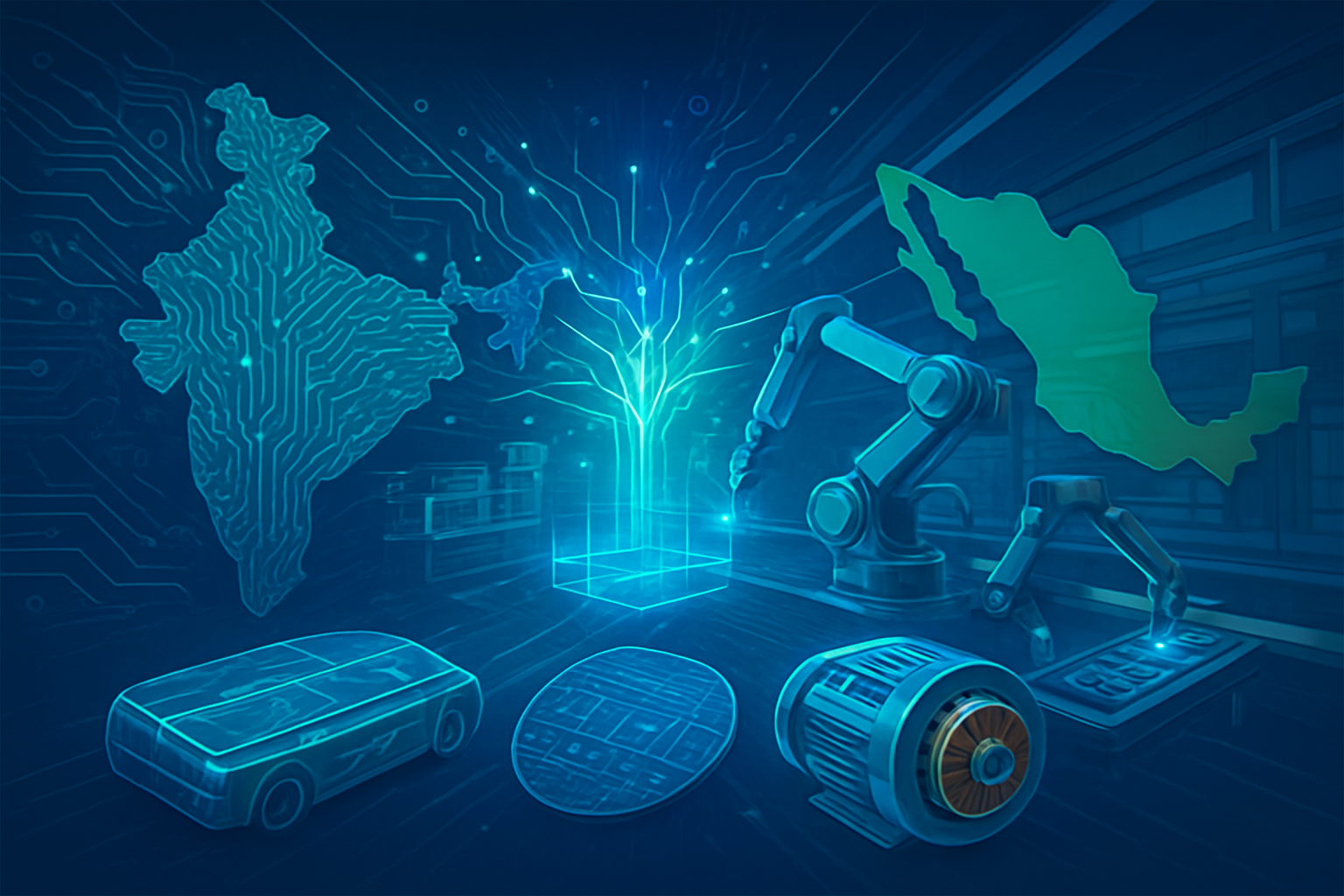
  • The Next Frontier: Spatial Intelligence Emerges as AI’s Crucial Leap Towards Real-World Understanding

    The Next Frontier: Spatial Intelligence Emerges as AI’s Crucial Leap Towards Real-World Understanding

    Artificial intelligence is on the cusp of its next major evolution, moving beyond the mastery of language and two-dimensional data to embrace a profound understanding of the physical world. This paradigm shift centers on spatial intelligence, a critical capability that allows AI systems to perceive, understand, reason about, and interact with three-dimensional space, much like humans do. Experts universally agree that this leap is not merely an incremental improvement but a foundational requirement for future AI advancements, paving the way for truly intelligent machines that can navigate, manipulate, and comprehend our complex physical reality.

    The immediate significance of spatial intelligence is immense. It promises to bridge the long-standing gap between AI's impressive cognitive abilities in digital realms and its often-limited interaction with the tangible world. By enabling AI to "think" in three dimensions, spatial intelligence is poised to revolutionize autonomous systems, immersive technologies, and human-robot interaction, pushing AI closer to achieving Artificial General Intelligence (AGI) and unlocking a new era of practical, real-world applications.

    Technical Foundations of a 3D World Model

    The development of spatial intelligence in AI is a multifaceted endeavor, integrating novel architectural designs, advanced data processing techniques, and sophisticated reasoning models. Recent advancements are particularly focused on 3D reconstruction and representation learning, where AI can convert 2D images into detailed 3D models and generate 3D room layouts from single photographs. Techniques like Gaussian Splatting are enabling real-time 3D mapping, while researchers explore diverse 3D data representations—including point clouds, voxel-based, and mesh-based models—to capture intricate geometry and topology. At its core, Geometric Deep Learning (GDL) extends traditional deep learning to handle data with inherent geometric structures, utilizing Graph Neural Networks (GNNs) to analyze relationships between entities in network structures and invariant/equivariant architectures to ensure consistent performance under geometric transformations.

    Furthermore, spatial-temporal reasoning is crucial, allowing AI to understand and predict how spatial relationships evolve over time. This is bolstered by multimodal AI architectures and Vision-Language-Action (VLA) systems, which integrate sensory data (vision, touch) with language to enable comprehensive understanding and physical interaction. A key concept emerging is "World Models," a new type of generative model capable of understanding, reasoning about, and interacting with complex virtual or real worlds that adhere to physical laws. These models are inherently multimodal and interactive, predicting future states based on actions. To train these complex systems, simulation and digital twins are becoming indispensable, allowing AI, especially in robotics, to undergo extensive training in high-fidelity virtual environments before real-world deployment.

    This approach fundamentally differs from previous AI methodologies. While traditional computer vision excelled at 2D image analysis and object recognition, spatial AI transcends simple identification to understand how objects exist, where they are located, their depth, and their physical relationships in a three-dimensional space. It moves beyond passive data analysis to active planning and real-time adaptation, addressing the limitations of Large Language Models (LLMs) which, despite their linguistic prowess, often lack a grounded understanding of physical laws and struggle with basic spatial reasoning tasks. Initial reactions from the AI research community, including pioneers like Fei-Fei Li, hail spatial intelligence as the "next frontier," essential for truly embodied AI and for connecting AI's cognitive abilities to physical reality, though challenges in data scarcity, complex 3D reasoning, and computational demands are acknowledged.

    Reshaping the AI Industry Landscape

    The advent of spatial intelligence is set to profoundly reshape the competitive landscape for AI companies, tech giants, and startups alike. Companies developing foundational spatial AI models, often termed "Large World Models" (LWMs), are gaining significant competitive advantages through network effects, where every user interaction refines the AI's understanding of 3D environments. Specialized geospatial intelligence firms are also leveraging machine learning to integrate into Geographic Information Systems (GIS), offering automation and optimization across various sectors.

    Tech giants are making substantial investments, leveraging their vast resources. NVIDIA (NASDAQ: NVDA) remains a crucial enabler, providing the powerful GPUs necessary for 3D rendering and AI training. Companies like Apple (NASDAQ: AAPL), Meta Platforms (NASDAQ: META), and Alphabet (NASDAQ: GOOGL) are heavily invested in AR/VR devices and platforms, with products like Apple's Vision Pro serving as critical "spatial AI testbeds." Google (NASDAQ: GOOGL) is integrating GeoAI into its mapping and navigation services, while Amazon (NASDAQ: AMZN) employs spatial AI in smart warehousing. Startups, such as World Labs (founded by Fei-Fei Li) and Pathr.ai, are attracting significant venture capital by focusing on niche applications and pioneering LWMs, demonstrating that innovation is flourishing across the spectrum.

    This shift promises to disrupt existing products and services. Traditional EdTech, often limited to flat-screen experiences, risks obsolescence as spatial learning platforms offer more immersive and effective engagement. Static media experiences may be supplanted by AI-powered immersive content. Furthermore, truly AI-powered digital assistants and search engines, with a deeper understanding of physical contexts, could challenge existing offerings. The competitive edge will lie in a robust data strategy—capturing, generating, and curating high-quality spatial data—along with real-time capabilities, ecosystem building, and a privacy-first approach, positioning companies that can orchestrate multi-source spatial data into real-time analytics for significant market advantage.

    A New Era of AI: Broader Implications and Ethical Imperatives

    Spatial intelligence represents a significant evolutionary step for AI, fitting squarely into the broader trends of embodied AI and the development of world models that explicitly capture the 3D structure, physics, and spatial dynamics of environments. It pushes AI beyond 2D perception, enabling a multimodal integration of diverse sensory inputs for a holistic understanding of the physical world. This is not merely an enhancement but a fundamental shift towards making AI truly grounded in reality.

    The impacts are transformative, ranging from robotics and autonomous systems that can navigate and manipulate objects with human-like precision, to immersive AR/VR experiences that seamlessly blend virtual and physical realities. In healthcare, Spatial Reasoning AI (SRAI) systems are revolutionizing diagnostics, surgical planning, and robotic assistance. Urban planning and smart cities will benefit from AI that can analyze vast geospatial data to optimize infrastructure and manage resources, while manufacturing and logistics will see flexible, collaborative automation. However, this advancement also brings significant concerns: privacy and data security are paramount as AI collects extensive 3D data of personal spaces; bias and equity issues could arise if training data lacks diversity; and ethical oversight and accountability become critical for systems making high-stakes decisions.

    Comparing spatial intelligence to previous AI milestones reveals its profound significance. While early AI relied on programmed rules and deep learning brought breakthroughs in 2D image recognition and natural language processing, these systems often lacked a true understanding of the physical world. Spatial intelligence addresses this by connecting AI's abstract knowledge to concrete physical reality, much like how smartphones transformed basic mobile devices. It moves AI from merely understanding digital data to genuinely comprehending and interacting with the physical world, a crucial step towards achieving Artificial General Intelligence (AGI).

    The Horizon: Anticipating Future Developments

    The future of spatial intelligence in AI promises a landscape where machines are deeply integrated into our physical world. In the near-term (1-5 years), we can expect a surge in practical applications, particularly in robotics and geospatial reasoning. Companies like OpenAI are developing models with improved spatial reasoning for autonomous navigation, while Google's Geospatial Reasoning is tackling complex spatial problems by combining generative AI with foundation models. The integration of spatial computing into daily routines will accelerate, with AR glasses anchoring digital content to real-world locations. Edge computing will be critical for real-time data processing in autonomous driving and smart cities, and Large World Models (LWMs) from pioneers like Fei-Fei Li's World Labs will aim to understand, generate, and interact with large-scale 3D environments, complete with physics and semantics.

    Looking further ahead (beyond 5 years), experts envision spatial AI becoming the "operating system of the physical world," leading to immersive interfaces where digital and physical realms converge. Humanoid robots, enabled by advanced spatial awareness, are projected to become part of daily life, assisting in various sectors. The widespread adoption of digital twins and pervasive location-aware automation will be driven by advancements in AI foundations and synthetic data generation. Spatial AI is also expected to converge with search technologies, creating highly immersive experiences, and will advance fields like spatial omics in biotechnology. The ultimate goal is for spatial AI systems to not just mimic human perception but to augment and surpass it, developing their own operational logic for space while remaining trustworthy.

    Despite the immense potential, significant challenges remain. Data scarcity and quality for training 3D models are major hurdles, necessitating more sophisticated synthetic data generation. Teaching AI systems to accurately comprehend real-world physics and handle geometric data efficiently remains complex. Reconstructing complete 3D views from inherently incomplete sensor data, like 2D camera feeds, is a persistent challenge. Furthermore, addressing ethical and privacy concerns as spatial data collection becomes pervasive is paramount. Experts like Fei-Fei Li emphasize that spatial intelligence is the "next frontier" for AI, enabling it to go beyond language to perception and action, a sentiment echoed by industry reports projecting the global spatial computing market to reach hundreds of billions of dollars by the early 2030s.

    The Dawn of a Spatially Aware AI

    In summary, the emergence of spatial intelligence marks a pivotal moment in the history of artificial intelligence. It represents a fundamental shift from AI primarily processing abstract digital data to genuinely understanding and interacting with the three-dimensional physical world. This capability, driven by advancements in 3D reconstruction, geometric deep learning, and world models, promises to unlock unprecedented applications across robotics, autonomous systems, AR/VR, healthcare, and urban planning.

    The significance of this development cannot be overstated. It is the crucial bridge that will allow AI to move beyond being "wordsmiths in the dark" to becoming truly embodied, grounded, and effective agents in our physical reality. While challenges related to data, computational demands, and ethical considerations persist, the trajectory is clear: spatial intelligence is set to redefine what AI can achieve. As companies vie for leadership in this burgeoning field, investing in robust data strategies, foundational model development, and real-time capabilities will be key. The coming weeks and months will undoubtedly bring further breakthroughs and announcements, solidifying spatial intelligence's role as the indispensable next leap in AI's journey towards human-like understanding.


    This content is intended for informational purposes only and represents analysis of current AI developments.

    TokenRing AI delivers enterprise-grade solutions for multi-agent AI workflow orchestration, AI-powered development tools, and seamless remote collaboration platforms.
    For more information, visit https://www.tokenring.ai/.

  • AI Revolutionizes Learning: The Dawn of Scalable Personalized Education

    AI Revolutionizes Learning: The Dawn of Scalable Personalized Education

    Artificial intelligence (AI) is rapidly transforming the educational landscape, ushering in an era where personalized learning can be scaled to meet the unique needs, preferences, and pace of individual learners. Recent breakthroughs in AI technologies have made significant strides in making this scalable personalization a reality, offering immediate and profound implications for education worldwide. This shift promises to enhance student engagement, improve learning outcomes, and provide more efficient support for both students and educators, moving away from a "one-size-fits-all" approach to a highly individualized, student-centered model.

    The Technical Core: Unpacking AI's Personalized Learning Engine

    Modern AI in personalized learning encompasses several key advancements, marking a significant departure from traditional educational models. At its heart are sophisticated AI algorithms and technical capabilities that dynamically adapt to individual student needs.

    Intelligent Tutoring Systems (ITS) are at the forefront, mimicking one-on-one interactions with human tutors. These systems leverage Natural Language Processing (NLP) to understand and respond to student inquiries and machine learning algorithms to adapt their support in real-time. Adaptive Content Delivery utilizes AI algorithms to analyze student performance, engagement, and comprehension, customizing educational materials in real-time by adjusting difficulty, pacing, and instructional approaches. Predictive Analytics, by analyzing extensive datasets on student performance and behavioral patterns, identifies unique learning patterns and forecasts future performance trends, allowing for proactive intervention. Automated Assessment and Feedback tools streamline grading and provide immediate, consistent feedback, even analyzing complex assessments like essays for coherence and relevance. Personalized Learning Paths are dynamically created and adjusted by AI based on an individual's strengths, weaknesses, interests, and goals, ensuring content remains relevant and challenging. Furthermore, AI enhances educational games through Gamification and Engagement, creating adaptive experiences to boost motivation. Some advanced systems even utilize Computer Vision for Emotional Cue Recognition, adapting content based on a student's emotional state.

    The technical backbone relies heavily on various machine learning (ML) techniques. Supervised learning is used for performance prediction, while unsupervised learning identifies learning styles. Reinforcement learning optimizes content sequences, and deep learning, a subset of ML, analyzes complex datasets for tasks like automated grading. Natural Language Processing (NLP) is crucial for meaningful dialogues, and Retrieval-Augmented Generation (RAG) in AI chatbots, such as Khan Academy's Khanmigo, grounds AI responses in vetted course materials, improving accuracy. Bayesian Knowledge Tracing statistically estimates a student's mastery of knowledge components, updating with every interaction. This data-driven customization fundamentally differs from previous approaches by offering dynamic, real-time adaptation rather than static, pre-defined paths, providing proactive interventions before students struggle, and ultimately enhancing engagement and outcomes. Initial reactions from the AI research community and industry experts are overwhelmingly positive, recognizing the immense potential while also emphasizing the need to address ethical concerns like data privacy, algorithmic bias, and equity.

    Corporate Impact: Reshaping the EdTech Landscape

    The integration of AI into personalized learning is profoundly reshaping the landscape for AI companies, tech giants, and startups, driving significant market growth and fostering both intense competition and innovative disruption. The global AI in Personalized Learning and Education Technology market is projected to surge to USD 208.2 billion by 2034, growing at a compound annual growth rate (CAGR) of 41.4%.

    Pure-play AI companies specializing in foundational AI technologies such as machine learning algorithms, natural language processing (NLP) systems, and intelligent tutoring systems (ITS) are at the core of this transformation. Companies that provide underlying AI infrastructure and tools for personalization, content generation, and data analysis are set to benefit immensely. Their competitive edge will come from the sophistication, accuracy, and ethical deployment of their AI models. For AI companies whose products might have been more generalized, the shift demands a focus on specialized algorithms and models tailored for educational contexts, continuously enhancing core AI offerings for real-time feedback and dynamic content delivery. Strategic advantages include deep expertise in AI research and development and partnerships with EdTech companies.

    Tech giants like Alphabet (NASDAQ: GOOGL), Microsoft (NASDAQ: MSFT), Amazon (NASDAQ: AMZN), and IBM (NYSE: IBM) are well-positioned due to their extensive resources, existing cloud infrastructure, vast data reserves, and established ecosystems. They can integrate AI-powered personalized learning features into existing educational products like Google Classroom with Gemini and corporate training solutions. These companies leverage substantial user bases and brand recognition to scale solutions quickly, posing a significant competitive threat through acquisitions and bundling. Their market positioning benefits from global reach, robust cloud computing, and significant R&D investments, enabling them to provide end-to-end solutions and influence widespread adoption.

    EdTech startups, such as those participating in Google for Startups Growth Academy: AI for Education (e.g., Angaza Elimu, Complori, Pandatron), are experiencing a boom, driven by demand for innovative and agile solutions. Many are emerging with intelligent tutors and adaptive learning platforms, quickly addressing specific learning gaps or catering to niche markets. Startups are prime disruptors, introducing innovative business models and technologies that challenge traditional institutions. Their strategic advantages include agility, rapid innovation, and a focus on specific, underserved market segments, often relying on being at the forefront of AI innovation and offering flexible, cost-effective options. However, they face intense competition and must secure funding and strong partnerships to thrive.

    Broader Implications: AI's Transformative Role in Education and Society

    The integration of AI in personalized learning represents a significant evolution within both the education sector and the broader AI landscape. This transformative shift promises to revolutionize how individuals learn, with profound implications for society, while also raising important ethical and practical concerns. AI in personalized learning is a direct outcome and a key application of advancements in several core AI domains, including machine learning, deep learning, natural language processing (NLP), and generative AI.

    The positive impacts are substantial: improved learning outcomes and engagement through tailored content, enhanced efficiency in administrative tasks for educators, expanded access and equity for underserved students, and real-time feedback and support. AI can cater to diverse learning styles, transforming notes into mind maps or providing immersive virtual reality experiences. This will evolve educators' roles from knowledge providers to guides who use AI insights to customize experiences and foster critical thinking. However, potential concerns include over-reliance on AI diminishing critical thinking, changes to teachers' roles, and cost disparities exacerbating educational inequalities.

    Ethical considerations are paramount. Data privacy and security are critical, as AI systems collect vast amounts of personal student data, necessitating robust safeguards. Algorithmic bias, inherent in training data, can perpetuate inequalities, requiring diverse datasets and regular audits. Transparency and accountability are crucial for understanding AI's decision-making. Academic integrity is a concern, as advanced AI could facilitate cheating. These challenges echo past AI milestones, from early computer-based instruction (like PLATO in the 1960s) to Intelligent Tutoring Systems (1970s-1980s), and the machine learning and deep learning revolution of the 2000s. Today's generative AI and Large Language Models (LLMs), such as those driven by the Transformer model (2017) and GPT (2018 onwards), build upon these, enabling highly adaptive, data-driven, and generative approaches to education.

    The Horizon: Charting the Future of Personalized AI Learning

    The future of AI in personalized learning promises increasingly sophisticated and integrated solutions, refining existing capabilities and expanding their reach while addressing critical challenges.

    In the near term, adaptive learning systems are projected to power over 47% of learning management systems within the next three years, offering customized content and exercises that dynamically adjust pace and complexity. Personalized feedback and assessment will become more accurate, with NLP and sentiment analysis providing nuanced tips. Predictive analytics will proactively identify potential academic problems, and dynamic content delivery will craft diverse educational materials tailored to student progress. Long-term developments envision hyper-personalized AI tutors that adapt to student emotions, advanced AI-driven content creation for customized textbooks and courses, and multimodal learning experiences integrating AI with virtual reality (VR) for immersive simulations. AI is also anticipated to support lifelong adaptive learning, from early schooling to career development.

    Potential applications on the horizon include highly intelligent tutoring systems like Khanmigo by Khan Academy, advanced adaptive learning platforms (e.g., Knewton, DreamBox, Duolingo), and AI tools for targeted interventions and enhanced accessibility. AI will also contribute to personalized curriculum design, automate administrative tasks, and develop personalized study schedules. However, challenges persist, including data privacy and security, algorithmic bias, the digital divide, potential over-reliance on AI diminishing critical thinking, and the absence of human emotional intelligence.

    Experts predict a transformative period, with 2025 marking a significant shift towards AI providing tailored educational experiences. The rise of advanced AI tutoring systems and virtual campuses with AI agents acting as personalized educators and mentors is expected. Data-driven decision-making will empower educators, and hybrid models, where AI supports human interaction, will become the norm. Continuous refinement and the development of ethical frameworks will be crucial. A recent EDUCAUSE survey indicates that 57% of higher education institutions are prioritizing AI in 2025, up from 49% the previous year, signaling rapid integration and ongoing innovation.

    Conclusion: A New Era for Education

    The integration of AI into personalized learning marks a pivotal moment in educational history, shifting from a "one-size-fits-all" model to a highly individualized, student-centered approach. Key takeaways include the ability of AI to deliver tailored learning experiences, boost engagement and retention, provide real-time feedback, and offer intelligent tutoring and predictive analytics. This development represents a significant leap from earlier educational technologies, leveraging AI's capacity for processing vast amounts of data and recognizing patterns to make truly individualized learning feasible at scale.

    The long-term impact is expected to be profound, leading to hyper-personalization, emotionally adaptive AI tutors, and AI acting as lifelong learning companions. Educators' roles will evolve, focusing on mentorship and higher-order thinking, while AI helps democratize high-quality education globally. However, careful ethical guidelines and policies will be crucial to prevent algorithmic bias and ensure equitable access, avoiding the exacerbation of the digital divide.

    In the coming weeks and months, watch for enhanced intelligent tutoring systems capable of Socratic tutoring, deeper integration of predictive analytics, and advancements in smart content creation. Expect more pilot programs and empirical studies assessing AI's effectiveness, alongside increasing discussions and the development of comprehensive ethical guidelines for AI in education. The rapid adoption of AI in educational institutions signifies a new era of innovation, where technology promises to make learning more effective, engaging, and accessible for all.


    This content is intended for informational purposes only and represents analysis of current AI developments.

    TokenRing AI delivers enterprise-grade solutions for multi-agent AI workflow orchestration, AI-powered development tools, and seamless remote collaboration platforms.
    For more information, visit https://www.tokenring.ai/.

  • Anthropic Unleashes $50 Billion Infrastructure Blitz: A New Era for American AI

    Anthropic Unleashes $50 Billion Infrastructure Blitz: A New Era for American AI

    New York, NY & Austin, TX – November 12, 2025 – In a move poised to reshape the landscape of artificial intelligence, Anthropic, a leading AI safety and research company known for its Claude line of AI models, today announced a monumental $50 billion investment in American computing infrastructure. This unprecedented commitment will see the company construct custom AI data centers across the United States, with initial facilities slated for Texas and New York, and operations expected to commence throughout 2026. This strategic pivot marks Anthropic’s first direct foray into building its own major data center infrastructure, moving beyond its prior reliance on cloud-computing partners and signaling a profound shift in the ongoing race for AI supremacy.

    The immediate significance of this announcement, made public on Wednesday, November 12, 2025, is multifaceted. It underscores the critical need for dedicated, optimized computing resources to develop and deploy advanced AI systems, driven by the surging demand for Anthropic's Claude models. This investment is not merely about expansion; it's a declaration of intent to control the foundational elements of its AI future, ensuring sustained development at the frontier of AI capabilities. Furthermore, it aligns with national efforts to bolster American leadership in AI and strengthen domestic technology infrastructure, potentially generating approximately 800 permanent jobs and 2,400 construction jobs in its initial phases.

    Engineering the Future: Anthropic's Technical Blueprint for AI Dominance

    Anthropic's $50 billion infrastructure investment is a testament to the escalating technical demands of frontier AI, moving beyond general-purpose cloud solutions to embrace a bespoke, multi-platform computing strategy. These custom data centers are not merely expansions but purpose-built environments meticulously engineered to optimize the training and deployment of its advanced Claude large language models.

    The technical specifications reveal a sophisticated approach to harnessing diverse AI accelerators. Anthropic plans to integrate cutting-edge hardware from various vendors, including Alphabet Inc. (NASDAQ: GOOGL)'s Tensor Processing Units (TPUs), Amazon.com Inc. (NASDAQ: AMZN)'s custom-designed Trainium chips, and NVIDIA Corporation (NASDAQ: NVDA)'s Graphics Processing Units (GPUs). This diversified strategy allows Anthropic to tailor its infrastructure to specific AI workloads, ensuring optimal efficiency for training complex models, low-latency inference, and versatile research. Key partnerships are already in motion: Anthropic has secured access to one million Google TPUs and one gigawatt of computing power by 2026 through a significant cloud computing deal. Concurrently, its collaboration with Amazon on "Project Rainier" is set to expand to over one million Trainium2 chips for Claude model training and deployment by the end of 2025. Trainium2 chips, Amazon's custom AI accelerators, are engineered for immense speed, capable of trillions of calculations per second, and will be integrated into "UltraServers" interconnected by high-speed "NeuronLinks" for minimal latency at scale. The estimated cost for building one gigawatt of AI data center capacity, a benchmark Anthropic aims for, is approximately $50 billion, with about $35 billion dedicated to the chips alone.

    This approach marks a significant departure from previous reliance on public cloud computing partners. By building its own custom data centers, Anthropic gains greater control over its compute stack, enabling hardware-software co-design for enhanced efficiency, cost-effectiveness, and security. This strategic shift reduces dependency on external providers, minimizes strategic exposure, and provides a more secure and isolated environment for sensitive training data and model weights, crucial for Anthropic's focus on "Constitutional AI" and ethical alignment. Experts suggest that a hybrid approach combining dedicated infrastructure with cloud services can yield a 20-30% better Total Cost of Ownership (TCO) for mixed workloads.

    UK-based Fluidstack Ltd. is a key partner in this endeavor, leveraging its expertise in rapidly delivering gigawatts of power. Fluidstack's involvement highlights the critical need for specialized partners capable of managing the massive power and infrastructure demands of modern AI. Initial reactions from the AI research community and industry experts validate this move, viewing it as a clear indicator of the intensifying "AI infrastructure arms race." The investment underscores the belief that "models without infrastructure are features, not empires," suggesting that control over compute resources is paramount for sustained leadership in AI. These custom data centers are central to Anthropic's ambition to significantly enhance its AI capabilities by accelerating research and development, training larger and more capable models, optimizing performance, reinforcing AI safety, and improving data integration through robust underlying infrastructure.

    Shifting Tides: Competitive Dynamics in the AI Arena

    Anthropic's $50 billion data center investment is a seismic event that will send ripples through the competitive landscape of the AI industry, intensifying the "AI infrastructure arms race" and redefining strategic advantages for companies across the spectrum.

    Direct Beneficiaries: Fluidstack Ltd. stands to gain significantly as Anthropic's primary partner in developing these gigawatt-scale data centers, showcasing its expertise in high-power infrastructure. Construction and engineering firms will see a boom in demand, benefiting from the creation of thousands of construction jobs. Energy providers and utilities will secure massive contracts as these facilities require substantial and reliable power, potentially driving investments in grid upgrades. While Anthropic is leveraging custom chips from Amazon.com Inc. (NASDAQ: AMZN) and Alphabet Inc. (NASDAQ: GOOGL), the direct control over data centers could lead to more bespoke hardware procurement, benefiting specialized semiconductor manufacturers. Local economies in Texas and New York will also experience a boost from job creation and increased tax revenues.

    Competitive Implications for Major AI Labs and Tech Companies: This investment fundamentally alters Anthropic's market positioning. By owning its infrastructure, Anthropic gains a strategic advantage through greater control over its compute stack, enabling hardware-software co-design for more efficient, cost-effective, and secure AI development. This allows for sustained development at the "frontier" of AI. For rivals like OpenAI, which is pursuing its own "Stargate Project" with reported investments exceeding $1 trillion, Anthropic's move underscores the necessity of scaling dedicated infrastructure to maintain a competitive edge. Google DeepMind, with its extensive in-house infrastructure via Alphabet Inc. (NASDAQ: GOOGL)'s Google Cloud and TPUs, will continue to leverage its existing advantages, but Anthropic's move highlights a trend where frontier AI labs seek direct control or highly customized environments. Meta Platforms Inc. (NASDAQ: META) AI, also heavily investing in its own infrastructure, will see this as further validation for aggressive build-outs to support its open-source models.

    For tech giants like Microsoft Corporation (NASDAQ: MSFT), Amazon.com Inc. (NASDAQ: AMZN), and Alphabet Inc. (NASDAQ: GOOGL), Anthropic's investment signals a potential shift in customer relationships. While still partners and investors, Anthropic may increasingly become a customer for specialized hardware and energy, rather than broad cloud tenancy. This puts pressure on cloud providers to offer even more specialized, high-performance, and cost-efficient AI-optimized solutions to retain top-tier AI clients. Amazon (NASDAQ: AMZN), a significant investor in Anthropic and provider of Trainium chips, could see increased demand for its specialized AI hardware. Google (NASDAQ: GOOGL), also an investor and TPU provider, might see a continued strong relationship for hardware supply, but potentially reduced reliance on Google Cloud for broader compute services.

    Potential Disruption and Strategic Advantages: By controlling its infrastructure, Anthropic can fine-tune its hardware and software stack for optimal performance and potentially lower the long-term cost of training and running its AI models. This could lead to more frequent model updates, more capable models, or more competitively priced API access, disrupting competitors reliant on less optimized or more expensive external compute. This vertical integration provides strategic control, reducing dependency on external cloud providers and their pricing structures. The custom-built data centers are "specifically designed to maximize efficiency for Anthropic's AI workloads," crucial for pushing AI research boundaries. While the upfront investment is massive, it promises significant long-term cost savings compared to continuous scaling on public cloud platforms. This move significantly boosts Fluidstack's reputation and expertise, solidifying its position in the specialized data center market.

    The broader "AI infrastructure arms race" is characterized by massive capital allocation, concentrating control over essential AI inputs—cloud capacity, advanced chips, and data centers—among a handful of dominant firms. This creates extremely high barriers to entry for new competitors and underscores the strategic importance of energy, with AI data centers requiring massive, reliable power sources, making energy supply a critical bottleneck and a national security concern.

    A Watershed Moment: Wider Significance and Lingering Concerns

    Anthropic's reported $50 billion investment in AI data centers is more than a corporate expansion; it's a watershed moment that highlights critical trends in the broader AI landscape and raises profound questions about its societal, economic, and environmental implications. This move solidifies a strategic shift towards massive, dedicated infrastructure for frontier AI development, setting it apart from previous AI milestones that often centered on algorithmic breakthroughs.

    Broader AI Landscape and Current Trends: This investment reinforces the trend of centralization of AI compute power. While discussions around decentralized AI are growing, the sheer scale of modern AI models necessitates centralized, hyper-efficient data centers. Anthropic's multi-platform strategy, integrating Alphabet Inc. (NASDAQ: GOOGL)'s TPUs, Amazon.com Inc. (NASDAQ: AMZN)'s Trainium chips, and NVIDIA Corporation (NASDAQ: NVDA)'s GPUs, aims to optimize costs and reduce vendor lock-in, yet the overall trend remains toward concentrated resources among a few leading players. This concentration directly contributes to the soaring energy demands of the AI industry. Global data center electricity demand is projected to more than double by 2030, with AI growth annually adding 24 to 44 million metric tons of carbon dioxide to the atmosphere by 2030. A single large-scale AI data center can consume as much electricity as 100,000 households annually. This immense demand often relies on local grids, which still largely depend on fossil fuels, leading to increased greenhouse gas emissions. Crucially, increased compute capacity is directly linked to the development of more capable AI models, which in turn amplifies discussions around AI safety. As a safety-focused AI startup, Anthropic's investment suggests a belief that advanced, well-resourced compute is necessary to develop safer and more reliable AI systems, with governance through compute access seen as a promising approach to monitoring potentially dangerous AI.

    Potential Impacts on Society, Economy, and Environment:

    • Society: While AI advancements can lead to job displacement, particularly in routine tasks, Anthropic's investment directly creates new employment opportunities (800 permanent, 2,400 construction jobs). The integration of AI will reshape the job market, necessitating workforce adaptation. Ethical considerations surrounding bias, privacy, and the potential for AI-driven misinformation remain paramount. Conversely, AI promises significant improvements in quality of life, especially in healthcare through enhanced diagnostics and personalized treatments.
    • Economy: Large investments in AI infrastructure are powerful drivers of economic growth, fueling construction, utilities, and technology sectors, contributing to GDP and tax revenues. However, the substantial capital required reinforces market concentration among a few dominant players, potentially stifling competition. The rapid increase in AI-related capital expenditures has also led to warnings of a potential "AI bubble."
    • Environment: The vast electricity consumption of AI data centers, often powered by fossil fuels, leads to substantial greenhouse gas emissions. AI growth could also drain immense amounts of water for cooling, equivalent to the annual household water usage of millions of Americans. Furthermore, the reliance on raw materials for hardware and the resulting electronic waste contribute to environmental degradation.

    Potential Concerns:

    • Resource Concentration: This $50 billion investment exacerbates concerns that computational power, essential for advanced AI, is becoming increasingly concentrated in the hands of a few corporations. This could limit access for smaller innovators, researchers, and public interest groups, leading to a less diverse and less equitable AI ecosystem.
    • Environmental Footprint: The sheer scale of the investment magnifies environmental concerns regarding carbon emissions and water usage. The demand for new data centers often outpaces the development of renewable energy sources, posing a risk to net-zero emission targets.
    • Accessibility: High barriers to entry, including cost and infrastructure complexity, mean that many non-industry researchers struggle to pursue advanced AI safety research, potentially limiting diverse perspectives on AI development.

    Comparison to Previous AI Milestones: Anthropic's investment differs from previous AI milestones, which often focused on algorithmic breakthroughs (e.g., Deep Blue, AlphaGo, the rise of deep learning). While those showcased AI's capabilities, this investment is fundamentally about providing the infrastructure required to train and deploy such systems at an unprecedented scale. It marks a shift from purely intellectual breakthroughs to a capital-intensive race for raw computational power as a key differentiator and enabler of future AI advancements, akin to the industrial revolutions that required massive investments in factories and transportation networks, establishing the physical infrastructure that will underpin future AI capabilities.

    The Road Ahead: Anticipating AI's Next Chapter

    Anthropic's $50 billion investment in AI data centers is a clear signal of the company's long-term vision and its commitment to shaping the future of artificial intelligence. This infrastructure build-out is expected to catalyze significant advancements and present new challenges, further accelerating the AI journey.

    Expected Near-Term and Long-Term Developments: This enhanced compute power, leveraging Amazon.com Inc. (NASDAQ: AMZN)'s Trainium2 chips and Alphabet Inc. (NASDAQ: GOOGL)'s TPUs, is predicated on the "scaling hypothesis" – the belief that increasing model size with more data and computing power leads to improved performance. In the near term, we can anticipate more capable Claude iterations, accelerating scientific discovery and tackling complex problems. Anthropic's continued focus on "Constitutional AI" means these advancements will likely be accompanied by a strong emphasis on ethical development, interpretability, and robust safety measures. Long-term, this infrastructure will enable the development of AI systems with significantly greater cognitive abilities, capable of more intricate reasoning and problem-solving, pushing the boundaries of what AI can achieve.

    Potential New Applications and Use Cases: The advanced AI capabilities unleashed by this infrastructure will primarily target the enterprise sector. Anthropic is poised to drive significant improvements in efficiency across various industries, including healthcare, financial management, and manufacturing, through automation and optimized processes. New services and specialized AI tools are expected to emerge, augmenting human workforces rather than simply replacing them. The expanded compute resources are also crucial for dramatically speeding up scientific research and breakthroughs, while internal applications, suchs as Claude-powered assistants for knowledge management, will enhance operational efficiency within Anthropic itself.

    Key Challenges that Need to Be Addressed: The path forward is not without its hurdles. The most pressing challenge is the immense energy supply required. Anthropic projects the entire AI industry will need 50 gigawatts of power by 2028, a capacity for which the U.S. is currently unprepared. Securing reliable, abundant energy sources and modernizing electric grids are critical. Cooling also presents a significant technical challenge, as high power densities within AI data centers necessitate advanced solutions like direct-to-chip liquid cooling. Regulatory hurdles for data center and energy infrastructure permitting are cumbersome, requiring streamlining. Ethical implications, including the potential for advanced AI to cause harm or manipulate, remain a paramount concern, necessitating clear guidelines and accountability. Furthermore, supply chain constraints (labor, specialized chips) and geopolitical tensions could impede expansion, alongside the sheer capital intensity of such ventures.

    Expert Predictions: Experts predict an escalating "AI infrastructure spending spree" globally, with data center capacity nearly tripling by 2030, largely driven by AI. Spending on AI infrastructure is expected to exceed $200 billion by 2028, potentially surpassing $1 trillion by 2029. This intense competition involves major players like Amazon.com Inc. (NASDAQ: AMZN), Microsoft Corporation (NASDAQ: MSFT), Alphabet Inc. (NASDAQ: GOOGL), Meta Platforms Inc. (NASDAQ: META), OpenAI, and Anthropic. A significant shift from AI model training to inference as the primary workload is anticipated by 2030. Many AI experts believe human-level artificial intelligence is a realistic possibility within decades, with AI primarily serving as an augmentative tool for human workforces. Growing concerns over energy consumption will increasingly drive data centers towards optimized architectures, renewable energy, and more efficient cooling technologies.

    A New Foundation for AI's Future: The Long View

    Anthropic's $50 billion commitment to building a dedicated network of AI data centers across the U.S. marks a pivotal moment in the history of artificial intelligence. This strategic investment, announced on November 12, 2025, underscores a profound shift in how leading AI companies approach foundational infrastructure, moving beyond mere algorithmic innovation to assert direct control over the computational bedrock of their future.

    Key Takeaways: The core message is clear: the future of frontier AI hinges on massive, optimized, and dedicated computing power. Anthropic's unprecedented $50 billion outlay signifies a move towards vertical integration, granting the company greater control, efficiency, and security for its Claude models. This domestic investment is poised to create thousands of jobs and reinforce American leadership in AI, while simultaneously intensifying the global "AI infrastructure arms race."

    Significance in AI History: This development stands as a testament to the "big AI" era, where capital-intensive infrastructure is as crucial as intellectual breakthroughs. Unlike earlier milestones focused on conceptual or algorithmic leaps, Anthropic's investment is about scaling existing powerful paradigms to unprecedented levels, providing the raw compute necessary for the next generation of sophisticated, resource-intensive AI models. It marks a foundational shift, akin to the industrial revolutions that required massive investments in factories and transportation networks, establishing the physical infrastructure that will underpin future AI capabilities.

    Long-Term Impact: The long-term ramifications are immense. We can anticipate an acceleration of AI progress, with more powerful and ethical AI models emerging from Anthropic's enhanced capabilities. This will likely drive innovation across industries, leading to new applications and efficiencies. However, this progress comes with significant challenges: the immense energy and water footprint of these data centers demands urgent development of sustainable solutions. The concentration of computational power also raises concerns about resource accessibility, market competition, and the equitable development of AI, necessitating ongoing dialogue and proactive governance.

    What to Watch For: In the coming weeks and months, observers should closely monitor the construction progress and activation of Anthropic's initial data center sites in Texas and New York. Further announcements regarding additional locations and the tangible advancements in Anthropic's Claude models resulting from this enhanced compute capacity will be crucial. The competitive responses from other AI giants, and the broader industry's efforts to address the escalating energy demands through policy and sustainable innovations, will also be key indicators of AI's evolving trajectory.


    This content is intended for informational purposes only and represents analysis of current AI developments.

    TokenRing AI delivers enterprise-grade solutions for multi-agent AI workflow orchestration, AI-powered development tools, and seamless remote collaboration platforms.
    For more information, visit https://www.tokenring.ai/.

  • The Great Chip Reshuffle: Global Semiconductor Supply Chain Undergoing Historic Transformation

    The Great Chip Reshuffle: Global Semiconductor Supply Chain Undergoing Historic Transformation

    The global semiconductor supply chain is in the midst of an unprecedented and historic transformation, driven by an insatiable demand for artificial intelligence (AI) and high-performance computing (HPC), coupled with a worldwide strategic imperative for resilience and diversification. With projected sales nearing $700 billion in 2025 and an anticipated climb to $1 trillion by 2030, the industry is witnessing an unparalleled surge in investment, a monumental expansion of manufacturing capabilities, and a complex recalibration of distribution networks. This profound shift is not merely a response to past supply disruptions but a proactive, geopolitically charged effort to secure the foundational technology of the 21st century.

    This re-configuration carries immediate and far-reaching significance, as nations and corporations alike race to establish secure and advanced chip production. The once-concentrated hubs of semiconductor manufacturing are giving way to a more distributed model, fueled by massive government incentives and private sector commitments. The implications span economic stability, national security, and the very pace of technological advancement, making the dynamics of the semiconductor supply chain a focal point for global industry and policy makers.

    Unprecedented Investment Fuels a Global Manufacturing Boom

    The current landscape of semiconductor development is characterized by a confluence of aggressive investment trends and an ambitious global manufacturing expansion. At the heart of this surge is the burgeoning demand for AI, which is redefining the industry's priorities. AI accelerators, particularly Graphics Processing Units (GPUs) and High-Bandwidth Memory (HBM), are driving significant capital expenditure, with HBM revenue alone expected to surge by up to 70% in 2025, reaching $21 billion. Cloud service providers are dramatically increasing their AI infrastructure investments, nearly doubling the total annual capital expenditure of the entire semiconductor industry. This focus is reflected in increased Research & Development (R&D) spending, with 72% of surveyed companies forecasting an increase, underscoring a strong commitment to innovation.

    Governments worldwide are playing a pivotal role, enacting substantial policies and providing funding to bolster domestic semiconductor production. The U.S. CHIPS and Science Act (passed in 2022) allocated approximately $53 billion, drawing over $500 billion in private sector commitments since 2020. Similar initiatives include the European Chips Act, India Semiconductor Mission, and programs in Japan. This government-backed impetus, combined with geopolitical considerations, is fostering regionalization and nearshoring efforts, with 74% of semiconductor organizations expecting to increase U.S. investments and 59% in Europe. This marks a significant departure from previous decades of highly centralized manufacturing, prioritizing resilience over pure cost efficiency.

    The result is a historic global build-out of manufacturing capacity. SEMI reports that 97 new high-volume fabs are planned to begin operation globally from 2023-2025, with 18 new construction projects in 2025 alone, and over 107 new fabs projected worldwide through 2028. In the United States, TSMC (NYSE: TSM) is making its largest single foreign direct investment with a $165 billion commitment to its Phoenix, Arizona, "GIGAFAB cluster," including three new fabrication plants, two advanced packaging facilities for AI, and a major R&D center. Samsung (KRX: 005930) is constructing a $17 billion fabrication plant near Austin, Texas, and has plans for 12 fabs in total in Austin and Taylor. Intel (NASDAQ: INTC) has received $8.5 billion in grants and $1.6 billion in loans from the CHIPS Act, building two new fabs in Chandler, Arizona, for 7nm semiconductors. Nvidia (NASDAQ: NVDA) committed $500 billion in April 2025 to manufacture its Blackwell chip and other AI infrastructure in Arizona and Texas. Meanwhile, Asia remains a dominant hub, hosting 82 of the 107 new fabs, with India approving 10 semiconductor manufacturing projects and China boosting mainstream node capacity. This decentralized approach, leveraging advanced technologies like Extreme Ultraviolet (EUV) lithography and 3D chip stacking, aims to mitigate geopolitical risks and enhance global supply stability.

    Reshaping the Competitive Landscape: Winners and Challengers

    The seismic shifts in the global semiconductor supply chain are profoundly impacting AI companies, tech giants, and startups, creating new competitive dynamics and strategic imperatives. Companies with robust R&D capabilities and the financial prowess to invest heavily in advanced manufacturing and packaging are poised to benefit significantly. Leading foundries like TSMC (NYSE: TSM) and Samsung (KRX: 005930), with their multi-billion-dollar investments in new fabs across the U.S. and Asia, are solidifying their positions as critical enablers of advanced AI and HPC chips. Their expansion directly addresses the demand for cutting-edge nodes and specialized components like HBM, which are bottlenecks for many AI developers.

    Integrated Device Manufacturers (IDMs) such as Intel (NASDAQ: INTC) and Micron (NASDAQ: MU) are leveraging government incentives to re-shore and expand their manufacturing footprint, aiming to regain market share and control over their supply chains. Intel's significant CHIPS Act funding and investment in new fabs are crucial for its strategy to become a leading foundry and compete directly with TSMC for external customers. Similarly, Micron's new DRAM fabs in Idaho and New York are vital for meeting the soaring demand for memory solutions critical to AI workloads. Chip designers like Nvidia (NASDAQ: NVDA), while fabless, are heavily invested in securing advanced manufacturing capacity through partnerships and direct commitments, ensuring the production of their high-demand GPUs and AI platforms.

    The competitive implications are stark. The race for advanced nodes and HBM is intensifying, with companies vying for limited capacity and expertise. This environment favors those with diversified supply chain strategies and strong government backing, potentially disrupting existing product lines that rely on older, more concentrated manufacturing models. Smaller AI startups, while benefiting from the availability of more powerful chips, may face challenges in securing priority access to cutting-edge components without strategic partnerships with major foundries or tech giants. Market positioning is increasingly defined by supply chain resilience and geographical diversification, transforming these from operational concerns into strategic advantages in a volatile geopolitical landscape.

    A New Era of Strategic Competition and Resilience

    The wider significance of these semiconductor supply chain dynamics extends far beyond the tech industry, touching upon global economics, national security, and the very fabric of technological progress. This transformation fits into a broader AI landscape where access to advanced chips is synonymous with technological sovereignty and economic power. AI is not just a consumer of chips; it is the primary demand driver, dictating investment priorities and accelerating innovation in chip design and manufacturing. The ability to produce, procure, and control advanced semiconductors has become a critical component of national security, leading to a geopolitical arms race for chip supremacy.

    The impacts are multi-faceted. Economically, the massive investments in new fabs are creating jobs and fostering regional economic growth in areas like Arizona, Texas, and New York in the U.S., and new semiconductor clusters in India and Southeast Asia. However, the costs are enormous, raising concerns about the sustainability of such investments without sustained demand and skilled labor. Geopolitically, the drive for decentralization aims to reduce reliance on single points of failure, particularly Taiwan, which produces a significant majority of the world's most advanced chips. This mitigates risks from natural disasters or conflicts but also fuels trade tensions, as exemplified by U.S. export controls on AI technologies to China and China's reciprocal bans on critical minerals like gallium and germanium.

    Comparisons to previous AI milestones underscore the current moment's gravity. While past breakthroughs focused on algorithms or software, the current era highlights the physical infrastructure—the chips—as the ultimate bottleneck and enabler. The pandemic-induced chip shortages of 2020-2023 served as a stark warning, propelling governments and industries to prioritize resilience. This period marks a new chapter where strategic competition over semiconductors is as significant as the race for AI algorithms itself, defining a new global order where technological leadership is inextricably linked to chip independence.

    The Horizon: AI-Driven Optimization and Continued Decentralization

    Looking ahead, the global semiconductor supply chain is poised for further evolution, driven by both technological advancements and persistent geopolitical forces. In the near term, the sheer number of new fabrication plants under construction means a continued ramp-up of manufacturing capacity, particularly for advanced nodes and HBM. This will alleviate some current bottlenecks, especially in the AI sector, but also introduce new challenges in managing potential oversupply in certain legacy segments. Geopolitical maneuvering will remain a constant, with countries continuing to refine their domestic incentive programs and export control policies, shaping the flow of technology and talent.

    Long-term developments are likely to include further decentralization of manufacturing, with more robust regional ecosystems emerging in North America, Europe, and India. This will be complemented by ongoing research into alternative materials (e.g., Gallium Nitride (GaN) and Silicon Carbide (SiC)) and advanced packaging techniques, pushing the boundaries of chip performance and efficiency. A significant trend on the horizon is the increasing application of AI and machine learning to optimize the supply chain itself—from predicting disruptions and managing inventory to designing more resilient chip architectures and automating factory processes. Experts predict that the semiconductor industry's path to $1 trillion by 2030 will be paved by sustained AI demand and a continuous drive for supply chain resilience.

    However, challenges persist. The enormous capital required to build and maintain cutting-edge fabs necessitates sustained investment and government support. A critical hurdle is the looming workforce shortage, as the demand for skilled engineers and technicians far outstrips the current supply, prompting companies to invest heavily in education and training partnerships. Managing the delicate balance between securing supply and avoiding market oversupply in a cyclical industry will also be crucial. What experts predict will happen next is a continued strategic focus on building robust, geographically diversified, and technologically advanced semiconductor ecosystems, recognizing that control over chips is paramount for future innovation and national security.

    A New Chapter for Global Technology

    In summary, the global semiconductor supply chain is undergoing a fundamental and historic re-configuration, transforming from a largely centralized, efficiency-driven model to a decentralized, resilience-focused paradigm. The convergence of insatiable AI demand, unprecedented government incentives, and aggressive private sector investment is fueling a manufacturing boom unseen in decades. This era is defined by a strategic imperative to secure domestic chip production, mitigate geopolitical risks, and ensure the foundational technology for future innovations.

    The significance of this development in AI history cannot be overstated. It marks a shift where the physical infrastructure of AI—the chips—is as critical as the algorithms themselves, becoming a linchpin of national security and economic competitiveness. The massive capital deployment, the race for advanced nodes and HBM, and the emergence of new regional manufacturing hubs are all testament to this profound transformation.

    In the coming weeks and months, industry observers should closely watch the progress of new fab constructions, particularly the opening of facilities by TSMC (NYSE: TSM), Samsung (KRX: 005930), and Intel (NASDAQ: INTC) in the U.S. and other regions. Further geopolitical developments, especially regarding export controls and trade relations between major powers, will continue to shape the industry's trajectory. Advancements in HBM and advanced packaging technologies will also be key indicators of how effectively the industry is meeting the demands of the AI revolution. This is not merely an adjustment but a foundational re-architecture of the global technological landscape.


    This content is intended for informational purposes only and represents analysis of current AI developments.

    TokenRing AI delivers enterprise-grade solutions for multi-agent AI workflow orchestration, AI-powered development tools, and seamless remote collaboration platforms.
    For more information, visit https://www.tokenring.ai/.