Category: Uncategorized

  • The Open Silicon Revolution: RISC-V Emerges as the Third Pillar of Automotive Computing

    The Open Silicon Revolution: RISC-V Emerges as the Third Pillar of Automotive Computing

    As of January 2026, the global automotive industry has reached a pivotal turning point in its architectural evolution. What was once a landscape dominated by proprietary instruction sets has transformed into a competitive "three-pillar" ecosystem, with the open-source RISC-V architecture now commanding a staggering 25% of all new automotive silicon unit shipments. This shift was underscored yesterday, January 12, 2026, by a landmark announcement from Quintauris—the joint venture powerhouse backed by Robert Bosch GmbH, BMW (OTC:BMWYY), Infineon Technologies (OTC:IFNNY), NXP Semiconductors (NASDAQ:NXPI), and Qualcomm (NASDAQ:QCOM)—which solidified a strategic partnership with SiFive to standardize high-performance RISC-V IP across next-generation zonal controllers and Advanced Driver Assistance Systems (ADAS).

    The immediate significance of this development cannot be overstated. For decades, automakers were beholden to the rigid product roadmaps of proprietary chip designers. Today, the rise of the Software-Defined Vehicle (SDV) has necessitated a level of hardware flexibility that only open-source silicon can provide. By leveraging RISC-V, major manufacturers are no longer just buying chips; they are co-designing the very brains of their vehicles to optimize for artificial intelligence, real-time safety, and unprecedented energy efficiency. This transition marks the end of the "black box" era in automotive engineering, ushering in a period of transparency and custom-tailored performance that is reshaping the competitive landscape of the 2020s.

    Breaking the Proprietary Barrier: Technical Maturity and Safety Standards

    The technical maturation of RISC-V in the automotive sector has been accelerated by the widespread adoption of the RVA23 profile, which was finalized in late 2025. This standard has solved the "fragmentation" problem that once plagued open-source hardware by ensuring binary compatibility across different silicon vendors. Engineers can now develop software stacks that are portable across chips from diverse suppliers, effectively ending vendor lock-in. Furthermore, the integration of the MICROSAR Classic (AUTOSAR) stack onto the RISC-V reference platform has removed the final technical hurdle for Tier-1 suppliers who were previously hesitant to migrate their legacy safety-critical software.

    One of the most impressive technical milestones of the past year is the achievement of ISO 26262 ASIL-D certification—the highest level of automotive safety—by multiple RISC-V IP providers, including Nuclei System Technology and SiFive. This allows RISC-V processors to manage critical functions like steer-by-wire and autonomous braking, which require near-zero failure rates. Unlike traditional architectures, RISC-V allows for "Custom AI Kernels," enabling automakers to add specific instructions directly into the processor to accelerate neural network layers for object detection and sensor fusion. This bespoke approach allows for a 30% to 50% increase in AI inference efficiency compared to off-the-shelf general-purpose processors.

    Initial reactions from the research community have been overwhelmingly positive. Dr. Elena Rossetti, a lead researcher in autonomous systems, noted that "the ability to audit the instruction set architecture at a granular level provides a security and safety transparency that was simply impossible with closed systems." Industry experts point to the launch of the MIPS S8200 NPU by MIPS, now a subsidiary of GlobalFoundries (NASDAQ:GFS), as a prime example of how RISC-V is being utilized for "Physical AI"—the intersection of heavy-duty compute and real-time robotic control required for Level 4 autonomy.

    Strategic Realignment: Winners and Losers in the Silicon War

    The business implications of the RISC-V surge are profound, particularly for the established giants of the semiconductor industry. While Arm has historically dominated the mobile and automotive markets, the rise of Quintauris has created a formidable counterweight. Companies like NXP (NASDAQ:NXPI) and Infineon (OTC:IFNNY) are strategically positioning themselves as dual-architecture providers, offering both Arm and RISC-V solutions to hedge their bets. Meanwhile, Qualcomm (NASDAQ:QCOM) has utilized RISC-V to aggressively expand its "Snapdragon Digital Chassis," integrating open-source cores into its cockpit and ADAS platforms to offer more competitive pricing to OEMs.

    Startups and specialized AI chipmakers are also finding significant strategic advantages. Tenstorrent, led by industry legend Jim Keller, recently launched the Ascalon-X processor, which demonstrates performance parity with high-end server chips while maintaining the power envelope required for vehicle integration. This has put immense pressure on traditional AI hardware providers, as automakers now have the option to build their own custom AI accelerators using Tenstorrent’s RISC-V templates. The disruption is most visible in the pricing models; BMW (OTC:BMWYY) reported a 30% reduction in system costs by consolidating multiple electronic control units (ECUs) into a single, high-performance RISC-V-powered zonal controller.

    Tesla (NASDAQ:TSLA) remains a wild card in this environment. While the company continues to maintain its own custom silicon path, industry insiders suggest that the upcoming AI6 chips, slated for late 2026, will incorporate RISC-V for specific low-latency inference tasks. This move reflects a broader industry trend where even the most vertically integrated companies are turning to open standards to reduce research and development cycles and tap into a global pool of open-source talent.

    The Global Landscape: Geopolitics and the SDV Paradigm

    Beyond the technical and financial metrics, the rise of RISC-V is a key narrative in the broader geopolitical tech race. China has emerged as a leader in RISC-V adoption, with over 50% of its new automotive silicon based on the architecture as of early 2026. This move is largely driven by a desire for "silicon sovereignty"—minimizing reliance on Western-controlled proprietary technologies. However, the success of the European and American-led Quintauris venture shows that the West is equally committed to the architecture, viewing it as a tool for rapid innovation rather than just a defensive measure.

    The significance of RISC-V is inextricably linked to the Software-Defined Vehicle (SDV) trend. In an SDV, the hardware must be a flexible foundation for software that will be updated over the air (OTA) for over a decade. The partnership between RISC-V vendors and simulation leaders like Synopsys (NASDAQ:SNPS) has enabled a "Shift-Left" development methodology. Automakers can now create "Digital Twins" of their RISC-V hardware, allowing them to test 90% of their vehicle's software in virtual environments months before the physical chips even arrive from the foundry. This has slashed time-to-market for new vehicle models from five years to under three.

    Comparing this to previous milestones, such as the introduction of the first CAN bus or the arrival of Tesla’s initial FSD computer, the RISC-V transition is more foundational. It isn't just a new product; it is a new way of building technology. However, concerns remain regarding the long-term governance of the open-source ecosystem. As more critical infrastructure moves to RISC-V, the industry must ensure that the RISC-V International body remains neutral and capable of managing the complex needs of a global, multi-billion-dollar supply chain.

    The Road Ahead: 2027 and the Push for Full Autonomy

    Looking toward the near-term future, the industry is bracing for the mass implementation of RISC-V in Level 4 autonomous driving platforms. Mobileye (NASDAQ:MBLY), which began mass production of its EyeQ Ultra SoC featuring 12 RISC-V cores in 2025, is expected to see its first wide-scale deployments in luxury fleets by mid-2026. These chips represent the pinnacle of current RISC-V capability, handling hundreds of trillions of operations per second while maintaining the rigorous thermal and safety standards of the automotive environment.

    Predicting the next two years, experts anticipate a surge in "Chiplet" architectures. Instead of one giant chip, future vehicle processors will likely consist of multiple smaller "chiplets"—perhaps an Arm-based general-purpose processor paired with multiple RISC-V AI accelerators and real-time safety islands. The challenge moving forward will be the standardization of the interconnects between these pieces. If the industry can agree on an open chiplet standard to match the open instruction set, the cost of developing custom automotive silicon could drop by another 50%, making high-level AI features standard even in budget-friendly vehicles.

    Conclusion: A New Era of Automotive Innovation

    The rise of RISC-V signifies the most radical shift in automotive electronics in forty years. By moving from closed, proprietary systems to an open, extensible architecture, the industry has unlocked a new level of innovation that is essential for the era of AI and software-defined mobility. The key takeaways from early 2026 are clear: RISC-V is no longer an experiment; it is the "gold standard" for companies seeking to lead in the SDV market.

    This development will likely be remembered as the moment the automotive industry regained control over its own technological destiny. As we look toward the coming weeks and months, the focus will shift to the first consumer delivery of vehicles powered by Quintauris-standardized silicon. For stakeholders across the tech and auto sectors, the message is undeniable: the future of the car is open, and it is powered by RISC-V.


    This content is intended for informational purposes only and represents analysis of current AI and automotive developments.

    TokenRing AI delivers enterprise-grade solutions for multi-agent AI workflow orchestration, AI-powered development tools, and seamless remote collaboration platforms.
    For more information, visit https://www.tokenring.ai/.

  • Federal Supremacy: Trump’s 2025 AI Executive Order Sets the Stage for Legal Warfare Against State Regulations

    Federal Supremacy: Trump’s 2025 AI Executive Order Sets the Stage for Legal Warfare Against State Regulations

    On December 11, 2025, President Trump signed the landmark Executive Order "Ensuring a National Policy Framework for Artificial Intelligence," a move that signaled a radical shift in the U.S. approach to technology governance. Designed to dismantle a burgeoning "patchwork" of state-level AI safety and bias laws, the order prioritizes a "light-touch" federal environment to accelerate American innovation. The administration argues that centralized control is not merely a matter of efficiency but a national security imperative to maintain a lead in the global AI race against adversaries like China.

    The immediate significance of the order lies in its aggressive stance against state autonomy. By establishing a dedicated legal and financial mechanism to suppress local regulations, the White House is seeking to create a unified domestic market for AI development. This move has effectively drawn a battle line between the federal government and tech-heavy states like California and Colorado, setting the stage for what legal experts predict will be a defining constitutional clash over the future of the digital economy.

    The AI Litigation Task Force: Technical and Legal Mechanisms of Preemption

    The crown jewel of the new policy is the establishment of the AI Litigation Task Force within the Department of Justice (DOJ). Directed by Attorney General Pam Bondi and closely coordinated with White House Special Advisor for AI and Crypto, David Sacks, this task force is mandated to challenge any state AI laws deemed inconsistent with the federal framework. Unlike previous regulatory bodies focused on safety or ethics, this unit’s "sole responsibility" is to sue states to strike down "onerous" regulations. The task force leverages the Dormant Commerce Clause, arguing that because AI models are developed and deployed across state lines, they constitute a form of interstate commerce that only the federal government has the authority to regulate.

    Technically, the order introduces a novel "Truthful Output" doctrine aimed at dismantling state-mandated bias mitigation and safety filters. The administration argues that laws like Colorado's (SB 24-205), which require developers to prevent "disparate impact" or algorithmic discrimination, essentially force AI models to embed "ideological bias." Under the new EO, the Federal Trade Commission (FTC) is directed to characterize state-mandated alterations to an AI’s output as "deceptive acts or practices" under Section 5 of the FTC Act. This frames state safety requirements not as consumer protections, but as forced modifications that degrade the accuracy and "truthfulness" of the AI’s capabilities.

    Furthermore, the order weaponizes federal funding to ensure compliance. The Secretary of Commerce has been instructed to evaluate state AI laws; those found to be "excessive" risk the revocation of federal Broadband Equity Access and Deployment (BEAD) funding. This puts billions of dollars at stake for states like California, which currently has an estimated $1.8 billion in broadband infrastructure funding that could be withheld if it continues to enforce its Transparency in Frontier AI Act (SB 53).

    Industry Impact: Big Tech Wins as State Walls Crumble

    The executive order has been met with a wave of support from the world's most powerful technology companies and venture capital firms. For giants like NVIDIA (NASDAQ: NVDA), Microsoft (NASDAQ: MSFT), and Alphabet (NASDAQ: GOOGL), the promise of a single, unified federal standard significantly reduces the "compliance tax" of operating in the U.S. market. By removing the need to navigate 50 different sets of safety and disclosure rules, these companies can move faster toward the deployment of multi-modal "frontier" models. Meta Platforms (NASDAQ: META) and Amazon (NASDAQ: AMZN) also stand to benefit from a regulatory environment that favors scale and rapid iteration over the "precautionary principle" that defined earlier state-level legislative attempts.

    Industry leaders, including OpenAI’s Sam Altman and xAI’s Elon Musk, have lauded the move as essential for the planned $500 billion AI infrastructure push. The removal of state-level "red tape" is seen as a strategic advantage for domestic AI labs that are currently competing in a high-stakes race to develop Artificial General Intelligence (AGI). Prominent venture capital firms like Andreessen Horowitz have characterized the EO as a "death blow" to the "decelerationist" movement, arguing that state laws were threatening to drive innovation—and capital—out of the United States.

    However, the disruption is not universal. Startups that had positioned themselves as "safe" or "ethical" alternatives, specifically tailoring their products to meet the rigorous standards of California or the European Union, may find their market positioning eroded. The competitive landscape is shifting away from compliance-as-a-feature toward raw performance and speed, potentially squeezing out smaller players who lack the hardware resources of the tech titans.

    Wider Significance: A Historic Pivot from Safety to Dominance

    The "Ensuring a National Policy Framework for Artificial Intelligence" EO represents a total reversal of the Biden administration’s 2023 approach, which focused heavily on "red-teaming" and mitigating existential risks. This new framework treats AI as the primary engine of the 21st-century economy, similar to how the federal government viewed the development of the internet or the interstate highway system. It marks a shift from a "safety-first" paradigm to an "innovation-first" doctrine, reflecting a broader belief that the greatest risk to the U.S. is not the AI itself, but falling behind in the global technological hierarchy.

    Critics, however, have raised significant concerns regarding the erosion of state police powers and the potential for a "race to the bottom" in terms of consumer safety. Civil society organizations, including the ACLU, have criticized the use of BEAD funding as "federal bullying," arguing that denying internet access to vulnerable populations to protect tech profits is an unprecedented overreach. There are also deep concerns that the "Truthful Output" doctrine could be used to suppress researchers from flagging bias or inaccuracies in AI models, effectively creating a federal shield for corporate liability.

    The move also complicates the international landscape. While the U.S. moves toward a "light-touch" deregulated model, the European Union is moving forward with its stringent AI Act. This creates a widening chasm in global tech policy, potentially leading to a "splinternet" where American AI models are functionally different—and perhaps prohibited—in European markets.

    Future Developments: The Road to the Supreme Court

    Looking ahead to the rest of 2026, the primary battleground will shift from the White House to the courtroom. A coalition of 20 states, led by California Governor Gavin Newsom and several state Attorneys General, has already signaled its intent to sue the federal government. They argue that the executive order violates the Tenth Amendment and that the threat to withhold broadband funding is unconstitutional. Legal scholars predict that these cases could move rapidly through the appeals process, potentially reaching the Supreme Court by early 2027.

    In the near term, we can expect the AI Litigation Task Force to file its first lawsuits against Colorado and California within the next 90 days. Concurrently, the White House is working with Congressional allies to codify this executive order into a permanent federal law that would provide a statutory basis for preemption. This would effectively "lock in" the deregulatory framework regardless of future changes in the executive branch.

    Experts also predict a surge in "frontier" model releases as companies no longer fear state-level repercussions for "critical incidents" or safety failures. The focus will likely shift to massive infrastructure projects—data centers and power grids—as the administration’s $500 billion AI push begins to take physical shape across the American landscape.

    A New Era of Federal Tech Power

    President Trump’s 2025 Executive Order marks a watershed moment in the history of artificial intelligence. By centralizing authority and aggressively preempting state-level restrictions, the administration has signaled that the United States is fully committed to a high-speed, high-stakes technological expansion. The establishment of the AI Litigation Task Force is an unprecedented use of the DOJ’s resources to act as a shield for a specific industry, highlighting just how central AI has become to the national interest.

    The takeaway for the coming months is clear: the "patchwork" of state regulation is under siege. Whether this leads to a golden age of American innovation or a dangerous rollback of consumer protections remains to be seen. What is certain is that the legal and political architecture of the 21st century is being rewritten in real-time.

    As we move further into 2026, all eyes will be on the first volley of lawsuits from the DOJ and the response from the California legislature. The outcome of this struggle will define the boundaries of federal power and state sovereignty in the age of intelligent machines.


    This content is intended for informational purposes only and represents analysis of current AI developments.

    TokenRing AI delivers enterprise-grade solutions for multi-agent AI workflow orchestration, AI-powered development tools, and seamless remote collaboration platforms.
    For more information, visit https://www.tokenring.ai/.

  • Japan’s $6 Billion ‘Sovereign AI’ Gamble: A Bold Bid for Silicon and Software Independence

    Japan’s $6 Billion ‘Sovereign AI’ Gamble: A Bold Bid for Silicon and Software Independence

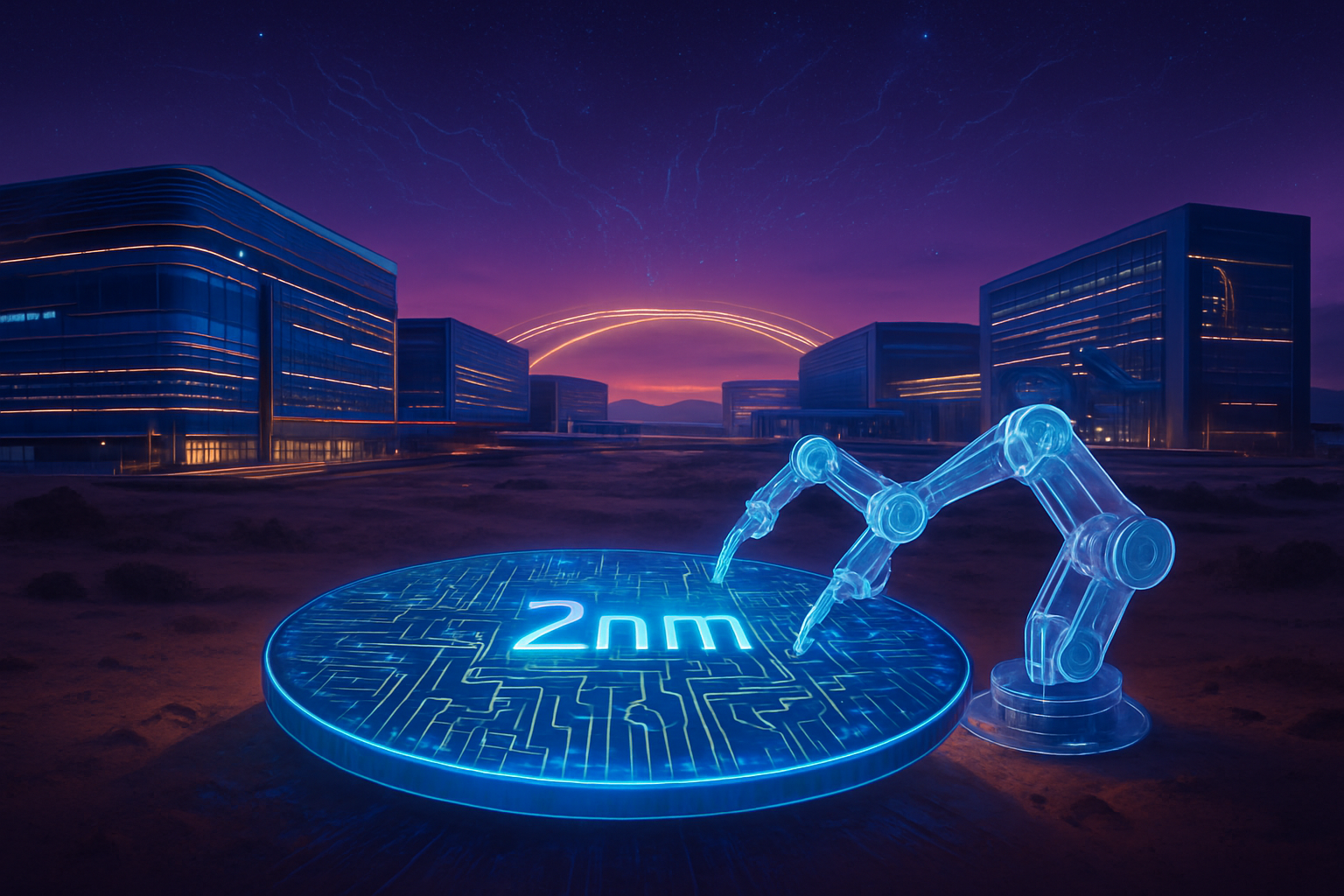
    TOKYO — In a decisive move to reclaim its status as a global technology superpower, the Japanese government has officially greenlit a massive $6.34 billion (¥1 trillion) "Sovereign AI" initiative. Announced as part of the nation’s National AI Basic Plan, the funding marks a historic shift toward total technological independence, aiming to create a domestic ecosystem that encompasses everything from 2-nanometer logic chips to trillion-parameter foundational models. By 2026, the strategy has evolved from a defensive reaction to global supply chain vulnerabilities into an aggressive industrial blueprint to dominate the next phase of the "AI Industrial Revolution."

    This initiative is not merely about matching the capabilities of Silicon Valley; it is a calculated effort to insulate Japan’s economy from geopolitical volatility while solving its most pressing domestic crisis: a rapidly shrinking workforce. By subsidizing the production of cutting-edge semiconductors through the state-backed venture Rapidus Corp. and fostering a "Physical AI" sector that merges machine intelligence with Japan's legendary robotics industry, the Ministry of Economy, Trade and Industry (METI) is betting that "Sovereign AI" will become the backbone of 21st-century Japanese infrastructure.

    Engineering the Silicon Soul: 2nm Chips and Physical AI

    At the heart of Japan's technical roadmap is a two-pronged strategy focusing on domestic high-end manufacturing and specialized AI architectures. The centerpiece of the hardware push is Rapidus Corp., which, as of January 2026, has successfully transitioned its pilot production line in Chitose, Hokkaido, to full-wafer runs of 2-nanometer (2nm) logic chips. Unlike the traditional mass-production methods used by established foundries, Rapidus is utilizing a "single-wafer processing" approach. This allows for hyper-precise, AI-driven adjustments during the fabrication process, catering specifically to the bespoke requirements of high-performance AI accelerators rather than the commodity smartphone market.

    Technically, the Japanese "Sovereign AI" movement is distinguishing itself through a focus on "Physical AI" or Vision-Language-Action (VLA) models. While Western models like GPT-4 excel at digital reasoning and text generation, Japan’s national models are being trained on "physics-based" datasets and digital twins. These models are designed to predict physical torque and robotic pathing rather than just the next word in a sentence. This transition is supported by the integration of NTT’s (OTC: NTTYY) Innovative Optical and Wireless Network (IOWN), a groundbreaking photonics-based infrastructure that replaces traditional electrical signals with light, reducing latency in AI-to-robot communication to near-zero levels.

    Initial reactions from the global research community have been cautiously optimistic. While some skeptics argue that Japan is starting late in the LLM race, others point to the nation’s unique data advantage. By training models on high-quality, proprietary Japanese industrial data—rather than just scraped internet text—Japan is creating a "cultural and industrial firewall." Experts at RIKEN, Japan’s largest comprehensive research institution, suggest that this focus on "embodied intelligence" could allow Japan to leapfrog the "hallucination" issues of traditional LLMs by grounding AI in the laws of physics and industrial precision.

    The Corporate Battlefield: SoftBank, Rakuten, and the Global Giants

    The $6 billion initiative has created a gravitational pull that is realigning Japan's corporate landscape. SoftBank Group Corp. (OTC: SFTBY) has emerged as the primary "sovereign provider," committing an additional $12.7 billion of its own capital to build massive AI data centers across Hokkaido and Osaka. These facilities, powered by the latest Blackwell architecture from NVIDIA Corporation (NASDAQ: NVDA), are designed to host "Sarashina," a 1-trillion parameter domestic model tailored for high-security government and corporate applications. SoftBank’s strategic pivot marks a transition from a global investment firm to a domestic infrastructure titan, positioning itself as the "utility provider" for Japan’s AI future.

    In contrast, Rakuten Group, Inc. (OTC: RKUNY) is pursuing a strategy of "AI-nization," focusing on the edge of the network. Leveraging its virtualized 5G mobile network, Rakuten is deploying smaller, highly efficient AI models—including a 700-billion parameter LLM optimized for its ecosystem of 100 million users. While SoftBank builds the "heavyweight" backbone, Rakuten is focusing on hyper-personalized consumer AI and smart city applications, creating a competitive tension that is accelerating the adoption of AI across the Japanese retail and financial sectors.

    For global giants like Taiwan Semiconductor Manufacturing Company (NYSE: TSM) and Samsung Electronics, the rise of Japan’s Rapidus represents a long-term "geopolitical insurance policy" for their customers. Major U.S. firms, including IBM (NYSE: IBM), which is a key technical partner for Rapidus, and various AI startups, are beginning to eye Japan as a secondary source for advanced logic chips. This diversification is seen as a strategic necessity to mitigate risks associated with regional tensions in the Taiwan Strait, potentially disrupting the existing foundry monopoly and giving Japan a seat at the table of advanced semiconductor manufacturing.

    Geopolitics and the Sovereign AI Trend

    The significance of Japan’s $6 billion investment extends far beyond its borders, signaling the rise of "AI Nationalism." In an era where data and compute power are synonymous with national security, Japan is following a global trend—also seen in France and the Middle East—of developing AI that is culturally and legally autonomous. This "Sovereign AI" movement is a direct response to concerns that a handful of U.S.-based tech giants could effectively control the "digital nervous system" of other nations, potentially leading to a new form of technological colonialism.

    However, the path is fraught with potential concerns. The massive energy requirements of Japan’s planned AI factories are at odds with the country’s stringent carbon-neutrality goals. To address this, the government is coupling the AI initiative with a renewed push for next-generation nuclear and renewable energy projects. Furthermore, there are ethical debates regarding the "AI-robotics" integration. As Japan automates its elderly care and manufacturing sectors to compensate for a shrinking population, the social implications of high-density robot-human interaction remain a subject of intense scrutiny within the newly formed AI Strategic Headquarters.

    Comparing this to previous milestones, such as the 1980s Fifth Generation Computer Systems project, the current Sovereign AI initiative is far more grounded in existing market demand and industrial capacity. Unlike past efforts that focused purely on academic research, the 2026 plan is deeply integrated with private sector champions like Fujitsu Ltd. (OTC: FJTSY) and the global supply chain, suggesting a higher likelihood of commercial success.

    The Road to 2027: What’s Next for the Rising Sun?

    Looking ahead, the next 18 to 24 months will be critical for Japan’s technological gamble. The immediate milestone is the graduation of Rapidus from pilot production to mass-market commercial viability by early 2027. If the company can achieve competitive yields on its 2nm GAA (Gate-All-Around) architecture, it will solidify Japan as a Tier-1 semiconductor player. On the software side, the release of the "Sarashina" model's enterprise API in mid-2026 is expected to trigger a wave of "AI-first" domestic startups, particularly in the fields of precision medicine and autonomous logistics.

    Potential challenges include a global shortage of AI talent and the immense capital expenditure required to keep pace with the frantic development cycles of companies like OpenAI and Google. To combat this, Japan is loosening visa restrictions for "AI elites" and offering massive tax breaks for companies that repatriate their digital workloads to Japanese soil. Experts predict that if these measures succeed, Japan could become the global hub for "Embodied AI"—the point where software intelligence meets physical hardware.

    A New Chapter in Technological History

    Japan’s $6 billion Sovereign AI initiative represents a watershed moment in the history of artificial intelligence. By refusing to remain a mere consumer of foreign technology, Japan is attempting to rewrite the rules of the AI era, prioritizing security, cultural integrity, and industrial utility over the "move fast and break things" ethos of Silicon Valley. It is a bold, high-stakes bet that the future of AI belongs to those who can master both the silicon and the soul of the machine.

    In the coming months, the industry will be watching the Hokkaido "Silicon Forest" closely. The success or failure of Rapidus’s 2nm yields and the deployment of the first large-scale Physical AI models will determine whether Japan can truly achieve technological sovereignty. For now, the "Rising Sun" of AI is ascending, and its impact will be felt across every factory floor, data center, and boardroom in the world.


    This content is intended for informational purposes only and represents analysis of current AI developments.

    TokenRing AI delivers enterprise-grade solutions for multi-agent AI workflow orchestration, AI-powered development tools, and seamless remote collaboration platforms.
    For more information, visit https://www.tokenring.ai/.
  • Meta Goes Atomic: Securing 6.6 Gigawatts of Nuclear Power to Fuel the Prometheus Superintelligence Era

    Meta Goes Atomic: Securing 6.6 Gigawatts of Nuclear Power to Fuel the Prometheus Superintelligence Era

    In a move that signals the dawn of the "gigawatt-scale" AI era, Meta Platforms (NASDAQ: META) has announced a historic trifecta of nuclear energy agreements with Vistra (NYSE: VST), TerraPower, and Oklo (NYSE: OKLO). The deals, totaling a staggering 6.6 gigawatts (GW) of carbon-free capacity, are designed to solve the single greatest bottleneck in modern computing: the massive power requirements of next-generation AI training. This unprecedented energy pipeline is specifically earmarked to power Meta's "Prometheus" AI supercluster, a facility that marks the company's most aggressive push yet toward achieving artificial general intelligence (AGI).

    The announcement, made in early January 2026, represents the largest corporate procurement of nuclear energy in history. By directly bankrolling the revival of American nuclear infrastructure and the deployment of advanced Small Modular Reactors (SMRs), Meta is shifting from being a mere consumer of electricity to a primary financier of the energy grid. This strategic pivot ensures that Meta’s roadmap for "Superintelligence" is not derailed by the aging US power grid or the increasing scarcity of renewable energy credits.

    Engineering the Prometheus Supercluster: 500,000 GPUs and the Quest for 3.1 ExaFLOPS

    At the heart of this energy demand is the Prometheus AI supercluster, located in New Albany, Ohio. Prometheus is Meta’s first 1-gigawatt data center complex, housing an estimated 500,000 GPUs at full capacity. The hardware configuration is a high-performance tapestry, integrating NVIDIA (NASDAQ: NVDA) Blackwell GB200 systems alongside AMD (NASDAQ: AMD) MI300 accelerators and Meta’s proprietary MTIA (Meta Training and Inference Accelerator) chips. This heterogenous architecture allows Meta to optimize for various stages of the model lifecycle, pushing peak performance beyond 3.1 ExaFLOPS. To handle the unprecedented heat density—reaching up to 140 kW per rack—Meta is utilizing its "Catalina" rack design and Air-Assisted Liquid Cooling (AALC), a hybrid system that allows for liquid cooling efficiency without the need for a full facility-wide plumbing overhaul.

    The energy strategy to support this beast is divided into immediate and long-term phases. To power Prometheus today, Meta’s 2.6 GW deal with Vistra leverages existing nuclear assets, including the Perry and Davis-Besse plants in Ohio and the Beaver Valley plant in Pennsylvania. Crucially, the deal funds "uprates"—technical upgrades to existing reactors that will add 433 MW of new capacity to the grid by the early 2030s. For its future needs, Meta is betting on the next generation of nuclear technology. The company has secured up to 2.8 GW from TerraPower’s Natrium sodium-cooled fast reactors and 1.2 GW from Oklo’s Aurora powerhouse "power campus." This ensures that as Meta scales from Prometheus to its even larger 5 GW "Hyperion" cluster in Louisiana, it will have dedicated, carbon-free baseload power that operates independently of weather-dependent solar or wind.

    A Nuclear Arms Race: How Meta’s Power Play Reshapes the AI Industry

    This massive commitment places Meta in a direct competitive standoff with Microsoft (NASDAQ: MSFT) and Google (NASDAQ: GOOGL), both of whom have also explored nuclear options but on a significantly smaller scale. By securing 6.6 GW, Meta has effectively locked up a significant portion of the projected SMR production capacity for the next decade. This "first-mover" advantage in energy procurement could leave rivals struggling to find locations for their own gigawatt-scale clusters, as grid capacity becomes the new gold in the AI economy. Companies like Arista Networks (NYSE: ANET) and Broadcom (NASDAQ: AVGO), who provide the high-speed networking fabric for Prometheus, also stand to benefit as these massive data centers transition from blueprints to operational reality.

    The strategic advantage here is not just about sustainability; it is about "sovereign compute." By financing its own power sources, Meta reduces its reliance on public utility commissions and the often-glacial pace of grid interconnection queues. This allows the company to accelerate its development cycles, potentially releasing "Superintelligence" models months or even years ahead of competitors who remain tethered to traditional energy constraints. For the broader AI ecosystem, Meta's move signals that the entry price for frontier-model training is no longer just billions of dollars in chips, but billions of dollars in dedicated energy infrastructure.

    Beyond the Grid: The Broader Significance of the Meta-Nuclear Alliance

    The broader significance of these deals extends far beyond Meta's balance sheet; it represents a fundamental shift in the American industrial landscape. For decades, the US nuclear industry has struggled with high costs and regulatory hurdles. By providing massive "pre-payments" and guaranteed long-term contracts, Meta is acting as a private-sector catalyst for a nuclear renaissance. This fits into a larger trend where "Big Tech" is increasingly taking on the roles traditionally held by governments, from funding infrastructure to driving fundamental research in physics and materials science.

    However, the scale of this project also raises significant concerns. The concentration of such massive energy resources for AI training comes at a time when global energy transitions are already under strain. Critics argue that diverting gigawatts of carbon-free power to train LLMs could slow the decarbonization of other sectors, such as residential heating or transportation. Furthermore, the reliance on unproven SMR technology from companies like Oklo and TerraPower carries inherent project risks. If these next-gen reactors face delays—as nuclear projects historically have—Meta’s "Superintelligence" timeline could be at risk, creating a high-stakes dependency on the success of the advanced nuclear sector.

    Looking Ahead: The Road to Hyperion and the 10-Gigawatt Data Center

    In the near term, the industry will be watching the first phase of the Vistra deal, as power begins flowing to the initial stages of Prometheus in New Albany. By late 2026, we expect to see the first frontier models trained entirely on nuclear-backed compute. These models are predicted to exhibit reasoning capabilities far beyond current iterations, potentially enabling breakthroughs in drug discovery, climate modeling, and autonomous systems. The success of Prometheus will serve as a pilot for "Hyperion," Meta's planned 5-gigawatt site in Louisiana, which aims to be the first truly autonomous AI city, powered by a dedicated fleet of SMRs.

    The technical challenges remain formidable. Integrating modular reactors directly into data center campuses requires navigating complex NRC (Nuclear Regulatory Commission) guidelines and developing new safety protocols for "behind-the-meter" nuclear generation. Experts predict that if Meta successfully integrates Oklo’s Aurora units by 2030, it will set a new blueprint for industrial energy consumption. The ultimate goal, as hinted by Meta leadership, is a 10-gigawatt global compute footprint that is entirely self-sustaining and carbon-neutral, a milestone that could redefine the relationship between technology and the environment.

    Conclusion: A Defining Moment in the History of Computing

    Meta's 6.6 GW nuclear commitment is more than just a power purchase agreement; it is a declaration of intent. By tying its future to the atom, Meta is ensuring that its pursuit of AGI will not be limited by the physical constraints of the 20th-century power grid. This development marks a transition in the AI narrative from one of software and algorithms to one of hardware, energy, and massive-scale industrial engineering. It is a bold, high-risk bet that the path to superintelligence is paved with nuclear fuel.

    As we move deeper into 2026, the success of these partnerships will be a primary indicator of the health of the AI industry. If Meta can successfully bring these reactors online and scale its Prometheus supercluster, it will have built an unassailable moat in the race for AI supremacy. For now, the world watches as the tech giant attempts to harness the power of the stars to build the minds of the future. The next few years will determine whether this nuclear gamble pays off or if the sheer scale of the AI energy appetite is too great even for the atom to satisfy.


    This content is intended for informational purposes only and represents analysis of current AI developments.

    TokenRing AI delivers enterprise-grade solutions for multi-agent AI workflow orchestration, AI-powered development tools, and seamless remote collaboration platforms.
    For more information, visit https://www.tokenring.ai/.

  • NVIDIA Unveils ‘Vera Rubin’ Architecture at CES 2026: The 10x Efficiency Leap Fueling the Next AI Industrial Revolution

    NVIDIA Unveils ‘Vera Rubin’ Architecture at CES 2026: The 10x Efficiency Leap Fueling the Next AI Industrial Revolution

    The 2026 Consumer Electronics Show (CES) kicked off with a seismic shift in the semiconductor landscape as NVIDIA (NASDAQ:NVDA) CEO Jensen Huang took the stage to unveil the "Vera Rubin" architecture. Named after the legendary astronomer who provided evidence for the existence of dark matter, the platform is designed to illuminate the next frontier of artificial intelligence: a world where inference is nearly free and AI "factories" drive a new industrial revolution. This announcement marks a critical turning point as the industry shifts from the "training era," characterized by massive compute clusters, to the "deployment era," where trillions of autonomous agents will require efficient, real-time reasoning.

    The centerpiece of the announcement was a staggering 10x reduction in inference costs compared to the previous Blackwell generation. By drastically lowering the barrier to entry for running sophisticated Mixture-of-Experts (MoE) models and large-scale reasoning agents, NVIDIA is positioning Vera Rubin not just as a hardware update, but as the foundational infrastructure for what Huang calls the "AI Industrial Revolution." With immediate backing from hyperscale partners like Microsoft (NASDAQ:MSFT) and specialized cloud providers like CoreWeave, the Vera Rubin platform is set to redefine the economics of intelligence.

    The Technical Backbone: R100 GPUs and the 'Olympus' Vera CPU

    The Vera Rubin architecture represents a departure from incremental gains, moving toward an "extreme codesign" philosophy that integrates six distinct chips into a unified supercomputer. At the heart of the system is the R100 GPU, manufactured on TSMC’s (NYSE:TSM) advanced 3nm (N3P) process. Boasting 336 billion transistors—a 1.6x density increase over Blackwell—the R100 is paired with the first-ever implementation of HBM4 memory. This allows for a massive 22 TB/s of memory bandwidth per chip, nearly tripling the throughput of previous generations and solving the "memory wall" that has long plagued high-performance computing.

    Complementing the GPU is the "Vera" CPU, featuring 88 custom-designed "Olympus" cores. These cores utilize "spatial multi-threading" to handle 176 simultaneous threads, delivering a 2x performance leap over the Grace CPU. The platform also introduces NVLink 6, an interconnect capable of 3.6 TB/s of bi-directional bandwidth, which enables the Vera Rubin NVL72 rack to function as a single, massive logical GPU. Perhaps the most innovative technical addition is the Inference Context Memory Storage (ICMS), powered by the new BlueField-4 DPU. This creates a dedicated storage tier for "KV cache," allowing AI agents to maintain long-term memory and reason across massive contexts without being throttled by on-chip GPU memory limits.

    Strategic Impact: Fortifying the AI Ecosystem

    The arrival of Vera Rubin cements NVIDIA’s dominance in the AI hardware market while deepening its ties with major cloud infrastructure players. Microsoft (NASDAQ:MSFT) Azure has already committed to being one of the first to deploy Vera Rubin systems within its upcoming "Fairwater" AI superfactories located in Wisconsin and Atlanta. These sites are being custom-engineered to handle the extreme power density and 100% liquid-cooling requirements of the NVL72 racks. For Microsoft, this provides a strategic advantage in hosting the next generation of OpenAI’s models, which are expected to rely heavily on the Rubin architecture's increased FP4 compute power.

    Specialized cloud provider CoreWeave is also positioned as a "first-mover" partner, with plans to integrate Rubin systems into its fleet by the second half of 2026. This move allows CoreWeave to maintain its edge as a high-performance alternative to traditional hyperscalers, offering developers direct access to the most efficient inference hardware available. The 10x reduction in token costs poses a significant challenge to competitors like AMD (NASDAQ:AMD) and Intel (NASDAQ:INTC), who must now race to match NVIDIA’s efficiency gains or risk being relegated to niche or budget-oriented segments of the market.

    Wider Significance: The Shift to Physical AI and Agentic Reasoning

    The theme of the "AI Industrial Revolution" signals a broader shift in how technology interacts with the physical world. NVIDIA is moving beyond chatbots and image generators toward "Physical AI"—autonomous systems that can perceive, reason, and act within industrial environments. Through an expanded partnership with Siemens (XETRA:SIE), NVIDIA is integrating the Rubin ecosystem into an "Industrial AI Operating System," allowing digital twins and robotics to automate complex workflows in manufacturing and energy sectors.

    This development also addresses the burgeoning "energy crisis" associated with AI scaling. By achieving a 5x improvement in power efficiency per token, the Vera Rubin architecture offers a path toward sustainable growth for data centers. It challenges the existing scaling laws, suggesting that intelligence can be "manufactured" more efficiently by optimizing inference rather than just throwing more raw power at training. This marks a shift from the era of "brute force" scaling to one of "intelligent efficiency," where the focus is on the quality of reasoning and the cost of deployment.

    Future Outlook: The Road to 2027 and Beyond

    Looking ahead, the Vera Rubin platform is expected to undergo an "Ultra" refresh in early 2027, potentially featuring up to 512GB of HBM4 memory. This will further enable the deployment of "World Models"—AI that can simulate physical reality with high fidelity for use in autonomous driving and scientific discovery. Experts predict that the next major challenge will be the networking infrastructure required to connect these "AI Factories" across global regions, an area where NVIDIA’s Spectrum-X Ethernet Photonics will play a crucial role.

    The focus will also shift toward "Sovereign AI," where nations build their own domestic Rubin-powered superclusters to ensure data privacy and technological independence. As the hardware becomes more efficient, the primary bottleneck may move from compute power to high-quality data and the refinement of agentic reasoning algorithms. We can expect to see a surge in startups focused on "Agentic Orchestration," building software layers that sit on top of Rubin’s ICMS to manage thousands of autonomous AI workers.

    Conclusion: A Milestone in Computing History

    The unveiling of the Vera Rubin architecture at CES 2026 represents more than just a new generation of chips; it is the infrastructure for a new era of global productivity. By delivering a 10x reduction in inference costs, NVIDIA has effectively democratized advanced AI reasoning, making it feasible for every business to integrate autonomous agents into their daily operations. The transition to a yearly product release cadence signals that the pace of AI innovation is not slowing down, but rather entering a state of perpetual acceleration.

    As we look toward the coming months, the focus will be on the successful deployment of the first Rubin-powered "AI Factories" by Microsoft and CoreWeave. The success of these sites will serve as the blueprint for the next decade of industrial growth. For the tech industry and society at large, the "Vera Rubin" era promises to be one where AI is no longer a novelty or a tool, but the very engine that powers the modern world.


    This content is intended for informational purposes only and represents analysis of current AI developments.

    TokenRing AI delivers enterprise-grade solutions for multi-agent AI workflow orchestration, AI-powered development tools, and seamless remote collaboration platforms.
    For more information, visit https://www.tokenring.ai/.
  • The Silicon Curtain: How 2026 Reshaped the Global Semiconductor War

    The Silicon Curtain: How 2026 Reshaped the Global Semiconductor War

    As of January 13, 2026, the global semiconductor landscape has hardened into what analysts are calling the "Silicon Curtain," a profound geopolitical and technical bifurcation between Western and Chinese technology ecosystems. While a high-level trade truce brokered during the "Busan Rapprochement" in late 2025 prevented a total economic decoupling, the start of 2026 has been marked by the formalization of two mutually exclusive supply chains. The passage of the Remote Access Security Act in the U.S. House this week represents the final closure of the "cloud loophole," effectively treating remote access to high-end GPUs as a physical export and forcing Chinese firms to rely entirely on domestic compute or high-taxed, monitored imports.

    This shift signifies a transition from broad, reactionary trade bans to a sophisticated "two-pronged squeeze" strategy. The U.S. is now leveraging its dominance in electronic design automation (EDA) and advanced packaging to maintain a "sliding scale" of control over China’s AI capabilities. Simultaneously, China’s "Big Fund" Phase 3 has successfully localized over 35% of its semiconductor equipment, allowing firms like Huawei and SMIC to scale 5nm production despite severe lithography restrictions. This era is no longer just about who builds the fastest chip, but who can architect the most resilient and sovereign AI stack.

    Advanced Packaging and the Race for 2nm Nodes

    The technical battleground has shifted from raw transistor scaling to the frontiers of advanced packaging and chiplet architectures. As the industry approaches the physical limits of 2nm nodes, the focus in early 2026 is on 2.5D and 3D integration, specifically technologies like Taiwan Semiconductor Manufacturing Co. (NYSE: TSM) CoWoS (Chip-on-Wafer-on-Substrate). The U.S. has successfully localized these "backend" processes through the expansion of TSMC’s Arizona facilities and Amkor Technology’s new Peoria plant. This allows for the creation of "All-American" high-performance chips where the silicon, interposer, and high-bandwidth memory (HBM) are integrated entirely within North American borders to ensure supply chain integrity.

    In response, China has pivoted to a "lithography bypass" strategy. By utilizing domestic advanced packaging platforms such as JCET’s X-DFOI, Chinese engineers are stitching together multiple 7nm or 5nm chiplets to achieve "virtual 3nm" performance. This architectural ingenuity is supported by the new ACC 1.0 (Advanced Chiplet Cloud) standard, an indigenous interconnect protocol designed to make Chinese-made chiplets cross-compatible. While Western firms move toward the Universal Chiplet Interconnect Express (UCIe) 2.0 standard, the divergence in these protocols ensures that a chiplet designed for a Western GPU cannot be easily integrated into a Chinese system-on-chip (SoC).

    Furthermore, the "Nvidia Surcharge" introduced in December 2025 has added a new layer of technical complexity. Nvidia (NASDAQ: NVDA) is now permitted to export its H200 GPUs to China, but each unit carries a mandatory 25% "Washington Tax" and integrated firmware that permits real-time auditing of compute workloads. This firmware, developed in collaboration with U.S. national labs, utilizes a "proof-of-work" verification system to ensure that the chips are not being used to train prohibited military or surveillance-grade frontier models.

    Initial reactions from the AI research community have been mixed. While some praise the "pragmatic" approach of allowing commercial sales to prevent a total market collapse, others warn that the "Silicon Curtain" is stifling global collaboration. Industry experts at the 2026 CES conference noted that the divergence in standards will likely lead to two separate AI software ecosystems, making it increasingly difficult for startups to develop cross-platform applications that work seamlessly on both Western and Chinese hardware.

    Market Impact: The Re-shoring Race and the Efficiency Paradox

    The current geopolitical climate has created a bifurcated market that favors companies with deep domestic ties. Intel (NASDAQ: INTC) has been a primary beneficiary, finalizing its $7.86 billion CHIPS Act award in late 2024 and reaching critical milestones for its Ohio "mega-fab." Similarly, Micron Technology (NASDAQ: MU) broke ground on its $100 billion Syracuse facility earlier this month, marking a decisive shift in HBM production toward U.S. soil. These companies are now positioned as the bedrock of a "trusted" Western supply chain, commanding premium prices for silicon that carries a "Made in USA" certification.

    For major AI labs and tech giants like Microsoft (NASDAQ: MSFT) and Google (NASDAQ: GOOGL), the new trade regime has introduced a "compute efficiency paradox." The release of the DeepSeek-R1 model in 2025 proved that superior algorithmic architectures—specifically Mixture of Experts (MoE)—can compensate for hardware restrictions. This has forced a pivot in market positioning; instead of racing for the largest GPU clusters, companies are now competing on the efficiency of their inference stacks. Nvidia’s Blackwell architecture remains the gold standard, but the company now faces "good enough" domestic competition in China from firms like Huawei, whose Ascend 970 chips are being mandated for use by Chinese giants like ByteDance and Alibaba.

    The disruption to existing products is most visible in the cloud sector. Amazon (NASDAQ: AMZN) and other hyperscalers have had to overhaul their remote access protocols to comply with the 2026 Remote Access Security Act. This has resulted in a significant drop in international revenue from Chinese AI startups that previously relied on "renting" American compute power. Conversely, this has accelerated the growth of sovereign cloud providers in regions like the Middle East and Southeast Asia, who are attempting to position themselves as neutral "tech hubs" between the two warring factions.

    Strategic advantages are now being measured in "energy sovereignty." As AI clusters grow to gigawatt scales, the proximity of semiconductor fabs to reliable, carbon-neutral energy sources has become as critical as the silicon itself. Companies that can integrate their chip manufacturing with localized power grids—such as Intel’s partnerships with renewable energy providers in the Pacific Northwest—are gaining a competitive edge in long-term operational stability over those relying on aging, centralized infrastructure.

    Broader Significance: The End of Globalized Silicon

    The emergence of the Silicon Curtain marks the definitive end of the "flat world" era for semiconductors. For three decades, the industry thrived on a globalized model where design happened in California, lithography in the Netherlands, manufacturing in Taiwan, and packaging in China. That model has been replaced by "Techno-Nationalism." This trend is not merely a trade war; it is a fundamental reconfiguration of the global economy where semiconductors are treated with the same strategic weight as oil or nuclear material.

    This development mirrors previous milestones, such as the 1986 U.S.-Japan Semiconductor Agreement, but at a vastly larger scale. The primary concern among economists is "innovation fragmentation." When the global talent pool is divided, and technical standards diverge, the rate of breakthrough discoveries in AI and materials science may slow. Furthermore, the aggressive use of rare earth "pauses" by China in late 2025—though currently suspended under the Busan trade deal—demonstrates that the supply chain remains vulnerable to "resource weaponization" at the lowest levels of the stack.

    However, some argue that this competition is actually accelerating innovation. The pressure to bypass U.S. export controls led to China’s breakthrough in "virtual 3nm" packaging, while the U.S. push for self-sufficiency has revitalized its domestic manufacturing sector. The "efficiency paradox" introduced by DeepSeek-R1 has also shifted the AI community's focus away from "brute force" scaling toward more sustainable, reasoning-capable models. This shift could potentially solve the AI industry's looming energy crisis by making powerful models accessible on less energy-intensive hardware.

    Future Outlook: The Race to 2nm and the STRIDE Act

    Looking ahead to the remainder of 2026 and 2027, the focus will turn toward the "2nm Race." TSMC and Intel are both racing to reach high-volume manufacturing of 2nm nodes featuring Gate-All-Around (GAA) transistors. These chips will be the first to truly test the limits of current lithography technology and will likely be subject to even stricter export controls. Experts predict that the next wave of U.S. policy will focus on "Quantum-Secure Supply Chains," ensuring that the chips powering tomorrow's encryption are manufactured in environments free from foreign surveillance or "backdoor" vulnerabilities.

    The newly introduced STRIDE Act (STrengthening Resilient Infrastructure and Domestic Ecosystems) is expected to be the center of legislative debate in mid-2026. This bill proposes a 10-year ban on CHIPS Act recipients using any Chinese-made semiconductor equipment, which would force a radical decoupling of the toolmaker market. If passed, it would provide a massive boost to Western toolmakers like ASML (NASDAQ: ASML) and Applied Materials, while potentially isolating Chinese firms like Naura into a "parallel" tool ecosystem that serves only the domestic market.

    Challenges remain, particularly in the realm of specialized labor. Both the U.S. and China are facing significant talent shortages as they attempt to rapidly scale domestic manufacturing. The "Silicon Curtain" may eventually be defined not by who has the best machines, but by who can train and retain the largest workforce of specialized semiconductor engineers. The coming months will likely see a surge in "tech-diplomacy" as both nations compete for talent from neutral regions like India, South Korea, and the European Union.

    Summary and Final Thoughts

    The geopolitical climate for semiconductors in early 2026 is one of controlled escalation and strategic self-reliance. The transition from the "cloud loophole" era to the "Remote Access Security Act" regime signifies a world where compute power is a strictly guarded national resource. Key takeaways include the successful localization of advanced packaging in both the U.S. and China, the emergence of a "two-stack" technical ecosystem, and the shift toward algorithmic efficiency as a means of overcoming hardware limitations.

    This development is perhaps the most significant in the history of the semiconductor industry, surpassing even the invention of the integrated circuit in its impact on global power dynamics. The "Silicon Curtain" is not just a barrier to trade; it is a blueprint for a new era of fragmented innovation. While the "Busan Rapprochement" provides a temporary buffer against total economic warfare, the underlying drive for technological sovereignty remains the dominant force in global politics.


    This content is intended for informational purposes only and represents analysis of current AI developments.

    TokenRing AI delivers enterprise-grade solutions for multi-agent AI workflow orchestration, AI-powered development tools, and seamless remote collaboration platforms.
    For more information, visit https://www.tokenring.ai/.

  • Anthropic Unveils Specialized ‘Claude for Healthcare’ and ‘Lifesciences’ Suites with Native PubMed and CMS Integration

    Anthropic Unveils Specialized ‘Claude for Healthcare’ and ‘Lifesciences’ Suites with Native PubMed and CMS Integration

    SAN FRANCISCO — In a move that signals the "Great Verticalization" of the artificial intelligence sector, Anthropic has officially launched its highly anticipated Claude for Healthcare and Claude for Lifesciences suites. Announced during the opening keynote of the 2026 J.P. Morgan Healthcare Conference, the new specialized offerings represent Anthropic’s most aggressive move toward industry-specific AI to date. By combining a "safety-first" architecture with deep, native hooks into the most critical medical repositories in the world, Anthropic is positioning itself as the primary clinical co-pilot for a global healthcare system buckling under administrative weight.

    The announcement comes at a pivotal moment for the industry, as healthcare providers move beyond experimental pilots into large-scale deployments of generative AI. Unlike previous iterations of general-purpose models, Anthropic’s new suites are built on a bedrock of compliance and precision. By integrating directly with the Centers for Medicare & Medicaid Services (CMS) coverage database, PubMed, and consumer platforms like Apple Health (NASDAQ:AAPL) and Android Health Connect from Alphabet (NASDAQ:GOOGL), Anthropic is attempting to close the gap between disparate data silos that have historically hampered both clinical research and patient care.

    At the heart of the launch is the debut of Claude Opus 4.5, a model specifically refined for medical reasoning and high-stakes decision support. This new model introduces an "extended thinking" mode designed to reduce hallucinations—a critical requirement for any tool interacting with patient lives. Anthropic’s new infrastructure is fully HIPAA-ready, enabling the company to sign Business Associate Agreements (BAAs) with hospitals and pharmaceutical giants alike. Under these agreements, patient data is strictly siloed and, crucially, is never used to train Anthropic’s foundation models, a policy designed to alleviate the privacy concerns that have stalled AI adoption in clinical settings.

    The technical standout of the launch is the introduction of Native Medical Connectors. Rather than relying on static training data that may be months out of date, Claude can now execute real-time queries against the PubMed biomedical literature database and the CMS coverage database. This allows the AI to verify whether a specific procedure is covered by a patient’s insurance policy or to provide the latest evidence-based treatment protocols for rare diseases. Furthermore, the model has been trained on the ICD-10 and NPI Registry frameworks, allowing it to automate complex medical billing, coding, and provider verification tasks that currently consume billions of hours of human labor annually.

    Industry experts have been quick to note the technical superiority of Claude’s context window, which has been expanded to 64,000 tokens for the healthcare suite. This allows the model to "read" and synthesize entire patient histories, thousands of pages of clinical trial data, or complex regulatory filings in a single pass. Initial benchmarks released by Anthropic show that Claude Opus 4.5 achieved a 94% accuracy rate on MedQA (medical board-style questions) and outperformed competitors in MedCalc, a benchmark specifically focused on complex medical dosage and risk calculations.

    This strategic launch places Anthropic in direct competition with Microsoft (NASDAQ:MSFT), which has leveraged its acquisition of Nuance to dominate clinical documentation, and Google (NASDAQ:GOOGL), whose Med-PaLM and Med-Gemini models have long set the bar for medical AI research. However, Anthropic is positioning itself as the "Switzerland of AI"—a neutral, safety-oriented layer that does not own its own healthcare network or pharmacy, unlike Amazon (NASDAQ:AMZN), which operates One Medical. This neutrality is a strategic advantage for health systems that are increasingly wary of sharing data with companies that might eventually compete for their patients.

    For the life sciences sector, the new suite integrates with platforms like Medidata (a brand of Dassault Systèmes) to streamline clinical trial operations. By automating the recruitment process and drafting regulatory submissions for the FDA, Anthropic claims it can reduce the "time to trial" for new drugs by up to 20%. This poses a significant challenge to specialized AI startups that have focused solely on the pharmaceutical pipeline, as Anthropic’s general-reasoning capabilities, paired with these new native medical connectors, offer a more versatile and consolidated solution for enterprise customers.

    The inclusion of consumer health integrations with Apple and Google wearables further complicates the competitive landscape. By allowing users to securely port their heart rate, sleep cycles, and activity data into Claude, Anthropic is effectively building a "Personal Health Intelligence" layer. This moves the company into a territory currently contested by OpenAI, whose ChatGPT Health initiatives have focused largely on the consumer experience. While OpenAI leans toward the "health coach" model, Anthropic is leaning toward a "clinical bridge" that connects the patient’s watch to the doctor’s office.

    The broader significance of this launch lies in its potential to address the $1 trillion administrative burden currently weighing down the U.S. healthcare system. By automating prior authorizations, insurance coverage verification, and medical coding, Anthropic is targeting the "back office" inefficiencies that lead to physician burnout and delayed patient care. This shift from AI as a "chatbot" to AI as an "orchestrator" of complex medical workflows marks a new era in the deployment of large language models.

    However, the launch is not without its controversies. Ethical AI researchers have pointed out that while Anthropic’s "Constitutional AI" approach seeks to align the model with clinical ethics, the integration of consumer data from Apple Health and Android Health Connect raises significant long-term privacy questions. Even with HIPAA compliance, the aggregation of minute-by-minute biometric data with clinical records creates a "digital twin" of a patient that could, if mismanaged, lead to new forms of algorithmic discrimination in insurance or employment.

    Comparatively, this milestone is being viewed as the "GPT-4 moment" for healthcare—a transition from experimental technology to a production-ready utility. Just as the arrival of the browser changed how medical information was shared in the 1990s, the integration of native medical databases into a high-reasoning AI could fundamentally change the speed at which clinical knowledge is applied at the bedside.

    Looking ahead, the next phase of development for Claude for Healthcare is expected to involve multi-modal diagnostic capabilities. While the current version focuses on text and data, insiders suggest that Anthropic is working on native integrations for DICOM imaging standards, which would allow Claude to interpret X-rays, MRIs, and CT scans alongside patient records. This would bring the model into closer competition with Google’s specialized diagnostic tools and represent a leap toward a truly holistic medical AI.

    Furthermore, the industry is watching closely to see how regulatory bodies like the FDA will react to "agentic" AI in clinical settings. As Claude begins to draft trial recruitment plans and treatment recommendations, the line between an administrative tool and a medical device becomes increasingly blurred. Experts predict that the next 12 to 18 months will see a landmark shift in how the FDA classifies and regulates high-reasoning AI models that interact directly with the electronic health record (EHR) ecosystem.

    Anthropic’s launch of its Healthcare and Lifesciences suites represents a maturation of the AI industry. By focusing on HIPAA-ready infrastructure and native connections to the most trusted databases in medicine—PubMed and CMS—Anthropic has moved beyond the "hype" phase and into the "utility" phase of artificial intelligence. The integration of consumer wearables from Apple and Google signifies a bold attempt to create a unified health data ecosystem that serves both the patient and the provider.

    The key takeaway for the tech industry is clear: the era of general-purpose AI dominance is giving way to a new era of specialized, verticalized intelligence. As Anthropic, OpenAI, and Google battle for control of the clinical desktop, the ultimate winner may be the healthcare system itself, which finally has the tools to manage the overwhelming complexity of modern medicine. In the coming weeks, keep a close watch on the first wave of enterprise partnerships, as major hospital networks and pharmaceutical giants begin to announce their transition to Claude’s new medical backbone.


    This content is intended for informational purposes only and represents analysis of current AI developments.

    TokenRing AI delivers enterprise-grade solutions for multi-agent AI workflow orchestration, AI-powered development tools, and seamless remote collaboration platforms. For more information, visit https://www.tokenring.ai/.

  • Breaking the Silicon Ceiling: How Panel-Level Packaging is Rescuing the AI Revolution from the CoWoS Crunch

    Breaking the Silicon Ceiling: How Panel-Level Packaging is Rescuing the AI Revolution from the CoWoS Crunch

    As of January 2026, the artificial intelligence industry has reached a pivotal infrastructure milestone. For the past three years, the primary bottleneck for the global AI explosion has not been the design of the chips themselves, nor the availability of raw silicon wafers, but rather the specialized "advanced packaging" required to stitch these complex processors together. TSMC (NYSE: TSM) has spent the last 24 months in a frantic race to expand its Chip-on-Wafer-on-Substrate (CoWoS) capacity, which is projected to reach an staggering 125,000 wafers per month by the end of this year—a nearly four-fold increase from early 2024 levels.

    Despite this massive scale-up, the insatiable demand from hyperscalers and AI chip giants like Nvidia (NASDAQ: NVDA) and AMD (NASDAQ: AMD) has kept the capacity effectively "sold out" through 2026. This persistent supply-demand imbalance has forced a paradigm shift in semiconductor manufacturing. The industry is now rapidly transitioning from traditional circular 300mm silicon wafers to a revolutionary new format: Panel-Level Packaging (PLP). This shift, spearheaded by new technological deployments like TSMC’s CoPoS and Intel’s commercial glass substrates, represents the most significant change to chip assembly in decades, promising to break the "reticle limit" and usher in an era of massive, multi-chiplet super-processors.

    Scaling Beyond the Circle: The Technical Leap to Panels

    The technical limitation of current advanced packaging lies in the geometry of the wafer. Since the late 1990s, the industry standard has been the 300mm (12-inch) circular silicon wafer. However, as AI chips like Nvidia’s Blackwell and the newly announced Rubin architectures grow larger and require more High Bandwidth Memory (HBM) stacks, they are reaching the physical limits of what a circular wafer can efficiently accommodate. Panel-Level Packaging (PLP) solves this by moving from circular wafers to large rectangular panels, typically starting at 310mm x 310mm and scaling up to a massive 600mm x 600mm.

    TSMC’s entry into this space, branded as CoPoS (Chip-on-Panel-on-Substrate), represents an evolution of its CoWoS technology. By using rectangular panels, manufacturers can achieve area utilization rates of over 95%, compared to the roughly 80% efficiency of circular wafers, where the edges often result in "scrap" silicon. Furthermore, the transition to glass substrates—a breakthrough Intel (NASDAQ: INTC) moved into High-Volume Manufacturing (HVM) this month—is replacing traditional organic materials. Glass offers 50% less pattern distortion and superior thermal stability, allowing for the extreme interconnect density required for the 1,000-watt AI chips currently entering the market.

    Initial reactions from the AI research community have been overwhelmingly positive, as these innovations allow for "super-packages" that were previously impossible. Experts at the 2026 International Solid-State Circuits Conference (ISSCC) noted that PLP and glass substrates are the only viable path to integrating HBM4 memory, which requires twice the interconnect density of its predecessors. This transition essentially allows chipmakers to treat the packaging itself as a giant, multi-layered circuit board, effectively extending the lifespan of Moore’s Law through physical assembly rather than transistor shrinking alone.

    The Competitive Scramble: Market Leaders and the OSAT Alliance

    The shift to PLP has reshuffled the competitive landscape of the semiconductor industry. While TSMC remains the dominant player, securing over 60% of Nvidia's packaging orders for the next two years, the bottleneck has opened a window of opportunity for rivals. Intel has leveraged its first-mover advantage in glass substrates to position its 18A foundry services as a high-end alternative for companies seeking to avoid the TSMC backlog. Intel’s Chandler, Arizona facility is now fully operational, providing a "turnkey" advanced packaging solution on U.S. soil—a strategic advantage that has already attracted attention from defense and aerospace sectors.

    Samsung (KRX: 005930) is also mounting a significant challenge through its "Triple Alliance" strategy, which integrates its display technology, electro-mechanics, and chip manufacturing arms. Samsung’s I-CubeE (Fan-Out Panel-Level Packaging) is currently being deployed to help customers like Broadcom (NASDAQ: AVGO) reduce costs by replacing expensive silicon interposers with embedded silicon bridges. This has allowed Samsung to capture a larger share of the "value-tier" AI accelerator market, providing a release valve for the high-end CoWoS shortage.

    Outsourced Semiconductor Assembly and Test (OSAT) providers are also benefiting from this shift. TSMC has increasingly outsourced the "back-end" portions of the process (the "on-Substrate" part of CoWoS) to partners like ASE Technology (NYSE: ASX) and Amkor (NASDAQ: AMKR). By 2026, ASE is expected to handle nearly 45% of the back-end packaging for TSMC’s customers. This ecosystem approach has allowed the industry to scale output more rapidly than any single company could achieve alone, though it has also led to a 10-20% increase in packaging prices due to the sheer complexity of the multi-vendor supply chain.

    The "Packaging Era" and the Future of AI Economics

    The broader significance of the PLP transition cannot be overstated. We have moved from the "Lithography Era," where the most important factor was the size of the transistor, to the "Packaging Era," where the most important factor is the speed and density of the connection between chiplets. This shift is fundamentally changing the economics of AI. Because advanced packaging is so capital-intensive, the barrier to entry for creating high-end AI chips has skyrocketed. Only a handful of companies can afford the multi-billion dollar "entry fee" required to secure CoWoS or PLP capacity at scale.

    However, there are growing concerns regarding the environmental and yield-related costs of this transition. Moving to 600mm panels requires entirely new sets of factory tools, and the early yield rates for PLP are significantly lower than those for mature 300mm wafer processes. Critics also point out that the centralization of advanced packaging in Taiwan remains a geopolitical risk, although the expansion of TSMC and Amkor into Arizona is a step toward diversification. The "warpage wall"—the tendency for large panels to bend under intense heat—remains a major engineering hurdle that companies are only now beginning to solve through the use of glass cores.

    What’s Next: The Road to 2028 and the "1 Trillion Transistor" Chip

    Looking ahead, the next two years will be defined by the transition from pilot lines to high-volume manufacturing for panel-level technologies. TSMC has scheduled the mass production of its CoPoS technology for late 2027 or early 2028, coinciding with the expected launch of "Post-Rubin" AI architectures. These future chips are predicted to feature "all-glass" substrates and integrated silicon photonics, allowing for light-speed data transfer between the processor and memory.

    The ultimate goal, as articulated by Intel and TSMC leaders, is the "1 Trillion Transistor System-in-Package" by 2030. Achieving this will require panels even larger than today's prototypes and a complete overhaul of how we manage heat in data centers. We should expect to see a surge in "co-packaged optics" announcements in late 2026, as the electrical limits of traditional substrates finally give way to optical interconnects. The primary challenge remains yield; as chips grow larger, the probability of a single defect ruining a multi-thousand-dollar package increases exponentially.

    A New Foundation for Artificial Intelligence

    The resolution of the CoWoS bottleneck through the adoption of Panel-Level Packaging and glass substrates marks a definitive turning point in the history of computing. By breaking the geometric constraints of the 300mm wafer, the industry has paved the way for a new generation of AI hardware that is exponentially more powerful than the chips that fueled the initial 2023-2024 AI boom.

    As we move through the first half of 2026, the key indicators of success will be the yield rates of Intel's glass substrate lines and the speed at which TSMC can bring its Chiayi AP7 facility to full capacity. While the shortage of AI compute has eased slightly due to these massive investments, the "structural demand" for intelligence suggests that packaging will remain a high-stakes battlefield for the foreseeable future. The silicon ceiling hasn't just been raised; it has been replaced by a new, rectangular, glass-bottomed foundation.


    This content is intended for informational purposes only and represents analysis of current AI developments.

    TokenRing AI delivers enterprise-grade solutions for multi-agent AI workflow orchestration, AI-powered development tools, and seamless remote collaboration platforms.
    For more information, visit https://www.tokenring.ai/.
  • OpenAI Reclaims the AI Throne with GPT-5.2: The Dawn of the ‘Thinking’ Era and the End of the Performance Paradox

    OpenAI Reclaims the AI Throne with GPT-5.2: The Dawn of the ‘Thinking’ Era and the End of the Performance Paradox

    OpenAI has officially completed the global rollout of its much-anticipated GPT-5.2 model family, marking a definitive shift in the artificial intelligence landscape. Coming just weeks after a frantic competitive period in late 2025, the January 2026 stabilization of GPT-5.2 signifies a "return to strength" for the San Francisco-based lab. The release introduces a specialized tiered architecture—Instant, Thinking, and Pro—designed to bridge the gap between simple chat interactions and high-stakes professional knowledge work.

    The centerpiece of this announcement is the model's unprecedented performance on the newly minted GDPval benchmark. Scoring a staggering 70.9% win-or-tie rate against human industry professionals with an average of 14 years of experience, GPT-5.2 is the first AI system to demonstrate true parity in economically valuable tasks. This development suggests that the era of AI as a mere assistant is ending, replaced by a new paradigm of AI as a legitimate peer in fields ranging from financial modeling to legal analysis.

    The 'Thinking' Architecture: Technical Specifications and the Three-Tier Strategy

    Technically, GPT-5.2 is built upon an evolved version of the "o1" reasoning-heavy architecture, which emphasizes internal processing before generating an output. This "internal thinking" process allows the model to self-correct and verify its logic in real-time. The most significant shift is the move away from a "one-size-fits-all" model toward three distinct tiers: GPT-5.2 Instant, GPT-5.2 Thinking, and GPT-5.2 Pro.

    • GPT-5.2 Instant: Optimized for sub-second latency, this tier handles routine information retrieval and casual conversation.
    • GPT-5.2 Thinking: The default professional tier, which utilizes "thinking tokens" to navigate complex reasoning, multi-step project planning, and intricate spreadsheet modeling.
    • GPT-5.2 Pro: A research-grade powerhouse that consumes massive compute resources to solve high-stakes scientific problems. Notably, the Pro tier achieved a perfect 100% on the AIME 2025 mathematics competition and a record-breaking 54.2% on ARC-AGI-2, a benchmark designed to resist pattern memorization and test pure abstract reasoning.

    This technical leap is supported by a context window of 400,000 tokens—roughly 300 pages of text—and a single-response output limit of 128,000 tokens. This allows GPT-5.2 to ingest entire technical manuals or legal discovery folders and output comprehensive, structured documents without losing coherence. Unlike its predecessor, GPT-5.1, which struggled with agentic reliability, GPT-5.2 boasts a 98% success rate in tool use, including the autonomous operation of web browsers, code interpreters, and complex enterprise software.

    The Competitive Fallout: Tech Giants Scramble for Ground

    The launch of GPT-5.2 has sent shockwaves through the industry, particularly for Alphabet Inc. (NASDAQ:GOOGL) and Meta (NASDAQ:META). While Google’s Gemini 3 briefly held the lead in late 2025, OpenAI’s 70.9% score on GDPval has forced a strategic pivot in Mountain View. Reports suggest Google is fast-tracking its "Gemini Deep Research" agents to compete with the GPT-5.2 Pro tier. Meanwhile, Microsoft (NASDAQ:MSFT), OpenAI's primary partner, has already integrated the "Thinking" tier into its 365 Copilot suite, offering enterprise customers a significant productivity advantage.

    Anthropic remains a formidable specialist competitor, with its Claude 4.5 model still holding a narrow edge in software engineering benchmarks (80.9% vs GPT-5.2's 80.0%). However, OpenAI’s aggressive move to diversify into media has created a new front in the AI wars. Coinciding with the GPT-5.2 launch, OpenAI announced a $1 billion partnership with The Walt Disney Company (NYSE:DIS). This deal grants OpenAI access to vast libraries of intellectual property to train and refine AI-native video and storytelling tools, positioning GPT-5.2 as the backbone for the next generation of digital entertainment.

    Solving the 'Performance Paradox' and Redefining Knowledge Work

    For the past year, AI researchers have debated the "performance paradox"—the phenomenon where AI models excel in laboratory benchmarks but fail to deliver consistent value in messy, real-world business environments. OpenAI claims GPT-5.2 finally solves this by aligning its "thinking" process with human professional standards. By matching the output quality of a human expert at 11 times the speed and less than 1% of the cost, GPT-5.2 shifts the focus from raw intelligence to economic utility.

    The wider significance of this milestone cannot be overstated. We are moving beyond the era of "hallucinating chatbots" into an era of "reliable agents." However, this leap brings significant concerns regarding white-collar job displacement. If a model can perform at the level of a mid-career professional in legal document analysis or financial forecasting, the entry-level "pipeline" for these professions may be permanently disrupted. This marks a major shift from previous AI milestones, like GPT-4, which were seen more as experimental tools than direct professional replacements.

    The Horizon: Adult Mode and the Path to AGI

    Looking ahead, the GPT-5.2 ecosystem is expected to evolve rapidly. OpenAI has confirmed that it will launch a "verified user" tier, colloquially known as "Adult Mode," in Q1 2026. Utilizing advanced AI-driven age-prediction software, this mode will loosen the strict safety filters that have historically frustrated creative writers and professionals working in mature industries. This move signals OpenAI's intent to treat its users as adults, moving away from the "nanny-bot" reputation of earlier models.

    Near-term developments will likely focus on "World Models," where GPT-5.2 can simulate physical environments for robotics and industrial design. The primary challenge remaining is the massive energy consumption required to run the "Pro" tier. As NVIDIA (NASDAQ:NVDA) continues to ship the next generation of Blackwell-Ultra chips to satisfy this demand, the industry’s focus will shift toward making these "thinking" capabilities more energy-efficient and accessible to smaller developers via the OpenAI API.

    A New Era for Artificial Intelligence

    The launch of GPT-5.2 represents a watershed moment in the history of technology. By achieving 70.9% on the GDPval benchmark, OpenAI has effectively declared that the "performance paradox" is over. The model's ability to reason, plan, and execute tasks at a professional level—split across the Instant, Thinking, and Pro tiers—provides a blueprint for how AI will be integrated into the global economy over the next decade.

    In the coming weeks, the industry will be watching closely as enterprise users begin to deploy GPT-5.2 agents at scale. The true test will not be in the benchmarks, but in the efficiency gains reported by the companies adopting this new "thinking" architecture. As we navigate the early weeks of 2026, one thing is clear: the bar for what constitutes "artificial intelligence" has been permanently raised.


    This content is intended for informational purposes only and represents analysis of current AI developments.

    TokenRing AI delivers enterprise-grade solutions for multi-agent AI workflow orchestration, AI-powered development tools, and seamless remote collaboration platforms.
    For more information, visit https://www.tokenring.ai/.

  • The Angstrom Frontier: TSMC and Intel Reveal 1.4nm Roadmaps to Power the Next Decade of AI

    The Angstrom Frontier: TSMC and Intel Reveal 1.4nm Roadmaps to Power the Next Decade of AI

    As of January 13, 2026, the global semiconductor industry has officially entered a high-stakes sprint toward the "Angstrom Era," a move that promises to redefine the limits of silicon physics. Within the last several months, the industry's two primary titans, Taiwan Semiconductor Manufacturing Company Limited (NYSE: TSM) and Intel Corporation (NASDAQ: INTC), have solidified their long-term roadmaps for the 1.4nm node—designated as A14 and Intel 14A, respectively. This shift is not merely an incremental update; it represents a desperate race to provide the computational density required by upcoming generative AI models that are expected to be orders of magnitude larger than those of 2025.

    The move to 1.4nm, targeted for high-volume manufacturing between late 2027 and 2028, marks the point where the semiconductor industry must confront the "1nm wall." At these scales, the thickness of transistor gates is measured in just a handful of atoms, and traditional manufacturing techniques fail to prevent electrons from "leaking" through supposedly solid barriers. The significance of this milestone cannot be overstated: the success of these 1.4nm nodes will determine whether the current AI boom can sustain its exponential growth or if it will be throttled by a literal "power wall" in global data centers.

    Engineering the Impossible: The Physics of 14 Angstroms

    The transition to 1.4nm requires a fundamental reimagining of transistor architecture and lithography. While the previous 2nm nodes introduced Gate-All-Around (GAA) transistors—where the gate surrounds the channel on all four sides to minimize current leakage—the 1.4nm era refines this with second-generation GAA designs. Intel’s "14A" node will utilize its evolved RibbonFET 2 architecture, while TSMC’s "A14" will deploy its own advanced nanosheet technology. The goal is to achieve a 15–20% performance-per-watt improvement over the 2nm generation, a necessity as AI chips like those from NVIDIA Corporation (NASDAQ: NVDA) push thermal envelopes to their breaking points.

    A major technical schism has emerged regarding High-Numerical Aperture (High-NA) Extreme Ultraviolet (EUV) lithography. Intel has taken a "vanguard" approach, becoming the first to install ASML Holding’s (NASDAQ: ASML) massive $400 million High-NA machines. These tools allow for much finer resolution, enabling Intel to print 1.4nm features in a single pass. Conversely, TSMC has opted for a "fast-follower" strategy, announcing it will initially bypass High-NA EUV for its A14 node in favor of advanced multi-patterning using existing Low-NA EUV tools. TSMC argues that its mature toolset will offer higher yields and lower costs for customers like Apple Inc. (NASDAQ: AAPL), even if the process is more complex to execute.

    Beyond lithography, both companies are tackling the "interconnect bottleneck." As wires shrink to atomic widths, traditional copper becomes highly resistive, generating excessive heat. To combat this, 1.4nm nodes are expected to incorporate exotic materials such as Ruthenium or Cobalt-Ruthenium binary liners. Furthermore, "Backside Power Delivery"—a technique that moves the power-delivery circuitry to the bottom of the silicon wafer to free up the top for signal routing—will become standard. Intel’s PowerDirect and TSMC’s Super Power Rail are the primary weapons in this fight against voltage sag and thermal throttling.

    The Foundry War: TSMC's Dominance vs. Intel's Ambition

    The 1.4nm roadmap has ignited a fierce strategic battle for market share in the AI accelerator space. For years, TSMC has held a near-monopoly on high-end AI silicon, but Intel’s aggressive "five nodes in four years" strategy has finally brought it within striking distance. Intel is marketing its 14A node as part of its "AI System Foundry" model, which integrates advanced 1.4nm logic with proprietary 3D packaging technologies like Foveros. By offering a "one-stop-shop" that includes the latest High-NA manufacturing and cutting-edge packaging, Intel hopes to lure major clients away from the Taiwanese giant.

    For NVIDIA Corporation and Advanced Micro Devices, Inc. (NASDAQ: AMD), the 1.4nm era offers a crucial second-sourcing opportunity. Industry insiders suggest that NVIDIA is closely evaluating Intel’s 14A process for its post-2027 "Feynman" architecture as a hedge against geopolitical instability in the Taiwan Strait and capacity constraints at TSMC. If Intel can prove its 1.4nm yields are stable, it could break TSMC’s stranglehold on the AI GPU market, leading to a more competitive pricing environment for the hardware that powers the world's LLMs.

    TSMC, however, remains the incumbent favorite due to its peerless execution history. Its "NanoFlex Pro" technology, which allows chip designers to mix different transistor heights on a single die, offers a level of customization that is highly attractive to hyper-scalers like Amazon and Google who are designing their own bespoke AI chips. By focusing on manufacturing reliability and yield over "first-to-market" bragging rights with High-NA EUV, TSMC aims to remain the primary foundry for the world's most valuable technology companies.

    Scaling Laws and the AI Power Wall

    The shift to 1.4nm fits into a broader narrative of "AI Scaling Laws," which suggest that increasing the amount of compute and data leads to predictable improvements in model intelligence. However, these laws are currently hitting a physical barrier: the "Power Wall." Current data centers are reaching the limits of available electrical grids. The 30% power reduction promised by the A14 and 14A nodes is seen by many researchers as the only way to keep scaling model parameters without requiring dedicated nuclear power plants for every new training cluster.

    There are significant concerns, however, regarding Quantum Tunneling. At 1.4nm, the insulating layers within a transistor are so thin that electrons can simply "jump" across them due to quantum effects, leading to massive energy waste. While GAA and new materials mitigate this, some physicists argue we are approaching the "Red Line" of silicon-based computing. This has led to comparisons with the end of the "Dennard Scaling" era in the mid-2000s; just as we moved to multi-core processors then, the 1.4nm era may force a shift toward entirely new computing paradigms, such as optical computing or neuromorphic chips.

    Despite these hurdles, the industry's consensus is that the Angstrom Era is the final frontier for traditional silicon. The 1.4nm milestone is viewed with the same reverence as the 7nm "breakthrough" of 2018, which enabled the current generation of mobile and cloud computing. It represents a "survival node"—if the industry cannot successfully navigate the physics of 14 Angstroms, the pace of AI advancement could decelerate for the first time in a decade.

    Beyond 1.4nm: What Lies on the Horizon?

    As we look past 2028, the roadmap becomes increasingly speculative but no less ambitious. Both TSMC and Intel have already begun early research into the 1nm (10 Angstrom) node, which is expected to arrive around 2030. These future developments will likely require the transition from silicon to 2D materials like molybdenum disulfide (MoS2) or carbon nanotubes, which offer better electron mobility at atomic thicknesses. The packaging of these chips will also evolve, moving toward "monolithic 3D integration" where layers of logic are grown directly on top of each other.

    In the near term, the industry will be watching the "risk production" phases of 1.4nm in late 2026 and early 2027. The first indicators of success will not be raw speed, but rather the defect density and yield rates of these incredibly complex chips. Experts predict that the first 1.4nm chips to hit the market will likely be high-end mobile processors for a future "iPhone 19" or enterprise-grade AI accelerators designed for the training of "GPT-6" class models.

    The primary challenge remains economic. With High-NA EUV machines costing nearly half a billion dollars each, the cost of designing a single 1.4nm chip is projected to exceed $1 billion. This suggests a future where only a handful of the world's largest companies can afford to play at the leading edge, potentially centralizing AI power even further among a small group of tech titans.

    Closing the Angstrom Gap

    The emergence of the 1.4nm roadmap signals that the semiconductor industry is unwilling to let the laws of physics stall the momentum of artificial intelligence. By committing to the "Angstrom Era," TSMC and Intel are placing a multi-billion dollar bet that they can engineer their way through quantum-scale barriers. The key takeaways are clear: the next three years will be defined by a transition to 1.4nm, the adoption of High-NA EUV, and a shift toward backside power delivery.

    In the history of AI, this development will likely be remembered as the moment when hardware became the ultimate arbiter of intelligence. As we move closer to the 2027–2028 window, the industry will be watching for the first "silicon success" reports from Intel's Oregon facility and TSMC's Hsinchu Science Park. The long-term impact will be a world where AI is more pervasive, but also more dependent than ever on a fragile and incredibly expensive supply chain of atomic-scale machines.


    This content is intended for informational purposes only and represents analysis of current AI developments.

    TokenRing AI delivers enterprise-grade solutions for multi-agent AI workflow orchestration, AI-powered development tools, and seamless remote collaboration platforms.
    For more information, visit https://www.tokenring.ai/.