
Blog

  • AMD Navigates Choppy Waters: Strategic AI Bets Drive Growth Amidst Fierce Semiconductor Rivalry

    Advanced Micro Devices (NASDAQ: AMD) finds itself at a pivotal juncture in December 2025, experiencing significant "crosscurrents" that are simultaneously propelling its stock to new highs while testing its strategic resolve in the cutthroat semiconductor industry. The company's aggressive pivot towards artificial intelligence (AI) and data center solutions has fueled a remarkable surge in its market valuation, yet it faces an uphill battle against entrenched competitors and the inherent execution risks of an ambitious product roadmap. This dynamic environment shapes AMD's immediate future and its long-term trajectory in the global tech landscape.

    The immediate significance of AMD's current position lies in its dual nature: a testament to its innovation and strategic foresight in capturing a slice of the booming AI market, and a cautionary tale of the intense competition that defines the semiconductor space. With its stock rallying significantly year-to-date and positive analyst sentiment, AMD is clearly benefiting from the AI supercycle. However, the shadow of dominant players like Nvidia (NASDAQ: NVDA) and the re-emergence of Intel (NASDAQ: INTC) loom large, creating a complex narrative of opportunity and challenge that defines AMD's strategic shifts.

    AMD's AI Arsenal: A Deep Dive into Strategic Innovation

    AMD's strategic shifts are deeply rooted in its commitment to becoming a major player in the AI accelerator market, a domain previously dominated by a single competitor. At the core of this strategy is the Instinct MI series of GPUs. The Instinct MI350 Series, heralded as the fastest-ramping product in AMD's history, is already seeing significant deployment by hyperscalers such as Oracle Cloud Infrastructure (NYSE: ORCL). Looking ahead, AMD has outlined an aggressive roadmap, with the "Helios" systems powered by MI450 GPUs anticipated in Q3 2026, promising leadership rack-scale performance. Further out, the MI500 family is slated for 2027, signaling a sustained innovation pipeline.

    Technically, AMD is not just focusing on raw hardware power; it's also refining its software ecosystem. Improvements to its ROCm software stack are crucial, enabling the MI300X to expand its capabilities beyond inferencing to include more demanding training tasks—a critical step in challenging Nvidia's CUDA ecosystem. This move aims to provide developers with a more robust and flexible platform, fostering broader adoption. AMD's approach differs from previous strategies by emphasizing an open ecosystem, contrasting with Nvidia's proprietary CUDA, hoping to attract a wider developer base and address the growing demand for diverse AI hardware solutions. Initial reactions from the AI research community and industry experts have been cautiously optimistic, acknowledging AMD's significant strides while noting the persistent challenge of overcoming Nvidia's established lead and ecosystem lock-in.

    Beyond dedicated AI accelerators, AMD is also broadening its portfolio. Its EPYC server CPUs continue to gain market share in cloud and enterprise environments, with next-gen "Venice" server CPUs specifically targeting AI-driven infrastructure. The company is also making inroads into the AI PC market, with Ryzen chips powering numerous notebook and desktop platforms, and next-gen "Gorgon" and "Medusa" processors expected to deliver substantial AI performance enhancements. This comprehensive approach, including the acquisition of ZT Systems to capture opportunities in the AI accelerator infrastructure market, positions AMD to address various facets of the AI compute landscape, from data centers to edge devices.

    Reshaping the AI Landscape: Competitive Ripples and Market Dynamics

    AMD's strategic advancements and aggressive push into AI are sending ripples across the entire AI ecosystem, significantly impacting tech giants, specialized AI companies, and emerging startups. Companies heavily invested in cloud infrastructure and AI development, such as Microsoft (NASDAQ: MSFT), Meta Platforms (NASDAQ: META), and OpenAI, stand to benefit directly from AMD's expanding portfolio. Their partnerships with AMD, including a landmark 6-gigawatt infrastructure deal with OpenAI and collaborations for cloud services, indicate a desire to diversify their AI hardware supply chains, reducing reliance on a single vendor and potentially fostering greater innovation and cost efficiency.

    The competitive implications for major AI labs and tech companies are profound. Nvidia, the undisputed market leader in AI data center GPUs, faces its most credible challenger yet. While Nvidia's Blackwell platform and the CUDA ecosystem remain formidable competitive moats, AMD's MI series and open ROCm stack offer an alternative that could erode Nvidia's market share over time, particularly in segments less dependent on CUDA's unique optimizations. Intel's aggressive re-entry into the AI accelerator market with Gaudi 3 further intensifies this rivalry, offering competitive performance and an open ecosystem to directly challenge both Nvidia and AMD. This three-way competition could lead to accelerated innovation, more competitive pricing, and a broader range of choices for AI developers and enterprises.

    Potential disruption to existing products or services could arise as AMD's solutions gain traction, forcing incumbents to adapt or risk losing market share. For startups and smaller AI companies, the availability of diverse and potentially more accessible hardware options from AMD could lower barriers to entry, fostering innovation and enabling new applications. AMD's market positioning is bolstered by its diversified product strategy, spanning CPUs, GPUs, and adaptive computing, which provides multiple growth vectors and resilience against single-market fluctuations. However, the company's ability to consistently execute its ambitious product roadmap and effectively scale its software ecosystem will be critical in translating these strategic advantages into sustained market leadership.

    Broader Implications: AMD's Role in the Evolving AI Narrative

    AMD's current trajectory fits squarely within the broader AI landscape, which is characterized by an insatiable demand for compute power and a race among chipmakers to deliver the next generation of accelerators. The company's efforts underscore a significant trend: the decentralization of AI compute power beyond a single dominant player. This competition is crucial for the healthy development of AI, preventing monopolies and encouraging diverse architectural approaches, which can lead to more robust and versatile AI systems.

    The impacts of AMD's strategic shifts extend beyond market share. Increased competition in the AI chip sector could drive down hardware costs over time, making advanced AI capabilities more accessible to a wider range of industries and organizations. This could accelerate the adoption of AI across various sectors, from healthcare and finance to manufacturing and logistics. However, potential concerns include the complexity of managing multiple AI hardware ecosystems, as developers may need to optimize their models for different platforms, and the potential for supply chain vulnerabilities if demand continues to outstrip manufacturing capacity.

    Comparisons to previous AI milestones highlight the current era's focus on hardware optimization and ecosystem development. While early AI breakthroughs centered on algorithmic innovations, the current phase emphasizes the infrastructure required to scale these algorithms. AMD's push, alongside Intel's resurgence, represents a critical phase in democratizing access to high-performance AI compute, reminiscent of how diversified CPU markets fueled the PC revolution. The ability to offer viable alternatives to the market leader is a significant step towards a more open and competitive AI future.

    The Road Ahead: Future Developments and Expert Predictions

    Looking ahead, the semiconductor industry, and AMD's role within it, is poised for rapid evolution. Near-term developments will likely focus on the continued ramp-up of AMD's MI350 series and the introduction of the MI450, aiming to solidify its projected 5-10% share of the AI accelerator market by the end of 2025, with ambitions to reach 15-20% in specific segments in subsequent years. Long-term, the MI500 family and next-gen "Helios" systems will push performance boundaries further, while the company's "Venice" EPYC CPUs and "Gorgon"/"Medusa" AI PC processors will continue to diversify its AI-enabled product offerings.

    Potential applications and use cases on the horizon include more sophisticated large language models running on more accessible hardware, accelerated scientific discovery, advanced robotics, and pervasive AI capabilities integrated into everyday devices. AMD's strategic partnerships, such as the $10 billion global AI infrastructure deal with Saudi Arabia's HUMAIN, also suggest a future where AI infrastructure becomes a critical component of national digital strategies. Challenges that need to be addressed include further optimizing the ROCm software stack to rival the maturity and breadth of CUDA, navigating complex global supply chains, and maintaining a rapid pace of innovation to stay ahead in a fiercely competitive environment.

    Experts predict that the AI chip market will continue its explosive growth, potentially reaching $500 billion by 2028. Many analysts forecast robust long-term growth for AMD, with some projecting over 60% revenue CAGR in its data center business and over 80% CAGR in data center AI. However, these predictions come with the caveat that AMD must consistently execute its ambitious plans and effectively compete against well-entrenched rivals. The next few years will be crucial in determining if AMD can sustain its momentum and truly establish itself as a co-leader in the AI hardware revolution.

    A Comprehensive Wrap-Up: AMD's Moment in AI History

    In summary, Advanced Micro Devices (NASDAQ: AMD) is navigating a period of unprecedented opportunity and intense competition, driven by the explosive growth of artificial intelligence. Key takeaways include its strong financial performance in Q3 2025, an aggressive AI accelerator roadmap with the Instinct MI series, crucial partnerships with tech giants, and a diversified portfolio spanning CPUs, GPUs, and AI PCs. These tailwinds are balanced by significant headwinds from Nvidia's market dominance, Intel's aggressive resurgence with Gaudi 3, and the inherent execution risks associated with a rapid product and ecosystem expansion.

    This development holds significant weight in AI history, marking a crucial phase where the AI hardware market is becoming more competitive and diversified. AMD's efforts to provide a viable alternative to existing solutions are vital for fostering innovation, preventing monopolies, and democratizing access to high-performance AI compute. Its strategic shifts could lead to a more dynamic and competitive landscape, ultimately benefiting the entire AI industry.

    For the long term, AMD's success hinges on its ability to consistently deliver on its ambitious product roadmap, continue to refine its ROCm software ecosystem, and leverage its strategic partnerships to secure market share. The high valuation of its stock reflects immense market expectations, meaning that any missteps or slowdowns could have a significant impact. In the coming weeks and months, investors and industry observers will be closely watching for further updates on MI350 deployments, the progress of its next-gen MI450 and MI500 series, and any new partnership announcements that could further solidify its position in the AI race. The battle for AI compute dominance is far from over, and AMD is clearly a central player in this unfolding drama.


    This content is intended for informational purposes only and represents analysis of current AI developments.

    TokenRing AI delivers enterprise-grade solutions for multi-agent AI workflow orchestration, AI-powered development tools, and seamless remote collaboration platforms.
    For more information, visit https://www.tokenring.ai/.

  • QuantumDiamonds Unveils State-of-the-Art Microchip Testing Plant in Munich: A Quantum Leap for Semiconductor Quality and AI

    QuantumDiamonds Unveils State-of-the-Art Microchip Testing Plant in Munich: A Quantum Leap for Semiconductor Quality and AI

    Munich, Germany – December 16, 2025 – QuantumDiamonds GmbH, a pioneering German company in quantum sensing for semiconductor inspection, has announced a monumental €152 million ($178.5 million USD) investment to establish a state-of-the-art production facility in Munich. This groundbreaking plant is set to become the world's first dedicated to the production of advanced quantum-based chip testing systems, marking a pivotal moment for semiconductor quality, performance, and Europe's strategic position in the global microelectronics landscape. The facility, backed by significant support from the German federal and Bavarian governments under the European Chips Act, aims to tackle the escalating challenges of microchip defect detection, particularly in the complex architectures vital for artificial intelligence (AI) and high-performance computing.

    The immediate significance of this development is profound. As the demand for dense, high-performance AI chips continues to surge, traditional testing methods are struggling to keep pace with the intricate 2.5D and 3D heterogeneous architectures now commonplace. QuantumDiamonds' proprietary Quantum Diamond Microscopy (QDM) technology offers a non-destructive solution to map electrical currents inside chip packages with unprecedented precision, enabling the visualization of defects previously undetectable by conventional tools. This promises to significantly accelerate fault localization, improve chip yields, and generate substantial cost savings for manufacturers, ultimately leading to more reliable and affordable technology across numerous sectors.

    Detailed Technical Coverage: Quantum Diamond Microscopy Unveiled

    The core of QuantumDiamonds' innovation lies in its Quantum Diamond Microscopy (QDM) technology, which leverages nitrogen-vacancy (NV) centers embedded in synthetic diamonds. These atomic-scale defects act as highly sensitive quantum sensors, capable of detecting and measuring minute magnetic fields generated by electrical currents within a microchip. The QDM.1 system boasts impressive technical specifications, offering a lateral resolution down to 1 μm and a depth resolution down to 0.5 μm, capable of imaging metallization with feature sizes as small as 200 nm. Crucially, it provides 3D insight into chip defects with a depth reach of up to 500 µm and can image wide fields of view up to 3mm x 3mm, with automatic stitching for larger areas. Operating robustly at room temperature, QDM eliminates the need for complex cryogenic or vacuum setups, a significant advantage over some advanced testing methods. The system also integrates smart software and AI for rapid data analysis, converting magnetic field data into detailed, machine learning-enhanced 3D interactive visualizations of electrical activity.

    This approach fundamentally differs from previous microchip testing methods, which often suffer from limitations in invasiveness, speed, and visibility. Conventional techniques like optical scanning, thermal imaging, lock-in thermography, and CT X-ray imaging struggle with the multi-layered complexity of modern chips. Optical microscopes, for instance, typically only view the first layer, rendering deeper defects invisible. QDM, by contrast, images magnetic fields that penetrate all layers, providing a comprehensive, non-destructive 3D view of internal flaws. It offers significantly higher resolution (up to 100 times smaller details), lower noise (100-1,000 times lower), and higher sensitivity (3-10 times) compared to traditional tools, enabling faster and more accurate fault localization.

    Initial reactions from the AI research community and industry experts have been overwhelmingly positive. QuantumDiamonds has already partnered with nine of the ten largest chip manufacturers globally for proof-of-concept projects, demonstrating strong industry validation. Dr. David Su, former director of TSMC's (TWSE: 2330) (NYSE: TSM) failure analysis team and now a QuantumDiamonds advisor, has highlighted the technology's "significant promise" in addressing non-destructive fault isolation in advanced packaging. The European Innovation Council has even drawn comparisons between QuantumDiamonds' potential and that of ASML (AMS: ASML) (NASDAQ: ASML), a global leader in semiconductor lithography, underscoring its perceived revolutionary impact on post-production enablement. The sentiment is that QDM is a "game-changer" for the semiconductor industry, crucial for the continued advancement of Moore's Law and the escalating demands of the AI era.

    Industry Repercussions: How QuantumDiamonds Shapes AI and Tech Giants

    QuantumDiamonds' new Munich plant and its QDM technology are set to profoundly reshape the competitive landscape for AI companies, tech giants, and startups. Companies developing AI hardware and software stand to gain immensely from the promise of higher quality, more reliable, and ultimately more affordable high-performance chips. As AI workloads push chipmakers towards denser, more complex architectures, the ability to accurately detect and localize defects within these intricate designs becomes paramount for optimal AI performance and reduced failure rates. This technology also offers enhanced cybersecurity by detecting malicious alterations in chips, thereby strengthening the reliability of critical AI systems.

    Major tech giants, often at the forefront of chip design and manufacturing, will benefit significantly from improved production yields and accelerated innovation cycles. The QDM technology enables them to detect previously invisible defects, leading to better chip designs, enhanced production efficiency, and substantial cost reductions in their semiconductor manufacturing processes. Companies like TSMC (TWSE: 2330) (NYSE: TSM) and Intel (NASDAQ: INTC), which has already inspected microchips using QuantumDiamonds' sensors, are actively engaging with this technology. For startups in AI hardware or specialized chip development, access to more precise and non-destructive testing can accelerate their development timelines, reduce prototyping costs, and improve the market readiness of their innovative chip designs, potentially leveling the playing field.

    The competitive implications are clear: major AI labs and tech companies that integrate QDM into their R&D and production processes will gain a significant edge, producing more reliable and higher-performing chips, leading to faster time-to-market and substantial cost efficiencies. This disruptive technology is poised to render many conventional inspection methods obsolete. QDM's ability to provide non-destructive, 3D, layer-specific insights into complex chip packages—avoiding damage and allowing tested chips to be sold—is a game-changer. QuantumDiamonds has strategically positioned itself as a pioneer, backed by strong industry validation, significant public investment under the European Chips Act, and a global demand for its unique capabilities, with the European Innovation Council likening its potential to that of ASML.

    Broader Horizons: Quantum Sensing's Role in the Global Tech Landscape

    QuantumDiamonds' Munich plant and QDM technology fit squarely into the broader AI landscape and current technological trends, particularly the escalating demand for advanced semiconductors to power AI, IoT, and high-performance computing. The ability to precisely test and validate these increasingly complex chips is crucial for the continued progress of AI, as defects can severely impede performance and inflate costs. This development also highlights the synergistic relationship between quantum technology and AI, where quantum sensing provides unprecedented data for AI-driven optimization processes in chip design and manufacturing.

    The impact on the semiconductor industry is transformative. By providing superior defect detection capabilities, QDM addresses a critical bottleneck that traditional methods cannot resolve, leading to improved production efficiency, accelerated design cycles, higher yields, and lower costs. This translates to more reliable and affordable technology across all sectors reliant on advanced electronics. Beyond semiconductors, the underlying quantum sensing technology holds immense potential for applications in medical diagnostics, defense, energy, and materials science, suggesting a wider revolution in precision measurement.

    While the promise is vast, challenges remain. Scaling production of quantum-grade diamond sensors, ensuring precise control of defect placement, and mitigating environmental noise are ongoing hurdles. The interpretation of "massive amounts of data" generated by QDM devices also requires sophisticated machine learning algorithms, which QuantumDiamonds has developed. The establishment of the Munich plant, however, is a direct and significant outcome of the European Chips Act, which aims to double Europe's global semiconductor production share to 20% by 2030. By choosing Germany for this facility, QuantumDiamonds reinforces Europe's position not just in manufacturing, but in high-value equipment and advanced metrology, making it a strategic player in the global semiconductor competition. This initiative is a critical step for Europe in securing its high-tech future and maintaining a competitive edge in an era of intense global competition for semiconductor dominance.

    The Road Ahead: Future Trajectories for QuantumDiamonds and Quantum Sensing

    QuantumDiamonds is embarking on an ambitious journey to scale its production and global footprint. In the near term, construction of the Munich facility is slated to begin immediately, signifying a crucial transition from research to global industrial production. This hub will encompass production lines for quantum-grade diamond substrates, cleanroom integration of QDM inspection systems, and joint development laboratories with semiconductor partners. Initial QDM system deployments have already commenced in Europe, with further installations planned for the first quarter of 2026 in the United States and Taiwan, targeting major semiconductor manufacturers.

    Looking further ahead, QuantumDiamonds aims to become a foundational player in the semiconductor industry, with its long-term vision extending to developing next-generation metrology platforms that continually push the boundaries of chipmaking. The company plans to expand its QDM technology beyond magnetic field sensing to incorporate temperature sensing using NV centers in diamonds. Beyond semiconductors, the broader field of quantum sensing, including diamond-based technologies, holds immense potential for diverse sectors such as medical diagnostics, defense, energy exploration, civil engineering, and materials science. Experts predict quantum sensing will revolutionize conventional semiconductor testing, enabling unprecedented fault localization and significantly improving efficiency and yields.

    However, challenges for broader adoption include standardization and industrialization of quantum sensor manufacturing, miniaturization and cost reduction for mass-market applications, and the development of a robust quantum sensing ecosystem. The talent shortage in highly specialized fields like quantum technology also remains a concern. Despite these hurdles, experts widely regard quantum sensing as the most mature segment of quantum technology, with a clear path to industrial scaling and significant market growth projected, particularly in the semiconductor sector.

    Conclusion: A New Era for Semiconductor Quality and AI Innovation

    QuantumDiamonds' investment in a state-of-the-art microchip testing plant in Munich represents a monumental stride forward for the semiconductor industry and the future of AI. By commercializing Quantum Diamond Microscopy, the company is introducing a disruptive technology that addresses critical inspection bottlenecks in advanced chip manufacturing, promising unprecedented levels of quality, performance, and efficiency. This development not only bolsters Europe's strategic position in the global semiconductor landscape under the European Chips Act but also lays the groundwork for more reliable, powerful, and secure AI-driven technologies.

    The key takeaways are clear: QDM offers non-destructive, ultra-precise 3D defect detection that surpasses conventional methods, significantly improving chip yields and reducing costs. This innovation is crucial for the continued advancement of AI and high-performance computing, where complex chip architectures demand flawless components. In the coming weeks and months, observers should closely watch the commencement of construction for the Munich facility, the planned international deployments of QDM systems, and further developments in QuantumDiamonds' product roadmap, particularly their ambition to launch in-line quality control products for fabrication lines around 2028. The expansion of quantum sensing capabilities beyond magnetic fields will also be a key indicator of its long-term impact across diverse industries. QuantumDiamonds is not just building a plant; it is forging a new era for semiconductor quality and AI innovation.


    This content is intended for informational purposes only and represents analysis of current AI developments.

    TokenRing AI delivers enterprise-grade solutions for multi-agent AI workflow orchestration, AI-powered development tools, and seamless remote collaboration platforms.
    For more information, visit https://www.tokenring.ai/.

  • Galgotias University Unveils Cutting-Edge Semiconductor and Drone Labs, Paving the Way for India’s Tech Future

    Galgotias University Unveils Cutting-Edge Semiconductor and Drone Labs, Paving the Way for India’s Tech Future

    GREATER NOIDA, UTTAR PRADESH – December 16, 2025 – In a landmark move poised to reshape engineering education and bolster India's technological self-reliance, Galgotias University today officially inaugurated its advanced Semiconductor and Drone Technology Labs, integrated with a sophisticated Experiential Simulation Learning ecosystem. This strategic initiative marks a significant step towards bridging the persistent gap between academic instruction and industry demands, equipping students with hands-on expertise in two of the most critical and rapidly evolving sectors globally.

    The comprehensive launch follows a phased development, including an earlier inauguration of a Drone Innovation Lab and Semiconductor & AI Research Lab in October, and a crucial Memorandum of Understanding (MoU) with DroneAcharya Aerial Innovations (NSE: DRONEACHARYA) in July and August to establish a DGCA-approved Remote Pilot Training Organization (RPTO) on campus. The university's commitment is clear: to foster a new generation of engineers and innovators who are not only theoretically sound but also practically proficient, ready to drive innovation and contribute meaningfully to national initiatives like Skill India and Atmanirbhar Bharat.

    Pioneering Experiential Learning in High-Tech Domains

    The newly established Semiconductor and Drone Technology Labs at Galgotias University represent a paradigm shift in engineering pedagogy, moving beyond traditional classroom-based learning to immersive, hands-on experiences. The Semiconductor Lab is meticulously designed to provide students with exposure to the entire chip development lifecycle, encompassing design, simulation, fabrication processes, testing, and their diverse applications in cutting-edge fields such as AI, automotive electronics, and consumer devices. This includes access to industry-standard Electronic Design Automation (EDA) tools and equipment, allowing students to work on real-world chip design challenges.

    Complementing this, the Drone Technology Lab offers an unparalleled environment for immersive training in Unmanned Aerial Vehicle (UAV) design, assembly, flight control systems, payload integration, and data analytics. It features state-of-the-art drones, simulation software, and an Advanced Drone Soccer Arena, which not only hones technical skills in precision engineering and real-time problem-solving but also fosters teamwork and strategic thinking. This integrated approach ensures that students gain practical proficiency in operating and maintaining drones for a myriad of applications, from precision agriculture and infrastructure inspection to disaster management and defense. Unlike conventional programs that might focus solely on theoretical aspects or basic drone operation, Galgotias University's initiative provides a holistic, industry-grade experience, recreating industrial workflows within an academic setting. Initial reactions from the academic community and industry experts highlight the forward-thinking nature of this initiative, praising its potential to produce a highly skilled workforce ready to meet the demands of a rapidly evolving technological landscape.

    Catalyzing Growth and Reshaping the Tech Industry Landscape

    The introduction of Galgotias University's Semiconductor and Drone Labs carries profound implications for AI companies, tech giants, and startups alike, particularly those operating within India's burgeoning technology ecosystem. Companies specializing in semiconductor design, manufacturing, and AI hardware, such as Tata Electronics (NSE: TATAELXSI), Vedanta (NSE: VEDL), and global players with Indian operations, stand to significantly benefit from a pipeline of highly skilled graduates. These labs will cultivate talent proficient in VLSI design, embedded systems, and chip fabrication processes—skills that are currently in high demand as India pushes for self-reliance in semiconductor manufacturing.

    Furthermore, the drone technology specialization will directly feed into the needs of companies like DroneAcharya Aerial Innovations (NSE: DRONEACHARYA), ideaForge Technology (NSE: IDEAFORGE), and other drone service providers and manufacturers. As the commercial and defense applications of drones expand rapidly, a workforce trained in UAV design, maintenance, and data analytics becomes invaluable. This development could lead to a competitive advantage for Indian tech firms, reducing their reliance on foreign talent and fostering local innovation. For startups, these labs could serve as incubators, providing access to essential infrastructure and expertise, thereby lowering barriers to entry for new ventures in semiconductor and drone technologies. The initiative also presents a potential disruption to existing training models, as universities like Galgotias take a more proactive role in workforce development, potentially influencing how other educational institutions approach specialized tech education.

    Broader Significance in India's Technological Ascent

    Galgotias University's strategic investment in Semiconductor and Drone Labs is more than just an academic enhancement; it's a critical alignment with India's broader technological aspirations and global trends. These labs are positioned at the nexus of several national priorities, including the "Make in India" and "Atmanirbhar Bharat" initiatives, which emphasize indigenous manufacturing and self-reliance. By fostering expertise in semiconductor design and manufacturing, the university directly contributes to India's ambition to become a global hub for electronics and chip production, reducing dependence on international supply chains, a vulnerability highlighted by recent global events.

    The focus on drone technology is equally significant. India's drone sector is experiencing exponential growth, driven by government policies, increasing applications in agriculture, logistics, defense, and surveillance. The labs will cultivate a workforce capable of innovating within this space, potentially leading to breakthroughs in autonomous systems, AI-powered drone analytics, and specialized UAV applications. This initiative draws parallels with past milestones where academic institutions played a pivotal role in national technological development, such as the early days of software engineering education that propelled India's IT services boom. The potential concerns, however, include ensuring continuous updates to curriculum and equipment to keep pace with rapid technological advancements, and the need for sustained industry collaboration to maintain relevance.

    Charting the Course for Future Innovation and Development

    The establishment of the Semiconductor and Drone Labs at Galgotias University heralds a future ripe with innovation and practical applications. In the near term, we can expect to see a surge in student-led projects and research initiatives focusing on niche areas within semiconductor design, such as low-power AI chips, specialized sensors, and advanced packaging techniques. Similarly, the drone lab is likely to churn out innovations in autonomous navigation, swarm intelligence, AI-driven image processing for various industrial applications, and drone-based delivery systems.

    Longer term, these labs could evolve into significant research and development hubs, attracting external funding and fostering industry partnerships to tackle complex challenges. Potential applications on the horizon include the development of indigenous microchips for critical infrastructure, advanced drone solutions for smart cities, environmental monitoring, and enhanced defense capabilities. Challenges that need to be addressed include attracting and retaining top-tier faculty with industry experience, securing continuous funding for equipment upgrades, and fostering a strong entrepreneurial ecosystem around the labs. Experts predict that such initiatives will not only elevate India's position in the global tech landscape but also inspire other universities to adopt similar experiential learning models, creating a virtuous cycle of innovation and talent development.

    A New Epoch in Indian Technical Education

    The inauguration of Galgotias University's Semiconductor and Drone Technology Labs marks a momentous occasion, signaling a new epoch in Indian technical education. The key takeaway is the university's proactive and visionary approach to addressing critical skill gaps and aligning academic offerings with national strategic imperatives. By investing heavily in state-of-the-art facilities and an experiential learning framework, Galgotias University is not merely educating students; it is cultivating a future workforce equipped with the practical skills and innovative mindset required to drive India's technological advancement.

    This development holds immense significance in the annals of AI and technology history, serving as a powerful testament to the transformative potential of academic institutions when they commit to industry-aligned, hands-on education. The long-term impact is expected to be profound, contributing significantly to India's self-reliance in high-tech sectors and fostering a robust ecosystem for innovation and entrepreneurship. In the coming weeks and months, the tech community will be keenly watching for the initial outcomes from these labs, including student project successes, research publications, and the rate at which graduates are absorbed into leading tech companies, further solidifying Galgotias University's role as a vanguard of technological education in India.


    This content is intended for informational purposes only and represents analysis of current AI developments.

    TokenRing AI delivers enterprise-grade solutions for multi-agent AI workflow orchestration, AI-powered development tools, and seamless remote collaboration platforms.
    For more information, visit https://www.tokenring.ai/.
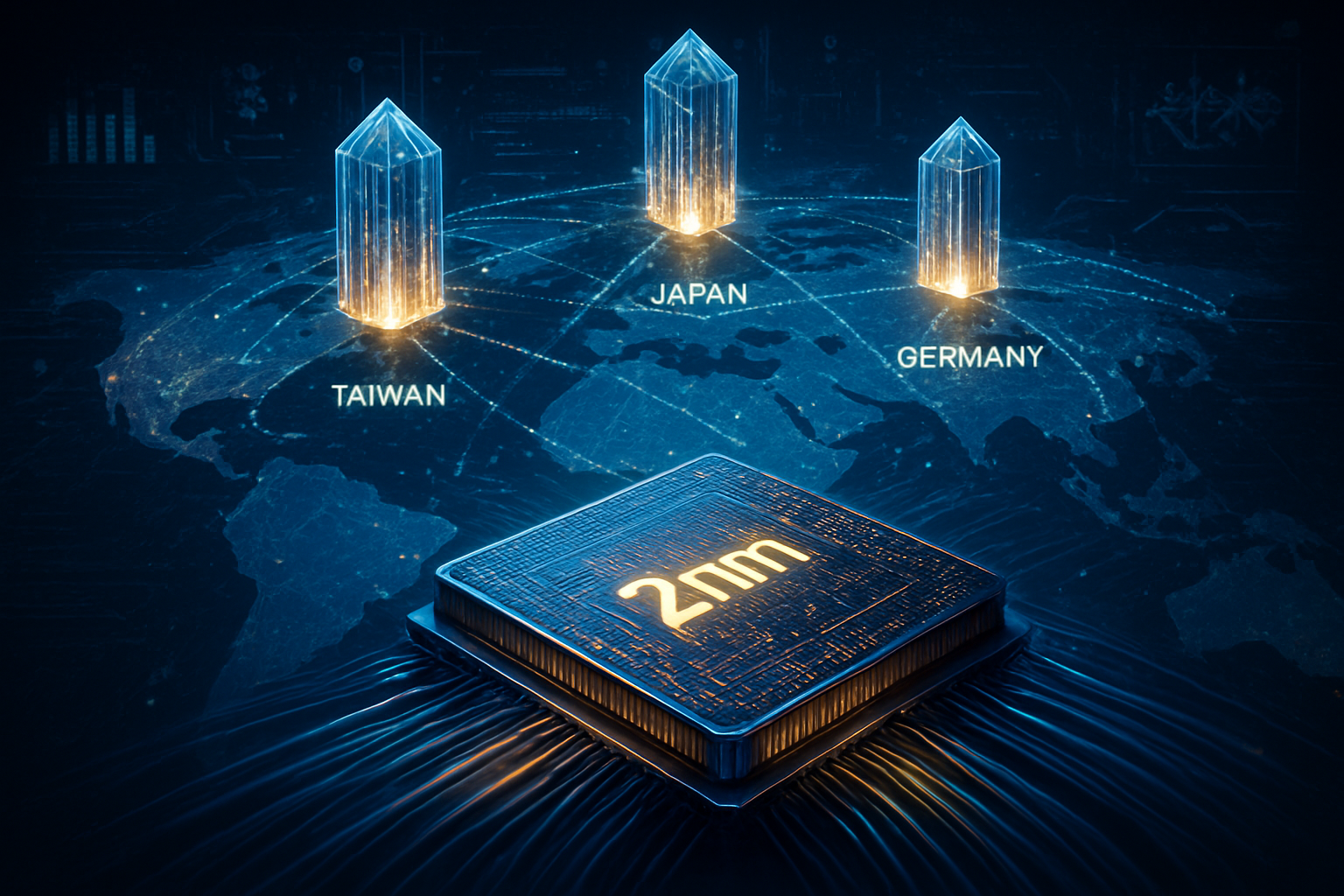
  • Institutional Confidence: Jackson Wealth Management Boosts Stake in TSMC

    Institutional Confidence: Jackson Wealth Management Boosts Stake in TSMC

    Jackson Wealth Management LLC has recently signaled its continued confidence in the semiconductor giant Taiwan Semiconductor Manufacturing Company (NYSE: TSM), increasing its holdings during the third quarter of 2025. The investment firm acquired an additional 11,455 shares, bringing its total ownership to 35,537 shares, valued at approximately $9.925 million as of the end of the reporting period on September 30, 2025. This move, while not a seismic shift in market dynamics, reflects a broader trend of institutional conviction in TSMC's long-term growth trajectory and its pivotal role in the global technology ecosystem.

    This institutional purchase, disclosed in a Securities and Exchange Commission (SEC) filing on October 3, 2025, underscores the ongoing appeal of TSMC to wealth management firms looking for stable, high-growth investments. While individual institutional adjustments are routine, the collective pattern of such investments provides insight into the perceived health and future prospects of the companies involved. For TSMC, a company that regularly makes headlines with multi-billion dollar strategic investments, Jackson Wealth Management's increased stake serves as a testament to its enduring value proposition amidst a competitive and rapidly evolving tech landscape.

    Unpacking the Institutional Play: A Deeper Look at TSMC's Investor Appeal

    Jackson Wealth Management LLC's decision to bolster its position in Taiwan Semiconductor Manufacturing Company (NYSE: TSM) during the third quarter of 2025, culminating in holdings valued at nearly $10 million, is indicative of a calculated investment strategy rather than a speculative gamble. This particular increase of 11,455 shares, pushing their total to 35,537, positions the firm as a solid, albeit not dominant, institutional holder. Such incremental increases by wealth management firms are often driven by a fundamental belief in the underlying company's financial health, market leadership, and future growth potential, rather than short-term market fluctuations.

    Compared to previous approaches, this investment behavior is consistent with how many institutional investors manage their portfolios, gradually accumulating shares of companies with strong fundamentals. While not a "blockbuster" acquisition designed to dramatically shift market perception, it reflects a sustained, positive outlook. Initial reactions from financial analysts, while not specifically singling out Jackson Wealth Management's move, generally align with a bullish sentiment towards TSMC, citing its technological dominance in advanced node manufacturing and its indispensable role in the global semiconductor supply chain. Experts often emphasize TSMC's strategic importance over individual institutional trades, pointing to the company's own massive capital expenditure plans, such as the $100 billion investment in new facilities, as more significant market drivers.

    This steady accumulation by institutional players contrasts sharply with more volatile, speculative trading patterns seen in emerging or unproven technologies. Instead, it mirrors a long-term value investment approach, where the investor is betting on the continued execution of a well-established, profitable enterprise. The investment community often views such moves as a vote of confidence, particularly given TSMC's critical role in powering everything from artificial intelligence accelerators to advanced consumer electronics, making it a foundational element of modern technological progress.

    The decision to increase holdings in TSMC also highlights the ongoing demand for high-quality semiconductor manufacturing capabilities. As the world becomes increasingly digitized and AI-driven, the need for cutting-edge chips manufactured by companies like TSMC is only set to intensify. This makes TSMC a compelling choice for institutional investors seeking exposure to the fundamental growth drivers of the technology sector, insulating them somewhat from the transient trends that often characterize other parts of the market.

    Ripple Effects Across the Semiconductor Ecosystem

    Jackson Wealth Management LLC's increased stake in Taiwan Semiconductor Manufacturing Company (NYSE: TSM) has significant implications, not just for TSMC itself, but for a broader spectrum of companies within the AI and technology sectors. Primarily, TSMC stands to benefit from continued institutional confidence, which can help stabilize its stock price and provide a solid foundation for its ambitious expansion plans, including multi-billion dollar fabs in Arizona and Japan. This investor backing is crucial for a capital-intensive industry like semiconductor manufacturing, enabling TSMC to continue investing heavily in R&D and advanced process technologies.

    From a competitive standpoint, this sustained institutional interest further solidifies TSMC's market positioning against rivals such as Samsung Foundry and Intel Foundry Services (NASDAQ: INTC). While Samsung (KRX: 005930) is a formidable competitor, and Intel is making aggressive moves to re-establish its foundry leadership, TSMC's consistent ability to attract and retain significant institutional investment underscores its perceived technological lead and operational excellence. This competitive advantage is particularly critical in the race to produce the most advanced chips for AI, high-performance computing, and next-generation mobile devices.

    The potential disruption to existing products or services from this investment is indirect but profound. By enabling TSMC to maintain its technological edge and expand its capacity, this institutional support ultimately benefits the myriad of fabless semiconductor companies—like NVIDIA (NASDAQ: NVDA), AMD (NASDAQ: AMD), and Apple (NASDAQ: AAPL)—that rely on TSMC for their chip production. These companies, in turn, power the AI revolution, cloud computing, and consumer electronics markets. Any factor that strengthens TSMC indirectly strengthens its customers, potentially accelerating innovation and driving down costs for advanced chips across the industry.

    Furthermore, this investment reflects a strategic advantage for TSMC in a geopolitical landscape increasingly focused on semiconductor supply chain resilience. As nations seek to onshore more chip production, institutional investments in key players like TSMC signal confidence in the company's ability to navigate these complex dynamics and continue its global expansion while maintaining profitability. This market positioning reinforces TSMC's role as a critical enabler of technological progress and a bellwether for the broader tech industry.

    Broader Implications in the Global AI and Tech Landscape

    Jackson Wealth Management LLC's investment in Taiwan Semiconductor Manufacturing Company (NYSE: TSM) fits seamlessly into the broader AI landscape and current technological trends, underscoring the foundational role of advanced semiconductor manufacturing in driving innovation. The relentless demand for faster, more efficient chips to power AI models, data centers, and edge devices makes TSMC an indispensable partner for virtually every major technology company. This institutional endorsement highlights the market's recognition of TSMC as a critical enabler of the AI revolution, rather than just a component supplier.

    The impacts of such investments are far-reaching. They contribute to TSMC's financial stability, allowing it to continue its aggressive capital expenditure plans, which include building new fabs and developing next-generation process technologies. This, in turn, ensures a steady supply of cutting-edge chips for AI developers and hardware manufacturers, preventing bottlenecks that could otherwise stifle innovation. Without TSMC's advanced manufacturing capabilities, the pace of AI development, from large language models to autonomous systems, would undoubtedly slow.

    Potential concerns, however, also exist. While the investment is a positive signal, the concentration of advanced chip manufacturing in a single company like TSMC raises geopolitical considerations. Supply chain resilience, especially in the context of global tensions, remains a critical discussion point. Any disruption to TSMC's operations, whether from natural disasters or geopolitical events, could have catastrophic ripple effects across the global technology industry. Institutional investors, while confident in TSMC's operational strength, are also implicitly betting on the stability of the geopolitical environment that allows TSMC to thrive.

    Comparisons to previous AI milestones reveal a consistent pattern: advancements in AI are inextricably linked to advancements in hardware. Just as the rise of GPUs propelled deep learning, the continuous miniaturization and efficiency gains achieved by foundries like TSMC are crucial for the next wave of AI breakthroughs. This investment, therefore, is not merely about a financial transaction; it's about backing the very infrastructure upon which future AI innovations will be built, much like past investments in internet infrastructure paved the way for the digital age.

    The Road Ahead: Future Developments for TSMC and the Semiconductor Sector

    Looking ahead, the sustained institutional confidence exemplified by Jackson Wealth Management LLC's increased stake in Taiwan Semiconductor Manufacturing Company (NYSE: TSM) points to several expected near-term and long-term developments for both TSMC and the broader semiconductor industry. In the near term, TSMC is anticipated to continue its aggressive rollout of advanced process technologies, moving towards 2nm and beyond. This will involve significant capital expenditures, and sustained institutional investment provides the necessary financial bedrock for these endeavors. The company's focus on expanding its global manufacturing footprint, particularly in the US and Japan, will also be a key development to watch, aiming to mitigate geopolitical risks and diversify its production base.

    Potential applications and use cases on the horizon are vast and directly tied to TSMC's technological leadership. As AI models become more complex and pervasive, the demand for custom AI accelerators and energy-efficient processing units will skyrocket. TSMC's advanced packaging technologies, such as CoWoS (Chip-on-Wafer-on-Substrate), will be crucial for integrating these complex systems. We can expect to see further advancements in areas like quantum computing, advanced robotics, and immersive virtual/augmented reality, all powered by chips manufactured at TSMC's fabs.

    However, several challenges need to be addressed. The escalating costs of developing and building new fabs, coupled with the increasing complexity of semiconductor manufacturing, pose significant hurdles. Talent acquisition and retention in a highly specialized field also remain critical. Geopolitical tensions, particularly concerning Taiwan, represent an ongoing concern that could impact investor sentiment and operational stability. Furthermore, the industry faces pressure to adopt more sustainable manufacturing practices, adding another layer of complexity.

    Experts predict that the "fabless-foundry" model, pioneered by TSMC, will continue to dominate, with an increasing specialization in both chip design and manufacturing. They anticipate continued strong demand for TSMC's services, driven by the insatiable appetite for AI, 5G, and high-performance computing. What experts predict will happen next is a continued arms race in semiconductor technology, with TSMC at the forefront, pushing the boundaries of what's possible in chip design and production, further cementing its role as a linchpin of the global technology economy.

    A Cornerstone Investment in the Age of AI

    Jackson Wealth Management LLC's decision to increase its holdings in Taiwan Semiconductor Manufacturing Company (NYSE: TSM) during the third quarter of 2025 serves as a compelling summary of institutional belief in the foundational strength of the global semiconductor industry. This investment, valued at approximately $9.925 million and encompassing 35,537 shares, while not a standalone market-mover, is a significant indicator of sustained confidence in TSMC's pivotal role in the ongoing technological revolution, particularly in the realm of artificial intelligence. It underscores the understanding that advancements in AI are directly predicated on the continuous innovation and reliable supply of cutting-edge semiconductors.

    This development's significance in AI history cannot be overstated. TSMC is not merely a chip manufacturer; it is the enabler of virtually every significant AI breakthrough in recent memory, providing the silicon backbone for everything from advanced neural networks to sophisticated data centers. Institutional investments like this are critical for providing the capital necessary for TSMC to continue its relentless pursuit of smaller, more powerful, and more efficient chips, which are the lifeblood of future AI development. It represents a vote of confidence in the long-term trajectory of both TSMC and the broader AI ecosystem it supports.

    Final thoughts on the long-term impact revolve around resilience and innovation. As the world becomes increasingly reliant on advanced technology, the stability and growth of companies like TSMC are paramount. This investment signals that despite geopolitical complexities and economic fluctuations, the market recognizes the indispensable nature of TSMC's contributions. It reinforces the idea that strategic investments in core technology providers are essential for global progress.

    In the coming weeks and months, what to watch for will be TSMC's continued execution on its ambitious expansion plans, particularly the progress of its new fabs and the development of next-generation process technologies. Further institutional filings will also provide insights into evolving market sentiment towards the semiconductor sector. The interplay between technological innovation, geopolitical stability, and sustained financial backing will ultimately dictate the pace and direction of the AI-driven future, with TSMC remaining a central figure in this unfolding narrative.


    This content is intended for informational purposes only and represents analysis of current AI developments.

    TokenRing AI delivers enterprise-grade solutions for multi-agent AI workflow orchestration, AI-powered development tools, and seamless remote collaboration platforms.
    For more information, visit https://www.tokenring.ai/.
  • AI Fuels Semiconductor Supercycle: Equipment Sales to Hit $156 Billion by 2027

    AI Fuels Semiconductor Supercycle: Equipment Sales to Hit $156 Billion by 2027

    The global semiconductor industry is poised for an unprecedented surge, with manufacturing equipment sales projected to reach a staggering $156 billion by 2027. This ambitious forecast, detailed in a recent report by SEMI, underscores a robust and sustained growth trajectory primarily driven by the insatiable demand for Artificial Intelligence (AI) applications. As of December 16, 2025, this projection signals a pivotal era of intense investment and innovation, positioning the semiconductor sector as the foundational engine for technological progress across virtually all facets of the modern economy.

    This upward revision from previous forecasts highlights AI's transformative impact, pushing the boundaries of what's possible in high-performance computing. The immediate significance of this forecast extends beyond mere financial figures; it reflects a pressing need for expanded production capacity to meet the escalating demand for advanced electronics, particularly those underpinning AI innovation. The semiconductor industry is not just growing; it's undergoing a fundamental restructuring, driven by AI's relentless pursuit of more powerful, efficient, and integrated processing capabilities.

    The Technical Engines Driving Unprecedented Growth

    The projected $156 billion in semiconductor equipment sales by 2027 is fundamentally driven by advancements in three pivotal technical areas: High-Bandwidth Memory (HBM), advanced packaging, and sub-2nm logic manufacturing. These innovations represent a significant departure from traditional chip-making approaches, offering unprecedented performance, efficiency, and integration capabilities critical for the next generation of AI development.

    High-Bandwidth Memory (HBM) is at the forefront, offering significantly higher bandwidth and lower power consumption than conventional memory solutions like DDR and GDDR. HBM achieves this through 3D-stacked DRAM dies interconnected by Through-Silicon Vias (TSVs), creating a much wider memory bus (e.g., 1024 bits for a 4-Hi stack compared to 32 bits for GDDR). This dramatically improves data transfer rates (HBM3e pushes to 1229 GB/s, with HBM4 projected at 2048 GB/s), reduces latency, and boasts greater power efficiency due to shorter data paths. For AI, HBM is indispensable, directly addressing the "memory wall" bottleneck that has historically limited the performance of AI accelerators, ensuring continuous data flow for training and deploying massive models like large language models (LLMs). The AI research community views HBM as critical for sustaining innovation, despite challenges like high cost and limited supply.

    Advanced packaging techniques are equally crucial, moving beyond the conventional single-chip-per-package model to integrate multiple semiconductor components into a single, high-performance system. Key technologies include 2.5D integration (e.g., TSMC's [TSM] CoWoS), where multiple dies sit side-by-side on a silicon interposer, and 3D stacking, where dies are vertically interconnected by TSVs. These approaches enable performance scaling by optimizing inter-chip communication, improving integration density, enhancing signal integrity, and fostering modularity through chiplet architectures. For AI, advanced packaging is essential for integrating high-bandwidth memory directly with compute units in 3D stacks, effectively overcoming the memory wall and enabling faster, more energy-efficient AI systems. While complex and challenging to manufacture, companies like Taiwan Semiconductor Manufacturing Company (TSMC) [TSM], Samsung [SMSN.L], and Intel (INTC) [INTC] are heavily investing in these capabilities.

    Finally, sub-2nm logic refers to process nodes at the cutting edge of transistor scaling, primarily characterized by the transition from FinFET to Gate-All-Around (GAA) transistors. GAA transistors completely surround the channel with the gate material, providing superior electrostatic control, significantly reducing leakage current, and enabling more precise control over current flow. This architecture promises substantial performance gains (e.g., IBM's 2nm prototype showed a 45% performance gain or 75% power saving over 7nm chips) and higher transistor density. Sub-2nm chips are vital for the future of AI, delivering the extreme computing performance and energy efficiency required by demanding AI workloads, from hyperscale data centers to compact edge AI devices. However, manufacturing complexity, the reliance on incredibly expensive Extreme Ultraviolet (EUV) lithography, and thermal management challenges due to high power density necessitate a symbiotic relationship with advanced packaging to fully realize their benefits.

    Shifting Sands: Impact on AI Companies and Tech Giants

    The forecasted surge in semiconductor equipment sales, driven by AI, is fundamentally reshaping the competitive landscape for major AI labs, tech giants, and the semiconductor equipment manufacturers themselves. As of December 2025, this growth translates directly into increased demand and strategic shifts across the industry.

    Semiconductor equipment manufacturers are the most direct beneficiaries. ASML (ASML) [ASML], with its near-monopoly on EUV lithography, remains an indispensable partner for producing the most advanced AI chips. KLA Corporation (KLA) [KLAC], holding over 50% market share in process control, metrology, and inspection, is a "critical enabler" ensuring the quality and yield of high-performance AI accelerators. Other major players like Applied Materials (AMAT) [AMAT], Lam Research (LRCX) [LRCX], and Tokyo Electron (TEL) [8035.T] are also set to benefit immensely from the overall increase in fab build-outs and upgrades, as well as by integrating AI into their own manufacturing processes.

    Among tech giants and AI chip developers, NVIDIA (NVDA) [NVDA] continues to dominate the AI accelerator market, holding approximately 80% market share with its powerful GPUs and robust CUDA ecosystem. Its ongoing innovation positions it to capture a significant portion of the growing AI infrastructure spending. Taiwan Semiconductor Manufacturing Company (TSMC) [TSM], as the world's largest contract chipmaker, is indispensable due to its unparalleled lead in advanced process technologies (e.g., 3nm, 5nm, A16 planning) and advanced packaging solutions like CoWoS, which are seeing demand double in 2025. Advanced Micro Devices (AMD) [AMD] is making significant strides with its Instinct MI300 series, challenging NVIDIA's dominance. Hyperscale cloud providers like Google (GOOGL) [GOOGL], Amazon (AMZN) [AMZN], and Microsoft (MSFT) [MSFT] are increasingly developing custom AI silicon (e.g., TPUs, Trainium2, Maia 100) to optimize performance and reduce reliance on third-party vendors, creating new competitive pressures. Samsung Electronics (SMSN.L) [SMSN.L] is a key player in HBM and aims to compete with TSMC in advanced foundry services.

    The competitive implications are significant. While NVIDIA maintains a strong lead, it faces increasing pressure from AMD, Intel (INTC) [INTC]'s Gaudi chips, and the growing trend of custom silicon from hyperscalers. This could lead to a more fragmented hardware market. The "foundry race" between TSMC, Samsung, and Intel's [INTC] resurgent Intel Foundry Services is intensifying, as each vies for leadership in advanced node manufacturing. The demand for HBM is also fueling a fierce competition among memory suppliers like SK Hynix, Micron (MU) [MU], and Samsung [SMSN.L]. Potential disruptions include supply chain volatility due to rapid demand and manufacturing complexity, and immense energy infrastructure demands from expanding AI data centers. Market positioning is shifting, with increased focus on advanced packaging expertise and the strategic integration of AI into manufacturing processes themselves, creating a new competitive edge for companies that embrace AI-driven optimization.

    Broader AI Landscape: Opportunities and Concerns

    The forecasted growth in semiconductor equipment sales for AI carries profound implications for the broader AI landscape and global technological trends. This surge is not merely an incremental increase but a fundamental shift enabling unprecedented advancements in AI capabilities, while simultaneously introducing significant economic, supply chain, and geopolitical complexities.

    The primary impact is the enabling of advanced AI capabilities. This growth provides the foundational hardware for increasingly sophisticated AI, including specialized AI chips essential for the immense computational demands of training and running large-scale AI models. The focus on smaller process nodes and advanced packaging directly translates into more powerful, energy-efficient, and compact AI accelerators. This in turn accelerates AI innovation and development, as AI-driven Electronic Design Automation (EDA) tools reduce chip design cycles and enhance manufacturing precision. The result is a broadening of AI application across industries, from cloud data centers and edge computing to healthcare and industrial automation, making AI more accessible and robust for real-time processing. This also contributes to the economic reshaping of the semiconductor industry, with AI-exposed companies outperforming the market, though it also contributes to increased energy demands for AI-driven data centers.

    However, this rapid growth also brings forth several critical concerns. Supply chain vulnerabilities are heightened due to surging demand, reliance on a limited number of key suppliers (e.g., ASML [ASML] for EUV), and the geographic concentration of advanced manufacturing (over 90% of advanced chips are made in Taiwan by TSMC [TSM] and South Korea by Samsung [SMSN.L]). This creates precarious single points of failure, making the global AI ecosystem vulnerable to regional disruptions. Resource and talent shortages further exacerbate these challenges. To mitigate these risks, companies are shifting to "just-in-case" inventory models and exploring alternative fabrication techniques.

    Geopolitical concerns are paramount. Semiconductors and AI are at the heart of national security and economic competition, with nations striving for technological sovereignty. The United States has implemented stringent export controls on advanced chips and chipmaking equipment to China, aiming to limit China's AI capabilities. These measures, coupled with tensions in the Taiwan Strait (predicted by some to be a flashpoint by 2027), highlight the fragility of the global AI supply chain. China, in response, is heavily investing in domestic capacity to achieve self-sufficiency, though it faces significant hurdles. This dynamic also complicates global cooperation on AI governance, as trade restrictions can erode trust and hinder multilateral efforts.

    Compared to previous AI milestones, the current era is characterized by an unprecedented scale of investment in infrastructure and hardware, dwarfing historical technological investments. Today's AI is deeply integrated into enterprise solutions and widely accessible consumer products, making the current boom less speculative. There's a truly symbiotic relationship where AI not only demands powerful semiconductors but also actively contributes to their design and manufacturing. This revolution is fundamentally about "intelligence amplification," extending human cognitive abilities and automating complex cognitive tasks, representing a more profound transformation than prior technological shifts. Finally, semiconductors and AI have become singularly central to national security and economic power, a distinctive feature of the current era.

    The Horizon: Future Developments and Expert Predictions

    Looking ahead, the synergy between semiconductor manufacturing and AI promises a future of transformative growth and innovation, though not without significant challenges. As of December 16, 2025, the industry is navigating a path toward increasingly sophisticated and pervasive AI.

    In the near-term (next 1-5 years), semiconductor manufacturing will continue its push towards advanced packaging solutions like chiplets and 3D stacking to bypass traditional transistor scaling limits. High Bandwidth Memory (HBM) and GDDR7 will see significant innovation, with HBM revenue projected to surge by up to 70% in 2025. Expect advancements in backside power delivery and liquid cooling systems to manage the increasing power and heat of AI chips. New materials and refined manufacturing processes, including atomic layer additive manufacturing, will enable sub-10nm features with greater precision. For AI, the focus will be on evolving generative AI, developing smaller and more efficient models, and refining multimodal AI capabilities. Agentic AI systems, capable of autonomous decision-making and learning, are expected to become central to managing workflows. The development of synthetic data generation will also be crucial to address data scarcity.

    Long-term developments (beyond 5 years) will likely involve groundbreaking innovations in silicon photonics for on-chip optical communication, dramatically increasing data transfer speeds and energy efficiency. The industry will explore novel materials and processes to move towards entirely new computing paradigms, with an increasing emphasis on sustainable manufacturing practices to address the immense power demands of AI data centers. Geographically, continued government investments will lead to a more diversified but potentially complex global supply chain focused on national self-reliance. Experts predict a real chance of developing human-level artificial intelligence (AGI) within the coming decades, potentially revolutionizing fields like medicine and space exploration and redefining employment and societal structures.

    The growth in equipment sales, projected to reach $156 billion by 2027, underpins these future developments. This growth is fueled by strong investments in both front-end (wafer processing, masks/reticles) and back-end (assembly, packaging, test) equipment, with the back-end segment seeing a significant recovery. The overall semiconductor market is expected to grow to approximately $1.2 trillion by 2030.

    Potential applications on the horizon are vast: AI will enable predictive maintenance and optimization in semiconductor fabs, accelerate medical diagnostics and drug discovery, power advanced autonomous vehicles, enhance financial planning and fraud detection, and lead to a new generation of AI-powered consumer electronics (e.g., AI PCs, neuromorphic smartphones). AI will also revolutionize design and engineering, automating chip design and optimizing complex systems.

    However, significant challenges persist. Technical complexity and cost remain high, with advanced fabs costing $15B-$20B and demanding extreme precision. Data scarcity and validation for AI models are ongoing concerns. Supply chain vulnerabilities and geopolitics continue to pose systemic risks, exacerbated by export controls and regional manufacturing concentration. The immense energy consumption and environmental impact of AI and semiconductor manufacturing demand sustainable solutions. Finally, a persistent talent shortage across both sectors and the societal impact of AI automation are critical issues that require proactive strategies.

    Experts predict a decade of sustained growth for the semiconductor industry, driven by AI as a "productivity multiplier." There will be a strong emphasis on national self-reliance in critical technologies, leading to a more diversified global supply chain. The transformative impact of AI is projected to add $4.4 trillion to the global economy, with the evolution towards more advanced multimodal and agentic AI systems deeply integrating into daily life. Nvidia (NVDA) [NVDA] CEO Jensen Huang emphasizes that advanced packaging has become as critical as transistor design in delivering the efficiency and power required by AI chips, highlighting its strategic importance.

    A New Era of AI-Driven Semiconductor Supremacy

    The SEMI report's forecast of global semiconductor equipment sales reaching an unprecedented $156 billion by 2027 marks a definitive moment in the symbiotic relationship between AI and the foundational technology that powers it. As of December 16, 2025, this projection is not merely an optimistic outlook but a tangible indicator of the industry's commitment to enabling the next wave of artificial intelligence breakthroughs. The key takeaway is clear: AI is no longer just a consumer of semiconductors; it is the primary catalyst driving a "supercycle" of innovation and investment across the entire semiconductor value chain.

    This development holds immense significance in AI history, underscoring that the current AI boom, particularly with the rise of generative AI and large language models, is fundamentally hardware-dependent. The relentless pursuit of more powerful, efficient, and integrated AI systems necessitates continuous advancements in semiconductor manufacturing, from sub-2nm logic and High-Bandwidth Memory (HBM) to sophisticated advanced packaging techniques. This symbiotic feedback loop—where AI demands better chips, and AI itself helps design and manufacture those chips—is accelerating progress at an unprecedented pace, distinguishing this era from previous AI "winters" or more limited technological shifts.

    The long-term impact of this sustained growth will be profound, solidifying the semiconductor industry's role as an indispensable pillar for global technological advancement and economic prosperity. It promises continued innovation across data centers, edge computing, automotive, and consumer electronics, all of which are increasingly reliant on cutting-edge silicon. The industry is on track to become a $1 trillion market by 2030, potentially reaching $2 trillion by 2040, driven by AI and related applications. However, this expansion is not without its challenges: the escalating costs and complexity of manufacturing, geopolitical tensions impacting supply chains, and a persistent talent deficit will require sustained investment in R&D, novel manufacturing processes, and strategic global collaborations.

    In the coming weeks and months, several critical areas warrant close attention. Watch for continued AI integration into a wider array of devices, from AI-capable PCs to next-generation smartphones, and the emergence of more advanced neuromorphic chip designs. Keep a close eye on breakthroughs and capacity expansions in advanced packaging technologies and HBM, which remain critical enablers and potential bottlenecks for next-generation AI accelerators. Monitor the progress of new fabrication plant constructions globally, particularly those supported by government incentives like the CHIPS Act, as nations prioritize supply chain resilience. Finally, observe the dynamics of emerging AI hardware startups that could disrupt established players, and track ongoing efforts to address sustainability concerns within the energy-intensive semiconductor manufacturing process. The future of AI is inextricably linked to the trajectory of semiconductor innovation, making this a pivotal time for both industries.


    This content is intended for informational purposes only and represents analysis of current AI developments.

    TokenRing AI delivers enterprise-grade solutions for multi-agent AI workflow orchestration, AI-powered development tools, and seamless remote collaboration platforms.
    For more information, visit https://www.tokenring.ai/.
  • Texas Instruments Ignites Domestic Chip Production with $40 Billion North Texas Fab, Bolstering AI’s Foundational Supply

    Texas Instruments Ignites Domestic Chip Production with $40 Billion North Texas Fab, Bolstering AI’s Foundational Supply

    Sherman, North Texas – December 16, 2025 – In a monumental stride towards fortifying America's technological sovereignty, Texas Instruments (NASDAQ: TXN) is set to officially inaugurate its first $40 billion semiconductor fabrication plant in Sherman, North Texas, with a grand opening celebration slated for tomorrow, December 17, 2025. This colossal investment marks the single largest private-sector economic commitment in Texas history and represents a critical leap in reshoring the production of foundational chips vital to nearly every electronic device, including the rapidly expanding universe of artificial intelligence applications. The commencement of production at this state-of-the-art facility promises to significantly enhance the reliability and security of the domestic chip supply chain, mitigating future disruptions and underpinning the continued innovation across the tech landscape.

    The Sherman complex, part of a broader $60 billion multi-year manufacturing expansion by Texas Instruments across the U.S., will be a cornerstone of the nation's efforts to reduce reliance on overseas manufacturing for essential components. As the global tech industry grapples with the lessons learned from recent supply chain vulnerabilities, this strategic move by TI is not merely an expansion of manufacturing capacity but a decisive declaration of intent to secure the fundamental building blocks of modern technology on American soil. This domestic resurgence in chip production is poised to have far-reaching implications, from strengthening national security to accelerating the development and deployment of advanced AI systems that depend on a stable supply of robust, high-quality semiconductors.

    Architectural Marvel: A Deep Dive into TI's Foundational Chip Powerhouse

    The new Texas Instruments facility in Sherman is an engineering marvel designed to produce analog and embedded processing chips on 300-millimeter (300-mm) wafers. These "foundational" chips, specializing in mature process nodes ranging from 45 nanometers (nm) to 130nm, are the unsung heroes found in virtually every electronic device – from the microcontrollers in your smartphone and the power management units in data centers to the critical sensors and processors in electric vehicles and advanced robotics. While much of the industry's spotlight often falls on bleeding-edge logic chips, the foundational chips produced here are equally, if not more, ubiquitous and essential for the functioning of the entire digital ecosystem, including the hardware infrastructure that supports AI.

    This approach differentiates itself from the race for the smallest nanometer scale, focusing instead on high-volume, dependable production of components critical for industrial, automotive, personal electronics, communications, and enterprise systems. The Sherman site will eventually house up to four semiconductor fabrication plants, with the first fab alone expected to churn out tens of millions of chips daily. Once fully operational, the entire complex could exceed 100 million chips daily, making it one of the largest manufacturing facilities in the United States. This strategic emphasis on mature nodes ensures a robust supply of components that often have longer design cycles and require stable, long-term availability, a stark contrast to the rapid iteration cycles of leading-edge processors. Initial reactions from the AI research community and industry experts underscore the significance of this move, highlighting it as a crucial step towards supply chain resilience, which is paramount for the uninterrupted development and deployment of AI technologies across various sectors. The investment is also a direct beneficiary of the CHIPS and Science Act, with TI securing up to $1.6 billion in direct funding and potentially billions more in U.S. Treasury tax credits, signaling strong government backing for domestic semiconductor manufacturing.

    Reshaping the AI Landscape: Beneficiaries and Competitive Implications

    The operational launch of Texas Instruments' North Texas plant will send ripples throughout the technology sector, particularly benefiting a wide array of AI companies, tech giants, and innovative startups. Companies like Apple (NASDAQ: AAPL), Nvidia (NASDAQ: NVDA), Ford (NYSE: F), Medtronic (NYSE: MDT), and SpaceX, all known customers of TI, stand to gain significantly from a more secure and localized supply of critical analog and embedded processing chips. These foundational components are integral to the power management, sensor integration, and control systems within the devices and infrastructure that AI relies upon, from autonomous vehicles to advanced medical equipment and sophisticated data centers.

    For major AI labs and tech companies, a stable domestic supply chain translates into reduced lead times, lower logistical risks, and enhanced flexibility in product design and manufacturing. This newfound resilience can accelerate the development cycle of AI-powered products and services, fostering an environment where innovation is less hampered by geopolitical tensions or unforeseen global events. The competitive implications are substantial; companies with preferential access to domestically produced, high-volume foundational chips could gain a strategic advantage in bringing new AI solutions to market more rapidly and reliably. While not directly producing AI accelerators, the plant's output underpins the very systems that house and power these accelerators, making it an indispensable asset. This move by TI solidifies the U.S.'s market positioning in foundational chip manufacturing, reinforcing its role as a global technology leader and creating a more robust ecosystem for AI development.

    Broader Significance: A Pillar for National Tech Resilience

    The Texas Instruments plant in North Texas is far more than just a manufacturing facility; it represents a pivotal shift in the broader AI landscape and global technology trends. Its strategic importance extends beyond mere chip production, addressing critical vulnerabilities in the global supply chain that were starkly exposed during recent crises. By bringing foundational chip manufacturing back to the U.S., this initiative directly contributes to national security interests, ensuring that essential components for defense, critical infrastructure, and advanced technologies like AI are reliably available without external dependencies. This move aligns perfectly with a growing global trend towards regionalizing critical technology supply chains, a direct response to geopolitical uncertainties and the increasing demand for self-sufficiency in strategic industries.

    The economic impacts of this investment are transformative for North Texas and the surrounding regions. The full build-out of the Sherman campus is projected to create approximately 3,000 direct Texas Instruments jobs, alongside thousands of indirect job opportunities, stimulating significant economic growth and fostering a skilled workforce pipeline. Moreover, TI's commitment has already acted as a magnet, attracting other key players to the region, such as Taiwanese chipmaker GlobalWafers, which is investing $5 billion nearby to supply TI with silicon wafers. This synergistic development is rapidly transforming North Texas into a strategic semiconductor hub, a testament to the ripple effect of large-scale domestic manufacturing investments. When compared to previous AI milestones, this development may not be a direct AI breakthrough, but it is a foundational milestone that secures the very hardware bedrock upon which all future AI advancements will be built, making it an equally critical component of the nation's technological future.

    The Road Ahead: Anticipating Future Developments and Challenges

    Looking ahead, the Texas Instruments North Texas complex is poised for significant expansion, with the long-term vision encompassing up to four fully operational fabrication plants. This phased development underscores TI's commitment to increasing its internal manufacturing capacity to over 95% by 2030, a move that will further insulate its supply chain and guarantee a high-volume, dependable source of chips for decades to come. The expected near-term developments include the ramp-up of production in the first fab, followed by the progressive construction and commissioning of the subsequent facilities, each contributing to the overall increase in domestic chip output.

    The potential applications and use cases on the horizon for these foundational chips are vast and continually expanding. As AI permeates more aspects of daily life, from advanced driver-assistance systems in autonomous vehicles to sophisticated industrial automation and smart home devices, the demand for reliable analog and embedded processors will only grow. These chips are crucial for sensor interfaces, power management, motor control, and data conversion – all essential functions for AI-driven systems to interact with the physical world. However, challenges remain, including the need for a sustained pipeline of skilled labor to staff these advanced manufacturing facilities and the ongoing global competition in the semiconductor industry. Experts predict that the Sherman site will solidify North Texas's status as a burgeoning semiconductor cluster, attracting further investment and talent, and serving as a model for future domestic manufacturing initiatives. The success of this venture will largely depend on continued governmental support, technological innovation, and a robust educational ecosystem to meet the demands of this high-tech industry.

    A New Era of American Chip Manufacturing Takes Hold

    The grand opening of Texas Instruments' $40 billion semiconductor plant in North Texas marks a watershed moment in American manufacturing and a critical turning point for the global technology supply chain. The key takeaway is clear: the United States is making a decisive move to re-establish its leadership in foundational chip production, ensuring the availability of components essential for everything from everyday electronics to the most advanced AI systems. This development is not just about building chips; it's about building resilience, fostering economic growth, and securing a strategic advantage in an increasingly competitive technological landscape.

    In the annals of AI history, while not a direct algorithm or model breakthrough, this plant's significance cannot be overstated as it provides the robust hardware foundation upon which future AI innovations will depend. The investment underscores a fundamental truth: powerful AI requires powerful, reliable hardware, and securing the supply of that hardware domestically is paramount. As we move into the coming weeks and months, the tech world will be closely watching the ramp-up of production at Sherman, anticipating its impact on supply chain stability, product development cycles, and the overall health of the U.S. semiconductor industry. This is more than a plant; it's a testament to a renewed commitment to American technological independence and a vital step in ensuring the future of AI is built on solid ground.


    This content is intended for informational purposes only and represents analysis of current AI developments.

    TokenRing AI delivers enterprise-grade solutions for multi-agent AI workflow orchestration, AI-powered development tools, and seamless remote collaboration platforms.
    For more information, visit https://www.tokenring.ai/.

  • TSMC’s AI-Fueled Ascent: A Bellwether for the Semiconductor Sector

    TSMC’s AI-Fueled Ascent: A Bellwether for the Semiconductor Sector

    Taiwan Semiconductor Manufacturing Company (NYSE: TSM), the undisputed titan of chip fabrication, has experienced a remarkable surge in its stock performance, largely driven by its pivotal and indispensable role in the booming artificial intelligence (AI) and high-performance computing (HPC) markets. This significant uptick, observed leading up to and around December 2025, underscores a powerful market sentiment affirming TSM's technological leadership and strategic positioning. The company's robust financial results and relentless pursuit of advanced manufacturing nodes have cemented its status as a critical enabler of the AI revolution, sending ripple effects throughout the entire semiconductor ecosystem.

    The immediate significance of TSM's ascent extends far beyond its balance sheet. As the primary manufacturer for the world's most sophisticated AI chips, TSM's trajectory serves as a crucial barometer for the health and future direction of the AI industry. Its sustained growth signals not only a robust demand for cutting-edge processing power but also validates the substantial investments being poured into AI infrastructure globally. This surge highlights the increasing reliance on advanced semiconductor manufacturing capabilities, placing TSM at the very heart of technological progress and national strategic interests.

    The Foundry Colossus: Powering the Next Generation of AI

    TSM's recent surge is fundamentally rooted in its unparalleled technological prowess and strategic market dominance. The company's advanced node technologies, including the 3nm, 4nm, 5nm, and the eagerly anticipated 2nm and A16 nodes, are the cornerstone for manufacturing the sophisticated chips demanded by industry leaders. Major AI clients such as NVIDIA (NASDAQ: NVDA), Apple (NASDAQ: AAPL), Advanced Micro Devices (NASDAQ: AMD), and Qualcomm (NASDAQ: QCOM) rely heavily on TSM's capabilities to bring their groundbreaking designs to life. Notably, TSM maintains an exclusive manufacturing relationship with NVIDIA, the current frontrunner in AI accelerators, and has reportedly secured over half of Apple's 2nm chip capacity through 2026, illustrating its critical role in defining future technological landscapes.

    The pure-play foundry model adopted by TSM further distinguishes it from integrated device manufacturers. This specialized approach allows TSM to focus solely on manufacturing, fostering deep expertise and significant economies of scale. As of Q2 2025, TSM controlled an astounding 71% of the pure foundry industry and approximately three-quarters of the "foundry 2.0" market, a testament to its formidable technological moat. This dominance is not merely about market share; it reflects a continuous cycle of innovation where TSM's R&D investments in extreme ultraviolet (EUV) lithography and advanced packaging technologies, such as CoWoS (Chip-on-Wafer-on-Substrate), directly enable the performance breakthroughs seen in next-generation AI processors.

    TSM's financial performance further validates its strategic direction. The company reported impressive year-over-year revenue increases, with a 38.6% surge in Q2 2025 and a 40.8% jump in Q3 2025, reaching $33.1 billion. Earnings per share also saw a significant 39% increase in Q3 2025. These figures are not just isolated successes but reflect a sustained trend, with November 2025 revenue showing a 24.5% increase over the previous year and Q4 2024 earnings surpassing expectations, driven by robust AI demand. Such consistent growth underscores the company's ability to capitalize on the insatiable demand for advanced silicon.

    To meet escalating demand and enhance supply chain resilience, TSM has committed substantial capital expenditures, budgeting between $38 billion and $42 billion for 2025, with a significant 70% allocated to advanced process technologies. This aggressive investment strategy includes global fab expansion projects in the United States, Japan, and Germany. While these overseas expansions entail considerable costs, TSM has demonstrated impressive operational efficiency, maintaining strong gross margins. This proactive investment not only ensures future capacity but also sets a high bar for competitors, pushing the entire industry towards more advanced and efficient manufacturing paradigms.

    Reshaping the AI and Tech Landscape

    TSM's unwavering strength and strategic growth have profound implications for AI companies, tech giants, and nascent startups alike. Companies like NVIDIA, AMD, Apple, and Qualcomm stand to benefit immensely from TSM's advanced manufacturing capabilities, as their ability to innovate and deliver cutting-edge products is directly tied to TSM's capacity and technological leadership. For NVIDIA, in particular, TSM's consistent delivery of high-performance AI accelerators is crucial for maintaining its dominant position in the AI hardware market. Similarly, Apple's future product roadmap, especially for its custom silicon, is intricately linked to TSM's 2nm advancements.

    The competitive implications for major AI labs and tech companies are significant. TSM's technological lead means that companies with strong relationships and guaranteed access to its advanced nodes gain a substantial strategic advantage. This can create a widening gap between those who can leverage the latest silicon and those who are limited to less advanced processes, potentially impacting product performance, power efficiency, and time-to-market. For tech giants heavily investing in AI, securing TSM's foundry services is paramount to their competitive edge.

    Potential disruption to existing products or services could arise from the sheer power and efficiency of TSM-fabricated AI chips. As these chips become more capable, they enable entirely new applications and vastly improve existing ones, potentially rendering older hardware and less optimized software solutions obsolete. This creates an imperative for continuous innovation across the tech sector, pushing companies to integrate the latest AI capabilities into their offerings.

    Market positioning and strategic advantages are heavily influenced by access to TSM's technology. Companies that can design chips to fully exploit TSM's advanced nodes will be better positioned in the AI race. This also extends to the broader supply chain, where equipment suppliers and material providers that cater to TSM's stringent requirements will see increased demand and strategic importance. TSM's global fab expansion also plays a role in national strategies for semiconductor independence and supply chain resilience, influencing where tech companies choose to develop and manufacture their products.

    The Broader Canvas: AI's Foundation and Geopolitical Tensions

    TSM's surge fits squarely into the broader AI landscape as a foundational element, underscoring the critical role of hardware in enabling software breakthroughs. The demand for increasingly powerful AI models, from large language models to complex neural networks, directly translates into a demand for more advanced, efficient, and higher-density chips. TSM's advancements in areas like 3nm and 2nm nodes, alongside its sophisticated packaging technologies like CoWoS, are not just incremental improvements; they are enablers of the next generation of AI capabilities, allowing for more complex computations and larger datasets to be processed with unprecedented speed and efficiency.

    The impacts of TSM's dominance are multifaceted. Economically, its success bolsters Taiwan's position as a technological powerhouse and has significant implications for global trade and supply chains. Technologically, it accelerates the pace of innovation across various industries, from autonomous vehicles and medical imaging to cloud computing and consumer electronics, all of which increasingly rely on AI. Socially, the widespread availability of advanced AI chips will fuel the development of more intelligent systems, potentially transforming daily life, work, and communication.

    However, TSM's pivotal role also brings significant concerns, most notably geopolitical risks. The ongoing tensions between China and Taiwan cast a long shadow over the company's future, as the potential for conflict or trade disruptions could have catastrophic global consequences given TSM's near-monopoly on advanced chip manufacturing. Concerns about China's ambition for semiconductor self-sufficiency also pose a long-term strategic threat, although TSM's technological lead remains substantial. The company's strategic global expansion into the U.S., Japan, and Germany is a direct response to these risks, aiming to diversify its supply chain and mitigate potential disruptions.

    Comparisons to previous AI milestones reveal that while software breakthroughs often grab headlines, hardware advancements like those from TSM are the silent engines driving progress. Just as the development of powerful GPUs was crucial for the deep learning revolution, TSM's continuous push for smaller, more efficient transistors and advanced packaging is essential for the current and future waves of AI innovation. Its current trajectory highlights a critical juncture where hardware capabilities are once again dictating the pace and scale of AI's evolution, marking a new era of interdependence between chip manufacturing and AI development.

    The Horizon: Sustained Innovation and Strategic Expansion

    Looking ahead, the near-term and long-term developments for TSM and the semiconductor sector appear robust, albeit with ongoing challenges. Experts predict sustained demand for advanced nodes, particularly 2nm and beyond, driven by the escalating requirements of AI and HPC. TSM's substantial capital expenditure plans for 2025, with a significant portion earmarked for advanced process technologies, underscore its commitment to maintaining its technological lead and expanding capacity. We can expect further refinements in manufacturing processes, increased adoption of EUV lithography, and continued innovation in advanced packaging solutions like CoWoS, which are becoming increasingly critical for high-end AI accelerators.

    Potential applications and use cases on the horizon are vast. More powerful AI chips will enable truly ubiquitous AI, powering everything from highly autonomous robots and sophisticated medical diagnostic tools to hyper-personalized digital experiences and advanced scientific simulations. Edge AI, where processing occurs closer to the data source rather than in distant data centers, will also see significant advancements, driven by TSM's ability to produce highly efficient and compact chips. This will unlock new possibilities for smart cities, industrial automation, and next-generation consumer devices.

    However, significant challenges need to be addressed. Geopolitical tensions remain a primary concern, necessitating continued efforts in supply chain diversification and international collaboration. The immense cost of developing and building advanced fabs also presents a challenge, requiring massive investments and a skilled workforce. Furthermore, the environmental impact of chip manufacturing, particularly energy consumption and water usage, will increasingly come under scrutiny, pushing companies like TSM to innovate in sustainable manufacturing practices.

    Experts predict that TSM will continue to be a dominant force, leveraging its technological lead and strategic partnerships. The race for smaller nodes and more efficient packaging will intensify, with TSM likely setting the pace. What happens next will largely depend on the interplay between technological innovation, global economic trends, and geopolitical stability, but TSM's foundational role in powering the AI future seems assured for the foreseeable future.

    Conclusion: TSM's Enduring Legacy in the AI Era

    In summary, Taiwan Semiconductor Manufacturing Company's recent stock surge is a clear affirmation of its indispensable role in the AI revolution. Driven by relentless demand for its advanced node technologies (3nm, 2nm, A16), its dominant pure-play foundry model, and robust financial performance, TSM stands as the critical enabler for the world's leading AI companies. Its strategic global expansion and massive capital expenditures further solidify its position, signaling a long-term commitment to innovation and supply chain resilience.

    This development's significance in AI history cannot be overstated. TSM's ability to consistently deliver cutting-edge silicon directly dictates the pace and scale of AI advancements, proving that hardware innovation is as vital as algorithmic breakthroughs. The company is not merely a manufacturer; it is a co-architect of the AI future, providing the foundational processing power that fuels everything from large language models to autonomous systems.

    Looking ahead, the long-term impact of TSM's trajectory will shape global technological leadership, economic competitiveness, and geopolitical dynamics. The focus will remain on TSM's continued advancements in sub-2nm technologies, its strategic responses to geopolitical pressures, and its role in fostering a more diversified global semiconductor supply chain. What to watch for in the coming weeks and months includes further details on its 2nm ramp-up, the progress of its overseas fab constructions, and any shifts in the competitive landscape as rivals attempt to close the technological gap. TSM's journey is, in essence, the journey of AI itself – a testament to human ingenuity and the relentless pursuit of technological frontiers.


    This content is intended for informational purposes only and represents analysis of current AI developments.

    TokenRing AI delivers enterprise-grade solutions for multi-agent AI workflow orchestration, AI-powered development tools, and seamless remote collaboration platforms.
    For more information, visit https://www.tokenring.ai/.
  • Chip Stocks Set to Soar in 2026: A Deep Dive into the Semiconductor Boom

    Chip Stocks Set to Soar in 2026: A Deep Dive into the Semiconductor Boom

    The semiconductor industry is poised for an unprecedented boom in 2026, with investor confidence reaching new heights. Projections indicate the global semiconductor market is on track to approach or even exceed the trillion-dollar mark, driven by a confluence of transformative technological advancements and insatiable demand across diverse sectors. This robust outlook signals a highly attractive investment climate, with significant opportunities for growth in key areas like logic and memory chips.

    This bullish sentiment is not merely speculative; it's underpinned by fundamental shifts in technology and consumer behavior. The relentless rise of Artificial Intelligence (AI) and Generative AI (GenAI), the accelerating transformation of the automotive industry, and the pervasive expansion of 5G and the Internet of Things (IoT) are acting as powerful tailwinds. Governments worldwide are also pouring investments into domestic semiconductor manufacturing, further solidifying the industry's foundation and promising sustained growth well into the latter half of the decade.

    The Technological Bedrock: AI, Automotive, and Advanced Manufacturing

    The projected surge in the semiconductor market for 2026 is fundamentally rooted in groundbreaking technological advancements and their widespread adoption. At the forefront is the exponential growth of Artificial Intelligence (AI) and Generative AI (GenAI). These revolutionary technologies demand increasingly sophisticated and powerful chips, including advanced node processors, Graphics Processing Units (GPUs), Tensor Processing Units (TPUs), and Neural Processing Units (NPUs). This has led to a dramatic increase in demand for high-performance computing (HPC) chips and the expansion of data center infrastructure globally. Beyond simply powering AI applications, AI itself is transforming chip design, accelerating development cycles, and optimizing layouts for superior performance and energy efficiency. Sales of AI-specific chips are projected to exceed $150 billion in 2025, with continued upward momentum into 2026, marking a significant departure from previous chip cycles driven primarily by PCs and smartphones.

    Another critical driver is the profound transformation occurring within the automotive industry. The shift towards Electric Vehicles (EVs), Advanced Driver-Assistance Systems (ADAS), and fully Software-Defined Vehicles (SDVs) is dramatically increasing the semiconductor content in every new car. This fuels demand for high-voltage power semiconductors like Silicon Carbide (SiC) and Gallium Nitride (GaN) for EVs, alongside complex sensors and processors essential for autonomous driving technologies. The automotive sector is anticipated to be one of the fastest-growing segments, with an expected annual growth rate of 10.7%, far outpacing traditional automotive component growth. This represents a fundamental change from past automotive electronics, which were less complex and integrated.

    Furthermore, the global rollout of 5G connectivity and the pervasive expansion of Internet of Things (IoT) devices, coupled with the rise of edge computing, are creating substantial demand for high-performance, energy-efficient semiconductors. AI chips embedded directly into IoT devices enable real-time data processing, reducing latency and enhancing efficiency. This distributed intelligence paradigm is a significant evolution from centralized cloud processing, requiring a new generation of specialized, low-power AI-enabled chips. The AI research community and industry experts have largely reacted with enthusiasm, recognizing these trends as foundational for the next era of computing and connectivity. However, concerns about the sheer scale of investment required for cutting-edge fabrication and the increasing complexity of chip design remain pertinent discussion points.

    Corporate Beneficiaries and Competitive Dynamics

    The impending semiconductor boom of 2026 will undoubtedly reshape the competitive landscape, creating clear winners among AI companies, tech giants, and innovative startups. Companies specializing in Logic and Memory are positioned to be the primary beneficiaries, as these segments are forecast to expand by over 30% year-over-year in 2026, predominantly fueled by AI applications. This highlights substantial opportunities for companies like NVIDIA Corporation (NASDAQ: NVDA), which continues to dominate the AI accelerator market with its GPUs, and memory giants such as Micron Technology, Inc. (NASDAQ: MU) and Samsung Electronics Co., Ltd. (KRX: 005930), which are critical suppliers of high-bandwidth memory (HBM) and server DRAM. Their strategic advantages lie in their established R&D capabilities, manufacturing prowess, and deep integration into the AI supply chain.

    The competitive implications for major AI labs and tech companies are significant. Firms that can secure consistent access to advanced node chips and specialized AI hardware will maintain a distinct advantage in developing and deploying cutting-edge AI models. This creates a critical interdependence between hardware providers and AI developers. Tech giants like Alphabet Inc. (NASDAQ: GOOGL) and Amazon.com, Inc. (NASDAQ: AMZN), with their extensive cloud infrastructure and AI initiatives, will continue to invest heavily in custom AI silicon and securing supply from leading foundries like Taiwan Semiconductor Manufacturing Company Limited (NYSE: TSM). TSMC, as the world's largest dedicated independent semiconductor foundry, is uniquely positioned to benefit from the demand for leading-edge process technologies.

    Potential disruption to existing products or services is also on the horizon. Companies that fail to adapt to the demands of AI-driven computing or cannot secure adequate chip supply may find their offerings becoming less competitive. Startups innovating in niche areas such as neuromorphic computing, quantum computing components, or specialized AI accelerators for edge devices could carve out significant market positions, potentially challenging established players in specific segments. Market positioning will increasingly depend on a company's ability to innovate at the hardware-software interface, ensuring their chips are not only powerful but also optimized for the specific AI workloads of the future. The emphasis on financial health and sustainability, coupled with strong cash generation, will be crucial for companies to support the massive capital expenditures required to maintain technological leadership and investor trust.

    Broader Significance and Societal Impact

    The anticipated semiconductor surge in 2026 fits seamlessly into the broader AI landscape and reflects a pivotal moment in technological evolution. This isn't merely a cyclical upturn; it represents a foundational shift driven by the pervasive integration of AI into nearly every facet of technology and society. The demand for increasingly powerful and efficient chips underpins the continued advancement of generative AI, autonomous systems, advanced scientific computing, and hyper-connected environments. This era is marked by a transition from general-purpose computing to highly specialized, AI-optimized hardware, a trend that will define technological progress for the foreseeable future.

    The impacts of this growth are far-reaching. Economically, it will fuel job creation in high-tech manufacturing, R&D, and software development. Geopolitically, the strategic importance of semiconductor manufacturing and supply chain resilience will continue to intensify, as evidenced by global initiatives like the U.S. CHIPS Act and similar programs in Europe and Asia. These investments aim to reduce reliance on concentrated manufacturing hubs and bolster technological sovereignty, but they also introduce complexities related to international trade and technology transfer. Environmentally, there's an increasing focus on sustainable and green semiconductors, addressing the significant energy consumption associated with advanced manufacturing and large-scale data centers.

    Potential concerns, however, accompany this rapid expansion. Persistent supply chain volatility, particularly for advanced node chips and high-bandwidth memory (HBM), is expected to continue well into 2026, driven by insatiable AI demand. This could lead to targeted shortages and sustained pricing pressures. Geopolitical tensions and export controls further exacerbate these risks, compelling companies to adopt diversified supplier strategies and maintain strategic safety stocks. Comparisons to previous AI milestones, such as the deep learning revolution, suggest that while the current advancements are profound, the scale of hardware investment and the systemic integration of AI represent an unprecedented phase of technological transformation, with potential societal implications ranging from job displacement to ethical considerations in autonomous decision-making.

    The Horizon: Future Developments and Challenges

    Looking ahead, the semiconductor industry is set for a dynamic period of innovation and expansion, with several key developments on the horizon for 2026 and beyond. Near-term, we can expect continued advancements in 3D chip stacking and chiplet architectures, which allow for greater integration density and improved performance by combining multiple specialized dies into a single package. This modular approach is becoming crucial for overcoming the physical limitations of traditional monolithic chip designs. Further refinement in neuromorphic computing and quantum computing components will also gain traction, though their widespread commercial application may extend beyond 2026. Experts predict a relentless pursuit of higher power efficiency, particularly for AI accelerators, to manage the escalating energy demands of large-scale AI models.

    Potential applications and use cases are vast and continue to expand. Beyond data centers and autonomous vehicles, advanced semiconductors will power the next generation of augmented and virtual reality devices, sophisticated medical diagnostics, smart city infrastructure, and highly personalized AI assistants embedded in everyday objects. The integration of AI chips directly into edge devices will enable more intelligent, real-time processing closer to the data source, reducing latency and enhancing privacy. The proliferation of AI into industrial automation and robotics will also create new markets for specialized, ruggedized semiconductors.

    However, significant challenges need to be addressed. The escalating cost of developing and manufacturing leading-edge chips continues to be a major hurdle, requiring immense capital expenditure and fostering consolidation within the industry. The increasing complexity of chip design necessitates advanced Electronic Design Automation (EDA) tools and highly skilled engineers, creating a talent gap. Furthermore, managing the environmental footprint of semiconductor manufacturing and the power consumption of AI systems will require continuous innovation in materials science and energy efficiency. Experts predict that the interplay between hardware and software optimization will become even more critical, with co-design approaches becoming standard to unlock the full potential of next-generation AI. Geopolitical stability and securing resilient supply chains will remain paramount concerns for the foreseeable future.

    A New Era of Silicon Dominance

    In summary, the semiconductor industry is entering a transformative era, with 2026 poised to mark a significant milestone in its growth trajectory. The confluence of insatiable demand from Artificial Intelligence, the profound transformation of the automotive sector, and the pervasive expansion of 5G and IoT are driving unprecedented investor confidence and pushing global market revenues towards the trillion-dollar mark. Key takeaways include the critical importance of logic and memory chips, the strategic positioning of companies like NVIDIA, Micron, Samsung, and TSMC, and the ongoing shift towards specialized, AI-optimized hardware.

    This development's significance in AI history cannot be overstated; it represents the hardware backbone essential for realizing the full potential of the AI revolution. The industry is not merely recovering from past downturns but is fundamentally re-architecting itself to meet the demands of a future increasingly defined by intelligent systems. The massive capital investments, relentless innovation in areas like 3D stacking and chiplets, and the strategic governmental focus on supply chain resilience underscore the long-term impact of this boom.

    What to watch for in the coming weeks and months includes further announcements regarding new AI chip architectures, advancements in manufacturing processes, and the strategic partnerships formed between chip designers and foundries. Investors should also closely monitor geopolitical developments and their potential impact on supply chains, as well as the ongoing efforts to address the environmental footprint of this rapidly expanding industry. The semiconductor sector is not just a participant in the AI revolution; it is its very foundation, and its continued evolution will shape the technological landscape for decades to come.


    This content is intended for informational purposes only and represents analysis of current AI developments.

    TokenRing AI delivers enterprise-grade solutions for multi-agent AI workflow orchestration, AI-powered development tools, and seamless remote collaboration platforms.
    For more information, visit https://www.tokenring.ai/.

  • Micron’s $100 Billion New York Megafab: A Catalyst for U.S. Semiconductor Dominance and AI Innovation

    CLAY, NY – December 16, 2025 – In a monumental stride towards fortifying America's technological independence and securing its future in the global semiconductor landscape, Micron Technology (NASDAQ: MU) announced its plans on October 4, 2022, to construct a colossal new semiconductor megafab in Clay, New York. This ambitious project, projected to involve an investment of up to $100 billion over the next two decades, represents the largest private investment in New York state history and a critical pillar in the nation's strategy to re-shore advanced manufacturing. The megafab is poised to significantly bolster domestic production of leading-edge memory, specifically DRAM, and is a direct outcome of the bipartisan CHIPS and Science Act, underscoring a concerted effort to create a more resilient, secure, and geographically diverse semiconductor supply chain.

    The immediate significance of this endeavor cannot be overstated. By aiming to ramp up U.S.-based DRAM production to 40% of its global output within the next decade, Micron is not merely building a factory; it is laying the groundwork for a revitalized domestic manufacturing ecosystem. This strategic move is designed to mitigate vulnerabilities exposed by recent global supply chain disruptions, ensuring a stable and secure source of the advanced memory vital for everything from artificial intelligence and electric vehicles to 5G technology and national defense. The "Made in New York" microchips emerging from this facility will be instrumental in powering the next generation of technological innovation, strengthening both U.S. economic and national security.

    Engineering a New Era: Technical Prowess and Strategic Imperatives

    Micron's New York megafab is set to be a beacon of advanced semiconductor manufacturing, pushing the boundaries of what's possible in memory production. The facility will be equipped with state-of-the-art tools and processes, including the sophisticated extreme ultraviolet (EUV) lithography. This cutting-edge technology is crucial for producing the most advanced DRAM nodes, allowing for the creation of smaller, more powerful, and energy-efficient memory chips. Unlike older fabrication plants that rely on less precise deep ultraviolet (DUV) lithography, EUV enables higher transistor density and improved performance, critical for the demanding requirements of modern computing, especially in AI and high-performance computing (HPC) applications.

    This strategic investment marks a significant departure from the decades-long trend of outsourcing semiconductor manufacturing to East Asia. For years, the U.S. share of global semiconductor manufacturing capacity has dwindled, raising concerns about economic competitiveness and national security. Micron's megafab, alongside other CHIPS Act-supported initiatives, directly addresses this by bringing leading-edge process technology back to American soil. The facility is expected to drive industry leadership across multiple generations of DRAM, ensuring that the U.S. remains at the forefront of memory innovation. Initial reactions from the AI research community and industry experts have been overwhelmingly positive, highlighting the critical need for a diversified and secure supply of advanced memory to sustain the rapid pace of AI development and deployment. The ability to access domestically produced, high-performance DRAM will accelerate research, reduce time-to-market for AI products, and foster greater collaboration between chip manufacturers and AI developers.

    Reshaping the AI Landscape: Beneficiaries and Competitive Dynamics

    The implications of Micron's New York megafab for AI companies, tech giants, and startups are profound and far-reaching. Companies heavily reliant on advanced memory, such as NVIDIA (NASDAQ: NVDA), Google (NASDAQ: GOOGL), Amazon (NASDAQ: AMZN), and Microsoft (NASDAQ: MSFT), which power their AI models and cloud infrastructure with vast arrays of GPUs and high-bandwidth memory (HBM), stand to benefit immensely. A more secure, stable, and potentially faster supply of cutting-edge DRAM and future HBM variants from a domestic source will de-risk their supply chains, reduce lead times, and potentially even lower costs in the long run. This stability is crucial for the continuous innovation cycle in AI, where new models and applications constantly demand more powerful and efficient memory solutions.

    The competitive landscape for major AI labs and tech companies will also be subtly, yet significantly, altered. While the megafab won't directly produce AI accelerators, its output is the lifeblood of these systems. Companies with direct access or preferential agreements for domestically produced memory could gain a strategic advantage, ensuring they have the necessary components to scale their AI operations and deploy new services faster than competitors. This could lead to a competitive shift, favoring those who can leverage a more resilient domestic supply chain. Potential disruption to existing products or services is less about direct competition and more about enablement: a more robust memory supply could accelerate the development of entirely new AI applications that were previously constrained by memory availability or cost. For startups, this could mean easier access to the foundational components needed to innovate, fostering a vibrant ecosystem of AI-driven ventures.

    A Cornerstone in the Broader AI and Geopolitical Tapestry

    Micron's megafab in New York is not just a factory; it's a strategic national asset that fits squarely into the broader AI landscape and global geopolitical trends. It represents a tangible commitment to strengthening the U.S. position in the critical technology race against rivals, particularly China. By bringing leading-edge memory manufacturing back home, the U.S. enhances its national security posture, reducing reliance on potentially vulnerable foreign supply chains for components essential to defense, intelligence, and critical infrastructure. This move is a powerful statement about the importance of technological sovereignty and economic resilience in an increasingly complex world.

    The impacts extend beyond security to economic revitalization. The project is expected to create nearly 50,000 jobs in New York—9,000 high-paying Micron jobs and over 40,000 community jobs—transforming Central New York into a major hub for the semiconductor industry. This job creation and economic stimulus are critical, demonstrating how strategic investments in advanced manufacturing can foster regional growth. Potential concerns, however, include the significant demand for skilled labor, the environmental impact of such a large industrial facility, and the need for robust infrastructure development to support it. Comparisons to previous AI milestones, such as the development of foundational large language models or the breakthroughs in deep learning, highlight that while AI algorithms and software are crucial, their ultimate performance and scalability are intrinsically linked to the underlying hardware. Without advanced memory, the most sophisticated AI models would remain theoretical constructs.

    Charting the Future: Applications and Challenges Ahead

    Looking ahead, the Micron megafab promises a cascade of near-term and long-term developments. In the near term, we can expect a gradual ramp-up of construction and equipment installation, followed by initial production of advanced DRAM. This will likely be accompanied by a surge in local training programs and educational initiatives to cultivate the skilled workforce required for such a sophisticated operation. Long-term, the facility will become a cornerstone for future memory innovation, potentially leading to the development and mass production of next-generation memory technologies crucial for advanced AI, quantum computing, and neuromorphic computing architectures.

    The potential applications and use cases on the horizon are vast. Domestically produced advanced DRAM will fuel the expansion of AI data centers, enable more powerful edge AI devices, accelerate autonomous driving technologies, and enhance capabilities in fields like medical imaging and scientific research. It will also be critical for defense applications, ensuring secure and high-performance computing for military systems. Challenges that need to be addressed include attracting and retaining top talent in a competitive global market, managing the environmental footprint of the facility, and ensuring a continuous pipeline of innovation to maintain technological leadership. Experts predict that this investment will not only solidify the U.S. position in memory manufacturing but also catalyze further investments across the entire semiconductor supply chain, from materials to packaging, creating a more robust and self-sufficient domestic industry.

    A Defining Moment for American Tech

    Micron's $100 billion megafab in New York represents a defining moment for American technology and industrial policy. The key takeaway is a clear commitment to re-establishing U.S. leadership in semiconductor manufacturing, particularly in the critical domain of advanced memory. This development is not merely about building a factory; it's about building resilience, fostering innovation, and securing the foundational components necessary for the next wave of AI breakthroughs. Its significance in AI history will be seen as a crucial step in ensuring that the hardware infrastructure can keep pace with the accelerating demands of AI software.

    Final thoughts underscore the long-term impact: this megafab will serve as a powerful engine for economic growth, job creation, and national security for decades to come. It positions the U.S. to be a more reliable and independent player in the global technology arena. In the coming weeks and months, observers will be watching for updates on construction progress, hiring initiatives, and any further announcements regarding partnerships or technological advancements at the site. The successful realization of this megafab's full potential will be a testament to the power of strategic industrial policy and a harbinger of a more secure and innovative future for American AI.


    This content is intended for informational purposes only and represents analysis of current AI developments.

    TokenRing AI delivers enterprise-grade solutions for multi-agent AI workflow orchestration, AI-powered development tools, and seamless remote collaboration platforms.
    For more information, visit https://www.tokenring.ai/.

  • AI Bridges Healthcare Divides While WHO Calls for Caution Amidst Rapid Advancements

    AI Bridges Healthcare Divides While WHO Calls for Caution Amidst Rapid Advancements

    December 15, 2025 – As the year draws to a close, the transformative power of Artificial Intelligence in healthcare continues to reshape how patients access care and how providers deliver it. Leading this charge is Rocket Doctor AI Inc. (CSE: AIDR), a company that has rapidly emerged as a frontrunner in leveraging AI to democratize healthcare, particularly for underserved populations. Through its innovative physician-built, AI-powered solutions, Rocket Doctor AI is making significant strides in enhancing accessibility and quality across the entire patient journey, from initial diagnosis to ongoing management.

    However, this exhilarating pace of innovation is met with a crucial call for vigilance from the World Health Organization (WHO), which has repeatedly voiced concerns regarding the rapid deployment of AI in healthcare without adequate safety standards and ethical frameworks. The juxtaposition of Rocket Doctor AI's groundbreaking advancements and the WHO's warnings highlights a critical ongoing dialogue within the health tech sector: how to harness AI's immense potential responsibly, ensuring patient safety, data privacy, and equitable outcomes.

    Unpacking Rocket Doctor AI's Transformative Technology and Global Health Implications

    Rocket Doctor AI, which officially rebranded from Treatment.com AI Inc. in August 2025 following its acquisition of Rocket Doctor Inc. in April 2025, stands out due to its unique, clinician-centric approach to AI development. At its core is the proprietary "Global Library of Medicine (GLM)," an "AI brain" meticulously built by practicing physicians. Unlike many AI systems that rely heavily on large language models (LLMs) for direct clinical judgment, Rocket Doctor AI utilizes LLMs primarily as a presentation layer, ensuring that clinical recommendations are firmly grounded in vetted, evidence-based medical knowledge from the GLM. This design philosophy directly addresses a key WHO concern regarding the potential for misinformation and unverified clinical advice from general-purpose AI.

    The platform offers an end-to-end suite of AI-driven solutions designed to streamline care and expand access. This includes automated patient intake and triage, which can efficiently guide patients through initial assessments and determine suitability for virtual care. The "RD Health Voyager" feature allows medical doctors to swiftly access and summarize relevant patient history from past medical records, significantly reducing administrative burden and allowing more time for direct patient interaction. Furthermore, the "AI-Voice Nurse" is expanding access to care support, including crucial mental health services, while the "Medical Education Suite (MES)" provides AI-simulated patients for scalable and cost-effective clinical skills training, already deployed at institutions like the University of Minnesota Medical School. Rocket Doctor AI's "RD Connect" uses proprietary clinical algorithms to optimize patient-provider pairings, aiming to reduce healthcare delivery costs and improve satisfaction. The company also integrates its AI tools into a HIPAA-compliant Electronic Medical Record (EMR) system capable of automatic note creation, record pulling, and language translation in over 200 languages, further bridging communication divides.

    The initial reactions from the AI research community and industry experts have largely focused on the promise of Rocket Doctor AI's integrated platform and its commitment to physician oversight. Its acceptance into Google's inaugural AI First Accelerator program in the spring of 2024, where it further developed features like RD Connect and RD Health Voyager, and its selection for the 2025 Heal.LA Bioscience and Healthcare Accelerator Cohort in June 2025, underscore the recognition of its innovative approach. However, these advancements occur against a backdrop of increasing scrutiny. The WHO, in reports dating back to June 2021 ("Ethics and governance of artificial intelligence for health") and reinforced in May 2023 and January 2024 ("Ethics and governance of artificial intelligence for health: Guidance on large multi-modal models"), has consistently warned about the risks of algorithmic bias, unethical data collection, cybersecurity vulnerabilities, and the "precipitous adoption" of untested AI systems. These concerns highlight the critical need for rigorous validation, transparent development, and robust regulatory frameworks to prevent potential harm and ensure equitable access to safe and effective AI-driven healthcare.

    Competitive Dynamics and Market Disruption in AI Healthcare

    Rocket Doctor AI's integrated and physician-centric approach positions it uniquely within the burgeoning AI healthcare market. By acquiring Rocket Doctor Inc. and rebranding in August 2025, the company has consolidated its proprietary Global Library of Medicine with a robust digital health platform, enabling it to offer end-to-end solutions. This strategy stands to benefit Rocket Doctor AI (CSE: AIDR) significantly, as evidenced by its first significant revenues reported in Q2 2025 and strategic partnerships, such as the virtual care collaboration with Central California Alliance for Health in June 2025. This allows them to target critical segments like Medicaid and Medicare patients, expanding access where it's most needed.

    The competitive implications for major AI labs and tech companies are substantial. While tech giants like Alphabet (NASDAQ: GOOGL), Microsoft (NASDAQ: MSFT), and Amazon (NASDAQ: AMZN) are heavily investing in AI for healthcare, often focusing on foundational models or cloud infrastructure, Rocket Doctor AI's strength lies in its specialized, clinically validated applications and direct integration into the care delivery pathway. Its "Shopify for physicians" model empowers individual doctors and smaller practices to leverage advanced AI without needing to build their own infrastructure, potentially disrupting traditional telehealth providers and even established Electronic Medical Record (EMR) systems that may lack such integrated AI capabilities. The company's focus on evidence-based AI, rather than purely generative models for clinical decision-making, also offers a distinct market positioning, appealing to healthcare systems wary of the "black box" nature of some AI solutions and directly addressing WHO's concerns about untested systems. This strategic advantage could accelerate its market penetration, particularly in regions and healthcare systems prioritizing safety and clinical rigor alongside innovation.

    The Broader Significance: Bridging Gaps, Raising Alarms

    Rocket Doctor AI's advancements fit squarely into the broader AI landscape's trend of leveraging technology to democratize access to essential services. In healthcare, this translates to a profound impact on underserved communities, where geographical barriers, specialist shortages, and socioeconomic factors often impede timely and quality care. By connecting patients in rural and remote areas with providers through virtual and hybrid models, and by streamlining administrative tasks, AI is proving to be a powerful tool for achieving health equity and universal coverage. The ability to provide language translation in over 200 languages further amplifies this impact, ensuring that diverse patient populations can communicate effectively with their healthcare providers.

    However, the WHO's persistent warnings serve as a crucial counterpoint to this optimistic outlook. The organization's comprehensive reports, including "Ethics and governance of artificial intelligence for health" (2021) and "Regulatory Considerations on AI for Health" (2023), meticulously detail the potential pitfalls. These include the risk of algorithmic bias, where AI systems trained on unrepresentative data can perpetuate or even exacerbate health disparities. The WHO also highlights concerns around unethical data collection, insufficient protection of sensitive health data, and cybersecurity vulnerabilities that could compromise patient privacy and disrupt critical services. Furthermore, the potential for large language models to spread convincing but false health information ("misinformation and disinformation") remains a significant concern, emphasizing the need for robust validation and transparency in AI-driven health solutions. Rocket Doctor AI's deliberate choice to ground its clinical recommendations in its physician-built GLM rather than solely in LLMs directly addresses some of these concerns, setting a precedent for responsible AI development in a field where the stakes are exceptionally high. This ongoing tension between rapid innovation and the imperative for ethical, safe deployment defines the current AI in healthcare landscape, pushing both developers and regulators to find a sustainable path forward.

    Future Horizons: Innovation Meets Regulation

    Looking ahead, the trajectory for AI in healthcare, exemplified by companies like Rocket Doctor AI, points towards increasingly integrated and personalized care models. In the near term, we can expect Rocket Doctor AI to further expand its partnerships, building on its success with organizations like Central California Alliance for Health, to reach more diverse patient populations. Continued integration with connected medical devices will likely enhance its remote diagnostic and monitoring capabilities, moving towards a more proactive and preventative healthcare paradigm. The ongoing development of features like the AI-Voice Nurse and the Medical Education Suite suggests a future where AI not only assists clinicians but also plays a more direct role in patient education and medical training, making healthcare knowledge more accessible and standardized.

    Longer-term developments will likely see AI systems become even more sophisticated in predictive analytics, capable of identifying individuals at high risk for certain conditions and tailoring personalized intervention strategies. The challenge, however, will be to ensure these advancements are deployed ethically and safely. Experts predict a future where hybrid care models, blending virtual and in-person interactions, become the norm, with AI acting as the intelligent backbone that optimizes efficiency and clinical outcomes. Key challenges that need to be addressed include the continuous validation of AI models to prevent bias drift, the establishment of clear legal and ethical frameworks for AI accountability, and the development of universal interoperability standards to allow seamless data exchange across different AI systems and healthcare providers. The WHO's continued push for robust regulatory frameworks, as detailed in their "Regulatory Considerations on AI for Health" (October 2023) and "Ethics and governance of artificial intelligence for health: Guidance on large multi-modal models" (January 2024), will be paramount in shaping these future developments, ensuring that innovation serves humanity without compromising fundamental safety and ethical principles.

    A Concluding Assessment: The Dual Imperative of Progress and Precaution

    The journey of AI in healthcare, as illuminated by Rocket Doctor AI's advancements and the World Health Organization's cautionary guidance, represents a pivotal moment in technological evolution. On one hand, Rocket Doctor AI (CSE: AIDR) stands as a beacon of progress, demonstrating how physician-built, AI-powered solutions can effectively bridge vast divides in healthcare access, reduce administrative burdens for clinicians, and enhance the quality of care through evidence-based decision support. Its success in reaching underserved communities and its rapid growth since its rebranding in August 2025 underscore the tangible benefits that responsible AI implementation can bring to millions.

    On the other hand, the WHO's consistent warnings serve as a critical reminder of the profound responsibilities accompanying such powerful technology. Concerns about algorithmic bias, data privacy breaches, cybersecurity threats, and the potential for misinformation from untested systems are not merely theoretical; they represent real risks to patient safety and health equity. The WHO's detailed guidelines and reports provide an essential roadmap for developers, regulators, and healthcare providers to navigate this complex landscape, emphasizing transparency, accountability, and ethical governance. The current date of December 15, 2025, sees us at a juncture where these two forces—unbridled innovation and essential oversight—are actively shaping the future of medicine. The significance of this development in AI history lies in its dual imperative: to relentlessly innovate for the betterment of human health while simultaneously establishing robust safeguards to prevent unintended harm. What to watch for in the coming weeks and months will be the evolution of regulatory frameworks, the real-world outcomes of AI deployments in diverse patient populations, and how companies like Rocket Doctor AI continue to refine their solutions in response to both market needs and ethical demands.


    This content is intended for informational purposes only and represents analysis of current AI developments.

    TokenRing AI delivers enterprise-grade solutions for multi-agent AI workflow orchestration, AI-powered development tools, and seamless remote collaboration platforms.
    For more information, visit https://www.tokenring.ai/.