
Blog

  • AI’s Insatiable Hunger Drives TSMC to Pivot Japanese Fab to Advanced 4nm Production

    AI’s Insatiable Hunger Drives TSMC to Pivot Japanese Fab to Advanced 4nm Production

    The escalating global demand for Artificial Intelligence (AI) hardware is fundamentally reshaping the strategies of leading semiconductor foundries worldwide. In a significant strategic pivot, Taiwan Semiconductor Manufacturing Company (TSMC) (NYSE: TSM) is reportedly re-evaluating and upgrading its second manufacturing facility in Kumamoto Prefecture, Japan, to produce more advanced 4-nanometer (4nm) chips. This move, driven by the "insatiable demand" for AI-related products and a corresponding decline in interest for older process nodes, underscores the critical role of cutting-edge manufacturing in fueling the ongoing AI revolution. As of December 12, 2025, this strategic recalibration by the world's largest contract chipmaker signals a profound shift in global semiconductor production, aiming to meet the unprecedented compute requirements of next-generation AI.

    Technical Deep Dive: TSMC's 4nm Leap in Japan

    TSMC's proposed technical upgrade for its second Kumamoto factory, known as Japan Advanced Semiconductor Manufacturing (JASM) Phase 2, represents a substantial leap from its original blueprint. Initially, this facility was slated to produce 6-nanometer (6nm) and 7-nanometer (7nm) chips, with operations anticipated to commence by the end of 2027. However, the current consideration is to elevate its capabilities to 4-nanometer (4nm) production technology. This N4 process is an advanced evolution of TSMC's 5nm technology, offering significant advantages crucial for modern AI hardware.

    The criticality of 4nm and 5nm nodes for AI stems from their ability to deliver higher transistor density, increased speed and performance, and reduced power consumption. For instance, TSMC's 5nm process boasts 1.8 times the density of its 7nm process, allowing for more powerful and complex AI accelerators. This translates directly into faster processing of vast datasets, higher clock frequencies, and improved energy efficiency—all paramount for AI data centers and sophisticated AI applications. Furthermore, TSMC is reportedly exploring the integration of advanced chip packaging technology, such as its CoWoS (Chip on Wafer on Substrate) solution, into its Japanese facilities. This technology is vital for integrating multiple silicon dies and High Bandwidth Memory (HBM) into a single package, enabling the ultra-high bandwidth and performance required by advanced AI accelerators like those from NVIDIA (NASDAQ: NVDA).

    This pivot differs significantly from TSMC's previous international expansions. While the first JASM fab in Kumamoto, which began mass production at the end of 2024, focuses on more mature nodes (40nm to 12nm) for automotive and industrial applications, the proposed 4nm shift for the second fab explicitly targets cutting-edge AI chips. This move optimizes TSMC's global production network, potentially freeing up its highly constrained and valuable advanced fabrication capacity in Taiwan for even newer, high-margin nodes like 3nm and 2nm. Initial reactions have seen construction on the second plant paused since early December 2025, with heavy equipment removed. This halt is linked to the necessary design changes for 4nm production, which could delay the plant's operational start to as late as 2029. TSMC has stated its capacity plans are dynamic, adapting to customer demand, and industry experts view this as a strategic move to solidify its dominant position in the AI era.

    Reshaping the AI Competitive Landscape

    The potential upgrade of TSMC's Japanese facility to 4nm for AI chips is poised to profoundly influence the global AI industry. Leading AI chip designers and tech giants stand to benefit most directly. Companies like NVIDIA (NASDAQ: NVDA), whose latest Blackwell architecture leverages TSMC's 4NP process, could see enhanced supply chain diversification and resilience for their critical AI accelerators. Similarly, tech behemoths such as Google (NASDAQ: GOOGL), Apple (NASDAQ: AAPL), and Amazon (NASDAQ: AMZN), which are increasingly designing their own custom AI silicon (TPUs, A-series/M-series, Graviton/Inferentia), would gain from a new, geographically diversified source of advanced manufacturing. This allows for greater control over chip specifications and potentially improved security, bolstering their competitive edge in cloud services, data centers, and consumer devices.

    For other major TSMC clients like Advanced Micro Devices (NASDAQ: AMD), Broadcom (NASDAQ: AVGO), MediaTek (TPE: 2454), and Qualcomm (NASDAQ: QCOM), increased global 4nm capacity could alleviate supply constraints and reduce lead times for their advanced AI chip orders. While direct access to this advanced fab might be challenging for smaller AI startups, increased overall 4nm capacity from TSMC could indirectly benefit the ecosystem by freeing up older nodes or fostering a more dynamic environment for innovative AI hardware designs.

    Competitively, this move could further entrench NVIDIA's dominance in AI hardware by securing its supply chain for current and next-generation accelerators. For tech giants, it reinforces their strategic advantage in custom AI silicon, allowing them to differentiate their AI offerings. The establishment of advanced manufacturing outside Taiwan also offers a geopolitical advantage, enhancing supply chain resilience amidst global tensions. However, it could also intensify competition for smaller foundries specializing in older technologies as the industry pivots decisively towards advanced nodes. The accelerated availability of cutting-edge 4nm AI chips could hasten the development and deployment of more powerful AI models, potentially creating new product categories and accelerating the obsolescence of older AI hardware.

    Broader Implications and Global Shifts

    TSMC's strategic pivot in Japan transcends mere manufacturing expansion; it is a critical response to and a shaping force within the broader AI landscape and current global trends. The "insatiable" and "surging" demand for AI compute is the undeniable primary driver. High-Performance Computing (HPC), heavily encompassing AI accelerators, now constitutes a commanding 57% of TSMC's total revenue, a share projected to double in 2025. This move directly addresses the industry's need for advanced, powerful semiconductors to power everything from virtual assistants to autonomous vehicles and sophisticated data analytics.

    Geopolitically, this expansion is a proactive measure to diversify global chip supply chains and mitigate the "Taiwan risk" associated with the concentration of advanced chip manufacturing in Taiwan. By establishing advanced fabs in Japan, supported by substantial government subsidies, TSMC aligns with Japan's ambition to revitalize its domestic semiconductor industry and positions the country as a critical hub, enhancing supply chain resilience for the entire global tech industry. This trend of governments incentivizing domestic or allied chip production is a growing response to national security and economic concerns.

    The broader impacts on the tech industry include an "unprecedented 'giga cycle'" for semiconductors, redefining the economics of compute, memory, networking, and storage. For Japan, the economic benefits are substantial, with TSMC's presence projected to bring JPY 6.9 trillion in economic benefit to Kumamoto over a decade and create thousands of jobs. However, concerns persist, including the immense environmental footprint of semiconductor fabs—consuming vast amounts of water and electricity, and generating hazardous waste. Socially, there are challenges related to workforce development, infrastructure strain, and potential health risks for workers. Economically, while subsidies are attractive, higher operating costs in overseas fabs could lead to margin dilution for TSMC and raise questions about market distortion. This strategic diversification, particularly the focus on advanced packaging alongside wafer fabrication, marks a new era in semiconductor manufacturing, contrasting with earlier expansions that primarily focused on front-end wafer fabrication in existing hubs.

    The Road Ahead: Future Developments and Challenges

    In the near-term (late 2025 – late 2027), while JASM Phase 1 is already in mass production for mature nodes, the focus will be on the re-evaluation and potential re-design of JASM Phase 2 for 4nm production. The current pause in construction and hold on equipment orders indicate that the original 2027 operational timeline is likely to be delayed, possibly pushing full ramp-up to 2029. TSMC is also actively exploring the integration of advanced packaging technology in Japan, a crucial component for modern AI processors.

    Longer-term (late 2027 onwards), once operational, JASM Phase 2 is expected to become a cornerstone for advanced AI chip production, powering next-generation AI systems. This, combined with Japan's domestic initiatives like Rapidus aiming for 2nm production by 2027, will solidify Japan's role as a significant player in advanced chip manufacturing, especially for its robust automotive and HPC sectors. The advanced capabilities from these fabs will enable a diverse range of AI-driven applications, from high-performance computing and data centers powering large language models to increasingly sophisticated edge AI devices, autonomous systems, and AI-enabled consumer electronics. The focus on advanced packaging alongside wafer fabrication signals a future of complex, vertically integrated AI chip solutions for ultra-high bandwidth applications.

    Key challenges include talent acquisition and development, as Japan needs to rebuild its semiconductor engineering workforce. Infrastructure, particularly reliable water and electricity supplies, and managing high operational costs are also critical. The rapid shifts in AI chip demand necessitate TSMC's strategic flexibility, as evidenced by the current pivot. Experts predict a transformative "giga cycle" in the semiconductor industry, driven by AI, with the global market potentially surpassing $1 trillion in revenue before 2030. Japan is expected to emerge as a more significant player, and the structural demand for AI and high-end semiconductors is anticipated to remain strong, with AI accelerators reaching $300-$350 billion by 2029 or 2030. Advanced memory like HBM and advanced packaging solutions like CoWoS will remain key constraints, with significant capacity expansions planned.

    A New Era of AI Manufacturing: The Wrap-up

    TSMC's strategic pivot to potentially upgrade its second Japanese facility in Kumamoto to 4nm production for AI chips represents a monumental shift driven by the "insatiable" global demand for AI hardware. This move is a multifaceted response to escalating AI compute requirements, critical geopolitical considerations, and the imperative for greater supply chain resilience. It underscores TSMC's agility in adapting to market dynamics and its unwavering commitment to maintaining technological leadership in the advanced semiconductor space.

    The development holds immense significance in AI history, as it directly addresses the foundational hardware needs of the burgeoning AI revolution. By diversifying its advanced manufacturing footprint to Japan, TSMC not only de-risks its global supply chain but also catalyzes the revitalization of Japan's domestic semiconductor industry, fostering a new era of technological collaboration and regional economic growth. The long-term impact will likely include reinforced TSMC dominance, accelerated global regionalization of chip production, heightened competition among foundries, and the economic transformation of host regions.

    In the coming weeks and months, critical developments to watch for include TSMC's official confirmation of the 4nm production shift for JASM Phase 2, detailed updates on the construction pause and any revised operational timelines, and announcements regarding the integration of advanced packaging technology in Japan. Any new customer commitments specifically targeting this advanced Japanese capacity will also be a strong indicator of its strategic importance. As the AI "giga cycle" continues to unfold, TSMC's strategic moves in Japan will serve as a bellwether for the future direction of global semiconductor manufacturing and the pace of AI innovation.


    This content is intended for informational purposes only and represents analysis of current AI developments.

    TokenRing AI delivers enterprise-grade solutions for multi-agent AI workflow orchestration, AI-powered development tools, and seamless remote collaboration platforms.
    For more information, visit https://www.tokenring.ai/.

  • The Wide-Bandgap Revolution: GaN and SiC Power Devices Reshape the Future of Electronics

    The Wide-Bandgap Revolution: GaN and SiC Power Devices Reshape the Future of Electronics

    The semiconductor industry is on the cusp of a profound transformation, driven by the escalating adoption and strategic alliances surrounding next-generation power devices built with Gallium Nitride (GaN) and Silicon Carbide (SiC). These wide-bandgap (WBG) materials are rapidly displacing traditional silicon in high-performance applications, promising unprecedented levels of efficiency, power density, and thermal management. As of December 2025, the convergence of advanced manufacturing techniques, significant cost reductions, and a surge in demand from critical sectors like electric vehicles (EVs), AI data centers, and renewable energy is cementing GaN and SiC's role as foundational technologies for the coming decades.

    This paradigm shift is not merely an incremental improvement; it represents a fundamental rethinking of power electronics design. With their superior inherent properties, GaN and SiC enable devices that can switch faster, operate at higher temperatures, and handle greater power with significantly less energy loss than their silicon counterparts. This immediate significance translates into smaller, lighter, and more energy-efficient systems across a vast array of applications, propelling innovation and addressing pressing global challenges related to energy consumption and sustainability.

    Unpacking the Technical Edge: How GaN and SiC Redefine Power

    The technical advancements in GaN and SiC power devices are multifaceted, focusing on optimizing their intrinsic material properties to push the boundaries of power conversion. Unlike silicon, GaN and SiC possess a wider bandgap, higher electron mobility, and superior thermal conductivity. These characteristics allow them to operate at much higher voltages, frequencies, and temperatures without compromising efficiency or reliability.

    Recent breakthroughs include the mass production of 300mm GaN wafers, a critical step towards cost reduction and broader market penetration in high-power consumer and automotive applications. Similarly, the transition to 8-inch SiC wafers is improving yields and lowering per-device costs. In device architecture, innovations like monolithic bidirectional GaN switches are enabling highly efficient EV onboard chargers that are up to 40% smaller and achieve over 97.5% efficiency. New generations of 1200V SiC MOSFETs boast up to 30% lower switching losses, directly impacting the performance of EV traction inverters and industrial drives. Furthermore, hybrid GaN/SiC integration is supporting ultra-high-voltage and high-frequency power conversion vital for cutting-edge AI data centers and 800V EV drivetrains.

    These advancements fundamentally differ from previous silicon-based approaches by offering a step-change in performance. Silicon's physical limits for high-frequency and high-power applications have been largely reached. GaN and SiC, by contrast, offer lower conduction and switching losses, higher power density, and better thermal performance, which translates directly into smaller form factors, reduced cooling requirements, and significantly higher energy efficiency. The initial reaction from the AI research community and industry experts has been overwhelmingly positive, with many recognizing these materials as essential enablers for next-generation computing and energy infrastructure. The ability to manage power more efficiently at higher frequencies is particularly crucial for AI accelerators and data centers, where power consumption and heat dissipation are enormous challenges.

    Corporate Chessboard: Companies Vying for Wide-Bandgap Dominance

    The rise of GaN and SiC has ignited a fierce competitive landscape and fostered a wave of strategic alliances among semiconductor giants, tech titans, and innovative startups. Companies like Infineon Technologies AG (ETR: IFX), STMicroelectronics (NYSE: STM), Wolfspeed (NYSE: WOLF), ROHM Semiconductor (TYO: 6767), onsemi (NASDAQ: ON), and Navitas Semiconductor (NASDAQ: NVTS) are at the forefront, investing heavily in R&D, manufacturing capacity, and market development.

    These companies stand to benefit immensely from the growing adoption of WBG materials. For instance, Infineon Technologies AG (ETR: IFX) is pioneering 300mm GaN wafers and expanding its SiC production to meet surging demand, particularly from the automotive sector. GlobalFoundries (NASDAQ: GFS) and Navitas Semiconductor (NASDAQ: NVTS) have formed a long-term strategic alliance to bolster U.S.-focused GaN technology and manufacturing for critical high-power applications. Similarly, onsemi (NASDAQ: ON) and Innoscience have entered a deep cooperation to jointly develop high-efficiency GaN power devices, leveraging Innoscience's 8-inch silicon-based GaN process platform. These alliances are crucial for accelerating innovation, scaling production, and securing supply chains in a rapidly expanding market.

    The competitive implications for major AI labs and tech companies are significant. As AI workloads demand ever-increasing computational power, the energy efficiency offered by GaN and SiC in power supply units (PSUs) becomes critical. Companies like NVIDIA Corporation (NASDAQ: NVDA), heavily invested in AI infrastructure, are already partnering with GaN leaders like Innoscience for their 800V DC power supply architectures for AI data centers. This development has the potential to disrupt existing power management solutions, making traditional silicon-based PSUs less competitive in terms of efficiency and form factor. Companies that successfully integrate GaN and SiC into their products will gain a strategic advantage through superior performance, smaller footprints, and reduced operating costs for their customers.

    A Broader Horizon: Impact on AI, Energy, and Global Trends

    The widespread adoption of GaN and SiC power devices extends far beyond individual company balance sheets, fitting seamlessly into broader AI, energy, and global technological trends. These materials are indispensable enablers for the global transition towards a more energy-efficient and sustainable future. Their ability to minimize energy losses is directly contributing to carbon neutrality goals, particularly in energy-intensive sectors.

    In the context of AI, the impact is profound. AI data centers are notorious for their massive energy consumption and heat generation. GaN and SiC-based power supplies and converters dramatically improve the efficiency of power delivery within these centers, reducing rack power loss and cutting facility energy costs. This allows for denser server racks and more powerful AI accelerators, pushing the boundaries of what is computationally feasible. Beyond data centers, these materials are crucial for the rapid expansion of electric vehicles, enabling faster charging, longer ranges, and more compact power electronics. They are also integral to renewable energy systems, enhancing the efficiency of solar inverters, wind turbines, and energy storage solutions, thereby facilitating better grid integration and management.

    Potential concerns, however, include the initial higher cost compared to silicon, the need for specialized manufacturing facilities, and the complexity of designing with these high-frequency devices (e.g., managing EMI and parasitic inductance). Nevertheless, the industry is actively addressing these challenges, with costs reaching near-parity with silicon in 2025 for many applications, and design tools becoming more sophisticated. This shift can be compared to previous semiconductor milestones, such as the transition from germanium to silicon, marking a similar fundamental leap in material science that unlocked new levels of performance and application possibilities.

    The Road Ahead: Charting Future Developments and Applications

    The trajectory for GaN and SiC power devices points towards continued innovation and expanding applications. In the near term, experts predict further advancements in packaging technologies, leading to more integrated power modules that simplify design and improve thermal performance. The development of higher voltage GaN devices, potentially challenging SiC in some 900-1200V segments, is also on the horizon, with research into vertical GaN and new material platforms like GaN-on-Sapphire gaining momentum.

    Looking further out, the potential applications and use cases are vast. Beyond current applications in EVs, data centers, and consumer electronics, GaN and SiC are expected to play a critical role in advanced robotics, aerospace power systems, smart grids, and even medical devices where miniaturization and efficiency are paramount. The continuous drive for higher power density and efficiency will push these materials into new frontiers, enabling devices that are currently impractical with silicon.

    However, challenges remain. Further cost reduction through improved manufacturing processes and economies of scale is crucial for widespread adoption in more cost-sensitive markets. Ensuring long-term reliability and robustness in extreme operating conditions is also a key focus for research and development. Experts predict that the market will see increasing specialization, with GaN dominating high-frequency, mid-to-low voltage applications and SiC retaining its lead in very high-power, high-voltage domains. The coming years will likely witness a consolidation of design best practices and the emergence of standardized modules, making it easier for engineers to integrate these powerful new semiconductors into their designs.

    A New Era of Power: Summarizing the Wide-Bandgap Impact

    In summary, the advancements in GaN and SiC power devices represent a pivotal moment in the history of electronics. These wide-bandgap semiconductors are not just an alternative to silicon; they are a fundamental upgrade, enabling unprecedented levels of efficiency, power density, and thermal performance across a spectrum of industries. From significantly extending the range and reducing the charging time of electric vehicles to dramatically improving the energy efficiency of AI data centers and bolstering renewable energy infrastructure, their impact is pervasive and transformative.

    This development's significance in AI history cannot be overstated. As AI models grow in complexity and computational demand, the ability to power them efficiently and reliably becomes a bottleneck. GaN and SiC provide a critical solution, allowing for the continued scaling of AI technologies without commensurate increases in energy consumption and physical footprint. The ongoing strategic alliances and massive investments from industry leaders underscore the long-term commitment to these materials.

    What to watch for in the coming weeks and months includes further announcements of new product lines, expanded manufacturing capacities, and deeper collaborations between semiconductor manufacturers and end-user industries. The continued downward trend in pricing, coupled with increasing performance benchmarks, will dictate the pace of market penetration. The evolution of design tools and best practices for GaN and SiC integration will also be a key factor in accelerating their adoption. The wide-bandgap revolution is here, and its ripples will be felt across every facet of the tech industry for decades to come.


    This content is intended for informational purposes only and represents analysis of current AI developments.

    TokenRing AI delivers enterprise-grade solutions for multi-agent AI workflow orchestration, AI-powered development tools, and seamless remote collaboration platforms.
    For more information, visit https://www.tokenring.ai/.

  • Pax Silica Initiative Launched: A New Era of AI Geopolitics and Secure Tech Supply Chains Begins

    Pax Silica Initiative Launched: A New Era of AI Geopolitics and Secure Tech Supply Chains Begins

    Washington D.C., December 12, 2025 – In a landmark move poised to fundamentally reshape the global technology landscape, the United States today officially launched the Pax Silica Initiative. This ambitious U.S.-led strategic endeavor aims to forge a secure, resilient, and innovation-driven global silicon supply chain, encompassing everything from critical minerals and energy inputs to advanced manufacturing, semiconductors, artificial intelligence (AI) infrastructure, and logistics. The initiative, formally announced by the U.S. Department of State on December 11, 2025, saw its inaugural summit and the signing of the Pax Silica Declaration in Washington, D.C., marking a pivotal moment in President Donald J. Trump’s second-term economic statecraft.

    The Pax Silica Initiative is explicitly designed to counter growing geopolitical challenges, particularly China's dominance in critical minerals and its expanding influence in global technology supply chains. By fostering deep cooperation with a coalition of trusted allies—including Japan, the Republic of Korea, Singapore, the Netherlands, the United Kingdom, Israel, the United Arab Emirates, and Australia—the initiative seeks to reduce "coercive dependencies" and safeguard the foundational materials and capabilities essential for the burgeoning AI age. Its immediate significance lies in a deliberate restructuring of global tech supply chains, aiming for enhanced resilience, security, and a unified economic front among aligned nations to ensure their collective AI dominance and prosperity.

    Forging a Trusted AI Ecosystem: Technical Deep Dive into Pax Silica

    The Pax Silica Initiative proposes a comprehensive technical and operational framework to bolster semiconductor supply chain resilience, particularly for advanced manufacturing and AI. At its core, the initiative mandates collaboration across the entire technology supply chain, from critical minerals and energy to semiconductor design, fabrication, and packaging, extending even to logistics, compute systems, and energy grids. This holistic approach recognizes the intricate interconnectedness of these elements in the AI ecosystem, aiming to build robust, trusted technology environments, including Information and Communication Technology (ICT) systems, fiber-optic cables, data centers, foundational AI models, and various AI applications.

    A key technical differentiator of Pax Silica is its explicit focus on "industrial policy for economic security" and a direct intent to rival China's "Belt and Road Initiative" through joint research, development, manufacturing, and infrastructure projects. Unlike previous international efforts that often had broader economic development goals, Pax Silica is laser-focused on securing the foundational elements of AI, thereby elevating economic security to the level of national security. While specific technical standards are not yet fully detailed, the emphasis on "trusted technology ecosystems" implies a concerted effort to align on quality, security, and ethical benchmarks for AI-related technologies and their supply chains among member nations.

    Initial reactions from the AI research community and industry experts have been largely bifurcated along geopolitical lines. Chinese analysts have voiced strong opposition, viewing the initiative as a U.S. attempt to decouple from China, arguing it distorts market principles and will ultimately fail due to China's deep integration into the global economy. Conversely, proponents within the U.S. administration and allied nations emphasize that the goal is not isolation but rather to build secure and free supply chains, accelerating innovation and anchoring future technologies within trusted countries. This strategic realignment is seen by many as a necessary response to past supply chain vulnerabilities and geopolitical tensions, aligning with a broader industry trend towards diversification and resilience.

    Reshaping the Corporate Landscape: Impact on AI Companies and Tech Giants

    The Pax Silica Initiative is poised to significantly reshape the competitive landscape for AI companies, tech giants, and startups within its signatory nations, prioritizing secure supply chains and coordinated economic policies. Companies at the forefront of semiconductor manufacturing and equipment supply, such as ASML Holding N.V. (NASDAQ: ASML), Samsung Electronics Co., Ltd. (KRX: 005930), Taiwan Semiconductor Manufacturing Company Limited (NYSE: TSM), and Intel Corporation (NASDAQ: INTC), are expected to be primary beneficiaries. These firms will likely see increased investment, coordinated supply chain security measures, and strategic efforts to diversify production away from single points of failure.

    Beyond hardware, AI infrastructure developers like Alphabet Inc. (NASDAQ: GOOGL), Microsoft Corporation (NASDAQ: MSFT), and Amazon.com, Inc. (NASDAQ: AMZN), with their extensive cloud AI infrastructure, will also benefit from the push to build robust AI ecosystems within allied nations. This secure and abundant supply of advanced computing resources will directly support AI software and model developers, ensuring reliable access to the processing power needed for complex AI model training and deployment. Furthermore, startups specializing in deep tech, advanced materials, novel chip architectures, and AI-specific hardware within signatory nations could attract significant funding and government support, becoming strategic assets in the alliance's quest for technological self-sufficiency.

    However, the initiative also presents potential disruptions. Shifting away from existing, potentially more cost-effective, global supply chains could initially lead to higher production costs and longer lead times for AI hardware, impacting profit margins for tech giants and raising barriers for startups. This could also contribute to market fragmentation, with distinct "trusted" and "non-trusted" technology ecosystems emerging, complicating international expansion for AI companies. In the long term, the market positioning of allied tech giants is expected to strengthen, potentially leading to increased vertical integration and a premium placed on products and services developed using Pax Silica-aligned, "trusted" technology, especially in sensitive sectors and government contracts.

    A New Global Order: Wider Significance and Geopolitical Implications

    The Pax Silica Initiative's wider significance lies in its ambition to redefine the global economic order, explicitly framing economic security as synonymous with national security in the AI era. The very name, "Pax Silica," evokes historical periods of hegemonic peace, signaling a U.S.-led effort to establish a new era of stability and prosperity underpinned by technological dominance. This initiative represents a comprehensive "full stack approach to AI power," organizing countries around compute, silicon, minerals, and energy as "shared strategic assets," a distinct departure from previous alliances that might have focused on specific technologies or broader security concerns.

    This strategic realignment is a direct response to intensifying geopolitical competition, particularly for technological leadership and control over critical resources like rare earth minerals. By aiming to reduce "coercive dependencies" on countries like China, Pax Silica contributes to a potential bifurcation of the global economy into distinct technology blocs. This move prioritizes security and redundancy over the efficiencies of globalization, potentially leading to market fragmentation and increased costs as parallel supply chains are developed.

    A notable impact on international relations is the formation of this exclusive coalition, initially comprising the U.S. and eight other nations. The explicit exclusion of major economies like India, despite its growing technological prowess, raises concerns about broader global cooperation and the potential for a more fragmented international AI landscape. While proponents argue the goal is not to stifle global regulations but to ensure innovation and fair competition within a trusted framework, critics suggest that the creation of such an exclusive bloc inherently shapes competition and could lead to inefficiencies for non-participating nations. This initiative marks a significant evolution from past alliances, being centrally focused on countering a peer competitor's economic and technological dominance in critical AI-related areas, thereby setting a new precedent for strategic technological alliances.

    The Road Ahead: Future Developments and Enduring Challenges

    In the immediate aftermath of its launch, the Pax Silica Initiative will focus on operationalizing its commitments. Diplomatic teams are tasked with translating summit discussions into concrete actions, identifying critical infrastructure projects, and coordinating economic security practices among member nations. Expect to see the rapid implementation of joint projects across the AI supply chain, including coordinated export controls, foreign investment screening, and anti-dumping measures to safeguard sensitive technologies. The goal is to solidify a trusted ecosystem that ensures reliable access to essential materials and infrastructure for AI development and deployment.

    Long-term, the initiative aims for a significant expansion of its coalition, inviting additional allies with vital mineral resources, technological expertise, and manufacturing capabilities. This strategic alignment seeks to create a self-sustaining ecosystem, integrating the R&D prowess of nations like Israel and the U.S. with the manufacturing strengths of Japan and South Korea, and the resource wealth of Australia. Experts predict a fundamental shift in global tech supply chains from a "just-in-time" model to one that is "strategically aligned," prioritizing security and resilience alongside efficiency. This new paradigm is expected to ensure reliable access to the essential inputs and infrastructure that determine AI competitiveness for member countries, establishing a durable economic order that underwrites an AI-driven era of prosperity.

    However, the Pax Silica Initiative faces formidable challenges. China's established dominance in critical minerals, particularly rare earths, presents a significant hurdle for diversification efforts. The initiative must effectively reduce these "coercive dependencies" without incurring prohibitive economic costs or causing undue inflationary pressures. Furthermore, critics, particularly from China, argue that the initiative distorts market principles and could lead to conflicts of interest among partners. The notable exclusion of India also poses a challenge to achieving a truly comprehensive and diversified supply chain, although some analysts believe it could attract American investments to India. The coming weeks and months will reveal the initial successes and obstacles as the coalition strives to translate its ambitious vision into tangible results, shaping the geopolitical and economic landscape of the AI era.

    A Defining Moment for AI: Comprehensive Wrap-up and Outlook

    The launch of the Pax Silica Initiative today, December 12, 2025, represents a defining moment in AI history and global economic strategy. It signifies a profound shift towards a "strategically aligned" global system, moving away from a purely "just-in-time" approach, with an explicit focus on securing the foundational elements of artificial intelligence. Key takeaways include the establishment of resilient and trusted supply chains for critical minerals and semiconductors, a multinational coalition committed to economic security as national security, and a direct challenge to existing geopolitical dependencies.

    Its significance in AI history is underscored by the ambition to be "to the AI age what the G7 was to the industrial age," marking the first time nations are organizing around compute, silicon, minerals, and energy as shared strategic assets. The long-term impact on global tech and AI will be a durable economic order that underwrites an AI-driven era of prosperity for partner countries, driving immense demand for energy, critical minerals, semiconductors, manufacturing, hardware, and infrastructure. This initiative aims to insulate participating nations from geopolitical risks and economic coercion, especially from China, and is poised to counter the Belt and Road Initiative with an alternative framework for global development in the AI age.

    In the coming weeks and months, the world will be watching for the operationalization of the Pax Silica commitments, including the identification of specific infrastructure projects, the coordination of economic security practices, and potential expansion of the coalition. The geopolitical reactions, particularly from China, and the strategies adopted by excluded nations like India, will be crucial indicators of the initiative's long-term effectiveness and its ultimate impact on the global technological and economic order. This bold strategic move is set to redefine competition and cooperation in the race for AI dominance, shaping the future of innovation and national power for decades to come.


    This content is intended for informational purposes only and represents analysis of current AI developments.

    TokenRing AI delivers enterprise-grade solutions for multi-agent AI workflow orchestration, AI-powered development tools, and seamless remote collaboration platforms.
    For more information, visit https://www.tokenring.ai/.

  • The Great Chip Divide: China’s $70 Billion Gambit Ignites Geopolitical Semiconductor Race Against US Titans Like Nvidia

    The Great Chip Divide: China’s $70 Billion Gambit Ignites Geopolitical Semiconductor Race Against US Titans Like Nvidia

    China is doubling down on its ambitious quest for semiconductor self-sufficiency, reportedly preparing a new incentive package worth up to $70 billion to bolster its domestic chip fabrication industry. This latest financial injection is part of a broader, decade-long national strategy that has already seen approximately $150 billion poured into the sector since 2014. This unprecedented commitment underscores Beijing's determination to reduce reliance on foreign technology, particularly amidst escalating US export controls, and sets the stage for an intensified geopolitical and economic rivalry with American semiconductor giants like Nvidia (NASDAQ: NVDA).

    The strategic imperative behind China's massive investment is clear: to secure its technological autonomy and fortify its position in the global digital economy. With semiconductors forming the bedrock of everything from advanced AI to critical infrastructure and defense systems, control over this vital technology is now seen as a national security imperative. The immediate significance of this surge in investment, particularly in mature-node chips, is already evident in rapidly increasing domestic output and a reshaping of global supply chains.

    Unpacking the Silicon War: China's Technical Leap and DUV Ingenuity

    China's domestic chip fabrication initiatives are multifaceted, targeting both mature process nodes and aspiring to advanced AI chip capabilities. The nation's largest contract chipmaker, Semiconductor Manufacturing International Corporation (SMIC), stands at the forefront of this effort. SMIC has notably achieved mass production of 7nm chips, as evidenced by teardowns of Huawei's Kirin 9000s and Kirin 9010 processors found in its Mate 60 and Pura 70 series smartphones. These 7nm chips, often referred to as N+2 process technology, demonstrate China's remarkable progress despite being restricted from accessing cutting-edge Extreme Ultraviolet (EUV) lithography machines.

    Further pushing the boundaries, recent analyses suggest SMIC is advancing towards a 5nm-class node (N+3 process) for Huawei's Kirin 9030 application processor. This is reportedly being achieved through Deep Ultraviolet (DUV) lithography combined with sophisticated multi-patterning techniques like self-aligned quadruple patterning (SAQP), aiming to approach the performance of Nvidia's H100 chip, delivering just under 800 teraflops (FP16). While technically challenging and potentially more expensive with lower yields compared to EUV-based processes, this approach showcases China's ingenuity in overcoming equipment limitations and signals a defiant stance against export controls.

    In the realm of AI chips, Chinese firms are aggressively developing alternatives to Nvidia's (NASDAQ: NVDA) dominant GPUs. Huawei's Ascend series, Alibaba's (NYSE: BABA) inference chips, Cambricon's Siyuan 590, and Baidu's (NASDAQ: BIDU) Kunlun series are all vying for market share. Huawei's Ascend 910B, for instance, has shown performance comparable to Nvidia's A100 in some training tasks. Chinese firms are also exploring innovative architectural designs, such as combining mature 14nm logic chips with 18nm DRAM using 3D hybrid bonding and "software-defined near-memory computing," aiming to achieve high performance without necessarily matching the most advanced logic process nodes.

    This strategic shift represents a fundamental departure from China's previous reliance on global supply chains. The "Big Fund" (China Integrated Circuit Industry Investment Fund) and other state-backed initiatives provide massive funding and policy support, creating a dual focus on both advanced AI chips and a significant ramp-up in mature-node production. Initial reactions from the AI research community and industry experts have ranged from "astonishment" at China's rapid progress, with some describing it as a "Sputnik moment," to cautious skepticism regarding the commercial viability of DUV-based advanced nodes due to higher costs and lower yields. Nvidia CEO Jensen Huang himself has acknowledged China is "nanoseconds behind" in chip development, underscoring the rapid pace of advancement.

    Reshaping the Tech Landscape: Winners, Losers, and Strategic Shifts

    China's monumental investment in domestic chip fabrication and its fierce competition with US firms like Nvidia (NASDAQ: NVDA) are profoundly reshaping the global artificial intelligence and technology landscape, creating distinct beneficiaries and competitive pressures.

    On the Chinese side, domestic chipmakers and AI hardware developers are the primary beneficiaries. Companies like Huawei, with its Ascend series, Cambricon (Siyuan 590), and SMIC (Semiconductor Manufacturing International Corporation) are receiving massive government support, including subsidies and preferential policies. Chinese tech giants such as ByteDance, Alibaba (NYSE: BABA), and Tencent (HKG: 0700), major consumers of AI chips for their data centers, are increasingly switching to domestic semiconductor alternatives, benefiting from subsidized power and a national push for homegrown solutions. This environment also fosters a vibrant domestic AI startup ecosystem, encouraging local innovation and providing opportunities for emerging players like MetaX.

    For US and international tech giants, the landscape is more complex. While Nvidia's dominance in AI training chips and its robust software ecosystem (CUDA) remain crucial for companies like Microsoft (NASDAQ: MSFT), Meta Platforms (NASDAQ: META), and Alphabet (NASDAQ: GOOGL), the loss of the Chinese market for advanced chips represents a significant revenue risk. Nvidia's market share for advanced AI chips in China has plummeted, forcing the company to navigate evolving regulations. The recent conditional approval for Nvidia to sell its H200 AI chips to certain Chinese customers, albeit with a 25% revenue share for the US government, highlights the intricate balance between corporate interests and national security. This situation reinforces the need for US firms to diversify markets and potentially invest more in R&D to maintain their lead outside China. Taiwan Semiconductor Manufacturing Company (TSMC) (NYSE: TSM), a critical global foundry, faces both risks from geopolitical tensions and China's self-sufficiency drive, but also benefits from the overall demand for advanced chips and US efforts to onshore chip production.

    The potential disruption to existing products and services is significant. Products like Nvidia's H100 and newer Blackwell/Rubin architectures are effectively unavailable in China, forcing Chinese companies to adapt their AI model training and deployment strategies. This could lead to a divergence in the underlying hardware architecture supporting AI development in China versus the rest of the world. Moreover, China's massive build-out of legacy chip production capacity could disrupt global supply chains, potentially leading to Chinese dominance in this market segment and affecting industries like automotive.

    Strategically, China gains advantages from massive state subsidies, a large domestic market for economies of scale, and heavy investment in talent and R&D. Its projected dominance in the legacy chip market by 2030 could give it significant influence over global supply chains. The US, meanwhile, maintains a technological lead in cutting-edge AI chip design and advanced manufacturing equipment, leveraging export controls to preserve its advantage. Both nations are engaged in a strategic competition that is fragmenting the global semiconductor market into distinct ecosystems, transforming AI into a critical geoeconomic battlefield.

    A New Cold War? Geopolitical Earthquakes in the AI Landscape

    The wider significance of China's $70 billion investment and its intensifying chip rivalry with the US extends far beyond economic competition, ushering in a new era of geopolitical and technological fragmentation. This strategic push is deeply embedded in China's "Made in China 2025" initiative, aiming for semiconductor self-sufficiency and fundamentally altering the global balance of power.

    This chip race is central to the broader AI landscape, as advanced semiconductors are the "cornerstone for AI development." The competition is accelerating innovation, with both nations pouring resources into AI and related fields. Despite US restrictions on advanced chips, Chinese AI models are rapidly closing the performance gap with their Western counterparts, achieved through building larger compute clusters, optimizing efficiency, and leveraging a robust open-source AI ecosystem. The demand for advanced semiconductors is only set to skyrocket with the global deployment of AI, IoT, and 5G, further intensifying the battle for leadership.

    The geopolitical and economic impacts are profound, leading to an unprecedented restructuring of global supply chains. This fosters a "bifurcated market" where geopolitical alignment becomes a critical factor for companies' survival. "Friend-shoring" strategies are accelerating, with manufacturing shifting to US-allied nations. China's pursuit of self-sufficiency could destabilize the global economy, particularly affecting export-dependent economies like Taiwan. The US CHIPS and Science Act, a significant investment in domestic chip production, directly aims to counteract China's efforts and prevent companies receiving federal funds from increasing advanced processor production in China for 10 years.

    Key concerns revolve around escalating supply chain fragmentation and technological decoupling. The US strategy, often termed "small yard, high fence," aims to restrict critical technologies with military applications while allowing broader economic exchanges. This has pushed the global semiconductor industry into two distinct ecosystems: US-led and Chinese-led. Such bifurcation forces companies to choose sides or diversify, leading to higher costs and operational complexities. Technological decoupling, in its strongest form, suggests a total technological divorce, a prospect fraught with risks, as both nations view control over advanced chips as a national security imperative due to their "dual-use" nature for civilian and military applications.

    This US-China AI chip race is frequently likened to the Cold War-era space race, underscoring its strategic importance. While OpenAI's ChatGPT initially caught China off guard in late 2022, Beijing's rapid advancements in AI models, despite chip restrictions, demonstrate a resilient drive. The dramatic increase in computing power required for training advanced AI models highlights that access to and indigenous production of cutting-edge chips are more critical than ever, making this current technological contest a defining moment in AI's evolution.

    The Road Ahead: Forecasts and Frontiers in the Chip Race

    The geopolitical chip race between China and the United States, particularly concerning firms like Nvidia (NASDAQ: NVDA), is set for dynamic near-term and long-term developments that will shape the future of AI and global technology.

    In the near term, China is expected to continue its aggressive ramp-up of mature-node semiconductor manufacturing capacity. This focus on 28nm and larger chips, critical for industries ranging from automotive to consumer electronics, will see new fabrication plants emerge, further reducing reliance on imports for these foundational components. Companies like SMIC, ChangXin Memory Technologies (CXMT), and Hua Hong Semiconductor will be central to this expansion. While China aims for 70% semiconductor self-sufficiency by 2025, it is likely to fall short, hovering closer to 40%. However, rapid advances in chip assembly and packaging are expected to enhance the performance of older process nodes, albeit with potential challenges in heat output and manufacturing yield.

    Long-term, China's strategy under its 14th Five-Year Plan and subsequent initiatives emphasizes complete technological self-sufficiency, with some targets aiming for 100% import substitution by 2030. The recent launch of "Big Fund III" with over $47 billion underscores this commitment. Beyond mature nodes, China will prioritize advanced chip technologies for AI and disruptive emerging areas like chiplets. Huawei, for instance, is working on multi-year roadmaps for advanced AI chips, targeting petaflop levels in low-precision formats.

    The competition with US firms like Nvidia will remain fierce. US export controls have spurred Chinese tech giants such as Alibaba (NYSE: BABA), Huawei, Baidu (NASDAQ: BIDU), and Cambricon to accelerate proprietary AI chip development. Huawei's Ascend series has emerged as a leading domestic alternative, with some Chinese AI startups demonstrating the ability to train AI models using fewer high-end chips. Recent US policy shifts, allowing Nvidia to export its H200 AI chips to China under conditions including a 25% revenue share for the US government, are seen as a calibrated strategy to slow China's indigenous AI development by creating dependencies on US technology.

    Potential applications and use cases for China's domestically produced chips are vast, spanning artificial intelligence (training generative AI models, smart cities, fintech), cloud computing (Huawei's Kunpeng series), IoT, electric vehicles (EVs), high-performance computing (HPC), data centers, and national security. Semiconductors are inherently dual-use, meaning advanced chips can power commercial AI systems, military intelligence platforms, or encrypted communication networks, aligning with China's military-civil fusion strategy.

    Challenges abound for both sides. China faces persistent technological gaps in advanced EDA software and lithography equipment, talent shortages, and the inherent complexity and cost of cutting-edge manufacturing. The US, conversely, risks accelerating Chinese self-sufficiency through overly stringent export controls, faces potential loss of market share and revenue for its firms, and must continuously innovate to maintain its technological lead. Expert predictions foresee continued bifurcation of semiconductor ecosystems, with China making significant progress in AI despite hardware lags, and a strategic export policy from the US attempting to balance revenue with technological control. The aggressive expansion in mature-node production by China could lead to global oversupply and price dumping.

    The Dawn of a Fragmented Future: A Comprehensive Wrap-up

    China's reported $70 billion investment in domestic chip fabrication, building upon prior massive state-backed funds, is not merely an economic initiative but a profound strategic declaration. It underscores Beijing's unwavering commitment to achieving semiconductor self-sufficiency by 2025 and even 2030, a direct response to escalating US export controls and a bid to secure its technological destiny. This monumental effort has catalyzed a rapid expansion of domestic chip output, particularly in essential mature-node semiconductors, and is actively reshaping global supply chains.

    This escalating competition for chip fabrication dominance marks a pivotal moment in AI history. The nation that controls advanced chip technology will largely dictate the future trajectory of AI development and its applications. Advanced chips are the fundamental building blocks for training increasingly complex AI models, including the large language models that are at the forefront of innovation. The strategic interplay between US policies and China's relentless drive for independence is creating a new, more fragmented equilibrium in the AI semiconductor landscape. US sanctions, while initially disrupting China's high-end chip production, have inadvertently accelerated domestic innovation and investment within China, creating a double-edged sword for American policymakers.

    In the long term, China's consistent investment and innovation are highly likely to cultivate an increasingly self-sufficient domestic chip ecosystem, especially in mature semiconductor nodes. This trajectory points towards a more fragmented global technology landscape and a "multipolar world" in technological innovation. However, the "innovation hard wall" posed by the lack of access to advanced EUV lithography equipment remains China's most significant hurdle for truly cutting-edge chip production. The recent US decision to allow Nvidia (NASDAQ: NVDA) to sell its H200 AI chips to China, while offering short-term economic benefits to US firms, risks creating long-term strategic vulnerabilities by potentially accelerating China's AI and military capabilities. China's vast domestic market is large enough to achieve globally relevant economies of scale, irrespective of export market access, further bolstering its long-term prospects for self-reliance.

    As we look to the coming weeks and months, several critical developments warrant close observation. The implementation of H200 sales to China and Beijing's policy response—whether to restrict or encourage their procurement—will be crucial. The continued progress of Chinese AI chipmakers like Huawei (Ascend series) and Cambricon in closing the performance gap with US counterparts will be a key indicator. Any credible reports on Chinese lithography development beyond the 28nm node, further US policy adjustments, and the investment patterns of major Chinese tech giants like Alibaba (NYSE: BABA) and Tencent (HKG: 0700) will provide further insights into this evolving geopolitical and technological contest. Finally, unexpected breakthroughs in China's ability to achieve advanced chip production using unconventional methods, as seen with the Huawei Mate 60's 7nm chip, will continue to surprise and reshape the narrative. The global tech industry is entering a new era defined by strategic competition and technological nationalism.


    This content is intended for informational purposes only and represents analysis of current AI developments.

    TokenRing AI delivers enterprise-grade solutions for multi-agent AI workflow orchestration, AI-powered development tools, and seamless remote collaboration platforms.
    For more information, visit https://www.tokenring.ai/.

  • AI Transforms Chip Manufacturing: Siemens and GlobalFoundries Forge Future of Semiconductor Production

    AI Transforms Chip Manufacturing: Siemens and GlobalFoundries Forge Future of Semiconductor Production

    December 12, 2025 – In a landmark announcement set to redefine the landscape of semiconductor manufacturing, industrial powerhouse Siemens (ETR: SIE) and leading specialty foundry GlobalFoundries (NASDAQ: GF) have unveiled a significant expansion of their strategic partnership. This collaboration, revealed on December 11-12, 2025, is poised to integrate advanced Artificial Intelligence (AI) into the very fabric of chip design and production, promising unprecedented levels of efficiency, reliability, and supply chain resilience. The move signals a critical leap forward in leveraging AI not just for software, but for the intricate physical processes that underpin the modern digital world.

    This expanded alliance is more than just a business agreement; it's a strategic imperative to address the surging global demand for essential semiconductors, particularly those powering the rapidly evolving fields of AI, autonomous systems, defense, energy, and connectivity. By embedding AI directly into fab tools and operational workflows, Siemens and GlobalFoundries aim to accelerate the development and manufacturing of specialized solutions, bolster regional chip independence, and ensure a more robust and predictable supply chain for the increasingly complex chips vital to national leadership in AI and advanced technologies.

    AI's Deep Integration: A New Era for Fab Automation

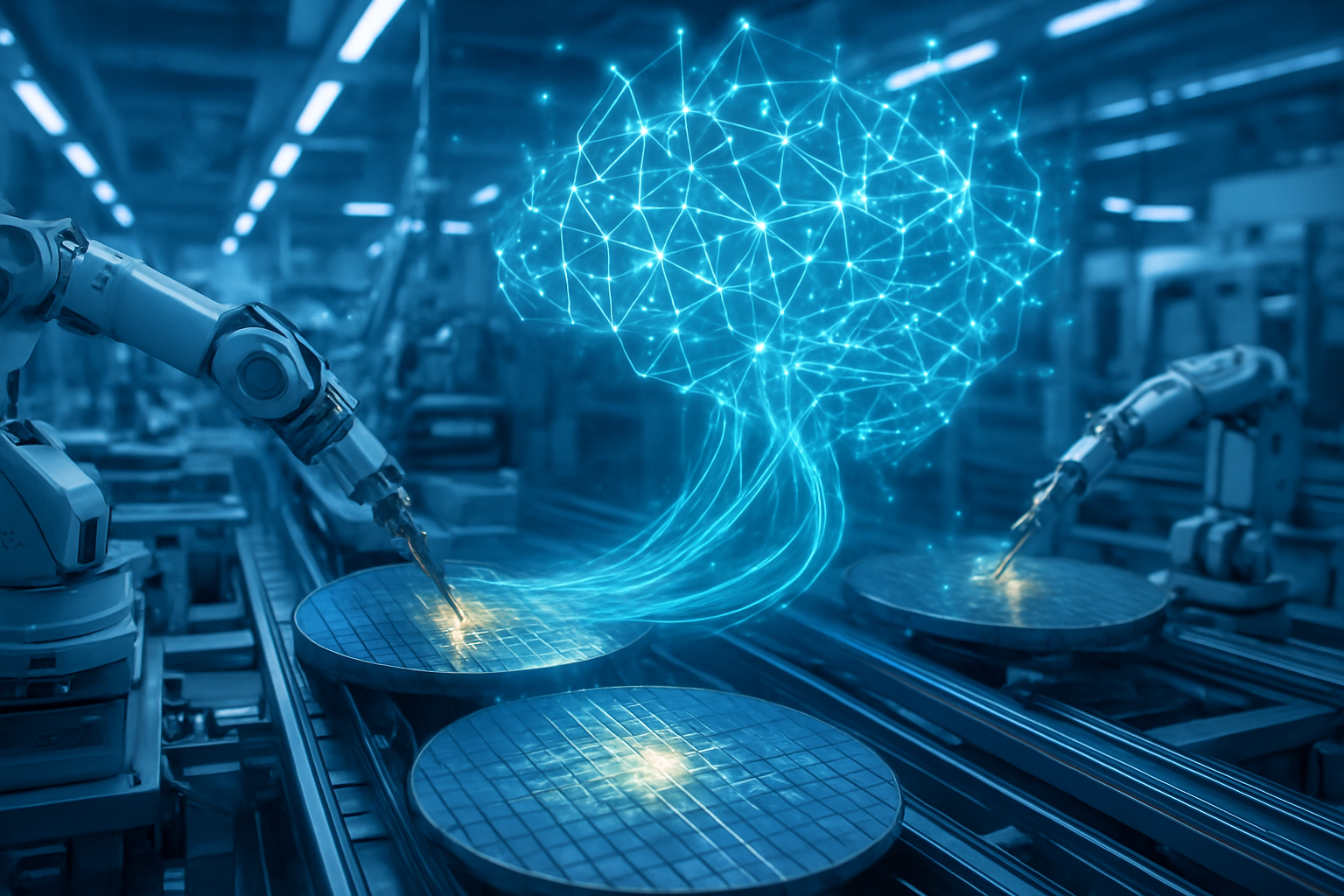
    The core of this transformative partnership lies in the deep integration of AI-driven technologies across every stage of semiconductor manufacturing. Siemens is bringing its extensive suite of industrial automation, energy, and building digitalization technologies, including advanced software for chip design, manufacturing, and product lifecycle management. GlobalFoundries, in turn, contributes its specialized process technology and design expertise, notably from its MIPS company, a leader in RISC-V processor IP, crucial for accelerating tailored semiconductor solutions. Together, they envision fabs operating on a foundation of AI-enabled software, real-time sensor feedback, robotics, and predictive maintenance, all cohesively integrated to eliminate manufacturing fragility and ensure continuous operation.

    This collaboration is set to deploy advanced AI-enabled software, sensors, and real-time control systems directly within fab automation environments. Key technical capabilities include centralized AI-enabled automation, predictive maintenance, and the extensive use of digital twins to simulate and optimize manufacturing processes. This approach is designed to enhance equipment uptime, improve operational efficiency, and significantly boost yield reliability—a critical factor for high-performance computing (HPC) and AI workloads where even minor variations can impact chip performance. Furthermore, AI-guided energy systems are being implemented to align with HPC sustainability goals, lowering production costs and reducing the carbon footprint of chip fabrication.

    Historically, semiconductor manufacturing has relied on highly optimized, but largely static, automation and control systems. While advanced, these systems often react to issues rather than proactively preventing them. The Siemens-GlobalFoundries partnership represents a significant departure by embedding proactive, learning AI systems that can predict failures, optimize processes in real-time, and even self-correct. This shift from reactive to predictive and prescriptive manufacturing, driven by AI and digital twins, promises to reduce variability, minimize delays, and provide unprecedented control over complex production lines. Initial reactions from the AI research community and industry experts are overwhelmingly positive, highlighting the potential for these AI integrations to drastically cut costs, accelerate time-to-market, and overcome the physical limitations of traditional manufacturing.

    Reshaping the Competitive Landscape: Winners and Disruptors

    This expanded partnership has profound implications for AI companies, tech giants, and startups across the globe. Siemens (ETR: SIE) and GlobalFoundries (NASDAQ: GF) themselves stand to be major beneficiaries, solidifying their positions at the forefront of industrial automation and specialty chip manufacturing, respectively. Siemens' comprehensive digitalization portfolio, now deeply integrated with GF's fabrication expertise, creates a powerful, end-to-end solution that could become a de facto standard for future smart fabs. GlobalFoundries gains a significant strategic advantage by offering enhanced reliability, efficiency, and sustainability to its customers, particularly those in the high-growth AI and automotive sectors.

    The competitive implications for other major AI labs and tech companies are substantial. Companies heavily reliant on custom or specialized semiconductors will benefit from more reliable and efficient production. However, competing industrial automation providers and other foundries that do not adopt similar AI-driven strategies may find themselves at a disadvantage, struggling to match the efficiency, yield, and speed offered by the Siemens-GF model. This partnership could disrupt existing products and services by setting a new benchmark for semiconductor manufacturing excellence, potentially accelerating the obsolescence of less integrated or AI-deficient fab management systems. From a market positioning perspective, this alliance strategically positions both companies to capitalize on the increasing demand for localized and resilient semiconductor supply chains, especially in regions like the US and Europe, which are striving for greater chip independence.

    A Wider Significance: Beyond the Fab Floor

    This collaboration fits seamlessly into the broader AI landscape, signaling a critical trend: the maturation of AI from theoretical models to practical, industrial-scale applications. It underscores the growing recognition that AI's transformative power extends beyond data centers and consumer applications, reaching into the foundational industries that power our digital world. The impacts are far-reaching, promising not only economic benefits through increased efficiency and reduced costs but also geopolitical advantages by strengthening regional semiconductor supply chains and fostering national leadership in AI.

    The partnership also addresses critical sustainability concerns by leveraging AI-guided energy systems in fabs, aligning with global efforts to reduce the carbon footprint of energy-intensive industries. Potential concerns, however, include the complexity of integrating such advanced AI systems into legacy infrastructure, the need for a highly skilled workforce to manage these new technologies, and potential cybersecurity vulnerabilities inherent in highly interconnected systems. When compared to previous AI milestones, such as the breakthroughs in natural language processing or computer vision, this development represents a crucial step in AI's journey into the physical world, demonstrating its capacity to optimize complex industrial processes rather than just intellectual tasks. It signifies a move towards truly intelligent manufacturing, where AI acts as a central nervous system for production.

    The Horizon of Intelligent Manufacturing: What Comes Next

    Looking ahead, the expanded Siemens-GlobalFoundries partnership foreshadows a future of increasingly autonomous and intelligent semiconductor manufacturing. Near-term developments are expected to focus on the full deployment and optimization of the AI-driven predictive maintenance and digital twin technologies across GF's fabs, leading to measurable improvements in uptime and yield. In the long term, experts predict the emergence of fully autonomous fabs, where AI not only monitors and optimizes but also independently manages production schedules, identifies and resolves issues, and even adapts to new product designs with minimal human intervention.

    Potential applications and use cases on the horizon include the rapid prototyping and mass production of highly specialized AI accelerators and neuromorphic chips, designed to power the next generation of AI systems. The integration of AI throughout the design-to-manufacturing pipeline could also lead to "self-optimizing" chips, where design parameters are dynamically adjusted based on real-time manufacturing feedback. Challenges that need to be addressed include the development of robust AI safety protocols, standardization of AI integration interfaces across different equipment vendors, and addressing the significant data privacy and security implications of such interconnected systems. Experts predict that this partnership will serve as a blueprint for other industrial sectors, driving a broader adoption of AI-enabled industrial automation and setting the stage for a new era of smart manufacturing globally.

    A Defining Moment for AI in Industry

    In summary, the expanded partnership between Siemens and GlobalFoundries represents a defining moment for the application of AI in industrial settings, particularly within the critical semiconductor sector. The key takeaways are the strategic integration of AI for predictive maintenance, operational optimization, and enhanced supply chain resilience, coupled with a strong focus on sustainability and regional independence. This development's significance in AI history cannot be overstated; it marks a pivotal transition from theoretical AI capabilities to tangible, real-world impact on the foundational industry of the digital age.

    The long-term impact is expected to be a more efficient, resilient, and sustainable global semiconductor ecosystem, capable of meeting the escalating demands of an AI-driven future. What to watch for in the coming weeks and months are the initial deployment results from GlobalFoundries' fabs, further announcements regarding specific AI-powered tools and features, and how competing foundries and industrial automation firms respond to this new benchmark. This collaboration is not just about making chips faster; it's about fundamentally rethinking how the world makes chips, with AI at its intelligent core.


    This content is intended for informational purposes only and represents analysis of current AI developments.

    TokenRing AI delivers enterprise-grade solutions for multi-agent AI workflow orchestration, AI-powered development tools, and seamless remote collaboration platforms.
    For more information, visit https://www.tokenring.ai/.
  • New York Pioneers AI Transparency: A Landmark Law Reshapes Advertising Ethics

    New York Pioneers AI Transparency: A Landmark Law Reshapes Advertising Ethics

    New York has taken a monumental step towards regulating artificial intelligence in commercial spaces, with Governor Kathy Hochul signing into law groundbreaking legislation (S.8420-A/A.8887-B and S.8391/A.8882) on December 11, 2025. This new mandate requires explicit disclosure when AI-generated "synthetic performers" are used in advertisements, marking a pivotal moment for consumer awareness and ethical marketing practices. While the law is officially enacted as of today, its specific compliance requirements are anticipated to take effect 180 days from the signing date, giving the industry a crucial window to adapt.

    The legislation’s primary aim is to combat deception and foster transparency in an increasingly AI-driven advertising landscape. By compelling advertisers to clearly indicate the use of AI-generated content, New York seeks to empower consumers to distinguish between real human performers and digitally fabricated likenesses. This move is poised to redefine standards for responsible AI integration, ensuring that the proliferation of advanced generative AI tools enhances creativity without compromising trust or misleading the public.

    Decoding the Mandate: Specifics of New York's AI Advertising Law

    The core of New York's new legislation revolves around the concept of a "synthetic performer." The law meticulously defines this as a digitally created asset, reproduced or modified by computer using generative AI or other software algorithms, designed to give the impression of a human performer who is not recognizable as any identifiable natural person. This precise definition is crucial for delineating the scope of the disclosure requirement, aiming to capture the sophisticated AI creations that can mimic human appearance and behavior with alarming accuracy.

    Under the new law, advertisers must provide "clear and conspicuous" disclosure whenever a synthetic performer is utilized. This means the disclosure must be presented in a way that is easily noticeable and understandable by the average viewer, preventing subtle disclaimers that could be overlooked. While the exact formatting and placement guidelines for such disclosures will likely be elaborated upon in subsequent regulations, the intent is unequivocally to ensure immediate consumer recognition of AI-generated content. Furthermore, the legislation extends its protective umbrella to include provisions requiring consent for the use of digital renderings of deceased performers in commercial works, addressing long-standing ethical concerns around digital resurrection and intellectual property rights.

    This proactive regulatory stance by New York distinguishes it from many other jurisdictions globally, which largely lack specific laws governing AI disclosure in advertising. While some industry bodies have introduced voluntary guidelines, New York's law establishes a legally binding framework with tangible consequences. Non-compliance carries civil penalties, starting with a $1,000 fine for the first violation and escalating to $5,000 for subsequent offenses. This punitive measure underscores the state's commitment to enforcement and provides a significant deterrent against deceptive practices. Initial reactions from the AI research community and industry experts have been largely positive, hailing the law as a necessary step towards establishing ethical guardrails for AI, though some express concerns about the practicalities of implementation and potential impacts on creative freedom.

    Shifting Sands: Implications for AI Companies and Tech Giants

    The introduction of New York’s AI disclosure law is set to create ripples across the artificial intelligence and advertising industries, impacting tech giants, established advertising agencies, and nascent AI startups alike. Companies heavily reliant on generative AI for creating advertising content, particularly those producing hyper-realistic digital humans or voiceovers, will face significant operational adjustments. This includes a mandatory audit of existing and future creative assets to identify instances requiring disclosure, the implementation of new workflow protocols for content generation, and potentially the development of internal tools to track and flag synthetic elements.

    Major tech companies like Alphabet (NASDAQ: GOOGL), Meta Platforms (NASDAQ: META), and Adobe (NASDAQ: ADBE), which develop and provide the underlying AI technologies and creative suites, will see both challenges and opportunities. While their clients in advertising will need to adapt, these tech giants may also find new revenue streams in offering AI detection, compliance, and disclosure management solutions. Startups specializing in AI governance, ethical AI tools, and content authenticity verification are particularly well-positioned to benefit, as demand for their services will likely surge to help businesses navigate the new regulatory landscape.

    The competitive implications are substantial. Companies that proactively embrace transparency and integrate disclosure mechanisms seamlessly into their advertising strategies could gain a reputational advantage, fostering greater consumer trust. Conversely, those perceived as slow to adapt or, worse, attempting to circumvent the regulations, risk significant brand damage and financial penalties. This law could also spur innovation in "explainable AI" within advertising, pushing developers to create AI systems that can clearly articulate their generative processes. Furthermore, it may lead to a shift in marketing strategies, with some brands potentially opting for traditional human-led campaigns to avoid disclosure requirements, while others might lean into AI-generated content, leveraging the disclosure as a mark of technological advancement.

    A Broader Canvas: AI Transparency in the Global Landscape

    New York's pioneering AI disclosure law is a significant piece in the broader mosaic of global efforts to regulate artificial intelligence. It underscores a growing societal demand for transparency and accountability as AI becomes increasingly sophisticated and integrated into daily life. This legislation fits squarely within an emerging trend of governments worldwide grappling with the ethical implications of AI, from data privacy and algorithmic bias to the potential for deepfakes and misinformation. The law's focus on "synthetic performers" directly addresses the blurring lines between reality and simulation, a concern amplified by advancements in generative adversarial networks (GANs) and large language models capable of creating highly convincing visual and auditory content.

    The impacts of this law extend beyond mere compliance. It has the potential to elevate consumer literacy regarding AI, prompting individuals to critically assess the content they encounter online and in traditional media. This increased awareness is crucial in an era where AI-generated content can be weaponized for propaganda or fraud. Potential concerns, however, include the practical burden on small businesses and startups to implement complex compliance measures, which could stifle innovation or disproportionately affect smaller players. There's also the ongoing debate about where to draw the line: what level of AI assistance in content creation necessitates disclosure? Does minor AI-driven photo editing require the same disclosure as a fully synthetic digital human?

    Comparisons to previous AI milestones reveal a shift in regulatory focus. Earlier discussions often centered on autonomous systems or data privacy. Now, the emphasis is moving towards the output of AI and its potential to deceive or mislead. This law can be seen as a precursor to more comprehensive AI regulation, similar to how early internet laws addressed basic e-commerce before evolving into complex data protection frameworks like GDPR. It sets a precedent that the authenticity of digital content, especially in commercial contexts, is a public good requiring legislative protection.

    Glimpsing the Horizon: Future Developments in AI Disclosure

    The enactment of New York's AI disclosure law is not an endpoint but rather a significant starting gun in the race for greater AI transparency. In the near term, we can expect a flurry of activity as businesses and legal professionals work to interpret the law's nuances and develop robust compliance strategies. This will likely involve the creation of industry-specific best practices, educational programs for marketers, and perhaps even new technological solutions designed to automate the detection and labeling of AI-generated content. It's highly probable that other U.S. states and potentially even other countries will look to New York's framework as a model, leading to a patchwork of similar regulations across different jurisdictions.

    Long-term developments could see the scope of AI disclosure expand beyond "synthetic performers" to encompass other forms of AI-assisted content creation, such as AI-generated text, music, or even complex narratives. The challenges that need to be addressed include developing universally accepted standards for what constitutes "clear and conspicuous" disclosure across various media types, from video advertisements to interactive digital experiences. Furthermore, the rapid pace of AI innovation means that regulators will constantly be playing catch-up, requiring agile legislative frameworks that can adapt to new technological advancements.

    Experts predict that this law will accelerate research and development in areas like digital watermarking for AI-generated content, blockchain-based content provenance tracking, and advanced AI detection algorithms. The goal will be to create a digital ecosystem where the origin and authenticity of content can be easily verified. We may also see the emergence of specialized AI ethics consultants and compliance officers within advertising agencies and marketing departments. The overarching trend points towards a future where transparency in AI use is not just a regulatory requirement but a fundamental expectation from consumers and a cornerstone of ethical business practice.

    A New Era of Transparency: Wrapping Up New York's AI Mandate

    New York's new law mandating AI disclosure in advertisements represents a critical inflection point in the ongoing dialogue about artificial intelligence and its societal impact. The key takeaway is a clear legislative commitment to consumer protection and ethical marketing, signaling a shift from a hands-off approach to proactive regulation in the face of rapidly advancing generative AI capabilities. By specifically targeting "synthetic performers," the law directly confronts the challenge of distinguishing human from machine-generated content, a distinction increasingly vital for maintaining trust and preventing deception.

    This development is significant in AI history, marking one of the first comprehensive attempts by a major U.S. state to legally enforce transparency in AI-powered commercial content. It sets a powerful precedent that could inspire similar legislative actions globally, fostering a more transparent and accountable AI landscape. The long-term impact is likely to be profound, shaping not only how advertisements are created and consumed but also influencing the ethical development of AI technologies themselves. Companies will be compelled to integrate ethical considerations and transparency by design into their AI tools and marketing strategies.

    In the coming weeks and months, all eyes will be on how the advertising industry begins to adapt to these new requirements. We will watch for the specific guidelines that emerge regarding disclosure implementation, the initial reactions from consumers, and how companies navigate the balance between leveraging AI's creative potential and adhering to new transparency mandates. This law is a testament to the growing recognition that as AI evolves, so too must the frameworks governing its responsible use.


    This content is intended for informational purposes only and represents analysis of current AI developments.

    TokenRing AI delivers enterprise-grade solutions for multi-agent AI workflow orchestration, AI-powered development tools, and seamless remote collaboration platforms.
    For more information, visit https://www.tokenring.ai/.

  • Government AI Policies: A Double-Edged Sword for Public Trust

    Government AI Policies: A Double-Edged Sword for Public Trust

    In an era defined by rapid technological advancement, governments worldwide are scrambling to establish frameworks for artificial intelligence, hoping to foster innovation while simultaneously building public trust. However, a growing chorus of critics and recent shifts in policy suggest that these well-intentioned executive orders and legislative acts might, in some instances, be inadvertently deepening a crisis of public confidence rather than alleviating it. The delicate balance between encouraging innovation and ensuring safety, transparency, and ethical deployment remains a contentious battleground, with significant implications for how society perceives and interacts with AI technologies.

    From the comprehensive regulatory approach of the European Union to the shifting sands of U.S. executive orders and the United Kingdom's "light-touch" framework, each jurisdiction is attempting to chart its own course. Yet, public skepticism persists, fueled by concerns over data privacy, algorithmic bias, and the perceived inability of regulators to keep pace with AI's exponential growth. As governments strive to assert control and guide AI's trajectory, the question looms: are these policies truly fostering a trustworthy AI ecosystem, or are they, through their very design or perceived shortcomings, exacerbating a fundamental distrust in the technology and those who govern it?

    The Shifting Landscape of AI Governance: From Safeguards to Speed

    The global landscape of AI governance has seen significant shifts, with various nations adopting distinct philosophies. In the United States, the journey has been particularly dynamic. President Biden's Executive Order 14110, issued in October 2023, aimed to establish a comprehensive framework for "Safe, Secure, and Trustworthy Development and Use of Artificial Intelligence." This order emphasized robust evaluations, risk mitigation, and mechanisms for labeling AI-generated content, signaling a commitment to responsible innovation. However, the policy environment underwent a dramatic reorientation with President Trump's subsequent Executive Order 14179, "Removing Barriers to American Leadership in Artificial Intelligence," issued in January 2025. This order explicitly revoked its predecessor, prioritizing the elimination of federal policies perceived as impediments to U.S. dominance in AI. Further executive orders in July 2025, including "Preventing Woke AI in the Federal Government," "Accelerating Federal Permitting of Data Center Infrastructure," and "Promoting the Export of the American AI Technology Stack," solidified an "America's AI Action Plan" focused on accelerating innovation and leading international diplomacy. This pivot from a safety-first approach to one emphasizing speed and national leadership has been met with mixed reactions, particularly from those concerned about ethical safeguards.

    Across the Atlantic, the European Union has taken a decidedly more prescriptive approach with its landmark EU AI Act, adopted in 2024, with rules for General-Purpose AI (GPAI) models becoming effective in August 2025. Hailed as the world's first comprehensive legal framework for AI, it employs a risk-based categorization, banning unacceptable-risk systems like real-time biometric identification in public spaces. The Act's core tenets aim to foster trustworthy AI through transparency, human oversight, technical robustness, privacy, and fairness. While lauded for its comprehensiveness, concerns have emerged regarding its ability to adapt to rapid technological change and potential for over-regulation, which some argue could stifle innovation. Meanwhile, the United Kingdom has sought a "third way" with its 2023 AI Regulation White Paper, aiming to balance innovation and regulation. This framework proposes new central government functions to coordinate regulatory activity and conduct cross-sector risk assessments, acknowledging the need to protect citizens while fostering public trust.

    Despite these varied governmental efforts, public perception of AI remains cautiously optimistic but deeply concerned. Global trends indicate a slight increase in individuals viewing AI as beneficial, yet skepticism about the ethical conduct of AI companies is growing, and trust in AI fairness is declining. In the UK, less than half the population trusts AI, and a significant majority (80%) believes regulation is necessary, with 72% stating laws would increase their comfort with AI. However, a staggering 68% have little to no confidence in the government's ability to effectively regulate AI. In the US, concerns outweigh optimism, with 31% believing AI does more harm than good, compared to 13% who thought it did more good in 2024, and 77% distrusting businesses to use AI responsibly. Similar to the UK, 63% of the US public believes government regulators lack adequate understanding of emerging technologies to regulate them effectively. Common concerns globally include data privacy, algorithmic bias, lack of transparency, job displacement, and the spread of misinformation. These figures underscore a fundamental challenge: even as governments act, public trust in their ability to govern AI effectively remains low.

    When Policy Deepens Distrust: Critical Arguments

    Arguments abound that certain government AI policies, despite their stated goals, risk deepening the public's trust crisis rather than resolving it. One primary concern, particularly evident in the United States, stems from the perceived prioritization of innovation and dominance over safety. President Trump's revocation of the 2023 "Safe, Secure, and Trustworthy Development" order and subsequent directives emphasizing the removal of "barriers to American leadership" could be interpreted as a signal that the government is less committed to fundamental safety and ethical considerations. This shift might erode public trust, especially among those who prioritize robust safeguards. The notion of an "AI race" itself can lead to a focus on speed over thoroughness, increasing the likelihood of deploying flawed or harmful AI systems, thereby undermining public confidence.

    In the United Kingdom, the "light-touch" approach outlined in its AI Regulation White Paper has drawn criticism for being "all eyes, no hands." Critics argue that while the framework allows for monitoring risks, it may lack the necessary powers and resources for effective prevention or reaction. With a significant portion of the UK public (68%) having little to no confidence in the government's ability to regulate AI, a perceived lack of robust enforcement could fail to address deep-seated anxieties about AI's potential harms, such as misinformation and deepfakes. This perceived regulatory inaction risks being seen as inadequate and could further diminish public confidence in both government oversight and the technology itself.

    A pervasive issue across all regions is the lack of transparency and sufficient public involvement in policy-making. Without clear communication about the rationale behind government AI decisions, or inadequate ethical guidelines embedded in policies, citizens may grow suspicious. This is particularly critical in sensitive domains like healthcare, social services, or employment, where AI-driven decisions directly impact individuals' lives. Furthermore, the widespread public belief that government regulators lack an adequate understanding of emerging AI technologies (63% in the US, 66% in the UK) creates a foundational distrust in any regulatory framework. If the public perceives policies as being crafted by those who do not fully grasp the technology's complexities and risks, trust in those policies, and by extension, in AI itself, is likely to diminish.

    Even the EU AI Act, despite its comprehensive nature, faces arguments that could inadvertently contribute to distrust. Concerns about its stringency struggling to keep pace with rapid technological change, or potential delays in enforcement, could lead companies to deploy AI without necessary due diligence. If the public experiences harms due to such deployments, it could erode trust in the regulatory process itself. Moreover, when government policies facilitate the deployment of AI in polarizing domains such as surveillance, law enforcement, or military applications, it can deepen the public's suspicion that AI is primarily a tool for control rather than empowerment. This perception directly undermines the broader goal of fostering public trust in AI technologies, framing government intervention as a means of control rather than protection or societal benefit.

    Corporate Crossroads: Navigating the Regulatory Currents

    The evolving landscape of government AI policies presents both opportunities and significant challenges for AI companies, tech giants, and startups. Companies that align with the prevailing regulatory philosophy in their operating regions stand to benefit. For instance, EU-based AI companies and those wishing to operate within the European market (e.g., Google (NASDAQ: GOOGL), Microsoft (NASDAQ: MSFT), Meta Platforms (NASDAQ: META)) are compelled to invest heavily in compliance with the EU AI Act. This could foster a competitive advantage for firms specializing in "trustworthy AI," offering solutions for explainability, bias detection, and robust data governance. Early adopters of these compliance standards may gain a reputational edge and easier market access in the EU, potentially positioning themselves as leaders in ethical AI development.

    Conversely, in the United States, the Trump administration's emphasis on "Removing Barriers to American Leadership in Artificial Intelligence" could benefit companies that prioritize rapid innovation and deployment, particularly those in sectors deemed critical for national competitiveness. This policy shift might favor larger tech companies with significant R&D budgets that can quickly iterate and deploy new AI models without the immediate burden of stringent federal oversight, compared to the Biden administration's earlier, more cautious approach. Startups, however, might face a different challenge: while potentially less encumbered by regulation, they still need to navigate public perception and potential future regulatory shifts, which can be a costly and uncertain endeavor. The "Preventing Woke AI" directive could also influence content moderation practices and the development of generative AI models, potentially creating a market for AI solutions that cater to specific ideological leanings.

    Competitive implications are profound. Major AI labs and tech companies are increasingly viewing AI governance as a strategic battleground. Companies that can effectively lobby governments, influence policy discussions, and adapt swiftly to diverse regulatory environments will maintain a competitive edge. The divergence between the EU's comprehensive regulation and the US's innovation-first approach creates a complex global market. Companies operating internationally must contend with a patchwork of rules, potentially leading to increased compliance costs or the need to develop region-specific AI products. This could disrupt existing products or services, requiring significant re-engineering or even withdrawal from certain markets if compliance costs become prohibitive. Smaller startups, in particular, may struggle to meet the compliance demands of highly regulated markets, potentially limiting their global reach or forcing them into partnerships with larger entities.

    Furthermore, the focus on building AI infrastructure and promoting the export of the "American AI Technology Stack" could benefit U.S. cloud providers and hardware manufacturers (e.g., NVIDIA (NASDAQ: NVDA), Intel (NASDAQ: INTC), Amazon (NASDAQ: AMZN) Web Services) by accelerating federal permitting for data centers and encouraging international adoption of American AI standards. This strategic advantage could solidify the market positioning of these tech giants, making it more challenging for non-U.S. companies to compete on a global scale, particularly in foundational AI technologies and infrastructure. Ultimately, government AI policies are not just regulatory hurdles; they are powerful market shapers, influencing investment, innovation trajectories, and the competitive landscape for years to come.

    Wider Significance: AI's Trust Deficit in a Fragmented World

    The current trajectory of government AI policies and their impact on public trust fits into a broader, increasingly fragmented global AI landscape. On one hand, there's a clear recognition among policymakers of AI's transformative potential and the urgent need for governance. On the other, the divergent approaches—from the EU's risk-averse regulation to the US's innovation-centric drive and the UK's "light-touch" framework—reflect differing national priorities and ideological stances. This fragmentation, while allowing for diverse experimentation, also creates a complex and potentially confusing environment for both developers and the public. It underscores a fundamental tension between fostering rapid technological advancement and ensuring societal well-being and ethical deployment.

    The impacts of this trust deficit are far-reaching. If public distrust in AI deepens, it could hinder adoption of beneficial AI applications in critical sectors like healthcare, education, and public services. A skeptical public might resist AI-driven solutions, even those designed to improve efficiency or outcomes, due to underlying fears about bias, privacy violations, or lack of accountability. This could slow down societal progress and prevent the full realization of AI's potential. Furthermore, a lack of trust can fuel public demand for even more stringent regulations, potentially leading to a cycle where perceived regulatory failures prompt an overcorrection, further stifling innovation. The proliferation of "deepfakes" and AI-generated misinformation, which two-thirds of the UK public report encountering, exacerbates this problem, making it harder for individuals to discern truth from fabrication and eroding trust in digital information altogether.

    Potential concerns extend beyond adoption rates. The "Preventing Woke AI in the Federal Government" directive in the US, for instance, raises questions about censorship, algorithmic fairness, and the potential for AI systems to be designed or deployed with inherent biases reflecting political agendas. This could lead to AI systems that are not truly neutral or universally beneficial, further alienating segments of the population and deepening societal divisions. The risk of AI being primarily perceived as a tool for control, particularly in surveillance or law enforcement, rather than empowerment, remains a significant concern. This perception directly undermines the foundational goal of building trust and can lead to increased public resistance and calls for bans on specific AI applications.

    Comparing this moment to previous AI milestones, such as the rise of large language models or the widespread adoption of machine learning in various industries, highlights a critical difference: the direct and increasingly explicit involvement of governments in shaping AI's ethical and developmental trajectory. While past breakthroughs often evolved with less immediate governmental oversight, the current era is defined by proactive, albeit sometimes conflicting, policy interventions. This signifies a recognition of AI's profound societal impact, but the effectiveness of these interventions in building, rather than eroding, public trust remains a defining challenge of this technological epoch. The current trust crisis isn't just about the technology itself; it's about the perceived competence and intentions of those governing its development.

    Future Developments: Navigating the Trust Imperative

    Looking ahead, the landscape of government AI policies and public trust is poised for further evolution, driven by both technological advancements and societal demands. In the near term, we can expect continued divergence and, perhaps, attempts at convergence in international AI governance. The EU AI Act, with its GPAI rules now effective, will serve as a critical test case for comprehensive regulation. Its implementation and enforcement will be closely watched, with other nations potentially drawing lessons from its successes and challenges. Simultaneously, the US's "America's AI Action Plan" will likely continue to emphasize innovation, potentially leading to rapid advancements in certain sectors but also ongoing debates about the adequacy of safeguards.

    Potential applications and use cases on the horizon will heavily depend on which regulatory philosophies gain traction. If trust can be effectively built, we might see broader public acceptance and adoption of AI in sensitive areas like personalized medicine, smart city infrastructure, and advanced educational tools. However, if distrust deepens, the deployment of AI in these areas could face significant public resistance and regulatory hurdles, pushing innovation towards less publicly visible or more easily controlled applications. The development of AI for national security and defense, for instance, might accelerate under less stringent oversight, raising ethical questions and further polarizing public opinion.

    Significant challenges need to be addressed to bridge the trust gap. Paramount among these is the need for greater transparency in AI systems and governmental decision-making regarding AI. This includes clear explanations of how AI models work, how decisions are made, and robust mechanisms for redress when errors occur. Governments must also demonstrate a deeper understanding of AI technologies and their implications, actively engaging with AI experts, ethicists, and the public to craft informed and effective policies. Investing in public AI literacy programs could also empower citizens to better understand and critically evaluate AI, fostering informed trust rather than blind acceptance or rejection. Furthermore, addressing algorithmic bias and ensuring fairness in AI systems will be crucial for building trust, particularly among marginalized communities often disproportionately affected by biased algorithms.

    Experts predict that the interplay between policy, technology, and public perception will become even more complex. Some foresee a future where international standards for AI ethics and safety eventually emerge, driven by the necessity of global interoperability and shared concerns. Others anticipate a more fragmented future, with "AI blocs" forming around different regulatory models, potentially leading to trade barriers or technological incompatibilities. What is clear is that the conversation around AI governance is far from settled. The coming years will likely see intensified debates over data privacy, the role of AI in surveillance, the ethics of autonomous weapons systems, and the societal impact of increasingly sophisticated generative AI. The ability of governments to adapt, learn, and genuinely engage with public concerns will be the ultimate determinant of whether AI becomes a universally trusted tool for progress or a source of persistent societal anxiety.

    Comprehensive Wrap-up: The Enduring Challenge of AI Trust

    The ongoing evolution of government AI policies underscores a fundamental and enduring challenge: how to harness the immense potential of artificial intelligence while simultaneously fostering and maintaining public trust. As evidenced by the divergent approaches of the US, EU, and UK, there is no single, universally accepted blueprint for AI governance. While policies like the EU AI Act strive for comprehensive, risk-based regulation, others, such as recent US executive orders, prioritize rapid innovation and national leadership. This fragmentation, coupled with widespread public skepticism regarding regulatory effectiveness and transparency, forms a complex backdrop against which AI's future will unfold.

    The significance of this development in AI history cannot be overstated. We are witnessing a pivotal moment where the very architecture of AI's societal integration is being shaped by governmental decree. The key takeaway is that policy choices—whether they emphasize stringent safeguards or accelerated innovation—have profound, often unintended, consequences for public perception. Arguments that policies could deepen a trust crisis, particularly when they appear to prioritize speed over safety, lack transparency, or are perceived as being crafted by ill-informed regulators, highlight a critical vulnerability in the current governance landscape. Without a foundation of public trust, even the most groundbreaking AI advancements may struggle to achieve widespread adoption and deliver their full societal benefits.

    Looking ahead, the long-term impact hinges on the ability of governments to bridge the chasm between policy intent and public perception. This requires not only robust regulatory frameworks but also a demonstrable commitment to transparency, accountability, and genuine public engagement. What to watch for in the coming weeks and months includes the practical implementation of the EU AI Act, the market reactions to the US's innovation-first directives, and the evolution of the UK's "light-touch" approach. Additionally, observe how companies adapt their strategies to navigate these diverse regulatory environments and how public opinion shifts in response to both policy outcomes and new AI breakthroughs. The journey towards trustworthy AI is a marathon, not a sprint, and effective governance will require continuous adaptation, ethical vigilance, and an unwavering focus on the human element at the heart of this technological revolution.


    This content is intended for informational purposes only and represents analysis of current AI developments.

    TokenRing AI delivers enterprise-grade solutions for multi-agent AI workflow orchestration, AI-powered development tools, and seamless remote collaboration platforms.
    For more information, visit https://www.tokenring.ai/.

  • The Unsettling Dawn of Synthetic Reality: Deepfakes Blur the Lines, Challenge Trust, and Reshape Our Digital World

    The Unsettling Dawn of Synthetic Reality: Deepfakes Blur the Lines, Challenge Trust, and Reshape Our Digital World

    As of December 11, 2025, the immediate significance of realistic AI-generated videos and deepfakes lies in their profound capacity to blur the lines between reality and fabrication, posing unprecedented challenges to detection and eroding societal trust. The rapid advancement and accessibility of these technologies have transformed them from novel curiosities into potent tools for misinformation, fraud, and manipulation on a global scale. The sophistication of contemporary AI-generated videos and deepfakes has reached a point where they are "scarily realistic" and "uncomfortably clever" at mimicking genuine media, making them virtually "indistinguishable from the real thing" for most people.

    This technological leap has pushed deepfakes beyond the "uncanny valley," where subtle imperfections once hinted at their artificial nature, into an era of near-perfect synthetic media where visual glitches and unnatural movements are largely undetectable. This advanced realism directly threatens public perception, allowing for the creation of entirely false narratives that depict individuals saying or doing things they never did. The fundamental principle of "seeing is believing" is collapsing, leading to a pervasive atmosphere of doubt and a "liar's dividend," where even genuine evidence can be dismissed as fabricated, further undermining public trust in institutions, media, and even personal interactions.

    The Technical Underpinnings of Hyperreal Deception

    Realistic AI-generated videos and deepfakes represent a significant leap in synthetic media technology, fundamentally transforming content creation and raising complex societal challenges. This advancement is primarily driven by sophisticated AI models, particularly Diffusion Models, which have largely surpassed earlier approaches like Generative Adversarial Networks (GANs) in quality and stability. While GANs, with their adversarial generator-discriminator architecture, were foundational, they often struggled with training stability and mode collapse. Diffusion models, conversely, iteratively denoise random input, gradually transforming it into coherent, high-quality images or videos, proving exceptionally effective in text-to-image and text-to-video tasks.

    These generative models contrast sharply with traditional AI methods in video, which primarily employed discriminative models for tasks like object detection or enhancing existing footage, rather than creating new content from scratch. Early AI video generation was limited to basic frame interpolation or simple animations. The current ability to synthesize entirely new, coherent, and realistic video content from text or image prompts marks a paradigm shift in AI capabilities.

    As of late 2025, leading AI video generation models like OpenAI's (NYSE: OPEN) Sora and Google's (NASDAQ: GOOGL) Veo 3 demonstrate remarkable capabilities. Sora, a diffusion model built upon a transformer architecture, treats videos and images as "visual patches," enabling a unified approach to data representation. It can generate entire videos in one process, up to 60 seconds long with 1080p resolution, maintaining temporal coherence and character identity across shots, even when subjects temporarily disappear from the frame. It also exhibits an unprecedented capability in understanding and generating complex visual narratives, simulating physics and three-dimensional space.

    Google's Veo 3, built on a sophisticated latent diffusion transformer architecture, offers even higher fidelity, generating videos up to 4K resolution at 24-60 frames per second, with optimal lengths ranging from 15 to 120 seconds and a maximum of 5 minutes. A key differentiator for Veo 3 is its integrated synchronized audio generation, including dialogue, ambient sounds, and music that matches the visual content. Both models provide fine-grained control over cinematic elements like camera movements, lighting, and artistic styles, and demonstrate an "emergent understanding" of real-world physics, object interactions, and prompt adherence, moving beyond literal interpretations to understand creative intent. Initial reactions from the AI research community are a mix of awe at the creative power and profound concern over the potential for misuse, especially as "deepfake-as-a-service" platforms have become widely available, making the technology accessible to cybercriminals.

    Industry Shifts: Beneficiaries, Battles, and Business Disruption

    The rapid advancement and widespread availability of realistic AI-generated videos and deepfakes are profoundly reshaping the landscape for AI companies, tech giants, and startups as of late 2025. This evolving technology presents both significant opportunities and formidable challenges, influencing competitive dynamics, disrupting existing services, and redefining strategic advantages across various sectors.

    Companies specializing in deepfake detection and prevention are experiencing a boom, with the market projected to exceed $3.5 billion by the end of 2025. Cybersecurity firms like IdentifAI, Innerworks, Keyless, Trustfull, Truepic, Reality Defender, Certifi AI, and GetReal Labs are securing significant funding to develop advanced AI-powered detection platforms that integrate machine learning, neural networks, biometric verification, and AI fingerprinting. Generative AI tool developers, especially those establishing content licensing agreements and ethical guidelines, also stand to benefit. Disney's (NYSE: DIS) $1 billion investment in OpenAI and the licensing of over 200 characters for Sora exemplify a path for AI companies to collaborate with major content owners, extending storytelling and creating user-generated content.

    The competitive landscape is intensely dynamic. Major AI labs like OpenAI (NYSE: OPEN) and Google (NASDAQ: GOOGL) are in an R&D race to improve realism, duration, and control over generated content. The proliferation of deepfakes has introduced a "trust tax," compelling companies to invest more in verifying the authenticity of their communications and content. This creates a new competitive arena for tech giants to develop and integrate robust verification tools, digital watermarks, and official confirmations into their platforms. Furthermore, the cybersecurity arms race is escalating, with AI-powered deepfake attacks leading to financial fraud losses estimated at $12.5 billion in the U.S. in 2025, forcing tech giants to continuously innovate their cybersecurity offerings.

    Realistic AI-generated videos and deepfakes are causing widespread disruption across industries. The ability to easily create indistinguishable fake content undermines trust in what people see and hear online, affecting news media, social platforms, and all forms of digital communication. Existing security solutions, especially those relying on facial recognition or traditional identity verification, are becoming unreliable against advanced deepfakes. The high cost and time of traditional video production are being challenged by AI generators that can create "studio quality" videos rapidly and cheaply, disrupting established workflows in filmmaking, advertising, and even local business marketing. Companies are positioning themselves by investing heavily in detection and verification, developing ethical generative AI, offering AI-as-a-service for content creation, and forming strategic partnerships to navigate intellectual property concerns.

    A Crisis of Trust: Wider Societal and Democratic Implications

    The societal and democratic impacts of realistic AI-generated videos and deepfakes are profound and multifaceted. Deepfakes serve as powerful tools for disinformation campaigns, capable of manipulating public opinion and spreading false narratives about political figures with minimal cost or effort. While some reports from the 2024 election cycles suggested deepfakes did not significantly alter outcomes, they demonstrably increased voter uncertainty. However, experts warn that 2025-2026 could mark the first true "AI-manipulated election cycle," with generative AI significantly lowering the barrier for influence operations.

    Perhaps the most insidious impact is the erosion of public trust in all digital media. The sheer realism of deepfakes makes it increasingly difficult for individuals to discern genuine content from fabricated material, fostering a "liar's dividend" where even authentic footage can be dismissed as fake. This fundamental challenge to epistemic trust can have widespread societal consequences, undermining informed decision-making and public discourse. Beyond misinformation, deepfakes are extensively used in sophisticated social engineering attacks and phishing campaigns, often exploiting human psychology, trust, and emotional triggers at scale. The financial sector has been particularly vulnerable, with incidents like a Hong Kong firm losing $25 million after a deepfaked video call with imposters.

    The implications extend far beyond misinformation, posing significant challenges to individual identity, legal systems, and psychological well-being. Deepfakes are instrumental in enabling sophisticated fraud schemes, including impersonation for financial scams and bypassing biometric security systems. The rise of "fake identities," combining real personal information with AI-generated content, is a major driver of this type of fraud. Governments worldwide are rapidly enacting and refining laws to curb deepfake misuse, reflecting a global effort to address these threats. In the United States, the "TAKE IT DOWN Act," signed in May 2025, criminalizes the knowing publication of non-consensual intimate imagery, including AI-generated deepfakes. The EU Artificial Intelligence Act (AI Act), in force in 2024, bans the most harmful uses of AI-based identity manipulation and imposes strict transparency requirements.

    Deepfakes also inflict severe psychological harm and reputational damage on targeted individuals. Fabricated videos or audio can falsely portray individuals in compromising situations, leading to online harassment, personal and professional ruin. Research suggests that exposure to deepfakes causes increased uncertainty and can ultimately weaken overall faith in digital information. Moreover, deepfakes pose risks to national security by enabling the creation of counterfeit communications between military leaders or government officials, and they challenge judicial integrity as sophisticated fakes can be presented as evidence, undermining the legitimacy of genuine media. This level of realism and widespread accessibility sets deepfakes apart from previous AI milestones, marking a unique and particularly impactful moment in AI history.

    The Horizon of Synthetic Media: Challenges and Predictions

    The landscape of realistic AI-generated videos and deepfakes is undergoing rapid evolution, presenting a complex duality of transformative opportunities and severe risks. In the near term (late 2025 – 2026), voice cloning technology has become remarkably sophisticated, replicating not just tone and pitch but also emotional nuances and regional accents from minimal audio. Text-to-video models are showing improved capabilities in following creative instructions and maintaining visual consistency, with companies like OpenAI's (NYSE: OPEN) Sora 2 demonstrating hyperrealistic video generation with synchronized dialogue and physics-accurate movements, even enabling the insertion of real people into AI-generated scenes through its "Cameos" feature.

    Longer term (beyond 2026), synthetic media is expected to become more deeply integrated into online content, becoming increasingly difficult to distinguish from authentic content. Experts predict that deepfakes will "cross the uncanny valley completely" within a few years, making human detection nearly impossible and necessitating reliance on technological verification. Real-time generative models will enable instant creation of synthetic content, revolutionizing live streaming and gaming, while immersive Augmented Reality (AR) and Virtual Reality (VR) experiences will be enhanced by hyper-realistic synthetic environments.

    Despite the negative connotations, deepfakes and AI-generated videos offer numerous beneficial applications. They can enhance accessibility by generating sign language interpretations or natural-sounding voices for individuals with speech disabilities. In education and training, they can create custom content, simulate conversations with virtual native speakers, and animate historical figures. The entertainment and media industries can leverage them for special effects, streamlining film dubbing, and even "resurrecting" deceased actors. Marketing and customer service can benefit from customized deepfake avatars for personalized interactions and dynamic product demonstrations.

    However, the malicious potential remains significant. Deepfakes will continue to be used for misinformation, fraud, reputation damage, and national security risks. The key challenges that need to be addressed include the persistent detection lag, where detection technologies consistently fall behind generation capabilities. The increasing realism and sophistication of deepfakes, coupled with the accessibility of creation tools, exacerbate this problem. Ethical and legal frameworks struggle to keep pace, necessitating robust regulations around intellectual property, privacy, and accountability. Experts predict an escalation of AI-powered attacks, with deepfake-powered phishing campaigns expected to account for a significant portion of cyber incidents. The response will require "fighting AI with more AI," focusing on adaptive detection systems, robust verification protocols, and a cultural shift to "never trust, always verify."

    The Enduring Impact and What Lies Ahead

    As 2025 concludes, the societal implications of realistic AI-generated videos and deepfakes have become profound, fundamentally reshaping trust in digital media and challenging democratic processes. The key takeaway is that deepfakes have moved beyond novelty to a sophisticated infrastructure, driven by advanced generative AI models, making high-quality fakes accessible to a wider public. This has led to a pervasive erosion of trust, widespread fraud and cybercrime (with U.S. financial fraud losses attributed to AI-assisted attacks projected to reach $12.5 billion in 2025), and significant risks to political stability and individual well-being through non-consensual content and harassment.

    This development marks a pivotal moment in AI history, a "point of no return" where the democratization and enhanced realism of synthetic media have created an urgent global race for reliable detection and robust regulatory frameworks. The long-term impact will be a fundamental shift in how society perceives and verifies digital information, necessitating a permanent "crisis of media credibility." This will require widespread adoption of digital watermarks, blockchain-based content provenance, and integrated on-device detection tools, alongside a critical cultivation of media literacy and critical thinking skills across the populace.

    In the coming weeks and months, watch for continued breakthroughs in self-learning AI models for deepfake detection, which adapt to new generation techniques, and wider implementation of blockchain for content authentication. Monitor the progression of federal legislation in the US, such as the NO FAKES Act and the DEFIANCE Act, and observe the enforcement and impact of the EU AI Act. Anticipate further actions from major social media and tech platforms in implementing robust notice-and-takedown procedures, real-time alert systems, and content labeling for AI-generated media. The continued growth of the "Deepfake-as-a-Service" (DaaS) economy will also demand close attention, as it lowers the barrier for malicious actors. The coming period will be crucial in this ongoing "arms race" between generative AI and detection technologies, as society continues to grapple with the multifaceted implications of a world where seeing is no longer necessarily believing.


    This content is intended for informational purposes only and represents analysis of current AI developments.

    TokenRing AI delivers enterprise-grade solutions for multi-agent AI workflow orchestration, AI-powered development tools, and seamless remote collaboration platforms.
    For more information, visit https://www.tokenring.ai/.
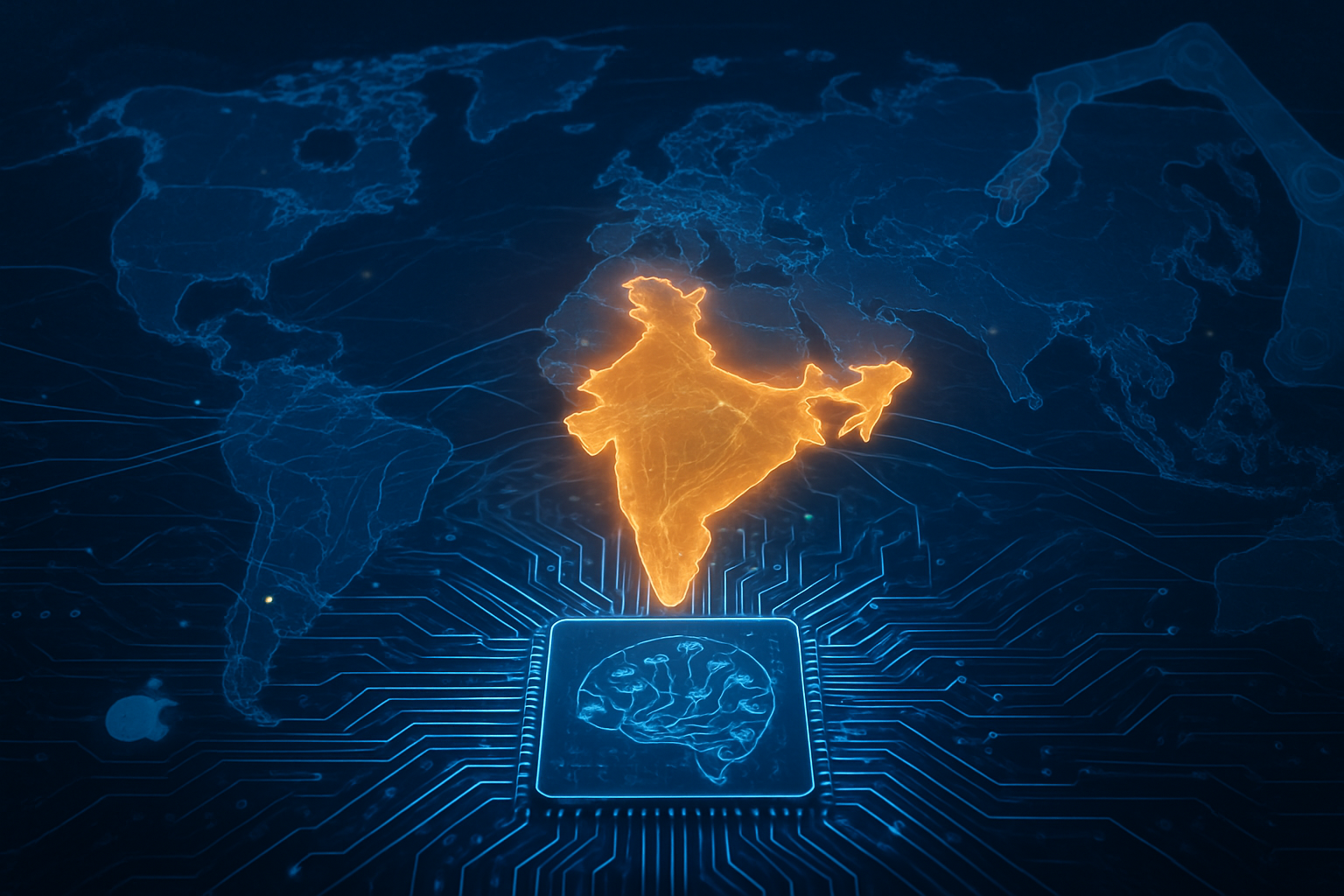
  • The AI Infrastructure Arms Race: Specialized Data Centers Become the New Frontier

    The AI Infrastructure Arms Race: Specialized Data Centers Become the New Frontier

    The relentless pursuit of artificial intelligence (AI) advancements is igniting an unprecedented demand for a new breed of digital infrastructure: specialized AI data centers. These facilities, purpose-built to handle the immense computational and energy requirements of modern AI workloads, are rapidly becoming the bedrock of the AI revolution. From training colossal language models to powering real-time analytics, traditional data centers are proving increasingly inadequate, paving the way for a global surge in investment and development. A prime example of this critical infrastructure shift is the proposed $300 million AI data center in Lewiston, Maine, a project emblematic of the industry's pivot towards dedicated AI compute power.

    This monumental investment in Lewiston, set to redevelop the historic Bates Mill No. 3, underscores a broader trend where cities and regions are vying to become hubs for the next generation of industrial powerhouses – those fueled by artificial intelligence. The project, spearheaded by MillCompute, aims to transform the vacant mill into a Tier III AI data center, signifying a commitment to high availability and continuous operation crucial for demanding AI tasks. As AI continues to permeate every facet of technology and business, the race to build and operate these specialized computational fortresses is intensifying, signaling a fundamental reshaping of the digital landscape.

    Engineering the Future: The Technical Demands of AI Data Centers

    The technical specifications and capabilities of specialized AI data centers mark a significant departure from their conventional predecessors. The core difference lies in the sheer computational intensity and the unique hardware required for AI workloads, particularly for deep learning and machine learning model training. Unlike general-purpose servers, AI systems heavily rely on specialized accelerators such as Graphics Processing Units (GPUs) and Tensor Processing Units (TPUs), which are optimized for parallel processing and capable of performing millions of computations per second. This demand for powerful hardware is pushing rack densities from a typical 5-15kW to an astonishing 50-100kW+, with some cutting-edge designs even reaching 250kW per rack.

    Such extreme power densities bring with them unprecedented challenges, primarily in energy consumption and thermal management. Traditional air-cooling systems, once the standard, are often insufficient to dissipate the immense heat generated by these high-performance components. Consequently, AI data centers are rapidly adopting advanced liquid cooling solutions, including direct-to-chip and immersion cooling, which can reduce energy requirements for cooling by up to 95% while simultaneously enhancing performance and extending hardware lifespan. Furthermore, the rapid exchange of vast datasets inherent in AI operations necessitates robust network infrastructure, featuring high-speed, low-latency, and high-bandwidth fiber optic connectivity to ensure seamless communication between thousands of processors.

    The global AI data center market reflects this technical imperative, projected to explode from $236.44 billion in 2025 to $933.76 billion by 2030, at a compound annual growth rate (CAGR) of 31.6%. This exponential growth highlights how current infrastructure is simply not designed to efficiently handle the petabytes of data and complex algorithms that define modern AI. The shift is not merely an upgrade but a fundamental redesign, prioritizing power availability, advanced cooling, and optimized network architectures to unlock the full potential of AI.

    Reshaping the AI Ecosystem: Impact on Companies and Competitive Dynamics

    The proliferation of specialized AI data centers has profound implications for AI companies, tech giants, and startups alike, fundamentally reshaping the competitive landscape. Hyperscalers and cloud computing providers, such as Amazon (NASDAQ: AMZN), Microsoft (NASDAQ: MSFT), Google (NASDAQ: GOOGL), and Meta (NASDAQ: META), are at the forefront of this investment wave, pouring billions into building next-generation AI-optimized infrastructure. These companies stand to benefit immensely by offering scalable, high-performance AI compute resources to a vast customer base, cementing their market positioning as essential enablers of AI innovation.

    For major AI labs and tech companies, access to these specialized data centers is not merely an advantage but a necessity for staying competitive. The ability to quickly train larger, more complex models, conduct extensive research, and deploy sophisticated AI services hinges on having robust, dedicated infrastructure. Companies without direct access or significant investment in such facilities may find themselves at a disadvantage in the race to develop and deploy cutting-edge AI. This development could lead to a further consolidation of power among those with the capital and foresight to invest heavily in AI infrastructure, potentially creating barriers to entry for smaller startups.

    However, specialized AI data centers also create new opportunities. Companies like MillCompute, focusing on developing and operating these facilities, are emerging as critical players in the AI supply chain. Furthermore, the demand for specialized hardware, advanced cooling systems, and energy solutions fuels innovation and growth for manufacturers and service providers in these niche areas. The market is witnessing a strategic realignment where the physical infrastructure supporting AI is becoming as critical as the algorithms themselves, driving new partnerships, acquisitions, and a renewed focus on strategic geographical placement for optimal power and cooling.

    The Broader AI Landscape: Impacts, Concerns, and Milestones

    The increasing demand for specialized AI data centers fits squarely into the broader AI landscape as a critical trend shaping the future of technology. It underscores that the AI revolution is not just about algorithms and software, but equally about the underlying physical infrastructure that makes it possible. This infrastructure boom is driving a projected 165% increase in global data center power demand by 2030, primarily fueled by AI workloads, necessitating a complete rethinking of how digital infrastructure is designed, powered, and operated.

    The impacts are wide-ranging, from economic development in regions hosting these facilities, like Lewiston, to significant environmental concerns. The immense energy consumption of AI data centers raises questions about sustainability and carbon footprint. This has spurred a strong push towards renewable energy integration, including on-site generation, battery storage, and hybrid power systems, as companies strive to meet corporate sustainability commitments and mitigate environmental impact. Site selection is increasingly prioritizing energy availability and access to green power sources over traditional factors.

    This era of AI infrastructure build-out can be compared to previous technological milestones, such as the dot-com boom that drove the construction of early internet data centers or the expansion of cloud infrastructure in the 2010s. However, the current scale and intensity of demand, driven by the unique computational requirements of AI, are arguably unprecedented. Potential concerns beyond energy consumption include the concentration of AI power in the hands of a few major players, the security of these critical facilities, and the ethical implications of the AI systems they support. Nevertheless, the investment in specialized AI data centers is a clear signal that the world is gearing up for a future where AI is not just an application, but the very fabric of our digital existence.

    The Road Ahead: Future Developments and Expert Predictions

    Looking ahead, the trajectory of specialized AI data centers points towards several key developments. Near-term, we can expect a continued acceleration in the adoption of advanced liquid cooling technologies, moving from niche solutions to industry standards as rack densities continue to climb. There will also be an increased focus on AI-optimized facility design, with data centers being built from the ground up to accommodate high-performance GPUs, NVMe SSDs for ultra-fast storage, and high-speed networking like InfiniBand. Experts predict that the global data center infrastructure market, fueled by the AI arms race, will surpass $1 trillion in annual spending by 2030.

    Long-term, the integration of edge computing with AI is poised to gain significant traction. As AI applications demand lower latency and real-time processing, compute resources will increasingly be pushed closer to end-users and data sources. This will likely lead to the development of smaller, distributed AI-specific data centers at the edge, complementing the hyperscale facilities. Furthermore, research into more energy-efficient AI hardware and algorithms will become paramount, alongside innovations in heat reuse technologies, where waste heat from data centers could be repurposed for district heating or other industrial processes.

    Challenges that need to be addressed include securing reliable and abundant clean energy sources, managing the complex supply chains for specialized hardware, and developing skilled workforces to operate and maintain these advanced facilities. Experts predict a continued strategic global land grab for sites with robust power grids, access to renewable energy, and favorable climates for natural cooling. The evolution of specialized AI data centers will not only shape the capabilities of AI itself but also influence energy policy, urban planning, and environmental sustainability for decades to come.

    A New Foundation for the AI Age

    The emergence and rapid expansion of specialized data centers to support AI computations represent a pivotal moment in the history of artificial intelligence. Projects like the $300 million AI data center in Lewiston are not merely construction endeavors; they are the foundational keystones for the next era of technological advancement. The key takeaway is clear: the future of AI is inextricably linked to the development of purpose-built, highly efficient, and incredibly powerful infrastructure designed to meet its unique demands.

    This development signifies AI's transition from a nascent technology to a mature, infrastructure-intensive industry. Its significance in AI history is comparable to the invention of the microchip or the widespread adoption of the internet, as it provides the essential physical layer upon which all future AI breakthroughs will be built. The long-term impact will be a world increasingly powered by intelligent systems, with access to unprecedented computational power enabling solutions to some of humanity's most complex challenges.

    In the coming weeks and months, watch for continued announcements of new AI data center projects, further advancements in cooling and power management technologies, and intensified competition among cloud providers to offer the most robust AI compute services. The race to build the ultimate AI infrastructure is on, and its outcome will define the capabilities and trajectory of artificial intelligence for generations.


    This content is intended for informational purposes only and represents analysis of current AI developments.

    TokenRing AI delivers enterprise-grade solutions for multi-agent AI workflow orchestration, AI-powered development tools, and seamless remote collaboration platforms.
    For more information, visit https://www.tokenring.ai/.

  • Alaska Pioneers Agentic AI in Government: A New Era of Public Service or a Pandora’s Box?

    Alaska Pioneers Agentic AI in Government: A New Era of Public Service or a Pandora’s Box?

    The State of Alaska is embarking on a groundbreaking journey, proposing an ambitious overhaul of its myAlaska citizen portal that could redefine the interaction between citizens and government. At the heart of this transformation lies the integration of advanced 'agentic artificial intelligence' – AI systems capable of autonomous decision-making and action. This move, detailed in a recent Request for Information (RFI #02-107-26) issued on November 25, 2025, positions Alaska at the forefront of a global push to leverage sophisticated AI for public services, promising unparalleled efficiency, personalization, and accessibility.

    This initiative is more than just an upgrade; it represents a significant leap from traditional digital services to a proactive, intelligent ecosystem. If successful, myAlaska could become a blueprint for how governments worldwide harness the power of agentic AI to streamline complex processes, offer personalized assistance, and enhance civic engagement, potentially setting new standards for digital governance. However, the path forward is fraught with considerable challenges, particularly concerning data privacy, security, ethical oversight, and the fundamental issue of public trust in autonomous government agents.

    Unpacking the Autonomous Agents: Technical Vision and Differentiators

    The myAlaska overhaul explicitly calls for the embedding of "Agentic Artificial Intelligence" modules directly into its mobile application, transforming the platform into an AI-assisted digital services hub. Unlike conventional AI, which typically responds to specific commands or operates within predefined rules, agentic AI systems are designed with autonomy, goal-orientation, and adaptability. They can reason, plan, break down complex objectives into sub-tasks, and execute actions independently within dynamic environments, often with limited human supervision.

    Technically, these AI agents are envisioned to be sophisticated orchestrators, combining the communicative and reasoning prowess of Large Language Models (LLMs) with advanced planning AI for task sequencing, reinforcement learning for performance optimization, and robust memory systems for context retention. Crucially, they will feature tool-use models, enabling them to interact with external government systems via secure APIs, manage data exchange, automate workflows, and handle exceptions. The proposal outlines agents capable of completing multi-step transactions on a user's behalf with explicit consent, providing proactive notifications, offering context-aware help (like dynamic form filling and eligibility checks), and even learning user patterns to anticipate needs. This represents a stark departure from existing government portals, which largely function as static information repositories or basic transaction platforms, demanding users to navigate complex processes manually. Initial reactions from the AI research community are a mix of excitement for the potential and caution regarding the inherent complexities of deploying such advanced, autonomous systems in a public sector context, particularly concerning accountability and explainability.

    Competitive Landscape: Who Stands to Gain (and Lose)

    The ambitious nature of the myAlaska project has significant implications for the AI industry, influencing tech giants, specialized AI labs, and nimble startups alike. Companies at the forefront of developing robust agentic AI frameworks, advanced LLMs, and secure integration solutions stand to benefit immensely. Major players like Google (NASDAQ: GOOGL), Microsoft (NASDAQ: MSFT), and Amazon (NASDAQ: AMZN), with their extensive cloud infrastructure, AI research divisions, and enterprise-grade security offerings, are prime candidates to provide the foundational technologies and services required for such a large-scale government deployment. Their expertise in scalable AI, data management, and cybersecurity will be critical.

    Specialized AI startups focusing on agentic architectures, ethical AI frameworks, and secure data handling will also find fertile ground. These smaller, agile firms could offer innovative solutions for specific components, such as explainable AI modules, advanced planning algorithms, or custom-built memory systems tailored for government use cases. The competitive landscape will likely intensify as companies vie to prove their solutions meet the stringent requirements of public sector deployments, especially around privacy, security, and auditability. This development could disrupt existing government IT contractors who primarily deal with legacy systems, forcing them to rapidly acquire AI expertise or partner with AI-native companies. Market positioning will hinge on demonstrated success in secure, ethical, and scalable agentic AI implementations, with a premium placed on systems that can seamlessly integrate with diverse, often antiquated, government IT infrastructures.

    Broader Significance: A New Frontier for Digital Governance

    The myAlaska initiative transcends a mere technological upgrade; it represents a critical juncture in the broader landscape of artificial intelligence and digital governance. It pushes the boundaries of how AI can serve society, moving beyond predictive analytics and basic automation to truly autonomous assistance. This endeavor fits squarely into the global trend of governments exploring AI for public good, but it distinguishes itself by targeting the more complex, multi-agent paradigm. The potential impacts are profound: significantly increased citizen convenience, personalized service delivery, enhanced operational efficiency for government agencies, and potentially more data-driven policy formulation.

    However, the "agentic" nature of the AI also magnifies existing concerns surrounding AI. Privacy and data control emerge as paramount challenges, especially as autonomous agents mediate transactions and operate within state databases, collecting sensitive personal and behavioral data. The RFI itself highlights the need for robust safeguards, emphasizing questions about who controls a citizen's digital identity and the potential for blurring lines between assistance and observation. Ethical considerations, algorithmic transparency, and the prevention of bias and misinformation are also central. The prospect of an AI making decisions or taking actions on behalf of citizens necessitates unprecedented levels of trust, accountability, and human oversight. Compared to previous AI milestones, such as the rise of general-purpose LLMs, this project represents a practical, real-world application of advanced AI in a highly sensitive domain, testing the limits of public acceptance and regulatory frameworks.

    The Road Ahead: Challenges and Expert Predictions

    The path forward for myAlaska's agentic AI implementation is paved with both immense potential and formidable challenges. In the near term, a primary focus will be on developing robust security protocols, ensuring data privacy through advanced encryption and anonymization techniques, and establishing clear ethical guidelines for the AI agents' behavior. The RFI specifically calls for adherence to data protection regulations (e.g., NIST controls), robust audit trails, consent management, and adversarial testing to mitigate misuse or "hallucinations." Integrating these cutting-edge AI capabilities with Alaska's existing, often legacy, government IT systems will also be a significant technical hurdle, requiring sophisticated API development and middleware solutions.

    Longer-term developments are expected to include the expansion of agentic AI capabilities to a wider array of government services, potentially leading to fully personalized digital assistants for citizens that proactively manage their interactions with the state. Experts predict that the success of myAlaska will hinge on building public trust through transparent operations, explainable AI decisions, and readily available human override mechanisms. The challenges of workforce readiness – training government employees to collaborate effectively with these advanced AI systems – and bridging the digital divide to ensure equitable access across all communities, particularly rural and underserved populations, will also be critical. What happens next will largely depend on the pilot's success, the public's reception, and the ability of policymakers to establish agile regulatory frameworks that keep pace with rapid AI advancements while safeguarding citizen rights.

    A Glimpse into the Future of Governance

    The State of Alaska's myAlaska overhaul, with its bold embrace of agentic AI, marks a pivotal moment in the evolution of digital government. It signals a shift from passive online services to a future where AI actively assists citizens, streamlines operations, and potentially transforms the very nature of public administration. The key takeaways from this development are the immense promise of agentic AI for efficiency and personalization, juxtaposed with the profound challenges of ensuring security, privacy, ethical behavior, and public trust in autonomous systems.

    This initiative's significance in AI history cannot be overstated; it serves as a real-world crucible for testing the practical application and societal implications of advanced agentic intelligence at a governmental scale. The lessons learned from myAlaska, whether successes or setbacks, will undoubtedly inform AI development and deployment strategies for public services globally. In the coming weeks and months, all eyes will be on the progress of RFI #02-107-26, the responses it garners, and the subsequent steps Alaska takes to navigate this complex yet potentially revolutionary frontier. The balance between innovation and responsibility will be the ultimate determinant of whether agentic AI truly ushers in a golden age of digital governance or introduces unforeseen complexities.


    This content is intended for informational purposes only and represents analysis of current AI developments.

    TokenRing AI delivers enterprise-grade solutions for multi-agent AI workflow orchestration, AI-powered development tools, and seamless remote collaboration platforms.
    For more information, visit https://www.tokenring.ai/.