
Blog

  • AI: The Ocean’s New Guardian and Earth’s Environmental Sentinel

    AI: The Ocean’s New Guardian and Earth’s Environmental Sentinel

    Artificial Intelligence (AI) is rapidly emerging as a pivotal force in the global effort to combat environmental degradation and foster sustainability. From the depths of the ocean to the vastness of the atmosphere, AI is revolutionizing how we monitor, understand, and respond to ecological challenges. Its immediate significance lies in its unparalleled ability to process and analyze immense, complex datasets in real-time, providing actionable insights and predictive capabilities that were previously unattainable through traditional methods. This technological leap is enabling a proactive approach to environmental protection, moving beyond reactive responses to anticipate and mitigate threats before they escalate.

    The integration of AI into environmental monitoring and solutions is not merely an incremental improvement; it represents a paradigm shift. By leveraging machine learning, computer vision, and advanced analytics, AI systems can detect subtle patterns, forecast future environmental conditions, and automate labor-intensive tasks with remarkable precision and efficiency. This transformative power is particularly crucial in marine conservation, where vast, often inaccessible environments demand sophisticated tools to protect biodiversity, combat pollution, and manage precious resources. The insights gleaned from AI are empowering scientists, conservationists, and policymakers to make more informed and effective decisions, paving the way for a more resilient and sustainable future for our planet.

    Technical Leaps: AI's Precision in Environmental and Marine Stewardship

    The technical advancements driving AI's role in environmental monitoring and marine conservation are sophisticated and multifaceted, marking a significant departure from conventional approaches. At its core, this revolution is powered by Machine Learning and Deep Learning, enabling systems to analyze vast environmental datasets from diverse sources—satellites, drones, underwater cameras, acoustic sensors, and IoT devices—to identify intricate patterns and make accurate predictions. Computer Vision and Image Recognition algorithms, often leveraging deep neural networks, are particularly transformative. For instance, systems like YOLO (You Only Look Once) are trained on extensive image and video datasets to automatically identify and classify marine species, track endangered animals, assess population sizes, and even detect specific behaviors from underwater cameras and drones. This contrasts sharply with traditional manual surveys or visual identification, which are labor-intensive, prone to human error, and limited in scale.

    Beyond visual analysis, Acoustic Monitoring utilizes AI to analyze ocean soundscapes, identifying the clicks of dolphins, songs of whales, or even the calls of endangered species like the vaquita, providing crucial insights into population health and distribution. AI also powers Predictive Modeling and Forecasting, analyzing historical data to anticipate future environmental events with higher accuracy. This includes forecasting ocean temperature changes, sea-level rises, extreme weather events, harmful algal blooms, and even the migration patterns of fish populations, which is vital for sustainable fisheries management. Traditional models often rely on simpler statistical methods and struggle with the complexity and volume of real-world environmental data, offering less precise and timely predictions.

    The deployment of Autonomous Underwater Vehicles (AUVs) and Marine Robots, equipped with AI, represents another significant technical leap. These systems can explore previously inaccessible deep-sea areas, map the ocean floor, collect high-resolution images, and gather data on water quality, species movement, and ecosystem changes continuously and in real-time, reducing human risk and expanding the scope of monitoring. Furthermore, AI-powered analysis of Environmental DNA (eDNA) offers a non-intrusive and comprehensive way to monitor aquatic biodiversity, detecting species even when they are rare or elusive. The initial reaction from the AI research community and industry experts has been overwhelmingly positive, hailing AI as a "game-changer" with "unparalleled capabilities," though also emphasizing the critical need for ethical considerations, human oversight, and sustainable practices to manage the technology's own environmental footprint.

    Corporate Currents: Navigating the AI-Powered Green Economy

    The burgeoning field of AI in environmental monitoring and solutions, particularly marine conservation, is creating significant opportunities and competitive shifts across AI companies, tech giants, and startups. This market is projected for substantial growth, indicating a lucrative new frontier.

    Tech giants like Microsoft (NASDAQ: MSFT), Google (NASDAQ: GOOGL), and Amazon (NASDAQ: AMZN) are strategically positioning themselves as leaders. They leverage their vast cloud infrastructure (AWS, Azure, Google Cloud), extensive R&D capabilities, and global reach to offer comprehensive AI-driven environmental intelligence platforms. Microsoft's "AI for Good Lab" actively monitors animal behavior and analyzes satellite images for biodiversity protection, while Google's DeepMind has used AI to significantly reduce data center cooling energy consumption. Amazon applies AI to reduce packaging waste and monitor deforestation. These companies benefit from their ability to integrate AI solutions across diverse sectors, offering scalable services to governments, NGOs, and corporations, thereby setting industry standards and driving widespread adoption. Their existing client relationships and market penetration provide a significant competitive advantage, though their large-scale operations also face scrutiny regarding their own energy and water consumption.

    Specialized AI companies and startups are also making significant inroads, often focusing on niche, high-impact problems. Companies like C3.ai (NYSE: AI) provide enterprise AI solutions for sustainability, while startups such as The Ocean Cleanup (private) use AI to track and collect plastic pollution. Others, like Pelagic Data Systems (private) and OceanMind (private), are deploying AI to combat illegal fishing by analyzing satellite and vessel tracking data. These agile innovators thrive on deep domain expertise and proprietary algorithms tailored to specific environmental challenges, giving them an edge in specialized markets. While they may not have the resources of tech giants, their focused innovation can lead to groundbreaking solutions that disrupt traditional methods. Many benefit from partnerships with larger entities or dedicated environmental funds, allowing them to scale their impact.

    The competitive landscape is dynamic, with a "digital arms race" emerging where both conservation efforts and, paradoxically, resource extraction industries (e.g., optimized fishing) are leveraging AI. Companies that prioritize "Green AI" – minimizing AI's own environmental footprint – and ethical AI practices will gain a strategic advantage, appealing to a growing market of environmentally conscious clients and regulators. The ability to offer transparent, accurate, and scalable solutions for carbon accounting, emissions tracking, and environmental compliance provides a significant market differentiator. Ultimately, the companies that can effectively combine technological prowess with a genuine commitment to sustainability and ethical deployment will be best positioned to thrive in this evolving green economy.

    Broader Horizons: AI's Role in the Global Environmental Narrative

    AI's expanding role in environmental monitoring and solutions, particularly in marine conservation, signifies a critical juncture in the broader AI landscape. It represents a potent manifestation of the "AI for Good" movement, where advanced computational power is explicitly leveraged to address humanity's most pressing global challenges. This integration aligns perfectly with the overarching trend of Big Data and Advanced Analytics, as AI provides the essential tools to process the exponentially growing volume of environmental data from satellites, drones, and IoT sensors, transforming raw information into actionable intelligence. The shift towards real-time monitoring and predictive modeling is paramount, allowing for proactive interventions rather than reactive responses, a fundamental change in how we approach conservation.

    The impacts are overwhelmingly positive, offering enhanced accuracy and efficiency in data analysis, real-time insights for rapid response, and unprecedented scalability for monitoring vast and remote ecosystems. For instance, AI's ability to identify species, track populations, and monitor habitat health in the vastness of the ocean far surpasses the limitations of human-intensive methods. This leads to informed decision-making for scientists, conservationists, and policymakers, enabling more effective resource management and policy development. From early efforts in land cover classification to today's sophisticated deep learning models that predict climate change impacts and track illegal fishing, AI has evolved from a descriptive tool to a truly predictive and integrated system.

    However, this transformative potential is not without its concerns. A significant paradox lies in the environmental footprint of AI itself. Training and operating large-scale AI models demand substantial computational power, leading to considerable electricity consumption and associated carbon emissions. This raises critical questions about whether the environmental benefits outweigh the computational costs, especially if data centers rely on non-renewable energy sources or contribute to thermal pollution by using seawater for cooling. Furthermore, the rapid obsolescence of AI hardware contributes to electronic waste, which can introduce toxins into ecosystems if not properly managed.

    Other concerns include data and algorithmic bias, where AI systems, learning from potentially biased historical data, might inadvertently prioritize certain species or ecosystems over others, leading to misallocation of limited conservation resources. There are also ethical considerations around automation bias and the potential for deskilling if over-reliance on AI diminishes the role of human judgment and traditional ecological knowledge. Data governance and privacy are also crucial, particularly when collecting vast datasets on sensitive ecological information or in territorial waters. The comparison to previous AI milestones highlights this evolution: from rudimentary pattern recognition to today's integrated, autonomous, and predictive systems, AI is no longer just a tool but a fundamental component in our strategy to understand and protect the natural world.

    The Horizon Ahead: Charting AI's Future in Environmental Stewardship

    The trajectory of AI in environmental monitoring and solutions, particularly marine conservation, points towards a future of unprecedented precision, integration, and proactive management. In the near term, we can expect significant advancements in enhanced monitoring and data analysis, with AI-powered underwater drones, cameras, and acoustic sensors providing real-time tracking and identification of marine species, movements, and behaviors. This will lead to more refined predictive analytics for ecosystem health, allowing algorithms to forecast coral bleaching events weeks or months in advance, identify harmful algal blooms, and anticipate species migration patterns with remarkable accuracy. The development of smart conservation tools, such as AI-powered nets that reduce bycatch and electronic monitoring systems for fishing vessels, will become more widespread, ensuring greater compliance and sustainability. Furthermore, the integration of Edge Computing will enable real-time data processing and decision-making directly on remote sensors or drones, drastically reducing latency and improving response times for critical environmental interventions.

    Looking to the long term, the vision includes the creation of "digital twins" of entire ecosystems, such as the Great Barrier Reef. These sophisticated AI models will simulate the cascading effects of environmental changes, predicting vulnerabilities and allowing for highly targeted interventions. Advanced climate modeling will become hyper-accurate, processing data from millions of global sensors to provide reliable projections of future climate scenarios. The seamless integration of AI with emerging technologies like quantum computing and bio-inspired soft robotics will unlock even more precise predictions and enable delicate interactions with marine environments. Experts predict a shift towards global collaborative AI platforms that democratize access to marine conservation tools, fostering a shared, data-driven approach to ocean protection.

    Despite this immense potential, several challenges need to be addressed. The persistent issues of data quality and availability remain paramount, as AI models are only as good as the data they are trained on. The high cost and specialized expertise required for AI deployment can be barriers, particularly for smaller organizations and developing nations. The energy consumption of AI itself, with its significant carbon footprint, presents an ethical paradox that demands the development of more energy-efficient algorithms and hardware. Furthermore, establishing ethical and regulatory frameworks is crucial to address concerns around data privacy, algorithmic bias, and ensuring that AI augments, rather than replaces, human expertise and traditional ecological knowledge. Experts predict a fundamental shift towards proactive conservation, where AI acts as a "new sensory layer for the ocean," enabling continuous learning and adaptation, and ultimately leading to more sophisticated and automated decision-making across a broader range of environmental applications.

    A New Era for Earth's Protectors: AI's Enduring Legacy

    The integration of Artificial Intelligence into environmental monitoring and marine conservation marks a pivotal moment in our collective efforts to safeguard the planet. This technological revolution has fundamentally reshaped our capacity to understand, predict, and respond to ecological challenges, moving us from a reactive stance to one of proactive, data-driven stewardship. The key takeaway is clear: AI provides unprecedented tools for real-time, comprehensive monitoring and analysis, enabling targeted interventions that were previously unimaginable. From identifying endangered marine species and tracking illegal fishing to forecasting climate impacts and optimizing resource management, AI is proving to be an indispensable ally in the fight for a sustainable future.

    This development holds immense significance in the broader history of AI. It signifies the maturation of AI beyond purely commercial or entertainment applications, positioning it as a vital instrument for addressing "grand challenges" that threaten global well-being. By harnessing the power of deep learning, computer vision, and vast sensor networks, AI has transformed environmental science from a "data-rich but insight-poor" discipline into one capable of generating timely, actionable intelligence. This evolution, building on decades of computational advancements, underscores AI's growing role as a guardian of our natural world, offering a scalable and efficient pathway toward a healthier planet.

    The long-term impact of AI in environmental conservation is poised to be profound. It promises greater accuracy, efficiency, and scalability in our efforts, leading to more effective conservation outcomes and informing smarter environmental policies. However, this transformative potential is inextricably linked with the need for responsible and ethical deployment. Addressing the environmental footprint of AI, ensuring data quality and mitigating algorithmic bias, and upholding the irreplaceable value of human judgment and traditional ecological knowledge will be crucial for its sustained success. The future demands ongoing interdisciplinary collaboration and a steadfast commitment to innovation that prioritizes both technological advancement and ecological integrity.

    In the coming weeks and months, we should watch for increasingly integrated and smarter AI systems that provide a holistic, real-time picture of Earth's health. Expect further advancements in autonomous technologies, refined predictive analytics, and the widespread adoption of ethical AI frameworks that guide responsible development. Concrete examples, such as the AI-leveraged Eastern Tropical Pacific Marine Conservation Corridor, will serve as models for global initiatives, influencing international policy and governance. As AI continues to mature, its role as a vital ally in protecting our planet's invaluable ecosystems will only grow, demanding our ongoing attention and a collective commitment to leveraging this powerful technology for the greater good.


    This content is intended for informational purposes only and represents analysis of current AI developments.

    TokenRing AI delivers enterprise-grade solutions for multi-agent AI workflow orchestration, AI-powered development tools, and seamless remote collaboration platforms.
    For more information, visit https://www.tokenring.ai/.

  • The Intelligent Interface: AI’s Transformative Grip on How We Engage with Technology

    The Intelligent Interface: AI’s Transformative Grip on How We Engage with Technology

    Artificial intelligence is fundamentally reshaping the landscape of Human-Computer Interaction (HCI), moving beyond traditional static interfaces to create dynamic, intuitive, and deeply personalized technological experiences. This evolution signifies a pivotal shift where technology no longer merely responds to commands but actively understands, anticipates, and even collaborates with users, embedding intelligence directly into our digital interactions. The immediate significance of this transformation is profound, impacting everything from daily productivity and entertainment to critical services and creative endeavors, ushering in an era where our devices are not just tools, but intelligent companions.

    The rapid advancements in AI, particularly in areas like natural language processing, generative models, and multimodal interaction, are driving this paradigm shift. Interfaces are becoming more adaptive, learning from user behavior and context to offer hyper-personalized experiences that feel tailored to individual needs and preferences. This goes beyond simple customization, enabling systems to predict future requirements and proactively assist, making interactions more fluid, efficient, and natural. As AI continues to mature, it promises to bridge the gap between human intent and machine execution, redefining the very essence of how we engage with the digital world.

    The Dawn of Intuitive Computing: Technical Underpinnings of AI-Driven HCI

    The technical bedrock of AI's revolution in HCI lies in several key advancements that enable machines to perceive, process, and respond to human input with unprecedented sophistication. At the forefront are Large Language Models (LLMs), which have propelled conversational AI to new heights. Unlike earlier rule-based chatbots, modern LLMs can understand complex, nuanced language, maintain context over extended dialogues, and generate remarkably human-like, coherent responses. This is achieved through vast neural networks trained on enormous datasets, allowing them to grasp semantic relationships and contextual subtleties, making interactions with virtual assistants (like those from Alphabet (NASDAQ: GOOGL)'s Google Assistant or Amazon (NASDAQ: AMZN)'s Alexa) and advanced AI platforms (like OpenAI's ChatGPT) far more natural and effective.

    Beyond language, multimodal AI is expanding the sensory palette of human-computer interaction. This involves systems that can simultaneously process and integrate various forms of input, including voice, text, gestures, facial expressions, and even biometric data. For instance, in augmented reality (AR) and virtual reality (VR) environments, AI-powered gesture recognition allows users to manipulate digital objects with natural hand movements, while emotion recognition AI can gauge a user's mood and adapt an interface's tone or content accordingly. This holistic approach to understanding user state marks a significant departure from previous input methods, which were largely confined to keyboards, mice, or touchscreens, offering a richer, more immersive, and empathetic interaction experience.

    Furthermore, generative AI is not only creating content but also redefining the design process itself. Tools powered by generative adversarial networks (GANs) and transformers can automatically generate UI elements, layouts, and even entire interface prototypes based on high-level descriptions or design principles. This capability significantly accelerates the design workflow, allowing human designers to focus on strategic thinking and creative problem-solving rather than repetitive tasks. This contrasts sharply with traditional, manually intensive design processes, offering a new paradigm where AI acts as a creative co-pilot, pushing the boundaries of what is possible in interface creation and user experience. The initial reaction from the AI research community has been one of immense excitement, tempered with a focus on ethical considerations, particularly regarding bias in generated content and the need for transparency in AI decision-making. Experts are actively exploring how to ensure these powerful tools are developed and deployed responsibly.

    Reshaping the Tech Landscape: Corporate Battles and Strategic Shifts

    The transformative impact of AI on human-computer interaction is not merely an academic pursuit; it is a battleground for dominance among tech giants, a fertile ground for startups, and a catalyst for strategic realignments across the industry. Companies heavily invested in AI research and development stand to benefit immensely. Microsoft (NASDAQ: MSFT), through its significant investment in OpenAI, is aggressively integrating advanced conversational AI into its product suite, from Windows Copilot to Microsoft 365 applications, aiming to redefine productivity through intelligent assistance. Alphabet (NASDAQ: GOOGL) continues to push the boundaries with its Gemini models, enhancing search, Android, and its various cloud services with more intuitive and predictive AI interactions. Similarly, Apple (NASDAQ: AAPL) is evolving Siri and its ecosystem to deliver more proactive and context-aware experiences, leveraging its deep integration across hardware and software.

    The competitive implications are profound. Major AI labs and tech companies are in a fierce race to develop the most sophisticated and seamlessly integrated AI-driven HCI solutions. Those that can best anticipate user needs, provide the most natural interaction methods, and ethically manage user data will gain significant market share. This development poses a potential disruption to existing products and services that rely on older, less intuitive interaction models. For example, traditional customer service interfaces are being rapidly replaced by AI-powered chatbots and virtual agents, forcing companies to adapt or risk falling behind.

    Market positioning is increasingly defined by a company's AI capabilities. Companies that can effectively leverage AI to create highly personalized, efficient, and empathetic user experiences will secure strategic advantages. Startups specializing in niche AI applications, such as multimodal AI for specific industries (e.g., healthcare diagnostics with gesture control) or advanced generative AI tools for creative professionals, are also emerging as significant players, often becoming acquisition targets for larger tech firms seeking to bolster their AI portfolios. The ability to integrate AI-driven HCI seamlessly into diverse product ecosystems is becoming a critical differentiator, influencing everything from consumer electronics to enterprise software.

    A Broader Canvas: Societal Shifts and Ethical Imperatives

    The evolution of AI in human-computer interaction fits squarely into the broader AI landscape, highlighting a clear trend towards more autonomous, proactive, and human-centric systems. This shift is not just about convenience; it signifies a move from technology as a passive tool to an active collaborator, blurring the lines between user and machine. The impacts are far-reaching, extending into daily life, work, education, and accessibility. In healthcare, AI-powered interfaces can assist doctors in diagnostics and personalized treatment plans, while in education, adaptive learning platforms can tailor content to individual student paces and styles. For individuals with disabilities, AI is a game-changer, offering real-time transcription, descriptive image recognition, and gesture-based controls that break down traditional barriers to technology access.

    However, this transformative power comes with significant concerns and ethical imperatives. The collection of vast amounts of user data required to train and personalize AI systems raises critical questions about privacy and data security. Algorithmic bias, embedded in training data, can lead to exclusionary or discriminatory interactions, perpetuating societal inequalities. The "black-box" problem, where AI decision-making processes are opaque, creates challenges for transparency and accountability. Furthermore, the potential for over-personalization to create "filter bubbles" or reduce human agency by constantly anticipating needs is a growing concern.

    Comparing this to previous AI milestones, such as the advent of expert systems or the Deep Blue victory over Garry Kasparov, the current wave of AI-driven HCI is unique in its pervasive, intimate integration into everyday life. While earlier milestones demonstrated AI's problem-solving capabilities, today's advancements are reshaping the very fabric of human-technology engagement, making AI an invisible, yet powerful, presence. The societal implications demand robust ethical frameworks, regulatory oversight, and a commitment to responsible AI development to ensure that these powerful technologies serve humanity's best interests.

    The Horizon of Interaction: Future Developments and Expert Predictions

    Looking ahead, the trajectory of AI in human-computer interaction points towards even more seamless, intuitive, and potentially ubiquitous forms of engagement. Near-term developments are expected to focus on further enhancing the intelligence and naturalness of conversational AI, with models becoming even more adept at understanding complex emotions, cultural nuances, and long-term conversational memory. Multimodal AI will continue to advance, enabling devices to perceive and respond to an ever-wider array of human cues, leading to more sophisticated interactions in augmented and virtual reality, and potentially in ambient intelligence environments where technology subtly adapts to our presence without explicit commands.

    On the horizon, potential applications and use cases are vast and exciting. We can anticipate truly intelligent personal assistants that manage our digital lives proactively, anticipating needs before we articulate them. AI could power advanced prosthetic limbs that respond to neural signals with unprecedented precision, or create immersive educational experiences that adapt in real-time to a student's cognitive state. The concept of "zero-UI" or "no-UI" interfaces, where interaction is so natural it becomes almost invisible, is a significant long-term goal, with AI mediating between human intent and technological action without the need for traditional screens or inputs.

    However, significant challenges need to be addressed. Ensuring AI systems are robust, secure, and resistant to manipulation is paramount. Developing truly transparent and explainable AI, where users can understand why a system made a particular recommendation or decision, remains a complex hurdle. Furthermore, balancing the benefits of personalization with concerns about privacy and algorithmic control will require ongoing ethical deliberation and innovative technical solutions. Experts predict a continued convergence of AI with other emerging technologies like quantum computing and advanced robotics, leading to a future where our interactions with technology are not just intelligent, but also deeply integrated into the physical world, creating truly symbiotic relationships between humans and machines.

    A New Era of Engagement: Summarizing AI's HCI Revolution

    The current evolution of AI in human-computer interaction marks a monumental shift, moving us decisively beyond the era of command-and-response interfaces into a future of intelligent, adaptive, and deeply personalized technological engagement. Key takeaways include the rise of hyper-personalized experiences driven by advanced machine learning, the transformation of communication through sophisticated conversational AI and multimodal inputs, and the revolutionary impact of generative AI on design and content creation. These advancements are not merely incremental improvements; they represent a fundamental redefinition of how humans and machines can collaborate and coexist.

    This development holds immense significance in AI history, arguably representing a more pervasive and intimate integration of AI into daily life than any previous milestone. It underscores AI's transition from a specialized tool to an indispensable layer of our digital and increasingly physical existence. The long-term impact will be a world where technology is more intuitive, accessible, and potentially more empathetic, fundamentally altering our productivity, creativity, and quality of life.

    In the coming weeks and months, it will be crucial to watch for further advancements in multimodal AI, particularly its integration into mixed reality platforms, and the ongoing efforts by major tech companies to differentiate their AI-powered ecosystems. Equally important will be the continued public and regulatory discourse around AI ethics, privacy, and bias, as these considerations will shape the responsible development and deployment of these powerful new interaction paradigms. The journey towards truly intelligent interfaces is well underway, promising a future where our technology understands us better than ever before.


    This content is intended for informational purposes only and represents analysis of current AI developments.

    TokenRing AI delivers enterprise-grade solutions for multi-agent AI workflow orchestration, AI-powered development tools, and seamless remote collaboration platforms.
    For more information, visit https://www.tokenring.ai/.

  • The Dawn of Ambient Computing: Wearable AI and Smart Glasses Reshape Personal Technology

    The Dawn of Ambient Computing: Wearable AI and Smart Glasses Reshape Personal Technology

    The landscape of personal computing is undergoing a profound transformation, spearheaded by the rapid ascent of wearable AI and smart glasses. This isn't merely an incremental upgrade to existing devices; it represents a fundamental paradigm shift, moving computing from screen-centric interactions to an integrated, hands-free, and context-aware experience. These AI-powered wearables are poised to become an intuitive extension of human senses, offering information and assistance precisely when and where it's needed, thereby redefining our interaction with technology and the world around us.

    This burgeoning frontier promises a future where technology is seamlessly woven into the fabric of daily life, acting as an ambient, contextual, and intelligent companion. From real-time language translation and health monitoring to proactive personal assistance, smart glasses are set to make computing invisible yet omnipresent. The immediate significance lies in their ability to foster a more connected, informed, and efficient existence, all while raising critical questions about privacy, ethics, and the very nature of human-computer interaction.

    The Invisible Revolution: Unpacking the Technical Core of AI Smart Glasses

    The current wave of AI-powered smart glasses represents a significant leap beyond previous iterations of wearable technology, fundamentally altering the interaction model between humans and computers. At their heart, these devices integrate sophisticated AI engines for contextual understanding, voice processing, and proactive assistance, transforming eyewear into an intelligent, hands-free interface. Key features include voice-first virtual assistance powered by advanced Natural Language Processing (NLP), real-time language translation providing live captions or audio, and advanced computer vision for object recognition, navigation, and even assisting the visually impaired. Furthermore, multimodal sensors allow for contextual awareness, enabling proactive suggestions tailored to user routines and environments.

    Technically, these devices are marvels of miniaturization and computational efficiency. They incorporate System-on-a-Chip (SoC) solutions, Neural Processing Units (NPUs), or AI Processing Units (APUs) for powerful on-device (edge) AI computations, exemplified by the Qualcomm (NASDAQ: QCOM) Snapdragon AR1 Gen1 processor found in some models. High-resolution cameras, depth sensors (like Time-of-Flight or LiDAR), and multi-microphone arrays work in concert to capture comprehensive environmental data. Displays vary from simple Heads-Up Displays (HUDs) projecting text to advanced micro-LED/OLED screens that integrate high-resolution visuals directly into the lenses, offering features like 1080p per eye with 120Hz refresh rates. Connectivity is typically handled by Bluetooth and Wi-Fi, with some advanced models potentially featuring standalone cellular capabilities.

    The distinction from prior smart glasses and even early augmented reality (AR) glasses is crucial. While older smart glasses might have offered basic features like cameras or audio, AI-powered versions embed an active AI engine for intelligent assistance, shifting from mere mirroring of phone functions to proactive information delivery. Unlike traditional AR glasses that prioritize immersive visual overlays, AI smart glasses often focus on discreet design and leveraging AI to interpret the real world for intelligent insights, though the lines are increasingly blurring. A key architectural difference is the shift to a hybrid edge-cloud AI model, where real-time tasks are handled on-device to reduce latency and enhance privacy, while more intensive computations leverage cloud-based AI. This, combined with sleeker, more socially acceptable form factors, marks a significant departure from the often bulky and criticized designs of the past, like Google (NASDAQ: GOOGL) Glass.

    Initial reactions from the AI research community and industry experts are largely optimistic, viewing these devices as the "next paradigm of personal computing" and a "transformative tool." There's a strong emphasis on the move towards "ambient AI," where technology delivers relevant information proactively and with minimal intrusion. Experts stress the importance of "AI-native" design, requiring purpose-built silicon and scalable NPU architectures. While acknowledging the transformative potential, the community also highlights significant privacy concerns due to continuous environmental sensing, advocating for robust security, transparent data usage, and user consent. The development of a vibrant developer ecosystem through SDKs and programs is seen as critical for unlocking the full potential and fostering compelling use cases, with the consensus being that AI smart glasses and AR glasses will eventually converge into holistic, intelligent wearables.

    A New Battleground: How Wearable AI Reshapes the Tech Industry

    The emergence of wearable AI, particularly in the form of smart glasses, is rapidly redefining the competitive landscape for tech giants, AI companies, and startups alike. This burgeoning market, projected to reach hundreds of billions of dollars, represents the next major computing platform, prompting intense investment and strategic positioning. AI companies are at the forefront, benefiting from new platforms to deploy and refine their AI models, especially those focused on real-time object recognition, language translation, voice control, and contextual awareness. The continuous stream of real-world data collected by smart glasses provides an invaluable feedback loop, enabling AI models, including large language models (LLMs), to become more robust and personalized.

    Tech giants are strategically vying for dominance in this new frontier. Meta Platforms (NASDAQ: META) has established itself as an early leader with its Ray-Ban Meta glasses, successfully blending AI features with a fashion-forward brand. The company has shifted significant investment towards AI-powered wearables, leveraging its extensive AI capabilities and ecosystem. Google (NASDAQ: GOOGL) is making a strong renewed push, with new AI-integrated smart glasses anticipated for 2026, building on its Android XR platform and Gemini AI model. Google is also forging strategic partnerships with traditional eyewear manufacturers like Warby Parker and Gentle Monster. Apple (NASDAQ: AAPL), with its proprietary silicon expertise and established ecosystem, is expected to be a major entrant in the immersive AR/MR space, building on its Vision Pro headset. Qualcomm (NASDAQ: QCOM) plays a pivotal role as a dominant chip supplier, providing the System-on-a-Chip (SoC) solutions and other components that power many of these devices, making it a key beneficiary of market growth. Other significant players include Microsoft (NASDAQ: MSFT), focusing on enterprise AR, and a host of Chinese tech heavyweights like Huawei, Samsung (KRX: 005930), Xiaomi (HKG: 1810), Baidu (NASDAQ: BIDU), ByteDance, Alibaba (NYSE: BABA), and Lenovo (HKG: 0992), intensifying global competition. These giants aim to extend their ecosystems and establish new data collection and distribution terminals for their large AI models.

    For startups, wearable AI presents a dual-edged sword. Opportunities abound in specialized areas, particularly in developing advanced hardware components, targeting niche markets like enterprise AR solutions for logistics or healthcare, or creating accessibility-focused smart glasses. Companies like Innovative Eyewear are finding success by integrating existing powerful AI models, such as ChatGPT, into their frames, addressing specific consumer pain points like reducing screen time. However, startups face formidable challenges in competing with tech giants' "enormous ecosystem advantages" and control over core AI intellectual property. High device costs, limited battery life, and privacy concerns also pose significant hurdles. Despite these challenges, the nascent stage of the smart glasses market means there's "plenty of opportunity to innovate," making successful startups attractive acquisition targets for larger players seeking to bolster their technological portfolios.

    The competitive landscape is characterized by intense "ecosystem wars," with tech giants battling to establish the dominant wearable AI platform, akin to the smartphone operating system wars. Differentiation hinges on sleek design, advanced AI features, extended battery life, and seamless integration with existing user devices. Partnerships between tech and traditional eyewear brands are crucial for combining technological prowess with fashion and distribution. This market has the potential to disrupt the smartphone as the primary personal computing device, redefine human-computer interaction through intuitive hand and eye movements, and revolutionize industries from healthcare to manufacturing. The continuous collection of real-world data by smart glasses will also fuel a new data revolution, providing unprecedented input for advancing multimodal and world AI models.

    Beyond the Screen: Wider Significance and Societal Implications

    The advent of wearable AI and smart glasses signifies a profound shift in the broader AI landscape, pushing towards an era of ambient computing where digital assistance is seamlessly integrated into every facet of daily life. These devices are poised to become the "next computing platform," potentially succeeding smartphones by delivering information directly into our visual and auditory fields, transforming our interaction with both technology and the physical world. Their significance lies in their ability to function as intelligent, context-aware companions, capable of real-time environmental analysis, driven by advancements in multimodal AI, edge AI processing, and miniaturization. This trend is further fueled by intense competition among tech giants, all vying to dominate this emerging market.

    The impacts of this technology are far-reaching. Positively, wearable AI promises enhanced productivity and efficiency across various industries, from healthcare to manufacturing, by providing real-time information and decision support. It holds transformative potential for accessibility, offering individuals with visual or hearing impairments the ability to audibly describe surroundings, translate signs, and receive real-time captions, fostering greater independence. Real-time communication, instant language translation, and personalized experiences are set to become commonplace, along with hands-free interaction and content creation. However, these advancements also bring significant challenges, notably the blurring of the physical and digital worlds, which could redefine personal identity and alter social interactions, potentially leading to social discomfort from the constant presence of discreet cameras and microphones.

    The most pressing concerns revolve around privacy and ethics. The subtle nature of smart glasses raises serious questions about covert recording and surveillance, particularly regarding bystander consent for those unintentionally captured in recordings or having their data collected. The sheer volume of personal data—images, videos, audio, biometrics, and location—collected by these devices presents a goldmine for AI training and potential monetization, raising fears about data misuse. The lack of user control over captured data, combined with risks of algorithmic bias and data breaches, necessitates robust security measures, transparent data usage policies, and stringent regulations. Existing frameworks like GDPR and the EU's AI Act are relevant, but the unique capabilities of smart glasses present new complexities for legal and ethical oversight.

    Comparing this wave of AI-powered smart glasses to previous milestones highlights the progress made. Google (NASDAQ: GOOGL) Glass, an early precursor, largely failed due to insufficient technology, high prices, and significant social stigma stemming from its intrusive camera and perceived invasiveness. Today's smart glasses benefit from massive advancements in AI processing, miniaturization, improved battery life, and sophisticated AR/MR displays. Companies are also actively addressing social acceptance through sleeker designs and partnerships with traditional eyewear brands. The shift is from a mere novelty to a potential necessity, moving beyond simply displaying notifications to proactively offering intelligent assistance based on a deep understanding of the user's environment and intent. This represents a monumental step in the pervasive integration of AI into daily life, demanding careful consideration of its societal implications alongside its technological marvels.

    The Horizon of Perception: Future Developments in Wearable AI

    The trajectory of wearable AI and smart glasses points towards a future where these devices evolve from nascent gadgets into indispensable tools, fundamentally altering our daily interactions. In the near term (1-3 years), expect significant refinements in form factor, making smart glasses lighter, more stylish, and comfortable for all-day wear. The focus will be on enhanced AI and on-device processing, with more powerful chips like Qualcomm's (NASDAQ: QCOM) XR Gen 2 Plus enabling lower latency, faster responses, and improved privacy by reducing reliance on cloud processing. Google's (NASDAQ: GOOGL) Gemini AI is anticipated to integrate seamlessly into new models, fostering platformization around ecosystems like Android XR, which is actively being integrated by third-party manufacturers such as XREAL, Warby Parker, and Gentle Monster. We'll also see a diversification of product offerings, including both audio-only and display-integrated models, with "no-display" AI-first experiences gaining traction. Advanced displays utilizing MicroLED, OLED, and waveguide technologies will lead to brighter, higher-resolution visuals, complemented by improved eye-tracking and gesture control for more intuitive interactions.

    Looking further ahead (beyond 3 years), the long-term vision for wearable AI involves even greater miniaturization and power efficiency, leading to truly lightweight, all-day wearables. AI models will evolve to offer deeper contextual understanding, enabling "proactive AI" that anticipates user needs, provides timely information, and acts as a personal knowledge system. Experts predict a convergence of true AR/VR functionalities, allowing seamless toggling between experiences and the creation of mixed-reality environments. More powerful on-device AI and advanced connectivity like 5G will enable smart glasses to operate with greater autonomy, significantly reducing reliance on smartphones. This could establish smart glasses as the "next great computing platform," potentially displacing smartwatches as the primary everyday wearable. Mark Zuckerberg of Meta Platforms (NASDAQ: META) even predicts that within a decade, most people who wear glasses will upgrade to smart glasses, suggesting that not having AI-powered glasses could become a "significant cognitive disadvantage."

    The potential applications are vast and transformative. In personal assistance, smart glasses will offer real-time contextual information, navigation, and instant translation. They could serve as memory augmentation tools, recording and summarizing real-world discussions. For accessibility, they promise revolutionary assistance for individuals with visual impairments, providing real-time object identification and text-to-speech capabilities. In enterprise and industrial settings, they will facilitate remote collaboration, offer real-time training and guidance, and aid healthcare professionals with AI diagnostics. For entertainment and lifestyle, they could project immersive virtual screens for media consumption and serve as advanced, all-day audio hubs.

    However, significant challenges remain. Technical hurdles include balancing powerful AI functionalities with extended battery life and effective thermal management within a compact, stylish frame. The "hardware triangle" of battery life, device weight, and overall value continues to present difficulties. From a user experience perspective, the market needs compelling "killer apps" that offer sustained utility beyond novelty, alongside improvements in comfort and style for mass adoption. Most critically, privacy and security concerns surrounding covert recording, extensive data collection, and the need for explicit consent—especially for sensitive data—must be robustly addressed. The legal landscape is becoming more complex, and fostering trust through transparency, user control, and responsible data handling will be paramount for competitive advantage and widespread acceptance. Experts predict intensified competition, particularly with Apple's (NASDAQ: AAPL) anticipated AR glasses launch, and a global race where countries like China are proactively releasing various AI glasses products. The ultimate success hinges on moving beyond novelty to demonstrate real-world problem-solving, ensuring ethical development, and prioritizing user trust.

    The Invisible Revolution: A New Era of Personal Computing Unfolds

    The rapid evolution of wearable AI and smart glasses is ushering in a transformative era for personal computing, moving beyond the confines of screens to an integrated, ambient, and context-aware digital existence. These devices are fundamentally redefining how we interact with technology, promising to make AI an intuitive extension of our senses. Key takeaways include the shift from basic AR overlays to practical, AI-driven functionalities like real-time language translation, contextual information, and hands-free communication. Advancements in AI chips and miniaturization are enabling sleeker designs and improved battery life, addressing past limitations and making smart glasses increasingly viable for everyday wear. However, challenges persist in battery life, privacy concerns related to integrated cameras, prescription lens compatibility, and the overall cost-to-value proposition.

    This development marks a pivotal moment in AI history, signifying a profound move towards a more integrated and ambient form of computing. It signals a departure from the "screen-centric" interaction paradigm, allowing users to receive information and assistance seamlessly, fostering greater presence in their physical surroundings. The significant investments by tech giants like Google (NASDAQ: GOOGL) and Meta Platforms (NASDAQ: META) underscore the perceived potential of smart glasses to become a long-term platform for AI interaction and a core strategic direction for the future of human-computer interaction. This commitment highlights the industry's belief that these devices will redefine the user's relationship with digital information and AI assistants.

    The long-term impact of wearable AI is poised to be transformative, reshaping daily life, work, and social interaction. These devices could significantly enhance productivity across industries, facilitate learning, and provide invaluable assistance in fields like healthcare and manufacturing. For individuals with visual or hearing impairments, AI glasses offer powerful assistive technology, fostering greater independence through real-time scene descriptions, text reading, and even facial recognition. Seamless integration with the Internet of Things (IoT) is expected to further enhance connectivity, allowing users to control their smart environments with a glance or voice command. The ultimate vision is an augmented world where digital information is woven into the fabric of reality, enhancing human perception and intelligence without demanding constant attention from a screen. However, widespread consumer adoption hinges on overcoming existing challenges related to battery life, comfort, and, crucially, social acceptance and privacy concerns. Addressing the potential for "full social surveillance" and ensuring robust data protection will be paramount for these technologies to gain public trust and achieve their full potential.

    In the coming weeks and months, watch for a rapid pace of innovation and intensified competition. Google is set to launch its first Gemini AI-powered smart glasses in phases starting in 2026, including screen-free audio-only versions and models with integrated displays, developed in partnership with eyewear brands like Warby Parker and Gentle Monster, leveraging its Android XR platform. Meta will continue to refine its Ray-Ban Meta smart glasses, positioning them as a key platform for AI interaction. The emergence of new players, particularly from the Chinese market, will further intensify competition. Expect continued advancements in miniaturization, improved battery life, and more ergonomic designs that blend seamlessly with conventional eyewear. The emphasis will be on practical AI features that offer tangible daily benefits, moving beyond novelty. Companies will also be working to improve voice recognition in noisy environments, enhance prescription integration options, and develop more robust privacy safeguards to build consumer confidence and drive wider adoption. The coming months will be critical in determining the trajectory of wearable AI and smart glasses, as these devices move closer to becoming a mainstream component of our digitally augmented lives.


    This content is intended for informational purposes only and represents analysis of current AI developments.

    TokenRing AI delivers enterprise-grade solutions for multi-agent AI workflow orchestration, AI-powered development tools, and seamless remote collaboration platforms.
    For more information, visit https://www.tokenring.ai/.

  • The Circular Revolution: How AI, Advanced Materials, and Digital Tech are Forging a Sustainable Future

    The Circular Revolution: How AI, Advanced Materials, and Digital Tech are Forging a Sustainable Future

    The global economy is on the cusp of a profound transformation, driven by an accelerating wave of innovations in material science and sustainability. At the heart of this revolution lies the relentless march of technology, particularly artificial intelligence (AI), the Internet of Things (IoT), and blockchain, which are collectively enabling a truly circular economy. These advancements are not merely incremental improvements; they represent fundamental shifts in how we design, produce, consume, and repurpose materials, promising to unlock unprecedented resource efficiency, drastically reduce waste, and create entirely new value chains. The immediate significance of these breakthroughs is immense, offering tangible solutions to some of the most pressing environmental challenges of our time and paving the way for a regenerative industrial paradigm where waste is a resource, not an endpoint.

    From intelligent sorting systems that revolutionize recycling to novel bio-based materials that replace fossil fuel derivatives, the convergence of digital technologies and advanced material science is redefining sustainability. Companies and research institutions worldwide are leveraging these tools to optimize every stage of a product's lifecycle, from raw material extraction and manufacturing to consumption and end-of-life management. This technological synergy is not only making circularity economically viable but also increasingly imperative, driven by growing consumer demand, stringent regulatory frameworks, and a collective global commitment to a more sustainable planet. The shift is already underway, transforming industries and offering a glimpse into a future where economic growth is decoupled from resource depletion.

    Engineering a Closed Loop: Deep Dive into Enabling Technologies

    The transition to a circular economy is being propelled by a confluence of sophisticated technological advancements, spanning artificial intelligence, cutting-edge recycling methodologies, and a new generation of materials. These innovations collectively represent a paradigm shift from the linear "take-make-dispose" model, offering unprecedented capabilities for resource optimization and waste minimization.

    Artificial Intelligence (AI) as the Architect of Circularity: AI is proving to be an indispensable tool, acting as the strategic mastermind behind circular operations. Its capabilities extend from optimizing resource use and waste reduction across entire supply chains to revolutionizing recycling infrastructure. AI-powered robots, equipped with advanced computer vision, are now capable of sorting diverse waste streams—plastics, paper, metals—with a precision and speed far exceeding manual methods. This technical leap is crucial, as it ensures higher quality and quantity of recovered materials, which are essential for advanced recycling processes. Furthermore, AI algorithms are enabling predictive maintenance for machinery, extending product lifecycles, and optimizing logistics to minimize waste and emissions. Unlike traditional, often static and reactive waste management approaches, AI offers a dynamic, data-driven, and systemic view, balancing economic, environmental, and social criteria. The AI research community largely views this integration as a vast, largely untapped opportunity, though challenges remain in data quality, initial investment costs, and ethical considerations.

    Advanced Recycling: Beyond Mechanical Limits: While mechanical recycling remains vital, advanced recycling methods are tackling complex and contaminated waste streams that were previously unrecyclable, often destined for landfills or incineration.

    • Chemical Recycling, also known as molecular recycling, breaks down plastic polymers into their molecular building blocks (monomers or intermediate chemicals) through processes like pyrolysis, gasification, and depolymerization. Pyrolysis involves heating plastics in the absence of oxygen (300-400 °C) to yield pyrolysis oil and gases, capable of processing mixed plastics into virgin-like quality feedstock. Gasification converts plastics into syngas (hydrogen and carbon monoxide) in a controlled oxygen atmosphere, which can then be used to produce methanol or other chemicals, offering high tolerance for feedstock contamination. Depolymerization (e.g., solvolysis for PET) specifically breaks down polymers into their original monomers using solvents, heat, or enzymes, allowing for infinite recycling without quality degradation, a significant advantage over the "downcycling" often associated with mechanical methods.
    • Biological Recycling employs microorganisms or enzymes (like PETase and MHETase) to degrade plastics under milder conditions. This enzymatic or microbial degradation offers an environmentally gentler approach, converting polymers into reusable monomers with high selectivity. This is a stark contrast to the energy-intensive and sometimes chemical-heavy nature of other advanced recycling methods.
    • Advanced Mechanical Recycling (AMR) builds on traditional methods by integrating enhanced sorting, washing, deodorization, and extrusion technologies. This allows AMR to process a wider range of post-consumer plastics, including mixed streams, into high-quality, "virgin-like" recycled pellets, addressing the quality gap that often limited the application of mechanically recycled materials.

    While proponents highlight the potential of advanced recycling to create high-quality, circular plastics, environmental experts raise concerns about the energy intensity, pollution potential, and the tendency for some processes to convert plastic into fuel rather than new plastic, effectively acting as incineration.

    Novel Materials: The Foundation of Future Circularity: The development of new materials is equally critical.

    • Bio-based Materials, such as Polylactic Acid (PLA), Polyhydroxyalkanoates (PHA), and starch-based polymers, are derived from renewable organic sources. PLA, from fermented starches, is compostable and used in packaging, while PHA, produced by bacteria, offers properties similar to conventional plastics with biodegradability. These materials significantly reduce reliance on fossil fuels and often boast a lower carbon footprint, though their mechanical and thermal performance sometimes lags behind their fossil-based counterparts.
    • Waste Valorization Materials transform industrial and agricultural wastes into valuable products. Examples include using agricultural residues (rice husk ash, sugarcane bagasse, banana leaf ash) to produce lightweight, thermally efficient construction materials like bricks and concrete, and industrial byproducts (blast furnace slag, fly ash) to replace cement in concrete, reducing CO2 emissions. This directly converts waste into resources, addressing disposal issues and reducing reliance on virgin materials.
    • Metal-Organic Frameworks (MOFs) are a class of crystalline porous materials with high porosity and tunable chemical structures. They show remarkable potential for CO2 capture and conversion, gas separation, and catalysis due to their highly selective adsorption capabilities and customizable structures. While promising for energy-intensive applications, their high cost currently limits widespread industrial adoption.

    These technological pillars are not isolated but interconnected, with AI optimizing the processes for advanced recycling and the integration of novel materials. The collective impact is a powerful engine driving the shift towards a truly circular economy, though careful consideration of energy consumption, environmental impacts, and economic viability remains paramount for each specific technology.

    Corporate Reinvention: Navigating the Circular Economy's Impact on Industry

    The integration of AI and advanced material science into circular economy principles is not merely an environmental initiative; it's a profound corporate reinvention, fundamentally altering business models, supply chains, and competitive landscapes for AI companies, tech giants, and agile startups alike. This shift promises to unlock new revenue streams, enhance brand value, and build unprecedented resilience against resource volatility.

    AI companies are at the forefront of this transformation, providing the foundational technologies that make circularity scalable and intelligent. Their machine learning, computer vision, and predictive analytics capabilities are indispensable for optimizing every facet of the circular economy. From accelerating the discovery of novel sustainable materials and simulating complex chemical interactions for advanced batteries to enhancing waste sorting accuracy and optimizing reverse logistics, AI is creating entirely new market segments. Companies specializing in AI-driven material intelligence, waste management platforms, and predictive maintenance software are experiencing burgeoning demand.

    Tech giants, with their vast data infrastructure and cloud computing prowess, are strategically embedding circular economy principles into their operations and product offerings. Alphabet Inc. (NASDAQ: GOOGL), through Google, is leveraging its algorithmic capabilities to help industries like fashion assess environmental impact and is actively collaborating on AI databases to advance the recycling of challenging materials like flexible plastics. Similarly, Microsoft Corp. (NASDAQ: MSFT) and International Business Machines Corp. (NYSE: IBM) are developing comprehensive solutions that integrate AI, IoT, and cloud infrastructure to optimize resource flows and reduce waste across diverse applications. These companies are also redesigning their own hardware for repairability and modularity, extending product lifecycles, and exploring "second-life" solutions to combat e-waste. Their ability to process immense datasets allows for continuous refinement of circular business models, enabling them to simulate environmental impacts and adapt to fluctuating market dynamics.

    Startups are emerging as nimble disruptors, often building circularity into their core business models from inception. These agile firms are pioneering innovative solutions in areas such as AI-powered waste transformation, automated recycling, and hyper-transparent supply chains. Many are championing "product-as-a-service" (PaaS) models, lease-based offerings, and sharing economies, which are inherently circular. Examples include companies developing advanced biodegradable plastics or utilizing AI for precise sales forecasting to minimize food waste in supermarkets. Their success is often predicated on strategic partnerships with established firms and access to patient capital to scale their pilot technologies.

    Companies poised to benefit significantly from this paradigm shift include TOMRA Systems ASA (OSE: TOM), a leader in sorting and collection technologies that utilizes AI and computer vision for highly efficient material recovery. Hewlett Packard Enterprise (NYSE: HPE) is driving innovation in product design for repairability and offering services that optimize resource usage. Material science giants like Dow Inc. (NYSE: DOW) are actively collaborating on AI initiatives to identify and advance the recycling of challenging materials. Even automotive innovators like Tesla, Inc. (NASDAQ: TSLA) are applying AI in their battery recycling processes to maximize component recovery and reuse. Consumer goods behemoths like Unilever PLC (NYSE: UL) are employing AI to simulate and evaluate sustainable packaging materials and optimize designs for recycled plastic utilization.

    The competitive implications are profound. Companies that master the convergence of AI and circular economy principles will gain a significant edge through lower operational costs, more resilient supply chains, and enhanced customer loyalty. Conversely, those that delay adoption risk escalating costs, shrinking margins, and a loss of market share. "Born-circular" startups are expected to disrupt traditional linear businesses, mirroring the impact of "born-digital" companies on analogue models. This necessitates a collaborative ecosystem approach, transforming regulatory pressures into opportunities for value creation.

    The disruption extends to existing products and services. The traditional "take-make-waste" model is rapidly becoming obsolete. Product-as-a-service models will challenge conventional ownership, requiring manufacturers to prioritize durability, maintenance, and end-of-life recovery. Planned obsolescence will give way to designs emphasizing modularity, reparability, and recyclability, particularly impacting industries with rapid product cycles like consumer electronics. Traditional waste management services will be reshaped by AI-driven advanced recycling, leading to higher material recovery rates and reduced landfill dependency. Existing linear supply chains will need to be rewired to support complex reverse logistics, remanufacturing, and dynamic material flows.

    For companies to thrive, strategic market positioning is crucial. This involves leadership in circular design, leveraging AI-driven material science for durable and recyclable products, and shifting towards service-oriented business models. Deploying AI and IoT for advanced resource management, embracing transparency through blockchain-powered digital product passports, and fostering ecosystem collaboration are also key. The core impact on business models is a fundamental shift towards regenerative and resilient operations, where value creation extends beyond new sales to include product longevity and resource recovery. R&D will prioritize sustainable material development and modular design, while AI-powered analytics will become central to strategic planning, risk mitigation, and deeply integrating ESG (Environmental, Social, and Governance) strategies into the business fabric.

    A Regenerative Future: The Broader Significance of Circular Innovations

    The convergence of AI, advanced materials, and circular economy principles represents far more than a series of isolated technological advancements; it signifies a pivotal shift in the broader AI landscape and holds profound implications for society and the environment. By December 2025, these innovations are rapidly moving from nascent concepts to integrated solutions, aligning with a growing trend towards application-driven intelligence and systemic optimization.

    This integration fits squarely within the broader AI trend of data-driven discovery and optimization. AI's capacity to process and analyze immense datasets is accelerating the identification of novel sustainable materials, moving beyond the slow, resource-intensive experimental approaches of the past. Similarly, in advanced recycling, AI is analyzing historical waste data to predict generation patterns, optimize sorting, and enhance efficiency. The rise of generative AI, a significant recent milestone, is proving crucial for designing new materials optimized for durability, reparability, and recyclability from the outset. Tools like Microsoft's MatterGen are exploring previously intractable material spaces, promising a new era of sustainable design.

    The increasing sophistication of digital twins and IoT integration is also a key enabler. AI-powered virtual replicas of physical assets and processes, coupled with real-time data from IoT sensors, are creating "smart waste networks" that optimize collection, reduce fuel consumption, and enhance recycling throughout a product's lifecycle. Furthermore, automation and robotics, driven by AI and computer vision, are revolutionizing waste segregation by identifying and separating recyclable materials with unprecedented precision, reducing contamination and improving the quality of recycled outputs. This systemic integration of AI across the value chain distinguishes the current wave of innovation from earlier, more siloed AI applications.

    The impacts on society and the environment are overwhelmingly positive. Environmentally, these innovations promise drastic waste reduction and resource efficiency by optimizing everything from waste collection to material sorting, thereby minimizing reliance on virgin resources. AI accelerates the discovery of eco-friendly materials like bio-based polymers and low-carbon cements, leading to greener industries and reduced pollution. By optimizing production, extending product lifespans, and enhancing recycling, AI contributes significantly to a lower carbon footprint. Socially and economically, this transition fosters economic growth through new business models like Product-as-a-Service (PaaS), which keeps products in circulation longer, creating value from recovered materials. It also contributes to improved quality of life through cleaner cities and provides enhanced decision-making capabilities for policymakers and businesses.

    However, this transformative potential is accompanied by several potential concerns. The efficacy of AI models depends heavily on data quality and the risk of bias, with data scarcity in material science posing a significant bottleneck. There's also the critical issue of the environmental footprint of AI itself; the energy and computational resources required for large AI models could potentially offset the efficiency gains in circularity, and the demand for advanced hardware might exacerbate electronic waste. Ethical implications around fairness, transparency, and accountability in AI decision-making are paramount, as is data privacy when collecting vast amounts of environmental and social data. Concerns about job displacement in traditional industries and the risk of greenwashing (where AI is used to make unsustainable practices appear marginally greener without fundamental change) also need careful consideration.

    Comparing this wave of AI innovation to previous milestones reveals a significant evolution. Unlike earlier rule-based AI systems, modern AI leverages vast datasets to learn complex patterns and generate novel solutions, as seen in advanced material discovery and precision recycling. This marks a shift from incremental improvements to accelerated discovery, reducing material development cycles from years to weeks. Crucially, the current trend emphasizes integration and systemic optimization across entire value chains, going beyond localized efficiencies to a holistic approach to resource management. This represents a maturing of AI capabilities from theoretical potential to tangible, impactful applications, enabling a level of efficiency, precision, and innovation in sustainability and material science that was previously unattainable. The circular economy, powered by AI, is not just a trend but a fundamental re-architecture of our industrial and consumption systems.

    The Horizon of Circularity: Future Developments and Expert Predictions

    The integration of AI, advanced materials, and circular economy principles is not a static phenomenon; it is a rapidly evolving frontier with transformative near-term and long-term developments on the horizon. Experts predict that by 2030, AI will be a foundational element across industries, driving unprecedented efficiency, innovation, and systemic change.

    In the near term (2025-2028), we can expect significant advancements in several key areas. Smarter waste management and recycling will see AI-powered systems, leveraging image recognition and robotics, revolutionize sorting speed and accuracy, particularly for complex, multi-material products. This will drastically reduce contamination and improve the quality of recycled outputs. Predictive maintenance, driven by AI algorithms analyzing sensor data, will extend product lifespans by an estimated 40-60%, reducing waste and maintenance costs. Enhanced supply chain transparency and optimization will see AI provide real-time insights into material flows, tracing origins, monitoring environmental impact, and optimizing logistics to reduce overproduction. AI-assisted circular product design tools will become more sophisticated, helping businesses create products inherently easier to repair, upgrade, and recycle by analyzing vast datasets on material performance and supply chain logistics. The acceleration of sustainable material discovery through AI-driven material informatics will lead to faster development of self-healing polymers, biodegradable materials, and low-carbon construction alternatives. Furthermore, AI will continue to bolster Product-as-a-Service (PaaS) models by tracking usage and optimizing maintenance, while personalized consumer engagement through AI-powered apps will guide individuals towards more sustainable choices.

    Looking into the long term (beyond 2028), AI's role is expected to become even more pervasive and transformative. We may see the advent of programmable materials that can dynamically change properties based on environmental conditions, enhancing adaptability and reusability. AI could also be applied to the complex task of system-level redesign, rewiring global supply chains and optimizing reverse logistics infrastructure across entire sectors to achieve true circularity. The convergence of AI and blockchain technology will lead to robust digital product passports, ensuring unprecedented transparency and traceability from raw material to end-of-life. More sophisticated generative eco-design will enable engineers to create novel product designs that inherently minimize material usage and are optimized for disassembly and reuse. Experts predict AI will transition from merely supporting decision-making to becoming an active decision-making co-pilot, dynamically adjusting energy grids, forecasting climate risks, and autonomously redesigning business processes. The emergence of Circular Economy as a Service (CEaaS) platforms, powered by AI, will democratize access to circular practices for companies lacking internal expertise.

    Potential applications and use cases are expanding across diverse industries. In waste management, autonomous AI robots will revolutionize e-waste disassembly, accurately recovering valuable rare earth elements. In manufacturing, AI will optimize material usage and facilitate dynamic process adjustments to incorporate eco-friendly materials. Construction will see AI design low-carbon concrete mixes and track materials throughout their lifecycle, contributing to a "circular construction" model. In food and agriculture, AI will optimize harvest times and match supply and demand to reduce spoilage. In retail and fashion, AI will predict demand to prevent overproduction, while smart tags and AI-powered platforms will optimize resale and rental services.

    However, several challenges must be addressed. Data fragmentation and quality remain significant hurdles, as AI thrives on vast, consistent datasets that are often lacking in complex supply chains. The economic costs and investment required for AI implementation and infrastructure can be a barrier, particularly for SMEs. The energy consumption of AI itself, especially large models, must be carefully managed to ensure its environmental benefits are not negated by its own footprint. Ethical concerns around data privacy, algorithmic bias, and the need for transparent AI decision-making are paramount. A lack of comprehensive regulatory frameworks could hinder responsible deployment, and ensuring the performance and longevity of new AI-designed materials to match traditional counterparts remains a challenge. Finally, significant infrastructure gaps for reverse logistics and material processing need to be overcome.

    Despite these challenges, expert predictions are overwhelmingly optimistic. AI is expected to become a core business driver by 2026, central to predictive demand planning, energy optimization, and smart reverse logistics. Research and development in AI for the circular economy have seen a dramatic increase, indicating a growing recognition of its value. AI-driven material informatics will continue to accelerate breakthroughs in inherently circular and non-toxic materials. By 2030, mastering "circular intelligence" – the convergence of AI and circular economy principles – will be a prerequisite for competitiveness, with AI becoming the foundation for real-time decision-making. The economic opportunities are projected to reach hundreds of billions, potentially trillions, of dollars annually by 2030, driven by AI's ability to design out waste in critical sectors. The continued convergence of AI with other Industry 4.0 technologies like IoT, blockchain, and advanced robotics will create increasingly efficient, transparent, and resilient circular systems. The future envisions AI as an indispensable catalyst for a regenerative, resilient, and resource-efficient global economy.

    The Dawn of a Regenerative Era: A Concluding Outlook

    The fusion of AI with advancements in sustainability and material science marks a pivotal moment in both technological evolution and environmental stewardship. The journey towards a truly circular economy, once a distant ideal, is now being rapidly accelerated by intelligent systems and innovative materials.

    Key Takeaways: The core message is one of unprecedented efficiency and innovation. AI dramatically accelerates the discovery, design, and recycling processes, slashing timelines from years to mere weeks. It drastically improves the accuracy and quality of material identification and sorting, reducing contamination and elevating the purity of recycled outputs. This leads to data-driven decision-making across the entire value chain, from predicting material behavior to optimizing supply chain flows. Crucially, generative AI is unlocking entirely new possibilities, creating novel materials and reaction pathways tailored for sustainable applications. Ultimately, these advancements are directly contributing to a significant reduction in waste and virgin resource consumption, lowering carbon emissions, and fostering a more sustainable industrial ecosystem.

    Significance in AI History: This application of AI represents a profound leap, moving beyond theoretical advancements to tangible, real-world industrial impact that addresses some of humanity's most pressing challenges. AI's ability to analyze vast datasets, simulate complex interactions, and generate novel solutions far surpasses human capacity, ushering in an era of "self-driving materials science." This domain unequivocally showcases AI's potential as a powerful tool for global good, contributing directly to environmental stewardship and the UN Sustainable Development Goals. It also highlights the growing sophistication of AI in automating complex physical processes, from laboratory experimentation to industrial recycling, fundamentally transforming the entire discovery process in materials science.

    Long-Term Impact: The long-term impact is poised to be transformative, driving a paradigm shift towards a "renewable carbon economy" and a vision of "full circularity" where bio-based, CO2-based, and recycled materials replace fossil resources, maintaining carbon in closed loops. This will lead to more resilient economies, less vulnerable to resource scarcity and price fluctuations. AI will optimize sustainable infrastructure, including reverse logistics, advanced remanufacturing, and "circular construction," ensuring materials retain their highest utility and value. Furthermore, AI will enable personalized product design, fostering stronger consumer attachment and longer product lifespans. The scalability offered by AI is poised to move circular economy initiatives from niche practices to mainstream industrial standards.

    What to Watch For in the Coming Weeks and Months (Considering 12/9/2025): As we close out 2025, the momentum in this space is undeniable. Keep a close eye on further developments in generative AI for advanced materials, with new announcements expected from platforms like MatterGen and industry innovators. The scaling and refinement of AI-supported chemical recycling technologies for plastics will be crucial. Expect continuous improvements in deep learning algorithms for waste sorting, leading to even higher accuracy in identifying complex and previously unrecyclable materials. The expansion of digital twin technology in recycling facilities for real-time monitoring and process optimization will be a significant trend. Finally, watch for increased efforts in standardization and collaboration across the circular economy value chain, as well as insights emerging from key events like the upcoming AI Circular Economy Conference in March 2026, which promises to highlight cutting-edge presentations on AI's role in circularity. The coming months will undoubtedly solidify AI's position as an indispensable catalyst for a greener, more resilient global economy.


    This content is intended for informational purposes only and represents analysis of current AI developments.

    TokenRing AI delivers enterprise-grade solutions for multi-agent AI workflow orchestration, AI-powered development tools, and seamless remote collaboration platforms.
    For more information, visit https://www.tokenring.ai/.
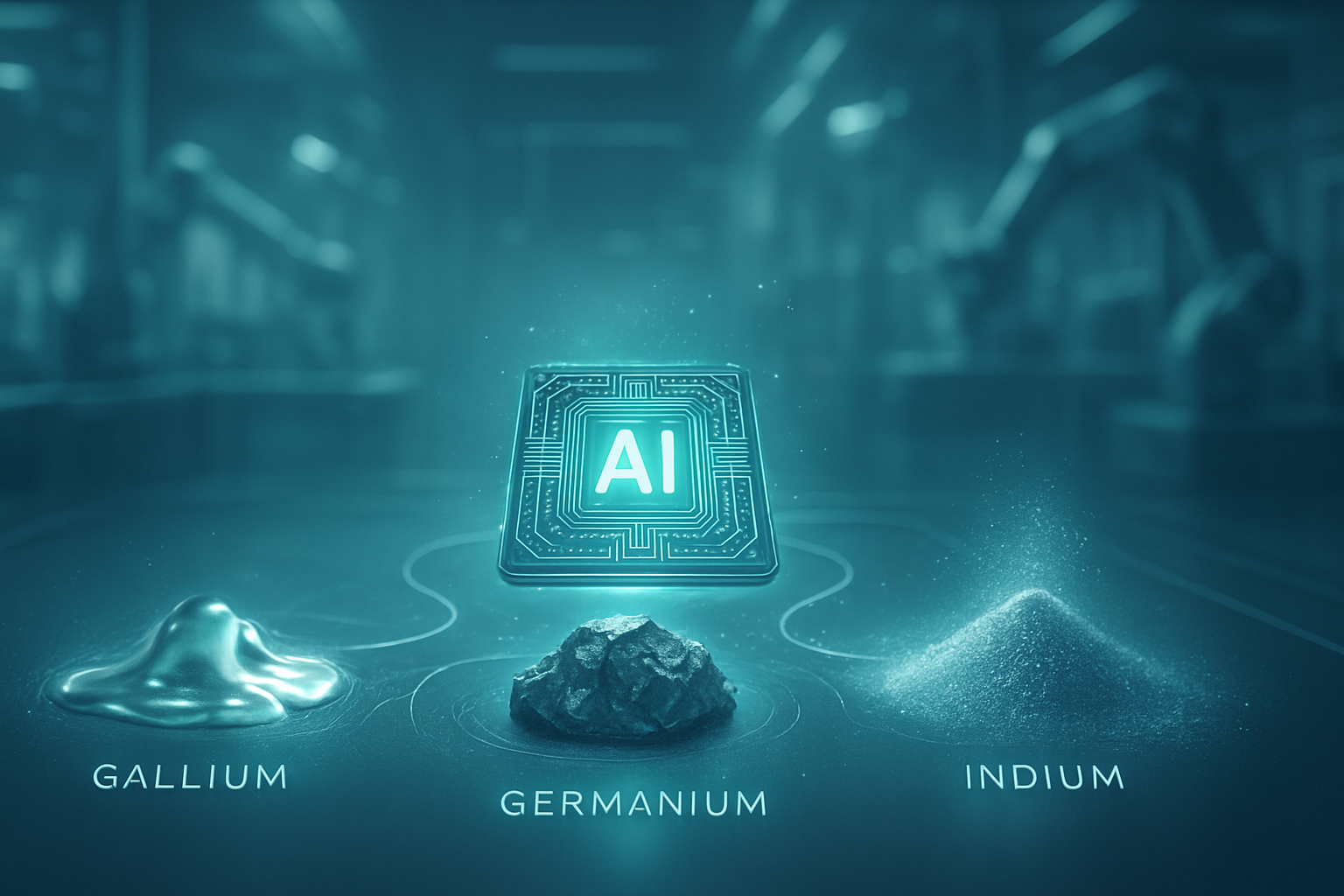
  • OpenAI’s Grand Vision: Integrating AI as a Universal Utility for Human Augmentation

    OpenAI’s Grand Vision: Integrating AI as a Universal Utility for Human Augmentation

    OpenAI, a leading force in artificial intelligence research and development, is charting a course far beyond the creation of isolated AI applications. The company envisions a future where AI is not merely a tool but a foundational utility, seamlessly interwoven into the fabric of daily life, much like electricity or clean water. This ambitious outlook, championed by CEO Sam Altman, centers on the development of Artificial General Intelligence (AGI) and even superintelligence, with the ultimate goal of augmenting human capabilities across all facets of existence. The immediate significance of this vision is already palpable, as current AI models are rapidly transforming work and personal life, setting the stage for an era where intelligent systems act as pervasive cognitive partners.

    This transformative perspective posits AI as an enhancer of human potential, rather than a replacement. OpenAI's philosophy emphasizes safety, ethical development, and broad societal benefit, aiming to ensure that advanced AI empowers individuals, fosters creativity, and solves complex global challenges. The company's ongoing efforts to scale, refine, and deploy foundational models, alongside exploring AI-native products and agentic AI, underscore a commitment to making this future a present reality, necessitating a proactive approach to responsible deployment and governance.

    The Technical Blueprint: From Conversational AI to Cognitive Partners

    OpenAI's technical strategy for pervasive AI integration is a multi-pronged approach, moving beyond mere conversational agents to embed AI deeply into everyday interactions. At its core, this involves developing highly capable, multimodal, and efficient AI models, coupled with an API-first deployment strategy and a burgeoning interest in dedicated hardware solutions. The company's vision is to create a "suite of superpowers" that fundamentally redefines how humans interact with technology and the world.

    Recent advancements underscore this ambition. Models like GPT-4o ("omni" for multimodal) and the newer GPT-5 series represent significant leaps, capable of processing and generating content across text, audio, images, and video. GPT-4o, released in May 2024, can seamlessly act as a real-time translator or math tutor, demonstrating a fluidity in human-computer interaction previously unseen. The even more advanced GPT-5, launched in August 2025, is natively multimodal, trained from scratch on diverse data types simultaneously, leading to superior reasoning capabilities across modalities. This shift from solely scaling models to emphasizing reasoning and efficiency is also evident in approaches like "test-time compute" (seen in models like 'o1' and GPT-5.1), which allows for real-time evaluation of solutions, mimicking human-like problem-solving.

    This strategy diverges significantly from previous AI paradigms. While earlier AI focused on specialized tasks or siloed applications, OpenAI aims for deep, ubiquitous integration via robust APIs that allow developers to embed advanced AI into countless applications. Furthermore, their foray into consumer hardware, notably the acquisition of Jony Ive's AI device startup io and commissioning custom AI processors from Broadcom (NASDAQ: AVGO), signals a unique move to integrate AI directly into physical, contextually aware devices. These pocket-sized, screenless gadgets, designed to augment rather than replace existing tech, represent a profound departure from software-centric AI development. The AI research community and industry experts have met these developments with a mixture of awe and caution. While acknowledging the revolutionary capabilities of models like GPT-4o and GPT-5, concerns persist regarding AI safety, ethical implications, potential for misinformation, and job displacement. The intense competition from rivals like Alphabet (NASDAQ: GOOGL) (with Gemini) and Anthropic (with Claude) further highlights the critical balance OpenAI must strike between rapid innovation and responsible development.

    Competitive Landscape: Shifting Tides for Tech Giants and Startups

    OpenAI's audacious vision for ubiquitous AI integration is fundamentally reshaping the competitive landscape across the technology sector, creating both immense opportunities and significant challenges for established tech giants and agile startups alike. The drive to embed AI seamlessly into every facet of daily life has intensified the race to control the "agentic layer"—the primary interface through which humans will interact with digital services.

    Tech giants are responding with a mix of deep partnerships and aggressive internal development. Microsoft (NASDAQ: MSFT), a major investor in OpenAI, has deeply integrated its models into Azure services and Microsoft 365 through Copilot, aiming to be the premier platform for AI-powered business solutions. Alphabet (NASDAQ: GOOGL), initially caught off guard, has accelerated its own advanced AI, Gemini, leveraging its vast data and Android ecosystem to ensure widespread AI exposure. Apple (NASDAQ: AAPL) has forged a "discreet yet powerful" partnership with OpenAI, integrating ChatGPT into iOS 18 to enhance "Apple Intelligence" across its devices, providing OpenAI access to a massive consumer base. Meanwhile, Oracle (NYSE: ORCL) is integrating OpenAI models into its cloud infrastructure, and Amazon (NASDAQ: AMZN) continues to compete through its Bedrock platform and investments in Anthropic. This fierce competition extends to securing massive compute resources, with OpenAI reportedly making colossal infrastructure commitments to partners like Samsung and SK, and NVIDIA (NASDAQ: NVDA) benefiting as the leading AI chip provider.

    For startups, OpenAI's vision presents a double-edged sword. On one hand, accessible APIs and tools lower the barrier to entry, enabling rapid prototyping and reduced development costs. OpenAI actively supports early-stage companies through its $100 million Startup Fund and accelerator programs. On the other hand, the "winner-takes-all" dynamic in foundational models means startups must find niche markets and build highly differentiated, scalable platforms. The commoditization of basic AI execution necessitates a focus on unique value propositions and strong brand positioning to stand out amidst the giants. This era is poised to disrupt numerous existing products and services. AI-powered browsers like OpenAI's Atlas and Perplexity AI's Comet threaten traditional search engines by offering direct answers and multi-step task completion. Productivity suites face disruption as AI agents automate report generation, spreadsheet manipulation, and presentation creation. Customer service, digital marketing, content creation, and even industry-specific software are being transformed by increasingly capable AI, leading to a scramble for strategic advantages rooted in ecosystem control, infrastructure ownership, and the ability to attract top AI talent.

    Broader Implications: Reshaping Society and Economy

    OpenAI's unwavering vision for ubiquitous AI integration, particularly its relentless pursuit of Artificial General Intelligence (AGI), represents a profound and potentially transformative shift in the technological landscape, aiming to embed AI into nearly every facet of human existence. This ambition extends far beyond specific applications, positioning AI as a foundational utility that will redefine society, the economy, and human capabilities.

    This fits squarely within the broader AI landscape's long-term trend towards more generalized and autonomous intelligence. While much of the recent AI revolution has focused on "narrow AI" excelling in specific tasks, OpenAI is at the forefront of the race for AGI—systems capable of human-level cognitive abilities across diverse domains. Many experts predict AGI could arrive within the next five years, signaling an unprecedented acceleration in AI capabilities. OpenAI's strategy, with its comprehensive integration plans and massive infrastructure investments, reflects a belief that AGI will not just be a tool but a foundational layer of future technology, akin to electricity or the internet.

    The societal impacts are immense. Ubiquitous AI promises enhanced productivity, an improved quality of life, and greater efficiency across healthcare, education, and climate modeling. AI could automate repetitive jobs, freeing humans for more creative and strategic pursuits. However, this pervasive integration also raises critical concerns regarding privacy, ethical decision-making, and potential societal biases. AI systems trained on vast internet datasets risk perpetuating and amplifying existing stereotypes. The economic impacts are equally profound, with AI projected to add trillions to the global GDP by 2030, driven by increased labor productivity and the creation of new industries. Yet, this transformation carries the risk of widespread job displacement, with estimates suggesting AI could automate 50-70% of existing jobs by 2040, exacerbating wealth inequality and potentially leading to social instability.

    In terms of human capabilities, OpenAI envisions AGI as a "force multiplier for human ingenuity and creativity," augmenting intelligence and improving decision-making. However, concerns exist about potential over-reliance on AI diminishing critical thinking and independent decision-making. The ethical considerations are multifaceted, encompassing bias, transparency, accountability, and the "black box" nature of complex AI. Safety and security concerns are also paramount, including the potential for AI misuse (disinformation, deepfakes) and, at the extreme, the loss of human control over highly autonomous systems. OpenAI acknowledges these "catastrophic risks" and has developed frameworks like its "Preparedness Framework" to mitigate them. This pursuit of AGI represents a paradigm shift far exceeding previous AI milestones like early expert systems, the machine learning revolution, or even the deep learning breakthroughs of the last decade. It signifies a potential move from specialized tools to a pervasive, adaptable intelligence that could fundamentally alter human society and the very definition of human capabilities.

    The Road Ahead: Anticipating Future Developments

    OpenAI's ambitious trajectory towards ubiquitous AI integration promises a future where artificial intelligence is not merely a tool but a foundational, collaborative partner, potentially serving as the operating system for future computing. This journey is characterized by a relentless pursuit of AGI and its seamless embedding into every facet of human activity.

    In the near term (1-3 years), significant advancements are expected in autonomous AI agents. OpenAI CEO Sam Altman predicts that by 2025, AI agents will "join the workforce," fundamentally altering company output by performing complex tasks like web browsing, code execution, project management, and research without direct human supervision. OpenAI's "Operator" agent mode within ChatGPT is an early manifestation of this. Enhanced multimodal capabilities will continue to evolve, offering sophisticated video understanding, real-time context-aware audio translation, and advanced spatial reasoning. Future models are also expected to incorporate hybrid reasoning engines and persistent context memory, allowing for long-term learning and personalized interactions. OpenAI is aggressively expanding its enterprise focus, with the Apps SDK enabling ChatGPT to integrate with a wide array of third-party applications, signaling a strategic shift towards broader business adoption. This will be underpinned by massive infrastructure build-outs, including custom hardware partnerships with companies like Broadcom, NVIDIA, and AMD, and next-generation data centers through initiatives like "Project Stargate."

    Looking further ahead (5+ years), the attainment of AGI remains OpenAI's foundational mission. CEOs of OpenAI, Alphabet's DeepMind, and Anthropic collectively predict AGI's arrival within the next five years, by 2029 at the latest. The impact of superhuman AI within the next decade is expected to be enormous, potentially exceeding that of the Industrial Revolution. OpenAI anticipates having systems capable of making significant scientific discoveries by 2028 and beyond, accelerating progress in fields like biology, medicine, and climate modeling. The long-term vision includes AI becoming the core "operating system layer" for future computing, providing ubiquitous AI subscriptions and leading to a "widely-distributed abundance" where personalized AI enhances human lives significantly. Generative AI is also expected to shift to billions of edge devices, creating pervasive assistants and creators.

    However, the path to ubiquitous AI is fraught with challenges. Ethical and safety concerns, including the potential for misinformation, deepfakes, and the misuse of generative AI, remain paramount. Job displacement and economic transition due to AI automation will necessitate "changes to the social contract." Transparency and trust issues, exacerbated by OpenAI's growing commercial focus, require continuous attention. Technical hurdles for deploying state-of-the-art generative models on edge devices, along with astronomical infrastructure costs and scalability, pose significant financial and engineering challenges. Experts predict a rapid workforce transformation, with AI acting as a "multiplier of effort" but also posing an "existential threat" to companies failing to adapt. While some experts are optimistic, others, though a minority, warn of extreme existential risks if superintelligent AI becomes uncontrollable.

    Final Assessment: A New Era of Intelligence

    OpenAI's unwavering vision for ubiquitous AI integration, centered on the development of Artificial General Intelligence (AGI), marks a pivotal moment in AI history. The company's mission to ensure AGI benefits all of humanity drives its research, product development, and ethical frameworks, fundamentally reshaping our understanding of AI's role in society.

    The key takeaways from OpenAI's strategy are clear: a commitment to human-centric AGI that is safe and aligned with human values, a dedication to democratizing and broadly distributing AI's benefits, and an anticipation of transformative economic and societal impacts. This includes the proliferation of multimodal and agentic AI, capable of seamless interaction across text, audio, and vision, and the emergence of "personal AI agents" that can perform complex tasks autonomously. OpenAI's journey from a non-profit to a "capped-profit" entity, backed by substantial investment from Microsoft (NASDAQ: MSFT), has not only pushed technical boundaries but also ignited widespread public engagement and accelerated global conversations around AI's potential and perils. Its unique charter pledge, even to assist competing AGI projects if they are closer to beneficial AGI, underscores a novel approach to responsible technological advancement.

    The long-term impact of this ubiquitous AI vision could be revolutionary, ushering in an era of unprecedented human flourishing. AGI has the potential to solve complex global challenges in health, climate, and education, while redefining work and human purpose by shifting focus from mundane tasks to creative and strategic endeavors. However, this future is fraught with profound challenges. The economic transition, with potential job displacement, will necessitate careful societal planning and a re-evaluation of fundamental socioeconomic contracts. Ethical concerns surrounding bias, misuse, and the concentration of power will demand robust global governance frameworks and continuous vigilance. Maintaining public trust through transparent and ethical practices will be crucial for the long-term success and acceptance of ubiquitous AI. The vision of AI transitioning from a mere tool to a collaborative partner and even autonomous agent suggests a fundamental re-shaping of human-technology interaction, demanding thoughtful adaptation and proactive policy-making.

    In the coming weeks and months, the AI landscape will continue to accelerate. All eyes will be on OpenAI for the rumored GPT-5.2 release, potentially around December 9, 2025, which is expected to significantly enhance ChatGPT's performance, speed, and customizability in response to competitive pressures from rivals like Alphabet's (NASDAQ: GOOGL) Gemini 3. Further advancements in multimodal capabilities, enterprise AI solutions, and the development of more sophisticated autonomous AI agents are also anticipated. Any updates regarding OpenAI's reported venture into designing its own AI chips and developments in its safety and ethical frameworks will be critical to watch. The coming period is poised to be one of intense innovation and strategic maneuvering in the AI space, with OpenAI's developments continuing to shape the global trajectory of artificial intelligence.


    This content is intended for informational purposes only and represents analysis of current AI developments.

    TokenRing AI delivers enterprise-grade solutions for multi-agent AI workflow orchestration, AI-powered development tools, and seamless remote collaboration platforms.
    For more information, visit https://www.tokenring.ai/.

  • The Intelligent Holiday: MGT Christmas Guide 2025 Unveils AI-Driven Consumer Tech Revolution

    The Intelligent Holiday: MGT Christmas Guide 2025 Unveils AI-Driven Consumer Tech Revolution

    As the festive season of 2025 approaches, the MGT Christmas Guide, along with broader industry analyses, paints a vivid picture of a consumer technology landscape increasingly shaped by artificial intelligence. This year's guide highlights a diverse array of gadgets and innovations, ranging from sophisticated smart home devices and immersive gaming peripherals to advanced audio equipment and health-tracking wearables. The overarching theme is clear: AI is no longer just an abstract concept but a deeply integrated force, enhancing product functionality and fundamentally transforming the very act of holiday shopping itself.

    The immediate significance of these trends lies in their dual impact: elevating the user experience through smarter, more intuitive products, and reshaping retail strategies with personalized, AI-driven recommendations. Consumers are poised to embrace a holiday season where convenience, intelligence, and seamless integration are paramount, driven by technologies that learn, adapt, and anticipate their needs.

    Technical Prowess and AI's Pervasive Touch

    The technical advancements showcased in the 2025 MGT Christmas Guide and the broader market are a testament to the accelerating pace of innovation, particularly in the realm of AI integration. Many of the highlighted products boast sophisticated AI algorithms designed to optimize performance, personalize experiences, and enhance user interaction. For instance, smart home devices like the Google Nest Cam Floodlight Pro Smart Security Camera (NASDAQ: GOOGL) are lauded for their accurate motion detection, a capability significantly bolstered by on-device AI for object recognition and false alarm reduction. Smart radiator thermostats, such as the Aqara Radiator Thermostat W600, leverage AI to learn usage patterns and optimize energy consumption, moving beyond simple scheduling to predictive climate control.

    In the audio sector, anticipated products like the Apple AirPods Pro 3 (NASDAQ: AAPL) are expected to feature enhanced active noise cancellation (ANC) and potentially new health monitoring capabilities like heart-rate tracking, both of which often rely on advanced signal processing and AI-driven sensor fusion. Similarly, the Sony WH-1000XM5 (NYSE: SONY) and the newer XM6 headphones continue to push the boundaries of noise cancellation and audio quality through sophisticated AI-powered adaptive sound control. Gaming also sees significant AI influence; while the Nintendo Switch 2 (TYO: 7974) is celebrated for its improved system software and online social features, the underlying platform likely incorporates AI for performance optimization, game development tools, and personalized user interfaces. This pervasive integration differs significantly from previous approaches where AI was often a standalone feature; now, it's an invisible yet integral layer enhancing core functionalities across diverse product categories.

    Initial reactions from the AI research community and industry experts underscore the shift towards practical, embedded AI. While there's always a buzz around foundational AI models, the 2025 holiday season emphasizes the maturity of AI in delivering tangible consumer benefits. Market sentiment, as reflected in various reports, indicates a growing consumer openness to AI-driven shopping assistants, particularly among Gen Z and Millennials. This suggests a rising trust in AI's ability to provide value, from personalized product discovery to streamlined purchasing processes. The technical community views this as a crucial step in AI's evolution, moving from theoretical advancements to widespread, impactful applications that are directly experienced by millions.

    Industry Impact: Winners, Disruptors, and Strategic Plays

    The tech trends outlined in the MGT Christmas Guide 2025 have significant implications for AI companies, established tech giants, and burgeoning startups alike. Companies that have successfully integrated AI into their product ecosystems stand to benefit immensely. Tech behemoths like Apple (NASDAQ: AAPL), Google (NASDAQ: GOOGL), Amazon (NASDAQ: AMZN), and Sony (NYSE: SONY) are well-positioned, leveraging their vast R&D resources and existing user bases to roll out AI-enhanced devices. For instance, Amazon's AI-driven shopping assistants and personalization algorithms are reshaping how consumers discover and purchase gifts, offering a distinct competitive advantage in the e-commerce space. Similarly, Apple's continued innovation in wearables and audio, powered by sophisticated AI, maintains its premium market position.

    The competitive landscape is intensifying, with AI integration becoming a critical differentiator. Companies that fail to adapt risk falling behind. Startups focusing on niche AI applications, such as advanced smart home security solutions like EZVIZ or ergonomic gaming gear, can carve out significant market shares by offering specialized, AI-powered functionalities. The rise of AI-driven shopping assistants and personalized retail experiences presents a potential disruption to traditional retail models, pushing brick-and-mortar stores to adopt more integrated omnichannel strategies. Retailers are now focusing on AI-powered features like in-store savings alerts, real-time aisle finders, and augmented reality previews to bridge the gap between online and physical shopping.

    Strategic advantages are now heavily tied to data utilization and AI model development. Companies with robust data pipelines and the ability to refine AI algorithms based on consumer behavior will gain significant market positioning. This includes not only product manufacturers but also platform providers and software developers. The emphasis on seamless omnichannel shopping experiences, for example, necessitates advanced AI to manage inventory, personalize promotions across channels, and streamline logistics. This strategic shift underscores that AI is not just about individual product features but about optimizing the entire customer journey and operational efficiency.

    The Broader AI Landscape and Societal Echoes

    The insights from the MGT Christmas Guide 2025 fit seamlessly into the broader AI landscape, signaling a maturation of artificial intelligence from experimental research to practical, pervasive integration in daily life. This year marks a significant step where AI is less about hypothetical future scenarios and more about tangible, accessible enhancements in consumer products and services. The trend towards AI-driven personalization, from product recommendations to adaptive device performance, reflects a deeper understanding of individual user needs and a move towards more intelligent, responsive technology.

    The impacts are wide-ranging, offering unprecedented levels of convenience, efficiency, and entertainment. Smart home devices, powered by AI, are contributing to energy efficiency through intelligent climate control and automated security. Wearables with advanced health tracking, like the Oura Ring 4, provide subtle yet powerful insights into personal well-being. However, this deeper integration also brings potential concerns, particularly around data privacy and algorithmic bias. As AI systems collect more personal data to offer tailored experiences, questions about data security, transparency in AI decision-making, and the potential for surveillance become increasingly relevant. While the MGT guide focuses on product highlights, these underlying ethical considerations are a constant undercurrent in the broader AI discourse.

    Comparing this to previous AI milestones, 2025 represents a critical phase where AI is moving beyond specialized applications and into the mainstream consumer consciousness. Earlier milestones often involved breakthroughs in natural language processing or image recognition; now, these foundational capabilities are being woven into the fabric of everyday objects. This year's trends demonstrate AI's capacity to deliver real-world utility, making it a pivotal moment in its evolution from a niche technology to an indispensable component of modern living. The focus is no longer just on what AI can do, but what it does for the average consumer.

    The Horizon: Future Developments and Expert Predictions

    Looking ahead, the trends highlighted in the MGT Christmas Guide for 2025 are merely a prelude to even more profound developments in consumer technology and AI. Near-term expectations include further refinement of AI algorithms for hyper-personalization, leading to devices that anticipate needs with even greater accuracy. We can expect more sophisticated multi-modal AI interactions, where devices seamlessly understand and respond to voice, gesture, and environmental cues. The integration of AI into augmented and virtual reality experiences will likely deepen, offering more immersive and interactive entertainment and productivity tools. Long-term, the vision of truly intelligent environments where every device communicates and collaborates autonomously, powered by edge AI and robust cloud infrastructure, seems increasingly plausible.

    Potential applications and use cases on the horizon are vast. Imagine AI-powered personal assistants that manage not just schedules but also health, finances, and social interactions with proactive, context-aware suggestions. Wearables could evolve into comprehensive health monitoring systems, capable of early disease detection through continuous, AI-driven analysis of biometric data. In gaming, AI will likely drive more dynamic and adaptive narratives, creating infinitely replayable and personalized experiences. The retail sector will continue to see innovation, with AI potentially enabling fully autonomous shopping experiences and predictive inventory management on an unprecedented scale.

    However, challenges remain. Economic volatility, as noted in the research, could impact consumer spending on high-end tech. Building and maintaining consumer trust in AI, especially concerning data privacy and ethical usage, will be paramount. The development of robust, explainable, and fair AI systems will continue to be a significant hurdle for researchers and developers. Experts predict that despite these challenges, the consumer appetite for technology, particularly AI-enhanced gadgets, will remain strong. The Consumer Technology Association (CTA) projects continued high rates of tech gift purchases, indicating sustained interest. Strategists also anticipate a potential "Santa Claus rally" towards year-end, suggesting a positive market outlook for the tech sector despite earlier volatility.

    A New Era of Intelligent Living

    The MGT Christmas Guide 2025 serves as a powerful testament to a new era of intelligent living, where artificial intelligence is no longer a futuristic concept but a tangible, integrated reality in the consumer tech landscape. The key takeaways from this year's trends are the pervasive nature of AI in enhancing product functionality, the transformative impact on retail through personalized shopping experiences, and the growing consumer acceptance of intelligent technologies. From smart home devices that optimize energy to wearables that safeguard health and gaming systems that immerse like never before, AI is the invisible engine driving convenience and innovation.

    This development holds significant importance in AI history, marking a pivot from theoretical advancements to widespread, practical applications that directly benefit daily life. It signifies a maturation of the field, demonstrating AI's capability to deliver real-world utility across diverse product categories. The long-term impact will undoubtedly be a society that is more connected, more efficient, and more personalized, though careful navigation of ethical considerations, particularly around data and privacy, will be crucial.

    In the coming weeks and months, watch for continued innovation in AI-powered personalization and smart integration. Observe how companies further refine their AI strategies to meet evolving consumer demands and address emerging ethical concerns. The holiday season of 2025 is not just about gifts; it's a window into an increasingly intelligent future, where technology anticipates, adapts, and enhances our world in profound ways.


    This content is intended for informational purposes only and represents analysis of current AI developments.

    TokenRing AI delivers enterprise-grade solutions for multi-agent AI workflow orchestration, AI-powered development tools, and seamless remote collaboration platforms.
    For more information, visit https://www.tokenring.ai/.

  • Two Decades of Innovation: Georgia Tech and Georgia Aquarium Forge a Technological Tide in Global Conservation

    Two Decades of Innovation: Georgia Tech and Georgia Aquarium Forge a Technological Tide in Global Conservation

    For nearly two decades, a remarkable partnership between the Georgia Institute of Technology (Georgia Tech) and the Georgia Aquarium has quietly yet profoundly been shaping the future of global marine conservation. Since its inception, even before the Aquarium officially opened its doors in 2005, this enduring alliance has leveraged cutting-edge technology and interdisciplinary expertise to tackle some of the most pressing challenges facing our oceans, from understanding the intricacies of marine life at a genomic level to deploying scalable solutions for climate change. This collaboration stands as a powerful testament to how technological innovation, when coupled with deep biological insight, can accelerate scientific discovery and deliver actionable conservation outcomes worldwide.

    The immediate significance of this long-standing partnership, spanning two decades as of 2025, lies in its capacity to bridge advanced academic research with practical, real-world conservation applications. By uniting Georgia Tech's prowess in engineering and scientific research with the Georgia Aquarium's extensive marine life expertise and conservation programs, the collaboration has cultivated a unique ecosystem for innovation. It's a model that not only deepens our scientific understanding of marine ecosystems but also actively develops and deploys tangible solutions, positioning both institutions at the forefront of addressing urgent global conservation needs.

    Technological Depths: Unveiling the Ocean's Secrets with Cutting-Edge Innovation

    The heart of the Georgia Tech-Georgia Aquarium collaboration beats with technological innovation, pushing the boundaries of what's possible in marine conservation. Among the most groundbreaking achievements is the creation of the first-ever complete shark genome, a monumental feat accomplished with contributions from Georgia Tech and Emory University. This genetic blueprint provides an unprecedented wealth of data, offering invaluable insights into shark biology, evolution, and population dynamics—critical information for informing targeted conservation strategies that move beyond traditional observation. Furthermore, Georgia Tech’s advanced analytical techniques have been instrumental in meticulously exploring the complex chemistry of whale shark blood, unlocking physiological secrets that aid in understanding their health and environmental responses.

    Beyond genetic breakthroughs, the partnership has applied sophisticated systems engineering to enhance the operational efficiency and visitor experience at the Georgia Aquarium itself. Georgia Tech engineers utilized advanced logistics and computational modeling to optimize visitor flow within exhibits, particularly the popular dolphin show. By modeling human behavior and accounting for various uncertainties, they improved guest satisfaction while indirectly supporting the Aquarium's mission through enhanced educational outreach. This application of data-driven optimization exemplifies a departure from previous, less analytical approaches to facility management, showcasing how technological thinking can permeate even the operational aspects of conservation institutions.

    A significant evolution in the collaboration's technological reach came with Georgia Tech becoming a founding member of the Ocean Visions initiative in 2019. This venture brings together leading ocean science and engineering institutions to foster a collaborative environment between researchers, conservationists, and entrepreneurs. The goal is ambitious: to develop commercially marketable solutions that positively impact ocean health by addressing human, climate, and ecological pressures. A major milestone under this umbrella is the establishment of the Ocean Visions – UN Decade Collaborative Center for Ocean-Climate Solutions (OV – UN DCC) in 2022. Headquartered at the Georgia Aquarium with Georgia Tech as a pivotal partner, this center is the only one of its kind in the United States, dedicated to co-designing, developing, and deploying scalable, equitable, ocean-based solutions to climate change, food security, and marine ecosystem resilience. Initial reactions from the scientific and international community have been overwhelmingly positive, recognizing the center's unique mandate and its potential to deliver globally significant impacts, further solidifying the partnership's leadership in this critical domain.

    Charting New Waters: Competitive Implications and Market Positioning

    The sustained collaboration between Georgia Tech and the Georgia Aquarium has significant implications for the broader landscape of AI companies, tech giants, and startups, particularly those operating in the environmental and marine technology sectors. Companies specializing in marine robotics, data analytics for environmental monitoring, AI-driven predictive modeling for ecosystem health, and sustainable aquaculture technologies stand to benefit immensely from the research and solutions emerging from this partnership. The Ocean Visions initiative, with its explicit goal of fostering commercially marketable solutions, acts as a direct conduit for startups and established tech firms to engage with cutting-edge conservation challenges, potentially leading to new product development and market opportunities in areas like ocean-based renewable energy and sustainable fisheries.

    For major AI labs and tech companies, the partnership serves as a powerful demonstration of AI's "for good" potential, driving interest and investment into environmental applications. While specific public companies (e.g., Google (NASDAQ: GOOGL), Microsoft (NASDAQ: MSFT)) aren't directly named as partners in the core collaboration, the data-intensive nature of genomic research, environmental monitoring, and climate modeling aligns perfectly with their core competencies in big data, machine learning, and cloud computing. This could spur increased corporate social responsibility initiatives, strategic partnerships, or even acquisitions of startups emerging from the Ocean Visions ecosystem. The unique positioning of the OV – UN DCC as the sole UN Decade Collaborative Center for Ocean-Climate Solutions in the US sets a high bar, potentially disrupting traditional, less technologically integrated approaches to conservation and compelling other institutions and companies to elevate their technological game.

    The collaboration positions Georgia Tech and the Georgia Aquarium as global leaders in the burgeoning field of conservation technology. Their strategic advantage lies in their proven ability to translate fundamental scientific and engineering research into tangible, scalable conservation solutions. This not only enhances their academic and institutional prestige but also creates a precedent for how interdisciplinary partnerships can foster innovation that addresses critical planetary challenges. The emphasis on equitable and scalable solutions through the OV – UN DCC also suggests a commitment to ensuring that technological advancements benefit a wide range of communities, potentially opening new markets for inclusive technology deployment in developing regions.

    A Lighthouse in the Broader AI Landscape: Wider Significance and Global Impact

    This two-decade collaboration between Georgia Tech and the Georgia Aquarium stands as a shining example within the broader AI landscape, embodying the growing trend of "AI for good" and the critical role of interdisciplinary research in addressing complex global challenges. It showcases how advanced computational power, data analytics, and engineering expertise can be directly applied to environmental stewardship, moving beyond theoretical discussions to impactful, real-world applications. The partnership's work, particularly through the UN Decade Collaborative Center, directly contributes to the United Nations' Sustainable Development Goals, specifically those related to climate action, life below water, and sustainable cities and communities.

    The impacts of this collaboration are far-reaching. It has led to a deeper scientific understanding of marine life, providing foundational knowledge for conservation strategies that are more precise and effective. By developing and deploying scalable ocean-based solutions to mitigate climate change, enhance food security, and build climate-resilient marine ecosystems, the partnership is directly influencing global efforts to protect our planet. Potential concerns, though not explicitly highlighted in the research, might include the ethical implications of deploying advanced monitoring technologies in sensitive ecosystems, ensuring data privacy and security, and addressing potential biases in AI models used for conservation. However, the partnership's focus on "equitable" solutions through the UN DCC suggests an awareness of these broader societal considerations.

    Comparing this to previous AI milestones, the Georgia Tech-Georgia Aquarium collaboration represents a significant step in the maturation of AI applications. While earlier milestones often focused on breakthroughs in areas like image recognition or natural language processing, this partnership demonstrates AI's capacity to drive scientific discovery and facilitate complex environmental management on a global scale. It parallels other significant "AI for science" initiatives, but with a unique focus on direct conservation action and the integration of diverse scientific disciplines, setting a precedent for how academic institutions and public aquariums can collectively lead in a technology-driven era of environmental protection.

    Surfing the Future: Expected Developments and Horizon Applications

    Looking ahead, the collaboration between Georgia Tech and the Georgia Aquarium is poised for even greater impact, with several exciting developments on the horizon. In the near term, the work of the Ocean Visions – UN Decade Collaborative Center for Ocean-Climate Solutions (OV – UN DCC) will intensify. We can expect to see further progress in the co-design, development, and testing of ocean-based climate solutions, including advancements in ocean-based renewable energy technologies and innovative approaches to sustainable fisheries and aquaculture. This will involve deploying and refining sensor technologies for environmental monitoring, potentially leading to more sophisticated early warning systems for coastal communities threatened by rising sea levels and other climate impacts.

    In the long term, the partnership is likely to expand its genomic research, potentially leading to the sequencing of more marine species and a deeper understanding of biodiversity at a molecular level. This could enable more precise conservation interventions, such as targeted breeding programs for endangered species or the identification of marine populations most resilient to environmental changes. Potential applications on the horizon include the development of AI-powered predictive models that can forecast marine ecosystem health, identify high-risk areas for human-wildlife conflict (like whale ship strikes, building on their 2024 study), and optimize resource allocation for conservation efforts globally.

    Challenges that need to be addressed include securing sustained funding for large-scale technological deployments, ensuring the scalability of solutions across diverse marine environments, and navigating the complex policy landscapes required for international conservation efforts. Experts predict that this collaboration will continue to serve as a leading model for how interdisciplinary science and technology can be harnessed for planetary good. The focus on developing commercially marketable solutions through Ocean Visions also suggests a future where conservation tech becomes a significant economic sector, attracting further investment and talent.

    A Legacy of Innovation: Comprehensive Wrap-up and Future Watch

    The two decades of collaboration between Georgia Tech and the Georgia Aquarium represent a monumental achievement in the realm of marine conservation, profoundly shaped by the strategic application of technology. Key takeaways include the power of sustained interdisciplinary partnerships, the transformative potential of advanced engineering and AI in biological research, and the commitment to translating scientific discovery into actionable, scalable solutions for global challenges. From unraveling the complete shark genome to optimizing aquarium operations and establishing a unique UN-endorsed center for ocean-climate solutions, this alliance has consistently pushed the boundaries of what is possible in protecting our aquatic ecosystems.

    This development holds significant historical importance in the context of AI and conservation. It showcases a mature application of artificial intelligence and related technologies not merely as tools for efficiency, but as catalysts for fundamental scientific breakthroughs and urgent environmental action. The partnership demonstrates how academic rigor combined with public engagement and a clear conservation mission can create a powerful synergy that inspires future generations and sets new standards for responsible technological innovation.

    The long-term impact of this collaboration is poised to be immense, influencing how marine conservation is approached globally for decades to come. By fostering a new generation of conservation technologists and entrepreneurs, and by providing a blueprint for effective academic-institutional partnerships, Georgia Tech and the Georgia Aquarium are actively shaping a more sustainable future for our oceans. In the coming weeks and months, all eyes will be on the progress of the Ocean Visions – UN Decade Collaborative Center for Ocean-Climate Solutions. Watch for announcements regarding new pilot projects, successful deployments of ocean-based solutions, and further scientific breakthroughs emerging from this pioneering alliance, as they continue to lead the charge in safeguarding our blue planet.


    This content is intended for informational purposes only and represents analysis of current AI developments.

    TokenRing AI delivers enterprise-grade solutions for multi-agent AI workflow orchestration, AI-powered development tools, and seamless remote collaboration platforms.
    For more information, visit https://www.tokenring.ai/.

  • India’s Space Odyssey: AI and Private Sector Fueling a Trillion-Dollar Ambition

    India’s Space Odyssey: AI and Private Sector Fueling a Trillion-Dollar Ambition

    Bengaluru, India – December 9, 2025 – India's space sector is on the cusp of a monumental transformation, driven by an ambitious push towards private sector innovation and the pervasive integration of deep technologies, particularly Artificial Intelligence (AI). Recent insights from Dr. S. Somanath, former Chairman of the Indian Space Research Organisation (ISRO) and a distinguished figure in India's space endeavors, illuminate a strategic redirection aimed at dramatically expanding India's share of the global space economy. His vision, articulated at various forums including a deep tech summit in Chennai on November 3, 2025, signals a pivotal moment for the nation's cosmic aspirations.

    Dr. Somanath’s pronouncements underscore India’s strategic goal to elevate its footprint in the global space economy from a mere 2% to a commanding 10%, with targets of reaching $500 billion by 2030 and an astounding $1.5 trillion by 2047. This monumental growth is envisioned through a concerted focus on cutting-edge deep tech domains such as AI, biotechnology, quantum computing, advanced manufacturing, and semiconductor production. This paradigm shift reflects ISRO’s evolution from a primarily government-centric organization to a powerful catalyst for private enterprise, a transformation spurred by recent landmark space sector reforms and the Indian Space Policy 2023. The immediate significance lies in the resounding call for increased private sector participation and investment, recognizing that the future of India's space sector is inextricably linked to fostering a robust ecosystem of startups and innovators.

    Engineering the Future: Technical Leaps and AI Integration

    ISRO’s future trajectory, heavily influenced by Dr. Somanath’s leadership, is characterized by a strong push for advanced, indigenous, and cost-effective space technologies. This includes a significant emphasis on reusable launch vehicles, efficient propulsion systems, sophisticated satellite capabilities, and the pervasive integration of AI across all mission phases.

    At the forefront of these advancements is the Next Generation Launch Vehicle (NGLV), also known as Project Soorya. Designed as a successor to the Polar Satellite Launch Vehicle (PSLV) and Geosynchronous Satellite Launch Vehicle (GSLV), the NGLV is envisioned as a three-stage, partially reusable medium to super heavy-lift launch vehicle. Its planned first and second stages will utilize Liquid Oxygen (LOX) and Methane (CH4) propellants, with the first stage, LM470 Core, powered by nine LME-110 engines. A key differentiator is its partial reusability, particularly for its first stage and boosters, incorporating Vertical Take-off, Vertical Landing (VTVL) capabilities – a significant departure from ISRO's traditionally expendable rockets. This move towards reusability, akin to global trends, aims to drastically reduce launch costs and increase launch frequency.

    Complementing the NGLV is the Reusable Launch Vehicle (RLV) program, with Pushpak as its technology demonstrator (RLV-TD). Configured like an aircraft, Pushpak is designed for Vertical Take-off, Horizontal Landing (VTHL), aiming to prove technologies for a fully reusable two-stage orbital launch vehicle. This promises to slash the cost per kilogram of payload to orbit. In propulsion, ISRO is developing an indigenous electric propulsion system (EPS) with a 300 millinewton (mN) thruster, significantly reducing propellant requirements for satellites, making them five to six times more efficient than chemical propulsion. The Semi-Cryogenic Engine (SE-2000), using LOX and Kerosene, is also under development to enhance payload capacity of the LVM3, while the CE20 cryogenic engine has been upgraded to 20 tonnes of thrust and demonstrated restart capabilities, crucial for manned missions like Gaganyaan.

    Advanced satellite technologies are also a key focus, with ISRO working on High-Throughput Satellites (HTS) for increased data throughputs (up to 20 Gbps initially), optical and inter-satellite communication, and miniaturization of electronics. Crucially, Dr. Somanath emphasizes that India's space future will be powered by software excellence and the integration of AI. AI is being applied to analyze vast datasets from space missions for object identification, pattern matching, and interpretation. A significant technical leap is the embedding of AI directly into space machines to enable autonomous, data-driven decisions during missions, moving beyond reliance on ground control. Initial reactions from the space research community and industry experts have been largely enthusiastic, seeing these developments as crucial for cost reduction, sustainability, and fostering a "Next SpaceX in India" aspiration.

    Market Dynamics: AI, Tech Giants, and the Startup Surge

    Dr. Somanath’s vision for a stakeholder-based space ecosystem is set to dramatically reshape the competitive landscape, creating unprecedented opportunities for AI companies, tech giants, and a burgeoning ecosystem of startups. ISRO is transitioning from a direct operator to a facilitator, transferring technologies and operational tasks to the private sector, allowing it to focus on advanced R&D and interplanetary missions.

    AI companies and startups are poised for significant growth, particularly in areas like satellite data analytics, autonomous space systems, predictive maintenance, space traffic management, and advanced communication systems. Companies specializing in AI models for Earth observation data (e.g., crop monitoring, disaster management, urban planning) will find vast markets. The development of AI for autonomous navigation and real-time hazard detection for lunar/planetary landings, as well as AI-powered space robotics, presents immense opportunities. Tech giants with strong capabilities in cloud computing, big data analytics, and AI infrastructure stand to benefit by providing scalable cloud solutions for processing immense satellite data, developing AI/ML platforms for space data analysis, and forming strategic partnerships with space-tech startups.

    The Indian space sector has witnessed an explosion of space startups, surging from just one in 2014 to over 250 by 2024, attracting substantial investments. These companies, such as Skyroot Aerospace, Agnikul Cosmos, Pixxel, and Dhruva Space, are innovating across the entire value chain, from indigenous launch vehicles and satellite manufacturing to downstream applications like earth imaging and geospatial solutions. The competitive implications are profound: ISRO's evolving role reduces its direct involvement in commercial production, allowing domestic private players to grow indigenous capabilities and reduce reliance on foreign suppliers. This could position India as a formidable player in the global space market, attracting international customers from African and South American countries seeking affordable launch and satellite services, intensifying competition with established global players like SpaceX (NASDAQ: TSLA) and Arianespace.

    Potential disruptions include Indian private players offering satellite internet services, similar to Starlink, and AI-powered analysis of satellite imagery disrupting traditional, less efficient geospatial data providers. India's acceleration of AI-powered satellite constellations for defense and intelligence, such as the I-STAR constellation with Synthetic Aperture Radar (SAR) technology, aims to move away from reliance on foreign commercial imagery for military intelligence, posing a potential disruption to external providers in this strategic sector. The market positioning is driven by a "Made in India" space economy, leveraging India's reputation for cost-effective engineering. The robust AI/IT ecosystem and government as an anchor customer further de-risk investments for startups, fostering a diversified application landscape and promoting strategic autonomy in space access.

    Broader Horizons: AI in the Cosmic Tapestry

    The integration of AI into India's space technology, as championed by Dr. Somanath, signifies a profound shift that resonates deeply with the broader global AI landscape and its evolving trends. This is not merely about using AI as a tool, but embedding it as an intrinsic component of future space endeavors, moving towards increasingly autonomous and intelligent systems.

    ISRO's data-centric approach, applying machine learning and deep learning to vast datasets from space missions, aligns perfectly with the global trend of leveraging big data for insights and predictions across industries. The emphasis on onboard AI for autonomous decision-making in satellites and rockets is a critical step towards greater autonomy in space exploration, minimizing reliance on real-time human intervention. This is particularly vital for deep-space missions where communication delays are substantial, mirroring advancements seen in NASA's Mars rovers for autonomous navigation. The development of AI tools capable of understanding natural language, even in Indian languages, further demonstrates a commitment to advanced human-computer interaction in complex operational environments.

    The impacts of this integration are multifaceted. Positively, AI promises enhanced efficiency, speed, and reliability in spacecraft design, manufacturing, flight operations, and data analysis, leading to faster scientific discoveries and reduced operational costs. Autonomous operations, improved safety through predictive maintenance, and advanced data analysis for scientific discovery are already being realized, as seen with AI's role in Chandrayaan-3's safe landing. AI also aids in optimizing flight paths, discovering new materials, and revolutionizing manufacturing through generative design and AI-driven 3D printing. However, concerns loom, including new cybersecurity threats to critical space infrastructure, supply chain vulnerabilities for complex AI components, and the significant challenge of developing AI systems that reliably function in harsh space environments with limited computational resources and data scarcity for novel missions. Ethical considerations also arise regarding autonomous AI decisions, responsible resource exploitation, and potential impacts on any extraterrestrial life.

    Comparing this to previous AI milestones, the current integration represents a significant evolution. While early AI in the 1970s focused on basic automation and image analysis, and the 1990s saw breakthroughs in autonomous navigation (like NASA’s Sojourner rover), modern AI, powered by machine learning and deep learning, enables truly autonomous and adaptive decision-making. This is a qualitative leap from pre-programmed responses to cognitive systems that can learn and adapt to unpredictable space environments, process unprecedented scales of data, and identify complex patterns far beyond human capabilities. ISRO's vision places India at the forefront of this new wave, moving beyond human-in-the-loop control towards increasing human-on-the-loop and, for many operational aspects, human-out-of-the-loop autonomy.

    The Next Frontier: Future Trajectories and AI's Guiding Hand

    Looking ahead, India's space sector, under the strategic guidance of ISRO and Dr. Somanath, is set for an era of exponential growth and transformative change, with AI serving as a core enabler for ambitious near-term and long-term developments.

    In the near term, AI will continue to revolutionize automated data analysis for Earth observation, providing near real-time insights for agriculture, disaster management, and geo-intelligence. Predictive maintenance and mission optimization will become standard, with AI algorithms detecting anomalies and optimizing mission parameters. Autonomous navigation and operations, as demonstrated in Chandrayaan-3, will be deepened in future missions like Chandrayaan-4 and Mangalyaan-2, featuring AI-driven instrument control and onboard data compression. Critically, AI is central to India's defense strategy, with the National Space-Based Surveillance (SBS) programme launching 52 dedicated AI-powered I-STAR (intelligence, surveillance, target acquisition, and reconnaissance) satellites over the next five years. The Gaganyaan human space mission, tentatively scheduled for late 2026, will feature the AI-enabled half-humanoid robot, Vyommitra, to test systems and monitor the crew module.

    The long-term vision is even more audacious. India aims to establish a space station by 2035 and achieve an Indian presence on the moon by 2040, with a broader goal of a permanent human presence in space by 2047. AI will be indispensable for supporting human spaceflight programs by automating tasks, improving decision-making, countering cybersecurity threats, and enhancing biomonitoring and Earth-independent healthcare for long-duration missions. The Bharatiya Antariksh Station will conduct experiments with advanced robotics, including humanoid robots and chatbots for smart manufacturing in space. AI will also power deep space exploration, including astroinformatics for new celestial body discovery and AI-driven robots for space resource exploration like asteroid or lunar mining. Furthermore, AI and Machine Learning (ML) models are expected to refine optical communication systems and potentially integrate with quantum computing for enhanced security and computational capabilities for intricate space missions.

    However, significant challenges must be addressed. Data security and privacy, coupled with the ethical and legal implications of AI decisions, are paramount. Ensuring the accuracy and reliability of AI predictions in critical mission scenarios, especially in harsh space environments with limited computational power and specific training data, remains a hurdle. Integrating advanced AI systems with existing legacy hardware and software, along with addressing supply chain vulnerabilities for AI components, requires careful planning. Moreover, talent retention, new training pathways, and robust academic-industry collaboration are crucial for fostering the deep tech ecosystem. The "mindset change" within the government space sector to openly share facilities and collaborate with private entities is also vital.

    Experts predict an era of exponential growth, with the private sector driving innovation and cost reduction. Dr. Somanath himself believes AI will "start ruling many things" in the future, encompassing not only space missions but also everyday life. India is poised to become a global deep tech powerhouse, leveraging its strong IT and software industry to integrate AI, biotechnology, and quantum computing. Space will be increasingly prioritized as critical national infrastructure, forming the basis for future 6G communication technologies and significantly increasing India's satellite fleet.

    Cosmic Conclusion: India's AI-Powered Leap

    India's space sector stands at a pivotal juncture, poised for an unprecedented era of growth and innovation, largely propelled by the strategic integration of Artificial Intelligence and a robust embrace of private sector participation. Dr. S. Somanath's vision for ISRO underscores a profound shift, transforming the nation's space endeavors from a primarily government-led initiative to a dynamic, collaborative ecosystem designed to capture a significant share of the global space economy.

    The key takeaways from this transformation are clear: a relentless pursuit of advanced, indigenous technologies like reusable launch vehicles and efficient propulsion systems; a deep embedding of AI for autonomous operations, data analysis, and mission optimization; and a vibrant private sector, including a burgeoning startup scene, driving innovation across the entire space value chain. This strategy positions India not just as a participant, but as a formidable leader in the global space race, aiming for strategic autonomy and cost-effective solutions. The move towards AI-powered defense capabilities, human spaceflight, and deep space exploration highlights the comprehensive nature of this ambition.

    The significance of this development in AI history cannot be overstated. It represents a mature application of AI, moving beyond theoretical models to practical, mission-critical deployment in one of humanity's most challenging frontiers. This shift from human-in-the-loop to human-on-the-loop, and eventually human-out-of-the-loop autonomy, marks a new chapter in how we explore and utilize space. While challenges related to cybersecurity, computational limits, and ethical considerations persist, the concerted efforts of government, industry, and academia are geared towards overcoming these hurdles.

    In the coming weeks and months, watch for further announcements regarding private sector partnerships, the progress of ISRO's next-generation launch vehicles, and the initial deployments of AI-powered satellite constellations. The trajectory set by Dr. Somanath and ISRO indicates that India is not just reaching for the stars, but building an intelligent pathway to them, fundamentally reshaping the future of space exploration and the role of AI within it.


    This content is intended for informational purposes only and represents analysis of current AI developments.

    TokenRing AI delivers enterprise-grade solutions for multi-agent AI workflow orchestration, AI-powered development tools, and seamless remote collaboration platforms.
    For more information, visit https://www.tokenring.ai/.

  • Tidal Power Surges: Orbital Marine Power Secures Landmark Investment for Next-Gen Turbines

    Tidal Power Surges: Orbital Marine Power Secures Landmark Investment for Next-Gen Turbines

    Orbital Marine Power, a pioneering Scottish developer of floating tidal turbine technology, has announced a significant investment of €8 million (£7 million) to accelerate its commercial tidal-stream projects. This crucial funding, secured in December 2025, marks a pivotal moment for the company and the broader renewable energy sector, underscoring growing confidence in tidal power as a reliable and predictable source of clean electricity. The investment, led by new investor PXN Ventures and supported by existing shareholders including Scottish Enterprise, is set to propel Orbital Marine Power's (LSE: ORB) ambitious plans to expand its global commercial pipeline and double its turbine orderbook, solidifying its position at the forefront of marine energy innovation.

    This financial injection arrives as the world intensifies its pursuit of stable, low-carbon energy solutions to combat climate change and enhance energy security. Orbital Marine Power's advanced floating tidal technology offers a compelling answer, capable of generating consistent power regardless of weather conditions, a distinct advantage over intermittent renewables like wind and solar. The immediate significance of this investment lies in its potential to accelerate the deployment of next-generation tidal turbines, proving the commercial viability and scalability of tidal stream energy and paving the way for a more diversified and resilient global energy mix.

    Orbital's O2: A Technical Deep Dive into Tidal Dominance

    At the heart of Orbital Marine Power's success is its flagship O2 tidal turbine, widely recognized as the world's most powerful operational tidal turbine. Launched in July 2021, this engineering marvel is a 74-meter-long floating steel superstructure, anchored in the robust tidal currents of the European Marine Energy Centre (EMEC) in Orkney, Scotland. The O2 boasts a nameplate power output of 2 MW from its twin 1 MW generators, each connected to a 20-meter diameter rotor. These rotors are capable of pitching through a full 360 degrees, allowing efficient power capture from both ebb and flow tidal directions without requiring the entire platform to reorient. This innovative design gives it a combined swept area exceeding 600 square meters, the largest ever on a single tidal generating platform, enabling it to power approximately 2,000 UK homes annually and offset 2,200 tonnes of CO2 emissions.

    What truly sets Orbital's technology apart from previous approaches and existing seabed-founded systems is its revolutionary floating platform design and unparalleled maintenance accessibility. Traditional tidal barrages are prohibitively expensive and environmentally disruptive, while seabed-mounted turbines necessitate complex, costly subsea foundations and specialized heavy-lift vessels for installation and major repairs. In stark contrast, the O2 is entirely manufactured on land, launched like a ship, and towed to its site by small tugboats, drastically reducing manufacturing, construction, and decommissioning costs. Its patented "gull wing" retractable leg system allows the 100-tonne nacelles and rotors to be raised to the water surface for inspection and maintenance without divers or specialized vessels, significantly slashing operational and maintenance expenses.

    The O2 represents a substantial evolution from Orbital's earlier prototypes, such as the SR250 and SR2000. Lessons learned from these pioneering grid-connected floating turbines have been integrated, resulting in a 35% improvement in energy yield compared to the SR2000 at the EMEC site. Key innovations include the full wing leg configuration for surface access maintenance and the introduction of 360-degree blade pitching control with the O2. Initial reactions from the renewable energy research community and industry experts have been overwhelmingly positive, hailing the O2 as a critical step towards the commercialization of tidal energy. Experts emphasize its predictability, reliability, and the significant cost reductions achieved through its innovative design, positioning it as a viable low-cost solution for future commercial projects.

    Competitive Currents: Impact on the Renewable Energy Sector

    Orbital Marine Power's advancements are sending ripples through the renewable energy sector, influencing established players, tech giants, and burgeoning marine energy startups. The predictable and reliable nature of tidal power, a distinct advantage over intermittent solar and wind, positions it as a valuable complement to a diversified energy mix. Companies focused on grid management, energy storage, and hybrid renewable projects stand to benefit significantly, as predictable tidal input can optimize grid operations, reduce the need for extensive battery storage, and enhance overall system stability. While not an immediate existential threat to the vast wind and solar markets, tidal energy introduces a new competitive dynamic for securing renewable energy contracts, particularly in coastal and island regions rich in tidal resources.

    Tech giants like Amazon (NASDAQ: AMZN), Apple (NASDAQ: AAPL), Google (NASDAQ: GOOGL), and Microsoft (NASDAQ: MSFT), which have invested billions in renewable energy to power their data centers, are increasingly seeking robust, always-on clean energy solutions. Tidal power's predictability could prove highly attractive for these companies, offering a consistent, low-carbon option to meet the immense and growing energy demands of artificial intelligence (AI) operations. Partnerships could emerge, with tech giants investing directly in tidal energy projects or R&D to diversify their green energy portfolios and ensure energy security, thereby broadening their path to 100% renewable operations without necessarily disrupting existing solar and wind investments.

    For startups within the marine energy sector, Orbital's success serves as both a benchmark and a catalyst. Its ability to secure substantial investment and international licenses, such as those recently awarded in Nova Scotia, Canada, validates the commercial viability of tidal stream technology, potentially attracting more investors to the broader marine energy space. However, Orbital's growing order book, including 14.4 MW of secured Contracts for Difference (CfDs) for six next-generation O2-X turbines, also intensifies competition for project sites, supply chain resources, and skilled personnel. Startups with less mature or higher-cost technologies may face pressure to innovate rapidly or seek strategic alliances to remain competitive in this burgeoning market.

    Riding the Tide: Wider Significance and Global Implications

    Orbital Marine Power's achievements with its O2 turbine are a significant milestone, positioning tidal energy as a crucial component in the global quest for decarbonization and energy security. Tidal power's inherent predictability, derived from lunar cycles, offers a unique advantage over weather-dependent renewables. This makes it an ideal source for baseload power, capable of providing consistent, uninterrupted electricity to balance grids and enhance overall energy system resilience. By diversifying the energy mix, tidal power reduces reliance on imported fossil fuels, bolstering national energy security and contributing directly to zero-emission energy targets.

    The environmental sustainability aspects are also compelling. Once operational, Orbital's turbines produce zero greenhouse gas emissions and no air pollutants. Their underwater operation results in low visual impact, a significant benefit in aesthetically sensitive coastal areas. Moreover, the long lifespan of tidal infrastructure, exemplified by the La Rance tidal power station in France operating since 1966, suggests a durable and sustainable energy asset. Orbital's commitment to integrating its O2 turbine with EMEC's onshore electrolyzer for green hydrogen production further highlights its role in a multi-vector energy system, contributing to the decarbonization of transport and heat alongside electricity.

    However, the wider adoption of tidal technology faces challenges. Initial costs remain higher than for more mature renewables, although Orbital's floating design aims to significantly reduce these through easier installation and maintenance. Environmental concerns, such as potential impacts on marine life and altered sediment distribution, necessitate thorough site-specific assessments and ongoing research into mitigation strategies. Scalability is also constrained by the limited availability of sites with consistently high tidal ranges or strong currents. Despite these hurdles, Orbital's progress is comparable to early breakthroughs in offshore wind, which also faced high initial costs but achieved dramatic reductions through technological innovation and sustained government support.

    Future Currents: What Lies Ahead for Tidal Energy

    The future for Orbital Marine Power and the broader tidal energy sector is characterized by continued innovation, strategic deployments, and a relentless focus on cost reduction. In the near term, Orbital is set to deploy its next-generation O2-X turbines, each capable of generating 2.4 MW, with six units planned for Orkney between 2026 and 2028. These deployments, alongside a planned O2-X turbine at the Fundy Ocean Research Centre for Energy (FORCE) in Canada, will be critical in demonstrating the enhanced efficiency and commercial readiness of the technology. The company's leadership in the EURO-TIDES project, aiming to develop a 9.6 MW array integrating tidal power with wind, battery storage, and green hydrogen production, signals a move towards sophisticated, hybrid energy systems.

    Long-term advancements in the sector will likely see increased integration of Artificial Intelligence (AI) for optimizing turbine placement, predicting performance, and enabling predictive maintenance, further enhancing efficiency and reliability. Material science innovations will lead to more durable, corrosion-resistant components, extending turbine lifespan in harsh marine environments. Beyond grid-scale electricity, tidal power is poised for diverse applications, including powering desalination plants, supporting off-grid communities, and acting as a stable energy source for green hydrogen production. Experts predict that as technology matures and economies of scale are achieved, tidal energy will play a crucial, complementary role in low-carbon energy systems, especially in niche markets where its predictability is highly valued.

    Key challenges that need to be addressed for widespread adoption include further reducing capital and operational costs, minimizing environmental impacts through advanced monitoring and "fish-friendly" designs, and overcoming geographical limitations by developing adaptable technologies for various tidal regimes. The industry is focused on achieving significant cost reductions, with the UK's Marine Energy Council (MEC) calling for a target of 1GW of marine energy by 2035. Continued government investment, international collaboration, and technological breakthroughs will be essential drivers for tidal energy to fulfill its immense potential and contribute substantially to a sustainable energy future.

    Riding the Crest of Renewable Innovation

    Orbital Marine Power's recent €8 million investment and the ongoing advancements in its floating tidal turbine technology represent a momentous stride in the renewable energy landscape. The key takeaway is the validation of tidal power as a predictable, reliable, and increasingly cost-effective source of clean electricity, capable of providing crucial baseload power to complement intermittent renewables. This development marks a significant chapter in renewable energy history, pushing tidal stream technology closer to widespread commercial viability and demonstrating its potential to contribute substantially to global decarbonization efforts and energy security.

    The long-term impact of Orbital's innovations could be transformative, paving the way for the substantial expansion of tidal energy, with global installed capacity estimated at 100 gigawatts. This growth promises not only to reduce carbon emissions but also to foster new industries, create high-quality jobs, and empower coastal communities with sustainable, indigenous power sources. The strategic focus on reducing installation and maintenance costs through its floating platform design is a game-changer, accelerating tidal energy's journey down the cost curve, much like offshore wind has experienced.

    In the coming weeks and months, all eyes will be on Orbital Marine Power's accelerated commercial projects, particularly the manufacturing and deployment of the next-generation O2-X turbines in Orkney and the progress of its Canadian ventures. The evolution of the EURO-TIDES project, integrating tidal power into a multi-vector energy system, will also be a critical development to watch. These advancements will provide further evidence of tidal energy's maturation and its growing role in the global transition to a sustainable, low-carbon future. The continued support from governments and investors, coupled with ongoing technological refinement, will be paramount in unlocking the full potential of this powerful and predictable renewable resource.


    This content is intended for informational purposes only and represents analysis of current AI developments.

    TokenRing AI delivers enterprise-grade solutions for multi-agent AI workflow orchestration, AI-powered development tools, and seamless remote collaboration platforms.
    For more information, visit https://www.tokenring.ai/.

  • Victoria Embraces the Invisible Fence: A New Era for Livestock Management Dawns

    Victoria Embraces the Invisible Fence: A New Era for Livestock Management Dawns

    Melbourne, Victoria – December 10, 2025 – In a landmark decision set to redefine modern agriculture, the state of Victoria, Australia, has officially approved the use of virtual fencing technology for livestock management. The Allan Labor Government, through an announcement by Minister for Agriculture Ros Spence, has unveiled new regulations under the Prevention of Cruelty to Animals Act 1986, greenlighting a technology that promises to revolutionize how farmers manage their herds. This progressive move, aligning Victoria with most other Australian states, signals a significant shift towards efficiency, enhanced animal welfare, and environmental sustainability in the agricultural sector. The immediate significance lies in empowering Victorian cattle producers with advanced tools to guide and contain livestock without the labor and cost associated with traditional physical fences, offering unprecedented flexibility in grazing patterns and a vital resource for disaster resilience.

    The Invisible Revolution: Unpacking Virtual Fencing Technology

    Victoria's impending full integration of virtual fencing technology marks a paradigm shift in livestock management. At its core, this innovative system relies on GPS-enabled smart collars worn by livestock, which communicate with digital boundaries defined by farmers on a mobile app or computer. As an animal approaches a designated virtual fence line, its collar emits a series of escalating sensory cues: first, auditory warnings (beeps), followed by vibrations, and finally, if the animal persists, a mild electrical pulse. Animals quickly learn to associate the audio cues with the boundary, prompting them to turn back and remain within the designated areas, thereby minimizing the need for physical stimuli.

    This technology, exemplified by systems from companies like Halter and Gallagher (ASX: GAL), which commercializes CSIRO's eShepherd, offers sophisticated capabilities far beyond simple containment. The collars provide real-time monitoring of individual animal location, movement, health indicators, and even reproductive status, feeding valuable data back to farmers. Many are solar-powered for sustained operation and utilize cellular networks or LoRa base stations for connectivity, ensuring functionality even in remote areas. Unlike the static and costly nature of traditional physical fences, virtual boundaries can be created, adjusted, or removed instantly and remotely, offering dynamic control over grazing patterns, crucial for optimizing pasture utilization and responding to environmental changes. Initial reactions from agricultural bodies like the Victorian Farmers Federation (VFF) and United Dairyfarmers of Victoria (UDV) have been overwhelmingly positive, hailing the decision as a "win for common sense" and a vital step towards modernizing farming practices, while also emphasizing the stringent animal welfare safeguards embedded in the new regulations.

    AgTech's New Frontier: Corporate Beneficiaries and Market Shifts

    The Victorian approval of virtual fencing technology opens a fertile new market for a range of AI companies, tech giants, and startups within the burgeoning AgTech sector. Prominent beneficiaries include Halter, the New Zealand-based startup currently trialing its technology at Agriculture Victoria's Ellinbank SmartFarm, and Gallagher (ASX: GAL), the commercial partner for CSIRO's patented eShepherd virtual fencing system. CSIRO, a world leader in virtual fencing R&D since 2005, also benefits through its intellectual property and ongoing partnerships. Tech giants like Microsoft (NASDAQ: MSFT), through collaborations with CSIRO on projects like "SpaceCows" utilizing AI and cloud technologies for feral herd management, demonstrate a clear interest in providing underlying AI services, cloud infrastructure, and data analytics platforms to the sector. Victoria's robust digital technology ecosystem, with its significant AI cluster and university research centers, also provides fertile ground for local startups to innovate and contribute.

    The competitive landscape will see a shift, with increased demand for AI and machine learning expertise to process GPS data, analyze animal behavior, and optimize grazing algorithms. Cloud computing providers like Amazon (NASDAQ: AMZN) (AWS), Microsoft (Azure), and Google (NASDAQ: GOOGL) (Google Cloud) stand to gain from hosting the vast data generated by these systems. Companies offering integrated solutions—combining hardware, software, and data analytics—and those prioritizing animal welfare and sustainability in their AI development will gain a strategic advantage. This development is poised to disrupt the traditional fencing industry, potentially leading to a decline in demand for physical fencing materials and services. It will also necessitate a shift in farm labor skills from manual construction to digital management and data interpretation. New business models, such as subscription-based virtual fencing services, are likely to emerge, lowering the barrier to entry for farmers and further reshaping the market.

    Beyond the Paddock: Wider Implications and Ethical Considerations

    Victoria's embrace of virtual fencing is more than just an agricultural upgrade; it's a testament to the broader integration of AI into critical sectors, aligning with the global "Agriculture 4.0" trend. This precision livestock farming approach leverages AI, IoT, and data analytics to optimize land use, improve environmental outcomes, and enhance food security. Environmentally, virtual fencing offers significant benefits by allowing farmers to exclude livestock from sensitive areas like waterways and regenerating native vegetation, preventing erosion and promoting biodiversity. It facilitates dynamic rotational grazing, improving soil health, increasing plant diversity, and optimizing forage production. Economically, it promises substantial reductions in labor and infrastructure costs associated with traditional fencing, boosting farm productivity and resilience against environmental challenges. Societally, it can improve animal welfare by reducing the stress of traditional herding and enhance farmer well-being by automating demanding tasks.

    However, the technology is not without its concerns. Ethical questions persist regarding the use of mild electrical pulses, despite their design to be less intense than traditional electric fences. Animal welfare groups call for more long-term studies on potential stress levels and behavioral impacts. Privacy concerns are also significant, as the vast amounts of data collected on animal movements and farm operations raise questions about data ownership, security, and potential misuse. Technical limitations include the high initial investment cost, reliance on reliable connectivity in remote areas, and the need for continuous improvements in GPS accuracy and collar durability. Compared to previous AI milestones in agriculture, such as early expert systems or the advent of precision agriculture with GPS/GIS, virtual fencing represents a leap from analytical tools to real-time, dynamic control, actively influencing animal behavior and farm management in a responsive and adaptive manner.

    The Horizon: Future Developments and Expert Predictions

    The future of virtual fencing technology, both in Victoria and globally, is poised for rapid evolution and diversification. In the near term, Victoria's finalized regulations are expected to pave the way for wider commercial adoption, building on trials like the one at Ellinbank SmartFarm. Globally, the virtual fence market is projected for significant growth, driven by increasing connectivity, advanced AI algorithms for animal tracking and behavior monitoring, and improved mobile device integration. Smart collars will become even more refined, with enhanced automated containment, health monitoring, and features like collar-to-collar communication in areas with poor signal. We can expect reduced costs and complexity as the technology matures and competition increases.

    Beyond basic containment, potential applications are vast. Virtual fencing will enable highly dynamic pasture management, allowing for precise rotational and strip grazing to optimize land use and promote environmental health. It will be crucial for environmental protection, creating exclusion zones for sensitive ecosystems and even assisting in firebreak creation through targeted grazing. Enhanced animal welfare and health monitoring will see collars providing 24/7 insights, alerting farmers to potential issues. Experts predict virtual fencing will become a foundational technology for 21st-century livestock management, enabling precision control in response to unpredictable weather and sustainability demands. Challenges such as high initial costs, connectivity in remote areas, and continuous refinement of animal welfare protocols remain. However, continuous R&D, strategic partnerships between tech firms and agribusinesses, and government initiatives are expected to fast-track commercialization and adoption, leading to smarter, more efficient, and environmentally friendly livestock management systems.

    A New Chapter in Agricultural Innovation

    Victoria's approval of virtual fencing technology marks a significant chapter in the ongoing narrative of AI's transformative impact on agriculture. This development underscores a commitment to embracing innovation for greater efficiency, economic resilience, and environmental stewardship. The key takeaways are clear: virtual fencing offers unparalleled flexibility in livestock management, substantial cost and labor savings, and critical tools for sustainable land use and disaster preparedness. While ethical considerations, data privacy, and technical challenges will require ongoing attention and refinement, the long-term impact is expected to be profoundly positive, ushering in an era of precision livestock farming that benefits farmers, animals, and the environment. As the first approved products become available in early 2026, the coming weeks and months will be crucial for observing the initial rollout, farmer adoption rates, and the continued evolution of this invisible revolution in the paddocks of Victoria and beyond.


    This content is intended for informational purposes only and represents analysis of current AI developments.

    TokenRing AI delivers enterprise-grade solutions for multi-agent AI workflow orchestration, AI-powered development tools, and seamless remote collaboration platforms.
    For more information, visit https://www.tokenring.ai/.