
Blog

  • AI’s Double-Edged Sword: Job Displacement and Creation Reshape the Global Workforce

    AI’s Double-Edged Sword: Job Displacement and Creation Reshape the Global Workforce

    The accelerating integration of Artificial Intelligence (AI) into industries worldwide is forging a new economic reality, presenting a dual impact on the global job market. While AI's automation capabilities threaten to displace millions of existing roles, particularly in routine and administrative tasks, it simultaneously acts as a powerful catalyst for the creation of entirely new professions and the transformation of others. This profound shift necessitates an urgent re-evaluation of workforce development strategies, educational paradigms, and governmental policies to navigate what many, including Senator Mark Warner, describe as an impending period of significant social and economic disruption.

    The immediate significance of this dual impact is the imperative for rapid adaptation. Industries are bracing for transitional unemployment as workers in AI-exposed occupations face displacement, even as a surge in demand for AI specialists and complementary human skills emerges. This dynamic underscores a transformative era in the job market, demanding continuous learning and strategic preparedness from individuals, businesses, and policymakers alike to harness AI's productivity gains while mitigating its disruptive potential.

    The Algorithmic Reshaping of Work: Specifics of Displacement and Emergence

    The current wave of AI advancement is characterized by its ability to perform tasks previously considered the exclusive domain of human intellect. Generative AI, in particular, has demonstrated capabilities in writing code, drafting content, and analyzing complex datasets with unprecedented speed and scale. This differs significantly from previous automation waves, which primarily impacted manual labor. Now, white-collar and knowledge-based roles are increasingly susceptible.

    Specific details reveal a stark picture of both loss and opportunity. Roles such as customer service representatives, data entry clerks, telemarketers, and even entry-level programmers are at high risk of displacement as AI-powered chatbots, virtual assistants, and code-generating tools become more sophisticated. Labor market research firm Challenger, Gray & Christmas reported over 48,000 job cuts in the US directly attributable to AI so far in 2025, with a significant portion occurring just last month (October 2025). Goldman Sachs (NYSE: GS) estimates that AI could displace 300 million full-time equivalent jobs globally. Initial reactions from the AI research community acknowledge these trends, emphasizing the efficiency gains but also the ethical imperative to manage the societal transition responsibly.

    Conversely, AI is a potent engine for job creation, fostering roles that demand unique human attributes or specialized AI expertise. New positions like AI specialists, data scientists, machine learning engineers, prompt engineers, AI ethicists, and AI operations (MLOps) specialists are in high demand. These roles are crucial for designing, developing, deploying, and managing AI systems, as well as ensuring their ethical and effective integration. The World Economic Forum projects that AI could create 97 million new jobs by 2025, potentially outpacing the number of jobs lost. This shift requires workers to develop a blend of technical skills alongside uniquely human capabilities such as creativity, critical thinking, and emotional intelligence, which remain beyond AI's current grasp. The technical specifications of modern AI, particularly large language models and advanced machine learning algorithms, allow for complex problem-solving and pattern recognition, driving both the automation of routine tasks and the need for human oversight and strategic direction in AI development and application.

    Corporate Maneuvers in the AI-Driven Job Market

    The dual impact of AI on the job market is profoundly influencing the strategies and competitive landscapes of AI companies, tech giants, and startups. Companies that successfully integrate AI to augment human capabilities and create new value propositions stand to benefit significantly, while those slow to adapt risk disruption.

    Tech giants like Microsoft (NASDAQ: MSFT), Google (NASDAQ: GOOGL), and Amazon (NASDAQ: AMZN) are heavily investing in AI research and development, not only to enhance their product offerings but also to streamline internal operations. These companies are at the forefront of developing AI tools that can automate tasks, thereby potentially reducing the need for certain types of human labor while simultaneously creating demand for AI specialists within their own ranks. Their strategic advantage lies in their vast resources, data access, and ability to attract top AI talent, allowing them to shape the future of work through their platforms and services. Startups focusing on niche AI applications, such as AI-powered development tools or multi-agent AI workflow orchestration, are also poised for growth, catering to the evolving needs of businesses seeking to leverage AI efficiently.

    However, the competitive implications extend to potential disruption for existing products and services across various sectors. Companies that rely on traditional service models, administrative processes, or manufacturing techniques are facing pressure to adopt AI or risk being outcompeted by more efficient, AI-augmented rivals. This dynamic is leading to a wave of acquisitions and partnerships as larger entities seek to absorb innovative AI technologies and talent. Market positioning is increasingly defined by a company's AI maturity – its ability to develop, deploy, and ethically manage AI solutions that either displace human tasks for efficiency or, more ideally, empower human workers to achieve higher productivity and innovation. The challenge for all companies, from established tech giants to agile startups, is to navigate this transition by strategically investing in AI while also addressing the societal implications of job displacement and fostering the creation of new, valuable roles.

    Wider Implications: A Societal Crossroads

    The integration of AI into the job market represents more than just a technological upgrade; it signifies a fundamental shift in the broader AI landscape and societal structure. This development fits into a larger trend of automation that has historically reshaped economies, from the agricultural revolution to the industrial age. However, AI's unique capability to automate cognitive tasks sets it apart, raising new and complex concerns.

    One of the most vocal critics regarding the societal implications is Senator Mark Warner. He has expressed significant concerns about the potential for widespread job displacement, particularly in entry-level white-collar positions, predicting unemployment rates as high as 10-20% within the next five years for some demographics. Senator Warner emphasizes the critical lack of comprehensive data on how AI is truly affecting the U.S. labor market, stating that "good policy starts with good data." Without a clear picture of job elimination, worker retraining, and emerging opportunities, he warns of "a level of social disruption that's unprecedented" by 2028 due to economic frustration among young workers and families burdened by higher education costs. His concerns extend to algorithmic bias and the potential for AI's disruptive power on financial markets, leading him to introduce legislation like the Financial Artificial Intelligence Risk Reduction Act and the bipartisan AI-Related Job Impacts Clarity Act, which aims to mandate data sharing on AI's workforce effects.

    Comparisons to previous AI milestones, such as the advent of expert systems or early machine learning, highlight the current era's accelerated pace and broader impact. Unlike previous breakthroughs, today's AI systems are more general-purpose, capable of learning from vast datasets and performing diverse tasks, making their reach into the job market far more extensive. The potential concerns are not merely about job losses but also about widening income inequality, the need for robust social safety nets, and the ethical governance of AI to prevent misuse or the exacerbation of existing biases. The wider significance lies in the urgent need for a coordinated response from governments, industries, and educational institutions to ensure that AI serves as a tool for societal progress rather than a source of instability.

    Charting the Future: Navigating AI's Evolving Impact

    Looking ahead, the trajectory of AI's impact on the job market suggests both continued disruption and exciting new avenues for human endeavor. In the near-term, we can expect an acceleration of job displacement in highly routine and predictable roles across various sectors, coupled with an increasing demand for specialized AI skills. Companies will continue to experiment with AI integration, leading to further optimization of workflows and, in some cases, reductions in headcount as efficiency gains become more pronounced.

    Long-term developments are likely to see a more symbiotic relationship between humans and AI. Experts predict the emergence of entirely new industries and job categories that are currently unimaginable, driven by AI's ability to unlock new capabilities and solve complex problems. Potential applications and use cases on the horizon include highly personalized education systems, advanced AI-driven healthcare diagnostics, and sophisticated environmental management tools, all of which will require human oversight, ethical guidance, and creative problem-solving. Challenges that need to be addressed include developing scalable and accessible retraining programs for displaced workers, ensuring equitable access to AI education, and establishing robust regulatory frameworks to govern AI's development and deployment responsibly.

    What experts predict will happen next is a continuous evolution of job roles, where the emphasis shifts from performing repetitive tasks to tasks requiring critical thinking, creativity, emotional intelligence, and complex problem-solving. The workforce will need to embrace lifelong learning, constantly acquiring new skills to remain relevant in an AI-augmented economy. The focus will move towards human-AI collaboration, where AI acts as a powerful tool that enhances human productivity and allows individuals to concentrate on higher-value, more strategic work.

    A New Era of Work: Key Takeaways and Future Watchpoints

    The current era of AI development marks a pivotal moment in the history of work, characterized by an unprecedented dual impact on the global job market. The key takeaways from this transformation are clear: AI is undeniably displacing existing jobs, particularly those involving routine and predictable tasks, while simultaneously acting as a powerful engine for the creation of new roles that demand advanced technical skills and uniquely human attributes. This dynamic underscores the urgent need for a societal shift towards continuous learning, adaptability, and strategic investment in workforce retraining.

    The significance of this development in AI history cannot be overstated. Unlike previous technological revolutions, AI's ability to automate cognitive tasks means its reach extends into white-collar professions, challenging established notions of work and value creation. The concerns raised by figures like Senator Mark Warner regarding potential widespread unemployment and social disruption highlight the critical need for proactive policy-making and ethical governance to ensure AI serves humanity's best interests.

    In the long term, the impact of AI is likely to foster a more productive and innovative global economy, but only if the transition is managed thoughtfully and equitably. The challenge lies in mitigating the short-term disruptions of job displacement while maximizing the long-term benefits of job creation and augmentation. What to watch for in the coming weeks and months includes further announcements from major tech companies regarding AI integration into their products and services, governmental responses to the emerging job market shifts, and the development of new educational and retraining initiatives designed to equip the workforce for an AI-powered future. The success of this transition will depend on a collaborative effort from all stakeholders to harness AI's potential while safeguarding societal well-being.


    This content is intended for informational purposes only and represents analysis of current AI developments.

    TokenRing AI delivers enterprise-grade solutions for multi-agent AI workflow orchestration, AI-powered development tools, and seamless remote collaboration platforms.
    For more information, visit https://www.tokenring.ai/.

  • India’s AI Revolution: Democratizing Technology with Affordable Computing and Inclusive Growth

    India’s AI Revolution: Democratizing Technology with Affordable Computing and Inclusive Growth

    India is embarking on an ambitious national strategy, spearheaded by Union Minister for Electronics & Information Technology Ashwini Vaishnaw, to democratize Artificial Intelligence (AI) and ensure affordable computing facilities. This groundbreaking initiative, primarily driven by the "IndiaAI Mission," aims to make advanced technology accessible to all its citizens, fostering inclusive growth and positioning India as a global leader in ethical and responsible AI development. The immediate significance of this strategy is profound, as it dismantles significant economic barriers to AI development, enabling a much broader demographic of researchers, students, and startups to engage with cutting-edge AI infrastructure.

    The "IndiaAI Mission," approved in March 2024 with a substantial outlay of ₹10,371.92 crore (approximately $1.25 billion USD) over five years, seeks to democratize AI access, empower research and development, and foster citizen-centric AI applications. This strategic move is not merely about technological advancement but about creating widespread economic and employment opportunities, aligning with Prime Minister Narendra Modi's vision of "AI for All" and "Making AI in India and Making AI Work for India."

    Unpacking the Technical Core: India's AI Compute Powerhouse

    A central component of India's AI strategy is the establishment of a national common computing facility and the "AI Compute Portal." This infrastructure is designed to be robust and scalable, boasting a significant number of Graphics Processing Units (GPUs). Initially targeting over 10,000 GPUs, the capacity has been significantly surpassed, with plans for approximately 38,000 GPUs now in place or nearing realization, making it one of the largest AI compute infrastructures globally. This includes top-tier GPU models such as NVIDIA (NASDAQ: NVDA) H100, H200, AMD (NASDAQ: AMD) MI300X, Intel (NASDAQ: INTC) Gaudi 2, and AWS (NASDAQ: AMZN) Tranium units, with about 70% being high-end models like Nvidia H100s. By early 2025, 10,000 GPUs were already operational, with the remainder in the pipeline.

    This massive computing power is estimated to be almost two-thirds of ChatGPT's processing capabilities and nearly nine times that of the open-source AI model DeepSeek. To ensure affordability, this high-performance computing facility is made available to researchers, students, and startups at significantly reduced costs. Reports indicate access at less than one US dollar per hour, or less than ₹100 per hour after a 40% government subsidy, dramatically undercutting global benchmarks of approximately $2.5 to $3 per hour. This cost-effectiveness is a key differentiator from previous approaches, where advanced AI computing was largely confined to major corporations.

    The mission also includes the "IndiaAI Innovation Centre," focused on developing indigenous Large Multimodal Models (LMMs) and domain-specific foundational models trained on India-specific data and languages. Startups like Sarvam AI, Soket AI, Gnani AI, and Gan AI have been selected for this task. The "IndiaAI Datasets Platform (AIKosha)," launched in beta in March 2025, provides seamless access to quality non-personal datasets, featuring over 890 datasets, 208 AI models, and 13+ development toolkits. This comprehensive ecosystem, built through public-private partnerships with empanelled AI service providers like Tata Communications (NSE: TATACOMM), Jio Platforms (BOM: 540768), Yotta Data Services, E2E Networks, AWS's managed service providers, and CtrlS Datacenters, represents a holistic shift towards indigenous and affordable AI development.

    Initial reactions from the AI research community and industry experts have been largely positive, viewing the initiative as a strategic move to democratize technology and foster inclusive growth. However, some technologists acknowledge the ambition while also highlighting the scale of global AI infrastructure, suggesting that India may need even more compute to build truly large foundational models compared to individual tech giants. There's also a call for a more distributed compute approach beyond data centers, incorporating AI-capable PCs and edge devices to ensure inclusivity, especially in rural areas.

    Reshaping the AI Business Landscape: Opportunities and Disruptions

    India's national AI strategy profoundly impacts AI companies, tech giants, and startups, creating new opportunities while challenging existing market dynamics. Startups and Micro, Small, and Medium Enterprises (MSMEs) are the primary beneficiaries, gaining access to cutting-edge computing power and data at significantly reduced costs. The subsidized GPU access (under $1 per hour) levels the playing field, allowing smaller entities to innovate and compete without the prohibitive expense of acquiring or renting high-end GPUs. This fosters a vibrant ecosystem for indigenous AI models, especially those tailored to India's unique challenges and diverse population, supported by initiatives like AIKosh and Digital India Bhashini.

    For global tech giants, India's strategy presents both opportunities and competitive challenges. Companies like Micron Technology (NASDAQ: MU) and the Tata Group (BOM: 500570) are already investing in semiconductor projects within India, recognizing the nation's potential as a major AI powerhouse. However, India's focus on building indigenous capabilities and an open AI ecosystem could reduce reliance on proprietary global models, leading to a shift in market dynamics. Tech giants may need to adapt their strategies to offer more India-specific, vernacular-language AI solutions and potentially open-source their technologies to remain competitive. Furthermore, India's commitment to processing user data exclusively within the country, adhering to local data protection laws, could impact global platforms' existing infrastructure strategies.

    The competitive implications for major AI labs are significant. The rise of "Made in India" AI models, such as ATOMESUS AI, aims to differentiate through regional relevance, data sovereignty, and affordability, directly challenging global incumbents like OpenAI's ChatGPT and Google (NASDAQ: GOOGL) Gemini. The cost efficiency of developing and training large AI models in India, at a fraction of the global cost, could lead to a new wave of cost-effective AI development. This strategy could also disrupt existing products and services by fostering indigenous alternatives that are more attuned to local languages and contexts, potentially reducing the dominance of proprietary solutions. India's market positioning is shifting from a technology consumer to a technology creator, aiming to become an "AI Garage" for scalable solutions applicable to other emerging economies, particularly in the Global South.

    Wider Significance: India's Blueprint for Global AI Equity

    India's AI strategy represents a significant ideological shift in the global AI landscape, championing inclusive growth and technological autonomy. Unlike many nations where AI development is concentrated among a few tech giants, India's approach emphasizes making high-performance computing and AI models affordable and accessible to a broad demographic. This model, promoting open innovation and public-sector-led development, aims to make AI more adaptable to local needs, including diverse Indian languages through platforms like Bhashini.

    The impacts are wide-ranging: democratization of technology, economic empowerment, job creation, and the development of citizen-centric applications in critical sectors like agriculture, healthcare, and education. By fostering a massive talent pool and developing indigenous AI models and semiconductor manufacturing capabilities, India enhances its technological autonomy and reduces reliance on foreign infrastructure. This also positions India as a leader in advocating for inclusive AI development for the Global South, actively engaging in global partnerships like the Global Partnership on Artificial Intelligence (GPAI).

    However, potential concerns exist. The massive scale of implementation requires sustained investment and effective management, and India's financial commitment still lags behind major powers. Strategic dependencies on foreign hardware in the semiconductor supply chain pose risks to autonomy, which India is addressing through its Semiconductor Mission. Some experts also point to the need for a more comprehensive, democratically anchored national AI strategy, beyond the IndiaAI Mission, to define priorities, governance values, and institutional structures. Data privacy, regulatory gaps, and infrastructure challenges, particularly in rural areas, also need continuous attention.

    Comparing this to previous AI milestones, India's current strategy builds on foundational efforts from the 1980s and 1990s, when early AI research labs were established. Key milestones include NITI Aayog's National Strategy for Artificial Intelligence in 2018 and the launch of the National AI Portal, INDIAai, in 2020. The current "AI Spring" is characterized by unprecedented innovation, and India's strategy to democratize AI with affordable computing facilities aims to move beyond being just a user to becoming a developer of homegrown, scalable, and secure AI solutions, particularly for the Global South.

    The Road Ahead: Future Developments and Challenges

    In the near term (1-3 years), India will see the continued build-out and operationalization of its high-performance computing facilities, including GPU clusters, with plans to establish Data and AI Labs in Tier 2 and Tier 3 cities. Further development of accessible, high-quality, and vernacular datasets will progress through platforms like AIKosh, and at least six major developers and startups are expected to build foundational AI models within 8-10 months (as of January 2025). The IndiaAI Governance Guidelines 2025 have been released, focusing on establishing institutions and releasing voluntary codes to ensure ethical and responsible AI development.

    Longer term (5+ years), India aspires to be among the top three countries in AI research, innovation, and application by 2030, positioning itself as a global leader in ethical and responsible AI. National standards for authenticity, fairness, transparency, and cybersecurity in AI will be developed, and AI is projected to add $1.2-$1.5 trillion to India's GDP by 2030. The "AI for All" vision aims to ensure that the benefits of AI permeate all strata of society, contributing to the national aspiration of Viksit Bharat by 2047.

    Potential applications and use cases are vast. India aims to become the "AI Use Case Capital of the World," focusing on solving fundamental, real-world problems at scale. This includes AI-powered diagnostic tools in healthcare, predictive analytics for agriculture, AI-driven credit scoring for financial inclusion, personalized learning platforms in education, and AI embedded within India's Digital Public Infrastructure for efficient public services.

    However, challenges remain. Infrastructure gaps persist, particularly in scaling specialized compute and storage facilities, and there's a need for indigenous computer infrastructure for long-term AI stability. A significant shortage of AI PhD holders and highly skilled professionals continues to be a bottleneck, necessitating continuous upskilling and reskilling efforts. The lack of high-quality, unbiased, India-specific datasets and the absence of market-ready foundational AI models for Indian languages are also critical. Ethical and regulatory concerns, funding challenges, and the potential for Big Tech dominance require careful navigation. Experts predict India will not only be a significant adopter but also a leader in deploying AI to solve real-world problems, with a strong emphasis on homegrown AI models deeply rooted in local languages and industrial needs.

    A New Dawn for AI: India's Transformative Path

    India's national strategy to democratize AI and ensure affordable computing facilities marks a pivotal moment in AI history. By prioritizing accessibility, affordability, and indigenous development, India is forging a unique path that emphasizes inclusive growth and technological autonomy. The "IndiaAI Mission," with its substantial investment and comprehensive pillars, is poised to transform the nation's technological landscape, fostering innovation, creating economic opportunities, and addressing critical societal challenges.

    The establishment of a massive, subsidized AI compute infrastructure, coupled with platforms for high-quality, vernacular datasets and a strong focus on skill development, creates an unparalleled environment for AI innovation. This approach not only empowers Indian startups and researchers but also positions India as a significant player in the global AI arena, advocating for a more equitable distribution of technological capabilities, particularly for the Global South.

    In the coming weeks and months, all eyes will be on the continued rollout of the 38,000+ GPUs/TPUs, the details and implementation of India's AI governance framework (expected before September 28, 2025), and the progress of indigenous Large Language Model development. The expansion of AI data labs and advancements in the Semiconductor Mission will be crucial indicators of long-term success. The upcoming AI Impact Summit in February 2026 will likely serve as a major platform to showcase India's progress and further define its role in shaping the future of global AI. India's journey is not just about adopting AI; it's about building it, democratizing it, and leveraging it to create a developed and inclusive nation.


    This content is intended for informational purposes only and represents analysis of current AI developments.

    TokenRing AI delivers enterprise-grade solutions for multi-agent AI workflow orchestration, AI-powered development tools, and seamless remote collaboration platforms.
    For more information, visit https://www.tokenring.ai/.
  • Google Establishes Major AI Hardware Hub in Taiwan, Bolstering Global AI Infrastructure

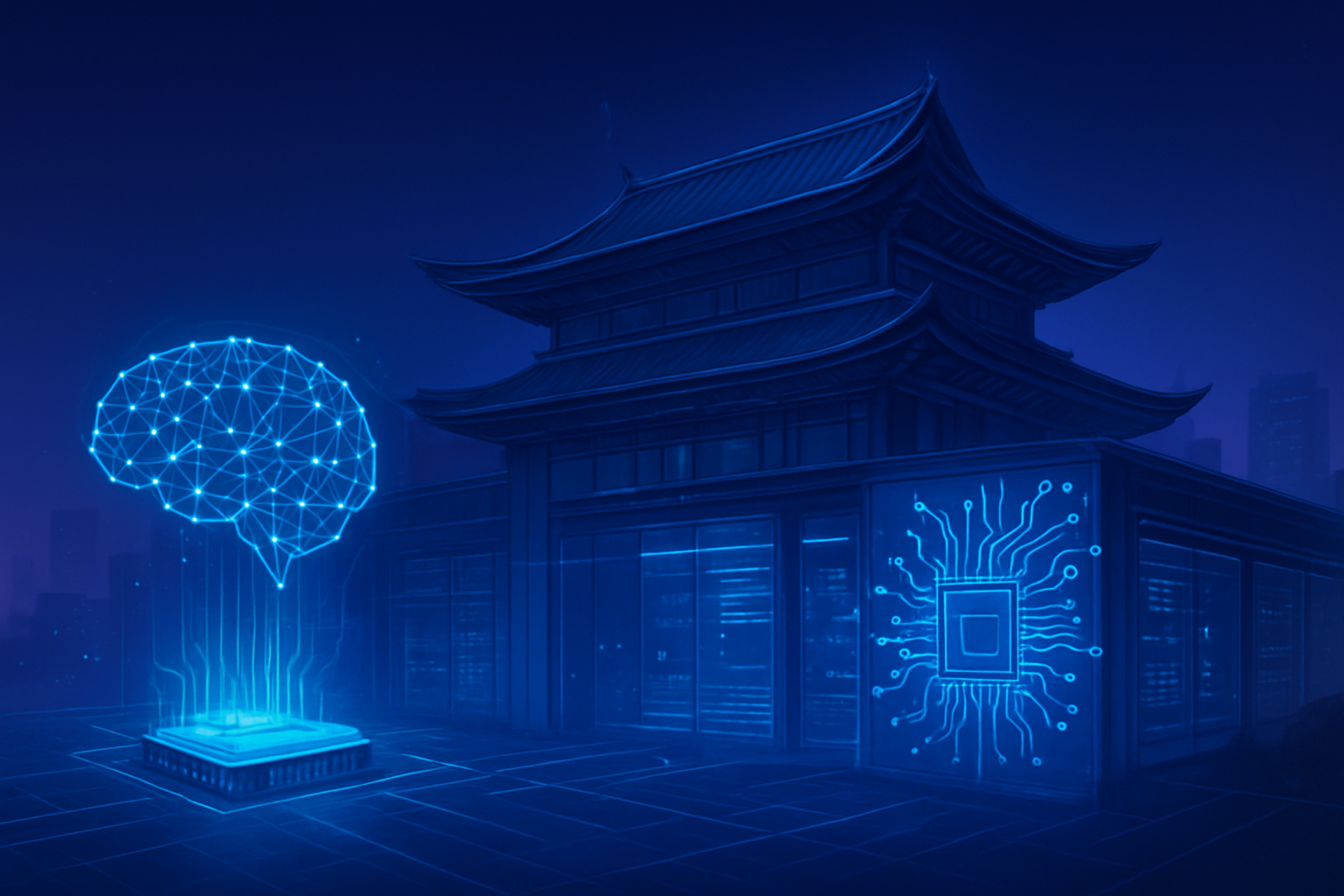
    Google Establishes Major AI Hardware Hub in Taiwan, Bolstering Global AI Infrastructure

    Google (NASDAQ: GOOGL) has officially unveiled its largest Artificial Intelligence (AI) infrastructure hardware engineering center outside of the United States, strategically located in Taipei, Taiwan. This multidisciplinary hub, inaugurated on November 20, 2025, is poised to become a critical nexus for the engineering, development, and testing of advanced AI hardware systems. Housing hundreds of engineers specializing in hardware, software, testing, and lab operations, the center signifies a profound commitment by Google to accelerate AI innovation and solidify its global AI infrastructure.

    The immediate significance of this investment cannot be overstated. The Taipei center will focus on the intricate process of integrating AI processors, such as Google's own Tensor Processing Units (TPU), onto motherboards and subsequently attaching them to servers. This cutting-edge technology developed and rigorously tested within this Taiwanese facility will be deployed across Google's vast network of global data centers, forming the computational backbone for services like Google Search, YouTube, and the rapidly evolving capabilities powered by Gemini. This strategic move leverages Taiwan's unparalleled position as a global leader in semiconductor manufacturing and its robust technology ecosystem, promising to significantly shorten development cycles and enhance the efficiency of AI hardware deployment.

    Engineering the Future: Google's Advanced AI Hardware Development in Taiwan

    At the heart of Google's new Taipei engineering center lies a profound focus on advancing the company's proprietary AI chips, primarily its Tensor Processing Units (TPUs). Engineers at this state-of-the-art facility will engage in the intricate process of integrating these powerful AI processors onto motherboards, subsequently assembling them into high-performance servers. Beyond chip integration, the center's mandate extends to comprehensive AI server design, encompassing critical elements such as robust power systems, efficient cooling technologies, and cutting-edge optical interconnects. This holistic approach ensures that the hardware developed here is optimized for the demanding computational requirements of modern AI workloads, forming the backbone for Google's global AI services.

    This strategic establishment in Taiwan represents a significant evolution in Google's approach to AI hardware development. Unlike previous, more geographically dispersed efforts, the Taipei center consolidates multidisciplinary teams – spanning hardware, software, testing, and lab work – under one roof. This integrated environment, coupled with Taiwan's unique position at the nexus of global semiconductor design, engineering, manufacturing, and deployment, is expected to dramatically accelerate innovation. Industry experts predict that this proximity to key supply chain partners, notably Taiwan Semiconductor Manufacturing Company (TSMC) (TPE: 2330), could reduce deployment cycle times for some projects by as much as 45%, a crucial advantage in the fast-paced AI landscape. Furthermore, the facility emphasizes sustainability, incorporating features like solar installations, low-emission refrigerants, and water-saving systems, setting a new benchmark for environmentally conscious AI data centers.

    Initial reactions from the AI research community and industry experts have been overwhelmingly positive. Taiwan's President Lai Ching-te lauded Google's investment, emphasizing its role in solidifying Taiwan's position as a trustworthy technology partner and a key hub for secure and reliable AI development. Raymond Greene, the de facto U.S. ambassador in Taipei, echoed these sentiments, highlighting the center as a testament to the deepening economic and technological partnership between the United States and Taiwan. Industry analysts anticipate a substantial boost to Taiwan's AI hardware ecosystem, predicting a surge in demand for locally produced AI server components, including advanced liquid cooling systems, power delivery modules, PCBs, and high-speed optical networking solutions, further cementing Taiwan's critical role in the global AI supply chain.

    Reshaping the AI Landscape: Competitive Dynamics and Market Shifts

    Google's (NASDAQ: GOOGL) strategic investment in its Taiwan AI hardware engineering center is poised to send ripple effects across the entire technology industry, creating both immense opportunities and intensified competition. Taiwanese semiconductor giants, most notably Taiwan Semiconductor Manufacturing Company (TSMC) (TPE: 2330), stand as primary beneficiaries, further integrating into Google's robust AI supply chain. The center's focus on integrating Google's Tensor Processing Units (TPUs) and other AI processors onto motherboards and servers will drive increased demand for local component suppliers and foster an "ecosystem" approach, with Google actively collaborating with manufacturers for next-generation semiconductors, image sensors, and displays. Reports also indicate a significant partnership with Taiwan's MediaTek (TPE: 2454) for future TPU development, leveraging MediaTek's strong relationship with TSMC and potential cost efficiencies, thereby elevating the role of Taiwanese design firms in cutting-edge AI silicon.

    For major AI labs and tech companies globally, Google's move intensifies the ongoing arms race in AI hardware. The Taipei center, as Google's largest AI hardware engineering hub outside the US, will significantly accelerate Google's AI capabilities and strengthen its worldwide data center ecosystem. A key strategic advantage for Google is its reduced reliance on NVIDIA's (NASDAQ: NVDA) dominant AI accelerators through the development of its custom TPUs and partnerships with companies like MediaTek. This vertical integration strategy provides Google with greater control over its AI infrastructure costs, innovation cycles, and ultimately, a distinct competitive edge. The expansion will also undoubtedly escalate the talent war for AI engineers and researchers in Taiwan, a trend already observed with other tech giants like Microsoft (NASDAQ: MSFT) actively recruiting in the region.

    The innovations stemming from Google's Taiwan center are expected to drive several market disruptions. The accelerated development and deployment of advanced AI hardware across Google's global data centers will lead to more sophisticated AI products and services across all sectors. Google's commitment to its in-house TPUs and strategic partnerships could shift market share dynamics in the specialized AI accelerator market, offering viable alternatives to existing solutions. Furthermore, the immense computing power unlocked by these advanced AI chips will put increasing pressure on existing software and hardware not optimized for AI to adapt or risk obsolescence. Google Cloud's "all-in" strategy on its AI agent platform, significantly bolstered by this hardware center, signals a future where AI services are more deeply integrated and autonomously capable, potentially disrupting current AI consumption models. This move solidifies Google's market positioning by leveraging Taiwan's world-class semiconductor industry, advanced R&D talent, and mature supply chain for integrated AI software and hardware development.

    A New Era of AI: Broader Implications and Geopolitical Undercurrents

    Google's (NASDAQ: GOOGL) establishment of its AI hardware engineering center in Taiwan transcends a mere expansion; it represents a profound alignment with several critical trends shaping the broader AI landscape in 2025. The center's dedication to developing and testing specialized AI chips, such as Google's Tensor Processing Units (TPUs), and their integration into sophisticated server architectures, underscores the industry's shift towards custom silicon as a strategic differentiator. These specialized processors offer superior performance, lower latency, and enhanced energy efficiency for complex AI workloads, exemplified by Google's recent unveiling of its seventh-generation TPU, "Ironwood." This move highlights that cutting-edge AI software is increasingly reliant on deeply optimized underlying hardware, making hardware a crucial competitive battleground. Furthermore, the work on power systems and cooling technologies at the Taiwan center directly addresses the imperative for energy-efficient AI deployments as global AI infrastructure scales.

    The impacts of this development are far-reaching. For Google, it significantly enhances its ability to innovate and deploy AI globally, strengthening its competitive edge against other cloud providers and AI leaders through optimized proprietary hardware. For Taiwan, the center cements its position as a critical player in the global AI supply chain and a hub for secure and trustworthy AI innovation. Taiwan's President Lai Ching-te hailed the investment as a testament to Google's confidence in the island as a reliable technology partner, further strengthening ties with US tech interests amidst rising geopolitical tensions. Economically, the center is expected to boost demand for Taiwan's AI hardware ecosystem and local component production, with AI development projected to contribute an estimated US$103 billion to Taiwan's economy by 2030. Globally, this move is part of a broader trend by US tech giants to diversify and de-risk supply chains, contributing to the development of secure AI technologies outside China's influence.

    Despite the numerous positive implications, potential concerns persist. Taiwan's highly strategic location, in the midst of escalating tensions with China, introduces geopolitical vulnerability; any disruption could severely impact the global AI ecosystem given Taiwan's near-monopoly on advanced chip manufacturing. Furthermore, former Intel (NASDAQ: INTC) CEO Pat Gelsinger highlighted in November 2025 that Taiwan's greatest challenge for sustaining AI development is its energy supply, emphasizing the critical need for a resilient energy chain. While Taiwan excels in hardware, it faces challenges in developing its AI software and application startup ecosystem compared to regions like Silicon Valley, and comprehensive AI-specific legislation is still in development. Compared to previous AI milestones like AlphaGo (2016) which showcased AI's potential, Google's Taiwan center signifies the large-scale industrialization and global deployment of AI capabilities, moving AI from research labs to the core infrastructure powering billions of daily interactions, deeply intertwined with geopolitical strategy and supply chain resilience.

    The Road Ahead: AI's Evolving Horizon from Taiwan

    In the near term, Google's (NASDAQ: GOOGL) Taiwan AI hardware engineering center is set to accelerate the development and deployment of AI systems for Google's global data centers. The primary focus will remain on the intricate integration of custom Tensor Processing Unit (TPU) AI processors onto motherboards and their assembly into high-performance servers. This multidisciplinary hub, housing hundreds of engineers across hardware, software, testing, and lab functions, is expected to significantly reduce deployment cycle times for some projects by up to 45%. Beyond hardware, Google is investing in talent development through initiatives like the Gemini Academy in Taiwan and empowering the developer community with tools like Google AI Studio, Vertex AI, and Gemma, with thousands of developers expected to participate in Google Cloud training. Infrastructure enhancements, such as the Apricot subsea cable, further bolster the center's connectivity. A reported partnership with MediaTek (TPE: 2454) for next-generation AI chips for various applications also signals an exciting near-term trajectory.

    Looking further ahead, Google's investment is poised to solidify Taiwan's standing as a crucial player in the global AI supply chain and a hub for secure and trustworthy AI development. This aligns with Google's broader strategy to strengthen its global AI infrastructure while diversifying operations beyond the United States. Economically, Taiwan is projected to gain significantly, with an estimated US$103 billion in economic benefits from AI development by 2030, nearly half of which is expected in the manufacturing sector. The technologies developed here will underpin a vast array of AI applications globally, including powering Google's core services like Search, YouTube, and Gemini, and accelerating generative AI across diverse sectors such as tourism, manufacturing, retail, healthcare, and entertainment. Specific use cases on the horizon include advanced AI agents for customer service, enhanced in-car experiences, enterprise productivity tools, AI research assistants, business optimization, early breast cancer detection, and robust AI-driven cybersecurity tools.

    Despite the optimistic outlook, challenges remain. Geopolitical tensions, particularly with China's claims over Taiwan, introduce a degree of uncertainty, necessitating a strong focus on developing secure and trustworthy AI systems. The highly competitive global AI landscape demands continuous investment in AI infrastructure and talent development to maintain Taiwan's competitive edge. While Google is actively training a significant number of AI professionals, the rapid pace of technological change requires ongoing efforts to cultivate a skilled workforce. Experts and officials largely predict a positive trajectory, viewing the new center as a testament to Taiwan's place as an important center for global AI innovation and a key hub for building secure and trustworthy AI. Raymond Greene, the de facto US ambassador in Taipei, sees this as a reflection of a deep partnership and a "new golden age in US-Taiwan economic relations," with analysts suggesting that Google's investment is part of a broader trend among US tech companies to leverage Taiwan's world-class semiconductor production capabilities and highly skilled engineering talent.

    Conclusion: Taiwan at the Forefront of the AI Revolution

    Google's (NASDAQ: GOOGL) inauguration of its largest AI hardware engineering center outside the United States in Taipei, Taiwan, marks a pivotal moment in the ongoing artificial intelligence revolution. This strategic investment underscores Google's commitment to advancing its proprietary AI hardware, particularly its Tensor Processing Units (TPUs), and leveraging Taiwan's unparalleled expertise in semiconductor manufacturing and high-tech engineering. The center is not merely an expansion; it's a testament to the increasing importance of integrated hardware and software co-design in achieving next-generation AI capabilities and the critical need for resilient, diversified global supply chains in a geopolitically complex world.

    The significance of this development in AI history cannot be overstated. It represents a maturation of AI from theoretical breakthroughs to large-scale industrialization, where the physical infrastructure becomes as crucial as the algorithms themselves. This move solidifies Taiwan's indispensable role as a global AI powerhouse, transforming it from a manufacturing hub into a high-value AI engineering and innovation center. As we look ahead, the coming weeks and months will likely see accelerated progress in Google's AI capabilities, further integration with Taiwan's robust tech ecosystem, and potentially new partnerships that will continue to shape the future of AI. The world will be watching closely as this strategic hub drives innovation that will power the next generation of AI-driven services and applications across the globe.


    This content is intended for informational purposes only and represents analysis of current AI developments.

    TokenRing AI delivers enterprise-grade solutions for multi-agent AI workflow orchestration, AI-powered development tools, and seamless remote collaboration platforms.
    For more information, visit https://www.tokenring.ai/.

  • Nvidia’s AI Reign Continues: Blockbuster Earnings Ignite Global Tech Rally

    Nvidia’s AI Reign Continues: Blockbuster Earnings Ignite Global Tech Rally

    Santa Clara, CA – November 20, 2025 – Nvidia (NASDAQ: NVDA) sent shockwaves through the global financial markets yesterday with a blockbuster third-quarter fiscal year 2026 earnings report that not only shattered analyst expectations but also reignited a fervent rally across artificial intelligence and broader technology stocks. The semiconductor giant's performance served as a powerful testament to the insatiable demand for its cutting-edge AI chips and data center solutions, cementing its status as the undisputed kingpin of the AI revolution and alleviating lingering concerns about a potential "AI bubble."

    The astonishing results, announced on November 19, 2025, painted a picture of unprecedented growth and profitability, driven almost entirely by the foundational infrastructure powering the world's rapidly expanding AI capabilities. Nvidia's stellar financial health and optimistic future guidance have injected a fresh wave of confidence into the tech sector, prompting investors worldwide to double down on AI-centric ventures and signaling a sustained period of innovation and expansion.

    Unpacking the Unprecedented: Nvidia's Financial Prowess in Detail

    Nvidia's Q3 FY2026 report showcased a financial performance that defied even the most optimistic projections. The company reported a record revenue of $57.0 billion, marking a staggering 62% year-over-year increase and a 22% sequential rise from the previous quarter. This figure comfortably outstripped Wall Street's consensus estimates, which had hovered around $54.9 billion to $55.4 billion. Diluted earnings per share (EPS) also soared, reaching $1.30 on both a GAAP and non-GAAP basis, significantly surpassing forecasts of $1.25 to $1.26 and representing a 67% year-over-year increase for GAAP EPS. Net income for the quarter surged by an impressive 65% year-over-year to $31.91 billion.

    The cornerstone of this remarkable growth was, unequivocally, Nvidia's data center segment, which contributed a record $51.2 billion to the total revenue. This segment alone witnessed a phenomenal 66% year-over-year increase and a 25% sequential rise, far exceeding market estimates of approximately $49.3 billion. CEO Jensen Huang underscored the extraordinary demand, stating that "Blackwell sales are off the charts, and cloud GPUs are sold out," referring to their latest generation of AI superchips, including the Blackwell Ultra architecture. Compute revenue within the data center segment reached $43.0 billion, propelled by the GB300 ramp, while networking revenue more than doubled to $8.2 billion, highlighting the comprehensive infrastructure build-out.

    Despite a slight year-over-year dip in GAAP gross margin to 73.4% (from 74.6%) and non-GAAP gross margin to 73.6% (from 75.0%), the company attributed this to the ongoing transition from Hopper HGX systems to full-scale Blackwell data center solutions, anticipating an improvement as Blackwell production ramps up. Looking ahead, Nvidia provided an exceptionally strong outlook for the fourth quarter of fiscal year 2026, forecasting revenue of approximately $65.0 billion, plus or minus 2%. This guidance substantially surpassed analyst estimates of $61.6 billion to $62.0 billion. The company also projects GAAP and non-GAAP gross margins to reach 74.8% and 75.0%, respectively, for Q4, signaling sustained robust profitability. CFO Colette Kress affirmed that Nvidia is on track to meet or exceed its previously disclosed half-trillion dollars in orders for Blackwell and next-gen Rubin chips, covering calendar years 2025-2026, demonstrating an unparalleled order book for future AI infrastructure.

    Repercussions Across the AI Ecosystem: Winners and Strategic Shifts

    Nvidia's stellar earnings report has had immediate and profound implications across the entire AI ecosystem, creating clear beneficiaries and prompting strategic re-evaluations among tech giants and startups alike. Following the announcement, Nvidia's stock (NASDAQ: NVDA) surged by approximately 2.85% in aftermarket trading and continued its ascent with a further 5% jump in pre-market and early trading, reaching around $196.53. This strong performance served as a powerful vote of confidence in the sustained growth of the AI market, alleviating some investor anxieties about market overvaluation.

    The bullish sentiment rapidly extended beyond Nvidia, sparking a broader rally across the semiconductor and AI-related sectors. Other U.S. chipmakers, including Advanced Micro Devices (NASDAQ: AMD), Intel (NASDAQ: INTC), Broadcom (NASDAQ: AVGO), Arm Holdings (NASDAQ: ARM), and Micron Technology (NASDAQ: MU), all saw their shares climb in after-hours and pre-market trading. This indicates that the market views Nvidia's success not as an isolated event, but as a bellwether for robust demand across the entire AI supply chain, from foundational chip design to memory and networking components.

    For major AI labs and tech companies heavily investing in AI research and deployment, Nvidia's sustained dominance in high-performance computing hardware is a double-edged sword. While it provides access to the best-in-class infrastructure necessary for training increasingly complex models, it also solidifies Nvidia's significant pricing power and market control. Companies like Microsoft (NASDAQ: MSFT), Google (NASDAQ: GOOGL), and Amazon (NASDAQ: AMZN), which operate vast cloud AI services, are simultaneously major customers of Nvidia and potential competitors in custom AI silicon. Nvidia's latest report suggests that for the foreseeable future, reliance on its GPUs will remain paramount, potentially impacting the development timelines and cost structures of alternative AI hardware solutions. Startups in the AI space, particularly those focused on large language models or specialized AI applications, will continue to rely heavily on cloud infrastructure powered by Nvidia's chips, making access and cost critical factors for their growth and innovation.

    The Broader AI Landscape: Sustained Boom or Overheated Optimism?

    Nvidia's Q3 FY2026 earnings report firmly places the company at the epicenter of the broader AI landscape, validating the prevailing narrative of a sustained and accelerating AI boom. The sheer scale of demand for its data center products, particularly the Blackwell and upcoming Rubin architectures, underscores the foundational role of specialized hardware in driving AI advancements. This development fits squarely within the trend of massive capital expenditure by cloud providers and enterprises globally, all racing to build out the infrastructure necessary to leverage generative AI and other advanced machine learning capabilities.

    The report's impact extends beyond mere financial figures; it serves as a powerful indicator that the demand for AI computation is not merely speculative but deeply rooted in tangible enterprise and research needs. Concerns about an "AI bubble" have been a persistent undercurrent in market discussions, with some analysts drawing parallels to previous tech booms and busts. However, Nvidia's "beat and raise" report, coupled with its unprecedented order book for future chips, suggests that the current investment cycle is driven by fundamental shifts in computing paradigms and real-world applications, rather than purely speculative fervor. This sustained demand differentiates the current AI wave from some previous tech milestones, where adoption often lagged behind initial hype.

    Potential concerns, however, still linger. The rapid concentration of AI hardware supply in the hands of a few key players, primarily Nvidia, raises questions about market competition, supply chain resilience, and the potential for bottlenecks. While Nvidia's innovation pace is undeniable, a healthy ecosystem often benefits from diverse solutions. The environmental impact of these massive data centers and the energy consumption of training increasingly large AI models also remain significant long-term considerations that will need to be addressed as the industry scales further. Nevertheless, the Q3 report reinforces the idea that the AI revolution is still in its early to middle stages, with substantial room for growth and transformation across industries.

    The Road Ahead: Future Developments and Expert Predictions

    Looking ahead, Nvidia's Q3 FY226 earnings report provides a clear roadmap for near-term and long-term developments in the AI hardware space. The company's aggressive ramp-up of its Blackwell architecture and the confirmed half-trillion dollars in orders for Blackwell and next-gen Rubin chips for calendar years 2025-2026 indicate a robust pipeline of high-performance computing solutions. We can expect to see further integration of these advanced GPUs into cloud services, enterprise data centers, and specialized AI research initiatives. The focus will likely shift towards optimizing software stacks and AI frameworks to fully leverage the capabilities of these new hardware platforms, unlocking even greater computational efficiency and performance.

    Potential applications and use cases on the horizon are vast and varied. Beyond the current focus on large language models and generative AI, the enhanced computational power will accelerate breakthroughs in scientific discovery, drug design, climate modeling, autonomous systems, and personalized medicine. Edge AI, where AI processing happens closer to the data source, will also see significant advancements as more powerful and efficient chips become available, enabling real-time intelligence in a wider array of devices and industrial applications. The tight integration of compute and networking, as highlighted by Nvidia's growing networking revenue, will also be crucial for building truly scalable AI superclusters.

    Despite the optimistic outlook, several challenges need to be addressed. Supply chain resilience remains paramount, especially given the geopolitical landscape and the complex manufacturing processes involved in advanced semiconductors. The industry will also need to tackle the increasing power consumption of AI systems, exploring more energy-efficient architectures and cooling solutions. Furthermore, the talent gap in AI engineering and data science will likely widen as demand for these skills continues to outpace supply. Experts predict that while Nvidia will maintain its leadership position, there will be increasing efforts from competitors and major tech companies to develop custom silicon and open-source AI hardware alternatives to diversify risk and foster innovation. The next few years will likely see a fierce but healthy competition in the AI hardware and software stack.

    A New Benchmark for the AI Era: Wrap-up and Outlook

    Nvidia's Q3 FY2026 earnings report stands as a monumental event in the history of artificial intelligence, setting a new benchmark for financial performance and market impact within the rapidly evolving sector. The key takeaways are clear: demand for AI infrastructure, particularly high-performance GPUs, is not only robust but accelerating at an unprecedented pace. Nvidia's strategic foresight and relentless innovation have positioned it as an indispensable enabler of the AI revolution, with its Blackwell and upcoming Rubin architectures poised to fuel the next wave of computational breakthroughs.

    This development's significance in AI history cannot be overstated. It underscores the critical interdependency between advanced hardware and software in achieving AI's full potential. The report serves as a powerful validation for the billions invested in AI research and development globally, confirming that the industry is moving from theoretical promise to tangible, revenue-generating applications. It also signals a maturing market where foundational infrastructure providers like Nvidia play a pivotal role in shaping the trajectory of technological progress.

    The long-term impact will likely include a continued push for more powerful, efficient, and specialized AI hardware, further integration of AI into every facet of enterprise operations, and an acceleration of scientific discovery. What to watch for in the coming weeks and months includes how competitors respond with their own hardware roadmaps, the pace of Blackwell deployments in major cloud providers, and any shifts in capital expenditure plans from major tech companies. The market's reaction to Nvidia's guidance for Q4 will also be a key indicator of sustained investor confidence in the AI supercycle. The AI journey is far from over, and Nvidia's latest triumph marks a significant milestone on this transformative path.


    This content is intended for informational purposes only and represents analysis of current AI developments.

    TokenRing AI delivers enterprise-grade solutions for multi-agent AI workflow orchestration, AI-powered development tools, and seamless remote collaboration platforms.
    For more information, visit https://www.tokenring.ai/.

  • The AI-Fueled Ascent: Semiconductors Drive Unprecedented Tech Stock Rally

    The AI-Fueled Ascent: Semiconductors Drive Unprecedented Tech Stock Rally

    The global technology sector is currently riding an extraordinary wave of growth, experiencing a sustained stock rally largely orchestrated by the relentless advance of Artificial Intelligence (AI). At the heart of this market upswing, as of November 2025, lies the semiconductor industry, whose innovative chip designs and manufacturing prowess are proving indispensable to the AI revolution. This rally, marked by both exhilarating gains and underlying anxieties, signifies a profound industrial transformation, reshaping market valuations and future technological landscapes.

    The Silicon Backbone: Unpacking the Semiconductor Sector's Dominance

    The semiconductor sector has not merely participated in the current tech stock rally; it has actively driven it, demonstrating remarkable resilience and explosive growth. As of November 2025, the industry's performance underscores its pivotal role as the foundational hardware layer for the AI era. The PHLX Semiconductor Index (SOX) has consistently outperformed broader market indices, with a 60% gain from April to August 2025, significantly outpacing the S&P 500's 27% return in the same period. The global semiconductor market is projected to reach $800 billion in 2025, an almost 18% increase from 2024, with further 15% growth anticipated in 2025, largely propelled by AI and high-performance computing (HPC) demand.

    Leading this charge are several key players whose stock performance and technological innovations have been nothing short of spectacular. Nvidia (NASDAQ: NVDA) remains the undisputed market leader in AI chips, with its stock returning over 240% from January 2024 to January 2025 and hitting an all-time high of $1,280 per share in May 2025. The company's data center revenue reached a staggering $51.2 billion in Q3 Fiscal Year 2026 (reported November 2025), a 66% year-over-year increase, cementing its leadership. Taiwan Semiconductor Manufacturing Company (NYSE: TSM), the world's largest dedicated chip foundry, saw its stock nearly double in 2024, surpassing the S&P 500 and the broader tech sector, primarily due to the thriving generative AI market. TSMC's shares climbed 4.7% on November 20, 2025, reflecting its critical role. Broadcom (NASDAQ: AVGO) also saw its stock more than double in 2024, with AI-related demand expected to constitute 40%-50% of its revenue, and its AI revenues surging 63% year-over-year in Q3 fiscal 2025. Advanced Micro Devices (NASDAQ: AMD) has also shown strong recovery and growth potential, with its data center segment reporting a significant 122% revenue increase in Q3 2024, and analysts anticipating a 54% increase in its earnings per share for 2025. ASML (NASDAQ: ASML), holding a global monopoly in extreme ultraviolet (EUV) lithography machines crucial for advanced chip manufacturing, ensures strong demand from leading foundries. In contrast, Intel (NASDAQ: INTC) underperformed in 2024 but is anticipating a strong recovery in fiscal year 2025, strategically focusing on edge AI, agentic AI, and AI-enabled consumer devices.

    The underlying technological advancements fueling this boom are multifaceted. The relentless demand for specialized AI chips, including GPUs from Nvidia (like the Blackwell architecture) and AI accelerators from AMD (MI300 series), is paramount. High-Bandwidth Memory (HBM), essential for AI systems, surged to account for 20% of DRAM sales in 2024, with HBM4 expected in late 2025. Advanced packaging technologies, such as TSMC's CoWoS 2.5D, are critical for continued chip innovation, with TSMC's capacity expected to double in 2025. The race for smaller process nodes (e.g., TSMC's 2nm and Intel's 20A/18A by mid-2025), enabled by ASML's EUV lithography, continues to enhance performance and energy efficiency. Demand drivers extend beyond AI, encompassing data centers and cloud infrastructure, high-performance computing, and the expansion into edge devices and consumer electronics. Government-backed industrial policies, such as the US CHIPS Act, and supply chain realignments further bolster the sector.

    While the current rally draws comparisons to the dot-com bubble of the late 1990s due to valuation concerns and concentration risk among a few dominant players, significant differences exist. Unlike the dot-com era, where many companies lacked solid business models, today's rally is driven by tangible and rapidly expanding demand for mission-critical inputs for AI, electric vehicles, and advanced electronics. The semiconductor sector's earnings grew by an astonishing 73% per year from 2023 to August 2024, reflecting robust fundamental growth rather than pure speculation.

    Ripple Effects: Impact on AI Companies, Tech Giants, and Startups

    The semiconductor rally is profoundly reshaping the competitive landscape for AI companies, tech giants, and startups alike. The "insatiable" demand for specialized AI chips is driving massive strategic investments, fostering innovation, and creating both unprecedented opportunities and potential disruptions across the technology industry.

    The most direct beneficiaries are the semiconductor manufacturers and designers. Nvidia (NASDAQ: NVDA) continues its reign, commanding over 80% of the AI infrastructure market, with its GPUs in "off the charts" demand from hyperscale cloud providers. TSMC (NYSE: TSM) remains the critical foundry, with its AI-related revenue projected to double in 2025, fueled by reliance from major tech players like Nvidia, Apple (NASDAQ: AAPL), AMD, and Qualcomm (NASDAQ: QCOM). AMD (NASDAQ: AMD) is aggressively targeting a double-digit market share in data center AI chips, anticipating its AI data center business to reach tens of billions in sales by 2027. Broadcom (NASDAQ: AVGO) is also a strong beneficiary, with AI-related demand expected to constitute 40%-50% of its revenue, and its AI revenues surging 63% year-over-year in Q3 fiscal 2025. Even Intel (NASDAQ: INTC), while facing challenges, is strategically shifting towards edge AI and AI-enabled consumer devices, and its Intel Foundry Services (IFS) aims to become a major foundry player.

    Tech giants are responding with strategic shifts, heavy investment, and vertical integration. Hyperscale cloud providers like Microsoft (NASDAQ: MSFT), Meta (NASDAQ: META), Amazon (NASDAQ: AMZN), and Alphabet (NASDAQ: GOOGL) are fueling the demand for AI chips, significantly increasing their capital expenditures on AI infrastructure. These companies are not only major buyers of Nvidia's chips but are also increasingly developing their own custom AI silicon, such as Amazon Web Services' (AWS) Trainium and Inferentia chips, and Google's Tensor Processing Units (TPUs). This vertical integration optimizes hardware for specific AI workloads, reduces reliance on external suppliers, and provides a competitive edge in cloud AI services. The "Magnificent 7" tech giants are engaged in massive capital expenditures for AI infrastructure, benefiting the semiconductor industry, but also raising questions about long-term profit margins.

    For startups, the AI chip rally presents a mixed bag. While it creates immense opportunities for specialization in niche areas (e.g., Tenstorrent for specialized processors, Encharge AI for PC accelerator chips), the high cost of AI development and deployment favors those with deep pockets. Smaller AI startups without significant capital may struggle to compete, potentially leading to increased consolidation or a widening gap between tech giants and smaller players. Access to advanced manufacturing capacity, primarily dominated by TSMC, also poses a challenge. The intensifying competition is driving innovation, shifting focus from general-purpose CPUs to specialized AI chips, and evolving the foundry landscape with Intel Foundry Services aiming to become a significant player. Geopolitical tensions and supply constraints, particularly for leading-edge nodes and advanced packaging, remain potential disruptions, compelling companies like TSMC to deepen their U.S. footprint.

    A New Era: Broader Significance and the AI Landscape

    The current tech stock rally and the semiconductor boom are deeply intertwined with the broader AI landscape, signifying a transformative period for technology, economics, and global geopolitics. As of November 2025, this surge is driven by an unprecedented demand for high-performance computing, essential for AI workloads, but it also prompts concerns about market overvaluation and supply chain vulnerabilities.

    The rally is largely powered by a select group of AI "mega-caps," with Nvidia (NASDAQ: NVDA) at the forefront, reinforcing the narrative of a fundamental industrial transformation. The semiconductor boom itself is fueled by what is being termed the "AI Supercycle," characterized by an insatiable demand for advanced, specialized chips required for generative AI, HPC, and AI at the edge. This surge is leading to significant increases in capital expenditures, with nearly half of the semiconductor industry's capital expenditure expected to be driven by AI by 2030.

    The impacts on AI development are profound. Massive investments in AI infrastructure by tech giants like Microsoft (NASDAQ: MSFT), Amazon (NASDAQ: AMZN), and Meta (NASDAQ: META), including the acquisition of millions of GPUs, are enabling the training and deployment of increasingly complex AI models. This demand is also driving innovation in chip design, focusing on energy efficiency, faster processing speeds, and increased memory bandwidth (e.g., HBM3E and HBM4). The computational power unlocked by these advanced semiconductors is accelerating breakthroughs across various AI domains, from more capable generative AI chatbots with multimodal inputs and long-term memory to AI assistants transforming workflows and significant advancements in AI for healthcare, science, and robotics.

    Despite the bullish sentiment, several concerns accompany the current rally. Fears of an "AI bubble" are widespread, drawing comparisons to the dot-com bubble due to high valuations and reports of limited returns on generative AI investments for some organizations. Supply chain vulnerabilities persist, with reliance on limited manufacturing hubs and potential material shortages. Geopolitical tensions, particularly between the United States and China, significantly impact the AI and semiconductor industries through export controls and tariffs, driving regionalization of supply chains and influencing global dynamics.

    However, many experts argue this period is distinct from previous "AI winters" or the dot-com bubble due to the tangible value provided by current AI systems, stronger global regulatory frameworks, and significant institutional participation in investment. Key breakthroughs defining this era include the rise of generative AI (e.g., ChatGPT, Gemini), multimodal AI capabilities, and real-world impact in specialized fields like protein folding prediction and AI-driven drug discovery. The sheer scale of investment, forecast to approach $200 billion in 2025, and the rapid pace of technological advancement differentiate this period, creating a critical window from 2026-2030 for companies to demonstrate tangible returns on these massive expenditures.

    The Horizon: Future Developments and Expert Outlook

    The tech stock rally, particularly in the semiconductor sector, is poised for continued robust growth in both the near-term and long-term, driven by transformative technologies and expanding applications. However, this optimistic outlook is tempered by significant challenges that necessitate strategic responses from industry leaders and policymakers.

    The broader tech stock rally is expected to maintain momentum, propelled by AI, cloud computing, and ongoing digital transformation. The semiconductor industry itself is projected to reach approximately $697 billion in 2025, marking an 11% year-over-year increase, and is on track to achieve a $1 trillion valuation by 2030, potentially even $1.6 trillion. Key growth drivers include AI, the automotive sector (especially EVs and autonomous driving), data centers, cloud computing, and the Internet of Things (IoT) and 5G expansion.

    On the horizon, potential applications and use cases are vast. Generative AI will continue to integrate across industries, leading to new software solutions, predictive analytics, and automated services. Edge computing will expand AI workloads beyond centralized data centers to devices like smartphones and industrial sensors, requiring high-performance, low-latency chips. While nascent, quantum computing presents opportunities for a new market for quantum processors. Within the semiconductor sector, future developments include the creation of more AI-optimized products, including neuromorphic designs, continued advancements in packaging (chiplets, 3D stacking), exploration of new materials beyond silicon, and the increasing use of AI in manufacturing for optimization and defect detection.

    However, significant challenges loom. Supply chain disruptions and geopolitical tensions remain critical vulnerabilities, with reliance on limited manufacturing hubs and potential material shortages. Onshoring initiatives, while strategic, face hurdles due to lack of local expertise and regulatory complexities. Technological complexity and miniaturization continue to drive up manufacturing costs, pushing the limits of Moore's Law and necessitating heavy R&D investment in new architectures. A persistent global talent shortage across AI, cybersecurity, and engineering fields poses a significant bottleneck. Cybersecurity threats are also expanding with the rapid adoption of IoT and generative AI. Furthermore, the surging energy consumption of AI data centers raises concerns about sustainability and environmental impact.

    Despite these challenges, experts are largely optimistic. AI will remain the "reigning king of technology," driving demand for specialized chips and advanced memory solutions. The industry will focus on improving advanced lithography and transistor technology, with advanced packaging and chiplets seen as the next stage for chip innovation. Significant capital expenditures in manufacturing capacity are expected, with $1 trillion projected between 2025 and 2030 for onshore investments. The industry will increasingly leverage AI and machine learning to optimize design and manufacturing processes and address the talent gap through continuous reskilling and upskilling.

    Concluding Thoughts: A Transformative Era with Vigilant Optimism

    The current tech stock rally, powered by the AI revolution and the foundational role of the semiconductor sector, represents a transformative period for the market. It underscores a fundamental shift in technology, with AI driving a robust, multi-year productivity cycle that is redefining businesses, enhancing corporate success, and fueling global investment. The semiconductor industry, acting as the "picks and shovels" provider for this new gold rush, is experiencing unprecedented growth, with its market capitalization soaring and sales projected to reach $1 trillion by 2030.

    The significance of this development in AI history cannot be overstated. Unlike previous speculative bubbles, the current boom is largely underpinned by tangible value creation, measurable tasks, and deep integration of AI into business processes. The massive capital influx into AI infrastructure, coupled with continuous innovation in chip design and advanced packaging, is accelerating breakthroughs across all AI domains, from generative AI to robotics. This wave of technological innovation is expected to unfold for many years, establishing a higher baseline for growth driven by AI, data centers, electric vehicles, industrial automation, and robotics.

    In the coming weeks and months, investors and industry watchers must remain vigilant. Key indicators to monitor include Nvidia's (NASDAQ: NVDA) continued performance and guidance, the ability of tech companies to translate AI investments into sustained profits, and the pace of AI spending growth. The macroeconomic environment, including interest rates and inflation, will continue to influence market dynamics. Crucially, the resilience of the semiconductor supply chain against geopolitical risks and potential material shortages will be a critical factor. Furthermore, observing whether the rally genuinely broadens beyond mega-cap tech to encompass mid-cap tech and software companies will be important for market diversification and overall stability. The ongoing talent landscape and the industry's commitment to sustainability will also play a significant role in shaping its long-term trajectory.


    This content is intended for informational purposes only and represents analysis of current AI developments.

    TokenRing AI delivers enterprise-grade solutions for multi-agent AI workflow orchestration, AI-powered development tools, and seamless remote collaboration platforms.
    For more information, visit https://www.tokenring.ai/.

  • TSMC Rocked by Alleged 2nm and A16 Secret Leak: Former Executive Under Scrutiny

    Hsinchu, Taiwan – November 20, 2025 – Taiwan Semiconductor Manufacturing Company (TSMC) (NYSE: TSM), the world's leading contract chipmaker, finds itself embroiled in a high-stakes investigation following the suspected leak of its most advanced manufacturing secrets. The alleged breach centers on highly coveted 2-nanometer (2nm), A16, and A14 process technologies, critical for the next generation of high-performance computing and artificial intelligence. This incident has sent ripples through the global semiconductor industry, raising urgent questions about intellectual property protection and the intense competition for technological supremacy.

    The allegations primarily target Lo Wei-jen, a former Senior Vice President for Corporate Strategy Development at TSMC, who retired in July 2025 after a distinguished 21-year career with the company. Prosecutors officially launched an investigation on November 19, 2025, into claims that Lo Wei-jen may have taken confidential documents related to these cutting-edge processes, potentially transferring them to Intel (NASDAQ: INTC), a company he reportedly joined in late October 2025. This development comes on the heels of earlier internal suspicions at TSMC and a broader crackdown on industrial espionage in Taiwan's critical semiconductor sector.

    Unpacking the Alleged Breach: The Crown Jewels of Chipmaking at Risk

    The core of the alleged leak involves TSMC's 2nm, A16, and A14 process technologies, representing the pinnacle of semiconductor manufacturing. The 2nm process, in particular, is a game-changer, promising unprecedented transistor density, power efficiency, and performance gains crucial for powering advanced AI accelerators, high-end mobile processors, and data center infrastructure. These technologies are not merely incremental improvements; they are foundational advancements that dictate the future trajectory of computing power and innovation across industries.

    While specific technical specifications of the allegedly leaked information remain under wraps due to the ongoing investigation, the sheer significance of 2nm technology lies in its ability to pack more transistors into a smaller area, enabling more complex and powerful chips with reduced energy consumption. This leap in miniaturization is achieved through novel transistor architectures and advanced lithography techniques, differentiating it significantly from existing 3nm or 4nm processes currently in mass production. The A16 and A14 processes further extend this technological lead, indicating TSMC's roadmap for continued dominance. Initial reactions from the AI research community and industry experts, though cautious due to the lack of confirmed details, underscore the potential competitive advantage such information could confer. The consensus is that any insight into these proprietary processes could shave years off development cycles for competitors, particularly in the race to develop more powerful and efficient AI hardware.

    This incident differs markedly from typical employee departures, where knowledge transfer is often limited to general strategic insights. The allegations suggest a systematic attempt to extract detailed technical documentation, reportedly involving requests for comprehensive briefings on advanced technologies prior to retirement and the physical removal of a significant volume of data. This level of alleged misconduct points to a calculated effort to compromise TSMC's technological lead, rather than an incidental transfer of general expertise.

    Competitive Whirlwind: Reshaping the Semiconductor Landscape

    The potential leak of TSMC's 2nm, A16, and A14 process technologies carries profound implications for AI companies, tech giants, and startups alike. If the allegations prove true, Intel (NASDAQ: INTC), the company Lo Wei-jen allegedly joined, stands to potentially benefit from this development. Access to TSMC's advanced process know-how could significantly accelerate Intel's efforts to catch up in the foundry space and bolster its own manufacturing capabilities, particularly as it aims to reclaim its leadership in chip technology and become a major contract chipmaker. This could directly impact its ability to produce competitive AI chips and high-performance CPUs.

    The competitive implications for major AI labs and tech companies are immense. Companies like NVIDIA (NASDAQ: NVDA), Apple (NASDAQ: AAPL), and Qualcomm (QCOM), which rely heavily on TSMC's cutting-edge manufacturing for their AI accelerators and mobile processors, could face a more diversified and potentially more competitive foundry landscape in the long run. While TSMC's immediate market position as the dominant advanced foundry remains strong, any erosion of its unique technological advantage could lead to increased pressure on pricing and lead times. For startups in the AI hardware space, a more competitive foundry market could offer more options, but also introduces uncertainty regarding the future availability and pricing of the most advanced nodes.

    Potential disruption to existing products or services could manifest if competitors leverage the leaked information to rapidly close the technology gap, forcing TSMC's customers to reassess their supply chain strategies. This scenario could lead to a reshuffling of orders and a more fragmented market for advanced chip manufacturing. TSMC's strategic advantage has long been its unparalleled process technology leadership. A successful breach of these core secrets could undermine that advantage, impacting its market positioning and potentially altering the competitive dynamics between pure-play foundries and integrated device manufacturers (IDMs).

    Broader Ramifications: A Wake-Up Call for IP Protection

    This alleged leak fits into a broader, escalating trend of industrial espionage and intellectual property theft within the global technology sector, particularly concerning critical national technologies like semiconductors. Taiwan, a global leader in chip manufacturing, has been increasingly vigilant against such threats, especially given the geopolitical significance of its semiconductor industry. The incident underscores the immense value placed on advanced chipmaking know-how and the lengths to which competitors or state-backed actors might go to acquire it.

    The impacts extend beyond mere corporate competition. Such leaks raise significant concerns about supply chain security and national economic resilience. If core technologies of a critical industry leader like TSMC can be compromised, it could have cascading effects on global technology supply chains, impacting everything from consumer electronics to defense systems. This incident also draws comparisons to previous AI milestones and breakthroughs where proprietary algorithms or architectural designs were fiercely protected, highlighting that the battle for technological supremacy is fought not just in research labs but also in the realm of corporate espionage.

    Potential concerns include the long-term erosion of trust within the industry, increased costs for security measures, and a more protectionist stance from technology-leading nations. The incident serves as a stark reminder that as AI and other advanced technologies become more central to economic and national security, the safeguarding of the underlying intellectual property becomes paramount.

    The Road Ahead: Navigating Uncertainty and Bolstering Defenses

    In the near-term, the focus will be on the ongoing investigation by Taiwanese prosecutors. The outcome of this probe, including any indictments and potential legal ramifications for Lo Wei-jen and others involved, will be closely watched. TSMC is expected to double down on its internal security protocols and intellectual property protection measures, potentially implementing even stricter access controls, monitoring systems, and employee agreements. The company's "zero-tolerance policy" for IP violations will likely be reinforced with more robust enforcement mechanisms.

    Long-term developments could see a re-evaluation of industry practices regarding employee mobility, particularly for senior executives with access to highly sensitive information. There might be increased calls for stricter non-compete clauses and extended cooling-off periods for individuals transitioning between rival companies, especially across national borders. Potential applications and use cases on the horizon for TSMC include further advancements in 2nm and beyond, catering to the ever-increasing demands of AI and high-performance computing. However, challenges that need to be addressed include maintaining talent while preventing knowledge transfer, balancing innovation with security, and navigating a complex geopolitical landscape where technological leadership is a strategic asset.

    Experts predict that this incident will serve as a significant catalyst for the entire semiconductor industry to review and strengthen its IP protection strategies. It's also likely to intensify the global competition for top engineering talent, as companies seek to innovate internally while simultaneously safeguarding their existing technological advantages.

    A Critical Juncture for Semiconductor Security

    The suspected leak of TSMC's core technical secrets marks a critical juncture in the ongoing battle for technological supremacy in the semiconductor industry. The allegations against former executive Lo Wei-jen, involving the company's most advanced 2nm, A16, and A14 process technologies, underscore the immense value of intellectual property in today's high-tech landscape. The incident highlights not only the internal vulnerabilities faced by even the most secure companies but also the broader implications for national security and global supply chains.

    The significance of this development in AI history cannot be overstated. As AI applications become more sophisticated, they demand increasingly powerful and efficient underlying hardware. Any compromise of the foundational manufacturing processes that enable such hardware could have far-reaching consequences, potentially altering competitive dynamics, delaying technological progress, and impacting the availability of cutting-edge AI solutions.

    What to watch for in the coming weeks and months includes the progress of the judicial investigation, any official statements from TSMC or Intel, and the industry's response in terms of tightening security measures. This event serves as a potent reminder that in the race for AI dominance, the protection of intellectual property is as crucial as the innovation itself.


    This content is intended for informational purposes only and represents analysis of current AI developments.

    TokenRing AI delivers enterprise-grade solutions for multi-agent AI workflow orchestration, AI-powered development tools, and seamless remote collaboration platforms.
    For more information, visit https://www.tokenring.ai/.

  • India’s Bold Gambit: Democratizing Tech with Affordable Computing and a Semiconductor Surge

    India’s Bold Gambit: Democratizing Tech with Affordable Computing and a Semiconductor Surge

    New Delhi, India – November 20, 2025 – India is rapidly forging ahead with an ambitious national strategy designed to democratize technology, making advanced computing facilities and artificial intelligence accessible to every citizen. This comprehensive initiative, spearheaded by programs like the IndiaAI Mission and the Semiconductor Mission, aims to break down barriers to innovation, foster inclusive growth, and position India as a global leader in the digital economy. At its core, the strategy provides highly subsidized access to high-performance computing resources, directly impacting the accessibility and development of crucial semiconductor technology within the nation.

    The immediate significance of this strategy cannot be overstated. By ensuring that cutting-edge AI and computing power are no longer the exclusive domain of large corporations, India is cultivating a vibrant ecosystem where startups, researchers, and students can innovate freely. This not only accelerates domestic technological advancements but also fundamentally reshapes the global landscape of AI development, promoting a more equitable distribution of technological capabilities and reducing reliance on foreign infrastructure.

    Unpacking India's Technological Blueprint: The Mechanics of Democratization

    India's strategy is built on several pillars, with the IndiaAI Mission, launched in March 2024 with a substantial outlay of ₹10,371.92 crore over five years, being a cornerstone. A key component of this mission is the establishment of a vast, government-funded, GPU-powered computing facility. This national common computing facility boasts approximately 38,000 GPUs, available to researchers and students at an unprecedentedly low cost—less than one US dollar per hour. This pricing model dramatically undercuts global benchmarks, making high-performance computing (HPC) accessible to a broader demographic than ever before and effectively dismantling the economic barriers that traditionally limit access to such powerful resources.

    Beyond raw computing power, the IndiaAI Mission also includes the IndiaAI Dataset Platform, which provides seamless access to anonymized datasets crucial for training AI models in Indian languages and contexts. Complementing this are Centres of Excellence for AI being established across vital sectors like healthcare, agriculture, education, and sustainable cities, designed to strengthen the domestic AI ecosystem. Furthermore, the government is actively promoting indigenous AI models and hardware, exemplified by the development of the THEJAS64 indigenous 64-bit SoC processor, underscoring a commitment to self-reliance and data sovereignty. This holistic approach significantly diverges from previous models where access to advanced computing and specialized hardware was largely dictated by market forces and the financial might of tech giants.

    The Semiconductor Mission, launched in December 2021 with a $10 billion incentive fund, directly addresses semiconductor accessibility. It aims to build large-scale manufacturing, assembly, and design capabilities within India. The Design Linked Incentive (DLI) Scheme, a part of this mission, supports semiconductor startups and MSMEs by helping them recover design costs and scale commercialization, with a goal to nurture 100 chip design companies. This proactive government intervention, combined with initiatives like the promotion of open-source RISC-V processors in affordable devices such as Karnataka's "KEO" (an AI-powered PC priced at ₹18,999), ensures that the foundational hardware for advanced computing is both locally developed and economically viable for widespread adoption.

    Reshaping the Tech Landscape: Impact on Companies and Competitive Dynamics

    India's democratization strategy carries profound implications for AI companies, tech giants, and startups alike. Domestic startups and Micro, Small, and Medium Enterprises (MSMEs) stand to benefit immensely from subsidized computing resources and the DLI scheme. This levels the playing field, enabling smaller entities to compete with larger, well-funded corporations by significantly reducing their operational costs for AI development and chip design. The availability of a national common computing facility means that innovative ideas are no longer stifled by the prohibitive expense of acquiring or renting high-end GPUs.

    For major tech giants and AI labs, India's push for indigenous capabilities and an open ecosystem presents both opportunities and competitive challenges. While companies like Micron Technology (NASDAQ: MU) and the Tata Group (NSE: TATAMOTORS) are already investing heavily in semiconductor fabrication, assembly, packaging, and testing projects within India, the rise of a robust domestic ecosystem could reduce the market dominance of established international players in certain segments. The focus on indigenous hardware and software fosters a competitive environment where local solutions gain prominence, potentially disrupting existing product pipelines and service offerings that rely heavily on imported technology. India's strategy aims to cultivate a market where innovation thrives from within, shifting market positioning and creating strategic advantages for local firms while attracting global investment into a burgeoning, self-sufficient tech hub.

    A Broader Canvas: India's Role in the Global AI Narrative

    This national strategy is not merely an economic endeavor; it represents a significant ideological shift within the broader AI landscape. It champions inclusive growth and digital empowerment as core tenets of technological progress, moving away from a model where innovation is concentrated in a few global tech hubs. By making AI and computing facilities affordable and accessible, India is setting a precedent for how developing nations can leverage technology to uplift their populations and address unique socio-economic challenges.

    The impacts are wide-ranging: from bridging the digital divide through initiatives like Pradhan Mantri Gramin Digital Saksharta Abhiyan (PMGDISHA) to fostering a massive talent pool through expanded STEM education and AI labs in Tier 2 and Tier 3 cities. This focus on digital literacy and skill development ensures a continuous supply of engineers and researchers crucial for sustaining the semiconductor and AI sectors. While the strategy primarily focuses on positive outcomes, potential concerns might include the massive scale of implementation, ensuring sustained investment, and navigating complex geopolitical dynamics in the global semiconductor supply chain. Nevertheless, this initiative stands as a critical milestone, comparable to past breakthroughs that democratized internet access or personal computing, as it seeks to democratize the very infrastructure of future innovation.

    The Road Ahead: Anticipating Future Developments

    Looking ahead, the coming months and years promise significant milestones in India's technological journey. Three major semiconductor manufacturing facilities are slated to begin commercial production early next year, marking a crucial step towards self-reliance in chip fabrication. The IndiaAI Mission is expected to expand its Centres of Excellence, fostering more specialized AI applications across diverse sectors. Further developments under the DLI scheme will likely see more Indian startups transitioning from chip design to commercialization, strengthening the domestic intellectual property landscape.

    Experts predict a continued surge in indigenous innovation, particularly in AI solutions tailored for Indian languages, agriculture, healthcare, and education. The proliferation of affordable, AI-powered devices built on open-source architectures like RISC-V is expected to accelerate, further deepening digital penetration. Challenges will undoubtedly include scaling these initiatives effectively across a vast and diverse nation, ensuring robust cybersecurity, and maintaining the pace of technological advancement amidst rapid global shifts. However, the current trajectory suggests that India is poised to become a formidable force in both AI development and semiconductor manufacturing, with its inclusive approach serving as a potential blueprint for other emerging economies.

    A New Era of Accessible Innovation

    India's national strategy to democratize technology through affordable computing facilities and a robust semiconductor ecosystem represents a transformative moment in the nation's technological history. The key takeaways are clear: a deliberate shift towards accessible innovation, a strong commitment to self-reliance in critical technologies, and a vision for inclusive digital empowerment. By strategically investing in GPU infrastructure, fostering indigenous chip design and manufacturing, and promoting digital literacy, India is not just catching up but actively shaping the future of global technology.

    This development holds immense significance, as it challenges traditional models of technological development and offers a compelling alternative focused on broad-based access rather than centralized control. The long-term impact could see India emerge as a global leader in AI innovation, driven by a diverse and digitally empowered population. As the semiconductor plants come online and the IndiaAI Mission expands its reach, the world will be watching closely to see how this ambitious vision unfolds, potentially ushering in a new era of accessible and democratized technological progress.


    This content is intended for informational purposes only and represents analysis of current AI developments.

    TokenRing AI delivers enterprise-grade solutions for multi-agent AI workflow orchestration, AI-powered development tools, and seamless remote collaboration platforms.
    For more information, visit https://www.tokenring.ai/.
  • Google Unveils Landmark AI Hardware Engineering Hub in Taiwan, Cementing Global AI Leadership

    Google Unveils Landmark AI Hardware Engineering Hub in Taiwan, Cementing Global AI Leadership

    In a significant move poised to reshape the landscape of artificial intelligence infrastructure, Google (NASDAQ: GOOGL) today, November 20, 2025, officially inaugurated its largest AI infrastructure hardware engineering center outside of the United States. Located in Taipei, Taiwan, this state-of-the-art multidisciplinary hub represents a monumental strategic investment, designed to accelerate the development and deployment of next-generation AI chips and server technologies that will power Google's global services and cutting-edge AI innovations, including its Gemini platform.

    The establishment of this new center, which builds upon Google's existing and rapidly expanding presence in Taiwan, underscores the tech giant's deepening commitment to leveraging Taiwan's unparalleled expertise in semiconductor manufacturing and its robust technology ecosystem. By bringing critical design, engineering, and testing capabilities closer to the world's leading chip foundries, Google aims to drastically reduce the development cycle for its advanced Tensor Processing Units (TPUs) and associated server infrastructure, promising to shave off up to 45% of deployment time for some projects. This strategic alignment not only strengthens Google's competitive edge in the fiercely contested AI race but also solidifies Taiwan's crucial role as a global powerhouse in the AI supply chain.

    Engineering the Future of AI: Google's Deep Dive into Custom Silicon and Server Design

    At the heart of Google's new Taipei facility lies a profound commitment to pioneering the next generation of AI infrastructure. The center is a multidisciplinary powerhouse dedicated to the end-to-end lifecycle of Google's proprietary AI chips, primarily its Tensor Processing Units (TPUs). Engineers here are tasked with the intricate design and rigorous testing of these specialized Application-Specific Integrated Circuits (ASICs), which are meticulously crafted to optimize neural network machine learning using Google's TensorFlow software. This involves not only the fundamental chip architecture but also their seamless integration onto motherboards and subsequent assembly into high-performance servers designed for massive-scale AI model training and inference.

    A notable strategic evolution revealed by this expansion is Google's reported partnership with Taiwan's MediaTek (TWSE: 2454) for the design of its seventh-generation TPUs, with production slated for the coming year. This marks a significant departure from previous collaborations, such as with Broadcom (NASDAQ: AVGO), and is widely seen as a move to leverage MediaTek's strong ties with Taiwan Semiconductor Manufacturing Company (TWSE: 2330, NYSE: TSM) (TSMC) and potentially achieve greater cost efficiencies. This shift underscores Google's proactive efforts to diversify its supply chain and reduce reliance on third-party AI chip providers, such as NVIDIA (NASDAQ: NVDA), by cultivating a more self-sufficient AI hardware ecosystem. Early job postings for the Taiwan facility, seeking "Graduate Silicon Engineer" and "Tensor Processing Unit designer," further emphasize the center's deep involvement in core chip design and ASIC development.

    This intensified focus on in-house hardware development and its proximity to Taiwan's world-leading semiconductor ecosystem represents a significant departure from previous approaches. While Google has maintained a presence in Taiwan for years, including an Asia-Pacific data center and consumer electronics hardware development for products like Pixel, Fitbit, and Nest, this new center centralizes and elevates its AI infrastructure hardware strategy. The co-location of design, engineering, manufacturing, and deployment resources is projected to dramatically "reduce the deployment cycle time by up to 45% on some projects," a critical advantage in the fast-paced AI innovation race. The move is also interpreted by some industry observers as a strategic play to mitigate potential supply chain bottlenecks and strengthen Google's competitive stance against dominant AI chipmakers.

    Initial reactions from both the AI research community and industry experts have been overwhelmingly positive. Taiwanese President Lai Ching-te lauded the investment as a "show of confidence in the island as a trustworthy technology partner" and a "key hub for building secure and trustworthy AI." Aamer Mahmood, Google Cloud's Vice President of Platforms Infrastructure Engineering, echoed this sentiment, calling it "not just an investment in an office, it's an investment in an ecosystem, a testament to Taiwan's place as an important center for global AI innovation." Experts view this as a shrewd move by Google to harness Taiwan's unique "chipmaking expertise, digital competitiveness, and trusted technology ecosystem" to further solidify its position in the global AI landscape, potentially setting new benchmarks for AI-oriented hardware.

    Reshaping the AI Landscape: Competitive Implications and Strategic Advantages

    Google's (NASDAQ: GOOGL) ambitious expansion into AI hardware engineering in Taiwan sends a clear signal across the tech industry, poised to reshape competitive dynamics for AI companies, tech giants, and startups alike. For Google, this strategic move provides a formidable array of advantages. The ability to design, engineer, manufacture, and deploy custom AI chips and servers within Taiwan's integrated technology ecosystem allows for unprecedented optimization. This tight integration of hardware and software, tailored specifically for Google's vast AI workloads, promises enhanced performance, greater efficiency for its cloud services, and a significant acceleration in development cycles, potentially reducing deployment times by up to 45% on some critical projects. Furthermore, by taking greater control over its AI infrastructure, Google bolsters its supply chain resilience, diversifying operations outside the U.S. and mitigating potential geopolitical risks.

    The competitive implications for major AI labs and tech companies are substantial. Google's deepened commitment to in-house AI hardware development intensifies the already heated competition in the AI chip market, placing more direct pressure on established players like NVIDIA (NASDAQ: NVDA). While NVIDIA's GPUs remain central to the global AI boom, the trend of hyperscalers developing their own silicon suggests a long-term shift where major cloud providers aim to reduce their dependence on third-party hardware. This could prompt other cloud giants, such as Microsoft (NASDAQ: MSFT), Amazon (NASDAQ: AMZN), and Meta (NASDAQ: META), who also rely heavily on Taiwanese assemblers for their AI server infrastructure, to re-evaluate their own strategies, potentially leading to increased in-house R&D or even closer partnerships with Taiwanese manufacturers to secure critical resources and talent.

    Taiwan's robust tech ecosystem stands to be a primary beneficiary of Google's investment. Companies like Taiwan Semiconductor Manufacturing Company (TWSE: 2330, NYSE: TSM) (TSMC), the world's largest contract chipmaker, will continue to be crucial for producing Google's advanced TPUs. Additionally, Taiwanese server manufacturers, such as Quanta Computer Inc. (TWSE: 2382), a leading supplier for AI data centers, and various component suppliers specializing in power solutions (e.g., Delta Electronics Inc. (TWSE: 2308)) and cooling systems (e.g., Asia Vital Components Co. (TWSE: 3016)), are poised for increased demand and collaboration opportunities. This influx of investment also promises to foster growth in Taiwan's highly skilled engineering talent pool, creating hundreds of new jobs in hardware engineering and AI infrastructure.

    While Google's custom hardware could lead to superior performance-to-cost ratios for its own AI services, potentially disrupting its reliance on commercially available AI accelerators, the impact on startups is more nuanced. Local Taiwanese startups specializing in niche AI hardware components or advanced manufacturing techniques may find new opportunities for partnerships or investment. However, startups directly competing with Google's in-house AI hardware efforts might face a formidable, vertically integrated competitor. Conversely, those building AI software or services that can leverage Google's rapidly advancing and optimized infrastructure may discover new platforms for innovation, ultimately benefiting from the increased capabilities and efficiency of Google's AI backend.

    A New Nexus in the Global AI Ecosystem: Broader Implications and Geopolitical Undercurrents

    Google's (NASDAQ: GOOGL) establishment of its largest AI infrastructure hardware engineering center outside the U.S. in Taiwan is more than just a corporate expansion; it represents a pivotal moment in the broader AI landscape, signaling a deepening commitment to specialized hardware and solidifying Taiwan's indispensable role in the global tech supply chain. This move directly addresses the escalating demand for increasingly sophisticated and efficient hardware required to power the booming AI industry. By dedicating a multidisciplinary hub to the engineering, development, and testing of AI hardware systems—including the integration of its custom Tensor Processing Units (TPUs) onto motherboards and servers—Google is firmly embracing a vertical integration strategy. This approach aims to achieve greater control over its AI infrastructure, enhance efficiency, reduce operational costs, and strategically lessen its dependence on external GPU suppliers like NVIDIA (NASDAQ: NVDA), a critical dual-track strategy in the ongoing AI hardware showdown.

    The impacts of this center are far-reaching. For Google, it significantly strengthens its internal AI capabilities, enabling accelerated innovation and deployment of its AI models, such as Gemini, which increasingly leverage its own TPU chips. For Taiwan, the center elevates its status beyond a manufacturing powerhouse to a high-value AI engineering and innovation hub. Taiwanese President Lai Ching-te emphasized that the center highlights Taiwan as a "key hub for building secure and trustworthy AI," reinforcing its engineering talent and attracting further high-tech investment. Across the broader AI industry, Google's successful TPU-first strategy could act as a catalyst, fostering more competition in AI hardware and potentially leading other tech giants to pursue similar custom AI hardware solutions, thus diversifying the industry's reliance on a single type of accelerator. Moreover, this investment reinforces the deep technological partnership between the United States and Taiwan, positioning Taiwan as a secure and trustworthy alternative for AI technology development amidst rising geopolitical tensions with China.

    Despite the overwhelmingly positive outlook, potential concerns warrant consideration. Taiwan's strategic value in the tech supply chain is undeniable, yet its geopolitical situation with China remains a precarious factor. Concentrating critical AI hardware development in Taiwan, while strategically sound from a technical standpoint, could expose global supply chains to resilience challenges. This concern is underscored by a broader trend among U.S. cloud giants, who are reportedly pushing Taiwanese suppliers to explore "twin-planting" approaches, diversifying AI hardware manufacturing closer to North America (e.g., Mexico) to mitigate such risks, indicating a recognition of the perils of over-reliance on a single geographic hub. It is important to note that while the vast majority of reports from November 2025 confirm the inauguration and expansion of this center, a few isolated, potentially anomalous reports from the same date mentioned Google ceasing or discontinuing major AI infrastructure investment in Taiwan; however, these appear to be misinterpretations given the consistent narrative of expansion across reputable sources.

    This new center marks a significant hardware-centric milestone, building upon and enabling future AI breakthroughs, much like the evolution from general-purpose CPUs to specialized GPUs for parallel processing. Google has a long history of hardware R&D in Taiwan, initially focused on consumer electronics like Pixel phones since acquiring HTC's smartphone team in 2017. This new AI hardware center represents a profound deepening of that commitment, shifting towards the core AI infrastructure that underpins its entire ecosystem. It signifies a maturing phase of AI where specialized hardware is paramount for pushing the boundaries of model complexity and efficiency, ultimately serving as a foundational enabler for Google's next generation of AI software and models.

    The Road Ahead: Future Developments and AI's Evolving Frontier

    In the near term, Google's (NASDAQ: GOOGL) Taiwan AI hardware center is poised to rapidly become a critical engine for the development and rigorous testing of advanced AI hardware systems. The immediate focus will be on accelerating the integration of specialized AI chips, particularly Google's Tensor Processing Units (TPUs), onto motherboards and assembling them into high-performance servers. The strategic co-location of design, engineering, manufacturing, and deployment elements within Taiwan is expected to drastically reduce the deployment cycle time for some projects by up to 45%, enabling Google to push AI innovations to its global data centers at an unprecedented pace. The ongoing recruitment for hundreds of hardware engineers, AI infrastructure specialists, and manufacturing operations personnel signals a rapid scaling of the center's capabilities.

    Looking further ahead, Google's investment is a clear indicator of a long-term commitment to scaling specialized AI infrastructure globally while strategically diversifying its operational footprint beyond the United States. This expansion is seen as an "investment in an ecosystem," designed to solidify Taiwan's status as a critical global hub for AI innovation and a trusted partner for developing secure and trustworthy AI. Google anticipates continuous expansion, with hundreds more staff expected to join the infrastructure engineering team in Taiwan, reinforcing the island's indispensable link in the global AI supply chain. The advanced hardware and technologies pioneered here will continue to underpin and enhance Google's foundational products like Search and YouTube, as well as drive the cutting-edge capabilities of its Gemini AI platform, impacting billions of users worldwide.

    However, the path forward is not without its challenges, primarily stemming from the complex geopolitical landscape surrounding Taiwan, particularly its relationship with China. The Taiwanese government has explicitly advocated for secure and trustworthy AI partners, cautioning against Chinese-developed AI systems. This geopolitical tension introduces an element of risk to global supply chains and underscores the motivation for tech giants like Google to diversify their operational bases. It's crucial to acknowledge a conflicting report, published around the same time as the center's inauguration (November 20, 2025), which claimed the closure of Google's "largest AI infrastructure hardware engineering center outside the United States, located in Taiwan," citing strategic realignment and geopolitical tensions in late 2024. However, the overwhelming majority of current, reputable reports confirm the recent opening and expansion of this facility, suggesting the contradictory report may refer to a different project, be speculative, or contain outdated information, highlighting the dynamic and sometimes uncertain nature of high-tech investments in politically sensitive regions.

    Experts widely predict that Taiwan will continue to solidify its position as a central and indispensable player in the global AI supply chain. Google's investment further cements this role, leveraging Taiwan's "unparalleled combination of talent, cost, and speed" for AI hardware development. This strategic alignment, coupled with Taiwan's world-class semiconductor manufacturing capabilities (like TSMC (TWSE: 2330, NYSE: TSM)) and expertise in global deployment, positions the island to be a critical determinant of the pace and direction of the global AI boom, projected to reach an estimated US$1.3 trillion by 2032. Analysts foresee other major U.S. tech companies following suit, increasing their investments in Taiwan to tap into its highly skilled engineering talent and robust ecosystem for building advanced AI systems.

    A Global Hub for AI Hardware: Google's Strategic Vision Takes Root in Taiwan

    Google's (NASDAQ: GOOGL) inauguration of its largest AI infrastructure hardware engineering center outside of the United States in Taipei, Taiwan, marks a watershed moment, solidifying the island's pivotal and increasingly indispensable role in global AI development and supply chains. This strategic investment is not merely an expansion but a profound commitment to accelerating AI innovation, promising significant long-term implications for Google's global operations and the broader AI landscape. The multidisciplinary hub, employing hundreds of engineers, is set to become the crucible for integrating advanced chips, including Google's Tensor Processing Units (TPUs), onto motherboards and assembling them into the high-performance servers that will power Google's global data centers and its suite of AI-driven services, from Search and YouTube to the cutting-edge Gemini platform.

    This development underscores Taiwan's unique value proposition: a "one-stop shop for AI-related hardware," encompassing design, engineering, manufacturing, and deployment. Google's decision to deepen its roots here is a testament to Taiwan's unparalleled chipmaking expertise, robust digital competitiveness, and a comprehensive ecosystem that extends beyond silicon to include thermal management, power systems, and optical interconnects. This strategic alignment is expected to drive advancements in energy-efficient AI infrastructure, building on Google's existing commitment to "green AI data centers" in Taiwan, which incorporate solar installations and water-saving systems. The center's establishment also reinforces the deep technological partnership between the U.S. and Taiwan, positioning the island as a secure and trustworthy alternative for AI technology development amidst global geopolitical shifts.

    In the coming weeks and months, the tech world will be closely watching several key indicators. We anticipate further announcements regarding the specific AI hardware developed and tested in Taipei and its deployment in Google's global data centers, offering concrete insights into the center's immediate impact. Expect to see expanded collaborations between Google and Taiwanese manufacturers for specialized AI server components, reflecting the "nine-figure volume of orders" for locally produced components. The continued talent recruitment and growth of the engineering team will signal the center's operational ramp-up. Furthermore, any shifts in geopolitical or economic dynamics related to China's stance on Taiwan, or further U.S. initiatives to strengthen supply chains away from China, will undoubtedly highlight the strategic foresight of Google's significant investment. This landmark move by Google is not just a chapter but a foundational volume in the unfolding history of AI, setting the stage for future breakthroughs and solidifying Taiwan's place at the epicenter of the AI hardware revolution.


    This content is intended for informational purposes only and represents analysis of current AI developments.

    TokenRing AI delivers enterprise-grade solutions for multi-agent AI workflow orchestration, AI-powered development tools, and seamless remote collaboration platforms.
    For more information, visit https://www.tokenring.ai/.

  • Geopolitical Chess Match: Dutch Government’s Nexperia Reversal Highlights Shifting Sands of Semiconductor Ownership

    Geopolitical Chess Match: Dutch Government’s Nexperia Reversal Highlights Shifting Sands of Semiconductor Ownership

    The Hague, Netherlands – November 20, 2025 – In a move that reverberated through global technology and geopolitical circles, the Dutch government announced on November 19, 2025, its decision to suspend its temporary control over Nexperia, a key semiconductor manufacturer, effectively returning the reins to its Chinese parent company, Wingtech Technology. This reversal marks a significant, albeit potentially temporary, de-escalation in a high-stakes dispute that laid bare the intricate interplay of national security, economic interests, and the increasingly weaponized nature of global supply chains, particularly within the critical semiconductor industry.

    The decision, framed by Dutch Economic Affairs Minister Vincent Karremans as a "show of goodwill" following "constructive discussions" with Chinese authorities, comes after a dramatic intervention in late September 2025. The initial seizure, unprecedented in its application of a Cold War-era law, had been prompted by concerns over technology transfer to China and alleged governance issues at Nexperia, sparking immediate retaliation from Beijing and triggering a critical chip shortage for European automakers. The Nexperia saga serves as a potent microcosm of the intensifying techno-geopolitical competition between major global powers, with profound implications for the future of AI development and technological sovereignty.

    Unpacking the Nexperia Conundrum: A Timeline of Intervention and Retreat

    The recent events surrounding Nexperia (NXP:NXPI), a former unit of Dutch chip giant NXP Semiconductors, underscore a growing global trend of governments asserting greater control over strategic technology assets. Wingtech Technology Co. (SHA:600745), a Chinese-listed company with partial state ownership, completed its acquisition of Nexperia between 2018 and 2020, a period predating the Netherlands' robust national security investment review mechanisms. The situation escalated dramatically in late 2024 and early 2025, when the US Department of Commerce placed Wingtech on its Entity List, citing risks of diversion to China's military end-use sector, and subsequently expanded restrictions to Nexperia itself. US officials reportedly pressured The Hague, demanding changes in Nexperia's Chinese leadership to avoid further trade restrictions.

    On September 30, 2025, the Dutch Ministry of Economic Affairs and Climate Policy invoked the Goods Availability Act (Wgv) – a rarely used Cold War-era law – to suspend Nexperia's Chinese CEO, Zhang Xuezheng, transfer Wingtech's shareholder voting rights to a state-appointed trustee, and restrict strategic decisions. This was the first time this law had been applied in a technology case, signaling the severity of the Dutch government's concerns, which included preventing the transfer of crucial technological knowledge and production capabilities to China. Simultaneously, the Amsterdam Enterprise Chamber independently suspended CEO Zhang Xuezheng, citing "serious governance shortcomings" and appointing a Dutch businessman, Guido Dierick, to replace him. Beijing retaliated swiftly, blocking the export of Nexperia products from its Chinese factory, leading to a critical chip shortage that crippled several major European automakers.

    The Dutch government's decision on November 19, 2025, to suspend its order and return control to Wingtech followed a period of intense diplomatic engagement. Minister Karremans cited "constructive discussions" with Chinese authorities and noted positive measures taken by China to ensure the supply of chips to Europe. While the immediate crisis has eased, the Dutch court proceedings regarding Nexperia's management remain a separate, unresolved issue. This complex interplay of governmental intervention, judicial action, and international diplomacy highlights the multi-faceted challenges in navigating foreign ownership in strategically vital industries. The episode also differed from previous approaches by directly invoking national security powers over a foreign-owned entity within its borders, rather than merely blocking an acquisition. Initial reactions were mixed: China welcomed it as a "first step," Nexperia and Wingtech called for a full resolution, and the automotive industry, while relieved, remained wary of lingering supply chain fragilities.

    Corporate Ripples: Who Wins and Loses in the Semiconductor Power Play

    The Nexperia saga and the broader geopolitical currents shaping semiconductor ownership have created a complex landscape of winners and losers across the tech industry, impacting AI companies, tech giants, and nascent startups alike. The push for technological sovereignty and supply chain resilience is reshaping competitive dynamics and strategic advantages.

    Beneficiaries: Western semiconductor manufacturers like Intel (NASDAQ:INTC), Qualcomm (NASDAQ:QCOM), and NVIDIA (NASDAQ:NVDA) stand to gain from initiatives like the US CHIPS Act, which incentivizes domestic manufacturing and bolsters their capabilities. The drive to diversify supply chains away from China could lead to increased orders from Western tech giants and automotive companies seeking more secure sources for their AI-powered systems. Similarly, Chinese domestic semiconductor companies such as SMIC (HKG:0981), Hua Hong Semiconductor, and YMTC are benefiting from Beijing's aggressive push for self-sufficiency, with significant state investments and mandates for domestic sourcing creating a protected and expanding market. These companies are crucial for China's ambition to develop its own AI systems and reduce reliance on foreign components. European competitors to Nexperia in the legacy chip market, including Infineon Technologies AG (XTRA:IFX), Onsemi (NASDAQ:ON), Renesas Electronics Corporation (TYO:6723), and STMicroelectronics N.V. (NYSE:STM), may also see increased demand as industries like automotive seek to de-risk their supply chains.

    Companies Facing Disruption: Nexperia itself has endured significant internal conflict, supply chain disruptions, and reputational damage. The initial Chinese export ban on Nexperia chips sent shockwaves through the European automotive industry, with major players like Volvo Cars (STO:VOLV B), Jaguar Land Rover (NSE:TATAMOTORS), and Volkswagen AG (XTRA:VOW) facing production halts and exposing their reliance on these critical components for advanced vehicle systems. Furthermore, US tech giants and AI companies operating in China, such as NVIDIA and Advanced Micro Devices (NASDAQ:AMD), continue to face restrictions on selling their most advanced AI chips, often forced to offer "watered-down" versions. China's mandate for domestic data centers to use a majority of Chinese-produced processors for AI applications further limits market access. Startups, particularly those reliant on single-source components or with limited resources, are especially vulnerable to such disruptions, facing delays, increased costs, or the need for costly redesigns. The Nexperia case underscores the imperative for all companies to integrate geopolitical risk into their strategic planning and build more resilient supply chains to mitigate future shocks.

    Wider Significance: Techno-Nationalism and the AI Arms Race

    The Nexperia dispute, while centered on semiconductor ownership, serves as a powerful illustration of the broader tectonic shifts occurring in the global technology landscape, fundamentally intertwining with the race for AI dominance. It highlights the escalating trend of techno-nationalism, where nations prioritize self-sufficiency and control over critical technologies, viewing AI leadership as a cornerstone of future economic prosperity and national security.

    Nexperia's "legacy chips" – diodes, MOSFETs, and logic components – are not the cutting-edge AI accelerators that capture headlines, but they are the foundational components for countless systems that rely on AI, especially in the automotive sector. These chips power adaptive LED headlights, electric vehicle battery management systems, anti-lock brakes, and provide crucial support for advanced driver-assistance systems and nascent autonomous driving platforms. The disruption caused by their shortage underscored that even seemingly basic components can have cascading effects across major industries and impact the development and deployment of AI-enabled solutions. Moreover, Nexperia itself has an "AI smart manufacturing roadmap," demonstrating its integration into the broader AI production ecosystem. Concerns about Nexperia-made microchips appearing in Russian weapons systems further emphasize the dual-use nature of technology and the challenges of enforcing international sanctions in a globalized supply chain.

    This incident fits squarely into the broader AI landscape and trends by reinforcing the idea of AI as a strategic imperative for national power. The competition between the United States, China, and the European Union to develop domestic AI ecosystems and secure critical hardware supply chains is intensifying. The Nexperia case exemplifies the fragmentation of global supply chains and the emergence of parallel technological ecosystems. It echoes Cold War-era controls over strategic resources, where governments exerted significant influence over industries to maintain military and economic advantage. Comparisons can also be drawn to historical periods of technology theft and intellectual property disputes, as well as the 20th-century Space Race, where technological prowess became a symbol of national vitality and a key arena for great power competition. The overarching concern remains the potential for a "Splinternet," where different regions adhere to distinct technological standards, hindering global collaboration and potentially slowing overall AI progress.

    The Road Ahead: Navigating a Fractured Tech Future

    The resolution of the Nexperia ownership transfer, while offering immediate relief, merely marks a waypoint in the ongoing geopolitical reordering of the semiconductor and AI industries. Experts predict that the near-term future (2025-2028) will be characterized by intensified geopolitical competition and export controls, particularly between the US and China. Companies will face increasing pressure to navigate complex regulatory frameworks, with an expansion of "Entity Lists" and similar investment screening mechanisms expected from allied nations. This will drive further regionalization and diversification of manufacturing, with significant investments in new fabrication facilities outside of China, fostering "friend-shoring" and "split-shoring" strategies to bolster supply chain resilience. The "AI supercycle" will continue to fuel unprecedented demand for specialized AI chips and advanced packaging technologies, driving substantial capital expenditure in the semiconductor sector.

    In the long term, the global AI market is likely to become more fragmented, with geopolitical alignment playing as significant a role as technological prowess. This could lead to inefficiencies, increased manufacturing costs, and potentially slower overall global technological progress due to reduced collaboration and the development of distinct, potentially incompatible, technological ecosystems. AI will remain the primary catalyst for semiconductor market growth, potentially propelling the industry to a multi-trillion-dollar valuation by the early 2030s. Future applications will see AI increasingly used in chip design and manufacturing itself, leveraging generative AI to accelerate material discovery and validate architectures. The expansion into edge AI and IoT will drive demand for more power-efficient chips, while transformative sectoral applications in autonomous systems, healthcare, and industrial automation will continue to emerge.

    However, significant challenges loom. Maintaining global innovation in a fragmented environment, managing increased costs from localized supply chains, and preventing a full-scale technological cold war remain critical. The geographic concentration of advanced chip manufacturing, particularly in Taiwan, poses ongoing risks, while global talent shortages in both semiconductor and AI fields could become major bottlenecks. Experts predict that governments will play an increasingly active role in shaping the industry, prioritizing national security over pure market forces. Companies will face immense pressure to implicitly or explicitly choose sides through their investment decisions and supply chain partnerships. The ability to navigate these complex geopolitical currents, coupled with strategic investments in domestic capabilities and innovation, will be paramount for success in the coming years.

    A New Era of Techno-Geopolitics: Watch and Adapt

    The Nexperia ownership dispute and its recent resolution stand as a stark reminder of the new era of techno-geopolitics that defines the 21st century. What might once have been considered a purely commercial transaction involving a semiconductor company is now undeniably a matter of national security, economic leverage, and global power competition. The Dutch government's unprecedented intervention, followed by its strategic reversal, underscores the fluidity and complexity of this landscape, where diplomatic negotiations and economic pressures are constantly recalibrating the balance of power.

    The key takeaways from this episode are clear: critical technological assets, even seemingly mundane components, are now strategic assets demanding governmental oversight. Global supply chains, once optimized solely for efficiency, are being fundamentally re-evaluated for resilience against geopolitical shocks. The race for AI dominance is inextricably linked to control over the underlying hardware infrastructure, making semiconductor ownership a frontline in this technological arms race. This development's significance in AI history lies in its demonstration that the geopolitical dimension can directly impact the availability and flow of foundational components necessary for AI development and deployment, forcing industries to urgently diversify and nations to defend their technological sovereignty.

    In the coming weeks and months, all eyes will be on how Nexperia and Wingtech resolve their internal governance issues, the ongoing Dutch court proceedings, and any further actions from the US and China regarding export controls and investment screenings. Businesses must now integrate geopolitical risk as a core component of their strategic planning, while governments will continue to grapple with balancing economic cooperation with national security imperatives. The Nexperia case is a powerful signal that the rules of engagement in the global technology arena have fundamentally changed, and adaptability will be the ultimate currency of survival and success.


    This content is intended for informational purposes only and represents analysis of current AI developments.

    TokenRing AI delivers enterprise-grade solutions for multi-agent AI workflow orchestration, AI-powered development tools, and seamless remote collaboration platforms.
    For more information, visit https://www.tokenring.ai/.

  • GlobalFoundries Forges Ahead: A Masterclass in Post-Moore’s Law Semiconductor Strategy

    GlobalFoundries Forges Ahead: A Masterclass in Post-Moore’s Law Semiconductor Strategy

    In an era where the relentless pace of Moore's Law has perceptibly slowed, GlobalFoundries (NASDAQ: GFS) has distinguished itself through a shrewd and highly effective strategic pivot. Rather than engaging in the increasingly cost-prohibitive race for bleeding-edge process nodes, the company has cultivated a robust business model centered on mature, specialized technologies, unparalleled power efficiency, and sophisticated system-level innovation. This approach has not only solidified its position as a critical player in the global semiconductor supply chain but has also opened lucrative pathways in high-growth, function-driven markets where reliability and tailored features are paramount. GlobalFoundries' success story serves as a compelling blueprint for navigating the complexities of the modern semiconductor landscape, demonstrating that innovation extends far beyond mere transistor shrinks.

    Engineering Excellence Beyond the Bleeding Edge

    GlobalFoundries' technical prowess is best exemplified by its commitment to specialized process technologies that deliver optimized performance for specific applications. At the heart of this strategy is the 22FDX (22nm FD-SOI) platform, a cornerstone offering FinFET-like performance with exceptional energy efficiency. This platform is meticulously optimized for power-sensitive and cost-effective devices, enabling the efficient single-chip integration of critical components such as RF, transceivers, baseband processors, and power management units. This contrasts sharply with the leading-edge strategy, which often prioritizes raw computational power at the expense of energy consumption and specialized functionalities, making 22FDX ideal for IoT, automotive, and industrial applications where extended battery life and operational reliability in harsh environments are crucial.

    Further bolstering its power management capabilities, GlobalFoundries has made significant strides in Gallium Nitride (GaN) and Bipolar-CMOS-DMOS (BCD) technologies. BCD technology, supporting voltages up to 200V, targets high-power applications in data centers and electric vehicle battery management. A strategic acquisition of Tagore Technology's GaN expertise in 2024, followed by a long-term partnership with Navitas Semiconductor (NASDAQ: NVTS) in 2025, underscores GF's aggressive push to advance GaN technology for high-efficiency, high-power solutions vital for AI data centers, performance computing, and energy infrastructure. These advancements represent a divergence from traditional silicon-based power solutions, offering superior efficiency and thermal performance, which are increasingly critical for reducing the energy footprint of modern electronics.

    Beyond foundational process nodes, GF is heavily invested in system-level innovation through advanced packaging and heterogeneous integration. This includes a significant focus on Silicon Photonics (SiPh), exemplified by the acquisition of Advanced Micro Foundry (AMF) in 2025. This move dramatically enhances GF's capabilities in optical interconnects, targeting AI data centers, high-performance computing, and quantum systems that demand faster, more energy-efficient data transfer. The company anticipates SiPh to become a $1 billion business before 2030, planning a dedicated R&D Center in Singapore. Additionally, the integration of RISC-V IP allows customers to design highly customizable, energy-efficient processors, particularly beneficial for edge AI where power consumption is a key constraint. These innovations represent a "more than Moore" approach, achieving performance gains through architectural and integration advancements rather than solely relying on transistor scaling.

    Reshaping the AI and Tech Landscape

    GlobalFoundries' strategic focus has profound implications for a diverse range of companies, from established tech giants to agile startups. Companies in the automotive sector (e.g., NXP Semiconductors (NASDAQ: NXPI), with whom GF collaborated on next-gen 22FDX solutions) are significant beneficiaries, as GF's mature nodes and specialized features provide the robust, long-lifecycle, and reliable chips essential for advanced driver-assistance systems (ADAS) and electric vehicle management. The IoT and smart mobile device industries also stand to gain immensely from GF's power-efficient platforms, enabling longer battery life and more compact designs for a proliferation of connected devices.

    In the realm of AI, particularly edge AI, GlobalFoundries' offerings are proving to be a game-changer. While leading-edge foundries cater to the massive computational needs of cloud AI training, GF's specialized solutions empower AI inference at the edge, where power, cost, and form factor are critical. This allows for the deployment of AI in myriad new applications, from smart sensors and industrial automation to advanced consumer electronics. The company's investments in GaN for power management and Silicon Photonics for high-speed interconnects directly address the burgeoning energy demands and data bottlenecks of AI data centers, providing crucial infrastructure components that complement the high-performance AI accelerators built on leading-edge nodes.

    Competitively, GlobalFoundries has carved out a unique niche, differentiating itself from industry behemoths like Taiwan Semiconductor Manufacturing Company (TSMC) (NYSE: TSM) and Samsung Electronics (KRX: 005930). Instead of direct competition at the smallest geometries, GF focuses on being a "systems enabler" through its differentiated technologies and robust manufacturing. Its status as a "Trusted Foundry" by the U.S. Department of Defense (DoD), underscored by significant contracts and CHIPS and Science Act funding (including a $1.5 billion investment in 2024), provides a strategic advantage in defense and aerospace, a market segment where security and reliability outweigh the need for the absolute latest node. This market positioning allows GF to thrive by serving critical, high-value segments that demand specialized solutions rather than generic high-volume, bleeding-edge chips.

    Broader Implications for Global Semiconductor Resilience

    GlobalFoundries' strategic success resonates far beyond its balance sheet, significantly impacting the broader AI landscape and global semiconductor trends. Its emphasis on mature nodes and specialized solutions directly addresses the growing demand for diversified chip functionalities beyond pure scaling. As AI proliferates into every facet of technology, the need for application-specific integrated circuits (ASICs) and power-efficient edge devices becomes paramount. GF's approach ensures that innovation isn't solely concentrated at the most advanced nodes, fostering a more robust and varied ecosystem where different types of chips can thrive.

    This strategy also plays a crucial role in global supply chain resilience. By maintaining a strong manufacturing footprint in North America, Europe, and Asia, and focusing on essential technologies, GlobalFoundries helps to de-risk the global semiconductor supply chain, which has historically been concentrated in a few regions and dependent on a limited number of leading-edge foundries. The substantial investments from the U.S. CHIPS Act, including a projected $16 billion U.S. chip production spend with $13 billion earmarked for expanding existing fabs, highlight GF's critical role in national security and the domestic manufacturing of essential semiconductors. This geopolitical significance elevates GF's contributions beyond purely commercial considerations, making it a cornerstone of strategic independence for various nations.

    While not a direct AI breakthrough, GF's strategy serves as a foundational enabler for the widespread deployment of AI. Its specialized chips facilitate the transition of AI from theoretical models to practical, energy-efficient applications at the edge and in power-constrained environments. This "more than Moore" philosophy, focusing on integration, packaging, and specialized materials, represents a significant evolution in semiconductor innovation, complementing the raw computational power offered by leading-edge nodes. The industry's positive reaction, evidenced by numerous partnerships and government investments, underscores a collective recognition that the future of computing, particularly AI, requires a multi-faceted approach to silicon innovation.

    The Horizon of Specialized Semiconductor Innovation

    Looking ahead, GlobalFoundries is poised for continued expansion and innovation within its chosen strategic domains. Near-term developments will likely see further enhancements to its 22FDX platform, focusing on even lower power consumption and increased integration capabilities for next-generation IoT and automotive applications. The company's aggressive push into Silicon Photonics is expected to accelerate, with the Singapore R&D Center playing a pivotal role in developing advanced optical interconnects that will be indispensable for future AI data centers and high-performance computing architectures. The partnership with Navitas Semiconductor signals ongoing advancements in GaN technology, targeting higher efficiency and power density for AI power delivery and electric vehicle charging infrastructure.

    Long-term, GlobalFoundries anticipates its serviceable addressable market (SAM) to grow approximately 10% per annum through the end of the decade, with GF aiming to grow at or faster than this rate due to its differentiated technologies and global presence. Experts predict a continued shift towards specialized solutions and heterogeneous integration as the primary drivers of performance and efficiency gains, further validating GF's strategic pivot. The company's focus on essential technologies positions it well for emerging applications in quantum computing, advanced communications (e.g., 6G), and next-generation industrial automation, all of which demand highly customized and reliable silicon.

    Challenges remain, primarily in sustaining continuous innovation within mature nodes and managing the significant capital expenditures required for fab expansions, even for established processes. However, with robust government backing (e.g., CHIPS Act funding) and strong, long-term customer relationships, GlobalFoundries is well-equipped to navigate these hurdles. The increasing demand for secure, reliable, and energy-efficient chips across a broad spectrum of industries suggests a bright future for GF's "more than Moore" strategy, cementing its role as an indispensable enabler of technological progress.

    GlobalFoundries: A Pillar of the Post-Moore's Law Era

    GlobalFoundries' strategic success in the post-Moore's Law era is a compelling narrative of adaptation, foresight, and focused innovation. By consciously stepping back from the leading-edge node race, the company has not only found a sustainable and profitable path but has also become a critical enabler for numerous high-growth sectors, particularly in the burgeoning field of AI. Key takeaways include the immense value of mature nodes for specialized applications, the indispensable role of power efficiency in a connected world, and the transformative potential of system-level innovation through advanced packaging and integration like Silicon Photonics.

    This development signifies a crucial evolution in the semiconductor industry, moving beyond a singular focus on transistor density to a more holistic view of chip design and manufacturing. GlobalFoundries' approach underscores that innovation can manifest in diverse forms, from material science breakthroughs to architectural ingenuity, all contributing to the overall advancement of technology. Its role as a "Trusted Foundry" and recipient of significant government investment further highlights its strategic importance in national security and economic resilience.

    In the coming weeks and months, industry watchers should keenly observe GlobalFoundries' progress in scaling its Silicon Photonics and GaN capabilities, securing new partnerships in the automotive and industrial IoT sectors, and the continued impact of its CHIPS Act investments on U.S. manufacturing capacity. GF's journey serves as a powerful reminder that in the complex world of semiconductors, a well-executed, differentiated strategy can yield profound and lasting success, shaping the future of AI and beyond.


    This content is intended for informational purposes only and represents analysis of current AI developments.

    TokenRing AI delivers enterprise-grade solutions for multi-agent AI workflow orchestration, AI-powered development tools, and seamless remote collaboration platforms.
    For more information, visit https://www.tokenring.ai/.