
Blog

  • AI’s Moral Compass: Navigating the Ethical Labyrinth of an Intelligent Future

    AI’s Moral Compass: Navigating the Ethical Labyrinth of an Intelligent Future

    As artificial intelligence rapidly permeates every facet of modern existence, its transformative power extends far beyond mere technological advancement, compelling humanity to confront profound ethical, philosophical, and societal dilemmas. The integration of AI into daily life sparks critical questions about its impact on fundamental human values, cultural identity, and the very structures that underpin our societies. This burgeoning field of inquiry demands a rigorous examination of how AI aligns with, or indeed challenges, the essence of what it means to be human.

    At the heart of this discourse lies a critical analysis, particularly articulated in works like "Artificial Intelligence and the Mission of the Church. An analytical contribution," which underscores the imperative to safeguard human dignity, justice, and the sanctity of labor in an increasingly automated world. Drawing historical parallels to the Industrial Revolution, this perspective highlights a long-standing vigilance in defending human aspects against new technological challenges. The core concern is not merely about job displacement, but about the potential erosion of the "human voice" in communication and the risk of reducing profound human experiences to mere data points.

    The Soul in the Machine: Dissecting AI's Philosophical Quandaries

    The ethical and philosophical debate surrounding AI delves deep into its intrinsic capabilities and limitations, particularly when viewed through a humanitarian or even spiritual lens. A central argument posits that while AI can process information and perform complex computations with unparalleled efficiency, it fundamentally lacks the capacity for genuine love, empathy, or bearing witness to truth. These profound human attributes, it is argued, are rooted in divine presence and are primarily discovered and nurtured through authentic human relationships, not through artificial intelligence. The very mission of conveying deeply human messages, such as those found in religious or philosophical texts, risks being diminished if reduced to a process of merely "feeding information" to machines, bypassing the true meaning and relational depth inherent in such communication.

    However, this perspective does not negate the instrumental value of technology. The "Artificial Intelligence and the Mission of the Church" contribution acknowledges the utility of digital tools for outreach and connection, citing examples like Carlo Acutis, who leveraged digital means for evangelization. This nuanced view suggests that technology, including AI, can serve as a powerful facilitator for human connection and the dissemination of knowledge, provided it remains a tool in service of humanity, rather than an end in itself that diminishes authentic human interaction. The challenge lies in ensuring that AI enhances, rather than detracts from, the richness of human experience and the pursuit of truth.

    Beyond these spiritual and philosophical considerations, the broader societal discourse on AI's impact on human values encompasses several critical areas. AI can influence human autonomy, offering choices but also risking the diminution of human judgment through over-reliance. Ethical concerns are prominent regarding fairness and bias, as AI algorithms, trained on historical data, can inadvertently perpetuate and amplify existing societal inequalities, impacting critical areas like employment, justice, and access to resources. Furthermore, the extensive data collection capabilities of AI raise significant privacy and surveillance concerns, potentially infringing on civil liberties and fostering a society of constant monitoring. There are also growing fears of dehumanization, where sophisticated AI might replace genuine human-to-human interactions, leading to emotional detachment, a decline in empathy, and a redefinition of what society values in human skills, potentially shifting emphasis towards creativity and critical thinking over rote tasks.

    The Ethical Imperative: Reshaping AI Corporate Strategy and Innovation

    The profound ethical considerations surrounding artificial intelligence are rapidly transforming the strategic landscape for AI companies, established tech giants, and nascent startups alike. Insights, particularly those derived from a humanitarian and spiritual perspective like "Artificial Intelligence and the Mission of the Church," which champions human dignity, societal well-being, and the centrality of human decision-making, are increasingly shaping how these entities develop products, frame their public image, and navigate the competitive market. The call for AI to serve the common good, avoid dehumanization, and operate as a tool guided by moral principles is resonating deeply within the broader AI ethics discourse.

    Consequently, ethical considerations are no longer relegated to the periphery but are being integrated into the core corporate strategies of leading organizations. Companies are actively developing and adopting comprehensive AI ethics and governance frameworks to ensure principles of transparency, fairness, accountability, and safety are embedded from conception to deployment. This involves establishing clear ethical guidelines that align with organizational values, conducting thorough risk assessments, building robust governance structures, and educating development teams. For instance, tech behemoths like Alphabet (NASDAQ: GOOGL) (NASDAQ: GOOG) and Microsoft (NASDAQ: MSFT) have publicly articulated their own AI principles, committing to responsible development and deployment grounded in human rights and societal well-being. Prioritizing ethical AI is evolving beyond mere compliance; it is becoming a crucial competitive differentiator, allowing companies to cultivate trust with consumers, mitigate potential risks, and foster genuinely responsible innovation.

    The impact of these ethical tenets is particularly pronounced in product development. Concerns about bias and fairness are paramount, demanding that AI systems do not perpetuate or amplify societal biases present in training data, which could lead to discriminatory outcomes in critical areas such as hiring, credit assessment, or healthcare. Product development teams are now tasked with rigorous auditing of AI models for bias, utilizing diverse datasets, and applying fairness metrics. Furthermore, the imperative for transparency and explainability is driving the development of "explainable AI" (XAI) models, ensuring that AI decisions are understandable and auditable, thereby maintaining human dignity and trust. Privacy and security, fundamental to respecting individual autonomy, necessitate adherence to privacy-by-design principles and compliance with stringent regulations like GDPR. Crucially, the emphasis on human oversight and control, particularly in high-risk applications, ensures that AI remains a tool to augment human capabilities and judgment, rather than replacing essential human decision-making. Companies that fail to adequately address these ethical challenges risk significant consumer backlash, regulatory scrutiny, and damage to their brand reputation. High-profile incidents of AI failures, such as algorithmic bias or privacy breaches, underscore the limits of self-regulation and highlight the urgent need for clearer accountability structures within the industry.

    A Double-Edged Sword: AI's Broad Societal and Cultural Resonance

    The ethical dilemmas surrounding AI extend far beyond corporate boardrooms and research labs, embedding themselves deeply within the fabric of society and culture. AI's rapid advancement necessitates a critical examination of its wider significance, positioning it within the broader landscape of technological trends and historical shifts. This field of AI ethics, encompassing moral principles and practical guidelines, aims to ensure AI's responsible, transparent, and fair deployment, striving for "ethical AI by design" through public engagement and international cooperation.

    AI's influence on human autonomy is a central ethical concern. While AI can undoubtedly enhance human potential by facilitating goal achievement and empowering individuals, it also carries the inherent risk of undermining self-determination. This can manifest through subtle algorithmic manipulation that nudges users toward predetermined outcomes, the creation of opaque systems that obscure decision-making processes, and fostering an over-reliance on AI recommendations. Such dependence can diminish critical thinking, intuitive analysis, and an individual's sense of personal control, potentially compromising mental well-being. The challenge lies in crafting AI systems that genuinely support and respect human agency, rather than contributing to an alienated populace lacking a sense of command over their own lives.

    The impact on social cohesion is equally profound. AI possesses a dual capacity: it can either bridge divides, facilitate communication, and create more inclusive digital spaces, thereby strengthening social bonds, or, without proper oversight, it can reproduce and amplify existing societal biases. This can lead to the isolation of individuals within "cultural bubbles," reinforcing existing prejudices rather than exposing them to diverse perspectives. AI's effect on social capital—the networks of relationships that enable society to function—is significant; if AI consistently promotes conflict or displaces human roles in community services, it risks degrading this essential "social glue." Furthermore, the cultural identity of societies is being reshaped as AI alters how content is accessed, created, and transmitted, influencing language, shared knowledge, and the continuity of traditions. While AI tools can aid in cultural preservation by digitizing artifacts and languages, they also introduce risks of homogenization, where biased training data may perpetuate stereotypes or favor dominant narratives, potentially marginalizing certain cultural expressions and eroding the diverse tapestry of human cultures.

    Despite these significant concerns, AI holds immense potential for positive societal transformation. It can revolutionize healthcare through improved diagnostic accuracy and personalized treatment plans, enhance education with tailored learning experiences, optimize public services, and contribute significantly to climate action by monitoring environmental data and optimizing energy consumption. AI's ability to process vast amounts of data efficiently provides data-driven insights that can improve decision-making, reduce human error, and uncover solutions to long-standing societal issues, fostering more resilient and equitable communities. However, the path to realizing these benefits is fraught with challenges. The "algorithmic divide," analogous to the earlier "digital divide" from ICT revolutions, threatens to entrench social inequalities, particularly among marginalized groups and in developing nations, separating those with access to AI's opportunities from those without. Algorithmic bias in governance remains a critical concern, where AI systems, trained on historical or unrepresentative data, can perpetuate and amplify existing prejudices in areas like hiring, lending, law enforcement, and public healthcare, leading to systematically unfair or discriminatory outcomes.

    These challenges to democratic institutions are also stark. AI can reshape how citizens access information, communicate with officials, and organize politically. The automation of misinformation, facilitated by AI, raises concerns about its rapid spread and potential to influence public opinion, eroding societal trust in media and democratic processes. While past technological milestones, such as the printing press or the Industrial Revolution, also brought profound societal shifts and ethical questions, the scale, complexity, and potential for autonomous decision-making in AI introduce novel challenges. The ethical dilemmas of AI are not merely extensions of past issues; they demand new frameworks and proactive engagement to ensure that this transformative technology serves humanity's best interests and upholds the foundational values of a just and equitable society.

    Charting the Uncharted: Future Horizons in AI Ethics and Societal Adaptation

    The trajectory of AI ethics and its integration into the global societal fabric promises a dynamic interplay of rapid technological innovation, evolving regulatory landscapes, and profound shifts in human experience. In the near term, the focus is squarely on operationalizing ethical AI and catching up with regulatory frameworks, while the long-term vision anticipates adaptive governance systems and a redefinition of human purpose in an increasingly AI-assisted world.

    In the coming one to five years, a significant acceleration in the regulatory landscape is anticipated. The European Union's AI Act is poised to become a global benchmark, influencing policy development worldwide and fostering a more structured, albeit initially fragmented, regulatory climate. This push will demand enhanced transparency, fairness, accountability, and demonstrable safety from AI systems across all sectors. A critical near-term development is the rising focus on "agentic AI"—systems capable of autonomous planning and execution—which will necessitate novel governance approaches to address accountability, safety, and potential loss of human control. Companies are also moving beyond abstract ethical statements to embed responsible AI principles directly into their business strategies, recognizing ethical governance as a standard practice involving dedicated people and processes. The emergence of certification and voluntary standards, such as ISO/IEC 42001, will become essential for navigating compliance, with procurement teams increasingly demanding them from AI vendors. Furthermore, the environmental impact of AI, particularly its high energy consumption, is becoming a core governance concern, prompting calls for energy-efficient designs and transparent carbon reporting.

    Looking further ahead, beyond five years, the long-term evolution of AI ethics will grapple with even more sophisticated AI systems and the need for pervasive, adaptive frameworks. This includes fostering international collaboration to develop globally harmonized approaches to AI ethics. By 2030, experts predict the widespread adoption of autonomous governance systems capable of detecting and correcting ethical issues in real-time. The market for AI governance is expected to consolidate and standardize, leading to the emergence of "truly intelligent governance systems" by 2033. As AI systems become deeply integrated, they will inevitably influence collective values and priorities, prompting societies to redefine human purpose and the role of work, shifting focus to pursuits AI cannot replace, such as creativity, caregiving, and social connection.

    Societies face significant challenges in adapting to the rapid pace of AI development. The speed of AI's evolution can outpace society's ability to implement solutions, potentially leading to irreversible damage if risks go unchecked. There is a tangible risk of "value erosion" and losing societal control to AI decision-makers as systems become more autonomous. The education system will need to evolve, prioritizing skills AI cannot easily replicate, such as critical thinking, creativity, and emotional intelligence, alongside digital literacy, to prepare individuals for future workforces and mitigate job displacement. Building trust and resilience in the face of these changes is crucial, promoting open development of AI systems to stimulate innovation, distribute decision-making power, and facilitate external scrutiny.

    Despite these challenges, promising applications and use cases are emerging to address ethical concerns. These include sophisticated bias detection and mitigation tools, explainable AI (XAI) systems that provide transparent decision-making processes, and comprehensive AI governance and Responsible AI platforms designed to align AI technologies with moral principles throughout their lifecycle. AI is also being harnessed for social good and sustainability, optimizing logistics, detecting fraud, and contributing to a more circular economy. However, persistent challenges remain, including the continuous struggle against algorithmic bias, the "black box problem" of opaque AI models, establishing clear accountability for AI-driven decisions, safeguarding privacy from pervasive surveillance risks, and mitigating job displacement and economic inequality. The complex moral dilemmas AI systems face, particularly in making value-laden decisions, and the need for global consensus on ethical principles, underscore the vast work ahead.

    Experts offer a cautiously optimistic, yet concerned, outlook. They anticipate that legislation will eventually catch up, with the EU AI Act serving as a critical test case. Many believe that direct technical problems like bias and opacity will largely be solved through engineering efforts in the long term, but the broader social and human consequences will require an "all-hands-on-deck effort" involving collaborative efforts from leaders, parents, and legislators. The shift to operational governance, where responsible AI principles are embedded into core business strategies, is predicted. While some experts are excited about AI's potential, a significant portion remains concerned that ethical design will continue to be an afterthought, leading to increased inequality, compromised democratic systems, and potential harms to human rights and connections. The future demands sustained interdisciplinary collaboration, ongoing public discourse, and agile governance mechanisms to ensure AI develops responsibly, aligns with human values, and ultimately benefits all of humanity.

    The Moral Imperative: A Call for Conscientious AI Stewardship

    The discourse surrounding Artificial Intelligence's ethical and societal implications has reached a critical juncture, moving from abstract philosophical musings to urgent, practical considerations. As illuminated by analyses like "Artificial Intelligence and the Mission of the Church. An analytical contribution," the core takeaway is an unwavering commitment to safeguarding human dignity, fostering authentic connection, and ensuring AI serves as a tool that augments, rather than diminishes, the human experience. The Church's perspective stresses that AI, by its very nature, cannot replicate love, bear witness to truth, or provide spiritual discernment; these remain uniquely human, rooted in encounter and relationships. This moral compass is vital in navigating the broader ethical challenges of bias, transparency, accountability, privacy, job displacement, misinformation, and the profound questions surrounding autonomous decision-making.

    This current era marks a watershed moment in AI history. Unlike earlier periods of AI research focused on intelligence and consciousness, or the more recent emphasis on data and algorithms, today's discussions demand human-centric principles, risk-based regulation, and an "ethics by design" approach embedded throughout the AI development lifecycle. This signifies a collective realization that AI's immense power necessitates not just technical prowess but profound ethical stewardship, drawing parallels to historical precedents like the Nuremberg Code in its emphasis on minimizing harm and ensuring informed consent in the development and testing of powerful systems.

    The long-term societal implications are profound, reaching into the very fabric of human existence. AI is poised to reshape our understanding of collective well-being, influencing our shared values and priorities for generations. Decisions made now regarding transparency, accountability, and fairness will set precedents that could solidify societal norms for decades. Ethically guided AI development holds the potential to augment human capabilities, foster creativity, and address global challenges like climate change and disease. However, without careful deliberation, AI could also isolate individuals, manipulate desires, and amplify existing societal inequities. Ensuring that AI enhances human connection and well-being rather than diminishing it will be a central long-term challenge, likely necessitating widespread adoption of autonomous governance systems and the emergence of global AI governance standards.

    In the coming weeks and months, several critical developments bear close watching. The rise of "agentic AI"—systems capable of autonomous planning and execution—will necessitate new governance models to address accountability and safety. We will see the continued institutionalization of ethical AI practices within organizations, moving beyond abstract statements to practical implementation, including enhanced auditing, monitoring, and explainability (XAI) tools. The push for certification and voluntary standards, such as ISO/IEC 42001, will intensify, becoming essential for compliance and procurement. Legal precedents related to intellectual property, data privacy, and liability for AI-generated content will continue to evolve, alongside the development of new privacy frameworks and potential global AI arms control agreements. Finally, ethical discussions surrounding generative AI, particularly concerning deepfakes, misinformation, and copyright, will remain a central focus, pushing for more robust solutions and international harmonization efforts. The coming period will be pivotal in establishing the foundational ethical and governance structures that will determine whether AI truly serves humanity or inadvertently diminishes it.


    This content is intended for informational purposes only and represents analysis of current AI developments.

    TokenRing AI delivers enterprise-grade solutions for multi-agent AI workflow orchestration, AI-powered development tools, and seamless remote collaboration platforms.
    For more information, visit https://www.tokenring.ai/.

  • AI Seeks Soulmates: The Algorithmic Quest for Love Transforms Human Relationships

    AI Seeks Soulmates: The Algorithmic Quest for Love Transforms Human Relationships

    San Francisco, CA – November 19, 2025 – Artificial intelligence is rapidly advancing beyond its traditional enterprise applications, now deeply embedding itself in the most intimate corners of human life: social and personal relationships. The burgeoning integration of AI into dating applications, exemplified by platforms like Ailo, is fundamentally reshaping the quest for love, moving beyond superficial swiping to promise more profound and compatible connections. This evolution signifies a pivotal moment in AI's societal impact, offering both the allure of optimized romance and a complex web of ethical considerations that challenge our understanding of authentic human connection.

    The immediate significance of this AI influx is multi-faceted. It's already transforming how users interact with dating platforms by offering more efficient and personalized matchmaking, directly addressing the pervasive "dating app burnout" experienced by millions. Apps like Ailo, with their emphasis on deep compatibility assessments, exemplify this shift away from endless, often frustrating, swiping towards deeply analyzed connections. Furthermore, AI's role in enhancing safety and security by detecting fraud and fake profiles is immediately crucial in building trust within the online dating environment. However, this rapid integration also brings immediate challenges related to privacy, data security, and the perceived authenticity of interactions. The ongoing societal conversation about whether AI can genuinely foster "love" highlights a critical dialogue about the role of technology in deeply human experiences, pushing the boundaries of romance in an increasingly algorithmic world.

    The Algorithmic Heart: Deconstructing AI's Matchmaking Prowess

    The technical advancements driving AI in dating apps represent a significant leap from the rudimentary algorithms of yesteryear. Ailo, a Miami-based dating app, stands out with its comprehensive AI-powered approach to matchmaking, built on "Authentic Intelligence Love Optimization." Its core capabilities include an extensive "Discovery Assessment," rooted in two decades of relationship research, designed to identify natural traits and their alignment for healthy relationships. The AI then conducts a multi-dimensional compatibility analysis across six key areas: Magnetism, Connection, Comfort, Perspective, Objectives, and Timing, also considering shared thoughts, experiences, and lifestyle preferences. Uniquely, Ailo's AI generates detailed and descriptive user profiles based on these assessment results, eliminating the need for users to manually write bios and aiming for greater authenticity. Crucially, Ailo enforces a high compatibility threshold, requiring at least 70% compatibility between users before displaying potential matches, thereby filtering out less suitable connections and directly combating dating app fatigue.

    This approach significantly differs from previous and existing dating app technologies. Traditional dating apps largely depend on manual swiping and basic filters like age, location, and simple stated preferences, often leading to a "shopping list" mentality and user burnout. AI-powered apps, conversely, utilize machine learning and natural language processing (NLP) to continuously analyze multiple layers of information, including demographic data, lifestyle preferences, communication styles, response times, and behavioral patterns. This creates a more multi-dimensional understanding of each individual. For instance, Hinge's (owned by Match Group [NASDAQ: MTCH]) "Most Compatible" feature uses AI to rank daily matches, while apps like Hily use NLP to analyze bios and suggest improvements. AI also enhances security by analyzing user activity patterns and verifying photo authenticity, preventing catfishing and romance scams. The continuous learning aspect of AI algorithms, refining their matchmaking abilities over time, further distinguishes them from static, rule-based systems.

    Initial reactions from the AI research community and industry experts are a mix of optimism and caution. Many believe AI can revolutionize dating by providing more efficient and personalized matching, leading to better outcomes. However, critics, such as Anastasiia Babash, a PhD candidate at the University of Tartu, warn about the potential for increased reliance on AI to be detrimental to human social skills. A major concern is that AI systems, trained on existing data, can inadvertently carry and reinforce societal biases, potentially leading to discriminatory outcomes based on race, gender, or socioeconomic status. While current AI has limited emotional intelligence and cannot truly understand love, major players like Match Group [NASDAQ: MTCH] are significantly increasing their investment in AI, signaling a strong belief in its transformative potential for the dating industry.

    Corporate Courtship: AI's Impact on the Tech Landscape

    The integration of AI into dating is creating a dynamic competitive landscape, benefiting established giants, fostering innovative startups, and disrupting existing products. The global online dating market, valued at over $10 billion in 2024, is projected to nearly double by 2033, largely fueled by AI advancements.

    Established dating app giants like Match Group [NASDAQ: MTCH] (owner of Tinder, Hinge, Match.com, OkCupid) and Bumble [NASDAQ: BMBL] are aggressively integrating AI. Match Group has declared an "AI transformation" phase, planning new AI products by March 2025, including AI assistants for profile creation, photo selection, optimized matching, and suggested messages. Bumble is introducing AI features like photo suggestions and the concept of "AI dating concierges." These companies benefit from vast user bases and market share, allowing them to implement AI at scale and refine offerings with extensive user data.

    A new wave of AI dating startups is also emerging, leveraging AI for specialized or deeply analytical experiences. Platforms like Ailo differentiate themselves with science-based compatibility assessments, aiming for meaningful connections. Other startups like Iris Dating use AI to analyze facial features for attraction, while Rizz and YourMove.ai provide AI-generated suggestions for messages and profile optimization. These startups carve out niches by focusing on deep compatibility, specialized user bases, and innovative AI applications, aiming to build strong community moats against larger competitors.

    Major AI labs and tech companies like Google [NASDAQ: GOOGL], Meta [NASDAQ: META], Amazon [NASDAQ: AMZN], and Microsoft [NASDAQ: MSFT] benefit indirectly as crucial enablers and infrastructure providers, supplying foundational AI models, cloud services, and advanced algorithms. Their advancements in large language models (LLMs) and generative AI are critical for the sophisticated features seen in modern dating apps. There's also potential for these tech giants to acquire promising AI dating startups or integrate advanced features into existing social platforms, further blurring the lines between social media and dating.

    AI's impact is profoundly disruptive. It's shifting dating from static, filter-based matchmaking to dynamic, behavior-driven algorithms that continuously learn. This promises to deliver consistently compatible matches and reduce user churn. Automated profile optimization, communication assistance, and enhanced safety features (like fraud detection and identity verification) are revolutionizing the user experience. The emergence of virtual relationships through AI chatbots and virtual partners (e.g., DreamGF, iGirl) represents a novel disruption, offering companionship that could divert users from human-to-human dating. However, this also raises an "intimate authenticity crisis," making it harder to distinguish genuine human interaction from AI-generated content.

    Investment in AI for social tech, particularly dating, is experiencing a significant uptrend, with venture capital firms and tech giants pouring resources into this sector. Investors are attracted to AI-driven platforms' potential for higher user retention and lifetime value through consistently compatible matches, creating a "compounding flywheel" where more users generate more data, improving AI accuracy. The projected growth of the online dating market, largely attributed to AI, makes it an attractive sector for entrepreneurs and investors, despite ongoing debates about the "AI bubble."

    Beyond the Algorithm: Wider Implications and Ethical Crossroads

    The integration of AI into personal applications like dating apps represents a significant chapter in the broader AI landscape, building upon decades of advancements in social interaction. This trend aligns with the overall drive towards personalization, automation, and enhanced user experience seen across various AI applications, from generative AI for content creation to AI assistants for mental well-being.

    AI's impact on human relationships is multifaceted. AI companions like Replika offer emotional support and companionship, potentially altering perceptions of intimacy by providing a non-judgmental, customizable, and predictable interaction. While some view this as a positive for emotional well-being, concerns arise that reliance on AI could exacerbate loneliness and social isolation, as individuals might opt for less challenging AI relationships over genuine human interaction. The risk of AI distorting users' expectations for real-life relationships, with AI companions programmed to meet needs without mutual effort, is also a significant concern. However, AI tools can also enhance communication by offering advice and helping users develop social skills crucial for healthy relationships.

    In matchmaking, AI is moving beyond superficial criteria to analyze values, communication styles, and psychological compatibility, aiming for more meaningful connections. Virtual dating assistants are emerging, learning user preferences and even initiating conversations or scheduling dates. This represents a substantial evolution from early chatbots like ELIZA (1966), which demonstrated rudimentary natural language processing, and the philosophical groundwork laid by the Turing Test (1950) regarding machine intelligence. While early AI systems struggled, modern generative AI comes closer to human-like text and conversation, blurring the lines between human and machine interaction in intimate contexts. This also builds on the pervasive influence of social media algorithms since the 2000s, which personalize feeds and suggest connections, but takes it a step further by directly attempting to engineer romantic relationships.

    However, these advancements are accompanied by significant ethical and practical concerns, primarily regarding privacy and bias. AI-powered dating apps collect immense amounts of sensitive personal data—sexual orientation, private conversations, relationship preferences—posing substantial privacy risks. Concerns about data misuse, unauthorized profiling, and potential breaches are paramount, especially given that AI systems are vulnerable to cyberattacks and data leakage. The lack of transparency regarding how data is used or when AI is modifying interactions can lead to users unknowingly consenting to extensive data harvesting. Furthermore, the extensive use of AI can lead to emotional manipulation, where users develop attachments to what they believe is another human, only to discover they were interacting with an AI.

    Algorithmic bias is another critical concern. AI systems trained on datasets that reflect existing human and societal prejudices can inadvertently perpetuate stereotypes, leading to discriminatory outcomes. This bias can result in unfair exclusions or misrepresentations in matchmaking, affecting who users are paired with. Studies have shown dating apps can perpetuate racial bias in recommendations, even without explicit user preferences. This raises questions about whether intimate preferences should be subject to algorithmic control and emphasizes the need for AI models to be fair, transparent, and unbiased to prevent discrimination.

    The Future of Romance: AI's Evolving Role

    Looking ahead, the role of AI in dating and personal relationships is set for exponential growth and diversification, promising increasingly sophisticated interactions while also presenting formidable challenges.

    In the near term (current to ~3 years), we can expect continued refinement of personalized AI matchmaking. Algorithms will delve deeper into user behavior, emotional intelligence, and lifestyle patterns to create "compatibility-first" matches based on core values and relationship goals. Virtual dating assistants will become more common, managing aspects of the dating process from screening profiles to initiating conversations and scheduling dates. AI relationship coaching tools will also see significant advancements, analyzing communication patterns, offering real-time conflict resolution tips, and providing personalized advice to improve interactions. Early virtual companions will continue to evolve, offering more nuanced emotional support and companionship.

    Longer term (5-10+ years), AI is poised to fundamentally redefine human connection. By 2030, AI dating platforms may understand not just who users want, but what kind of partner they need, merging algorithms, psychology, and emotion into a seamless system. Immersive VR/AR dating experiences could become mainstream, allowing users to engage in realistic virtual dates with tactile feedback, making long-distance relationships feel more tangible. The concept of advanced AI companions and virtual partners will likely expand, with AI dynamically adapting to a user's personality and emotions, potentially leading to some individuals "marrying" their AI companions. The global sex tech market's projected growth, including AI-powered robotic partners, further underscores this potential for AI to offer both emotional and physical companionship. AI could also evolve into a comprehensive relationship hub, augmenting online therapy with data-driven insights.

    Potential applications on the horizon include highly accurate predictive compatibility, AI-powered real-time relationship coaching for conflict resolution, and virtual dating assistants that fully manage the dating process. AI will also continue to enhance safety features, detecting sophisticated scams and deepfakes.

    However, several critical challenges need to be addressed. Ethical concerns around privacy and consent are paramount, given the vast amounts of sensitive data AI dating apps collect. Transparency about AI usage and the risk of emotional manipulation by AI bots are significant issues. Algorithmic bias remains a persistent threat, potentially reinforcing societal prejudices and leading to discriminatory matchmaking. Safety and security risks will intensify with the rise of advanced deepfake technology, enabling sophisticated scams and sextortion. Furthermore, an over-reliance on AI for communication and dating could hinder the development of natural social skills and the ability to navigate real-life social dynamics, potentially perpetuating loneliness despite offering companionship.

    Experts predict a significant increase in AI adoption for dating, with a large percentage of singles, especially Gen Z, already using AI for profiles, conversation starters, or compatibility screening. Many believe AI will become the default method for meeting people by 2030, shifting away from endless swiping towards intelligent matching. While the rise of AI companionship is notable, most experts emphasize that AI should enhance authentic human connections, not replace them. The ongoing challenge will be to balance innovation with ethical considerations, ensuring AI facilitates genuine intimacy without eroding human agency or authenticity.

    The Algorithmic Embrace: A New Era for Human Connection

    The integration of Artificial Intelligence into social and personal applications, particularly dating, marks a profound and irreversible shift in the landscape of human relationships. The key takeaway is that AI is moving beyond simple automation to become a sophisticated, personalized agent in our romantic lives, promising efficiency and deeper compatibility where traditional methods often fall short. Apps like Ailo exemplify this new frontier, leveraging extensive assessments and high compatibility thresholds to curate matches that aim for genuine, lasting connections, directly addressing the "dating app burnout" that plagues many users.

    This development holds significant historical importance in AI's trajectory. It represents AI's transition from primarily analytical and task-oriented roles to deeply emotional and interpersonal domains, pushing the boundaries of what machines can "understand" and facilitate in human experience. While not a singular breakthrough like the invention of the internet, it signifies a pervasive application of advanced AI, particularly generative AI and machine learning, to one of humanity's most fundamental desires: connection and love. It demonstrates AI's growing capability to process complex human data and offer highly personalized interactions, setting a precedent for future AI integration in other sensitive areas of life.

    In the long term, AI's impact will likely redefine the very notion of connection and intimacy. It could lead to more successful and fulfilling relationships by optimizing compatibility, but it also forces us to confront challenging questions about authenticity, privacy, and the nature of human emotion in an increasingly digital world. The blurring lines between human-human and human-AI relationships, with the rise of virtual companions, will necessitate ongoing ethical debates and societal adjustments.

    In the coming weeks and months, observers should closely watch for increased regulatory scrutiny on data privacy and the ethical implications of AI in dating. The debate around the authenticity of AI-generated profiles and conversations will intensify, potentially leading to calls for clearer disclosure mechanisms within apps. Keep an eye on the advancements in generative AI, which will continue to create more convincing and potentially deceptive interactions, alongside the growth of dedicated AI companionship platforms. Finally, observe how niche AI dating apps like Ailo fare in the market, as their success or failure will indicate broader shifts in user preferences towards more intentional, compatibility-focused approaches to finding love. The algorithmic embrace of romance is just beginning, and its full story is yet to unfold.


    This content is intended for informational purposes only and represents analysis of current AI developments.

    TokenRing AI delivers enterprise-grade solutions for multi-agent AI workflow orchestration, AI-powered development tools, and seamless remote collaboration platforms.
    For more information, visit https://www.tokenring.ai/.
  • Atlanta Pioneers Future Workforce: Georgia State Launches Dual AI Initiatives for High Schoolers

    Atlanta Pioneers Future Workforce: Georgia State Launches Dual AI Initiatives for High Schoolers

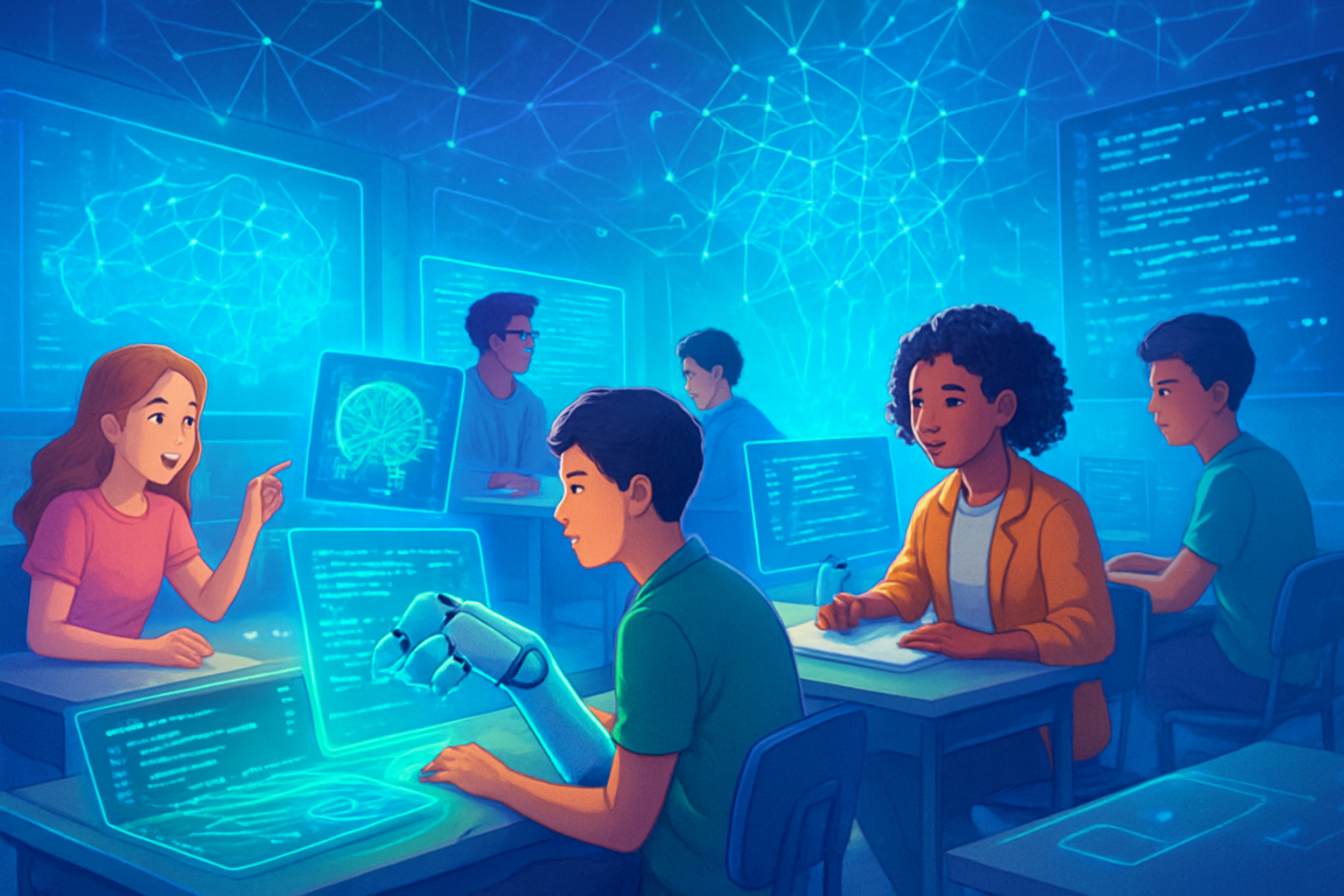
    Atlanta is rapidly positioning itself at the forefront of AI education, with Georgia State University unveiling ambitious new programs aimed at integrating Artificial Intelligence and Machine Learning into high school curricula. On the heels of a successful summer pilot, the university, in a landmark collaboration with tech giant Google (NASDAQ: GOOGL), announced the establishment of an AI Innovation Lab. These initiatives collectively represent a critical stride towards democratizing AI literacy, preparing the next generation for an increasingly AI-driven world, and solidifying Georgia's role in the future tech landscape. The strategic timing of these announcements, particularly the recent November 11th reveal of the Google-backed lab, underscores a growing recognition of the urgent need to cultivate AI talent from an early age.

    The dual approach, encompassing both the recently completed AI Literacy Pipeline to Prosperity Project (AILP³) summer camp and the forthcoming AI Innovation Lab, signals a comprehensive commitment to equipping high school students with foundational AI skills. This concerted effort by Georgia State University, alongside key partners like Google and Operation HOPE, is designed not only to introduce complex AI concepts but also to foster problem-solving, ethical considerations, and real-world application, ensuring students are not just consumers but creators in the age of artificial intelligence.

    Unpacking the Dual-Track AI Education Model

    Georgia State University's strategy for high school AI education is characterized by two distinct yet complementary initiatives. The AI Literacy Pipeline to Prosperity Project (AILP³), which successfully concluded its inaugural pilot summer camp from July 7-11, 2025, laid crucial groundwork. This week-long intensive program, aimed primarily at rising 9th to 11th graders from underserved communities and Title I schools across Atlanta Public Schools and surrounding districts, immersed students in core AI concepts, ethical considerations, and practical applications. The curriculum was robust, featuring hands-on coding labs, design-thinking exercises, and "build-a-bot" challenges, alongside vital financial literacy coaching provided by Operation HOPE. Career panels with AI professionals further connected students to potential future pathways, offering a holistic view of the AI ecosystem.

    Building on this momentum, the recently announced AI Innovation Lab, established through a substantial $6 million funding commitment from Google, is poised to elevate this educational outreach significantly. Announced on November 11, 2025, with a celebratory event on November 17, 2025, the lab itself is projected to be operational by May 2027, with the first student cohorts commencing in Fall 2027. This after-school program will offer a daily curriculum focusing on AI/ML literacy, problem-solving, design-thinking, and mentorship. Unlike previous, more ad-hoc approaches to introducing technology, these structured programs provide sustained engagement and a deeper dive into AI principles, moving beyond basic coding to encompass the broader implications and applications of artificial intelligence. Georgia State undergraduate and graduate students will serve as instructors and mentors, further enriching the learning experience, with additional support from Google volunteers.

    The AILP³ pilot, a collaboration between Operation HOPE and Georgia State's J. Mack Robinson College of Business, along with partners like Atlanta Public Schools, the City of Atlanta, Clark Atlanta University, Morehouse College, Georgia Tech, and the AI Ethics Council, demonstrated the power of multi-stakeholder engagement. Initial funding for AILP³ also came from Mastercard (NYSE: MA). This comprehensive network ensures that the programs are not just technically sound but also culturally relevant and accessible, specifically targeting students who might otherwise lack exposure to advanced technological education. The long-term nature of the AI Innovation Lab, with its daily after-school structure, promises to provide a sustained and in-depth learning environment that differs significantly from shorter, one-off workshops, fostering a deeper understanding and practical skill development in AI.

    Reshaping the AI Talent Pipeline: Implications for Industry

    The introduction of robust AI and machine learning education at the high school level carries profound implications for AI companies, tech giants, and startups alike. Companies like Google, a key partner in the AI Innovation Lab, stand to benefit immensely by nurturing a diverse and skilled talent pipeline from an early stage. By investing in foundational AI education, these firms are effectively cultivating future employees, researchers, and innovators who will be well-versed in AI principles and applications by the time they enter higher education or the workforce. This proactive approach helps to mitigate future talent shortages in a rapidly expanding field.

    For major AI labs and tech companies, these initiatives represent a strategic competitive advantage. Early exposure to AI concepts can accelerate the learning curve for future professionals, allowing them to contribute more quickly and effectively to cutting-edge research and development. It also fosters a broader understanding of AI ethics and responsible development, which is increasingly critical for companies navigating the complex societal impacts of AI technologies. Startups, often reliant on agile and skilled teams, will find a more fertile ground for recruitment, as these programs will produce graduates with practical AI skills and an entrepreneurial mindset, honed through design-thinking exercises and real-world problem-solving.

    The potential disruption to existing products or services, while not immediate, lies in the long-term innovation capacity these programs will unleash. A generation of AI-literate individuals will drive new applications, business models, and solutions that are yet to be imagined. Companies that actively engage with and support such educational initiatives will gain a stronger market positioning, not only as leaders in technology but also as responsible corporate citizens committed to societal advancement. By broadening access to AI education, these programs help to democratize innovation, potentially leading to a wider array of AI solutions that address diverse societal needs, moving beyond the traditional tech hubs and fostering a more inclusive innovation economy.

    Broader Significance: Bridging Divides and Fostering Innovation

    These high school AI initiatives from Georgia State University are more than just educational programs; they represent a significant step in shaping the broader AI landscape and addressing critical societal trends. The emphasis on reaching underserved communities and Title I schools through programs like AILP³ is crucial for bridging the digital and economic divides. In an increasingly AI-driven world, access to AI literacy is becoming as fundamental as traditional literacy, and these programs ensure that opportunities are not limited to privileged demographics, thereby fostering a more equitable future.

    The importance of early AI education cannot be overstated. By introducing AI and machine learning concepts at the high school level, students develop critical thinking skills, computational literacy, and an understanding of the ethical implications of AI long before they enter college or the workforce. This early exposure helps demystify AI, transforming it from an abstract, complex field into an accessible and engaging subject. This fits into the broader trend of integrating STEM education at younger ages, but with a specific focus on AI, which is poised to be the defining technology of the 21st century.

    Potential concerns, such as ensuring equitable access to resources and qualified instructors, are being proactively addressed through strategic partnerships and funding, as evidenced by Google's $6 million commitment to the AI Innovation Lab and the collaborative efforts behind AILP³. These initiatives compare favorably to previous AI milestones by focusing on human capital development as a foundational element for technological progress. Rather than solely celebrating breakthroughs in AI models, these programs prioritize the creation of a knowledgeable and capable workforce, recognizing that sustained AI advancement requires a robust ecosystem of skilled individuals. This approach ensures that the benefits of AI are widely distributed and that future innovations are driven by a diverse and inclusive pool of talent.

    The Horizon: Expected Developments and Future Applications

    The launch of these AI education initiatives at the high school level heralds a future where AI literacy is a standard component of K-12 education. In the near term, we can expect to see a replication of these successful models in other cities and states, as educational institutions and local governments recognize the imperative of preparing students for the AI economy. The curriculum will likely evolve rapidly, incorporating the latest advancements in AI, such as generative AI, explainable AI, and specialized machine learning techniques, ensuring students are always at the cutting edge. The AI Innovation Lab's daily after-school structure, once operational in Fall 2027, will provide a blueprint for sustained, in-depth AI learning beyond traditional classroom settings.

    Long-term developments will likely include the integration of AI education directly into core high school subjects, moving beyond standalone programs. Imagine history classes using AI to analyze historical data, or literature classes employing natural language processing tools for textual analysis. Potential applications and use cases on the horizon for these students include developing AI-powered solutions for local community problems, creating intelligent applications for various industries, and contributing to ethical AI frameworks. The "build-a-bot" challenges and design-thinking exercises embedded in programs like AILP³ are direct pathways to these future innovations.

    Challenges that need to be addressed include scaling these programs to reach a wider student population, ensuring a continuous supply of trained educators, and adapting curricula to the rapidly changing AI landscape. Experts predict a future where AI skills are as fundamental as digital literacy, and initiatives like Georgia State's are crucial steps in realizing that vision. The ongoing collaboration between academia, industry, and community organizations will be vital in overcoming these hurdles and ensuring that AI education remains dynamic, accessible, and impactful for generations to come.

    A New Chapter in AI Education: A Comprehensive Wrap-up

    Georgia State University's dual commitment to high school AI education, spearheaded by the successful AILP³ pilot and the monumental Google-backed AI Innovation Lab, marks a pivotal moment in the history of artificial intelligence education. The key takeaways are clear: early and equitable access to AI literacy is paramount, strategic partnerships between academia and industry are essential for funding and expertise, and a comprehensive curriculum extending beyond mere coding to include ethics and real-world applications is crucial. These initiatives are not just about teaching technology; they are about empowering a generation to shape the future of technology responsibly and innovatively.

    This development signifies a profound shift in how society prepares for technological advancement. By focusing on human capital development at the high school level, Atlanta is setting a precedent for how communities can proactively address the demands of an AI-driven economy. The significance of this in AI history lies in its forward-thinking approach to democratizing access and building a diverse talent pipeline, moving beyond the traditional focus on university-level or professional training. It underscores a societal recognition that AI's impact will be pervasive and requires a broadly educated populace.

    In the coming weeks and months, watch for further details on the development of the AI Innovation Lab and the potential expansion of the AILP³ model. The success of these programs will undoubtedly inspire similar initiatives nationwide, fostering a new era of AI literacy that promises to unlock unprecedented innovation and address complex global challenges. The long-term impact will be a more inclusive, skilled, and ethically conscious workforce capable of navigating and leading in the artificial intelligence age.


    This content is intended for informational purposes only and represents analysis of current AI developments.

    TokenRing AI delivers enterprise-grade solutions for multi-agent AI workflow orchestration, AI-powered development tools, and seamless remote collaboration platforms.
    For more information, visit https://www.tokenring.ai/.
  • Saudi Arabia’s $900 Million Bet on Luma AI Ignites Generative Revolution in Hollywood

    Saudi Arabia’s $900 Million Bet on Luma AI Ignites Generative Revolution in Hollywood

    Riyadh, Saudi Arabia – November 19, 2025 – In a move set to profoundly reshape the landscape of generative artificial intelligence and Hollywood's creative industries, Saudi Arabia, through its Public Investment Fund (PIF) company HUMAIN, has led a colossal $900 million Series C funding round for Luma AI. This landmark investment, which values the U.S.-based frontier AI startup at an estimated $4 billion, is poised to accelerate the development of advanced multimodal AI systems and foundational "World Models" that promise to transcend the capabilities of current large language models. The influx of capital, coupled with unprecedented access to a forthcoming 2-gigawatt (2GW) AI supercluster in Saudi Arabia, signals a new era for AI-driven content creation, particularly within the entertainment sector.

    The investment underscores a burgeoning global commitment to AI development, with international players increasingly recognizing the transformative potential of generative AI. For Hollywood, Luma AI's enhanced capabilities could usher in an age of unparalleled creative efficiency, enabling filmmakers, designers, and marketers to craft professional-grade content with unprecedented ease and speed. This strategic alliance not only propels Luma AI to the forefront of the generative AI race but also positions Saudi Arabia as a significant player in the global AI infrastructure landscape, with implications stretching far beyond the silver screen.

    The Dawn of "World Models": Luma AI's Technical Leap Forward

    Luma AI, under the leadership of CEO Amit Jain, formerly of Apple (NASDAQ: AAPL), is spearheading the development of multimodal Artificial General Intelligence (AGI) focused on understanding and operating within the physical world. The $900 million Series C funding, with participation from existing investors like Andreessen Horowitz, Amplify Partners, and Matrix Partners, alongside a significant contribution from AMD Ventures (NASDAQ: AMD), is earmarked to fuel Luma AI's ambitious research and infrastructure development. The core of this ambition lies in training "World Models"—foundational AI models designed to learn from a vast array of digital data, including video, audio, and language, to simulate reality with a depth that surpasses existing Large Language Models (LLMs).

    A cornerstone of Luma AI's technical prowess is its flagship platform, Dream Machine, which empowers users to generate professional-grade videos and images from diverse inputs such as text prompts, images, or existing video. This platform offers creators director-level control over critical elements like camera motion, stylistic choices, and scene composition, democratizing access to high-fidelity content creation tools. Further pushing the boundaries, Luma AI released Ray3 in 2025, touted as the world's first "reasoning" video model. Ray3 distinguishes itself by generating physically accurate videos, animations, and visuals, reportedly outperforming OpenAI's Sora on several benchmarks and achieving performance akin to Google's Veo 3. Its unique ability to self-analyze and optimize details during scene generation marks a significant departure from previous approaches, offering a level of realism and control previously unattainable.

    The distinguishing factor for Luma AI's next-generation models lies in their access to HUMAIN's "Project Halo," a planned 2GW AI supercluster in Saudi Arabia. This immense compute infrastructure is critical for training the complex multimodal models that Luma AI envisions. While previous generative AI models have focused predominantly on single modalities (e.g., text-to-image or text-to-video), Luma AI's "World Models" aim for a holistic understanding of reality by integrating diverse data types, promising more coherent, physically accurate, and contextually rich outputs. Initial reactions from the AI research community highlight the strategic importance of this compute power, recognizing it as a crucial enabler for achieving true multimodal AGI and moving beyond the limitations of current generative paradigms.

    Reshaping the Competitive Landscape for AI and Entertainment Giants

    The substantial investment in Luma AI carries profound competitive implications for both established AI labs and tech giants, as well as a myriad of startups vying for dominance in the generative AI space. Luma AI (Private) itself stands to benefit immensely, leveraging the $900 million capital injection and, more critically, the unparalleled access to HUMAIN's 2GW AI supercluster. This compute advantage could position Luma AI to leapfrog competitors in the race to develop next-generation multimodal AI, potentially establishing it as a foundational technology provider for the creative industries.

    For major AI labs like OpenAI (Private), Google (NASDAQ: GOOGL), and Meta Platforms (NASDAQ: META), Luma AI's rapid ascent and its sophisticated video generation capabilities, particularly with Ray3, pose a direct challenge. While these tech giants have their own advanced models (e.g., Sora, Veo 3), Luma AI's specific focus on physically accurate "reasoning" video models, combined with its direct inroads into Hollywood through its Dream Lab LA, could disrupt their market positioning in the entertainment sector. The partnership with HUMAIN also signifies a strategic advantage, as it provides Luma AI with a dedicated, massive infrastructure for training, potentially reducing reliance on public cloud services that competitors might utilize.

    The entertainment industry, particularly Hollywood, is ripe for disruption. Companies like Adobe (NASDAQ: ADBE), which provides creative software, and production studios stand to both benefit from and be challenged by Luma AI's advancements. Luma AI's tools promise to streamline design processes, accelerate content creation, and democratize access to high-fidelity visuals, potentially displacing traditional, labor-intensive methods. Startups in visual effects, animation, and game development could find Luma AI's platforms indispensable for rapid prototyping and production, but also face increased competition from a more empowered, AI-driven creative landscape. The prediction that the first film "significantly aided by AI" could emerge as early as 2026 underscores the imminent disruption to existing products and services across the creative value chain.

    Broader Implications and the Shifting AI Landscape

    This significant investment in Luma AI is more than just a financial transaction; it's a pivotal moment that underscores several broader trends within the AI landscape. It highlights the escalating "compute race," where access to massive computational resources is becoming the primary bottleneck and differentiator for developing advanced AI. The creation of HUMAIN's 2GW AI supercluster, with Luma AI as its primary beneficiary, exemplifies a strategic shift towards building sovereign AI capabilities and establishing regional hubs for next-generation AI infrastructure. This move positions Saudi Arabia as a key player, not just as an investor, but as a foundational enabler of future AI breakthroughs.

    The impacts on creative industries are profound and multifaceted. On one hand, generative AI promises unprecedented efficiency, accessibility, and new creative possibilities. Filmmakers can rapidly prototype scenes, animators can generate complex sequences with ease, and marketers can produce diverse visual content at scale. Luma AI's technology, by democratizing high-quality content creation, could empower independent creators and lower barriers to entry in traditionally resource-intensive fields. On the other hand, there are significant concerns regarding job displacement for artists, visual effects specialists, and other creative professionals. Ethical considerations around authorship, copyright, and the potential for AI-generated content to dilute artistic integrity are also at the forefront of industry discussions.

    Comparing this milestone to previous AI breakthroughs, the Luma AI investment signals a maturation of generative AI beyond text and simple image generation. The focus on "World Models" and physically accurate video generation represents a leap towards AI that understands and simulates reality with greater fidelity, a goal long pursued in the AI community. While previous milestones like the development of transformer models or the rise of large language models laid the groundwork, Luma AI's current trajectory, fueled by this massive investment and compute power, suggests a potential inflection point for multimodal AI and its real-world applications. The HUMAIN-LUMA AI CREATE initiative, focusing on culturally aligned AI for the MENA region, further broadens the significance, indicating a global push for localized and diverse AI applications.

    The Horizon: Future Developments and Expert Predictions

    The future developments stemming from Luma AI's substantial investment and technological advancements are expected to unfold rapidly, particularly within the entertainment and creative sectors. In the near term, we can anticipate a surge in AI-generated or AI-assisted content across film, television, advertising, and even gaming. Luma AI's Dream Machine and Ray3 are likely to become indispensable tools for studios looking to accelerate production timelines, reduce costs, and explore novel visual styles. The "Dream Lab LA" initiative, Luma AI's direct engagement with Hollywood, is poised to foster collaborations that will push the boundaries of AI's role in storytelling and visual effects.

    Longer-term, experts predict a blurring of lines between real and AI-generated content, with generative AI achieving photorealism and narrative coherence that could make it indistinguishable from human-created work. Beyond entertainment, the multimodal capabilities of Luma AI's "World Models" are expected to find applications in diverse fields such as simulation, industrial design, and robotics, where accurate physical world understanding is paramount. For instance, AI could generate highly realistic training environments for autonomous vehicles or design complex architectural structures with optimized material properties.

    However, significant challenges remain. Scalability of these advanced models, ensuring artistic control and creative intent, and addressing the ethical implications of AI-generated content (e.g., deepfakes, copyright infringement) are critical hurdles that need to be addressed. Experts predict that the next phase of generative AI will involve more sophisticated human-AI collaboration frameworks, where AI acts as an intelligent co-creator rather than a replacement. The industry will also need to grapple with the economic impact on creative professionals and develop new business models that integrate AI seamlessly and ethically. What's next, according to many, is a period of intense innovation and adaptation, with Luma AI at the forefront of shaping how we create and consume visual content.

    A New Chapter in AI's Creative Revolution

    The $900 million investment led by Saudi Arabia's HUMAIN into Luma AI marks a monumental chapter in the ongoing revolution of artificial intelligence, particularly its transformative potential for the creative industries. The key takeaways from this development are clear: the escalating importance of massive computational infrastructure for advanced AI development, the rapid maturation of multimodal generative AI, and the undeniable impact these technologies will have on how content is created, consumed, and experienced, especially in Hollywood.

    This development holds significant historical weight in the timeline of AI. It signifies a decisive shift from theoretical advancements to practical, industry-shaping applications, with a clear focus on simulating and understanding the physical world through "World Models." The scale of the investment, coupled with strategic access to one of the world's largest AI superclusters, positions Luma AI not just as a startup but as a potential architect of the next generation of creative tools and experiences. The implications extend beyond technological innovation, touching upon economic shifts, ethical debates, and the very definition of creativity in an AI-powered era.

    In the coming weeks and months, the industry will be watching closely for Luma AI's advancements in video generation, its collaborations with Hollywood studios, and how its technology begins to manifest in mainstream productions. The broader conversation around AI's role in job markets, intellectual property, and artistic expression will also intensify. As generative AI continues its relentless march forward, Luma AI, backed by substantial international investment, stands as a powerful testament to the technology's boundless potential and the profound changes it promises to bring to our creative landscape.


    This content is intended for informational purposes only and represents analysis of current AI developments.

    TokenRing AI delivers enterprise-grade solutions for multi-agent AI workflow orchestration, AI-powered development tools, and seamless remote collaboration platforms.
    For more information, visit https://www.tokenring.ai/.

  • AI Propels Retail into a New Era: Autonomous Microstores and Intelligent Inventory Slash Costs

    AI Propels Retail into a New Era: Autonomous Microstores and Intelligent Inventory Slash Costs

    The retail landscape is undergoing a profound transformation, spearheaded by the latest advancements in artificial intelligence. A significant resurgence of autonomous microstores, once hampered by technological limitations and high costs, is now being fueled by sophisticated AI systems. These innovations are not only making self-operating retail viable but are also revolutionizing inventory management, leading to unprecedented reductions in operational costs across the sector. This shift marks a pivotal moment, promising a more efficient, cost-effective, and customer-centric future for retail.

    The Technical Core: AI's Precision in Autonomous Retail

    At the heart of this retail revolution lies a suite of advanced AI technologies that address the core challenges of accuracy, efficiency, and cost previously associated with autonomous retail models. Unlike earlier iterations that often relied on extensive and expensive sensor grids, modern AI-powered microstores leverage more streamlined and intelligent approaches.

    Specific technical advancements include robust computer vision technology that accurately tracks items and understands customer interactions within the store. Algorithms analyze video footage to map customer movements, identify high-traffic "hot spots," and gauge product engagement, providing invaluable data for optimizing store layouts and product placement. This differs significantly from previous approaches that might have used simpler motion sensors or RFID tags, offering a much richer and more granular understanding of the retail environment. Furthermore, lightweight agentic inventory models are designed for efficient product tracking and management with minimal infrastructure requirements, simplifying operations and reducing setup costs. AI also facilitates the integration of simpler robotics for tasks like item tracking, further cutting complexity and expense. Comprehensive AI-powered operating systems empower retailers to rapidly manage and audit products, inventory levels, planograms, order details, and customer receipts, offering backend analytics to identify the optimal inventory mix for each location and mitigate stockouts. The automation extends to cashierless checkout, handling repetitive tasks and substantially decreasing the need for manual labor, thereby enhancing workforce management efficiency. Initial reactions from the AI research community and industry experts highlight the maturity of these vision and agentic AI models, moving them from experimental stages to practical, scalable solutions.

    Competitive Edge: Reshaping the Retail and Tech Ecosystem

    This AI-driven transformation holds significant implications for both established retail giants and burgeoning tech startups. Companies that embrace and effectively implement these AI solutions stand to gain a substantial competitive advantage. Retailers adopting AI-powered autonomous microstores and intelligent inventory systems can expect to see dramatic improvements in their bottom line and customer satisfaction.

    Major AI labs and tech companies focusing on computer vision, predictive analytics, and robotic process automation are poised to benefit immensely. Firms like Amazon (NASDAQ: AMZN), with its "Just Walk Out" technology, are already leaders in this space, showcasing the potential for disruption to traditional retail models. Startups specializing in AI-driven inventory optimization, store automation, and customer analytics are finding fertile ground for innovation and rapid growth. This development creates a competitive landscape where efficiency and data-driven decision-making become paramount. Companies lagging in AI adoption risk being outmaneuvered by more agile, technologically advanced competitors who can offer lower prices, better product availability, and a seamless shopping experience due to reduced operational overheads. The market positioning shifts towards those capable of integrating sophisticated AI into their core operations, fostering a new era of strategic advantages based on technological prowess.

    Broader Significance: A Leap Forward for AI in Practical Applications

    The successful deployment of AI in autonomous microstores and inventory management signifies a major leap forward for AI within the broader commercial landscape. It demonstrates AI's capacity to move beyond theoretical applications into tangible, cost-saving, and efficiency-boosting solutions for a fundamental industry. This development fits into the broader trend of AI becoming an indispensable tool for operational excellence, mirroring its impact in logistics, manufacturing, and healthcare.

    The impacts are wide-ranging: from significantly reducing retail's carbon footprint through optimized supply chains and waste reduction to creating more resilient and responsive retail operations. Potential concerns, however, include the displacement of human labor due to automation and the ethical implications of pervasive surveillance in retail environments, even if for inventory tracking. Compared to previous AI milestones, such as early successes in natural language processing or image recognition, this represents a more integrated and systemic application, showcasing AI's ability to orchestrate complex real-world processes end-to-end. The ability to cut overstocking and waste by 40% and decrease labor costs by 60-70% through predictive inventory management and automation sets a new benchmark for AI's economic impact.

    The Road Ahead: Future Developments and Challenges

    Looking ahead, the evolution of AI in retail promises even more sophisticated applications. Near-term developments are likely to focus on further refining AI's predictive capabilities, allowing for hyper-personalized shopping experiences in microstores and even more dynamic inventory adjustments based on real-time micro-market fluctuations. We can expect AI to enable seamless integration between online and physical retail, creating truly omnichannel experiences where inventory is perfectly synchronized across all touchpoints.

    Potential applications on the horizon include AI-powered visual merchandising that dynamically adjusts displays based on customer demographics and behavior, and proactive maintenance of microstore infrastructure using predictive analytics. Challenges that need to be addressed include the continued development of robust, privacy-preserving AI systems, ensuring data security, and managing the societal transition as retail roles evolve. Experts predict that AI will increasingly become an invisible layer underpinning all retail operations, making stores smarter, more efficient, and inherently more adaptable to changing consumer demands and market conditions. The focus will shift towards creating AI that can learn and adapt with minimal human intervention, effectively creating self-optimizing retail ecosystems.

    Comprehensive Wrap-up: A New Dawn for Retail Efficiency

    In summary, the latest applications of AI in the retail industry, particularly in autonomous microstores and AI-powered inventory management, represent a monumental shift towards greater efficiency and cost reduction. Key takeaways include the dramatic reduction in operational costs through automation, the unprecedented accuracy in demand forecasting and inventory optimization, and the revitalization of autonomous retail models. This development is not just another incremental improvement; it is a foundational change that redefines how retail businesses operate and compete.

    This moment marks a significant chapter in AI history, demonstrating its capacity to deliver tangible, bottom-line benefits in a consumer-facing industry. The long-term impact will be a more streamlined, sustainable, and responsive retail sector, capable of meeting consumer needs with unparalleled precision. In the coming weeks and months, watch for continued innovations in AI-driven personalization, further integration of robotics in microstore operations, and the emergence of new business models built entirely around intelligent automation. The retail world is undeniably entering an exciting, AI-powered future.


    This content is intended for informational purposes only and represents analysis of current AI developments.

    TokenRing AI delivers enterprise-grade solutions for multi-agent AI workflow orchestration, AI-powered development tools, and seamless remote collaboration platforms.
    For more information, visit https://www.tokenring.ai/.
  • Federal Gauntlet Thrown: White House Moves to Block State AI Laws, Igniting Regulatory Showdown

    Federal Gauntlet Thrown: White House Moves to Block State AI Laws, Igniting Regulatory Showdown

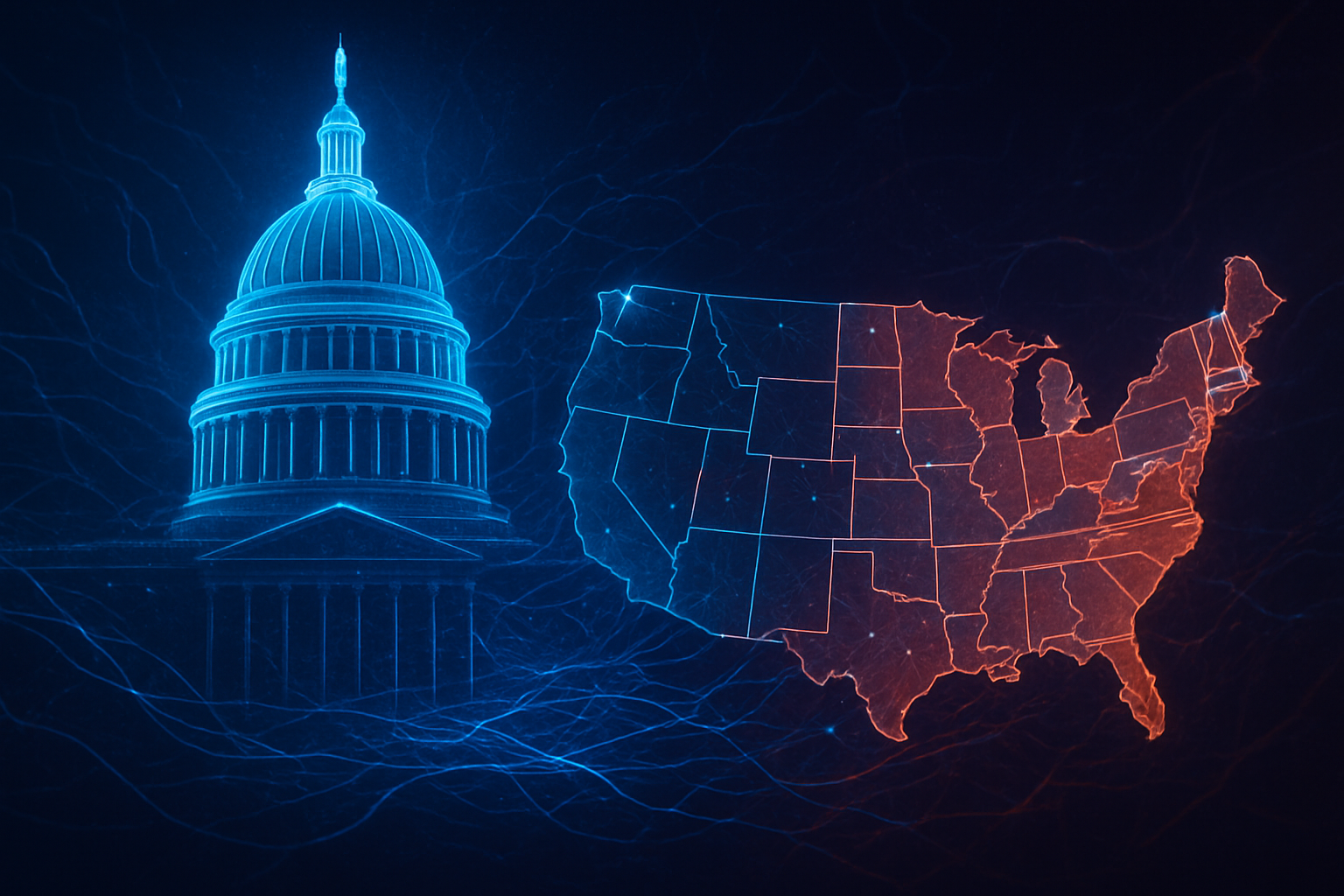
    Washington D.C., November 19, 2025 – In a significant escalation of the ongoing debate surrounding artificial intelligence governance, the White House has reportedly finalized an executive order aimed at preempting state-level AI regulations. A draft of this assertive directive, confirmed to be in its final stages, signals the Trump administration's intent to centralize control over AI policy, effectively challenging the burgeoning patchwork of state laws across the nation. This move, poised to reshape the regulatory landscape for one of the most transformative technologies of our era, immediately sets the stage for a contentious legal and political battle between federal and state authorities, with profound implications for innovation, privacy, and public safety.

    The executive order, revealed on November 19, 2025, underscores a federal strategy to assert dominance in AI regulation, arguing that a unified national approach is critical for fostering innovation and maintaining global competitiveness. However, it simultaneously raises alarms among states and advocacy groups who fear that federal preemption could dismantle crucial safeguards already being implemented at the local level, leaving citizens vulnerable to the potential harms of unchecked AI development. The directive is a clear manifestation of the administration's consistent efforts throughout 2025 to streamline AI governance under federal purview, prioritizing what it views as a cohesive national strategy over fragmented state-by-state regulations.

    Federal Preemption Takes Center Stage: Unpacking the Executive Order's Mechanisms

    The leaked draft of the executive order, dated November 19, 2025, outlines several aggressive mechanisms designed to curtail state authority over AI. At its core is the establishment of an "AI Litigation Task Force," explicitly charged with challenging state AI laws. These challenges are anticipated to leverage constitutional arguments, particularly the "dormant Commerce Clause," contending that state regulations unduly burden interstate commerce and thus fall under federal jurisdiction. This approach mirrors arguments previously put forth by prominent venture capital firms, who have long advocated for a unified regulatory environment to prevent a "patchwork of 50 State Regulatory Regimes" from stifling innovation.

    Beyond direct legal challenges, the executive order proposes a powerful financial lever: federal funding. It directs the Secretary of Commerce to issue a policy notice that would deem states with "onerous" AI laws ineligible for specific non-deployment funds, including those from critical programs like the Broadband Equity Access and Deployment (BEAD) initiative. This unprecedented linkage of federal funding to state AI policy represents a significant escalation in the federal government's ability to influence local governance. Furthermore, the order directs the Federal Communications Commission (FCC) chairman and the White House AI czar to initiate proceedings to explore adopting a federal reporting and disclosure standard for AI models, explicitly designed to preempt conflicting state laws. The draft also specifically targets state laws that might compel AI developers or deployers to disclose information in a manner that could violate First Amendment or other constitutional provisions, citing California's SB 53 as an example of a "complex and burdensome disclosure and reporting law premised on purely speculative" concerns.

    This federal preemption strategy marks a stark departure from the previous administration's approach, which had focused on safety, security, and trustworthy AI through Executive Order 14179 in October 2023. The Trump administration, throughout 2025, has consistently championed an AI policy focused on promoting innovation free from "ideological bias or engineered social agendas." This was evident in President Trump's January 23, 2025, Executive Order 14179, which revoked the Biden administration's directive, and further solidified by "America's AI Action Plan" and three additional executive orders signed on July 23, 2025. These actions collectively emphasize removing restrictive regulations and withholding federal funding from states with "unduly burdensome" AI laws, culminating in the current executive order that seeks to definitively centralize AI governance under federal control.

    Corporate Implications: Winners, Losers, and Strategic Shifts in the AI Industry

    The White House's move to preempt state AI laws is poised to significantly impact the competitive landscape for AI companies, tech giants, and startups alike. Large technology companies and major AI labs, particularly those with extensive lobbying capabilities and a national or global presence, stand to benefit significantly from a unified federal regulatory framework. These entities have consistently argued that a fragmented regulatory environment, with differing rules across states, creates substantial compliance burdens, increases operational costs, and hinders the scaling of AI products and services. A single federal standard would simplify compliance, reduce legal overhead, and allow for more streamlined product development and deployment across the United States. Companies like Microsoft (NASDAQ: MSFT), Google (NASDAQ: GOOGL), and Amazon (NASDAQ: AMZN), which invest heavily in AI research and deployment, are likely to welcome this development as it could accelerate their market penetration and solidify their competitive advantages by removing potential state-level impediments.

    Conversely, startups and smaller AI firms that might have found niches in states with less stringent or uniquely tailored regulations could face new challenges. While a unified standard could simplify their path to market by reducing the complexity of navigating diverse state laws, it also means that the regulatory bar, once set federally, might be higher or more prescriptive than what they might have encountered in certain states. Furthermore, states that have been proactive in developing their own AI governance frameworks, often driven by specific local concerns around privacy, bias, or employment, may see their efforts undermined. This could lead to a chilling effect on local innovation where state-specific AI solutions were being cultivated. The competitive implications extend to the types of AI products that are prioritized; a federal standard, especially one focused on "innovation free from ideological bias," could inadvertently favor certain types of AI development over others, potentially impacting ethical AI research and deployment that often finds stronger advocacy at the state level.

    The potential disruption to existing products and services will depend heavily on the specifics of the federal standard that ultimately emerges. If the federal standard is perceived as lighter-touch or more industry-friendly than anticipated state laws, it could open up new markets or accelerate the deployment of certain AI applications that were previously stalled by regulatory uncertainty. However, if the federal standard incorporates elements that require significant redesign or re-evaluation of AI models, it could lead to temporary disruptions as companies adapt. For market positioning, companies that align early with the anticipated federal guidelines and actively participate in shaping the federal discourse will gain strategic advantages. This move also reinforces the trend of AI regulation becoming a central strategic concern for all tech companies, shifting the focus from individual state compliance to a broader federal lobbying and policy engagement strategy.

    Broader Implications: AI Governance at a Crossroads

    The White House's assertive move to preempt state AI laws marks a critical juncture in the broader AI landscape, highlighting the fundamental tension between fostering innovation and ensuring public safety and ethical deployment. This federal thrust fits into a global trend of nations grappling with how to govern rapidly evolving AI technologies. While some, like the European Union, have opted for comprehensive, proactive regulatory frameworks such as the AI Act, the United States appears to be leaning towards a more unified, federally controlled approach, with a strong emphasis on limiting what it perceives as burdensome state-level interventions. This strategy aims to prevent a fragmented regulatory environment, often referred to as a "patchwork," that could hinder the nation's global competitiveness against AI powerhouses like China.

    The impacts of this federal preemption are multifaceted. On the one hand, proponents argue that a single national standard will streamline development, reduce compliance costs for businesses, and accelerate the deployment of AI technologies, thereby boosting economic growth and maintaining American leadership in the field. It could also provide clearer guidelines for researchers and developers, fostering a more predictable environment for innovation. On the other hand, significant concerns have been raised by civil liberties groups, consumer advocates, and state legislators. They argue that federal preemption, particularly if it results in a less robust or slower-to-adapt regulatory framework, could dismantle crucial safeguards against AI harms, including algorithmic bias, privacy violations, and job displacement. Public Citizen, for instance, has voiced strong opposition, stating that federal preemption would allow "Big Tech to operate without accountability" in critical areas like civil rights and data privacy, effectively negating the proactive legislative efforts already undertaken by several states.

    This development can be compared to previous milestones in technology regulation, such as the early days of internet governance or telecommunications. In those instances, the debate between federal and state control often revolved around economic efficiency versus local control and consumer protection. The current AI debate mirrors this, but with the added complexity of AI's pervasive and rapidly evolving nature, impacting everything from healthcare and finance to national security. The potential for a federal standard to be less responsive to localized issues or to move too slowly compared to the pace of technological advancement is a significant concern. Conversely, a chaotic mix of 50 different state laws could indeed create an untenable environment for companies operating nationwide, potentially stifling the very innovation it seeks to regulate. The administration's focus on removing "woke" AI models from federal procurement, as outlined in earlier 2025 executive orders, also injects a unique ideological dimension into this regulatory push, suggesting a desire to shape the ethical guardrails of AI from a particular political viewpoint.

    The Road Ahead: Navigating Federal Supremacy and State Resistance

    Looking ahead, the immediate future will likely be characterized by intense legal challenges and political maneuvering as states and advocacy groups push back against the federal preemption. We can expect lawsuits to emerge, testing the constitutional limits of the executive order, particularly concerning the dormant Commerce Clause and states' Tenth Amendment rights. The "AI Litigation Task Force" established by the order will undoubtedly be active, setting precedents that will shape the legal interpretation of federal versus state authority in AI. In the near term, states with existing or pending AI legislation, such as California with its SB 53, will be closely watching how the federal government chooses to enforce its directive and whether they will be forced to roll back their efforts.

    In the long term, this executive order could serve as a powerful signal to Congress, potentially spurring the development of comprehensive federal AI legislation that includes explicit preemption clauses. Such legislation, if enacted, would supersede the executive order and provide a more enduring framework for national AI governance. Potential applications and use cases on the horizon will heavily depend on the nature of the federal standard that ultimately takes hold. A lighter-touch federal approach might accelerate the deployment of AI in areas like autonomous vehicles and advanced robotics, while a more robust framework could prioritize ethical AI development in sensitive sectors like healthcare and criminal justice.

    The primary challenge that needs to be addressed is striking a delicate balance between fostering innovation and ensuring robust protections for citizens. Experts predict that the debate will continue to be highly polarized, with industry advocating for minimal regulation and civil society groups pushing for strong safeguards. What happens next will hinge on the judiciary's interpretation of the executive order's legality, the willingness of Congress to legislate, and the ability of stakeholders to find common ground. The administration's focus on a unified federal approach, as evidenced by its actions throughout 2025, suggests a continued push for centralization, but the extent of its success will ultimately be determined by the resilience of state opposition and the evolving legal landscape.

    A Defining Moment for AI Governance: The Path Forward

    The White House's executive order to block state AI laws represents a defining moment in the history of artificial intelligence governance in the United States. It is a clear declaration of federal intent to establish a unified national standard for AI regulation, prioritizing what the administration views as innovation and national competitiveness over a decentralized, state-led approach. The key takeaways are the immediate establishment of an "AI Litigation Task Force," the leveraging of federal funding to influence state policies, and the explicit aim to preempt state laws deemed "onerous" or constitutionally problematic. This aggressive stance is a culmination of the Trump administration's consistent efforts throughout 2025 to centralize AI policy, moving away from previous administrations' more collaborative approaches.

    This development's significance in AI history cannot be overstated. It marks a decisive shift towards federal preemption, potentially setting a precedent for how future emerging technologies are regulated. While proponents argue it will foster innovation and prevent a chaotic regulatory environment, critics fear it could lead to a race to the bottom in terms of protections, leaving critical areas like civil rights, data privacy, and public safety vulnerable. The long-term impact will depend on the legal battles that ensue, the legislative response from Congress, and the ability of the federal framework to adapt to the rapid advancements of AI technology without stifling responsible development or neglecting societal concerns.

    In the coming weeks and months, all eyes will be on the courts as the "AI Litigation Task Force" begins its work, and on state legislatures to see how they respond to this federal challenge. The dialogue between federal and state governments, industry, and civil society will intensify, shaping not just the future of AI regulation in the U.S. but also influencing global approaches to this transformative technology. The ultimate outcome will determine whether the nation achieves a truly unified and effective AI governance strategy, or if the regulatory landscape remains a battleground of competing authorities.


    This content is intended for informational purposes only and represents analysis of current AI developments.

    TokenRing AI delivers enterprise-grade solutions for multi-agent AI workflow orchestration, AI-powered development tools, and seamless remote collaboration platforms.
    For more information, visit https://www.tokenring.ai/.

  • A Seismic Shift: AI Pioneer Yann LeCun Departs Meta to Forge New Path in Advanced Machine Intelligence

    A Seismic Shift: AI Pioneer Yann LeCun Departs Meta to Forge New Path in Advanced Machine Intelligence

    The artificial intelligence landscape is bracing for a significant shift as Yann LeCun, one of the foundational figures in modern AI and Meta's (NASDAQ: META) Chief AI Scientist, is set to depart the tech giant at the end of 2025. This impending departure, after a distinguished 12-year tenure during which he established Facebook AI Research (FAIR), marks a pivotal moment, not only for Meta but for the broader AI community. LeCun, a staunch critic of the current industry-wide obsession with Large Language Models (LLMs), is leaving to launch his own startup, dedicated to the pursuit of Advanced Machine Intelligence (AMI), signaling a potential divergence in the very trajectory of AI development.

    LeCun's move is more than just a personnel change; it represents a bold challenge to the prevailing paradigm in AI research. His decision is reportedly driven by a fundamental disagreement with the dominant focus on LLMs, which he views as "fundamentally limited" for achieving true human-level intelligence. Instead, he champions alternative architectures like his Joint Embedding Predictive Architecture (JEPA), aiming to build AI systems capable of understanding the physical world, possessing persistent memory, and executing complex reasoning and planning. This high-profile exit underscores a growing debate within the AI community about the most promising path to artificial general intelligence (AGI) and highlights the intense competition for visionary talent at the forefront of this transformative technology.

    The Architect's New Blueprint: Challenging the LLM Orthodoxy

    Yann LeCun's legacy at Meta (and previously Facebook) is immense, primarily through his foundational work on convolutional neural networks (CNNs), which revolutionized computer vision and laid much of the groundwork for the deep learning revolution. As the founding director of FAIR in 2013 and later Meta's Chief AI Scientist, he played a critical role in shaping the company's AI strategy and fostering an environment of open research. His impending departure, however, is deeply rooted in a philosophical and technical divergence from Meta's and the industry's increasing pivot towards Large Language Models.

    LeCun has consistently voiced skepticism about LLMs, arguing that while they are powerful tools for language generation and understanding, they lack true reasoning, planning capabilities, and an intrinsic understanding of the physical world. He posits that LLMs are merely "stochastic parrots" that excel at pattern matching but fall short of true intelligence. His proposed alternative, the Joint Embedding Predictive Architecture (JEPA), aims for AI systems that learn by observing and predicting the world, much like humans and animals do, rather than solely through text data. His new startup will focus on AMI, developing systems that can build internal models of reality, reason about cause and effect, and plan sequences of actions in a robust and generalizable manner. This vision directly contrasts with the current LLM-centric approach that heavily relies on vast datasets of text and code, suggesting a fundamental rethinking of how AI learns and interacts with its environment. Initial reactions from the AI research community, while acknowledging the utility of LLMs, have often echoed LeCun's concerns regarding their limitations for achieving AGI, adding weight to the potential impact of his new venture.

    Ripple Effects: Competitive Dynamics and Strategic Shifts in the AI Arena

    The departure of a figure as influential as Yann LeCun will undoubtedly send ripples through the competitive landscape of the AI industry. For Meta (NASDAQ: META), this represents a significant loss of a pioneering mind and a potential blow to its long-term research credibility, particularly in areas beyond its current LLM focus. While Meta has intensified its commitment to LLMs, evidenced by the appointment of ChatGPT co-creator Shengjia Zhao as chief scientist for the newly formed Meta Superintelligence Labs unit and the acquisition of a stake in Scale AI, LeCun's exit could lead to a 'brain drain' if other researchers aligned with his vision choose to follow suit or seek opportunities elsewhere. This could force Meta to double down even harder on its LLM strategy, or, conversely, prompt an internal re-evaluation of its research priorities to ensure it doesn't miss out on alternative paths to advanced AI.

    Conversely, LeCun's new startup and its focus on Advanced Machine Intelligence (AMI) could become a magnet for talent and investment for those disillusioned with the LLM paradigm. Companies and researchers exploring embodied AI, world models, and robust reasoning systems stand to benefit from the validation and potential breakthroughs his venture might achieve. While Meta has indicated it will be a partner in his new company, reflecting "continued interest and support" for AMI's long-term goals, the competitive implications are clear: a new player, led by an industry titan, is entering the race for foundational AI, potentially disrupting the current market positioning dominated by LLM-focused tech giants like Google (NASDAQ: GOOGL), Microsoft (NASDAQ: MSFT), and OpenAI. The success of LeCun's AMI approach could challenge existing products and services built on LLMs, pushing the entire industry towards more robust and versatile AI systems, creating new strategic advantages for early adopters of these alternative paradigms.

    A Broader Canvas: Reshaping the AI Development Narrative

    Yann LeCun's impending departure and his new venture represent a significant moment within the broader AI landscape, highlighting a crucial divergence in the ongoing quest for artificial general intelligence. It underscores a fundamental debate: Is the path to human-level AI primarily through scaling up large language models, or does it require a completely different architectural approach focused on embodied intelligence, world models, and robust reasoning? LeCun's move reinforces the latter, signaling that a substantial segment of the research community believes current LLM approaches, while impressive, are insufficient for achieving true intelligence that can understand and interact with the physical world.

    This development fits into a broader trend of talent movement and ideological shifts within the AI industry, where top researchers are increasingly empowered to pursue their visions, sometimes outside the confines of large corporate labs. It brings to the forefront potential concerns about research fragmentation, where significant resources might be diverted into parallel, distinct paths rather than unified efforts. However, it also presents an opportunity for diverse approaches to flourish, potentially accelerating breakthroughs from unexpected directions. Comparisons can be drawn to previous AI milestones where dominant paradigms were challenged, leading to new eras of innovation. For instance, the shift from symbolic AI to connectionism, or the more recent deep learning revolution, each involved significant intellectual battles and talent realignments. LeCun's decision could be seen as another such inflection point, pushing the industry to explore beyond the current LLM frontier and seriously invest in architectures that prioritize understanding, reasoning, and real-world interaction over mere linguistic proficiency.

    The Road Ahead: Unveiling the Next Generation of Intelligence

    The immediate future following Yann LeCun's departure will be marked by the highly anticipated launch and initial operations of his new Advanced Machine Intelligence (AMI) startup. In the near term, we can expect to see announcements regarding key hires, initial research directions, and perhaps early demonstrations of the foundational principles behind his JEPA (Joint Embedding Predictive Architecture) vision. The focus will likely be on building systems that can learn from observation, develop internal representations of the world, and perform basic reasoning and planning tasks that are currently challenging for LLMs.

    Longer term, if LeCun's AMI approach proves successful, it could lead to revolutionary applications far beyond what current LLMs offer. Imagine AI systems that can truly understand complex physical environments, reason through novel situations, autonomously perform intricate tasks, and even contribute to scientific discovery by formulating hypotheses and designing experiments. Potential use cases on the horizon include more robust robotics, advanced scientific simulation, genuinely intelligent personal assistants that understand context and intent, and AI agents capable of complex problem-solving in unstructured environments. However, significant challenges remain, including securing substantial funding, attracting a world-class team, and, most importantly, demonstrating that AMI can scale and generalize effectively to real-world complexity. Experts predict that LeCun's venture will ignite a new wave of research into alternative AI architectures, potentially creating a healthy competitive tension with the LLM-dominated landscape, ultimately pushing the boundaries of what AI can achieve.

    A New Chapter: Redefining the Pursuit of AI

    Yann LeCun's impending departure from Meta at the close of 2025 marks a defining moment in the history of artificial intelligence, signaling not just a change in leadership but a potential paradigm shift in the very pursuit of advanced machine intelligence. The key takeaway is clear: a titan of the field is placing a significant bet against the current LLM orthodoxy, advocating for a path that prioritizes world models, reasoning, and embodied intelligence. This move will undoubtedly challenge Meta (NASDAQ: META) to rigorously assess its long-term AI strategy, even as it continues its aggressive investment in LLMs.

    The significance of this development in AI history cannot be overstated. It represents a critical juncture where the industry must confront the limitations of its current trajectory and seriously explore alternative avenues for achieving truly generalizable and robust AI. LeCun's new venture, focused on Advanced Machine Intelligence, will serve as a crucial testbed for these alternative approaches, potentially unlocking breakthroughs that have evaded LLM-centric research. In the coming weeks and months, the AI community will be watching closely for announcements from LeCun's new startup, eager to see the initial fruits of his vision. Simultaneously, Meta's continued advancements in LLMs will be scrutinized to see how they evolve in response to this intellectual challenge. The interplay between these two distinct paths will undoubtedly shape the future of AI for years to come.


    This content is intended for informational purposes only and represents analysis of current AI developments.

    TokenRing AI delivers enterprise-grade solutions for multi-agent AI workflow orchestration, AI-powered development tools, and seamless remote collaboration platforms.
    For more information, visit https://www.tokenring.ai/.
  • House Unanimously Passes Bill to Arm America Against AI Terrorism Threat

    House Unanimously Passes Bill to Arm America Against AI Terrorism Threat

    In a significant legislative move that underscores the growing concern over the weaponization of artificial intelligence, the U.S. House of Representatives has unanimously passed the Generative AI Terrorism Risk Assessment Act (H.R.1736). The bill, which cleared the House by voice vote on November 19, 2025, mandates the Department of Homeland Security (DHS) to conduct annual assessments of the terrorism threats posed by malicious actors exploiting generative AI. This bipartisan action signals a proactive stance by the U.S. government to understand and mitigate the national security risks inherent in rapidly advancing AI technologies.

    The immediate significance of this legislation is profound. It establishes a dedicated mechanism for the U.S. government to monitor how terrorist organizations, such as ISIS and al Qaeda, might leverage generative AI for nefarious activities, moving from a reactive to a proactive defense posture. By requiring enhanced inter-agency collaboration and information sharing, the Act aims to foster a holistic understanding of AI-related national security threats, improving intelligence analysis and response capabilities across all levels of government. Its unanimous passage also highlights a strong bipartisan consensus on the serious implications of AI misuse, setting a precedent for future legislative actions and framing a critical national dialogue around the responsible development and deployment of AI with security considerations at its core.

    Unpacking the Generative AI Terrorism Risk Assessment Act: Technical Scope and Mandates

    The Generative AI Terrorism Risk Assessment Act (H.R.1736) is a targeted piece of legislation designed to address the emergent capabilities of generative AI within the national security context. At its core, the bill defines "generative AI" as a class of artificial intelligence models capable of emulating the structure and characteristics of existing input data to produce new, synthetic content, including images, videos, audio, text, and other digital material. This precise definition underscores the legislative focus on AI's ability to create realistic, fabricated media—a capability that poses unique challenges for national security.

    The Act places several key responsibilities on the Department of Homeland Security (DHS). Foremost, DHS is mandated to provide Congress with an annual assessment of the threats to the United States stemming from the use of generative AI for terrorism. This reporting requirement is slated to conclude six years after the bill's enactment. To execute these assessments effectively, DHS must consult with the Director of National Intelligence and is empowered to receive relevant information from other federal agencies, including the Office of the Director of National Intelligence, the Federal Bureau of Investigation (FBI), and other intelligence community members. Furthermore, DHS is tasked with reviewing and disseminating information collected by the national network of fusion centers, which are crucial collaborative entities at state and local levels for intelligence sharing.

    This legislative approach marks a significant departure from previous methods of addressing technological threats. While past efforts might have broadly addressed cyber threats or propaganda, H.R.1736's specificity to "generative AI" acknowledges the distinct challenges posed by AI's content-creation abilities. The rationale for this legislation stems from observations that terrorist organizations are already "weaponizing" generative AI to automate and amplify propaganda, create false realities, and spread misinformation, making it increasingly difficult to discern factual content. By requiring annual assessments and enhancing information sharing specifically related to AI-driven threats, the legislation aims to close critical gaps in national security. While initial reactions from the broader AI research community and industry experts specifically on H.R.1736 are not extensively detailed in public records, the general consensus within the national security community supports proactive measures against AI misuse.

    Shifting Sands: The Act's Impact on AI Companies and the Tech Landscape

    While the Generative AI Terrorism Risk Assessment Act primarily mandates governmental assessments and information sharing, its implications for AI companies, tech giants, and startups are significant and multifaceted. The legislation serves as a clear signal to the industry, influencing competitive dynamics, product development, market strategies, and creating new demand for security solutions.

    Companies specializing in AI security, threat detection, and content moderation are particularly well-positioned to benefit. As DHS focuses on understanding and mitigating AI-driven terrorism threats, there will be an increased demand for tools capable of detecting AI-generated propaganda and misinformation, monitoring online platforms for radicalization, and developing robust safety and ethics frameworks. This could lead to a burgeoning market for "red-teaming" services—experts who test AI models for vulnerabilities—and create new opportunities for both established cybersecurity firms expanding into AI and specialized AI startups focused on safety and security.

    Major AI labs, often at the forefront of developing powerful generative AI models, will face heightened scrutiny. Companies like Alphabet (NASDAQ: GOOGL), OpenAI, and Meta Platforms (NASDAQ: META) may need to allocate more resources to developing advanced safety features, content filters, and explainable AI capabilities to prevent their models from being exploited. While H.R.1736 does not directly impose regulatory burdens on companies, the DHS assessments are likely to inform future regulations. Larger companies with greater resources may be better equipped to handle potential future compliance costs, such as rigorous testing, auditing, and reporting requirements, potentially widening the competitive gap. Moreover, labs whose models are found to be easily exploited for harmful purposes could face significant reputational damage, impacting user trust and adoption rates.

    The primary disruption to existing products and services would stem from increased awareness and potential future regulations spurred by the DHS assessments. Generative AI platforms may need to implement more stringent content moderation policies and technologies. Companies might revise terms of service and implement technical limitations to prevent the use of their AI for activities identified as high-risk. While not explicitly stated, heightened concerns about misuse could lead some developers to reconsider fully open-sourcing highly capable generative AI models if the risks of weaponization are deemed too high. Consequently, AI companies will likely adapt their market positioning to emphasize trust, safety, and responsible innovation, with "secure AI" becoming a key differentiator. Collaboration with government and security agencies, along with increased transparency and accountability, will be crucial for market positioning and influencing future policy.

    A New Frontier: Wider Significance in the AI Landscape

    The Generative AI Terrorism Risk Assessment Act (H.R.1736) marks a critical juncture in the broader artificial intelligence landscape, underscoring the urgent need for governments to understand and counter the malicious exploitation of AI. Its significance lies in its direct response to the "dual-edged sword" nature of generative AI, which offers transformative opportunities while simultaneously presenting substantial national security risks. The Act acknowledges that while generative AI has numerous positive applications, it can also be "dangerously weaponized in the wrong hands," particularly by terrorist organizations already experimenting with these tools for propaganda, radicalization, and even operational enhancement.

    The Act's impact on AI development, while indirect, is profound. It signals an elevated level of governmental scrutiny on generative AI technologies, particularly concerning their potential for misuse. This could prompt AI developers to incorporate more robust safety and security measures into their models, potentially through "red-teaming" or ethical AI practices, to mitigate terrorism-related risks. The annual assessments mandated by DHS could also inform future guidelines or voluntary standards for AI development, steering innovation towards "responsible AI" that prioritizes security and ethical considerations. Should these assessments reveal escalating and unmitigated threats, H.R.1736 could serve as a precursor to more direct regulatory frameworks on AI development, potentially leading to restrictions on certain capabilities or mandatory safeguards.

    This legislative action epitomizes the ongoing tension between fostering technological innovation and ensuring national security. A primary concern is that a strong focus on security, especially through potential future regulations, could stifle innovation, discouraging investment and limiting groundbreaking discoveries. Conversely, under-regulation risks exposing society to significant harm, as AI's rapid advancement can quickly outpace existing rules. H.R.1736 attempts to navigate this by focusing on intelligence gathering and assessment, providing a continuous feedback loop to monitor and understand the evolving threat landscape without immediately imposing broad restrictions.

    Compared to previous AI milestones and regulatory attempts, H.1736 is a targeted legislative reinforcement. President Biden's executive order on AI in 2023 was a landmark, establishing the U.S.'s first comprehensive regulations on AI systems, including rigorous testing to prevent misuse in biological or nuclear weapons. The European Union's AI Act, which entered into force in August 2024, takes a broader, risk-based approach to regulate AI across all sectors. H.R.1736, while less sweeping than the EU AI Act, is a more specific response to the observed and anticipated misuse of generative AI capabilities by terrorist groups, solidifying the national security aspects outlined in the executive order. It echoes past legislative efforts to address emerging technologies exploited by terrorists, but AI's rapid evolution and broad applicability introduce complexities not seen with previous technologies, making this Act a significant step in acknowledging and addressing these unique challenges.

    The Road Ahead: Future Developments in AI and National Security

    The passage of the Generative AI Terrorism Risk Assessment Act (H.R.1736) by the House of Representatives is poised to catalyze several near-term and long-term developments in the realm of AI regulation and national security. In the immediate future, we can expect increased scrutiny and reporting as DHS initiates its mandated annual threat assessments, leading to more structured information gathering and enhanced interagency coordination across federal agencies and fusion centers. This will solidify AI-enabled terrorism as a national security priority, likely spurring further legislative proposals and executive actions. There will also likely be increased engagement between government agencies and AI developers to understand model capabilities and vulnerabilities, potentially leading to industry best practices or voluntary guidelines.

    Looking further ahead, the annual threat assessments will provide invaluable data, informing the development of more comprehensive and precise AI regulations beyond just reporting requirements. These could include specific guidelines on AI model development, data governance, and ethical use in national security contexts. A sustained focus on generative AI threats will also spur the development of advanced technological countermeasures, such as sophisticated deepfake detection tools, automated content moderation systems, and advanced anomaly detection in digital environments. Addressing AI-enabled terrorism effectively will necessitate greater international cooperation to share intelligence, develop common standards, and coordinate responses to global threats. Furthermore, the increasing reliance on AI will necessitate a significant shift in the national security workforce, requiring more personnel skilled in data science, AI ethics, and human-AI teaming.

    The bill's mandates highlight a dual pathway for AI's future: its potential for both beneficial applications in national security and its misuse by malicious actors. On the beneficial side, AI can revolutionize intelligence analysis and threat detection by processing vast datasets to identify patterns and predict radicalization pathways. It can fortify cybersecurity, enhance autonomous defense systems, improve border security through facial recognition and biometric analysis, and optimize resource management. Conversely, in counter-terrorism efforts specifically addressing generative AI threats, we can expect accelerated development of AI models for deepfake detection and authentication, automated content moderation to remove terrorist propaganda, identification of red flags in radicalization, and disruption of financial networks supporting terrorist organizations.

    However, the implementation of H.R.1736 and broader AI regulations in national security presents significant challenges. Balancing national security with civil liberties and privacy remains a critical concern, especially given the "black box" problem of many AI systems and the risk of algorithmic bias. The rapid evolution of AI technology means that regulations could quickly become outdated, or new AI capabilities could emerge that circumvent existing safeguards. Adversarial AI, where terrorist groups leverage AI to enhance their own capabilities, necessitates a continuous arms race in AI development. Furthermore, challenges related to data integrity, interagency collaboration, workforce expertise, and establishing robust ethical frameworks for AI in counter-terrorism will need to be addressed. Experts predict that national security will continue to be a primary driver for AI regulation in the U.S., with a continued emphasis on responsible AI, AI model reporting and controls, and a critical balance between fostering innovation and protecting national interests.

    A Defining Moment: Comprehensive Wrap-up and Future Outlook

    The unanimous passage of the Generative AI Terrorism Risk Assessment Act (H.R.1736) by the House of Representatives on November 19, 2025, marks a defining moment in the legislative response to the rapidly evolving landscape of artificial intelligence. The bill's core mandate for the Department of Homeland Security to conduct annual assessments of generative AI-driven terrorism threats underscores a proactive recognition by the U.S. government of AI's potential for misuse by malicious actors. Key takeaways include the explicit definition of generative AI in a national security context, the acknowledgment of how terrorist groups are already exploiting these tools for propaganda and radicalization, and the emphasis on enhanced inter-agency information sharing to close critical security gaps.

    This legislation holds significant historical weight in the context of AI. It is one of the pioneering pieces of legislation specifically targeting the national security risks of generative AI, moving beyond general discussions of AI ethics to concrete demands for threat evaluation. This act sets a precedent for how governments might approach the security implications of future advanced AI systems, demonstrating an early legislative attempt to grapple with the "weaponization" of AI by non-state actors. Its unanimous support in the House signals a bipartisan consensus on the urgency of understanding and mitigating these emerging threats, paving the way for a more formalized approach to AI governance in national security.

    The long-term impact of H.R.1736 is likely to be multifaceted. It is expected to lead to enhanced threat intelligence, informing future policy development and potentially more comprehensive regulations. The bill implicitly pressures AI developers to incorporate "safety by design" principles into their models, fostering a sense of industry responsibility. Furthermore, this Act could serve as a blueprint for how legislative bodies address risks associated with other rapidly advancing, dual-use technologies. A critical long-term challenge will be to continuously balance national security imperatives with ethical considerations such as freedom of speech and privacy, especially as AI-generated content increasingly blurs the lines between factual and synthetic information. The ultimate effectiveness of the bill will hinge on the rigor of DHS's assessments and the subsequent legislative and executive actions taken based on those findings.

    In the coming weeks and months, all eyes will turn to the U.S. Senate, where H.R.1736 will now move for consideration. Watch for its introduction, referral to relevant committees, and any scheduled hearings or markups. The speed of its passage in the Senate will indicate the level of bipartisan consensus on this issue at the upper chamber. Potential amendments could alter its scope or requirements. If the bill passes the Senate and is signed into law, attention will then shift to DHS and its preparations for conducting these annual assessments, including budget allocations, staffing, and methodology development. The release of the first assessment reports, due within one year of enactment, will offer initial insights into the U.S. government's understanding of this evolving threat, shaping further policy discussions and potentially spurring increased international cooperation on AI regulation and counter-terrorism efforts.


    This content is intended for informational purposes only and represents analysis of current AI developments.

    TokenRing AI delivers enterprise-grade solutions for multi-agent AI workflow orchestration, AI-powered development tools, and seamless remote collaboration platforms.
    For more information, visit https://www.tokenring.ai/.

  • The AI Imperative: Corporations Embrace Intelligent Teammates for Unprecedented Profitability and Efficiency

    The AI Imperative: Corporations Embrace Intelligent Teammates for Unprecedented Profitability and Efficiency

    The corporate world is in the midst of a profound transformation, with Artificial Intelligence (AI) rapidly transitioning from an experimental technology to an indispensable strategic asset. Businesses across diverse sectors are aggressively integrating AI solutions, driven by an undeniable imperative to boost profitability, enhance operational efficiency, and secure a competitive edge in a rapidly evolving global market. This widespread adoption signifies a new era where AI is not merely a tool but a foundational teammate, reshaping core functions and creating unprecedented value.

    The immediate significance of this shift is multifaceted. Companies are experiencing accelerated returns on investment (ROI) from AI initiatives, with some reporting an 80% reduction in time-to-ROI. AI is fundamentally reshaping business operations, from strategic planning to daily task execution, leading to significant increases in revenue per employee—sometimes three times higher in AI-exposed companies. This proactive embrace of AI is driven by its proven ability to generate revenue through smarter pricing, enhanced customer experience, and new business opportunities, while simultaneously cutting costs and improving efficiency through automation, predictive maintenance, and optimized supply chains.

    AI's Technical Evolution: From Automation to Autonomous Agents

    The current wave of corporate AI adoption is powered by sophisticated advancements that far surpass previous technological approaches. These AI systems are characterized by their ability to learn, adapt, and make data-driven decisions with unparalleled precision and speed.

    One of the most impactful areas is AI in Supply Chain Management. Corporations are deploying AI for demand forecasting, inventory optimization, and network design. Technically, this involves leveraging machine learning (ML) algorithms to analyze vast datasets, market conditions, and even geopolitical events for predictive analytics. For instance, Nike (NYSE: NKE) uses AI to forecast demand by pulling insights from past sales, market shifts, and economic changes. The integration of IoT sensors with ML, as seen in Maersk's (CPH: MAERSK-B) Remote Container Management (RCM), allows for continuous monitoring of conditions. This differs from traditional rule-based systems by offering real-time data processing, identifying subtle patterns, and providing dynamic, adaptive solutions that improve accuracy and reduce inventory costs by up to 35%.

    AI in Customer Service has also seen a revolution. AI-powered chatbots and virtual assistants utilize Natural Language Processing (NLP) and Natural Language Understanding (NLU) to interpret customer intent, sentiment, and context, enabling them to manage high volumes of inquiries and provide personalized responses. Companies like Salesforce (NYSE: CRM) are introducing "agentic AI" systems, such as Agentforce, which can converse with customers, synthesize data, and autonomously execute actions like processing payments or checking for fraud. This represents a significant leap from rigid Interactive Voice Response (IVR) menus and basic scripted chatbots, offering more dynamic, conversational, and empathetic interactions, reducing wait times, and improving first contact resolution.

    In Healthcare, AI is rapidly adopted for diagnostics and administrative tasks. Google Health (NASDAQ: GOOGL) has developed algorithms that identify lung cancer from CT scans with greater precision than radiologists, while other AI algorithms have improved breast cancer detection by 9.4%. This is achieved through machine learning and deep learning models trained on extensive medical image datasets and computer vision for analyzing MRIs, X-rays, and ultrasounds. Oracle Health (NYSE: ORCL) uses AI in its Electronic Health Record (EHR) systems for enhanced data accuracy and workflow streamlining. This differs from traditional diagnostic processes, which were heavily reliant on human interpretation, by enhancing accuracy, reducing medical errors, and automating time-consuming administrative operations.

    Initial reactions from the AI research community and industry experts are a mix of optimism and concern. While 56% of experts believe AI will positively affect the U.S. over the next 20 years, there are significant concerns about job displacement and the ethical implications of AI. The increasing dominance of industry in cutting-edge AI research, driven by the enormous resources required, raises fears that research priorities might be steered towards profit maximization rather than broader societal needs. There is a strong call for robust ethical guidelines, compliance protocols, and regulatory frameworks to ensure responsible AI development and deployment.

    Reshaping the Tech Landscape: Giants, Specialists, and Disruptors

    The increasing corporate adoption of AI is profoundly reshaping the tech industry, creating a dynamic landscape where AI companies, tech giants, and startups face both unprecedented opportunities and significant competitive pressures.

    Hyperscalers and Cloud Providers like Microsoft Azure (NASDAQ: MSFT), Google Cloud (NASDAQ: GOOGL), and Amazon Web Services (AWS) (NASDAQ: AMZN) are unequivocally benefiting. They are experiencing massive capital expenditures on cloud and data centers as enterprises migrate their AI workloads. Their cloud platforms provide scalable and affordable AI-as-a-Service solutions, democratizing AI access for smaller businesses. These tech giants are investing billions in AI infrastructure, talent, models, and applications to streamline processes, scale products, and protect their market positions. Microsoft, for instance, is tripling its AI investments and integrating AI into its Azure cloud platform to drive business transformation.

    Major AI Labs and Model Developers such as OpenAI, Anthropic, and Google DeepMind (NASDAQ: GOOGL) are at the forefront, driving foundational advancements, particularly in large language models (LLMs) and generative AI. Companies like OpenAI have transitioned from research labs to multi-billion dollar enterprise vendors, with paying enterprises driving significant revenue growth. These entities are creating the cutting-edge models that are then adopted by enterprises across diverse industries, leading to substantial revenue growth and high valuations.

    For Startups, AI adoption presents a dual scenario. AI-native startups are emerging rapidly, unencumbered by legacy systems, and are quickly gaining traction and funding by offering innovative AI applications. Some are reaching billion-dollar valuations with lean teams, thanks to AI accelerating coding and product development. Conversely, traditional startups face the imperative to integrate AI to remain competitive, often leveraging AI tools for enhanced customer insights and operational scalability. However, they may struggle with high implementation costs and limited access to quality data.

    The competitive landscape is intensifying, creating an "AI arms race" where investments in AI infrastructure, research, and development are paramount. Companies with rich, proprietary datasets, such as Google (NASDAQ: GOOGL) with its search data or Amazon (NASDAQ: AMZN) with its e-commerce data, possess a significant advantage in training superior AI models. AI is poised to disrupt existing software categories, with the emergence of "agentic AI" systems threatening to replace certain software applications entirely. However, AI also creates new revenue opportunities, expanding the software market by enabling new capabilities and enhancing existing products with intelligent features, as seen with Adobe (NASDAQ: ADBE) Firefly or Microsoft (NASDAQ: MSFT) Copilot.

    A New Era: AI's Wider Significance and Societal Crossroads

    The increasing corporate adoption of AI marks a pivotal moment in the broader AI landscape, signaling a shift from experimental technology to a fundamental driver of economic and societal change. This era, often dubbed an "AI boom," is characterized by an unprecedented pace of adoption, particularly with generative AI technologies like ChatGPT, which achieved nearly 40% adoption in just two years—a milestone that took the internet five years and personal computing nearly twelve.

    Economically, AI is projected to add trillions of dollars to the global economy, with generative AI alone potentially contributing an additional $2.6 trillion to $4.4 trillion annually. This is largely driven by significant productivity growth, with AI potentially adding 0.1 to 0.6 percentage points annually to global productivity through 2040. AI fosters continuous innovation, leading to the development of new products, services, and entire industries. It also transforms the workforce; while concerns about job displacement persist, AI is also making workers more valuable, leading to wage increases in AI-exposed industries and creating new roles that demand unique human skills.

    However, this rapid integration comes with significant concerns. Ethical implications are at the forefront, including algorithmic bias and discrimination embedded in AI systems trained on imperfect data, leading to unfair outcomes in areas like hiring or lending. The "black box" nature of many AI models raises issues of transparency and accountability, making it difficult to understand how decisions are made. Data privacy and cybersecurity are also critical concerns, as AI systems often handle vast amounts of sensitive data. The potential for AI to spread misinformation and manipulate public opinion through deepfake technologies also poses a serious societal risk.

    Job displacement is another major concern. AI can automate a range of routine tasks, particularly in knowledge work, with some estimates suggesting that half of today's work activities could be automated between 2030 and 2060. Occupations like computer programmers, accountants, and administrative assistants are at higher risk. While experts predict that new job opportunities created by the technology will ultimately absorb displaced workers, there will be a crucial need for massive reskilling and upskilling initiatives to prepare the workforce for an AI-integrated future.

    Compared to previous AI milestones, such as the development of "expert systems" in the 1980s or AlphaGo defeating a world champion Go player in 2016, the current era of corporate AI adoption, driven by foundation models and generative AI, is distinct. These models can process vast and varied unstructured data, perform multiple tasks, and exhibit human-like traits of knowledge and creativity. This broad utility and rapid adoption rate signal a more immediate and pervasive impact on corporate practices and society at large, marking a true "step change" in AI history.

    The Horizon: Autonomous Agents and Strategic AI Maturity

    The future of corporate AI adoption promises even more profound transformations, with expected near-term and long-term developments pushing the boundaries of what AI can achieve within business contexts.

    In the near term, the focus will be on scaling AI initiatives beyond pilot projects to full enterprise-wide applications, with a clear shift towards targeted solutions for high-value business problems. Generative AI will continue its rapid evolution, not just creating text and images, but also generating code, music, video, and 3D designs, enabling hyper-personalized marketing and product development at scale. A significant development on the horizon is the rise of Agentic AI systems. These autonomous AI agents will be capable of making decisions and taking actions within defined boundaries, learning and improving over time. They are expected to manage complex operational tasks, automate entire sales processes, and even handle adaptive workflow automation, potentially leading to a "team of agents" working for individuals and businesses.

    Looking further ahead, AI is poised to become an intrinsic part of organizational dynamics, redefining customer experiences and internal operations. Machine learning and predictive analytics will continue to drive data-driven decisions across all sectors, from demand forecasting and inventory optimization to risk assessment and fraud detection. AI in cybersecurity will become an even more critical defense layer, using machine learning to detect suspicious behavior and stop attacks in real-time. Furthermore, Edge AI, processing data on local devices, will lead to faster decisions, greater data privacy, and real-time operations in automotive, smart factories, and IoT. AI will also play a growing role in corporate sustainability, optimizing energy consumption and resource utilization.

    However, several challenges must be addressed for widespread and responsible AI integration. Cultural resistance and skill gaps among employees, often stemming from fear of job displacement or lack of AI literacy, remain significant hurdles. Companies must foster a culture of transparency, continuous learning, and targeted upskilling. Regulatory complexity and compliance risks are rapidly evolving, with frameworks like the EU AI Act necessitating robust AI governance. Bias and fairness in AI models, data privacy, and security concerns also demand continuous attention and mitigation strategies. The high costs of AI implementation and the struggle to integrate modern AI solutions with legacy systems are also major barriers for many organizations.

    Experts widely predict that AI investments will shift from mere experimentation to decisive execution, with a strong focus on demonstrating tangible ROI. The rise of AI agents is expected to become standard, making humans more productive by automating repetitive tasks and providing real-time insights. Responsible AI practices, including transparency, trust, and security, will be paramount and directly influence the success of AI initiatives. The future will involve continuous workforce upskilling, robust AI governance, and a strategic approach that leads with trust to drive transformative outcomes.

    The AI Revolution: A Strategic Imperative for the Future

    The increasing corporate adoption of AI for profitability and operational efficiency marks a transformative chapter in technological history. It is a strategic imperative, not merely an optional upgrade, profoundly reshaping how businesses operate, innovate, and compete.

    The key takeaways are clear: AI is driving unprecedented productivity gains, significant revenue growth, and substantial cost reductions across industries. Generative AI, in particular, has seen an exceptionally rapid adoption rate, quickly becoming a core business tool. While the promise is immense, successful implementation hinges on overcoming challenges related to data quality, workforce skill gaps, and organizational readiness, emphasizing the need for a holistic, people-centric approach.

    This development holds immense significance in AI history, representing a shift from isolated breakthroughs to widespread, integrated commercial application. The speed of adoption, especially for generative AI, is a testament to its immediate and tangible value, setting it apart from previous technological revolutions. AI is transitioning from a specialized tool to a critical business infrastructure, requiring companies to rethink entire systems around its capabilities.

    The long-term impact will be nothing short of an economic transformation, with AI projected to significantly boost global GDP, redefine business models, and evolve the nature of work. While concerns about job displacement are valid, the emphasis will increasingly be on AI augmenting human capabilities, creating new roles, and increasing the value of human labor. Ethical considerations, transparent governance, and sustainable AI practices will be crucial for navigating this future responsibly.

    In the coming weeks and months, watch for the continued advancement of sophisticated generative and agentic AI models, moving towards more autonomous and specialized applications. The focus will intensify on scaling AI initiatives and demonstrating clear ROI, pushing companies to invest heavily in workforce transformation and skill development. Expect the regulatory landscape to mature, demanding proactive adaptation from businesses. The foundation of robust data infrastructure and strategic AI maturity will be critical differentiators. Organizations that navigate this AI-driven era with foresight, strategic planning, and a commitment to responsible innovation are poised to lead the charge into an AI-dominated future.


    This content is intended for informational purposes only and represents analysis of current AI developments.

    TokenRing AI delivers enterprise-grade solutions for multi-agent AI workflow orchestration, AI-powered development tools, and seamless remote collaboration platforms.
    For more information, visit https://www.tokenring.ai/.

  • US Greenlights Advanced AI Chip Exports to Saudi Arabia and UAE in Major Geopolitical and Tech Shift

    US Greenlights Advanced AI Chip Exports to Saudi Arabia and UAE in Major Geopolitical and Tech Shift

    In a landmark decision announced on Wednesday, November 19, 2025, the United States Commerce Department has authorized the export of advanced American artificial intelligence (AI) semiconductors to companies in Saudi Arabia and the United Arab Emirates. This move represents a significant policy reversal, effectively lifting prior restrictions and opening the door for Gulf nations to acquire cutting-edge AI chips from leading U.S. manufacturers like NVIDIA (NASDAQ: NVDA) and Advanced Micro Devices (NASDAQ: AMD). The authorization is poised to reshape the global semiconductor market, deepen technological partnerships, and introduce new dynamics into the complex geopolitical landscape of the Middle East.

    The immediate significance of this authorization cannot be overstated. It signals a strategic pivot by the current U.S. administration, aiming to cement American technology as the global standard while simultaneously supporting the ambitious economic diversification and AI development goals of its key Middle Eastern allies. The decision has been met with a mix of anticipation from the tech industry, strategic calculations from international observers, and a degree of skepticism from critics, all of whom are keenly watching the ripple effects of this bold new policy.

    Unpacking the Technical and Policy Shift

    The newly authorized exports specifically include high-performance artificial intelligence chips designed for intensive computing and complex AI model training. Prominently featured in these agreements are NVIDIA's next-generation Blackwell chips. Reports indicate that the authorization for both Saudi Arabia and the UAE is equivalent to up to 35,000 NVIDIA Blackwell chips, with Saudi Arabia reportedly making an initial purchase of 18,000 of these advanced units. For the UAE, the agreement is even more substantial, allowing for the annual import of up to 500,000 of Nvidia's advanced AI chips starting in 2025, while Saudi Arabia's AI company, Humain, aims to deploy up to 400,000 AI chips by 2030. These are not just any semiconductors; they are the bedrock of modern AI, essential for everything from large language models to sophisticated data analytics.

    This policy marks a distinct departure from the stricter export controls implemented by the previous administration, which had an "AI Diffusion Rule" that limited chip sales to a broader range of countries, including allies. The current administration has effectively "scrapped" this approach, framing the new authorizations as a "win-win" that strengthens U.S. economic ties and technological leadership. The primary distinction lies in this renewed emphasis on expanding technology partnerships with key allies, directly contrasting with the more restrictive stance that aimed to slow down global AI proliferation, particularly concerning China.

    Initial reactions from the AI research community and industry experts have been varied. U.S. chip manufacturers, who had previously faced lost sales due to stricter controls, view these authorizations as a positive development, providing crucial access to the rapidly growing Middle East AI market. NVIDIA's stock, already a bellwether for the AI revolution, has seen positive market sentiment reflecting this expanded access. However, some U.S. politicians have expressed bipartisan unease, fearing that such deals could potentially divert highly sought-after chips needed for domestic AI development or, more critically, that they might create new avenues for China to circumvent existing export controls through Middle Eastern partners.

    Competitive Implications and Market Positioning

    The authorization directly impacts major AI labs, tech giants, and startups globally, but none more so than the U.S. semiconductor industry. Companies like NVIDIA (NASDAQ: NVDA) and Advanced Micro Devices (NASDAQ: AMD) stand to benefit immensely, gaining significant new revenue streams and solidifying their market dominance in the high-end AI chip sector. These firms can now tap into the burgeoning demand from Gulf states that are aggressively investing in AI infrastructure as part of their broader economic diversification strategies away from oil. This expanded market access provides a crucial competitive advantage, especially given the global race for AI supremacy.

    For AI companies and tech giants within Saudi Arabia and the UAE, this decision is transformative. It provides them with direct access to the most advanced AI hardware, which is essential for developing sophisticated AI models, building massive data centers, and fostering a local AI ecosystem. Companies like Saudi Arabia's Humain are now empowered to accelerate their ambitious deployment targets, potentially positioning them as regional leaders in AI innovation. This influx of advanced technology could disrupt existing regional tech landscapes, enabling local startups and established firms to leapfrog competitors who lack similar access.

    The competitive implications extend beyond just chip sales. By ensuring that key Middle Eastern partners utilize U.S. technology, the decision aims to prevent China from gaining a foothold in the region's critical AI infrastructure. This strategic positioning could lead to deeper collaborations between American tech companies and Gulf entities in areas like cloud computing, data security, and AI development platforms, further embedding U.S. technological standards. Conversely, it could intensify the competition for talent and resources in the global AI arena, as more nations gain access to the tools needed to develop advanced AI capabilities.

    Wider Significance and Geopolitical Shifts

    This authorization fits squarely into the broader global AI landscape, characterized by an intense technological arms race and a realignment of international alliances. It underscores a shift in U.S. foreign policy, moving towards leveraging technological exports as a tool for strengthening strategic partnerships and countering the influence of rival nations, particularly China. The decision is a clear signal that the U.S. intends to remain the primary technological partner for its allies, ensuring that American standards and systems underpin the next wave of global AI development.

    The impacts on geopolitical dynamics in the Middle East are profound. By providing advanced AI capabilities to Saudi Arabia and the UAE, the U.S. is not only bolstering their economic diversification efforts but also enhancing their strategic autonomy and technological prowess. This could lead to increased regional stability through stronger bilateral ties with the U.S., but also potentially heighten tensions with nations that view this as an imbalance of technological power. The move also implicitly challenges China's growing influence in the region, as the U.S. actively seeks to ensure that critical AI infrastructure is built on American rather than Chinese technology.

    Potential concerns, however, remain. Chinese analysts have criticized the U.S. decision as short-sighted, arguing that it misjudges China's resilience and defies trends of global collaboration. There are also ongoing concerns from some U.S. policymakers regarding the potential for sensitive technology to be rerouted, intentionally or unintentionally, to adversaries. While Saudi and UAE leaders have pledged not to use Chinese AI hardware and have strengthened partnerships with American firms, the dual-use nature of advanced AI technology necessitates robust oversight and trust. This development can be compared to previous milestones like the initial opening of high-tech exports to other strategic allies, but with the added complexity of AI's transformative and potentially disruptive power.

    Future Developments and Expert Predictions

    In the near term, we can expect a rapid acceleration of AI infrastructure development in Saudi Arabia and the UAE. The influx of NVIDIA Blackwell chips and other advanced semiconductors will enable these nations to significantly expand their data centers, establish formidable supercomputing capabilities, and launch ambitious AI research initiatives. This will likely translate into a surge of demand for AI talent, software platforms, and related services, creating new opportunities for global tech companies and professionals. We may also see more joint ventures and strategic alliances between U.S. tech firms and Middle Eastern entities focused on AI development and deployment.

    Longer term, the implications are even more far-reaching. The Gulf states' aggressive investment in AI, now bolstered by direct access to top-tier U.S. hardware, could position them as significant players in the global AI landscape, potentially fostering innovation hubs that attract talent and investment from around the world. Potential applications and use cases on the horizon include advanced smart city initiatives, sophisticated oil and gas exploration and optimization, healthcare AI, and defense applications. These nations aim to not just consume AI but to contribute to its advancement.

    However, several challenges need to be addressed. Ensuring the secure deployment and responsible use of these powerful AI technologies will be paramount, requiring robust regulatory frameworks and strong cybersecurity measures. The ethical implications of advanced AI, particularly in sensitive geopolitical regions, will also demand careful consideration. Experts predict that while the immediate future will see a focus on infrastructure build-out, the coming years will shift towards developing sovereign AI capabilities and applications tailored to regional needs. The ongoing geopolitical competition between the U.S. and China will also continue to shape these technological partnerships, with both superpowers vying for influence in the critical domain of AI.

    A New Chapter in Global AI Dynamics

    The U.S. authorization of advanced American semiconductor exports to Saudi Arabia and the UAE marks a pivotal moment in the global AI narrative. The key takeaway is a clear strategic realignment by the U.S. to leverage its technological leadership as a tool for diplomacy and economic influence, particularly in a region critical for global energy and increasingly, for technological innovation. This decision not only provides a significant boost to U.S. chip manufacturers but also empowers Gulf nations to accelerate their ambitious AI development agendas, fundamentally altering their technological trajectory.

    This development's significance in AI history lies in its potential to democratize access to the most advanced AI hardware beyond the traditional tech powerhouses, albeit under specific geopolitical conditions. It highlights the increasingly intertwined nature of technology, economics, and international relations. The long-term impact could see the emergence of new AI innovation centers in the Middle East, fostering a more diverse and globally distributed AI ecosystem. However, it also underscores the enduring challenges of managing dual-use technologies and navigating complex geopolitical rivalries in the age of artificial intelligence.

    In the coming weeks and months, observers will be watching for several key indicators: the pace of chip deployment in Saudi Arabia and the UAE, any new partnerships between U.S. tech firms and Gulf entities, and the reactions from other international players, particularly China. The implementation of security provisions and the development of local AI talent and regulatory frameworks will also be critical to the success and sustainability of this new technological frontier. The world of AI is not just about algorithms and data; it's about power, influence, and the strategic choices nations make to shape their future.


    This content is intended for informational purposes only and represents analysis of current AI developments.

    TokenRing AI delivers enterprise-grade solutions for multi-agent AI workflow orchestration, AI-powered development tools, and seamless remote collaboration platforms.
    For more information, visit https://www.tokenring.ai/.