Blog

  • The Silicon Supercycle: AI Fuels Unprecedented Growth and Reshapes Semiconductor Giants

    The Silicon Supercycle: AI Fuels Unprecedented Growth and Reshapes Semiconductor Giants

    November 13, 2025 – The global semiconductor industry is in the midst of an unprecedented boom, driven by the insatiable demand for Artificial Intelligence (AI) and high-performance computing. As of November 2025, the sector is experiencing a robust recovery and is projected to reach approximately $697 billion in sales this year, an impressive 11% year-over-year increase, with analysts confidently forecasting a trajectory towards a staggering $1 trillion by 2030. This surge is not merely a cyclical upturn but a fundamental reshaping of the industry, as companies like Micron Technology (NASDAQ: MU), Seagate Technology (NASDAQ: STX), Western Digital (NASDAQ: WDC), Broadcom (NASDAQ: AVGO), and Intel (NASDAQ: INTC) leverage cutting-edge innovations to power the AI revolution. Their recent stock performances reflect this transformative period, with significant gains underscoring the critical role semiconductors play in the evolving AI landscape.

    The immediate significance of this silicon supercycle lies in its pervasive impact across the tech ecosystem. From hyperscale data centers training colossal AI models to edge devices performing real-time inference, advanced semiconductors are the bedrock. The escalating demand for high-bandwidth memory (HBM), specialized AI accelerators, and high-capacity storage solutions is creating both immense opportunities and intense competition, forcing companies to innovate at an unprecedented pace to maintain relevance and capture market share in this rapidly expanding AI-driven economy.

    Technical Prowess: Powering the AI Frontier

    The technical advancements driving this semiconductor surge are both profound and diverse, spanning memory, storage, networking, and processing. Each major player is carving out its niche, pushing the boundaries of what's possible to meet AI's escalating computational and data demands.

    Micron Technology (NASDAQ: MU) is at the vanguard of high-bandwidth memory (HBM) and next-generation DRAM. As of October 2025, Micron has begun sampling its HBM4 products, aiming to deliver unparalleled performance and power efficiency for future AI processors. Earlier in the year, its HBM3E 36GB 12-high solution was integrated into AMD Instinct MI350 Series GPU platforms, offering up to 8 TB/s bandwidth and supporting AI models with up to 520 billion parameters. Micron's GDDR7 memory is also pushing beyond 40 Gbps, leveraging its 1β (1-beta) DRAM process node for over 50% better power efficiency than GDDR6. The company's 1-gamma DRAM node promises a 30% improvement in bit density. Initial reactions from the AI research community have been largely positive, recognizing Micron's HBM advancements as crucial for alleviating memory bottlenecks, though reports of HBM4 redesigns due to yield issues could pose future challenges.

    Seagate Technology (NASDAQ: STX) is addressing the escalating demand for mass-capacity storage essential for AI infrastructure. Their Heat-Assisted Magnetic Recording (HAMR)-based Mozaic 3+ platform is now in volume production, enabling 30 TB Exos M and IronWolf Pro hard drives. These drives are specifically designed for energy efficiency and cost-effectiveness in data centers handling petabyte-scale AI/ML workflows. Seagate has already shipped over one million HAMR drives, validating the technology, and anticipates future Mozaic 4+ and 5+ platforms to reach 4TB and 5TB per platter, respectively. Their new Exos 4U100 and 4U74 JBOD platforms, leveraging Mozaic HAMR, deliver up to 3.2 petabytes in a single enclosure, offering up to 70% more efficient cooling and 30% less power consumption. Industry analysts highlight the relevance of these high-capacity, energy-efficient solutions as data volumes continue to explode.

    Western Digital (NASDAQ: WDC) is similarly focused on a comprehensive storage portfolio aligned with the AI Data Cycle. Their PCIe Gen5 DC SN861 E1.S enterprise-class NVMe SSDs, certified for NVIDIA GB200 NVL72 rack-scale systems, offer read speeds up to 6.9 GB/s and capacities up to 16TB, providing up to 3x random read performance for LLM training and inference. For massive data storage, Western Digital is sampling the industry's highest-capacity, 32TB ePMR enterprise-class HDD (Ultrastar DC HC690 UltraSMR HDD). Their approach differentiates by integrating both flash and HDD roadmaps, offering balanced solutions for diverse AI storage needs. The accelerating demand for enterprise SSDs, driven by big tech's shift from HDDs to faster, lower-power, and more durable eSSDs for AI data, underscores Western Digital's strategic positioning.

    Broadcom (NASDAQ: AVGO) is a key enabler of AI infrastructure through its custom AI accelerators and high-speed networking solutions. In October 2025, a landmark collaboration was announced with OpenAI to co-develop and deploy 10 gigawatts of custom AI accelerators, a multi-billion dollar, multi-year partnership with deployments starting in late 2026. Broadcom's Ethernet solutions, including Tomahawk and Jericho switches, are crucial for scale-up and scale-out networking in AI data centers, driving significant AI revenue growth. Their third-generation TH6-Davisson Co-packaged Optics (CPO) offer a 70% power reduction compared to pluggable optics. This custom silicon approach allows hyperscalers to optimize hardware for their specific Large Language Models, potentially offering superior performance-per-watt and cost efficiency compared to merchant GPUs.

    Intel (NASDAQ: INTC) is advancing its Xeon processors, AI accelerators, and software stack to cater to diverse AI workloads. Its new Intel Xeon 6 series with Performance-cores (P-cores), unveiled in May 2025, are designed to manage advanced GPU-powered AI systems, integrating AI acceleration in every core and offering up to 2.4x more Radio Access Network (RAN) capacity. Intel's Gaudi 3 accelerators claim up to 20% more throughput and twice the compute value compared to NVIDIA's H100 GPU. The OpenVINO toolkit continues to evolve, with recent releases expanding support for various LLMs and enhancing NPU support for improved LLM performance on AI PCs. Intel Foundry Services (IFS) also represents a strategic initiative to offer advanced process nodes for AI chip manufacturing, aiming to compete directly with TSMC.

    AI Industry Implications: Beneficiaries, Battles, and Breakthroughs

    The current semiconductor trends are profoundly reshaping the competitive landscape for AI companies, tech giants, and startups, creating clear beneficiaries and intense strategic battles.

    Beneficiaries: All the mentioned semiconductor manufacturers—Micron, Seagate, Western Digital, Broadcom, and Intel—stand to gain directly from the surging demand for AI hardware. Micron's dominance in HBM, Seagate and Western Digital's high-capacity/performance storage solutions, and Broadcom's expertise in AI networking and custom silicon place them in strong positions. Hyperscale cloud providers like Google, Amazon, and Microsoft are both major beneficiaries and drivers of these trends, as they are the primary customers for advanced components and increasingly design their own custom AI silicon, often in partnership with companies like Broadcom. Major AI labs, such as OpenAI, directly benefit from tailored hardware that can accelerate their specific model training and inference requirements, reducing reliance on general-purpose GPUs. AI startups also benefit from a broader and more diverse ecosystem of AI hardware, offering potentially more accessible and cost-effective solutions.

    Competitive Implications: The ability to access or design leading-edge semiconductor technology is now a key differentiator, intensifying the race for AI dominance. Hyperscalers developing custom silicon aim to reduce dependency on NVIDIA (NASDAQ: NVDA) and gain a competitive edge in AI services. This move towards custom silicon and specialized accelerators creates a more competitive landscape beyond general-purpose GPUs, fostering innovation and potentially lowering costs in the long run. The importance of comprehensive software ecosystems, like NVIDIA's CUDA or Intel's OpenVINO, remains a critical battleground. Geopolitical factors and the "silicon squeeze" mean that securing stable access to advanced chips is paramount, giving companies with strong foundry partnerships or in-house manufacturing capabilities (like Intel) strategic advantages.

    Potential Disruption: The shift from general-purpose GPUs to more cost-effective and power-efficient custom AI silicon or inference-optimized GPUs could disrupt existing products and services. Traditional memory and storage hierarchies are being challenged by technologies like Compute Express Link (CXL), which allows for disaggregated and composable memory, potentially disrupting vendors focused solely on traditional DIMMs. The rapid adoption of Ethernet over InfiniBand for AI fabrics, driven by Broadcom and others, will disrupt companies entrenched in older networking technologies. Furthermore, the emergence of "AI PCs," driven by Intel's focus, suggests a disruption in the traditional PC market with new hardware and software requirements for on-device AI inference.

    Market Positioning and Strategic Advantages: Micron's strong market position in high-demand HBM3E makes it a crucial supplier for leading AI accelerator vendors. Seagate and Western Digital are strongly positioned in the mass-capacity storage market for AI, with advancements in HAMR and UltraSMR enabling higher densities and lower Total Cost of Ownership (TCO). Broadcom's leadership in AI networking with 800G Ethernet and co-packaged optics, combined with its partnerships in custom silicon design, solidifies its role as a key enabler for scalable AI infrastructure. Intel, leveraging its foundational role in CPUs, aims for a stronger position in AI inference with specialized GPUs and an open software ecosystem, with the success of Intel Foundry in delivering advanced process nodes being a critical long-term strategic advantage.

    Wider Significance: A New Era for AI and Beyond

    The wider significance of these semiconductor trends in AI extends far beyond corporate balance sheets, touching upon economic, geopolitical, technological, and societal domains. This current wave is fundamentally different from previous AI milestones, marking a new era where hardware is the primary enabler of AI's unprecedented adoption and impact.

    Broader AI Landscape: The semiconductor industry is not merely reacting to AI; it is actively driving its rapid evolution. The projected growth to a trillion-dollar market by 2030, largely fueled by AI, underscores the deep intertwining of these two sectors. Generative AI, in particular, is a primary catalyst, driving demand for advanced cloud Systems-on-Chips (SoCs) for training and inference, with its adoption rate far surpassing previous technological breakthroughs like PCs and smartphones. This signifies a technological shift of unparalleled speed and impact.

    Impacts: Economically, the massive investments and rapid growth reflect AI's transformative power, but concerns about stretched valuations and potential market volatility (an "AI bubble") are emerging. Geopolitically, semiconductors are at the heart of a global "tech race," with nations investing in sovereign AI initiatives and export controls influencing global AI development. Technologically, the exponential growth of AI workloads is placing immense pressure on existing data center infrastructure, leading to a six-fold increase in power demand over the next decade, necessitating continuous innovation in energy efficiency and cooling.

    Potential Concerns: Beyond the economic and geopolitical, significant technical challenges remain, such as managing heat dissipation in high-power chips and ensuring reliability at atomic-level precision. The high costs of advanced manufacturing and maintaining high yield rates for advanced nodes will persist. Supply chain resilience will continue to be a critical concern due to geopolitical tensions and the dominance of specific manufacturing regions. Memory bandwidth and capacity will remain persistent bottlenecks for AI models. The talent gap for AI-skilled professionals and the ethical considerations of AI development will also require continuous attention.

    Comparison to Previous AI Milestones: Unlike past periods where computational limitations hindered progress, the availability of specialized, high-performance semiconductors is now the primary enabler of the current AI boom. This shift has propelled AI from an experimental phase to a practical and pervasive technology. The unprecedented pace of adoption for Generative AI, achieved in just two years, highlights a profound transformation. Earlier AI adoption faced strategic obstacles like a lack of validation strategies; today, the primary challenges have shifted to more technical and ethical concerns, such as integration complexity, data privacy risks, and addressing AI "hallucinations." This current boom is a "second wave" of transformation in the semiconductor industry, even more profound than the demand surge experienced during the COVID-19 pandemic.

    Future Horizons: What Lies Ahead for Silicon and AI

    The future of the semiconductor market, inextricably linked to the trajectory of AI, promises continued rapid innovation, new applications, and persistent challenges.

    Near-Term Developments (Next 1-3 Years): The immediate future will see further advancements in advanced packaging techniques and HBM customization to address memory bottlenecks. The industry will aggressively move towards smaller manufacturing nodes like 3nm and 2nm, yielding quicker, smaller, and more energy-efficient processors. The development of AI-specific architectures—GPUs, ASICs, and NPUs—will accelerate, tailored for deep learning, natural language processing, and computer vision. Edge AI expansion will also be prominent, integrating AI capabilities into a broader array of devices from PCs to autonomous vehicles, demanding high-performance, low-power chips for local data processing.

    Long-Term Developments (3-10+ Years): Looking further ahead, Generative AI itself is poised to revolutionize the semiconductor product lifecycle. AI-driven Electronic Design Automation (EDA) tools will automate chip design, reducing timelines from months to weeks, while AI will optimize manufacturing through predictive maintenance and real-time process optimization. Neuromorphic and quantum computing represent the next frontier, promising ultra-energy-efficient processing and the ability to solve problems beyond classical computers. The push for sustainable AI infrastructure will intensify, with more energy-efficient chip designs, advanced cooling solutions, and optimized data center architectures becoming paramount.

    Potential Applications: These advancements will unlock a vast array of applications, including personalized medicine, advanced diagnostics, and AI-powered drug discovery in healthcare. Autonomous vehicles will rely heavily on edge AI semiconductors for real-time decision-making. Smart cities and industrial automation will benefit from intelligent infrastructure and predictive maintenance. A significant PC refresh cycle is anticipated, integrating AI capabilities directly into consumer devices.

    Challenges: Technical complexities in optimizing performance while reducing power consumption and managing heat dissipation will persist. Manufacturing costs and maintaining high yield rates for advanced nodes will remain significant hurdles. Supply chain resilience will continue to be a critical concern due to geopolitical tensions and the dominance of specific manufacturing regions. Memory bandwidth and capacity will remain persistent bottlenecks for AI models. The talent gap for AI-skilled professionals and the ethical considerations of AI development will also require continuous attention.

    Expert Predictions & Company Outlook: Experts predict AI will remain the central driver of semiconductor growth, with AI-exposed companies seeing strong Compound Annual Growth Rates (CAGR) of 18% to 29% through 2030. Micron is expected to maintain its leadership in HBM, with HBM revenue projected to exceed $8 billion for 2025. Seagate and Western Digital, forming a duopoly in mass-capacity storage, will continue to benefit from AI-driven data growth, with roadmaps extending to 100TB drives. Broadcom's partnerships in custom AI chip design and networking solutions are expected to drive significant AI revenue, with its collaboration with OpenAI being a landmark development. Intel continues to invest heavily in AI through its Xeon processors, Gaudi accelerators, and foundry services, aiming for a broader portfolio to capture the diverse AI market.

    Comprehensive Wrap-up: A Transformative Era

    The semiconductor market, as of November 2025, is in a transformative era, propelled by the relentless demands of Artificial Intelligence. This is not merely a period of growth but a fundamental re-architecture of computing, with implications that will resonate across industries and societies for decades to come.

    Key Takeaways: AI is the dominant force driving unprecedented growth, pushing the industry towards a trillion-dollar valuation. Companies focused on memory (HBM, DRAM) and high-capacity storage are experiencing significant demand and stock appreciation. Strategic investments in R&D and advanced manufacturing are critical, while geopolitical factors and supply chain resilience remain paramount.

    Significance in AI History: This period marks a pivotal moment where hardware is actively shaping AI's trajectory. The symbiotic relationship—AI driving chip innovation, and chips enabling more advanced AI—is creating a powerful feedback loop. The shift towards neuromorphic chips and heterogeneous integration signals a fundamental re-architecture of computing tailored for AI workloads, promising drastic improvements in energy efficiency and performance. This era will be remembered for the semiconductor industry's critical role in transforming AI from a theoretical concept into a pervasive, real-world force.

    Long-Term Impact: The long-term impact is profound, transitioning the semiconductor industry from cyclical demand patterns to a more sustained, multi-year "supercycle" driven by AI. This suggests a more stable and higher growth trajectory as AI integrates into virtually every sector. Competition will intensify, necessitating continuous, massive investments in R&D and manufacturing. Geopolitical strategies will continue to shape regional manufacturing capabilities, and the emphasis on energy efficiency and new materials will grow as AI hardware's power consumption becomes a significant concern.

    What to Watch For: In the coming weeks and months, monitor geopolitical developments, particularly regarding export controls and trade policies, which can significantly impact market access and supply chain stability. Upcoming earnings reports from major tech and semiconductor companies will provide crucial insights into demand trends and capital allocation for AI-related hardware. Keep an eye on announcements regarding new fab constructions, capacity expansions for advanced nodes (e.g., 2nm, 3nm), and the wider adoption of AI in chip design and manufacturing processes. Finally, macroeconomic factors and potential "risk-off" sentiment due to stretched valuations in AI-related stocks will continue to influence market dynamics.


    This content is intended for informational purposes only and represents analysis of current AI developments.

    TokenRing AI delivers enterprise-grade solutions for multi-agent AI workflow orchestration, AI-powered development tools, and seamless remote collaboration platforms.
    For more information, visit https://www.tokenring.ai/.

  • Ga-Polar LEDs Illuminate the Future: A Leap Towards Brighter Displays and Energy-Efficient AI

    Ga-Polar LEDs Illuminate the Future: A Leap Towards Brighter Displays and Energy-Efficient AI

    The landscape of optoelectronics is undergoing a transformative shift, driven by groundbreaking advancements in Gallium-polar (Ga-polar) Light-Emitting Diodes (LEDs). These innovations, particularly in the realm of micro-LED technology, promise not only to dramatically enhance light output and efficiency but also to lay critical groundwork for the next generation of displays, augmented reality (AR), virtual reality (VR), and even energy-efficient artificial intelligence (AI) hardware. Emerging from intensive research primarily throughout 2024 and 2025, these developments signal a pivotal moment in the ongoing quest for superior light sources and more sustainable computing.

    These breakthroughs are directly tackling long-standing challenges in LED technology, such as the persistent "efficiency droop" at high current densities and the complexities of achieving monolithic full-color displays. By optimizing carrier injection, manipulating polarization fields, and pioneering novel device architectures, researchers and companies are unlocking unprecedented performance from GaN-based LEDs. The immediate significance lies in the potential for substantially more efficient and brighter devices, capable of powering everything from ultra-high-definition screens to the optical interconnects of future AI data centers, setting a new benchmark for optoelectronic performance.

    Unpacking the Technical Marvels: A Deeper Dive into Ga-Polar LED Innovations

    The recent surge in Ga-polar LED advancements stems from a multi-pronged approach to overcome inherent material limitations and push the boundaries of quantum efficiency and light extraction. These technical breakthroughs represent a significant departure from previous approaches, addressing fundamental issues that have historically hampered LED performance.

    One notable innovation is the n-i-p GaN barrier, introduced for the final quantum well in GaN-based LEDs. This novel design creates a powerful reverse electrostatic field that significantly enhances electron confinement and improves hole injection efficiency, leading to a remarkable 105% boost in light output power at 100 A/cm² compared to conventional LEDs. This direct manipulation of carrier dynamics within the active region is a sophisticated approach to maximize radiative recombination.

    Further addressing the notorious "efficiency droop," researchers at Nagoya University have made strides in low polarization GaN/InGaN LEDs. By understanding and manipulating polarization effects in the gallium nitride/indium gallium nitride (GaN/InGaN) layer structure, they achieved greater efficiency at higher power levels, particularly in the challenging green spectrum. This differs from traditional c-plane GaN LEDs which suffer from the Quantum-Confined Stark Effect (QCSE) due to strong polarization fields, separating electron and hole wave functions. The adoption of non-polar or semi-polar growth orientations or graded indium compositions directly counters this effect.

    For next-generation displays, n-side graded quantum wells for green micro-LEDs offer a significant leap. This structure, featuring a gradually varying indium content on the n-side of the quantum well, reduces lattice mismatch and defect density. Experimental results show a 10.4% increase in peak external quantum efficiency and a 12.7% enhancement in light output power at 100 A/cm², alongside improved color saturation. This is a crucial improvement over abrupt, square quantum wells, which can lead to higher defect densities and reduced electron-hole overlap.

    In terms of light extraction, the Composite Reflective Micro Structure (CRS) for flip-chip LEDs (FCLEDs) has proven highly effective. Comprising multiple reflective layers like Ag/SiO₂/distributed Bragg reflector/SiO₂, the CRS increased the light output power of FCLEDs by 6.3% and external quantum efficiency by 6.0% at 1500 mA. This multi-layered approach vastly improves upon single metallic mirrors, redirecting more trapped light for extraction. Similarly, research has shown that a roughened p-GaN surface morphology, achieved by controlling Trimethylgallium (TMGa) flow rate during p-AlGaN epilayer growth, can significantly enhance light extraction efficiency by reducing total internal reflection.

    Perhaps one of the most transformative advancements comes from Polar Light Technologies, with their pyramidal InGaN/GaN micro-LEDs. By late 2024, they demonstrated red-emitting pyramidal micro-LEDs, completing the challenging milestone of achieving true RGB emission monolithically on a single wafer using the same material system. This bottom-up, non-etching fabrication method avoids the sidewall damage and QCSE issues inherent in conventional top-down etching, enabling superior performance, miniaturization, and easier integration for AR/VR headsets and ultra-low power screens. Initial reactions from the industry have been highly enthusiastic, recognizing these breakthroughs as critical enablers for next-generation display technologies and energy-efficient AI.

    Redefining the Tech Landscape: Implications for AI Companies and Tech Giants

    The advancements in Ga-polar LEDs, particularly the burgeoning micro-LED technology, are set to profoundly reshape the competitive landscape for AI companies, tech giants, and startups alike. These innovations are not merely incremental improvements but foundational shifts that will enable new product categories and redefine existing ones.

    Tech giants are at the forefront of this transformation. Companies like Apple (NASDAQ: AAPL), which acquired Luxvue in 2014, and Samsung Electronics (KRX: 005930) are heavily investing in micro-LEDs as the future of display technology. Apple is anticipated to integrate micro-LEDs into new devices by 2024 and mass-market AR/VR devices by 2024-2025. Samsung has already showcased large micro-LED TVs and holds a leading global market share in this nascent segment. The superior brightness (up to 10,000 nits), true blacks, wider color gamut, and faster response times of micro-LEDs offer these giants a significant performance edge, allowing them to differentiate premium devices and establish market leadership in high-end markets.

    For AI companies, the impact extends beyond just displays. Micro-LEDs are emerging as a critical component for neuromorphic computing, offering the potential to create energy-efficient optical processing units that mimic biological neural networks. This could drastically reduce the energy demands of massively parallel AI computations. Furthermore, micro-LEDs are poised to revolutionize AI infrastructure by providing long-reach, low-power, and low-cost optical communication links within data centers. This can overcome the scaling limitations of current communication technologies, unlocking radical new AI cluster designs and accelerating the commercialization of Co-Packaged Optics (CPO) between AI semiconductors.

    Startups are also finding fertile ground in this evolving ecosystem. Specialized firms are focusing on critical niche areas such as mass transfer technology, which is essential for efficiently placing millions of microscopic LEDs onto substrates. Companies like X-Celeprint, Playnitride, Mikro-Mesa, VueReal, and Lumiode are driving innovation in this space. Other startups are tackling challenges like improving the luminous efficiency of red micro-LEDs, with companies like PoroTech developing solutions to enhance quality, yield, and manufacturability for full-color micro-LED displays.

    The sectors poised to benefit most include Augmented Reality/Virtual Reality (AR/VR), where micro-LEDs offer 10 times the resolution, 100 times the contrast, and 1000 times greater luminance than OLEDs, while halving power consumption. This enables lighter designs, eliminates the "screen-door effect," and provides the high pixel density crucial for immersive experiences. Advanced Displays for large-screen TVs, digital signage, automotive applications, and high-end smartphones and smartwatches will also see significant disruption, with micro-LEDs eventually challenging the dominance of OLED and LCD technologies in premium segments. The potential for transparent micro-LEDs also opens doors for new heads-up displays and smart glass applications that can visualize AI outputs and collect data simultaneously.

    A Broader Lens: Ga-Polar LEDs in the Grand Tapestry of Technology

    The advancements in Ga-polar LEDs are not isolated technical triumphs; they represent a fundamental shift that resonates across the broader technology landscape and holds significant implications for society. These developments align perfectly with prevailing tech trends, particularly the increasing demand for energy efficiency, miniaturization, and enhanced visual experiences.

    At the heart of this wider significance is the material itself: Gallium Nitride (GaN). As a wide-bandgap semiconductor, GaN is crucial for high-performance LEDs that offer exceptional energy efficiency, converting electrical energy into light with minimal waste. This directly contributes to global sustainability goals by reducing electricity consumption and carbon footprints across lighting, displays, and increasingly, AI infrastructure. The ability to create micro-LEDs with dimensions of a micrometer or smaller is paramount for high-resolution displays and integrated photonic systems, driving the miniaturization trend across consumer electronics.

    In the context of AI, these LED advancements are laying the groundwork for a more sustainable and powerful future. The exploration of microscopic LED networks for neuromorphic computing signifies a potential paradigm shift in AI hardware, mimicking biological neural networks to achieve immense energy savings (potentially by a factor of 10,000). Furthermore, micro-LEDs are critical for optical interconnects in data centers, offering high-speed, low-power, and low-cost communication links that can overcome the scaling limitations of current electronic interconnects. This directly enables the development of more powerful and efficient AI clusters and photonic Tensor Processing Units (TPUs).

    The societal impact will be felt most acutely through enhanced user experiences. Brighter, more vibrant, and higher-resolution displays in AR/VR headsets, smartphones, and large-format screens will transform how humans interact with digital information, making experiences more immersive and intuitive. The integration of AI-powered smart lighting, enabled by efficient LEDs, can optimize environments for energy management, security, and personal well-being.

    However, challenges persist. The high cost and manufacturing complexity of micro-LEDs, particularly the mass transfer of millions of microscopic dies, remain significant hurdles. Efficiency droop at high current densities, while being addressed, still requires further research, especially for longer wavelengths (the "green gap"). Material defects, crystal quality, and effective thermal management are also ongoing areas of focus. Concerns also exist regarding the "blue light hazard" from high-intensity white LEDs, necessitating careful design and usage guidelines.

    Compared to previous AI milestones, such as the advent of personal computers, the World Wide Web, or even recent generative AI breakthroughs like ChatGPT, Ga-polar LED advancements represent a fundamental shift in the hardware foundation. While earlier milestones revolutionized software, connectivity, or processing architectures, these LED innovations provide the underlying physical substrate for more powerful, scalable, and sustainable AI models. They enable new levels of energy efficiency, miniaturization, and integration that are critical for the continued growth and societal integration of AI and immersive computing, much like how the transistor enabled the digital age.

    The Horizon Ahead: Future Developments in Ga-Polar LED Technology

    The trajectory for Ga-polar LED technology is one of continuous innovation, with both near-term refinements and long-term transformative goals on the horizon. Experts predict a future where LEDs not only dominate traditional lighting but also unlock entirely new categories of applications.

    In the near term, expect continued refinement of device structures and epitaxy. This includes the widespread adoption of advanced junction-type n-i-p GaN barriers and optimized electron blocking layers to further boost internal quantum efficiency (IQE) and light extraction efficiency (LEE). Efforts to mitigate efficiency droop will persist, with research into new crystal orientations for InGaN layers showing promise. The commercialization and scaling of pyramidal micro-LEDs, which offer significantly higher efficiency for AR systems by avoiding etching damage and optimizing light emission, will also be a key focus.

    Looking to the long term, GaN-on-GaN technology is heralded as the next major leap in LED manufacturing. By growing GaN layers on native GaN substrates, manufacturers can achieve lower defect densities, superior thermal conductivity, and significantly reduced efficiency droop at high current densities. Beyond LEDs, laser lighting, based on GaN laser diodes, is identified as the subsequent major opportunity in illumination, offering highly directional output and superior lumens per watt. Further out, nanowire and quantum dot LEDs are expected to offer even higher energy efficiency and superior light quality, with nanowire LEDs potentially becoming commercially available within five years. The ultimate goal remains the seamless, cost-effective mass production of monolithic RGB micro-LEDs on a single wafer for advanced micro-displays.

    The potential applications and use cases on the horizon are vast. Beyond general illumination, micro-LEDs will redefine advanced displays for mobile devices, large-screen TVs, and crucially, AR/VR headsets and wearable projectors. In the automotive sector, GaN-based LEDs will expand beyond headlamps to transparent and stretchable displays within vehicles. Ultraviolet (UV) LEDs, particularly UVC variants, will become indispensable for sterilization, disinfection, and water purification. Furthermore, Ga-polar LEDs are central to the future of communication, enabling high-speed Visible Light Communication (LiFi) and advanced laser communication systems. Integrated with AI, these will form smart lighting systems that adapt to environments and user preferences, enhancing energy management and user experience.

    However, significant challenges still need to be addressed. The high cost of GaN substrates for GaN-on-GaN technology remains a barrier. Overcoming efficiency droop at high currents, particularly for green emission, continues to be a critical research area. Thermal management for high-power devices, low light extraction efficiency, and issues with internal quantum efficiency (IQE) stemming from weak carrier confinement and inefficient p-type doping are ongoing hurdles. Achieving superior material quality with minimal defects and ensuring color quality and consistency across mass-produced devices are also crucial. Experts predict that LEDs will achieve near-complete market dominance (87%) by 2030, with continuous efficiency gains and a strong push towards GaN-on-GaN and laser lighting. The integration with the Internet of Things (IoT) and the broadening of applications into new sectors like electric vehicles and 5G infrastructure will drive substantial market growth.

    A New Dawn for Optoelectronics and AI: A Comprehensive Wrap-Up

    The recent advancements in Ga-polar LEDs signify a profound evolution in optoelectronic technology, with far-reaching implications that extend deep into the realm of artificial intelligence. These breakthroughs are not merely incremental improvements but represent a foundational shift that promises to redefine displays, optimize energy consumption, and fundamentally enable the next generation of AI hardware.

    Key takeaways from this period of intense innovation include the successful engineering of Ga-polar structures to overcome historical limitations like efficiency droop and carrier injection issues, often mirroring or surpassing the performance of N-polar counterparts. The development of novel pyramidal micro-LED architectures, coupled with advancements in monolithic RGB integration on a single wafer using InGaN/GaN materials, stands out as a critical achievement. This has directly addressed the challenging "green gap" and the quest for efficient red emission, paving the way for significantly more efficient and compact micro-displays. Furthermore, improvements in fabrication and bonding techniques are crucial for translating these laboratory successes into scalable, commercial products.

    The significance of these developments in AI history cannot be overstated. As AI models become increasingly complex and energy-intensive, the need for efficient underlying hardware is paramount. The shift towards LED-based photonic Tensor Processing Units (TPUs) represents a monumental step towards sustainable and scalable AI. LEDs offer a more cost-effective, easily integrable, and resource-efficient alternative to laser-based solutions, enabling faster data processing with significantly reduced energy consumption. This hardware enablement is foundational for developing AI systems capable of handling more nuanced, real-time, and massive data workloads, ensuring the continued growth and innovation of AI while mitigating its environmental footprint.

    The long-term impact will be transformative across multiple sectors. From an energy efficiency perspective, continued advancements in Ga-polar LEDs will further reduce global electricity consumption and greenhouse gas emissions, making a substantial contribution to climate change mitigation. In new display technologies, these LEDs are enabling ultra-high-resolution, high-contrast, and ultra-low-power micro-displays critical for the immersive experiences promised by AR/VR. For AI hardware enablement, the transition to LED-based photonic TPUs and the use of GaN-based materials in high-power and high-frequency electronics (like 5G infrastructure) will create a more sustainable and powerful computing backbone for the AI era.

    What to watch for in the coming weeks and months includes the continued commercialization and mass production of monolithic RGB micro-LEDs, particularly for AR/VR applications, as companies like Polar Light Technologies push these innovations to market. Keep an eye on advancements in scalable fabrication and cold bonding techniques, which are crucial for high-volume manufacturing. Furthermore, observe any research publications or industry partnerships that demonstrate real-world performance gains and practical implementations of LED-based photonic TPUs in demanding AI workloads. Finally, continued breakthroughs in optimizing Ga-polar structures to achieve high-efficiency green emission will be a strong indicator of the technology's overall progress.

    The ongoing evolution of Ga-polar LED technology is more than just a lighting upgrade; it is a foundational pillar for a future defined by ubiquitous, immersive, and highly intelligent digital experiences, all powered by more efficient and sustainable technological ecosystems.


    This content is intended for informational purposes only and represents analysis of current AI developments.

    TokenRing AI delivers enterprise-grade solutions for multi-agent AI workflow orchestration, AI-powered development tools, and seamless remote collaboration platforms.
    For more information, visit https://www.tokenring.ai/.
  • Tesslate Bets Big on Open-Source Agents – and Developers Are Paying Attention

    Tesslate Bets Big on Open-Source Agents – and Developers Are Paying Attention

    CHARLOTTE, N.C. – In a year when every major AI lab seems to be promising a “developer copilot,” one of the most intriguing software-engineering startups isn’t coming out of San Francisco or Seattle. It’s a three-person, bootstrapped team in Charlotte building Tesslate, an open-source, infrastructure-first platform that wants to reinvent how software gets written.

    At the center of that ambition is Tesslate Studio, a self-hosted AI development environment that lets users describe an application in natural language and watch a swarm of AI agents generate a full-stack web app—frontend, backend, and database—on their own machines.(Tesslate)

    For a crowded AI SWE (software engineering) space, Tesslate is carving out a distinct lane: AI as a local, composable development OS, not just a cloud tool that spits out snippets of code.


    From Viral Side Project to Full-Stack Platform

    Tesslate’s origin story hits all the classic startup beats. In early 2025, founder Manav Majumdar and a few friends built an AI model to help with UI development, posted the open-source code on Reddit and Hugging Face, and woke up to find it had gone viral.

    Within five months, that model became the foundation of Tesslate, now positioned as an AI-native ecosystem for full-stack, no-code/low-code software development.

    Rather than abandoning open source as momentum grows, Majumdar has publicly committed to keeping Tesslate’s core features free and open-source, while layering paid, enterprise-focused capabilities on top.


    Studio: “Lovable, But Local”

    The GitHub description for Tesslate Studio calls it an “open-source locally hosted Lovable with full stack support,” a direct nod to popular AI dev tools like Lovable.ai—but with a radically different deployment model.(GitHub)

    Out of the box, Studio offers:

    • AI full-stack generation (FE + BE + DB) – Prompt once and get React/TypeScript frontends, backend services, and database schemas wired together.(Tesslate)
    • High-fidelity UI from prompts or Figma – The same UI models that went viral are now deeply integrated into the platform.(Tesslate)
    • Self-hosted architecture – Everything runs in Docker: each project in its own container, routed to clean subdomains like project.studio.localhost, with code and data staying entirely on the user’s infrastructure.(GitHub)

    This “infrastructure-first” stance is central to the pitch. The team is explicitly targeting regulated industries—finance, healthcare, government—where shipping proprietary code and data to a third-party cloud tool is a non-starter.(GitHub)


    Agents, Not Just Autocomplete

    What really sets Tesslate apart in the AI SWE landscape is its focus on agentic workflows, not just better autocomplete.

    According to the Studio README and main site, Tesslate is built on TframeX, an agent architecture where each agent is a modular, swappable component—specialized for UI, logic, data, or infrastructure.(Tesslate)

    Inside Studio, that shows up as:

    • Iterative “think–act–reflect” agents that can research, write code, refactor, and debug autonomously in loops.(GitHub)
    • A tool registry that gives agents controlled access to file edits, shell commands, web fetches, and planning tools.(GitHub)
    • A growing agent marketplace with about ten pre-built agents that can be forked, re-prompted, and wired to different model providers—including OpenAI, Anthropic, Google models, and local LLMs via tools like Ollama or LM Studio.(GitHub)

    In other words, Tesslate isn’t just “ask the model for code.” It’s more like spinning up a small team of AI junior engineers and giving them a controlled environment to work in.


    A Full Product Family for AI SWE

    While Studio is the flagship, Tesslate has quietly assembled a broader product suite aimed squarely at AI-powered software engineering:(Tesslate)

    • Tesslate Studio – “Your instant dev environment” for full-stack app generation.
    • Tesslate Agent Builder – A visual workflow builder that lets users connect agents into end-to-end flows and deploy them as web apps.
    • Tesslate Designer – A canvas environment where AI agents generate decks, wireframes, and prototypes, exporting to production-ready code.
    • Tesslate Wise – A “realtime context engine for LLM coding agents,” designed to understand live codebases and feed the right context back into agents (listed as “coming soon”).
    • Tesslate Late – A training and batch scheduling library built on pytorch and unlsoth for ROCM and CUDA devices. 
    • TframeX Agents Library – The open-source backbone of Tesslate’s agent architecture, positioned as a general platform for building modular agents across UI, data, and infra.

    Underpinning this is a research and model layer: Tesslate highlights models like Tessa-T1 (React) and an UIGen series that have generated over 50,000 downloads, along with a public UIGenEval benchmark for evaluating AI-generated UIs.(Tesslate)

    For a startup founded this year, it’s an unusually broad platform play—aimed squarely at the emerging market for AI-native dev environments and code agents.


    Traction Beyond the Hype

    Early traction suggests Tesslate is more than just a flashy demo.

    Tesslate has been featured in North Carolina startup media as a promising player in the no-code and AI tooling market, with coverage emphasizing its open-source roots, full-stack capabilities, and focus on local, IP-safe deployment.

    In July, a detailed profile highlighted Tesslate’s partnership with REACH, a creator-economy startup whose ecosystem includes Tesslate Studio and related tools. The partnership is positioned to power not only REACH’s own stack but also software for roughly 100 companies in its orbit.

    The company also showcases participation in major startup ecosystems from NVIDIA, Google, AWS, Microsoft, and IBM, signaling early validation from big-cloud partner programs—even as Tesslate leans into self-hosting and small, efficient models rather than giant proprietary ones.(Tesslate)

    And despite being bootstrapped, Tesslate is now recruiting a founding engineer to work on its orchestration layer, reasoning systems, and developer interfaces across products like Studio and TframeX—another sign that the team is gearing up for the next stage of growth.(LinkedIn)


    Why Tesslate Stands Out in the AI SWE Crowd

    The AI SWE tooling space is noisy: from general-purpose dev copilots to ambitious open-source agents like OpenHands, developers have no shortage of options.(arXiv)

    Tesslate’s pitch stands out on a few key fronts:

    1. Infrastructure-first, not SaaS-first
      Studio runs on your machine, your cloud, or your datacenter. Container isolation, subdomain routing, and explicit data sovereignty are part of the core value proposition—not an afterthought.(GitHub)
    2. Focused models, not model maximalism
      Instead of trying to build a “do-everything” foundation model, Tesslate is doubling down on small, domain-specific models that specialize in coding and UI generation—making them cheaper to run locally and easier to optimize.
    3. Agent-based workflows as a first-class concept
      TframeX and the agent marketplace reflect a philosophy that future software teams will be part-human, part-agent—where agents aren’t just autocomplete, but durable, composable units of work that can be wired into pipelines, workflows, and entire applications.(Tesslate)
    4. Open-source core with enterprise on-ramps
      Tesslate has been explicit: the foundational tools are open-source and free to use, with monetization focused on the more specialized needs of enterprise teams—governance, advanced training, and deep integration.

    In a $40 billion no-code tools market that founder Majumdar expects could grow to $1 trillion by 2035, that approach gives Tesslate a distinct narrative: an AI-native dev platform that doesn’t ask teams to sacrifice control, security, or ownership.


    The Road Ahead

    For now, Tesslate is still early: a small team, a bootstrapped balance sheet, and a product suite that’s evolving almost in real time. But that’s also what makes it one of the most closely watched new players in the AI SWE space.

    With Studio giving developers a self-hosted “instant dev environment,” Agent Builder and Designer expanding the canvas to workflows and UX, and TframeX opening the door for third-party agents, Tesslate is positioning itself less as a point solution and more as an AI operating system for software creation.

    If the team can maintain its open-source ethos while scaling into larger enterprise deals—and continue to prove that small, targeted models plus strong agent architecture can compete with much larger systems—Tesslate has a credible shot at being one of the breakout AI SWE stories of the next few years.

  • Why Has Viddo AI Become the Preferred AI Video Generator for Both Creators And Businesses?

    Why Has Viddo AI Become the Preferred AI Video Generator for Both Creators And Businesses?

    In today’s world, dominated by digital content, there is no other medium of communication stronger than video. Engaging videos can capture attention faster, create emotional resonance, and substantially increase engagement, making video a fantastic content format, whether it is for brand marketing, education and training, social sharing, or entertainment creation.

    Traditional video production generally involves complicated, expensive, and requires professional editing or post-production level skills, which can be off-putting for many content creators or businesses.

    This is exactly why there is Viddo AI.

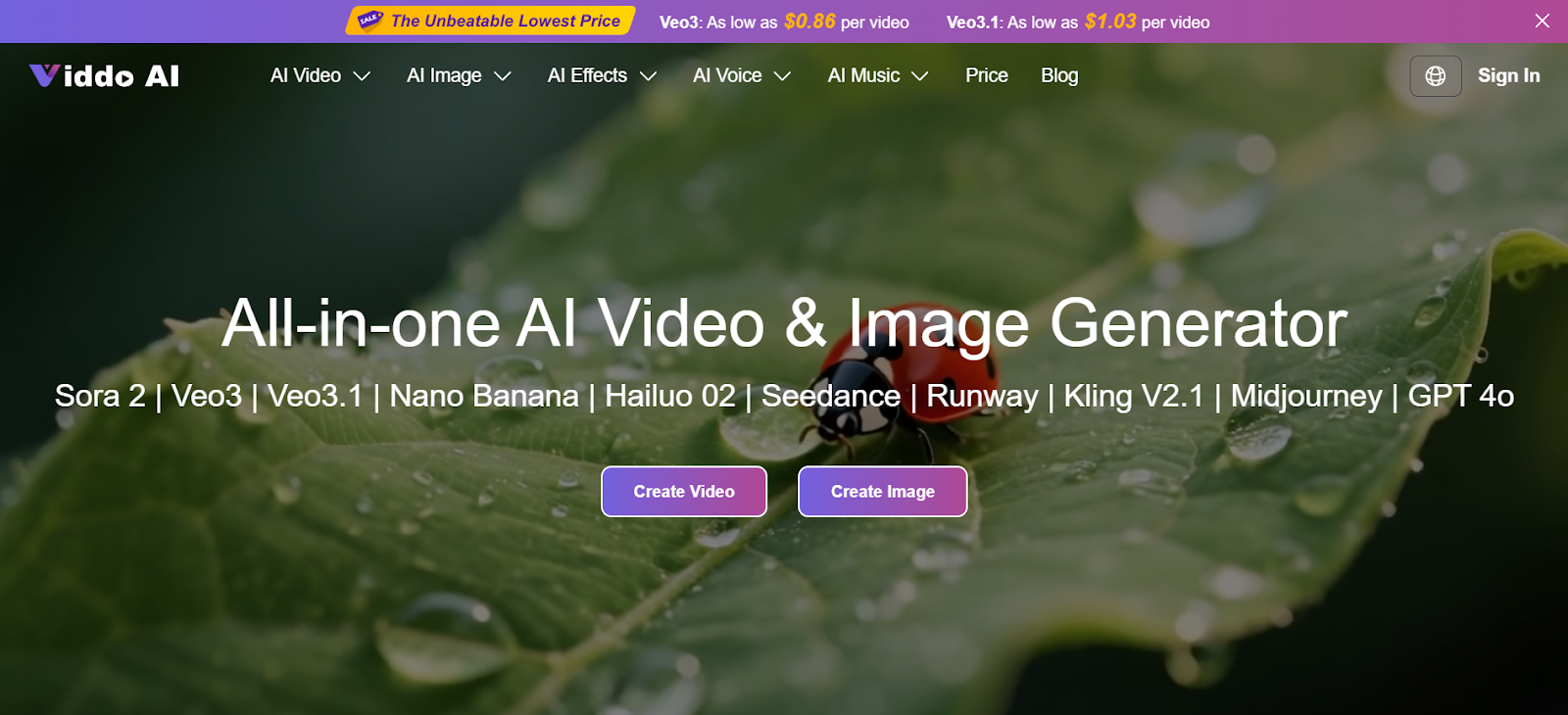
    Viddo AI is a powerful AI video generator that marries advanced artificial intelligence technology with an easy-to-use, automated video creation experience that allows anyone, content creator, brand marketer, or educator, to create professional-quality video effortlessly.

    Why did Viddo AI stand out?

    In contrast to conventional tools, Viddo AI not only creates videos, it also changes the entire experience of creation. It integrates artificial intelligence and automation to make the complicated world of video production simple and maintain top quality like a professional. This is why many creators and brands use Viddo AI:

    1. Diverse Video Generation Methods

    Viddo AI is an impressive, powerful, and diverse video generation platform.

    • Text-to-Video AI: Simply input a script or a brief description and Viddo AI will create engaging videos complete with animated visuals, effects, and AI voiceover – instantently transforming text into colorful media.
    • Image-to-Video AI: Images also can be animated, utilizing intelligent animation, transitions, and even AI effects to bring life to static media. This feature is perfect for e-commerce product displays, brand storytelling, and visual storytelling and simply engages the viewer more.
    • Video-to-Video AI: Viddo AI can even renew your existing videos with style and life. Through AI style transfer, effects overlay, and motion enhancement features, you can easily update old footage or to create more impactful and beautiful video works.

    2. One-stop Template Library

    Creating videos from the ground up can be laborious – and not always the best use of your time. Viddo AI has hundreds of professionally designed, industry-focused templates that will facilitate generating a polished and professional-looking video, all without cumbersome processes. For example:

    • Education and Training Videos – Harness AI to deliver comprehensive course materials or to create instructional videos or tutorials that maximize the power of teaching effectiveness and student engagement.
    • Marketing and Advertising – Create promotional videos, brand documentaries, advertisements for social media, or a visual element to convey brand value.
    • Business Presentations and Enterprise Applications – Generate a professional-grade video to promote your business or to present a proposal or create an internal training video, and enhance the persuasiveness of your business communications.
    • Social Media Content – ​​Finally, create interactive and varied video content for social media including but not limited to platforms like YouTube, TikTok, Instagram, or Facebook, and easily attract an audience.

    By following a few simple steps, you can create professional, eye-catching videos. No additional editing is even required.

    3. Real-time And Automated Video Creation System

    Traditional video editing software isn’t simple; it’s a highly time-consuming craft that requires several specialized skills in editing, effects, and rendering.

    Viddo AI is completely transforming the user experience with its automation that utilizes artificial intelligence. Whether inputting scripts, images, or existing video footage, Viddo AI will quickly and intelligently analyze each piece of content and magically, automatically create all the transitions, animations, and visual effects to have the user working like a professionally experienced video editor in record time.

    4. Intelligent Audio Integration

    Viddo AI adds sound to your visuals by automatically matching music and ambient sounds, along with narration, to suit the visuals creating a perfect visual/sound package. With this feature, your videos and photos become instantly engaging and have a higher emotional impact like a pro.

    5. Smart Solutions That Save Time And Costs

    The financial burden of manually editing and producing has been a persistent issue for content creators and businesses.

    Viddo AI generates video through Artificial Intelligence automated means, therefore drastically reducing the expense of production and the reliance on human labor to create high-quality video efficiently, especially in scale.

    Furthermore, its intelligent editing system not only saves time but also maintains a level of continuity throughout the process for brand image and message consistency purposes in the content produced.

    Who can take advantage of AI video generators?

    1. Content Creators and Influencers

    Use your phone or laptop to transform text into short videos, vlogs, or promotional videos for YouTube, TikTok, and Instagram. Easily create scroll-stopping text animations for increased social media engagement.

    2. Marketers and Advertisers

    Create videos ads, explainers, and promotional visuals from product descriptions or event info. Instantly, create professional looking videos for marketing, without the filming, and without all the tedious editing.

    3. Educators and Coaches

    As an e-learning developer, you can transform lesson plans, blogs, or instructional resources into appealing visual content suitable for e-learning, online training, and digital classrooms that will improve the learning engagement and retention. 

    4. Startups and Founders

    Translate product pitches, landing page copy, or value propositions into animated video stories to effectively relay ideas and concepts visually, enabling branding and pitch decks.

    5. Designers and Creatives

    Make and share video prototypes, and discover visual storytelling, without shooting one shot. This helps with creative presentations and proof-of-concepts at speed, so you can get through the design process. 

    The Future of AI Video Generation Technology

    AI is transforming how we create and consume content. As video generative AI continues to get smarter and easier for non-experts, notably Viddo AI stands out as a champion of creativity and equality in video, removing production from specialized skills or high-cost environments.

    Thanks to its simple AI and automated editing, high-quality template library, and powerful AI library, Viddo AI is ushering video production into a new world of efficiency, accessibility, and intelligence.

    Summary: Why you should try Viddo AI

    The days of creating videos being an expensive, complicated endeavor are over. 

    Viddo AI allows anyone to create professional, fun videos with ease. 

    It then works for you to make your ideas stand out for teaching, marketing, or promotion for your brand.

  • OSUIT Unveils Cutting-Edge IT Innovations Lab, Championing Hands-On Tech Education

    OSUIT Unveils Cutting-Edge IT Innovations Lab, Championing Hands-On Tech Education

    Okmulgee, OK – November 12, 2025 – The Oklahoma State University Institute of Technology (OSUIT) has officially opened the doors to its new IT Innovations Lab, a state-of-the-art facility designed to revolutionize technical education by placing hands-on experience at its core. The grand opening, held on November 5th, marked a significant milestone for OSUIT, reinforcing its commitment to preparing students with practical, industry-relevant skills crucial for the rapidly evolving technology landscape.

    This pioneering lab is more than just a classroom; it's an immersive "playground for tech," where students can dive deep into emerging technologies, collaborate on real-world projects, and develop tangible expertise. In an era where theoretical knowledge alone is insufficient, OSUIT's IT Innovations Lab stands as a beacon for applied learning, promising to cultivate a new generation of tech professionals ready to meet the demands of the modern workforce.

    A Deep Dive into the Future of Tech Training

    The IT Innovations Lab is meticulously designed to provide an unparalleled learning environment, boasting a suite of advanced features and technologies. Central to its offerings is a full-sized Faraday Room, a specialized enclosure that completely blocks wireless signals. This secure space is indispensable for advanced training in digital forensics and cybersecurity, allowing students and law enforcement partners to conduct sensitive analyses of wireless communications and digital evidence without external interference or risk of data tampering. Its generous size significantly enhances collaborative forensic activities, distinguishing it from smaller, individual Faraday boxes.

    Beyond its unique Faraday Room, the lab is equipped with modern workstations and flexible collaborative spaces that foster teamwork and innovation. Students engage directly with micro-computing platforms, robotics, and artificial intelligence (AI) projects, building everything from custom gaming systems using applications like RetroPi to intricate setups involving LEDs and sensors. This project-based approach starkly contrasts with traditional lecture-heavy instruction, providing a dynamic learning experience that mirrors real-world industry challenges and promotes critical thinking and problem-solving skills. The integration of diverse technologies ensures that graduates possess a versatile skill set, making them highly adaptable to various roles within the tech sector.

    Shaping the Future Workforce for Tech Giants and Startups

    The launch of OSUIT's IT Innovations Lab carries significant implications for AI companies, tech giants, and burgeoning startups alike. By prioritizing hands-on, practical experience, OSUIT is directly addressing the skills gap often cited by employers in the technology sector. Graduates emerging from this lab will not merely possess theoretical knowledge but will have demonstrable experience in cybersecurity, AI development, robotics, and other critical areas, making them immediately valuable assets.

    Companies like Google (NASDAQ: GOOGL), Microsoft (NASDAQ: MSFT), and a myriad of cybersecurity firms stand to benefit immensely from a pipeline of graduates who are job-ready from day one. This initiative can mitigate the need for extensive on-the-job training, reducing costs and accelerating productivity for employers. For startups, which often operate with lean teams and require versatile talent, graduates with multi-faceted practical skills will be particularly attractive. The competitive landscape for major AI labs and tech companies is increasingly driven by access to top-tier talent; thus, institutions like OSUIT, through facilities like the IT Innovations Lab, become crucial partners in talent acquisition and innovation. This development also has the potential to disrupt traditional recruiting models by creating a more direct and efficient pathway from education to employment.

    Broader Significance in the AI and Tech Landscape

    The establishment of the IT Innovations Lab at OSUIT is a powerful reflection of broader trends in the AI and technology education landscape. It underscores a growing recognition that effective technical education must move beyond abstract concepts to embrace immersive, experiential learning. This model aligns perfectly with the rapid pace of technological change, where new tools and methodologies emerge constantly, demanding continuous adaptation and practical application.

    The lab's focus on areas like AI, robotics, and cybersecurity positions OSUIT at the forefront of preparing students for the most in-demand roles of today and tomorrow. This initiative directly addresses concerns about the employability of graduates in a highly competitive market and stands as a testament to the value of polytechnic education. Compared to previous educational milestones, which often emphasized theoretical mastery, this lab represents a shift towards a more integrated approach, combining foundational knowledge with extensive practical application. Potential concerns, such as keeping the lab's technology current, are mitigated by OSUIT's strong industry partnerships, which ensure curriculum relevance and access to cutting-edge equipment.

    Anticipating Future Developments and Applications

    Looking ahead, the IT Innovations Lab is expected to catalyze several near-term and long-term developments. In the short term, OSUIT anticipates a significant increase in student engagement and the production of innovative projects that could lead to patents or startup ventures. The lab will likely become a hub for collaborative research with industry partners and local law enforcement, leveraging the Faraday Room for advanced digital forensics training and real-world case studies.

    Experts predict that this model of hands-on, industry-aligned education will become increasingly prevalent, pushing other institutions to adopt similar approaches. The lab’s success could also lead to an expansion of specialized programs, potentially including advanced certifications in niche AI applications or ethical hacking. Challenges will include continuously updating the lab's infrastructure to keep pace with technological advancements and securing ongoing funding for cutting-edge equipment. However, the foundational emphasis on practical problem-solving ensures that students will be well-equipped to tackle future technological challenges, making them invaluable contributors to the evolving tech landscape.

    A New Benchmark for Technical Education

    The OSUIT IT Innovations Lab represents a pivotal development in technical education, setting a new benchmark for how future tech professionals are trained. Its core philosophy — that true mastery comes from doing — is a critical takeaway. By providing an environment where students can build, experiment, and innovate with real-world tools, OSUIT is not just teaching technology; it's cultivating technologists.

    This development’s significance in AI history and broader tech education cannot be overstated. It underscores a crucial shift from passive learning to active creation, ensuring that graduates are not only knowledgeable but also highly skilled and adaptable. In the coming weeks and months, the tech community will be watching closely to see the innovative projects and talented individuals that emerge from this lab, further solidifying OSUIT's role as a leader in hands-on technical education. The lab promises to be a continuous source of innovation and a critical pipeline for the talent that will drive the next wave of technological advancement.


    This content is intended for informational purposes only and represents analysis of current AI developments.

    TokenRing AI delivers enterprise-grade solutions for multi-agent AI workflow orchestration, AI-powered development tools, and seamless remote collaboration platforms.
    For more information, visit https://www.tokenring.ai/.
  • AI-Driven Durability: How Smart Coatings are Revolutionizing Industrial Protection for MSMEs

    AI-Driven Durability: How Smart Coatings are Revolutionizing Industrial Protection for MSMEs

    In a pivotal move signaling the future of industrial resilience, a recent workshop on Corrosion and Wear Resistant Coating Technology for Micro, Small, and Medium Enterprises (MSMEs) has underscored not just the critical importance of protecting industrial assets, but also the transformative role Artificial Intelligence (AI) is playing in this traditionally materials-science-driven field. Held against the backdrop of an accelerating digital transformation, the event highlighted how advanced coatings, increasingly augmented by AI, are becoming indispensable for extending equipment lifespan, reducing operational costs, and enhancing safety across diverse industrial applications, particularly for the often resource-constrained MSME sector.

    The workshop served as a crucial platform to educate MSMEs on the latest breakthroughs, emphasizing that the era of passive protection is giving way to dynamic, intelligent coating solutions. These advancements are not merely incremental; they represent a paradigm shift driven by AI's ability to optimize material design, application processes, and predictive maintenance. This integration promises to democratize access to high-performance protective technologies, allowing smaller players to compete on durability and efficiency with larger industrial entities.

    The Intelligent Skin: AI's Deep Dive into Coating Technology

    The core of this technological revolution lies in the sophisticated application of AI across the entire lifecycle of corrosion and wear-resistant coatings. Traditionally, developing new coatings was a time-consuming process of trial and error, heavily reliant on empirical data and expert intuition. However, AI algorithms are now capable of analyzing vast datasets comprising material properties, environmental conditions, and performance metrics, thereby accelerating the discovery and design of next-generation coatings. This includes the development of nanomaterial-based coatings, such as those incorporating graphene for superior barrier properties, and complex hybrid coatings that offer multi-faceted protection against various environmental stressors.

    A significant leap forward is the emergence of smart and self-healing coatings, a concept once confined to science fiction. AI plays a critical role in engineering these materials to autonomously repair damage, sense environmental changes, and respond dynamically—for instance, by altering properties or color to indicate overheating or stress. This differs dramatically from previous approaches, where coatings offered static protection, requiring manual inspection and reapplication. Furthermore, AI optimizes coating application processes in real-time, ensuring uniformity and consistency through precise parameter adjustments, leading to fewer defects and reduced material waste. AI-driven cameras and sensors provide real-time quality assurance, detecting imperfections with accuracy far exceeding human capabilities. Initial reactions from the material science and industrial communities are overwhelmingly positive, recognizing AI as a force multiplier for innovation, promising coatings that are not only more effective but also more sustainable and cost-efficient.

    Reshaping the Industrial Landscape: AI's Competitive Edge

    The integration of AI into corrosion and wear-resistant coating technology carries profound implications for companies across the industrial spectrum. MSMEs, the primary focus of the workshop, stand to gain immensely. By adopting AI-enhanced coating solutions, they can significantly extend the operational life of their machinery and infrastructure, transforming significant capital investments into long-term assets. This directly translates into reduced maintenance and replacement costs, minimizing downtime and boosting overall operational efficiency. Companies specializing in AI and machine learning, particularly those focused on materials science and industrial automation, are poised to benefit from the increased demand for intelligent coating solutions and the underlying AI platforms that power them.

    For traditional coating manufacturers, the competitive landscape is shifting. Those that embrace AI for material design, process optimization, and quality control will gain a significant strategic advantage, offering superior, more reliable, and customizable products. Conversely, companies slow to adopt these technologies risk disruption, as their offerings may fall behind in performance and cost-effectiveness. AI-driven coatings enable a shift from generic, off-the-shelf solutions to highly tailored protective layers designed for specific industrial environments and equipment, fostering a new era of personalized industrial protection. This market positioning, centered on advanced, AI-powered durability, will become a key differentiator in a competitive global market.

    Beyond Protection: AI's Broader Impact on Industrial Sustainability

    The emergence of AI in coating technology fits seamlessly into the broader AI landscape, particularly the trend of applying AI to complex material science challenges and industrial process optimization. Its impact extends beyond mere equipment protection, touching upon critical areas like industrial sustainability, safety, and economic development. By prolonging the life of assets, AI-enhanced coatings contribute significantly to sustainability goals, reducing the need for new manufacturing, decreasing resource consumption, and minimizing waste. The ability of AI to predict corrosion behavior through real-time monitoring and predictive maintenance also enhances safety by preventing unexpected equipment failures and allowing for proactive intervention.

    However, this advancement is not without its considerations. The initial investment in AI-driven systems and the need for specialized skills to manage and interpret AI outputs could pose challenges, particularly for smaller MSMEs. Comparisons to previous AI milestones, such as AI in complex manufacturing or supply chain optimization, highlight a consistent theme: AI's power lies in its ability to process vast amounts of data and identify patterns that human analysis might miss, leading to efficiencies and innovations previously unimaginable. This application to foundational industrial processes like protective coatings underscores AI's pervasive and transformative potential across all sectors.

    The Future is Coated: Autonomous and Adaptive Protection

    Looking ahead, the trajectory for AI in corrosion and wear-resistant coating technology is one of increasing autonomy and sophistication. Near-term developments are expected to focus on more refined AI models for predictive maintenance, leading to hyper-personalized coating solutions that adapt to minute environmental changes. We can anticipate the advent of fully autonomous coating systems, where AI-powered robots, guided by advanced sensors and machine learning algorithms, apply coatings with unprecedented precision and efficiency, even in hazardous environments. The long-term vision includes the widespread adoption of "digital twins" for coated assets, allowing for real-time simulation and optimization of protective strategies throughout an asset's entire lifecycle.

    Potential applications on the horizon are vast, ranging from self-healing coatings for critical infrastructure in extreme environments to adaptive coatings for aerospace components that can change properties based on flight conditions. Challenges that need to be addressed include the standardization of data collection for AI training, ensuring the robustness and explainability of AI models, and developing cost-effective deployment strategies for MSMEs. Experts predict a future where materials themselves become "intelligent," capable of self-diagnosis and self-repair, driven by embedded AI, fundamentally altering how industries approach material degradation and protection.

    A New Era of Industrial Resilience

    The workshop on Corrosion and Wear Resistant Coating Technology for MSMEs, illuminated by the pervasive influence of AI, marks a significant moment in the evolution of industrial resilience. The key takeaway is clear: AI is not just an adjunct to coating technology but an integral, transformative force, promising unprecedented levels of durability, efficiency, and sustainability. This development is not merely an incremental improvement; it represents a foundational shift in how industries will protect their assets, moving from reactive maintenance to proactive, intelligent preservation.

    Its significance in AI history lies in demonstrating AI's capability to revitalize and revolutionize even the most traditional industrial sectors, proving its versatility beyond software and digital services. The long-term impact will be felt in reduced global resource consumption, enhanced industrial safety, and a more level playing field for MSMEs. In the coming weeks and months, industry watchers should keenly observe further announcements regarding AI-driven coating solutions, partnerships between material science firms and AI developers, and the adoption rates of these advanced technologies within the MSME sector. The future of industrial protection is intelligent, adaptive, and AI-powered.


    This content is intended for informational purposes only and represents analysis of current AI developments.

    TokenRing AI delivers enterprise-grade solutions for multi-agent AI workflow orchestration, AI-powered development tools, and seamless remote collaboration platforms.
    For more information, visit https://www.tokenring.ai/.
  • Karnataka Unveils Ambitious Quantum Leap: Adopts Swiss Model to Map and Build a $20 Billion Quantum Ecosystem

    Karnataka Unveils Ambitious Quantum Leap: Adopts Swiss Model to Map and Build a $20 Billion Quantum Ecosystem

    Bengaluru, Karnataka – November 12, 2025 – In a landmark move poised to reshape India's technological landscape, the state of Karnataka today announced a groundbreaking initiative to map its entire quantum ecosystem, drawing direct inspiration from Switzerland's highly successful "Swissnex Quantum Map." This strategic endeavor, unveiled by Karnataka Minister for Science and Technology N.S. Boseraju, aims to solidify Bengaluru's position as the "Quantum Startup Capital" of India and propel the state towards becoming the "Quantum Capital of Asia" by 2035, targeting a staggering $20 billion quantum economy.

    The announcement, made following Minister Boseraju's productive visit to Switzerland for the Swissnex Quantum and GSDA Conference, underscores Karnataka's commitment to fostering international collaboration and accelerating innovation in quantum technologies. By meticulously documenting all institutions, startups, and industries engaged in quantum across the state, the initiative will create a vital reference platform for researchers, policymakers, and entrepreneurs, ultimately strengthening India's footprint in the global quantum race.

    Blueprint for Quantum Dominance: The Swiss Model Adaptation

    Karnataka's adoption of the "Swiss model" is a deliberate strategy to replicate Switzerland's prowess in translating cutting-edge academic research into thriving commercial ventures. The state plans to establish a comprehensive "Karnataka Quantum Ecosystem Map," mirroring the "Swissnex Quantum Map" which is renowned for showcasing international advancements and facilitating global partnerships. This detailed mapping exercise is not merely an inventory; it's a strategic framework designed to identify strengths, pinpoint gaps, and foster a vibrant research-to-startup pipeline.

    Central to this vision is the establishment of Q-City, a dedicated quantum technology hub near Bengaluru, which will house India's first Quantum Hardware Park and four Innovation Zones. This infrastructure will be complemented by a dedicated FabLine for domestic manufacturing of quantum components, addressing a critical need for self-reliance in this nascent field. The initiative also sets ambitious technical goals, including the development of advanced quantum systems, such as 1,000-qubit processors, and the piloting of real-world quantum applications across vital sectors like healthcare, defense, finance, cybersecurity, and governance. This comprehensive approach differentiates Karnataka's strategy by integrating fundamental research, hardware development, application piloting, and ecosystem nurturing under one ambitious umbrella, aiming to leapfrog traditional development cycles.

    Reshaping the Tech Landscape: Opportunities and Competition

    This bold initiative is set to create a ripple effect across the technology sector, particularly for quantum startups and established tech giants. Startups within Karnataka's burgeoning quantum space, often referred to as "Bengaluru's Quantum Startup Capital," stand to gain immensely from increased visibility, dedicated infrastructure like Q-City, and access to a planned Quantum Venture Capital Fund. This structured support system aims to nurture over 100 quantum startups and facilitate more than 100 patent filings, accelerating their journey from concept to market.

    For global tech giants and major AI labs, Karnataka's quantum push presents both collaborative opportunities and competitive pressures. Companies like Alphabet (NASDAQ: GOOGL), IBM (NYSE: IBM), and Microsoft (NASDAQ: MSFT), already heavily invested in quantum research, may find a fertile ground for partnerships, talent acquisition, and even establishing R&D centers within Q-City. The initiative's focus on domestic manufacturing and a skilled workforce could also encourage global players to localize parts of their quantum supply chain. Conversely, it intensifies the global competition for quantum supremacy, potentially disrupting existing product roadmaps or accelerating the need for companies to engage with emerging quantum hubs outside traditional centers. The strategic advantages gained through early ecosystem development and talent cultivation will be crucial for market positioning in the rapidly evolving quantum economy.

    A New Frontier in the Global Quantum Race

    Karnataka's quantum initiative is not an isolated event but fits squarely within the broader global race for quantum supremacy. As nations like the US, China, and various European countries pour billions into quantum research, India, through Karnataka's leadership, is strategically carving out its niche. The emphasis on a holistic ecosystem, from fundamental research to hardware manufacturing and application development, positions Karnataka as a comprehensive player rather than just a contributor to specific research areas.

    The impacts are expected to be far-reaching, encompassing economic growth, scientific breakthroughs, and potentially geopolitical shifts as quantum technologies mature. While the promise of quantum computing in revolutionizing drug discovery, materials science, and cryptography is immense, potential concerns around data security, ethical implications of powerful computing, and the widening "quantum divide" between technologically advanced and developing nations will need careful consideration. This initiative echoes previous AI milestones, such as the initial breakthroughs in deep learning, by signaling a significant governmental commitment to an emerging transformative technology, aiming to create a self-sustaining innovation engine.

    The Quantum Horizon: What Lies Ahead

    Looking ahead, the near-term focus for Karnataka will be on the meticulous execution of the ecosystem mapping, the establishment of the Q-City infrastructure, and the rollout of quantum skilling programs in over 20 colleges to build a robust talent pipeline. The target of supporting 150 PhD fellowships annually underscores the long-term commitment to nurturing advanced research capabilities. In the long term, the ambition to develop 1,000-qubit processors and pilot real-world applications will drive significant advancements across diverse sectors.

    Experts predict that this structured approach, especially the emphasis on a dedicated hardware park and domestic manufacturing, could accelerate India's ability to move beyond theoretical research into practical quantum applications. Challenges will undoubtedly include securing consistent funding, attracting and retaining top-tier global talent, and navigating the complexities of international intellectual property. However, if successful, Karnataka's model could serve as a blueprint for other developing nations aspiring to build their own quantum ecosystems, with potential applications ranging from ultra-secure communication networks to vastly improved medical diagnostics and advanced AI capabilities.

    Charting a Quantum Future: A Pivotal Moment

    Karnataka's announcement marks a pivotal moment in India's technological journey and the global quantum landscape. The key takeaways are clear: a strategic, comprehensive, and internationally inspired approach to quantum development, spearheaded by a clear vision for economic growth and job creation. By emulating the "Swiss model" and setting ambitious targets like a $20 billion quantum economy and 10,000 high-skilled jobs by 2035, Karnataka is not just participating in the quantum revolution; it aims to lead a significant part of it.

    This development holds immense significance in the history of AI and computing, representing a concerted effort to transition from classical computing paradigms to a future powered by quantum mechanics. Observers will be keenly watching the progress of Q-City, the success of the startup incubation programs, and the pace of international collaborations in the coming weeks and months. Karnataka's quantum leap could very well set a new benchmark for how emerging economies can strategically position themselves at the forefront of the next technological frontier.


    This content is intended for informational purposes only and represents analysis of current AI developments.

    TokenRing AI delivers enterprise-grade solutions for multi-agent AI workflow orchestration, AI-powered development tools, and seamless remote collaboration platforms.
    For more information, visit https://www.tokenring.ai/.
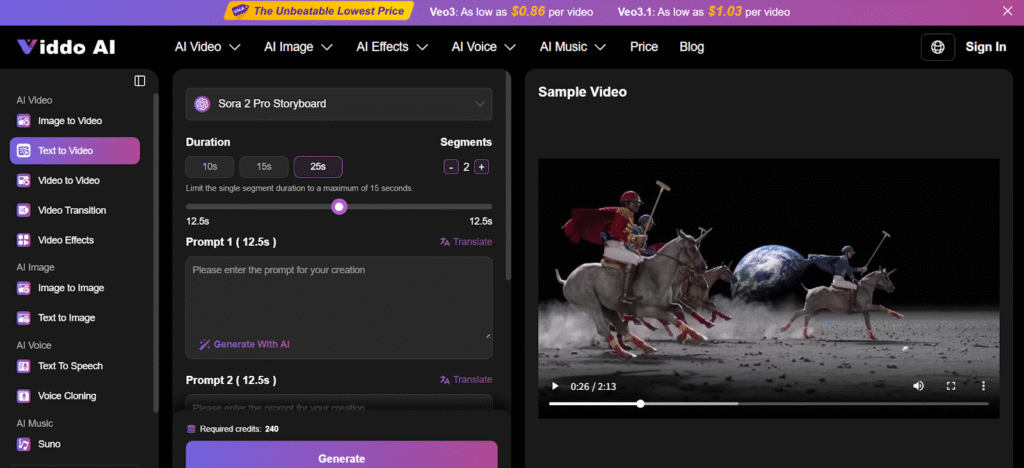
  • HeartBeam Hailed as Global Leader in Portable ECG Innovation, Reshaping Future of Remote Cardiac Care

    HeartBeam Hailed as Global Leader in Portable ECG Innovation, Reshaping Future of Remote Cardiac Care

    HeartBeam (NASDAQ: BEAT) has cemented its position as a vanguard in medical technology, earning multiple prestigious accolades that underscore its groundbreaking contributions to portable ECG innovation. Most notably, the company was recently identified as a Global IP and Technology Leader in Portable Cardiac Diagnostics by PatentVest's "Total Cardiac Intelligence" report, placing it second worldwide in 12-lead ECG innovation, with only GE Healthcare ranking higher. This recognition, announced around November 11, 2025, alongside the 2025 Medical Device Network Excellence Award for Innovation in Remote Cardiac Diagnostics (July 22, 2025), signals a pivotal moment for HeartBeam and the broader landscape of remote cardiac care, promising a future where high-fidelity cardiac diagnostics are more accessible and immediate than ever before. These honors validate HeartBeam's robust intellectual property and its strategic vision to transform cardiac health management.

    Technical Prowess: Revolutionizing ECG with 3D VECG and AI Synthesis

    HeartBeam's core innovation lies in its proprietary synthesis-ECG system, which leverages 3D vector electrocardiography (VECG) to capture the heart's electrical activity in three non-coplanar dimensions. Unlike traditional 12-lead ECGs that require ten electrodes and bulky equipment, HeartBeam's credit card-sized AIMIGo device utilizes just five embedded sensors. These sensors capture the comprehensive 3D electrical picture of the heart, which is then transmitted wirelessly to a smartphone application. Proprietary software and advanced deep-learning algorithms then reconstruct this 3D data into a full 12-lead ECG, applying a personalized transformation matrix to ensure diagnostic accuracy.

    This approach marks a significant departure from previous technologies. While many contemporary wearables, such as those offered by Apple (NASDAQ: AAPL) and Google (NASDAQ: GOOGL), provide single-lead ECG capabilities primarily for arrhythmia detection, HeartBeam delivers a synthesized 12-lead ECG, offering a level of diagnostic detail comparable to the gold standard clinical ECG. This allows for the detection of a broader range of cardiac irregularities, including myocardial infarction (heart attacks) and complex arrhythmias, which single-lead devices often miss. The technology also incorporates a baseline comparison feature, providing personalized insights into a patient's cardiac activity.

    Initial reactions from the medical and tech communities have been overwhelmingly positive. The VALID-ECG pivotal study, involving 198 patients, demonstrated a remarkable 93.4% diagnostic agreement between HeartBeam's synthesized ECG and standard 12-lead ECGs for arrhythmia assessment. Further studies applying HeartBeam's deep learning algorithms showed comparable accuracy to standard 12-lead ECGs in detecting atrial fibrillation, atrial flutter, and sinus rhythm, with accuracy rates reaching 94.5%. Notably, one study indicated HeartBeam AI applied to VCG outperformed an expert panel of cardiologists by 40% in detecting atrial flutter, showcasing its superior sensitivity. The company received FDA clearance for its 3D ECG technology for arrhythmia assessment in December 2024, with its 12-lead ECG synthesis software submitted for FDA review in January 2025.

    Reshaping the Competitive Landscape: Winners, Losers, and Disruptors

    HeartBeam's advancements are poised to create significant ripples across the AI healthcare and medical device sectors. HeartBeam itself, along with its strategic partners, stands to benefit immensely. The company's collaborations with AccurKardia for automated ECG analysis and HeartNexus, Inc. for 24/7 cardiology reader services will enhance its commercial offerings and streamline diagnosis. Telehealth and remote patient monitoring (RPM) platforms will also find HeartBeam's technology invaluable, as it seamlessly integrates into remote care workflows, enabling physicians to review diagnostic-quality ECGs remotely. Healthcare payers and systems could see substantial benefits from earlier detection and intervention, potentially reducing costly emergency room visits and hospitalizations.

    The competitive implications are profound. Single-lead ECG wearables, while popular, face a significant challenge. HeartBeam's ability to provide 12-lead equivalent data from a portable device directly challenges the medical utility and market dominance of these devices for serious cardiac events. Similarly, traditional Holter monitors and existing ECG patches, often bulky or limited in lead configurations, may find themselves outmatched by HeartBeam's more convenient and diagnostically superior alternatives. Established medical device companies like AliveCor, iRhythm Technologies, and Vital Connect, identified as HeartBeam's top competitors, will be compelled to innovate rapidly to match or exceed HeartBeam's offerings in portability, diagnostic accuracy, and AI integration.

    The potential for disruption is high. HeartBeam's technology facilitates a fundamental shift in where cardiac diagnoses occur—from specialized clinical settings to the patient's home. This enables real-time assessment during symptomatic episodes, fundamentally altering how patients seek and receive initial cardiac evaluations. The high accuracy of HeartBeam's AI algorithms suggests a future where automated analysis can significantly support and streamline physician decision-making, potentially reducing diagnostic delays. By facilitating earlier and more accurate remote diagnosis, HeartBeam can decrease unnecessary emergency room visits and hospital admissions, contributing to a more efficient and cost-effective healthcare system. HeartBeam is strategically positioning itself as a leader in personalized, remote cardiac diagnostics, emphasizing high-fidelity portable diagnostics, AI-driven insights, a patient-centric approach, and a strong intellectual property portfolio.

    A New Horizon in Cardiac Care: Broader Significance and Societal Impact

    HeartBeam's innovation fits squarely into the broader AI and medical technology landscape as a critical step towards truly decentralized and proactive healthcare. Its impact on healthcare accessibility is immense, democratizing access to sophisticated, clinical-grade cardiac diagnostics outside specialized medical facilities, including remote areas and homes. By allowing patients to record a 12-lead equivalent ECG whenever symptoms occur, it eliminates the need to wait for appointments, reducing critical "symptom to door" time for conditions like heart attacks and facilitating faster responses to arrhythmias. This empowers patients to actively participate in their cardiac health management and helps bridge the growing gap in cardiology specialists.

    The impacts on patient outcomes are equally significant. Earlier and more accurate diagnosis, coupled with AI analysis, leads to more precise identification of cardiac conditions, enabling physicians to make better treatment decisions and guide patients to appropriate and timely care. This promises to reduce hospitalizations and ER visits, leading to better long-term health for patients. The technology's capability to collect multiple readings over time creates a rich data repository, which, when analyzed by AI, can offer personalized insights, potentially even predicting declining health before severe symptoms manifest.

    However, potential concerns include the ongoing regulatory pathways for new AI algorithms, ensuring data accuracy and interpretation reliability in diverse real-world populations (with human oversight remaining crucial), robust data privacy and cybersecurity measures for sensitive cardiac data, and addressing the digital divide to ensure equitable access and user proficiency. Seamless integration into existing healthcare workflows and electronic health records is also vital for widespread clinical adoption.

    HeartBeam's innovation builds upon previous AI milestones in medical diagnostics, moving beyond single-lead wearables to provide a synthesized 12-lead ECG. Similar to how AI has revolutionized radiology and pathology, HeartBeam's AI aims to improve diagnostic accuracy for cardiac conditions, with capabilities that can even outperform expert panels. Its ambition for predictive analytics aligns with the broader trend of AI in predictive medicine, shifting from reactive diagnosis to proactive health management. This democratization of complex diagnostics mirrors AI's role in making tools like skin lesion analysis more accessible, marking a significant advancement in personalized and remote cardiac diagnostics.

    The Road Ahead: Anticipated Developments and Expert Predictions

    In the near term, HeartBeam is focused on the anticipated FDA clearance for its 12-lead ECG synthesis software, expected by year-end 2025. This clearance will be a pivotal moment, paving the way for the full commercialization of its AIMIGo device. The company is also actively collaborating with partners like AccurKardia for automated ECG interpretation and HeartNexus, Inc. for a cardiology reader service, both set to enhance its market offerings. The broader portable ECG market is projected to reach $5.3 billion by 2030, driven by an aging population and demand for remote patient monitoring, with trends focusing on miniaturization, wireless connectivity, and AI integration.

    Long-term developments for HeartBeam include a significant emphasis on leveraging AI to move beyond diagnosis to predictive cardiac monitoring, tracking subtle trends, and detecting early warning signs. The company envisions integrating its core technology into various wearable form factors, such as patches and smartwatches, to expand continuous monitoring capabilities. The broader market will see a continued shift towards decentralized, home-based healthcare, where continuous, real-time cardiac monitoring becomes commonplace. AI and machine learning will evolve to offer predictive analytics for conditions like heart failure and atrial fibrillation, with advanced wearables delivering multi-lead ECGs for complex cardiac event detection.

    Potential applications on the horizon include enhanced early detection and prevention of arrhythmias and heart attacks, central roles in remote patient monitoring and telehealth, post-operative care, and even integration into fitness and wellness monitoring. AI-powered ECG analysis is expected to expand to diagnose structural heart diseases. Challenges remain, including navigating regulatory hurdles, ensuring data privacy and cybersecurity, managing device costs, achieving comprehensive clinical validation across diverse demographics, and overcoming user adoption barriers.

    Experts predict a future dominated by AI in cardiac care, moving beyond basic rhythm interpretation to highly accurate diagnostics and predictive analytics. Ubiquitous wearables offering multi-lead ECG capabilities will bring hospital-grade assessment into the home, solidifying a decentralized care model. Enhanced data utilization through cloud platforms will enable more personalized and proactive healthcare, fostering increased collaboration between tech companies, AI specialists, and traditional medical device manufacturers. The focus on user experience will be paramount to ensure widespread adoption.

    A New Era for Heart Health: Concluding Thoughts and What to Watch

    HeartBeam's recognition as a global innovator in portable ECG medical technology signals a new era for cardiac care. The key takeaway is the company's ability to deliver clinical-grade 12-lead ECG data through a credit card-sized, patient-friendly device, significantly enhancing early detection and intervention capabilities outside traditional clinical settings. This innovation is not merely an incremental improvement; it represents a transformative step in medical technology, marrying advanced 3D VECG with sophisticated AI to provide unprecedented diagnostic and potentially predictive insights into heart health.

    Its significance in AI history lies in its application of deep learning to synthesize complex cardiac signals into a familiar, actionable format, moving AI beyond basic pattern recognition to a more integrated, diagnostic role in real-time patient care. The long-term impact is poised to revolutionize cardiovascular disease management, leading to improved patient outcomes, reduced healthcare costs, and a more accessible, personalized approach to heart health.

    In the coming weeks and months, all eyes will be on the anticipated FDA clearance of HeartBeam's 12-lead ECG synthesis software, expected by the end of 2025. This regulatory milestone is critical for the full commercial launch of the system. We should also watch for the expansion of their Early Access Program, further clinical data presentations from the VALID-ECG study, updates on partnership integrations, and HeartBeam's financial performance as it moves towards broader commercialization. These developments will be crucial indicators of the technology's market adoption and its potential to profoundly reshape the future of cardiac care.


    This content is intended for informational purposes only and represents analysis of current AI developments.

    TokenRing AI delivers enterprise-grade solutions for multi-agent AI workflow orchestration, AI-powered development tools, and seamless remote collaboration platforms.
    For more information, visit https://www.tokenring.ai/.

  • Douglas Elliman Taps Tech Veteran Chris Reyes as CTO, Signaling a New Era for Real Estate Technology

    Douglas Elliman Taps Tech Veteran Chris Reyes as CTO, Signaling a New Era for Real Estate Technology

    Douglas Elliman Realty (NYSE: DREI), one of the largest independent residential real estate brokerages in the United States, has announced the appointment of Chris Reyes as its new Chief Technology Officer (CTO), effective November 11, 2025. This strategic move underscores the company's aggressive pivot towards leveraging advanced technological solutions to redefine the real estate experience for agents and clients alike. Reyes' extensive background in both residential real estate and financial services positions him at the forefront of Douglas Elliman's ambitious vision to integrate cutting-edge innovations, including AI, data analytics, and immersive digital tools, into the core of its operations.

    The appointment comes at a critical juncture for the real estate industry, which is undergoing a profound digital transformation. As market dynamics evolve and client expectations shift, companies like Douglas Elliman are recognizing the imperative to not just adopt technology, but to actively innovate and lead with it. Reyes' leadership is expected to catalyze this transformation, building upon the firm's recent announcement of its AI assistant app, "Elli AI," which is set to debut in Florida before a wider rollout.

    Driving Innovation: Reyes' Mandate and the Tech-Forward Real Estate Landscape

    Chris Reyes brings over two decades of invaluable experience to his new role. Prior to joining Douglas Elliman, he served as CTO at Brown Harris Stevens, where he was instrumental in shaping their technological roadmap. His career also includes a significant seven-year tenure as Chief Technology Officer at GuardHill Financial Corp., demonstrating his prowess in directing technology strategy and operations within the financial services sector. Furthermore, Reyes spent over 15 years advancing technology initiatives in residential real estate, holding positions such as Managing Director of Technology for prominent firms like Citi Habitats and The Corcoran Group. His track record is marked by a consistent ability to deliver innovative solutions that empower real estate professionals and support large-scale organizational growth.

    In his capacity as CTO, Reyes will oversee Douglas Elliman's entire technology ecosystem, encompassing the technology team, national infrastructure, product launches, and software development across all regions. Michael S. Liebowitz, President and CEO of Douglas Elliman, highlighted Reyes' proven ability to build scalable platforms that empower real estate professionals, emphasizing the company's commitment to driving its technology vision forward. Reyes himself expressed enthusiasm for his role, stating his commitment to fostering technological transformation across all departments. This appointment signifies a departure from merely adopting off-the-shelf solutions to a more proactive, in-house approach to tech development, aiming to create proprietary tools that provide a distinct competitive edge. The imminent launch of "Elli AI," a proprietary AI assistant, exemplifies this shift, promising to streamline agent workflows, enhance client interactions, and provide data-driven insights.

    Initial reactions from the real estate and tech communities suggest that this move is a strong indicator of the industry's accelerating embrace of sophisticated technology. Experts view this as a necessary step for traditional brokerages to remain competitive against digitally native PropTech startups. Reyes' deep industry-specific experience, coupled with his technical leadership, is seen as crucial for translating complex technological capabilities into practical, agent- and client-centric solutions, moving beyond generic tech integrations to truly bespoke and impactful innovations.

    Competitive Implications and Market Positioning in a Digitalizing Industry

    Douglas Elliman (NYSE: DREI) stands to be a primary beneficiary of Chris Reyes' appointment. By investing in a seasoned CTO with a clear mandate for technological advancement, the company is poised to enhance its operational efficiency, elevate the agent experience, and deliver a more sophisticated and personalized service to clients. The development of proprietary tools like "Elli AI" can significantly improve lead management, marketing automation, and client communication, thereby boosting agent productivity and satisfaction. This strategic investment in technology will allow Douglas Elliman to attract and retain top talent who increasingly seek brokerages equipped with the latest digital tools.

    The competitive implications for major AI labs, tech companies, and other real estate firms are substantial. This move intensifies the "tech arms race" within the real estate sector, compelling competitors to re-evaluate their own technology strategies and potentially accelerate their investments in similar leadership roles and proprietary solutions. Companies that fail to keep pace risk falling behind in a market where technology is becoming a key differentiator. PropTech startups specializing in AI, data analytics, CRM, virtual tours, and blockchain solutions may also see increased opportunities for partnerships or acquisitions as traditional brokerages seek to integrate advanced capabilities rapidly.

    This development could disrupt existing products and services by setting a new standard for technological integration in real estate. Brokerages offering more rudimentary digital tools may find themselves at a disadvantage. Douglas Elliman's market positioning will likely be strengthened as a forward-thinking, innovation-driven leader, capable of providing a superior tech-enabled platform for its agents and a more engaging experience for its clients. This strategic advantage is crucial in a highly competitive industry where differentiation often hinges on the quality of tools and services provided.

    The Broader Significance: AI's Inroads into Traditional Sectors

    Chris Reyes' appointment at Douglas Elliman fits seamlessly into the broader AI landscape and the accelerating trend of digital transformation across traditional industries. Real estate, long perceived as a relationship-driven sector, is now embracing technology as a powerful enabler rather than a mere supplementary tool. This move signifies a deeper integration of AI and data science into core business functions, moving beyond simple online listings to sophisticated predictive analytics, personalized customer journeys, and automated operational workflows. The global AI real estate market alone is projected to reach an astounding $41.5 billion by 2033, growing at a CAGR of 30.5%, underscoring the immense potential and rapid adoption of these technologies.

    The impacts are wide-ranging. Enhanced efficiency through AI-powered automation can free up agents to focus on high-value client interactions. Personalized client experiences, driven by data analytics, will allow for more targeted property recommendations and marketing campaigns. Improved transparency and security, particularly through the potential adoption of blockchain, can streamline complex transactions and reduce fraud. However, this transformation also brings potential concerns, such as data privacy and security, the ethical implications of AI in decision-making, and the need for continuous upskilling of the workforce to adapt to new tools. The digital divide among agents, where some may struggle with rapid tech adoption, also presents a challenge that needs to be addressed through comprehensive training and support.

    Comparing this to previous AI milestones, the real estate sector's current trajectory mirrors the digital revolutions seen in finance, retail, and healthcare. Just as e-commerce reshaped retail and fintech transformed banking, PropTech is poised to fundamentally alter how properties are bought, sold, and managed. The emphasis on a dedicated CTO with deep industry knowledge suggests a mature understanding that technology is not a one-size-fits-all solution but requires tailored, strategic implementation to yield maximum benefits.

    Future Developments: A Glimpse into Real Estate's Tech-Enabled Horizon

    Looking ahead, the real estate sector under the influence of leaders like Chris Reyes is expected to witness several near-term and long-term developments. In the immediate future, we can anticipate a rapid expansion of AI-powered tools, such as the "Elli AI" assistant, which will evolve to offer hyper-personalized customer experiences, analyzing preferences to deliver tailored property recommendations and marketing. Generative AI is also on the horizon, with the potential to automate the creation of marketing content, property listings, and even initial floorplan designs. Data analytics will become even more predictive, guiding investment decisions and risk mitigation with greater accuracy, moving towards comprehensive, vetted data from diverse sources.

    Long-term, the industry will see further integration of immersive technologies. Virtual tours will evolve beyond 360-degree views to include enhanced interactivity, allowing users to modify room layouts, change decor, or simulate lighting conditions in real-time. The integration of Virtual Reality (VR) and Augmented Reality (AR) will offer unparalleled immersive experiences, potentially allowing entire buying processes, from viewing to contract signing, to be conducted virtually. Blockchain technology is also poised for significant advancement, particularly in the tokenization of real estate assets, enabling fractional ownership and making real estate investment more accessible and liquid. Smart contracts will continue to streamline transactions, automate deal processes, and enhance the security of title records. The global real estate CRM market alone is projected to reach $176.83 billion by 2030, highlighting the massive investment in customer-centric tech.

    Challenges that need to be addressed include the complexity of integrating disparate technologies, ensuring robust data security and privacy compliance, and navigating evolving regulatory frameworks, especially for blockchain and tokenized assets. Experts predict a future where real estate transactions are largely automated, highly personalized, and driven by a seamless ecosystem of interconnected AI and data platforms, making the process more efficient, transparent, and accessible for all stakeholders.

    Wrap-Up: A Strategic Leap into Real Estate's Digital Future

    Chris Reyes' appointment as CTO at Douglas Elliman Realty marks a pivotal moment for the company and serves as a significant indicator of the broader technological shift sweeping through the real estate industry. This move underscores a strategic commitment to innovation, positioning Douglas Elliman at the forefront of leveraging advanced AI, data analytics, and immersive digital experiences to enhance every facet of its operations. The immediate significance lies in the firm's proactive stance to not just adapt to technological change but to lead it, as evidenced by its forthcoming "Elli AI" application.

    In the grand narrative of AI history, this development represents another example of artificial intelligence permeating and transforming traditional, relationship-centric sectors. It highlights the growing understanding that human expertise, when augmented by intelligent technology, can achieve unprecedented levels of efficiency, personalization, and market insight. The long-term impact will likely include a more transparent, efficient, and accessible real estate market for both consumers and professionals, with technology serving as the bedrock for informed decisions and seamless transactions.

    As the real estate landscape continues to evolve, all eyes will be on Douglas Elliman's implementation of its new technology vision under Reyes' leadership. The rollout and impact of "Elli AI," further proprietary tech innovations, and the competitive responses from other major brokerages will be key indicators to watch in the coming weeks and months. This appointment is not just about a new CTO; it's about a clear signal that the future of real estate is undeniably digital, intelligent, and deeply integrated with cutting-edge technology.


    This content is intended for informational purposes only and represents analysis of current AI developments.

    TokenRing AI delivers enterprise-grade solutions for multi-agent AI workflow orchestration, AI-powered development tools, and seamless remote collaboration platforms.
    For more information, visit https://www.tokenring.ai/.
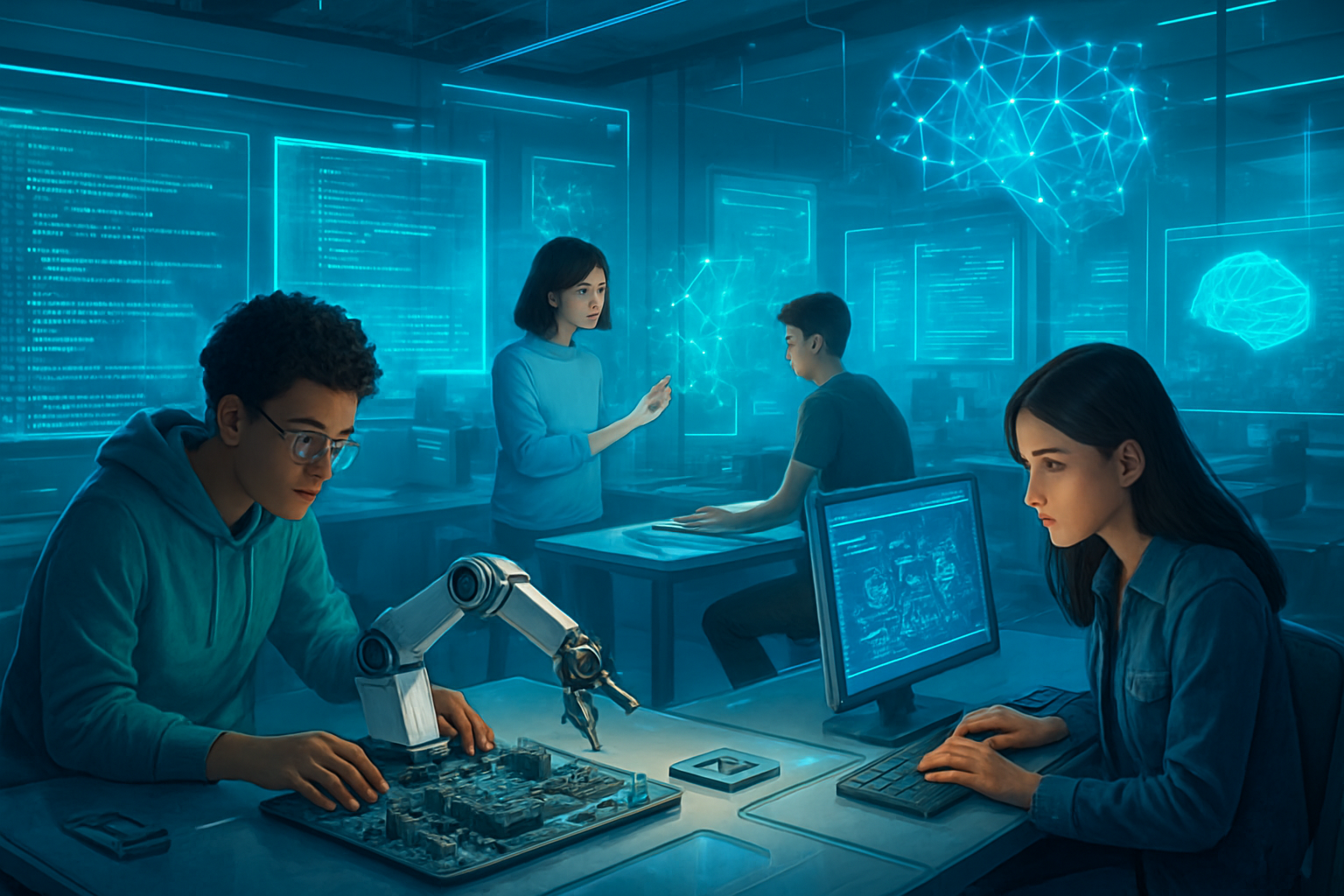
  • Raymarine and Seabed 2030 Chart a New Course for Ocean Mapping with AI-Driven Data

    Raymarine and Seabed 2030 Chart a New Course for Ocean Mapping with AI-Driven Data

    In a landmark collaboration poised to revolutionize oceanography, Raymarine, a global leader in marine electronics, has joined forces with The Nippon Foundation-GEBCO Seabed 2030 Project. This ambitious partnership aims to accelerate the comprehensive mapping of the world's entire ocean floor by the year 2030, leveraging Raymarine's advanced sonar technology and a unique crowdsourcing model. The initiative represents a critical step forward in understanding our planet's most unexplored frontier, providing foundational data crucial for climate modeling, marine conservation, and sustainable resource management.

    The immediate significance of this alliance, announced around November 2025, lies in its potential to dramatically increase the volume and resolution of bathymetric data available to the global scientific community. By integrating data from thousands of vessels equipped with Raymarine's state-of-the-art sonar systems, the project is rapidly filling critical data gaps, particularly in coastal and offshore regions that have historically been under-surveyed. This collaborative approach underscores a growing trend where private industry innovation is directly contributing to large-scale global scientific endeavors.

    Unveiling the Ocean's Depths: A Technical Deep Dive

    Raymarine's contribution to the Seabed 2030 Project is primarily driven by its cutting-edge sonar systems, most notably the Element™ CHIRP Sonar / GPS series. These systems provide an unparalleled view of the underwater world through a suite of advanced technologies. Key technical capabilities include HyperVision™ Sonar, utilizing super high frequencies (1.2 megahertz) and CHIRP technology for extremely high-resolution DownVision, SideVision, and RealVision 3D imaging up to 100 feet. For deeper insights, Standard CHIRP Sonar operates at 350 kHz, reaching depths of 600 feet, while High CHIRP Sonar (200 kHz) extends to 900 feet, excelling in fish targeting and high-speed bottom tracking. Features like RealBathy™ allow users to create custom maps, further enhancing data density.

    This crowdsourced bathymetry (CSB) approach marks a significant departure from traditional ocean mapping. Historically, bathymetric data was gathered through costly, time-consuming dedicated hydrographic surveys by specialized research vessels. While only 6% of the ocean floor was mapped to modern standards in 2017, this figure rose to 26.1% by World Hydrography Day 2024. Crowdsourcing, by contrast, mobilizes a vast network of existing vessels—from recreational boats to merchant ships—effectively turning them into data collection platforms. This distributed model efficiently gathers data from under-surveyed areas, significantly reduces costs, and rapidly increases coverage and resolution globally.

    While Raymarine's immediate announcement doesn't detail a specific AI advancement for data processing within this collaboration, the Seabed 2030 Project heavily relies on AI. AI plays a crucial role in processing and analyzing the vast amounts of crowdsourced data. This includes real-time data acquisition and quality control, automated filtering and processing to remove noise and optimize parameters, and enhanced analysis for instant report generation. AI platforms can identify patterns, anomalies, and features that might be missed by human observers, leading to a more comprehensive understanding of seafloor topography and marine habitats. Experts emphasize that AI will streamline workflows, reduce human error, and accelerate the creation of accurate, high-resolution maps.

    Reshaping the AI and Marine Tech Landscape

    The influx of freely available, high-resolution bathymetric data, facilitated by Raymarine and the Seabed 2030 Project, is poised to create significant ripples across the AI industry. AI companies specializing in marine data analytics and visualization, such as Terradepth, stand to benefit immensely from an expanded dataset to refine their platforms and train more robust machine learning models. Developers of Autonomous Marine Vehicles (AMVs), including Autonomous Underwater Vehicles (AUVs) and Uncrewed Surface Vessels (USVs), will leverage this comprehensive data for enhanced autonomous navigation, route optimization, and operational efficiency.

    Competitive implications are substantial. With lowered barriers to data access, competition will intensify for developing superior AI solutions for marine contexts, pushing companies to differentiate through advanced algorithmic capabilities and specialized applications. This could lead to a shift towards open-source and collaborative AI development, challenging companies relying solely on proprietary data. Tech giants with interests in marine technology, data analytics, or environmental monitoring—like Google (NASDAQ: GOOGL) or Garmin (NYSE: GRMN)—will find new avenues for their AI applications, from enhancing mapping services to supporting maritime surveillance.

    This development could disrupt traditional marine surveying, as crowdsourced bathymetry, when processed with AI, offers a more continuous and cost-effective mapping method, especially in shallower waters. This might reduce reliance on dedicated hydrographic vessels for routine tasks, freeing them for higher-precision or deeper-water missions. For companies like Raymarine, a brand of FLIR Systems (NASDAQ: FLIR), this collaboration offers a strategic advantage. It provides continuous access to massive real-world data streams for training and refining their proprietary AI models for sonar systems and navigation. This enhances product offerings, strengthens brand reputation as an innovative leader, and establishes a crucial feedback loop for AI development.

    A New Era for Ocean Science and Environmental AI

    Raymarine's collaboration with the Seabed 2030 Project fits perfectly into the broader AI landscape's trend towards advanced data collection, crowdsourcing, and environmental AI. It exemplifies how sophisticated sensor technologies, often AI-enhanced, are being leveraged for large-scale data acquisition, and how AI is becoming indispensable for processing, quality control, and analysis of vast datasets. This directly contributes to environmental AI, providing foundational data critical for understanding and addressing climate change, marine conservation, and predicting environmental shifts.

    The societal, environmental, and economic impacts of a complete seabed map are profound. Societally, it promises improved tsunami forecasting, safer navigation, and richer scientific research. Environmentally, it will aid in understanding ocean circulation and climate models, identifying vulnerable marine habitats, and managing ocean debris. Economically, it will support sustainable fisheries, offshore energy development, and infrastructure planning, fostering growth in the "blue economy." The project, a flagship program of the UN Decade of Ocean Science for Sustainable Development, has already seen the mapped ocean floor increase from 6% in 2017 to 26.1% by World Hydrography Day 2024, with Raymarine's contribution expected to accelerate this progress.

    However, challenges remain. Ensuring consistent data quality and standardization across diverse crowdsourced contributions is crucial. Technical complexities in mapping deep waters and polar regions persist, as do the immense computational demands for processing vast datasets, raising concerns about energy consumption. Ethical considerations around data ownership and the responsible use of autonomous technologies also require careful attention. Compared to previous AI milestones in marine science, this initiative represents a significant leap from manual to automated analysis, enabling real-time insights, predictive modeling, and large-scale data initiatives through autonomous exploration, fostering an interdisciplinary convergence of marine science, AI, and robotics.

    Charting the Future: Autonomy, AI, and Uncharted Depths

    Looking ahead, the collaboration between Raymarine and Seabed 2030 foreshadows transformative developments in seabed mapping and marine AI. In the near term, we can expect a significant increase in the use of autonomous surface vessels (ASVs) and AUVs for surveying, particularly in coastal areas, complemented by continued crowdsourcing from a wide array of vessels. AI integration will focus on optimizing data acquisition and processing, with algorithms improving underwater mapping by making sense of incomplete data and determining optimal measurement strategies.

    Long-term developments envision autonomous survey vessels handling all seabed mapping tasks, including complex offshore operations, potentially employing "swarm approaches" where multiple small autonomous robots cooperatively map vast areas. AI will evolve to include increasingly sophisticated algorithms for complex analysis and predictive modeling, such as AI-powered image recognition for marine species identification and tracking, and analysis of satellite images for subtle habitat changes. Potential applications include enhanced marine conservation and environmental management, more efficient resource management for industries, improved safety and disaster preparedness, and accelerated scientific discovery.

    Despite the promising outlook, several challenges must be addressed. Technical complexities in mapping extreme environments, managing the immense data and computational demands, and ensuring equitable access to advanced AI tools for all nations remain critical hurdles. Environmental and ethical concerns related to autonomous technologies and data ownership also require careful consideration. Experts widely predict that autonomous vehicles will have the most significant impact on future ocean mapping, acting as "force multipliers" for higher-resolution data acquisition and monitoring. Within a decade, fully autonomous vessels are expected to handle most seabed mapping tasks offshore, with AI becoming increasingly integrated into marine robotics, environmental monitoring, and policy-making.

    A Collaborative Voyage Towards a Fully Mapped Ocean

    Raymarine's collaboration with The Nippon Foundation-GEBCO Seabed 2030 Project is more than just a partnership; it's a monumental endeavor merging advanced marine electronics with a global scientific mission. The key takeaway is the power of crowdsourcing combined with cutting-edge technology to tackle one of humanity's grandest scientific challenges: mapping the entirety of the ocean floor. This development marks a significant milestone in AI history, showcasing how AI-compatible data initiatives can accelerate scientific understanding and drive environmental stewardship.

    The long-term impact will be profound, providing an indispensable foundational dataset for global policy, sustainable resource use, and continued scientific exploration for generations. It will enhance our understanding of critical planetary processes, from climate regulation to geological phenomena, fostering marine conservation and showcasing the immense potential of collaborative, technology-driven initiatives.

    In the coming weeks and months, watch for updates on the percentage of the ocean floor mapped, which is steadily increasing. Pay attention to how Raymarine's crowdsourced data is integrated into the GEBCO grid and its impact on map resolution and coverage. Expect announcements of new geological discoveries and insights into oceanographic processes as more detailed bathymetric data becomes available. Finally, keep an eye on further technological advancements, especially explicit applications of AI and autonomous underwater vehicles, which will continue to accelerate mapping efforts and inform critical policy and conservation outcomes.


    This content is intended for informational purposes only and represents analysis of current AI developments.

    TokenRing AI delivers enterprise-grade solutions for multi-agent AI workflow orchestration, AI-powered development tools, and seamless remote collaboration platforms.
    For more information, visit https://www.tokenring.ai/.