
Blog

  • The AI-Powered Talent Tsunami: Reshaping Tech Hiring in Late 2025

    The AI-Powered Talent Tsunami: Reshaping Tech Hiring in Late 2025

    As of November 10, 2025, the technology sector is in the throes of a profound transformation, with Artificial Intelligence (AI) emerging as the undeniable architect of its future workforce. The hiring landscape, marked by persistent economic uncertainties and a relentless demand for specialized skills, is compelling companies to fundamentally rethink how they attract, evaluate, and secure talent. This isn't merely an evolution; it's a revolution, driven by AI's increasing sophistication in automating, augmenting, and even autonomously managing the intricate processes of talent acquisition.

    The immediate significance of this shift is multifaceted: for individuals, it underscores an urgent imperative for continuous learning and skill adaptation, particularly in AI proficiency. For organizations, it presents both immense opportunities for unprecedented efficiency and strategic advantages, alongside critical challenges related to ethical AI deployment, bias mitigation, and the delicate balance of automation with human oversight. The tech industry is navigating a future where AI isn't just a tool, but a strategic partner in building the teams that will drive tomorrow's innovations.

    AI's Algorithmic Ascent: The Technical Heart of Modern Recruitment

    The most prominent advancement in tech hiring is the widespread adoption of AI throughout the entire recruitment lifecycle, moving far beyond simple automation to sophisticated, data-driven intelligence. This includes AI-assisted tools that automate repetitive tasks, AI-augmented models that prioritize candidates, and increasingly, AI-powered "agents" that can autonomously manage significant portions of the recruitment process with minimal human intervention.

    Generative AI (GenAI) is at the forefront, with "AI-driven copilots" now routinely crafting optimized job descriptions, interview questions, and personalized candidate outreach campaigns, drastically reducing manual effort and accelerating content generation. Conversational AI and chatbots, often powered by advanced Large Language Models (LLMs), provide instant, 24/7 responses to candidate FAQs, offer personalized updates, and automate interview scheduling, significantly enhancing the candidate experience. Proactive sourcing is being revolutionized by AI agents designed to autonomously scour vast talent pools (e.g., GitHub, LinkedIn), initiate initial outreach, and recommend top talent, including underrepresented profiles, before they even apply. Platforms like HireEZ and SeekOut exemplify this shift.

    This differs markedly from previous approaches, which were largely manual, time-consuming, and often susceptible to unconscious human bias. The new generation of AI tools, relying on advanced Natural Language Processing (NLP), Machine Learning (ML), and predictive analytics, offers unprecedented speed, efficiency, and scalability. AI can process thousands of resumes in seconds, reduce time-to-hire by up to 70%, and provide data-backed insights that traditional methods simply couldn't. While earlier AI applications in HR focused on basic keyword matching, modern AI leverages computer vision for behavioral analysis in video interviews (e.g., HireVue, Modern Hire) and sophisticated algorithms to assess soft skills and cultural fit. Initial reactions from the AI research community and industry experts are largely optimistic about the efficiency gains, with a 2025 survey indicating 99% of hiring managers use AI and 98% reporting significant improvements. However, concerns about algorithmic bias, the "black box" problem, and the potential for depersonalization remain paramount, necessitating robust ethical frameworks and human oversight.

    Competitive Battlegrounds: AI's Impact on Tech Titans and Startups

    The pervasive integration of AI into talent acquisition is fundamentally altering the competitive landscape for all players in the technology sector, from nascent startups to established tech giants and specialized AI companies. Each segment stands to benefit, or face disruption, in unique ways.

    AI companies, naturally, are at the vanguard, benefiting immensely as both the developers and primary users of these advanced tools. Companies that build AI recruitment platforms—such as HireVue, Eightfold AI, Pymetrics, Bolna AI, Cohort AI, iSmartRecruit, and Oleeo—are experiencing significant growth and market demand. Their ability to innovate and deploy cutting-edge AI in their own hiring processes serves as a powerful employer branding tool, attracting top AI/ML talent faster than competitors and cementing a dominant market position. However, they also face the internal challenge of ensuring their existing workforce is upskilled to collaborate with AI, and the external imperative to lead in ethical AI deployment to build trust.

    Tech giants, including Alphabet (NASDAQ: GOOGL), Microsoft (NASDAQ: MSFT), IBM (NYSE: IBM), Salesforce (NYSE: CRM), and Workday (NASDAQ: WDAY), leverage their substantial resources to invest in sophisticated, often proprietary, AI recruitment platforms. This enables them to efficiently process vast numbers of applications globally, potentially reducing time-to-hire by 25% and cutting costs by 30%. Their extensive data sets provide a strategic advantage for training highly accurate AI models for predictive hiring analytics and optimizing workforce planning. Yet, this efficiency can lead to job displacement in traditional operational roles, necessitating large-scale internal reskilling programs and careful integration with legacy infrastructure.

    Startups, despite lean teams and limited budgets, gain significant leverage from AI recruitment tools. These solutions provide speed, clarity, and smarter decision-making, allowing startups to compete with larger firms by efficiently managing application surges and accessing hidden talent pools. Affordable, scalable, and user-friendly AI tools (often starting at $99–$300 per month) enable them to optimize cost-per-hire and time-to-fill, crucial for rapid growth. However, startups must navigate challenges in data privacy and compliance (28% concern) and system integration (21% concern), while also guarding against over-reliance on AI that could erode the personal touch vital for their unique cultures. The competitive landscape increasingly favors organizations that intelligently blend AI capabilities with human oversight, prioritizing ethical deployment and a superior candidate experience.

    A New Era of Work: Wider Significance and Societal Implications

    The current trajectory of tech hiring and AI-driven talent acquisition signifies more than just an operational upgrade; it represents a pivotal moment in the broader AI landscape, reshaping societal norms and challenging established paradigms of work. AI is not merely a tool but a fundamental architect of the future, influencing job creation, displacement, and the critical skills required for economic participation.

    This era is marked by AI transitioning from a purely predictive technology to one that is increasingly generative and agentic. While earlier AI applications in HR focused on identifying trends or basic candidate matching, the advent of Generative AI for content creation and Agentic AI for autonomous task execution signals a move towards more sophisticated, self-sufficient recruitment systems. This leap enables AI to analyze nuanced aspects like tone and soft skills during interviews, representing a more human-like assessment capability than previously seen. The focus on bias mitigation, with frameworks designed for detection and transparency, also highlights a maturing phase of AI integration, where ethical implications are actively being addressed.

    However, this rapid advancement brings significant societal impacts and potential concerns. Job displacement remains a critical issue, particularly for routine and repetitive roles, though projections suggest AI will create more new jobs than it displaces, primarily in AI development, data analysis, and cybersecurity. The paramount concern is algorithmic bias; AI systems, trained on historical data, can inadvertently perpetuate discrimination based on gender, race, or age. A 2023 World Economic Forum study found that 40% of AI hiring tools exhibited detectable bias, necessitating continuous monitoring, diverse training data, and robust ethical oversight. The "black box" problem—the opaque nature of some AI decision-making—erodes trust, while vast data collection raises significant privacy and security concerns. The European Union's AI Act, slated for full enforcement by late 2025, classifies AI in employment decisions as "high-risk," demanding transparency and auditability, underscoring the global push for responsible AI.

    The Horizon of Talent: Future Developments and Expert Predictions

    The future of tech hiring and AI-driven talent acquisition promises a landscape where AI not only streamlines processes but fundamentally redefines how companies identify, attract, and retain talent. Experts predict a dynamic evolution, characterized by increasing autonomy, hyper-personalization, and an elevated role for human strategic input.

    In the near-term (2025-2027), AI and agent-powered recruiting will solidify, with AI agents autonomously managing significant portions of the recruitment process, from crafting job descriptions to engaging candidates. Talent intelligence will drive proactive sourcing, using AI and data analytics to identify passive candidates and build robust pipelines. The personalized candidate experience will deepen, offering individualized job recommendations and instant, AI-driven communication. Skills-based hiring will become the dominant paradigm, with AI tools crucial for unbiased assessment and opening doors for non-traditional candidates. Gartner (NYSE: IT) predicts that by 2027, 75% of hiring processes will include certifications and testing for workplace AI proficiency.

    Looking further ahead (2028-2030 and beyond), the vision includes fully autonomous recruitment systems, with some projections suggesting 95% efficiency in recruitment by 2030. AI will transition from merely automating tasks to actively augmenting recruiter capabilities, providing real-time insights during interviews, predictive guidance, and strategic market intelligence. End-to-end AI recruitment platforms will integrate sourcing, assessments, scheduling, and onboarding into single, unified experiences. AI will also play a critical role in workforce analytics, predicting future hiring needs, identifying skill gaps, and optimizing internal mobility. However, significant challenges persist, including algorithmic bias, data privacy, the "black box" problem, and maintaining the crucial human touch. Experts emphasize that AI proficiency will become a core skill, and the demand for uniquely human attributes like creativity, critical thinking, and emotional intelligence will skyrocket, necessitating continuous upskilling and reskilling of the workforce.

    The Human-AI Partnership: A Comprehensive Wrap-Up

    The integration of AI into talent acquisition stands as a defining characteristic of the tech hiring landscape in late 2025. It marks a pivotal shift, transforming HR from an administrative function into a strategic, data-driven powerhouse. Key takeaways underscore AI's immense potential for efficiency, with companies reporting up to 40% faster time-to-hire and 30% lower hiring costs, alongside a critical focus on enhancing the candidate experience through personalization. The industry's dual imperative of skills-based hiring and continuous upskilling/reskilling reflects the rapid pace of technological evolution, particularly in the realm of AI. Crucially, ethical considerations, bias mitigation, and transparency in AI usage are not afterthoughts but central tenets, emphasizing the indispensable role of human oversight in maintaining fairness and accountability.

    This development represents a significant milestone in AI history, illustrating its transition from an experimental concept to an essential operational component within HR. The widespread adoption of AI in over 70% of HR functions by 2025, coupled with advancements in generative and agentic AI, signifies a maturing phase where AI capabilities are accessible at an unprecedented scale. This positions AI as a transformative force, not just for automating tasks, but for fundamentally reshaping the strategic role of HR and the very nature of work. The proactive engagement with ethical AI frameworks and regulatory discussions, such as New York City's AI hiring audit law, further solidifies this maturity, highlighting a commitment to addressing societal implications alongside technological progress.

    The long-term impact on the technology sector's workforce will be profound and multifaceted. AI is a disruptive force that will fundamentally reshape the nature of work, potentially boosting labor productivity by around 15% in developed markets. The future workplace will be characterized by human-AI collaboration, with AI handling repetitive tasks and freeing human professionals to focus on higher-value, strategic, and human-centric activities. While some job displacement is anticipated, experts largely predict AI will create more jobs than it displaces. The evolving regulatory landscape will lead to more formalized AI laws, emphasizing data privacy, algorithmic bias, and transparency, which will be crucial for building trust and ensuring equitable application of AI in hiring. Continuous learning and adaptability will become non-negotiable for both individuals and organizations.

    In the coming weeks and months, several critical developments warrant close observation. Expect increased transparency from employers regarding AI use in applications and proactive disclosures of AI tools. Advanced bias detection and ethical audits will intensify, driven by tightening legal regulations. Candidate verification methods will evolve to counteract potential misuse of AI by applicants, possibly including more on-site interviews and practical assessments. The direct assessment of candidates' AI proficiency will become more common, alongside the maturation and broader adoption of integrated, end-to-end AI platforms. Discussions around AI's impact on entry-level opportunities will intensify, and companies will face immediate challenges in defining how to "onboard" and manage sophisticated AI agents as integral team members. The tech sector will continue to adapt and refine its AI-driven talent acquisition strategies, meticulously balancing the immense potential for efficiency and innovation with the critical need for ethical governance and human-centric approaches.


    This content is intended for informational purposes only and represents analysis of current AI developments.

    TokenRing AI delivers enterprise-grade solutions for multi-agent AI workflow orchestration, AI-powered development tools, and seamless remote collaboration platforms.
    For more information, visit https://www.tokenring.ai/.
  • The Green Revolution Accelerates: Sustainable Technology Redefines Environmental Conservation and Economic Growth

    The Green Revolution Accelerates: Sustainable Technology Redefines Environmental Conservation and Economic Growth

    In an era increasingly defined by climate urgency, sustainable technology is no longer a niche concern but a driving force reshaping global industries and economies. Far beyond incremental improvements, a new wave of innovations is emerging, promising not only to mitigate environmental degradation but also to unlock unprecedented opportunities for economic development. From intelligent agriculture to advanced energy storage and the burgeoning circular economy, these technological breakthroughs are fundamentally altering how humanity interacts with the planet, offering scalable solutions to some of the most pressing challenges of our time. The immediate significance lies in their dual capacity to foster ecological resilience and spur robust, future-proof economic models.

    Unpacking the Innovations: A Deep Dive into Green Tech's New Frontier

    The landscape of sustainable technology is undergoing a profound transformation, moving beyond traditional approaches to embrace highly sophisticated, data-driven, and biologically inspired solutions. Precision agriculture, for instance, leverages GPS, drones, IoT devices, and AI to meticulously monitor and manage crop conditions. Unlike conventional farming that often relies on blanket applications of resources, this data-driven approach optimizes the use of water, fertilizers, and pesticides, tailoring inputs to specific field needs. Drones provide aerial imagery for health assessment and targeted application, significantly reducing chemical runoff and greenhouse gas emissions, a stark contrast to the broader environmental footprint of historical agricultural practices. Initial reactions from the agricultural community and environmental experts highlight the potential for vastly improved resource efficiency and reduced ecological impact, while simultaneously boosting yields.

    Another pivotal shift is observed in the circular economy, which fundamentally rethinks resource management. Moving away from the linear "take-make-dispose" model, innovations here focus on keeping resources in use for as long as possible. AI and blockchain technology are proving instrumental; AI optimizes waste reduction and material recovery, while blockchain enhances supply chain transparency, verifying recycled content and ethical sourcing from raw materials to end-of-life. Advanced recycling technologies, including robotics and AI-based sorting, are improving material recovery from complex waste streams, while chemical recycling breaks down plastics into their basic components for reuse. This represents a significant departure from mechanical recycling limitations, enabling a broader range of materials to be reintegrated into the production cycle and drastically reducing reliance on virgin resources and landfill waste.

    In the realm of renewable energy, the focus is expanding beyond established solar and wind technologies. Enhanced Geothermal Systems (EGS) are gaining traction, creating artificial reservoirs deep underground to tap into previously inaccessible geothermal resources, offering a reliable, 24/7 carbon-free power source with a minimal land footprint. Similarly, advancements in wave and tidal power are harnessing the consistent energy of the oceans, providing diverse and stable energy inputs. Perhaps most transformative is the rise of green hydrogen, produced through electrolysis powered by renewable electricity, emerging as a versatile clean fuel for transportation, industry, and heating, offering a zero-emission alternative to fossil fuels. These technologies provide critical baseload power and energy diversification, addressing the intermittency challenges often associated with traditional renewables and paving the way for a more resilient and fully decarbonized energy grid.

    Corporate Crossroads: How Green Tech Reshapes Industry Giants and Startups

    The rapid evolution of sustainable technology presents both immense opportunities and significant competitive pressures across the corporate landscape. Tech giants like Alphabet Inc. (NASDAQ: GOOGL) and Microsoft Corp. (NASDAQ: MSFT) stand to benefit immensely, with their AI and cloud computing capabilities being crucial enablers for precision agriculture, smart cities, and circular economy initiatives. Their platforms provide the computational backbone for data analytics, IoT management, and predictive modeling essential for optimizing resource use and supply chain transparency. These companies are actively investing in sustainable solutions, recognizing the growing market demand and the strategic advantage of integrating green tech into their core offerings.

    For established industrial players, particularly in manufacturing and energy sectors, these developments necessitate a profound strategic re-evaluation. Companies that embrace green materials, sustainable manufacturing processes, and carbon capture technologies will gain a competitive edge, while those slow to adapt risk obsolescence. For instance, chemical companies exploring green chemistry or manufacturers adopting additive manufacturing (3D printing) for waste reduction are positioning themselves for future growth. Startups, often unburdened by legacy infrastructure, are particularly agile in innovating within these spaces, developing specialized sensors for smart farms, advanced recycling robotics, or novel green hydrogen production methods. These smaller entities can disrupt existing products and services by offering more efficient, environmentally friendly, and often more cost-effective alternatives. The market positioning for all companies will increasingly hinge on their sustainability credentials, driving investment in R&D and fostering new partnerships across the value chain.

    Wider Significance: A Paradigm Shift for Society and the Environment

    The widespread adoption of sustainable technology signifies a profound paradigm shift in how humanity addresses environmental challenges and pursues economic prosperity. These innovations are central to achieving global climate goals, particularly the Paris Agreement targets, by offering concrete pathways to decarbonization across multiple sectors. Beyond direct emissions reduction, they lead to significant environmental benefits such as reduced pollution from agriculture and manufacturing, enhanced biodiversity through regenerative practices, and improved resource conservation across the board. The circular economy, for example, promises to drastically cut waste generation and reliance on finite virgin materials, fundamentally altering consumption patterns.

    However, the widespread implementation of these technologies also raises potential concerns. Scalability remains a key challenge; while many solutions show promise at pilot stages, scaling them to meet global demand requires substantial investment, infrastructure development, and policy support. The initial capital costs for advanced recycling facilities, green hydrogen production, or large-scale carbon capture projects can be significant. There are also questions regarding the energy intensity of some processes, such as direct air capture, and the need to ensure that the energy used is itself from truly renewable sources. Compared to previous environmental milestones, such as the initial push for renewable energy or basic recycling programs, the current wave of sustainable technology is characterized by its integrated, systemic approach, leveraging advanced computing and materials science to tackle complex, interconnected problems rather than isolated issues. This holistic approach marks a new era of environmental stewardship.

    The Horizon Ahead: Future Developments and Expert Predictions

    Looking ahead, the trajectory of sustainable technology points towards increasingly integrated and intelligent systems. In the near term, we can expect to see further advancements in AI and IoT-driven optimization across all sectors, making sustainable practices more efficient and accessible. The development of more cost-effective and energy-efficient carbon capture technologies, particularly direct air capture (DAC), is anticipated to accelerate, potentially transforming hard-to-abate industrial emissions and even enabling negative emissions. Green hydrogen infrastructure is also expected to expand rapidly, with breakthroughs in electrolysis efficiency and storage solutions making it a more viable fuel alternative.

    Long-term developments include the widespread deployment of long-duration energy storage solutions, such as iron-air batteries, which promise to fully enable a renewable grid by providing reliable backup for intermittent solar and wind power. Experts predict a future where smart cities are not just efficient but truly regenerative, with integrated green infrastructure, closed-loop resource management, and widespread adoption of autonomous, electric transportation. Challenges that need to be addressed include developing global standards for sustainable products and processes, fostering greater international collaboration on technology transfer, and ensuring equitable access to these advancements, particularly for developing nations. Experts foresee a future where sustainability is not an add-on but an intrinsic part of all economic activity, driven by continued technological innovation and evolving consumer and regulatory pressures.

    A Greener Tomorrow: Wrapping Up the Sustainable Tech Revolution

    The emerging trends in sustainable technology represent a pivotal moment in humanity's quest for a harmonious coexistence with the environment. The detailed technical advancements in precision agriculture, the circular economy, diversified renewable energy, smart urban planning, green materials, and carbon capture are not merely incremental improvements; they are foundational shifts that promise to redefine environmental conservation and economic development for generations. The key takeaways are clear: technology is providing powerful tools to mitigate climate change and resource depletion, while simultaneously creating new avenues for economic growth and industrial transformation.

    This development's significance in the broader history of technology and environmentalism cannot be overstated. It marks a departure from reactive environmental policies towards proactive, innovation-driven solutions that integrate ecological health with economic viability. The long-term impact will be a more resilient, resource-efficient, and equitable global society. In the coming weeks and months, it will be crucial to watch for further breakthroughs in energy storage, the scaling of green hydrogen production, and the policy frameworks that will support the widespread adoption of circular economy principles. The green revolution, powered by relentless technological innovation, is not just a vision; it is rapidly becoming our reality.


    This content is intended for informational purposes only and represents analysis of current AI developments.

    TokenRing AI delivers enterprise-grade solutions for multi-agent AI workflow orchestration, AI-powered development tools, and seamless remote collaboration platforms.
    For more information, visit https://www.tokenring.ai/.

  • The Automated Battlefield: AI Reshapes Warfare with Unprecedented Speed and Ethical Minefields

    The Automated Battlefield: AI Reshapes Warfare with Unprecedented Speed and Ethical Minefields

    The integration of Artificial Intelligence (AI) into military technology is no longer a futuristic concept but an immediate and transformative reality, rapidly redefining global defense strategies. Nations worldwide are investing heavily, recognizing AI's capacity to revolutionize operations by enhancing efficiency, accelerating decision-making, and mitigating risks to human personnel. This technological leap promises a new era of military capability, from autonomous systems conducting reconnaissance to sophisticated algorithms predicting threats with remarkable accuracy.

    Specific applications of AI are already reshaping modern defense. Autonomous drones, unmanned aerial vehicles (UAVs), and ground robots are undertaking dangerous missions, including surveillance, mine detection, and logistics, thereby reducing the exposure of human soldiers to hazardous environments. AI-powered intelligence analysis systems process vast quantities of data from diverse sources like satellites and sensors, providing real-time situational awareness and enabling more precise target identification. Furthermore, AI significantly bolsters cybersecurity by monitoring networks for unusual patterns, detecting threats, and proactively defending against cyberattacks. Beyond the front lines, AI optimizes military logistics and supply chains, predicts equipment failures through predictive maintenance, and creates highly realistic training simulations for personnel. This immediate integration of AI is not merely an enhancement but a fundamental shift, allowing militaries to operate with unprecedented speed and precision.

    Technical Advancements and Ethical Crossroads

    Technical advancements in military AI are rapidly transforming defense capabilities, moving beyond rudimentary automation to sophisticated, self-learning systems. Key advancements include autonomous weapon systems (AWS), particularly AI-powered drones and drone swarms, which can perform surveillance, reconnaissance, and targeted strikes with minimal human input. These systems leverage machine learning algorithms and advanced sensors for real-time environmental analysis, threat identification, and rapid decision-making, significantly reducing risks to human personnel. For instance, AI-driven drones have demonstrated capabilities to autonomously identify targets and engage threats with high precision, improving speed and accuracy compared to manually controlled systems. Beyond direct combat, AI enhances intelligence, surveillance, and reconnaissance (ISR) by processing massive volumes of sensor data, including satellite and drone imagery, to detect patterns, anomalies, and hidden threats far faster than human analysts. This capability provides superior situational awareness and enables quicker responses to emerging threats. AI is also revolutionizing military logistics through predictive analytics for supply chain management, autonomous vehicles for transport, and robotic systems for tasks like loading and unloading, thereby optimizing routes and reducing downtime.

    These AI systems differ significantly from previous military technologies by shifting from pre-programmed, rules-based automation to adaptive, data-driven intelligence. Traditional systems often relied on human operators for every critical decision, from target identification to engagement. In contrast, modern military AI, powered by machine learning and deep learning, can learn and improve by processing vast datasets, making predictions, and even generating new training materials. For example, generative AI can create intricate combat simulations and realistic communications for naval wargaming, allowing for comprehensive training and strategic decision-making that would be impractical with traditional methods. In cybersecurity, AI systems analyze patterns of cyberattacks and form protective strategies, detecting malware behaviors and predicting future attacks much faster than human-led efforts. AI-powered decision support systems (DSS) can analyze real-time battlefield data, weather conditions, and enemy intelligence to suggest strategies and optimize troop movements, accelerating decision-making in complex environments. This level of autonomy and data processing capability fundamentally changes the operational tempo and scope, enabling actions that were previously impossible or highly resource-intensive for human-only forces.

    The rapid integration of AI into military technology has sparked considerable ethical considerations and strong reactions from the AI research community and industry experts. A primary concern revolves around lethal autonomous weapon systems (LAWS), often colloquially termed "killer robots," which can identify and engage targets without human intervention. Many experts and human rights groups argue that delegating life-or-death decisions to machines undermines human dignity and creates an "accountability gap" for potential errors or harm to civilians. There are fears that AI systems may not accurately discriminate between combatants and non-combatants or appropriately assess proportionality, leading to increased collateral damage. Furthermore, biases embedded in AI training data can be unintentionally perpetuated or amplified, leading to unfair or unethical outcomes in military operations. Initial reactions from the AI community include widespread worry about an AI arms race, with some experts predicting catastrophic outcomes, potentially leading to "human extinction" if AI in military applications gets out of hand. Organizations like the Global Commission on Responsible AI in the Military Domain (GC REAIM) advocate for a "responsibility by design" approach, integrating ethics and legal compliance throughout the AI lifecycle, and establishing critical "red lines," such as prohibiting AI from autonomously selecting and engaging targets and preventing its integration into nuclear decision-making.

    The Shifting Sands: How Military AI Impacts Tech Giants and Startups

    The integration of Artificial Intelligence (AI) into military technology is profoundly reshaping the landscape for AI companies, tech giants, and startups, creating new opportunities, competitive dynamics, and ethical considerations. The defense sector's increasing demand for advanced AI solutions, driven by geopolitical tensions and a push for technological superiority, has led to a significant pivot among many tech entities that once shied away from military contracts.

    A diverse array of companies, from established tech giants to innovative startups, are benefiting from the surge in military AI adoption:

    • Tech Giants:

      • Microsoft (NASDAQ: MSFT) has secured substantial cooperation agreements with the U.S. military, including a 10-year deal worth $21.8 billion for over 120,000 HoloLens augmented reality products and cloud computing services.
      • Google (NASDAQ: GOOGL) has reversed its stance on military AI development and is now actively participating in technological collaborations with the U.S. military, including its Workspace platform and cloud services, and has received contracts up to $200 million for enhancing AI capabilities within the Department of Defense.
      • Meta (NASDAQ: META) is partnering with defense startup Anduril to develop AI-powered combat goggles for soldiers, utilizing Meta's Llama AI model.
      • Amazon (NASDAQ: AMZN) is a key participant in cloud services for the Pentagon.
      • OpenAI, initially with policies against military use, revised them in January 2024 to permit "national security use cases that align with our mission." They have since won a $200 million contract to provide generative AI tools to the Pentagon.
      • Palantir Technologies (NYSE: PLTR) is a significant beneficiary, known for its data integration, algorithms, and AI use in modern warfare, including precision targeting. Its stock has soared, and it's seen as an essential partner in modern warfare capabilities, with contracts like a $250 million AI Service agreement.
      • Anthropic and xAI have also secured contracts with the Pentagon, valued at up to $200 million each.
      • Oracle (NYSE: ORCL) is another recipient of revised Pentagon cloud services deals.
      • IBM (NYSE: IBM) contributes to government biometric databases and is one of the top industry leaders in military AI.
    • Traditional Defense Contractors:

      • Lockheed Martin (NYSE: LMT) is evolving to embed AI and autonomous capabilities into its platforms like the F-35 Lightning II jet.
      • Northrop Grumman (NYSE: NOC) works on autonomous systems like the Global Hawk and MQ-4C Triton.
      • RTX Corporation (NYSE: RTX) has major interests in AI for aircraft engines, air defenses, and drones.
      • BAE Systems plc (LSE: BAE) is identified as a market leader in the AI in military sector.
      • L3Harris Technologies, Inc. (NYSE: LHX) was selected by the Department of Defense to develop AI and machine learning systems for intelligence, surveillance, and reconnaissance.
    • Startups Specializing in Defense AI:

      • Anduril Industries rapidly gained traction with major DoD contracts, developing AI-enabled drones and collaborating with Meta.
      • Shield AI is scaling battlefield drone intelligence.
      • Helsing is a European software AI startup developing AI software to improve battlefield decision-making.
      • EdgeRunner AI focuses on "Generative AI at the Edge" for military applications.
      • DEFCON AI leverages AI for next-generation modeling, simulation, and analysis tools.
      • Applied Intuition uses AI to enhance the development, testing, and deployment of autonomous systems for defense.
      • Rebellion integrates AI into military decision-making and defense modernization.
      • Kratos Defense & Security Solutions (NASDAQ: KTOS) has seen significant growth due to military budgets driving AI-run defense systems.

    The military AI sector has significant competitive implications. Many leading tech companies, including Google and OpenAI, initially had policies restricting military work but have quietly reversed them to pursue lucrative defense contracts. This shift raises ethical concerns among employees and the public regarding the weaponization of AI and the use of commercially trained models for military targeting. The global competition, particularly between the U.S. and China, to lead in AI capabilities, is driving significant national investments and influencing private sector innovation towards military applications, contributing to an "AI Arms Race." While the market is somewhat concentrated among top traditional defense players, a new wave of agile startups is fragmenting the market with mission-specific AI and autonomous solutions.

    Military AI technology presents disruptive potential through "dual-use" technologies, which have both civilian and military applications. Drones used for real estate photography can also be used for battlefield surveillance; AI-powered cybersecurity, autonomous vehicles, and surveillance systems serve both sectors. Historically, military research (e.g., DARPA funding) has led to significant civilian applications like the internet and GPS, and this trend of military advancements flowing into civilian uses continues with AI. However, the use of commercial AI models, often trained on vast amounts of public and personal data, for military purposes raises significant concerns about privacy, data bias, and the potential for increased civilian targeting due to flawed data.

    The Broader AI Landscape: Geopolitical Chess and Ethical Minefields

    The integration of Artificial Intelligence (AI) into military technology represents a profound shift in global security, with wide-ranging implications that span strategic landscapes, ethical considerations, and societal structures. This development is often compared to previous transformative military innovations like gunpowder or airpower, signaling a new era in warfare.

    Military AI is an increasingly critical component of the broader AI ecosystem, drawing from and contributing to advancements in machine learning, deep learning, natural language processing, computer vision, and generative AI. This "general-purpose technology" has diverse applications beyond specific military hardware, akin to electricity or computer networks. A significant trend is the "AI arms race," an economic and military competition primarily between the United States, China, and Russia, driven by geopolitical tensions and the pursuit of strategic advantage. This competition emphasizes the development and deployment of advanced AI technologies and lethal autonomous weapons systems (LAWS). While much public discussion focuses on commercial AI supremacy, the military applications are rapidly accelerating, often with ethical concerns being secondary to strategic goals.

    AI promises to revolutionize military operations by enhancing efficiency, precision, and decision-making speed. Key impacts include enhanced decision-making through real-time data analysis, increased efficiency and reduced human risk by delegating dangerous tasks to AI-powered systems, and the development of advanced warfare systems integrated into platforms like precision-guided weapons and autonomous combat vehicles. AI is fundamentally reshaping how conflicts are planned, executed, and managed, leading to what some describe as the "Fourth Industrial Revolution" in military affairs. This current military AI revolution builds upon decades of AI development, extending the trend of AI surpassing human performance in complex strategic tasks, as seen in milestones like IBM's Deep Blue and Google's DeepMind AlphaGo. However, military AI introduces a unique set of ethical challenges due to the direct impact on human life and international stability, a dimension not as pronounced in previous AI breakthroughs focused on games or data analysis.

    The widespread adoption of AI in military technology raises profound ethical concerns and potential societal impacts. A primary ethical concern revolves around LAWS, or "killer robots," capable of selecting and engaging targets without human intervention. Critics argue that delegating life-and-death decisions to machines violates international humanitarian law (IHL) and fundamental human dignity, creating an "accountability gap" for potential errors. The dehumanization of warfare, the inability of AI to interpret context and ethics, and the potential for automation bias are critical issues. Furthermore, biases embedded in AI training data can perpetuate or amplify discrimination. The rapid decision-making capabilities of military AI raise concerns about accelerating the tempo of warfare beyond human ability to control, increasing the risk of unintended escalation. Many advanced AI systems operate as "black boxes," making their decision-making processes opaque, which erodes trust and challenges ethical and legal oversight. The dual-use nature of AI technology complicates regulation and raises concerns about proliferation to non-state actors or less responsible states.

    The Future Battlefield: Predictions and Persistent Challenges

    Artificial Intelligence (AI) is rapidly transforming military technology, promising to reshape future warfare by enhancing capabilities across various domains. From accelerating decision-making to enabling autonomous systems, AI's integration into defense strategies is becoming a critical determinant of national security and strategic success. However, its development also presents significant ethical, technical, and strategic challenges that demand careful consideration.

    In the near term (next 1-5 years), military AI is expected to see broader deployment and increased sophistication in several key areas. This includes enhanced Intelligence, Surveillance, and Reconnaissance (ISR) through automated signal processing and imagery analysis, providing fused, time-critical intelligence. AI will also optimize logistics and supply chains, perform predictive maintenance, and strengthen cybersecurity and network defense by automating threat detection and countermeasures. Expect wider deployment of partially autonomous systems and cooperative uncrewed swarms for border monitoring and threat recognition. Generative AI is anticipated to be more frequently used in influence operations and decision support systems, with the US military already testing experimental AI networks to predict future events.

    Looking further ahead (beyond 5 years, towards 2040), AI is poised to bring more transformative changes. The battlefield of 2040 is likely to feature sophisticated human-AI teaming, where soldiers and autonomous systems collaborate seamlessly. AI agents are expected to be mature enough for deployment in command systems, automating intelligence fusion and threat modeling. Military decision-making derived from AI is likely to incorporate available space-based data in real-time support, compressing decision cycles from days to minutes or even seconds. Further development of autonomous technology for unmanned weapons could lead to advanced drone swarms, and a Chinese laboratory has already created an AI military commander for large-scale war simulations, indicating a long-term trajectory towards highly sophisticated AI for strategic planning and command. The US Army is also seeking an AI platform that can predict enemy actions minutes or even hours before they occur through "Real-Time Threat Forecasting."

    The integration of AI into military technology presents complex challenges across ethical, technical, and strategic dimensions. Ethical challenges include the "accountability gap" and the erosion of moral responsibility when delegating battlefield decisions to machines, the objectification of human targets, and the potential for automation bias. Ensuring compliance with International Humanitarian Law (IHL) and maintaining meaningful human control over opaque AI systems remains a significant hurdle. Technical challenges encompass data quality and bias, the "black box" nature of AI decisions, cybersecurity vulnerabilities, and the difficulty of integrating cutting-edge AI with legacy military systems. Strategically, the AI arms race, proliferation risks, and the lack of international governance pose threats to global stability.

    Experts predict a profound transformation of warfare due to AI, with the future battlespace being faster, more data-driven, and more contested. While AI will become central, human oversight and decision-making will remain paramount, with AI primarily serving to support and enhance human capabilities in sophisticated human-AI teaming. Military dominance will increasingly be defined by the performance of algorithms, and employing edge AI will provide a decisive advantage. Experts emphasize the imperative for policymakers and decision-makers to reckon with the ethical complexities of military AI, upholding ethical standards and ensuring human responsibility amidst evolving technologies.

    The Dawn of a New Era: Wrapping Up the Impact of AI in Military Technology

    The integration of Artificial Intelligence (AI) into military technology marks a pivotal moment in the history of warfare, promising to reshape global security landscapes and redefine the very nature of conflict. From enhanced operational efficiency to profound ethical dilemmas, AI's trajectory in the defense sector demands ongoing scrutiny and careful deliberation.

    AI is rapidly becoming an indispensable tool across a broad spectrum of military applications, including enhanced decision support, autonomous systems for surveillance and targeted strikes, optimized logistics and maintenance, robust cybersecurity, precise threat identification, and realistic training simulations. A critical and recurring theme is the necessity of human oversight and judgment, especially concerning the use of lethal force, to ensure accountability and adherence to ethical principles.

    The military's role in the evolution of AI is profound and long-standing, with defense funding historically catalyzing AI research. The current advancements signify a "revolution in military affairs," placing AI as the latest in a long line of technologies that have fundamentally transformed warfare. This era is marked by the unprecedented enhancement of the "brain" of warfare, allowing for rapid information processing and decision-making capabilities that far exceed human capacity. The competition for AI supremacy among global powers, often termed an "AI arms race," underscores its strategic importance, potentially reshaping the global balance of power and defining military dominance not by army size, but by algorithmic performance.

    The long-term implications of military AI are multifaceted, extending from strategic shifts to profound ethical and societal challenges. AI will fundamentally alter how wars are waged, promising enhanced operational efficiency and reduced human casualties for the deploying force. However, the most significant long-term challenge lies in the ethical and legal frameworks governing AI in warfare, particularly concerning meaningful human control over autonomous weapons systems, accountability in decisions involving lethal force, and potential biases. The ongoing AI arms race could lead to increased geopolitical instability, and the dual-use dilemma of AI technology complicates regulation and raises concerns about its proliferation.

    In the coming weeks and months, watch for the acceleration of autonomous systems deployment, exemplified by initiatives like the U.S. Department of Defense's "Replicator" program. Expect a continued focus on "behind-the-scenes" AI transforming logistics, intelligence analysis, and strategic decision-making support, with generative AI playing a significant role. Intensified ethical and policy debates on regulating lethal autonomous weapons systems (LAWS) will continue, seeking consensus on human control and accountability. Real-world battlefield impacts from ongoing conflicts will serve as testbeds for AI applications, providing critical insights. Increased industry-military collaboration, sometimes raising ethical concerns, and the emergence of "physical AI" like battlefield robots will also be prominent.


    This content is intended for informational purposes only and represents analysis of current AI developments.

    TokenRing AI delivers enterprise-grade solutions for multi-agent AI workflow orchestration, AI-powered development tools, and seamless remote collaboration platforms.
    For more information, visit https://www.tokenring.ai/.
  • David S. Hall Unveils Cam-Lidar: A New Era for AI-Powered Drone Defense and Aerospace Security

    David S. Hall Unveils Cam-Lidar: A New Era for AI-Powered Drone Defense and Aerospace Security

    November 10, 2025 – In a landmark announcement poised to redefine national security and aerospace technology, David S. Hall, the visionary inventor behind automotive lidar and founder of Velodyne Lidar Inc. (NASDAQ: VLDR), today unveiled Cam-Lidar technology. This groundbreaking system, the inaugural product from his new venture Hall Lidar Inc. (HLi), promises fail-safe detection and predictive tracking of high-speed aerial objects, leveraging an unprecedented integration of lidar, camera, and artificial intelligence. Hall himself declared Cam-Lidar to be "more important than the lidar invention for autonomous driving," signaling a pivotal moment in the rapidly evolving drone defense sector.

    The debut of Cam-Lidar arrives amidst escalating global concerns over drone proliferation and the urgent need for sophisticated counter-drone measures. HLi's solution offers a robust, real-time defense against aerial threats, from small, elusive drones to objects traveling at near-supersonic speeds. This innovation is set to significantly enhance the capabilities of federal agencies and security forces, providing a critical advantage in protecting national interests and critical infrastructure against increasingly sophisticated aerial intrusions.

    Unpacking the Technical Brilliance of Cam-Lidar

    At its core, Cam-Lidar represents a paradigm shift in sensor fusion, meticulously integrating advanced lidar systems with high-performance camera optics and state-of-the-art artificial intelligence. This synergy enables the system to synchronize lidar and camera feeds at an impressive 60 frames per second, creating a real-time 3D spatial visualization and object targeting capability that is both rapid and remarkably accurate. The AI component is crucial, providing predictive capabilities that allow for robust detection, tracking, and navigation even in the most challenging environmental conditions, significantly reducing false positives often associated with less integrated systems.

    The technical specifications of Cam-Lidar are equally impressive, setting new benchmarks for drone defense. The system is capable of detecting and tracking high-speed drones at distances up to two kilometers, identifying objects as small as a laptop. Crucially, it can track objects traveling at speeds approaching Mach 1, the speed of sound, in real time. Hall Lidar Inc. asserts that Cam-Lidar offers repeatable accuracy, a capability previously unseen in either commercial or defense-grade systems. The physical unit itself is described as a "binocular-like unit," suggesting a compact and potentially deployable form factor suitable for various security applications.

    This integrated approach starkly contrasts with previous drone detection methods, which often rely on disparate radar, optical, or acoustic systems that are slower, less reliable, and prone to environmental interference or blind spots. Traditional radar systems, while effective for larger objects, often struggle with small, low-flying drones, while standalone optical systems can be hampered by adverse weather or low light. Cam-Lidar's fusion of active (lidar) and passive (camera) sensing, augmented by AI, provides a comprehensive, resilient solution that overcomes these limitations, offering consistent, real-time monitoring and supporting automation for perimeter security and beyond. The initial reaction from the AI research community and industry experts, while not yet fully articulated publicly beyond Hall's own strong statements, is anticipated to be one of profound interest and validation, given the urgent demand for such advanced capabilities.

    Strategic Implications for the AI and Aerospace Industries

    The introduction of Cam-Lidar by Hall Lidar Inc. (HLi) is poised to create significant ripples across the AI, aerospace, and defense sectors. Primarily, HLi stands to benefit immensely, establishing itself as a frontrunner in a critical and rapidly expanding market. The company's strategic advantage lies in its founder's pedigree and the demonstrable technological leap Cam-Lidar represents. Beyond HLi, traditional defense contractors and aerospace giants, particularly those involved in surveillance, reconnaissance, and counter-UAS (Unmanned Aerial Systems) solutions, will likely seek partnerships or develop competing technologies. Companies specializing in AI for computer vision, sensor fusion, and real-time data processing could see increased demand for their expertise and components.

    The competitive implications for major AI labs and tech companies are substantial. Those already investing in advanced robotics, autonomous systems, and security applications will need to evaluate how Cam-Lidar redefines the performance benchmarks. Existing products and services in perimeter security, air traffic control, and intelligence gathering could face significant disruption if they cannot match Cam-Lidar's precision and speed. The ability to accurately track objects at Mach 1 and identify small drones at 2 km represents a formidable challenge to current offerings.

    Market positioning will be key, and HLi, with David S. Hall at its helm, enjoys a strong initial advantage due to its pioneering technology. This development could spur a new wave of innovation and investment in integrated sensor platforms, forcing competitors to accelerate their R&D efforts in AI-enhanced lidar and camera systems. Startups focused on advanced analytics for sensor data or specialized AI models for object classification and prediction in complex aerial environments could also find new avenues for growth and collaboration within this evolving landscape.

    Wider Significance in the Broader AI Landscape

    Cam-Lidar's emergence fits perfectly within the broader AI landscape's trend towards increasingly sophisticated sensor fusion and real-time intelligent systems. It highlights the growing importance of AI in transforming raw sensor data into actionable intelligence, particularly in high-stakes security applications. This development underscores the shift from mere data collection to intelligent data interpretation and prediction, a hallmark of advanced AI. It also emphasizes the critical role of robust, real-time processing capabilities for AI models operating in dynamic environments.

    The impacts of this technology are far-reaching. On a national security level, it offers an unprecedented layer of defense against state-sponsored and rogue drone threats, safeguarding critical infrastructure such as airports, military installations, government buildings, and power grids. For civilian airspace, it could pave the way for safer integration of drones by providing superior air traffic monitoring and collision avoidance capabilities. However, with such powerful surveillance technology come potential concerns regarding privacy and the ethical deployment of advanced tracing systems. The ability to track individuals or vehicles with such precision from a distance raises questions about data collection, storage, and potential misuse, necessitating robust regulatory frameworks.

    Comparisons to previous AI milestones are apt; just as AI in autonomous driving revolutionized perception for vehicles, Cam-Lidar aims to do the same for aerial domain awareness. It stands alongside other breakthroughs in computer vision and machine learning that have enabled real-time object recognition and tracking, but its integration with lidar at such high speeds and accuracy sets a new standard for mission-critical applications where milliseconds matter. This represents a significant step forward in the ongoing effort to imbue machines with human-like, and even superhuman, perceptual abilities.

    The Horizon: Future Developments and Applications

    Looking ahead, the near-term developments for Cam-Lidar will likely involve extensive testing and integration with existing defense and security protocols. Military and government agencies are expected to be early adopters, deploying the technology for perimeter defense, border security, and counter-terrorism operations. As the technology matures and potentially scales, we can anticipate its application in broader commercial sectors. Long-term, Cam-Lidar could become an indispensable component of smart city infrastructure, providing advanced monitoring for public safety, or even aiding in complex air traffic management systems for urban air mobility (UAM) initiatives.

    Potential applications extend beyond direct drone defense. Imagine Cam-Lidar systems providing enhanced situational awareness for search and rescue operations, precision guidance for autonomous aerial vehicles, or detailed environmental monitoring that detects minute changes indicative of security breaches. Experts predict that this technology will catalyze a new generation of integrated security platforms, where AI-powered sensor arrays work in concert to create an impenetrable digital shield over critical areas. Challenges, however, remain. The cost of such advanced systems, while justified for high-security applications, may need to decrease for widespread commercial adoption. Scalability of manufacturing and deployment, as well as developing robust counter-measures against potential jamming or spoofing attempts, will be ongoing concerns. Regulatory bodies will also need to address how to govern the use of such powerful surveillance tools to balance security needs with civil liberties.

    A New Guardian in the Skies

    David S. Hall's announcement of Cam-Lidar marks a pivotal moment in the convergence of AI, lidar, and aerospace innovation. The technology’s ability to provide fail-safe, predictive tracking of high-speed aerial objects, from small drones to near-Mach 1 threats, represents a significant leap forward in defense and security capabilities. By seamlessly integrating lidar, camera, and AI, HLi has introduced a solution that promises to enhance national security, protect critical infrastructure, and redefine the standards for aerial domain awareness.

    This development solidifies AI's role not just as an analytical tool, but as an active, real-time participant in safeguarding our skies. Its significance in AI history will be measured by its ability to reliably address the growing complexities of aerial threats and its potential to spawn a new generation of intelligent security systems. In the coming weeks and months, the industry will be closely watching HLi's market entry, the initial deployments of Cam-Lidar, and the responses from competitors as they scramble to match this new benchmark. The era of truly intelligent, proactive drone defense has arrived, and with it, a new guardian in the skies.


    This content is intended for informational purposes only and represents analysis of current AI developments.

    TokenRing AI delivers enterprise-grade solutions for multi-agent AI workflow orchestration, AI-powered development tools, and seamless remote collaboration platforms.
    For more information, visit https://www.tokenring.ai/.

  • Nvidia and Big Tech Fuel Wall Street’s AI-Driven Resurgence Amidst Market Volatility

    Nvidia and Big Tech Fuel Wall Street’s AI-Driven Resurgence Amidst Market Volatility

    In an extraordinary display of market power, Nvidia (NASDAQ: NVDA) and a cohort of other 'Big Tech' giants have spearheaded a significant rally, providing a crucial lift to Wall Street as it navigates recent downturns. This resurgence, primarily fueled by an insatiable investor appetite for artificial intelligence (AI), has seen technology stocks dramatically outperform the broader market, solidifying AI's role as a primary catalyst for economic transformation. As of November 10, 2025, the tech sector's momentum continues to drive major indices upward, helping the market recover from recent weekly losses, even as underlying concerns about concentration and valuation persist.

    The AI Engine: Detailed Market Performance and Driving Factors

    Nvidia (NASDAQ: NVDA) has emerged as the undisputed titan of this tech rally, experiencing an "eye-popping" ascent fueled by the AI investing craze. From January 2024 to January 2025, Nvidia's stock returned over 240%, significantly outpacing major tech indexes. Its market capitalization milestones are staggering: crossing the $1 trillion mark in May 2023, the $2 trillion mark in March 2024, and briefly becoming the world's most valuable company in June 2024, reaching a valuation of $3.3 trillion. By late 2025, Nvidia's market capitalization has soared past $5 trillion, a testament to its pivotal role in AI infrastructure.

    This explosive growth is underpinned by robust financial results and groundbreaking product announcements. For fiscal year 2025, Nvidia's revenue exceeded $88 billion, a 44% year-over-year increase, with gross margins rising to 76%. Its data center segment has been particularly strong, with revenue consistently growing quarter-over-quarter, reaching $30.8 billion in Q3 2025 and projected to jump to $41.1 billion in Q2 Fiscal 2026, accounting for nearly 88% of total revenue. Key product launches, such as the Blackwell chip architecture (unveiled in March 2024) and the subsequent Blackwell Ultra (announced in March 2025), specifically engineered for generative AI and large language models (LLMs), have reinforced Nvidia's technological leadership. The company also introduced its GeForce RTX 50-series GPUs at CES 2025, further enhancing its offerings for gaming and professional visualization.

    The "Magnificent Seven" (Mag 7) — comprising Nvidia, Alphabet (NASDAQ: GOOGL), Amazon (NASDAQ: AMZN), Apple (NASDAQ: AAPL), Meta Platforms (NASDAQ: META), Microsoft (NASDAQ: MSFT),, and Tesla (NASDAQ: TSLA) — have collectively outpaced the S&P 500 (INDEXSP: .INX). By the end of 2024, this group accounted for approximately one-third of the S&P 500's total market capitalization. While Nvidia led with a 78% return year-to-date in 2024, other strong performers included Meta Platforms (NASDAQ: META) (40%) and Amazon (NASDAQ: AMZN) (15%). However, investor sentiment has not been uniformly positive; Apple (NASDAQ: AAPL) faced concerns over slowing iPhone sales, and Tesla (NASDAQ: TSLA) experienced a notable decline after surpassing a $1 trillion valuation in November 2024.

    This current rally draws parallels to the dot-com bubble of the late 1990s, characterized by a transformative technology (AI now, the internet then) driving significant growth in tech stocks and an outperformance of large-cap tech. Market concentration is even higher today, with the top ten stocks comprising 39% of the S&P 500's weight, compared to 27% during the dot-com peak. However, crucial differences exist. Today's leading tech companies generally boast strong balance sheets, profitable operations, and proven business models, unlike many speculative startups of the late 1990s. Valuations, while elevated, are not as extreme, with the Nasdaq 100's forward P/E ratio significantly lower than its March 2000 peak. The current AI boom is driven by established, highly profitable companies demonstrating their ability to monetize AI through real demand and robust cash flows, suggesting a more fundamentally sound, albeit still volatile, market trend.

    Reshaping the Tech Landscape: Impact on Companies and Competition

    Nvidia's (NASDAQ: NVDA) market rally, driven by its near-monopoly in AI accelerators (estimated 70% to 95% market share), has profoundly reshaped the competitive landscape across the tech industry. Nvidia itself is the primary beneficiary, with its market cap soaring past $5 trillion. Beyond Nvidia, its board members, early investors, and key partners like Taiwan Semiconductor Manufacturing Co. (TSMC: TPE) and SK Hynix (KRX: 000660) have also seen substantial gains due to increased demand for their chip manufacturing and memory solutions.

    Hyperscale cloud service providers (CSPs) such as Amazon Web Services (AWS), Google Cloud (NASDAQ: GOOGL), and Microsoft Azure (NASDAQ: MSFT) are significant beneficiaries as they heavily invest in Nvidia's GPUs to build their AI infrastructure. For instance, Amazon (NASDAQ: AMZN) secured a multi-billion dollar deal with OpenAI for AWS infrastructure, including hundreds of thousands of Nvidia GPUs. Their reliance on Nvidia's technology deepens, cementing Nvidia's position as a critical enabler of their AI offerings. Other AI-focused companies, like Palantir Technologies (NYSE: PLTR), have also seen significant stock jumps, benefiting from the broader AI enthusiasm.

    However, Nvidia's dominance has intensified competition. Major tech firms like Advanced Micro Devices (NASDAQ: AMD) and Intel (NASDAQ: INTC) are aggressively developing their own AI chips to challenge Nvidia's lead. Furthermore, Meta Platforms (NASDAQ: META), Google (NASDAQ: GOOGL), and Microsoft (NASDAQ: MSFT) are investing in homegrown chip products to reduce their dependency on Nvidia and optimize solutions for their specific AI workloads. Custom chips are projected to capture over 40% of the AI chip market by 2030, posing a significant long-term disruption to Nvidia's market share. Nvidia's proprietary CUDA software platform creates a formidable ecosystem that "locks in" customers, forming a significant barrier to entry for competitors. However, the increasing importance of software innovation in AI chips and the shift towards integrated software solutions could reduce dependency on any single hardware provider.

    The AI advancements are driving significant disruption across various sectors. Nvidia's powerful hardware is democratizing advanced AI capabilities, allowing industries from healthcare to finance to implement sophisticated AI solutions. The demand for AI training and inference is driving a massive capital expenditure cycle in data centers and cloud infrastructure, fundamentally transforming how businesses operate. Nvidia is also transitioning into a full-stack technology provider, offering enterprise-grade AI software suites and platforms like DGX systems and Omniverse, establishing industry standards and creating recurring revenue through subscription models. This ecosystem approach disrupts traditional hardware-only models.

    Broader Significance: AI's Transformative Role and Emerging Concerns

    The Nvidia-led tech rally signifies AI's undeniable role as a General-Purpose Technology (GPT), poised to fundamentally remake economies, akin to the steam engine or the internet. Its widespread applicability spans every industry and business function, fostering significant innovation. Global private AI investment reached a record $252.3 billion in 2024, with generative AI funding soaring to $33.9 billion, an 8.5-fold increase from 2022. This investment race is concentrated among a few tech giants, particularly OpenAI, Nvidia (NASDAQ: NVDA), and hyperscalers like Google (NASDAQ: GOOGL), Amazon (NASDAQ: AMZN), and Microsoft (NASDAQ: MSFT), with a substantial portion directed towards building robust AI infrastructure.

    AI is driving shifts in software, becoming a required layer in Software-as-a-Service (SaaS) platforms and leading to the emergence of "copilots" across various business departments. New AI-native applications are appearing in productivity, health, finance, and entertainment, creating entirely new software categories. Beyond the core tech sector, AI has the potential to boost productivity and economic growth across all sectors by increasing efficiency, improving decision-making, and enabling new products and services. However, it also poses a disruptive effect on the labor market, potentially displacing jobs through automation while creating new ones in technology and healthcare, which could exacerbate income inequality. The expansion of data centers to support AI models also raises concerns about energy consumption and environmental impact, with major tech players already securing nuclear energy agreements.

    The current market rally is marked by a historically high concentration of market value in a few large-cap technology stocks, particularly the "Magnificent Seven," which account for a significant portion of major indices. This concentration poses a "concentration risk" for investors. While valuations are elevated and considered "frothy" by some, many leading tech companies demonstrate strong fundamentals and profitability. Nevertheless, persistent concerns about an "AI bubble" are growing, with some analysts warning that the boom might not deliver anticipated financial returns. The Bank of England and the International Monetary Fund issued warnings in October and November 2025 about the increasing risk of a sharp market correction in tech stocks, noting that valuations are "comparable to the peak" of the 2000 dot-com bubble.

    Comparing this rally to the dot-com bubble reveals both similarities and crucial differences. Both periods are centered around a revolutionary technology and saw rapid valuation growth and market concentration. However, today's dominant tech companies possess strong underlying fundamentals, generating substantial free cash flows and funding much of their AI investment internally. Valuations, while high, are generally lower than the extreme levels seen during the dot-com peak. The current AI rally is underpinned by tangible earnings growth and real demand for AI applications and infrastructure, rather than pure speculation.

    The Road Ahead: Future Developments and Expert Predictions

    In the near term (late 2025 – 2027), Nvidia (NASDAQ: NVDA) is poised for continued strong performance, primarily driven by its dominance in AI hardware. The Blackwell GPU line (B100, B200, GB200 Superchip) is in full production and expected to be a primary revenue driver through 2025, with the Rubin architecture slated for initial shipments in 2026. The data center segment remains a major focus due to increasing demand from hyperscale cloud providers. Nvidia is also expanding beyond pure GPU sales into comprehensive AI platforms, networking, and the construction of "AI factories," such as the "Stargate Project" with OpenAI.

    Long-term, Nvidia aims to solidify its position as a foundational layer for the entire AI ecosystem, providing full-stack AI solutions, AI-as-a-service, and specialized AI cloud offerings. The company is strategically diversifying into autonomous vehicles (NVIDIA DRIVE platform), professional visualization, healthcare, finance, edge computing, and telecommunications. Deeper dives into robotics and edge AI are expected, leveraging Nvidia's GPU technology and AI expertise. These technologies are unlocking a vast array of applications, including advanced generative AI and LLMs, AI-powered genomics analysis, intelligent diagnostic imaging, biomolecular foundation models, real-time AI reasoning in robotics, and accelerating scientific research and climate modeling.

    Despite its strong position, Nvidia and the broader AI market face significant challenges. Intensifying competition from AMD (NASDAQ: AMD), Intel (NASDAQ: INTC), and hyperscale cloud providers developing custom AI chips is a major threat. Concerns about market saturation and cyclicality in the AI training market, with some analysts suggesting a tapering off of demand within the next 18 months, also loom. Geopolitical tensions and U.S. trade restrictions on advanced chip sales to China pose a significant challenge, impacting Nvidia's growth in a market estimated at $50 billion annually. Valuation concerns and the substantial energy consumption required by AI also need to be addressed.

    Experts largely maintain a bullish outlook on Nvidia's future, while acknowledging potential market recalibrations. Analysts have a consensus "Strong Buy" rating for Nvidia, with average 12-month price targets suggesting an 11-25% increase from current levels as of November 2025. Some long-term predictions for 2030 place Nvidia's stock around $920.09 per share. The AI-driven market rally is expected to extend into 2026, with substantial capital expenditures from Big Tech validating the bullish AI thesis. The AI narrative is broadening beyond semiconductor companies and cloud providers to encompass sectors like healthcare, finance, and industrial automation, indicating a more diffuse impact across industries. The lasting impact is expected to be an acceleration of digital transformation, with AI becoming a foundational technology for future economic growth and productivity gains.

    Final Thoughts: A New Era of AI-Driven Growth

    The Nvidia (NASDAQ: NVDA) and Big Tech market rally represents a pivotal moment in recent financial history, marking a new era where AI is the undisputed engine of economic growth and technological advancement. Key takeaways underscore AI as the central market driver, Nvidia's unparalleled dominance as an AI infrastructure provider, and the increasing market concentration among a few tech giants. While valuation concerns and "AI bubble" debates persist, the strong underlying fundamentals and profitability of these leading companies differentiate the current rally from past speculative booms.

    The long-term impact on the tech industry and Wall Street is expected to be profound, characterized by a sustained AI investment cycle, Nvidia's enduring influence, and accelerated AI adoption across virtually all industries. This period will reshape investment strategies, prioritizing companies with robust AI integration and growth narratives, potentially creating a persistent divide between AI leaders and laggards.

    In the coming weeks and months, investors and industry observers should closely monitor Nvidia's Q3 earnings report (expected around November 19, 2025) for insights into demand and future revenue prospects. Continued aggressive capital expenditure announcements from Big Tech, macroeconomic and geopolitical developments (especially regarding U.S.-China chip trade), and broader enterprise AI adoption trends will also be crucial indicators. Vigilance for signs of excessive speculation or "valuation fatigue" will be necessary to navigate this dynamic and transformative period. This AI-driven surge is not merely a market rally; it is a fundamental reordering of the technological and economic landscape, with far-reaching implications for innovation, productivity, and global competition.


    This content is intended for informational purposes only and represents analysis of current AI developments.

    TokenRing AI delivers enterprise-grade solutions for multi-agent AI workflow orchestration, AI-powered development tools, and seamless remote collaboration platforms.
    For more information, visit https://www.tokenring.ai/.

  • MS NOW Forges Strategic Alliance with AccuWeather, Redefining Weather Coverage in the Digital News Era

    MS NOW Forges Strategic Alliance with AccuWeather, Redefining Weather Coverage in the Digital News Era

    In a landmark move poised to reshape the landscape of weather reporting in broadcast journalism, MS NOW, the rebranded entity emerging from MSNBC under the new Versant umbrella, announced a multi-year partnership with AccuWeather. Unveiled today, November 10, 2025, this strategic alliance is set to coincide with MS NOW's official launch on November 15, 2025, marking a significant step in the network's journey towards an independent and technologically advanced news operation. The collaboration aims to dramatically enhance the accuracy, detail, and engagement of weather content delivered across MS NOW and CNBC, signaling a new era where specialized forecasting technology is seamlessly woven into the fabric of daily news.

    This deal is not merely about providing weather updates; it represents a profound integration of advanced meteorological science and sophisticated data delivery systems into mainstream news. As MS NOW (Versant) strives to build a modern, independent news platform, leveraging external expertise from a global leader like AccuWeather is a clear indicator of its commitment to delivering comprehensive and authoritative information, especially in an age of increasingly volatile and impactful weather events.

    Technical Prowess and Integrated Forecasting: A Deep Dive

    The core of the MS NOW-AccuWeather partnership lies in the extensive suite of advanced forecasting technologies and services that AccuWeather will provide. At its heart are AccuWeather’s renowned "Superior Accuracy™" forecasts, which will form the bedrock of MS NOW's weather segments. This includes not only raw data and detailed content but also direct access to AccuWeather's team of expert meteorologists, who will provide live and recorded appearances, particularly during critical weather events. MS NOW has also brought on new weather and climate reporters, David Parkinson and Moses Small, who will collaborate closely with AccuWeather's specialists.

    Beyond traditional forecasts, the integration extends to sophisticated, data-driven graphics designed to visually articulate complex weather patterns and future predictions with unprecedented clarity. Crucially, MS NOW and CNBC will gain access to AccuWeather’s Enterprise API, its comprehensive editorial content feed, and an extensive video content library. This technical infrastructure allows for the fluid incorporation of real-time weather context and analysis across all programming, moving beyond isolated weather segments to weave meteorological insights directly into broader news narratives, from business impacts to lifestyle considerations. This approach significantly differs from previous models where weather might have been a standalone, less integrated component, pushing towards a holistic, data-informed storytelling paradigm.

    Reshaping the Competitive Landscape for Media and Tech Giants

    This strategic partnership is poised to significantly impact both MS NOW (Versant) and AccuWeather, as well as the broader media and technology industries. MS NOW stands to benefit immensely by immediately elevating its weather coverage to a premium standard, positioning itself as a go-to source for reliable and detailed meteorological information. This move strengthens its competitive stance against established news networks by offering a distinct advantage in a critical area of public interest, especially as it rebrands and asserts its independence. For AccuWeather, the deal reinforces its position as a leading global provider of weather data and forecasting technology, expanding its reach and influence across a major news platform and validating its "Superior Accuracy™" promise on a national stage.

    The competitive implications for other major news outlets are substantial. This partnership sets a new benchmark for the integration of specialized data and expert analysis in broadcast news. Competitors may feel pressure to seek similar alliances or invest heavily in their in-house meteorological capabilities to match MS NOW’s enhanced offerings. This could disrupt existing content acquisition strategies and spur innovation in weather graphics and data visualization across the industry. Furthermore, the reliance on an Enterprise API and a comprehensive data feed highlights a growing trend where news organizations, rather than building extensive internal departments for every specialized beat, are strategically partnering with tech-forward data providers to gain a competitive edge and optimize resource allocation.

    Broader Significance in the AI and Media Landscape

    The MS NOW-AccuWeather deal is emblematic of several overarching trends within the broader AI and media landscape. It underscores the increasing demand for specialized, highly accurate data in an era where information overload is common, and climate change makes precise weather forecasting more critical than ever. The integration of AccuWeather's advanced data and expert analysis into a major news network highlights a shift towards leveraging sophisticated technological tools, including those with potential AI and machine learning underpinnings for predictive modeling and data visualization, to deliver more impactful and relevant content. While the announcement doesn't explicitly detail AI integration, the use of "data-driven graphics" and an "Enterprise API" lays the groundwork for future applications of AI in real-time weather analysis and personalized forecasting.

    This partnership fits into a broader trend of media companies seeking to enhance their credibility and utility by providing deeply contextualized information. By connecting weather insights to business, lifestyle, and cultural topics, MS NOW can offer a more comprehensive view of how environmental factors influence daily life. The potential impacts are far-reaching: a better-informed public, enhanced emergency preparedness, and a higher standard for environmental reporting. While the benefits are clear, potential concerns could include the complete reliance on a third-party provider for a critical news component, raising questions about editorial independence and the potential for data interpretation biases, though the collaboration with MS NOW's own reporters aims to mitigate this. This milestone echoes previous breakthroughs where specialized technology, from satellite imagery to advanced analytics, transformed news gathering and delivery.

    Future Horizons: What's Next for Tech-Driven News

    Looking ahead, the MS NOW-AccuWeather partnership is likely to usher in a wave of further innovations in weather broadcasting and news delivery. In the near term, we can expect to see deeper and more creative integration of AccuWeather’s data into MS NOW’s diverse programming, moving beyond traditional weather segments to provide real-time, context-specific weather intelligence across all shows. This could manifest in more dynamic on-screen graphics, personalized weather alerts tailored to specific viewer interests, and enhanced storytelling that vividly illustrates the human and economic impacts of weather events.

    Longer term, the potential applications could include the widespread adoption of AI-driven predictive analytics to forecast localized impacts with even greater precision, perhaps even predicting the societal ripple effects of extreme weather. Augmented reality (AR) and virtual production technologies, which MS NOW’s new studio capabilities already support, could be leveraged to create immersive weather visualizations, allowing meteorologists to "walk through" storms or demonstrate climate trends in a highly engaging manner. Challenges will certainly arise, including the need for continuous technological upgrades, ensuring the ethical use and transparent interpretation of AI-generated insights, and maintaining a human touch amidst increasing automation. Experts predict that such partnerships will become the norm, with news organizations evolving into sophisticated aggregators and interpreters of specialized data, driving a new era of hyper-relevant and technologically advanced journalism.

    A New Benchmark in News Delivery

    The multi-year partnership between MS NOW and AccuWeather, announced on the eve of MS NOW’s rebranding, represents a pivotal moment in the evolution of news broadcasting. It underscores a strategic pivot towards independence and technological sophistication for MS NOW (Versant), while solidifying AccuWeather’s (AccuWeather, Inc.) role as an indispensable partner in delivering critical, accurate weather intelligence. This collaboration is far more than a content deal; it's a blueprint for how modern news organizations can leverage specialized data, advanced technology, and expert insights to meet the escalating demands of a global audience facing complex environmental challenges.

    The significance of this development in AI history, particularly in the application of data science and potentially machine learning to real-time information dissemination, cannot be overstated. It sets a new standard for accuracy, engagement, and integration in weather reporting, pushing the entire industry to rethink its approach to specialized content. In the coming weeks and months, all eyes will be on MS NOW to see how it creatively leverages these powerful new tools, how competitors respond, and what further technological integrations emerge. This alliance is not just about forecasting the weather; it's about forecasting the future of news.


    This content is intended for informational purposes only and represents analysis of current AI developments.

    TokenRing AI delivers enterprise-grade solutions for multi-agent AI workflow orchestration, AI-powered development tools, and seamless remote collaboration platforms.
    For more information, visit https://www.tokenring.ai/.
  • NerdzFactory Forges Nigeria’s Tech Future with Free Talent Programs: A Blueprint for Emerging Markets

    NerdzFactory Forges Nigeria’s Tech Future with Free Talent Programs: A Blueprint for Emerging Markets

    In a significant stride towards fostering local tech growth and addressing the persistent digital skills gap, NerdzFactory, a leading human capital and technology company in Nigeria, has been instrumental in implementing free tech talent internship programs. These initiatives are not merely training schemes; they are critical pipelines designed to equip young Nigerians with essential 21st-century tech skills, thereby empowering local businesses and catalyzing the nation's burgeoning tech ecosystem. As of November 10, 2025, NerdzFactory's efforts continue to demonstrate a profound impact, shaping a future where Nigeria stands as a formidable player in the global digital landscape.

    The immediate significance of these programs lies in their direct approach to tackling two pressing national challenges: high youth unemployment and the scarcity of skilled tech professionals. By offering comprehensive, demand-driven training in various digital domains, NerdzFactory is creating a job-ready workforce that can immediately contribute to the economy. This model provides invaluable support to Nigerian businesses, particularly startups and Small and Medium-sized Enterprises (SMEs), by offering them access to pre-vetted, entry-level talent without the burden of recruitment costs. The ripple effect extends to fostering innovation, increasing productivity, and ultimately driving inclusive economic growth across the nation.

    Detailed Coverage: Crafting a New Generation of Tech Professionals

    NerdzFactory's free tech talent internship programs are meticulously structured to deliver practical, industry-relevant skills, marking a clear departure from traditional, often theoretical, educational models. The curriculum is agile, adapting to the dynamic demands of the tech industry, and focuses on immediate employability.

    Specific Tech Skills Taught: Participants receive hands-on training in a diverse array of high-demand digital skills, including:

    • Software Development (Frontend, general software engineering)
    • Product Management
    • Product Design (UI/UX)
    • Graphics Design
    • Digital Marketing (encompassing online brand building and business growth strategies)
    • Cybersecurity
    • Practical Use of Digital Tools for enhanced productivity and collaboration
    • Artificial Intelligence (AI) education: A notable initiative, the "Experience AI" program, funded by Google.org and in partnership with Google DeepMind and the Raspberry Pi Foundation, aims to build foundational AI literacy among secondary school teachers and students.

    Beyond technical prowess, the programs integrate crucial soft skills suching as CV writing, LinkedIn optimization, communication, emotional intelligence, and time management. This holistic approach ensures graduates are not only technically competent but also well-rounded professionals prepared for the modern workplace.

    How This Differs from Previous Approaches: Unlike conventional education that often lags behind industry needs, NerdzFactory's model is demand-driven and project-based. It prioritizes hands-on experience, culminating in capstone projects and "Demo Days" where trainees showcase their skills to potential employers. A distinguishing feature is the inclusion of guaranteed internship placements and a "Tech Talent Matching Program" that directly connects businesses with skilled professionals at no recruitment cost. This streamlined process significantly reduces the friction between training and employment, a common challenge in traditional educational pathways. Furthermore, strategic partnerships with organizations like GIZ, the Lagos State Employment Trust Fund (LSETF), and the UK-NG Tech Hub provide vital funding, curriculum development support, and expanded placement opportunities, ensuring the programs are well-resourced and impactful.

    Initial Reactions from the AI Research Community and Industry Experts: The local tech community and businesses have largely welcomed NerdzFactory's initiatives with positive reactions. The programs are lauded for their effectiveness in bridging the critical skills gap and addressing youth unemployment. Businesses appreciate the access to "job-ready" professionals who can contribute measurable results from day one, streamlining talent acquisition. High job placement rates, with some programs achieving over 75%, serve as a strong endorsement of the model's success. Industry leaders, including NerdzFactory Founding Partner Ade Olowojoba, emphasize the program's role in driving inclusive economic growth and preparing a generation of professionals for Nigeria's digital economy. The involvement of governmental bodies and international organizations further validates the relevance and potential of these programs to significantly boost the Nigerian tech sector.

    Analyzing the Impact: A Catalyst for Companies Across the Spectrum

    NerdzFactory's free tech talent internship program acts as a crucial enabler, fortifying the talent pipeline and addressing systemic challenges within the Nigerian tech ecosystem. Its impact is primarily seen in fostering growth, innovation, and competitiveness across AI companies, tech giants, and startups.

    Which companies stand to benefit:

    • AI Companies: Specialized AI companies in Nigeria, such as Intelia, Zummit Africa, Jada Technologies Ltd, CipherSense AI, Data Science Nigeria (DSN), and Kudi.ai (now Nomba), will significantly benefit from the increased availability of AI-literate talent. The "Experience AI" program, by building foundational AI understanding, reduces recruitment costs and accelerates the development of AI-powered solutions tailored for the Nigerian market.
    • Tech Giants: Major tech companies operating in Nigeria, including multinational corporations like Google (NASDAQ: GOOGL), Microsoft (NASDAQ: MSFT), MTN Group (JSE: MTN), Interswitch, Flutterwave, and Andela, can leverage a more robust local talent pool. This reduces reliance on expat talent, lowers operational costs, and improves their ability to scale local teams. Partnerships with NerdzFactory also enhance their Corporate Social Responsibility (CSR) profile.
    • Startups: Nigerian startups, which often struggle with talent acquisition due to limited resources, gain immense benefit. Fintech players like Paystack and e-commerce giants like Konga can rapidly expand their teams with qualified, entry-level tech professionals at no recruitment cost, significantly lowering a major barrier to growth and innovation. The program's entrepreneurship focus also aids the formation of new tech ventures.

    Competitive Implications for Major AI Labs and Tech Companies: By alleviating the overall tech talent scarcity, NerdzFactory's program eases the intense competition for skilled labor, potentially stabilizing salary expectations and making talent acquisition more sustainable. It enables tech giants to build stronger local teams, fostering products better suited for the Nigerian market. Companies actively partnering with NerdzFactory or hiring its graduates gain a strategic advantage in securing high-quality, pre-vetted talent, leading to faster product development and a more competitive workforce. A thriving startup ecosystem, fueled by accessible talent, could also lead to more localized innovation, pushing established companies to innovate faster.

    Potential Disruption to Existing Products or Services: The program is less about direct disruption and more about enabling and accelerating growth. By providing a consistent supply of skilled professionals, it indirectly empowers startups to develop innovative products that might challenge existing market leaders. For instance, readily available AI talent could lead to more affordable and specialized AI solutions, potentially disrupting traditional service delivery in various sectors.

    Market Positioning and Strategic Advantages: The initiative significantly strengthens Nigeria's position as a leading tech hub in Africa, attracting further investment. Companies engaged with the program gain a strategic talent advantage, leading to faster innovation cycles. By helping retain valuable tech talent domestically, the program counteracts the "brain drain" phenomenon. Furthermore, aligning with national development goals through partnerships with government bodies can lead to favorable regulatory environments and increased government support.

    Wider Significance: Shaping Nigeria's Digital Destiny

    NerdzFactory's free tech talent internship program is a cornerstone in addressing Nigeria's critical skill gaps and youth unemployment, aligning with broader global trends in tech talent development, particularly in emerging markets.

    How this fits into the broader AI landscape and trends: The program is perfectly aligned with global efforts to address the tech talent shortage, projected to exceed 85 million workers by 2030. Nigeria, with its vast youth population, is uniquely positioned to help fill this gap, and NerdzFactory is cultivating this potential. The "Experience AI" program directly supports Nigeria's National AI Strategy, aiming to position the nation to capitalize on AI's estimated $15 billion economic potential by 2030. By fostering AI literacy from an early age, Nigeria is preparing a future workforce capable of developing, rather than just consuming, AI technologies. This also feeds into the global trend of emerging markets, especially in Africa, solidifying their status as significant hubs for tech talent and offshore development.

    Impacts on Society and the Economy: The overall impacts are transformative. The programs significantly enhance human capital by equipping young Africans with 21st-century skills, creating pathways to prosperity and lifting marginalized populations. By increasing employability and fostering entrepreneurship, NerdzFactory directly contributes to poverty reduction and improved living standards. The influx of skilled talent fuels the local innovation ecosystem, supporting startups and MSMEs. Moreover, initiatives like the Women Digital Entrepreneurship Program actively work to close the digital gender gap, promoting women's participation in the digital economy.

    Potential Concerns: Despite its successes, challenges persist. Inconsistent infrastructure, particularly reliable internet and electricity, can hinder the program's reach. "Brain drain," where skilled professionals emigrate for better opportunities, remains a significant concern, as local companies struggle to retain talent against international offers. The traditional education system's slow adaptation to industry needs also poses a broader challenge. Furthermore, the long-term sustainability and scalability of free programs require continuous funding and support, although NerdzFactory's extensive partnerships help mitigate this.

    Comparisons to Previous AI Milestones and Breakthroughs: NerdzFactory's efforts build upon previous tech talent development milestones by focusing on broader collaboration, market-relevant skills (including AI), and a direct link to employment. Unlike many past initiatives that lacked robust job placement mechanisms, NerdzFactory's "Tech Talent Matching Program" provides a direct bridge from training to employment. Its strategic alignment with national goals, such as the government's "3 Million Technical Talent (3MTT) Programme," ensures its efforts are integrated into a larger national development strategy, making them more sustainable and impactful than isolated projects.

    Future Developments: A Glimpse into Nigeria's Digital Horizon

    NerdzFactory's free tech talent internship program is poised for significant expansion and deeper impact, with a clear vision for shaping Nigeria's digital future.

    Expected Near-Term and Long-Term Developments: In the near term, NerdzFactory will continue to expand its curriculum to include more high-demand areas like advanced frontend development, specialized product management, and cutting-edge cybersecurity. The "Experience AI" program is actively rolling out, aiming to train 3,150 secondary school teachers and impact over 157,000 students across five Nigerian states by December 2026, fostering early AI literacy. The "Tech Talent Matching Program" for 2025 is actively connecting businesses with skilled entry-level professionals. Long-term goals include geographic expansion across Nigeria's six geopolitical zones, a stronger emphasis on fostering entrepreneurship to enable graduates to create their own ventures, and deepening disability inclusion through specialized programs. NerdzFactory also aims to influence national education and workforce development policies through advisory roles with governments and international agencies.

    Potential Applications and Use Cases on the Horizon: The newly skilled workforce will drive innovation across various sectors. Graduates will fill essential roles in core tech, contribute to industry-specific solutions in fintech, e-commerce, health tech, and agritech. With foundational AI knowledge, they will be capable of developing AI-powered solutions such as intelligent chatbots, fraud detection systems, personalized educational platforms, and advanced medical image analysis. They will also contribute to cloud computing and infrastructure management, supporting scalable IT solutions. A significant number are expected to launch their own startups, creating innovative products and services tailored to local market needs, and participating in the global gig economy.

    Challenges that Need to Be Addressed: Sustaining this growth requires addressing persistent challenges. The "japa" phenomenon (brain drain) continues to impact talent retention, as local companies struggle to compete with international compensation. Inadequate infrastructure, particularly power supply and affordable internet, remains a significant impediment. Workplace burnout and occasional restrictive government regulations also pose hurdles. There's a continuous need for sustained investment in education and training, ensuring the curriculum remains aligned with emerging industry demands.

    What Experts Predict Will Happen Next: Experts remain optimistic about Nigeria's tech talent development. Nigeria is projected to maintain its lead in African tech prowess, driven by its youthful population and increasing internet penetration. Government-backed initiatives, such as the "3 Million Technical Talent (3MTT) Programme," are expected to cultivate a robust pipeline of skills, potentially positioning Nigeria as a net-exporter of tech talent by 2027. Experts also highlight that Nigeria's unique challenges create abundant opportunities for local tech talent to innovate solutions, a scenario less common in developed economies. The focus on emerging technologies like data science, cloud computing, cybersecurity, AI, ML, and blockchain is expected to intensify, while the rise of remote work will continue to intensify global competition for Nigerian talent.

    Comprehensive Wrap-up: A Blueprint for Progress

    NerdzFactory's free tech talent internship program represents a critical and highly effective model for human capital development in Nigeria and serves as a blueprint for other emerging markets.

    Summary of Key Takeaways: The program successfully bridges the digital skills gap and addresses youth unemployment through practical, industry-relevant training in high-demand areas, including foundational AI. Its project-based learning, integrated soft skills, guaranteed internship placements, and strategic partnerships with government, international bodies, and corporations (like Access Corporation (NGX: ACCESS) and Meta (NASDAQ: META)) distinguish it from traditional approaches. The program significantly benefits Nigerian startups, tech giants, and emerging AI companies by providing a steady stream of job-ready talent, fostering innovation, and enhancing market competitiveness.

    Assessment of This Development's Significance in AI History: While not a direct AI breakthrough, NerdzFactory's "Experience AI" program is a foundational milestone in AI history for Nigeria. By democratizing AI literacy at the secondary school level, it is cultivating the intellectual capital necessary for Nigeria to move from being an AI consumer to a significant AI producer. This initiative is crucial for realizing Nigeria's ambition to add $15 billion to its economy from AI by 2030 and solidifies its position as an emerging AI hub in Africa.

    Final Thoughts on Long-Term Impact: The long-term impact will be transformative, nurturing a robust talent pipeline that drives innovation, stimulates economic growth, and enhances Nigeria's global tech competitiveness. By fostering entrepreneurship and digital inclusion, NerdzFactory is empowering a generation to create their own opportunities, contributing to poverty reduction and a more equitable society. The alignment with national strategies like the "3 Million Technical Talent (3MTT) Programme" ensures a sustained, systemic impact on the nation's digital economy.

    What to Watch for in the Coming Weeks and Months:

    • Expansion of AI Education: Monitor the progress of the "Experience AI" program towards its 2026 targets for teacher training and student reach.
    • NerdzFactory's Evolving Programs: Look for announcements regarding new programs, partnerships, and geographic expansions from NerdzFactory Foundation.
    • Government Initiatives: Track the scaling of the federal government's 3MTT program and the rollout of the Nigeria Talent Cities Initiative, which aims to create 500,000 new jobs by 2027.
    • Digital Economy Growth: Observe broader indicators of Nigeria's digital transformation, including investment in tech startups and the country's performance in events like GITEX Nigeria, as these will reflect the collective impact of such talent development efforts.

    NerdzFactory's pioneering efforts, in conjunction with government and international partners, are charting a clear course for Nigeria to harness its youthful potential and solidify its position as a major force in the global tech arena. The coming months will undoubtedly reveal further milestones in this transformative journey.


    This content is intended for informational purposes only and represents analysis of current AI developments.

    TokenRing AI delivers enterprise-grade solutions for multi-agent AI workflow orchestration, AI-powered development tools, and seamless remote collaboration platforms.
    For more information, visit https://www.tokenring.ai/.
  • EU Intensifies Stance on Huawei and ZTE: A Geopolitical Tech Reckoning

    EU Intensifies Stance on Huawei and ZTE: A Geopolitical Tech Reckoning

    The European Union is taking an increasingly assertive stance on the involvement of Chinese telecommunications giants Huawei and ZTE in its member countries' mobile networks, particularly concerning the critical 5G infrastructure. Driven by escalating national security concerns and a strategic push for digital sovereignty, the EU is urging its member states to restrict or ban these "high-risk" vendors, marking a pivotal moment in the global technological and geopolitical landscape.

    This deliberation, which gained significant traction between 2018 and 2019, explicitly named Huawei and ZTE for the first time in June 2023 as posing "materially higher risks than other 5G suppliers." The European Commission's urgent call to action and its own internal measures to cut off communications from networks using Huawei or ZTE equipment underscore the seriousness of the perceived threat. This move is a key component of the EU's broader strategy to "de-risk" its economic ties with China, reduce critical dependencies, and bolster the resilience of its vital infrastructure, reflecting a growing imperative to secure digital sovereignty in an increasingly contested technological arena.

    Geopolitical Currents and the 5G Battleground

    At the heart of the EU's intensified scrutiny are profound security concerns, rooted in allegations of links between Huawei and ZTE and the Chinese government. Western nations fear that Chinese national intelligence laws could compel these companies to cooperate with intelligence agencies, potentially leading to espionage, data theft, or sabotage of critical infrastructure. The European Commission's explicit designation of Huawei and ZTE as high-risk vendors highlights these worries, which include the potential for "backdoors" allowing unauthorized access to sensitive data and the ability to disrupt essential services reliant on 5G.

    5G is not merely an incremental upgrade to mobile communication; it is the foundational infrastructure for the digital economy and society of the future. Its ultra-high speeds, low latency, and massive connectivity will enable transformative applications in the Internet of Things (IoT), Artificial Intelligence (AI), autonomous driving, smart cities, and critical national infrastructure. Control over this infrastructure is therefore seen as a matter of national security and geopolitical power, shaping economic and technical leadership. The dense, software-defined architecture of 5G networks can also make them more vulnerable to cyberattacks, further emphasizing the need for trusted suppliers.

    This evolving EU policy is a significant front in the broader technological and economic rivalry between the West and China. It reflects a Western push for technological decoupling and supply chain resilience, aiming to reduce dependence on Chinese technology and promote diversification. China's rapid advancements and leadership in 5G have challenged Western technological dominance, framing this as a struggle for control over future industries. While Huawei consistently denies embedding backdoors, reports from entities like Finite State and GCHQ have identified "serious and systematic defects in Huawei's software engineering and cyber security competence," fueling concerns about the integrity and trustworthiness of Chinese 5G equipment.

    Reshaping Market Competition and Corporate Fortunes

    The potential EU ban on Huawei and ZTE equipment is set to significantly reshape the telecommunications market, creating substantial opportunities for alternative suppliers while posing complex implications for the broader tech ecosystem. The most direct beneficiaries are established non-Chinese vendors, primarily Ericsson (NASDAQ: ERIC) from Sweden and Nokia (NYSE: NOK) from Finland, who are well-positioned to fill the void. Other companies poised to gain market share include Samsung (KRX: 005930), Cisco (NASDAQ: CSCO), Ciena (NYSE: CIEN), Juniper Networks (NYSE: JNPR), NEC Corporation (TSE: 6701), and Fujitsu Limited (TSE: 6702). Major cloud providers like Dell Technologies (NYSE: DELL), Microsoft (NASDAQ: MSFT), and Amazon Web Services (AWS) (NASDAQ: AMZN) are also gaining traction as telecom operators increasingly invest in 5G core and cloud technologies. Furthermore, the drive for vendor diversification is boosting the profile of Open Radio Access Network (Open RAN) advocates such as Mavenir and NEC.

    The exclusion of Huawei and ZTE has multifaceted competitive implications for major AI labs and tech companies. 5G networks are foundational for the advancement of AI and IoT, and a ban forces European companies to rely on alternative suppliers. This transition can lead to increased costs and potential delays in 5G deployment, which, in turn, could slow down the adoption and innovation pace of AI and IoT applications across Europe. Huawei itself is a major developer of AI technologies, and its Vice-President for Europe has warned that bans could limit global collaboration, potentially hindering Europe's AI development. However, this could also serve as a catalyst for European digital sovereignty, spurring investment in homegrown AI tools and platforms.

    A widespread and rapid EU ban could lead to significant disruptions. Industry estimates suggest that banning Huawei and ZTE could cost EU mobile operators up to €55 billion and cause delays of up to 18 months in 5G rollout. The "rip and replace" process for existing Huawei equipment is costly and complex, particularly for operators with substantial existing infrastructure. Slower 5G deployment and higher operational costs for network providers could impede the growth of innovative services and products that rely heavily on high-speed, low-latency 5G connectivity, impacting areas like autonomous driving, smart cities, and advanced industrial automation.

    Alternative suppliers leverage their established presence, strong relationships with European operators, and adherence to stringent cybersecurity standards to capitalize on the ban. Ericsson and Nokia, with their comprehensive, end-to-end solutions, are well-positioned. Companies investing in Open RAN and cloud-native networks also offer flexibility and promote multi-vendor environments, aligning with the EU's desire for supply chain diversification. This strategic realignment aims to foster a more diverse, secure, and European-led innovation landscape in 5G, AI, and cloud computing.

    Broader Significance and Historical Echoes

    The EU's evolving stance on Huawei and ZTE is more than a regulatory decision; it is a profound realignment within the global tech order. It signifies a collective European recognition of the intertwining of technology, national security, and geopolitical power, pushing the continent towards greater digital sovereignty and resilience. This development is intricately woven into several overarching trends in the AI and tech landscape. 5G and next-generation connectivity are recognized as critical backbones for future AI applications and the Internet of Things. The ban aligns with the EU's broader regulatory push for data security and privacy, exemplified by GDPR and the upcoming Cyber Resilience Act. While potentially impacting AI development by limiting global collaboration, it could also stimulate European investment in AI-related infrastructure.

    The ban is a key component of the EU's strategy to enhance supply chain resilience and reduce critical dependencies on single suppliers or specific geopolitical blocs. The concept of "digital sovereignty"—establishing trust in the digital single market, setting its own rules, and developing strategic digital capacities—is central to the EU's motivation. This places Europe in a delicate position, balancing transatlantic alliances with its own strategic autonomy and economic interests with China amidst the intensifying US-China tech rivalry.

    Beyond immediate economic effects, the implications include potential impacts on innovation, interoperability, and research and development collaboration. While aiming for enhanced security, the transition could lead to higher costs and delays in 5G rollout. Conversely, it could foster greater competition among non-Chinese vendors and stimulate the development of European alternatives. A fragmented approach across member states, however, risks complicating global interoperability and the development of unified tech standards.

    This development echoes historical tech and geopolitical milestones. It shares similarities with Cold War-era strategic technology control, such as COCOM, which restricted the export of strategic technologies to the Soviet bloc. It also aligns with US Entity List actions and tech sanctions against Chinese companies, albeit with a more nuanced, and initially less unified, European approach. Furthermore, the pursuit of "digital sovereignty" parallels earlier European initiatives to achieve strategic independence in industries like aerospace (Airbus challenging Boeing) or space navigation (Galileo as an alternative to GPS), reflecting a long-standing desire to reduce reliance on non-European powers for critical infrastructure.

    The Road Ahead: Challenges and Predictions

    In the near term, the EU is pushing for accelerated action from its member states. The European Commission has formally designated Huawei and ZTE as "high-risk suppliers" and urged immediate bans, even removing their equipment from its own internal systems. Despite this, implementation varies, with many EU countries still lacking comprehensive plans to reduce dependency. Germany, for instance, has set deadlines for removing Huawei and ZTE components from its 5G core networks by the end of 2026 and all Chinese components from its 5G infrastructure by 2029.

    The long-term vision involves building resilience in the digital era and reducing critical dependencies on China. A key development is the push for Open Radio Access Network (OpenRAN) architecture, which promotes a modular and open network, fostering greater competition, innovation, and enhanced security by diversifying the supply chain. The EU Commission is also considering making the 5G cybersecurity toolbox mandatory under EU law, which would compel unified action.

    The shift away from Huawei and ZTE will primarily impact 5G infrastructure, opening opportunities for increased vendor diversity, particularly through OpenRAN, and enabling more secure critical infrastructure and cloud-native, software-driven networks. Companies like Mavenir, NEC, and Altiostar are emerging as OpenRAN providers.

    However, significant challenges remain. Slow adoption and enforcement by member states, coupled with the substantial economic burden and investment costs of replacing existing infrastructure, are major hurdles. Maintaining the pace of 5G rollout while transitioning is also a concern, as is the current limited maturity of some OpenRAN alternatives compared to established end-to-end solutions. The geopolitical and diplomatic pressure from China, which views the ban as discriminatory, further complicates the situation.

    Experts predict increased pressure for compliance from the European Commission, leading to a gradual phase-out with explicit deadlines in more countries. The rise of OpenRAN is seen as a long-term answer to supply chain diversity. The transition will continue to present economic challenges for communication service providers, leading to increased costs and potential delays. Furthermore, the EU's stance is part of a broader "de-risking" strategy, which will likely keep technology at the forefront of EU-China relations.

    A New Era of Digital Sovereignty

    The EU's deliberation over banning Huawei and ZTE is more than just a regulatory decision; it is a strategic recalibration with profound implications for its technological future, geopolitical standing, and the global digital economy. The key takeaway is a determined but complex process of disengagement, driven by national security concerns and a desire for digital sovereignty. This move assesses the significance of securing foundational technologies like 5G as paramount for the trustworthiness and resilience of all future AI and digital innovations.

    The long-term impact will likely include a more diversified vendor landscape, though potentially at the cost of increased short-term expenses and rollout delays. It also signifies a hardening of EU-China relations in the technology sphere, prioritizing security over purely economic considerations. Indirectly, by securing the underlying 5G infrastructure, the EU aims to build a more resilient and trustworthy foundation for the development and deployment of AI technologies.

    In the coming weeks and months, several key developments warrant close attention. The European Commission is actively considering transforming its 5G toolbox recommendations into a mandatory directive under an upcoming Digital Networks Act, which would legally bind member states. Monitoring increased member state compliance, particularly from those with high dependencies on Chinese components, will be crucial. Observers should also watch how strictly the EU applies its funding mechanisms and whether it explores expanding restrictions to fixed-line networks. Finally, geopolitical responses from China and the continued development and adoption of OpenRAN technologies will be critical indicators of the depth and speed of this strategic shift.


    This content is intended for informational purposes only and represents analysis of current AI developments.

    TokenRing AI delivers enterprise-grade solutions for multi-agent AI workflow orchestration, AI-powered development tools, and seamless remote collaboration platforms.
    For more information, visit https://www.tokenring.ai/.
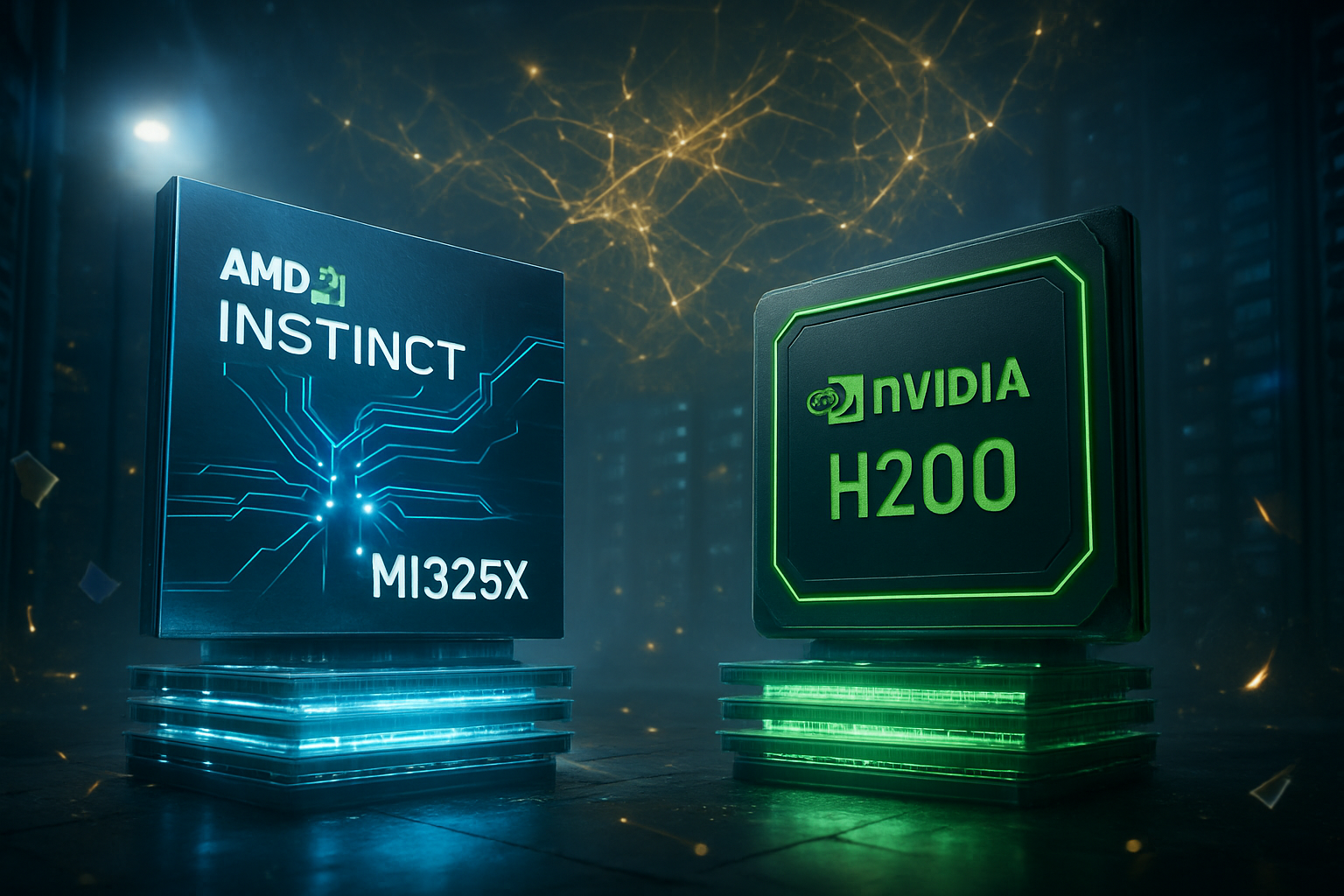
  • AI-Driven Electrification Takes Center Stage: ConnectM’s $1.7 Million Heat Pump Deal with Greentech Renewables Set to Transform Green Tech Market

    AI-Driven Electrification Takes Center Stage: ConnectM’s $1.7 Million Heat Pump Deal with Greentech Renewables Set to Transform Green Tech Market

    BOSTON, MA – November 10, 2025 – In a significant move poised to accelerate the adoption of all-electric heating and cooling across the United States, ConnectM Technology Solutions, Inc. (NASDAQ: CNCT) has finalized a $1.7 million heat pump distribution agreement with Greentech Renewables. This strategic partnership will see ConnectM's advanced AI-powered Keen Heat Pumps and smart controls disseminated through Greentech Renewables' extensive network of solar, electrical, and energy contractors, marking a pivotal moment for the smart home and renewable energy sectors.

    The deal underscores a growing trend of integrating sophisticated artificial intelligence with green technology to drive efficiency, reduce carbon footprints, and make sustainable living more accessible. By combining ConnectM's innovative AI platform with Greentech Renewables' robust distribution capabilities, the collaboration aims to streamline the transition to fully electrified homes and and buildings, directly impacting energy consumption and environmental goals nationwide.

    The Technical Edge: AI-Powered Heat Pumps for a Greener Future

    ConnectM's Keen Heat Pump system stands out due to its deep integration of advanced AI, designed to deliver optimized home heating and cooling with reduced energy consumption and a significantly lower carbon footprint. The core of this innovation lies in its IoT-enabled AI engine, reportedly powered by a large language model (LLM), which continuously monitors and analyzes real-time environmental data and system performance. This AI allows for predictive maintenance, ensuring optimal operation and consistent efficiency, even in challenging weather conditions, with the heat pumps certified to perform down to -15°F.

    Unlike conventional heating and cooling systems, which often rely on fossil fuels and less efficient energy conversion, Keen Heat Pumps operate by transferring heat, making them significantly more efficient—often two to four times more so than traditional furnaces. This high-efficiency design is intended to drastically cut heating and cooling costs, especially when paired with solar panels for a fully integrated renewable energy solution. The systems are also engineered for quiet operation and come with a comprehensive 10-year parts and labor warranty, emphasizing reliability and user comfort. Keen offers both ductless and central heat pump options, including a multi-zone system that can connect multiple units to a single outdoor unit, providing versatile solutions for various building types and renovation projects. While the heat pumps themselves are the focus of this deal, ConnectM's broader Energy Intelligence Network (EIN) monitors and manages electrified assets, collecting vast amounts of performance data daily to refine its AI models, ensuring continuous improvement and adaptability.

    The $1.7 million distribution agreement with Greentech Renewables (formerly CED Greentech) is specifically structured to make these Keen Labs-branded products widely available. Greentech Renewables brings to the table an extensive logistics and warehousing infrastructure, a privately-owned shipping fleet, and a network of over 100 locations across major U.S. solar markets. This collaboration is set to provide contractors with a streamlined pathway to offering comprehensive all-electric home energy solutions, filling a crucial gap in the integrated home electrification ecosystem. Initial reactions from the industry highlight the increasing market growth for heat pumps, driven by policy-backed electrification targets and technological breakthroughs in cold-climate performance. This deal is seen as a strategic move to capitalize on these trends and scale the deployment of AI-powered green technology.

    Reshaping the Landscape: Impact on AI Companies, Tech Giants, and Startups

    The ConnectM-Greentech Renewables deal is set to send ripples across the AI, tech, and startup ecosystems, fundamentally altering competitive dynamics and market positioning within the burgeoning energy and smart home sectors.

    For ConnectM (NASDAQ: CNCT) and its Keen Labs subsidiary, the benefits are immediate and substantial. The partnership significantly expands the market reach for its AI-powered heat pumps, enabling wider deployment and, critically, the collection of more extensive operational data. This data is invaluable for continuously refining ConnectM's AI models, further enhancing system efficiency, predictive maintenance capabilities, and overall performance, solidifying its position as a leader in AI-driven clean energy solutions. Greentech Renewables also stands to gain immensely, strengthening its market leadership by offering a more comprehensive and integrated suite of renewable energy products. By moving beyond its traditional solar, storage, and EV charging offerings to include high-efficiency, AI-powered heating and cooling, Greentech Renewables caters to contractors seeking complete home energy packages, thereby expanding its revenue streams and market influence.

    More broadly, the increased adoption of smart, AI-driven heat pumps creates a fertile ground for various AI-focused companies. Firms specializing in energy management and optimization algorithms, predictive maintenance solutions for HVAC systems, and smart home integration platforms will find new avenues for growth. The demand for AI solutions that can analyze vast amounts of sensor data for demand response optimization, personalized comfort control, and fault detection will surge. Tech giants with a strong presence in smart home ecosystems, such as Google (NASDAQ: GOOGL), Amazon (NASDAQ: AMZN), and Apple (NASDAQ: AAPL), will likely see an expanding market for seamless integration with their platforms, potentially leading to increased partnerships or even strategic acquisitions as they look to bolster their energy technology portfolios. For startups, this deal validates the market for AI in electrification, attracting further venture capital and fostering innovation in specialized AI algorithms, IoT sensors, user interface platforms, and critical data privacy and security solutions.

    This partnership will intensify competition within the smart HVAC and home electrification markets, pressuring traditional HVAC manufacturers to accelerate their adoption of AI and IoT technologies. It also promotes a significant shift towards an "all-electric home and building ecosystem," potentially disrupting business models focused solely on single-category energy services. The emphasis on AI and data collection will push the entire industry towards more data-driven energy management, favoring companies that embrace this holistic and technologically advanced approach in the renewable energy landscape.

    Wider Significance: AI's Role in a Sustainable Future

    The ConnectM-Greentech Renewables deal is more than just a distribution agreement; it represents a significant stride in the practical application of AI to address one of the most pressing global challenges: climate change and energy efficiency. It firmly positions AI as a crucial enabler of the renewable energy transition.

    This partnership fits seamlessly into the broader AI landscape by showcasing the maturation of AI from theoretical breakthroughs to widespread industrial and consumer deployment. ConnectM's use of an IoT-enabled AI engine, reportedly powered by a large language model, for optimizing heat pump performance and conducting predictive maintenance exemplifies the trend of embedding AI into physical infrastructure. This data-driven approach, where ConnectM's Energy Intelligence Network collects and analyzes vast amounts of operational data to refine its AI models, is central to AI's role in creating more intelligent and efficient energy systems. This aligns with the "electrification economy" trend, where AI is vital for managing complex energy demands as the world transitions away from fossil fuels.

    The impacts on the renewable energy market are profound. By significantly expanding the reach of AI-powered heat pumps, the deal directly accelerates the adoption of a cornerstone technology for decarbonization. Heat pumps are exceptionally efficient, capable of reducing energy consumption and carbon emissions in buildings, which account for a substantial portion of global energy use. The AI optimization further amplifies these benefits, making clean energy more reliable and cost-effective. This market transformation encourages the broader HVAC industry to pivot towards electric solutions, strengthening the range of electrification options available to contractors and helping them navigate regulatory mandates.

    However, the widespread integration of AI in green technology also brings potential concerns. The substantial computational resources and energy required for training and operating sophisticated AI models, especially large language models, raise questions about AI's own energy footprint. While AI optimizes energy consumption in end-use applications, its underlying energy demands could potentially offset some environmental gains. Furthermore, the collection of vast amounts of real-time data from homes and businesses raises critical data privacy and cybersecurity concerns, necessitating robust protection measures. The digital infrastructure and skills gap within the energy industry also present challenges to full AI integration, alongside the potential for job displacement due to increased automation.

    Compared to previous AI milestones, such as AlphaGo's mastery of Go or the development of large generative AI models, this deal marks a significant milestone in the commercial application and practical scaling of AI for tangible environmental and economic impact. It signifies a shift to applied AI, where the focus is on optimizing real-world physical systems for efficiency and sustainability. This integration of AI with IoT in a physical product like a heat pump, connected to a broader energy intelligence network, demonstrates the creation of "smart entities" that operate with minimal human intervention. It showcases AI as a powerful tool for addressing grand challenges like climate change, similar to its applications in smart grids and precision agriculture, moving beyond niche applications to bring its benefits to a wider consumer base.

    The Road Ahead: Future Developments and Expert Outlook

    The ConnectM-Greentech Renewables deal is not merely a transaction but a foundational step towards a future where AI and renewable energy are inextricably linked, promising significant near-term and long-term developments.

    In the near term (1-3 years), we can expect an accelerated adoption of AI-powered heat pumps, leading to immediate energy savings and enhanced user comfort through dynamic operational adjustments based on real-time data and occupant behavior. This partnership will likely drive a more comprehensive approach to home electrification, with AI-driven heat pumps seamlessly integrating with rooftop solar, battery storage, and EV charging infrastructure to create a cohesive "fully electrified home and building ecosystem." We will also see enhanced predictive maintenance capabilities, allowing systems to anticipate and prevent failures, thereby reducing downtime and extending equipment lifespan. Initial smart grid integration will enable heat pumps to participate in demand response programs, optimizing energy consumption during peak periods to alleviate grid strain.

    Looking long-term (3+ years), AI will become crucial in managing sophisticated Distributed Energy Resource (DER) networks, where heat pumps, solar installations, and energy storage systems operate as coordinated "virtual power plants." This will involve advanced optimization of energy flow based on predictive analytics of supply, demand, and pricing. Experts predict AI will contribute to more autonomous grid management, optimizing power distribution and demand response across vast geographical areas to maintain stability with high penetrations of intermittent renewable energy. The development of decentralized microgrids, managed efficiently by AI, will further improve local energy reliability. AI algorithms will continually learn and adapt, pushing the boundaries of energy efficiency and personalized climate control.

    Potential applications for AI in renewable energy, highlighted by this deal, include optimizing heat pump performance, advanced demand-side management, enhanced resource assessment and integration of renewables into the broader energy system, and robust fault detection and proactive maintenance for all renewable assets.

    Despite the promising outlook, challenges remain. Data quality and availability, cybersecurity risks, and the substantial computational energy demand of AI itself are critical concerns. The need for Explainable AI (XAI) to build trust, significant initial investment in infrastructure, and a talent gap in AI and machine learning within the energy sector must also be addressed. However, experts are highly optimistic, projecting the global AI in energy market to reach USD 14.0 billion by 2029 and the AI in renewable energy market to hit approximately USD 158.76 billion by 2034. They predict a phased evolution, with smart grid integration dominating the 2024-2026 period, followed by optimized energy storage and real-time forecasting.

    A New Era of Energy Intelligence

    The $1.7 million distribution deal between ConnectM (NASDAQ: CNCT) and Greentech Renewables represents a significant milestone in the convergence of artificial intelligence and renewable energy. It underscores a clear trajectory towards an energy-intelligent future, where AI-powered technologies are not just theoretical concepts but practical, scalable solutions actively shaping our energy landscape.

    The key takeaways are clear: AI is moving from niche applications to mainstream infrastructure, fundamentally transforming how we heat and cool our homes and buildings. This partnership will accelerate heat pump adoption, enhance energy efficiency, and provide a comprehensive pathway to home electrification. In the long term, it promises a future of more resilient, interconnected, and autonomously optimized energy systems.

    As we move forward, several factors warrant close observation. The actual scaling and expansion of ConnectM's Keen Heat Pumps through Greentech's network will be a crucial indicator of market reception. ConnectM's financial performance will also be key, as the company aims for improved profitability and revenue growth following this significant agreement. Furthermore, changes in federal, state, and utility incentive programs for heat pumps could influence adoption rates, and continued advancements in ConnectM's AI platform and new product developments from Keen Labs will define the cutting edge of this evolving market. This deal is a powerful testament to AI's growing role in building a sustainable and energy-efficient world, and its unfolding impact will be a defining narrative in the coming weeks and months.


    This content is intended for informational purposes only and represents analysis of current AI developments.

    TokenRing AI delivers enterprise-grade solutions for multi-agent AI workflow orchestration, AI-powered development tools, and seamless remote collaboration platforms.
    For more information, visit https://www.tokenring.ai/.
  • Markets Roar Back: End of Government Shutdown Ignites Tech and Bitcoin Rally Amidst AI Optimism

    Markets Roar Back: End of Government Shutdown Ignites Tech and Bitcoin Rally Amidst AI Optimism

    Washington D.C., November 10, 2025 – A collective sigh of relief swept across financial markets today as optimism surged regarding the imminent end of a protracted U.S. government shutdown. This renewed hope has triggered a robust rally across global indices, with technology stocks and cryptocurrencies like Bitcoin leading the charge. Investors, weary of political gridlock and economic uncertainty, are eagerly re-engaging with risk assets, anticipating a swift return to normal federal operations and the resumption of critical economic data flows. The market's buoyant reaction underscores the profound influence political stability has on investor confidence, especially in an era increasingly defined by the transformative potential of Artificial Intelligence.

    The prospect of Washington breaking its legislative stalemate has acted as a powerful catalyst, dispelling a cloud of uncertainty that had weighed heavily on markets. While government shutdowns often cause temporary economic drags and market jitters, their resolution historically paves the way for significant rebounds. This current rally, observed on November 10, 2025, reflects a deep-seated market tendency to prioritize long-term macroeconomic trends over short-term political impasses, signaling a strong belief in the underlying resilience of the U.S. economy and the innovation driving its tech sector.

    Market Dynamics: A Closer Look at the Post-Shutdown Surge

    The immediate aftermath of the shutdown's anticipated resolution has seen a dramatic uplift across major financial benchmarks, signaling a decisive shift from risk aversion to renewed bullish sentiment. The S&P 500 (SPX), a key indicator of broad market health, surged by approximately 1% to 1.4% on the news, demonstrating investors' eagerness to re-enter positions. Meanwhile, the tech-heavy Nasdaq Composite (IXIC), often a bellwether for growth and innovation, led the charge with an impressive jump of 1.8% to 2.1%. The Dow Jones Industrial Average (DJI) also contributed to the positive momentum, registering gains of 0.25% to 0.7%. This broad-based rally is a testament to the market's relief and its inherent capacity to rebound once political headwinds subside.

    This particular rally, occurring in November 2025, follows what has been described as a record-breaking 40-day government shutdown, a period marked by heightened volatility and concerns over "inflated valuations in technology shares" and an "AI-related crisis of confidence." The prolonged duration of the shutdown likely amplified the pent-up demand for stability, contributing to the strength of the current rebound. During the shutdown, critical economic data, such as the Consumer Price Index (CPI) and Producer Price Index (PPI), were delayed, further obscuring the economic outlook. The resumption of these data flows is now eagerly awaited, expected to provide much-needed clarity for both investors and the Federal Reserve's monetary policy decisions.

    Technology stocks have been at the forefront of this resurgence. Individual tech giants like Nvidia (NASDAQ: NVDA), Palantir Technologies (NYSE: PLTR), Micron Technology (NASDAQ: MU), and Advanced Micro Devices (NASDAQ: AMD) have shown substantial gains, with Nvidia rising 3.4-4% and Palantir gaining 8-9%. Micron and AMD also saw increases of 5.5-7.3%. The "Magnificent Seven" megacaps have similarly climbed, reflecting renewed confidence in their growth trajectories and dominant market positions. This rebound suggests that the previous "turbulent week" and "sell-off" in tech, partly fueled by the shutdown's uncertainty, were indeed a "short-lived white-knuckle moment" for the sector.

    Beyond traditional equities, the cryptocurrency market has also experienced a significant uplift. Bitcoin rallied 4-5% to trade around $106,000 immediately after reports of a Senate deal to end the shutdown. This surge follows a period where Bitcoin had fallen more than 17-20% from its October high, impacted by macroeconomic uncertainties. Other major cryptocurrencies, including Ethereum (up 5.2-7.8%) and XRP (surging 8-10%), mirrored Bitcoin's positive trajectory. Analysts attribute this crypto rebound to the clearing of regulatory bottlenecks and an injection of liquidity back into the financial system, benefiting risk assets. The increasing institutional exposure to Bitcoin through ETFs in the current market further contributes to its potential for strong post-shutdown rallies.

    AI and Tech: Beneficiaries of Renewed Confidence

    The resolution of the government shutdown and the subsequent market rally are poised to significantly benefit AI companies, established tech giants, and startups, albeit with varying degrees of impact and strategic implications in the dynamic November 2025 market environment.

    Tech Giants such as Microsoft (NASDAQ: MSFT), Google (NASDAQ: GOOGL), Amazon (NASDAQ: AMZN), and Nvidia (NASDAQ: NVDA) stand to gain considerably. Their diverse revenue streams, robust cash reserves, and established lobbying power provide resilience during shutdowns, allowing them to absorb delays better than smaller firms. Post-resolution, they are uniquely positioned to leverage their existing infrastructure and significant AI investments to capitalize on renewed government and private sector spending. These companies often lead market rallies, seeing their stock prices surge due to heightened investor confidence in their AI advancements and cloud computing platforms. This strengthens their market dominance, particularly in critical areas like AI infrastructure and large language models, potentially widening the competitive gap with smaller players.

    For Pure-Play AI Companies and Specialized AI Startups, the end of the shutdown brings a critical reinstatement of federal R&D funding and grants specifically aimed at AI development. These funds are essential for advancing cutting-edge research and innovation. The renewed government interest in integrating AI across federal agencies—for cybersecurity, public services, and defense—creates significant procurement opportunities. A market rally boosts overall investor confidence in the "AI Revolution," attracting more capital for growth and expansion. However, smaller, research-heavy AI startups are particularly vulnerable to funding disruptions during a shutdown, as they often rely heavily on federal grants and contracts. While the resolution alleviates these pressures, a prolonged shutdown could have stalled key AI executive orders and national AI strategies, potentially impacting the U.S.'s competitive edge in the global AI race.

    General Tech Startups, including those with an AI focus, will also see improved access to capital as venture capital and private equity firms become more willing to invest in a more stable economic climate. The resumption of Small Business Innovation Research (SBIR) grants and other federal programs serves as a crucial lifeline for many early-stage companies. Furthermore, the restart of visa processing eases talent acquisition challenges, which are particularly acute for rapidly expanding tech and AI firms seeking specialized international expertise. While startups face "existential problems" if government payments are frozen or grants paused during a shutdown, those with diversified revenue streams and sufficient financial runways are strategically better positioned to weather such storms and then aggressively pursue opportunities in the post-resolution environment.

    Wider Significance: AI's Enduring Role Amidst Fiscal Headwinds

    The resolution of the U.S. government shutdown in November 2025 and the subsequent market rally carry profound wider significance, intertwining with the broader AI landscape and prevailing economic trends. While the immediate market reaction signals relief, underlying fiscal challenges and the transformative, yet uneven, impact of AI continue to shape the long-term outlook.

    Historically, the financial markets tend to rebound after political uncertainty subsides, with the S&P 500 showing significant gains in the 12 months following past shutdown resolutions. This current rally, with Nasdaq futures rising by 1.2% and S&P 500 futures gaining 0.7%, aligns with this pattern, driven by renewed optimism and the potential for federal agencies to reopen and services to resume. However, the economic costs of a prolonged shutdown are not negligible; estimates suggest that a significant portion of shutdown-related economic activity can be permanently lost, impacting industries like travel, leisure, and construction.

    In November 2025, Artificial Intelligence has cemented its status as a fundamental infrastructure across industries. Global private AI investment reached an estimated $252.3 billion in 2024, with generative AI funding soaring. AI is increasingly seen as a two-pronged approach for businesses: short-term optimization and long-term transformation, driving growth, efficiency, and cost savings. This robust AI investment, particularly in data centers, has become a dominant contributor to U.S. economic growth, offsetting weakness in other sectors, even amidst higher borrowing costs and policy uncertainty. This contrasts with previous economic recoveries that might have been driven by more traditional stimuli, highlighting AI's unique role as a general-purpose technology.

    Despite the market's immediate relief, consumer confidence remains a lingering concern. During the prolonged hypothetical November 2025 shutdown, consumer sentiment reportedly dropped to a three-year low, nearing historic lows, fueled by pessimism over personal finances and stubbornly high prices. While a resolution offers temporary respite, deep-seated consumer anxieties over inflation and broader economic health could persist, potentially dampening discretionary spending. Although the "wealth effect" from a buoyant stock market, partly driven by big tech and AI companies, might bolster spending for higher-income households, it doesn't alleviate widespread pessimism across the general population.

    Furthermore, several lingering concerns loom large. The underlying issue of rising federal debt and persistent deficits remains a major long-term challenge, with debt projected to grow faster than the economy. This unsustainable fiscal path could lead to slower wage growth and upward pressure on interest rates. Inflation, while showing signs of potential decline, remains above target, influencing the Federal Reserve's interest rate decisions. The very occurrence of a prolonged shutdown underscores persistent legislative gridlock, implying that political volatility could continue to fuel market uncertainty despite short-term rallies. Lastly, while AI is a significant economic driver, concerns about job displacement, the potential for increased inequality, and the need for robust ethical and regulatory frameworks persist, underscoring the uneven impact of this transformative technology.

    Future Developments: AI as an Economic Stabilizer

    Looking ahead, the resolution of the government shutdown sets the stage for both immediate economic recalibration and long-term developments profoundly shaped by the accelerating integration of Artificial Intelligence.

    In the near-term, the stock market is expected to continue its rally, with historical data suggesting positive returns for the S&P 500 in the months following a shutdown resolution. The tech sector, fueled by the "AI-powered everything" trend, is anticipated to lead these gains, driven by strong demand for AI compute, accelerating AI monetization, and resilient margins from tech leaders. The restoration of government services and the release of delayed economic data will provide crucial clarity, aiding policymakers and investors in assessing the economy's true health and guiding future monetary policy.

    Long-term, AI is poised to become an increasingly vital component of economic stability and growth. Experts view AI as a general-purpose technology, akin to electricity or personal computers, capable of driving economy-wide productivity surges for decades. AI is expected to significantly boost productivity by automating tasks, enhancing economic forecasting, and transforming the financial sector through advanced risk management, fraud detection, and algorithmic trading. In government operations, there's an anticipated "vehement resurgence of AI momentum," as agencies leverage AI to optimize resource allocation and improve public services, addressing inefficiencies exposed during the shutdown.

    On the horizon, potential applications include advanced economic modeling using generative AI to predict and mitigate economic shocks, automated policy analysis to inform legislative decisions, and hyper-personalized public services that could minimize the impact of future disruptions. AI is also becoming an "invention in the method of invention," accelerating scientific research and development, which promises to drive even faster productivity growth across the economy.

    However, significant challenges remain. Job displacement due to AI automation is a major concern, necessitating widespread reskilling and upskilling initiatives to prevent increased inequality. Data quality, security, and privacy issues are paramount, as AI systems rely on vast amounts of data. Ethical concerns and bias in AI algorithms demand robust regulatory frameworks and transparent development to ensure fairness and accountability. The high financial investment and infrastructure required for powerful AI models present barriers, especially for smaller entities. Experts predict that while AI will contribute significantly to global GDP, the speed and scale of its transformative effects, and the effective addressing of these challenges, will determine its ultimate impact on economic stability and growth.

    Comprehensive Wrap-Up: A Resilient Market, An AI-Driven Future

    The stock market's robust rally in November 2025, sparked by optimism surrounding the end of the U.S. government shutdown, serves as a powerful testament to market resilience and its inherent aversion to political uncertainty. Key takeaways include the immediate and significant rebound across major indices, particularly the tech-heavy Nasdaq and the S&P 500, with tech giants and cryptocurrencies like Bitcoin leading the charge. This event underscores how quickly investor confidence can return once a major political hurdle is cleared, allowing focus to shift back to economic fundamentals and technological innovation.

    This development holds significant importance in AI history as it highlights the technology's growing role as a fundamental economic driver, even amidst political turmoil. While the shutdown temporarily clouded the market, the underlying enthusiasm and investment in AI remained strong, with the tech sector quickly regaining momentum post-resolution. AI's pervasive influence on productivity, economic forecasting, and industry-specific applications positions it as a key factor for long-term economic stability and growth, transforming everything from financial services to government operations.

    Final thoughts on the long-term impact point to a future where AI continues to reshape economies and societies. However, this transformative potential is balanced by persistent challenges, including fiscal sustainability, inflation concerns, the need for ethical AI governance, and addressing potential job displacement. The current market rally, while providing immediate relief, doesn't erase these underlying complexities.

    In the coming weeks and months, investors and policymakers alike should watch for the sustained recovery of consumer confidence, the Federal Reserve's stance on interest rates as delayed economic data becomes available, and the continued pace of AI investment and regulatory developments. The ability to effectively navigate these challenges, while harnessing AI's immense potential, will be crucial for ensuring a stable and prosperous economic future.


    This content is intended for informational purposes only and represents analysis of current AI developments.

    TokenRing AI delivers enterprise-grade solutions for multi-agent AI workflow orchestration, AI-powered development tools, and seamless remote collaboration platforms.
    For more information, visit https://www.tokenring.ai/.