Tag: Advertising

  • The AI-Powered Search Enshittification: Google’s Ad Integration Sparks User Backlash and Industry Concerns

    The AI-Powered Search Enshittification: Google’s Ad Integration Sparks User Backlash and Industry Concerns

    San Francisco, CA – October 31, 2025 – Google's (NASDAQ: GOOGL) ambitious integration of Artificial Intelligence (AI) into its ubiquitous search advertising platform is rapidly transforming the digital landscape, but not without significant controversy. As AI Overviews (formerly Search Generative Experience, or SGE) and AI Mode become increasingly prominent, concerns are mounting over the potential degradation of search quality, the blurring of lines between editorial content and paid promotion, and a phenomenon critics are calling the "enshittification" of AI-powered search. This strategic pivot by the tech giant, while undeniably boosting its financial performance, is sparking a heated debate about user experience, information integrity, and the future of the open web.

    The immediate implications are far-reaching. Users are encountering a search results page vastly different from just a year ago, with AI-generated summaries often pushing traditional organic links and even conventional ads further down. For advertisers, especially smaller businesses, this necessitates a significant re-evaluation of strategies, often involving increased ad spending to maintain visibility in a new "pay-to-play" environment. This shift is fueling the "enshittification" debate, a term coined by author Cory Doctorow, which describes platforms that progressively degrade user experience to extract more value for themselves, ultimately at the expense of both users and business customers. As Google continues to embed AI deeper into its core revenue driver, the delicate balance between helpful information and commercial imperative is under unprecedented scrutiny.

    The Algorithmic Overhaul: Diving Deep into Google's AI-Ad Fusion

    Google's AI-ad integration is not merely an incremental update; it represents a fundamental architectural shift in how search results are generated, presented, and monetized. At its core, the advancement leverages sophisticated large language models (LLMs) and generative AI to interpret user intent with unprecedented nuance, moving beyond simple keyword matching to semantic understanding. This allows for the dynamic generation of "AI Overviews" at the top of search results, providing summarized answers directly within Google's ecosystem.

    The technical specifications reveal a highly automated and integrated advertising ecosystem. Google's Asset Studio, now powered by advanced generative AI models like Imagen 4, enables advertisers to rapidly produce personalized and visually rich ad creatives. This dramatically streamlines the ad creation process, allowing for A/B testing and optimization at scale. Furthermore, the expansion of AI-powered, full-funnel campaign strategies, particularly through Performance Max (PMax) and Demand Gen campaigns, signifies a move towards almost complete automation of bidding, targeting, and placement across Google's vast inventory, including Search, Display, YouTube, and Shopping. The global rollout of these "AI Max for Search" campaigns in September 2025 has reportedly led to significant performance gains for advertisers, with some seeing up to a 27% increase in conversions for exact match keywords.

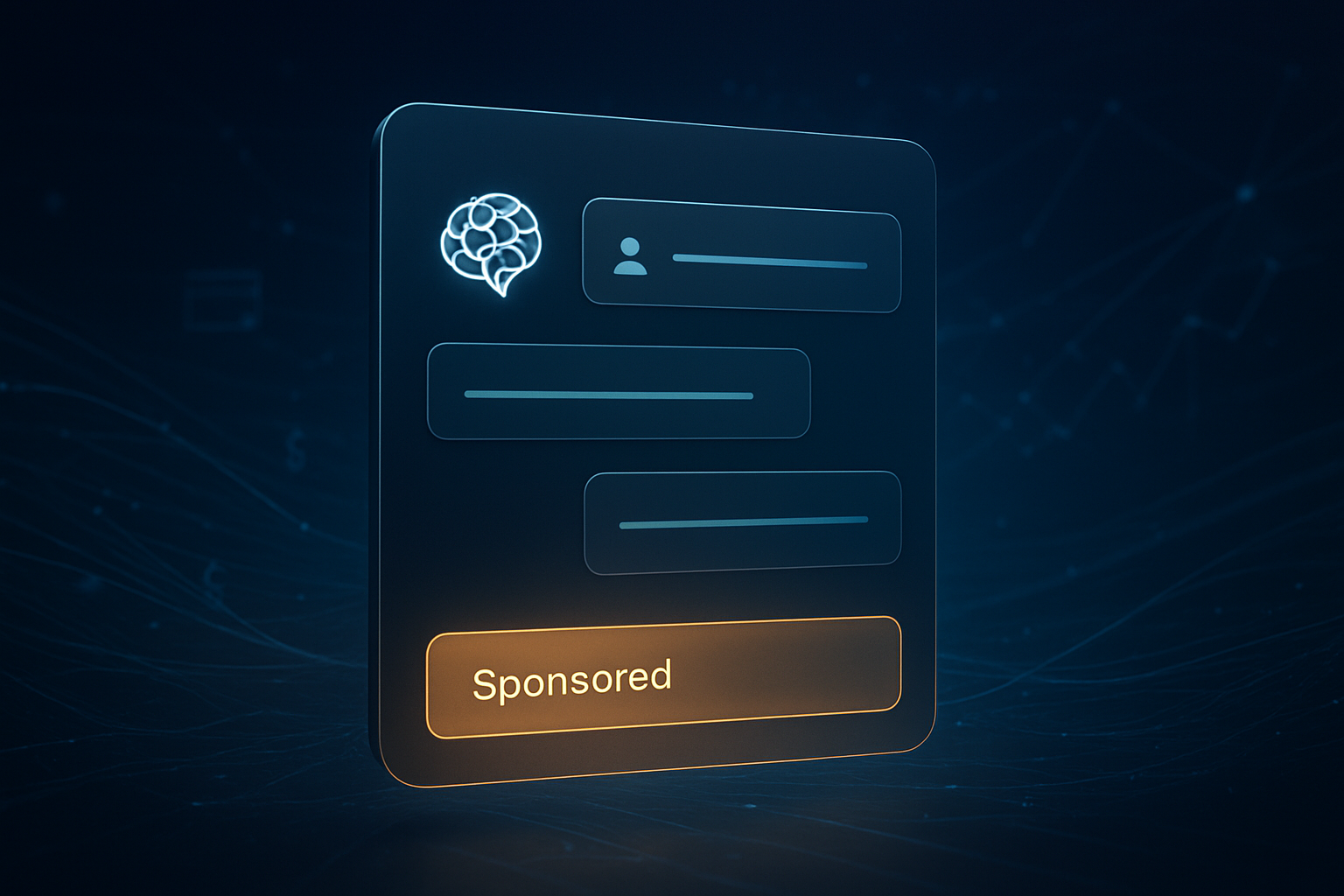
    This approach differs significantly from previous iterations of Google Search. Historically, ads were clearly demarcated from organic results, typically appearing at the very top or bottom of the page, or on the side. The new AI integration places ads directly within the AI Overviews and conversational responses in AI Mode, contextually blending promotional content with AI-generated information. This blurs the traditional distinction, making it harder for users to discern between an objectively generated answer and a sponsored recommendation. Initial reactions from the AI research community and industry experts are mixed. While some acknowledge the technical prowess and the potential for more relevant ad delivery, many express apprehension about the ethical implications, potential for bias, and the long-term impact on information discovery and the health of the open web. Critics, including those at Mashable, have also highlighted instances of AI Overviews being "confidently wrong" or hallucinating, raising questions about the reliability of the information presented.

    Reshaping the Competitive Landscape: Winners, Losers, and Strategic Shifts

    Google's aggressive push into AI-powered search ads is poised to significantly reshape the competitive landscape, creating clear beneficiaries and posing existential challenges for others. Unsurprisingly, Google (NASDAQ: GOOGL) itself stands to benefit immensely. The company reported its first $100 billion quarter in Q3 2025, with AI playing a crucial role in driving ad relevancy, performance, and automation. Both search and YouTube ads witnessed a 15% year-over-year revenue growth, directly attributable to these AI-driven strategies. By keeping users within its ecosystem through zero-click AI Overviews and seamlessly integrating ads, Google consolidates its dominant market position and reinforces its advertising revenue streams.

    For major AI labs and tech companies, the competitive implications are profound. Companies developing alternative search technologies or ad platforms, such as Microsoft (NASDAQ: MSFT) with Bing AI and its advertising network, are facing an intensified battle for market share. Google's ability to leverage its vast data reserves and integrate cutting-edge AI models like Imagen 4 directly into its ad tools creates a formidable barrier to entry and a significant strategic advantage. Startups in the ad-tech space, particularly those focused on ad creative generation, personalization, or campaign optimization, may find opportunities to integrate with Google's new AI-driven platforms, but also face the risk of being overshadowed or made redundant by Google's increasingly comprehensive in-house AI capabilities.

    The disruption to existing products and services is already evident. Traditional SEO agencies and content publishers are grappling with significantly reduced organic click-through rates (CTRs), with some studies reporting traffic losses ranging from 15% to 30%, and even up to 70% for certain informational queries. This forces a strategic pivot from simply ranking high to optimizing content specifically for inclusion in AI Overviews. Companies reliant on organic search traffic for lead generation or content monetization are finding their business models challenged, necessitating investment in new content strategies that cater to AI comprehension and citation. Google's market positioning is further solidified as it transforms its ad platform into a full-fledged creative production and automation hub, offering an end-to-end solution that is increasingly difficult for competitors to match.

    The Broader AI Tapestry: Enshittification and the Future of Information

    Google's AI-ad integration fits squarely within the broader AI landscape as a prime example of the ongoing tension between technological advancement, commercial imperatives, and ethical considerations. While AI's ability to synthesize information and personalize experiences holds immense promise, its application in search advertising highlights a critical trend: the potential for powerful AI tools to be co-opted for profit maximization at the expense of user welfare and information integrity. This development is not merely a technical upgrade; it's a societal experiment in how we access and trust information in an increasingly AI-mediated world.

    The most significant concern revolves around the concept of "enshittification." Critics, led by Cory Doctorow, argue that Google's actions epitomize this process, where a platform, once beneficial to its users, gradually degrades its service by prioritizing its own profits. In this context, AI Overviews, by consuming valuable screen real estate and encouraging "zero-click" searches, are seen as catalysts for enshittification. They reduce traffic to external websites, thereby diminishing the open web and consolidating power within Google's ecosystem, allowing for the injection of more ads or sponsored content directly within AI-generated answers. This blurring of lines between objective information and commercial promotion raises serious questions about commercial bias and the trustworthiness of search results.

    Comparisons to previous AI milestones reveal a divergence. Earlier breakthroughs often focused on enhancing capabilities like image recognition or natural language understanding for purely informational or assistive purposes. However, the current integration directly impacts the fundamental mechanism of information discovery, introducing a commercial layer that was previously more distinct. The impacts are already being felt: users report a "cluttered, shallow, or just… off" search experience, while independent publishers face declining traffic and reduced incentives to produce high-quality content. This could lead to a "shrinking" open web and a long-term decline in the quality of information available for AI models to learn from, creating a concerning feedback loop of increasingly "blader" answers. While Google claims AI Overviews enhance user satisfaction, a Pew study indicated users are 50% less likely to click on links in search results with an AI Overview, suggesting potential distrust or a perception that the AI summary is sufficient, regardless of its accuracy.

    The Road Ahead: Navigating AI's Evolving Search Frontier

    Looking ahead, the near-term will likely see Google further refining its AI Overviews and ad integration, focusing on improving accuracy and mitigating the most egregious instances of "hallucinations" that have plagued initial implementations. We can expect more sophisticated ad formats tailored for multimodal and conversational queries, leveraging the full capabilities of generative AI for richer, more interactive advertising experiences. The continued emphasis on full-funnel automation through Performance Max and Demand Gen campaigns suggests an even more hands-off approach for advertisers, where AI manages nearly every aspect of campaign execution.

    In the long term, the implications are profound. AI-powered search could evolve into highly personalized, proactive information agents that anticipate user needs before they are explicitly queried, potentially delivering information and commercial recommendations seamlessly. This could lead to new applications in areas like personalized shopping assistants, contextual travel planning, and even dynamic content creation based on real-time user intent. However, significant challenges need to be addressed. The issues of bias in AI-generated content, the transparency of ad placements within AI summaries, and the economic viability of independent publishers in an AI-dominated search environment remain paramount. Regulatory scrutiny regarding commercial influence and data privacy in AI search is also expected to intensify.

    Experts predict a continued tug-of-war between convenience and trust. While Google executives like Vidhya Srinivasan (VP/GM of Ads & Commerce) and Robbie Stein (VP of Product, Search) assert that AI is creating "smarter, more helpful advertising" and enhancing user satisfaction, critics like Cory Doctorow and Yash Batra argue that the current trajectory prioritizes ad revenue over user experience, leading to a product that "feels worse." The coming months will be crucial in determining whether Google can strike a better balance, or if the "enshittification" trend will continue to erode user trust and reshape the fundamental nature of online information discovery.

    A New Era of Search: Balancing Innovation and Integrity

    Google's integration of AI with search ads marks a pivotal moment in the history of artificial intelligence and the internet. The key takeaway is a fundamental redefinition of search, moving from a directory of links to a generative answer engine, deeply interwoven with commercial interests. This development's significance in AI history lies in its powerful demonstration of how advanced AI can be directly applied to a core revenue-generating product, showcasing both its immense potential for efficiency and its inherent challenges when commercial goals intersect with information integrity.

    The long-term impact on society could be profound. If the trend towards "enshittification" continues, it risks diminishing the diversity and quality of information available online, concentrating power and revenue within a few dominant platforms, and potentially fostering a less informed, more commercially-influenced user base. Conversely, if Google can successfully navigate these concerns, ensuring transparency, accuracy, and a healthy ecosystem for content creators, AI-powered search could genuinely enhance information access and utility.

    In the coming weeks and months, the tech world will be watching several key indicators. Firstly, user adoption and sentiment towards AI Overviews will be critical; a continued decline in organic CTRs and increasing user complaints could force Google to adjust its strategy. Secondly, the response from advertisers, particularly smaller businesses, regarding the effectiveness and cost of the new AI-driven ad formats will be telling. Finally, any regulatory actions or significant shifts from competitors in the AI search space could signal a broader industry reckoning with the implications of AI-powered commercialization. The future of online information hinges on how these powerful AI tools are wielded, and whether profit motives can be harmonized with the public good.


    This content is intended for informational purposes only and represents analysis of current AI developments.

    TokenRing AI delivers enterprise-grade solutions for multi-agent AI workflow orchestration, AI-powered development tools, and seamless remote collaboration platforms.
    For more information, visit https://www.tokenring.ai/.
  • Google (NASDAQ: GOOGL) Stock Skyrockets on AI & Ad Revival, Solidifying ‘AI Winner’s Circle’ Status

    Google (NASDAQ: GOOGL) Stock Skyrockets on AI & Ad Revival, Solidifying ‘AI Winner’s Circle’ Status

    Mountain View, CA – In a remarkable display of market confidence and strategic execution, Alphabet (NASDAQ: GOOGL), Google's parent company, has seen its stock price surge throughout 2024 and into 2025, largely propelled by groundbreaking advancements in artificial intelligence and a robust revival in its core advertising business. This impressive performance has firmly cemented Google's position within the exclusive "AI Winner's Circle," signaling a new era of growth driven by intelligent innovation and renewed digital ad spend. The immediate significance of this upward trajectory is manifold, validating Google's aggressive "AI-first" strategy and reinforcing its enduring dominance in the global technology landscape.

    The financial reports from Q1 2024 through Q2 2025 paint a picture of consistent, strong growth across all key segments. Alphabet consistently surpassed analyst expectations, with revenues climbing steadily, demonstrating the effectiveness of its integrated AI solutions and the resilience of its advertising ecosystem. This sustained financial outperformance has not only boosted investor confidence but also underscored the profound impact of AI on transforming traditional business models and unlocking new avenues for revenue generation.

    AI Innovation and Advertising Prowess: The Dual Engines of Growth

    Google's ascent into the "AI Winner's Circle" is not merely a market sentiment but a direct reflection of tangible technological advancements and strategic business acumen. At the heart of this success lies a synergistic relationship between cutting-edge AI development and the revitalization of its advertising platforms.

    In its foundational Search product, AI has been deeply embedded to revolutionize user experience and optimize ad delivery. Features like AI Overviews provide concise, AI-generated summaries directly within search results, while Circle to Search and enhanced functionalities in Lens offer intuitive new ways for users to interact with information. These innovations have led to increased user engagement and higher query volumes, directly translating into more opportunities for ad impressions. Crucially, AI-powered ad tools, including sophisticated smart bidding algorithms and AI-generated creative formats, have significantly enhanced ad targeting and boosted advertisers' return on investment. Notably, AI Overview ads are reportedly monetizing at approximately the same rate as traditional search ads, indicating a seamless integration of AI into Google's core revenue stream.

    Beyond Search, Google Cloud (NASDAQ: GOOGL) has emerged as a formidable growth engine, driven by the escalating demand for AI infrastructure and generative AI solutions. Enterprises are increasingly turning to Google Cloud Platform to leverage offerings like Vertex AI and the powerful Gemini models for their generative AI needs. The sheer scale of adoption is evident in Gemini's token processing volume, which reached an astonishing 980 trillion monthly tokens in Q2 2025, doubling since May 2025 and indicating accelerating enterprise and consumer demand, with over 85,000 companies now utilizing Gemini models. This surge in cloud revenue underscores Google's capability to deliver high-performance, scalable AI solutions to a diverse client base, differentiating it from competitors through its comprehensive "full-stack approach to AI innovation." Internally, AI is also driving efficiency, with over 25% of new code at Google being AI-generated and subsequently reviewed by engineers.

    The revival in advertising revenue, which accounts for over three-quarters of Alphabet's consolidated income, has been equally instrumental. Strong performances in both Google Search and YouTube ads indicate a renewed confidence in the digital advertising market. YouTube's ad revenue has consistently shown robust growth, with its Shorts monetization also gaining significant traction. This rebound suggests that businesses are increasing their marketing budgets, directing a substantial portion towards Google's highly effective digital advertising platforms, which are now further enhanced by AI for precision and performance.

    Competitive Landscape and Market Implications

    Google's sustained growth and solidified position in the "AI Winner's Circle" carry significant implications for the broader technology industry, affecting both established tech giants and emerging AI startups. Alphabet's robust performance underscores its status as a dominant tech player, capable of leveraging its vast resources and technological prowess to capitalize on the AI revolution.

    Other major tech companies, including Microsoft (NASDAQ: MSFT), Amazon (NASDAQ: AMZN), and Meta Platforms (NASDAQ: META), are also heavily invested in AI, creating an intensely competitive environment. Google's success in integrating AI into its core products, particularly Search and Cloud, demonstrates its ability to expand its existing market "moat" rather than seeing it eroded by new AI paradigms. This strategic advantage places pressure on competitors to accelerate their own AI deployments and monetization strategies to keep pace. For instance, Microsoft's deep integration of OpenAI's technologies into its Azure cloud and productivity suite is a direct response to the kind of AI-driven growth Google is experiencing.

    The strong performance of Google Cloud, fueled by AI demand, also intensifies the cloud computing wars. While Amazon Web Services (AWS) and Microsoft Azure remain formidable, Google Cloud's rapid expansion driven by generative AI solutions is chipping away at market share and forcing competitors to innovate more aggressively in their AI-as-a-service offerings. For startups, Google's dominance presents both challenges and opportunities. While competing directly with Google's vast AI ecosystem is daunting, the proliferation of Google's AI tools and platforms can also foster new applications and services built on top of its infrastructure, creating a vibrant, albeit competitive, developer ecosystem.

    Wider Significance in the AI Landscape

    Google's current trajectory is a significant indicator of the broader trends shaping the AI landscape. It highlights a critical shift from experimental AI research to tangible, monetizable applications that are fundamentally transforming core business operations. This fits into a larger narrative where AI is no longer a futuristic concept but a present-day driver of economic growth and technological evolution.

    The impacts are far-reaching. Google's success provides a blueprint for how established tech companies can successfully navigate and profit from the AI revolution, emphasizing deep integration rather than superficial adoption. It reinforces the notion that companies with robust infrastructure, extensive data sets, and a history of fundamental AI research are best positioned to lead. Potential concerns, however, also emerge. Google's increasing dominance in AI-powered search and advertising raises questions about market concentration and regulatory scrutiny. Antitrust bodies worldwide are already scrutinizing the power of tech giants, and Google's expanding AI moat could intensify these concerns regarding fair competition and data privacy.

    Comparisons to previous AI milestones are apt. Just as the advent of mobile computing and cloud services ushered in new eras for tech companies, the current wave of generative AI and large language models is proving to be an equally transformative force. Google's ability to leverage AI to revitalize its advertising business mirrors how previous technological shifts created new opportunities for digital monetization, solidifying its place as a perennial innovator and market leader.

    The Road Ahead: Future Developments and Challenges

    Looking ahead, Google's commitment to AI innovation and infrastructure investment signals continued aggressive growth. Alphabet has announced plans to allocate an astonishing $75 billion in capital expenditures in 2025, further increasing to $85 billion, with a primary focus on AI infrastructure, including new data centers, TPUs, and networking capabilities. These massive investments are expected to underpin future advancements in AI models, expand the capabilities of Google Cloud, and enhance the intelligence of all Google products.

    Expected near-term developments include even more sophisticated AI Overviews in Search, personalized AI assistants across Google's ecosystem, and further integration of Gemini into Workspace applications, making enterprise productivity more intelligent and seamless. On the horizon, potential applications extend to highly personalized content creation, advanced robotics, and breakthroughs in scientific research powered by Google's AI capabilities. Experts predict that Google will continue to push the boundaries of multimodal AI, integrating text, image, video, and audio more cohesively across its platforms.

    However, significant challenges remain. The escalating capital expenditure required for AI development and infrastructure poses an ongoing financial commitment that must be carefully managed. Regulatory scrutiny surrounding AI ethics, data usage, and market dominance will likely intensify, requiring Google to navigate complex legal and ethical landscapes. Moreover, the "talent war" for top AI researchers and engineers remains fierce, demanding continuous investment in human capital. Despite these challenges, analysts maintain a positive long-term outlook, projecting continued double-digit growth in revenue and EPS for 2025 and 2026, driven by these strategic AI and cloud investments.

    Comprehensive Wrap-Up: A New Era of AI-Driven Prosperity

    In summary, Google's stock skyrocketing through 2024 and 2025 is a testament to its successful "AI-first" strategy and the robust revival of its advertising business. Key takeaways include the profound impact of AI integration across Search and Cloud, the strong resurgence of digital ad spending, and Google's clear leadership in the competitive AI landscape. This development is not just a financial success story but a significant milestone in AI history, demonstrating how deep technological investment can translate into substantial market value and reshape industry dynamics.

    The long-term impact of Google's current trajectory is likely to solidify its position as a dominant force in the AI-powered future, driving innovation across consumer products, enterprise solutions, and fundamental research. Its ability to continuously evolve and monetize cutting-edge AI will be a critical factor in maintaining its competitive edge. In the coming weeks and months, industry watchers should keenly observe Google's quarterly earnings reports for continued AI-driven growth, announcements regarding new AI product integrations, and any developments related to regulatory oversight. The company's ongoing capital expenditures in AI infrastructure will also be a crucial indicator of its commitment to sustaining this momentum.


    This content is intended for informational purposes only and represents analysis of current AI developments.

    TokenRing AI delivers enterprise-grade solutions for multi-agent AI workflow orchestration, AI-powered development tools, and seamless remote collaboration platforms.
    For more information, visit https://www.tokenring.ai/.

  • WPP and Google Forge $400 Million AI Alliance to Revolutionize Marketing

    WPP and Google Forge $400 Million AI Alliance to Revolutionize Marketing

    London, UK & Mountain View, CA – October 14, 2025 – In a landmark announcement poised to fundamentally reshape the global marketing landscape, WPP (LSE: WPP) and Google (NASDAQ: GOOGL) today unveiled a five-year expanded partnership, committing an unprecedented $400 million to integrate advanced cloud and AI technologies into the core of marketing operations. This strategic alliance aims to usher in a new era of hyper-personalized, real-time campaign creation and execution, drastically cutting down development cycles from months to mere days and unlocking substantial growth for brands worldwide.

    This pivotal collaboration, building upon an earlier engagement in April 2024 that saw Google's Gemini 1.5 Pro models integrated into WPP's AI-powered marketing operating system, WPP Open, signifies a profound commitment to AI-driven transformation. The expanded partnership goes beyond mere efficiency gains, focusing on leveraging generative and agentic AI to revolutionize creative development, production, media strategy, customer experience, and commerce, setting a new benchmark for integrated marketing solutions.

    The AI Engine Room: Unpacking the Technological Core of the Partnership

    At the heart of this transformative partnership lies a sophisticated integration of Google Cloud's cutting-edge AI-optimized technology stack with WPP's extensive marketing expertise. The collaboration is designed to empower brands with unprecedented agility and precision, moving beyond traditional marketing approaches to enable real-time personalization for millions of customers simultaneously.

    A cornerstone of this technical overhaul is WPP Open, the agency's proprietary AI-powered marketing operating system. This platform is now deeply intertwined with Google's advanced AI models, including the powerful Gemini 1.5 Pro for enhanced creativity and content optimization, and early access to nascent technologies like Veo and Imagen for revolutionizing video and image production. These integrations promise to bring unprecedented creative agility to clients, with pilot programs already demonstrating the ability to generate campaign-ready assets in days, achieving up to 70% efficiency gains and a 2.5x acceleration in asset utilization.

    Beyond content generation, the partnership is fostering innovative AI-powered experiences. WPP's design and innovation company, AKQA, is at the forefront, developing solutions like the AKQA Generative Store for personalized luxury retail and AKQA Generative UI for tailored, on-brand page generation. A pilot program within WPP Open is also leveraging virtual persona agents to test and validate creative concepts through over 10,000 simulation cycles, ensuring hyper-relevant content creation. Furthermore, advanced AI agents have shown remarkable success in boosting audience targeting accuracy to 98% and increasing operational efficiency by 80%, freeing up marketing teams to focus on strategic initiatives rather than repetitive tasks. Secure data collaboration is also a key feature, utilizing InfoSum's Bunkers on Google Marketplace, integrated into WPP Open, to enable deeper insights for AI marketing while rigorously protecting privacy.

    Competitive Implications and Market Realignments

    This expanded alliance between WPP and Google is poised to send ripples across the AI, advertising, and marketing industries, creating clear beneficiaries and posing significant competitive challenges. WPP's clients stand to gain an immediate and substantial advantage, receiving validated, effective AI solutions that will enable them to execute highly relevant campaigns with unprecedented speed and scale. This unique offering could solidify WPP's position as a leader in AI-driven marketing, attracting new clients seeking to leverage cutting-edge technology for growth.

    For Google, this partnership further entrenches its position as a dominant force in enterprise AI and cloud solutions. By becoming the primary technology partner for one of the world's largest advertising companies, Google Cloud (NASDAQ: GOOGL) gains a massive real-world testing ground and a powerful endorsement for its AI capabilities. This strategic move could put pressure on rival cloud providers like Amazon Web Services (NASDAQ: AMZN) and Microsoft Azure (NASDAQ: MSFT), as well as other AI model developers, to secure similar high-profile partnerships within the marketing sector. The deep integration of Gemini, Veo, and Imagen into WPP's workflow demonstrates Google's commitment to making its advanced AI models commercially viable and widely adopted.

    Startups in the AI marketing space might face increased competition from this formidable duo. While specialized AI tools will always find niches, the comprehensive, integrated solutions offered by WPP and Google could disrupt existing products or services that provide only a fraction of the capabilities. However, there could also be opportunities for niche AI startups to partner with WPP or Google, providing specialized components or services that complement the broader platform. The competitive landscape will likely see a shift towards more integrated, full-stack AI marketing solutions, potentially leading to consolidation or strategic acquisitions.

    A Broader AI Tapestry: Impacts and Future Trends

    The WPP-Google partnership is not merely a business deal; it is a significant thread woven into the broader tapestry of AI's integration into commerce and creativity. It underscores a prevailing trend in the AI landscape: the move from theoretical applications to practical, enterprise-grade deployments that drive tangible business outcomes. This collaboration exemplifies the shift towards agentic AI, where autonomous agents perform complex tasks, from content generation to audience targeting, with minimal human intervention.

    The impacts are far-reaching. On one hand, it promises an era of unparalleled personalization, where consumers receive highly relevant and engaging content, potentially enhancing brand loyalty and satisfaction. On the other hand, it raises important considerations regarding data privacy, algorithmic bias, and the ethical implications of AI-generated content at scale. While the partnership emphasizes secure data collaboration through InfoSum's Bunkers, continuous vigilance will be required to ensure responsible AI deployment. This development also highlights the increasing importance of human-AI collaboration, with WPP's expanded Creative Technology Apprenticeship program aiming to train over 1,000 early-career professionals by 2030, ensuring a skilled workforce capable of steering these advanced AI tools.

    Comparisons to previous AI milestones are inevitable. While not a foundational AI model breakthrough, this partnership represents a critical milestone in the application of advanced AI to a massive industry. It mirrors the strategic integrations seen in other sectors, such as AI in healthcare or finance, where leading companies are leveraging cutting-edge models to transform operational efficiency and customer engagement. The scale of the investment and the breadth of the intended transformation position this as a benchmark for future AI-driven industry partnerships.

    The Road Ahead: Anticipated Developments and Challenges

    Looking ahead, the WPP-Google partnership is expected to drive several near-term and long-term developments. In the near term, we can anticipate the rapid deployment of custom AI Marketing Agents via WPP Open for specific clients, demonstrating the practical efficacy of the integrated platform. The continuous refinement of AI-powered content creation, particularly with early access to Google's Veo and Imagen models, will likely lead to increasingly sophisticated and realistic marketing assets, blurring the lines between human-created and AI-generated content. The expansion of the Creative Technology Apprenticeship program will also be crucial, addressing the talent gap necessary to fully harness these advanced tools.

    Longer-term, experts predict a profound shift in marketing team structures, with a greater emphasis on AI strategists, prompt engineers, and ethical AI oversight. The partnership's focus on internal operations transformation, integrating Google AI into WPP's workflows for automated data analysis and intelligent resource allocation, suggests a future where AI becomes an omnipresent co-pilot for marketers. Potential applications on the horizon include predictive analytics for market trends with unprecedented accuracy, hyper-personalized interactive experiences at every customer touchpoint, and fully autonomous campaign optimization loops.

    However, challenges remain. Ensuring the ethical and unbiased deployment of AI at scale, particularly in content generation and audience targeting, will require ongoing vigilance and robust governance frameworks. The rapid pace of AI development also means that continuous adaptation and skill development will be paramount for both WPP and its clients. Furthermore, the integration of such complex systems across diverse client needs will present technical and operational hurdles that will need to be meticulously addressed. Experts predict that the success of this partnership will largely depend on its ability to demonstrate clear, measurable ROI for clients, thereby solidifying the business case for deep AI integration in marketing.

    A New Horizon for Marketing: A Comprehensive Wrap-Up

    The expanded partnership between WPP and Google marks a watershed moment in the evolution of marketing, signaling a decisive pivot towards an AI-first paradigm. The $400 million, five-year commitment underscores a shared vision to transcend traditional marketing limitations, leveraging generative and agentic AI to deliver hyper-relevant, real-time campaigns at an unprecedented scale. Key takeaways include the deep integration of Google's advanced AI models (Gemini 1.5 Pro, Veo, Imagen) into WPP Open, the development of innovative AI-powered experiences by AKQA, and a significant investment in talent development through an expanded apprenticeship program.

    This development's significance in AI history lies not in a foundational scientific breakthrough, but in its robust and large-scale application of existing and emerging AI capabilities to a global industry. It serves as a powerful testament to the commercial maturity of AI, demonstrating its potential to drive substantial business growth and operational efficiency across complex enterprises. The long-term impact is likely to redefine consumer expectations for personalized brand interactions, elevate the role of data and AI ethics in marketing, and reshape the skill sets required for future marketing professionals.

    In the coming weeks and months, the industry will be watching closely for the initial results from pilot programs, the deployment of custom AI agents for WPP's clients, and further details on the curriculum and expansion of the Creative Technology Apprenticeship program. The success of this ambitious alliance will undoubtedly influence how other major advertising groups and tech giants approach their own AI strategies, potentially accelerating the widespread adoption of advanced AI across the entire marketing ecosystem.


    This content is intended for informational purposes only and represents analysis of current AI developments.

    TokenRing AI delivers enterprise-grade solutions for multi-agent AI workflow orchestration, AI-powered development tools, and seamless remote collaboration platforms.
    For more information, visit https://www.tokenring.ai/.

  • Meta’s Bold Leap into Conversational AI Advertising Sparks Global Privacy Debate

    Meta’s Bold Leap into Conversational AI Advertising Sparks Global Privacy Debate

    Menlo Park, CA – October 2, 2025 – Meta Platforms (NASDAQ: META) has announced a significant evolution in its advertising strategy, revealing plans to integrate conversations with its generative AI chatbot, Meta AI, into its ad targeting mechanisms. This groundbreaking move, set to take effect on December 16, 2025, in most regions, promises to deliver hyper-personalized advertisements and content across its vast ecosystem of apps, including Facebook, Instagram, and WhatsApp. However, the announcement has immediately ignited a global debate, raising profound privacy and ethical questions about how personal AI interactions will be leveraged for commercial gain, particularly given the absence of a direct opt-out option for users who engage with Meta AI.

    The tech giant asserts that this integration is a natural progression aimed at enhancing user experience by providing more relevant content and ads. By analyzing both text and voice interactions with Meta AI, the company intends to glean deeper insights into user interests, allowing for a more granular and timely personalization than ever before. While Meta has committed to excluding sensitive topics from this targeting, privacy advocates and experts are voicing strong concerns about the erosion of user control, the normalization of pervasive digital surveillance, and the potential for intrusive advertising that blurs the lines between personal interaction and commercial exploitation.

    The Technical Underpinnings of Hyper-Personalization

    Meta's new ad targeting approach represents a substantial technical leap, moving beyond traditional behavioral data to incorporate direct conversational insights. The core mechanism involves Meta's proprietary Large Language Model (LLM)-based Meta AI platform, which functions akin to other advanced generative AI tools. This system will process both text and voice interactions with Meta AI, treating them as additional "clues" to understand user interests. For instance, a discussion about a hiking trip with Meta AI could lead to targeted ads for hiking gear, recommendations for local trail groups, or related content appearing in a user's feed.

    This method technically differs from Meta's previous ad targeting, which primarily relied on "behavioral data" derived from user interactions like likes, shares, comments, and connections. While those methods were inferential, the integration of AI chat data introduces a layer of "direct and intentional" input. Users are, in essence, explicitly communicating their interests, plans, and needs to Meta's AI, allowing for potentially "hyper-targeted" ads based on deeply personal and specific queries. This conversational data is designed to "further enrich the profiles" Meta already maintains, enabling "more granular persona identification" across linked Meta accounts. The company also plans to incorporate data from other AI products, such as its AI image generator "Imagine" and AI video feed "Vibes," as well as interactions via Ray-Ban Meta smart glasses, to refine targeting further.

    Initial reactions from the AI research community and industry experts are mixed, leaning heavily towards concern. While acknowledging the technical sophistication, experts are highly skeptical about the feasibility of accurately filtering out sensitive topics—such as religious views, sexual orientation, or health information—as promised by Meta. The nuances of human conversation mean that interests can implicitly touch upon sensitive areas, raising questions about the AI's ability to guarantee exclusion without inadvertently inferring or misusing such data. The lack of an opt-out mechanism, beyond completely avoiding Meta AI, is also a major point of contention, with critics calling it a "new frontier in digital privacy" that normalizes a deeper level of digital surveillance. Past incidents of Meta's AI apps inadvertently disclosing sensitive user chats have only amplified these technical and ethical anxieties.

    Reshaping the AI and Advertising Landscape

    Meta's aggressive move into AI-driven ad targeting is poised to send ripples across the tech and advertising industries, reshaping competitive dynamics and market positioning. While Meta (NASDAQ: META) stands as the primary beneficiary, the implications extend to a broader ecosystem.

    Advertisers, particularly small and medium-sized businesses (SMBs), are expected to benefit significantly. The promise of hyper-personalized campaigns, fueled by granular insights from AI chat interactions, could lead to substantially higher conversion rates and improved return on investment (ROI). This "democratization" of sophisticated targeting capabilities could empower smaller players to compete more effectively. AI ad tech companies and developers capable of adapting to and integrating with Meta's new AI-driven mechanisms might also find new opportunities in optimizing campaigns or refining ad creatives.

    However, the competitive implications for major AI labs and tech giants are substantial. Meta's push directly challenges Google (NASDAQ: GOOGL), especially with Meta's reported development of an AI-powered search engine. Google is already integrating its Gemini AI model into its products and showing ads in AI overviews, signaling a similar strategic direction. Microsoft (NASDAQ: MSFT), through its partnership with OpenAI and Copilot advertising efforts, is also a key player in this AI arms race. Meta's aspiration for an independent AI search engine aims to reduce its reliance on external providers like Microsoft's Bing. Furthermore, as Meta AI aims to be a leading personal AI, it directly competes with OpenAI's ChatGPT, potentially pushing OpenAI to accelerate its own monetization strategies for chatbots. The reported early talks between Meta and both Google Cloud and OpenAI for ad targeting highlight a complex interplay of competition and potential collaboration in the rapidly evolving AI landscape.

    This development also threatens to disrupt traditional advertising and marketing agencies. Meta's ambition for "full campaign automation" by 2026, where AI handles creative design, targeting, and optimization, could significantly diminish the need for human roles in these areas. This shift has already impacted stock prices for major advertising companies, forcing agencies to reinvent themselves towards high-level strategy and brand guardianship. For smaller ad tech companies, the impact is bifurcated: those that can complement Meta's AI might thrive, while those reliant on providing audience targeting data or traditional ad management tools that are now automated by Meta's AI could face obsolescence. Data brokers may also see reduced demand as Meta increasingly relies on its vast trove of first-party conversational data.

    A New Frontier in AI's Societal Impact

    Meta's integration of AI chatbot conversations for ad targeting signifies a pivotal moment in the broader AI landscape, intensifying several key trends while simultaneously raising profound societal concerns. This move is a clear indicator of the ongoing "AI arms race," where hyper-personalization is becoming the new standard across the tech industry. It underscores a strategic imperative to move towards proactive, predictive AI that anticipates user needs, analyzing dynamic behavior patterns and real-time interactions to deliver ads with unprecedented precision. This capability is not merely about enhancing user experience; it's about cementing AI as a core monetization engine for tech giants, echoing similar moves by OpenAI and Google to integrate shopping tools and ads within their AI products.

    The societal impacts of this development extend far beyond advertising effectiveness. While hyper-relevant ads can boost engagement, they also raise significant concerns about consumer behavior and potential manipulation. AI's ability to predict behavior with remarkable accuracy from personal conversations could make consumers more susceptible to impulse purchases or subtly influence their decisions. Moreover, by continually serving content and ads aligned with expressed interests, Meta's AI risks exacerbating information bubbles and echo chambers, potentially limiting users' exposure to diverse perspectives and contributing to a more fragmented societal understanding. The very act of processing intimate conversational data, even with assurances of excluding sensitive topics, raises ethical questions about data minimization and purpose limitation in AI development.

    Beyond individual privacy, broader criticisms focus on the erosion of user control and the potential for a "creepy" factor when ads directly reflect private conversations. This lack of transparency and control can significantly erode trust in Meta's AI systems and digital platforms, a relationship already strained by past data privacy controversies. Critics also point to the potential for digital inequality, referencing Meta's previous paid privacy model in the EU, where users either paid for privacy or accepted extensive tracking. This raises concerns that users unwilling or unable to pay might be left with no option but to accept pervasive tracking. Furthermore, the increasing automation of ad creation and targeting by AI could disrupt traditional roles in advertising, leading to job displacement. This development is expected to invite significant scrutiny from regulatory bodies worldwide, particularly given Meta's exclusion of the UK, EU, and South Korea from the initial rollout due to stricter data protection laws like GDPR and the impending EU AI Act. This move represents an evolution in AI's application in advertising, moving beyond static data analysis to dynamic behavior patterns and real-time interactions, making data collection far more granular and personal than previous methods.

    The Horizon: Challenges and Predictions

    Looking ahead, Meta's AI ad targeting strategy is poised for both rapid evolution and intense scrutiny. In the near term, starting December 16, 2025, users will see ads and content recommendations informed by their interactions with Meta AI, Ray-Ban Meta smart glasses, and other AI products. The absence of a direct opt-out for Meta AI users will likely be a flashpoint for ongoing debate. Long-term, CEO Mark Zuckerberg envisions Meta AI becoming the "leading personal AI," with deep personalization, voice conversations, and entertainment at its core. Future developments could include ads directly within AI products themselves, and by 2026, Meta aims for full campaign automation, where AI generates entire ad campaigns from minimal advertiser input.

    Potential new applications emerging from this technology are vast. Hyper-personalized recommendations could become incredibly precise, leading to higher engagement and conversion. AI insights will tailor content feeds for enhanced discovery, and AI could offer more context-aware customer service. The ability to capture real-time intent from conversations offers a "fresher" signal for ad delivery. Ultimately, AI assistants could become seamless digital companions, offering predictive, adaptive experiences that deeply integrate into users' daily lives.

    However, the path to widespread and responsible implementation is fraught with challenges. Technically, ensuring accuracy in interpreting conversational nuances and preventing the generation of harmful or inappropriate content remains critical. The risk of algorithmic bias, perpetuating societal prejudices, is also a significant concern. Regulatorily, global privacy laws, particularly the EU's AI Act (effective August 2024 for foundational models), will impose strict oversight, transparency requirements, and substantial fines for non-compliance. The deliberate exclusion of the EU, UK, and South Korea from Meta's initial rollout underscores the impact of these stricter environments. Ethically, the lack of an opt-out, the handling of sensitive information, and the potential for "chatbait" and manipulation raise serious questions about user control, trust, and the erosion of digital autonomy. Experts warn that AI agents in social contexts could heighten exposure to misinformation and harmful content.

    Experts predict an intensified "AI arms race" among tech giants. Competitors like Google (NASDAQ: GOOGL) and Amazon (NASDAQ: AMZN) are already monetizing their AI products, and OpenAI is introducing shopping tools in ChatGPT. Other platforms will be compelled to accelerate their AI investments and develop similarly sophisticated personalization strategies. The focus will shift towards "generative engine optimization," where brands need to be featured directly in AI responses. Concurrently, regulatory scrutiny of AI is intensifying globally, with an anticipated ethical backlash and regulatory clampdown forcing a more conservative approach to data exploitation. The EU's AI Act is setting a global precedent, and investors are increasingly scrutinizing companies' ethical frameworks alongside financial performance, recognizing AI governance as a critical risk factor.

    A Defining Moment for AI and Digital Ethics

    Meta's decision to leverage AI chatbot conversations for ad targeting marks a defining moment in the history of artificial intelligence and digital ethics. It underscores the incredible power of advanced AI to understand and predict human behavior with unprecedented precision, promising a future of hyper-personalized digital experiences. The immediate significance lies in the profound shift towards integrating deeply personal interactions into commercial targeting, setting a new benchmark for data utilization in the advertising industry.

    The long-term impact will likely be multi-faceted. On one hand, it could usher in an era of highly relevant advertising that genuinely serves user needs, potentially boosting economic activity for businesses of all sizes. On the other hand, it raises fundamental questions about the boundaries of digital privacy, user autonomy, and the potential for AI-driven platforms to subtly influence or manipulate consumer choices. The absence of a direct opt-out, the technical challenges of sensitive topic exclusion, and the broader societal implications of information bubbles and eroding trust present significant hurdles that Meta and the wider tech industry must address.

    As we move into the coming weeks and months, all eyes will be on Meta's implementation of this new policy. We will be watching for the public reaction, the nature of regulatory responses, and how Meta navigates the complex ethical landscape. The competitive landscape will also be a key area of observation, as rival tech giants respond with their own AI monetization strategies. This development is not just about ads; it's about the future of our digital interactions, the evolving relationship between humans and AI, and the critical need for robust ethical frameworks to guide the next generation of artificial intelligence.

    This content is intended for informational purposes only and represents analysis of current AI developments.

    TokenRing AI delivers enterprise-grade solutions for multi-agent AI workflow orchestration, AI-powered development tools, and seamless remote collaboration platforms.
    For more information, visit https://www.tokenring.ai/.