Tag: Agriculture

  • AI Fights Back: How Cutting-Edge Technology is Rewriting the Future of Food Security

    AI Fights Back: How Cutting-Edge Technology is Rewriting the Future of Food Security

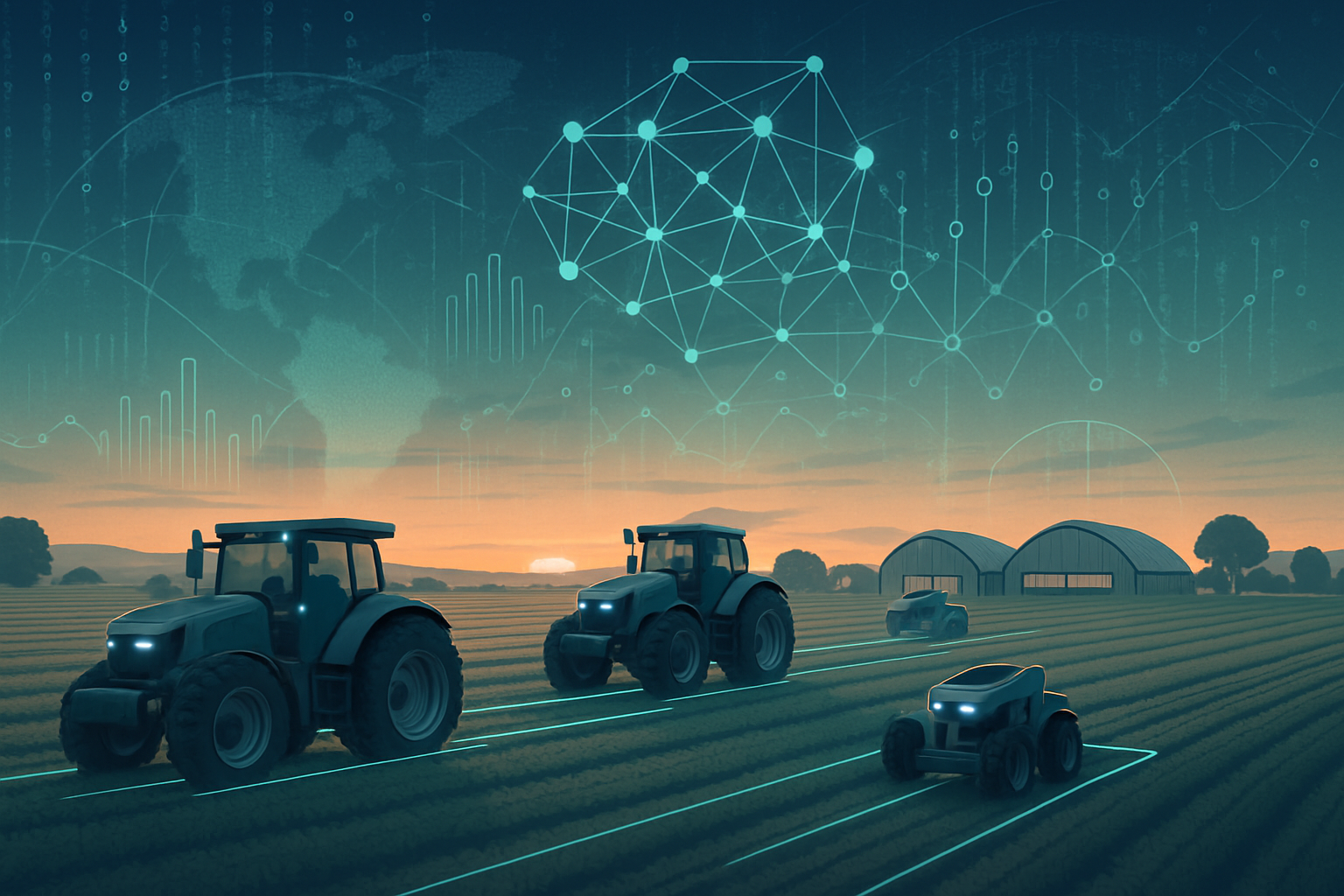
    Global hunger, a persistent and devastating challenge, is meeting a formidable new adversary: artificial intelligence. As the world grapples with a burgeoning population, climate change, and geopolitical instabilities, AI is emerging as a transformative force, offering innovative solutions across the entire food system. From revolutionizing agricultural practices to optimizing complex supply chains and managing precious resources, AI's immediate significance lies in its capacity to amplify human efforts, making food production and distribution smarter, more efficient, and ultimately, more equitable. With the United Nations projecting a need for a 70% increase in food production by 2050 to feed 9.7 billion people, the strategic deployment of AI is not merely an advancement but a critical imperative for a sustainable and food-secure future.

    The power of AI in this fight stems from its unparalleled ability to process and analyze colossal datasets, discern intricate patterns, and generate actionable insights at speeds and scales impossible for human analysis alone. This leads to more informed decision-making and swifter responses to impending food crises. By enhancing rather than replacing human ingenuity, AI empowers farmers, humanitarian organizations, and policymakers to maximize their impact with available resources, playing a crucial role in predicting and mitigating shortages exacerbated by conflict, drought, and economic volatility. As of late 2025, the integration of AI into global food security initiatives is rapidly accelerating, demonstrating tangible breakthroughs that are already saving lives and building resilience in vulnerable communities worldwide.

    Precision Agriculture to Predictive Power: The Technical Edge of AI in Food Systems

    The technical advancements driving AI's impact on global hunger are multifaceted, spanning sophisticated algorithms, advanced robotics, and intelligent data analysis platforms. In agriculture, precision farming, powered by AI, represents a paradigm shift from broad-stroke methods to highly targeted interventions. Unlike traditional farming, which often relies on generalized practices across vast fields, AI-driven systems utilize data from a myriad of sources—including sensors, drones, satellites, and weather stations—to provide granular, real-time insights. For instance, companies like Blue River Technology (acquired by Deere & Company [NYSE: DE]) have developed systems like the LettuceBot, which employs computer vision and deep learning to differentiate weeds from crops, enabling precise herbicide application. This not only drastically reduces herbicide use—by up to 90% in some cases—but also minimizes environmental impact and cultivation costs, a stark contrast to the blanket spraying of previous eras.

    Furthermore, AI is making significant strides in crop yield optimization and genetic improvement. Platforms such as FarmView leverage AI to analyze vast genetic and environmental datasets, identifying optimal genetic markers for seeds that result in higher yields, enhanced nutritional content, and increased disease resistance in staple crops like sorghum. This intelligent crop breeding accelerates the development of resilient varieties, including drought-resistant wheat, a process that traditionally took decades through conventional breeding methods. In terms of pest and disease detection, deep learning AI models are enabling farmers to diagnose crop health issues through smartphone applications, often before visible symptoms appear, preventing catastrophic losses. Startups like Israel-based Prospera utilize AI to continuously analyze millions of data points from fields, detecting outbreaks of pests and diseases with remarkable accuracy and allowing for timely, targeted interventions, a significant leap from manual scouting or reactive treatments.

    Beyond the farm, AI is optimizing the notoriously complex global food supply chain. The World Food Programme's (WFP) "Optimus" program, for example, employs advanced mathematical models and AI algorithms to recommend optimal operational plans for food basket delivery. By analyzing past shipping routes, delivery times, and demand forecasts, Optimus identifies bottlenecks, predicts potential disruptions, and minimizes transport costs while maximizing impact, ensuring food reaches those in need more efficiently than traditional logistics planning. This differs from previous approaches that often relied on static models or human intuition, which struggled to adapt to dynamic variables like sudden crises or infrastructure damage. Initial reactions from the AI research community and humanitarian organizations have been overwhelmingly positive, highlighting AI's potential to not only streamline operations but also to enhance the accountability and effectiveness of aid efforts. The development of tools like DEEP (Digital Engine for Emergency Photo-analysis) and SKAI (developed by WFP and Google Research [NASDAQ: GOOGL]) further exemplifies this, using machine learning to automate post-disaster damage assessments from drone images, compressing critical insight delivery from weeks to mere hours—a crucial factor in rapid humanitarian response.

    Corporate Crossroads: AI's Impact on Tech Giants and Agri-Tech Innovators

    The burgeoning application of AI in combating global hunger is creating significant opportunities and competitive shifts among AI companies, tech giants, and a new wave of agri-tech startups. Major players like Google (NASDAQ: GOOGL), through initiatives such as Google Research's collaboration with the WFP on SKAI, are demonstrating how their core AI capabilities in machine learning and data analytics can be leveraged for humanitarian ends, simultaneously enhancing their public image and exploring new application domains for their technology. Similarly, Microsoft (NASDAQ: MSFT) has invested in AI for Earth initiatives, supporting projects that use AI to address environmental challenges, including food security. These tech giants stand to benefit by showcasing the societal impact of their AI platforms, attracting top talent, and potentially opening new markets for their cloud services and AI tools in the agricultural and humanitarian sectors.

    Traditional agricultural powerhouses are also keenly aware of this shift. Deere & Company (NYSE: DE), for instance, has strategically acquired AI-driven companies like Blue River Technology, integrating precision agriculture capabilities directly into their machinery and services. This move positions them at the forefront of smart farming, offering comprehensive solutions that combine hardware with intelligent software. This creates a competitive advantage over companies still primarily focused on conventional farm equipment, potentially disrupting the market for traditional agricultural inputs like fertilizers and pesticides by promoting more targeted, AI-guided applications. Startups, on the other hand, are flourishing in niche areas. Companies like Prospera, focused on AI-powered crop monitoring, or those developing AI for vertical farming, are attracting significant venture capital, demonstrating the market's confidence in specialized AI solutions. These startups often move with greater agility, innovating rapidly and challenging established players with focused, data-driven solutions.

    The competitive implications extend to major AI labs, which are increasingly seeing the agricultural and food security sectors as fertile ground for applying their research. The demand for robust AI models capable of handling diverse environmental data, predicting complex biological outcomes, and optimizing global logistics is pushing the boundaries of machine learning, computer vision, and predictive analytics. This could lead to new partnerships between AI research institutions and agricultural organizations, fostering innovation and creating new standards for data collection and analysis in the sector. Furthermore, the development of open-source AI tools specifically designed for agricultural applications could democratize access to these technologies, empowering smallholder farmers and creating a more level playing field, while also challenging companies that rely on proprietary, high-cost solutions. The strategic advantages lie with those companies that can effectively integrate AI across the entire food value chain, from seed to table, offering holistic, sustainable, and scalable solutions.

    A Wider Lens: AI's Transformative Role in the Global Landscape

    The integration of AI into the fight against global hunger is not an isolated phenomenon but rather a significant development within the broader AI landscape, reflecting a growing trend towards applying advanced intelligence to solve pressing global challenges. This movement signifies a maturation of AI, moving beyond consumer applications and enterprise optimization into areas of profound societal impact. It highlights AI's potential as a tool for sustainable development, aligning with global goals for poverty reduction, environmental protection, and improved health and well-being. The advancements in precision agriculture and supply chain optimization fit seamlessly into the broader push for sustainable practices, demonstrating how AI can enable more efficient resource use and reduce waste, which are critical in an era of climate change and diminishing natural resources.

    However, this wider significance also brings potential concerns. The "digital divide" remains a significant hurdle; smallholder farmers in developing nations, who often constitute the backbone of global food production, may lack access to the necessary technology, internet connectivity, or training to effectively utilize AI tools. This could exacerbate existing inequalities if not addressed through inclusive policies and accessible technology initiatives. Furthermore, data privacy and security, especially concerning agricultural data, are emerging as critical issues. Who owns the data generated by AI-powered farm equipment, and how is it protected from misuse? The reliance on complex AI systems also raises questions about transparency and accountability, particularly when critical decisions about food allocation or crop management are made by algorithms.

    Comparing this to previous AI milestones, the current applications in food security represent a shift from purely predictive or analytical tasks to prescriptive and interventionist roles. While earlier AI breakthroughs might have focused on optimizing financial markets or personalizing online experiences, the current wave is directly influencing physical systems and human livelihoods on a global scale. This marks a significant evolution, showcasing AI's capability to move from abstract problem-solving to tangible, real-world impact. It underscores the increasing recognition among AI developers and policymakers that the technology's greatest potential lies in addressing humanity's grand challenges, positioning AI as a critical enabler for a more resilient and equitable future, rather than just a driver of economic growth.

    The Horizon: Charting Future Developments and Overcoming Challenges

    Looking ahead, the trajectory of AI in combating global hunger promises even more profound and integrated solutions. In the near term, we can expect to see further refinement and widespread adoption of existing technologies. AI-powered remote crop monitoring, enhanced by 5G connectivity, will become more ubiquitous, providing real-time data and expert recommendations to farmers in increasingly remote areas. Robotic technology, combined with advanced computer vision, will move beyond mere detection to autonomous intervention, performing tasks like precise weeding, targeted nutrient application, and even selective harvesting of ripe produce, further reducing labor costs and increasing efficiency. We will also see AI playing a more significant role in the development of alternative food sources, with machine learning algorithms accelerating breakthroughs in lab-grown meats and plant-based proteins, optimizing their taste, texture, and nutritional profiles.

    Long-term developments are likely to involve the creation of highly integrated, self-optimizing food ecosystems. Imagine AI-driven networks that connect farms, distribution centers, and consumer demand in real-time, predicting surpluses and shortages with unprecedented accuracy and rerouting resources dynamically to prevent waste and alleviate hunger hotspots. The concept of "digital twins" for entire agricultural regions or even global food systems could emerge, allowing for sophisticated simulations and predictive modeling of various scenarios, from climate shocks to geopolitical disruptions. Experts predict that AI will become an indispensable component of national and international food security strategies, enabling proactive rather than reactive responses to crises.

    However, significant challenges need to be addressed to fully realize this potential. Ensuring equitable access to AI technologies for smallholder farmers remains paramount, requiring robust infrastructure development, affordable solutions, and comprehensive training programs. The ethical implications of AI in food systems, including data ownership, algorithmic bias in resource allocation, and the potential for job displacement in certain agricultural roles, must be carefully considered and mitigated through policy and responsible development. Furthermore, the need for high-quality, diverse, and representative data is crucial for training effective AI models that can perform reliably across different climates, soil types, and farming practices. What experts predict will happen next is a continued push towards collaborative initiatives between governments, tech companies, NGOs, and local communities to co-create AI solutions that are not only technologically advanced but also socially equitable and environmentally sustainable.

    A New Era of Food Security: AI's Enduring Legacy

    The journey of artificial intelligence in confronting global hunger marks a pivotal moment in both AI history and the ongoing quest for human well-being. The key takeaways from current developments are clear: AI is not just an incremental improvement but a foundational shift in how we approach food production, distribution, and resource management. Its ability to analyze vast datasets, optimize complex systems, and provide predictive insights is proving indispensable in creating more resilient and efficient food systems. From precision agriculture that maximizes yields while minimizing environmental impact, to intelligent supply chains that drastically reduce food waste and ensure timely delivery, AI is demonstrating its power to tackle one of humanity's most enduring challenges.

    This development's significance in AI history lies in its powerful demonstration of AI's capacity for profound societal impact, moving beyond commercial applications to address fundamental human needs. It underscores the technology's potential to be a force for good, provided it is developed and deployed responsibly and ethically. The long-term impact promises a future where food scarcity is not an inevitability but a solvable problem, where data-driven decisions lead to more equitable access to nutritious food, and where agriculture can thrive sustainably in the face of climate change.

    In the coming weeks and months, it will be crucial to watch for continued advancements in AI models specifically tailored for diverse agricultural environments, particularly in developing nations. We should also look for increased collaboration between public and private sectors to bridge the digital divide and ensure that AI's benefits are accessible to all. The ethical frameworks governing AI in food systems will also be a critical area of development, ensuring that these powerful tools are used responsibly and equitably. The fight against global hunger is far from over, but with AI now firmly on the front lines, the prospects for a food-secure world have never looked brighter.


    This content is intended for informational purposes only and represents analysis of current AI developments.

    TokenRing AI delivers enterprise-grade solutions for multi-agent AI workflow orchestration, AI-powered development tools, and seamless remote collaboration platforms.
    For more information, visit https://www.tokenring.ai/.
  • India Unveils Ambitious Tech-Led Farming Revolution: NITI Aayog’s Roadmap for an AI-Powered Agricultural Future

    India Unveils Ambitious Tech-Led Farming Revolution: NITI Aayog’s Roadmap for an AI-Powered Agricultural Future

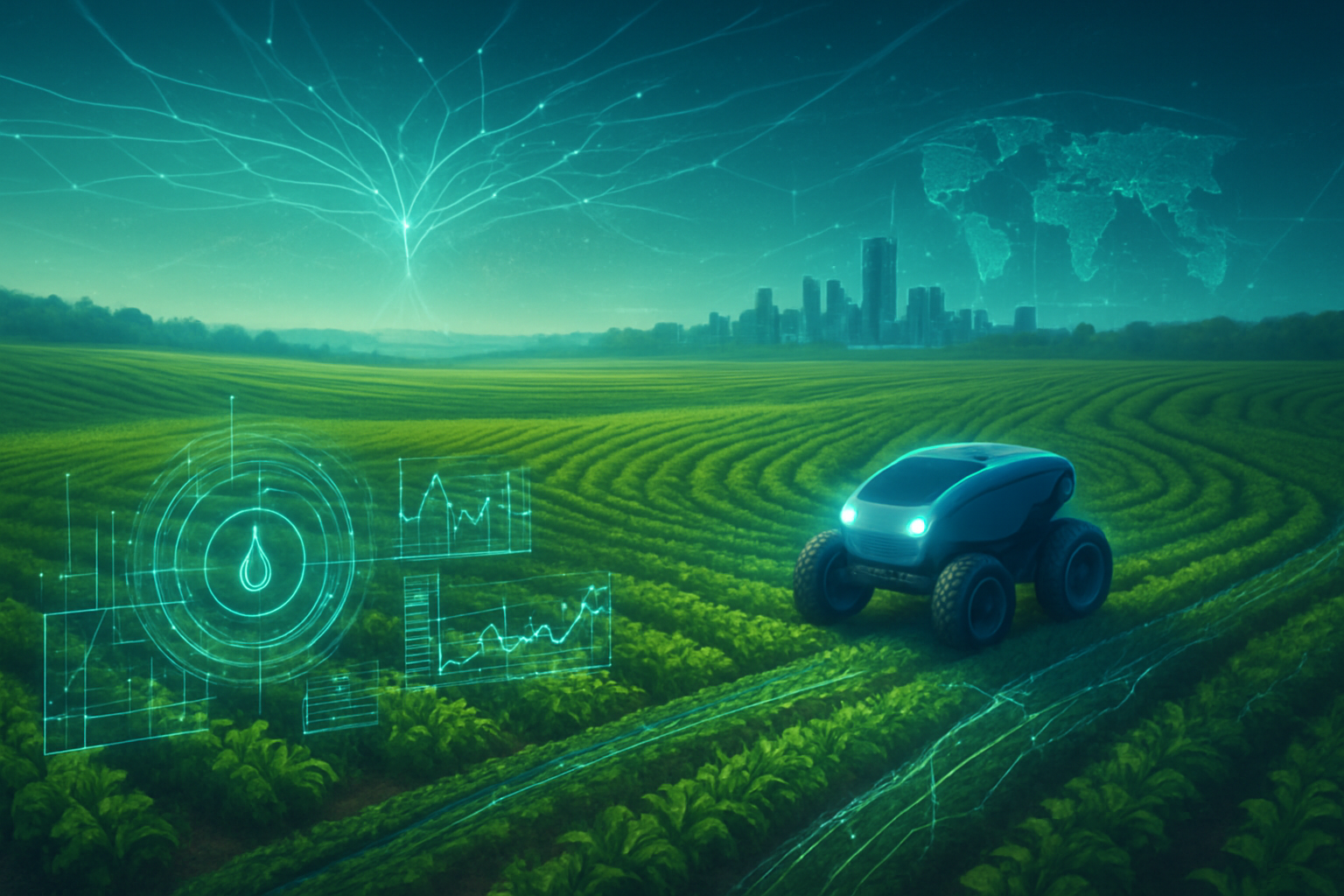
    GANDHINAGAR, INDIA – November 3, 2025 – In a landmark move set to redefine the future of Indian agriculture, NITI Aayog, India's premier policy think tank, today unveiled a comprehensive roadmap titled "Reimagining Agriculture: A Roadmap for Frontier Technology Led Transformation." Launched in collaboration with global consulting firm BCG, tech giant Google (NASDAQ: GOOGL), and the Confederation of Indian Industry (CII), this ambitious initiative charts a 10-year course to integrate cutting-edge frontier technologies, including Artificial Intelligence (AI) and Agentic AI, into the nation's farmlands. The vision, announced at a pivotal event in Gandhinagar, aims to dramatically enhance productivity, ensure sustainability, and significantly boost farmer incomes, aligning directly with India's overarching goal of becoming a developed nation by 2047 (Viksit Bharat 2047).

    This groundbreaking roadmap signifies a proactive stride towards leveraging the power of advanced technology to address longstanding challenges in the agricultural sector, from climate change impacts and resource management to market access and income stability. By democratizing access to sophisticated tools and data-driven insights, NITI Aayog seeks to foster inclusive rural prosperity and solidify India's position as a global leader in agri-tech innovation. The initiative is poised to unlock new levels of agricultural resilience, ensuring food security for its vast population while creating new economic opportunities across the value chain.

    Engineering a Smarter Harvest: The Technical Blueprint for Agricultural Transformation

    The "Reimagining Agriculture" roadmap is not merely a conceptual framework but a detailed technical blueprint for integrating a diverse array of frontier technologies into every facet of farming. At its core are advancements in Artificial Intelligence (AI), including sophisticated Agentic AI, which will power applications such as hyper-local AI-driven weather forecasts, early pest and disease detection, and predictive farming models that optimize planting and harvesting schedules. This move towards intelligent automation marks a significant departure from traditional, often reactive, agricultural practices, enabling proactive decision-making based on real-time data and predictive analytics.

    Beyond AI, the roadmap champions Digital Twins, allowing for the creation of virtual models of entire farm ecosystems to simulate and predict outcomes, optimize resource allocation, and test different scenarios without physical intervention. Precision Agriculture techniques, combined with Smart Sensors and the Internet of Things (IoT), will enable granular monitoring of crop health, soil conditions, and water usage, ensuring efficient input management. This contrasts sharply with previous, often generalized, approaches to resource application, promising substantial reductions in waste and environmental impact. Furthermore, Advanced Mechanization and Robotics are set to address labor shortages and improve operational efficiency, while the development of Climate-Resilient Seeds and the promotion of Verticalized Farming will enhance adaptability to changing climatic conditions and optimize land use. Drones are earmarked for widespread use in monitoring, spraying, and data collection, while Blockchain Technology will be deployed to enhance data integrity, traceability, and provide quality certification across the agricultural supply chain, bridging existing data silos and fostering trust.

    The Agri-Tech Gold Rush: Implications for Companies and Market Dynamics

    NITI Aayog's vision for tech-led farming is set to ignite a significant "agri-tech gold rush," creating immense opportunities for a diverse range of companies, from established tech giants to nimble startups. Google (NASDAQ: GOOGL), already a collaborator in this initiative, stands to benefit significantly through its cloud services, AI platforms, and data analytics capabilities, which will be crucial for processing the vast amounts of agricultural data generated. Similarly, other cloud providers and AI solution developers will find a burgeoning market for specialized agricultural applications.

    The competitive landscape will see intensified innovation, particularly among agri-tech startups focusing on precision farming, drone technology, IoT sensors, and AI-driven predictive analytics. Companies like Mahindra & Mahindra (NSE: M&M), a major player in agricultural machinery, could see increased demand for advanced, robot-enabled farm equipment, while also potentially venturing deeper into integrated smart farming solutions. The emphasis on data systems and blockchain will open doors for companies specializing in secure data management and supply chain transparency. This development could disrupt traditional agricultural input suppliers by shifting focus towards data-driven recommendations and optimized resource use, forcing them to adapt or partner with tech providers. Market positioning will favor companies that can offer end-to-end solutions, integrate seamlessly with existing farm infrastructure, and demonstrate tangible improvements in farmer profitability and sustainability.

    A New Green Revolution: Wider Significance and Global Implications

    NITI Aayog's "Reimagining Agriculture" roadmap represents a pivotal moment in the broader AI landscape, signaling a dedicated national effort to harness frontier technologies for a foundational sector. It aligns with global trends where AI is increasingly being deployed to tackle complex challenges like food security, climate change, and sustainable resource management. This initiative positions India as a significant player in the global agri-tech innovation ecosystem, potentially serving as a model for other developing nations facing similar agricultural challenges.

    The impacts are far-reaching: from boosting rural economies and creating new skilled jobs to enhancing national food security and reducing agriculture's environmental footprint. By fostering climate resilience and diversifying farming practices, the roadmap directly addresses the existential threat of climate change to agriculture. However, potential concerns include the digital divide, ensuring equitable access to technology for all farmers, data privacy, and the ethical deployment of AI. Comparisons to previous "Green Revolutions" highlight this initiative's potential to usher in a new era of productivity, but this time driven by intelligence and sustainability rather than just chemical inputs and mechanization. It represents a paradigm shift from input-intensive to knowledge-intensive agriculture.

    Cultivating the Future: Expected Developments and Emerging Horizons

    In the near term, we can expect a rapid rollout of pilot projects and the establishment of "centers of excellence" to foster interdisciplinary research and talent development in agri-tech. The government's role as a facilitator will likely see the creation of robust policy frameworks, incentives for technology adoption, and significant investments in digital and physical infrastructure to bridge the 'phygital divide.' Over the long term, the widespread integration of Agentic AI could lead to fully autonomous farm management systems, where AI agents manage everything from planting to harvesting, optimizing for yield, resource efficiency, and market demand.

    Potential applications on the horizon include hyper-personalized crop management based on individual plant health, AI-driven market prediction tools that advise farmers on optimal selling times, and advanced robotics for delicate tasks like fruit picking. Challenges that need to be addressed include overcoming farmer skepticism and ensuring trust in new technologies, developing user-friendly interfaces for complex AI tools, and securing adequate capital flows for agri-tech startups. Experts predict a significant transformation of the agricultural workforce, requiring new skill sets and a collaborative ecosystem involving technologists, agronomists, and policymakers to realize the full potential of this vision.

    Harvesting Innovation: A New Era for Indian Agriculture

    NITI Aayog's "Reimagining Agriculture" roadmap marks a monumental commitment to transforming Indian farming through frontier technologies. The key takeaways are clear: a strategic, holistic, and technology-driven approach is being adopted to enhance productivity, sustainability, and farmer incomes, with AI at its forefront. This development is not just another milestone; it represents a fundamental re-evaluation of how agriculture will operate in the 21st century, placing India at the vanguard of this global shift.

    Its significance in AI history lies in demonstrating a national-level commitment to deploying advanced AI and related technologies in a critical sector, with a clear focus on practical, scalable solutions tailored to diverse needs. The long-term impact could be a more resilient, efficient, and prosperous agricultural sector, contributing substantially to India's economic growth and global food security. In the coming weeks and months, stakeholders will be keenly watching for the detailed implementation plans, the first wave of public-private partnerships, and the initial pilot project outcomes, which will set the stage for this ambitious and transformative journey.


    This content is intended for informational purposes only and represents analysis of current AI developments.

    TokenRing AI delivers enterprise-grade solutions for multi-agent AI workflow orchestration, AI-powered development tools, and seamless remote collaboration platforms.
    For more information, visit https://www.tokenring.ai/.
  • Cultivating the Future: Van der Hoeven’s €40 Million Bet on High-Tech Strawberry Greenhouses in India Signals a New Era for Sustainable Agriculture

    Cultivating the Future: Van der Hoeven’s €40 Million Bet on High-Tech Strawberry Greenhouses in India Signals a New Era for Sustainable Agriculture

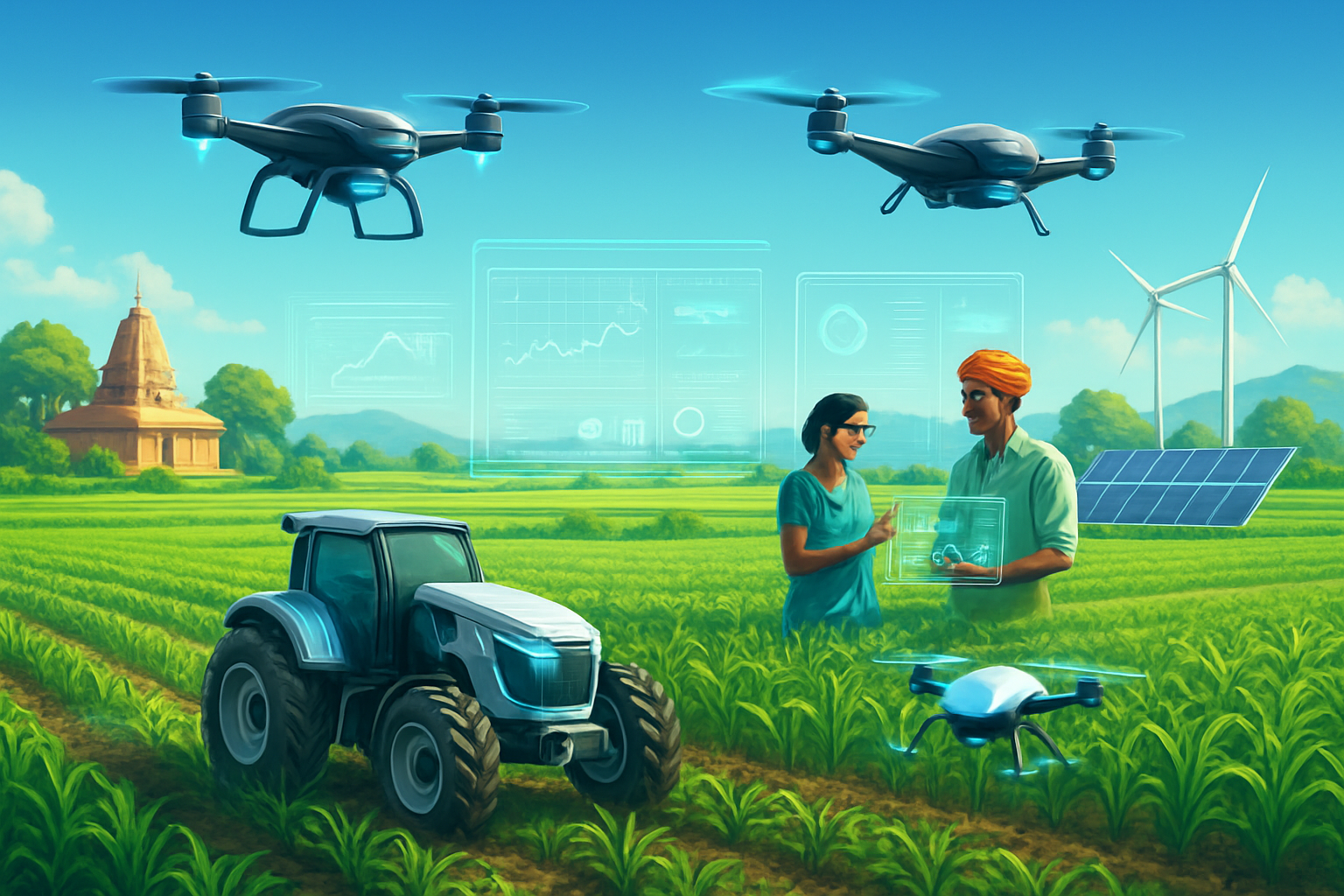
    New Delhi, India – October 30, 2025 – In a landmark move poised to revolutionize sustainable agriculture in India, Dutch horticultural giant Van der Hoeven Horticultural Projects has secured three contracts totaling €40 million to establish advanced strawberry greenhouses across the subcontinent. This significant investment, announced today, represents a pivotal step in bridging cutting-edge Dutch innovation with India's burgeoning agricultural ambitions, promising to usher in an era of enhanced food security, climate-smart farming, and resource efficiency.

    The projects, which will see the development of high-tech strawberry cultivation facilities across 8 hectares in Punjab, Tamil Nadu, and Karnataka, are part of the broader HortiRoad2India initiative – a multi-year public-private partnership by the Netherlands aimed at promoting Dutch horticultural technologies in the Indian market. As bank financing is awaited to commence implementation, with construction phases expected to span at least a year, the initiative highlights a global commitment to leveraging controlled environment agriculture (CEA) and Artificial Intelligence (AI) to address critical challenges in food production, particularly in developing economies.

    Precision Farming Unleashed: The Technical Blueprint of India's New Greenhouses

    Van der Hoeven's high-tech greenhouses are a far cry from traditional farming or even conventional polyhouses found in India. These state-of-the-art facilities integrate a sophisticated suite of technologies designed to create optimal growing conditions for strawberries, ensuring year-round production and significantly higher yields.

    At the core of these systems lies advanced climate control. Automated systems meticulously monitor and regulate temperature, humidity, and CO₂ levels through movable ventilation, extra artificial ventilation, and automatic screening for light management. Crucially, advanced fogging systems precisely manage relative humidity, a critical factor for delicate crops like strawberries. All these elements are orchestrated by centralized climate computer systems that integrate data from various sensors to make real-time adjustments. Furthermore, CO₂ enrichment is often incorporated to boost photosynthesis and accelerate plant growth, a standard practice in advanced horticulture.

    Resource-efficient irrigation is another hallmark. Computerized systems precisely steer irrigation and fertilization, delivering water and nutrients based on the plants' specific needs. A key feature is the recycling of drain and irrigation water, drastically reducing water consumption—a vital consideration in India, where over 80% of freshwater reserves are used for agriculture. Crops are grown in a substrate (e.g., rockwool or coco coir) instead of traditional soil, allowing for unparalleled control over nutrient delivery and water retention.

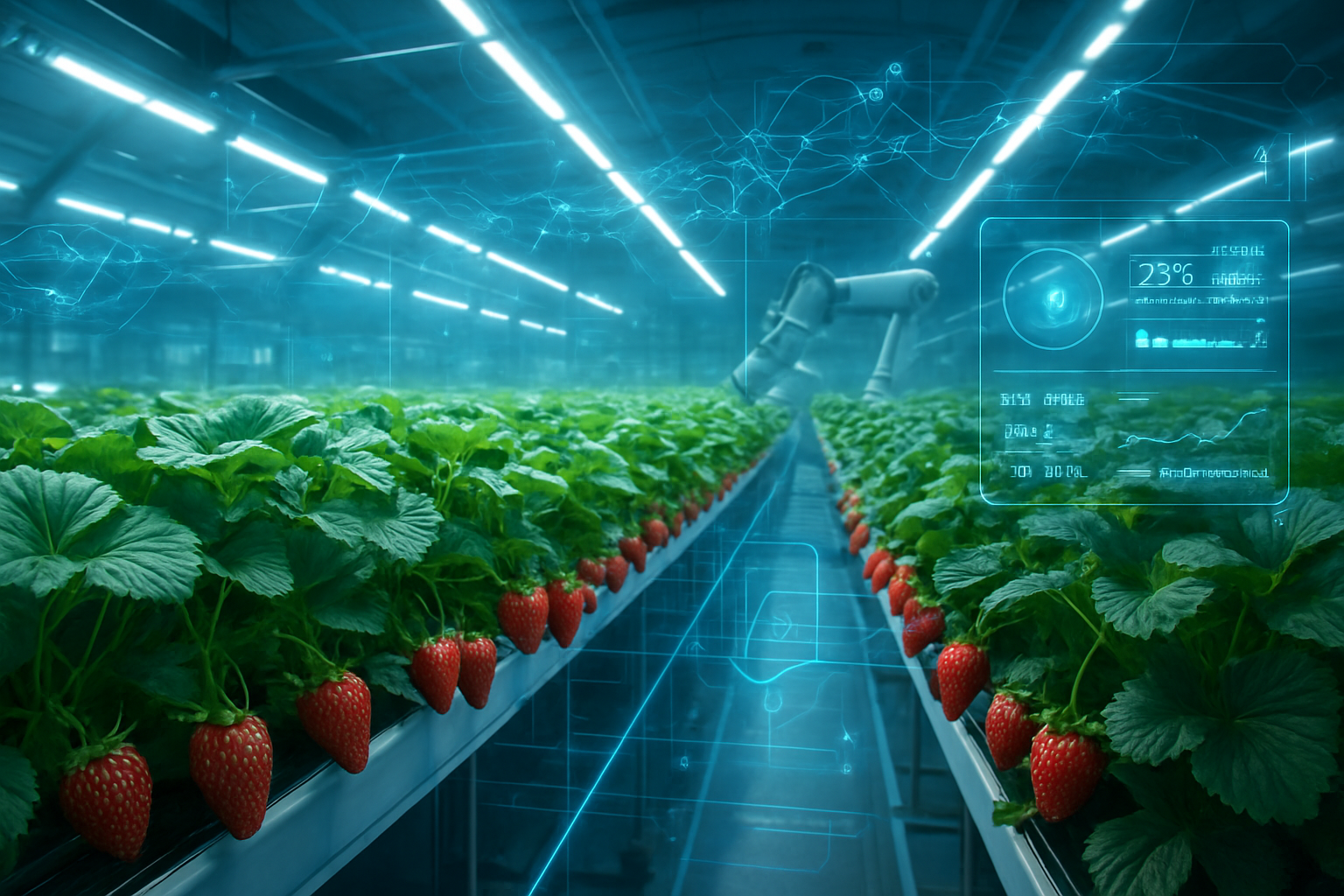
    Automation is central to boosting efficiency and reducing manual labor. Beyond climate control, nutrient delivery is automated, with precise quantities of fertilizers mixed and supplied. While not explicitly detailed for these specific Indian projects, advanced greenhouses frequently incorporate robotic systems for tasks such as pesticide application, harvesting, and monitoring, leading to improved productivity.

    AI integration plays a crucial role in optimizing operations. AI-driven analytics process vast amounts of sensor data to optimize irrigation schedules, monitor plant health through image recognition, and predict potential issues. AI algorithms learn optimal temperature, humidity, and ventilation settings, essentially putting climate control on autopilot. Predictive maintenance, resource optimization, and early pest/disease diagnosis are all enhanced by AI, minimizing crop losses and reducing chemical use. An extensive network of sensors—environmental, substrate, and potentially plant-level—forms the foundation for this data collection, feeding real-time information to the central AI systems.

    These technologies represent a stark contrast to traditional Indian agricultural practices, which are heavily reliant on monsoons and open-field cultivation, making them vulnerable to climate change and inefficient water use. Even existing, less sophisticated greenhouses in India often lack the precise climate control, automation, AI integration, and circularity principles that Van der Hoeven's systems embody. Initial reactions from the agricultural industry are largely positive, recognizing the transformative potential for enhancing food safety and promoting climate-smart agriculture. However, the AI research community and agricultural experts also acknowledge challenges such as high upfront investment costs, the need for skilled labor, and ensuring technological accessibility in a developing economy.

    The AI Ecosystem: Beneficiaries and Disruptors in Agri-Tech

    The increasing adoption of high-tech greenhouses, with their deep integration of AI, presents a fertile ground for growth and disruption across the AI and tech landscape. Specialized agricultural AI and IoT solution providers are at the forefront, poised to benefit immensely. Companies like Blue Radix with its 'Crop Controller' autonomous growing system, Saiwa leveraging its Sairone platform for plant cultivation, and Pycno specializing in real-time monitoring with AI-driven analytics, exemplify the dedicated players driving this transformation. Firms like Hoogendoorn, a leader in horticultural automation, are also integrating AI into their IIVO systems for predictive climate control and proactive pest detection.

    Tech giants are also positioning themselves as critical infrastructure providers. Amazon (NASDAQ: AMZN) with AWS and Microsoft (NASDAQ: MSFT) with Azure offer the essential cloud computing and AI/ML platforms that power many agritech solutions. These companies are not just providing backend services but are also increasingly focused on the environmental impact of AI data centers, aligning with the sustainability goals of high-tech greenhouses. Even traditional agricultural equipment manufacturers like John Deere (NYSE: DE) are evolving, integrating AI, IoT, and automation into their machinery and services, transforming into comprehensive agritech solution platforms. Their investments in precision agriculture and autonomous technologies underscore a strategic shift.

    The competitive landscape is set to intensify. Major AI labs and tech companies are likely to establish dedicated agricultural AI divisions or acquire specialized agritech startups to integrate innovative solutions. Data and analytics will become key differentiators, with companies capable of effectively collecting, processing, and deriving actionable insights from vast greenhouse data gaining significant competitive advantages. This shift also disrupts traditional agricultural input companies, as precision agriculture reduces the need for blanket applications of pesticides and fertilizers, favoring companies offering biological solutions and data-driven insights.

    For companies specializing in agricultural AI or IoT solutions, strategic advantages include niche expertise, first-mover advantage, and the ability to offer integrated solutions that combine hardware, software, data analytics, and sustainable energy components. Emphasizing sustainability and fostering strategic partnerships with traditional agri-businesses will be crucial for market leadership and accelerating digital transformation. Van der Hoeven's projects in India, while focused on horticulture, will undoubtedly stimulate the broader Indian agritech sector, which already sees initiatives supporting startups in digital farming, IoT, and predictive analytics, with companies like Cropin already implementing AI in the Asia-Pacific region.

    A Wider Lens: AI in Greenhouses and the Global Agricultural Revolution

    The integration of AI into high-tech greenhouses, as seen with Van der Hoeven's foray into India, represents a profound development that resonates across the broader AI landscape and global agricultural trends. This is a quintessential example of "AI for good," where advanced technology is deployed to tackle pressing global challenges such as food scarcity, climate change, and sustainable resource management. It epitomizes the ongoing revolution in precision agriculture and smart farming, transforming traditional, intuition-based practices into data-driven, optimized production systems.

    The impacts on global food security are immense. By enabling year-round, high-yield crop production independent of external climate conditions, high-tech greenhouses offer a robust solution to feed a burgeoning global population. AI-powered systems can predict yields, detect diseases, and manage pests with unprecedented accuracy, minimizing crop losses and building a more resilient food system. Forecasts suggest AI-mediated improvements could increase global farm productivity by as much as 67% by 2050.

    Environmental sustainability stands to gain significantly. AI-powered irrigation systems can reduce water usage by 50-90% compared to soil-based agriculture. By optimizing energy consumption for climate control and lighting, and by facilitating local production, AI can reduce agriculture's carbon footprint, though the energy consumption of AI data centers remains a concern. Furthermore, these systems require significantly less land, making intensive cultivation possible even in urban areas, and drastically reduce the need for chemical pesticides and fertilizers.

    For economic development, particularly in regions like India, AI in agriculture offers immense potential. India's agricultural sector, a cornerstone of its economy, is embracing AI to combat deteriorating soil quality, diminishing water supplies, and climate change. AI tools can analyze weather patterns, soil conditions, and crop yields, empowering farmers with informed decisions that increase income and reduce input costs. The 'AI for India 2030' initiative underscores the nation's commitment to responsible and scalable AI solutions in this sector.

    However, this transformative potential comes with potential concerns. The initial investment costs for high-tech greenhouses and AI integration are substantial, posing a barrier for small-scale farmers. Job displacement due to automation is a legitimate concern, necessitating robust training and upskilling programs for the agricultural workforce. Data privacy and technological accessibility also need careful navigation, ensuring that the benefits of AI are equitably distributed and that farmers retain control over their data.

    Comparing this to previous AI milestones, the impact on agriculture mirrors AI's transformative role in sectors like healthcare (early disease diagnosis), manufacturing (automation and quality control), and finance (market trend analysis). The shift from reactive to proactive management, driven by predictive analytics, is a common thread. However, agriculture, being a historically less digitized sector, faces unique challenges in data standardization and resistance to change, making the success of initiatives like Van der Hoeven's even more significant.

    The Horizon: Future Developments in Intelligent Agriculture

    The trajectory of high-tech greenhouses and AI in sustainable agriculture points towards an increasingly intelligent, autonomous, and integrated future. In the near-term (2025-2027), expect further refinement of intelligent climate and irrigation control, with AI systems becoming even more adept at real-time optimization. Real-time crop health monitoring and advisory systems, leveraging advanced image recognition and sensor networks, will provide hyper-local, tailored recommendations to farmers, further reducing chemical use and crop losses. Advanced robotics will increasingly handle repetitive tasks like planting, precision spraying, and harvesting delicate produce, addressing labor shortages. Precision phenotyping, combining smart sensors and machine learning, will accelerate the breeding of more resilient crop varieties.

    Looking long-term (beyond 2027), the vision of fully autonomous growing systems is rapidly approaching reality. These closed-loop agricultural systems will optimize every input to an unprecedented degree, potentially achieving near-zero waste with minimal human intervention. AI-driven gene-editing tools, potentially leveraging CRISPR technology, will accelerate the development of crops with enhanced resilience to pests, diseases, and extreme weather. Multimodal AI, integrating diverse data sources like text, vision, and sensor data, will provide highly comprehensive insights, revolutionizing decision-making. The concept of "digital twins" of greenhouses will allow for virtual experimentation and optimization.

    Potential new applications and use cases are vast, ranging from personalized farming solutions tailored to individual farm conditions to AI-driven climate models providing early warnings for extreme weather. AI-powered drones for automated livestock mustering and satellite-verified monitoring for crop insurance and loan verification are already being trialed.

    However, several challenges need to be addressed. The energy consumption of high-tech greenhouses and AI data centers remains a significant concern, necessitating greater integration of renewable energy sources and the development of energy-efficient systems. Scalability for smallholders in developing economies is crucial; high investment costs and lack of access to technology are major barriers. Data standardization and interoperability are vital for AI's effectiveness, requiring efforts to ensure data from various devices can be effectively utilized. Data privacy, ethical considerations, and the need for a skilled workforce are also paramount.

    Experts predict a significant democratization of these technologies in the next decade, driven by decreasing costs and open-source initiatives. The future will see intelligent farming systems that learn and adapt like expert farmers, with advanced analytics providing hyper-local insights. The ultimate goal is unmanned farming, with ground-level and aerial robotic systems working autonomously. For developing agricultural economies, AI in agriculture offers transformative potential for increased productivity, enhanced food security, and cost savings, provided challenges around infrastructure, digital literacy, and equitable access are overcome through collaborative efforts.

    A New Dawn for Agriculture: The Road Ahead

    The €40 million contracts awarded to Van der Hoeven for high-tech strawberry greenhouses in India represent more than just an investment in a crop; they symbolize a profound shift towards a future where agriculture is intelligent, sustainable, and resilient. This development underscores the immediate and long-term impact of AI and advanced greenhouse technology on global food production, food security, and economic development.

    In the history of AI and agricultural technology, this moment marks a transition from mechanization to intelligent, data-driven farming. It's a testament to AI's capacity to move beyond theoretical applications into tangible solutions for some of humanity's most pressing challenges. The long-term impact on society will be a more food-secure world, with localized production reducing supply chain vulnerabilities and potentially empowering rural economies. Environmentally, these technologies offer a pathway to drastically reduce water, land, and chemical use, though the energy footprint of AI itself requires continuous innovation. Economically, it promises new industries, increased productivity, and resilient food systems, provided policies ensure equitable access and benefits.

    What to watch for in the coming weeks and months: The immediate focus will be on the successful implementation of Van der Hoeven's India projects, particularly the securing of bank financing and the commencement of construction in Punjab, Tamil Nadu, and Karnataka. Their progress will serve as a critical case study for high-tech agricultural adoption in developing nations. Beyond these specific projects, keep an eye on broader agri-tech and AI trends in India, including further collaborations, government initiatives to bridge the digital divide, and increased farmer adoption of smart farming tools. Also, watch for advancements in AI for sustainable practices, particularly those targeting further reductions in resource consumption and the energy efficiency of AI infrastructure. Finally, observe how policy and regulatory frameworks evolve to support the ethical and sustainable deployment of AI in agriculture, ensuring data privacy, equitable access, and addressing workforce transitions. This ongoing agricultural revolution, powered by AI and advanced greenhouses, holds immense promise for a more food-secure, sustainable, and prosperous future.


    This content is intended for informational purposes only and represents analysis of current AI developments.

    TokenRing AI delivers enterprise-grade solutions for multi-agent AI workflow orchestration, AI-powered development tools, and seamless remote collaboration platforms.
    For more information, visit https://www.tokenring.ai/.
  • Agtonomy Propels Global Agriculture into a New Era with Vision-Powered Autonomous Fleets

    Agtonomy Propels Global Agriculture into a New Era with Vision-Powered Autonomous Fleets

    October 20, 2025 – Agtonomy, a pioneer in agricultural automation, has announced a significant global expansion of its AI-powered autonomous fleets, marking a pivotal moment for the future of farming. This strategic move, which includes new deployments across the southeastern United States and its first international commercial operation in Australia, underscores a growing industry reliance on intelligent automation to combat persistent challenges such as labor shortages, escalating operational costs, and the urgent demand for sustainable practices. By transforming traditional agricultural machinery into smart, self-driving units, Agtonomy is not just expanding its footprint; it's redefining the operational paradigm for specialty crop producers and land managers worldwide.

    The immediate significance of Agtonomy's expansion lies in its potential to democratize advanced agricultural technology. Through strategic partnerships with leading original equipment manufacturers (OEMs) like Bobcat (NYSE: LBRD) and Kubota (TYO: 6326), Agtonomy is embedding its cutting-edge software and services platform into familiar machinery, making sophisticated automation accessible to a broader base of farmers through established dealer networks. This approach addresses the critical need for increased efficiency, reduced labor dependency, and enhanced precision in high-value crop cultivation, promising a future where a single operator can manage multiple tasks with unprecedented accuracy and impact.

    The Physical AI Revolutionizing Farm Operations

    Agtonomy's technological prowess centers around its third-generation platform, released in April 2025, which introduces a concept dubbed "Physical AI." This advanced system enables infrastructure-free autonomy, a significant departure from previous approaches that often required extensive pre-mapping or reliance on local base stations. The platform integrates embedded cellular and Starlink connectivity with sophisticated vision-based navigation, allowing for immediate deployment in diverse and challenging agricultural environments. This means tractors can navigate precisely through narrow rows of high-value crops like fruit trees and vineyards without the need for pre-existing digital maps, adapting to real-time conditions with remarkable agility.

    At the core of Agtonomy's innovation is its "TrunkVision" technology, which leverages computer vision to ensure safe and accurate operation, even in areas with limited GPS visibility—a common hurdle for traditional autonomous systems. This vision-first approach allows for centimeter-level precision, minimizing crop damage and maximizing efficiency in tasks such as mowing, spraying, and weeding. Furthermore, the multi-fleet management capability allows a single operator to remotely oversee more than ten autonomous tractors simultaneously, with the system continuously learning and improving its performance from real-world data. This intelligent feedback loop fundamentally differs from rigid, rule-based automation, offering a dynamic and evolving solution that adapts to the unique demands of each farm. Initial reactions from the agricultural research community and early adopters have highlighted the platform's robustness and ease of integration, praising its practical application in solving long-standing operational bottlenecks.

    The Agtonomy platform also includes a comprehensive "Smart Farm Task Ecosystem." This ecosystem digitally connects self-driving tractors with various implements through innovations like the Smart Take-Off (STO) for efficient power and data transfer, and the Smart Toolbar, which intelligently adjusts tools based on plant spacing and terrain. Smart Implement Sensors (SIS) and Smart Sprayers further enhance precision, allowing for optimized application rates of inputs based on real-time data such as canopy density or weed pressure. This integrated approach not only boosts efficiency but also significantly contributes to sustainable farming by reducing chemical usage and resource consumption.

    Reshaping the Agricultural Automation Landscape

    Agtonomy's global expansion and technological advancements are poised to significantly impact the competitive landscape for AI companies, tech giants, and startups in the agricultural sector. Companies like Kubota and Bobcat, by partnering with Agtonomy, stand to benefit immensely by integrating cutting-edge AI into their product lines, offering their customers advanced solutions without the need for extensive in-house AI development. This strategy positions them as leaders in the rapidly evolving smart agriculture market, potentially disrupting the dominance of traditional agricultural machinery manufacturers who have been slower to adopt comprehensive autonomous solutions.

    The competitive implications extend to other major AI labs and tech companies eyeing the agricultural space. Agtonomy's focus on "Physical AI" and infrastructure-free autonomy sets a high bar, challenging competitors to develop equally robust and adaptable systems. Startups focusing on niche agricultural AI solutions might find opportunities for integration with Agtonomy's platform, while larger tech giants like John Deere (NYSE: DE) and CNH Industrial (NYSE: CNHI), who have their own autonomous initiatives, will face increased pressure to accelerate their innovation cycles. Agtonomy's mobile-first control and versatile application across compact and mid-size tractors give it a strategic advantage in market positioning, making advanced automation accessible and user-friendly for a broad segment of farmers. This development could catalyze a wave of consolidation or strategic alliances as companies vie for market share in the burgeoning autonomous agriculture sector.

    The potential disruption to existing products and services is substantial. Manual labor-intensive tasks will increasingly be automated, leading to a shift in workforce roles and a demand for new skill sets related to operating and managing autonomous fleets. Traditional agricultural software providers might need to adapt their offerings to integrate with or compete against Agtonomy's comprehensive platform. Furthermore, the precision agriculture market, already experiencing rapid growth, will see an acceleration in demand for AI-driven solutions that offer tangible benefits in terms of yield optimization and resource efficiency. Agtonomy's strategy of partnering with established OEMs ensures a faster route to market and wider adoption, giving it a significant edge in establishing a dominant market position.

    Broader Significance and Ethical Considerations

    Agtonomy's global expansion fits squarely into the broader AI landscape trend of moving AI from theoretical models to practical, real-world applications, especially in sectors traditionally lagging in technological adoption. This development signifies a major step towards intelligent automation becoming an indispensable part of critical global industries. It underscores the increasing sophistication of "edge AI"—processing data directly on devices rather than relying solely on cloud infrastructure—which is crucial for real-time decision-making in dynamic environments like farms. The impact on food security, rural economies, and environmental sustainability cannot be overstated, as autonomous fleets promise to enhance productivity, reduce waste, and mitigate the ecological footprint of agriculture.

    However, with great power comes potential concerns. The increased reliance on automation raises questions about data privacy and security, particularly concerning sensitive farm data. The digital divide could also widen if smaller farms or those in less developed regions struggle to access or afford such advanced technologies, potentially leading to further consolidation in the agricultural industry. Furthermore, the ethical implications of AI in labor markets, specifically the displacement of human workers, will require careful consideration and policy frameworks to ensure a just transition. Comparisons to previous AI milestones, such as the advent of precision GPS farming or early robotic milking systems, reveal a clear trajectory towards increasingly autonomous and intelligent agricultural systems. Agtonomy's vision-based, infrastructure-free approach represents a significant leap forward, making high-level autonomy more adaptable and scalable than ever before.

    This development aligns with global efforts to achieve sustainable development goals, particularly those related to food production and responsible consumption. By optimizing resource use and minimizing environmental impact, Agtonomy's technology contributes to a more resilient and eco-friendly agricultural system. The ability to manage multiple machines with a single operator also addresses the demographic challenge of an aging farming population and the decreasing availability of agricultural labor in many parts of the world.

    The Horizon: Future Developments and Challenges

    Looking ahead, Agtonomy's expansion is just the beginning. Expected near-term developments include the refinement of its "Physical AI" to handle an even wider array of crops and environmental conditions, potentially incorporating more advanced sensor fusion techniques beyond just vision. Long-term, we can anticipate the integration of Agtonomy's platform with other smart farm technologies, such as drone-based analytics, advanced weather forecasting AI, and sophisticated yield prediction models, creating a truly holistic and interconnected autonomous farm ecosystem. Potential applications on the horizon extend beyond traditional agriculture to include forestry, landscaping, and even municipal grounds management, wherever precision and efficiency are paramount for industrial equipment.

    However, significant challenges remain. Regulatory frameworks for autonomous agricultural vehicles are still evolving and will need to catch up with the pace of technological advancement, especially across different international jurisdictions. The cost of adoption, while mitigated by OEM partnerships, could still be a barrier for some farmers, necessitating innovative financing models or government subsidies. Furthermore, ensuring the cybersecurity of these interconnected autonomous fleets will be critical to prevent malicious attacks or data breaches that could cripple farm operations. Experts predict that the next phase will involve a greater emphasis on human-AI collaboration, where farmers utilize AI as an intelligent assistant rather than a complete replacement, focusing on optimizing workflows and leveraging human expertise for complex decision-making. Continuous training and support for farmers transitioning to these new technologies will also be crucial for successful adoption and maximizing benefits.

    A New Chapter for Agricultural AI

    In summary, Agtonomy's global expansion with its AI-powered autonomous fleets marks a profound moment in the history of agricultural technology. The company's innovative "Physical AI" and vision-based navigation offer a practical, scalable solution to some of farming's most pressing challenges, promising increased efficiency, reduced costs, and enhanced sustainability. By democratizing access to advanced automation through strategic OEM partnerships, Agtonomy is not just selling technology; it's fostering a new paradigm for how food is grown and managed.

    The significance of this development in AI history lies in its successful translation of complex AI research into tangible, field-ready applications that deliver immediate economic and environmental benefits. It serves as a testament to the power of specialized AI to transform traditional industries. In the coming weeks and months, the agricultural world will be watching closely for the initial performance metrics from the new deployments, further partnerships, and how Agtonomy continues to evolve its platform to meet the dynamic needs of a global farming community. The journey towards fully autonomous, intelligent agriculture has truly gained momentum, with Agtonomy leading the charge into a more productive and sustainable future.


    This content is intended for informational purposes only and represents analysis of current AI developments.

    TokenRing AI delivers enterprise-grade solutions for multi-agent AI workflow orchestration, AI-powered development tools, and seamless remote collaboration platforms.
    For more information, visit https://www.tokenring.ai/.