
Tag: AI News

  • The Algorithmic Tide: Over Half of Online Content Now AI-Generated, Reshaping Digital Reality

    The Algorithmic Tide: Over Half of Online Content Now AI-Generated, Reshaping Digital Reality

    The digital world has crossed a profound threshold: a recent groundbreaking study reveals that more than half of all written articles online are now generated by artificial intelligence. This seismic shift, evidenced by research from prominent SEO firm Graphite, signals an unprecedented era where machine-generated content not only coexists with but dominates human output, raising critical questions about authenticity, trust, and the very fabric of our digital ecosystems. The implications are immediate and far-reaching, fundamentally altering how we consume information, how content is created, and the strategic landscape for AI companies and tech giants alike.

    This dramatic acceleration in AI content generation, alongside expert predictions suggesting an even broader saturation across all online media, marks a pivotal moment in the evolution of the internet. It underscores the rapid maturation and pervasive integration of generative AI technologies, moving from experimental tools to indispensable engines of content production. As the digital realm becomes increasingly infused with algorithmic creations, the imperative for transparency, robust detection mechanisms, and a redefinition of value in human-generated content has never been more urgent.

    The AI Content Deluge: A Technical Deep Dive

    The scale of AI's ascendance in content creation is starkly illustrated by Graphite's study, conducted between November 2024 and May 2025. Their analysis of over 65,000 English-language web articles published since January 2020 revealed that AI-generated content surpassed human-authored articles in November 2024. By May 2025, a staggering 52% of all written content online was found to be AI-created. This represents a significant leap from the 39% observed in the 12 months following the launch of OpenAI's (NASDAQ: MSFT) ChatGPT in November 2022, though the growth rate has reportedly plateaued since May 2024.

    Graphite's methodology involved using an AI detector named "Surfer" to classify content, deeming an article AI-generated if more than 50% of its text was identified as machine-produced. The data was sourced from Common Crawl, an extensive open-source dataset of billions of webpages. This empirical evidence is further bolstered by broader industry predictions; AI expert Nina Schick, for instance, projected in January 2025 that 90% of all online content, encompassing various media formats, would be AI-generated by the close of 2025. This prediction highlights the comprehensive integration of AI beyond just text, extending to images, audio, and video.

    This rapid proliferation differs fundamentally from previous content automation efforts. Early content generation tools were often template-based, producing rigid, formulaic text. Modern large language models (LLMs) like those underpinning the current surge are capable of generating highly nuanced, contextually relevant, and stylistically diverse content that can be indistinguishable from human writing to the untrained eye. Initial reactions from the AI research community have been a mix of awe at the technological progress and growing concern over the societal implications, particularly regarding misinformation and the erosion of trust in online information.

    Corporate Chessboard: Navigating the AI Content Revolution

    The dramatic rise of AI-generated content has profound implications for AI companies, tech giants, and startups, creating both immense opportunities and significant competitive pressures. Companies at the forefront of generative AI development, such as OpenAI (NASDAQ: MSFT), Google (NASDAQ: GOOGL), and Anthropic, stand to benefit immensely as their models become the de facto engines for content production across industries. Their continued innovation in model capabilities, efficiency, and multimodal generation will dictate their market dominance.

    Conversely, the proliferation of AI-generated content presents a challenge to traditional content farms and platforms that rely heavily on human writers. The cost-effectiveness and speed of AI mean that businesses can scale content production at an unprecedented rate, potentially displacing human labor in routine content creation tasks. This disruption is not limited to text; AI tools are also impacting graphic design, video editing, and audio production. Companies offering AI detection and content provenance solutions, like those contributing to the Content Authenticity Initiative (CAI) and the Coalition for Content Provenance and Authenticity (C2PA), are also poised for significant growth as the demand for verifiable content sources escalates.

    Tech giants like Google (NASDAQ: GOOGL) are in a complex position. While they invest heavily in AI, their core business relies on the integrity and discoverability of online information. Google's demonstrated effectiveness in detecting "AI slop" – with only 14% of top-ranking search results being AI-generated – indicates a strategic effort to maintain quality and relevance in search. This suggests that while AI produces volume, search performance may still favor high-quality, human-centric content, leading to a potential plateau in the growth of low-quality AI content as practitioners realize its limited SEO value. This dynamic creates a competitive advantage for companies that can effectively blend AI efficiency with human oversight and quality control.

    The Wider Significance: Authenticity, Ecosystems, and Trust

    The fact that over half of online content is now AI-generated represents a watershed moment with far-reaching societal implications. At its core, this trend ignites a profound content authenticity crisis. As the line between human and machine blurs, discerning genuine, original thought from algorithmically synthesized information becomes increasingly difficult for the average user. This erosion of trust in online media is particularly concerning given the rise of misinformation and deepfakes, where AI-generated content can be weaponized to spread false narratives or manipulate public opinion.

    This shift fundamentally alters digital ecosystems. The economics of the web are evolving as AI-driven tools increasingly replace traditional search, pushing content discovery towards AI-generated summaries and answers rather than direct traffic to original sources. This could diminish the visibility and revenue streams for human creators and traditional publishers. The demand for transparency and verifiable content provenance has become paramount. Initiatives like the Adobe-led CAI and the C2PA are crucial in this new landscape, aiming to embed immutable metadata into digital content, providing a digital fingerprint that confirms its origin and any subsequent modifications.

    Comparatively, this milestone echoes previous AI breakthroughs that reshaped public perception and interaction with technology. Just as the widespread adoption of social media altered communication, and the advent of deepfakes highlighted the vulnerabilities of digital media, the current AI content deluge marks a new frontier. It underscores the urgent need for robust regulatory frameworks. The EU AI Act, for example, has already introduced transparency requirements for deepfakes and synthetic content, and other jurisdictions are considering similar measures, including fines for unlabeled AI-generated media. These regulations are vital steps towards fostering responsible AI deployment and safeguarding digital integrity.

    The Horizon: Future Developments and Emerging Challenges

    Looking ahead, the trajectory of AI-generated content suggests several key developments. We can expect continuous advancements in the sophistication and capabilities of generative AI models, leading to even more nuanced, creative, and multimodal content generation. This will likely include AI systems capable of generating entire narratives, complex interactive experiences, and personalized content at scale. The current plateau in AI-generated ranking content suggests a refinement phase, where the focus shifts from sheer volume to quality and strategic deployment.

    Potential applications on the horizon are vast, ranging from hyper-personalized education materials and dynamic advertising campaigns to AI-assisted journalism and automated customer service content. AI could become an indispensable partner for human creativity, handling mundane tasks and generating initial drafts, freeing up human creators to focus on higher-order strategic and creative endeavors. We may see the emergence of "AI co-authorship" as a standard practice, where humans guide and refine AI outputs.

    However, significant challenges remain. The arms race between AI content generation and AI detection will intensify, necessitating more advanced provenance tools and digital watermarking techniques. Ethical considerations surrounding intellectual property, bias in AI-generated content, and the potential for job displacement will require ongoing dialogue and policy intervention. Experts predict a future where content authenticity becomes a premium commodity, driving a greater appreciation for human-generated content that offers unique perspectives, emotional depth, and verifiable originality. The balance between AI efficiency and human creativity will be a defining characteristic of the coming years.

    Wrapping Up: A New Era of Digital Authenticity

    The revelation that over half of online content is now AI-generated is more than a statistic; it's a defining moment in AI history, fundamentally altering our relationship with digital information. This development underscores the rapid maturation of generative AI, transforming it from a nascent technology into a dominant force shaping our digital reality. The immediate significance lies in the urgent need to address content authenticity, foster transparency, and adapt digital ecosystems to this new paradigm.

    The long-term impact will likely see a bifurcation of online content: a vast ocean of AI-generated, utility-driven information, and a highly valued, curated stream of human-authored content prized for its originality, perspective, and trustworthiness. The coming weeks and months will be critical in observing how search engines, social media platforms, and regulatory bodies respond to this content deluge. We will also witness the accelerated development of content provenance technologies and a growing public demand for clear labeling and verifiable sources. The future of online content is not just about what is created, but who (or what) creates it, and how we can confidently distinguish between the two.


    This content is intended for informational purposes only and represents analysis of current AI developments.

    TokenRing AI delivers enterprise-grade solutions for multi-agent AI workflow orchestration, AI-powered development tools, and seamless remote collaboration platforms.
    For more information, visit https://www.tokenring.ai/.

  • T-Mobile Dominates as Wireless Internet Sign-ups Soar, Reshaping the Broadband Landscape

    T-Mobile Dominates as Wireless Internet Sign-ups Soar, Reshaping the Broadband Landscape

    A new report from J.D. Power, released on October 9, 2025, has sent ripples through the telecommunications industry, revealing a dramatic surge in residential wireless internet sign-ups and crowning T-Mobile (NASDAQ: TMUS) as the national leader in customer satisfaction. The "2025 U.S. Residential Internet Service Provider Satisfaction Study" highlights a significant shift in consumer preference, with wireless internet providers experiencing a 15% increase in new subscriptions over the past six months—more than double the growth seen by traditional wired providers. This pivotal moment underscores the growing appeal of Fixed Wireless Access (FWA) as a viable and often superior alternative to conventional broadband.

    The findings from J.D. Power's comprehensive study, which surveyed nearly 28,000 internet service customers between August 2024 and August 2025, paint a clear picture: wireless internet is not just a niche offering but a rapidly expanding segment of the market. T-Mobile's impressive score of 663 on a 1,000-point scale, significantly above the wireless segment average of 647, marks its second consecutive year at the top. This consistent leadership points to a successful strategy in delivering high-quality, affordable, and user-friendly internet solutions, fundamentally altering the competitive dynamics of the broadband sector.

    The Technical Edge: How Fixed Wireless Access is Redefining Connectivity

    The surge in wireless internet adoption is primarily driven by advancements in Fixed Wireless Access (FWA) technology, which leverages existing 5G and, to a lesser extent, 4G LTE cellular networks to deliver broadband directly to homes and businesses. Unlike traditional wired internet services—such as DSL, cable, or fiber optics, which require physical lines laid to each premise—FWA utilizes a wireless modem or gateway that receives signals from nearby cellular towers. This eliminates the need for extensive infrastructure deployment to individual homes, making setup significantly faster and often more affordable.

    Technically, FWA's appeal stems from several key capabilities. Modern 5G networks, particularly those utilizing mid-band and millimeter-wave (mmWave) spectrum, offer robust speeds comparable to, and in some cases exceeding, traditional cable broadband. The ease of installation is a major differentiator: customers can often self-install by simply plugging in a device, bypassing the need for technician visits and complex wiring. This "plug-and-play" simplicity, combined with transparent pricing models and flexible plans, stands in stark contrast to the often cumbersome installation processes and hidden fees associated with conventional internet service providers. The J.D. Power report specifically cited internet speed, availability, ease of starting service, and lower price points as key drivers of satisfaction for wireless internet customers.

    This approach fundamentally differs from previous wireless internet attempts, which often relied on slower 4G LTE networks or satellite connections that struggled with latency and data caps. The maturation of 5G, with its enhanced bandwidth and lower latency, has transformed FWA into a truly competitive broadband solution. Initial reactions from the AI research community and industry experts suggest that FWA's growing footprint provides a critical foundation for broader AI adoption, particularly in areas where high-speed wired internet is scarce. The proliferation of accessible, high-speed wireless internet can accelerate the deployment of edge AI applications, smart home technologies, and remote work solutions, democratizing access to the digital tools essential for AI-driven innovation.

    Competitive Ripples: Shifting Dynamics for Tech Giants and Startups

    The rapid ascent of Fixed Wireless Access and T-Mobile's leadership position are sending significant competitive ripples through the telecommunications and broader tech industries. T-Mobile (NASDAQ: TMUS) stands to benefit immensely from this development, solidifying its position not just as a mobile carrier but as a formidable broadband provider. Its strategy of leveraging its extensive 5G network for home internet has clearly resonated with consumers, giving it a strong strategic advantage in capturing market share from traditional internet service providers (ISPs).

    Competitors like Verizon (NYSE: VZ), which also offers 5G Home Internet, and AT&T (NYSE: T), which is expanding its own FWA offerings, are under pressure to accelerate their deployments and enhance their customer experience to match T-Mobile's performance. The J.D. Power report serves as a benchmark, highlighting areas where these tech giants need to improve to compete effectively in the burgeoning FWA market. For traditional wired ISPs such as Comcast (NASDAQ: CMCSA) and Charter Communications (NASDAQ: CHTR), the rise of FWA represents a significant disruption. They face the challenge of retaining customers who are increasingly drawn to the flexibility, ease of use, and competitive pricing of wireless alternatives. This could lead to increased price competition and a renewed focus on improving customer service and upgrading infrastructure (e.g., fiber expansion) to differentiate their offerings.

    Furthermore, this trend opens doors for innovative startups in areas like network optimization, customer premise equipment (CPE) development for FWA, and AI-driven service management. Companies specializing in efficient spectrum utilization, dynamic network slicing for FWA, or AI-powered predictive maintenance for wireless networks could find fertile ground. The market positioning of FWA providers is increasingly strong, as they offer a compelling alternative to incumbent wired services, especially in underserved rural areas and competitive urban markets where consumers seek more choices and better value. This shift is compelling major AI labs and tech companies to consider how ubiquitous wireless broadband impacts their cloud service delivery, edge computing strategies, and the deployment of AI-powered applications that rely on reliable home connectivity.

    Broader Significance: Reshaping the AI Landscape and Digital Equity

    The soaring adoption of wireless internet, spearheaded by FWA, signifies a profound shift in the broader AI landscape and global connectivity trends. This development directly contributes to closing the digital divide, offering high-speed internet access to millions of households, particularly in rural and underserved areas where laying fiber optic cables is economically unfeasible. By providing a more accessible and affordable pathway to broadband, FWA acts as a critical enabler for AI adoption across wider demographics, allowing more individuals and small businesses to leverage cloud-based AI services, participate in online learning, and access AI-powered productivity tools.

    The impacts extend to the very infrastructure supporting AI. As more data is generated and consumed at the edge of the network via FWA connections, there's a growing need for distributed AI processing capabilities. This trend accelerates the development of edge AI technologies, pushing computational power closer to the data source and reducing reliance on centralized cloud data centers for every operation. Potential concerns, however, include the strain on existing wireless spectrum and network capacity. While 5G offers significant bandwidth, a massive increase in FWA subscribers could lead to congestion in certain areas, potentially impacting service quality for both mobile and fixed wireless users. Regulatory bodies will need to carefully consider spectrum allocation and network infrastructure investments to sustain this growth.

    Compared to previous AI milestones, such as the rise of cloud computing or the breakthrough in deep learning, the widespread adoption of FWA represents a foundational shift in access. It democratizes the ability to participate in the AI-driven economy, moving beyond geographical and economic barriers that previously limited broadband availability. This widespread connectivity is essential for the next wave of AI applications, from smart cities and autonomous systems to advanced telemedicine and remote education, all of which rely on robust, pervasive internet access.

    The Horizon Ahead: Future Developments and AI Integration

    Looking ahead, the trajectory of wireless internet, particularly FWA, is poised for significant evolution, with profound implications for AI. In the near term, we can expect continued expansion of 5G FWA coverage as carriers densify their networks and optimize their spectrum utilization. This will likely lead to even faster speeds and greater reliability, making FWA an even more compelling alternative to traditional broadband. We'll also see further innovation in customer premise equipment (CPE), with more sophisticated AI-powered routers that can intelligently manage network traffic, optimize Wi-Fi performance, and integrate seamlessly with smart home ecosystems.

    Longer term, the advent of 6G technology promises to unlock unprecedented capabilities for wireless internet. While still in its nascent stages of research and development, 6G is envisioned to deliver terabit-per-second speeds, ultra-low latency, and pervasive connectivity, creating a truly intelligent and connected environment. These advancements will enable a new generation of AI applications, including holographic communication, real-time AI-powered digital twins, and highly distributed AI systems operating across vast sensor networks. Potential applications on the horizon include enhanced augmented and virtual reality experiences powered by edge AI, intelligent transportation systems relying on real-time FWA data, and advanced remote healthcare solutions.

    However, challenges remain. Addressing potential network congestion, ensuring equitable access to advanced spectrum, and developing robust cybersecurity measures for a vastly expanded wireless internet footprint are critical. Experts predict that the next phase will involve tighter integration of AI directly into network management and optimization, using machine learning to predict traffic patterns, allocate resources dynamically, and proactively identify and resolve issues. This intelligent network infrastructure will be essential to support the ever-increasing demands of AI-driven services.

    A New Era of Connectivity: Wrapping Up the Wireless Revolution

    J.D. Power's latest report unequivocally signals a new era in home internet connectivity, with wireless internet, particularly Fixed Wireless Access, emerging as a dominant force. The key takeaway is the dramatic shift in consumer preference towards FWA, driven by its ease of use, competitive pricing, and increasingly robust performance. T-Mobile's consistent top ranking underscores the importance of customer satisfaction and effective network deployment in this rapidly evolving market. This development is not merely a change in internet service providers; it represents a fundamental recalibration of the broadband landscape, with significant implications for how individuals and businesses access and leverage digital resources.

    The significance of this development in AI history cannot be overstated. Widespread, affordable, and easy-to-deploy wireless internet is a foundational layer for the ubiquitous adoption of AI. It accelerates the growth of edge computing, democratizes access to AI tools, and creates the necessary infrastructure for future AI innovations that rely on pervasive, high-speed connectivity. The long-term impact will likely see FWA becoming a primary broadband option for millions, fostering greater competition, and driving further technological advancements in both wireless communication and AI.

    In the coming weeks and months, watch for other carriers to intensify their FWA offerings, increased investment in 5G network expansion, and potential regulatory discussions around spectrum allocation to support this growing demand. This wireless revolution is far from over; it's just beginning to show its true potential in shaping a more connected and AI-powered future.


    This content is intended for informational purposes only and represents analysis of current AI developments.

    TokenRing AI delivers enterprise-grade solutions for multi-agent AI workflow orchestration, AI-powered development tools, and seamless remote collaboration platforms.
    For more information, visit https://www.tokenring.ai/.

  • Walmart and OpenAI Forge Groundbreaking Alliance for AI-Driven Shopping via ChatGPT

    Walmart and OpenAI Forge Groundbreaking Alliance for AI-Driven Shopping via ChatGPT

    In a landmark announcement that sent ripples across the retail and technology sectors yesterday, October 14, 2025, retail behemoth Walmart (NYSE: WMT) officially unveiled a strategic partnership with artificial intelligence pioneer OpenAI. This collaboration is set to revolutionize the online shopping experience by integrating advanced AI capabilities directly into ChatGPT, allowing customers to engage in "agentic commerce" through conversational interfaces. The move signals a significant leap in how consumers will interact with e-commerce platforms, promising a future where shopping is not just personalized but proactively intelligent.

    This unprecedented alliance aims to transform the transactional nature of online retail into a seamless, intuitive, and highly personalized dialogue. By leveraging OpenAI's cutting-edge language models and newly introduced "Instant Checkout" feature, Walmart is positioning itself at the forefront of AI-powered commerce, redefining convenience and efficiency for its vast customer base and loyalty members across Walmart and Sam's Club. The immediate significance lies in the potential for mass adoption of truly conversational shopping, moving beyond the traditional search bar and into a dynamic, AI-guided purchasing journey.

    The Dawn of Agentic Commerce: A Technical Deep Dive into Conversational Retail

    The core of the Walmart-OpenAI partnership lies in its innovative approach to AI-driven shopping, fundamentally shifting from reactive search to proactive, "agentic commerce." At its heart, customers will be able to "Chat and Buy" directly within ChatGPT using natural language, either through text or voice commands. This goes far beyond simple product searches; the system is designed to understand complex requests and anticipate user needs. For instance, a user planning a "Taco Tuesday" dinner can simply ask ChatGPT to find all necessary ingredients, and the AI will curate a comprehensive grocery list, ready for purchase.

    Technically, this experience is powered by OpenAI's recently launched "Instant Checkout" feature, which enables direct purchases within the ChatGPT interface. This feature, initially rolled out for Etsy sellers and slated for Shopify (NYSE: SHOP) merchants, facilitates a frictionless transaction process, eliminating the need for users to navigate to external websites or applications. The underlying mechanism, dubbed "Agentic Commerce Protocol," was co-developed by OpenAI and Stripe (NYSE: STRIP), ensuring secure and efficient payment processing. Initially, the Instant Checkout system will support single-item purchases, with ambitious plans to expand to multi-item carts and additional geographical regions, signifying a phased but rapid deployment strategy.

    This approach dramatically differs from previous e-commerce models, which predominantly relied on keyword searches, curated product listings, and manual navigation. While some retailers have experimented with AI chatbots, their functionalities have largely been limited to customer service or basic product recommendations. The Walmart-OpenAI integration, however, introduces a truly multi-media, personalized, and contextual shopping experience. It's an AI that learns, plans, and predicts, effectively acting as a personal shopping assistant that evolves with the consumer's habits and preferences. Initial reactions from the AI research community and industry experts highlight this as a pivotal moment, demonstrating the practical application of large language models (LLMs) in transforming real-world consumer interactions at an unprecedented scale.

    Reshaping the Retail Landscape: Implications for AI Companies and Tech Giants

    This groundbreaking partnership between Walmart (NYSE: WMT) and OpenAI sends a clear signal to the entire tech and retail industry: AI is no longer just a backend optimization tool but a front-facing, revenue-generating engine. Walmart stands to benefit immensely, solidifying its position as an innovator in digital retail and potentially capturing a significant share of the burgeoning conversational commerce market. By being an early mover in integrating advanced LLMs into its core shopping experience, Walmart gains a strategic advantage over competitors, particularly Amazon (NASDAQ: AMZN), which has traditionally dominated online retail. While Amazon has its own AI capabilities (like Alexa), the direct, conversational "Chat and Buy" integration within a widely adopted platform like ChatGPT represents a novel and potentially more fluid user experience.

    For OpenAI, this collaboration is a massive validation of its generative AI capabilities and its strategic push into "agentic commerce." The partnership with a retail giant like Walmart demonstrates the commercial viability and scalability of its Instant Checkout and Agentic Commerce Protocol. This move positions OpenAI not just as a developer of foundational AI models but as a critical enabler of next-generation digital marketplaces. Other AI labs and tech companies will undoubtedly feel the pressure to innovate in similar conversational commerce spaces. Companies like Google (NASDAQ: GOOGL), Meta (NASDAQ: META), and Apple (NASDAQ: AAPL), all with significant AI investments and consumer-facing platforms, will likely accelerate their efforts to integrate sophisticated shopping functionalities into their own AI assistants and ecosystems to avoid being left behind.

    The potential disruption to existing products and services is substantial. Traditional e-commerce interfaces, comparison shopping sites, and even some niche shopping apps could face significant challenges as consumers gravitate towards the ease and intelligence of AI-driven conversational shopping. Market positioning will increasingly depend on the seamless integration of AI into the customer journey, with companies that can offer personalized, predictive, and frictionless experiences gaining a significant competitive edge. This partnership underscores a strategic shift where AI companies are becoming direct partners in consumer transactions, rather than just providing underlying technology, thereby reshaping the competitive dynamics across both the AI and retail sectors.

    The Broader AI Landscape: A Paradigm Shift in Consumer Interaction

    The Walmart-OpenAI partnership represents more than just a new feature; it signifies a profound shift in the broader AI landscape, particularly in how artificial intelligence is expected to interact with and serve consumers. This move towards "agentic commerce" aligns perfectly with the overarching trend of AI becoming more proactive and less reactive. Instead of merely responding to explicit commands, AI is now being designed to anticipate needs, plan complex tasks (like meal planning), and execute multi-step processes (like shopping and checkout) autonomously. This is a significant evolution from earlier AI applications, which were often siloed or offered limited interactive capabilities.

    The impacts are far-reaching. For consumers, it promises unparalleled convenience and personalization, potentially reducing decision fatigue and saving time. Imagine an AI that not only knows your dietary preferences but also your typical shopping list, prompting you to restock essentials before you even realize you're running low. However, this level of integration also raises potential concerns, particularly around data privacy and security. The linking of personal shopping habits and financial information to an AI platform necessitates robust safeguards and transparent data handling policies. There's also the question of algorithmic bias in product recommendations and the potential for over-reliance on AI for purchasing decisions, which could impact consumer autonomy.

    Comparing this to previous AI milestones, the Walmart-OpenAI collaboration stands out as a major step in the commercialization and mainstream adoption of advanced generative AI. While the introduction of voice assistants like Alexa and Google Assistant marked an initial foray into conversational AI, their shopping capabilities remained relatively rudimentary. This new partnership, leveraging the sophisticated understanding and generation capabilities of ChatGPT, pushes the boundaries into truly intelligent and transactional conversations. It echoes the transformative impact of early e-commerce platforms but with an added layer of AI-driven intelligence that fundamentally alters the user experience, moving from browsing to a guided, predictive interaction.

    Future Horizons: What's Next for AI-Driven Retail

    Looking ahead, the Walmart-OpenAI partnership is merely the beginning of a transformative era for AI-driven retail. In the near-term, we can expect the gradual rollout of the "Chat and Buy" feature to Walmart (NYSE: WMT) and Sam's Club customers across the US, initially focusing on single-item purchases. The expansion to multi-item carts and more complex shopping scenarios, such as subscription management and personalized recommendations based on evolving lifestyle needs, is a highly anticipated next step. Beyond basic transactions, the "Agentic Commerce Protocol" could evolve to integrate with smart home devices, automatically reordering groceries when stock is low, or suggesting recipes based on available ingredients and dietary goals.

    Long-term developments are poised to see AI becoming an indispensable personal shopping agent that understands not just what you want to buy, but why, when, and how you prefer to shop. This could lead to a hyper-personalized retail experience where AI anticipates needs even before they manifest, offering curated selections, exclusive deals, and proactive problem-solving. Potential applications extend beyond groceries to fashion, electronics, and even services, with AI assisting in booking appointments or managing subscriptions based on user preferences and schedules.

    However, several challenges need to be addressed for this vision to fully materialize. Ensuring the ethical use of AI, particularly concerning data privacy and algorithmic transparency, will be paramount. Developing robust security measures to protect sensitive customer data and financial information is crucial. Furthermore, refining the AI's understanding of nuanced human language and intent, especially in complex or ambiguous shopping scenarios, will require continuous development. Experts predict that the success of this model will spur other major retailers and tech companies to invest heavily in similar "agentic" AI solutions, leading to a highly competitive landscape where the most intelligent and trustworthy AI assistants will gain consumer loyalty. The evolution of the "Instant Checkout" feature to support a wider array of merchants and product categories will also be a key indicator of its broader market impact.

    The AI Retail Revolution: A Concluding Assessment

    The recent announcement of the partnership between Walmart (NYSE: WMT) and OpenAI to launch AI-driven shopping through ChatGPT marks a pivotal moment in the history of both artificial intelligence and retail. The key takeaway is the shift towards "agentic commerce," where AI moves beyond simple chatbots to become a proactive, intelligent assistant capable of understanding complex needs, planning purchases, and executing transactions directly within a conversational interface. This integration of OpenAI's advanced language models and "Instant Checkout" feature into Walmart's vast retail ecosystem is set to redefine consumer expectations for convenience, personalization, and efficiency in online shopping.

    This development holds immense significance in AI history, illustrating the maturation of large language models from experimental tools to commercially viable engines driving fundamental changes in consumer behavior. It underscores the accelerating trend of AI becoming deeply embedded in our daily lives, transforming mundane tasks into seamless, intelligent interactions. While offering unprecedented convenience, it also brings to the forefront critical discussions around data privacy, algorithmic ethics, and the evolving relationship between humans and AI in commercial contexts.

    In the long term, this partnership is likely to be remembered as a catalyst that spurred a new wave of innovation in conversational commerce. It sets a new benchmark for how retailers and technology companies will collaborate to leverage AI for enhanced customer experiences. What to watch for in the coming weeks and months includes the initial rollout and customer adoption rates of the "Chat and Buy" feature, the expansion of "Instant Checkout" to multi-item carts and other merchants, and how competitors will respond to this bold strategic move. The AI retail revolution has truly begun, and its trajectory will be shaped by how effectively these intelligent systems can deliver on their promise while navigating the inherent challenges of advanced AI integration.


    This content is intended for informational purposes only and represents analysis of current AI developments.

    TokenRing AI delivers enterprise-grade solutions for multi-agent AI workflow orchestration, AI-powered development tools, and seamless remote collaboration platforms.
    For more information, visit https://www.tokenring.ai/.

  • Securing the AI Frontier: JPMorgan’s $1.5 Trillion Gambit on Critical Minerals and Semiconductor Resilience

    Securing the AI Frontier: JPMorgan’s $1.5 Trillion Gambit on Critical Minerals and Semiconductor Resilience

    New York, NY – October 15, 2025 – In a move set to redefine the global landscape of technological supremacy, JPMorgan Chase (NYSE: JPM) has unveiled a monumental Security & Resiliency Initiative, a 10-year, $1.5 trillion commitment aimed at fortifying critical U.S. industries. Launched on October 13, 2025, this ambitious program directly addresses the increasingly fragile supply chains for essential raw materials, particularly those vital for advanced semiconductor manufacturing and the burgeoning artificial intelligence (AI) chip production. The initiative underscores a growing recognition that the future of AI innovation is inextricably linked to the secure and stable access to a handful of indispensable critical minerals.

    This massive investment signals a strategic shift from financial institutions towards national security and industrial resilience, acknowledging that the control over AI infrastructure, from data centers to the very chips that power them, is as crucial as geopolitical territorial control. For the rapidly expanding AI sector, which relies on ever-more powerful and specialized hardware, JPMorgan's initiative offers a potential lifeline against the persistent threats of supply disruptions and geopolitical leverage, promising to stabilize the bedrock upon which future AI breakthroughs will be built.

    JPMorgan's Strategic Play and the Unseen Foundations of AI

    JPMorgan's Security & Resiliency Initiative is a multifaceted undertaking designed to inject capital and strategic support into industries deemed critical for U.S. economic and national security. The $1.5 trillion plan includes up to $10 billion in direct equity and venture capital investments into select U.S. companies. Its scope is broad, encompassing four strategic areas: Supply Chain and Advanced Manufacturing (including critical minerals, pharmaceutical precursors, and robotics); Defense and Aerospace; Energy Independence and Resilience; and Frontier and Strategic Technologies (including AI, cybersecurity, quantum computing, and semiconductors). The explicit goal is to reduce U.S. reliance on "unreliable foreign sources of critical minerals, products and manufacturing," a sentiment echoed by CEO Jamie Dimon. This directly aligns with federal policies such as the CHIPS and Science Act, aiming to restore domestic industrial resilience and leadership.

    At the heart of AI chip production lies a complex tapestry of critical minerals, each contributing unique properties that are currently irreplaceable. Silicon (Si) remains the foundational material, but advanced AI chips demand far more. Copper (Cu) provides essential conductivity, while Cobalt (Co) is crucial for metallization processes in logic and memory. Gallium (Ga) and Germanium (Ge) are vital for high-frequency compound semiconductors, offering superior performance over silicon in specialized AI applications. Rare Earth Elements (REEs) like Neodymium, Dysprosium, and Terbium are indispensable for the high-performance magnets used in AI hardware, robotics, and autonomous systems. Lithium (Li) powers the batteries in AI-powered devices and data centers, and elements like Phosphorus (P) and Arsenic (As) are critical dopants. Gold (Au), Palladium (Pd), High-Purity Alumina (HPA), Tungsten (W), Platinum (Pt), and Silver (Ag) all play specialized roles in ensuring the efficiency, durability, and connectivity of these complex microchips.

    The global supply chain for these minerals is characterized by extreme geographic concentration, creating significant vulnerabilities. China, for instance, holds a near-monopoly on the production and processing of many REEs, gallium, and germanium. The Democratic Republic of Congo (DRC) accounts for roughly 70% of global cobalt mining, with China dominating its refining. This concentrated sourcing creates "single points of failure" and allows for geopolitical leverage, as demonstrated by China's past export restrictions on gallium, germanium, and graphite, explicitly targeting parts for advanced AI chips. These actions directly threaten the ability to innovate and produce cutting-edge AI hardware, leading to manufacturing delays, increased costs, and a strategic vulnerability in the global AI race.

    Reshaping the AI Industry: Beneficiaries and Competitive Shifts

    JPMorgan's initiative is poised to significantly impact AI companies, tech giants, and startups by creating a more secure and resilient foundation for hardware development. Companies involved in domestic mining, processing, and advanced manufacturing of critical minerals and semiconductors stand to be primary beneficiaries. This includes firms specializing in rare earth extraction and refinement, gallium and germanium production outside of China, and advanced packaging and fabrication within the U.S. and allied nations. AI hardware startups, particularly those developing novel chip architectures or specialized AI accelerators, could find more stable access to essential materials, accelerating their R&D and time-to-market.

    The competitive implications are profound. U.S. and allied AI labs and tech companies that secure access to these diversified supply chains will gain a substantial strategic advantage. This could lead to a decoupling of certain segments of the AI hardware supply chain, with companies prioritizing resilience over sheer cost efficiency. Major tech giants like Alphabet (NASDAQ: GOOGL), Microsoft (NASDAQ: MSFT), Amazon (NASDAQ: AMZN), and Nvidia (NASDAQ: NVDA), which are heavily invested in AI development and operate vast data centers, will benefit from a more stable supply of chips and components, reducing the risk of production halts and escalating hardware costs.

    Conversely, companies heavily reliant on the existing, vulnerable supply chains may face increased disruption, higher costs, and slower innovation cycles if they do not adapt. The initiative could disrupt existing product roadmaps by incentivizing the use of domestically sourced or allied-sourced materials, potentially altering design choices and manufacturing processes. Market positioning will increasingly factor in supply chain resilience as a key differentiator, with companies demonstrating robust and diversified material sourcing gaining a competitive edge in the fiercely contested AI landscape.

    Broader Implications: AI's Geopolitical Chessboard

    This initiative fits into a broader global trend of nations prioritizing technological sovereignty and supply chain resilience, particularly in the wake of recent geopolitical tensions and the COVID-19 pandemic's disruptions. It elevates the discussion of critical minerals from a niche industrial concern to a central pillar of national security and economic competitiveness, especially in the context of the global AI race. The impacts are far-reaching: it could foster greater economic stability by reducing reliance on volatile foreign markets, enhance national security by securing foundational technologies, and accelerate the pace of AI development by ensuring a steady supply of crucial hardware components.

    However, potential concerns remain. The sheer scale of the investment highlights the severity of the underlying problem, and success is not guaranteed. Geopolitical tensions, particularly between the U.S. and China, could escalate further as nations vie for control over these strategic resources. The long lead times required to develop new mines and processing facilities (often 10-15 years) mean that immediate relief from supply concentration is unlikely, and short-term vulnerabilities will persist. While comparable to past technological arms races, this era places an unprecedented emphasis on raw materials, transforming them into the "new oil" of the digital age. This initiative represents a significant escalation in the efforts to secure the foundational elements of the AI revolution, making it a critical milestone in the broader AI landscape.

    The Road Ahead: Innovation, Investment, and Independence

    In the near term, we can expect to see JPMorgan's initial investments flow into domestic mining and processing companies, as well as ventures exploring advanced manufacturing techniques for semiconductors and critical components. There will likely be an increased focus on developing U.S. and allied capabilities in rare earth separation, gallium and germanium production, and other critical mineral supply chain segments. Experts predict a surge in R&D into alternative materials and advanced recycling technologies to reduce reliance on newly mined resources. The establishment of JPMorgan's external advisory council and specialized research through its Center for Geopolitics will provide strategic guidance and insights into navigating these complex challenges.

    Longer-term developments could include the successful establishment of new domestic mines and processing plants, leading to a more diversified and resilient global supply chain for critical minerals. This could foster significant innovation in material science, potentially leading to new generations of AI chips that are less reliant on the most geopolitically sensitive elements. However, significant challenges remain. The environmental impact of mining, the cost-effectiveness of domestic production compared to established foreign sources, and the need for a skilled workforce in these specialized fields will all need to be addressed. Experts predict that the strategic competition for critical minerals will intensify, potentially leading to new international alliances and trade agreements centered around resource security.

    A New Dawn for AI Hardware Resilience

    JPMorgan's $1.5 trillion Security & Resiliency Initiative marks a pivotal moment in the history of AI. It is a resounding acknowledgment that the future of artificial intelligence, often perceived as purely digital, is deeply rooted in the physical world of critical minerals and complex supply chains. The key takeaway is clear: secure access to essential raw materials is no longer just an industrial concern but a strategic imperative for national security and technological leadership in the AI era. This bold financial commitment by one of the world's largest banks underscores the severity of the current vulnerabilities and the urgency of addressing them.

    This development's significance in AI history cannot be overstated. It represents a proactive and substantial effort to de-risk the foundation of AI hardware innovation, moving beyond mere policy rhetoric to concrete financial action. The long-term impact could be transformative, potentially ushering in an era of greater supply chain stability, accelerated AI hardware development within secure ecosystems, and a rebalancing of global technological power. What to watch for in the coming weeks and months will be the specific projects and companies that receive funding, the progress made on domestic mineral extraction and processing, and the reactions from other global players as the battle for AI supremacy increasingly shifts to the raw material level.


    This content is intended for informational purposes only and represents analysis of current AI developments.

    TokenRing AI delivers enterprise-grade solutions for multi-agent AI workflow orchestration, AI-powered development tools, and seamless remote collaboration platforms.
    For more information, visit https://www.tokenring.ai/.

  • China Unveils 90GHz Oscilloscope, Supercharging AI Chip Development and Global Tech Race

    China Unveils 90GHz Oscilloscope, Supercharging AI Chip Development and Global Tech Race

    Shenzhen, China – October 15, 2025 – In a significant stride towards technological self-reliance and leadership in the artificial intelligence (AI) era, China today announced the successful development and unveiling of a homegrown 90GHz ultra-high-speed real-time oscilloscope. This monumental achievement shatters a long-standing foreign technological blockade in high-end electronic measurement equipment, positioning China at the forefront of advanced semiconductor testing.

    The immediate implications of this breakthrough are profound, particularly for the burgeoning field of AI. As AI chips push the boundaries of miniaturization, complexity, and data processing speeds, the ability to meticulously test and validate these advanced semiconductors becomes paramount. This 90GHz oscilloscope is specifically designed to inspect and test next-generation chip process nodes, including those at 3nm and below, providing a critical tool for the development and validation of the sophisticated hardware that underpins modern AI.

    Technical Prowess: A Leap in High-Frequency Measurement

    China's newly unveiled 90GHz real-time oscilloscope represents a remarkable leap in high-frequency semiconductor testing capabilities. Boasting a bandwidth of 90GHz, this instrument delivers a staggering 500 percent increase in key performance compared to previous domestically made oscilloscopes. Its impressive specifications include a sampling rate of up to 200 billion samples per second and a memory depth of 4 billion sample points. Beyond raw numbers, it integrates innovative features such as intelligent auto-optimization and server-grade computing power, enabling the precise capture and analysis of transient signals in nano-scale chips.

    This advancement marks a crucial departure from previous limitations. Historically, China faced a significant technological gap, with domestic models typically falling below 20GHz bandwidth, while leading international counterparts exceeded 60GHz. The jump to 90GHz not only closes this gap but potentially sets a new "China Standard" for ultra-high-speed signals. Major international players like Keysight Technologies (NYSE: KEYS) offer high-performance oscilloscopes, with some specialized sampling scopes exceeding 90GHz. However, China's emphasis on "real-time" capability at this bandwidth signifies a direct challenge to established leaders, demonstrating sustained integrated innovation across foundational materials, precision manufacturing, core chips, and algorithms.

    Initial reactions from within China's AI research community and industry experts are overwhelmingly positive, emphasizing the strategic importance of this achievement. State broadcasters like CCTV News and Xinhua have highlighted its utility for next-generation AI research and development. Liu Sang, CEO of Longsight Tech, one of the developers, underscored the extensive R&D efforts and deep collaboration across industry, academia, and research. The oscilloscope has already undergone testing and application by several prominent institutions and enterprises, including Huawei, indicating its practical readiness and growing acceptance within China's tech ecosystem.

    Reshaping the AI Hardware Landscape: Corporate Beneficiaries and Competitive Shifts

    The emergence of advanced high-frequency testing equipment like the 90GHz oscilloscope is set to profoundly impact the competitive landscape for AI companies, tech giants, and startups globally. This technology is not merely an incremental improvement; it's a foundational enabler for the next generation of AI hardware.

    Semiconductor manufacturers at the forefront of AI chip design stand to benefit immensely. Companies such as NVIDIA (NASDAQ: NVDA), Intel (NASDAQ: INTC), and Advanced Micro Devices (NASDAQ: AMD), which are driving innovation in AI accelerators, GPUs, and custom AI silicon, will leverage these tools to rigorously test and validate their increasingly complex designs. This ensures the quality, reliability, and performance of their products, crucial for maintaining their market leadership. Test equipment vendors like Teradyne (NASDAQ: TER) and Keysight Technologies (NYSE: KEYS) are also direct beneficiaries, as their own innovations in this space become even more critical to the entire AI industry. Furthermore, a new wave of AI hardware startups focusing on specialized chips, optical interconnects (e.g., Celestial AI, AyarLabs), and novel architectures will rely heavily on such high-frequency testing capabilities to validate their groundbreaking designs.

    For major AI labs, the availability and effective utilization of 90GHz oscilloscopes will accelerate development cycles, allowing for quicker validation of complex chiplet-based designs and advanced packaging solutions. This translates to faster product development and reduced time-to-market for high-performance AI solutions, maintaining a crucial competitive edge. The potential disruption to existing products and services is significant: legacy testing equipment may become obsolete, and traditional methodologies could be replaced by more intelligent, adaptive testing approaches integrating AI and Machine Learning. The ability to thoroughly test high-frequency components will also accelerate innovation in areas like heterogeneous integration and 3D-stacking, potentially disrupting product roadmaps reliant on older chip design paradigms. Ultimately, companies that master this advanced testing capability will secure strong market positioning through technological leadership, superior product performance, and reduced development risk.

    Broader Significance: Fueling AI's Next Wave

    The wider significance of advanced semiconductor testing equipment, particularly in the context of China's 90GHz oscilloscope, extends far beyond mere technical specifications. It represents a critical enabler that directly addresses the escalating complexity and performance demands of AI hardware, fitting squarely into current AI trends.

    This development is crucial for the rise of specialized AI chips, such as TPUs and NPUs, which require highly specialized and rigorous testing methodologies. It also underpins the growing trend of heterogeneous integration and advanced packaging, where diverse components are integrated into a single package, dramatically increasing interconnect density and potential failure points. High-frequency testing is indispensable for verifying the integrity of high-speed data interconnects, which are vital for immense data throughput in AI applications. Moreover, this milestone aligns with the meta-trend of "AI for AI," where AI and Machine Learning are increasingly applied within the semiconductor testing process itself to optimize flows, predict failures, and automate tasks.

    While the impacts are overwhelmingly positive – accelerating AI development, improving efficiency, enhancing precision, and speeding up time-to-market – there are also concerns. The high capital expenditure required for such sophisticated equipment could raise barriers to entry. The increasing complexity of AI chips and the massive data volumes generated during testing present significant management challenges. Talent shortages in combined AI and semiconductor expertise, along with complexities in thermal management for ultra-high power chips, also pose hurdles. Compared to previous AI milestones, which often focused on theoretical models and algorithmic breakthroughs, this development signifies a maturation and industrialization of AI, where hardware optimization and rigorous testing are now critical for scalable, practical deployment. It highlights a critical co-evolution where AI actively shapes the very genesis and validation of its enabling technology.

    The Road Ahead: Future Developments and Expert Predictions

    The future of high-frequency semiconductor testing, especially for AI chips, is poised for continuous and rapid evolution. In the near term (next 1-5 years), we can expect to see enhanced Automated Test Equipment (ATE) capabilities with multi-site testing and real-time data processing, along with the proliferation of adaptive testing strategies that dynamically adjust conditions based on real-time feedback. System-Level Test (SLT) will become more prevalent for detecting subtle issues in complex AI systems, and AI/Machine Learning integration will deepen, automating test pattern generation and enabling predictive fault detection. Focus will also intensify on advanced packaging techniques like chiplets and 3D ICs, alongside improved thermal management solutions for high-power AI chips and the testing of advanced materials like GaN and SiC.

    Looking further ahead (beyond 5 years), experts predict that AI will become a core driver for automating chip design, optimizing manufacturing, and revolutionizing supply chain management. Ubiquitous AI integration into a broader array of devices, from neuromorphic architectures to 6G and terahertz frequencies, will demand unprecedented testing capabilities. Predictive maintenance and the concept of "digital twins of failure analysis" will allow for proactive issue resolution. However, significant challenges remain, including the ever-increasing chip complexity, maintaining signal integrity at even higher frequencies, managing power consumption and thermal loads, and processing massive, heterogeneous data volumes. The cost and time of testing, scalability, interoperability, and manufacturing variability will also continue to be critical hurdles.

    Experts anticipate that the global semiconductor market, driven by specialized AI chips and advanced packaging, could reach $1 trillion by 2030. They foresee AI becoming a fundamental enabler across the entire chip lifecycle, with widespread AI/ML adoption in manufacturing generating billions in annual value. The rise of specialized AI chips for specific applications and the proliferation of AI-capable PCs and generative AI smartphones are expected to be major trends. Observers predict a shift towards edge-based decision-making in testing systems to reduce latency and faster market entry for new AI hardware.

    A Pivotal Moment in AI's Hardware Foundation

    China's unveiling of the 90GHz oscilloscope marks a pivotal moment in the history of artificial intelligence and semiconductor technology. It signifies a critical step towards breaking foreign dependence for essential measurement tools and underscores China's growing capability to innovate at the highest levels of electronic engineering. This advanced instrument is a testament to the nation's relentless pursuit of technological independence and leadership in the AI era.

    The key takeaway is clear: the ability to precisely characterize and validate the performance of high-frequency signals is no longer a luxury but a necessity for pushing the boundaries of AI. This development will directly contribute to advancements in AI chips, next-generation communication systems, optical communications, and smart vehicle driving, accelerating AI research and development within China. Its long-term impact will be shaped by its successful integration into the broader AI ecosystem, its contribution to domestic chip production, and its potential to influence global technological standards amidst an intensifying geopolitical landscape. In the coming weeks and months, observers should watch for widespread adoption across Chinese industries, further breakthroughs in other domestically produced chipmaking tools, real-world performance assessments, and any new government policies or investments bolstering China's AI hardware supply chain.


    This content is intended for informational purposes only and represents analysis of current AI developments.

    TokenRing AI delivers enterprise-grade solutions for multi-agent AI workflow orchestration, AI-powered development tools, and seamless remote collaboration platforms.
    For more information, visit https://www.tokenring.ai/.

  • Dutch Government Seizes Control of Nexperia: A New Front in the Global AI Chip War

    Dutch Government Seizes Control of Nexperia: A New Front in the Global AI Chip War

    In a move signaling a dramatic escalation of geopolitical tensions in the semiconductor industry, the Dutch government has invoked emergency powers to seize significant control over Nexperia, a Chinese-owned chip manufacturer with deep roots in the Netherlands. This unprecedented intervention, unfolding in October 2025, underscores Europe's growing determination to safeguard critical technological sovereignty, particularly in the realm of artificial intelligence. The decision has sent shockwaves through global supply chains, intensifying a simmering "chips war" and casting a long shadow over Europe-China relations, with profound implications for the future of AI development and innovation.

    The immediate significance of this action for the AI sector cannot be overstated. As AI systems become increasingly sophisticated and pervasive, the foundational hardware—especially advanced semiconductors—is paramount. By directly intervening in a company like Nexperia, which produces essential components for everything from automotive electronics to AI data centers, the Netherlands is not just protecting a domestic asset; it is actively shaping the geopolitical landscape of AI infrastructure, prioritizing national security and supply chain resilience over traditional free-market principles.

    Unprecedented Intervention: The Nexperia Takeover and its Technical Underpinnings

    The Dutch government's intervention in Nexperia marks a historic application of the rarely used "Goods Availability Act," a Cold War-era emergency law. Citing "serious governance shortcomings" and a "threat to the continuity and safeguarding on Dutch and European soil of crucial technological knowledge and capabilities," the Dutch Minister of Economic Affairs gained authority to block or reverse Nexperia's corporate decisions for a year. This included the suspension of Nexperia's Chinese CEO, Zhang Xuezheng, and the appointment of a non-Chinese executive with a decisive vote on strategic matters. Nexperia, headquartered in Nijmegen, has been wholly owned by China's Wingtech Technology Co., Ltd. (SSE: 600745) since 2018.

    This decisive action was primarily driven by fears of sensitive chip technology and expertise being transferred to Wingtech Technology. These concerns were exacerbated by the U.S. placing Wingtech on its "entity list" in December 2024, a designation expanded to include its majority-owned subsidiaries in September 2025. Allegations also surfaced regarding Wingtech's CEO attempting to misuse Nexperia's funds to support a struggling Chinese chip factory. While Nexperia primarily manufactures standard and "discrete" semiconductor components, crucial for a vast array of industries including automotive and consumer electronics, it also develops more advanced "wide gap" semiconductors essential for electric vehicles, chargers, and, critically, AI data centers. The government's concern extended beyond specific chip designs to include valuable expertise in efficient business processes and yield rate optimization, particularly as Nexperia has been developing a "smart manufacturing" roadmap incorporating data-driven manufacturing, machine learning, and AI models for its back-end factories.

    This approach differs significantly from previous governmental interventions, such as the Dutch government's restrictions on ASML Holding N.V. (AMS: ASML) sales of advanced lithography equipment to China. While ASML restrictions were export controls on specific technologies, the Nexperia case represents a direct administrative takeover of a foreign-owned company's strategic management. Initial reactions have been sharply divided: Wingtech vehemently condemned the move as "politically motivated" and "discriminatory," causing its shares to plummet. The China Semiconductor Industry Association (CSIA) echoed this, opposing the intervention as an "abuse of 'national security'." Conversely, the European Commission has publicly supported the Dutch government's action, viewing it as a necessary step to ensure security of supply in a strategically sensitive sector.

    Competitive Implications for the AI Ecosystem

    The Dutch government's intervention in Nexperia creates a complex web of competitive implications for AI companies, tech giants, and startups globally. Companies that rely heavily on Nexperia's discrete components and wide-gap semiconductors for their AI hardware, power management, and advanced computing solutions stand to face both challenges and potential opportunities. European automotive manufacturers and industrial firms, which are major customers of Nexperia's products, could see increased supply chain stability from a European-controlled entity, potentially benefiting their AI-driven initiatives in autonomous driving and smart factories.

    However, the immediate disruption caused by China's retaliatory export control notice—prohibiting Nexperia's domestic unit and its subcontractors from exporting specific Chinese-made components—could impact global AI hardware production. Companies that have integrated Nexperia's Chinese-made parts into their AI product designs might need to quickly re-evaluate their sourcing strategies, potentially leading to delays or increased costs. For major AI labs and tech companies, particularly those with extensive global supply chains like Alphabet Inc. (NASDAQ: GOOGL), Microsoft Corporation (NASDAQ: MSFT), and Amazon.com, Inc. (NASDAQ: AMZN), this event underscores the urgent need for diversification and de-risking their semiconductor procurement.

    The intervention also highlights the strategic advantage of controlling foundational chip technology. European AI startups and research institutions might find it easier to collaborate with a Nexperia under Dutch oversight, fostering local innovation in AI hardware. Conversely, Chinese AI companies, already grappling with U.S. export restrictions, will likely intensify their efforts to build fully indigenous semiconductor supply chains, potentially accelerating their domestic chip manufacturing capabilities and fostering alternative ecosystems. This could lead to a further bifurcation of the global AI hardware market, with distinct supply chains emerging in the West and in China, each with its own set of standards and suppliers.

    Broader Significance: AI Sovereignty in a Fragmented World

    This unprecedented Dutch intervention in Nexperia fits squarely into the broader global trend of technological nationalism and the escalating "chips war." It signifies a profound shift from a purely economic globalization model to one heavily influenced by national security and technological sovereignty, especially concerning AI. The strategic importance of semiconductors, the bedrock of all advanced computing and AI, means that control over their production and supply chains has become a paramount geopolitical objective for major powers.

    The impacts are multifaceted. Firstly, it deepens the fragmentation of global supply chains. As nations prioritize control over critical technologies, the interconnectedness that once defined the semiconductor industry is giving way to localized, resilient, but potentially less efficient, ecosystems. Secondly, it elevates the discussion around "AI sovereignty"—the idea that a nation must control the entire stack of AI technology, from data to algorithms to the underlying hardware, to ensure its national interests and values are upheld. The Nexperia case is a stark example of a nation taking direct action to secure a piece of that critical AI hardware puzzle.

    Potential concerns include the risk of further retaliatory measures, escalating trade wars, and a slowdown in global technological innovation if collaboration is stifled by geopolitical divides. This move by the Netherlands, while supported by the EU, could also set a precedent for other nations to intervene in foreign-owned companies operating within their borders, particularly those in strategically sensitive sectors. Comparisons can be drawn to previous AI milestones where hardware advancements (like NVIDIA's (NASDAQ: NVDA) GPU dominance) were purely market-driven; now, geopolitical forces are directly shaping the availability and control of these foundational technologies.

    The Road Ahead: Navigating a Bipolar Semiconductor Future

    Looking ahead, the Nexperia saga is likely to catalyze several near-term and long-term developments. In the near term, we can expect increased scrutiny of foreign ownership in critical technology sectors across Europe and other allied nations. Governments will likely review existing legislation and potentially introduce new frameworks to protect domestic technological capabilities deemed vital for national security and AI leadership. The immediate challenge will be to mitigate the impact of China's retaliatory export controls on Nexperia's global operations and ensure the continuity of supply for its customers.

    Longer term, this event will undoubtedly accelerate the push for greater regional self-sufficiency in semiconductor manufacturing, particularly in Europe and the United States. Initiatives like the EU Chips Act will gain renewed urgency, aiming to bolster domestic production capabilities from design to advanced packaging. This includes fostering innovation in areas where Nexperia has expertise, such as wide-gap semiconductors and smart manufacturing processes that leverage AI. We can also anticipate a continued, and likely intensified, decoupling of tech supply chains between Western blocs and China, leading to the emergence of distinct, perhaps less optimized, but more secure, ecosystems for AI-critical semiconductors.

    Experts predict that the "chips war" will evolve from export controls to more direct state interventions, potentially involving nationalization or forced divestitures in strategically vital companies. The challenge will be to balance national security imperatives with the need for global collaboration to drive technological progress, especially in a field as rapidly evolving as AI. The coming months will be crucial in observing the full economic and political fallout of the Nexperia intervention, setting the tone for future international tech relations.

    A Defining Moment in AI's Geopolitical Landscape

    The Dutch government's direct intervention in Nexperia represents a defining moment in the geopolitical landscape of artificial intelligence. It underscores the undeniable truth that control over foundational semiconductor technology is now as critical as control over data or algorithms in the global race for AI supremacy. The key takeaway is clear: national security and technological sovereignty are increasingly paramount, even at the cost of disrupting established global supply chains and escalating international tensions.

    This development signifies a profound shift in AI history, moving beyond purely technological breakthroughs to a period where governmental policy and geopolitical maneuvering are direct shapers of the industry's future. The long-term impact will likely be a more fragmented, but potentially more resilient, global semiconductor ecosystem, with nations striving for greater self-reliance in AI-critical hardware.

    This intervention, while specific to Nexperia, serves as a powerful precedent for how governments may act to secure their strategic interests in the AI era. In the coming weeks and months, the world will be watching closely for further retaliatory actions from China, the stability of Nexperia's operations under new management, and how other nations react to this bold move. The Nexperia case is not just about a single chip manufacturer; it is a critical indicator of the intensifying struggle for control over the very building blocks of artificial intelligence, shaping the future trajectory of technological innovation and international relations.


    This content is intended for informational purposes only and represents analysis of current AI developments.

    TokenRing AI delivers enterprise-grade solutions for multi-agent AI workflow orchestration, AI-powered development tools, and seamless remote collaboration platforms.
    For more information, visit https://www.tokenring.ai/.

  • GitHub Copilot Unleashed: The Dawn of the Multi-Model Agentic Assistant Reshapes Software Development

    GitHub Copilot Unleashed: The Dawn of the Multi-Model Agentic Assistant Reshapes Software Development

    GitHub Copilot, once a revolutionary code completion tool, has undergone a profound transformation, emerging as a faster, smarter, and profoundly more autonomous multi-model agentic assistant. This evolution, rapidly unfolding from late 2024 through mid-2025, marks a pivotal moment for software development, redefining developer workflows and promising an unprecedented surge in productivity. No longer content with mere suggestions, Copilot now acts as an intelligent peer, capable of understanding complex, multi-step tasks, iterating on its own solutions, and even autonomously identifying and rectifying errors. This paradigm shift, driven by advanced agentic capabilities and a flexible multi-model architecture, is set to fundamentally alter how code is conceived, written, and deployed.

    The Technical Leap: From Suggestion Engine to Autonomous Agent

    The core of GitHub Copilot's metamorphosis lies in its newly introduced Agent Mode and specialized Coding Agents, which became generally available by May 2025. In Agent Mode, Copilot can analyze high-level goals, break them down into actionable subtasks, generate or identify necessary files, suggest terminal commands, and even self-heal runtime errors. This enables it to proactively take action based on user prompts, moving beyond reactive assistance to become an autonomous problem-solver. The dedicated Coding Agent, sometimes referred to as "Project Padawan," operates within GitHub's (NASDAQ: MSFT) native control layer, powered by GitHub Actions. It can be assigned tasks such as performing code reviews, writing tests, fixing bugs, and implementing new features, working in secure development environments and pushing commits to draft pull requests for human oversight.

    Further enhancing its capabilities, Copilot Edits, generally available by February 2025, allows developers to use natural language to request changes across multiple files directly within their workspace. The evolution also includes Copilot Workspace, offering agentic features that streamline the journey from brainstorming to functional code through a system of collaborating sub-agents. Beyond traditional coding, a new Site Reliability Engineering (SRE) Agent was introduced in May 2025 to assist cloud developers in automating responses to production alerts, mitigating issues, and performing root cause analysis, thereby reducing operational costs. Copilot also gained capabilities for app modernization, assisting with code assessments, dependency updates, and remediation for legacy Java and .NET applications.

    Crucially, the "multi-model" aspect of Copilot's evolution is a game-changer. By February 2025, GitHub Copilot introduced a model picker, allowing developers to select from a diverse library of powerful Large Language Models (LLMs) based on the specific task's requirements for context, cost, latency, and reasoning complexity. This includes models from OpenAI (e.g., GPT-4.1, GPT-5, o3-mini, o4-mini), Google DeepMind (NASDAQ: GOOGL) (Gemini 2.0 Flash, Gemini 2.5 Pro), and Anthropic (Claude Sonnet 3.7 Thinking, Claude Opus 4.1, Claude 3.5 Sonnet). GPT-4.1 serves as the default for core features, with lighter models for basic tasks and more powerful ones for complex reasoning. This flexible architecture ensures Copilot adapts to diverse development needs, providing "smarter" responses and reducing hallucinations. The "faster" aspect is addressed through enhanced context understanding, allowing for more accurate decisions, and continuous performance improvements in token optimization and prompt caching. Initial reactions from the AI research community and industry experts highlight the shift from AI as a mere tool to a truly collaborative, autonomous agent, setting a new benchmark for developer productivity.

    Reshaping the AI Industry Landscape

    The evolution of GitHub Copilot into a multi-model agentic assistant has profound implications for the entire tech industry, fundamentally reshaping competitive landscapes by October 2025. Microsoft (NASDAQ: MSFT), as the owner of GitHub, stands as the primary beneficiary, solidifying its dominant position in developer tools by integrating cutting-edge AI directly into its extensive ecosystem, including VS Code and Azure AI. This move creates significant ecosystem lock-in, making it harder for developers to switch platforms. The open-sourcing of parts of Copilot’s VS Code extensions further fosters community-driven innovation, reinforcing its strategic advantage.

    For major AI labs like OpenAI, Anthropic, and Google DeepMind (NASDAQ: GOOGL), this development drives increased demand for their advanced LLMs, which form the core of Copilot's multi-model architecture. Competition among these labs shifts from solely developing powerful foundational models to ensuring seamless integration and optimal performance within agentic platforms like Copilot. Cloud providers such as Amazon (NASDAQ: AMZN) Web Services, Google Cloud (NASDAQ: GOOGL), and Microsoft Azure (NASDAQ: MSFT) also benefit from the increased computational demand required to run these advanced AI models and agents, fueling their infrastructure growth. These tech giants are also actively developing their own agentic solutions, such as Google Jules and Amazon’s Agents for Bedrock, to compete in this rapidly expanding market.

    Startups face a dual landscape of opportunities and challenges. While directly competing with comprehensive offerings from tech giants is difficult due to resource intensity, new niches are emerging. Startups can thrive by developing highly specialized AI agents for specific domains, programming languages, or unique development workflows not fully covered by Copilot. Opportunities also abound in building orchestration and management platforms for fleets of AI agents, as well as in AI observability, security, auditing, and explainability solutions, which are critical for autonomous workflows. However, the high computational and data resource requirements for developing and training large, multi-modal agentic AI systems pose a significant barrier to entry for smaller players. This evolution also disrupts existing products and services, potentially superseding specialized code generation tools, automating aspects of manual testing and debugging, and transforming traditional IDEs into command centers for supervising AI agents. The overarching competitive theme is a shift towards integrated, agentic solutions that amplify human capabilities across the entire software development lifecycle, with a strong emphasis on developer experience and enterprise-grade readiness.

    Broader AI Significance and Considerations

    GitHub Copilot's evolution into a faster, smarter, multi-model agentic assistant is a landmark achievement, embodying the cutting edge of AI development and aligning with several overarching trends in the broader AI landscape as of October 2025. This transformation signifies the rise of agentic AI, moving beyond reactive generative AI to proactive, goal-driven systems that can break down tasks, reason, act, and adapt with minimal human intervention. Deloitte predicts that by 2027, 50% of companies using generative AI will launch agentic AI pilots, underscoring this significant industry shift. Furthermore, it exemplifies the expansion of multi-modal AI, where systems process and understand multiple data types (text, code, soon images, and design files) simultaneously, leading to more holistic comprehension and human-like interactions. Gartner forecasts that by 2027, 40% of generative AI solutions will be multimodal, up from just 1% in 2023.

    The impacts are profound: accelerated software development (early studies showed Copilot users completing tasks 55% faster, a figure expected to increase significantly), increased productivity and efficiency by automating complex, multi-file changes and debugging, and a democratization of development by lowering the barrier to entry for programming. Developers' roles will evolve, shifting towards higher-level architecture, problem-solving, and managing AI agents, rather than being replaced. This also leads to enhanced code quality and consistency through automated enforcement of coding standards and integration checks.

    However, this advancement also brings potential concerns. Data protection and confidentiality risks are heightened as AI tools process more proprietary code; inadvertent exposure of sensitive information remains a significant threat. Loss of control and over-reliance on autonomous AI could degrade fundamental coding skills or lead to an inability to identify AI-generated errors or biases, necessitating robust human oversight. Security risks are amplified by AI's ability to access and modify multiple system parts, expanding the attack surface. Intellectual property and licensing issues become more complex as AI generates extensive code that might inadvertently mirror copyrighted work. Finally, bias in AI-generated solutions and challenges with reliability and accuracy for complex, novel problems remain critical areas for ongoing attention.

    Comparing this to previous AI milestones, agentic multi-model Copilot moves beyond expert systems and Robotic Process Automation (RPA) by offering unparalleled flexibility, reasoning, and adaptability. It significantly advances from the initial wave of generative AI (LLMs/chatbots) by applying generative outputs toward specific goals autonomously, acting on behalf of the user, and orchestrating multi-step workflows. While breakthroughs like AlphaGo (2016) demonstrated AI's superhuman capabilities in specific domains, Copilot's agentic evolution has a broader, more direct impact on daily work for millions, akin to how cloud computing and SaaS democratized powerful infrastructure, now democratizing advanced coding capabilities.

    The Road Ahead: Future Developments and Challenges

    The trajectory of GitHub Copilot as a multi-model agentic assistant points towards an increasingly autonomous, intelligent, and deeply integrated future for software development. In the near term, we can expect the continued refinement and widespread adoption of features like the Agent Mode and Coding Agent across more IDEs and development environments, with enhanced capabilities for self-healing and iterative code refinement. The multi-model support will likely expand, incorporating even more specialized and powerful LLMs from various providers, allowing for finer-grained control over model selection based on specific task demands and cost-performance trade-offs. Further enhancements to Copilot Edits and Next Edit Suggestions will make multi-file modifications and code refactoring even more seamless and intuitive. The integration of vision capabilities, allowing Copilot to generate UI code from mock-ups or screenshots, is also on the immediate horizon, moving towards truly multi-modal input beyond text and code.

    Looking further ahead, long-term developments envision Copilot agents collaborating with other agents to tackle increasingly complex development and production challenges, leading to autonomous multi-agent collaboration. We can anticipate enhanced Pull Request support, where Copilot not only suggests improvements but also autonomously manages aspects of the review process. The vision of self-optimizing AI codebases, where AI systems autonomously improve codebase performance over time, is a tangible goal. AI-driven project management, where agents assist in assigning and prioritizing coding tasks, could further automate development workflows. Advanced app modernization capabilities are expected to expand beyond current support to include mainframe modernization, addressing a significant industry need. Experts predict a shift from AI being an assistant to becoming a true "peer-programmer" or even providing individual developers with their "own team" of agents, freeing up human developers for more complex and creative work.

    However, several challenges need to be addressed for this future to fully materialize. Security and privacy remain paramount, requiring robust segmentation protocols, data anonymization, and comprehensive audit logs to prevent data leaks or malicious injections by autonomous agents. Current agent limitations, such as constraints on cross-repository changes or simultaneous pull requests, need to be overcome. Improving model reasoning and data quality is crucial for enhancing agent effectiveness, alongside tackling context limits and long-term memory issues inherent in current LLMs for complex, multi-step tasks. Multimodal data alignment and ensuring accurate integration of heterogeneous data types (text, images, audio, video) present foundational technical hurdles. Maintaining human control and understanding while increasing AI autonomy is a delicate balance, requiring continuous training and robust human-in-the-loop mechanisms. The need for standardized evaluation and benchmarking metrics for AI agents is also critical. Experts predict that while agents gain autonomy, the development process will remain collaborative, with developers reviewing agent-generated outputs and providing feedback for iterative improvements, ensuring a "human-led, tech-powered" approach.

    A New Era of Software Creation

    GitHub Copilot's transformation into a faster, smarter, multi-model agentic assistant represents a paradigm shift in the history of software development. The key takeaways from this evolution, rapidly unfolding in 2025, are the transition from reactive code completion to proactive, autonomous problem-solving through Agent Mode and Coding Agents, and the introduction of a multi-model architecture offering unparalleled flexibility and intelligence. This advancement promises unprecedented gains in developer productivity, accelerated delivery times, and enhanced code quality, fundamentally reshaping the developer experience.

    This development's significance in AI history cannot be overstated; it marks a pivotal moment where AI moves beyond mere assistance to becoming a genuine, collaborative partner capable of understanding complex intent and orchestrating multi-step actions. It democratizes advanced coding capabilities, much like cloud computing democratized infrastructure, bringing sophisticated AI tools to every developer. While the benefits are immense, the long-term impact hinges on effectively addressing critical concerns around data security, intellectual property, potential over-reliance, and the ethical deployment of autonomous AI.

    In the coming weeks and months, watch for further refinements in agentic capabilities, expanded multi-modal input beyond code (e.g., images, design files), and deeper integrations across the entire software development lifecycle, from planning to deployment and operations. The evolution of GitHub Copilot is not just about writing code faster; it's about reimagining the entire process of software creation, elevating human developers to roles of strategic oversight and creative innovation, and ushering in a new era of human-AI collaboration.


    This content is intended for informational purposes only and represents analysis of current AI developments.

    TokenRing AI delivers enterprise-grade solutions for multi-agent AI workflow orchestration, AI-powered development tools, and seamless remote collaboration platforms.
    For more information, visit https://www.tokenring.ai/.

  • Viamedia Rebrands to Viamedia.ai, Unveiling a Groundbreaking AI Platform for Unified Advertising

    Viamedia Rebrands to Viamedia.ai, Unveiling a Groundbreaking AI Platform for Unified Advertising

    In a significant strategic move poised to reshape the advertising technology landscape, Viamedia, a long-standing leader in local TV ad sales, today announced its official rebranding to Viamedia.ai. This transformation signals a profound commitment to artificial intelligence, highlighted by the launch of a sophisticated new AI platform designed to seamlessly integrate and optimize campaigns across linear TV, connected TV (CTV), and digital advertising channels. The announcement, made on October 15, 2025, positions Viamedia.ai at the forefront of ad tech innovation, aiming to solve the pervasive fragmentation challenges that have long plagued multi-channel advertising.

    This strategic evolution is a culmination of Viamedia's journey, which includes the impactful acquisition of LocalFactor, a move that merged Viamedia's extensive market reach and operator relationships with LocalFactor's advanced machine learning capabilities and digital infrastructure. The newly unveiled AI platform promises to deliver unprecedented levels of efficiency, precision, and performance for advertisers, fundamentally changing how campaigns are planned, executed, and measured across the increasingly complex media ecosystem.

    Technical Innovations Driving the Unified Advertising Revolution

    The heart of Viamedia.ai's rebrand is its powerful new artificial intelligence platform, engineered to unify the disparate worlds of linear TV, CTV, and digital advertising. This platform introduces a suite of advanced capabilities that go beyond traditional ad tech solutions, offering a truly integrated approach to campaign management and optimization. At its core, the system leverages proprietary AI models to analyze vast datasets, recommending optimal spending allocations and performance targets across all channels from a single, intuitive dashboard.

    Distinguishing itself from previous approaches, Viamedia.ai's platform boasts real-time optimization, a critical feature that enables the system to dynamically adjust ad placements and budgets mid-campaign, maximizing effectiveness and return on investment. Early adopters have reported a remarkable 40% reduction in campaign deployment time, alongside significant improvements in measurement accuracy and audience targeting. The technological stack underpinning this innovation includes several key proprietary tools: Parrot ADS, which manages unified ad insertion across both linear and streaming platforms; Geo-Graph™, a privacy-first identity graph that precisely maps people-based characteristics to micro-localities for consistent, cookie-independent cross-channel targeting; and LFID, a geo-based audience segmentation platform facilitating efficient and scalable omnichannel targeting. These are complemented by existing robust platforms like placeLOCAL™ for linear cable TV ad campaigns and SpotHop™ for impression-based, audience-focused local TV ad campaigns, particularly for Google Fiber.

    The AI research community and industry experts are keenly observing this development. The emphasis on a privacy-first identity graph, Geo-Graph™, is particularly noteworthy, addressing growing concerns over data privacy while still enabling highly granular targeting. This approach represents a significant departure from reliance on third-party cookies, positioning Viamedia.ai as a forward-thinking player in the evolving digital advertising landscape. Initial reactions highlight the platform's potential to set a new standard for cross-channel attribution and optimization, a challenge that many in the industry have grappled with for years.

    Reshaping the Competitive Landscape for AI and Ad Tech Giants

    Viamedia.ai's strategic pivot and the launch of its unified AI platform carry significant implications for a wide array of companies, from established ad tech giants to emerging AI startups. Companies specializing in fragmented point solutions for linear TV, CTV, or digital advertising may face increased competitive pressure as Viamedia.ai offers an all-encompassing, streamlined alternative. This integrated approach could potentially disrupt existing products and services that require advertisers to manage multiple platforms and datasets.

    Major AI labs and tech companies with interests in advertising, such as those developing their own ad platforms (e.g., Alphabet (NASDAQ: GOOGL), Meta Platforms (NASDAQ: META), Amazon (NASDAQ: AMZN)), will undoubtedly be watching Viamedia.ai's progress closely. While these tech giants possess immense data and AI capabilities, Viamedia.ai's specialized focus on integrating traditional linear TV with digital and CTV, particularly at a local level, provides a unique market positioning. This strategic advantage lies in its ability to leverage deep relationships with cable operators and local advertisers, combined with advanced AI, to offer a solution that might be difficult for pure-play digital giants to replicate quickly without similar foundational infrastructure and partnerships.

    Startups focused on niche ad optimization or measurement tools might find opportunities for partnership or acquisition, as Viamedia.ai expands its ecosystem. Conversely, those offering overlapping services without the same level of cross-channel integration could struggle to compete. Viamedia.ai's move signifies a clear trend towards consolidation and intelligence-driven solutions in ad tech, compelling other players to accelerate their own AI integration efforts to maintain relevance and competitiveness. The ability to offer "single pane of glass" management for complex campaigns is a powerful differentiator that could attract significant market share.

    Broader Significance in the Evolving AI Landscape

    Viamedia.ai's rebranding and platform launch fit squarely into the broader AI landscape, reflecting a powerful trend towards applying sophisticated machine learning to optimize complex, data-rich industries. This development highlights AI's increasing role in automating and enhancing decision-making processes that were once highly manual and fragmented. By tackling the challenge of unifying diverse advertising channels, Viamedia.ai is demonstrating how AI can drive efficiency and effectiveness in areas traditionally characterized by silos and inefficiencies.

    The impacts extend beyond mere operational improvements. The platform's emphasis on Geo-Graph™ and privacy-first targeting aligns with a global shift towards more responsible data practices, offering a potential blueprint for how AI can deliver personalized experiences without compromising user privacy. This is a crucial consideration in an era of tightening data regulations and heightened consumer awareness. The ability to provide consistent, cross-channel audience targeting without relying on cookies is a significant step forward, potentially mitigating future disruptions caused by changes in browser policies or regulatory frameworks.

    Comparing this to previous AI milestones, Viamedia.ai's platform represents an evolution in the application of AI from specific tasks (like programmatic bidding or audience segmentation) to a more holistic, system-level optimization of an entire industry workflow. While earlier breakthroughs focused on narrow AI applications, this platform exemplifies the move towards integrating AI across an entire value chain, from planning to execution and measurement. Potential concerns, however, might include the transparency of AI-driven decisions, the ongoing need for human oversight, and the ethical implications of highly precise targeting, issues that the industry will continue to grapple with as AI becomes more pervasive.

    Charting Future Developments and Industry Trajectories

    Looking ahead, Viamedia.ai has already signaled plans to continue rolling out new AI features through 2026, promising further enhancements in analytics and automation. Expected near-term developments will likely focus on refining predictive modeling for campaign performance, offering even deeper insights into audience behavior, and expanding automation capabilities to further simplify media buying and management across platforms. The integration of more sophisticated natural language processing (NLP) for campaign brief analysis and creative optimization could also be on the horizon.

    Potential applications and use cases are vast. Beyond current capabilities, the platform could evolve to offer proactive campaign recommendations based on real-time market shifts, competitor activity, and even broader economic indicators. Personalized ad creative generation, dynamic pricing models, and enhanced cross-channel attribution models that go beyond last-click or first-touch will likely become standard features. The platform could also serve as a hub for predictive analytics, helping advertisers anticipate market trends and allocate budgets more strategically in advance.

    However, challenges remain. The continuous evolution of privacy regulations, the need for robust data governance, and the imperative to maintain transparency in AI-driven decision-making will be ongoing hurdles. Ensuring the platform's scalability to handle ever-increasing data volumes and its adaptability to new ad formats and channels will also be critical. Experts predict that the success of platforms like Viamedia.ai will hinge on their ability to not only deliver superior performance but also to build trust through ethical AI practices and clear communication about how their algorithms operate. The next phase of development will likely see a greater emphasis on explainable AI (XAI) to demystify its internal workings for advertisers.

    A New Era for Integrated Advertising

    Viamedia.ai's rebranding and the launch of its advanced AI platform mark a pivotal moment in the advertising industry. The key takeaway is a clear shift towards an AI-first approach for managing the complexities of integrated linear TV, connected TV, and digital advertising. By offering unified campaign management, real-time optimization, and proprietary, privacy-centric targeting technologies, Viamedia.ai is poised to deliver unprecedented efficiency and effectiveness for advertisers. This development underscores the growing significance of artificial intelligence in automating and enhancing strategic decision-making across complex business functions.

    This move is significant in AI history as it showcases a practical, large-scale application of AI to solve a long-standing industry problem: advertising fragmentation. It represents a maturation of AI from experimental applications to enterprise-grade solutions that deliver tangible business value. The platform's emphasis on privacy-first identity solutions also sets a precedent for how AI can be deployed responsibly in data-sensitive domains.

    In the coming weeks and months, the industry will be closely watching Viamedia.ai's platform adoption rates, the feedback from advertisers, and the tangible impact on campaign performance metrics. We can expect other ad tech companies to accelerate their own AI integration efforts, leading to a more competitive and innovation-driven landscape. The evolution of cross-channel attribution, the development of new privacy-preserving targeting methods, and the ongoing integration of AI into every facet of the advertising workflow will be key areas to monitor. Viamedia.ai has thrown down the gauntlet, signaling a new era where AI is not just a tool, but the very foundation of modern advertising.


    This content is intended for informational purposes only and represents analysis of current AI developments.

    TokenRing AI delivers enterprise-grade solutions for multi-agent AI workflow orchestration, AI-powered development tools, and seamless remote collaboration platforms.
    For more information, visit https://www.tokenring.ai/.
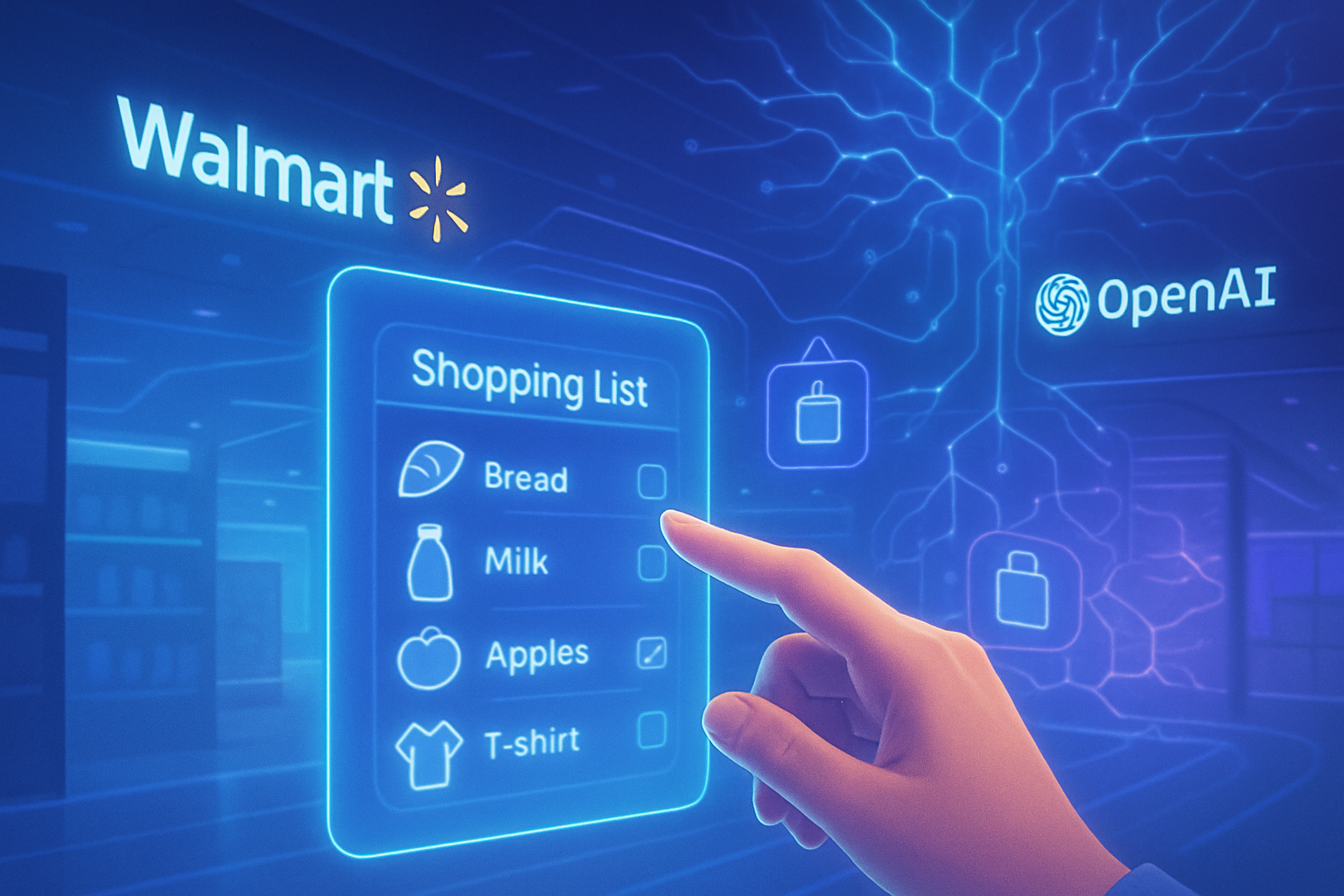
  • The Silicon Curtain Descends: Geopolitics Reshapes the Global Semiconductor Landscape and the Future of AI

    The Silicon Curtain Descends: Geopolitics Reshapes the Global Semiconductor Landscape and the Future of AI

    The global semiconductor supply chain is undergoing an unprecedented and profound transformation, driven by escalating geopolitical tensions and strategic trade policies. As of October 2025, the era of a globally optimized, efficiency-first semiconductor industry is rapidly giving way to fragmented, regional manufacturing ecosystems. This fundamental restructuring is leading to increased costs, aggressive diversification efforts, and an intense strategic race for technological supremacy, with far-reaching implications for the burgeoning field of Artificial Intelligence.

    This geopolitical realignment is not merely a shift in trade dynamics; it represents a foundational re-evaluation of national security, economic power, and technological leadership, placing semiconductors at the very heart of 21st-century global power struggles. The immediate significance is a rapid fragmentation of the supply chain, compelling companies to reconsider manufacturing footprints and diversify suppliers, often at significant cost. The world is witnessing the emergence of a "Silicon Curtain," dividing technological ecosystems and redefining the future of innovation.

    The Technical Battleground: Export Controls, Rare Earths, and the Scramble for Lithography

    The current geopolitical climate has led to a complex web of technical implications for semiconductor manufacturing, primarily centered around access to advanced lithography and critical raw materials. The United States has progressively tightened export controls on advanced semiconductors and related manufacturing equipment to China, with significant expansions in October 2023, December 2024, and March 2025. These measures specifically target China's access to high-end AI chips, supercomputing capabilities, and advanced chip manufacturing tools, including the Foreign Direct Product Rule and expanded Entity Lists. The U.S. has even lowered the Total Processing Power (TPP) threshold from 4,800 to 1,600 Giga operations per second to further restrict China's ability to develop and produce advanced chips.

    Crucially, these restrictions extend to advanced lithography, the cornerstone of modern chipmaking. China's access to Extreme Ultraviolet (EUV) lithography machines, exclusively supplied by Dutch firm ASML, and advanced Deep Ultraviolet (DUV) immersion lithography systems, essential for producing chips at 7nm and below, has been largely cut off. This compels China to innovate rapidly with older technologies or pursue less advanced solutions, often leading to performance compromises in its AI and high-performance computing initiatives. While Chinese companies are accelerating indigenous innovation, including the development of their own electron beam lithography machines and testing homegrown immersion DUV tools, experts predict China will likely lag behind the cutting edge in advanced nodes for several years. ASML (AMS: ASML), however, anticipates the impact of these updated export restrictions to fall within its previously communicated outlook for 2025, with China's business expected to constitute around 20% of its total net sales for the year.

    China has responded by weaponizing its dominance in rare earth elements, critical for semiconductor manufacturing. Starting in late 2024 with gallium, germanium, and graphite, and significantly expanded in April and October 2025, Beijing has imposed sweeping export controls on rare earth elements and associated technologies. These controls, including stringent licensing requirements, target strategically significant heavy rare earth elements and extend beyond raw materials to encompass magnets, processing equipment, and products containing Chinese-origin rare earths. China controls approximately 70% of global rare earth mining production and commands 85-90% of processing capacity, making these restrictions a significant geopolitical lever. This has spurred dramatic acceleration of capital investment in non-Chinese rare earth supply chains, though these alternatives are still in nascent stages.

    These current policies mark a substantial departure from the globalization-focused trade agreements of previous decades. The driving rationale has shifted from prioritizing economic efficiency to national security and technological sovereignty. Both the U.S. and China are "weaponizing" their respective technological and resource chokepoints, creating a "Silicon Curtain." Initial reactions from the AI research community and industry experts are mixed but generally concerned. While there's optimism about industry revenue growth in 2025 fueled by the "AI Supercycle," this is tempered by concerns over geopolitical territorialism, tariffs, and trade restrictions. Experts predict increased costs for critical AI accelerators and a more fragmented, costly global semiconductor supply chain characterized by regionalized production.

    Corporate Crossroads: Navigating a Fragmented AI Hardware Landscape

    The geopolitical shifts in semiconductor supply chains are profoundly impacting AI companies, tech giants, and startups, creating a complex landscape of winners, losers, and strategic reconfigurations. Increased costs and supply disruptions are a major concern, with prices for advanced GPUs potentially seeing hikes of up to 20% if significant disruptions occur. This "Silicon Curtain" is fragmenting development pathways, forcing companies to prioritize resilience over economic efficiency, leading to a shift from "just-in-time" to "just-in-case" supply chain strategies. AI startups, in particular, are vulnerable, often struggling to acquire necessary hardware and compete for top talent against tech giants.

    Companies with diversified supply chains and those investing in "friend-shoring" or domestic manufacturing are best positioned to mitigate risks. The U.S. CHIPS and Science Act (CHIPS Act), a $52.7 billion initiative, is driving domestic production, with Intel (NASDAQ: INTC), Taiwan Semiconductor Manufacturing Company (NYSE: TSM), and Samsung Electronics (KRX: 005930) receiving significant funding to expand advanced manufacturing in the U.S. Tech giants like Alphabet (NASDAQ: GOOGL), Amazon (NASDAQ: AMZN), and Microsoft (NASDAQ: MSFT) are heavily investing in designing custom AI chips (e.g., Google's TPUs, Amazon's Inferentia, Microsoft's Azure Maia AI Accelerator) to reduce reliance on external vendors and mitigate supply chain risks. Chinese tech firms, led by Huawei and Alibaba (NYSE: BABA), are intensifying efforts to achieve self-reliance in AI technology, developing their own chips like Huawei's Ascend series, with SMIC (HKG: 0981) reportedly achieving 7nm process technology. Memory manufacturers like Samsung Electronics and SK Hynix (KRX: 000660) are poised for significant profit increases due to robust demand and escalating prices for high-bandwidth memory (HBM), DRAM, and NAND flash. While NVIDIA (NASDAQ: NVDA) and AMD (NASDAQ: AMD) remain global leaders in AI chip design, they face challenges due to export controls, compelling them to develop modified, less powerful "China-compliant" chips, impacting revenue and diverting R&D resources. Nonetheless, NVIDIA remains the preeminent beneficiary, with its GPUs commanding a market share between 70% and 95% in AI accelerators.

    The competitive landscape for major AI labs and tech companies is marked by intensified competition for resources—skilled semiconductor engineers, AI specialists, and access to cutting-edge computing power. Geopolitical restrictions can directly hinder R&D and product development, leading to delays. The escalating strategic competition is creating a "bifurcated AI world" with separate technological ecosystems and standards, shifting from open collaboration to techno-nationalism. This could lead to delayed rollouts of new AI products and services, reduced performance in restricted markets, and higher operating costs across the board. Companies are strategically moving away from purely efficiency-focused supply chains to prioritize resilience and redundancy, often through "friend-shoring" strategies. Innovation in alternative architectures, advanced packaging, and strategic partnerships (e.g., OpenAI's multi-billion-dollar chip deals with AMD, Samsung, and SK Hynix for projects like 'Stargate') are becoming critical for market positioning and strategic advantage.

    A New Cold War: AI, National Security, and Economic Bifurcation

    The geopolitical shifts in semiconductor supply chains are not isolated events but fundamental drivers reshaping the broader AI landscape and global power dynamics. Semiconductors, once commercial goods, are now viewed as critical strategic assets, integral to national security, economic power, and military capabilities. This "chip war" is driven by the understanding that control over advanced chips is foundational for AI leadership, which in turn underpins future economic and military power. Taiwan's pivotal role, controlling over 90% of the most advanced chips, represents a critical single point of failure that could trigger a global economic crisis if disrupted.

    The national security implications for AI are explicit: the U.S. has implemented stringent export controls to curb China's access to advanced AI chips, preventing their use for military modernization. A global tiered framework for AI chip access, introduced in January 2025, classifies China, Russia, and Iran as "Tier 3 nations," effectively barring them from receiving advanced AI technology. Nations are prioritizing "chip sovereignty" through initiatives like the U.S. CHIPS Act and the EU Chips Act, recognizing semiconductors as a pillar of national security. Furthermore, China's weaponization of critical minerals, including rare earth elements, through expanded export controls in October 2025, directly impacts defense systems and critical infrastructure, highlighting the limited substitutability of these essential materials.

    Economically, these shifts create significant instability. The drive for strategic resilience has led to increased production costs, with U.S. fabs costing 30-50% more to build and operate than those in East Asia. This duplication of infrastructure, while aiming for strategic resilience, leads to less globally efficient supply chains and higher component costs. Export controls directly impact the revenue streams of major chip designers, with NVIDIA anticipating a $5.5 billion hit in 2025 due to H20 export restrictions and its share of China's AI chip market plummeting. The tech sector experienced significant downward pressure in October 2025 due to renewed escalation in US-China trade tensions and potential 100% tariffs on Chinese goods by November 1, 2025. This volatility leads to a reassessment of valuation multiples for high-growth tech companies.

    The impact on innovation is equally profound. Export controls can lead to slower innovation cycles in restricted regions and widen the technological gap. Companies like NVIDIA and AMD are forced to develop "China-compliant" downgraded versions of their AI chips, diverting valuable R&D resources from pushing the absolute technological frontier. Conversely, these controls stimulate domestic innovation in restricted countries, with China pouring billions into its semiconductor industry to achieve self-sufficiency. This geopolitical struggle is increasingly framed as a "digital Cold War," a fight for AI sovereignty that will define global markets, national security, and the balance of world power, drawing parallels to historical resource conflicts where control over vital resources dictated global power dynamics.

    The Horizon: A Fragmented Future for AI and Chips

    From October 2025 onwards, the future of semiconductor geopolitics and AI is characterized by intensifying strategic competition, rapid technological advancements, and significant supply chain restructuring. The "tech war" between the U.S. and China will lead to an accelerating trend towards "techno-nationalism," with nations aggressively investing in domestic chip manufacturing. China will continue its drive for self-sufficiency, while the U.S. and its allies will strengthen their domestic ecosystems and tighten technological alliances. The militarization of chip policy will also intensify, with semiconductors becoming integral to defense strategies. Long-term, a permanent bifurcation of the semiconductor industry is likely, leading to separate research, development, and manufacturing facilities for different geopolitical blocs, higher operational costs, and slower global product rollouts. The race for next-gen AI and quantum computing will become an even more critical front in this tech war.

    On the AI front, integration into human systems is accelerating. In the enterprise, AI is evolving into proactive digital partners (e.g., Google Gemini Enterprise, Microsoft Copilot Studio 2025 Wave 2) and workforce architects, transforming work itself through multi-agent orchestration. Industry-specific applications are booming, with AI becoming a fixture in healthcare for diagnosis and drug discovery, driving military modernization with autonomous systems, and revolutionizing industrial IoT, finance, and software development. Consumer AI is also expanding, with chatbots becoming mainstream companions and new tools enabling advanced content creation.

    However, significant challenges loom. Geopolitical disruptions will continue to increase production costs and market uncertainty. Technological decoupling threatens to reverse decades of globalization, leading to inefficiencies and slower overall technological progress. The industry faces a severe talent shortage, requiring over a million additional skilled workers globally by 2030. Infrastructure costs for new fabs are massive, and delays are common. Natural resource limitations, particularly water and critical minerals, pose significant concerns. Experts predict robust growth for the semiconductor industry, with sales reaching US$697 billion in 2025 and potentially US$1 trillion by 2030, largely driven by AI. The generative AI chip market alone is projected to exceed $150 billion in 2025. Innovation will focus on AI-specific processors, advanced memory (HBM, GDDR7), and advanced packaging technologies. For AI, 2025 is seen as a pivotal year where AI becomes embedded into the entire fabric of human systems, with the rise of "agentic AI" and multimodal AI systems. While AI will augment professionals, the high investment required for training and running large language models may lead to market consolidation.

    The Dawn of a New AI Era: Resilience Over Efficiency

    The geopolitical reshaping of AI semiconductor supply chains represents a profound and irreversible alteration in the trajectory of AI development. It has ushered in an era where technological progress is inextricably linked with national security and strategic competition, frequently termed an "AI Cold War." This marks the definitive end of a truly open and globally integrated AI chip supply chain, where the availability and advancement of high-performance semiconductors directly impact the pace of AI innovation. Advanced semiconductors are now considered critical national security assets, underpinning modern military capabilities, intelligence gathering, and defense systems.

    The long-term impact will be a more regionalized, potentially more secure, but almost certainly less efficient and more expensive foundation for AI development. Experts predict a deeply bifurcated global semiconductor market within three years, characterized by separate technological ecosystems and standards, leading to duplicated supply chains that prioritize strategic resilience over pure economic efficiency. An intensified "talent war" for skilled semiconductor and AI engineers will continue, with geopolitical alignment increasingly dictating market access and operational strategies. Companies and consumers will face increased costs for advanced AI hardware.

    In the coming weeks and months, observers should closely monitor any further refinements or enforcement of export controls by the U.S. Department of Commerce, as well as China's reported advancements in domestic chip production and the efficacy of its aggressive investments in achieving self-sufficiency. China's continued tightening of export restrictions on rare earth elements and magnets will be a key indicator of geopolitical leverage. The progress of national chip initiatives, such as the U.S. CHIPS Act and the EU Chips Act, including the operationalization of new fabrication facilities, will be crucial. The anticipated volume production of 2-nanometer (N2) nodes by TSMC (NYSE: TSM) in the second half of 2025 and A16 chips in the second half of 2026 will be significant milestones. Finally, the dynamics of the memory market, particularly the "AI explosion" driven demand for HBM, DRAM, and NAND, and the expansion of AI-driven semiconductors beyond large cloud data centers into enterprise edge devices and IoT applications, will shape demand and supply chain pressures. The coming period will continue to demonstrate how geopolitical tensions are not merely external factors but are fundamentally integrated into the strategy, economics, and technological evolution of the AI and semiconductor industries.


    This content is intended for informational purposes only and represents analysis of current AI developments.

    TokenRing AI delivers enterprise-grade solutions for multi-agent AI workflow orchestration, AI-powered development tools, and seamless remote collaboration platforms.
    For more information, visit https://www.tokenring.ai/.

  • Navitas Semiconductor: Driving the GaN Power IC Revolution for AI, EVs, and Sustainable Tech

    Navitas Semiconductor: Driving the GaN Power IC Revolution for AI, EVs, and Sustainable Tech

    In a rapidly evolving technological landscape where efficiency and power density are paramount, Navitas Semiconductor (NASDAQ: NVTS) has emerged as a pivotal force in the Gallium Nitride (GaN) power IC market. As of October 2025, Navitas is not merely participating but actively leading the charge, redefining power electronics with its integrated GaN solutions. The company's innovations are critical for unlocking the next generation of high-performance computing, particularly in AI data centers, while simultaneously accelerating the transition to electric vehicles (EVs) and more sustainable energy solutions. Navitas's strategic focus on integrating GaN power FETs with crucial control and protection circuitry onto a single chip is fundamentally transforming how power is managed, offering unprecedented gains in speed, efficiency, and miniaturization across a multitude of industries.

    The immediate significance of Navitas's advancements cannot be overstated. With global demand for energy-efficient power solutions escalating, especially with the exponential growth of AI workloads, Navitas's GaNFast™ and GaNSense™ technologies are becoming indispensable. Their collaboration with NVIDIA (NASDAQ: NVDA) to power advanced AI infrastructure, alongside significant inroads into the EV and solar markets, underscores a broadening impact that extends far beyond consumer electronics. By enabling devices to operate faster, cooler, and with a significantly smaller footprint, Navitas is not just optimizing existing technologies but is actively creating pathways for entirely new classes of high-power, high-efficiency applications crucial for the future of technology and environmental sustainability.

    Unpacking the GaN Advantage: Navitas's Technical Prowess

    Navitas Semiconductor's technical leadership in GaN power ICs is built upon a foundation of proprietary innovations that fundamentally differentiate its offerings from traditional silicon-based power semiconductors. At the core of their strategy are the GaNFast™ power ICs, which monolithically integrate GaN power FETs with essential control, drive, sensing, and protection circuitry. This "digital-in, power-out" architecture is a game-changer, simplifying power system design while drastically enhancing speed, efficiency, and reliability. Compared to silicon, GaN's wider bandgap (over three times greater) allows for smaller, faster-switching transistors with ultra-low resistance and capacitance, operating up to 100 times faster.

    Further bolstering their portfolio, Navitas introduced GaNSense™ technology, which embeds real-time, autonomous sensing and protection circuits directly into the IC. This includes lossless current sensing and ultra-fast over-current protection, responding in a mere 30 nanoseconds, thereby eliminating the need for external components that often introduce delays and complexity. For high-reliability sectors, particularly in advanced AI, GaNSafe™ provides robust short-circuit protection and enhanced reliability. The company's strategic acquisition of GeneSiC has also expanded its capabilities into Silicon Carbide (SiC) technology, allowing Navitas to address even higher power and voltage applications, creating a comprehensive wide-bandgap (WBG) portfolio.

    This integrated approach significantly differs from previous power management solutions, which typically relied on discrete silicon components or less integrated GaN designs. By consolidating multiple functions onto a single GaN chip, Navitas reduces component count, board space, and system design complexity, leading to smaller, lighter, and more energy-efficient power supplies. Initial reactions from the AI research community and industry experts have been overwhelmingly positive, with particular excitement around the potential for Navitas's technology to enable the unprecedented power density and efficiency required by next-generation AI data centers and high-performance computing platforms. The ability to manage power at higher voltages and frequencies with greater efficiency is seen as a critical enabler for the continued scaling of AI.

    Reshaping the AI and Tech Landscape: Competitive Implications

    Navitas Semiconductor's advancements in GaN power IC technology are poised to significantly reshape the competitive landscape for AI companies, tech giants, and startups alike. Companies heavily invested in high-performance computing, particularly those developing AI accelerators, servers, and data center infrastructure, stand to benefit immensely. Tech giants like NVIDIA (NASDAQ: NVDA), a key partner for Navitas, are already leveraging GaN and SiC solutions for their "AI factory" computing platforms. This partnership highlights how Navitas's 800V DC power devices are becoming crucial for addressing the unprecedented power density and scalability challenges of modern AI workloads, where traditional 54V systems fall short.

    The competitive implications are profound. Major AI labs and tech companies that adopt Navitas's GaN solutions will gain a significant strategic advantage through enhanced power efficiency, reduced cooling requirements, and smaller form factors for their hardware. This can translate into lower operational costs for data centers, increased computational density, and more compact, powerful AI-enabled devices. Conversely, companies that lag in integrating advanced GaN technologies risk falling behind in performance and efficiency metrics, potentially disrupting existing product lines that rely on less efficient silicon-based power management.

    Market positioning is also shifting. Navitas's strong patent portfolio and integrated GaN/SiC offerings solidify its position as a leader in the wide-bandgap semiconductor space. Its expansion beyond consumer electronics into high-growth sectors like EVs, solar/energy storage, and industrial applications, including new 80-120V GaN devices for 48V DC-DC converters, demonstrates a robust diversification strategy. This allows Navitas to capture market share in multiple critical segments, creating a strong competitive moat. Startups focused on innovative power solutions or compact AI hardware will find Navitas's integrated GaN ICs an essential building block, enabling them to bring more efficient and powerful products to market faster, potentially disrupting incumbents still tied to older silicon technologies.

    Broader Significance: Powering a Sustainable and Intelligent Future

    Navitas Semiconductor's pioneering work in GaN power IC technology extends far beyond incremental improvements; it represents a fundamental shift in the broader semiconductor landscape and aligns perfectly with major global trends towards increased intelligence and sustainability. This development is not just about faster chargers or smaller adapters; it's about enabling the very infrastructure that underpins the future of AI, electric mobility, and renewable energy. The inherent efficiency of GaN significantly reduces energy waste, directly impacting the carbon footprint of countless electronic devices and large-scale systems.

    The impact of widespread GaN adoption, spearheaded by companies like Navitas, is multifaceted. Environmentally, it means less energy consumption, reduced heat generation, and smaller material usage, contributing to greener technology across all applications. Economically, it drives innovation in product design, allows for higher power density in confined spaces (critical for EVs and compact AI servers), and can lead to lower operating costs for enterprises. Socially, it enables more convenient and powerful personal electronics and supports the development of robust, reliable infrastructure for smart cities and advanced industrial automation.

    While the benefits are substantial, potential concerns often revolve around the initial cost premium of GaN technology compared to mature silicon, as well as ensuring robust supply chains for widespread adoption. However, as manufacturing scales—evidenced by Navitas's transition to 8-inch wafers—costs are expected to decrease, making GaN even more competitive. This breakthrough draws comparisons to previous AI milestones that required significant hardware advancements. Just as specialized GPUs became essential for deep learning, efficient wide-bandgap semiconductors are now becoming indispensable for powering increasingly complex and demanding AI systems, marking a new era of hardware-software co-optimization.

    The Road Ahead: Future Developments and Predictions

    The future of GaN power IC technology, with Navitas Semiconductor at its forefront, is brimming with anticipated near-term and long-term developments. In the near term, we can expect to see further integration of GaN with advanced sensing and control features, making power management units even smarter and more autonomous. The collaboration with NVIDIA is likely to deepen, leading to specialized GaN and SiC solutions tailored for even more powerful AI accelerators and modular data center power architectures. We will also see an accelerated rollout of GaN-based onboard chargers and traction inverters in new EV models, driven by the need for longer ranges and faster charging times.

    Long-term, the potential applications and use cases for GaN are vast and transformative. Beyond current applications, GaN is expected to play a crucial role in next-generation robotics, advanced aerospace systems, and high-frequency communications (e.g., 6G infrastructure), where its high-speed switching capabilities and thermal performance are invaluable. The continued scaling of GaN on 8-inch wafers will drive down costs and open up new mass-market opportunities, potentially making GaN ubiquitous in almost all power conversion stages, from consumer devices to grid-scale energy storage.

    However, challenges remain. Further research is needed to push GaN devices to even higher voltage and current ratings without compromising reliability, especially in extremely harsh environments. Standardizing GaN-specific design tools and methodologies will also be critical for broader industry adoption. Experts predict that the market for GaN power devices will continue its exponential growth, with Navitas maintaining a leading position due to its integrated solutions and diverse application portfolio. The convergence of AI, electrification, and sustainable energy will be the primary accelerators, with GaN acting as a foundational technology enabling these paradigm shifts.

    A New Era of Power: Navitas's Enduring Impact

    Navitas Semiconductor's pioneering efforts in Gallium Nitride (GaN) power IC technology mark a significant inflection point in the history of power electronics and its symbiotic relationship with artificial intelligence. The key takeaways are clear: Navitas's integrated GaNFast™, GaNSense™, and GaNSafe™ technologies, complemented by its SiC offerings, are delivering unprecedented levels of efficiency, power density, and reliability. This is not merely an incremental improvement but a foundational shift from silicon that is enabling the next generation of AI data centers, accelerating the EV revolution, and driving global sustainability initiatives.

    This development's significance in AI history cannot be overstated. Just as software algorithms and specialized processors have driven AI advancements, the ability to efficiently power these increasingly demanding systems is equally critical. Navitas's GaN solutions are providing the essential hardware backbone for AI's continued exponential growth, allowing for more powerful, compact, and energy-efficient AI hardware. The implications extend to reducing the massive energy footprint of AI, making it a more sustainable technology in the long run.

    Looking ahead, the long-term impact of Navitas's work will be felt across every sector reliant on power conversion. We are entering an era where power solutions are not just components but strategic enablers of technological progress. What to watch for in the coming weeks and months includes further announcements regarding strategic partnerships in high-growth markets, advancements in GaN manufacturing processes (particularly the transition to 8-inch wafers), and the introduction of even higher-power, more integrated GaN and SiC solutions that push the boundaries of what's possible in power electronics. Navitas is not just building chips; it's building the power infrastructure for an intelligent and sustainable future.


    This content is intended for informational purposes only and represents analysis of current AI developments.

    TokenRing AI delivers enterprise-grade solutions for multi-agent AI workflow orchestration, AI-powered development tools, and seamless remote collaboration platforms.
    For more information, visit https://www.tokenring.ai/.