
Tag: AI

  • C3.ai Soars as Next-Generation Agentic AI Platform Revolutionizes Enterprise Automation

    C3.ai Soars as Next-Generation Agentic AI Platform Revolutionizes Enterprise Automation

    REDWOOD CITY, CA – October 2, 2025 – C3.ai (NYSE: AI) has captured the attention of the tech world and investors alike following the launch of its groundbreaking C3 AI Agentic Process Automation platform on September 9, 2025. This sophisticated new offering, designed to autonomously manage complex business and operational workflows, has been met with significant enthusiasm, signaling a potential paradigm shift in enterprise automation. The market's positive reaction underscores the growing anticipation for intelligent, adaptive AI solutions that move beyond traditional, rigid automation methods.

    The release of C3 AI Agentic Process Automation marks a pivotal moment for the company, building on its strong foundation in enterprise AI. While specific immediate stock performance details following the September 9th launch are still being fully assessed, earlier launches of C3.ai's "Agentic AI" products, such as the C3 Agentic AI Websites service in August 2025, have consistently triggered notable upticks in investor confidence and share value. This latest platform is poised to further solidify C3.ai's position at the forefront of the artificial intelligence market, offering a glimpse into the future of truly intelligent automation.

    Unpacking the Intelligence: A Deep Dive into Agentic Automation

    C3 AI Agentic Process Automation stands as a significant leap beyond conventional Robotic Process Automation (RPA), which typically relies on predefined, deterministic rules. At its core, this platform integrates advanced AI reasoning capabilities with structured workflow steps, enabling a more dynamic and intelligent approach to automation. Unlike its predecessors, which often struggle with variations or unexpected inputs, C3.ai's new system employs specialized AI agents that can adapt and make decisions within complex processes.

    Key technical specifications and capabilities include a no-code, natural language interface, empowering a broader range of users, from business analysts to operational managers, to design and deploy scalable AI-driven processes with unprecedented ease. The platform’s ability to combine deterministic workflow execution with the adaptive reasoning of AI agents allows it to transform static automation into continuously learning, value-generating systems. These AI agents are not generic; they are domain-specific, trained on industry-specific workflows, and connected to internal company data, acting as expert systems in sectors like defense, energy, manufacturing, and finance. This targeted intelligence enables the platform to tackle a vast array of tasks, from order-to-cash and customer service to intricate industrial operations like equipment troubleshooting and production planning. Furthermore, C3.ai emphasizes the platform's full transparency and auditability, addressing critical concerns regarding AI ethics and compliance in automated systems.

    Initial reactions from industry experts and the AI research community highlight the platform's potential to bridge the gap between human-defined processes and autonomous AI decision-making. The integration with C3 AI's broader Agentic AI Platform and enterprise software portfolio suggests a cohesive ecosystem designed to maximize scalability and interoperability across an organization's digital infrastructure. This departure from siloed, rule-based automation towards an integrated, intelligent agent-driven model is seen as a crucial step in realizing the full potential of enterprise AI.

    Reshaping the Competitive Landscape: Implications for AI Giants and Startups

    The launch of C3 AI Agentic Process Automation is set to ripple across the AI industry, creating both opportunities and challenges for a wide array of companies. C3.ai (NYSE: AI) itself stands to significantly benefit, leveraging this innovation to attract new enterprise clients seeking to modernize their operational frameworks. Its direct competitors in the enterprise AI and automation space, such as UiPath (NYSE: PATH), Automation Anywhere, and Pegasystems (NASDAQ: PEGA), will likely face increased pressure to accelerate their own intelligent automation roadmaps, potentially leading to a new wave of innovation and consolidation.

    For tech giants like Microsoft (NASDAQ: MSFT), Google (NASDAQ: GOOGL), and Amazon (NASDAQ: AMZN), which offer their own cloud-based AI and automation services, C3.ai's move could spur further investment in agentic AI capabilities. While these giants possess vast resources and established customer bases, C3.ai's specialized focus on enterprise AI and domain-specific agents could give it a competitive edge in niche, high-value sectors. Startups in the AI automation space, particularly those focused on specific industry verticals, might find themselves either acquired for their specialized expertise or needing to rapidly differentiate their offerings to compete with C3.ai's comprehensive platform.

    The potential disruption extends to existing products and services that rely on less sophisticated automation. Companies still heavily invested in traditional RPA or manual process management could find their operational efficiencies lagging, forcing them to adopt more advanced AI solutions. This development solidifies C3.ai's market positioning as a leader in enterprise-grade, industry-specific AI applications, offering strategic advantages through its integrated platform approach and focus on transparent, auditable AI agents.

    Broader Horizons: Agentic AI's Place in the Evolving AI Landscape

    The introduction of C3 AI Agentic Process Automation is more than just a product launch; it's a significant marker in the broader evolution of artificial intelligence, particularly within the realm of enterprise applications. This platform exemplifies a key trend in AI: the shift from predictive models to proactive, autonomous agents capable of complex decision-making and action. It fits squarely within the growing emphasis on "agentic AI," where AI systems are designed to perceive, reason, plan, and act in dynamic environments, often with a degree of autonomy previously unseen.

    The impact of such a platform could be transformative, leading to unprecedented levels of operational efficiency, cost reduction, and accelerated innovation across industries. By automating intricate workflows that traditionally required human oversight and intervention, businesses can reallocate human capital to more strategic and creative endeavors. However, with increased autonomy comes potential concerns, primarily around job displacement, ethical considerations in autonomous decision-making, and the need for robust governance frameworks. The transparency and auditability features highlighted by C3.ai are crucial steps in addressing these concerns, aiming to build trust and accountability into AI-driven processes.

    Comparing this to previous AI milestones, the move towards agentic process automation echoes the initial excitement around expert systems in the 1980s or the more recent surge in deep learning for pattern recognition. However, C3.ai's approach, combining domain-specific intelligence with a no-code interface and a focus on auditable autonomy, represents a more mature and practical application of advanced AI for real-world business challenges. It signifies a move beyond AI as a tool for analysis to AI as an active participant in business operations.

    The Road Ahead: Anticipating Future Developments and Challenges

    Looking to the near-term, we can expect C3.ai to rapidly expand the capabilities and industry-specific applications of its Agentic Process Automation platform. The company will likely focus on developing more specialized AI agents tailored to a broader range of vertical markets, driven by specific customer needs and emerging operational complexities. Integration with other enterprise software ecosystems and cloud platforms will also be a key area of development to ensure seamless adoption and scalability. In the long term, this technology could evolve to enable fully autonomous "lights-out" operations in certain sectors, where AI agents manage entire business units or industrial facilities with minimal human intervention.

    Potential applications on the horizon include highly personalized customer service agents that can resolve complex issues autonomously, intelligent supply chain management systems that dynamically adapt to disruptions, and advanced healthcare administration platforms that streamline patient care pathways. However, significant challenges remain. Ensuring the robust security and privacy of data handled by autonomous agents will be paramount. The continuous need for human oversight and intervention, even in highly automated systems, will require sophisticated human-in-the-loop mechanisms. Furthermore, the ethical implications of increasingly autonomous AI systems will demand ongoing research, regulation, and societal dialogue.

    Experts predict that the success of agentic AI platforms like C3.ai's will hinge on their ability to demonstrate tangible ROI, integrate smoothly with existing IT infrastructures, and maintain high levels of transparency and control. The next phase will likely involve a deeper exploration of multi-agent collaboration, where different AI agents work together to achieve complex objectives, mimicking human team dynamics. What experts predict will happen next is a rapid acceleration in the adoption of these platforms, particularly in industries grappling with labor shortages and the need for greater efficiency.

    A New Era of Enterprise Intelligence: Wrapping Up C3.ai's Milestone

    C3.ai's launch of the C3 AI Agentic Process Automation platform is a defining moment in the trajectory of enterprise AI. The key takeaway is the shift from rigid, rule-based automation to dynamic, intelligent, and adaptive systems powered by domain-specific AI agents. This development not only enhances operational efficiency and drives business value but also sets a new standard for how organizations can leverage AI to transform their core processes. The positive market reaction to C3.ai's "Agentic AI" offerings underscores the industry's readiness for more sophisticated, autonomous AI solutions.

    This development's significance in AI history lies in its pragmatic application of advanced AI research into a commercially viable, scalable enterprise product. It represents a maturation of AI, moving beyond theoretical concepts to practical, auditable systems that can deliver real-world impact. The focus on transparency, no-code accessibility, and integration within a broader AI platform positions C3.ai as a leader in this evolving landscape.

    In the coming weeks and months, industry observers should watch for further announcements regarding customer adoptions, expanded platform capabilities, and competitive responses from other major players in the AI and automation sectors. The long-term impact of agentic process automation will likely be profound, reshaping industries and redefining the relationship between human and artificial intelligence in the workplace. As AI agents become more sophisticated and ubiquitous, the challenge and opportunity will be to harness their power responsibly, ensuring that these technological advancements serve to augment human capabilities and drive sustainable progress.

    This content is intended for informational purposes only and represents analysis of current AI developments.

    TokenRing AI delivers enterprise-grade solutions for multi-agent AI workflow orchestration, AI-powered development tools, and seamless remote collaboration platforms.
    For more information, visit https://www.tokenring.ai/.

  • OpenAI Shatters Records with Staggering $500 Billion Valuation Deal

    OpenAI Shatters Records with Staggering $500 Billion Valuation Deal

    In a landmark development that sent reverberations across the global technology landscape, OpenAI has finalized a secondary share sale valuing the pioneering artificial intelligence company at an astonishing $500 billion. The deal, completed on October 2, 2025, firmly establishes OpenAI as the world's most valuable privately held company, surpassing even aerospace giant SpaceX and cementing its status as the undisputed titan of the burgeoning AI industry. This unprecedented valuation underscores an intense investor appetite for generative AI and highlights the profound impact and future potential investors see in OpenAI's transformative technologies.

    The finalized transaction involved the sale of approximately $6.6 billion worth of existing shares held by current and former OpenAI employees. This massive infusion of capital and confidence not only provides liquidity for long-serving team members but also signals a new era of investment benchmarks for AI innovation. The sheer scale of this valuation, achieved in a relatively short period since its last funding rounds, reflects a collective belief in AI's disruptive power and OpenAI's pivotal role in shaping its trajectory.

    An Unprecedented Leap in AI Valuation

    The $500 billion valuation was achieved through a meticulously orchestrated secondary share sale, a mechanism allowing existing shareholders, primarily employees, to sell their stock to new investors. This particular deal saw approximately $6.6 billion worth of shares change hands, providing significant liquidity for those who have contributed to OpenAI's rapid ascent. The consortium of investors participating in this momentous round included prominent names such as Thrive Capital, SoftBank Group Corp. (TYO: 9984), Dragoneer Investment Group, Abu Dhabi's MGX, and T. Rowe Price. SoftBank's continued involvement signals its deep commitment to OpenAI, building upon its substantial investment in the company's $40 billion primary funding round earlier in March 2025.

    This valuation represents a breathtaking acceleration in OpenAI's financial trajectory, rocketing from its $300 billion valuation just seven months prior. Such a rapid escalation is virtually unheard of in the private market, especially for a company less than a decade old. Unlike traditional primary funding rounds where capital is injected directly into the company, a secondary sale primarily benefits employees and early investors, yet its valuation implications are equally profound. It serves as a strong market signal of investor belief in the company's future growth and its ability to continue innovating at an unparalleled pace.

    The deal distinguishes itself from previous tech valuations not just by its size, but by the context of the AI industry's nascent stage. While tech giants like Meta Platforms (NASDAQ: META) and Alphabet (NASDAQ: GOOGL) have achieved multi-trillion-dollar valuations, they did so over decades of market dominance across diverse product portfolios. OpenAI's half-trillion-dollar mark, driven largely by its foundational AI models like ChatGPT, showcases a unique investment thesis centered on the transformative potential of a single, albeit revolutionary, technology. Initial reactions from the broader AI research community and industry experts, while not officially commented on by OpenAI or SoftBank, have largely focused on the validation of generative AI as a cornerstone technology and the intense competition it will undoubtedly foster.

    Reshaping the Competitive AI Landscape

    This colossal valuation undeniably benefits OpenAI, its employees, and its investors, solidifying its dominant position in the AI arena. The ability to offer such lucrative liquidity to employees is a powerful tool for attracting and retaining the world's top AI talent, a critical factor in the hyper-competitive race for artificial general intelligence (AGI). For investors, the deal validates their early bets on OpenAI, promising substantial returns and further fueling confidence in the AI sector.

    The implications for other AI companies, tech giants, and startups are profound. For major AI labs like Google's DeepMind, Microsoft (NASDAQ: MSFT) AI divisions, and Anthropic, OpenAI's $500 billion valuation sets an incredibly high benchmark. It intensifies pressure to demonstrate comparable innovation, market traction, and long-term revenue potential to justify their own valuations and attract similar levels of investment. This could lead to an acceleration of R&D spending, aggressive talent acquisition, and a heightened pace of product releases across the industry.

    The potential disruption to existing products and services is significant. As OpenAI's models become more sophisticated and widely adopted through its API and enterprise solutions, companies relying on older, less capable AI systems or traditional software could find themselves at a competitive disadvantage. This valuation signals that the market expects OpenAI to continue pushing the boundaries, potentially rendering current AI applications obsolete and driving a massive wave of AI integration across all sectors. OpenAI's market positioning is now unassailable in the private sphere, granting it strategic advantages in partnerships, infrastructure deals, and setting industry standards, further entrenching its lead.

    Wider Significance and AI's Trajectory

    OpenAI's $500 billion valuation fits squarely into the broader narrative of the generative AI boom, underscoring the technology's rapid evolution from a niche research area to a mainstream economic force. This milestone is not just about a single company's financial success; it represents a global recognition of AI, particularly large language models (LLMs), as the next foundational technology akin to the internet or mobile computing. The sheer scale of investment validates the belief that AI will fundamentally reshape industries, economies, and daily life.

    The impacts are multi-faceted: it will likely spur even greater investment into AI startups and research, fostering a vibrant ecosystem of innovation. However, it also raises potential concerns about market concentration and the financial barriers to entry for new players. The immense capital required to train and deploy cutting-edge AI models, as evidenced by OpenAI's own substantial R&D and compute expenses, could lead to a winner-take-most scenario, where only a few well-funded entities can compete at the highest level.

    Comparing this to previous AI milestones, OpenAI's valuation stands out. While breakthroughs like AlphaGo's victory over human champions demonstrated AI's intellectual prowess, and the rise of deep learning fueled significant tech investments, none have translated into such a direct and immediate financial valuation for a pure-play AI company. This deal positions AI not just as a technological frontier but as a primary driver of economic value, inviting comparisons to the dot-com bubble of the late 90s, but with the critical difference of tangible, revenue-generating products already in the market. Despite projected losses—$5 billion in 2024 and an expected $14 billion by 2026 due to massive R&D and compute costs—investors are clearly focused on the long-term vision and projected revenues of up to $100 billion by 2029.

    The Road Ahead: Future Developments and Challenges

    Looking ahead, the near-term and long-term developments following this valuation are expected to be nothing short of revolutionary. OpenAI's aggressive revenue projections, targeting $12.7 billion in 2025 and a staggering $100 billion by 2029, signal an intent to rapidly commercialize and expand its AI offerings. The company's primary monetization channels—ChatGPT subscriptions, API usage, and enterprise sales—are poised for explosive growth as more businesses and individuals integrate advanced AI into their workflows. We can expect to see further refinements to existing models, the introduction of even more capable multimodal AIs, and a relentless pursuit of artificial general intelligence (AGI).

    Potential applications and use cases on the horizon are vast and varied. Beyond current applications, OpenAI's technology is anticipated to power increasingly sophisticated autonomous agents, personalized learning systems, advanced scientific discovery tools, and truly intelligent assistants capable of complex reasoning and problem-solving. The company's ambitious "Stargate" project, an estimated $500 billion initiative for building next-generation AI data centers, underscores its commitment to scaling the necessary infrastructure to support these future applications. This massive undertaking, coupled with a $300 billion agreement with Oracle (NYSE: ORCL) for computing power over five years, demonstrates the immense capital and resources required to stay at the forefront of AI development.

    However, significant challenges remain. Managing the colossal losses incurred from R&D and compute expenses, even with soaring revenues, will require shrewd financial management. The ethical implications of increasingly powerful AI, the need for robust safety protocols, and the societal impact on employment and information integrity will also demand continuous attention. Experts predict that while OpenAI will continue to lead in innovation, the focus will increasingly shift towards demonstrating sustainable profitability, responsible AI development, and successfully deploying its ambitious infrastructure projects. The race to AGI will intensify, but the path will be fraught with technical, ethical, and economic hurdles.

    A Defining Moment in AI History

    OpenAI's $500 billion valuation marks a defining moment in the history of artificial intelligence. It is a powerful testament to the transformative potential of generative AI and the fervent belief of investors in OpenAI's ability to lead this technological revolution. The key takeaways are clear: AI is no longer a futuristic concept but a present-day economic engine, attracting unprecedented capital and talent. This valuation underscores the immense value placed on proprietary data, cutting-edge models, and a visionary leadership team capable of navigating the complex landscape of AI development.

    This development will undoubtedly be assessed as one of the most significant milestones in AI history, not merely for its financial scale but for its signaling effect on the entire tech industry. It validates the long-held promise of AI to fundamentally reshape society and sets a new, elevated standard for innovation and investment in the sector. The implications for competition, talent acquisition, and the pace of technological advancement will be felt for years to come.

    In the coming weeks and months, the world will be watching several key developments. We will be looking for further details on the "Stargate" project and its progress, signs of how OpenAI plans to manage its substantial operational losses despite surging revenues, and the continued rollout of new AI capabilities and enterprise solutions. The sustained growth of ChatGPT's user base and API adoption, along with the competitive responses from other tech giants, will also provide critical insights into the future trajectory of the AI industry. This is more than just a financial deal; it's a declaration of AI's arrival as the dominant technological force of the 21st century.

    This content is intended for informational purposes only and represents analysis of current AI developments.

    TokenRing AI delivers enterprise-grade solutions for multi-agent AI workflow orchestration, AI-powered development tools, and seamless remote collaboration platforms.
    For more information, visit https://www.tokenring.ai/.

  • Geopolitical Fault Lines Threaten Global Semiconductor Stability: A Looming Crisis for Tech and Beyond

    Geopolitical Fault Lines Threaten Global Semiconductor Stability: A Looming Crisis for Tech and Beyond

    The intricate global semiconductor supply chain, the very backbone of modern technology, finds itself increasingly fractured by escalating geopolitical tensions. What was once a largely interconnected and optimized ecosystem is now being reshaped by a complex interplay of political rivalries, national security concerns, and a fierce race for technological supremacy. This shift carries immediate and profound implications, threatening not only the stability of the tech industry but also national economies and strategic capabilities worldwide.

    The immediate significance of these tensions is palpable: widespread supply chain disruptions, soaring production costs, and an undeniable fragility in the system. Semiconductors, once viewed primarily as commercial goods, are now unequivocally strategic assets, prompting a global scramble for self-sufficiency and control. This paradigm shift, driven primarily by the intensifying rivalry between the United States and China, coupled with the pivotal role of Taiwan (TWSE: 2330) (NYSE: TSM) as the world's leading chip manufacturer, is forcing a costly re-evaluation of global manufacturing strategies and challenging the very foundations of technological globalization.

    The New Battleground: Technical Implications of a Fragmented Supply Chain

    The current geopolitical climate has ushered in an era where technical specifications and supply chain logistics are inextricably linked to national security agendas. The most prominent example is the United States' aggressive export controls on advanced semiconductor technology and manufacturing equipment to China. These measures are specifically designed to hinder China's progress in developing cutting-edge chips, impacting everything from high-performance computing and AI to advanced military applications. Technically, this translates to restrictions on the sale of extreme ultraviolet (EUV) lithography machines – essential for producing chips below 7nm – and certain types of AI accelerators.

    This differs significantly from previous supply chain challenges, which were often driven by natural disasters, economic downturns, or localized labor disputes. The current crisis is a deliberate, state-led effort to strategically decouple and control technology flows, introducing an unprecedented layer of complexity. For instance, companies like NVIDIA (NASDAQ: NVDA) and Advanced Micro Devices (NASDAQ: AMD) have had to design specific, less powerful versions of their AI chips for the Chinese market to comply with U.S. regulations, directly impacting their technical offerings and market strategies.

    The initial reactions from the AI research community and industry experts are mixed. While some acknowledge the national security imperatives, many express concerns about the potential for a "splinternet" or "splinter-chip" world, where incompatible technical standards and fragmented supply chains could stifle global innovation. There's a fear that the duplication of efforts in different regions, driven by techno-nationalism, could lead to inefficiencies and slow down the overall pace of technological advancement, especially in areas like generative AI and quantum computing, which rely heavily on global collaboration and access to the most advanced semiconductor technologies.

    Corporate Crossroads: Navigating the Geopolitical Minefield

    The geopolitical chess match over semiconductors is profoundly reshaping the competitive landscape for AI companies, tech giants, and startups alike. Companies that possess or can secure diversified supply chains and domestic manufacturing capabilities stand to benefit, albeit at a significant cost. Intel (NASDAQ: INTC), for example, is leveraging substantial government subsidies from the U.S. CHIPS Act and similar initiatives in Europe to re-establish its foundry business and expand domestic production, aiming to reduce reliance on East Asian manufacturing. This strategic pivot could give Intel a long-term competitive advantage in securing government contracts and serving markets prioritized for national security.

    Conversely, companies heavily reliant on globalized supply chains, particularly those with significant operations or sales in both the U.S. and China, face immense pressure. Taiwanese giant Taiwan Semiconductor Manufacturing Company (TSMC) (TWSE: 2330) (NYSE: TSM), while indispensable, is caught in the crossfire. To mitigate risks, TSMC is investing billions in new fabrication facilities in the U.S. (Arizona) and Japan, a move that diversifies its geographical footprint but also increases its operational costs and complexity. This decentralization could potentially disrupt existing product roadmaps and increase lead times for certain specialized chips.

    The competitive implications are stark. Major AI labs and tech companies are now factoring geopolitical risk into their R&D and manufacturing decisions. Startups, often with limited resources, face higher barriers to entry due to increased supply chain costs and the need to navigate complex export controls. The market is increasingly segmenting, with different technological ecosystems emerging. This could lead to a bifurcation of AI development, where certain advanced AI hardware might only be available in specific regions, impacting global collaboration and the universal accessibility of cutting-edge AI. Companies that can adapt quickly, invest in resilient supply chains, and navigate regulatory complexities will gain significant market positioning and strategic advantages in this new, fragmented reality.

    A Wider Lens: Impacts on the Global AI Landscape

    The semiconductor supply chain crisis, fueled by geopolitical tensions, casts a long shadow over the broader AI landscape and global technological trends. This situation accelerates a trend towards "techno-nationalism," where nations prioritize domestic technological self-sufficiency over global efficiency. It fits into the broader AI landscape by emphasizing the foundational role of hardware in AI advancement; without access to cutting-edge chips, a nation's AI capabilities can be severely hampered, making semiconductors a new frontier in the global power struggle.

    The impacts are multifaceted. Economically, it leads to higher costs for consumers and businesses as reshoring efforts and duplicated supply chains increase production expenses. Strategically, it raises concerns about national security, as governments fear reliance on potential adversaries for critical components. For instance, the ability to develop advanced AI for defense applications is directly tied to a secure and resilient semiconductor supply. Environmentally, the construction of new fabrication plants in multiple regions, often with significant energy and water demands, could increase the carbon footprint of the industry.

    Potential concerns include a slowdown in global innovation due to reduced collaboration and market fragmentation. If different regions develop distinct, potentially incompatible, AI hardware and software ecosystems, it could hinder the universal deployment and scaling of AI solutions. Comparisons to previous AI milestones, such as the rise of deep learning, show a stark contrast. While past breakthroughs were largely driven by open research and global collaboration, the current environment threatens to privatize and nationalize AI development, potentially slowing the collective progress of humanity in this transformative field. The risk of a "chip war" escalating into broader trade conflicts or even military tensions remains a significant worry.

    The Road Ahead: Navigating a Fragmented Future

    The coming years will likely see a continued acceleration of efforts to diversify and localize semiconductor manufacturing. Near-term developments include further investments in "fab" construction in the U.S., Europe, and Japan, driven by government incentives like the U.S. CHIPS and Science Act and the EU Chips Act. These initiatives aim to reduce reliance on East Asia, particularly Taiwan. Long-term, experts predict a more regionalized supply chain, where major economic blocs strive for greater self-sufficiency in critical chip production. This could lead to distinct technological ecosystems emerging, potentially with different standards and capabilities.

    Potential applications and use cases on the horizon include the development of more resilient and secure AI hardware for critical infrastructure, defense, and sensitive data processing. We might see a push for "trustworthy AI" hardware, where the entire supply chain, from design to manufacturing, is auditable and controlled within national borders. Challenges that need to be addressed include the immense capital expenditure required for new fabs, the severe global shortage of skilled labor in semiconductor manufacturing, and the economic inefficiencies of moving away from a globally optimized model. Ensuring that innovation isn't stifled by protectionist policies will also be crucial.

    Experts predict that while a complete decoupling is unlikely given the complexity and interdependence of the industry, a significant "de-risking" will occur. This involves diversifying suppliers, building strategic reserves, and fostering domestic capabilities in key areas. The focus will shift from "just-in-time" to "just-in-case" supply chain management. What happens next will largely depend on the evolving geopolitical dynamics, particularly the trajectory of U.S.-China relations and the stability of the Taiwan Strait.

    Concluding Thoughts: A New Era for Semiconductors and AI

    The geopolitical tensions impacting the global semiconductor supply chain represent a monumental shift, marking a definitive end to the era of purely economically optimized globalization in this critical sector. The key takeaway is clear: semiconductors are now firmly entrenched as strategic geopolitical assets, and their supply chain stability is a matter of national security, not just corporate profitability. This development's significance in AI history cannot be overstated, as the future of AI—from its computational power to its accessibility—is inextricably linked to the resilience and political control of its underlying hardware.

    The long-term impact will likely manifest in a more fragmented, regionalized, and ultimately more expensive semiconductor industry. While this may offer greater resilience against single points of failure, it also risks slowing global innovation and potentially creating technological divides. The coming weeks and months will be crucial for observing how major players like the U.S., China, the EU, and Japan continue to implement their respective chip strategies, how semiconductor giants like TSMC, Samsung (KRX: 005930), and Intel adapt their global footprints, and whether these strategic shifts lead to increased collaboration or further escalation of techno-nationalism. The world is watching as the foundational technology of the 21st century navigates its most challenging geopolitical landscape yet.

    This content is intended for informational purposes only and represents analysis of current AI developments.

    TokenRing AI delivers enterprise-grade solutions for multi-agent AI workflow orchestration, AI-powered development tools, and seamless remote collaboration platforms.
    For more information, visit https://www.tokenring.ai/.

  • Semiconductor Industry Confronts Deepening Global Talent Chasm, Threatening Innovation and Supply Chain Stability in 2025

    Semiconductor Industry Confronts Deepening Global Talent Chasm, Threatening Innovation and Supply Chain Stability in 2025

    As of October 2025, the global semiconductor industry, poised for unprecedented growth fueled by the insatiable demand for artificial intelligence (AI) and high-performance computing, faces a critical and intensifying shortage of skilled workers that threatens to undermine its ambitious expansion plans and jeopardize global operational stability. Projections indicate a staggering need for over one million additional skilled professionals by 2030 worldwide, with the U.S. alone potentially facing a deficit of 59,000 to 146,000 workers, including 88,000 engineers, by 2029. This widening talent gap is not merely a recruitment challenge; it's an existential threat to an industry projected to near $700 billion in global sales this year and targeted to reach a trillion dollars by 2030.

    The immediate significance of this labor crisis is profound, directly impacting the industry's capacity for innovation and its ability to maintain stable production. Despite colossal government investments through initiatives like the U.S. CHIPS Act and the pending EU Chips Act, which aim to onshore manufacturing and bolster supply chain resilience, the lack of a sufficiently trained workforce hampers the realization of these goals. New fabrication facilities and advanced research and development efforts risk underutilization and delays without the necessary engineers, technicians, and computer scientists. The shortfall exacerbates existing vulnerabilities in an already fragile global supply chain, potentially slowing technological advancements across critical sectors from automotive to defense, and underscoring the fierce global competition for a limited pool of highly specialized talent.

    The Intricate Web of Skill Gaps and Evolving Demands

    The global semiconductor industry is grappling with an escalating and multifaceted skilled worker shortage, a challenge intensified by unprecedented demand, rapid technological advancements, and geopolitical shifts. As of October 2025, industry experts and the AI research community are recognizing AI as a crucial tool for mitigating some aspects of this crisis, even as it simultaneously redefines the required skill sets.

    Detailed Skill Gaps and Required Capabilities

    The semiconductor industry's talent deficit spans a wide array of roles, from highly specialized engineers to skilled tradespeople, with projections indicating a need for over one million additional skilled workers globally by 2030, equating to more than 100,000 annually. In the U.S. alone, a projected shortfall of 67,000 workers in the semiconductor industry is anticipated by 2030 across technicians, computer scientists, and engineers.

    Specific skill gaps include:

    • Engineers: Electrical Engineers (for chip design and tools), Design Engineers (IC Design and Verification, requiring expertise in device physics, design automation), Process Engineers (for manufacturing, focusing on solid-state physics), Test Engineers and Yield Analysis Specialists (demanding skills in automation frameworks like Python and big data analytics), Materials Scientists (critical for 3D stacking and quantum computing), Embedded Software and Firmware Engineers, Industrial Engineers, Computer Scientists, and Security and Trusted ICs Specialists.
    • Technicians: Fabrication Line Operators, Area Operators, and Maintenance Services Technicians are vital for day-to-day fab operations, often requiring certificates or two-year degrees. The U.S. alone faces a projected shortage of 39% for technicians by 2030.
    • Skilled Tradespeople: Electricians, pipefitters, welders, and carpenters are in high demand to construct new fabrication plants (fabs).
    • Leadership Roles: A need exists for second-line and third-line leaders, many of whom must be recruited from outside the industry due to a shrinking internal talent pool and regional skill set disparities.

    Beyond these specific roles, the industry increasingly requires "digital skills" such as cloud computing, AI, and analytics across design and manufacturing. Employees need to analyze data outputs, troubleshoot anomalies, and make real-time decisions informed by complex AI models, demanding literacy in machine learning, robotics, data analytics, and algorithm-driven workflows.

    How This Shortage Differs from Previous Industry Challenges

    The current semiconductor skill shortage is distinct from past cyclical downturns due to several compounding factors:

    1. Explosive Demand Growth: Driven by pervasive technologies like artificial intelligence, electric vehicles, data centers, 5G, and the Internet of Things, the demand for chips has skyrocketed, creating an unprecedented need for human capital. This differs from past cycles that were often more reactive to market fluctuations rather than sustained, exponential growth across multiple sectors.
    2. Geopolitical Reshoring Initiatives: Government initiatives, such as the U.S. CHIPS and Science Act and the European Chips Act, aim to localize and increase semiconductor manufacturing capacity. This focus on building new fabs in regions with diminished manufacturing workforces exacerbates the talent crunch, as these areas lack readily available skilled labor. This contrasts with earlier periods where manufacturing largely moved offshore, leading to an erosion of domestic competencies.
    3. Aging Workforce and Dwindling Pipeline: A significant portion of the current workforce is approaching retirement (e.g., one-third of U.S. semiconductor employees were aged 55 or over in 2023, and 25-35% of fabrication line operators are likely to retire by 2025). Concurrently, there's a declining interest and enrollment in semiconductor-focused STEM programs at universities, and only a small fraction of engineering graduates choose careers in semiconductors. This creates a "talent cliff" that makes replacing experienced workers exceptionally difficult.
    4. Rapid Technological Evolution: The relentless pace of Moore's Law and the advent of advanced technologies like AI, advanced packaging, and new materials necessitate constantly evolving skill sets. The demand for proficiency in AI, machine learning, and advanced automation is relatively new and rapidly changing, creating a gap that traditional educational pipelines struggle to fill quickly.
    5. Intense Competition for Talent: The semiconductor industry is now in fierce competition with other high-growth tech sectors (e.g., AI, clean energy, medical technology, cybersecurity) for the same limited pool of STEM talent. Many students and professionals perceive consumer-oriented tech companies as offering more exciting jobs, higher compensation, and better career development prospects, making recruitment challenging for semiconductor firms.

    Initial Reactions from the AI Research Community and Industry Experts (October 2025)

    As of October 2025, the AI research community and industry experts largely view AI as a critical, transformative force for the semiconductor industry, though not without its own complexities and challenges. Initial reactions have been overwhelmingly positive, with AI being hailed as an "indispensable tool" and a "game-changer" for tackling the increasing complexity of modern chip designs and accelerating innovation. Experts believe AI will augment human capabilities rather than simply replace them, acting as a "force multiplier" to address the talent shortage, with some studies showing nearly a 50% productivity gain in man-hours for chip design. This shift is redefining workforce capabilities, increasing demand for AI, software development, and digital twin modeling expertise. However, geopolitical implications, such as the costs associated with onshoring manufacturing, remain a complex issue, balancing supply chain resilience with economic viability.

    Navigating the Competitive Landscape: Who Wins and Who Struggles

    The global semiconductor industry is grappling with a severe skill shortage as of October 2025, a challenge that is profoundly impacting AI companies, tech giants, and startups alike. This talent deficit, coupled with an insatiable demand for advanced chips driven by artificial intelligence, is reshaping competitive landscapes, disrupting product development, and forcing strategic shifts in market positioning.

    Impact on AI Companies, Tech Giants, and Startups

    AI Companies are at the forefront of this impact due to their immense reliance on cutting-edge semiconductors. The "AI supercycle" has made AI the primary growth driver for the semiconductor market in 2025, fueling unprecedented demand for specialized chips such as Graphics Processing Units (GPUs), Application-Specific Integrated Circuits (ASICs), and High Bandwidth Memory (HBM). The skill shortage exacerbates the challenge of developing new AI innovations and custom silicon solutions, as the specialized expertise required for these advanced chips is in extremely limited supply.

    Tech Giants, which include major AI labs, are engaging in intense competition for the limited pool of talent. They are offering increasingly attractive compensation packages and benefits, driving up wages across the industry, especially for experienced engineers and technicians. Many are making significant investments in AI-optimized chips and advanced packaging technologies. However, the push for onshoring manufacturing, often spurred by government incentives like the U.S. CHIPS Act, means these giants also face pressure to source talent locally, further intensifying domestic talent wars. Complex export controls and geopolitical tensions add layers of difficulty, increasing production costs and potentially limiting market access.

    Startups are particularly vulnerable to the semiconductor skill shortage. While the broader AI sector is booming with investment, smaller companies often struggle to compete with tech giants for scarce AI and semiconductor engineering talent. In countries like China, AI startups report that critical R&D roles remain unfilled for months, significantly slowing product development and hindering their ability to innovate and scale. This stifles their growth potential and ability to introduce disruptive technologies.

    Companies Standing to Benefit or Be Most Impacted

    Beneficiaries in this environment are primarily companies with established leadership in AI hardware and advanced manufacturing, or those strategically positioned to support the industry's shift.

    • NVIDIA (NASDAQ: NVDA) continues to be a major beneficiary, solidifying its position as the "AI hardware kingpin" due to its indispensable GPUs for AI model training and data centers, along with its robust CUDA platform. Its Blackwell AI chips are reportedly sold out for 2025.
    • Taiwan Semiconductor Manufacturing Company (TSMC) (NYSE: TSM), as the world's leading foundry for advanced chips, benefits immensely from the sustained demand from AI leaders like NVIDIA and Apple (NASDAQ: AAPL). Its technological leadership in process nodes and advanced packaging, such as CoWoS, is critical, with AI-related applications accounting for a substantial portion of its revenue.
    • Advanced Micro Devices (AMD) (NASDAQ: AMD) is making a strong push into the AI accelerator market with its Instinct MI350 series GPUs, projecting significant AI-related revenue for 2025.
    • Marvell Technology (NASDAQ: MRVL) is capitalizing on the AI boom through custom silicon solutions for data centers and networking.
    • Companies providing embedded systems and software development for nascent domestic semiconductor industries, such as Tata Elxsi (NSE: TATAELXSI) in India, are also poised to benefit from government initiatives aimed at fostering local production.
    • Talent solutions providers stand to gain as semiconductor companies increasingly seek external support for recruitment and workforce development.

    Conversely, companies most impacted are those with significant exposure to slowing markets and those struggling to secure talent.

    • Chipmakers heavily reliant on the automotive and industrial sectors are facing considerable headwinds, experiencing an "oversupply hangover" expected to persist through 2025, leading to reduced order volumes and challenges in managing inventory. Examples include NXP Semiconductors (NASDAQ: NXPI) and Infineon Technologies (ETR: IFX).
    • Companies that rely heavily on external foundries like TSMC will bear the brunt of rising production costs for advanced chips due to increased demand and investment in new capacity.
    • New fabrication facilities planned or under construction in regions like the U.S. face significant delays in production commencement due to the lack of a robust pipeline of skilled workers. TSMC's Arizona fab, for instance, had to bring in skilled laborers from Taiwan to accelerate its progress.

    Competitive Implications for Major AI Labs and Tech Companies

    The semiconductor skill shortage creates several competitive pressures: intensified talent wars, the emergence of new competitors blurring industry lines, strategic advantages through supply chain resilience, and geopolitical influence reshaping investment flows and technological roadmaps.

    Potential Disruption to Existing Products or Services

    The skill shortage, combined with supply chain vulnerabilities, poses several disruption risks: delayed product development and rollout, increased costs for electronics, operational bottlenecks, slower innovation, and supply chain adjustments due to regionalization efforts.

    Market Positioning and Strategic Advantages

    In response to these challenges, companies are adopting multifaceted strategies to enhance their market positioning: aggressive workforce development (e.g., Intel (NASDAQ: INTC) and TSMC investing millions in local talent pipelines), diversification and regionalization of supply chains, strategic R&D and capital expenditure towards high-growth AI areas, leveraging AI for design and operations (e.g., startups like Celera Semiconductor), and collaboration and ecosystem building.

    Broader Implications: National Security, Economic Growth, and AI's Future

    The global semiconductor industry is experiencing a severe and escalating skilled labor shortage as of October 2025, with profound implications across various sectors, particularly for the burgeoning field of Artificial Intelligence (AI). This talent gap threatens to impede innovation, compromise national security, and stifle economic growth worldwide.

    Current State of the Semiconductor Skill Shortage (October 2025)

    The semiconductor industry, a critical foundation for the global technology ecosystem, faces a significant labor crisis. Demand for semiconductors is skyrocketing due to the rapid growth of AI applications, 5G, automotive electrification, and data centers. However, this increased demand is met with a widening talent gap. Projections indicate that over one million additional skilled workers will be needed globally by 2030. Key factors include an aging workforce, declining STEM enrollments, high demand for specialized skills, and geopolitical pressures for "chip sovereignty." The U.S. alone is projected to face a shortage of between 59,000 and 146,000 workers by 2029.

    Fit into the Broader AI Landscape and Trends

    The semiconductor skill shortage poses a direct and formidable threat to the future of AI development and its transformative potential. Advanced semiconductors are the fundamental building blocks for AI. Without a steady supply of high-performance AI chips and the skilled professionals to design, manufacture, and integrate them, the progress of AI technology could slow considerably, leading to production delays, rising costs, and bottlenecks in AI innovation. While AI itself is being explored as a tool to mitigate the talent gap within the semiconductor industry, its implementation requires its own set of specialized skills, which are also in short supply.

    Societal Impacts

    The semiconductor skill shortage has widespread societal implications: disruption of daily life and technology adoption (higher prices, limited access), potential economic inequality due to uneven access to advanced AI technologies, and impacts on other emerging technologies like IoT, 5G/6G, and autonomous vehicles.

    Potential Concerns

    • National Security: Semiconductors are critical for modern defense technologies. A reliance on foreign supply chains for these components poses significant national security risks, potentially compromising military capabilities and critical infrastructure.
    • Economic Growth and Competitiveness: The talent deficit directly threatens economic growth by hindering innovation, reducing manufacturing productivity, and making it harder for countries to compete globally.
    • Geopolitical Instability: The global competition for semiconductor talent and manufacturing capabilities contributes to geopolitical tensions, particularly between the U.S. and China.

    Comparisons to Previous AI Milestones and Breakthroughs

    The current semiconductor talent crisis, intertwined with the AI boom, presents unique challenges. Unlike earlier AI milestones that might have been more software-centric, the current deep learning revolution is heavily reliant on advanced hardware, making the semiconductor manufacturing workforce a foundational bottleneck. The speed of demand for specialized skills in both semiconductor manufacturing and AI application is unprecedented. Furthermore, geopolitical efforts to localize manufacturing fragment existing talent pools, and the industry faces the additional hurdle of an aging workforce and a perception problem that makes it less attractive to younger generations.

    The Road Ahead: Innovations, Challenges, and Expert Predictions

    The global semiconductor industry is confronting an intensifying and persistent skilled worker shortage, a critical challenge projected to escalate in the near and long term, impacting its ambitious growth trajectory towards a trillion-dollar market by 2030. As of October 2025, experts warn that without significant intervention, the talent gap will continue to widen, threatening innovation and production capacities worldwide.

    Expected Near-Term and Long-Term Developments

    In the near-term (2025-2027), demand for engineers and technicians is expected to see a steep increase, with annual demand growth for engineers jumping from 9,000 to 17,000, and technician demand doubling from 7,000 to 14,000. This demand is forecasted to peak in 2027. Long-term (2028-2030 and beyond), the talent shortage is expected to intensify before it improves, with a potential talent gap in the U.S. ranging from approximately 59,000 to 146,000 workers by 2029. While various initiatives are underway, they are unlikely to fully close the talent gap.

    Potential Applications and Use Cases on the Horizon

    To mitigate the skill shortage, the semiconductor industry is increasingly turning to innovative solutions:

    • AI and Machine Learning in Manufacturing: AI and ML are emerging as powerful tools to boost productivity, facilitate swift onboarding for new employees, reduce learning curves, codify institutional knowledge, and automate routine tasks. Generative AI (GenAI) is also playing an increasing role.
    • New Educational Models and Industry-Academia Collaboration: Companies are partnering with universities and technical schools to develop specialized training programs (e.g., Purdue University's collaboration with VMS Solutions), establishing cleanroom simulators (like at Onondaga Community College), engaging students earlier, and forming government-academia-industry partnerships.

    Challenges That Need to Be Addressed

    Several significant challenges contribute to the semiconductor skill shortage: an aging workforce and declining STEM enrollments, a perception problem making the industry less attractive than software companies, evolving skill requirements demanding hybrid skill sets, intense competition for talent, geopolitical and immigration challenges, and inconsistent training and onboarding processes.

    Expert Predictions

    Industry experts and analysts predict that the semiconductor talent crisis will continue to be a defining factor. The shortage will likely intensify before improvement, requiring a fundamental paradigm shift in workforce development. Government initiatives, while providing funding, must be wisely invested in workforce development. AI will augment, not replace, engineers. Increased collaboration between industry, governments, and educational institutions is essential. Companies prioritizing strategic workforce planning, reskilling, automation, and AI adoption will be best positioned for long-term success.

    A Critical Juncture for AI and the Global Economy

    As of October 2025, the global semiconductor industry continues to grapple with a severe and intensifying shortage of skilled workers, a challenge that threatens to impede innovation, slow economic growth, and significantly impact the future trajectory of artificial intelligence (AI) development. This pervasive issue extends across all facets of the industry, from chip design and manufacturing to operations and maintenance, demanding urgent and multifaceted solutions from both public and private sectors.

    Summary of Key Takeaways

    The semiconductor skill shortage is a critical and worsening problem, with projections indicating a daunting 50% engineer shortage by 2029 and over one million additional skilled workers needed by 2030. This deficit stems from an aging workforce, a lack of specialized graduates, insufficient career advancement opportunities, and intense global competition. Responses include expanding talent pipelines, fostering industry-academia relationships, leveraging niche recruiting, implementing comprehensive workforce development, and offering competitive compensation. Geopolitical initiatives like the U.S. CHIPS Act further highlight the need for localized skilled labor.

    Significance in AI History

    The current skill shortage is a significant development in AI history because AI's "insatiable appetite" for computational power has made the semiconductor industry foundational to its progress. The projected $800 billion global semiconductor market in 2025, with AI chips alone exceeding $150 billion in sales, underscores this reliance. A shortage of skilled professionals directly threatens the pace of innovation in chip design and manufacturing, potentially slowing the development and deployment of next-generation AI solutions and impacting the broader digital economy's evolution.

    Final Thoughts on Long-Term Impact

    The semiconductor skill shortage is not a fleeting challenge but a long-term structural problem. Without sustained and aggressive interventions, the talent gap is expected to intensify, creating a significant bottleneck for innovation and growth. This risks undermining national strategies for technological leadership and economic prosperity, particularly as countries strive for "chip sovereignty." The long-term impact will likely include increased production costs, delays in bringing new technologies to market, and a forced prioritization of certain technology segments. Creative solutions, sustained investment in education and training, and global collaboration are essential.

    What to Watch for in the Coming Weeks and Months

    In the immediate future, several key areas warrant close attention: the actionable strategies emerging from industry and government collaboration forums (e.g., "Accelerating Europe's Tech Advantage"), the impact of ongoing geopolitical developments on market volatility and strategic decisions, the balance between AI-driven demand and slowdowns in other market segments, the practical implementation and early results of new workforce development initiatives, and continued technological advancements in automation and AI-enabled tools to streamline chip design and manufacturing processes.

    This content is intended for informational purposes only and represents analysis of current AI developments.

    TokenRing AI delivers enterprise-grade solutions for multi-agent AI workflow orchestration, AI-powered development tools, and seamless remote collaboration platforms.
    For more information, visit https://www.tokenring.ai/.

  • EUV Lithography: Powering the Future of AI and Next-Gen Computing with Unprecedented Precision

    EUV Lithography: Powering the Future of AI and Next-Gen Computing with Unprecedented Precision

    Extreme Ultraviolet (EUV) Lithography has emerged as the unequivocal cornerstone of modern semiconductor manufacturing, a foundational technology that is not merely advancing chip production but is, in fact, indispensable for creating the most sophisticated and powerful semiconductors driving today's and tomorrow's technological landscape. Its immediate significance lies in its unique ability to etch patterns with unparalleled precision, enabling the fabrication of chips with smaller, faster, and more energy-efficient transistors that are the very lifeblood of artificial intelligence, high-performance computing, 5G, and the Internet of Things.

    This revolutionary photolithography technique has become the critical enabler for sustaining Moore's Law, pushing past the physical limitations of previous-generation deep ultraviolet (DUV) lithography. Without EUV, the industry would have stalled in its quest for continuous miniaturization and performance enhancement, directly impacting the exponential growth trajectory of AI and other data-intensive applications. By allowing chipmakers to move to sub-7nm process nodes and beyond, EUV is not just facilitating incremental improvements; it is unlocking entirely new possibilities for chip design and functionality, cementing its role as the pivotal technology shaping the future of digital innovation.

    The Microscopic Art of Innovation: A Deep Dive into EUV's Technical Prowess

    The core of EUV's transformative power lies in its use of an extremely short wavelength of light—13.5 nanometers (nm)—a dramatic reduction compared to the 193 nm wavelength employed by DUV lithography. This ultra-short wavelength is crucial for printing the incredibly fine features required for advanced semiconductor nodes like 7nm, 5nm, 3nm, and the upcoming sub-2nm generations. The ability to create such minuscule patterns allows for a significantly higher transistor density on a single chip, directly translating to more powerful, efficient, and capable processors essential for complex AI models and data-intensive computations.

    Technically, EUV systems are engineering marvels. They generate EUV light using a laser-produced plasma source, where microscopic tin droplets are hit by high-power lasers, vaporizing them into a plasma that emits 13.5 nm light. This light is then precisely guided and reflected by a series of ultra-smooth, multi-layered mirrors (as traditional lenses absorb EUV light) to project the circuit pattern onto a silicon wafer. This reflective optical system, coupled with vacuum environments to prevent light absorption by air, represents a monumental leap in lithographic technology. Unlike DUV, which often required complex and costly multi-patterning techniques to achieve smaller features—exposing the same area multiple times—EUV simplifies the manufacturing process by reducing the number of masking layers and processing steps. This not only improves efficiency and throughput but also significantly lowers the risk of defects, leading to higher wafer yields and more reliable chips.

    Initial reactions from the semiconductor research community and industry experts have been overwhelmingly positive, bordering on relief. After decades of research and billions of dollars in investment, the successful implementation of EUV in high-volume manufacturing (HVM) was seen as the only viable path forward for advanced nodes. Companies like ASML (AMS:ASML), the sole producer of commercial EUV lithography systems, have been lauded for their perseverance. Industry analysts frequently highlight EUV as the "most complex machine ever built," a testament to the engineering challenges overcome. The successful deployment has solidified confidence in the continued progression of chip technology, with experts predicting that next-generation High-Numerical Aperture (High-NA) EUV systems will extend this advantage even further, enabling even smaller features and more advanced architectures.

    Reshaping the Competitive Landscape: EUV's Impact on Tech Giants and Startups

    The advent and maturation of EUV lithography have profoundly reshaped the competitive dynamics within the semiconductor industry, creating clear beneficiaries and posing significant challenges for others. Leading-edge chip manufacturers like TSMC (TPE:2330), Samsung Foundry (KRX:005930), and Intel (NASDAQ:INTC) stand to benefit immensely, as access to and mastery of EUV technology are now prerequisites for producing the most advanced chips. These companies have invested heavily in EUV infrastructure, positioning themselves at the forefront of the sub-7nm race. Their ability to deliver smaller, more powerful, and energy-efficient processors directly translates into strategic advantages in securing contracts from major AI developers, smartphone manufacturers, and cloud computing providers.

    For major AI labs and tech giants such as NVIDIA (NASDAQ:NVDA), Google (NASDAQ:GOOGL), Apple (NASDAQ:AAPL), and Amazon (NASDAQ:AMZN), EUV is not just a manufacturing process; it's an enabler for their next generation of products and services. These companies rely on the cutting-edge performance offered by EUV-fabricated chips to power their advanced AI accelerators, data center processors, and consumer devices. Without the density and efficiency improvements brought by EUV, the computational demands of increasingly complex AI models and sophisticated software would become prohibitively expensive or technically unfeasible. This creates a symbiotic relationship where the demand for advanced AI drives EUV adoption, and EUV, in turn, fuels further AI innovation.

    The competitive implications are stark. Companies without access to or the expertise to utilize EUV effectively risk falling behind in the race for technological leadership. This could disrupt existing product roadmaps, force reliance on less advanced (and thus less competitive) process nodes, and ultimately impact market share. While the high capital expenditure for EUV systems creates a significant barrier to entry for new foundries, it also solidifies the market positioning of the few players capable of mass-producing with EUV. Startups in AI hardware, therefore, often depend on partnerships with these leading foundries, making EUV a critical factor in their ability to bring novel chip designs to market. The strategic advantage lies not just in owning the technology, but in the operational excellence and yield optimization necessary to maximize its output.

    EUV's Broader Significance: Fueling the AI Revolution and Beyond

    EUV lithography's emergence fits perfectly into the broader AI landscape as a fundamental enabler of the current and future AI revolution. The relentless demand for more computational power to train larger, more complex neural networks, and to deploy AI at the edge, necessitates chips with ever-increasing transistor density, speed, and energy efficiency. EUV is the primary technology making these advancements possible, directly impacting the capabilities of everything from autonomous vehicles and advanced robotics to natural language processing and medical diagnostics. Without the continuous scaling provided by EUV, the pace of AI innovation would undoubtedly slow, as the hardware would struggle to keep up with software advancements.

    The impacts of EUV extend beyond just AI. It underpins the entire digital economy, facilitating the development of faster 5G networks, more immersive virtual and augmented reality experiences, and the proliferation of sophisticated IoT devices. By enabling the creation of smaller, more powerful, and more energy-efficient chips, EUV contributes to both technological progress and environmental sustainability by reducing the power consumption of electronic devices. Potential concerns, however, include the extreme cost and complexity of EUV systems, which could further concentrate semiconductor manufacturing capabilities among a very few global players, raising geopolitical considerations around supply chain security and technological independence.

    Comparing EUV to previous AI milestones, its impact is analogous to the development of the GPU for parallel processing or the invention of the transistor itself. While not an AI algorithm or software breakthrough, EUV is a foundational hardware innovation that unlocks the potential for these software advancements. It ensures that the physical limitations of silicon do not become an insurmountable barrier to AI's progress. Its success marks a pivotal moment, demonstrating humanity's capacity to overcome immense engineering challenges to continue the march of technological progress, effectively extending the lifeline of Moore's Law and setting the stage for decades of continued innovation across all tech sectors.

    The Horizon of Precision: Future Developments in EUV Technology

    The journey of EUV lithography is far from over, with significant advancements already on the horizon. The most anticipated near-term development is the introduction of High-Numerical Aperture (High-NA) EUV systems. These next-generation machines, currently under development by ASML (AMS:ASML), will feature an NA of 0.55, a substantial increase from the current 0.33 NA systems. This higher NA will allow for even finer resolution and smaller feature sizes, enabling chip manufacturing at the 2nm node and potentially beyond to 1.4nm and even sub-1nm processes. This represents another critical leap, promising to further extend Moore's Law well into the next decade.

    Potential applications and use cases on the horizon are vast and transformative. High-NA EUV will be crucial for developing chips that power truly autonomous systems, hyper-realistic metaverse experiences, and exascale supercomputing. It will also enable the creation of more sophisticated AI accelerators tailored for specific tasks, leading to breakthroughs in fields like drug discovery, materials science, and climate modeling. Furthermore, the ability to print ever-smaller features will facilitate innovative chip architectures, including advanced 3D stacking and heterogenous integration, allowing for specialized chiplets to be combined into highly optimized systems.

    However, significant challenges remain. The cost of High-NA EUV systems will be even greater than current models, further escalating the capital expenditure required for leading-edge fabs. The complexity of the optics and the precise control needed for such fine patterning will also present engineering hurdles. Experts predict a continued focus on improving the power output of EUV light sources to increase throughput, as well as advancements in resist materials that are more sensitive and robust to EUV exposure. The industry will also need to address metrology and inspection challenges for these incredibly small features. What experts predict is a continued, fierce competition among leading foundries to be the first to master High-NA EUV, driving the next wave of performance and efficiency gains in the semiconductor industry.

    A New Era of Silicon: Wrapping Up EUV's Enduring Impact

    In summary, Extreme Ultraviolet (EUV) Lithography stands as a monumental achievement in semiconductor manufacturing, serving as the critical enabler for the most advanced chips powering today's and tomorrow's technological innovations. Its ability to print incredibly fine patterns with 13.5 nm light has pushed past the physical limitations of previous technologies, allowing for unprecedented transistor density, improved performance, and enhanced energy efficiency in processors. This foundational technology is indispensable for the continued progression of artificial intelligence, high-performance computing, and a myriad of other cutting-edge applications, effectively extending the lifespan of Moore's Law.

    The significance of EUV in AI history cannot be overstated. While not an AI development itself, it is the bedrock upon which the most advanced AI hardware is built. Without EUV, the computational demands of modern AI models would outstrip the capabilities of available hardware, severely hindering progress. Its introduction marks a pivotal moment, demonstrating how overcoming fundamental engineering challenges in hardware can unlock exponential growth in software and application domains. This development ensures that the physical world of silicon can continue to meet the ever-increasing demands of the digital realm.

    In the long term, EUV will continue to be the driving force behind semiconductor scaling, with High-NA EUV promising even greater precision and smaller feature sizes. What to watch for in the coming weeks and months includes further announcements from leading foundries regarding their High-NA EUV adoption timelines, advancements in EUV source power and resist technology, and the competitive race to optimize manufacturing processes at the 2nm node and beyond. The success and evolution of EUV lithography will directly dictate the pace and scope of innovation across the entire technology landscape, particularly within the rapidly expanding field of artificial intelligence.

    This content is intended for informational purposes only and represents analysis of current AI developments.

    TokenRing AI delivers enterprise-grade solutions for multi-agent AI workflow orchestration, AI-powered development tools, and seamless remote collaboration platforms.
    For more information, visit https://www.tokenring.ai/.

  • Neuromorphic Dawn: Brain-Inspired Chips Ignite a New Era for AI Hardware

    Neuromorphic Dawn: Brain-Inspired Chips Ignite a New Era for AI Hardware

    The artificial intelligence landscape is on the cusp of a profound transformation, driven by unprecedented breakthroughs in neuromorphic computing. As of October 2025, this cutting-edge field, which seeks to mimic the human brain's structure and function, is rapidly transitioning from academic research to commercial viability. These advancements in AI-specific semiconductor architectures promise to redefine computational efficiency, real-time processing, and adaptability for AI workloads, addressing the escalating energy demands and performance bottlenecks of conventional computing.

    The immediate significance of this shift is nothing short of revolutionary. Neuromorphic systems offer radical energy efficiency, often orders of magnitude greater than traditional CPUs and GPUs, making powerful AI accessible in power-constrained environments like edge devices, IoT sensors, and mobile applications. This paradigm shift not only enables more sustainable AI but also unlocks possibilities for real-time inference, on-device learning, and enhanced autonomy, paving the way for a new generation of intelligent systems that are faster, smarter, and significantly more power-efficient.

    Technical Marvels: Inside the Brain-Inspired Revolution

    The current wave of neuromorphic innovation is characterized by the deployment of large-scale systems and the commercialization of specialized chips. Intel (NASDAQ: INTC) stands at the forefront with its Hala Point, the largest neuromorphic system to date, housing 1,152 Loihi 2 processors. Deployed at Sandia National Laboratories, this behemoth boasts 1.15 billion neurons and 128 billion synapses across 140,544 neuromorphic processing cores. It delivers state-of-the-art computational efficiencies, achieving over 15 TOPS/W and offering up to 50 times faster processing while consuming 100 times less energy than conventional CPU/GPU systems for certain AI tasks. Intel is further nurturing the ecosystem with its open-source Lava framework.

    Not to be outdone, SpiNNaker 2, a collaboration between SpiNNcloud Systems GmbH, the University of Manchester, and TU Dresden, represents a second-generation brain-inspired supercomputer. TU Dresden has constructed a 5 million core SpiNNaker 2 system, while SpiNNcloud has delivered systems capable of simulating billions of neurons, demonstrating up to 18 times more energy efficiency than current GPUs for AI and high-performance computing (HPC) workloads. Meanwhile, BrainChip (ASX: BRN) is making significant commercial strides with its Akida Pulsar, touted as the world's first mass-market neuromorphic microcontroller for sensor edge applications, boasting 500 times lower energy consumption and 100 times latency reduction compared to conventional AI cores.

    These neuromorphic architectures fundamentally differ from previous approaches by abandoning the traditional von Neumann architecture, which separates memory and processing. Instead, they integrate computation directly into memory, enabling event-driven processing akin to the brain. This "in-memory computing" eliminates the bottleneck of data transfer between processor and memory, drastically reducing latency and power consumption. Companies like IBM (NYSE: IBM) are advancing with their NS16e and NorthPole chips, optimized for neural inference with groundbreaking energy efficiency. Startups like Innatera unveiled their sub-milliwatt, sub-millisecond latency SNP (Spiking Neural Processor) at CES 2025, targeting ambient intelligence, while SynSense offers ultra-low power vision sensors like Speck that mimic biological information processing. Initial reactions from the AI research community are overwhelmingly positive, recognizing 2025 as a "breakthrough year" for neuromorphic computing's transition from academic pursuit to tangible commercial products, backed by significant venture funding.

    Event-based sensing, exemplified by Prophesee's Metavision technology, is another critical differentiator. Unlike traditional frame-based vision systems, event-based sensors record only changes in a scene, mirroring human vision. This approach yields exceptionally high temporal resolution, dramatically reduced data bandwidth, and lower power consumption, making it ideal for real-time applications in robotics, autonomous vehicles, and industrial automation. Furthermore, breakthroughs in materials science, such as the discovery that standard CMOS transistors can exhibit neural and synaptic behaviors, and the development of memristive oxides, are crucial for mimicking synaptic plasticity and enabling the energy-efficient in-memory computation that defines this new era of AI hardware.

    Reshaping the AI Industry: A New Competitive Frontier

    The rise of neuromorphic computing promises to profoundly reshape the competitive landscape for AI companies, tech giants, and startups alike. Companies like Intel, IBM, and Samsung (KRX: 005930), with their deep pockets and research capabilities, are well-positioned to leverage their foundational work in chip design and manufacturing to dominate the high-end and enterprise segments. Their large-scale systems and advanced architectures could become the backbone for next-generation AI data centers and supercomputing initiatives.

    However, this field also presents immense opportunities for specialized startups. BrainChip, with its focus on ultra-low power edge AI and on-device learning, is carving out a significant niche in the rapidly expanding IoT and automotive sectors. SpiNNcloud Systems is commercializing large-scale brain-inspired supercomputing, targeting mainstream AI and hybrid models with unparalleled energy efficiency. Prophesee is revolutionizing computer vision with its event-based sensors, creating new markets in industrial automation, robotics, and AR/VR. These agile players can gain significant strategic advantages by specializing in specific applications or hardware configurations, potentially disrupting existing products and services that rely on power-hungry, latency-prone conventional AI hardware.

    The competitive implications extend beyond hardware. As neuromorphic chips enable powerful AI at the edge, there could be a shift away from exclusive reliance on massive cloud-based AI services. This decentralization could empower new business models and services, particularly in industries requiring real-time decision-making, data privacy, and robust security. Companies that can effectively integrate neuromorphic hardware with user-friendly software frameworks, like those being developed by Accenture (NYSE: ACN) and open-source communities, will gain a significant market positioning. The ability to deliver AI solutions with dramatically lower total cost of ownership (TCO) due to reduced energy consumption and infrastructure needs will be a major competitive differentiator.

    Wider Significance: A Sustainable and Ubiquitous AI Future

    The advancements in neuromorphic computing fit perfectly within the broader AI landscape and current trends, particularly the growing emphasis on sustainable AI, decentralized intelligence, and the demand for real-time processing. As AI models become increasingly complex and data-intensive, the energy consumption of training and inference on traditional hardware is becoming unsustainable. Neuromorphic chips offer a compelling solution to this environmental challenge, enabling powerful AI with a significantly reduced carbon footprint. This aligns with global efforts towards greener technology and responsible AI development.

    The impacts of this shift are multifaceted. Economically, neuromorphic computing is poised to unlock new markets and drive innovation across various sectors, from smart cities and autonomous systems to personalized healthcare and industrial IoT. The ability to deploy sophisticated AI capabilities directly on devices reduces reliance on cloud infrastructure, potentially leading to cost savings and improved data security for enterprises. Societally, it promises a future with more pervasive, responsive, and intelligent edge devices that can interact with their environment in real-time, leading to advancements in areas like assistive technologies, smart prosthetics, and safer autonomous vehicles.

    However, potential concerns include the complexity of developing and programming these new architectures, the maturity of the software ecosystem, and the need for standardization across different neuromorphic platforms. Bridging the gap between traditional artificial neural networks (ANNs) and spiking neural networks (SNNs) – the native language of neuromorphic chips – remains a challenge for broader adoption. Compared to previous AI milestones, such as the deep learning revolution which relied on massive parallel processing of GPUs, neuromorphic computing represents a fundamental architectural shift towards efficiency and biological inspiration, potentially ushering in an era where intelligence is not just powerful but also inherently sustainable and ubiquitous.

    The Road Ahead: Anticipating Future Developments

    Looking ahead, the near-term will see continued scaling of neuromorphic systems, with Intel's Loihi platform and SpiNNcloud Systems' SpiNNaker 2 likely reaching even greater neuron and synapse counts. We can expect more commercial products from BrainChip, Innatera, and SynSense to integrate into a wider array of consumer and industrial edge devices. Further advancements in materials science, particularly in memristive technologies and novel transistor designs, will continue to enhance the efficiency and density of neuromorphic chips. The software ecosystem will also mature, with open-source frameworks like Lava, Nengo, and snnTorch gaining broader adoption and becoming more accessible for developers.

    On the horizon, potential applications are vast and transformative. Neuromorphic computing is expected to be a cornerstone for truly autonomous systems, enabling robots and drones to learn and adapt in real-time within dynamic environments. It will power next-generation AR/VR devices with ultra-low latency and power consumption, creating more immersive experiences. In healthcare, it could lead to advanced prosthetics that seamlessly integrate with the nervous system or intelligent medical devices capable of real-time diagnostics and personalized treatments. Ambient intelligence, where environments respond intuitively to human needs, will also be a key beneficiary.

    Challenges that need to be addressed include the development of more sophisticated and standardized programming models for spiking neural networks, making neuromorphic hardware easier to integrate into existing AI pipelines. Cost-effective manufacturing processes for these specialized chips will also be critical for widespread adoption. Experts predict continued significant investment in the sector, with market valuations for neuromorphic-powered edge AI devices projected to reach $8.3 billion by 2030. They anticipate a gradual but steady integration of neuromorphic capabilities into a diverse range of products, initially in specialized domains where energy efficiency and real-time processing are paramount, before broader market penetration.

    Conclusion: A Pivotal Moment for AI

    The breakthroughs in neuromorphic computing mark a pivotal moment in the history of artificial intelligence. We are witnessing the maturation of a technology that moves beyond brute-force computation towards brain-inspired intelligence, offering a compelling solution to the energy and performance demands of modern AI. From large-scale supercomputers like Intel's Hala Point and SpiNNcloud Systems' SpiNNaker 2 to commercial edge chips like BrainChip's Akida Pulsar and IBM's NS16e, the landscape is rich with innovation.

    The significance of this development cannot be overstated. It represents a fundamental shift in how we design and deploy AI, prioritizing sustainability, real-time responsiveness, and on-device intelligence. This will not only enable a new wave of applications in robotics, autonomous systems, and ambient intelligence but also democratize access to powerful AI by reducing its energy footprint and computational overhead. Neuromorphic computing is poised to reshape AI infrastructure, fostering a future where intelligent systems are not only ubiquitous but also environmentally conscious and highly adaptive.

    In the coming weeks and months, industry observers should watch for further product announcements from key players, the expansion of the neuromorphic software ecosystem, and increasing adoption in specialized industrial and consumer applications. The continued collaboration between academia and industry will be crucial in overcoming remaining challenges and fully realizing the immense potential of this brain-inspired revolution.


    This content is intended for informational purposes only and represents analysis of current AI developments.

    TokenRing AI delivers enterprise-grade solutions for multi-agent AI workflow orchestration, AI-powered development tools, and seamless remote collaboration platforms. For more information, visit https://www.tokenring.ai/.

  • US-Taiwan Alliance Forges a New Era in Secure AI, 5G/6G, and Quantum Computing

    US-Taiwan Alliance Forges a New Era in Secure AI, 5G/6G, and Quantum Computing

    The United States and Taiwan are solidifying a strategic technological alliance, marking a pivotal moment in global innovation and geopolitical strategy. This partnership, focusing intently on secure 5G/6G networks, advanced Artificial Intelligence (AI), and groundbreaking Quantum Computing, is designed to enhance supply chain resilience, foster next-generation technological leadership, and counter the influence of authoritarian regimes. This collaboration is particularly significant given Taiwan's indispensable role in advanced semiconductor manufacturing, which underpins much of the world's high-tech industry. The alliance aims to create a robust, democratic technology ecosystem, ensuring that critical future technologies are developed and deployed with shared values of transparency, open competition, and the rule of law.

    Deepening Technical Synergies in Critical Future Tech

    The US-Taiwan collaboration in secure 5G/6G, AI, and Quantum Computing represents a sophisticated technical partnership, moving beyond traditional engagements to prioritize resilient supply chains and advanced research.

    In secure 5G/6G networks, the alliance is championing Open Radio Access Network (Open RAN) architectures to diversify suppliers and reduce reliance on single vendors. Taiwanese hardware manufacturers are crucial in this effort, supplying components for Open RAN deployments globally. Research into 6G technologies is already underway, focusing on AI-native networks, Non-Terrestrial Networks (NTN), Integrated Sensing and Communications (ISAC), and Reconfigurable Intelligent Surfaces (RIS). Taiwan's Industrial Technology Research Institute (ITRI) leads the FORMOSA-6G initiative, encompassing AI-RAN and chip development. A significant push is also seen in Low Earth Orbit (LEO) satellite communications, with Taiwan investing in a "2+4" satellite configuration to enhance communication resilience, particularly against potential disruptions to submarine cables. The Ministry of Digital Affairs (MODA) is encouraging US telecom software and cloud service providers to partner with Taiwanese firms for 5G Private Network Projects. This approach differs from previous ones by explicitly excluding untrusted vendors and focusing on open, interoperable architectures.

    For Artificial Intelligence (AI), the cooperation leverages Taiwan's semiconductor manufacturing prowess and the US's high-performance computing expertise. Key technical areas include Heterogeneous Integration and Advanced Packaging for AI chips, with collaborations between ITRI, the Artificial Intelligence on Chip Taiwan Alliance (AITA), and the UCLA Center for Heterogeneous Integration and Performance Scaling (CHIPS). These efforts are vital for improving die-to-die (D2D) interconnection bandwidth, critical for high-bandwidth applications like 8K imaging and 5G communications. Taiwan's "Taiwan Artificial Intelligence Action Plan 2.0" and "Ten Major AI Infrastructure Projects" aim to establish the island as an AI powerhouse by 2040. Taiwanese companies like Taiwan Semiconductor Manufacturing Company (TSMC) (NYSE: TSM), Foxconn (TWSE: 2317), Quanta (TWSE: 2382), Pegatron (TWSE: 4938), and Wistron (TWSE: 3231) dominate AI server production, and there's a strategic push to shift some AI hardware manufacturing closer to North America to mitigate geopolitical risks. This collaboration ensures Taiwan's unrestricted access to US AI technology, a stark contrast to restrictions faced by other nations.

    In Quantum Computing, the alliance builds on Taiwan's robust semiconductor foundation. Taiwan has already introduced its first five-qubit superconducting quantum computer and researchers at National Tsing Hua University have developed a photonic quantum computer that operates at room temperature, a significant advancement over traditional cryogenic systems. The National Science and Technology Council (NSTC) has established the "National Quantum Team" with a substantial investment to accelerate quantum capabilities, including quantum algorithms and communication. The Taiwan Semiconductor Research Institute (TSRI) is also spearheading a project to fast-track quantum computer subsystem development. US companies like NVIDIA (NASDAQ: NVDA) are forming quantum computing alliances with Taiwanese firms such as Quanta Computing, Compal Electronics (TWSE: 2324), and Supermicro (NASDAQ: SMCI) for hardware testing and optimization. This focus on developing practical, energy-efficient quantum systems, alongside strong international collaboration, aims to position Taiwan as a key player in the global quantum ecosystem.

    Industry Impact: Reshaping Competition and Driving Innovation

    The US-Taiwan tech alliance has profound implications for the global AI and tech industry, creating a landscape of both immense opportunity and heightened competition.

    Taiwan Semiconductor Manufacturing Company (TSMC) (NYSE: TSM) stands as the primary beneficiary. As the world's largest contract chipmaker, its unparalleled advanced manufacturing capabilities (3nm, 2nm, and upcoming 1.6nm processes) are indispensable for AI accelerators, GPUs, and high-performance computing. TSMC's significant investments in the US, including an additional $100 billion in its Arizona operations, aim to bolster the US semiconductor sector while maintaining its core manufacturing strength in Taiwan. This ensures continued access to cutting-edge chip technology for US tech giants.

    Major US tech companies with deep ties to TSMC, such as NVIDIA (NASDAQ: NVDA), Apple (NASDAQ: AAPL), Advanced Micro Devices (AMD) (NASDAQ: AMD), and Qualcomm (NASDAQ: QCOM), are reinforced in their market positions. Their reliance on TSMC for advanced AI accelerators, GPUs, CPUs, and mobile chips is solidified by this alliance, guaranteeing access to leading-edge technology and high yield rates. Google (NASDAQ: GOOGL) also benefits, with its extensive footprint in Taiwan and reliance on TSMC for its AI accelerators. Microsoft (NASDAQ: MSFT) is actively engaging with Taiwanese companies through initiatives like its Azure AI Foundry, fostering co-development, particularly in AI healthcare solutions. Intel (NASDAQ: INTC), through its OpenLab with Quanta Computer Inc. (TWSE: 2382) and strategic investments, is also positioning itself in the 6G and AI PC markets.

    For Taiwanese hardware manufacturers and AI software enablers like ASE Technology Holding Co. Ltd. (NYSE: ASX), MediaTek Inc. (TWSE: 2454), Quanta Computer Inc. (TWSE: 2382), Inventec Corp. (TWSE: 2356), and Delta Electronics, Inc. (TWSE: 2308), the alliance opens doors to increased demand for AI-related technology and strategic collaboration. Taiwan's "IC Taiwan Grand Challenge" in 2025 further aims to foster an IC startup cluster focused on AI chips and high-speed transmission technologies.

    However, the alliance also presents competitive implications and potential disruptions. The emphasis on a "democratic semiconductor supply chain" could lead to technological bipolarity, creating a more fragmented global tech ecosystem. Companies seeking rapid diversification away from Taiwan for advanced chip manufacturing may face higher costs, as US-based manufacturing is estimated to be 30-50% more expensive. Geopolitical risks in the Taiwan Strait remain a significant concern; any disruption could have a devastating impact on the global economy, potentially affecting trillions of dollars in global GDP. Trade conflicts, tariffs, and talent shortages in both the US and Taiwan also pose ongoing challenges. Taiwan's rejection of a "50-50 chip sourcing plan" with the US underscores its intent to protect its "silicon shield" and domestic technological leadership, highlighting potential friction points even within the alliance.

    Broader Implications: Geopolitics, Trends, and the Future of AI

    The US-Taiwan tech alliance for secure 5G/6G, AI, and Quantum Computing extends far beyond bilateral relations, reshaping the broader AI landscape and global geopolitical trends. Taiwan's strategic importance, rooted in its control of over 90% of advanced semiconductor manufacturing (under 7nm), makes it an indispensable player in the global economy and a critical component in the US strategy to counter China's technological rise.

    This alliance profoundly impacts secure 5G/6G. Both nations are committed to developing and deploying networks based on principles of free and fair competition, transparency, and the rule of law. Taiwan's active participation in the US "Clean Network" initiative and its focus on open, interoperable architectures serve as a direct challenge to state-controlled technology models. By strengthening its position in the global 5G supply chain through smart semiconductors and collaborating on resilient infrastructure, Taiwan contributes to a more secure and diversified global telecommunications ecosystem.

    For AI, Taiwan's role is foundational. The alliance ensures a critical supply of high-end chips necessary for training massive AI models and powering edge devices. Companies like NVIDIA (NASDAQ: NVDA) and Google (NASDAQ: GOOGL) are heavily reliant on Taiwan Semiconductor Manufacturing Company (TSMC) (NYSE: TSM) for their AI accelerators. Taiwan's projected control of up to 90% of AI server manufacturing capacity by 2025 underscores its indispensable role in the AI revolution. This partnership fosters a "democratic AI alignment," aiming to develop AI in accordance with democratic values and establishing "trustworthy AI" by ensuring the integrity of data and hardware.

    In Quantum Computing, Taiwan is rapidly emerging as a significant player, building on its semiconductor foundation. Its development of a five-qubit superconducting quantum computer and a room-temperature photonic quantum computer represents major breakthroughs. The substantial investments in the "National Quantum Team" and collaborations with US companies like NVIDIA (NASDAQ: NVDA) aim to accelerate joint research, development, and standardization efforts in this critical field, essential for future secure communications and advanced computation.

    The alliance fits into a broader trend of geopolitical balancing in AI development, where partnerships reflect strategic national interests. Taiwan's "silicon shield" strategy, leveraging its indispensable role in the global tech supply chain, acts as a deterrent against potential aggression. The US CHIPS Act, while aiming to boost domestic production, still relies heavily on Taiwan's expertise, illustrating the complex interdependence. This dynamic contributes to a more regionalized global tech ecosystem, where "trusted technology" based on shared democratic values is prioritized.

    However, potential concerns persist. The concentration of advanced semiconductor manufacturing in Taiwan makes the global supply chain vulnerable to geopolitical instability. The intensified US-China tensions, fueled by this deepened alliance, could increase the risk of conflict. Taiwan's rejection of a "50-50 chip sourcing plan" with the US highlights its determination to protect its technological preeminence and "silicon shield," potentially leading to friction even within the alliance. Furthermore, the economic sovereignty of Taiwan and the potential for rising manufacturing costs due to diversification efforts are ongoing considerations.

    Comparisons to previous AI milestones and technological competitions reveal recurring patterns. Similar to the dot-com boom, AI's economic integration is expanding rapidly. The current race for AI dominance mirrors historical "format wars" (e.g., VHS vs. Betamax), where strategic alliances and ecosystem building are crucial for establishing industry standards. The US-Taiwan alliance is fundamentally about shaping the foundational hardware ecosystem for AI, ensuring it aligns with the interests of democratic nations.

    The Road Ahead: Expected Developments and Emerging Challenges

    The US-Taiwan tech alliance is poised for dynamic evolution, with both near-term and long-term developments shaping the future of secure 5G/6G, AI, and Quantum Computing.

    In the near term (2025-2027), intensified collaboration and strategic investments are expected. The US will continue to encourage Taiwanese semiconductor companies, particularly Taiwan Semiconductor Manufacturing Company (TSMC) (NYSE: TSM), to invest in US manufacturing capacity, building on existing commitments like the $100 billion expansion in Arizona. However, Taiwan will firmly maintain its "silicon shield," prioritizing domestic technological dominance. Taiwan's "AI Action Plan 2.0" and "Ten Major AI Infrastructure Projects" will accelerate AI infrastructure and research, aiming for over $510 billion in economic value by 2040 through initiatives like the Taiwan-Texas AI Innovation Forum and Foxconn's (TWSE: 2317) AI Robotics Industry Grand Alliance. Secure 5G/6G network deployment will deepen, building on the "Clean Network" initiative, with US-based chip designer Qualcomm (NASDAQ: QCOM) joining Taiwan's 5G technology development alliance. Foundational quantum computing initiatives will see Taiwan's "National Quantum Team" progress its $259 million investment, with companies like NVIDIA (NASDAQ: NVDA) forming quantum computing alliances with Taiwanese firms for hardware testing and optimization.

    Looking at long-term developments (beyond 2027), the alliance aims for deeper integration and strategic autonomy. While Taiwan will retain its indispensable role in advanced chip production, the US seeks to significantly increase its domestic chip capacity, potentially reaching 20% globally by the end of the decade, fostering a shared US-Taiwan resilience. Taiwan aspires to become a global AI powerhouse by 2040, focusing on silicon photonics, quantum computing, and AI robotics to establish "Sovereign AI." Both nations will work to lead in 6G and next-generation communication standards, critical for national security and economic prosperity. The advanced quantum ecosystem will see sustained investments in practical quantum computing systems, reliable quantum communication networks, and talent cultivation, with quantum science being a top US R&D priority for 2027.

    Potential applications stemming from this alliance are vast. Secure communications will be enhanced through 5G/6G networks, crucial for critical infrastructure and military operations. Advanced AI capabilities powered by Taiwanese semiconductors will accelerate scientific discovery, nuclear energy research, quantum science, and autonomous systems like drones and robotics. Cybersecurity and national defense will benefit from quantum computing applications and AI integration into defense technologies, providing resilience against future cyberthreats.

    However, challenges persist. Geopolitical tensions in the Taiwan Strait and China's aggressive expansion in semiconductors remain significant risks, potentially impacting the "silicon shield." "America First" policies and potential tariffs on Taiwan-made chips could create friction, although experts advocate for cooperation over tariffs. Balancing supply chain diversification with efficiency, safeguarding Taiwan's technological edge and intellectual property, and addressing growing energy demands for new fabs and AI data centers are ongoing hurdles.

    Expert predictions suggest that technology cooperation and supply chain resilience will remain paramount in US-Taiwan economic relations. The alliance is viewed as critical for maintaining American technological leadership and ensuring Taiwan's security. While the US will boost domestic chip capacity, Taiwan is predicted to retain its indispensable role as the world's epicenter for advanced chip production, vital for the global AI revolution.

    A Strategic Imperative: Concluding Thoughts

    The US-Taiwan alliance for secure 5G/6G, AI, and Quantum Computing represents a monumental strategic pivot in the global technological landscape. At its core, this partnership is a concerted effort to forge a resilient, democratic technology ecosystem, underpinned by Taiwan's unparalleled dominance in advanced semiconductor manufacturing. Key takeaways include the unwavering commitment to "Clean Networks" for 5G/6G, ensuring secure and open telecommunications infrastructure; the deep integration of Taiwan's chip manufacturing prowess with US AI innovation, driving advancements in AI accelerators and servers; and significant joint investments in quantum computing research and development, positioning both nations at the forefront of this transformative field.

    This development holds profound significance in AI history. It marks a decisive move towards "democratic AI alignment," where the development and deployment of critical technologies are guided by shared values of transparency, ethical governance, and human rights, in direct contrast to authoritarian models. The alliance is a proactive strategy for "de-risking" global supply chains, fostering resilience by diversifying manufacturing and R&D within trusted partnerships, rather than a full decoupling. By championing secure networks and hardware integrity, it implicitly defines and promotes "trustworthy AI," setting a precedent for future global standards. Furthermore, it creates interconnected innovation hubs, pooling intellectual capital and manufacturing capabilities to accelerate AI breakthroughs.

    The long-term impact of this alliance is poised to reorder geopolitical dynamics and drive significant economic transformation. It reinforces Taiwan's strategic importance, potentially enhancing its security through its indispensable technological contributions. While fostering a more diversified global technology supply chain, Taiwan is expected to maintain its central role as a high-value R&D and advanced manufacturing hub. This collaboration will accelerate technological advancement in AI, quantum computing, and 6G, setting global standards through joint development of secure protocols and applications. Ultimately, both the US and Taiwan are pursuing "technological sovereignty," aiming to control and develop critical technologies with trusted partners, thereby reducing dependence on potential adversaries.

    In the coming weeks and months, several critical indicators bear watching. The outcomes of future U.S.-Taiwan Economic Prosperity Partnership Dialogues (EPPD) will reveal new initiatives or investment pledges. Progress on tariff negotiations and the implementation of Taiwan's proposed "Taiwan model" for a high-tech strategic partnership, which aims to expand US production without relocating Taiwan's core supply chains, will be crucial. Updates on Taiwan Semiconductor Manufacturing Company's (TSMC) (NYSE: TSM) Arizona fabs and other US CHIPS Act investments will signal the pace of semiconductor supply chain resilience. Developments in Taiwan's AI policy and regulatory frameworks, particularly their alignment with international AI governance principles, will shape the ethical landscape. Finally, milestones from Taiwan's "National Quantum Team" and NVIDIA's (NASDAQ: NVDA) quantum computing alliances, alongside any growing momentum for a broader "T7" alliance of democratic tech powers, will underscore the evolving trajectory of this pivotal technological partnership.

    This content is intended for informational purposes only and represents analysis of current AI developments.

    TokenRing AI delivers enterprise-grade solutions for multi-agent AI workflow orchestration, AI-powered development tools, and seamless remote collaboration platforms.
    For more information, visit https://www.tokenring.ai/.
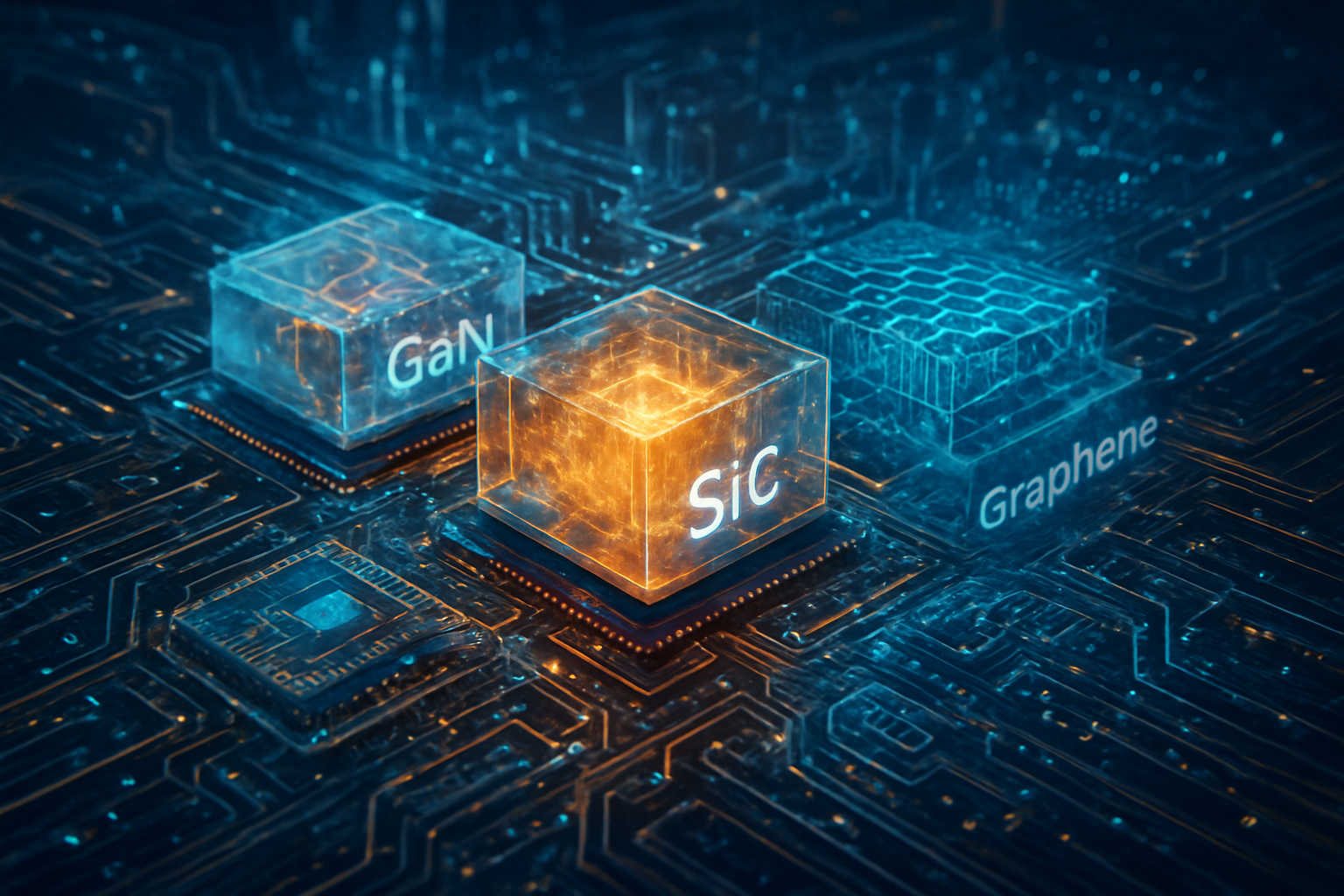
  • Germany’s €10 Billion Bet: Intel’s Magdeburg Megafab to Anchor European Semiconductor Independence

    Germany’s €10 Billion Bet: Intel’s Magdeburg Megafab to Anchor European Semiconductor Independence

    Berlin, Germany – October 2, 2025 – Over two years ago, on June 19, 2023, a landmark agreement was forged in Berlin, fundamentally reshaping the future of Europe's semiconductor landscape. Intel Corporation (NASDAQ: INTC) officially secured an unprecedented €10 billion (over $10 billion USD at the time of the agreement) in German state subsidies, cementing its commitment to build two state-of-the-art semiconductor manufacturing facilities in Magdeburg. This colossal investment, initially estimated at €30 billion, represented the single largest foreign direct investment in Germany's history and signaled a decisive move by the German government and the European Union to bolster regional semiconductor manufacturing capabilities and reduce reliance on volatile global supply chains.

    The immediate significance of this announcement was profound. For Intel, it solidified a critical pillar in CEO Pat Gelsinger's ambitious "IDM 2.0" strategy, aiming to regain process leadership and expand its global manufacturing footprint. For Germany and the broader European Union, it was a monumental leap towards achieving the goals of the European Chips Act, which seeks to double the EU's share of global chip production to 20% by 2030. This strategic partnership underscored a growing global trend of governments actively incentivizing domestic and regional semiconductor production, driven by geopolitical concerns and the harsh lessons learned from recent chip shortages that crippled industries worldwide.

    A New Era of Advanced Manufacturing: Intel's German Fabs Detailed

    The planned "megafab" complex in Magdeburg is not merely an expansion; it represents a generational leap in European semiconductor manufacturing capabilities. Intel's investment, now projected to exceed €30 billion, will fund two highly advanced fabrication plants (fabs) designed to produce chips utilizing cutting-edge process technologies. These fabs are expected to manufacture chips down to the Angstrom era, including Intel's 20A (equivalent to 2nm class) and 18A (1.8nm class) process nodes, positioning Europe at the forefront of semiconductor innovation. This marks a significant departure from much of Europe's existing, more mature process technology manufacturing, bringing the continent into direct competition with leading-edge foundries in Asia and the United States.

    Technically, these facilities will incorporate extreme ultraviolet (EUV) lithography, a highly complex and expensive technology essential for producing the most advanced chips. The integration of EUV will enable the creation of smaller, more power-efficient, and higher-performing transistors, crucial for next-generation AI accelerators, high-performance computing (HPC), and advanced mobile processors. This differs significantly from older fabrication methods that rely on deep ultraviolet (DUV) lithography, which cannot achieve the same level of precision or transistor density. The initial reactions from the AI research community and industry experts were overwhelmingly positive, viewing the investment as a critical step towards diversifying the global supply of advanced chips, which are increasingly vital for AI development and deployment. The prospect of having a robust, leading-edge foundry ecosystem within Europe is seen as a de-risking strategy against potential geopolitical disruptions and a catalyst for local innovation.

    The Magdeburg fabs are envisioned as a cornerstone of an integrated European semiconductor ecosystem, complementing Intel's existing operations in Ireland (Leixlip) and its planned assembly and test facility in Poland (Wrocław). This multi-site strategy aims to create an end-to-end manufacturing chain within the EU, from wafer fabrication to packaging and testing. The sheer scale and technological ambition of the Magdeburg project are unprecedented for Europe, signaling a strategic intent to move beyond niche manufacturing and become a significant player in the global production of advanced logic chips. This initiative is expected to attract a vast ecosystem of suppliers, research institutions, and skilled talent, further solidifying Europe's position in the global tech landscape.

    Reshaping the AI and Tech Landscape: Competitive Implications and Strategic Advantages

    The establishment of Intel's advanced manufacturing facilities in Germany carries profound implications for AI companies, tech giants, and startups across the globe. Primarily, companies relying on cutting-edge semiconductors for their AI hardware, from training supercomputers to inference engines, stand to benefit immensely. A diversified and geographically resilient supply chain for advanced chips reduces the risks associated with relying on a single region or foundry, potentially leading to more stable pricing, shorter lead times, and greater innovation capacity. This particularly benefits European AI startups and research institutions, granting them closer access to leading-edge process technology.

    The competitive landscape for major AI labs and tech companies will undoubtedly shift. While Intel (NASDAQ: INTC) itself aims to be a leading foundry service provider (Intel Foundry Services), this investment also strengthens its position as a primary supplier of processors and accelerators crucial for AI workloads. Other tech giants like NVIDIA (NASDAQ: NVDA), AMD (NASDAQ: AMD), and even hyperscalers developing their own custom AI silicon could potentially leverage Intel's European fabs for manufacturing, though the primary goal for Intel is to produce its own chips and offer foundry services. The presence of such advanced manufacturing capabilities in Europe could spur a new wave of hardware innovation, as proximity to fabs often fosters closer collaboration between chip designers and manufacturers.

    Potential disruption to existing products or services could arise from increased competition and the availability of more diverse manufacturing options. Companies currently tied to specific foundries might explore new partnerships, leading to a more dynamic and competitive market for chip manufacturing services. Furthermore, the strategic advantage for Intel is clear: by establishing a significant manufacturing presence in Europe, it aligns with governmental incentives, diversifies its global footprint, and positions itself as a critical enabler of European technological sovereignty. This move enhances its market positioning, not just as a chip designer, but as a foundational partner in the continent's digital future, potentially attracting more design wins and long-term contracts from European and international clients.

    Wider Significance: A Cornerstone of European Tech Sovereignty

    Intel's Magdeburg megafab, buoyed by over €10 billion in German subsidies, represents far more than just a factory; it is a cornerstone in Europe's ambitious quest for technological sovereignty and a critical component of the broader global recalibration of semiconductor supply chains. This initiative fits squarely into the overarching trend of "reshoring" or "friend-shoring" critical manufacturing capabilities, a movement accelerated by the COVID-19 pandemic and escalating geopolitical tensions. It signifies a collective recognition that an over-reliance on a geographically concentrated semiconductor industry, particularly in East Asia, poses significant economic and national security risks.

    The impacts of this investment are multifaceted. Economically, it promises thousands of high-tech jobs, stimulates local economies, and attracts a vast ecosystem of ancillary industries and research. Strategically, it provides Europe with a much-needed degree of independence in producing the advanced chips essential for everything from defense systems and critical infrastructure to next-generation AI and automotive technology. This directly addresses the vulnerabilities exposed during the recent global chip shortages, which severely impacted European industries, most notably the automotive sector. The initiative is a direct manifestation of the European Chips Act, a legislative package designed to mobilize over €43 billion in public and private investment to boost the EU's chip-making capacity.

    While the benefits are substantial, potential concerns include the immense scale of the subsidies, raising questions about market distortion and the long-term sustainability of such state aid. There are also challenges related to securing a highly skilled workforce and navigating the complex regulatory environment. Nevertheless, comparisons to previous AI and tech milestones highlight the significance. Just as the development of the internet or the rise of cloud computing fundamentally reshaped industries, the establishment of robust, regional advanced semiconductor manufacturing is a foundational step that underpins all future technological progress, especially in AI. It ensures that Europe will not merely be a consumer of advanced technology but a producer, capable of shaping its own digital destiny.

    The Road Ahead: Anticipated Developments and Lingering Challenges

    The journey for Intel's Magdeburg megafab is still unfolding, with significant developments expected in the near-term and long-term. In the immediate future, focus will remain on the construction phase, with thousands of construction jobs already underway and the complex process of installing highly specialized equipment. We can expect regular updates on construction milestones and potential adjustments to timelines, given the sheer scale and technical complexity of the project. Furthermore, as the facilities near operational readiness, there will be an intensified push for workforce development and training, collaborating with local universities and vocational schools to cultivate the necessary talent pool.

    Longer-term developments include the eventual ramp-up of production, likely commencing in 2027 or 2028, initially focusing on Intel's own leading-edge processors and eventually expanding to offer foundry services to external clients. The potential applications and use cases on the horizon are vast, ranging from powering advanced AI research and supercomputing clusters to enabling autonomous vehicles, sophisticated industrial automation, and cutting-edge consumer electronics. The presence of such advanced manufacturing capabilities within Europe could also foster a boom in local hardware startups, providing them with unprecedented access to advanced fabrication.

    However, significant challenges need to be addressed. Securing a continuous supply of skilled engineers, technicians, and researchers will be paramount. The global competition for semiconductor talent is fierce, and Germany will need robust strategies to attract and retain top-tier professionals. Furthermore, the operational costs of running such advanced facilities are enormous, and maintaining competitiveness against established Asian foundries will require ongoing innovation and efficiency. Experts predict that while the initial investment is a game-changer, the long-term success will hinge on the sustained commitment from both Intel and the German government, as well as the ability to adapt to rapidly evolving technological landscapes. The interplay of geopolitical factors, global economic conditions, and further technological breakthroughs will also shape the trajectory of this monumental undertaking.

    A New Dawn for European Tech: Securing the Future of AI

    Intel's strategic investment in Magdeburg, underpinned by over €10 billion in German subsidies, represents a pivotal moment in the history of European technology and a critical step towards securing the future of AI. The key takeaway is the profound commitment by both a global technology leader and a major European economy to build a resilient, cutting-edge semiconductor ecosystem within the continent. This initiative moves Europe from being primarily a consumer of advanced chips to a significant producer, directly addressing vulnerabilities in global supply chains and fostering greater technological independence.

    This development's significance in AI history cannot be overstated. Advanced semiconductors are the bedrock upon which all AI progress is built. By ensuring a robust, geographically diversified supply of leading-edge chips, Europe is laying the foundation for sustained innovation in AI research, development, and deployment. It mitigates risks associated with geopolitical instability and enhances the continent's capacity to develop and control its own AI hardware infrastructure, a crucial element for national security and economic competitiveness. The long-term impact will likely see a more integrated and self-sufficient European tech industry, capable of driving innovation from silicon to software.

    In the coming weeks and months, all eyes will be on the construction progress in Magdeburg, the ongoing recruitment efforts, and any further announcements regarding partnerships or technological advancements at the site. The success of this megafab will serve as a powerful testament to the effectiveness of government-industry collaboration in addressing strategic technological imperatives. As the world continues its rapid embrace of AI, the ability to manufacture the very components that power this revolution will be a defining factor, and with its Magdeburg investment, Germany and Europe are positioning themselves at the forefront of this new industrial era.

    This content is intended for informational purposes only and represents analysis of current AI developments.

    TokenRing AI delivers enterprise-grade solutions for multi-agent AI workflow orchestration, AI-powered development tools, and seamless remote collaboration platforms.
    For more information, visit https://www.tokenring.ai/.

  • TSMC Arizona’s Rocky Road: Delays, Soaring Costs, and the Future of Global Chip Manufacturing

    TSMC Arizona’s Rocky Road: Delays, Soaring Costs, and the Future of Global Chip Manufacturing

    Phoenix, Arizona – October 2, 2025 – Taiwan Semiconductor Manufacturing Company (TSMC) (NYSE: TSM), the world's leading contract chipmaker, is navigating a complex and costly path in its ambitious endeavor to establish advanced semiconductor manufacturing in the United States. Its multi-billion dollar fabrication plant in Arizona, a cornerstone of the US strategy to bolster domestic chip production and enhance supply chain resilience, has been plagued by significant delays and substantial cost overruns. These challenges underscore the monumental hurdles in replicating a highly specialized, globally interconnected ecosystem in a new geographic region, sending ripples across the global tech industry and raising questions about the future of semiconductor manufacturing.

    The immediate significance of these issues is multifold. For the United States, the delays push back the timeline for achieving greater self-sufficiency in cutting-edge chip production, potentially slowing the pace of advanced AI infrastructure development. For TSMC's key customers, including tech giants like Apple (NASDAQ: AAPL), NVIDIA (NASDAQ: NVDA), and AMD (NASDAQ: AMD), the situation creates uncertainty regarding diversified sourcing of their most advanced chips and could eventually lead to higher costs. More broadly, the Arizona experience serves as a stark reminder that reshoring advanced manufacturing is not merely a matter of investment but requires overcoming deep-seated challenges in labor, regulation, and supply chain maturity.

    The Technical Tangle: Unpacking the Delays and Cost Escalations

    TSMC's Arizona project, initially announced in May 2020, has seen its timeline and financial scope dramatically expand. The first fab (Fab 21), originally slated for volume production of 5-nanometer (nm) chips by late 2024, was later upgraded to 4nm and saw its operational start delayed to the first half of 2025. While initial test batches of 4nm chips were produced by late 2024, mass production officially commenced in the fourth quarter of 2024, with reported yields comparable to TSMC's Taiwanese facilities. The second fab, planned for 3nm production, has also been pushed back from its initial 2026 target to 2027 or 2028, although recent reports suggest production may begin ahead of this revised schedule due to strong customer demand. Groundwork for a third fab, aiming for 2nm and A16 (1.6nm) process technologies, has already begun, with production targeted by the end of the decade, possibly as early as 2027. TSMC CEO C.C. Wei noted that establishing the Arizona plant has taken "twice as long as similar facilities in Taiwan."

    The financial burden has soared. The initial $12 billion investment for one factory ballooned to $40 billion for two plants by December 2022, and most recently, TSMC committed to over $65 billion for three factories, with an additional $100 billion pledged for future expansion, bringing the total investment to $165 billion for a "gigafab cluster." This makes it the largest foreign direct investment in a greenfield project in U.S. history. Manufacturing costs are also significantly higher; while some estimates suggest production could be 50% to 100% more expensive than in Taiwan, a TechInsights study offered a more conservative 10% premium for processing a 300mm wafer, primarily reflecting initial setup costs. However, the overall cost of establishing a new, advanced manufacturing base from scratch in the US is undeniably higher due to the absence of an established ecosystem.

    The primary reasons for these challenges are multifaceted. A critical shortage of skilled construction workers and specialized personnel for advanced equipment installation has been a recurring issue. To address this, TSMC initially planned to bring hundreds of Taiwanese workers to assist and train local staff, a move that sparked debate with local labor unions. Navigating the complex U.S. regulatory environment and securing permits has also proven more time-consuming and costly, with TSMC reportedly spending $35 million and devising 18,000 rules to comply with local requirements. Furthermore, establishing a robust local supply chain for critical materials has been difficult, leading to higher logistics costs for importing essential chemicals and components from Taiwan. Differences in workplace culture between TSMC's rigorous Taiwanese approach and the American workforce have also contributed to frustrations and employee attrition. These issues highlight the deep ecosystem discrepancy between Taiwan's mature semiconductor infrastructure and the nascent one in the U.S.

    Corporate Ripples: Who Wins and Who Loses in the Arizona Shuffle

    The evolving situation at TSMC's Arizona plant carries significant implications for a spectrum of tech companies, from industry titans to nimble startups. For major fabless semiconductor companies like Apple, NVIDIA, and AMD, which rely heavily on TSMC's cutting-edge process nodes for their high-performance processors and AI accelerators, the delays mean that the immediate diversification of their most advanced chip supply to a US-based facility will not materialize as quickly as hoped. Any eventual higher manufacturing costs in Arizona could also translate into increased chip prices, impacting their product costs and potentially consumer prices. While TSMC aims for a 5-10% price increase for advanced nodes and a potential 50% surge for 2nm wafers, these increases would directly affect the profitability and competitive pricing of their products. Startups and smaller AI companies, often operating with tighter margins and less leverage, could find access to cutting-edge chips more challenging and expensive, hindering their ability to innovate and scale.

    Conversely, some competitors stand to gain. Intel (NASDAQ: INTC), with its aggressive push into foundry services (Intel Foundry Services – IFS) and substantial investments in its own US-based facilities (also in Arizona), could capture market share if TSMC's delays persist or if customers prioritize domestic production for supply chain resilience, even if it's not the absolute leading edge. Similarly, Samsung (KRX: 005930), another major player in advanced chip manufacturing and also building fabs in the U.S. (Texas), could leverage TSMC's Arizona challenges to attract customers seeking diversified advanced foundry options in North America. Ironically, TSMC's core operations in Taiwan benefit from the Arizona difficulties, reinforcing Taiwan's indispensable role as the primary hub for the company's most advanced R&D and manufacturing, thereby solidifying its "silicon shield."

    The competitive landscape is thus shifting towards regionalization. While existing products relying on TSMC's Taiwanese fabs face minimal direct disruption, companies hoping to exclusively source the absolute latest chips from the Arizona plant for new product lines might experience delays in their roadmaps. The higher manufacturing costs in the U.S. are likely to be passed down the supply chain, potentially leading to increased prices for AI hardware, smartphones, and other tech products. Ultimately, the Arizona experience underscores that while the U.S. aims to boost domestic production, replicating Taiwan's highly efficient and cost-effective ecosystem remains a formidable challenge, ensuring Taiwan's continued dominance in the very latest chip technologies for the foreseeable future.

    Wider Significance: Geopolitics, Resilience, and the Price of Security

    The delays and cost overruns at TSMC's Arizona plant extend far beyond corporate balance sheets, touching upon critical geopolitical, national security, and economic independence issues. This initiative, heavily supported by the US CHIPS and Science Act, is a direct response to the vulnerabilities exposed by the COVID-19 pandemic and the increasing geopolitical tensions surrounding Taiwan, which currently produces over 90% of the world's most advanced chips. The goal is to enhance global semiconductor supply chain resilience by diversifying manufacturing locations and reducing the concentrated risk in East Asia.

    In the broader AI landscape, these advanced chips are the bedrock of modern artificial intelligence, powering everything from sophisticated AI models and data centers to autonomous vehicles. Any slowdown in establishing advanced manufacturing capabilities in the U.S. could impact the speed and resilience of domestic AI infrastructure development. The strategic aim is to build a localized AI chip supply chain in the United States, reducing reliance on overseas production for these critical components. The challenges in Arizona highlight the immense difficulty in decentralizing a highly efficient but centralized global chip-making model, potentially ushering in a high-cost but more resilient decentralized model.

    From a national security perspective, semiconductors are now considered strategic assets. The TSMC Arizona project is a cornerstone of the U.S. strategy to reassert its leadership in chip production and counter China's technological ambitions. By securing access to critical components domestically, the U.S. aims to bolster its technological self-sufficiency and reduce strategic vulnerabilities. The delays, however, underscore the arduous path toward achieving this strategic autonomy, potentially affecting the pace at which the U.S. can de-risk its supply chain from geopolitical uncertainties.

    Economically, the push to reshore semiconductor manufacturing is a massive undertaking aimed at strengthening economic independence and creating high-skilled jobs. The CHIPS Act has allocated billions in federal funding, anticipating hundreds of billions in total investment. However, the Arizona experience highlights the significant economic challenges: the substantially higher costs of building and operating fabs in the U.S. (30-50% more than in Asia) pose a challenge to long-term competitiveness. These higher costs may translate into increased prices for consumer goods. Furthermore, the severe shortage of skilled labor is a recurring theme in industrial reshoring efforts, necessitating massive investment in workforce development. These challenges draw parallels to previous industrial reshoring efforts where the desire for domestic production clashed with economic realities, emphasizing that supply chain security comes at a price.

    The Road Ahead: Future Developments and Expert Outlook

    Despite the initial hurdles, TSMC's Arizona complex is poised for significant future developments, driven by an unprecedented surge in demand for AI and high-performance computing chips. The site is envisioned as a "gigafab cluster" with a total investment reaching $165 billion, encompassing six semiconductor wafer fabs, two advanced packaging facilities, and an R&D team center.

    In the near term, the first fab is now in high-volume production of 4nm chips. The second fab, for 3nm and potentially 2nm chips, has completed construction and is expected to commence production ahead of its revised 2028 schedule due to strong customer demand. Groundwork for the third fab, adopting 2nm and A16 (1.6nm) process technologies, began in April 2025, with production targeted by the end of the decade, possibly as early as 2027. TSMC plans for approximately 30% of its 2nm and more advanced capacity to be located in Arizona once these facilities are completed. The inclusion of advanced packaging facilities and an R&D center is crucial for creating a complete domestic AI supply chain.

    These advanced chips will power a wide range of cutting-edge applications, from AI accelerators and data centers for training advanced machine learning models to next-generation mobile devices, autonomous vehicles, and aerospace technologies. Customers like Apple, NVIDIA, AMD, Broadcom, and Qualcomm (NASDAQ: QCOM) are all reliant on TSMC's advanced process nodes for their innovations in these fields.

    However, significant challenges persist. The high costs of manufacturing in the U.S., regulatory complexities, persistent labor shortages, and existing supply chain gaps remain formidable obstacles. The lack of a complete semiconductor supply chain, particularly for upstream and downstream companies, means TSMC still needs to import key components and raw materials, adding to costs and logistical strain.

    Experts predict a future of recalibration and increased regionalization in global semiconductor manufacturing. The industry is moving towards a more distributed and resilient global technology infrastructure, with significant investments in the U.S., Europe, and Japan. While Taiwan is expected to maintain its core technological and research capabilities, its share of global advanced semiconductor production is projected to decline as other regions ramp up domestic capacity. This diversification aims to mitigate risks from geopolitical conflicts or natural disasters. However, this regionalization will likely lead to higher chip prices, as the cost of supply chain security is factored in. The insatiable demand for AI is seen as a primary driver, fueling the need for increasingly sophisticated silicon and advanced packaging technologies.

    A New Era of Chipmaking: The Long-Term Impact and What to Watch

    TSMC's Arizona project, despite its tumultuous start, represents a pivotal moment in the history of global semiconductor manufacturing. It underscores a fundamental shift from a purely cost-optimized global supply chain to one that increasingly prioritizes security and resilience, even at a higher cost. This strategic pivot is a direct response to the vulnerabilities exposed by recent global events and the escalating geopolitical landscape.

    The long-term impact of TSMC's Arizona mega-cluster is expected to be profound. Economically, the project is projected to create thousands of direct high-tech jobs and tens of thousands of construction and supplier jobs, generating substantial economic output for Arizona. Technologically, the focus on advanced nodes like 4nm, 3nm, 2nm, and A16 will solidify the U.S.'s position in cutting-edge chip technology, crucial for future innovations in AI, high-performance computing, and other emerging fields. Geopolitically, it represents a significant step towards bolstering U.S. technological independence and reducing reliance on overseas chip production, though Taiwan will likely retain its lead in the most advanced R&D and production for the foreseeable future. The higher operational costs outside of Taiwan are expected to translate into a 5-10% increase for advanced node chips, and potentially a 50% surge for 2nm wafers, representing the "price of supply chain security."

    In the coming weeks and months, several key developments will be crucial to watch. Firstly, monitor reports on the production ramp-up of the first 4nm fab and the official commencement of 3nm chip production at the second fab, including updates on yield rates and manufacturing efficiency. Secondly, look for further announcements regarding the timeline and specifics of the additional $100 billion investment, including the groundbreaking and construction progress of new fabs, advanced packaging plants, and the R&D center. Thirdly, observe how TSMC and local educational institutions continue to address the skilled labor shortage and how efforts to establish a more robust domestic supply chain progress. Finally, pay attention to any new U.S. government policies or international trade discussions that could impact the semiconductor industry or TSMC's global strategy, including potential tariffs on imported semiconductors. The success of TSMC Arizona will be a significant indicator of the viability and long-term effectiveness of large-scale industrial reshoring initiatives in a geopolitically charged world.

    This content is intended for informational purposes only and represents analysis of current AI developments.

    TokenRing AI delivers enterprise-grade solutions for multi-agent AI workflow orchestration, AI-powered development tools, and seamless remote collaboration platforms.
    For more information, visit https://www.tokenring.ai/.

  • KOSPI Soars Past 3,500 Milestone as Samsung and SK Hynix Power OpenAI’s Ambitious ‘Stargate’ Initiative

    KOSPI Soars Past 3,500 Milestone as Samsung and SK Hynix Power OpenAI’s Ambitious ‘Stargate’ Initiative

    Seoul, South Korea – October 2, 2025 – The Korea Composite Stock Price Index (KOSPI) achieved a historic milestone today, surging past the 3,500-point barrier for the first time ever, closing at an unprecedented 3,549.21. This monumental leap, representing a 2.70% increase on the day and a nearly 48% rise year-to-date, was overwhelmingly fueled by the groundbreaking strategic partnerships between South Korean technology titans Samsung and SK Hynix with artificial intelligence powerhouse OpenAI. The collaboration, central to OpenAI's colossal $500 billion 'Stargate' initiative, has ignited investor confidence, signaling South Korea's pivotal role in the global AI infrastructure race and cementing the critical convergence of advanced semiconductors and artificial intelligence.

    The immediate market reaction was nothing short of euphoric. Foreign investors poured an unprecedented 3.1396 trillion won (approximately $2.3 billion USD) into the South Korean stock market, marking the largest single-day net purchase since 2000. This record influx was a direct response to the heightened expectations for domestic semiconductor stocks, with both Samsung Electronics (KRX: 005930) and SK Hynix (KRX: 000660) experiencing significant share price rallies. SK Hynix shares surged by as much as 12% to an all-time high, while Samsung Electronics climbed up to 5%, reaching a near four-year peak. This collective rally added over $30 billion to their combined market capitalization, propelling the KOSPI to its historic close and underscoring the immense value investors place on securing the hardware backbone for the AI revolution.

    The Technical Backbone of AI's Next Frontier: Stargate and Advanced Memory

    The core of this transformative partnership lies in securing an unprecedented volume of advanced semiconductor solutions, primarily High-Bandwidth Memory (HBM) chips, for OpenAI's 'Stargate' initiative. This colossal undertaking, estimated at $500 billion over the next few years, aims to construct a global network of hyperscale AI data centers to support the development and deployment of next-generation AI models.

    Both Samsung Electronics and SK Hynix have signed letters of intent to supply critical HBM semiconductors, with a particular focus on the latest iterations like HBM3E and the upcoming HBM4. HBM chips are vertically stacked DRAM dies that offer significantly higher bandwidth and lower power consumption compared to traditional DRAM, making them indispensable for powering AI accelerators like GPUs. SK Hynix, a recognized market leader in HBM, is poised to be a key supplier, also collaborating with TSMC (NYSE: TSM) on HBM4 development. Samsung, while aggressively developing HBM4, will also leverage its broader semiconductor portfolio, including logic and foundry services, advanced chip packaging technologies, and heterogeneous integration, to provide end-to-end solutions for OpenAI. OpenAI's projected memory demand for Stargate is staggering, anticipated to reach up to 900,000 DRAM wafers per month by 2029 – a volume that more than doubles the current global HBM industry capacity and roughly 40% of the total global DRAM output.

    This collaboration signifies a fundamental departure from previous AI infrastructure approaches. Instead of solely relying on general-purpose GPUs and their integrated memory from vendors like Nvidia (NASDAQ: NVDA), OpenAI is moving towards greater vertical integration and direct control over its underlying hardware. This involves securing a direct and stable supply of critical memory components and exploring its own custom AI application-specific integrated circuit (ASIC) chip design. The partnership extends beyond chip supply, encompassing the design, construction, and operation of AI data centers, with Samsung SDS (KRX: 018260) and SK Telecom (KRX: 017670) involved in various aspects, including the exploration of innovative floating data centers by Samsung C&T (KRX: 028260) and Samsung Heavy Industries (KRX: 010140). This holistic, strategic alliance ensures a critical pipeline of memory chips and infrastructure for OpenAI, providing a more optimized and efficient hardware stack for its demanding AI workloads.

    Initial reactions from the AI research community and industry experts have been largely positive, acknowledging the "undeniable innovation and market leadership" demonstrated by OpenAI and its partners. Many see the securing of such massive, dedicated supply lines as absolutely critical for sustaining the rapid pace of AI innovation. However, some analysts have expressed cautious skepticism regarding the sheer scale of the projected memory demand, with some questioning the feasibility of 900,000 wafers per month, and raising concerns about potential speculative bubbles in the AI sector. Nevertheless, the consensus generally leans towards recognizing these partnerships as crucial for the future of AI development.

    Reshaping the AI Landscape: Competitive Implications and Market Shifts

    The Samsung/SK Hynix-OpenAI partnership is set to dramatically reshape the competitive landscape for AI companies, tech giants, and even startups. OpenAI stands as the primary beneficiary, gaining an unparalleled strategic advantage by securing direct access to an immense and stable supply of cutting-edge HBM and DRAM chips. This mitigates significant supply chain risks and is expected to accelerate the development of its next-generation AI models and custom AI accelerators, vital for its pursuit of artificial general intelligence (AGI).

    The Samsung Group and SK Group affiliates are also poised for massive gains. Samsung Electronics and SK Hynix will experience a guaranteed, substantial revenue stream from the burgeoning AI sector, solidifying their leadership in the advanced memory market. Samsung SDS will benefit from providing expertise in AI data center design and operations, while Samsung C&T and Samsung Heavy Industries will lead innovative floating offshore data center development. SK Telecom will collaborate on building AI data centers in Korea, leveraging its telecommunications infrastructure. Furthermore, South Korea itself stands to benefit immensely, positioning itself as a critical hub for global AI infrastructure, attracting significant investment and promoting economic growth.

    For OpenAI's rivals, such as Google DeepMind (NASDAQ: GOOGL), Anthropic, and Meta AI (NASDAQ: META), this partnership intensifies the "AI arms race." OpenAI's secured access to vast HBM volumes could make it harder or more expensive for competitors to acquire necessary high-performance memory chips, potentially creating an uneven playing field. While Nvidia's GPUs remain dominant, OpenAI's move towards custom silicon, supported by these memory alliances, signals a long-term strategy for diversification that could eventually temper Nvidia's near-monopoly. Other tech giants like Google (NASDAQ: GOOGL), Microsoft (NASDAQ: MSFT), and Amazon (NASDAQ: AMZN), already developing their own proprietary AI chips, will face increased pressure to accelerate their custom hardware development efforts to secure their AI compute supply chains. Memory market competitors like Micron Technology (NASDAQ: MU) will find it challenging to expand their market share against the solidified duopoly of Samsung and SK Hynix in the HBM market.

    The immense demand from OpenAI could lead to several disruptions, including potential supply shortages and price increases for HBM and DRAM, disproportionately affecting smaller companies. It will also force memory manufacturers to reconfigure production lines, traditionally tied to cyclical PC and smartphone demand, to prioritize the consistent, high-growth demand from the AI sector. Ultimately, this partnership grants OpenAI greater control over its hardware destiny, reduces reliance on third-party suppliers, and accelerates its ability to innovate. It cements Samsung and SK Hynix's market positioning as indispensable suppliers, transforming the historically cyclical memory business into a more stable growth engine, and reinforces South Korea's ambition to become a global AI hub.

    A New Era: Wider Significance and Geopolitical Currents

    This alliance between OpenAI, Samsung, and SK Hynix marks a profound development within the broader AI landscape, signaling a critical shift towards deeply integrated hardware-software strategies. It highlights a growing trend where leading AI developers are exerting greater control over their fundamental hardware infrastructure, recognizing that software advancements must be paralleled by breakthroughs and guaranteed access to underlying hardware. This aims to mitigate supply chain risks and accelerate the development of next-generation AI models and potentially Artificial General Intelligence (AGI).

    The partnership will fundamentally reshape global technology supply chains, particularly within the memory chip market. OpenAI's projected demand of 900,000 DRAM wafers per month by 2029 could account for as much as 40% of the total global DRAM output, straining and redefining industry capacities. This immense demand from a single entity could lead to price increases or shortages for other industries and create an uneven playing field. Samsung and SK Hynix, with their combined 70% share of the global DRAM market and nearly 80% of the HBM market, are indispensable partners. This collaboration also emphasizes a broader trend of prioritizing supply chain resilience and regionalization, often driven by geopolitical considerations.

    The escalating energy consumption of AI data centers is a major concern, and this partnership seeks to address it through innovative solutions. The exploration of floating offshore data centers by Samsung C&T and Samsung Heavy Industries offers potential benefits such as lower cooling costs, reduced carbon emissions, and a solution to land scarcity. More broadly, memory subsystems can account for up to 50% of the total system power in modern AI clusters, making energy efficiency a strategic imperative as power becomes a limiting factor for scaling AI infrastructure. Innovations like computational random-access memory (CRAM) and in-memory computing (CIM) are being explored to dramatically reduce power demands.

    This partnership significantly bolsters South Korea's national competitiveness in the global AI race, reinforcing its position as a critical global AI hub. For the United States, the alliance with South Korean chipmakers aligns with its strategic interest in securing access to advanced semiconductors crucial for AI leadership. Countries worldwide are investing heavily in domestic chip production and forming strategic alliances, recognizing that technological leadership translates into national security and economic prosperity.

    However, concerns regarding market concentration and geopolitical implications are also rising. The AI memory market is already highly concentrated, and OpenAI's unprecedented demand could further intensify this, potentially leading to price increases or supply shortages for other companies. Geopolitically, this partnership occurs amidst escalating "techno-nationalism" and a "Silicon Curtain" scenario, where advanced semiconductors are strategic assets fueling intense competition between global powers. South Korea's role as a vital supplier to the US-led tech ecosystem is elevated but also complex, navigating these geopolitical tensions.

    While previous AI milestones often focused on algorithmic advancements (like AlphaGo's victory), this alliance represents a foundational shift in how the infrastructure for AI development is approached. It signals a recognition that the physical limitations of hardware, particularly memory, are now a primary bottleneck for achieving increasingly ambitious AI goals, including AGI. It is a strategic move to secure the computational "fuel" for the next generation of AI, indicating that the era of relying solely on incremental improvements in general-purpose hardware is giving way to highly customized and secured supply chains for AI-specific infrastructure.

    The Horizon of AI: Future Developments and Challenges Ahead

    The Samsung/SK Hynix-OpenAI partnership is set to usher in a new era of AI capabilities and infrastructure, with significant near-term and long-term developments on the horizon. In the near term, the immediate focus will be on ramping up the supply of cutting-edge HBM and high-performance DRAM to meet OpenAI's projected demand of 900,000 DRAM wafers per month by 2029. Samsung SDS will actively collaborate on the design and operation of Stargate AI data centers, with SK Telecom exploring a "Stargate Korea" initiative. Samsung SDS will also extend its expertise to provide enterprise AI services and act as an official reseller of OpenAI's services in Korea, facilitating the adoption of ChatGPT Enterprise.

    Looking further ahead, the long-term vision includes the development of next-generation global AI data centers, notably the ambitious joint development of floating data centers by Samsung C&T and Samsung Heavy Industries. These innovative facilities aim to address land scarcity, reduce cooling costs, and lower carbon emissions. Samsung Electronics will also contribute its differentiated capabilities in advanced chip packaging and heterogeneous integration, while both companies intensify efforts to develop and mass-produce next-generation HBM4 products. This holistic innovation across the entire AI stack—from memory semiconductors and data centers to energy solutions and networks—is poised to solidify South Korea's role as a critical global AI hub.

    The enhanced computational power and optimized infrastructure resulting from this partnership are expected to unlock unprecedented AI applications. We can anticipate the training and deployment of even larger, more sophisticated generative AI models, leading to breakthroughs in natural language processing, image generation, video creation, and multimodal AI. This could dramatically accelerate scientific discovery in fields like drug discovery and climate modeling, and lead to more robust autonomous systems. By expanding infrastructure and enterprise services, cutting-edge AI could also become more accessible, fostering innovation across various industries and potentially enabling more powerful and efficient AI processing at the edge.

    However, significant challenges must be addressed. The sheer manufacturing scale required to meet OpenAI's demand, which more than doubles current HBM industry capacity, presents a massive hurdle. The immense energy consumption of hyperscale AI data centers remains a critical environmental and operational challenge, even with innovative solutions like floating data centers. Technical complexities associated with advanced chip packaging, heterogeneous integration, and floating data center deployment are substantial. Geopolitical factors, including international trade policies and export controls, will continue to influence supply chains and resource allocation, particularly as nations pursue "sovereign AI" capabilities. Finally, the estimated $500 billion cost of the Stargate project highlights the immense financial investment required.

    Industry experts view this semiconductor alliance as a "defining moment" for the AI landscape, signifying a critical convergence of AI development and semiconductor manufacturing. They predict a growing trend of vertical integration, with AI developers seeking greater control over their hardware destiny. The partnership is expected to fundamentally reshape the memory chip market for years to come, emphasizing the need for deeper hardware-software co-design. While focused on memory, the long-term collaboration hints at future custom AI chip development beyond general-purpose GPUs, with Samsung's foundry capabilities potentially playing a key role.

    A Defining Moment for AI and Global Tech

    The KOSPI's historic surge past the 3,500-point mark, driven by the Samsung/SK Hynix-OpenAI partnerships, encapsulates a defining moment in the trajectory of artificial intelligence and the global technology industry. It vividly illustrates the unprecedented demand for advanced computing hardware, particularly High-Bandwidth Memory, that is now the indispensable fuel for the AI revolution. South Korean chipmakers have cemented their pivotal role as the enablers of this new era, their technological prowess now intrinsically linked to the future of AI.

    The key takeaways from this development are clear: the AI industry's insatiable demand for HBM is reshaping the semiconductor market, South Korea is emerging as a critical global AI infrastructure hub, and the future of AI development hinges on broad, strategic collaborations that span hardware and software. This alliance is not merely a supplier agreement; it represents a deep, multifaceted partnership aimed at building the foundational infrastructure for artificial general intelligence.

    In the long term, this collaboration promises to accelerate AI development, redefine the memory market from cyclical to consistently growth-driven, and spur innovation in data center infrastructure, including groundbreaking solutions like floating data centers. Its geopolitical implications are also significant, intensifying the global competition for AI leadership and highlighting the strategic importance of controlling advanced semiconductor supply chains. The South Korean economy, heavily reliant on semiconductor exports, stands to benefit immensely, solidifying its position on the global tech stage.

    As the coming weeks and months unfold, several key aspects warrant close observation. We will be watching for the detailed definitive agreements that solidify the letters of intent, including specific supply volumes and financial terms. The progress of SK Hynix and Samsung in rapidly expanding HBM production capacity, particularly Samsung's push in next-generation HBM4, will be crucial. Milestones in the construction and operational phases of OpenAI's Stargate data centers, especially the innovative floating designs, will provide tangible evidence of the partnership's execution. Furthermore, the responses from other memory manufacturers (like Micron Technology) and major AI companies to this significant alliance will indicate how the competitive landscape continues to evolve. Finally, the KOSPI index and the broader performance of related semiconductor and technology stocks will serve as a barometer of market sentiment and the realization of the anticipated growth and impact of this monumental collaboration.

    This content is intended for informational purposes only and represents analysis of current AI developments.

    TokenRing AI delivers enterprise-grade solutions for multi-agent AI workflow orchestration, AI-powered development tools, and seamless remote collaboration platforms.
    For more information, visit https://www.tokenring.ai/.