Tag: AI

  • ChipAgents Secures $21 Million to Revolutionize AI Chip Design with Agentic AI Platform

    ChipAgents Secures $21 Million to Revolutionize AI Chip Design with Agentic AI Platform

    Santa Barbara, CA – October 22, 2025 – ChipAgents, a trailblazing electronic design automation (EDA) company, has announced the successful closure of an oversubscribed $21 million Series A funding round. This significant capital infusion, which brings their total funding to $24 million, is set to propel the development and deployment of its innovative agentic AI platform, designed to redefine the landscape of AI chip design and verification. The announcement, made yesterday, October 21, 2025, underscores a pivotal moment in the AI semiconductor sector, highlighting a growing investor confidence in AI-driven solutions for hardware development.

    The funding round signals a robust belief in ChipAgents' vision to automate and accelerate the notoriously complex and time-consuming process of chip design. With modern chips housing billions, even trillions, of logic gates, traditional manual methods are becoming increasingly untenable. ChipAgents' platform promises to alleviate this bottleneck, empowering engineers to focus on higher-level innovation rather than tedious, routine tasks, thereby ushering in a new era of efficiency and capability in semiconductor development.

    Unpacking the Agentic AI Revolution in Silicon Design

    ChipAgents' core innovation lies in its "agentic AI platform," a sophisticated system engineered to transform how hardware companies define, validate, and refine Register-Transfer Level (RTL) code. This platform leverages generative AI to automate a wide spectrum of routine design and verification tasks, offering a stark contrast to previous, predominantly manual, and often error-prone approaches.

    At its heart, the platform boasts several key functionalities. It intelligently automates the initial stages of chip design by generating RTL code and automatically producing comprehensive documentation, tasks that traditionally demand extensive human effort. Furthermore, it excels in identifying inconsistencies and flaws by cross-checking specifications across multiple documents, a critical step in preventing costly errors down the line. Perhaps most impressively, ChipAgents dramatically accelerates debugging and verification processes. It can automatically generate test benches, rules, and assertions in minutes – tasks that typically consume weeks of an engineer's time. This significant speed-up is achieved by empowering designers with natural language-based commands, allowing them to intuitively guide the AI in code generation, testbench creation, debugging, and verification. The company claims an ambitious goal of boosting RTL design and verification productivity by a factor of 10x, and has already demonstrated an 80% higher productivity in verification compared to industry standards across independent teams, with its platform currently deployed at 50 leading semiconductor companies.

    Initial reactions from the AI research community and industry experts have been overwhelmingly positive. Professor William Wang, founder and CEO of ChipAgents, emphasized that the semiconductor industry is "witnessing the transformation… into agentic AI solutions for design verification." Investors echoed this sentiment, with Lance Co Ting Keh, Venture Partner at Bessemer Venture Partners, hailing ChipAgents as "the best product in the market that does AI-powered RTL design, debugging, and verification for chip developers." He further noted that the platform "brings together disparate EDA tools from spec ingestion to waveform analysis," positioning it as a "true force multiplier for hardware design engineers." This unified approach and significant productivity gains mark a substantial departure from fragmented EDA toolchains and manual processes that have long characterized the industry.

    Reshaping the Competitive Landscape: Implications for Tech Giants and Startups

    The success of ChipAgents' Series A funding round and the rapid adoption of its platform carry significant implications for the broader AI and semiconductor industries. Semiconductor giants like Micron Technology Inc. (NASDAQ: MU), MediaTek Inc. (TPE: 2454), and Ericsson (NASDAQ: ERIC), who participated as strategic backers in the funding round, stand to benefit directly. Their investment signifies a commitment to integrating cutting-edge AI-driven design tools into their workflows, ultimately leading to faster, more efficient, and potentially more innovative chip development for their own products. The 50 leading semiconductor companies already deploying ChipAgents' technology further underscore this immediate benefit.

    For major AI labs and tech companies, this development means the promise of more powerful and specialized AI hardware arriving on the market at an accelerated pace. As AI models grow in complexity and demand increasingly tailored silicon, tools that can speed up custom chip design become invaluable. This could give companies leveraging ChipAgents' platform a competitive edge in developing next-generation AI accelerators and specialized processing units.

    The competitive landscape for established EDA tool providers like Synopsys Inc. (NASDAQ: SNPS), Cadence Design Systems Inc. (NASDAQ: CDNS), and Siemens EDA (formerly Mentor Graphics) could face significant disruption. While these incumbents offer comprehensive suites of tools, ChipAgents' agentic AI platform directly targets a core, labor-intensive segment of their market – RTL design and verification – with a promise of unprecedented automation and productivity. The fact that former CTOs and CEOs from these very companies (Raúl Camposano from Synopsys, Jack Harding from Cadence, Wally Rhines from Mentor Graphics) are now advisors to ChipAgents speaks volumes about the perceived transformative power of this new approach. ChipAgents is strategically positioned to capture a substantial share of the growing market for AI-powered EDA solutions, potentially forcing incumbents to rapidly innovate or acquire similar capabilities to remain competitive.

    Broader Significance: Fueling the AI Hardware Renaissance

    ChipAgents' breakthrough fits squarely into the broader AI landscape, addressing one of its most critical bottlenecks: the efficient design and production of specialized AI hardware. As AI models become larger and more complex, the demand for custom-designed chips optimized for specific AI workloads (e.g., neural network inference, training, specialized data processing) has skyrocketed. This funding round underscores a significant trend: the convergence of generative AI with core engineering disciplines, moving beyond mere software code generation to fundamental hardware design.

    The impacts are profound. By dramatically shortening chip design cycles and accelerating verification, ChipAgents directly contributes to the pace of AI innovation. Faster chip development means quicker iterations of AI hardware, enabling more powerful and efficient AI systems to reach the market sooner. This, in turn, fuels advancements across various AI applications, from autonomous vehicles and advanced robotics to sophisticated data analytics and scientific computing. The platform's ability to reduce manual effort could also lead to significant cost savings in development, making advanced chip design more accessible and potentially fostering a new wave of semiconductor startups.

    Potential concerns, though not immediately apparent, could include the long-term implications for the workforce, particularly for entry-level verification engineers whose tasks might be increasingly automated. There's also the ongoing challenge of ensuring the absolute reliability and security of AI-generated hardware designs, as flaws at this fundamental level could have catastrophic consequences. Nevertheless, this development can be compared to previous AI milestones, such as the application of AI to software code generation, but it takes it a step further by applying these powerful generative capabilities to the intricate world of silicon, pushing the boundaries of what AI can design autonomously.

    The Road Ahead: Future Developments and Expert Predictions

    Looking ahead, ChipAgents is poised for rapid expansion and deeper integration into the semiconductor ecosystem. In the near term, we can expect to see continued adoption of its platform by a wider array of semiconductor companies, driven by the compelling productivity gains demonstrated thus far. The company will likely focus on expanding the platform's capabilities, potentially encompassing more stages of the chip design flow beyond RTL, such as high-level synthesis or even physical design aspects, further solidifying its "agentic AI" approach.

    Long-term, the potential applications and use cases are vast. We could be on the cusp of an era where fully autonomous chip design, guided by high-level specifications, becomes a reality. This could lead to the creation of highly specialized, ultra-efficient AI chips tailored for niche applications, accelerating innovation in areas currently limited by hardware constraints. Imagine AI designing AI, creating a virtuous cycle of technological advancement.

    However, challenges remain. Ensuring the trustworthiness and verifiability of AI-generated RTL code will be paramount, requiring robust validation frameworks. Seamless integration into diverse and often legacy EDA toolchains will also be a continuous effort. Experts predict that AI-driven EDA tools like ChipAgents will become indispensable, further accelerating the pace of Moore's Law and enabling the development of increasingly complex and performant chips that would be impossible to design with traditional methods. The industry is watching to see how quickly these agentic AI solutions can mature and become the standard for semiconductor development.

    A New Dawn for Silicon Innovation

    ChipAgents' $21 million Series A funding marks a significant inflection point in the artificial intelligence and semiconductor industries. It underscores the critical role that specialized AI hardware plays in the broader AI revolution and highlights the transformative power of generative and agentic AI applied to complex engineering challenges. The company's platform, with its promise of 10x productivity gains and 80% higher verification efficiency, is not just an incremental improvement; it represents a fundamental shift in how chips will be designed.

    This development will undoubtedly be remembered as a key milestone in AI history, demonstrating how intelligent agents can fundamentally redefine human-computer interaction in highly technical fields. The long-term impact will likely be a dramatic acceleration in the development of AI hardware, leading to more powerful, efficient, and innovative AI systems across all sectors. In the coming weeks and months, industry observers will be watching closely for further adoption metrics, new feature announcements from ChipAgents, and how established EDA players respond to this formidable new competitor. The race to build the future of AI hardware just got a significant boost.


    This content is intended for informational purposes only and represents analysis of current AI developments.

    TokenRing AI delivers enterprise-grade solutions for multi-agent AI workflow orchestration, AI-powered development tools, and seamless remote collaboration platforms.
    For more information, visit https://www.tokenring.ai/.

  • Broadcom’s AI Ascendancy: A 66% Revenue Surge Propels Semiconductor Sector into a New Era

    Broadcom’s AI Ascendancy: A 66% Revenue Surge Propels Semiconductor Sector into a New Era

    SAN JOSE, CA – October 22, 2025 – Broadcom Inc. (NASDAQ: AVGO) is poised to cement its position as a foundational architect of the artificial intelligence revolution, projecting a staggering 66% year-over-year rise in AI revenues for its fourth fiscal quarter of 2025, reaching approximately $6.2 billion. This remarkable growth is expected to drive an overall 30% climb in its semiconductor sales, totaling around $10.7 billion for the same period. These bullish forecasts, unveiled by CEO Hock Tan during the company's Q3 fiscal 2025 earnings call on September 4, 2025, underscore the profound and accelerating link between advanced AI development and the demand for specialized semiconductor hardware.

    The anticipated financial performance highlights Broadcom's strategic pivot and robust execution in delivering high-performance, custom AI accelerators and cutting-edge networking solutions crucial for hyperscale AI data centers. As the AI "supercycle" intensifies, the company's ability to cater to the bespoke needs of tech giants and leading AI labs is translating directly into unprecedented revenue streams, signaling a fundamental shift in the AI hardware landscape. The figures underscore not just Broadcom's success, but the insatiable demand for the underlying silicon infrastructure powering the next generation of intelligent systems.

    The Technical Backbone of AI: Broadcom's Custom Silicon and Networking Prowess

    Broadcom's projected growth is rooted deeply in its sophisticated portfolio of AI-related semiconductor products and technologies. At the forefront are its custom AI accelerators, known as XPUs (Application-Specific Integrated Circuits or ASICs), which are co-designed with hyperscale clients to optimize performance for specific AI workloads. Unlike general-purpose GPUs (Graphics Processing Units) that serve a broad range of computational tasks, Broadcom's XPUs are meticulously tailored, offering superior performance-per-watt and cost efficiency for large-scale AI training and inference. This approach has allowed Broadcom to secure a commanding 75% market share in the custom ASIC AI accelerator market, with key partnerships including Google (co-developing TPUs for over a decade), Meta Platforms (NASDAQ: META), and a significant, widely reported $10 billion deal with OpenAI for custom AI chips and network systems. Broadcom plans to introduce next-generation XPUs built on advanced 3-nanometer technology in late fiscal 2025, further pushing the boundaries of efficiency and power.

    Complementing its custom silicon, Broadcom's advanced networking solutions are critical for linking the vast arrays of AI accelerators in modern data centers. The recently launched Tomahawk 6 – Davisson Co-Packaged Optics (CPO) Ethernet switch delivers an unprecedented 102.4 Terabits per second (Tbps) of optically enabled switching capacity in a single chip, doubling the bandwidth of its predecessor. This leap significantly alleviates network bottlenecks in demanding AI workloads, incorporating "Cognitive Routing 2.0" for dynamic congestion control and rapid failure detection, ensuring optimal utilization and reduced latency. Furthermore, its co-packaged optics design slashes power consumption per bit by up to 40%. Broadcom also introduced the Thor Ultra 800G AI Ethernet Network Interface Card (NIC), the industry's first, designed to interconnect hundreds of thousands of XPUs. Adhering to the open Ultra Ethernet Consortium (UEC) specification, Thor Ultra modernizes RDMA (Remote Direct Memory Access) with innovations like packet-level multipathing and selective retransmission, enabling unparalleled performance and efficiency in an open ecosystem.

    The technical community and industry experts have largely welcomed Broadcom's strategic direction. Analysts view Broadcom as a formidable competitor to Nvidia (NASDAQ: NVDA), particularly in the AI networking space and for custom AI accelerators. The focus on custom ASICs addresses the growing need among hyperscalers for greater control over their AI hardware stack, reducing reliance on off-the-shelf solutions. The immense bandwidth capabilities of Tomahawk 6 and Thor Ultra are hailed as "game-changers" for AI networking, enabling the creation of massive computing clusters with over a million XPUs. Broadcom's commitment to open, standards-based Ethernet solutions is seen as a crucial counterpoint to proprietary interconnects, offering greater flexibility and interoperability, and positioning the company as a long-term bullish catalyst in the AI infrastructure build-out.

    Reshaping the AI Competitive Landscape: Broadcom's Strategic Advantage

    Broadcom's surging AI and semiconductor growth has profound implications for the competitive landscape, benefiting several key players while intensifying pressure on others. Directly, Broadcom Inc. (NASDAQ: AVGO) stands to gain significantly from the escalating demand for its specialized silicon and networking products, solidifying its position as a critical infrastructure provider. Hyperscale cloud providers and AI labs such as Google (NASDAQ: GOOGL), Meta Platforms (NASDAQ: META), ByteDance, and OpenAI are major beneficiaries, leveraging Broadcom's custom AI accelerators to optimize their unique AI workloads, reduce vendor dependence, and achieve superior cost and energy efficiency for their vast data centers. Taiwan Semiconductor Manufacturing Company (NYSE: TSM), as a primary foundry for Broadcom, also stands to gain from the increased demand for advanced chip production and packaging. Furthermore, providers of High-Bandwidth Memory (HBM) like SK Hynix and Micron Technology (NASDAQ: MU), along with cooling and power management solution providers, will see boosted demand driven by the complexity and power requirements of these advanced AI chips.

    The competitive implications are particularly acute for established players in the AI chip market. Broadcom's aggressive push into custom ASICs and advanced Ethernet networking directly challenges Nvidia's long-standing dominance in general-purpose GPUs and its proprietary NVLink interconnect. While Nvidia is likely to retain leadership in highly demanding AI training scenarios, Broadcom's custom ASICs are gaining significant traction in large-scale inference and specialized AI applications due to their efficiency. OpenAI's multi-year collaboration with Broadcom for custom AI accelerators is a strategic move to diversify its supply chain and reduce its dependence on Nvidia. Similarly, Broadcom's success poses a direct threat to Advanced Micro Devices (NASDAQ: AMD) efforts to expand its market share in AI accelerators, especially in hyperscale data centers. The shift towards custom silicon could also put pressure on companies historically focused on general-purpose CPUs for data centers, like Intel (NASDAQ: INTC).

    This dynamic introduces significant disruption to existing products and services. The market is witnessing a clear shift from a sole reliance on general-purpose GPUs to a more heterogeneous mix of AI accelerators, with custom ASICs offering superior performance and energy efficiency for specific AI workloads, particularly inference. Broadcom's advanced networking solutions, such as Tomahawk 6 and Thor Ultra, are crucial for linking vast AI clusters and represent a direct challenge to proprietary interconnects, enabling higher speeds, lower latency, and greater scalability that fundamentally alter AI data center design. Broadcom's strategic advantages lie in its leadership in custom AI silicon, securing multi-year collaborations with leading tech giants, its dominant market position in Ethernet switching chips for cloud data centers, and its offering of end-to-end solutions that span both semiconductor and infrastructure software.

    Broadcom's Role in the AI Supercycle: A Broader Perspective

    Broadcom's projected growth is more than just a company success story; it's a powerful indicator of several overarching trends defining the current AI landscape. First, it underscores the explosive and seemingly insatiable demand for specialized AI infrastructure. The AI sector is in the midst of an "AI supercycle," characterized by massive, sustained investments in the computing backbone necessary to train and deploy increasingly complex models. Global semiconductor sales are projected to reach $1 trillion by 2030, with AI and cloud computing as primary catalysts, and Broadcom is clearly riding this wave.

    Second, Broadcom's prominence highlights the undeniable rise of custom silicon (ASICs or XPUs) as the next frontier in AI hardware. As AI models grow to trillions of parameters, general-purpose GPUs, while still vital, are increasingly being complemented or even supplanted by purpose-built ASICs. Companies like OpenAI are opting for custom silicon to achieve optimal performance, lower power consumption, and greater control over their AI stacks, allowing them to embed model-specific learning directly into the hardware for new levels of capability and efficiency. This shift, enabled by Broadcom's expertise, fundamentally impacts AI development by providing highly optimized, cost-effective, and energy-efficient processing power, accelerating innovation and enabling new AI capabilities.

    However, this rapid evolution also brings potential concerns. The heavy reliance on a few advanced semiconductor manufacturers for cutting-edge nodes and advanced packaging creates supply chain vulnerabilities, exacerbated by geopolitical tensions. While Broadcom is emerging as a strong competitor, the economic profit in the AI semiconductor industry remains highly concentrated among a few dominant players, raising questions about market concentration and potential long-term impacts on pricing and innovation. Furthermore, the push towards custom silicon, while offering performance benefits, can also lead to proprietary ecosystems and vendor lock-in.

    Comparing this era to previous AI milestones, Broadcom's role in the custom silicon boom is akin to the advent of GPUs in the late 1990s and early 2000s. Just as GPUs, particularly with Nvidia's CUDA, enabled the parallel processing crucial for the rise of deep learning and neural networks, custom ASICs are now unlocking the next level of performance and efficiency required for today's massive generative AI models. This "supercycle" is characterized by a relentless pursuit of greater efficiency and performance, directly embedding AI knowledge into hardware design. While Broadcom's custom XPUs are proprietary, the company's commitment to open standards in networking with its Ethernet solutions provides flexibility, allowing customers to build tailored AI architectures by mixing and matching components. This mixed approach aims to leverage the best of both worlds: highly optimized, purpose-built hardware coupled with flexible, standards-based connectivity for massive AI deployments.

    The Horizon: Future Developments and Challenges in Broadcom's AI Journey

    Looking ahead, Broadcom's trajectory in AI and semiconductors promises continued innovation and expansion. In the near-term (next 12-24 months), the multi-year collaboration with OpenAI, announced in October 2025, will see the co-development and deployment of 10 gigawatts of OpenAI-designed custom AI accelerators and networking systems, with rollouts beginning in mid-2026 and extending through 2029. This landmark partnership, potentially worth up to $200 billion in incremental revenue for Broadcom through 2029, will embed OpenAI's frontier model insights directly into the hardware. Broadcom will also continue advancing its custom XPUs, including the upcoming Google TPU v7 roadmap, and rolling out next-generation 3-nanometer XPUs in late fiscal 2025. Its advanced networking solutions, such as the Jericho3-AI and Ramon3 fabric chip, are expected to qualify for production, aiming for at least 10% shorter job completion times for AI accelerators. Furthermore, Broadcom's Wi-Fi 8 silicon solutions will extend AI capabilities to the broadband wireless edge, enabling AI-driven network optimization and enhanced security.

    Longer-term, Broadcom is expected to maintain its leadership in custom AI chips, with analysts predicting it could capture over $60 billion in annual AI revenue by 2030, assuming it sustains its dominant market share. The AI infrastructure expansion fueled by partnerships like OpenAI will see tighter integration and control over hardware by AI companies. Broadcom is also transitioning into a more balanced hardware-software provider, with the successful integration of VMware (NASDAQ: VMW) bolstering its recurring revenue streams. These advancements will enable a wide array of applications, from powering hyperscale AI data centers for generative AI and large language models to enabling localized intelligence in IoT devices and automotive systems through Edge AI. Broadcom's infrastructure software, enhanced by AI and machine learning, will also drive AIOps solutions for more intelligent IT operations.

    However, this rapid growth is not without its challenges. The immense power consumption and heat generation of next-generation AI accelerators necessitate sophisticated liquid cooling systems and ever more energy-efficient chip architectures. Broadcom is addressing this through power-efficient custom ASICs and CPO solutions. Supply chain resilience remains a critical concern, particularly for advanced packaging, with geopolitical tensions driving a restructuring of the semiconductor supply chain. Broadcom is collaborating with TSMC for advanced packaging and processes, including 3.5D packaging for its XPUs. Fierce competition from Nvidia, AMD, and Intel, alongside the increasing trend of hyperscale customers developing in-house chips, could also impact future revenue. While Broadcom differentiates itself with custom silicon and open, Ethernet-based networking, Nvidia's CUDA software ecosystem remains a dominant force, presenting a continuous challenge.

    Despite these hurdles, experts are largely bullish on Broadcom's future. It is widely seen as a "strong second player" after Nvidia in the AI chip market, with some analysts even predicting it could outperform Nvidia in 2026. Broadcom's strategic partnerships and focus on custom silicon are positioning it as an "indispensable force" in AI supercomputing infrastructure. Analysts project AI semiconductor revenue to reach $6.2 billion in Q4 2025 and potentially surpass $10 billion annually by 2026, with overall revenue expected to increase over 21% for the current fiscal year. The consensus is that tech giants will significantly increase AI spending, with the overall AI and data center hardware and software market expanding at 40-55% annually towards $1.4 trillion by 2027, ensuring a continued "arms race" in AI infrastructure where custom silicon will play an increasingly central role.

    A New Epoch in AI Hardware: Broadcom's Defining Moment

    Broadcom's projected 66% year-over-year surge in AI revenues and 30% climb in semiconductor sales for Q4 fiscal 2025 mark a pivotal moment in the history of artificial intelligence. The key takeaway is Broadcom's emergence as an indispensable architect of the modern AI infrastructure, driven by its leadership in custom AI accelerators (XPUs) and high-performance, open-standard networking solutions. This performance not only validates Broadcom's strategic focus but also underscores a fundamental shift in how the world's largest AI developers are building their computational foundations. The move towards highly optimized, custom silicon, coupled with ultra-fast, efficient networking, is shaping the next generation of AI capabilities.

    This development's significance in AI history cannot be overstated. It represents the maturation of the AI hardware ecosystem beyond general-purpose GPUs, entering an era where specialized, co-designed silicon is becoming paramount for achieving unprecedented scale, efficiency, and cost-effectiveness for frontier AI models. Broadcom is not merely supplying components; it is actively co-creating the very infrastructure that will define the capabilities of future AI. Its partnerships, particularly with OpenAI, are testament to this, enabling AI labs to embed their deep learning insights directly into the hardware, unlocking new levels of performance and control.

    As we look to the long-term impact, Broadcom's trajectory suggests an acceleration of AI development, fostering innovation by providing the underlying horsepower needed for more complex models and broader applications. The company's commitment to open Ethernet standards also offers a crucial alternative to proprietary ecosystems, potentially fostering greater interoperability and competition in the long run.

    In the coming weeks and months, the tech world will be watching for several key developments. The actual Q4 fiscal 2025 earnings report, expected soon, will confirm these impressive projections. Beyond that, the progress of the OpenAI custom accelerator deployments, the rollout of Broadcom's 3-nanometer XPUs, and the competitive responses from other semiconductor giants like Nvidia and AMD will be critical indicators of the evolving AI hardware landscape. Broadcom's current momentum positions it not just as a beneficiary, but as a defining force in the AI supercycle, laying the groundwork for an intelligent future.


    This content is intended for informational purposes only and represents analysis of current AI developments.

    TokenRing AI delivers enterprise-grade solutions for multi-agent AI workflow orchestration, AI-powered development tools, and seamless remote collaboration platforms.
    For more information, visit https://www.tokenring.ai/.
  • Revolutionizing AI: New Energy-Efficient Artificial Neurons Pave Way for Powerful, Brain-Like Computers

    Revolutionizing AI: New Energy-Efficient Artificial Neurons Pave Way for Powerful, Brain-Like Computers

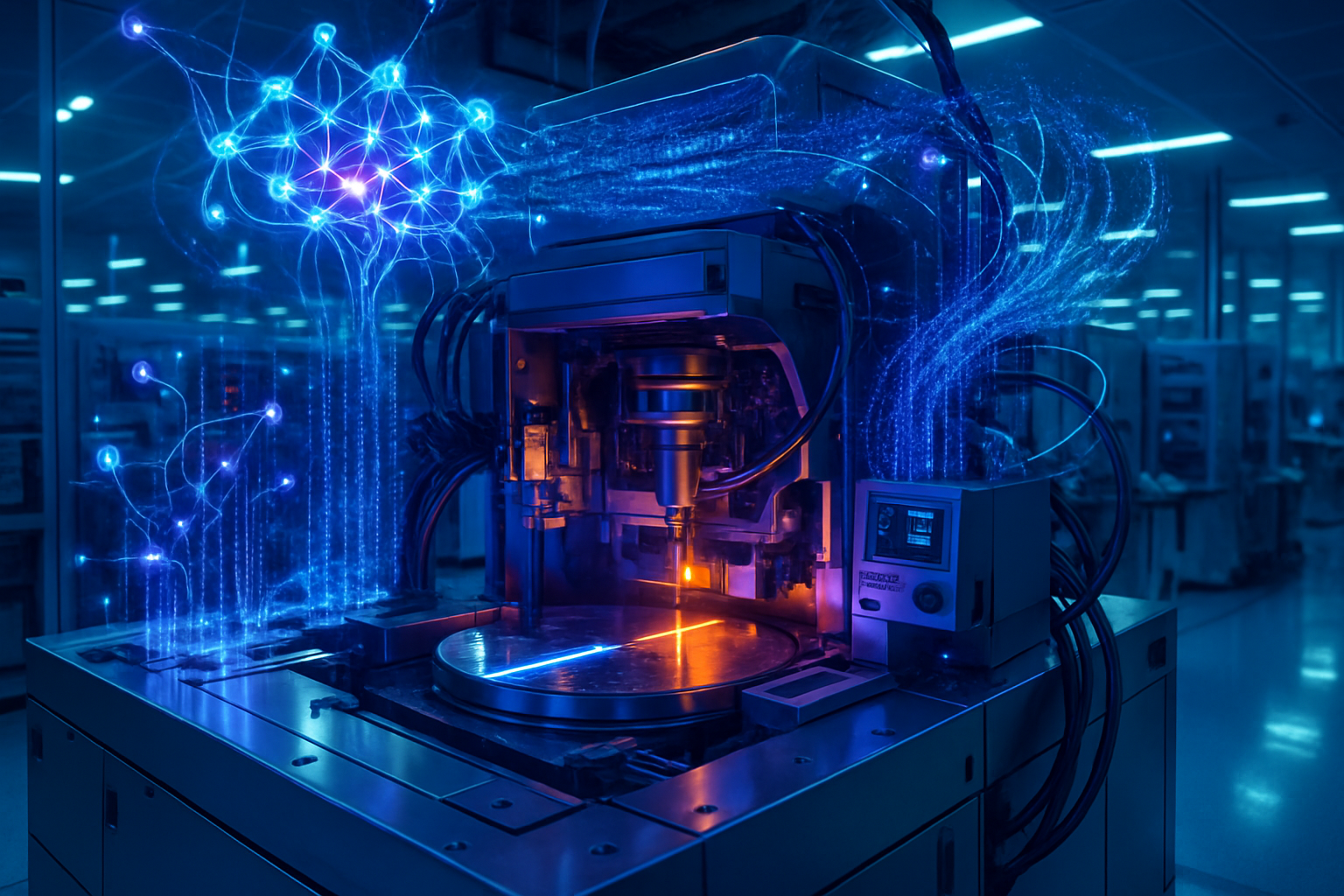
    Recent groundbreaking advancements in artificial neuron technology are set to redefine the landscape of artificial intelligence and computing. Researchers have unveiled new designs for artificial neurons that drastically cut energy consumption, bringing the vision of powerful, brain-like computers closer to reality. These innovations, ranging from biologically inspired protein nanowires to novel transistor-based and optical designs, promise to overcome the immense power demands of current AI systems, unlocking unprecedented efficiency and enabling AI to be integrated more seamlessly and sustainably into countless applications.

    Technical Marvels Usher in a New Era of AI Hardware

    The latest wave of breakthroughs in artificial neuron development showcases a remarkable departure from conventional computing paradigms, emphasizing energy efficiency and biological mimicry. A significant announcement on October 14, 2025, from engineers at the University of Massachusetts Amherst, detailed the creation of artificial neurons powered by bacterial protein nanowires. These innovative neurons operate at an astonishingly low 0.1 volts, closely mirroring the electrical activity and voltage levels of natural brain cells. This ultra-low power consumption represents a 100-fold improvement over previous artificial neuron designs, potentially eliminating the need for power-hungry amplifiers in future bio-inspired computers and wearable electronics, and even enabling devices powered by ambient electricity or human sweat.

    Further pushing the boundaries, an announcement on October 2, 2025, revealed the development of all-optical neurons. This radical design performs nonlinear computations entirely using light, thereby removing the reliance on electronic components. Such a development promises increased efficiency and speed for AI applications, laying the groundwork for fully integrated, light-based neural networks that could dramatically reduce energy consumption in photonic computing. These innovations stand in stark contrast to the traditional Von Neumann architecture, which separates processing and memory, leading to significant energy expenditure through constant data transfer.

    Other notable advancements include the "Frequency Switching Neuristor" by KAIST (announced September 28, 2025), a brain-inspired semiconductor that mimics "intrinsic plasticity" to adapt responses and reduce energy consumption by 27.7% in simulations. Furthermore, on September 9, 2025, the Chinese Academy of Sciences introduced SpikingBrain-1.0, a large-scale AI model leveraging spiking neurons that requires only about 2% of the pre-training data of conventional models. This follows their earlier work on the "Speck" neuromorphic chip, which consumes a negligible 0.42 milliwatts when idle. Initial reactions from the AI research community are overwhelmingly positive, with experts recognizing these low-power solutions as critical steps toward overcoming the energy bottleneck currently limiting the scalability and ubiquity of advanced AI. The ability to create neurons functioning at biological voltage levels is particularly exciting for the future of neuro-prosthetics and bio-hybrid systems.

    Industry Implications: A Competitive Shift Towards Efficiency

    These breakthroughs in energy-efficient artificial neurons are poised to trigger a significant competitive realignment across the tech industry, benefiting companies that can rapidly integrate these advancements while potentially disrupting those heavily invested in traditional, power-hungry architectures. Companies specializing in neuromorphic computing and edge AI stand to gain immensely. Chipmakers like Intel (NASDAQ: INTC) with its Loihi research chips, and IBM (NYSE: IBM) with its TrueNorth architecture, which have been exploring neuromorphic designs for years, could see their foundational research validated and accelerated. These new energy-efficient neurons provide a critical hardware component to realize the full potential of such brain-inspired processors.

    Tech giants currently pushing the boundaries of AI, such as Google (NASDAQ: GOOGL), Microsoft (NASDAQ: MSFT), and Amazon (NASDAQ: AMZN), which operate vast data centers for their AI services, stand to benefit from the drastic reduction in operational costs associated with lower power consumption. Even a marginal improvement in efficiency across millions of servers translates into billions of dollars in savings and a substantial reduction in carbon footprint. For startups focusing on specialized AI hardware or low-power embedded AI solutions for IoT devices, robotics, and autonomous systems, these new neurons offer a distinct strategic advantage, enabling them to develop products with capabilities previously constrained by power limitations.

    The competitive implications are profound. Companies that can quickly pivot to integrate these low-energy neurons into their AI accelerators or custom chips will gain a significant edge in performance-per-watt, a crucial metric in the increasingly competitive AI hardware market. This could disrupt the dominance of traditional GPU manufacturers like NVIDIA (NASDAQ: NVDA) in certain AI workloads, particularly those requiring real-time, on-device processing. The ability to deploy powerful AI at the edge without massive power budgets will open up new markets and applications, potentially shifting market positioning and forcing incumbent players to rapidly innovate or risk falling behind in the race for next-generation AI.

    Wider Significance: A Leap Towards Sustainable and Ubiquitous AI

    The development of highly energy-efficient artificial neurons represents more than just a technical improvement; it signifies a pivotal moment in the broader AI landscape, addressing one of its most pressing challenges: sustainability. The human brain operates on a mere 20 watts, while large language models and complex AI training can consume megawatts of power. These new neurons offer a direct pathway to bridging this vast energy gap, making AI not only more powerful but also environmentally sustainable. This aligns with global trends towards green computing and responsible AI development, enhancing the social license for further AI expansion.

    The impacts extend beyond energy savings. By enabling powerful AI to run on minimal power, these breakthroughs will accelerate the proliferation of AI into countless new applications. Imagine advanced AI capabilities in wearable devices, remote sensors, and fully autonomous drones that can learn and adapt in real-time without constant cloud connectivity. This pushes the frontier of edge computing, where processing occurs closer to the data source, reducing latency and enhancing privacy. Potential concerns, however, include the ethical implications of highly autonomous and adaptive AI systems, especially if their low power requirements make them ubiquitous and harder to control or monitor.

    Comparing this to previous AI milestones, this development holds similar significance to the invention of the transistor for electronics or the backpropagation algorithm for neural networks. While previous breakthroughs focused on increasing computational power or algorithmic efficiency, this addresses the fundamental hardware limitation of energy consumption, which has become a bottleneck for scaling. It paves the way for a new class of AI that is not only intelligent but also inherently efficient, adaptive, and capable of learning from experience in a brain-like manner. This paradigm shift could unlock "Super-Turing AI," as researched by Texas A&M University (announced March 25, 2025), which integrates learning and memory to operate faster, more efficiently, and with less energy than conventional AI.

    Future Developments: The Road Ahead for Brain-Like Computing

    The immediate future will likely see intense efforts to scale these energy-efficient artificial neuron designs from laboratory prototypes to integrated circuits. Researchers will focus on refining manufacturing processes, improving reliability, and integrating these novel neurons into larger neuromorphic chip architectures. Near-term developments are expected to include the emergence of specialized AI accelerators tailored for specific low-power applications, such as always-on voice assistants, advanced biometric sensors, and medical diagnostic tools that can run complex AI models directly on the device. We can anticipate pilot projects demonstrating these capabilities within the next 12-18 months.

    Longer-term, these breakthroughs are expected to lead to the development of truly brain-like computers capable of unprecedented levels of parallel processing and adaptive learning, consuming orders of magnitude less power than today's supercomputers. Potential applications on the horizon include highly sophisticated autonomous vehicles that can process sensory data in real-time with human-like efficiency, advanced prosthetics that seamlessly integrate with biological neural networks, and new forms of personalized medicine powered by on-device AI. Experts predict a gradual but steady shift away from purely software-based AI optimization towards a co-design approach where hardware and software are developed in tandem, leveraging the intrinsic efficiencies of neuromorphic architectures.

    However, significant challenges remain. Standardizing these diverse new technologies (e.g., optical vs. nanowire vs. transistor-based neurons) will be crucial for widespread adoption. Developing robust programming models and software frameworks that can effectively utilize these non-traditional hardware architectures is another hurdle. Furthermore, ensuring the scalability, reliability, and security of such complex, brain-inspired systems will require substantial research and development. What experts predict will happen next is a surge in interdisciplinary research, blending materials science, neuroscience, computer engineering, and AI theory to fully harness the potential of these energy-efficient artificial neurons.

    Wrap-Up: A Paradigm Shift for Sustainable AI

    The recent breakthroughs in energy-efficient artificial neurons represent a monumental step forward in the quest for powerful, brain-like computing. The key takeaways are clear: we are moving towards AI hardware that drastically reduces power consumption, enabling sustainable and ubiquitous AI deployment. Innovations like bacterial protein nanowire neurons, all-optical neurons, and advanced neuromorphic chips are fundamentally changing how we design and power intelligent systems. This development’s significance in AI history cannot be overstated; it addresses the critical energy bottleneck that has limited AI’s scalability and environmental footprint, paving the way for a new era of efficiency and capability.

    These advancements underscore a paradigm shift from brute-force computational power to biologically inspired efficiency. The long-term impact will be a world where AI is not only more intelligent but also seamlessly integrated into our daily lives, from smart infrastructure to personalized health devices, without the prohibitive energy costs of today. We are witnessing the foundational work for AI that can learn, adapt, and operate with the elegance and efficiency of the human brain.

    In the coming weeks and months, watch for further announcements regarding pilot applications, new partnerships between research institutions and industry, and the continued refinement of these nascent technologies. The race to build the next generation of energy-efficient, brain-inspired AI is officially on, promising a future of smarter, greener, and more integrated artificial intelligence.


    This content is intended for informational purposes only and represents analysis of current AI developments.

    TokenRing AI delivers enterprise-grade solutions for multi-agent AI workflow orchestration, AI-powered development tools, and seamless remote collaboration platforms.
    For more information, visit https://www.tokenring.ai/.

  • Rigaku Establishes Taiwan Technology Hub: A Strategic Leap for Semiconductor and AI Infrastructure

    Rigaku Establishes Taiwan Technology Hub: A Strategic Leap for Semiconductor and AI Infrastructure

    Rigaku Holdings Corporation (TSE: 6725) has announced a significant strategic expansion with the establishment of Rigaku Technology Taiwan Co., Ltd. (RTTW) and its integral Rigaku Technology Center Taiwan (RTC-TW). This pivotal move, with RTC-TW commencing full-scale operations in October 2025, underscores Rigaku's deep commitment to bolstering the critical semiconductor, life sciences, and materials science ecosystems within Taiwan. The new entity, taking over from the previously established Rigaku Taiwan Branch (RCTW), is poised to become a central hub for advanced research, development, and customer collaboration, signaling a substantial investment in the region's technological infrastructure and its burgeoning role in global innovation.

    This expansion is not merely an organizational restructuring but a calculated maneuver to embed Rigaku more deeply within one of the world's most dynamic technology landscapes. By establishing a robust local presence equipped with state-of-the-art facilities, Rigaku aims to accelerate technological advancements, enhance direct support for its strategic partners, and contribute to the sustainable growth of Taiwan's high-tech industries. The timing of this announcement, coinciding with the rapid global acceleration in AI and advanced computing, positions Rigaku to play an even more critical role in the foundational technologies that power these transformative fields.

    Technical Prowess and Strategic Alignment in Taiwan's Tech Heartland

    The core of Rigaku's (TSE: 6725) enhanced presence in Taiwan is the Rigaku Technology Center Taiwan (RTC-TW), envisioned as a cutting-edge engineering hub. This center is meticulously designed to foster advanced R&D, provide unparalleled customer support, and drive joint development initiatives with local partners. Equipped with sophisticated demonstration facilities and state-of-the-art laboratories, RTC-TW is set to significantly reduce development cycles and improve response times for customers in Taiwan's fast-paced technological environment.

    A key differentiator of RTC-TW is its integrated clean room, which meticulously replicates actual production environments. This facility, alongside dedicated spaces for product and technology demonstrations, comprehensive training, and collaborative development, is crucial for enhancing local engineering support. It allows Rigaku's technical teams to work in direct proximity to Taiwan's advanced semiconductor ecosystem, facilitating seamless integration and innovation while maintaining strong links to Rigaku's global R&D and manufacturing operations in Japan. The focus extends to critical measurements for thickness, composition, and crystallinity using advanced techniques like total reflection X-ray fluorescence (TXRF), X-ray topography, critical dimension measurement, stress/distortion analysis, and package inspection, all vital for next-generation logic and advanced packaging technologies.

    Beyond semiconductors, RTTW will also channel its expertise into materials science, offering solutions for evaluating material characteristics through X-ray diffraction (XRD), X-ray fluorescence (XRF), and 3D computed tomography (3DCT) imaging. The life sciences sector will also benefit from Rigaku's presence, with services such as biomolecular structure analysis and support for drug development. This comprehensive approach ensures that RTTW addresses a broad spectrum of scientific and industrial needs, differentiating itself by providing integrated analytical solutions crucial for the precision and innovation demanded by modern technological advancements, particularly those underpinning AI hardware and research.

    Implications for the AI and Tech Industry Ecosystem

    Rigaku's (TSE: 6725) strategic investment in Taiwan, particularly its focus on advanced semiconductor measurement and materials science, carries significant implications for AI companies, tech giants, and startups alike. Companies heavily reliant on cutting-edge semiconductor manufacturing, such as NVIDIA (NASDAQ: NVDA), AMD (NASDAQ: AMD), and Intel (NASDAQ: INTC), along with major foundries like Taiwan Semiconductor Manufacturing Company (TSMC) (NYSE: TSM), stand to directly benefit. Rigaku's enhanced local presence means quicker access to advanced metrology and inspection tools, crucial for optimizing the production of high-performance AI chips and advanced packaging, which are the backbone of modern AI infrastructure.

    The competitive landscape for major AI labs and tech companies will be subtly but significantly impacted. As the demand for more powerful and efficient AI hardware escalates, the precision and quality of semiconductor components become paramount. Rigaku's ability to provide localized, high-fidelity measurement and analysis tools directly to Taiwanese fabs can accelerate the development and deployment of next-generation AI accelerators. This could indirectly give companies utilizing these advanced fabs a competitive edge in bringing more capable AI solutions to market faster.

    Potential disruption to existing products or services might arise from the accelerated pace of innovation enabled by Rigaku's closer collaboration with Taiwanese manufacturers. Companies that previously relied on less sophisticated or slower analytical processes might find themselves needing to upgrade to maintain competitive quality and throughput. For startups in AI hardware or advanced materials, having a cutting-edge analytical partner like Rigaku in close proximity could lower barriers to innovation, allowing them to rapidly prototype and test new designs with confidence. Rigaku's market positioning is strengthened by this move, cementing its role as a critical enabler of the foundational technology infrastructure required for the global AI boom.

    Wider Significance in the Evolving AI Landscape

    Rigaku's (TSE: 6725) establishment of RTTW and RTC-TW fits squarely into the broader AI landscape and the ongoing trend of deepening technological specialization and regional hubs. As AI models become more complex and data-intensive, the demand for highly advanced and reliable hardware—particularly semiconductors—has skyrocketed. Taiwan, as the epicenter of advanced chip manufacturing, is therefore a critical nexus for any company looking to influence the future of AI. Rigaku's investment signifies a recognition of this reality, positioning itself at the very foundation of AI's physical infrastructure.

    The impacts extend beyond mere chip production. The precision metrology and materials characterization that Rigaku provides are essential for pushing the boundaries of what's possible in AI hardware, from neuromorphic computing to quantum AI. Ensuring the integrity and performance of materials at the atomic level is crucial for developing novel architectures and components that can sustain the ever-increasing computational demands of AI. Potential concerns, however, could include the concentration of critical technological expertise in specific regions, potentially leading to supply chain vulnerabilities if geopolitical tensions escalate.

    This development can be compared to previous AI milestones where advancements in foundational hardware enabled subsequent leaps in software and algorithmic capabilities. Just as improvements in GPU technology paved the way for deep learning breakthroughs, Rigaku's enhanced capabilities in semiconductor and materials analysis could unlock the next generation of AI hardware, allowing for more efficient, powerful, and specialized AI systems. It underscores a fundamental truth: the future of AI is inextricably linked to the continuous innovation in the physical sciences and engineering that support its digital manifestations.

    Charting Future Developments and Horizons

    Looking ahead, the establishment of Rigaku Technology Taiwan Co., Ltd. (RTTW) and its Rigaku Technology Center Taiwan (RTC-TW) promises several near-term and long-term developments. In the near term, we can expect accelerated co-development projects between Rigaku (TSE: 6725) and leading Taiwanese foundries and research institutions, particularly in areas like advanced packaging and next-generation lithography. The local presence will likely lead to more tailored solutions for the specific challenges faced by Taiwan's semiconductor industry, potentially speeding up the commercialization of cutting-edge AI chips. Furthermore, Rigaku's global expansion of production facilities for semiconductor process control instruments, targeting a 50% increase in capacity by 2027, suggests a direct response to the escalating demand driven by AI semiconductors, with RTTW playing a pivotal role in this broader strategy.

    Potential applications and use cases on the horizon include the development of even more precise metrology for 3D integrated circuits (3D ICs) and heterogeneous integration, which are vital for future AI accelerators. Rigaku's expertise in materials science could also contribute to the discovery and characterization of novel materials for quantum computing or energy-efficient AI hardware. Challenges that need to be addressed include the continuous need for highly skilled engineers to operate and innovate with these advanced instruments, as well as navigating the complexities of international supply chains and intellectual property in a highly competitive sector.

    Experts predict that Rigaku's deepened engagement in Taiwan will not only solidify its market leadership in analytical instrumentation but also foster an ecosystem of innovation that directly benefits the global AI industry. The move is expected to catalyze further advancements in chip design and manufacturing processes, paving the way for AI systems that are not only more powerful but also more sustainable and versatile. What happens next will largely depend on the collaborative projects that emerge from RTC-TW and how quickly these innovations translate into real-world applications within the AI and high-tech sectors.

    A Foundational Investment for AI's Next Chapter

    Rigaku Holdings Corporation's (TSE: 6725) establishment of Rigaku Technology Taiwan Co., Ltd. (RTTW) and the Rigaku Technology Center Taiwan (RTC-TW) represents a profoundly significant investment in the foundational infrastructure underpinning the future of artificial intelligence. Key takeaways include Rigaku's strategic commitment to Taiwan's critical semiconductor and materials science ecosystems, the creation of an advanced local R&D and support hub, and a clear focus on enabling next-generation AI hardware through precision measurement and analysis. This move, operational in October 2025, is a timely response to the escalating global demand for advanced computing capabilities driven by AI.

    This development's significance in AI history cannot be overstated. While often unseen by the end-user, the advancements in metrology and materials characterization provided by companies like Rigaku are absolutely crucial for pushing the boundaries of AI hardware. Without such precision, the complex architectures of modern AI chips—from advanced packaging to novel materials—would be impossible to reliably manufacture and optimize. Rigaku's enhanced presence in Taiwan is a testament to the fact that the digital revolution of AI is built upon a bedrock of meticulous physical science and engineering.

    Looking at the long-term impact, this investment is likely to accelerate the pace of innovation in AI hardware, contributing to more powerful, efficient, and specialized AI systems across various industries. It reinforces Taiwan's position as a vital global technology hub and strengthens the collaborative ties between Japanese technological prowess and Taiwanese manufacturing excellence. In the coming weeks and months, industry watchers should keenly observe the types of joint development projects announced from RTC-TW, the specific breakthroughs in semiconductor metrology, and how these advancements translate into tangible improvements in AI chip performance and availability. This is a foundational step, setting the stage for AI's next transformative chapter.


    This content is intended for informational purposes only and represents analysis of current AI developments.

    TokenRing AI delivers enterprise-grade solutions for multi-agent AI workflow orchestration, AI-powered development tools, and seamless remote collaboration platforms.
    For more information, visit https://www.tokenring.ai/.

  • AI-Powered Cyber Threats Skyrocket: ISACA 2026 Poll Reveals Alarming Readiness Gap

    AI-Powered Cyber Threats Skyrocket: ISACA 2026 Poll Reveals Alarming Readiness Gap

    Chicago, IL – October 21, 2025 – The cybersecurity landscape is bracing for an unprecedented surge in AI-driven threats, according to the pivotal ISACA 2026 Tech Trends and Priorities Report. Based on a comprehensive survey of nearly 3,000 digital trust professionals conducted in late 2025, the findings paint a stark picture: AI-driven social engineering has emerged as the leading cyber fear for the coming year, surpassing traditional concerns like ransomware. This marks a significant shift in the threat paradigm, demanding immediate attention from organizations worldwide.

    Despite the escalating threat, the report underscores a critical chasm in organizational preparedness. A mere 13% of global organizations feel "very prepared" to manage the risks associated with generative AI solutions. This alarming lack of readiness, characterized by underdeveloped governance frameworks, inadequate policies, and insufficient training, leaves a vast majority of enterprises vulnerable to increasingly sophisticated AI-powered attacks. The disconnect between heightened awareness of AI's potential for harm and the slow pace of implementing robust defenses poses a formidable challenge for cybersecurity professionals heading into 2026.

    The Evolving Arsenal: How AI Supercharges Cyber Attacks

    The ISACA 2026 report highlights a profound transformation in the nature of cyber threats, driven by the rapid advancements in artificial intelligence. Specifically, AI's ability to enhance social engineering tactics is not merely an incremental improvement but a fundamental shift in attack sophistication and scale. Traditional phishing attempts, often recognizable by grammatical errors or generic greetings, are being replaced by highly personalized, contextually relevant, and linguistically flawless communications generated by AI. This leap in quality makes AI-powered phishing and social engineering attacks significantly more challenging to detect, with 59% of professionals acknowledging this increased difficulty.

    At the heart of this technical evolution lies generative AI, particularly large language models (LLMs) and deepfake technologies. LLMs can craft persuasive narratives, mimic specific writing styles, and generate vast quantities of unique, targeted messages at an unprecedented pace. This allows attackers to scale their operations, launching highly individualized attacks against a multitude of targets simultaneously, a feat previously requiring immense manual effort. Deepfake technology further exacerbates this by enabling the creation of hyper-realistic forged audio and video, allowing attackers to impersonate individuals convincingly, bypass biometric authentication, or spread potent misinformation and disinformation campaigns. These technologies differ from previous approaches by moving beyond simple automation to genuine content generation and manipulation, making the 'human element' of detection far more complex.

    Initial reactions from the AI research community and industry experts underscore the gravity of these developments. Many have long warned about the dual-use nature of AI, where technologies designed for beneficial purposes can be weaponized. The ease of access to powerful generative AI tools, often open-source or available via APIs, means that sophisticated attack capabilities are no longer exclusive to state-sponsored actors but are within reach of a broader spectrum of malicious entities. Experts emphasize that the speed at which these AI capabilities are evolving necessitates a proactive and adaptive defense strategy, moving beyond reactive signature-based detection to behavioral analysis and AI-driven threat intelligence.

    Competitive Implications and Market Dynamics in the Face of AI Threats

    The escalating threat landscape, as illuminated by the ISACA 2026 poll, carries significant competitive implications across the tech industry, particularly for companies operating in the AI and cybersecurity sectors. Cybersecurity firms specializing in AI-driven threat detection, behavioral analytics, and deepfake identification stand to benefit immensely. Companies like Palo Alto Networks (NASDAQ: PANW), CrowdStrike Holdings (NASDAQ: CRWD), and SentinelOne (NYSE: S) are likely to see increased demand for their advanced security platforms that leverage AI and machine learning to identify anomalous behavior and sophisticated social engineering attempts. Startups focused on niche areas such as AI-generated content detection, misinformation tracking, and secure identity verification are also poised for growth.

    Conversely, major tech giants and AI labs, including Google (NASDAQ: GOOGL), Microsoft (NASDAQ: MSFT), and Meta Platforms (NASDAQ: META), face a dual challenge. While they are at the forefront of developing powerful generative AI tools, they also bear a significant responsibility for mitigating their misuse. Their competitive advantage will increasingly depend not only on the capabilities of their AI models but also on the robustness of their ethical AI frameworks and the security measures embedded within their platforms. Failure to adequately address these AI-driven threats could lead to reputational damage, regulatory scrutiny, and a loss of user trust, potentially disrupting existing products and services that rely heavily on AI for user interaction and content generation.

    The market positioning for companies across the board will be heavily influenced by their ability to adapt to this new threat paradigm. Organizations that can effectively integrate AI into their defensive strategies, offer comprehensive employee training, and establish strong governance policies will gain a strategic advantage. This dynamic is likely to spur further consolidation in the cybersecurity market, as larger players acquire innovative startups with specialized AI defense technologies, and will also drive significant investment in research and development aimed at creating more resilient and intelligent security solutions. The competitive landscape will favor those who can not only innovate with AI but also secure it against its own weaponized potential.

    Broader Significance: AI's Dual-Edged Sword and Societal Impacts

    The ISACA 2026 poll's findings underscore the broader significance of AI as a dual-edged sword, capable of both unprecedented innovation and profound societal disruption. The rise of AI-driven social engineering and deepfakes fits squarely into the broader AI landscape trend of increasing sophistication in autonomous and generative capabilities. This is not merely an incremental technological advancement but a fundamental shift that empowers malicious actors with tools previously unimaginable, blurring the lines between reality and deception. It represents a significant milestone, comparable in impact to the advent of widespread internet connectivity or the proliferation of mobile computing, but with a unique challenge centered on trust and authenticity.

    The immediate impacts are multifaceted. Individuals face an increased risk of financial fraud, identity theft, and personal data compromise through highly convincing AI-generated scams. Businesses confront heightened risks of data breaches, intellectual property theft, and reputational damage from sophisticated, targeted attacks that can bypass traditional security measures. Beyond direct cybercrime, the proliferation of AI-powered misinformation and disinformation campaigns poses a grave threat to democratic processes, public discourse, and social cohesion, as highlighted by earlier ISACA research indicating that 80% of professionals view misinformation as a major AI risk.

    Potential concerns extend to the erosion of trust in digital communications and media, the potential for AI to exacerbate existing societal biases through targeted manipulation, and the ethical dilemmas surrounding the development and deployment of increasingly powerful AI systems. Comparisons to previous AI milestones, such as the initial breakthroughs in machine learning for pattern recognition, reveal a distinct difference: current generative AI capabilities allow for creation rather than just analysis, fundamentally altering the attack surface and defense requirements. While AI offers immense potential for good, its weaponization for cyber attacks represents a critical inflection point that demands a global, collaborative response from governments, industry, and civil society to establish robust ethical guidelines and defensive mechanisms.

    Future Developments: A Race Between Innovation and Mitigation

    Looking ahead, the cybersecurity landscape will be defined by a relentless race between the accelerating capabilities of AI in offensive cyber operations and the innovative development of AI-powered defensive strategies. In the near term, experts predict a continued surge in the volume and sophistication of AI-driven social engineering attacks. We can expect to see more advanced deepfake technology used in business email compromise (BEC) scams, voice phishing (vishing), and even video conferencing impersonations, making it increasingly difficult for human users to discern authenticity. The integration of AI into other attack vectors, such as automated vulnerability exploitation and polymorphic malware generation, will also become more prevalent.

    On the defensive front, expected developments include the widespread adoption of AI-powered anomaly detection systems that can identify subtle deviations from normal behavior, even in highly convincing AI-generated content. Machine learning models will be crucial for real-time threat intelligence, predicting emerging attack patterns, and automating incident response. We will likely see advancements in digital watermarking and provenance tracking for AI-generated media, as well as new forms of multi-factor authentication that are more resilient to AI-driven impersonation attempts. Furthermore, AI will be increasingly leveraged to automate security operations centers (SOCs), freeing human analysts to focus on complex, strategic threats.

    However, significant challenges need to be addressed. The "AI vs. AI" arms race necessitates continuous innovation and substantial investment. Regulatory frameworks and ethical guidelines for AI development and deployment must evolve rapidly to keep pace with technological advancements. A critical challenge lies in bridging the skills gap within organizations, ensuring that cybersecurity professionals are adequately trained to understand and combat AI-driven threats. Experts predict that organizations that fail to embrace AI in their defensive posture will be at a severe disadvantage, emphasizing the need for proactive integration of AI into every layer of the security stack. The future will demand not just more technology, but a holistic approach combining AI, human expertise, and robust governance.

    Comprehensive Wrap-Up: A Defining Moment for Digital Trust

    The ISACA 2026 poll serves as a critical wake-up call, highlighting a defining moment in the history of digital trust and cybersecurity. The key takeaway is unequivocal: AI-driven social engineering and deepfakes are no longer theoretical threats but the most pressing cyber fears for the coming year, fundamentally reshaping the threat landscape. This unprecedented sophistication of AI-powered attacks is met with an alarming lack of organizational readiness, signaling a perilous gap between awareness and action. The report underscores that traditional security paradigms are insufficient; a new era of proactive, AI-augmented defense is imperative.

    This development's significance in AI history cannot be overstated. It marks a clear inflection point where the malicious application of generative AI has moved from potential concern to a dominant reality, challenging the very foundations of digital authenticity and trust. The implications for businesses, individuals, and societal stability are profound, demanding a strategic pivot towards comprehensive AI governance, advanced defensive technologies, and continuous workforce upskilling. Failure to adapt will not only lead to increased financial losses and data breaches but also to a deeper erosion of confidence in our interconnected digital world.

    In the coming weeks and months, all eyes will be on how organizations respond to these findings. We should watch for increased investments in AI-powered cybersecurity solutions, the accelerated development of ethical AI frameworks by major tech companies, and potentially new regulatory initiatives aimed at mitigating AI misuse. The proactive engagement of corporate boards, now demonstrating elevated AI risk awareness, will be crucial in driving the necessary organizational changes. The battle against AI-driven cyber threats will be a continuous one, requiring vigilance, innovation, and a collaborative spirit to safeguard our digital future.


    This content is intended for informational purposes only and represents analysis of current AI developments.

    TokenRing AI delivers enterprise-grade solutions for multi-agent AI workflow orchestration, AI-powered development tools, and seamless remote collaboration platforms.
    For more information, visit https://www.tokenring.ai/.

  • UM6P and Syensqo Unveil New AI Lab: Pioneering Sustainable Industry with Next-Gen Agentic AI

    UM6P and Syensqo Unveil New AI Lab: Pioneering Sustainable Industry with Next-Gen Agentic AI

    Benguerir, Morocco – October 21, 2025 – In a landmark move poised to redefine the landscape of sustainable industrial innovation, Mohammed VI Polytechnic University (UM6P) and global materials science leader Syensqo (EBR: SYENS) today announced the official signing of a partnership agreement to establish a cutting-edge Artificial Intelligence (AI) laboratory. This ambitious collaboration aims to harness the transformative power of AI to develop groundbreaking solutions for sustainable industry, focusing on materials science and chemistry. The initiative represents a significant stride towards integrating advanced AI research with practical industrial applications, promising to accelerate the creation of more sustainable products and processes worldwide.

    The newly formed Syensqo AI Lab, strategically located within UM6P's state-of-the-art AI-ARC (Accelerated Research Center) in Benguerir, is set to become a hub for innovation. Its core mission revolves around bridging the gap between academic AI breakthroughs and their real-world impact, particularly in sectors critical to global sustainability. This partnership underscores a shared commitment to fostering young talent, driving innovation, and delivering tangible positive impacts on both people and the planet through AI-driven advancements.

    Pioneering Next-Generation Agentic AI for Materials Science

    The Syensqo AI Lab's primary technical focus is on developing "next-generation agentic AI technologies" specifically tailored for chemistry and materials science. Unlike traditional AI systems that often follow predefined rules or act as passive analytical tools, agentic AI systems are characterized by their ability to reason, plan, and make autonomous decisions. In the context of the lab's mission, these systems are designed to automate complex research workflows, transforming how new materials are discovered and optimized.

    This includes capabilities such as autonomous hypothesis generation, comprehensive literature review and synthesis, intelligent experimental design and planning, and sophisticated data analysis. Furthermore, in chemical manufacturing, these agentic AI systems are envisioned to proactively adjust process parameters, predict equipment failures, and even re-route workflows in response to supply chain disruptions without direct human intervention. The lab intends to leverage advanced frameworks, potentially including Large Language Models (LLMs) and multi-agent systems, to enable natural language interfaces, making these complex AI capabilities more accessible to engineers and operators.

    This approach significantly differs from previous AI applications in the industry. Where older systems offered automation based on static rules, agentic AI introduces a new level of autonomy and proactivity. They are evolving from mere "intern-level assistants" or "research co-pilots" to become "full-fledged PhD-level research partners" or "lab-pilot" systems capable of orchestrating independent scientific investigations from literature review to laboratory execution. The integration of agentic AI with other advanced technologies like Digital Twins promises a shift from reactive operations to continuous, autonomous optimization in industrial settings. While specific reactions to this particular lab launch are still emerging, the broader AI research community has expressed significant excitement for agentic AI's potential in accelerating scientific discovery and enhancing sustainability across various fields.

    Strategic Implications for the AI and Materials Science Industries

    The establishment of the UM6P and Syensqo AI Lab carries profound strategic implications for a wide array of stakeholders, from specialized AI companies to global tech giants and emerging startups. This partnership is set to intensify competition and raise the bar for innovation within the AI sector, particularly for solutions tailored to complex scientific and industrial challenges. AI companies focusing on machine learning algorithms, deep learning networks, and predictive modeling for chemical and materials science will find increased opportunities but must also contend with the high standards set by this collaborative venture. The lab's emphasis on "agentic AI technologies" signals a clear industry trend towards more autonomous and intelligent AI systems capable of sophisticated decision-making in industrial environments.

    Tech giants providing foundational AI platforms and cloud infrastructure stand to be significant beneficiaries. Syensqo already leverages Microsoft's (NASDAQ: MSFT) "Microsoft Discovery" AI platform, and UM6P has integrated ChatGPT Edu, powered by OpenAI's (Private) GPT-4 technology, into its academic framework, alongside a broader partnership with OpenAI. The new AI Lab will likely deepen these existing collaborations, driving demand for advanced computing power, data analytics services, and specialized AI tools from these tech behemoths. This provides these giants with valuable insights and use cases, allowing them to further refine their AI offerings for specialized industrial applications.

    For startups, the lab presents a dual landscape of opportunities and challenges. The collaborative environment, where Syensqo engineers work alongside university researchers and students, acts as an incubator for new AI startups emerging from the university ecosystem, especially those focused on materials science, sustainable chemistry, and industrial AI applications. UM6P's "AI Movement" already actively fosters AI startups and industry partnerships, and this lab will further bolster that ecosystem, offering access to specialized expertise, real-world industrial challenges, data, and potential early adoption or investment. However, smaller AI startups without robust academic or industrial backing might find it challenging to compete with the integrated resources and expertise of such a well-funded, university-industry lab. Niche startups offering complementary AI solutions or agile development capabilities, however, could find valuable partnership avenues.

    Syensqo (EBR: SYENS) directly benefits by gaining unparalleled access to UM6P's state-of-the-art AI technologies, technical expertise, and a pipeline of top talent in generative and agentic AI, accelerating its innovation in sustainable industrial solutions. UM6P, in turn, strengthens its position as a leading AI research hub, particularly in Africa, by providing its students and researchers with invaluable hands-on experience in addressing real-world industrial challenges. Indirect beneficiaries include companies in materials-intensive industries such such as aerospace, automotive, electronics, and clean energy, which will benefit from the accelerated development of high-performance, sustainable materials and optimized manufacturing processes.

    The partnership also significantly alters the competitive landscape. By establishing a strong collaborative hub, the lab can potentially outpace competitors relying solely on internal R&D or traditional academic partnerships, setting a new benchmark for the speed of innovation. The specialized focus creates a center of excellence in AI applications for chemistry and materials science, making it harder for generalist AI firms to compete without developing similar deep domain knowledge. This collaboration will also be a magnet for top AI and materials science talent, creating a competitive advantage in human capital for both UM6P and Syensqo. The focus on "next-generation agentic AI" positions the lab at the forefront of highly sophisticated AI applications, potentially yielding an early-mover advantage in disruptive technologies. Innovations stemming from the lab could significantly disrupt existing products and services by accelerating material discovery, introducing superior sustainable and high-performance materials, optimizing manufacturing processes, and enabling highly customized material solutions, potentially rendering traditional methods obsolete.

    Broader Significance in the AI Landscape

    The UM6P and Syensqo AI Lab partnership represents a significant step within the broader AI landscape, aligning with several key trends. It exemplifies the growing focus on specialized, vertical AI applications, moving beyond general-purpose AI to tackle complex industrial domains like materials science and chemistry. Syensqo's existing collaborations with Microsoft (NASDAQ: MSFT) for AI innovation in bio-based polymers and UM6P's partnership with OpenAI (Private) further underscore this trend towards domain-specific AI solutions.

    Crucially, the lab's emphasis on "next-generation agentic AI technologies" places it at the forefront of AI development. Agentic AI systems, capable of observing, reasoning, acting, and learning autonomously, are poised to become "partners in innovation," dramatically accelerating materials discovery, automating hypothesis testing, and designing new materials with unprecedented efficiency. This collaborative model, uniting academic rigor with industrial insight, is increasingly recognized as vital for translating AI advancements into real-world applications. UM6P's "AI Movement" initiative, aiming to establish Morocco as a regional AI hub, reinforces the strategic importance of such partnerships in fostering innovation, talent development, and ethical AI deployment.

    The potential impacts on global sustainability efforts are profound. By applying advanced AI to materials science and chemistry, the lab aims to accelerate the discovery and development of more sustainable and innovative products, including eco-friendly substitutes and optimized production methods with minimal environmental footprints. This includes designing materials for renewable energy solutions, sustainable construction, and circular economy initiatives. Syensqo is already utilizing AI to design green solvents for agrochemical applications, demonstrating a tangible commitment to environmentally friendly solutions. The partnership also contributes to initiatives like the "Climate Impulse" project, which aims for a zero-emission world tour using a green hydrogen aircraft, tackling critical technical challenges related to managing extreme temperatures for liquid hydrogen and designing thermal tanks. UM6P's broader mission to address African sustainability challenges, such as agri-tech and water treatment, further highlights the potential for AI to drive localized solutions for food security and irrigation.

    Despite the immense promise, the rapid advancement of AI in such critical domains brings potential concerns. Ethical AI development and the risk of perpetuating biases from training data are paramount, with UM6P emphasizing human-centricity and ethical standards in its AI use guidelines. The energy consumption of advanced AI algorithms, particularly large models, also necessitates a focus on sustainable AI practices to mitigate environmental impacts. Broader societal concerns about job displacement, data privacy, and security also remain relevant considerations that require careful management and stringent controls.

    Comparing this initiative to previous AI milestones reveals a significant evolution. Earlier breakthroughs often centered on mastering specific, complex tasks like playing chess (Deep Blue) or Go (AlphaGo). The agentic AI being developed by the UM6P-Syensqo lab, however, moves towards autonomous scientific discovery. These systems are designed not just to analyze data but to reason, formulate hypotheses, design experiments, and interpret results with minimal human intervention. This dramatically accelerates R&D cycles, transforming materials discovery from a slow, trial-and-error process into an AI-driven, highly efficient endeavor. This deep integration of AI into the entire scientific workflow for fundamental materials design marks a new era of materials innovation, where AI is not just assisting but becoming integral to the creative and experimental phases, potentially leading to the creation of "new-to-nature molecules."

    The Horizon: Future Developments and Expert Predictions

    The UM6P and Syensqo AI Lab partnership, formalized today, is poised for significant near-term and long-term developments that will profoundly impact sustainable industry. In the immediate future, the lab will focus on rapidly developing and deploying "next-generation agentic AI technologies" for chemistry and materials science. The co-location model, with Syensqo (EBR: SYENS) establishing a dedicated office on the UM6P campus, is designed to foster direct and immediate collaboration. This setup will enable rapid experimentation, translating innovative ideas into practical industrial applications with unprecedented speed. This integration of advanced AI with industrial applications aims to enhance efficiency, reduce environmental impact, and generate new economic opportunities, while also providing UM6P students with invaluable hands-on experience, nurturing the next generation of AI and materials science talent.

    Looking further ahead, the partnership is expected to bolster UM6P's ambition to establish Morocco as a regional AI hub, fostering a world-class AI research center and an innovation ecosystem that addresses global challenges. Syensqo, in turn, aims to solidify its position at the forefront of sustainable and digital transformation within the specialty materials industry through continuous AI-driven innovation in new materials, deeply integrating AI into research, development, and production workflows. The long-term vision also includes exploring additional research areas and developing executive training programs, signifying a "great marriage between the technical and the applied market and sources."

    The potential applications and use cases on the horizon are vast and impactful. These include accelerating R&D and material discovery through AI-driven modeling, automation, and data science, drastically reducing the time needed to discover new polymers and other advanced materials. A core focus will remain on pioneering next-generation sustainable materials, such as bio-based polymers, circular composites, and materials crucial for clean energy systems. AI will enable predictive performance and real-time prototyping through virtual simulations, leading to faster time-to-market for breakthrough materials and optimized formulations. The lab also intends to combine AI with robotics to enhance laboratory formulations, particularly for biodegradable and biosourced ingredients in consumer products, and to design optimal green solvents for various applications, including crop protection. Crucially, both UM6P and Syensqo are key partners in the "Climate Impulse" project, which aims for a non-stop, zero-emission world tour aboard a green hydrogen aircraft by 2028, with the lab addressing technical challenges like managing extreme temperatures for liquid hydrogen and designing suitable thermal tanks.

    However, several challenges must be addressed for the partnership to reach its full potential. Effectively bridging the academic-industrial gap and translating laboratory discoveries into tangible industrial applications remains a continuous endeavor. Talent development and retention are critical, necessitating a steady stream of highly skilled AI and materials science professionals. Ethical AI development, including addressing bias, ensuring explainability, and upholding safety standards, is paramount, as highlighted by UM6P's "AI Movement." Robust data management and quality, along with stringent data privacy and security measures, are also essential. Furthermore, the partnership must guard against "AI washing" by ensuring that AI solutions genuinely address industrial problems with clear needs and robust data, while also navigating complex regulatory landscapes for new materials and AI applications.

    Experts are highly optimistic about the transformative potential of AI in the chemical and materials industry. Ilham Kadri, CEO of Syensqo, believes that the future of sustainable industry will be shaped by the intelligent fusion of materials science and artificial intelligence. Broader expert predictions suggest that the AI industry is "dramatically underhyped," with even early adoption creating significant revenue streams and massive productivity gains. However, there are also warnings about the importance of safeguarding human values and moral deliberation in the face of increasing AI capabilities. UM6P's initiatives, such as the "Hack the Future of Work" hackathon, underscore the recognition that AI will redefine necessary skills in the economy, necessitating proactive measures to prepare the workforce for this evolving landscape.

    A New Era for Sustainable Industrial AI: The UM6P-Syensqo Partnership

    The official launch of the UM6P and Syensqo AI Lab marks a pivotal moment in the convergence of artificial intelligence, materials science, and sustainable industrial development. The core mission to develop "next-generation agentic AI technologies" for chemistry and materials science, with an unwavering focus on sustainability, is a significant commitment from both Mohammed VI Polytechnic University (UM6P) and global materials science company Syensqo (EBR: SYENS). This partnership is not merely an academic exercise; it is a meticulously designed integrated collaboration model, with Syensqo establishing a dedicated office within UM6P's AI-ARC (Accelerated Research Center) to foster direct and rapid translation of research into industrial applications. This symbiotic relationship is poised to empower young talent and significantly contribute to the growth of a robust AI ecosystem in Morocco and across Africa.

    This collaboration holds substantial significance in the broader context of AI history. It exemplifies a growing trend of applied AI research where academic rigor directly addresses industrial challenges, particularly those related to global sustainability. The emphasis on "agentic AI" in materials science is particularly noteworthy, as these autonomous systems have the potential to revolutionize R&D, leading to faster discovery and optimization of advanced materials. Furthermore, the partnership solidifies UM6P's burgeoning role as a key player in AI research and development, not only in Morocco but across the African continent. It builds upon UM6P's "AI Movement" initiative, which aims to establish Morocco as a regional AI hub by fostering expertise, creating international synergies, and providing innovative solutions to societal and environmental problems. Syensqo's strategic integration of AI, evidenced by existing partnerships with Microsoft (NASDAQ: MSFT) and its goal to embed AI into every facet of its operations, underscores the industry-wide shift towards AI-driven innovation.

    The long-term impact of the UM6P-Syensqo AI Lab partnership could be profound. By focusing on sustainable solutions in chemistry and materials science, the lab has the potential to contribute significantly to global decarbonization efforts, advance circular economy principles, and accelerate the development of eco-friendly materials across diverse industries. The evolution of agentic AI could drastically shorten the time and cost associated with discovering and developing new materials, leading to breakthroughs in energy storage, advanced manufacturing, and other critical areas. Regionally, this partnership strengthens UM6P's leadership in AI research and education in Africa, likely attracting more talent, fostering new startups, and encouraging further investment in AI across the continent, thereby contributing to a more diversified and technologically advanced African economy. Crucially, UM6P's stated mission to provide "innovative, operational, resilient and ethical solutions to the problems of society" suggests that the lab will integrate ethical considerations into its AI development, ensuring that the technologies developed are both beneficial and responsible.

    In the coming weeks and months, observers should watch for initial project announcements and milestones that will provide concrete examples of the "next-generation agentic AI technologies" being developed. Announcements regarding new academic programs, scholarships, or training initiatives stemming from this collaboration will indicate its success in nurturing AI talent. Furthermore, the industry will be keen to see if any of the solutions developed by the lab are piloted or adopted by Syensqo or other industrial partners, signifying the practical applicability and impact of their research. The success of this lab could also spur additional partnerships between UM6P and other industrial players, further solidifying Morocco's position as an AI innovation hub and contributing to global discussions on AI ethics, responsible innovation, and the role of AI in achieving sustainability goals.


    This content is intended for informational purposes only and represents analysis of current AI developments.

    TokenRing AI delivers enterprise-grade solutions for multi-agent AI workflow orchestration, AI-powered development tools, and seamless remote collaboration platforms.
    For more information, visit https://www.tokenring.ai/.

  • Molecular Revolution: SMX Unleashes Unprecedented Traceability, Forging a Future of Verified Products and Sustainable Supply Chains

    Molecular Revolution: SMX Unleashes Unprecedented Traceability, Forging a Future of Verified Products and Sustainable Supply Chains

    SMX is at the forefront of a groundbreaking transformation in global commerce and sustainability with its molecular marking technology, aptly named "Proof." This innovative system embeds invisible, immutable molecular markers directly into the very fabric of materials—be it plastics, textiles, metals, liquids, or rare earths—creating a permanent, scannable "molecular passport" for every product. This "birth certificate" moves beyond traditional authentication by providing a scientific, verifiable digital fingerprint from the moment of creation, allowing for instant and tamper-proof traceability throughout a product's entire lifecycle. Recent announcements, including its "100% Authentic Guarantee Technology" launch and extensive global recognition from culture, commerce, and policy outlets, underscore the immediate and far-reaching impact of this technology.

    The technology is receiving robust cross-sector validation, demonstrating commercial applications across a diverse array of industries including luxury goods, industrial metals, and critical materials, with partnerships established with organizations like CETI for textile traceability and a Miami-based plastics distributor for FDA-compliant recycled PET resin. This molecular-level authentication is immediately significant for supply chains, offering an unparalleled layer of anti-counterfeiting security and transparent traceability that combats e-commerce fraud and enables compliance with stringent new regulations, such as the UK's Plastic Packaging Tax and emerging EU Digital Product Passport mandates. For sustainability, SMX's technology is a game-changer, fostering a true circular economy by allowing materials to be tracked through recycling, reuse, and resale, even enabling the identification and sorting of previously unrecyclable plastics. This capability not only reduces waste and extends landfill life but also monetizes sustainability through blockchain-enabled initiatives like the Plastic Cycle Token, transforming verified recycled content into a quantifiable economic asset and making sustainability a clear driver of profit.

    SMX's Molecular Marking: A Technical Deep Dive into Unfalsifiable Traceability

    SMX's molecular marking technology represents a significant advancement in supply chain integrity and product authentication, moving beyond traditional methods to embed immutable, invisible identifiers directly into materials at the molecular level. This innovative approach aims to combat fraud, enable verifiable sustainability claims, and secure critical supply chains across diverse industries.

    SMX's core advancement lies in its ability to embed unique, invisible, and immutable molecular markers directly into raw materials during the manufacturing process. This creates a "molecular birth certificate" or "digital passport" that provides a permanent, machine-readable identity for each product from its inception. These markers are designed to persist throughout a product's entire lifecycle, surviving manufacturing processes like dyeing and weaving, distribution, and even repeated cycles of recycling, reuse, and resale.

    The technology integrates with blockchain and AI-powered traceability platforms to offer a comprehensive solution for supply chain transparency and integrity. Verification is instantaneous, typically taking only seconds via a simple scan, which contrasts sharply with time-consuming manual inspections. This molecular-level authentication works across a wide range of materials, including polymers, metals, textiles, liquids, computer chips, hardware, and even rare earth elements. For example, in textiles, the markers are added at the resin or polymer stage before threads are spun, remaining within the fiber through all production steps. In plastics, it allows for the identification and sorting of previously unrecyclable materials like carbon black and flame-retardant polymers, enhancing recycling rates.

    SMX's molecular marking fundamentally differs from earlier and existing technologies by establishing a physical-digital link at the most granular level – the material itself. Unlike traditional solutions such as RFID tags, barcodes, or product-level blockchain registries, which operate at the item or packaging level and can be removed, altered, or duplicated, SMX embeds authentication directly into the material. This creates what is described as an "unfalsifiable physical-digital link" that is immune to tampering. Key differentiators include: Proactive vs. Reactive Authentication: Instead of attempting to detect counterfeits after they appear, SMX's system embeds authenticity at the source, preventing fakes before they enter the supply chain. Scientific Evidence vs. Subjective Verification: It replaces subjective, visual inspections and human authentication with quickly scanned scientific evidence, making verification automated, scalable, and incorruptible. Material-Level Identity: The molecular markers provide a persistent digital fingerprint that survives recycling and reuse, addressing critical gaps in verifying sustainability claims and circular economy initiatives. This transforms "probable" recycled content into "provable" verified assets. Enhanced Security: For critical components like computer hardware or rare earth elements, the technology provides a physical verification layer at the atomic level, making it difficult to introduce counterfeit or unverified parts into sensitive supply chains.

    Initial reactions from industry experts and market commentators highlight SMX's molecular marking technology as a "disruptive approach" with the potential for significant impact across various sectors. The technology is receiving "cross-sector validation" and is being cited by "culture, commerce and policy outlets worldwide." Industry players recognize the technology's potential to address the estimated $300+ billion annual cost of global supply chain fraud. It's seen as a vital tool for brands, regulators, and consumers demanding transparency and verifiable data. Experts acknowledge it as a "foundational shift" for industries like plastics, enabling verifiable proof of recycled content and material lineage, crucial for companies aiming to meet sustainability targets and combat "greenwashing." For online marketplaces and luxury brands, SMX is seen as a game-changer, replacing costly manual authentication centers with instant, automated, scientific verification. Some experts view SMX's technology as a critical "prevention layer" for global security, capable of exposing compromised or counterfeit components in sensitive areas like telecom infrastructure, computer chips, and defense hardware. SMX has established significant partnerships with manufacturing and technology leaders like CETI (European Center for Innovative Textiles), Aegis Packaging, and A*STAR in Singapore, demonstrating market implementation and scalability.

    Reshaping the Tech Landscape: SMX's Impact on AI and Industry Players

    SMX's molecular marking technology is poised to significantly impact the AI and tech industry by introducing a new standard of verifiable authenticity and traceability across various physical materials and products. By embedding invisible, immutable molecular markers into raw materials at the point of manufacture, SMX creates a "digital passport" for items that can be tracked throughout their lifecycle, leveraging proprietary readers and a blockchain-based digital platform. This foundational shift from subjective verification to scientific proof offers profound implications for AI companies, tech giants, and startups alike.

    SMX technology generates vast amounts of verifiable, tamper-proof data regarding a product's origin, composition, authenticity, and lifecycle. This rich data stream is invaluable for AI companies. They can leverage this "scientific evidence" to train more robust and accurate models for fraud detection, supply chain anomaly detection, and predictive analytics for material flow and recycling. Furthermore, startups and established AI labs can develop niche AI applications that integrate with SMX's verification data, such as intelligent sorting systems for complex recycled materials, automated authentication for luxury goods, or AI-driven compliance monitoring for sustainability regulations. AI systems that rely on verifiable data from SMX markers will command greater trust, as their insights are grounded in immutable physical evidence rather than potentially unreliable self-reported data.

    Major tech companies stand to benefit significantly from enhanced trust, reduced fraud, and improved operational efficiency. E-commerce platforms like Amazon (NASDAQ: AMZN) or eBay (NASDAQ: EBAY) can integrate SMX's technology to offer a "100% Authentic Guarantee," reducing the prevalence of counterfeit goods, cutting costs associated with manual authentication, and boosting consumer confidence. Cloud providers will find new opportunities in storing, processing, and analyzing the massive datasets generated by SMX's molecular marking and blockchain integration, potentially offering specialized data analytics services. Hardware manufacturers can use SMX to authenticate components, particularly in critical infrastructure and electronics, safeguarding against counterfeit parts and enhancing supply chain security, crucial for sectors like telecom and defense.

    SMX's technology opens new avenues for innovation, allowing startups to build services and products around verified authenticity and traceability. This includes niche authentication services tailored for specific industries, circular economy solutions that integrate with SMX to offer enhanced recycling and material recovery (even new financial instruments based on verifiably recycled content like SMX's Plastic Cycle Token), and new supply chain visibility platforms that visualize and analyze SMX data. A broad range of companies across various sectors, from manufacturing giants like BASF SE (ETR: BAS) and Dow Inc. (NYSE: DOW) to consumer goods and luxury brands, recycling companies like Waste Management, Inc. (NYSE: WM), and even national security contractors, are poised to benefit.

    The competitive implications are significant. Major tech companies relying on traditional authentication methods will face pressure to adopt more advanced solutions. Those that proactively integrate SMX will gain a competitive edge in trust and transparency. Furthermore, companies that can verifiably track recycled content and material lineage via SMX will have a significant advantage in meeting regulatory demands and consumer expectations for sustainability, impacting their market valuation and brand reputation. The disruptive potential is substantial, potentially rendering traditional authentication services, less robust anti-counterfeiting solutions, and less technologically advanced recycling infrastructure obsolete. SMX is strategically positioning itself as the "invisible infrastructure" for verifiable trust and authenticity, with key advantages including material-level immutable proof, end-to-end traceability, integration with blockchain, versatility across industries, proactive authentication, and the monetization of trust and sustainability.

    Beyond the Digital: SMX's Foundational Role in Verifiable AI and Global Trust

    SMX's molecular marking technology, while not an AI breakthrough in itself, represents a significant advancement in establishing verifiable trust and integrity across physical supply chains, with profound implications for the broader AI landscape. By embedding microscopic, chemically unique markers directly into materials at a sub-molecular level, SMX creates a permanent, tamper-resistant "digital passport" for products, traceable and verifiable via a blockchain-based digital platform.

    The current AI landscape is increasingly focused on issues of trust, transparency, and accountability, often falling under the umbrella of "verifiable AI." SMX addresses a core challenge: ensuring the authenticity and integrity of physical data sources that inform AI. A major trend in AI is the demand for robust data integrity and provenance tracking. SMX's molecular markers create an immutable record of a material's origin, composition, and journey, crucial for AI systems in sensitive sectors where data integrity directly impacts decisions. This tackles the "garbage in, garbage out" problem at its most fundamental level, ensuring AI models are trained on, and make decisions based on, verifiable physical realities. The transparency provided by SMX supports the development of "verifiable AI" systems that are auditable and accountable, aligning with emerging regulatory frameworks like the EU AI Act.

    The impacts of SMX's technology are multi-faceted. It is poised to revolutionize the circular economy and sustainability by providing auditable trails for supply chain circularity, combating "greenwashing," and enhancing regulatory compliance (e.g., the EU's Digital Product Passport mandate). The Plastic Cycle Token (PCT), based on SMX's proof, monetizes certified recycled content, incentivizing greater participation in recycling. The technology also provides a 100% authenticity guarantee, combating counterfeiting in luxury goods, fashion, electronics, and e-commerce by shifting authentication to a proactive, source-embedded approach. Furthermore, SMX enhances supply chain integrity and security by creating a permanent, auditable identity for components and raw materials, helping detect counterfeit parts and unverified sensors before they can operate, acting as a prevention layer for infiltration.

    Despite its benefits, some concerns exist, including the need for more publicly available metrics on adoption rates and certification data. The effectiveness of the model depends on widespread embedding of markers and universal scanning across entire supply chains, requiring significant partnerships and industry-wide commitment. Integration complexity and cost could also be a challenge. While the technology aims to preserve privacy by only registering hashes or encrypted information on the blockchain, ensuring secure management and access control of associated digital passport data will be crucial.

    SMX's molecular marking technology is not an AI breakthrough in the traditional sense, but rather a critical enabler and guarantor of integrity for the next generation of AI applications. Previous AI milestones focused on processing digital data, but SMX addresses the persistent challenge of the trustworthiness and verifiability of the source of that data, particularly when it relates to physical objects. It provides a "physical verification at the atomic level" that links the physical world to a digital record of truth. This can be compared to foundational technologies like secure internet protocols (HTTPS), which weren't AI breakthroughs but were essential for building trust in online transactions and enabling the digital services that AI now permeates. SMX creates a verifiable physical layer that can underpin AI-driven decisions about product authenticity, sustainability claims, and supply chain security.

    SMX's technology plays a pivotal role in verifiable AI and data integrity by ensuring data authenticity at the source, creating immutable audit trails via blockchain, preventing data manipulation, facilitating regulatory compliance as AI regulations demand transparency, and building trust in automated decisions by ensuring trustworthy underlying physical data. It represents a fundamental shift in how we establish trust and verify information about physical goods, serving as an indispensable foundation for truly verifiable, transparent, and trustworthy AI systems.

    The Future of Trust: Scaling Molecular Verification Across Global Supply Chains

    SMX molecular marking technology is poised for significant future developments, aiming to revolutionize supply chain transparency and accountability across various industries. The technology embeds invisible, tamper-resistant chemical tags into materials, creating a "digital passport" that can be tracked throughout a product's lifecycle.

    In the near term, SMX is expected to solidify its presence in key sectors, particularly plastics and critical minerals. This includes expanded adoption in plastics recycling, where its technology embeds "digital passports" into polymers to combat "greenwashing" and enhance regulatory compliance. This is already being integrated into rPET resin for FDA-compliant food contact substances, with efforts to scale operations and expand partnerships in regions like ASEAN and Europe. For critical minerals, SMX aims to provide verifiable origin and authenticity from mine to finished product, with industry observers watching for third-party validation and commercial agreements. The technology will also continue its commercial operation in luxury goods, metals, and textiles, aiming to provide a "100% authentic guarantee" for e-commerce by eliminating manual inspection through molecular marking at the raw material stage. Direct integration with manufacturing processes, facilitated by partnerships with leaders like CETI (European Center for Innovative Textiles), Aegis Packaging, and A*STAR in Singapore, will ensure products carry a "molecular birth certificate" from creation.

    Long-term developments envision SMX's molecular marking technology becoming a universal standard for supply chain verification and a foundational element of the circular economy. This includes its potential to become a global industry standard for plastics traceability, supported by its offer of free licensing for its Global Plastics Passport technology to support a UN Plastics Treaty. Expansion into diverse industries such as automotive, electronics, construction, and fine art is also anticipated. A key long-term impact is the monetization of sustainable practices, where verifiable proof of recycled content enables a system where every pound of recycled plastic carries verified value, supported by instruments like the Plastic Cycle Token (PCT). The verifiable data provided by SMX is also expected to significantly influence global policy and regulation, offering a practical solution for enforcing sustainability pledges, with Singapore's adoption of a national plastics passport system serving as a precedent. Finally, SMX envisions developing an "Intelligence of Things" (IoT2) system, capable of imprinting permanent marks on solids, liquids, or gases in multiple layers.

    Potential applications on the horizon are vast, ranging from enabling a truly circular economy for plastics and ensuring authenticity in critical minerals to preventing counterfeits across various goods and enhancing supply chain security. It will also be crucial for food-grade packaging traceability, industrial materials tracking, and providing verifiable data for ESG reporting. However, challenges remain, including the need for broad adoption by industry players and regulators, ensuring consistent tag survivability through complex processes, obtaining comprehensive third-party validation and commercial agreements beyond promotional claims, scaling operations cost-effectively, protecting intellectual property, and achieving global harmonization of standards.

    Experts predict a transformative impact, shifting industries from "promises without proof" to verifiable, molecular-level authentication. This includes a move towards "proof is currency," where verifiable, tamper-proof data holds significant market value. SMX is seen as introducing a new paradigm of verifiable trust and efficiency, transforming supply chain security by providing the "missing infrastructure" for physical proof. The precision offered by SMX is expected to redefine integrity in e-commerce, and the technology will standardize verification, monetize sustainability, and significantly increase the value of recycled materials. Its influence on regulatory frameworks, particularly the EU's Digital Product Passport and Green Deal initiatives, is also highly anticipated. In the coming months, observers will be watching for adoption by large supply-chain operators and concrete pilot scale metrics.

    The Dawn of Molecular Veracity: A New Era for AI and Global Commerce

    SMX's molecular marking technology marks a pivotal moment in the evolution of supply chain integrity and the broader AI landscape. By establishing a scientific, unfalsifiable link between physical materials and their digital identities, SMX is not merely offering an incremental improvement but rather a foundational shift in how we conceive of trust, authenticity, and sustainability in a globalized economy.

    The key takeaway is the transition from subjective, often unreliable, authentication methods to a system of molecular-level, immutable proof. This "birth certificate" for materials, integrated with blockchain and AI, creates an unprecedented level of transparency and accountability. Its immediate significance lies in combating the rampant issue of counterfeiting, providing verifiable data for increasingly stringent sustainability regulations (like the EU's Digital Product Passport), and enabling a truly circular economy where recycled content can be accurately tracked and monetized.

    In the context of AI history, SMX's development is not an AI breakthrough in the traditional sense of algorithmic advancement or model creation. Instead, it is a critical enabler of verifiable AI. Just as secure protocols laid the groundwork for trusted digital transactions, SMX is building the infrastructure for trusted physical data. This technology directly addresses the "garbage in, garbage out" problem, ensuring that the physical realities underpinning AI decisions are authentic and untampered. This will be crucial for the next generation of AI systems that demand high-fidelity, verifiable data for ethical, transparent, and reliable operations.

    The long-term impact of SMX's technology could be profound, transforming entire industries. We are looking at a future where "proof is currency," where the verifiable authenticity of a product or material dictates its value and market position. This will not only empower consumers and brands but also force a re-evaluation of supply chain practices, driving greater efficiency, reducing waste, and fostering genuine sustainability. The potential for SMX to become a universal standard for material traceability, influencing global policy and regulation, is a significant prospect.

    In the coming weeks and months, the tech world and beyond should watch for several key indicators. Look for increased adoption rates and the publication of robust, third-party validated metrics demonstrating the technology's effectiveness in real-world industrial settings. Pay attention to further strategic partnerships with major manufacturers, e-commerce platforms, and government bodies. Crucially, the evolution of the Plastic Cycle Token and similar initiatives will demonstrate the market's ability to monetize verified sustainability at scale. SMX's molecular marking technology is setting the stage for a new era where the integrity of physical goods is as verifiable as the digital data that represents them, creating a more secure, sustainable, and trustworthy global ecosystem.


    This content is intended for informational purposes only and represents analysis of current AI developments.

    TokenRing AI delivers enterprise-grade solutions for multi-agent AI workflow orchestration, AI-powered development tools, and seamless remote collaboration platforms.
    For more information, visit https://www.tokenring.ai/.

  • Laser Speckle Technology Unlocks New Era of Noninvasive Brain Blood Flow Monitoring

    Laser Speckle Technology Unlocks New Era of Noninvasive Brain Blood Flow Monitoring

    A groundbreaking new noninvasive device, leveraging advanced laser speckle technology, is poised to revolutionize the assessment and management of neurological conditions. This innovative wearable system, developed by researchers from institutions including the California Institute of Technology (Caltech) and the USC Neurorestoration Center, offers a cost-effective and accessible method for continuously monitoring cerebral hemodynamics. Its immediate significance lies in its potential to dramatically improve stroke risk assessment, early detection of traumatic brain injury (TBI), and management of other critical neurological problems, moving beyond the limitations of traditional, often expensive, and inaccessible imaging techniques.

    The device's ability to differentiate between superficial scalp blood flow and deeper cerebral blood flow marks a critical advancement, addressing a long-standing challenge in optical brain imaging. By providing real-time, physiological insights into brain health, this technology promises to transform neurological diagnostics, making proactive and continuous monitoring a tangible reality for millions.

    Technical Ingenuity: Peering into the Brain with Light

    At its core, this device operates on the principles of dynamic light scattering, specifically utilizing Speckle Contrast Optical Spectroscopy (SCOS). A coherent infrared laser (typically around 808 nm) illuminates the brain, and as the light interacts with moving red blood cells, it creates dynamic "speckle patterns" on a high-resolution CMOS camera. The rate at which these patterns fluctuate or "blur" directly correlates with the speed of blood flow. Faster blood flow results in more rapid fluctuations and a lower spatial contrast in the captured image.

    Key components include a laser diode, a high-resolution camera, optimized optics for light collection, and a processing unit for real-time analysis. The system generates speckle contrast maps, which are then converted into quantitative cerebral blood flow (CBF) and cerebral blood volume (CBV) data. A critical technical breakthrough involves optimizing the source-to-detector (S-D) distance (ideally 3.0-3.5 cm) and employing advanced multi-detector configurations to reliably distinguish between superficial scalp and deeper cerebral blood flow. This ensures accurate brain-specific measurements, a hurdle that has historically limited light-based neuroimaging.

    The device offers noninvasive, wearable capabilities, providing simultaneous measurements of CBF and CBV with high spatial and temporal resolution (tens of microns, milliseconds). It can assess stroke risk by monitoring cerebrovascular reactivity during breath-holding exercises, providing a direct physiological marker of vessel stiffness. Initial reactions from the scientific community are highly positive, with researchers hailing it as a "groundbreaking advancement" with "widespread clinical deployment" potential, particularly due to its non-ionizing nature and potential for continuous monitoring.

    This approach significantly differs from previous technologies. Unlike expensive and often inaccessible MRI or CT scans, it's portable, cost-effective, and non-invasive, suitable for point-of-care and community screening. It also offers quantitative, real-time, full-field imaging, contrasting with single-point measurements from traditional laser Doppler flowmetry or the binary (flow/no-flow) assessments of indocyanine green angiography, which requires a contrast agent. While the core is optical physics, Artificial Intelligence (AI) and Machine Learning (ML) are being integrated to refine data analysis, validate effectiveness, predict blood flow, and potentially allow for accurate measurements with less expensive cameras, further enhancing its accessibility.

    Industry Ripples: AI, Tech Giants, and Startups Eye New Frontiers

    The advent of this noninvasive laser speckle brain blood flow device is set to create significant ripples across the technology and healthcare sectors, presenting both opportunities and competitive shifts for AI companies, tech giants, and nimble startups.

    AI companies stand to benefit immensely from the rich, continuous physiological data stream this device generates. Machine learning algorithms will be crucial for processing, interpreting, and extracting actionable insights from complex speckle patterns. This includes noise reduction, signal enhancement, accurate quantification of blood flow parameters, and developing predictive analytics for stroke risk or disease progression. Companies specializing in medical imaging AI, such as Viz.ai and Aidoc (which use AI for real-time stroke detection from traditional scans), can expand their offerings to include laser speckle data analysis, developing sophisticated neural networks for automated diagnosis and personalized treatment recommendations.

    Tech giants with established healthcare ventures and robust AI capabilities, such as Alphabet (NASDAQ: GOOGL) (through Google Cloud AI and Verily) and Apple (NASDAQ: AAPL) (via HealthKit and Apple Watch), are well-positioned to integrate this technology into their broader health ecosystems. They can provide the necessary cloud infrastructure for data storage and processing, develop wearable versions, or strategically acquire promising startups in the field. Their resources for extensive R&D could further refine the technology and expand its applications.

    Startups are expected to be key innovators, rapidly developing specialized devices and AI/ML solutions. Companies like London-based CoMind, already working on non-invasive brain monitoring with AI analytics, exemplify this trend. These agile firms can target specific clinical needs, offering more accessible and affordable diagnostic tools. Successful startups will likely attract partnerships or acquisition offers from larger medical device companies or tech giants seeking to enter this burgeoning market. The competitive landscape will intensify, pushing companies to invest heavily in specialized AI models for neuroscience and biomedical engineering, while also navigating complex regulatory and ethical AI challenges. The ability to collect, process, and interpret large datasets from these devices will be a significant competitive advantage.

    Broader Significance: A Leap Towards Proactive Neurological Care

    This noninvasive laser speckle device represents a profound shift in the broader AI landscape, particularly within healthcare, by aligning with the trend towards accessible, continuous, and AI-driven health monitoring. Its wider significance extends beyond mere technological innovation, promising to democratize neurological care and advance our understanding of the brain.

    The device's ability to provide cost-effective, real-time cerebral blood flow data addresses critical limitations of traditional imaging, which are often expensive, inaccessible, and episodic. This enhanced accessibility means advanced brain monitoring can reach underserved populations and settings, fostering greater health equity. By enabling early detection and risk assessment for conditions like stroke, TBI, and vascular dementia, it facilitates timely interventions, potentially saving lives and significantly reducing long-term disability. The continuous monitoring capability is vital for critically ill patients, where rapid changes in CBF can have devastating consequences.

    While previous AI milestones in medical imaging have largely focused on optimizing the interpretation of existing, often static, images (e.g., AI for radiology improving detection in X-rays, CTs, MRIs), this laser speckle device contributes by generating novel, continuous, and accessible physiological data streams. This new data type provides a fertile ground for AI algorithms to monitor, predict, and intervene in real-time, pushing the boundaries of non-invasive brain health assessment. It complements existing AI-enhanced diagnostics by offering a continuous, proactive layer of monitoring that could detect issues before they become apparent on less frequent or more expensive scans.

    Potential concerns include the need for rigorous clinical validation across diverse populations, standardization of data interpretation, and addressing the inherent depth limitations of optical imaging compared to modalities like fMRI. If AI is extensively integrated, issues such as algorithmic bias, data privacy, and the need for explainable AI to build clinician trust will be paramount. Nevertheless, its non-ionizing nature allows for repeated measurements without additional risk, a significant advantage over many existing neuroimaging modalities.

    The Horizon: From Wearables to Personalized Brain Health

    The future of noninvasive brain blood flow measurement using laser speckle technology is bright, with a clear trajectory towards more portable, accurate, and intelligent systems. Both near-term and long-term developments promise to expand its utility and solidify its role in neurological care.

    In the near term (1-5 years), expect to see the proliferation of more compact, wearable devices integrated into headbands, enabling continuous, point-of-care monitoring. Significant advancements will continue in separating brain signals from scalp signals, a crucial step for clinical confidence. The integration of AI and machine learning will become more sophisticated, leading to automated analysis, enhanced pattern recognition, and predictive diagnostics. Techniques like Multi-Exposure Speckle Imaging (MESI) and dual-wavelength LSCI will improve quantitative accuracy, moving beyond relative changes to more precise absolute blood flow measurements. These developments will enable the device to become a standard tool for stroke risk assessment, potentially integrated into routine annual physical examinations.

    Looking further ahead (5+ years), the technology could achieve deeper brain imaging, potentially reaching subcortical regions through advancements like microendoscopy. This would unlock insights into a wider range of neurological conditions. Continuous intraoperative monitoring during neurovascular surgeries (e.g., tumor resection, aneurysm repair) is a major long-term application, providing surgeons with real-time, full-field blood flow maps without contrast agents. Experts predict a robust market expansion, with the global market for laser speckle blood flow imaging systems projected to reach $1.4 billion by 2033, driven by demand for non-invasive diagnostics and AI integration. Challenges remain in achieving consistent absolute quantification, further increasing penetration depth non-invasively, and navigating complex regulatory hurdles for widespread adoption.

    A New Chapter in Brain Health Monitoring

    The development of a new noninvasive device for measuring brain blood flow using laser speckle technology marks a pivotal moment in neurological diagnostics. Its key takeaways include its noninvasive nature, cost-effectiveness, portability, and remarkable ability to differentiate cerebral from superficial blood flow, enabling direct assessment of stroke risk and continuous monitoring of various neurological conditions.

    In the annals of AI history, this development is significant not as a standalone AI, but as a powerful AI enabler and beneficiary. It generates the rich, continuous physiological data streams that are perfect for training sophisticated machine learning models, leading to enhanced predictive diagnostics and personalized neurological care. This synergy between advanced optical sensing and AI is poised to redefine how brain health is monitored and managed, moving towards a future of proactive, personalized, and accessible neurological care globally.

    In the coming weeks and months, watch for announcements regarding advanced clinical trials and regulatory approvals, which will be critical for widespread adoption. Further integration of AI for automated data interpretation and predictive modeling will be a key area of development. Keep an eye on commercialization efforts and partnerships between research institutions and medical device manufacturers, as these will indicate the speed at which these devices transition from academic prototypes to commercially available solutions. Additionally, observe research exploring new clinical applications beyond stroke risk, such as detailed monitoring in neurosurgery or assessment in neonatal intensive care. The convergence of noninvasive optical technology and advanced AI promises to unlock unprecedented insights into brain health, ushering in a new era of neurological diagnostics and treatment.


    This content is intended for informational purposes only and represents analysis of current AI developments.

    TokenRing AI delivers enterprise-grade solutions for multi-agent AI workflow orchestration, AI-powered development tools, and seamless remote collaboration platforms.
    For more information, visit https://www.tokenring.ai/.

  • Veeam Software Makes Bold AI Bet with $1.7 Billion Securiti AI Acquisition

    Veeam Software Makes Bold AI Bet with $1.7 Billion Securiti AI Acquisition

    Rethinking Data Resilience in the Age of AI

    In a landmark move poised to redefine the landscape of data security and AI governance, Veeam Software (privately held) today announced its acquisition of Securiti AI for an estimated $1.725 billion in cash and stock. The colossal deal, announced on October 21, 2025, represents Veeam's largest acquisition to date and signals a strategic pivot from its traditional stronghold in data backup and recovery towards a comprehensive cyber-resilience and AI-driven security paradigm. This acquisition underscores the escalating importance of securing and governing data as artificial intelligence continues its rapid integration across enterprise operations.

    The merger is set to create a unified platform offering unparalleled visibility and control over data across hybrid, multi-cloud, and SaaS environments. By integrating Securiti AI's advanced capabilities in Data Security Posture Management (DSPM), data privacy, and AI governance, Veeam aims to provide organizations with a robust solution to protect data utilized by AI models, ensuring safe and scalable AI deployments. This strategic consolidation addresses critical gaps in security, compliance, and governance, positioning the combined entity as a formidable force in the evolving digital ecosystem.

    Technical Deep Dive: Unifying Data Security and AI Governance

    The core of Veeam's strategic play lies in Securiti AI's innovative technological stack, which focuses on data security, privacy, and governance through an AI-powered lens. Securiti AI's Data Security Posture Management (DSPM) capabilities are particularly crucial, offering automated discovery and classification of sensitive data across diverse environments. This includes identifying data risks, monitoring data access, and enforcing policies to prevent data breaches and ensure compliance with stringent privacy regulations like GDPR, CCPA, and others. The integration will allow Veeam to extend its data protection umbrella to encompass the live, active data that Securiti AI monitors, rather than just the backup copies.

    Securiti AI also brings sophisticated AI governance features to the table. As enterprises increasingly leverage AI models, the need for robust governance frameworks to manage data provenance, model fairness, transparency, and accountability becomes paramount. Securiti AI’s technology helps organizations understand what data is being used by AI, where it resides, and whether its use complies with internal policies and external regulations. This differs significantly from previous approaches that often treated data backup, security, and governance as siloed operations. By embedding AI governance directly into a data protection platform, Veeam aims to offer a holistic solution that ensures the integrity and ethical use of data throughout its lifecycle, especially as it feeds into and is processed by AI systems.

    Initial reactions from the AI research community and industry experts highlight the prescience of this move. Experts note that the acquisition directly addresses the growing complexity of data environments and the inherent risks associated with AI adoption. The ability to unify data security, privacy, and AI governance under a single platform is seen as a significant leap forward, offering a more streamlined and effective approach than fragmented point solutions. The integration challenges, while substantial, are considered worthwhile given the potential to establish a new standard for cyber-resilience in the AI era.

    Reshaping the Competitive Landscape: Implications for Tech Giants and Startups

    This acquisition has profound implications for the competitive dynamics within the data management, security, and AI sectors. For Veeam (privately held), it represents a transformation from a leading backup and recovery provider into a comprehensive cyber-resilience and AI security innovator. This strategic shift directly challenges established players and emerging startups alike. Companies like Rubrik (NYSE: RBRK) and Commvault Systems (NASDAQ: CVLT), which have also been aggressively expanding their portfolios into data security and AI-driven resilience, will now face a more formidable competitor with a significantly broadened offering.

    The deal could also disrupt existing products and services by offering a more integrated and automated approach to data security and AI governance. Many organizations currently rely on a patchwork of tools from various vendors for backup, DSPM, data privacy, and AI ethics. Veeam's combined offering has the potential to simplify this complexity, offering a single pane of glass for managing data risks. This could pressure other vendors to accelerate their own integration efforts or seek similar strategic acquisitions to remain competitive.

    For AI labs and tech giants, the acquisition underscores the critical need for robust data governance and security as AI applications proliferate. Companies developing or deploying large-scale AI will benefit from solutions that can ensure the ethical, compliant, and secure use of their training and inference data. Startups in the AI governance and data privacy space might face increased competition from a newly strengthened Veeam, but also potential opportunities for partnership or acquisition as larger players seek to replicate this integrated approach. The market positioning of Veeam is now significantly enhanced, offering a strategic advantage in addressing the holistic data needs of AI-driven enterprises.

    Wider Significance: AI's Maturing Ecosystem and M&A Trends

    Veeam's acquisition of Securiti AI for $1.7 billion is not just a company-specific event; it's a significant indicator of the broader maturation of the AI landscape. It highlights a critical shift in focus from simply developing AI capabilities to ensuring their responsible, secure, and compliant deployment. As AI moves beyond experimental stages into core business operations, the underlying data infrastructure – its security, privacy, and governance – becomes paramount. This deal signifies that the industry is recognizing and investing heavily in the 'guardrails' necessary for scalable and trustworthy AI.

    The acquisition fits squarely into a growing trend of strategic mergers and acquisitions within the AI sector, particularly those aimed at integrating AI capabilities into existing enterprise software solutions. Companies are no longer just acquiring pure-play AI startups for their algorithms; they are seeking to embed AI-driven intelligence into foundational technologies like data management, cybersecurity, and cloud infrastructure. This trend reflects a market where AI is increasingly seen as an enhancer of existing products rather than a standalone offering. The $1.725 billion price tag, a substantial premium over Securiti's previous valuation, further underscores the perceived value and urgency of consolidating AI security and governance capabilities.

    Potential concerns arising from such large-scale integrations often revolve around the complexity of merging disparate technologies and corporate cultures. However, the strategic imperative to address AI's data challenges appears to outweigh these concerns. This acquisition sets a new benchmark for how traditional enterprise software companies are evolving to meet the demands of an AI-first world. It draws parallels to earlier milestones where fundamental infrastructure layers were built out to support new technological waves, such as the internet or cloud computing, indicating that AI is now entering a similar phase of foundational infrastructure development.

    Future Developments: A Glimpse into the AI-Secured Horizon

    Looking ahead, the integration of Veeam and Securiti AI is expected to yield a new generation of data protection and AI governance solutions. In the near term, customers can anticipate a more unified dashboard and streamlined workflows for managing data security posture, privacy compliance, and AI data governance from a single platform. The immediate focus will likely be on tight product integration, ensuring seamless interoperability between Veeam's backup and recovery services and Securiti AI's real-time data monitoring and policy enforcement. This will enable organizations to not only recover from data loss or cyberattacks but also to proactively prevent them, especially concerning sensitive data used in AI models.

    Longer-term developments could see the combined entity offering advanced, AI-powered insights into data risks, predictive analytics for compliance breaches, and automated remediation actions. Imagine an AI system that not only flags potential data privacy violations in real-time but also suggests and implements policy adjustments across your entire data estate. Potential applications span industries, from financial services needing stringent data residency and privacy controls for AI-driven fraud detection, to healthcare organizations ensuring HIPAA compliance for AI-powered diagnostics.

    The primary challenges that need to be addressed include the technical complexities of integrating two sophisticated platforms, ensuring data consistency across different environments, and managing the cultural merger of two distinct companies. Experts predict that this acquisition will spur further consolidation in the data security and AI governance space. Competitors will likely respond by enhancing their own AI capabilities or seeking similar acquisitions to match Veeam's expanded offering. The market is ripe for solutions that simplify the complex challenge of securing and governing data in an AI-driven world, and Veeam's move positions it to be a frontrunner in this critical domain.

    Comprehensive Wrap-Up: A New Era for Data Resilience

    Veeam Software's acquisition of Securiti AI for $1.7 billion marks a pivotal moment in the evolution of data management and AI security. The key takeaway is clear: the future of data protection is inextricably linked with AI governance. This merger signifies a strategic recognition that in an AI-first world, organizations require integrated solutions that can not only recover data but also proactively secure it, ensure its privacy, and govern its use by intelligent systems. It’s a bold declaration that cyber-resilience must encompass the entire data lifecycle, from creation and storage to processing by advanced AI models.

    This development holds significant historical importance in the AI landscape, representing a shift from standalone AI tools to AI embedded within foundational enterprise infrastructure. It underscores the industry's increasing focus on the ethical, secure, and compliant deployment of AI, moving beyond the initial hype cycle to address the practical challenges of operationalizing AI at scale. The implications for long-term impact are substantial, promising a future where data security and AI governance are not afterthoughts but integral components of enterprise strategy.

    In the coming weeks and months, industry watchers will be keenly observing the integration roadmap, the unveiling of new combined product offerings, and the market's reaction. We anticipate a ripple effect across the data security and AI sectors, potentially triggering further M&A activity and accelerating innovation in integrated data resilience solutions. Veeam's audacious move with Securiti AI has undoubtedly set a new standard, and the industry will be watching closely to see how this ambitious vision unfolds.


    This content is intended for informational purposes only and represents analysis of current AI developments.

    TokenRing AI delivers enterprise-grade solutions for multi-agent AI workflow orchestration, AI-powered development tools, and seamless remote collaboration platforms.
    For more information, visit https://www.tokenring.ai/.

  • AI Achieves 96% Accuracy in Detecting Depression from Reddit Posts, Signaling a New Era for Mental Health Diagnosis

    AI Achieves 96% Accuracy in Detecting Depression from Reddit Posts, Signaling a New Era for Mental Health Diagnosis

    A groundbreaking study from Georgia State University has unveiled an artificial intelligence (AI) model capable of identifying signs of depression in online text, specifically Reddit posts, with an astonishing 96% accuracy. This unprecedented achievement marks a pivotal moment in the application of AI for mental health, offering a beacon of hope for early diagnosis and intervention in a field often plagued by stigma and access barriers. The research underscores the profound potential of AI to revolutionize how mental health conditions are identified, moving towards more accessible, scalable, and potentially proactive diagnostic approaches.

    The immediate significance of this development cannot be overstated. By demonstrating AI's capacity to discern subtle yet powerful emotional cues within informal online discourse, the study highlights language as a potent indicator of an individual's emotional state. This breakthrough could pave the way for innovative, non-invasive screening methods, particularly in anonymous online environments where individuals often feel more comfortable expressing their true feelings. The implications for public health are immense, promising to address the global challenge of undiagnosed and untreated depression.

    Unpacking the Technical Marvel: How AI Deciphers Digital Distress Signals

    The AI model, a brainchild of Youngmeen Kim, a Ph.D. candidate in applied linguistics, and co-author Ute Römer-Barron, a Georgia State professor of applied linguistics, leverages sophisticated machine learning (ML) models and Large Language Model (LLM)-based topic modeling. The researchers meticulously analyzed 40,000 posts sourced from two distinct Reddit communities: r/depression, a dedicated forum for mental health discussions, and r/relationship_advice, which focuses on everyday problems. This comparative analysis was crucial, enabling the AI to pinpoint specific linguistic patterns and word choices intrinsically linked to depressive states.

    Key linguistic indicators unearthed by the AI in posts associated with depression included a notable increase in the use of first-person pronouns like "I" and "me," signaling a heightened focus on self and potential isolation. Phrases conveying hopelessness, such as "I don't know what to do," were also strong predictors. Intriguingly, the study identified specific keywords related to holidays (e.g., "Christmas," "birthday," "Thanksgiving"), suggesting a potential correlation with periods of increased emotional distress for individuals experiencing depression.

    What sets this AI apart from previous iterations is its nuanced approach. Unlike older models that primarily focused on general positive or negative sentiment analysis, this advanced system was specifically trained to recognize linguistic patterns directly correlated with the medical symptoms of depression. This targeted training allows for a much more precise and clinically relevant identification of depressive indicators. Furthermore, the deliberate choice of Reddit, with its anonymous nature, provided a rich, authentic dataset, allowing users to express sensitive topics openly without fear of judgment. Initial reactions from the AI research community have been overwhelmingly positive, with experts praising the model's high accuracy and its potential to move beyond mere sentiment analysis into genuine diagnostic assistance.

    Reshaping the AI Landscape: Implications for Tech Giants and Startups

    This breakthrough carries significant implications for a wide array of AI companies, tech giants, and burgeoning startups. Companies specializing in natural language processing (NLP) and sentiment analysis, such as Google (NASDAQ: GOOGL), Microsoft (NASDAQ: MSFT), and Amazon (NASDAQ: AMZN), stand to benefit immensely. Their existing AI infrastructure and vast datasets could be leveraged to integrate and scale similar depression detection capabilities into their services, from virtual assistants to cloud-based AI platforms. This could open new avenues for health-focused AI applications within their ecosystems.

    The competitive landscape for major AI labs and tech companies is likely to intensify as they race to incorporate advanced mental health diagnostic tools into their offerings. Startups focused on mental health technology (mental tech) are particularly well-positioned to capitalize on this development, potentially attracting significant investment. Companies like Talkspace (NASDAQ: TALK) or BetterUp (private) could integrate such AI models to enhance their screening processes, personalize therapy, or even identify at-risk users proactively. This could disrupt traditional mental health service models, shifting towards more preventative and digitally-enabled care.

    Furthermore, this advancement could lead to the development of new products and services, such as AI-powered mental health monitoring apps, early intervention platforms, or tools for clinicians to better understand patient communication patterns. Companies that successfully integrate these capabilities will gain a strategic advantage, positioning themselves as leaders in the rapidly expanding digital health market. The ability to offer highly accurate and ethically sound AI-driven mental health support will become a key differentiator in a competitive market.

    Broader Significance: AI's Evolving Role in Societal Well-being

    This study fits squarely within the broader trend of AI moving beyond purely technical tasks to address complex societal challenges, particularly in healthcare. It underscores the growing sophistication of AI in understanding human language and emotion, pushing the boundaries of what machine learning can achieve in nuanced, sensitive domains. This milestone can be compared to previous breakthroughs in medical imaging AI, where models achieved expert-level accuracy in detecting diseases like cancer, fundamentally altering diagnostic workflows.

    The potential impacts are profound. The AI model could serve as an invaluable early warning system, flagging individuals at risk of depression before their condition escalates, thereby enabling timely intervention. With an estimated two-thirds of depression cases globally going undiagnosed or untreated, such AI tools offer a pragmatic, cost-effective, and privacy-preserving solution to bridge critical treatment gaps. They could assist clinicians by providing additional data points and identifying potential issues for discussion, and empower public health experts to monitor mental health trends across communities.

    However, the wider significance also brings forth potential concerns. Ethical considerations around data privacy, surveillance, and the potential for misdiagnosis or underdiagnosis are paramount. The risk of algorithmic bias, where the AI might perform differently across various demographic groups, also needs careful mitigation. It is crucial to ensure that such powerful tools are implemented with robust regulatory frameworks and a strong emphasis on patient safety and well-being, avoiding a scenario where AI replaces human empathy and judgment rather than augmenting it. The responsible deployment of this technology will be key to realizing its full potential while safeguarding individual rights.

    The Horizon of AI-Driven Mental Health: Future Developments and Challenges

    Looking ahead, the near-term developments are likely to focus on refining these AI models, expanding their training datasets to include a broader range of online platforms and linguistic styles, and integrating them into clinical pilot programs. We can expect to see increased collaboration between AI researchers, mental health professionals, and ethicists to develop best practices for deployment. In the long term, these AI systems could evolve into sophisticated diagnostic aids that not only detect depression but also monitor treatment efficacy, predict relapse risks, and even offer personalized therapeutic recommendations.

    Potential applications on the horizon include AI-powered chatbots designed for initial mental health screening, integration into wearable devices for continuous emotional monitoring, and tools for therapists to analyze patient communication patterns over time, providing deeper insights into their mental state. Experts predict that AI will increasingly become an indispensable part of a holistic mental healthcare ecosystem, offering support that is both scalable and accessible.

    However, several challenges need to be addressed. Ensuring data privacy and security will remain a top priority, especially when dealing with sensitive health information. Overcoming algorithmic bias to ensure equitable detection across diverse populations is critical. Furthermore, establishing clear ethical guidelines for intervention, particularly when AI identifies an individual at severe risk, will require careful deliberation and societal consensus. The legal and regulatory frameworks surrounding AI in healthcare will also need to evolve rapidly to keep pace with technological advancements.

    A New Chapter in Mental Health: AI's Enduring Impact

    This study on AI's high accuracy in spotting signs of depression in Reddit posts represents a significant milestone in the history of artificial intelligence, particularly within the realm of mental healthcare. The key takeaway is the proven capability of advanced AI to understand and interpret complex human emotions from digital text with a level of precision previously thought unattainable. This development signals a transformative shift towards proactive and accessible mental health diagnosis, offering a powerful new tool in the global fight against depression.

    The significance of this breakthrough cannot be overstated; it has the potential to fundamentally alter how mental health conditions are identified and managed, moving towards a future where early detection is not just a hope, but a tangible reality.

    While ethical considerations and the need for careful implementation are paramount, the promise of reducing the burden of undiagnosed and untreated mental illness is immense.

    In the coming weeks and months, watch for further research expanding on these findings, discussions among policymakers regarding regulatory frameworks for AI in mental health, and announcements from tech companies exploring the integration of similar diagnostic capabilities into their platforms. This is not just a technical advancement; it is a step towards a more empathetic and responsive healthcare system, powered by the intelligence of machines.


    This content is intended for informational purposes only and represents analysis of current AI developments.

    TokenRing AI delivers enterprise-grade solutions for multi-agent AI workflow orchestration, AI-powered development tools, and seamless remote collaboration platforms.
    For more information, visit https://www.tokenring.ai/.