
Tag: AI

  • Semiconductors Driving the Electric Vehicle (EV) and 5G Evolution

    Semiconductors Driving the Electric Vehicle (EV) and 5G Evolution

    As of November 11, 2025, the global technological landscape is undergoing a profound transformation, spearheaded by the rapid proliferation of Electric Vehicles (EVs) and the expansive rollout of 5G infrastructure. At the very heart of this dual revolution, often unseen but undeniably critical, lie semiconductors. These tiny, intricate components are far more than mere parts; they are the fundamental enablers, the 'brains and nervous systems,' that empower the advanced capabilities, unparalleled efficiency, and continued expansion of both EV and 5G ecosystems. Their immediate significance is not just in facilitating current technological marvels but in actively shaping the trajectory of future innovations across mobility and connectivity.

    The symbiotic relationship between semiconductors, EVs, and 5G is driving an era of unprecedented progress. From optimizing battery performance and enabling sophisticated autonomous driving features in electric cars to delivering ultra-fast, low-latency connectivity for a hyper-connected world, semiconductors are the silent architects of modern technological advancement. Without continuous innovation in semiconductor design, materials, and manufacturing, the ambitious promises of a fully electric transportation system and a seamlessly integrated 5G society would remain largely unfulfilled.

    The Microscopic Engines of Macro Innovation: Technical Deep Dive into EV and 5G Semiconductors

    The technical demands of both Electric Vehicles and 5G infrastructure push the boundaries of semiconductor technology, necessitating specialized chips with advanced capabilities. In EVs, semiconductors are pervasive, controlling everything from power conversion and battery management to sophisticated sensor processing for advanced driver-assistance systems (ADAS) and autonomous driving. Modern EVs can house upwards of 3,000 semiconductors, a significant leap from traditional internal combustion engine vehicles. Power semiconductors, particularly those made from Wide-Bandgap (WBG) materials like Silicon Carbide (SiC) and Gallium Nitride (GaN), are paramount. These materials offer superior electrical properties—higher breakdown voltage, faster switching speeds, and lower energy losses—which directly translate to increased powertrain efficiency, extended driving ranges (up to 10-15% more with SiC), and more efficient charging systems. This represents a significant departure from older silicon-based power electronics, which faced limitations in high-voltage and high-frequency applications crucial for EV performance.

    For 5G infrastructure, the technical requirements revolve around processing immense data volumes at ultra-high speeds with minimal latency. Semiconductors are the backbone of 5G base stations, managing complex signal processing, radio frequency (RF) amplification, and digital-to-analog conversion. Specialized RF transceivers, high-performance application processors, and Field-Programmable Gate Arrays (FPGAs) are essential components. GaN, in particular, is gaining traction in 5G power amplifiers due to its ability to operate efficiently at higher frequencies and power levels, enabling the robust and compact designs required for 5G Massive MIMO (Multiple-Input, Multiple-Output) antennas. This contrasts sharply with previous generations of cellular technology that relied on less efficient and bulkier semiconductor solutions, limiting bandwidth and speed. The integration of System-on-Chip (SoC) designs, which combine multiple functions like processing, memory, and RF components onto a single die, is also critical for meeting 5G's demands for miniaturization and energy efficiency.

    Initial reactions from the AI research community and industry experts highlight the increasing convergence of AI with semiconductor design for both sectors. AI is being leveraged to optimize chip design and manufacturing processes, while AI accelerators are being integrated directly into EV and 5G semiconductors to enable on-device machine learning for real-time data processing. For instance, chips designed for autonomous driving must perform billions of operations per second to interpret sensor data and make instantaneous decisions, a feat only possible with highly specialized AI-optimized silicon. Similarly, 5G networks are increasingly employing AI within their semiconductor components for dynamic traffic management, predictive maintenance, and intelligent resource allocation, pushing the boundaries of network efficiency and reliability.

    Corporate Titans and Nimble Startups: Navigating the Semiconductor-Driven Competitive Landscape

    The escalating demand for specialized semiconductors in the EV and 5G sectors is fundamentally reshaping the competitive landscape, creating immense opportunities for established chipmakers and influencing the strategic maneuvers of major AI labs and tech giants. Companies deeply entrenched in automotive and communication chip manufacturing are experiencing unprecedented growth. Infineon Technologies AG (ETR: IFX), a leader in automotive semiconductors, is seeing robust demand for its power electronics and SiC solutions vital for EV powertrains. Similarly, STMicroelectronics N.V. (NYSE: STM) and Onsemi (NASDAQ: ON) are significant beneficiaries, with Onsemi's SiC technology being designed into a substantial percentage of new EV models, including partnerships with major automakers like Volkswagen. Other key players in the EV space include Texas Instruments Incorporated (NASDAQ: TXN) for analog and embedded processing, NXP Semiconductors N.V. (NASDAQ: NXPI) for microcontrollers and connectivity, and Renesas Electronics Corporation (TYO: 6723) which is expanding its power semiconductor capacity.

    In the 5G arena, Qualcomm Incorporated (NASDAQ: QCOM) remains a dominant force, supplying critical 5G chipsets, modems, and platforms for mobile devices and infrastructure. Broadcom Inc. (NASDAQ: AVGO) and Marvell Technology, Inc. (NASDAQ: MRVL) are instrumental in providing networking and data processing units essential for 5G infrastructure. Advanced Micro Devices, Inc. (NASDAQ: AMD) benefits from its acquisition of Xilinx, whose FPGAs are crucial for adaptable 5G deployment. Even Nvidia Corporation (NASDAQ: NVDA), traditionally known for GPUs, is seeing increased relevance as its processors are vital for handling the massive data loads and AI requirements within 5G networks and edge computing. Ultimately, Taiwan Semiconductor Manufacturing Company Ltd. (NYSE: TSM), as the world's largest contract chip manufacturer, stands as a foundational beneficiary, fabricating a vast array of chips for nearly all players in both the EV and 5G ecosystems.

    The intense drive for AI capabilities, amplified by EV and 5G, is also pushing tech giants and AI labs towards aggressive in-house semiconductor development. Companies like Google (NASDAQ: GOOGL, NASDAQ: GOOG) with its Tensor Processing Units (TPUs) and new Arm-based Axion CPUs, Microsoft (NASDAQ: MSFT) with its Azure Maia AI Accelerator and Azure Cobalt CPU, and Amazon (NASDAQ: AMZN) with its Inferentia and Trainium series, are designing custom ASICs to optimize for specific AI workloads and reduce reliance on external suppliers. Meta Platforms, Inc. (NASDAQ: META) is deploying new versions of its custom MTIA chip, and even OpenAI is reportedly exploring proprietary AI chip designs in collaboration with Broadcom and TSMC for potential deployment by 2026. This trend represents a significant competitive implication, challenging the long-term market dominance of traditional AI chip leaders like Nvidia, who are responding by expanding their custom chip business and continuously innovating their GPU architectures.

    This dual demand also brings potential disruptions, including exacerbated global chip shortages, particularly for specialized components, leading to supply chain pressures and a push for diversified manufacturing strategies. The shift to software-defined vehicles in the EV sector is boosting demand for high-performance microcontrollers and memory, potentially disrupting traditional automotive electronics supply chains. Companies are strategically positioning themselves through specialization (e.g., Onsemi's SiC leadership), vertical integration, long-term partnerships with foundries and automakers, and significant investments in R&D and manufacturing capacity. This dynamic environment underscores that success in the coming years will hinge not just on technological prowess but also on strategic foresight and resilient supply chain management.

    Beyond the Horizon: Wider Significance in the Broader AI Landscape

    The confluence of advanced semiconductors, Electric Vehicles, and 5G infrastructure is not merely a collection of isolated technological advancements; it represents a profound shift in the broader Artificial Intelligence landscape. This synergy is rapidly pushing AI beyond centralized data centers and into the "edge"—embedding intelligence directly into vehicles, smart devices, and IoT sensors. EVs, increasingly viewed as "servers on wheels," leverage high-tech semiconductors to power complex AI functionalities for autonomous driving and advanced driver-assistance systems (ADAS). These chips process vast amounts of sensor data in real-time, enabling critical decisions with millisecond latency, a capability fundamental to safety and performance. This represents a significant move towards pervasive AI, where intelligence is distributed and responsive, minimizing reliance on cloud-only processing.

    Similarly, 5G networks, with their ultra-fast speeds and low latency, are the indispensable conduits for edge AI. Semiconductors designed for 5G enable AI algorithms to run efficiently on local devices or nearby servers, critical for real-time applications in smart factories, smart cities, and augmented reality. AI itself is being integrated into 5G semiconductors to optimize network performance, manage resources dynamically, and reduce latency further. This integration fuels key AI trends such as pervasive AI, real-time processing, and the demand for highly specialized hardware like Neural Processing Units (NPUs) and custom ASICs, which are tailored for specific AI workloads far exceeding the capabilities of traditional general-purpose processors.

    However, this transformative era also brings significant concerns. The concentration of advanced chip manufacturing in specific regions creates geopolitical risks and vulnerabilities in global supply chains, directly impacting production across critical industries like automotive. Over half of downstream organizations express doubt about the semiconductor industry's ability to meet their needs, underscoring the fragility of this vital ecosystem. Furthermore, the massive interconnectedness facilitated by 5G and the pervasive nature of AI raise substantial questions regarding data privacy and security. While edge AI can enhance privacy by processing data locally, the sheer volume of data generated by EVs and billions of IoT devices presents an unprecedented challenge in safeguarding sensitive information. The energy consumption associated with chip production and the powering of large-scale AI models also raises sustainability concerns, demanding continuous innovation in energy-efficient designs and manufacturing processes.

    Comparing this era to previous AI milestones reveals a fundamental evolution. Earlier AI advancements were often characterized by systems operating in more constrained or centralized environments. Today, propelled by semiconductors in EVs and 5G, AI is becoming ubiquitous, real-time, and distributed. This marks a shift where semiconductors are not just passive enablers but are actively co-created with AI, using AI-driven Electronic Design Automation (EDA) tools to design the very chips that power future intelligence. This profound hardware-software co-optimization, coupled with the unprecedented scale and complexity of data, distinguishes the current phase as a truly transformative period in AI history, far surpassing the capabilities and reach of previous breakthroughs.

    The Road Ahead: Future Developments and Emerging Challenges

    The trajectory of semiconductors in EVs and 5G points towards a future characterized by increasingly sophisticated integration, advanced material science, and a relentless pursuit of efficiency. In the near term for EVs, the widespread adoption of Wide-Bandgap (WBG) materials like Silicon Carbide (SiC) and Gallium Nitride (GaN) is set to become even more pronounced. These materials, already gaining traction, will further replace traditional silicon in power electronics, driving greater efficiency, extended driving ranges, and significantly faster charging times. Innovations in packaging technologies, such as silicon interposers and direct liquid cooling, will become crucial for managing the intense heat generated by increasingly compact and integrated power electronics. Experts predict the global automotive semiconductor market to nearly double from just under $70 billion in 2022 to $135 billion by 2028, with SiC adoption in EVs expected to exceed 60% by 2030.

    Looking further ahead, the long-term vision for EVs includes highly integrated Systems-on-Chip (SoCs) capable of handling the immense data processing requirements for Level 3 to Level 5 autonomous driving. The transition to 800V EV architectures will further solidify the demand for high-performance SiC and GaN semiconductors. For 5G, near-term developments will focus on enhancing performance and efficiency through advanced packaging and the continued integration of AI directly into semiconductors for smarter network operations and faster data processing. The deployment of millimeter-wave (mmWave) components will also see significant advancements. Long-term, the industry is already looking beyond 5G to 6G, expected around 2030, which will demand even more advanced semiconductor devices for ultra-high speeds and extremely low latency, potentially even exploring the impact of quantum computing on network design. The global 5G chipset market is predicted to skyrocket, potentially reaching over $90 billion by 2030.

    However, this ambitious future is not without its challenges. Supply chain disruptions remain a critical concern, exacerbated by geopolitical risks and the concentration of advanced chip manufacturing in specific regions. The automotive industry, in particular, faces a persistent challenge with the demand for specialized chips on mature nodes, where investment in manufacturing capacity has lagged behind. For both EVs and 5G, the increasing power density in semiconductors necessitates advanced thermal management solutions to maintain performance and reliability. Security is another paramount concern; as 5G networks handle more data and EVs become more connected, safeguarding semiconductor components against cyber threats becomes crucial. Experts predict that some semiconductor supply challenges, particularly for analog chips and MEMS, may persist through 2026, underscoring the ongoing need for strategic investments in manufacturing capacity and supply chain resilience. Overcoming these hurdles will be essential to fully realize the transformative potential that semiconductors promise for the future of mobility and connectivity.

    The Unseen Architects: A Comprehensive Wrap-up of Semiconductor's Pivotal Role

    The ongoing revolution in Electric Vehicles and 5G connectivity stands as a testament to the indispensable role of semiconductors. These microscopic components are the foundational building blocks that enable the high-speed, low-latency communication of 5G networks and the efficient, intelligent operation of modern EVs. For 5G, key takeaways include the critical adoption of millimeter-wave technology, the relentless push for miniaturization and integration through System-on-Chip (SoC) designs, and the enhanced performance derived from materials like Gallium Nitride (GaN) and Silicon Carbide (SiC). In the EV sector, semiconductors are integral to efficient powertrains, advanced driver-assistance systems (ADAS), and robust infotainment, with SiC power chips rapidly becoming the standard for high-voltage, high-temperature applications, extending range and accelerating charging. The overarching theme is the profound convergence of these two technologies, with AI acting as the catalyst, embedded within semiconductors to optimize network traffic and enhance autonomous vehicle capabilities.

    In the grand tapestry of AI history, the advancements in semiconductors for EVs and 5G mark a pivotal and transformative era. Semiconductors are not merely enablers; they are the "unsung heroes" providing the indispensable computational power—through specialized GPUs and ASICs—necessary for the intensive AI tasks that define our current technological age. The ultra-low latency and high reliability of 5G, intrinsically linked to advanced semiconductor design, are critical for real-time AI applications such as autonomous driving and intelligent city infrastructure. This era signifies a profound shift towards pervasive, real-time AI, where intelligence is distributed to the edge, driven by semiconductors optimized for low power consumption and instantaneous processing. This deep hardware-software co-optimization is a defining characteristic, pushing AI beyond theoretical concepts into ubiquitous, practical applications that were previously unimaginable.

    Looking ahead, the long-term impact of these semiconductor developments will be nothing short of transformative. We can anticipate sustainable mobility becoming a widespread reality as SiC and GaN semiconductors continue to make EVs more efficient and affordable, significantly reducing global emissions. Hyper-connectivity and smart environments will flourish with the ongoing rollout of 5G and future wireless generations, unlocking the full potential of the Internet of Things (IoT) and intelligent urban infrastructures. AI will become even more ubiquitous, embedded in nearly every device and system, leading to increasingly sophisticated autonomous systems and personalized AI experiences across all sectors. This will be driven by continued technological integration through advanced packaging and SoC designs, creating highly optimized and compact systems. However, this growth will also intensify geopolitical competition and underscore the critical need for resilient supply chains to ensure technological sovereignty and mitigate disruptions.

    In the coming weeks and months, several key areas warrant close attention. The evolving dynamics of global supply chains and the impact of geopolitical policies, particularly U.S. export restrictions on advanced AI chips, will continue to shape the industry. Watch for further innovations in wide-bandband materials and advanced packaging techniques, which are crucial for performance gains in both EVs and 5G. In the automotive sector, monitor collaborations between major automakers and semiconductor manufacturers, such as the scheduled mid-November 2025 meeting between Samsung Electronics Co., Ltd. (KRX: 005930) Chairman Jay Y Lee and Mercedes-Benz Chairman Ola Kallenius to discuss EV batteries and automotive semiconductors. The accelerating adoption of 5G RedCap technology for cost-efficient connected vehicle features will also be a significant trend. Finally, keep a close eye on the market performance and forecasts from leading semiconductor companies like Onsemi (NASDAQ: ON), as their projections for a "semiconductor supercycle" driven by AI and EV growth will be indicative of the industry's health and future trajectory.


    This content is intended for informational purposes only and represents analysis of current AI developments.

    TokenRing AI delivers enterprise-grade solutions for multi-agent AI workflow orchestration, AI-powered development tools, and seamless remote collaboration platforms.
    For more information, visit https://www.tokenring.ai/.

  • Semiconductors at the Forefront of the AI Revolution

    Semiconductors at the Forefront of the AI Revolution

    The relentless march of artificial intelligence (AI) is not solely a triumph of algorithms and data; it is fundamentally underpinned and accelerated by profound advancements in semiconductor technology. From the foundational logic gates of the 20th century to today's highly specialized AI accelerators, silicon has evolved to become the indispensable backbone of every AI breakthrough. This symbiotic relationship sees AI's insatiable demand for computational power driving unprecedented innovation in chip design and manufacturing, while these cutting-edge chips, in turn, unlock previously unimaginable AI capabilities, propelling us into an era of pervasive intelligence.

    This deep dive explores how specialized semiconductor architectures are not just supporting, but actively enabling and reshaping the AI landscape, influencing everything from cloud-scale training of massive language models to real-time inference on tiny edge devices. The ongoing revolution in silicon is setting the pace for AI's evolution, dictating what is computationally possible, economically viable, and ultimately, how quickly AI transforms industries and daily life.

    Detailed Technical Coverage: The Engines of AI

    The journey of AI from theoretical concept to practical reality has been inextricably linked to the evolution of processing hardware. Initially, general-purpose Central Processing Units (CPUs) handled AI tasks, but their sequential processing architecture proved inefficient for the massively parallel computations inherent in neural networks. This limitation spurred the development of specialized semiconductor technologies designed to accelerate AI workloads, leading to significant performance gains and opening new frontiers for AI research and application.

    Graphics Processing Units (GPUs) emerged as the first major accelerator for AI. Originally designed for rendering complex graphics, GPUs feature thousands of smaller, simpler cores optimized for parallel processing. Companies like NVIDIA (NASDAQ: NVDA) have been at the forefront, introducing innovations like Tensor Cores in their Volta architecture (2017) and subsequent generations (e.g., H100, Blackwell), which are specialized units for rapid matrix multiply-accumulate operations fundamental to deep learning. These GPUs, supported by comprehensive software platforms like CUDA, can train complex neural networks in hours or days, a task that would take weeks on traditional CPUs, fundamentally transforming deep learning from an academic curiosity into a production-ready discipline.

    Beyond GPUs, Application-Specific Integrated Circuits (ASICs) like Google's Tensor Processing Units (TPUs) represent an even more specialized approach. Introduced in 2016, TPUs are custom-built ASICs specifically engineered to accelerate TensorFlow operations, utilizing a unique systolic array architecture. This design streams data through a matrix of multiply-accumulators, minimizing memory fetches and achieving exceptional efficiency for dense matrix multiplications—the core operation in neural networks. While sacrificing flexibility compared to GPUs, TPUs offer superior speed and power efficiency for specific AI workloads, particularly in large-scale model training and inference within Google's cloud ecosystem. The latest generations, such as Ironwood, promise even greater performance and energy efficiency, attracting major AI labs like Anthropic, which plans to leverage millions of these chips.

    Field-Programmable Gate Arrays (FPGAs) offer a middle ground between general-purpose processors and fixed-function ASICs. FPGAs are reconfigurable chips whose hardware logic can be reprogrammed after manufacturing, allowing for the implementation of custom hardware architectures directly onto the chip. This flexibility enables fine-grained optimization for specific AI algorithms, delivering superior power efficiency and lower latency for tailored workloads, especially in edge AI applications where real-time processing and power constraints are critical. While their development complexity can be higher, FPGAs provide adaptability to evolving AI models without the need for new silicon fabrication. Finally, neuromorphic chips, like Intel's Loihi and IBM's TrueNorth, represent a radical departure, mimicking the human brain's structure and event-driven processing. These chips integrate memory and processing, utilize spiking neural networks, and aim for ultra-low power consumption and on-chip learning, holding immense promise for truly energy-efficient and adaptive AI, particularly for edge devices and continuous learning scenarios.

    Competitive Landscape: Who Benefits and Why

    The advanced semiconductor landscape is a fiercely contested arena, with established giants and innovative startups vying for supremacy in the AI era. The insatiable demand for AI processing power has reshaped competitive dynamics, driven massive investments, and fostered a significant trend towards vertical integration.

    NVIDIA (NASDAQ: NVDA) stands as the undisputed market leader, capturing an estimated 80-85% of the AI chip market. Its dominance stems not only from its powerful GPUs (like the A100 and H100) but also from its comprehensive CUDA software ecosystem, which has fostered a vast developer community and created significant vendor lock-in. NVIDIA's strategy extends to offering full "AI Factories"—integrated, rack-scale systems—further solidifying its indispensable role in AI infrastructure. Intel (NASDAQ: INTC) is repositioning itself with its Xeon Scalable processors, specialized Gaudi AI accelerators, and a renewed focus on manufacturing leadership with advanced nodes like 18A. However, Intel faces the challenge of building out its software ecosystem to rival CUDA. AMD (NASDAQ: AMD) is aggressively challenging NVIDIA with its MI300 series (MI300X, MI355, MI400), offering competitive performance and pricing, alongside an open-source ROCm ecosystem to attract enterprises seeking alternatives to NVIDIA's proprietary solutions.

    Crucially, Taiwan Semiconductor Manufacturing Company (TSMC) (NYSE: TSM) remains an indispensable architect of the AI revolution, acting as the primary foundry for nearly all cutting-edge AI chips from NVIDIA, Apple (NASDAQ: AAPL), AMD, Amazon (NASDAQ: AMZN), and Google (NASDAQ: GOOGL). TSMC's technological leadership in advanced process nodes (e.g., 3nm, 2nm) and packaging solutions (e.g., CoWoS) is critical for the performance and power efficiency demanded by advanced AI processors, making it a linchpin in the global AI supply chain. Meanwhile, major tech giants and hyperscalers—Google, Microsoft (NASDAQ: MSFT), and Amazon Web Services (AWS)—are heavily investing in designing their own custom AI chips (ASICs) like Google's TPUs, Microsoft's Maia and Cobalt, and AWS's Trainium and Inferentia. This vertical integration strategy aims to reduce reliance on third-party vendors, optimize performance for their specific cloud AI workloads, control escalating costs, and enhance energy efficiency, potentially disrupting the market for general-purpose AI accelerators.

    The rise of advanced semiconductors is also fostering innovation among AI startups. Companies like Celestial AI (optical interconnects), SiMa.ai (edge AI), Enfabrica (ultra-fast connectivity), Hailo (generative AI at the edge), and Groq (inference-optimized Language Processing Units) are carving out niches by addressing specific bottlenecks or offering specialized solutions that push the boundaries of performance, power efficiency, or cost-effectiveness beyond what general-purpose chips can achieve. This dynamic environment ensures continuous innovation, challenging established players and driving the industry forward.

    Broader Implications: Shaping Society and the Future

    The pervasive integration of advanced semiconductor technology into AI systems carries profound wider significance, shaping not only the technological landscape but also societal structures, economic dynamics, and geopolitical relations. This technological synergy is driving a new era of AI, distinct from previous cycles.

    The impact on AI development and deployment is transformative. Specialized AI chips are essential for enabling increasingly complex AI models, particularly large language models (LLMs) and generative AI, which demand unprecedented computational power to process vast datasets. This hardware acceleration has been a key factor in the current "AI boom," moving AI from limited applications to widespread deployment across industries like healthcare, automotive, finance, and manufacturing. Furthermore, the push for Edge AI, where processing occurs directly on devices, is making AI ubiquitous, enabling real-time applications in autonomous systems, IoT, and augmented reality, reducing latency, enhancing privacy, and conserving bandwidth. Interestingly, AI is also becoming a catalyst for semiconductor innovation itself, with AI algorithms optimizing chip design, automating verification, and improving manufacturing processes, creating a self-reinforcing cycle of progress.

    However, this rapid advancement is not without concerns. Energy consumption stands out as a critical issue. AI data centers are already consuming a significant and rapidly growing portion of global electricity, with high-performance AI chips being notoriously power-hungry. This escalating energy demand contributes to a substantial environmental footprint, necessitating a strong focus on energy-efficient chip designs, advanced cooling solutions, and sustainable data center operations. Geopolitical implications are equally pressing. The highly concentrated nature of advanced semiconductor manufacturing, primarily in Taiwan and South Korea, creates supply chain vulnerabilities and makes AI chips a flashpoint in international relations, particularly between the United States and China. Export controls and tariffs underscore a global "tech race" for technological supremacy, impacting global AI development and national security.

    Comparing this era to previous AI milestones reveals a fundamental difference: hardware is now a critical differentiator. Unlike past "AI winters" where computational limitations hampered progress, the availability of specialized, high-performance semiconductors has been the primary enabler of the current AI boom. This shift has led to faster adoption rates and deeper market disruption than ever before, moving AI from experimental to practical and pervasive. The "AI on Edge" movement further signifies a maturation, bringing real-time, local processing to everyday devices and marking a pivotal transition from theoretical capability to widespread integration into society.

    The Road Ahead: Future Horizons in AI Semiconductors

    The trajectory of AI semiconductor development points towards a future characterized by continuous innovation, novel architectures, and a relentless pursuit of both performance and efficiency. Experts predict a dynamic landscape where current trends intensify and revolutionary paradigms begin to take shape.

    In the near-term (1-3 years), we can expect further advancements in advanced packaging technologies, such as 3D stacking and heterogeneous integration, which will overcome traditional 2D scaling limits by allowing more transistors and diverse components to be packed into smaller, more efficient packages. The transition to even smaller process nodes, like 3nm and 2nm, enabled by cutting-edge High-NA EUV lithography, will continue to deliver higher transistor density, boosting performance and power efficiency. Specialized AI chip architectures will become even more refined, with new generations of GPUs from NVIDIA and AMD, and custom ASICs from hyperscalers, tailored for specific AI workloads like large language model deployment or real-time edge inference. The evolution of High Bandwidth Memory (HBM), with HBM3e and the forthcoming HBM4, will remain crucial for alleviating memory bottlenecks that plague data-intensive AI models. The proliferation of Edge AI capabilities will also accelerate, with AI PCs featuring integrated Neural Processing Units (NPUs) becoming standard, and more powerful, energy-efficient chips enabling sophisticated AI in autonomous systems and IoT devices.

    Looking further ahead (beyond 3 years), truly transformative technologies are on the horizon. Neuromorphic computing, which mimics the brain's spiking neural networks and in-memory processing, promises unparalleled energy efficiency for adaptive, real-time learning on constrained devices. While still in its early stages, quantum computing holds the potential to revolutionize AI by solving optimization and cryptography problems currently intractable for classical computers, drastically reducing training times for certain models. Silicon photonics, integrating optical and electronic components, could address interconnect latency and power consumption by using light for data transmission. Research into new materials beyond silicon (e.g., 2D materials like graphene) and novel transistor designs (e.g., Gate-All-Around) will continue to push the fundamental limits of chip performance. Experts also predict the emergence of "codable" hardware that can dynamically adapt to evolving AI requirements, allowing chips to be reconfigured more flexibly for future AI models and algorithms.

    However, significant challenges persist. The physical limits of scaling (beyond Moore's Law), including atomic-level precision, quantum tunneling, and heat dissipation, demand innovative solutions. The explosive power consumption of AI, particularly for training large models, necessitates a continued focus on energy-efficient designs and advanced cooling. Software complexity and the need for seamless hardware-software co-design remain critical, as optimizing AI algorithms for diverse hardware architectures is a non-trivial task. Furthermore, supply chain resilience in a geopolitically charged environment and a persistent talent shortage in semiconductor and AI fields must be addressed to sustain this rapid pace of innovation.

    Conclusion: The Unfolding Chapter of AI and Silicon

    The narrative of artificial intelligence in the 21st century is fundamentally intertwined with the story of semiconductor advancement. From the foundational role of GPUs in enabling deep learning to the specialized architectures of ASICs and the futuristic promise of neuromorphic computing, silicon has proven to be the indispensable engine powering the AI revolution. This symbiotic relationship, where AI drives chip innovation and chips unlock new AI capabilities, is not just a technological trend but a defining force shaping our digital future.

    The significance of this development in AI history cannot be overstated. We are witnessing a pivotal transformation where AI has moved from theoretical possibility to pervasive reality, largely thanks to the computational muscle provided by advanced semiconductors. This era marks a departure from previous AI cycles, with hardware now a critical differentiator, enabling faster adoption and deeper market disruption across virtually every industry. The long-term impact promises an increasingly autonomous and intelligent world, driven by ever more sophisticated and efficient AI, with emerging computing paradigms like neuromorphic and quantum computing poised to redefine what's possible.

    As we look to the coming weeks and months, several key indicators will signal the continued trajectory of this revolution. Watch for further generations of specialized AI accelerators from industry leaders like NVIDIA (NASDAQ: NVDA), Intel (NASDAQ: INTC), and AMD (NASDAQ: AMD), alongside the relentless pursuit of smaller process nodes and advanced packaging technologies by foundries like TSMC (NYSE: TSM). The strategic investments by hyperscalers in custom AI silicon will continue to reshape the competitive landscape, while the ongoing discussions around energy efficiency and geopolitical supply chain resilience will underscore the broader challenges and opportunities. The AI-semiconductor synergy is a dynamic, fast-evolving chapter in technological history, and its unfolding promises to be nothing short of revolutionary.


    This content is intended for informational purposes only and represents analysis of current AI developments.

    TokenRing AI delivers enterprise-grade solutions for multi-agent AI workflow orchestration, AI-powered development tools, and seamless remote collaboration platforms.
    For more information, visit https://www.tokenring.ai/.

  • The Future of Semiconductor Manufacturing: Trends and Innovations

    The Future of Semiconductor Manufacturing: Trends and Innovations

    The semiconductor industry stands at the precipice of an unprecedented era of growth and innovation, poised to shatter the $1 trillion market valuation barrier by 2030. This monumental expansion, often termed a "super cycle," is primarily fueled by the insatiable global demand for advanced computing, particularly from the burgeoning field of Artificial Intelligence. As of November 11, 2025, the industry is navigating a complex landscape shaped by relentless technological breakthroughs, evolving market imperatives, and significant geopolitical realignments, all converging to redefine the very foundations of modern technology.

    This transformative period is characterized by a dual revolution: the continued push for miniaturization alongside a strategic pivot towards novel architectures and materials. Beyond merely shrinking transistors, manufacturers are embracing advanced packaging, exploring exotic new compounds, and integrating AI into the very fabric of chip design and production. These advancements are not just incremental improvements; they represent fundamental shifts that promise to unlock the next generation of AI systems, autonomous technologies, and a myriad of connected devices, cementing semiconductors as the indispensable engine of the 21st-century economy.

    Beyond the Silicon Frontier: Engineering the Next Generation of Intelligence

    The relentless pursuit of computational supremacy, primarily driven by the demands of artificial intelligence and high-performance computing, has propelled the semiconductor industry into an era of profound technical innovation. At the core of this transformation are revolutionary advancements in transistor architecture, lithography, advanced packaging, and novel materials, each representing a significant departure from traditional silicon-centric manufacturing.

    One of the most critical evolutions in transistor design is the Gate-All-Around (GAA) transistor, exemplified by Samsung's (KRX:005930) Multi-Bridge-Channel FET (MBCFET™) and Intel's (NASDAQ:INTC) upcoming RibbonFET. Unlike their predecessors, FinFETs, where the gate controls the channel from three sides, GAA transistors completely encircle the channel, typically in the form of nanosheets or nanowires. This "all-around" gate design offers superior electrostatic control, drastically reducing leakage currents and mitigating short-channel effects that become prevalent at sub-5nm nodes. Furthermore, GAA nanosheets provide unprecedented flexibility in adjusting channel width, allowing for more precise tuning of performance and power characteristics—a crucial advantage for energy-hungry AI workloads. Industry reception is overwhelmingly positive, with major foundries rapidly transitioning to GAA architectures as the cornerstone for future sub-3nm process nodes.

    Complementing these transistor innovations is the cutting-edge High-Numerical Aperture (High-NA) Extreme Ultraviolet (EUV) lithography. ASML's (AMS:ASML) TWINSCAN EXE:5000, with its 0.55 NA lens, represents a significant leap from current 0.33 NA EUV systems. This higher NA enables a resolution of 8 nm, allowing for the printing of significantly smaller features and nearly triple the transistor density compared to existing EUV. While current EUV is crucial for 7nm and 5nm nodes, High-NA EUV is indispensable for the 2nm node and beyond, potentially eliminating the need for complex and costly multi-patterning techniques. Intel received the first High-NA EUV modules in December 2023, signaling its commitment to leading the charge. While the immense cost and complexity pose challenges—with some reports suggesting TSMC (NYSE:TSM) and Samsung might strategically delay its full adoption for certain nodes—the industry broadly recognizes High-NA EUV as a critical enabler for the next wave of miniaturization essential for advanced AI chips.

    As traditional scaling faces physical limits, advanced packaging has emerged as a parallel and equally vital pathway to enhance performance. Techniques like 3D stacking, which vertically integrates multiple dies using Through-Silicon Vias (TSVs), dramatically reduce data travel distances, leading to faster data transfer, improved power efficiency, and a smaller footprint. This is particularly evident in High Bandwidth Memory (HBM), a form of 3D-stacked DRAM that has become indispensable for AI accelerators and HPC due to its unparalleled bandwidth and power efficiency. Companies like SK Hynix (KRX:000660), Samsung, and Micron (NASDAQ:MU) are aggressively expanding HBM production to meet surging AI data center demand. Simultaneously, chiplets are revolutionizing chip design by breaking monolithic System-on-Chips (SoCs) into smaller, modular components. This approach enhances yields, reduces costs by allowing different process nodes for different functions, and offers greater design flexibility. Standards like UCIe are fostering an open chiplet ecosystem, enabling custom-tailored solutions for specific AI performance and power requirements.

    Beyond silicon, the exploration of novel materials is opening new frontiers. Wide bandgap semiconductors like Gallium Nitride (GaN) and Silicon Carbide (SiC) are rapidly replacing silicon in power electronics. GaN, with its superior electron mobility and breakdown strength, enables faster switching, higher power density, and greater efficiency in applications ranging from EV chargers to 5G base stations. SiC, boasting even higher thermal conductivity and breakdown voltage, is pivotal for high-power devices in electric vehicles and renewable energy systems. Further out, 2D materials such as Molybdenum Disulfide (MoS2) and Indium Selenide (InSe) are showing immense promise for ultra-thin, high-mobility transistors that could push past silicon's theoretical limits, particularly for future low-power AI at the edge. While still facing manufacturing challenges, recent advancements in wafer-scale fabrication of InSe are seen as a major step towards a post-silicon future.

    The AI research community and industry experts view these technical shifts with immense optimism, recognizing their fundamental role in accelerating AI capabilities. The ability to achieve superior computational power, data throughput, and energy efficiency through GAA, High-NA EUV, and advanced packaging is deemed critical for advancing large language models, autonomous systems, and ubiquitous edge AI. However, concerns about the immense cost of development and deployment, particularly for High-NA EUV, hint at potential industry consolidation, where only the leading foundries with significant capital can compete at the cutting edge.

    Corporate Battlegrounds: Who Wins and Loses in the Chip Revolution

    The seismic shifts in semiconductor manufacturing are fundamentally reshaping the competitive landscape for tech giants, AI companies, and nimble startups alike. The ability to harness innovations like GAA transistors, High-NA EUV, advanced packaging, and novel materials is becoming the ultimate determinant of market leadership and strategic advantage.

    Leading the charge in manufacturing are the pure-play foundries and Integrated Device Manufacturers (IDMs). Taiwan Semiconductor Manufacturing Company (NYSE:TSM), already a dominant force, is heavily invested in GAA and advanced packaging technologies like CoWoS and InFO, ensuring its continued pivotal role for virtually all major chip designers. Samsung Electronics Co., Ltd. (KRX:005930), as both an IDM and foundry, is fiercely competing with TSMC, notably with its MBCFET™ GAA technology. Meanwhile, Intel Corporation (NASDAQ:INTC) is making aggressive moves to reclaim process leadership, being an early adopter of ASML's High-NA EUV scanner and developing its own RibbonFET GAA technology and advanced packaging solutions like EMIB. These three giants are locked in a high-stakes "2nm race," where success in mastering these cutting-edge processes will dictate who fabricates the next generation of high-performance chips.

    The impact extends profoundly to chip designers and AI innovators. Companies like NVIDIA Corporation (NASDAQ:NVDA), the undisputed leader in AI GPUs, and Advanced Micro Devices, Inc. (NASDAQ:AMD), a strong competitor in CPUs, GPUs, and AI accelerators, are heavily reliant on these advanced manufacturing and packaging techniques to power their increasingly complex and demanding chips. Tech titans like Alphabet Inc. (NASDAQ:GOOGL) and Amazon.com, Inc. (NASDAQ:AMZN), which design their own custom AI chips (TPUs, Graviton, Trainium/Inferentia) for their cloud infrastructure, are major users of advanced packaging to overcome memory bottlenecks and achieve superior performance. Similarly, Apple Inc. (NASDAQ:AAPL), known for its in-house chip design, will continue to leverage state-of-the-art foundry processes for its mobile and computing platforms. The drive for custom silicon, enabled by advanced packaging and chiplets, empowers these tech giants to optimize hardware precisely for their software stacks, reducing reliance on general-purpose solutions and gaining a crucial competitive edge in AI development and deployment.

    Semiconductor equipment manufacturers are also seeing immense benefit. ASML Holding N.V. (AMS:ASML) stands as an indispensable player, being the sole provider of EUV lithography and the pioneer of High-NA EUV. Companies like Applied Materials, Inc. (NASDAQ:AMAT), Lam Research Corporation (NASDAQ:LRCX), and KLA Corporation (NASDAQ:KLAC), which supply critical equipment for deposition, etch, and process control, are essential enablers of GAA and advanced packaging, experiencing robust demand for their sophisticated tools. Furthermore, the rise of novel materials is creating new opportunities for specialists like Wolfspeed, Inc. (NYSE:WOLF) and STMicroelectronics N.V. (NYSE:STM), dominant players in Silicon Carbide (SiC) wafers and devices, crucial for the booming electric vehicle and renewable energy sectors.

    However, this transformative period also brings significant competitive implications and potential disruptions. The astronomical R&D costs and capital expenditures required for these advanced technologies favor larger companies, potentially leading to further industry consolidation and higher barriers to entry for startups. While agile startups can innovate in niche markets—such as RISC-V based AI chips or optical computing—they remain heavily reliant on foundry partners and face intense talent wars. The increasing adoption of chiplet architectures, while offering flexibility, could also disrupt the traditional monolithic SoC market, potentially altering revenue streams for leading-node foundries by shifting value towards system-level integration rather smarter, smaller dies. Ultimately, companies that can effectively integrate specialized hardware into their software stacks, either through in-house design or close foundry collaboration, will maintain a decisive competitive advantage, driving a continuous cycle of innovation and market repositioning.

    A New Epoch for AI: Societal Transformation and Strategic Imperatives

    The ongoing revolution in semiconductor manufacturing transcends mere technical upgrades; it represents a foundational shift with profound implications for the broader AI landscape, global society, and geopolitical dynamics. These innovations are not just enabling better chips; they are actively shaping the future trajectory of artificial intelligence itself, pushing it into an era of unprecedented capability and pervasiveness.

    At its core, the advancement in GAA transistors, High-NA EUV lithography, advanced packaging, and novel materials directly underpins the exponential growth of AI. These technologies provide the indispensable computational power, energy efficiency, and miniaturization necessary for training and deploying increasingly complex AI models, from colossal large language models to hyper-efficient edge AI applications. The synergy is undeniable: AI's insatiable demand for processing power drives semiconductor innovation, while these advanced chips, in turn, accelerate AI development, creating a powerful, self-reinforcing cycle. This co-evolution is manifesting in the proliferation of specialized AI chips—GPUs, ASICs, FPGAs, and NPUs—optimized for parallel processing, which are crucial for pushing the boundaries of machine learning, natural language processing, and computer vision. The shift towards advanced packaging, particularly 2.5D and 3D integration, is singularly vital for High-Performance Computing (HPC) and data centers, allowing for denser interconnections and faster data exchange, thereby accelerating the training of monumental AI models.

    The societal impacts of these advancements are vast and transformative. Economically, the burgeoning AI chip market, projected to reach hundreds of billions by the early 2030s, promises to spur significant growth and create entirely new industries across healthcare, automotive, telecommunications, and consumer electronics. More powerful and efficient chips will enable breakthroughs in areas such as precision diagnostics and personalized medicine, truly autonomous vehicles, next-generation 5G and 6G networks, and sustainable energy solutions. From smarter everyday devices to more efficient global data centers, these innovations are integrating advanced computing into nearly every facet of modern life, promising a future of enhanced capabilities and convenience.

    However, this rapid technological acceleration is not without its concerns. Environmentally, semiconductor manufacturing is notoriously resource-intensive, consuming vast amounts of energy, ultra-pure water, and hazardous chemicals, contributing to significant carbon emissions and pollution. The immense energy appetite of large-scale AI models further exacerbates these environmental footprints, necessitating a concerted global effort towards "green AI chips" and sustainable manufacturing practices. Ethically, the rise of AI-powered automation, fueled by these chips, raises questions about workforce displacement. The potential for bias in AI algorithms, if trained on skewed data, could lead to undesirable outcomes, while the proliferation of connected devices powered by advanced chips intensifies concerns around data privacy and cybersecurity. The increasing role of AI in designing chips also introduces questions of accountability and transparency in AI-driven decisions.

    Geopolitically, semiconductors have become strategic assets, central to national security and economic stability. The highly globalized and concentrated nature of the industry—with critical production stages often located in specific regions—creates significant supply chain vulnerabilities and fuels intense international competition. Nations, including the United States with its CHIPS Act, are heavily investing in domestic production to reduce reliance on foreign technology and secure their technological futures. Export controls on advanced semiconductor technology, particularly towards nations like China, underscore the industry's role as a potent political tool and a flashpoint for international tensions.

    In comparison to previous AI milestones, the current semiconductor innovations represent a more fundamental and pervasive shift. While earlier AI eras benefited from incremental hardware improvements, this period is characterized by breakthroughs that push beyond the traditional limits of Moore's Law, through architectural innovations like GAA, advanced lithography, and sophisticated packaging. Crucially, it marks a move towards specialized hardware designed explicitly for AI workloads, rather than AI adapting to general-purpose processors. This foundational shift is making AI not just more powerful, but also more ubiquitous, fundamentally altering the computing paradigm and setting the stage for truly pervasive intelligence across the globe.

    The Road Ahead: Next-Gen Chips and Uncharted Territories

    Looking towards the horizon, the semiconductor industry is poised for an exhilarating period of continued evolution, driven by the relentless march of innovation in manufacturing processes and materials. Experts predict a vibrant future, with the industry projected to reach an astounding $1 trillion valuation by 2030, fundamentally reshaping technology as we know it.

    In the near term, the widespread adoption of Gate-All-Around (GAA) transistors will solidify. Samsung has already begun GAA production, and both TSMC and Intel (with its 18A process incorporating GAA and backside power delivery) are expected to ramp up significantly in 2025. This transition is critical for delivering the enhanced power efficiency and performance required for sub-2nm nodes. Concurrently, High-NA EUV lithography is set to become a cornerstone technology. With TSMC reportedly receiving its first High-NA EUV machine in September 2024 for its A14 (1.4nm) node and Intel anticipating volume production around 2026, this technology will enable the mass production of sub-2nm chips, forming the bedrock for future data centers and high-performance edge AI devices.

    The role of advanced packaging will continue to expand dramatically, moving from a back-end process to a front-end design imperative. Heterogeneous integration and 3D ICs/chiplet architectures will become standard, allowing for the stacking of diverse components—logic, memory, and even photonics—into highly dense, high-bandwidth systems. The demand for High-Bandwidth Memory (HBM), crucial for AI applications, is projected to surge, potentially rivaling data center DRAM in market value by 2028. TSMC is aggressively expanding its CoWoS advanced packaging capacity to meet this insatiable demand, particularly from AI-driven GPUs. Beyond this, advancements in thermal management within advanced packages, including embedded cooling, will be critical for sustaining performance in increasingly dense chips.

    Longer term, the industry will see further breakthroughs in novel materials. Wide-bandgap semiconductors like GaN and SiC will continue their revolution in power electronics, driving more efficient EVs, 5G networks, and renewable energy systems. More excitingly, two-dimensional (2D) materials such as molybdenum disulfide (MoS₂) and graphene are being explored for ultra-thin, high-mobility transistors that could potentially offer unprecedented processing speeds, moving beyond silicon's fundamental limits. Innovations in photoresists and metallization, exploring materials like cobalt and ruthenium, will also be vital for future lithography nodes. Crucially, AI and machine learning will become even more deeply embedded in the semiconductor manufacturing process itself, optimizing everything from predictive maintenance and yield enhancement to accelerating design cycles and even the discovery of new materials.

    These developments will unlock a new generation of applications. AI and machine learning will see an explosion of specialized chips, particularly for generative AI and large language models, alongside the rise of neuromorphic chips that mimic the human brain for ultra-efficient edge AI. The automotive industry will become even more reliant on advanced semiconductors for truly autonomous vehicles and efficient EVs. High-Performance Computing (HPC) and data centers will continue their insatiable demand for high-bandwidth, low-latency chips. The Internet of Things (IoT) and edge computing will proliferate with powerful, energy-efficient chips, enabling smarter devices and personalized AI companions. Beyond these, advancements will feed into 5G/6G communication, sophisticated medical devices, and even contribute foundational components for nascent quantum computing.

    However, significant challenges loom. The immense capital intensity of leading-edge fabs, exceeding $20-25 billion per facility, means only a few companies can compete at the forefront. Geopolitical fragmentation and the need for supply chain resilience, exacerbated by export controls and regional concentrations of manufacturing, will continue to drive efforts for diversification and reshoring. A projected global shortage of over one million skilled workers by 2030, particularly in AI and advanced robotics, poses a major constraint. Furthermore, the industry faces mounting pressure to address its environmental impact, requiring a concerted shift towards sustainable practices, energy-efficient designs, and greener manufacturing processes. Experts predict that while dimensional scaling will continue, functional scaling through advanced packaging and materials will become increasingly dominant, with AI acting as both the primary driver and a transformative tool within the industry itself.

    The Future of Semiconductor Manufacturing: A Comprehensive Outlook

    The semiconductor industry, currently valued at hundreds of billions and projected to reach a trillion dollars by 2030, is navigating an era of unprecedented innovation and strategic importance. Key takeaways from this transformative period include the critical transition to Gate-All-Around (GAA) transistors for sub-2nm nodes, the indispensable role of High-NA EUV lithography for extreme miniaturization, the paradigm shift towards advanced packaging (2.5D, 3D, chiplets, and HBM) to overcome traditional scaling limits, and the exciting exploration of novel materials like GaN, SiC, and 2D semiconductors to unlock new frontiers of performance and efficiency.

    These developments are more than mere technical advancements; they represent a foundational turning point in the history of technology and AI. They are directly fueling the explosive growth of generative AI, large language models, and pervasive edge AI, providing the essential computational horsepower and efficiency required for the next generation of intelligent systems. This era is defined by a virtuous cycle where AI drives demand for advanced chips, and in turn, AI itself is increasingly used to design, optimize, and manufacture these very chips. The long-term impact will be ubiquitous AI, unprecedented computational capabilities, and a global tech landscape fundamentally reshaped by these underlying hardware innovations.

    In the coming weeks and months, as of November 2025, several critical developments bear close watching. Observe the accelerated ramp-up of GAA transistor production from Samsung (KRX:005930), TSMC (NYSE:TSM) with its 2nm (N2) node, and Intel (NASDAQ:INTC) with its 18A process. Key milestones for High-NA EUV will include ASML's (AMS:ASML) shipments of its next-generation tools and the progress of major foundries in integrating this technology into their advanced process development. The aggressive expansion of advanced packaging capacity, particularly TSMC's CoWoS and the adoption of HBM4 by AI leaders like NVIDIA (NASDAQ:NVDA), will be crucial indicators of AI's continued hardware demands. Furthermore, monitor the accelerated adoption of GaN and SiC in new power electronics products, the impact of ongoing geopolitical tensions on global supply chains, and the effectiveness of government initiatives like the CHIPS Act in fostering regional manufacturing resilience. The ongoing construction of 18 new semiconductor fabs starting in 2025, particularly in the Americas and Japan, signals a significant long-term capacity expansion that will be vital for meeting future demand for these indispensable components of the modern world.


    This content is intended for informational purposes only and represents analysis of current AI developments.

    TokenRing AI delivers enterprise-grade solutions for multi-agent AI workflow orchestration, AI-powered development tools, and seamless remote collaboration platforms.
    For more information, visit https://www.tokenring.ai/.

  • TCS Unlocks Next-Gen AI Power with Chiplet-Based Design for Data Centers

    TCS Unlocks Next-Gen AI Power with Chiplet-Based Design for Data Centers

    Mumbai, India – November 11, 2025 – Tata Consultancy Services (TCS) (NSE: TCS), a global leader in IT services, consulting, and business solutions, is making significant strides in addressing the insatiable compute and performance demands of Artificial Intelligence (AI) in data centers. With the recent launch of its Chiplet-based System Engineering Services in September 2025, TCS is strategically positioning itself at the forefront of a transformative wave in semiconductor design, leveraging modular chiplet technology to power the future of AI.

    This pivotal move by TCS underscores a fundamental shift in how advanced processors are conceived and built, moving away from monolithic designs towards a more agile, efficient, and powerful chiplet architecture. This innovation is not merely incremental; it promises to unlock unprecedented levels of performance, scalability, and energy efficiency crucial for the ever-growing complexity of AI workloads, from large language models to sophisticated computer vision applications that are rapidly becoming the backbone of modern enterprise and cloud infrastructure.

    Engineering the Future: TCS's Chiplet Design Prowess

    TCS's Chiplet-based System Engineering Services offer a comprehensive suite of solutions tailored to assist semiconductor companies in navigating the complexities of this new design paradigm. Their offerings span the entire lifecycle of chiplet integration, beginning with robust Design and Verification support for industry standards like Universal Chiplet Interconnect Express (UCIe) and High Bandwidth Memory (HBM), which are critical for seamless communication and high-speed data transfer between chiplets.

    Furthermore, TCS provides expertise in cutting-edge Advanced Packaging Solutions, including 2.5D and 3D interposers and multi-layer organic substrates. These advanced packaging techniques are essential for physically connecting diverse chiplets into a cohesive, high-performance package, minimizing latency and maximizing data throughput. Leveraging over two decades of experience in the semiconductor industry, TCS offers End-to-End Expertise, guiding clients from initial concept to final tapeout. This holistic approach significantly differs from traditional monolithic chip design, where an entire system-on-chip (SoC) is fabricated on a single piece of silicon. Chiplets, by contrast, allow for the integration of specialized functional blocks – such as AI accelerators, CPU cores, memory controllers, and I/O interfaces – each optimized for its specific task and potentially manufactured using different process nodes. This modularity not only enhances overall performance and scalability, allowing for custom tailoring to specific AI tasks, but also drastically improves manufacturing yields by reducing the impact of defects across smaller, individual components.

    Initial reactions from the AI research community and industry experts confirm that chiplets are not just a passing trend but a critical evolution. This modular approach is seen as a key enabler for pushing beyond the limitations of Moore's Law, providing a viable pathway for continued performance scaling, cost efficiency, and energy reduction—all paramount for the sustainable growth of AI. TCS's strategic entry into this specialized service area is welcomed as it provides much-needed engineering support for companies looking to capitalize on this transformative technology.

    Reshaping the AI Competitive Landscape

    The advent of widespread chiplet adoption, championed by players like TCS, carries significant implications for AI companies, tech giants, and startups alike. Companies that stand to benefit most are semiconductor manufacturers looking to design next-generation AI processors, hyperscale data center operators aiming for optimized infrastructure, and AI developers seeking more powerful and efficient hardware.

    For major AI labs and tech companies, the competitive implications are profound. Firms like Intel (NASDAQ: INTC) and NVIDIA (NASDAQ: NVDA), who have been pioneering chiplet-based designs in their CPUs and GPUs for years, will find their existing strategies validated and potentially accelerated by broader ecosystem support. TCS's services can help smaller or emerging semiconductor companies to rapidly adopt chiplet architectures, democratizing access to advanced chip design capabilities and fostering innovation across the board. TCS's recent partnership with a leading North American semiconductor firm to streamline the integration of diverse chip types for AI processors is a testament to this, significantly reducing delivery timelines. Furthermore, TCS's collaboration with Salesforce (NYSE: CRM) in February 2025 to develop AI-driven solutions for the manufacturing and semiconductor sectors, including a "Semiconductor Sales Accelerator," highlights how chiplet expertise can be integrated into broader enterprise AI strategies.

    This development poses a potential disruption to existing products or services that rely heavily on monolithic chip designs, particularly if they struggle to match the performance and cost-efficiency of chiplet-based alternatives. Companies that can effectively leverage chiplet technology will gain a substantial market positioning and strategic advantage, enabling them to offer more powerful, flexible, and cost-effective AI solutions. TCS, through its deep collaborations with industry leaders like Intel and NVIDIA, is not just a service provider but an integral part of an ecosystem that is defining the next generation of AI hardware.

    Wider Significance in the AI Epoch

    TCS's focus on chiplet-based design is not an isolated event but fits squarely into the broader AI landscape and current technological trends. It represents a critical response to the escalating computational demands of AI, which have grown exponentially, often outstripping the capabilities of traditional monolithic chip architectures. This approach is poised to fuel the hardware innovation necessary to sustain the rapid advancement of artificial intelligence, providing the underlying muscle for increasingly complex models and applications.

    The impact extends to democratizing chip design, as the modular nature of chiplets allows for greater flexibility and customization, potentially lowering the barrier to entry for smaller firms to create specialized AI hardware. This flexibility is crucial for addressing AI's diverse computational needs, enabling the creation of customized silicon solutions that are specifically optimized for various AI workloads, from inference at the edge to massive-scale training in the cloud. This strategy is also instrumental in overcoming the limitations of Moore's Law, which has seen traditional transistor scaling face increasing physical and economic hurdles. Chiplets offer a viable and sustainable path to continue performance, cost, and energy scaling for the increasingly complex AI models that define our technological future.

    Potential concerns, however, revolve around the complexity of integrating chiplets from different vendors, ensuring robust interoperability, and managing the sophisticated supply chains required for heterogeneous integration. Despite these challenges, the industry consensus is that chiplets represent a fundamental transformation, akin to previous architectural shifts in computing that have paved the way for new eras of innovation.

    The Horizon: Future Developments and Predictions

    Looking ahead, the trajectory for chiplet-based designs in AI is set for rapid expansion. In the near-term, we can expect continued advancements in standardization protocols like UCIe, which will further streamline the integration of chiplets from various manufacturers. There will also be a surge in the development of highly specialized chiplets, each optimized for specific AI tasks—think dedicated matrix multiplication units, neural network accelerators, or sophisticated memory controllers that can be seamlessly integrated into custom AI processors.

    Potential applications and use cases on the horizon are vast, ranging from ultra-efficient AI inference engines for autonomous vehicles and smart devices at the edge, to massively parallel training systems in data centers capable of handling exascale AI models. Chiplets will enable customized silicon for a myriad of AI applications, offering unparalleled performance and power efficiency. However, challenges that need to be addressed include perfecting thermal management within densely packed chiplet packages, developing more sophisticated Electronic Design Automation (EDA) tools to manage the increased design complexity, and ensuring robust testing and verification methodologies for multi-chiplet systems.

    Experts predict that chiplet architectures will become the dominant design methodology for high-performance computing and AI processors in the coming years. This shift will enable a new era of innovation, where designers can mix and match the best components from different sources to create highly optimized and cost-effective solutions. We can anticipate an acceleration in the development of open standards and a collaborative ecosystem where different companies contribute specialized chiplets to a common pool, fostering unprecedented levels of innovation.

    A New Era of AI Hardware

    TCS's strategic embrace of chiplet-based design marks a significant milestone in the evolution of AI hardware. The launch of their Chiplet-based System Engineering Services in September 2025 is a clear signal of their intent to be a key enabler in this transformative journey. The key takeaway is clear: chiplets are no longer a niche technology but an essential architectural foundation for meeting the escalating demands of AI, particularly within data centers.

    This development's significance in AI history cannot be overstated. It represents a critical step towards sustainable growth for AI, offering a pathway to build more powerful, efficient, and cost-effective systems that can handle the ever-increasing complexity of AI models. It addresses the physical and economic limitations of traditional chip design, paving the way for innovations that will define the next generation of artificial intelligence.

    In the coming weeks and months, the industry should watch for further partnerships and collaborations in the chiplet ecosystem, advancements in packaging technologies, and the emergence of new, highly specialized chiplet-based AI accelerators. As AI continues its rapid expansion, the modular, flexible, and powerful nature of chiplet designs, championed by companies like TCS, will be instrumental in shaping the future of intelligent systems.


    This content is intended for informational purposes only and represents analysis of current AI developments.

    TokenRing AI delivers enterprise-grade solutions for multi-agent AI workflow orchestration, AI-powered development tools, and seamless remote collaboration platforms.
    For more information, visit https://www.tokenring.ai/.

  • Wedbush Boosts Tower Semiconductor Price Target to $85 Amidst Soaring AI Demand and Silicon Photonics Growth

    Wedbush Boosts Tower Semiconductor Price Target to $85 Amidst Soaring AI Demand and Silicon Photonics Growth

    New York, NY – November 11, 2025 – In a significant vote of confidence for the semiconductor industry, Wedbush Securities has dramatically increased its price target for Tower Semiconductor (NASDAQ: TSEM) to an impressive $85, up from its previous $60. This optimistic revision, issued on October 27, 2025, reflects a bullish outlook driven by Tower's robust performance in analog solutions, strategic partnerships, and a pivotal role in the burgeoning Artificial Intelligence (AI) data center and Silicon Photonics (SiPh) markets. The move underscores a growing market recognition of Tower Semiconductor's critical position in supplying the foundational technologies powering the next wave of AI innovation.

    The substantial price target hike comes as the global demand for high-performance analog and mixed-signal semiconductors continues its upward trajectory, particularly fueled by the insatiable appetite for AI processing capabilities. Wedbush's analysis points to Tower Semiconductor's strong execution and strategic focus on high-growth segments as key differentiators, positioning the company for sustained expansion well into the latter half of the decade. Investors are keenly watching the company's trajectory, especially in light of its recent positive financial results and promising forward guidance, which collectively paint a picture of a semiconductor powerhouse on the rise.

    Tower's Technical Prowess Propels Growth in AI and Beyond

    Wedbush's confidence in Tower Semiconductor stems from a deep dive into the company's technical strengths and market positioning. A core driver of this optimistic outlook is Tower's exceptional performance and leadership in RF Infrastructure and Silicon Photonics (SiPh) technologies. The firm specifically highlighted a "clear line of sight" into strong SiPh trends extending into 2027, indicating a sustained period of growth. Silicon Photonics is a critical technology for high-speed data transmission in data centers, which are the backbone of modern AI computations and cloud services. As AI models become larger and more complex, the demand for faster, more efficient interconnects skyrockets, making SiPh an indispensable component.

    Tower Semiconductor's approach differs from many traditional chip manufacturers by focusing on specialized foundry services for analog, mixed-signal, RF, and power management ICs. This specialization allows them to cater to niche, high-value markets where performance and reliability are paramount. Their expertise in SOI (Silicon-on-Insulator) technology has garnered industry recognition, further solidifying their reputation as a trusted supplier. SOI wafers offer superior performance characteristics for high-frequency and low-power applications, which are essential for advanced RF and AI-related chip designs. This technological edge provides a significant competitive advantage over general-purpose foundries, enabling Tower to capture a substantial share of the growing analog and mixed-signal market.

    Initial reactions from the AI research community and industry experts have been largely positive, recognizing the foundational role that companies like Tower Semiconductor play in enabling AI advancements. While much attention often goes to the AI model developers or GPU manufacturers, the underlying infrastructure, including specialized analog and RF chips, is equally vital. Tower's ability to deliver high-performance components for AI data centers and RF mobile recovery positions it as a silent enabler of the AI revolution, providing the critical building blocks for advanced AI systems.

    Competitive Implications and Market Positioning in the AI Era

    This development has significant competitive implications for major AI labs, tech giants, and startups alike. Companies heavily invested in AI infrastructure, such as cloud service providers and AI hardware developers, stand to benefit from Tower Semiconductor's robust and technologically advanced offerings. As the demand for custom AI accelerators and high-speed data transfer solutions escalates, Tower's foundry services become increasingly attractive for companies looking to design specialized chips without the prohibitive costs of building their own fabrication plants.

    From a competitive standpoint, Tower Semiconductor's strategic focus on high-value analog semiconductor solutions and its leadership in SiPh technology provide a strong market position. While giants like TSMC (NYSE: TSM) and Samsung (KRX: 005930) dominate the leading-edge digital logic foundry space, Tower carves out its niche by excelling in areas critical for power efficiency, RF performance, and mixed-signal integration – all crucial for AI edge devices, specialized AI accelerators, and data center interconnects. This specialization reduces direct competition with the largest foundries and allows Tower to command better margins in its segments.

    The potential disruption to existing products or services comes from the continuous evolution of AI hardware. As AI applications demand more efficient and powerful chips, companies that can provide specialized foundry services, like Tower Semiconductor, will gain strategic advantages. Their ability to innovate in areas like SiPh directly impacts the scalability and performance of AI data centers, potentially leading to the obsolescence of less efficient copper-based interconnect solutions. This strategic advantage allows Tower to deepen partnerships with key players in the AI ecosystem, solidifying its role as an indispensable partner in the AI era.

    Wider Significance in the Broader AI Landscape

    Tower Semiconductor's rising prominence, highlighted by Wedbush's optimistic outlook, fits seamlessly into the broader AI landscape and current technological trends. The shift towards more distributed AI, edge AI, and increasingly powerful AI data centers necessitates advancements in diverse semiconductor technologies beyond just CPUs and GPUs. Analog, mixed-signal, and RF components are crucial for power management, sensor integration, high-speed communication, and efficient data conversion – all essential for real-world AI applications. Tower's focus on these areas directly addresses fundamental requirements for scaling AI infrastructure.

    The impacts of Tower's strong performance extend to the overall efficiency and capability of AI systems. For instance, enhanced SiPh solutions enable faster data transfer within and between data centers, directly translating to quicker training times for large AI models and more responsive AI inference services. This acceleration is vital for driving progress in fields like autonomous vehicles, natural language processing, and advanced robotics. Potential concerns, though not directly tied to Tower's specific technology, revolve around the broader supply chain resilience and geopolitical stability, which can affect any semiconductor manufacturer. However, Tower's diverse customer base and foundry model offer some insulation against single-point failures.

    Comparing this to previous AI milestones, such as the initial breakthroughs in deep learning, Tower's contribution represents the essential underlying hardware enablement. While the software and algorithmic advancements capture headlines, the physical infrastructure that makes these algorithms runnable and scalable is equally critical. Tower's specialization in foundational components ensures that the AI industry has the necessary building blocks to continue its rapid evolution, much like how specialized memory or networking chips were crucial for the internet's expansion.

    Exploring Future Developments and Applications

    Looking ahead, Tower Semiconductor is poised for continued growth fueled by several expected near-term and long-term developments. The ongoing expansion of AI data centers and the increasing adoption of AI across various industries will sustain the demand for their specialized analog and mixed-signal solutions. Experts predict a continued surge in Silicon Photonics adoption as data center bandwidth requirements escalate, positioning Tower at the forefront of this critical technological shift. Furthermore, the recovery in the RF Mobile market, coupled with the rollout of 5G and future 6G networks, will drive demand for their RF infrastructure components, many of which are essential for AI-powered mobile devices and edge computing.

    Potential applications and use cases on the horizon include more sophisticated AI at the edge, requiring highly integrated and power-efficient chips for devices ranging from smart sensors to autonomous drones. Tower's expertise in power management and RF could play a crucial role here. Additionally, their foundry services could become instrumental for startups developing highly specialized AI accelerators for specific industry verticals, offering them a path to market without massive capital expenditure on fabs.

    Challenges that need to be addressed include the continuous need for R&D investment to stay ahead of rapidly evolving technological demands, managing geopolitical risks in the semiconductor supply chain, and attracting top talent. However, Wedbush's upward revisions in earnings per share (EPS) estimates—lifting Q4 2026 EPS to $0.88 and FY2026 earnings estimate to $2.86 per share—signal strong confidence in the company's ability to navigate these challenges and capitalize on future opportunities. Experts predict that Tower Semiconductor's strategic focus on high-growth, high-margin analog and SiPh segments will allow it to continue outperforming the broader semiconductor market.

    A Comprehensive Wrap-Up: Tower Semiconductor's Enduring Significance

    In summary, Wedbush's significant price target boost for Tower Semiconductor (NASDAQ: TSEM) to $85 reflects a strong belief in the company's foundational role in the accelerating AI revolution. Key takeaways include Tower's robust performance in analog solutions, its strategic positioning in Silicon Photonics and AI data center infrastructure, and its ability to secure major partnerships. The company's recent strong financial results, including outstanding Q2 2025 earnings and promising Q3 guidance, underpin this optimistic outlook.

    This development underscores Tower Semiconductor's growing significance in AI history. While often operating behind the scenes, its specialized foundry services provide the critical analog, mixed-signal, and RF components that are indispensable for enabling the high-performance, power-efficient AI systems of today and tomorrow. Its leadership in SiPh, in particular, positions it as a key enabler for the future of AI data centers.

    In the long term, Tower Semiconductor is set to benefit from the relentless demand for AI processing power and high-speed data transfer. Its focus on niche, high-value markets, combined with technological prowess in areas like SOI, provides a durable competitive advantage. What to watch for in the coming weeks and months will be the company's Q3 2025 earnings call (scheduled for November 10, 2025) and its fourth-quarter guidance, which will provide further insights into its growth trajectory and market outlook. Continued progress in securing new partnerships and expanding its SiPh offerings will also be crucial indicators of sustained success.


    This content is intended for informational purposes only and represents analysis of current AI developments.

    TokenRing AI delivers enterprise-grade solutions for multi-agent AI workflow orchestration, AI-powered development tools, and seamless remote collaboration platforms.
    For more information, visit https://www.tokenring.ai/.

  • Navitas Semiconductor (NVTS) Ignites AI Power Revolution with Strategic Pivot to High-Voltage GaN and SiC

    Navitas Semiconductor (NVTS) Ignites AI Power Revolution with Strategic Pivot to High-Voltage GaN and SiC

    San Jose, CA – November 11, 2025 – Navitas Semiconductor (NASDAQ: NVTS), a leading innovator in gallium nitride (GaN) and silicon carbide (SiC) power semiconductors, has embarked on a bold strategic pivot, dubbed "Navitas 2.0," refocusing its efforts squarely on the burgeoning high-power artificial intelligence (AI) markets. This significant reorientation comes on the heels of the company's Q3 2025 financial results, reported on November 3rd, 2025, which saw a considerable stock plunge following disappointing revenue and earnings per share. Despite the immediate market reaction, the company's decisive move towards AI data centers, performance computing, and energy infrastructure positions it as a critical enabler for the next generation of AI, promising a potential long-term recovery and significant impact on the industry.

    The "Navitas 2.0" strategy signals a deliberate shift away from lower-margin consumer and mobile segments, particularly in China, towards higher-growth, higher-profit opportunities where its advanced GaN and SiC technologies can provide a distinct competitive advantage. This pivot is a direct response to the escalating power demands of modern AI workloads, which are rapidly outstripping the capabilities of traditional silicon-based power solutions. By concentrating on high-power AI, Navitas aims to capitalize on the foundational need for highly efficient, dense, and reliable power delivery systems that are essential for the "AI factories" of the future.

    Powering the Future of AI: Navitas's GaN and SiC Technical Edge

    Navitas Semiconductor's strategic pivot is underpinned by its proprietary wide bandgap (WBG) gallium nitride (GaN) and silicon carbide (SiC) technologies. These materials offer a profound leap in performance over traditional silicon in high-power applications, making them indispensable for the stringent requirements of AI data centers, from grid-level power conversion down to the Graphics Processing Unit (GPU).

    Navitas's GaN solutions, including its GaNFast™ power ICs, are optimized for high-frequency, high-density DC-DC conversion. These integrated power ICs combine GaN power, drive, control, sensing, and protection, enabling unprecedented power density and energy savings. For instance, Navitas has demonstrated a 4.5 kW, 97%-efficient power supply for AI server racks, achieving a power density of 137 W/in³, significantly surpassing comparable solutions. Their 12 kW GaN and SiC platform boasts an impressive 97.8% peak efficiency. The ability of GaN devices to switch at much higher frequencies allows for smaller, lighter, and more cost-effective passive components, crucial for compact AI infrastructure. Furthermore, the advanced GaNSafe™ ICs integrate critical protection features like short-circuit protection with 350 ns latency and 2 kV ESD protection, ensuring reliability in mission-critical AI environments. Navitas's 100V GaN FET portfolio is specifically tailored for the lower-voltage DC-DC stages on GPU power boards, where thermal management and ultra-high density are paramount.

    Complementing GaN, Navitas's SiC technologies, under the GeneSiC™ brand, are designed for high-power, high-voltage, and high-reliability applications, particularly in AC grid-to-800 VDC conversion. SiC-based components can withstand higher electric fields, operate at higher voltages and temperatures, and exhibit lower conduction losses, leading to superior efficiency in power conversion. Their Gen-3 Fast SiC MOSFETs, utilizing "trench-assisted planar" technology, are engineered for world-leading performance. Navitas often integrates both GaN and SiC within the same power supply unit, with SiC handling the higher voltage totem-pole Power Factor Correction (PFC) stage and GaN managing the high-frequency LLC stage for optimal performance.

    A cornerstone of Navitas's technical strategy is its partnership with NVIDIA (NASDAQ: NVDA), a testament to the efficacy of its WBG solutions. Navitas is supplying advanced GaN and SiC power semiconductors for NVIDIA's next-generation 800V High Voltage Direct Current (HVDC) architecture, central to NVIDIA's "AI factory" computing platforms like "Kyber" rack-scale systems and future GPU solutions. This collaboration is crucial for enabling greater power density, efficiency, reliability, and scalability for the multi-megawatt rack densities demanded by modern AI data centers. Unlike traditional silicon-based approaches that struggle with rising switching losses and limited power density, Navitas's GaN and SiC solutions cut power losses by 50% or more, enabling a fundamental architectural shift to 800V DC systems that reduce copper usage by up to 45% and simplify power distribution.

    Reshaping the AI Power Landscape: Industry Implications

    Navitas Semiconductor's (NASDAQ: NVTS) strategic pivot to high-power AI markets is poised to significantly reshape the competitive landscape for AI companies, tech giants, and startups alike. The escalating power demands of AI processors necessitate a fundamental shift in power delivery, creating both opportunities and challenges across the industry.

    NVIDIA (NASDAQ: NVDA) stands as an immediate and significant beneficiary of Navitas's strategic shift. As a direct partner, NVIDIA relies on Navitas's GaN and SiC solutions to enable its next-generation 800V DC architecture for its AI factory computing. This partnership is critical for NVIDIA to overcome power delivery bottlenecks, allowing for the deployment of increasingly powerful AI processors and maintaining its leadership in the AI hardware space. Other major AI chip developers, such as Intel (NASDAQ: INTC), AMD (NASDAQ: AMD), and Google (NASDAQ: GOOGL), will likely face similar power delivery challenges and will need to adopt comparable high-efficiency, high-density power solutions to remain competitive, potentially seeking partnerships with Navitas or its rivals.

    Established power semiconductor manufacturers, including Texas Instruments (NASDAQ: TXN), Infineon (OTC: IFNNY), Wolfspeed (NYSE: WOLF), and ON Semiconductor (NASDAQ: ON), are direct competitors in the high-power GaN/SiC market. Navitas's early mover advantage in AI-specific power solutions and its high-profile partnership with NVIDIA will exert pressure on these players to accelerate their own GaN and SiC developments for AI applications. While these companies have robust offerings, Navitas's integrated solutions and focused roadmap for AI could allow it to capture significant market share. For emerging GaN/SiC startups, Navitas's strong market traction and alliances will intensify competition, requiring them to find niche applications or specialized offerings to differentiate themselves.

    The most significant disruption lies in the obsolescence of traditional silicon-based power supply units (PSUs) for advanced AI applications. The performance and efficiency requirements of next-generation AI data centers are exceeding silicon's capabilities. Navitas's solutions, offering superior power density and efficiency, could render legacy silicon-based power supplies uncompetitive, driving a fundamental architectural transformation in data centers. This shift to 800V HVDC reduces energy losses by up to 5% and copper requirements by up to 45%, compelling data centers to adapt their designs, cooling systems, and overall infrastructure. This disruption will also spur the creation of new product categories in power distribution units (PDUs) and uninterruptible power supplies (UPS) optimized for GaN/SiC technology and higher voltages. Navitas's strategic advantages include its technology leadership, early-mover status in AI-specific power, critical partnerships, and a clear product roadmap for increasing power platforms up to 12kW and beyond.

    The Broader Canvas: AI's Energy Footprint and Sustainable Innovation

    Navitas Semiconductor's (NASDAQ: NVTS) strategic pivot to high-power AI is more than just a corporate restructuring; it's a critical response to one of the most pressing challenges in the broader AI landscape: the escalating energy consumption of artificial intelligence. This shift directly addresses the urgent need for more efficient power delivery as AI's power demands are rapidly becoming a significant bottleneck for further advancement and a major concern for global sustainability.

    The proliferation of advanced AI models, particularly large language models and generative AI, requires immense computational power, translating into unprecedented electricity consumption. Projections indicate that AI's energy demand could account for 27-50% of total data center energy consumption by 2030, a dramatic increase from current levels. High-performance AI processors now consume hundreds of watts each, with future generations expected to exceed 1000W, pushing server rack power requirements from a few kilowatts to over 100 kW. Navitas's focus on high-power, high-density, and highly efficient GaN and SiC solutions is therefore not merely an improvement but an enabler for managing this exponential growth without proportionate increases in physical footprint and operational costs. Their 4.5kW platforms, combining GaN and SiC, achieve power densities over 130W/in³ and efficiencies over 97%, demonstrating a path to sustainable AI scaling.

    The environmental impact of this pivot is substantial. The increasing energy consumption of AI poses significant sustainability challenges, with data centers projected to more than double their electricity demand by 2030. Navitas's wide-bandgap semiconductors inherently reduce energy waste, minimize heat generation, and decrease the overall material footprint of power systems. Navitas estimates that each GaN power IC shipped reduces CO2 emissions by over 4 kg compared to legacy silicon chips, and SiC MOSFETs save over 25 kg of CO2. The company projects that widespread adoption of GaN and SiC could lead to a reduction of approximately 6 Gtons of CO2 per year by 2050, equivalent to the CO2 generated by over 650 coal-fired power stations. These efficiencies are crucial for achieving global net-zero carbon ambitions and translate into lower operational costs for data centers, making sustainable practices economically viable.

    However, this strategic shift is not without its concerns. The transition away from established mobile and consumer markets is expected to cause short-term revenue depression for Navitas, introducing execution risks as the company realigns resources and accelerates product roadmaps. Analysts have raised questions about sustainable cash burn and the intense competitive landscape. Broader concerns include the potential strain on existing electricity grids due to the "always-on" nature of AI operations and potential manufacturing capacity constraints for GaN, especially with concentrated production in Taiwan. Geopolitical factors affecting the semiconductor supply chain also pose risks.

    In comparison to previous AI milestones, Navitas's contribution is a hardware-centric breakthrough in power delivery, distinct from, yet equally vital as, advancements in processing power or data storage. Historically, computing milestones focused on miniaturization and increasing transistor density (Moore's Law) to boost computational speed. While these led to significant performance gains, power efficiency often lagged. The development of specialized accelerators like GPUs dramatically improved the efficiency of AI workloads, but the "power problem" persisted. Navitas's innovation addresses this fundamental power infrastructure, enabling the architectural changes (like 800V DC systems) necessary to support the "AI revolution." Without such power delivery breakthroughs, the energy footprint of AI could become economically and environmentally unsustainable, limiting its potential. This pivot ensures that the processing power of AI can be effectively and sustainably delivered, unlocking the full potential of future AI breakthroughs.

    The Road Ahead: Future Developments and Expert Outlook

    Navitas Semiconductor's (NASDAQ: NVTS) strategic pivot to high-power AI marks a critical juncture, setting the stage for significant near-term and long-term developments not only for the company but for the entire AI industry. The "Navitas 2.0" transformation is a bold bet on the future, driven by the insatiable power demands of next-generation AI.

    In the near term, Navitas is intensely focused on accelerating its AI power roadmap. This includes deepening its collaboration with NVIDIA (NASDAQ: NVDA), providing advanced GaN and SiC power semiconductors for NVIDIA's 800V DC architecture in AI factory computing. The company has already made substantial progress, releasing the world's first 8.5 kW AI data center power supply unit (PSU) with 98% efficiency and a 12 kW PSU for hyperscale AI data centers achieving 97.8% peak efficiency, both leveraging GaN and SiC and complying with Open Compute Project (OCP) and Open Rack v3 (ORv3) specifications. Further product introductions include a portfolio of 100V and 650V discrete GaNFast™ FETs, GaNSafe™ ICs with integrated protection, and high-voltage SiC products. The upcoming release of 650V bidirectional GaN switches and the continued refinement of digital control techniques like IntelliWeave™ promise even greater efficiency and reliability. Navitas anticipates that Q4 2025 will represent a revenue bottom, with sequential growth expected to resume in 2026 as its strategic shift gains traction.

    Looking further ahead, Navitas's long-term vision is to solidify its leadership in high-power markets, delivering enhanced business scale and quality. This involves continually advancing its AI power roadmap, aiming for PSUs with power levels exceeding 12kW. The partnership with NVIDIA is expected to evolve, leading to more specialized GaN and SiC solutions for future AI accelerators and modular data center power architectures. With a strong balance sheet and substantial cash reserves, Navitas is well-positioned to fund the capital-intensive R&D and manufacturing required for these ambitious projects.

    The broader high-power AI market is projected for explosive growth, with the global AI data center market expected to reach nearly $934 billion by 2030, driven by the demand for smaller, faster, and more energy-efficient semiconductors. This market is undergoing a fundamental shift towards newer power architectures like 800V HVDC, essential for the multi-megawatt rack densities of "AI factories." Beyond data centers, Navitas's advanced GaN and SiC technologies are critical for performance computing, energy infrastructure (solar inverters, energy storage), industrial electrification (motor drives, robotics), and even edge AI applications, where high performance and minimal power consumption are crucial.

    Despite the promising outlook, significant challenges remain. The extreme power consumption of AI chips (700-1200W per chip) necessitates advanced cooling solutions and energy-efficient designs to prevent localized hot spots. High current densities and miniaturization also pose challenges for reliable power delivery. For Navitas specifically, the transition from mobile to high-power markets involves an extended go-to-market timeline and intense competition, requiring careful execution to overcome short-term revenue dips. Manufacturing capacity constraints for GaN, particularly with concentrated production in Taiwan, and supply chain vulnerabilities also present risks.

    Experts generally agree that Navitas is well-positioned to maintain a leading role in the GaN power device market due to its integrated solutions and diverse application portfolio. The convergence of AI, electrification, and sustainable energy is seen as the primary accelerator for GaN technology. However, investors remain cautious, demanding tangible design wins and clear pathways to near-term profitability. The period of late 2025 and early 2026 is viewed as a critical transition phase for Navitas, where the success of its strategic pivot will become more evident. Continued innovation in GaN and SiC, coupled with a focus on sustainability and addressing the unique power challenges of AI, will be key to Navitas's long-term success and its role in enabling the next era of artificial intelligence.

    Comprehensive Wrap-Up: A Pivotal Moment for AI Power

    Navitas Semiconductor's (NASDAQ: NVTS) "Navitas 2.0" strategic pivot marks a truly pivotal moment in the company's trajectory and, more broadly, in the evolution of AI infrastructure. The decision to shift from lower-margin consumer electronics to the demanding, high-growth arena of high-power AI, driven by advanced GaN and SiC technologies, is a bold, necessary, and potentially transformative move. While the immediate aftermath of its Q3 2025 results saw a stock plunge, reflecting investor apprehension about short-term financial performance, the long-term implications position Navitas as a critical enabler for the future of artificial intelligence.

    The key takeaway is that the scaling of AI is now inextricably linked to advancements in power delivery. Traditional silicon-based solutions are simply insufficient for the multi-megawatt rack densities and unprecedented power demands of modern AI data centers. Navitas, with its superior GaN and SiC wide bandgap semiconductors, offers a compelling solution: higher efficiency, greater power density, and enhanced reliability. Its partnership with NVIDIA (NASDAQ: NVDA) for 800V DC "AI factory" architectures is a strong validation of its technological leadership and strategic foresight. This shift is not just about incremental improvements; it's about enabling a fundamental architectural transformation in how AI is powered, reducing energy waste, and fostering sustainability.

    In the grand narrative of AI history, this development aligns with previous hardware breakthroughs that unlocked new computational capabilities. Just as specialized processors like GPUs accelerated AI training, advancements in efficient power delivery are now crucial to sustain and scale these powerful systems. Without companies like Navitas addressing the "power problem," the energy footprint of AI could become economically and environmentally unsustainable, limiting its potential. This pivot signifies a recognition that the physical infrastructure underpinning AI is as critical as the algorithms and processing units themselves.

    In the coming weeks and months, all eyes will be on Navitas's execution of its "Navitas 2.0" strategy. Investors and industry observers will be watching for tangible design wins, further product deployments in AI data centers, and clear signs of revenue growth in its new target markets. The pace at which Navitas can transition its business, manage competitive pressures from established players, and navigate potential supply chain challenges will determine the ultimate success of this ambitious repositioning. If successful, Navitas Semiconductor could emerge not just as a survivor of its post-Q3 downturn, but as a foundational pillar in the sustainable development and expansion of the global AI ecosystem.


    This content is intended for informational purposes only and represents analysis of current AI developments.

    TokenRing AI delivers enterprise-grade solutions for multi-agent AI workflow orchestration, AI-powered development tools, and seamless remote collaboration platforms.
    For more information, visit https://www.tokenring.ai/.

  • ASML Holding NV: Navigating the AI Frontier Amidst Analyst Battles and Geopolitical Currents

    ASML Holding NV: Navigating the AI Frontier Amidst Analyst Battles and Geopolitical Currents

    ASML Holding NV (NASDAQ: ASML), the Dutch technology giant and undisputed monarch of advanced lithography, finds itself at the epicenter of the artificial intelligence (AI) revolution as November 2025 unfolds. As the sole provider of Extreme Ultraviolet (EUV) lithography systems—the indispensable tools for crafting the world's most sophisticated microchips—ASML is charting a course through an investment landscape marked by both overwhelming optimism from analyst titans and cautious undercurrents driven by geopolitical complexities and valuation concerns. The contrasting expert opinions highlight the intricate balance between ASML's unparalleled technological moat and the volatile external forces shaping the semiconductor industry's future.

    The immediate significance of these diverse views is profound. For investors, it underscores the strategic importance of ASML as a foundational enabler of AI, offering robust long-term growth prospects. However, it also signals potential short-term volatility, urging a nuanced approach to an asset widely considered a linchpin of global technology. The company's recent strong performance, particularly in Q3 2025 bookings, and a series of analyst upgrades reaffirm confidence, yet the shadow of export controls and market cyclicality keeps a segment of the analytical community on a more tempered "Hold" stance.

    The Battle of Titans: Unpacking ASML's Diverse Analyst Landscape

    The analytical community largely converges on a "Moderate Buy" consensus for ASML Holding NV, a testament to its critical and near-monopolistic position in the semiconductor equipment market. Out of 27 Wall Street analysts, 21 recommend "Buy" or "Strong Buy," with only 6 suggesting a "Hold" rating, and no "Sell" recommendations. However, a closer look reveals a fascinating divergence in price targets and underlying rationales, showcasing a true "battle of titans" among financial experts.

    Bullish Stances: The Indispensable Enabler of AI

    The most prominent bullish arguments center on ASML's unparalleled technological leadership and its pivotal role in the AI-driven future. Firms like Rothschild Redburn, a notable "analyst titan," upgraded ASML from "Neutral" to "Buy" on November 7, 2025, dramatically raising its price target to €1200 from €900. This bullish shift is explicitly tied to a highly positive outlook on High Numerical Aperture (High-NA) EUV lithography, citing significant improvements in field stitching and the accelerating adoption of chiplets for AI compute applications. Rothschild Redburn's analyst, Timm Schulze-Melander, forecasts lithography intensity to climb to 23% of wafer fabrication equipment (WFE) capital expenditure by 2030, driven by advanced transistor architectures like gate-all-around (GAA), directly benefiting ASML.

    Other major players echoing this sentiment include JPMorgan (NYSE: JPM), which lifted its price target to $1,175 from $957 in October 2025, maintaining an "overweight" rating. Citi (NYSE: C) also holds a "Buy" rating, anticipating ASML's 2025 revenue to land between €35-40 billion, bolstered by the late ramp-up of Taiwan Semiconductor Manufacturing Company's (NYSE: TSM) N2 technology and heightened demand for High Bandwidth Memory (HBM). These analysts emphasize ASML's near-monopoly in EUV, its strong order book (with Q3 2025 bookings exceeding expectations at €5.4 billion), robust financial performance, and the insatiable, long-term demand for advanced chips across AI, 5G, and other high-tech sectors. ASML's own forecast for approximately 15% net sales growth in 2025 further fuels this optimism.

    Bearish/Neutral Stances: Valuation, Geopolitics, and Cyclical Headwinds

    While fewer in number, the more cautious voices highlight valid concerns. Bernstein SocGen Group, for instance, reiterated a "Market Perform" (equivalent to Hold) rating with a $935 price target in November 2025. This stance often reflects a belief that the stock is fairly valued at current levels, or that immediate catalysts for significant outperformance are lacking.

    A primary concern for neutral analysts revolves around ASML's valuation. With a P/E ratio often above 30x (and reaching 37x in November 2025), some argue the stock is expensive, especially after recent rallies. Millennial Dividends, through Seeking Alpha, downgraded ASML to "Hold" in November 2025, citing this elevated valuation and geopolitical risks, arguing that the risk/reward profile is no longer attractive despite strong fundamentals.

    Another significant point of contention is the semiconductor industry's inherent cyclicality and geopolitical headwinds. ASML itself lowered its 2025 revenue forecast in late 2024 from €30-40 billion to €30-35 billion, attributing it to a slower-than-expected recovery in non-AI chip markets and delayed investments. Geopolitical tensions, particularly US-China trade restrictions, are a tangible headwind. ASML expects its China revenue to normalize to 20-25% by 2026, down from nearly 50% in early 2024, due to tightened U.S. export controls. These factors, alongside potential customer overcapacity and delayed orders, temper the enthusiasm for some analysts, who prioritize the near-term operational challenges over the long-term technological dominance.

    The contrasting views thus hinge on whether analysts emphasize ASML's undeniable technological moat and the structural growth of AI demand versus the short-term impact of market cyclicality, geopolitical uncertainties, and a premium valuation.

    ASML's Ripple Effect: Shaping the AI Ecosystem

    ASML's (NASDAQ: ASML) market position is not merely strong; it is foundational, making it an an indispensable arbiter of progress for the entire AI ecosystem. Its near-monopoly on EUV lithography means that virtually every cutting-edge AI chip, from the most powerful GPUs to custom ASICs, relies on ASML's technology for its very existence. This unique leverage profoundly impacts AI companies, tech giants, and nascent startups.

    Beneficiaries: The Titans of AI and Cloud

    The primary beneficiaries of ASML's advancements are the tech giants and major AI companies at the forefront of AI development. Chip manufacturers such as Taiwan Semiconductor Manufacturing Company (TSMC) (NYSE: TSM), Samsung (KRX: 005930), and Intel (NASDAQ: INTC) are critically dependent on ASML's EUV and High-NA EUV machines to fabricate their most advanced logic and memory chips. Without access to these systems, they simply cannot produce the sub-5nm and future sub-2nm nodes essential for modern AI.

    Consequently, AI chip designers like NVIDIA (NASDAQ: NVDA), Advanced Micro Devices (NASDAQ: AMD), and the hyperscale cloud providers—Amazon (NASDAQ: AMZN) (AWS), Google (NASDAQ: GOOGL), and Microsoft (NASDAQ: MSFT)—which design and deploy custom AI accelerators, directly benefit. ASML's technology enables these companies to continuously push the boundaries of AI performance, efficiency, and scale, allowing them to train larger models, process more data, and deliver more sophisticated AI services. This competitive edge translates into market leadership and strategic advantages in the global AI race.

    Challenges: Startups and Geopolitically Constrained Players

    While indirectly benefiting from the overall advancement of AI hardware, smaller AI startups face higher barriers to entry. The immense costs and complexities associated with accessing leading-edge semiconductor fabrication, intrinsically linked to ASML's technology, mean that only well-funded entities can operate at the forefront.

    The most significant challenges are reserved for chipmakers and AI companies in regions targeted by export controls, particularly China. U.S. restrictions, enforced through the Dutch government, prohibit the sale of ASML's most advanced EUV (and increasingly some DUV) systems to Mainland China. This severely curtails the ability of Chinese firms, such as Huawei (SHE: 002502), to produce leading-edge AI chips domestically. This forces them to invest heavily in developing nascent, less advanced domestic alternatives (e.g., 28nm process technology from SiCarrier) or to rely on older nodes, creating a significant technological gap. This geopolitical fragmentation risks bifurcating the global AI ecosystem, with differing levels of hardware capability.

    Competitive Implications and Potential Disruptions

    ASML's near-monopoly creates a unique competitive dynamic. Major foundries must aggressively secure access to ASML's latest machines to maintain their technological edge. The limited supply and exorbitant cost of EUV systems mean that access itself becomes a competitive differentiator. This dynamic reinforces the strategic advantage of nations and companies with strong ties to ASML.

    While ASML's EUV technology is virtually irreplaceable for advanced logic chips, nascent alternatives are emerging. Canon's (NYSE: CAJ) Nanoimprint Lithography (NIL) is reportedly capable of 5nm and potentially 2nm patterning, using significantly less power than EUV. However, its slower speed and suitability for memory rather than complex processors limit its immediate threat. Chinese domestic efforts, such as those by SiCarrier and Prinano, are also underway, but experts widely agree they are years away from matching ASML's EUV capabilities for advanced logic. These alternatives, if successful in the long term, could offer cheaper options and reduce reliance on ASML in specific segments, but they are not expected to disrupt ASML's dominance in leading-edge AI chip manufacturing in the near to medium term.

    As of November 2025, ASML's market positioning remains exceptionally strong, buttressed by its next-generation High-NA EUV systems (EXE:5000 and EXE:5200) shipping to customers like Intel, poised to enable sub-2nm nodes. This technological lead, combined with a robust order backlog (€38 billion as of Q1 2025) and strategic investments (such as a $1.5 billion investment in AI startup Mistral AI in September 2025), cements ASML's indispensable role in the ongoing AI hardware race.

    The Wider Significance: ASML as the AI Era's Keystone

    ASML Holding NV's (NASDAQ: ASML) role transcends mere equipment supply; it is the keystone of the modern semiconductor industry and, by extension, the entire AI landscape. As of November 2025, its unique technological dominance not only drives innovation but also shapes geopolitical strategies, highlights critical supply chain vulnerabilities, and sets the pace for future technological breakthroughs.

    Fitting into the Broader AI Landscape and Trends

    ASML's EUV lithography is the fundamental enabler of "more compute for less energy"—the mantra of the AI era. Without its ability to etch increasingly smaller and more complex patterns onto silicon wafers, the relentless pursuit of AI advancements, from generative models to autonomous systems, would grind to a halt. ASML's technology allows for higher transistor densities, greater processing power, and improved energy efficiency, all critical for training and deploying sophisticated AI algorithms. The company itself integrates AI and machine learning into its EUV systems for process optimization, demonstrating a symbiotic relationship with the very technology it enables. Its strategic investment in Mistral AI further underscores its commitment to exploring the full potential of AI across its operations and products.

    The demand for ASML's EUV systems is projected to grow by 30% in 2025, directly fueled by the insatiable appetite for AI chips, which are expected to contribute over $150 billion to semiconductor revenue in 2025 alone. This positions ASML not just as a supplier but as the foundational infrastructure provider for the global AI build-out.

    Geopolitical Echoes and Potential Concerns

    ASML's strategic importance has unfortunately thrust it into the heart of geopolitical tensions, particularly the escalating US-China tech rivalry. The Dutch government, under immense pressure from the United States, has imposed stringent export restrictions, banning ASML's most advanced EUV machines and, since January 2025, certain DUV systems from being sold to Mainland China. These controls aim to curb China's access to leading-edge chip technology, thereby limiting its AI and military capabilities.

    This has led to several critical concerns:

    • Supply Chain Concentration: ASML's near-monopoly creates a single point of failure for the global semiconductor industry. Any disruption to ASML, whether from natural disasters or geopolitical events, would have catastrophic ripple effects across the global economy.
    • Export Control Impact: While these controls align with US strategic interests, they cause significant revenue volatility for ASML (projecting a "significant decline" in China sales for 2026) and strain international relations. There's a risk of further tightening, potentially impacting ASML's DUV business, which could accelerate China's push for technological self-sufficiency, ironically undermining long-term US leadership. ASML is actively diversifying its supply chain to reduce reliance on US components.
    • Tariffs: The looming threat of US tariffs on EU goods, potentially including semiconductor manufacturing tools, could increase costs for chipmakers, potentially slowing down critical fab expansion needed for AI.

    Comparisons to AI Milestones

    ASML's role is akin to historical breakthroughs that fundamentally reshaped computing:

    • The Transistor (1947): Enabled miniaturization. ASML's EUV pushes this to atomic scales, making modern AI chips possible.
    • The Integrated Circuit (late 1950s): Allowed multiple components on a single chip, driving Moore's Law. ASML's EUV is the technology sustaining Moore's Law into the sub-nanometer era, directly enabling the dense circuits vital for AI.
    • The GPU (late 1990s): Revolutionized parallel processing for AI. ASML's machines are essential for manufacturing these very GPUs, allowing them to achieve the performance required for today's large language models and complex AI workloads.

    In essence, ASML is not just contributing to AI; it is providing the indispensable manufacturing infrastructure that makes the current AI revolution physically possible. Without its continuous innovation, the rapid advancements in AI we witness today would be severely constrained.

    The Horizon: ASML's Future in a Hyper-Connected AI World

    Looking ahead, ASML Holding NV (NASDAQ: ASML) is poised to continue its pivotal role in shaping the future of technology, driven by an ambitious roadmap for lithography innovation and an ever-expanding array of AI-powered applications. However, this trajectory is also fraught with technological and geopolitical challenges that will define its path.

    Expected Near-Term and Long-Term Developments

    ASML's technological leadership is set to be further cemented by its next-generation High-NA EUV systems. The EXE platform, with its 0.55 numerical aperture, is on track to enable high-volume manufacturing of sub-2nm logic nodes and leading-edge DRAM in 2025-2026. Early feedback from customers like Intel (NASDAQ: INTC) and Samsung (KRX: 005930) has been promising, with significant progress in wafer processing and cycle time reduction. Taiwan Semiconductor Manufacturing Company (TSMC) (NYSE: TSM) is also expected to formalize its High-NA roadmap by April 2026, signaling broader industry adoption. Beyond High-NA, ASML is already researching "Hyper-NA" EUV technology for the early 2030s, aiming for a 0.75 numerical aperture to push transistor densities even further.

    Beyond traditional chip scaling, ASML is diversifying into advanced packaging solutions, shipping its first Advanced Packaging product, the TWINSCAN XT:260 i-line scanner, in Q3 2025. This move acknowledges that future performance gains will increasingly come from innovative chip integration as much as from raw transistor density.

    Potential Applications and Use Cases

    The demand for ASML's advanced lithography equipment will continue to be fueled by a wide array of emerging technologies:

    • Artificial Intelligence: This remains the primary catalyst, driving the need for increasingly powerful and efficient chips in AI accelerators, data centers, and edge AI devices. ASML anticipates 2025 and 2026 to be strong growth years propelled by AI investments.
    • Automotive: The shift to electric vehicles (EVs), advanced driver-assistance systems (ADAS), and autonomous driving will require vast quantities of sophisticated semiconductors.
    • Internet of Things (IoT) and Industrial Automation: The proliferation of connected devices and smart factories will create continuous demand for specialized chips.
    • Healthcare: Advanced chips will enable innovations like "lab-on-a-chip" solutions for rapid diagnostics.
    • 5G/6G Communications and Renewable Energy: These sectors demand high-performance components for faster connectivity and efficient energy management.
    • Quantum Computing and Robotics: While still in nascent stages, these fields represent long-term drivers for ASML's cutting-edge technology, including humanoid robotics.

    Challenges That Need to Be Addressed

    Despite its strong position, ASML faces significant headwinds:

    • Geopolitical Tensions: US-China trade disputes and export controls remain a major concern. ASML anticipates a "significant decline" in its China sales for 2026 due to these restrictions, which now extend to certain DUV systems and critical maintenance services. ASML is actively working to diversify its supply chain away from US-centric components to mitigate these risks. The prospect of new US tariffs on EU goods could also raise costs.
    • Technological Hurdles: Pushing the limits of lithography comes with inherent challenges. The immense power consumption and cost of AI computing necessitate solutions for "more compute for less energy." The commercialization of Hyper-NA EUV faces obstacles like light polarization effects and the need for new resist materials. Furthermore, continued miniaturization may require transitioning to novel channel materials with superior electron mobility, demanding new deposition and etch capabilities.
    • "AI Nationalism": Export controls could lead to a bifurcation of the global semiconductor ecosystem, with different regions developing independent, potentially incompatible, technological paths.

    Expert Predictions

    Experts and ASML's own forecasts paint a picture of sustained, albeit sometimes volatile, growth. ASML projects approximately 15% net sales growth for 2025, with strong gross margins. While the outlook for 2026 is tempered by "increasing uncertainty" due to macroeconomic and geopolitical developments, ASML does not expect total net sales to fall below 2025 levels. Long-term, ASML maintains a robust outlook, projecting annual sales between €44 billion and €60 billion by 2030, driven by global wafer demand and increasing EUV adoption outside China. AI is consistently identified as the primary growth engine for the semiconductor industry, expected to exceed $1 trillion by 2030. However, analysts also anticipate a continued reshaping of the global semiconductor landscape, with China's push for self-sufficiency posing a long-term challenge to ASML's market dominance if rapid innovation is not maintained by other nations.

    The Unstoppable Engine: ASML's Enduring Impact on AI

    As November 2025 draws to a close, ASML Holding NV (NASDAQ: ASML) stands as an irrefutable testament to technological ingenuity and strategic indispensability in the global economy. Its near-monopoly on advanced lithography equipment, particularly EUV, solidifies its role not just as a participant but as the fundamental enabler of the artificial intelligence revolution. The contrasting opinions of financial analysts—ranging from fervent bullishness driven by AI's insatiable demand to cautious "Holds" due to valuation and geopolitical headwinds—underscore the complex yet compelling narrative surrounding this Dutch powerhouse.

    Summary of Key Takeaways:

    • Technological Dominance: ASML's EUV and forthcoming High-NA EUV systems are irreplaceable for producing the most advanced chips, directly sustaining Moore's Law and enabling next-generation AI.
    • AI as a Growth Catalyst: The burgeoning demand for AI chips is the primary driver for ASML's robust order book and projected revenue growth, with EUV sales expected to surge by 30% in 2025.
    • Geopolitical Crossroads: ASML is caught in the crosshairs of US-China tech rivalry, facing export controls that will significantly impact its China sales from 2026 onwards, leading to supply chain diversification efforts.
    • Strong Financials, Premium Valuation: The company exhibits strong financial performance and a healthy outlook, but its premium valuation remains a point of contention for some analysts.
    • Long-Term Resilience: Despite short-term volatilities, ASML's foundational role and continuous innovation pipeline ensure its long-term strategic importance.

    Assessment of Significance in AI History:
    ASML's significance in AI history cannot be overstated. It is the manufacturing linchpin that transforms abstract AI algorithms into tangible, high-performance computing power. Without ASML's ability to etch billions of transistors onto a silicon wafer at sub-nanometer scales, the current era of generative AI, large language models, and advanced machine learning would simply not exist. It represents the physical infrastructure upon which the entire digital AI economy is being built, making it as critical to AI's advancement as the invention of the transistor or the integrated circuit.

    Final Thoughts on Long-Term Impact:
    The long-term impact of ASML will be defined by its continued ability to push the boundaries of lithography, enabling the semiconductor industry to meet the ever-increasing demands of AI, quantum computing, and other emerging technologies. Its strategic investments in AI startups like Mistral AI indicate a proactive approach to integrating AI into its own operations and expanding its influence across the tech ecosystem. While geopolitical pressures and the cyclical nature of the semiconductor market will introduce periodic challenges, ASML's unchallenged technological moat, coupled with the structural demand for advanced computing, positions it as an essential, long-term investment for those betting on the relentless march of technological progress.

    What to Watch For in the Coming Weeks and Months:

    • Q4 2025 Earnings and Full-Year Guidance: Investors will keenly await ASML's Q4 results and its confirmed full-year 2025 performance against its strong guidance.
    • 2026 Outlook: The detailed 2026 outlook, expected in January 2026, will be crucial for understanding the anticipated impact of reduced China sales and broader market conditions.
    • High-NA EUV Adoption: Updates on the qualification and adoption timelines for High-NA EUV by key customers, especially TSMC's formal roadmap in April 2026, will signal future growth.
    • Geopolitical Developments: Any new shifts in US-China trade policy, export controls, or potential tariffs will significantly influence ASML's operational environment.
    • Share Buyback Program: The announcement of a new share buyback program in January 2026 will indicate ASML's capital allocation strategy.
    • Customer Capex Plans: Monitoring the capital expenditure plans of major chip manufacturers will provide insights into future order volumes for ASML's equipment.

    This content is intended for informational purposes only and represents analysis of current AI developments.

    TokenRing AI delivers enterprise-grade solutions for multi-agent AI workflow orchestration, AI-powered development tools, and seamless remote collaboration platforms.
    For more information, visit https://www.tokenring.ai/.
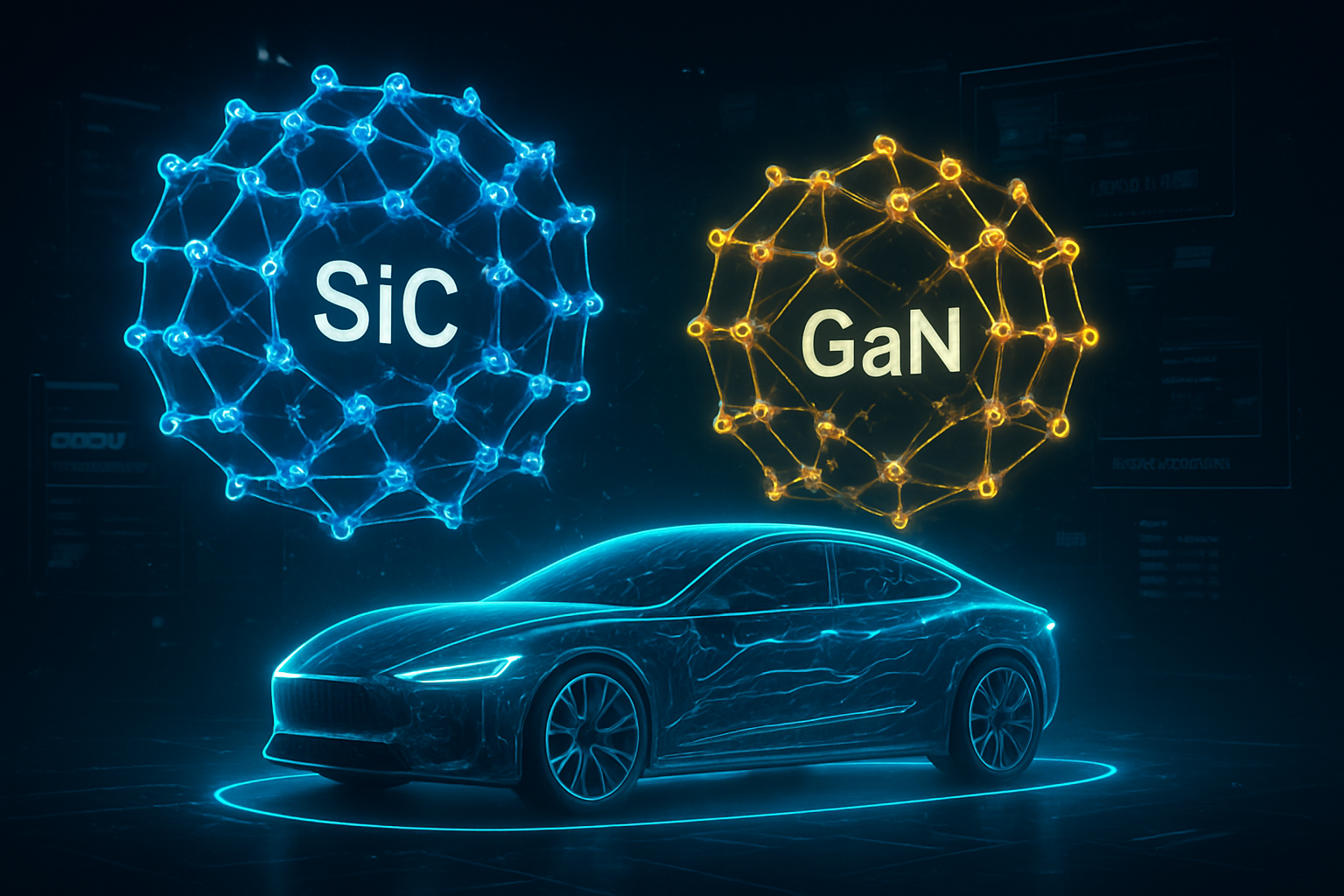
  • Qnity Electronics Ignites Data Center and AI Chip Market as Independent Powerhouse

    Qnity Electronics Ignites Data Center and AI Chip Market as Independent Powerhouse

    In a strategic move poised to reshape the landscape of artificial intelligence infrastructure, Qnity Electronics (NYSE: Q), formerly the high-growth Electronics unit of DuPont de Nemours, Inc. (NYSE: DD), officially spun off as an independent publicly traded company on November 1, 2025. This highly anticipated separation has immediately propelled Qnity into a pivotal role, becoming a pure-play technology provider whose innovations are directly fueling the explosive growth of data center and AI chip development amidst the global AI boom. The spinoff, which saw DuPont shareholders receive one share of Qnity common stock for every two shares of DuPont common stock, marks a significant milestone, allowing Qnity to sharpen its focus on the critical materials and solutions essential for advanced semiconductors and electronic systems.

    The creation of Qnity Electronics as a standalone entity addresses the burgeoning demand for specialized materials that underpin the next generation of AI and high-performance computing (HPC). With a substantial two-thirds of its revenue already tied to the semiconductor and AI sectors, Qnity is strategically positioned to capitalize on what analysts are calling the "AI supercycle." This independence grants Qnity enhanced flexibility for capital allocation, targeted research and development, and agile strategic partnerships, all aimed at accelerating innovation in advanced materials and packaging crucial for the low-latency, high-density requirements of modern AI data centers.

    The Unseen Foundations: Qnity's Technical Prowess Powering the AI Revolution

    Qnity Electronics' technical offerings are not merely supplementary; they are the unseen foundations upon which the next generation of AI and high-performance computing (HPC) systems are built. The company's portfolio, segmented into Semiconductor Technologies and Interconnect Solutions, directly addresses the most pressing technical challenges in AI infrastructure: extreme heat generation, signal integrity at unprecedented speeds, and the imperative for high-density, heterogeneous integration. Qnity’s solutions are critical for scaling AI chips and data centers beyond current limitations.

    At the forefront of Qnity's contributions are its advanced thermal management solutions, including Laird™ Thermal Interface Materials. As AI chips, particularly powerful GPUs, push computational boundaries, they generate immense heat. Qnity's materials are engineered to efficiently dissipate this heat, ensuring the reliability, longevity, and sustained performance of these power-hungry devices within dense data center environments. Furthermore, Qnity is a leader in advanced packaging technologies that enable heterogeneous integration – a cornerstone for future multi-die AI chips that combine logic, memory, and I/O components into a single, high-performance package. Their support for Flip Chip-Chip Scale Package (FC-CSP) applications is vital for the sophisticated IC substrates powering both edge AI and massive cloud-based AI systems.

    What sets Qnity apart from traditional approaches is its materials-centric innovation and holistic problem-solving. While many companies focus on chip design or manufacturing, Qnity provides the foundational "building blocks." Its advanced interconnect solutions tackle the complex interplay of signal integrity, thermal stability, and mechanical reliability in chip packages and AI boards, enabling fine-line PCB technology and high-density integration. In semiconductor fabrication, Qnity's Chemical Mechanical Planarization (CMP) pads and slurries, such as the industry-standard Ikonic™ and Visionpad™ families, are crucial. The recently launched Emblem™ platform in 2025 offers customizable performance metrics specifically tailored for AI workloads, a significant leap beyond general-purpose materials, enabling the precise wafer polishing required for advanced process nodes below 5 nanometers—essential for low-latency AI.

    Initial reactions from both the financial and AI industry communities have been largely positive, albeit with some nuanced considerations. Qnity's immediate inclusion in the S&P 500 post-spin-off underscored its perceived strategic importance. Leading research firms like Wolfe Research have initiated coverage with "Buy" ratings, citing Qnity's "unique positioning in the AI semiconductor value chain" and a "sustainable innovation pipeline." The company's Q3 2025 results, reporting an 11% year-over-year net sales increase to $1.3 billion, largely driven by AI-related demand, further solidified confidence. However, some market skepticism emerged regarding near-term margin stability, with adjusted EBITDA margins contracting slightly due to strategic investments and product mix, indicating that while growth is strong, balancing innovation with profitability remains a key challenge.

    Shifting Sands: Qnity's Influence on AI Industry Dynamics

    The emergence of Qnity Electronics as a dedicated powerhouse in advanced semiconductor materials carries profound implications for AI companies, tech giants, and even nascent startups across the globe. By specializing in the foundational components crucial for next-generation AI chips and data centers, Qnity is not just participating in the AI boom; it is actively shaping the capabilities and competitive landscape of the entire industry. Its materials, from chemical mechanical planarization (CMP) pads to advanced interconnects and thermal management solutions, are the "unsung heroes" enabling the performance, energy efficiency, and reliability that modern AI demands.

    Major chipmakers and AI hardware developers, including titans like Taiwan Semiconductor Manufacturing Company (TSMC) (NYSE: TSM) and memory giants such as SK hynix (KRX: 000660), stand to be primary beneficiaries. Qnity's long-term supply agreements, such as the one with SK hynix for its advanced CMP pad platforms, underscore the critical role these materials play in producing high-performance DRAM and NAND flash memory, essential for AI workloads. These materials enable the efficient scaling of advanced process nodes below 5 nanometers, which are indispensable for the ultra-low latency and high bandwidth requirements of cutting-edge AI processors. For AI hardware developers, Qnity's solutions translate directly into the ability to design more powerful, thermally stable, and reliable AI accelerators and GPUs.

    The competitive implications for major AI labs and tech companies are significant. Access to Qnity's superior materials can become a crucial differentiator, allowing companies to push the boundaries of AI chip design and performance. This also fosters a deeper reliance on specialized material providers, compelling tech giants to forge robust partnerships to secure supply and collaborate on future material innovations. Companies that can rapidly integrate and leverage these advanced materials may gain a substantial competitive edge, potentially leading to shifts in market share within the AI hardware sector. Furthermore, Qnity's U.S.-based operations offer a strategic advantage, aligning with current geopolitical trends emphasizing secure and resilient domestic supply chains in semiconductor manufacturing.

    Qnity's innovations are poised to disrupt existing products and services by rendering older technologies less competitive in the high-performance AI domain. Manufacturers still relying on less advanced materials for chip fabrication, packaging, or thermal management may find their products unable to meet the stringent demands of next-generation AI workloads. The enablement of advanced nodes and heterogeneous integration by Qnity's materials sets new performance benchmarks, potentially making products that cannot match these levels due to material limitations obsolete. Qnity's strategic advantage lies in its pure-play focus, technically differentiated portfolio, strong strategic partnerships, comprehensive solutions across the semiconductor value chain, and extensive global R&D footprint. This unique positioning solidifies Qnity as a co-architect of AI's next leap, driving above-market growth and cementing its role at the core of the evolving AI infrastructure.

    The AI Supercycle's Foundation: Qnity's Broader Impact and Industry Trends

    Qnity Electronics' strategic spin-off and its sharpened focus on AI chip materials are not merely a corporate restructuring; they represent a significant inflection point within the broader AI landscape, profoundly influencing the ongoing "AI Supercycle." This period, characterized by unprecedented demand for advanced semiconductor technology, has seen AI fundamentally reshape global technology markets. Qnity's role as a provider of critical materials and solutions positions it as a foundational enabler, directly contributing to the acceleration of AI innovation.

    The company's offerings, from chemical mechanical planarization (CMP) pads for sub-5 nanometer chip fabrication to advanced packaging for heterogeneous integration and thermal management solutions for high-density data centers, are indispensable. They allow chipmakers to overcome the physical limitations of Moore's Law, pushing the boundaries of density, latency, and energy efficiency crucial for contemporary AI workloads. Qnity's robust Q3 2025 revenue growth, heavily attributed to AI-related demand, clearly demonstrates its integral position within this supercycle, validating the strategic decision to become a pure-play entity capable of making agile investments in R&D to meet burgeoning AI needs.

    This specialized focus highlights a broader industry trend where companies are streamlining operations to capitalize on high-growth segments like AI. Such spin-offs often lead to increased strategic clarity and can outperform broader market indices by dedicating resources more efficiently. By enabling the fabrication of more powerful and efficient AI chips, Qnity contributes directly to the expansion of AI into diverse applications, from large language models (LLMs) in the cloud to real-time, low-power processing at the edge. This era necessitates specialized hardware, making breakthroughs in materials and manufacturing as critical as algorithmic advancements themselves.

    However, this rapid advancement also brings potential concerns. The increasing complexity of advanced chip designs (3nm and beyond) demands high initial investment costs and exacerbates the critical shortage of skilled talent within the semiconductor industry. Furthermore, the immense energy consumption of AI data centers poses a significant environmental challenge, with projections indicating a substantial portion of global electricity consumption will soon be attributed to AI infrastructure. While Qnity's thermal management solutions help mitigate heat issues, the overarching energy footprint remains a collective industry challenge. Compared to previous semiconductor cycles, the AI supercycle is unique due to its sustained demand driven by continuously evolving AI models, marking a profound shift from traditional consumer electronics to specialized AI hardware as the primary growth engine.

    The Road Ahead: Qnity and the Evolving AI Chip Horizon

    The future for Qnity Electronics and the broader AI chip market is one of rapid evolution, fueled by an insatiable demand for advanced computing capabilities. Qnity, with its strategic roadmap targeting significant organic net sales and adjusted operating EBITDA growth through 2028, is poised to outpace the general semiconductor materials market. Its R&D strategy is laser-focused on advanced packaging, heterogeneous integration, and 3D stacking – technologies that are not just trending but are fundamental to the next generation of AI and high-performance computing. The company's strong Q3 2025 performance, driven by AI applications, underscores its trajectory as a "broad pure-play technology leader."

    On the horizon, Qnity's materials will underpin a vast array of potential applications. In semiconductor manufacturing, its lithography and advanced node transition materials will be critical for the full commercialization of 2nm chips and beyond. Its advanced packaging and thermal management solutions, including Laird™ Thermal Interface Materials, will become even more indispensable as AI chips grow in density and power consumption, demanding sophisticated heat dissipation. Furthermore, Qnity's interconnect solutions will enable faster, more reliable data transmission within complex electronic systems, extending from hyper-scale data centers to next-generation wearables, autonomous vehicles, and advanced robotics, driving the expansion of AI to the "edge."

    However, this ambitious future is not without its challenges. The manufacturing of modern AI chips demands extreme precision and astronomical investment, with new fabrication plants costing upwards of $15-20 billion. Power delivery and thermal management remain formidable obstacles; powerful AI chips like NVIDIA (NASDAQ: NVDA)'s H100 can consume over 500 watts, leading to localized hotspots and performance degradation. The physical limits of conventional materials for conductivity and scalability in nanoscale interconnects necessitate continuous innovation from companies like Qnity. Design complexity, supply chain vulnerabilities exacerbated by geopolitical tensions, and a critical shortage of skilled talent further complicate the landscape.

    Despite these hurdles, experts predict a future defined by a deepening symbiosis between AI and semiconductors. The AI chip market, projected to reach over $100 billion by 2029 and nearly $850 billion by 2035, will see continued specialization in AI chip architectures, including domain-specific accelerators optimized for specific workloads. Advanced packaging innovations, such as TSMC (NYSE: TSM)'s CoWoS, will continue to evolve, alongside a surge in High-Bandwidth Memory (HBM) shipments. The development of neuromorphic computing, mimicking the human brain for ultra-efficient AI processing, is a promising long-term prospect. Experts also foresee AI capabilities becoming pervasive, integrated directly into edge devices like AI-enabled PCs and smartphones, transforming various sectors and making familiarity with AI the most important skill for future job seekers.

    The Foundation of Tomorrow: Qnity's Enduring Legacy in the AI Era

    Qnity Electronics' emergence as an independent, pure-play technology leader marks a pivotal moment in the ongoing AI revolution. While not a household name like the chip designers or cloud providers, Qnity operates as a critical, foundational enabler, providing the "picks and shovels" that allow the AI supercycle to continue its relentless ascent. Its strategic separation from DuPont, culminating in its NYSE (NYSE: Q) listing on November 1, 2025, has sharpened its focus on the burgeoning demands of AI and high-performance computing, a move already validated by robust Q3 2025 financial results driven significantly by AI-related demand.

    The key takeaways from Qnity's debut are clear: the company is indispensable for advanced semiconductor manufacturing, offering essential materials for high-density interconnects, heterogeneous integration, and crucial thermal management solutions. Its advanced packaging technologies facilitate the complex multi-die architectures of modern AI chips, while its Laird™ solutions are vital for dissipating the immense heat generated by power-hungry AI processors, ensuring system reliability and longevity. Qnity's global footprint and strong customer relationships, particularly in Asia, underscore its deep integration into the global semiconductor value chain, making it a trusted partner for enabling the "next leap in electronics."

    In the grand tapestry of AI history, Qnity's significance lies in its foundational role. Previous AI milestones focused on algorithmic breakthroughs or software innovations; however, the current era is equally defined by physical limitations and the need for specialized hardware. Qnity directly addresses these challenges, providing the material science and engineering expertise without which the continued scaling of AI hardware would be impossible. Its innovations in precision materials, advanced packaging, and thermal management are not just incremental improvements; they are critical enablers that unlock new levels of performance and efficiency for AI, from the largest data centers to the smallest edge devices.

    Looking ahead, Qnity's long-term impact is poised to be profound and enduring. As AI workloads grow in complexity and pervasiveness, the demand for ever more powerful, efficient, and densely integrated hardware will only intensify. Qnity's expertise in solving these fundamental material and architectural challenges positions it for sustained relevance and growth within a semiconductor industry projected to surpass $1 trillion by the decade's end. Its continuous innovation, particularly in areas like 3D stacking and advanced thermal solutions, could unlock entirely new possibilities for AI hardware performance and form factors, cementing its role as a co-architect of the AI-powered future.

    In the coming weeks and months, industry observers should closely monitor Qnity's subsequent financial reports for sustained AI-driven growth and any updates to its product roadmaps for new material innovations. Strategic partnerships with major chip designers or foundries will signal deeper integration and broader market adoption. Furthermore, keeping an eye on the overall pace of the "silicon supercycle" and advancements in High-Bandwidth Memory (HBM) and next-generation AI accelerators will provide crucial context for Qnity's continued trajectory, as these directly influence the demand for its foundational offerings.


    This content is intended for informational purposes only and represents analysis of current AI developments.

    TokenRing AI delivers enterprise-grade solutions for multi-agent AI workflow orchestration, AI-powered development tools, and seamless remote collaboration platforms.
    For more information, visit https://www.tokenring.ai/.

  • The Unseen Architects: How Contract Semiconductor Manufacturing Powers the AI, EV, and 5G Revolution

    The Unseen Architects: How Contract Semiconductor Manufacturing Powers the AI, EV, and 5G Revolution

    In the intricate tapestry of modern technology, an often-overlooked yet utterly indispensable force is at play: Contract Semiconductor Manufacturing (CMO). These specialized foundries, acting as the silent titans of the industry, have become the crucial backbone enabling the explosive growth and relentless innovation across Artificial Intelligence (AI), Electric Vehicles (EVs), and 5G connectivity. By decoupling the monumental costs and complexities of chip fabrication from the ingenious act of chip design, CMOs have democratized access to cutting-edge manufacturing capabilities, fundamentally reshaping the global chip supply chain and accelerating the pace of technological advancement.

    The immediate significance of CMO lies in its transformative impact on innovation, scalability, and market growth. It empowers a new generation of "fabless" companies – from nimble AI startups to established tech giants like NVIDIA (NASDAQ: NVDA) and Qualcomm (NASDAQ: QCOM) – to pour their resources into groundbreaking research and development, focusing solely on designing the next generation of intelligent processors, efficient power management units, and high-speed communication chips. This strategic division of labor not only fosters unparalleled creativity but also ensures that the most advanced process technologies, often costing tens of billions of dollars to develop and maintain, are accessible to a wider array of innovators, propelling entire industries forward at an unprecedented rate.

    The Foundry Model: Precision Engineering at Hyperscale

    The core of Contract Semiconductor Manufacturing's technical prowess lies in its hyper-specialization. Foundries like Taiwan Semiconductor Manufacturing Company (TSMC) (TPE: 2330), Samsung Foundry (KRX: 005930), and GlobalFoundries (NASDAQ: GFS) dedicate their entire existence to the art and science of chip fabrication. This singular focus allows them to invest astronomical sums into state-of-the-art facilities, known as fabs, equipped with the most advanced lithography tools, such as Extreme Ultraviolet (EUV) technology, capable of etching features as small as 3 nanometers. These capabilities are far beyond the financial and operational reach of most individual design companies, making CMOs the gatekeepers of leading-edge semiconductor production.

    Technically, CMOs differ from traditional Integrated Device Manufacturers (IDMs) like Intel (NASDAQ: INTC) by not designing their own chips for market sale. Instead, they provide manufacturing services based on client designs. This model has led to the rapid adoption of advanced process nodes, crucial for the performance demands of AI, EVs, and 5G. For instance, the intricate neural network architectures that power generative AI models require billions of transistors packed into a tiny area, demanding the highest precision manufacturing. Similarly, the robust and efficient power semiconductors for EVs, often utilizing Gallium Nitride (GaN) and Silicon Carbide (SiC) wafers, are perfected and scaled within these foundries. For 5G infrastructure and devices, CMOs provide the necessary capacity for high-frequency, high-performance chips that are vital for massive data throughput and low latency.

    The technical specifications and capabilities offered by CMOs are continuously evolving. They are at the forefront of developing new packaging technologies, such as 3D stacking and chiplet architectures, which allow for greater integration and performance density, especially critical for AI accelerators and high-performance computing (HPC). The initial reaction from the AI research community and industry experts has been overwhelmingly positive, recognizing that without the foundry model, the sheer complexity and cost of manufacturing would severely bottleneck innovation. Experts frequently highlight the collaborative co-development of process technologies between fabless companies and foundries as a key driver of current breakthroughs, ensuring designs are optimized for the manufacturing process from conception.

    Reshaping the Competitive Landscape: Beneficiaries and Disruptors

    The contract semiconductor manufacturing model has profoundly reshaped the competitive landscape across the tech industry, creating clear beneficiaries, intensifying competition, and driving strategic shifts. Fabless companies are the primary beneficiaries, as they can bring highly complex and specialized chips to market without the crippling capital expenditure of building and maintaining a fabrication plant. This allows companies like NVIDIA to dominate the AI chip market with their powerful GPUs, AMD (NASDAQ: AMD) to compete effectively in CPUs and GPUs, and a plethora of startups to innovate in niche AI hardware, autonomous driving processors, and specialized 5G components.

    For tech giants, the CMO model offers flexibility and strategic advantage. Companies like Apple (NASDAQ: AAPL) leverage foundries to produce their custom-designed A-series and M-series chips, giving them unparalleled control over hardware-software integration and performance. This allows them to differentiate their products significantly from competitors. The competitive implications are stark: companies that effectively partner with leading foundries gain a significant edge in performance, power efficiency, and time-to-market. Conversely, companies still heavily reliant on in-house manufacturing, like Intel, have faced immense pressure to adapt, leading to multi-billion dollar investments in new fabs and a strategic pivot to offering foundry services themselves.

    Potential disruption to existing products and services is constant. As CMOs push the boundaries of process technology, new chip designs emerge that can render older hardware obsolete faster, driving demand for upgrades in everything from data centers to consumer electronics. This dynamic environment encourages continuous innovation but also puts pressure on companies to stay at the leading edge. Market positioning is heavily influenced by access to the latest process nodes and reliable manufacturing capacity. Strategic advantages are gained not just through superior design, but also through strong, long-term relationships with leading foundries, ensuring preferential access to limited capacity and advanced technologies, which can be a critical differentiator in times of high demand or supply chain disruptions.

    Broader Significance: The Digital Economy's Foundation

    Contract Semiconductor Manufacturing's wider significance extends far beyond individual companies, underpinning the entire global digital economy and fitting squarely into broader AI and technology trends. It represents a fundamental shift towards horizontal specialization in the tech industry, where different entities excel in their core competencies – design, manufacturing, assembly, and testing. This specialization has not only driven efficiency but has also accelerated the pace of technological progress across the board. The impact is evident in the rapid advancements we see in AI, where increasingly complex models demand ever more powerful and efficient processing units; in EVs, where sophisticated power electronics and autonomous driving chips are crucial; and in 5G, where high-performance radio frequency (RF) and baseband chips enable ubiquitous, high-speed connectivity.

    The impact of CMOs is felt in virtually every aspect of modern life. They enable the smartphones in our pockets, the cloud servers that power our digital services, the medical devices that save lives, and the advanced defense systems that protect nations. Without the scalable, high-precision manufacturing provided by foundries, the vision of a fully connected, AI-driven, and electrified future would remain largely theoretical. However, this concentration of manufacturing power, particularly in a few key regions like East Asia, also raises potential concerns regarding geopolitical stability and supply chain resilience, as highlighted by recent global chip shortages.

    Compared to previous AI milestones, such as the development of deep learning or the AlphaGo victory, the role of CMOs is less about a single breakthrough and more about providing the foundational infrastructure that enables all subsequent breakthroughs. It's the silent enabler, the "invisible giant" that translates theoretical designs into tangible, functional hardware. This model has lowered the entry barriers for innovation, allowing a diverse ecosystem of companies to flourish, which in turn fuels further advancements. The global semiconductor market, projected to reach $1.1 trillion by 2029, with the foundry market alone exceeding $200 billion by 2030, is a testament to the indispensable role of CMOs in this exponential growth, driven largely by AI-centric architectures, IoT, and EV semiconductors.

    The Road Ahead: Future Developments and Challenges

    The future of Contract Semiconductor Manufacturing is intrinsically linked to the relentless march of technological progress in AI, EVs, and 5G. Near-term developments will likely focus on pushing the boundaries of process nodes further, with 2nm and even 1.4nm technologies on the horizon, promising even greater transistor density and performance. We can expect continued advancements in specialized packaging solutions like High Bandwidth Memory (HBM) integration and advanced fan-out packaging, crucial for the next generation of AI accelerators that demand massive data throughput. The development of novel materials beyond silicon, such as next-generation GaN and SiC for power electronics and new materials for photonics and quantum computing, will also be a key area of focus for foundries.

    Long-term, the industry faces challenges in sustaining Moore's Law, the historical trend of doubling transistor density every two years. This will necessitate exploring entirely new computing paradigms, such as neuromorphic computing and quantum computing, which will, in turn, require foundries to adapt their manufacturing processes to entirely new architectures and materials. Potential applications are vast, ranging from fully autonomous robotic systems and hyper-personalized AI assistants to smart cities powered by ubiquitous 5G and a fully electric transportation ecosystem.

    However, significant challenges need to be addressed. The escalating cost of developing and building new fabs, now routinely in the tens of billions of dollars, poses a substantial hurdle. Geopolitical tensions and the desire for greater supply chain resilience are driving efforts to diversify manufacturing geographically, with governments investing heavily in domestic semiconductor production. Experts predict a continued arms race in R&D and capital expenditure among leading foundries, alongside increasing strategic partnerships between fabless companies and their manufacturing partners to secure capacity and co-develop future technologies. The demand for highly skilled talent in semiconductor engineering and manufacturing will also intensify, requiring significant investment in education and workforce development.

    A Cornerstone of the Digital Age: Wrapping Up

    In summary, Contract Semiconductor Manufacturing stands as an undisputed cornerstone of the modern digital age, an "invisible giant" whose profound impact is felt across the entire technology landscape. Its model of specialized, high-volume, and cutting-edge fabrication has been instrumental in enabling the rapid innovation and scalable production required by the burgeoning fields of AI, Electric Vehicles, and 5G. By allowing chip designers to focus on their core competencies and providing access to prohibitively expensive manufacturing capabilities, CMOs have significantly lowered barriers to entry, fostered a vibrant ecosystem of innovation, and become the indispensable backbone of the global chip supply chain.

    The significance of this development in AI history, and indeed in the broader history of technology, cannot be overstated. It represents a paradigm shift that has accelerated the pace of progress, making possible the complex, powerful, and efficient chips that drive our increasingly intelligent and connected world. Without the foundry model, many of the AI breakthroughs we celebrate today, the widespread adoption of EVs, and the rollout of 5G networks would simply not be economically or technically feasible on their current scale.

    In the coming weeks and months, we should watch for continued announcements regarding new process node developments from leading foundries, government initiatives aimed at bolstering domestic semiconductor manufacturing, and strategic partnerships between chip designers and manufacturers. The ongoing race for technological supremacy will largely be fought in the advanced fabs of contract manufacturers, making their evolution and expansion critical indicators for the future trajectory of AI, EVs, 5G, and indeed, the entire global economy.


    This content is intended for informational purposes only and represents analysis of current AI developments.

    TokenRing AI delivers enterprise-grade solutions for multi-agent AI workflow orchestration, AI-powered development tools, and seamless remote collaboration platforms.
    For more information, visit https://www.tokenring.ai/.

  • UBS Group Nudges Price Target for indie Semiconductor Amidst Autotech Revolution

    UBS Group Nudges Price Target for indie Semiconductor Amidst Autotech Revolution

    UBS Group has subtly shifted its outlook on indie Semiconductor (NASDAQ: INDI), raising its price target from $4.50 to $5.00. This adjustment, while modest and accompanied by a maintained "Neutral" or "Hold" rating, signals a nuanced perspective from the financial giant. It suggests a cautious optimism regarding indie Semiconductor's long-term potential within the burgeoning automotive technology sector, even as the company navigates immediate operational headwinds. For the broader market, this move highlights the ongoing investor focus on companies poised to capitalize on the profound transformation occurring in vehicle intelligence and autonomy.

    Navigating the Future: indie Semiconductor's Core and the ADAS Frontier

    The rationale behind UBS's revised price target hinges on a careful evaluation of indie Semiconductor's strategic positioning and technological prowess, balanced against temporary market challenges. UBS acknowledges that indie Semiconductor has been grappling with short-term supply chain disruptions, impacting recent earnings reports. However, these are largely viewed as transient obstacles, with significant earnings improvement not anticipated until late 2026. Crucially, the firm noted stable trends in indie Semiconductor's core operations and its advanced driver-assistance systems (ADAS) segment, underscoring a belief in the company's fundamental strength in critical growth areas.

    indie Semiconductor is firmly entrenched at the forefront of the "Autotech revolution," specializing in next-generation automotive semiconductors and software platforms. Its core differentiation lies in its comprehensive portfolio of edge sensors for ADAS, encompassing critical technologies such as LiDAR, radar, ultrasound, and computer vision. These are not merely incremental improvements but foundational components for the development of fully electric and autonomous vehicles, representing a significant departure from traditional automotive electronics. The company is strategically shifting its revenue focus from legacy infotainment systems to the high-growth ADAS sector, with ADAS projected to constitute 66% of its estimated revenue in 2025. This pivot positions indie Semiconductor to capture a substantial share of the rapidly expanding market for automotive intelligence.

    The company's product suite is extensive, including vision and radar processors, in-cabin wireless charging, USB power delivery, device interfacing for platforms like Apple CarPlay and Android Auto, and high-speed video and data connectivity. These solutions seamlessly integrate analog, digital, and mixed-signal integrated circuits (ICs) with embedded software. A notable strategic move was the acquisition of emotion3D, an AI perception software specialist, which is expected to expand indie Semiconductor's footprint into high-margin automotive software, opening a significant total addressable market. As an approved vendor to Tier 1 automotive suppliers, indie Semiconductor's technologies are integrated into vehicles from leading global manufacturers. Looking ahead, the company is set to commence shipping a crucial corner radar sensor in the fourth quarter of 2025, with a substantial increase in production slated thereafter, signaling tangible future growth drivers.

    Competitive Dynamics and Market Disruption in the AI-Driven Automotive Sector

    UBS's adjusted price target for indie Semiconductor, while conservative compared to the broader analyst consensus of a "Strong Buy," underscores the company's strategic importance in the evolving AI and semiconductor landscape. Companies like indie Semiconductor, specializing in edge AI and sensor fusion for ADAS, stand to significantly benefit from the accelerating demand for smarter, safer, and more autonomous vehicles. This development primarily benefits automotive OEMs and Tier 1 suppliers who are integrating these advanced solutions into their next-generation vehicle platforms, enabling features ranging from enhanced safety to fully autonomous driving capabilities.

    The competitive implications for major AI labs and tech giants are multifaceted. While many tech giants like NVIDIA (NASDAQ: NVDA) and Intel (NASDAQ: INTC) with its Mobileye (NASDAQ: MBLY) subsidiary are developing powerful central processing units (CPUs) and graphics processing units (GPUs) for autonomous driving, indie Semiconductor's focus on specialized edge sensors and integrated solutions provides a complementary, yet distinct, advantage. Their expertise in specific sensor modalities (LiDAR, radar, computer vision) and the associated analog/mixed-signal ICs allows for highly optimized and power-efficient processing at the sensor level, reducing the burden on central compute platforms. This could disrupt existing products that rely solely on brute-force central processing by offering more distributed, efficient, and cost-effective solutions for certain ADAS functions.

    For startups, indie Semiconductor's trajectory highlights the potential for focused innovation in niche, high-growth segments of the AI hardware market. Their strategic acquisitions, like emotion3D, demonstrate a proactive approach to expanding their software capabilities and addressable market, setting a precedent for how specialized hardware companies can integrate AI software to offer more comprehensive solutions. The market positioning of indie Semiconductor, with its deep relationships with Tier 1 suppliers, provides a significant strategic advantage, creating high barriers to entry for new competitors in the highly regulated and capital-intensive automotive sector.

    Broader Implications for the AI and Semiconductor Landscape

    The UBS price target adjustment for indie Semiconductor, even with its cautious tone, fits squarely within the broader AI landscape's trend towards specialized hardware for edge computing and real-world applications. As AI models become more sophisticated and pervasive, the demand for dedicated, power-efficient processing units at the "edge"—i.e., directly within devices like autonomous vehicles—is skyrocketing. indie Semiconductor's focus on ADAS sensors and processors is a prime example of this trend, moving AI computation closer to the data source to enable real-time decision-making, crucial for safety-critical applications in automotive.

    This development underscores the increasing segmentation of the semiconductor market, moving beyond general-purpose CPUs and GPUs to highly specialized Application-Specific Integrated Circuits (ASICs) and System-on-Chips (SoCs) tailored for AI workloads. The impacts are profound: it drives innovation in low-power design, accelerates the development of advanced sensor technologies, and pushes the boundaries of real-time AI inference. Potential concerns, however, include the intense competition in the automotive semiconductor space, the capital-intensive nature of design and manufacturing, and the inherent volatility of the automotive market. Furthermore, the long development cycles and stringent validation processes for automotive-grade components can be challenging.

    Comparing this to previous AI milestones, indie Semiconductor's progress, alongside similar companies, represents a crucial step in democratizing advanced AI capabilities. While earlier milestones focused on breakthroughs in AI algorithms (e.g., deep learning advancements) or massive cloud-based AI training, the current phase is heavily focused on deploying these intelligent systems into the physical world. This requires robust, reliable, and energy-efficient hardware, which companies like indie Semiconductor are providing. Their upcoming corner radar sensor launch in Q4 2025 is a tangible example of how these specialized components are moving from R&D to mass production, enabling the next generation of intelligent vehicles.

    The Road Ahead: Future Developments and Expert Predictions

    The future for indie Semiconductor and the broader automotive AI market is poised for significant evolution. In the near-term, the successful launch and ramp-up of their crucial corner radar sensor in Q4 2025 will be a critical milestone, expected to drive substantial revenue growth. Beyond this, continued investment in research and development for next-generation LiDAR, radar, and computer vision technologies will be essential to maintain their competitive edge. The integration of advanced AI perception software, bolstered by acquisitions like emotion3D, suggests a future where indie Semiconductor offers increasingly comprehensive hardware-software solutions, moving up the value chain.

    Potential applications and use cases on the horizon extend beyond current ADAS features to fully autonomous driving levels (L4 and L5), advanced in-cabin monitoring systems, and vehicle-to-everything (V2X) communication, all requiring sophisticated edge AI processing. Challenges that need to be addressed include navigating global supply chain complexities, managing the high costs associated with automotive-grade certification, and continuously innovating to stay ahead in a rapidly evolving technological landscape. Furthermore, achieving consistent profitability, given their reported operating and net losses, will be a key focus.

    Experts predict a continued surge in demand for specialized automotive semiconductors as electric vehicles (EVs) and autonomous features become standard. The trend towards software-defined vehicles will further emphasize the importance of integrated hardware and software platforms. Analysts forecast significant growth in indie Semiconductor's earnings and revenue, indicating a strong belief in their long-term market position. The coming years will likely see further consolidation in the automotive semiconductor space, with companies offering robust, integrated solutions gaining significant market share.

    Wrapping Up: A Glimpse into the Future of Automotive Intelligence

    UBS Group's decision to increase indie Semiconductor's price target, while maintaining a "Neutral" rating, provides a valuable snapshot of the complexities and opportunities within the AI-driven automotive sector. It underscores a cautious yet optimistic view of a company strategically positioned at the nexus of the "Autotech revolution." The key takeaways are indie Semiconductor's strong technological foundation in ADAS edge sensors, its strategic pivot towards high-growth segments, and the potential for significant long-term revenue and earnings growth despite immediate operational challenges.

    This development's significance in AI history lies in its representation of the crucial shift from theoretical AI advancements to practical, real-world deployment. Companies like indie Semiconductor are building the hardware backbone that enables AI to move vehicles safely and intelligently. The long-term impact will be a transformation of transportation, with safer roads, more efficient logistics, and entirely new mobility experiences, all powered by advanced AI and specialized semiconductors.

    In the coming weeks and months, investors and industry watchers should closely monitor indie Semiconductor's execution on its upcoming product launches, particularly the corner radar sensor, and its ability to navigate supply chain issues. Further strategic partnerships or acquisitions that bolster its AI software capabilities will also be key indicators of its trajectory. As the automotive industry continues its rapid evolution towards autonomy, companies like indie Semiconductor will play an indispensable role in shaping the future of mobility.


    This content is intended for informational purposes only and represents analysis of current AI developments.

    TokenRing AI delivers enterprise-grade solutions for multi-agent AI workflow orchestration, AI-powered development tools, and seamless remote collaboration platforms.
    For more information, visit https://www.tokenring.ai/.