Tag: AI

  • The Bond Market’s Take: Why the AI Bubble Won’t Pop Anytime Soon

    The Bond Market’s Take: Why the AI Bubble Won’t Pop Anytime Soon

    The specter of an "AI bubble" has loomed large over the tech landscape, drawing comparisons to past speculative frenzies. Yet, a deeper dive into the bond market's behavior reveals a more sanguine outlook, suggesting that the current enthusiasm for artificial intelligence is grounded in solid financial fundamentals, at least for the sector's leading players. Far from anticipating an imminent collapse, bond investors are demonstrating a robust confidence in the stability and sustained growth of the AI sector, particularly within established tech giants.

    This conviction is not merely speculative; it's anchored in the strong financial health, strategic investments, and prudent leverage of the companies at the forefront of AI innovation. While equity markets may experience volatility, the fixed income universe, often a bellwether for long-term economic stability, is signaling that the AI revolution is a foundational shift, not a fleeting trend. This article will delve into the financial indicators and expert opinions that underpin the bond market's surprising calm amidst the AI surge, arguing that a widespread "AI bubble" pop is a distant prospect.

    Unpacking the Financial Underpinnings: Why Bonds Signal Stability

    The bond market's assessment of the AI sector's stability is built upon several key financial indicators and strategic considerations that differentiate the current AI boom from historical speculative bubbles. A primary driver of this confidence is the exceptional financial health of the major technology companies spearheading AI development. These firms, often characterized by robust free cash flow, are largely self-funding their significant AI initiatives, mitigating the need for excessive debt. When they do tap the bond market, it's frequently to capitalize on favorable interest rates rather than out of financial necessity, showcasing a proactive and strategic approach to capital management.

    A striking testament to this confidence is the overwhelming demand for long-duration bonds issued by these AI-centric tech giants. For instance, companies like Alphabet (NASDAQ: GOOGL) have successfully issued 50-year maturity bonds, a term rarely seen for technology firms, at relatively low yields. This strong investor appetite signals a profound belief in the sustained stability and long-term cash-generating capabilities of these companies, extending over decades. Furthermore, the vast majority of companies with significant AI exposure in the fixed income universe boast investment-grade credit ratings. This critical indicator signifies that bond investors perceive these firms as having a low risk of default, providing a bedrock of stability for the sector. While capital expenditure on AI infrastructure, particularly data centers, is surging, key financial metrics such as capex-to-sales ratios remain below the extreme levels observed during historical bubbles like the dot-com era. Leverage among these leading companies is also generally contained, further reinforcing the bond market's view that current valuations are underpinned by strong fundamentals rather than speculative excess. Goldman Sachs Research has echoed this sentiment, suggesting that the rise in technology stock valuations is led by established firms with robust earnings, rather than a proliferation of poorly capitalized startups. Many AI-related deals are also structured as multi-year contracts, indicating a more planned and stable investment cycle rather than short-term speculative ventures, cementing the perception of a foundational, long-term shift.

    The AI Sector's Impact on Companies: Beneficiaries and Competitive Shifts

    The bond market's bullish stance on AI stability has profound implications for a diverse range of companies, from established tech giants to burgeoning startups, reshaping competitive landscapes and strategic priorities. Unsurprisingly, the primary beneficiaries are the mega-cap technology companies that are not only developing foundational AI models but also investing heavily in the underlying infrastructure. Companies like Microsoft (NASDAQ: MSFT), Amazon (NASDAQ: AMZN), Google (NASDAQ: GOOGL), and NVIDIA (NASDAQ: NVDA) are at the forefront, leveraging their substantial financial resources to fund massive R&D, acquire promising AI startups, and build out the necessary computing power. Their strong balance sheets and consistent cash flows make their debt instruments highly attractive to bond investors, allowing them to raise capital efficiently for further AI expansion. This creates a virtuous cycle where bond market confidence fuels further investment, solidifying their market dominance.

    For these tech behemoths, the competitive implications are significant. Their ability to attract long-term debt at favorable rates provides a strategic advantage, enabling them to outpace competitors in the race for AI talent, data, and computational resources. This deepens their moats, making it increasingly challenging for smaller players to compete on scale. Existing products and services are undergoing rapid transformation, with AI integration becoming a critical differentiator. For example, Microsoft's integration of OpenAI's technologies into its Azure cloud services and productivity suite (e.g., Copilot) is a prime example of leveraging AI to enhance core offerings and capture new market share. Similarly, Amazon's investments in AI for its AWS cloud platform and e-commerce operations reinforce its market positioning. The strategic advantage lies not just in developing AI, but in seamlessly embedding it into established ecosystems, creating sticky services and fostering customer loyalty.

    While large tech companies are clear winners, the bond market's perspective also indirectly influences the startup ecosystem. While direct bond issuance by early-stage AI startups is rare, the overall positive sentiment towards the AI sector encourages venture capital and private equity investment. This capital then flows into promising startups, albeit with a greater focus on those demonstrating clear pathways to profitability or offering synergistic technologies to the larger players. However, there's an emerging concern about "circular financing," where large AI companies invest in smaller firms with the explicit or implicit condition that they use the investor's products or platforms. Much of this private market financing lacks transparency, raising questions about true debt levels and potential dependencies. This dynamic suggests that while the AI sector as a whole is viewed positively, the benefits are disproportionately flowing to, and being channeled by, the established giants, potentially consolidating power and creating barriers to entry for truly independent innovators.

    Wider Significance: AI's Broader Economic Tapestry and Emerging Concerns

    The bond market's current assessment of AI stability is not merely a financial footnote; it's a significant indicator of how this transformative technology is fitting into the broader economic landscape and global trends. The confidence in AI's long-term growth, as reflected in bond yields and investor demand, suggests that the market views AI not as a fleeting technological fad, but as a fundamental driver of future productivity and economic restructuring. This aligns with a broader narrative of a new industrial revolution, where AI is poised to redefine industries from healthcare and finance to manufacturing and logistics. The multi-year contracts and sustained capital expenditure observed in the sector underscore a foundational shift rather than a speculative surge, distinguishing it from previous tech booms that were often characterized by rapid, unsustainable growth built on unproven business models.

    However, this widespread significance is not without its complexities and potential concerns, some of which are subtly reflected in bond market behavior. Interestingly, some research has shown that long-term U.S. Treasury, TIPS, and corporate bond yields have, at times, fallen after major AI model releases. This is counter-intuitive, as economic theory would typically predict rising yields if investors anticipated widespread and significant future economic growth from AI, leading to increased consumption and inflation. One hypothesis for this divergence is that bond investors may be factoring in potential labor market disruptions caused by AI. If AI leads to significant job displacement and increased inequality, it could dampen aggregate consumption and overall economic growth, even as specific AI-centric companies thrive, even as specific AI-centric companies thrive, thereby dampening overall economic growth expectations. This suggests a nuanced view where the success of a few dominant AI players might not automatically translate into broad-based economic prosperity, a critical distinction from the more uniformly positive economic outlook that often accompanies major technological breakthroughs.

    Comparisons to previous AI milestones and breakthroughs reveal a distinct difference in the current phase. Unlike earlier "AI winters" or periods of limited practical application, today's AI advancements, particularly in generative AI, are demonstrating immediate and tangible economic value. This practical utility, coupled with the financial strength of the companies driving it, lends credibility to the bond market's positive outlook. Yet, concerns about the long-term economics of AI infrastructure at scale persist. While investment is substantial, the precise timing of revenue realization and the ratio of incremental revenue to capital expenditure have reportedly declined, indicating that the path to widespread profitability for all AI ventures might be more challenging than currently perceived. Furthermore, the opacity of private market financing, with early signs of rising defaults in high-risk private debt, highlights potential vulnerabilities that the broader, more transparent public bond market may not fully capture, urging a cautious optimism.

    Future Developments: Navigating the AI Horizon

    Looking ahead, the bond market's current perspective on AI stability suggests several expected near-term and long-term developments. In the near term, we can anticipate continued robust investment in AI infrastructure, particularly in data centers, specialized AI chips, and advanced cooling technologies. This will likely translate into sustained demand for corporate bonds from major cloud providers and semiconductor manufacturers, who will continue to find favorable borrowing conditions due to their integral role in the AI ecosystem. The integration of AI into enterprise software and business processes is also expected to accelerate, driving demand for AI-powered solutions across various industries. Experts predict that the focus will shift from foundational model development to the deployment and fine-tuning of these models for specific industry applications, creating new revenue streams and investment opportunities.

    Longer term, the implications are even more profound. The widespread adoption of AI is poised to redefine productivity, potentially leading to significant economic growth, though unevenly distributed. We can expect to see AI becoming an embedded component in almost every technological product and service, from autonomous vehicles and personalized medicine to smart cities and advanced materials discovery. The challenges that need to be addressed include the ethical deployment of AI, regulatory frameworks to govern its use, and strategies to mitigate potential labor market dislocations. The "circular financing" concerns in the private market also warrant close monitoring, as opaque debt structures could pose risks if not managed carefully.

    Experts predict that the next wave of AI innovation will focus on areas like multimodal AI, which can understand and generate content across different data types (text, image, video, audio), and more efficient, smaller AI models that can run on edge devices. This shift could democratize AI access and reduce the massive computational costs currently associated with large language models. The bond market will likely continue to differentiate between established, profitable AI players and more speculative ventures, maintaining its role as a discerning arbiter of long-term financial health. The ongoing evolution of AI's impact on labor markets and broader economic indicators will be crucial for shaping future bond investor sentiment.

    Comprehensive Wrap-up: A Measured Confidence in AI's Trajectory

    In summary, the bond market's current stance on the AI sector offers a compelling counter-narrative to the prevailing "AI bubble" fears. Key takeaways include the strong financial health and prudent capital management of leading AI companies, the robust demand for their long-duration, investment-grade debt, and the strategic, multi-year nature of AI investments. These factors collectively indicate that the bond market views the AI revolution as a deeply rooted, foundational shift rather than a speculative frenzy, largely mitigating the risk of an imminent widespread "AI bubble" pop. The financial underpinnings are more robust than those observed in past speculative booms, with leverage contained and valuations supported by strong fundamentals, particularly among the sector's giants.

    This development holds significant historical importance in the context of AI. It marks a period where AI has transitioned from a promising research area to a tangible economic force, attracting long-term capital from conservative investors. The confidence expressed by the bond market underscores the perceived inevitability and transformative power of AI across industries. However, this assessment comes with a measured caution, as evidenced by some bond market signals that may reflect concerns about AI's broader economic impacts, such as potential labor market disruptions and the opaque nature of private market financing.

    For the long term, the bond market's confidence suggests sustained investment and growth in the AI sector, particularly for established players. What to watch for in the coming weeks and months includes how regulatory frameworks evolve to address AI's societal impacts, the continued financial performance of key AI infrastructure providers, and any shifts in long-term bond yields that might signal changing perceptions of AI's broader economic effects. The interplay between equity market enthusiasm and bond market prudence will be a critical barometer for the health and trajectory of the AI revolution.


    This content is intended for informational purposes only and represents analysis of current AI developments.

    TokenRing AI delivers enterprise-grade solutions for multi-agent AI workflow orchestration, AI-powered development tools, and seamless remote collaboration platforms.
    For more information, visit https://www.tokenring.ai/.

  • Saudi AI & Edge Computing Hackathon 2025: Fueling a New Era of Innovation and Real-World Solutions

    Saudi AI & Edge Computing Hackathon 2025: Fueling a New Era of Innovation and Real-World Solutions

    RIYADH, Saudi Arabia – The Kingdom of Saudi Arabia is once again poised to be a crucible of technological innovation with the upcoming Saudi AI & Edge Computing Hackathon 2025. This landmark event, spearheaded by Prince Sultan University's Artificial Intelligence & Data Analytics (AIDA) Lab in collaboration with key industry players like MemryX and NEOM, is set to ignite the minds of student innovators, challenging them to forge groundbreaking AI and Edge Computing solutions. Far from a mere academic exercise, the hackathon is a strategic pillar in Saudi Arabia's ambitious Vision 2030, aiming to cultivate a vibrant, digitally transformed economy by empowering the next generation of tech leaders to tackle real-world challenges.

    Scheduled to bring together bright minds from across the Kingdom, the hackathon's core mission extends beyond competition; it's about fostering an ecosystem where theoretical knowledge translates into tangible impact. Participants will delve into critical sectors such as construction, security, retail, traffic management, healthcare, and industrial automation, developing computer vision solutions powered by advanced Edge AI hardware and software. This initiative underscores Saudi Arabia's commitment to not only adopting but also pioneering advancements in artificial intelligence and edge computing, positioning itself as a regional hub for technological excellence and practical innovation.

    Forging the Future: Technical Depth and Innovative Approaches

    The Saudi AI & Edge Computing Hackathon 2025 distinguishes itself by emphasizing the practical application of cutting-edge technologies, particularly in computer vision and Edge AI. Unlike traditional hackathons that might focus solely on software development, this event places a significant premium on solutions that leverage specialized Edge AI hardware. This focus enables participants to develop systems capable of processing data closer to its source, leading to lower latency, enhanced privacy, and reduced bandwidth consumption – critical advantages for real-time applications in diverse environments.

    Participants are tasked with creating effective and applicable solutions that can optimize processes, save time, and reduce costs across a spectrum of industries. The challenges are designed to push the boundaries of current AI capabilities, encouraging teams to integrate advanced algorithms with efficient edge deployment strategies. For instance, in traffic management, solutions might involve real-time pedestrian detection and flow analysis on smart cameras, while in healthcare, the focus could be on immediate anomaly detection in medical imaging at the point of care. This approach significantly differs from cloud-centric AI models by prioritizing on-device intelligence, which is crucial for scenarios where continuous internet connectivity is unreliable or data sensitivity demands local processing. Initial reactions from the AI research community highlight the hackathon's forward-thinking curriculum, recognizing its potential to bridge the gap between academic research and industrial application, especially within the burgeoning field of AIoT (Artificial Intelligence of Things).

    Market Implications: A Catalyst for Saudi AI Companies and Global Tech Giants

    The Saudi AI & Edge Computing Hackathon 2025 is poised to have a significant ripple effect across the AI industry, both regionally and globally. Companies specializing in Edge AI hardware, software platforms, and AI development tools stand to benefit immensely. Partners like MemryX, a provider of high-performance AI accelerators, will gain invaluable exposure and real-world testing for their technologies, as student teams push the limits of their hardware in diverse applications. Similarly, companies offering AI development frameworks and deployment solutions will find a fertile ground for user adoption and feedback.

    The competitive landscape for major AI labs and tech companies will also be subtly influenced. While the hackathon primarily targets students, the innovative solutions and talent it unearths could become future acquisition targets or inspire new product lines for larger entities. Tech giants with a strategic interest in the Middle East, such as (MSFT) Microsoft, (GOOGL) Google, and (AMZN) Amazon, which are heavily investing in cloud and AI infrastructure in the region, will closely monitor the talent pool and emerging technologies. The hackathon could disrupt existing service models by demonstrating the viability of more decentralized, edge-based AI solutions, potentially shifting some computational load away from centralized cloud platforms. For Saudi Arabian startups, the event serves as an unparalleled launchpad, offering visibility, mentorship, and potential investment, thereby strengthening the Kingdom's position as a burgeoning hub for AI innovation and entrepreneurship.

    Broader Significance: Saudi Arabia's Vision for an AI-Powered Future

    The Saudi AI & Edge Computing Hackathon 2025 is more than just a competition; it's a critical component of Saudi Arabia's overarching strategy to become a global leader in technology and innovation, deeply embedded within the fabric of Vision 2030. By focusing on practical, real-world applications of AI and edge computing, the Kingdom is actively shaping its digital future, diversifying its economy away from oil, and creating a knowledge-based society. This initiative fits seamlessly into the broader AI landscape by addressing the growing demand for efficient, localized AI processing, which is crucial for the proliferation of smart cities, industrial automation, and advanced public services.

    The impacts are far-reaching: from enhancing public safety through intelligent surveillance systems to optimizing resource management in critical sectors like construction and healthcare. While the potential benefits are immense, concerns often revolve around data privacy and the ethical deployment of AI. However, by fostering a culture of responsible innovation from the student level, Saudi Arabia aims to build a framework that addresses these challenges proactively. This hackathon draws parallels to early national initiatives in other technologically advanced nations that similarly prioritized STEM education and practical application, underscoring Saudi Arabia's commitment to not just consuming, but producing cutting-edge AI technology. It marks a significant milestone in the Kingdom's journey towards digital transformation and economic empowerment through technological self-reliance.

    Future Horizons: What Lies Ahead for Edge AI in the Kingdom

    Looking ahead, the Saudi AI & Edge Computing Hackathon 2025 is expected to catalyze several near-term and long-term developments in the Kingdom's AI ecosystem. In the immediate future, successful projects from the hackathon could receive further incubation and funding, transitioning from prototypes to viable startups. This would accelerate the development of localized AI solutions tailored to Saudi Arabia's unique challenges and opportunities. We can anticipate a surge in demand for specialized skills in Edge AI development, prompting educational institutions to adapt their curricula to meet industry needs.

    Potential applications on the horizon are vast, ranging from autonomous drone systems for infrastructure inspection in NEOM to intelligent retail analytics that personalize customer experiences in real-time. The integration of AI into smart city infrastructure, particularly in areas like traffic flow optimization and waste management, will likely see significant advancements. However, challenges remain, primarily in scaling these innovative solutions, attracting and retaining top-tier AI talent, and establishing robust regulatory frameworks for AI ethics and data governance. Experts predict that the hackathon will serve as a crucial pipeline for talent and ideas, positioning Saudi Arabia to not only adopt but also export advanced Edge AI technologies, further cementing its role as a key player in the global AI arena.

    A New Dawn for Saudi AI: Concluding Thoughts

    The Saudi AI & Edge Computing Hackathon 2025 represents a pivotal moment in Saudi Arabia's technological evolution, underscoring its unwavering commitment to fostering student innovation and developing real-world AI solutions. The event's emphasis on practical application, cutting-edge Edge AI hardware, and critical national sectors positions it as a significant catalyst for the Kingdom's digital transformation. It's a testament to the vision of creating a knowledge-based economy, driven by the ingenuity of its youth and strategic partnerships between academia and industry.

    The long-term impact of this hackathon will likely be seen in the emergence of new AI startups, the development of bespoke solutions for national challenges, and a substantial boost to the regional AI talent pool. As the Kingdom continues its journey towards Vision 2030, events like these are not just competitions but incubators for the future. We will be closely watching the outcomes of the hackathon, the innovative solutions it produces, and the next generation of AI leaders it inspires in the coming weeks and months, as Saudi Arabia solidifies its position on the global AI stage.


    This content is intended for informational purposes only and represents analysis of current AI developments.

    TokenRing AI delivers enterprise-grade solutions for multi-agent AI workflow orchestration, AI-powered development tools, and seamless remote collaboration platforms.
    For more information, visit https://www.tokenring.ai/.
  • AI Revolutionizes Hearing Assistance: A New Era of Clarity and Connection Dawns

    AI Revolutionizes Hearing Assistance: A New Era of Clarity and Connection Dawns

    In a monumental leap forward for auditory health, cutting-edge artificial intelligence (AI) is transforming the landscape of hearing assistance, offering unprecedented clarity and connection to millions worldwide. This isn't merely an incremental upgrade; it's a paradigm shift, moving beyond simple sound amplification to deliver personalized, adaptive, and profoundly intelligent solutions that promise to dramatically improve the quality of life for individuals grappling with hearing impairments. The immediate significance of these advancements lies in their ability to not only restore hearing but to enhance the brain's ability to process sound, mitigate listening fatigue, and integrate seamlessly into the user's daily life, offering a newfound sense of engagement and ease in communication.

    The Inner Workings: Deep Neural Networks and Adaptive Intelligence

    At the heart of this AI revolution are sophisticated Deep Neural Networks (DNNs), algorithms designed to emulate the human brain's remarkable capacity for sound processing. These DNNs operate in real-time, meticulously analyzing complex auditory environments to discern and differentiate between speech, music, and various forms of background noise. This intelligent discrimination allows AI-powered hearing devices to prioritize and amplify human speech while simultaneously suppressing distracting ambient sounds, thereby creating a significantly clearer and more natural listening experience, particularly in notoriously challenging settings like bustling restaurants or crowded social gatherings. This advanced filtering mechanism represents a radical departure from older technologies, which often amplified all sounds indiscriminately, leading to a cacophony that could be more disorienting than helpful. The result is a substantial reduction in "listening fatigue," a pervasive issue for many hearing aid users who expend considerable cognitive effort trying to decipher conversations amidst noise.

    Technical specifications of these new devices often include dedicated Neuro Processing Units (NPUs) or DNN accelerator engines, specialized computer chips that are optimized for AI computations. For instance, Starkey Hearing Technologies' (NASDAQ: STARK) Edge AI and Genesis AI platforms utilize revolutionary Neuro Processors with integrated DNNs, capable of making billions of adjustments daily. Similarly, Oticon's (CPH: OTIC) More and Intent models leverage their proprietary MoreSound Intelligence and DNN 2.0, with the Intent model featuring 4D Sensor technology to interpret user communication intentions. These advanced processors allow for instantaneous separation of speech frequencies from background noise, leading to remarkable improvements in speech recognition. This differs fundamentally from previous analog or even early digital hearing aids that relied on simpler algorithms for noise reduction and amplification, lacking the contextual understanding and real-time adaptability that DNNs provide. Initial reactions from the AI research community and industry experts have been overwhelmingly positive, hailing these developments as a major breakthrough that addresses long-standing limitations in hearing aid technology, paving the way for truly intelligent auditory prosthetics.

    Market Dynamics: Reshaping the Hearing Health Industry

    The emergence of these advanced AI hearing technologies is poised to significantly reshape the competitive landscape of the hearing health industry, benefiting established players and creating new opportunities for innovative startups. Companies like Starkey Hearing Technologies, Oticon (part of GN Group (CPH: GN)), Phonak (a brand of Sonova (SIX: SOON)), Widex (part of WS Audiology), and Signia (part of WS Audiology) stand to gain substantial strategic advantages. These industry leaders, already heavily invested in R&D, are leveraging their deep expertise and market reach to integrate sophisticated AI into their next-generation devices. Starkey, for example, has been a pioneer, introducing the first AI-powered hearing aid in 2018 and continuing to innovate with their Edge AI and Genesis AI platforms, which also incorporate health and wellness monitoring. Oticon's Oticon Intent, with its 4D Sensor technology, demonstrates a focus on understanding user intent, a critical differentiator.

    The competitive implications for major AI labs and tech companies are also significant, as the underlying AI advancements, particularly in real-time audio processing and machine learning, are transferable across various domains. While not directly producing hearing aids, tech giants with strong AI research divisions could potentially collaborate or acquire specialized startups to enter this lucrative market. This development could disrupt existing products and services by rendering older, non-AI-powered hearing aids less competitive due to their limited functionality and less natural sound experience. Startups like Olive Union are carving out niches by offering budget-friendly smart hearing aids powered by machine learning, demonstrating that innovation isn't exclusive to the market leaders. Market positioning will increasingly hinge on the sophistication of AI integration, personalization capabilities, and additional features like health monitoring and seamless connectivity, pushing companies to continually innovate to maintain strategic advantages.

    A Broader AI Tapestry: Impacts and Ethical Considerations

    This wave of AI innovation in hearing assistance fits squarely into the broader AI landscape's trend towards hyper-personalization, real-time adaptive systems, and ambient intelligence. It mirrors advancements seen in other fields where AI is used to augment human capabilities, from predictive analytics in healthcare to intelligent assistants in smart homes. The impact extends beyond individual users to public health, potentially reducing the social isolation often associated with hearing loss and improving overall cognitive health by ensuring better auditory input to the brain. Furthermore, the integration of health and wellness monitoring, such as fall detection and activity tracking, transforms hearing aids into comprehensive health devices, aligning with the growing trend of wearable technology for continuous health management.

    However, these advancements also bring potential concerns. Data privacy is paramount, as AI-powered devices collect vast amounts of personal auditory and health data. Ensuring the secure handling and ethical use of this sensitive information will be crucial. There are also questions about accessibility and affordability, as cutting-edge AI technology can be expensive, potentially widening the gap for those who cannot afford the latest devices. Comparisons to previous AI milestones, such as the breakthroughs in natural language processing or computer vision, highlight a similar trajectory: initial skepticism followed by rapid innovation and widespread adoption, fundamentally changing how humans interact with technology and the world. This development underscores AI's profound potential to address real-world human challenges, moving beyond theoretical applications to deliver tangible, life-altering benefits.

    The Horizon: Future Developments and Uncharted Territories

    The trajectory of AI in hearing assistance points towards even more sophisticated and integrated solutions on the horizon. Near-term developments are expected to focus on further refining DNN algorithms for even greater accuracy in sound separation and speech enhancement, particularly in extremely challenging acoustic environments. We can anticipate more advanced personalized learning capabilities, where devices not only adapt to sound environments but also to the user's cognitive state and communication intent, perhaps even predicting and preempting listening difficulties. The integration with other smart devices and ecosystems will become even more seamless, with hearing aids acting as central hubs for auditory input from various sources, including smart homes, public transport systems (via technologies like Auracast), and virtual reality platforms.

    Long-term potential applications and use cases are vast. Imagine hearing aids that can provide real-time language translation, not just transcription, or devices that can filter out specific voices from a crowd based on user preference. There's also the potential for AI to play a significant role in early detection of auditory processing disorders or even neurological conditions by analyzing subtle changes in how a user processes sound over time. Challenges that need to be addressed include miniaturization of powerful AI processors, extending battery life to support complex computations, and ensuring robust cybersecurity measures to protect sensitive user data. Experts predict that the next decade will see hearing aids evolve into truly intelligent, invisible personal assistants, offering not just hearing support but a comprehensive suite of cognitive and health-monitoring services, further blurring the lines between medical device and advanced wearable technology.

    A New Auditory Epoch: A Comprehensive Wrap-Up

    The advent of advanced AI in hearing assistance marks a pivotal moment in the history of auditory technology. The key takeaways are clear: AI, particularly through Deep Neural Networks, has moved beyond simple amplification to intelligent, adaptive sound processing, offering unprecedented clarity and personalization. This development significantly mitigates challenges like background noise and listening fatigue, fundamentally improving the quality of life for individuals with hearing impairments. The industry is undergoing a significant transformation, with established companies gaining strategic advantages through innovation and new startups emerging with disruptive solutions.

    This development's significance in AI history lies in its demonstration of AI's capacity to deliver tangible, human-centric benefits, addressing a widespread health issue with sophisticated technological solutions. It underscores a broader trend of AI moving from abstract computational tasks to deeply integrated, assistive technologies that augment human perception and interaction. The long-term impact is profound, promising not just better hearing, but enhanced cognitive function, greater social engagement, and a new paradigm for personal health monitoring. In the coming weeks and months, watch for continued announcements from leading hearing aid manufacturers showcasing further refinements in AI algorithms, expanded health tracking features, and more seamless integration with other smart devices. The future of hearing is not just about listening; it's about intelligent understanding and effortless connection, powered by the relentless march of artificial intelligence.


    This content is intended for informational purposes only and represents analysis of current AI developments.

    TokenRing AI delivers enterprise-grade solutions for multi-agent AI workflow orchestration, AI-powered development tools, and seamless remote collaboration platforms.
    For more information, visit https://www.tokenring.ai/.

  • ServiceNow and NTT DATA Forge Global Alliance to Propel Agentic AI into the Enterprise Frontier

    ServiceNow and NTT DATA Forge Global Alliance to Propel Agentic AI into the Enterprise Frontier

    SANTA CLARA, CA & TOKYO, JAPAN – November 6, 2025 – In a landmark move poised to redefine enterprise automation, ServiceNow (NYSE: NOW) and NTT DATA, a global digital business and IT services leader, announced an expanded strategic partnership on November 5, 2025 (or November 6, 2025, depending on reporting), to deliver global Agentic AI solutions. This deepens an existing collaboration, aiming to accelerate AI-led transformation for businesses worldwide by deploying intelligent, autonomous AI agents capable of orchestrating complex workflows with minimal human oversight. The alliance signifies a critical juncture in the evolution of enterprise AI, moving beyond reactive tools to proactive, goal-driven systems that promise unprecedented levels of efficiency, innovation, and strategic agility.

    The expanded partnership designates NTT DATA as a strategic AI delivery partner for ServiceNow, focusing on co-developing and co-selling AI-powered solutions. This initiative is set to scale AI-powered automation across enterprise, commercial, and mid-market segments globally. A key aspect of this collaboration involves NTT DATA becoming a "lighthouse customer" for ServiceNow's AI platform, internally adopting and scaling ServiceNow AI Agents and Global Business Services across its own vast operations. This internal deployment will serve as a real-world testament to the solutions' impact on productivity, efficiency, and customer experience, while also advancing new AI deployment models through ServiceNow's "Now Next AI" program.

    Unpacking the Technical Core: ServiceNow's Agentic AI and NTT DATA's Global Reach

    At the heart of this partnership lies ServiceNow's sophisticated Agentic AI platform, meticulously engineered for trust and scalability within demanding enterprise environments. This platform uniquely unifies artificial intelligence, data, and workflow automation into a single, cohesive architecture. Its technical prowess is built upon several foundational components designed to enable autonomous, intelligent action across an organization.

    Key capabilities include the AI Control Tower, a central management system for governing and optimizing all AI assets, whether native or third-party, ensuring secure and scalable deployment. The AI Agent Fabric facilitates seamless collaboration among specialized AI agents across diverse tasks and departments, crucial for orchestrating complex, multi-step workflows. Complementing this is the Workflow Data Fabric, which provides frictionless data integration through over 240 out-of-the-box connectors, a zero-copy architecture, streaming capabilities via Apache Kafka, and integration with unstructured data sources like SharePoint and Confluence. This ensures AI agents have access to the rich, contextual insights needed for intelligent decision-making. Furthermore, ServiceNow's AI agents are natively integrated into the platform, leveraging billions of data points and millions of automations across customer instances for rapid learning and effective autonomous action. The platform offers thousands of pre-built agents for various functions, alongside an AI Agent Studio for no-code custom agent creation. Underpinning these capabilities is RaptorDB, a high-performance database, and integration with NVIDIA's Nemotron 15B model, which together reduce latency and ensure swift task execution.

    NTT DATA's role as a strategic AI delivery partner is to integrate and leverage these capabilities globally. This involves joint development and deployment of AI-driven solutions, enhancing automation and operational efficiency worldwide. By adopting ServiceNow's AI platform internally, NTT DATA will not only drive its own digital transformation but also gain invaluable insights and expertise to deliver these solutions to its vast client base. Their strategic advisory, implementation, and managed services will ensure organizations realize faster time to value from ServiceNow AI solutions, particularly through initiatives like the "Now Next AI" program, which embeds AI engineering expertise directly into customer enterprise transformation projects.

    This "Agentic AI" paradigm represents a significant leap from previous automation and AI generations. Unlike traditional Robotic Process Automation (RPA), which is rigid and rule-based, Agentic AI operates with autonomy, planning multi-step operations and adapting to dynamic environments without constant human intervention. It also diverges from earlier generative AI or predictive AI, which are primarily reactive, providing insights or content but requiring human or external systems to take action. Agentic AI bridges this gap by autonomously acting on insights, making decisions, planning actions, and executing tasks to achieve a desired goal, possessing persistent memory and the ability to orchestrate complex, collaborative efforts across multiple agents. Industry analysts, including Gartner and IDC, project a rapid increase in enterprise adoption, with Gartner predicting that 33% of enterprise software applications will incorporate agentic AI models by 2028, up from less than 1% in 2024. Experts view this as the "next major evolution" in AI, set to redefine how software interacts with users, making AI proactive, adaptive, and deeply integrated into daily operations.

    Reshaping the AI Landscape: Competitive Implications for Tech Giants and Startups

    The expanded partnership between ServiceNow and NTT DATA is poised to significantly reshape the competitive landscape of enterprise AI automation, sending ripples across tech giants, specialized AI companies, and startups alike. This formidable alliance combines ServiceNow's leading AI platform with NTT DATA's immense global delivery and integration capabilities, creating a powerful, end-to-end solution provider for businesses seeking comprehensive AI-led transformation.

    Direct competitors in the enterprise AI automation space, particularly those offering similar platform capabilities and extensive implementation services, will face intensified pressure. Companies like UiPath (NYSE: PATH) and Automation Anywhere, dominant players in Robotic Process Automation (RPA), are already expanding into more intelligent automation. This partnership directly challenges their efforts to move beyond traditional, rule-based automation towards more autonomous, Agentic AI. Similarly, Pega Systems (NASDAQ: PEGA), known for its low-code and intelligent automation platforms, will find increased competition in orchestrating complex workflows where Agentic AI excels. In the IT Service Management (ITSM) and IT Operations Management (ITOM) domains, where ServiceNow is a leader, competitors such as Jira Service Management (NASDAQ: TEAM), BMC Helix ITSM, Ivanti Neurons for ITSM, and Freshservice (NASDAQ: FRSH), which are also heavily investing in AI, will face a stronger, more integrated offering. Furthermore, emerging Agentic AI specialists like Ema and Beam AI, which are focused on Agentic Process Automation (APA), will contend with a powerful incumbent in the enterprise market.

    For tech giants with broad enterprise offerings, the implications are substantial. Microsoft (NASDAQ: MSFT), with its Dynamics 365, Azure AI, and Power Platform, offers a strong suite of enterprise applications and automation tools. The ServiceNow-NTT DATA partnership will compete directly for large enterprise transformation projects, especially those prioritizing deep integration and end-to-end Agentic AI solutions within a unified platform. While Microsoft's native integration within its own ecosystem is a strength, the specialized, combined expertise of ServiceNow and NTT DATA could offer a compelling alternative. Similarly, Google (NASDAQ: GOOGL), with Google Cloud AI and Workspace, provides extensive AI services. However, this partnership offers a more specialized and deeply integrated Agentic AI solution within the ServiceNow ecosystem, potentially attracting customers who favor a holistic platform for IT and business workflows over a collection of discrete AI services. IBM (NYSE: IBM), a long-standing player in enterprise AI with Watson, and Salesforce (NYSE: CRM), with Einstein embedded in its CRM platform, will also see increased competition. While Salesforce excels in customer-centric AI, the ServiceNow-NTT DATA offering targets broader enterprise automation beyond just CRM, potentially encroaching on Salesforce's adjacent automation opportunities.

    For AI companies and startups, the landscape becomes more challenging. Specialized AI startups focusing solely on Agentic AI or foundational generative AI models might find it harder to secure large enterprise contracts against a comprehensive, integrated offering backed by a global service provider. These smaller players may need to pivot towards strategic partnerships with other enterprise platforms or service providers to remain competitive. Niche automation vendors could struggle if the ServiceNow-NTT DATA partnership provides a more holistic, enterprise-wide Agentic AI solution that subsumes or replaces their specialized offerings. Generalist IT consulting and system integrators that lack deep, specialized expertise in Agentic AI platforms like ServiceNow's, or the global delivery mechanism of NTT DATA, may find themselves at a disadvantage when bidding for major AI-led transformation projects. The partnership signals a market shift towards integrated platforms and comprehensive service delivery, demanding rapid evolution from all players to remain relevant in this accelerating field.

    The Broader AI Canvas: Impacts, Concerns, and Milestones

    The expanded partnership between ServiceNow and NTT DATA in Agentic AI is not merely a corporate announcement; it represents a significant marker in the broader evolution of artificial intelligence, underscoring a pivotal shift towards more autonomous and intelligent enterprise systems. This collaboration highlights the growing maturity of AI, moving beyond individual task automation or reactive intelligence to systems capable of complex decision-making, planning, and execution with minimal human oversight.

    Within the current AI landscape, this alliance reinforces the trend towards integrated, end-to-end AI solutions that combine platform innovation with global implementation scale. The market is increasingly demanding AI that can orchestrate entire business processes, adapt to real-time conditions, and deliver measurable business outcomes. Deloitte forecasts a rapid uptake, with 25% of enterprises currently using generative AI expected to launch agentic AI pilots in 2025, doubling to 50% by 2027. The ServiceNow-NTT DATA partnership directly addresses this demand, positioning both companies to capitalize on the next wave of AI adoption by providing a robust platform and the necessary expertise for responsible AI scaling and deployment across diverse industries and geographies.

    The potential societal and economic impacts of widespread Agentic AI adoption are profound. Economically, Agentic AI is poised to unlock trillions in additional value, with McKinsey estimating a potential contribution of $2.6 trillion to $4.4 trillion annually to the global economy. It promises substantial cost savings, enhanced productivity, and operational agility, with AI agents capable of accelerating business processes by 30% to 50%. This can foster new revenue opportunities, enable hyper-personalized customer engagement, and even reshape organizational structures by flattening hierarchies as AI takes over coordination and routine decision-making tasks. Societally, however, the implications are more nuanced. While Agentic AI will likely transform workforces, automating repetitive roles and increasing demand for skills requiring creativity, complex judgment, and human interaction, it also raises concerns about job displacement and the need for large-scale reskilling initiatives. Ethical dilemmas abound, including questions of accountability for autonomous AI decisions, the potential for amplified biases in training data, and critical issues surrounding data privacy and security as these systems access vast amounts of sensitive information.

    Emerging concerns regarding widespread adoption are multifaceted. Trust remains a primary barrier, stemming from worries about data accuracy, privacy, and the overall reliability of autonomous AI. The "black-box" problem, where it's difficult to understand how AI decisions are reached, raises questions about human oversight and accountability. Bias and fairness are ongoing challenges, as agentic AI can amplify biases from its training data. New security risks emerge, including data exfiltration through agent-driven workflows and "agent hijacking." Integration complexity with legacy systems, a pervasive issue in enterprises, also presents a significant hurdle, demanding sophisticated solutions to bridge data silos. The lack of skilled personnel capable of deploying, managing, and optimizing Agentic AI systems necessitates substantial investment in training and upskilling. Furthermore, the high initial costs, the lack of skilled personnel, and the ongoing maintenance required for AI model degradation pose practical challenges that organizations must address.

    Comparing this development to previous AI milestones reveals a fundamental paradigm shift. Early AI and Robotic Process Automation (RPA) focused on rule-based, deterministic task automation. The subsequent era of intelligent automation, combining RPA with machine learning, allowed for processing unstructured content and data-driven decisions, but these systems largely remained reactive. The recent surge in generative AI, powered by large language models (LLMs), enabled content creation and more natural human-AI interaction, yet still primarily responded to human prompts. Agentic AI, as advanced by the ServiceNow-NTT DATA partnership, is a leap beyond these. It transforms AI from merely enhancing individual productivity to AI as a proactive, goal-driven collaborator. It introduces the capability for systems to plan, reason, execute multi-step workflows, and adapt autonomously. This moves enterprises beyond basic automation to intelligent orchestration, promising unprecedented levels of efficiency, innovation, and resilience. The partnership's focus on responsible AI scaling, demonstrated through NTT DATA's "lighthouse customer" approach, is crucial for building trust and ensuring ethical deployment as these powerful autonomous systems become increasingly integrated into core business processes.

    The Horizon of Autonomy: Future Developments and Challenges

    The expanded partnership between ServiceNow and NTT DATA marks a significant acceleration towards a future where Agentic AI is deeply embedded in the fabric of global enterprises. This collaboration is expected to drive both near-term operational enhancements and long-term strategic transformations, pushing the boundaries of what autonomous systems can achieve within complex business environments.

    In the near term, we can anticipate a rapid expansion of jointly developed and co-sold AI-powered solutions, directly impacting how organizations manage workflows and drive efficiency. NTT DATA's role as a strategic AI delivery partner will see them deploying AI-powered automation at scale across various market segments, leveraging their global reach. Critically, NTT DATA's internal adoption of ServiceNow's AI platform as a "lighthouse customer" will provide tangible, real-world proof of concept, demonstrating the benefits of AI Agents and Global Business Services in enhancing productivity and customer experience. This internal scaling, alongside the "Now Next AI" program, which embeds AI engineering expertise directly into customer transformation projects, will set new benchmarks for AI deployment models.

    Looking further ahead, the long-term vision encompasses widespread AI-powered automation across virtually every industry and geography. This initiative is geared towards accelerating innovation, enhancing productivity, and fostering sustainable growth for enterprises by seamlessly integrating ServiceNow's agentic AI platform with NTT DATA's extensive delivery capabilities and industry-specific knowledge. The partnership aims to facilitate a paradigm shift where AI moves beyond mere assistance to become a genuine orchestrator of business processes, enabling measurable business impact at every stage of an organization's AI journey. This multi-year initiative will undoubtedly play a crucial role in shaping how enterprises deploy and scale AI technologies, solidifying both companies' positions as leaders in digital transformation.

    The potential applications and use cases for Agentic AI on the horizon are vast and transformative. We can expect to see autonomous supply chain orchestration, where AI agents monitor global events, predict demand, re-route shipments, and manage inventory dynamically. Hyper-personalized customer experience and support will evolve, with agents handling complex service requests end-to-end, providing contextual answers, and intelligently escalating issues. In software development, automated code generation and intelligent development assistants will streamline the entire lifecycle. Agentic AI will also revolutionize proactive cybersecurity threat detection and response, autonomously identifying and neutralizing threats. Other promising areas include intelligent financial portfolio management, autonomous manufacturing and quality control, personalized healthcare diagnostics, intelligent legal document analysis, dynamic resource allocation, and predictive sales and marketing optimization. Gartner predicts that by 2029, agentic AI will autonomously resolve 80% of common customer service issues, while 75% of enterprise software engineers will use AI code assistants by 2028.

    However, the path to widespread adoption is not without its challenges. Building trust and addressing ethical risks remain paramount, requiring transparent, explainable AI and robust governance frameworks. Integration complexity with legacy systems continues to be a significant hurdle for many enterprises, demanding sophisticated solutions to bridge data silos. The lack of skilled personnel capable of deploying, managing, and optimizing Agentic AI systems necessitates substantial investment in training and upskilling. Furthermore, balancing the costs of enterprise-grade AI deployment with demonstrable ROI, ensuring data quality and accessibility, and managing AI model degradation and continuous maintenance are critical operational challenges that need to be effectively addressed.

    Experts predict a rapid evolution and significant market growth for Agentic AI, with the market value potentially reaching $47.1 billion by the end of 2030. The integration of agentic AI capabilities into enterprise software is expected to become ubiquitous, with Gartner forecasting 33% by 2028. This will lead to the emergence of hybrid workforces where humans and intelligent agents collaborate seamlessly, and even new roles like "agent managers" to oversee AI operations. The future will likely see a shift towards multi-agent systems for complex, enterprise-wide tasks and the rise of specialized "vertical agents" that can manage entire business processes more efficiently than traditional SaaS solutions. Ultimately, experts anticipate a future where autonomous decision-making by AI agents becomes commonplace, with 15% of day-to-day work decisions potentially made by agentic AI by 2028, fundamentally reshaping how businesses operate and create value.

    A New Era of Enterprise Autonomy: The Road Ahead

    The expanded partnership between ServiceNow and NTT DATA to deliver global Agentic AI solutions represents a pivotal moment in the ongoing evolution of enterprise technology. This collaboration is far more than a simple business agreement; it signifies a strategic alignment to accelerate the mainstream adoption of truly autonomous, intelligent systems that can fundamentally transform how organizations operate. The immediate significance lies in democratizing access to advanced AI capabilities, combining ServiceNow's innovative platform with NTT DATA's extensive global delivery network to ensure that Agentic AI is not just a theoretical concept but a practical, scalable reality for businesses worldwide.

    This development holds immense significance in the history of AI, marking a decisive shift from AI as a reactive tool to AI as a proactive, goal-driven collaborator. Previous milestones focused on automating individual tasks or generating content; Agentic AI, however, introduces the capability for systems to plan, reason, execute multi-step workflows, and adapt autonomously. This moves enterprises beyond basic automation to intelligent orchestration, promising unprecedented levels of efficiency, innovation, and resilience. The partnership's focus on responsible AI scaling, demonstrated through NTT DATA's "lighthouse customer" approach, is crucial for building trust and ensuring ethical deployment as these powerful autonomous systems become increasingly integrated into core business processes.

    Looking ahead, the long-term impact of this partnership will likely be seen in the profound reshaping of enterprise structures, workforce dynamics, and competitive landscapes. As Agentic AI becomes more pervasive, businesses will experience significant cost savings, accelerated decision-making, and the unlocking of new revenue streams through hyper-personalized services and optimized operations. However, this transformation will also necessitate continuous investment in reskilling workforces, developing robust AI governance frameworks, and addressing complex ethical considerations to ensure equitable and beneficial outcomes.

    In the coming weeks and months, the industry will be closely watching for the initial deployments and case studies emerging from this partnership. Key indicators will include the specific types of Agentic AI solutions that gain traction, the measurable business impacts reported by early adopters, and how the "Now Next AI" program translates into tangible enterprise transformations. The competitive responses from other tech giants and specialized AI firms will also be crucial, as they scramble to match the integrated platform-plus-services model offered by ServiceNow and NTT DATA. This alliance is not just about technology; it's about pioneering a new era of enterprise autonomy, and its unfolding will be a defining narrative in the future of artificial intelligence.


    This content is intended for informational purposes only and represents analysis of current AI developments.

    TokenRing AI delivers enterprise-grade solutions for multi-agent AI workflow orchestration, AI-powered development tools, and seamless remote collaboration platforms.
    For more information, visit https://www.tokenring.ai/.

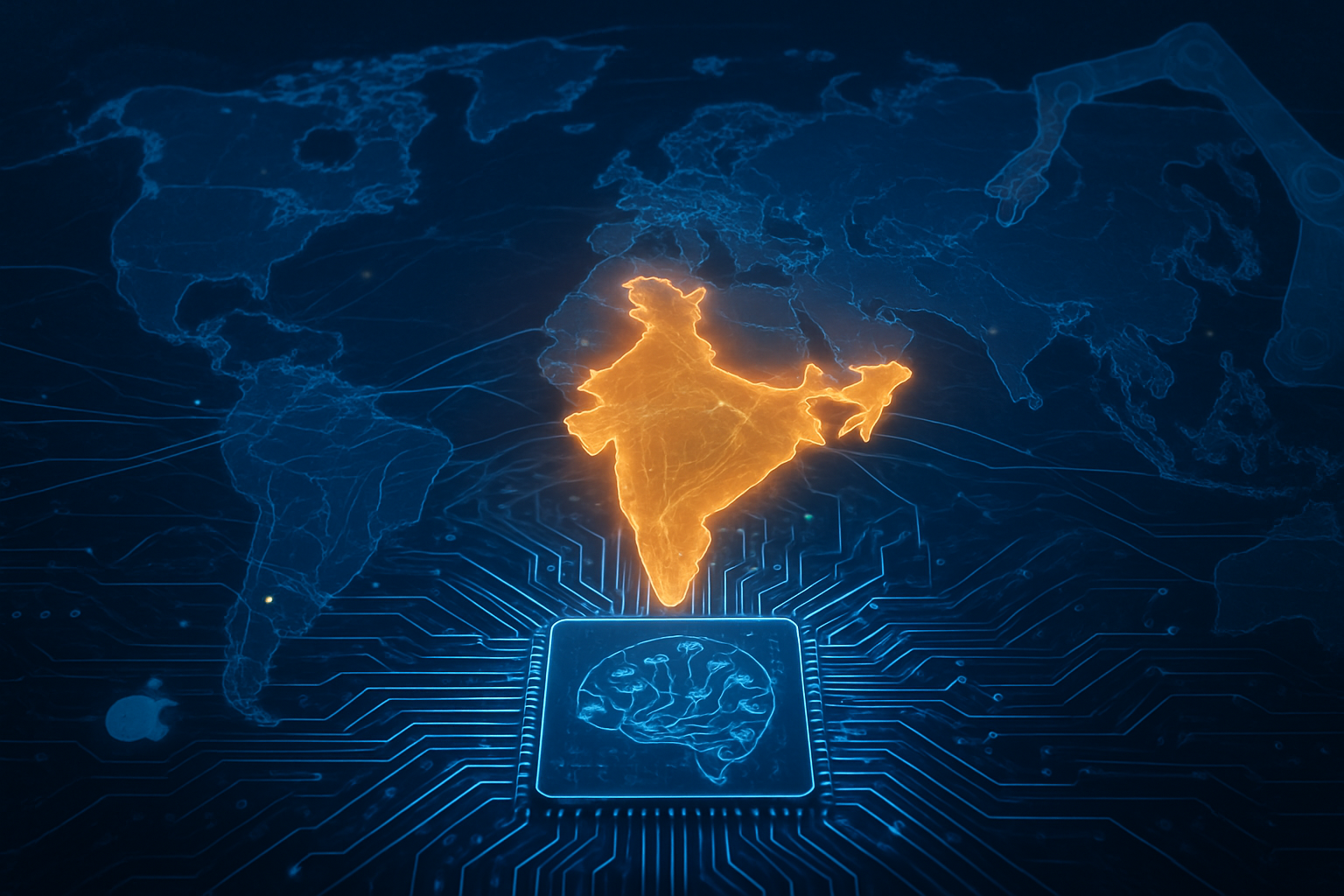
  • Global AI Powerhouse in the Making: IIT Kharagpur and Rhine-Main Universities Forge Strategic Alliance

    Global AI Powerhouse in the Making: IIT Kharagpur and Rhine-Main Universities Forge Strategic Alliance

    In a landmark move poised to significantly reshape the landscape of international scientific and technological collaboration, the Indian Institute of Technology (IIT) Kharagpur and the Rhine-Main Universities (RMU) alliance in Germany have officially joined forces. This strategic partnership, formalized through a Memorandum of Understanding (MoU) signed recently—as of November 6, 2025—at TU Darmstadt, Germany, marks a pivotal moment for Indo-German cooperation in critical fields such as Artificial Intelligence (AI), robotics, and sustainable technologies. The five-year agreement is set to foster an unprecedented level of joint research, academic exchange, and innovation, aiming to cultivate a new generation of "future-ready researchers and innovators equipped to tackle the world's grand challenges."

    The alliance brings together IIT Kharagpur's renowned innovation-driven ecosystem with the deep academic and research strengths of RMU, which comprises Goethe University Frankfurt am Main, Johannes Gutenberg University Mainz, and Technische Universität (TU) Darmstadt. This comprehensive collaboration extends beyond traditional academic exchanges, envisioning a dynamic confluence of expertise that will drive cutting-edge advancements and address pressing global issues. The formal induction of IIT Kharagpur into RMU's international network, "RM Universe," further solidifies this commitment, opening avenues for broader participation in joint research proposals, fellowships, and student research stays.

    Deep Dive into Collaborative Research and Technical Advancements

    The IIT Kharagpur-RMU partnership is designed to establish a robust framework for extensive joint research and academic initiatives across a wide spectrum of scientific and engineering disciplines. This ambitious collaboration is expected to yield significant technological advancements, particularly in areas critical to the future of AI and related emerging technologies.

    Specific technical areas of focus, frequently highlighted in the discussions and related agreements (including a separate MoU with TU Darmstadt signed on May 24, 2025), include Artificial Intelligence (AI), Robotics, Mechanical Engineering, Aerospace Engineering, Computer Science and Engineering, Electrical and Electronics Engineering, Biological Sciences, Medical Sciences, Biotechnology, and Industrial Engineering. The explicit mention of AI and Robotics underscores their central role in the collaborative agenda, leveraging IIT Kharagpur's dedicated Centre of Excellence for AI and its specialized B.Tech program in AI. The partnership also extends to interdisciplinary applications, with potential for AI in precision agriculture, high-tech mobility, and sustainable technologies.

    The collaboration is structured to facilitate various joint initiatives, including joint academic and research programs, faculty and student exchanges, and specialized PhD training programs. Emphasis will be placed on early-career researcher mobility and collaborative research proposals and fellowships, all aimed at fostering interdisciplinary research to address complex global challenges. Expected technological advancements include the cultivation of innovators for grand challenges, impactful interdisciplinary research outcomes, and the creation of new technologies for global markets. For instance, the synergy of Indian AI and software expertise with German manufacturing leadership in high-tech mobility is anticipated to generate innovative solutions. This partnership will undoubtedly strengthen AI capabilities, leading to the development and deployment of advanced AI-driven tools and systems, and potentially contribute to cutting-edge advancements in semiconductor technologies and quantum devices.

    Competitive Implications for the AI Industry

    This strategic tie-up between IIT Kharagpur and Rhine-Main Universities is poised to have a significant impact on AI companies, tech giants, and startups in both India and Germany, reshaping competitive landscapes and opening new avenues for innovation.

    One of the most immediate benefits will be the enhancement of the talent pool and skill development. The robust exchange programs for students and faculty will facilitate the cross-pollination of knowledge and best practices in AI research and development. This will cultivate a highly skilled workforce proficient in cutting-edge AI technologies, providing a deeper and more diverse talent pool for both Indian and German companies. Furthermore, the collaborative research initiatives are expected to lead to breakthroughs in foundational and applied AI, resulting in novel algorithms, advanced AI models, and innovative solutions that can be commercialized by tech giants and startups. Past collaborations of IIT Kharagpur with companies like Wipro (NSE: WIPRO) and Tata Consultancy Services (BSE: 532540, NSE: TCS) for AI applications in healthcare, education, retail, climate change, and cybersecurity demonstrate the potential for industry-focused research outcomes and faster technology transfer.

    From a competitive standpoint, the partnership will undoubtedly stimulate innovation, leading to more sophisticated AI products and services. Companies that actively engage with or leverage the research outcomes from this collaboration will gain a significant competitive edge in developing next-generation AI solutions. This could lead to the disruption of existing products and services as new, more efficient, or capable AI technologies emerge. Breakthroughs in areas like digital health or advanced manufacturing, powered by joint research, could revolutionize these sectors. For market positioning, this alliance will strengthen the global reputation of IIT Kharagpur and the Rhine-Main Universities as leading centers for AI research and innovation, attracting further investment and partnerships. It will also bolster the global market positioning of both India and Germany as key players in the AI landscape, fostering a perception of these nations as sources of cutting-edge AI talent and innovation. Startups in both regions, particularly those in deep tech and specialized AI applications, stand to benefit immensely by leveraging the advanced research, infrastructure, and talent emerging from this collaboration, enabling them to compete more effectively and secure funding.

    Broader Significance in the Global AI Landscape

    The IIT Kharagpur-RMU partnership is a timely and strategic development that deeply integrates with and contributes to several overarching trends in the global AI landscape, signifying a mature phase of international collaboration in this critical domain.

    Firstly, it underscores the increasing global collaboration in AI research, acknowledging that the complexity and resource-intensive nature of modern AI development necessitate shared expertise across national borders. By combining IIT Kharagpur's innovation-driven ecosystem with RMU's deep academic and research strengths, the partnership exemplifies this trend. Secondly, while not explicitly detailed in initial announcements, the collaboration is likely to embed principles of ethical and responsible AI development, a major global imperative. Both India and Germany have expressed strong commitments to these principles, ensuring that joint research will implicitly consider issues of bias, fairness, transparency, and data protection. Furthermore, the partnership aligns with the growing focus on AI for societal challenges, aiming to leverage AI to address pressing global issues such as climate change, healthcare accessibility, and sustainable development, an area where India and Germany have a history of collaborative initiatives.

    The wider impacts of this collaboration are substantial. It promises to advance AI research and innovation significantly, leading to more comprehensive and innovative solutions in areas like AI-assisted manufacturing, robotics, and smart textiles. This will accelerate breakthroughs across machine learning, deep learning, natural language processing, and computer vision. The exchange programs will also enhance educational and talent pipelines, exposing students and faculty to diverse methodologies and enriching their skills with a global perspective, thereby helping to meet the global demand for AI talent. This partnership also strengthens bilateral ties between India and Germany, reinforcing their long-standing scientific and technological cooperation and their shared vision for AI and other advanced technologies. However, potential concerns include navigating data privacy and security across different regulatory environments, resolving intellectual property rights for jointly developed innovations, mitigating algorithmic bias, addressing potential brain drain, and ensuring the long-term sustainability and funding of such extensive international efforts.

    Compared to previous AI milestones, which were often driven by individual breakthroughs or national initiatives, this partnership reflects the modern trend towards complex, resource-intensive, and inherently international collaborations. It represents an evolution of Indo-German AI cooperation, moving beyond general agreements to a specific, multi-university framework with a broader scope and a clear focus on nurturing "future-ready" innovators to tackle grand global challenges.

    Charting the Course: Future Developments and Applications

    The IIT Kharagpur-Rhine-Main Universities partnership is poised to unfold a series of significant developments in both the near and long term, promising a rich landscape of applications and impactful research outcomes, while also navigating inherent challenges.

    In the near term (within the five-year MoU period), immediate developments will include the initiation of joint research projects across diverse disciplines, particularly in AI and robotics. Active student and faculty exchange programs will commence, facilitating research stays and academic networking. Specialized PhD training programs and workshops will be catalyzed, promoting early-career researcher mobility between the two regions. IIT Kharagpur's formal integration into RMU's "RM Universe" network will immediately enable participation in joint research proposals, fellowships, and lecture series, setting a dynamic pace for collaboration.

    Looking long term (beyond the initial five years), the partnership is envisioned as a "new chapter in the Indo-German scientific alliance," aiming for a sustained confluence of innovation and academic strength. The overarching goal is to nurture future-ready researchers and innovators equipped to tackle the world's grand challenges, generating far-reaching impacts in interdisciplinary research and global education exchange. Given IIT Kharagpur's existing strong focus on AI through other collaborations, the RMU partnership is expected to significantly deepen expertise and innovation in AI-driven solutions across various sectors. Potential applications in AI and related technologies are vast, spanning advancements in robotics and intelligent systems (autonomous systems, industrial automation), digital health (diagnostics, personalized medicine), smart manufacturing and materials engineering, 5G networks and cognitive information processing, and critical areas like cybersecurity and climate change. AI-driven solutions for education, retail, and cross-disciplinary innovations in bioinformatics and computational social science are also anticipated.

    However, the path forward is not without challenges. Securing sustained funding, navigating cultural and administrative differences, establishing clear intellectual property rights frameworks, effectively translating academic research into tangible applications, and ensuring equitable benefits for both partners will require careful management. Experts from both institutions express high aspirations, emphasizing the partnership as a "powerful framework for joint research" and a "confluence of innovation-driven ecosystem and deep academic and research strengths." They predict it will generate "far-reaching impacts in interdisciplinary research and global education exchange," reinforcing the commitment to international collaboration for academic excellence.

    A New Era of Indo-German AI Collaboration

    The strategic partnership between IIT Kharagpur and the Rhine-Main Universities marks a profound moment in the evolution of international academic and research collaboration, particularly in the rapidly advancing field of Artificial Intelligence. This comprehensive alliance, formalized through a five-year MoU, is a testament to the shared vision of both India and Germany to drive innovation, cultivate world-class talent, and collectively address some of humanity's most pressing challenges.

    The key takeaways underscore a commitment to broad disciplinary engagement, with AI and robotics at the forefront, alongside extensive joint research, academic and student exchanges, and integration into RMU's prestigious international network. This confluence of IIT Kharagpur's dynamic innovation ecosystem and RMU's deep academic prowess is poised to accelerate breakthroughs and foster a new generation of globally-minded innovators. In the context of AI history, this partnership signifies a crucial shift towards more integrated and large-scale international collaborations, moving beyond individual institutional agreements to a multi-university framework designed for comprehensive impact. It reinforces the understanding that advanced AI development, with its inherent complexities and resource demands, thrives on collective intelligence and shared resources across borders.

    The long-term impact is expected to be transformative, yielding accelerated research and innovation, developing a truly global talent pool, and significantly strengthening the scientific and technological ties between India and Germany. This alliance is not just about academic exchange; it's about building a sustainable pipeline for solutions to grand global challenges, driven by cutting-edge advancements in AI and related fields. The synergy created will undoubtedly elevate the academic ecosystems in both regions, fostering a more dynamic and internationally oriented environment.

    In the coming weeks and months, observers should keenly watch for the concrete manifestations of this partnership. This includes the announcement of initial joint research projects that will define the early focus areas, the launch of PhD training programs and workshops offering new opportunities for doctoral candidates and early-career researchers, and the commencement of faculty and student exchange programs. Any news regarding new fellowships and lecture series under the 'RM Universe' network, as well as collaborative funding initiatives from governmental bodies, funding agencies, and industry partners, will be critical indicators of the partnership's trajectory and ambition. This alliance represents a significant step forward in shaping the future of AI and promises to be a focal point for technological progress and international cooperation for years to come.


    This content is intended for informational purposes only and represents analysis of current AI developments.

    TokenRing AI delivers enterprise-grade solutions for multi-agent AI workflow orchestration, AI-powered development tools, and seamless remote collaboration platforms.
    For more information, visit https://www.tokenring.ai/.

  • Billtrust Unleashes Agentic AI to Revolutionize Collections: A New Era for Financial Outreach

    Billtrust Unleashes Agentic AI to Revolutionize Collections: A New Era for Financial Outreach

    NEW YORK, NY – November 6, 2025 – Billtrust (NASDAQ: BTRS), a leading provider of B2B accounts receivable (AR) automation and integrated payments, today announced a groundbreaking advancement in its collections solution with the launch of Collections Agentic Procedures. This pivotal development introduces a new generation of artificial intelligence designed to autonomously recommend and execute optimal outreach strategies, marking a significant leap beyond traditional, static collections playbooks. The announcement, which builds upon earlier innovations unveiled on July 15, 2025, including AI-powered Agentic Email, Cases (Dispute Management), Credit Review, and Collections Analytics, positions Billtrust at the forefront of the agentic AI revolution in the financial sector. The goal is clear: to accelerate cash flow, mitigate risk, and enhance the customer experience through intelligent, adaptive, and personalized financial interactions.

    The immediate significance of this launch lies in its potential to fundamentally transform how businesses manage accounts receivable. By leveraging Agentic AI, Billtrust aims to empower finance teams with an "always-on AI assistant" that can perceive, reason, act, and learn without constant human intervention. This shift from mere automation to true autonomy promises higher recovery rates, vastly improved operational efficiency, and a more proactive approach to financial health, setting a new standard for intelligent AR management in a rapidly evolving digital economy.

    The Autonomous Edge: Unpacking Agentic AI in Collections

    Billtrust's Agentic AI, often dubbed "Billtrust Autopilot," represents a sophisticated evolution beyond conventional automation and even generative AI. In the context of collections, Agentic AI refers to autonomous systems capable of intelligently perceiving unique collection scenarios, making real-time decisions, taking multi-step actions, and continuously learning from interactions. Unlike previous rule-based systems or generative models that primarily respond to prompts, Agentic AI proactively analyzes buyer behavior—drawing from Billtrust Insights360, an embedded AI intelligence layer—to deliver actionable insights and execute tailored strategies.

    Technically, this advancement is underpinned by a multi-agent architecture where specialized AI agents collaborate across various financial operations. For example, Agentic Email uses AI to recognize key tasks in emails, summarize content, and generate intelligent responses, dramatically accelerating email resolution for collectors. Collections Agentic Procedures, the latest enhancement, replaces rigid, static playbooks with adaptive methods that dynamically adjust outreach based on individual buyer behavior, payment history, communication preferences, and real-time risk factors. This dynamic approach ensures that the optimal communication channel, timing, and message are selected for each customer segment, a stark contrast to the one-size-fits-all strategies of older technologies.

    This differs significantly from previous approaches by introducing a level of autonomy and continuous learning previously unattainable. Older systems relied on predefined rules and human-driven adjustments. Billtrust's Agentic AI, however, leverages proprietary network data—amassed over 24 years from the industry's largest network of buyer-supplier relationships—to continuously refine its strategies. Initial reactions from industry experts, including analysts from IDC, highlight Billtrust's "thoughtful, mature approach" to integrating AI, recognizing its potential to deliver substantial business value by making AR processes more intelligent and adaptive.

    Reshaping the AI Competitive Landscape

    Billtrust's foray into Agentic AI for collections carries significant competitive implications across the AI industry, impacting everything from specialized AI startups to established tech giants. Companies offering only "point solutions" or generic AI tools will face immense pressure to either integrate broader autonomous capabilities or partner with comprehensive platforms. Billtrust's multi-agent, collaborative approach, which can handle complex, multi-step workflows, makes simpler, single-task AI offerings less compelling in the financial domain.

    The company's "Network Data Advantage" creates a formidable competitive moat. Billtrust (NASDAQ: BTRS) has spent over two decades building a vast repository of anonymized B2B transaction data, crucial for training highly effective agentic AI models. This data allows for unparalleled accuracy in predictions and recommendations, making it difficult for new entrants or even tech giants with generic AI platforms to replicate. This could lead to market consolidation, with smaller, less integrated AI firms becoming acquisition targets or being pushed out if they cannot compete with Billtrust's comprehensive, data-rich solutions.

    For tech giants like Microsoft (NASDAQ: MSFT), Google (NASDAQ: GOOGL), Amazon (NASDAQ: AMZN), Oracle (NYSE: ORCL), and SAP (NYSE: SAP), Billtrust's move challenges the generic application of large language models (LLMs) in financial contexts. It underscores the critical need for deep industry-specific data and workflow integration. These giants may either seek partnerships with specialized players like Billtrust or accelerate their own development of purpose-built financial agentic AI. Furthermore, established ERP and financial software providers will need to rapidly infuse advanced agentic AI into their offerings to avoid being outmaneuvered by agile AR automation specialists. Startups, meanwhile, face a higher barrier to entry, needing to demonstrate not just innovative AI but also deep domain expertise and access to substantial, relevant financial data.

    The Broader AI Horizon: Impacts and Concerns

    Billtrust's Agentic AI aligns with a broader industry trend toward more autonomous and proactive AI systems, pushing the boundaries of what AI can achieve in critical business functions. This paradigm shift, moving beyond mere assistance to independent decision-making and action, promises to streamline operations, enhance decision-making speed and accuracy in areas like credit assessment and risk management, and enable highly personalized customer interactions. The financial sector stands to benefit from improved compliance, real-time fraud detection, and even greater financial inclusion through automated micro-loan assessments.

    However, this transformative potential is not without its concerns. The widespread adoption of Agentic AI raises significant questions about labor market disruption, as autonomous systems take over many repetitive tasks in data entry, compliance, and even parts of investment management. Privacy and cybersecurity risks are amplified by the reliance on vast amounts of sensitive financial data, necessitating robust security measures. Furthermore, the autonomous nature of Agentic AI poses unique governance challenges, particularly regarding accountability, oversight, and ethical standards. The "black box" nature of some AI models can make it difficult to explain decisions, which is crucial for maintaining trust and meeting regulatory requirements in a heavily scrutinized industry.

    Compared to previous AI milestones, Agentic AI marks a significant leap. While rule-based systems provided early automation and machine learning enhanced predictive capabilities, and generative AI brought unprecedented fluency in content creation, Agentic AI introduces true autonomy, planning, and multi-step execution. It shifts AI from being an assistive tool to an autonomous agent that can initiate decisions, orchestrate complex workflows, and adapt to new information with minimal human oversight, moving towards genuine decision augmentation.

    The Future Trajectory: Autonomous Finance on the Horizon

    The near-term future for Agentic AI in the financial sector, and specifically in collections, will see accelerated adoption of real-time risk management and fraud detection, automated and optimized trading, and streamlined compliance. In collections, this translates to more sophisticated predictive analytics for repayment, hyper-personalized communication strategies, and intelligent prioritization of outreach efforts. Billtrust's Agentic AI is expected to lead to a significant reduction in manual effort, freeing up human collectors for more complex negotiations and strategic tasks.

    Long-term, the vision includes fully autonomous financial agents that not only assist but lead critical decision-making, continuously learning and adjusting to optimize outcomes without human prompting. This could lead to "agent-first" IT architectures and the democratization of sophisticated financial strategies, making advanced tools accessible to a wider range of users. In collections, this means continuous credit assessment integrated with real-time transaction data and behavioral trends, and adaptive strategies that evolve with every borrower interaction.

    Key challenges that need to be addressed include navigating ethical concerns around bias and fairness, ensuring transparency and explainability in AI decisions, and overcoming integration hurdles with legacy financial systems. Security risks and the need for robust regulatory frameworks to keep pace with rapid AI development also remain paramount. Experts predict significant cost reductions (30-50% in collections), increased recovery rates (up to 25%), and improved customer satisfaction (up to 30%). The global Agentic AI market in financial services is projected to grow from $2.1 billion in 2024 to $81 billion by 2034, with Deloitte predicting that by 2027, 50% of enterprises using generative AI will deploy Agentic AI. Human roles will evolve, shifting from repetitive tasks to strategy, governance, and creative problem-solving.

    A New Chapter in AI-Driven Finance

    Billtrust's launch of Collections Agentic Procedures is more than just a product update; it represents a pivotal moment in the evolution of AI in finance. It underscores a fundamental shift from automation to autonomy, where intelligent agents not only process information but actively perceive, reason, and act to achieve strategic business objectives. This development solidifies Billtrust's position as a leader in the B2B AR space, demonstrating the tangible benefits of embedding deep domain expertise with cutting-edge AI.

    The key takeaways are clear: Agentic AI is set to redefine efficiency, risk management, and customer engagement in collections. Its significance in AI history lies in its practical application of autonomous agents in a high-stakes financial domain, moving beyond theoretical discussions to real-world implementation. The long-term impact will see AR departments transform into strategic value drivers, with finance professionals augmenting their capabilities through AI collaboration.

    In the coming weeks and months, the industry will be watching closely for the adoption rates and measurable financial outcomes of Billtrust's "Collections Agentic Procedures." Further refinements to "Agentic Email" and the seamless integration of its multi-agent system will also be critical indicators of success. As Billtrust continues to push the boundaries of Agentic AI, the finance world stands on the cusp of a truly autonomous and intelligent future.


    This content is intended for informational purposes only and represents analysis of current AI developments.

    TokenRing AI delivers enterprise-grade solutions for multi-agent AI workflow orchestration, AI-powered development tools, and seamless remote collaboration platforms.
    For more information, visit https://www.tokenring.ai/.

  • The Rewind Revolution: How ‘Newstalgic’ High-Tech Gifts are Defining Christmas 2025

    The Rewind Revolution: How ‘Newstalgic’ High-Tech Gifts are Defining Christmas 2025

    As Christmas 2025 approaches, a compelling new trend is sweeping through the consumer electronics and gifting markets: "newstalgic" high-tech gifts. This phenomenon, closely tied to the broader concept of "vibe gifting," sees products expertly blending the comforting aesthetics of bygone eras with the cutting-edge capabilities of modern technology. Far from being mere retro replicas, these items offer a sophisticated fusion, delivering emotional resonance and personalized experiences that are set to dominate holiday wish lists. The immediate significance lies in their ability to tap into a universal longing for simpler times while providing the convenience and performance demanded by today's digital natives, creating a unique market segment that transcends generational divides.

    The newstalgic trend is characterized by a deliberate design philosophy that evokes the charm of the 1970s, 80s, and 90s, integrating tactile elements like physical buttons and classic form factors, all while housing advanced features, seamless connectivity, and robust performance. Consider the "RetroWave 7-in-1 Radio," a prime example that marries authentic Japanese design and a classic tuning dial with Bluetooth connectivity, solar charging, and emergency functions. Similarly, concepts like transparent Sony (NYSE: SONY) Walkman designs echo "Blade Runner" aesthetics, revealing internal components while offering modernized audio experiences. From the Marshall Kilburn II Portable Speaker, with its iconic stage presence and analog control knobs delivering 360-degree sound via Bluetooth, to Tivoli's Model One Table Radio that pairs throwback wood-grain with contemporary sound quality, the integration is meticulous. In the camera world, the Olympus PEN E-P7 boasts a stylishly traditionalist design reminiscent of old film cameras, yet packs a 20-megapixel sensor, 4K video, advanced autofocus, and wireless connectivity, often powered by sophisticated imaging AI. Gaming sees a resurgence with mini retro consoles like the Atari 7800+ and Analogue3D (N64), allowing users to play original cartridges with modern upgrades like HDMI output and USB-C charging, bridging classic play with contemporary display technology. Even smartphones like the Samsung (KRX: 005930) Galaxy Z Flip 7 deliver the satisfying "snap" of classic flip phones with a modern foldable glass screen, pro-grade AI-enhanced camera, and 5G connectivity. These innovations diverge significantly from past approaches that either offered purely aesthetic, often low-tech, retro items or purely minimalist, performance-driven modern gadgets. The newstalgic approach offers the best of both worlds, creating a "cultural palate cleanser" from constant digital overload while still providing state-of-the-art functionality, a combination that has garnered enthusiastic initial reactions from consumers seeking individuality and emotional connection.

    This burgeoning trend holds substantial implications for AI companies, tech giants, and startups alike. Companies like Sony, Samsung, and Marshall are clearly poised to benefit, reintroducing modernized versions of classic products or creating new ones with strong retro appeal. Niche electronics brands and audio specialists like Tivoli and Audio-Technica (who offer Bluetooth turntables) are finding new avenues for growth by focusing on design-led innovation. Even established camera manufacturers like Olympus and Fujifilm (TYO: 4901) are leveraging their heritage to create aesthetically pleasing yet technologically advanced devices. The competitive landscape shifts as differentiation moves beyond pure technical specifications to include emotional design and user experience. This trend could disrupt segments focused solely on sleek, futuristic designs, forcing them to consider how nostalgia and tactile interaction can enhance user engagement. For startups, it presents opportunities to innovate in areas like custom retro-inspired peripherals, smart home devices with vintage aesthetics, or even AI-driven personalization engines that recommend newstalgic products based on individual "vibe" profiles. Market positioning for many companies is now about tapping into a deeper consumer desire for comfort, authenticity, and a connection to personal history, using AI and advanced tech to deliver these experiences seamlessly within a retro shell.

    The wider significance of newstalgic high-tech gifts extends beyond mere consumer preference, reflecting broader shifts in the AI and tech landscape. In an era of rapid technological advancement and often overwhelming digital complexity, this trend highlights a human craving for simplicity, tangibility, and emotional anchors. AI plays a subtle but critical enabling role here; while the aesthetic is retro, the "high-tech" often implies AI-powered features in areas like advanced imaging, audio processing, personalized user interfaces, or predictive maintenance within these devices. For instance, the sophisticated autofocus in the Olympus PEN E-P7, the image optimization in the Samsung Galaxy Z Flip 7's camera, or the smart connectivity in modern audio systems all leverage AI algorithms to enhance performance and user experience. This trend underscores that AI is not just about creating entirely new, futuristic products, but also about enhancing and re-imagining existing forms, making them more intuitive and responsive. It aligns with a broader societal push for sustainability, where consumers are increasingly valuing quality items that blend old and new, potentially leading to less disposable tech. Potential concerns, however, include the risk of superficial nostalgia without genuine technological substance, or the challenge of balancing authentic retro design with optimal modern functionality. This trend can be compared to previous AI milestones where technology was used to democratize or personalize experiences, but here, it’s about infusing those experiences with a distinct emotional and historical flavor.

    Looking ahead, the newstalgic high-tech trend is expected to evolve further, with continued integration of advanced AI and smart features into retro-inspired designs. We might see more personalized retro-tech, where AI algorithms learn user preferences to customize interfaces or even generate unique vintage-style content. The convergence of augmented reality (AR) with vintage interfaces could create immersive experiences, perhaps allowing users to "step into" a retro digital environment. Expect to see advanced materials that mimic vintage textures while offering modern durability, and enhanced AI for more seamless user experiences across these devices. Potential applications on the horizon include smart home devices with elegant, vintage aesthetics that integrate AI for ambient intelligence, or wearables that combine classic watch designs with sophisticated AI-driven health tracking. Challenges will include maintaining design authenticity while pushing technological boundaries, avoiding the pitfall of gimmickry, and ensuring that the "newstalgia" translates into genuine value for the consumer. Experts predict that this trend will continue to grow, expanding into more product categories and solidifying its place as a significant force in consumer electronics, driven by both nostalgic adults and younger generations drawn to its unique aesthetic.

    In summary, the emergence of "newstalgic" high-tech gifts, fueled by the "vibe gifting" phenomenon, marks a significant moment in the evolution of consumer electronics for Christmas 2025. This trend skillfully marries the emotional comfort of retro aesthetics with the powerful, often AI-driven, capabilities of modern technology, creating products that resonate deeply across demographics. Its significance lies in its ability to differentiate products in a crowded market, foster emotional connections with consumers, and subtly integrate advanced AI to enhance user experiences within a familiar, comforting framework. Companies that successfully navigate this blend of past and present, leveraging AI to enrich the "vibe" rather than just the functionality, stand to gain substantial market share. In the coming weeks and months, watch for more announcements from major tech players and innovative startups, as they unveil their interpretations of this captivating blend of old and new, further solidifying newstalgia's long-term impact on how we perceive and interact with our technology.


    This content is intended for informational purposes only and represents analysis of current AI developments.

    TokenRing AI delivers enterprise-grade solutions for multi-agent AI workflow orchestration, AI-powered development tools, and seamless remote collaboration platforms.
    For more information, visit https://www.tokenring.ai/.

  • Raptors’ AI Revolution: How Advanced Shooting Tech is Reshaping Sports Training

    Raptors’ AI Revolution: How Advanced Shooting Tech is Reshaping Sports Training

    The crack of a perfect swish is no longer just a testament to countless hours on the court; for elite athletes like those with the Toronto Raptors (TSX: MLSE), it's increasingly the product of cutting-edge artificial intelligence. Advanced shooting technology, leveraging sophisticated computer vision, real-time data analytics, and biomechanical tracking, is fundamentally transforming how basketball players train, offering unprecedented precision and personalization. This AI-driven revolution is enabling athletes to dissect every nuance of their shot, accelerate skill acquisition, and elevate performance to new heights, signaling a paradigm shift in sports development.

    This technological leap represents a significant advancement beyond traditional coaching methods, which often relied on subjective observation and less granular data. By providing immediate, objective feedback and deep analytical insights, these systems are not just improving shooting mechanics but are also fostering a data-driven culture within professional sports. The Raptors' adoption of such innovations highlights a broader trend across the athletic world: the embrace of AI as a critical tool for competitive advantage and optimized human potential.

    Under the Hood: Dissecting the AI-Powered Shot

    The Toronto Raptors' OVO Athletic Centre has become a crucible for this AI revolution, integrating several sophisticated systems to surgically analyze and refine player performance. At the core is Noah Basketball's Shot-Tracking System (Noahlytics), which has been operational since 2018. This system employs computer vision cameras mounted above each rim, meticulously measuring every shot's arc, depth, and left-right deviation. Beyond simple makes and misses, Noahlytics generates detailed heat maps, tracks individual player performance using facial recognition, and critically, provides automated verbal feedback in real-time. Imagine a voice instantly telling a player, "Arc too flat" or "Slightly left," allowing for immediate, on-the-spot corrections.

    Complementing Noahlytics is a sprawling 120-foot (37-meter) multimedia analytic videoboard, installed in 2022. This massive screen integrates directly with the Noah system, displaying real-time shot metrics, game footage, and practice clips. It allows coaches to conduct instant "film sessions" directly on the court, pausing play to analyze actions visually and provide immediate teaching moments, a stark contrast to reviewing footage hours later.

    Further pushing the boundaries is the MLSE Digital Labs and Amazon Web Services (AWS) (NASDAQ: AMZN) collaboration, dubbed "The Shooting Lab." This initiative utilizes advanced camera systems to capture intricate biomechanical data. By recording 29 different points of a player's body 60 times per second, the system analyzes details like elbow velocity, release angle, stance width, and shot trajectory. This level of granular data capture goes far beyond what the human eye or even slow-motion video can achieve, providing "surgical precision" in identifying minute mechanical flaws that impact performance and could lead to injury. This differs significantly from previous approaches, which relied heavily on coach's eye, manual data entry, or basic video analysis. The integration of AI, particularly computer vision and machine learning, allows for automated, objective, and highly detailed analysis that was previously impossible, accelerating skill acquisition and ensuring consistency. Initial reactions from the AI research community and industry experts emphasize the potential for these systems to democratize elite-level training and usher in an era of hyper-personalized athletic development.

    AI's Courtside Impact: A Boon for Tech Companies

    The rise of advanced AI in sports training has profound implications for AI companies, tech giants, and startups alike, creating a vibrant and competitive ecosystem. Companies like Noah Basketball, with its specialized shot-tracking system, stand to benefit immensely as more professional teams and even amateur organizations seek data-driven training solutions. Noah Basketball's success with over a dozen NBA teams, including the Clippers, Knicks, and Warriors, demonstrates the market demand for specialized AI sports tech.

    Major tech giants are also heavily invested. Amazon Web Services (AWS) (NASDAQ: AMZN), as an official NBA partner, is leveraging its cloud infrastructure and AI/ML capabilities for biomechanical data capture, as seen with the Raptors' "Shooting Lab." Similarly, Google (NASDAQ: GOOGL) has showcased an "AI Basketball Coach" experiment using Pixel cameras and Vertex AI for motion capture and Gemini-powered coaching, while also being an official NBA sponsor. Microsoft (NASDAQ: MSFT) serves as the NBA's Official Technology, AI, and Cloud Partner, further cementing the role of these behemoths. NVIDIA (NASDAQ: NVDA) is even collaborating with the NBA on "Physical AI" robots designed to revolutionize training, strategy, and player health. These companies offer not just the AI models but also the foundational cloud computing and hardware infrastructure, giving them significant strategic advantages and market positioning.

    The competitive landscape also sees a thriving startup scene. Companies like Veo Sports Technology (AI-driven camera systems for automated video analysis), Plantiga (AI-powered in-shoe sensors for performance assessment, part of NBA Launchpad), and Sportlogiq (computer vision for video processing) are innovating in niche areas. These startups often specialize in specific aspects of sports science or engineering, using agility to develop highly focused, often hardware-integrated solutions. While they may not have the R&D budgets of tech giants, their specialization and ability to demonstrate clear value propositions make them attractive for partnerships or even acquisitions. Traditional sports technology companies like Stats Perform and Sportradar are also integrating AI into their existing data and scouting services to maintain their competitive edge. This dynamic environment is leading to disruption of older, less data-intensive training methods and is fostering an arms race in sports technology, where AI is the primary weapon.

    Beyond the Court: AI's Broader Significance

    The application of advanced AI shooting technology by the Toronto Raptors is not an isolated incident; it's a microcosm of several overarching trends shaping the broader AI landscape. This hyper-personalization of training, where AI tailors programs to an athlete's unique biomechanics and performance data, mirrors the individualization seen in fields from healthcare to e-commerce. The emphasis on real-time data analytics and immediate feedback aligns with the increasing demand for instantaneous, actionable insights across industries, from financial trading to autonomous driving. Computer vision, a cornerstone of these shooting systems, is one of the most rapidly advancing fields of AI, with applications ranging from quality control in manufacturing to object detection in self-driving cars.

    The wider impacts are profound. Foremost is the enhanced performance and precision it brings to sports, allowing athletes to achieve levels of refinement previously unimaginable. This translates to optimized training efficiency, as AI-driven insights direct focus to specific weaknesses, accelerating skill development. Crucially, by analyzing biomechanical data, AI can play a significant role in injury prevention, identifying subtle patterns of strain before they lead to debilitating injuries, potentially extending athletes' careers. Furthermore, the democratization of elite coaching is a major benefit; as these technologies become more accessible, amateur and youth athletes can gain access to sophisticated analysis once reserved for professionals. This data-driven approach empowers coaches and athletes to make informed decisions based on objective metrics rather than intuition alone.

    However, this rapid integration of AI also brings potential concerns. Data privacy and security are paramount, as vast amounts of sensitive biometric and performance data are collected. Who owns this data, how is it protected, and what are the ethical implications of its use? There are also concerns about competitive equity if access to these expensive technologies remains uneven, potentially widening the gap between well-funded and less-resourced teams. An over-reliance on AI could also diminish the human element, creativity, and spontaneity that make sports compelling. Finally, the "black box" nature of some AI algorithms raises questions about explainability and transparency, making it difficult to understand how certain recommendations are derived, which could undermine trust.

    Compared to previous AI milestones, advanced shooting technology builds upon the statistical analysis of "sabermetrics" (1960s) and early motion tracking systems like Hawk-Eye (2001). It extends beyond the strategic insights of DeepMind's AlphaGo (2016) by focusing on granular, real-time physical execution. In the era of ChatGPT (2022 onwards) and generative AI, sports tech is moving towards conversational AI coaching and highly personalized, adaptive training environments, signifying a maturation of AI applications from strategic games to the intricate biomechanics of human performance.

    The Horizon: What's Next for AI in Sports Training

    The future of advanced AI shooting technology in sports training promises even more transformative developments in both the near and long term. In the near-term, expect to see hyper-personalized training programs become even more sophisticated, with AI algorithms crafting bespoke regimens that adapt in real-time to an athlete's physiological state, performance trends, and even mental fatigue levels. This will mean AI not just identifying a flaw, but generating a specific, dynamic drill to address it. Enhanced computer vision will combine with increasingly intelligent wearable technology to provide even more granular data on movement, muscle activation, and physiological responses during a shot, offering insights into previously unmeasurable aspects of performance. The integration of immersive VR/AR training systems will also expand, allowing athletes to practice in simulated game environments, complete with virtual defenders and crowd noise, helping to build resilience under pressure.

    Looking further ahead, the long-term vision includes the creation of "digital twins" – virtual replicas of athletes that can simulate countless training sessions and game scenarios. A digital twin could predict how a minor adjustment to grip or stance would impact a player's shooting percentage across an entire season, allowing for risk-free experimentation and optimal strategy development. Advanced predictive modeling will move beyond injury risk to accurately forecast future performance under various conditions, guiding dynamic training and recovery schedules. Experts also predict AI will evolve into a true "assistant coach" or "virtual coach," providing real-time tactical suggestions during competitions, analyzing opponent patterns, and recommending on-the-fly adjustments. There's also potential for neuro-training and cognitive enhancement, where AI-powered systems could improve an athlete's focus, decision-making, and reaction times, crucial for precision sports like shooting.

    New applications on the horizon include personalized opponent simulation, where AI creates virtual defenders mimicking specific opponents' styles, and adaptive equipment design, where AI analyzes biomechanics to recommend or even design custom equipment. Challenges remain, particularly around data privacy and security as more sensitive data is collected, and ensuring ethical considerations and bias are addressed in AI algorithms. The cost and accessibility of these advanced systems also need to be tackled to prevent widening competitive gaps. Experts predict a global AI in sports market reaching nearly $30 billion by 2032, emphasizing that AI will augment, not replace, human capabilities, empowering athletes and coaches with "superpowers" of data-driven insight, while sports itself becomes a key innovation hub for AI.

    The AI Revolution: A Game Changer for Sports and Beyond

    The Toronto Raptors' embrace of advanced AI shooting technology stands as a powerful testament to the ongoing revolution in sports training. From Noah Basketball's real-time feedback to AWS-powered biomechanical analysis, these innovations are fundamentally reshaping how athletes hone their craft, providing an unprecedented level of precision, personalization, and efficiency. This development is not merely an incremental improvement; it marks a significant milestone in AI's history, demonstrating its capacity to augment human performance in highly complex, physical domains.

    The implications extend far beyond the basketball court. This trend highlights the increasing confluence of AI, big data, and human performance, setting a precedent for how AI will integrate into other skill-based professions and daily life. While concerns regarding data privacy, competitive equity, and the human element must be proactively addressed, the benefits in terms of injury prevention, optimized training, and the democratization of elite coaching are undeniable.

    In the coming weeks and months, watch for further announcements from major tech companies solidifying their partnerships with sports leagues, the emergence of more specialized AI sports tech startups, and the continued integration of VR/AR into training protocols. This AI-driven era promises a future where athletic potential is unlocked with unparalleled scientific rigor, forever changing the game, one perfectly analyzed shot at a time.


    This content is intended for informational purposes only and represents analysis of current AI developments.

    TokenRing AI delivers enterprise-grade solutions for multi-agent AI workflow orchestration, AI-powered development tools, and seamless remote collaboration platforms.
    For more information, visit https://www.tokenring.ai/.

  • AI’s Thirsty Ambition: California Data Centers Grapple with Soaring Energy and Water Demands

    AI’s Thirsty Ambition: California Data Centers Grapple with Soaring Energy and Water Demands

    The relentless ascent of Artificial Intelligence (AI) is ushering in an era of unprecedented computational power, but this technological marvel comes with a growing and increasingly urgent environmental cost. As of November 2025, California, a global epicenter for AI innovation, finds itself at the forefront of a critical challenge: the explosive energy and water demands of the data centers that power AI's rapid expansion. This escalating consumption is not merely an operational footnote; it is a pressing issue straining the state's electrical grid, exacerbating water scarcity in drought-prone regions, and raising profound questions about the sustainability of our AI-driven future.

    The immediate significance of this trend cannot be overstated. AI models, particularly large language models (LLMs), are ravenous consumers of electricity, requiring colossal amounts of power for both their training and continuous operation. A single AI query, for instance, can demand nearly ten times the energy of a standard web search, while training a major LLM like GPT-4 can consume as much electricity as 300 American homes in a year. This surge is pushing U.S. electricity consumption by data centers to unprecedented levels, projected to more than double from 183 terawatt-hours (TWh) in 2024 to 426 TWh by 2030, representing over 4% of the nation's total electricity demand. In California, this translates into immense pressure on an electrical grid not designed for such intensive workloads, with peak power demand forecasted to increase by the equivalent of powering 20 million more homes by 2040, primarily due to AI computing. Utilities are grappling with numerous applications for new data centers requiring substantial power, necessitating billions in new infrastructure investments.

    The Technical Underpinnings of AI's Insatiable Appetite

    The technical reasons behind AI's burgeoning resource footprint lie deep within its computational architecture and operational demands. AI data centers in California, currently consuming approximately 5,580 gigawatt-hours (GWh) of electricity annually (about 2.6% of the state's 2023 electricity demand), are projected to see this figure double or triple by 2028. Pacific Gas & Electric (NYSE: PCG) anticipates a 3.5 GW increase in data center energy demand by 2029, with more than half concentrated in San José.

    This intensity is driven by several factors. AI workloads, especially deep learning model training, rely heavily on Graphics Processing Units (GPUs) and Tensor Processing Units (TPUs) rather than traditional Central Processing Units (CPUs). These specialized processors, crucial for the massive matrix multiplications in neural networks, consume substantially more power; training-optimized GPUs like the NVIDIA (NASDAQ: NVDA) A100 and H100 SXM5 can draw between 250W and 700W. Consequently, AI-focused data centers operate with significantly higher power densities, often exceeding 20 kW per server rack, compared to traditional data centers typically below 10 kW per rack. Training large AI models involves iterating over vast datasets for weeks or months, requiring GPUs to operate at near-maximum capacity continuously, leading to considerably higher energy draw. Modern AI training clusters can consume seven to eight times more energy than typical computing workloads.

    Water consumption, primarily for cooling, is equally stark. In 2023, U.S. data centers directly consumed an estimated 17 billion gallons of water. Hyperscale data centers, largely driven by AI, are projected to consume between 16 billion and 33 billion gallons annually by 2028. A medium-sized data center can consume roughly 110 million gallons of water per year, equivalent to the annual usage of about 1,000 households. Each 100-word AI prompt is estimated to consume approximately one bottle (519 milliliters) of water, with more recent studies indicating 10 to 50 ChatGPT queries consume about two liters. Training the GPT-3 model in Microsoft's (NASDAQ: MSFT) U.S. data centers directly evaporated an estimated 700,000 liters of clean freshwater, while Google's (NASDAQ: GOOGL) data centers in the U.S. alone consumed an estimated 12.7 billion liters in 2021.

    The AI research community and industry experts are increasingly vocal about these technical challenges. Concerns range from the direct environmental impact of carbon emissions and water scarcity to the strain on grid stability and the difficulty in meeting corporate sustainability goals. A significant concern is the lack of transparency from many data center operators regarding their resource usage. However, this pressure is also accelerating innovation. Researchers are developing more energy-efficient AI hardware, including specialized ASICs and FPGAs, and focusing on software optimization techniques like quantization and pruning to reduce computational requirements. Advanced cooling technologies, such as direct-to-chip liquid cooling and immersion cooling, are being deployed, offering significant reductions in water and energy use. Furthermore, there's a growing recognition that AI itself can be a part of the solution, leveraged to optimize energy grids and enhance the energy efficiency of infrastructure.

    Corporate Crossroads: AI Giants and Startups Navigate Sustainability Pressures

    The escalating energy and water demands of AI data centers in California are creating a complex landscape of challenges and opportunities for AI companies, tech giants, and startups alike, fundamentally reshaping competitive dynamics and market positioning. The strain on California's infrastructure is palpable, with utility providers like PG&E anticipating billions in new infrastructure spending. This translates directly into increased operational costs for data center operators, particularly in hubs like Santa Clara, where data centers consume 60% of the municipal utility's power.

    Companies operating older, less efficient data centers or those relying heavily on traditional evaporative cooling systems face significant headwinds due to higher water consumption and increased costs. AI startups with limited capital may find themselves at a disadvantage, struggling to afford the advanced cooling systems or renewable energy contracts necessary to meet sustainability benchmarks. Furthermore, a lack of transparency regarding environmental footprints can lead to reputational risks, public criticism, and regulatory scrutiny. California's high taxes and complex permitting processes, coupled with existing moratoria on nuclear power, are also making other states like Texas and Virginia more attractive for data center development, potentially leading to a geographic diversification of AI infrastructure.

    Conversely, tech giants like Alphabet (NASDAQ: GOOGL) (Google), Microsoft (NASDAQ: MSFT), Amazon (NASDAQ: AMZN), and Meta Platforms (NASDAQ: META), with their vast resources, stand to benefit. These companies are already investing heavily in sustainable data center operations, piloting advanced cooling technologies that can reduce water consumption by up to 90% and improve energy efficiency. Their commitments to "water positive" initiatives, aiming to replenish more water than they consume by 2030, also enhance their brand image and mitigate water-related risks. Cloud providers optimizing AI chips and software for greater efficiency will gain a competitive edge by lowering their environmental footprint and operational costs. The demand for clean energy and sustainable data center solutions also creates significant opportunities for renewable energy developers and innovators in energy efficiency, as well as companies offering water-free cooling systems like Novva Data Centers or river-cooled solutions like Nautilus Data Technologies.

    The competitive implications are leading to a "flight to quality," where companies offering "California-compliant" AI solutions with strong sustainability practices gain a strategic advantage. The high capital expenditure for green infrastructure could also lead to market consolidation, favoring well-resourced tech giants. This intense pressure is accelerating innovation in energy-efficient hardware, software, and cooling technologies, creating new market leaders in sustainable AI infrastructure. Companies are strategically positioning themselves by embracing transparency, investing in sustainable infrastructure, marketing "Green AI" as a differentiator, forming strategic partnerships, and advocating for supportive policies that incentivize sustainable practices.

    Broader Implications: AI's Environmental Reckoning

    The escalating energy and water demands of AI data centers in California are not isolated incidents but rather a critical microcosm of a burgeoning global challenge, carrying significant environmental, economic, and social implications. This issue forces a re-evaluation of AI's role in the broader technological landscape and its alignment with global sustainability trends. Globally, data centers consumed 4.4% of U.S. electricity in 2023, a number that could triple by 2028. By 2030-2035, data centers could account for 20% of global electricity use, with AI workloads alone potentially consuming nearly 50% of all data center energy worldwide by the end of 2024.

    The environmental impacts are profound. The massive electricity consumption, often powered by fossil fuels, significantly contributes to greenhouse gas emissions, exacerbating climate change and potentially delaying California's transition to renewable energy. The extensive use of water for cooling, particularly evaporative cooling, puts immense pressure on local freshwater resources, especially in drought-prone regions, creating competition with agriculture and other essential community needs. Furthermore, the short lifespan of high-performance computing components in AI data centers contributes to a growing problem of electronic waste and resource depletion, as manufacturing these components requires the extraction of rare earth minerals and other critical materials.

    Economically, the rising electricity demand can lead to higher bills for all consumers and necessitate billions in new infrastructure spending for utilities. However, it also presents opportunities for investment in more efficient AI models, greener hardware, advanced cooling systems, and renewable energy sources. Companies with more efficient AI implementations may gain a competitive advantage through lower operational costs and enhanced sustainability credentials. Socially, the environmental burdens often disproportionately affect marginalized communities located near data centers or power plants, raising environmental justice concerns. Competition for scarce resources like water can lead to conflicts between different sectors and communities.

    The long-term concerns for AI development and societal well-being are significant. If current patterns persist, AI's resource demands risk undermining climate targets and straining resources across global markets, leading to increased scarcity. The computational requirements for training AI models are doubling approximately every five months, an unsustainable trajectory. This period marks a critical juncture in AI's history, fundamentally challenging the notion of "dematerialized" digital innovation and forcing a global reckoning with the environmental costs. While previous technological milestones, like the industrial revolution, also consumed vast resources, AI's rapid adoption and pervasive impact across nearly every sector present an unprecedented scale and speed of demand. The invisibility of its impact, largely hidden within "the cloud," makes the problem harder to grasp despite its massive scale. However, AI also offers a unique duality: it can be a major resource consumer but also a powerful tool for optimizing resource use in areas like smart grids and precision agriculture, potentially mitigating some of its own footprint if developed and deployed responsibly.

    Charting a Sustainable Course: Future Developments and Expert Predictions

    The future trajectory of AI's energy and water demands in California will be shaped by a confluence of technological innovation, proactive policy, and evolving industry practices. In the near term, we can expect wider adoption of advanced cooling solutions such as direct-to-chip cooling and liquid immersion cooling, which can reduce water consumption by up to 90% and improve energy efficiency. The development and deployment of more energy-efficient AI chips and semiconductor-based flash storage, which consumes significantly less power than traditional hard drives, will also be crucial. Ironically, AI itself is being leveraged to improve data center efficiency, with algorithms optimizing energy usage in real-time and dynamically adjusting servers based on workload.

    On the policy front, the push for greater transparency and reporting of energy and water usage by data centers will continue. While California Governor Gavin Newsom vetoed Assembly Bill 93, which would have mandated water usage reporting, similar legislative efforts, such as Assembly Bill 222 (mandating transparency in energy usage for AI developers), are indicative of the growing regulatory interest. Incentives for sustainable practices, like Senate Bill 58's proposed tax credit for data centers meeting specific carbon-free energy and water recycling criteria, are also on the horizon. Furthermore, state agencies are urged to improve forecasting and coordinate with developers for strategic site selection in underutilized grid areas, while the California Public Utilities Commission (CPUC) is considering special electrical rate structures for data centers to mitigate increased costs for residential ratepayers.

    Industry practices are also evolving. Data center operators are increasingly prioritizing strategic site selection near underutilized wastewater treatment plants to integrate non-potable water into operations, and some are considering naturally cold climates to reduce cooling demands. Companies like Digital Realty (NYSE: DLR) and Google (NASDAQ: GOOGL) are actively working with local water utilities to use recycled or non-potable water. Operational optimization, focusing on improving Power Usage Effectiveness (PUE) and Water Usage Effectiveness (WUE) metrics, is a continuous effort, alongside increased collaboration between technology companies, policymakers, and environmental advocates.

    Experts predict a substantial increase in energy and water consumption by data centers in the coming years, with AI's global energy needs potentially reaching 21% of all electricity usage by 2030. Stanford University experts warn that California has a narrow 24-month window to address permitting, interconnection, and energy forecasting challenges, or it risks losing its competitive advantage in AI and data centers to other states. The emergence of nuclear power as a favored energy source for AI data centers is also a significant trend to watch, with its 24/7 reliable, clean emissions profile. The overarching challenge remains the exponential growth of AI, which is creating unprecedented demands on infrastructure not designed for such intensive workloads, particularly in water-stressed regions.

    A Pivotal Moment for Sustainable AI

    The narrative surrounding AI's escalating energy and water demands in California represents a pivotal moment in the technology's history. No longer can AI be viewed as a purely digital, ethereal construct; its physical footprint is undeniable and rapidly expanding. The key takeaways underscore a critical dichotomy: AI's transformative potential is inextricably linked to its substantial environmental cost, particularly in its reliance on vast amounts of electricity and water for data center operations. California, as a global leader in AI innovation, is experiencing this challenge acutely, with its grid stability, water resources, and climate goals all under pressure.

    This development marks a significant turning point, forcing a global reckoning with the environmental sustainability of AI. It signifies a shift where AI development must now encompass not only algorithmic prowess but also responsible resource management and infrastructure design. The long-term impact will hinge on whether this challenge becomes a catalyst for profound innovation in green computing and sustainable practices or an insurmountable barrier that compromises environmental well-being. Unchecked growth risks exacerbating resource scarcity and undermining climate targets, but proactive intervention can accelerate the development of more efficient AI models, advanced cooling technologies, and robust regulatory frameworks.

    In the coming weeks and months, several key indicators will reveal the direction of this critical trajectory. Watch for renewed legislative efforts in California to mandate transparency in data center resource usage, despite previous hurdles. Monitor announcements from utilities like PG&E and the California ISO (CAISO) regarding infrastructure upgrades and renewable energy integration plans to meet surging AI demand. Pay close attention to major tech companies as they publicize their investments in and deployment of advanced cooling technologies and efforts to develop more energy-efficient AI chips and software. Observe trends in data center siting and design, noting any shift towards regions with abundant renewable energy and water resources or innovations in water-efficient cooling. Finally, look for new industry commitments and standards for environmental impact reporting, as well as academic research providing refined estimates of AI's footprint and proposing innovative solutions. The path forward for AI's sustainable growth will be forged through unprecedented collaboration and a collective commitment to responsible innovation.


    This content is intended for informational purposes only and represents analysis of current AI developments.

    TokenRing AI delivers enterprise-grade solutions for multi-agent AI workflow orchestration, AI-powered development tools, and seamless remote collaboration platforms.
    For more information, visit https://www.tokenring.ai/.

  • Nasdaq Halts Trading of Legal Tech Newcomer Robot Consulting Co. Ltd. Amid Regulatory Scrutiny

    Nasdaq Halts Trading of Legal Tech Newcomer Robot Consulting Co. Ltd. Amid Regulatory Scrutiny

    In a move that has sent ripples through the burgeoning legal technology sector and raised questions about the due diligence surrounding new public offerings, Nasdaq (NASDAQ: NDAQ) has halted trading of Robot Consulting Co. Ltd. (NASDAQ: LAWR), a legal tech company, effective November 6, 2025. This decisive action comes just months after the company's initial public offering (IPO) in July 2025, casting a shadow over its market debut and signaling heightened regulatory vigilance.

    The halt by Nasdaq follows closely on the heels of a prior trading suspension initiated by the U.S. Securities and Exchange Commission (SEC), which was in effect from October 23, 2025, to November 5, 2025. This dual regulatory intervention has sparked considerable concern among investors and industry observers, highlighting the significant risks associated with volatile new listings and the potential for market manipulation. The immediate significance of these actions lies in their strong negative signal regarding the company's integrity and compliance, particularly for a newly public entity attempting to establish its market presence.

    Unpacking the Regulatory Hammer: A Deep Dive into the Robot Consulting Co. Ltd. Halt

    The Nasdaq halt on Robot Consulting Co. Ltd. (LAWR) on November 6, 2025, following an SEC trading suspension, unveils a complex narrative of alleged market manipulation and regulatory tightening. This event is not merely a trading anomaly but a significant case study in the challenges facing new public offerings, particularly those in high-growth, technology-driven sectors like legal AI.

    The specific details surrounding the halt are telling. Nasdaq officially suspended trading, citing a request for "additional information" from Robot Consulting Co. Ltd. This move came immediately after the SEC concluded its own temporary trading suspension, which ran from October 23, 2025, to November 5, 2025. The SEC's intervention was far more explicit, based on allegations of a "price pump scheme" involving LAWR's stock. The Commission detailed that "unknown persons" had leveraged social media platforms to "entice investors to buy, hold or sell Robot Consulting's stock and to send screenshots of their trades," suggesting a coordinated effort to artificially inflate the stock price and trading volume. Robot Consulting Co. Ltd., headquartered in Tokyo, Japan, had gone public on July 17, 2025, pricing its American Depositary Shares (ADSs) at $4 each, raising $15 million. The company's primary product is "Labor Robot," a cloud-based human resource management system, with stated intentions to expand into legal technology with offerings like "Lawyer Robot" and "Robot Lawyer."

    This alleged "pump and dump" scheme stands in stark contrast to the legitimate mechanisms of an Initial Public Offering. A standard IPO is a rigorous, regulated process designed for long-term capital formation, involving extensive due diligence, transparent financial disclosures, and pricing determined by genuine market demand and fundamental company value. In the case of Robot Consulting, technology, specifically social media, was allegedly misused to bypass these legitimate processes, creating an illusion of widespread investor interest through deceptive means. This represents a perversion of how technology should enhance market integrity and accessibility, instead turning it into a tool for manipulation.

    Initial reactions from the broader AI research community and industry experts, while not directly tied to specific statements on LAWR, resonate with existing concerns. There's a growing regulatory focus on "AI washing"—the practice of exaggerating or fabricating AI capabilities to mislead investors—with the U.S. Justice Department targeting pre-IPO AI frauds and the SEC already imposing fines for related misstatements. The LAWR incident, involving a relatively small AI company with significant cash burn and prior warnings about its ability to continue as a going concern, could intensify this scrutiny and fuel concerns about an "AI bubble" characterized by overinvestment and inflated valuations. Furthermore, it underscores the risks for investors in the rapidly expanding AI and legal tech spaces, prompting demands for more rigorous due diligence and transparent operations from companies seeking public investment. Regulators worldwide are already adapting to technology-driven market manipulation, and this event may further spur exchanges like Nasdaq to enhance their monitoring and listing standards for high-growth tech sectors.

    Ripple Effects: How the Halt Reshapes the AI and Legal Tech Landscape

    The abrupt trading halt of Robot Consulting Co. Ltd. (LAWR) by Nasdaq, compounded by prior SEC intervention, sends a potent message across the AI industry, particularly impacting startups and the specialized legal tech sector. While tech giants with established AI divisions may remain largely insulated, the incident is poised to reshape investor sentiment, competitive dynamics, and strategic priorities for many.

    For the broader AI industry, Robot Consulting's unprofitability and the circumstances surrounding its halt contribute to an atmosphere of heightened caution. Investors, already wary of potential "AI bubbles" and overvalued companies, are likely to become more discerning. This could lead to a "flight to quality," where capital is redirected towards established, profitable AI companies with robust financial health and transparent business models. Tech giants like Alphabet (NASDAQ: GOOGL), Microsoft (NASDAQ: MSFT), Amazon (NASDAQ: AMZN), and Nvidia (NASDAQ: NVDA), with their diverse portfolios and strong financial footing, are unlikely to face direct competitive impacts. However, even their AI-related valuations might undergo increased scrutiny if the incident exacerbates broader market skepticism.

    AI startups, on the other hand, are likely to bear the brunt of this increased caution. The halt of an AI company, especially one flagged for alleged market manipulation and unprofitability, could lead to stricter due diligence from venture capitalists and a reduction in available funding for early-stage companies relying heavily on hype or speculative valuations. Startups with clearer paths to profitability, strong governance, and proven revenue models will be at a distinct advantage, as investors prioritize stability and verifiable success over unbridled technological promise.

    Within the legal tech sector, the implications are more direct. If Robot Consulting Co. Ltd. had a significant client base for its "Lawyer Robot" or "Robot Lawyer" offerings, those clients might experience immediate service disruptions or uncertainty. This creates an opportunity for other legal tech providers with stable operations and competitive offerings to attract disillusioned clients. The incident also casts a shadow on smaller, specialized AI service providers within legal tech, potentially leading to increased scrutiny from legal firms and departments, who may now favor larger, more established vendors or conduct more thorough vetting processes for AI solutions. Ultimately, this event underscores the growing importance of financial viability and operational stability alongside technological innovation in critical sectors like legal services.

    Beyond the Halt: Wider Implications for AI's Trajectory and Trust

    The Nasdaq trading halt of Robot Consulting Co. Ltd. (LAWR) on November 6, 2025, following an SEC suspension, transcends a mere corporate incident; it serves as a critical stress test for the broader Artificial Intelligence (AI) landscape. This event underscores the market's evolving scrutiny of AI-focused enterprises, bringing to the forefront concerns regarding financial transparency, sustainable business models, and the often-speculative valuations that have characterized the sector's rapid growth.

    This situation fits into a broader AI landscape characterized by unprecedented innovation and investment, yet also by growing calls for ethical development and rigorous regulation. The year 2025 has seen AI solidify its role as the backbone of modern innovation, with significant advancements in agentic AI, multimodal models, and the democratization of AI technologies. However, this explosive growth has also fueled concerns about "AI washing"—the practice of companies exaggerating or fabricating AI capabilities to attract investment—and the potential for speculative bubbles. The Robot Consulting halt, involving a company that reported declining revenue and substantial losses despite operating in a booming sector, acts as a stark reminder that technological promise alone cannot sustain a public company without sound financial fundamentals and robust governance.

    The impacts of this event are multifaceted. It is likely to prompt investors to conduct more rigorous due diligence on AI companies, particularly those with high valuations and unproven profitability, thereby tempering the unbridled enthusiasm for every "AI-powered" venture. Regulatory bodies, already intensifying their oversight of the AI sector, will likely increase their scrutiny of financial reporting and operational transparency, especially concerning complex or novel AI business models. This incident could also contribute to a more discerning market environment, where companies are pressured to demonstrate tangible profitability and robust governance alongside technological innovation.

    Potential concerns arising from the halt include the crucial need for greater transparency and robust corporate governance in a sector often characterized by rapid innovation and complex technical details. It also raises questions about the sustainability of certain AI business models, highlighting the market's need to distinguish between speculative ventures and those with clear paths to profitability. While there is no explicit indication of "AI washing" in this specific case, any regulatory issues with an AI-branded company could fuel broader concerns about companies overstating their AI capabilities.

    Comparing this event to previous AI milestones reveals a shift. Unlike technological breakthroughs such as Deep Blue's chess victory or the advent of generative AI, which were driven by demonstrable advancements, the Robot Consulting halt is a market and regulatory event. It echoes, not an "AI winter" in the traditional sense of declining research and funding, but rather a micro-correction or a moment of market skepticism, similar to past periods where inflated expectations eventually met the realities of commercial difficulties. This event signifies a growing maturity of the AI market, where financial markets and regulators are increasingly treating AI firms like any other publicly traded entity, demanding accountability and transparency beyond mere technological hype.

    The Road Ahead: Navigating the Future of AI, Regulation, and Market Integrity

    The Nasdaq trading halt of Robot Consulting Co. Ltd. (LAWR), effective November 6, 2025, represents a pivotal moment that will likely shape the near-term and long-term trajectory of the AI industry, particularly within the legal technology sector. While the immediate focus remains on Robot Consulting's ability to satisfy Nasdaq's information request and address the SEC's allegations of a "price pump scheme," the broader implications extend to how AI companies are vetted, regulated, and perceived by the market.

    In the near term, Robot Consulting's fate hinges on its response to regulatory demands. The company, which replaced its accountants shortly before the SEC action, must demonstrate robust transparency and compliance to have its trading reinstated. Should it fail, the company's ambitious plans to "democratize law" through its AI-powered "Robot Lawyer" and blockchain integration could be severely hampered, impacting its ability to secure further funding and attract talent.

    Looking further ahead, the incident underscores critical challenges for the legal tech and AI sectors. The promise of AI-powered legal consultation, offering initial guidance, precedent searches, and even metaverse-based legal services, remains strong. However, this future is contingent on addressing significant hurdles: heightened regulatory scrutiny, the imperative to restore and maintain investor confidence, and the ethical development of AI tools that are accurate, unbiased, and accountable. The use of blockchain for legal transparency, as envisioned by Robot Consulting, also necessitates robust data security and privacy measures. Experts predict a future with increased regulatory oversight on AI companies, a stronger focus on transparency and governance, and a consolidation within legal tech where companies with clear business models and strong ethical frameworks will thrive.

    Concluding Thoughts: A Turning Point for AI's Public Face

    The Nasdaq trading halt of Robot Consulting Co. Ltd. serves as a powerful cautionary tale and a potential turning point in the AI industry's journey towards maturity. It encapsulates the dynamic tension between the immense potential and rapid growth of AI and the enduring requirements for sound financial practices, rigorous regulatory compliance, and realistic market valuations.

    The key takeaways are clear: technological innovation, no matter how revolutionary, must be underpinned by transparent operations, verifiable financial health, and robust corporate governance. The market is increasingly sophisticated, and regulators are becoming more proactive in safeguarding integrity, particularly in fast-evolving sectors like AI and legal tech. This event highlights that the era of unbridled hype, where "AI-powered" labels alone could drive significant valuations, is giving way to a more discerning environment.

    The significance of this development in AI history lies in its role as a market-driven reality check. It's not an "AI winter," but rather a critical adjustment that will likely lead to a more sustainable and trustworthy AI ecosystem. It reinforces that AI companies, regardless of their innovative prowess, are ultimately subject to the same financial and regulatory standards as any other public entity.

    In the coming weeks and months, investors and industry observers should watch for several developments: the outcome of Nasdaq's request for information from Robot Consulting Co. Ltd. and any subsequent regulatory actions; the broader market's reaction to other AI IPOs and fundraising rounds, particularly for smaller, less established firms; and any new guidance or enforcement actions from regulatory bodies regarding AI-related disclosures and market conduct. This incident will undoubtedly push the AI industry towards greater accountability, fostering an environment where genuine innovation, supported by strong fundamentals, can truly flourish.


    This content is intended for informational purposes only and represents analysis of current AI developments.

    TokenRing AI delivers enterprise-grade solutions for multi-agent AI workflow orchestration, AI-powered development tools, and seamless remote collaboration platforms.
    For more information, visit https://www.tokenring.ai/.