
Tag: AI

  • The Green Revolution in Silicon: Charting a Sustainable Future for Semiconductor Manufacturing

    The Green Revolution in Silicon: Charting a Sustainable Future for Semiconductor Manufacturing

    The relentless march of technological progress, particularly in artificial intelligence, is inextricably linked to the production of semiconductors – the foundational building blocks of our digital world. However, the environmental footprint of chip manufacturing has long been a significant concern, marked by intensive energy and water consumption, reliance on hazardous chemicals, and substantial waste generation. In a pivotal shift, the semiconductor industry is now undergoing a profound transformation, embracing a green revolution driven by innovative initiatives and technological advancements aimed at drastically reducing its ecological impact and resource consumption. This movement is not merely a corporate social responsibility endeavor but a strategic imperative, shaping the future of a critical global industry.

    From the adoption of green chemistry principles to groundbreaking advancements in energy efficiency and comprehensive waste reduction strategies, chipmakers are reimagining every stage of the manufacturing process. This paradigm shift is fueled by a confluence of factors: stringent regulatory pressures, increasing investor and consumer demand for sustainable products, and a growing recognition within the industry that environmental stewardship is key to long-term viability. The innovations emerging from this push promise not only a cleaner manufacturing process but also more resilient and resource-efficient supply chains, laying the groundwork for a truly sustainable digital future.

    Engineering a Greener Chip: Technical Leaps in Sustainable Fabrication

    The core of sustainable semiconductor manufacturing lies in a multi-pronged technical approach, integrating green chemistry, radical energy efficiency improvements, and advanced waste reduction methodologies. Each area represents a significant departure from traditional, resource-intensive practices.

    In green chemistry, the focus is on mitigating the industry's reliance on hazardous substances. This involves the active substitution of traditional, harmful chemicals like perfluorinated compounds (PFCs) with more benign alternatives, significantly reducing toxic emissions and waste. Process optimization plays a crucial role, utilizing precision dosing and advanced monitoring systems to minimize chemical usage and byproduct generation. A notable advancement is the development of chemical recycling and reuse technologies; for instance, LCY Group employs a "Dual Cycle Circular Model" to recover, purify, and re-supply electronic-grade isopropyl alcohol (E-IPA) to fabs, enabling its repeated use in advanced chip production. Furthermore, research into gas-phase cleaning technologies aims to prevent the creation of hazardous byproducts entirely, moving beyond post-production cleanup.

    Energy efficiency is paramount, given that fabs are colossal energy consumers. New "green fab" designs are at the forefront, incorporating advanced HVAC systems, optimized cleanroom environments, and energy-efficient equipment. The integration of renewable energy sources is accelerating, with companies like Taiwan Semiconductor Manufacturing Company (TSMC) (TWSE: 2330) and Samsung Electronics (KRX: 005930) making substantial investments in solar and wind power, including TSMC's world's largest corporate renewable energy power purchase agreement for an offshore wind farm. Beyond infrastructure, innovations in advanced materials like silicon carbide (SiC) and gallium nitride (GaN) enable more energy-efficient power devices, reducing energy losses both in the chips themselves and in manufacturing equipment. Optimized manufacturing processes, such as smaller process nodes (e.g., 5nm, 3nm), contribute to more energy-efficient chips by reducing leakage currents. AI and machine learning are also being deployed to precisely control processes, optimizing resource usage and predicting maintenance, thereby reducing overall energy consumption.

    Waste reduction strategies are equally transformative, targeting chemical waste, wastewater, and electronic waste. Closed-loop water systems are becoming standard, recycling and purifying process water to significantly reduce consumption and prevent contaminated discharge; GlobalFoundries (NASDAQ: GFS), for example, has achieved a 98% recycling rate for process water. Chemical recycling, as mentioned, minimizes the need for new raw materials and lowers disposal costs. For electronic waste (e-waste), advanced recovery techniques are being developed to reclaim valuable materials like silicon from discarded wafers. Efforts also extend to extending device lifespans through repair and refurbishment, fostering a circular economy, and upcycling damaged components for less demanding applications. These advancements collectively represent a concerted effort to decouple semiconductor growth from environmental degradation.

    Reshaping the Silicon Landscape: Industry Impact and Competitive Dynamics

    The shift towards sustainable semiconductor manufacturing is profoundly reshaping the competitive landscape for tech giants, AI companies, and innovative startups alike. This transformation is driven by a complex interplay of environmental responsibility, regulatory pressures, and the pursuit of operational efficiencies, creating both significant opportunities and potential disruptions across the value chain.

    Leading semiconductor manufacturers, including Intel (NASDAQ: INTC), TSMC (TWSE: 2330), and Samsung Electronics (KRX: 005930), are at the vanguard of this movement. These titans are making substantial investments in green technologies, setting aggressive targets for renewable energy adoption and water recycling. For them, sustainable practices translate into reduced operational costs in the long run, enhanced brand reputation, and crucial compliance with tightening global environmental regulations. Moreover, meeting the net-zero commitments of their major customers – tech giants like Apple (NASDAQ: AAPL), Google (NASDAQ: GOOGL), and Microsoft (NASDAQ: MSFT) – becomes a strategic imperative, cementing their market positioning and supply chain resilience. Companies that can demonstrate a strong commitment to ESG principles will increasingly differentiate themselves, attracting environmentally conscious customers and investors.

    For AI companies, the implications are particularly significant. The insatiable demand for powerful AI accelerators, GPUs, and specialized AI chips, which are critical for training and deploying large language models, directly intensifies the need for sustainable hardware. Advancements in energy-efficient AI chips (e.g., ASICs, neuromorphic, photonic chips) promise not only lower operational expenditures for energy-intensive data centers but also a reduced carbon footprint, directly contributing to an AI company's Scope 3 emissions reduction goals. Furthermore, AI itself is emerging as a powerful tool within semiconductor manufacturing, optimizing processes, reducing waste, and improving energy efficiency, creating a symbiotic relationship between AI and sustainability.

    While the capital-intensive nature of chip manufacturing typically poses high barriers to entry, sustainable semiconductor manufacturing presents unique opportunities for agile startups. Initiatives like "Startups for Sustainable Semiconductors (S3)" are fostering innovation in niche areas such as green chemistry, advanced water purification, energy-efficient processes, and AI-powered manufacturing optimization. These startups can carve out a valuable market by providing specialized solutions that help larger players meet their sustainability targets, potentially disrupting existing supplier relationships with more eco-friendly alternatives. However, the initial high costs associated with new green technologies and the need for significant supply chain overhauls represent potential disruptions, requiring substantial investment and careful strategic planning from all players in the ecosystem.

    Beyond the Fab Walls: Broadening the Impact of Sustainable Silicon

    The drive for sustainable semiconductor manufacturing transcends immediate environmental benefits, embodying a wider significance that deeply intertwines with the broader AI landscape, global economic trends, and societal well-being. This movement is not just about cleaner factories; it's about building a more resilient, responsible, and viable technological future.

    Within the rapidly evolving AI landscape, sustainable chip production is becoming an indispensable enabler. The burgeoning demand for increasingly powerful processors to fuel large language models, autonomous systems, and advanced analytics strains existing energy and resource infrastructures. Without the ability to produce these complex, high-performance chips with significantly reduced environmental impact, the exponential growth and ambitious goals of the AI revolution would face critical limitations. Conversely, AI itself is playing a transformative role in achieving these sustainability goals within fabs, with machine learning optimizing processes, predicting maintenance, and enhancing precision to drastically reduce waste and energy consumption. This creates a powerful feedback loop where AI drives the need for sustainable hardware, and in turn, helps achieve it.

    The environmental impacts of traditional chip manufacturing are stark: immense energy consumption, colossal water usage, and the generation of hazardous chemical waste and greenhouse gas emissions. Sustainable initiatives directly address these challenges by promoting widespread adoption of renewable energy, implementing advanced closed-loop water recycling systems, pioneering green chemistry alternatives, and embracing circular economy principles for material reuse and waste reduction. For instance, the transition to smaller process nodes, while demanding more energy initially, ultimately leads to more energy-efficient chips in operation. These efforts are crucial in mitigating the industry's significant contribution to climate change and local environmental degradation.

    Economically, sustainable manufacturing fosters long-term resilience and competitiveness. While initial investments can be substantial, the long-term operational savings from reduced energy, water, and waste disposal costs are compelling. It drives innovation, attracting investment into new materials, processes, and equipment. Geopolitically, the push for diversified and localized sustainable manufacturing capabilities contributes to technological sovereignty and supply chain resilience, reducing global dependencies. Socially, it creates high-skilled jobs, improves community health by minimizing pollution, and enhances brand reputation, fostering greater consumer and investor trust. However, concerns persist regarding the high upfront capital required, the technological hurdles in achieving true net-zero production, and the challenge of tracking sustainability across complex global supply chains, especially for Scope 3 emissions. The "bigger is better" trend in AI, demanding ever more powerful and energy-intensive chips, also presents a challenge, potentially offsetting some manufacturing gains if not carefully managed. Unlike previous AI milestones that were primarily algorithmic breakthroughs, sustainable semiconductor manufacturing is a foundational infrastructural shift, akin to the invention of the transistor, providing the essential physical bedrock for AI's continued, responsible growth.

    The Road Ahead: Future Developments in Sustainable Semiconductor Manufacturing

    The trajectory of sustainable semiconductor manufacturing is set for accelerated innovation, with a clear roadmap for both near-term optimizations and long-term transformative changes. The industry is poised to embed sustainability not as an afterthought, but as an intrinsic part of its strategic and technological evolution, driven by the imperative to meet escalating demand for advanced chips while drastically reducing environmental impact.

    In the near term (1-5 years), expect to see widespread adoption of 100% renewable energy for manufacturing facilities, with major players like TSMC (TWSE: 2330), Intel (NASDAQ: INTC), and GlobalFoundries (NASDAQ: GFS) continuing to invest heavily in large-scale corporate power purchase agreements. Water conservation and recycling will reach unprecedented levels, with advanced filtration and membrane technologies enabling near-closed-loop systems, driven by stricter regulations. Green chemistry will become more prevalent, with active research and implementation of safer chemical alternatives, such as supercritical carbon dioxide (scCO2) for cleaning and water-based formulations for etching, alongside advanced abatement systems for high global warming potential (GWP) gases. Furthermore, the integration of AI and machine learning for process optimization will become standard, allowing for real-time monitoring, dynamic load balancing, and predictive maintenance to reduce energy consumption and improve yields.

    Looking further ahead (5-20+ years), the industry will fully embrace circular economy principles, moving beyond recycling to comprehensive resource recovery, extending product lifecycles through refurbishment, and designing chips for easier material reclamation. Novel materials and manufacturing processes that are inherently less resource-intensive will emerge from R&D. A significant long-term development is the widespread adoption of green hydrogen for decarbonizing energy-intensive thermal processes like wafer annealing and chemical vapor deposition, offering a zero-emission pathway for critical steps. The use of digital twins of entire fabs will become sophisticated tools for simulating and optimizing manufacturing processes for sustainability, energy efficiency, and yield before physical construction, dramatically accelerating the adoption of greener designs.

    However, significant challenges remain. The high energy consumption of fabs, particularly for advanced nodes, will continue to be a hurdle, requiring massive investments in renewable energy infrastructure. Water scarcity in manufacturing regions demands continuous innovation in recycling and conservation. Managing hazardous chemical use and e-waste across a complex global supply chain, especially for Scope 3 emissions, will require unprecedented collaboration and transparency. The cost of transitioning to green manufacturing can be substantial, though many efficiency investments offer attractive paybacks. Experts predict that while carbon emissions from the sector will continue to rise due to demand from AI and 5G, mitigation efforts will accelerate, with more companies announcing ambitious net-zero targets. AI will be both a driver of demand and a critical tool for achieving sustainability. The integration of green hydrogen and the shift towards smart, data-driven manufacturing are seen as crucial next steps, making sustainability a competitive necessity rather than just a compliance issue.

    A Sustainable Silicon Future: Charting the Course for AI's Next Era

    The journey towards sustainable semiconductor manufacturing marks a pivotal moment in the history of technology, signaling a fundamental shift from unchecked growth to responsible innovation. The initiatives and technological advancements in green chemistry, energy efficiency, and waste reduction are not merely incremental improvements; they represent a comprehensive reimagining of how the foundational components of our digital world are produced. This transformation is driven by an acute awareness of the industry's significant environmental footprint, coupled with mounting pressures from regulators, investors, and an increasingly eco-conscious global market.

    The key takeaways from this green revolution in silicon are multifaceted. First, sustainability is no longer an optional add-on but a strategic imperative, deeply integrated into the R&D, operational planning, and competitive strategies of leading tech companies. Second, the symbiosis between AI and sustainability is profound: AI's demand for powerful chips necessitates greener manufacturing, while AI itself provides critical tools for optimizing processes and reducing environmental impact within the fab. Third, the long-term vision extends to a fully circular economy, where materials are reused, waste is minimized, and renewable energy powers every stage of production.

    This development holds immense significance for the future of AI. As AI models grow in complexity and computational demands, the ability to produce the underlying hardware sustainably will dictate the pace and ethical viability of AI's continued advancement. It represents a mature response to the environmental challenges posed by technological progress, moving beyond mere efficiency gains to fundamental systemic change. The comparison to previous AI milestones reveals that while those were often algorithmic breakthroughs, this is an infrastructural revolution, providing the essential, environmentally sound foundation upon which future AI innovations can securely build.

    In the coming weeks and months, watch for continued aggressive investments in renewable energy infrastructure by major chipmakers, the announcement of more stringent sustainability targets across the supply chain, and the emergence of innovative startups offering niche green solutions. The convergence of technological prowess and environmental stewardship in semiconductor manufacturing is setting a new standard for responsible innovation, promising a future where cutting-edge AI thrives on a foundation of sustainable silicon.


    This content is intended for informational purposes only and represents analysis of current AI developments.

    TokenRing AI delivers enterprise-grade solutions for multi-agent AI workflow orchestration, AI-powered development tools, and seamless remote collaboration platforms.
    For more information, visit https://www.tokenring.ai/.
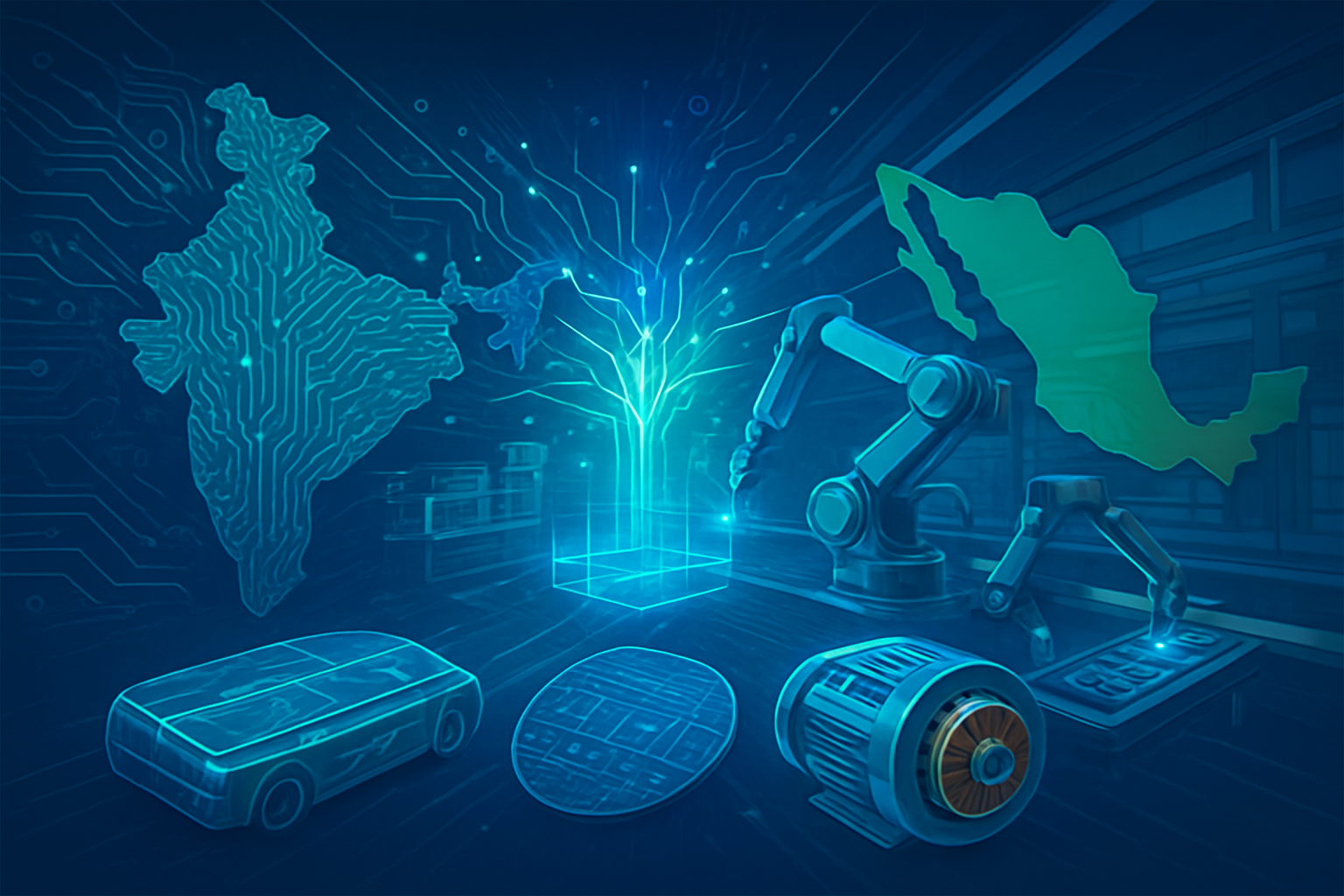
  • The Dawn of the Modular Era: Advanced Packaging Reshapes Semiconductor Landscape for AI and Beyond

    The Dawn of the Modular Era: Advanced Packaging Reshapes Semiconductor Landscape for AI and Beyond

    In a relentless pursuit of ever-greater computing power, the semiconductor industry is undergoing a profound transformation, moving beyond the traditional two-dimensional scaling of transistors. Advanced packaging technologies, particularly 3D stacking and modular chiplet architectures, are emerging as the new frontier, enabling unprecedented levels of performance, power efficiency, and miniaturization critical for the burgeoning demands of artificial intelligence, high-performance computing, and the ubiquitous Internet of Things. These innovations are not just incremental improvements; they represent a fundamental shift in how chips are designed and manufactured, promising to unlock the next generation of intelligent devices and data centers.

    This paradigm shift comes as traditional Moore's Law, which predicted the doubling of transistors on a microchip every two years, faces increasing physical and economic limitations. By vertically integrating multiple dies and disaggregating complex systems into specialized chiplets, the industry is finding new avenues to overcome these challenges, fostering a new era of heterogeneous integration that is more flexible, powerful, and sustainable. The implications for technological advancement across every sector are immense, as these packaging breakthroughs pave the way for more compact, faster, and more energy-efficient silicon solutions.

    Engineering the Third Dimension: Unpacking 3D Stacking and Chiplet Architectures

    At the heart of this revolution are two interconnected yet distinct approaches: 3D stacking and chiplet architectures. 3D stacking, often referred to as 3D packaging or 3D integration, involves the vertical assembly of multiple semiconductor dies (chips) within a single package. This technique dramatically shortens the interconnect distances between components, a critical factor for boosting performance and reducing power consumption. Key enablers of 3D stacking include Through-Silicon Vias (TSVs) and hybrid bonding. TSVs are tiny, vertical electrical connections that pass directly through the silicon substrate, allowing stacked chips to communicate at high speeds with minimal latency. Hybrid bonding, an even more advanced technique, creates direct copper-to-copper interconnections between wafers or dies at pitches below 10 micrometers, offering superior density and lower parasitic capacitance than older microbump technologies. This is particularly vital for applications like High-Bandwidth Memory (HBM), where memory dies are stacked directly with processors to create high-throughput systems essential for AI accelerators and HPC.

    Chiplet architectures, on the other hand, involve breaking down a complex System-on-Chip (SoC) into smaller, specialized functional blocks—or "chiplets"—that are then interconnected on a single package. This modular approach allows each chiplet to be optimized for its specific function (e.g., CPU cores, GPU cores, I/O, memory controllers) and even fabricated using different, most suitable process nodes. The Universal Chiplet Interconnect Express (UCIe) standard is a crucial development in this space, providing an open die-to-die interconnect specification that defines the physical link, link-level behavior, and protocols for seamless communication between chiplets. The recent release of UCIe 3.0 in August 2025, which supports data rates up to 64 GT/s and includes enhancements like runtime recalibration for power efficiency, signifies a maturing ecosystem for modular chip design. This contrasts sharply with traditional monolithic chip design, where all functionalities are integrated onto a single, large die, leading to challenges in yield, cost, and design complexity as chips grow larger. The industry's initial reaction has been overwhelmingly positive, with major players aggressively investing in these technologies to maintain a competitive edge.

    Competitive Battlegrounds and Strategic Advantages

    The shift to advanced packaging technologies is creating new competitive battlegrounds and strategic advantages across the semiconductor industry. Foundry giants like TSMC (NYSE: TSM), Intel (NASDAQ: INTC), and Samsung (KRX: 005930) are at the forefront, heavily investing in their advanced packaging capabilities. TSMC, for instance, is a leader with its 3DFabric™ suite, including CoWoS® (Chip-on-Wafer-on-Substrate) and SoIC™ (System-on-Integrated-Chips), and is aggressively expanding CoWoS capacity to quadruple output by the end of 2025, reaching 130,000 wafers per month by 2026 to meet soaring AI demand. Intel is leveraging its Foveros (true 3D stacking with hybrid bonding) and EMIB (Embedded Multi-die Interconnect Bridge) technologies, while Samsung recently announced plans to restart a $7 billion advanced packaging factory investment driven by long-term AI semiconductor supply contracts.

    Chip designers like AMD (NASDAQ: AMD) and NVIDIA (NASDAQ: NVDA) are direct beneficiaries. AMD has been a pioneer in chiplet-based designs for its EPYC CPUs and Ryzen processors, including 3D V-Cache which utilizes 3D stacking for enhanced gaming and server performance, with new Ryzen 9000 X3D series chips expected in late 2025. NVIDIA, a dominant force in AI GPUs, heavily relies on HBM integrated through 3D stacking for its high-performance accelerators. The competitive implications are significant; companies that master these packaging technologies can offer superior performance-per-watt and more cost-effective solutions, potentially disrupting existing product lines and forcing competitors to accelerate their own packaging roadmaps. Packaging specialists like Amkor Technology and ASE (Advanced Semiconductor Engineering) are also expanding their capacities, with Amkor breaking ground on a new $7 billion advanced packaging and test campus in Arizona in October 2025 and ASE expanding its K18B factory. Even equipment manufacturers like ASML are adapting, with ASML introducing the Twinscan XT:260 lithography scanner in October 2025, specifically designed for advanced 3D packaging.

    Reshaping the AI Landscape and Beyond

    These advanced packaging technologies are not merely technical feats; they are fundamental enablers for the broader AI landscape and other critical technology trends. By providing unprecedented levels of integration and performance, they directly address the insatiable computational demands of modern AI models, from large language models to complex neural networks for computer vision and autonomous driving. The ability to integrate high-bandwidth memory directly with processing units through 3D stacking significantly reduces data bottlenecks, allowing AI accelerators to process vast datasets more efficiently. This directly translates to faster training times, more complex model architectures, and more responsive AI applications.

    The impacts extend far beyond AI, underpinning advancements in 5G/6G communications, edge computing, autonomous vehicles, and the Internet of Things (IoT). Smaller form factors enable more powerful and sophisticated devices at the edge, while increased power efficiency is crucial for battery-powered IoT devices and energy-conscious data centers. This marks a significant milestone comparable to the introduction of multi-core processors or the shift to FinFET transistors, as it fundamentally alters the scaling trajectory of computing. However, this progress is not without its concerns. Thermal management becomes a significant challenge with densely packed, vertically integrated chips, requiring innovative cooling solutions. Furthermore, the increased manufacturing complexity and associated costs of these advanced processes pose hurdles for wider adoption, requiring significant capital investment and expertise.

    The Horizon: What Comes Next

    Looking ahead, the trajectory for advanced packaging is one of continuous innovation and broader adoption. In the near term, we can expect to see further refinement of hybrid bonding techniques, pushing interconnect pitches even finer, and the continued maturation of the UCIe ecosystem, leading to a wider array of interoperable chiplets from different vendors. Experts predict that the integration of optical interconnects within packages will become more prevalent, offering even higher bandwidth and lower power consumption for inter-chiplet communication. The development of advanced thermal solutions, including liquid cooling directly within packages, will be critical to manage the heat generated by increasingly dense 3D stacks.

    Potential applications on the horizon are vast. Beyond current AI accelerators, we can anticipate highly customized, domain-specific architectures built from a diverse catalog of chiplets, tailored for specific tasks in healthcare, finance, and scientific research. Neuromorphic computing, which seeks to mimic the human brain's structure, could greatly benefit from the dense, low-latency interconnections offered by 3D stacking. Challenges remain in standardizing testing methodologies for complex multi-die packages and developing sophisticated design automation tools that can efficiently manage the design of heterogeneous systems. Industry experts predict a future where the "system-in-package" becomes the primary unit of innovation, rather than the monolithic chip, fostering a more collaborative and specialized semiconductor ecosystem.

    A New Era of Silicon Innovation

    In summary, advanced packaging technologies like 3D stacking and chiplets are not just incremental improvements but foundational shifts that are redefining the limits of semiconductor performance, power efficiency, and form factor. By enabling unprecedented levels of heterogeneous integration, these innovations are directly fueling the explosive growth of artificial intelligence and high-performance computing, while also providing crucial advancements for 5G/6G, autonomous systems, and the IoT. The competitive landscape is being reshaped, with major foundries and chip designers heavily investing to capitalize on these capabilities.

    While challenges such as thermal management and manufacturing complexity persist, the industry's rapid progress, evidenced by the maturation of standards like UCIe 3.0 and aggressive capacity expansions from key players, signals a robust commitment to this new paradigm. This development marks a significant chapter in AI history, moving beyond transistor scaling to architectural innovation at the packaging level. In the coming weeks and months, watch for further announcements regarding new chiplet designs, expanded production capacities, and the continued evolution of interconnect standards, all pointing towards a future where modularity and vertical integration are the keys to unlocking silicon's full potential.


    This content is intended for informational purposes only and represents analysis of current AI developments.

    TokenRing AI delivers enterprise-grade solutions for multi-agent AI workflow orchestration, AI-powered development tools, and seamless remote collaboration platforms.
    For more information, visit https://www.tokenring.ai/.

  • Brain-Inspired Breakthroughs: Neuromorphic Computing Poised to Reshape AI’s Future

    Brain-Inspired Breakthroughs: Neuromorphic Computing Poised to Reshape AI’s Future

    In a significant leap towards more efficient and biologically plausible artificial intelligence, neuromorphic computing is rapidly advancing, moving from the realm of academic research into practical, transformative applications. This revolutionary field, which draws direct inspiration from the human brain's architecture and operational mechanisms, promises to overcome the inherent limitations of traditional computing, particularly the "von Neumann bottleneck." As of October 27, 2025, developments in brain-inspired chips are accelerating, heralding a new era of AI that is not only more powerful but also dramatically more sustainable and adaptable.

    The immediate significance of neuromorphic computing lies in its ability to address critical challenges facing modern AI, such as escalating energy consumption and the need for real-time, on-device intelligence. By integrating processing and memory and adopting event-driven, spiking neural networks (SNNs), these systems offer unparalleled energy efficiency and the capacity for continuous, adaptive learning. This makes them ideally suited for a burgeoning array of applications, from always-on edge AI devices and autonomous systems to advanced healthcare diagnostics and robust cybersecurity solutions, paving the way for truly intelligent systems that can operate with human-like efficiency.

    The Architecture of Tomorrow: Technical Prowess and Community Acclaim

    Neuromorphic architecture fundamentally redefines how computation is performed, moving away from the sequential, data-shuttling model of traditional computers. At its core, it employs artificial neurons and synapses that communicate via discrete "spikes" or electrical pulses, mirroring biological neurons. This event-driven processing means computations are only triggered when relevant spikes are detected, leading to sparse, highly energy-efficient operations. Crucially, neuromorphic chips integrate processing and memory within the same unit, eliminating the "memory wall" that plagues conventional systems and drastically reducing latency and power consumption. Hardware implementations leverage diverse technologies, including memristors for synaptic plasticity, ultra-thin materials for efficient switches, and emerging materials like bacterial protein nanowires for novel neuron designs.

    Several significant advancements underscore this technical shift. IBM Corporation (NYSE: IBM), with its TrueNorth and NorthPole chips, has demonstrated large-scale neurosynaptic systems. Intel Corporation (NASDAQ: INTC) has made strides with its Loihi and Loihi 2 research chips, designed for asynchronous spiking neural networks and achieving milliwatt-level power consumption for specific tasks. More recently, BrainChip Holdings Ltd. (ASX: BRN) launched its Akida processor, an entirely digital, event-oriented AI processor, followed by the Akida Pulsar neuromorphic microcontroller, offering 500 times lower energy consumption and 100 times latency reduction compared to conventional AI cores for sensor edge applications. The Chinese Academy of Sciences' "Speck" chip and its accompanying SpikingBrain-1.0 model, unveiled in 2025, consume a negligible 0.42 milliwatts when idle and require only about 2% of the pre-training data of conventional models. Meanwhile, KAIST introduced a "Frequency Switching Neuristor" in September 2025, mimicking intrinsic plasticity and showing a 27.7% energy reduction in simulations, and UMass Amherst researchers created artificial neurons powered by bacterial protein nanowires in October 2025, showcasing biologically inspired energy efficiency.

    The distinction from previous AI hardware, particularly GPUs, is stark. While GPUs excel at dense, synchronous matrix computations, neuromorphic chips are purpose-built for sparse, asynchronous, event-driven processing. This specialization translates into orders of magnitude greater energy efficiency for certain AI workloads. For instance, while high-end GPUs can consume hundreds to thousands of watts, neuromorphic solutions often operate in the milliwatt to low-watt range, aiming to emulate the human brain's approximate 20-watt power consumption. The AI research community and industry experts have largely welcomed these developments, recognizing neuromorphic computing as a vital solution to the escalating energy footprint of AI and a "paradigm shift" that could revolutionize AI by enabling brain-inspired information processing. Despite the optimism, challenges remain in standardization, developing robust software ecosystems, and avoiding the "buzzword" trap, ensuring adherence to true biological inspiration.

    Reshaping the AI Industry: A New Competitive Landscape

    The advent of neuromorphic computing is poised to significantly realign the competitive landscape for AI companies, tech giants, and startups. Companies with foundational research and commercial products in this space stand to gain substantial strategic advantages.

    Intel Corporation (NASDAQ: INTC) and IBM Corporation (NYSE: IBM) are well-positioned, having invested heavily in neuromorphic research for years. Their continued advancements, such as Intel's Hala Point system (simulating 1.15 billion neurons) and IBM's NorthPole, underscore their commitment. Samsung Electronics Co. Ltd. (KRX: 005930) and Qualcomm Incorporated (NASDAQ: QCOM) are also key players, leveraging neuromorphic principles to enhance memory and processing efficiency for their vast ecosystems of smart devices and IoT applications. BrainChip Holdings Ltd. (ASX: BRN) has emerged as a leader with its Akida processor, specifically designed for low-power, real-time AI processing across diverse industries. While NVIDIA Corporation (NASDAQ: NVDA) currently dominates the AI hardware market with GPUs, the rise of neuromorphic chips could disrupt its stronghold in specific inference workloads, particularly those requiring ultra-low power and real-time processing at the edge. However, NVIDIA is also investing in advanced AI chip design, ensuring its continued relevance.

    A vibrant ecosystem of startups is also driving innovation, often focusing on niche, ultra-efficient solutions. Companies like SynSense (formerly aiCTX) are developing high-speed, ultra-low-latency neuromorphic chips for applications in bio-signal analysis and smart cameras. Innatera (Netherlands) recently unveiled its SNP (Spiking Neural Processor) at CES 2025, boasting sub-milliwatt power dissipation for ambient intelligence. Other notable players include Mythic AI, Polyn Technology, Aspirare Semi, and Grayscale AI, each carving out strategic advantages in areas like edge AI, autonomous robotics, and ultra-low-power sensing. These companies are capitalizing on the performance-per-watt advantage offered by neuromorphic architectures, which is becoming a critical metric in the competitive AI hardware market.

    This shift implies potential disruption to existing products and services, particularly in areas constrained by power and real-time processing. Edge AI and IoT devices, autonomous vehicles, and wearable technology are prime candidates for transformation, as neuromorphic chips enable more sophisticated AI directly on the device, reducing reliance on cloud infrastructure. This also has profound implications for sustainability, as neuromorphic computing could significantly reduce AI's global energy consumption. Companies that master the unique training algorithms and software ecosystems required for neuromorphic systems will gain a competitive edge, fostering a predicted shift towards a co-design approach where hardware and software are developed in tandem. The neuromorphic computing market is projected for significant growth, with estimates suggesting it could reach $4.1 billion by 2029, powering 30% of edge AI devices by 2030, highlighting a rapidly evolving landscape where innovation will be paramount.

    A New Horizon for AI: Wider Significance and Ethical Imperatives

    Neuromorphic computing represents more than just an incremental improvement in AI hardware; it signifies a fundamental re-evaluation of how artificial intelligence is conceived and implemented. By mirroring the brain's integrated processing and memory, it directly addresses the energy and latency bottlenecks that limit traditional AI, aligning perfectly with the growing trends of edge AI, energy-efficient computing, and real-time adaptive learning. This paradigm shift holds the promise of enabling AI that is not only more powerful but also inherently more sustainable and responsive to dynamic environments.

    The impacts are far-reaching. In autonomous systems and robotics, neuromorphic chips can provide the real-time, low-latency decision-making crucial for safe and efficient operation. In healthcare, they offer the potential for faster, more accurate diagnostics and advanced brain-machine interfaces. For the Internet of Things (IoT), these chips enable sophisticated AI capabilities on low-power, battery-operated devices, expanding the reach of intelligent systems. Environmentally, the most compelling impact is the potential for significant reductions in AI's massive energy footprint, contributing to global sustainability goals.

    However, this transformative potential also comes with significant concerns. Technical challenges persist, including the need for more robust software algorithms, standardization, and cost-effective fabrication processes. Ethical dilemmas loom, similar to other advanced AI, but intensified by neuromorphic computing's brain-like nature: questions of artificial consciousness, autonomy and control of highly adaptive systems, algorithmic bias, and privacy implications arising from pervasive, real-time data processing. The complexity of these systems could make transparency and explainability difficult, potentially eroding public trust.

    Comparing neuromorphic computing to previous AI milestones reveals its unique position. While breakthroughs like symbolic AI, expert systems, and the deep learning revolution focused on increasing computational power or algorithmic efficiency, neuromorphic computing tackles a more fundamental hardware limitation: energy consumption and the von Neumann bottleneck. It champions biologically inspired efficiency over brute-force computation, offering a path to AI that is not only intelligent but also inherently efficient, mirroring the elegance of the human brain. While still in its early stages compared to established deep learning, experts view it as a critical development, potentially as significant as the invention of the transistor or the backpropagation algorithm, offering a pathway to overcome some of deep learning's current limitations, such as its data hunger and high energy demands.

    The Road Ahead: Charting Neuromorphic AI's Future

    The journey of neuromorphic computing is accelerating, with clear near-term and long-term trajectories. In the next 5-10 years, hybrid systems that integrate neuromorphic chips as specialized accelerators alongside traditional CPUs and GPUs will become increasingly common. Hardware advancements will continue to focus on novel materials like memristors and spintronic devices, leading to denser, faster, and more efficient chips. Intel's Hala Point, a neuromorphic system with 1,152 Loihi 2 processors, is a prime example of this scalable, energy-efficient AI computing. Furthermore, BrainChip Holdings Ltd. (ASX: BRN) is set to expand access to its Akida 2 technology with the launch of Akida Cloud in August 2025, facilitating prototyping and inference. The development of more robust software and algorithmic ecosystems for spike-based learning will also be a critical near-term focus.

    Looking beyond a decade, neuromorphic computing is poised to become a more mainstream computing paradigm, potentially leading to truly brain-like computers capable of unprecedented parallel processing and adaptive learning with minimal power consumption. This long-term vision includes the exploration of 3D neuromorphic chips and even the integration of quantum computing principles to create "quantum neuromorphic" systems, pushing the boundaries of computational capability. Experts predict that biological-scale networks are not only possible but inevitable, with the primary challenge shifting from hardware to creating the advanced algorithms needed to fully harness these systems.

    The potential applications on the horizon are vast and transformative. Edge computing and IoT devices will be revolutionized by neuromorphic chips, enabling smart sensors to process complex data locally, reducing bandwidth and power consumption. Autonomous vehicles and robotics will benefit from real-time, low-latency decision-making with minimal power draw, crucial for safety and efficiency. In healthcare, advanced diagnostic tools, medical imaging, and even brain-computer interfaces could see significant enhancements. The overarching challenge remains the complexity of the domain, requiring deep interdisciplinary collaboration across biology, computer science, and materials engineering. Cost, scalability, and the absence of standardized programming frameworks and benchmarks are also significant hurdles that must be overcome for widespread adoption. Nevertheless, experts anticipate a gradual but steady shift towards neuromorphic integration, with the market for neuromorphic hardware projected to expand at a CAGR of 20.1% from 2025 to 2035, becoming a key driver for sustainability in computing.

    A Transformative Era for AI: The Dawn of Brain-Inspired Intelligence

    Neuromorphic computing stands at a pivotal moment, representing a profound shift in the foundational approach to artificial intelligence. The key takeaways from current developments are clear: these brain-inspired chips offer unparalleled energy efficiency, real-time processing capabilities, and adaptive learning, directly addressing the growing energy demands and latency issues of traditional AI. By integrating processing and memory and utilizing event-driven spiking neural networks, neuromorphic systems are not merely faster or more powerful; they are fundamentally more sustainable and biologically plausible.

    This development marks a significant milestone in AI history, potentially rivaling the impact of earlier breakthroughs by offering a path towards AI that is not only intelligent but also inherently efficient, mirroring the elegance of the human brain. While still facing challenges in software development, standardization, and cost, the rapid advancements from companies like Intel Corporation (NASDAQ: INTC), IBM Corporation (NYSE: IBM), and BrainChip Holdings Ltd. (ASX: BRN), alongside a burgeoning ecosystem of innovative startups, indicate a technology on the cusp of widespread adoption. Its potential to revolutionize edge AI, autonomous systems, healthcare, and to significantly mitigate AI's environmental footprint underscores its long-term impact.

    In the coming weeks and months, the tech world should watch for continued breakthroughs in neuromorphic hardware, particularly in the integration of novel materials and 3D architectures. Equally important will be the development of more accessible software frameworks and programming models that can unlock the full potential of these unique processors. As research progresses and commercial applications mature, neuromorphic computing is poised to usher in an era of truly intelligent, adaptive, and sustainable AI, reshaping our technological landscape for decades to come.


    This content is intended for informational purposes only and represents analysis of current AI developments.

    TokenRing AI delivers enterprise-grade solutions for multi-agent AI workflow orchestration, AI-powered development tools, and seamless remote collaboration platforms.
    For more information, visit https://www.tokenring.ai/.

  • Quantum Dawn: Silicon’s Embrace of the Quantum Realm Reshapes Future Computing

    Quantum Dawn: Silicon’s Embrace of the Quantum Realm Reshapes Future Computing

    The technological landscape is on the cusp of a profound transformation as quantum computing rapidly converges with traditional semiconductor technology. This synergy is not merely an incremental advancement but a fundamental paradigm shift, poised to democratize access to quantum hardware and integrate its revolutionary capabilities into the broader technological infrastructure. The immediate significance lies in the potential to unlock computational power far beyond classical systems, with direct implications for fields like artificial intelligence, materials science, and cryptography. This convergence promises to bring fault-tolerant quantum computers closer to reality by leveraging decades of expertise in silicon-based fabrication, addressing critical challenges related to qubit fidelity, coherence times, and massive scalability.

    At the heart of this convergence is the innovative adaptation of established semiconductor manufacturing processes for quantum advancements. Companies are actively leveraging existing infrastructure, expertise, and advanced nanofabrication techniques—like lithography and thin-film deposition—to create quantum devices. Silicon, the cornerstone of classical semiconductors, is emerging as a promising platform for qubits due to its stability and compatibility with current manufacturing paradigms. This includes the development of CMOS-compatible fabrication for silicon-based qubits and the integration of cryogenic control electronics directly onto quantum chips, effectively tackling the "wiring bottleneck" and paving the way for scalable, integrated quantum-classical hybrid systems.

    The Silicon Qubit Revolution: A New Era of Quantum Engineering

    The convergence of quantum computing and semiconductor technology marks a pivotal shift, moving beyond theoretical concepts toward practical, scalable quantum systems. This synergy leverages decades of expertise in semiconductor manufacturing to directly address fundamental challenges in quantum computing, such as qubit fidelity, coherence times, and large-scale integration. At the forefront of this revolution are advancements in silicon-based qubits, superconducting circuits, and quantum dot technologies, each offering unique pathways to a quantum future.

    Silicon-based qubits, particularly spin qubits, are gaining significant traction due to their inherent compatibility with existing Complementary Metal-Oxide-Semiconductor (CMOS) manufacturing infrastructure. Researchers have achieved remarkable milestones, with single-qubit gate fidelities exceeding 99.99% and two-qubit gate fidelities surpassing 99% in silicon spin qubits – critical benchmarks for fault-tolerant quantum computation. The development of ultra-pure silicon-28, reducing disruptive isotope content to an unprecedented 2.3 parts per million, has created a more noise-free environment, leading to longer coherence times. Furthermore, innovations like Intel's (NASDAQ: INTC) "Horse Ridge" cryogenic control chips integrate control electronics directly into the cryogenic environment, drastically reducing wiring complexity and enabling the control of thousands of qubits from compact systems. This approach fundamentally differs from earlier quantum systems that struggled with coherence and accuracy, offering a clear path to mass production and seamless integration with classical control electronics on the same chip.

    Superconducting quantum computing (SQC) also benefits from semiconductor-like fabrication, utilizing superconducting electronic circuits and Josephson junctions to implement quantum processors. Companies like IBM (NYSE: IBM) and Google (NASDAQ: GOOGL) have demonstrated significant progress, with IBM releasing the "Condor" processor featuring 1121 qubits and Google's "Willow" chip showcasing a 105-qubit array with impressive single-qubit gate fidelities of 99.97%. While superconducting qubits require extremely low temperatures, their compatibility with microfabrication allows for design flexibility and rapid gate times. This contrasts with slower modalities like trapped ions, offering a distinct advantage in computational speed.

    Quantum dot technologies, which confine single electrons in transistor-like semiconductor structures to use their spin as qubits, are also highly promising for scalability. Advancements focus on precise electron spin confinement using electrostatic gates and the development of silicon/silicon-germanium (Si/SiGe) heterostructures to reduce performance-degrading defects. These quantum dot qubits, with their small footprints and high coherence times, are directly analogous to classical transistors, enabling the leveraging of vast silicon microelectronics expertise. The AI research community and industry experts have reacted with overwhelming optimism, viewing silicon spin qubits as a "natural match" for the semiconductor industry and a significant milestone. They foresee transformative potential for AI, comparing this convergence to the CPU-to-GPU shift that fueled the deep learning revolution, though they also acknowledge the persistent challenges in achieving truly fault-tolerant, large-scale quantum computers.

    Reshaping the Tech Landscape: Giants, Startups, and the Quantum Edge

    The convergence of quantum computing and semiconductor technology is poised to fundamentally reshape the tech industry, impacting AI companies, tech giants, and startups alike. This synergy is expected to unlock unprecedented computational power, accelerate AI development, and create new competitive dynamics and strategic advantages across the board.

    AI companies stand to gain transformative capabilities, as quantum computers can accelerate complex AI algorithms, leading to more sophisticated machine learning models, enhanced data processing, and optimized large-scale logistics. This increased computational power will enable the training of vastly more complex AI models and the ability to tackle optimization problems currently intractable for even the most powerful supercomputers, drawing parallels to the CPU-to-GPU shift that fueled the deep learning revolution. Quantum principles are also inspiring novel AI architectures, such as Quantum Neural Networks (QNNs), which promise more robust and expressive models by leveraging superposition and entanglement, critical for handling the ever-growing size and sophistication of AI models.

    Tech giants are strategically positioning themselves at the forefront of this convergence, heavily investing in full-stack quantum systems and leveraging their existing semiconductor expertise. IBM (NYSE: IBM) continues its aggressive roadmap with superconducting qubits, integrating processors like Heron and Condor into its Quantum System One and System Two architectures, complemented by its Qiskit SDK and cloud access. Google (NASDAQ: GOOGL), through its Quantum AI division, is deeply invested in superconducting qubits, focusing on both hardware and cutting-edge quantum software. Intel (NASDAQ: INTC) is a key proponent of silicon spin qubits, capitalizing on its profound expertise in chip manufacturing. Microsoft (NASDAQ: MSFT) is pursuing a cloud-based quantum service through Azure, with a unique focus on topological qubits, while NVIDIA (NASDAQ: NVDA) explores how its hardware can interface with and accelerate quantum workloads. These giants are not merely building quantum computers; they are establishing comprehensive quantum ecosystems that will redefine market leadership.

    For startups, this convergence presents both significant opportunities and challenges. Agile quantum startups are fiercely competing with tech giants by specializing in niche areas like specific qubit architectures, software layers, or quantum algorithms for applications in materials science, drug discovery, financial modeling, or cybersecurity. Companies like IonQ (NYSE: IONQ) and Rigetti Computing (NASDAQ: RGTI) are gaining attention for their advancements in quantum hardware, with IonQ's Electronic Qubit Control (EQC) technology promising easier scaling and lower costs by integrating qubit-control components onto semiconductor chips. However, startups face high barriers to entry due to the capital-intensive nature of quantum hardware development, the need for specialized environments, and a shortage of quantum computing expertise, forcing them to compete for skilled personnel and private investment against well-funded tech giants. The urgent demand for quantum-resistant cryptographic solutions, for instance, creates a multi-billion-dollar market for specialized cybersecurity firms.

    A New Era of Innovation: Societal, Economic, and Geopolitical Ramifications

    The convergence of quantum computing and semiconductor technology represents a profound shift in the technological landscape, poised to redefine computational capabilities and catalyze a new era of innovation across numerous sectors. This synergy is not merely an incremental advancement but a foundational change with wide-ranging societal, economic, and geopolitical implications, fitting seamlessly into the broader trends of advanced AI development and the pursuit of computational supremacy.

    Semiconductors are proving crucial for the advancement of quantum computing, acting as the bedrock for developing quantum hardware, particularly qubits. By leveraging decades of expertise in silicon-based fabrication, researchers are overcoming significant challenges in quantum computing, such as achieving higher qubit fidelity, extending coherence times, and developing pathways for massive scalability. This integration promises to democratize access to quantum hardware, making quantum capabilities an integral part of our technological infrastructure rather than being confined to specialized laboratories. Conversely, quantum computing offers unprecedented computational power by leveraging superposition and entanglement, enabling the efficient solving of complex problems previously intractable for classical computers, particularly those involving optimization and the simulation of quantum systems.

    This synergy, often termed Quantum AI, is seen as one of the most promising frontiers in computational science. Quantum computing is expected to act as the "engine" for future AI, unlocking unprecedented computational power that will enable the training of vastly more complex AI models and accelerate data analysis. This could lead to a paradigm shift in computational power and efficiency, potentially catalyzing the development of Artificial General Intelligence (AGI). Conversely, AI is playing a crucial role in accelerating quantum development, with machine learning employed to optimize quantum circuits, mitigate errors in noisy intermediate-scale quantum (NISQ) devices, and enhance quantum error correction. This creates a "virtuous cycle of innovation" where advancements in one field propel the other, with hybrid quantum-classical architectures emerging as a key trend.

    The potential impacts are transformative across society and the global economy. In healthcare, quantum-enhanced AI could accelerate drug discovery, enable more accurate molecular simulations, and lead to personalized therapies. For climate change, it could enhance climate modeling and optimize renewable energy grids. Economically, the quantum sector is projected to have a significant impact, with estimates suggesting a cumulative value creation of over $1 trillion for end-users by 2035 and substantial job creation. However, significant concerns loom. The "quantum supremacy" race has become a critical national security issue, particularly due to the potential of quantum computers to render current encryption methods obsolete, leading to a scenario dubbed "Q-day." This poses an existential threat to global data security, amplifying cyber threats and exacerbating geopolitical tensions between nations vying for technological dominance. Experts consider this a fundamental shift, akin to the transition from CPUs to GPUs that powered the deep learning revolution, representing a monumental leap forward in computational capability.

    The Road Ahead: Hybrid Systems, Applications, and Lingering Challenges

    The future of quantum-semiconductor hybrid systems is characterized by ambitious developments aimed at leveraging the strengths of both quantum mechanics and classical semiconductor technology to unlock unprecedented computational power. These systems are expected to evolve significantly in both the near and long term, promising transformative applications across numerous industries while facing substantial challenges.

    In the near term (the next 5-10 years), the focus will be on refining existing technologies and establishing robust foundational elements. Continued efforts will concentrate on improving silicon spin qubit technologies, leveraging their compatibility with CMOS manufacturing processes to achieve higher fidelities and longer coherence times. The widespread adoption and improvement of hybrid quantum-classical architectures will be critical, allowing quantum processors to function as accelerators for specific, computationally intensive tasks in conjunction with classical semiconductor systems. The integration of advanced cryogenic control electronics, such as those pioneered by Intel (NASDAQ: INTC), will become standard for scalable control of hundreds of qubits. Furthermore, advancements in quantum error mitigation techniques and the nascent development of logical qubits are anticipated, with experts predicting the first logical qubits surpassing physical qubits in error rates. Early physical silicon quantum chips with hundreds of qubits are expected to become increasingly accessible through cloud services, with the first instances of "quantum advantage" potentially emerging by late 2026.

    Looking further into the future (beyond 10 years), the vision becomes even more transformative. The long-term goal is to achieve fully fault-tolerant, large-scale quantum computers capable of addressing problems currently beyond the reach of any classical machine. Roadmaps from industry leaders like IBM (NYSE: IBM) anticipate reaching hundreds of logical qubits by the end of the decade, with a target of 2,000 logical qubits by 2033. Microsoft (NASDAQ: MSFT) is pursuing a million-qubit system based on topological qubits, which inherently offer stability against environmental noise. These massive qubit counts and connectivity will pave the way for a profound revolution across numerous sectors, driven by quantum-enhanced AI, where quantum computers augment rather than entirely replace classical systems, serving as powerful co-processors accessible through cloud services.

    These hybrid systems are poised to unlock a vast array of applications. In artificial intelligence and machine learning, they promise to accelerate complex algorithms, leading to more sophisticated models and enhanced data processing. Drug discovery, materials science, financial modeling, and logistics will see revolutionary advancements through unparalleled optimization and simulation capabilities. Cybersecurity will be fundamentally reshaped, not only by the threat quantum computers pose to current encryption but also by their necessity in developing and implementing quantum-safe cryptography and secure communications. Manufacturing and design cycles will be transformed, with quantum computing impacting prototyping and materials engineering.

    Despite this promising outlook, several significant challenges must be overcome. Continuously improving qubit fidelity and extending coherence times are fundamental, especially as systems scale. Achieving massive scalability while maintaining the small size of semiconductor qubits, developing robust quantum error correction mechanisms, and seamlessly integrating quantum processing units (QPUs) with classical CPUs and GPUs present major engineering hurdles. Challenges in materials science, access to commercial-grade foundries, efficient thermal management, standardization, and a persistent global talent shortage also need urgent attention. Experts predict a dynamic future, with AI and semiconductor innovation sharing a symbiotic relationship, and the "quantum advantage" tipping point generally believed to be 3 to 5 years away. The future is undeniably hybrid, with quantum computing units further integrated alongside classical processors, leading to a revolutionary impact on human life and science.

    The Quantum Horizon: A New Epoch of Computational Power

    The convergence of quantum computing and semiconductor technology marks a pivotal moment in technological advancement, promising to redefine the future of computation and artificial intelligence. This synergy represents a mutually reinforcing relationship: semiconductors are crucial for building scalable and stable quantum computers, while quantum computing offers unprecedented tools to optimize semiconductor design, materials discovery, and manufacturing.

    Key takeaways highlight that this convergence is actively engineering the quantum future. Semiconductors serve as the foundational material for creating qubits, with advancements in silicon-based fabrication crucial for improving qubit fidelity, coherence, and integration. Companies like Intel (NASDAQ: INTC) are developing cryogenic control chips to integrate quantum processors with conventional hardware, simplifying operations. This approach is overcoming classical limits, as quantum computers can solve problems intractable for even the most powerful classical supercomputers, potentially revitalizing the spirit of Moore's Law. The future envisions hybrid quantum-classical systems, where quantum computers augment classical systems as powerful co-processors accessible through cloud services, driving new efficiencies. Crucially, AI itself plays a virtuous role, optimizing quantum systems and semiconductor design at an atomic level.

    In the annals of AI history, this convergence represents a profound paradigm shift, akin to the transition from CPUs to GPUs that fueled the deep learning revolution. It promises unprecedented computational power for AI, enabling the training of vastly more complex models and accelerating data analysis, potentially catalyzing the development of Artificial General Intelligence (AGI). This development is poised to usher in an era of entirely new forms of AI, moving beyond the incremental gains of classical hardware.

    The long-term impact is expected to be a profound revolution across numerous sectors. Quantum-enhanced AI will redefine what is computationally possible in drug discovery, materials science, financial modeling, logistics, and cybersecurity. However, this also brings significant challenges, particularly the existential threat quantum computers pose to current encryption methods. This drives the urgent development and embedding of post-quantum cryptography (PQC) solutions into semiconductor hardware to protect future AI operations. Economically, this synergy is a "mutually reinforcing power couple" expected to accelerate, with global semiconductor revenues potentially surpassing $1 trillion by 2030, driven by AI chips. The immense power of quantum AI also necessitates careful consideration of its ethical and societal implications, including potential for bias and challenges in explainability.

    In the coming weeks and months, several critical milestones are anticipated. Watch for further progress towards "quantum advantage," with experts predicting the first instances within 3-5 years, and more widespread practical applications within 5 to 10 years. Continued innovation in qubit fidelity and scaling, particularly in silicon-based systems, will be paramount. The urgent deployment of Post-Quantum Cryptography (PQC) solutions and the accelerated adoption of quantum-resistant algorithms will be crucial to mitigate "harvest now, decrypt later" threats. Expect to see more demonstrations and commercial applications of hybrid quantum-classical systems, alongside intensifying geopolitical competition and strategic investments in quantum technology. The quantum computing market is projected for significant growth, with commercial systems capable of accurate calculations with 200 to 1,000 reliable logical qubits considered a technical inflection point. The journey is complex, but the destination promises an epoch of unprecedented computational power and scientific discovery.


    This content is intended for informational purposes only and represents analysis of current AI developments.

    TokenRing AI delivers enterprise-grade solutions for multi-agent AI workflow orchestration, AI-powered development tools, and seamless remote collaboration platforms.
    For more information, visit https://www.tokenring.ai/.

  • The AI Supercycle: Reshaping the Semiconductor Landscape and Driving Unprecedented Growth

    The AI Supercycle: Reshaping the Semiconductor Landscape and Driving Unprecedented Growth

    The global semiconductor market in late 2025 is in the throes of an unprecedented transformation, largely propelled by the relentless surge of Artificial Intelligence (AI). This "AI Supercycle" is not merely a cyclical uptick but a fundamental re-architecture of market dynamics, driving exponential demand for specialized chips and reshaping investment outlooks across the industry. While leading-edge foundries like Taiwan Semiconductor Manufacturing Company (NYSE: TSM) and NVIDIA Corporation (NASDAQ: NVDA) ride a wave of record profits, specialty foundries like Tower Semiconductor Ltd. (NASDAQ: TSEM) are strategically positioned to capitalize on the increasing demand for high-value analog and mature node solutions that underpin the AI infrastructure.

    The industry is projected for substantial expansion, with growth forecasts for 2025 ranging from 11% to 22.2% year-over-year, anticipating market values between $697 billion and $770 billion, and a trajectory to surpass $1 trillion by 2030. This growth, however, is bifurcated, with AI-focused segments booming while traditional markets experience a more gradual recovery. Investors are keenly watching the interplay of technological innovation, geopolitical pressures, and evolving supply chain strategies, all of which are influencing company valuations and long-term investment prospects.

    The Technical Core: Driving the AI Revolution from Silicon to Software

    Late 2025 marks a critical juncture defined by rapid advancements in process nodes, memory technologies, advanced packaging, and AI-driven design tools, all meticulously engineered to meet AI's insatiable computational demands. This period fundamentally differentiates itself from previous market cycles.

    The push for smaller, more efficient chips is accelerating with 3nm and 2nm manufacturing nodes at the forefront. TSMC has been in mass production of 3nm chips for three years and plans to expand its 3nm capacity by over 60% in 2025. More significantly, TSMC is on track for mass production of its 2nm chips (N2) in the second half of 2025, featuring nanosheet transistors for up to 15% speed improvement or 30% power reduction over N3E. Competitors like Intel Corporation (NASDAQ: INTC) are aggressively pursuing their Intel 18A process (equivalent to 1.8nm) for leadership in 2025, utilizing RibbonFET (GAA) transistors and PowerVia backside power delivery. Samsung Electronics Co., Ltd. (KRX: 005930) also aims to start production of 2nm-class chips in 2025. This transition to Gate-All-Around (GAA) transistors represents a significant architectural shift, enhancing efficiency and density.

    High-Bandwidth Memory (HBM), particularly HBM3e and the emerging HBM4, is indispensable for AI and High-Performance Computing (HPC) due to its ultra-fast, energy-efficient data transfer. Mass production of 12-layer HBM3e modules began in late 2024, offering significantly higher bandwidth (up to 1.2 TB/s per stack) for generative AI workloads. Micron Technology, Inc. (NASDAQ: MU) and SK hynix Inc. (KRX: 000660) are leading the charge, with HBM4 development accelerating for mass production by late 2025 or 2026, promising a ~20% increase in pricing. HBM revenue is projected to double from $17 billion in 2024 to $34 billion in 2025, playing an increasingly critical role in AI infrastructure and causing a "super cycle" in the broader memory market.

    Advanced packaging technologies such as Chip-on-Wafer-on-Substrate (CoWoS), System-on-Integrated-Chips (SoIC), and hybrid bonding are crucial for overcoming the limitations of traditional monolithic chip designs. TSMC is aggressively expanding its CoWoS capacity, aiming to double output in 2025 to 680,000 wafers, essential for high-performance AI accelerators. These techniques enable heterogeneous integration and 3D stacking, allowing more transistors in a smaller space and boosting computational power. NVIDIA’s Hopper H200 GPUs, for example, integrate six HBM stacks using advanced packaging, enabling interconnection speeds of up to 4.8 TB/s.

    Furthermore, AI-driven Electronic Design Automation (EDA) tools are profoundly transforming the semiconductor industry. AI automates repetitive tasks like layout optimization and place-and-route, reducing manual iterations and accelerating time-to-market. Tools like Synopsys, Inc.'s (NASDAQ: SNPS) DSO.ai have cut 5nm chip design timelines from months to weeks, a 75% reduction, while Synopsys.ai Copilot, with generative AI capabilities, has slashed verification times by 5X-10X. This symbiotic relationship, where AI not only demands powerful chips but also empowers their creation, is a defining characteristic of the current "AI Supercycle," distinguishing it from previous boom-bust cycles driven by broad-based demand for PCs or smartphones. Initial reactions from the AI research community and industry experts range from cautious optimism regarding the immense societal benefits to concerns about supply chain bottlenecks and the rapid acceleration of technological cycles.

    Corporate Chessboard: Beneficiaries, Challengers, and Strategic Advantages

    The "AI Supercycle" has created a highly competitive and bifurcated landscape within the semiconductor industry, benefiting companies with strong AI exposure while posing unique challenges for others.

    NVIDIA (NASDAQ: NVDA) remains the undisputed dominant force, with its data center segment driving a 94% year-over-year revenue increase in Q3 FY25. Its Q4 FY25 revenue guidance of $37.5 billion, fueled by strong demand for Hopper/Blackwell GPUs, solidifies its position as a top investment pick. Similarly, TSMC (NYSE: TSM), as the world's largest contract chipmaker, reported record Q3 2025 results, with profits surging 39% year-over-year and revenue increasing 30.3% to $33.1 billion, largely due to soaring AI chip demand. TSMC’s market valuation surpassed $1 trillion in July 2025, and its stock price has risen nearly 48% year-to-date. Its advanced node capacity is sold out for years, primarily due to AI demand.

    Advanced Micro Devices, Inc. (NASDAQ: AMD) is actively expanding its presence in AI and data center partnerships, but its high P/E ratio of 102 suggests much of its rapid growth potential is already factored into its valuation. Intel (NASDAQ: INTC) has shown improved execution in Q3 2025, with AI accelerating demand across its portfolio. Its stock surged approximately 84% year-to-date, buoyed by government investments and strategic partnerships, including a $5 billion deal with NVIDIA. However, its foundry division still operates at a loss, and it faces structural challenges. Broadcom Inc. (NASDAQ: AVGO) also demonstrated strong performance, with AI-specific revenue surging 63% to $5.2 billion in Q3 FY25, including a reported $10 billion AI order for FY26.

    Tower Semiconductor (NASDAQ: TSEM) has carved a strategic niche as a specialized foundry focusing on high-value analog and mixed-signal solutions, distinguishing itself from the leading-edge digital foundries. For Q2 2025, Tower reported revenues of $372 million, up 6% year-over-year, with a net profit of $47 million. Its Q3 2025 revenue guidance of $395 million projects a 7% year-over-year increase, driven by strong momentum in its RF infrastructure business, particularly from data centers and AI expansions, where it holds a number one market share position. Significant growth was also noted in Silicon Photonics and RF Mobile markets. Tower's stock reached a new 52-week high of $77.97 in late October 2025, reflecting a 67.74% increase over the past year. Its strategic advantages include specialized process platforms (SiGe, BiCMOS, RF CMOS, power management), leadership in RF and photonics for AI data centers and 5G/6G, and a global, flexible manufacturing network.

    While Tower Semiconductor does not compete directly with TSMC or Samsung Foundry in the most advanced digital logic nodes (sub-7nm), it thrives in complementary markets. Its primary competitors in the specialized and mature node segments include United Microelectronics Corporation (NYSE: UMC) and GlobalFoundries Inc. (NASDAQ: GFS). Tower’s deep expertise in RF, power management, and analog solutions positions it favorably to capitalize on the increasing demand for high-performance analog and RF front-end components essential for AI and cloud computing infrastructure. The AI Supercycle, while primarily driven by advanced digital chips, significantly benefits Tower through the need for high-speed optical communications and robust power management within AI data centers. Furthermore, sustained demand for mature nodes in automotive, industrial, and consumer electronics, along with anticipated shortages of mature node chips (40nm and above) for the automotive industry, provides a stable and growing market for Tower's offerings.

    Wider Significance: A Foundational Shift for AI and Global Tech

    The semiconductor industry's performance in late 2025, defined by the "AI Supercycle," represents a foundational shift with profound implications for the broader AI landscape and global technology. This era is not merely about faster chips; it's about a symbiotic relationship where AI both demands ever more powerful semiconductors and, paradoxically, empowers their very creation through AI-driven design and manufacturing.

    Chip supply and innovation directly dictate the pace of AI development, deployment, and accessibility. The availability of specialized AI chips (GPUs, TPUs, ASICs), High-Bandwidth Memory (HBM), and advanced packaging techniques like 3D stacking are critical enablers for large language models, autonomous systems, and advanced scientific AI. AI-powered Electronic Design Automation (EDA) tools are compressing chip design cycles by automating complex tasks and optimizing performance, power, and area (PPA), accelerating innovation from months to weeks. This efficient and cost-effective chip production translates into cheaper, more powerful, and more energy-efficient chips for cloud infrastructure and edge AI deployments, making AI solutions more accessible across various industries.

    However, this transformative period comes with significant concerns. Market concentration is a major issue, with NVIDIA dominating AI chips and TSMC being a critical linchpin for advanced manufacturing (90% of the world's most advanced logic chips). The Dutch firm ASML Holding N.V. (NASDAQ: ASML) holds a near-monopoly on extreme ultraviolet (EUV) lithography machines, indispensable for advanced chip production. This concentration risks centralizing AI power among a few tech giants and creating high barriers for new entrants.

    Geopolitical tensions have also transformed semiconductors into strategic assets. The US-China rivalry over advanced chip access, characterized by export controls and efforts towards self-sufficiency, has fragmented the global supply chain. Initiatives like the US CHIPS Act aim to bolster domestic production, but the industry is moving from globalization to "technonationalism," with countries investing heavily to reduce dependence. This creates supply chain vulnerabilities, cost uncertainties, and trade barriers. Furthermore, an acute and widening global shortage of skilled professionals—from fab labor to AI and advanced packaging engineers—threatens to slow innovation.

    The environmental impact is another growing concern. The rapid deployment of AI comes with a significant energy and resource cost. Data centers, the backbone of AI, are facing an unprecedented surge in energy demand, primarily from power-hungry AI accelerators. TechInsights forecasts a staggering 300% increase in CO2 emissions from AI accelerators alone between 2025 and 2029. Manufacturing high-end AI chips consumes substantial electricity and water, often concentrated in regions reliant on fossil fuels. This era is defined by an unprecedented demand for specialized, high-performance computing, driving innovation at a pace that could lead to widespread societal and economic restructuring on a scale even greater than the PC or internet revolutions.

    The Horizon: Future Developments and Enduring Challenges

    Looking ahead, the semiconductor industry is poised for continued rapid evolution, driven by the escalating demands of AI. Near-term (2025-2030) developments will focus on refining AI models for hyper-personalized manufacturing, boosting data center AI semiconductor revenue, and integrating AI into PCs and edge devices. The long-term outlook (beyond 2030) anticipates revolutionary changes with new computing paradigms.

    The evolution of AI chips will continue to emphasize specialized hardware like GPUs and ASICs, with increasing focus on energy efficiency for both cloud and edge applications. On-chip optical communication using silicon photonics, continued memory innovation (e.g., HBM and GDDR7), and backside power delivery are predicted key innovations. Beyond 2030, neuromorphic computing, inspired by the human brain, promises energy-efficient processing for real-time perception and pattern recognition in autonomous vehicles, robots, and wearables. Quantum computing, while still 5-10 years from achieving quantum advantage, is already influencing semiconductor roadmaps, driving innovation in materials and fabrication techniques for atomic-scale precision and cryogenic operation.

    Advanced manufacturing techniques will increasingly rely on AI for automation, optimization, and defect detection. Advanced packaging (2.5D and 3D stacking, hybrid bonding) will become even more crucial for heterogeneous integration, improving performance and power efficiency of complex AI systems. The search for new materials will intensify as silicon reaches its limits. Wide-bandbandgap semiconductors like Gallium Nitride (GaN) and Silicon Carbide (SiC) are outperforming silicon in high-frequency and high-power applications (5G, EVs, data centers). Two-dimensional materials like graphene and molybdenum disulfide (MoS₂) offer potential for ultra-thin, highly conductive, and flexible transistors.

    However, significant challenges persist. Manufacturing costs for advanced fabs remain astronomical, requiring multi-billion dollar investments and cutting-edge skills. The global talent shortage in semiconductor design and manufacturing is projected to exceed 1 million workers by 2030, threatening to slow innovation. Geopolitical risks, particularly the dependence on Taiwan for advanced logic chips and the US-China trade tensions, continue to fragment the supply chain, necessitating "friend-shoring" strategies and diversification of manufacturing bases.

    Experts predict the total semiconductor market will surpass $1 trillion by 2030, growing at 7%-9% annually post-2025, primarily driven by AI, electric vehicles, and consumer electronics replacement cycles. Companies like Tower Semiconductor, with their focus on high-value analog and specialized process technologies, will play a vital role in providing the foundational components necessary for this AI-driven future, particularly in critical areas like RF, power management, and Silicon Photonics. By diversifying manufacturing facilities and investing in talent development, specialty foundries can contribute to supply chain resilience and maintain competitiveness in this rapidly evolving landscape.

    Comprehensive Wrap-up: A New Era of Silicon and AI

    The semiconductor industry in late 2025 is undergoing an unprecedented transformation, driven by the "AI Supercycle." This is not just a period of growth but a fundamental redefinition of how chips are designed, manufactured, and utilized, with profound implications for technology and society. Key takeaways include the explosive demand for AI chips, the critical role of advanced process nodes (3nm, 2nm), HBM, and advanced packaging, and the symbiotic relationship where AI itself is enhancing chip manufacturing efficiency.

    This development holds immense significance in AI history, marking a departure from previous tech revolutions. Unlike the PC or internet booms, where semiconductors primarily enabled new technologies, the AI era sees AI both demanding increasingly powerful chips and * empowering* their creation. This dual nature positions AI as both a driver of unprecedented technological advancement and a source of significant challenges, including market concentration, geopolitical tensions, and environmental concerns stemming from energy consumption and e-waste.

    In the long term, the industry is headed towards specialized AI architectures like neuromorphic computing, the exploration of quantum computing, and the widespread deployment of advanced edge AI. The transition to new materials beyond silicon, such as GaN and SiC, will be crucial for future performance gains. Companies like Tower Semiconductor, with their focus on high-value analog and specialized process technologies, will play a vital role in providing the foundational components necessary for this AI-driven future, particularly in critical areas like RF, power management, and Silicon Photonics.

    What to watch for in the coming weeks and months includes further announcements on 2nm chip production, the acceleration of HBM4 development, increased investments in advanced packaging capacity, and the rollout of new AI-driven EDA tools. Geopolitical developments, especially regarding trade policies and domestic manufacturing incentives, will continue to shape supply chain strategies. Investors will be closely monitoring the financial performance of AI-centric companies and the strategic adaptations of specialty foundries as the "AI Supercycle" continues to reshape the global technology landscape.


    This content is intended for informational purposes only and represents analysis of current AI developments.

    TokenRing AI delivers enterprise-grade solutions for multi-agent AI workflow orchestration, AI-powered development tools, and seamless remote collaboration platforms.
    For more information, visit https://www.tokenring.ai/.

  • The New Silicon Curtain: Geopolitics, AI, and the Battle for Semiconductor Dominance

    The New Silicon Curtain: Geopolitics, AI, and the Battle for Semiconductor Dominance

    In the 21st century, semiconductors, often hailed as the "brains of modern electronics," have transcended their role as mere components to become the foundational pillars of national security, economic prosperity, and technological supremacy. Powering everything from the latest AI algorithms and 5G networks to advanced military systems and electric vehicles, these microchips are now the "new oil," driving an intense global competition for production dominance that is reshaping geopolitical alliances and economic landscapes. As of late 2025, this high-stakes struggle has ignited a series of "semiconductor rows" and spurred massive national investment strategies, signaling a pivotal era where control over silicon dictates the future of innovation and power.

    The strategic importance of semiconductors cannot be overstated. Their pervasive influence makes them indispensable to virtually every facet of modern life. The global market, valued at approximately $600 billion in 2021, is projected to surge to $1 trillion by 2030, underscoring their central role in the global economy. This exponential growth, however, is met with a highly concentrated and increasingly fragile global supply chain. East Asia, particularly Taiwan and South Korea, accounts for three-quarters of the world's chip production capacity. Taiwan Semiconductor Manufacturing Company (TSMC) (NYSE: TSM), in particular, stands as the undisputed titan, manufacturing over 90% of the world's most advanced chips, a concentration that presents both a "silicon shield" and a significant geopolitical vulnerability.

    The Microscopic Battlefield: Advanced Manufacturing and the Global Supply Chain

    The manufacturing of semiconductors is an intricate dance of precision engineering, materials science, and cutting-edge technology, a process that takes raw silicon through hundreds of steps to become a functional integrated circuit. This journey is where the strategic battle for technological leadership is truly fought, particularly at the most advanced "node" sizes, such as 7nm, 5nm, and the emerging 3nm.

    At the heart of advanced chip manufacturing lies Extreme Ultraviolet (EUV) lithography, a technology so complex and proprietary that ASML (NASDAQ: ASML), a Dutch multinational, holds a near-monopoly on its production. EUV machines use an extremely short wavelength of 13.5 nm light to etch incredibly fine circuit patterns, enabling the creation of smaller, faster, and more power-efficient transistors. The shift from traditional planar transistors to three-dimensional Fin Field-Effect Transistors (FinFETs) for nodes down to 7nm and 5nm, and now to Gate-All-Around (GAA) transistors for 3nm and beyond (pioneered by Samsung (KRX: 005930)), represents a continuous push against the physical limits of miniaturization. GAAFETs, for example, offer superior electrostatic control, further minimizing leakage currents essential for ultra-small scales.

    The semiconductor supply chain is a global labyrinth, involving specialized companies across continents. It begins upstream with raw material providers (e.g., Shin-Etsu, Sumco) and equipment manufacturers (ASML, Applied Materials (NASDAQ: AMAT), Lam Research (NASDAQ: LRCX), KLA (NASDAQ: KLAC)). Midstream, fabless design companies (NVIDIA (NASDAQ: NVDA), AMD (NASDAQ: AMD), Qualcomm (NASDAQ: QCOM), Apple (NASDAQ: AAPL)) design the chips, which are then manufactured by foundries like TSMC, Samsung, and increasingly, Intel Foundry Services (IFS), a division of Intel (NASDAQ: INTC). Downstream, Outsourced Semiconductor Assembly and Test (OSAT) companies handle packaging and testing. This highly segmented and interconnected chain, with inputs crossing over 70 international borders, has proven fragile, as evidenced by the COVID-19 pandemic's disruptions that cost industries over $500 billion. The complexity and capital intensity mean that building a leading-edge fab can cost $15-20 billion, a barrier to entry that few can overcome.

    Corporate Crossroads: Tech Giants Navigate a Fragmenting Landscape

    The geopolitical tensions and national investment strategies are creating a bifurcated global technology ecosystem, profoundly impacting AI companies, tech giants, and startups. While some stand to benefit from government incentives and regionalization, others face significant market access challenges and supply chain disruptions.

    Companies like TSMC (NYSE: TSM) and Intel (NASDAQ: INTC) are at the forefront of this shift. TSMC, despite its vulnerability due to its geographic concentration in Taiwan, is strategically diversifying its manufacturing footprint, investing billions in new fabs in the U.S. (Arizona) and Europe, leveraging incentives from the US CHIPS and Science Act and the European Chips Act. This diversification, while costly, solidifies its position as the leading foundry. Intel, with its "IDM 2.0" strategy, is re-emerging as a significant foundry player, receiving substantial CHIPS Act funding to onshore advanced manufacturing and expand its services to external customers, positioning itself as a key beneficiary of the push for domestic production.

    Conversely, U.S. chip designers heavily reliant on the Chinese market, such as NVIDIA (NASDAQ: NVDA), AMD (NASDAQ: AMD), and Qualcomm (NASDAQ: QCOM), have faced significant revenue losses due to stringent U.S. export controls on advanced AI chips to China. While some mid-range AI chips are now permitted under revenue-sharing conditions, this regulatory environment forces these companies to develop "China-specific" variants or accept reduced market access, impacting their overall revenue and R&D capabilities. Qualcomm, with 46% of its fiscal 2024 revenue tied to China, is particularly vulnerable.

    Chinese tech giants like Huawei and SMIC, along with a myriad of Chinese AI startups, are severely disadvantaged by these restrictions, struggling to access cutting-edge chips and manufacturing equipment. This has forced Beijing to accelerate its "Made in China 2025" initiative, pouring billions into state-backed funds to achieve technological self-reliance, albeit at a slower pace due to equipment access limitations. Meanwhile, major AI labs and tech giants like Google (NASDAQ: GOOGL) and Microsoft (NASDAQ: MSFT) are heavily reliant on advanced AI chips, often from NVIDIA, to train their complex AI models. To mitigate reliance and optimize for their specific AI workloads, both companies are heavily investing in developing their own custom AI accelerators (Google's TPUs, Microsoft's custom chips), gaining strategic control over their AI infrastructure. Startups, while facing increased vulnerability to supply shortages and rising costs, can find opportunities in specialized niches, benefiting from government R&D funding aimed at strengthening domestic semiconductor ecosystems.

    The Dawn of Techno-Nationalism: Broader Implications and Concerns

    The current geopolitical landscape of semiconductor manufacturing is not merely a commercial rivalry; it represents a profound reordering of global power dynamics, ushering in an era of "techno-nationalism." This struggle is intrinsically linked to the broader AI landscape, where access to leading-edge chips is the ultimate determinant of AI compute power and national AI strategies.

    Nations worldwide are aggressively pursuing technological sovereignty, aiming to control the entire semiconductor value chain from intellectual property and design to manufacturing and packaging. The US CHIPS and Science Act, the European Chips Act, and similar initiatives in India, Japan, and South Korea, are all manifestations of this drive. The goal is to reduce reliance on foreign suppliers for critical technologies, ensuring economic security and maintaining a strategic advantage in AI development. The US-China tech war, with its export controls on advanced semiconductors, exemplifies how economic security concerns are driving policies to curb a rival's technological ambitions.

    However, this push for self-sufficiency comes with significant concerns. The global semiconductor supply chain, once optimized for efficiency, is undergoing fragmentation. Countries are prioritizing "friend-shoring" – securing supplies from politically aligned nations – even if it leads to less efficiency and higher costs. Building new fabs in regions like the U.S. can be 20-50% more expensive than in Asia, translating to higher production costs and potentially higher consumer prices for electronic goods. The escalating R&D costs for advanced nodes, with the jump from 7nm to 5nm incurring an additional $550 million in R&D alone, further exacerbate this trend.

    This "Silicon Curtain" is leading to a bifurcated tech world, where distinct technology blocs emerge with their own supply chains and standards. Companies may be forced to maintain separate R&D and manufacturing facilities for different geopolitical blocs, increasing operational costs and slowing global product rollouts. This geopolitical struggle over semiconductors is often compared to the strategic importance of oil in previous eras, defining 21st-century power dynamics just as oil defined the 20th. It also echoes the Cold War era's tech bifurcation, where Western export controls denied the Soviet bloc access to cutting-edge technology, but on a far larger and more economically intertwined scale.

    The Horizon: Innovation, Resilience, and a Fragmented Future

    Looking ahead, the semiconductor industry is poised for continuous technological breakthroughs, driven by the relentless demand for more powerful and efficient chips, particularly for AI. Simultaneously, the geopolitical landscape will continue to shape how these innovations are developed and deployed.

    In the near-term, advancements will focus on new materials and architectures. Beyond silicon, researchers are exploring 2D materials like TMDs and graphene for ultra-thin, efficient devices, and wide-bandgap semiconductors like SiC and GaN for high-power applications in EVs and 5G/6G. Architecturally, the industry is moving towards Complementary FETs (CFETs) for increased density and, more importantly, "chiplets" and heterogeneous integration. This modular approach, combining multiple specialized dies (compute, memory, accelerators) into a single package, improves scalability, power efficiency, and performance, especially for AI and High-Performance Computing (HPC). Advanced packaging, including 2.5D and 3D stacking with technologies like hybrid bonding and glass interposers, is set to double its market share by 2030, becoming critical for integrating these chiplets and overcoming traditional scaling limits.

    Artificial intelligence itself is increasingly transforming chip design and manufacturing. AI-powered Electronic Design Automation (EDA) tools are automating complex tasks, optimizing power, performance, and area (PPA), and significantly reducing design timelines. In manufacturing, AI and machine learning are enhancing yield rates, defect detection, and predictive maintenance. These innovations will fuel transformative applications across all sectors, from generative AI and edge AI to autonomous driving, quantum computing, and advanced defense systems. The demand for AI chips alone is expected to exceed $150 billion by 2025.

    However, significant challenges remain. The escalating costs of R&D and manufacturing, the persistent global talent shortage (requiring over one million additional skilled workers by 2030), and the immense energy consumption of semiconductor production are critical hurdles. Experts predict intensified geopolitical fragmentation, leading to a "Silicon Curtain" that prioritizes resilience over efficiency. Governments and companies are investing over $2.3 trillion in wafer fabrication between 2024–2032 to diversify supply chains and localize production, with the US CHIPS Act alone projected to increase US fab capacity by 203% between 2022 and 2032. While China continues its push for self-sufficiency, it remains constrained by US export bans. The future will likely see more "like-minded" countries collaborating to secure supply chains, as seen with the US, Japan, Taiwan, and South Korea.

    A New Era of Strategic Competition

    In summary, the geopolitical landscape and economic implications of semiconductor manufacturing mark a profound shift in global power dynamics. Semiconductors are no longer just commodities; they are strategic assets that dictate national security, economic vitality, and leadership in the AI era. The intense competition for production dominance, characterized by "semiconductor rows" and massive national investment strategies, is leading to a more fragmented, costly, yet potentially more resilient global supply chain.

    This development's significance in AI history is immense, as access to advanced chips directly correlates with AI compute power and national AI capabilities. The ongoing US-China tech war is accelerating a bifurcation of the global tech ecosystem, forcing companies to navigate complex regulatory environments and adapt their supply chains. What to watch for in the coming weeks and months includes further announcements of major foundry investments in new regions, the effectiveness of national incentive programs, and any new export controls or retaliatory measures in the ongoing tech rivalry. The future of AI and global technological leadership will largely be determined by who controls the silicon.


    This content is intended for informational purposes only and represents analysis of current AI developments.

    TokenRing AI delivers enterprise-grade solutions for multi-agent AI workflow orchestration, AI-powered development tools, and seamless remote collaboration platforms.
    For more information, visit https://www.tokenring.ai/.

  • AI Fortifies Silicon: New Breakthroughs Harness AI to Hunt Hardware Trojans in Computer Chips

    AI Fortifies Silicon: New Breakthroughs Harness AI to Hunt Hardware Trojans in Computer Chips

    San Francisco, CA – October 27, 2025 – The global semiconductor industry, the bedrock of modern technology, is facing an increasingly sophisticated threat: hardware Trojans (HTs). These malicious circuits, stealthily embedded within computer chips during design or manufacturing, pose catastrophic risks, ranging from data exfiltration to complete system sabotage. In a pivotal leap forward for cybersecurity, Artificial Intelligence (AI) is now emerging as the most potent weapon against these insidious threats, offering unprecedented accuracy and a "golden-free" approach that promises to revolutionize the security of global semiconductor supply chains.

    Recent advancements in AI-driven security solutions are not merely incremental improvements; they represent a fundamental paradigm shift in how computer chip integrity is verified. By leveraging sophisticated machine learning models, these new systems can scrutinize complex chip designs and behaviors with a precision and speed unattainable by traditional methods. This development is particularly crucial as geopolitical tensions and the hyper-globalized nature of chip production amplify the urgency of securing every link in the supply chain, ensuring the foundational components of our digital world remain trustworthy.

    The AI Architect: Unpacking the Technical Revolution in Trojan Detection

    The technical core of this revolution lies in advanced AI algorithms, particularly those inspired by large language models (LLMs) and graph neural networks. A prime example is the PEARL system developed by the University of Missouri, which reimagines LLMs—typically used for human language processing—to "read" and understand the intricate "language of chip design," such as Verilog code. This allows PEARL to identify anomalous or malicious logic within hardware description languages, achieving an impressive 97% detection accuracy against hidden hardware Trojans. Crucially, PEARL is a "golden-free" solution, meaning it does not require a pristine, known-good reference chip for comparison, a long-standing and significant hurdle for traditional detection methods.

    Beyond LLMs, AI is being integrated into Electronic Design Automation (EDA) tools, optimizing design quality and scrutinizing billions of transistor arrangements. Machine learning algorithms analyze vast datasets of chip architectures to pinpoint subtle deviations indicative of tampering. Graph Neural Networks (GNNs) are also gaining traction, modeling the non-Euclidean structural data of hardware designs to learn complex circuit behavior and identify HTs. Other AI techniques being explored include side-channel analysis, which infers malicious behavior by examining power consumption, electromagnetic emanations, or timing delays, and behavioral pattern analysis, which trains ML models to identify malicious software by analyzing statistical features extracted during program execution.

    This AI-driven approach stands in stark contrast to previous methods. Traditional hardware Trojan detection largely relied on exhaustive manual code reviews, which are labor-intensive, slow, and often ineffective against stealthy manipulations. Furthermore, conventional techniques frequently depend on comparing a suspect chip to a "golden model"—a known-good version—which is often impractical or impossible to obtain, especially for cutting-edge, proprietary designs. AI solutions bypass these limitations by offering speed, efficiency, adaptability to novel threats, and in many cases, eliminating the need for a golden reference. The explainable nature of some AI systems, like PEARL, which provides human-readable explanations for flagged code, further builds trust and accelerates debugging.

    Initial reactions from the AI research community and industry experts have been overwhelmingly positive, acknowledging AI's role as "indispensable for sustainable AI growth." The rapid advancement of generative AI is seen as propelling a "new S-curve" of technological innovation, with security applications being a critical frontier. However, the industry also recognizes significant challenges, including the logistical hurdles of integrating these advanced AI scans across sprawling global production lines, particularly for major semiconductor manufacturers like Taiwan Semiconductor Manufacturing Company (NYSE: TSM). Concerns about the escalating energy consumption of AI technologies and the stability of global supply chains amidst geopolitical competition also persist. A particularly insidious concern is the emergence of "AI Trojans," where the machine learning models themselves could be compromised, allowing malicious actors to bypass even state-of-the-art detection with high success rates, highlighting an ongoing "cat and mouse game" between defenders and attackers.

    Corporate Crossroads: AI's Impact on Tech Giants and Startups

    The advent of AI-driven semiconductor security solutions is set to redraw competitive landscapes across the technology sector, creating new opportunities for some and strategic imperatives for others. Companies specializing in AI development, particularly those with expertise in machine learning for anomaly detection, graph neural networks, and large language models, stand to benefit immensely. Firms like Synopsys (NASDAQ: SNPS) and Cadence Design Systems (NASDAQ: CDNS), leading providers of Electronic Design Automation (EDA) tools, are prime candidates to integrate these advanced AI capabilities directly into their design flows, offering enhanced security features as a premium service. This integration would not only bolster their product offerings but also solidify their indispensable role in the chip design ecosystem.

    Tech giants with significant in-house chip design capabilities, such as Apple (NASDAQ: AAPL), Google (NASDAQ: GOOGL), Microsoft (NASDAQ: MSFT), and Amazon (NASDAQ: AMZN), which increasingly design custom silicon for their data centers and consumer devices, will likely be early adopters and even developers of these AI-powered security measures. Ensuring the integrity of their proprietary chips is paramount for protecting their intellectual property and maintaining customer trust. Their substantial R&D budgets and access to vast datasets make them ideal candidates to refine and deploy these technologies at scale, potentially creating a competitive advantage in hardware security.

    For startups specializing in AI security or hardware validation, this development opens a fertile ground for innovation and market entry. Companies focusing on niche areas like explainable AI for hardware, real-time threat detection in silicon, or AI-powered forensic analysis of chip designs could attract significant venture capital interest. However, they will need to demonstrate robust solutions that can integrate seamlessly with existing complex semiconductor design and manufacturing processes. The potential disruption to existing security products and services is considerable; traditional hardware validation firms that do not adapt to AI-driven methodologies risk being outmanned by more agile, AI-first competitors. The market positioning for major AI labs and tech companies will increasingly hinge on their ability to offer verifiable, secure hardware as a core differentiator, moving beyond just software security to encompass the silicon foundation.

    Broadening Horizons: AI's Integral Role in a Secure Digital Future

    The integration of AI into semiconductor security is more than just a technical upgrade; it represents a critical milestone in the broader AI landscape and an essential trend towards pervasive AI in cybersecurity. This development aligns with the growing recognition that AI is not just for efficiency or innovation but is increasingly indispensable for foundational security across all digital domains. It underscores a shift where AI moves from being an optional enhancement to a core requirement for protecting critical infrastructure and intellectual property. The ability of AI to identify subtle, complex, and intentionally hidden threats in silicon mirrors its growing prowess in detecting sophisticated cyberattacks in software and networks.

    The impacts of this advancement are far-reaching. Secure semiconductors are fundamental to national security, critical infrastructure (energy grids, telecommunications), defense systems, and highly sensitive sectors like finance and healthcare. By making chips more resistant to hardware Trojans, AI contributes directly to the resilience and trustworthiness of these vital systems. This proactive security measure, embedded at the hardware level, has the potential to prevent breaches that are far more difficult and costly to mitigate once they manifest in deployed systems. It mitigates the risks associated with a globalized supply chain, where multiple untrusted entities might handle a chip's design or fabrication.

    However, this progress is not without its concerns. The emergence of "AI Trojans," where the very AI models designed to detect threats can be compromised, highlights the continuous "cat and mouse game" inherent in cybersecurity. This raises questions about the trustworthiness of the AI systems themselves and necessitates robust validation and security for the AI models used in detection. Furthermore, the geopolitical implications are significant; as nations vie for technological supremacy, the ability to ensure secure domestic semiconductor production or verify the security of imported chips becomes a strategic imperative, potentially leading to a more fragmented global technological ecosystem. Compared to previous AI milestones, such as the breakthroughs in natural language processing or computer vision, AI in hardware security represents a critical step towards securing the physical underpinnings of the digital world, moving beyond abstract data to tangible silicon.

    The Road Ahead: Charting Future Developments and Challenges

    Looking ahead, the evolution of AI in semiconductor security promises a dynamic future with significant near-term and long-term developments. In the near term, we can expect to see deeper integration of AI capabilities directly into standard EDA toolchains, making AI-driven security analysis a routine part of the chip design process rather than an afterthought. The development of more sophisticated "golden-free" detection methods will continue, reducing reliance on often unavailable reference designs. Furthermore, research into AI-driven automatic repair of compromised designs, aiming to neutralize threats before chips even reach fabrication, will likely yield practical solutions, transforming the remediation landscape.

    On the horizon, potential applications extend to real-time, in-field monitoring of chips for anomalous behavior indicative of dormant Trojans, leveraging AI to analyze side-channel data from deployed systems. This could create a continuous security posture, moving beyond pre-fabrication checks. Another promising area is the use of federated learning to collectively train AI models on diverse datasets from multiple manufacturers without sharing proprietary design information, enhancing the models' robustness and detection capabilities against a wider array of threats. Experts predict that AI will become an indispensable, self-evolving component of cybersecurity, capable of adapting to new attack vectors with minimal human intervention.

    However, significant challenges remain. The "AI Trojan" problem—securing the AI models themselves from adversarial attacks—is paramount and requires ongoing research into robust and verifiable AI. The escalating energy consumption of advanced AI models poses an environmental and economic challenge that needs sustainable solutions. Furthermore, widespread adoption faces logistical hurdles, particularly for legacy systems and smaller manufacturers lacking the resources for extensive AI integration. Addressing these challenges will require collaborative efforts between academia, industry, and government bodies to establish standards, share best practices, and invest in foundational AI security research. What experts predict is a future where security breaches become anomalies rather than common occurrences, driven by AI's proactive and pervasive role in securing both software and hardware.

    Securing the Silicon Foundation: A New Era of Trust

    The application of AI in enhancing semiconductor security, particularly in the detection of hardware Trojans, marks a profound and transformative moment in the history of artificial intelligence and cybersecurity. The ability of AI to accurately and efficiently unearth malicious logic embedded deep within computer chips addresses one of the most fundamental and insidious threats to our digital infrastructure. This development is not merely an improvement; it is a critical re-evaluation of how we ensure the trustworthiness of the very components that power our world, from consumer electronics to national defense systems.

    The key takeaways from this advancement are clear: AI is now an indispensable tool for securing global semiconductor supply chains, offering unparalleled accuracy and moving beyond the limitations of traditional, often impractical, detection methods. While challenges such as the threat of AI Trojans, energy consumption, and logistical integration persist, the industry's commitment to leveraging AI for security is resolute. This ongoing "cat and mouse game" between attackers and defenders will undoubtedly continue, but AI provides a powerful new advantage for the latter.

    In the coming weeks and months, the tech world will be watching for further announcements from major EDA vendors and chip manufacturers regarding the integration of these AI-driven security features into their product lines. We can also expect continued research into making AI models more robust against adversarial attacks and the emergence of new startups focused on niche AI security solutions. This era heralds a future where the integrity of our silicon foundation is increasingly guaranteed by intelligent machines, fostering a new level of trust in our interconnected world.


    This content is intended for informational purposes only and represents analysis of current AI developments.

    TokenRing AI delivers enterprise-grade solutions for multi-agent AI workflow orchestration, AI-powered development tools, and seamless remote collaboration platforms.
    For more information, visit https://www.tokenring.ai/.

  • The Century of Control: Field-Effect Transistors Reshape Reality, Powering AI’s Next Frontier

    The Century of Control: Field-Effect Transistors Reshape Reality, Powering AI’s Next Frontier

    A century ago, the seeds of a technological revolution were sown with the theoretical conception of the field-effect transistor (FET). From humble beginnings as an unrealized patent, the FET has evolved into the indispensable bedrock of modern electronics, quietly enabling everything from the smartphone in your pocket to the supercomputers driving today's artificial intelligence breakthroughs. As we mark a century of this transformative invention, the focus is not just on its remarkable past, but on a future poised to transcend the very silicon that defined its dominance, propelling AI into an era of unprecedented capability and ethical complexity.

    The immediate significance of the field-effect transistor, particularly the Metal-Oxide-Semiconductor Field-Effect Transistor (MOSFET), lies in its unparalleled ability to miniaturize, amplify, and switch electronic signals with high efficiency. It replaced the bulky, fragile, and power-hungry vacuum tubes, paving the way for the integrated circuit and the entire digital age. Without the FET's continuous evolution, the complex algorithms and massive datasets that define modern AI would remain purely theoretical constructs, confined to a realm beyond practical computation.

    From Theoretical Dreams to Silicon Dominance: The FET's Technical Evolution

    The journey of the field-effect transistor began in 1925, when Austro-Hungarian physicist Julius Edgar Lilienfeld filed a patent describing a solid-state device capable of controlling electrical current through an electric field. He followed with identical U.S. patents in 1926 and 1928, outlining what we now recognize as an insulated-gate field-effect transistor (IGFET). German electrical engineer Oskar Heil independently patented a similar concept in 1934. However, the technology to produce sufficiently pure semiconductor materials and the fabrication techniques required to build these devices simply did not exist at the time, leaving Lilienfeld's groundbreaking ideas dormant for decades.

    It was not until 1959, at Bell Labs, that Mohamed Atalla and Dawon Kahng successfully demonstrated the first working MOSFET. This breakthrough built upon earlier work, including the accidental discovery by Carl Frosch and Lincoln Derick in 1955 of surface passivation effects when growing silicon dioxide over silicon wafers, which was crucial for the MOSFET's insulated gate. The MOSFET’s design, where an insulating layer (typically silicon dioxide) separates the gate from the semiconductor channel, was revolutionary. Unlike the current-controlled bipolar junction transistors (BJTs) invented by William Shockley, John Bardeen, and Walter Houser Brattain in the late 1940s, the MOSFET is a voltage-controlled device with extremely high input impedance, consuming virtually no power when idle. This made it inherently more scalable, power-efficient, and suitable for high-density integration. The use of silicon as the semiconductor material was pivotal, owing to its ability to form a stable, high-quality insulating oxide layer.

    The MOSFET's dominance was further cemented by the development of Complementary Metal-Oxide-Semiconductor (CMOS) technology by Chih-Tang Sah and Frank Wanlass in 1963, which combined n-type and p-type MOSFETs to create logic gates with extremely low static power consumption. For decades, the industry followed Moore's Law, an observation that the number of transistors on an integrated circuit doubles approximately every two years. This led to a relentless miniaturization and performance increase. However, as transistors shrunk to nanometer scales, traditional planar FETs faced challenges like short-channel effects and increased leakage currents. This spurred innovation in transistor architecture, leading to the Fin Field-Effect Transistor (FinFET) in the early 2000s, which uses a 3D fin-like structure for the channel, offering better electrostatic control. Today, as chips push towards 3nm and beyond, Gate-All-Around (GAA) FETs are emerging as the next evolution, with the gate completely surrounding the channel for even superior control and reduced leakage, paving the way for continued scaling. The initial reaction to the MOSFET, while not immediately recognized as superior to faster bipolar transistors, soon shifted as its scalability and power efficiency became undeniable, laying the foundation for the integrated circuit revolution.

    AI's Engine: Transistors Fueling Tech Giants and Startups

    The relentless march of field-effect transistor advancements, particularly in miniaturization and performance, has been the single most critical enabler for the explosive growth of artificial intelligence. Complex AI models, especially the large language models (LLMs) and generative AI systems prevalent today, demand colossal computational power for training and inference. The ability to pack billions of transistors onto a single chip, combined with architectural innovations like FinFETs and GAAFETs, directly translates into the processing capability required to execute billions of operations per second, which is fundamental to deep learning and neural networks.

    This demand has spurred the rise of specialized AI hardware. Graphics Processing Units (GPUs), pioneered by NVIDIA (NASDAQ: NVDA), originally designed for rendering complex graphics, proved exceptionally adept at the parallel processing tasks central to neural network training. NVIDIA's GPUs, with their massive core counts and continuous architectural innovations (like Hopper and Blackwell), have become the gold standard, driving the current generative AI boom. Tech giants have also invested heavily in custom Application-Specific Integrated Circuits (ASICs). Google (NASDAQ: GOOGL) developed its Tensor Processing Units (TPUs) specifically optimized for its TensorFlow framework, offering high-performance, cost-effective AI acceleration in the cloud. Similarly, Amazon (NASDAQ: AMZN) offers custom Inferentia and Trainium chips for its AWS cloud services, and Microsoft (NASDAQ: MSFT) is developing its Azure Maia 100 AI accelerators. For AI at the "edge"—on devices like smartphones and laptops—Neural Processing Units (NPUs) have emerged, with companies like Qualcomm (NASDAQ: QCOM) leading the way in integrating these low-power accelerators for on-device AI tasks. Apple (NASDAQ: AAPL) exemplifies heterogeneous integration with its M-series chips, combining CPU, GPU, and neural engines on a single SoC for optimized AI performance.

    The beneficiaries of these semiconductor advancements are concentrated but diverse. TSMC, the world's leading pure-play foundry, holds an estimated 90-92% market share in advanced AI chip manufacturing, making it indispensable to virtually every major AI company. Its continuous innovation in process nodes (e.g., 3nm, 2nm GAA) and advanced packaging (CoWoS) is critical. Chip designers like NVIDIA (NASDAQ: NVDA), Intel (NASDAQ: INTC), and AMD (NASDAQ: AMD) are at the forefront of AI hardware innovation. Beyond these giants, specialized AI chip startups like Cerebras and Graphcore are pushing the boundaries with novel architectures. The competitive implications are immense: a global race for semiconductor dominance, with governments investing billions (e.g., U.S. CHIPS Act) to secure supply chains. The rapid pace of hardware innovation also means accelerated obsolescence, demanding continuous investment. Furthermore, AI itself is increasingly being used to design and optimize chips, creating a virtuous feedback loop where better AI creates better chips, which in turn enables even more powerful AI.

    The Digital Tapestry: Wider Significance and Societal Impact

    The field-effect transistor's century-long evolution has not merely been a technical achievement; it has been the loom upon which the entire digital tapestry of modern society has been woven. By enabling miniaturization, power efficiency, and reliability far beyond vacuum tubes, FETs sparked the digital revolution. They are the invisible engines powering every computer, smartphone, smart appliance, and internet server, fundamentally reshaping how we communicate, work, learn, and live. This has led to unprecedented global connectivity, democratized access to information, and fueled economic growth across countless industries.

    In the broader AI landscape, FET advancements are not just a component; they are the very foundation. The ability to execute billions of operations per second on ever-smaller, more energy-efficient chips is what makes deep learning possible. This technological bedrock supports the current trends in large language models, computer vision, and autonomous systems. It enables the transition from cloud-centric AI to "edge AI," where powerful AI processing occurs directly on devices, offering real-time responses and enhanced privacy for applications like autonomous vehicles, personalized health monitoring, and smart homes.

    However, this immense power comes with significant concerns. While individual transistors become more efficient, the sheer scale of modern AI models and the data centers required to train them lead to rapidly escalating energy consumption. Some forecasts suggest AI data centers could consume a significant portion of national power grids in the coming years if efficiency gains don't keep pace. This raises critical environmental questions. Furthermore, the powerful AI systems enabled by advanced transistors bring complex ethical implications, including algorithmic bias, privacy concerns, potential job displacement, and the responsible governance of increasingly autonomous and intelligent systems. The ability to deploy AI at scale, across critical infrastructure and decision-making processes, necessitates careful consideration of its societal impact.

    Comparing the FET's impact to previous technological milestones, its influence is arguably more pervasive than the printing press or the steam engine. While those inventions transformed specific aspects of society, the transistor provided the universal building block for information processing, enabling a complete digitization of information and communication. It allowed for the integrated circuit, which then fueled Moore's Law—a period of exponential growth in computing power unprecedented in human history. This continuous, compounding advancement has made the transistor the "nervous system of modern civilization," driving a societal transformation that is still unfolding.

    Beyond Silicon: The Horizon of Transistor Innovation

    As traditional silicon-based transistors approach fundamental physical limits—where quantum effects like electron tunneling become problematic below 10 nanometers—the future of transistor technology lies in a diverse array of novel materials and revolutionary architectures. Experts predict that "materials science is the new Moore's Law," meaning breakthroughs will increasingly be driven by innovations beyond mere lithographic scaling.

    In the near term (1-5 years), we can expect continued adoption of Gate-All-Around (GAA) FETs from leading foundries like Samsung and TSMC, with Intel also making significant strides. These structures offer superior electrostatic control and reduced leakage, crucial for next-generation AI processors. Simultaneously, Wide Bandgap (WBG) semiconductors like silicon carbide (SiC) and gallium nitride (GaN) will see broader deployment in high-power and high-frequency applications, particularly in electric vehicles (EVs) for more efficient power modules and in 5G/6G communication infrastructure. There's also growing excitement around Carbon Nanotube Transistors (CNTs), which promise significantly smaller sizes, higher frequencies (potentially exceeding 1 THz), and lower energy consumption. Recent advancements in manufacturing CNTs using existing silicon equipment suggest their commercial viability is closer than ever.

    Looking further out (beyond 5-10 years), the landscape becomes even more exotic. Two-Dimensional (2D) materials like graphene and molybdenum disulfide (MoS₂) are promising candidates for ultrathin, high-performance transistors, enabling atomic-thin channels and monolithic 3D integration to overcome silicon's limitations. Spintronics, which exploits the electron's spin in addition to its charge, holds the potential for non-volatile logic and memory with dramatically reduced power dissipation and ultra-fast operation. Neuromorphic computing, inspired by the human brain, is a major long-term goal, with researchers already demonstrating single, standard silicon transistors capable of mimicking both neuron and synapse functions, potentially leading to vastly more energy-efficient AI hardware. Quantum computing, while a distinct paradigm, will also benefit from advancements in materials and fabrication techniques. These innovations will enable a new generation of high-performance computing, ultra-fast communications for 6G, more efficient electric vehicles, and highly advanced sensing capabilities, fundamentally redefining the capabilities of AI and digital technology.

    However, significant challenges remain. Scaling new materials to wafer-level production with uniform quality, integrating them with existing silicon infrastructure, and managing the skyrocketing costs of advanced manufacturing are formidable hurdles. The industry also faces a critical shortage of skilled talent in materials science and device physics.

    A Century of Control, A Future Unwritten

    The 100-year history of the field-effect transistor is a narrative of relentless human ingenuity. From Julius Edgar Lilienfeld’s theoretical patents in the 1920s to the billions of transistors powering today's AI, this fundamental invention has consistently pushed the boundaries of what is computationally possible. Its journey from an unrealized dream to the cornerstone of the digital revolution, and now the engine of the AI era, underscores its unparalleled significance in computing history.

    For AI, the FET's evolution is not merely supportive; it is generative. The ability to pack ever more powerful and efficient processing units onto a chip has directly enabled the complex algorithms and massive datasets that define modern AI. As we stand at the precipice of a post-silicon era, the long-term impact of these continuing advancements is poised to be even more profound. We are moving towards an age where computing is not just faster and smaller, but fundamentally more intelligent and integrated into every aspect of our lives, from personalized healthcare to autonomous systems and beyond.

    In the coming weeks and months, watch for key announcements regarding the widespread adoption of Gate-All-Around (GAA) transistors by major foundries and chipmakers, as these will be critical for the next wave of AI processors. Keep an eye on breakthroughs in alternative materials like carbon nanotubes and 2D materials, particularly concerning their integration into advanced 3D integrated circuits. Significant progress in neuromorphic computing, especially in transistors mimicking biological neural networks, could signal a paradigm shift in AI hardware efficiency. The continuous stream of news from NVIDIA (NASDAQ: NVDA), Intel (NASDAQ: INTC), AMD (NASDAQ: AMD), Google (NASDAQ: GOOGL), and other tech giants on their AI-specific chip roadmaps will provide crucial insights into the future direction of AI compute. The century of control ushered in by the FET is far from over; it is merely entering its most transformative chapter yet.


    This content is intended for informational purposes only and represents analysis of current AI developments.

    TokenRing AI delivers enterprise-grade solutions for multi-agent AI workflow orchestration, AI-powered development tools, and seamless remote collaboration platforms.
    For more information, visit https://www.tokenring.ai/.

  • Geopolitical Headwinds and Tailwinds: How Global Tensions Are Reshaping Pure Storage and the Data Storage Landscape

    Geopolitical Headwinds and Tailwinds: How Global Tensions Are Reshaping Pure Storage and the Data Storage Landscape

    The global data storage technology sector, a critical backbone of the digital economy, is currently navigating a tempest of geopolitical risks. As of October 2025, renewed US-China trade tensions, escalating data sovereignty demands, persistent supply chain disruptions, and heightened cybersecurity threats are profoundly influencing market dynamics. At the forefront of this intricate dance is Pure Storage Inc. (NYSE: PSTG), a leading provider of all-flash data storage hardware and software, whose stock performance and strategic direction are inextricably linked to these evolving global forces.

    While Pure Storage has demonstrated remarkable resilience, achieving an all-time high stock value and robust growth through 2025, the underlying currents of geopolitical instability are forcing the company and its peers to fundamentally re-evaluate their operational strategies, product offerings, and market positioning. The immediate significance lies in the accelerated push towards localized data solutions, diversified supply chains, and an intensified focus on data resilience and security, transforming what were once compliance concerns into critical business imperatives across the industry.

    Technical Imperatives: Data Sovereignty, Supply Chains, and Cyber Resilience

    The confluence of geopolitical risks is driving a significant technical re-evaluation within the data storage industry. At its core, the renewed US-China trade tensions are exacerbating the existing challenges in the semiconductor supply chain, a critical component for all data storage hardware. Export controls and industrial policies aimed at tech decoupling create vulnerabilities, forcing companies like Pure Storage to consider diversifying their component sourcing and even exploring regional manufacturing hubs to mitigate risks. This translates into a technical challenge of ensuring consistent access to high-performance, cost-effective components while navigating a fragmented global supply landscape.

    Perhaps the most impactful technical shift is driven by escalating data sovereignty requirements. Governments worldwide, including new regulations like the EU Data Act (September 2025) and US Department of Justice rules (April 2025), are demanding greater control over data flows and storage locations. For data storage providers, this means a shift from offering generic global cloud solutions to developing highly localized, compliant storage architectures. Pure Storage, in collaboration with the University of Technology Sydney, highlighted this in September 2025, emphasizing that geopolitical uncertainty is transforming data sovereignty into a "critical business risk." In response, the company is actively developing and promoting solutions such as "sovereign Enterprise Data Clouds," which allow organizations to maintain data within specific geographic boundaries while still leveraging cloud-native capabilities. This requires sophisticated software-defined storage architectures that can enforce granular data placement policies, encryption, and access controls tailored to specific national regulations, moving beyond simple geographic hosting to true data residency and governance.

    Furthermore, heightened geopolitical tensions are directly contributing to an increase in state-sponsored cyberattacks and supply chain vulnerabilities. This necessitates a fundamental re-engineering of data storage solutions to enhance cyber resilience. Technical specifications now must include advanced immutable storage capabilities, rapid recovery mechanisms, and integrated threat detection to protect against sophisticated ransomware and data exfiltration attempts. This differs from previous approaches that often focused more on performance and capacity, as the emphasis now equally weighs security and compliance in the face of an increasingly weaponized digital landscape. Initial reactions from the AI research community and industry experts underscore the urgency of these technical shifts, with many calling for open standards and collaborative efforts to build more secure and resilient data infrastructure globally.

    Corporate Maneuvers: Winners, Losers, and Strategic Shifts

    The current geopolitical climate is reshaping the competitive landscape for AI companies, tech giants, and startups within the data storage sector. Pure Storage (NYSE: PSTG), despite the broader market uncertainties, has shown remarkable strength. Its stock reached an all-time high of $95.67 USD in October 2025, demonstrating a 103.52% return over the past six months. This robust performance is largely attributed to its strategic pivot towards subscription-based cloud solutions and a strong focus on AI-ready platforms. Companies that can offer flexible, consumption-based models and integrate seamlessly with AI workloads are poised to benefit significantly, as enterprises seek agility and cost-efficiency amidst economic volatility.

    The competitive implications are stark. Major hyperscale cloud providers (e.g., Amazon Web Services (NASDAQ: AMZN), Microsoft Azure (NASDAQ: MSFT), Google Cloud (NASDAQ: GOOGL)) are facing increased scrutiny regarding data sovereignty. While they offer global reach, the demand for localized data storage and processing could drive enterprises towards hybrid and private cloud solutions, where companies like Pure Storage, Dell Technologies (NYSE: DELL), and Hewlett Packard Enterprise (NYSE: HPE) have a strong footing. This could disrupt existing cloud-first strategies, compelling tech giants to invest heavily in regional data centers and sovereign cloud offerings to comply with diverse regulatory environments. Startups specializing in data governance, secure multi-cloud management, and localized data encryption solutions are also likely to see increased demand.

    Pure Storage's strategic advantage lies in its FlashArray and FlashBlade platforms, which are being enhanced for AI workloads and cyber resilience. Its move towards a subscription model (Evergreen//One) provides predictable revenue streams and allows customers to consume storage as a service, aligning with the operational expenditure preferences of many enterprises navigating economic uncertainty. This market positioning, coupled with its focus on sovereign data solutions, provides a strong competitive edge against competitors that may be slower to adapt to the nuanced demands of geopolitical data regulations. However, some analysts express skepticism about its cloud revenue potential, suggesting that while the strategy is sound, execution in a highly competitive market remains a challenge. The overall trend indicates that companies offering flexible, secure, and compliant data storage solutions will gain market share, while those heavily reliant on global, undifferentiated offerings may struggle.

    The Broader Tapestry: AI, Data Sovereignty, and National Security

    The impact of geopolitical risks on data storage extends far beyond corporate balance sheets, weaving into the broader AI landscape, national security concerns, and the very fabric of global digital infrastructure. This era of heightened tensions is accelerating a fundamental shift in how organizations perceive and manage their data. The demand for data sovereignty, driven by both national security interests and individual privacy concerns, is no longer a niche compliance issue but a central tenet of IT strategy. A Kyndryl report from October 2025 revealed that 83% of senior leaders acknowledge the impact of these regulations, and 82% are influenced by rising geopolitical instability, leading to a "data pivot" towards localized storage and processing.

    This trend fits squarely into the broader AI landscape, where the training and deployment of AI models require massive datasets. Geopolitical fragmentation means that AI models trained on data stored in one jurisdiction might face legal or ethical barriers to deployment in another. This could lead to a proliferation of localized AI ecosystems, potentially hindering the development of truly global AI systems. The impacts are significant: it could foster innovation in specific regions by encouraging local data infrastructure, but also create data silos that impede cross-border AI collaboration and the benefits of global data sharing.

    Potential concerns include the balkanization of the internet and data, leading to a less interconnected and less efficient global digital economy. Comparisons to previous AI milestones, such as the initial excitement around global data sharing for large language models, now highlight a stark contrast. The current environment prioritizes data control and national interests, potentially slowing down the pace of universal AI advancement but accelerating the development of secure, sovereign AI capabilities. This era also intensifies the focus on supply chain security for AI hardware, from GPUs to storage components, as nations seek to reduce reliance on potentially hostile foreign sources. The ultimate goal for many nations is to achieve "digital sovereignty," where they have full control over their data, infrastructure, and algorithms.

    The Horizon: Localized Clouds, Edge AI, and Resilient Architectures

    Looking ahead, the trajectory of data storage technology will be heavily influenced by these persistent geopolitical forces. In the near term, we can expect an accelerated development and adoption of "sovereign cloud" solutions, where cloud infrastructure and data reside entirely within a nation's borders, adhering to its specific legal and regulatory frameworks. This will drive further innovation in multi-cloud and hybrid cloud management platforms, enabling organizations to distribute their data across various environments while maintaining granular control and compliance. Pure Storage's focus on sovereign Enterprise Data Clouds is a direct response to this immediate need.

    Long-term developments will likely see a greater emphasis on edge computing and distributed AI, where data processing and storage occur closer to the source of data generation, reducing reliance on centralized, potentially vulnerable global data centers. This paradigm shift will necessitate new hardware and software architectures capable of securely managing and processing vast amounts of data at the edge, often in environments with limited connectivity. We can also anticipate the emergence of new standards and protocols for data exchange and interoperability between sovereign data environments, aiming to balance national control with the need for some level of global data flow.

    The challenges that need to be addressed include the complexity of managing highly distributed and diverse data environments, ensuring consistent security across varied jurisdictions, and developing cost-effective solutions for localized infrastructure. Experts predict a continued push towards "glocalisation" – where trade remains global, but production, data storage, and processing become increasingly regionally anchored. This will foster greater investment in local data center infrastructure, domestic semiconductor manufacturing, and indigenous cybersecurity capabilities. The future of data storage is not merely about capacity and speed, but about intelligent, secure, and compliant data placement in a geopolitically fragmented world.

    A New Era for Data Stewardship: Resilience and Sovereignty

    The current geopolitical landscape marks a pivotal moment in the history of data storage, fundamentally redefining how enterprises and nations approach their digital assets. The key takeaway is clear: data is no longer just an asset; it is a strategic resource with national security implications, demanding unprecedented levels of sovereignty, resilience, and localized control. Pure Storage (NYSE: PSTG), through its strategic focus on cloud-native solutions, AI integration, and the development of sovereign data offerings, exemplifies the industry's adaptation to these profound shifts. Its strong financial performance through 2025, despite the volatility, underscores the market's recognition of companies that can effectively navigate these complex currents.

    This development signifies a departure from the previous era of unfettered global data flow and centralized cloud dominance. It ushers in an age where data stewardship requires a delicate balance between global connectivity and local autonomy. The long-term impact will likely be a more diversified and resilient global data infrastructure, albeit one that is potentially more fragmented. While this may introduce complexities, it also fosters innovation in localized solutions and strengthens national digital capabilities.

    In the coming weeks and months, watch for further announcements regarding new data localization regulations, increased investments in regional data centers and sovereign cloud partnerships, and the continued evolution of storage solutions designed for enhanced cyber resilience and AI-driven insights within specific geopolitical boundaries. The conversation will shift from simply storing data to intelligently governing it in a world where geopolitical borders increasingly define digital boundaries.


    This content is intended for informational purposes only and represents analysis of current AI developments.

    TokenRing AI delivers enterprise-grade solutions for multi-agent AI workflow orchestration, AI-powered development tools, and seamless remote collaboration platforms.
    For more information, visit https://www.tokenring.ai/.

  • Medpace Soars: AI and Data Analytics Propel Clinical Trial Giant to Record Heights

    Medpace Soars: AI and Data Analytics Propel Clinical Trial Giant to Record Heights

    Medpace Holdings, Inc. (NASDAQ: MEDP), a leading global contract research organization (CRO), has been experiencing an unprecedented surge in its stock value, reaching an all-time high of $543.90 on October 1, 2025, and further climbing to $606.67 by October 24, 2025. This remarkable financial performance, which includes a 65.6% return over the past year and a staggering 388% over five years, is not merely a reflection of a recovering clinical trial industry but is increasingly being attributed to the company's aggressive adoption and integration of cutting-edge technological advancements in artificial intelligence (AI), machine learning (ML), and advanced data analytics across its clinical trial services.

    The substantial gains follow strong third-quarter 2025 results, announced on October 22, 2025, which saw Medpace report revenues of $659.9 million, a 23.7% increase year-over-year, and a massive 47.9% surge in net new business awards. This robust growth and forward momentum suggest that Medpace's strategic investments in technology are yielding significant dividends, positioning the company at the forefront of innovation in pharmaceutical and biotech R&D.

    The AI Engine Behind Medpace's Clinical Edge

    Medpace's impressive growth trajectory is intrinsically linked to its pioneering efforts in deploying advanced technologies to revolutionize clinical trial execution. The company is leveraging AI and ML to dramatically enhance efficiency, accuracy, and insight generation, setting new benchmarks in the CRO landscape.

    One of the most significant advancements is the application of AI and ML in medical imaging analysis. The Medpace Core Lab is recognized for its leadership in utilizing ML algorithms for sophisticated medical imaging assessments, including automated organ segmentation and precise volume measurements. This capability accelerates the analysis of vast image datasets and provides deeper, more consistent insights into disease progression, a critical improvement over traditional, often manual, and time-consuming image review processes. By integrating this quantitative image analysis pipeline directly into its clinical trial workflow, Medpace ensures immediate access to high-quality imaging endpoints within study databases, often through collaborations with platforms like Medidata.

    Furthermore, Medpace has significantly bolstered its biometrics and data sciences capabilities. The company’s focus on precision and efficiency in managing and analyzing the immense volumes of data generated in clinical trials is crucial for ensuring regulatory compliance, cost-effectiveness, and the integrity of study outcomes. This integrated approach to data solutions allows for a seamless flow of information from patient enrollment to final analysis. The broader CRO market is also witnessing a shift towards predictive analytics, patient stratification, and optimized trial design, all powered by AI and ML. These tools enable Medpace to reduce development timelines, lower operational costs, and improve the accuracy of data-driven decision-making, offering a distinct advantage over competitors relying on more conventional, less data-intensive methodologies. The company has even acknowledged the "risks from use of machine learning and generative artificial intelligence," indicating an active and considered deployment of these advanced tools.

    Reshaping the Competitive Landscape in Clinical Research

    The technological strides made by Medpace have profound implications for the competitive dynamics within the clinical research industry, benefiting not only the company itself but also setting new expectations for its peers. Medpace's unique technology investments are seen by analysts as key contributors to long-term margin expansion and enhanced client retention, signaling a clear market recognition of its strategic advantage.

    Companies that stand to benefit most from such developments are those capable of rapidly adopting and integrating these complex AI and data analytics solutions into their core operations. Medpace, by demonstrating successful implementation, serves as a blueprint. For other major CROs and tech giants looking to enter or expand in the healthcare space, this necessitates significant investment in AI research and development, talent acquisition in data science, and strategic partnerships to avoid being left behind. Existing products and services in clinical trial management, data collection, and analysis face potential disruption as AI-powered platforms offer superior speed, accuracy, and cost-effectiveness. Startups specializing in niche AI applications for drug discovery or clinical trial optimization may find fertile ground for collaboration or acquisition by larger players aiming to replicate Medpace’s success. The competitive implication is a heightened race for technological supremacy, where data-driven insights and automated processes become non-negotiable for market leadership.

    Broader Implications and the AI Horizon

    Medpace's ascent underscores a broader trend within the AI landscape: the increasing maturity and practical application of AI in highly regulated and data-intensive sectors like healthcare and pharmaceuticals. This development fits perfectly into the growing narrative of AI moving beyond theoretical models to deliver tangible, real-world impacts. The successful integration of AI in clinical trials signifies a crucial step towards personalized medicine, accelerated drug discovery, and more efficient healthcare delivery.

    The impacts are multifaceted: faster development of life-saving drugs, reduced costs for pharmaceutical companies, and ultimately, improved patient outcomes. However, this rapid advancement also brings potential concerns. The reliance on AI in critical medical decisions necessitates robust regulatory frameworks, ethical guidelines, and rigorous validation processes to ensure data privacy, algorithmic fairness, and prevent biases. Medpace itself acknowledges "risks from insufficient human oversight of AI or lack of controls and procedures monitoring AI use." Comparisons to previous AI milestones, such as the breakthroughs in natural language processing or computer vision, highlight that the current phase is about deep integration into complex workflows, demonstrating AI's capacity to augment human expertise in specialized domains, rather than merely performing standalone tasks.

    The Future of Clinical Trials: An AI-Driven Ecosystem

    Looking ahead, the trajectory set by Medpace suggests a future where clinical trials are increasingly orchestrated by intelligent, data-driven systems. Near-term developments are expected to focus on further refining AI models for predictive analytics, leading to even more precise patient stratification, optimized site selection, and proactive risk management in trials. The expansion of decentralized clinical trials, leveraging AI, telemedicine, and remote monitoring technologies, is also on the horizon, promising greater patient access and retention while streamlining operations.

    Long-term, experts predict the emergence of fully adaptive trial designs, where AI continuously analyzes incoming data to dynamically adjust trial parameters, dosage, and even endpoints in real-time, significantly accelerating the drug development lifecycle. Potential applications include AI-powered digital twins for simulating drug efficacy and safety, and generative AI assisting in novel molecule design. Challenges remain, including the need for interoperable data standards across healthcare systems, robust cybersecurity measures, and continuous ethical oversight to ensure responsible AI deployment. Experts anticipate a collaborative ecosystem where CROs, tech companies, and regulatory bodies work together to harness AI's full potential while mitigating its risks, paving the way for a new era in medical innovation.

    A New Era in Healthcare R&D

    Medpace's recent stock growth, fueled by its aggressive embrace of AI and advanced data analytics, marks a significant inflection point in the clinical research industry. The key takeaway is clear: technological innovation is no longer a peripheral advantage but a core driver of financial success and operational excellence in healthcare R&D. The company’s strategic integration of AI in areas like medical imaging and predictive analytics has not only streamlined its services but also positioned it as a leader in a highly competitive market.

    This development holds immense significance in AI history, showcasing how artificial intelligence can transform complex, regulated processes, accelerating the pace of scientific discovery and drug development. The long-term impact will likely reshape how new therapies are brought to market, making the process faster, more efficient, and potentially more accessible. In the coming weeks and months, industry watchers should observe how competitors respond to Medpace's technological lead, the evolution of regulatory guidelines for AI in clinical trials, and further announcements from Medpace regarding their AI roadmap. The race to leverage AI for medical breakthroughs has undoubtedly intensified.


    This content is intended for informational purposes only and represents analysis of current AI developments.

    TokenRing AI delivers enterprise-grade solutions for multi-agent AI workflow orchestration, AI-powered development tools, and seamless remote collaboration platforms.
    For more information, visit https://www.tokenring.ai/.