Tag: Ambient Intelligence

  • Lenovo Unveils Qira: The AI ‘Neural Thread’ Bridging the Divide Between Windows and Android

    Lenovo Unveils Qira: The AI ‘Neural Thread’ Bridging the Divide Between Windows and Android

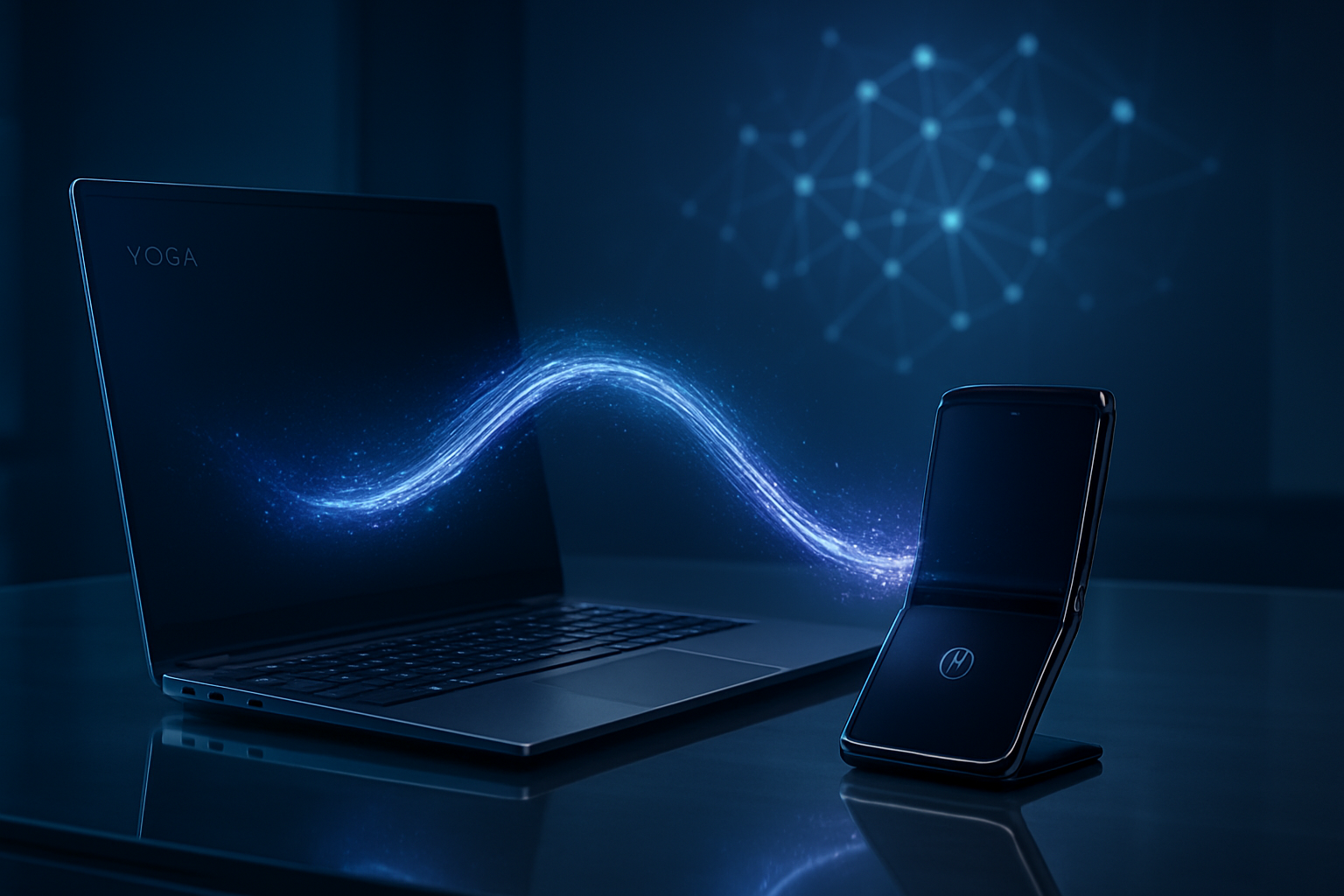
    At the 2026 Consumer Electronics Show (CES) in Las Vegas, Lenovo (HKG: 0992) has officially unveiled Qira, a groundbreaking "Personal Ambient Intelligence System" that promises to solve one of the most persistent friction points in modern computing: the lack of continuity between laptops and smartphones. By leveraging a hybrid architecture of local and cloud-based models, Qira (pronounced "keer-ah") creates a system-level intelligence layer that follows users seamlessly from their Lenovo Yoga or ThinkPad laptops to their Motorola mobile devices.

    The announcement marks a significant shift for Lenovo, moving the company from a hardware-centric manufacturer to a systems-intelligence architect. Unlike traditional AI chatbots that live inside specific applications, Qira is integrated at the operating system level, acting as a "Neural Thread" that synchronizes user context, files, and active workflows across the Windows and Android ecosystems. This development aims to provide the same level of deep integration found in the Apple (NASDAQ: AAPL) ecosystem but across a more diverse and open hardware landscape.

    The Architecture of Continuity: How Qira Redefines Hybrid AI

    Technically, Qira represents a sophisticated implementation of Hybrid AI. To ensure privacy and low latency, Lenovo utilizes Small Language Models (SLMs), such as Microsoft’s (NASDAQ: MSFT) Phi-4 mini, to run locally on the device’s Neural Processing Unit (NPU). For more complex reasoning tasks—such as drafting long-form reports or planning multi-stage travel itineraries—the system intelligently offloads processing to a "Neural Fabric" in the cloud. This orchestration happens invisibly to the user, with the system selecting the most efficient model based on the complexity of the task and the sensitivity of the data.

    The standout feature of this new system is the "Next Move" capability. By maintaining a "Fused Knowledge Base"—a secure, local index of a user’s documents, messages, and browsing history—Qira can anticipate user needs during device transitions. For example, if a user is researching market trends on their Motorola Razr during a commute, Qira will recognize the active session. The moment the user opens their Lenovo laptop, a "Next Move" prompt appears, offering to restore the exact workspace and even suggesting the next logical step, such as summarizing the researched articles into a draft document.

    To support these intensive AI operations, Lenovo has established a new hardware baseline. All Qira-enabled devices must feature NPUs capable of at least 40 Trillion Operations Per Second (TOPS). This requirement aligns with the latest silicon from Intel (NASDAQ: INTC), specifically the "Panther Lake" architecture, and Qualcomm (NASDAQ: QCOM) Snapdragon X2 chips. On the hardware interface side, Lenovo is introducing a dedicated "Qira Key" on its PC keyboards and a "Persistent Pill" dynamic UI element on Motorola smartphones to provide constant, glanceable access to the AI’s status.

    Shaking Up the Ecosystem: A New Challenge to the Walled Gardens

    Lenovo’s Qira launch is a direct shot across the bow of both Apple and Microsoft. While Apple Intelligence offers deep integration, it is famously restricted to the "walled garden" of iOS and macOS. Lenovo is positioning Qira as the "open" alternative, specifically targeting the millions of professionals who prefer Windows for productivity but rely on Android for mobile flexibility. By bridging these two massive ecosystems, Lenovo is creating a competitive advantage that Microsoft has struggled to achieve with its "Phone Link" software.

    For major AI labs and tech giants, Qira represents a shift toward agentic AI—systems that don't just answer questions but perform cross-platform actions. This puts pressure on Google (NASDAQ: GOOGL) to deepen its own Gemini integration within Android to match Lenovo’s system-level continuity. Furthermore, by partnering with Microsoft to run local models while building its own proprietary "Neural Thread," Lenovo is asserting its independence, ensuring it is not merely a reseller of Windows licenses but a provider of a unique, value-added intelligence layer.

    The Wider Significance: Toward Ambient Intelligence

    The introduction of Qira fits into a broader industry trend toward Ambient Intelligence, where technology recedes into the background and becomes a proactive assistant rather than a reactive tool. This marks a departure from the "chatbot era" of 2023-2024, moving toward a future where AI is aware of physical context and cross-device state. Qira’s ability to "remember" what you were doing on one device and apply it to another is a milestone in creating a truly personalized digital twin.

    However, this level of integration does not come without concerns. The "Fused Knowledge Base" requires access to vast amounts of personal data to function effectively. While Lenovo emphasizes that this data remains local and encrypted, the prospect of a system-level agent monitoring all user activity across multiple devices will likely invite scrutiny from privacy advocates and regulators. Compared to previous milestones like the launch of ChatGPT, Qira represents the move from AI as a "destination" to AI as the "connective tissue" of our digital lives.

    The Road Ahead: From Laptops to Wearables

    In the near term, we can expect Lenovo to expand Qira’s reach into its broader portfolio, including tablets and the newly teased "Project Maxwell"—a wearable AI companion designed to provide hands-free context about the user's physical environment. Industry experts predict that the next frontier for Qira will be "Multi-User Continuity," allowing teams to share AI-synchronized workspaces in real-time across different locations and hardware configurations.

    The primary challenge for Lenovo will be maintaining the performance of these local models as user demands grow. As SLMs become more capable, the strain on mobile NPUs will increase, potentially leading to a "silicon arms race" in the smartphone and laptop markets. Analysts expect that within the next 18 months, "AI continuity" will become a standard benchmark for all consumer electronics, forcing competitors to either adopt similar cross-OS standards or risk obsolescence.

    A New Era for the Personal Computer

    Lenovo’s Qira is more than just a new software feature; it is a fundamental reimagining of what a personal computer and a smartphone can be when they work as a single, unified brain. By focusing on the "Neural Thread" between devices, Lenovo has addressed the fragmentation that has plagued the Windows-Android relationship for over a decade.

    As we move through 2026, the success of Qira will be a bellwether for the entire industry. If Lenovo can prove that a cross-platform, system-level AI can provide a superior experience to the closed ecosystems of its rivals, it may well shift the balance of power in the tech world. For now, the tech community will be watching closely as the first Qira-enabled devices hit the market this spring, marking a definitive step toward the age of truly ambient, ubiquitous intelligence.


    This content is intended for informational purposes only and represents analysis of current AI developments.

    TokenRing AI delivers enterprise-grade solutions for multi-agent AI workflow orchestration, AI-powered development tools, and seamless remote collaboration platforms.
    For more information, visit https://www.tokenring.ai/.
  • The Invisible Guardian: University of Waterloo’s AI-Radar System Revolutionizes Proactive Health Monitoring

    The Invisible Guardian: University of Waterloo’s AI-Radar System Revolutionizes Proactive Health Monitoring

    The University of Waterloo has unveiled a groundbreaking AI-radar system poised to redefine remote health monitoring and early disease detection. This innovative, non-invasive technology tracks subtle changes in a patient's walk and other vital signs, offering an unprecedented "invisible safety net" for individuals, particularly in vulnerable populations and busy healthcare settings. By leveraging advanced radar and artificial intelligence, the system promises to shift healthcare from reactive treatment to proactive, personalized intervention, signaling a significant leap forward in AI's application to human well-being.

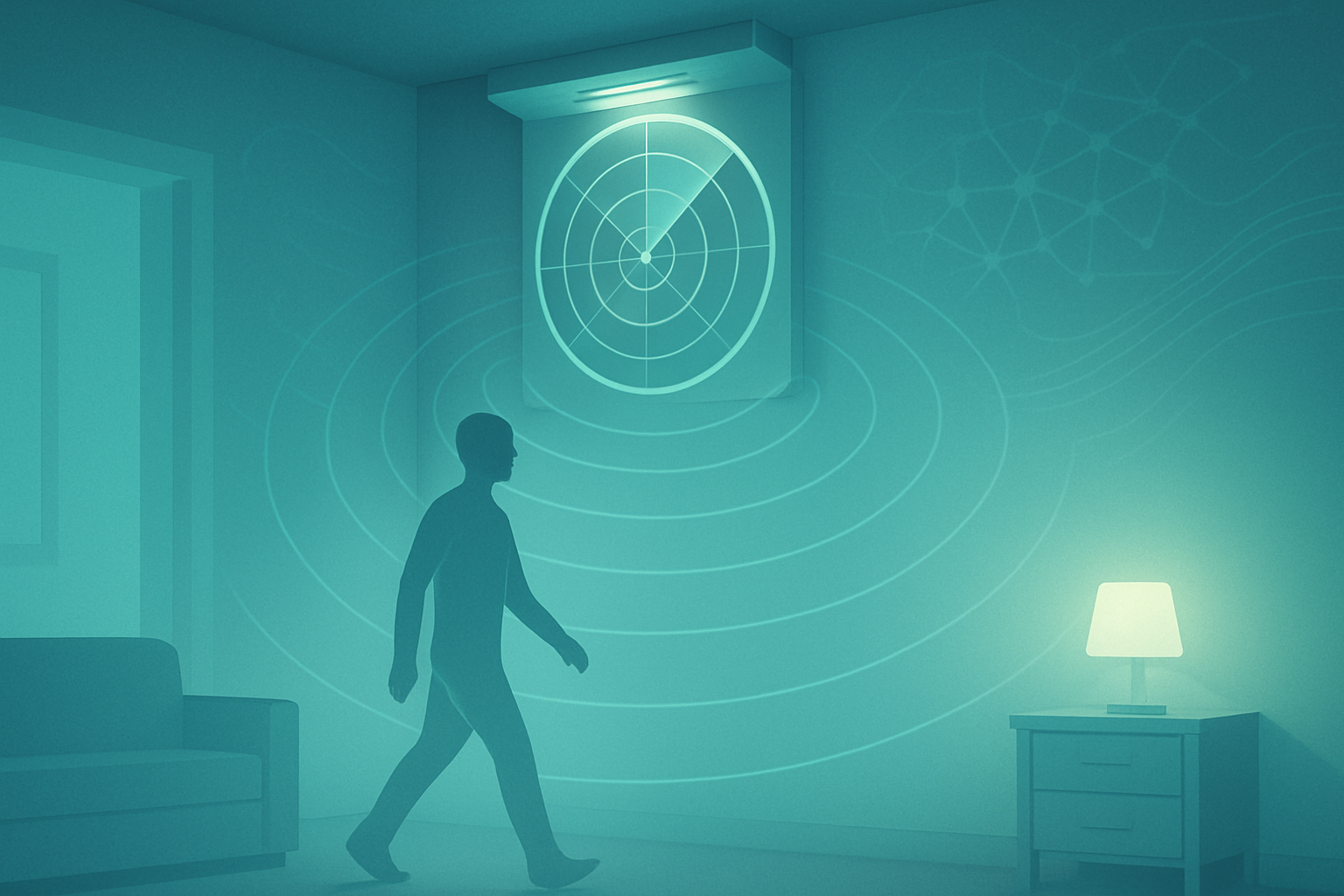
    At its core, this breakthrough represents a profound evolution in how we perceive and manage health. Gone are the days of cumbersome wearables or intrusive camera-based surveillance. Instead, a discreet, wall-mounted device, no larger than a deck of cards, silently monitors individuals, detecting minute physiological changes that can signal emerging health issues long before they become critical. This capability holds immediate and profound significance for an overburdened healthcare system, offering 24/7 monitoring and the potential to save lives through early detection and intervention.

    A New Era of Non-Invasive Diagnostics: How AI-Radar Works

    The University of Waterloo's AI-radar system is a marvel of engineering and artificial intelligence. It operates by emitting low-power radio waves that bounce off individuals, capturing these reflections with a sensitive sensor. These signals are then converted into "heatmaps" that illustrate movement. Proprietary AI algorithms are the true intelligence behind the system, meticulously processing these heatmaps to distinguish individuals, filter out environmental noise, and precisely track each person's trajectory over time. This allows for the accurate calculation of walking speed, a crucial "functional vital sign" whose subtle decline can indicate frailty and other health problems. Beyond gait, the system can also monitor other daily activities, constructing a comprehensive picture of an individual's mobility and behavior.

    The technical sophistication extends to various applications. For cardiac monitoring, the AI converts radar data into a unique heartbeat signature, trained to recognize deviations that might indicate elevated risks of serious cardiac events, such as changes in the corrected QTc interval. It also monitors heart rate variability with millisecond precision. For non-invasive glucose monitoring, machine learning algorithms analyze reflected radio waves, detecting changes based on over 500 wave features, continuously refining measurements. The radar devices themselves are highly miniaturized, ranging from "smaller than a USB thumb drive" for in-car health monitoring to a cellphone-sized box for unobtrusive heart monitoring, and the deck-of-cards-sized unit for gait analysis in care facilities. Accuracy has been impressive, with over 90% for vital signs monitoring during sleep and comparable results to medical-grade electrocardiograms (ECGs) for heart monitoring.

    This approach dramatically differs from previous health monitoring technologies. Unlike wearable devices, it requires no physical contact, eliminating discomfort, charging needs, and compliance issues. Crucially, it preserves privacy by detecting movement and physiological signals without capturing identifiable video footage, a key advantage over camera systems. Its multi-person capability allows for simultaneous monitoring in crowded environments, a challenge for traditional one-on-one methods. Initial reactions from the AI research community and industry have been overwhelmingly positive, with collaborations already underway with major players like Google (NASDAQ: GOOGL) and German hardware company Infineon (FSE: IFX). A startup, Gold Sentinel, has been launched to commercialize the gait monitoring system, underscoring the strong belief in its market potential.

    Reshaping the AI and Tech Landscape: A Competitive Edge

    The advent of the University of Waterloo's AI-radar system carries significant implications for AI companies, tech giants, and startups across multiple sectors. Automotive manufacturers like Tesla (NASDAQ: TSLA), General Motors (NYSE: GM), Ford (NYSE: F), Mercedes-Benz (ETR: MBG), and BMW (ETR: BMW) stand to benefit immensely by integrating this technology. It offers a powerful differentiator, transforming vehicles into "mobile medical hubs" capable of proactive driver and passenger health monitoring, thereby enhancing safety and well-being in an increasingly competitive market. This could lead to a new battleground for in-car experiences, with tech giants vying to offer the most comprehensive health-aware platforms.

    Health tech and wearable companies, while potentially facing a shift in some use cases, could also find new avenues for collaboration. Companies specializing in remote patient monitoring, telemedicine, and digital health platforms could partner with automotive and smart home providers to leverage the continuous, passive data stream. Startups focusing on AI-driven diagnostics and preventative healthcare will find fertile ground for innovation, utilizing this novel data source for more accurate and timely interventions. Even insurance companies might develop new, personalized models based on real-time health data that could predict medical emergencies.

    The technology poses a subtle disruption to traditional wearables for specific scenarios like in-car monitoring, where a non-contact solution offers superior convenience. However, it is more likely to complement than replace, serving different niches. Existing in-car safety systems, often reliant on driver alertness through eye-tracking, could be significantly enhanced by direct physiological monitoring. For major AI labs, this development emphasizes the growing importance of non-contact physiological monitoring and robust AI models capable of interpreting complex biological signals from radar data, potentially leading to new R&D focuses and intellectual property. The strategic advantage lies in its non-invasive convenience, proactive health capabilities, and the richness of continuous data for further AI development, offering a powerful competitive edge for early adopters.

    A Wider Lens: AI's March Towards Ambient Intelligence

    This AI-radar system fits perfectly within the broader AI landscape, embodying trends such as pervasive AI, edge computing, real-time data analysis, and human-centric ambient intelligence. By embedding AI-powered sensors into everyday environments, it moves beyond traditional AI applications to create an "invisible safety net" that proactively supports human well-being. This represents a significant evolution from earlier AI milestones, which often focused on processing digital data or required direct user interaction. The system's ability to interpret subtle, continuous, and often noisy signals from a non-invasive source showcases AI's growing capability to derive meaningful insights from complex, real-world data.

    The societal and healthcare impacts are profound. Beyond in-vehicle monitoring, the technology can transform long-term care facilities, providing continuous gait analysis to prevent falls and track mobility decline. It offers a new paradigm for cardiac health monitoring, potentially identifying risks before symptoms manifest. The vision of non-invasive glucose monitoring, miniaturized into a smartwatch, promises to liberate millions from daily finger pricks. This shift towards proactive, personalized healthcare could drastically reduce hospital visits, improve patient outcomes, and alleviate pressure on healthcare systems.

    However, such pervasive monitoring technologies also bring critical concerns. Privacy is paramount; even without visual data, continuous monitoring of vital signs and movements can be perceived as intrusive, and AI can infer highly sensitive information from seemingly innocuous data. Data security is another major challenge, as health data is a prime target for cyberattacks, and even encrypted communications can leak inferential privacy. Ethical frameworks and robust regulatory guidelines will be essential to ensure responsible deployment, address potential biases in AI models, and prevent over-reliance on automated systems. This development, while revolutionary, underscores the ongoing need for careful consideration of privacy, security, and ethical implications as AI becomes increasingly integrated into our daily lives.

    The Horizon: From Smart Cars to Ubiquitous Health Guardians

    The future developments for the University of Waterloo's AI-radar system are ambitious and transformative. In the near term, researchers are focused on refining prototypes, expanding testing to diverse populations and cardiovascular conditions, and enhancing the driver health monitoring system to generate comprehensive medical reports and facilitate emergency communication. For non-invasive glucose monitoring, the goal is to precisely quantify glucose levels through the skin and miniaturize the radar device for integration into a low-cost, low-power smartwatch.

    The long-term vision paints a picture of ubiquitous health monitoring. Cars are envisioned as fully integrated "mobile medical hubs," continuously monitoring the health of all occupants. Smart homes will feature radar sensors embedded in furniture, silently tracking heart activity, stress, and fatigue. In healthcare facilities, the AI-radar system will evolve into an "invisible safety net," monitoring the full spectrum of mobility and behavioral changes to proactively alert caregivers. Beyond glucose, the non-invasive system is expected to track a broader range of health indicators, including blood pressure. Potential applications extend to critical care units for remote patient monitoring, child monitoring, and sophisticated early warning systems for various health events.

    Challenges remain, primarily in achieving medical-grade accuracy for a wider range of health parameters, further miniaturization and power efficiency, and refining AI algorithms to filter out complex environmental noise. Commercialization and regulatory hurdles also need to be navigated. However, experts are highly optimistic. Dr. George Shaker, a lead researcher, predicts radar sensors will become as commonplace in smart homes and vehicles as seatbelts or airbags, transforming cars into future medical hubs. He hopes a wearable non-invasive glucose monitoring device could be on the market within the next five years, emphasizing the technology's "enormous potential to save lives" if widely adopted. The overarching prediction is a fundamental shift in health monitoring from invasive to seamless, non-contact, and proactive methods.

    A New Chapter in AI's Health Revolution

    The University of Waterloo's AI-radar system marks a pivotal moment in the ongoing AI health revolution. Its core innovation lies in providing continuous, non-invasive, and privacy-preserving health monitoring, offering an "invisible safety net" that can detect subtle health changes long before they escalate. This breakthrough stands as a testament to AI's power to move beyond reactive analysis to proactive, predictive intervention, fundamentally transforming preventive medicine and personalized healthcare.

    This development's significance in AI history is profound, representing a leap towards truly ambient intelligence where technology seamlessly integrates into our environment to support human well-being. The long-term impact promises safer transportation, smarter homes, and a healthcare system better equipped for early detection and personalized care. However, as this powerful technology becomes more pervasive, ongoing vigilance regarding data privacy, security, and ethical deployment will be crucial.

    In the coming weeks and months, keep a close watch for further clinical validation results, particularly expanded trials in diverse real-world settings. Announcements regarding commercialization partnerships with major automotive, health tech, and smart home companies will be key indicators of market adoption. Additionally, observe the evolving regulatory landscape as governments grapple with establishing standards for these innovative, sensitive technologies. The University of Waterloo's AI-radar system is not just a technological advancement; it's a blueprint for a healthier, more proactively monitored future, powered by the quiet vigilance of artificial intelligence.

    This content is intended for informational purposes only and represents analysis of current AI developments.

    TokenRing AI delivers enterprise-grade solutions for multi-agent AI workflow orchestration, AI-powered development tools, and seamless remote collaboration platforms.
    For more information, visit https://www.tokenring.ai/.