
Tag: Artificial Intelligence

  • OpenAI’s Grand Vision: Integrating AI as a Universal Utility for Human Augmentation

    OpenAI’s Grand Vision: Integrating AI as a Universal Utility for Human Augmentation

    OpenAI, a leading force in artificial intelligence research and development, is charting a course far beyond the creation of isolated AI applications. The company envisions a future where AI is not merely a tool but a foundational utility, seamlessly interwoven into the fabric of daily life, much like electricity or clean water. This ambitious outlook, championed by CEO Sam Altman, centers on the development of Artificial General Intelligence (AGI) and even superintelligence, with the ultimate goal of augmenting human capabilities across all facets of existence. The immediate significance of this vision is already palpable, as current AI models are rapidly transforming work and personal life, setting the stage for an era where intelligent systems act as pervasive cognitive partners.

    This transformative perspective posits AI as an enhancer of human potential, rather than a replacement. OpenAI's philosophy emphasizes safety, ethical development, and broad societal benefit, aiming to ensure that advanced AI empowers individuals, fosters creativity, and solves complex global challenges. The company's ongoing efforts to scale, refine, and deploy foundational models, alongside exploring AI-native products and agentic AI, underscore a commitment to making this future a present reality, necessitating a proactive approach to responsible deployment and governance.

    The Technical Blueprint: From Conversational AI to Cognitive Partners

    OpenAI's technical strategy for pervasive AI integration is a multi-pronged approach, moving beyond mere conversational agents to embed AI deeply into everyday interactions. At its core, this involves developing highly capable, multimodal, and efficient AI models, coupled with an API-first deployment strategy and a burgeoning interest in dedicated hardware solutions. The company's vision is to create a "suite of superpowers" that fundamentally redefines how humans interact with technology and the world.

    Recent advancements underscore this ambition. Models like GPT-4o ("omni" for multimodal) and the newer GPT-5 series represent significant leaps, capable of processing and generating content across text, audio, images, and video. GPT-4o, released in May 2024, can seamlessly act as a real-time translator or math tutor, demonstrating a fluidity in human-computer interaction previously unseen. The even more advanced GPT-5, launched in August 2025, is natively multimodal, trained from scratch on diverse data types simultaneously, leading to superior reasoning capabilities across modalities. This shift from solely scaling models to emphasizing reasoning and efficiency is also evident in approaches like "test-time compute" (seen in models like 'o1' and GPT-5.1), which allows for real-time evaluation of solutions, mimicking human-like problem-solving.

    This strategy diverges significantly from previous AI paradigms. While earlier AI focused on specialized tasks or siloed applications, OpenAI aims for deep, ubiquitous integration via robust APIs that allow developers to embed advanced AI into countless applications. Furthermore, their foray into consumer hardware, notably the acquisition of Jony Ive's AI device startup io and commissioning custom AI processors from Broadcom (NASDAQ: AVGO), signals a unique move to integrate AI directly into physical, contextually aware devices. These pocket-sized, screenless gadgets, designed to augment rather than replace existing tech, represent a profound departure from software-centric AI development. The AI research community and industry experts have met these developments with a mixture of awe and caution. While acknowledging the revolutionary capabilities of models like GPT-4o and GPT-5, concerns persist regarding AI safety, ethical implications, potential for misinformation, and job displacement. The intense competition from rivals like Alphabet (NASDAQ: GOOGL) (with Gemini) and Anthropic (with Claude) further highlights the critical balance OpenAI must strike between rapid innovation and responsible development.

    Competitive Landscape: Shifting Tides for Tech Giants and Startups

    OpenAI's audacious vision for ubiquitous AI integration is fundamentally reshaping the competitive landscape across the technology sector, creating both immense opportunities and significant challenges for established tech giants and agile startups alike. The drive to embed AI seamlessly into every facet of daily life has intensified the race to control the "agentic layer"—the primary interface through which humans will interact with digital services.

    Tech giants are responding with a mix of deep partnerships and aggressive internal development. Microsoft (NASDAQ: MSFT), a major investor in OpenAI, has deeply integrated its models into Azure services and Microsoft 365 through Copilot, aiming to be the premier platform for AI-powered business solutions. Alphabet (NASDAQ: GOOGL), initially caught off guard, has accelerated its own advanced AI, Gemini, leveraging its vast data and Android ecosystem to ensure widespread AI exposure. Apple (NASDAQ: AAPL) has forged a "discreet yet powerful" partnership with OpenAI, integrating ChatGPT into iOS 18 to enhance "Apple Intelligence" across its devices, providing OpenAI access to a massive consumer base. Meanwhile, Oracle (NYSE: ORCL) is integrating OpenAI models into its cloud infrastructure, and Amazon (NASDAQ: AMZN) continues to compete through its Bedrock platform and investments in Anthropic. This fierce competition extends to securing massive compute resources, with OpenAI reportedly making colossal infrastructure commitments to partners like Samsung and SK, and NVIDIA (NASDAQ: NVDA) benefiting as the leading AI chip provider.

    For startups, OpenAI's vision presents a double-edged sword. On one hand, accessible APIs and tools lower the barrier to entry, enabling rapid prototyping and reduced development costs. OpenAI actively supports early-stage companies through its $100 million Startup Fund and accelerator programs. On the other hand, the "winner-takes-all" dynamic in foundational models means startups must find niche markets and build highly differentiated, scalable platforms. The commoditization of basic AI execution necessitates a focus on unique value propositions and strong brand positioning to stand out amidst the giants. This era is poised to disrupt numerous existing products and services. AI-powered browsers like OpenAI's Atlas and Perplexity AI's Comet threaten traditional search engines by offering direct answers and multi-step task completion. Productivity suites face disruption as AI agents automate report generation, spreadsheet manipulation, and presentation creation. Customer service, digital marketing, content creation, and even industry-specific software are being transformed by increasingly capable AI, leading to a scramble for strategic advantages rooted in ecosystem control, infrastructure ownership, and the ability to attract top AI talent.

    Broader Implications: Reshaping Society and Economy

    OpenAI's unwavering vision for ubiquitous AI integration, particularly its relentless pursuit of Artificial General Intelligence (AGI), represents a profound and potentially transformative shift in the technological landscape, aiming to embed AI into nearly every facet of human existence. This ambition extends far beyond specific applications, positioning AI as a foundational utility that will redefine society, the economy, and human capabilities.

    This fits squarely within the broader AI landscape's long-term trend towards more generalized and autonomous intelligence. While much of the recent AI revolution has focused on "narrow AI" excelling in specific tasks, OpenAI is at the forefront of the race for AGI—systems capable of human-level cognitive abilities across diverse domains. Many experts predict AGI could arrive within the next five years, signaling an unprecedented acceleration in AI capabilities. OpenAI's strategy, with its comprehensive integration plans and massive infrastructure investments, reflects a belief that AGI will not just be a tool but a foundational layer of future technology, akin to electricity or the internet.

    The societal impacts are immense. Ubiquitous AI promises enhanced productivity, an improved quality of life, and greater efficiency across healthcare, education, and climate modeling. AI could automate repetitive jobs, freeing humans for more creative and strategic pursuits. However, this pervasive integration also raises critical concerns regarding privacy, ethical decision-making, and potential societal biases. AI systems trained on vast internet datasets risk perpetuating and amplifying existing stereotypes. The economic impacts are equally profound, with AI projected to add trillions to the global GDP by 2030, driven by increased labor productivity and the creation of new industries. Yet, this transformation carries the risk of widespread job displacement, with estimates suggesting AI could automate 50-70% of existing jobs by 2040, exacerbating wealth inequality and potentially leading to social instability.

    In terms of human capabilities, OpenAI envisions AGI as a "force multiplier for human ingenuity and creativity," augmenting intelligence and improving decision-making. However, concerns exist about potential over-reliance on AI diminishing critical thinking and independent decision-making. The ethical considerations are multifaceted, encompassing bias, transparency, accountability, and the "black box" nature of complex AI. Safety and security concerns are also paramount, including the potential for AI misuse (disinformation, deepfakes) and, at the extreme, the loss of human control over highly autonomous systems. OpenAI acknowledges these "catastrophic risks" and has developed frameworks like its "Preparedness Framework" to mitigate them. This pursuit of AGI represents a paradigm shift far exceeding previous AI milestones like early expert systems, the machine learning revolution, or even the deep learning breakthroughs of the last decade. It signifies a potential move from specialized tools to a pervasive, adaptable intelligence that could fundamentally alter human society and the very definition of human capabilities.

    The Road Ahead: Anticipating Future Developments

    OpenAI's ambitious trajectory towards ubiquitous AI integration promises a future where artificial intelligence is not merely a tool but a foundational, collaborative partner, potentially serving as the operating system for future computing. This journey is characterized by a relentless pursuit of AGI and its seamless embedding into every facet of human activity.

    In the near term (1-3 years), significant advancements are expected in autonomous AI agents. OpenAI CEO Sam Altman predicts that by 2025, AI agents will "join the workforce," fundamentally altering company output by performing complex tasks like web browsing, code execution, project management, and research without direct human supervision. OpenAI's "Operator" agent mode within ChatGPT is an early manifestation of this. Enhanced multimodal capabilities will continue to evolve, offering sophisticated video understanding, real-time context-aware audio translation, and advanced spatial reasoning. Future models are also expected to incorporate hybrid reasoning engines and persistent context memory, allowing for long-term learning and personalized interactions. OpenAI is aggressively expanding its enterprise focus, with the Apps SDK enabling ChatGPT to integrate with a wide array of third-party applications, signaling a strategic shift towards broader business adoption. This will be underpinned by massive infrastructure build-outs, including custom hardware partnerships with companies like Broadcom, NVIDIA, and AMD, and next-generation data centers through initiatives like "Project Stargate."

    Looking further ahead (5+ years), the attainment of AGI remains OpenAI's foundational mission. CEOs of OpenAI, Alphabet's DeepMind, and Anthropic collectively predict AGI's arrival within the next five years, by 2029 at the latest. The impact of superhuman AI within the next decade is expected to be enormous, potentially exceeding that of the Industrial Revolution. OpenAI anticipates having systems capable of making significant scientific discoveries by 2028 and beyond, accelerating progress in fields like biology, medicine, and climate modeling. The long-term vision includes AI becoming the core "operating system layer" for future computing, providing ubiquitous AI subscriptions and leading to a "widely-distributed abundance" where personalized AI enhances human lives significantly. Generative AI is also expected to shift to billions of edge devices, creating pervasive assistants and creators.

    However, the path to ubiquitous AI is fraught with challenges. Ethical and safety concerns, including the potential for misinformation, deepfakes, and the misuse of generative AI, remain paramount. Job displacement and economic transition due to AI automation will necessitate "changes to the social contract." Transparency and trust issues, exacerbated by OpenAI's growing commercial focus, require continuous attention. Technical hurdles for deploying state-of-the-art generative models on edge devices, along with astronomical infrastructure costs and scalability, pose significant financial and engineering challenges. Experts predict a rapid workforce transformation, with AI acting as a "multiplier of effort" but also posing an "existential threat" to companies failing to adapt. While some experts are optimistic, others, though a minority, warn of extreme existential risks if superintelligent AI becomes uncontrollable.

    Final Assessment: A New Era of Intelligence

    OpenAI's unwavering vision for ubiquitous AI integration, centered on the development of Artificial General Intelligence (AGI), marks a pivotal moment in AI history. The company's mission to ensure AGI benefits all of humanity drives its research, product development, and ethical frameworks, fundamentally reshaping our understanding of AI's role in society.

    The key takeaways from OpenAI's strategy are clear: a commitment to human-centric AGI that is safe and aligned with human values, a dedication to democratizing and broadly distributing AI's benefits, and an anticipation of transformative economic and societal impacts. This includes the proliferation of multimodal and agentic AI, capable of seamless interaction across text, audio, and vision, and the emergence of "personal AI agents" that can perform complex tasks autonomously. OpenAI's journey from a non-profit to a "capped-profit" entity, backed by substantial investment from Microsoft (NASDAQ: MSFT), has not only pushed technical boundaries but also ignited widespread public engagement and accelerated global conversations around AI's potential and perils. Its unique charter pledge, even to assist competing AGI projects if they are closer to beneficial AGI, underscores a novel approach to responsible technological advancement.

    The long-term impact of this ubiquitous AI vision could be revolutionary, ushering in an era of unprecedented human flourishing. AGI has the potential to solve complex global challenges in health, climate, and education, while redefining work and human purpose by shifting focus from mundane tasks to creative and strategic endeavors. However, this future is fraught with profound challenges. The economic transition, with potential job displacement, will necessitate careful societal planning and a re-evaluation of fundamental socioeconomic contracts. Ethical concerns surrounding bias, misuse, and the concentration of power will demand robust global governance frameworks and continuous vigilance. Maintaining public trust through transparent and ethical practices will be crucial for the long-term success and acceptance of ubiquitous AI. The vision of AI transitioning from a mere tool to a collaborative partner and even autonomous agent suggests a fundamental re-shaping of human-technology interaction, demanding thoughtful adaptation and proactive policy-making.

    In the coming weeks and months, the AI landscape will continue to accelerate. All eyes will be on OpenAI for the rumored GPT-5.2 release, potentially around December 9, 2025, which is expected to significantly enhance ChatGPT's performance, speed, and customizability in response to competitive pressures from rivals like Alphabet's (NASDAQ: GOOGL) Gemini 3. Further advancements in multimodal capabilities, enterprise AI solutions, and the development of more sophisticated autonomous AI agents are also anticipated. Any updates regarding OpenAI's reported venture into designing its own AI chips and developments in its safety and ethical frameworks will be critical to watch. The coming period is poised to be one of intense innovation and strategic maneuvering in the AI space, with OpenAI's developments continuing to shape the global trajectory of artificial intelligence.


    This content is intended for informational purposes only and represents analysis of current AI developments.

    TokenRing AI delivers enterprise-grade solutions for multi-agent AI workflow orchestration, AI-powered development tools, and seamless remote collaboration platforms.
    For more information, visit https://www.tokenring.ai/.

  • Nashville’s New Duet: Country Songwriters Wrestle with AI’s Double-Edged Sword

    Nashville’s New Duet: Country Songwriters Wrestle with AI’s Double-Edged Sword

    Nashville, the undisputed heart of country music, is currently experiencing a seismic shift in its creative landscape, as artificial intelligence (AI) increasingly weaves its way into the songwriting process. This evolving relationship is a complex blend of cautious adoption and determined resistance, with country songwriters finding themselves at a critical juncture where AI offers both unprecedented opportunities for efficiency and daunting threats to authenticity and intellectual property. The immediate significance of this trend cannot be overstated: it is reshaping the economics of music creation, challenging established notions of artistry, and forcing a genre deeply rooted in human storytelling to confront its digital future.

    The integration of AI tools, from sophisticated lyric generators to full-fledged demo production platforms, is becoming ubiquitous among producers and songwriters in Music City. While some embrace AI as a powerful co-writer and a cost-saving solution for rapid prototyping, others view it as a direct assault on the irreplaceable human element and the very soul of country music. This dichotomy highlights a pivotal moment for the industry, where the promise of technological advancement clashes with profound concerns over genuine emotion, job security for human creatives, and the ethical implications of machine-generated art.

    The Algorithmic Muse: Deep Dive into AI's Technical Impact on Songwriting

    The technical advancements driving AI's presence in country music are multifaceted, primarily focusing on accelerating and diversifying the creative process. Specific AI tools, such as Suno and Udio, are at the forefront, capable of generating entire song demos—complete with lyrics, melodies, backup vocals, and instrumental arrangements—in mere seconds. This capability stands in stark contrast to traditional demo production, which often involves significant time and and financial investment in studio musicians, engineers, and vocalists. For publishers like Eric Olson, these AI platforms serve as an "unlimited co-writer," enabling rapid iteration and exploration of song ideas without the complexities of clearances or high production costs.

    These AI models are typically trained on vast datasets of existing music, learning patterns in melody, harmony, rhythm, and lyrical structures. This allows them to generate new content that adheres to specific genre conventions, such as "bro country" or "alt-country," or even to cross-pollinate genres, remixing a country tune into a hip-hop style. The technical capability lies in their ability to analyze and synthesize, rather than truly "create" in the human sense. This differs from previous approaches primarily in its speed, accessibility, and the completeness of the output. Earlier music AI tools might have assisted with individual elements like chord progressions or drum patterns, but modern generative AI can produce a near-finished product from a simple text prompt. Initial reactions from the AI research community often highlight the impressive technical feat of these models, while industry experts in music grapple with the ethical implications of training on copyrighted material and the potential for "machine plagiarism."

    The core technical specification involves sophisticated deep learning architectures, often transformer models, which excel at processing sequential data like text and audio. These models learn to predict the next element in a sequence, whether it's the next word in a lyric or the next note in a melody, based on the patterns observed in their training data. While impressive, a key limitation is their reliance on existing data; they can mimic and combine, but the capacity for true innovation or conveying genuine human experience remains a significant challenge. This technical foundation underpins both the allure of AI as a creative assistant and the deep-seated concerns about its ability to replicate the "imperfect" human touch and authentic storytelling that are hallmarks of country music.

    Corporate Crescendo: How AI is Reshaping the Music Industry's Business Landscape

    The emergence of AI in country music and the broader music industry has significant implications for AI companies, tech giants, and startups alike. Companies developing generative AI music platforms, such as Suno and Udio, stand to benefit immensely from the increased adoption by songwriters and producers seeking efficiency and creative inspiration. These startups are carving out a new niche in the creative software market, offering tools that democratize access to high-quality demo production and creative brainstorming, potentially disrupting traditional studio models. Their market positioning is centered on providing accessible, rapid, and cost-effective solutions for music creation.

    However, the competitive implications extend to major record labels like Sony Music (NYSE: SONY), Universal Music Group (UMG), and Warner Music Group (NASDAQ: WMG). Initially, these tech giants have taken a combative stance, initiating lawsuits against AI music companies for copyright infringement, arguing that their models are trained on vast amounts of copyrighted music without permission or compensation. This legal battle is crucial for determining the future revenue streams and intellectual property rights in an AI-driven music landscape. Simultaneously, some labels are shifting towards negotiating licensing agreements with AI platforms, indicating a strategic move to regulate and monetize AI's use of their catalogs, rather than outright blocking it. This suggests a potential future where tech giants might partner with or acquire AI music startups to integrate these capabilities into their own ecosystems, offering new services to their artists and expanding their digital footprint.

    The potential disruption to existing products and services is substantial. Session musicians, producers, and recording studios, whose livelihoods often depend on demo work, face the prospect of reduced demand as AI tools become more sophisticated and affordable. This creates a strategic advantage for companies that can adapt by integrating AI into their workflows or by offering specialized human-centric services that AI cannot replicate. Furthermore, the ability of AI to quickly remix songs into various styles offers new avenues for marketing and audience engagement, potentially impacting music distribution platforms and streaming services by increasing the volume and diversity of available content. The market positioning of all players—from AI developers to music publishers and labels—is in flux, as they navigate a landscape where creative output can be generated at unprecedented speed and scale.

    The Broader Harmony: AI's Wider Significance in the Creative Landscape

    The integration of AI into country music songwriting is a microcosm of a much larger trend sweeping across the entire creative landscape. This development fits squarely into the broader AI narrative of leveraging machine learning to augment human capabilities, automate repetitive tasks, and generate novel content. It highlights the accelerating pace of AI's foray into domains traditionally considered exclusive to human creativity, from visual arts to literature and now, profoundly, to music. This moment is significant as it challenges the very definition of creativity and authorship in the digital age.

    The impacts are far-reaching. On one hand, AI offers unprecedented tools for creative exploration, allowing artists to experiment with genres, arrangements, and lyrical themes with remarkable speed and efficiency. This could democratize music creation, lowering barriers to entry for aspiring songwriters and independent artists. On the other hand, the potential concerns are profound. The most pressing is the issue of intellectual property and "machine plagiarism." When AI models are trained on existing copyrighted works, and then generate new content that mimics or is derivative of those works, questions of ownership, attribution, and fair compensation become critical. The case of "Walk My Walk," an AI-generated song mimicking Blanco Brown's vocal style, which topped Billboard's Country Digital Song Sales chart, underscored the urgent need for clear legal frameworks and ethical guidelines.

    This situation also raises deep philosophical questions about authenticity and the human element in art. Country music, in particular, thrives on genuine emotion, personal storytelling, and the unique imperfections of human performance. Many artists, including Darius Rucker and Trannie Anderson, voice concerns that AI lacks the capacity to convey true feeling or the "Holy Spirit" inherent in human creation. This debate is comparable to previous AI milestones where machines began to outperform humans in complex tasks like chess or Go, but here, the challenge is to the very essence of human expressive capability. The environmental cost of running powerful AI models also adds another layer of concern to this evolving landscape.

    Future Rhythms: Anticipating AI's Next Notes in Music

    Looking ahead, the relationship between AI and the music industry, particularly in country songwriting, is poised for continuous evolution, presenting both exciting prospects and persistent challenges. In the near term, we can expect to see further refinement of AI tools, making them even more intuitive and capable of generating nuanced, genre-specific content. This will likely include more sophisticated lyric generation that understands narrative arcs and emotional depth, as well as AI models that can mimic specific vocal styles or instrumental techniques with greater fidelity, provided legal and ethical boundaries are established. The focus will likely shift from basic demo creation to more advanced co-creation, where AI acts as a truly intelligent assistant, offering suggestions and variations that genuinely inspire human songwriters.

    Potential applications on the horizon include personalized music creation for individual listeners, where AI could generate unique soundtracks based on mood, activity, or even biometric data. We might also see AI playing a larger role in music discovery and curation, not just recommending existing tracks but dynamically generating new ones tailored to individual tastes. Furthermore, AI could become instrumental in identifying emerging trends in music, helping artists and labels stay ahead of the curve.

    However, significant challenges need to be addressed. The most critical remains the establishment of robust legal and ethical frameworks around intellectual property, compensation for artists whose work trains AI, and clear labeling for AI-generated content. Without these, the industry risks undermining the livelihoods of human creatives and devaluing artistic originality. Experts predict that the coming years will be marked by ongoing legal battles and a push for legislative action to define the boundaries of AI in creative fields. There will also be an increased emphasis on hybrid approaches, where human creativity is augmented, not replaced, by AI. What experts predict is a future where AI becomes an indispensable tool in the musician's arsenal, but one that operates under a clear set of rules designed to protect and elevate human artistry.

    Final Cadence: A Defining Moment for Art and Algorithm

    The evolving relationship between AI and the country music industry represents a pivotal chapter in the broader narrative of artificial intelligence's impact on human creativity. The key takeaways from this dynamic interplay are clear: AI offers unparalleled efficiency and new avenues for creative exploration, rapidly transforming the initial stages of songwriting and production. Yet, it simultaneously presents profound ethical, legal, and artistic challenges, particularly concerning intellectual property, the authenticity of human emotion in art, and the economic viability of human creatives.

    This development holds immense significance in AI history, marking a critical moment where advanced algorithms are not just performing tasks but actively participating in the creation of art, a domain once thought exclusively human. It underscores the urgent need for society to define the boundaries of AI's role in creative endeavors and to establish frameworks that ensure fair compensation and protection for human artists. The industry is currently grappling with how to reconcile technological progress with the preservation of artistic integrity and the irreplaceable human soul that defines genres like country music.

    In the coming weeks and months, the music world will be watching closely for several key developments. Expect continued legal battles between record labels and AI music companies, which will likely set precedents for intellectual property rights. Look for legislative efforts to introduce regulations around AI-generated content and artist compensation. Furthermore, observe how major tech companies and music industry players adapt their strategies, potentially forging new partnerships or developing their own AI-powered tools. The ultimate outcome will likely be a hybrid future, where AI serves as a powerful instrument in the creative symphony, but one that must always be guided by the hands and hearts of human artists.


    This content is intended for informational purposes only and represents analysis of current AI developments.

    TokenRing AI delivers enterprise-grade solutions for multi-agent AI workflow orchestration, AI-powered development tools, and seamless remote collaboration platforms.
    For more information, visit https://www.tokenring.ai/.

  • Z.ai Unveils GLM-4.6V (108B): A Multimodal Leap Forward for AI Agents

    Z.ai Unveils GLM-4.6V (108B): A Multimodal Leap Forward for AI Agents

    The artificial intelligence landscape is witnessing a significant stride with the release of the GLM-4.6V (108B) model by Z.ai (formerly known as Zhipu AI), unveiled on December 8, 2025. This open-source, multimodal AI is set to redefine how AI agents perceive and interact with complex information, integrating both text and visual inputs more seamlessly than ever before. Its immediate significance lies in its advanced capabilities for native multimodal function calling and state-of-the-art visual understanding, promising to bridge the gap between visual perception and executable action in real-world applications.

    This latest iteration in the GLM series represents a crucial step toward more integrated and intelligent AI systems. By enabling AI to directly process and act upon visual information in conjunction with linguistic understanding, GLM-4.6V (108B) positions itself as a pragmatic tool for advanced agent frameworks and sophisticated business applications, fostering a new era of AI-driven automation and interaction.

    Technical Deep Dive: Bridging Perception and Action

    The GLM-4.6V (108B) model is a cornerstone of multimodal large language models, engineered to unify visual perception with executable actions for AI agents. Developed by Z.ai, it is part of the GLM-4.6V series, which also includes a lightweight GLM-4.6V-Flash (9B) version optimized for local deployment and low-latency applications. The foundation model, GLM-4.6V (108B), is designed for cloud and high-performance cluster scenarios.

    A pivotal innovation is its native multimodal function calling capability, which allows direct processing of visual inputs—such as images, screenshots, and document pages—as tool inputs without prior text conversion. Crucially, the model can also interpret visual outputs like charts or search images within its reasoning processes, effectively closing the loop from visual understanding to actionable execution. This capability provides a unified technical foundation for sophisticated multimodal agents. Furthermore, GLM-4.6V supports interleaved image-text content generation, enabling high-quality mixed-media creation from complex multimodal inputs, and boasts a context window scaled to 128,000 tokens for comprehensive multimodal document understanding. It can reconstruct pixel-accurate HTML/CSS from UI screenshots and facilitate natural-language-driven visual edits, achieving State-of-the-Art (SoTA) performance in visual understanding among models of comparable scale.

    This approach significantly differs from previous models that often relied on converting visual information into text before processing or lacked seamless integration with external tools. By allowing direct visual inputs to drive tool use, GLM-4.6V enhances the capability of AI agents to interact with the real world. Initial reactions from the AI community have been largely positive, with excitement around its multimodal features and agentic potential. While some independent reviews for the related GLM-4.6 (text-focused) model have hailed it as a "best Coding LLM" and praised its cost-effectiveness, suggesting a strong overall perception of the GLM-4.6 family's quality, some experts note that for highly complex application architecture and multi-turn debugging, models like Claude Sonnet 4.5 from Anthropic still offer advantages. Z.ai's commitment to transparency, evidenced by the open-source nature of previous GLM-4.x models, is also well-received.

    Industry Ripple Effects: Reshaping the AI Competitive Landscape

    The release of GLM-4.6V (108B) by Z.ai (Zhipu AI) intensifies the competitive landscape for major AI labs and tech giants, while simultaneously offering immense opportunities for startups. Its advanced multimodal capabilities will accelerate the creation of more sophisticated AI applications across the board.

    Companies specializing in AI development and application stand to benefit significantly. They can leverage GLM-4.6V's high performance in visual understanding, function calling, and content generation to enhance existing products or develop entirely new ones requiring complex perception and reasoning. The potential open-source nature or API accessibility of such a high-performing model could lower development costs and timelines, fostering innovation across the industry. However, this also raises the bar for what is considered standard capability, compelling all AI companies to constantly adapt and differentiate. For tech giants like Alphabet (NASDAQ: GOOGL), Microsoft (NASDAQ: MSFT), Amazon (NASDAQ: AMZN), and Meta Platforms (NASDAQ: META), GLM-4.6V directly challenges their proprietary offerings such as Google DeepMind's Gemini and OpenAI's GPT-4o. Z.ai is positioning its GLM models as global leaders, necessitating accelerated R&D in multimodal and agentic AI from these incumbents to maintain market dominance. Strategic responses may include further enhancing proprietary models, focusing on unique ecosystem integrations, or even potentially offering Z.ai's models via their cloud platforms.

    For startups, GLM-4.6V presents a dual-edged sword. On one hand, it democratizes access to state-of-the-art AI, allowing them to build powerful applications without the prohibitive costs of training a model from scratch. This enables specialization in niche markets, where startups can fine-tune GLM-4.6V with proprietary data to create highly differentiated products in areas like legal tech, healthcare, or UI/UX design. On the other hand, differentiation becomes crucial as many startups might use the same foundation model. They face competition from tech giants who can rapidly integrate similar capabilities into their broad product suites. Nevertheless, agile startups with deep domain expertise and a focus on exceptional user experience can carve out significant market positions. The model's capabilities are poised to disrupt content creation, document processing, software development (especially UI/UX), customer service, and even autonomous systems, by enabling more intelligent agents that can understand and act upon visual information.

    Broader Horizons: GLM-4.6V's Place in the Evolving AI Ecosystem

    The release of GLM-4.6V (108B) on December 8, 2025, is a pivotal moment that aligns with and significantly propels several key trends in the broader AI landscape. It underscores the accelerating shift towards truly multimodal AI, where systems seamlessly integrate visual perception with language processing, moving beyond text-only interactions to understand and interact with the world in a more holistic manner. This development is a clear indicator of the industry's drive towards creating more capable and autonomous AI agents, as evidenced by its native multimodal function calling capabilities that bridge "visual perception" with "executable action."

    The impacts of GLM-4.6V are far-reaching. It promises enhanced multimodal agents capable of performing complex tasks in business scenarios by perceiving, understanding, and interacting with visual information. Advanced document understanding will revolutionize industries dealing with image-heavy reports, contracts, and scientific papers, as the model can directly interpret richly formatted pages as images, understanding text, layout, charts, and figures simultaneously. Its ability to generate interleaved image-text content and perform frontend replication and visual editing could streamline content creation, UI/UX development, and even software prototyping. However, concerns persist, particularly regarding the model's acknowledged limitations in pure text QA and certain perceptual tasks like counting accuracy or individual identification. The potential for misuse of such powerful AI, including the generation of misinformation or aiding in automated exploits, also remains a critical ethical consideration.

    Comparing GLM-4.6V to previous AI milestones, it represents an evolution building upon the success of earlier GLM series models. Its predecessor, GLM-4.6 (released around September 30, 2025), was lauded for its superior coding performance, extended 200K token context window, and efficiency. GLM-4.6V extends this foundation by adding robust multimodal capabilities, marking a significant shift from text-centric to a more holistic understanding of information. The native multimodal function calling is a breakthrough, providing a unified technical framework for perception and action that was not natively present in earlier text-focused models. By achieving SoTA performance in visual understanding within its parameter scale, GLM-4.6V establishes itself among the frontier models defining the next generation of AI capabilities, while its open-source philosophy (following earlier GLM models) promotes collaborative development and broader societal benefit.

    The Road Ahead: Future Trajectories and Expert Outlook

    The GLM-4.6V (108B) model is poised for continuous evolution, with both near-term refinements and ambitious long-term developments on the horizon. In the immediate future, Z.ai will likely focus on enhancing its pure text Q&A capabilities, addressing issues like repetitive outputs, and improving perceptual accuracy in tasks such as counting and individual identification, all within the context of its visual multimodal strengths.

    Looking further ahead, experts anticipate GLM-4.6V and similar multimodal models to integrate an even broader array of modalities beyond text and vision, potentially encompassing 3D environments, touch, and motion. This expansion aims to develop "world models" capable of predicting and simulating how environments change over time. Potential applications are vast, including transforming healthcare through integrated data analysis, revolutionizing customer engagement with multimodal interactions, enhancing financial risk assessment, and personalizing education experiences. In autonomous systems, it promises more robust perception and real-time decision-making. However, significant challenges remain, including further improving model limitations, addressing data alignment and bias, navigating complex ethical concerns around deepfakes and misuse, and tackling the immense computational costs associated with training and deploying such large models. Experts are largely optimistic, projecting substantial growth in the multimodal AI market, with Gartner predicting that by 2027, 40% of all Generative AI solutions will incorporate multimodal capabilities, driving us closer to Artificial General Intelligence (AGI).

    Conclusion: A New Era for Multimodal AI

    The release of GLM-4.6V (108B) by Z.ai represents a monumental stride in the field of artificial intelligence, particularly in its capacity to seamlessly integrate visual perception with actionable intelligence. The model's native multimodal function calling, advanced document understanding, and interleaved image-text content generation capabilities are key takeaways, setting a new benchmark for how AI agents can interact with and interpret the complex, visually rich world around us. This development is not merely an incremental improvement but a pivotal moment, transforming AI from a passive interpreter of data into an active participant capable of "seeing," "understanding," and "acting" upon visual information directly.

    Its significance in AI history lies in its contribution to the democratization of advanced multimodal AI, potentially lowering barriers for innovation across industries. The long-term impact is expected to be profound, fostering the emergence of highly sophisticated and autonomous AI agents that will revolutionize sectors from healthcare and finance to creative industries and software development. However, this power also necessitates ongoing vigilance regarding ethical considerations, bias mitigation, and robust safety protocols. In the coming weeks and months, the AI community will be closely watching GLM-4.6V's real-world adoption, independent performance benchmarks, and the growth of its developer ecosystem. The competitive responses from other major AI labs and the continued evolution of its capabilities, particularly in addressing current limitations, will shape the immediate future of multimodal AI.


    This content is intended for informational purposes only and represents analysis of current AI developments.

    TokenRing AI delivers enterprise-grade solutions for multi-agent AI workflow orchestration, AI-powered development tools, and seamless remote collaboration platforms.
    For more information, visit https://www.tokenring.ai/.

  • The AI Revolution Hits Home: Open-Source Tools Empower Personal AI

    The AI Revolution Hits Home: Open-Source Tools Empower Personal AI

    The artificial intelligence landscape is undergoing a profound transformation, and as of December 5, 2025, a pivotal shift is underway: the democratization of AI. Thanks to a burgeoning ecosystem of open-source tools and increasingly accessible tutorials, the power of advanced AI is moving beyond the exclusive domain of tech giants and into the hands of individuals and smaller organizations. This development signifies a monumental leap in accessibility, enabling enthusiasts, developers, and even casual users to run sophisticated AI models directly on their personal devices, fostering unprecedented innovation and customization.

    This surge in personal AI adoption, fueled by open-source solutions, is not merely a technical novelty; it represents a fundamental rebalancing of power within the AI world. By lowering the barriers to entry, reducing costs, and offering unparalleled control over data and model behavior, these initiatives are sparking a wave of excitement. However, alongside the enthusiasm for empowering individuals and fostering localized innovation, concerns about security, the need for technical expertise, and broader ethical implications remain pertinent as this technology becomes more pervasive.

    The Technical Underpinnings of Personal AI: A Deep Dive

    The ability to run personal AI using open-source tools marks a significant technical evolution, driven by several key advancements. At its core, this movement leverages the maturity of open-source AI models and frameworks, coupled with innovative deployment mechanisms that optimize for local execution.

    Specific details of this advancement revolve around the maturation of powerful open-source models that can rival proprietary alternatives. Projects like those found on Hugging Face, which hosts a vast repository of pre-trained models (including large language models, image generation models, and more), have become central. Frameworks such as PyTorch and TensorFlow provide the foundational libraries for building and running these models, while more specialized tools like Ollama and LM Studio are emerging as critical components. Ollama, for instance, simplifies the process of running large language models (LLMs) locally by providing a user-friendly interface and streamlined model downloads, abstracting away much of the underlying complexity. LM Studio offers a similar experience, allowing users to discover, download, and run various open-source LLMs with a graphical interface. OpenChat further exemplifies this trend by providing an open-source framework for building and deploying conversational AI.

    This approach significantly differs from previous reliance on cloud-based AI services or proprietary APIs. Historically, accessing advanced AI capabilities meant sending data to remote servers operated by companies like OpenAI, Google (NASDAQ: GOOGL), or Microsoft (NASDAQ: MSFT). While convenient, this raised concerns about data privacy, latency, and recurring costs. Running AI locally, on the other hand, keeps data on the user's device, enhancing privacy and reducing dependence on internet connectivity or external services. Furthermore, the focus on "small, smart" AI models, optimized for efficiency, has made local execution feasible even on consumer-grade hardware, reducing the need for expensive, specialized cloud GPUs. Benchmarks in late 2024 and 2025 indicate that the performance gap between leading open-source and closed-source models has shrunk dramatically, often to less than 2%, making open-source a viable and often preferable option for many applications.

    Initial reactions from the AI research community and industry experts have been largely positive, albeit with a healthy dose of caution. Researchers laud the increased transparency that open-source provides, allowing for deeper scrutiny of algorithms and fostering collaborative improvements. The ability to fine-tune models with specific datasets locally is seen as a boon for specialized research and niche applications. Industry experts, particularly those focused on edge computing and data privacy, view this as a natural and necessary progression for AI. However, concerns persist regarding the technical expertise still required for optimal deployment, the potential security vulnerabilities inherent in open code, and the resource intensity for truly cutting-edge models, which may still demand robust hardware. The rapid pace of development also presents challenges in maintaining quality control and preventing fragmentation across numerous open-source projects.

    Competitive Implications and Market Dynamics

    The rise of personal AI powered by open-source tools is poised to significantly impact AI companies, tech giants, and startups, reshaping competitive landscapes and creating new market dynamics.

    Companies like Hugging Face (privately held) stand to benefit immensely, as their platform serves as a central hub for open-source AI models and tools, becoming an indispensable resource for developers looking to implement local AI. Similarly, hardware manufacturers producing high-performance GPUs, such as Nvidia (NASDAQ: NVDA) and AMD (NASDAQ: AMD), will see increased demand as more individuals and small businesses invest in local computing power to run these models effectively. Startups specializing in user-friendly interfaces, deployment tools, and fine-tuning services for open-source AI are also well-positioned for growth, offering solutions that bridge the gap between raw open-source models and accessible end-user applications.

    For major AI labs and tech giants like OpenAI (privately held), Google (NASDAQ: GOOGL), and Anthropic (privately held), this development presents a complex challenge. While they continue to lead in developing the largest and most advanced foundation models, the increasing capability and accessibility of open-source alternatives could erode their market share for certain applications. These companies might need to adapt their strategies, potentially by offering hybrid solutions that combine the power of their proprietary cloud services with the flexibility of local, open-source deployments, or by contributing more actively to the open-source ecosystem themselves. The competitive implication is a push towards greater innovation and differentiation, as proprietary models will need to offer clear, compelling advantages beyond mere performance to justify their cost and closed nature.

    Potential disruption to existing products or services is significant. Cloud-based AI APIs, while still dominant for large-scale enterprise applications, could face pressure from businesses and individuals who prefer to run AI locally for cost savings, data privacy, or customization. Services that rely solely on proprietary models for basic AI tasks might find themselves outcompeted by free, customizable open-source alternatives. This could lead to a shift in market positioning, where tech giants focus on highly specialized, resource-intensive AI services that are difficult to replicate locally, while the open-source community caters to a broader range of general-purpose and niche applications. Strategic advantages will increasingly lie in providing robust support, developer tools, and seamless integration for open-source models, rather than solely on owning the underlying AI.

    Wider Significance and Societal Impact

    The proliferation of personal AI through open-source tools fits squarely into the broader AI landscape as a powerful force for decentralization and democratization. It aligns with trends pushing for greater transparency, user control, and ethical considerations in AI development. This movement challenges the paradigm of AI being controlled by a select few, distributing agency more widely across the global community.

    The impacts are multifaceted. On the positive side, it empowers individuals and small businesses to innovate without prohibitive costs or reliance on external providers, fostering a new wave of creativity and problem-solving. It can lead to more diverse AI applications tailored to specific cultural, linguistic, or regional needs that might be overlooked by global commercial offerings. Furthermore, the open nature of these tools promotes greater understanding of how AI works, potentially demystifying the technology and fostering a more informed public discourse. This increased transparency can also aid in identifying and mitigating biases in AI models, contributing to more ethical AI development.

    However, potential concerns are not insignificant. The increased accessibility of powerful AI tools, while empowering, also raises questions about responsible use. The ease with which individuals can generate deepfakes, misinformation, or even harmful content could increase, necessitating robust ethical guidelines and educational initiatives. Security risks are also a concern; while open-source code can be audited, it also presents a larger attack surface if not properly secured and updated. The resource intensity for advanced models, even with optimizations, means a digital divide could still exist for those without access to sufficient hardware. Moreover, the rapid proliferation of diverse open-source models could lead to fragmentation, making it challenging to maintain standards, ensure interoperability, and provide consistent support.

    Comparing this to previous AI milestones, the current movement echoes the early days of personal computing or the open-source software movement for operating systems and web servers. Just as Linux democratized server infrastructure, and the internet democratized information access, open-source personal AI aims to democratize intelligence itself. It represents a shift from a "mainframe" model of AI (cloud-centric, proprietary) to a "personal computer" model (local, customizable), marking a significant milestone in making AI a truly ubiquitous and user-controlled technology.

    Future Developments and Expert Predictions

    Looking ahead, the trajectory of personal AI powered by open-source tools points towards several exciting near-term and long-term developments.

    In the near term, we can expect continued improvements in the efficiency and performance of "small, smart" AI models, making them even more capable of running on a wider range of consumer hardware, including smartphones and embedded devices. User interfaces for deploying and interacting with these local AIs will become even more intuitive, further lowering the technical barrier to entry. We will likely see a surge in specialized open-source models tailored for specific tasks—from hyper-personalized content creation to highly accurate local assistants for niche professional fields. Integration with existing operating systems and common applications will also become more seamless, making personal AI an invisible, yet powerful, layer of our digital lives.

    Potential applications and use cases on the horizon are vast. Imagine personal AI companions that understand your unique context and preferences without sending your data to the cloud, hyper-personalized educational tools that adapt to individual learning styles, or local AI agents that manage your smart home devices with unprecedented intelligence and privacy. Creative professionals could leverage local AI for generating unique art, music, or literature with full control over the process. Businesses could deploy localized AI for customer service, data analysis, or automation, ensuring data sovereignty and reducing operational costs.

    However, several challenges need to be addressed. Standardizing model formats and deployment protocols across the diverse open-source ecosystem will be crucial to prevent fragmentation. Ensuring robust security for local AI deployments, especially as they become more integrated into critical systems, will be paramount. Ethical guidelines for the responsible use of easily accessible powerful AI will need to evolve rapidly. Furthermore, the development of energy-efficient hardware specifically designed for AI inference at the edge will be critical for widespread adoption.

    Experts predict that the trend towards decentralized, personal AI will accelerate, fundamentally altering how we interact with technology. They foresee a future where individuals have greater agency over their digital intelligence, leading to a more diverse and resilient AI ecosystem. The emphasis will shift from pure model size to intelligent design, efficiency, and the ability to fine-tune and customize AI for individual needs. The battle for AI dominance may move from who has the biggest cloud to who can best empower individuals with intelligent, local, and private AI.

    A New Era of Personalized Intelligence: The Open-Source Revolution

    The emergence of tutorials enabling individuals to run their own personal AI using open-source tools marks a truly significant inflection point in the history of artificial intelligence. This development is not merely an incremental improvement but a fundamental shift towards democratizing AI, putting powerful computational intelligence directly into the hands of users.

    The key takeaways from this revolution are clear: AI is becoming increasingly accessible, customizable, and privacy-preserving. Open-source models, coupled with intuitive deployment tools, are empowering a new generation of innovators and users to harness AI's potential without the traditional barriers of cost or proprietary lock-in. This movement fosters unprecedented transparency, collaboration, and localized innovation, challenging the centralized control of AI by a few dominant players. While challenges related to security, ethical use, and technical expertise remain, the overall assessment of this development's significance is overwhelmingly positive. It represents a powerful step towards a future where AI is a tool for individual empowerment, rather than solely a service provided by large corporations.

    In the coming weeks and months, watch for a continued explosion of new open-source models, more user-friendly deployment tools, and innovative applications that leverage the power of local AI. Expect to see increased competition in the hardware space as manufacturers vie to provide the best platforms for personal AI. The ongoing debate around AI ethics will intensify, particularly concerning the responsible use of readily available advanced models. This is an exciting and transformative period, signaling the dawn of a truly personalized and decentralized age of artificial intelligence.


    This content is intended for informational purposes only and represents analysis of current AI developments.

    TokenRing AI delivers enterprise-grade solutions for multi-agent AI workflow orchestration, AI-powered development tools, and seamless remote collaboration platforms.
    For more information, visit https://www.tokenring.ai/.

  • AI Supremacy Battle Heats Up: Google’s Gemini 3 Challenges OpenAI’s ChatGPT, Sparking ‘Code Red’

    AI Supremacy Battle Heats Up: Google’s Gemini 3 Challenges OpenAI’s ChatGPT, Sparking ‘Code Red’

    The landscape of artificial intelligence is experiencing an unprecedented acceleration of innovation and competition as late 2025 draws to a close. At the heart of this technological arms race are two titans: OpenAI's ChatGPT series and Google's (NASDAQ: GOOGL) formidable Gemini 3. Recent developments, including Google's aggressive launch of Gemini 3 and OpenAI's reported internal "code red" to defend its market leadership, signify a dramatic escalation in the battle for AI supremacy, promising transformative shifts for the tech industry and society at large.

    This intensifying rivalry is not merely about incremental improvements but a race towards truly autonomous and intelligent AI agents. With both companies pushing the boundaries of multimodal understanding, advanced reasoning, and agentic capabilities, the immediate significance lies in the rapid evolution of what AI can achieve. The stakes are immense, as the victor stands to define the future of human-computer interaction, enterprise solutions, and a myriad of consumer applications, driving both immense profit and profound societal change.

    The Dawn of Autonomous AI: Gemini 3's Leap and ChatGPT's Evolution

    Google's Gemini 3, officially launched in mid-November 2025, represents a significant leap forward, characterized by its advanced autonomous reasoning and execution capabilities. Positioned as an intelligent partner rather than a mere chatbot, Gemini 3 is designed to manage complex, multi-step processes with minimal human intervention. Its native multimodality allows it to seamlessly process and synthesize information across text, images, code, audio, and video within a single transformer stack, offering a unified and comprehensive understanding of diverse inputs. Google CEO Sundar Pichai heralded Gemini 3 as a "transformative leap" at Dreamforce 2025, highlighting its immediate integration across Google's search engine and the Gemini app, underscoring Google's intent to rapidly scale its AI offerings and bolster its profit-generating products.

    Technically, Gemini 3 has reportedly surpassed OpenAI's GPT-5.1 on several critical benchmarks. It achieved a score of 1324 on "Humanity's Last Exam" and 1501 on LMArena, outperforming GPT-5.1's 1220. These scores underscore Gemini 3's purported "PhD-level reasoning capabilities," particularly in coding, math, and science. Salesforce CEO Marc Benioff publicly lauded Gemini 3's speed and superior reasoning, even switching from ChatGPT to the new Google model. This aggressive push and impressive benchmark performance suggest a strategic move by Google to challenge OpenAI's perceived lead in foundational AI research and application.

    OpenAI (NASDAQ: OPENA), while facing this formidable challenge, has also continued to evolve its ChatGPT offerings. The GPT-5 series, including GPT-4o and the anticipated GPT-5, moved beyond simple text generation to understand images, reason deeply, and perform complex tasks. Pro users gained access to GPT-5 in mid-August 2025, with wider availability in early September. The subsequent release of ChatGPT-5.1 in November 2025, just before Gemini 3's launch, focused on a "warmer, more conversational" experience with enhanced instruction-following. This model also boasts advanced multimodal capabilities and "adaptive thinking," dynamically adjusting processing time based on query complexity.

    However, despite these advancements, the competitive pressure is evident. OpenAI CEO Sam Altman reportedly declared an internal "code red" in early December 2025, prioritizing improvements to ChatGPT's speed, reliability, and personalization. This directive has also fast-tracked the development of a new large language model, internally codenamed "Garlic" (potentially GPT-5.2 or GPT-5.5), aimed specifically at countering Google's gains in coding and reasoning. While ChatGPT-5.1 demonstrated strengths in mathematical reasoning and coding logic, offering intuitive solutions for precision-focused tasks, challenges remain. A recent study highlighted concerns about accuracy, finding that one in five ChatGPT citations were fabricated, and over half contained errors, a critical area for improvement as AI agents move towards autonomous operation.

    Competitive Landscape Reshaped: Who Benefits and Who Faces Disruption

    The intensifying rivalry between Google's (NASDAQ: GOOGL) Gemini 3 and OpenAI's (NASDAQ: OPENA) ChatGPT is profoundly reshaping the competitive landscape of the AI industry, creating clear beneficiaries, strategic advantages, and significant disruptions for tech giants and startups alike. Google, with its vast ecosystem, stands as an immediate and significant beneficiary of Gemini 3's advanced capabilities and aggressive integration strategy. Launched on November 18, 2025, Gemini 3, with its multimodal understanding, state-of-the-art reasoning, and agentic functionality, has rapidly climbed industry leaderboards, achieving a 1501 Elo on LMArena and high benchmarks on tasks like GPQA Diamond (91.9%) and SWE-bench Verified (76.2%). Its "Deep Think" mode further solidifies its position in complex problem-solving.

    Google's strategic advantage lies in the deep integration of Gemini 3 across its expansive product portfolio. Embedded in Google Search (via AI Mode), the Gemini App (offering full Pro access), and enterprise platforms like Vertex AI and the new agentic development platform Google Antigravity, Gemini 3 leverages Google's existing user base of 93% market share in search and 73% Android OS penetration. This pervasive integration is designed for rapid adoption, with Gemini app downloads already surpassing ChatGPT in global app stores by September 2025. Salesforce CEO Marc Benioff's public endorsement of Gemini 3's "sharper and faster" performance further underscores its immediate market impact, directly bolstering Google's market position and stock value.

    OpenAI, despite maintaining a significant overall market share in the generative AI chatbot space (around 80% as of late 2025, with 800 million weekly active users), faces mounting pressure. The "code red" declared by CEO Sam Altman signifies a pivotal moment, forcing OpenAI to prioritize immediate improvements to ChatGPT's speed, reliability, and personalization. This strategic pivot has led to the delay of other ambitious projects, including advertising solutions and AI agents for shopping, as the company focuses on its core offerings and the development of a counter-model ("Garlic"). OpenAI's strategic alliance with Microsoft (NASDAQ: MSFT) continues to provide access to massive cloud compute infrastructure and integration into Microsoft products, while its focus on platformization aims to transform ChatGPT into a central hub for application hosting and agent-based workflows.

    Beyond the two main contenders, other tech giants are also adapting their strategies. Anthropic, with its Claude family of LLMs, is positioning itself as a strong enterprise player, targeting $9 billion in annualized revenue by the end of 2025, primarily from enterprise customers. Its Claude Sonnet 4.5, released in September 2025, boasts state-of-the-art coding performance, and Anthropic's unique strategy of offering Claude for Enterprise and Government for $1 per agency aims for deep embedded adoption, emphasizing safety and robust guardrails. Microsoft, a major OpenAI investor, is evolving into an "agentic AI platform," transforming GitHub Copilot into a full agentic development platform and integrating AI agents across Microsoft 365, managed by a new enterprise control plane, Agent 365. Meta (NASDAQ: META), while committing substantial capital expenditures to AI infrastructure and leveraging its open-source Llama series (Llama 4 launched in April 2025), faces challenges with some Llama variants underperforming competitors, alongside frequent internal restructuring of its AI efforts.

    For AI startups and smaller companies, the landscape presents both opportunities and significant hurdles. The dominance of powerful foundation models like Gemini 3 and advanced ChatGPT versions compels others to specialize. Startups focusing on niche solutions, custom applications for specific industries (legal, healthcare, finance), and leveraging foundation models through APIs can thrive. The "open-weights" movement offers alternatives to proprietary dominance, providing greater control and cost efficiency. However, challenges abound: an MIT study revealed that 95% of generative AI projects never move past the pilot stage, indicating a high failure rate for building sustainable AI businesses. Startups also grapple with talent scarcity, the need for competitive delivery velocity, high computing costs, and deep-seated anxieties around security, privacy, and ethical concerns, making monetization a difficult endeavor despite significant investment.

    Beyond the Benchmarks: The Broader AI Landscape and Societal Implications

    The fierce competition between OpenAI's ChatGPT and Google's (NASDAQ: GOOGL) Gemini 3 is not merely a corporate battle; it is a powerful catalyst accelerating several profound trends within the broader AI landscape, ushering in significant societal impacts, and bringing critical ethical and privacy concerns to the forefront. This rivalry is driving the rapid evolution towards truly autonomous AI agents, making multimodality a mainstream expectation, and fundamentally blurring the lines between traditional search engines and intelligent AI assistants.

    A defining trend fueled by this competition is the decisive shift towards autonomous agents. The AI world is moving beyond systems that simply respond to prompts to those that can initiate, make decisions, and complete multi-step tasks with minimal human intervention. Industries like finance, HR, and customer service are rapidly adopting these agentic AIs, with projections suggesting 75% of customer service operations could be automated by AI agents by 2025. OpenAI's "Operator" agent, designed to automate complex computer tasks from coding to managing travel plans, exemplifies this paradigm shift, while Google's Gemini 3, with its advanced execution capabilities, is also a key player in this burgeoning market, projected to reach $127 billion in 2025.

    Concurrently, multimodality—the ability of AI to seamlessly process and generate information across various data types like text, images, audio, video, and code—is rapidly becoming the dominant paradigm. This capability allows AI systems to mimic human perception more closely, leading to smarter automation and analysis across diverse sectors, including healthcare, finance, and retail. Leading models like Gemini 3 and OpenAI's GPT-5 series are showcasing increasingly sophisticated multimodal understanding, setting a new standard for what users expect from AI interactions. This technological advancement is transforming how information is consumed and created, making AI more intuitive and versatile.

    Furthermore, the lines between traditional search engines and AI are increasingly blurring. Users are gravitating towards LLMs like ChatGPT and Perplexity for complex, nuanced questions, seeking synthesized, context-aware answers rather than just lists of links. This evolution means that search engines are transforming into intelligent assistants, offering AI-generated overviews and personalized results. Google is strategically integrating Gemini AI directly into its search experience, aiming to bridge the gap between traditional and AI-native search, a move that could redefine how billions access information daily.

    However, these rapid advancements bring significant societal challenges. While highly capable AI agents promise to revolutionize daily life and workflows, enhancing productivity across coding, content generation, and personal assistance, they also raise serious concerns about economic transformation and potential job displacement. The automation of routine business processes, while boosting efficiency, necessitates a proactive approach to workforce adaptation and reskilling. Ethical and privacy concerns are also paramount. Research from 2025 indicates that platforms from large tech companies, including Google's Gemini and Meta AI (NASDAQ: META), tend to be more privacy-invasive, collecting precise locations and other personal data. OpenAI (NASDAQ: OPENA) has explicitly stated that ChatGPT conversations are not private and may be used for training, raising fears about sensitive information being inadvertently incorporated into models. The potential for algorithmic bias and the spread of misinformation, exemplified by Google's temporary suspension of Gemini's image generation feature in early 2024 due to biased outputs, highlights the urgent need for robust safety protocols and ethical guardrails. The proprietary nature and immense complexity of these advanced LLMs also contribute to a lack of transparency, making it challenging to identify biases, understand decision-making processes, and ensure accountability.

    In a historical context, the current LLM competition is often likened to previous transformative moments in AI. It builds upon the foundational breakthrough of the Transformer architecture in 2017, which revolutionized natural language processing, and the public release of GPT-3 in 2020, which ushered in the era of general-purpose generative AI. Experts now compare the maturation of multimodal AI and autonomous agents in 2025 to the internet revolution itself, viewing it as the most significant shift in AI since the Transformer architecture, bringing AI closer to mimicking integrated human intelligence. This pivotal moment underscores the urgent need for responsible innovation alongside technological advancement.

    The Road Ahead: Future Developments and the Dawn of Hyper-Autonomy

    The relentless competition between OpenAI's ChatGPT and Google's (NASDAQ: GOOGL) Gemini 3 is not just about present capabilities; it's a powerful accelerant for the future of artificial intelligence, promising a near-term evolution into "AI super-assistants" and a long-term trajectory towards hyper-autonomous agents that redefine digital and physical interactions. In the immediate future, spanning late 2025 to 2027, both companies are poised to deliver AI that is more proactive, integrated, and deeply personalized.

    OpenAI envisions ChatGPT evolving from a mere question-and-answer chatbot into a comprehensive "AI super-assistant," mediating nearly every digital interaction and becoming the primary interface to the internet. This entails a shift towards proactive integrators, workflow agents, and embedded companions across various applications and enterprise systems. OpenAI's roadmap for 2026 even includes delivering "AI research interns" to the broader population. Concurrently, Google's Gemini 3, with its emphasis on "agentic acceleration, native reasoning, and real-time multimodality (video + audio)," is set to deepen its integration across the Google stack, making it ideal for complex analytical tasks and generative user interface capabilities. Both models will continue to push advanced multimodality, seamlessly processing and generating content across all media types in real-time, alongside enhanced personalization and contextual understanding, making AI more adaptive and privacy-aware. The market will also see an acceleration in the adoption of specialized and cost-efficient smaller language models (SLMs), as professionals increasingly adopt a "multi-model strategy," leveraging the best AI for specific tasks.

    Looking further ahead, from 2028 to 2038, the vision for AI agents becomes even more ambitious, moving towards hyper-autonomy and becoming the foundational backbone of intelligent operations. By 2030, AI agents are expected to achieve hyper-autonomy, capable of complex decision-making and multi-domain problem-solving, transitioning from reactive tools to dynamic collaborators that initiate tasks and resolve issues autonomously. IDC projects over 1.3 billion AI agents to be deployed by 2028, signifying a monumental shift in organizational operations. By 2035, AI agents are projected to be the undisputed backbone of intelligent enterprise operations and sophisticated personal assistance, culminating in what experts predict will be the "global age of autonomous action" by 2038, fundamentally redefining our digital and physical world. OpenAI's long-term vision even extends to ChatGPT becoming a complete operating system, interacting with every aspect of a user's life, potentially through a standalone physical device by 2026.

    These advancements unlock a vast array of potential applications across nearly every sector. In business, AI agents will automate repetitive tasks, streamline document processing, and enhance operational efficiency. For customer experience, intelligent chatbots will personalize interactions and provide instant, accurate responses. Finance will see AI analyze vast data, generate reports, provide investment advice, and automate compliance. Healthcare stands to benefit from improved patient care, streamlined administration, diagnostic support, and chronic disease management. Software development will be revolutionized by AI generating correct code, refactoring large codebases, and assisting with debugging. Marketing and content creation will leverage AI for copy generation and market analysis. Furthermore, AI will transform data analysis by translating natural language into analysis routines and executing Python scripts for insights, while proactive personal and executive assistants will manage tasks, inboxes, and act as a universal digital interface. The very nature of search will evolve, moving beyond keyword matching to AI-driven synthesis that provides unified, clear answers and executes complex, multi-step tasks on the user's behalf.

    However, this rapid progression is not without significant challenges that must be rigorously addressed. Technical hurdles include improving reasoning capabilities and minimizing "hallucinations" in LLMs, managing their non-deterministic nature, and establishing objective evaluation methods for agent performance. Addressing design insufficiencies related to privacy, inherent biases, high energy consumption, and lack of transparency is crucial. The immense computational demands for training and deploying sophisticated LLM agents require continuous innovation in scaling and efficiency. Ensuring high-quality, unbiased data for continuous learning and seamless integration with legacy systems are also major engineering challenges. Furthermore, successfully migrating AI agents from virtual simulations to real-world physical environments remains an open research problem.

    Ethical, societal, and governance challenges are equally pressing. Mitigating biases in training data, protecting sensitive user data, and securing AI systems against adversarial attacks are top priorities. The opaque nature of LLM decision-making necessitates clear governance frameworks to ensure transparency and accountability. Aligning agent outputs with human intentions and preventing unintended or malicious actions from autonomous agents are critical for safety. Adhering to evolving regulations like HIPAA, GDPR, and the EU AI Act requires robust compliance strategies. Finally, managing the shift towards human-AI collaboration and addressing concerns about potential job displacement and the need for workforce upskilling will be paramount.

    The AI Revolution's Next Chapter: A Comprehensive Wrap-Up

    The intensifying competition between OpenAI's (NASDAQ: OPENA) ChatGPT and Google's (NASDAQ: GOOGL) Gemini 3 marks a pivotal and exhilarating chapter in the ongoing AI revolution. The key takeaways from this dynamic rivalry are clear: we are witnessing a rapid acceleration towards more capable, multimodal, and autonomous AI agents. Google's aggressive launch of Gemini 3, boasting superior reasoning benchmarks and deep integration across its vast ecosystem, has directly challenged OpenAI's market leadership, prompting an internal "code red" and a renewed focus on core ChatGPT improvements and the development of next-generation models.

    This development holds immense significance in AI history, akin to the foundational breakthrough of the Transformer architecture and the public debut of GPT-3. It signifies a maturation of AI from reactive chatbots to proactive, intelligent collaborators capable of complex, multi-step tasks. The mainstreaming of multimodality—the seamless processing of text, images, audio, and video—and the blurring lines between traditional search and AI-driven insights are fundamentally reshaping how we interact with technology and access information. This competition is not just about incremental gains; it's about defining the future interface of the internet and the very nature of digital assistance.

    The long-term impact of this rivalry is projected to be transformative, leading to the "global age of autonomous action" by 2038. AI agents are set to become the backbone of enterprise operations and sophisticated personal assistants, driving unprecedented levels of automation and efficiency across industries like finance, healthcare, and software development. However, this transformative potential is intrinsically linked to critical challenges that demand immediate and sustained attention. Technical hurdles such as minimizing hallucinations, improving reasoning, and managing immense computational demands must be overcome. More importantly, ethical, societal, and governance challenges—including mitigating bias, ensuring data privacy and security, fostering transparency and accountability, and addressing potential job displacement—require robust frameworks and collaborative efforts from researchers, policymakers, and industry leaders.

    In the coming weeks and months, all eyes will be on how OpenAI responds to Google's aggressive push. Watch for further details on OpenAI's "Garlic" project (potentially GPT-5.2 or GPT-5.5), intended to counter Gemini's gains in reasoning and coding. Observe the continued integration of Gemini 3 across Google's products, particularly its impact on search and enterprise solutions. The market will also be closely monitoring the performance and adoption of specialized AI models and the growth of the "agentic AI" market as both companies race to deliver truly autonomous assistants. The battle for AI supremacy is far from over; it is just beginning its most intense phase, promising a future where AI is not just a tool, but a fundamental operating layer of our digital lives.


    This content is intended for informational purposes only and represents analysis of current AI developments.

    TokenRing AI delivers enterprise-grade solutions for multi-agent AI workflow orchestration, AI-powered development tools, and seamless remote collaboration platforms.
    For more information, visit https://www.tokenring.ai/.

  • Quantum Computing: The Missing Key Unlocking AI’s Next Frontier

    Quantum Computing: The Missing Key Unlocking AI’s Next Frontier

    The convergence of quantum computing and artificial intelligence (AI), often termed "Quantum AI," is rapidly emerging as the pivotal advancement poised to unlock unprecedented potentials for AI. This synergy is increasingly viewed as the "missing key" for AI's future, promising to overcome fundamental computational limitations currently faced by classical computing paradigms. While classical AI has achieved remarkable feats, particularly in deep learning and large language models, it is approaching computational ceilings that hinder further progress in speed, scalability, and the ability to tackle inherently complex problems with vast solution spaces.

    Quantum computing offers a fundamentally different approach, leveraging principles of quantum mechanics such as superposition, entanglement, and quantum parallelism. Unlike classical bits, which can only be 0 or 1, quantum bits (qubits) can exist in multiple states simultaneously due to superposition. Entanglement allows qubits to be interconnected, meaning the state of one instantly influences another. These properties enable quantum computers to process a vast number of possibilities concurrently, leading to exponential speed-ups for certain types of calculations that are intractable for classical computers. This ability to explore a "huge landscape of possibilities all at once" is what makes quantum computing an essential breakthrough, allowing AI to "think in ways we can't even simulate yet" and pushing the boundaries of what's computationally possible.

    Technical Deep Dive: The Quantum Leap in AI Capabilities

    Quantum AI aims to harness quantum mechanics to solve machine learning problems more efficiently or address challenges beyond classical reach. The core difference lies in the computational unit: classical AI relies on binary bits processed sequentially, while quantum AI uses qubits, which can exist in a superposition of states and be entangled. This enables quantum parallelism, allowing for the simultaneous exploration of multiple solutions and processing of vast amounts of information, potentially offering exponential speedups for certain tasks.

    Several key areas and algorithms are at the forefront of quantum AI advancements:

    1. Quantum Machine Learning (QML) Algorithms: These algorithms leverage quantum properties to enhance machine learning.

    • Variational Quantum Algorithms (VQAs): Hybrid quantum-classical algorithms where a parameterized quantum circuit runs on a quantum computer, and results are fed into a classical optimizer. VQAs are crucial for optimization problems, quantum chemistry simulations (Variational Quantum Eigensolver – VQE), and classification tasks.
    • Quantum Support Vector Machines (QSVMs): These enhance classical SVMs by mapping data into exponentially larger, high-dimensional quantum state spaces (Hilbert spaces) using quantum feature maps, potentially making non-linearly separable data separable.
    • Quantum Kernel Methods: Utilize quantum circuits to compute kernel functions, which are then exploited by classical machine learning models.
    • Quantum Feature Maps: Encode classical data into quantum states to leverage the high dimensionality of Hilbert space, enriching data representation.
    • Quantum Convolutional Neural Networks (QCNNs): Inspired by classical CNNs, QCNNs use quantum circuits as convolution filters for multi-dimensional vectors, combining variational quantum circuits with deep neural networks for parallel processing on quantum states.

    2. Quantum Annealing (QA): This method utilizes quantum tunneling to find the global minimum of a function, particularly useful for complex optimization problems.

    • Optimization in Machine Learning: QA can optimize machine learning models by finding optimal weights in neural networks or the best parameters for models like Support Vector Machines.
    • Combinatorial Optimization: QA can efficiently explore larger solution spaces for incredibly difficult combinatorial problems common in AI applications like logistics, supply chain management, and resource allocation.
    • Feature Selection and Clustering: QA can select optimal subsets of features or instances and identify meaningful clusters in data.

    3. Quantum Neural Networks (QNNs): These models integrate quantum computing principles with classical neural network structures, leveraging qubits and quantum gates, along with superposition, entanglement, and interference, to process information in ways that classical neural networks cannot. QNNs are being explored for algorithmic design, learning interactions from training sets, and high-dimensional data analysis and pattern recognition, particularly relevant in fields like medical imaging.

    The AI research community and industry experts view quantum AI with immense optimism but also cautious realism. While many express significant excitement, comparing its current state to where AI stood just before its explosive growth, it's widely acknowledged that quantum AI is still in its early stages. Significant improvements are needed in quantum hardware regarding qubit stability, fidelity, coherence times, and scalability. Many experts believe that the near future will see AI running on hybrid quantum-classical computing architectures, maximizing the strengths of both paradigms. Intriguingly, AI is also being leveraged to advance quantum computing itself, helping to improve quantum processors, enhance error correction, and develop more efficient quantum algorithms.

    Corporate Race: Who Stands to Benefit and Disrupt?

    Quantum AI is set to profoundly impact the tech industry, creating significant competitive implications and potential disruptions for AI companies, tech giants, and startups alike. Early adopters of quantum technologies are uniquely positioned to gain significant competitive advantages.

    Major tech giants are heavily investing in Quantum AI, positioning themselves as leaders in both hardware and software development, and establishing robust ecosystems:

    • IBM (NYSE: IBM) views quantum computing as strategically as important as AI. They've launched a $500 million Enterprise AI Venture Fund to invest in quantum and AI startups, focusing on building a full ecosystem around both technologies. IBM is a pioneer in quantum computing with superconducting qubits and offers cloud access to its quantum systems. They are integrating AI into their Qiskit software to improve ease of use, circuit optimization, and error correction, and are actively addressing "quantum-safe" security.
    • Google (NASDAQ: GOOGL)'s Quantum AI team aims to build a universal quantum computer. They achieved "quantum supremacy" with their Sycamore processor in 2019 and unveiled the Willow quantum processor in 2024, claiming it could complete a complex computing challenge in five minutes that would take traditional supercomputers an unimaginable time. Google is focused on developing error-corrected, large-scale quantum computers, with a roadmap towards 1 million qubits.
    • Microsoft (NASDAQ: MSFT) is developing a topological quantum computer, designed for inherent error resistance, and recently unveiled the Majorana 1 processor. Microsoft's quantum program is anchored by Azure Quantum, a cloud-based, hardware-agnostic platform offering software tools and access to third-party quantum hardware. Azure Quantum Elements combines AI, high-performance computing, and quantum processors for molecular simulations.
    • D-Wave (NYSE: QBTS) is a leader in quantum annealing technology, focusing on optimization applications across various industries. They have released an open-source quantum AI toolkit that integrates their quantum computers with PyTorch, a popular machine learning framework, to enhance pre-training optimization and model accuracy.

    For startups, Quantum AI presents both immense opportunities and significant challenges. While funding has reached record levels, startups face hurdles in securing long-term capital due to uncertain returns and technological complexity. Many are focusing on developing hybrid quantum-classical solutions for optimization, materials science, and cybersecurity. Companies like Zapata Computing and QpiAI are examples of startups developing platforms and solutions in this space.

    The competitive landscape is a race to develop fault-tolerant, utility-scale quantum computers. Companies that can effectively integrate quantum capabilities into their AI offerings will redefine market leadership. This disruption will be seen across various industries: drug discovery, financial services, logistics, and cybersecurity, where quantum-enhanced algorithms can refine models, optimize processes, and enable solutions currently intractable for classical computers.

    Wider Significance: Reshaping the AI Landscape and Beyond

    Quantum AI represents the next significant breakthrough in artificial intelligence, moving beyond the limitations of classical computing that current AI models face. It isn't expected to fully replace classical AI but rather to act as a powerful accelerator and complement. The immediate future will likely see the dominance of hybrid quantum-classical computing models, where quantum processors handle specialized, computationally intensive tasks, and classical systems manage the broader data processing and application layers.

    The transformative potential of Quantum AI extends across virtually every industry, promising significant societal and economic impacts:

    • Healthcare and Drug Discovery: Revolutionizing personalized medicine, accelerating drug discovery by simulating molecular interactions with unprecedented accuracy, and enhancing real-time analysis of complex medical data for improved diagnosis.
    • Finance and Markets: Transforming risk assessment, portfolio optimization, and fraud detection by analyzing massive datasets, identifying subtle patterns, and predicting market fluctuations with superior accuracy and speed.
    • Logistics and Transportation: Optimizing supply chains, production processes, and traffic management to an unimaginable degree, leading to more efficient delivery routes, warehouse management, and autonomous vehicle technology.
    • Materials Science and Energy: Accelerating the discovery of new materials with enhanced properties, such as superconductors, and improving the development and efficiency of renewable energy technologies.
    • Enhanced Performance and Efficiency: Offering a more sustainable and high-performance approach to AI by significantly reducing computational costs and energy consumption. Economic value unlocked by quantum computing and AI integration is projected to be substantial, with estimates ranging from $850 billion to $2 trillion by 2035.

    However, Quantum AI also presents significant concerns. Ethical implications include data privacy, as quantum computers could break current encryption, necessitating quantum-resistant encryption. There's also the risk of amplifying biases in training data and questions about autonomy and control in high-stakes applications. Job displacement is another concern, as quantum AI could automate tasks, though historical precedent suggests new jobs will also be created. Most pressing is the threat of quantum security threats, where quantum computers could break widely used public-key encryption schemes, posing a retroactive risk to sensitive information collected today ("harvest now, decrypt later").

    Quantum AI is often heralded as the "next chapter" or "next AI boom," akin to previous AI milestones like the advent of machine learning and deep learning. Just as improved classical computing hardware fueled the deep learning revolution, quantum computing promises to break through current computational bottlenecks, enabling new levels of capability and allowing AI to solve problems that demand a fundamentally different computational structure.

    The Horizon: Future Developments and Expert Predictions

    The future of Quantum AI is dynamic, with continuous advancements expected in both the near and long term, promising revolutionary changes across various industries.

    In the near term (5-10 years), the focus will be on improving foundational quantum research and immediate use cases:

    • Hardware Improvements: Expect more stable qubits with improved coherence times and a gradual increase in qubit counts. Google's Willow chip and Quantinuum's H2 trapped-ion system are examples of current advancements in error correction and quantum volume.
    • Algorithmic Breakthroughs: Efforts will concentrate on developing scalable QML algorithms that offer real-world advantages, including improved QSVMs and QNNs for classification and optimization.
    • Hybrid Quantum-Classical Systems: The immediate future heavily relies on these systems, combining the parallel processing power of quantum computers with classical AI's learning capabilities.

    The long term envisions large-scale, fault-tolerant quantum computers with a million or more qubits, capable of complex, error-corrected computations. IBM is targeting 200 logical qubits by 2029 and 2,000 logical qubits by 2033, while IonQ projects millions of physical qubits supporting tens of thousands of logical qubits by 2030. With robust hardware, quantum algorithms are expected to tackle problems currently impossible for classical computers, including more sophisticated QML for true causal reasoning and processing exponentially larger datasets.

    Potential applications on the horizon are vast:

    • Healthcare and Drug Discovery: Personalized medicine, accelerated drug discovery, and molecular-level modeling.
    • Chemicals and Materials Science: Faster discovery of new molecules and materials, leading to better catalysts and new energy solutions.
    • Financial Modeling and Optimization: Improved risk assessment, trading strategies, asset pricing, and fraud detection.
    • Logistics and Supply Chains: Real-time global routing, traffic flow optimization, and increased supply chain efficiency.
    • Climate Change and Environment: Analyzing vast environmental data, optimizing power grids, and improving nuclear fusion reactor designs.
    • Cybersecurity: Developing new, practically intractable cryptographic methods to offer enhanced data security.
    • Enhanced Generative AI Models: Improving generative AI for tasks like molecule design or synthetic data generation by sampling complex probability distributions more effectively.

    However, significant challenges remain, including error correction (qubits are fragile and susceptible to noise), scalability (maintaining qubit uniformity and managing interconnectivity), and software development (creating efficient quantum algorithms and robust programming environments). There's also a shortage of skilled professionals and ethical considerations regarding responsible development.

    Experts have varied but largely optimistic predictions. Google Quantum AI's director Julian Kelly and Microsoft co-founder Bill Gates predict "practically useful" quantum computing within five years. A McKinsey report projects quantum computing revenue to grow from $4 billion in 2024 to as much as $72 billion by 2035, with AI driving 18% of quantum algorithm revenue by 2026. The overall consensus is that the next decade will see AI and quantum merge into an extremely powerful and transformative technological advancement, creating over $1 trillion in economic value by 2035.

    The Next Chapter: A Comprehensive Wrap-Up

    Quantum Artificial Intelligence stands as one of the most transformative technological frontiers of our era, poised to redefine problem-solving capabilities across numerous sectors. It leverages the unique properties of quantum mechanics to overcome the computational bottlenecks currently limiting classical AI, offering a path to exponentially faster processing and the ability to tackle previously intractable problems. This symbiotic relationship, where quantum systems empower AI and AI assists in refining quantum technologies, marks a new paradigm shift in AI history, akin to the impact of machine learning and deep learning.

    The long-term impact is projected to be revolutionary, touching nearly every industry from healthcare and finance to logistics and materials science, unlocking new scientific discoveries and driving unprecedented economic growth. However, this power comes with significant responsibilities. Ethical considerations around data privacy, bias, and autonomy, coupled with the urgent threat of quantum computers breaking current encryption standards, necessitate careful planning and the development of robust quantum-resistant security measures. The potential for job displacement also requires proactive societal planning and investment in new skill sets.

    In the coming weeks and months, watch for:

    • Breakthroughs in Hardware and Algorithms: Expect continued announcements regarding more stable qubits, improved coherence times, and larger qubit counts from companies like IBM, IonQ, and Google. The achievement of "quantum advantage" on commercially viable tasks remains a critical milestone.
    • Company Announcements: Keep an eye on strategic partnerships and collaborations between quantum computing companies and industry leaders to explore specific use cases, such as IonQ's partnership with CCRM for therapeutic development, or Quantinuum's work with NVIDIA in generative quantum AI. Product and platform launches, like D-Wave's Advantage2™ system, will also be significant.
    • Policy Changes and Governmental Initiatives: Governments worldwide are actively developing national quantum strategies and committing substantial funding to foster research and industrial transformation. Discussions around regulatory frameworks for AI and quantum technologies, especially regarding quantum-resistant security, will intensify.

    The convergence of quantum computing and AI is not a distant future but an unfolding reality, promising profound advancements and necessitating careful consideration of its societal implications. The coming months will be critical in observing the practical applications, corporate strategies, and policy directions that will shape this transformative field.


    This content is intended for informational purposes only and represents analysis of current AI developments.

    TokenRing AI delivers enterprise-grade solutions for multi-agent AI workflow orchestration, AI-powered development tools, and seamless remote collaboration platforms.
    For more information, visit https://www.tokenring.ai/.

  • The Dawn of Brain-Inspired AI: Neuromorphic Chips Revolutionize Edge Processing

    The Dawn of Brain-Inspired AI: Neuromorphic Chips Revolutionize Edge Processing

    The landscape of artificial intelligence is undergoing a profound transformation with the emergence of neuromorphic chips, a revolutionary class of hardware designed to mimic the human brain's unparalleled efficiency. These innovative chip architectures are poised to fundamentally reshape on-device AI, enabling sophisticated intelligence directly at the edge—where data is generated—with unprecedented energy efficiency and real-time responsiveness. This development marks a significant departure from traditional computing paradigms, promising to unlock new capabilities across a myriad of industries.

    The immediate significance of neuromorphic chips lies in their ability to address the growing computational and energy demands of modern AI. By processing information in an event-driven, parallel manner, much like biological neurons, these chips drastically reduce power consumption and latency, making advanced AI feasible for battery-powered devices and latency-critical applications that were previously out of reach. This shift from power-hungry, cloud-dependent AI to localized, energy-efficient intelligence heralds a new era for autonomous systems, smart devices, and real-time data analysis.

    Brain-Inspired Brilliance: Unpacking Neuromorphic Architecture

    At its core, neuromorphic computing is a paradigm shift inspired by the brain's remarkable ability to process vast amounts of information with minimal energy. Unlike traditional Von Neumann architectures, which separate the central processing unit (CPU) from memory, neuromorphic systems integrate memory and processing units closely together, often within the same "neuron" and "synapse" components. This fundamental difference eliminates the "Von Neumann bottleneck," a major constraint in conventional systems where constant data transfer between CPU and memory leads to significant energy consumption and latency.

    Neuromorphic chips primarily employ Spiking Neural Networks (SNNs), which mimic how biological neurons communicate by transmitting discrete electrical pulses, or "spikes," only when their membrane potential reaches a certain threshold. This event-driven processing means computation is triggered asynchronously only when a significant event occurs, rather than continuously processing data in fixed intervals. This selective activation minimizes unnecessary processing, leading to extraordinary energy efficiency—often consuming 10 to 100 times less power than conventional processors for specific AI workloads. For instance, Intel's Loihi 2 chip can simulate over one million neurons using just 70 milliwatts, and BrainChip's (ASX: BRN) Akida processor achieves 0.3 milliwatts per inference for keyword spotting.

    These chips also boast massive parallelism, distributing computation across numerous small elements (artificial neurons), allowing many operations to occur simultaneously. This is ideal for cognitive tasks like pattern recognition and sensory data interpretation. Real-world applications are already emerging: Prophesee's event-based vision sensors, combined with neuromorphic chips, can detect pedestrians 20ms faster than conventional cameras, crucial for autonomous vehicles. In industrial IoT, Intel's (NASDAQ: INTC) Loihi 2 accelerates defect detection in smart factories, reducing inspection time from 20ms to just 2ms. This capability for real-time, low-latency processing (often under 100 milliseconds, sometimes even less than 1 millisecond) significantly outperforms traditional GPUs and TPUs, which typically experience latency issues due to batch processing overhead. Furthermore, neuromorphic chips support synaptic plasticity, enabling on-chip learning and adaptation directly on the device, a feature largely absent in most traditional edge AI solutions that rely on cloud-based retraining.

    Shifting Sands: Competitive Implications and Market Disruption

    The rise of neuromorphic chips is creating a dynamic competitive landscape, attracting both established tech giants and agile startups. The global neuromorphic computing market, valued at USD 28.5 million in 2024, is projected to reach USD 1,325.2 million by 2030, reflecting an astounding compound annual growth rate (CAGR) of 89.7%. This rapid growth underscores the disruptive potential of this technology.

    Leading the charge are major players like Intel (NASDAQ: INTC), with its Loihi research chips and the recently unveiled Hala Point, the world's largest neuromorphic system boasting 1.15 billion artificial neurons. IBM (NYSE: IBM) is another pioneer with its TrueNorth system. Qualcomm Technologies Inc. (NASDAQ: QCOM), Samsung Electronics Co., Ltd. (KRX: 005930), and Sony Corporation (TYO: 6758) are also actively investing in this space. However, a vibrant ecosystem of specialized startups is driving significant innovation. BrainChip Holdings Ltd. (ASX: BRN) is a prominent leader with its Akida processor, optimized for ultra-low-power AI inference at the edge. SynSense, GrAI Matter Labs, and Prophesee SA are also making strides in event-based vision and sensor fusion solutions. Companies like SK Hynix Inc. (KRX: 000660) and Micron Technology, Inc. (NASDAQ: MU), memory manufacturers, stand to benefit significantly from their research into novel memory technologies crucial for in-memory computing in neuromorphic architectures.

    Neuromorphic chips pose a significant disruptive force to existing AI hardware markets, particularly those dominated by GPUs. While GPUs remain indispensable for training large AI models, neuromorphic chips are challenging their dominance in inference tasks, especially at the edge where power and latency are critical. Their extreme energy efficiency and real-time adaptive learning capabilities reduce reliance on cloud-based processing, addressing critical privacy and latency concerns. This doesn't necessarily mean the outright replacement of GPUs; rather, a future could involve hybrid systems where neuromorphic cores handle specific low-power, real-time tasks, while GPUs or CPUs manage overall system control or heavy training workloads. Industries such as autonomous systems, industrial IoT, healthcare, and smart cities are poised to benefit most, as neuromorphic chips enable new levels of on-device intelligence previously unattainable.

    A New Horizon for AI: Wider Significance and Future Trajectory

    The wider significance of neuromorphic chips extends beyond mere hardware efficiency; it represents a fundamental re-architecture of computing that aligns more closely with biological intelligence. This innovation fits perfectly into the broader AI landscape, addressing critical trends like the demand for more sustainable computing, the proliferation of edge AI, and the need for real-time adaptability in dynamic environments. As traditional Moore's Law scaling faces physical limits, neuromorphic computing offers a viable path to continued computational advancement and energy reduction, directly confronting the escalating carbon footprint of modern AI.

    Technologically, these chips enable more powerful and adaptable AI systems, unlocking new application areas in robotics, autonomous vehicles, advanced neuroprosthetics, and smart infrastructure. Societally, the economic growth spurred by the rapidly expanding neuromorphic market will be substantial. However, potential concerns loom. The remarkable cognitive performance of these chips, particularly in areas like real-time data analysis and automation, could lead to labor displacement. Furthermore, the development of chips that mimic human brain functions raises complex ethical dilemmas, including concerns about artificial consciousness, bias in decision-making, and cybersecurity risks, necessitating careful consideration from policymakers.

    Compared to previous AI milestones, neuromorphic computing signifies a more fundamental hardware-level innovation than many past software-driven algorithmic breakthroughs. While the advent of GPUs accelerated the deep learning revolution, neuromorphic chips offer a paradigm shift by delivering superior performance with a fraction of the power, addressing the "insatiable appetite" of modern AI for energy. This approach moves beyond the brute-force computation of traditional AI, enabling a new generation of AI systems that are inherently more efficient, adaptive, and capable of continuous learning.

    The Road Ahead: Challenges and Expert Predictions

    Looking ahead, the trajectory of neuromorphic computing promises exciting near-term and long-term developments. In the near term, we can expect continued advancements in hardware, with chips featuring millions of neurons and synapses becoming more common. Hybrid systems that combine neuromorphic and traditional architectures will likely become prevalent, optimizing edge-cloud synergy. The exploration of novel materials like memristors and spintronic circuits will also push the boundaries of scalability and density. By 2030, experts predict the market for neuromorphic computing will reach billions of dollars, driven by widespread deployments in autonomous vehicles, smart cities, healthcare devices, and industrial automation.

    Long-term, the vision is to create even more brain-like, efficient computing architectures that could pave the way for artificial general intelligence (AGI). This will involve advanced designs with on-chip learning, adaptive connectivity, and specialized memory structures, potentially integrating with quantum computing and photonic processing for truly transformative capabilities.

    However, significant challenges must be overcome for widespread adoption. The software ecosystem for spiking neural networks (SNNs) is still immature, lacking native support in mainstream AI frameworks and standardized training methods. Manufacturing complexity and high costs associated with specialized materials and fabrication processes also pose hurdles. A lack of standardized benchmarks makes it difficult to compare neuromorphic hardware with traditional processors, hindering trust and investment. Furthermore, a shortage of trained professionals in this nascent field slows progress. Experts emphasize that the co-development of hardware and algorithms is critical for the practical success and widespread use of neuromorphic computing in industry.

    A New Era of Intelligence: Final Thoughts

    The rise of neuromorphic chips designed for efficient AI processing at the edge represents a monumental leap in artificial intelligence. By fundamentally re-architecting how computers process information, these brain-inspired chips offer unparalleled energy efficiency, real-time responsiveness, and on-device learning capabilities. This development is not merely an incremental improvement but a foundational shift that will redefine the capabilities of AI, particularly in power-constrained and latency-sensitive environments.

    The key takeaways are clear: neuromorphic computing is poised to unlock a new generation of intelligent, autonomous, and sustainable AI systems. Its significance in AI history is comparable to the advent of GPU acceleration for deep learning, setting the stage for future algorithmic breakthroughs. While challenges related to software, manufacturing, and standardization remain, the rapid pace of innovation and the immense potential for disruption across industries make this a field to watch closely. In the coming weeks and months, anticipate further announcements from leading tech companies and startups, showcasing increasingly sophisticated applications and advancements that will solidify neuromorphic computing's place at the forefront of AI's next frontier.


    This content is intended for informational purposes only and represents analysis of current AI developments.

    TokenRing AI delivers enterprise-grade solutions for multi-agent AI workflow orchestration, AI-powered development tools, and seamless remote collaboration platforms.
    For more information, visit https://www.tokenring.ai/.
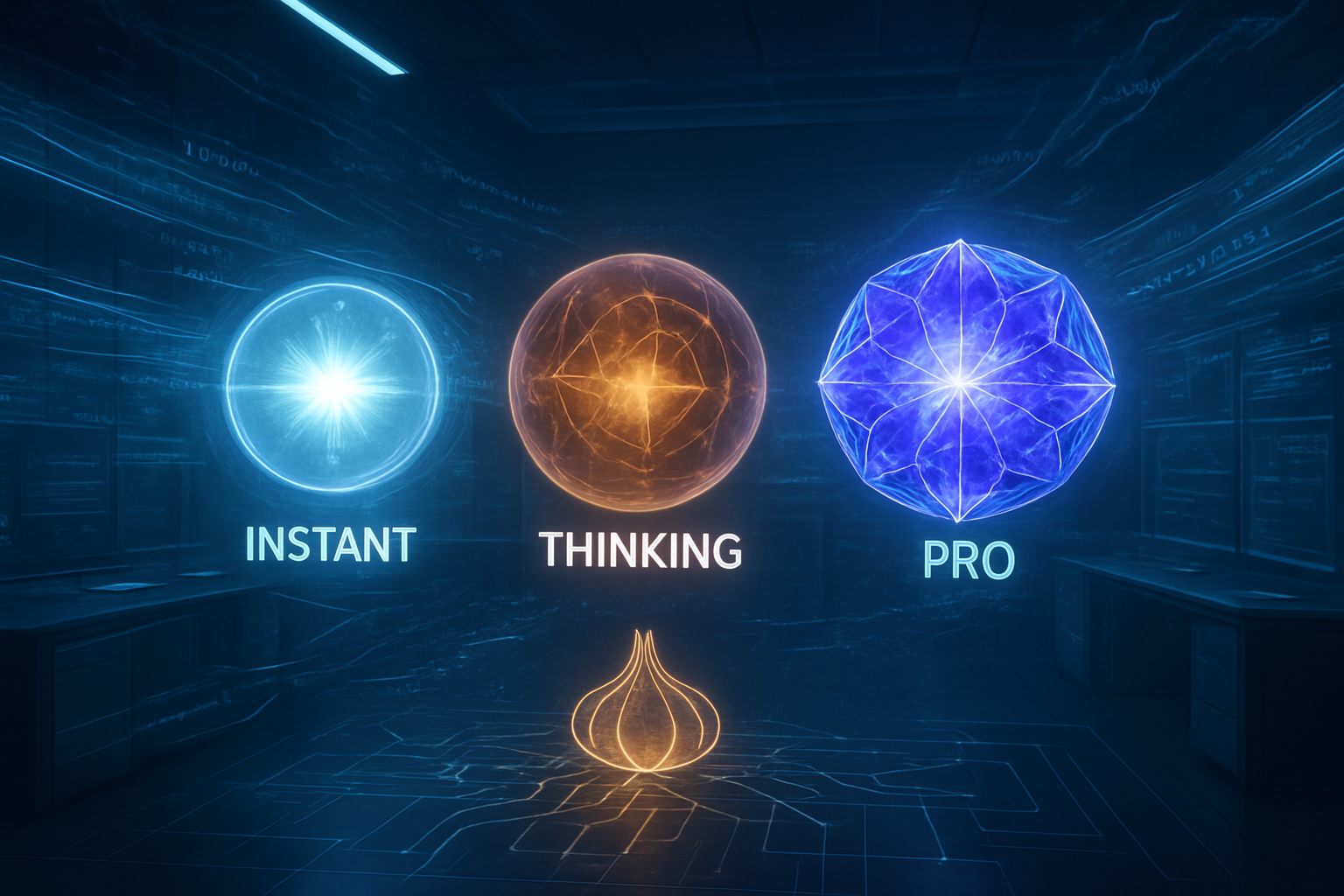
  • AI Revolutionizes Real Estate: Agents Embrace Smart Tech for Unprecedented Market Impact

    AI Revolutionizes Real Estate: Agents Embrace Smart Tech for Unprecedented Market Impact

    The real estate industry, traditionally known for its reliance on human expertise and established practices, is undergoing a profound and rapid transformation driven by the pervasive integration of Artificial Intelligence (AI). This technological shift is fundamentally reshaping how real estate agents operate, enhancing efficiency, improving customer experiences, and providing a significant competitive edge in a market increasingly demanding speed and data-driven insights. From automated lead generation to predictive market analysis and personalized property recommendations, AI is no longer a futuristic concept but a present reality that is redefining the operational landscape and market dynamics of real estate.

    This seismic shift is evident in the accelerating adoption rates and substantial investment in AI within the PropTech sector. With an estimated 75% of leading U.S. brokerages having already integrated AI technologies into their operations, and a global AI in real estate market projected to surge from $2.9 billion in 2024 to $41.5 billion by 2033, the immediate significance is clear: AI is becoming an indispensable tool for staying competitive, driving efficiency, and delivering superior client services in the modern real estate arena.

    The Technical Underpinnings: How AI is Reshaping Real Estate Operations

    The integration of AI in real estate is powered by sophisticated technical specifications and advanced algorithms that move far beyond traditional data handling. At its core, AI in this sector leverages massive and diverse datasets, including historical sales records, detailed property characteristics, location-specific data, market trends, economic indicators, and even unstructured data like property images, video tours, listing descriptions, and social media sentiment. To manage these "massive volumes of structured and unstructured information," companies are adopting centralized data lakes and robust computational platforms, often relying on cloud migration to reduce hosting costs and enable real-time analytics.

    The algorithms predominantly employed include Machine Learning (ML), Deep Learning (DL), and Natural Language Processing (NLP). ML algorithms, such as regression analysis, time series forecasting, and ensemble learning (e.g., Random Forest, XGBoost), are used for highly accurate property valuation, predictive analytics for market trends, lead prioritization, and automated property management tasks. Deep Learning, a subset of ML, utilizes multi-layered neural networks to process vast amounts of data, excelling in complex pattern recognition for property valuation, image recognition (e.g., analyzing property features from photos), and predictive maintenance by analyzing IoT sensor data. Natural Language Processing enables computers to understand and generate human language, powering smarter property searches, 24/7 chatbots and virtual assistants, automated document extraction from contracts, and sentiment analysis from online reviews.

    These AI advancements fundamentally differ from traditional real estate methods. Where manual market research and property appraisals were time-consuming and subjective, AI provides rapid, objective, and highly accurate valuations by analyzing thousands of data points simultaneously. This shifts the industry from reactive to proactive, offering forward-looking insights into future market trends. For instance, Zillow's (NASDAQ: ZG) "Zestimate" system, leveraging AI, has significantly improved accuracy, reducing its error rate for off-market homes to less than 1.9% by 2023. This scalability and ability to process complex, diverse datasets far surpass the capabilities of traditional human-led processes, leading to estimated operational cost reductions of 10–15% in property management.

    Initial reactions from the AI research community and industry experts have evolved from skepticism to rapid adoption. By late 2025, an unprecedented 88% of investors, owners, and landlords, and 92% of occupiers, were running AI pilots, with 60% of companies already piloting AI use cases by 2024. While the benefits of increased efficiency, accuracy, and customer service are widely recognized, challenges remain, including fragmented data quality, a significant expertise gap among professionals, difficulties integrating with legacy systems, and critical ethical concerns around bias and data privacy. Despite these hurdles, the consensus is that AI is "essential for staying competitive" and will continue to enhance human judgment rather than fully replace it.

    Reshaping the Corporate Landscape: Who Benefits and Who Faces Disruption

    The integration of AI into real estate is creating a dynamic competitive landscape, benefiting specialized AI companies, tech giants, and innovative startups, while simultaneously disrupting traditional services and market positions.

    Pure-play AI solution providers stand to gain significantly. Companies like Synodus and Haptik offer AI-driven predictive analytics and property valuation tools, while others such as DataToBiz, Yalantis, and AscendixTech provide crucial AI consulting, development, and integration services to real estate businesses. Their deep technical expertise allows them to craft highly specialized algorithms tailored to the industry's unique needs.

    Tech giants and established real estate platforms are leveraging their vast data resources, extensive customer bases, and substantial R&D budgets. Zillow's (NASDAQ: ZG) is a prime example, using AI for its "Zestimate" algorithm and personalized recommendations. Redfin (NASDAQ: RDFN) employs AI to recommend properties, and Opendoor (NASDAQ: OPEN) utilizes AI to streamline home transactions with instant offers. Compass (NYSE: COMP) integrates AI into an "operating system" for its agents, offering real-time data analysis. CoreLogic, a major data provider, uses AI in its OneHome platform. Underlying these are tech giants like Google (NASDAQ: GOOGL), Amazon (NASDAQ: AMZN), and Microsoft (NASDAQ: MSFT), whose cloud and AI infrastructure (e.g., Google's Vertex AI) serve as foundational enablers for many real estate AI solutions. Their platform dominance and data advantage create significant barriers to entry for new competitors.

    PropTech startups are agile disruptors, quickly identifying niche pain points and addressing them with AI. Entera provides AI-driven solutions for real estate investment, while Hyro.ai enhances customer service with conversational AI. Likely.AI specializes in predictive analytics for market shifts, and Ylopo is an AI-based digital marketing platform. Startups like Ridley are even challenging traditional brokerage models by automating services and significantly reducing commissions, potentially making high commissions a "relic of the past." This innovative surge attracts substantial venture capital, fostering a vibrant ecosystem of specialized AI applications.

    The competitive implications are profound. Tech giants with foundational AI models are becoming essential enablers, while companies with vast, high-quality real estate data strengthen their market dominance. The intense demand for AI talent creates a talent war, often favoring larger firms. AI is disrupting traditional appraisal methods, property search, administrative tasks, and customer service. It offers predictive analytics for investment and risk assessment that far surpass traditional methods. However, the "human touch" in complex negotiations and nuanced client understanding remains an area where human real estate professionals retain an edge. Companies integrating AI are establishing strategic advantages through efficiency, data-driven decision-making, personalized customer experiences, speed, and innovation, positioning AI as a core infrastructure rather than an optional tool.

    A Wider Lens: AI in Real Estate's Broader Significance

    AI's integration into the real estate sector is not an isolated phenomenon but a crucial development within the broader AI landscape, reflecting global trends of accelerating AI investment and technological maturity. This move signifies real estate's transition from a technology laggard to a proactive adopter, especially of Generative AI (GenAI), which is seen as a key transformative force. Private investment in AI in the US alone hit US$109 billion in 2024, doubling from 2023, underscoring the widespread confidence in AI's potential across industries.

    The societal and economic impacts are substantial. Economically, AI is projected to generate $34 billion in efficiency gains for the real estate industry by 2030, with McKinsey estimating GenAI alone could add $110 billion to $180 billion in value. The global AI in real estate market, valued at $303 billion in 2025, is projected to reach nearly $1 trillion by 2029. This growth is driven by cost savings from automation (e.g., 10-15% reduction in operational costs from predictive maintenance), enhanced valuation accuracy, new revenue streams, and improved customer experiences. Societally, AI can boost sustainability by optimizing building operations and potentially facilitate fairer deals through objective, data-driven decisions, reducing human bias in valuations and lending.

    However, significant concerns loom large. Ethical issues, particularly algorithmic bias, are paramount. AI systems trained on historical data reflecting societal inequalities can perpetuate or even amplify discrimination in property valuations, tenant screening, or mortgage lending. The "black box" nature of some AI algorithms raises transparency and accountability issues. Data privacy and security are also critical, given the vast amounts of sensitive personal and property data processed by AI. The specter of job displacement is another major concern, with experts like Robert Kiyosaki and the CEO of Anthropic warning of a "structural crisis" where AI accelerates job losses, potentially impacting hundreds of millions of jobs globally in the coming years, particularly in white-collar and entry-level roles.

    Comparing this to previous AI milestones, the current wave, driven by large language models (LLMs) and deep learning, moves beyond earlier rule-based systems and narrow AI applications. It enables AI to handle more complex, creative, and interpretive tasks, pushing towards Artificial General Intelligence (AGI) capabilities in specialized domains. The real estate industry is now at a "pivotal juncture," where AI is not just an enhancement but an essential tool for competitive advantage. The rapid adoption rates (90.1% of companies expect AI to support human experts within five years, per JLL's 2025 survey) underscore this shift, even as challenges in data quality, expertise gaps, and ethical implementation remain central to the ongoing discourse.

    The Horizon: Charting Future Developments in Real Estate AI

    The future of AI in real estate, particularly from 2025 onwards, promises an accelerated pace of innovation, marked by increasingly sophisticated applications and deeper integration across the entire property lifecycle.

    In the near-term (2025-2030), we can expect AI to further refine operational efficiency and customer interactions. Hyper-personalized property search and recommendations, moving beyond basic filters to analyze user behavior and implicit preferences, will become standard. Voice-activated AI assistants will facilitate conversational searches. Advanced Automated Valuation Models (AVMs) will achieve even greater accuracy, potentially 15-20% more reliable than traditional methods, by processing vast datasets including real-time market sentiment. Enhanced customer experience will be driven by 24/7 chatbots and virtual assistants, handling inquiries, scheduling, and lead generation. Immersive virtual and augmented reality (VR/AR) tours, powered by AI, will become commonplace, allowing prospective buyers to virtually stage and modify properties. AI will also play a crucial role in automated property management, handling routine maintenance and tenant communications, and contributing to sustainable real estate development by optimizing energy usage and material selection.

    Looking further ahead (beyond 2030), AI's role will become even more transformative. We anticipate hyper-sophisticated analytics providing unprecedented insights into market trends. The integration of quantum computing by 2030 could revolutionize complex data processing, enabling real-time market simulations and highly accurate forecasting. Advanced biometric systems will enhance property security and operational efficiency. The confluence of AI and the Internet of Things (IoT) will give rise to truly "smart cities," optimizing urban infrastructure and creating "real intelligent buildings" with experience-driven designs. Furthermore, the combination of AI with blockchain technology will streamline transactions through smart contracts, ensuring greater transparency and security in real estate deals.

    Key potential applications on the horizon include AI-driven investment and portfolio analysis for faster, more precise decisions, AI assistance in construction and design (projected to reach $7.21 billion by 2029), enhanced fraud detection and compliance automation, and sophisticated tenant behavior and sentiment analytics. AI will also automate aspects of due diligence, rapidly analyzing property conditions, demographics, and legal documents.

    However, several challenges must be addressed. Data quality and integration remain paramount, as AI's effectiveness hinges on complete, consistent, and standardized data. Resistance to change among real estate professionals, coupled with fears of job displacement, necessitates education and clear demonstrations of AI's benefits. Ethical considerations, particularly algorithmic bias, and paramount concerns about data privacy and security, require robust frameworks, bias detection tools, and transparent data handling. High implementation costs, a limited talent pool, and the need for new skills (data literacy, AI proficiency) are also significant hurdles. Experts, including Morgan Stanley Research, predict $34 billion in efficiency gains by 2030, with some sectors like brokerages seeing a 34% increase in operating cash flow. While AI will enhance human expertise, the debate around job displacement and the need for reskilling will intensify, underscoring the need for a balanced approach that integrates human judgment with AI capabilities.

    The AI Imperative: A New Era for Real Estate

    The integration of Artificial Intelligence into the real estate sector marks a pivotal moment, fundamentally reshaping an industry once characterized by its traditional methodologies. This technological evolution is not merely an upgrade but a redefinition of how properties are valued, managed, bought, and sold, ushering in an era of unprecedented efficiency, data-driven precision, and hyper-personalized customer experiences.

    Key takeaways from this transformation include the dramatic increase in operational efficiency and cost savings through AI-powered automation, the unparalleled accuracy and predictive power offered by AI in market analysis and property valuation, and the revolution in customer engagement through intelligent assistants and personalized recommendations. AI is also poised to transform property management and design, fostering sustainable development and creating new demands for specialized real estate assets like data centers. This shift signifies a maturation of AI, demonstrating its widespread applicability and its ability to transform the "art" of real estate into a data-driven science.

    In the broader context of AI history, real estate's proactive embrace of this technology, particularly generative AI, marks a significant milestone. It highlights AI's growing capability to move beyond narrow, analytical tasks into creative and interpretive domains, enhancing human decision-making rather than solely replacing it. The long-term impact will be profound, leading to an evolution of space demand, new investment and revenue models, and the widespread adoption of smart, sustainable buildings. However, this journey is not without its complexities, demanding careful navigation of ethical considerations, potential job displacement, and the critical need for robust data governance and transparency.

    In the coming weeks and months, the real estate industry should watch for an acceleration of AI investments, leading to the development and scaling of more sophisticated solutions, especially those leveraging generative AI for client communication, marketing content, and property design. A critical focus will be placed on improving data quality and integration across disparate systems, as this forms the bedrock of effective AI implementation. The unique impacts of AI on specific real estate sub-sectors, such as lodging, resorts, and brokerages, will become clearer, along with the surging demand for data center infrastructure. Furthermore, attention must be paid to workforce adaptation, with an increased emphasis on AI literacy and the acquisition of specialized talent. Finally, the development of regulatory and ethical frameworks will be crucial in guiding responsible AI adoption, particularly concerning data privacy, algorithmic bias, and fair housing practices, ensuring that AI's transformative power benefits all stakeholders in a transparent and equitable manner.


    This content is intended for informational purposes only and represents analysis of current AI developments.

    TokenRing AI delivers enterprise-grade solutions for multi-agent AI workflow orchestration, AI-powered development tools, and seamless remote collaboration platforms.
    For more information, visit https://www.tokenring.ai/.

  • AI Revolutionizes Recruitment: The Dawn of Hyper-Efficient and Intelligent Hiring

    AI Revolutionizes Recruitment: The Dawn of Hyper-Efficient and Intelligent Hiring

    In an era defined by rapid technological advancement, artificial intelligence (AI) is fundamentally reshaping industries, and talent acquisition is no exception. AI-driven platforms are not merely optimizing; they are transforming hiring processes, ushering in a new paradigm of efficiency, precision candidate matching, and a dramatically improved experience for both recruiters and job seekers. These innovative solutions leverage machine learning, natural language processing, and advanced analytics to automate, streamline, and enhance every stage of the recruitment lifecycle, from initial sourcing to final onboarding. The immediate significance of this shift lies in its ability to address long-standing challenges in traditional recruitment, such as overwhelming application volumes, time-consuming manual screening, and the inherent subjectivity of human decision-making.

    The proliferation of AI in recruitment is driven by an urgent demand for greater speed, objectivity, and a more engaging candidate journey in today's fiercely competitive global job market. By automating repetitive administrative tasks, AI frees up human recruiters to focus on high-impact strategic activities, such as relationship building and fostering human connections with a refined pool of candidates. This technological leap promises not only to reduce the time and cost associated with hiring but also to significantly improve the quality of hires, foster greater diversity, and provide invaluable data-driven insights that empower more informed and strategic talent decisions. However, this transformative power also brings forth critical considerations regarding algorithmic bias, data privacy, and the delicate balance between automation and maintaining a crucial human touch in the hiring process.

    The Technical Engine Driving Smarter Talent Acquisition

    The technical underpinnings of AI-driven hiring platforms are sophisticated, leveraging a confluence of advanced artificial intelligence disciplines to automate and intelligently enhance recruitment workflows. At its core, Natural Language Processing (NLP) plays a pivotal role, enabling systems to meticulously analyze vast quantities of textual data. This manifests in AI-powered resume parsing tools that can swiftly extract and interpret information from thousands of applications, identifying keywords, skills, and experience to match candidates with job requirements in minutes rather than days. Beyond mere parsing, generative AI, a subset of NLP, is now being employed to craft compelling and inclusive job descriptions, and even to scrutinize existing ones for potentially exclusionary language, thereby promoting fairness from the outset.

    Machine learning (ML) algorithms and predictive analytics form the intelligence backbone of these platforms. ML models are trained on historical hiring data and successful employee profiles to identify subtle indicators of potential success, allowing platforms to rank applicants based on a nuanced fit for a role, encompassing both technical proficiencies and crucial soft skills. Predictive analytics takes this a step further, forecasting which candidates are most likely to thrive in specific company cultures, accept job offers, and demonstrate long-term retention. Complementing these are computer vision and video analytics, which, despite some ethical controversies leading to the removal of visual analysis components in some platforms, can still analyze linguistic content from video interviews to assess communication styles and critical thinking. AI-powered chatbots and virtual assistants, meanwhile, leverage NLP to provide 24/7 candidate engagement, answering FAQs, offering real-time application status updates, and streamlining interview scheduling.

    These AI advancements represent a profound departure from traditional recruitment methodologies, which have historically been characterized by manual, labor-intensive processes and subjective human judgment. While traditional methods rely on recruiters to painstakingly screen resumes, conduct phone calls, and manage candidate pipelines, AI platforms can process thousands of applications in a fraction of the time, often reducing time-to-hire by 40-62%. This automation also translates into significant cost reductions, with companies reporting 20-50% lower cost-per-hire. Critically, AI aims to mitigate unconscious human biases inherent in manual reviews by evaluating candidates based on objective, data-driven criteria, a stark contrast to the 48% of hiring managers who admit personal biases influence their decisions. However, experts caution that AI, if trained on historically biased data, can perpetuate and even amplify existing prejudices, as famously demonstrated by Amazon's (NASDAQ: AMZN) discontinued AI recruitment tool, which exhibited bias against female candidates.

    Initial reactions from the AI research community and industry experts are a blend of enthusiastic optimism and cautious apprehension. There's broad agreement that AI dramatically boosts efficiency and allows recruiters to pivot towards strategic, human-centric tasks. Many foresee improved candidate quality and greater diversity through objective, skill-based evaluations. Yet, the "black box" problem, where the decision-making process of some AI algorithms remains opaque, raises concerns about transparency and trust. Data privacy and security for sensitive candidate information are also paramount, particularly with stringent regulations like GDPR. The potential for an impersonal candidate experience and AI's limitations in accurately assessing complex soft skills and cultural fit underscore a prevailing expert consensus: the most effective path forward is a hybrid model, where AI augments human judgment rather than entirely replacing it, ensuring ethical guidelines, regular audits, and a human-centric approach remain at the forefront.

    Reshaping the Corporate Landscape: Benefits and Competitive Dynamics

    The integration of AI into hiring processes is having a profound and multifaceted impact across the corporate landscape, benefiting specialized AI companies, tech giants, and nimble startups alike. For AI companies focused on HR technology, this surge in adoption represents a booming market opportunity. These firms are at the forefront of innovation, developing sophisticated algorithms, platforms, and tools that differentiate themselves through features like ethical AI modules, robust integration capabilities, and niche applications. With the global AI recruitment market projected to grow from USD 612.1 million in 2023 to USD 1144.39 million by 2032, these specialized AI developers are driving significant market expansion by continually pushing the boundaries of what intelligent HR solutions can achieve.

    Tech giants, with their vast resources and immense hiring needs, are both major adopters and developers of AI in recruitment. Companies like Microsoft (NASDAQ: MSFT), Oracle (NYSE: ORCL), SAP (NYSE: SAP), and Google (NASDAQ: GOOGL) leverage AI internally to manage the high volume of applicants efficiently, ensuring a steady pipeline of talent for their ever-expanding operations. LinkedIn (NASDAQ: MSFT), for instance, employs AI to suggest candidates based on job descriptions and historical data, optimizing its powerful recruiting platform. These behemoths also invest heavily in integrating AI tools with their existing HR systems and applicant tracking systems (ATS), creating seamless, data-driven recruitment ecosystems. Their competitive advantage lies in their ability to scale AI solutions, process enormous datasets, and often acquire or partner with promising AI HR tech startups, further consolidating their market position.

    For startups, AI in hiring offers a critical competitive edge, particularly given their often-limited resources and the imperative to scale rapidly. By automating tasks like resume screening and candidate matching, AI frees up lean HR teams to concentrate on strategic growth initiatives rather than administrative burdens. This enables nascent companies to improve the quality of their hires, which is vital for early-stage success and higher retention rates. However, startups face the challenge of ensuring that AI tools do not inadvertently overlook candidates with crucial soft skills, such as communication and teamwork, which are often harder for algorithms to measure but increasingly prioritized by employers. The competitive landscape is vibrant, with established players like HireVue, Pymetrics, and Paradox vying with emerging firms to offer differentiated solutions, particularly in cloud-based deployment models favored by small and medium-sized enterprises (SMEs).

    The pervasive adoption of AI in recruitment is causing significant disruption to traditional recruitment agencies and methodologies. It is transforming conventional hiring processes by automating routine tasks, allowing human recruiters to pivot from administrative duties to more strategic activities like relationship building and cultural assessment. This shift is leading to the emergence of new business models, including intelligent talent platforms, AI co-pilots, and global talent marketplaces that integrate training, job opportunities, and career growth. While this disruption promises enhanced efficiency and more objective hiring, it also raises critical legal and ethical considerations, including potential algorithmic bias, privacy concerns, and the need for compliance with evolving regulations such as New York City's law requiring independent bias audits for AI tools in hiring. This necessitates that HR professionals upskill to understand the legal and ethical implications of AI and effectively interpret its insights, evolving their role from administrators to strategic partners in talent acquisition.

    Broader Implications: Ethics, Equity, and the Evolving AI Landscape

    The advent of AI in recruitment transcends mere operational efficiency; it carries profound wider significance for the broader AI landscape, societal equity, and the very nature of work. While AI promises increased speed, broader talent pools, and data-driven decision-making, it simultaneously introduces critical ethical concerns that demand careful consideration. One significant worry is the potential dehumanization of the hiring process. Over-reliance on algorithms can lead candidates to feel evaluated by machines rather than humans, potentially eroding trust and harming the employer brand. Transparency and explainability, often referred to as the "black box problem," remain paramount, as the opaque decision-making processes of some AI systems make it challenging to identify and rectify potential biases, raising questions about fairness and accountability.

    Data privacy stands as another monumental challenge. AI recruitment tools handle vast amounts of sensitive personal data, often collected from various sources, including social media. This raises concerns about improper data collection, usage, and the inference of sensitive personal attributes that could inadvertently or intentionally influence hiring decisions. Obtaining explicit consent, ensuring transparency about data usage, and adhering to stringent regulations like GDPR and CCPA are non-negotiable for maintaining trust and avoiding legal pitfalls. Robust security protocols, including encryption and regular audits, are essential to protect this invaluable and vulnerable data from breaches.

    Perhaps the most pressing ethical concern revolves around algorithmic bias. AI systems learn from historical data. If this data reflects past human biases—favoring specific genders, races, or ages—the AI will not only inherit but also amplify these discriminatory patterns at scale. The infamous example of Amazon's (NASDAQ: AMZN) recruitment tool exhibiting bias against female candidates serves as a stark reminder of this risk. A lack of diverse training data can further exacerbate this problem, leading to algorithms that underperform for underrepresented populations. To counteract this, organizations must commit to using diverse and unbiased training data, conducting regular, independent audits of AI systems, establishing clear ethical guidelines, and maintaining human oversight to ensure fair and inclusive hiring practices.

    Within the broader AI landscape, AI in recruitment represents a rapidly growing segment of HR technology, leveraging advanced capabilities like NLP and ML to process data, recognize patterns, and make predictions. This trend is not isolated; 93% of Fortune 500 Chief Human Resource Officers (CHROs) are already incorporating AI to enhance business practices more generally, underscoring its transformative potential beyond just HR. The prevailing view for the future is a hybrid human-AI collaboration model, where AI handles the speed, data analysis, and pattern recognition, while humans contribute empathy, judgment, and contextual understanding. This partnership is considered essential for balancing efficiency with ethical considerations, emphasizing that as AI automates routine tasks, uniquely human skills like creativity, adaptability, and emotional intelligence become even more critical in the workforce.

    The Horizon of Recruitment: Anticipated Developments and Lingering Challenges

    Looking ahead, the trajectory of AI-driven hiring platforms points towards even greater sophistication and integration, promising a recruitment landscape that is both hyper-efficient and deeply personalized. Near-term developments are expected to further automate sourcing and screening, with AI tools becoming even more adept at sifting through vast online profiles and employment histories to precisely identify and rank candidates based on an ever-expanding array of criteria, including nuanced skills, experience, and qualifications. This will significantly reduce the manual workload, allowing recruiters to focus on the human elements of hiring. Advanced algorithms will also continue to refine candidate-job matching, leading to demonstrably better retention rates and higher job satisfaction by accurately predicting a candidate's likelihood of success in a given role.

    On the horizon, potential applications extend far beyond initial screening. AI is poised to revolutionize candidate experience by offering increasingly personalized interactions through sophisticated chatbots that can conduct interviews in multiple languages, making the process more accessible and engaging. Predictive capabilities will enable a proactive recruitment paradigm, where platforms analyze workforce data and market trends to anticipate future hiring needs and proactively engage passive candidates before they even consider applying. Furthermore, advanced assessment tools, leveraging machine learning, will move beyond technical skills to evaluate soft skills, cultural fit, and emotional intelligence through sophisticated video and scenario analysis. Experts also foresee AI facilitating post-hire applications, such as new hire engagement assessments and virtual AI-generated mentors, to support internal mobility and effective onboarding. Some platforms are even exploring "recruiterless" models where AI agents manage the entire hiring process from start to finish, including offer generation and negotiation.

    However, this promising future is not without its challenges. Algorithmic bias remains a persistent concern, requiring continuous vigilance, diverse training data, and rigorous auditing to prevent the perpetuation of historical prejudices. Data security and governance are paramount, as the increasing volume of sensitive personal data processed by AI demands robust safeguards and compliance with evolving global regulations. The "black box" problem of AI's opaque decision-making processes necessitates greater transparency and explainability to build trust and ensure accountability. Moreover, the critical balance between automation and the invaluable "human touch" must be carefully managed to avoid an impersonal candidate experience. Experts widely predict a hybrid human-AI model will prevail, with AI augmenting, rather than replacing, human recruiters. This means HR professionals must upskill to effectively leverage AI as a strategic asset, focusing on the uniquely human skills of empathy, critical thinking, and judgment that AI cannot replicate. The shift to a skills-first hiring approach, driven by AI-powered assessments, is also expected to accelerate, fundamentally altering how talent is identified and evaluated.

    The Future is Now: A Comprehensive Wrap-up

    The transformation of hiring processes by AI-driven platforms marks a pivotal moment in the evolution of talent acquisition. The key takeaways from this revolution are clear: AI excels at automating repetitive tasks, dramatically streamlining and accelerating recruitment workflows, leading to faster time-to-hire and significant cost reductions. It enhances the candidate experience through personalized interactions and real-time updates, while also promising to improve screening accuracy and candidate matching. Crucially, when implemented ethically, AI has the potential to reduce unconscious human bias, fostering more diverse and inclusive talent pools. Furthermore, AI empowers recruiters with data-driven insights and predictive analytics, shifting talent acquisition from a reactive function to a proactive, strategic business imperative.

    This development signifies a profound shift in AI history, moving beyond mere computational assistance to intelligent augmentation in a highly human-centric field. The long-term impact will see the near-full automation of sourcing and initial screening, allowing recruiters to pivot towards higher-value activities such as relationship building, cultural fit assessment, and strategic workforce planning. The future of recruitment is undoubtedly a hybrid model, where AI handles the data-intensive, repetitive aspects, and human recruiters leverage their unique capacities for empathy, judgment, and complex problem-solving. This collaboration promises to redefine the recruiter's role, demanding new skill sets focused on understanding, implementing, and overseeing AI tools effectively.

    As we move forward, the emphasis will remain on developing ethical AI frameworks, ensuring continuous monitoring and refinement of algorithms to guarantee fairness, mitigate bias, and comply with evolving labor laws and data protection regulations. Transparency with candidates about AI usage and offering opt-out options will become standard practice. What to watch for in the coming weeks and months includes further advancements in AI's ability to assess soft skills, the proliferation of AI-powered internal mobility platforms, and the ongoing debate surrounding regulatory frameworks designed to govern AI in employment. Ultimately, AI is poised to architect highly automated, intelligent, and potentially fairer recruitment systems, but its success will hinge on a strategic, ethically conscious, and unequivocally human-centric approach to its implementation.


    This content is intended for informational purposes only and represents analysis of current AI developments.

    TokenRing AI delivers enterprise-grade solutions for multi-agent AI workflow orchestration, AI-powered development tools, and seamless remote collaboration platforms.
    For more information, visit https://www.tokenring.ai/.

  • Instagram’s 2025 Metamorphosis: AI, Connection, and Creator Empowerment Drive Platform’s Evolution

    Instagram’s 2025 Metamorphosis: AI, Connection, and Creator Empowerment Drive Platform’s Evolution

    Instagram, a flagship platform of Meta Platforms (NASDAQ: META), has undergone a profound transformation in 2025, rolling out a suite of ambitious updates designed to redefine user engagement, foster deeper connections, and significantly empower its vast creator community. From extending the length of its popular Reels to a staggering 20 minutes, to weaving advanced AI capabilities into nearly every facet of the user experience, the social media giant is strategically positioning itself at the forefront of the evolving digital landscape. These developments signal a concerted effort by Meta to solidify Instagram's competitive edge against rivals and to integrate its broader vision for an AI-first future into the everyday lives of its billions of users. The immediate significance lies in the platform's renewed focus on long-form content, intimate social interactions, and a robust ecosystem for content creation and monetization, all underpinned by sophisticated artificial intelligence.

    Technical Innovations and Feature Deep Dive

    At the heart of Instagram's 2025 overhaul is a dramatic expansion of its video capabilities and a sophisticated integration of AI. Reels, the platform's answer to short-form video, has seen its maximum length extended to an impressive 20 minutes. This monumental shift, announced throughout early 2025, allows creators to move beyond quick snippets and engage in more comprehensive storytelling, tutorials, and long-form narratives. Complementing this, Instagram introduced a dedicated "Edits" app in February 2025, serving as an all-in-one mobile editing suite for creators, offering advanced tools, collaboration features, and performance insights. Further enhancing video creation are AI-powered lip-sync features, improved green screen functionality, and the innovative "Trial Reels" feature, which allows creators to test content with non-followers before a wider release, mitigating risks and encouraging experimentation.

    Beyond video, Instagram has reimagined how users connect. The "Friend Map" feature, launched in the UK in October 2025, allows users to share their real-time location with selected friends via a map in the DM inbox, offering a more spontaneous and intimate way to connect physically. This is complemented by the official rollout of "Reposts" (announced August 6, 2025), enabling users to easily share public Reels and posts to their own feeds, collected in a dedicated "Reposted" tab. The "Friends Feed" (or "Friends in Reels") further deepens this by curating a feed of Reels liked, commented on, or created by one's friends. "Storylines" introduces a collaborative element to Stories, allowing friends at the same event to contribute to a single, ongoing thread. These features collectively mark a departure from a purely broadcast-oriented platform towards one that facilitates more genuine, shared, and real-time social interactions, directly challenging the casual, spontaneous sharing ethos of platforms like Snapchat (NYSE: SNAP).

    Perhaps the most pervasive change is the deep integration of Meta AI across the platform. Accessible through the Explore page or DM inbox, Meta AI acts as a conversational assistant, capable of answering questions, generating content, and even performing tasks. AI-powered "Restyle" tools in Stories allow users to transform their visuals with simple text prompts, while AI-generated comments and story images add new dimensions to creative expression. Instagram has also introduced "AI Stickers" and "Cutouts" for DMs, and is exploring "AI Tasks via DMs," allowing users to create tasks from their conversations. This extensive AI integration differs significantly from previous approaches, where AI was often confined to backend algorithms for content ranking or moderation. Now, AI is an active, interactive participant in the user's creative and communicative processes, marking a significant leap in how users interact with artificial intelligence within a social media context. Initial reactions from the AI research community highlight the impressive scale of Meta's AI deployment, noting its potential to democratize advanced creative tools for everyday users, while also raising discussions about ethical AI use and data privacy.

    Competitive Implications and Market Dynamics

    These sweeping updates carry significant implications for Meta Platforms (NASDAQ: META) and the broader tech industry. For Instagram, the extended Reels length and the "Edits" app directly challenge YouTube (Alphabet Inc. – NASDAQ: GOOGL, GOOG) for long-form video creators and TikTok (ByteDance – private) for comprehensive mobile editing. By offering a robust suite of tools within its ecosystem, Instagram aims to retain creators and their audiences, preventing them from migrating to other platforms for specialized functionalities. The "Friend Map" and "Storylines" features enhance Instagram's competitive stance against Snapchat (NYSE: SNAP), which has historically dominated location-based and ephemeral group sharing. The official "Reposts" feature simplifies content sharing, a functionality long popular on platforms like X (formerly Twitter).

    Meta Platforms stands to benefit immensely from these developments. The deeper integration of Meta AI across Instagram aligns with CEO Mark Zuckerberg's vision for an "AI-first" company, demonstrating tangible applications of their AI research in consumer-facing products. This strategy strengthens Meta's ecosystem, making its platforms stickier and more indispensable. Enhanced creator tools and monetization opportunities (e.g., expanded Creator Marketplace, smarter Instagram Insights, business chat transparency) are crucial for attracting and retaining top talent, which in turn drives user engagement and advertising revenue. The ability for businesses to leverage AI for content and ad creation, alongside features like "Comment to DM for Ads," provides powerful new tools for advertisers, potentially increasing ad spend on the platform.

    For smaller AI labs and startups, Instagram's aggressive AI integration presents both opportunities and challenges. While Meta's in-house AI capabilities might reduce the need for certain third-party tools, the open-ended nature of features like AI-powered "Restyle" or custom AI stickers could inspire new creative AI applications that integrate with or complement Instagram's ecosystem. However, the sheer scale and resources of Meta mean that any startup competing directly in areas where Instagram has deployed its own AI would face an uphill battle. The competitive implications suggest a further consolidation of user attention and creator talent on platforms that offer comprehensive, AI-enhanced toolkits, potentially disrupting smaller, niche services that provide only one piece of the creative or social puzzle.

    Wider Significance in the AI Landscape

    Instagram's 2025 updates are a microcosm of broader trends sweeping the artificial intelligence and social media landscapes. The pervasive integration of Meta AI into the platform signifies the industry's shift from AI as a backend optimization tool to an interactive, user-facing co-creator and assistant. This reflects a growing understanding that AI's true potential lies in augmenting human creativity and facilitating richer interactions, rather than merely automating tasks. It underscores the "ambient intelligence" paradigm, where AI seamlessly integrates into daily digital life, making tools more intuitive and content more dynamic.

    The impacts of these changes are multi-faceted. On one hand, they empower users with unprecedented creative control and new avenues for connection. The ability to generate AI images for Stories, leverage AI for lip-syncing in Reels, or even chat with AI characters pushes the boundaries of digital self-expression. On the other hand, the widespread adoption of features like "Friend Map" and the deeper reliance on AI for content creation raise important societal concerns. Questions around data privacy, especially with location sharing, and the potential for AI-generated content to blur the lines between reality and artifice, are paramount. The ability for AI to "take the reins on commenting" or create "AI Story Images" necessitates robust ethical guidelines and transparency mechanisms to maintain user trust and combat misinformation.

    Comparisons to previous AI milestones reveal Instagram's current trajectory. While early AI breakthroughs focused on areas like natural language processing or computer vision in isolation, Instagram's approach demonstrates a holistic application, integrating these capabilities to enhance the entire social media experience. This move is reminiscent of the shift from static web pages to interactive social feeds, or the explosion of user-generated content with the advent of smartphones. Instagram's 2025 evolution could be seen as a pivotal moment where AI moves beyond novelty into a foundational layer of social interaction and creative output, setting a new benchmark for what users expect from their digital platforms.

    Exploring Future Developments

    Looking ahead, the trajectory set by Instagram in 2025 suggests an even deeper integration of AI and more immersive social experiences. In the near term, we can expect Meta AI to become even more sophisticated, potentially offering hyper-personalized content recommendations that anticipate user preferences with uncanny accuracy. Further advancements in generative AI could lead to tools that assist creators not just with editing, but with concept generation, scriptwriting, or even generating entire video segments from text prompts. The "Edits" app is likely to evolve into a full-fledged creative suite, potentially incorporating features for 3D content creation or integration with Meta's metaverse initiatives.

    Long-term developments could see Instagram blurring the lines between the digital and physical worlds even further. Imagine AI-powered augmented reality filters that dynamically adapt to real-world environments, or the "Friend Map" evolving into a more interactive AR overlay that helps users navigate physical spaces to meet friends. The concept of "AI tasks via DMs" could expand to include complex scheduling, booking, or even AI-driven personal shopping experiences directly within the chat interface. Experts predict that social media platforms will continue to move towards "ambient computing," where AI anticipates needs and offers assistance proactively, making interactions feel less like using an app and more like engaging with an intelligent environment.

    However, several challenges need to be addressed. Maintaining user trust and ensuring data privacy will be paramount, especially as AI becomes more deeply embedded in personal interactions and location sharing. Combating the potential for AI-generated misinformation and deepfakes will require robust detection and moderation systems. Furthermore, managing the sheer volume of content and preventing information overload will be an ongoing battle. Experts predict a future where platforms like Instagram become more like "personal AI agents," curating experiences and mediating interactions, but the ethical and societal implications of such a future will require careful navigation and continuous adaptation.

    A Comprehensive Wrap-Up

    Instagram's extensive updates in 2025 mark a pivotal moment in the evolution of social media, characterized by three key takeaways: the profound integration of AI into every layer of the platform, a renewed focus on fostering deeper and more diverse forms of connection, and a significant commitment to empowering creators with advanced tools and monetization avenues. From 20-minute Reels and the standalone "Edits" app to the "Friend Map" and omnipresent Meta AI, Instagram is not merely adding features but fundamentally reshaping how users create, share, and interact.

    This development's significance in AI history cannot be overstated. It showcases how a mainstream consumer application can effectively deploy a wide array of AI capabilities—from generative AI for content creation to conversational AI for assistance and predictive AI for personalization—to enhance the user experience on an unprecedented scale. It positions Meta Platforms (NASDAQ: META) as a leader in bringing advanced AI directly into the hands of billions, solidifying its strategic direction and competitive advantage. The long-term impact will likely be a more intelligent, intuitive, and immersive social media landscape, where AI acts as a creative partner and a facilitator of human connection.

    In the coming weeks and months, it will be crucial to watch for several key indicators: user adoption rates of these new, more complex features; how competitors like TikTok, YouTube, and Snapchat respond with their own innovations; and the ongoing public discourse around AI ethics, privacy, and content authenticity on such a widely used platform. Instagram's 2025 metamorphosis is not just an update; it's a blueprint for the future of social interaction in an AI-powered world.


    This content is intended for informational purposes only and represents analysis of current AI developments.

    TokenRing AI delivers enterprise-grade solutions for multi-agent AI workflow orchestration, AI-powered development tools, and seamless remote collaboration platforms.
    For more information, visit https://www.tokenring.ai/.