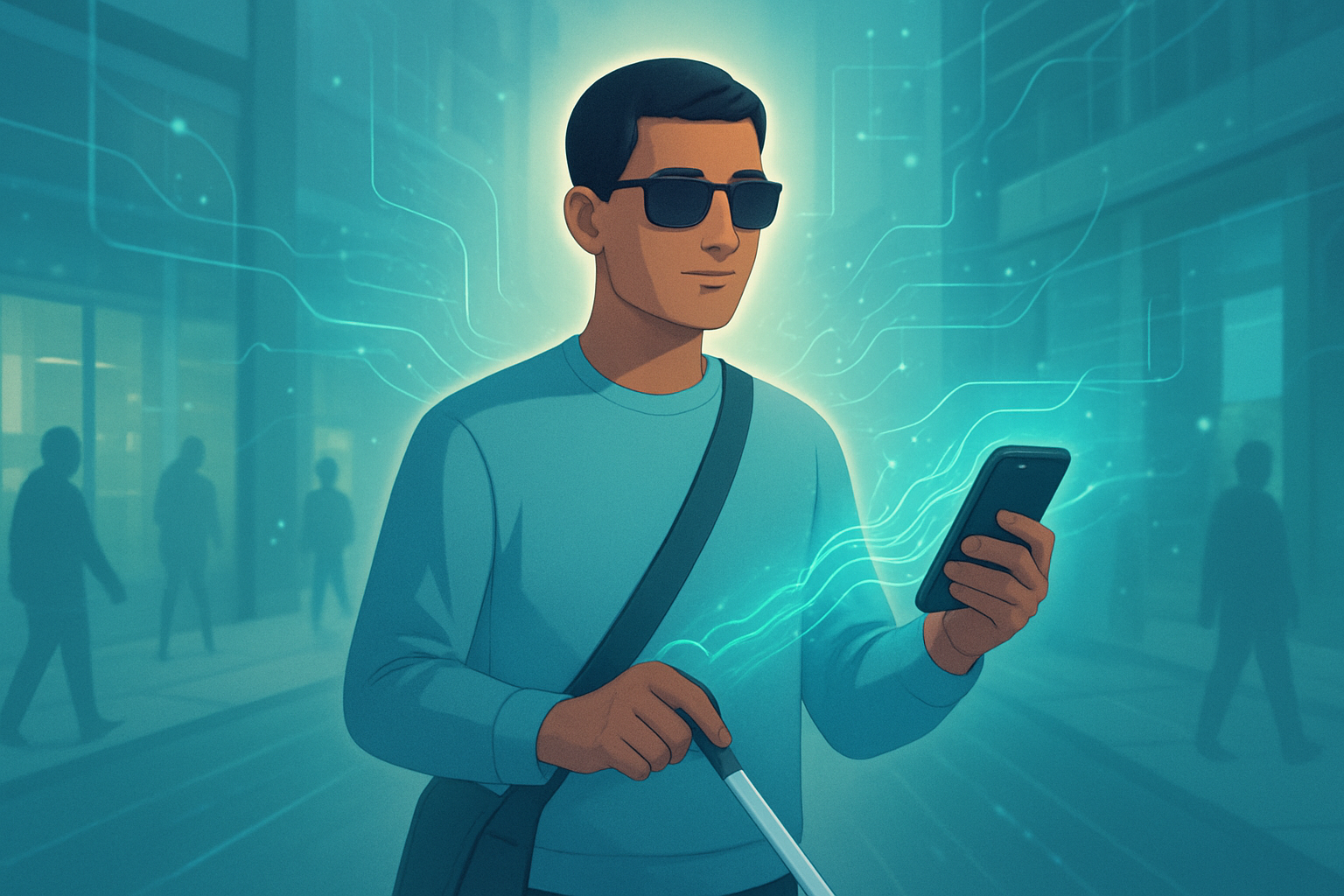
Tag: Assistive Technology

  • Unlocking the Mind’s Eye: AI Translates Mental Images into Text in Groundbreaking BCI Advance

    Unlocking the Mind’s Eye: AI Translates Mental Images into Text in Groundbreaking BCI Advance

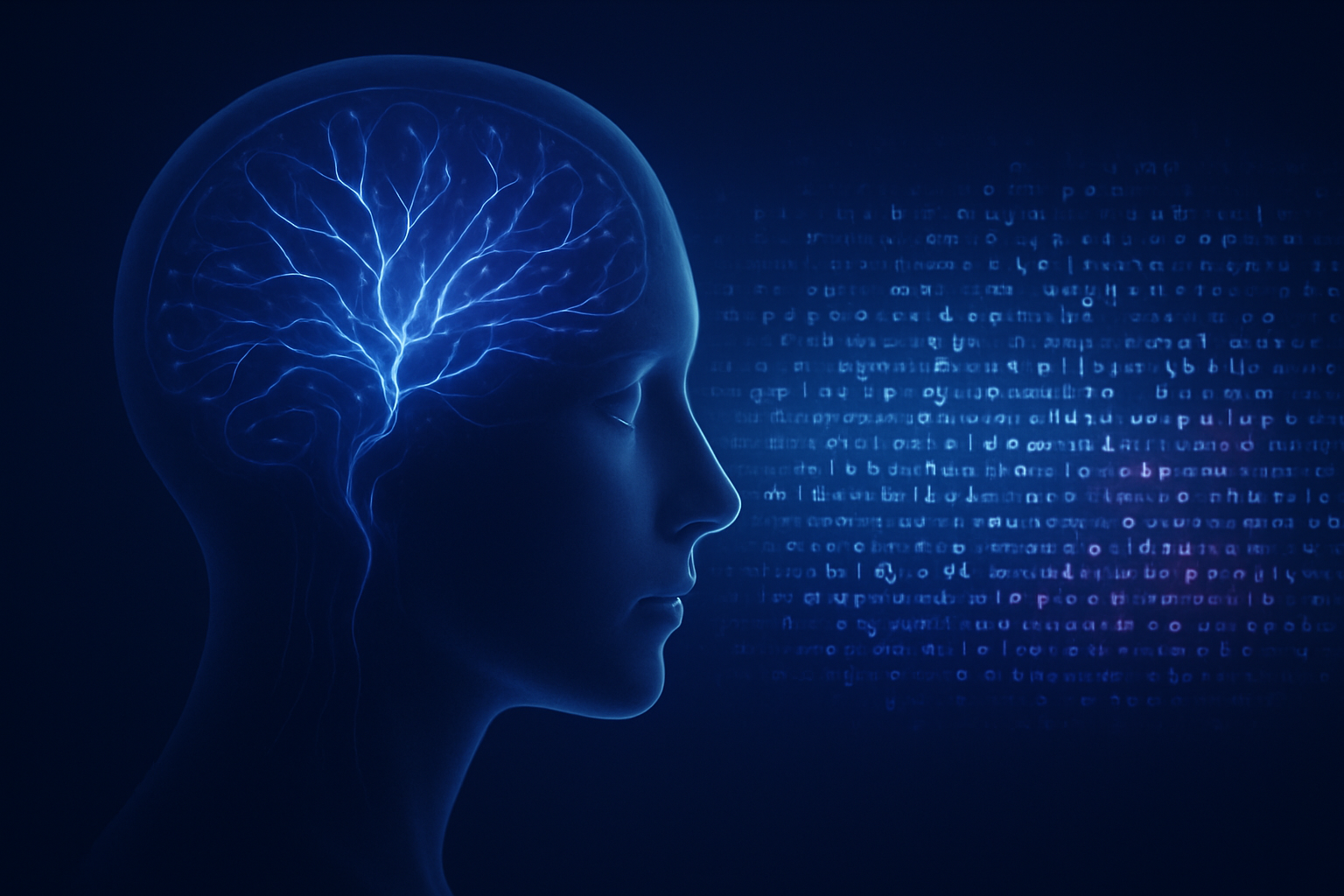
    Tokyo, Japan – November 14, 2025 – A revolutionary breakthrough in Brain-Computer Interface (BCI) technology, coupled with advanced Artificial Intelligence, is poised to redefine human communication. Researchers have successfully developed a "mind-captioning" technique that translates complex brain activity associated with mental imagery directly into coherent, descriptive language. This monumental achievement, led by cognitive neuroscientist Dr. Tomoyasu Horikawa and his team, and published in Science Advances, represents a pivotal leap beyond previous BCI limitations, offering unprecedented hope for individuals with severe communication impairments and opening new frontiers in understanding the human mind.

    The immediate significance of this development cannot be overstated. For millions suffering from conditions like aphasia, locked-in syndrome, or paralysis, this technology offers a potential pathway to restore their voice by bypassing damaged physiological and neurological mechanisms. Instead of relying on physical movements or even inner speech, individuals could soon communicate by merely visualizing thoughts, memories, or desired actions. This breakthrough also provides profound new insights into the neural encoding of perception, imagination, and memory, suggesting a more layered and distributed construction of meaning within the brain than previously understood.

    Decoding the Inner World: How AI Transforms Thought into Text

    The "mind-captioning" system developed by Dr. Horikawa's team operates through a sophisticated two-stage AI process, primarily utilizing functional magnetic resonance imaging (fMRI) to capture intricate brain activity. Unlike earlier BCI systems that could only identify individual objects or spoken words, this new approach deciphers the holistic patterns of brain activity corresponding to full scenes, events, and relationships a person is mentally experiencing or recalling.

    The first stage involves decoding brain signals, where advanced AI models process fMRI data related to visual perception and mental content. These models employ linear techniques to extract semantic features from the neural patterns. The second stage then employs a separate AI model, trained through masked language modeling, to transform these decoded semantic features into natural, structured language. This iterative process generates candidate sentences, continually refining them until their meaning precisely aligns with the semantic characteristics derived from the brain data. Remarkably, the system achieved up to 50% accuracy in describing scenes participants were actively watching and approximately 40% accuracy for recalled memories, significantly exceeding random chance. A particularly striking finding was the system's ability to produce robust descriptions even when traditional language processing regions of the brain were excluded from the analysis, suggesting that the core meaning of mental images is distributed across broader cortical areas.

    This innovative method stands apart from previous BCI approaches that often relied on invasive implants or were limited to decoding specific motor intentions or rudimentary word selections. While other recent advancements, such as the decoding of "inner speech" with high accuracy (around 74% in a Cell study from August 2025) and non-invasive EEG-based systems like the University of Technology Sydney's (UTS) DeWave, have pushed the boundaries of thought-to-text communication, Horikawa's work uniquely focuses on the translation of mental imagery into descriptive prose. Furthermore, the "Generative Language Reconstruction" (BrainLLM) system, published in Communications Biology in March 2025, also integrates fMRI with large language models to generate open-ended text, but Horikawa's focus on visual mental content provides a distinct and complementary pathway for communication. Initial reactions from the AI research community have been overwhelmingly positive, hailing the work as a significant step towards more natural and comprehensive brain-computer interaction.

    Reshaping the AI Landscape: Industry Implications and Competitive Edge

    The ramifications of this "mind-captioning" breakthrough are profound for the AI industry, promising to reshape product development, competitive strategies, and market positioning for tech giants and nimble startups alike. Companies specializing in assistive technologies, healthcare AI, and advanced human-computer interaction stand to benefit immensely from this development.

    Major tech companies like Google (NASDAQ: GOOGL), Microsoft (NASDAQ: MSFT), and Meta Platforms (NASDAQ: META), with their extensive investments in AI research and BCI, are likely to accelerate their efforts in this domain. They possess the resources and infrastructure to integrate such sophisticated mind-captioning capabilities into future products, from enhanced accessibility tools to entirely new forms of immersive computing and virtual reality interfaces. Startups focused on neurotechnology and personalized AI solutions could also find fertile ground for innovation, potentially developing niche applications for specific patient populations or creative industries. The competitive landscape for major AI labs will intensify as the race to perfect and commercialize thought-to-text technologies heats up, with each vying for leadership in a market that could eventually encompass billions.

    This technology has the potential to disrupt existing products and services across various sectors. For instance, current speech-to-text and text-to-speech technologies, while powerful, might find new complements or even challenges from direct thought-to-text communication, particularly for users unable to vocalize. The market for augmentative and alternative communication (AAC) devices could be revolutionized, offering more intuitive and less physically demanding methods of expression. Companies that can swiftly adapt their AI frameworks to incorporate advanced neural decoding and language generation will gain significant strategic advantages, positioning themselves at the forefront of the next wave of human-machine interaction. The ability to directly translate mental imagery into text could also open up entirely new markets in creative content generation, education, and even advanced forms of mental wellness and therapy.

    Beyond Communication: Wider Significance and Ethical Frontiers

    This breakthrough in mind-captioning extends far beyond mere communication, fitting seamlessly into the broader AI landscape as a testament to the accelerating convergence of neuroscience and artificial intelligence. It underscores the trend towards more intuitive and deeply integrated human-AI interfaces, pushing the boundaries of what was once considered science fiction into tangible reality. The development aligns with the broader push for AI that understands and interacts with human cognition at a fundamental level, moving beyond pattern recognition to semantic interpretation of internal states.

    The impacts are multifaceted. On one hand, it heralds a new era of accessibility, potentially empowering millions who have been marginalized by communication barriers. On the other, it raises significant ethical and privacy concerns. The ability to "read" mental images, even with consent, brings forth questions about mental privacy, data security, and the potential for misuse. Who owns the data generated from one's thoughts? How can we ensure that such technology is used solely for beneficial purposes and not for surveillance or manipulation? These are critical questions that the AI community, policymakers, and society at large must address proactively. Comparisons to previous AI milestones, such as the development of large language models (LLMs) like GPT-3 and GPT-4, are apt; just as LLMs revolutionized text generation, mind-captioning could revolutionize text input directly from the source of thought, marking a similar paradigm shift in human-computer interaction.

    The Horizon of Thought: Future Developments and Challenges

    The future trajectory of BCI and mind-captioning technology is poised for rapid evolution. In the near term, experts predict further refinements in accuracy, speed, and the complexity of mental content that can be translated. Research will likely focus on reducing the reliance on fMRI, which is expensive and cumbersome, by exploring more portable and less invasive neural sensing technologies, such as advanced EEG or fNIRS (functional near-infrared spectroscopy) systems. The integration of these brain-derived signals with ever more powerful large language models will continue, leading to more natural and nuanced textual outputs.

    Potential applications on the horizon are vast and transformative. Beyond assistive communication, mind-captioning could enable novel forms of creative expression, allowing artists to manifest visual ideas directly into descriptions or even code. It could revolutionize education by providing new ways for students to articulate understanding or for educators to gauge comprehension. In the long term, we might see thought-driven interfaces for controlling complex machinery, navigating virtual environments with unparalleled intuition, or even enhancing cognitive processes. However, significant challenges remain. Miniaturization and cost reduction of BCI hardware are crucial for widespread adoption. The ethical framework for mental privacy and data governance needs to be robustly established. Furthermore, the inherent variability of human brain activity requires highly personalized AI models, posing a challenge for generalizable solutions. Experts predict a future where brain-computer interfaces become as commonplace as smartphones, but the journey there will require careful navigation of both technological hurdles and societal implications.

    A New Era of Cognitive Connection: A Wrap-Up

    The recent breakthroughs in Brain-Computer Interface technology and AI-powered mind-captioning represent a watershed moment in artificial intelligence history. Dr. Tomoyasu Horikawa's team's ability to translate complex mental imagery into descriptive text is not merely an incremental improvement; it is a fundamental shift in how humans can potentially interact with the digital world and express their innermost thoughts. This development, alongside advancements in decoding inner speech and non-invasive brain-to-text systems, underscores a powerful trend: AI is rapidly moving towards understanding and facilitating direct communication from the human mind.

    The key takeaways are clear: we are entering an era where communication barriers for the severely impaired could be significantly reduced, and our understanding of human cognition will be profoundly enhanced. While the immediate excitement is palpable, the long-term impact will hinge on our ability to responsibly develop these technologies, ensuring accessibility, privacy, and ethical guidelines are paramount. As we move into the coming weeks and months, the world will be watching for further refinements in accuracy, the development of more portable and less invasive BCI solutions, and critical discussions around the societal implications of directly interpreting the mind's eye. The journey towards a truly cognitive connection between humans and machines has just begun.


    This content is intended for informational purposes only and represents analysis of current AI developments.

    TokenRing AI delivers enterprise-grade solutions for multi-agent AI workflow orchestration, AI-powered development tools, and seamless remote collaboration platforms.
    For more information, visit https://www.tokenring.ai/.
  • AI Revolutionizes Hearing Assistance: A New Era of Clarity and Connection Dawns

    AI Revolutionizes Hearing Assistance: A New Era of Clarity and Connection Dawns

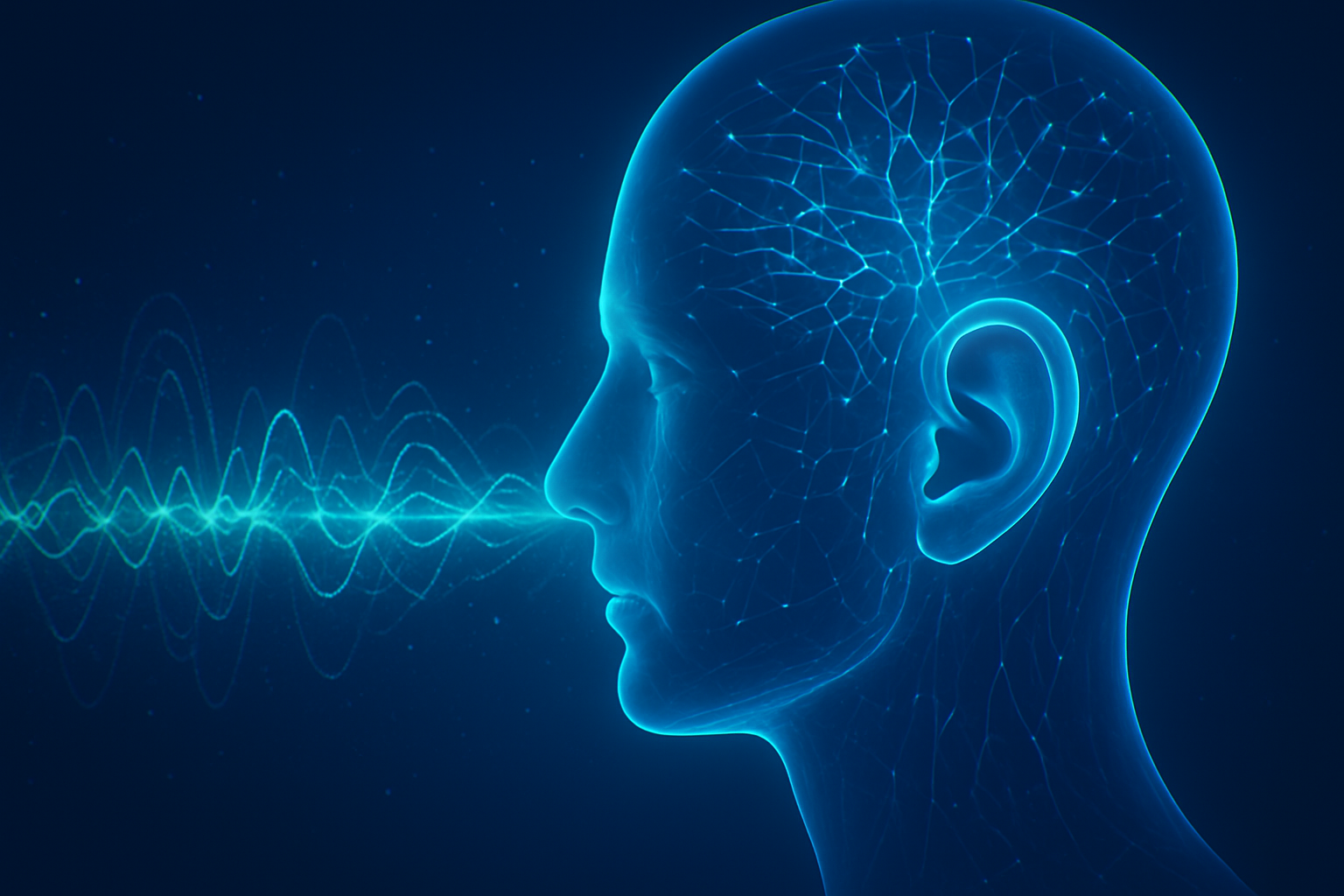
    In a monumental leap forward for auditory health, cutting-edge artificial intelligence (AI) is transforming the landscape of hearing assistance, offering unprecedented clarity and connection to millions worldwide. This isn't merely an incremental upgrade; it's a paradigm shift, moving beyond simple sound amplification to deliver personalized, adaptive, and profoundly intelligent solutions that promise to dramatically improve the quality of life for individuals grappling with hearing impairments. The immediate significance of these advancements lies in their ability to not only restore hearing but to enhance the brain's ability to process sound, mitigate listening fatigue, and integrate seamlessly into the user's daily life, offering a newfound sense of engagement and ease in communication.

    The Inner Workings: Deep Neural Networks and Adaptive Intelligence

    At the heart of this AI revolution are sophisticated Deep Neural Networks (DNNs), algorithms designed to emulate the human brain's remarkable capacity for sound processing. These DNNs operate in real-time, meticulously analyzing complex auditory environments to discern and differentiate between speech, music, and various forms of background noise. This intelligent discrimination allows AI-powered hearing devices to prioritize and amplify human speech while simultaneously suppressing distracting ambient sounds, thereby creating a significantly clearer and more natural listening experience, particularly in notoriously challenging settings like bustling restaurants or crowded social gatherings. This advanced filtering mechanism represents a radical departure from older technologies, which often amplified all sounds indiscriminately, leading to a cacophony that could be more disorienting than helpful. The result is a substantial reduction in "listening fatigue," a pervasive issue for many hearing aid users who expend considerable cognitive effort trying to decipher conversations amidst noise.

    Technical specifications of these new devices often include dedicated Neuro Processing Units (NPUs) or DNN accelerator engines, specialized computer chips that are optimized for AI computations. For instance, Starkey Hearing Technologies' (NASDAQ: STARK) Edge AI and Genesis AI platforms utilize revolutionary Neuro Processors with integrated DNNs, capable of making billions of adjustments daily. Similarly, Oticon's (CPH: OTIC) More and Intent models leverage their proprietary MoreSound Intelligence and DNN 2.0, with the Intent model featuring 4D Sensor technology to interpret user communication intentions. These advanced processors allow for instantaneous separation of speech frequencies from background noise, leading to remarkable improvements in speech recognition. This differs fundamentally from previous analog or even early digital hearing aids that relied on simpler algorithms for noise reduction and amplification, lacking the contextual understanding and real-time adaptability that DNNs provide. Initial reactions from the AI research community and industry experts have been overwhelmingly positive, hailing these developments as a major breakthrough that addresses long-standing limitations in hearing aid technology, paving the way for truly intelligent auditory prosthetics.

    Market Dynamics: Reshaping the Hearing Health Industry

    The emergence of these advanced AI hearing technologies is poised to significantly reshape the competitive landscape of the hearing health industry, benefiting established players and creating new opportunities for innovative startups. Companies like Starkey Hearing Technologies, Oticon (part of GN Group (CPH: GN)), Phonak (a brand of Sonova (SIX: SOON)), Widex (part of WS Audiology), and Signia (part of WS Audiology) stand to gain substantial strategic advantages. These industry leaders, already heavily invested in R&D, are leveraging their deep expertise and market reach to integrate sophisticated AI into their next-generation devices. Starkey, for example, has been a pioneer, introducing the first AI-powered hearing aid in 2018 and continuing to innovate with their Edge AI and Genesis AI platforms, which also incorporate health and wellness monitoring. Oticon's Oticon Intent, with its 4D Sensor technology, demonstrates a focus on understanding user intent, a critical differentiator.

    The competitive implications for major AI labs and tech companies are also significant, as the underlying AI advancements, particularly in real-time audio processing and machine learning, are transferable across various domains. While not directly producing hearing aids, tech giants with strong AI research divisions could potentially collaborate or acquire specialized startups to enter this lucrative market. This development could disrupt existing products and services by rendering older, non-AI-powered hearing aids less competitive due to their limited functionality and less natural sound experience. Startups like Olive Union are carving out niches by offering budget-friendly smart hearing aids powered by machine learning, demonstrating that innovation isn't exclusive to the market leaders. Market positioning will increasingly hinge on the sophistication of AI integration, personalization capabilities, and additional features like health monitoring and seamless connectivity, pushing companies to continually innovate to maintain strategic advantages.

    A Broader AI Tapestry: Impacts and Ethical Considerations

    This wave of AI innovation in hearing assistance fits squarely into the broader AI landscape's trend towards hyper-personalization, real-time adaptive systems, and ambient intelligence. It mirrors advancements seen in other fields where AI is used to augment human capabilities, from predictive analytics in healthcare to intelligent assistants in smart homes. The impact extends beyond individual users to public health, potentially reducing the social isolation often associated with hearing loss and improving overall cognitive health by ensuring better auditory input to the brain. Furthermore, the integration of health and wellness monitoring, such as fall detection and activity tracking, transforms hearing aids into comprehensive health devices, aligning with the growing trend of wearable technology for continuous health management.

    However, these advancements also bring potential concerns. Data privacy is paramount, as AI-powered devices collect vast amounts of personal auditory and health data. Ensuring the secure handling and ethical use of this sensitive information will be crucial. There are also questions about accessibility and affordability, as cutting-edge AI technology can be expensive, potentially widening the gap for those who cannot afford the latest devices. Comparisons to previous AI milestones, such as the breakthroughs in natural language processing or computer vision, highlight a similar trajectory: initial skepticism followed by rapid innovation and widespread adoption, fundamentally changing how humans interact with technology and the world. This development underscores AI's profound potential to address real-world human challenges, moving beyond theoretical applications to deliver tangible, life-altering benefits.

    The Horizon: Future Developments and Uncharted Territories

    The trajectory of AI in hearing assistance points towards even more sophisticated and integrated solutions on the horizon. Near-term developments are expected to focus on further refining DNN algorithms for even greater accuracy in sound separation and speech enhancement, particularly in extremely challenging acoustic environments. We can anticipate more advanced personalized learning capabilities, where devices not only adapt to sound environments but also to the user's cognitive state and communication intent, perhaps even predicting and preempting listening difficulties. The integration with other smart devices and ecosystems will become even more seamless, with hearing aids acting as central hubs for auditory input from various sources, including smart homes, public transport systems (via technologies like Auracast), and virtual reality platforms.

    Long-term potential applications and use cases are vast. Imagine hearing aids that can provide real-time language translation, not just transcription, or devices that can filter out specific voices from a crowd based on user preference. There's also the potential for AI to play a significant role in early detection of auditory processing disorders or even neurological conditions by analyzing subtle changes in how a user processes sound over time. Challenges that need to be addressed include miniaturization of powerful AI processors, extending battery life to support complex computations, and ensuring robust cybersecurity measures to protect sensitive user data. Experts predict that the next decade will see hearing aids evolve into truly intelligent, invisible personal assistants, offering not just hearing support but a comprehensive suite of cognitive and health-monitoring services, further blurring the lines between medical device and advanced wearable technology.

    A New Auditory Epoch: A Comprehensive Wrap-Up

    The advent of advanced AI in hearing assistance marks a pivotal moment in the history of auditory technology. The key takeaways are clear: AI, particularly through Deep Neural Networks, has moved beyond simple amplification to intelligent, adaptive sound processing, offering unprecedented clarity and personalization. This development significantly mitigates challenges like background noise and listening fatigue, fundamentally improving the quality of life for individuals with hearing impairments. The industry is undergoing a significant transformation, with established companies gaining strategic advantages through innovation and new startups emerging with disruptive solutions.

    This development's significance in AI history lies in its demonstration of AI's capacity to deliver tangible, human-centric benefits, addressing a widespread health issue with sophisticated technological solutions. It underscores a broader trend of AI moving from abstract computational tasks to deeply integrated, assistive technologies that augment human perception and interaction. The long-term impact is profound, promising not just better hearing, but enhanced cognitive function, greater social engagement, and a new paradigm for personal health monitoring. In the coming weeks and months, watch for continued announcements from leading hearing aid manufacturers showcasing further refinements in AI algorithms, expanded health tracking features, and more seamless integration with other smart devices. The future of hearing is not just about listening; it's about intelligent understanding and effortless connection, powered by the relentless march of artificial intelligence.


    This content is intended for informational purposes only and represents analysis of current AI developments.

    TokenRing AI delivers enterprise-grade solutions for multi-agent AI workflow orchestration, AI-powered development tools, and seamless remote collaboration platforms.
    For more information, visit https://www.tokenring.ai/.
  • AI Revolutionizes Senior Safety: Cutting-Edge Tech Prevents Falls, Enhances Independence

    AI Revolutionizes Senior Safety: Cutting-Edge Tech Prevents Falls, Enhances Independence

    The global demographic shift towards an aging population has brought with it a critical challenge: ensuring the safety and independence of seniors, particularly concerning falls. Falls are a leading cause of injury and death among older adults, often leading to severe health complications, reduced quality of life, and substantial healthcare costs. In a groundbreaking response, a new wave of artificial intelligence (AI)-powered technologies is emerging, poised to transform senior care by moving beyond reactive fall detection to proactive prediction and prevention. These innovations, encompassing advanced fall detection devices, smart locks, and a suite of assistive technologies, are not merely incremental improvements but represent a fundamental paradigm shift in how we safeguard our elders, promising to enhance their autonomy and provide invaluable peace of mind for families and caregivers.

    These cutting-edge solutions integrate sophisticated sensors, machine learning algorithms, and seamless connectivity to create intelligent environments that continuously monitor, assess, and mitigate fall risks. From discreet wearables that track gait and balance to non-intrusive ambient sensors that map movement patterns, and smart home systems that automate safety features, the immediate significance of these developments lies in their ability to offer real-time vigilance and rapid intervention. By reducing the incidence of falls and the severity of their consequences, these technologies are empowering seniors to "age in place" with greater confidence and dignity, fostering a future where independence is sustained through intelligent support.

    The Technical Core: AI's Precision in Fall Prevention

    The technical sophistication of modern fall prevention systems for seniors is a testament to the rapid advancements in AI and sensor technology. At their heart are diverse sensor modalities coupled with advanced machine learning (ML) and deep learning algorithms, enabling unprecedented accuracy and predictive capabilities.

    Fall Detection Devices: These systems integrate a combination of accelerometers, gyroscopes, and sometimes barometric pressure sensors in wearables like smartwatches (e.g., Samsung (KRX: 005930) Galaxy Watch 6, Medical Guardian MGMove) or specialized pendants. These sensors continuously monitor movement, orientation, and changes in altitude. Non-wearable solutions are also gaining prominence, utilizing AI-powered video systems (e.g., Kami Home's Fall Detect, boasting 99.5% accuracy), radar, infrared, and thermal occupancy sensors. These ambient technologies monitor movement through anonymized data (heat signatures or radar signals), prioritizing privacy by analyzing patterns rather than capturing personally identifiable images. Fusion systems, combining both wearable and non-wearable data, further enhance reliability. The AI/ML algorithms analyze this multimodal data to create personalized movement profiles, distinguish between normal activities and actual falls, and even predict potential falls by identifying subtle changes in gait or balance. This marks a significant departure from older, reactive "panic button" systems or basic threshold-based accelerometers, which often suffered from high false alarm rates and only reacted after a fall occurred.

    Smart Locks: While not directly detecting falls, smart locks play a crucial indirect role in fall prevention by enhancing home security and convenience. Technically, they offer various keyless entry methods, including keypads, biometrics (fingerprint, facial recognition), smartphone apps, and voice control via assistants like Amazon (NASDAQ: AMZN) Alexa or Google (NASDAQ: GOOGL) Assistant. They feature robust security through encryption, tamper alerts, and auto-locking functions. Crucially, they enable remote access management for caregivers and can provide inactivity monitoring, alerting if a door hasn't been opened for an unusual period. This differs from traditional locks by eliminating the need for physical keys, which can be difficult for seniors with dexterity issues, and offering remote management and enhanced security features that traditional mechanical locks simply cannot provide.

    Assistive Technologies: A broader array of assistive technologies further leverages AI, IoT, and robotics. Smart lighting systems, often motion-activated or voice-controlled, automatically illuminate pathways, directly addressing poor lighting—a significant fall risk. Voice-activated assistants enable hands-free control of home environments, reducing the need for physical movement. More advanced solutions include robotics for physical support, like MIT's E-BAR (Elderly Bodily Assistance Robot), which can provide stability and even actively catch a falling person. Smart flooring systems, such as SensFloor, embed sensors that detect falls and alert caregivers. Virtual Reality (VR) programs (e.g., GaitBetter) are emerging for rehabilitation, using AI to improve gait and balance. These differ from earlier, simpler assistive devices by offering integrated, intelligent, and often proactive support, learning from user behavior and adapting to individual needs.

    Initial reactions from the AI research community and industry experts are overwhelmingly positive. They emphasize AI's potential to transition from mere detection to sophisticated prediction and prevention, significantly reducing fall incidents and their associated injuries. Experts highlight the profound psychological impact, restoring confidence in older adults and alleviating the pervasive fear of falling. However, concerns around privacy, data use, algorithmic bias, and the need for user-friendly interfaces remain active areas of discussion and research.

    Corporate Landscape: Beneficiaries, Disruption, and Strategic Advantages

    The advent of cutting-edge AI fall prevention technology is profoundly reshaping the competitive dynamics across AI companies, tech giants, and nimble startups, creating a burgeoning market driven by both humanitarian need and significant economic opportunity.

    Specialized AI Fall Prevention Companies are the primary beneficiaries. Companies like SafelyYou, which uses AI-enhanced cameras in senior living communities to reduce falls by 40%, and VirtuSense Technologies, whose VSTAlert uses machine vision to predict bed exits, are leaders in this space. Connect America and Dozee are also making strides with AI-driven fall prevention programs. These companies benefit by carving out specialized niches, attracting significant investment, and partnering directly with healthcare providers and senior living facilities. Startups such as Nobi (smart lamp for fall detection), CarePredict (AI-powered predictive analytics), GaitQ, Buddi, MintT, Kinesis Health Technologies, and Kaspard are rapidly innovating with diverse solutions, benefiting from investor interest and strategic partnerships.

    Tech Giants, with their vast resources in AI, IoT, and cloud infrastructure, are positioned to integrate fall prevention features into their broader smart home and wearable ecosystems. Companies like Amazon (NASDAQ: AMZN) and Google (NASDAQ: GOOGL) can embed fall detection into their smart speakers and security cameras, leveraging their cloud services for data processing and AI model training. Apple (NASDAQ: AAPL) and Samsung (KRX: 005930) are already incorporating fall detection into their smartwatches, benefiting from their massive user bases and established hardware platforms. Their strategic advantage lies in their ability to offer holistic, integrated solutions and to acquire promising startups to quickly expand their elder tech footprint.

    This technological wave is causing significant disruption to traditional, reactive fall prevention methods. Simple bed alarms and inconsistent manual risk assessments are being rendered less effective by AI's precise, adaptable, and real-time data-driven approaches. The shift from merely reacting to falls to proactively predicting and preventing them fundamentally alters care delivery, reducing the burden of constant physical staff monitoring and addressing staff shortages and burnout. High false alarm rates, a common issue with older sensor-based systems, are being drastically reduced by AI, improving efficiency and credibility.

    Companies are establishing strategic advantages by focusing on predictive analytics and early warning systems, moving beyond simple detection to identify subtle changes indicative of increased fall risk. Real-time intervention capabilities, personalized care plans based on AI-driven insights, and demonstrable cost-effectiveness for healthcare facilities are crucial for market positioning. Furthermore, developing privacy-by-design solutions (e.g., using radar over cameras) and adhering to ethical AI principles are becoming competitive differentiators, building trust among seniors and their families. The fall management market is projected to reach USD 302.49 million by 2033, underscoring the immense growth potential for companies that can effectively leverage AI to offer accurate, proactive, and ethically sound fall prevention solutions.

    Wider Significance: AI's Role in a Greying World

    The widespread adoption of AI-driven fall prevention technology transcends mere technological advancement; it represents a profound shift in how society approaches elder care, aligning with broader AI trends and impacting healthcare systems globally. This development fits squarely into the burgeoning "AgeTech" revolution, where AI is increasingly applied to address the complex needs of an aging population.

    Broader AI Landscape and Trends: This technology exemplifies AI's maturation into specialized, predictive applications. It leverages sophisticated machine learning algorithms, computer vision, and predictive analytics to move from reactive data analysis to proactive forecasting of individual health events. This mirrors trends seen in other sectors, such as personalized medicine and predictive maintenance in industry. The integration of AI with IoT and smart home ecosystems for continuous, unobtrusive monitoring aligns with the vision of intelligent environments that adapt to human needs. The global market for AI in elderly care is experiencing rapid growth, signaling a fundamental transformation from traditional, often fragmented, care models to integrated, preemptive strategies.

    Impacts on Society and Healthcare: The societal impacts are immense. By significantly reducing falls, AI technology prevents not only physical injuries and hospitalizations but also the subsequent decline in independence, allowing seniors to maintain active, dignified lives. Falls are a leading cause of accidental deaths and injuries for older adults, and AI's ability to mitigate this has significant humanitarian value. Economically, preventing falls translates into substantial cost savings for healthcare systems, reducing emergency room visits, hospital admissions, and long-term care needs. For instance, fall injuries in the U.S. alone cost $50 billion in 2015. AI also enhances care precision and efficiency, optimizing caregiver schedules and freeing staff to focus on direct patient interaction, potentially alleviating burnout in care facilities. Emotionally, the reduced fear of falling and rapid response times contribute to improved peace of mind for both seniors and their families.

    Potential Concerns: Despite the undeniable benefits, the widespread adoption of AI fall prevention technology raises critical ethical and privacy concerns. The collection and analysis of personal health data, particularly through camera-based systems, necessitate robust data security and clear protocols to prevent misuse. The ethical dilemma of balancing continuous monitoring for safety with an individual's autonomy and right to privacy remains a central debate. Technical limitations, such as the reliance on high-quality data for accurate algorithms and the potential for AI to struggle with rare or complex situations, also need addressing. Furthermore, concerns about over-reliance on technology leading to decreased human interaction and the potential for technological failures to compromise safety are valid. The cost of implementation and potential accessibility barriers for certain socioeconomic groups also highlight the need for equitable solutions.

    Comparisons to Previous AI Milestones: This development builds upon earlier AI breakthroughs in machine learning and computer vision. It represents an evolution from traditional, threshold-based fall detection systems that often produced false alarms, to highly accurate, adaptive, and predictive models. The shift from merely detecting falls after they happen to predicting and preventing them is analogous to AI's progression in other fields, moving from simple classification to complex pattern analysis and forecasting. This predictive capability, leveraging algorithms to analyze historical data and real-time factors, signifies a maturation of AI applications in health, echoing the transformative impact of AI in fields like medical diagnostics.

    Future Developments: The Horizon of Intelligent Senior Care

    The trajectory of AI in senior fall prevention points towards an increasingly integrated, proactive, and personalized future, fundamentally transforming how older adults experience safety and independence.

    Near-term developments will focus on refining predictive analytics, with AI systems becoming even more adept at analyzing vast datasets from EHRs, wearables, and ambient sensors to identify subtle fall risks. Expect enhanced real-time monitoring through advanced, privacy-preserving sensors like radar, which can detect movement through walls without cameras. Automated alerts will become faster and more efficient, significantly reducing caregiver response times. Crucially, AI will increasingly contribute to personalized care plans, suggesting customized exercise programs or environmental modifications based on individual risk factors. Stronger integration with existing healthcare infrastructure, such as EHRs and care management platforms, will ensure seamless data exchange and interoperability.

    Long-term developments envision AI moving beyond simple alerts to active intervention. Future systems may incorporate real-time auditory, visual, and tactile cues to correct postural deviations before a fall occurs, potentially integrating with mobility aids. Holistic health data integration will become standard, with AI considering comorbidities, medications, and chronic diseases for a more intricate understanding of fall risk. AI-powered Virtual Reality (VR) will be utilized for balance and mobility training, offering adaptive programs in safe, simulated environments. Robotics may play a more direct role in assisted mobility. Crucially, Explainable AI (XAI) will become vital, providing transparent insights into fall risk assessments and recommendations, coupled with intuitive natural language interfaces to foster trust and improve human-AI interaction. Advanced privacy-preserving techniques like federated learning and homomorphic encryption will also become standard to safeguard sensitive data.

    Potential applications and use cases on the horizon are extensive. In nursing homes and long-term care facilities, AI will provide continuous real-time monitoring, personalized risk assessments, and AI-driven physical therapy. Hospitals will utilize AI to monitor high-risk elderly patients, optimizing resource allocation. In home-based elderly care, remote monitoring via smart sensors and cameras will offer family members and caregivers real-time oversight. AI will also power personalized rehabilitation programs and assist in the early detection of cognitive decline by analyzing behavioral patterns.

    Challenges that need to be addressed include ensuring the absolute accuracy and reliability of AI systems to prevent false positives or negatives, which can have serious consequences. Data privacy and security remain paramount, demanding robust protocols and privacy-preserving techniques. User acceptance and adoption will depend on intuitive interfaces and comprehensive training for both seniors and caregivers. Seamless integration with existing, often complex, healthcare systems is another hurdle. Ethical considerations, such as algorithmic bias and the potential for AI to dehumanize care, must be continually addressed. Finally, the cost of these advanced systems and ensuring equitable accessibility remain significant challenges.

    Experts predict a continued, decisive shift towards proactive and personalized fall prevention, fundamentally driven by AI. The next frontier is not just detecting falls, but predicting them before they happen, enabling timely interventions. AI will act as an "always vigilant assistant" for caregivers, automating routine monitoring and freeing staff for higher-quality human interaction. The focus will be on hyper-personalization, hybrid monitoring systems combining various sensor types, and leveraging AI for early detection of subtle signs of frailty. The overarching theme is that AI will transform fall prevention from a reactive measure into a dynamic, continuously adaptive system, significantly improving the safety and well-being of seniors globally.

    Comprehensive Wrap-Up: A New Era of Elder Care

    The emergence of cutting-edge AI-driven fall prevention technology marks a pivotal moment in elder care, fundamentally redefining how we approach the safety and independence of our senior population. This transformative development is not merely an incremental improvement but a profound paradigm shift from reactive intervention to proactive prediction and prevention.

    Key Takeaways highlight the diversity and sophistication of these solutions. AI-powered wearables, non-wearable ambient sensors (including privacy-preserving radar systems), and multi-sensor devices are creating a robust safety net. The core advancement lies in AI's ability to move beyond simple detection to accurately predict fall risks by analyzing complex data, leading to personalized risk assessments and real-time alerts. The tangible benefits are clear: reduced falls and injuries, enhanced response times, greater independence for seniors, and significant cost savings for healthcare systems.

    In the history of AI, this application stands out as a powerful demonstration of AI's maturation into a domain that directly addresses pressing societal challenges. It showcases AI's capability to integrate multiple modalities—computer vision, sensor data analysis, predictive modeling—into comprehensive, life-enhancing solutions. Furthermore, the strong emphasis on non-invasive, privacy-respecting technologies underscores the growing importance of ethical AI deployment, particularly in sensitive areas of personal care and health.

    The long-term impact of AI in senior fall prevention is poised to be truly transformative. It promises to create safer, smarter, and more compassionate living environments, significantly improving the quality of life for older adults by reducing their fear of falling and fostering greater autonomy. This will contribute to more sustainable healthcare systems by alleviating the burden of fall-related injuries and hospitalizations. AI will continue to personalize care, adapting to individual needs and evolving health conditions, augmenting caregivers' capabilities by automating routine tasks and enabling them to focus on higher-quality human interaction.

    What to watch for in the coming weeks and months includes the continued advancement of highly sophisticated predictive analytics, integrating an even wider array of health data for more precise risk assessments. Expect seamless integration of these systems with electronic health records (EHRs) and broader smart home ecosystems, creating truly holistic care environments. Further developments in highly accurate, privacy-preserving non-invasive sensing technologies will likely minimize the need for wearables or cameras. Also, keep an eye on the emergence of clearer regulatory frameworks and industry standards, which will be crucial for ensuring effectiveness, safety, and data privacy as these technologies become more widespread. Finally, continuous real-world impact data and cost-benefit analyses will further solidify the value proposition of AI in senior fall prevention. This is an exciting and rapidly evolving field, promising a future where aging is met with enhanced safety and sustained independence.


    This content is intended for informational purposes only and represents analysis of current AI developments.

    TokenRing AI delivers enterprise-grade solutions for multi-agent AI workflow orchestration, AI-powered development tools, and seamless remote collaboration platforms.
    For more information, visit https://www.tokenring.ai/.