Tag: Astrobiology

  • Moss, Microbes, and the Martian Dream: How Tiny Organisms Are Paving the Way for Off-World Colonies

    Moss, Microbes, and the Martian Dream: How Tiny Organisms Are Paving the Way for Off-World Colonies

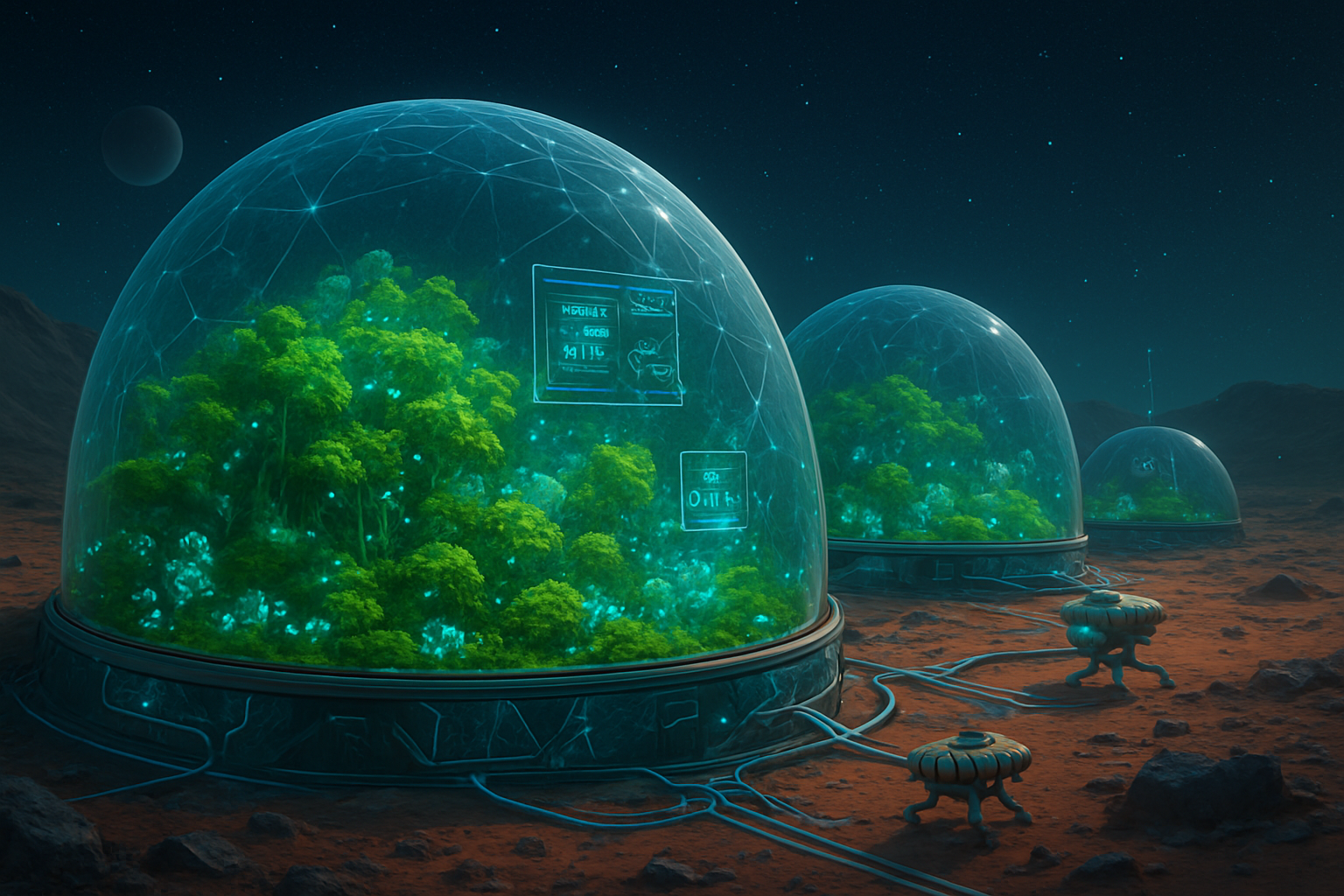
    The ambitious dream of humanity establishing permanent settlements beyond Earth is taking a significant leap forward, not through advanced robotics or colossal spacecraft, but with the humble power of space-hardy organisms, particularly moss and various extremophiles. These resilient life forms are emerging as foundational components for creating sustainable extraterrestrial ecosystems, offering a biologically integrated pathway to overcome the harsh realities of celestial bodies like the Moon and Mars. Their remarkable ability to survive and even thrive in extreme conditions is sparking a paradigm shift in how we envision long-duration space missions and ultimately, human expansion into the cosmos.

    The immediate significance of these "pioneer species" lies in their potential to radically reduce our dependence on Earth-based resupply. By converting carbon dioxide into breathable oxygen, initiating soil formation from barren regolith, recycling waste, and providing the bedrock for future food production, these organisms are not merely biological curiosities but crucial bioengineers. This approach promises to make long-term human presence in space economically and practically viable, fostering self-sufficiency that is critical for the next era of space exploration.

    The Unsung Heroes: Technical Prowess of Extraterrestrial Biota

    Recent groundbreaking research underscores the extraordinary resilience and biological capabilities of space-hardy organisms. A notable study, for instance, involved the moss species Ceratodon purpureus (also known as spreading earthmoss or Physcomitrium patens). Researchers from Hokkaido University in Japan sent hundreds of moss sporophytes to the International Space Station (ISS), exposing them to the vacuum and radiation outside the station for a staggering nine months. Upon their return, over 80% of these spores not only survived but successfully germinated and reproduced on Earth, demonstrating an astonishing capacity for enduring the rigors of space.

    This resilience is attributed to several key biological capabilities. Moss spores, for example, exhibit extraordinary resistance to ultraviolet (UV) radiation, which was identified as a primary challenge for survival in space. Their protective casing acts as a natural shield, absorbing UV radiation and chemically safeguarding the inner spore. Experiments have shown some moss sporophytes to be approximately 1,000 times more resistant to UV radiation than other moss structures. Additionally, these organisms demonstrate remarkable tolerance to extreme temperatures, from -196°C to 55°C, and are highly desiccation-tolerant, meaning they can survive extreme drying and recover upon rehydration—a crucial trait for arid extraterrestrial environments. Beyond moss, other extremophiles like cyanobacteria (Chroococcidiopsis) are being investigated for their ability to withstand radiation, desiccation, and even process Martian regolith to produce oxygen.

    These biological systems represent a significant departure from traditional physicochemical life support systems (PCLSS), which primarily rely on mechanical and chemical processes for air and water recycling. While PCLSS are efficient for shorter missions, they demand continuous resupply. Bioregenerative Life Support Systems (BLSS), leveraging space-hardy organisms, offer self-sustainability by regenerating resources like oxygen, water, and food from waste, mimicking Earth's natural ecosystems. This closed-loop approach drastically reduces the logistical burden and cost of resupply, provides psychological benefits to astronauts, and offers inherent adaptability and self-repair capabilities that mechanical systems lack. The astrobiology and space research community has reacted with both astonishment and cautious optimism, viewing these organisms as promising "pioneer species" that could establish basic ecosystems beyond Earth, though acknowledging challenges in long-term growth and planetary protection.

    A New Frontier for Space Industry and Biotech Innovation

    The burgeoning field of space-hardy organisms is set to create a new economic frontier, significantly benefiting space exploration companies, biotech firms, and research institutions while disrupting traditional approaches to space life support. Companies deeply invested in establishing human presence beyond Earth stand to gain immensely.

    Sierra Space is developing modular space habitats and advanced agricultural solutions for lunar missions, while SpaceX and Blue Origin are poised to integrate these self-sustaining technologies into their ambitious plans for Martian and lunar colonization, dramatically reducing the prohibitive costs of Earth-based resupply. Axiom Space (NASDAQ: AXSP), constructing commercial space stations, could host biomanufacturing hubs to experiment with these organisms. Lunar logistics providers like Astrobotic Technology will find new business in transporting astrobotany payloads. Even aerospace giants like Boeing (NYSE: BA) and Lockheed Martin (NYSE: LMT) are collaborating on lunar agriculture, signifying a broader industry shift.

    Biotech firms are also at the forefront of this revolution. Companies like Solar Foods are exploring novel methods of off-Earth food production, directly benefiting from advancements in extremophile research. Space Tango specializes in microgravity research for organisms, while Varda Space Industries, SpacePharma, and Space Forge are pioneering in-space pharmaceutical manufacturing, potentially leveraging bioengineered space-hardy organisms for novel drug and biomaterial production. Synthetic biology companies such as Ginkgo Bioworks (NYSE: DNA) could engineer moss variants with enhanced radiation resistance. Moonganic and Solsys Mining are dedicated to lunar agriculture and regolith processing for plant growth, respectively. This influx of biological innovation will disrupt existing space life support systems, shifting from purely physicochemical solutions to integrated hybrid systems that combine the best of both worlds. The venture capital interest in space agriculture is projected to reach $10 billion by 2030, highlighting the massive market potential and the emergence of new "astrobiology engineering" firms.

    Beyond Earth: Wider Implications and Ethical Horizons

    The integration of space-hardy organisms into colonization strategies carries profound wider significance for the trajectory of space exploration and humanity's long-term presence beyond Earth. These organisms are not just tools for survival; they are catalysts for "microterraforming," capable of gradually altering planetary environments to make them more hospitable. Cyanobacteria, for instance, can live on Martian soil, produce oxygen, and even mitigate the toxicity of perchlorates. This biological approach to environmental modification represents a fundamental shift from solely relying on complex, energy-intensive mechanical systems.

    This move towards bioregenerative life support systems (BLSS) signifies a crucial evolution from the largely open or semi-closed systems of the past, such as those on the International Space Station (ISS), which remain heavily reliant on Earth-based resupply. BLSS aim for complete material recycling, mirroring Earth's natural ecosystems, offering increased autonomy, resilience, and scalability for permanent settlements. However, this transformative potential also raises significant ethical considerations, particularly concerning planetary protection. The deliberate introduction of Earth-based organisms, even beneficial ones, carries the risk of "forward contamination," potentially altering or extinguishing indigenous life if it exists, and irrevocably impacting scientific integrity. The debate between strict planetary protection and "proactive inoculation protocols" — where microbes are strategically introduced as "terraforming pioneers" — is intensifying, forcing humanity to confront its ethical responsibilities towards potential extraterrestrial biospheres.

    The Road Ahead: Cultivating Our Cosmic Future

    The future of utilizing space-hardy organisms for off-world colonization is marked by both ambitious long-term visions and critical near-term developments. In the immediate future, research will focus on refining controlled environment agriculture (CEA) systems—advanced hydroponics, aeroponics, and vertical farms—to optimize plant growth in space habitats. Experiments on the ISS continue to demonstrate the viability of growing crops like lettuce and radishes, while ground-based simulations explore cultivating staple foods in lunar and Martian regolith simulants. The focus will also be on understanding and mitigating microgravity's effects on plant biology and managing microbial communities within confined habitats to ensure crop health.

    Long-term developments envision fully closed-loop bioregenerative systems that sustain large human populations. These systems will integrate higher plants, micro-algae, and even insects like silkworms for waste conversion, aiming for near-complete material recycling. Experts predict a shift towards highly integrated multi-trophic systems and sophisticated, autonomous environmental control. While full-scale terraforming remains a distant goal, the concept of "Proactive Inoculation Protocols" (PIP) is gaining traction, suggesting the strategic introduction of beneficial microbes as primary colonists to gradually create more hospitable conditions. Challenges remain, including mitigating radiation, understanding microgravity's biological impacts, overcoming regolith toxicity, and ensuring the long-term stability of complex biological systems. However, experts from NASA, ESA, and other agencies agree that space farming is rapidly moving from science fiction to a critical necessity for sustained human presence beyond Earth, with the in-orbit economy potentially surpassing Earth's within the next century.

    A New Era of Biologically-Driven Space Exploration

    The journey towards off-world colonization is undergoing a fundamental transformation, with space-hardy organisms emerging as indispensable architects of our extraterrestrial future. From the astounding resilience of moss spores surviving the vacuum of space to the potential of extremophiles to process alien regolith and generate vital resources, these tiny bioengineers are redefining the boundaries of what's possible. Their significance in the history of space exploration is profound, shifting our focus from merely surviving in space to actively thriving by creating sustainable, self-sufficient ecosystems.

    The long-term impact is nothing short of revolutionary: enabling permanent human habitats, potentially pioneering terraforming efforts, and driving in-situ resource utilization to unprecedented levels. This paradigm shift will necessitate robust policy debates on planetary protection, balancing the imperative to prevent contamination with the strategic utilization of microbes for colonization. In the coming weeks and months, watch for continued ISS experiments, new discoveries of space-adapted microbes, advancements in genomic engineering to enhance microbial capabilities, and the further integration of bioregenerative systems into mission architectures by agencies like NASA (through programs like Artemis) and private ventures such as SpaceX and Blue Origin. The silent, resilient work of these organisms is quietly laying the biological groundwork for humanity's multi-planetary destiny.


    This content is intended for informational purposes only and represents analysis of current AI developments.

    TokenRing AI delivers enterprise-grade solutions for multi-agent AI workflow orchestration, AI-powered development tools, and seamless remote collaboration platforms.
    For more information, visit https://www.tokenring.ai/.
  • Moss Spores Defy the Void: A Tiny Plant’s Giant Leap for Astrobiology and Off-World Ecosystems

    Moss Spores Defy the Void: A Tiny Plant’s Giant Leap for Astrobiology and Off-World Ecosystems

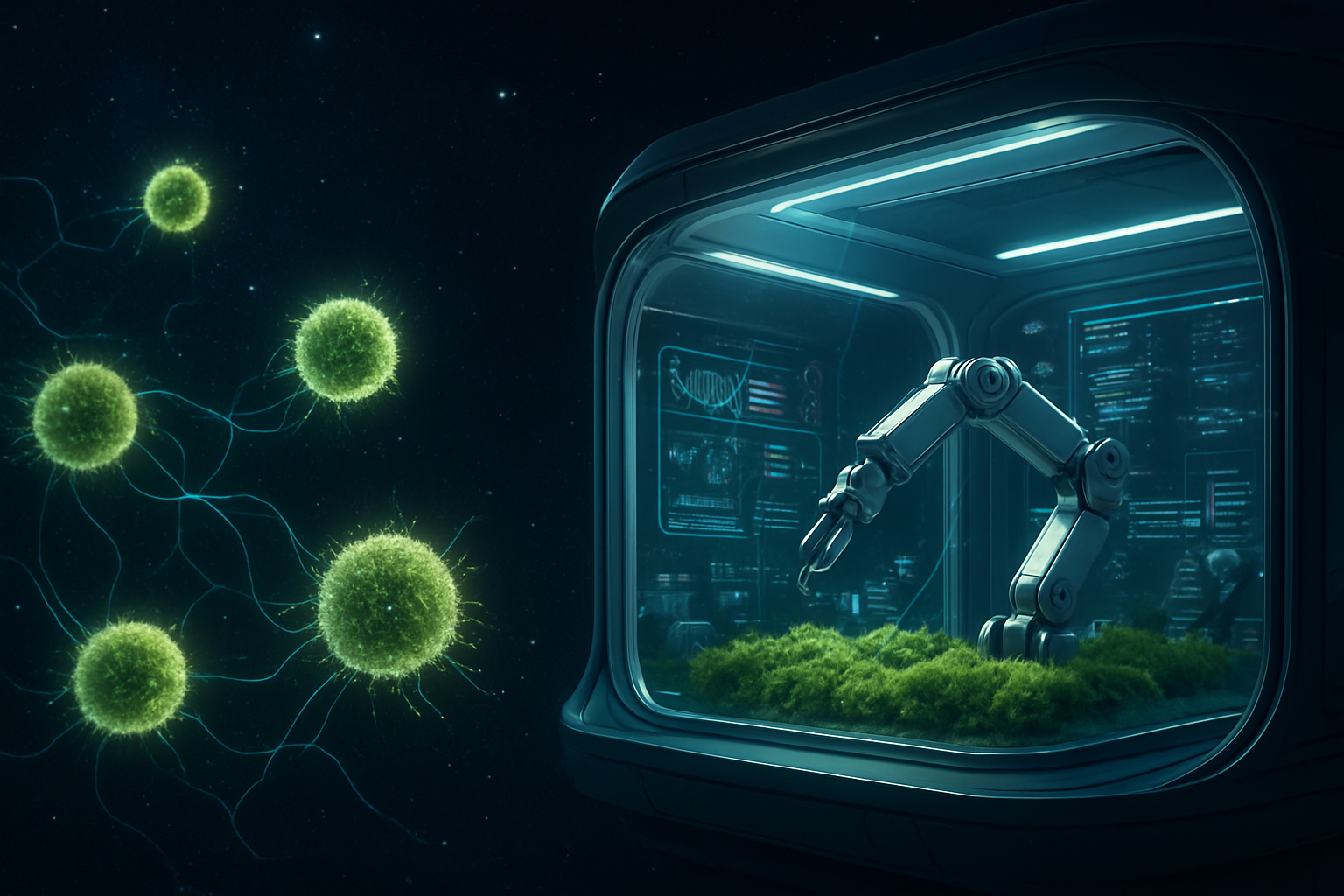
    Recent groundbreaking research has revealed the astonishing resilience of moss spores, with over 80% surviving a nine-month exposure to the brutal conditions on the exterior of the International Space Station (ISS) and retaining their ability to germinate upon return to Earth. This extraordinary discovery, made public in late 2022 and further analyzed in subsequent months, has sent ripples of excitement through the scientific community. It profoundly expands our understanding of life's tenacity, offering significant implications for the theory of panspermia, the ongoing search for extraterrestrial life, and the practical feasibility of establishing sustainable off-world habitats for future human endeavors.

    Unpacking the Microscopic Marvel: Technical Insights into Space-Hardy Moss

    The study, primarily focusing on the moss species Physcomitrium patens (spreading earthmoss) and Ceratodon purpureus, involved exposing their sporophytes—the protective structures containing the spores—to the combined stresses of outer space. For 283 days, from March to December 2022, samples were affixed to the exterior of Japan's Kibo module on the ISS. Here, they faced the vacuum of space, intense cosmic and ultraviolet (UV) radiation, and extreme temperature fluctuations ranging from approximately -196°C to 55°C. Ground simulations prior to flight had already indicated the superior resilience of encapsulated spores compared to juvenile moss or brood cells, with spores exhibiting approximately 1,000 times greater tolerance to UV radiation.

    Upon their return, scientists were astonished to find that 86% of spores exposed to UV rays in space still germinated, compared to 97% in ground controls. While a slight degradation (around 20%) in chlorophyll a was noted, it did not hinder the spores' ability to revive and reproduce. Genetic analysis post-exposure revealed minimal mutations, suggesting the activation of efficient repair mechanisms upon rehydration. The key to this remarkable survival was identified as the sporangium, the natural protective barrier encasing the spores. This structure effectively shielded the inner spores from damaging UV radiation, vacuum conditions, and thermal extremes, an adaptation honed over 500 million years of evolution as bryophytes transitioned to land and survived multiple mass extinction events. Based on these findings, mathematical models predict that these encased moss spores could potentially survive in space for as long as 15 years.

    This survival mechanism, while sharing commonalities with other extremophiles like bacteria, lichens, and tardigrades (which also employ dormancy and desiccation tolerance), distinguishes itself with the specialized, multicellular protective architecture of the sporangium. This unique shielding provides a robust defense, absorbing harmful UV radiation and physically safeguarding the inner spore. Initial reactions from the scientific community, including lead author Dr. Tomomichi Fujita of Hokkaido University, were characterized by "astonishment" at the "extraordinary durability." While some astrobiologists, like Dr. Agata Zupanska of the SETI Institute, acknowledged that dormant forms are known to be resilient, the scale of survival for a relatively complex plant spore after direct space exposure was deemed "striking evidence" with "new frontiers" for space ecology.

    Commercial Currents: How Space Moss Shapes Biotech and Space Tech

    The extraordinary hardiness of moss spores in space carries significant commercial implications, particularly for companies operating in astrobiology research, space technology development, and biotechnology. This discovery challenges existing paradigms and fosters innovation in developing sustainable solutions for extraterrestrial environments.

    In the realm of space technology, companies focused on bioregenerative life support systems stand to benefit immensely. Firms like SpaceX (NASDAQ: TSLA) and Blue Origin (private) could integrate moss into their long-duration mission designs for lunar and Martian habitats, leveraging moss for oxygen generation, humidity regulation, and potentially basic atmospheric conditioning. Axiom Space (private), planning a commercial space station, might find moss-based experiments crucial for validating space agriculture business models. The ability of moss to act as a "pioneer plant" for terraforming efforts, converting barren regolith into rudimentary soil, also creates opportunities for companies involved in space settlement and resource utilization, though this remains a long-term vision.

    Biotechnology companies are poised to explore the genetic secrets behind moss's resilience. Platforms from companies like Schrödinger (NASDAQ: SDGR) and Insilico Medicine (private), which use AI for drug discovery and materials science, could be adapted to analyze moss genomes to identify and engineer genes responsible for radiation resistance or extreme temperature tolerance. These insights could lead to more resilient crops for both space agriculture and climate-challenged terrestrial environments. Furthermore, moss species like Physcomitrium patens are already used in biomanufacturing to produce proteins for medical applications or bioactive compounds for cosmetics, hinting at potential in-space bioproduction capabilities, possibly supported by companies like Varda Space Industries (private) or Merck Life Science (ETR: MRK).

    Artificial intelligence (AI) will play a pivotal role in translating these biological discoveries into practical applications. AI-powered systems for environmental monitoring in space can track the health and growth of moss in habitats or during terraforming initiatives, analyzing sensor data for early anomaly detection. Companies developing AI for geospatial intelligence, like those leveraging Google's (NASDAQ: GOOGL) Earth Engine, could adapt their technologies for extraterrestrial biological monitoring. Moreover, AI, particularly machine learning, is indispensable for rapidly analyzing the complex genomes of extremophiles, accelerating the identification of genes for engineering. NASA's "Artificial Intelligence for Life in Space" (AI4LS) initiative is already building computational frameworks for modeling spaceflight risks and analyzing biological data, underscoring AI's critical role in this evolving frontier.

    A New Chapter in Astrobiology: Wider Implications and Ethical Quandaries

    The survival of moss spores in space is more than just a scientific curiosity; it fundamentally reshapes our understanding of life's adaptability and its potential distribution across the cosmos. This finding significantly strengthens the hypothesis of panspermia, suggesting that life, or at least its hardy reproductive units, could potentially traverse vast interplanetary distances. While not definitive proof, it provides compelling evidence that Earth-originated life, at a cellular level, possesses intrinsic mechanisms to endure the vacuum, radiation, and thermal extremes necessary for such journeys. This broadens the scope of the search for extraterrestrial life, encouraging astrobiologists to consider environments previously deemed too hostile and to look for dormant or spore-like life forms that could reactivate under suitable conditions.

    For the feasibility of long-duration human missions and the establishment of off-world habitats, the implications are particularly profound. Moss could become a vital, low-maintenance component of bioregenerative life support systems for lunar bases and Martian colonies, contributing to oxygen generation, humidity control, and the recycling of air, water, and waste in closed ecological systems. Its role as a "pioneer species" on Earth suggests it could aid in terraforming efforts, transforming barren extraterrestrial regolith into arable land, a critical first step for growing more complex plants for food. This provides a "blueprint for bioengineering resilient systems," potentially leading to engineered moss variants with enhanced radiation resistance.

    However, these exciting prospects are not without significant concerns and ethical considerations. The primary worry is forward contamination, where Earth-based organisms could accidentally be introduced to other planets or moons, potentially altering or destroying native microbial ecosystems, if they exist. This directly conflicts with stringent planetary protection protocols. Introducing foreign species could lead to unpredictable and potentially harmful ecological shifts. Furthermore, while moss spores show remarkable resilience in space, their ability to germinate and grow under various extraterrestrial conditions—different gravity levels, atmospheric compositions, and long-term radiation exposure—remains largely untested. Experts emphasize that spore survival is merely an initial step; the true value lies in active growth and thriving away from Earth. These ethical dilemmas underscore the immense responsibility accompanying humanity's expansion into the cosmos.

    The Horizon: Future Developments and Expert Predictions

    The discovery of moss spore survival in space ignites a new wave of research and development, promising both near-term refinements and long-term transformative applications. In the immediate future, scientists are focused on refining mathematical models to predict spore viability more precisely, with current estimates suggesting survival for up to 15 years in space. Further in-depth investigation into the specific protective mechanisms within the sporangium, particularly its role in UV radiation absorption and physical shielding, is paramount. Researchers will also meticulously assess DNA damage incurred during space exposure and track the efficacy of repair mechanisms upon rehydration, offering crucial insights into biological recovery beyond Earth's protective atmosphere. Experiments will also begin to explore how extraterrestrial soils might support plant growth, using moss as a foundational organism.

    Looking further ahead, the long-term implications are poised to revolutionize how humanity approaches life beyond Earth. Moss could be instrumental in establishing foundational ecosystems on the Moon and Mars, contributing to oxygen generation, humidity control, and initial soil formation. While not a primary food source, its ability to pave the way for more complex plant life is invaluable. The findings also compel a rethinking of the panspermia theory, suggesting that primitive life forms might indeed travel between celestial bodies. Potential applications include advanced bioregenerative life support systems for extended space missions, leveraging moss for closed-loop air, water, and waste recycling. The concept of terraforming, particularly for Mars, could see moss playing a crucial role in kickstarting ecological processes, transforming regolith into fertile ground.

    Despite the immense promise, significant challenges remain. Replicating the full spectrum of deep space hazards, including higher levels of ionizing radiation and prolonged microgravity during interplanetary travel, is difficult. A critical next step is determining if metabolically active (hydrated) mosses, not just dormant spores, can survive and grow in space, as active organisms are far more susceptible to damage. Furthermore, the ability of moss to germinate and thrive under diverse extraterrestrial conditions—varying gravity, atmospheric compositions, and radiation levels—needs rigorous testing. Experts predict continued, longer-duration exposure experiments, potentially on lunar landers, to validate moss's role in regolith transformation. They also foresee increased research into integrating moss with other organisms like algae or bacteria to form more effective symbiotic systems for life support and terraforming. The consensus is clear: this tiny plant provides extraordinary evidence of life's hardiness, opening a new frontier toward constructing ecosystems in extraterrestrial environments.

    Cosmic Resilience: A Wrap-Up on Moss's Enduring Legacy

    The survival of moss spores in the unforgiving vacuum of space marks a pivotal moment in astrobiology and the ongoing quest for interstellar exploration. The key takeaways are clear: moss spores exhibit an extraordinary resilience, with over 80% viability after nine months on the ISS, attributed to their dormant state and the protective sporangium. This tenacity against extreme radiation, vacuum, and temperature fluctuations significantly expands our understanding of life's survival limits.

    This development holds immense significance, bolstering the panspermia hypothesis and broadening the search for extraterrestrial life. For space technology, it offers a tangible pathway toward sustainable human presence beyond Earth, positioning moss as a foundational component for bioregenerative life support systems and a pioneer species for nascent terraforming efforts on the Moon and Mars. While challenges remain, particularly concerning the growth of active organisms in alien environments and critical planetary protection concerns, the implications are transformative.

    In the long term, this discovery will profoundly influence mission planning for lunar bases and Martian colonies, pushing for more self-sufficient and biologically integrated approaches to space exploration. We can expect to see immediate research follow-ups, including detailed genetic analysis and longer-duration exposure experiments, potentially on lunar landers. Watch for advancements in AI-driven monitoring systems to optimize moss growth in controlled extraterrestrial environments and increased focus on bioengineered plants specifically designed for space. The humble moss has proven itself a silent, yet powerful, harbinger of a future where life may indeed flourish beyond Earth.


    This content is intended for informational purposes only and represents analysis of current AI developments.

    TokenRing AI delivers enterprise-grade solutions for multi-agent AI workflow orchestration, AI-powered development tools, and seamless remote collaboration platforms.
    For more information, visit https://www.tokenring.ai/.

  • Martian Ice: NASA’s New Frontier in the Search for Ancient Extraterrestrial Life

    Martian Ice: NASA’s New Frontier in the Search for Ancient Extraterrestrial Life

    Pasadena, CA – October 20, 2025 – In a groundbreaking revelation that could reshape the future of astrobiology, a recent NASA experiment has unequivocally demonstrated that Martian ice possesses the remarkable ability to preserve signs of ancient life for tens of millions of years. Published on September 12, 2025, in the prestigious journal Astrobiology, and widely reported this week, this discovery significantly extends the timeline for potential biosignature preservation on the Red Planet, offering renewed hope and critical guidance for the ongoing quest for extraterrestrial life.

    The findings challenge long-held assumptions about the rapid degradation of organic materials on Mars's harsh surface, spotlighting pure ice deposits as prime targets for future exploration. This pivotal research not only refines the search strategy for upcoming Mars missions but also carries profound implications for understanding the potential habitability of icy worlds throughout our solar system, from Jupiter's (NYSE: JUP) Europa to Saturn's (NYSE: SAT) Enceladus.

    Unveiling Mars's Icy Time Capsules: A Technical Deep Dive

    The innovative study, spearheaded by researchers from NASA Goddard Space Flight Center and Penn State University, meticulously simulated Martian conditions within a controlled laboratory environment. The core of the experiment involved freezing E. coli bacteria in two distinct matrices: pure water ice and a mixture mimicking Martian soil, enriched with silicate-based rocks and clay. These samples were then subjected to extreme cold, approximately -60°F (-51°C), mirroring the frigid temperatures characteristic of Mars's icy regions.

    Crucially, the samples endured gamma radiation levels equivalent to what they would encounter over 20 million years on Mars, with sophisticated modeling extending these projections to 50 million years of exposure. The results were stark and revelatory: over 10% of the amino acids – the fundamental building blocks of proteins – in the pure ice samples survived this prolonged simulated radiation. In stark contrast, organic molecules within the soil-bearing samples degraded almost entirely, exhibiting a decay rate ten times faster than their ice-encased counterparts. This dramatic difference highlights pure ice as a potent protective medium. Scientists posit that ice traps and immobilizes destructive radiation byproducts, such as free radicals, thereby significantly retarding the chemical breakdown of delicate biological molecules. Conversely, the minerals present in Martian soil appear to facilitate the formation of thin liquid films, enabling these destructive particles to move more freely and inflict greater damage.

    This research marks a significant departure from previous approaches, which often assumed a pervasive and rapid destruction of organic matter across the Martian surface due to radiation and oxidation. The new understanding reorients the scientific community towards specific, ice-dominated geological features as potential "time capsules" for ancient biomolecules. Initial reactions from the AI research community and industry experts, while primarily focused on the astrobiological implications, are already considering how advanced AI could be deployed to analyze these newly prioritized icy regions, identify optimal drilling sites, and interpret the complex biosignatures that might be unearthed.

    AI's Role in the Red Planet's Icy Future

    While the NASA experiment directly addresses astrobiological preservation, its broader implications ripple through the AI industry, particularly for companies engaged in space exploration, data analytics, and autonomous systems. This development underscores the escalating need for sophisticated AI technologies that can enhance mission planning, data interpretation, and in-situ analysis on Mars. Companies like Alphabet's (NASDAQ: GOOGL) DeepMind, IBM (NYSE: IBM), and Microsoft (NASDAQ: MSFT), with their extensive AI research capabilities, stand to benefit by developing advanced algorithms for processing the immense datasets generated by Mars orbiters and rovers.

    The competitive landscape for major AI labs will intensify around the development of AI-powered tools capable of guiding autonomous drilling operations into subsurface ice, interpreting complex spectroscopic data to identify biosignatures, and even designing self-correcting scientific experiments on distant planets. Startups specializing in AI for extreme environments, robotics, and advanced sensor fusion could find significant opportunities in contributing to the next generation of Mars exploration hardware and software. This development could disrupt existing approaches to planetary science data analysis, pushing for more intelligent, adaptive systems that can discern subtle signs of life amidst cosmic noise. Strategic advantages will accrue to those AI companies that can offer robust solutions for intelligent exploration, predictive modeling of Martian environments, and the efficient extraction and analysis of precious ice core samples.

    Wider Significance: Reshaping the Search for Life Beyond Earth

    This pioneering research fits seamlessly into the broader AI landscape and ongoing trends in astrobiology, particularly the increasing reliance on intelligent systems for scientific discovery. The finding that pure ice can preserve organic molecules for such extended periods fundamentally alters our understanding of Martian habitability and the potential for life to leave lasting traces. It provides a crucial piece of the puzzle in the long-standing debate about whether Mars ever harbored life, suggesting that if it did, evidence might still be waiting, locked away in its vast ice deposits.

    The impacts are far-reaching: it will undoubtedly influence the design and objectives of upcoming missions, including the Mars Sample Return campaign, by emphasizing the importance of targeting ice-rich regions for sample collection. It also bolsters the scientific rationale for missions to icy moons like Europa and Enceladus, where even colder temperatures could offer even greater preservation potential. Potential concerns, however, include the technological challenges of deep drilling into Martian ice and the stringent planetary protection protocols required to prevent terrestrial contamination of pristine extraterrestrial environments. This milestone stands alongside previous breakthroughs, such as the discovery of ancient riverbeds and methane plumes on Mars, as a critical advancement in the incremental, yet relentless, pursuit of life beyond Earth.

    The Icy Horizon: Future Developments and Expert Predictions

    The implications of this research are expected to drive significant near-term and long-term developments in planetary science and AI. In the immediate future, we can anticipate a recalibration of mission target selections for robotic explorers, with a heightened focus on identifying and characterizing accessible subsurface ice deposits. This will necessitate the rapid development of more advanced drilling technologies capable of penetrating several meters into Martian ice while maintaining sample integrity. AI will play a crucial role in analyzing orbital data to map these ice reserves with unprecedented precision and in guiding autonomous drilling robots.

    Looking further ahead, experts predict that this discovery will accelerate the design and deployment of specialized life-detection instruments optimized for analyzing ice core samples. Potential applications include advanced mass spectrometers and molecular sequencers that can operate in extreme conditions, with AI algorithms trained to identify complex biosignatures from minute organic traces. Challenges that need to be addressed include miniaturizing these sophisticated instruments, ensuring their resilience to the Martian environment, and developing robust planetary protection protocols. Experts predict that the next decade will see a concerted effort to access and analyze Martian ice, potentially culminating in the first definitive evidence of ancient Martian life, or at least a much clearer understanding of its past biological potential.

    Conclusion: A New Era for Martian Exploration

    NASA's groundbreaking experiment on the preservation capabilities of Martian ice marks a pivotal moment in the ongoing search for extraterrestrial life. The revelation that pure ice can act as a long-term sanctuary for organic molecules redefines the most promising avenues for future exploration, shifting focus towards the Red Planet's vast, frozen reserves. This discovery not only enhances the scientific rationale for targeting ice-rich regions but also underscores the critical and expanding role of artificial intelligence in every facet of space exploration – from mission planning and data analysis to autonomous operations and biosignature detection.

    The significance of this development in AI history lies in its demonstration of how fundamental scientific breakthroughs in one field can profoundly influence the technological demands and strategic direction of another. It signals a new era for Mars exploration, one where intelligent systems will be indispensable in unlocking the secrets held within Martian ice. As we look to the coming weeks and months, all eyes will be on how space agencies and AI companies collaborate to translate this scientific triumph into actionable mission strategies and technological innovations, bringing us closer than ever to answering the profound question: Are we alone?


    This content is intended for informational purposes only and represents analysis of current AI developments.

    TokenRing AI delivers enterprise-grade solutions for multi-agent AI workflow orchestration, AI-powered development tools, and seamless remote collaboration platforms.
    For more information, visit https://www.tokenring.ai/.
  • Cosmic Hand-Me-Downs: Astronomers Detect Ancient Water in a Planet-Forming Disk, Reshaping Our Understanding of Life’s Origins

    Cosmic Hand-Me-Downs: Astronomers Detect Ancient Water in a Planet-Forming Disk, Reshaping Our Understanding of Life’s Origins

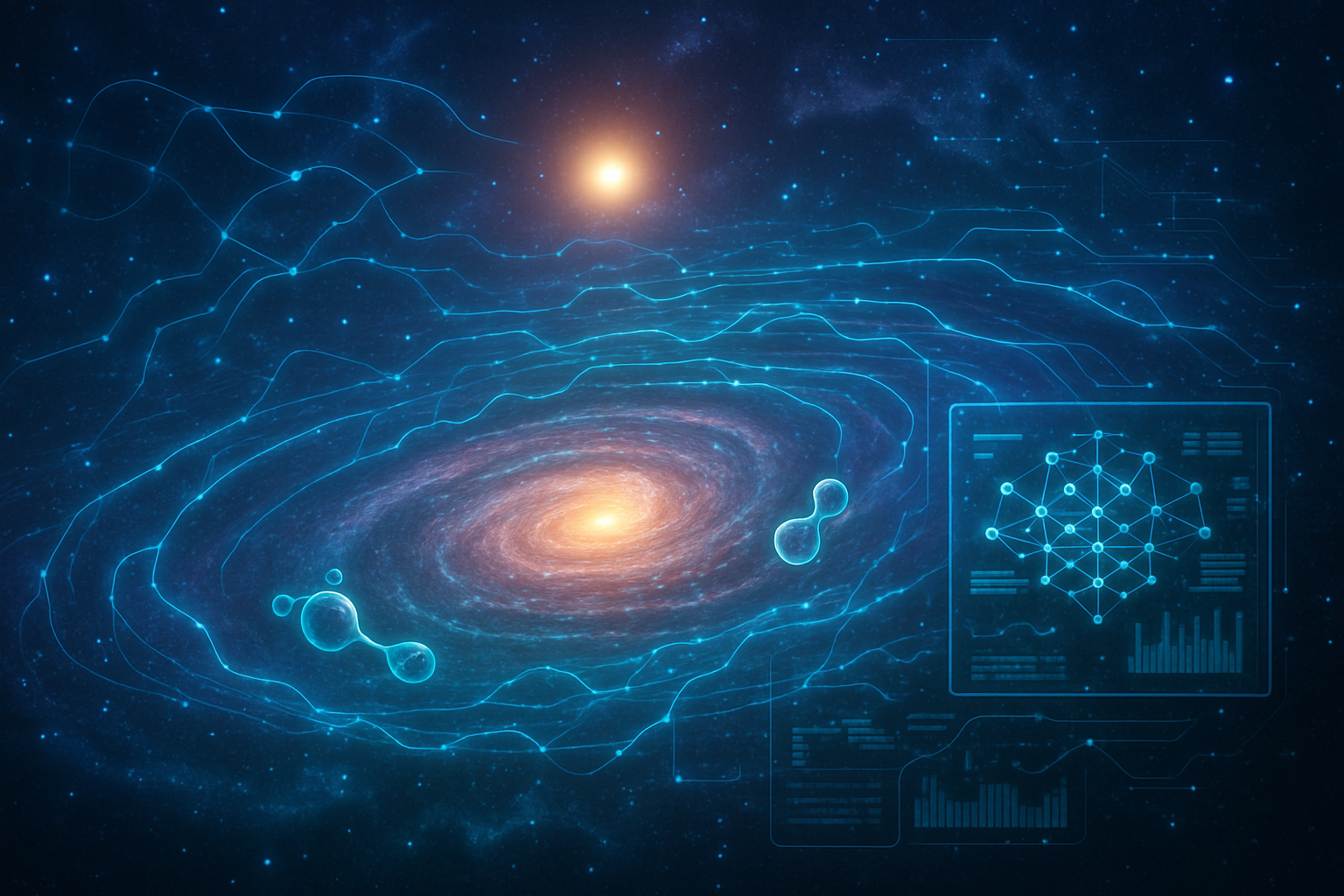
    In a monumental discovery that could fundamentally alter our understanding of how water, and thus life, arrives on nascent planets, astronomers have announced the first-ever detection of doubly deuterated water (D₂O), or "heavy water," in a planet-forming disk. Published in Nature Astronomy on October 15, 2025, this breakthrough provides compelling evidence that the water essential for life might be far older than the stars and planets themselves, a cosmic inheritance passed down through billions of years. This revelation, made possible by cutting-edge observational technology and sophisticated data analysis, has immediate and profound implications for astrobiology and the ongoing quest to understand life's prevalence in the universe.

    The finding suggests a "missing link" in water's journey, tracing its origin back to ancient interstellar molecular clouds, demonstrating its resilience through the violent processes of star and planet formation. For a field increasingly reliant on advanced computational methods and artificial intelligence to sift through vast astronomical datasets, this discovery underscores the critical role AI plays in accelerating scientific understanding and pushing the boundaries of human knowledge about our place in the cosmos.

    Unraveling Water's Ancient Pedigree: A Technical Deep Dive into the V883 Orionis Discovery

    The groundbreaking detection was achieved using the Atacama Large Millimeter/submillimeter Array (ALMA), a sprawling network of 66 high-precision radio telescopes nestled in the Atacama Desert of Chile. ALMA's unparalleled sensitivity and resolution at millimeter and submillimeter wavelengths allowed astronomers to peer into the protoplanetary disk surrounding V883 Orionis, a young star located approximately 1,300 to 1,350 light-years away in the constellation Orion. V883 Orionis is a mere half-million years old, making its surrounding disk a prime target for studying the very early stages of planet formation.

    The specific identification of doubly deuterated water (D₂O) is crucial. Deuterium is a heavier isotope of hydrogen, and the ratio of deuterium to regular hydrogen in water molecules acts as a chemical fingerprint, indicating the conditions under which the water formed. The D₂O detected in V883 Orionis' disk exhibits a ratio similar to that found in ancient molecular gas clouds—the stellar nurseries from which stars like V883 Orionis are born—and also remarkably similar to comets within our own solar system. This chemical signature strongly indicates that the water molecules were not destroyed and reformed within the turbulent environment of the protoplanetary disk, but rather survived the star formation process, remaining intact from their interstellar origins.

    This finding sharply contrasts with theories suggesting that most water forms in situ within the protoplanetary disk itself, after the star has ignited. Instead, it provides direct observational evidence for the "inheritance" theory, where water molecules are preserved as ice grains within molecular clouds, then incorporated into the collapsing gas and dust that forms a new star system. This mechanism means that the building blocks of water, and potentially life, are effectively "cosmic hand-me-downs," billions of years older than the celestial bodies they eventually populate. The technical precision of ALMA, coupled with sophisticated spectral analysis techniques, was instrumental in distinguishing the faint D₂O signature amidst the complex chemical environment of the disk, pushing the limits of astronomical observation.

    AI's Guiding Hand in Cosmic Revelations: Impact on Tech Giants and Startups

    While the detection of heavy water in a planet-forming disk is an astronomical triumph, its implications ripple through the AI industry, particularly for companies engaged in scientific discovery, data analytics, and high-performance computing. Tech giants like Google (NASDAQ: GOOGL), Amazon (NASDAQ: AMZN), and Microsoft (NASDAQ: MSFT), with their extensive cloud computing infrastructure and AI research divisions, stand to benefit indirectly. Their platforms provide the computational power necessary to process the colossal datasets generated by observatories like ALMA, which can produce terabytes of data daily. Advanced AI algorithms for noise reduction, pattern recognition, and spectral analysis are indispensable for extracting meaningful signals from such complex astronomical observations.

    Specialized AI startups focusing on scientific machine learning and computational astrophysics are also poised for growth. Companies developing AI models for astrophysical simulations, exoplanet characterization, and astrobiological data interpretation will find new avenues for application. For instance, AI-driven simulations can model the chemical evolution of protoplanetary disks, helping to predict where and in what forms water might accumulate, and how it might be delivered to forming planets. The ability of AI to identify subtle chemical signatures in noisy data, as was likely in the case with the D₂O detection, showcases its competitive advantage over traditional analytical methods.

    This development reinforces the strategic importance of investing in AI tools that can accelerate scientific discovery. Major AI labs and tech companies are increasingly positioning themselves as enablers of groundbreaking research, offering AI-as-a-service for scientific communities. While not directly disrupting existing consumer products, this advancement highlights the growing market for AI solutions in high-stakes scientific fields, potentially influencing future R&D investments towards more specialized scientific AI applications and fostering collaborations between astronomical institutions and AI development firms.

    A Broader Cosmic Canvas: AI's Role in Astrobiology and Exoplanet Research

    The detection of ancient heavy water in V883 Orionis' disk represents a significant stride in astrobiology, reinforcing the idea that water, a fundamental ingredient for life, is robustly distributed throughout the universe and can survive the tumultuous birth of star systems. This finding fits into the broader AI landscape by underscoring the indispensable role of artificial intelligence in pushing the frontiers of scientific understanding. AI algorithms are not merely tools for data processing; they are increasingly becoming integral partners in hypothesis generation, anomaly detection, and the interpretation of complex astrophysical phenomena.

    The impacts of this discovery are far-reaching. It strengthens the astrobiological argument that many exoplanets could be born with a substantial water endowment, increasing the statistical probability of habitable worlds. This knowledge directly informs the design and observational strategies of future space telescopes, guiding them to target systems most likely to harbor water-rich planets. Potential concerns, if any, lie in the risk of oversimplifying the complex interplay of factors required for habitability, as water is just one piece of the puzzle. However, the rigor of AI-assisted analysis helps to mitigate such risks by allowing for multidimensional data correlation and robust statistical validation.

    Comparing this to previous AI milestones, this event highlights AI's transition from general-purpose problem-solving to highly specialized scientific applications. Just as AI has accelerated drug discovery and climate modeling, it is now profoundly impacting our ability to understand cosmic origins. This discovery, aided by AI's analytical prowess, echoes past breakthroughs like the first exoplanet detections or the imaging of black holes, where advanced computational techniques were crucial for transforming raw data into profound scientific insights, solidifying AI's role as a catalyst for human progress in understanding the universe.

    Charting the Future: AI-Driven Exploration of Water's Cosmic Journey

    Looking ahead, the detection of heavy water in V883 Orionis is just the beginning. Expected near-term developments include further high-resolution observations of other young protoplanetary disks using ALMA and potentially the James Webb Space Telescope (JWST), which can probe different chemical species and thermal environments. AI will be critical in analyzing the even more complex datasets these next-generation observatories produce, enabling astronomers to map the distribution of various water isotopes and other prebiotic molecules across disks with unprecedented detail. Long-term, these findings will inform missions designed to characterize exoplanet atmospheres and and surfaces for signs of water and habitability.

    Potential applications and use cases on the horizon are vast. AI-powered simulations will become even more sophisticated, modeling the entire lifecycle of water from interstellar cloud collapse to planetary accretion, integrating observational data to refine physical and chemical models. This could lead to predictive AI models that forecast the water content of exoplanets based on the characteristics of their host stars and protoplanetary disks. Furthermore, AI could be deployed in autonomous observatories or future space missions, enabling on-the-fly data analysis and decision-making to optimize scientific returns.

    Challenges that need to be addressed include improving the fidelity of astrophysical models, handling increasing data volumes, and developing AI algorithms that can distinguish between subtle chemical variations indicative of different formation pathways. Experts predict that the next decade will see a convergence of astrochemical modeling, advanced observational techniques, and sophisticated AI, leading to a much clearer picture of how common water-rich planets are and, by extension, how prevalent the conditions for life might be throughout the galaxy. The continuous refinement of AI for scientific discovery will be paramount in overcoming these challenges.

    A Watershed Moment: AI and the Ancient Origins of Life's Elixir

    The detection of ancient heavy water in a planet-forming disk marks a watershed moment in both astronomy and artificial intelligence. The key takeaway is clear: water, the very elixir of life, appears to be a resilient, ancient cosmic traveler, capable of surviving the tumultuous birth of star systems and potentially seeding countless new worlds. This discovery not only provides direct evidence for the interstellar inheritance of water but also profoundly strengthens the astrobiological case for widespread habitability beyond Earth.

    This development's significance in AI history lies in its powerful demonstration of how advanced computational intelligence, particularly in data processing and pattern recognition, is no longer just an adjunct but an essential engine for scientific progress. It showcases AI's capacity to unlock secrets hidden within vast, complex datasets, transforming faint signals into fundamental insights about the universe. The ability of AI to analyze ALMA's intricate spectral data was undoubtedly crucial in pinpointing the D₂O signature, highlighting the symbiotic relationship between cutting-edge instrumentation and intelligent algorithms.

    As we look to the coming weeks and months, watch for follow-up observations, new theoretical models incorporating these findings, and an increased focus on AI applications in astrochemical research. This discovery underscores that the search for life's origins is deeply intertwined with understanding the cosmic journey of water, a journey increasingly illuminated by the power of artificial intelligence.


    This content is intended for informational purposes only and represents analysis of current AI developments.

    TokenRing AI delivers enterprise-grade solutions for multi-agent AI workflow orchestration, AI-powered development tools, and seamless remote collaboration platforms.
    For more information, visit https://www.tokenring.ai/.