Tag: Automation

  • The AI Paradox: How Automation is Fueling a Blue-Collar Boom and Drawing Gen Z to Skilled Trades

    The AI Paradox: How Automation is Fueling a Blue-Collar Boom and Drawing Gen Z to Skilled Trades

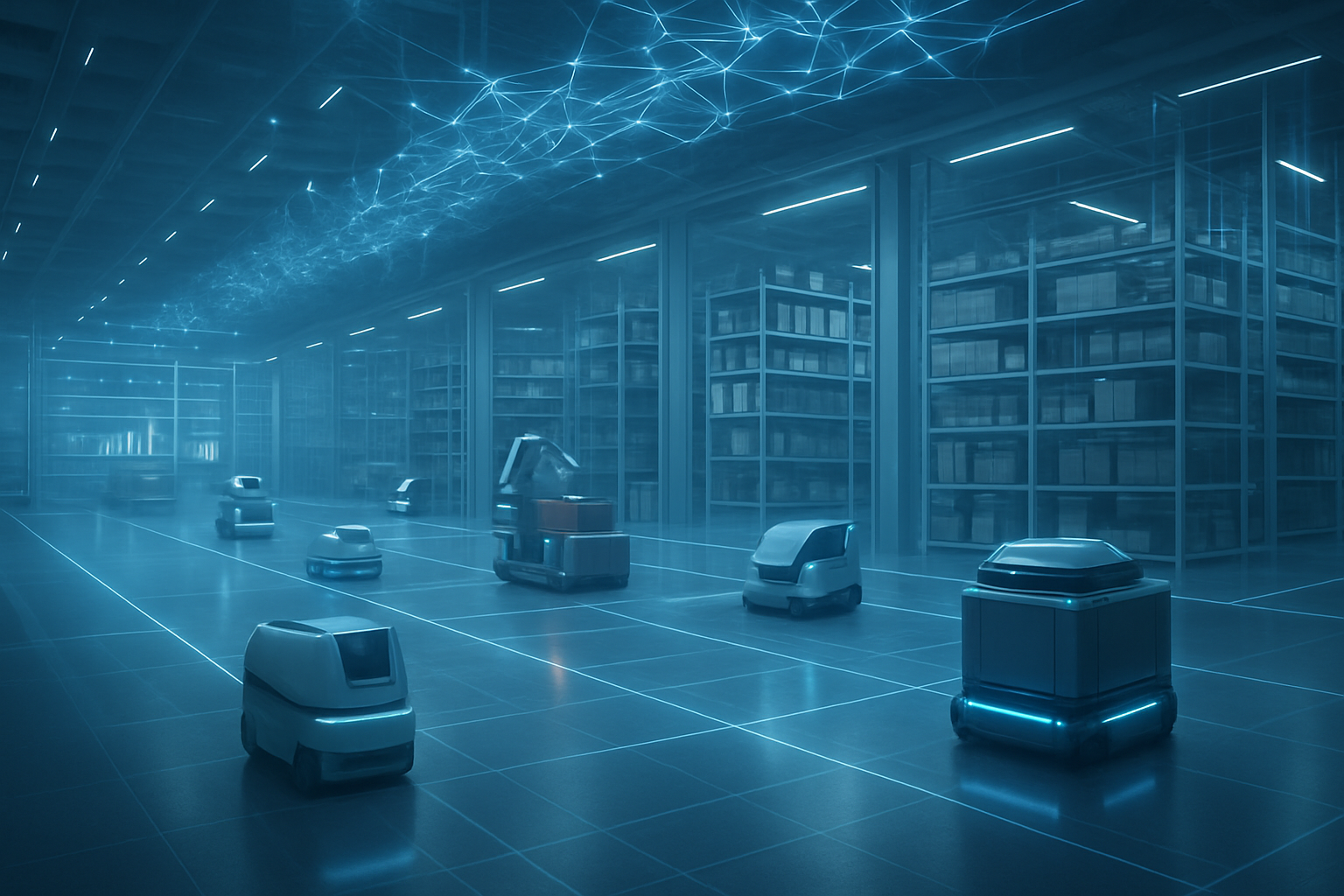
    The relentless march of Artificial Intelligence (AI) is dramatically reconfiguring the global employment landscape, ushering in an era where the perceived security of traditional white-collar professions is being challenged. Far from rendering human labor obsolete, AI's increasing sophistication in automating repetitive tasks is paradoxically sparking a renaissance in blue-collar industries and skilled trades. This seismic shift is profoundly influencing career aspirations, particularly among Generation Z, who are increasingly turning away from four-year degrees in favor of vocational training, recognizing the enduring value and AI-resilience of hands-on expertise.

    Recent developments indicate that while AI and advanced automation are streamlining operations in sectors like manufacturing, construction, and logistics, they are simultaneously creating a robust demand for human skills that AI cannot replicate. This includes complex problem-solving, manual dexterity, critical decision-making, and direct human interaction. As AI takes on the mundane, it elevates the human role, transforming existing jobs and creating entirely new ones that require a blend of technical acumen and practical application.

    AI's Precision Hand: Augmenting, Not Eradicating, the Trades

    The technical advancements driving this transformation are multifaceted, rooted in breakthroughs in machine learning, robotics, and large language models (LLMs) that allow for unprecedented levels of automation and augmentation. Specific details reveal a nuanced integration of AI into blue-collar workflows, enhancing efficiency, safety, and precision.

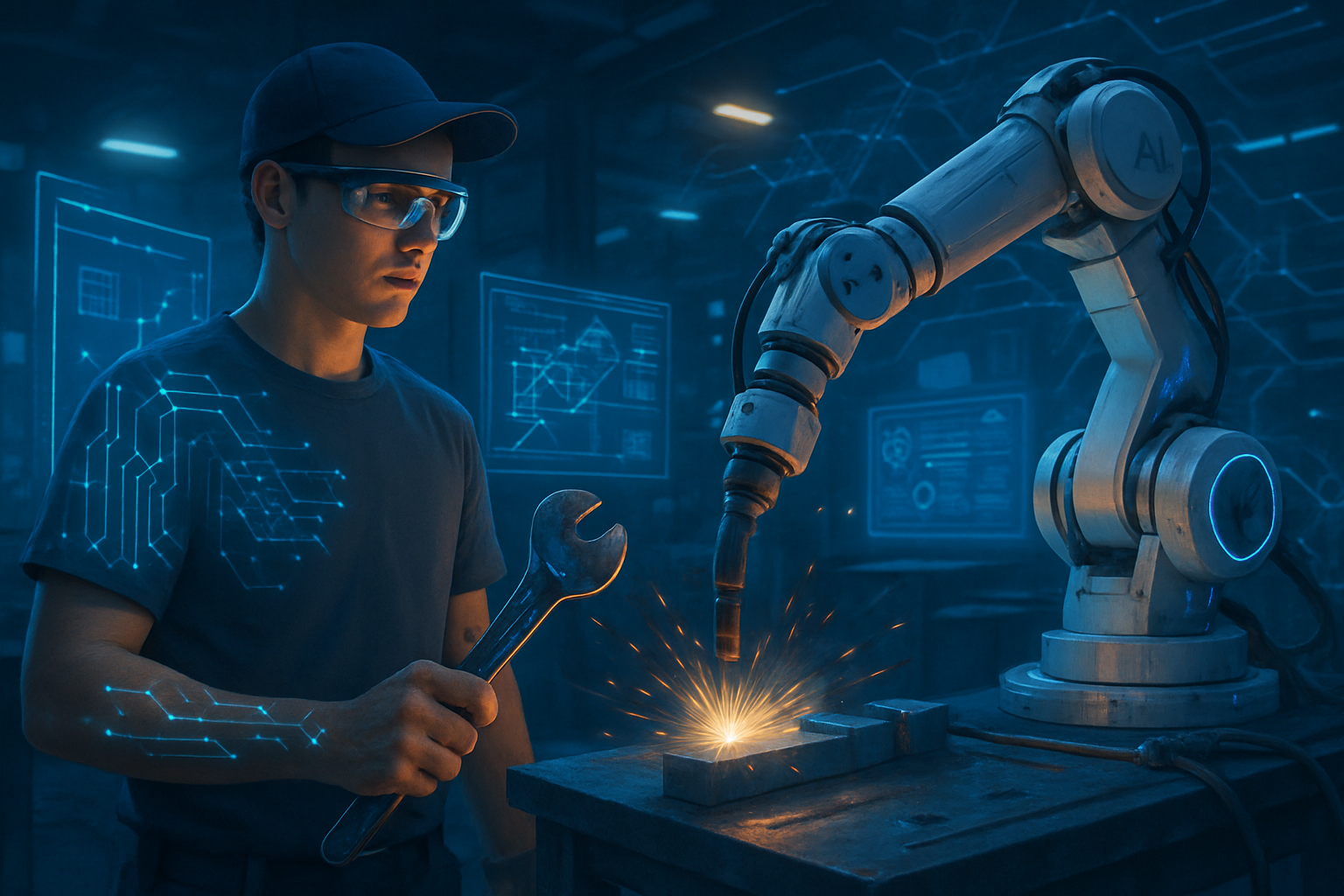
    One significant area is the deployment of AI-driven robotics and automated machinery in manufacturing and construction. For instance, AI-powered Computer Numerical Control (CNC) machines are achieving higher precision and efficiency in material processing, from cutting intricate designs in stone to shaping metals with microscopic accuracy. In construction, robotic bricklayers, autonomous surveying drones, and AI-optimized material handling systems are becoming more common. These systems leverage computer vision and machine learning algorithms to interpret blueprints, navigate complex environments, and execute tasks with a consistency and speed that human workers cannot match. This differs from previous approaches, which often relied on simpler, pre-programmed automation, by incorporating adaptive learning and real-time decision-making capabilities. AI systems can now learn from new data, adapt to changing conditions, and even predict maintenance needs, leading to fewer errors and less downtime. Initial reactions from the AI research community and industry experts highlight this shift from mere automation to intelligent augmentation, where AI acts as a sophisticated co-worker, handling the heavy lifting and repetitive tasks while humans oversee, troubleshoot, and innovate. Experts point out that the integration of AI also significantly improves workplace safety by removing humans from hazards and predicting potential accidents.

    Furthermore, the rise of predictive analytics, powered by machine learning, is revolutionizing maintenance and operational efficiency across blue-collar sectors. AI algorithms analyze vast datasets from sensors (Internet of Things or IoT devices) embedded in machinery and equipment, such as temperature, vibration, pressure, and fluid levels. These algorithms identify subtle patterns and anomalies that indicate potential failures before they occur. For example, in HVAC, marine construction, mining, and manufacturing, ML systems predict equipment breakdowns, optimize maintenance schedules, reduce unplanned downtime, and extend equipment lifespans. This proactive approach saves costs and enhances safety, moving beyond traditional reactive or time-based scheduled maintenance. In quality control, ML-powered apps can process images of weld spatter pixel by pixel to provide quantitative, unbiased feedback to welders, accelerating competency buildup. Large language models (LLMs) are also playing a crucial role, not in direct physical labor, but in streamlining project management, generating safety protocols, and providing on-demand technical documentation, making complex information more accessible to on-site teams. Technicians can use LLMs to navigate complex repair manuals, access remote expert assistance for troubleshooting, and receive guided instructions, reducing errors and improving efficiency in the field. This blend of physical automation and intelligent information processing underscores a profound evolution in how work gets done in traditionally manual professions, offering real-time feedback and adaptive learning capabilities that far surpass static manuals or purely theoretical instruction.

    Shifting Sands: Competitive Implications for Tech Giants and Skilled Labor Platforms

    The evolving landscape of AI-augmented blue-collar work presents a complex web of opportunities and competitive implications for AI companies, tech giants, and startups alike. Companies specializing in industrial automation, robotics, and predictive maintenance stand to benefit immensely from this development. Firms like Boston Dynamics (privately held), known for advanced robotics, and Siemens AG (ETR: SIE), with its industrial automation solutions, are well-positioned to capitalize on the increasing demand for intelligent machines in manufacturing and logistics. Similarly, companies developing AI-powered construction technology, such as Procore Technologies (NYSE: PCOR) with its project management software integrating AI analytics, are seeing increased adoption.

    The competitive implications for major AI labs and tech companies are significant. While some tech giants like Google (NASDAQ: GOOGL) and Microsoft (NASDAQ: MSFT) are primarily focused on LLMs and enterprise AI, their cloud platforms are crucial for hosting and processing the vast amounts of data generated by industrial AI applications. Their competitive advantage lies in providing the underlying infrastructure and AI development tools that power these specialized blue-collar solutions. Startups focusing on niche applications, such as AI for welding inspection or AR guidance for electricians, are also emerging rapidly, often partnering with larger industrial players to scale their innovations. This creates a potential disruption to existing products or services that rely on older, less intelligent automation systems, pushing them towards obsolescence unless they integrate advanced AI capabilities.

    Market positioning is also critical. Companies that can offer end-to-end solutions, combining hardware (robots, sensors) with intelligent software (AI algorithms, predictive models), will gain a strategic advantage. This includes not only the developers of the AI technology but also platforms that connect skilled tradespeople with these new tools and opportunities. For instance, online platforms that facilitate apprenticeships or offer specialized training in AI-assisted trades are becoming increasingly valuable. The demand for skilled workers who can operate, maintain, and troubleshoot these advanced AI systems also creates a new market for training and certification providers, potentially drawing investment from tech companies looking to build out the ecosystem for their products. The overall trend suggests a move towards integrated solutions where AI is not just a tool but an integral part of the workflow, demanding a symbiotic relationship between advanced technology and skilled human labor.

    The Broader Tapestry: AI, Labor, and Societal Transformation

    This shift towards AI-augmented blue-collar work fits into the broader AI landscape as a critical counter-narrative to the widespread fear of mass job displacement. Instead of a dystopian vision of AI replacing all human labor, we are witnessing a more nuanced reality where AI serves as a powerful enhancer, particularly in sectors previously considered less susceptible to technological disruption. This trend aligns with the concept of "AI augmentation," where AI's primary role is to improve human capabilities and efficiency, rather than to fully automate. It also highlights the growing recognition of the economic and societal value of skilled trades, which have often been overlooked in the pursuit of white-collar careers.

    The impacts are profound and far-reaching. Economically, it promises increased productivity, reduced operational costs, and potentially a more resilient workforce less vulnerable to economic downturns that disproportionately affect service-oriented or highly repetitive office jobs. Socially, it offers a pathway to stable, well-paying careers for Gen Z without the burden of crippling student debt, addressing concerns about educational accessibility and economic inequality. However, potential concerns include the need for massive reskilling and upskilling initiatives to ensure the existing workforce can adapt to these new technologies. There's also the risk of a widening gap between those who have access to such training and those who don't, potentially exacerbating existing social divides. This moment draws comparisons to previous industrial revolutions, where new technologies transformed labor markets, creating new categories of work while rendering others obsolete. The key difference now is the speed of change and the cognitive nature of AI's capabilities, demanding a more proactive and agile response from educational institutions and policymakers.

    Furthermore, the environmental impact is also noteworthy. AI-driven optimization in manufacturing and logistics can lead to more efficient resource use and reduced waste. Predictive maintenance, for example, extends the lifespan of machinery, reducing the need for new equipment production. In construction, AI can optimize material usage and reduce rework, contributing to more sustainable practices. However, the energy consumption of AI systems themselves, particularly large language models and complex neural networks, remains a concern that needs to be balanced against the efficiency gains in other sectors. This broader significance underscores that the impact of AI on blue-collar jobs is not merely an economic or labor issue, but a multifaceted phenomenon with wide-ranging societal, educational, and environmental implications, demanding a holistic approach to understanding and managing its trajectory.

    The Horizon of Augmentation: Future Developments and Challenges

    Looking ahead, the integration of AI into skilled trades is expected to accelerate, leading to even more sophisticated applications and use cases. In the near-term, we can anticipate more widespread adoption of AI-powered diagnostic tools, augmented reality (AR) for real-time guidance in complex repairs, and collaborative robots (cobots) working alongside human technicians in manufacturing and assembly. Imagine an electrician using AR glasses that overlay circuit diagrams onto a physical panel, or a plumber receiving real-time AI-driven diagnostics from a smart home system. These tools will not replace the skilled worker but empower them with superhuman precision and knowledge.

    Long-term developments include fully autonomous systems capable of handling a wider range of tasks, particularly in hazardous environments, reducing human exposure to risk. AI will also play a larger role in personalized training and skill development, using adaptive learning platforms to tailor educational content to individual needs, making it easier for new entrants to acquire complex trade skills. Experts predict a future where every skilled trade will have an AI counterpart or assistant, making professions more efficient, safer, and intellectually stimulating. However, challenges remain. The development of robust, reliable, and ethically sound AI systems for critical infrastructure and safety-sensitive trades is paramount. Ensuring data privacy and security in interconnected AI systems is another significant hurdle. Furthermore, the societal challenge of bridging the skills gap and ensuring equitable access to training and job opportunities will need continuous attention. What experts predict will happen next is a continued blurring of lines between "blue-collar" and "white-collar" skills, with a new category of "new-collar" jobs emerging that demand both technical proficiency and digital literacy, making lifelong learning an imperative for all.

    A New Era for Labor: Reshaping Perceptions and Pathways

    In summary, the impact of AI on blue-collar jobs is not one of wholesale replacement, but rather a profound transformation that is simultaneously enhancing productivity and redirecting a new generation towards skilled trades. Key takeaways include the rise of AI as an augmentation tool, the increasing job security and financial appeal of trades for Gen Z, and the imperative for continuous reskilling and upskilling across the workforce. This development signifies a critical juncture in AI history, challenging long-held assumptions about automation's effects on employment and highlighting the enduring value of human ingenuity, adaptability, and hands-on expertise.

    The significance of this development lies in its potential to rebalance the labor market, address critical skill shortages, and offer diverse, financially rewarding career paths that are resilient to future technological disruptions. It also underscores a shift in societal perception, elevating the status of skilled trades as vital, technologically advanced professions. In the coming weeks and months, we should watch for increased investment in vocational training programs, further integration of AI tools into trade-specific education, and continued public discourse on the evolving relationship between humans and intelligent machines. The blue-collar boom, powered by AI, is not just a trend; it's a fundamental reshaping of our economic and social fabric, demanding attention and proactive engagement from all stakeholders.


    This content is intended for informational purposes only and represents analysis of current AI developments.

    TokenRing AI delivers enterprise-grade solutions for multi-agent AI workflow orchestration, AI-powered development tools, and seamless remote collaboration platforms.
    For more information, visit https://www.tokenring.ai/.
  • Amazon’s Robotic Revolution: A Glimpse into a Future Without 600,000 Human Jobs

    Amazon’s Robotic Revolution: A Glimpse into a Future Without 600,000 Human Jobs

    Seattle, WA – October 22, 2025 – Amazon.com Inc. (NASDAQ: AMZN) is reportedly poised to usher in a new era of automation, with internal documents suggesting the e-commerce giant is considering using advanced robotics and artificial intelligence to fill roles that would otherwise require hiring an additional 600,000 workers by 2033. This ambitious strategy, driven by anticipated sales growth and a relentless pursuit of efficiency, signals a profound shift in the company's operational model and casts a long shadow over the future of work in the logistics and retail sectors.

    The immediate significance of this development is multifaceted. It highlights an accelerating trend towards large-scale automation, where robots are not merely assisting human workers but are strategically deployed to "flatten the hiring curve" for future growth. For the labor market, this foreshadows a potential long-term reduction in new job opportunities for repetitive tasks, intensifying the debate around job displacement, the ethics of automation, and the urgent need for workforce retraining. While Amazon has reportedly pushed back against the full scope of these leaked documents, emphasizing its role as a job creator, the underlying internal considerations underscore a strategic imperative to leverage AI and robotics for unprecedented operational cost savings and efficiency gains.

    The Technical Backbone of Amazon's Automated Future

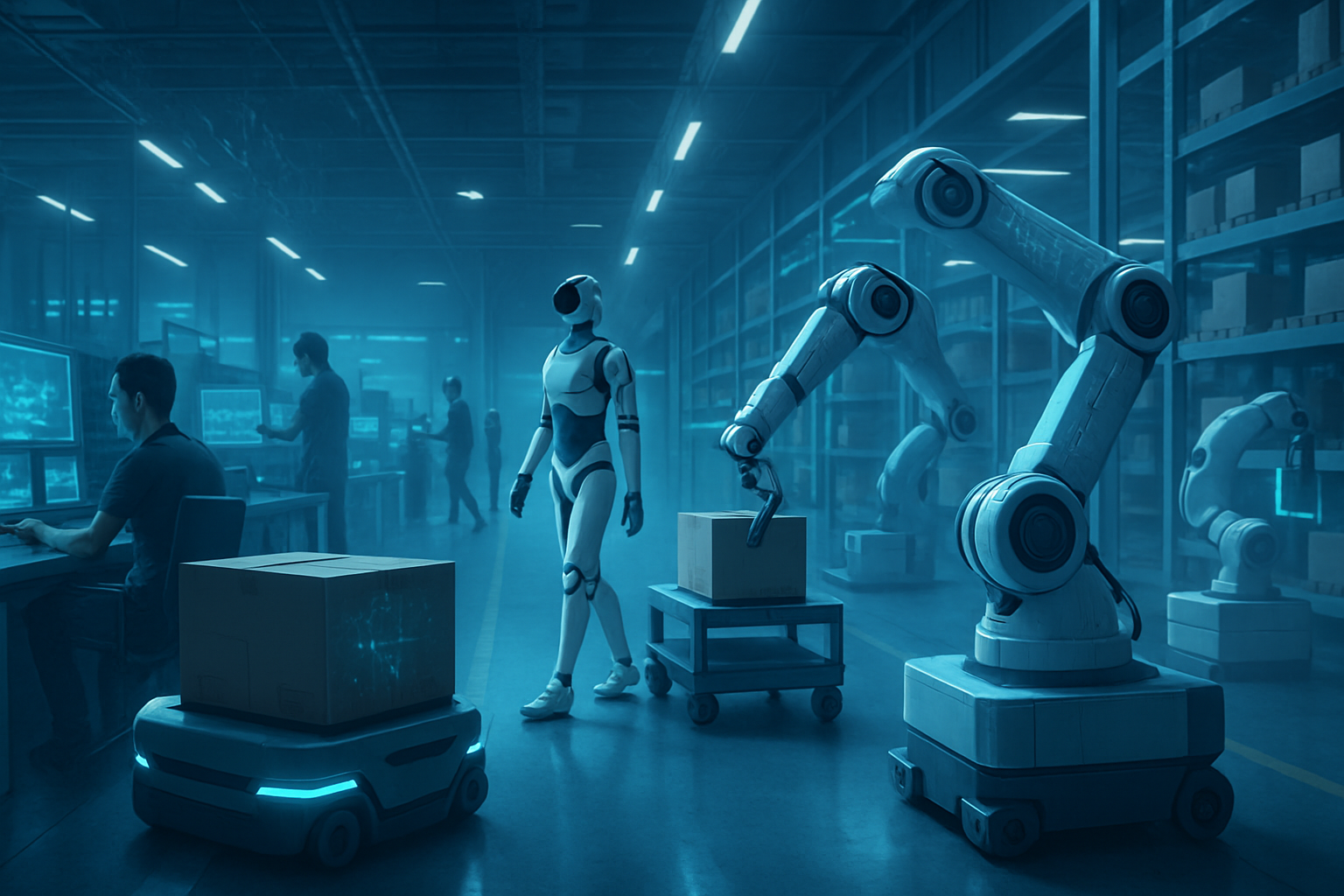
    Amazon's journey into large-scale automation is built upon a sophisticated and continuously evolving array of robotic systems and AI-powered platforms. The company already operates over 750,000 robots globally, and its future plans involve a deeper integration of these technologies into every facet of its fulfillment network.

    At the core of this transformation are diverse robotic units. The foundational Kiva Robots (now Amazon Robotics drive units) autonomously move entire shelving units to human operators, a "goods-to-person" system that revolutionized warehouse efficiency. More recently, Amazon introduced Proteus, its first fully autonomous mobile robot (AMR) designed to safely navigate and work alongside human employees in shared spaces, using advanced perception and navigation to avoid collisions. For intricate tasks, robotic arms like Sparrow leverage computer vision and AI to detect, select, and handle individual products of varying shapes and sizes, a significant leap from older systems that handled uniform packages. Cardinal assists with heavy lifting and sorting, capable of moving over 20kg packages.

    Perhaps the most forward-looking development is the integration of Digit, a bipedal humanoid robot from Agility Robotics. Digit's two-legged design allows it to navigate environments built for humans, including stairs and uneven terrains, making it adaptable to existing infrastructure. Initial tests involve tasks like tote recycling. Additionally, integrated systems like Sequoia combine mobile robots, gantry systems, and robotic arms with ergonomic workstations to identify and store inventory up to 75% faster and reduce order processing time by 25%. The Hercules drive unit further improves storage density, and Vulcan, Amazon's first robot with a sense of touch, enhances delicate item manipulation.

    Technically, this scale of automation differs from previous approaches in several key ways. The emphasis on human-robot coexistence (Proteus, Digit) allows for seamless integration into shared workspaces, moving beyond the caged-off environments of traditional industrial robots. The development of advanced dexterity and perception (Sparrow, Vulcan) enables robots to handle the vast diversity of Amazon's inventory, a task previously requiring human precision. The bipedal navigation of Digit opens up new possibilities for automation in complex, multi-level facilities. Critically, these systems are powered by integrated AI and machine learning, enabling real-time decision-making, optimal fleet orchestration (e.g., the DeepFleet generative AI model), and continuous operational optimization, a far cry from pre-programmed, rigid automation.

    Initial reactions from the AI research community and industry experts are mixed. While the efficiency gains and technological innovation are widely acknowledged, there are significant concerns about the potential for large-scale job displacement. Nobel laureate Daron Acemoglu has expressed apprehension that Amazon's success in automation could be emulated by other companies, leading to widespread labor market shifts. Amazon, however, counters by highlighting the creation of new, higher-skilled roles in robotics maintenance and engineering, and its investment in upskilling programs for its workforce.

    Reshaping the AI and Tech Landscape

    Amazon's aggressive push into large-scale AI and robotics is not just an internal operational shift; it's a seismic event that is reshaping the competitive dynamics across the entire tech industry, from AI companies and tech giants to specialized startups.

    Amazon (NASDAQ: AMZN) itself stands to be the primary beneficiary. By automating up to 75% of its warehouse operations, the company anticipates billions in annual savings by 2027, leading to higher operating margins and enabling faster delivery times. This strategic advantage in cost leadership and efficiency is crucial for maintaining its dominance in e-commerce. The internal documents reportedly project savings of approximately 30 cents per item processed, translating to an estimated $12.6 billion in operational cost savings between 2025 and 2027.

    The development creates a lucrative environment for specialized AI and robotics startups. Companies like Agility Robotics (developer of Digit), Figure AI, Swiss-Mile, Skild AI, Rightbot, and Instock are direct beneficiaries, receiving investments from Amazon's venture arms and gaining opportunities to integrate their technologies into Amazon's massive operational network. This provides crucial validation and accelerates their growth. Semiconductor and AI chip manufacturers, such as NVIDIA (NASDAQ: NVDA), also stand to gain significantly from the increased demand for high-powered AI computing infrastructure required to run these sophisticated robotic systems.

    For other tech giants, Amazon's move intensifies the "AI arms race." Competitors in retail and logistics, including Walmart (NYSE: WMT), Target (NYSE: TGT), and FedEx (NYSE: FDX), are compelled to accelerate their own automation strategies to match Amazon's speed and cost efficiency. In the cloud computing arena, Amazon Web Services (AWS) benefits as the underlying infrastructure for Amazon's vast AI and robotics operations, further solidifying its market position against rivals like Microsoft Azure (NASDAQ: MSFT) and Google Cloud (NASDAQ: GOOGL). This competitive pressure drives all major players to invest heavily in proprietary AI infrastructure and advanced AI services.

    The potential disruption to existing products and services is significant. The entire logistics and supply chain industry is being redefined, with Amazon's integrated AI-powered robots slashing shipping costs and accelerating delivery times, setting new industry benchmarks that challenge traditional delivery services. This shift also disrupts workforce dynamics, necessitating massive retraining initiatives as demand for traditional warehouse roles declines while demand for higher-skilled technical and supervisory roles surges. Amazon's strategic advantages lie in unparalleled cost reduction, enhanced customer experience through faster and more reliable delivery, operational resilience against labor shortages, and a data-driven optimization "flywheel" that continuously improves its AI systems.

    A Wider Lens: Implications for Society and the Future of Work

    Amazon's large-scale AI and robotics adoption is more than just a corporate strategy; it's a real-world demonstration of advanced AI's profound impact on society, pushing the boundaries of what's possible while raising critical questions about the future of work and social equity. This development fits squarely within the broader trend of hyper-automation, where intelligent technologies are integrated to automate processes end-to-end.

    The impacts on employment are perhaps the most significant. While Amazon projects avoiding 600,000 hires by 2033, it also claims to have created over 700 new categories of skilled jobs, such as robotics technicians and systems engineers, and upskilled over 700,000 employees. This suggests a polarization of the labor market, where low- and medium-skilled jobs face increasing pressure, while demand for high-skilled technical roles escalates. The nature of work itself is transforming, with robots handling repetitive and physically demanding tasks, theoretically allowing humans to focus on more complex problem-solving and supervisory roles.

    However, this transition comes with potential concerns. The displacement of a large number of low-skilled jobs without adequate reskilling programs could exacerbate income inequality, particularly in communities heavily reliant on logistics employment. There are also concerns about worker welfare and surveillance, as AI-powered systems monitor performance, potentially leading to increased pressure and algorithmic management. The ethical implications extend to algorithmic bias in decision-making and the privacy of data collected from workers. Furthermore, some analyses suggest that automation may disproportionately affect minority workers, who constitute a significant portion of Amazon's warehouse workforce.

    Comparing this to previous AI milestones, Amazon's acquisition of Kiva Systems in 2012 was a pivotal moment for warehouse automation. However, the current drive represents an acceleration beyond mere productivity enhancement. It's about fundamentally reshaping the workforce by flattening hiring curves and actively seeking to replace future labor demand. Unlike earlier industrial revolutions that unfolded over decades, the rapid pace of AI integration means these shifts are occurring within years, necessitating a far more agile societal response. This marks a significant step towards the "Amazonian Era" where algorithmic systems control fundamental aspects of work, setting a precedent for industries worldwide.

    The Road Ahead: Challenges and Expert Predictions

    The trajectory of Amazon's AI and robotics strategy points towards a future characterized by increasingly autonomous and intelligent operations, but not without significant challenges and ongoing societal adjustments.

    In the near term (1-3 years), Amazon aims for a substantial increase in automation, with 75% of certain fulfillment tasks managed by machines. This includes replicating highly automated warehouses, like the one in Shreveport, across 40 facilities by late 2027. The deployment of "cobots" designed to work safely alongside humans will expand, and generative AI models like "DeepFleet" will further optimize robot efficiency. Deeper interoperability among AI services and expanded on-device AI capabilities are also expected.

    Long-term (beyond 3 years), by 2033, Amazon's goal of automating 75% of overall operations to avoid 600,000 hires will drive a complete re-imagining of its workforce. AI is expected to become foundational across its ecosystem, from personalized recommendations and hyper-intelligent customer service agents to AI-guided business decisions. Applications will extend beyond logistics to areas like sustainability (optimizing energy, reducing waste), healthcare, finance, and education, with AWS playing a pivotal role in democratizing AI solutions for enterprises.

    However, several challenges need to be addressed. The most pressing is the job displacement issue and the massive undertaking of reskilling and upskilling the existing workforce to fill new, higher-skilled roles in robotics maintenance, AI engineering, and data analysis. The pace of technological change risks outstripping the ability of many workers to adapt. Ethical concerns regarding algorithmic bias, data privacy, and worker surveillance will require robust frameworks and transparent governance. Worker safety and conditions also remain a concern, as some studies suggest a correlation between automation and increased injury rates or mental strain due to the pressure to keep pace with machines. Technical integration and reliability of complex AI systems, along with potential regulatory scrutiny and labor pushback, are also significant hurdles.

    Experts predict a profound transformation of the workplace. Amazon CEO Andy Jassy anticipates that AI will reduce the company's total corporate workforce over the next few years due to efficiency gains, even as new roles emerge. MIT professor Daron Acemoglu warns that Amazon could shift from being a "net job creator to a net job destroyer." While some experts predict the displacement of 85 million jobs globally by 2025, others suggest the emergence of 97 million new roles better suited to human-machine collaboration. The consensus points to a future of sophisticated human-machine collaboration, but one that demands massive investments in retraining, support programs, and thoughtful long-term planning to navigate the socio-economic shifts and prevent widespread unemployment. Employees who become proficient in AI will be best positioned for the roles of tomorrow.

    A New Frontier in Automation

    Amazon's reported consideration of using robots to absorb the demand for 600,000 additional workers marks a pivotal moment in the history of AI and automation. It underscores the unparalleled efficiency and cost savings that advanced robotics can deliver, profoundly impacting Amazon's market positioning and forcing competitors to accelerate their own technological adoption.

    The long-term impact of this development will be felt across industries and societies. It accelerates the shift towards a hybrid human-robot workforce, demanding a proactive approach to education, workforce retraining, and the development of ethical guidelines for AI deployment. As Amazon continues to push the boundaries of automation, the world will be watching closely to see how this technological leap balances innovation with its broader societal responsibilities. The coming weeks and months will likely bring further details on Amazon's implementation plans, the evolution of its robotic fleet, and the ongoing dialogue surrounding the future of work in an increasingly automated world.


    This content is intended for informational purposes only and represents analysis of current AI developments.

    TokenRing AI delivers enterprise-grade solutions for multi-agent AI workflow orchestration, AI-powered development tools, and seamless remote collaboration platforms.
    For more information, visit https://www.tokenring.ai/.
  • AI Unlocks the Three-Day Work Week Dream: A New Era of Leisure and Productivity Dawns

    AI Unlocks the Three-Day Work Week Dream: A New Era of Leisure and Productivity Dawns

    The long-held dream of a three-day work week is rapidly transitioning from a utopian fantasy to a tangible near-future, thanks to the accelerating advancements in Artificial Intelligence. Echoing the foresight of tech luminaries like Bill Gates, a prominent sports billionaire recently predicted that AI is poised to fundamentally redefine our relationship with labor, ushering in an era where enhanced work-life balance is not a luxury, but a standard. This optimistic outlook suggests that AI will not displace humanity into idleness, but rather liberate us to pursue richer, more fulfilling lives alongside unprecedented productivity.

    This vision, once confined to the realm of science fiction, is gaining significant traction among industry leaders and economists. The core premise is that AI's ability to automate, optimize, and innovate across virtually every sector will dramatically compress the time required to complete tasks, allowing for the same or even greater output in a significantly shorter work week. This isn't merely about incremental efficiency gains; it's about a paradigm shift in how value is created and how human capital is deployed, promising a future where leisure and personal development are elevated without sacrificing economic prosperity.

    The Technical Backbone: How AI Powers a Shorter Work Week

    The technical underpinnings of an AI-driven three-day work week are rooted in the rapid evolution of generative AI, advanced automation, and intelligent workflow orchestration. These technologies are enabling machines to perform tasks that were once exclusively human domains, ranging from routine administrative duties to complex analytical and creative processes.

    Specific advancements include sophisticated large language models (LLMs) that can draft reports, generate code, summarize vast datasets, and even manage communications with remarkable accuracy and speed. Computer vision systems are automating quality control, inventory management, and even intricate manufacturing processes. Robotic process automation (RPA) combined with AI is streamlining back-office operations, handling data entry, invoice processing, and customer service inquiries with minimal human intervention. Furthermore, AI-powered predictive analytics can optimize resource allocation, forecast demand, and preemptively identify operational bottlenecks, leading to unprecedented levels of efficiency across organizations. This differs significantly from previous automation efforts, which often focused on repetitive, rule-based tasks. Modern AI, particularly generative AI, can handle nuanced, context-dependent, and even creative tasks, making it capable of augmenting or even replacing a much broader spectrum of human labor. Initial reactions from the AI research community and industry experts are largely positive, with many acknowledging the transformative potential while also emphasizing the need for ethical development and thoughtful societal adaptation. Researchers are particularly excited about AI's role in creating "super-employees" who can leverage AI tools to achieve output levels previously thought impossible for an individual.

    Competitive Implications and Market Shifts in the AI Landscape

    The advent of AI-enabled shorter work weeks carries profound competitive implications for AI companies, tech giants, and startups alike. Companies that successfully integrate AI to boost productivity and offer enhanced work-life balance will gain significant strategic advantages in attracting and retaining top talent.

    Tech giants like Microsoft (NASDAQ: MSFT), Google (NASDAQ: GOOGL), and Amazon (NASDAQ: AMZN) stand to benefit immensely, as they are at the forefront of developing the foundational AI models and platforms that enable these shifts. Their cloud services (Azure, Google Cloud, AWS) will become even more critical infrastructure for businesses adopting AI at scale. Companies specializing in AI-powered workflow automation, such as UiPath (NYSE: PATH) or ServiceNow (NYSE: NOW), and those developing advanced generative AI tools, will see a surge in demand for their products. Startups focusing on niche AI applications for specific industries or developing innovative AI agents for task management are also poised for rapid growth. The competitive landscape will intensify, pushing companies to not only develop powerful AI but also to integrate it seamlessly into existing workflows, ensuring ease of use and measurable productivity gains. Traditional software companies that fail to embed AI deeply into their offerings risk disruption, as AI-native solutions will offer superior efficiency and capabilities, potentially rendering older products obsolete. Market positioning will increasingly hinge on a company's ability to demonstrate how their AI solutions directly contribute to a more productive, yet less demanding, work environment.

    The Wider Significance: A Societal and Economic Transformation

    The potential for AI to usher in a three-day work week extends far beyond mere corporate efficiency; it represents a profound societal and economic transformation. This development fits squarely within the broader trend of AI moving from a specialized tool to a ubiquitous, transformative force across all aspects of life.

    The impacts could be revolutionary: a significant improvement in public health and well-being due to reduced stress and increased leisure time, a revitalization of local communities as people have more time for civic engagement, and a boom in leisure and entertainment industries. However, potential concerns also loom large. The transition could exacerbate income inequality if the benefits of AI-driven productivity are not broadly distributed, leading to a widening gap between those whose jobs are augmented and those whose jobs are automated away without adequate reskilling or social safety nets. Ethical considerations around AI's decision-making, bias, and surveillance in the workplace will also become more pressing. Comparisons to previous industrial revolutions are apt; just as mechanization shifted labor from agriculture to manufacturing, and computing shifted it to information services, AI promises another fundamental reordering of work. Unlike previous shifts, however, AI's speed and pervasive nature suggest a more rapid and potentially more disruptive transition, demanding proactive policy-making and societal adaptation to ensure an equitable and beneficial outcome for all.

    Future Developments: The Road Ahead for AI and Labor

    Looking ahead, the trajectory of AI's integration into the workforce suggests several near-term and long-term developments. In the near term, we can expect a continued proliferation of specialized AI co-pilots and assistants across various professional domains, from coding and design to legal research and medical diagnostics. These tools will become increasingly sophisticated, capable of handling more complex tasks autonomously or with minimal human oversight.

    Potential applications on the horizon include highly personalized AI tutors and mentors that can rapidly upskill workers for new roles, AI-driven personal assistants that manage individual schedules and tasks across work and personal life, and advanced simulation environments where AI can test and optimize business strategies before real-world implementation. The primary challenges that need to be addressed include developing robust and ethical AI governance frameworks, investing heavily in reskilling and education programs to prepare the workforce for AI-augmented roles, and designing new economic models that can accommodate a future with potentially less traditional full-time employment. Experts predict that the next decade will be characterized by a significant redefinition of "work" itself, with a greater emphasis on creative problem-solving, critical thinking, and human-centric skills that AI cannot easily replicate. The focus will shift from hours worked to value generated.

    Wrap-Up: A New Chapter in Human-AI Collaboration

    In summary, the prediction of an AI-driven three-day work week marks a significant milestone in the ongoing narrative of artificial intelligence. It underscores AI's transformative potential not just for corporate bottom lines, but for the fundamental human experience of work and life. The key takeaways are clear: AI is poised to drastically enhance productivity, enabling unprecedented levels of efficiency and freeing up human time for leisure, personal growth, and societal contribution. This development represents a pivotal moment in AI history, signaling a shift from AI as a mere tool to AI as a catalyst for a restructured society.

    The long-term impact could be a re-evaluation of societal values, placing a greater emphasis on well-being and creative pursuits over relentless labor. However, achieving this positive future will require careful navigation of challenges related to job displacement, economic equity, and ethical AI deployment. In the coming weeks and months, watch for continued announcements from major tech companies regarding new AI products and services designed to boost enterprise productivity. Also, pay close attention to policy discussions around universal basic income, workforce retraining initiatives, and regulations designed to ensure the equitable distribution of AI's benefits. The journey to a three-day work week is not just a technological one; it's a societal one that demands collective foresight and collaborative action.


    This content is intended for informational purposes only and represents analysis of current AI developments.

    TokenRing AI delivers enterprise-grade solutions for multi-agent AI workflow orchestration, AI-powered development tools, and seamless remote collaboration platforms.
    For more information, visit https://www.tokenring.ai/.

  • Salesforce Unlocks $100 Million Annual Savings with AI-Powered Customer Support, Reshaping Enterprise Efficiency

    Salesforce Unlocks $100 Million Annual Savings with AI-Powered Customer Support, Reshaping Enterprise Efficiency

    San Francisco, CA – October 15, 2025 – In a landmark announcement at its annual Dreamforce conference yesterday, October 14, 2025, Salesforce (NYSE: CRM) revealed it is achieving a staggering $100 million in annual savings by integrating advanced artificial intelligence into its customer support operations. This significant milestone underscores the tangible economic benefits of AI adoption in business, setting a new benchmark for enterprise cost efficiency and operational transformation. CEO Marc Benioff highlighted that these savings are a direct result of automating routine tasks, enhancing agent productivity, and fundamentally rethinking how customer service is delivered.

    The revelation by Salesforce sends a clear message to the global enterprise community: AI is no longer just a futuristic concept but a powerful tool for immediate and substantial financial returns. As companies grapple with optimizing expenditures and improving service quality, Salesforce's success story provides a compelling blueprint for leveraging AI to streamline operations, reduce overheads, and reallocate human capital to higher-value tasks. This move not only solidifies Salesforce's position as an AI innovator but also ignites a broader conversation about the future of work and the inevitable integration of AI across all business functions.

    The AI Engine Behind the Savings: Agentforce and Einstein

    Salesforce's impressive $100 million in annual savings is primarily driven by a sophisticated interplay of its proprietary AI technologies, notably the Agentforce platform and the omnipresent Salesforce Einstein. The core mechanism of these savings lies in the automation of routine customer inquiries and the intelligent augmentation of human support agents. Agentforce, Salesforce's AI agent platform, deploys autonomous AI agents capable of communicating with customers across chat, email, and voice channels, effectively handling a vast percentage of initial and even complex service requests. This automation has allowed Salesforce to "rebalance headcount," reportedly reducing its human support team from approximately 9,000 to 5,000 employees, shifting human effort to more nuanced and strategic customer interactions.

    At the heart of Agentforce’s capabilities is Salesforce Einstein, the company’s comprehensive AI for CRM, which provides the intelligence backbone. Einstein leverages advanced Natural Language Processing (NLP) to understand customer intent, sentiment, and context, powering intelligent chatbots and virtual agents that offer 24/7 support. Its generative AI functionalities, such as Einstein Service Agent—the company's first fully autonomous AI agent—and Einstein Copilot, can not only provide relevant answers but also create seamless, conversational interactions, often resolving issues without human intervention. This capability is a significant departure from previous, more rule-based chatbot systems, offering a level of autonomy and intelligence that mimics human understanding. Furthermore, AI-generated replies, case summaries, intelligent routing, and predictive analytics significantly improve resolution times and overall agent efficiency, as evidenced by one client, Reddit, cutting resolution time by 84% and average response time from 8.9 to 1.4 minutes. AI-powered knowledge bases and self-service portals also play a crucial role in deflecting cases, with some clients achieving up to 46% case deflection.

    These advancements represent a paradigm shift from traditional customer support models. Where previous approaches relied heavily on human agents to handle every query, often leading to long wait times and inconsistent service, Salesforce's AI integration allows for instantaneous, personalized, and consistent support at scale. The ability of AI to proactively identify and address potential issues before they escalate further distinguishes this approach, moving from reactive problem-solving to proactive customer engagement. The initial reaction from the industry has been one of keen interest and validation, with experts noting the concrete financial proof of AI's transformative power in enterprise operations.

    Reshaping the Competitive Landscape in Enterprise AI

    Salesforce's announcement carries profound implications for the competitive dynamics within the AI industry, particularly for tech giants and emerging startups. By demonstrating a clear, nine-figure ROI from AI in customer support, Salesforce solidifies its leadership in the CRM and enterprise AI space. This move not only strengthens its Service Cloud offering but also positions it as a frontrunner in the broader race to embed generative AI across all business functions. Competitors in the CRM market, such as Microsoft (NASDAQ: MSFT) with Dynamics 365, Oracle (NYSE: ORCL), and SAP (NYSE: SAP), will face increased pressure to showcase similar, quantifiable AI-driven efficiency gains.

    The competitive implications extend beyond direct CRM rivals. Companies specializing in AI customer service solutions, contact center platforms, and automation tools will find themselves either validated by Salesforce's success or challenged to innovate rapidly. Startups focused on niche AI solutions for customer support may see increased investor interest and partnership opportunities, provided they can demonstrate comparable efficacy and scalability. Conversely, those offering less sophisticated or less integrated AI solutions might struggle to compete with the comprehensive, platform-wide capabilities of a giant like Salesforce. This development could accelerate consolidation in the customer service AI market, as larger players acquire promising technologies to bolster their offerings, potentially disrupting existing product ecosystems that rely on legacy or less intelligent automation. Salesforce’s success also creates a strategic advantage by allowing it to reallocate resources from operational costs to further innovation, widening the gap with competitors who are slower to adopt comprehensive AI strategies.

    Wider Significance and Societal Impacts

    Salesforce's achievement is a potent indicator of the broader AI landscape's trajectory, where the focus is increasingly shifting from theoretical capabilities to demonstrable economic impact. This $100 million saving epitomizes the "AI for efficiency" trend, where businesses are leveraging intelligent automation to optimize operations, reduce overheads, and unlock new avenues for growth. It underscores that AI is not just about groundbreaking research but about practical, scalable applications that deliver tangible business value. The ability to identify over $60 million in potential business opportunities by reaching previously overlooked customers also highlights AI's role in revenue generation, not just cost cutting.

    However, such significant savings, partly attributed to a reported reduction in human support staff, also bring potential concerns to the forefront. The shift from 9,000 to 5,000 employees in customer support raises questions about job displacement and the future of work in an increasingly automated world. While Salesforce emphasizes "rebalancing headcount," the broader societal impact of widespread AI adoption in service industries will necessitate careful consideration of workforce reskilling, upskilling, and the creation of new roles that complement AI capabilities. This development fits into a broader trend of AI milestones, from early expert systems to deep learning breakthroughs, but it stands out by providing clear, large-scale financial proof of concept for autonomous AI agents in a core business function. The challenge will be to ensure that these efficiency gains translate into a net positive for society, balancing corporate profitability with human welfare.

    The Horizon of Autonomous Enterprise AI

    Looking ahead, Salesforce's success with Agentforce and Einstein points towards a future where autonomous AI agents become an even more pervasive and sophisticated component of enterprise operations. We can expect near-term developments to focus on enhancing the cognitive abilities of these agents, allowing them to handle a wider array of complex, nuanced customer interactions with minimal human oversight. This will likely involve advancements in multimodal AI, enabling agents to process and respond to information across various formats, including voice, text, and even visual cues, for a truly holistic understanding of customer needs.

    Long-term, the potential applications extend far beyond customer support. Experts predict that the principles of autonomous AI agents demonstrated by Salesforce will be replicated across other enterprise functions, including sales, marketing, HR, and IT. Imagine AI agents autonomously managing sales pipelines, personalizing marketing campaigns at scale, or resolving internal IT issues with proactive intelligence. Challenges remain, particularly in ensuring data quality, developing truly ethical and unbiased AI systems, and fostering a workforce capable of collaborating effectively with advanced AI. However, the trajectory is clear: AI is moving towards becoming an indispensable, intelligent layer across the entire enterprise, driving unprecedented levels of efficiency and innovation.

    A New Era of AI-Driven Enterprise Efficiency

    Salesforce's announcement of saving $100 million annually through AI in customer support marks a pivotal moment in the history of enterprise AI. It serves as a powerful validation of artificial intelligence's capability to deliver substantial, measurable economic benefits, moving beyond theoretical discussions to concrete financial outcomes. The key takeaways are clear: AI, particularly through autonomous agents and generative capabilities, can dramatically reduce operational costs, enhance customer satisfaction, and strategically reallocate human resources.

    This development signifies a new era where AI is not merely an assistive technology but a transformative force capable of fundamentally reshaping business models and driving unprecedented levels of efficiency. As other companies race to emulate Salesforce's success, the coming weeks and months will be crucial. We should watch for further announcements from major tech players detailing their own AI-driven cost savings, the emergence of more sophisticated autonomous agent platforms, and the continued evolution of the workforce to adapt to this AI-augmented reality. Salesforce has laid down a gauntlet, and the enterprise world is now tasked with picking it up.


    This content is intended for informational purposes only and represents analysis of current AI developments.

    TokenRing AI delivers enterprise-grade solutions for multi-agent AI workflow orchestration, AI-powered development tools, and seamless remote collaboration platforms.
    For more information, visit https://www.tokenring.ai/.
  • Goldman Sachs Sounds the Alarm: AI-Driven Job Cuts Reshape the Future of Finance

    Goldman Sachs Sounds the Alarm: AI-Driven Job Cuts Reshape the Future of Finance

    Goldman Sachs (NYSE: GS), a titan of global finance, has issued a stark warning regarding significant job cuts and a strategic overhaul of its operations, driven by the accelerating integration of artificial intelligence. This announcement, communicated internally in an October 2025 memo and reinforced by public statements, signals a profound shift within the financial services industry, as AI-driven productivity gains begin to redefine workforce requirements and operational models. While the firm anticipates a net increase in overall headcount by year-end due to strategic reallocations, the immediate implications for specific roles and the broader labor market are a subject of intense scrutiny and concern.

    The immediate significance of Goldman Sachs' move lies in its potent illustration of AI's transformative power, moving beyond theoretical discussions to tangible corporate restructuring. The bank's proactive stance highlights a growing trend among major institutions to leverage AI for efficiency, even if it means streamlining human capital. This development underscores the reality of "jobless growth," a scenario where economic output rises through technological advancement, but employment opportunities stagnate or decline in certain sectors.

    The Algorithmic Ascent: Goldman Sachs' AI Playbook

    Goldman Sachs' aggressive foray into AI is not merely an incremental upgrade but a foundational shift articulated through its "OneGS 3.0" strategy. This initiative aims to embed AI across the firm's global operations, promising "significant productivity gains" and a redefinition of how financial services are delivered. At the heart of this strategy is the GS AI Platform, a centralized, secure infrastructure designed to facilitate the firm-wide deployment of AI. This platform enables the secure integration of external large language models (LLMs) like OpenAI's GPT-4o and Alphabet's (NASDAQ: GOOGL) Gemini, while maintaining strict data protection and regulatory compliance.

    A key internal innovation is the GS AI Assistant, a generative AI tool rolled out to over 46,000 employees. This assistant automates a plethora of routine tasks, from summarizing emails and drafting documents to preparing presentations and retrieving internal information. Early reports indicate a 10-15% increase in task efficiency and a 20% boost in productivity for departments utilizing the tool. Furthermore, Goldman Sachs is investing heavily in autonomous AI agents, which are projected to manage entire software development lifecycles independently, potentially tripling or quadrupling engineering productivity. This represents a significant departure from previous, more siloed AI applications, moving towards comprehensive, integrated AI solutions that impact core business functions.

    The firm's AI integration extends to critical areas such as algorithmic trading, where AI-driven algorithms process market data in milliseconds for faster and more accurate trade execution, leading to a reported 27% increase in intraday trade profitability. In risk management and compliance, AI provides predictive insights into operational and financial risks, shifting from reactive to proactive mitigation. For instance, its Anti-Money Laundering (AML) system analyzed 320 million transactions to identify cross-border irregularities. This holistic approach differs from earlier, more constrained AI applications by creating a pervasive AI ecosystem designed to optimize virtually every facet of the bank's operations. Initial reactions from the broader AI community and industry experts have been a mix of cautious optimism and concern, acknowledging the potential for unprecedented efficiency while also raising alarms about the scale of job displacement, particularly for white-collar and entry-level roles.

    Reshaping the Tech Landscape: Winners, Losers, and Strategic Shifts

    Goldman Sachs' AI-driven restructuring sends a clear signal across the technology and financial sectors, creating both opportunities and competitive pressures. AI solution providers specializing in niche applications, workflow integration, and proprietary data leverage stand to benefit significantly. Companies offering advanced AI agents, specialized software, and IT services capable of deep integration into complex financial workflows will find increased demand. Similarly, AI infrastructure providers, including semiconductor giants like Nvidia (NASDAQ: NVDA) and data management firms, are in a prime position as the foundational layer for this AI expansion. The massive buildout required to support AI necessitates substantial investment in hardware and cloud services, marking a new phase of capital expenditure.

    The competitive implications for major AI labs and tech giants are profound. While foundational AI models are rapidly becoming commoditized, the true competitive edge is shifting to the "application layer"—how effectively these models are integrated into specific workflows, fine-tuned with proprietary data, and supported by robust user ecosystems. Tech giants such as Microsoft (NASDAQ: MSFT), Meta (NASDAQ: META), and Google (NASDAQ: GOOGL), already experiencing AI-related layoffs, are strategically pivoting their investments towards AI-driven efficiencies within their own operations and enhancing customer value through AI-powered services. Their strong balance sheets provide resilience against potential "AI bubble" corrections.

    For startups, the environment is becoming more challenging. Warnings of an "AI bubble" are growing, with Goldman Sachs CEO David Solomon himself anticipating that much of the deployed capital may not yield expected returns. AI-native startups face an uphill battle in disrupting established SaaS leaders purely on pricing and features. Success will hinge on building defensible moats through deep workflow integration, unique data sets, and strong user bases. Existing products and services across industries are ripe for disruption, with AI automating repetitive tasks in areas like computer coding, customer service, marketing, and administrative functions. Goldman Sachs, by proactively embedding AI, is positioning itself to gain strategic advantages in crucial financial services areas, prioritizing "AI natives" within its workforce and setting a precedent for other financial institutions.

    A New Economic Frontier: Broader Implications and Ethical Crossroads

    Goldman Sachs' aggressive AI integration and accompanying job warnings are not isolated events but rather a microcosm of a broader, global AI transformation. This initiative aligns with a pervasive trend across industries to leverage generative AI for automation, cost reduction, and operational optimization. While the financial sector is particularly susceptible to AI-driven automation, the implications extend to nearly every facet of the global economy. Goldman Sachs Research projects a potential 7% ($7 trillion) increase in global GDP and a 1.5 percentage point rise in productivity growth over the next decade due to AI adoption, suggesting a new era of prosperity.

    However, this economic revolution is shadowed by significant labor market disruption. The firm's estimates suggest that up to 300 million full-time jobs globally could be exposed to automation, with roughly two-thirds of U.S. occupations facing some degree of AI-led transformation. While Goldman Sachs initially projected a "modest and relatively temporary" impact on overall employment, with unemployment rising by about half a percentage point during the transition, there are growing concerns about "jobless growth" and the disproportionate impact on young tech workers, whose unemployment rate has risen significantly faster than the overall jobless rate since early 2025. This points to an early hollowing out of white-collar and entry-level positions.

    The ethical concerns are equally profound. The potential for AI to exacerbate economic inequality is a significant worry, as the benefits of increased productivity may accrue primarily to owners and highly skilled workers. Job displacement can lead to severe financial hardship, mental health issues, and a loss of purpose for affected individuals. Companies deploying AI face an ethical imperative to invest in retraining and support for displaced workers. Furthermore, issues of bias and fairness in AI decision-making, particularly in areas like credit profiling or hiring, demand robust regulatory frameworks and transparent, explainable AI models to prevent systematic discrimination. While historical precedents suggest that technological advancements ultimately create new jobs, the current wave of AI, automating complex cognitive functions, presents unique challenges and raises questions about the speed and scale of this transformation compared to previous industrial revolutions.

    The Horizon of Automation: Future Developments and Uncharted Territory

    The trajectory of AI in the financial sector, heavily influenced by pioneers like Goldman Sachs, promises a future of profound transformation in both the near and long term. In the near term, AI will continue to drive efficiencies in risk management, fraud detection, and personalized customer services. GenAI's ability to create synthetic data will further enhance the robustness of machine learning models, leading to more accurate credit risk assessments and sophisticated fraud simulations. Automated operations, from back-office functions to client onboarding, will become the norm, significantly reducing manual errors and operational costs. The internal "GS AI Assistant" is a prime example, with plans for firm-wide deployment by the end of 2025, automating routine tasks and freeing employees for more strategic work.

    Looking further ahead, the long-term impact of AI will fundamentally reshape financial markets and the broader economy. Hyper-personalization of financial products and services, driven by advanced AI, will offer bespoke solutions tailored to individual customer profiles, generating substantial value. The integration of AI with emerging technologies like blockchain will enhance security and transparency in transactions, while quantum computing on the horizon promises to revolutionize AI capabilities, processing complex financial models at unprecedented speeds. Goldman Sachs' investment in autonomous AI agents, capable of managing entire software development lifecycles, hints at a future where human-AI collaboration is not just a productivity booster but a fundamental shift in how work is conceived and executed.

    However, this future is not without its challenges. Regulatory frameworks are struggling to keep pace with AI's rapid advancements, necessitating new laws and guidelines to address accountability, ethics, data privacy, and transparency. The potential for algorithmic bias and the "black box" nature of some AI systems demand robust oversight and explainability. Workforce adaptation is a critical concern, as job displacement in routine and entry-level roles will require significant investment in reskilling and upskilling programs. Experts predict an accelerated adoption of AI between 2025 and 2030, with a modest and temporary impact on overall employment levels, but a fundamental reshaping of required skillsets. While some foresee a net gain in jobs, others warn of "jobless growth" and the need for new social contracts to ensure an equitable future. The significant energy consumption of AI and data centers also presents an environmental challenge that needs to be addressed proactively.

    A Defining Moment: The AI Revolution in Finance

    Goldman Sachs' proactive embrace of AI and its candid assessment of potential job impacts mark a defining moment in the ongoing AI revolution, particularly within the financial sector. The firm's strategic pivot underscores a fundamental shift from theoretical discussions about AI's potential to concrete business strategies that involve direct workforce adjustments. The key takeaway is clear: AI is no longer a futuristic concept but a present-day force reshaping corporate structures, demanding efficiency, and redefining the skills required for the modern workforce.

    This development is highly significant in AI history, as it demonstrates a leading global financial institution not just experimenting with AI, but deeply embedding it into its core operations with explicit implications for employment. It serves as a powerful bellwether for other industries, signaling that the era of AI-driven efficiency and automation is here, and it will inevitably lead to a re-evaluation of human roles. While Goldman Sachs projects a long-term net increase in headcount and emphasizes the creation of new jobs, the immediate disruption to existing roles, particularly in white-collar and administrative functions, cannot be understated.

    In the long term, AI is poised to be a powerful engine for economic growth, potentially adding trillions to the global GDP and significantly boosting labor productivity. However, this growth will likely be accompanied by a period of profound labor market transition, necessitating massive investments in education, reskilling, and social safety nets to ensure an equitable future. The concept of "jobless growth," where economic output rises without a corresponding increase in employment, remains a critical concern.

    In the coming weeks and months, observers should closely watch the pace of AI adoption across various industries, particularly among small and medium-sized enterprises. Employment data in AI-exposed sectors will provide crucial insights into the real-world impact of automation. Corporate earnings calls and executive guidance will offer a window into how other major firms are adapting their hiring plans and strategic investments in response to AI. Furthermore, the emergence of new job roles related to AI research, development, ethics, and integration will be a key indicator of the creative potential of this technology. The central question remains: will the disruptive aspects of AI lead to widespread societal challenges, or will its creative and productivity-enhancing capabilities pave the way for a smoother, more prosperous transition? The answer will unfold as the AI revolution continues its inexorable march.


    This content is intended for informational purposes only and represents analysis of current AI developments.

    TokenRing AI delivers enterprise-grade solutions for multi-agent AI workflow orchestration, AI-powered development tools, and seamless remote collaboration platforms.
    For more information, visit https://www.tokenring.ai/.

  • China’s Robotic Ascent: Humanoid Innovations Poised to Reshape Global Industries and Labor

    China’s Robotic Ascent: Humanoid Innovations Poised to Reshape Global Industries and Labor

    The global technology landscape is on the cusp of a profound transformation, spearheaded by the rapid and ambitious advancements in Chinese humanoid robotics. Once the exclusive domain of science fiction, human-like robots are now becoming a tangible reality, with China emerging as a dominant force in their development and mass production. This surge is not merely a technological marvel; it represents a strategic pivot that promises to redefine manufacturing, service industries, and the very fabric of global labor markets. With aggressive government backing and significant private investment, Chinese firms are rolling out sophisticated humanoid models at unprecedented speeds and competitive price points, signaling a new era of embodied AI.

    The immediate significance of this robotic revolution is multifaceted. On one hand, it offers compelling solutions to pressing global challenges such as labor shortages and the demands of an aging population. On the other, it ignites crucial discussions about job displacement, the future of work, and the ethical implications of increasingly autonomous machines. As China aims for mass production of humanoid robots by 2025, the world watches closely to understand the full scope of this technological leap and its impending impact on economies and societies worldwide.

    Engineering the Future: The Technical Prowess Behind China's Humanoid Surge

    China's rapid ascent in humanoid robotics is underpinned by a confluence of significant technological breakthroughs and strategic industrial initiatives. The nation has become a hotbed for innovation, with companies not only developing advanced prototypes but also moving swiftly towards mass production, a critical differentiator from many international counterparts. The government's ambitious target to achieve mass production of humanoid robots by 2025 underscores the urgency and scale of this national endeavor.

    Several key players are at the forefront of this robotic revolution. Unitree Robotics, for instance, made headlines in 2023 with the launch of its H1, an electric-driven humanoid that set a world record for speed at 3.3 meters per second and demonstrated complex maneuvers like backflips. More recently, in May, Unitree introduced the G1, an astoundingly affordable humanoid priced at approximately $13,600, significantly undercutting competitors like Tesla's (NASDAQ: TSLA) Optimus. The G1 boasts precise human-like hand movements, expanding its utility across various dexterous tasks. Another prominent firm, UBTECH Robotics (HKG: 9880), has deployed its Walker S industrial humanoid in manufacturing settings, where its 36 high-performance servo joints and advanced sensory systems have boosted factory efficiency by over 120% in partnerships with automotive and electronics giants like Zeekr and Foxconn (TPE: 2354). Fourier Intelligence also entered the fray in 2023 with its GR-1, a humanoid specifically designed for medical rehabilitation and research.

    These advancements are powered by significant strides in several core technical areas. Artificial intelligence, machine learning, and large language models (LLMs) are enhancing robots' ability to process natural language, understand context, and engage in more sophisticated, generative interactions, moving beyond mere pre-programmed actions. Hardware innovations are equally crucial, encompassing high-performance servo joints, advanced planetary roller screws for smoother motion, and multi-modal tactile sensing for improved dexterity and interaction with the physical world. China's competitive edge in hardware is particularly noteworthy, with reports indicating the capacity to produce up to 90% of humanoid robot components domestically. Furthermore, the establishment of large-scale "robot boot camps" is generating vast amounts of standardized training data, addressing a critical bottleneck in AI development and accelerating the learning capabilities of these machines. This integrated approach—combining advanced AI software with robust, domestically produced hardware—distinguishes China's strategy and positions it as a formidable leader in the global humanoid robotics race.

    Reshaping the Corporate Landscape: Implications for AI Companies and Tech Giants

    The rapid advancements in Chinese humanoid robotics are poised to profoundly impact AI companies, tech giants, and startups globally, creating both immense opportunities and significant competitive pressures. Companies directly involved in the development and manufacturing of humanoid robots, particularly those based in China, stand to benefit most immediately. Firms like Unitree Robotics, UBTECH Robotics (HKG: 9880), Fourier Intelligence, Agibot, Xpeng Robotics (NYSE: XPEV subsidiary), and MagicLab are well-positioned to capitalize on the burgeoning demand for embodied AI solutions across various sectors. Their ability to mass-produce cost-effective yet highly capable robots, such as Unitree's G1, could lead to widespread adoption and significant market share gains.

    For global tech giants and major AI labs, the rise of Chinese humanoid robots presents a dual challenge and opportunity. Companies like Google (NASDAQ: GOOGL), Amazon (NASDAQ: AMZN), and Microsoft (NASDAQ: MSFT), which are heavily invested in AI research and cloud infrastructure, will find new avenues for their AI models and services to be integrated into these physical platforms. However, they also face intensified competition, particularly from Chinese firms that are rapidly closing the gap, and in some cases, surpassing them in hardware integration and cost-efficiency. The competitive implications are significant; the ability of Chinese manufacturers to control a large portion of the humanoid robot supply chain gives them a strategic advantage in terms of rapid prototyping, iteration, and cost reduction, which international competitors may struggle to match.

    The potential for disruption to existing products and services is substantial. Industries reliant on manual labor, from manufacturing and logistics to retail and hospitality, could see widespread automation enabled by these versatile robots. This could disrupt traditional service models and create new ones centered around robotic assistance. Startups focused on specific applications for humanoid robots, such as specialized software, training, or integration services, could also thrive. Conversely, companies that fail to adapt to this new robotic paradigm, either by integrating humanoid solutions or by innovating their own embodied AI offerings, risk falling behind. The market positioning will increasingly favor those who can effectively combine advanced AI with robust, affordable, and scalable robotic hardware, a sweet spot where Chinese companies are demonstrating particular strength.

    A New Era of Embodied Intelligence: Wider Significance and Societal Impact

    The emergence of advanced Chinese humanoid robotics marks a pivotal moment in the broader AI landscape, signaling a significant acceleration towards "embodied intelligence" – where AI is seamlessly integrated into physical forms capable of interacting with the real world. This trend moves beyond purely digital AI applications, pushing the boundaries of what machines can perceive, learn, and accomplish in complex, unstructured environments. It aligns with a global shift towards creating more versatile, human-like robots that can adapt and perform a wide array of tasks, from delicate assembly in factories to empathetic assistance in healthcare.

    The impacts of this development are far-reaching, particularly for global labor markets. While humanoid robots offer a compelling solution to burgeoning labor shortages, especially in countries with aging populations and declining birth rates, they also raise significant concerns about job displacement. Research on industrial robot adoption in China has already indicated negative effects on employment and wages in traditional industries. With targets for mass production exceeding 10,000 units by 2025, the potential for a transformative, and potentially disruptive, impact on China's vast manufacturing workforce is undeniable. This necessitates proactive strategies for workforce retraining and upskilling to prepare for a future where human roles shift from manual labor to robot oversight, maintenance, and coordination.

    Beyond economics, ethical considerations also come to the forefront. The increasing autonomy and human-like appearance of these robots raise questions about human-robot interaction, accountability, and the potential for societal impacts such as job polarization and social exclusion. While the productivity gains and economic growth promised by robotic integration are substantial, the speed and scale of deployment will heavily influence the socio-economic adjustments required. Comparisons to previous AI milestones, such as the breakthroughs in large language models or computer vision, reveal a similar pattern of rapid technological advancement followed by a period of societal adaptation. However, humanoid robotics introduces a new dimension: the physical embodiment of AI, which brings with it unique challenges related to safety, regulation, and the very definition of human work.

    The Road Ahead: Anticipating Future Developments and Challenges

    The trajectory of Chinese humanoid robotics points towards a future where these machines become increasingly ubiquitous, versatile, and integrated into daily life and industry. In the near-term, we can expect to see continued refinement in dexterity, locomotion, and AI-driven decision-making. The focus will likely remain on enhancing the robots' ability to perform complex manipulation tasks, navigate dynamic environments, and interact more naturally with humans through improved perception and communication. The mass production targets set by the Chinese government suggest a rapid deployment across manufacturing, logistics, and potentially service sectors, leading to a surge in real-world operational data that will further accelerate their learning and development.

    Long-term developments are expected to push the boundaries even further. We can anticipate significant advancements in "embodied intelligence," allowing robots to learn from observation, adapt to novel situations, and even collaborate with humans in more intuitive and sophisticated ways. Potential applications on the horizon include personalized care for the elderly, highly specialized surgical assistance, domestic chores, and even exploration in hazardous or remote environments. The integration of advanced haptic feedback, emotional intelligence, and more robust general-purpose AI models will enable robots to tackle an ever-wider range of unstructured tasks. Experts predict a future where humanoid robots are not just tools but increasingly capable collaborators, enhancing human capabilities across almost every domain.

    However, significant challenges remain. Foremost among these is the need for robust safety protocols and regulatory frameworks to ensure the secure and ethical operation of increasingly autonomous physical robots. The development of truly general-purpose humanoid AI that can seamlessly adapt to diverse tasks without extensive reprogramming is also a major hurdle. Furthermore, the socio-economic implications, particularly job displacement and the need for large-scale workforce retraining, will require careful management and policy intervention. Addressing public perception and fostering trust in these advanced machines will also be crucial for widespread adoption. What experts predict next is a period of intense innovation and deployment, coupled with a growing societal dialogue on how best to harness this transformative technology for the benefit of all.

    A New Dawn for Robotics: Key Takeaways and Future Watch

    The rise of Chinese humanoid robotics represents a pivotal moment in the history of artificial intelligence and automation. The key takeaway is the unprecedented speed and scale at which China is developing and preparing to mass-produce these advanced machines. This is not merely about incremental improvements; it signifies a strategic shift towards embodied AI that promises to redefine industries, labor markets, and the very interaction between humans and technology. The combination of ambitious government backing, significant private investment, and crucial breakthroughs in both AI software and hardware manufacturing has positioned China as a global leader in this transformative field.

    This development’s significance in AI history cannot be overstated. It marks a transition from AI primarily residing in digital realms to becoming a tangible, physical presence in the world. While previous AI milestones focused on cognitive tasks like language processing or image recognition, humanoid robotics extends AI’s capabilities into the physical domain, enabling machines to perform dexterous tasks and navigate complex environments with human-like agility. This pushes the boundaries of automation beyond traditional industrial robots, opening up vast new applications in service, healthcare, and even personal assistance.

    Looking ahead, the long-term impact will be profound, necessitating a global re-evaluation of economic models, education systems, and societal structures. The dual promise of increased productivity and the challenge of potential job displacement will require careful navigation. What to watch for in the coming weeks and months includes further announcements from key Chinese robotics firms regarding production milestones and new capabilities. Additionally, observe how international competitors respond to China's aggressive push, whether through accelerated R&D, strategic partnerships, or policy initiatives. The regulatory landscape surrounding humanoid robots, particularly concerning safety, ethics, and data privacy, will also be a critical area of development. The era of embodied intelligence is here, and its unfolding narrative will undoubtedly shape the 21st century.

    This content is intended for informational purposes only and represents analysis of current AI developments.
    TokenRing AI delivers enterprise-grade solutions for multi-agent AI workflow orchestration, AI-powered development tools, and seamless remote collaboration platforms.
    For more information, visit https://www.tokenring.ai/.
  • MIT and Toyota Unleash AI to Forge Limitless Virtual Playgrounds for Robots, Revolutionizing Training and Intelligence

    MIT and Toyota Unleash AI to Forge Limitless Virtual Playgrounds for Robots, Revolutionizing Training and Intelligence

    In a groundbreaking collaboration, researchers from the Massachusetts Institute of Technology (MIT) and the Toyota Research Institute (TRI) have unveiled a revolutionary AI tool designed to create vast, realistic, and diverse virtual environments for robot training. This innovative system, dubbed "Steerable Scene Generation," promises to dramatically accelerate the development of more intelligent and adaptable robots, marking a pivotal moment in the quest for truly versatile autonomous machines. By leveraging advanced generative AI, this breakthrough addresses the long-standing challenge of acquiring sufficient, high-quality training data, paving the way for robots that can learn complex skills faster and with unprecedented efficiency.

    The immediate significance of this development cannot be overstated. Traditional robot training methods are often slow, costly, and resource-intensive, requiring either painstaking manual creation of digital environments or time-consuming real-world data collection. The MIT and Toyota AI tool automates this process, enabling the rapid generation of countless physically accurate 3D worlds, from bustling kitchens to cluttered living rooms. This capability is set to usher in an era where robots can be trained on a scale previously unimaginable, fostering the rapid evolution of robot intelligence and their ability to seamlessly integrate into our daily lives.

    The Technical Marvel: Steerable Scene Generation and Its Deep Dive

    At the heart of this innovation lies "Steerable Scene Generation," an AI approach that utilizes sophisticated generative models, specifically diffusion models, to construct digital 3D environments. Unlike previous methods that relied on tedious manual scene crafting or AI-generated simulations lacking real-world physical accuracy, this new tool is trained on an extensive dataset of over 44 million 3D rooms containing various object models. This massive dataset allows the AI to learn the intricate arrangements and physical properties of everyday objects.

    The core mechanism involves "steering" the diffusion model towards a desired scene. This is achieved by framing scene generation as a sequential decision-making process, a novel application of Monte Carlo Tree Search (MCTS) in this domain. As the AI incrementally builds upon partial scenes, it "in-paints" environments by filling in specific elements, guided by user prompts. A subsequent reinforcement learning (RL) stage refines these elements, arranging 3D objects to create physically accurate and lifelike scenes that faithfully imitate real-world physics. This ensures the environments are immediately simulation-ready, allowing robots to interact fluidly and realistically. For instance, the system can generate a virtual restaurant table with 34 items after being trained on scenes with an average of only 17, demonstrating its ability to create complexity beyond its initial training data.

    This approach significantly differs from previous technologies. While earlier AI simulations often struggled with realistic physics, leading to a "reality gap" when transferring skills to physical robots, "Steerable Scene Generation" prioritizes and achieves high physical accuracy. Furthermore, the automation of diverse scene creation stands in stark contrast to the manual, time-consuming, and expensive handcrafting of digital environments. Initial reactions from the AI research community and industry experts have been overwhelmingly positive. Jeremy Binagia, an applied scientist at Amazon Robotics (NASDAQ: AMZN), praised it as a "better approach," while the related "Diffusion Policy" from TRI, MIT, and Columbia Engineering has been hailed as a "ChatGPT moment for robotics," signaling a breakthrough in rapid skill acquisition for robots. Russ Tedrake, VP of Robotics Research at the Toyota Research Institute (NYSE: TM) and an MIT Professor, emphasized the "rate and reliability" of adding new skills, particularly for challenging tasks involving deformable objects and liquids.

    Industry Tremors: Reshaping the Robotics and AI Landscape

    The advent of MIT and Toyota's virtual robot playgrounds is poised to send ripples across the AI and robotics industries, profoundly impacting tech giants, specialized AI companies, and nimble startups alike. Companies heavily invested in robotics, such as Amazon (NASDAQ: AMZN) in logistics and BMW Group (FWB: BMW) in manufacturing, stand to benefit immensely from faster, cheaper, and safer robot development and deployment. The ability to generate scalable volumes of high-quality synthetic data directly addresses critical hurdles like data scarcity, high annotation costs, and privacy concerns associated with real-world data, thereby accelerating the validation and development of computer vision models for robots.

    This development intensifies competition by lowering the barrier to entry for advanced robotics. Startups can now innovate rapidly without the prohibitive costs of extensive physical prototyping and real-world data collection, democratizing access to sophisticated robot development. This could disrupt traditional product cycles, compelling established players to accelerate their innovation. Companies offering robot simulation software, like NVIDIA (NASDAQ: NVDA) with its Isaac Sim and Omniverse Replicator platforms, are well-positioned to integrate or leverage these advancements, enhancing their existing offerings and solidifying their market leadership in providing end-to-end solutions. Similarly, synthetic data generation specialists such as SKY ENGINE AI and Robotec.ai will likely see increased demand for their services.

    The competitive landscape will shift towards "intelligence-centric" robotics, where the focus moves from purely mechanical upgrades to developing sophisticated AI software capable of interpreting complex virtual data and controlling robots in dynamic environments. Tech giants offering comprehensive platforms that integrate simulation, synthetic data generation, and AI training tools will gain a significant competitive advantage. Furthermore, the ability to generate diverse, unbiased, and highly realistic synthetic data will become a new battleground, differentiating market leaders. This strategic advantage translates into unprecedented cost efficiency, speed, scalability, and enhanced safety, allowing companies to bring more advanced and reliable robotic products to market faster.

    A Wider Lens: Significance in the Broader AI Panorama

    MIT and Toyota's "Steerable Scene Generation" tool is not merely an incremental improvement; it represents a foundational shift that resonates deeply within the broader AI landscape and aligns with several critical trends. It underscores the increasing reliance on virtual environments and synthetic data for training AI, especially for physical systems where real-world data collection is expensive, slow, and potentially dangerous. Gartner's prediction that synthetic data will surpass real data in AI models by 2030 highlights this trajectory, and this tool is a prime example of why.

    The innovation directly tackles the persistent "reality gap," where skills learned in simulation often fail to transfer effectively to the physical world. By creating more diverse and physically accurate virtual environments, the tool aims to bridge this gap, enabling robots to learn more robust and generalizable behaviors. This is crucial for reinforcement learning (RL), allowing AI agents to undergo millions of trials and errors in a compressed timeframe. Moreover, the use of diffusion models for scene creation places this work firmly within the burgeoning field of generative AI for robotics, analogous to how Large Language Models (LLMs) have transformed conversational AI. Toyota Research Institute (NYSE: TM) views this as a crucial step towards "Large Behavior Models (LBMs)" for robots, envisioning a future where robots can understand and generate behaviors in a highly flexible and generalizable manner.

    However, this advancement is not without its concerns. The "reality gap" remains a formidable challenge, and discrepancies between virtual and physical environments can still lead to unexpected behaviors. Potential algorithmic biases embedded in the training datasets used for generative AI could be perpetuated in synthetic data, leading to unfair or suboptimal robot performance. As robots become more autonomous, questions of safety, accountability, and the potential for misuse become increasingly complex. The computational demands for generating and simulating highly realistic 3D environments at scale are also significant. Nevertheless, this development builds upon previous AI milestones, echoing the success of game AI like AlphaGo, which leveraged extensive self-play in simulated environments. It provides the "massive dataset" of diverse, physically accurate robot interactions necessary for the next generation of dexterous, adaptable robots, marking a profound evolution from early, pre-programmed robotic systems.

    The Road Ahead: Charting Future Developments and Applications

    Looking ahead, the trajectory for MIT and Toyota's virtual robot playgrounds points towards an exciting future characterized by increasingly versatile, autonomous, and human-amplifying robotic systems. In the near term, researchers aim to further enhance the realism of these virtual environments by incorporating real-world objects using internet image libraries and integrating articulated objects like cabinets or jars. This will allow robots to learn more nuanced manipulation skills. The "Diffusion Policy" is already accelerating skill acquisition, enabling robots to learn complex tasks in hours. Toyota Research Institute (NYSE: TM) has ambitiously taught robots over 60 difficult skills, including pouring liquids and using tools, without writing new code, and aims for hundreds by the end of this year (2025).

    Long-term developments center on the realization of "Large Behavior Models (LBMs)" for robots, akin to the transformative impact of LLMs in conversational AI. These LBMs will empower robots to achieve general-purpose capabilities, enabling them to operate effectively in varied and unpredictable environments such as homes and factories, supporting people in everyday situations. This aligns with Toyota's deep-rooted philosophy of "intelligence amplification," where AI enhances human abilities rather than replacing them, fostering synergistic human-machine collaboration.

    The potential applications are vast and transformative. Domestic assistance, particularly for older adults, could see robots performing tasks like item retrieval and kitchen chores. In industrial and logistics automation, robots could take over repetitive or physically demanding tasks, adapting quickly to changing production needs. Healthcare and caregiving support could benefit from robots assisting with deliveries or patient mobility. Furthermore, the ability to train robots in virtual spaces before deployment in hazardous environments (e.g., disaster response, space exploration) is invaluable. Challenges remain, particularly in achieving seamless "sim-to-real" transfer, perfectly simulating unpredictable real-world physics, and enabling robust perception of transparent and reflective surfaces. Experts, including Russ Tedrake, predict a "ChatGPT moment" for robotics, leading to a dawn of general-purpose robots and a broadened user base for robot training. Toyota's ambitious goals of teaching robots hundreds, then thousands, of new skills underscore the anticipated rapid advancements.

    A New Era of Robotics: Concluding Thoughts

    MIT and Toyota's "Steerable Scene Generation" tool marks a pivotal moment in AI history, offering a compelling vision for the future of robotics. By ingeniously leveraging generative AI to create diverse, realistic, and physically accurate virtual playgrounds, this breakthrough fundamentally addresses the data bottleneck that has long hampered robot development. It provides the "how-to videos" robots desperately need, enabling them to learn complex, dexterous skills at an unprecedented pace. This innovation is a crucial step towards realizing "Large Behavior Models" for robots, promising a future where autonomous systems are not just capable but truly adaptable and versatile, capable of understanding and performing a vast array of tasks without extensive new programming.

    The significance of this development lies in its potential to democratize robot training, accelerate the development of general-purpose robots, and foster safer AI development by shifting much of the experimentation into cost-effective virtual environments. Its long-term impact will be seen in the pervasive integration of intelligent robots into our homes, workplaces, and critical industries, amplifying human capabilities and improving quality of life, aligning with Toyota Research Institute's (NYSE: TM) human-centered philosophy.

    In the coming weeks and months, watch for further demonstrations of robots mastering an expanding repertoire of complex skills. Keep an eye on announcements regarding the tool's ability to generate entirely new objects and scenes from scratch, integrate with internet-scale data for enhanced realism, and incorporate articulated objects for more interactive virtual environments. The progression towards robust Large Behavior Models and the potential release of the tool or datasets to the wider research community will be key indicators of its broader adoption and transformative influence. This is not just a technological advancement; it is a catalyst for a new era of robotics, where the boundaries of machine intelligence are continually expanded through the power of virtual imagination.


    This content is intended for informational purposes only and represents analysis of current AI developments.

    TokenRing AI delivers enterprise-grade solutions for multi-agent AI workflow orchestration, AI-powered development tools, and seamless remote collaboration platforms.
    For more information, visit https://www.tokenring.ai/.
  • SoftBank Makes Bold $5.4 Billion Play for ‘Physical AI’ with ABB Robotics Acquisition

    SoftBank Makes Bold $5.4 Billion Play for ‘Physical AI’ with ABB Robotics Acquisition

    TOKYO, JAPAN – October 8, 2025 – In a monumental move poised to reshape the landscape of artificial intelligence and robotics, SoftBank Group Corp. (TYO: 9984) today announced a definitive agreement to acquire ABB Ltd.'s (SWX: ABBN) global robotics business for a staggering $5.375 billion. This strategic acquisition, set to close in mid-to-late 2026 pending regulatory approvals, signals SoftBank's intensified commitment to what its visionary Chairman and CEO, Masayoshi Son, terms "Physical AI" – the fusion of advanced AI with real-world robotic applications. The deal underscores a rapidly accelerating trend of significant capital flowing into the robotics sector, driven by the promise of AI-powered automation across industries.

    The acquisition is a pivotal moment for both conglomerates. For SoftBank, it represents a substantial deepening of its already extensive portfolio in AI and robotics, aiming to integrate ABB's robust industrial and collaborative robotics expertise with its own cutting-edge AI research and investments. For ABB, the divestment allows the Swiss-Swedish multinational to streamline its operations, focusing on its core electrification and automation businesses while generating immediate value for shareholders. This high-profile transaction is expected to catalyze further investment and innovation in the burgeoning field of intelligent robotics, pushing the boundaries of what automated systems can achieve in manufacturing, logistics, healthcare, and beyond.

    A Deep Dive into the 'Physical AI' Power Play

    SoftBank's acquisition of ABB's robotics business is more than just a financial transaction; it's a strategic maneuver to consolidate leadership in the emerging "Physical AI" paradigm. ABB's robotics division, a venerable player in the industrial automation space, brings to SoftBank a formidable arsenal of established technology and market presence. With approximately 7,000 employees globally and manufacturing hubs spanning China, the US, and Sweden, ABB's robotics arm generated $2.3 billion in revenue and $313 million in EBITDA in 2024.

    The technical capabilities ABB brings are substantial. Its robots are known for their precision, speed, and reliability in complex manufacturing environments, underpinned by decades of engineering excellence. The integration of these robust hardware platforms with SoftBank's software-centric AI expertise promises to create a powerful synergy. SoftBank's vision is to imbue these physical robots with "Artificial Super Intelligence," moving beyond mere automation to truly autonomous, adaptable, and learning systems. This differs significantly from previous approaches that often treated hardware and software as separate entities; SoftBank aims for a seamless, symbiotic relationship where AI enhances robotic dexterity, perception, and decision-making in unprecedented ways.

    Initial reactions from the AI research community and industry experts have been largely positive, albeit with a healthy dose of anticipation regarding the execution. Many see this as a logical, albeit ambitious, step for SoftBank, given its historical investments in AI and its long-standing interest in robotics, exemplified by its acquisition of Boston Dynamics and its Pepper robot initiatives. Experts believe that combining ABB's hardware prowess with SoftBank's AI software stack could accelerate the development of next-generation robots capable of performing more intricate tasks in unstructured environments, moving from factory floors to everyday human spaces with greater efficacy and safety. The challenge, however, will be the successful integration of two distinct corporate cultures and technological philosophies.

    Competitive Implications and Market Repositioning

    This monumental acquisition by SoftBank (TYO: 9984) is poised to send ripples across the AI and robotics industries, significantly altering the competitive landscape. Companies that stand to benefit most directly are those involved in AI software, sensor technology, and advanced vision systems, as SoftBank will likely seek to enhance ABB's existing hardware with more sophisticated intelligence. Conversely, traditional industrial robotics firms that lack a strong AI integration strategy may find themselves at a competitive disadvantage, as the market shifts towards more intelligent, flexible, and autonomous robotic solutions.

    For major AI labs and tech giants, the competitive implications are substantial. Companies like Google (NASDAQ: GOOGL), Amazon (NASDAQ: AMZN), and NVIDIA (NASDAQ: NVDA), all heavily invested in AI and increasingly in robotics, will undoubtedly be watching closely. SoftBank's move positions it as a more formidable end-to-end player, capable of delivering not just AI software or robotic hardware, but integrated "Physical AI" solutions. This could potentially disrupt existing product offerings, particularly in logistics, manufacturing automation, and service robotics, where a holistic approach leveraging both advanced AI and robust hardware could offer superior performance and efficiency.

    SoftBank's market positioning gains a significant strategic advantage. By acquiring ABB's established robotics business, it bypasses years of organic development in hardware and gains immediate access to a global customer base and manufacturing infrastructure. This allows SoftBank to accelerate its "Physical AI" vision, potentially leapfrogging competitors who are still building out their robotics capabilities from scratch. The deal also solidifies SoftBank's role as a key orchestrator of AI technologies, further integrating its investment ecosystem (including companies like Arm Holdings PLC (NASDAQ: ARM) for chips and various AI software startups) with tangible, real-world applications. The challenge will be to effectively leverage this advantage to create innovative, market-leading products rather than just owning a larger piece of the robotics pie.

    The Broader Significance: A New Era of Automation

    SoftBank's acquisition of ABB's robotics business fits squarely into the broader AI landscape as a definitive step towards pervasive intelligent automation. It signals a maturation of the robotics industry, moving beyond specialized industrial applications to a future where AI-powered robots become integral to various aspects of society and economy. This deal underscores the growing convergence of AI, IoT, and advanced manufacturing, creating an ecosystem where data-driven intelligence can profoundly enhance physical operations. It highlights a key trend: the increasingly blurred lines between software and hardware in technological advancement, with "Physical AI" emerging as a dominant paradigm.

    The impacts of such a massive investment are multifaceted. Economically, it promises to accelerate productivity gains in industries adopting advanced robotics, potentially leading to new job categories focused on robot management, maintenance, and AI development. Socially, it raises ongoing discussions about workforce displacement and the ethical implications of autonomous systems, which will require careful consideration and policy development. Environmentally, more efficient, AI-driven robotics could optimize resource use in manufacturing and logistics, contributing to sustainability goals. This move can be compared to previous AI milestones, such as the rise of deep learning or the widespread adoption of cloud AI services, in that it represents a significant leap from theoretical advancements to large-scale, real-world deployment of intelligent systems.

    Potential concerns largely revolve around the speed and scale of this technological shift. The integration of advanced AI into physical robots raises questions about safety, security, and accountability, especially as robots become more autonomous. The sheer concentration of robotic and AI power within a single entity like SoftBank also sparks discussions about market dominance and potential monopolistic tendencies. However, the overarching sentiment is that this acquisition marks a new era where AI is no longer confined to digital realms but is increasingly embodied in physical forms, promising to unlock unprecedented levels of efficiency and capability across industries.

    Future Developments and Expert Predictions

    Looking ahead, the acquisition is expected to catalyze several near-term and long-term developments in the AI and robotics sectors. In the near term (1-3 years), we can anticipate SoftBank's immediate focus on integrating ABB's robust hardware with its existing AI software and investment ecosystem. This will likely involve significant R&D efforts to embed more sophisticated machine learning algorithms, enhanced sensor fusion capabilities, and advanced perception systems into ABB's robot lines. We may also see new product announcements targeting areas like logistics, construction, and even service industries, leveraging the combined strengths.

    Longer-term (3-5+ years), experts predict a significant expansion in the applications and use cases for these "Physical AI" systems. Beyond traditional manufacturing, intelligent robots could become commonplace in smart cities for infrastructure maintenance, in healthcare for assisted living and surgical precision, and in agriculture for autonomous harvesting and monitoring. The vision of fully autonomous factories, warehouses, and even homes, driven by a network of interconnected, AI-powered robots, moves closer to reality. Challenges that need to be addressed include improving human-robot interaction, ensuring robust safety protocols, developing standardized platforms for AI-robot integration, and navigating complex regulatory landscapes across different regions.

    Experts predict that this acquisition will spur a new wave of investment from venture capitalists and corporate entities into AI robotics startups, particularly those focused on specialized AI software for robotic control, advanced grippers, and novel locomotion systems. The competitive pressure will also push other industrial automation giants to accelerate their own AI strategies. What happens next hinges on SoftBank's ability to seamlessly merge ABB's legacy of engineering excellence with its aggressive, forward-looking AI vision, transforming a leading robotics company into the cornerstone of a global "Physical AI" empire.

    Comprehensive Wrap-Up: A Defining Moment for AI Robotics

    SoftBank's $5.375 billion acquisition of ABB's robotics business represents a defining moment in the history of artificial intelligence and robotics. The key takeaway is the emphatic declaration of "Physical AI" as the next frontier, signaling a concerted effort to bridge the gap between intelligent software and tangible, autonomous machines in the real world. This strategic move by SoftBank (TYO: 9984) is not merely an expansion of its portfolio but a profound commitment to leading the charge in an era where AI-driven robots are expected to revolutionize industries and everyday life.

    The significance of this development in AI history cannot be overstated. It marks a crucial transition from theoretical AI advancements and specialized robotic applications to a more integrated, pervasive, and intelligent automation ecosystem. By combining ABB's proven hardware and market presence with SoftBank's visionary AI investments, the deal sets a new benchmark for scale and ambition in the robotics sector. It underscores the accelerating pace of technological convergence and the increasing capital flowing into technologies that promise to automate complex physical tasks.

    Looking at the long-term impact, this acquisition has the potential to accelerate the deployment of advanced robotics across virtually every sector, driving unprecedented efficiency, productivity, and innovation. However, it also brings into sharper focus the societal challenges surrounding job displacement, ethical AI development, and the need for robust regulatory frameworks. In the coming weeks and months, industry observers will be watching closely for details on SoftBank's integration plans, potential new product announcements, and how this colossal investment will translate into tangible advancements in the realm of "Physical AI." This deal is a clear indicator that the future of AI is not just digital, but deeply physical.


    This content is intended for informational purposes only and represents analysis of current AI developments.

    TokenRing AI delivers enterprise-grade solutions for multi-agent AI workflow orchestration, AI-powered development tools, and seamless remote collaboration platforms. For more information, visit https://www.tokenring.ai/.
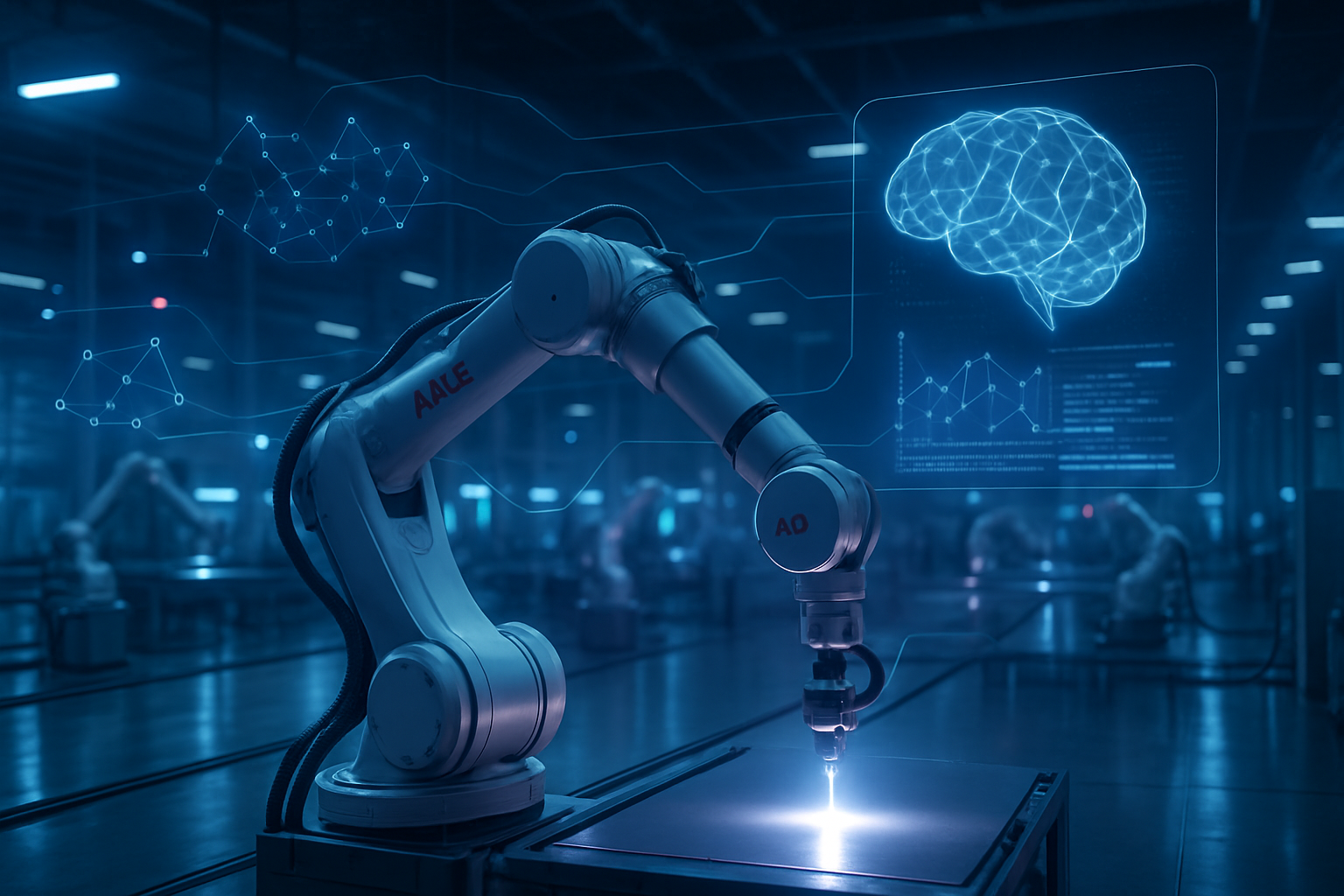
  • Gemini 2.5 Computer Use Model: A Paradigm Shift in AI’s Digital Dexterity

    Gemini 2.5 Computer Use Model: A Paradigm Shift in AI’s Digital Dexterity

    Mountain View, CA – October 7, 2025 – Google has today unveiled a groundbreaking advancement in artificial intelligence with the public preview of its Gemini 2.5 Computer Use model. This specialized iteration, built upon the formidable Gemini 2.5 Pro, marks a pivotal moment in AI development, empowering AI agents to interact with digital interfaces – particularly web and mobile environments – with unprecedented human-like dexterity and remarkably low latency. The announcement, made available through the Gemini API, Google AI Studio, and Vertex AI, and highlighted by Google and Alphabet CEO Sundar Pichai, signals a significant step toward developing truly general-purpose AI agents capable of navigating the digital world autonomously.

    The immediate significance of the Gemini 2.5 Computer Use model cannot be overstated. By enabling AI to 'see' and 'act' within graphical user interfaces (GUIs), Google (NASDAQ: GOOGL) is addressing a critical bottleneck that has long limited AI's practical application in complex, dynamic digital environments. This breakthrough promises to unlock new frontiers in automation, productivity, and human-computer interaction, allowing AI to move beyond structured APIs and directly engage with the vast and varied landscape of web and mobile applications. Preliminary tests indicate latency reductions of up to 20% and a 15% lead in web interaction accuracy over rivals, setting a new benchmark for agentic AI.

    Technical Prowess: Unpacking Gemini 2.5 Computer Use's Architecture

    The Gemini 2.5 Computer Use model is a testament to Google DeepMind's relentless pursuit of advanced AI. It leverages the sophisticated visual understanding and reasoning capabilities inherent in its foundation, Gemini 2.5 Pro. Accessible via the computer_use tool in the Gemini API, this model operates within a continuous, iterative feedback loop, allowing AI agents to perform intricate tasks by directly engaging with UIs. Its core functionality involves processing multimodal inputs – user requests, real-time screenshots of the environment, and a history of recent actions – to generate precise UI actions such as clicking, typing, scrolling, or manipulating interactive elements.

    Unlike many previous AI models that relied on structured APIs, the Gemini 2.5 Computer Use model distinguishes itself by directly interpreting and acting upon visual information presented in a GUI. This "seeing and acting" paradigm allows it to navigate behind login screens, fill out complex forms, and operate dropdown menus with a fluidity previously unattainable. The model's iterative loop ensures task completion: an action is generated, executed by client-side code, and then a new screenshot and URL are fed back to the model, allowing it to adapt and continue until the objective is met. This robust feedback mechanism, combined with its optimization for web browsers and strong potential for mobile UI control (though not yet desktop OS-level), sets it apart from earlier, more constrained automation solutions. Gemini 2.5 Pro's impressive 1 million token context window, with plans to expand to 2 million, also allows it to comprehend vast datasets and maintain coherence across lengthy interactions, a significant leap over models struggling with context limitations.

    Initial reactions from the AI research community and industry experts have been overwhelmingly positive. The broader Gemini 2.5 family, which underpins the Computer Use model, has been lauded as a "methodical powerhouse," excelling in summarization, research, and creative tasks. Experts particularly highlight its "Deep Research" feature, powered by Gemini 2.5 Pro, as exceptionally detailed, making competitors' research capabilities "look like a child's game." Its integrated reasoning architecture, enabling step-by-step problem-solving, has led some to suggest it could be "a new smartest AI," especially in complex coding and mathematical challenges. The model's prowess in code generation, transformation, and debugging, as evidenced by its leading position on the WebDev Arena leaderboard, further solidifies its technical standing.

    Industry Tremors: Reshaping the AI Competitive Landscape

    The introduction of the Gemini 2.5 Computer Use model is poised to send significant ripples across the AI industry, impacting tech giants, established AI labs, and nimble startups alike. Google (NASDAQ: GOOGL) itself stands as a primary beneficiary, further entrenching its position as a leading AI innovator. By deeply integrating Gemini 2.5 across its vast ecosystem – including Search, Android, YouTube, Workspace, and ChromeOS – Google enhances its offerings and reinforces Gemini as a foundational intelligence layer, driving substantial business growth and AI adoption. Over 2.3 billion document interactions in Google Workspace alone in the first half of 2025 underscore this deep integration.

    For other major AI labs and tech companies, the launch intensifies the ongoing "AI arms race." Competitors like OpenAI, Anthropic, and Microsoft (NASDAQ: MSFT) are already pushing boundaries in multimodal and agentic AI. Gemini 2.5 Computer Use directly challenges their offerings, particularly those focused on automated web interaction. While Anthropic's Claude Sonnet 4.5 also claims benchmark leadership in computer operation, Google's strategic advantage lies in its deep ecosystem integration, creating a "lock-in" effect that is difficult for pure-play AI providers to match. The model's availability via Google AI Studio and Vertex AI democratizes access to sophisticated AI, benefiting startups with lean teams by enabling rapid development of innovative solutions in areas like code auditing, customer insights, and application testing. However, startups building "thin wrapper" applications over generic LLM functionalities may struggle to differentiate and could be superseded by features integrated directly into core platforms.

    The potential for disruption to existing products and services is substantial. Traditional Robotic Process Automation (RPA) tools, which often rely on rigid, rule-based scripting, face significant competition from AI agents that can autonomously navigate dynamic UIs. Customer service and support solutions could be transformed by Gemini Live's real-time multimodal interaction capabilities, offering AI-powered product support and guided shopping. Furthermore, Gemini's advanced coding features will disrupt software development processes by automating tasks, while its generative media tools could revolutionize content creation workflows. Any product or service relying on repetitive digital tasks or structured automation is vulnerable to disruption, necessitating adaptation or a fundamental rethinking of their value proposition.

    Wider Significance: A Leap Towards General AI and its Complexities

    The Gemini 2.5 Computer Use model represents more than just a technical upgrade; it's a significant milestone that reshapes the broader AI landscape and trends. It solidifies the mainstreaming of multimodal AI, where models seamlessly process text, audio, images, and video, moving beyond single data types for more human-like understanding. This aligns with projections that 60% of enterprise applications will use multimodal AI by 2026. Furthermore, its advanced reasoning capabilities and exceptionally long context window (up to 1 million tokens for Gemini 2.5 Pro) are central to the burgeoning trend of "agentic AI" – autonomous systems capable of observing, reasoning, planning, and executing tasks with minimal human intervention.

    The impacts of such advanced agentic AI on society and the tech industry are profound. Economically, AI, including Gemini 2.5, is projected to add trillions to the global economy by 2030, boosting productivity by automating complex workflows and enhancing decision-making. While it promises to transform job markets, creating new opportunities, it also necessitates proactive retraining programs to address potential job displacement. Societally, it enables enhanced services and personalization in healthcare, finance, and education, and can contribute to addressing global challenges like climate change. Within the tech industry, it redefines software development by automating code generation and review, intensifies competition, and drives demand for specialized hardware and infrastructure.

    However, the power of Gemini 2.5 also brings forth significant concerns. As AI systems become more autonomous and capable of direct UI interaction, challenges around bias, fairness, transparency, and accountability become even more pressing. The "black box" problem of complex AI algorithms, coupled with the potential for misuse (e.g., generating misinformation or engaging in deceptive behaviors), requires robust ethical frameworks and safety measures. The immense computational resources required also raise environmental concerns regarding energy consumption. Historically, AI milestones like AlphaGo (2016) demonstrated strategic reasoning, and BERT (2018) revolutionized language understanding. ChatGPT (2022) and GPT-4 (2023) popularized generative AI and introduced vision. Gemini 2.5, with its native multimodality, advanced reasoning, and unprecedented context window, builds upon these, pushing AI closer to truly general, versatile, and context-aware systems that can interact with the digital world as fluently as humans.

    Glimpsing the Horizon: Future Developments and Expert Predictions

    The trajectory of the Gemini 2.5 Computer Use model and agentic AI points towards a future where intelligent systems become even more autonomous, personalized, and deeply integrated into our daily lives and work. In the near term, we can expect continued expansion of Gemini 2.5 Pro's context window to 2 million tokens, further enhancing its ability to process vast information. Experimental features like "Deep Think" mode, enabling more intensive reasoning for highly complex tasks, are expected to become standard, leading to models like Gemini 3.0. Further optimizations for cost and latency, as seen with Gemini 2.5 Flash-Lite, will make these powerful capabilities more accessible for high-throughput applications. Enhancements in multimodal capabilities, including seamless blending of images and native audio output, will lead to more natural and expressive human-AI interactions.

    Long-term applications for agentic AI, powered by models like Gemini 2.5 Computer Use, are truly transformative. Experts predict autonomous agents will manage and optimize most business processes, leading to fully autonomous enterprise management. In customer service, agentic AI is expected to autonomously resolve 80% of common issues by 2029. Across IT, HR, finance, cybersecurity, and healthcare, agents will streamline operations, automate routine tasks, and provide personalized assistance. The convergence of agentic AI with robotics will lead to more capable physical agents, while collaborative multi-agent systems will work synergistically with humans and other agents to solve highly complex problems. The vision is for AI to shift from being merely a tool to an active "co-worker," capable of proactive, multi-step workflow execution.

    However, realizing this future requires addressing significant challenges. Technical hurdles include ensuring the reliability and predictability of autonomous agents, enhancing reasoning and explainability (XAI) to foster trust, and managing the immense computational resources and data quality demands. Ethical and societal challenges are equally critical: mitigating bias, ensuring data privacy and security, establishing clear accountability, preventing goal misalignment and unintended consequences, and navigating the profound impact on the workforce. Experts predict that the market value of agentic AI will skyrocket from $5.1 billion in 2025 to $47 billion by 2030, with 33% of enterprise software applications integrating agentic AI by 2028. The shift will be towards smaller, hyper-personalized AI models, and a focus on "reasoning-first design, efficiency, and accessibility" to make AI smarter, cheaper, and more widely available.

    A New Era of Digital Autonomy: The Road Ahead

    The Gemini 2.5 Computer Use model represents a profound leap in AI's journey towards true digital autonomy. Its ability to directly interact with graphical user interfaces is a key takeaway, fundamentally bridging the historical gap between AI's programmatic nature and the human-centric design of digital environments. This development is not merely an incremental update but a foundational piece for the next generation of AI agents, poised to redefine automation and human-computer interaction. It solidifies Google's position at the forefront of AI innovation and sets a new benchmark for what intelligent agents can accomplish in the digital realm.

    In the grand tapestry of AI history, this model stands as a pivotal moment, akin to early breakthroughs in computer vision or natural language processing, but with the added dimension of active digital manipulation. Its long-term impact will likely manifest in ubiquitous AI assistants that can genuinely "do" things on our behalf, revolutionized workflow automation across industries, enhanced accessibility for digital interfaces, and an evolution in how software itself is developed. The core idea of an AI that can perceive and act upon arbitrary digital interfaces is a crucial step towards Artificial General Intelligence.

    In the coming weeks and months, the tech world will keenly watch developer adoption and the innovative applications that emerge from the Gemini API. Real-world performance across the internet's diverse landscape will be crucial, as will progress towards expanding control to desktop operating systems. The effectiveness of Google's integrated safety and control mechanisms will be under intense scrutiny, particularly as agents become more capable. Furthermore, the competitive landscape will undoubtedly heat up, with rival AI labs striving for feature parity or superiority in agentic capabilities. How the Computer Use model integrates with the broader Gemini ecosystem, leveraging its long context windows and multimodal understanding, will ultimately determine its transformative power. The Gemini 2.5 Computer Use model is not just a tool; it's a harbinger of a new era where AI agents become truly active participants in our digital lives.


    This content is intended for informational purposes only and represents analysis of current AI developments.

    TokenRing AI delivers enterprise-grade solutions for multi-agent AI workflow orchestration, AI-powered development tools, and seamless remote collaboration platforms. For more information, visit https://www.tokenring.ai/.
  • The AI Revolution: Reshaping the Tech Workforce with Layoffs, Reassignments, and a New Era of Skills

    The AI Revolution: Reshaping the Tech Workforce with Layoffs, Reassignments, and a New Era of Skills

    The landscape of the global tech industry is undergoing a profound and rapid transformation, driven by the accelerating integration of Artificial Intelligence. Recent surveys and reports from 2024-2025 paint a clear picture: AI is not merely enhancing existing roles but is fundamentally redefining the tech workforce, leading to a significant wave of job reassignments and, in many instances, outright layoffs. This immediate shift signals an urgent need for adaptation from both individual workers and organizations, as the industry grapples with the dual forces of automation and the creation of entirely new, specialized opportunities.

    In the first half of 2025 alone, the tech sector saw over 89,000 job cuts, adding to the 240,000 tech layoffs recorded in 2024, with AI frequently cited by major players like Microsoft (NASDAQ: MSFT), Google (NASDAQ: GOOGL), Intel (NASDAQ: INTC), Amazon (NASDAQ: AMZN), and Meta (NASDAQ: META) as a contributing factor. While some of these reductions are framed as "right-sizing" post-pandemic, the underlying current is the growing efficiency enabled by AI automation. This has led to a drastic decline in entry-level positions, with junior roles in various departments experiencing significant drops in hiring rates, challenging traditional career entry points. However, this is not solely a narrative of job elimination; experts describe it as a "talent remix," where companies are simultaneously cutting specific positions and creating new ones that leverage emerging AI technologies, demanding a redefinition of essential human roles.

    The Technical Underpinnings of Workforce Evolution: Generative AI and Beyond

    The current wave of workforce transformation is directly attributable to significant technical advancements in AI, particularly generative AI, sophisticated automation platforms, and multi-agent systems. These capabilities represent a new paradigm, vastly different from previous automation technologies, and pose unique technical implications for enterprise operations.

    Generative AI, encompassing large language models (LLMs), is at the forefront. These systems can generate new content such as text, code, images, and even video. Technically, generative AI excels at tasks like code generation and error detection, reducing the need for extensive manual coding, particularly for junior developers. It's increasingly deployed in customer service for advanced chatbots, in marketing for content creation, and in sales for building AI-powered units. More than half of the skills within technology roles are expected to undergo deep transformation due to generative AI, prompting companies like Dell (NYSE: DELL), IBM (NYSE: IBM), Microsoft, Google, and SAP (NYSE: SAP) to link workforce restructuring to their pivot towards integrating this technology.

    Intelligent Automation Platforms, an evolution of Robotic Process Automation (RPA) integrated with AI (like machine learning and natural language processing), are also driving change. These platforms automate repetitive, rules-based, and data-intensive tasks across administrative functions, data entry, and transaction processing. AI assistants, merging generative AI with automation, can intelligently interact with users, support decision-making, and streamline or replace entire workflows. This reduces the need for manual labor in areas like manufacturing and administrative roles, leading to reassignments or layoffs for fully automatable positions.

    Perhaps the most advanced are Multi-Agent Systems, sophisticated AI frameworks where multiple specialized AI agents collaborate to achieve complex goals, often forming an "agent workforce." These systems can decompose complex problems, assign subtasks to specialized agents, and even replace entire call centers by handling customer requests across multiple platforms. In software development, agents can plan, code, test, and debug applications collaboratively. These systems redefine traditional job roles by enabling "AI-first teams" that can manage complex projects, potentially replacing multiple human roles in areas like marketing, design, and project management.

    Unlike earlier automation, which primarily replaced physical tasks, modern AI automates cognitive, intellectual, and creative functions. Current AI systems learn, adapt, and continuously improve without explicit reprogramming, tackling problems of unprecedented complexity by coordinating multiple agents. While previous technological shifts took decades to materialize, the adoption and influence of generative AI are occurring at an accelerated pace. Technically, this demands robust infrastructure, advanced data management, complex integration with legacy systems, stringent security and ethical governance, and a significant upskilling of the IT workforce. AI is revolutionizing IT operations by automating routine tasks, allowing IT teams to focus on strategic design and innovation.

    Corporate Maneuvers: Navigating the AI-Driven Competitive Landscape

    The AI-driven transformation of the tech workforce is fundamentally altering the competitive landscape, compelling AI companies, major tech giants, and startups to strategically adapt their market positioning and operational models.

    Major Tech Giants like Amazon, Apple (NASDAQ: AAPL), Meta, IBM, Microsoft, and Google are undergoing significant internal restructuring. While experiencing layoffs, often attributed to AI-driven efficiency gains, these companies are simultaneously making massive investments in AI research and development. Their strategy involves integrating AI into core products and services to enhance efficiency, maintain a competitive edge, and "massively upskill" their existing workforce for human-AI collaboration. For instance, Google has automated tasks in sales and customer service, shifting human efforts towards core AI research and cloud services. IBM notably laid off thousands in HR as its chatbot, AskHR, began handling millions of internal queries annually.

    AI Companies are direct beneficiaries of this shift, thriving on the surging demand for AI technologies and solutions. They are the primary creators of new AI-related job opportunities, actively seeking highly skilled AI specialists. Companies deeply invested in AI infrastructure and data collection, such as Palantir Technologies (NYSE: PLTR) and Broadcom Inc. (NASDAQ: AVGO), have seen substantial growth driven by their leadership in AI.

    Startups face a dual reality. AI provides immense opportunities for increased efficiency, improved decision-making, and cost reduction, enabling them to compete against larger players. Companies like DataRobot and UiPath (NYSE: PATH) offer platforms that automate machine learning model deployment and repetitive tasks, respectively. However, startups often contend with limited resources, a lack of in-house expertise, and intense competition for highly skilled AI talent. Companies explicitly benefiting from leveraging AI for efficiency and cost reduction include Klarna, Intuit (NASDAQ: INTU), UPS (NYSE: UPS), Duolingo (NASDAQ: DUOL), and Fiverr (NYSE: FVRR). Klarna, for example, replaced the workload equivalent of 700 full-time staff with an AI assistant.

    The competitive implications are profound: AI enables substantial efficiency and productivity gains, leading to faster innovation cycles and significant cost savings. This creates a strong competitive advantage for early adopters, with organizations mastering strategic AI integration achieving 15-25% productivity gains. The intensified race for AI-native talent is another critical factor, with a severe shortage of AI-critical skills. Companies failing to invest in reskilling risk falling behind. AI is not just optimizing existing services but enabling entirely new products and business models, transforming traditional workflows. Strategic adaptation involves massive investment in reskilling and upskilling programs, redefining roles for human-AI collaboration, dynamic workforce planning, fostering a culture of experimentation, integrating AI into core business strategy, and a shift towards "precision hiring" for AI-native talent.

    Broader Implications: Navigating the Societal and Ethical Crossroads

    The widespread integration of AI into the workforce carries significant wider implications, fitting into broader AI landscape trends while raising critical societal and ethical concerns, and drawing comparisons to previous technological shifts.

    AI-driven workforce changes are leading to societal impacts such as job insecurity, as AI displaces routine and increasingly complex cognitive jobs. While new roles emerge, the transition challenges displaced workers lacking advanced skills. Countries like Singapore are proactively investing in upskilling. Beyond employment, there are concerns about psychological well-being, potential for social instability, and a growing wage gap between "AI-enabled" workers and lower-paid workers, further polarizing the workplace.

    Potential concerns revolve heavily around ethics and economic inequality. Ethically, AI systems trained on historical data can perpetuate or amplify existing biases, leading to discrimination in areas like recruitment, finance, and healthcare. Increased workplace surveillance and privacy concerns arise from AI tools collecting sensitive personal data. The "black box" nature of many AI models poses challenges for transparency and accountability, potentially leading to unfair treatment. Economically, AI-driven productivity gains could exacerbate wealth concentration, widening the wealth gap and deepening socio-economic divides. Labor market polarization, with demand for high-paying AI-centric jobs and low-paying non-automatable jobs, risks shrinking the middle class, disproportionately affecting vulnerable populations. The lack of access to AI training for displaced workers creates significant barriers to new opportunities.

    Comparing AI's workforce transformation to previous major technological shifts reveals both parallels and distinctions. While the Industrial Revolution mechanized physical labor, AI augments and replaces cognitive tasks, fundamentally changing how we think and make decisions. Unlike the internet or mobile revolutions, which enhanced communication, AI builds upon this infrastructure by automating processes and deriving insights at an unprecedented scale. Some experts argue the pace of AI-driven change is significantly faster and more exponential than previous shifts, leaving less time for adaptation, though others suggest a more gradual evolution.

    Compared to previous AI milestones, the current phase, especially with generative AI, is deeply integrated across job sectors, driving significant productivity boosts and impacting white-collar jobs previously immune to automation. Early AI largely focused on augmenting human capabilities; now, there's a clear trend toward AI directly replacing certain job functions, particularly in HR, customer support, and junior-level tech roles. This shift from "enhancing human capabilities" to "replacing jobs" marks a significant evolution. The current AI landscape demands higher-level skills, including AI development, data science, and critical human capabilities like leadership, problem-solving, and empathy that AI cannot replicate.

    The Horizon: Future Developments and Expert Predictions

    Looking ahead, the impact of AI on the tech workforce is poised for continuous evolution, marked by both near-term disruptions and long-term transformations in job roles, skill demands, and organizational structures. Experts largely predict a future defined by pervasive human-AI collaboration, enhanced productivity, and an ongoing imperative for adaptation and continuous learning.

    In the near-term (1-5 years), routine and manual tasks will continue to be automated, placing entry-level positions in software engineering, manual QA testing, basic data analysis, and Tier 1/2 IT support at higher risk. Generative AI is already proving capable of writing significant portions of code previously handled by junior developers and automating customer service. However, this period will also see robust tech hiring driven by the demand for individuals to build, implement, and manage AI systems. A significant percentage of tech talent will be reassigned, necessitating urgent upskilling, with 60% of employees expected to require retraining by 2027.

    The long-term (beyond 5 years) outlook suggests AI will fundamentally transform the global workforce by 2050, requiring significant adaptation for up to 60% of current jobs. While some predict net job losses by 2027, others forecast a net gain of millions of new jobs by 2030, emphasizing AI's role in rewiring job requirements rather than outright replacement. The vision is "human-centric AI," augmenting human intelligence and reshaping professions to be more efficient and meaningful. Organizations are expected to become flatter and more agile, with AI handling data processing, routine decision-making, and strategic forecasting, potentially reducing middle management layers. The emergence of "AI agents" could double the knowledge workforce by autonomously performing complex tasks.

    Future job roles will include highly secure positions like AI/Machine Learning Engineers, Data Scientists, AI Ethicists, Prompt Engineers, and Cloud AI Architects. Roles focused on human-AI collaboration, managing and optimizing AI systems, and cybersecurity will also be critical. In-demand skills will encompass technical AI and data science (Python, ML, NLP, deep learning, cloud AI), alongside crucial soft skills like critical thinking, creativity, emotional intelligence, adaptability, and ethical reasoning. Data literacy and AI fluency will be essential across all industries.

    Organizational structures will flatten, becoming more agile and decentralized. Hybrid teams, where human intelligence and AI work hand-in-hand, will become the norm. AI will break down information silos, fostering data transparency and enabling data-driven decision-making at all levels. Potential applications are vast, ranging from automating inventory management and enhancing productivity to personalized customer experiences, advanced analytics, improved customer service via chatbots, AI-assisted software development, and robust cybersecurity.

    However, emerging challenges include ongoing job displacement, widening skill gaps (with many employees feeling undertrained in AI), ethical dilemmas (privacy, bias, accountability), data security concerns, and the complexities of regulatory compliance. Economic inequalities could be exacerbated if access to AI education and tools is not broadly distributed.

    Expert predictions largely converge on a future of pervasive human-AI collaboration, where AI augments human capabilities, allowing humans to focus on tasks requiring uniquely human skills. Human judgment, autonomy, and control will remain paramount. The focus will be on redesigning roles and workflows to create productive partnerships, making lifelong learning an imperative. While job displacement will occur, many experts predict a net creation of jobs, albeit with a significant transitional period. Ethical responsibility in designing and implementing AI systems will be crucial for workers.

    A New Era: Summarizing AI's Transformative Impact

    The integration of Artificial Intelligence into the tech workforce marks a pivotal moment in AI history, ushering in an era of profound transformation that is both disruptive and rich with opportunity. The key takeaway is a dual narrative: while AI automates routine tasks and displaces certain jobs, it simultaneously creates new, specialized roles and significantly enhances productivity. This "talent remix" is not merely a trend but a fundamental restructuring of how work is performed and valued.

    This phase of AI adoption, particularly with generative AI, is akin to a general-purpose technology like electricity or the internet, signifying its widespread applicability and potential as a long-term economic growth driver. Unlike previous automation waves, the speed and scale of AI's current impact are unprecedented, affecting white-collar and cognitive roles previously thought immune. While initial fears of mass unemployment persist, the consensus among many experts points to a net gain in jobs globally, albeit with a significant transitional period demanding a drastic change in required skills.

    The long-term impact will be a continuous evolution of job roles, with tasks shifting towards those requiring uniquely human skills such as creativity, critical thinking, emotional intelligence, and strategic thinking. AI is poised to significantly raise labor productivity, fostering new business models and improved cost structures. However, the criticality of reskilling and lifelong learning cannot be overstated; individuals and organizations must proactively invest in skill development to remain competitive. Addressing ethical dilemmas, such as algorithmic bias and data privacy, and mitigating the risk of widening economic inequality through equitable access to AI education and tools, will be paramount for ensuring a beneficial and inclusive future.

    What to watch for in the coming weeks and months: Expect an accelerated adoption and deeper integration of AI across enterprises, moving beyond experimentation to full business transformation with AI-native processes. Ongoing tech workforce adjustments, including layoffs in certain roles (especially entry-level and middle management) alongside intensified hiring for specialized AI and machine learning professionals, will continue. Investment in AI infrastructure will surge, creating construction jobs in the short term. The emphasis on AI fluency and human-centric skills will grow, with employers prioritizing candidates demonstrating both. The development and implementation of comprehensive reskilling programs by companies and educational institutions, alongside policy discussions around AI's impact on employment and worker protections, will gain momentum. Finally, continuous monitoring and research into AI's actual job impact will be crucial to understand the true pace and scale of this ongoing technological revolution.

    This content is intended for informational purposes only and represents analysis of current AI developments.

    TokenRing AI delivers enterprise-grade solutions for multi-agent AI workflow orchestration, AI-powered development tools, and seamless remote collaboration platforms. For more information, visit https://www.tokenring.ai/.