Tag: Autonomous Vehicles

  • Austin Russell’s Bold Bid to Reclaim Luminar: A Vision for Lidar’s Autonomous Future

    Austin Russell’s Bold Bid to Reclaim Luminar: A Vision for Lidar’s Autonomous Future

    In a significant development poised to reshape the autonomous vehicle landscape, Austin Russell, the visionary founder and former CEO of Luminar Technologies (NASDAQ: LAZR), has launched a strategic bid to reacquire the lidar firm he established. Announced around October 17, 2025, and disclosed via an SEC filing on October 14, 2025, Russell's move, orchestrated through his newly formed Russell AI Labs, signals a profound commitment to his original vision and the pivotal role of lidar technology in the quest for fully autonomous driving. This audacious maneuver, coming just months after his departure from the company, has sent ripples through the tech industry, hinting at a potential "Luminar 2.0" that could consolidate the fragmented lidar market and accelerate the deployment of safe, self-driving systems.

    Russell's proposal to take Luminar private, while keeping it publicly traded as part of a larger automotive technology platform, aims to inject fresh capital and a renewed strategic direction into the company. The bid underscores a belief among certain shareholders and board members that Russell's technical acumen and industry relationships are indispensable for Luminar's future success. As the autonomous vehicle sector grapples with the complexities of commercialization and safety, Russell's re-engagement could serve as a crucial catalyst, pushing lidar technology to the forefront of mainstream adoption and addressing the significant challenges that have plagued the industry.

    The Technical Core: Luminar's Lidar and the Path to Autonomy

    Luminar Technologies has long been recognized for its long-range, high-resolution lidar systems, which are considered a cornerstone for Level 3 and Level 4 autonomous driving capabilities. Unlike radar, which uses radio waves, or cameras, which rely on visible light, lidar (Light Detection and Ranging) uses pulsed laser light to measure distances, creating highly detailed 3D maps of the surrounding environment. Luminar's proprietary technology is distinguished by its use of 1550nm wavelength lasers, which offer several critical advantages over the more common 905nm systems. The longer wavelength is eye-safe at higher power levels, allowing for greater range and superior performance in adverse weather conditions like fog, rain, and direct sunlight. This enhanced capability is crucial for detecting objects at highway speeds and ensuring reliable perception in diverse real-world scenarios.

    The technical specifications of Luminar's lidar sensors typically include a detection range exceeding 250 meters, a high point density, and a wide field of view, providing a comprehensive understanding of the vehicle's surroundings. This level of detail and range is paramount for autonomous vehicles to make informed decisions, especially in complex driving situations such as navigating intersections, responding to sudden obstacles, or performing high-speed maneuvers. This approach differs significantly from vision-only systems, which can struggle with depth perception and object classification in varying lighting and weather conditions, or radar-only systems, which lack the spatial resolution for fine-grained object identification. The synergy of lidar with cameras and radar forms a robust sensor suite, offering redundancy and complementary data streams essential for the safety and reliability of self-driving cars.

    Initial reactions from the AI research community and industry experts have been largely positive, albeit cautiously optimistic. Many view Russell's potential return as a stabilizing force for Luminar, which has faced financial pressures and leadership changes. Experts highlight that Russell's deep technical understanding of lidar and his relationships with major automotive OEMs could reignite innovation and accelerate product development. The focus on a "Luminar 2.0" unified platform also suggests a strategic pivot towards a more integrated and scalable solution, which could address the industry's need for cost-effective, high-performance lidar at scale. However, some analysts also point to the challenges of consolidating a fragmented market and the need for significant capital investment to realize Russell's ambitious vision.

    Strategic Implications for AI Companies and Tech Giants

    Austin Russell's bid to reacquire Luminar carries significant competitive implications for major AI labs, tech giants, and startups deeply invested in autonomous driving. Companies like NVIDIA (NASDAQ: NVDA), Waymo (a subsidiary of Alphabet, NASDAQ: GOOGL), Cruise (a subsidiary of General Motors, NYSE: GM), and Mobileye (NASDAQ: MBLY) all rely on advanced sensor technology, including lidar, to power their autonomous systems. A revitalized Luminar under Russell's leadership, potentially merging with a larger automotive tech company, could solidify its position as a dominant supplier of critical perception hardware. This could lead to increased partnerships and broader adoption of Luminar's lidar, potentially disrupting the market share of competitors like Velodyne (NASDAQ: VLDR) and Innoviz (NASDAQ: INVZ).

    The proposed "Luminar 2.0" vision, which hints at a unified platform, suggests a move beyond just hardware supply to potentially offering integrated software and perception stacks. This would directly compete with companies developing comprehensive autonomous driving solutions, forcing them to either partner more closely with Luminar or accelerate their in-house lidar development. Tech giants with extensive AI research capabilities, such as Google (NASDAQ: GOOGL) and Amazon (NASDAQ: AMZN), who are exploring various aspects of robotics and autonomous logistics, could find a more robust and reliable lidar partner in a re-energized Luminar. The strategic advantage lies in providing a proven, high-performance lidar solution that reduces the integration burden for OEMs and accelerates their path to Level 3 and Level 4 autonomy.

    Furthermore, this development could impact startups in the lidar space. While some innovative startups might find opportunities for collaboration or acquisition within a consolidated "Luminar 2.0" ecosystem, others could face increased competitive pressure from a more financially stable and strategically focused Luminar. The market positioning of Luminar could shift from a pure hardware provider to a more integrated perception solution provider, offering a full stack that is more attractive to automotive manufacturers seeking to de-risk their autonomous vehicle programs. This could lead to a wave of consolidation in the lidar industry, with stronger players acquiring smaller ones to gain market share and technical expertise.

    The Broader AI Landscape and Future Trajectories

    Austin Russell's move to buy back Luminar fits squarely into the broader AI landscape's relentless pursuit of robust and reliable perception for real-world applications. Beyond autonomous vehicles, lidar technology holds immense potential for robotics, industrial automation, smart infrastructure, and even augmented reality. The challenges in achieving truly autonomous systems largely revolve around perception, decision-making, and safety assurance in unpredictable environments. Lidar, with its precise 3D mapping capabilities, addresses a fundamental aspect of this challenge by providing high-fidelity environmental data that AI systems can process to understand their surroundings.

    The impacts of this development could be far-reaching. A stronger, more focused Luminar could accelerate the timeline for widespread deployment of Level 3 (conditional autonomy) and Level 4 (high autonomy) vehicles. This, in turn, would fuel further advancements in AI algorithms for object detection, tracking, prediction, and path planning, as more real-world data becomes available. However, potential concerns include the continued high cost of lidar sensors, which remains a barrier to mass-market adoption, and the complexities of integrating lidar data with other sensor modalities. The industry will be watching to see if Russell's new vision can effectively drive down costs while maintaining performance.

    Comparisons to previous AI milestones are relevant here. Just as breakthroughs in neural networks propelled advancements in computer vision and natural language processing, a similar inflection point is needed for real-world perception systems in physical environments. While AI has made incredible strides in simulated environments and controlled settings, the unpredictability of the real world demands a level of sensor fidelity and AI robustness that lidar can significantly enhance. This development could be seen as a critical step in bridging the gap between theoretical AI capabilities and practical, safe deployment in complex, dynamic environments, echoing the foundational importance of reliable data input for any powerful AI system.

    The Road Ahead: Expected Developments and Challenges

    The near-term future following Austin Russell's potential reacquisition of Luminar will likely see a period of strategic realignment and accelerated product development. Experts predict a renewed focus on cost reduction strategies for Luminar's lidar units, making them more accessible for mass-market automotive integration. This could involve exploring new manufacturing processes, optimizing component sourcing, and leveraging economies of scale through potential mergers or partnerships. On the technology front, expect continuous improvements in lidar resolution, range, and reliability, particularly in challenging weather conditions, as well as tighter integration with software stacks to provide more comprehensive perception solutions.

    Long-term developments could see Luminar's lidar technology extend beyond traditional automotive applications. Potential use cases on the horizon include advanced robotics for logistics and manufacturing, drone navigation for surveying and delivery, and smart city infrastructure for traffic management and public safety. The "Luminar 2.0" vision of a unified platform hints at a modular and adaptable lidar solution that can serve diverse industries requiring precise 3D environmental sensing. Challenges that need to be addressed include further miniaturization of lidar sensors, reducing power consumption, and developing robust perception software that can seamlessly interpret lidar data in conjunction with other sensor inputs.

    Experts predict that the success of Russell's endeavor will hinge on his ability to attract significant capital, foster innovation, and execute a clear strategy for market consolidation. The autonomous vehicle industry is still in its nascent stages, and the race to achieve Level 5 autonomy is far from over. Russell's return could inject the necessary impetus to accelerate this journey, but it will require overcoming intense competition, technological hurdles, and regulatory complexities. The industry will be keenly watching to see if this move can truly unlock the full potential of lidar and cement its role as an indispensable technology for the future of autonomy.

    A New Chapter for Lidar and Autonomous Driving

    Austin Russell's ambitious bid to buy back Luminar Technologies marks a pivotal moment in the ongoing evolution of autonomous driving and the critical role of lidar technology. This development, occurring just a week before the current date of October 24, 2025, underscores a renewed belief in Luminar's foundational technology and Russell's leadership to steer the company through its next phase of growth. The key takeaway is the potential for a "Luminar 2.0" to emerge, a more integrated and strategically positioned entity that could accelerate the commercialization of high-performance lidar, addressing both technological and economic barriers to widespread adoption.

    The significance of this development in AI history cannot be overstated. Reliable and robust perception is the bedrock upon which advanced AI systems for autonomous vehicles are built. By potentially solidifying Luminar's position as a leading provider of long-range, high-resolution lidar, Russell's move could significantly de-risk autonomous vehicle development for OEMs and accelerate the deployment of safer, more capable self-driving cars. This could be a defining moment for the lidar industry, moving it from a fragmented landscape to one characterized by consolidation and focused innovation.

    As we look ahead, the coming weeks and months will be crucial. We will be watching for further details on Russell's financing plans, the specifics of the "Luminar 2.0" unified platform, and the reactions from Luminar's board, shareholders, and key automotive partners. The long-term impact could be transformative, potentially setting a new standard for lidar integration and performance in the autonomous ecosystem. If successful, Russell's return could not only revitalize Luminar but also significantly propel the entire autonomous vehicle industry forward, bringing the promise of self-driving cars closer to reality.


    This content is intended for informational purposes only and represents analysis of current AI developments.

    TokenRing AI delivers enterprise-grade solutions for multi-agent AI workflow orchestration, AI-powered development tools, and seamless remote collaboration platforms.
    For more information, visit https://www.tokenring.ai/.
  • Saudi Arabia Propels Vision 2030 with Groundbreaking AI-Driven Smart Mobility Initiatives

    Saudi Arabia Propels Vision 2030 with Groundbreaking AI-Driven Smart Mobility Initiatives

    Saudi Arabia is rapidly emerging as a global testbed for advanced artificial intelligence (AI) and smart mobility solutions, aggressively pursuing its ambitious Vision 2030 goals. The Kingdom has recently launched operational trials of self-driving vehicles and robotaxis, marking a significant leap towards a future where AI orchestrates urban and inter-city transportation. These initiatives, coupled with massive investments in futuristic mega-projects like NEOM, underscore a profound commitment to economic diversification and establishing Saudi Arabia as a leader in sustainable and intelligent transportation.

    The immediate significance of these developments is multifold. By integrating AI into the very fabric of its burgeoning urban centers and vast infrastructure projects, Saudi Arabia is not only addressing pressing challenges like traffic congestion and environmental impact but also creating a vibrant ecosystem for technological innovation. The ongoing trials and strategic partnerships are set to redefine urban living, logistics, and the very concept of personal mobility, positioning the Kingdom at the forefront of the next generation of smart cities.

    The Dawn of AI-Powered Transportation: Specifics and Innovations

    Saudi Arabia's push for AI-driven transportation is characterized by a series of concrete projects and technological deployments. In a landmark move, July 2025 saw the official launch of operational trials for self-driving vehicles across seven strategic locations in Riyadh, including King Khalid International Airport and Princess Nourah University. This 12-month pilot program leverages vehicles equipped with sophisticated navigation systems, real-time traffic sensors, and AI-driven decision-making algorithms to navigate complex urban environments. Concurrently, Riyadh initiated its first Robotaxi trial in collaboration with WeRide, Uber (NYSE: UBER), and local partner AiDriver, operating routes between the airport and central Riyadh.

    Further bolstering its autonomous ambitions, the NEOM Investment Fund (NIF) committed a substantial USD 100 million to Pony.ai, a global autonomous driving company, in October 2023. This strategic partnership aims to accelerate the development of critical AV technologies, including smart traffic signals, advanced road sensors, and high-speed 5G networks, and establish a joint venture for autonomous technology solutions across the Middle East. The Kingdom's targets are ambitious: 15% of public transport vehicles and 25% of all goods transport vehicles are slated to be fully autonomous by 2030.

    At the heart of Saudi Arabia's futuristic vision is NEOM, particularly "The Line," a 170-kilometer linear city designed to be car-free and zero-emissions. The Line's mobility backbone will be an AI-operated high-speed rail network, utilizing AI for operational efficiency, safety, scheduling optimization, and predictive maintenance. Intra-city travel will rely on autonomous vehicles providing on-demand, door-to-door services, precisely navigating and communicating with the city's infrastructure. AI will also manage vertical transportation via smart elevators and drones, and an overarching AI-driven city management platform will integrate predictive analytics for resource management, urban planning, and environmental control. This holistic approach significantly differs from traditional urban planning, which often retrofits technology into existing infrastructure, instead designing AI and autonomy from the ground up.

    Beyond NEOM, The Red Sea Project, a luxury tourism destination, emphasizes sustainable mobility through shared transport using electric and hydrogen-fueled vehicles, with Navya autonomous shuttles selected for implementation. The Riyadh Metro, fully operational since January 2025, spans 176 kilometers and incorporates energy-efficient designs, contactless ticketing, and regenerative braking. Other initiatives include the WASL platform for real-time logistics monitoring, widespread EV adoption incentives, AI-driven smart parking solutions, and advanced AI for traffic management utilizing video analytics, edge computing, and Automatic Number Plate Recognition (ANPR) to optimize flow and reduce accidents. Initial reactions from experts acknowledge the immense potential but also highlight a "readiness gap" among the public, with 77.8% willing to adopt smart mobility but only 9% regularly using it, largely due to infrastructure limitations. While optimism for growth is high, some international urban planners express skepticism regarding the practicalities and livability of mega-projects like The Line.

    Reshaping the AI and Tech Landscape: Corporate Implications

    The aggressive push by Saudi Arabia into AI-driven smart mobility presents significant opportunities and competitive implications for a wide array of AI companies, tech giants, and startups. Companies directly involved in the operational trials and partnerships, such as WeRide, AiDriver, and Pony.ai, stand to gain invaluable experience, data, and market share in a rapidly expanding and well-funded ecosystem. The USD 100 million investment by NIF into Pony.ai underscores a direct strategic advantage for the autonomous driving firm. Similarly, Navya benefits from its role in The Red Sea Project.

    For tech giants, the Kingdom's initiatives offer a massive market for their AI platforms, cloud computing services, and data analytics tools. Companies like Alphabet Inc. (NASDAQ: GOOGL), through its Waymo subsidiary, and OpenAI are already engaging at high levels, with the Saudi Minister of Communications meeting their CEOs in October 2025 to explore deeper collaborations in autonomous driving and smart mobility. This signals a potential influx of major tech players eager to contribute to and benefit from Saudi Arabia's digital transformation.

    This development could significantly disrupt existing transportation and urban planning services. Traditional taxi and ride-sharing companies face direct competition from robotaxi services, pushing them towards integrating autonomous fleets or developing new service models. Urban planning consultancies and infrastructure developers will need to pivot towards AI-centric and sustainable solutions. For AI labs, the demand for sophisticated algorithms in areas like traffic prediction, route optimization, predictive maintenance, and complex city management systems will drive further research and development. Saudi Arabia's market positioning as a leading innovator in smart cities and AI-driven mobility offers strategic advantages to companies that can align with its Vision 2030, potentially setting global standards and fostering a new wave of innovation in the Middle East.

    Broader Significance: A Global AI Blueprint

    Saudi Arabia's advancements in transportation technology are not merely regional developments; they represent a significant stride in the broader global AI landscape and align with major trends towards smart cities, sustainable development, and economic diversification. By embedding AI into the core of its infrastructure, the Kingdom is creating a real-world, large-scale blueprint for how AI can orchestrate complex urban systems, offering invaluable insights for cities worldwide grappling with similar challenges.

    The impacts are far-reaching. Economically, these initiatives are central to Saudi Arabia's goal of reducing its reliance on oil, aiming to increase the tech sector's contribution to GDP from 1% to 5% by 2030. This fosters a knowledge-based economy and is projected to create 15,000 new jobs in data and AI alone. Socially, smart mobility solutions promise enhanced urban living through reduced traffic congestion, lower emissions, improved road safety (targeting 8 fatalities per 100,000 people), and greater accessibility. The integration of AI, IoT, and blockchain in supply chains through platforms like WASL aims to revolutionize logistics, cementing the Kingdom's role as a global logistics hub.

    However, this ambitious transformation also raises potential concerns. The complexity of implementing interoperable intelligent mobility systems across vast terrains, coupled with the challenge of shifting deep-rooted cultural behaviors around private car ownership, presents significant hurdles. Data privacy and cybersecurity in AI-driven smart cities, where residents might even be compensated for submitting data to improve daily life, will require robust frameworks. While compared to previous AI milestones like early smart city initiatives, Saudi Arabia's scale and integrated approach, particularly with projects like NEOM, represent a more holistic and ambitious undertaking, potentially setting new benchmarks for AI's role in urban development.

    The Road Ahead: Future Developments and Challenges

    The coming years are expected to see a rapid acceleration of these AI-driven transportation initiatives. In the near-term, we anticipate the expansion of autonomous vehicle and robotaxi trials beyond Riyadh, with a focus on refining the technology, enhancing safety protocols, and integrating these services more seamlessly into public transport networks. The development of NEOM, particularly The Line, will continue to be a focal point, with progress on its AI-powered high-speed rail and autonomous intra-city mobility systems. The planned $7 billion "Land Bridge" project, a nearly 1,500-kilometer high-speed rail line connecting the Red Sea to the Arabian Gulf with hydrogen-powered trains, signifies a long-term commitment to sustainable and intelligent inter-city transport.

    Potential applications and use cases on the horizon include highly personalized mobility services, predictive maintenance for infrastructure and vehicles, and advanced AI systems for dynamic urban planning that can adapt to real-time environmental and demographic changes. The integration of drones for logistics and passenger transport, especially in unique urban designs like The Line, is also a strong possibility.

    However, significant challenges remain. Beyond the infrastructure gap and cultural shifts, regulatory frameworks for autonomous vehicles and AI governance need to evolve rapidly to keep pace with technological advancements. Data privacy, ethical AI considerations, and ensuring equitable access to these advanced mobility solutions will be critical. Cybersecurity threats to interconnected smart city infrastructure also pose a substantial risk. Experts predict that while the technological progress will continue, the true test lies in the successful integration of these disparate systems into a cohesive, user-friendly, and resilient urban fabric, alongside winning public trust and acceptance.

    A New Horizon for AI: Comprehensive Wrap-up

    Saudi Arabia's aggressive pursuit of AI-driven smart mobility under Vision 2030 represents a pivotal moment in the history of artificial intelligence and urban development. The Kingdom is not merely adopting technology but actively shaping its future, transforming itself into a global innovation hub. Key takeaways include the unprecedented scale of investment in projects like NEOM, the rapid deployment of autonomous vehicle trials, and the strategic partnerships with leading AI and mobility companies.

    This development's significance in AI history is profound. Saudi Arabia is demonstrating a top-down, holistic approach to AI integration in urban planning and transportation, moving beyond incremental improvements to envisioning entirely new paradigms of living and moving. This ambitious strategy serves as a powerful case study for how nations can leverage AI to diversify economies, enhance quality of life, and address sustainability challenges on a grand scale.

    In the coming weeks and months, the world will be watching for further updates on the operational performance of Riyadh's autonomous vehicle trials, the continued progress of NEOM's construction, and any new partnerships or policy announcements that further solidify Saudi Arabia's position. The success or challenges encountered in these pioneering efforts will undoubtedly offer invaluable lessons for the global AI community and shape the trajectory of smart cities for decades to come.


    This content is intended for informational purposes only and represents analysis of current AI developments.

    TokenRing AI delivers enterprise-grade solutions for multi-agent AI workflow orchestration, AI-powered development tools, and seamless remote collaboration platforms.
    For more information, visit https://www.tokenring.ai/.
  • DoorDash and Waymo Forge Ahead: Autonomous Deliveries Take Root in Phoenix, Reshaping Last-Mile Logistics

    DoorDash and Waymo Forge Ahead: Autonomous Deliveries Take Root in Phoenix, Reshaping Last-Mile Logistics

    The landscape of last-mile delivery is undergoing a profound transformation as DoorDash (NYSE: DASH) and Waymo, Alphabet's (NASDAQ: GOOGL) pioneering autonomous driving technology company, deepen their collaboration with an autonomous vehicle delivery pilot program in Metro Phoenix. This strategic partnership represents a significant leap towards a multi-modal autonomous future for local commerce, integrating Waymo's proven self-driving technology into DoorDash's expansive delivery ecosystem. The immediate significance of this deployment lies in its potential to dramatically reshape the economics and operational efficiency of last-mile logistics, offering a glimpse into a future where AI-driven vehicles become a commonplace sight on our roads, fulfilling everyday needs.

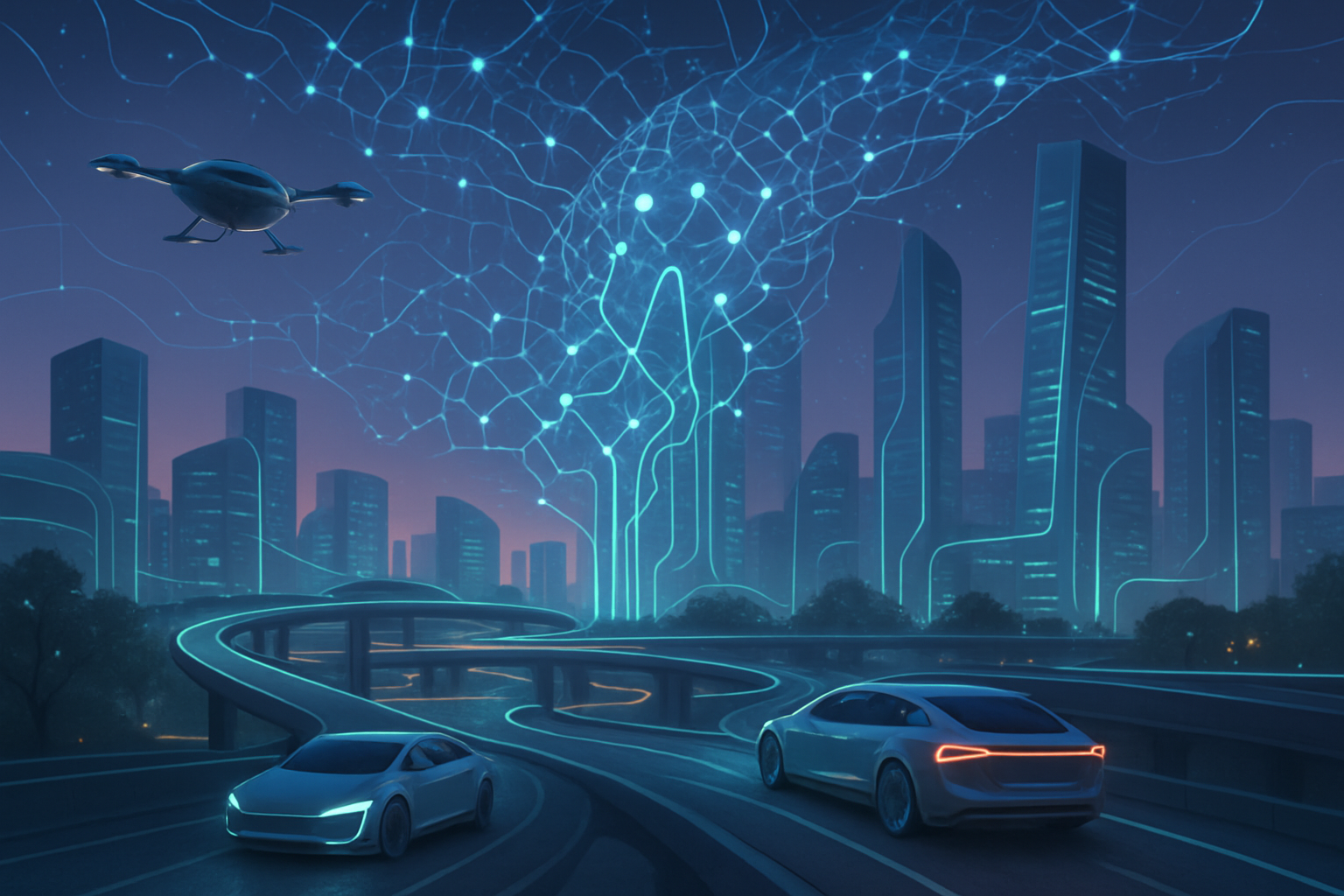
    The pilot program, currently underway in Metro Phoenix, enables DoorDash customers to receive orders delivered by fully autonomous Waymo vehicles. Initially focused on deliveries from DashMart, DoorDash's owned and operated convenience, grocery, and retail stores, the initiative is poised for future expansion to include other participating merchants. The process is designed for seamless customer interaction: eligible DoorDash customers in the designated Phoenix service area may be matched with a Waymo autonomous vehicle, with an option to select autonomous delivery during checkout. Upon the vehicle's arrival, customers receive instructions via the DoorDash app to unlock the vehicle's trunk and retrieve their items, ensuring a contact-free experience. This strategic move by DoorDash aims to reduce reliance on human drivers, lower delivery costs, and enhance efficiency, positioning it more competitively against rivals like Uber Eats (NYSE: UBER), which also has a similar delivery arrangement with Waymo. For Waymo, the partnership offers an additional revenue stream and optimizes fleet utilization by deploying vehicles for package deliveries during off-peak times for passenger rides, thereby reducing "deadhead miles."

    Unpacking the Autonomous Engine: Waymo Driver's Technical Prowess

    At the heart of this autonomous delivery system is Waymo's highly sophisticated Waymo Driver technology, a culmination of decades of research and development in artificial intelligence and robotics. The Waymo Driver, deployed in vehicles like the Jaguar I-Pace, leverages a redundant and diverse sensor array. The 5th-generation system integrates 360-degree LiDAR, perimeter LiDAR, high-resolution cameras (including long-range and 360-vision systems capable of seeing over 500 meters), and radar. The more recent 6th-generation Waymo Driver further refines this, featuring 13 cameras, 4 LiDAR units, 6 radar units, and external audio receivers (EARs), providing comprehensive, overlapping fields of view up to 500 meters, day and night, and across various weather conditions. This multi-modal sensor fusion is critical for accurately detecting objects, pedestrians, and other vehicles.

    Waymo's software architecture, often described as "Sense, Solve, Go," processes vast amounts of sensor data to create a detailed understanding of the environment ("Sense"). Powerful AI and machine learning algorithms then interpret this data, predict the behavior of other road users, and calculate safe, efficient routes in real-time ("Solve"). The deep-learning architecture, VectorNet, specifically uses graph neural networks to predict vehicle trajectories in complex traffic scenarios. Finally, the system executes precise control commands for navigation ("Go"). Waymo heavily relies on high-definition (HD) maps for localization and planning, continually improving its performance by feeding real-world driving data back into its AI models. Recent advancements include the "Waymo Foundation Model," which integrates Waymo's extensive autonomous vehicle domain knowledge with the general world knowledge and reasoning capabilities of Large Language Models (LLMs) and Vision-Language Models (VLMs), enabling more generalized and adaptable AI for autonomous driving.

    The integration with DoorDash's platform is facilitated by DoorDash's "Autonomous Delivery Platform," designed to orchestrate various delivery methods. DoorDash's system matches eligible orders with an available Waymo vehicle, and customers interact directly with the vehicle via the DoorDash app. This approach differs significantly from other autonomous delivery attempts, particularly smaller sidewalk robots or drones, by utilizing full-size autonomous cars. This allows for the delivery of larger grocery and retail orders that smaller bots cannot handle and operates within Waymo's extensive Operational Design Domain (ODD) for complex urban and suburban road conditions. While experts praise Waymo's robust, safety-focused approach and "superhuman" driving capabilities, discussions persist regarding the high cost of its sophisticated hardware and the challenges of scaling such comprehensive AV solutions broadly.

    Reshaping the AI and Tech Ecosystem: Winners and Challengers

    The DoorDash and Waymo partnership sends ripples throughout the AI and tech industry, creating both immense opportunities and intensified competitive pressures. At the forefront of beneficiaries are DoorDash (NYSE: DASH) and Waymo (NASDAQ: GOOGL) themselves. DoorDash gains a critical strategic advantage in the fiercely competitive last-mile delivery market by potentially reducing labor costs, increasing efficiency, and offering a differentiated, cutting-edge service. This move also reinforces DoorDash's image as a technology-driven platform, providing valuable data to refine its AI-powered Autonomous Delivery Platform. Waymo, as a subsidiary of Alphabet, diversifies its revenue streams beyond ride-hailing, leveraging its extensively validated autonomous technology for goods delivery. This increases the utilization of its autonomous fleet, particularly during off-peak hours, and provides further real-world data for its AI models, solidifying Alphabet's position in the broader autonomous driving and logistics sectors.

    The competitive implications for major AI labs and tech companies are significant. Uber (NYSE: UBER), which already partners with Waymo for Uber Eats deliveries in Phoenix, now faces a scenario where Waymo is collaborating with both major delivery platforms. This multi-partner strategy by Waymo suggests it aims to be a foundational autonomous technology provider rather than exclusively aligned with one platform, compelling Uber to continue investing heavily in its own autonomous solutions or strengthen existing AV partnerships. Other autonomous driving developers, such as Cruise (a General Motors subsidiary) and Aurora (NASDAQ: AUR), are under increased pressure to secure similar high-profile partnerships with major delivery or logistics providers to scale their technology and demonstrate commercial viability. Even tech giants with in-house AI labs, like Amazon (NASDAQ: AMZN), which is developing its own autonomous capabilities (e.g., drones, Rivian delivery vans), will need to accelerate their efforts to match or surpass the efficiency and reach offered by such collaborations.

    This partnership has the potential to disrupt existing products and services across the logistics chain. The most direct impact is on human delivery drivers, as DoorDash explicitly aims to reduce reliance on them, potentially shifting human couriers to more lucrative, long-distance orders while autonomous vehicles handle shorter sprints. This could lead to job displacement or a significant redefinition of delivery work. Traditional delivery models, heavily reliant on human labor, face accelerated disruption as the industry moves towards hybrid or fully autonomous operations. Merchants will also need to adapt their pickup procedures, and the differentiation offered by autonomous delivery could pressure other delivery services that do not adopt similar technologies, potentially leading to market share shifts. Ultimately, this collaboration provides significant market positioning and strategic advantages, including potential cost leadership, enhanced customer experience, and data supremacy, allowing both DoorDash and Waymo to future-proof their business models in a rapidly evolving market.

    A New Frontier in AI's March: Wider Significance and Societal Ripples

    The DoorDash and Waymo partnership is more than just a business deal; it's a pivotal moment in the broader AI landscape, demonstrating the maturation and practical application of advanced autonomous systems in daily life. This initiative squarely addresses the "last mile" challenge—historically the most expensive and inefficient segment of the delivery process. By deploying full-size autonomous vehicles, the partnership showcases AI's capability to manage complex real-world logistics, from intricate navigation and obstacle avoidance to precise delivery coordination. It fits squarely within the accelerating trend of automation in last-mile logistics, where AI-powered navigation, decision-making, and multi-modal delivery ecosystems are becoming increasingly prevalent.

    The societal, economic, and environmental impacts of such a deployment are far-reaching. Societally, autonomous delivery promises increased accessibility for individuals with mobility challenges and enhanced convenience for all consumers with faster, 24/7 delivery options. It also holds the potential for significant safety improvements by eliminating human error, distraction, and fatigue in driving. However, major concerns include the potential for widespread job displacement among human delivery drivers, necessitating proactive discussions around workforce retraining. Public acceptance and trust in AV technology, alongside cybersecurity risks and the need for adaptive urban planning, remain crucial hurdles.

    Economically, autonomous vehicles can significantly lower operational costs by reducing labor, fuel consumption (especially with electric ADVs), and maintenance. This translates into increased efficiency and productivity, with vehicles operating around the clock and optimizing routes. Studies suggest that autonomous delivery could generate trillions in economic value through increased productivity and reduced accidents. Environmentally, the shift towards electric autonomous vehicles can significantly reduce greenhouse gas emissions and air pollution, coupled with optimized routing leading to lower fuel usage. However, the environmental footprint of battery production and recycling remains a consideration.

    In the grand narrative of AI history, this development stands as a crucial operational milestone. It signifies the transition of advanced AI from experimental labs to commercial services that directly impact consumers. It validates the maturity and robustness of autonomous driving systems in complex, real-world environments and demonstrates the power of AI to orchestrate multi-modal delivery networks. The long-term impact could fundamentally reshape urban logistics, consumer expectations, and the very nature of work in the delivery sector. While questions about job displacement and infrastructure adaptation will persist, the potential for increased accessibility, efficiency, and safety is undeniable.

    The Road Ahead: Future Developments and Expert Predictions

    The DoorDash and Waymo autonomous delivery partnership, along with the broader autonomous vehicle logistics landscape, is poised for significant evolution in the coming years. In the near term, the partnership is expected to expand its operational footprint beyond initial DashMart deliveries in Metro Phoenix to include a wider array of restaurants and merchants. DoorDash's vision for a "multi-modal autonomous future" means we'll likely see further integration of Waymo's autonomous cars with DoorDash's existing network of human Dashers, sidewalk robots (like DoorDash's "Dot" robot), and drones, all orchestrated by its AI-powered delivery platform. The continued offering of discounted Waymo rides to DashPass members in select cities also hints at a deeper integration of ride-hailing and delivery services.

    Longer-term, the partnership is anticipated to scale to more of Waymo's service areas, leveraging Waymo's existing operational hubs in cities like Los Angeles and San Francisco, and upcoming launches in Miami and Washington, D.C. The overarching goal for DoorDash is to automate a substantial portion of its deliveries, meeting surging demand while driving down costs and enhancing efficiency. For Waymo, this means further diversifying its revenue streams and maximizing fleet utilization, particularly during non-peak ride-hailing hours.

    Beyond this specific partnership, the autonomous delivery market is projected for explosive growth, with estimates suggesting it could reach billions by 2030 and beyond. Potential applications and use cases are vast, extending beyond food and grocery delivery to e-commerce logistics, healthcare and pharmaceutical delivery, and even specialized tasks in dangerous or difficult environments. The industry will likely see continued diversification of vehicle types, from smaller sidewalk robots to larger self-driving vans and trucks, each optimized for specific delivery needs. Advanced AI and 5G connectivity will further enhance real-time data processing, predictive logistics, and overall system reliability.

    However, significant challenges remain for broader adoption and scaling. Regulatory fragmentation across different jurisdictions continues to be a major hurdle, requiring proactive collaboration between companies and legislative bodies. Technological maturity, particularly for unmonitored driverless operations in all public spaces, still needs refinement, and gaining widespread public acceptance and trust in AV safety is paramount. Infrastructure readiness, cybersecurity vulnerabilities, and the high initial operational costs also pose substantial barriers. Experts predict that while autonomous vehicles will become mainstream within a decade, transforming the logistics and supply chain industry, successful deployment will hinge on collaborative ecosystem development involving AV developers, fleet operators, infrastructure providers, city planners, and regulators. The long-term benefits of improved delivery times, reduced emissions, and significant cost reductions are expected to drive these investments.

    A Glimpse into Tomorrow: The Autonomous Delivery Revolution

    The DoorDash and Waymo partnership in Phoenix represents a tangible and significant step into the future of delivery, cementing the role of artificial intelligence and autonomous vehicles in our daily lives. The key takeaways are clear: this collaboration is a strategic maneuver by DoorDash to enhance efficiency, reduce costs, and maintain a competitive edge, while for Waymo, it's an expansion of its proven autonomous technology into new, lucrative markets. This isn't merely a pilot; it's a blueprint for how AI-driven automation can revolutionize last-mile logistics, making delivery services faster, more reliable, and potentially more sustainable.

    In the grand narrative of AI history, this development stands as a crucial operational milestone. It signifies the transition of advanced AI from experimental labs to commercial services that directly impact consumers. It validates the maturity and robustness of autonomous driving systems in complex, real-world environments and demonstrates the power of AI to orchestrate multi-modal delivery networks. The long-term impact could fundamentally reshape urban logistics, consumer expectations, and the very nature of work in the delivery sector. While questions about job displacement and infrastructure adaptation will persist, the potential for increased accessibility, efficiency, and safety is undeniable.

    As we move forward, several critical aspects bear watching in the coming weeks and months. The pace and scope of expansion beyond DashMart and Metro Phoenix will be a key indicator of the partnership's success. Feedback from both customers and merchants regarding the user experience of autonomous delivery will be vital, as will the evolution of regulatory frameworks to accommodate these new services. Furthermore, observing how competitors in the autonomous driving and delivery spaces react and adapt will shed light on the intensifying race to dominate this transformative market. The DoorDash and Waymo collaboration is not just delivering goods; it's delivering a vision of the future, one autonomous mile at a time.


    This content is intended for informational purposes only and represents analysis of current AI developments.

    TokenRing AI delivers enterprise-grade solutions for multi-agent AI workflow orchestration, AI-powered development tools, and seamless remote collaboration platforms.
    For more information, visit https://www.tokenring.ai/.
  • The Silicon Backbone: How Semiconductors Drive the Future Beyond AI – IoT, 5G, and Autonomous Vehicles Converge

    The Silicon Backbone: How Semiconductors Drive the Future Beyond AI – IoT, 5G, and Autonomous Vehicles Converge

    In an era increasingly defined by artificial intelligence, the unsung heroes powering the next wave of technological revolution are semiconductors. These miniature marvels are not only the lifeblood of AI but are also the crucial enablers for a myriad of emerging technologies such as the Internet of Things (IoT), 5G connectivity, and autonomous vehicles. Far from being disparate fields, these interconnected domains are locked in a symbiotic relationship, where advancements in one directly fuel innovation in the others, all underpinned by the relentless evolution of silicon. The immediate significance of semiconductors lies in their indispensable role in providing the core functionalities, processing capabilities, and seamless communication necessary for these transformative technologies to operate, integrate, and redefine our digital and physical landscapes.

    The immediate impact of this semiconductor-driven convergence is profound. For IoT, semiconductors are the "invisible driving force" behind the vast network of smart devices, enabling everything from real-time data acquisition via sophisticated sensors to efficient on-device processing and robust connectivity. In the realm of 5G, these chips are the architects of ultra-fast speeds, ultra-low latency, and massive device connectivity, translating theoretical promises into tangible network performance. Meanwhile, autonomous vehicles, essentially "servers on wheels," rely on an intricate ecosystem of advanced semiconductors to perceive their environment, process vast amounts of sensor data, and make split-second, life-critical decisions. This interconnected dance of innovation, propelled by semiconductor breakthroughs, is rapidly ushering in an era of ubiquitous intelligence, where silicon-powered capabilities extend into nearly every facet of our daily existence.

    Engineering the Future: Technical Advancements in Silicon for a Connected World

    Semiconductor technology has undergone profound advancements to meet the rigorous and diverse demands of IoT devices, 5G infrastructure, and autonomous vehicles. These innovations represent a significant departure from previous generations, driven by the critical need for enhanced performance, energy efficiency, and highly specialized functionalities. For the Internet of Things, the focus has been on enabling ubiquitous connectivity and intelligent edge processing within severe constraints of power and size. Modern IoT semiconductors are characterized by ultra-low-power microcontroller (MCU)-based System-on-Chips (SoCs), implementing innovative power-saving methods to extend battery life. There's also a strong trend towards miniaturization, with chip sizes aiming for 3nm and 2nm processes, allowing for smaller, more integrated chips and compact SoC designs that combine processors, memory, and communication components into a single package. Chiplet-based architectures are also gaining traction, offering flexibility and reduced production costs for diverse IoT devices.

    5G technology, on the other hand, demands semiconductors capable of handling unprecedented data speeds, high frequencies, and extremely low latency for both network infrastructure and edge devices. To meet 5G's high-frequency demands, particularly for millimeter-wave signals, there's a significant adoption of advanced materials like gallium nitride (GaN) and silicon carbide (SiC). These wide-bandgap (WBG) materials offer superior power handling, efficiency, and thermal management compared to traditional silicon, making them ideal for high-frequency, high-power 5G applications. The integration of Artificial Intelligence (AI) into 5G semiconductors allows for dynamic network traffic management, reducing congestion and enhancing network efficiency and lower latency, while advanced packaging technologies reduce signal travel time.

    Autonomous vehicles are essentially "servers on wheels," requiring immense computational power, specialized AI processing, and robust safety mechanisms. This necessitates advanced chipsets designed to process terabytes of data in real-time from various sensors (cameras, LiDAR, radar, ultrasonic) to enable perception, planning, and decision-making. Specialized AI-powered chips, such as dedicated Neural Processing Units (NPUs), Graphics Processing Units (GPUs), and Application-Specific Integrated Circuits (ASICs), are essential for handling machine learning algorithms. Furthermore, semiconductors form the backbone of Advanced Driver-Assistance Systems (ADAS), powering features like adaptive cruise control and automatic emergency braking, providing faster processing speeds, improved sensor fusion, and lower latency, all while adhering to stringent Automotive Safety Integrity Level (ASIL) requirements. The tech community views these advancements as transformative, with AI-driven chip designs hailed as an "indispensable tool" and "game-changer," though concerns about supply chain vulnerabilities and a global talent shortage persist.

    Corporate Chessboard: How Semiconductor Innovation Reshapes the Tech Landscape

    The increasing demand for semiconductors in IoT, 5G, and autonomous vehicles is poised to significantly benefit several major semiconductor companies and tech giants, while also fostering competitive implications and strategic advantages. The global semiconductor market is projected to exceed US$1 trillion by the end of the decade, largely driven by these burgeoning applications. Companies like NVIDIA (NASDAQ: NVDA) are at the forefront, leveraging their leadership in high-performance GPUs, critical for AI model training and inferencing in autonomous vehicles and cloud AI. Qualcomm (NASDAQ: QCOM) is strategically diversifying beyond smartphones, aiming for substantial annual revenue from IoT and automotive sectors by 2029, with its Snapdragon Digital Chassis platform supporting advanced vehicle systems and its expertise in edge AI for IoT.

    TSMC (NYSE: TSM), as the world's largest contract chip manufacturer, remains an indispensable player, holding over 90% market share in advanced chip manufacturing. Its cutting-edge fabrication technologies are essential for powering AI accelerators from NVIDIA and Google's TPUs, as well as chips for 5G communications, IoT, and automotive electronics. Intel (NASDAQ: INTC) is developing powerful SoCs for autonomous vehicles and expanding collaborations with cloud providers like Amazon Web Services (AWS) to accelerate AI workloads. Samsung (KRX: 005930) has a comprehensive semiconductor strategy, planning mass production of advanced process technologies by 2025 and aiming for high-performance computing, automotive, 5G, and IoT to make up over half of its foundry business. Notably, Tesla (NASDAQ: TSLA) has partnered with Samsung to produce its next-gen AI inference chips, diversifying its supply chain and accelerating its Full Self-Driving capabilities.

    Tech giants are also making strategic moves. Google (NASDAQ: GOOGL) invests in custom AI chips like Tensor Processing Units (TPUs) for cloud AI, benefiting from the massive data processing needs of IoT and autonomous vehicles. Amazon (NASDAQ: AMZN), through AWS, designs custom silicon optimized for the cloud, including processors and machine learning chips, further strengthening its position in powering AI workloads. Apple (NASDAQ: AAPL) leverages its aggressive custom silicon strategy, with its A-series and M-series chips, to gain significant control over hardware and software integration, enabling powerful and efficient AI experiences on devices. The competitive landscape is marked by a trend towards vertical integration, with tech giants increasingly designing their own custom chips, creating both disruption for traditional component sellers and opportunities for leading foundries. The focus on edge AI, specialized chips, and new materials also creates avenues for innovation, while ongoing supply chain vulnerabilities push for greater resilience and diversification.

    Beyond the Horizon: Societal Impact and Broader Significance

    The current wave of semiconductor innovation, particularly its impact on IoT, 5G, and autonomous vehicles, extends far beyond technological advancements, profoundly reshaping the broader societal landscape. This evolution fits into the technological tapestry as a cornerstone of smart cities and Industry 4.0, where interconnected IoT devices feed massive amounts of data into 5G networks, enabling real-time analytics and control for optimized industrial processes and responsive urban environments. This era, often termed "ubiquitous intelligence," sees silicon intelligence becoming foundational to daily existence, extending beyond traditional computing to virtually every aspect of life. The demand for specialized chips, new materials, and advanced integration techniques is pushing the boundaries of what's possible, creating new markets and establishing semiconductors as critical strategic assets.

    The societal impacts are multifaceted. Economically, the semiconductor industry is experiencing massive growth, with the automotive semiconductor market alone projected to reach $129 billion by 2030, driven by AI-enabled computing. This fosters economic growth, spurs innovation, and boosts operational efficiency across industries. Enhanced safety and quality of life are also significant benefits, with autonomous vehicles promising safer roads by reducing human error, and IoT in healthcare offering improved patient care and AI-driven diagnostics. However, concerns about job displacement in sectors like transportation due to autonomous vehicles are also prevalent.

    Alongside the benefits, significant concerns arise. The semiconductor supply chain is highly complex and geographically concentrated, creating vulnerabilities to disruptions and geopolitical risks, as evidenced by recent chip shortages. Cybersecurity is another critical concern; the pervasive deployment of IoT devices, connected 5G networks, and autonomous vehicles vastly expands the attack surface for cyber threats, necessitating robust security features in chips and systems. Ethical AI in autonomous systems presents complex dilemmas, such as the "trolley problem" for self-driving cars, raising questions about accountability, responsibility, and potential biases in AI algorithms. This current wave of innovation is comparable to previous technological milestones, such as the mainframe and personal computing eras, but is distinguished by its sustained, exponential growth across multiple sectors and a heightened focus on integration, specialization, and societal responsibility, including the environmental footprint of hardware.

    The Road Ahead: Future Developments and Expert Predictions

    The future of semiconductors is intrinsically linked to the continued advancements in the Internet of Things, 5G connectivity, and autonomous vehicles. In the near term (1-5 years), we can expect an increased integration of specialized AI chips optimized for edge computing, crucial for real-time processing directly on devices like autonomous vehicles and intelligent IoT sensors. Wide Bandgap (WBG) semiconductors, such as Silicon Carbide (SiC) and Gallium Nitride (GaN), will continue to replace traditional silicon in power electronics, particularly for Electric Vehicles (EVs), offering superior efficiency and thermal management. Advancements in high-resolution imaging radar and LiDAR sensors, along with ultra-low-power SoCs for IoT, will also be critical. Advanced packaging technologies like 2.5D and 3D semiconductor packaging will become more prevalent to enhance thermal management and support miniaturization.

    Looking further ahead (beyond 5 years), breakthroughs are anticipated in energy harvesting technologies to autonomously power IoT devices in remote environments. Next-generation memory technologies will be crucial for higher storage density and faster data access, supporting the increasing data throughput demands of mobility and IoT devices. As 6G networks emerge, they will demand ultra-fast, low-latency communication, necessitating advanced radio frequency (RF) components. Neuromorphic computing, designing chips that mimic the human brain for more efficient processing, holds immense promise for substantial improvements in energy efficiency and computational power. While still nascent, quantum computing, heavily reliant on semiconductor advancements, offers unparalleled long-term opportunities to revolutionize data processing and security within these ecosystems.

    These developments will unlock a wide array of transformative applications. Fully autonomous driving (Level 4 & 5) is expected to reshape urban mobility and logistics, with robo-taxis scaling by around 2030. Enhanced EV performance, intelligent transportation systems, and AI-driven predictive maintenance will become standard. In IoT, smarter cities and advanced healthcare will benefit from pervasive smart sensors and edge AI, including the integration of genomics into portable semiconductor platforms. 5G and beyond (6G) will provide ultra-reliable, low-latency communication essential for critical applications and support massive machine-type communications for countless IoT devices. However, significant challenges remain, including further advancements in materials science, ensuring energy efficiency in high-performance chips, integrating quantum computing, managing high manufacturing costs, building supply chain resilience, mitigating cybersecurity risks, and addressing a deepening global talent shortage in the semiconductor industry. Experts predict robust growth for the automotive semiconductor market, a shift towards software-defined vehicles, and intensifying strategic partnerships and in-house chip design by automakers. The quantum computing industry is also projected for significant growth, with its foundational impact on underlying computational power being immense.

    A New Era of Intelligence: The Enduring Legacy of Semiconductor Innovation

    The profound and ever-expanding role of semiconductors in the Internet of Things, 5G connectivity, and autonomous vehicles underscores their foundational importance in shaping our technological future. These miniature marvels are not merely components but are the strategic enablers driving an era of unprecedented intelligence and connectivity. The symbiotic relationship between semiconductor innovation and these emerging technologies creates a powerful feedback loop: advancements in silicon enable more sophisticated IoT devices, faster 5G networks, and smarter autonomous vehicles, which in turn demand even more advanced and specialized semiconductors. This dynamic fuels exponential growth and constant innovation in chip design, materials science, and manufacturing processes, leading to faster, cheaper, lower-power, and more durable chips.

    This technological shift represents a transformative period, comparable to past industrial revolutions. Just as steam power, electricity, and early computing reshaped society, the pervasive integration of advanced semiconductors with AI, 5G, and IoT marks a "transformative era" that will redefine economies and daily life for decades to come. It signifies a tangible shift from theoretical AI to practical, real-world applications directly influencing our daily experiences, promising safer roads, optimized industrial processes, smarter cities, and more responsive environments. The long-term impact is poised to be immense, fostering economic growth, enhancing safety, and improving quality of life, while also presenting critical challenges that demand collaborative efforts from industry, academia, and policymakers.

    In the coming weeks and months, critical developments to watch include the continued evolution of advanced packaging technologies like 3D stacking and chiplets, the expanding adoption of next-generation materials such as GaN and SiC, and breakthroughs in specialized AI accelerators and neuromorphic chips for edge computing. The integration of AI with 5G and future 6G networks will further enhance connectivity and unlock new applications. Furthermore, ongoing efforts to build supply chain resilience, address geopolitical factors, and enhance security will remain paramount. As the semiconductor industry navigates these complexities, its relentless pursuit of efficiency, miniaturization, and specialized functionality will continue to power the intelligent, connected, and autonomous systems that define our future.

    This content is intended for informational purposes only and represents analysis of current AI developments.

    TokenRing AI delivers enterprise-grade solutions for multi-agent AI workflow orchestration, AI-powered development tools, and seamless remote collaboration platforms.
    For more information, visit https://www.tokenring.ai/.