Tag: Aviation

  • Southwest Airlines Pioneers Touchless Biometrics, Revolutionizing Air Travel for a Seamless Future

    Southwest Airlines Pioneers Touchless Biometrics, Revolutionizing Air Travel for a Seamless Future

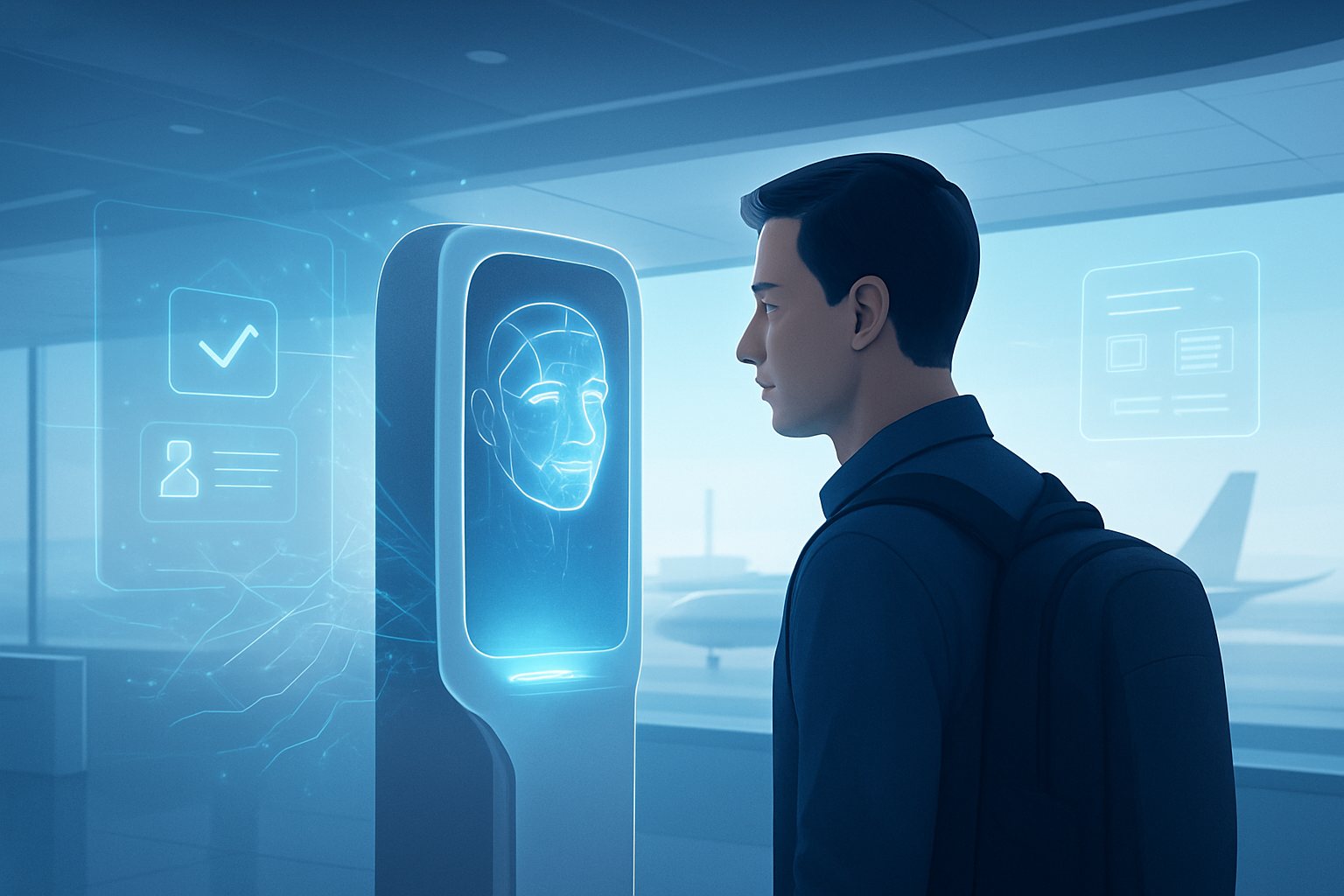
    Dallas, TX – November 18, 2025 – Southwest Airlines (NYSE: LUV) today announced a significant expansion of its pioneering efforts in implementing touchless biometric and digital check-in systems, marking a pivotal moment in transforming the air travel experience. Building on a successful inaugural pilot launch in October 2025 at Denver International Airport (DEN), the airline is now extending the Transportation Security Administration's (TSA) PreCheck Touchless ID program to key U.S. hubs including Hartsfield-Jackson Atlanta (ATL), New York LaGuardia (LGA), Portland (PDX), Salt Lake City (SLC), and Seattle (SEA). This strategic move underscores Southwest's commitment to leveraging advanced artificial intelligence (AI) and biometric technology to enhance security, dramatically reduce wait times, and create a more efficient, hygienic, and seamless journey for its passengers.

    This initiative is set to redefine pre-flight procedures by allowing eligible travelers to verify their identity using facial comparison technology, eliminating the need to physically present identification documents or boarding passes. As air travel continues its resurgence and passenger volumes grow, Southwest Airlines (NYSE: LUV) is positioning itself at the forefront of digital innovation, aiming to deliver a high-quality, more convenient customer experience from booking to arrival, all while bolstering national security protocols.

    The AI Behind the Smile: Unpacking Touchless Biometrics

    The core of Southwest Airlines' (NYSE: LUV) and the TSA's biometric initiative is the TSA PreCheck Touchless ID program, which utilizes sophisticated facial comparison technology. This system replaces the traditional, manual process of identity verification by converting unique facial features into a digital, mathematical representation—a biometric template. When a traveler opts into the program and approaches a designated checkpoint, a high-resolution camera captures a live image of their face. This image is then encrypted and securely transmitted for instantaneous comparison against pre-registered photographs, such as those from passports or visas, stored in an official government database managed by U.S. Customs and Border Protection (CBP)'s Traveler Verification Service (TVS).

    Technically, the process involves several layers of AI and computer vision. First, facial detection algorithms identify a human face. Then, feature extraction algorithms analyze specific facial landmarks, creating a unique digital template. Finally, matching and verification algorithms perform a one-to-one comparison between the live template and the stored template to confirm identity. This entire sequence typically takes less than 10 seconds. Unlike previous approaches that relied solely on human agents visually matching a face to a physical ID, this automated system significantly reduces human error, enhances accuracy, and provides a consistent, reliable layer of security. The technology also incorporates "liveness detection" to prevent spoofing attempts using photos or masks.

    For Southwest (NYSE: LUV) passengers to participate, they must be a Rapid Rewards member, enrolled in TSA PreCheck, at least 18 years old, possess a valid Known Traveler Number (KTN), and have a valid U.S. passport uploaded to their Southwest mobile app profile. The enrollment process itself is digital, integrating seamlessly into the airline's existing mobile platform. This differs markedly from older, often cumbersome biometric trials that were limited to specific international boarding gates. The current implementation aims for a "curb-to-gate" integration, streamlining multiple touchpoints from bag drop to security and boarding, offering a truly touchless experience. Companies like FaceTec, providing 3D Face Verification, and Optiview, supplying high-resolution cameras, are among the foundational technology providers enabling such advanced systems.

    The benefits for airport security and traveler efficiency are profound. For security, the technology offers enhanced accuracy, making identity fraud virtually impossible and allowing for real-time screening against watchlists. It also aids in verifying the authenticity of the ID credential itself through devices like Credential Authentication Technology (CAT-2) units used by the TSA. For travelers, the system promises drastically faster processing times, alleviating airport congestion, and a more seamless, less stressful journey without the constant need to present documents. This increased efficiency also translates to improved operational capacity for airports and quicker aircraft turnaround times for airlines.

    Shaking Up the Tech Landscape: Impact on AI Companies and Tech Giants

    Southwest Airlines' (NYSE: LUV) aggressive push into touchless biometrics creates a dynamic ripple effect across the AI and tech industries, presenting both immense opportunities and competitive shifts for companies of all sizes. The demand for sophisticated biometric solutions, robust cloud infrastructure, and advanced AI algorithms is skyrocketing.

    Companies specializing in biometrics, such as SITA, Vision-Box, Idemia, Cognitec Systems, DERMALOG Identification Systems GmbH, NEC Corporation (TYO: 6701), and Thales Group (EPA: HO), stand to benefit significantly. These firms, which provide end-to-end automated passenger authentication solutions, are seeing increased demand for their facial recognition, fingerprint, and iris scanning technologies. Their expertise in developing highly accurate and secure biometric systems is crucial for scaling these initiatives across more airports and airlines. Additionally, BigBear.ai (NYSE: BBAI), through its Pangiam division, is deploying biometric software for Enhanced Passenger Processing (EPP) at international airports, showcasing the growing market for specialized AI-driven security solutions.

    Tech giants are also playing a critical role. The immense computational power and secure data storage required for real-time biometric processing demand scalable cloud infrastructure, benefiting providers like Google (NASDAQ: GOOGL) and Microsoft (NASDAQ: MSFT), which offer robust cloud platforms and AI services. Companies like L3Harris Technologies (NYSE: LHX) and Collins Aerospace (part of Raytheon Technologies (NYSE: RTX)) are essential in providing the underlying hardware, software, and systems integration capabilities for TSA and airport infrastructure. Their established presence and ability to deliver large-scale, complex solutions give them a strategic advantage in this evolving market.

    For AI labs and startups, the competitive landscape is intensifying. There's a surge in demand for expertise in computer vision, deep learning, and ethical AI development. Startups focusing on niche areas like advanced liveness detection, privacy-enhancing technologies (e.g., decentralized identity management), or specialized AI for data analytics and predictive maintenance within airport operations can find fertile ground. However, they must contend with the significant resources and established relationships of larger players. The shift towards biometrics also disrupts existing products and services that relied on manual verification, pushing companies to innovate or risk obsolescence. Market positioning now hinges on offering secure, accurate, scalable, and interoperable solutions that prioritize both efficiency and passenger experience.

    A New Era of Travel: Wider Significance and Societal Implications

    Southwest Airlines' (NYSE: LUV) adoption of touchless biometrics is more than just an airline upgrade; it's a microcosm of a broader paradigm shift in how AI is integrated into critical infrastructure and daily life. This initiative fits squarely within the larger AI landscape's trend towards automation, real-time data processing, and enhanced security through computer vision. It mirrors advancements seen in other sectors, such as AI's role in self-driving cars for environmental perception, or in healthcare for diagnostics and personalized medicine, by applying sophisticated pattern recognition to complex logistical and security challenges.

    The impacts on the travel industry are transformative. Beyond the immediate benefits of reduced wait times and increased efficiency, biometrics pave the way for a truly frictionless "curb-to-gate" experience, potentially saving billions in operational costs and boosting global GDP growth from travel. The International Air Transport Association (IATA) reports high traveler satisfaction with biometric systems, indicating strong consumer acceptance. This development also aligns with government initiatives like the REAL ID Act, which, by May 7, 2025, will require REAL ID-compliant identification for domestic air travel, underscoring the need for robust identity verification methods. The TSA's broader biometric strategy aims for nationwide expansion of facial recognition technology across all 400+ airports, suggesting a future where biometric identity verification becomes the norm.

    However, this technological leap is not without significant concerns. Privacy is paramount; civil liberties organizations voice apprehension about the extensive collection and storage of sensitive biometric data, even with assurances of data deletion. The potential for "function creep"—where data collected for one purpose is used for another—and mass surveillance remains a worry, driving calls for robust legislation like the Traveler Privacy Protection Act. Data security is another critical challenge; centralized biometric databases present attractive targets for cyberattacks, and a breach of immutable biometric data could have devastating consequences for individuals. Finally, algorithmic bias is a persistent concern. Studies have shown that facial recognition systems can exhibit disparities in accuracy across different demographic groups, potentially leading to misidentification or discriminatory interactions. Addressing these biases requires rigorous testing, diverse training data, and transparent algorithmic development to ensure equitable application.

    The Horizon of Hyper-Efficient Travel: Future Developments

    The journey towards fully integrated, touchless travel is far from over, and Southwest Airlines' (NYSE: LUV) current initiatives are merely a stepping stone. Experts predict a rapid evolution in the near-term (1-5 years) and a truly revolutionary long-term vision (5+ years).

    In the near term, we can expect the TSA PreCheck Touchless ID program to expand to even more airports and integrate with a wider array of airlines. Digital check-in systems will become more sophisticated, incorporating AI-guided workflows and advanced "liveness tests" to further secure identity verification. A key development will be the proliferation of "wallet-ready credentials," such as the International Civil Aviation Organization's (ICAO) Digital Travel Credential (DTC), which will reside in secure digital wallets like Apple Wallet (NASDAQ: AAPL) or Google Wallet (NASDAQ: GOOGL). These credentials will allow travelers to selectively share necessary information, enhancing both convenience and privacy. The European Union's Entry/Exit System (EES), commencing in October 2025, will also mandate facial imaging and fingerprints for non-EU travelers, signaling a global trend towards biometric border control.

    Looking further ahead, the long-term vision is a virtually entirely touchless airport experience, where a traveler's face serves as their universal token from curb to gate. This means automated bag drops, seamless lounge access, and efficient customs and immigration clearance, all powered by biometrics and AI. AI will actively monitor passenger flow, predict bottlenecks, and optimize airport operations in real-time. Potential applications extend beyond the airport, with biometrics potentially authorizing payments for retail, dining, hotel check-ins, and even access to destination venues.

    However, significant challenges remain. Technologically, ensuring high accuracy across all demographics and developing robust exception processing for those unable to use biometrics are crucial. The cost of comprehensive infrastructure and achieving interoperability between disparate systems globally are also major hurdles. Ethically, concerns about privacy, function creep, and potential surveillance will necessitate strong regulatory frameworks and transparent practices. Experts predict the increasing adoption of multi-modal biometrics, combining facial recognition with fingerprint or iris scans, to enhance accuracy and security against spoofing. Companies like Aware Inc. (NASDAQ: AWRE), BIO-key International (NASDAQ: BKYI), and IDEX Biometrics (NASDAQ: IDBA) are at the forefront of developing these multi-modal solutions. The ultimate goal, as envisioned by airport designers and technology providers like SITA, is to create airports where the passenger experience is so seamless that they barely notice the security checks, transforming travel into an effortless flow.

    The Future is Now: A Comprehensive Wrap-Up

    Southwest Airlines' (NYSE: LUV) expansion of touchless biometrics and digital check-in systems marks a definitive stride into the future of air travel. This development is not just about convenience; it represents a significant advancement in leveraging AI and biometric technology to create a more secure, efficient, and hygienic travel ecosystem. The immediate impact is clear: faster processing times, reduced physical contact, and an improved passenger experience for eligible travelers at key U.S. airports.

    In the grand tapestry of AI history, this moment signifies the maturation and widespread practical application of computer vision and deep learning in a critical public service sector. While not a singular breakthrough in fundamental AI research, it exemplifies the successful deployment of existing AI capabilities to solve complex real-world logistical and security challenges on a large scale. The involvement of tech giants like Google (NASDAQ: GOOGL) and Microsoft (NASDAQ: MSFT), alongside specialized biometric firms and government agencies, highlights a collaborative effort to integrate cutting-edge technology into the fabric of daily life.

    Looking ahead, the long-term impact promises a fundamentally transformed travel experience, moving towards a truly "curb-to-gate" seamless journey. However, the success of this transformation hinges on addressing critical concerns around privacy, data security, and algorithmic bias. Robust legislative frameworks, transparent data handling practices, and continuous refinement of AI algorithms to ensure fairness and accuracy across all demographics will be paramount.

    In the coming weeks and months, watch for further announcements from Southwest (NYSE: LUV) and other major airlines regarding additional airport expansions and enhanced digital features. Keep an eye on legislative developments concerning biometric data privacy and the ongoing efforts by the TSA and CBP to standardize and secure these evolving identity verification systems. The future of travel is here, and it’s increasingly touchless, digital, and powered by AI.


    This content is intended for informational purposes only and represents analysis of current AI developments.

    TokenRing AI delivers enterprise-grade solutions for multi-agent AI workflow orchestration, AI-powered development tools, and seamless remote collaboration platforms.
    For more information, visit https://www.tokenring.ai/.
  • India Soars: IIT Madras Achieves Breakthrough in VTOL Hybrid Rocket Technology

    India Soars: IIT Madras Achieves Breakthrough in VTOL Hybrid Rocket Technology

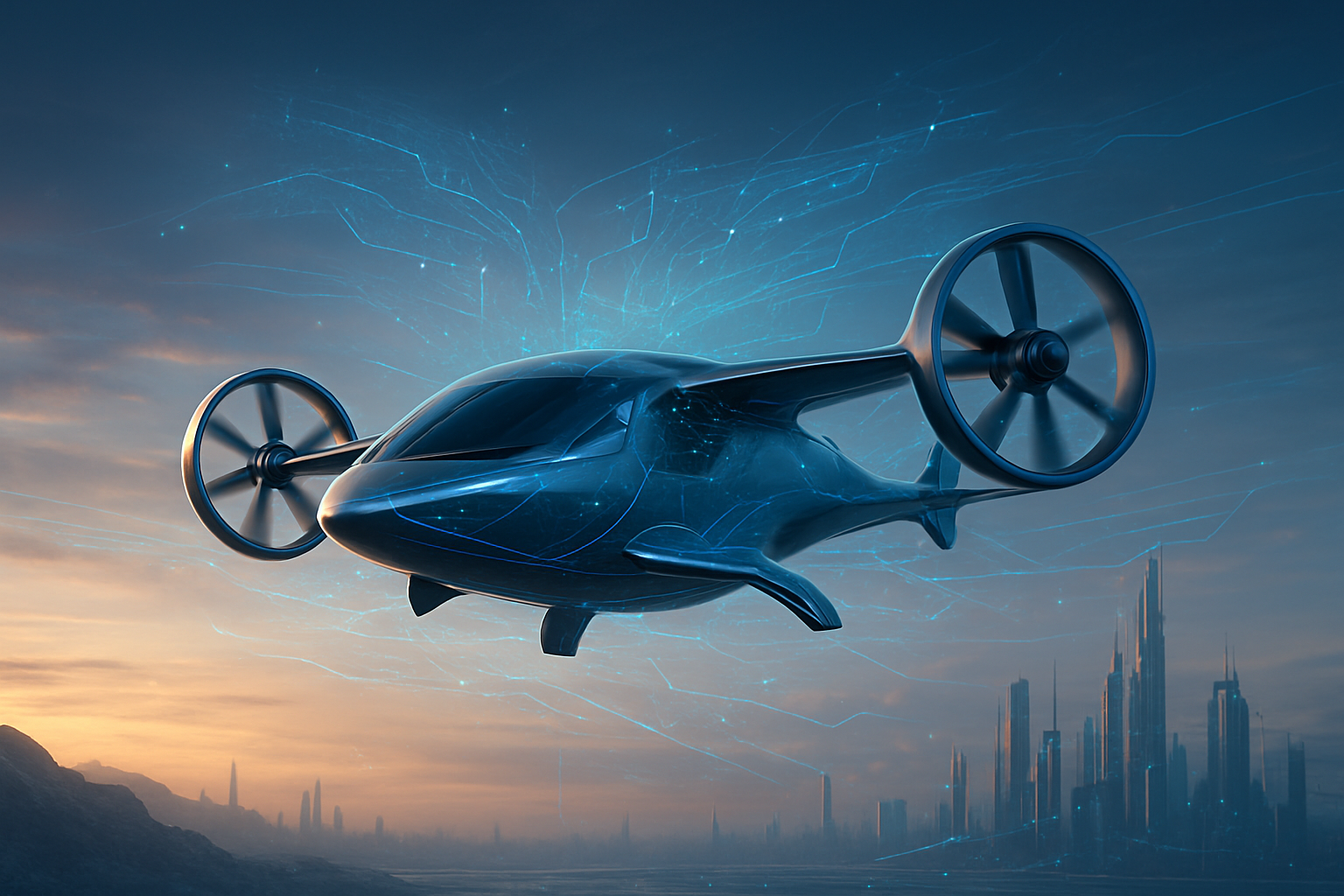
    The Indian Institute of Technology (IIT) Madras has announced a significant leap forward in Vertical Take-Off and Landing (VTOL) technology, successfully demonstrating a hybrid rocket thruster capable of achieving the crucial velocity required for a "soft landing." This groundbreaking achievement, detailed in the International Journal of Aeronautical and Space Sciences, promises to redefine next-generation aviation by offering a safer, simpler, and more controllable propulsion system for VTOL aircraft and Unmanned Aerial Vehicles (UAVs). This development positions India as a key player in advanced air mobility, with profound implications for decentralized air transport, logistics, defense, and potentially, space exploration.

    Unpacking the Engineering Marvel: Hybrid Rockets for Soft Landings

    The core of IIT Madras's breakthrough lies in its innovative hybrid rocket thruster system. Unlike conventional liquid or solid rocket engines, hybrid rockets combine the advantages of both, offering inherent safety due to the separate storage of fuel and oxidizer, simplicity in design, and excellent throttling capabilities for precise thrust modulation. A standout feature of this research is the development of a unique hybrid rocket fuel that utilizes readily available compressed air as the oxidizer. This eliminates the need for complex, exotic chemicals or cryogenic liquids, significantly enhancing the system's safety and simplifying its integration into aerospace vehicles.

    In a sophisticated experiment, the IIT Madras team employed a unique Hardware-in-the-Loop Simulation (HILS) framework. This framework is not merely a simulation; it directly integrated a live-firing hybrid rocket motor with a virtual simulation. This approach ensures an incredibly accurate and realistic testing environment, bridging the gap between theoretical development and a functional prototype. Through this HILS setup, the researchers successfully demonstrated the ability to achieve a safe touchdown velocity of just 0.66 meters per second, a critical metric for "soft landing" capabilities essential for various applications, from planetary exploration modules to terrestrial VTOL aircraft. A landing algorithm based on velocity tracking and a Proportional-Integral-Derivative (PID) controller was instrumental in monitoring and correcting the velocity profile for a seamless landing process.

    This approach significantly differs from previous VTOL technologies. While electric VTOLs (eVTOLs) are gaining traction, the hybrid rocket thruster offers distinct advantages in terms of range, payload capacity, and potentially, faster refueling times compared to battery-dependent systems. Compared to traditional helicopters, which currently serve in remote terrains, the IIT Madras VTOL system promises superior speed, range, and efficiency, addressing long-standing limitations. The simplified oxidizer and the robust HILS framework represent a departure from more complex, high-maintenance liquid-engine VTOL systems, offering a more practical pathway to widespread adoption. Initial reactions from the broader aerospace community, while not explicitly detailed for this specific announcement, indicate a strong interest in IIT Madras's contributions to advanced air mobility, with experts noting the "game-changer" potential for both civil and military aviation.

    Reshaping the Landscape: Impact on AI and Tech Companies

    The IIT Madras VTOL hybrid rocket thruster breakthrough carries significant implications for AI companies, tech giants, and startups across various sectors, from aerospace and logistics to defense and urban air mobility.

    Companies poised to benefit include traditional aerospace manufacturers such as Airbus (Euronext: AIR), Bell Textron Inc. (NYSE: TXT), Boeing (NYSE: BA), Lockheed Martin (NYSE: LMT), and Israel Aerospace Industries, who could integrate this technology into their next-generation VTOL designs. The simplified propulsion system and enhanced safety could accelerate their development cycles and expand their market reach. Logistics giants like Amazon (NASDAQ: AMZN) and UPS (NYSE: UPS), along with specialized cargo VTOL developers such as Elroy Air, could leverage this technology for more efficient, reliable, and cost-effective drone delivery and air cargo services, especially for reaching remote or underserved areas. The inherent safety and simpler maintenance of the hybrid thruster could make widespread autonomous cargo VTOL operations more feasible.

    For tech giants with interests in cloud computing and AI research, such as Google (NASDAQ: GOOGL), Microsoft (NASDAQ: MSFT), and Amazon Web Services (AWS), the management of large fleets of autonomous VTOLs will generate vast amounts of flight data and require robust cloud infrastructure and advanced AI capabilities. This will likely lead to increased demand for their cloud services and AI development platforms. Startups in the Urban Air Mobility (UAM) space, including Joby Aviation (NYSE: JOBY), Archer Aviation (NYSE: ACHR), EHang Holdings (NASDAQ: EH), Vertical Aerospace (NYSE: EVTL), and Lilium (NASDAQ: LILM), currently focused on eVTOLs, might explore integrating this hybrid rocket technology for enhanced performance, range, and safety, potentially accelerating the widespread adoption of air taxis.

    The competitive landscape will also shift. While current eVTOL development heavily focuses on electric propulsion, this breakthrough shifts emphasis to AI capable of managing the unique dynamics and thrust modulation of rocket-powered VTOLs. This will drive specialized AI research for rocket propulsion control, potentially creating new competitive niches for AI labs. Major tech and aerospace companies may strategically partner with or acquire startups and research entities that successfully integrate AI with this new thruster technology, securing an early advantage. The "holy grail" for defense AI—the ability to operate VTOL aircraft without runways—is a significant strategic advantage that will intensify competition among defense AI labs to develop highly autonomous, survivable, and adaptable VTOL systems. The technology could disrupt the traditional helicopter market by offering superior speed, range, and efficiency, and reduce reliance on expensive runway infrastructure for certain military and logistics applications.

    Broader Horizons: Significance in the AI Landscape and Beyond

    While primarily an aerospace engineering feat, the IIT Madras VTOL hybrid rocket thruster breakthrough holds crucial, albeit indirect, significance within the broader AI landscape and ongoing technological trends. It serves as a foundational hardware innovation that will accelerate the development and deployment of advanced AI-driven autonomous aerial systems.

    The integration of sophisticated control algorithms, like the PID controller used for soft landing, is inherently linked to AI. Future iterations of this technology will undoubtedly leverage more advanced AI for greater precision, adaptability, and full autonomy in flight control, navigation, obstacle avoidance, and real-time decision-making. Furthermore, the aerospace industry is increasingly adopting AI for the design and optimization of propulsion systems, suggesting that future enhancements to this hybrid thruster could themselves be products of AI-driven engineering. This makes the breakthrough an enabler for future AI milestones in aerospace and robotics.

    The broader impacts are transformative. The potential for decentralized air mobility is immense, allowing access to remote and rugged terrains previously inaccessible to conventional aircraft. This could revolutionize logistics, emergency services, and regional connectivity. For defense, the strategic advantages are staggering, enabling aircraft to operate from diverse, unprepared locations without vulnerable airbases. The "soft landing" capability also has direct applications in space exploration for planetary landers. The inherent safety, simplicity, and lower maintenance of hybrid rockets promise more cost-effective and sustainable aerial mobility solutions.

    However, potential concerns exist. As a dual-use technology, its application in both civil and military contexts raises questions about proliferation and misuse, particularly concerning autonomous weapon systems. Regulatory frameworks will need to evolve rapidly to accommodate these novel VTOLs, especially for autonomous operations, covering certification, air traffic management, and safety protocols. Public acceptance and potential noise pollution in urban air mobility scenarios also remain challenges. Moreover, highly autonomous VTOLs relying on AI could be vulnerable to cyberattacks, necessitating robust security measures.

    Compared to direct AI milestones like the Deep Learning Revolution or breakthroughs in autonomous driving, the IIT Madras achievement is a critical enabling technology. It provides the robust, controllable propulsion system that the next generation of AI-powered aerial vehicles will depend on, much like advanced microprocessors enabled the AI revolution. It's a testament to how hardware innovation can catalyze and accelerate progress in AI applications, pushing the boundaries of what autonomous systems can achieve.

    The Flight Path Ahead: Future Developments and Expert Predictions

    The journey for IIT Madras's VTOL hybrid rocket thruster technology is far from over, with clear near-term and long-term developments on the horizon.

    In the near term, researchers are intensely focused on achieving attitude stabilization for experimental VTOL platforms equipped with multiple thrusters. This is a critical step, as maintaining the aircraft's orientation during all phases of flight is paramount for practical application. Following this, the team plans to conduct more advanced hardware-in-the-loop simulations that account for landing without the assumption of an already attitude-stabilized system, further validating their control strategies. The initial implementation of this VTOL technology is expected to be extended to fixed-wing Unmanned Aerial Vehicles (UAVs), serving as a vital proof-of-concept for broader aerospace applications.

    The long-term vision, as articulated by Professor P. A. Ramakrishna of IIT Madras, is for this VTOL system to reach a Technology Readiness Level (TRL) suitable for widespread commercial and military deployment. He predicts it will be a "game-changer" by fundamentally decentralizing air transport, freeing aircraft from the constraints of traditional runway infrastructure. This opens up unprecedented possibilities for accessing remote locations, transforming logistics, emergency services, and regional connectivity. The "soft landing" capability also positions it for future planetary landing missions, extending its reach beyond Earth's atmosphere.

    However, several challenges need to be addressed. While the hybrid rocket design aims for simplicity, achieving robust attitude stabilization with multiple thrusters in unpredictable real-world conditions is complex. Refining precise thrust control for various mission requirements, including emergency shutdowns and restarts, is crucial. Historically, hybrid rocket engines faced challenges with poor fuel regression rates, though IIT Madras has made strides in addressing this with innovative methods. Experts like Dr. Joel George Manathara emphasize the uniqueness of using hybrid rocket thrusters for VTOL and the precision offered by their HILS framework. The consensus is that this work paves the way for moving beyond conventional approaches, balancing safety, simplicity, and control, and placing India among the elite nations developing advanced aerospace propulsion systems.

    A New Era of Flight: Wrapping Up the Revolution

    The IIT Madras breakthrough in VTOL hybrid rocket technology marks a pivotal moment in aviation history, signaling a new era of decentralized and highly adaptable air transport. The key takeaways are the successful demonstration of a hybrid rocket thruster capable of soft landings, its innovative use of compressed air as an oxidizer for enhanced safety and simplicity, and the development of a unique live-firing Hardware-in-the-Loop Simulation framework that accelerates practical development. This advancement promises to address the complexities and maintenance demands of existing VTOL systems, paving the way for more robust and efficient aerial platforms.

    While not an AI breakthrough in itself, this development holds profound significance in AI history as a crucial enabler for next-generation autonomous aerial systems. The reliable and controllable propulsion it offers is a prerequisite for the sophisticated AI necessary to pilot fully autonomous VTOL aircraft, from complex urban air mobility scenarios to critical defense operations and ambitious space missions. The interplay between advanced propulsion and AI autonomy, as seen in projects like Shield AI's X-BAT, underscores the deep synergy between these fields.

    The long-term impact is truly transformative. This technology has the potential to fundamentally alter civil and military aviation by eliminating reliance on runways, opening up vast new operational possibilities. It can foster new paradigms in urban air mobility, emergency response, and logistics, while offering unparalleled strategic flexibility in defense. The inherent safety and potential for lower maintenance costs of hybrid thrusters could also lead to more sustainable and economically viable aerial solutions.

    In the coming weeks and months, the world will be watching for several key developments from IIT Madras. Progress on attitude stabilization for multi-thruster platforms, advanced experimental studies of landing platforms with multiple degrees of freedom, and the advancement of the technology through higher Technology Readiness Levels will be critical indicators. Furthermore, any announcements regarding initial implementation in fixed-wing UAVs or potential industry partnerships will signal the accelerating trajectory of this groundbreaking Indian innovation.


    This content is intended for informational purposes only and represents analysis of current AI developments.

    TokenRing AI delivers enterprise-grade solutions for multi-agent AI workflow orchestration, AI-powered development tools, and seamless remote collaboration platforms.
    For more information, visit https://www.tokenring.ai/.
  • AI-Powered CT Scanners Revolutionize US Air Travel: A New Era of Security and Convenience Dawns

    AI-Powered CT Scanners Revolutionize US Air Travel: A New Era of Security and Convenience Dawns

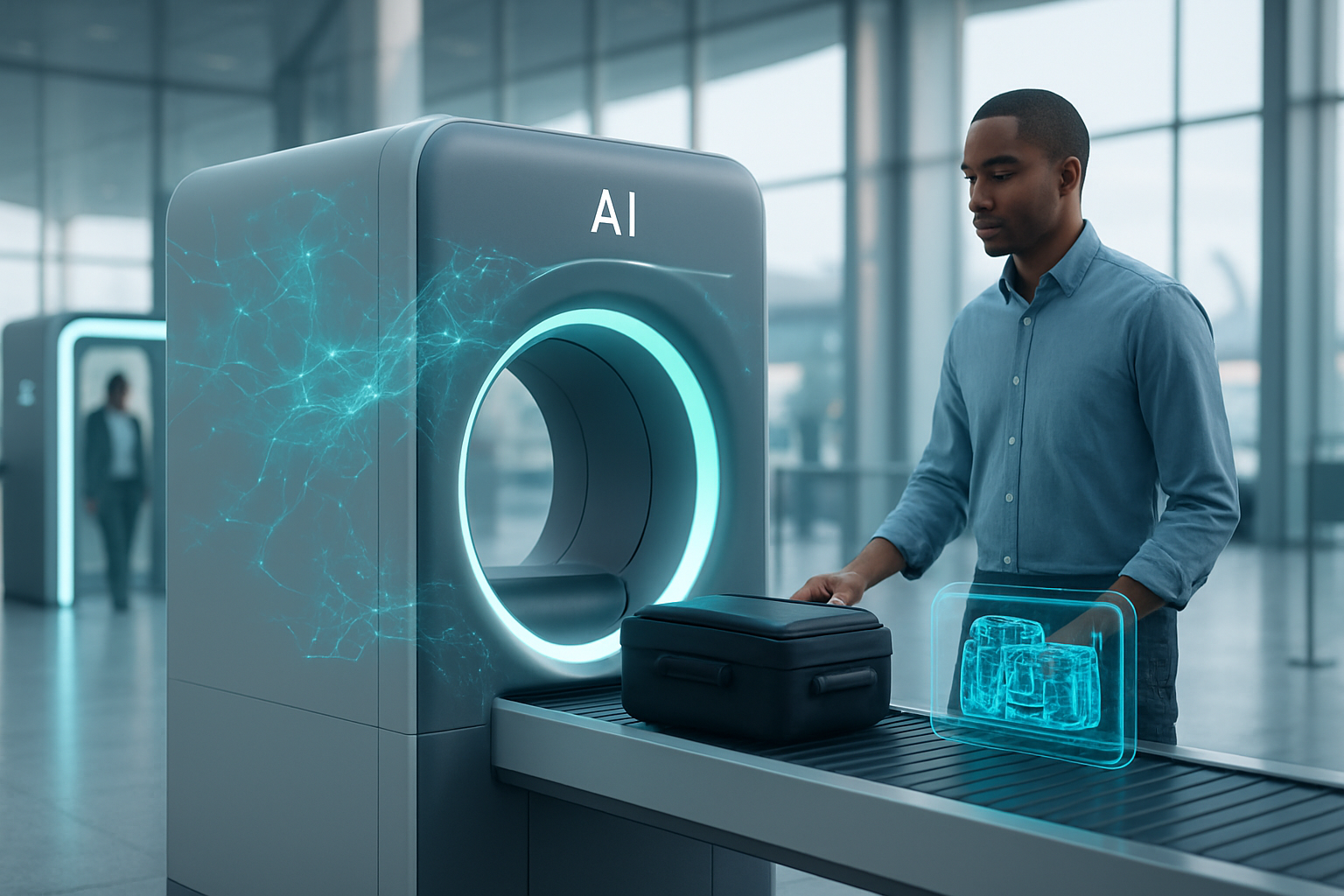
    October 4, 2025 – The skies above the United States are undergoing a profound transformation, ushering in an era where airport security is not only more robust but also remarkably more efficient and passenger-friendly. At the heart of this revolution are advanced AI-powered Computed Tomography (CT) scanners, sophisticated machines that are fundamentally reshaping the experience of air travel. These cutting-edge technologies are moving beyond the limitations of traditional 2D X-ray systems, providing detailed 3D insights into carry-on luggage, enhancing threat detection capabilities, drastically improving operational efficiency, and significantly elevating the overall passenger journey.

    The immediate significance of these AI CT scanners cannot be overstated. By leveraging artificial intelligence to interpret volumetric X-ray images, airports are now equipped with an intelligent defense mechanism that can identify prohibited items with unprecedented precision, including explosives and weapons. This technological leap has begun to untangle the long-standing bottlenecks at security checkpoints, allowing travelers the convenience of keeping laptops, other electronic devices, and even liquids within their bags. The rollout, which began with pilot programs in 2017 and saw significant acceleration from 2018 onwards, continues to gain momentum, promising a future where airport security is a seamless part of the travel experience, rather than a source of stress and delay.

    A Technical Deep Dive into Intelligent Screening

    The core of advanced AI CT scanners lies in the sophisticated integration of computed tomography with powerful artificial intelligence and machine learning (ML) algorithms. Unlike conventional 2D X-ray machines that produce flat, static images often cluttered by overlapping items, CT scanners generate high-resolution, volumetric 3D representations from hundreds of different views as baggage passes through a rotating gantry. This allows security operators to "digitally unpack" bags, zooming in, out, and rotating images to inspect contents from any angle, without physical intervention.

    The AI advancements are critical. Deep neural networks, trained on vast datasets of X-ray images, enable these systems to recognize threat characteristics based on shape, texture, color, and density. This leads to Automated Prohibited Item Detection Systems (APIDS), which leverage machine learning to automatically identify a wide range of prohibited items, from weapons and explosives to narcotics. Companies like SeeTrue and ScanTech AI (with its Sentinel platform) are at the forefront of developing such AI, continuously updating their databases with new threat profiles. Technical specifications include automatic explosives detection (EDS) capabilities that meet stringent regulatory standards (e.g., ECAC EDS CB C3 and TSA APSS v6.2 Level 1), and object recognition software (like Smiths Detection's iCMORE or Rapiscan's ScanAI) that highlights specific prohibited items. These systems significantly increase checkpoint throughput, potentially doubling it, by eliminating the need to remove items and by reducing false alarms, with some conveyors operating at speeds up to 0.5 m/s.

    Initial reactions from the AI research community and industry experts have been largely optimistic, hailing these advancements as a transformative leap. Experts agree that AI-powered CT scanners will drastically improve threat detection accuracy, reduce human errors, and lower false alarm rates. This paradigm shift also redefines the role of security screeners, transitioning them from primary image interpreters to overseers who reinforce AI decisions and focus on complex cases. However, concerns have been raised regarding potential limitations of early AI algorithms, the risk of consistent flaws if AI is not trained properly, and the extensive training required for screeners to adapt to interpreting dynamic 3D images. Privacy and cybersecurity also remain critical considerations, especially as these systems integrate with broader airport datasets.

    Industry Shifts: Beneficiaries, Disruptions, and Market Positioning

    The widespread adoption of AI CT scanners is profoundly reshaping the competitive landscape for AI companies, tech giants, and startups. The most immediate beneficiaries are the manufacturers of these advanced security systems and the developers of the underlying AI algorithms.

    Leading the charge are established security equipment manufacturers such as Smiths Detection (LSE: SMIN), Rapiscan Systems, and Leidos (NYSE: LDOS), who collectively dominate the global market. These companies are heavily investing in and integrating advanced AI into their CT scanners. Analogic Corporation (NASDAQ: ALOG) has also secured substantial contracts with the TSA for its ConneCT systems. Beyond hardware, specialized AI software and algorithm developers like SeeTrue and ScanTech AI are experiencing significant growth, focusing on improving accuracy and reducing false alarms. Companies providing integrated security solutions, such as Thales (EPA: HO) with its biometric and cybersecurity offerings, and training and simulation companies like Renful Premier Technologies, are also poised for expansion.

    For major AI labs and tech giants, this presents opportunities for market leadership and consolidation. These larger entities could develop or license their advanced AI/ML algorithms to scanner manufacturers or offer platforms that integrate CT scanners with broader airport operational systems. The ability to continuously update and improve AI algorithms to recognize evolving threats is a critical competitive factor. Strategic partnerships between airport consortiums and tech companies are also becoming more common to achieve autonomous airport operations.

    The disruption to existing products and services is substantial. Traditional 2D X-ray machines are increasingly becoming obsolete, replaced by superior 3D CT technology. This fundamentally alters long-standing screening procedures, such as the requirement to remove laptops and liquids, minimizing manual inspections. Consequently, the roles of security staff are evolving, necessitating significant retraining and upskilling. Airports must also adapt their infrastructure and operational planning to accommodate the larger CT scanners and new workflows, which can cause short-term disruptions. Companies will compete on technological superiority, continuous AI innovation, enhanced passenger experience, seamless integration capabilities, and global scalability, all while demonstrating strong return on investment.

    Wider Significance: AI's Footprint in Critical Infrastructure

    The deployment of advanced AI CT scanners in airport security is more than just a technological upgrade; it's a significant marker in the broader AI landscape, signaling a deeper integration of intelligent systems into critical infrastructure. This trend aligns with the wider adoption of AI across the aviation industry, from air traffic management and cybersecurity to predictive maintenance and customer service. The US Department of Homeland Security's framework for AI in critical infrastructure underscores this shift towards leveraging AI for enhanced security, resilience, and efficiency.

    In terms of security, the move from 2D to 3D imaging, coupled with AI's analytical power, is a monumental leap. It significantly improves the ability to detect concealed threats and identify suspicious patterns, moving aviation security from a reactive to a more proactive stance. This continuous learning capability, where AI algorithms adapt to new threat data, is a hallmark of modern AI breakthroughs. However, this transformative journey also brings forth critical concerns. Privacy implications arise from the detailed images and the potential integration with biometric data; while the TSA states data is not retained for long, public trust hinges on transparency and robust privacy protection.

    Ethical considerations, particularly algorithmic bias, are paramount. Reports of existing full-body scanners causing discomfort for people of color and individuals with religious head coverings highlight the need for a human-centered design approach to avoid unintentional discrimination. The ethical limits of AI in assessing human intent also remain a complex area. Furthermore, the automation offered by AI CT scanners raises concerns about job displacement for human screeners. While AI can automate repetitive tasks and create new roles focused on oversight and complex decision-making, the societal impact of workforce transformation must be carefully managed. The high cost of implementation and the logistical challenges of widespread deployment also remain significant hurdles.

    Future Horizons: A Glimpse into Seamless Travel

    Looking ahead, the evolution of AI CT scanners in airport security promises a future where air travel is characterized by unparalleled efficiency and convenience. In the near term, we can expect continued refinement of AI algorithms, leading to even greater accuracy in threat detection and a further reduction in false alarms. The European Union's mandate for CT scanners by 2026 and the TSA's ongoing deployment efforts underscore the rapid adoption. Passengers will increasingly experience the benefit of keeping all items in their bags, with some airports already trialing "walk-through" security scanners where bags are scanned alongside passengers.

    Long-term developments envision fully automated and self-service checkpoints where AI handles automatic object recognition, enabling "alarm-only" viewing of X-ray images. This could lead to security experiences as simple as walking along a travelator, with only flagged bags diverted. AI systems will also advance to predictive analytics and behavioral analysis, moving beyond object identification to anticipating risks by analyzing passenger data and behavior patterns. The integration with biometrics and digital identities, creating a comprehensive, frictionless travel experience from check-in to boarding, is also on the horizon. The TSA is exploring remote screening capabilities to further optimize operations.

    Potential applications include advanced Automated Prohibited Item Detection Systems (APIDS) that significantly reduce operator scanning time, and AI-powered body scanning that pinpoints threats without physical pat-downs. Challenges remain, including the substantial cost of deployment, the need for vast quantities of high-quality data to train AI, and the ongoing battle against algorithmic bias and cybersecurity threats. Experts predict that AI, biometric security, and CT scanners will become standard features globally, with the market for aviation security body scanners projected to reach USD 4.44 billion by 2033. The role of security personnel will fundamentally shift to overseeing AI, and a proactive, multi-layered security approach will become the norm, crucial for detecting evolving threats like 3D-printed weapons.

    A New Chapter in Aviation Security

    The advent of advanced AI CT scanners marks a pivotal moment in the history of aviation security and the broader application of artificial intelligence. These intelligent systems are not merely incremental improvements; they represent a fundamental paradigm shift, delivering enhanced threat detection accuracy, significantly improved passenger convenience, and unprecedented operational efficiency. The ability of AI to analyze complex 3D imagery and detect threats faster and more reliably than human counterparts highlights its growing capacity to augment and, in specific data-intensive tasks, even surpass human performance. This firmly positions AI as a critical enabler for a more proactive and intelligent security posture in critical infrastructure.

    The long-term impact promises a future where security checkpoints are no longer the dreaded bottlenecks of air travel but rather seamless, integrated components of a streamlined journey. This will likely lead to the standardization of advanced screening technologies globally, potentially lifting long-standing restrictions on liquids and electronics. However, this transformative journey also necessitates continuous vigilance regarding cybersecurity, data privacy, and the ethical implications of AI, particularly concerning potential biases and the evolving roles for human security personnel.

    In the coming weeks and months, travelers and industry observers alike should watch for the accelerated deployment of these CT scanners in major international airports, particularly as deadlines like the UK's June 2024 target for major airports and the EU's 2026 mandate approach. Keep an eye on regulatory adjustments, as governments begin to formally update carry-on rules in response to these advanced capabilities. Monitoring performance metrics, such as reported reductions in wait times and improvements in passenger satisfaction, will be crucial indicators of success. Finally, continued advancements in AI algorithms and their integration with other cutting-edge security technologies will signal the ongoing evolution towards a truly seamless and intelligent air travel experience.


    This content is intended for informational purposes only and represents analysis of current AI developments.

    TokenRing AI delivers enterprise-grade solutions for multi-agent AI workflow orchestration, AI-powered development tools, and seamless remote collaboration platforms. For more information, visit https://www.tokenring.ai/.