Tag: Biometrics

  • Southwest Airlines Pioneers Touchless Biometrics, Revolutionizing Air Travel for a Seamless Future

    Southwest Airlines Pioneers Touchless Biometrics, Revolutionizing Air Travel for a Seamless Future

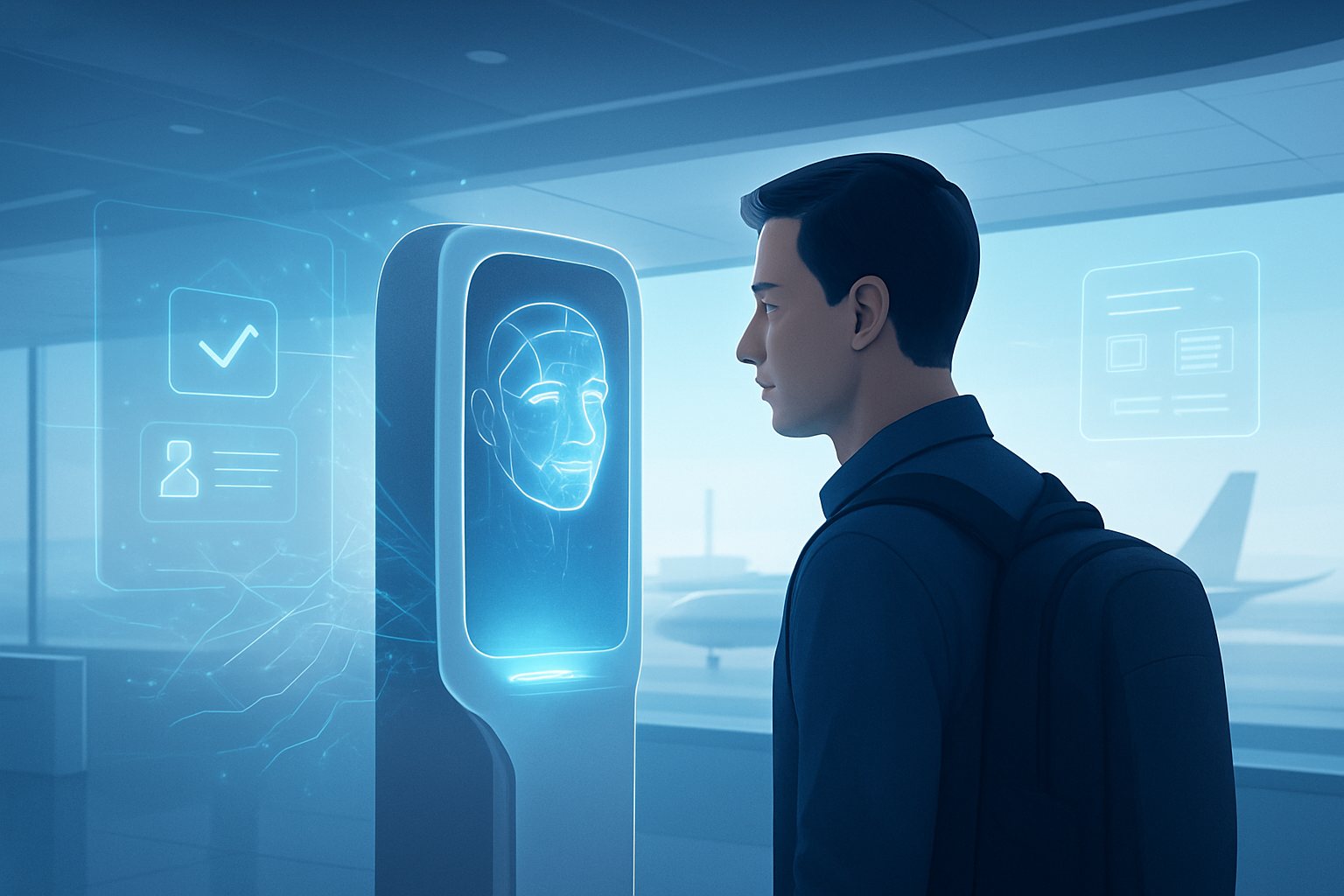
    Dallas, TX – November 18, 2025 – Southwest Airlines (NYSE: LUV) today announced a significant expansion of its pioneering efforts in implementing touchless biometric and digital check-in systems, marking a pivotal moment in transforming the air travel experience. Building on a successful inaugural pilot launch in October 2025 at Denver International Airport (DEN), the airline is now extending the Transportation Security Administration's (TSA) PreCheck Touchless ID program to key U.S. hubs including Hartsfield-Jackson Atlanta (ATL), New York LaGuardia (LGA), Portland (PDX), Salt Lake City (SLC), and Seattle (SEA). This strategic move underscores Southwest's commitment to leveraging advanced artificial intelligence (AI) and biometric technology to enhance security, dramatically reduce wait times, and create a more efficient, hygienic, and seamless journey for its passengers.

    This initiative is set to redefine pre-flight procedures by allowing eligible travelers to verify their identity using facial comparison technology, eliminating the need to physically present identification documents or boarding passes. As air travel continues its resurgence and passenger volumes grow, Southwest Airlines (NYSE: LUV) is positioning itself at the forefront of digital innovation, aiming to deliver a high-quality, more convenient customer experience from booking to arrival, all while bolstering national security protocols.

    The AI Behind the Smile: Unpacking Touchless Biometrics

    The core of Southwest Airlines' (NYSE: LUV) and the TSA's biometric initiative is the TSA PreCheck Touchless ID program, which utilizes sophisticated facial comparison technology. This system replaces the traditional, manual process of identity verification by converting unique facial features into a digital, mathematical representation—a biometric template. When a traveler opts into the program and approaches a designated checkpoint, a high-resolution camera captures a live image of their face. This image is then encrypted and securely transmitted for instantaneous comparison against pre-registered photographs, such as those from passports or visas, stored in an official government database managed by U.S. Customs and Border Protection (CBP)'s Traveler Verification Service (TVS).

    Technically, the process involves several layers of AI and computer vision. First, facial detection algorithms identify a human face. Then, feature extraction algorithms analyze specific facial landmarks, creating a unique digital template. Finally, matching and verification algorithms perform a one-to-one comparison between the live template and the stored template to confirm identity. This entire sequence typically takes less than 10 seconds. Unlike previous approaches that relied solely on human agents visually matching a face to a physical ID, this automated system significantly reduces human error, enhances accuracy, and provides a consistent, reliable layer of security. The technology also incorporates "liveness detection" to prevent spoofing attempts using photos or masks.

    For Southwest (NYSE: LUV) passengers to participate, they must be a Rapid Rewards member, enrolled in TSA PreCheck, at least 18 years old, possess a valid Known Traveler Number (KTN), and have a valid U.S. passport uploaded to their Southwest mobile app profile. The enrollment process itself is digital, integrating seamlessly into the airline's existing mobile platform. This differs markedly from older, often cumbersome biometric trials that were limited to specific international boarding gates. The current implementation aims for a "curb-to-gate" integration, streamlining multiple touchpoints from bag drop to security and boarding, offering a truly touchless experience. Companies like FaceTec, providing 3D Face Verification, and Optiview, supplying high-resolution cameras, are among the foundational technology providers enabling such advanced systems.

    The benefits for airport security and traveler efficiency are profound. For security, the technology offers enhanced accuracy, making identity fraud virtually impossible and allowing for real-time screening against watchlists. It also aids in verifying the authenticity of the ID credential itself through devices like Credential Authentication Technology (CAT-2) units used by the TSA. For travelers, the system promises drastically faster processing times, alleviating airport congestion, and a more seamless, less stressful journey without the constant need to present documents. This increased efficiency also translates to improved operational capacity for airports and quicker aircraft turnaround times for airlines.

    Shaking Up the Tech Landscape: Impact on AI Companies and Tech Giants

    Southwest Airlines' (NYSE: LUV) aggressive push into touchless biometrics creates a dynamic ripple effect across the AI and tech industries, presenting both immense opportunities and competitive shifts for companies of all sizes. The demand for sophisticated biometric solutions, robust cloud infrastructure, and advanced AI algorithms is skyrocketing.

    Companies specializing in biometrics, such as SITA, Vision-Box, Idemia, Cognitec Systems, DERMALOG Identification Systems GmbH, NEC Corporation (TYO: 6701), and Thales Group (EPA: HO), stand to benefit significantly. These firms, which provide end-to-end automated passenger authentication solutions, are seeing increased demand for their facial recognition, fingerprint, and iris scanning technologies. Their expertise in developing highly accurate and secure biometric systems is crucial for scaling these initiatives across more airports and airlines. Additionally, BigBear.ai (NYSE: BBAI), through its Pangiam division, is deploying biometric software for Enhanced Passenger Processing (EPP) at international airports, showcasing the growing market for specialized AI-driven security solutions.

    Tech giants are also playing a critical role. The immense computational power and secure data storage required for real-time biometric processing demand scalable cloud infrastructure, benefiting providers like Google (NASDAQ: GOOGL) and Microsoft (NASDAQ: MSFT), which offer robust cloud platforms and AI services. Companies like L3Harris Technologies (NYSE: LHX) and Collins Aerospace (part of Raytheon Technologies (NYSE: RTX)) are essential in providing the underlying hardware, software, and systems integration capabilities for TSA and airport infrastructure. Their established presence and ability to deliver large-scale, complex solutions give them a strategic advantage in this evolving market.

    For AI labs and startups, the competitive landscape is intensifying. There's a surge in demand for expertise in computer vision, deep learning, and ethical AI development. Startups focusing on niche areas like advanced liveness detection, privacy-enhancing technologies (e.g., decentralized identity management), or specialized AI for data analytics and predictive maintenance within airport operations can find fertile ground. However, they must contend with the significant resources and established relationships of larger players. The shift towards biometrics also disrupts existing products and services that relied on manual verification, pushing companies to innovate or risk obsolescence. Market positioning now hinges on offering secure, accurate, scalable, and interoperable solutions that prioritize both efficiency and passenger experience.

    A New Era of Travel: Wider Significance and Societal Implications

    Southwest Airlines' (NYSE: LUV) adoption of touchless biometrics is more than just an airline upgrade; it's a microcosm of a broader paradigm shift in how AI is integrated into critical infrastructure and daily life. This initiative fits squarely within the larger AI landscape's trend towards automation, real-time data processing, and enhanced security through computer vision. It mirrors advancements seen in other sectors, such as AI's role in self-driving cars for environmental perception, or in healthcare for diagnostics and personalized medicine, by applying sophisticated pattern recognition to complex logistical and security challenges.

    The impacts on the travel industry are transformative. Beyond the immediate benefits of reduced wait times and increased efficiency, biometrics pave the way for a truly frictionless "curb-to-gate" experience, potentially saving billions in operational costs and boosting global GDP growth from travel. The International Air Transport Association (IATA) reports high traveler satisfaction with biometric systems, indicating strong consumer acceptance. This development also aligns with government initiatives like the REAL ID Act, which, by May 7, 2025, will require REAL ID-compliant identification for domestic air travel, underscoring the need for robust identity verification methods. The TSA's broader biometric strategy aims for nationwide expansion of facial recognition technology across all 400+ airports, suggesting a future where biometric identity verification becomes the norm.

    However, this technological leap is not without significant concerns. Privacy is paramount; civil liberties organizations voice apprehension about the extensive collection and storage of sensitive biometric data, even with assurances of data deletion. The potential for "function creep"—where data collected for one purpose is used for another—and mass surveillance remains a worry, driving calls for robust legislation like the Traveler Privacy Protection Act. Data security is another critical challenge; centralized biometric databases present attractive targets for cyberattacks, and a breach of immutable biometric data could have devastating consequences for individuals. Finally, algorithmic bias is a persistent concern. Studies have shown that facial recognition systems can exhibit disparities in accuracy across different demographic groups, potentially leading to misidentification or discriminatory interactions. Addressing these biases requires rigorous testing, diverse training data, and transparent algorithmic development to ensure equitable application.

    The Horizon of Hyper-Efficient Travel: Future Developments

    The journey towards fully integrated, touchless travel is far from over, and Southwest Airlines' (NYSE: LUV) current initiatives are merely a stepping stone. Experts predict a rapid evolution in the near-term (1-5 years) and a truly revolutionary long-term vision (5+ years).

    In the near term, we can expect the TSA PreCheck Touchless ID program to expand to even more airports and integrate with a wider array of airlines. Digital check-in systems will become more sophisticated, incorporating AI-guided workflows and advanced "liveness tests" to further secure identity verification. A key development will be the proliferation of "wallet-ready credentials," such as the International Civil Aviation Organization's (ICAO) Digital Travel Credential (DTC), which will reside in secure digital wallets like Apple Wallet (NASDAQ: AAPL) or Google Wallet (NASDAQ: GOOGL). These credentials will allow travelers to selectively share necessary information, enhancing both convenience and privacy. The European Union's Entry/Exit System (EES), commencing in October 2025, will also mandate facial imaging and fingerprints for non-EU travelers, signaling a global trend towards biometric border control.

    Looking further ahead, the long-term vision is a virtually entirely touchless airport experience, where a traveler's face serves as their universal token from curb to gate. This means automated bag drops, seamless lounge access, and efficient customs and immigration clearance, all powered by biometrics and AI. AI will actively monitor passenger flow, predict bottlenecks, and optimize airport operations in real-time. Potential applications extend beyond the airport, with biometrics potentially authorizing payments for retail, dining, hotel check-ins, and even access to destination venues.

    However, significant challenges remain. Technologically, ensuring high accuracy across all demographics and developing robust exception processing for those unable to use biometrics are crucial. The cost of comprehensive infrastructure and achieving interoperability between disparate systems globally are also major hurdles. Ethically, concerns about privacy, function creep, and potential surveillance will necessitate strong regulatory frameworks and transparent practices. Experts predict the increasing adoption of multi-modal biometrics, combining facial recognition with fingerprint or iris scans, to enhance accuracy and security against spoofing. Companies like Aware Inc. (NASDAQ: AWRE), BIO-key International (NASDAQ: BKYI), and IDEX Biometrics (NASDAQ: IDBA) are at the forefront of developing these multi-modal solutions. The ultimate goal, as envisioned by airport designers and technology providers like SITA, is to create airports where the passenger experience is so seamless that they barely notice the security checks, transforming travel into an effortless flow.

    The Future is Now: A Comprehensive Wrap-Up

    Southwest Airlines' (NYSE: LUV) expansion of touchless biometrics and digital check-in systems marks a definitive stride into the future of air travel. This development is not just about convenience; it represents a significant advancement in leveraging AI and biometric technology to create a more secure, efficient, and hygienic travel ecosystem. The immediate impact is clear: faster processing times, reduced physical contact, and an improved passenger experience for eligible travelers at key U.S. airports.

    In the grand tapestry of AI history, this moment signifies the maturation and widespread practical application of computer vision and deep learning in a critical public service sector. While not a singular breakthrough in fundamental AI research, it exemplifies the successful deployment of existing AI capabilities to solve complex real-world logistical and security challenges on a large scale. The involvement of tech giants like Google (NASDAQ: GOOGL) and Microsoft (NASDAQ: MSFT), alongside specialized biometric firms and government agencies, highlights a collaborative effort to integrate cutting-edge technology into the fabric of daily life.

    Looking ahead, the long-term impact promises a fundamentally transformed travel experience, moving towards a truly "curb-to-gate" seamless journey. However, the success of this transformation hinges on addressing critical concerns around privacy, data security, and algorithmic bias. Robust legislative frameworks, transparent data handling practices, and continuous refinement of AI algorithms to ensure fairness and accuracy across all demographics will be paramount.

    In the coming weeks and months, watch for further announcements from Southwest (NYSE: LUV) and other major airlines regarding additional airport expansions and enhanced digital features. Keep an eye on legislative developments concerning biometric data privacy and the ongoing efforts by the TSA and CBP to standardize and secure these evolving identity verification systems. The future of travel is here, and it’s increasingly touchless, digital, and powered by AI.


    This content is intended for informational purposes only and represents analysis of current AI developments.

    TokenRing AI delivers enterprise-grade solutions for multi-agent AI workflow orchestration, AI-powered development tools, and seamless remote collaboration platforms.
    For more information, visit https://www.tokenring.ai/.
  • Sony Semiconductor Drives Biometric Revolution in Automotive Safety and Autonomy

    Sony Semiconductor Drives Biometric Revolution in Automotive Safety and Autonomy

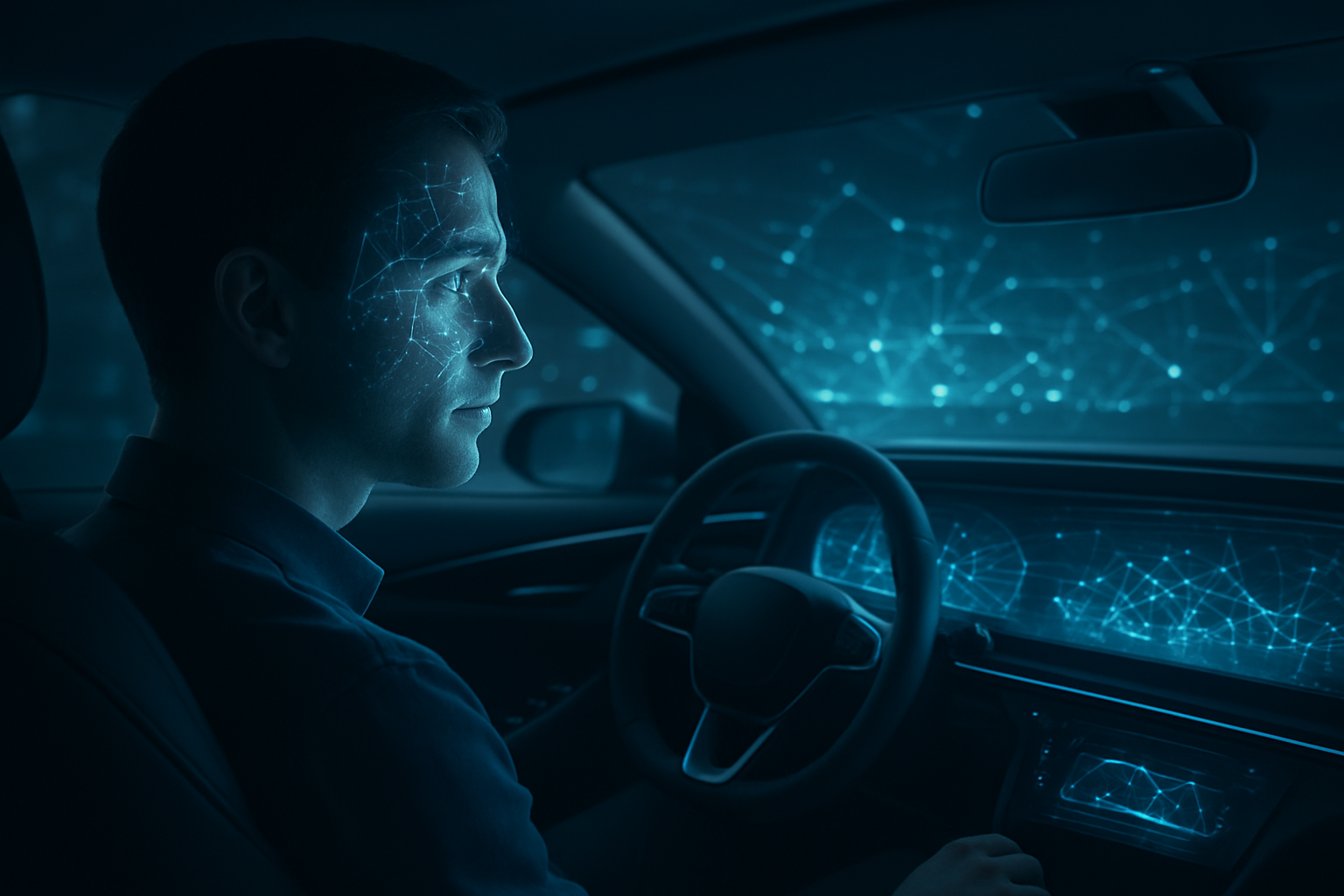
    The automotive industry is on the cusp of a significant transformation, with biometric solutions increasingly becoming the bedrock of enhanced driver safety and the progression of autonomous driving. At the forefront of this evolution is Sony Semiconductor Solutions (SSS), a subsidiary of Sony Group Corporation (TYO: 6758), which is leveraging its deep expertise in imaging and sensing technologies to develop advanced in-cabin monitoring and environmental perception systems. These innovations are not just about convenience; they are critical for real-time driver state assessment, seamless human-machine handoffs in semi-autonomous vehicles, and compliance with stringent new safety regulations worldwide.

    Sony's strategic focus on the automotive sector, encapsulated by its "Safety Cocoon" concept, aims to create a 360-degree safety net around vehicles. This involves not only detecting external hazards but also meticulously monitoring the driver and occupants within the cabin. The immediate significance of these biometric solutions is multifaceted: they promise a dramatic reduction in accidents caused by driver distraction or fatigue, enable more reliable and secure transitions in autonomous vehicles, and pave the way for highly personalized in-car experiences. As the industry grapples with the complexities of Level 2+ and Level 3 autonomy, where driver readiness remains paramount, Sony's contributions, alongside those of other key players, are proving indispensable.

    Technical Prowess: Sony's Advanced Sensing and Biometric Integration

    Sony Semiconductor Solutions' technical advancements are centered around high-performance CMOS image sensors and SPAD Time-of-Flight (ToF) depth sensors, which form the core of their biometric and perception capabilities. A recent pivotal development, announced in October 2025, is Sony's collaboration with Smart Eye AB, a leading Swedish company in Interior Sensing AI. This partnership integrates Smart Eye's sophisticated software with Sony's new IMX775 RGB-IR image sensor. This 5-megapixel sensor is specifically engineered for automotive applications, featuring a 2.1 µm pixel size and the unique ability to simultaneously capture both RGB and infrared data on a single chip. This dual-channel capability ensures high sensitivity in near-infrared wavelengths and a wide dynamic range of 110 dB in RGB, guaranteeing clear imaging even in challenging and varied lighting conditions, which is crucial for robust driver monitoring functions like distraction and drowsiness detection, as well as comprehensive occupant monitoring (posture, seatbelt usage, body positioning).

    Another significant technical milestone, also from October 2025, is the release of the IMX828 CMOS Image Sensor. This 8-effective-megapixel sensor is touted as the industry's first CMOS image sensor for automotive applications to feature a built-in MIPI A-PHY interface. This integration significantly reduces the need for external serializer chips, leading to more compact, power-efficient camera systems—a vital consideration for automotive OEMs. The IMX828 also incorporates advanced cybersecurity functions, supporting hardware-level authentication and detecting image tampering, which are critical for maintaining the integrity and security of data exchanged within next-generation automotive camera systems, especially as vehicles become more connected and autonomous. These integrated security features mark a clear departure from older, less secure sensor technologies, providing a trusted foundation for future mobility.

    These advancements differ from previous approaches primarily through their enhanced sensor fusion capabilities and integrated intelligence. Earlier driver monitoring systems often relied on simpler infrared cameras for basic eye-tracking. Sony's new sensors, particularly the IMX775 with its RGB-IR capability, provide a richer, more nuanced data stream that, when combined with AI from partners like Smart Eye, allows for more accurate and comprehensive understanding of driver state and cabin conditions. The IMX828's integrated MIPI A-PHY and cybersecurity features represent a move towards more streamlined, secure, and resilient sensor architectures, moving beyond basic image capture to intelligent, secure data acquisition. Initial reactions from the AI research community and industry experts have been positive, highlighting the potential for these integrated solutions to accelerate the deployment of safer and more reliable semi-autonomous and autonomous vehicles, while also setting new benchmarks for in-cabin experience and security.

    Competitive Landscape: Shifting Dynamics for AI and Tech Giants

    The advancements spearheaded by Sony Semiconductor Solutions are poised to significantly impact the competitive landscape for AI companies, tech giants, and startups in the automotive sector. Companies like Smart Eye AB (STO: SEYE), a direct partner in Sony's latest biometric integration, stand to benefit immensely. Their specialized AI software for interior sensing gains a powerful hardware platform, potentially expanding their market reach and solidifying their position as a leading provider of driver and occupant monitoring solutions. Other specialized DMS providers such as Seeing Machines (LSE: SEE) and Tobii (STO: TOBII) will face increased competition but also opportunities for similar hardware-software integrations to enhance their offerings.

    For major automotive suppliers and tech giants, Sony's moves could either be a boon or a challenge, depending on their existing strategies. Companies like Robert Bosch GmbH, Continental AG (ETR: CON), and Valeo SA (EPA: FR) that already have strong footholds in ADAS and in-cabin sensing will need to either adopt or compete with Sony's advanced sensor technology. Those who can successfully integrate Sony's high-performance sensors into their broader ADAS platforms could gain a competitive edge, offering superior driver monitoring and perception capabilities. Conversely, companies relying on less advanced sensor technology might find their offerings disrupted, needing to accelerate their R&D or seek new partnerships to keep pace.

    The integration of cybersecurity features directly into sensors, as seen with Sony's IMX828, could also disrupt existing cybersecurity solution providers in the automotive space. By embedding security at the hardware level, Sony is setting a new standard that could simplify the security architecture for OEMs but also challenge software-centric cybersecurity firms to adapt their offerings. Furthermore, the push for personalized in-car experiences, driven by advanced biometric identification, creates new avenues for data analytics companies and in-car infotainment providers, allowing for more tailored services and potentially new revenue streams. The market positioning for companies that can offer a complete, secure, and high-performance package—from sensor to AI-driven insights—will be significantly strengthened, creating a clear advantage in a rapidly evolving market.

    Broader Significance: A New Era for Human-Centric AI in Mobility

    Sony Semiconductor's latest developments in biometric solutions for the automotive industry signify a pivotal moment in the broader AI landscape, marking a decisive shift towards more human-centric and context-aware artificial intelligence in mobility. This trend extends beyond mere automation; it emphasizes understanding and interacting with human occupants in a sophisticated, proactive manner. The integration of advanced RGB-IR sensors and AI-powered interior sensing aligns perfectly with the overarching trend of "AI everywhere," embedding intelligent capabilities directly into critical automotive components.

    The impacts are profound. For safety, these systems move beyond reactive crash mitigation to proactive accident prevention by continuously monitoring driver state. This is especially critical as semi-autonomous vehicles (Level 2+ and Level 3) become more prevalent, where the human driver remains an essential part of the safety loop. The technology is indispensable for meeting evolving global safety regulations, such as the EU's General Safety Regulation (GSR) and Euro NCAP's 2026 protocols, which mandate the inclusion of driver monitoring systems. Potential concerns, however, include data privacy—how biometric data is collected, stored, and used—and the potential for driver over-reliance on monitoring systems, leading to complacency. Robust regulatory frameworks and transparent data handling practices will be crucial to mitigate these issues.

    Comparing this to previous AI milestones, the current focus on in-cabin biometrics represents a maturation of computer vision and machine learning applications. While early AI in automotive focused on external object detection (e.g., self-driving prototypes), this new wave brings AI inside the vehicle to understand human behavior and intent. This is akin to the progression from basic object recognition in smart devices to sophisticated facial and gesture recognition, now applied in a high-stakes environment. It underscores a broader trend in AI development: moving from purely technical problem-solving to creating more intuitive, safer, and personalized human-AI interactions. The "Safety Cocoon" concept highlights this holistic approach, where AI is not just about avoiding collisions, but about fostering a safer, more comfortable, and intelligent environment for all occupants.

    Future Developments: The Road Ahead for Biometric Automotive Solutions

    Looking ahead, the trajectory for biometric solutions in the automotive industry, fueled by advancements from Sony Semiconductor and its partners, promises exciting near-term and long-term developments. In the near term, we can expect to see wider adoption of integrated RGB-IR sensors and AI-powered driver monitoring systems across various vehicle segments, from luxury to mass-market cars, driven by regulatory mandates and consumer demand for enhanced safety. The focus will be on refining the accuracy and robustness of these systems in diverse driving conditions and for a wider range of driver demographics. Furthermore, the integration of these systems with other vehicle functions, such as adaptive cruise control and lane-keeping assistance, will become more seamless, enabling more intelligent and context-aware ADAS responses.

    In the long term, the potential applications and use cases are vast. Biometric identification could become the standard for vehicle access and personalization, replacing physical keys and allowing for instant, personalized cabin settings (seat position, climate, infotainment preferences) upon driver entry. Advanced occupant monitoring, leveraging ToF sensors and more sophisticated AI, will evolve beyond just driver state to include comprehensive health monitoring of all passengers, detecting signs of distress, and even enabling autonomous emergency responses. The concept of "in-car payments" secured by iris or facial recognition, as demonstrated by some players, is also on the horizon, transforming the vehicle into a secure personal commerce hub.

    However, several challenges need to be addressed. Interoperability between different sensor manufacturers and AI platforms remains a hurdle, requiring industry-wide standards. Data privacy and security, especially concerning sensitive biometric information, will continue to be a paramount concern, necessitating robust encryption and ethical data handling policies. Additionally, the computational demands of advanced AI processing for real-time biometric analysis will require continued innovation in edge computing and power efficiency within the vehicle. Experts predict that the next decade will see vehicles not just as modes of transport, but as intelligent, personalized, and health-aware mobile environments, with biometrics playing a central role in this transformation.

    Wrap-up: A New Chapter in Automotive Intelligence

    Sony Semiconductor Solutions' proactive role in advancing biometric solutions marks a significant chapter in the evolution of automotive intelligence. The key takeaways from these developments are clear: the future of driving safety and autonomy is intrinsically linked to sophisticated in-cabin monitoring and human-centric AI. The integration of advanced RGB-IR sensors like the IMX775 with AI software from companies like Smart Eye, coupled with secure, high-resolution sensors like the IMX828, is setting new industry benchmarks for driver monitoring, occupant sensing, and data security. This move is not merely an incremental improvement; it represents a fundamental shift towards vehicles that can intelligently understand and respond to their human occupants.

    This development's significance in AI history lies in its application of advanced machine vision and deep learning to solve complex, real-world human interaction problems in a safety-critical domain. It underscores the growing maturity of AI, moving from theoretical concepts to tangible, life-saving applications. The long-term impact will be a profound transformation of the driving experience, making it safer, more personalized, and more secure. As regulatory pressures mount and consumer expectations for intelligent vehicles rise, the technologies pioneered by Sony and its partners will become foundational.

    In the coming weeks and months, industry watchers should keenly observe the adoption rates of these advanced biometric systems by major automotive manufacturers. Pay attention to further partnerships between sensor providers, AI developers, and car makers, as well as any new regulatory announcements that might accelerate or shape the deployment of these technologies. The ethical considerations surrounding data privacy will also be a critical area to watch, as the industry navigates the balance between enhanced safety and individual rights. The journey towards truly intelligent and human-aware vehicles is well underway, and biometrics are undeniably in the driver's seat.


    This content is intended for informational purposes only and represents analysis of current AI developments.

    TokenRing AI delivers enterprise-grade solutions for multi-agent AI workflow orchestration, AI-powered development tools, and seamless remote collaboration platforms.
    For more information, visit https://www.tokenring.ai/.
  • The Biometric Revolution: Cars That Know You, Inside and Out

    The Biometric Revolution: Cars That Know You, Inside and Out

    The automotive industry is in the midst of a profound transformation, moving beyond traditional security and convenience features to embrace a new era of personalized and hyper-aware vehicles. At the forefront of this shift is the burgeoning integration of biometric technologies, which are rapidly becoming indispensable for enhancing driver monitoring, safety, and the overall in-cabin experience. With the global automotive biometric market projected to soar from USD 1.47 billion in 2024 to USD 5.33 billion by 2033, the race is on for automakers and tech providers to deliver cars that not only recognize their drivers but also understand their physical and emotional states, promising a future of unprecedented road safety and intuitive interaction.

    This growing trend is not merely about unlocking doors with a fingerprint; it encompasses sophisticated systems that monitor driver alertness, detect health anomalies, and personalize every aspect of the vehicle environment. Companies like Smart Eye (Nasdaq Stockholm: SEYE) and trinamiX, a subsidiary of BASF, are leading the charge, developing cutting-edge solutions that leverage artificial intelligence and advanced sensor technology to make vehicles more intelligent, responsive, and ultimately, safer. As regulatory pressures intensify and consumer expectations for seamless, secure, and personalized experiences grow, biometrics are poised to redefine the very essence of driving.

    Unpacking the Technology: Beyond the Fingerprint Scan

    The technical advancements driving the biometric revolution in automotive are multifaceted, extending far beyond the initial applications of fingerprint recognition for vehicle access. Today's systems integrate a range of modalities, each offering unique capabilities for driver monitoring and in-cabin sensing.

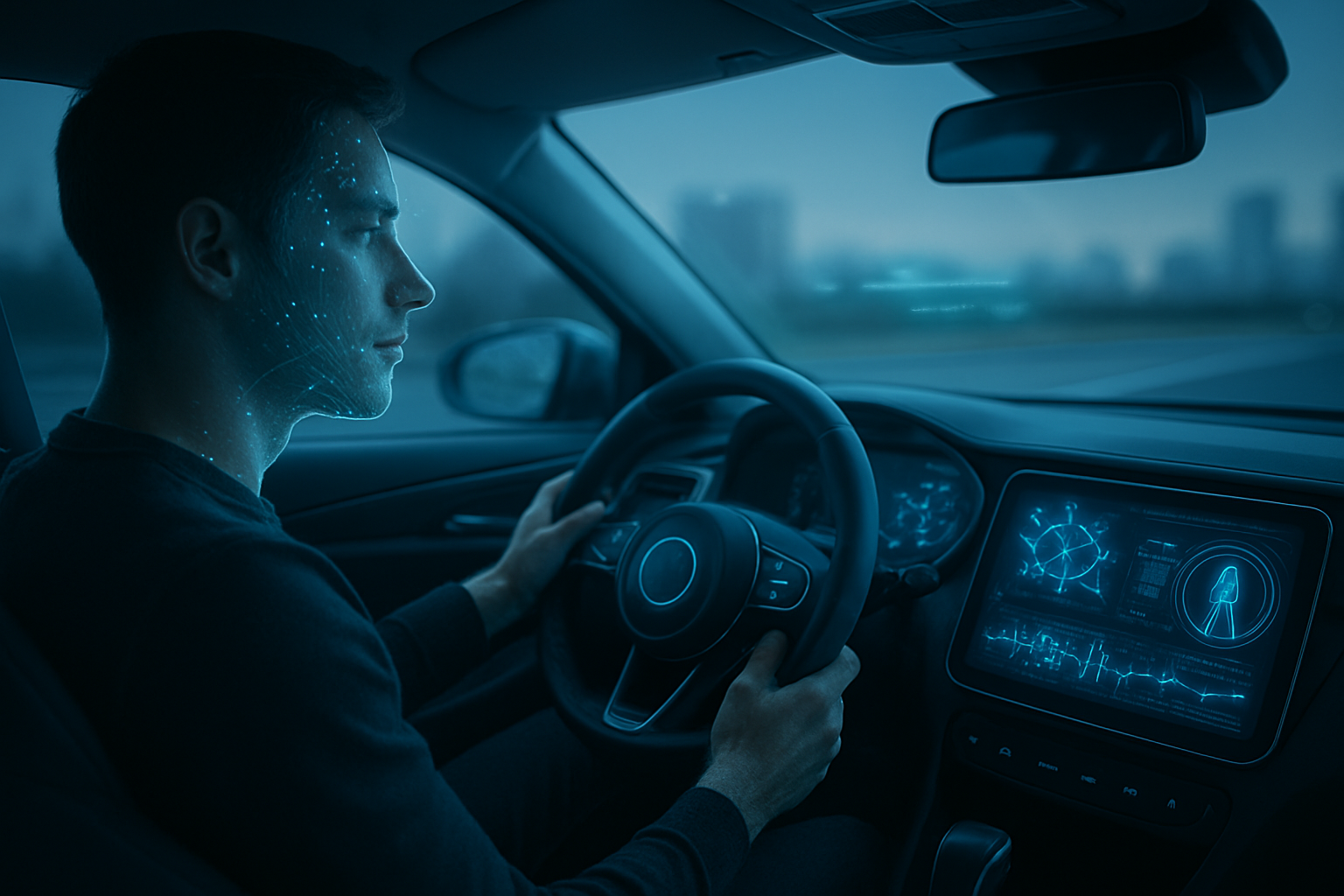
    Fingerprint recognition remains a foundational element, providing secure vehicle access, engine start, and personalized settings adjustments. Companies like Hyundai have already deployed systems that adjust seat positions, mirror angles, and infotainment preferences based on a driver's unique print. However, the real game-changer lies in camera-based systems. Facial recognition, for instance, enables seamless, keyless entry and ignition, while also serving as a critical component of Driver Monitoring Systems (DMS). These advanced camera systems, often employing near-infrared (NIR) technology, analyze eye gaze, blink rates, head pose, and facial expressions to detect signs of distraction, drowsiness, and fatigue in real-time. This differs significantly from older, less reliable methods that relied on steering input patterns or simple timers, providing a direct assessment of the driver's cognitive state.

    Further pushing the boundaries are technologies like iris recognition, lauded for its unparalleled security with a misidentification chance as low as 1 in 10 million. Companies like FORVIA and Smart Eye (Nasdaq Stockholm: SEYE) have already launched iris and facial biometric systems in April 2025 for secure in-car payments and personalized access. Voice biometrics offer hands-free control and an additional layer of security, recognizing specific voices for vehicle functions. More profoundly, physiological monitoring is gaining traction. Sensors embedded in steering wheels can unobtrusively monitor heart rate and ECG, detecting stress, fatigue, or even cardiac events that could lead to incapacitation. trinamiX, for example, has developed an "Invisible Biometric Sensing Display" (a CES Innovation Award Honoree 2025) that integrates an invisible camera and laser projector behind the dashboard to track vital signs, identify stressful situations, and even create 3D depth maps for optimized airbag deployment and seatbelt detection. These capabilities represent a significant leap from previous approaches, moving towards proactive health and safety interventions rather than reactive responses.

    Corporate Impact: A New Competitive Frontier

    The rise of biometric technologies in the automotive sector is creating a new competitive landscape, offering significant opportunities for specialized AI companies, tech giants, and innovative startups. Companies with robust computer vision, AI, and sensor integration capabilities stand to benefit immensely.

    Smart Eye (Nasdaq Stockholm: SEYE), a global leader in Human Insight AI, is a prime example. Their Driver Monitoring System (DMS) software, which uses in-car cameras and AI to analyze eye gaze and head movement, is already embedded in over 2 million vehicles worldwide, with 361 design wins across 23 OEMs as of April 2025. Their advancements, such as Vital Signs Detection (June 2023) and an upgraded AIS system with real-time alcohol intoxication detection (June 2025), position them as a crucial partner for automakers seeking to meet stringent safety regulations like the EU's General Safety Regulation (GSR) and Euro NCAP requirements. Smart Eye's strategic partnerships with companies like Fingerprint Cards AB for iris recognition (January 2025) and Sony Semiconductor Solutions further solidify their market position. While the company faces ongoing financial scrutiny, as evidenced by Affärsvärlden withdrawing its "buy" recommendation in early November 2025, their technological leadership and extensive OEM integrations underscore their strategic advantage.

    Similarly, trinamiX, a subsidiary of BASF, is making significant strides with its secure face authentication and in-cabin sensing solutions. Their patented Beam Profile Analysis and unique liveness detection technology differentiate them by offering high security against fraud, crucial for applications like in-car payments and personalized access. Partnerships with automotive giants like Continental and WITTE Automotive, as demonstrated by their collaborative concept car at IAA Mobility 2025 featuring integrated Face Authentication in the B-pillar, indicate a strong push towards production integration. These developments pose competitive implications for traditional automotive suppliers, as specialized AI and biometric firms are now becoming direct Tier 1 or Tier 2 partners, influencing vehicle design and functionality at a fundamental level. The market is also seeing a shift towards multi-modal biometrics, where companies combining several authentication methods for enhanced security and user experience will gain a strategic edge.

    Wider Significance: Reshaping the Driving Experience

    The integration of biometric technologies into vehicles represents a significant milestone in the broader AI landscape, aligning with the trend of making AI systems more context-aware, personalized, and proactive. This development extends AI's reach beyond infotainment and autonomous driving features into the core aspects of driver safety and well-being.

    The impacts are profound: enhanced security against vehicle theft and unauthorized use, a dramatic reduction in accidents caused by driver fatigue and distraction, and the potential for real-time health monitoring on the road. By continuously assessing a driver's state, these systems can identify critical signs of impairment and provide timely warnings or even intervene to prevent accidents. This proactive approach to safety is a stark contrast to previous safety systems that primarily focused on crash mitigation. However, these advancements also raise significant privacy concerns. The collection and storage of highly sensitive biometric and physiological data necessitate robust security measures and clear regulatory frameworks to maintain public trust. The ongoing discussions around legislations like the proposed amendment to the Biometric Information Privacy Act (BIPA) in Illinois in 2025 highlight the need for balancing innovation with privacy protection.

    Compared to previous AI milestones, such as the introduction of advanced driver-assistance systems (ADAS) or the early stages of autonomous driving, the biometric trend signifies a deeper, more intimate integration of AI with human factors. It moves AI from merely assisting the driver to actively understanding and responding to the driver's biological and cognitive state. This shift promises not only safer roads but also a more intuitive and personalized relationship between human and machine, where the vehicle adapts to the individual's needs rather than the other way around.

    The Road Ahead: Anticipating Future Developments

    Looking to the future, the integration of biometric technologies in the automotive sector is poised for rapid evolution, with several exciting developments on the horizon. Near-term, we can expect increased sophistication in Driver Monitoring Systems (DMS), with more accurate and robust facial and eye-tracking algorithms. Multi-modal biometric integration, combining facial, iris, and voice recognition for enhanced security and a seamless user experience, will become standard. AI and machine learning will continue to improve the accuracy and usability of these systems, enabling real-time adjustments for driver comfort and safety.

    Long-term, the potential applications are vast. Experts predict a future where vehicles can not only detect a driver's fatigue but also predict potential health issues, offering proactive interventions or even guiding the vehicle to a safe stop if a medical emergency is detected. Biometric data could also facilitate highly personalized autonomous driving experiences, where the vehicle's behavior adapts to the driver's emotional state or preferences. Challenges remain, particularly in standardizing data privacy protocols across different regions and ensuring the ethical deployment of these powerful technologies. The regulatory landscape will continue to evolve, with anticipated mandates for DMS in the US by 2027, mirroring Europe's GSR. Companies like Smart Eye (Nasdaq Stockholm: SEYE) are already venturing into generative AI for more empathetic in-car assistants (CES 2024, 2025), and trinamiX is developing non-invasive blood alcohol detection, signaling a future where cars are truly intelligent co-pilots.

    A New Era of Automotive Intelligence

    The growing trend of biometric technologies in the automotive sector marks a pivotal moment in the evolution of vehicle intelligence. From secure access to vigilant driver monitoring and proactive health assessments, these advancements are fundamentally reshaping how we interact with our cars and, more importantly, how safe we are on the road. The key takeaways include the rapid adoption of multi-modal biometric systems, the crucial role of AI and machine learning in enhancing their capabilities, and the significant push from regulatory bodies to mandate these safety features.

    The significance of this development in AI history cannot be overstated; it represents a leap towards truly human-centric AI in a critical application domain. By understanding the driver at a physiological and cognitive level, cars are transforming from mere modes of transport into intelligent, empathetic partners. In the coming weeks and months, watch for further announcements from leading players like Smart Eye (Nasdaq Stockholm: SEYE) and trinamiX regarding new design wins, expanded partnerships, and the transition of these cutting-edge technologies from concept to mass production. The era of the truly intelligent, biometric-aware vehicle is not just on the horizon—it's here.


    This content is intended for informational purposes only and represents analysis of current AI developments.

    TokenRing AI delivers enterprise-grade solutions for multi-agent AI workflow orchestration, AI-powered development tools, and seamless remote collaboration platforms.
    For more information, visit https://www.tokenring.ai/.