Tag: Blockchain

  • XRP Navigates Regulatory Hurdles and Supply Squeeze: A 2025 Outlook for the Digital Asset

    XRP Navigates Regulatory Hurdles and Supply Squeeze: A 2025 Outlook for the Digital Asset

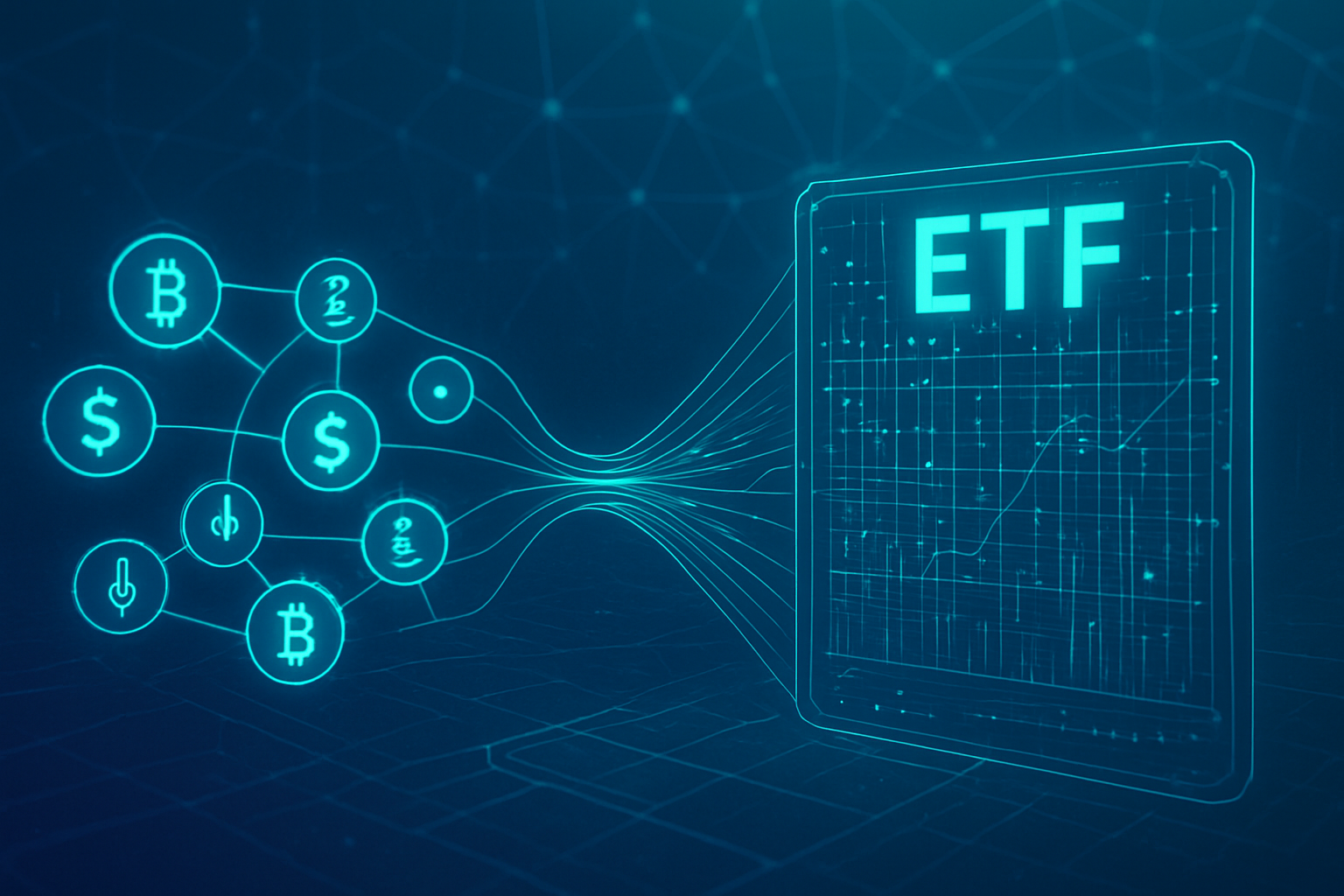
    The cryptocurrency market is abuzz with speculation surrounding XRP (XRP-USD), Ripple's native digital asset, as it stands at a critical juncture. The asset's 2025 price forecast is increasingly influenced by two major factors: persistent delays in the approval of spot XRP Exchange-Traded Funds (ETFs) and the looming potential of a significant supply shock. These interwoven dynamics are not only shaping XRP's immediate trajectory but also signaling profound shifts for the broader digital asset ecosystem, particularly concerning institutional adoption and market liquidity.

    Recent developments, including a U.S. government shutdown that stalled regulatory processes, have pushed back expected decision deadlines for several high-profile XRP ETF applications. This procedural delay, while not a rejection, has injected a degree of uncertainty into the market. Concurrently, a confluence of factors, from burgeoning institutional interest to the technical mechanics of the XRP Ledger (XRPL), points towards a potential reduction in XRP's circulating supply, setting the stage for a volatile yet potentially lucrative period for the digital asset.

    ETF Delays and the Mechanics of a Supply Shock

    The anticipated approval of U.S. spot XRP ETFs has been a significant bullish catalyst for XRP, promising to unlock substantial institutional capital. However, the U.S. government shutdown effectively froze the operations of the Securities and Exchange Commission (SEC), leading to the passing of final decision deadlines for filings from major players like Grayscale, 21Shares, and Bitwise without any rulings. This regulatory gridlock means that while Bloomberg Intelligence maintains an 85% probability for XRP ETF approvals by year-end 2025, analysts expect an additional 3-4 weeks of lag once government offices fully reopen and the SEC resumes full capacity. This delay is purely procedural, not a reflection of the merits of the applications, and experts remain optimistic about swift approvals, potentially even simultaneous ones, once the regulatory environment stabilizes.

    Beyond the regulatory landscape, several technical and market-driven factors are converging to create a potential supply shock for XRP. Institutional adoption is a primary driver; the introduction of multiple XRP spot ETFs, coupled with initiatives like the Evernorth Project aiming for a $1 billion institutional XRP treasury, is expected to lock up a substantial portion of the circulating supply. This increased institutional demand, often characterized by "sticky" capital, could create significant scarcity. Furthermore, Ripple's regular releases of XRP from escrow accounts could see a reduction, further tightening the circulating supply available on the open market.

    The XRP Ledger itself contributes to supply reduction through its unique transaction fee burning mechanism, which permanently removes a small amount of XRP with each transaction. While currently modest (around 5,000 XRP burned daily), a significant increase in network activity could amplify this effect, leading to a more pronounced supply reduction over time. Moreover, emerging DeFi and tokenization initiatives, such as mXRP and FXRP, aim to integrate XRP into decentralized finance and cross-chain applications. These projects could lead to a considerable amount of XRP being locked away, with some analysts suggesting up to 13% of the circulating supply could be removed from active circulation. This, combined with a trend of declining XRP holdings on exchanges like Coinbase (NASDAQ: COIN), paints a clear picture of a potential supply crunch that could cause prices to "shoot up, sometimes violently," as supply struggles to meet burgeoning demand.

    Reshaping the Crypto and Financial Landscape

    The developments surrounding XRP have significant implications for a range of players, from native crypto companies to traditional financial giants. Ripple (XRP-USD) itself stands to be a primary beneficiary, as successful ETF approvals and increased institutional demand would validate its long-standing vision for XRP as a bridge currency for global payments. Crypto exchanges, especially those listing XRP, would likely see increased trading volumes and liquidity. Financial institutions, particularly those exploring blockchain for cross-border payments and asset tokenization, would find enhanced regulatory clarity and a robust, liquid asset in XRP.

    The competitive landscape within the crypto industry could also shift. A widely adopted XRP ETF could intensify competition among asset managers vying for institutional crypto allocations. For traditional tech giants and financial firms looking to enter the digital asset space, XRP's regulatory progress provides a potential blueprint and reduces perceived risk, encouraging further blockchain integration. This could disrupt existing remittance services and traditional financial products by offering faster, cheaper, and more efficient alternatives. Companies strategically positioning themselves to leverage the XRPL for tokenized assets—from stablecoins and CBDCs to real-world assets—stand to gain significant market advantage. The clarity provided by Ripple's legal outcomes against the SEC could also embolden other blockchain projects, leading to a broader acceleration of institutional engagement across the digital asset market.

    Broader Significance and Market Repercussions

    XRP's current trajectory fits squarely within the broader trend of institutionalization and regulatory maturation within the cryptocurrency landscape. The push for spot XRP ETFs mirrors the successful introduction of Bitcoin ETFs, signaling a growing acceptance of digital assets within traditional finance. A positive outcome for XRP ETFs would further bridge the gap between these two worlds, encouraging more "sticky" institutional capital to flow into the crypto market beyond just Bitcoin. This influx could not only boost XRP's price but also instill greater confidence in the overall market, potentially leading to a broader rally across altcoins.

    However, this period is not without potential concerns. Increased institutional involvement, while beneficial for market cap, can also lead to tighter liquidity and increased volatility, making it more challenging for smaller, retail investors to make significant purchases without impacting price. There are also risks associated with over-reliance on ETF approvals; any further unexpected regulatory setbacks could trigger significant price corrections. The potential for a supply shock, while bullish for price, could also lead to periods of extreme volatility and rapid price swings, posing challenges for market stability. Nevertheless, the regulatory clarity achieved by Ripple, coupled with the ongoing development of the XRPL for diverse use cases like tokenized assets, positions XRP as a significant milestone in the journey towards mainstream blockchain adoption. This mirrors the early days of Bitcoin's institutional acceptance, but with the added layer of a digital asset specifically designed for payments and enterprise solutions.

    The Road Ahead: Future Developments and Expert Predictions

    Looking ahead, the immediate focus will undoubtedly be on the U.S. government's full reopening and the subsequent decisions from the SEC regarding XRP spot ETFs. Experts predict that once the regulatory machinery is fully operational, approvals could come swiftly, potentially within 3-4 weeks. Beyond this, the market will be watching for the actual capital inflows into these ETFs, with projections ranging from $5 billion to $10 billion in the first month alone, which would be a monumental catalyst for XRP's price.

    In the long term, the XRPL is poised for significant expansion into new applications and use cases. Its potential as a settlement layer for a wide array of tokenized assets, including debt, stablecoins, Central Bank Digital Currencies (CBDCs), and even real-world assets like gold, could drive substantial and sustained demand. Projects integrating XRP into DeFi will continue to mature, further locking up supply and enhancing utility. Challenges remain, particularly in navigating the evolving global regulatory landscape and ensuring sufficient liquidity during periods of high demand and potential supply shocks. However, experts like Zach Rector forecast XRP could reach $5 to $12 by December 2025, with more aggressive long-term projections suggesting targets ranging from $37 to $50, especially if institutional inflows exceed $10 billion and Bitcoin stabilizes above $115,000. These predictions hinge on the materialization of institutional adoption and the effective management of the anticipated supply squeeze.

    A Pivotal Moment for XRP and the Crypto Market

    In summary, XRP is navigating a pivotal period defined by the twin forces of delayed ETF approvals and an impending supply shock. While regulatory hurdles have introduced short-term uncertainty, the underlying bullish sentiment, driven by anticipated institutional demand and the XRPL's expanding utility, remains strong. The expected approval of U.S. spot XRP ETFs is set to unleash substantial institutional capital, potentially ushering in a new era of mainstream adoption for the digital asset.

    Concurrently, various mechanisms—from institutional lockups and transaction fee burns to DeFi integration—are converging to create a significant supply squeeze, which could lead to substantial price appreciation. This development is not merely about XRP; it represents a significant step forward for the entire cryptocurrency market. Enhanced regulatory clarity and the influx of institutional capital could serve as a blueprint for other digital assets, fostering greater confidence and accelerating the integration of blockchain technology into traditional finance. What to watch for in the coming weeks and months includes the SEC's decisions post-government shutdown, the immediate market reaction to ETF approvals, and the pace of institutional capital deployment into these new investment vehicles. The interplay of these factors will ultimately determine XRP's trajectory and its lasting impact on the digital asset economy.


    This content is intended for informational purposes only and represents analysis of current AI developments.

    TokenRing AI delivers enterprise-grade solutions for multi-agent AI workflow orchestration, AI-powered development tools, and seamless remote collaboration platforms.
    For more information, visit https://www.tokenring.ai/.

  • Molecular Revolution: SMX Unleashes Unprecedented Traceability, Forging a Future of Verified Products and Sustainable Supply Chains

    Molecular Revolution: SMX Unleashes Unprecedented Traceability, Forging a Future of Verified Products and Sustainable Supply Chains

    SMX is at the forefront of a groundbreaking transformation in global commerce and sustainability with its molecular marking technology, aptly named "Proof." This innovative system embeds invisible, immutable molecular markers directly into the very fabric of materials—be it plastics, textiles, metals, liquids, or rare earths—creating a permanent, scannable "molecular passport" for every product. This "birth certificate" moves beyond traditional authentication by providing a scientific, verifiable digital fingerprint from the moment of creation, allowing for instant and tamper-proof traceability throughout a product's entire lifecycle. Recent announcements, including its "100% Authentic Guarantee Technology" launch and extensive global recognition from culture, commerce, and policy outlets, underscore the immediate and far-reaching impact of this technology.

    The technology is receiving robust cross-sector validation, demonstrating commercial applications across a diverse array of industries including luxury goods, industrial metals, and critical materials, with partnerships established with organizations like CETI for textile traceability and a Miami-based plastics distributor for FDA-compliant recycled PET resin. This molecular-level authentication is immediately significant for supply chains, offering an unparalleled layer of anti-counterfeiting security and transparent traceability that combats e-commerce fraud and enables compliance with stringent new regulations, such as the UK's Plastic Packaging Tax and emerging EU Digital Product Passport mandates. For sustainability, SMX's technology is a game-changer, fostering a true circular economy by allowing materials to be tracked through recycling, reuse, and resale, even enabling the identification and sorting of previously unrecyclable plastics. This capability not only reduces waste and extends landfill life but also monetizes sustainability through blockchain-enabled initiatives like the Plastic Cycle Token, transforming verified recycled content into a quantifiable economic asset and making sustainability a clear driver of profit.

    SMX's Molecular Marking: A Technical Deep Dive into Unfalsifiable Traceability

    SMX's molecular marking technology represents a significant advancement in supply chain integrity and product authentication, moving beyond traditional methods to embed immutable, invisible identifiers directly into materials at the molecular level. This innovative approach aims to combat fraud, enable verifiable sustainability claims, and secure critical supply chains across diverse industries.

    SMX's core advancement lies in its ability to embed unique, invisible, and immutable molecular markers directly into raw materials during the manufacturing process. This creates a "molecular birth certificate" or "digital passport" that provides a permanent, machine-readable identity for each product from its inception. These markers are designed to persist throughout a product's entire lifecycle, surviving manufacturing processes like dyeing and weaving, distribution, and even repeated cycles of recycling, reuse, and resale.

    The technology integrates with blockchain and AI-powered traceability platforms to offer a comprehensive solution for supply chain transparency and integrity. Verification is instantaneous, typically taking only seconds via a simple scan, which contrasts sharply with time-consuming manual inspections. This molecular-level authentication works across a wide range of materials, including polymers, metals, textiles, liquids, computer chips, hardware, and even rare earth elements. For example, in textiles, the markers are added at the resin or polymer stage before threads are spun, remaining within the fiber through all production steps. In plastics, it allows for the identification and sorting of previously unrecyclable materials like carbon black and flame-retardant polymers, enhancing recycling rates.

    SMX's molecular marking fundamentally differs from earlier and existing technologies by establishing a physical-digital link at the most granular level – the material itself. Unlike traditional solutions such as RFID tags, barcodes, or product-level blockchain registries, which operate at the item or packaging level and can be removed, altered, or duplicated, SMX embeds authentication directly into the material. This creates what is described as an "unfalsifiable physical-digital link" that is immune to tampering. Key differentiators include: Proactive vs. Reactive Authentication: Instead of attempting to detect counterfeits after they appear, SMX's system embeds authenticity at the source, preventing fakes before they enter the supply chain. Scientific Evidence vs. Subjective Verification: It replaces subjective, visual inspections and human authentication with quickly scanned scientific evidence, making verification automated, scalable, and incorruptible. Material-Level Identity: The molecular markers provide a persistent digital fingerprint that survives recycling and reuse, addressing critical gaps in verifying sustainability claims and circular economy initiatives. This transforms "probable" recycled content into "provable" verified assets. Enhanced Security: For critical components like computer hardware or rare earth elements, the technology provides a physical verification layer at the atomic level, making it difficult to introduce counterfeit or unverified parts into sensitive supply chains.

    Initial reactions from industry experts and market commentators highlight SMX's molecular marking technology as a "disruptive approach" with the potential for significant impact across various sectors. The technology is receiving "cross-sector validation" and is being cited by "culture, commerce and policy outlets worldwide." Industry players recognize the technology's potential to address the estimated $300+ billion annual cost of global supply chain fraud. It's seen as a vital tool for brands, regulators, and consumers demanding transparency and verifiable data. Experts acknowledge it as a "foundational shift" for industries like plastics, enabling verifiable proof of recycled content and material lineage, crucial for companies aiming to meet sustainability targets and combat "greenwashing." For online marketplaces and luxury brands, SMX is seen as a game-changer, replacing costly manual authentication centers with instant, automated, scientific verification. Some experts view SMX's technology as a critical "prevention layer" for global security, capable of exposing compromised or counterfeit components in sensitive areas like telecom infrastructure, computer chips, and defense hardware. SMX has established significant partnerships with manufacturing and technology leaders like CETI (European Center for Innovative Textiles), Aegis Packaging, and A*STAR in Singapore, demonstrating market implementation and scalability.

    Reshaping the Tech Landscape: SMX's Impact on AI and Industry Players

    SMX's molecular marking technology is poised to significantly impact the AI and tech industry by introducing a new standard of verifiable authenticity and traceability across various physical materials and products. By embedding invisible, immutable molecular markers into raw materials at the point of manufacture, SMX creates a "digital passport" for items that can be tracked throughout their lifecycle, leveraging proprietary readers and a blockchain-based digital platform. This foundational shift from subjective verification to scientific proof offers profound implications for AI companies, tech giants, and startups alike.

    SMX technology generates vast amounts of verifiable, tamper-proof data regarding a product's origin, composition, authenticity, and lifecycle. This rich data stream is invaluable for AI companies. They can leverage this "scientific evidence" to train more robust and accurate models for fraud detection, supply chain anomaly detection, and predictive analytics for material flow and recycling. Furthermore, startups and established AI labs can develop niche AI applications that integrate with SMX's verification data, such as intelligent sorting systems for complex recycled materials, automated authentication for luxury goods, or AI-driven compliance monitoring for sustainability regulations. AI systems that rely on verifiable data from SMX markers will command greater trust, as their insights are grounded in immutable physical evidence rather than potentially unreliable self-reported data.

    Major tech companies stand to benefit significantly from enhanced trust, reduced fraud, and improved operational efficiency. E-commerce platforms like Amazon (NASDAQ: AMZN) or eBay (NASDAQ: EBAY) can integrate SMX's technology to offer a "100% Authentic Guarantee," reducing the prevalence of counterfeit goods, cutting costs associated with manual authentication, and boosting consumer confidence. Cloud providers will find new opportunities in storing, processing, and analyzing the massive datasets generated by SMX's molecular marking and blockchain integration, potentially offering specialized data analytics services. Hardware manufacturers can use SMX to authenticate components, particularly in critical infrastructure and electronics, safeguarding against counterfeit parts and enhancing supply chain security, crucial for sectors like telecom and defense.

    SMX's technology opens new avenues for innovation, allowing startups to build services and products around verified authenticity and traceability. This includes niche authentication services tailored for specific industries, circular economy solutions that integrate with SMX to offer enhanced recycling and material recovery (even new financial instruments based on verifiably recycled content like SMX's Plastic Cycle Token), and new supply chain visibility platforms that visualize and analyze SMX data. A broad range of companies across various sectors, from manufacturing giants like BASF SE (ETR: BAS) and Dow Inc. (NYSE: DOW) to consumer goods and luxury brands, recycling companies like Waste Management, Inc. (NYSE: WM), and even national security contractors, are poised to benefit.

    The competitive implications are significant. Major tech companies relying on traditional authentication methods will face pressure to adopt more advanced solutions. Those that proactively integrate SMX will gain a competitive edge in trust and transparency. Furthermore, companies that can verifiably track recycled content and material lineage via SMX will have a significant advantage in meeting regulatory demands and consumer expectations for sustainability, impacting their market valuation and brand reputation. The disruptive potential is substantial, potentially rendering traditional authentication services, less robust anti-counterfeiting solutions, and less technologically advanced recycling infrastructure obsolete. SMX is strategically positioning itself as the "invisible infrastructure" for verifiable trust and authenticity, with key advantages including material-level immutable proof, end-to-end traceability, integration with blockchain, versatility across industries, proactive authentication, and the monetization of trust and sustainability.

    Beyond the Digital: SMX's Foundational Role in Verifiable AI and Global Trust

    SMX's molecular marking technology, while not an AI breakthrough in itself, represents a significant advancement in establishing verifiable trust and integrity across physical supply chains, with profound implications for the broader AI landscape. By embedding microscopic, chemically unique markers directly into materials at a sub-molecular level, SMX creates a permanent, tamper-resistant "digital passport" for products, traceable and verifiable via a blockchain-based digital platform.

    The current AI landscape is increasingly focused on issues of trust, transparency, and accountability, often falling under the umbrella of "verifiable AI." SMX addresses a core challenge: ensuring the authenticity and integrity of physical data sources that inform AI. A major trend in AI is the demand for robust data integrity and provenance tracking. SMX's molecular markers create an immutable record of a material's origin, composition, and journey, crucial for AI systems in sensitive sectors where data integrity directly impacts decisions. This tackles the "garbage in, garbage out" problem at its most fundamental level, ensuring AI models are trained on, and make decisions based on, verifiable physical realities. The transparency provided by SMX supports the development of "verifiable AI" systems that are auditable and accountable, aligning with emerging regulatory frameworks like the EU AI Act.

    The impacts of SMX's technology are multi-faceted. It is poised to revolutionize the circular economy and sustainability by providing auditable trails for supply chain circularity, combating "greenwashing," and enhancing regulatory compliance (e.g., the EU's Digital Product Passport mandate). The Plastic Cycle Token (PCT), based on SMX's proof, monetizes certified recycled content, incentivizing greater participation in recycling. The technology also provides a 100% authenticity guarantee, combating counterfeiting in luxury goods, fashion, electronics, and e-commerce by shifting authentication to a proactive, source-embedded approach. Furthermore, SMX enhances supply chain integrity and security by creating a permanent, auditable identity for components and raw materials, helping detect counterfeit parts and unverified sensors before they can operate, acting as a prevention layer for infiltration.

    Despite its benefits, some concerns exist, including the need for more publicly available metrics on adoption rates and certification data. The effectiveness of the model depends on widespread embedding of markers and universal scanning across entire supply chains, requiring significant partnerships and industry-wide commitment. Integration complexity and cost could also be a challenge. While the technology aims to preserve privacy by only registering hashes or encrypted information on the blockchain, ensuring secure management and access control of associated digital passport data will be crucial.

    SMX's molecular marking technology is not an AI breakthrough in the traditional sense, but rather a critical enabler and guarantor of integrity for the next generation of AI applications. Previous AI milestones focused on processing digital data, but SMX addresses the persistent challenge of the trustworthiness and verifiability of the source of that data, particularly when it relates to physical objects. It provides a "physical verification at the atomic level" that links the physical world to a digital record of truth. This can be compared to foundational technologies like secure internet protocols (HTTPS), which weren't AI breakthroughs but were essential for building trust in online transactions and enabling the digital services that AI now permeates. SMX creates a verifiable physical layer that can underpin AI-driven decisions about product authenticity, sustainability claims, and supply chain security.

    SMX's technology plays a pivotal role in verifiable AI and data integrity by ensuring data authenticity at the source, creating immutable audit trails via blockchain, preventing data manipulation, facilitating regulatory compliance as AI regulations demand transparency, and building trust in automated decisions by ensuring trustworthy underlying physical data. It represents a fundamental shift in how we establish trust and verify information about physical goods, serving as an indispensable foundation for truly verifiable, transparent, and trustworthy AI systems.

    The Future of Trust: Scaling Molecular Verification Across Global Supply Chains

    SMX molecular marking technology is poised for significant future developments, aiming to revolutionize supply chain transparency and accountability across various industries. The technology embeds invisible, tamper-resistant chemical tags into materials, creating a "digital passport" that can be tracked throughout a product's lifecycle.

    In the near term, SMX is expected to solidify its presence in key sectors, particularly plastics and critical minerals. This includes expanded adoption in plastics recycling, where its technology embeds "digital passports" into polymers to combat "greenwashing" and enhance regulatory compliance. This is already being integrated into rPET resin for FDA-compliant food contact substances, with efforts to scale operations and expand partnerships in regions like ASEAN and Europe. For critical minerals, SMX aims to provide verifiable origin and authenticity from mine to finished product, with industry observers watching for third-party validation and commercial agreements. The technology will also continue its commercial operation in luxury goods, metals, and textiles, aiming to provide a "100% authentic guarantee" for e-commerce by eliminating manual inspection through molecular marking at the raw material stage. Direct integration with manufacturing processes, facilitated by partnerships with leaders like CETI (European Center for Innovative Textiles), Aegis Packaging, and A*STAR in Singapore, will ensure products carry a "molecular birth certificate" from creation.

    Long-term developments envision SMX's molecular marking technology becoming a universal standard for supply chain verification and a foundational element of the circular economy. This includes its potential to become a global industry standard for plastics traceability, supported by its offer of free licensing for its Global Plastics Passport technology to support a UN Plastics Treaty. Expansion into diverse industries such as automotive, electronics, construction, and fine art is also anticipated. A key long-term impact is the monetization of sustainable practices, where verifiable proof of recycled content enables a system where every pound of recycled plastic carries verified value, supported by instruments like the Plastic Cycle Token (PCT). The verifiable data provided by SMX is also expected to significantly influence global policy and regulation, offering a practical solution for enforcing sustainability pledges, with Singapore's adoption of a national plastics passport system serving as a precedent. Finally, SMX envisions developing an "Intelligence of Things" (IoT2) system, capable of imprinting permanent marks on solids, liquids, or gases in multiple layers.

    Potential applications on the horizon are vast, ranging from enabling a truly circular economy for plastics and ensuring authenticity in critical minerals to preventing counterfeits across various goods and enhancing supply chain security. It will also be crucial for food-grade packaging traceability, industrial materials tracking, and providing verifiable data for ESG reporting. However, challenges remain, including the need for broad adoption by industry players and regulators, ensuring consistent tag survivability through complex processes, obtaining comprehensive third-party validation and commercial agreements beyond promotional claims, scaling operations cost-effectively, protecting intellectual property, and achieving global harmonization of standards.

    Experts predict a transformative impact, shifting industries from "promises without proof" to verifiable, molecular-level authentication. This includes a move towards "proof is currency," where verifiable, tamper-proof data holds significant market value. SMX is seen as introducing a new paradigm of verifiable trust and efficiency, transforming supply chain security by providing the "missing infrastructure" for physical proof. The precision offered by SMX is expected to redefine integrity in e-commerce, and the technology will standardize verification, monetize sustainability, and significantly increase the value of recycled materials. Its influence on regulatory frameworks, particularly the EU's Digital Product Passport and Green Deal initiatives, is also highly anticipated. In the coming months, observers will be watching for adoption by large supply-chain operators and concrete pilot scale metrics.

    The Dawn of Molecular Veracity: A New Era for AI and Global Commerce

    SMX's molecular marking technology marks a pivotal moment in the evolution of supply chain integrity and the broader AI landscape. By establishing a scientific, unfalsifiable link between physical materials and their digital identities, SMX is not merely offering an incremental improvement but rather a foundational shift in how we conceive of trust, authenticity, and sustainability in a globalized economy.

    The key takeaway is the transition from subjective, often unreliable, authentication methods to a system of molecular-level, immutable proof. This "birth certificate" for materials, integrated with blockchain and AI, creates an unprecedented level of transparency and accountability. Its immediate significance lies in combating the rampant issue of counterfeiting, providing verifiable data for increasingly stringent sustainability regulations (like the EU's Digital Product Passport), and enabling a truly circular economy where recycled content can be accurately tracked and monetized.

    In the context of AI history, SMX's development is not an AI breakthrough in the traditional sense of algorithmic advancement or model creation. Instead, it is a critical enabler of verifiable AI. Just as secure protocols laid the groundwork for trusted digital transactions, SMX is building the infrastructure for trusted physical data. This technology directly addresses the "garbage in, garbage out" problem, ensuring that the physical realities underpinning AI decisions are authentic and untampered. This will be crucial for the next generation of AI systems that demand high-fidelity, verifiable data for ethical, transparent, and reliable operations.

    The long-term impact of SMX's technology could be profound, transforming entire industries. We are looking at a future where "proof is currency," where the verifiable authenticity of a product or material dictates its value and market position. This will not only empower consumers and brands but also force a re-evaluation of supply chain practices, driving greater efficiency, reducing waste, and fostering genuine sustainability. The potential for SMX to become a universal standard for material traceability, influencing global policy and regulation, is a significant prospect.

    In the coming weeks and months, the tech world and beyond should watch for several key indicators. Look for increased adoption rates and the publication of robust, third-party validated metrics demonstrating the technology's effectiveness in real-world industrial settings. Pay attention to further strategic partnerships with major manufacturers, e-commerce platforms, and government bodies. Crucially, the evolution of the Plastic Cycle Token and similar initiatives will demonstrate the market's ability to monetize verified sustainability at scale. SMX's molecular marking technology is setting the stage for a new era where the integrity of physical goods is as verifiable as the digital data that represents them, creating a more secure, sustainable, and trustworthy global ecosystem.


    This content is intended for informational purposes only and represents analysis of current AI developments.

    TokenRing AI delivers enterprise-grade solutions for multi-agent AI workflow orchestration, AI-powered development tools, and seamless remote collaboration platforms.
    For more information, visit https://www.tokenring.ai/.

  • FIU Pioneers Blockchain-Powered AI Defense Against Data Poisoning: A New Era for Trustworthy AI

    FIU Pioneers Blockchain-Powered AI Defense Against Data Poisoning: A New Era for Trustworthy AI

    In a significant stride towards securing the future of artificial intelligence, a groundbreaking team at Florida International University (FIU), led by Assistant Professor Hadi Amini and Ph.D. candidate Ervin Moore, has unveiled a novel defense mechanism leveraging blockchain technology to protect AI systems from the insidious threat of data poisoning. This innovative approach promises to fortify the integrity of AI models, addressing a critical vulnerability that could otherwise lead to widespread disruptions in vital sectors from transportation to healthcare.

    The proliferation of AI systems across industries has underscored their reliance on vast datasets for training. However, this dependency also exposes them to "data poisoning," a sophisticated attack where malicious actors inject corrupted or misleading information into training data. Such manipulation can subtly yet profoundly alter an AI's learning process, resulting in unpredictable, erroneous, or even dangerous behavior in deployed systems. The FIU team's solution offers a robust shield against these threats, paving the way for more resilient and trustworthy AI applications.

    Technical Fortifications: How Blockchain Secures AI's Foundation

    The FIU team's technical approach is a sophisticated fusion of federated learning and blockchain technology, creating a multi-layered defense against data poisoning. This methodology represents a significant departure from traditional, centralized security paradigms, offering enhanced resilience and transparency.

    At its core, the system first employs federated learning. This decentralized AI training paradigm allows models to learn from data distributed across numerous devices or organizations without requiring the raw data to be aggregated in a single, central location. Instead, only model updates—the learned parameters—are shared. This inherent decentralization significantly reduces the risk of a single point of failure and enhances data privacy, as a localized data poisoning attack on one device does not immediately compromise the entire global model. This acts as a crucial first line of defense, limiting the scope and impact of potential malicious injections.

    Building upon federated learning, blockchain technology provides the immutable and transparent verification layer that secures the model update aggregation process. When individual devices contribute their model updates, these updates are recorded on a blockchain as transactions. The blockchain's distributed ledger ensures that each update is time-stamped, cryptographically secured, and visible to all participating nodes, making it virtually impossible to tamper with past records without detection. The system employs automated consensus mechanisms to validate these updates, meticulously comparing block updates to identify and flag anomalies that might signify data poisoning. Outlier updates, deemed potentially malicious, are recorded for auditing but are then discarded from the network's aggregation process, preventing their harmful influence on the global AI model.

    This innovative combination differs significantly from previous approaches, which often relied on centralized anomaly detection systems that themselves could be single points of failure, or on less robust cryptographic methods that lacked the inherent transparency and immutability of blockchain. The FIU solution's ability to trace poisoned inputs back to their origin through the blockchain's immutable ledger is a game-changer, enabling not only damage reversal but also the strengthening of future defenses. Furthermore, the interoperability potential of blockchain means that intelligence about detected poisoning patterns could be shared across different AI networks, fostering a collective defense against widespread threats. The project's groundbreaking methodology has garnered attention, with its innovative approach being published in prestigious journals such as IEEE Transactions on Artificial Intelligence, and is actively supported by collaborations with organizations like the National Center for Transportation Cybersecurity and Resiliency and the U.S. Department of Transportation, with ongoing efforts to integrate quantum encryption for even stronger protection in connected and autonomous transportation infrastructure.

    Industry Implications: A Shield for AI's Goliaths and Innovators

    The FIU team's blockchain-based defense against data poisoning carries profound implications for the AI industry, poised to benefit a wide spectrum of companies from tech giants to nimble startups. Companies heavily reliant on large-scale data for AI model training and deployment, particularly those operating in sensitive or critical sectors, stand to gain the most from this development.

    Major AI labs and tech companies like Alphabet (NASDAQ: GOOGL), Microsoft (NASDAQ: MSFT), Amazon (NASDAQ: AMZN), and Meta Platforms (NASDAQ: META), which are at the forefront of developing and deploying AI across diverse applications, face immense pressure to ensure the reliability and security of their models. Data poisoning poses a significant reputational and operational risk. Implementing robust, verifiable security measures like FIU's blockchain-federated learning framework could become a crucial competitive differentiator, allowing these companies to offer more trustworthy and resilient AI services. It could also mitigate the financial and legal liabilities associated with compromised AI systems.

    For startups specializing in AI security, data integrity, or blockchain solutions, this development opens new avenues for product innovation and market positioning. Companies offering tools and platforms that integrate or leverage this kind of decentralized, verifiable AI security could see rapid adoption. This could lead to a disruption of existing security product offerings, pushing traditional cybersecurity firms to adapt their strategies to include AI-specific data integrity solutions. The ability to guarantee data provenance and model integrity through an auditable blockchain could become a standard requirement for enterprise-grade AI, influencing procurement decisions and fostering a new segment of the AI security market.

    Ultimately, the widespread adoption of such robust security measures will enhance consumer and regulatory trust in AI systems. Companies that can demonstrate a verifiable commitment to protecting their AI from malicious attacks will gain a strategic advantage, especially as regulatory bodies worldwide begin to mandate stricter AI governance and risk management frameworks. This could accelerate the deployment of AI in highly regulated industries, from finance to critical infrastructure, by providing the necessary assurances of system integrity.

    Broader Significance: Rebuilding Trust in the Age of AI

    The FIU team's breakthrough in using blockchain to combat AI data poisoning is not merely a technical achievement; it represents a pivotal moment in the broader AI landscape, addressing one of the most pressing concerns for the technology's widespread and ethical adoption: trust. As AI systems become increasingly autonomous and integrated into societal infrastructure, their vulnerability to malicious manipulation poses existential risks. This development directly confronts those risks, aligning with global trends emphasizing responsible AI development and governance.

    The impact of data poisoning extends far beyond technical glitches; it strikes at the core of AI's trustworthiness. Imagine AI-powered medical diagnostic tools providing incorrect diagnoses due to poisoned training data, or autonomous vehicles making unsafe decisions. The FIU solution offers a powerful antidote, providing a verifiable, immutable record of data provenance and model updates. This transparency and auditability are crucial for building public confidence and for regulatory compliance, especially in an era where "explainable AI" and "responsible AI" are becoming paramount. It sets a new standard for data integrity within AI systems, moving beyond reactive detection to proactive prevention and verifiable accountability.

    Comparisons to previous AI milestones often focus on advancements in model performance or new application domains. However, the FIU breakthrough stands out as a critical infrastructural milestone, akin to the development of secure communication protocols (like SSL/TLS) for the internet. Just as secure communication enabled the e-commerce revolution, secure and trustworthy AI data pipelines are essential for AI's full potential to be realized across critical sectors. While previous breakthroughs have focused on what AI can do, this research focuses on how AI can do it safely and reliably, addressing a foundational security layer that undermines all other AI advancements. It highlights the growing maturity of the AI field, where foundational security and ethical considerations are now as crucial as raw computational power or algorithmic innovation.

    Future Horizons: Towards Quantum-Secured, Interoperable AI Ecosystems

    Looking ahead, the FIU team's work lays the groundwork for several exciting near-term and long-term developments in AI security. One immediate area of focus, already underway, is the integration of quantum encryption with their blockchain-federated learning framework. This aims to future-proof AI systems against the emerging threat of quantum computing, which could potentially break current cryptographic standards. Quantum-resistant security will be paramount for protecting highly sensitive AI applications in critical infrastructure, defense, and finance.

    Beyond quantum integration, we can expect to see further research into enhancing the interoperability of these blockchain-secured AI networks. The vision is an ecosystem where different AI models and federated learning networks can securely share threat intelligence and collaborate on defense strategies, creating a more resilient, collective defense against sophisticated, coordinated data poisoning attacks. This could lead to the development of industry-wide standards for AI data provenance and security, facilitated by blockchain.

    Potential applications and use cases on the horizon are vast. From securing supply chain AI that predicts demand and manages logistics, to protecting smart city infrastructure AI that optimizes traffic flow and energy consumption, the ability to guarantee the integrity of training data will be indispensable. In healthcare, it could secure AI models used for drug discovery, personalized medicine, and patient diagnostics. Challenges that need to be addressed include the scalability of blockchain solutions for extremely large AI datasets and the computational overhead associated with cryptographic operations and consensus mechanisms. However, ongoing advancements in blockchain technology, such as sharding and layer-2 solutions, are continually improving scalability.

    Experts predict that verifiable data integrity will become a non-negotiable requirement for any AI system deployed in critical applications. The work by the FIU team is a strong indicator that the future of AI security will be decentralized, transparent, and built on immutable records, moving towards a world where trust in AI is not assumed, but cryptographically proven.

    A New Paradigm for AI Trust: Securing the Digital Frontier

    The FIU team's pioneering work in leveraging blockchain to protect AI systems from data poisoning marks a significant inflection point in the evolution of artificial intelligence. The key takeaway is the establishment of a robust, verifiable, and decentralized framework that directly confronts one of AI's most critical vulnerabilities. By combining the privacy-preserving nature of federated learning with the tamper-proof security of blockchain, FIU has not only developed a technical solution but has also presented a new paradigm for building trustworthy AI systems.

    This development's significance in AI history cannot be overstated. It moves beyond incremental improvements in AI performance or new application areas, addressing a foundational security and integrity challenge that underpins all other advancements. It signifies a maturation of the AI field, where the focus is increasingly shifting from "can we build it?" to "can we trust it?" The ability to ensure data provenance, detect malicious injections, and maintain an immutable audit trail of model updates is crucial for the responsible deployment of AI in an increasingly interconnected and data-driven world.

    The long-term impact of this research will likely be a significant increase in the adoption of AI in highly sensitive and regulated industries, where trust and accountability are paramount. It will foster greater collaboration in AI development by providing secure frameworks for shared learning and threat intelligence. As AI continues to embed itself deeper into the fabric of society, foundational security measures like those pioneered by FIU will be essential for maintaining public confidence and preventing catastrophic failures.

    In the coming weeks and months, watch for further announcements regarding the integration of quantum encryption into this framework, as well as potential pilot programs in critical infrastructure sectors. The conversation around AI ethics and security will undoubtedly intensify, with blockchain-based data integrity solutions likely becoming a cornerstone of future AI regulatory frameworks and industry best practices. The FIU team has not just built a defense; it has helped lay the groundwork for a more secure and trusted AI future.


    This content is intended for informational purposes only and represents analysis of current AI developments.

    TokenRing AI delivers enterprise-grade solutions for multi-agent AI workflow orchestration, AI-powered development tools, and seamless remote collaboration platforms.
    For more information, visit https://www.tokenring.ai/.

  • Corelium Unleashes the ‘Intelligent Value Layer,’ Bridging AI and Blockchain for a Decentralized Future

    Corelium Unleashes the ‘Intelligent Value Layer,’ Bridging AI and Blockchain for a Decentralized Future

    San Francisco, CA – October 7, 2025 – In a move poised to redefine the landscape of artificial intelligence, Corelium (COR) officially launched today, introducing a groundbreaking blockchain protocol positioned as the "intelligent value layer for the AI economy." This ambitious project aims to fundamentally alter how AI resources are accessed, monetized, and governed, fostering a more equitable and participatory ecosystem for developers, data providers, and compute owners alike.

    Corelium's debut signifies a critical juncture where the power of decentralized technologies converges with the escalating demands of AI. By addressing core challenges like monopolized computing power, fragmented data silos, and opaque AI model monetization, Corelium seeks to democratize access to AI development and its economic benefits, moving beyond the traditional centralized models dominated by a few tech giants.

    Technical Foundations for an Intelligent Future

    At its heart, Corelium is engineered to provide a robust and scalable infrastructure for the AI and data economy. The protocol's architecture is built around three interconnected core modules, all powered by the native COR token: Corelium Compute, a decentralized marketplace for GPU/TPU power; Corelium Data Hub, a tokenized marketplace for secure data trading; and Corelium Model Hub, a staking-based platform for AI model monetization. This holistic approach ensures that every facet of AI development, from resource allocation to intellectual property, is integrated into a transparent and verifiable blockchain framework.

    Technically, Corelium differentiates itself through several key innovations. It leverages ZK-Rollup technology for Layer 2 scaling, drastically reducing transaction fees and boosting throughput to handle the high-frequency microtransactions inherent in AI applications, targeting over 50,000 API calls per second. Privacy protection is paramount, with the protocol utilizing zero-knowledge proofs to safeguard data and model confidentiality. Furthermore, Corelium supports a wide array of decentralized compute nodes, from individual GPUs to enterprise-grade High-Performance Computing (HPC) setups, and employs AI-powered task scheduling to optimize resource matching. The COR token is central to this ecosystem, facilitating payments, enabling DAO governance, and incorporating deflationary mechanisms through fee burning and platform revenue buybacks. This comprehensive design directly counters the current limitations of centralized cloud providers and proprietary data platforms, offering a truly open and efficient alternative.

    Reshaping the AI Competitive Landscape

    Corelium's launch carries significant implications for AI companies, tech giants, and startups across the industry. Smaller AI labs and individual developers stand to gain immense benefits, as Corelium promises to lower the barrier to entry for accessing high-performance computing resources and valuable datasets, previously exclusive to well-funded entities. This democratization could ignite a new wave of innovation, empowering startups to compete more effectively with established players.

    For tech giants like Alphabet (NASDAQ: GOOGL), Microsoft (NASDAQ: MSFT), and Amazon (NASDAQ: AMZN), whose cloud divisions (Google Cloud, Azure, AWS) currently dominate AI compute provision, Corelium presents a potential disruptor. While these companies possess vast infrastructure, Corelium's decentralized model could offer a more cost-effective and flexible alternative for certain AI workloads, potentially fragmenting their market share in the long run. The protocol's emphasis on data assetization and model monetization also challenges existing revenue models for AI services, pushing for a more equitable distribution of value back to creators. Corelium's strategic advantage lies in its commitment to decentralization and transparency, fostering a community-driven approach that could attract developers and data owners seeking greater control and fairer compensation.

    Wider Significance and Broadening Horizons

    Corelium's emergence fits perfectly within the broader AI landscape's growing trend towards decentralization, ethical AI, and data ownership. It addresses the critical need for verifiable data provenance, auditable AI model histories, and secure, transparent data sharing—all vital components for building trustworthy and responsible AI systems. This initiative represents a significant step towards a future where AI's benefits are distributed more broadly, rather than concentrated among a few powerful entities.

    The impacts could be far-reaching, from fostering greater equity in AI development to accelerating innovation through open collaboration and resource sharing. However, potential concerns include the challenges of achieving widespread adoption in a competitive market, ensuring robust security against sophisticated attacks, and navigating complex regulatory landscapes surrounding decentralized finance and AI. Comparisons can be drawn to Ethereum's (ETH) early days, which provided the foundational layer for decentralized applications, suggesting Corelium could similarly become the bedrock for a new era of decentralized AI.

    The Road Ahead: Future Developments and Expert Predictions

    In the near term, Corelium is expected to focus on expanding its network of compute providers and data contributors, alongside fostering a vibrant developer community to build applications on its protocol. Long-term developments will likely include deeper integrations with various AI frameworks, the introduction of more sophisticated AI-driven governance mechanisms, and the exploration of novel use cases in areas like decentralized autonomous AI agents and open-source foundation model training. The protocol's success will hinge on its ability to scale efficiently while maintaining security and user-friendliness.

    Experts predict that Corelium could catalyze a paradigm shift in how AI is developed and consumed. By democratizing access to essential resources, it could accelerate the development of specialized AI models and services that are currently economically unfeasible. Challenges such as ensuring seamless interoperability with existing AI tools and overcoming potential regulatory hurdles will be critical. However, if successful, Corelium could establish a new standard for AI infrastructure, making truly decentralized and intelligent systems a widespread reality.

    A New Chapter for AI and Blockchain Convergence

    Corelium's launch on October 7, 2025, marks a pivotal moment in the convergence of artificial intelligence and blockchain technology. By establishing itself as the "intelligent value layer for the AI economy," Corelium offers a compelling vision for a decentralized future where AI's immense potential is unlocked and its benefits are shared more equitably. The protocol's innovative technical architecture, designed to address the monopolies of compute, data, and model monetization, positions it as a significant player in the evolving digital landscape.

    The coming weeks and months will be crucial for Corelium as it seeks to build out its ecosystem, attract developers, and demonstrate the real-world utility of its decentralized approach. Its success could herald a new era of AI development, characterized by transparency, accountability, and widespread participation. As the world watches, Corelium has set the stage for a transformative journey, promising to reshape how we interact with and benefit from artificial intelligence.

    This content is intended for informational purposes only and represents analysis of current AI developments.

    TokenRing AI delivers enterprise-grade solutions for multi-agent AI workflow orchestration, AI-powered development tools, and seamless remote collaboration platforms. For more information, visit https://www.tokenring.ai/.

  • The AI Shadow Over Blockchain: Crypto Ransomware Groups Unleash a New Era of Cyber Warfare

    The AI Shadow Over Blockchain: Crypto Ransomware Groups Unleash a New Era of Cyber Warfare

    The digital frontier of blockchain and cryptocurrency, once hailed for its robust security features, is facing an unprecedented and rapidly evolving threat: the rise of Artificial Intelligence (AI)-driven crypto ransomware groups. This isn't just an incremental step in cybercrime; it's a fundamental paradigm shift, transforming the landscape of digital extortion and posing an immediate, severe risk to individuals, enterprises, and the very infrastructure of the decentralized web. AI, once a tool primarily associated with innovation and progress, is now being weaponized by malicious actors, enabling attacks that are more sophisticated, scalable, and evasive than ever before.

    As of October 2025, the cybersecurity community is grappling with a stark reality: research indicates that a staggering 80% of ransomware attacks examined in 2023-2024 were powered by artificial intelligence. This alarming statistic underscores that AI is no longer a theoretical threat but a pervasive and potent weapon in the cybercriminal's arsenal. The integration of AI into ransomware operations is dramatically lowering the barrier to entry for malicious actors, empowering them to orchestrate devastating attacks on digital assets and critical blockchain infrastructure with alarming efficiency and precision.

    The Algorithmic Hand of Extortion: Deconstructing AI-Powered Ransomware

    The technical capabilities of AI-driven crypto ransomware represent a profound departure from the manually intensive, often predictable tactics of traditional ransomware. This new breed of threat leverages machine learning (ML) across multiple phases of an attack, making defenses increasingly challenging. At least nine new AI-exploiting ransomware groups are actively targeting the cryptocurrency sector, with established players like LockBit, RansomHub, Akira, and ALPHV/BlackCat, alongside emerging threats like Arkana Security, Dire Wolf, Frag, Sarcoma, Kairos/Kairos V2, FunkSec, and Lynx, all integrating AI into their operations.

    One of the most significant advancements is the sheer automation and speed AI brings to ransomware campaigns. Unlike traditional attacks that require significant human orchestration, AI allows for rapid lateral movement within a network, autonomously prioritizing targets and initiating encryption in minutes, often compromising entire systems before human defenders can react. This speed is complemented by unprecedented sophistication and adaptability. AI-driven ransomware can analyze its environment, learn from security defenses, and autonomously alter its tactics. This includes the creation of polymorphic and metamorphic malware, which continuously changes its code structure to evade traditional signature-based detection tools, rendering them virtually obsolete. Such machine learning-driven ransomware can mimic normal system behavior or modify its encryption algorithms on the fly to avoid triggering alerts.

    Furthermore, AI excels at enhanced targeting and personalization. By sifting through vast amounts of publicly available data—from social media to corporate websites—AI identifies high-value targets and assesses vulnerabilities with remarkable accuracy. It then crafts highly personalized and convincing phishing emails, social engineering campaigns, and even deepfakes (realistic but fake images, audio, or video) to impersonate trusted individuals or executives. This significantly boosts the success rate of deceptive attacks, making them nearly impossible for human targets to discern their authenticity. Deepfakes alone were implicated in nearly 10% of successful cyberattacks in 2024, resulting in fraud losses ranging from $250,000 to over $20 million. AI also accelerates the reconnaissance and exploitation phases, allowing attackers to quickly map internal networks, prioritize critical assets, and identify exploitable vulnerabilities, including zero-day flaws, with unparalleled efficiency. In a chilling development, some AI-powered ransomware groups are even deploying AI-powered chatbots to negotiate ransoms in real-time, enabling 24/7 interaction with victims and potentially increasing the chances of successful payment while minimizing human effort for the attackers.

    Initial reactions from the AI research community and industry experts are a mix of concern and an urgent call to action. Many acknowledge that the malicious application of AI was an anticipated, albeit dreaded, consequence of its advancement. There's a growing consensus that the cybersecurity industry must rapidly innovate, moving beyond reactive, signature-based defenses to proactive, AI-powered counter-measures that can detect and neutralize these adaptive threats. The professionalization of cybercrime, now augmented by AI, demands an equally sophisticated and dynamic defense.

    Corporate Crossroads: Navigating the AI Ransomware Storm

    The rise of AI-driven crypto ransomware is creating a turbulent environment for a wide array of companies, fundamentally shifting competitive dynamics and market positioning. Cybersecurity firms stand both to benefit and to face immense pressure. Companies specializing in AI-powered threat detection, behavioral analytics, and autonomous response systems, such as Palo Alto Networks (NASDAQ: PANW), CrowdStrike (NASDAQ: CRWD), and Zscaler (NASDAQ: ZS), are seeing increased demand for their advanced solutions. These firms are now in a race to develop and deploy defensive AI that can learn and adapt as quickly as the offensive AI employed by ransomware groups. Those that fail to innovate rapidly risk falling behind, as traditional security products become increasingly ineffective against polymorphic and adaptive threats.

    For tech giants like Microsoft (NASDAQ: MSFT), Google (NASDAQ: GOOGL), and Amazon (NASDAQ: AMZN), which offer extensive cloud services and enterprise solutions, the stakes are incredibly high. Their vast infrastructure and client base make them prime targets, but also provide the resources to invest heavily in AI-driven security. They stand to gain significant market share by integrating superior AI security features into their platforms, making their ecosystems more resilient. Conversely, a major breach facilitated by AI ransomware could severely damage their reputation and customer trust. Startups focused on niche AI security solutions, especially those leveraging cutting-edge ML for anomaly detection, blockchain security, or deepfake detection, could see rapid growth and acquisition interest.

    The competitive implications are profound. Companies relying on legacy security infrastructures face severe disruption to their products and services, potentially leading to significant financial losses and reputational damage. The average ransom payments spiked to approximately $1.13 million in Q2 2025, with total recovery costs often exceeding $10 million. This pressure forces a strategic re-evaluation of cybersecurity budgets and priorities across all sectors. Companies that proactively invest in robust, AI-driven security frameworks, coupled with comprehensive employee training and incident response plans, will gain a significant strategic advantage, positioning themselves as trustworthy partners in an increasingly hostile digital world. The market is increasingly valuing resilience and proactive defense, making cybersecurity a core differentiator.

    A New Frontier of Risk: Broader Implications for AI and Society

    The weaponization of AI in crypto ransomware marks a critical juncture in the broader AI landscape, highlighting both its immense power and its inherent risks. This development fits squarely into the trend of dual-use AI technologies, where innovations designed for beneficial purposes can be repurposed for malicious ends. It underscores the urgent need for ethical AI development and robust regulatory frameworks to prevent such misuse. The impact on society is multifaceted and concerning. Financially, the escalated threat level contributes to a surge in successful ransomware incidents, leading to substantial economic losses. Over $1 billion was paid out in ransoms in 2023, with 2024 expected to exceed this record, and the number of publicly named ransomware victims projected to rise by 40% by the end of 2026.

    Beyond direct financial costs, the proliferation of AI-driven ransomware poses significant potential concerns for critical infrastructure, data privacy, and trust in digital systems. Industrial sectors, particularly manufacturing, transportation, and ICS equipment, remain primary targets, with the government and public administration sector being the most targeted globally between August 2023 and August 2025. A successful attack on such systems could have catastrophic real-world consequences, disrupting essential services and jeopardizing public safety. The use of deepfakes in social engineering further erodes trust, making it harder to discern truth from deception in digital communications.

    This milestone can be compared to previous AI breakthroughs that presented ethical dilemmas, such as the development of autonomous weapons or sophisticated surveillance technologies. However, the immediate and widespread financial impact of AI-driven ransomware, coupled with its ability to adapt and evade, presents a uniquely pressing challenge. It highlights a darker side of AI's potential, forcing a re-evaluation of the balance between innovation and security. The blurring of lines between criminal, state-aligned, and hacktivist operations, all leveraging AI, creates a complex and volatile threat landscape that demands a coordinated, global response.

    The Horizon of Defense: Future Developments and Challenges

    Looking ahead, the cybersecurity landscape will be defined by an escalating arms race between offensive and defensive AI. Expected near-term developments include the continued refinement of AI in ransomware to achieve even greater autonomy, stealth, and targeting precision. We may see AI-powered ransomware capable of operating entirely without human intervention for extended periods, adapting its attack vectors based on real-time network conditions and even engaging in self-propagation across diverse environments. Long-term, the integration of AI with other emerging technologies, such as quantum computing (for breaking encryption) or advanced bio-inspired algorithms, could lead to even more formidable threats.

    Potential applications and use cases on the horizon for defensive AI are equally transformative. Experts predict a surge in "autonomous defensive systems" that can detect, analyze, and neutralize AI-driven threats in real-time, without human intervention. This includes AI-powered threat simulations, automated security hygiene, and augmented executive oversight tools. The development of "AI explainability" (XAI) will also be crucial, allowing security professionals to understand why an AI defense system made a particular decision, fostering trust and enabling continuous improvement.

    However, significant challenges need to be addressed. The sheer volume of data required to train effective defensive AI models is immense, and ensuring the integrity and security of this training data is paramount to prevent model poisoning. Furthermore, the development of "adversarial AI," where attackers intentionally trick defensive AI systems, will remain a constant threat. Experts predict that the next frontier will involve AI systems learning to anticipate and counter adversarial attacks before they occur. What experts predict will happen next is a continuous cycle of innovation on both sides, with an urgent need for industry, academia, and governments to collaborate on establishing global standards for AI security and responsible AI deployment.

    A Call to Arms: Securing the Digital Future

    The rise of AI-driven crypto ransomware groups marks a pivotal moment in cybersecurity history, underscoring the urgent need for a comprehensive re-evaluation of our digital defenses. The key takeaways are clear: AI has fundamentally transformed the nature of ransomware, making attacks faster, more sophisticated, and harder to detect. Traditional security measures are increasingly obsolete, necessitating a shift towards proactive, adaptive, and AI-powered defense strategies. The financial and societal implications are profound, ranging from billions in economic losses to the erosion of trust in digital systems and potential disruption of critical infrastructure.

    This development's significance in AI history cannot be overstated; it serves as a stark reminder of the dual-use nature of powerful technologies and the ethical imperative to develop and deploy AI responsibly. The current date of October 7, 2025, places us squarely in the midst of this escalating cyber arms race, demanding immediate action and long-term vision.

    In the coming weeks and months, we should watch for accelerated innovation in AI-powered cybersecurity solutions, particularly those offering real-time threat detection, autonomous response, and behavioral analytics. We can also expect increased collaboration between governments, industry, and academic institutions to develop shared intelligence platforms and ethical guidelines for AI security. The battle against AI-driven crypto ransomware will not be won by technology alone, but by a holistic approach that combines advanced AI defenses with human expertise, robust governance, and continuous vigilance. The future of our digital world depends on our collective ability to rise to this challenge.

    This content is intended for informational purposes only and represents analysis of current AI developments.

    TokenRing AI delivers enterprise-grade solutions for multi-agent AI workflow orchestration, AI-powered development tools, and seamless remote collaboration platforms. For more information, visit https://www.tokenring.ai/.