Tag: Canada

  • Canada’s Chip Ambition: Billions Flow to IBM and Marvell, Forging a North American Semiconductor Powerhouse

    Canada’s Chip Ambition: Billions Flow to IBM and Marvell, Forging a North American Semiconductor Powerhouse

    In a strategic pivot to bolster its position in the global technology landscape, the Canadian government, alongside provincial counterparts, is channeling significant financial incentives and support towards major US chipmakers like IBM (NYSE: IBM) and Marvell Technology Inc. (NASDAQ: MRVL). These multi-million dollar investments, culminating in recent announcements in November and December 2025, signify a concerted effort to cultivate a robust domestic semiconductor ecosystem, enhance supply chain resilience, and drive advanced technological innovation within Canada. The initiatives are designed not only to attract foreign direct investment but also to foster high-skilled job creation and secure Canada's role in the increasingly critical semiconductor industry.

    This aggressive push comes at a crucial time when global geopolitical tensions and supply chain vulnerabilities have underscored the strategic importance of semiconductor manufacturing. By providing substantial grants, loans, and strategic funding through programs like the Strategic Innovation Fund and Invest Ontario, Canada is actively working to de-risk and localize key aspects of chip production. The immediate significance of these developments is profound, promising a surge in economic activity, the establishment of cutting-edge research and development hubs, and a strengthened North American semiconductor supply chain, crucial for industries ranging from AI and automotive to telecommunications and defense.

    Forging Future Chips: Advanced Packaging and AI-Driven R&D

    The detailed technical scope of these initiatives highlights Canada's focus on high-value segments of the semiconductor industry, particularly advanced packaging and next-generation AI-driven chip research. At the forefront is IBM Canada's Bromont facility and the MiQro Innovation Collaborative Centre (C2MI) in Quebec. In November 2025, the Government of Canada announced a federal investment of up to C$210 million towards a C$662 million project. This substantial funding aims to dramatically expand semiconductor packaging and commercialization capabilities, enabling IBM to develop and assemble more complex semiconductor packaging for advanced transistors. This includes intricate 3D stacking and heterogeneous integration techniques, critical for meeting the ever-increasing demands for improved device performance, power efficiency, and miniaturization in modern electronics. This builds on an earlier April 2024 joint investment of approximately C$187 million (federal and Quebec contributions) to strengthen assembly, testing, and packaging (ATP) capabilities. Quebec further bolstered this with a C$32-million forgivable loan for new equipment and a C$7-million loan to automate a packaging assembly line for telecommunications switches. IBM's R&D efforts will also focus on scalable manufacturing methods and advanced assembly processes to support diverse chip technologies.

    Concurrently, Marvell Technology Inc. is poised for a significant expansion in Ontario, supported by an Invest Ontario grant of up to C$17 million, announced in December 2025, for its planned C$238 million, five-year investment. Marvell's focus will be on driving research and development for next-generation AI semiconductor technologies. This expansion includes creating up to 350 high-quality jobs, establishing a new office near the University of Toronto, and scaling up existing R&D operations in Ottawa and York Region, including an 8,000-square-foot optical lab in Ottawa. This move underscores Marvell's commitment to advancing AI-specific hardware, which is crucial for accelerating machine learning workloads and enabling more powerful and efficient AI systems. These projects differ from previous approaches by moving beyond basic manufacturing or design, specifically targeting advanced packaging, which is increasingly becoming a bottleneck in chip performance, and dedicated AI hardware R&D, positioning Canada at the cutting edge of semiconductor innovation rather than merely as a recipient of mature technologies. Initial reactions from the AI research community and industry experts have been overwhelmingly positive, citing Canada's strategic foresight in identifying critical areas for investment and its potential to become a key player in specialized chip development.

    Beyond these direct investments, Canada's broader initiatives further underscore its commitment. The Strategic Innovation Fund (SIF) with its Semiconductor Challenge Callout (now C$250 million) and the Strategic Response Fund (SRF) are key mechanisms. In July 2024, C$120 million was committed via the SIF to CMC Microsystems for the Fabrication of Integrated Components for the Internet's Edge (FABrIC) network, a pan-Canadian initiative to accelerate semiconductor design, manufacturing, and commercialization. The Canadian Photonics Fabrication Centre (CPFC) also received C$90 million to upgrade its capacity as Canada's only pure-play compound semiconductor foundry. These diverse programs collectively aim to create a comprehensive ecosystem, supporting everything from fundamental research and design to advanced manufacturing and packaging.

    Shifting Tides: Competitive Implications and Strategic Advantages

    These significant investments are poised to create a ripple effect across the AI and tech industries, directly benefiting not only the involved companies but also shaping the competitive landscape. IBM (NYSE: IBM), a long-standing technology giant, stands to gain substantial strategic advantages. The enhanced capabilities at its Bromont facility, particularly in advanced packaging, will allow IBM to further innovate in its high-performance computing, quantum computing, and AI hardware divisions. This strengthens their ability to deliver cutting-edge solutions, potentially reducing reliance on external foundries for critical packaging steps and accelerating time-to-market for new products. The Canadian government's support also signals a strong partnership, potentially leading to further collaborations and a more robust supply chain for IBM's North American operations.

    Marvell Technology Inc. (NASDAQ: MRVL), a leader in data infrastructure semiconductors, will significantly bolster its R&D capabilities in AI. The C$238 million expansion, supported by Invest Ontario, will enable Marvell to accelerate the development of next-generation AI chips, crucial for its cloud, enterprise, and automotive segments. This investment positions Marvell to capture a larger share of the rapidly growing AI hardware market, enhancing its competitive edge against rivals in specialized AI accelerators and data center solutions. By establishing a new office near the University of Toronto and scaling operations in Ottawa and York Region, Marvell gains access to Canada's highly skilled talent pool, fostering innovation and potentially disrupting existing products by introducing more powerful and efficient AI-specific silicon. This strategic move strengthens Marvell's market positioning as a key enabler of AI infrastructure.

    Beyond these two giants, the initiatives are expected to foster a vibrant ecosystem for Canadian AI startups and smaller tech companies. Access to advanced packaging facilities through C2MI and the broader FABrIC network, along with the talent development spurred by these investments, could significantly lower barriers to entry for companies developing specialized AI hardware or integrated solutions. This could lead to new partnerships, joint ventures, and a more dynamic innovation environment. The competitive implications for major AI labs and tech companies globally are also notable; as Canada strengthens its domestic capabilities, it becomes a more attractive partner for R&D and potentially a source of critical components, diversifying the global supply chain and potentially offering alternatives to existing manufacturing hubs.

    A Geopolitical Chessboard: Broader Significance and Supply Chain Resilience

    Canada's aggressive pursuit of semiconductor independence and leadership fits squarely into the broader global AI landscape and current geopolitical trends. The COVID-19 pandemic starkly exposed the vulnerabilities of highly concentrated global supply chains, particularly in critical sectors like semiconductors. Nations worldwide, including the US, EU, Japan, and now Canada, are investing heavily in domestic chip production to enhance economic security and technological sovereignty. Canada's strategy, by focusing on specialized areas like advanced packaging and AI-specific R&D rather than attempting to replicate full-scale leading-edge fabrication, is a pragmatic approach to carving out a niche in a highly capital-intensive industry. This approach also aligns with North American efforts to build a more resilient and integrated supply chain, complementing initiatives in the United States and Mexico under the USMCA agreement.

    The impacts of these initiatives extend beyond economic metrics. They represent a significant step towards mitigating future supply chain disruptions that could cripple industries reliant on advanced chips, from electric vehicles and medical devices to telecommunications infrastructure and defense systems. By fostering domestic capabilities, Canada reduces its vulnerability to geopolitical tensions and trade disputes that could interrupt the flow of essential components. However, potential concerns include the immense capital expenditure required and the long lead times for return on investment. Critics might question the scale of government involvement or the potential for market distortions. Nevertheless, proponents argue that the strategic imperative outweighs these concerns, drawing comparisons to historical government-led industrial policies that catalyzed growth in other critical sectors. These investments are not just about chips; they are about securing Canada's economic future, enhancing national security, and ensuring its continued relevance in the global technological race. They represent a clear commitment to fostering a knowledge-based economy and positioning Canada as a reliable partner in the global technology ecosystem.

    The Road Ahead: Future Developments and Expert Predictions

    Looking ahead, these foundational investments are expected to catalyze a wave of near-term and long-term developments in Canada's semiconductor and AI sectors. In the immediate future, we can anticipate accelerated progress in advanced packaging techniques, with IBM's Bromont facility becoming a hub for innovative module integration and testing. This will likely lead to a faster commercialization of next-generation devices that demand higher performance and smaller footprints. Marvell's expanded R&D in AI chips will undoubtedly yield new silicon designs optimized for emerging AI workloads, potentially impacting everything from edge computing to massive data centers. We can also expect to see a surge in talent development, as these projects will create numerous co-op opportunities and specialized training programs, attracting and retaining top-tier engineers and researchers in Canada.

    Potential applications and use cases on the horizon are vast. The advancements in advanced packaging will enable more powerful and efficient processors for quantum computing initiatives, high-performance computing, and specialized AI accelerators. Improved domestic capabilities will also benefit Canada's burgeoning automotive technology sector, particularly in autonomous vehicles and electric vehicle power management, as well as its aerospace and defense industries, ensuring secure and reliable access to critical components. Furthermore, the focus on AI semiconductors will undoubtedly fuel innovations in areas like natural language processing, computer vision, and predictive analytics, leading to more sophisticated AI applications across various sectors.

    However, challenges remain. Attracting and retaining a sufficient number of highly skilled workers in a globally competitive talent market will be crucial. Sustaining long-term funding and political will beyond initial investments will also be essential to ensure the longevity and success of these initiatives. Furthermore, Canada will need to continuously adapt its strategy to keep pace with the rapid evolution of semiconductor technology and global market dynamics. Experts predict that Canada's strategic focus on niche, high-value segments like advanced packaging and AI-specific hardware will allow it to punch above its weight in the global semiconductor arena. They foresee Canada evolving into a key regional hub for specialized chip development and a critical partner in securing North American technological independence, especially as the demand for AI-specific hardware continues its exponential growth.

    Canada's Strategic Bet: A New Era for North American Semiconductors

    In summary, the Canadian government's substantial financial incentives and strategic support for US chipmakers like IBM and Marvell represent a pivotal moment in the nation's technological and economic history. These multi-million dollar investments, particularly the recent announcements in late 2025, are meticulously designed to foster a robust domestic semiconductor ecosystem, enhance advanced packaging capabilities, and accelerate research and development in next-generation AI chips. The immediate significance lies in the creation of high-skilled jobs, the attraction of significant foreign direct investment, and a critical boost to Canada's technological sovereignty and supply chain resilience.

    This development marks a significant milestone in Canada's journey to become a key player in the global semiconductor landscape. By strategically focusing on high-value segments and collaborating with industry leaders, Canada is not merely attracting manufacturing but actively participating in the innovation cycle of critical technologies. The long-term impact is expected to solidify Canada's position as an innovation hub, driving economic growth and securing its role in the future of AI and advanced computing. What to watch for in the coming weeks and months includes the definitive agreements for Marvell's expansion, the tangible progress at IBM's Bromont facility, and further announcements regarding the utilization of broader initiatives like the Semiconductor Challenge Callout. These developments will provide crucial insights into the execution and ultimate success of Canada's ambitious semiconductor strategy, signaling a new era for North American chip production.


    This content is intended for informational purposes only and represents analysis of current AI developments.

    TokenRing AI delivers enterprise-grade solutions for multi-agent AI workflow orchestration, AI-powered development tools, and seamless remote collaboration platforms.
    For more information, visit https://www.tokenring.ai/.

  • Canada Charts a Course for a Smarter Ocean: $15.8 Million Investment Fuels AI-Driven Marine Innovation

    Canada Charts a Course for a Smarter Ocean: $15.8 Million Investment Fuels AI-Driven Marine Innovation

    Vancouver, BC – December 1, 2025 – In a significant stride towards a more sustainable and technologically advanced marine sector, Canada's Ocean Supercluster (OSC) has announced a substantial investment of $15.8 million (CAD$22.1 million) across three groundbreaking ocean innovation projects. This strategic funding, part of the OSC's broader commitment to fostering a "blue economy," is poised to revolutionize offshore operations, accelerate maritime electrification, and scale up vital environmental initiatives like seaweed cultivation, with a strong undercurrent of AI and advanced data analytics driving these advancements.

    The immediate significance of these projects extends beyond mere financial injection. They represent a concerted effort to position Canada as a global leader in ocean technology, generating significant economic output, creating thousands of jobs, and bolstering the nation's capacity to address critical global challenges from climate change to food security. By leveraging cutting-edge technologies, these initiatives aim to enhance operational efficiency, improve safety, and ensure the long-term health and productivity of the world's oceans.

    Detailed Technical Dive: Robotics, Electrification, and Cultivation Innovations

    The three newly funded projects showcase a diverse array of technological advancements, each pushing the boundaries of what's possible in the marine environment.

    The Marsupial Flying Robots Project, spearheaded by Burnaby, BC-based Avestec in collaboration with Reach Systems Inc. and Anarampower Ltd., is developing an integrated dual-robot system for complex inspection and maintenance tasks in hazardous offshore and marine environments. This innovative approach moves beyond traditional human-centric methods like rope access or diver-based inspections, which are costly and high-risk. The "Marsupial" design implies a collaborative robotic mechanism where one robot likely deploys or assists the other, enabling unprecedented reach and maneuverability. While specific AI details are not yet fully disclosed, the nature of advanced robotic inspection strongly suggests high-resolution data capture and potentially AI-driven analysis for anomaly detection, autonomous navigation, and task execution, significantly improving safety and efficiency.

    Meanwhile, the Lilypad: Electric Charge Barge Project, led by Victoria, BC-based Mostar Labs, introduces a mobile floating charging station. This groundbreaking solution aims to overcome the limitations of fixed, land-based charging infrastructure for electric vessels. By offering flexible, on-demand charging in coastal waters, the Lilypad barge accelerates maritime electrification, a crucial step towards decarbonizing marine transportation. This project is expected to integrate smart grid technologies for efficient power distribution and potentially leverage data analytics for optimized barge positioning and automated service delivery, making electric vessel adoption more practical and accessible.

    Finally, the Enabling Scalable Seaweed Restoration & Cultivation Project, a substantial $11.08 million (CAD$15.5 million) initiative led by Canadian Pacifico Seaweeds (Richmond, BC) with a consortium of 13 partners including Indigenous communities like Wayi Waum First Nation and Inbata Holdings, as well as Canadian Kelp Resources and Bioform Technologies, focuses on industrial-scale seaweed restoration and cultivation. This project aims to significantly enhance existing, often labor-intensive, cultivation methods through automation and advanced monitoring. Achieving scalability will necessitate sophisticated data collection from automated environmental sensors (temperature, salinity, nutrients), imaging technologies (underwater cameras, drones) for biomass estimation, and AI-powered analytics platforms to optimize farming conditions and restoration success, thereby enabling large-scale "blue carbon" initiatives.

    Corporate Tides: Who Benefits and What's the Competitive Shift?

    The Ocean Supercluster's strategic investments are designed to create a "market-pull" for innovation, directly benefiting the involved companies and reshaping competitive landscapes within the marine technology sector.

    Avestec, Reach Systems Inc., and Anarampower Ltd., as the driving forces behind the Marsupial Flying Robots, stand to gain an early-mover advantage in the burgeoning field of autonomous offshore inspection. Their advanced robotic solutions could disrupt traditional inspection and maintenance service providers, pushing them to adopt similar high-tech approaches or risk losing market share. Similarly, Mostar Labs with its Lilypad Electric Charge Barge is positioned to become a key enabler of maritime electrification, potentially challenging the fossil fuel bunkering industry and accelerating the transition to cleaner marine transport.

    The Enabling Scalable Seaweed Restoration & Cultivation Project directly benefits Canadian Pacifico Seaweeds and its 13 partners, including Canadian Kelp Resources and Bioform Technologies. This initiative has the potential to create entirely new value chains in sustainable seafood and bio-resources, potentially disrupting traditional aquaculture practices and agricultural models by offering environmentally friendly and scalable alternatives. While many direct beneficiaries of this $15.8 million investment are currently private companies, their success contributes to a broader ecosystem that influences larger entities. For instance, Grieg Seafood ASA (OSE: GSF), a Norwegian aquaculture company, through its subsidiary Grieg Seafood Newfoundland, is involved in other OSC-funded projects focused on fish health and monitoring, underscoring how these innovations can impact established players. Similarly, Clearwater Seafoods, though now acquired by Premium Brands Holdings Corporation (TSX: PBH), has been a partner in OSC projects, indicating the ripple effect of these advancements across the industry.

    These companies gain strategic advantages through early market positioning, access to crucial funding and resources, and the development of valuable intellectual property. The OSC's focus on AI and data-driven solutions means that companies embracing these technologies will gain significant competitive edges, potentially forcing others to rapidly invest in AI integration to remain relevant.

    The Blue Economy's AI Wave: Broader Implications and Global Standing

    Canada's significant investment in ocean innovation, heavily underpinned by a drive towards digitalization and AI, is a pivotal component of its "Ambition 2035" strategy, aiming for a fivefold growth in its ocean economy. This initiative aligns seamlessly with the United Nations' "Decade of Ocean Science for Sustainable Development," positioning Canada as a leader in balancing economic prosperity with environmental stewardship.

    The wider impacts are profound. On ocean health, these projects contribute to climate change mitigation through carbon sequestration via seaweed farms and the decarbonization of marine transport. Advanced monitoring technologies, often AI-enhanced, provide crucial data for better resource management, from sustainable aquaculture to tracking marine biodiversity. Economically, the OSC has already generated over $1 billion in GDP contribution and 10,000 jobs, with a target of 20,000 by 2030, fostering a robust innovation ecosystem and skilled workforce.

    This current wave of investment marks a significant evolution from previous milestones in ocean technology. While past efforts often focused on specific hardware (e.g., sonar, underwater vehicles), the contemporary strategy is more integrated and digitally driven. The explicit and integral focus on global sustainability and AI-powered solutions, a paradigm shift from even five years ago, sets this era apart. The "AI Ocean Program" within the OSC, which encourages investment and adoption of AI solutions, highlights this new direction. However, challenges persist, including the high costs of commercial viability in harsh marine environments, global competition in emerging areas like marine carbon dioxide removal (mCDR), and regulatory bottlenecks that need streamlining.

    Charting the Future: AI, Autonomy, and Sustainability on the Horizon

    The Canadian Ocean Supercluster's investment signals a future where marine operations are increasingly smart, autonomous, and sustainable. Near-term, we can expect to see accelerated commercialization of the 300 new Canadian ocean products, processes, and services the OSC has approved, with significant economic impact and job creation continuing to grow. The $20 million dedicated to nine new AI-powered ocean projects, creating over 40 AI use cases, will rapidly advance AI adoption in aquaculture and coastal cleantech.

    Long-term, Canada aims for a "smart ocean advantage," characterized by widespread digitalization of ocean ecosystem data, advanced autonomous systems for operational performance, and seamless integration of ocean data for enhanced prediction and risk characterization. Potential applications are vast: fully autonomous Maritime Autonomous Surface Ships (MASS) for research and surveillance, AI-powered predictive maintenance for vessels, smart ports leveraging digital twins for optimized logistics, and hyper-localized coastal intelligence for improved safety and reduced emissions. Environmental genomics, driven by AI, promises cheaper and faster biological data for marine biodiversity monitoring and fish stock evaluation.

    However, significant challenges remain. Regulatory frameworks for emerging technologies like MASS are still evolving, and the inherent cost and complexity of operating in harsh ocean environments require continuous innovation. Addressing talent gaps, securing adequate equity investment for scaling startups, and overcoming industrial inertia will be crucial for successful implementation and widespread adoption. Experts predict that AI will play a "huge role" in revolutionizing marine protection, economic productivity, and unlocking powerful insights from ocean data, driving continued growth and positioning Canada as a global leader in the blue economy.

    Navigating the Deep: A Comprehensive Outlook on Canada's Ocean AI Leadership

    Canada's $15.8 million investment through the Ocean Supercluster is a powerful testament to its commitment to pioneering sustainable and technologically advanced solutions for the marine sector. The key takeaways underscore a deliberate strategy to integrate cutting-edge robotics, accelerate maritime electrification, and scale up nature-based solutions like seaweed cultivation, all while leveraging the transformative power of AI and advanced data analytics.

    This development holds immense significance for the future of marine technology, propelling Canada towards a "smart ocean advantage" where autonomous systems, real-time data, and predictive intelligence enhance safety, efficiency, and environmental stewardship. It firmly places Canada at the forefront of the global "blue economy," demonstrating how economic growth can be harmonized with critical sustainability goals.

    In the coming weeks and months, the focus will shift to the successful commercialization and scalable deployment of these projects. Watch for measurable environmental impacts from the seaweed cultivation, the expansion of mobile charging networks, and the broader adoption of autonomous inspection robots in offshore industries. Critically, observing how these projects further integrate and advance AI capabilities—from autonomous navigation to environmental data analysis—will be a key indicator of Canada's evolving leadership in ocean innovation. The ongoing collaboration between industry, academia, and Indigenous communities will also be vital in shaping the long-term success and global influence of Canada's AI-driven ocean initiatives.


    This content is intended for informational purposes only and represents analysis of current AI developments.

    TokenRing AI delivers enterprise-grade solutions for multi-agent AI workflow orchestration, AI-powered development tools, and seamless remote collaboration platforms.
    For more information, visit https://www.tokenring.ai/.

  • Silent Guardians: Electric Tundra Buggies Revolutionize Polar Bear Conservation in Canada

    Silent Guardians: Electric Tundra Buggies Revolutionize Polar Bear Conservation in Canada

    In a groundbreaking stride for environmental stewardship and sustainable tourism, Canada is deploying a fleet of cutting-edge electric Tundra Buggies to safeguard its iconic polar bear populations. This innovative technological shift, spearheaded by adventure travel operators in Churchill, Manitoba—the self-proclaimed "Polar Bear Capital of the World"—marks a pivotal moment in conservation efforts, directly addressing climate change and minimizing human impact in fragile Arctic ecosystems. By replacing traditional diesel engines with silent, zero-emission electric powertrains, these specialized vehicles offer a new paradigm for wildlife observation, promising a less intrusive and more impactful experience for both bears and visitors.

    The immediate significance of this transition is multifaceted. Each electric Tundra Buggy put into operation immediately reduces the localized carbon footprint of tourism activities, contributing to a tangible decrease in greenhouse gas (GHG) emissions that are accelerating Arctic sea ice melt—the primary threat to polar bear survival. Furthermore, the virtually silent operation of these electric vehicles drastically minimizes noise pollution, allowing for a more authentic and stress-free environment for wildlife, while also enhancing the educational and research platforms vital for understanding and protecting these magnificent creatures. This initiative serves as a powerful proof of concept for green technology's viability even in the planet's most extreme conditions, inspiring a proactive approach to environmental challenges.

    Engineering a Quieter Future: The Technical Prowess of Electric Tundra Buggies

    The transformation of diesel-powered Tundra Buggies into their electric counterparts is a testament to sophisticated engineering tailored for the subarctic's demanding environment. These custom-built, large-capacity (typically 40-passenger) off-road vehicles are now propelled by repurposed batteries, initially sourced from electric buses manufactured by New Flyer Industries (NASDAQ: NFYEF). The battery system boasts a total energy capacity of 200 kWh, organized into four independent banks, operating at a nominal 622 VDC. This redundant design ensures operational continuity, allowing the vehicle to function even if one battery bank is compromised. Charging primarily relies on Manitoba's 100% renewable hydroelectric grid, further solidifying their eco-friendly credentials.

    The conversion process involves a complete overhaul of the vehicle's propulsion system. The original 7.6 L Navistar DT466 diesel engine and Allison transmission are replaced by an all-electric system featuring one motor per axle, each continuously rated at 100 kW (134 HP) with peak outputs of 170 kW (228 HP). This delivers significantly increased torque—up to 1,320 Nm at 0 RPM—compared to the diesel versions. The chassis and suspension are entirely new, incorporating a 5-link suspension system with 8 inches of travel for enhanced articulation and passenger comfort. Advanced steering modes, including front-wheel, rear-wheel, crab, and four-wheel steer, dramatically improve maneuverability on the rugged tundra. The operator interface has also been modernized, replacing traditional controls with an LCD display and custom software integrating propulsion, hydraulic steering, and battery management.

    Operating electric vehicles in temperatures as low as -50°C (-58°F) presents formidable engineering challenges. Battery efficiency, capacity, and charging speed are all significantly impacted by extreme cold. To mitigate this, specialized thermal management systems are crucial, though some early models still rely on a small kerosene heater to maintain battery warmth when not in use, indicating ongoing development. Component durability, ensuring electronics and mechanical parts withstand drastic temperature fluctuations, is also paramount. Despite these hurdles, the successful deployment and ongoing expansion of the electric Tundra Buggy fleet demonstrate the remarkable progress in cold-weather EV technology, drawing positive reactions from the conservation community and industry experts who laud the initiative as a significant step towards sustainable tourism and a "made-in-Manitoba story" of clean tech innovation.

    Corporate Footprints: Beneficiaries and Competitive Edge

    The pioneering effort to electrify Tundra Buggies involves a collaborative ecosystem of companies, each playing a crucial role in advancing sustainable tourism and technology. At the forefront is Frontiers North Adventures, a private Canadian-based, family-owned, and Certified B Corp adventure travel operator. As the initiator and primary operator of the EV Tundra Buggy project, Frontiers North is committed to converting its entire fleet of 12 vehicles to electric by the end of the decade, gaining a significant first-mover advantage in the eco-tourism sector. Their strategic positioning as a leader in sustainable Arctic eco-tourism attracts environmentally conscious travelers and fosters strong brand loyalty.

    Several key partners contribute to the technical success. Red River College Polytechnic (RRC Polytech), through its Vehicle Technology & Energy Centre (VTEC), provided crucial technical validation and expertise. Noble Northern, a private company, is actively involved in the conversion process and building new EV Tundra Buggies. Specialized component providers like JEM Technical, which developed custom control software, and CrossControl and HydraForce, which supplied the touchscreen display and primary controller respectively, are establishing expertise in a niche market for heavy-duty EV conversions in extreme conditions. Their involvement enhances their reputation as providers of robust, green engineering solutions.

    The most notable public company benefiting from this development is NFI Group (NASDAQ: NFYEF), the parent company of New Flyer Industries. New Flyer Industries, a leading electric bus manufacturer, donated repurposed batteries for the initial Tundra Buggy conversions. While not a core business, this contribution showcases NFI Group's commitment to sustainable technologies and the adaptability of their battery technology, indirectly reinforcing their market position in the broader electric vehicle sector. The success of this project could inspire other eco-tourism operators globally to adopt similar electric vehicle solutions, creating a ripple effect that benefits technology providers specializing in rugged, off-road EV conversions and sustainable charging infrastructure.

    A Broader Canvas: Impact, Concerns, and Conservation Milestones

    The integration of electric Tundra Buggies into Arctic tourism extends far beyond local operational benefits, fitting into the broader global landscape of environmental conservation and sustainable tourism. By significantly reducing greenhouse gas emissions—estimated at 15.74 tonnes annually per electric buggy, with a projected fleet-wide reduction of over 3,600 tonnes of CO2 over 25 years—these vehicles directly contribute to mitigating climate change, the existential threat to polar bears and their sea ice habitat. The minimized noise pollution also creates a less intrusive presence in the delicate Arctic ecosystem, allowing wildlife to behave more naturally and enhancing the immersive experience for tourists, who can now hear the sounds of the tundra rather than a diesel engine.

    The wider impacts touch upon both Arctic ecosystems and, indirectly, Indigenous communities. A healthier, less polluted Arctic environment directly benefits the region's diverse wildlife and the Indigenous peoples whose cultures and livelihoods are deeply intertwined with the land. While direct engagement with Indigenous communities regarding the buggies isn't extensively detailed, the commitment to "stewardship, and positively contributing to our communities and environments" by operators like Frontiers North Adventures aligns with broader goals of reconciliation and sustainable development. The Tundra Buggies also serve as vital research platforms for organizations like Polar Bears International, hosting scientists and live webcams, thereby aiding global awareness and conservation research.

    However, the technology is not without its limitations and concerns. Operating electric vehicles in extreme cold poses ongoing challenges for battery performance, range, and charging efficiency, necessitating specialized thermal management. The high initial investment and conversion costs can be a barrier for wider adoption, though projected long-term savings in fuel and maintenance may offset this. Furthermore, while crucial locally, the electric Tundra Buggy alone cannot solve the overarching climate crisis, which requires broader systemic changes. Compared to other conservation technology milestones like GPS tracking, remote sensing, or drone surveillance, electric Tundra Buggies offer a unique contribution: they don't just monitor environmental impact but actively reduce it at the source, transforming the very mode of human interaction with nature to be more harmonious and less disruptive.

    The Horizon: Future Developments and Expert Predictions

    The journey for electric Tundra Buggies and similar conservation technologies is just beginning, with significant near-term and long-term developments anticipated. Frontiers North Adventures is steadily progressing towards its goal of a fully electric fleet by the end of the decade, with continuous improvements expected in battery performance and cold-weather resilience. Beyond the Tundra Buggies, the success of this initiative is likely to accelerate the adoption of electric safari vehicles in Africa and electric boats for water-based wildlife viewing in other sensitive ecosystems, expanding the reach of silent, zero-emission tourism.

    Future advancements in battery technology will be crucial, focusing on enhanced thermoregulatory designs, new chemistries like solid-state or sodium-ion batteries, and methods for ultra-fast charging even in sub-zero temperatures. Experts predict increasingly robust and efficient battery thermal management systems (BTMS) will become standard. Furthermore, the integration of AI and robotics will revolutionize conservation, with autonomous drones equipped with AI-powered thermal cameras for anti-poaching and wildlife monitoring, and AI systems analyzing data from underwater drones for ocean health.

    Despite the promising outlook, challenges remain for wider adoption. The high initial cost of specialized electric vehicles and the need for robust charging infrastructure in remote areas are significant hurdles. The availability of skilled technicians for maintenance and repair in isolated regions also needs to be addressed. Experts predict a continued and accelerated shift towards electric and autonomous technologies, with a strong emphasis on decentralized and renewable charging solutions, such as off-grid solar and wind-powered stations. This synergy between technology and conservation will empower conservationists to manage resources more effectively, respond proactively to threats, and gather more comprehensive data, ultimately leading to a more sustainable and harmonious coexistence with nature.

    A New Era of Conservation: Wrapping Up the Electric Revolution

    The advent of electric Tundra Buggies represents a transformative moment in the history of environmental conservation and sustainable tourism. By leveraging advanced electric vehicle technology, these silent guardians are directly combating climate change, reducing localized pollution, and fostering a more respectful interaction with the Arctic's delicate ecosystem and its iconic polar bears. The initiative by Frontiers North Adventures, supported by a network of innovative partners including NFI Group (NASDAQ: NFYEF), showcases the power of collaboration and technological ingenuity in addressing pressing environmental challenges.

    The key takeaways from this development are clear: electric vehicles offer a viable and impactful solution for reducing the ecological footprint of human activities in sensitive natural areas, even in extreme climates. The enhanced guest experience, coupled with tangible environmental benefits, sets a new benchmark for responsible tourism. While challenges related to cost, infrastructure, and extreme weather performance persist, the rapid pace of innovation in battery technology and renewable energy solutions suggests these hurdles will continue to be overcome.

    Looking ahead, the success of electric Tundra Buggies will undoubtedly inspire similar electrification efforts across various conservation and eco-tourism sectors globally. The coming weeks and months will likely see further progress in Frontiers North Adventures' fleet conversion, ongoing research into cold-weather EV performance, and increased interest from other operators in adopting similar sustainable technologies. This marks not just a technological upgrade, but a profound shift in our approach to nature—moving towards a future where human presence in the wild is characterized by minimal impact and maximum respect.


    This content is intended for informational purposes only and represents analysis of current AI developments.

    TokenRing AI delivers enterprise-grade solutions for multi-agent AI workflow orchestration, AI-powered development tools, and seamless remote collaboration platforms.
    For more information, visit https://www.tokenring.ai/.

  • AI Revolutionizes Canadian Healthcare: Intillum Health Launches Platform to Combat Physician Shortage

    October 15, 2025 – In a landmark development poised to reshape Canada's beleaguered healthcare landscape, Intillum Health today officially launched its groundbreaking AI-powered platform designed to tackle the nation's severe family physician shortage. This innovative system, the first of its kind in Canada, moves beyond traditional recruitment methods, leveraging advanced artificial intelligence to foster deep compatibility between medical professionals and communities, aiming for lasting placements and significantly improved healthcare access for millions of Canadians.

    The launch of Intillum Health's platform comes at a critical juncture, with over six million Canadians currently lacking a family doctor. By focusing on holistic matching—considering not just professional skills but also lifestyle, family needs, and cultural values—the platform seeks to reduce physician turnover, a primary driver of the ongoing crisis. This strategic application of AI highlights a growing trend of technology addressing pressing societal challenges, offering a beacon of hope for a more robust and accessible healthcare system.

    The Algorithmic Heartbeat of Healthcare Recruitment

    At its core, Intillum Health's platform is powered by a sophisticated AI-Powered Compatibility Engine, utilizing proprietary algorithms to analyze thousands of data points. This engine delves into comprehensive physician profiles, mapping career aspirations, practice preferences, and crucial lifestyle factors such such as personal interests, recreational preferences, family considerations (including spouse/partner career opportunities and educational needs), and cultural values alignment. Simultaneously, it constructs multifaceted community profiles, showcasing healthcare facilities, practice opportunities, local attributes, and authentic community perspectives.

    This intelligent matching technology differentiates itself significantly from previous approaches, which often relied on generic job boards and limited criteria, leading to high physician burnout and turnover. By integrating predictive analytics, the platform's machine learning models identify patterns that forecast successful long-term placements, ensuring more sustainable matches. The algorithms are also designed for continuous optimization, self-improving through outcome data and user feedback. Initial reactions from participating municipalities and the Ontario Physicians Recruitment Alliance (OPRA), which collaborated on a three-month pilot program prior to the national beta launch, suggest a strong endorsement of its potential to revolutionize physician recruitment by creating "life-changing connections" rather than mere job placements. The platform also boasts intuitive user interfaces and interactive compatibility visualizations, making the matching process transparent and engaging for all users.

    Reshaping the AI and Health Tech Landscape

    The introduction of Intillum Health's platform signals a significant shift in the health technology sector, particularly for companies operating in human resources, recruitment, and healthcare management. While Intillum Health is a privately held entity, its success could inspire a new wave of AI-driven solutions tailored for specialized recruitment, potentially benefiting startups focused on niche talent acquisition and retention. Companies specializing in AI ethics, data privacy, and secure data infrastructure will also find increased demand for their services as such platforms handle sensitive personal and professional information.

    For major AI labs and tech giants, this development underscores the growing market for applied AI solutions in critical public services. While not directly competitive with their core offerings, the platform's success could prompt greater investment in AI for social good and specialized vertical applications. It also highlights the potential for disruption in traditional healthcare recruitment agencies, which may need to integrate AI-powered tools or risk becoming obsolete. Market positioning will increasingly favor solutions that can demonstrate tangible, measurable improvements in areas like retention and access, pushing competitive boundaries beyond mere efficiency to genuine societal impact.

    A New Frontier in AI's Societal Impact

    Intillum Health's platform fits squarely within the broader AI landscape's trend towards practical, impact-driven applications. It exemplifies how artificial intelligence can move beyond theoretical advancements to directly address critical societal challenges, such as healthcare access. The platform's focus on physician retention through comprehensive compatibility is a direct response to the systemic issues that have plagued Canada's healthcare system for decades. This initiative stands as a testament to AI's capability to foster human well-being and strengthen public services.

    Potential concerns, as with any data-intensive AI system, include data privacy, algorithmic bias in matching, and the need for continuous oversight to ensure equitable access and opportunities. However, the explicit goal of serving underserved communities and fast-tracking International Medical Graduates (IMGs) suggests an inherent design consideration for equity. This milestone can be compared to earlier AI breakthroughs that automated complex tasks, but its direct impact on human health and community stability positions it as a significant step forward in AI's evolution from a purely technological marvel to a vital tool for social infrastructure.

    The Horizon: Scalability and Systemic Integration

    In the near term, Intillum Health expects to expand its reach, with 90 municipalities already participating in the national beta launch and more being added regularly. The platform's integration with "The Rounds," a network encompassing up to 12,000 Canadian physicians, demonstrates a clear pathway for widespread adoption and sustained growth. Future developments will likely include deeper integration with provincial healthcare systems, allowing for more granular insights into regional needs and physician availability.

    Potential applications on the horizon could include AI-driven professional development matching, mentorship programs, and even predictive modeling for future healthcare workforce needs. Challenges that need to be addressed include navigating the complex regulatory landscape of Canadian healthcare, ensuring seamless data exchange between various stakeholders, and continuously refining the AI to mitigate biases and adapt to evolving demographic and medical trends. Experts predict that such platforms will become indispensable tools, not just for recruitment but for the strategic planning and long-term sustainability of national healthcare systems globally.

    A Pivotal Moment for Canadian Healthcare and Applied AI

    The launch of Intillum Health's AI-powered platform marks a pivotal moment for both Canadian healthcare and the broader field of applied artificial intelligence. Its core takeaway is the demonstration that AI can deliver tangible, life-changing solutions to deeply entrenched societal problems. By prioritizing comprehensive compatibility and long-term retention, the platform offers a compelling model for how technology can strengthen human services.

    This development's significance in AI history lies in its successful translation of complex algorithms into a practical tool that directly impacts the well-being of millions. It serves as a powerful case study for the ethical and effective deployment of AI in sensitive sectors. In the coming weeks and months, the healthcare community and AI enthusiasts alike will be watching closely for data on physician retention rates, improvements in healthcare access in underserved areas, and the platform's continued scalability across Canada. Its success could truly redefine the future of medical recruitment and patient care.


    This content is intended for informational purposes only and represents analysis of current AI developments.

    TokenRing AI delivers enterprise-grade solutions for multi-agent AI workflow orchestration, AI-powered development tools, and seamless remote collaboration platforms.
    For more information, visit https://www.tokenring.ai/.

  • China Blacklists Canadian Consultancy TechInsights: A New Front in the Global Chip War

    China Blacklists Canadian Consultancy TechInsights: A New Front in the Global Chip War

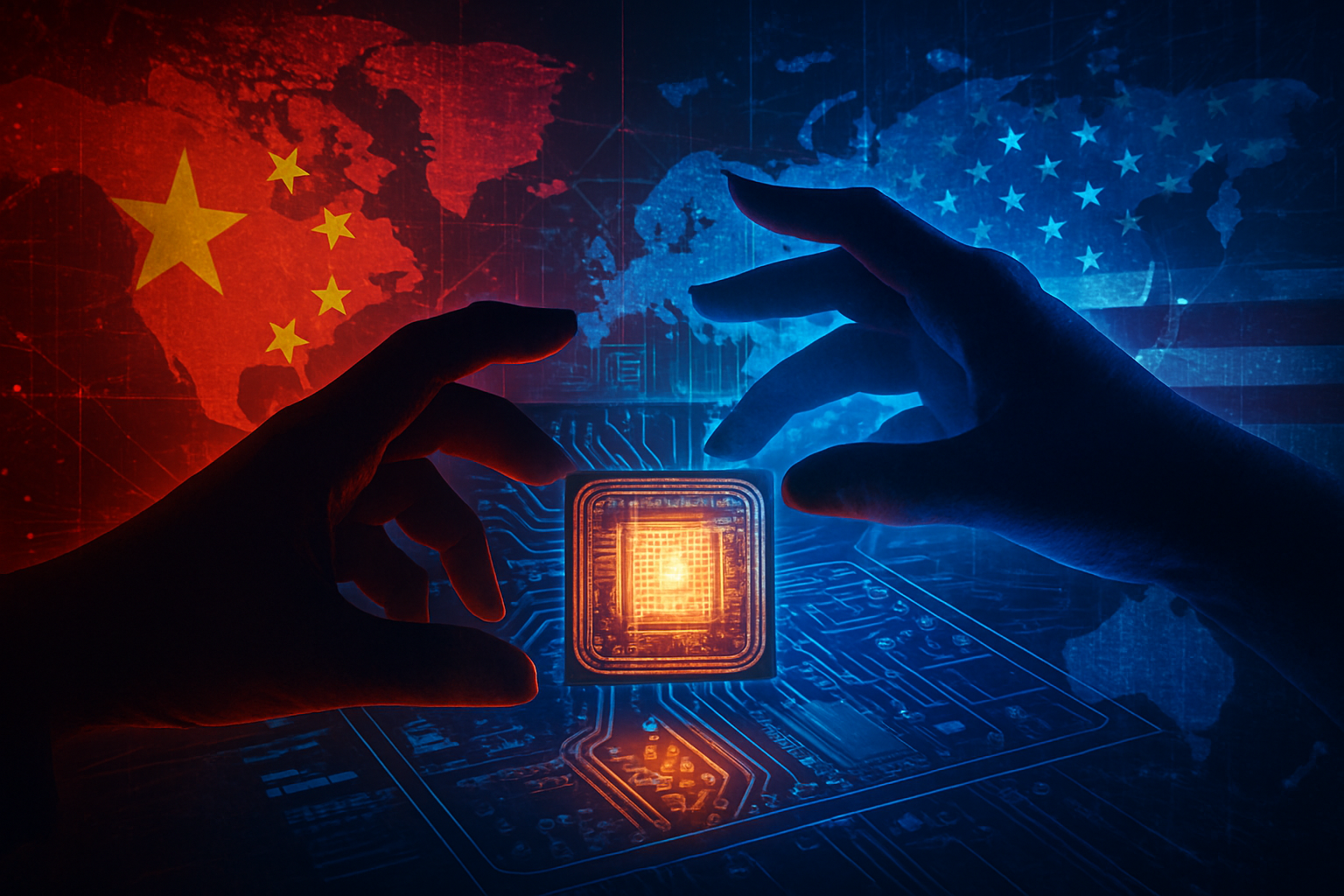
    October 9, 2025 – In a significant escalation of geopolitical tensions within the semiconductor industry, China has officially added the Canadian semiconductor consultancy, TechInsights, to its "Unreliable Entity List." This move, announced today, effectively bans the firm from conducting business with organizations or individuals within China, sending a clear message to foreign entities scrutinizing Beijing's technological advancements. The immediate fallout marks a critical juncture in the ongoing tech war, underscoring China's resolve to protect its technological ambitions and control the narrative around its domestic chip capabilities.

    TechInsights, a prominent global authority in semiconductor and electronics analysis, has gained notoriety for its meticulous chip teardowns, particularly those that have exposed the intricate details of Huawei Technologies Co. Ltd. (SHE: 002502)'s advanced chip designs and supply chain dependencies. This retaliatory action by Beijing is a direct consequence of TechInsights' recent reports, which, in collaboration with Bloomberg and other outlets, revealed the presence of non-Chinese components—specifically from Taiwan Semiconductor Manufacturing Company (TSMC) (NYSE: TSM), Samsung Electronics Co. Ltd. (KRX: 005930), and SK Hynix Inc. (KRX: 000660)—in Huawei's cutting-edge AI semiconductors, such as the Ascend 910C and 910B. These findings challenged China's narrative of complete domestic technological independence for Huawei's most advanced products amidst stringent U.S. export controls.

    The Indispensable Role of Chip Teardowns in a Geopolitical Minefield

    Semiconductor consultancies like TechInsights are not merely dismantling gadgets; they are dissecting the very sinews of modern technology, providing indispensable insights that drive competitive intelligence, safeguard intellectual property, and enable crucial supply chain scrutiny. Their work involves a painstaking process of reverse engineering, where engineers meticulously delayer chips to the transistor level, reconstructing schematics and identifying internal structures, materials, and fabrication processes. This granular analysis reveals a chip's architecture, process node (e.g., 7nm, 5nm), packaging techniques, and the origins of its components.

    For competitive intelligence, these teardowns offer an unparalleled window into rivals' design strategies, manufacturing costs, and technological innovations, allowing companies to benchmark performance and anticipate market shifts. In the realm of intellectual property (IP) analysis, teardowns are critical for detecting potential patent infringements and developing "evidence-of-use" charts vital for licensing and litigation. However, it is in supply chain scrutiny where their importance has soared amidst escalating geopolitical tensions. By identifying specific components and their manufacturers, consultancies expose the intricate web of global dependencies, helping governments and corporations assess compliance with sanctions, manage risks, and understand vulnerabilities to geopolitical disruptions. TechInsights' revelations about Huawei's AI chips, for instance, provided concrete evidence of how Chinese firms navigate complex global supply chains despite stringent sanctions, offering critical data for policymakers and industry observers alike.

    Navigating the Tech War: Implications for Global Semiconductor Players and National Strategies

    China's targeting of TechInsights is a clear manifestation of its broader strategy to achieve technological self-sufficiency and assert tech sovereignty in the face of aggressive U.S. export controls. Beijing's motivations are multi-faceted: to deter further foreign scrutiny into its domestic technological progress, to control information that might undermine its narrative of self-reliance, and to acquire critical knowledge for reverse engineering and accelerating indigenous innovation. The incident underscores China's persistent reliance on foreign hardware for advanced chips, despite massive investments and its "Made in China 2025" initiative.

    The implications for major semiconductor companies are profound. Huawei (SHE: 002502), already under severe U.S. export curbs since 2019, continues its aggressive push for indigenous solutions, with its HiSilicon subsidiary ramping up production of AI chips like the Ascend 910B and the forthcoming 910D to rival offerings from Nvidia Corporation (NASDAQ: NVDA). However, the TechInsights reports highlight the enduring challenge of achieving complete self-sufficiency. TSMC (NYSE: TSM), as the world's leading contract chipmaker, finds itself precariously positioned between U.S. restrictions and its significant business with Chinese customers. Following the recent revelations, TSMC has reportedly halted advanced chip orders from mainland China for certain clients to ensure compliance with U.S. regulations, a move that could impact its revenue. Similarly, South Korean memory giants Samsung Electronics Co. Ltd. (KRX: 005930) and SK Hynix Inc. (KRX: 000660) are navigating U.S. export controls on equipment for their Chinese plants, adopting a "dual-track strategy" to balance Western market expansion with continued supply to China, even as China's AI chip self-sufficiency drive threatens to narrow the technology gap. For nations, the overarching goal is tech sovereignty, with the U.S. strengthening export controls and fostering domestic manufacturing through the CHIPS and Science Act, while the EU pursues its own European Chips Act. This global scramble is leading to a strategic shift towards diversifying supply chains and localizing capabilities to mitigate geopolitical risks.

    A Widening "Silicon Curtain" and the Future of AI

    This latest development fits squarely into a broader AI landscape characterized by a fierce global race for AI dominance and heightened concerns over technological control. The ability to design and manufacture advanced semiconductors is unequivocally seen as fundamental to AI development and national security, making control over this domain synonymous with economic power and geopolitical influence. China's pursuit of "independent and controllable" AI directly challenges the U.S.'s efforts to restrict its access to advanced AI chips, creating a "Silicon Curtain" that threatens to bifurcate the global technology ecosystem.

    The US-China tech war has starkly exposed the extreme vulnerabilities of the global semiconductor supply chain, which is highly concentrated and specialized, with Taiwan alone producing over 50% of the world's chips. This incident further underscores the urgent need for nations to secure their access to critical components, driving a strategic shift from "just-in-time" to "just-in-case" supply chain strategies. Massive investments in regional fabrication, vertical integration by tech giants, and diversification of suppliers are now the norm. The fragmentation of the supply chain creates both challenges and strategic opportunities, emphasizing the need for robust technological infrastructure and vendor diversification. This ongoing "chip war" is a defining feature of current international relations, fueling geopolitical tensions and competition, and risks stifling global scientific collaboration and the pace of global AI development.

    The Road Ahead: Bifurcation, Resilience, and Unwavering Ambition

    In the near term, the geopolitical semiconductor landscape will be marked by intensified government-backed investments aimed at boosting domestic manufacturing capabilities across the U.S., Europe, and China. Expect continued supply chain disruptions and rising costs as export controls and trade restrictions persist. Companies will accelerate "friend-shoring" strategies, diversifying their manufacturing bases to allied countries to mitigate risks. China, for its part, will double down on its "Made in China 2025" initiative, channeling billions into indigenous R&D to achieve self-sufficiency in advanced semiconductors, reportedly aiming for 5nm chips for smartphones and instructing major tech companies to prioritize local AI chips.

    Longer term, experts predict the solidification of a bifurcated global semiconductor market, characterized by distinct technological ecosystems and standards catering to different geopolitical blocs. This "Silicon Curtain" risks leading to divergent technological standards and potentially incompatible hardware, which could slow global AI progress as innovation becomes increasingly siloed. The emphasis in supply chain management will fundamentally shift from economic efficiency to strategic resilience and national security, resulting in a more regionalized, and likely more expensive, semiconductor industry. Despite current efforts by the U.S. to slow its progress, China's long-term goal of becoming a global leader in chip production remains undeterred, though it is currently estimated to be 5-10 years behind in the most advanced semiconductor technologies. Challenges remain formidable, including the fragility of the global supply chain, concentration of manufacturing in Taiwan, reliance on critical minerals, talent shortages, and the immense costs of domestic manufacturing. Experts foresee continued escalation of the US-China tech war, with the U.S. imposing further controls on chips and future technologies, and China continuing its retaliatory measures, expanding the battleground to AI and 6G wireless technology.

    A Defining Moment in the Tech Geopolitics

    The blacklisting of TechInsights by China is more than just an isolated incident; it is a profound indicator of the intensifying geopolitical struggle for technological supremacy. This development highlights the critical role of independent analysis in exposing the realities of global supply chains and the lengths to which nations will go to protect their technological ambitions. It underscores the ongoing "chip war" as a defining battle for global technological leadership, national security, and economic dominance.

    As the "Silicon Curtain" descends, the world watches to see how nations and companies will adapt to this increasingly fragmented and politicized landscape. The coming weeks and months will likely bring further retaliatory measures, accelerated domestic investment, and continued efforts by all parties to secure their technological future. The drive for tech sovereignty and supply chain resilience will continue to reshape the global semiconductor industry, with profound implications for the pace and direction of AI innovation worldwide.


    This content is intended for informational purposes only and represents analysis of current AI developments.

    TokenRing AI delivers enterprise-grade solutions for multi-agent AI workflow orchestration, AI-powered development tools, and seamless remote collaboration platforms. For more information, visit https://www.tokenring.ai/.