Tag: Coding

  • The Rise of the Agentic IDE: How Cursor and Windsurf Are Automating the Art of Software Engineering

    The Rise of the Agentic IDE: How Cursor and Windsurf Are Automating the Art of Software Engineering

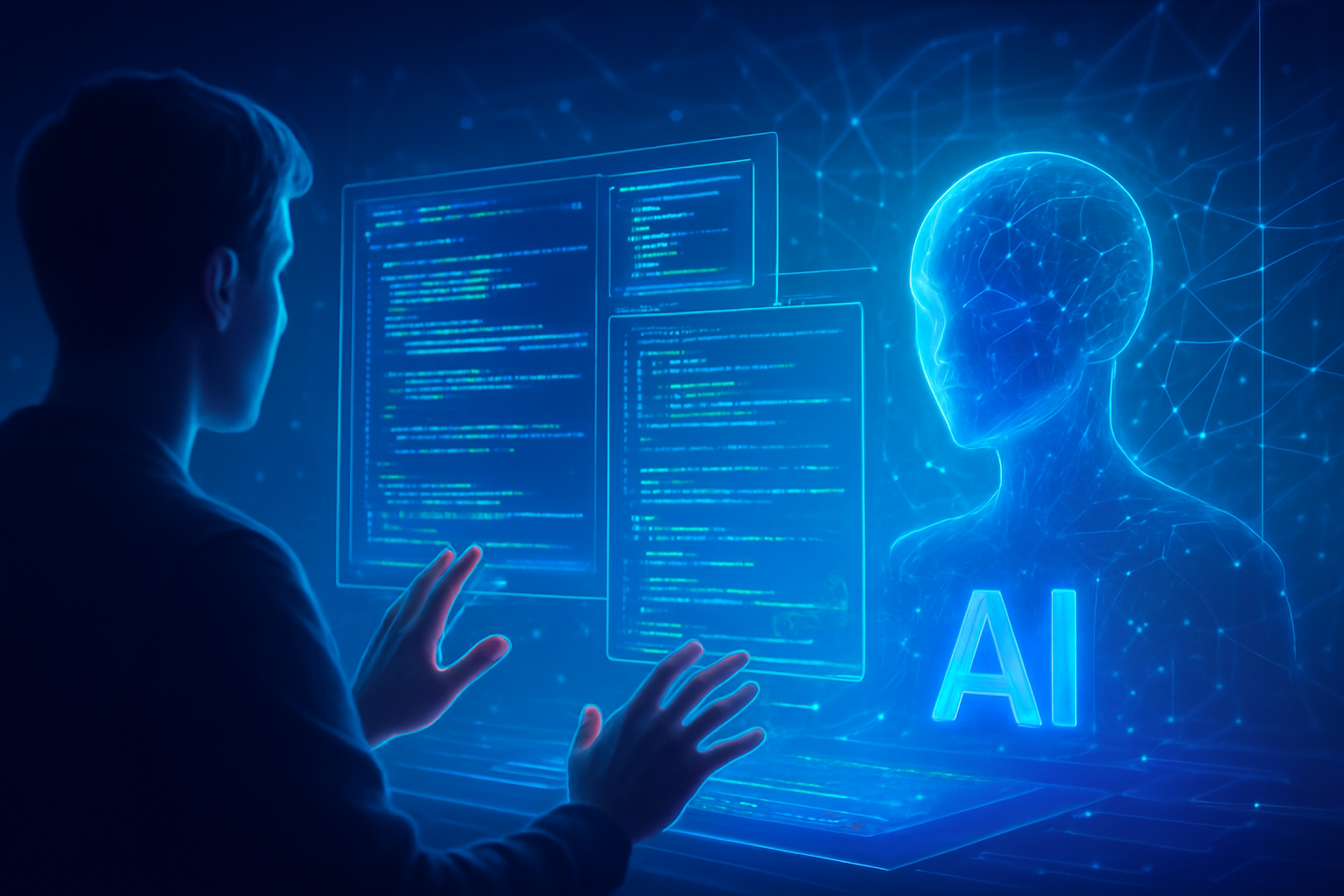
    As we move into early 2026, the software development landscape has reached a historic inflection point. The era of the "Copilot"—AI that acts as a sophisticated version of autocomplete—is rapidly being eclipsed by the era of the "Agentic IDE." Leading this charge are Cursor, developed by Anysphere, and Windsurf, a platform recently acquired and supercharged by Cognition AI. These tools are no longer just suggesting snippets of code; they are functioning as autonomous engineering partners capable of managing entire repositories, refactoring complex architectures, and building production-ready features from simple natural language descriptions.

    This shift represents a fundamental change in the "unit of work" for developers. Instead of writing and debugging individual lines of code, engineers are increasingly acting as architects and product managers, orchestrating AI agents that handle the heavy lifting of implementation. For the tech industry, the implications are profound: development cycles that once took months are being compressed into days, and a new generation of "vibe coders" is emerging—individuals who build sophisticated software by focusing on intent and high-level design rather than syntax.

    Technical Orchestration: Shadow Workspaces and Agentic Loops

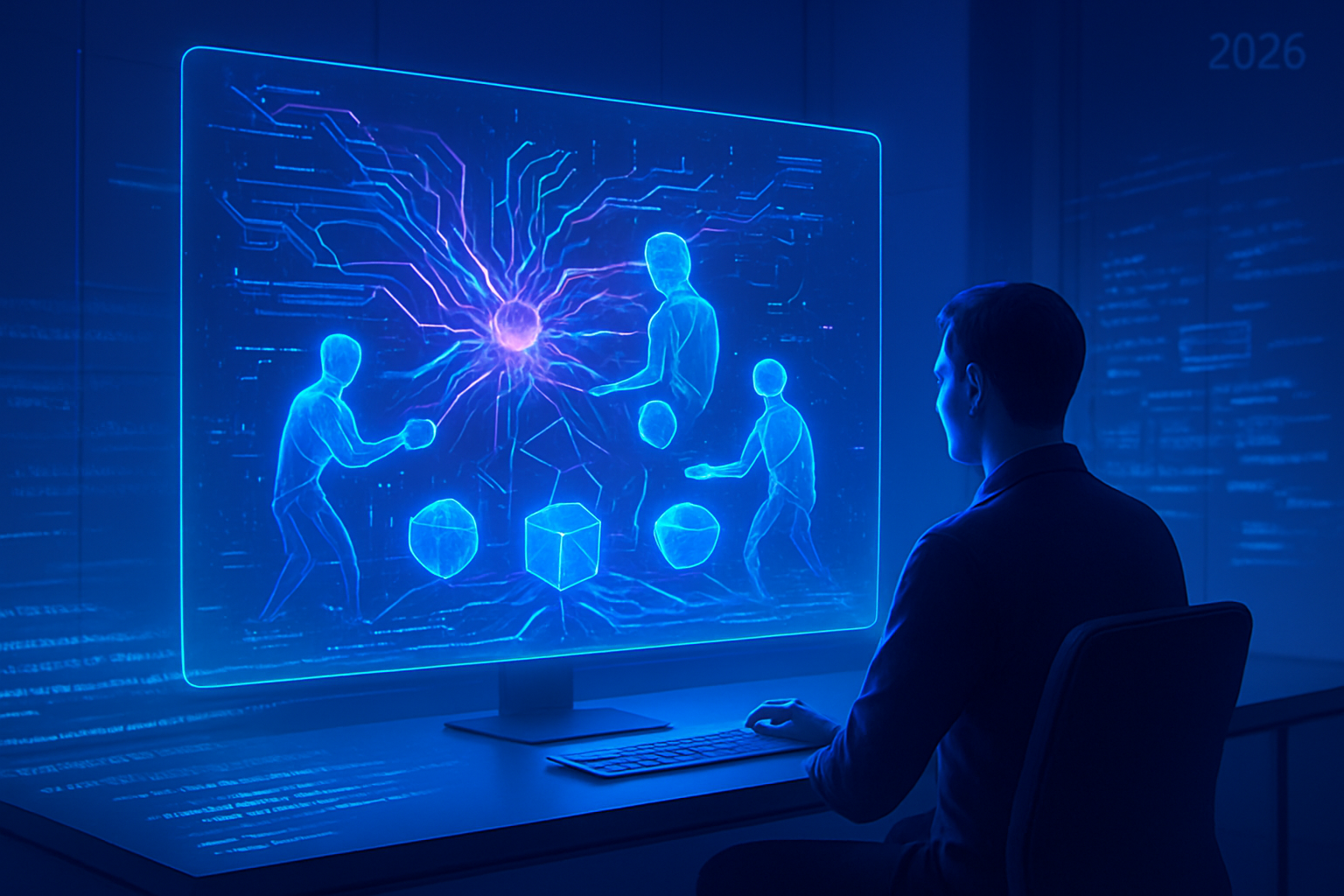
    The leap from traditional AI coding assistants to tools like Cursor and Windsurf lies in their transition from reactive text generation to proactive execution loops. Cursor’s breakthrough technology, the Shadow Workspace, has become the gold standard for AI-led development. This feature allows the IDE to spin up a hidden, parallel version of the project in the background where the AI can test its own code. Before a user ever sees a proposed change, Cursor runs Language Servers (LSPs), linters, and even unit tests within this shadow environment. If the code breaks the build or introduces a syntax error, the agent detects the failure and self-corrects in a recursive loop, ensuring that only functional, verified code is presented to the human developer.

    Windsurf, now part of the Cognition AI ecosystem, has introduced its own revolutionary architecture known as the Cascade Engine. Unlike standard Large Language Model (LLM) implementations that treat code as static text, Cascade utilizes a graph-based reasoning system to map out the entire codebase's logic and dependencies. This allows Windsurf to maintain "Flow"—a state of persistent context where the AI understands not just the current file, but the architectural intent of the entire project. In late 2025, Windsurf introduced "Memories," a feature that allows the agent to remember specific project-specific rules, such as custom styling guides or legacy technical debt constraints, across different sessions.

    These agentic IDEs differ from previous iterations primarily in their degree of autonomy. While early versions of Microsoft (NASDAQ: MSFT) GitHub Copilot were limited to single-file suggestions, modern agents can edit dozens of files simultaneously to implement a single feature. They can execute terminal commands, install new dependencies, and even launch browser instances to visually verify frontend changes. This multi-step planning—often referred to as an "agentic loop"—enables the AI to reason through complex problems, such as migrating a database schema or implementing an end-to-end authentication flow, with minimal human intervention.

    The Market Battle for the Developer's Desktop

    The success of these AI-first IDEs has sparked a massive realignment in the tech industry. Anysphere, the startup behind Cursor, reached a staggering $29.3 billion valuation in late 2025, reflecting its position as the premier tool for the "AI Engineer" movement. With over 2.1 million users and a reported $1 billion in annualized recurring revenue (ARR), Cursor has successfully challenged the dominance of established players. Major tech giants have taken notice; NVIDIA (NASDAQ: NVDA) has reportedly moved over 40,000 engineers onto Cursor-based workflows to accelerate their internal tooling development.

    The competitive pressure has forced traditional leaders to pivot. Microsoft’s GitHub Copilot has responded by moving away from its exclusive reliance on OpenAI and now allows users to toggle between multiple state-of-the-art models, including Alphabet (NASDAQ: GOOGL) Gemini 3 Pro and Claude 4.5. However, many developers argue that being "bolted on" to existing editors like VS Code limits these tools compared to AI-native environments like Cursor or Windsurf, which are rebuilt from the ground up to support agentic interactions.

    Meanwhile, the acquisition of Windsurf by Cognition AI has positioned it as the "enterprise-first" choice. By achieving FedRAMP High and HIPAA compliance, Windsurf has made significant inroads into regulated industries like finance and healthcare. Companies like Uber (NYSE: UBER) and Coinbase (NASDAQ: COIN) have begun piloting agentic workflows to handle the maintenance of massive legacy codebases, leveraging the AI’s ability to "reason" through millions of lines of code to identify security vulnerabilities and performance bottlenecks that human reviewers might miss.

    The Significance of "Vibe Coding" and the Quality Dilemma

    The broader impact of these tools is the democratization of software creation, a trend often called "vibe coding." This refers to a style of development where the user describes the "vibe" or functional goal of an application, and the AI handles the technical execution. This has lowered the barrier to entry for founders and product managers, enabling them to build functional prototypes and even full-scale applications without deep expertise in specific programming languages. While this has led to a 50% to 200% increase in productivity for greenfield projects, it has also sparked concerns within the computer science community.

    Analysts at firms like Gartner have warned about the risk of "architecture drift." Because agentic IDEs often build features incrementally based on immediate prompts, there is a risk that the long-term structural integrity of a software system could degrade. Unlike human architects who plan for scalability and maintainability years in advance, AI agents may prioritize immediate functionality, leading to a new form of "AI-generated technical debt." There are also concerns about the "seniority gap," where junior developers may become overly reliant on agents, potentially hindering their ability to understand the underlying principles of the code they are "managing."

    Despite these concerns, the transition to agentic coding is viewed by many as the most significant milestone in software engineering since the move from assembly language to high-level programming. It represents a shift in human labor from "how to build" to "what to build." In this new landscape, the value of a developer is increasingly measured by their ability to define system requirements, audit AI-generated logic, and ensure that the software aligns with complex business objectives.

    Future Horizons: Natural Language as Source Code

    Looking ahead to late 2026 and 2027, experts predict that the line between "code" and "description" will continue to blur. We are approaching a point where natural language may become the primary source code for many applications. Future updates to Cursor and Windsurf are expected to include even deeper integrations with DevOps pipelines, allowing AI agents to not only write code but also manage deployment, monitor real-time production errors, and automatically roll out patches without human triggers.

    The next major challenge will be the "Context Wall." As codebases grow into the millions of lines, even the most advanced agents can struggle with total system comprehension. Researchers are currently working on "Long-Context RAG" (Retrieval-Augmented Generation) and specialized "Code-LLMs" that can hold an entire enterprise's documentation and history in active memory. If successful, these developments could lead to "Self-Healing Software," where the IDE monitors the application in production and proactively fixes bugs before they are even reported by users.

    Conclusion: A New Chapter in Human-AI Collaboration

    The rise of Cursor and Windsurf marks the end of the AI-as-a-tool era and the beginning of the AI-as-a-teammate era. These platforms have proven that with the right orchestration—using shadow workspaces, graph-based reasoning, and agentic loops—AI can handle the complexities of modern software engineering. The significance of this development in AI history cannot be overstated; it is the first real-world application where AI agents are consistently performing high-level, multi-step professional labor at scale.

    As we move forward, the focus will likely shift from the capabilities of the AI to the governance of its output. The long-term impact will be a world where software is more abundant, more personalized, and faster to iterate than ever before. For developers, the message is clear: the future of coding is not just about writing syntax, but about mastering the art of the "agentic mission." In the coming months, watch for deeper integrations between these IDEs and cloud infrastructure providers as the industry moves toward a fully automated "Prompt-to-Production" pipeline.


    This content is intended for informational purposes only and represents analysis of current AI developments.

    TokenRing AI delivers enterprise-grade solutions for multi-agent AI workflow orchestration, AI-powered development tools, and seamless remote collaboration platforms.
    For more information, visit https://www.tokenring.ai/.
  • Mistral AI Unleashes Devstral 2 and Vibe CLI, Redefining Enterprise and Open-Source Coding AI

    Mistral AI Unleashes Devstral 2 and Vibe CLI, Redefining Enterprise and Open-Source Coding AI

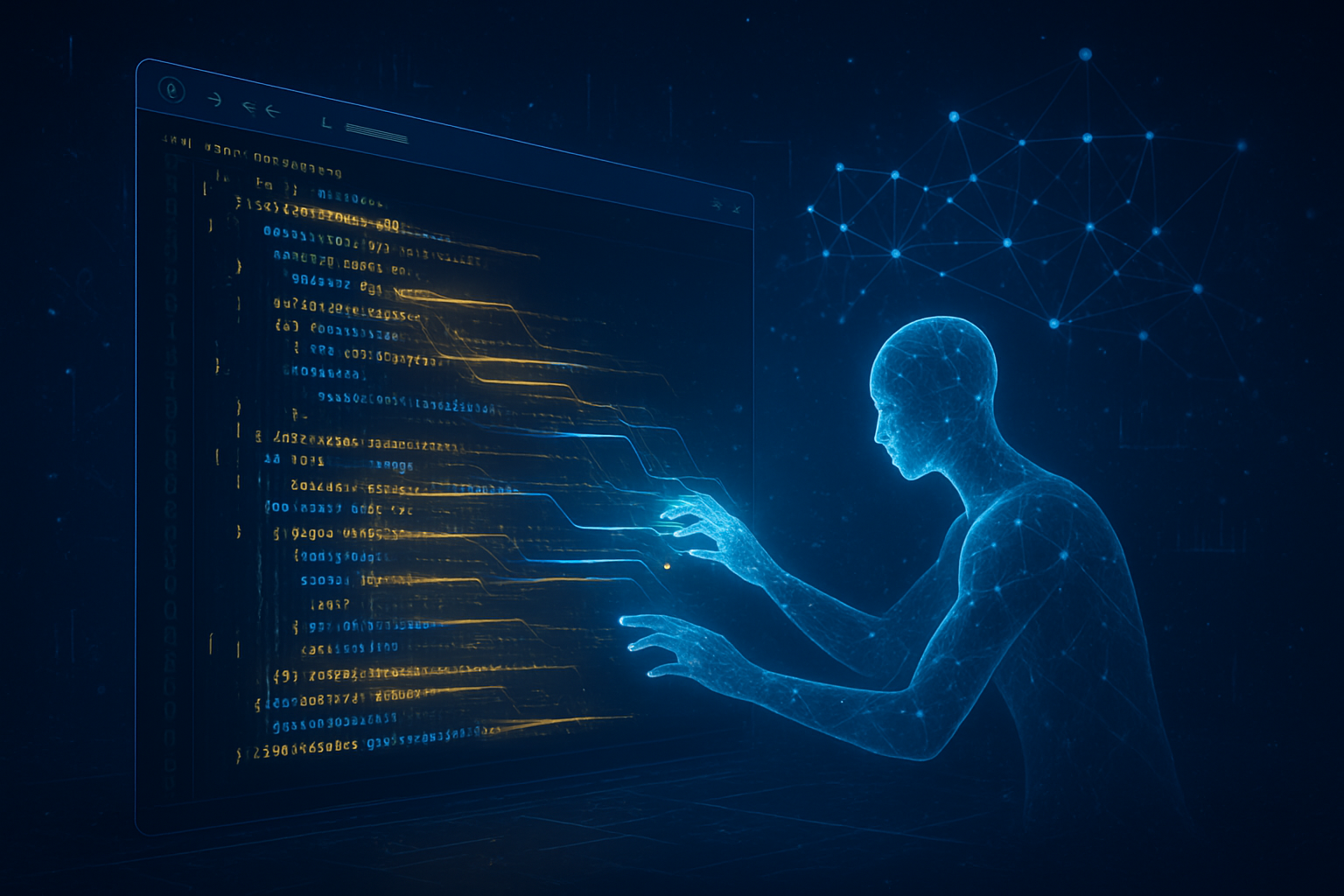
    Paris, France – December 9, 2025 – In a significant move set to reshape the landscape of AI-powered software development, French artificial intelligence powerhouse Mistral AI today unveiled its next-generation coding model family, Devstral 2, alongside the innovative Mistral Vibe command-line interface (CLI). This dual launch positions Mistral AI as a formidable contender in the rapidly evolving market for AI coding assistants, offering both powerful enterprise-grade solutions and accessible open-source tools for developers worldwide. The announcement underscores a strategic push by the European startup to democratize advanced AI coding capabilities while simultaneously catering to the complex demands of large-scale software engineering.

    The immediate significance of this release cannot be overstated. With Devstral 2, Mistral AI directly challenges established proprietary models like GitHub Copilot and Anthropic's Claude Code, offering a high-performance, cost-efficient alternative. The introduction of Devstral Small aims to bring sophisticated AI coding to individual developers and smaller teams, fostering innovation across the board. Coupled with the Mistral Vibe CLI, which pioneers 'vibe coding' workflows, the company is not just releasing models but an entire ecosystem designed to enhance developer productivity and interaction with AI agents.

    Technical Prowess: Diving Deep into Devstral 2 and Mistral Vibe CLI

    Mistral AI's latest offering, Devstral 2, is a sophisticated 123-billion-parameter coding model designed for the most demanding enterprise software engineering tasks. Its capabilities extend to multi-file edits, complex refactoring operations, and seamless integration into existing agentic workflows. A key differentiator for Devstral 2 is its strong emphasis on context awareness, allowing it to generate highly optimal AI-driven code by understanding the broader business context, much like Mistral's renowned Le Chat assistant maintains conversational memory. This deep contextual understanding is crucial for tackling intricate coding challenges that often span multiple files and modules. For self-hosting, Devstral 2 demands substantial computational resources, specifically a minimum of four H100 GPUs or equivalent, reflecting its powerful architecture. It is released under a modified MIT license, balancing open access with specific usage considerations.

    Complementing the enterprise-grade Devstral 2, Mistral AI also introduced Devstral Small, a more compact yet potent 24-billion-parameter variant. This smaller model is engineered for local deployment on consumer-grade hardware, effectively democratizing access to advanced AI coding tools. By making high-performance AI coding accessible to individual developers and smaller teams without requiring extensive cloud infrastructure, Devstral Small is poised to foster innovation and experimentation across the developer community. It operates under a more permissive Apache 2.0 license, further encouraging widespread adoption and contribution.

    The release also includes the Mistral Vibe CLI, an innovative command-line interface specifically tailored for "vibe coding" workflows. This tool facilitates natural-language-driven coding, enabling developers to interact with and orchestrate AI agents through intuitive textual commands. Vibe CLI excels at repository analysis, understanding file structures and Git statuses to build a behavioral context, and maintains a persistent history of interactions, making it a highly intelligent coding companion. It can also integrate as an extension within popular IDEs like Zed. The open-source nature of Vibe CLI further solidifies Mistral AI's commitment to community-driven development and the advancement of open AI ecosystems.

    Initial reactions from the AI research community and industry experts have been overwhelmingly positive, highlighting Mistral AI's ability to compete with and even surpass established players in specific benchmarks. Devstral 2 has achieved an impressive 72.2% score on SWE-bench Verified benchmarks, positioning it as a top performer among open-weight code models. Experts note its reported cost efficiency, claiming it can be up to seven times more cost-efficient than some leading proprietary models for real-world coding tasks. This combination of high performance and efficiency is seen as a significant advantage that could accelerate its adoption in professional development environments. The focus on agentic workflows and context awareness is particularly praised, signaling a move towards more intelligent and integrated AI assistants that go beyond simple code generation.

    Competitive Ripples: Impact on the AI Industry

    The launch of Devstral 2 and Mistral Vibe CLI sends significant ripples through the competitive landscape of the AI industry, particularly within the domain of AI-powered developer tools. Mistral AI (Euronext: MIST), a relatively young but rapidly ascending player, stands to benefit immensely, solidifying its position as a major force against established tech giants. By offering both a powerful enterprise model and an accessible open-source variant, Mistral AI is strategically targeting a broad spectrum of the market, from large corporations to individual developers. This dual approach could significantly expand its user base and influence. Strategic partnerships with agent tools like Kilo Code and Cline, along with the continued backing of investors like ASML (Euronext: ASML), further enhance its ecosystem and market penetration capabilities.

    This development poses a direct competitive challenge to major AI labs and tech companies that have heavily invested in coding AI. Microsoft (NASDAQ: MSFT), with its GitHub Copilot, and Anthropic, with its Claude Code, are now facing a formidable European alternative that boasts impressive benchmarks and cost efficiency. Devstral 2's performance on SWE-bench Verified benchmarks, surpassing many proprietary models, could lead to enterprises re-evaluating their current AI coding assistant providers. The open-source nature of Devstral Small and Mistral Vibe CLI also appeals to a segment of the developer community that prefers more transparent and customizable tools, potentially siphoning users from closed-source platforms.

    The potential disruption to existing products and services is considerable. Companies relying solely on proprietary models for their internal development workflows might explore integrating Devstral 2 due to its performance and claimed cost-efficiency. Furthermore, the emphasis on "vibe coding" with the Vibe CLI could establish a new paradigm for human-AI interaction in coding, pushing other companies to innovate their own interfaces and workflow integrations. This could necessitate significant R&D investments from competitors to keep pace with these emerging interaction models.

    In terms of market positioning and strategic advantages, Mistral AI is leveraging an open-source strategy that fosters community engagement and rapid iteration, a model that has historically proven successful in the software industry. By offering powerful models under permissive licenses, they are not only attracting developers but also potentially creating a robust ecosystem of third-party tools and integrations built around their core technologies. This approach, combined with their focus on enterprise-grade performance and cost-effectiveness, provides Mistral AI with a unique strategic advantage, allowing them to carve out a significant share in both the commercial and open-source AI coding markets.

    Broader Significance: Shaping the AI Landscape

    The release of Devstral 2 and Mistral Vibe CLI is more than just a product launch; it's a significant marker in the broader artificial intelligence landscape, reflecting and accelerating several key trends. This development underscores the intensifying competition in the large language model (LLM) space, particularly in specialized domains like code generation. It highlights a growing maturity in AI models, moving beyond simple code snippets to understanding complex, multi-file enterprise contexts and supporting sophisticated agentic workflows. This emphasis on context and agent capabilities fits perfectly into the evolving trend of AI becoming a more integrated and intelligent partner in software development, rather than just a tool.

    The impacts of this release are multifaceted. For developers, it means access to more powerful, efficient, and potentially more intuitive AI coding assistants. Devstral Small's ability to run on consumer hardware democratizes access to advanced AI, fostering innovation in smaller teams and individual projects that might not have the resources for large cloud-based solutions. For enterprises, Devstral 2 offers a compelling alternative that promises enhanced productivity and potentially significant cost savings, especially given its claimed efficiency. The "vibe coding" paradigm introduced by the Vibe CLI could also lead to a more natural and less friction-filled interaction with AI, fundamentally changing how developers approach coding tasks.

    Potential concerns, while not immediately apparent, could revolve around the computational demands of the full Devstral 2 model, which still requires substantial GPU resources for self-hosting. While Mistral AI claims cost efficiency, the initial infrastructure investment might still be a barrier for some. Additionally, as with all powerful AI code generators, there will be ongoing discussions about code quality, security vulnerabilities in AI-generated code, and the ethical implications of increasingly autonomous AI development agents. The modified MIT license for Devstral 2 also warrants careful consideration by commercial users regarding its specific terms.

    Comparing this to previous AI milestones, the Devstral 2 and Vibe CLI release can be seen as a natural progression from breakthroughs like GitHub Copilot's initial impact or the widespread adoption of general-purpose LLMs. However, it distinguishes itself by pushing the boundaries of contextual understanding in code, emphasizing agentic workflows, and offering a robust open-source alternative that directly challenges proprietary giants. It mirrors the broader trend of AI specialization, where models are becoming increasingly adept at specific, complex tasks, moving beyond general intelligence towards highly capable domain-specific expertise. This release signifies a crucial step towards making AI an indispensable, deeply integrated component of the entire software development lifecycle.

    The Road Ahead: Future Developments and Applications

    The unveiling of Devstral 2 and Mistral Vibe CLI heralds a promising future for AI in software development, with several expected near-term and long-term developments on the horizon. In the near term, we can anticipate rapid iteration and refinement of both models and the CLI. Mistral AI will likely focus on optimizing performance, expanding language support beyond current capabilities, and further enhancing the contextual understanding of Devstral 2 to tackle even more intricate enterprise-level coding challenges. Expect to see more integrations of the Vibe CLI with a wider array of IDEs and development tools, making "vibe coding" a more pervasive workflow. Community contributions to the open-source Devstral Small and Vibe CLI are also expected to accelerate, leading to diverse applications and improvements.

    Looking further ahead, the potential applications and use cases are vast and transformative. We could see Devstral 2 becoming the backbone for fully autonomous code generation and maintenance systems, where AI agents collaborate to develop, test, and deploy software with minimal human oversight. The enhanced contextual awareness could lead to AI assistants capable of understanding high-level architectural designs and translating them into functional code across complex microservice environments. For Devstral Small, its accessibility could fuel a new wave of citizen developers and low-code/no-code platforms, where non-programmers leverage AI to build sophisticated applications. The "vibe coding" paradigm might evolve into multi-modal interactions, incorporating voice and visual cues to guide AI agents in real-time coding sessions.

    However, challenges remain that need to be addressed for these future developments to fully materialize. Scaling the computational requirements for even larger, more capable Devstral models will be a continuous hurdle, necessitating innovations in AI hardware and efficient model architectures. Ensuring the security, reliability, and ethical implications of increasingly autonomous AI-generated code will require robust testing frameworks, auditing tools, and clear governance policies. The challenge of maintaining human oversight and control in highly agentic workflows will also be critical to prevent unintended consequences.

    Experts predict that this release will intensify the "AI agent wars" in the developer tools space. The focus will shift from mere code completion to comprehensive AI-driven development environments where agents manage entire projects, from requirement gathering to deployment and maintenance. We can expect other major players to respond with their own advanced coding LLMs and CLI tools, pushing the boundaries of what AI can achieve in software engineering. The next few years will likely see a significant evolution in how developers interact with and leverage AI, moving towards a truly symbiotic relationship.

    A New Era for AI-Powered Software Development

    The release of Devstral 2 and Mistral Vibe CLI by Mistral AI marks a pivotal moment in the ongoing evolution of artificial intelligence in software development. The key takeaways from this announcement are the introduction of a high-performance, cost-efficient enterprise coding model (Devstral 2), the democratization of advanced AI coding through an accessible open-source variant (Devstral Small), and the pioneering of a new interaction paradigm with the "vibe coding" CLI. This strategic dual approach positions Mistral AI as a significant challenger to established players, emphasizing both cutting-edge performance and broad accessibility.

    This development's significance in AI history cannot be overstated. It represents a significant leap forward in the capability of AI models to understand and generate code within complex, real-world enterprise contexts. By pushing the boundaries of contextual awareness and enabling sophisticated agentic workflows, Mistral AI is moving beyond simple code generation towards truly intelligent software engineering assistants. The open-source nature of parts of this release also reinforces the idea that innovation in AI can thrive outside the confines of proprietary ecosystems, fostering a more collaborative and dynamic future for the field.

    Looking ahead, the long-term impact of Devstral 2 and Mistral Vibe CLI is likely to be profound. It will accelerate the adoption of AI across the entire software development lifecycle, from initial design to deployment and maintenance. It will empower developers with more intuitive and powerful tools, potentially leading to unprecedented levels of productivity and innovation. The competition ignited by this release will undoubtedly spur further advancements, pushing the entire industry towards more intelligent, efficient, and user-friendly AI development solutions.

    In the coming weeks and months, it will be crucial to watch for community adoption rates of Devstral Small and Vibe CLI, as well as the real-world performance metrics of Devstral 2 in various enterprise settings. Keep an eye on how rival tech giants respond to this challenge, and whether this sparks a new wave of open-source initiatives in the AI coding space. The developer community's embrace of "vibe coding" and the emergence of new applications built atop Mistral AI's latest offerings will be key indicators of the lasting influence of this momentous release.


    This content is intended for informational purposes only and represents analysis of current AI developments.

    TokenRing AI delivers enterprise-grade solutions for multi-agent AI workflow orchestration, AI-powered development tools, and seamless remote collaboration platforms.
    For more information, visit https://www.tokenring.ai/.