Tag: Conservation

  • AI Plunges Deeper: Machine Learning Transforms Ocean Research, Exploration, and Conservation

    AI Plunges Deeper: Machine Learning Transforms Ocean Research, Exploration, and Conservation

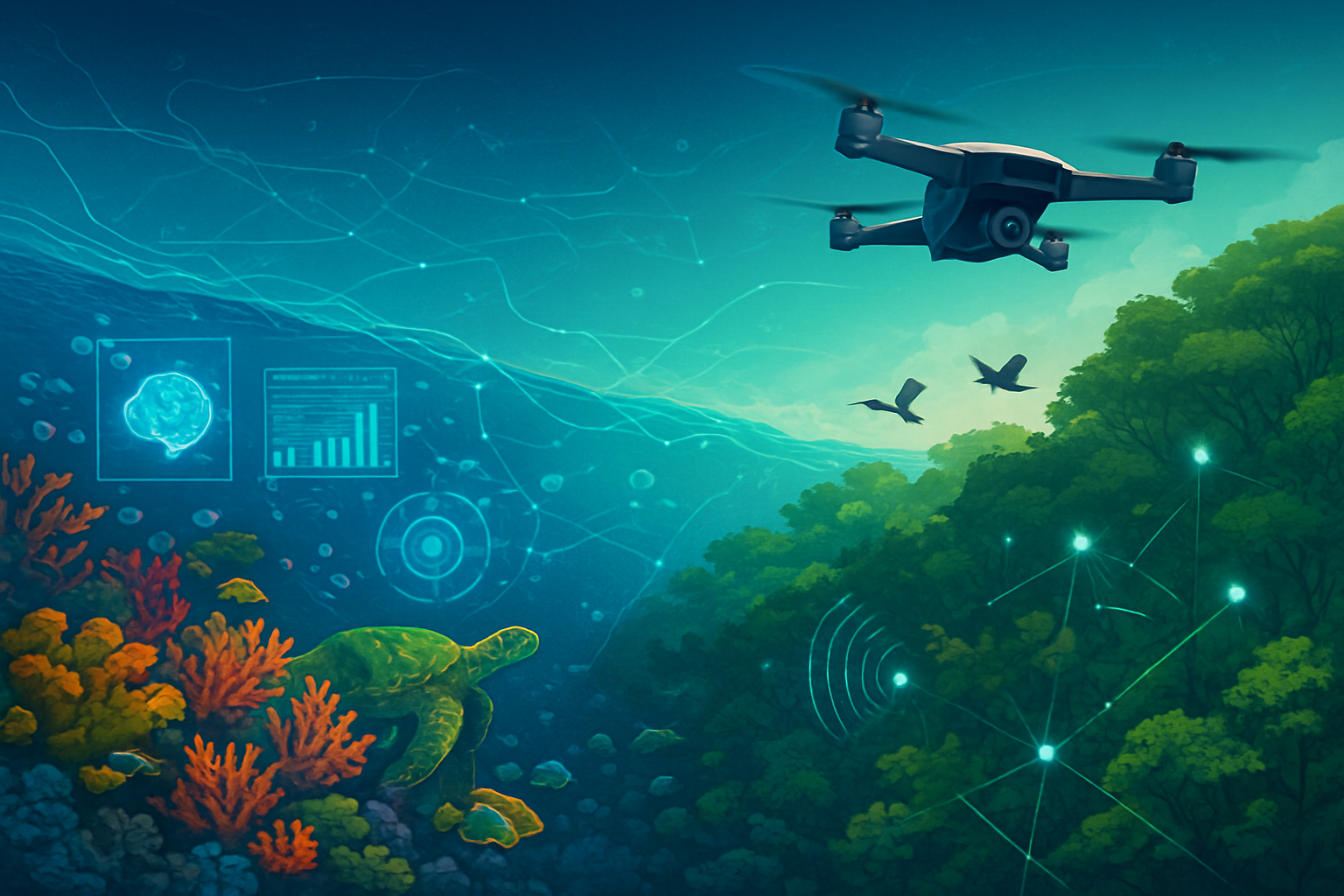
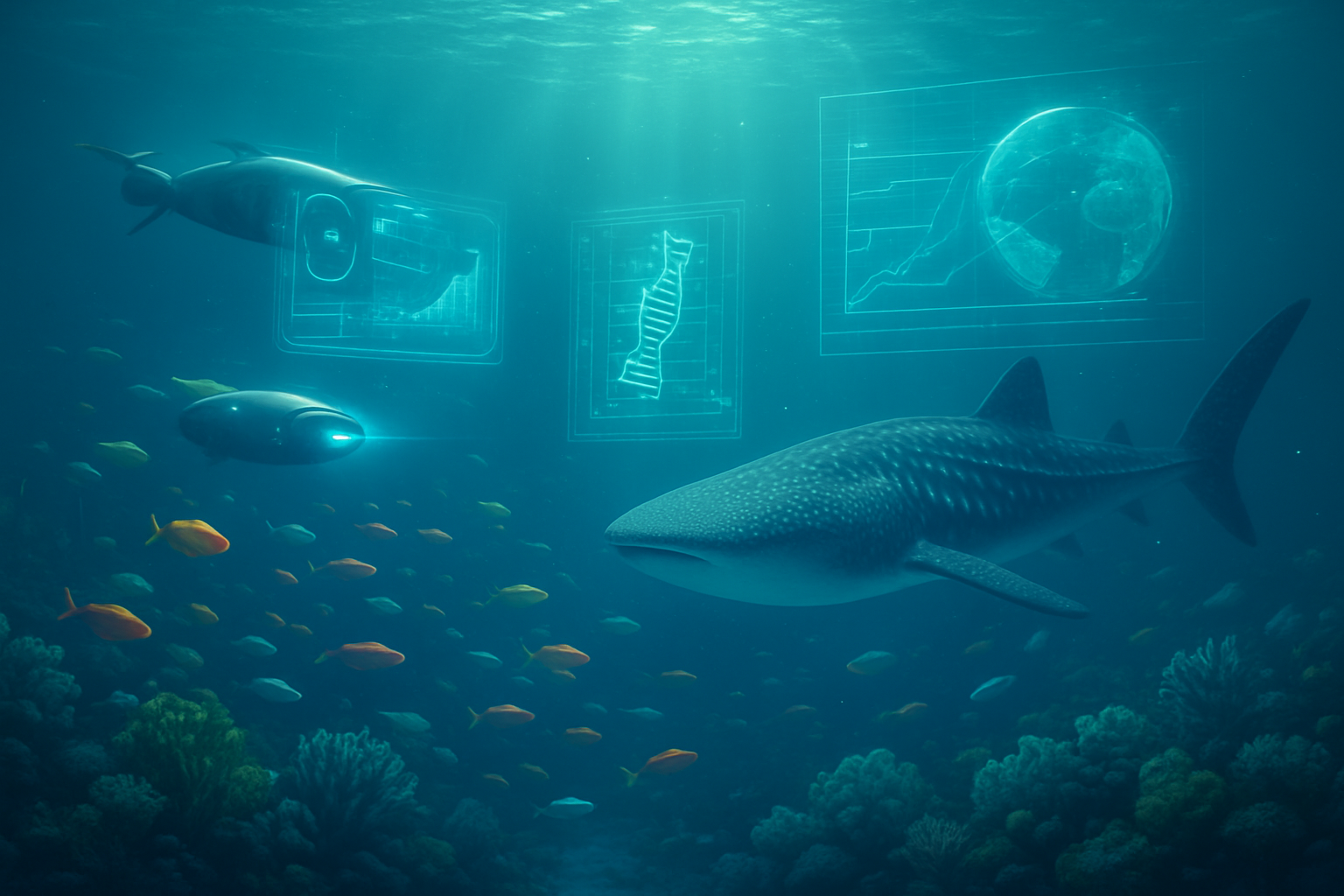
    The world's oceans, vast and mysterious, are increasingly becoming a frontier for the most advanced artificial intelligence and machine learning technologies. Recent global conferences, spanning from late 2023 through anticipated events in 2025, have underscored a profound shift in how humanity interacts with the marine environment. AI is no longer a peripheral tool but a central nervous system, driving unprecedented advancements in marine research, deep-sea exploration, and critical conservation efforts, offering an unparalleled opportunity to understand and protect our planet's most vital ecosystems.

    This technological wave is enabling scientists and conservationists to tackle challenges that were once insurmountable, from mapping the uncharted depths to precisely tracking elusive marine life and predicting the impacts of climate change. The collective sentiment from these gatherings is one of immense optimism, heralding a new era where intelligent systems provide robust, data-driven solutions for the complex problems facing our oceans.

    Unveiling the Deep: Technical Advancements Powering Marine AI

    The technical canvas of AI in ocean technology is broad and rapidly evolving, marked by sophisticated algorithms and integrated systems discussed at forums like the IEEE OES Autonomous Underwater Vehicle (AUV) Symposium 2024 and the Ocean Sciences Meeting (OSM) 2024. A key area of innovation lies in Autonomous Underwater Vehicles (AUVs). Machine learning, including supervised, unsupervised, and reinforcement learning, is revolutionizing AUV navigation and control. These intelligent systems can now make reliable decisions and perform real-time obstacle avoidance in complex, unknown underwater environments, a significant leap from previous, more pre-programmed approaches. For instance, research presented at the AUV Symposium detailed Bayesian optimization-based self-improving controllers and hybrid switching control using Past-time Signal Temporal Logic, enhancing vehicle autonomy and energy efficiency.

    Sensor fusion and imaging have also seen dramatic improvements. Deep learning algorithms, combined with data from sonar and high-resolution cameras, enable precise underwater landscape perception and mapping. Adaptive image restoration and object detection using semantic segmentation are allowing AUVs to collect and interpret visual data with unprecedented clarity, even in challenging low-light and murky conditions. This capability differs starkly from older methods that relied on simpler sonar pings and less sophisticated visual processing, often yielding fragmented or unclear data. Furthermore, AI is crucial for data analytics in oceanography, as highlighted at OSM 2024. It facilitates data-driven reconstruction, integrity checks, prediction, and forecasting of multi-scale oceanic processes. AI-based model parameter optimization, data assimilation, and bias correction in oceanographic and coupled ocean-atmosphere numerical models are providing robust solutions for complex problems, offering more accurate and comprehensive insights than traditional statistical methods alone. The upcoming International Conference on AI for the Oceans 2025 (ICAIO 2025) is expected to further delve into themes like underwater robotics and IoT, satellite oceanography, and AI-driven climate forecasting, solidifying these technical trajectories.

    Riding the Wave: Impact on AI Companies and the Tech Landscape

    The burgeoning field of AI in ocean technology presents significant opportunities and competitive implications for a diverse range of companies, from established tech giants to agile startups. Companies specializing in marine robotics and autonomous systems stand to benefit immensely. Firms developing advanced AUVs, Autonomous Surface Vessels (ASVs), and Unmanned Aerial Systems (UAS) capable of AI-driven navigation, data collection, and multi-vehicle coordination are poised for growth. This includes companies like Kongsberg Gruppen (OSL: KOG), known for its maritime technology, and numerous specialized robotics startups that can integrate cutting-edge AI for enhanced autonomy and operational efficiency.

    The demand for sophisticated AI/ML platforms and data analytics solutions tailored for oceanographic data is also skyrocketing. Companies providing AI frameworks for processing vast datasets from satellites, in-situ sensors, and AUVs—enabling everything from predictive modeling of ocean currents to identifying marine species—will find a fertile market. This could include cloud providers like Amazon (NASDAQ: AMZN) Web Services, Microsoft (NASDAQ: MSFT) Azure, and Alphabet's (NASDAQ: GOOGL) Google Cloud, which offer the computational power and AI services needed to handle such immense data volumes. Furthermore, startups focusing on AI for environmental monitoring and conservation technology are emerging as key players. Their innovations in areas like acoustic monitoring for marine mammals, AI-powered image analysis for coral reef health, and predictive models for illegal fishing activities are disrupting traditional, labor-intensive approaches to conservation. The competitive landscape will favor companies that can demonstrate robust, scalable, and ethically sound AI solutions that can operate effectively in the challenging marine environment, leading to strategic advantages for those with specialized domain expertise and advanced AI capabilities.

    A Deeper Understanding: Wider Significance and Broader Trends

    The integration of AI into global ocean technology represents a pivotal moment in the broader AI landscape, aligning with overarching trends towards increased autonomy, big data analytics, and sustainable AI applications. This development significantly enhances our capacity for climate change mitigation and forecasting. By leveraging AI to process vast amounts of environmental data, scientists can achieve more accurate predictions of sea-level rise, ocean temperature fluctuations, and the impact of climate events, providing crucial insights for global policy-making and adaptation strategies. This marks a profound shift from less precise, model-driven predictions to data-intensive, AI-enhanced forecasting.

    Moreover, the advancements directly contribute to global marine conservation efforts. Initiatives like the "AI Marine Conservation Technology Transforms Ocean Protection Across Latin America," showcased in early 2025, exemplify the tangible impact. Through platforms like the Marine Manager Portal by Global Fishing Watch, AI and big data are being used to protect millions of square kilometers of ocean ecosystems, dramatically reducing illegal fishing activity and monitoring marine species. The ability to track animal telemetry (sharks, whales, turtles) and map underwater features (mountains, corals, mangroves) with AI-powered systems is a significant milestone, supporting ambitious global agreements like the "30×30" initiative to protect 30% of the world's oceans by 2030. While the benefits are vast, potential concerns include data privacy regarding vessel tracking, the ethical implications of pervasive AI monitoring, and ensuring equitable access to these advanced technologies to prevent a widening "digital divide" in conservation capabilities among nations. Nevertheless, these developments mark a significant stride comparable to earlier AI breakthroughs in medical imaging or natural language processing, extending AI's problem-solving capabilities to one of Earth's most critical and complex environments.

    Charting the Course: Future Developments and Expert Predictions

    Looking ahead, the trajectory of AI in ocean technology promises even more transformative developments. In the near term, experts predict a continued refinement of multi-vehicle coordination systems, where fleets of AUVs, ASVs, and even aerial drones will operate synergistically, guided by advanced AI, to cover vast ocean expanses more efficiently for research and monitoring. This will involve sophisticated algorithms for swarm intelligence, dynamic path planning, and real-time data sharing among diverse autonomous platforms. The International Conference on AI for the Oceans 2025 (ICAIO 2025) is set to be a key forum for discussing these integrated systems and their implications for large-scale ocean observation.

    Longer-term, we can expect the emergence of truly adaptive and self-learning marine AI systems that can autonomously respond to unforeseen environmental changes or discover novel phenomena without constant human intervention. This could include AI-driven deep-sea exploration robots capable of identifying new species or geological formations on their own, or conservation systems that can predict and prevent environmental disasters before they occur. Challenges that need to be addressed include improving the robustness of AI models in highly dynamic and unpredictable underwater conditions, developing more energy-efficient AI hardware for extended missions, and establishing international standards for data sharing and ethical AI deployment in marine contexts. Experts predict that the next decade will see AI not just assisting oceanographers, but actively leading discoveries and management strategies, making the ocean a truly "smart" environment. The "Machine Learning Approach to Control an Autonomous Underwater Vehicle" conference in April 2025, for instance, highlights the ongoing focus on AI-driven adaptive control for enhanced AUV performance, hinting at more resilient and efficient autonomous platforms on the horizon.

    The Ocean's New Horizon: A Comprehensive Wrap-up

    The rapid integration of AI and machine learning into global ocean technology marks a pivotal moment in our efforts to understand, explore, and protect the world's oceans. Key takeaways from recent conferences and ongoing research include the revolutionary impact of AI on AUV navigation and control, advanced sensor fusion and imaging for unprecedented underwater perception, and the transformative power of AI in processing vast oceanographic datasets for climate forecasting and marine conservation. This technological surge is not merely an incremental improvement; it represents a fundamental shift in our capabilities, enabling more precise, autonomous, and data-driven approaches to marine science.

    The significance of this development in AI history cannot be overstated. It demonstrates AI's expanding role beyond traditional computing domains, proving its efficacy in highly complex, real-world environments. The ability of AI to unlock new insights into ocean processes and provide actionable solutions for conservation places it at the forefront of environmental stewardship. In the coming weeks and months, we should watch for continued advancements in multi-vehicle autonomy, the development of more specialized AI models for unique marine challenges, and the increasing adoption of AI-powered platforms by governmental and non-governmental organizations alike. The ocean's future, once largely unknown, is now being illuminated by the bright promise of artificial intelligence, heralding an era of deeper understanding and more effective protection for our planet's most vital resource.


    This content is intended for informational purposes only and represents analysis of current AI developments.

    TokenRing AI delivers enterprise-grade solutions for multi-agent AI workflow orchestration, AI-powered development tools, and seamless remote collaboration platforms.
    For more information, visit https://www.tokenring.ai/.
  • Silent Guardians: Electric Tundra Buggies Revolutionize Polar Bear Conservation in Canada

    Silent Guardians: Electric Tundra Buggies Revolutionize Polar Bear Conservation in Canada

    In a groundbreaking stride for environmental stewardship and sustainable tourism, Canada is deploying a fleet of cutting-edge electric Tundra Buggies to safeguard its iconic polar bear populations. This innovative technological shift, spearheaded by adventure travel operators in Churchill, Manitoba—the self-proclaimed "Polar Bear Capital of the World"—marks a pivotal moment in conservation efforts, directly addressing climate change and minimizing human impact in fragile Arctic ecosystems. By replacing traditional diesel engines with silent, zero-emission electric powertrains, these specialized vehicles offer a new paradigm for wildlife observation, promising a less intrusive and more impactful experience for both bears and visitors.

    The immediate significance of this transition is multifaceted. Each electric Tundra Buggy put into operation immediately reduces the localized carbon footprint of tourism activities, contributing to a tangible decrease in greenhouse gas (GHG) emissions that are accelerating Arctic sea ice melt—the primary threat to polar bear survival. Furthermore, the virtually silent operation of these electric vehicles drastically minimizes noise pollution, allowing for a more authentic and stress-free environment for wildlife, while also enhancing the educational and research platforms vital for understanding and protecting these magnificent creatures. This initiative serves as a powerful proof of concept for green technology's viability even in the planet's most extreme conditions, inspiring a proactive approach to environmental challenges.

    Engineering a Quieter Future: The Technical Prowess of Electric Tundra Buggies

    The transformation of diesel-powered Tundra Buggies into their electric counterparts is a testament to sophisticated engineering tailored for the subarctic's demanding environment. These custom-built, large-capacity (typically 40-passenger) off-road vehicles are now propelled by repurposed batteries, initially sourced from electric buses manufactured by New Flyer Industries (NASDAQ: NFYEF). The battery system boasts a total energy capacity of 200 kWh, organized into four independent banks, operating at a nominal 622 VDC. This redundant design ensures operational continuity, allowing the vehicle to function even if one battery bank is compromised. Charging primarily relies on Manitoba's 100% renewable hydroelectric grid, further solidifying their eco-friendly credentials.

    The conversion process involves a complete overhaul of the vehicle's propulsion system. The original 7.6 L Navistar DT466 diesel engine and Allison transmission are replaced by an all-electric system featuring one motor per axle, each continuously rated at 100 kW (134 HP) with peak outputs of 170 kW (228 HP). This delivers significantly increased torque—up to 1,320 Nm at 0 RPM—compared to the diesel versions. The chassis and suspension are entirely new, incorporating a 5-link suspension system with 8 inches of travel for enhanced articulation and passenger comfort. Advanced steering modes, including front-wheel, rear-wheel, crab, and four-wheel steer, dramatically improve maneuverability on the rugged tundra. The operator interface has also been modernized, replacing traditional controls with an LCD display and custom software integrating propulsion, hydraulic steering, and battery management.

    Operating electric vehicles in temperatures as low as -50°C (-58°F) presents formidable engineering challenges. Battery efficiency, capacity, and charging speed are all significantly impacted by extreme cold. To mitigate this, specialized thermal management systems are crucial, though some early models still rely on a small kerosene heater to maintain battery warmth when not in use, indicating ongoing development. Component durability, ensuring electronics and mechanical parts withstand drastic temperature fluctuations, is also paramount. Despite these hurdles, the successful deployment and ongoing expansion of the electric Tundra Buggy fleet demonstrate the remarkable progress in cold-weather EV technology, drawing positive reactions from the conservation community and industry experts who laud the initiative as a significant step towards sustainable tourism and a "made-in-Manitoba story" of clean tech innovation.

    Corporate Footprints: Beneficiaries and Competitive Edge

    The pioneering effort to electrify Tundra Buggies involves a collaborative ecosystem of companies, each playing a crucial role in advancing sustainable tourism and technology. At the forefront is Frontiers North Adventures, a private Canadian-based, family-owned, and Certified B Corp adventure travel operator. As the initiator and primary operator of the EV Tundra Buggy project, Frontiers North is committed to converting its entire fleet of 12 vehicles to electric by the end of the decade, gaining a significant first-mover advantage in the eco-tourism sector. Their strategic positioning as a leader in sustainable Arctic eco-tourism attracts environmentally conscious travelers and fosters strong brand loyalty.

    Several key partners contribute to the technical success. Red River College Polytechnic (RRC Polytech), through its Vehicle Technology & Energy Centre (VTEC), provided crucial technical validation and expertise. Noble Northern, a private company, is actively involved in the conversion process and building new EV Tundra Buggies. Specialized component providers like JEM Technical, which developed custom control software, and CrossControl and HydraForce, which supplied the touchscreen display and primary controller respectively, are establishing expertise in a niche market for heavy-duty EV conversions in extreme conditions. Their involvement enhances their reputation as providers of robust, green engineering solutions.

    The most notable public company benefiting from this development is NFI Group (NASDAQ: NFYEF), the parent company of New Flyer Industries. New Flyer Industries, a leading electric bus manufacturer, donated repurposed batteries for the initial Tundra Buggy conversions. While not a core business, this contribution showcases NFI Group's commitment to sustainable technologies and the adaptability of their battery technology, indirectly reinforcing their market position in the broader electric vehicle sector. The success of this project could inspire other eco-tourism operators globally to adopt similar electric vehicle solutions, creating a ripple effect that benefits technology providers specializing in rugged, off-road EV conversions and sustainable charging infrastructure.

    A Broader Canvas: Impact, Concerns, and Conservation Milestones

    The integration of electric Tundra Buggies into Arctic tourism extends far beyond local operational benefits, fitting into the broader global landscape of environmental conservation and sustainable tourism. By significantly reducing greenhouse gas emissions—estimated at 15.74 tonnes annually per electric buggy, with a projected fleet-wide reduction of over 3,600 tonnes of CO2 over 25 years—these vehicles directly contribute to mitigating climate change, the existential threat to polar bears and their sea ice habitat. The minimized noise pollution also creates a less intrusive presence in the delicate Arctic ecosystem, allowing wildlife to behave more naturally and enhancing the immersive experience for tourists, who can now hear the sounds of the tundra rather than a diesel engine.

    The wider impacts touch upon both Arctic ecosystems and, indirectly, Indigenous communities. A healthier, less polluted Arctic environment directly benefits the region's diverse wildlife and the Indigenous peoples whose cultures and livelihoods are deeply intertwined with the land. While direct engagement with Indigenous communities regarding the buggies isn't extensively detailed, the commitment to "stewardship, and positively contributing to our communities and environments" by operators like Frontiers North Adventures aligns with broader goals of reconciliation and sustainable development. The Tundra Buggies also serve as vital research platforms for organizations like Polar Bears International, hosting scientists and live webcams, thereby aiding global awareness and conservation research.

    However, the technology is not without its limitations and concerns. Operating electric vehicles in extreme cold poses ongoing challenges for battery performance, range, and charging efficiency, necessitating specialized thermal management. The high initial investment and conversion costs can be a barrier for wider adoption, though projected long-term savings in fuel and maintenance may offset this. Furthermore, while crucial locally, the electric Tundra Buggy alone cannot solve the overarching climate crisis, which requires broader systemic changes. Compared to other conservation technology milestones like GPS tracking, remote sensing, or drone surveillance, electric Tundra Buggies offer a unique contribution: they don't just monitor environmental impact but actively reduce it at the source, transforming the very mode of human interaction with nature to be more harmonious and less disruptive.

    The Horizon: Future Developments and Expert Predictions

    The journey for electric Tundra Buggies and similar conservation technologies is just beginning, with significant near-term and long-term developments anticipated. Frontiers North Adventures is steadily progressing towards its goal of a fully electric fleet by the end of the decade, with continuous improvements expected in battery performance and cold-weather resilience. Beyond the Tundra Buggies, the success of this initiative is likely to accelerate the adoption of electric safari vehicles in Africa and electric boats for water-based wildlife viewing in other sensitive ecosystems, expanding the reach of silent, zero-emission tourism.

    Future advancements in battery technology will be crucial, focusing on enhanced thermoregulatory designs, new chemistries like solid-state or sodium-ion batteries, and methods for ultra-fast charging even in sub-zero temperatures. Experts predict increasingly robust and efficient battery thermal management systems (BTMS) will become standard. Furthermore, the integration of AI and robotics will revolutionize conservation, with autonomous drones equipped with AI-powered thermal cameras for anti-poaching and wildlife monitoring, and AI systems analyzing data from underwater drones for ocean health.

    Despite the promising outlook, challenges remain for wider adoption. The high initial cost of specialized electric vehicles and the need for robust charging infrastructure in remote areas are significant hurdles. The availability of skilled technicians for maintenance and repair in isolated regions also needs to be addressed. Experts predict a continued and accelerated shift towards electric and autonomous technologies, with a strong emphasis on decentralized and renewable charging solutions, such as off-grid solar and wind-powered stations. This synergy between technology and conservation will empower conservationists to manage resources more effectively, respond proactively to threats, and gather more comprehensive data, ultimately leading to a more sustainable and harmonious coexistence with nature.

    A New Era of Conservation: Wrapping Up the Electric Revolution

    The advent of electric Tundra Buggies represents a transformative moment in the history of environmental conservation and sustainable tourism. By leveraging advanced electric vehicle technology, these silent guardians are directly combating climate change, reducing localized pollution, and fostering a more respectful interaction with the Arctic's delicate ecosystem and its iconic polar bears. The initiative by Frontiers North Adventures, supported by a network of innovative partners including NFI Group (NASDAQ: NFYEF), showcases the power of collaboration and technological ingenuity in addressing pressing environmental challenges.

    The key takeaways from this development are clear: electric vehicles offer a viable and impactful solution for reducing the ecological footprint of human activities in sensitive natural areas, even in extreme climates. The enhanced guest experience, coupled with tangible environmental benefits, sets a new benchmark for responsible tourism. While challenges related to cost, infrastructure, and extreme weather performance persist, the rapid pace of innovation in battery technology and renewable energy solutions suggests these hurdles will continue to be overcome.

    Looking ahead, the success of electric Tundra Buggies will undoubtedly inspire similar electrification efforts across various conservation and eco-tourism sectors globally. The coming weeks and months will likely see further progress in Frontiers North Adventures' fleet conversion, ongoing research into cold-weather EV performance, and increased interest from other operators in adopting similar sustainable technologies. This marks not just a technological upgrade, but a profound shift in our approach to nature—moving towards a future where human presence in the wild is characterized by minimal impact and maximum respect.


    This content is intended for informational purposes only and represents analysis of current AI developments.

    TokenRing AI delivers enterprise-grade solutions for multi-agent AI workflow orchestration, AI-powered development tools, and seamless remote collaboration platforms.
    For more information, visit https://www.tokenring.ai/.

  • WhaleSpotter Unleashes AI-Powered Thermal Vision, Revolutionizing Whale Protection

    WhaleSpotter Unleashes AI-Powered Thermal Vision, Revolutionizing Whale Protection

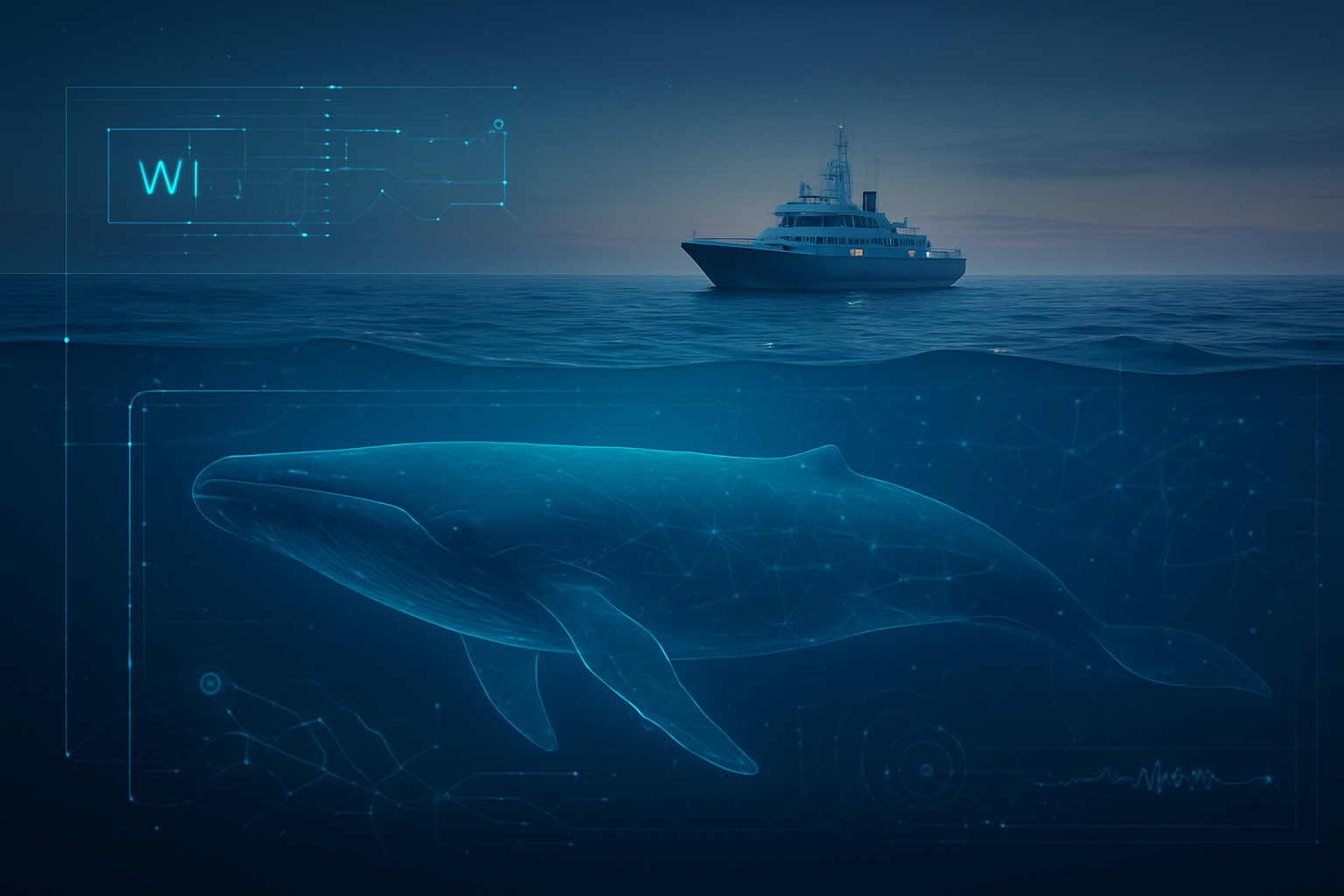
    WhaleSpotter is spearheading a monumental shift in marine conservation with its breakthrough AI-driven thermal detection technology, offering an unprecedented line of defense against deadly ship collisions. This cutting-edge system utilizes highly stabilized heat-sensing cameras mounted on vessels to scan the ocean's surface day and night. When a warm whale spout or body heat is detected against the cooler ocean, an advanced neural network, meticulously trained on millions of data snippets, analyzes the footage to confirm the presence of a whale. This AI is then augmented by a crucial human verification step, where remote experts double-check detections within seconds, ensuring zero false alarms and building critical trust with ship captains to prevent "alert fatigue." This "human-in-the-loop" approach is a significant differentiator, allowing WhaleSpotter to reliably detect marine mammals up to seven kilometers away, even outperforming traditional human observers.

    The immediate significance of this technological leap for environmental conservation is profound. Ship strikes are a leading cause of injury and death for whales globally, particularly for critically endangered species such as the North Atlantic right whale, with fewer than 370 individuals remaining. By providing real-time, verified alerts to ship captains, WhaleSpotter empowers them to alter course and avoid what would otherwise be fatal encounters, directly contributing to the survival of these vulnerable populations. The system's ability to operate around the clock, independent of ambient light, dramatically increases detection opportunities, especially at night when many whales are more active near the surface. With a remarkable increase from 78 detections in its first year (2019) to over 51,000 in 2024, WhaleSpotter is not only proving its efficacy but also laying the groundwork for a vast, interconnected global network that promises to safeguard marine life on an unprecedented scale.

    The Technical Marvel: AI, Thermal Imaging, and Human Oversight

    WhaleSpotter's core AI advancement lies in its sophisticated neural network, meticulously trained on millions of data snippets to analyze footage from highly stabilized heat-sensing cameras. These cameras, mounted on vessels, detect the warm breath (spouts) of whales against the cooler ocean mist. What truly sets WhaleSpotter apart is its "human-in-the-loop" verification system. Once the AI identifies a potential whale, an alert is sent to a remote human expert who verifies the detection within 15 seconds, with the confirmed alert reaching the ship's captain within one minute. This crucial step ensures a 99.9% detection rate with a guarantee of zero false positives, a critical factor in preventing "alert fatigue" among ship crews and fostering trust in the system. The AI algorithms are specifically designed to filter out environmental noise like waves, birds, and other vessels, focusing solely on the thermal signatures characteristic of whales.

    Technically, the WhaleSpotter system is a compact, shoebox-sized solution easily mounted on a ship's deck. Its capabilities are impressive: it can reliably detect whales up to 6 kilometers, with some reports indicating up to 7 kilometers, providing ample time for large commercial vessels to alter course. A key advantage is its reliance on thermal imaging (infrared radiation), enabling effective operation both day and night, regardless of ambient light or visibility conditions—a significant improvement over visual observation methods. This 24/7 monitoring capability and real-time alerts empower ship crews to proactively avoid collisions.

    This approach marks a significant departure from previous whale detection strategies. While other AI-powered thermal detection systems exist, WhaleSpotter's "purpose-built for marine conservation" design and its human verification step are crucial differentiators. Traditional methods, often relying on human observers, are limited by light, weather, and human factors, leading to inconsistent results. WhaleSpotter's continuous, high-accuracy detection provides a real-time, proactive solution, addressing a gap in previous strategies that primarily focused on route shifting or speed reduction.

    Initial reactions from both the AI research community and industry experts have been overwhelmingly positive. Matson Navigation Company (NYSE: MATX), a prominent container shipping firm, announced a partnership with WhaleSpotter in November 2025, becoming the first container shipping company to deploy this advanced technology. Matson's Chairman and CEO, Matt Cox, praised the technology as "remarkable" and refined to meet "zero-false-alert requirements," highlighting the enthusiasm of their crews for its use. This partnership followed a $1 million research grant from Matson to Woods Hole Oceanographic Institution (WHOI), where the technology was developed. Marine biologists, like John Calambokidis of the Cascadia Research Collective, emphasize the system's importance as a crucial, multi-pronged approach to prevent ship-whale collisions, particularly for endangered species like the North Atlantic right whale. The global WhaleSpotter network recorded over 51,000 marine mammal detections in 2024, showcasing its rapidly expanding impact. Daniel Zitterbart, WhaleSpotter's lead scientist, envisions a future where widespread adoption creates a vast, interconnected network for real-time data, further enhancing marine mammal protection. The company, spun off from WHOI in 2024 by Shawn Henry, CEO, and Sebastian Richter, co-developer of the AI algorithm, stands on over 15 years of robust scientific research.

    Competitive Implications and Market Dynamics in AI Conservation

    WhaleSpotter's breakthrough, leveraging AI-powered thermal imaging and human verification, is poised to significantly impact the maritime industry and the broader technology landscape, particularly in the 2024-2025 timeframe. Having spun off as a for-profit company in 2024 from the Woods Hole Oceanographic Institution (WHOI), WhaleSpotter's focus on preventing ship-whale collisions through real-time alerts creates new competitive dynamics.

    AI companies stand to benefit significantly from the advancements pioneered by WhaleSpotter. This technology exemplifies the growing "AI for Good" movement, opening new application domains in environmental monitoring and conservation. Companies with expertise in real-time object detection, thermal image analysis, and robust machine learning models for challenging environmental conditions will be in high demand. The need for AI systems that can reliably filter out noise (waves, birds, other vessels) while accurately identifying marine mammals presents complex R&D opportunities. Furthermore, the envisioned network of hundreds of vessels sharing real-time detection data will require substantial cloud computing resources for data storage, advanced analytics, and continuous AI model refinement, creating opportunities for major cloud providers such as Google Cloud, Amazon Web Services (AWS) (NASDAQ: AMZN), and Microsoft Azure (NASDAQ: MSFT).

    Tech giants are likely to engage with WhaleSpotter's technology in several ways. Beyond providing scalable cloud infrastructure, companies involved in advanced sensor technology could collaborate on developing next-generation thermal cameras and ruggedized edge computing devices optimized for maritime use. As the technology matures, strategic partnerships or acquisitions of companies like WhaleSpotter could integrate whale detection into broader maritime logistics platforms or environmental intelligence services, enhancing corporate social responsibility (CSR) profiles and expanding into new vertical markets. Companies strong in geospatial data and mapping could also integrate WhaleSpotter's real-time whale detection data into maritime navigation systems.

    For startups, WhaleSpotter's success highlights opportunities for new ventures focusing on niche maritime technologies, such as improved sensor stabilization, long-range communication for remote ocean areas, or advanced data compression for real-time transmission. While WhaleSpotter emphasizes its "purpose-built for marine conservation" and human verification, other companies like Awarion and SEA.AI already offer similar AI-powered thermal detection systems, creating a competitive environment where differentiation through accuracy, cost-effectiveness, and unique features is key. The "AI for Ocean" movement could also inspire startups to leverage similar technologies for broader ocean health monitoring, illegal fishing detection, or climate change impact assessment. WhaleSpotter's vision of a vast, interconnected network where hundreds of vessels share real-time data could create a significant competitive barrier, offering unparalleled situational awareness that would be difficult for individual, non-networked systems to match.

    The technology also places pressure on less reliable or reactive whale avoidance strategies, pushing for more proactive and real-time solutions. Existing vessel navigation and safety systems may need to integrate real-time whale detection capabilities to remain competitive, potentially disrupting providers offering less sophisticated collision avoidance tools. WhaleSpotter's strategic advantage lies in its "human-verified for zero false-positive alerts" guarantee, which builds trust with ship captains. Its origin from WHOI provides strong scientific credibility and a clear conservation mission. The partnership with Matson Navigation Company (NYSE: MATX) in November 2025, involving a $1 million grant and deployment of units, positions Matson as a leader in adopting advanced marine protection technology and gives WhaleSpotter a critical foothold in the large commercial vessel market. For shipping companies, adopting WhaleSpotter provides significant ESG (Environmental, Social, and Governance) benefits, enhances corporate reputation, and proactively addresses growing regulatory pressures to protect marine life.

    Wider Significance: AI's Role in a Healthier Ocean

    WhaleSpotter's breakthrough, prominently emerging in 2024-2025, represents a significant advancement in applied artificial intelligence with wide-ranging implications for marine conservation, the shipping industry, and the broader AI landscape. Its primary impact is the direct reduction of whale mortality due to vessel strikes, which account for thousands of deaths annually. This is particularly vital for critically endangered species, such as the North Atlantic right whale, where every individual saved contributes significantly to species survival, offering a proactive solution that complements existing conservation strategies.

    This technology fits squarely within several key AI trends observed in 2024-2025. It is a prime example of the "AI for Environmental Sustainability" market, which is experiencing rapid growth, projected to reach USD 100.3 billion by 2034 from USD 17.2 billion in 2024. WhaleSpotter aligns with broader efforts to use AI for habitat monitoring, wildlife protection, and climate change mitigation. The system relies on sophisticated computer vision and deep learning algorithms to process thermal imagery, reflecting the continued maturity and real-world applicability of these AI subfields. Furthermore, the deployment of AI on ships for immediate analysis and alerts demonstrates the increasing capability of real-time AI processing and advancements in edge computing.

    The critical inclusion of human experts for verifying AI detections highlights a growing trend in responsible AI deployment, known as "human-in-the-loop AI." This hybrid approach ensures high accuracy ("zero false-positive alerts") and builds trust, especially in high-stakes applications where errors can have significant consequences. This approach contrasts with some earlier AI developments that perhaps over-prioritized full automation without sufficient consideration for fail-safes and human integration. WhaleSpotter also contributes to data-driven conservation, as its expanding network generates an immense volume of real-time whale detection data, which can improve understanding of whale migration patterns, distribution, and behavior, informing broader scientific research.

    While offering immense positive impacts on marine conservation and maritime safety, the wider deployment of such AI systems also implicitly brings to light ongoing discussions around ethical AI development. Potential concerns, generally applicable to AI in environmental monitoring, include algorithmic bias if training data is not diverse, leading to skewed outcomes. The energy consumption and electronic waste associated with developing and deploying AI infrastructure are also considerations, although efforts are underway by companies like Google (NASDAQ: GOOGL) and Microsoft (NASDAQ: MSFT) to reduce AI's carbon footprint. Over-reliance on AI outputs without understanding contextual factors and questions of data privacy and ownership are also important considerations as these systems become more widespread.

    Compared to previous AI milestones, WhaleSpotter builds upon foundational breakthroughs in computer vision by adapting these techniques to a complex and dynamic natural environment. Unlike general AI breakthroughs such as AlphaGo or large language models like GPT, WhaleSpotter represents a highly specialized, applied AI solution whose significance lies in its direct and measurable positive impact on a specific environmental problem. It reflects a maturation in AI deployment strategies, where practical application and human oversight are prioritized for reliability and trust in high-stakes environmental and safety applications. WhaleSpotter is part of a larger trend where AI is being increasingly leveraged for wildlife conservation, offering critical time for conservation action.

    Future Developments and the Horizon of Marine AI

    WhaleSpotter's technology, built on years of research, is poised for significant advancements beyond 2025, aiming to revolutionize marine mammal protection through enhanced automation, broader applications, and integrated data networks. In the near term, WhaleSpotter is focusing on expanding its commercial production units across a diverse range of vessels globally, including container ships, cruise ships, and research vessels. The significant partnership with Matson (NYSE: MATX) will see the technology deployed across their domestic fleet, following successful trials, with continuous refinement to meet the specific demands of large commercial vessels, ensuring consistent real-time alerts and achieving stringent "zero-false-alert requirements." The goal is to enable widespread real-time alerts for all vessels utilizing the technology, eventually sharing this collective detection information with ships not directly equipped with the system, forming an interconnected network for broader awareness.

    Looking further ahead, experts envision a future where hundreds of vessels equipped with WhaleSpotter technology contribute to a vast, interconnected network of whale detection data, offering unprecedented coverage and real-time insights into whale presence and movement across vast ocean areas. Continued breakthroughs in artificial intelligence and deep learning will further enhance detection accuracy, minimize false positives and negatives, and improve the ability to distinguish specific whale calls from ambient ocean noise. The integration of AI with diverse data streams, including acoustic data, satellite information, and oceanographic conditions, is expected to enable predictive capabilities. This would allow for the creation of "probability maps" that forecast whale movements and patterns, shifting from reactive detection to proactive avoidance strategies. The broader field is also moving towards multi-sensor fusion, integrating visual cameras, sonar, lidar, and radar to provide more comprehensive and robust detection capabilities.

    The evolving WhaleSpotter technology will have a wide array of applications. Beyond enhanced vessel strike mitigation, it can play a critical role in mitigating risks to whales during offshore wind farm construction and operation, informing dynamic management strategies. For natural resource exploration and subsea infrastructure projects, real-time detection can help minimize harm to marine mammals. The vast amounts of data collected will also be invaluable for scientific research, aiding in population monitoring, understanding migration routes, and assessing habitat use. Furthermore, the technology can be integrated with autonomous surface vehicles (ASVs) and drones to enhance passive acoustic monitoring and improve tracking efficiency.

    Despite this promising future, several challenges must be tackled. Acquiring sufficient high-quality, annotated imagery for AI training across diverse whale species and ocean conditions remains a significant hurdle. Maintaining near-zero false positives and negatives in dynamic, acoustically noisy environments is an ongoing challenge. Broadening the adoption of the technology across a cost-sensitive maritime industry also presents a challenge, despite the clear conservation benefits. For autonomous systems, performing complex AI-driven analysis with limited onboard processing power while maintaining high accuracy is a critical hurdle.

    Experts anticipate a rapid evolution in whale detection, with AI as its cornerstone, offering automated, real-time, and round-the-clock monitoring. Passive Acoustic Monitoring (PAM) will become an increasingly vital complementary tool. The shift towards predictive modeling will allow for proactive measures, with "probability maps" becoming crucial for various maritime industries. Greater collaboration and data sharing among research institutions, technology providers like WhaleSpotter, and maritime industries will be key to accelerating advancements. Autonomous drones and surface vehicles will also be increasingly utilized for data collection and collision avoidance. WhaleSpotter, by combining thermal imaging, AI, and human validation, is positioned to be a significant player in this future, contributing to a world where marine mammals and human maritime activities can coexist more safely.

    A New Era for Marine Conservation

    WhaleSpotter's groundbreaking whale detection technology represents a significant leap forward in marine conservation, leveraging advanced artificial intelligence to mitigate one of the most pressing threats to large marine mammals: ship collisions. The system, prominently advancing in 2024, is a revolutionary AI-powered solution designed to alert ship captains in real time to the presence of whales, enabling vessels to adjust course and prevent fatal accidents. Its core innovation lies in a neural network trained on millions of data snippets, analyzing footage from thermal cameras, augmented by a crucial human-in-the-loop verification process, where a remote expert confirms AI detections within seconds to ensure accuracy and prevent "alert fatigue." This hybrid approach is critical in applications where missing an animal is unacceptable. The technology has demonstrated impressive progress, recording over 51,000 marine mammal detections in 2024 alone, a substantial increase from its initial trials, and operates 24/7, addressing critical limitations of human observation.

    This development marks a pivotal moment in the history of AI, particularly within environmental monitoring and conservation. In 2024-2025, AI's role in conservation is rapidly expanding, and WhaleSpotter exemplifies the transition from theoretical AI applications to practical, real-world solutions with tangible conservation outcomes. Its significance stems from providing real-time, actionable intelligence that directly impacts operational decisions to prevent harm, a crucial advancement over retrospective analysis. The fusion of AI and human expertise highlights a mature understanding of AI's current limitations and the necessity of human judgment in high-stakes scenarios, setting a benchmark for responsible AI deployment. As the world faces complex ecological challenges, WhaleSpotter demonstrates AI's ability to help safeguard ecosystems and mitigate human-wildlife conflicts, contributing to the broader "AI in Environmental Sustainability" movement.

    The long-term impact of technologies like WhaleSpotter is poised to be transformative for ocean conservation. Widespread adoption could fundamentally reshape human interactions with marine ecosystems, leading to a drastic reduction in whale mortality due to vessel collisions and contributing directly to the recovery of endangered species like the North Atlantic right whale. The vast amounts of data collected by such a network will provide invaluable insights into whale migration patterns, behaviors, population dynamics, and responses to environmental changes, crucial for refining conservation strategies. WhaleSpotter's success could also catalyze the integration of AI with other marine monitoring technologies, creating a comprehensive "ocean intelligence" network. By making marine traffic safer for whales, the technology supports more sustainable maritime activities and can inform policy decisions, with a vision to expand information sharing to vessels not directly using the technology, creating a global network of whale detection data. However, the long-term impact also necessitates careful consideration of AI's environmental footprint and ethical standards in data collection and deployment.

    In the coming weeks and months, several key areas will be crucial to monitor. Watch for initiatives to scale up WhaleSpotter's deployment across more commercial and recreational vessels, potentially through partnerships with maritime industries and regulatory bodies, as its true power will be realized when hundreds of vessels utilize this technology. Expect to see further integration of AI detection capabilities with autonomous underwater vehicles (AUVs) and drones for persistent and less invasive marine monitoring. Advances in AI will likely lead to more sophisticated predictive models that forecast whale presence based on environmental conditions, oceanographic data, and historical patterns, moving beyond simply reacting to their presence. Keep an eye on new policy and regulatory frameworks, such as those highlighted in reports by the UK government, which will guide how such technologies are implemented and regulated. Finally, anticipate the expansion of these AI models to detect diverse marine species and address other threats like illegal fishing or pollution, while simultaneously focusing on making AI itself more sustainable. WhaleSpotter, as a representative of this new wave of AI in conservation, is not merely a technological advancement but a potential catalyst for empowering conservation stakeholders and strengthening their capacity to protect the planet's biodiversity.


    This content is intended for informational purposes only and represents analysis of current AI developments.

    TokenRing AI delivers enterprise-grade solutions for multi-agent AI workflow orchestration, AI-powered development tools, and seamless remote collaboration platforms.
    For more information, visit https://www.tokenring.ai/.
  • AI Takes Flight and Dives Deep: Bezos Earth Fund Fuels $4 Million in Conservation Innovation

    AI Takes Flight and Dives Deep: Bezos Earth Fund Fuels $4 Million in Conservation Innovation

    Seattle, WA – October 23, 2025 – In a landmark move poised to revolutionize global conservation efforts, the Bezos Earth Fund has awarded substantial Phase II grants, totaling up to $4 million, to the Wildlife Conservation Society (WCS) and the Cornell Lab of Ornithology. Each organization stands to receive up to $2 million to dramatically scale their pioneering artificial intelligence (AI) solutions for monitoring and protecting wildlife and natural ecosystems. These grants, part of the Bezos Earth Fund's ambitious AI Grand Challenge for Climate and Nature, underscore a growing commitment to harnessing advanced technology to combat biodiversity loss and bolster climate resilience worldwide.

    The infusion of capital will empower WCS to expand its MERMAID platform, an AI-driven system for coral reef monitoring, while the Cornell Lab of Ornithology will advance its bioacoustics network, leveraging AI to listen in on biodiversity hotspots and detect threats in real-time. This strategic investment highlights a critical turning point in conservation, shifting from labor-intensive, often localized efforts to scalable, data-driven approaches capable of addressing environmental crises with unprecedented speed and precision.

    Unpacking the Tech: AI's New Frontier in Nature

    The grants propel two distinct yet equally impactful AI innovations to the forefront of conservation technology. Both projects leverage sophisticated machine learning to tackle challenges previously deemed insurmountable due to sheer scale and complexity.

    The Wildlife Conservation Society (WCS) is scaling its MERMAID (Marine Ecological Research Management AID) platform, which uses AI to analyze benthic photo quadrats—images of the seafloor—to assess coral reef health. Launched in June 2025, MERMAID AI integrates machine learning directly into its workflows. Its core technology is a shared AI model, initially trained on over 500,000 public images, capable of identifying 54 different attributes, from broad benthic groups to 37 specific coral genera, with a promising accuracy of 82%. Built on Amazon Web Services (AWS) (NASDAQ: AMZN) cloud-native infrastructure, MERMAID utilizes Amazon S3 for image hosting, Amazon ECS for processing, Amazon RDS PostgreSQL for its database, and AWS SageMaker for hosting continuously improving AI models. This open-source platform, already used by over 3,000 individuals in 52 countries, dramatically accelerates analysis, processing data at least 200 times faster and at approximately 1% of the cost of traditional manual methods. It standardizes data input and integrates imagery analysis with other ecological data, freeing scientists to focus on management. Initial reactions from WCS field teams in Mozambique confirm significant streamlining of workflows, transforming multi-day tasks into single steps and enabling more accurate, optimistic predictions for coral reef futures by capturing ecosystem complexity better than traditional models.

    Meanwhile, the Cornell Lab of Ornithology is revolutionizing biodiversity monitoring through its "Sound Sense: Global Wildlife Listening Network," leveraging advanced bioacoustics and AI. Their project, supported by a $1.8 million grant, focuses on developing sophisticated acoustic sensors combined with AI analytics to identify species and detect real-time threats like poaching in biodiversity hotspots, particularly in the Global South. The Lab's K. Lisa Yang Center for Conservation Bioacoustics employs tools like BirdNET, an artificial neural network trained to classify over 6,000 bird species from audio signals converted into spectrograms. They also utilize the Koogu toolkit, an open-source deep learning solution for bio-acousticians, and the Perch Model, developed with Google Research (NASDAQ: GOOGL), which uses vector search and active learning to rapidly build new classifiers from even a single sound example. This AI-powered approach allows continuous, large-scale monitoring over vast areas with minimal disturbance, processing thousands of hours of audio in minutes—a task previously impossible due to the sheer volume of data. Unlike traditional methods that could only analyze about 1% of collected audio, AI enables comprehensive analysis, providing deeper insights into animal activity, population changes, and ecosystem health. Experts hail this as a "paradigm shift," unlocking new avenues for studying and understanding wildlife populations and the causes of their decline.

    Tech Titans and Startups: A New Green Horizon

    The Bezos Earth Fund's grants act as a significant catalyst, shaping a rapidly expanding market for AI in wildlife conservation. Valued at $1.8 billion in 2023, this market is projected to skyrocket to $16.5 billion by 2032, presenting immense opportunities for various tech entities.

    Cloud computing providers stand to benefit immensely. WCS's reliance on AWS for its MERMAID platform, utilizing services like S3, ECS, RDS PostgreSQL, and SageMaker, exemplifies this. Given Jeff Bezos's ties to Amazon, AWS is likely to remain a preferred partner, but other giants like Google.org and Microsoft Research (NASDAQ: MSFT), who offered mentorship during Phase I, are also poised to contribute their cloud and AI services. This solidifies their strategic positioning in the "AI for Good" space, aligning with growing ESG commitments.

    AI hardware manufacturers will see increased demand for specialized equipment. Companies producing acoustic sensors, camera traps, drones, and edge AI devices will be crucial. The Cornell Lab's focus on advanced acoustic sensors for real-time threat detection directly fuels this segment. Similarly, AI software and platform developers specializing in machine learning, computer vision, bioacoustic analysis, and predictive modeling will find new avenues. Firms offering AI development platforms, data analytics tools, and image recognition software will be key partners, potentially disrupting traditional monitoring equipment markets that lack integrated AI.

    The grants also create a fertile ground for specialized AI startups. Agile firms with expertise in niche areas like marine computer vision or bioacoustics can partner with larger organizations or develop bespoke solutions, potentially leading to acquisitions or strategic collaborations. This accelerated development in conservation AI provides a real-world proving ground for AI and cloud platforms, allowing tech giants to showcase their capabilities in challenging environments and attract future clients. Furthermore, involvement in these projects grants access to unique environmental datasets, a significant competitive advantage for training and improving AI models.

    Wider Implications: AI for a Sustainable Future

    These advancements in conservation AI represent a pivotal moment in the broader AI landscape, signaling a maturation of the technology beyond commercial applications to address critical global challenges.

    The projects exemplify the evolution of AI from general-purpose intelligence to specialized "AI for Good" applications. Similar to how AI revolutionized fields like finance and healthcare by processing vast datasets, these conservation initiatives are transforming ecology and wildlife biology into "big data" sciences. This enables unprecedented scalability and efficiency in monitoring, providing real-time insights into ecosystem health, detecting illegal activities, and informing proactive interventions against poaching and deforestation. WCS's goal to monitor 100% of the world's coral reefs by 2030, and Cornell Lab's ability to analyze vast soundscapes for early threat detection, underscore AI's capacity to bridge the gap between data and actionable conservation strategies.

    However, the proliferation of AI in conservation also raises important ethical considerations. Concerns about privacy and surveillance arise from extensive data collection that might inadvertently capture human activities, particularly impacting local and indigenous communities. Algorithmic bias, if trained on incomplete datasets, could lead to misidentifications or inaccurate threat predictions. Issues of data sovereignty and consent are paramount, demanding careful consideration of data ownership and equitable benefit sharing. Furthermore, the environmental cost of AI itself, through the energy consumption of large models and data centers, necessitates a careful balance to ensure the benefits outweigh the carbon footprint. There is also a nascent concern around "AI colonialism," where data from the Global South could be extracted to train models in the Global North, potentially perpetuating existing inequities.

    Despite these challenges, the practical utility demonstrated by these projects positions them as significant milestones, comparable to AI's breakthroughs in areas like medical image analysis or cybersecurity threat detection. They underscore a societal shift towards leveraging AI as a vital tool for planetary stewardship, moving from academic research to direct, tangible impact on global environmental challenges.

    The Horizon: What's Next for Conservation AI

    The future of AI in wildlife conservation, supercharged by grants like those from the Bezos Earth Fund, promises a rapid acceleration of capabilities and applications, though not without its challenges.

    In the near term, we can expect enhanced species identification with improved computer vision models (e.g., Ultralytics YOLOv8), leading to more accurate classification from camera traps and drones. Real-time data processing, increasingly leveraging edge computing, will become standard, significantly reducing analysis time for conservationists. AI systems will also grow more sophisticated in anti-poaching and illegal wildlife trade detection, using surveillance and natural language processing to monitor illicit activities. The integration of AI with citizen science initiatives will expand, allowing global participation in data collection that AI can then analyze.

    Looking long-term, autonomous drones and robotics are expected to perform complex tasks like animal tracking and environmental monitoring with minimal human intervention. Multimodal AI systems, capable of analyzing images, audio, video, and environmental sensor data simultaneously, will provide comprehensive predictions of biodiversity loss and improve strategies for human-wildlife conflict mitigation. AI will play a greater role in conservation planning and policy, optimizing protected area locations and restoration efforts. Experts even predict the unveiling of "dark diversity"—previously unidentified species—through novel category discovery models. Ultimately, a global network of sensors, continuously feeding data to sophisticated AI, could provide a dynamic, real-time picture of planetary health.

    However, significant challenges remain. Data limitations—the scarcity of high-quality, labeled datasets in remote regions—is a primary hurdle. Financial barriers for implementing and maintaining expensive AI systems, coupled with a lack of technological infrastructure and expertise in many conservation areas, slow adoption. Addressing algorithmic bias and ensuring ethical deployment (privacy, consent, equitable access) will be crucial for public trust and effective long-term impact. The environmental footprint of AI itself must also be managed responsibly.

    Experts predict that AI will continue to be an indispensable tool, augmenting human efforts through advancements in computational power, machine learning algorithms, and sensor technologies. WCS's MERMAID aims to integrate global citizen science apps, build an open-source AI model for over 100 coral species, and generate real-time maps of climate-resilient reefs, striving to monitor 100% of global reefs within a decade. The Cornell Lab's bioacoustics project will develop cutting-edge technology to monitor wildlife and detect threats in the Global South, aiming to unlock scalable approaches to understand and reverse species declines.

    Wrapping Up: A New Era for Earth's Defenders

    The Bezos Earth Fund's multi-million dollar grants to the Wildlife Conservation Society and the Cornell Lab of Ornithology mark a profound shift in the battle for Earth's biodiversity. By empowering these leading institutions with significant funding for AI innovation, the initiative solidifies AI's role as a critical ally in conservation, transforming how we monitor, protect, and understand the natural world.

    The key takeaway is the unprecedented scalability and precision that AI brings to conservation. From autonomously identifying coral species at speed to listening for elusive wildlife and detecting threats in vast forests, AI is enabling conservationists to operate at a scale previously unimaginable. This represents a significant milestone in AI history, moving beyond computational feats to direct, tangible impact on global environmental challenges.

    The long-term impact promises a future where conservation decisions are driven by real-time, comprehensive data, leading to more effective interventions and a greater chance of preserving endangered species and ecosystems. However, the journey will require continuous innovation, robust ethical frameworks, and collaborative efforts to overcome challenges in data, infrastructure, and equitable access.

    In the coming weeks and months, watch for the initial deployments and expanded capabilities of MERMAID and the Cornell Lab's bioacoustics network. Their progress will serve as a bellwether for the broader adoption and effectiveness of AI in conservation, shaping a new era where technology actively defends the planet.


    This content is intended for informational purposes only and represents analysis of current AI developments.

    TokenRing AI delivers enterprise-grade solutions for multi-agent AI workflow orchestration, AI-powered development tools, and seamless remote collaboration platforms.
    For more information, visit https://www.tokenring.ai/.