Tag: Copilot

  • Microsoft’s $9.7 Billion NVIDIA GPU Power Play: Fueling the AI Future with Copilot and Azure AI

    Microsoft’s $9.7 Billion NVIDIA GPU Power Play: Fueling the AI Future with Copilot and Azure AI

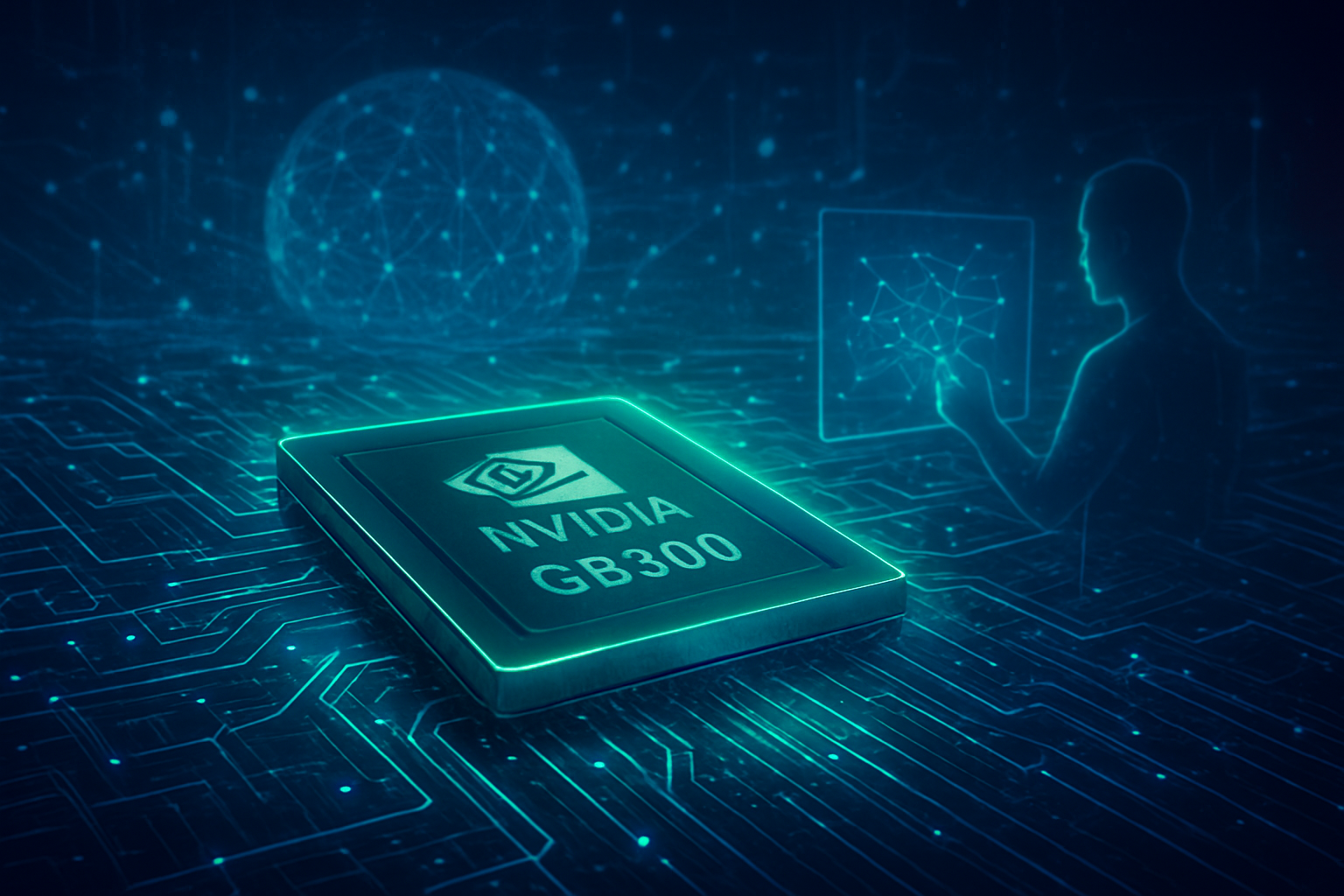
    In a strategic move set to redefine the landscape of artificial intelligence, Microsoft (NASDAQ: MSFT) has committed a staggering $9.7 billion to secure access to NVIDIA's (NASDAQ: NVDA) next-generation GB300 AI processors. Announced in early November 2025, this colossal multi-year investment, primarily facilitated through a partnership with AI infrastructure provider IREN (formerly Iris Energy), is a direct response to the insatiable global demand for AI compute power. The deal aims to significantly bolster Microsoft's AI infrastructure, providing the critical backbone for the rapid expansion and advancement of its flagship AI assistant, Copilot, and its burgeoning cloud-based artificial intelligence services, Azure AI.

    This massive procurement of cutting-edge GPUs is more than just a hardware acquisition; it’s a foundational pillar in Microsoft's overarching strategy to achieve "end-to-end AI stack ownership." By securing a substantial allocation of NVIDIA's most advanced chips, Microsoft is positioning itself to accelerate the development and deployment of increasingly complex large language models (LLMs) and other sophisticated AI capabilities, ensuring its competitive edge in the fiercely contested AI arena.

    NVIDIA's GB300: The Engine of Next-Gen AI

    Microsoft's $9.7 billion investment grants it access to NVIDIA's groundbreaking GB300 GPUs, a cornerstone of the Blackwell Ultra architecture and the larger GB300 NVL72 system. These processors represent a monumental leap forward from previous generations like the H100 and A100, specifically engineered to handle the demanding workloads of modern AI, particularly large language models and hyperscale cloud AI services.

    The NVIDIA GB300 GPU is a marvel of engineering, integrating two silicon chips with a combined 208 billion transistors, functioning as a single unified GPU. Each GB300 boasts 20,480 CUDA cores and 640 fifth-generation Tensor Cores, alongside a staggering 288 GB of HBM3e memory, delivering an impressive 8 TB/s of memory bandwidth. A key innovation is the introduction of the NVFP4 precision format, offering memory efficiency comparable to FP8 while maintaining high accuracy, crucial for trillion-parameter models. The fifth-generation NVLink provides 1.8 TB/s of bidirectional bandwidth per GPU, dramatically enhancing multi-GPU communication.

    When deployed within the GB300 NVL72 rack-scale system, the capabilities are even more profound. Each liquid-cooled rack integrates 72 NVIDIA Blackwell Ultra GPUs and 36 Arm-based NVIDIA Grace CPUs, totaling 21 TB of HBM3e memory and delivering up to 1.4 ExaFLOPS of FP4 AI performance. This system offers up to a 50x increase in overall AI factory output performance for reasoning tasks compared to Hopper-based platforms, translating to a 10x boost in user responsiveness and a 5x improvement in throughput per megawatt. This drastic improvement in compute power, memory capacity, and interconnectivity is vital for running the massive, context-rich LLMs that underpin services like Azure AI and Copilot, enabling real-time interactions with highly complex models at an unprecedented scale.

    Reshaping the AI Competitive Landscape

    Microsoft's colossal investment in NVIDIA's GB300 GPUs is poised to significantly redraw the battle lines in the AI industry, creating both immense opportunities and formidable challenges across the ecosystem.

    For Microsoft (NASDAQ: MSFT) itself, this move solidifies its position as a preeminent AI infrastructure provider. By securing a vast supply of the most advanced AI accelerators, Microsoft can rapidly scale its Azure AI services and enhance its Copilot offerings, providing unparalleled computational power for its partners, including OpenAI, and its vast customer base. This strategic advantage enables Microsoft to accelerate AI development, deploy more sophisticated models faster, and offer cutting-edge AI solutions that were previously unattainable. NVIDIA (NASDAQ: NVDA), in turn, further entrenches its market dominance in AI hardware, with soaring demand and revenue driven by such large-scale procurements.

    The competitive implications for other tech giants are substantial. Rivals like Amazon (NASDAQ: AMZN) with AWS, and Alphabet (NASDAQ: GOOGL) with Google Cloud, face intensified pressure to match Microsoft's compute capabilities. This escalates the "AI arms race," compelling them to make equally massive investments in advanced AI infrastructure, secure their own allocations of NVIDIA's latest chips, and continue developing proprietary AI silicon to reduce dependency and optimize their stacks. Oracle (NYSE: ORCL) is also actively deploying thousands of NVIDIA Blackwell GPUs, aiming to build one of the world's largest Blackwell clusters to support next-generation AI agents.

    For AI startups, the landscape becomes more challenging. The astronomical capital requirements for acquiring and deploying cutting-edge hardware like the GB300 create significant barriers to entry, potentially concentrating advanced compute resources in the hands of a few well-funded tech giants. While cloud providers offer compute credits, sustained access to high-end GPUs beyond these programs can be prohibitive. However, opportunities may emerge for startups specializing in highly optimized AI software, niche hardware for edge AI, or specialized services that help enterprises leverage these powerful cloud-based AI infrastructures more effectively. The increased performance will also accelerate the development of more sophisticated AI applications, potentially disrupting existing products that rely on less powerful hardware or older AI models, fostering a rapid refresh cycle for AI-driven solutions.

    The Broader AI Significance and Emerging Concerns

    Microsoft's $9.7 billion investment in NVIDIA GB300 GPUs transcends a mere business transaction; it is a profound indicator of the current trajectory and future challenges of the broader AI landscape. This deal underscores a critical trend: access to cutting-edge compute power is becoming as vital as algorithmic innovation in driving AI progress, marking a decisive shift towards an infrastructure-intensive AI industry.

    This investment fits squarely into the ongoing "AI arms race" among hyperscalers, where companies are aggressively stockpiling GPUs and expanding data centers to fuel their AI ambitions. It solidifies NVIDIA's unparalleled dominance in the AI hardware market, as its Blackwell architecture is now considered indispensable for large-scale AI workloads. The sheer computational power of the GB300 will accelerate the development and deployment of frontier AI models, including highly sophisticated generative AI, multimodal AI, and increasingly intelligent AI agents, pushing the boundaries of what AI can achieve. For Azure AI, it ensures Microsoft remains a leading cloud provider for demanding AI workloads, offering an enterprise-grade platform for building and scaling AI applications.

    However, this massive concentration of compute power raises significant concerns. The increasing centralization of AI development and access within a few tech giants could stifle innovation from smaller players, create high barriers to entry, and potentially lead to monopolistic control over AI's future. More critically, the energy consumption of these AI "factories" is a growing environmental concern. Training LLMs requires thousands of GPUs running continuously for months, consuming immense amounts of electricity for computation and cooling. Projections suggest data centers could account for 20% of global electricity use by 2030-2035, placing immense strain on power grids and exacerbating climate change, despite efficiency gains from liquid cooling. Additionally, the rapid obsolescence of hardware contributes to a mounting e-waste problem and resource depletion.

    Comparing this to previous AI milestones, Microsoft's investment signals a new era. While early AI milestones like the Perceptron or Deep Blue showcased theoretical possibilities and specific task mastery, and the rise of deep learning laid the groundwork, the current era, epitomized by GPT-3 and generative AI, demands unprecedented physical infrastructure. This investment is a direct response to the computational demands of trillion-parameter models, signifying that AI is no longer just about conceptual breakthroughs but about building the vast, energy-intensive physical infrastructure required for widespread commercial and societal integration.

    The Horizon of AI: Future Developments and Challenges

    Microsoft's $9.7 billion commitment to NVIDIA's GB300 GPUs is not merely about current capabilities but about charting the future course of AI, promising transformative developments for Azure AI and Copilot while highlighting critical challenges that lie ahead.

    In the near term, we can expect to see the full realization of the performance gains promised by the GB300. Azure (NASDAQ: MSFT) is already integrating NVIDIA's GB200 Blackwell GPUs, with its ND GB200 v6 Virtual Machines demonstrating record inference performance. This translates to significantly faster training and deployment of generative AI applications, enhanced productivity for Copilot for Microsoft 365, and the accelerated development of industry-specific AI solutions across healthcare, manufacturing, and energy sectors. NVIDIA NIM microservices will also become more deeply integrated into Azure AI Foundry, streamlining the deployment of generative AI applications and agents.

    Longer term, this investment is foundational for Microsoft's ambitious goals in reasoning and agentic AI. The expanded infrastructure will be critical for developing AI systems capable of complex planning, real-time adaptation, and autonomous task execution. Microsoft's MAI Superintelligence Team, dedicated to researching superintelligence, will leverage this compute power to push the boundaries of AI far beyond current capabilities. Beyond NVIDIA hardware, Microsoft is also investing in its own custom silicon, such as the Azure Integrated HSM and Data Processing Units (DPUs), to optimize its "end-to-end AI stack ownership" and achieve unparalleled performance and efficiency across its global network of AI-optimized data centers.

    However, the path forward is not without hurdles. Reports have indicated overheating issues and production delays with NVIDIA's Blackwell chips and crucial copper cables, highlighting the complexities of manufacturing and deploying such cutting-edge technology. The immense cooling and power demands of these new GPUs will continue to pose significant infrastructure challenges, requiring Microsoft to prioritize deployment in cooler climates and continue innovating in data center design. Supply chain constraints for advanced nodes and high-bandwidth memory (HBM) remain a persistent concern, exacerbated by geopolitical risks. Furthermore, effectively managing and orchestrating these complex, multi-node GPU systems requires sophisticated software optimization and robust data management services. Experts predict an explosive growth in AI infrastructure investment, potentially reaching $3-$4 trillion by 2030, with AI expected to drive a $15 trillion boost to global GDP. The rise of agentic AI and continued dominance of NVIDIA, alongside hyperscaler custom chips, are also anticipated, further intensifying the AI arms race.

    A Defining Moment in AI History

    Microsoft's $9.7 billion investment in NVIDIA's GB300 GPUs stands as a defining moment in the history of artificial intelligence, underscoring the critical importance of raw computational power in the current era of generative AI and large language models. This colossal financial commitment ensures that Microsoft (NASDAQ: MSFT) will remain at the forefront of AI innovation, providing the essential infrastructure for its Azure AI services and the transformative capabilities of Copilot.

    The key takeaway is clear: the future of AI is deeply intertwined with the ability to deploy and manage hyperscale compute. This investment not only fortifies Microsoft's strategic partnership with NVIDIA (NASDAQ: NVDA) but also intensifies the global "AI arms race," compelling other tech giants to accelerate their own infrastructure build-outs. While promising unprecedented advancements in AI capabilities, from hyper-personalized assistants to sophisticated agentic AI, it also brings into sharp focus critical concerns around compute centralization, vast energy consumption, and the sustainability of this rapid technological expansion.

    As AI transitions from a research-intensive field to an infrastructure-intensive industry, access to cutting-edge GPUs like the GB300 becomes the ultimate differentiator. This development signifies that the race for AI dominance will be won not just by superior algorithms, but by superior compute. In the coming weeks and months, the industry will be watching closely to see how Microsoft leverages this immense investment to accelerate its AI offerings, how competitors respond, and how the broader implications for energy, ethics, and accessibility unfold.


    This content is intended for informational purposes only and represents analysis of current AI developments.

    TokenRing AI delivers enterprise-grade solutions for multi-agent AI workflow orchestration, AI-powered development tools, and seamless remote collaboration platforms.
    For more information, visit https://www.tokenring.ai/.

  • AI Assistants Flunk News Integrity Test: Study Reveals Issues in Nearly Half of Responses, Threatening Public Trust

    AI Assistants Flunk News Integrity Test: Study Reveals Issues in Nearly Half of Responses, Threatening Public Trust

    A groundbreaking international study has cast a long shadow over the reliability of artificial intelligence assistants, revealing that a staggering 45% of their responses to news-related queries contain at least one significant issue. Coordinated by the European Broadcasting Union (EBU) and led by the British Broadcasting Corporation (BBC), the "News Integrity in AI Assistants" study exposes systemic failures across leading AI platforms, raising urgent concerns about the erosion of public trust in information and the very foundations of democratic participation. This comprehensive assessment serves as a critical wake-up call, demanding immediate accountability from AI developers and robust oversight from regulators to safeguard the integrity of the information ecosystem.

    Unpacking the Flaws: Technical Deep Dive into AI's Information Integrity Crisis

    The "News Integrity in AI Assistants" study represents an unprecedented collaborative effort, involving 22 public service media organizations from 18 countries, evaluating AI assistant performance in 14 different languages. Researchers meticulously assessed approximately 3,000 responses generated by prominent AI models, including OpenAI's (NASDAQ: MSFT) ChatGPT, Microsoft's (NASDAQ: MSFT) Copilot, Alphabet's (NASDAQ: GOOGL) Gemini, and the privately-owned Perplexity AI. The findings paint a concerning picture of AI's current capabilities in handling dynamic and nuanced news content.

    The most prevalent technical shortcoming identified was in sourcing, with 31% of responses exhibiting significant problems. These issues ranged from information not supported by cited sources, incorrect attribution, and misleading source references, to a complete absence of any verifiable origin for the generated content. Beyond sourcing, approximately 20% of responses suffered from major accuracy deficiencies, including factual errors and fabricated details. For instance, the study cited instances where Google's Gemini incorrectly described changes to a law on disposable vapes, and ChatGPT erroneously reported Pope Francis as the current Pope months after his actual death – a clear indication of outdated training data or hallucination. Furthermore, about 14% of responses were flagged for a lack of sufficient context, potentially leading users to an incomplete or skewed understanding of complex news events.

    A particularly alarming finding was the pervasive "over-confidence bias" exhibited by these AI assistants. Despite their high error rates, the models rarely admitted when they lacked information, attempting to answer almost all questions posed. A minuscule 0.5% of over 3,100 questions resulted in a refusal to answer, underscoreing a tendency to confidently generate responses regardless of data quality. This contrasts sharply with previous AI advancements focused on narrow tasks where clear success metrics are available. While AI has excelled in areas like image recognition or game playing with defined rules, the synthesis and accurate sourcing of real-time, complex news presents a far more intricate challenge that current general-purpose LLMs appear ill-equipped to handle reliably. Initial reactions from the AI research community echo the EBU's call for greater accountability, with many emphasizing the urgent need for advancements in AI's ability to verify information and provide transparent provenance.

    Competitive Ripples: How AI's Trust Deficit Impacts Tech Giants and Startups

    The revelations from the EBU/BBC study send significant competitive ripples through the AI industry, directly impacting major players like OpenAI (NASDAQ: MSFT), Microsoft (NASDAQ: MSFT), Alphabet (NASDAQ: GOOGL), and emerging startups like Perplexity AI. The study specifically highlighted Alphabet's Gemini as demonstrating the highest frequency of significant issues, with 76% of its responses containing problems, primarily due to poor sourcing performance in 72% of its results. This stark differentiation in performance could significantly shift market positioning and user perception.

    Companies that can demonstrably improve the accuracy, sourcing, and contextual integrity of their AI assistants for news-related queries stand to gain a considerable strategic advantage. The "race to deploy" powerful AI models may now pivot towards a "race to responsible deployment," where reliability and trustworthiness become paramount differentiators. This could lead to increased investment in advanced fact-checking mechanisms, tighter integration with reputable news organizations, and the development of more sophisticated grounding techniques for large language models. The study's findings also pose a potential disruption to existing products and services that increasingly rely on AI for information synthesis, such as news aggregators, research tools, and even legal or cybersecurity platforms where precision is non-negotiable.

    For startups like Perplexity AI, which positions itself as an "answer engine" with strong citation capabilities, the study presents both a challenge and an opportunity. While their models were also assessed, the overall findings underscore the difficulty even for specialized AI in consistently delivering flawless, verifiable information. However, if such companies can demonstrate a significantly higher standard of news integrity compared to general-purpose conversational AIs, they could carve out a crucial niche. The competitive landscape will likely see intensified efforts to build "trust layers" into AI, with potential partnerships between AI developers and journalistic institutions becoming more common, aiming to restore and build user confidence.

    Broader Implications: Navigating the AI Landscape of Trust and Misinformation

    The EBU/BBC study's findings resonate deeply within the broader AI landscape, amplifying existing concerns about the pervasive problem of "hallucinations" and the challenge of grounding large language models (LLMs) in verifiable, timely information. This isn't merely about occasional factual errors; it's about the systemic integrity of information synthesis, particularly in a domain as critical as news and current events. The study underscores that while AI has made monumental strides in various cognitive tasks, its ability to act as a reliable, unbiased, and accurate purveyor of complex, real-world information remains severely underdeveloped.

    The impacts are far-reaching. The erosion of public trust in AI-generated news poses a direct threat to democratic participation, as highlighted by Jean Philip De Tender, EBU's Media Director, who stated, "when people don't know what to trust, they end up trusting nothing at all." This can lead to increased polarization, the spread of misinformation and disinformation, and the potential for "cognitive offloading," where individuals become less adept at independent critical thinking due to over-reliance on flawed AI. For professionals in fields requiring precision – from legal research and medical diagnostics to cybersecurity and financial analysis – the study raises urgent questions about the reliability of AI tools currently being integrated into daily workflows.

    Comparing this to previous AI milestones, this challenge is arguably more profound. Earlier breakthroughs, such as DeepMind's AlphaGo mastering Go or AI excelling in image recognition, involved tasks with clearly defined rules and objective outcomes. News integrity, however, involves navigating complex, often subjective human narratives, requiring not just factual recall but nuanced understanding, contextual awareness, and rigorous source verification – qualities that current general-purpose AI models struggle with. The study serves as a stark reminder that the ethical development and deployment of AI, particularly in sensitive information domains, must take precedence over speed and scale, urging a re-evaluation of the industry's priorities.

    The Road Ahead: Charting Future Developments in Trustworthy AI

    In the wake of this critical study, the AI industry is expected to embark on a concerted effort to address the identified shortcomings in news integrity. In the near term, AI companies will likely issue public statements acknowledging the findings and pledging significant investments in improving the accuracy, sourcing, and contextual awareness of their models. We can anticipate the rollout of new features designed to enhance source transparency, potentially including direct links to original journalistic content, clear disclaimers about AI-generated summaries, and mechanisms for user feedback on factual accuracy. Partnerships between AI developers and reputable news organizations are also likely to become more prevalent, aiming to integrate journalistic best practices directly into AI training and validation pipelines. Simultaneously, regulatory bodies worldwide are poised to intensify their scrutiny of AI systems, with increased calls for robust oversight and the enforcement of laws protecting information integrity, possibly leading to new standards for AI-generated news content.

    Looking further ahead, the long-term developments will likely focus on fundamental advancements in AI architecture. This could include the development of more sophisticated "knowledge graphs" that allow AI to cross-reference information from multiple verified sources, as well as advancements in explainable AI (XAI) that provide users with clear insights into how an AI arrived at a particular answer and which sources it relied upon. The concept of "provenance tracking" for information, akin to a blockchain for facts, might emerge to ensure the verifiable origin and integrity of data consumed and generated by AI. Experts predict a potential divergence in the AI market: while general-purpose conversational AIs will continue to evolve, there will be a growing demand for specialized, high-integrity AI systems specifically designed for sensitive applications like news, legal, or medical information, where accuracy and trustworthiness are non-negotiable.

    The primary challenges that need to be addressed include striking a delicate balance between the speed of information delivery and absolute accuracy, mitigating inherent biases in training data, and overcoming the "over-confidence bias" that leads AIs to confidently present flawed information. Experts predict that the next phase of AI development will heavily emphasize ethical AI principles, robust validation frameworks, and a continuous feedback loop with human oversight to ensure AI systems become reliable partners in information discovery rather than sources of misinformation.

    A Critical Juncture for AI: Rebuilding Trust in the Information Age

    The EBU/BBC "News Integrity in AI Assistants" study marks a pivotal moment in the evolution of artificial intelligence. Its key takeaway is clear: current general-purpose AI assistants, despite their impressive capabilities, are fundamentally flawed when it comes to providing reliable, accurately sourced, and contextualized news information. With nearly half of their responses containing significant issues and a pervasive "over-confidence bias," these tools pose a substantial threat to public trust, democratic discourse, and the very fabric of information integrity in our increasingly AI-driven world.

    This development's significance in AI history cannot be overstated. It moves beyond theoretical discussions of AI ethics and into tangible, measurable failures in real-world applications. It serves as a resounding call to action for AI developers, urging them to prioritize responsible innovation, transparency, and accountability over the rapid deployment of imperfect technologies. For society, it underscores the critical need for media literacy and a healthy skepticism when consuming AI-generated content, especially concerning sensitive news and current events.

    In the coming weeks and months, the world will be watching closely. We anticipate swift responses from major AI labs like OpenAI (NASDAQ: MSFT), Microsoft (NASDAQ: MSFT), and Alphabet (NASDAQ: GOOGL), detailing their plans to address these systemic issues. Regulatory bodies are expected to intensify their efforts to establish guidelines and potentially enforce standards for AI-generated information. The evolution of AI's sourcing mechanisms, the integration of journalistic principles into AI development, and the public's shifting trust in these powerful tools will be crucial indicators of whether the industry can rise to this profound challenge and deliver on the promise of truly intelligent, trustworthy AI.


    This content is intended for informational purposes only and represents analysis of current AI developments.

    TokenRing AI delivers enterprise-grade solutions for multi-agent AI workflow orchestration, AI-powered development tools, and seamless remote collaboration platforms.
    For more information, visit https://www.tokenring.ai/.

  • Microsoft Unleashes AI Revolution: Windows 11 Transforms Every PC into an ‘AI PC’ with Hands-Free Copilot as Windows 10 Support Ends

    Microsoft Unleashes AI Revolution: Windows 11 Transforms Every PC into an ‘AI PC’ with Hands-Free Copilot as Windows 10 Support Ends

    Redmond, WA – October 16, 2025 – Microsoft Corporation (NASDAQ: MSFT) has officially ushered in a new era of personal computing, strategically timing its most significant Windows 11 update yet with the cessation of free support for Windows 10. This pivotal moment marks Microsoft's aggressive push to embed artificial intelligence at the very core of the PC experience, aiming to transform virtually every Windows 11 machine into a powerful 'AI PC' capable of hands-free interaction with its intelligent assistant, Copilot. The move is designed not only to drive a massive migration away from the now-unsupported Windows 10 but also to fundamentally redefine how users interact with their digital world.

    The immediate significance of this rollout, coinciding directly with the October 14, 2025, end-of-life for Windows 10's free security updates, cannot be overstated. Millions of users are now confronted with a critical decision: upgrade to Windows 11 and embrace the future of AI-powered computing, or face increasing security vulnerabilities on an unsupported operating system. Microsoft is clearly leveraging this deadline to accelerate adoption of Windows 11, positioning its advanced AI features—particularly the intuitive, hands-free Copilot—as the compelling reason to make the leap, rather than just a security imperative.

    The Dawn of Hands-Free Computing: Deeper AI Integration in Windows 11

    Microsoft's latest Windows 11 update, encompassing versions 24H2 and 25H2, represents a profound shift in its operating system's capabilities, deeply integrating AI to foster more natural and proactive user interactions. At the heart of this transformation is an enhanced Copilot, now boasting capabilities that extend far beyond a simple chatbot.

    The most prominent new feature is the introduction of "Hey Copilot" voice activation, establishing voice as a fundamental "third input mechanism" alongside the traditional keyboard and mouse. Users can now summon Copilot with a simple spoken command, enabling hands-free operation for a multitude of tasks, from launching applications to answering complex queries. This is complemented by Copilot Vision, an innovative feature allowing the AI to "see" and analyze content displayed on the screen. Whether it's providing contextual help within an application, summarizing a document, or offering guidance during a gaming session, Copilot can now understand and interact with visual information in real-time. Furthermore, Microsoft is rolling out Copilot Actions, an experimental yet groundbreaking agentic AI capability. This allows Copilot to perform multi-step tasks across applications autonomously, such as replying to emails, sorting files, or even booking reservations, acting as a true digital assistant on the user's behalf.

    These advancements represent a significant departure from previous AI integrations, which were often siloed or required explicit user initiation. By embedding Copilot directly into a redesigned taskbar and enabling system-wide voice and vision capabilities, Microsoft is making AI an ambient, ever-present layer of the Windows experience. Unlike the initial focus on specialized "Copilot+ PCs" with dedicated Neural Processing Units (NPUs), Microsoft has deliberately made many of these core AI features available to all Windows 11 PCs, democratizing access to advanced AI. While Copilot+ PCs (requiring 40+ TOPS NPU, 16GB RAM, and 256GB SSD/UFS) will still offer exclusive, higher-performance AI functions, this broad availability ensures a wider user base can immediately benefit. Initial reactions from the AI research community highlight the strategic importance of this move, recognizing Microsoft's intent to make AI an indispensable part of everyday computing, pushing the boundaries of human-computer interaction beyond traditional input methods.

    Reshaping the AI Landscape: Competitive Implications and Market Shifts

    Microsoft's aggressive "AI PC" strategy, spearheaded by the deep integration of Copilot into Windows 11, is poised to dramatically reshape the competitive landscape for AI companies, tech giants, and startups alike. This move solidifies Microsoft's (NASDAQ: MSFT) position at the forefront of the consumer-facing AI revolution, creating significant beneficiaries and presenting formidable challenges to rivals.

    Foremost among those to benefit are Microsoft itself and its hardware partners. Original Equipment Manufacturers (OEMs) like Dell Technologies (NYSE: DELL), HP Inc. (NYSE: HPQ), Lenovo Group (HKEX: 0992), and Acer (TWSE: 2353) stand to see increased demand for new Windows 11 PCs, especially the premium Copilot+ PCs, as users upgrade from Windows 10. The requirement for specific hardware specifications for Copilot+ PCs also boosts chipmakers like Qualcomm (NASDAQ: QCOM) with its Snapdragon X series and Intel Corporation (NASDAQ: INTC) with its Core Ultra Series 2 processors, which are optimized for AI workloads. These companies are now critical enablers of Microsoft's vision, deeply integrated into the AI PC ecosystem.

    The competitive implications for major AI labs and tech companies are profound. Google (NASDAQ: GOOGL) and Apple (NASDAQ: AAPL), while having their own robust AI offerings (e.g., Google Assistant, Siri), face renewed pressure to integrate their AI more deeply and pervasively into their operating systems and hardware. Microsoft's "hands-free" and "agentic AI" approach sets a new benchmark for ambient intelligence on personal devices. Startups specializing in productivity tools, automation, and user interface innovations will find both opportunities and challenges. While the Windows platform offers a massive potential user base for AI-powered applications, the omnipresence of Copilot could also make it harder for third-party AI assistants or automation tools to gain traction if Copilot's capabilities become too comprehensive. This could lead to a consolidation of AI functionalities around the core operating system, potentially disrupting existing niche products or services that Copilot can now replicate. Microsoft's strategic advantage lies in its control over the operating system, allowing it to dictate the fundamental AI experience and set the standards for what constitutes an "AI PC."

    The Broader AI Horizon: A New Paradigm for Personal Computing

    Microsoft's latest foray into pervasive AI integration through Windows 11 and Copilot represents a significant milestone in the broader artificial intelligence landscape, signaling a fundamental shift in how we perceive and interact with personal computers. This development aligns with the overarching trend of AI moving from specialized applications to becoming an ambient, indispensable layer of our digital lives, pushing the boundaries of human-computer interaction.

    This initiative impacts not just the PC market but also sets a precedent for AI integration across various device categories. The emphasis on voice as a primary input and agentic AI capabilities signifies a move towards truly conversational and autonomously assisted computing. It moves beyond mere task automation to a system that can understand context, anticipate needs, and act on behalf of the user. This vision for the "AI PC" fits squarely into the burgeoning field of "everywhere AI," where intelligent systems are seamlessly woven into daily routines, making technology more intuitive and less obtrusive. Potential concerns, however, echo past debates around privacy and security, especially with features like Copilot Vision and Copilot Actions. The ability of AI to "see" screen content and execute tasks autonomously raises questions about data handling, user consent, and the potential for misuse or unintended actions, which Microsoft has begun to address following earlier feedback on features like "Recall."

    Comparisons to previous AI milestones are warranted. Just as the graphical user interface revolutionized computing by making it accessible to the masses, and the internet transformed information access, Microsoft's AI PC strategy aims to usher in a new era where AI is the primary interface. This could be as transformative as the introduction of personal assistants on smartphones, but with the added power and versatility of a full-fledged desktop environment. The democratizing effect of making advanced AI available to all Windows 11 users, not just those with high-end hardware, is crucial. It ensures that the benefits of this technological leap are widespread, potentially accelerating AI literacy and adoption across diverse user groups. This broad accessibility could fuel further innovation, as developers begin to leverage these new AI capabilities in their applications, leading to a richer and more intelligent software ecosystem.

    The Road Ahead: Anticipating Future AI PC Innovations and Challenges

    Looking ahead, Microsoft's AI PC strategy with Windows 11 and Copilot is just the beginning of a multi-year roadmap, promising continuous innovation and deeper integration of artificial intelligence into the fabric of personal computing. The near-term will likely see refinements to existing features, while the long-term vision points to an even more autonomous and predictive computing experience.

    In the coming months, we can expect to see enhanced precision and expanded capabilities for "Hey Copilot" voice activation, alongside more sophisticated contextual understanding from Copilot Vision. The "Copilot Actions" feature, currently experimental, is anticipated to mature, gaining the ability to handle an even wider array of complex, cross-application tasks with greater reliability and user control. Microsoft will undoubtedly focus on expanding the ecosystem of applications that can natively integrate with Copilot, allowing the AI to seamlessly operate across a broader range of software. Furthermore, with the continuous advancement of NPU technology, future Copilot+ PCs will likely unlock even more exclusive, on-device AI capabilities, offering unparalleled performance for demanding AI workloads and potentially enabling entirely new types of local AI applications that prioritize privacy and speed.

    Potential applications and use cases on the horizon are vast. Imagine AI-powered creative suites that generate content based on natural language prompts, hyper-personalized learning environments that adapt to individual user needs, or advanced accessibility tools that truly break down digital barriers. Challenges, however, remain. Ensuring robust privacy and security measures for agentic AI and screen-reading capabilities will be paramount, requiring transparent data handling policies and user-friendly controls. The ethical implications of increasingly autonomous AI also need continuous scrutiny. Experts predict that the next phase will involve AI becoming a proactive partner rather than just a reactive assistant, anticipating user needs and offering solutions before being explicitly asked. The evolution of large language models and multimodal AI will continue to drive these developments, making the PC an increasingly intelligent and indispensable companion.

    A New Chapter in Computing: The AI PC's Enduring Legacy

    Microsoft's strategic move to transform every Windows 11 machine into an 'AI PC' with hands-free Copilot, timed perfectly with the end of Windows 10 support, marks a truly pivotal moment in the history of personal computing and artificial intelligence. The key takeaways from this development are clear: AI is no longer an optional add-on but a fundamental component of the operating system; voice has been elevated to a primary input method; and the era of agentic, autonomously assisted computing is officially underway.

    This development's significance in AI history cannot be overstated. It represents a major step towards democratizing advanced AI, making powerful intelligent agents accessible to hundreds of millions of users worldwide. By embedding AI so deeply into the most widely used operating system, Microsoft is accelerating the mainstream adoption of AI and setting a new standard for user interaction. This is not merely an incremental update; it is a redefinition of the personal computer itself, positioning Windows as the central platform for the ongoing AI revolution. The long-term impact will likely see a profound shift in productivity, creativity, and accessibility, as AI becomes an invisible yet omnipresent partner in our daily digital lives.

    As we move forward, the coming weeks and months will be crucial for observing user adoption rates, the effectiveness of the Windows 10 to Windows 11 migration, and the real-world performance of Copilot's new features. Industry watchers will also be keen to see how competitors respond to Microsoft's aggressive strategy and how the ethical and privacy considerations surrounding pervasive AI continue to evolve. This is a bold gamble by Microsoft, but one that could very well cement its leadership in the age of artificial intelligence.


    This content is intended for informational purposes only and represents analysis of current AI developments.

    TokenRing AI delivers enterprise-grade solutions for multi-agent AI workflow orchestration, AI-powered development tools, and seamless remote collaboration platforms.
    For more information, visit https://www.tokenring.ai/.

  • Microsoft Unleashes AI Power for the Masses with New 365 Premium Bundle

    Microsoft Unleashes AI Power for the Masses with New 365 Premium Bundle

    In a significant move poised to redefine consumer productivity, Microsoft (NASDAQ: MSFT) has officially launched its new AI productivity bundle for consumers, Microsoft 365 Premium. This groundbreaking offering, available starting this month, October 2025, seamlessly integrates advanced artificial intelligence capabilities, primarily through the enhanced Copilot assistant, directly into the familiar Microsoft 365 suite. The announcement marks a pivotal moment in the democratization of AI, making sophisticated tools accessible to individual and family users who are eager to harness the power of AI for everyday tasks.

    The introduction of Microsoft 365 Premium signals a strategic acceleration in Microsoft's commitment to embedding AI at the core of its product ecosystem. By consolidating previously standalone AI offerings, such as Copilot Pro, into a comprehensive subscription, Microsoft is not merely adding features; it is fundamentally transforming how users interact with their productivity applications. This bundle promises to elevate personal and family productivity to unprecedented levels, offering intelligent assistance that can draft documents, analyze data, create presentations, and manage communications with remarkable efficiency.

    Unpacking the AI Engine: Features and Technical Prowess

    Microsoft 365 Premium is a robust package that extends the capabilities of Microsoft 365 Family with a deep infusion of AI. At its heart is the integrated Copilot, which now operates directly within desktop versions of Word, Excel, PowerPoint, OneNote, and Outlook. This means users can leverage AI for tasks like generating initial drafts in Word, summarizing lengthy email threads in Outlook, suggesting complex formulas and analyzing data in Excel (with files saved to OneDrive), and even designing slide outlines in PowerPoint. The integration is designed to be contextual, utilizing Microsoft Graph to process user data (emails, meetings, chats, documents) alongside advanced large language models like GPT-4, GPT-4 Turbo, and the newly integrated GPT-5, as well as Anthropic models, to provide highly relevant and personalized assistance.

    Subscribers to Microsoft 365 Premium gain preferred and priority access to Microsoft's most advanced AI models, ensuring they are always at the forefront of AI capabilities, even during peak usage times. The bundle also boasts higher usage limits for select AI features, including 4o image generation, voice, podcasts, deep research, Copilot Vision, and Actions within the Copilot app. Furthermore, it introduces advanced AI agents like "Researcher" and "Analyst" (available in the Microsoft 365 Copilot desktop app and slated for integration into Word, PowerPoint, and Excel), alongside a new "Photos Agent," promising more specialized and powerful AI assistance. The package also includes access to Microsoft Designer, an AI-powered image creator and editor, with Copilot Pro features like faster image generation and the ability to design unique Copilot GPTs. Each user also benefits from 1 TB of secure cloud storage and advanced security via Microsoft Defender, reinforcing the comprehensive nature of the offering.

    This approach significantly differs from previous fragmented AI offerings, where users might have subscribed to multiple services or encountered limited AI functionalities. By centralizing these capabilities within a single, premium subscription, Microsoft simplifies access and ensures a more cohesive AI experience. While earlier iterations of Copilot, particularly Copilot Pro, received some feedback regarding "janky" app implementation and US-centric plugins, Microsoft's current strategy focuses on deeper, more seamless integration. The move also contrasts with the January 2025 integration of some Copilot features into basic Microsoft 365 Personal and Family plans, which came with a price increase and the option for "Classic" plans without AI. Microsoft 365 Premium, however, represents the full, uncompromised AI experience. Initial market reactions have been overwhelmingly positive, with analysts expressing strong confidence in Microsoft's long-term AI and cloud dominance, reflected in a bullish stock market outlook.

    Reshaping the AI Competitive Landscape

    The launch of Microsoft 365 Premium has immediate and profound implications for the competitive landscape of the AI industry. Microsoft (NASDAQ: MSFT), already a dominant force in enterprise software and cloud computing, solidifies its position as a leader in consumer-facing AI. By integrating cutting-edge AI directly into its ubiquitous productivity suite, the company creates a powerful ecosystem that is difficult for competitors to replicate quickly. This move is expected to drive significant subscription growth and enhance user loyalty, further cementing Microsoft's market share.

    This aggressive play puts immense pressure on other tech giants and AI companies. Google (NASDAQ: GOOGL), with its own suite of productivity tools (Google Workspace) and AI offerings (Gemini), will undoubtedly feel the heat to accelerate and deepen its AI integrations to remain competitive. Similarly, companies like Adobe (NASDAQ: ADBE), which has been integrating AI into its creative suite, and Salesforce (NYSE: CRM), a leader in enterprise CRM with AI initiatives, will need to closely watch Microsoft's strategy and potentially adjust their own consumer-focused AI roadmaps. The bundle is also positioned as offering more AI value than OpenAI's (private company) ChatGPT Plus, which costs the same but lacks the deep integration with office applications and cloud storage, potentially drawing users away from standalone AI chatbot subscriptions.

    For startups in the AI productivity space, Microsoft 365 Premium presents both a challenge and an opportunity. While it may disrupt niche AI tools that offer single functionalities, it also validates the market for AI-powered productivity. Startups may need to pivot towards more specialized, industry-specific AI solutions or focus on building complementary services that enhance or extend the Microsoft 365 Premium experience. The sheer scale of Microsoft's user base and its comprehensive AI offering means that any company aiming to compete in the general AI productivity market will face a formidable incumbent.

    The Broader Significance: AI's March Towards Ubiquity

    Microsoft 365 Premium represents a significant milestone in the broader AI landscape, signaling a clear trend towards the ubiquitous integration of AI into everyday software. This development fits perfectly into the ongoing narrative of AI democratization, moving advanced capabilities from research labs and enterprise-only solutions into the hands of millions of consumers. It underscores the industry's shift from AI as a specialized tool to AI as an intrinsic layer of personal computing, much like the internet or cloud storage became essential utilities.

    The impacts are far-reaching. For individual users, it promises a substantial boost in personal efficiency, allowing them to accomplish more complex tasks with less effort and in less time. This could free up cognitive load, enabling greater creativity and focus on higher-level problem-solving. However, this widespread adoption also raises potential concerns, including data privacy, the ethical implications of AI-generated content, and the potential for AI hallucinations or biases to influence critical work. Microsoft's reliance on Microsoft Graph for contextual data highlights the importance of robust security and privacy measures.

    Comparing this to previous AI milestones, Microsoft 365 Premium can be seen as a consumer-grade equivalent to the initial widespread adoption of personal computers or the internet. Just as those technologies fundamentally changed how people worked and lived, deeply integrated AI has the potential to usher in a new era of human-computer interaction. It moves beyond simple voice assistants or search functionalities to truly intelligent co-pilots that actively assist in complex cognitive tasks, setting a new benchmark for what consumers can expect from their software.

    The Horizon: Future Developments and Challenges

    Looking ahead, the launch of Microsoft 365 Premium is merely the beginning of a rapid evolution in AI-powered productivity. In the near term, we can expect to see deeper and more seamless integration of Copilot across the entire Microsoft ecosystem, including potentially more sophisticated cross-application agents that can handle multi-step workflows autonomously. The "Researcher" and "Analyst" agents are likely to evolve, becoming even more capable of synthesizing information and providing actionable insights. We might also see more personalized AI models that learn individual user preferences and work styles over time.

    Long-term developments could include AI agents capable of handling increasingly complex and even proactive tasks, anticipating user needs before they are explicitly stated. The potential applications are vast, from highly personalized educational tools to advanced home management systems that integrate with productivity. However, significant challenges remain. Refining AI accuracy and reducing the incidence of hallucinations will be crucial for user trust and widespread adoption. Addressing ethical considerations, such as data governance, algorithmic bias, and the impact on human employment, will also be paramount. Experts predict an intensified AI arms race among tech giants, leading to a continuous stream of innovative features and capabilities, but also a growing need for robust regulatory frameworks and user education.

    A New Era of Personal Productivity Dawns

    The introduction of Microsoft 365 Premium marks a watershed moment in the journey of artificial intelligence from niche technology to mainstream utility. By bundling advanced AI capabilities with its universally adopted productivity suite, Microsoft has effectively lowered the barrier to entry for sophisticated AI, making it a tangible asset for individuals and families. This strategic move is not just about adding features; it's about fundamentally rethinking the human-computer interface and empowering users with intelligent assistance that was once the domain of science fiction.

    The significance of this development in AI history cannot be overstated. It represents a critical step in the democratization of AI, setting a new standard for personal productivity tools. The long-term impact is likely to be transformative, altering how we work, learn, and create. It will undoubtedly accelerate the adoption of AI across various sectors and spur further innovation from competitors and startups alike. In the coming weeks and months, the tech world will be closely watching user adoption rates, the emergence of new AI use cases, and how rival companies respond to Microsoft's bold stride into the AI-powered consumer market. This is more than just a product launch; it's the dawn of a new era for personal productivity, powered by AI.

    This content is intended for informational purposes only and represents analysis of current AI developments.

    TokenRing AI delivers enterprise-grade solutions for multi-agent AI workflow orchestration, AI-powered development tools, and seamless remote collaboration platforms.
    For more information, visit https://www.tokenring.ai/.