Tag: Copyright Law

  • The AI Copyright Crucible: Artists and Writers Challenge Google’s Generative AI in Landmark Lawsuit

    The AI Copyright Crucible: Artists and Writers Challenge Google’s Generative AI in Landmark Lawsuit

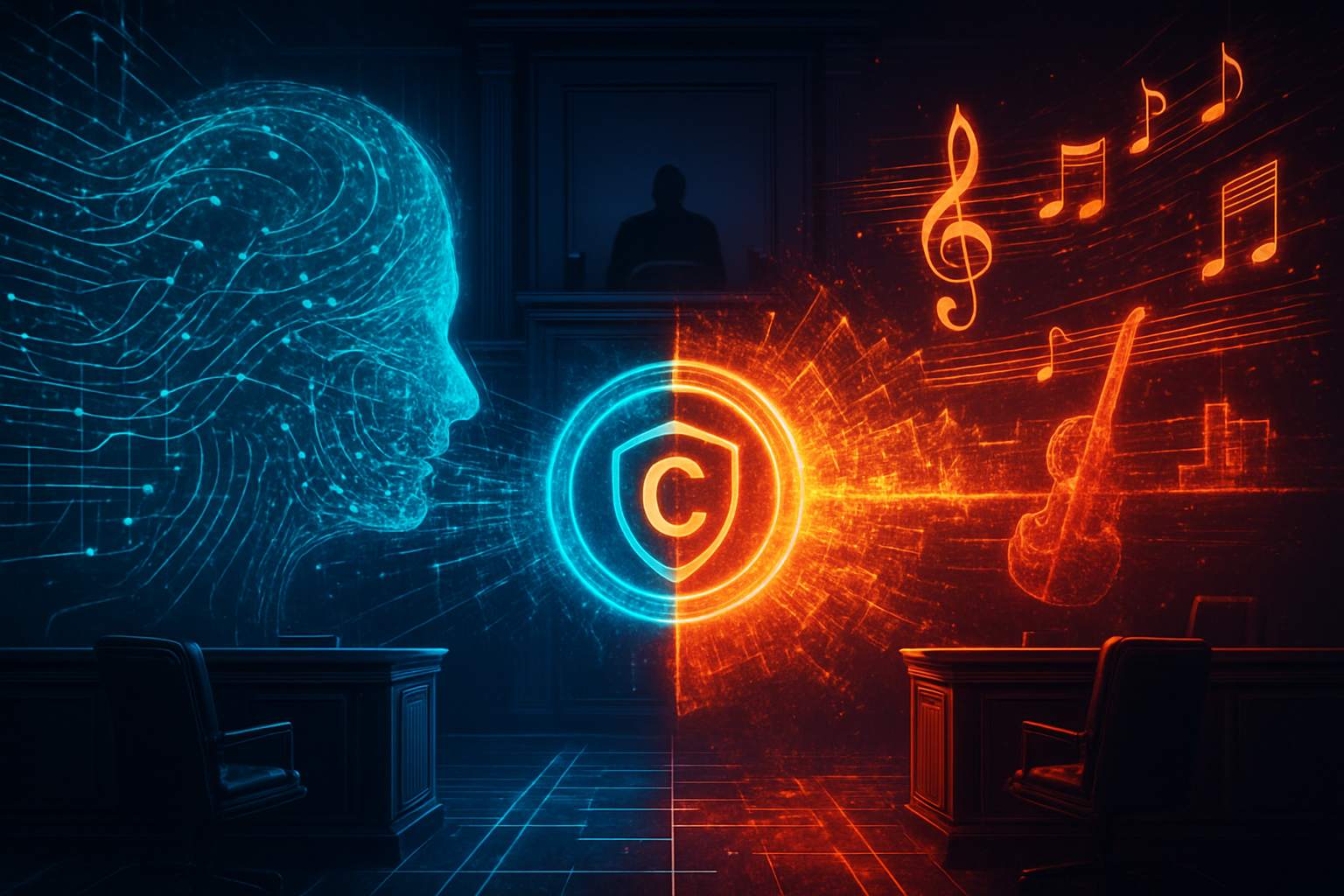
    The rapidly evolving landscape of artificial intelligence has collided head-on with established intellectual property rights, culminating in a pivotal class-action lawsuit against Google (NASDAQ: GOOGL) by a coalition of artists and writers. This legal battle, which has been steadily progressing through the U.S. judicial system, alleges widespread copyright infringement, claiming that Google's generative AI models were trained on vast datasets of copyrighted creative works without permission or compensation. The outcome of In re Google Generative AI Copyright Litigation is poised to establish critical precedents, fundamentally reshaping how AI companies source and utilize data, and redefining the boundaries of intellectual property in the age of advanced machine learning.

    The Technical Underpinnings of Infringement Allegations

    At the heart of the lawsuit is the technical process by which large language models (LLMs) and text-to-image diffusion models are trained. Google's AI models, including Imagen, PaLM, GLaM, LaMDA, Bard, and Gemini, are built upon immense datasets that ingest and process billions of data points, including text, images, and other media scraped from the internet. The plaintiffs—prominent visual artists Jingna Zhang, Sarah Andersen, Hope Larson, Jessica Fink, and investigative journalist Jill Leovy—con tend that their copyrighted works were included in these training datasets. They argue that when an AI model learns from copyrighted material, it essentially creates a "derivative work" or, at the very least, makes unauthorized copies of the original works, thus infringing on their exclusive rights.

    This technical claim posits that the "weights" and "biases" within the AI model, which are adjusted during the training process to recognize patterns and generate new content, represent a transformation of the protected expression found in the training data. Therefore, the AI model itself, or the output it generates, becomes an infringing entity. This differs significantly from previous legal challenges concerning data aggregation, as the plaintiffs are not merely arguing about the storage of data, but about the fundamental learning process of AI and its direct relationship to their creative output. Initial reactions from the AI research community have been divided, with some emphasizing the transformative nature of AI learning as "fair use" for pattern recognition, while others acknowledge the ethical imperative to compensate creators whose work forms the bedrock of these powerful new technologies. The ongoing debate highlights a critical gap between current copyright law, designed for human-to-human creative output, and the emergent capabilities of machine intelligence.

    Competitive Implications for the AI Industry

    This lawsuit carries profound implications for AI companies, tech giants, and nascent startups alike. For Google, a favorable ruling for the plaintiffs could necessitate a radical overhaul of its data acquisition strategies, potentially leading to massive licensing costs or even a requirement to purge copyrighted works from existing models. This would undoubtedly impact its competitive standing against other major AI labs like OpenAI (backed by Microsoft (NASDAQ: MSFT)), Anthropic, and Meta Platforms (NASDAQ: META), which face similar lawsuits and operate under analogous data training paradigms.

    Companies that have already invested heavily in proprietary, licensed datasets, or those developing AI models with a focus on ethical data sourcing from the outset, might stand to benefit. Conversely, startups and smaller AI developers, who often rely on publicly available data due to resource constraints, could face significant barriers to entry if stringent licensing requirements become the norm. The legal outcome could disrupt existing product roadmaps, force re-evaluation of AI development methodologies, and create a new market for AI training data rights management. Strategic advantages will likely shift towards companies that can either afford extensive licensing or innovate in methods of training AI on non-copyrighted or ethically sourced data, potentially spurring research into synthetic data generation or more sophisticated fair use arguments. The market positioning of major players hinges on their ability to navigate this legal minefield while continuing to push the boundaries of AI innovation.

    Wider Significance in the AI Landscape

    The class-action lawsuit against Google AI is more than just a legal dispute; it is a critical inflection point in the broader AI landscape, embodying the tension between technological advancement and established societal norms, particularly intellectual property. This case, alongside similar lawsuits against other AI developers, represents a collective effort to define the ethical and legal boundaries of generative AI. It fits into a broader trend of increased scrutiny over AI's impact on creative industries, labor markets, and information integrity.

    The primary concern is the potential for AI models to devalue human creativity by generating content that mimics or displaces original works without proper attribution or compensation. Critics argue that allowing unrestricted use of copyrighted material for AI training could de-incentivize human creation, leading to a "race to the bottom" for content creators. This situation draws comparisons to earlier digital disruptions, such as the music industry's battle against file-sharing in the early 2000s, where new technologies challenged existing economic models and legal frameworks. The difference here is the "transformative" nature of AI, which complicates direct comparisons. The case highlights the urgent need for updated legal frameworks that can accommodate the nuances of AI technology, balancing innovation with the protection of creators' rights. The outcome will likely influence global discussions on AI regulation and responsible AI development, potentially setting a global precedent for how countries approach AI and copyright.

    Future Developments and Expert Predictions

    As of October 17, 2025, the lawsuit is progressing through key procedural stages, with the plaintiffs recently asking a California federal judge to grant class certification, a crucial step that would allow them to represent a broader group of creators. Experts predict that the legal battle will be protracted, potentially spanning several years and reaching appellate courts. Near-term developments will likely involve intense legal arguments around the definition of "fair use" in the context of AI training and output, as well as the technical feasibility of identifying and removing copyrighted works from existing AI models.

    In the long term, a ruling in favor of the plaintiffs could lead to the establishment of new licensing models for AI training data, potentially creating a new revenue stream for artists and writers. This might involve collective licensing organizations or blockchain-based solutions for tracking and compensating data usage. Conversely, if Google's fair use defense prevails, it could embolden AI developers to continue training models on publicly available data, albeit with increased scrutiny and potential calls for legislative intervention. Challenges that need to be addressed include the practicalities of implementing any court-mandated changes to AI training, the global nature of AI development, and the ongoing ethical debates surrounding AI's impact on human creativity. Experts anticipate a future where AI development is increasingly intertwined with legal and ethical considerations, pushing for greater transparency in data sourcing and potentially fostering a new era of "ethical AI" that prioritizes creator rights.

    A Defining Moment for AI and Creativity

    The class-action lawsuit against Google AI represents a defining moment in the history of artificial intelligence and intellectual property. It underscores the profound challenges and opportunities that arise when cutting-edge technology intersects with established legal and creative frameworks. The core takeaway is that the rapid advancement of generative AI has outpaced current legal definitions of copyright and fair use, necessitating a re-evaluation of how creative works are valued and protected in the digital age.

    The significance of this development cannot be overstated. It is not merely about a single company or a few artists; it is about setting a global precedent for the responsible development and deployment of AI. The outcome will likely influence investment in AI, shape regulatory efforts worldwide, and potentially usher in new business models for content creation and distribution. In the coming weeks and months, all eyes will be on the legal proceedings, particularly the decision on class certification, as this will significantly impact the scope and potential damages of the lawsuit. This case is a crucial benchmark for how society chooses to balance technological innovation with the fundamental rights of creators, ultimately shaping the future trajectory of AI and its relationship with human creativity.


    This content is intended for informational purposes only and represents analysis of current AI developments.

    TokenRing AI delivers enterprise-grade solutions for multi-agent AI workflow orchestration, AI-powered development tools, and seamless remote collaboration platforms.
    For more information, visit https://www.tokenring.ai/.
  • Stream-Ripping Scandal Rocks AI Music: Major Labels Sue Suno Over Copyright Infringement

    Stream-Ripping Scandal Rocks AI Music: Major Labels Sue Suno Over Copyright Infringement

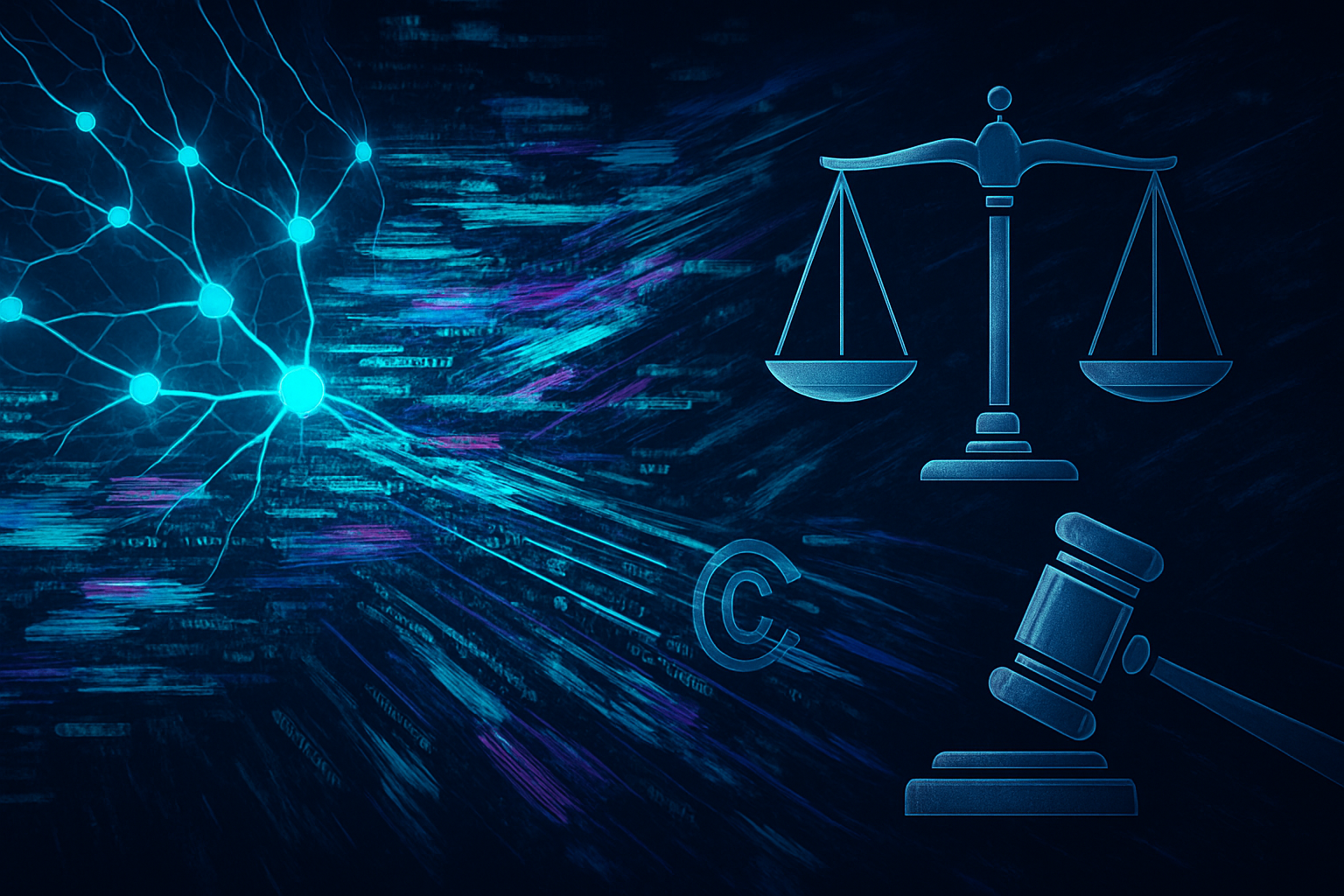
    Boston, MA – October 6, 2025 – The burgeoning landscape of AI-generated music is facing a seismic legal challenge as three of the world's largest record labels – Universal Music Group (NYSE: UMG), Sony Music Entertainment (NYSE: SONY), and Warner Music Group (NASDAQ: WMG) – have escalated their copyright infringement lawsuit against AI music generator Suno. The core of the dispute, initially filed in June 2024, has intensified with recent amendments in September 2025, centering on explosive allegations of "stream-ripping" and widespread unauthorized use of copyrighted sound recordings to train Suno's artificial intelligence models. This high-stakes legal battle threatens to redefine the boundaries of fair use in the age of generative AI, casting a long shadow over the future of AI music creation and its commercial viability.

    The lawsuit, managed by the Recording Industry Association of America (RIAA) on behalf of the plaintiffs, accuses Suno of "massive and ongoing infringement" by ingesting "decades worth of the world's most popular sound recordings" without permission or compensation. The labels contend that Suno's actions constitute "willful copyright infringement at an almost unimaginable scale," allowing its AI to generate music that imitates a vast spectrum of human musical expression, thereby undermining the value of original human creativity and posing an existential threat to artists and the music industry. The implications of this case extend far beyond Suno, potentially setting a crucial precedent for how AI developers source and utilize data, and whether the transformative nature of AI output can justify the unauthorized ingestion of copyrighted material.

    The Technical Heart of the Dispute: Stream-Ripping and DMCA Violations

    At the technical forefront of the labels' amended complaint are specific allegations of "stream-ripping." The plaintiffs assert that Suno illicitly downloaded "many if not all" of the sound recordings used for training from platforms like YouTube. This practice, they argue, constitutes a direct circumvention of technological protection measures designed to control access to copyrighted works, thereby violating YouTube's terms of service and, critically, breaching the anti-circumvention provisions of the U.S. Digital Millennium Copyright Act (DMCA). This particular claim carries significant weight, especially following a recent ruling in a separate case involving AI company Anthropic, where a judge indicated that AI training might only qualify as "fair use" if the source material is obtained through legitimate, authorized channels.

    Suno, in its defense, has admitted that its AI models were trained on copyrighted recordings but vehemently argues that this falls under the "fair use" doctrine of copyright law. The company posits that making copies of protected works as part of a "back-end technological process," invisible to the public, in the service of creating an ultimately non-infringing new product, is permissible. Furthermore, Suno contends that the music generated by its platform consists of "entirely new sounds" that do not "sample" existing recordings, and therefore, cannot infringe existing copyrights. They emphasize that the labels are "not alleging that these outputs themselves infringe the Copyrighted Recordings," rather focusing on the input data. This distinction is crucial, as it pits the legality of the training process against the perceived originality of the output. Initial reactions from the AI research community are divided; some experts see fair use as essential for AI innovation, while others stress the need for ethical data sourcing and compensation for creators.

    Competitive Implications for AI Companies and Tech Giants

    The outcome of the Suno lawsuit holds profound competitive implications across the AI industry. For AI music generators like Suno and its competitors, a ruling in favor of the labels could necessitate a complete overhaul of their data acquisition strategies, potentially requiring extensive licensing agreements or exclusive partnerships with music rights holders. This would significantly increase development costs and barriers to entry, favoring well-funded tech giants capable of negotiating such deals. Startups operating on leaner budgets, particularly those in generative AI that rely on vast public datasets, could face an existential threat if "fair use" is narrowly interpreted, restricting their ability to innovate without prohibitive licensing fees.

    Conversely, a win for Suno could embolden other AI developers to continue utilizing publicly available data for training, potentially accelerating AI innovation across various creative domains. However, it would also intensify the debate over creator compensation and intellectual property in the digital age. Major tech companies with their own generative AI initiatives, such as Google (NASDAQ: GOOGL), Meta Platforms (NASDAQ: META), and Microsoft (NASDAQ: MSFT), are closely watching, as the precedent set here could influence their own AI development pipelines. The competitive landscape could shift dramatically, rewarding companies with robust legal teams and proactive licensing strategies, while potentially disrupting those that have relied on more ambiguous interpretations of fair use. This legal battle could solidify a two-tiered system where AI innovation is either stifled by licensing hurdles or driven by those who can afford them.

    Wider Significance in the AI Landscape

    This legal showdown between Suno and the major labels is more than just a dispute over music; it is a pivotal moment in the broader AI landscape, touching upon fundamental questions of intellectual property, creativity, and technological progress. It underscores the ongoing tension between the transformative capabilities of generative AI and the established rights of human creators. The claims of stream-ripping, in particular, highlight the ethical quandary of data sourcing: while AI models require vast amounts of data to learn and generate, the methods of acquiring that data are increasingly under scrutiny. This case is a critical test of how existing copyright law, particularly the "fair use" doctrine, will adapt to the unique challenges posed by AI training.

    The lawsuit fits into a growing trend of legal challenges against AI companies over training data, drawing comparisons to earlier battles over digital sampling in music or the digitization of books for search engines. However, the scale and potential for automated content generation make this situation uniquely impactful. If AI can be trained on copyrighted works without permission and then generate new content that competes with the originals, it could fundamentally disrupt creative industries. Potential concerns include the devaluing of human artistry, the proliferation of AI-generated "deepfakes" of artistic styles, and a lack of compensation for the original creators whose work forms the foundation of AI learning. The outcome will undoubtedly shape future legislative efforts and international agreements concerning AI and intellectual property.

    Exploring Future Developments

    Looking ahead, the Suno legal battle is poised to usher in significant developments in both the legal and technological spheres. In the near term, the courts will grapple with complex interpretations of fair use, DMCA anti-circumvention provisions, and the definition of "originality" in AI-generated content. A ruling in favor of the labels could lead to a wave of similar lawsuits against other generative AI companies, potentially forcing a paradigm shift towards mandatory licensing frameworks for AI training data. Conversely, a victory for Suno might encourage further innovation but would intensify calls for new legislation specifically designed to address AI's impact on intellectual property.

    Long-term, this case could accelerate the development of "clean" AI models trained exclusively on licensed or public domain data, or even on synthetic data. We might see the emergence of new business models where artists and rights holders directly license their catalogs for AI training, potentially through blockchain-based systems for transparent tracking and compensation. Experts predict that regulatory bodies worldwide will increasingly focus on AI governance, with intellectual property rights being a central pillar. The challenge lies in balancing innovation with protection for creators, ensuring that AI serves as a tool to augment human creativity rather than diminish it. What experts predict will happen next is a push for legislative clarity, as the existing legal framework struggles to keep pace with rapid AI advancements.

    Comprehensive Wrap-Up and What to Watch For

    The legal battle between Suno and major record labels represents a landmark moment in the ongoing saga of AI and intellectual property. Key takeaways include the increasing focus on the source of AI training data, with "stream-ripping" allegations introducing a critical new dimension to copyright infringement claims. Suno's fair use defense, while robust, faces scrutiny in light of recent judicial interpretations, making this a test case for the entire generative AI industry. The significance of this development in AI history cannot be overstated; it has the potential to either unleash an era of unfettered AI creativity or establish strict boundaries that protect human artists and their economic livelihoods.

    As of October 2025, the proceedings are ongoing, with the amended complaints introducing new legal arguments that could significantly impact how fair use is interpreted in the context of AI training data, particularly concerning the legal sourcing of that data. What to watch for in the coming weeks and months includes further court filings, potential motions to dismiss, and any indications of settlement talks. A separate lawsuit by independent musician Anthony Justice, also amended in September 2025 to include stream-ripping claims, further complicates the landscape. The outcome of these cases will not only dictate the future trajectory of AI music generation but will also send a powerful message about the value of human creativity in an increasingly automated world. The industry awaits with bated breath to see if AI's transformative power will be tempered by the long-standing principles of copyright law.

    This content is intended for informational purposes only and represents analysis of current AI developments.

    TokenRing AI delivers enterprise-grade solutions for multi-agent AI workflow orchestration, AI-powered development tools, and seamless remote collaboration platforms.
    For more information, visit https://www.tokenring.ai/.