
Tag: Data Privacy

  • The Peril of Play: Advocacy Groups Sound Alarm on AI Toys for Holiday Season 2025, Citing Major Safety and Privacy Risks

    The Peril of Play: Advocacy Groups Sound Alarm on AI Toys for Holiday Season 2025, Citing Major Safety and Privacy Risks

    As the festive lights of the 2025 holiday season begin to twinkle, a discordant note is being struck by a coalition of child advocacy and consumer protection groups. These organizations are issuing urgent warnings to parents, strongly advising them to steer clear of artificial intelligence (AI) powered toys. The immediate significance of these recommendations cannot be overstated, as they highlight profound concerns over the potential for these advanced gadgets to undermine children's development, compromise personal data, and expose young users to inappropriate or dangerous content, turning what should be a time of joy into a minefield of digital hazards.

    Unpacking the Digital Dangers: Specific Concerns with AI-Powered Playthings

    The core of the advocacy groups' concerns lies in the inherent nature of AI toys, which often function as "smart companions" or interactive educational tools. Unlike traditional toys, these devices are embedded with sophisticated chatbots and AI models that enable complex interactions through voice recognition, conversational capabilities, and sometimes even facial or gesture tracking. While manufacturers champion personalized learning and emotional bonding, groups like Fairplay (formerly the Campaign for a Commercial-Free Childhood), U.S. PIRG (Public Interest Research Group), and CoPIRG (Colorado Public Interest Research Foundation) argue that the technology's long-term effects on child development are largely unstudied and present considerable dangers. Many AI toys leverage the same generative AI systems, like those from OpenAI (NYSE: MSFT), that have demonstrated problematic behavior with older children and teenagers, raising red flags when deployed in products for younger, more vulnerable users.

    Specific technical concerns revolve around data privacy, security vulnerabilities, and the potential for adverse developmental impacts. AI toys, equipped with always-on microphones, cameras, and biometric sensors, can extensively collect sensitive data, including voice recordings, video, eyeball movements, and even physical location. This constant stream of personal information, often gathered in intimate family settings, raises significant privacy alarms regarding its storage, use, and potential sale to third parties for targeted marketing or AI model refinement. The opaque data practices of many manufacturers make it nearly impossible for parents to provide truly informed consent or effectively monitor interactions, creating a black box of data collection.

    Furthermore, these connected toys are historically susceptible to cybersecurity breaches. Past incidents have shown how vulnerabilities in smart toys can lead to unauthorized access to children's data, with some cases even involving scammers using recordings of children's voices to create replicas. The potential for such breaches to expose sensitive family information or even allow malicious actors to interact with children through compromised devices is a critical security flaw. Beyond data, the AI chatbots within these toys have demonstrated disturbing capabilities, from engaging in explicit sexual conversations to offering advice on finding dangerous objects or discussing self-harm. While companies attempt to implement safety guardrails, tests have frequently shown these to be ineffective or easily circumvented, leading to the AI generating inappropriate or harmful responses, as seen with the withdrawal of FoloToy's Kumma teddy bear.

    From a developmental perspective, experts warn that AI companions can erode crucial aspects of childhood. The design of some AI toys to maximize engagement can foster obsessive use, detracting from healthy peer interaction and creative, open-ended play. By offering canned comfort or smoothing over conflicts, these toys may hinder a child's ability to develop essential social skills, emotional regulation, and resilience. Young children, inherently trusting, are particularly vulnerable to forming unhealthy attachments to these machines, potentially confusing programmed interactions with genuine human relationships, thus undermining the organic development of social and emotional intelligence.

    Navigating the Minefield: Implications for AI Companies and Tech Giants

    The advocacy groups' strong recommendations and the burgeoning regulatory debates present a significant minefield for AI companies, tech giants, and startups operating in the children's product market. Companies like Mattel (NASDAQ: MAT) and Hasbro (NASDAQ: HAS), which have historically dominated the toy industry and increasingly venture into smart toy segments, face intense scrutiny. Their brand reputation, built over decades, could be severely damaged by privacy breaches or ethical missteps related to AI toys. The competitive landscape is also impacted, as smaller startups focusing on innovative AI playthings might find it harder to gain consumer trust and market traction amidst these warnings, potentially stifling innovation in a nascent sector.

    This development poses a significant challenge for major AI labs and tech companies that supply the underlying AI models and voice recognition technologies. Companies such as Alphabet (NASDAQ: GOOGL), Amazon (NASDAQ: AMZN), and Microsoft (NASDAQ: MSFT), whose AI platforms power many smart devices, face increasing pressure to develop robust, child-safe AI models with stringent ethical guidelines and transparent data handling practices. The demand for "explainable AI" and "privacy-by-design" principles becomes paramount when the end-users are children. Failure to adapt could lead to regulatory penalties and a public backlash, impacting their broader AI strategies and market positioning.

    The potential disruption to existing products or services is considerable. If consumer confidence in AI toys plummets, it could lead to reduced sales, product recalls, and even legal challenges. Companies that have invested heavily in AI toy development may see their market share erode, while those focusing on traditional, non-connected playthings might experience a resurgence. This situation also creates a strategic advantage for companies that prioritize ethical AI development and transparent data practices, positioning them as trustworthy alternatives in a market increasingly wary of digital risks. The debate underscores a broader shift in consumer expectations, where technological advancement must be balanced with robust ethical considerations, especially concerning vulnerable populations.

    Broader Implications: AI Ethics and the Regulatory Lag

    The controversy surrounding AI toys is not an isolated incident but rather a microcosm of the broader ethical and regulatory challenges facing the entire AI landscape. It highlights a critical lag between rapid technological advancement and the development of adequate legal and ethical frameworks. The concerns raised—data privacy, security, and potential psychological impacts—are universal to many AI applications, but they are amplified when applied to children, who lack the capacity to understand or consent to these risks. This situation fits into a broader trend of society grappling with the pervasive influence of AI, from deepfakes and algorithmic bias to autonomous systems.

    The impact of these concerns extends beyond just toys, influencing the design and deployment of AI in education, healthcare, and home automation. It underscores the urgent need for comprehensive AI product regulation that goes beyond physical safety to address psychological, social, and privacy risks. Comparisons to previous AI milestones, such as the initial excitement around social media or early internet adoption, reveal a recurring pattern: technological enthusiasm often outpaces thoughtful consideration of long-term consequences. However, with AI, the stakes are arguably higher due to its capacity for autonomous decision-making and data processing.

    Potential concerns include the normalization of surveillance from a young age, the erosion of critical thinking skills due to over-reliance on AI, and the potential for algorithmic bias to perpetuate stereotypes through children's interactions. The regulatory environment is slowly catching up; while the U.S. Children's Online Privacy Protection Act (COPPA) addresses data privacy for children, it may not fully encompass the nuanced psychological and behavioral impacts of AI interactions. The Consumer Product Safety Commission (CPSC) primarily focuses on physical hazards, leaving a gap for psychological risks. In contrast, the EU AI Act, which began applying bans on AI systems posing unacceptable risks in February 2025, specifically includes cognitive behavioral manipulation of vulnerable groups, such as voice-activated toys encouraging dangerous behavior in children, as an unacceptable risk. This legislative movement signals a growing global recognition of the unique challenges posed by AI in products targeting the young.

    The Horizon of Ethical AI: Future Developments and Challenges

    Looking ahead, the debate surrounding AI toys is poised to drive significant developments in both technology and regulation. In the near term, we can expect increased pressure on manufacturers to implement more robust privacy-by-design principles, including stronger encryption, minimized data collection, and clear, understandable privacy policies. There will likely be a surge in demand for independent third-party audits and certifications for AI toy safety and ethics, providing parents with more reliable information. The EU AI Act's proactive stance is likely to influence other jurisdictions, leading to a more harmonized global approach to regulating AI in children's products.

    Long-term developments will likely focus on the creation of "child-centric AI" that prioritizes developmental well-being and privacy above all else. This could involve open-source AI models specifically designed for children, with built-in ethical guardrails and transparent algorithms. Potential applications on the horizon include AI toys that genuinely adapt to a child's learning style without compromising privacy, offering personalized educational content, or even providing therapeutic support under strict ethical guidelines. However, significant challenges remain, including the difficulty of defining and measuring "developmental harm" from AI, ensuring effective enforcement across diverse global markets, and preventing the "dark patterns" that manipulate engagement.

    Experts predict a continued push for greater transparency from AI developers and toy manufacturers regarding data practices and AI model capabilities. There will also be a growing emphasis on interdisciplinary research involving AI ethicists, child psychologists, and developmental specialists to better understand the long-term impacts of AI on young minds. The goal is not to halt innovation but to guide it responsibly, ensuring that future AI applications for children are genuinely beneficial and safe.

    A Call for Conscientious Consumption: Wrapping Up the AI Toy Debate

    In summary, the urgent warnings from advocacy groups regarding AI toys this 2025 holiday season underscore a critical juncture in the evolution of artificial intelligence. The core takeaways revolve around the significant data privacy risks, cybersecurity vulnerabilities, and potential developmental harms these advanced playthings pose to children. This situation highlights the profound ethical challenges inherent in deploying powerful AI technologies in products designed for vulnerable populations, necessitating a re-evaluation of current industry practices and regulatory frameworks.

    This development holds immense significance in the history of AI, serving as a stark reminder that technological progress must be tempered with robust ethical considerations and proactive regulatory measures. It solidifies the understanding that "smart" does not automatically equate to "safe" or "beneficial," especially for children. The long-term impact will likely shape how AI is developed, regulated, and integrated into consumer products, pushing for greater transparency, accountability, and a child-first approach to design.

    In the coming weeks and months, all eyes will be on how manufacturers respond to these warnings, whether regulatory bodies accelerate their efforts to establish clearer guidelines, and crucially, how parents navigate the complex choices presented by the holiday shopping season. The debate over AI toys is a bellwether for the broader societal conversation about the responsible deployment of AI, urging us all to consider the human element—especially our youngest and most impressionable—at the heart of every technological advancement.


    This content is intended for informational purposes only and represents analysis of current AI developments.

    TokenRing AI delivers enterprise-grade solutions for multi-agent AI workflow orchestration, AI-powered development tools, and seamless remote collaboration platforms.
    For more information, visit https://www.tokenring.ai/.
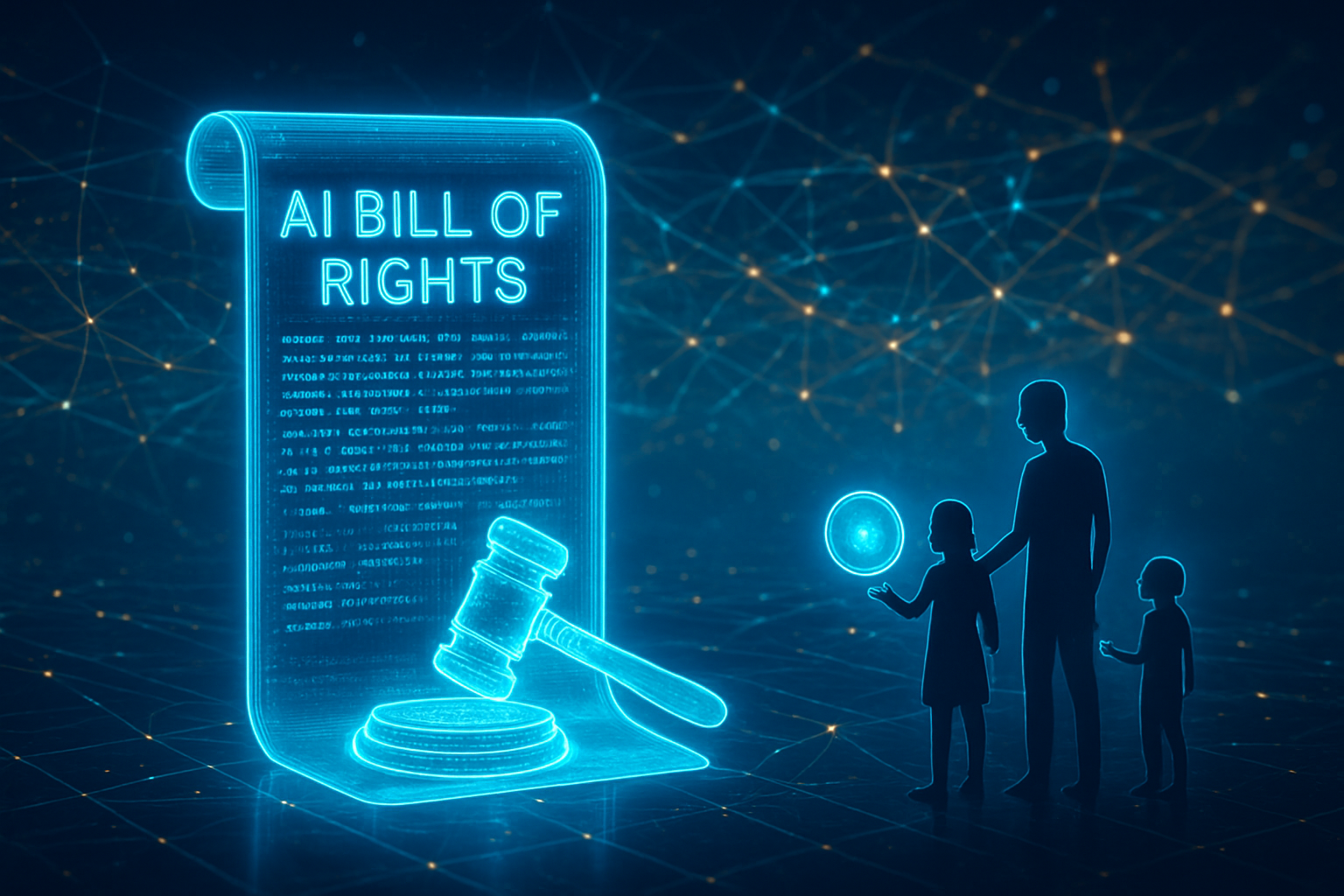
  • The Privacy Imperative: Tech Giants Confront Escalating Cyber Threats, AI Risks, and a Patchwork of Global Regulations

    The Privacy Imperative: Tech Giants Confront Escalating Cyber Threats, AI Risks, and a Patchwork of Global Regulations

    November 14, 2025 – The global tech sector finds itself at a critical juncture, grappling with an unprecedented confluence of sophisticated cyber threats, the burgeoning risks posed by artificial intelligence, and an increasingly fragmented landscape of data privacy regulations. As we approach late 2025, organizations worldwide are under immense pressure to fortify their defenses, adapt to evolving legal frameworks, and fundamentally rethink their approach to data handling. This period is defined by a relentless series of data breaches, groundbreaking legislative efforts like the EU AI Act, and a desperate race to leverage advanced technologies to safeguard sensitive information in an ever-connected world.

    The Evolving Battlefield: Technical Challenges and Regulatory Overhauls

    The technical landscape of data privacy and security is more intricate and perilous than ever. A primary challenge is the sheer regulatory complexity and fragmentation. In the United States, the absence of a unified federal privacy law has led to a burgeoning "patchwork" of state-level legislation, including the Delaware Personal Data Privacy Act (DPDPA) and New Jersey's law, both effective January 1, 2025, and the Minnesota Consumer Data Privacy Act (MCDPA) on July 31, 2025. Internationally, the European Union continues to set global benchmarks with the EU AI Act, which began initial enforcement for high-risk AI practices on February 2, 2025, and the Digital Operational Resilience Act (DORA), effective January 17, 2025, for financial entities. This intricate web demands significant compliance resources and poses substantial operational hurdles for multinational corporations.

    Compounding this regulatory maze is the rise of AI-related risks. The Stanford 2025 AI Index Report highlighted a staggering 56.4% jump in AI incidents in 2024, encompassing data breaches, algorithmic biases, and the amplification of misinformation. AI systems, while powerful, present new vectors for privacy violations through inappropriate data access and processing, and their potential for discriminatory outcomes is a growing concern. Furthermore, sophisticated cyberattacks and human error remain persistent threats. The Verizon (NYSE: VZ) Data Breach Investigations Report (DBIR) 2025 starkly revealed that human error directly caused 60% of all breaches, making it the leading driver of successful attacks. Business Email Compromise (BEC) attacks have surged, and the cybercrime underground increasingly leverages AI tools, stolen credentials, and service-based offerings to launch more potent social engineering campaigns and reconnaissance efforts. The vulnerability of third-party and supply chain risks has also been dramatically exposed, with major incidents like the Snowflake (NYSE: SNOW) data breach in April 2024, which impacted over 100 customers and involved the theft of billions of call records, underscoring the critical need for robust vendor oversight. Emerging concerns like neural privacy, pertaining to data gathered from brainwaves and neurological activity via new technologies, are also beginning to shape the future of privacy discussions.

    Corporate Ripples: Impact on Tech Giants and Startups

    These developments are sending significant ripples through the tech industry, profoundly affecting both established giants and agile startups. Companies like Google (NASDAQ: GOOGL), Meta (NASDAQ: META), and Microsoft (NASDAQ: MSFT), which handle vast quantities of personal data and are heavily invested in AI, face immense pressure to navigate the complex regulatory landscape. The EU AI Act, for instance, imposes strict requirements on transparency, bias detection, and human oversight for general-purpose AI models, necessitating substantial investment in compliance infrastructure and ethical AI development. The "patchwork" of U.S. state laws also creates a compliance nightmare, forcing companies to implement different data handling practices based on user location, which can be costly and inefficient.

    The competitive implications are significant. Companies that can demonstrate superior data privacy and security practices stand to gain a strategic advantage, fostering greater consumer trust and potentially attracting more business from privacy-conscious clients. Conversely, those that fail to adapt risk substantial fines—as seen with GDPR penalties—and severe reputational damage. The numerous high-profile breaches, such as the National Public Data Breach (August 2024) and the Change Healthcare ransomware attack (2024), which impacted over 100 million individuals, highlight the potential for massive financial and operational disruption. Startups developing AI solutions, particularly those involving sensitive data, are under intense scrutiny from inception, requiring a "privacy by design" approach to avoid future legal and ethical pitfalls. This environment also spurs innovation in security solutions, benefiting companies specializing in Privacy-Enhancing Technologies (PETs) and AI-driven security tools.

    Broader Significance: A Paradigm Shift in Data Governance

    The current trajectory of data privacy and security marks a significant paradigm shift in how data is perceived and governed across the broader AI landscape. The move towards more stringent regulations, such as the EU AI Act and the proposed American Privacy Rights Act of 2024 (APRA), signifies a global consensus that data protection is no longer a secondary concern but a fundamental right. These legislative efforts aim to provide enhanced consumer rights, including access, correction, deletion, and limitations on data usage, and mandate explicit consent for sensitive personal data. This represents a maturation of the digital economy, moving beyond initial laissez-faire approaches to a more regulated and accountable era.

    However, this shift is not without its concerns. The fragmentation of laws can inadvertently stifle innovation for smaller entities that lack the resources to comply with disparate regulations. There are also ongoing debates about the balance between data utility for AI development and individual privacy. The "Protecting Americans' Data from Foreign Adversaries Act of 2024 (PADFA)," enacted in 2024, reflects geopolitical tensions impacting data flows, prohibiting data brokers from selling sensitive American data to certain foreign adversaries. This focus on data sovereignty and national security adds another complex layer to global data governance. Comparisons to previous milestones, such as the initial implementation of GDPR, show a clear trend: the world is moving towards stricter data protection, with AI now taking center stage as the next frontier for regulatory oversight and ethical considerations.

    The Road Ahead: Anticipated Developments and Challenges

    Looking forward, the tech sector can expect several key developments to shape the future of data privacy and security. In the near term, the continued enforcement of new regulations will drive significant changes. The Colorado AI Act (CAIA), passed in May 2024 and effective February 1, 2026, will make Colorado the first U.S. state with comprehensive AI regulation, setting a precedent for others. The UK's Cyber Security and Resilience Bill, unveiled in November 2025, will empower regulators with stronger penalties for breaches and mandate rapid incident reporting, indicating a global trend towards increased accountability.

    Technologically, the investment in Privacy-Enhancing Technologies (PETs) will accelerate. Differential privacy, federated learning, and homomorphic encryption are poised for wider adoption, enabling data analysis and AI model training while preserving individual privacy, crucial for cross-border data flows and compliance. AI and Machine Learning for data protection will also become more sophisticated, deployed for automated compliance monitoring, advanced threat identification, and streamlining security operations. Experts predict a rapid progression in quantum-safe cryptography, as the industry races to develop encryption methods resilient to future quantum computing capabilities, projected to render current encryption obsolete by 2035. The adoption of Zero-Trust Architecture will become a standard security model, assuming no user or device can be trusted by default, thereby enhancing data security postures. Challenges will include effectively integrating these advanced technologies into legacy systems, addressing the skills gap in cybersecurity and AI ethics, and continuously adapting to novel attack vectors and evolving regulatory interpretations.

    A New Era of Digital Responsibility

    In summation, the current state of data privacy and security in the tech sector marks a pivotal moment, characterized by an escalating threat landscape, a surge in regulatory activity, and profound technological shifts. The proliferation of sophisticated cyberattacks, exacerbated by human error and supply chain vulnerabilities, underscores the urgent need for robust security frameworks. Simultaneously, the global wave of new privacy laws, particularly those addressing AI, is reshaping how companies collect, process, and protect personal data.

    This era demands a comprehensive, proactive approach from all stakeholders. Companies must prioritize "privacy by design," embedding data protection considerations into every stage of product development and operation. Investment in advanced security technologies, particularly AI-driven solutions and privacy-enhancing techniques, is no longer optional but essential for survival and competitive advantage. The significance of this development in AI history cannot be overstated; it represents a maturation of the digital age, where technological innovation must be balanced with ethical responsibility and robust safeguards for individual rights. In the coming weeks and months, watch for further regulatory clarifications, the emergence of more sophisticated AI-powered security tools, and how major tech players adapt their business models to thrive in this new era of digital responsibility. The future of the internet's trust and integrity hinges on these ongoing developments.


    This content is intended for informational purposes only and represents analysis of current AI developments.

    TokenRing AI delivers enterprise-grade solutions for multi-agent AI workflow orchestration, AI-powered development tools, and seamless remote collaboration platforms.
    For more information, visit https://www.tokenring.ai/.

  • California Unleashes Groundbreaking AI Regulations: A Wake-Up Call for Businesses

    California Unleashes Groundbreaking AI Regulations: A Wake-Up Call for Businesses

    California has once again positioned itself at the forefront of technological governance, enacting pioneering regulations for Automated Decisionmaking Technology (ADMT) under the California Consumer Privacy Act (CCPA). Approved by the California Office of Administrative Law in September 2025, these landmark rules introduce comprehensive requirements for transparency, consumer control, and accountability in the deployment of artificial intelligence. With primary compliance obligations taking effect on January 1, 2027, and risk assessment requirements commencing January 1, 2026, these regulations are poised to fundamentally reshape how AI is developed, deployed, and interacted with, not just within the Golden State but potentially across the global tech landscape.

    The new ADMT framework represents a significant leap forward in addressing the ethical and societal implications of AI, compelling businesses to scrutinize their automated systems with unprecedented rigor. From hiring algorithms to credit scoring models, any AI-driven tool making "significant decisions" about consumers will fall under its purview, demanding a new era of responsible AI development. This move by California's regulatory bodies signals a clear intent to protect consumer rights in an increasingly automated world, presenting both formidable compliance challenges and unique opportunities for companies committed to building trustworthy AI.

    Unpacking the Technical Blueprint: California's ADMT Regulations in Detail

    California's ADMT regulations, stemming from amendments to the CCPA by the California Privacy Rights Act (CPRA) of 2020, establish a robust framework enforced by the California Privacy Protection Agency (CPPA). At its core, the regulations define ADMT broadly as any technology that processes personal information and uses computation to execute a decision, replace human decision-making, or substantially facilitate human decision-making. This expansive definition explicitly includes AI, machine learning, and statistical data-processing techniques, encompassing tools such as resume screeners, performance monitoring systems, and other applications influencing critical life aspects like employment, finance, housing, and healthcare. A crucial nuance is that nominal human review will not suffice to circumvent compliance where technology "substantially replaces" human judgment, underscoring the intent to regulate the actual impact of automation.

    The regulatory focus sharpens on ADMT used for "significant decisions," which are meticulously defined to include outcomes related to financial or lending services, housing, education enrollment, employment or independent contracting opportunities or compensation, and healthcare services. It also covers "extensive profiling," such as workplace or educational profiling, public-space surveillance, or processing personal information to train ADMT for these purposes. This targeted approach, a refinement from earlier drafts that included behavioral advertising, ensures that the regulations address the most impactful applications of AI. The technical demands on businesses are substantial, requiring an inventory of all in-scope ADMTs, meticulous documentation of their purpose and operational scope, and the ability to articulate how personal information is processed to reach a significant decision.

    These regulations introduce a suite of strengthened consumer rights that necessitate significant technical and operational overhauls for businesses. Consumers are granted the right to pre-use notice, requiring businesses to provide clear and accessible explanations of the ADMT's purpose, scope, and potential impacts before it's used to make a significant decision. Furthermore, consumers generally have an opt-out right from ADMT use for significant decisions, with provisions for exceptions where a human appeal option capable of overturning the automated decision is provided. Perhaps most technically challenging is the right to access and explanation, which mandates businesses to provide information on "how the ADMT processes personal information to make a significant decision," including the categories of personal information utilized. This moves beyond simply stating the logic to requiring a tangible understanding of the data's role. Finally, an explicit right to appeal adverse automated decisions to a qualified human reviewer with overturning authority introduces a critical human-in-the-loop requirement.

    Beyond consumer rights, the regulations mandate comprehensive risk assessments for high-risk processing activities, which explicitly include using ADMT for significant decisions. These assessments, required before initiating such processing, must identify purposes, benefits, foreseeable risks, and proposed safeguards, with initial submissions to the CPPA due by April 1, 2028, for activities conducted in 2026-2027. Additionally, larger businesses (over $100M revenue) face annual cybersecurity audit requirements, with certifications due starting April 1, 2028, and smaller firms phased in by 2030. These independent audits must provide a realistic assessment of security programs, adding another layer of technical and governance responsibility. Initial reactions from the AI research community and industry experts, while acknowledging the complexity, largely view these regulations as a necessary step towards establishing guardrails for AI, with particular emphasis on the technical challenges of providing meaningful explanations and ensuring effective human appeal mechanisms for opaque algorithmic systems.

    Reshaping the AI Business Landscape: Competitive Implications and Disruptions

    California's ADMT regulations are set to profoundly reshape the competitive dynamics within the AI business landscape, creating clear winners and presenting significant hurdles for others. Companies that have proactively invested in explainable AI (XAI), robust data governance, and privacy-by-design principles stand to benefit immensely. These early adopters, often smaller, agile startups focused on ethical AI solutions, may find a competitive edge by offering compliance-ready products and services. For instance, firms specializing in algorithmic auditing, bias detection, and transparent decision-making platforms will likely see a surge in demand as businesses scramble to meet the new requirements. This could lead to a strategic advantage for companies like (ALTR) Alteryx, Inc. or (SPLK) Splunk Inc. if they pivot to offer such compliance-focused AI tools, or create opportunities for new entrants.

    For major AI labs and tech giants, the implications are two-fold. On one hand, their vast resources and legal teams can facilitate compliance, potentially allowing them to absorb the costs more readily than smaller entities. Companies like (GOOGL) Alphabet Inc. and (MSFT) Microsoft Corporation, which have already committed to responsible AI principles, may leverage their existing frameworks to adapt. However, the sheer scale of their AI deployments means the task of inventorying all ADMTs, conducting risk assessments, and implementing consumer rights mechanisms will be monumental. This could disrupt existing products and services that rely heavily on automated decision-making without sufficient transparency or appeal mechanisms, particularly in areas like recruitment, content moderation, and personalized recommendations if they fall under "significant decisions." The regulations might also accelerate the shift towards more privacy-preserving AI techniques, potentially challenging business models reliant on extensive personal data processing.

    The market positioning of AI companies will increasingly hinge on their ability to demonstrate compliance and ethical AI practices. Businesses that can credibly claim to offer "California-compliant" AI solutions will gain a strategic advantage, especially when contracting with other regulated entities. This could lead to a "flight to quality" where companies prefer vendors with proven responsible AI governance. Conversely, firms that struggle with transparency, fail to mitigate bias, or cannot provide adequate consumer recourse mechanisms face significant reputational and legal risks, including potential fines and consumer backlash. The regulations also create opportunities for new service lines, such as ADMT compliance consulting, specialized legal advice, and technical solutions for implementing opt-out and appeal systems, fostering a new ecosystem of AI governance support.

    The potential for disruption extends to existing products and services across various sectors. For instance, HR tech companies offering automated resume screening or performance management systems will need to overhaul their offerings to include pre-use notices, opt-out features, and human review processes. Financial institutions using AI for credit scoring or loan applications will face similar pressures to enhance transparency and provide appeal mechanisms. This could slow down the adoption of purely black-box AI solutions in critical decision-making contexts, pushing the industry towards more interpretable and controllable AI. Ultimately, the regulations are likely to foster a more mature and accountable AI market, where responsible development is not just an ethical aspiration but a legal and competitive imperative.

    The Broader AI Canvas: Impacts, Concerns, and Milestones

    California's ADMT regulations arrive at a pivotal moment in the broader AI landscape, aligning with a global trend towards increased AI governance and ethical considerations. This move by the world's fifth-largest economy and a major tech hub is not merely a state-level policy; it sets a de facto standard that will likely influence national and international discussions on AI regulation. It positions California alongside pioneering efforts like the European Union's AI Act, underscoring a growing consensus that unchecked AI development poses significant societal risks. This fits into a larger narrative where the focus is shifting from pure innovation to responsible innovation, prioritizing human rights and consumer protection in the age of advanced algorithms.

    The impacts of these regulations are multifaceted. On one hand, they promise to enhance consumer trust in AI systems by mandating transparency and accountability, particularly in critical areas like employment, finance, and healthcare. The requirements for risk assessments and bias mitigation could lead to fairer and more equitable AI outcomes, addressing long-standing concerns about algorithmic discrimination. By providing consumers with the right to opt out and appeal automated decisions, the regulations empower individuals, shifting some control back from algorithms to human agency. This could foster a more human-centric approach to AI design, where developers are incentivized to build systems that are not only efficient but also understandable and contestable.

    However, the regulations also raise potential concerns. The broad definition of ADMT and "significant decisions" could lead to compliance ambiguities and overreach, potentially stifling innovation in nascent AI fields or imposing undue burdens on smaller startups. The technical complexity of providing meaningful explanations for sophisticated AI models, particularly deep learning systems, remains a significant challenge, and the "substantially replace human decision-making" clause may require further clarification to avoid inconsistent interpretations. There are also concerns about the administrative burden and costs associated with compliance, which could disproportionately affect small and medium-sized enterprises (SMEs), potentially creating barriers to entry in the AI market.

    Comparing these regulations to previous AI milestones, California's ADMT framework represents a shift from reactive problem-solving to proactive governance. Unlike earlier periods where AI advancements often outpaced regulatory foresight, this move signifies a concerted effort to establish guardrails before widespread negative impacts materialize. It builds upon the foundation laid by general data privacy laws like GDPR and the CCPA itself, extending privacy principles specifically to the context of automated decision-making. While not as comprehensive as the EU AI Act's risk-based approach, California's regulations are notable for their focus on consumer rights and their immediate, practical implications for businesses operating within the state, serving as a critical benchmark for future AI legislative efforts globally.

    The Horizon of AI Governance: Future Developments and Expert Predictions

    Looking ahead, California's ADMT regulations are likely to catalyze a wave of near-term and long-term developments across the AI ecosystem. In the near term, we can expect a rapid proliferation of specialized compliance tools and services designed to help businesses navigate the new requirements. This will include software for ADMT inventorying, automated risk assessment platforms, and solutions for managing consumer opt-out and appeal requests. Legal and consulting firms will also see increased demand for expertise in interpreting and implementing the regulations. Furthermore, AI development itself will likely see a greater emphasis on "explainability" and "interpretability," pushing researchers and engineers to design models that are not only performant but also transparent in their decision-making processes.

    Potential applications and use cases on the horizon will include the development of "ADMT-compliant" AI models that are inherently designed with transparency, fairness, and consumer control in mind. This could lead to the emergence of new AI product categories, such as "ethical AI hiring platforms" or "transparent lending algorithms," which explicitly market their adherence to these stringent regulations. We might also see the rise of independent AI auditors and certification bodies, providing third-party verification of ADMT compliance, similar to how cybersecurity certifications operate today. The emphasis on human appeal mechanisms could also spur innovation in human-in-the-loop AI systems, where human oversight is seamlessly integrated into automated workflows.

    However, significant challenges still need to be addressed. The primary hurdle will be the practical implementation of these complex regulations across diverse industries and AI applications. Ensuring consistent enforcement by the CPPA will be crucial, as will providing clear guidance on ambiguous aspects of the rules, particularly regarding what constitutes "substantially replacing human decision-making" and the scope of "meaningful explanation." The rapid pace of AI innovation means that regulations, by their nature, will always be playing catch-up; therefore, a mechanism for periodic review and adaptation of the ADMT framework will be essential to keep it relevant.

    Experts predict that California's regulations will serve as a powerful catalyst for a "race to the top" in responsible AI. Companies that embrace these principles early will gain a significant reputational and competitive advantage. Many foresee other U.S. states and even federal agencies drawing inspiration from California's framework, potentially leading to a more harmonized, albeit stringent, national approach to AI governance. The long-term impact is expected to foster a more ethical and trustworthy AI ecosystem, where innovation is balanced with robust consumer protections, ultimately leading to AI technologies that better serve societal good.

    A New Chapter for AI: Comprehensive Wrap-Up and Future Watch

    California's ADMT regulations mark a seminal moment in the history of artificial intelligence, transitioning the industry from a largely self-regulated frontier to one subject to stringent legal and ethical oversight. The key takeaways are clear: transparency, consumer control, and accountability are no longer aspirational goals but mandatory requirements for any business deploying automated decision-making technologies that impact significant aspects of a Californian's life. This framework necessitates a profound shift in how AI is conceived, developed, and deployed, demanding a proactive approach to risk assessment, bias mitigation, and the integration of human oversight.

    The significance of this development in AI history cannot be overstated. It underscores a global awakening to the profound societal implications of AI and establishes a robust precedent for how governments can intervene to protect citizens in an increasingly automated world. While presenting considerable compliance challenges, particularly for identifying in-scope ADMTs and building mechanisms for consumer rights like opt-out and appeal, it also offers a unique opportunity for businesses to differentiate themselves as leaders in ethical and responsible AI. This is not merely a legal burden but an invitation to build better, more trustworthy AI systems that foster public confidence and drive sustainable innovation.

    In the long term, these regulations are poised to foster a more mature and responsible AI industry, where the pursuit of technological advancement is intrinsically linked with ethical considerations and human welfare. The ripple effect will likely extend beyond California, influencing national and international policy discussions and encouraging a global standard for AI governance. What to watch for in the coming weeks and months includes how businesses begin to operationalize these requirements, the initial interpretations and enforcement actions by the CPPA, and the emergence of new AI tools and services specifically designed to aid compliance. The journey towards truly responsible AI has just entered a critical new phase, with California leading the charge.


    This content is intended for informational purposes only and represents analysis of current AI developments.

    TokenRing AI delivers enterprise-grade solutions for multi-agent AI workflow orchestration, AI-powered development tools, and seamless remote collaboration platforms.
    For more information, visit https://www.tokenring.ai/.

  • Navigating the AI Frontier: Unpacking the Legal and Ethical Labyrinth of Artificial Intelligence

    Navigating the AI Frontier: Unpacking the Legal and Ethical Labyrinth of Artificial Intelligence

    The rapid ascent of Artificial Intelligence (AI) from a niche technological pursuit to a pervasive force in daily life has ignited a critical global conversation about its profound legal and ethical ramifications. As AI systems become increasingly sophisticated, capable of everything from drafting legal documents to diagnosing diseases and driving vehicles, the traditional frameworks of law and ethics are being tested, revealing significant gaps and complexities. This burgeoning challenge is so pressing that even the American Bar Association (ABA) Journal has published 'A primer on artificial intelligence, part 2,' signaling an urgent call for legal professionals to deeply understand and grapple with the intricate implications of AI.

    At the heart of this discourse lies the fundamental question of how society can harness AI's transformative potential while safeguarding individual rights, ensuring fairness, and establishing clear lines of responsibility. The journey into AI's legal and ethical landscape is not merely an academic exercise; it is a critical endeavor that will shape the future of technology, industry, and the very fabric of justice, demanding proactive engagement from policymakers, technologists, and legal experts alike.

    The Intricacies of AI: Data, Deeds, and Digital Creations

    The technical underpinnings of AI, particularly machine learning algorithms, are central to understanding its legal and ethical quandaries. These systems are trained on colossal datasets, and any inherent biases within this data can be perpetuated or even amplified by the AI, leading to discriminatory outcomes in critical sectors like finance, employment, and law enforcement. The "black box" nature of many advanced AI models further complicates matters, making it difficult to ascertain how decisions are reached, thereby hindering transparency and explainability—principles vital for ethical deployment and legal scrutiny. Concerns also mount over AI "hallucinations," where systems generate plausible but factually incorrect information, posing significant risks in fields requiring absolute accuracy.

    Data Privacy stands as a paramount concern. AI's insatiable appetite for data raises issues of unauthorized usage, covert collection, and the ethical implications of processing personal information without explicit consent. The increasing integration of biometric data, such as facial recognition, into AI systems presents particularly acute risks. Unlike passwords, biometric data is permanent; if compromised, it cannot be changed, making individuals vulnerable to identity theft and surveillance. Existing regulations like the General Data Protection Regulation (GDPR) in Europe and the California Consumer Privacy Act (CCPA) in the United States attempt to provide safeguards, but their enforcement against rapidly evolving AI practices remains a significant challenge, requiring organizations to actively seek legal guidance to protect data integrity and user privacy.

    Accountability for AI-driven actions represents one of the most complex legal challenges. When an an AI system causes harm, makes errors, or produces biased results, determining legal responsibility—whether it lies with the developer, the deployer, the user, or the data provider—becomes incredibly intricate. Unlike traditional software, AI can learn, adapt, and make unanticipated decisions, blurring the lines of culpability. The distinction between "accountability," which encompasses ethical and governance obligations, and "liability," referring to legal consequences and financial penalties, becomes crucial here. Current legal frameworks are often ill-equipped to address these AI-specific challenges, underscoring the pressing need for new legal definitions and clear guidelines to assign responsibility in an AI-powered world.

    Intellectual Property (IP) rights are similarly challenged by AI's creative capabilities. As AI systems generate art, music, research papers, and even inventions autonomously, questions of authorship, ownership, and copyright infringement arise. Traditional IP laws, predicated on human authorship and inventorship, struggle to accommodate AI-generated works. While some jurisdictions maintain that copyright applies only to human creations, others are beginning to recognize copyright for AI-generated art, often attributing the human who prompted the AI as the rights holder. A significant IP concern also stems from the training data itself; many large language models (LLMs) are trained on vast amounts of copyrighted material scraped from the internet without explicit permission, leading to potential legal risks if the AI's output reproduces protected content. The "DABUS case," involving an AI system attempting to be listed as an inventor on patents, vividly illustrates the anachronism of current laws when confronted with AI inventorship, urging organizations to establish clear policies on AI-generated content and ensure proper licensing of training data.

    Reshaping the Corporate Landscape: AI's Legal and Ethical Imperatives for Industry

    The intricate web of AI's legal and ethical implications is profoundly reshaping the operational strategies and competitive dynamics for AI companies, tech giants, and startups alike. Companies that develop and deploy AI systems, such as Alphabet (NASDAQ: GOOGL), Microsoft (NASDAQ: MSFT), Amazon (NASDAQ: AMZN), and countless AI startups, are now facing a dual imperative: innovate rapidly while simultaneously navigating a complex and evolving regulatory environment.

    Those companies that prioritize robust ethical AI frameworks and proactive legal compliance stand to gain a significant competitive advantage. This includes investing heavily in data governance, bias detection and mitigation tools, explainable AI (XAI) technologies, and transparent communication about AI system capabilities and limitations. Companies that fail to address these issues risk severe reputational damage, hefty regulatory fines (as seen with GDPR violations), and loss of consumer trust. For instance, a startup developing an AI-powered hiring tool that exhibits gender or racial bias could face immediate legal challenges and market rejection. Conversely, a company that can demonstrate its AI adheres to high standards of fairness, privacy, and accountability may attract more clients, talent, and investment.

    The need for robust internal policies and dedicated legal counsel specializing in AI is becoming non-negotiable. Tech giants, with their vast resources, are establishing dedicated AI ethics boards and legal teams, but smaller startups must also integrate these considerations into their product development lifecycle from the outset. Potential disruption to existing products or services could arise if AI systems are found to be non-compliant with new regulations, forcing costly redesigns or even market withdrawal. Furthermore, the rising cost of legal compliance and the need for specialized expertise could create barriers to entry for new players, potentially consolidating power among well-resourced incumbents. Market positioning will increasingly depend not just on technological prowess, but also on a company's perceived trustworthiness and commitment to responsible AI development.

    AI's Broader Canvas: Societal Shifts and Regulatory Imperatives

    The legal and ethical challenges posed by AI extend far beyond corporate boardrooms, touching upon the very foundations of society and governance. This complex situation fits into a broader AI landscape characterized by a global race for technological supremacy alongside an urgent demand for "trustworthy AI" and "human-centric AI." The impacts are widespread, affecting everything from the justice system's ability to ensure fair trials to the protection of fundamental human rights in an age of automated decision-making.

    Potential concerns are myriad and profound. Without adequate regulatory frameworks, there is a risk of exacerbating societal inequalities, eroding privacy, and undermining democratic processes through the spread of deepfakes and algorithmic manipulation. The unchecked proliferation of biased AI could lead to systemic discrimination in areas like credit scoring, criminal justice, and healthcare. Furthermore, the difficulty in assigning accountability could lead to a "responsibility gap," where victims of AI-induced harm struggle to find redress. These challenges echo previous technological milestones, such as the early days of the internet, where innovation outpaced regulation, leading to significant societal adjustments and the eventual development of new legal paradigms. However, AI's potential for autonomous action and rapid evolution makes the current situation arguably more complex and urgent than any prior technological shift.

    The global recognition of these issues has spurred an unprecedented push for regulatory frameworks. Over 1,000 AI-related policy initiatives have been proposed across nearly 70 countries. The European Union (EU), for instance, has taken a pioneering step with its EU AI Act, the world's first comprehensive legal framework for AI, which adopts a risk-based approach to ensure trustworthy AI. This Act mandates specific disclosure obligations for AI systems like chatbots and requires clear labeling for AI-generated content, including deepfakes. In contrast, the United Kingdom (UK) has opted for a "pro-innovation approach," favoring an activity-based model where existing sectoral regulators govern AI in their respective domains. The United States (US), while lacking a comprehensive federal AI regulation, has seen efforts like the 2023 Executive Order 14110 on Safe, Secure, and Trustworthy Development and Use of AI, which aims to impose reporting and safety obligations on AI companies. These varied approaches highlight the global struggle to balance innovation with necessary safeguards, underscoring the urgent need for international cooperation and harmonized standards, as seen in multilateral efforts like the G7 Hiroshima AI Process and the Council of Europe’s Framework Convention on Artificial Intelligence.

    The Horizon of AI: Anticipating Future Legal and Ethical Landscapes

    Looking ahead, the legal and ethical landscape of AI is poised for significant and continuous evolution. In the near term, we can expect a global acceleration in the development and refinement of regulatory frameworks, with more countries adopting or adapting models similar to the EU AI Act. There will be a sustained focus on issues such as data governance, algorithmic transparency, and the establishment of clear accountability mechanisms. The ongoing legal battles concerning intellectual property and AI-generated content will likely lead to landmark court decisions, establishing new precedents that will shape creative industries and patent law.

    Potential applications and use cases on the horizon will further challenge existing legal norms. As AI becomes more integrated into critical infrastructure, healthcare, and autonomous systems, the demand for robust safety standards, liability insurance, and ethical oversight will intensify. We might see the emergence of specialized "AI courts" or regulatory bodies designed to handle the unique complexities of AI-related disputes. The development of AI that can reason and explain its decisions (Explainable AI – XAI) will become crucial for legal compliance and public trust, moving beyond opaque "black box" models.

    However, significant challenges remain. The rapid pace of technological innovation often outstrips the slower legislative process, creating a constant game of catch-up for regulators. Harmonizing international AI laws will be a monumental task, yet crucial for preventing regulatory arbitrage and fostering global trust. Experts predict an increasing demand for legal professionals with specialized expertise in AI law, ethics, and data governance. There will also be a continued emphasis on the "human in the loop" principle, ensuring that human oversight and ultimate responsibility remain central to AI deployment, particularly in high-stakes environments. The balance between fostering innovation and implementing necessary safeguards will remain a delicate and ongoing tightrope walk for governments and industries worldwide.

    Charting the Course: A Concluding Perspective on AI's Ethical Imperative

    The journey into the age of Artificial Intelligence is undeniably transformative, promising unprecedented advancements across nearly every sector. However, as this detailed exploration reveals, the very fabric of this innovation is interwoven with profound legal and ethical challenges that demand immediate and sustained attention. The key takeaways from this evolving narrative are clear: AI's reliance on vast datasets necessitates rigorous data privacy protections; the autonomous nature of AI systems complicates accountability and liability, requiring novel legal frameworks; and AI's creative capabilities challenge established notions of intellectual property. These issues collectively underscore an urgent and undeniable need for robust regulatory frameworks that can adapt to AI's rapid evolution.

    This development marks a significant juncture in AI history, akin to the early days of the internet, but with potentially more far-reaching and intricate implications. The call from the ABA Journal for legal professionals to become conversant in AI's complexities is not merely a recommendation; it is an imperative for maintaining justice and fairness in an increasingly automated world. The "human in the loop" concept remains a critical safeguard, ensuring that human judgment and ethical considerations ultimately guide AI's deployment.

    In the coming weeks and months, all eyes will be on the ongoing legislative efforts globally, particularly the implementation and impact of pioneering regulations like the EU AI Act. We should also watch for key legal precedents emerging from AI-related lawsuits and the continued efforts of industry leaders to self-regulate and develop ethical AI principles. The ultimate long-term impact of AI will not solely be defined by its technological prowess, but by our collective ability to navigate its ethical complexities and establish a legal foundation that fosters innovation responsibly, protects individual rights, and ensures a just future for all.


    This content is intended for informational purposes only and represents analysis of current AI developments.

    TokenRing AI delivers enterprise-grade solutions for multi-agent AI workflow orchestration, AI-powered development tools, and seamless remote collaboration platforms.
    For more information, visit https://www.tokenring.ai/.