Tag: Digital Sovereignty

  • Indigenous Innovation Takes Flight: Local Startups Pioneer AI and Drone Technologies, Reshaping the Global Tech Landscape

    Indigenous Innovation Takes Flight: Local Startups Pioneer AI and Drone Technologies, Reshaping the Global Tech Landscape

    In a powerful testament to self-determination and localized innovation, indigenous tech startups are rapidly emerging as a formidable force in the global technology arena. These ventures, often rooted in specific community needs and cultural values, are making significant strides in developing sophisticated AI-powered tools and advanced drone technologies. As of November 2025, this movement is not merely about adopting existing tech; it's about actively shaping it, embedding unique cultural perspectives, traditional knowledge, and ethical frameworks into cutting-edge solutions, promising to redefine the future of technology and foster true digital sovereignty.

    Technical Prowess and Cultural Integration: The Core of Indigenous Tech

    The technical advancements spearheaded by indigenous startups are both impressive and deeply contextualized. Rather than simply replicating mainstream technologies, these innovators are engineering solutions that address specific challenges while preserving cultural integrity. For instance, in the realm of AI, startups like wâsikan kisewâtisiwin (Canada) are developing sophisticated AI tools to detect and correct anti-Indigenous bias and hate speech on social media, showcasing an AI application focused on social justice and cultural safety. Similarly, in India, CoRover AI, the owner of the "BharatGPT" chatbot, and Sarvam AI are building indigenous Large Language Models (LLMs) that understand and respond in multiple Indian languages, utilizing local datasets to mitigate hallucination and ensure cultural relevance, a stark contrast to general-purpose LLMs that often lack such contextual understanding.

    Drone technology is another area of significant indigenous innovation. Zuppa Geo Navigation Technologies Pvt Ltd (India) stands out with its patented Disseminated Parallel Control Computing (DPCC) architecture, an AI technology enabling real-time sensory data processing for autonomous systems, including advanced drones and swarm systems for defense and enterprise. This proprietary technology offers enhanced control and autonomy, differentiating it from many off-the-shelf drone solutions. IG Drones (India) is also developing indigenous military simulators and AI-powered drones, including what they claim is India's first 5G drone, expanding capabilities in defense, agriculture, and infrastructure monitoring. These indigenous developments often prioritize secure data transmission and customization for local needs, contrasting with previous approaches that relied heavily on foreign-made components and software, which could pose data security and sovereignty concerns. The initial reaction from the AI research community and industry experts highlights the innovative blend of traditional ecological knowledge (TEK) with modern AI and drone applications, particularly in environmental management and cultural preservation, setting new benchmarks for ethical and community-centric technology development.

    Reshaping the Competitive Landscape: Impact on Tech Giants and Startups

    The rise of indigenous tech has profound implications for the competitive landscape, challenging established tech giants and inspiring a new wave of startups. Companies like Zuppa Geo Navigation Technologies and IG Drones are directly competing with global drone manufacturers, reducing reliance on foreign imports and strengthening national technological independence, particularly in defense and critical infrastructure. This creates competitive pressure on dominant players like DJI, urging them to consider more localized and culturally sensitive solutions or risk losing market share in emerging economies.

    For major AI labs and tech companies, these developments highlight the critical importance of ethical AI, data sovereignty, and culturally informed design. Companies that fail to incorporate these principles may find their products less appealing or even problematic in diverse global markets. Conversely, this trend opens avenues for partnerships and collaborations where tech giants can support indigenous innovation, providing resources and platforms while learning from community-led development models. Startups, both indigenous and non-indigenous, are benefiting from the inspiration and proof-of-concept provided by these pioneers, demonstrating that technology can be developed with a primary focus on community benefit and cultural preservation, rather than purely corporate profit. This fosters a more diverse and equitable tech ecosystem, potentially disrupting existing products and services that have historically overlooked the unique needs and values of indigenous communities.

    Broader Significance: A Paradigm Shift in AI and Technology

    The emergence of indigenous tech, particularly in AI and drones, represents a significant paradigm shift within the broader AI landscape. It underscores a global trend towards decolonizing technology and asserting digital sovereignty. This movement challenges the traditional, often Western-centric, narrative of technological progress by demonstrating that innovation can thrive through diverse cultural lenses and indigenous knowledge systems. It impacts society by providing tools for cultural preservation, such as AI assistants like Tainá (developed by the Mura people in the Amazon) that store traditional knowledge and oral stories, ensuring cultural continuity.

    Potential concerns, however, include ensuring equitable access to digital infrastructure in remote indigenous communities and preventing the commodification or misuse of traditional knowledge by external entities. Nevertheless, this development offers valuable models for ethical and sustainable innovation, prioritizing community benefit and environmental stewardship. It stands in comparison to previous AI milestones, which often focused on general-purpose applications and commercial scaling, by emphasizing tailored solutions, ethical grounding, and the integration of traditional ecological knowledge, offering a more holistic and responsible approach to technological advancement. This represents a crucial step towards a more inclusive and equitable future for AI, where technology serves diverse human needs and values.

    The Horizon: Future Developments and Expert Predictions

    Looking ahead, the trajectory of indigenous tech in AI and drones is poised for significant expansion and deeper integration. Experts predict a continued emphasis on embedding Traditional Ecological Knowledge (TEK) into AI models for advanced environmental monitoring and climate change adaptation, particularly in regions like Australia where Indigenous rangers are already using drones and AI for habitat and species tracking. We can expect to see further development of culturally contextualized Large Language Models that support a wider array of indigenous languages, facilitating education, communication, and cultural revitalization efforts globally.

    Potential applications on the horizon include enhanced disaster preparedness and response using AI-powered drones for real-time data collection and predictive analytics, improved remote healthcare delivery via drone logistics, and sophisticated AI tools for land management and resource monitoring that respect indigenous land rights and practices. Challenges that need to be addressed include securing sustained funding for these community-led initiatives, developing robust digital infrastructure in remote areas, and establishing legal frameworks that protect indigenous data sovereignty and intellectual property. Experts predict that as these technologies mature, they will not only empower indigenous communities but also offer invaluable lessons to the wider tech world on building ethical, sustainable, and truly inclusive AI systems.

    A New Era of Inclusive Innovation

    The rise of indigenous tech startups in AI and advanced drones marks a pivotal moment in the history of artificial intelligence and global technology. It is a powerful narrative of self-determination, cultural resilience, and groundbreaking innovation. The key takeaways are clear: technology can and should be developed with community values, ethical considerations, and cultural sovereignty at its core. This movement demonstrates that by leveraging indigenous knowledge and local expertise, truly transformative and responsible technological solutions can emerge, addressing specific needs while contributing to a more diverse and equitable global tech landscape.

    The significance of this development lies not just in the technological products themselves, but in the shift it represents – a move away from a monolithic, often colonial, approach to technology towards a more inclusive, culturally rich, and community-driven model. In the coming weeks and months, it will be crucial to watch for continued government and institutional support, new funding models that prioritize indigenous leadership, and the expansion of these innovative solutions into new sectors and geographies. This is more than just tech news; it's a testament to the power of indigenous ingenuity shaping a better, more equitable future for all.


    This content is intended for informational purposes only and represents analysis of current AI developments.

    TokenRing AI delivers enterprise-grade solutions for multi-agent AI workflow orchestration, AI-powered development tools, and seamless remote collaboration platforms.
    For more information, visit https://www.tokenring.ai/.

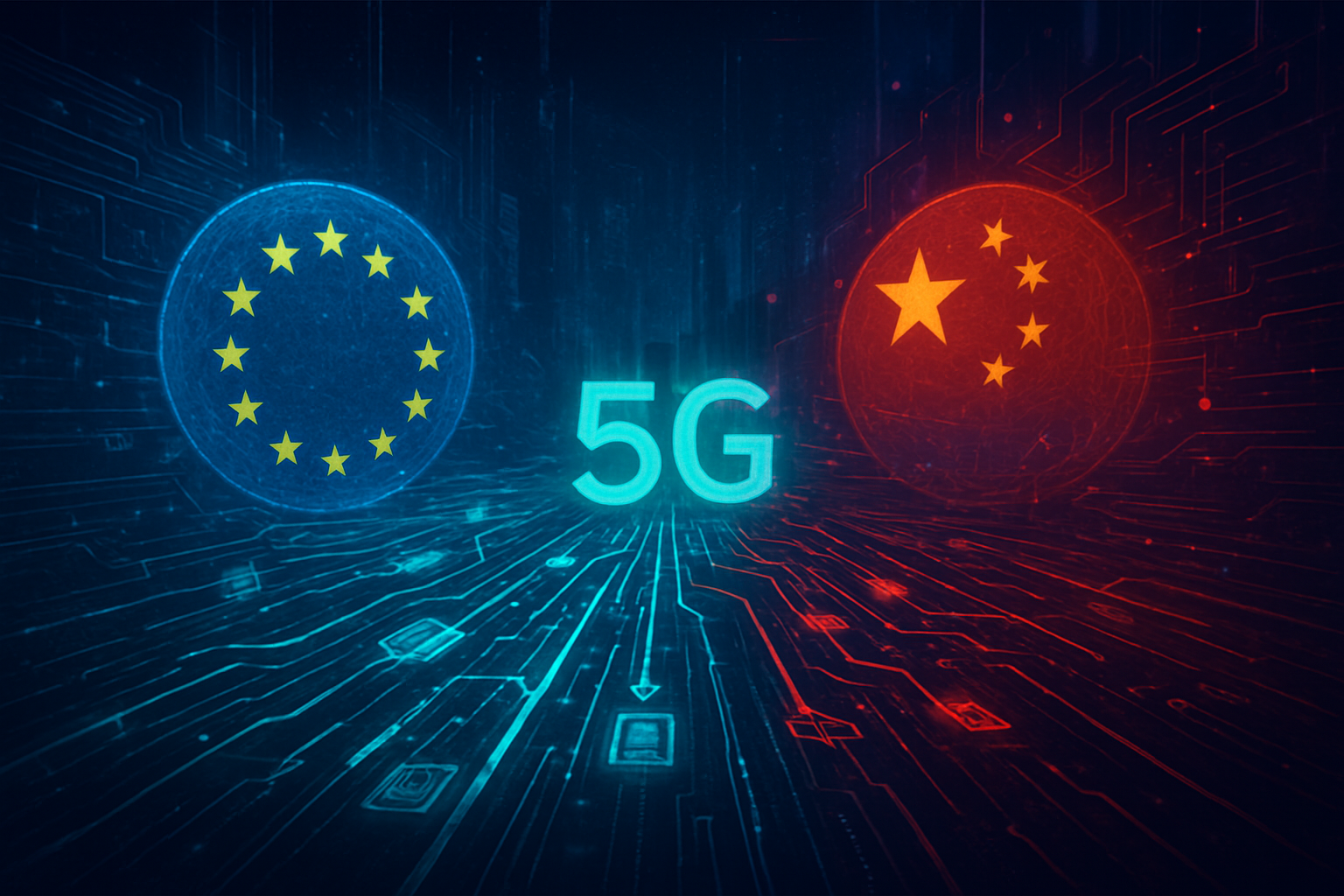
  • EU Intensifies Stance on Huawei and ZTE: A Geopolitical Tech Reckoning

    EU Intensifies Stance on Huawei and ZTE: A Geopolitical Tech Reckoning

    The European Union is taking an increasingly assertive stance on the involvement of Chinese telecommunications giants Huawei and ZTE in its member countries' mobile networks, particularly concerning the critical 5G infrastructure. Driven by escalating national security concerns and a strategic push for digital sovereignty, the EU is urging its member states to restrict or ban these "high-risk" vendors, marking a pivotal moment in the global technological and geopolitical landscape.

    This deliberation, which gained significant traction between 2018 and 2019, explicitly named Huawei and ZTE for the first time in June 2023 as posing "materially higher risks than other 5G suppliers." The European Commission's urgent call to action and its own internal measures to cut off communications from networks using Huawei or ZTE equipment underscore the seriousness of the perceived threat. This move is a key component of the EU's broader strategy to "de-risk" its economic ties with China, reduce critical dependencies, and bolster the resilience of its vital infrastructure, reflecting a growing imperative to secure digital sovereignty in an increasingly contested technological arena.

    Geopolitical Currents and the 5G Battleground

    At the heart of the EU's intensified scrutiny are profound security concerns, rooted in allegations of links between Huawei and ZTE and the Chinese government. Western nations fear that Chinese national intelligence laws could compel these companies to cooperate with intelligence agencies, potentially leading to espionage, data theft, or sabotage of critical infrastructure. The European Commission's explicit designation of Huawei and ZTE as high-risk vendors highlights these worries, which include the potential for "backdoors" allowing unauthorized access to sensitive data and the ability to disrupt essential services reliant on 5G.

    5G is not merely an incremental upgrade to mobile communication; it is the foundational infrastructure for the digital economy and society of the future. Its ultra-high speeds, low latency, and massive connectivity will enable transformative applications in the Internet of Things (IoT), Artificial Intelligence (AI), autonomous driving, smart cities, and critical national infrastructure. Control over this infrastructure is therefore seen as a matter of national security and geopolitical power, shaping economic and technical leadership. The dense, software-defined architecture of 5G networks can also make them more vulnerable to cyberattacks, further emphasizing the need for trusted suppliers.

    This evolving EU policy is a significant front in the broader technological and economic rivalry between the West and China. It reflects a Western push for technological decoupling and supply chain resilience, aiming to reduce dependence on Chinese technology and promote diversification. China's rapid advancements and leadership in 5G have challenged Western technological dominance, framing this as a struggle for control over future industries. While Huawei consistently denies embedding backdoors, reports from entities like Finite State and GCHQ have identified "serious and systematic defects in Huawei's software engineering and cyber security competence," fueling concerns about the integrity and trustworthiness of Chinese 5G equipment.

    Reshaping Market Competition and Corporate Fortunes

    The potential EU ban on Huawei and ZTE equipment is set to significantly reshape the telecommunications market, creating substantial opportunities for alternative suppliers while posing complex implications for the broader tech ecosystem. The most direct beneficiaries are established non-Chinese vendors, primarily Ericsson (NASDAQ: ERIC) from Sweden and Nokia (NYSE: NOK) from Finland, who are well-positioned to fill the void. Other companies poised to gain market share include Samsung (KRX: 005930), Cisco (NASDAQ: CSCO), Ciena (NYSE: CIEN), Juniper Networks (NYSE: JNPR), NEC Corporation (TSE: 6701), and Fujitsu Limited (TSE: 6702). Major cloud providers like Dell Technologies (NYSE: DELL), Microsoft (NASDAQ: MSFT), and Amazon Web Services (AWS) (NASDAQ: AMZN) are also gaining traction as telecom operators increasingly invest in 5G core and cloud technologies. Furthermore, the drive for vendor diversification is boosting the profile of Open Radio Access Network (Open RAN) advocates such as Mavenir and NEC.

    The exclusion of Huawei and ZTE has multifaceted competitive implications for major AI labs and tech companies. 5G networks are foundational for the advancement of AI and IoT, and a ban forces European companies to rely on alternative suppliers. This transition can lead to increased costs and potential delays in 5G deployment, which, in turn, could slow down the adoption and innovation pace of AI and IoT applications across Europe. Huawei itself is a major developer of AI technologies, and its Vice-President for Europe has warned that bans could limit global collaboration, potentially hindering Europe's AI development. However, this could also serve as a catalyst for European digital sovereignty, spurring investment in homegrown AI tools and platforms.

    A widespread and rapid EU ban could lead to significant disruptions. Industry estimates suggest that banning Huawei and ZTE could cost EU mobile operators up to €55 billion and cause delays of up to 18 months in 5G rollout. The "rip and replace" process for existing Huawei equipment is costly and complex, particularly for operators with substantial existing infrastructure. Slower 5G deployment and higher operational costs for network providers could impede the growth of innovative services and products that rely heavily on high-speed, low-latency 5G connectivity, impacting areas like autonomous driving, smart cities, and advanced industrial automation.

    Alternative suppliers leverage their established presence, strong relationships with European operators, and adherence to stringent cybersecurity standards to capitalize on the ban. Ericsson and Nokia, with their comprehensive, end-to-end solutions, are well-positioned. Companies investing in Open RAN and cloud-native networks also offer flexibility and promote multi-vendor environments, aligning with the EU's desire for supply chain diversification. This strategic realignment aims to foster a more diverse, secure, and European-led innovation landscape in 5G, AI, and cloud computing.

    Broader Significance and Historical Echoes

    The EU's evolving stance on Huawei and ZTE is more than a regulatory decision; it is a profound realignment within the global tech order. It signifies a collective European recognition of the intertwining of technology, national security, and geopolitical power, pushing the continent towards greater digital sovereignty and resilience. This development is intricately woven into several overarching trends in the AI and tech landscape. 5G and next-generation connectivity are recognized as critical backbones for future AI applications and the Internet of Things. The ban aligns with the EU's broader regulatory push for data security and privacy, exemplified by GDPR and the upcoming Cyber Resilience Act. While potentially impacting AI development by limiting global collaboration, it could also stimulate European investment in AI-related infrastructure.

    The ban is a key component of the EU's strategy to enhance supply chain resilience and reduce critical dependencies on single suppliers or specific geopolitical blocs. The concept of "digital sovereignty"—establishing trust in the digital single market, setting its own rules, and developing strategic digital capacities—is central to the EU's motivation. This places Europe in a delicate position, balancing transatlantic alliances with its own strategic autonomy and economic interests with China amidst the intensifying US-China tech rivalry.

    Beyond immediate economic effects, the implications include potential impacts on innovation, interoperability, and research and development collaboration. While aiming for enhanced security, the transition could lead to higher costs and delays in 5G rollout. Conversely, it could foster greater competition among non-Chinese vendors and stimulate the development of European alternatives. A fragmented approach across member states, however, risks complicating global interoperability and the development of unified tech standards.

    This development echoes historical tech and geopolitical milestones. It shares similarities with Cold War-era strategic technology control, such as COCOM, which restricted the export of strategic technologies to the Soviet bloc. It also aligns with US Entity List actions and tech sanctions against Chinese companies, albeit with a more nuanced, and initially less unified, European approach. Furthermore, the pursuit of "digital sovereignty" parallels earlier European initiatives to achieve strategic independence in industries like aerospace (Airbus challenging Boeing) or space navigation (Galileo as an alternative to GPS), reflecting a long-standing desire to reduce reliance on non-European powers for critical infrastructure.

    The Road Ahead: Challenges and Predictions

    In the near term, the EU is pushing for accelerated action from its member states. The European Commission has formally designated Huawei and ZTE as "high-risk suppliers" and urged immediate bans, even removing their equipment from its own internal systems. Despite this, implementation varies, with many EU countries still lacking comprehensive plans to reduce dependency. Germany, for instance, has set deadlines for removing Huawei and ZTE components from its 5G core networks by the end of 2026 and all Chinese components from its 5G infrastructure by 2029.

    The long-term vision involves building resilience in the digital era and reducing critical dependencies on China. A key development is the push for Open Radio Access Network (OpenRAN) architecture, which promotes a modular and open network, fostering greater competition, innovation, and enhanced security by diversifying the supply chain. The EU Commission is also considering making the 5G cybersecurity toolbox mandatory under EU law, which would compel unified action.

    The shift away from Huawei and ZTE will primarily impact 5G infrastructure, opening opportunities for increased vendor diversity, particularly through OpenRAN, and enabling more secure critical infrastructure and cloud-native, software-driven networks. Companies like Mavenir, NEC, and Altiostar are emerging as OpenRAN providers.

    However, significant challenges remain. Slow adoption and enforcement by member states, coupled with the substantial economic burden and investment costs of replacing existing infrastructure, are major hurdles. Maintaining the pace of 5G rollout while transitioning is also a concern, as is the current limited maturity of some OpenRAN alternatives compared to established end-to-end solutions. The geopolitical and diplomatic pressure from China, which views the ban as discriminatory, further complicates the situation.

    Experts predict increased pressure for compliance from the European Commission, leading to a gradual phase-out with explicit deadlines in more countries. The rise of OpenRAN is seen as a long-term answer to supply chain diversity. The transition will continue to present economic challenges for communication service providers, leading to increased costs and potential delays. Furthermore, the EU's stance is part of a broader "de-risking" strategy, which will likely keep technology at the forefront of EU-China relations.

    A New Era of Digital Sovereignty

    The EU's deliberation over banning Huawei and ZTE is more than just a regulatory decision; it is a strategic recalibration with profound implications for its technological future, geopolitical standing, and the global digital economy. The key takeaway is a determined but complex process of disengagement, driven by national security concerns and a desire for digital sovereignty. This move assesses the significance of securing foundational technologies like 5G as paramount for the trustworthiness and resilience of all future AI and digital innovations.

    The long-term impact will likely include a more diversified vendor landscape, though potentially at the cost of increased short-term expenses and rollout delays. It also signifies a hardening of EU-China relations in the technology sphere, prioritizing security over purely economic considerations. Indirectly, by securing the underlying 5G infrastructure, the EU aims to build a more resilient and trustworthy foundation for the development and deployment of AI technologies.

    In the coming weeks and months, several key developments warrant close attention. The European Commission is actively considering transforming its 5G toolbox recommendations into a mandatory directive under an upcoming Digital Networks Act, which would legally bind member states. Monitoring increased member state compliance, particularly from those with high dependencies on Chinese components, will be crucial. Observers should also watch how strictly the EU applies its funding mechanisms and whether it explores expanding restrictions to fixed-line networks. Finally, geopolitical responses from China and the continued development and adoption of OpenRAN technologies will be critical indicators of the depth and speed of this strategic shift.


    This content is intended for informational purposes only and represents analysis of current AI developments.

    TokenRing AI delivers enterprise-grade solutions for multi-agent AI workflow orchestration, AI-powered development tools, and seamless remote collaboration platforms.
    For more information, visit https://www.tokenring.ai/.

  • Seekr and Fossefall Forge Green AI Frontier in Europe with Clean-Energy Data Centers

    Seekr and Fossefall Forge Green AI Frontier in Europe with Clean-Energy Data Centers

    In a landmark move set to reshape Europe's artificial intelligence landscape, U.S.-headquartered AI firm Seekr Technologies Inc. (NASDAQ: SKR) and Norwegian AI infrastructure innovator Fossefall AS have announced a strategic partnership aimed at delivering a complete enterprise AI value chain across the continent. This multi-year commercial agreement focuses on establishing low-cost, clean-energy data centers in Norway and Sweden, leveraging the region's abundant renewable hydropower to power the next generation of AI development.

    The collaboration addresses the escalating demand for AI services while simultaneously tackling the critical challenge of sustainable AI infrastructure. By integrating power generation, storage, and AI computing capacity into unified "AI factories," Fossefall plans to deploy over 500 megawatts (MW) of operational AI capacity by 2030. Seekr (NASDAQ: SKR), in turn, will secure significant AI capacity for the initial phase of the partnership and work with Fossefall to develop a new AI cloud service offering. This initiative promises to significantly reduce the carbon footprint and operational costs associated with large-scale AI, fostering sovereign AI capabilities within Europe, and setting a new standard for environmentally responsible technological advancement.

    Engineering the Green AI Revolution: Inside the Seekr and Fossefall Partnership

    The strategic alliance between Seekr Technologies Inc. (NASDAQ: SKR) and Fossefall AS is not merely a commercial agreement; it represents a significant engineering endeavor to construct a new paradigm for AI infrastructure. Fossefall's innovative "AI factories," situated in Norway and Sweden, are purpose-built facilities designed to integrate power generation, storage, and high-performance AI computing into a single, cohesive value chain. These factories are fundamentally different from conventional data centers, being specifically engineered for the high-density, GPU-optimized operations demanded by modern AI workloads.

    At the core of these AI factories are massive GPU clusters, where entire racks function as unified compute units. This architecture necessitates ultra-high-density integration, sophisticated cooling mechanisms—including direct liquid-to-chip cooling—and extremely low-latency connectivity among thousands of components to eliminate bottlenecks during parallel processing. Fossefall aims to deliver over 500 megawatts (MW) of renewable energy, predominantly hydroelectric, and target more than 500 MW of operational AI capacity by 2030. Seekr (NASDAQ: SKR), in turn, brings its end-to-end enterprise AI platform, SeekrFlow, which is central to managing AI workloads within these factories, facilitating data preparation, fine-tuning, hosting, and inference across various hardware and cloud environments. SeekrFlow also incorporates advanced features like Structured Outputs, Custom Tools, and GRPO Fine-Tuning to enhance the reliability, extensibility, and precision of AI agents for enterprise applications.

    The hardware backbone of these facilities will host "state-of-the-art AI hardware," with Seekr's existing collaborations hinting at the use of NVIDIA (NASDAQ: NVDA) A100, H100, H200, or AMD (NASDAQ: AMD) MI300X GPUs. For specific tasks, Intel (NASDAQ: INTC) Gaudi 2 AI accelerators and Intel Data Center GPU Max Series 1550 are also leveraged. This robust hardware, combined with Fossefall's strategic location, allows for an unparalleled blend of performance and sustainability. The cool Nordic climate naturally aids in cooling, drastically reducing the energy consumption typically associated with maintaining optimal operating temperatures for high-performance computing, further enhancing the environmental credentials of these AI factories.

    This approach significantly differentiates itself from previous and existing AI infrastructure models primarily through its radical commitment to sustainability and cost-efficiency. While traditional hyperscalers may struggle to meet the extreme power and cooling demands of modern GPUs, Fossefall’s purpose-built design directly addresses these challenges. The utilization of Norway's nearly 100% renewable hydropower translates to an exceptionally low carbon footprint. Furthermore, industrial electricity prices in Northern Norway, averaging around USD 0.009 per kWh, offer a stark contrast to continental European averages often exceeding USD 0.15 per kWh. This dramatic cost reduction, coupled with the inherent energy efficiency of the design and the optimized software from SeekrFlow, creates a compelling economic and environmental advantage. Initial reactions from the industry have been positive, with analysts recognizing the strategic importance of this initiative for Europe's AI ecosystem and highlighting Seekr's recognition as an innovative company.

    Reshaping the AI Competitive Landscape: Winners, Challengers, and Disruptors

    The strategic alliance between Seekr Technologies Inc. (NASDAQ: SKR) and Fossefall AS is poised to send ripples across the global AI industry, creating new beneficiaries, intensifying competition for established players, and potentially disrupting existing service models. The partnership's emphasis on low-cost, clean-energy AI infrastructure and data sovereignty positions it as a formidable new entrant, particularly within the European market.

    Foremost among the beneficiaries are the partners themselves. Seekr Technologies (NASDAQ: SKR) gains unparalleled access to a massive, low-cost, and environmentally sustainable AI infrastructure, enabling it to aggressively expand its "trusted AI" solutions and SeekrFlow platform across Europe. This significantly enhances its competitive edge in offering AI cloud services. Fossefall AS, in turn, secures a substantial commercial agreement with a leading AI firm, validating its innovative "AI factory" model and providing a clear pathway to monetize its ambitious goal of 500 MW operational AI capacity by 2030. Beyond the immediate partners, European enterprises and governments are set to benefit immensely, gaining access to localized, secure, and green AI solutions that address critical concerns around data residency, security, and environmental impact. Companies with strong Environmental, Social, and Governance (ESG) mandates will also find this hydropower-driven AI particularly attractive, aligning their technological adoption with sustainability goals.

    The competitive implications for major AI labs and tech giants are substantial. Hyperscalers such as Amazon Web Services (AWS), Microsoft (NASDAQ: MSFT) Azure, and Google (NASDAQ: GOOGL) Cloud, which currently dominate AI infrastructure, may face increased pressure in Europe. The partnership's ability to offer AI compute at industrial electricity prices as low as USD 0.009 per kWh in Northern Norway presents a cost advantage that is difficult for traditional data centers in other regions to match. This could force major tech companies to reassess their pricing strategies and accelerate their own investments in sustainable energy solutions for AI infrastructure. Furthermore, Seekr’s integrated "trusted AI" cloud service, running on Fossefall’s dedicated infrastructure, provides a more specialized and potentially more secure offering than generic AI-as-a-service models, challenging the market dominance of generalized AI service providers, especially for mission-critical applications.

    This collaboration has the potential to disrupt existing AI products and services by catalyzing a decentralization of AI infrastructure, moving away from a few global tech giants towards more localized, specialized, and sovereign AI factories. It also sets a new precedent for "Green AI," elevating the importance of sustainable energy sources in AI development and deployment and potentially making environmentally friendly AI a key competitive differentiator. Seekr's core value proposition of "trusted AI" for critical environments, bolstered by dedicated clean infrastructure, could also raise customer expectations for explainability, security, and ethical considerations across all AI products. Strategically, the partnership immediately positions itself as a frontrunner in providing environmentally sustainable and data-sovereign AI infrastructure within Europe, offering a dual advantage that caters to pressing regulatory, ethical, and strategic demands for digital autonomy.

    Beyond Compute: The Broader Implications for Sustainable and Sovereign AI

    The strategic partnership between Seekr Technologies Inc. (NASDAQ: SKR) and Fossefall AS transcends a mere commercial agreement; it represents a pivotal development in the broader AI landscape, addressing critical trends and carrying profound implications across environmental, economic, and geopolitical spheres. This collaboration signifies a maturation of the AI industry, shifting focus from purely algorithmic breakthroughs to the practical, sustainable, and sovereign deployment of artificial intelligence at scale.

    This initiative aligns perfectly with several prevailing trends. The European AI infrastructure market is experiencing exponential growth, projected to reach USD 16.86 billion by 2025, underscoring the urgent need for robust computational resources. Furthermore, Seekr’s specialization in "trusted AI" and "responsible and explainable AI solutions" for "mission-critical environments" directly addresses the increasing demand for transparency, accuracy, and safety as AI systems are integrated into sensitive sectors like government and defense. The partnership also sits at the forefront of the generative AI revolution, with Seekr offering "domain-specific LLMs and Agentic AI solutions" through its SeekrFlow™ platform, which inherently demands immense computational power for training and inference. The flexibility of SeekrFlow™ to deploy across cloud, on-premises, and edge environments further reflects the industry's need for versatile AI processing capabilities.

    The wider impacts of this partnership are multifaceted. Environmentally, the commitment to "clean-energy data centers" in Norway and Sweden, powered almost entirely by renewable hydropower, offers a crucial solution to the substantial energy consumption and carbon footprint of large-scale AI. This positions the Nordic region as a global leader in sustainable AI infrastructure. Economically, the access to ultra-low-cost, clean energy (around USD 0.009 per kWh in Northern Norway) provides a significant competitive advantage, potentially lowering operational costs for advanced AI and stimulating Europe's AI market growth. Geopolitically, the development of "sovereign, clean-energy AI capacity in Europe" is a direct stride towards enhancing European digital sovereignty, reducing reliance on foreign cloud providers, and fostering greater economic independence and data control. This also positions Europe as a more self-reliant player in the global AI race, a crucial arena for international power dynamics.

    However, challenges remain. The exponential growth in AI compute demand could quickly outpace even Fossefall’s ambitious plan for 500 MW by 2030, necessitating continuous expansion. Attracting and retaining highly specialized AI and infrastructure talent in a competitive global market will also be critical. Navigating the evolving regulatory landscape, such as the EU AI Act, will require careful attention, though Seekr’s emphasis on "trusted AI" is a strong starting point. While the partnership aims for sovereign infrastructure, the global supply chain for specialized AI hardware like GPUs still presents potential dependencies and vulnerabilities. This partnership represents a significant shift from previous AI milestones that focused primarily on algorithmic breakthroughs, like AlphaGo or GPT-3. Instead, it marks a critical step in the industrialization and responsible deployment of AI, emphasizing sustainability, economic accessibility, trust, and sovereignty as foundational elements for AI's long-term societal integration.

    The Road Ahead: Scaling Green AI and Shaping Europe's Digital Future

    The strategic partnership between Seekr Technologies Inc. (NASDAQ: SKR) and Fossefall AS is poised for significant evolution, with ambitious near-term and long-term developments aimed at scaling green AI infrastructure and profoundly impacting Europe's digital future. The coming years will see the materialization of Fossefall's "AI factories" and the widespread deployment of Seekr's advanced AI solutions on this sustainable foundation.

    In the near term, the partnership expects to finalize definitive commercial terms for their multi-year agreement before the close of 2025. This will be swiftly followed by the financial close for Fossefall's initial AI factory projects in 2026. Seekr (NASDAQ: SKR) will then reserve AI capacity for the first 36 months, with Fossefall simultaneously launching and reselling a Seekr AI cloud service offering. Crucially, SeekrFlow™, Seekr's enterprise AI platform, will be deployed across these nascent AI factories, managing the training and deployment of AI solutions with a strong emphasis on accuracy, security, explainability, and governance.

    Looking further ahead, the long-term vision is expansive. Fossefall is targeting over 500 megawatts (MW) of operational AI capacity by 2030 across its AI factories in Norway and Sweden, transforming the region's abundant renewable hydropower and land into a scalable, sovereign, and sustainable data center platform. This will enable the partnership to deliver a complete enterprise AI value chain to Europe, providing businesses and governments with access to powerful, clean-energy AI solutions. The decentralization of computing and utilization of local renewable energy are also expected to promote regional economic development and strengthen energy security in the Nordic region.

    This sustainable AI infrastructure will unlock a wide array of potential applications and use cases, particularly where energy efficiency, data integrity, and explainability are paramount. These include mission-critical environments for European government and critical infrastructure sectors, leveraging Seekr's proven expertise with U.S. defense and intelligence agencies. AI-powered smart grids can optimize energy management, while sustainable urban development initiatives can benefit from AI managing traffic flow and building energy consumption. Infrastructure predictive maintenance, environmental monitoring, resource management, and optimized manufacturing and supply chains are also prime candidates for this green AI deployment. Furthermore, SeekrFlow™'s capabilities will enhance the development of domain-specific Large Language Models (LLMs) and Agentic AI, supporting content evaluation, integrity, and advanced data analysis for enterprises.

    However, the path to widespread success is not without challenges. The immense energy appetite of AI data centers, with high-density racks pulling significant power, means that scaling to 500 MW by 2030 will require overcoming potential grid limitations and significant infrastructure investment. Balancing the imperative of sustainability with the need for rapid deployment remains a key challenge, as some executives prioritize speed over clean power if it causes delays or cost increases. Navigating Europe's evolving AI regulatory landscape, while ensuring data quality, integrity, and bias mitigation for "trusted AI," will also be crucial. Experts predict that this partnership will accelerate sustainable AI development in Europe, drive a shift in AI cost structures towards more efficient fine-tuning, and increase the focus on explainable and trustworthy AI across the industry. The visible success of Seekr and Fossefall could serve as a powerful model, attracting further green investment into AI infrastructure across Europe and solidifying the continent's position in the global AI race.

    A New Dawn for AI: Sustainable, Sovereign, and Scalable

    The strategic partnership between Seekr Technologies Inc. (NASDAQ: SKR) and Fossefall AS, announced on November 10, 2025, marks a watershed moment in the evolution of artificial intelligence, heralding a new era of sustainable, sovereign, and scalable AI infrastructure in Europe. This multi-year collaboration is not merely an incremental step but a bold leap towards addressing the critical energy demands of AI while simultaneously bolstering Europe's digital autonomy.

    The key takeaways from this alliance are clear: a pioneering commitment to clean-energy AI infrastructure, leveraging Norway's and Sweden's abundant and low-cost hydropower to power Fossefall's innovative "AI factories." These facilities, aiming for over 500 MW of operational AI capacity by 2030, will integrate power generation, storage, and AI computing into a seamless value chain. Seekr (NASDAQ: SKR), as the trusted AI software provider, will anchor this infrastructure by reserving significant capacity and developing a new AI cloud service offering. This integrated approach directly addresses Europe's surging demand for AI services, projected to reach USD 16.86 billion by 2025, while setting a new global benchmark for environmentally responsible technological advancement.

    In the annals of AI history, this partnership holds profound significance. It moves beyond purely theoretical or algorithmic breakthroughs to focus on the practical, industrial-scale deployment of AI with a strong ethical and environmental underpinning. It pioneers sustainable AI at scale, actively decarbonizing AI computation through renewable energy. Furthermore, it is a crucial stride towards advancing European digital sovereignty, empowering the continent with greater control over its data and AI processing, thereby reducing reliance on external infrastructure. The emphasis on "trusted AI" from Seekr, coupled with the clean energy aspect, could redefine standards for future AI deployments, particularly in mission-critical environments.

    The long-term impact of this collaboration could be transformative. It has the potential to significantly reduce the global carbon footprint of AI, inspiring similar renewable-powered infrastructure investments worldwide. By offering scalable, cost-effective, and clean AI compute within Europe, it could foster a more competitive and diverse global AI landscape, attracting further research, development, and deployment to the region. Enhanced data governance and security for European enterprises and public sectors, coupled with substantial economic growth in the Nordic region, are also anticipated outcomes.

    As we look to the coming weeks and months, several critical developments bear close watching. The finalization of the definitive commercial terms before the end of 2025 will provide greater insight into the financial and operational framework of this ambitious venture. Equally important will be the progress on the ground—monitoring Fossefall's development of the AI factories and the initial rollout of the AI cloud service offering. Any announcements regarding early enterprise clients or public sector entities leveraging this new clean-energy AI capacity will serve as concrete indicators of the partnership's early success and impact. This alliance between Seekr and Fossefall is not just building data centers; it is architecting a greener, more secure, and more independent future for artificial intelligence in Europe.


    This content is intended for informational purposes only and represents analysis of current AI developments.

    TokenRing AI delivers enterprise-grade solutions for multi-agent AI workflow orchestration, AI-powered development tools, and seamless remote collaboration platforms.
    For more information, visit https://www.tokenring.ai/.
  • Europe’s Bold Bet: The €43 Billion Chips Act and the Quest for Digital Sovereignty

    Europe’s Bold Bet: The €43 Billion Chips Act and the Quest for Digital Sovereignty

    In a decisive move to reclaim its standing in the global semiconductor arena, the European Union formally enacted the European Chips Act (ECA) on September 21, 2023. This ambitious legislative package, first announced in September 2021 and officially proposed in February 2022, represents a monumental commitment to bolstering domestic chip production and significantly reducing Europe's reliance on Asian manufacturing powerhouses. With a target to double its global market share in semiconductor production from a modest 10% to an ambitious 20% by 2030, and mobilizing over €43 billion in public and private investments, the Act signals a strategic pivot towards technological autonomy and resilience in an increasingly digitized and geopolitically complex world.

    The immediate significance of the European Chips Act cannot be overstated. It emerged as a direct response to the crippling chip shortages experienced during the COVID-19 pandemic, which exposed Europe's acute vulnerability to disruptions in global supply chains. These shortages severely impacted critical sectors, from automotive to healthcare, leading to substantial economic losses. By fostering localized production and innovation across the entire semiconductor value chain, the EU aims to secure its supply of essential components, stimulate economic growth, create jobs, and ensure that Europe remains at the forefront of the digital and green transitions. As of October 2, 2025, the Act is firmly in its implementation phase, with ongoing efforts to attract investment and establish the necessary infrastructure.

    Detailed Technical Deep Dive: Powering Europe's Digital Future

    The European Chips Act is meticulously structured around three core pillars, designed to address various facets of the semiconductor ecosystem. The first pillar, the "Chips for Europe Initiative," is a public-private partnership aimed at reinforcing Europe's technological leadership. It is supported by €6.2 billion in public funds, including €3.3 billion directly from the EU budget until 2027, with a significant portion redirected from existing programs like Horizon Europe and the Digital Europe Programme. This initiative focuses on bridging the "lab to fab" gap, facilitating the transfer of cutting-edge research into industrial applications. Key operational objectives include establishing pre-commercial, innovative pilot lines for testing and validating advanced semiconductor technologies, deploying a cloud-based design platform accessible to companies across the EU, and supporting the development of quantum chips. The Chips Joint Undertaking (Chips JU) is the primary implementer, with an expected budget of nearly €11 billion by 2030.

    The Act specifically targets advanced chip technologies, including manufacturing capabilities for 2 nanometer and below, as well as quantum chips, which are crucial for the next generation of AI and high-performance computing (HPC). It also emphasizes energy-efficient microprocessors, critical for the sustainability of AI and data centers. Investments are directed towards strengthening the European design ecosystem and ensuring the production of specialized components for vital industries such as automotive, communications, data processing, and defense. This comprehensive approach differs significantly from previous EU technology strategies, which often lacked the direct state aid and coordinated industrial intervention now permitted under the Chips Act.

    Compared to global initiatives, particularly the US CHIPS and Science Act, the EU's approach presents both similarities and distinctions. Both aim to increase domestic chip production and reduce reliance on external suppliers. However, the US CHIPS Act, enacted in August 2022, allocates a more substantial sum of over $52.7 billion in new federal grants and $24 billion in tax credits, primarily new money. In contrast, a significant portion of the EU's €43 billion mobilizes existing EU funding programs and contributions from individual member states. This multi-layered funding mechanism and bureaucratic framework have led to slower capital deployment and more complex state aid approval processes in the EU compared to the more streamlined bilateral grant agreements in the US. Initial reactions from industry experts and the AI research community have been mixed, with many expressing skepticism about the EU's 2030 market share target and calling for more substantial and dedicated funding to compete effectively in the global subsidy race.

    Corporate Crossroads: Winners, Losers, and Market Shifts

    The European Chips Act is poised to significantly reshape the competitive landscape for semiconductor companies, tech giants, and startups operating within or looking to invest in the EU. Major beneficiaries include global players like Intel (NASDAQ: INTC), which has committed to a massive €33 billion investment in a new chip manufacturing facility in Magdeburg, Germany, securing an €11 billion subsidy commitment from the German government. TSMC (Taiwan Semiconductor Manufacturing Company) (NYSE: TSM), the world's leading contract chipmaker, is also establishing its first European fab in Dresden, Germany, in collaboration with Bosch, Infineon (XTRA: IFX), and NXP Semiconductors (NASDAQ: NXPI), an investment valued at approximately €10 billion with significant EU and German support.

    European powerhouses such as Infineon (XTRA: IFX), known for its expertise in power semiconductors, are expanding their footprint, with Infineon planning a €5 billion facility in Dresden. STMicroelectronics (NYSE: STM) is also receiving state aid for SiC wafer manufacturing in Catania, Italy. Equipment manufacturers like ASML (NASDAQ: ASML), a global leader in photolithography, stand to benefit from increased investment in the broader ecosystem. Beyond these giants, European high-tech companies specializing in materials and equipment, such as Schott, Zeiss, Wacker (XTRA: WCH), Trumpf, ASM (AMS: ASM), and Merck (XTRA: MRK), are crucial to the value chain and are expected to strengthen their strategic advantages. The Act also explicitly aims to foster the growth of startups and SMEs through initiatives like the "EU Chips Fund," which provides equity and debt financing, benefiting innovative firms like French startup SiPearl, which is developing energy-efficient microprocessors for HPC and AI.

    For major AI labs and tech companies, the Act offers the promise of increased localized production, potentially leading to more stable and secure access to advanced chips. This reduces dependency on volatile external supply chains, mitigating future disruptions that could cripple AI development and deployment. The focus on energy-efficient chips aligns with the growing demand for sustainable AI, benefiting European manufacturers with expertise in this area. However, the competitive implications also highlight challenges: the EU's investment, while substantial, trails the colossal outlays from the US and China, raising concerns about Europe's ability to attract and retain top talent and investment in a global "subsidy race." There's also the risk that if the EU doesn't accelerate its efforts in advanced AI chip production, European companies could fall behind, increasing their reliance on foreign technology for cutting-edge AI innovations.

    Beyond the Chip: Geopolitics, Autonomy, and the AI Frontier

    The European Chips Act transcends the mere economics of semiconductor manufacturing, embedding itself deeply within broader geopolitical trends and the evolving AI landscape. Its primary goal is to enhance Europe's strategic autonomy and technological sovereignty, reducing its critical dependency on external suppliers, particularly from Asia for manufacturing and the United States for design. This pursuit of self-reliance is a direct response to the lessons learned from the COVID-19 pandemic and escalating global trade tensions, which underscored the fragility of highly concentrated supply chains. By cultivating a robust domestic semiconductor ecosystem, the EU aims to fortify its economic stability and ensure a secure supply of essential components for critical industries like automotive, healthcare, defense, and telecommunications, thereby mitigating future risks of supply chain weaponization.

    Furthermore, the Act is a cornerstone of Europe's broader digital and green transition objectives. Advanced semiconductors are the bedrock for next-generation technologies, including 5G/6G communication, high-performance computing (HPC), and, crucially, artificial intelligence. By strengthening its capacity in chip design and manufacturing, the EU aims to accelerate its leadership in AI development, foster cutting-edge research in areas like quantum computing, and provide the foundational hardware necessary for Europe to compete globally in the AI race. The "Chips for Europe Initiative" actively supports this by promoting innovation from "lab to fab," fostering a vibrant ecosystem for AI chip design, and making advanced design tools accessible to European startups and SMEs.

    However, the Act is not without its criticisms and concerns. The European Court of Auditors (ECA) has deemed the target of reaching 20% of the global chip market by 2030 as "totally unrealistic," projecting a more modest increase to around 11.7% by that year. Critics also point to the fragmented nature of the funding, with much of the €43 billion being redirected from existing EU programs or requiring individual member state contributions, rather than being entirely new money. This, coupled with bureaucratic hurdles, high energy costs, and a significant shortage of skilled workers (estimated at up to 350,000 by 2030), poses substantial challenges to the Act's success. Some also question the focus on expensive, cutting-edge "mega-fabs" when many European industries, such as automotive, primarily rely on trailing-edge chips. The Act, while a significant step, is viewed by some as potentially falling short of the comprehensive, unified strategy needed to truly compete with the massive, coordinated investments from the US and China.

    The Road Ahead: Challenges and the Promise of 'Chips Act 2.0'

    Looking ahead, the European Chips Act faces a critical juncture in its implementation, with both near-term operational developments and long-term strategic adjustments on the horizon. In the near term, the focus remains on operationalizing the "Chips for Europe Initiative," establishing pilot production lines for advanced technologies, and designating "Integrated Production Facilities" (IPFs) and "Open EU Foundries" (OEFs) that benefit from fast-track permits and incentives. The coordination mechanism to monitor the sector and respond to shortages, including the semiconductor alert system launched in April 2023, will continue to be refined. Major investments, such as Intel's planned Magdeburg fab and TSMC's Dresden plant, are expected to progress, signaling tangible advancements in manufacturing capacity.

    Longer-term, the Act aims to foster a resilient ecosystem that maintains Europe's technological leadership in innovative downstream markets. However, the ambitious 20% market share target is widely predicted to be missed, necessitating a strategic re-evaluation. This has led to growing calls from EU lawmakers and industry groups, including a Dutch-led coalition comprising all EU member states, for a more ambitious and forward-looking "Chips Act 2.0." This revised framework is expected to address current shortcomings by proposing increased funding (potentially a quadrupling of existing investment), simplified legal frameworks, faster approval processes, improved access to skills and finance, and a dedicated European Chips Skills Program.

    Potential applications for chips produced under this initiative are vast, ranging from the burgeoning electric vehicle (EV) and autonomous driving sectors, where a single car could contain over 3,000 chips, to industrial automation, 5G/6G communication, and critical defense and space applications. Crucially, the Act's support for advanced and energy-efficient chips is vital for the continued development of Artificial Intelligence and High-Performance Computing, positioning Europe to innovate in these foundational technologies. However, challenges persist: the sheer scale of global competition, the shortage of skilled workers, high energy costs, and bureaucratic complexities remain formidable obstacles. Experts predict a pivot towards more targeted specialization, focusing on areas where Europe has a competitive advantage, such as R&D, equipment, chemical inputs, and innovative chip design, rather than solely pursuing a broad market share. The European Commission launched a public consultation in September 2025, with discussions on "Chips Act 2.0" underway, indicating that significant strategic shifts could be announced in the coming months.

    A New Era of European Innovation: Concluding Thoughts

    The European Chips Act stands as a landmark initiative, representing a profound shift in the EU's industrial policy and a determined effort to secure its digital future. Its key takeaways underscore a commitment to strategic autonomy, supply chain resilience, and fostering innovation in critical technologies like AI. While the Act has successfully galvanized significant investments and halted a decades-long decline in Europe's semiconductor production share, its ambitious targets and fragmented funding mechanisms have drawn considerable scrutiny. The ongoing debate around a potential "Chips Act 2.0" highlights the recognition that continuous adaptation and more robust, centralized investment may be necessary to truly compete on the global stage.

    In the broader context of AI history and the tech industry, the Act's significance lies in its foundational role. Without a secure and advanced supply of semiconductors, Europe's aspirations in AI, HPC, and other cutting-edge digital domains would remain vulnerable. By investing in domestic capacity, the EU is not merely chasing market share but building the very infrastructure upon which future AI breakthroughs will depend. The long-term impact will hinge on the EU's ability to overcome its inherent challenges—namely, insufficient "new money," a persistent skills gap, and the intense global subsidy race—and to foster a truly integrated, competitive, and innovative ecosystem.

    As we move forward, the coming weeks and months will be crucial. The outcomes of the European Commission's public consultation, the ongoing discussions surrounding "Chips Act 2.0," and the progress of major investments like Intel's Magdeburg fab will serve as key indicators of the Act's trajectory. What to watch for includes any announcements regarding increased, dedicated EU-level funding, concrete plans for addressing the skilled worker shortage, and clearer strategic objectives that balance ambitious market share goals with targeted specialization. The success of this bold European bet will not only redefine its role in the global semiconductor landscape but also fundamentally shape its capacity to innovate and lead in the AI era.

    This content is intended for informational purposes only and represents analysis of current AI developments.

    TokenRing AI delivers enterprise-grade solutions for multi-agent AI workflow orchestration, AI-powered development tools, and seamless remote collaboration platforms.
    For more information, visit https://www.tokenring.ai/.