Tag: Drug Development

  • AI Revolutionizes Drug Shelf-Life: Optimized Stability Models Promise Safer, More Effective Medicines

    AI Revolutionizes Drug Shelf-Life: Optimized Stability Models Promise Safer, More Effective Medicines

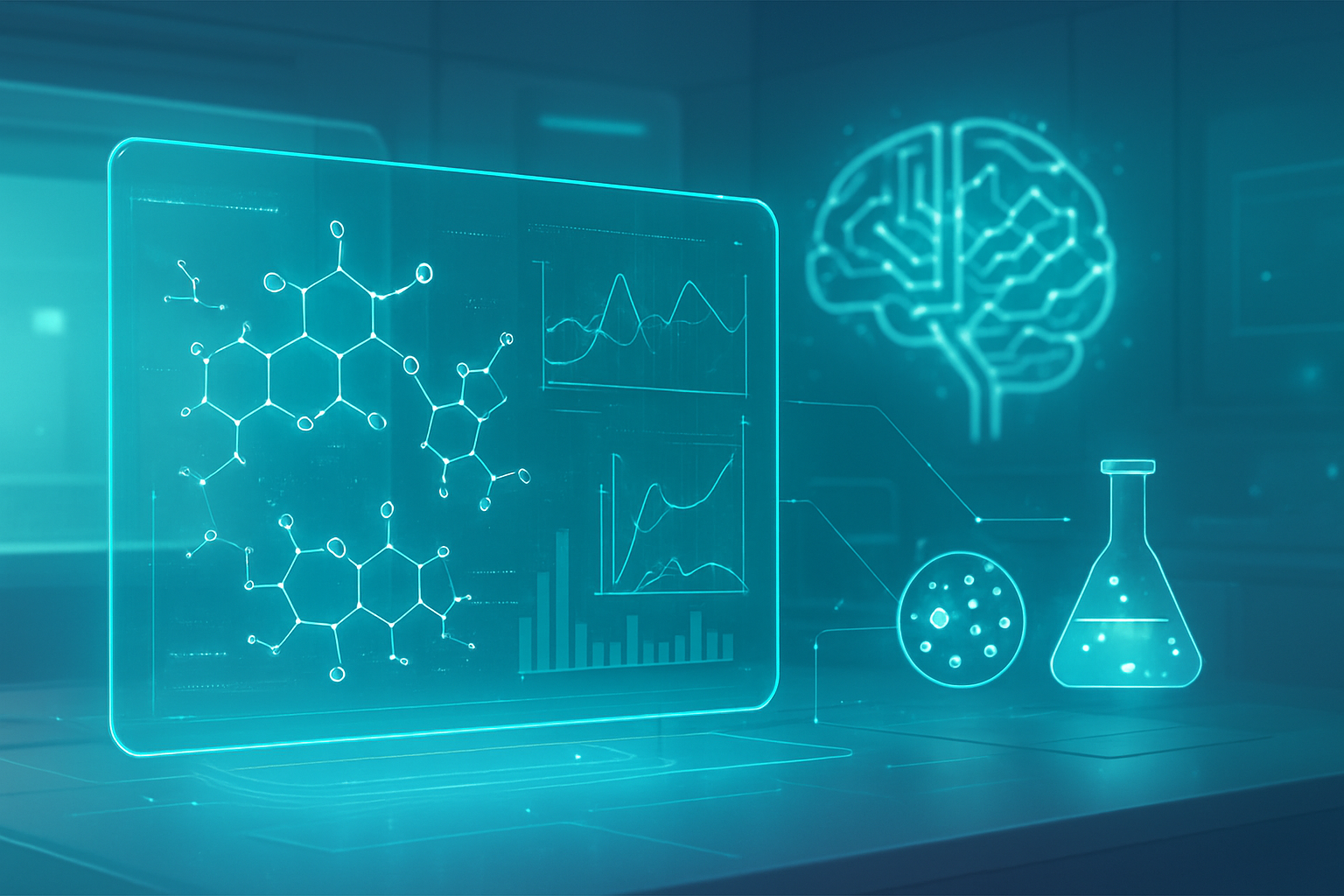
    The pharmaceutical industry is on the cusp of a profound transformation, driven by the integration of data science and Artificial Intelligence (AI) into drug formulation stability models. This burgeoning field is set to dramatically enhance the shelf-life and effectiveness of medications, addressing long-standing inefficiencies in traditional drug development. By moving beyond time-consuming, empirical trial-and-error methods, AI offers a faster, more accurate, and cost-effective approach to predicting drug stability, solubility, and overall performance. This shift holds immense immediate significance, promising to accelerate the availability of life-saving drugs, reduce development costs, and ultimately lead to improved patient outcomes by ensuring the consistent quality and potency of medicines throughout their lifecycle.

    Technical Deep Dive: AI's Precision in Predicting Drug Stability

    AI advancements are fundamentally reshaping how drug shelf-life and formulation stability are understood and managed. Traditionally, determining drug stability has been a laborious and prolonged process, often requiring months or even years of real-time and accelerated stability studies. These methods, while critical, are resource-intensive, provide limited environmental scope, and rely heavily on empirical data and extrapolations like the Arrhenius equation, which can miss complex, non-linear degradation patterns, especially prevalent in modern biologics.

    Enter AI, particularly machine learning (ML), deep learning (DL), and generative AI, which are revolutionizing this landscape. ML algorithms like Random Forest, Support Vector Regression (SVR), Gradient Boosting, and XGBoost are trained on vast historical stability datasets—encompassing chemical structures, excipient interactions, and storage conditions—to predict future stability outcomes. For instance, tree ensemble regression models have successfully predicted Beyond Use Dates (BUDs) with high accuracy (R² = 0.9761). These models excel at identifying optimal API-excipient combinations and predicting degradation rates under various environmental stressors.

    Deep learning, with its multi-layered neural networks, tackles even more complex, non-linear relationships. Artificial Neural Networks (ANNs) model physicochemical properties impacting solubility and stability, while Convolutional Neural Networks (CNNs) analyze image-based or spectroscopic data to monitor changes over time. Recurrent Neural Networks (RNNs) and Long Short-Term Memory (LSTMs) are particularly adept at processing time-series data, making them invaluable for modeling degradation profiles over extended periods. A multilayer perceptron (MLP) has demonstrated the ability to predict the stability profile of drugs like Esomeprazole, precisely determining pH limits for maintaining quality. These deep learning models capture intricate degradation patterns often overlooked by traditional methods, especially for complex biologics.

    The overarching capability of predictive modeling, powered by ML/DL, allows for enhanced Accelerated Stability Testing (AST). AI models analyze stress data to simulate real-time, long-term stability curves with superior accuracy, even for complex biologics that do not follow simple kinetics. Generative AI is pushing boundaries further, not just predicting but also designing. It can simulate unknown degradation pathways, generate novel drug molecules with desired stability properties, and optimize formulation profiles for enhanced bioavailability. This differs profoundly from traditional approaches by moving from reactive, empirical testing to proactive, in silico exploration and optimization of vast formulation spaces, ranking thousands of hypothetical formulations before any physical experiment is conducted. Initial reactions from the AI research community and industry experts are overwhelmingly positive, recognizing the transformative potential to accelerate development, enhance accuracy, and foster innovation, while also acknowledging challenges related to data quality, model interpretability, and regulatory acceptance.

    Corporate Impact: A New Frontier for Pharma and Tech

    The emergence of optimized formulation stability models powered by AI is creating a dynamic competitive landscape, significantly impacting AI companies, tech giants, and innovative startups. Companies that successfully leverage this technology stand to gain substantial strategic advantages.

    Specialized AI companies are at the forefront, developing proprietary platforms and offering services that streamline drug development. Firms like Exscientia, Insilico Medicine, Atomwise, Schrödinger, BenevolentAI, and XtalPi are pioneering AI-driven drug design and formulation, creating new revenue streams through platform licensing, consultation, and accelerated drug discovery partnerships. For example, Merck & Co., Inc. (NYSE: MRK) utilizes an AI-powered predictive formulation tool to tackle solubility and stability challenges, shortening its formulation process.

    Tech giants, with their vast AI research capabilities and cloud infrastructure, are also making significant inroads. Companies like IBM (NYSE: IBM) with its Watson Health initiative and Microsoft (NASDAQ: MSFT) with Azure AI for Life Sciences, offer scalable cloud-based AI solutions for complex stability modeling and large-scale data management. These giants are forming strategic partnerships with pharmaceutical companies, combining their AI expertise with the pharma sector's extensive datasets and domain knowledge. This allows them to expand into healthcare analytics, personalized medicine, and digital therapeutics, offering comprehensive solutions from discovery to patient care.

    Startups are playing a crucial role by bringing agile innovation to specific niches. Companies like Cyclica, DeepMatter, Healx, Unlearn.AI, and NetraMark are developing specialized AI platforms for drug repurposing, real-time stability monitoring, or integrating AI with advanced manufacturing. These agile players can compete with established giants by leveraging advanced computational tools without needing extensive traditional laboratory infrastructure, leveling the playing field.

    Major pharmaceutical companies are rapidly adopting AI. Novartis AG (SWX: NOVN) and AstraZeneca plc (LSE: AZN) are exploring AI-enabled digital twin models for process optimization. Roche Holding AG (SWX: ROG) focuses on AI-driven formulation for biologics, while GlaxoSmithKline plc (LSE: GSK) utilizes AI to enhance stability, solubility, and bioavailability. Pfizer (NYSE: PFE) and Sanofi (NYSE: SNY) have partnered with AI firms like Exscientia to integrate AI platforms into their discovery and formulation workflows. This shift disrupts traditional stability testing, significantly reducing development timelines and R&D costs, potentially cutting months or years off the drug development process. Companies that become early adopters and innovation leaders, emphasizing cost-effectiveness, enhanced drug quality, and regulatory compliance through AI, will secure strong market positioning and strategic advantages in this evolving landscape.

    Broader Significance: AI's Footprint Across Science and Society

    The application of AI in optimizing drug formulation stability models transcends a mere technical upgrade; it represents a significant milestone within the broader AI landscape and holds profound implications for healthcare and society. This development aligns perfectly with the overarching trend of AI becoming a transformative general-purpose technology across scientific research, enabling data-driven decision-making and accelerating discovery in myriad fields.

    It fits into the broader trend of machine learning in scientific discovery, where AI analyzes complex datasets to derive insights previously beyond human grasp. This mirrors the shift towards predictive analytics that is permeating drug discovery, clinical trials, and patient response prediction. Furthermore, AI-driven stability models are integral to Industry 4.0 and smart manufacturing initiatives, enabling real-time process monitoring, optimization, and predictive maintenance in pharmaceutical production and supply chains. The emergence of generative AI also hints at a future where AI not only predicts but actively designs optimal formulations and simulates unknown degradation pathways.

    The broader impacts are substantial. Economically, AI is projected to generate hundreds of billions of dollars annually for the pharmaceutical sector by reducing development costs, accelerating market entry, and minimizing costly product recalls. For healthcare, this translates to faster access to safer and more effective medications, improved patient outcomes, and enhanced therapeutic efficacy. Scientifically, AI elevates the accuracy and reliability of stability predictions, streamlining development and fostering continuous innovation in drug delivery systems.

    However, this transformative power comes with inherent concerns. The success of AI models hinges on the availability of high-quality, extensive datasets, which remains a significant challenge. The "black box" nature of some advanced AI algorithms poses issues for interpretability, complicating regulatory approval and stakeholder trust. Regulatory frameworks are still evolving to accommodate AI/ML tools, necessitating clear guidelines for validation and transparency. Algorithmic bias, if training data reflects historical health inequities, could inadvertently perpetuate disparities. Data privacy and security, given the reliance on sensitive patient information, also raise critical ethical questions.

    This breakthrough draws parallels to other celebrated AI milestones. Google DeepMind’s AlphaFold, which revolutionized protein structure prediction, demonstrates AI's capacity to solve complex molecular puzzles. Similarly, AI's application in materials science for designing new materials, in genomics for personalized medicine, and in astronomy for identifying trends in vast datasets, all highlight its unifying power across scientific disciplines. The "hockey-stick-like takeoff" in AI's influence across science, starting around 2015, underscores that AI in drug stability is not an isolated event but part of a larger, systemic shift towards augmenting human discovery and revealing non-obvious solutions across all scientific frontiers.

    The Road Ahead: Future Developments and Expert Outlook

    The journey of optimized formulation stability models powered by AI is just beginning, with a horizon filled with exciting near-term and long-term developments poised to reshape the pharmaceutical landscape.

    In the near term, we can anticipate a significant refinement of Accelerated Stability Testing (AST), where AI models will provide increasingly accurate long-term stability predictions based on minimal experimental data. This will drastically cut down the time and resources needed to determine drug shelf-life and Beyond Use Dates (BUDs). AI will also become more adept at optimizing excipient and API combinations, leading to more stable, soluble, and effective drug formulations from the outset. Early-stage "go/no-go" decisions in formulation and packaging will be made with greater confidence, thanks to AI's predictive power.

    Looking further ahead, long-term developments promise even more profound changes. Generative AI is expected to move beyond prediction to proactive design, simulating unknown degradation pathways and impurities before they physically manifest, offering unprecedented foresight. The advent of "digital twins" for drugs and packaging will enable comprehensive, dynamic modeling of storage conditions across diverse geographies and supply chains, ensuring product integrity globally. The integration of Internet of Things (IoT) sensors with Edge AI will facilitate continuous, real-time stability monitoring throughout the supply chain and even during patient use, transforming reactive quality control into a proactive, predictive system. Furthermore, AI's ability to analyze vast datasets, including individual genetic profiles, will be crucial for the advancement of personalized medicine, tailoring drug formulations and delivery systems to individual patient needs for optimal efficacy and safety.

    Potential applications on the horizon are vast, ranging from streamlined formulation design and robust risk mitigation to the revitalization of challenging drug candidates that were previously shelved due to stability issues. AI will be instrumental in designing advanced drug delivery systems, such as controlled-release formulations and nanoparticles, by accurately predicting their release profiles and interactions within the body. Crucially, AI-driven models will generate robust predictive data to support regulatory submissions, potentially accelerating drug approvals and aligning with modern Quality-by-Design (QbD) principles.

    Despite this immense promise, several challenges remain. The need for high-quality, comprehensive datasets is paramount, as is addressing the "black box" nature of some AI models to ensure interpretability for regulatory bodies. Evolving regulatory frameworks must adapt to accommodate AI/ML tools, requiring clear standards for model validation and transparency. Seamless integration with existing pharmaceutical workflows and addressing ethical considerations like algorithmic bias and data privacy are also critical.

    Experts widely predict that AI will transform stability testing from a slow, reactive process into a smart, proactive, and predictive discipline. This will lead to faster product launches, reduced costs, and smarter quality assurance operations. Regulatory bodies are already encouraging the use of AI, signaling a positive outlook for its acceptance. Ultimately, AI is expected to become an indispensable tool for optimizing drug composition and dosage forms, significantly enhancing drug product quality and patient safety.

    A New Era for Pharmaceuticals: The AI-Driven Future

    The convergence of optimized formulation stability models and Artificial Intelligence marks a pivotal moment in both AI history and pharmaceutical innovation. This is not merely an incremental technological upgrade but a fundamental re-engineering of how pharmaceuticals are developed, manufactured, and maintained, promising a future of safer, more efficient, and universally accessible medicines.

    Key takeaways from this transformative shift include AI's unparalleled ability to predict drug degradation, optimize complex formulations, and accelerate stability testing with unprecedented accuracy and speed. This capability, driven by advanced machine learning, deep learning, and generative AI, moves the industry from a laborious, empirical past to a data-driven, proactive future. It signifies AI's growing maturity in tackling highly complex, regulated scientific challenges, mirroring its impact across other scientific disciplines like protein folding and materials science.

    The long-term impact is profound: faster access to novel therapies, enhanced drug accessibility and affordability, improved patient outcomes through more stable and effective formulations, and the realization of personalized medicine. AI will fortify global supply chains, ensuring the integrity of drug products and fostering continuous innovation in drug delivery systems. The economic benefits are immense, with projections of hundreds of billions in value for the pharmaceutical sector by reducing costs and accelerating market entry.

    In the coming weeks and months, industry watchers should keep a close eye on several critical developments. Expect continued advancements in generative AI, particularly its ability to simulate unknown degradation pathways, offering even greater foresight. The wider implementation of "digital twins" for drugs and packaging, enabling virtual modeling of storage conditions, will become more prevalent. Increased deployment of edge AI combined with IoT sensors for real-time stability monitoring across manufacturing, warehousing, and cold chain logistics will further solidify AI's role in quality assurance. Crucially, watch for evolving guidance and clarification from regulatory bodies on the validation and acceptance of AI-driven stability models, as frameworks adapt to these groundbreaking technologies. Finally, anticipate a growing number of published case studies from pharmaceutical companies, showcasing tangible benefits in terms of reduced development cycles, significant cost savings, and enhanced product quality through strategic AI integration.

    The fusion of AI with drug formulation stability is more than just a technological advancement; it is a catalyst for a healthier, more innovative future.


    This content is intended for informational purposes only and represents analysis of current AI developments.

    TokenRing AI delivers enterprise-grade solutions for multi-agent AI workflow orchestration, AI-powered development tools, and seamless remote collaboration platforms.
    For more information, visit https://www.tokenring.ai/.

  • AI Revolutionizes Cardiovascular Clinical Trials: A Leap Towards Cheaper, Faster Drug Development

    AI Revolutionizes Cardiovascular Clinical Trials: A Leap Towards Cheaper, Faster Drug Development

    San Francisco, CA – November 13, 2025 – Artificial Intelligence (AI) has achieved a pivotal breakthrough in the medical field, successfully adjudicating clinical events in cardiovascular trials. This development marks a significant step forward in streamlining the notoriously complex and expensive process of bringing new therapies to patients, promising substantial reductions in costs and a dramatic improvement in managing the intricate data involved in large-scale clinical research.

    The core of this revolution lies in the application of advanced Large Language Models (LLMs) and Natural Language Processing (NLP) to automate what has historically been a labor-intensive, manual task performed by medical experts. This AI-driven approach is set to fundamentally transform how clinical trials are conducted, offering a path to more efficient, reliable, and standardized outcomes in cardiovascular research and beyond.

    Unpacking the Technical Leap: How AI is Redefining Adjudication

    The recent success in AI-powered adjudication of clinical events in cardiovascular trials represents a profound technical advancement, moving beyond previous, more rudimentary automation efforts. At its heart, this breakthrough leverages sophisticated LLMs to interpret and classify complex medical data, mimicking and even surpassing the consistency of human expert committees.

    Specifically, the AI frameworks typically employ a two-stage process. First, LLMs are utilized to extract critical event information from a vast array of unstructured clinical data sources, including doctors' notes, lab results, and imaging reports – a task where traditional rule-based systems often faltered due to the inherent variability and complexity of clinical language. This capability is crucial, as real-world clinical data is rarely standardized or easily digestible by conventional computational methods. Following this extraction, another LLM-driven process, often guided by a "Tree of Thoughts" approach and meticulously adhering to clinical endpoint committee (CEC) guidelines, performs the actual adjudication. This involves interpreting the extracted information and making a definitive decision regarding the occurrence and classification of a cardiovascular event.

    This approach significantly differs from previous attempts at automation, which often relied on more rigid algorithms or simpler keyword matching, leading to limited accuracy and requiring extensive human oversight. The current generation of AI, particularly LLMs, can understand context, nuances, and even infer information from incomplete data, bringing a level of cognitive processing closer to that of a human expert. For instance, NLP models have demonstrated remarkable agreement with human adjudication, with one study reporting an 87% concordance in identifying heart failure hospitalizations. Furthermore, a novel, automated metric called the CLEART score has been introduced to evaluate the quality of AI-generated clinical reasoning, ensuring transparency and robustness in these automated decisions. Initial reactions from the AI research community and industry experts have been overwhelmingly positive, highlighting the potential for increased efficiency, reduced variability, and the ability to scale clinical trials to unprecedented levels.

    Competitive Landscape: Who Benefits from the AI Adjudication Wave?

    The successful implementation of AI in cardiovascular event adjudication is poised to reshape the competitive landscape across the pharmaceutical, biotech, and AI sectors. Several key players stand to benefit significantly from this development, while others may face disruption if they fail to adapt.

    Pharmaceutical companies, particularly large ones like Pfizer (NYSE: PFE), Johnson & Johnson (NYSE: JNJ), and Novartis (NYSE: NVS), are among the primary beneficiaries. These companies invest billions in clinical trials, and the promise of reduced adjudication costs and accelerated timelines directly impacts their bottom line and speed to market for new drugs. By shortening the drug development cycle, AI can extend the patent-protected window for their therapies, maximizing return on substantial R&D investments. Contract Research Organizations (CROs) such as IQVIA (NYSE: IQV) and PPD (NASDAQ: PPD), which manage clinical trials for pharmaceutical clients, also stand to gain immensely. They can offer more efficient and cost-effective services, enhancing their competitive edge by integrating these AI solutions into their offerings.

    For major AI labs and tech giants, this development opens new avenues in the lucrative healthcare market. Companies like Google (NASDAQ: GOOGL) with its DeepMind division, Microsoft (NASDAQ: MSFT) through its Azure AI services, and IBM (NYSE: IBM) with Watson Health, are well-positioned to develop and license these sophisticated AI adjudication platforms. Their existing AI infrastructure and research capabilities give them a strategic advantage in developing robust, scalable solutions. This could lead to intense competition in offering AI-as-a-service for clinical trial management. Startups specializing in healthcare AI and NLP will also see a boom, with opportunities to develop niche solutions, integrate with existing trial platforms, or even be acquisition targets for larger tech and pharma companies. This development could disrupt traditional manual adjudication service providers, forcing them to pivot towards AI integration or risk obsolescence. Market positioning will increasingly depend on a company's ability to leverage AI for efficiency, accuracy, and scalability in clinical trial operations.

    Wider Significance: Reshaping the AI and Healthcare Landscape

    This breakthrough in AI-driven clinical event adjudication extends far beyond the confines of cardiovascular trials, signaling a profound shift in the broader AI landscape and its application in healthcare. It underscores the increasing maturity of AI, particularly LLMs, in handling highly complex, domain-specific tasks that demand nuanced understanding and critical reasoning, moving beyond generalized applications.

    The impact on healthcare is immense. By standardizing and accelerating the adjudication process, AI can significantly improve the quality and consistency of clinical trial data, leading to more reliable outcomes and faster identification of treatment benefits or harms. This enhanced efficiency is critical for addressing the global burden of disease by bringing life-saving therapies to patients more quickly. Furthermore, the ability of AI to process and interpret vast, continuous streams of data makes large-scale pragmatic trials more feasible, allowing researchers to gather richer insights into real-world treatment effectiveness. Potential concerns, however, revolve around regulatory acceptance, the need for robust validation frameworks, and the ethical implications of delegating critical medical decisions to AI. While AI can minimize human bias, it can also embed biases present in its training data, necessitating careful auditing and transparency.

    This milestone can be compared to previous AI breakthroughs like the development of highly accurate image recognition for diagnostics or the use of AI in drug discovery. However, the successful adjudication of clinical events represents a leap into a realm requiring complex decision-making based on diverse, often unstructured, medical narratives. It signifies AI's transition from an assistive tool to a more autonomous, decision-making agent in high-stakes medical contexts. This development aligns with the broader trend of AI being deployed for tasks that demand high levels of precision, data integration, and expert-level reasoning, solidifying its role as an indispensable partner in medical research.

    The Road Ahead: Future Developments and Expert Predictions

    The successful adjudication of clinical events by AI in cardiovascular trials is merely the beginning of a transformative journey. Near-term developments are expected to focus on expanding the scope of AI adjudication to other therapeutic areas, such as oncology, neurology, and rare diseases, where complex endpoints and vast datasets are common. We can anticipate the refinement of current LLM architectures to enhance their accuracy, interpretability, and ability to handle even more diverse data formats, including genetic and genomic information. Furthermore, the integration of AI adjudication platforms directly into electronic health record (EHR) systems and clinical trial management systems (CTMS) will become a priority, enabling seamless data flow and real-time event monitoring.

    Long-term, experts predict a future where AI not only adjudicates events but also plays a more proactive role in trial design, patient selection, and even real-time adaptive trial modifications. AI could be used to identify potential risks and benefits earlier in the trial process, allowing for dynamic adjustments that optimize outcomes and reduce patient exposure to ineffective treatments. The development of "explainable AI" (XAI) will be crucial, allowing clinicians and regulators to understand the reasoning behind AI's decisions, fostering trust and facilitating broader adoption. Challenges that need to be addressed include establishing universally accepted regulatory guidelines for AI in clinical trials, ensuring data privacy and security, and developing robust validation methods that can withstand rigorous scrutiny. The ethical implications of AI making critical decisions in patient care will also require ongoing dialogue and policy development. Experts predict that within the next five to ten years, AI adjudication will become the standard of care for many types of clinical trials, fundamentally altering the landscape of medical research and accelerating the availability of new treatments.

    Comprehensive Wrap-Up: A New Era for Clinical Research

    The successful adjudication of clinical events in cardiovascular trials by Artificial Intelligence represents a monumental stride forward in medical research. The key takeaways are clear: AI, particularly through advanced LLMs and NLP, can dramatically reduce the costs and complexities associated with clinical trials, accelerate drug development timelines, and enhance the consistency and reliability of event adjudication. This development not only streamlines an historically arduous process but also sets a new benchmark for how technology can be leveraged to improve public health.

    This achievement marks a significant chapter in AI history, showcasing its capacity to move from theoretical potential to practical, high-impact application in a critical domain. It solidifies AI's role as an indispensable tool in healthcare, capable of performing complex, expert-level tasks with unprecedented efficiency. The long-term impact is expected to be a more agile, cost-effective, and ultimately more effective drug development ecosystem, bringing innovative therapies to patients faster than ever before.

    In the coming weeks and months, watch for announcements regarding further validation studies, regulatory guidance on AI in clinical trials, and strategic partnerships between AI developers, pharmaceutical companies, and CROs. The race to integrate and optimize AI solutions for clinical event adjudication is now in full swing, promising a transformative era for medical research.


    This content is intended for informational purposes only and represents analysis of current AI developments.

    TokenRing AI delivers enterprise-grade solutions for multi-agent AI workflow orchestration, AI-powered development tools, and seamless remote collaboration platforms.
    For more information, visit https://www.tokenring.ai/.
  • AI Unleashes a New Era: Biopharma’s Accelerated Revolution and the Rise of TechBio

    AI Unleashes a New Era: Biopharma’s Accelerated Revolution and the Rise of TechBio

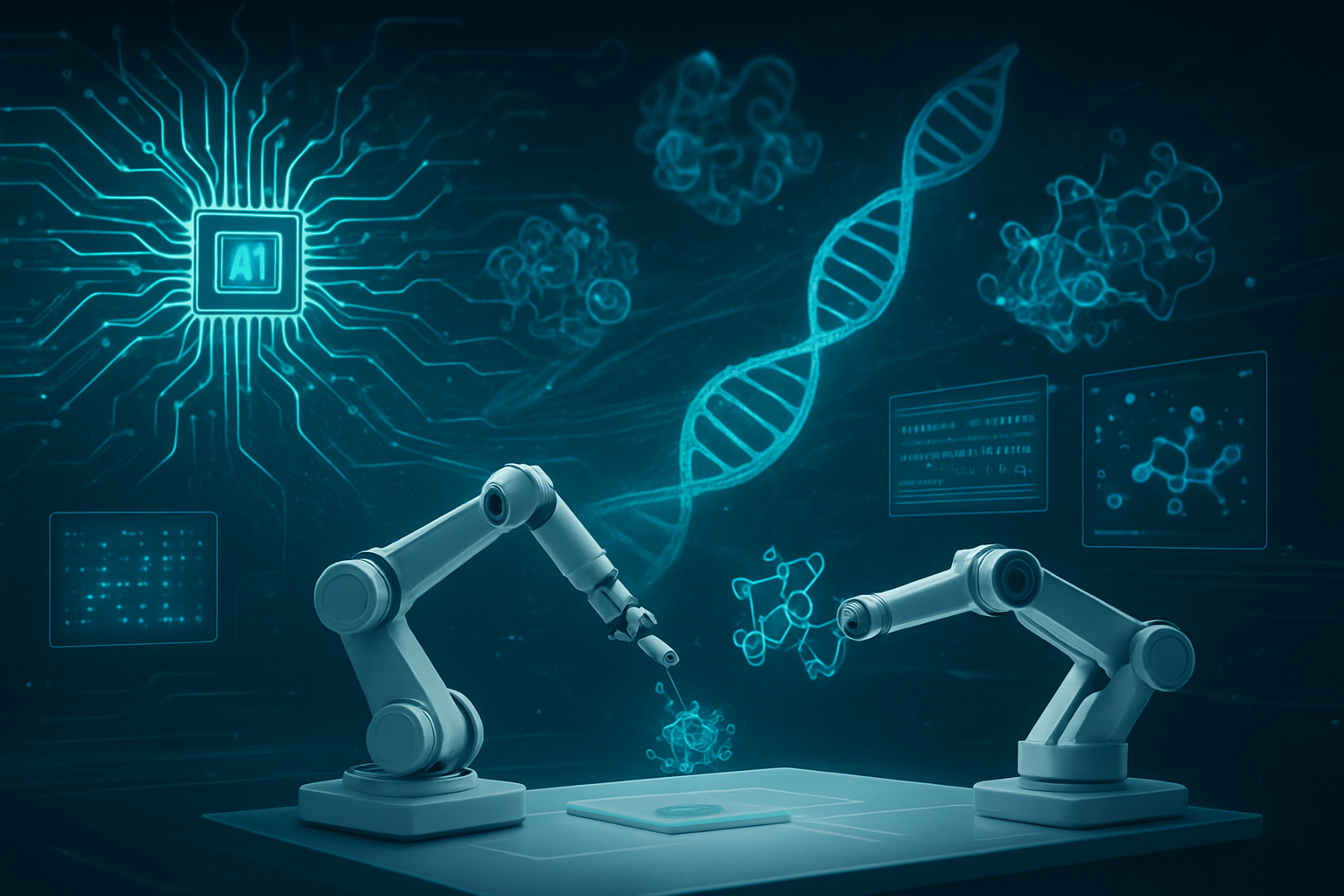
    The biopharmaceutical industry is undergoing an immediate and profound transformation, as Artificial Intelligence (AI) rapidly compresses timelines, drastically reduces costs, and significantly enhances the precision of drug development from initial discovery to commercial manufacturing. This fundamental shift is giving rise to the "TechBio" era, where AI is no longer merely a supporting tool but the central engine driving innovation and defining competitive advantage.

    Currently, AI's impact is revolutionizing every facet of the biopharmaceutical value chain. In drug discovery, advanced AI models are accelerating target identification, enabling de novo drug design to create novel molecules from scratch, and performing virtual screenings of millions of compounds in a fraction of the time, dramatically reducing the need for extensive physical testing and cutting discovery costs by up to 40%. This accelerated approach extends to preclinical development, where AI-powered computational simulations, or "digital twins," predict drug safety and efficacy more rapidly than traditional animal testing. Beyond discovery, AI is optimizing clinical trial design, streamlining patient recruitment, and enhancing monitoring, with predictions suggesting a doubling of AI adoption in clinical development in 2025 alone. In manufacturing, AI and automation are boosting production efficiency, improving quality control, enabling real-time issue identification, and optimizing complex supply chains through predictive analytics and continuous manufacturing systems, ultimately reducing human error and waste. The emergence of the 'TechBio' era signifies this radical change, marking a period where "AI-first" biotech firms are leading the charge, integrating AI as the backbone of their operations to decode complex biological systems and deliver life-saving therapies with unprecedented speed and accuracy.

    AI's Technical Prowess Reshaping Drug Discovery and Development

    Artificial intelligence (AI) is rapidly transforming the biopharmaceutical landscape, fundamentally reshaping processes across drug discovery, development, and manufacturing. In drug discovery, generative AI stands out as a pivotal advancement, capable of designing novel molecular structures and chemical compounds from scratch (de novo drug design) by learning from vast datasets of known chemical entities. This capability significantly accelerates lead generation and optimization, allowing for the rapid exploration of a chemical space estimated to contain over 10^60 possible drug-like molecules, a feat impossible with traditional, labor-intensive screening methods. Technical specifications include deep learning algorithms, such as Generative Adversarial Networks (GANs), which predict compound properties like solubility, bioavailability, efficacy, and toxicity with unprecedented accuracy, thereby reducing the number of compounds that need physical synthesis and testing. This contrasts sharply with conventional approaches that often rely on the slower, more costly identification and modification of existing compounds and extensive experimental testing. The AI research community and industry experts view this as transformative, promising quicker cures at a fraction of the cost by enabling a more nuanced and precise optimization of drug candidates.

    In drug development, particularly within clinical trials, AI and machine learning (ML) are optimizing design and execution, addressing long-standing inefficiencies and high failure rates. ML algorithms analyze large, diverse datasets—including electronic health records, genomics, and past trial performance—to precisely identify eligible patient populations, forecast enrollment bottlenecks, and detect variables influencing patient adherence. Predictive analytics allows for the optimization of trial protocols, real-time data monitoring for early safety signals, and the adjustment of trial parameters adaptively, leading to more robust study designs. For instance, AI can significantly reduce patient screening time by 34% and increase trial enrollment by 11% by automating the review of patient criteria and eligibility. This is a substantial departure from traditional, often exhaustive and inefficient trial designs that rely heavily on manual processes and historical data, which can lead to high failure rates and significant financial losses. Early results for AI-discovered drugs show promising success rates in Phase I clinical trials (80-90% compared to traditional 40-65%), though Phase II rates are comparable to historical averages, indicating continued progress is needed.

    Furthermore, AI is revolutionizing biopharmaceutical manufacturing by enhancing efficiency, quality, and consistency. Machine learning and predictive analytics are key technologies, leveraging algorithms to analyze historical process data from sensors, equipment, and quality control tests. These models forecast outcomes, identify anomalies, and optimize production parameters in real time, such as temperature, pH, and nutrient levels in fermentation and cell culture. This capability allows for predictive maintenance, anticipating equipment failures before they occur, thereby minimizing downtime and production disruptions. Unlike traditional manufacturing, which often involves labor-intensive batch processing susceptible to variability, AI-driven systems support continuous manufacturing with real-time adjustments, ensuring higher productivity and consistent product quality. The integration of AI also extends to supply chain management, optimizing inventory and logistics through demand forecasting. Industry experts highlight AI's ability to shift biomanufacturing from a reactive to a predictive paradigm, leading to increased yields, reduced costs, and improved product quality, ultimately ensuring higher quality biologics reach patients more reliably.

    The initial reactions from both the AI research community and biopharma industry experts are largely optimistic, hailing AI as a "game-changer" and a "new catalyst" that accelerates innovation and enhances precision across the entire value chain. While recognizing AI's transformative potential to compress timelines and reduce costs significantly—potentially cutting drug development from 13 years to around 8 years and costs by up to 75%—experts also emphasize that AI is an "enhancer, not a replacement for human expertise and creativity." Challenges remain, including the need for high-quality data, addressing ethical concerns like AI bias, navigating regulatory complexities, and integrating AI into existing infrastructure. There is a consensus that successful AI adoption requires a collaborative approach between AI researchers and pharmaceutical scientists, alongside a shift in mindset within organizations to prioritize governance, transparency, and continuous workforce upskilling to harness these powerful tools responsibly.

    Competitive Landscape: Who Benefits in the TechBio Era?

    AI advancements are profoundly reshaping the biopharma and TechBio landscapes, creating new opportunities and competitive dynamics for AI companies, tech giants, and startups. Major pharmaceutical companies such as Pfizer (NYSE: PFE), Novartis (NYSE: NVS), Roche (SIX: ROG), AstraZeneca (NASDAQ: AZN), Sanofi (NASDAQ: SNY), Merck (NYSE: MRK), Lilly (NYSE: LLY), and Novo Nordisk (NYSE: NVO) are strategically integrating AI into their operations, recognizing its potential to accelerate drug discovery, optimize clinical development, and enhance manufacturing processes. These established players stand to benefit immensely by leveraging AI to reduce R&D costs, shorten time-to-market for new therapies, and achieve significant competitive advantages in drug efficacy and operational efficiency. For instance, Lilly is deploying an "AI factory" with NVIDIA's DGX SuperPOD to compress drug discovery timelines and enable breakthroughs in genomics and personalized medicine, while Sanofi is partnering with OpenAI and Formation Bio to build pharma-specific foundation models.

    Tech giants and major AI labs are becoming indispensable partners and formidable competitors in this evolving ecosystem. Companies like Google (NASDAQ: GOOGL) (through Verily and Isomorphic Labs), Microsoft (NASDAQ: MSFT), Amazon (NASDAQ: AMZN) (AWS), and Nvidia (NASDAQ: NVDA) are crucial for providing the foundational cloud computing infrastructure, AI platforms (e.g., NVIDIA BioNeMo, Microsoft Azure), and specialized machine learning services that biopharma companies require. This creates new, substantial revenue streams for tech giants and deepens their penetration into the healthcare sector, especially for pharma companies that lack extensive in-house AI capabilities. Beyond infrastructure, some tech giants are directly entering drug discovery, with Google's Isomorphic Labs utilizing AI to tackle complex biological problems. The competitive implications for these entities include solidifying their positions as essential technology providers and potentially directly challenging traditional biopharma in drug development. The disruption to existing products and services is significant, as AI-driven approaches are replacing traditionally manual, time-consuming, and expensive processes, leading to a leaner, faster, and more data-driven operating model across the entire drug value chain.

    Meanwhile, specialized AI companies and TechBio startups are at the forefront of innovation, driving much of the disruption. Companies like Insilico Medicine, Atomwise, Exscientia, BenevolentAI, Recursion, Iktos, Cradle Bio, and Antiverse are leveraging AI and deep learning for accelerated target identification, novel molecule generation, and predictive analytics in drug discovery. These agile startups are attracting significant venture capital and forming strategic collaborations with major pharmaceutical firms, often bringing drug candidates into clinical stages at unprecedented speeds and reduced costs. Their strategic advantage lies in their AI-first platforms and ability to swiftly analyze vast datasets, optimize clinical trial design, and even develop personalized medicine. Market positioning emphasizes cutting-edge technology and efficiency, with some startups focusing on specific niches like antibody design or gene therapies. The potential disruption to existing products and services is immense, as AI-driven processes promise to reduce drug discovery timelines from years to months and slash R&D costs by up to 40%, ultimately leading to more personalized, accessible, and effective healthcare solutions.

    Wider Significance: AI's Broad Impact and Ethical Imperatives

    Artificial intelligence (AI) is ushering in a transformative era for biopharma, particularly within the burgeoning "TechBio" landscape, which represents the convergence of life sciences and advanced technology. AI's wider significance lies in its profound ability to accelerate and enhance nearly every stage of drug discovery, development, and delivery, moving away from traditional, lengthy, and costly methods. By leveraging machine learning, deep learning, and generative AI, biopharma companies can sift through massive datasets—including genomic profiles, electronic health records, and chemical libraries—at unprecedented speeds, identifying potential drug candidates, predicting molecular interactions, and designing novel compounds with greater precision. This data-driven approach is fundamentally reshaping target identification, virtual screening, and the optimization of clinical trials, leading to a significant reduction in development timelines and costs. For instance, early discovery could see time and cost savings of 70-80%, and AI-discovered molecules are showing remarkable promise with 80-90% success rates in Phase I clinical trials, a substantial improvement over traditional rates of 40-65%. Beyond drug development, AI is crucial for personalized medicine, enabling the tailoring of treatments based on individual patient characteristics, and for revolutionizing diagnostics and medical imaging, facilitating earlier disease detection and more accurate interpretations. Generative AI, in particular, is not just a buzzword but is driving meaningful transformation, actively being used by a high percentage of pharma and biotech firms, and is projected to unlock billions in value for the life sciences sector.

    This profound integration of AI into biopharma aligns perfectly with broader AI landscape trends, particularly the advancements in deep learning, large language models, and the increasing computational power available for processing "big data." The biopharma sector is adopting cutting-edge AI techniques such as natural language processing and computer vision to analyze complex biological and chemical information, a testament to the versatility of modern AI algorithms. The emergence of tools like AlphaFold, which utilizes deep neural networks to predict 3D protein structures, exemplifies how AI is unlocking a deeper understanding of biological systems previously unimaginable, akin to providing a "language to learn the rules of biology". Furthermore, the industry is looking towards "agentic AI" and "physical AI," including robotics, to further automate routine tasks, streamline decision-making, and even assist in complex procedures like surgery, signifying a continuous evolution of AI's role from analytical support to autonomous action. This reflects a general trend across industries where AI is moving from niche applications to foundational, pervasive technologies that redefine operational models and foster unprecedented levels of innovation.

    However, the expansive role of AI in biopharma also brings broader impacts and potential concerns that need careful consideration. The positive impacts are immense: faster development of life-saving therapies, more effective and personalized treatments for complex and rare diseases, improved patient outcomes through precision diagnostics, and significant cost reductions across the value chain. Yet, these advancements are accompanied by critical ethical and practical challenges. Chief among them are concerns regarding data privacy and security, as AI systems rely on vast amounts of highly sensitive patient data, including genetic information, raising risks of breaches and misuse. Algorithmic bias is another major concern; if AI models are trained on unrepresentative datasets, they can perpetuate existing health disparities by recommending less effective or even harmful treatments for underrepresented populations. The "black box" nature of some advanced AI models also poses challenges for transparency and explainability, making it difficult for regulators, clinicians, and patients to understand how critical decisions are reached. Furthermore, defining accountability for AI-driven errors in R&D or clinical care remains a complex ethical and legal hurdle, necessitating robust regulatory alignment and ethical frameworks to ensure responsible innovation.

    Compared to previous AI milestones, the current impact of AI in biopharma signifies a qualitative leap. Earlier AI breakthroughs, such as those in chess or image recognition, often tackled problems within well-defined, somewhat static environments. In contrast, AI in biopharma grapples with the inherent complexity and unpredictability of biological systems, a far more challenging domain. While computational chemistry and bioinformatics have been used for decades, modern AI, particularly deep learning and generative models, moves beyond mere automation to truly generate new hypotheses, drug structures, and insights that were previously beyond human capacity. For example, the capability of generative AI to "propose something that was previously unknown" in drug design marks a significant departure from earlier, more constrained computational methods. This shift is not just about speed and efficiency, but about fundamentally transforming the scientific discovery process itself, enabling de novo drug design and a level of personalized medicine that was once aspirational. The current era represents a maturation of AI, where its analytical power is now robust enough to meaningfully interrogate and innovate within the intricate and dynamic world of living systems.

    The Horizon: Future Developments and Enduring Challenges

    Artificial intelligence (AI) is rapidly transforming the biopharmaceutical and TechBio landscape, shifting from an emerging trend to a foundational engine driving innovation across the sector. In the near term, AI is significantly accelerating drug discovery by optimizing molecular design, identifying high-potential drug candidates with greater precision, and reducing costs and timelines. It plays a crucial role in optimizing clinical trials through smarter patient selection, efficient recruitment, and real-time monitoring of patient data to detect adverse reactions early, thereby reducing time-to-market. Beyond research and development, AI is enhancing biopharma manufacturing by optimizing process design, improving real-time quality control, and boosting overall operational efficiency, leading to higher precision and reduced waste. Furthermore, AI is proving valuable in drug repurposing, identifying new therapeutic uses for existing drugs by analyzing vast datasets and uncovering hidden relationships between drugs and diseases.

    Looking further ahead, the long-term developments of AI in biopharma promise even more profound transformations. Experts predict that AI will enable more accurate biological models, leading to fewer drug failures in clinical trials. The industry will likely see a significant shift towards personalized medicine and therapies, with AI facilitating the development of custom-made treatment plans based on individual genetic profiles and responses to medication. Advanced AI integration will lead to next-generation smart therapeutics and real-time patient monitoring, marrying technology with biology in unprecedented ways. The convergence of AI with robotics and automation is expected to drive autonomous labs, allowing for experimentation cycles to be executed with greater consistency, fewer errors, and significantly shorter timeframes. By 2030, a substantial portion of drug discovery is expected to be conducted in silico and in collaboration with academia, drastically reducing the time from screening to preclinical testing to a few months.

    Despite these promising advancements, several challenges need to be addressed for AI to fully realize its potential in biopharma. Key hurdles include ensuring data privacy, security, quality, and availability, as AI models require large volumes of high-quality data for training. Regulatory compliance and the ethical considerations surrounding AI algorithms for decision-making in clinical trials also present significant challenges. Integrating AI with existing legacy systems and managing organizational change, along with a shortage of skilled AI talent, are further obstacles. Experts predict that AI will become a cornerstone of the pharmaceutical and biotech sector in the next decade, enhancing success rates in drug discovery, optimizing production lines, and improving supply chain efficiency. The successful integration of AI requires not only technological investment but also a commitment to responsible innovation, ensuring ethical data practices and transparent decision-making processes to deliver both operational excellence and ethical integrity across the value chain. Companies that act decisively in addressing these challenges and prioritize AI investments are expected to gain a competitive edge in cost efficiency, quality, innovation, and sustainability.

    A New Dawn: The Enduring Impact of AI in Biopharma

    The integration of Artificial Intelligence (AI) into biopharma and the burgeoning TechBio era marks a pivotal shift in the landscape of drug discovery and development. Key takeaways highlight AI's profound ability to accelerate processes, reduce costs, and enhance success rates across the entire drug development pipeline. AI is being leveraged from initial target identification and lead optimization to patient stratification for clinical trials and even drug repurposing. Generative AI, in particular, is revolutionizing molecular design and understanding protein structures, with breakthroughs like AlphaFold demonstrating AI's capacity to solve long-standing biological challenges. This technological advancement is not merely incremental; it represents a significant milestone in AI history, moving from theoretical capabilities to tangible, life-saving applications in a highly complex and regulated industry. The emergence of "AI-first" biotech companies and strategic alliances between pharmaceutical giants and AI innovators underscore this transformative period, signaling a future where AI is an indispensable tool for scientific progress.

    Looking ahead, the long-term impact of AI in biopharma is poised to deliver a deeper understanding of disease biology, enable more effective and personalized treatments, and ultimately lead to faster cures and improved patient outcomes globally. While the benefits are immense, challenges remain, including ensuring high-quality data, addressing potential algorithmic biases, developing robust regulatory frameworks, and seamlessly integrating AI into existing workflows. Despite these hurdles, the momentum is undeniable, with AI-driven drug candidates exponentially increasing in clinical trials. In the coming weeks and months, critical areas to watch include the continued evolution of generative AI capabilities, particularly in multi-omics data integration and the design of novel therapeutics like mRNA vaccines and PROTACs. We should also anticipate further clarity in regulatory guidelines for AI-driven therapies, sustained investment and partnerships between tech and biopharma, and, most crucially, the performance and success rates of AI-discovered drugs as they progress through later stages of clinical development. The industry is currently in an exciting phase, where the promise of AI is increasingly being validated by concrete results, laying the groundwork for a truly revolutionized biopharmaceutical future.


    This content is intended for informational purposes only and represents analysis of current AI developments.

    TokenRing AI delivers enterprise-grade solutions for multi-agent AI workflow orchestration, AI-powered development tools, and seamless remote collaboration platforms.
    For more information, visit https://www.tokenring.ai/.
  • AI Revolutionizes Pharma: Smarter Excipients for Safer, More Potent Drugs

    AI Revolutionizes Pharma: Smarter Excipients for Safer, More Potent Drugs

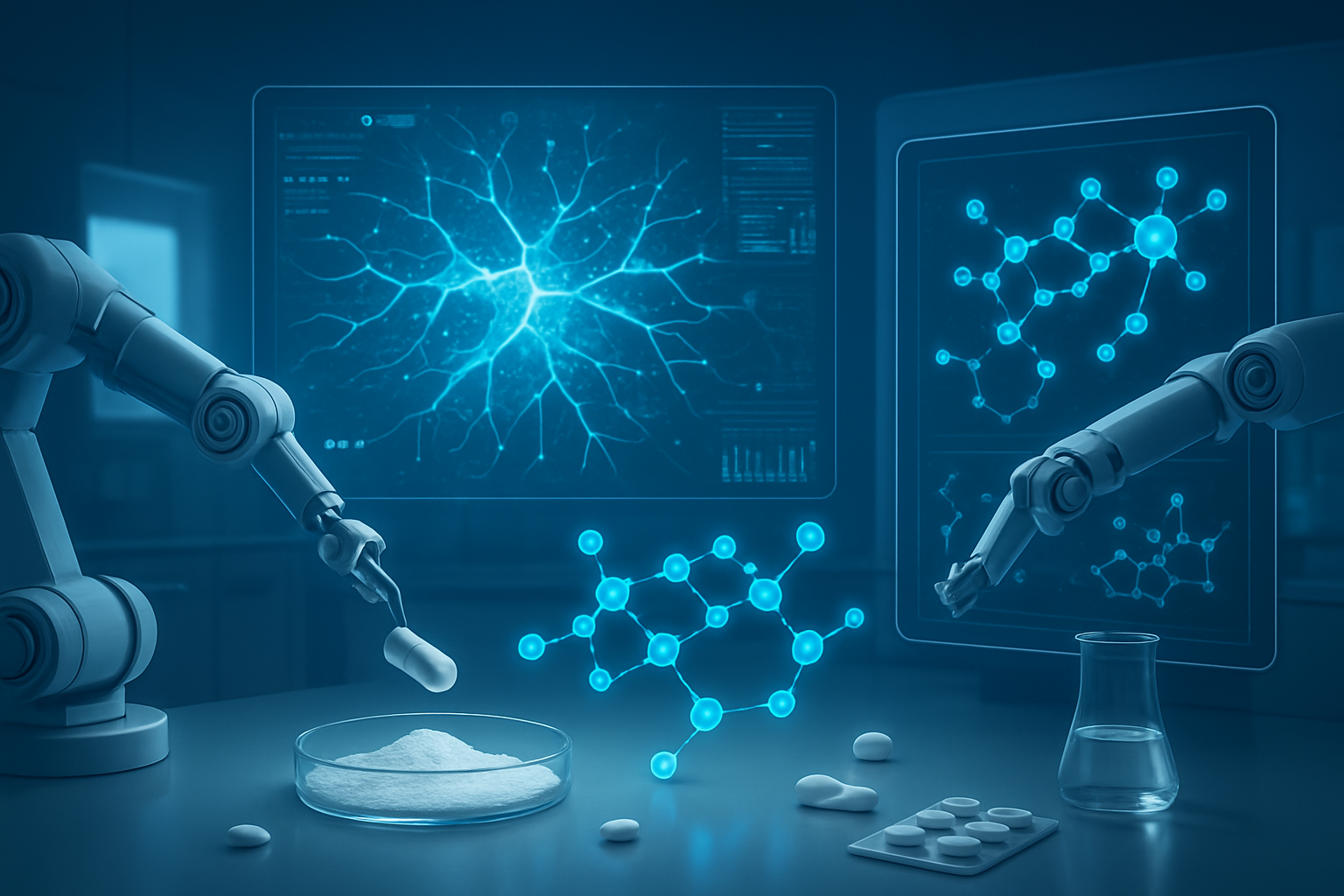
    San Francisco, CA – October 31, 2025 – Artificial intelligence (AI) is ushering in a transformative era for the pharmaceutical industry, particularly in the often-overlooked yet critical domain of excipient development. These "inactive" ingredients, which constitute the bulk of most drug formulations, are now at the forefront of an AI-driven innovation wave. By leveraging advanced algorithms and vast datasets, AI is rapidly replacing traditional, time-consuming, and often empirical trial-and-error methods, leading to the creation of drug formulations that are not only more effective in their therapeutic action but also significantly safer for patient consumption. This paradigm shift promises to accelerate drug development, reduce costs, and enhance the precision with which life-saving medications are brought to market.

    The immediate significance of AI's integration into excipient development cannot be overstated. It enables pharmaceutical companies to predict optimal excipient combinations, enhance drug solubility and bioavailability, improve stability, and even facilitate personalized medicine. By moving beyond conventional experimentation, AI provides unprecedented speed and predictive power, ensuring that new medications reach patients faster while maintaining the highest standards of efficacy and safety. This strategic application of AI is poised to redefine the very foundation of pharmaceutical formulation science, making drug development more scientific, efficient, and ultimately, more patient-centric.

    The Technical Edge: AI's Precision in Formulation Science

    The technical advancements driving AI in excipient development are rooted in sophisticated machine learning (ML), deep learning (DL), and increasingly, generative AI (GenAI) techniques. These methods offer a stark contrast to previous approaches, which relied heavily on laborious experimentation and established, often rigid, platform formulations.

    Machine learning algorithms are primarily employed for predictive modeling and pattern recognition. For instance, ML models can analyze extensive datasets of thermodynamic parameters and molecular descriptors to forecast excipient-drug compatibility with over 90% accuracy. Algorithms like ExtraTrees classifiers and Random Forests, exemplified by tools such as Excipient Prediction Software (ExPreSo), predict the presence or absence of specific excipients in stable formulations based on drug substance sequence, protein structural properties, and target product profiles. Bayesian optimization further refines formulation by efficiently exploring high-dimensional spaces to identify optimal excipient combinations that enhance thermal stability, interface stability, and minimize surfactant use, all while significantly reducing the number of experimental runs compared to traditional statistical methods like Design of Experiments (DoE).

    Deep learning, with its artificial neural networks (ANNs), excels at learning complex, hierarchical features from large datasets. ANNs can model intricate formulation behaviors and predict excipient compatibility with greater computational and predictive capability, identifying structural components responsible for incompatibilities. This is crucial for optimizing amorphous solid dispersions (ASDs) and self-emulsifying drug delivery systems (SEDDS) to improve bioavailability and dissolution. Furthermore, AI-powered molecular dynamics (MD) simulations refine force fields and train models to predict simulation outcomes, drastically speeding up traditionally time-consuming computations.

    Generative AI marks a significant leap, moving beyond prediction to create novel excipient structures or formulation designs. Models like Generative Adversarial Networks (GANs) and Variational Autoencoders (VAEs) learn the fundamental rules of chemistry and biology from massive datasets. They can then generate entirely new molecular structures with desired properties, such as improved solubility, stability, or specific release profiles. This capability allows for the exploration of vast chemical spaces, expanding the possibilities for novel excipient discovery far beyond what traditional virtual screening of existing compounds could achieve.

    Initial reactions from the AI research community and industry experts are largely optimistic, albeit with a recognition of ongoing challenges. While the transformative potential to revolutionize R&D, accelerate drug discovery, and streamline processes is widely acknowledged, concerns persist regarding data quality and availability, the "black box" nature of some AI algorithms, and the need for robust regulatory frameworks. The call for explainable AI (XAI) is growing louder to ensure transparency and trust in AI-driven decisions, especially in such a critical and regulated industry.

    Corporate Chessboard: Beneficiaries and Disruption

    The integration of AI into excipient development is fundamentally reshaping the competitive landscape for pharmaceutical companies, tech giants, and agile startups alike, creating both immense opportunities and significant disruptive potential.

    Pharmaceutical giants stand to be major beneficiaries. Companies like Merck & Co. (NYSE: MRK), Novartis AG (NYSE: NVS), Pfizer Inc. (NYSE: PFE), Johnson & Johnson (NYSE: JNJ), AstraZeneca PLC (NASDAQ: AZN), AbbVie Inc. (NYSE: ABBV), Eli Lilly and Company (NYSE: LLY), Amgen Inc. (NASDAQ: AMGN), and Moderna, Inc. (NASDAQ: MRNA) are heavily investing in AI to accelerate R&D. By leveraging AI to predict excipient influence on drug properties, they can significantly reduce experimental testing, compress development timelines, and bring new drugs to market faster and more economically. Merck, for instance, uses an AI tool to predict compatible co-formers for co-crystallization, substantially shortening the formulation process.

    Major AI labs and tech giants are strategically positioning themselves as indispensable partners. Companies such as Alphabet Inc. (NASDAQ: GOOGL), through its DeepMind and Isomorphic Labs divisions, and Microsoft Corporation (NASDAQ: MSFT), with its "Microsoft Discovery" initiatives, are investing heavily in "AI Science Factories." They are offering scalable AI platforms, computational power, and advanced algorithms that pharma companies can leverage. International Business Machines Corporation (NYSE: IBM), through its watsonx platform and AI Agents, is co-creating solutions for biologics design with partners like Moderna and Boehringer Ingelheim. These tech giants aim to become foundational technology providers, deeply integrating into the pharmaceutical value chain from target identification to formulation.

    The startup ecosystem is also thriving, pushing the boundaries of AI in drug discovery and excipient innovation. Agile companies like Atomwise (with its AtomNet platform), Iktos (specializing in AI and robotics for drug design), Anima Biotech (mRNA Lightning.AI platform), Generate Biomedicines ("generative biology"), and Recursion Pharmaceuticals (AI-powered platform) are developing specialized AI tools for tasks like predicting excipient compatibility, optimizing formulation design, and forecasting stability profiles. Galixir (with its Pyxir® drug discovery platform) and Olio Labs (accelerating combination therapeutics discovery) are other notable players. These startups often focus on niche applications, offering innovative solutions that can rapidly address specific challenges in excipient development.

    This AI-driven shift is causing significant disruption. It marks a fundamental move from empirical, trial-and-error methods to data-driven, predictive modeling, altering traditional formulation development pathways. The ability of AI to accelerate development and reduce costs across the entire drug lifecycle, including excipient selection, is reshaping competitive dynamics. Furthermore, the use of deep learning and generative models to design novel excipient molecular structures could disrupt the market for established excipient suppliers by introducing entirely new classes of inactive ingredients with superior functionalities. Companies that embrace this "pharma-tech hybrid" model, integrating technological prowess with pharmaceutical expertise, will gain a significant competitive advantage through enhanced efficiency, innovation, and data-driven insights.

    Wider Horizons: Societal Impact and Ethical Crossroads

    The integration of AI into excipient development is not an isolated technical advancement but a crucial facet of the broader AI revolution transforming the pharmaceutical industry and, by extension, society. By late 2025, AI is firmly established as a foundational technology, reshaping drug development and operational workflows, with 81% of organizations reportedly utilizing AI in at least one development program by 2024.

    This trend aligns with the rise of generative AI, which is not just analyzing data but actively designing novel drug-like molecules and excipients, expanding the chemical space for potential therapeutics. It also supports the move towards data-centric approaches, leveraging vast multi-omic datasets, and is a cornerstone of predictive and precision medicine, which demands highly tailored drug formulations. The use of "digital twins" and in silico modeling further streamlines preclinical development, predicting drug safety and efficacy faster than traditional methods.

    The overall impact on the pharmaceutical industry is profound: accelerated development, reduced costs, and enhanced precision leading to more effective drug delivery systems. AI optimizes manufacturing and quality control by identifying trends and variations in analytical data, anticipating contamination, stability, and regulatory deviations. For society, this translates to a more efficient and patient-centric healthcare landscape, with faster access to cures, improved treatment outcomes, and potentially lower drug costs due to reduced development expenses. AI's ability to predict drug toxicity and optimize formulations also promises safer medications for patients.

    However, this transformative power comes with significant concerns. Ethically, algorithmic bias in training data could lead to less effective or harmful outcomes for specific patient populations if not carefully managed. The "black box" nature of complex AI algorithms, where decision-making processes are opaque, raises questions about trust, especially in critical areas like drug safety. Regulatory bodies face the challenge of keeping pace with rapid AI advancements, needing to develop robust frameworks for validating AI-generated data, ensuring data integrity, and establishing clear oversight for AI/ML in Good Manufacturing Practice (GMP) environments. Job displacement is another critical concern, as AI automates repetitive and even complex cognitive tasks, necessitating proactive strategies for workforce retraining and upskilling.

    Compared to previous AI milestones, such as earlier computational chemistry or virtual screening tools, the current wave of AI in excipient development represents a fundamental paradigm shift. Earlier AI primarily focused on predicting properties or screening existing compounds. Today's generative AI can design entirely new drugs and novel excipients from scratch, transforming the process from prediction to creation. This is not merely an incremental improvement but a holistic transformation across the entire pharmaceutical value chain, from target identification and discovery to formulation, clinical trials, and manufacturing. Experts describe this growth as a "double exponential rate," positioning AI as a core competitive capability rather than just a specialized tool, moving from a "fairy tale" to the "holy grail" for innovation in the industry.

    The Road Ahead: Innovations and Challenges on the Horizon

    The future of AI in excipient development promises continued innovation, with both near-term and long-term developments poised to redefine pharmaceutical formulation science. Experts predict a significant acceleration in drug development timelines and substantially improved success rates in clinical trials.

    In the near term (1-5 years), AI will become deeply embedded in core formulation operations. We can expect accelerated excipient screening and selection, with AI tools rapidly identifying optimal excipients based on desired characteristics and drug compatibility. Predictive models for formulation optimization, leveraging ML and neural networks, will model complex behaviors and forecast stability profiles, enabling real-time decision-making and multi-objective optimization. The convergence of AI with high-throughput screening and robotic systems will lead to automated optimization of formulation parameters and real-time design control. Specialized predictive software, like ExPreSo for biopharmaceutical formulations and Merck's AI tool for co-crystal prediction, will become more commonplace, significantly reducing the need for extensive wet-lab testing.

    Looking further ahead (beyond 5 years), the role of AI will become even more transformative. Generative models are anticipated to design entirely novel excipient molecular structures from scratch, moving beyond optimizing existing materials to creating bespoke solutions for complex drug delivery challenges. The integration of quantum computing will allow for modeling even larger and more intricate molecular systems, enhancing the precision and accuracy of predictions. This will pave the way for truly personalized and precision formulations, tailored to individual patient needs and specific drug delivery systems. The concept of "digital twins" will extend to comprehensively simulate and optimize excipient performance and formulation processes, enabling continuous learning and refinement throughout the drug lifecycle. Furthermore, the integration of real-world data, including clinical trial results and patient outcomes, will further drive the precision of AI predictions.

    On the horizon, potential applications include refined optimization of drug-excipient interactions to ensure stability and efficacy, enhanced solutions for poorly soluble molecules, and advanced drug delivery systems such as AI-designed nanoparticles for targeted drug delivery. AI will also merge with Quality by Design (QbD) principles and Process Analytical Technologies (PAT) to form the foundation of next-generation pharmaceutical development, enabling data-driven understanding and reducing reliance on experimental trials. Furthermore, AI-based technologies, particularly Natural Language Processing (NLP), will automate regulatory intelligence and compliance processes, helping pharmaceutical companies navigate evolving guidelines and submission requirements more efficiently.

    Despite this immense potential, several challenges must be addressed. The primary hurdle remains data quality and availability; AI models are highly dependent on large quantities of relevant, high-quality, and standardized data, which is often fragmented within the industry. Model interpretability and transparency are critical for regulatory acceptance, demanding the development of explainable AI (XAI) techniques. Regulatory bodies face the ongoing challenge of developing robust, risk-based frameworks that can keep pace with rapid AI advancements. Significant investment in technology infrastructure and a skilled workforce, along with careful consideration of ethical implications like privacy and algorithmic bias, are also paramount. Experts predict that overcoming these challenges will accelerate drug development timelines, potentially reducing the overall process from over 10 years to just 3-6 years, and significantly improving success rates in clinical trials.

    A New Frontier in Pharmaceutical Innovation

    The advent of AI in excipient development represents a pivotal moment in the history of pharmaceutical innovation. It is a testament to the transformative power of artificial intelligence, moving the industry beyond traditional empirical methods to a future defined by precision, efficiency, and predictive insight. The key takeaways from this development are clear: AI is not just optimizing existing processes; it is fundamentally reshaping how drugs are formulated, leading to more effective, safer, and potentially more accessible medications for patients worldwide.

    This development signifies a profound shift from a reactive, trial-and-error approach to a proactive, data-driven strategy. The ability to leverage machine learning, deep learning, and generative AI to predict complex interactions, optimize formulations, and even design novel excipients from scratch marks a new era. While challenges related to data quality, regulatory frameworks, and ethical considerations remain, the pharmaceutical industry's accelerating embrace of AI underscores its undeniable potential.

    In the coming weeks and months, watch for continued strategic partnerships between tech giants and pharmaceutical companies, further advancements in explainable AI, and the emergence of more specialized AI-powered platforms designed to tackle specific formulation challenges. The regulatory landscape will also evolve, with agencies working to provide clearer guidance for AI-driven drug development. This is a dynamic and rapidly advancing field, and the innovations in excipient development powered by AI are just beginning to unfold, promising a healthier, more efficient future for global healthcare.


    This content is intended for informational purposes only and represents analysis of current AI developments.

    TokenRing AI delivers enterprise-grade solutions for multi-agent AI workflow orchestration, AI-powered development tools, and seamless remote collaboration platforms.
    For more information, visit https://www.tokenring.ai/.