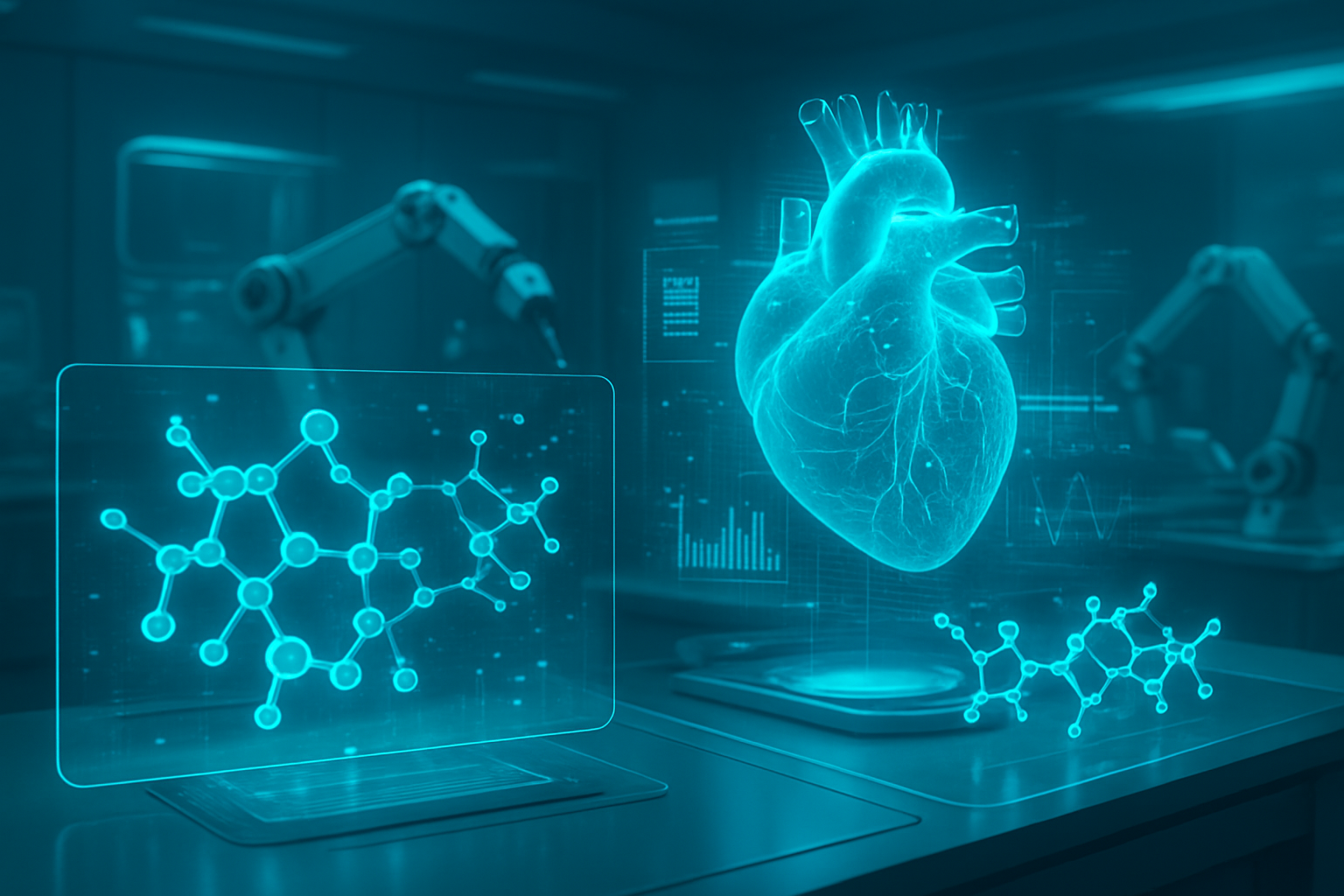
Tag: Drug Discovery

  • AlphaFold’s Five-Year Reign: 3 Million Researchers and the Dawn of a New Biological Era

    AlphaFold’s Five-Year Reign: 3 Million Researchers and the Dawn of a New Biological Era

    In a milestone that cements artificial intelligence as the most potent tool in modern science, Google DeepMind’s AlphaFold has officially surpassed 3 million users worldwide. This achievement coincides with the five-year anniversary of AlphaFold 2’s historic victory at the CASP14 competition in late 2020—an event widely regarded as the "ImageNet moment" for biology. Over the last half-decade, the platform has evolved from a grand challenge solution into a foundational utility, fundamentally altering how humanity understands the molecular machinery of life.

    The significance of reaching 3 million researchers cannot be overstated. By democratizing access to high-fidelity protein structure predictions, Alphabet Inc. (NASDAQ: GOOGL) has effectively compressed centuries of traditional laboratory work into a few clicks. What once required a PhD student years of arduous X-ray crystallography can now be accomplished in seconds, allowing the global scientific community to pivot its focus from "what" a protein looks like to "how" it can be manipulated to cure diseases, combat climate change, and protect biodiversity.

    From Folding Proteins to Modeling Life: The Technical Evolution

    The journey from AlphaFold 2 to the current AlphaFold 3 represents a paradigm shift in computational biology. While the 2020 iteration solved the 50-year-old "protein folding problem" by predicting 3D shapes from amino acid sequences, AlphaFold 3, launched in 2024, introduced a sophisticated diffusion-based architecture. This shift allowed the model to move beyond static protein structures to predict the interactions of nearly all of life’s molecules, including DNA, RNA, ligands, and ions.

    Technically, AlphaFold 3’s integration of a "Pairformer" module and a diffusion engine—similar to the technology powering generative image AI—has enabled a 50% improvement in predicting protein-ligand interactions. This is critical for drug discovery, as most medicines are small molecules (ligands) that bind to specific protein targets. The AlphaFold Protein Structure Database (AFDB), maintained in partnership with EMBL-EBI, now hosts over 214 million predicted structures, covering almost every protein known to science. This "protein universe" has become the primary reference for researchers in 190 countries, with over 1 million users hailing from low- and middle-income nations.

    The research community's reaction has been one of near-universal adoption. Nobel laureate and DeepMind CEO Demis Hassabis, along with John Jumper, were awarded the 2024 Nobel Prize in Chemistry for this work, a rare instance of an AI development receiving the highest honor in a traditional physical science. Experts note that AlphaFold has transitioned from a breakthrough to a "standard operating procedure," comparable to the advent of DNA sequencing in the 1990s.

    The Business of Biology: Partnerships and Competitive Pressure

    The commercialization of AlphaFold’s insights is being spearheaded by Isomorphic Labs, a Google subsidiary that has rapidly become a titan in the "TechBio" sector. In 2024 and 2025, Isomorphic secured landmark deals worth approximately $3 billion with pharmaceutical giants such as Eli Lilly and Company (NYSE: LLY) and Novartis AG (NYSE: NVS). These partnerships are focused on identifying small molecule therapeutics for "intractable" disease targets, particularly in oncology and immunology.

    However, Google is no longer the only player in the arena. The success of AlphaFold has ignited an arms race among tech giants and specialized AI labs. Microsoft Corporation (NASDAQ: MSFT), in collaboration with the Baker Lab, recently released RoseTTAFold 3, an open-source alternative that excels in de novo protein design. Meanwhile, NVIDIA Corporation (NASDAQ: NVDA) has positioned itself as the "foundry" for biological AI, offering its BioNeMo platform to help companies like Amgen and Astellas scale their own proprietary models. Meta Platforms, Inc. (NASDAQ: META) also remains a contender with its ESMFold model, which prioritizes speed over absolute precision, enabling the folding of massive metagenomic datasets in record time.

    This competitive landscape has led to a strategic divergence. While AlphaFold remains the most cited and widely used tool for general research, newer entrants like Boltz-2 and Pearl are gaining ground in the high-value "lead optimization" market. These models provide more granular data on binding affinity—the strength of a drug’s connection to its target—which was a known limitation in earlier versions of AlphaFold.

    A Wider Significance: Nobel Prizes, Plastic-Eaters, and Biosecurity

    Beyond the boardroom and the lab, AlphaFold’s impact is felt in the broader effort to solve global crises. The tool has been instrumental in engineering enzymes that can break down plastic waste and in studying the proteins essential for bee conservation. In the realm of global health, more than 30% of AlphaFold-related research is now dedicated to neglected diseases, such as malaria and Leishmaniasis, providing researchers in developing nations with tools that were previously the exclusive domain of well-funded Western institutions.

    However, the rapid advancement of biological AI has also raised significant concerns. In late 2025, a landmark study revealed that AI models could be used to "paraphrase" toxic proteins, creating synthetic variants of toxins like ricin that are biologically functional but invisible to current biosecurity screening software. This has led to the first biological "zero-day" vulnerabilities, prompting a flurry of regulatory activity.

    The year 2025 has seen the enforcement of the EU AI Act and the issuance of the "Genesis Mission" Executive Order in the United States. These frameworks aim to balance innovation with safety, mandating that any AI model capable of designing biological agents must undergo stringent risk assessments. The debate has shifted from whether AI can solve biology to how we can prevent it from being used to create "dual-use" biological threats.

    The Horizon: Virtual Cells and Clinical Trials

    As AlphaFold enters its sixth year, the focus is shifting from structure to systems. Demis Hassabis has articulated a vision for the "virtual cell"—a comprehensive computer model that can simulate the entire complexity of a biological cell in real-time. Such a breakthrough would allow scientists to test the effects of a drug on a whole system before a single drop of liquid is touched in a lab, potentially reducing the 90% failure rate currently seen in clinical trials.

    In the near term, the industry is watching Isomorphic Labs as it prepares for its first human clinical trials. Expected to begin in early 2026, these trials will be the ultimate test of whether AI-designed molecules can outperform those discovered through traditional methods. If successful, it will mark the beginning of an era where medicine is "designed" rather than "discovered."

    Challenges remain, particularly in modeling the dynamic "dance" of proteins—how they move and change shape over time. While AlphaFold 3 provides a high-resolution snapshot, the next generation of models, such as Microsoft's BioEmu, are attempting to capture the full cinematic reality of molecular motion.

    A Five-Year Retrospective

    Looking back from the vantage point of December 2025, AlphaFold stands as a singular achievement in the history of science. It has not only solved a 50-year-old mystery but has also provided a blueprint for how AI can be applied to other "grand challenges" in physics, materials science, and climate modeling. The milestone of 3 million researchers is a testament to the power of open (or semi-open) science to accelerate human progress.

    In the coming months, the tech world will be watching for the results of the first "AI-native" drug candidates entering Phase I trials and the continued regulatory response to biosecurity risks. One thing is certain: the biological revolution is no longer a future prospect—it is a present reality, and it is being written in the language of AlphaFold.


    This content is intended for informational purposes only and represents analysis of current AI developments.

    TokenRing AI delivers enterprise-grade solutions for multi-agent AI workflow orchestration, AI-powered development tools, and seamless remote collaboration platforms.
    For more information, visit https://www.tokenring.ai/.

  • The Biological Turing Point: How AlphaFold 3 and the Nobel Prize Redefined the Future of Medicine

    The Biological Turing Point: How AlphaFold 3 and the Nobel Prize Redefined the Future of Medicine

    In the final weeks of 2025, the scientific community is reflecting on a year where the boundary between computer science and biology effectively vanished. The catalyst for this transformation was AlphaFold 3, the revolutionary AI model unveiled by Google DeepMind and its commercial sibling, Isomorphic Labs. While its predecessor, AlphaFold 2, solved the 50-year-old "protein folding problem," AlphaFold 3 has gone further, providing a universal "digital microscope" capable of predicting the interactions of nearly all of life’s molecules, including DNA, RNA, and complex drug ligands.

    The immediate significance of this breakthrough was cemented in October 2024, when the Royal Swedish Academy of Sciences awarded the Nobel Prize in Chemistry to Demis Hassabis and John Jumper of Google DeepMind (NASDAQ: GOOGL). By December 2025, this "Nobel-prize-winning breakthrough" is no longer just a headline; it is the operational backbone of a global pharmaceutical industry that has seen early-stage drug discovery timelines plummet by as much as 80%. We are witnessing the transition from descriptive biology—observing what exists—to predictive biology—simulating how life works at an atomic level.

    From Folding Proteins to Modeling Life: The Technical Leap

    AlphaFold 3 represents a fundamental architectural shift from its predecessor. While AlphaFold 2 relied on the "Evoformer" to process evolutionary data, AlphaFold 3 introduces the Pairformer and a sophisticated Diffusion Module. Unlike previous versions that predicted the angles of amino acid chains, the new diffusion-based architecture works similarly to generative AI models like Midjourney or DALL-E. It starts with a random "cloud" of atoms and iteratively refines their positions until they settle into a highly accurate 3D structure. This allows the model to predict raw (x, y, z) coordinates for every atom in a system, providing a more fluid and realistic representation of molecular movement.

    The most transformative capability of AlphaFold 3 is its ability to model "co-folding." Previous tools required researchers to have a pre-existing structure of a protein before they could "dock" a drug molecule into it. AlphaFold 3 predicts the protein, the DNA, the RNA, and the drug ligand simultaneously as they interact. On the PoseBusters benchmark, a standard for molecular docking, AlphaFold 3 demonstrated a 50% improvement in accuracy over traditional physics-based methods. For the first time, an AI model has consistently outperformed specialized software that relies on complex energy calculations, making it the most powerful tool ever created for understanding the chemical "handshake" between a drug and its target.

    Initial reactions from the research community were a mix of awe and scrutiny. When the model was first announced in May 2024, some scientists criticized the decision to keep the code closed-source. However, following the release of the model weights for academic use in late 2024, the "AlphaFold Server" has become a ubiquitous tool. Researchers are now using it to design everything from plastic-degrading enzymes to drought-resistant crops, proving that the model's reach extends far beyond human medicine into the very fabric of global sustainability.

    The AI Gold Rush in Big Pharma and Biotech

    The commercial implications of AlphaFold 3 have triggered a massive strategic realignment among tech giants and pharmaceutical leaders. Alphabet (NASDAQ: GOOGL), through Isomorphic Labs, has positioned itself as the primary gatekeeper of this technology for commercial use. By late 2025, Isomorphic Labs has secured multi-billion dollar partnerships with industry titans like Eli Lilly (NYSE: LLY) and Novartis (NYSE: NVS). These collaborations are focused on "undruggable" targets—proteins associated with cancer and neurodegenerative diseases that had previously defied traditional chemistry.

    The competitive landscape has also seen significant moves from other major players. NVIDIA (NASDAQ: NVDA) has capitalized on the demand for the massive compute power required to run these simulations, offering its BioNeMo platform as a specialized cloud for biomolecular AI. Meanwhile, Microsoft (NASDAQ: MSFT) and Meta (NASDAQ: META) have supported open-source efforts like OpenFold and ESMFold, attempting to provide alternatives to DeepMind’s ecosystem. The disruption to traditional Contract Research Organizations (CROs) is palpable; companies that once specialized in slow, manual lab-based structure determination are now racing to integrate AI-driven "dry labs" to stay relevant.

    Market positioning has shifted from who has the best lab equipment to who has the best data and the most efficient AI workflows. For startups, the barrier to entry has changed; a small team with access to AlphaFold 3 and high-performance computing can now perform the kind of target validation that previously required a hundred-million-dollar R&D budget. This democratization of discovery is leading to a surge in "AI-native" biotech firms that are expected to dominate the IPO market in the coming years.

    A New Era of Biosecurity and Ethical Challenges

    The wider significance of AlphaFold 3 is often compared to the Human Genome Project (HGP). If the HGP provided the "parts list" of the human body, AlphaFold 3 has provided the "functional blueprint." It has moved the AI landscape from "Large Language Models" (LLMs) to "Large Biological Models" (LBMs), shifting the focus of generative AI from generating text and images to generating the physical building blocks of life. This represents a "Turing Point" where AI is no longer just simulating human intelligence, but mastering the "intelligence" of nature itself.

    However, this power brings unprecedented concerns. In 2025, biosecurity experts have raised alarms about the potential for "dual-use" applications. Just as AlphaFold 3 can design a life-saving antibody, it could theoretically be used to design novel toxins or pathogens that are "invisible" to current screening software. This has led to a global debate over "biological guardrails," with organizations like the Agentic AI Foundation calling for mandatory screening of all AI-generated DNA sequences before they are synthesized in a lab.

    Despite these concerns, the impact on global health is overwhelmingly positive. AlphaFold 3 is being utilized to accelerate the development of vaccines for neglected tropical diseases and to understand the mechanisms of antibiotic resistance. It has become the flagship of the "Generative AI for Science" movement, proving that AI’s greatest contribution to humanity may not be in chatbots, but in the eradication of disease and the extension of the human healthspan.

    The Horizon: AlphaFold 4 and Self-Driving Labs

    Looking ahead, the next frontier is the "Self-Driving Lab" (SDL). In late 2025, we are seeing the first integrations of AlphaFold 3 with robotic laboratory automation. In these closed-loop systems, the AI generates a hypothesis for a new drug, commands a robotic arm to synthesize the molecule, tests its effectiveness, and feeds the results back into the model to refine the next design—all without human intervention. This "autonomous discovery" is expected to be the standard for drug development by the end of the decade.

    Rumors are already circulating about AlphaFold 4, which is expected to move beyond static structures to model the "dynamics" of entire cellular environments. While AlphaFold 3 can model a complex of a few molecules, the next generation aims to simulate the "molecular machinery" of an entire cell in real-time. This would allow researchers to see not just how a drug binds to a protein, but how it affects the entire metabolic pathway of a cell, potentially eliminating the need for many early-stage animal trials.

    The most anticipated milestone for 2026 is the result of the first human clinical trials for drugs designed entirely by AlphaFold-based systems. Isomorphic Labs and its partners are currently advancing candidates for TRBV9-positive T-cell autoimmune conditions and specific hard-to-treat cancers. If these trials succeed, it will mark the first time a Nobel-winning AI discovery has directly led to a life-saving treatment in the clinic, forever changing the pace of medical history.

    Conclusion: The Legacy of a Scientific Revolution

    AlphaFold 3 has secured its place as one of the most significant technological achievements of the 21st century. By bridging the gap between the digital and the biological, it has provided humanity with a tool of unprecedented precision. The 2024 Nobel Prize was not just an award for past achievement, but a recognition of a new era where the mysteries of life are solved at the speed of silicon.

    As we move into 2026, the focus will shift from the models themselves to the real-world outcomes they produce. The key takeaways from this development are clear: the timeline for drug discovery has been permanently shortened, the "undruggable" is becoming druggable, and the integration of AI into the physical sciences is now irreversible. In the coming months, the world will be watching the clinical trial pipelines and the emerging biosecurity regulations that will define how we handle the power to design life itself.


    This content is intended for informational purposes only and represents analysis of current AI developments.

    TokenRing AI delivers enterprise-grade solutions for multi-agent AI workflow orchestration, AI-powered development tools, and seamless remote collaboration platforms.
    For more information, visit https://www.tokenring.ai/.

  • The Atomic Architect: How University of Washington’s Generative AI Just Rewrote the Rules of Medicine

    The Atomic Architect: How University of Washington’s Generative AI Just Rewrote the Rules of Medicine

    In a milestone that many scientists once considered a "pipe dream" for the next decade, researchers at the University of Washington’s (UW) Institute for Protein Design (IPD) announced in late 2025 the first successful de novo design of functional antibodies using generative artificial intelligence. The breakthrough, published in Nature on November 5, 2025, marks the transition from discovering medicines by chance to engineering them by design. By using AI to "dream up" molecular structures that do not exist in nature, the team has effectively bypassed decades of traditional, animal-based laboratory work, potentially shortening the timeline for new drug development from years to mere weeks.

    This development is not merely a technical curiosity; it is a fundamental shift in the $200 billion antibody drug industry. For the first time, scientists have demonstrated that a generative model can create "atomically accurate" antibodies—the immune system's primary defense—tailored to bind to specific, high-value targets like the influenza virus or cancer-causing proteins. As the world moves into 2026, the implications for pandemic preparedness and the treatment of chronic diseases are profound, signaling a future where the next global health crisis could be met with a designer cure within days of a pathogen's identification.

    The Rise of RFantibody: From "Dreaming" to Atomic Reality

    The technical foundation of this breakthrough lies in a specialized suite of generative AI models, most notably RFdiffusion and its antibody-specific iteration, RFantibody. Developed by the lab of Nobel Laureate David Baker, these models operate similarly to generative image tools like DALL-E, but instead of pixels, they manipulate the 3D coordinates of atoms. While previous AI attempts could only modify existing antibodies found in nature, RFantibody allows researchers to design the crucial "complementarity-determining regions" (CDRs)—the finger-like loops that grab onto a pathogen—entirely from scratch.

    To ensure these "hallucinated" proteins would function in the real world, the UW team employed a rigorous computational pipeline. Once RFdiffusion generated a 3D shape, ProteinMPNN determined the exact sequence of amino acids required to maintain that structure. The designs were then "vetted" by AlphaFold3, developed by Google DeepMind—a subsidiary of Alphabet Inc. (NASDAQ: GOOGL)—and RoseTTAFold2 to predict their binding success. In a stunning display of precision, cryo-electron microscopy confirmed that four out of five of the top AI-designed antibodies matched their computer-predicted structures with a deviation of less than 1.5 angstroms, roughly the width of a single atom.

    This approach differs radically from the traditional "screening" method. Historically, pharmaceutical companies would inject a target protein into an animal (like a mouse or llama) and wait for its immune system to produce antibodies, which were then harvested and refined. This "black box" process was slow, expensive, and often failed to target the most effective sites on a virus. The UW breakthrough replaces this trial-and-error approach with "rational design," allowing scientists to target the "Achilles' heel" of a virus—such as the highly conserved stem of the influenza virus—with mathematical certainty.

    The reaction from the scientific community has been one of collective awe. Dr. David Baker described the achievement as a "grand challenge" finally met, while lead authors of the study noted that this represents a "landmark moment" that will define how antibodies are designed for the next decade. Industry experts have noted that the success rate of these AI-designed molecules, while still being refined, already rivals or exceeds the efficiency of traditional discovery platforms when accounting for the speed of iteration.

    A Seismic Shift in the Pharmaceutical Landscape

    The commercial impact of the UW breakthrough was felt immediately across the biotechnology sector. Xaira Therapeutics, a startup co-founded by David Baker that launched with a staggering $1 billion in funding from ARCH Venture Partners, has already moved to exclusively license the RFantibody technology. Xaira’s emergence as an "end-to-end" AI biotech poses a direct challenge to traditional Contract Research Organizations (CROs) that rely on massive animal-rearing infrastructures. By moving the discovery process to the cloud, Xaira aims to outpace legacy competitors in both speed and cost-efficiency.

    Major pharmaceutical giants are also racing to integrate these generative capabilities. Eli Lilly and Company (NYSE: LLY) recently announced a shift toward "AI-powered factories" to automate the design-to-production cycle, while Pfizer Inc. (NYSE: PFE) has leveraged similar de novo design techniques to hit preclinical milestones 40% faster than previous years. Amgen Inc. (NASDAQ: AMGN) has reinforced its "Biologics First" strategy by using generative design to tackle "undruggable" targets—complex proteins that have historically resisted traditional antibody binding.

    Meanwhile, Regeneron Pharmaceuticals, Inc. (NASDAQ: REGN), which built its empire on the "VelociSuite" humanized mouse platform, is increasingly integrating AI to guide the design of multi-specific antibodies. The competitive advantage is no longer about who has the largest library of natural molecules, but who has the most sophisticated generative models and the highest-quality data to train them. This democratization of drug discovery means that smaller biotech firms can now design complex biologics that were previously the exclusive domain of "Big Pharma," potentially leading to a surge in specialized treatments for rare diseases.

    Global Security and the "100 Days Mission"

    Beyond the balance sheets of Wall Street, the UW breakthrough carries immense weight for global health security. The Coalition for Epidemic Preparedness Innovations (CEPI) has identified AI-driven de novo design as a cornerstone of its "100 Days Mission"—an ambitious global goal to develop vaccines or therapeutics within 100 days of a new viral outbreak. In late 2025, CEPI integrated the IPD’s generative models into its "Pandemic Preparedness Engine," a system designed to computationally "pre-solve" antibodies for viral families like coronaviruses and avian flu (H5N1) before they even cross the species barrier.

    This milestone is being compared to the "AlphaFold moment" of 2020, but with a more direct path to clinical application. While AlphaFold solved the problem of how proteins fold, RFantibody solves the problem of how proteins interact and function. This is the difference between having a map of a city and being able to build a key that unlocks any door in that city. The ability to design "universal" antibodies—those that can neutralize multiple strains of a rapidly mutating virus—could end the annual "guessing game" associated with seasonal flu vaccines and provide a permanent shield against future pandemics.

    However, the breakthrough also raises ethical and safety concerns. The same technology that can design a life-saving antibody could, in theory, be used to design novel toxins or enhance the virulence of pathogens. This has prompted calls for "biosecurity guardrails" within generative AI models. Leading researchers, including Baker, have been proactive in advocating for international standards that screen AI-generated protein sequences against known biothreat databases, ensuring that the democratization of biology does not come at the cost of global safety.

    The Road to the Clinic: What’s Next for AI Biologics?

    The immediate focus for the UW team and their commercial partners is moving these AI-designed antibodies into human clinical trials. While the computational results are flawless, the complexity of the human immune system remains the ultimate test. In the near term, we can expect to see the first "AI-only" antibody candidates for Influenza and C. difficile enter Phase I trials by mid-2026. These trials will be scrutinized for "developability"—ensuring that the synthetic molecules are stable, non-toxic, and can be manufactured at scale.

    Looking further ahead, the next frontier is the design of "multispecific" antibodies—single molecules that can bind to two or three different targets simultaneously. This is particularly promising for cancer immunotherapy, where an antibody could be designed to grab a cancer cell with one "arm" and an immune T-cell with the other, forcing an immune response. Experts predict that by 2030, the majority of new biologics entering the market will have been designed, or at least heavily optimized, by generative AI.

    The challenge remains in the "wet lab" validation. While AI can design a molecule in seconds, testing it in a physical environment still takes time. The integration of "self-driving labs"—robotic systems that can synthesize and test AI designs without human intervention—will be the next major hurdle to overcome. As these robotic platforms catch up to the speed of generative AI, the cycle of drug discovery will accelerate even further, potentially bringing us into an era of personalized, "on-demand" medicine.

    A New Era for Molecular Engineering

    The University of Washington’s achievement in late 2025 will likely be remembered as the moment the biological sciences became a true engineering discipline. By proving that AI can design functional, complex proteins with atomic precision, the IPD has opened a door that can never be closed. The transition from discovery to design is not just a technological upgrade; it is a fundamental change in our relationship with the molecular world.

    The key takeaway for the industry is clear: the "digital twin" of biology is now accurate enough to drive real-world clinical outcomes. In the coming weeks and months, all eyes will be on the regulatory response from the FDA and other global bodies as they grapple with how to approve medicines designed by an algorithm. If the clinical trials prove successful, the legacy of this 2025 breakthrough will be a world where disease is no longer an insurmountable mystery, but a series of engineering problems waiting for an AI-generated solution.


    This content is intended for informational purposes only and represents analysis of current AI developments.

    TokenRing AI delivers enterprise-grade solutions for multi-agent AI workflow orchestration, AI-powered development tools, and seamless remote collaboration platforms.
    For more information, visit https://www.tokenring.ai/.

  • Beyond the Hype: AI’s Quiet Revolution in Niche Sectors Reshapes Industries from Medicine to Agriculture

    Beyond the Hype: AI’s Quiet Revolution in Niche Sectors Reshapes Industries from Medicine to Agriculture

    Artificial intelligence, often spotlighted for its advancements in mainstream applications like conversational agents and autonomous vehicles, is quietly orchestrating a profound transformation across an array of specialized and niche domains. Far from the public eye, AI is demonstrating unparalleled versatility, solving complex, previously intractable problems and delivering significant impact in areas ranging from accelerated drug discovery to hyper-efficient precision agriculture. This burgeoning landscape of specialized AI applications is not merely incremental; it represents a fundamental shift in how industries operate, optimize resources, and innovate.

    The true power of AI is being unveiled in these less-publicized arenas, where its advanced analytical, predictive, and generative capabilities are tailored to specific, intricate challenges. From identifying novel molecular structures for life-saving drugs to optimizing global supply chains with unprecedented accuracy, these emerging applications underscore AI's potential for widespread societal and industrial transformation. They are redefining efficiency, sustainability, and discovery, proving that the most impactful AI breakthroughs often occur where human expertise meets algorithmic precision in highly focused fields.

    Unpacking the Technical Marvels: AI's Specialized Engines of Innovation

    The technical underpinnings of these niche AI applications reveal sophisticated models and methodologies tailored to specific domain challenges. In drug discovery and personalized medicine, AI algorithms, particularly those leveraging deep learning and generative AI, are revolutionizing the initial phases of pharmaceutical development. These systems can process vast chemical and biological datasets, identifying potential drug candidates and predicting their efficacy and toxicity with remarkable speed. Unlike traditional high-throughput screening, which relies on brute-force testing, AI can generate novel molecular structures and simulate their interactions with biological targets, drastically reducing the time from target identification to lead optimization from years to months. For instance, AI-driven pharmacogenomics analyzes individual genomic data to predict drug responses, moving beyond one-size-fits-all treatments to highly personalized therapeutic regimens, minimizing adverse effects and improving patient outcomes.

    Similarly, precision agriculture employs a fusion of AI, IoT, and remote sensing technologies to optimize every aspect of farming. AI models analyze real-time data from drones, satellite imagery, and ground sensors—including soil moisture, nutrient levels, and crop health—to create hyper-localized recommendations. This contrasts sharply with conventional farming practices that often apply uniform treatments across large fields. AI algorithms predict weather patterns and crop yields, enabling dynamic adjustments to irrigation, fertilization, and pest control. Automated and autonomous farming vehicles, guided by AI, execute tasks with centimeter-level precision, reducing resource consumption (e.g., 20-40% less fertilizer) and increasing yields (15-25% improvement) while minimizing environmental impact. This shift is from generalized agricultural practices to highly individualized, data-driven interventions for each plant or soil patch.

    In materials science and discovery, AI is accelerating the development of next-generation materials by navigating vast chemical design spaces more efficiently than human researchers ever could. Machine learning algorithms predict material properties based on their atomic structure and composition, simulating complex behaviors under various conditions without the need for extensive physical experimentation. This capability allows researchers to screen millions of potential compounds for desired characteristics—such as improved conductivity for solar cells or enhanced energy density for batteries—in days rather than years. Generative AI further pushes this boundary by proposing entirely new material compositions and synthesis pathways, fundamentally transforming how new materials are conceived and created, moving beyond iterative improvements to truly novel discoveries.

    Initial reactions from the scientific and industrial communities have been overwhelmingly positive, acknowledging the profound potential of these specialized AI applications to break through long-standing bottlenecks. Experts highlight the efficiency gains, cost reductions, and the ability to tackle problems of immense complexity that were previously deemed insurmountable. The move towards domain-specific AI is seen as a maturation of the field, demonstrating that AI's true value often lies not in generalized intelligence, but in its ability to master and optimize highly specialized tasks.

    A Shifting Landscape: Competitive Dynamics in Niche AI

    The emergence of AI in highly specialized domains is reshaping the competitive landscape for AI companies, established tech giants, and agile startups alike. This specialized application of AI is creating new avenues for growth and disruption, fostering a dynamic environment where deep domain expertise combined with cutting-edge AI capabilities dictates market leadership.

    In drug discovery and personalized medicine, a vibrant ecosystem of companies is leveraging AI to accelerate the notoriously slow and expensive process of bringing new therapies to market. Publicly traded firms like Schrödinger (NASDAQ: SDGR) stand out with their computational platform that merges physics-based modeling and machine learning for drug discovery. Recursion Pharmaceuticals (NASDAQ: RXRX), a clinical-stage TechBio company, employs sophisticated robotics and machine learning to industrialize drug discovery, notably backed by Nvidia (NASDAQ: NVDA) for its AI infrastructure. Other significant players include Exscientia (NASDAQ: EXAI), Relay Therapeutics (NASDAQ: RLAY), and Absci Corp. (NASDAQ: ABSI), all harnessing AI for various stages of drug and protein design. Pharmaceutical behemoths such as Pfizer (NYSE: PFE) and Novo Nordisk (NYSE: NVO) are also heavily investing in AI to streamline their R&D pipelines, often through strategic collaborations with AI specialists. Tech giants like Google (Alphabet – NASDAQ: GOOGL, GOOG), through DeepMind and Isomorphic Labs, are also making significant strides in this area, providing both AI expertise and computational power.

    Precision agriculture sees established equipment manufacturers integrating advanced AI solutions. John Deere (NYSE: DE), for instance, through its subsidiary Blue River Technology, offers "See & Spray" AI technology for targeted plant treatment, aiming for fully autonomous production systems. CNH Industrial (NYSE: CNHI) has acquired Raven Industries to bolster its autonomous farming platforms. Tech giants are also entering this space, with Google's "Mineral" project utilizing AI, sensors, and robotics for sustainable food production. These developments pose a direct challenge to traditional agricultural practices, promising significant reductions in input costs and environmental impact.

    In materials science, companies like Schrödinger (NASDAQ: SDGR) again play a crucial role, providing software that combines AI, molecular modeling, and simulation. Foundational AI infrastructure providers like NVIDIA (NASDAQ: NVDA), Microsoft (NASDAQ: MSFT), and IBM (NYSE: IBM) are indispensable, offering the high-performance computing and specialized AI tools necessary for advanced materials research. Startups like Citrine Informatics and Kebotix are also making waves by specializing in AI-driven materials discovery platforms.

    Environmental conservation sees major tech players integrating AI into their sustainability initiatives. Google (Alphabet – NASDAQ: GOOGL, GOOG) uses AI for urban forest management and biodiversity monitoring, while Microsoft (NASDAQ: MSFT) applies AI to protect ecosystems and monitor climate risks. IBM (NYSE: IBM) offers its Environmental Intelligence Suite, an AI-powered platform for forecasting and addressing climate impacts. Companies like Planet Labs (NYSE: PL) utilize satellite imagery and machine learning to monitor deforestation, providing critical data for conservation efforts. C3.ai (NYSE: AI) offers enterprise AI platforms for sustainability and emissions management.

    Finally, supply chain optimization is being revolutionized by AI-driven platforms from companies like Blue Yonder (now part of Microsoft), Kinaxis, and o9 Solutions. These firms provide integrated AI solutions for demand forecasting, inventory management, and logistics. Tech giants like Google Cloud (Alphabet – NASDAQ: GOOGL, GOOG), Oracle (NYSE: ORCL), and IBM (NYSE: IBM) are embedding AI into their SCM offerings, providing advanced analytics and automation across complex global networks.

    The competitive implications are profound: highly specialized AI startups can carve out lucrative niches by solving specific, complex problems, while tech giants often aim for comprehensive, integrated AI platforms. Data ownership and access to high-quality, proprietary datasets act as significant competitive moats. This dynamic environment is leading to accelerated innovation cycles, significant efficiency gains, and the emergence of new business models, such as "AI-as-a-service" and platform-based drug design. Companies that successfully integrate and leverage AI in these specialized domains are poised for substantial growth and market leadership, driving a significant disruption to traditional operational models across various industries.

    The Broader Tapestry: Niche AI's Societal Resonance and Looming Challenges

    The burgeoning landscape of niche AI applications represents a critical evolutionary phase in the broader artificial intelligence journey, moving beyond generalized aspirations to highly effective, specialized components that drive tangible innovation. This trend towards "vertical AI" or industry-specific models, fine-tuned for particular domains and their unique data, workflows, and compliance needs, stands in contrast to the "horizontal" AI of broad, general-purpose solutions. While large language models (LLMs) have captured headlines, the true impact of AI is increasingly realized in these focused applications, where specialized modules often outperform massive generalist LLMs due to their precise training on domain-specific data, yielding higher accuracy, resilience, and interpretability. This modular approach allows for the combination of specialists, each with narrow but deep expertise, to collectively achieve unprecedented outcomes.

    The societal and economic impacts are profound. Niche AI excels at automating routine tasks, significantly boosting operational efficiency and streamlining workflows across diverse industries. This frees human capital to focus on more strategic initiatives, fostering a shift towards AI-augmented workforces. The precision offered by these systems enables unparalleled personalization, from tailored medical treatments to highly specific agricultural interventions, enhancing outcomes and resource optimization. Economically, AI provides a substantial competitive advantage for businesses targeting specialized niches, allowing them to develop highly targeted solutions, build stronger customer relationships, and uncover untapped micro-markets, leading to increased profitability and market penetration in less competitive segments.

    However, the widespread adoption of niche AI also brings forth significant concerns. Data privacy remains paramount, as these systems often necessitate access to vast volumes of sensitive data, raising risks of exploitation, misuse, and breaches. Robust safeguards and stringent regulations are becoming increasingly critical. Ethical implications are another major area of scrutiny. AI systems trained on historical data can inadvertently embed and amplify societal biases, leading to discriminatory outcomes in critical areas such as hiring, lending, and healthcare. The "black box" nature of many deep learning algorithms also raises questions about algorithmic transparency and accountability, making it difficult to understand or rectify erroneous decisions, which erodes trust, particularly in high-stakes applications. Furthermore, the potential for job displacement due to automation is a persistent concern, though experts predict a transition rather than mass unemployment, with AI creating new job opportunities even as it reshapes existing roles. The misuse of AI for social manipulation, deepfakes, or cyberattacks also poses a growing threat.

    Comparing these developments to previous AI milestones reveals a significant leap. While early AI (1950s-1970s) focused on symbolic reasoning, and expert systems (1970s-1980s) relied on fixed rule bases, today's niche AI, powered by machine learning and deep learning, possesses the critical advantage of learning from data and continuously improving. Unlike the "programmed intelligence" of expert systems, modern niche AI demonstrates "learned intelligence," offering greater flexibility and adaptability within its specialized domain. This practical application in specific verticals is driving real-world value, demonstrating a maturation of the field from aspirational general intelligence to pragmatic, highly effective specialized intelligence.

    The Horizon Unfolds: Anticipating AI's Next Evolution in Specialized Domains

    The trajectory of emerging and niche AI applications points towards a future where specialized intelligence becomes an indispensable, pervasive force across all sectors. Experts predict a definitive shift from the pursuit of generalized AI to the widespread adoption of highly targeted solutions, leveraging AI's strengths in pattern recognition and optimization for specific industry challenges.

    In the near term (1-5 years), AI is expected to transition from a competitive advantage to mandatory business infrastructure. By 2030, global AI adoption is projected to be universal, with AI-native entrants disrupting most industries by 2026. This period will see an explosion of specialized generative AI, with the market projected to reach nearly $38 billion by 2025, driven by targeted applications rather than broad consumer-facing tools. We can anticipate enhanced edge AI capabilities, with advancements in FPGA platforms improving performance and reducing power consumption for on-device applications. The concept of "cognitive automation" will gain traction, offering "units of cognition" as a service, allowing businesses to "rent" AI for specific tasks in legal, customer service, and software engineering, thereby democratizing access to advanced AI capabilities.

    Looking into the long term (5+ years), AI is poised to become the "invisible operating system of the global economy" by 2030, with early adopters of niche AI systems dominating their respective industries. McKinsey research estimates AI's potential to add an astounding $4.4 trillion in productivity growth from corporate use cases. AI will serve as a foundational amplifier for other technological trends, accelerating progress in robotics, bioengineering, and sustainable energy systems. It will also make previously unprofitable niche markets viable for vertical SaaS solutions by significantly increasing customer value and reducing operational costs. While debates continue regarding the timeline for superintelligence, the focus for practical application will remain on these specialized, impactful AI systems.

    However, several significant challenges must be addressed for this future to fully materialize. Data quality and bias remain paramount concerns, as inaccurate or biased training data can lead to unreliable outputs and erode trust. The expertise gap in generative AI and skilled talent is a major hurdle, making hiring and retention challenging. Organizations also struggle with developing a clear financial justification for AI initiatives and integrating AI solutions with often outdated legacy IT systems, which can be a technical nightmare. Furthermore, robust privacy and security frameworks, along with comprehensive ethical and regulatory guidelines, are essential to manage the risks associated with processing sensitive data and the potential for AI-generated disinformation. Managing realistic expectations about AI's capabilities will also be crucial for successful adoption.

    Experts predict that the next phase of AI will be characterized by a continued emphasis on specialization over generalization. The economic restructuring driven by AI will continue to automate rote tasks, freeing humans for more complex, creative problem-solving. The debate on AI safety is expected to shift towards addressing the challenges of disinformation generated by "millions of 100 IQ bots" rather than hypothetical superintelligent machines. While some experts suggest a potential plateau in large language model progress, the overall pace of AI adoption is skyrocketing, necessitating continuous investment in research and development to maintain competitive advantage and drive innovations, particularly in areas like energy efficiency and product capabilities. The future will likely see a profound human-AI symbiosis, where human "non-doriness" – the unique elements of human intuition and nuanced data – remains critical for guiding and enhancing AI's specialized intelligence.

    A New Era of Specialized Intelligence: The Enduring Impact of Niche AI

    The emergence and rapid proliferation of niche AI applications mark a pivotal moment in the history of artificial intelligence. These specialized systems, operating beyond the well-trodden paths of mainstream AI, are not just incremental improvements; they represent a fundamental paradigm shift towards highly focused, domain-specific intelligence that delivers unprecedented efficiency, precision, and innovative capacity across a multitude of industries. From revolutionizing drug discovery and personalized medicine to optimizing global supply chains and enabling sustainable agriculture, AI's versatility is proving to be its most potent characteristic.

    The significance of this development cannot be overstated. It underscores a maturation of the AI field, moving from the broad, often abstract aspirations of general intelligence to the pragmatic, impactful deployment of learned intelligence in specific verticals. While concerns around data privacy, algorithmic bias, and job displacement necessitate careful ethical and regulatory oversight, the transformative potential for economic growth, scientific advancement, and societal well-being is immense. The competitive landscape is being reshaped by agile startups and established tech giants alike, all vying to harness the power of specialized AI.

    As we look to the coming weeks and months, the key takeaways are clear: expect continued rapid investment and innovation in vertical AI solutions. Watch for further breakthroughs in areas like AI-driven materials design and environmental monitoring, which promise to address some of humanity's most pressing challenges. The ongoing development of robust ethical frameworks and the cultivation of a skilled AI workforce will be crucial to navigate this evolving landscape successfully. The quiet revolution of niche AI is not just changing industries; it's redefining the very fabric of innovation, proving that sometimes, the most profound impacts come from the most precisely targeted intelligence.


    This content is intended for informational purposes only and represents analysis of current AI developments.

    TokenRing AI delivers enterprise-grade solutions for multi-agent AI workflow orchestration, AI-powered development tools, and seamless remote collaboration platforms.
    For more information, visit https://www.tokenring.ai/.

  • popEVE AI: Harvard-Developed Model Set to Revolutionize Rare Disease Diagnosis and Drug Discovery

    popEVE AI: Harvard-Developed Model Set to Revolutionize Rare Disease Diagnosis and Drug Discovery

    Cambridge, MA & Barcelona, Spain – November 25, 2025 – A groundbreaking artificial intelligence model, popEVE, developed by a collaborative team of researchers from Harvard Medical School and the Centre for Genomic Regulation (CRG) in Barcelona, has been unveiled, promising to dramatically accelerate the diagnosis and understanding of rare genetic disorders. Published in the prestigious journal Nature Genetics on November 24, 2025, popEVE introduces an innovative method for classifying genetic variants by assigning a pathogenicity score to each, placing them on a continuous spectrum of disease likelihood rather than a simple binary classification.

    The immediate significance of popEVE is profound. For millions worldwide suffering from undiagnosed rare diseases, the model offers a beacon of hope, capable of pinpointing elusive genetic culprits. Its ability to identify novel disease-causing genes, significantly reduce diagnostic bottlenecks, and address long-standing biases in genetic analysis marks a pivotal moment in precision medicine. Furthermore, by elucidating the precise genetic origins of rare and complex conditions, popEVE is poised to unlock new avenues for drug discovery, transforming the treatment landscape for countless patients.

    Technical Prowess: A Deep Dive into popEVE's Innovative Architecture

    popEVE's technical foundation represents a significant leap forward in computational genomics. At its core, it employs a deep generative architecture, building upon the earlier Evolutionary model of Variant Effect (EVE). The key innovation lies in popEVE's integration of two crucial components: a large-language protein model, which learns from the vast universe of amino acid sequences that form proteins (utilizing models like ESM-1v), and comprehensive human population data from resources such as the UK Biobank and gnomAD databases. This unique fusion allows popEVE to leverage extensive evolutionary information from hundreds of thousands of species alongside real-world human genetic variation.

    The model generates a continuous score for each genetic variant, providing a unified scale of pathogenicity across the entire human proteome. This means that, for the first time, clinicians and researchers can directly compare the predicted disease severity of mutations not only within a single gene but also across different genes. popEVE primarily focuses on missense mutations—single amino acid changes—and calibrates its evolutionary scores based on whether these variants are observed in healthy human populations, thereby translating functional disruption into a measure of human-specific disease risk. In clinical validation, popEVE achieved a 15-fold enrichment for true pathogenic variants, demonstrating its robust performance.

    This approach significantly differentiates popEVE from previous models. While EVE was adept at predicting functional impact within a gene, it lacked the ability to compare pathogenicity across genes. More notably, popEVE has been shown to outperform rival models, including Google DeepMind's AlphaMissense. While AlphaMissense also provides highly effective variant predictions, popEVE excels in reducing false positive predictions, particularly within the general population (flagging only 11% of individuals as carrying severe variants at comparable thresholds, versus AlphaMissense's 44%), and demonstrates superior accuracy in assessing mutations in non-European populations. This enhanced specificity and reduced bias are critical for equitable and accurate genetic diagnostics globally.

    Reshaping the AI Landscape: Implications for Tech Giants and Startups

    The advent of popEVE is set to send ripples across the AI and healthcare industries, creating new opportunities and competitive pressures. Companies deeply entrenched in genomics, healthcare AI, and drug discovery stand to benefit immensely from this development. Genomics companies such as Illumina (NASDAQ: ILMN), BGI Genomics (SZSE: 300676), and PacBio (NASDAQ: PACB) could integrate popEVE's capabilities to enhance their sequencing and analysis services, offering more precise and rapid diagnoses. The model's ability to prioritize causal variants using only a patient's genome, without the need for parental DNA, expands the market to cases where family data is inaccessible.

    Healthcare AI companies like Tempus and Freenome, specializing in diagnostics and clinical decision support, will find popEVE an invaluable tool for improving the identification of disease-causing mutations, streamlining clinical workflows, and accelerating genetic diagnoses. Similarly, drug discovery powerhouses and innovative startups such as Recursion Pharmaceuticals (NASDAQ: RXRX), BenevolentAI (AMS: BAI), and Insilico Medicine will gain a significant advantage. popEVE's capacity to identify hundreds of novel gene-disease associations and pinpoint specific pathogenic mechanisms offers a fertile ground for discovering new drug targets and developing tailored therapeutics for rare disorders.

    The model poses a direct competitive challenge to existing variant prediction tools, notably Google DeepMind's AlphaMissense. popEVE's reported superior performance in reducing false positives and its enhanced accuracy in diverse populations indicate a potential shift in leadership within computational biology for certain applications. This will likely spur further innovation among major AI labs and tech companies to enhance their own models. Moreover, popEVE's capabilities could disrupt traditional genetic diagnostic services reliant on older, less comprehensive computational methods, pushing them towards adopting more advanced AI. Its open-access availability via a portal and repository further fosters widespread adoption and collaborative research, potentially establishing it as a de facto standard for certain types of genetic analysis.

    Wider Significance: A New Era for Personalized Medicine and Ethical AI

    popEVE's significance extends far beyond its immediate technical capabilities, embedding itself within the broader AI landscape and driving key trends in personalized medicine. It directly contributes to the vision of tailored healthcare by providing more precise and nuanced genetic diagnoses, enabling clinicians to develop highly specific treatment hypotheses. The model also exemplifies the growing trend of integrating large language model (LLM) architectures into biological contexts, demonstrating their versatility beyond text processing to interpret complex biological sequences.

    Crucially, popEVE addresses a persistent ethical challenge in genetic diagnostics: bias against underrepresented populations. By leveraging diverse human genetic variation data, it calibrates predictions to human-specific disease risk, ensuring more equitable diagnostic outcomes globally. This is particularly impactful for healthcare systems with limited resources, as the model can function effectively even without parental DNA, making advanced genetic analysis more accessible. Beyond direct patient care, popEVE significantly advances basic scientific research by identifying novel disease-associated genes, deepening our understanding of human biology. The developers' commitment to open access for popEVE further fosters scientific collaboration, contrasting with the proprietary nature of many commercial AI health tools.

    However, the widespread adoption of popEVE also brings potential concerns. Like all AI models, its accuracy is dependent on the quality and continuous curation of its training data. Its current focus on missense mutations means other types of genetic variations would require different analytical tools. Furthermore, while powerful, popEVE is intended as a clinical aid, not a replacement for human judgment. Over-reliance on AI without integrating clinical context and patient history could lead to misdiagnoses. As with any powerful AI in healthcare, ongoing ethical oversight and robust regulatory frameworks are essential to prevent erroneous or discriminatory outcomes.

    The Road Ahead: Future Developments and Expert Predictions

    The journey for popEVE is just beginning, with exciting near-term and long-term developments on the horizon. In the immediate future, researchers are actively testing popEVE in clinical settings to assess its ability to expedite accurate diagnoses of rare, single-variant genetic diseases. A key focus is the integration of popEVE scores into established variant and protein databases like ProtVar and UniProt, making its capabilities accessible to scientists and clinicians worldwide. This integration aims to establish a new standard for variant interpretation, moving beyond binary classifications to a more nuanced spectrum of pathogenicity.

    Looking further ahead, experts predict that popEVE could become an integral part of routine clinical workflows, significantly boosting clinicians' confidence in utilizing computational models for genetic diagnoses. Beyond its current scope, the principles underlying popEVE's success, such as leveraging evolutionary and population data, could be adapted or extended to analyze other variant types, including structural variants or complex genomic rearrangements. The model's profound impact on drug discovery is also expected to grow, as it continues to pinpoint genetic origins of diseases, thereby identifying new targets and avenues for drug development.

    The broader AI landscape anticipates a future where AI acts as a "decision augmentation" tool, seamlessly integrated into daily workflows, providing context-sensitive solutions to clinical teams. Experts foresee a substantial increase in human productivity driven by AI, with a significant majority (74%) believing AI will enhance productivity in the next two decades. In drug discovery, AI is predicted to shorten development timelines by as much as four years and save an estimated $26 billion, with AI-assisted programs already showing significantly higher success rates in clinical trials. The emergence of generative physical models, capable of designing novel molecular structures from fundamental scientific laws, is also on the horizon, further powered by advancements like popEVE.

    A New Chapter in AI-Driven Healthcare

    The popEVE AI model marks a truly transformative moment in the application of artificial intelligence to healthcare and biology. Its ability to provide a proteome-wide, calibrated assessment of mutation pathogenicity, integrate vast evolutionary and human population data, and identify hundreds of novel disease-causing genes represents a significant leap forward. By dramatically reducing false positives and addressing long-standing diagnostic biases, popEVE sets a new benchmark for variant effect prediction models and promises to usher in an era of more equitable and efficient genetic diagnosis.

    The long-term impact of popEVE will resonate across patient care, scientific research, and pharmaceutical development. Faster and more accurate diagnoses will alleviate years of suffering for rare disease patients, while the identification of novel gene-disease relationships will expand our fundamental understanding of human health. Its potential to accelerate drug discovery by pinpointing precise therapeutic targets could unlock treatments for currently intractable conditions. What to watch for in the coming weeks and months includes its successful integration into clinical practice, further validation of its novel gene discoveries, progress towards regulatory approvals, and the ongoing collaborative efforts fostered by its open-access model. popEVE stands as a testament to AI's potential to solve some of humanity's most complex medical mysteries, promising a future where genetic insights lead directly to better lives.


    This content is intended for informational purposes only and represents analysis of current AI developments.

    TokenRing AI delivers enterprise-grade solutions for multi-agent AI workflow orchestration, AI-powered development tools, and seamless remote collaboration platforms.
    For more information, visit https://www.tokenring.ai/.

  • AI Unleashes a Healthcare Revolution: Smarter Care, Empowered Providers, Healthier Nation

    AI Unleashes a Healthcare Revolution: Smarter Care, Empowered Providers, Healthier Nation

    Artificial intelligence is rapidly transforming America's healthcare system, offering immediate and profound benefits across the entire spectrum of care, from individual patients to providers and public health initiatives. For patients, AI is leading to earlier, more accurate diagnoses and highly personalized treatment plans. Machine learning algorithms can analyze vast amounts of medical data, including imaging and pathology reports, to detect anomalies like cancer, stroke, or sepsis with remarkable precision and speed, often identifying patterns that might elude the human eye. This leads to improved patient outcomes and reduced mortality rates. Furthermore, AI-driven tools personalize care by analyzing genetics, treatment history, and lifestyle factors to tailor individual treatment plans, minimizing side effects and enhancing compliance. Virtual health assistants and remote monitoring via wearables are also empowering patients to actively manage their health, particularly benefiting those in underserved or rural areas by improving access to care.

    Healthcare providers are experiencing a significant reduction in burnout and an increase in efficiency as AI automates time-consuming administrative tasks such as clinical documentation, billing, and claims processing. This allows clinicians to dedicate more time to direct patient interaction, fostering a more "humanized" approach to care. AI also acts as a powerful clinical decision support system, providing evidence-based recommendations by rapidly accessing and analyzing extensive medical literature and patient data, thereby enhancing diagnostic accuracy and treatment selection, even for rare diseases. From a public health perspective, AI is instrumental in disease surveillance, predicting outbreaks, tracking virus spread, and accelerating vaccine development, as demonstrated during the COVID-19 pandemic. It helps policymakers and health organizations optimize resource allocation by identifying population health trends and addressing issues like healthcare worker shortages, ultimately contributing to a more resilient, equitable, and cost-effective healthcare system for all Americans.

    AI's Technical Prowess: Revolutionizing Diagnostics, Personalization, Drug Discovery, and Administration

    Artificial intelligence is rapidly transforming the healthcare landscape by introducing advanced computational capabilities that promise to enhance precision, efficiency, and personalization across various domains. Unlike previous approaches that often rely on manual, time-consuming, and less scalable methods, AI leverages sophisticated algorithms and vast datasets to derive insights, automate processes, and support complex decision-making.

    In diagnostics, AI, especially deep learning algorithms like Convolutional Neural Networks (CNNs), excels at processing and interpreting complex medical images such as X-rays, CT scans, MRIs, and OCT scans. Trained on massive datasets of annotated images, these networks recognize intricate patterns and subtle anomalies, often imperceptible to the human eye. For instance, AI can identify lung nodules on CT scans, classify brain tumors from MRI images with up to 98.56% accuracy, and detect microcalcifications in mammograms, significantly outperforming traditional Computer-Aided Detection (CAD) software by reducing false positives. This offers a significant speed advantage, classifying brain tumors in minutes compared to 40 minutes for traditional methods, and reducing CT scan interpretation time from 30 minutes to 5 minutes while maintaining over 90% accuracy.

    AI is also pivotal in shifting healthcare from a "one-size-fits-all" approach to highly individualized care through personalized medicine. AI algorithms dissect vast genomic datasets to identify genetic markers and predict individual responses to treatments, crucial for understanding complex diseases like cancer. Machine learning models analyze a wide array of patient data—genetic information, medical history, lifestyle factors—to develop tailored treatment strategies, predict disease progression, and prevent adverse drug reactions. Before AI, analyzing the immense volume of genomic data for individual patients was impractical; AI now amplifies precision medicine by rapidly processing these datasets, leading to customized checkups and therapies.

    Furthermore, AI and machine learning are revolutionizing the drug discovery and development process, traditionally characterized by lengthy timelines, high costs, and low success rates. Generative AI models, combined with reinforcement learning, can design novel molecules with desired properties from scratch, exploring vast chemical spaces to generate compounds with optimal binding affinity. AI also predicts toxicity and ADMET (absorption, distribution, metabolism, excretion, and toxicity) properties of drug candidates early, reducing late-stage failures. Historically, drug discovery relied on trial-and-error, taking over a decade and costing billions; AI transforms this by enabling rapid generation and testing of virtual structures, significantly compressing timelines and improving success rates, with AI-designed molecules showing 80-90% success in Phase I clinical trials compared to traditional averages of 40-65%.

    Finally, AI streamlines healthcare operations by automating mundane tasks, optimizing workflows, and enhancing resource management, thereby reducing administrative burdens and costs. Natural Language Processing (NLP) is a critical component, enabling AI to understand, interpret, and generate human language. NLP automatically transcribes clinical notes into Electronic Health Records (EHRs), reducing documentation time and errors. AI algorithms also review patient records to automatically assign proper billing codes, reducing human errors and ensuring consistency. Traditional administrative tasks are often manual, repetitive, and prone to human error; AI's automation capabilities cut result turnaround times by up to 50% in laboratories, reduce claim denials (nearly half of which are due to missing or incorrect medical documents), and lower overall operational costs, allowing healthcare professionals to dedicate more time to direct patient care.

    Corporate Crossroads: AI's Impact on Tech Giants, Pharma, and Startups in Healthcare

    The integration of Artificial Intelligence (AI) into healthcare is profoundly reshaping the industry landscape, creating significant opportunities and competitive shifts for AI companies, tech giants, and startups alike. With the global AI in healthcare market projected to reach hundreds of billions by the early 2030s, the race to innovate and dominate this sector is intensifying.

    Tech giants like Google Health (NASDAQ: GOOGL), Microsoft (NASDAQ: MSFT), Amazon (NASDAQ: AMZN), Apple (NASDAQ: AAPL), IBM (NYSE: IBM), and Nvidia (NASDAQ: NVDA) are leveraging their immense resources in cloud infrastructure, AI research, and data processing to become pivotal players. Google's DeepMind is developing AI tools for diagnosing conditions like breast cancer and eye diseases, often surpassing human experts. Microsoft is a leader in health IT services with Azure Cloud, offering solutions for enhanced patient care and operational efficiency. Amazon provides HIPAA-compliant cloud services and focuses on AI in precision medicine and medical supply chains. Apple, with its significant share in wearable devices, generates enormous amounts of health data that fuel robust AI models. IBM utilizes its Watson for Health to apply cognitive technologies for diagnosing medical conditions, while Nvidia partners with institutions like the Mayo Clinic to advance drug discovery and genomic research.

    Established medical device and pharmaceutical companies are also integrating AI into their existing product lines and R&D. Companies such as Philips (AMS: PHIA), Medtronic (NYSE: MDT), and Siemens Healthineers (ETR: SHL) are embedding AI across their ecosystems for precision diagnostics, image analysis, and patient monitoring. Pharmaceutical giants like Moderna (NASDAQ: MRNA), Pfizer (NYSE: PFE), Bayer (ETR: BAYN), and Roche (SIX: ROG) are leveraging AI for drug discovery, development, and optimizing mRNA sequence design, aiming to make faster decisions and reduce R&D costs.

    A vast ecosystem of AI-driven startups is revolutionizing various niches. In diagnostics, companies like Tempus (genomic sequencing for cancer), Zebra Medical Vision (medical imaging analysis), and Aidoc (AI algorithms for medical imaging) are making significant strides. For clinical documentation and administrative efficiency, startups such as Augmedix, DeepScribe, and Nabla are automating note generation, reducing clinician burden. In drug discovery, Owkin uses AI to find new drugs by analyzing massive medical datasets. These startups often thrive by focusing on specific healthcare pain points and developing specialized, clinically credible solutions, while tech giants pursue broader applications and platform dominance through strategic partnerships and acquisitions.

    The Broader Canvas: Societal Shifts, Ethical Quandaries, and AI's Historical Trajectory

    AI's potential in healthcare presents a wider significance that extends beyond clinical applications to reshape societal structures, align with global AI trends, and introduce complex ethical and regulatory challenges. This evolution builds upon previous AI milestones, promising a future of more personalized, efficient, and accessible healthcare.

    The widespread adoption of AI in healthcare promises profound societal impacts. It can save hundreds of thousands of lives annually by enabling earlier and more accurate diagnoses, particularly for conditions like cancer, stroke, and diabetic retinopathy. AI-driven tools can also improve access to care, especially in rural areas, and empower individuals to make more informed health choices. Furthermore, AI is expected to free up healthcare professionals from routine tasks, allowing them to dedicate more time to complex patient interactions, potentially reducing burnout. However, this also raises concerns about job displacement for certain roles and the risk that advanced AI technologies could exacerbate social gaps if access to these innovations is not equitable. A potential concern also exists that increased reliance on AI could diminish face-to-face human interaction, affecting empathy in patient care.

    AI in healthcare is an integral part of the broader global AI landscape, reflecting and contributing to significant technological trends. The field has progressed from early rule-based expert systems like Internist-I and Mycin in the 1970s, which operated on fixed rules, to the advent of machine learning and deep learning, enabling AI to learn from vast datasets and continuously improve performance. This aligns with the broader AI trend of leveraging big data for insights and informed decision-making. The recent breakthrough of generative AI (e.g., large language models like ChatGPT), emerging around late 2022, further expands AI's role in healthcare beyond diagnostics to communication, administrative tasks, and even clinical reasoning, marking a significant leap from earlier systems.

    Despite its immense potential, AI in healthcare faces significant concerns, particularly regarding data privacy and regulatory hurdles. AI systems require massive amounts of sensitive patient data, including medical histories and genetic information, making protection from unauthorized access and misuse paramount. Even anonymized datasets can be re-identified, posing a threat to privacy. The lack of clear informed consent for AI data usage and ambiguities around data ownership are also critical ethical issues. From a regulatory perspective, existing frameworks are designed for "locked" healthcare solutions, struggling to keep pace with adaptive AI technologies that learn and evolve. The need for clear, specific regulatory frameworks that balance innovation with patient safety and data privacy is growing, especially given the high-risk categorization of healthcare AI applications. Algorithmic bias, where AI systems perpetuate biases from their training data, and the "black box" nature of some deep learning algorithms, which makes it hard to understand their decisions, are also significant challenges that require robust regulatory and ethical oversight.

    Charting the Future: AI's Next Frontiers in Healthcare

    The integration of AI into healthcare is not a static event but a continuous evolution, promising a future of more precise, efficient, and personalized patient care. This encompasses significant near-term and long-term advancements, a wide array of potential applications, and critical challenges that must be addressed for successful integration. Experts predict a future where AI is not just a tool but a central component of the healthcare ecosystem.

    In the near term (next 1-5 years), AI is poised to significantly enhance operational efficiencies and diagnostic capabilities. Expect increasing automation of routine administrative tasks like medical coding, billing, and appointment scheduling, thereby reducing the burden on healthcare professionals and mitigating staff shortages. AI-driven tools will continue to improve the speed and accuracy of medical image analysis, detecting subtle patterns and anomalies in scans to diagnose conditions like cancer and cardiovascular diseases earlier. Virtual assistants and chatbots will become more sophisticated, handling routine patient inquiries, assessing symptoms, and providing reminders, while Explainable AI (XAI) will upgrade bed management systems, offering transparent, data-backed explanations for predictions on patient discharge likelihood.

    Looking further ahead (beyond 10 years), AI is expected to drive more profound and transformative changes, moving towards a truly personalized and preventative healthcare model. AI systems will enable a state of precision medicine through AI-augmented and connected care, shifting healthcare from a one-size-fits-all approach to a preventative, personalized, and data-driven disease management model. Healthcare professionals will leverage AI to augment care, using "AI digital consults" to examine "digital twin" models of patients, allowing clinicians to "test" the effectiveness and safety of interventions in a virtual environment. The traditional central hospital model may evolve into a decentralized network of micro-clinics, smart homes, and mobile health units, powered by AI, with smartphones potentially becoming the first point of contact for individuals seeking care. Autonomous robotic surgery, capable of performing complex procedures with superhuman precision, and AI-driven drug discovery, significantly compressing the development pipeline, are also on the horizon.

    Despite its immense potential, AI integration in healthcare faces several significant hurdles. Ethical concerns surrounding data privacy and security, algorithmic bias and fairness, informed consent, accountability, and transparency are paramount. The complex and continuously evolving nature of AI algorithms also poses unique regulatory questions that current frameworks struggle to address. Furthermore, AI systems require access to vast amounts of high-quality, unbiased, and interoperable data, presenting challenges in data management, quality, and ownership. The initial investment in infrastructure, training, and ongoing maintenance for AI technologies can be prohibitively expensive, and building trust among healthcare professionals and patients remains a critical challenge. Experts commonly predict that AI will augment, rather than replace, physicians, serving as a powerful tool to enhance doctors' abilities, improve diagnostic accuracy, reduce burnout, and ultimately lead to better patient outcomes, with physicians' roles evolving to become interpreters of AI-generated plans.

    A New Era of Health: AI's Enduring Legacy and the Road Ahead

    The integration of AI into healthcare is an evolutionary process, not a sudden revolution, but one that promises profound benefits. AI is primarily an assistive tool, augmenting the abilities of healthcare professionals rather than replacing them, aiming to reduce human error, improve precision, and allow clinicians to focus on complex decision-making and patient interaction. The efficacy of AI hinges on access to high-quality, diverse, and unbiased data, enabling better, faster, and more informed data-driven decisions across the healthcare system. Crucially, AI can alleviate the burden on healthcare workers by automating tasks and improving efficiency, potentially reducing burnout and improving job satisfaction.

    This period marks a maturation of AI from theoretical concepts and niche applications to practical, impactful tools in a highly sensitive and regulated industry. The development of AI in healthcare is a testament to the increasing sophistication of AI algorithms and their ability to handle complex, real-world problems, moving beyond simply demonstrating intelligence to actively augmenting human performance in critical fields. The long-term impact of AI in healthcare is expected to be transformative, fundamentally redefining how medicine is practiced and delivered. Healthcare professionals will increasingly leverage AI as an indispensable tool for safer, more standardized, and highly effective care, fostering "connected care" and seamless data sharing. Ultimately, AI is positioned to make healthcare smarter, faster, and more accessible, addressing global challenges such as aging populations, rising costs, and workforce shortages.

    In the coming weeks and months, expect to see healthcare organizations prioritize real-world applications of AI that demonstrably improve efficiency, reduce costs, and alleviate clinician burden, moving beyond pilot projects to scalable solutions. Look for concrete results from predictive AI models in clinical settings, particularly for anticipating patient deterioration and managing chronic diseases. There will be a growing emphasis on AI-driven documentation tools that free clinicians from administrative tasks and on agentic AI for tasks like scheduling and patient outreach. Generative AI's role in clinical support and drug discovery will continue to expand. Given the critical nature of health data, there will be continued emphasis on developing robust data quality standards, interoperability, and privacy-preserving methods for data collaboration, alongside the emergence of more discussions and initial frameworks for stronger oversight and standardization of AI in healthcare. Hospitals and health systems will increasingly seek long-term partnerships with financially stable vendors that offer proven integration capabilities and robust support, moving away from one-off solutions.


    This content is intended for informational purposes only and represents analysis of current AI developments.

    TokenRing AI delivers enterprise-grade solutions for multi-agent AI workflow orchestration, AI-powered development tools, and seamless remote collaboration platforms.
    For more information, visit https://www.tokenring.ai/.

  • AI and Digital Twins Ignite a New Era of Accelerated Drug Discovery and Development

    AI and Digital Twins Ignite a New Era of Accelerated Drug Discovery and Development

    The pharmaceutical industry is on the cusp of a profound transformation, driven by the synergistic power of artificial intelligence (AI) and digital twins. These cutting-edge technologies are rapidly redefining the landscape of drug discovery and development, promising to dramatically cut down timelines, reduce costs, and enhance the precision with which life-saving medicines are brought to market. From identifying novel drug targets to simulating entire clinical trials, AI and digital twins are proving to be indispensable, heralding an era where therapeutic breakthroughs are not just faster, but also more targeted and effective.

    The immediate significance of this technological convergence, particularly in late 2024 and early 2025, lies in its transition from theoretical promise to practical implementation. Pharmaceutical companies are increasingly integrating these advanced platforms into their core R&D pipelines, recognizing their potential to streamline complex workflows and overcome long-standing bottlenecks. This shift is not merely an incremental improvement but a fundamental reimagining of the drug development lifecycle, promising to deliver innovative treatments to patients with unprecedented speed and efficiency.

    Unpacking the Technical Revolution: AI and Digital Twins in Action

    The technical advancements underpinning this revolution are multifaceted and profound. In drug discovery, AI algorithms are demonstrating unparalleled capabilities in processing and analyzing vast genomic and multi-omic datasets to identify and validate disease-causing proteins and potential drug targets with superior accuracy. Generative AI and machine learning models are revolutionizing virtual screening and molecular design, capable of exploring immense chemical spaces, predicting molecular properties, and generating novel drug candidates without the need for extensive physical experimentation. This stands in stark contrast to traditional high-throughput screening methods, which are often time-consuming, costly, and limited in scope. The recognition of tools like AlphaFold2, which earned David Baker, Demis Hassabis, and John Jumper the 2024 Nobel Prize in Chemistry for computational protein design and structure prediction, underscores the monumental impact of AI in mapping over 200 million protein structures, profoundly enhancing drug discovery and vaccine development.

    Beyond discovery, AI's predictive modeling capabilities are transforming early-stage development by accurately forecasting the efficacy, toxicity, and pharmacokinetic properties of drug candidates, thereby significantly reducing the high failure rates typically observed in later stages. This proactive approach minimizes wasted resources and accelerates the progression of promising compounds. Furthermore, AI is enhancing CRISPR-based genome editing by identifying novel editing proteins, predicting off-target effects, and guiding safer therapeutic applications, a critical advancement following the first FDA-approved CRISPR therapy. Companies like Insilico Medicine have already seen their first AI-designed drug enter Phase II clinical trials as of 2024, achieving this milestone in just 18 months—a fraction of the traditional timeline. Initial reactions from the AI research community and industry experts highlight a growing consensus that these AI-driven approaches are not just supplementary but are becoming foundational to modern drug development.

    Digital twins, as virtual replicas of physical entities or processes, complement AI by creating sophisticated computational models of biological systems, from individual cells to entire human bodies. These twins are revolutionizing clinical trials, most notably through the creation of synthetic control arms. AI-driven digital twin generators can predict disease progression in a patient, allowing these "digital patients" to serve as control groups. This reduces the need for large placebo arms in trials, cutting costs, accelerating trial durations, and making trials more feasible for rare diseases. Unlearn.AI and Johnson & Johnson (NYSE: JNJ) have partnered to demonstrate that digital twins can reduce control arm sizes by up to 33% in Phase 3 Alzheimer’s trials. Similarly, Phesi showcased in June 2024 how AI-powered digital twins could effectively replace standard-of-care control arms in trials for chronic graft-versus-host disease (cGvHD). In preclinical research, digital twins enable scientists to conduct billions of virtual experiments based on human biology, identifying more promising drug targets and optimizing compounds earlier. As of November 2025, AI-powered digital twins have achieved high accuracy in human lung function forecasting, simulating complex lung physiology parameters and revealing therapeutic effects missed by conventional preclinical testing, further accelerating preclinical drug discovery.

    Corporate Shifts and Competitive Edges

    The transformative power of AI and digital twins is reshaping the competitive landscape for major pharmaceutical companies, tech giants, and nimble startups alike. Established pharmaceutical players such as Merck (NYSE: MRK) are actively investing in and deploying these technologies, exemplified by the launch of their next-gen molecular design platform, AIDDISSON, which leverages generative AI to design novel molecules. This strategic embrace allows them to maintain their competitive edge by accelerating their pipelines and potentially bringing more innovative drugs to market faster than their rivals. The ability to reduce development costs and timelines through AI and digital twins translates directly into significant strategic advantages, including improved R&D return on investment and a stronger market position.

    For tech giants, the pharmaceutical sector represents a burgeoning new frontier for their AI and cloud computing expertise. While specific announcements from major tech companies in this niche were not detailed, their underlying AI infrastructure and research capabilities are undoubtedly critical enablers for many of these advancements. Startups like Insilico Medicine and Unlearn.AI are at the forefront of this disruption, specializing in AI-designed drugs and digital twin technology, respectively. Their success demonstrates the potential for focused, innovative companies to challenge traditional drug development paradigms. The emergence of AI-designed drugs entering clinical trials and the proven efficacy of digital twins in reducing trial sizes signify a potential disruption to existing contract research organizations (CROs) and traditional drug development models. Companies that fail to integrate these technologies risk falling behind in an increasingly competitive and technologically advanced industry. The market for AI drug discovery, valued at $1.1-$1.7 billion in 2023, is projected to reach $1.7 billion in 2025 and potentially exceed $9 billion by the decade's end, highlighting the immense financial stakes and the imperative for companies to strategically position themselves in this evolving ecosystem.

    Broader Implications and Societal Impact

    The integration of AI and digital twins into drug discovery and development represents a significant milestone in the broader AI landscape, aligning with the trend of AI moving from general-purpose intelligence to highly specialized, domain-specific applications. This development underscores AI's growing capacity to tackle complex scientific challenges that have long stymied human efforts. The impacts are far-reaching, promising to accelerate the availability of treatments for a wide range of diseases, including those that are currently untreatable or have limited therapeutic options. Personalized medicine, a long-held promise, is becoming increasingly attainable as AI and digital twins allow for precise patient stratification and optimized drug delivery based on individual biological profiles.

    However, this transformative shift also brings potential concerns. The ethical implications of AI-driven drug design and the use of digital twins in clinical trials require careful consideration, particularly regarding data privacy, algorithmic bias, and equitable access to these advanced therapies. Ensuring the transparency and interpretability of AI models, often referred to as "black boxes," is crucial for regulatory approval and public trust. Compared to previous AI milestones, such as the initial breakthroughs in image recognition or natural language processing, the application of AI and digital twins in drug development directly impacts human health and life, elevating the stakes and the need for robust validation and ethical frameworks. The European Medicines Agency (EMA)'s approval of a machine learning-based approach for pivotal trials signals a growing regulatory acceptance, but continuous dialogue and adaptation will be necessary as these technologies evolve.

    The Horizon: Future Developments and Expert Predictions

    Looking ahead, the trajectory of AI and digital twins in drug discovery and development promises even more groundbreaking advancements. In the near term, experts predict a continued surge in the use of generative AI for designing entirely novel molecular structures and proteins, pushing the boundaries of what is chemically possible. The development of more sophisticated "digital patient profiles" (DPPs) is expected, enabling increasingly accurate simulations of individual patient responses to various treatments and disease progressions. These DPPs will likely become standard tools for optimizing clinical trial designs and personalizing treatment regimens.

    Long-term developments include the creation of comprehensive "digital organ" or even "digital human" models, capable of simulating complex biological interactions at an unprecedented scale, allowing for billions of virtual experiments before any physical testing. This could lead to a dramatic reduction in preclinical drug attrition rates and significantly shorten the overall development timeline. Challenges that need to be addressed include further refining the accuracy and generalizability of AI models, overcoming data fragmentation issues across different research institutions, and establishing robust regulatory pathways that can keep pace with rapid technological innovation. Experts predict that the pharmaceutical industry will fully embrace biology-first AI approaches, prioritizing real longitudinal biological data to drive more meaningful and impactful discoveries. The structured adoption of digital twins, starting with DPPs, is expected to mature, making these virtual replicas indispensable, development-accelerating assets.

    A New Dawn for Medicine: Comprehensive Wrap-up

    The convergence of AI and digital twins marks a pivotal moment in the history of medicine and scientific discovery. Key takeaways include the dramatic acceleration of drug discovery timelines, significant cost reductions in R&D, and the enhanced precision of drug design and clinical trial optimization. This development's significance in AI history lies in its demonstration of AI's profound capability to address real-world, high-stakes problems with tangible human benefits, moving beyond theoretical applications to practical, life-changing solutions.

    The long-term impact is nothing short of revolutionary: a future where new treatments for intractable diseases are discovered and developed with unparalleled speed and efficiency, leading to a healthier global population. As we move forward, the focus will remain on refining these technologies, ensuring ethical deployment, and fostering collaboration between AI researchers, pharmaceutical scientists, and regulatory bodies. In the coming weeks and months, watch for further announcements of AI-designed drugs entering clinical trials, expanded partnerships between tech companies and pharma, and continued regulatory guidance on the use of digital twins in clinical research. The journey to revolutionize medicine through AI and digital twins has just begun, and its trajectory promises a healthier future for all.


    This content is intended for informational purposes only and represents analysis of current AI developments.

    TokenRing AI delivers enterprise-grade solutions for multi-agent AI workflow orchestration, AI-powered development tools, and seamless remote collaboration platforms.
    For more information, visit https://www.tokenring.ai/.

  • AI Achieves Atomic Precision in Antibody Design: A New Era for Drug Discovery Dawns

    AI Achieves Atomic Precision in Antibody Design: A New Era for Drug Discovery Dawns

    Seattle, WA – November 5, 2025 – In a monumental leap for biotechnology and artificial intelligence, Nobel Laureate David Baker’s lab at the University of Washington’s Institute for Protein Design (IPD) has successfully leveraged AI to design antibodies from scratch, achieving unprecedented atomic precision. This groundbreaking development, primarily driven by a sophisticated generative AI model called RFdiffusion, promises to revolutionize drug discovery and therapeutic design, dramatically accelerating the creation of novel treatments for a myriad of diseases.

    The ability to computationally design antibodies de novo – meaning entirely new, without relying on existing natural templates – represents a paradigm shift from traditional, often laborious, and time-consuming methods. Researchers can now precisely engineer antibodies to target specific disease-relevant molecules with atomic-level accuracy, opening vast new possibilities for developing highly effective and safer therapeutics.

    The Dawn of De Novo Design: AI's Precision Engineering in Biology

    The core of this transformative breakthrough lies in the application of a specialized version of RFdiffusion, a generative AI model fine-tuned for protein and antibody design. Unlike previous approaches that might only tweak one of an antibody's six binding loops, this advanced AI can design all six complementarity-determining regions (CDRs) – the intricate and flexible areas responsible for antigen binding – completely from scratch, while maintaining the overall antibody framework. This level of control allows for the creation of antibody blueprints unlike any seen in nature or in the training data, paving the way for truly novel therapeutic agents.

    Technical validation has been rigorous, with experimental confirmation through cryo-electron microscopy (cryo-EM). Structures of the AI-designed single-chain variable fragments (scFvs) bound to their targets, such as Clostridium difficile toxin B and influenza hemagglutinin, demonstrated exceptional agreement with the computational models. Root-mean-square deviation (RMSD) values as low as 0.3 Å for individual CDRs underscore the atomic-level precision achieved, confirming that the designed structures are nearly identical to the observed binding poses. Initially, computational designs exhibited modest affinity, but subsequent affinity maturation techniques, like OrthoRep, successfully improved binding strength to single-digit nanomolar levels while preserving epitope selectivity.

    This AI-driven methodology starkly contrasts with traditional antibody discovery, which typically involves immunizing animals or screening vast libraries of randomly generated molecules. These conventional methods are often years-long, expensive, and prone to experimental challenges. By shifting antibody design from a trial-and-error wet lab process to a rational, computational one, Baker’s lab has compressed discovery timelines from years to weeks, significantly enhancing efficiency and cost-effectiveness. The initial work on nanobodies was presented in a preprint in March 2024, with a significant update detailing human-like scFvs and the open-source software release occurring on February 28, 2025. The full, peer-reviewed study, "Atomically accurate de novo design of antibodies with RFdiffusion," has since been published in Nature.

    The AI research community and industry experts have met this breakthrough with widespread enthusiasm. Nathaniel Bennett, a co-author of the study, boldly predicts, "Ten years from now, this is how we're going to be designing antibodies." Charlotte Deane, an immuno-informatician at the University of Oxford, hailed it as a "really promising piece of research." The ability to bypass costly traditional efforts is seen as democratizing antibody design, opening doors for smaller entities and accelerating global research, particularly with the Baker lab's decision to make its software freely available for both non-profit and for-profit research.

    Reshaping the Biopharma Landscape: Winners, Disruptors, and Strategic Shifts

    The implications of AI-designed antibodies reverberate across the entire biopharmaceutical industry, creating new opportunities and competitive pressures for AI companies, tech giants, and startups alike. Specialized AI drug discovery companies are poised to be major beneficiaries. Firms like Generate:Biomedicines, Absci, BigHat Biosciences, and AI Proteins, already focused on AI-driven protein design, can integrate this advanced capability to accelerate their pipelines. Notably, Xaira Therapeutics, a startup co-founded by David Baker, has exclusively licensed the RFantibody training code, positioning itself as a key player in commercializing this specific breakthrough with significant venture capital backing.

    For established pharmaceutical and biotechnology companies such as Eli Lilly (NYSE: LLY), Bristol Myers Squibb (NYSE: BMY), AstraZeneca (NASDAQ: AZN), Merck (NYSE: MRK), Pfizer (NYSE: PFE), Amgen (NASDAQ: AMGN), Novartis (NYSE: NVS), Johnson & Johnson (NYSE: JNJ), Sanofi (NASDAQ: SNY), Roche (OTCMKTS: RHHBY), and Moderna (NASDAQ: MRNA), this development necessitates strategic adjustments. They stand to benefit immensely by forming partnerships with AI-focused startups or by building robust internal AI platforms to accelerate drug discovery, reduce costs, and improve the success rates of new therapies. Tech giants like Google (NASDAQ: GOOGL) (through DeepMind and Isomorphic Labs), Microsoft (NASDAQ: MSFT), Amazon (NASDAQ: AMZN) (via AWS),, and IBM (NYSE: IBM) will continue to play crucial roles as foundational AI model providers, computational infrastructure enablers, and data analytics experts.

    This breakthrough will be highly disruptive to traditional antibody discovery services and products. The laborious, animal-based immunization processes and extensive library screening methods are likely to diminish in prominence as AI streamlines the generation of thousands of potential candidates in silico. This shift will compel Contract Research Organizations (CROs) specializing in early-stage antibody discovery to rapidly integrate AI capabilities or risk losing competitiveness. AI's ability to optimize drug-like properties such as developability, low immunogenicity, high stability, and ease of manufacture from the design stage will also reduce late-stage failures and development costs, potentially disrupting existing services focused solely on post-discovery optimization.

    The competitive landscape will increasingly favor companies that can implement AI-designed antibodies effectively, gaining a substantial advantage by bringing new therapies to market years faster. This speed translates directly into market share and maximized patent life. The emphasis will shift towards developing robust AI platforms capable of de novo protein and antibody design, creating a "platform-based drug design" paradigm. Companies focusing on "hard-to-treat" diseases and those building end-to-end AI drug discovery platforms that span target identification, design, optimization, and even clinical trial prediction will possess significant strategic advantages, driving the future of personalized medicine.

    A Broader Canvas: AI's Creative Leap in Science

    This breakthrough in AI-designed antibodies is a powerful testament to the expanding capabilities of generative AI and deep learning within scientific research. It signifies a profound shift from AI as a tool for analysis and prediction to AI as an active creator of novel biological entities. This mirrors advancements in other domains where generative AI creates images, text, and music, cementing AI's role as a central, transformative player in drug discovery. The market for AI-based drug discovery tools, already robust with over 200 companies, is projected for substantial growth, driven by such innovations.

    The broader impacts are immense, promising to revolutionize therapeutic development, accelerate vaccine creation, and enhance immunotherapies for cancer and autoimmune diseases. By streamlining discovery and development, AI could potentially reduce the costs associated with new drugs, making treatments more affordable and globally accessible. Furthermore, the rapid design of new antibodies significantly improves preparedness for emerging pathogens and future pandemics. Beyond medicine, the principles of AI-driven protein design extend to other proteins like enzymes, which could have applications in sustainable energy, breaking down microplastics, and advanced pharmaceutical manufacturing.

    However, this advancement also brings potential concerns, most notably the dual-use dilemma and biosecurity risks. The ability to design novel biological agents raises questions about potential misuse for harmful purposes. Scientists, including David Baker, are actively advocating for responsible AI development and stringent biosecurity screening practices for synthetic DNA. Other concerns include ethical considerations regarding accessibility and equity, particularly if highly personalized AI-designed therapeutics become prohibitively expensive. The "black box" problem of many advanced AI models, where the reasoning behind design decisions is opaque, also poses challenges for validation, optimization, and regulatory approval, necessitating evolving intellectual property and regulatory frameworks.

    This achievement stands on the shoulders of previous AI milestones, most notably Google DeepMind's AlphaFold. While AlphaFold largely solved the "protein folding problem" by accurately predicting a protein's 3D structure from its amino acid sequence, Baker's lab addresses the "inverse protein folding problem" – designing new protein sequences that will fold into a desired structure and perform a specific function. AlphaFold provided the blueprint for understanding natural proteins; Baker's lab is using AI to write new blueprints, enabling the creation of proteins never before seen in nature with tailored functions. This transition from understanding to active creation marks a significant evolution in AI's capability within the life sciences.

    The Horizon of Innovation: What Comes Next for AI-Designed Therapies

    Looking ahead, the trajectory of AI-designed antibodies points towards increasingly sophisticated and impactful applications. In the near term, the focus will remain on refining and expanding the capabilities of generative AI models like RFdiffusion. The free availability of these advanced tools is expected to democratize antibody design, fostering widespread innovation and accelerating the development of human-like scFvs and specific antibody loops globally. Experts anticipate significant improvements in binding affinity and specificity, alongside the creation of proteins with exceptionally high binding to challenging biomarkers. Novel AI methods are also being developed to optimize existing antibodies, with one approach already demonstrating a 25-fold improvement against SARS-CoV-2.

    Long-term developments envision a future where AI transforms immunotherapy by designing precise binders for antigen-MHC complexes, making these treatments more successful and accessible. The ultimate goal is de novo antibody design purely from a target, eliminating the need for immunization or complex library screening, drastically increasing speed and enabling multi-objective optimization for desired properties. David Baker envisions a future with highly customized protein-based solutions for a wide range of diseases, tackling "undruggable" targets like intrinsically disordered proteins and predicting treatment responses for complex therapies like antibody-drug conjugates (ADCs) in oncology. Companies like Archon Biosciences, a spin-off from Baker's lab, are already exploring "antibody cages" using AI-generated proteins to precisely control therapeutic distribution within the body.

    Potential applications on the horizon are vast, encompassing therapeutics for infectious diseases (neutralizing Covid-19, RSV, influenza), cancer (precise immunotherapies, ADCs), autoimmune and neurodegenerative diseases, and metabolic disorders. Diagnostics will benefit from highly sensitive biosensors, while targeted drug delivery will be revolutionized by AI-designed nanostructures. Beyond medicine, the broader protein design capabilities could yield novel enzymes for industrial applications, such as sustainable energy and environmental remediation.

    Despite the immense promise, challenges remain. Ensuring AI-designed antibodies are not only functional in vitro but also therapeutically effective, safe, stable, and manufacturable for human use is paramount. The complexity of modeling intricate protein functions, the reliance on high-quality and unbiased training data, and the need for substantial computational resources and specialized expertise are ongoing hurdles. Regulatory and ethical concerns, particularly regarding biosecurity and equitable access, will also require continuous attention and evolving frameworks. Experts, however, remain overwhelmingly optimistic. Andrew Borst of IPD believes the research "can go on and it can grow to heights that you can't imagine right now," while Bingxu Liu, a co-first author, states, "the technology is ready to develop therapies."

    A New Chapter in AI and Medicine: The Road Ahead

    The breakthrough from David Baker's lab represents a defining moment in the convergence of AI and biology, marking a profound shift from protein structure prediction to the de novo generation of functional proteins with atomic precision. This capability is not merely an incremental improvement but a fundamental re-imagining of how we discover and develop life-saving therapeutics. It heralds an era of accelerated, more cost-effective, and highly precise drug development, promising to unlock treatments for previously intractable diseases and significantly enhance our preparedness for future health crises.

    The significance of this development in AI history cannot be overstated; it places generative AI squarely at the heart of scientific creation, moving beyond analytical tasks to actively designing and engineering biological solutions. The long-term impact will likely reshape the pharmaceutical industry, foster personalized medicine on an unprecedented scale, and extend AI's influence into diverse fields like materials science and environmental remediation through novel enzyme design.

    As of November 5, 2025, the scientific and industrial communities are eagerly watching for several key developments. The widespread adoption of the freely available RFdiffusion software will be a crucial indicator of its immediate impact, as other labs begin to leverage its capabilities for novel antibody design. Close attention will also be paid to the progress of spin-off companies like Xaira Therapeutics and Archon Biosciences as they translate these AI-driven designs from research into preclinical and clinical development. Furthermore, continued advancements from Baker's lab and others in expanding de novo design to other protein types, alongside improvements in antibody affinity and specificity, will signal the ongoing evolution of this transformative technology. The integration of design tools like RFdiffusion with predictive models and simulation platforms will create increasingly powerful and comprehensive drug discovery pipelines, solidifying AI's role as an indispensable engine of biomedical innovation.


    This content is intended for informational purposes only and represents analysis of current AI developments.

    TokenRing AI delivers enterprise-grade solutions for multi-agent AI workflow orchestration, AI-powered development tools, and seamless remote collaboration platforms.
    For more information, visit https://www.tokenring.ai/.
  • AI Breakthrough in Biotech: Co-Diagnostics Unveils Primer AI, Revolutionizing Diagnostics and Disease Prediction

    AI Breakthrough in Biotech: Co-Diagnostics Unveils Primer AI, Revolutionizing Diagnostics and Disease Prediction

    SALT LAKE CITY, UT – November 3, 2025 – In a significant leap forward for medical technology, Co-Diagnostics, Inc. (NASDAQ: CODX) today announced the integration of advanced artificial intelligence into its proprietary Co-Dx™ Primer Ai™ platform. This strategic move, highlighted by a GuruFocus report, positions AI at the forefront of molecular diagnostics, promising to fundamentally reshape how diseases are detected, monitored, and potentially predicted, ushering in a new era of proactive public health management.

    The announcement underscores a growing trend in the healthcare and biotech sectors where AI is no longer a futuristic concept but a tangible tool driving innovation. Co-Diagnostics' initiative aims to harness AI's power to accelerate the development of highly accurate and efficient diagnostic tests, streamline laboratory workflows, and ultimately reduce the time it takes to bring life-saving diagnostics to market. This development is poised to have immediate and far-reaching implications for clinical diagnostics and epidemiological surveillance.

    The Technical Core: Unpacking Co-Diagnostics' AI-Powered Diagnostic Engine

    The newly enhanced Co-Dx™ Primer Ai™ platform represents a sophisticated amalgamation of Co-Diagnostics' existing and planned AI applications, underpinned by proprietary AI models. These models are engineered to optimize internal data and workflow orchestration, crucial for maintaining high operational efficiency. At its heart, the platform leverages AI for the intelligent design and optimization of Co-Primers®, the company's patented technology central to its advanced molecular diagnostic tests. This technology significantly improves the performance of real-time Polymerase Chain Reaction (PCR) tests by incorporating a built-in detection mechanism, thereby reducing the need for a separate probe and enhancing test accuracy and flexibility across various nucleic acid targets.

    Future iterations of these AI models are expected to deliver enhanced automated test interpretation and develop predictive epidemiological awareness, transforming raw data into actionable insights for public health. The entire system will operate within a secure, HIPAA-compliant Co-Dx cloud platform, integrated with extensive internal databases to ensure robust and efficient data management. This approach marks a departure from traditional, more manual primer design methods, offering superior accuracy and efficiency by minimizing amplification errors compared to other PCR technologies. Initial reactions from company and investor communications have been overwhelmingly positive, emphasizing the anticipated benefits of accelerated development and improved diagnostic outcomes.

    Competitive Landscape: AI's Reshaping Influence on Biotech Giants and Startups

    Co-Diagnostics' foray into deep AI integration positions it as a frontrunner in the molecular diagnostics space, particularly within the competitive landscape of PCR technology. Companies that embrace and effectively implement AI, such as Co-Diagnostics, stand to gain significant strategic advantages by accelerating product development cycles and enhancing diagnostic precision. This move could potentially disrupt traditional diagnostic providers who rely on less optimized, human-intensive methods, compelling them to invest heavily in AI or risk falling behind.

    For major AI labs and tech giants, this development highlights the expanding market for enterprise AI solutions in specialized fields like biotech. While they may not directly compete in molecular diagnostics, their foundational AI technologies and cloud infrastructure become critical enablers for companies like Co-Diagnostics. Startups specializing in AI-driven bioinformatics and personalized medicine could also find new avenues for collaboration or competition, as the demand for sophisticated AI tools and expertise in healthcare continues to surge. The ability of the Co-Dx Primer AI platform to move towards predictive epidemiology also creates a new market positioning, shifting from reactive testing to proactive disease management.

    Broader Implications: AI's Transformative Role in Public Health

    This integration of AI into diagnostic platforms signifies a crucial juncture in the broader AI landscape, aligning with the trend of applying advanced computing to solve complex real-world problems. The platform's potential to predict disease outbreaks and pandemics represents a paradigm shift in public health, moving from a reactive response model to one of proactive preparedness. Beyond diagnostics, AI in healthcare is already transforming how unstructured data, such as clinical notes, is converted into actionable insights, serving as an invaluable assistant to healthcare professionals and streamlining administrative tasks.

    However, the widespread adoption of AI in healthcare is not without its challenges. Critical concerns include ensuring robust data privacy and security, especially with sensitive patient information. Furthermore, achieving model interoperability across diverse healthcare systems and fostering human trust in AI-driven decisions are paramount for successful implementation. While this milestone for Co-Diagnostics may not be as broadly impactful as the initial development of PCR itself, it represents a significant step in the ongoing evolution of diagnostic science, leveraging computational power to push the boundaries of what's possible in disease detection and prevention.

    The Horizon: Envisioning Future Developments and Applications

    Looking ahead, the Co-Dx™ Primer Ai™ platform is expected to evolve rapidly. Near-term developments will likely focus on refining the automated interpretation of test results, making diagnostics even more accessible and user-friendly. Long-term, the vision includes advanced predictive epidemiological awareness, where the platform could analyze widespread diagnostic data to forecast disease outbreaks and pandemics before they escalate, providing invaluable lead time for public health interventions.

    Potential applications extend beyond infectious diseases to areas like cancer diagnostics, genetic testing, and personalized medicine, where the precise and rapid identification of biomarkers is critical. The platform's design for both point-of-care and at-home testing, featuring Direct Saliva extraction-free protocols and freeze-dried reagents, hints at a future where sophisticated diagnostics are readily available outside traditional laboratory settings. Challenges remain, particularly in navigating complex regulatory reviews (as the Co-Dx PCR platform is currently undergoing FDA and other regulatory reviews), ensuring data privacy, and achieving seamless interoperability across diverse healthcare infrastructures. Experts predict a continued acceleration of AI integration across the healthcare value chain, leading to more efficient, accurate, and proactive health management systems.

    A New Era for Diagnostics: Summarizing AI's Impact

    Co-Diagnostics' integration of AI into its Primer AI platform marks a pivotal moment in the convergence of artificial intelligence and molecular diagnostics. The development signifies a commitment to leveraging cutting-edge technology to enhance the accuracy, speed, and efficiency of diagnostic testing, particularly through the intelligent design of Co-Primers® and the promise of automated test interpretation and predictive epidemiology. This move not only solidifies Co-Diagnostics' position at the forefront of PCR technology but also exemplifies the broader trend of AI's transformative impact across the healthcare and biotech sectors.

    The long-term impact of such innovations is profound, promising a future where diagnostics are not only faster and more reliable but also proactive, capable of foreseeing and mitigating health crises. As the Co-Dx PCR platform continues through regulatory reviews, the coming weeks and months will be crucial to observe how this AI-driven approach translates into tangible public health benefits and how the broader industry responds to this advanced integration. This development is a testament to AI's growing role as an indispensable tool in our quest for a healthier future.


    This content is intended for informational purposes only and represents analysis of current AI developments.

    TokenRing AI delivers enterprise-grade solutions for multi-agent AI workflow orchestration, AI-powered development tools, and seamless remote collaboration platforms.
    For more information, visit https://www.tokenring.ai/.
  • AI Unleashes a New Era: Biopharma’s Accelerated Revolution and the Rise of TechBio

    AI Unleashes a New Era: Biopharma’s Accelerated Revolution and the Rise of TechBio

    The biopharmaceutical industry is undergoing an immediate and profound transformation, as Artificial Intelligence (AI) rapidly compresses timelines, drastically reduces costs, and significantly enhances the precision of drug development from initial discovery to commercial manufacturing. This fundamental shift is giving rise to the "TechBio" era, where AI is no longer merely a supporting tool but the central engine driving innovation and defining competitive advantage.

    Currently, AI's impact is revolutionizing every facet of the biopharmaceutical value chain. In drug discovery, advanced AI models are accelerating target identification, enabling de novo drug design to create novel molecules from scratch, and performing virtual screenings of millions of compounds in a fraction of the time, dramatically reducing the need for extensive physical testing and cutting discovery costs by up to 40%. This accelerated approach extends to preclinical development, where AI-powered computational simulations, or "digital twins," predict drug safety and efficacy more rapidly than traditional animal testing. Beyond discovery, AI is optimizing clinical trial design, streamlining patient recruitment, and enhancing monitoring, with predictions suggesting a doubling of AI adoption in clinical development in 2025 alone. In manufacturing, AI and automation are boosting production efficiency, improving quality control, enabling real-time issue identification, and optimizing complex supply chains through predictive analytics and continuous manufacturing systems, ultimately reducing human error and waste. The emergence of the 'TechBio' era signifies this radical change, marking a period where "AI-first" biotech firms are leading the charge, integrating AI as the backbone of their operations to decode complex biological systems and deliver life-saving therapies with unprecedented speed and accuracy.

    AI's Technical Prowess Reshaping Drug Discovery and Development

    Artificial intelligence (AI) is rapidly transforming the biopharmaceutical landscape, fundamentally reshaping processes across drug discovery, development, and manufacturing. In drug discovery, generative AI stands out as a pivotal advancement, capable of designing novel molecular structures and chemical compounds from scratch (de novo drug design) by learning from vast datasets of known chemical entities. This capability significantly accelerates lead generation and optimization, allowing for the rapid exploration of a chemical space estimated to contain over 10^60 possible drug-like molecules, a feat impossible with traditional, labor-intensive screening methods. Technical specifications include deep learning algorithms, such as Generative Adversarial Networks (GANs), which predict compound properties like solubility, bioavailability, efficacy, and toxicity with unprecedented accuracy, thereby reducing the number of compounds that need physical synthesis and testing. This contrasts sharply with conventional approaches that often rely on the slower, more costly identification and modification of existing compounds and extensive experimental testing. The AI research community and industry experts view this as transformative, promising quicker cures at a fraction of the cost by enabling a more nuanced and precise optimization of drug candidates.

    In drug development, particularly within clinical trials, AI and machine learning (ML) are optimizing design and execution, addressing long-standing inefficiencies and high failure rates. ML algorithms analyze large, diverse datasets—including electronic health records, genomics, and past trial performance—to precisely identify eligible patient populations, forecast enrollment bottlenecks, and detect variables influencing patient adherence. Predictive analytics allows for the optimization of trial protocols, real-time data monitoring for early safety signals, and the adjustment of trial parameters adaptively, leading to more robust study designs. For instance, AI can significantly reduce patient screening time by 34% and increase trial enrollment by 11% by automating the review of patient criteria and eligibility. This is a substantial departure from traditional, often exhaustive and inefficient trial designs that rely heavily on manual processes and historical data, which can lead to high failure rates and significant financial losses. Early results for AI-discovered drugs show promising success rates in Phase I clinical trials (80-90% compared to traditional 40-65%), though Phase II rates are comparable to historical averages, indicating continued progress is needed.

    Furthermore, AI is revolutionizing biopharmaceutical manufacturing by enhancing efficiency, quality, and consistency. Machine learning and predictive analytics are key technologies, leveraging algorithms to analyze historical process data from sensors, equipment, and quality control tests. These models forecast outcomes, identify anomalies, and optimize production parameters in real time, such as temperature, pH, and nutrient levels in fermentation and cell culture. This capability allows for predictive maintenance, anticipating equipment failures before they occur, thereby minimizing downtime and production disruptions. Unlike traditional manufacturing, which often involves labor-intensive batch processing susceptible to variability, AI-driven systems support continuous manufacturing with real-time adjustments, ensuring higher productivity and consistent product quality. The integration of AI also extends to supply chain management, optimizing inventory and logistics through demand forecasting. Industry experts highlight AI's ability to shift biomanufacturing from a reactive to a predictive paradigm, leading to increased yields, reduced costs, and improved product quality, ultimately ensuring higher quality biologics reach patients more reliably.

    The initial reactions from both the AI research community and biopharma industry experts are largely optimistic, hailing AI as a "game-changer" and a "new catalyst" that accelerates innovation and enhances precision across the entire value chain. While recognizing AI's transformative potential to compress timelines and reduce costs significantly—potentially cutting drug development from 13 years to around 8 years and costs by up to 75%—experts also emphasize that AI is an "enhancer, not a replacement for human expertise and creativity." Challenges remain, including the need for high-quality data, addressing ethical concerns like AI bias, navigating regulatory complexities, and integrating AI into existing infrastructure. There is a consensus that successful AI adoption requires a collaborative approach between AI researchers and pharmaceutical scientists, alongside a shift in mindset within organizations to prioritize governance, transparency, and continuous workforce upskilling to harness these powerful tools responsibly.

    Competitive Landscape: Who Benefits in the TechBio Era?

    AI advancements are profoundly reshaping the biopharma and TechBio landscapes, creating new opportunities and competitive dynamics for AI companies, tech giants, and startups. Major pharmaceutical companies such as Pfizer (NYSE: PFE), Novartis (NYSE: NVS), Roche (SIX: ROG), AstraZeneca (NASDAQ: AZN), Sanofi (NASDAQ: SNY), Merck (NYSE: MRK), Lilly (NYSE: LLY), and Novo Nordisk (NYSE: NVO) are strategically integrating AI into their operations, recognizing its potential to accelerate drug discovery, optimize clinical development, and enhance manufacturing processes. These established players stand to benefit immensely by leveraging AI to reduce R&D costs, shorten time-to-market for new therapies, and achieve significant competitive advantages in drug efficacy and operational efficiency. For instance, Lilly is deploying an "AI factory" with NVIDIA's DGX SuperPOD to compress drug discovery timelines and enable breakthroughs in genomics and personalized medicine, while Sanofi is partnering with OpenAI and Formation Bio to build pharma-specific foundation models.

    Tech giants and major AI labs are becoming indispensable partners and formidable competitors in this evolving ecosystem. Companies like Google (NASDAQ: GOOGL) (through Verily and Isomorphic Labs), Microsoft (NASDAQ: MSFT), Amazon (NASDAQ: AMZN) (AWS), and Nvidia (NASDAQ: NVDA) are crucial for providing the foundational cloud computing infrastructure, AI platforms (e.g., NVIDIA BioNeMo, Microsoft Azure), and specialized machine learning services that biopharma companies require. This creates new, substantial revenue streams for tech giants and deepens their penetration into the healthcare sector, especially for pharma companies that lack extensive in-house AI capabilities. Beyond infrastructure, some tech giants are directly entering drug discovery, with Google's Isomorphic Labs utilizing AI to tackle complex biological problems. The competitive implications for these entities include solidifying their positions as essential technology providers and potentially directly challenging traditional biopharma in drug development. The disruption to existing products and services is significant, as AI-driven approaches are replacing traditionally manual, time-consuming, and expensive processes, leading to a leaner, faster, and more data-driven operating model across the entire drug value chain.

    Meanwhile, specialized AI companies and TechBio startups are at the forefront of innovation, driving much of the disruption. Companies like Insilico Medicine, Atomwise, Exscientia, BenevolentAI, Recursion, Iktos, Cradle Bio, and Antiverse are leveraging AI and deep learning for accelerated target identification, novel molecule generation, and predictive analytics in drug discovery. These agile startups are attracting significant venture capital and forming strategic collaborations with major pharmaceutical firms, often bringing drug candidates into clinical stages at unprecedented speeds and reduced costs. Their strategic advantage lies in their AI-first platforms and ability to swiftly analyze vast datasets, optimize clinical trial design, and even develop personalized medicine. Market positioning emphasizes cutting-edge technology and efficiency, with some startups focusing on specific niches like antibody design or gene therapies. The potential disruption to existing products and services is immense, as AI-driven processes promise to reduce drug discovery timelines from years to months and slash R&D costs by up to 40%, ultimately leading to more personalized, accessible, and effective healthcare solutions.

    Wider Significance: AI's Broad Impact and Ethical Imperatives

    Artificial intelligence (AI) is ushering in a transformative era for biopharma, particularly within the burgeoning "TechBio" landscape, which represents the convergence of life sciences and advanced technology. AI's wider significance lies in its profound ability to accelerate and enhance nearly every stage of drug discovery, development, and delivery, moving away from traditional, lengthy, and costly methods. By leveraging machine learning, deep learning, and generative AI, biopharma companies can sift through massive datasets—including genomic profiles, electronic health records, and chemical libraries—at unprecedented speeds, identifying potential drug candidates, predicting molecular interactions, and designing novel compounds with greater precision. This data-driven approach is fundamentally reshaping target identification, virtual screening, and the optimization of clinical trials, leading to a significant reduction in development timelines and costs. For instance, early discovery could see time and cost savings of 70-80%, and AI-discovered molecules are showing remarkable promise with 80-90% success rates in Phase I clinical trials, a substantial improvement over traditional rates of 40-65%. Beyond drug development, AI is crucial for personalized medicine, enabling the tailoring of treatments based on individual patient characteristics, and for revolutionizing diagnostics and medical imaging, facilitating earlier disease detection and more accurate interpretations. Generative AI, in particular, is not just a buzzword but is driving meaningful transformation, actively being used by a high percentage of pharma and biotech firms, and is projected to unlock billions in value for the life sciences sector.

    This profound integration of AI into biopharma aligns perfectly with broader AI landscape trends, particularly the advancements in deep learning, large language models, and the increasing computational power available for processing "big data." The biopharma sector is adopting cutting-edge AI techniques such as natural language processing and computer vision to analyze complex biological and chemical information, a testament to the versatility of modern AI algorithms. The emergence of tools like AlphaFold, which utilizes deep neural networks to predict 3D protein structures, exemplifies how AI is unlocking a deeper understanding of biological systems previously unimaginable, akin to providing a "language to learn the rules of biology". Furthermore, the industry is looking towards "agentic AI" and "physical AI," including robotics, to further automate routine tasks, streamline decision-making, and even assist in complex procedures like surgery, signifying a continuous evolution of AI's role from analytical support to autonomous action. This reflects a general trend across industries where AI is moving from niche applications to foundational, pervasive technologies that redefine operational models and foster unprecedented levels of innovation.

    However, the expansive role of AI in biopharma also brings broader impacts and potential concerns that need careful consideration. The positive impacts are immense: faster development of life-saving therapies, more effective and personalized treatments for complex and rare diseases, improved patient outcomes through precision diagnostics, and significant cost reductions across the value chain. Yet, these advancements are accompanied by critical ethical and practical challenges. Chief among them are concerns regarding data privacy and security, as AI systems rely on vast amounts of highly sensitive patient data, including genetic information, raising risks of breaches and misuse. Algorithmic bias is another major concern; if AI models are trained on unrepresentative datasets, they can perpetuate existing health disparities by recommending less effective or even harmful treatments for underrepresented populations. The "black box" nature of some advanced AI models also poses challenges for transparency and explainability, making it difficult for regulators, clinicians, and patients to understand how critical decisions are reached. Furthermore, defining accountability for AI-driven errors in R&D or clinical care remains a complex ethical and legal hurdle, necessitating robust regulatory alignment and ethical frameworks to ensure responsible innovation.

    Compared to previous AI milestones, the current impact of AI in biopharma signifies a qualitative leap. Earlier AI breakthroughs, such as those in chess or image recognition, often tackled problems within well-defined, somewhat static environments. In contrast, AI in biopharma grapples with the inherent complexity and unpredictability of biological systems, a far more challenging domain. While computational chemistry and bioinformatics have been used for decades, modern AI, particularly deep learning and generative models, moves beyond mere automation to truly generate new hypotheses, drug structures, and insights that were previously beyond human capacity. For example, the capability of generative AI to "propose something that was previously unknown" in drug design marks a significant departure from earlier, more constrained computational methods. This shift is not just about speed and efficiency, but about fundamentally transforming the scientific discovery process itself, enabling de novo drug design and a level of personalized medicine that was once aspirational. The current era represents a maturation of AI, where its analytical power is now robust enough to meaningfully interrogate and innovate within the intricate and dynamic world of living systems.

    The Horizon: Future Developments and Enduring Challenges

    Artificial intelligence (AI) is rapidly transforming the biopharmaceutical and TechBio landscape, shifting from an emerging trend to a foundational engine driving innovation across the sector. In the near term, AI is significantly accelerating drug discovery by optimizing molecular design, identifying high-potential drug candidates with greater precision, and reducing costs and timelines. It plays a crucial role in optimizing clinical trials through smarter patient selection, efficient recruitment, and real-time monitoring of patient data to detect adverse reactions early, thereby reducing time-to-market. Beyond research and development, AI is enhancing biopharma manufacturing by optimizing process design, improving real-time quality control, and boosting overall operational efficiency, leading to higher precision and reduced waste. Furthermore, AI is proving valuable in drug repurposing, identifying new therapeutic uses for existing drugs by analyzing vast datasets and uncovering hidden relationships between drugs and diseases.

    Looking further ahead, the long-term developments of AI in biopharma promise even more profound transformations. Experts predict that AI will enable more accurate biological models, leading to fewer drug failures in clinical trials. The industry will likely see a significant shift towards personalized medicine and therapies, with AI facilitating the development of custom-made treatment plans based on individual genetic profiles and responses to medication. Advanced AI integration will lead to next-generation smart therapeutics and real-time patient monitoring, marrying technology with biology in unprecedented ways. The convergence of AI with robotics and automation is expected to drive autonomous labs, allowing for experimentation cycles to be executed with greater consistency, fewer errors, and significantly shorter timeframes. By 2030, a substantial portion of drug discovery is expected to be conducted in silico and in collaboration with academia, drastically reducing the time from screening to preclinical testing to a few months.

    Despite these promising advancements, several challenges need to be addressed for AI to fully realize its potential in biopharma. Key hurdles include ensuring data privacy, security, quality, and availability, as AI models require large volumes of high-quality data for training. Regulatory compliance and the ethical considerations surrounding AI algorithms for decision-making in clinical trials also present significant challenges. Integrating AI with existing legacy systems and managing organizational change, along with a shortage of skilled AI talent, are further obstacles. Experts predict that AI will become a cornerstone of the pharmaceutical and biotech sector in the next decade, enhancing success rates in drug discovery, optimizing production lines, and improving supply chain efficiency. The successful integration of AI requires not only technological investment but also a commitment to responsible innovation, ensuring ethical data practices and transparent decision-making processes to deliver both operational excellence and ethical integrity across the value chain. Companies that act decisively in addressing these challenges and prioritize AI investments are expected to gain a competitive edge in cost efficiency, quality, innovation, and sustainability.

    A New Dawn: The Enduring Impact of AI in Biopharma

    The integration of Artificial Intelligence (AI) into biopharma and the burgeoning TechBio era marks a pivotal shift in the landscape of drug discovery and development. Key takeaways highlight AI's profound ability to accelerate processes, reduce costs, and enhance success rates across the entire drug development pipeline. AI is being leveraged from initial target identification and lead optimization to patient stratification for clinical trials and even drug repurposing. Generative AI, in particular, is revolutionizing molecular design and understanding protein structures, with breakthroughs like AlphaFold demonstrating AI's capacity to solve long-standing biological challenges. This technological advancement is not merely incremental; it represents a significant milestone in AI history, moving from theoretical capabilities to tangible, life-saving applications in a highly complex and regulated industry. The emergence of "AI-first" biotech companies and strategic alliances between pharmaceutical giants and AI innovators underscore this transformative period, signaling a future where AI is an indispensable tool for scientific progress.

    Looking ahead, the long-term impact of AI in biopharma is poised to deliver a deeper understanding of disease biology, enable more effective and personalized treatments, and ultimately lead to faster cures and improved patient outcomes globally. While the benefits are immense, challenges remain, including ensuring high-quality data, addressing potential algorithmic biases, developing robust regulatory frameworks, and seamlessly integrating AI into existing workflows. Despite these hurdles, the momentum is undeniable, with AI-driven drug candidates exponentially increasing in clinical trials. In the coming weeks and months, critical areas to watch include the continued evolution of generative AI capabilities, particularly in multi-omics data integration and the design of novel therapeutics like mRNA vaccines and PROTACs. We should also anticipate further clarity in regulatory guidelines for AI-driven therapies, sustained investment and partnerships between tech and biopharma, and, most crucially, the performance and success rates of AI-discovered drugs as they progress through later stages of clinical development. The industry is currently in an exciting phase, where the promise of AI is increasingly being validated by concrete results, laying the groundwork for a truly revolutionized biopharmaceutical future.


    This content is intended for informational purposes only and represents analysis of current AI developments.

    TokenRing AI delivers enterprise-grade solutions for multi-agent AI workflow orchestration, AI-powered development tools, and seamless remote collaboration platforms.
    For more information, visit https://www.tokenring.ai/.