Tag: Education

  • Singapore Sounds Global Alarm: Invest in Humanity for the AI Age

    Singapore Sounds Global Alarm: Invest in Humanity for the AI Age

    Singapore's Prime Minister Lawrence Wong has issued a powerful and urgent global appeal to governments worldwide: prioritize significant investment in preparing their workforces for the transformative era of artificial intelligence. This clarion call, delivered amidst escalating anxieties over AI-driven job displacement, underscores a deliberate, human-centric approach to technological advancement. It positions the state as a crucial architect in ensuring that the immense benefits of AI are equitably distributed, fostering economic growth while safeguarding societal stability and individual livelihoods. The immediate significance of this message lies in its proactive stance, advocating for a global strategy that marries aggressive AI adoption with robust policies for continuous education, reskilling, and job redesign, rather than leaving the future of work solely to market forces.

    A Blueprint for Human-Centric AI Integration

    Prime Minister Wong’s announcement is not merely a caution but a comprehensive blueprint for national and international action. At its core, Singapore's strategy emphasizes that AI's primary purpose should be to create and enhance local jobs, boost productivity, and benefit the workforce, rather than causing widespread displacement. This approach fundamentally differs from a laissez-faire outlook, which often assumes new jobs will automatically emerge to replace those lost. Wong explicitly stated that "there is no economic law that guarantees" such an outcome, stressing that governments "cannot leave this to the market." This marks a significant shift, acknowledging the unprecedented speed of AI-driven disruption and the need for deliberate intervention.

    Technically, Singapore's multi-pronged strategy involves substantial overhauls and new initiatives. The SkillsFuture Programme is being revamped with the SkillsFuture Level-Up Programme, offering significant credit top-ups (e.g., SG$4,000 for Singaporeans aged 40 and above) for eligible training, including part-time and full-time diplomas and undergraduate courses. A Mid-Career Training Allowance provides up to SG$3,000 per month for workers over 40 to pursue approved full-time courses, with plans to extend this to part-time learners by early 2026. Furthermore, the National AI Strategy (NAIS) 2.0 aims to triple Singapore’s AI practitioners to 15,000 within three to five years through local training and international recruitment. The AI Apprenticeship Programme is being expanded, and universities are increasing AI course offerings, with some making AI a compulsory introductory subject for computer science students. These initiatives represent a concerted effort to proactively equip the workforce with the skills needed to thrive in an AI-driven economy, moving beyond reactive measures to systemic preparation. Initial reactions from policy experts and labor organizations have largely been positive, hailing Singapore's pragmatic and forward-thinking approach as a potential model for other nations grappling with similar challenges.

    Reshaping the AI Industry Landscape

    Singapore's proactive stance has significant implications for AI companies, tech giants, and startups globally. Companies specializing in AI education, reskilling platforms, and workforce development solutions stand to benefit immensely. Firms offering AI tools designed for productivity enhancement and job augmentation, particularly those tailored for Small and Medium-sized Enterprises (SMEs), will find a fertile ground for growth. The emphasis on broad-based AI adoption, rather than solely focusing on frontier advancements, encourages the development of practical, accessible AI solutions that can be integrated across various sectors, boosting overall economic productivity.

    For major AI labs and tech companies, Singapore's call signals a growing global expectation for responsible and human-centric AI development. While these companies often lead in innovation, they may face increasing pressure from governments to demonstrate how their technologies contribute to job creation and workforce empowerment, rather than solely focusing on efficiency gains that could lead to displacement. This could disrupt existing product roadmaps, pushing companies to invest more in explainable AI, human-in-the-loop systems, and collaborative AI tools. Startups that align with Singapore's vision, focusing on solutions that empower workers and facilitate reskilling, could gain significant market positioning and strategic advantages, potentially attracting government partnerships and investment in a global landscape increasingly prioritizing inclusive AI growth. The competitive landscape may shift towards companies that can offer not just cutting-edge AI, but also comprehensive strategies for its ethical and societal integration.

    A Global Imperative for Inclusive AI Growth

    Singapore's advocacy for workforce preparation fits squarely into the broader global AI landscape, which is increasingly grappling with the societal impacts of rapid technological advancement. It highlights a critical trend: the shift from viewing AI purely as a technological marvel to recognizing it as a profound societal force requiring careful governance and strategic human capital development. The call echoes concerns raised by international bodies like the International Monetary Fund (IMF), which has pointed to Singapore's particular exposure to AI's workplace disruptions due to its skilled workforce. This initiative serves as a potential global benchmark, especially for other small, open economies, demonstrating how aggressive tech adoption can be balanced with human-centric policies to maintain societal stability in a turbulent world marked by economic fragmentation and geopolitical tensions.

    The potential concerns addressed by this proactive approach include the exacerbation of income inequality, particularly affecting women and younger workers, if AI's benefits are not widely distributed. By emphasizing broad-based AI adoption and supporting SMEs, Singapore aims to ensure that the returns from AI investments accrue not just to the owners of capital, but also to workers and the broader populace. This contrasts sharply with earlier industrial revolutions, where the social safety nets and educational infrastructure often lagged behind technological change, leading to significant social unrest. Singapore's engagement in international forums like APEC, advocating for cooperation and best practices in AI, further underscores its commitment to shaping a responsible global AI future, exemplified by initiatives like the AI Verify Foundation and the Singapore Consensus on Global AI Safety Research Priorities.

    The Road Ahead: Continuous Adaptation and Global Collaboration

    Looking ahead, the initiatives outlined by Singapore's Prime Minister signal a future characterized by continuous adaptation and robust international collaboration in the realm of AI and workforce development. Near-term developments will likely see the full implementation and expansion of programs like the SkillsFuture Level-Up Programme and the Mid-Career Training Allowance, with the latter extending to part-time learners by early 2026. The push to triple Singapore's AI practitioners to 15,000 within three to five years will necessitate sustained investment in specialized training and talent attraction.

    In the long term, experts predict that the concept of a static career will become increasingly obsolete, replaced by a dynamic model of lifelong learning and multiple career pivots. This will require not just government-led initiatives but also a fundamental shift in corporate culture towards continuous employee upskilling and reskilling. Potential applications and use cases on the horizon include highly personalized AI-powered learning platforms, advanced job-matching algorithms that identify skill gaps and suggest relevant training, and collaborative AI systems that augment human capabilities rather than replacing them entirely. Challenges that need to be addressed include ensuring equitable access to these training opportunities, particularly for vulnerable populations, and constantly updating curricula to keep pace with rapidly evolving AI technologies. Experts predict that successful nations will be those that can foster a strong ecosystem of government, industry, and academia working in concert to cultivate an adaptable and resilient workforce.

    A Defining Moment for the Future of Work

    Singapore's Prime Minister Lawrence Wong's call for global governments to invest in preparing their workforces for the age of artificial intelligence marks a defining moment in the ongoing discourse about the future of work. The key takeaway is clear: the transition to an AI-powered economy cannot be left to chance; it requires deliberate, proactive, and human-centric government intervention. Singapore's comprehensive strategy, encompassing significant investments in lifelong learning, job redesign, and talent development, offers a tangible model for other nations.

    This development holds immense significance in AI history, shifting the narrative from technological determinism to one of human agency and responsible governance. It underscores that while AI's capabilities are profound, its ultimate impact on society will be shaped by the policy choices made today. The long-term impact could be a more equitable and resilient global workforce, capable of harnessing AI's potential for widespread prosperity. In the coming weeks and months, the world will be watching to see how other nations respond to this call, and how Singapore continues to refine and implement its ambitious strategy. The success of these initiatives will not only benefit Singaporeans but could also provide invaluable lessons for a world grappling with the profound implications of the AI revolution.


    This content is intended for informational purposes only and represents analysis of current AI developments.

    TokenRing AI delivers enterprise-grade solutions for multi-agent AI workflow orchestration, AI-powered development tools, and seamless remote collaboration platforms.
    For more information, visit https://www.tokenring.ai/.

  • Nigeria’s New Dawn in Tech Education: University of Innovation, Science and Technology Opens its Doors

    Nigeria’s New Dawn in Tech Education: University of Innovation, Science and Technology Opens its Doors

    Omumma, Imo State, Nigeria – October 21, 2025 – Today marks a pivotal moment for education and technological advancement in Nigeria, as the University of Innovation, Science and Technology (UIST) in Omumma, Imo State, officially received its Certificate of Recognition from the National Universities Commission (NUC). This landmark establishment, championed by Governor Hope Uzodimma, is poised to revolutionize access to quality science and technology education, addressing a critical need for skilled professionals in a rapidly digitizing world.

    The UIST is not merely another academic institution; it represents a strategic investment in human capital, designed to nurture a new generation of innovators, entrepreneurs, and job creators. Its immediate significance lies in its explicit mission to broaden educational access for Nigerian youth, particularly in vital fields of science, technology, engineering, and mathematics (STEM), thereby laying a robust foundation for economic diversification and sustainable development within the region and the nation.

    A New Paradigm for STEM Education in Nigeria

    The establishment of the University of Innovation, Science and Technology in Omumma introduces a fresh and forward-thinking approach to tertiary education in Nigeria. Spearheaded by Governor Hope Uzodimma, who received the official recognition from NUC Executive Secretary Professor Abdullahi Ribadu, UIST is meticulously designed to foster digital skills, innovation, science, and technology. Its curriculum is envisioned to be intensely practical, moving beyond theoretical frameworks to equip students with hands-on expertise directly applicable to industry needs.

    A distinctive feature of UIST is its planned partnership with the prestigious University of Berkeley, California. This collaboration is set to provide invaluable mentorship and assistance in crafting a world-class, practical curriculum that meets international standards while remaining relevant to local contexts. This differs significantly from traditional university models in Nigeria, which often face criticism for a perceived disconnect between academic offerings and the demands of the modern job market. By integrating global best practices and a strong emphasis on real-world application, UIST aims to produce graduates who are not just knowledgeable but also highly competent and immediately employable.

    The university's core technical capabilities will revolve around cutting-edge fields such as artificial intelligence, data science, software development, advanced engineering, and digital entrepreneurship. Initial reactions from the Nigerian academic and tech communities have been overwhelmingly positive, with many experts hailing it as a timely and necessary intervention. They anticipate that UIST's focus on practical, innovation-driven learning will serve as a benchmark for other institutions, potentially sparking a broader reform in STEM education across the country.

    Catalyzing Growth for Tech Companies and Startups

    The advent of the University of Innovation, Science and Technology holds profound implications for AI companies, tech giants, and burgeoning startups, both within Nigeria and internationally. By significantly expanding the pool of digitally skilled and innovation-ready graduates, UIST stands to become a vital pipeline for talent acquisition. Companies like Google (NASDAQ: GOOGL), Microsoft (NASDAQ: MSFT), and local tech powerhouses that are increasingly investing in African markets could find a robust source of qualified personnel, reducing recruitment costs and accelerating their regional expansion strategies.

    The competitive landscape within Nigeria's tech ecosystem is also set to be reshaped. Startups and local tech companies, which often struggle to find adequately trained staff, will benefit immensely from a steady supply of UIST graduates who are not only technically proficient but also imbued with an entrepreneurial spirit. This could foster a more vibrant startup culture, leading to the creation of innovative products and services tailored for the African market. Furthermore, the university's focus on creating job creators rather than just job seekers could significantly disrupt existing employment models, encouraging more self-sustaining economic activities.

    The strategic advantage for companies will lie in their ability to tap into this new talent pool early. Partnerships with UIST for internships, research collaborations, and specialized training programs could offer companies a unique market positioning. For instance, the planned integration with the Imo Digital City suggests a broader ecosystem where UIST graduates can immediately contribute to or even launch ventures, potentially attracting further foreign direct investment into Nigeria's tech sector and challenging the dominance of established players by fostering local innovation.

    Broader Significance in the AI and Tech Landscape

    The establishment of UIST fits squarely into the broader global trend of nations investing heavily in science and technology education to drive economic growth and competitiveness. In the context of the African continent, which is experiencing a digital transformation, UIST's focus on digital skills, innovation, and entrepreneurship is particularly significant. It addresses the critical need to bridge the digital divide and empower a large youth population with the tools necessary to thrive in the 21st-century economy. This initiative mirrors similar efforts seen in other emerging economies striving to become technological hubs.

    The impacts extend beyond mere job creation; UIST has the potential to elevate Nigeria's standing in the global AI and tech landscape. By producing graduates capable of contributing to advanced fields, it could foster indigenous research and development, reducing reliance on imported technological solutions. Potential concerns, however, might include ensuring sustained funding, attracting and retaining top-tier faculty, and maintaining the relevance of its curriculum in a rapidly evolving technological environment. Comparisons to previous AI milestones, such as the establishment of specialized AI research centers in developed nations, highlight UIST's role in democratizing access to foundational tech education that underpins advanced AI development.

    This move by the Imo State government signifies a proactive step towards building a knowledge-based economy. It's a recognition that future prosperity is intrinsically linked to a populace proficient in science and technology. The university's commitment to creating wider access for youth directly tackles issues of educational inequality, ensuring that a broader segment of society can participate in and benefit from technological progress.

    Anticipating Future Developments and Applications

    In the near-term, experts predict that the University of Innovation, Science and Technology will focus on rapidly developing its physical infrastructure, recruiting its initial cohort of students, and formalizing its partnership with the University of Berkeley. The initial curriculum is expected to emphasize foundational digital literacy, coding, and problem-solving skills, quickly progressing into specialized tracks such as artificial intelligence, cybersecurity, and advanced robotics. We can anticipate the university becoming a hub for local tech hackathons, innovation challenges, and startup incubators, fostering an ecosystem of practical application and entrepreneurial drive.

    Long-term developments include UIST becoming a regional center of excellence for research and development in specific technological domains relevant to Nigeria's economic needs, such as agricultural technology, health tech, and renewable energy solutions. Potential applications and use cases on the horizon for its graduates range from developing AI-powered solutions for local challenges in healthcare and education to building robust digital infrastructure and creating innovative financial technologies. Challenges that need to be addressed include ensuring the curriculum remains agile and responsive to technological shifts, securing adequate resources for state-of-the-art laboratories, and establishing strong industry linkages to ensure graduate relevance.

    Experts predict that UIST's success could inspire other Nigerian states to invest similarly in specialized tech universities, potentially creating a network of innovation hubs across the country. The ultimate goal is to transform Nigeria from a consumer of technology into a significant producer and exporter of technological solutions and talent.

    A Transformative Leap for Nigerian Education

    The official recognition of the University of Innovation, Science and Technology in Omumma, Imo State, on October 21, 2025, represents a truly transformative leap for Nigerian education and its technological future. The key takeaway is the explicit commitment to broadening access to quality science and technology education, focusing on digital skills, innovation, and entrepreneurship. This initiative stands as a powerful testament to the vision of Governor Hope Uzodimma and the National Universities Commission in addressing the urgent need for a skilled workforce capable of driving economic growth and societal development.

    In the annals of Nigerian educational history, this development will likely be assessed as a critical turning point—a decisive move away from conventional academic models towards a more practical, industry-aligned, and innovation-centric approach. Its significance in the broader AI and tech landscape cannot be overstated, as it promises to cultivate the foundational talent necessary for Nigeria to participate meaningfully in the global digital economy. The long-term impact is expected to be profound, fostering a generation of job creators, enhancing national competitiveness, and ultimately improving the quality of life for its citizens.

    In the coming weeks and months, all eyes will be on UIST as it embarks on its journey. Watch for announcements regarding faculty recruitment, curriculum details, and strategic partnerships, particularly with the University of Berkeley. These early steps will be crucial indicators of the university's trajectory and its potential to truly fulfill its ambitious mandate of redefining innovation, science, and technology education in Nigeria.


    This content is intended for informational purposes only and represents analysis of current AI developments.

    TokenRing AI delivers enterprise-grade solutions for multi-agent AI workflow orchestration, AI-powered development tools, and seamless remote collaboration platforms.
    For more information, visit https://www.tokenring.ai/.
  • CIAI Unveils ‘The Dawn Directive’: The World’s First AI-Created Curriculum Paving the Way for Global AI Fluency

    CIAI Unveils ‘The Dawn Directive’: The World’s First AI-Created Curriculum Paving the Way for Global AI Fluency

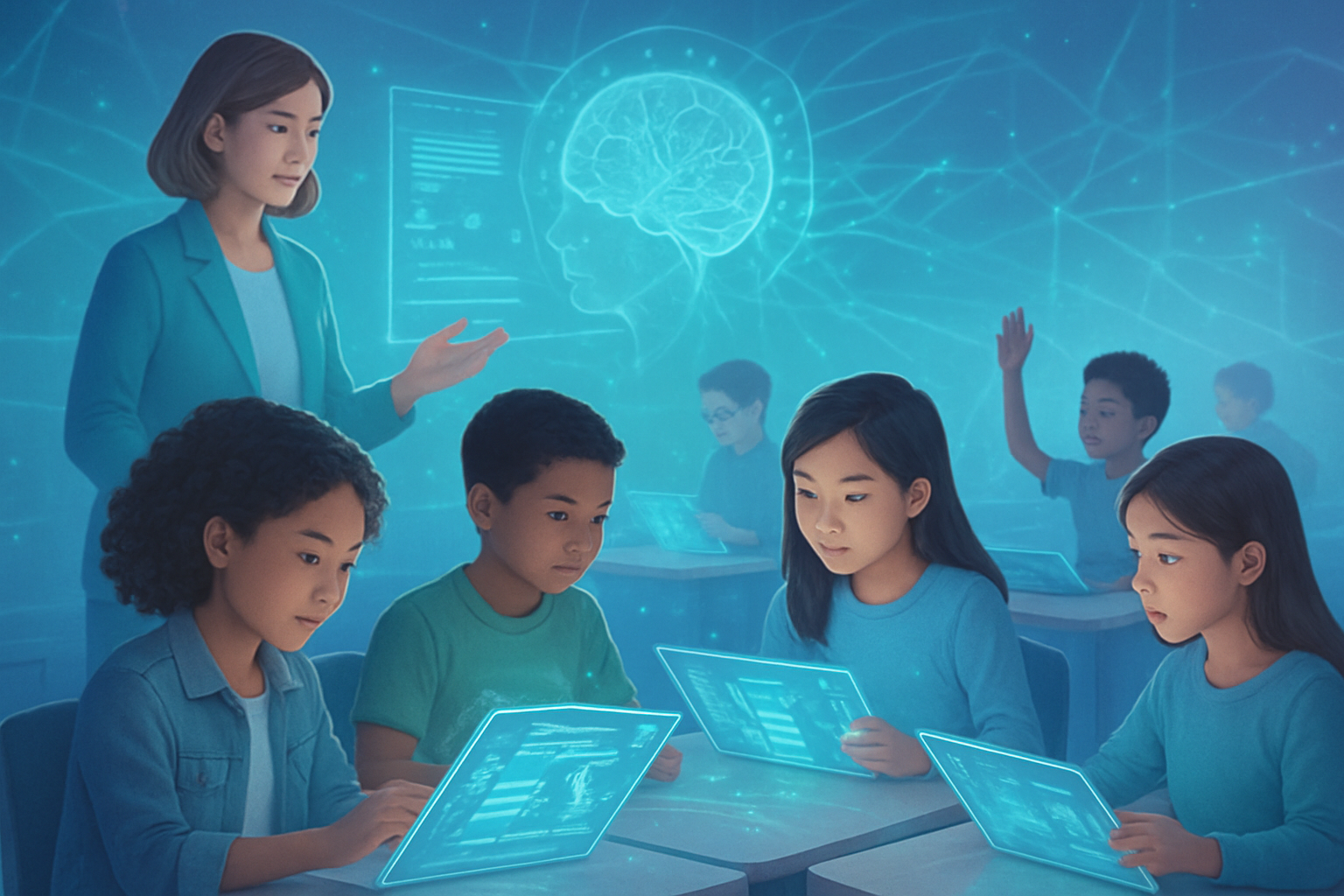
    The California Institute of Artificial Intelligence (CIAI) has announced a monumental leap in education with the unveiling of 'The Dawn Directive,' a groundbreaking initiative hailed as the world's first curriculum entirely designed by artificial intelligence. This pioneering program, meticulously crafted by an Agentic AI system developed by MindHYVE.ai™ and delivered through the ArthurAI™ Virtual Learning Platform (VLP), is set to revolutionize global AI education and fluency. Its immediate significance lies in its potential to democratize AI knowledge, establish universal competency standards, and rapidly upskill workforces worldwide for an AI-driven future.

    'The Dawn Directive' emerges as a critical response to the escalating demand for AI literacy, aiming to bridge the widening global AI fluency gap. By positioning AI not merely as a subject of study but as the architect of learning itself, CIAI signals a new era where education can evolve at the unprecedented pace of technological innovation. This curriculum is poised to empower individuals, organizations, and governments to navigate and thrive in an increasingly intelligent and automated world, making AI literacy as fundamental as computer literacy was in previous decades.

    The Architecture of AI-Driven Education: A Deep Dive into 'The Dawn Directive'

    'The Dawn Directive' is an intricate 18-course learning system, strategically organized across six core domains: AI Literacy, AI Fluency, AI Applications, AI + Ethics, AI for Educators, and AI Future-Skills. Each domain is meticulously designed to foster a holistic understanding and practical application of AI, ranging from foundational concepts and historical context to hands-on interaction with AI models, real-world creation using no-code and agentic AI systems, and critical ethical considerations. The curriculum also uniquely addresses the needs of educators, equipping them to integrate AI tools responsibly, and prepares learners for the era of Artificial General Intelligence (AGI) by cultivating resilience, creativity, and meta-learning capabilities.

    What truly sets 'The Dawn Directive' apart is its genesis and delivery mechanism. Unlike traditional curricula developed by human experts, this program was conceived and structured entirely by an advanced Agentic AI system. This AI-driven design allows for a "living" curriculum—one that learns, adapts, and scales globally in real-time, mirroring the rapid advancements in AI technology itself. Learners benefit from dynamic AI-driven tutoring, adaptive content that personalizes the learning journey, and ethical feedback systems, fostering an autonomous yet profoundly human-centered educational experience. This contrasts sharply with static, human-curated curricula that often struggle to keep pace with the exponential growth of AI knowledge and applications.

    Initial reactions from the AI research community and industry experts have been overwhelmingly positive, albeit with a healthy dose of intrigue regarding the long-term implications of AI-authored education. Experts laud the scalability and adaptability inherent in an AI-created system, noting its potential to provide a globally consistent yet personalized learning experience. The focus on ethical readiness, aligning learners with forthcoming AI governance and compliance frameworks, is also highlighted as a crucial component, promoting responsible AI adoption from the ground up. This initiative is seen as a bold step towards an educational paradigm where technology not only facilitates learning but actively shapes its content and delivery.

    The technical specifications underscore a sophisticated approach to AI education. The integration of MindHYVE.ai™'s Agentic AI for curriculum generation ensures that the content is always current, relevant, and optimized for learning outcomes, while the ArthurAI™ Virtual Learning Platform (VLP) provides the robust infrastructure for delivery. This VLP offers workflow-embedded learning that simulates real-world AI collaboration, allowing learners to apply concepts immediately. The program's learning pathways, such as AI-Ready Professional, AI Collaborator, and AI Leader, are designed to establish a global standard for competence in responsible AI use, communication, and leadership across various professions and geographies.

    Corporate Ripples: How 'The Dawn Directive' Will Reshape the AI Industry

    'The Dawn Directive' is poised to send significant ripples through the AI industry, impacting tech giants, established AI labs, and burgeoning startups alike. Companies specializing in AI education and workforce development, such as Coursera (NYSE: COUR) and Udemy (NASDAQ: UDMY), could face both challenges and opportunities. While 'The Dawn Directive' presents a formidable new competitor, its emphasis on global standards and AI-driven content creation could also inspire partnerships or integration into existing platforms, especially for companies looking to offer cutting-edge, adaptive AI training.

    For major AI labs like Google (NASDAQ: GOOGL), Microsoft (NASDAQ: MSFT), and Meta Platforms (NASDAQ: META), this development could accelerate the demand for AI-fluent employees, potentially streamlining their recruitment and internal training processes. Companies that develop AI tools and platforms, particularly those focused on agentic AI and virtual learning environments like MindHYVE.ai™ and ArthurAI™, stand to benefit immensely from increased adoption and validation of their underlying technologies. The success of an AI-created curriculum could drive further investment and innovation in AI systems capable of complex content generation and personalized instruction.

    The competitive implications are profound. Existing AI training providers that rely on traditional, human-authored content may find themselves at a disadvantage if they cannot match the dynamism and real-time adaptability of an AI-generated curriculum. This could disrupt existing products and services, forcing a re-evaluation of content creation methodologies and delivery platforms. Startups focused on niche AI education or specialized AI tools might find new opportunities to integrate or build upon the foundational fluency provided by 'The Dawn Directive,' creating a more educated user base for their advanced offerings. Market positioning will become crucial, with companies needing to demonstrate how they either complement or surpass this new standard in AI education.

    Ultimately, 'The Dawn Directive' could foster a more uniform and highly skilled global AI talent pool, which would benefit all companies operating in the AI space. A globally fluent workforce, grounded in responsible AI ethics, could accelerate innovation, improve collaboration, and mitigate some of the risks associated with AI deployment. This initiative has the potential to become a strategic advantage for nations and enterprises that adopt it early, ensuring their workforces are future-proofed against rapid technological shifts.

    A New Epoch in AI: Broader Implications and Societal Shifts

    'The Dawn Directive' fits squarely within the broader AI landscape as a testament to the increasing sophistication of generative and agentic AI systems. It represents a significant step towards realizing the potential of AI not just as a tool for automation or data analysis, but as a creative and pedagogical force. This development aligns with trends emphasizing AI's role in augmenting human capabilities, pushing the boundaries of what AI can autonomously achieve, and highlighting the critical need for widespread AI literacy as AI becomes more integrated into daily life and work.

    The impacts are multifaceted. Educationally, it challenges traditional notions of curriculum development, suggesting a future where AI could co-create or even lead the design of learning pathways across various disciplines. Societally, by aiming to close the global AI fluency gap, it has the potential to democratize access to essential future skills, empowering individuals from diverse backgrounds to participate meaningfully in the AI economy. Economically, a globally AI-fluent workforce could spur innovation, increase productivity, and foster new industries, but also raise questions about the future of human educators and curriculum designers.

    Potential concerns include the inherent biases that might be embedded within an AI-created curriculum, even one designed with ethical considerations in mind. Ensuring fairness, preventing algorithmic bias in content, and maintaining human oversight over the AI's pedagogical decisions will be paramount. There are also questions about the depth of critical thinking and creativity that an AI-designed curriculum can foster, and whether it can truly replicate the nuanced understanding and empathy often conveyed by human teachers. Comparisons to previous AI milestones, such as the development of large language models or AI's victory in complex games, underscore 'The Dawn Directive' as a breakthrough in AI's ability to engage in high-level cognitive tasks previously exclusive to humans, but in a domain with profound societal implications.

    This initiative is a powerful indicator of AI's expanding capabilities and its potential to reshape fundamental societal structures. It moves beyond AI as a problem-solver to AI as a knowledge-creator and disseminator, marking a pivotal moment in the ongoing integration of AI into human civilization. The ethical frameworks embedded within the curriculum itself are a recognition of the growing importance of responsible AI development and deployment, a critical lesson learned from past technological advancements.

    The Horizon of Learning: Future Developments and Expert Predictions

    Looking ahead, 'The Dawn Directive' is expected to catalyze several near-term and long-term developments in AI education and beyond. In the near term, we can anticipate a rapid expansion of the curriculum's reach, with CIAI likely partnering with governments, educational institutions, and large enterprises to implement the program globally. There will be a strong focus on refining the adaptive learning components and ethical feedback systems, leveraging user data to continuously improve the AI's pedagogical effectiveness and ensure cultural relevance across diverse populations.

    Potential applications and use cases on the horizon are vast. Beyond general AI fluency, the underlying AI curriculum generation system could be adapted to create specialized training programs for specific industries, from healthcare to finance, ensuring professionals are equipped with AI skills tailored to their domains. We might see the emergence of AI-powered personalized learning paths for K-12 education, or even AI-designed university degrees. The technology could also be deployed in developing nations to rapidly scale access to high-quality, relevant education, overcoming traditional barriers of resource and teacher availability.

    However, significant challenges need to be addressed. Ensuring equitable access to 'The Dawn Directive' across socio-economic divides will be crucial to prevent the exacerbation of digital divides. The continuous monitoring and auditing of the AI-created content for bias, accuracy, and pedagogical efficacy will require robust human oversight mechanisms. Furthermore, integrating this AI-driven curriculum into existing educational frameworks, which are often resistant to change, will present institutional hurdles. The development of robust certification and accreditation standards for AI-created learning will also be essential for its widespread acceptance.

    Experts predict that this development will accelerate the trend towards personalized, adaptive learning and could fundamentally alter the role of educators, shifting them from content deliverers to facilitators, mentors, and ethical guides. They foresee a future where AI-generated curricula become the norm for rapidly evolving fields, with human educators providing the critical human touch, fostering creativity, and addressing complex socio-emotional learning. The next steps will involve rigorous evaluation of 'The Dawn Directive's' impact on learning outcomes and its ability to truly foster ethical AI fluency on a global scale.

    A Paradigm Shift in Pedagogy: The Enduring Legacy of 'The Dawn Directive'

    'The Dawn Directive' by CIAI represents a watershed moment in the history of education and artificial intelligence. Its key takeaway is the unprecedented demonstration of AI's capability to not just assist in learning, but to autonomously design and deliver comprehensive educational content. This initiative fundamentally redefines the relationship between technology and pedagogy, establishing AI as a potent force in shaping human knowledge and skills. It underscores the critical importance of global AI fluency as a foundational skill for the 21st century and beyond.

    The significance of this development in AI history cannot be overstated. It marks a clear progression from AI as an analytical tool to AI as a creative and instructional architect, pushing the boundaries of what machine intelligence can achieve in complex, human-centric domains. This breakthrough is comparable to the advent of online learning platforms in its potential to democratize access to education, but it goes a step further by leveraging AI to personalize and dynamically update content at an unprecedented scale.

    Looking at the long-term impact, 'The Dawn Directive' could set a new global standard for how rapidly evolving technical skills are taught, potentially influencing curriculum design across all disciplines. It paves the way for a future where education is a continuously adapting, AI-optimized process, constantly evolving to meet the demands of a changing world. The emphasis on ethical AI within the curriculum itself is a forward-thinking move, aiming to instill responsible AI practices from the ground up and mitigate potential societal harms.

    In the coming weeks and months, the world will be watching closely for the initial rollout and adoption rates of 'The Dawn Directive.' Key metrics to monitor will include learner engagement, competency attainment, and feedback from participating institutions and individuals. The discussions around the ethical implications of AI-created content and the evolving role of human educators will also intensify. CIAI's 'The Dawn Directive' is not just a new curriculum; it is a declaration of a new era in learning, where AI and human intelligence collaborate to forge a more knowledgeable and capable global society.


    This content is intended for informational purposes only and represents analysis of current AI developments.

    TokenRing AI delivers enterprise-grade solutions for multi-agent AI workflow orchestration, AI-powered development tools, and seamless remote collaboration platforms.
    For more information, visit https://www.tokenring.ai/.
  • Scouting America Unveils Groundbreaking AI and Cybersecurity Merit Badges, Forging Future Digital Leaders

    Scouting America Unveils Groundbreaking AI and Cybersecurity Merit Badges, Forging Future Digital Leaders

    October 14, 2025 – In a landmark move signaling a profound commitment to preparing youth for the complexities of the 21st century, Scouting America, formerly known as the Boy Scouts of America, has officially launched two new merit badges: Artificial Intelligence (AI) and Cybersecurity. Announced on September 22, 2025, and available to Scouts as of today, October 14, 2025, these additions are poised to revolutionize youth development, equipping a new generation with critical skills vital for success in an increasingly technology-driven world. This initiative underscores the organization's forward-thinking approach, bridging traditional values with the urgent demands of the digital age.

    The introduction of these badges marks a pivotal moment for youth education, directly addressing the growing need for digital literacy and technical proficiency. By engaging young people with the fundamentals of AI and the imperatives of cybersecurity, Scouting America is not merely updating its curriculum; it is actively shaping the future workforce and fostering responsible digital citizens. This strategic enhancement reflects a deep understanding of current technological trends and their profound implications for society, national security, and economic prosperity.

    Deep Dive: Navigating the Digital Frontier with New Merit Badges

    The Artificial Intelligence and Cybersecurity merit badges are meticulously designed to provide Scouts with a foundational yet comprehensive understanding of these rapidly evolving fields. Moving beyond traditional print materials, these badges leverage innovative digital resource guides, featuring interactive elements and videos, alongside a novel AI assistant named "Scoutly" to aid in requirement completion. This modern approach ensures an engaging and accessible learning experience for today's tech-savvy youth.

    The Artificial Intelligence Merit Badge introduces Scouts to the core concepts, applications, and ethical considerations of AI. Key requirements include exploring AI basics, its history, and everyday uses, identifying automation in daily life, and creating timelines of AI and automation milestones. A significant portion focuses on ethical implications such as data privacy, algorithmic bias, and AI's impact on employment, encouraging critical thinking about technology's societal role. Scouts also delve into developing AI skills, understanding prompt engineering, investigating AI-related career paths, and undertaking a practical AI project or designing an AI lesson plan. This badge moves beyond mere theoretical understanding, pushing Scouts towards practical engagement and critical analysis of AI's pervasive influence.

    Similarly, the Cybersecurity Merit Badge offers an in-depth exploration of digital security. It emphasizes online safety and ethics, covering risks of personal information sharing, cyberbullying, and intellectual property rights, while also linking online conduct to the Scout Law. Scouts learn about various cyber threats—viruses, social engineering, denial-of-service attacks—and identify system vulnerabilities. Practical skills are central, with requirements for creating strong passwords, understanding firewalls, antivirus software, and encryption. The badge also covers cryptography, connected devices (IoT) security, and requires Scouts to investigate real-world cyber incidents or explore cybersecurity's role in media. Career paths in cybersecurity, from analysts to ethical hackers, are also a key component, highlighting the vast opportunities within this critical field. This dual focus on theoretical knowledge and practical application sets these badges apart, preparing Scouts with tangible skills that are immediately relevant.

    Industry Implications: Building the Tech Talent Pipeline

    The introduction of these merit badges by Scouting America carries significant implications for the technology industry, from established tech giants to burgeoning startups. By cultivating an early interest and foundational understanding in AI and cybersecurity among millions of young people, Scouting America is effectively creating a crucial pipeline for future talent in two of the most in-demand and undersupplied sectors globally.

    Companies like Alphabet (NASDAQ: GOOGL), Microsoft (NASDAQ: MSFT), Amazon (NASDAQ: AMZN), and Apple (NASDAQ: AAPL), which are heavily invested in AI research, development, and cybersecurity infrastructure, stand to benefit immensely from a generation of workers already possessing foundational knowledge and ethical awareness in these fields. This initiative can alleviate some of the long-term challenges associated with recruiting and training a specialized workforce. Furthermore, the emphasis on practical application and ethical considerations in the badge requirements means that future entrants to the tech workforce will not only have technical skills but also a crucial understanding of responsible technology deployment, a growing concern for many companies.

    For startups and smaller AI labs, this initiative democratizes access to foundational knowledge, potentially inspiring a wider array of innovators. The competitive landscape for talent acquisition could see a positive shift, with a larger pool of candidates entering universities and vocational programs with pre-existing aptitudes. This could disrupt traditional recruitment models that often rely on a narrow set of elite institutions, broadening the base from which talent is drawn. Overall, Scouting America's move is a strategic investment in the human capital necessary to sustain and advance the digital economy, fostering innovation and resilience across the tech ecosystem.

    Wider Significance: Shaping Digital Citizenship and National Security

    Scouting America's new AI and Cybersecurity merit badges represent more than just an update to a youth program; they signify a profound recognition of the evolving global landscape and the critical role technology plays within it. This initiative fits squarely within broader trends emphasizing digital literacy as a fundamental skill, akin to reading, writing, and arithmetic in the 21st century. By introducing these topics at an impressionable age, Scouting America is actively fostering digital citizenship, ensuring that young people not only understand how to use technology but also how to engage with it responsibly, ethically, and securely.

    The impact extends to national security, where the strength of a nation's cybersecurity posture is increasingly dependent on the digital literacy of its populace. As Michael Dunn, an Air Force officer and co-developer of the cybersecurity badge, noted, these programs are vital for teaching young people to defend themselves and their communities against online threats. This move can be compared to past educational milestones, such as the introduction of science and engineering programs during the Cold War, which aimed to bolster national technological prowess. In an era of escalating cyber warfare and sophisticated AI applications, cultivating a generation aware of these dynamics is paramount.

    Potential concerns, however, include the challenge of keeping the curriculum current in such rapidly advancing fields. AI and cybersecurity evolve at an exponential pace, requiring continuous updates to badge requirements and resources to remain relevant. Nevertheless, this initiative sets a powerful precedent for other educational and youth organizations, highlighting the urgency of integrating advanced technological concepts into mainstream learning. It underscores a societal shift towards recognizing technology not just as a tool, but as a foundational element of civic life and personal safety.

    Future Developments: A Glimpse into Tomorrow's Digital Landscape

    The introduction of the AI and Cybersecurity merit badges by Scouting America is likely just the beginning of a deeper integration of advanced technology into youth development programs. In the near term, we can expect to see increased participation in these badges, with a growing number of Scouts demonstrating proficiency in these critical areas. The digital resource guides and the "Scoutly" AI assistant are likely to evolve, becoming more sophisticated and personalized to enhance the learning experience. Experts predict that these badges will become some of the most popular and impactful, given the pervasive nature of AI and cybersecurity in daily life.

    Looking further ahead, the curriculum itself will undoubtedly undergo regular revisions to keep pace with technological advancements. There's potential for more specialized badges to emerge from these foundational ones, perhaps focusing on areas like data science, machine learning ethics, or advanced network security. Applications and use cases on the horizon include Scouts leveraging their AI knowledge for community service projects, such as developing AI-powered solutions for local challenges, or contributing to open-source cybersecurity initiatives. The challenges that need to be addressed include ensuring equitable access to the necessary technology and resources for all Scouts, regardless of their socioeconomic background, and continuously training merit badge counselors to stay abreast of the latest developments.

    What experts predict will happen next is a ripple effect across the educational landscape. Other youth organizations and even formal education systems may look to Scouting America's model as a blueprint for integrating cutting-edge technology education. This could lead to a broader national push to foster digital literacy and technical skills from a young age, ultimately strengthening the nation's innovation capacity and cybersecurity resilience.

    Comprehensive Wrap-Up: A New Era for Youth Empowerment

    Scouting America's launch of the Artificial Intelligence and Cybersecurity merit badges marks a monumental and historically significant step in youth development. The key takeaways are clear: the organization is proactively addressing the critical need for digital literacy and technical skills, preparing young people not just for careers, but for responsible citizenship in an increasingly digital world. This initiative is a testament to Scouting America's enduring mission to equip youth for life's challenges, now extended to the complex frontier of cyberspace and artificial intelligence.

    The significance of this development in AI history and youth education cannot be overstated. It represents a proactive and pragmatic response to the rapid pace of technological change, setting a new standard for how youth organizations can empower the next generation. By fostering an early understanding of AI's power and potential pitfalls, alongside the essential practices of cybersecurity, Scouting America is cultivating a cohort of informed, ethical, and capable digital natives.

    In the coming weeks and months, the focus will be on the adoption rate of these new badges and the initial feedback from Scouts and counselors. It will be crucial to watch how the digital resources and the "Scoutly" AI assistant perform and how the organization plans to keep the curriculum dynamic and relevant. This bold move by Scouting America is a beacon for future-oriented education, signaling that the skills of tomorrow are being forged today, one merit badge at a time. The long-term impact will undoubtedly be a more digitally resilient and innovative society, shaped by young leaders who understand and can ethically harness the power of technology.


    This content is intended for informational purposes only and represents analysis of current AI developments.

    TokenRing AI delivers enterprise-grade solutions for multi-agent AI workflow orchestration, AI-powered development tools, and seamless remote collaboration platforms.
    For more information, visit https://www.tokenring.ai/.
  • Temple University’s JournAI: A Game-Changer in AI-Powered Student-Athlete Wellness

    Temple University’s JournAI: A Game-Changer in AI-Powered Student-Athlete Wellness

    PHILADELPHIA, PA – October 9, 2025 – Temple University has secured a prestigious NCAA Innovations in Research and Practice Grant, marking a significant breakthrough in the application of artificial intelligence for student-athlete well-being. The grant, announced on September 12, 2025, will fund the full development of JournAI, an AI-powered mentorship application designed to provide holistic support for college athletes. This initiative positions Temple University at the forefront of leveraging AI for personalized wellness and development, signaling a new era for student support in collegiate sports.

    JournAI, envisioned as an AI-driven virtual mentor named "Sam," aims to guide student-athletes through the multifaceted challenges of their demanding lives. From career planning and leadership skill development to crucial mental health support and financial literacy, Sam will offer accessible, confidential, and personalized assistance. The project's immediate significance lies in its recognition by the NCAA, which selected Temple from over 100 proposals, underscoring the innovative potential of AI to enhance the lives of student-athletes beyond their athletic performance.

    The AI Behind the Mentor: Technical Details and Distinctive Approach

    JournAI functions as an AI-powered mentor, primarily through text-based interactions with its virtual persona, "Sam." This accessible format is critical, allowing student-athletes to engage with mentorship opportunities directly on their mobile devices, circumventing the severe time constraints imposed by rigorous training, competition, and travel schedules. The core functionalities span a wide range of life skills: career planning, leadership development, mental health support (offering an unbiased ear and a safe space), and financial literacy (covering topics like loans and money management). The system is designed to foster deeper, more holistic conversations, preparing athletes for adulthood.

    While specific proprietary technical specifications remain under wraps, JournAI's text-based interaction implies the use of advanced Natural Language Processing (NLP) capabilities. This allows "Sam" to understand athlete input, generate relevant conversational responses, and guide discussions across diverse topics. The robustness of its underlying AI model is evident in its ability to draw from various knowledge domains and personalize interactions, adapting to the athlete's specific needs. It's crucial to distinguish this from an email-based journaling product also named "JournAI"; Temple's initiative is an app-based virtual mentor for student-athletes.

    This approach significantly differs from previous student-athlete support mechanisms. Traditional programs often struggle with accessibility due to scheduling conflicts and resource limitations. JournAI bypasses these barriers by offering on-demand, mobile-first support. Furthermore, while conventional services often focus on academic eligibility, JournAI emphasizes holistic development, acknowledging the unique pressures student-athletes face. It acts as a complementary tool, preparing athletes for more productive conversations with human staff rather than replacing them. The NCAA's endorsement, with Temple being one of only three institutions to receive the grant, highlights the strong validation from a crucial industry stakeholder, though broader AI research community reactions are yet to be widely documented beyond this recognition.

    Market Implications: AI Companies, Tech Giants, and Startups

    The advent of AI-powered personalized mentorship, exemplified by JournAI, carries substantial competitive implications for AI companies, tech giants, and startups across wellness, education, and HR sectors. Companies specializing in AI development, particularly those with strong NLP and machine learning capabilities, stand to benefit significantly by developing the core technologies that power these solutions.

    Major tech companies and AI labs will find that hyper-personalization becomes a key differentiator. Generic wellness or educational platforms will struggle to compete with solutions that offer tailored experiences based on individual needs and data. This shift necessitates heavy investment in R&D to refine AI models capable of empathetic and nuanced guidance. Companies with robust data governance and ethical AI frameworks will also gain a strategic advantage, as trust in handling sensitive personal data is paramount. The trend is moving towards "total wellness platforms" that integrate various aspects of well-being, encouraging consolidation or strategic partnerships.

    JournAI's model has the potential to disrupt existing products and services by enhancing them. Traditional student-athlete support programs, often reliant on peer mentorship and academic advisors, can be augmented by AI, providing 24/7 access to guidance and covering a wider range of topics. This can alleviate the burden on human staff and offer more consistent, data-driven support. Similarly, general mentorship programs can become more scalable and effective through AI-driven matching, personalized learning paths, and automated progress tracking. While AI cannot replicate the full empathy of human interaction, it can provide valuable insights and administrative assistance. Companies that successfully combine AI's efficiency with human expertise through hybrid models will gain a significant market advantage, focusing on seamless integration, data privacy, and specialized niches like student-athlete wellness.

    Broader Significance: AI Landscape and Societal Impact

    JournAI fits squarely into the broader AI landscape as a powerful demonstration of personalized wellness and education. It aligns with the industry's shift towards individualized solutions, leveraging AI to offer tailored support in mental health, career development, and life skills. This trend is already evident in various AI-driven health coaching, fitness tracking, and virtual therapy platforms, where users are increasingly willing to share data for personalized guidance. In education, AI is revolutionizing learning experiences by adapting content, pace, and difficulty to individual student needs, a principle JournAI applies to holistic development.

    The potential impacts on student-athlete well-being and development are profound. JournAI offers enhanced mental wellness support by providing a readily available, safe, and judgment-free space for emotional expression, crucial for a demographic facing immense pressure. It can foster self-awareness, improve emotional regulation, reduce stress, and build resilience. By guiding athletes through career planning and financial literacy, it prepares them for life beyond sports, where only a small percentage will turn professional.

    However, the integration of AI like JournAI also raises significant concerns. Privacy and data security are paramount, given the extensive collection of sensitive personal data, including journal entries. Risks of misuse, unauthorized access, and data breaches are real, requiring robust data protection protocols and transparent policies. Over-reliance on AI is another concern; while convenient, it could diminish interpersonal skills, hinder critical thinking, and create a "false sense of support" if athletes forgo necessary human professional help during crises. AI's current struggle with understanding complex human emotions and cultural nuances means it cannot fully replicate the empathy of human mentors. Other ethical considerations include algorithmic bias, transparency (users need to understand why AI suggests certain actions), and consent for participation.

    Comparing JournAI to previous AI milestones reveals its reliance on recent breakthroughs. Early AI in education (1960s-1970s) focused on basic computer-based instruction and intelligent tutoring systems. The internet era (1990s-2000s) expanded access, with adaptive learning platforms emerging. The most significant leap, foundational for JournAI, comes from advancements in Natural Language Processing (NLP) and large language models (LLMs), particularly post-2010. The launch of ChatGPT (late 2022) enabled natural, human-like dialogue, allowing AI to understand context, emotion, and intent over longer conversations – a capability crucial for JournAI's empathetic interaction. Thus, JournAI represents a sophisticated evolution of intelligent tutoring systems applied to emotional and mental well-being, leveraging modern human-computer interaction.

    Future Developments: The Road Ahead for AI Mentorship

    The future of AI-powered mentorship, exemplified by JournAI, promises a deeply integrated and proactive approach to individual development. In the near term (1-5 years), AI mentors are expected to become highly specialized, delivering hyper-personalized experiences with custom plans based on genetic information, smart tracker data, and user input. Real-time adaptive coaching, adjusting training regimens and offering conversational guidance based on biometric data (e.g., heart rate variability, sleep patterns), will become standard. AI will also streamline administrative tasks for human mentors, allowing them to focus on more meaningful interactions, and smarter mentor-mentee matching algorithms will emerge.

    Looking further ahead (5-10+ years), AI mentors are predicted to evolve into holistic well-being integrators, seamlessly combining mental health monitoring with physical wellness coaching. Expect integration with smart environments, where AI interacts with smart home gyms and wearables. Proactive preventive care will be a hallmark, with AI predicting health risks and recommending targeted interventions, potentially syncing with medical professionals. Experts envision AI fundamentally reshaping healthcare accessibility by providing personalized health education adapted to individual literacy levels and cultural backgrounds. The goal is for AI to develop a more profound understanding and nuanced response to human emotions, though this remains a significant challenge.

    For student-athlete support, AI offers a wealth of future applications. Beyond holistic development and transition support (like JournAI), AI can optimize performance through personalized training, injury prevention (identifying risks with high accuracy), and optimized nutrition and recovery plans. Academically, adaptive learning will tailor content to individual styles. Crucially, AI mentors will continue to provide 24/7 confidential mental health support and financial literacy education, especially pertinent for navigating Name, Image, and Likeness (NIL) income. Challenges for widespread adoption include addressing ethical concerns (bias, misinformation), improving emotional intelligence and nuanced understanding, ensuring data quality, privacy, and security, navigating regulatory gaps, and overcoming infrastructure costs. Experts consistently predict that AI will augment, not replace, human intelligence, emphasizing a collaborative model where human mentors remain crucial for interpreting insights and providing emotional support.

    Wrap-up: A New Dawn for Student-Athlete Support

    Temple University's JournAI project is a pivotal development in the landscape of AI-powered wellness and mentorship. Its core mission to provide accessible, personalized, and holistic support for student-athletes through an AI-driven virtual mentor marks a significant step forward. By addressing critical aspects like mental health, career readiness, and financial literacy, JournAI aims to equip student-athletes with the tools necessary for success both during and after their collegiate careers, enhancing their overall well-being.

    This initiative's significance in AI history lies in its sophisticated application of modern AI, particularly advanced NLP and large language models, to a traditionally underserved and high-pressure demographic. It showcases AI's potential to move beyond mere information retrieval to offer empathetic, personalized guidance that complements human interaction. The NCAA grant not only validates Temple's innovative approach but also signals a broader acceptance of AI as a legitimate tool for fostering personal development within educational and athletic institutions.

    The long-term impact on student-athletes could be transformative, fostering greater resilience, self-awareness, and preparedness for life's transitions. For the broader educational and sports technology landscape, JournAI sets a precedent, likely inspiring other institutions to explore similar AI-driven mentorship models. This could lead to a proliferation of personalized support systems, potentially improving retention, academic performance, and mental health outcomes across various student populations.

    In the coming weeks and months, observers should closely watch the expansion of JournAI's pilot program and the specific feedback gathered from student-athletes. Key metrics on its efficacy in improving mental health, academic success, and career readiness will be crucial. Furthermore, attention should be paid to how Temple University addresses data privacy, security, and ethical considerations as the app scales. The evolving balance between AI-driven support and essential human interaction will remain a critical point of observation, as will the emergence of similar initiatives from other institutions, all contributing to a new era of personalized, AI-augmented student support.


    This content is intended for informational purposes only and represents analysis of current AI developments.

    TokenRing AI delivers enterprise-grade solutions for multi-agent AI workflow orchestration, AI-powered development tools, and seamless remote collaboration platforms. For more information, visit https://www.tokenring.ai/.

  • Teachers: The Unsung Catalysts of AI Transformation, UNESCO Declares

    Teachers: The Unsung Catalysts of AI Transformation, UNESCO Declares

    In an era increasingly defined by artificial intelligence, the United Nations Educational, Scientific and Cultural Organization (UNESCO) has emphatically positioned teachers not merely as users of AI, but as indispensable catalysts for its ethical, equitable, and human-centered integration into learning environments. This proactive stance, articulated through recent frameworks and recommendations, underscores a global recognition of educators' pivotal role in navigating the complex landscape of AI, ensuring its transformative power serves humanity's best interests in education. UNESCO's advocacy addresses a critical global gap, providing a much-needed roadmap for empowering teachers to proactively shape the future of learning in an AI-driven world.

    The immediate significance of UNESCO's call, particularly highlighted by the release of its AI Competency Framework for Teachers (AI CFT) in August 2024, is profound. As of 2022, a global survey revealed a stark absence of comprehensive AI competency frameworks or professional development programs for teachers in most countries. UNESCO's timely intervention aims to rectify this deficiency, offering concrete guidance that empowers educators to become designers and facilitators of AI-enhanced learning, guardians of ethical practices, and lifelong learners in the rapidly evolving digital age. This initiative is set to profoundly influence national education strategies and teacher training programs worldwide, charting a course for responsible AI integration that prioritizes human agency and educational equity.

    UNESCO's Blueprint for an AI-Empowered Teaching Force

    UNESCO's detailed strategy for integrating AI into education revolves around a "human-centered approach," emphasizing that AI should serve as a supportive tool rather than a replacement for the irreplaceable human elements teachers bring to the classroom. The cornerstone of this strategy is the AI Competency Framework for Teachers (AI CFT), a comprehensive guide published in August 2024. This framework, which has been in development and discussion since 2023, meticulously outlines the knowledge, skills, and values educators need to thrive in the AI era.

    The AI CFT is structured around five core dimensions: a human-centered mindset (emphasizing critical values and attitudes for human-AI interaction), AI ethics (understanding and applying ethical principles, laws, and regulations), AI foundations (developing a fundamental understanding of AI technologies), AI pedagogy (effectively integrating AI into teaching methodologies, from course preparation to assessment), and AI for professional development (utilizing AI for ongoing professional learning). These dimensions move beyond mere technical proficiency, focusing on the holistic development of teachers as ethical and critical facilitators of AI-enhanced learning.

    What differentiates this approach from previous, often technology-first, initiatives is its explicit prioritization of human agency and ethical considerations. Earlier efforts to integrate technology into education often focused on hardware deployment or basic digital literacy, sometimes overlooking the pedagogical shifts required or the ethical implications. UNESCO's AI CFT, in contrast, provides a nuanced progression through three levels of competency—Acquire, Deepen, and Create—acknowledging that teachers will engage with AI at different stages of their professional development. This structured approach allows educators to gradually build expertise, from evaluating and appropriately using AI tools to designing innovative pedagogical strategies and even creatively configuring AI systems. Initial reactions from the educational research community and industry experts have largely been positive, hailing the framework as a crucial and timely step towards standardizing AI education for teachers globally.

    Reshaping the Landscape for AI EdTech and Tech Giants

    UNESCO's strong advocacy for teacher-centric AI transformation is poised to significantly reshape the competitive landscape for AI companies, tech giants, and burgeoning startups in the educational technology (EdTech) sector. Companies that align their product development with the principles of the AI CFT—focusing on ethical AI, pedagogical integration, and tools that empower rather than replace teachers—stand to benefit immensely. This includes developers of AI-powered lesson planning tools, personalized learning platforms, intelligent tutoring systems, and assessment aids that are designed to augment, not diminish, the teacher's role.

    For major AI labs and tech companies like Alphabet (NASDAQ: GOOGL), Microsoft (NASDAQ: MSFT), and Amazon (NASDAQ: AMZN), which are heavily invested in AI research and cloud infrastructure, this represents a clear directive for their educational offerings. Products that support teacher training, provide ethical AI literacy resources, or offer customizable AI tools that integrate seamlessly into existing curricula will gain a significant competitive advantage. This could lead to a strategic pivot for some, moving away from purely automated solutions towards more collaborative AI tools that require and leverage human oversight. EdTech startups specializing in teacher professional development around AI, or those creating AI tools specifically designed to be easily adopted and adapted by educators, are particularly well-positioned for growth.

    Conversely, companies pushing AI solutions that bypass or significantly diminish the role of teachers, or those with opaque algorithms and questionable data privacy practices, may face increased scrutiny and resistance from educational institutions guided by UNESCO's recommendations. This framework could disrupt existing products or services that prioritize automation over human interaction, forcing a re-evaluation of their market positioning. The emphasis on ethical AI and human-centered design will likely become a key differentiator, influencing procurement decisions by school districts and national education ministries worldwide.

    A New Chapter in AI's Broader Educational Trajectory

    UNESCO's advocacy marks a pivotal moment in the broader AI landscape, signaling a maturation of the discourse surrounding AI's role in education. This human-centered approach aligns with growing global trends that prioritize ethical AI development, responsible innovation, and the safeguarding of human values in the face of rapid technological advancement. It moves beyond the initial hype and fear cycles surrounding AI, offering a pragmatic pathway for integration that acknowledges both its immense potential and inherent risks.

    The initiative directly addresses critical societal impacts and potential concerns. By emphasizing AI ethics and data privacy within teacher competencies, UNESCO aims to mitigate risks such as algorithmic bias, the exacerbation of social inequalities, and the potential for increased surveillance in learning environments. The framework also serves as a crucial bulwark against the over-reliance on AI to solve systemic educational issues like teacher shortages or inadequate infrastructure, a caution frequently echoed by UNESCO. This approach contrasts sharply with some earlier technological milestones, where new tools were introduced without sufficient consideration for the human element or long-term societal implications. Instead, it draws lessons from previous technology integrations, stressing the need for comprehensive teacher training and policy frameworks from the outset.

    Comparisons can be drawn to the introduction of personal computers or the internet into classrooms. While these technologies offered revolutionary potential, their effective integration was often hampered by a lack of teacher training, inadequate infrastructure, and an underdeveloped understanding of pedagogical shifts. UNESCO's current initiative aims to preempt these challenges by placing educators at the heart of the transformation, ensuring that AI serves to enhance, rather than complicate, the learning experience. This strategic foresight positions AI integration in education as a deliberate, ethical, and human-driven process, setting a new standard for how transformative technologies should be introduced into critical societal sectors.

    The Horizon: AI as a Collaborative Partner in Learning

    Looking ahead, the trajectory set by UNESCO's advocacy points towards a future where AI functions as a collaborative partner in education, with teachers at the helm. Near-term developments are expected to focus on scaling up teacher training programs globally, leveraging the AI CFT as a foundational curriculum. We can anticipate a proliferation of professional development initiatives, both online and in-person, aimed at equipping educators with the practical skills to integrate AI into their daily practice. National policy frameworks, guided by UNESCO's recommendations, will likely emerge or be updated to include AI competencies for teachers.

    In the long term, the potential applications and use cases are vast. AI could revolutionize personalized learning by providing teachers with sophisticated tools to tailor content, pace, and support to individual student needs, freeing up educators to focus on higher-order thinking and socio-emotional development. AI could also streamline administrative tasks, allowing teachers more time for direct instruction and student interaction. Furthermore, AI-powered analytics could offer insights into learning patterns, enabling proactive interventions and more effective pedagogical strategies.

    However, significant challenges remain. The sheer scale of training required for millions of teachers worldwide is immense, necessitating robust funding and innovative delivery models. Ensuring equitable access to AI tools and reliable internet infrastructure, especially in underserved regions, will be critical to prevent the widening of the digital divide. Experts predict that the next phase will involve a continuous feedback loop between AI developers, educators, and policymakers, refining tools and strategies based on real-world classroom experiences. The focus will be on creating AI that is transparent, explainable, and truly supportive of human learning and teaching, rather than autonomous.

    Cultivating a Human-Centric AI Future in Education

    UNESCO's resolute stance on empowering teachers as the primary catalysts for AI transformation in education marks a significant and commendable chapter in the ongoing narrative of AI's societal integration. The core takeaway is clear: the success of AI in education hinges not on the sophistication of the technology itself, but on the preparedness and agency of the human educators wielding it. The August 2024 release of the AI Competency Framework for Teachers (AI CFT) provides a crucial, tangible blueprint for this preparedness, moving beyond abstract discussions to concrete actionable steps.

    This development holds immense significance in AI history, distinguishing itself by prioritizing ethical considerations, human agency, and pedagogical effectiveness from the outset. It represents a proactive, rather than reactive, approach to technological disruption, aiming to guide AI's evolution in education towards inclusive, equitable, and human-centered outcomes. The long-term impact will likely be a generation of educators and students who are not just consumers of AI, but critical thinkers, ethical users, and creative innovators within an AI-enhanced learning ecosystem.

    In the coming weeks and months, it will be crucial to watch for the adoption rates of the AI CFT by national education ministries, the rollout of large-scale teacher training programs, and the emergence of new EdTech solutions that genuinely align with UNESCO's human-centered principles. The dialogue around AI in education is shifting from "if" to "how," and UNESCO has provided an essential framework for ensuring that "how" is guided by wisdom, ethics, and a profound respect for the irreplaceable role of the teacher. This content is intended for informational purposes only and represents analysis of current AI developments.

    TokenRing AI delivers enterprise-grade solutions for multi-agent AI workflow orchestration, AI-powered development tools, and seamless remote collaboration platforms.
    For more information, visit https://www.tokenring.ai/.