Tag: ElevenLabs

  • Federalizing the Human Brand: Matthew McConaughey Secures Landmark Trademarks for Voice and Persona to Combat AI Deepfakes

    Federalizing the Human Brand: Matthew McConaughey Secures Landmark Trademarks for Voice and Persona to Combat AI Deepfakes

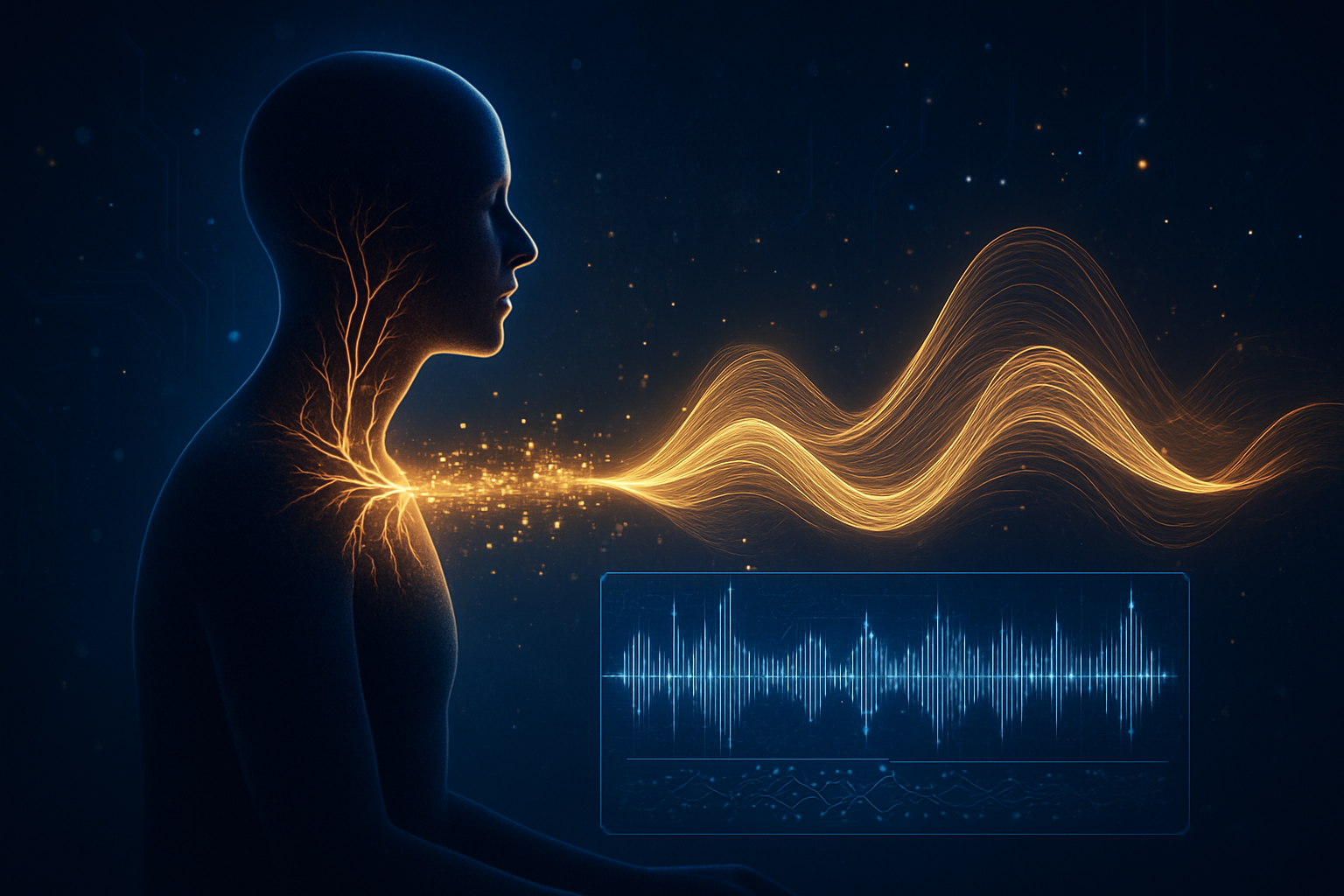
    In a move that fundamentally redefines the boundaries of intellectual property in the digital age, Academy Award-winning actor Matthew McConaughey has successfully secured a suite of federal trademarks for his voice, likeness, and iconic catchphrases. This landmark decision, finalized by the U.S. Patent and Trademark Office (USPTO) in early 2026, marks the first time a major celebrity has successfully "federalized" their persona to provide a nationwide legal shield against unauthorized artificial intelligence deepfakes.

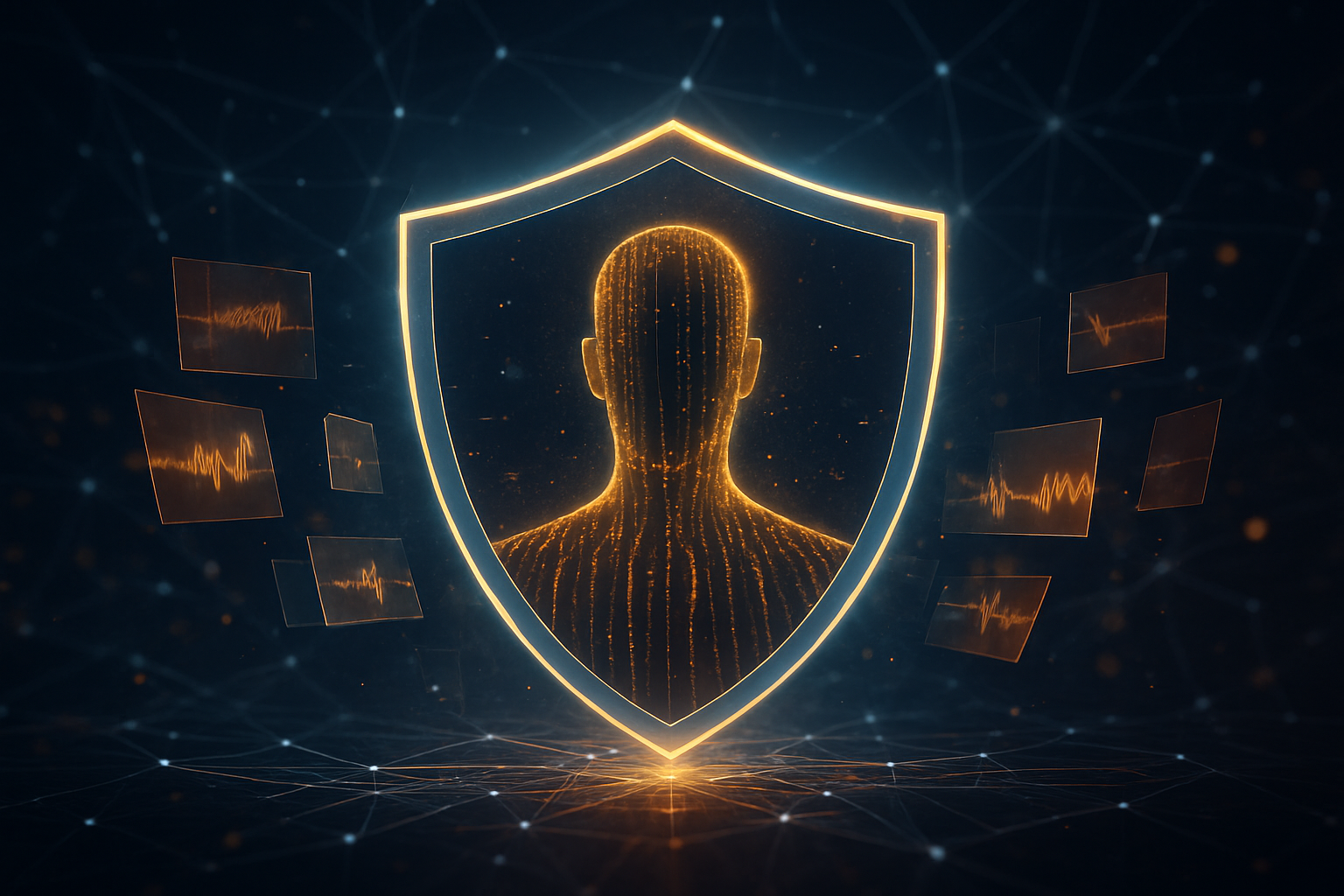
    The move marks a departure from traditional reliance on fragmented state-level "Right of Publicity" laws. By registering his specific vocal cadence, his signature "Alright, alright, alright" catchphrase, and even rhythmic patterns of speech as "Sensory Marks," McConaughey has established a powerful federal precedent. This legal maneuver effectively treats a human identity as a source-identifying trademark—much like a corporate logo—giving public figures a potent new weapon under the Lanham Act to sue AI developers and social media platforms that host non-consensual digital clones.

    The Architecture of a Digital Persona: Sensory and Motion Marks

    The technical specifics of McConaughey’s filings, handled by the legal firm Yorn Levine, reveal a sophisticated strategy to capture the "essence" of a performance in a way that AI models can no longer claim as "fair use." The trademark for "Alright, alright, alright" is not merely for the text, but for the specific audio frequency and pitch modulation of the delivery. The USPTO registration describes the mark as a man saying the phrase where the first two words follow a specific low-to-high pitch oscillation, while the final word features a higher initial pitch followed by a specific rhythmic decay.

    Beyond vocal signatures, McConaughey secured "Motion Marks" consisting of several short video sequences. These include a seven-second clip of the actor standing on a porch and a three-second clip of him sitting in front of a Christmas tree, as well as visual data representing his specific manner of staring, smiling, and addressing a camera. By registering these as trademarks, any AI model—from those developed by startups to those integrated into platforms like Meta Platforms, Inc. (NASDAQ: META)—that generates a likeness indistinguishable from these "certified" performance markers could be found in violation of federal trademark law regardless of whether the content is explicitly commercial.

    This shift is bolstered by the USPTO’s 2025 AI Strategic Plan, which officially expanded the criteria for "Sensory Marks." Previously reserved for distinct sounds like the NBC chimes or the MGM lion's roar, the office now recognizes that a highly recognizable human voice can serve as a "source identifier." This recognition differentiates McConaughey's approach from previous copyright battles; while you cannot copyright a voice itself, you can now trademark the commercial identity that the voice represents.

    Initial reactions from the AI research community have been polarized. While proponents of digital ethics hail this as a necessary defense of human autonomy, some developers at major labs fear it creates a "legal minefield" for training Large Language Models (LLMs). If a model accidentally replicates the "McConaughey cadence" due to its presence in vast training datasets, companies could face massive infringement lawsuits.

    Shifting the Power Dynamics: Impacts on AI Giants and Startups

    The success of these trademarks creates an immediate ripple effect across the tech landscape, particularly for companies like Alphabet Inc. (NASDAQ: GOOGL) and Microsoft (NASDAQ: MSFT). These giants, which provide the infrastructure for most generative AI tools, may now be forced to implement "persona filters"—algorithms designed to detect and block the generation of content that matches federally trademarked sensory marks. This adds a new layer of complexity to safety and alignment protocols, moving beyond just preventing harmful content to actively policing "identity infringement."

    However, not all AI companies are viewing this as a threat. ElevenLabs, the leader in voice synthesis technology, has leaned into this development by partnering with McConaughey. In late 2025, McConaughey became an investor in the firm and officially licensed a synthetic version of his voice for his "Lyrics of Livin'" newsletter. This has led to the creation of the "Iconic Voices" marketplace, where celebrities can securely license their "registered" voices for specific use cases with built-in attribution and compensation models.

    This development places smaller AI startups in a precarious position. Companies that built their value proposition on "celebrity-style" voice changers or meme generators now face the threat of federal litigation that is much harder to dismiss than traditional cease-and-desist letters. We are seeing a market consolidation where "clean" data—data that is officially licensed and trademark-cleared—becomes the most valuable asset in the AI industry, potentially favoring legacy media companies like The Walt Disney Company (NYSE: DIS) and Warner Bros. Discovery (NASDAQ: WBD) who own vast catalogs of recognizable performances.

    A New Frontier in the Right of Publicity Landscape

    McConaughey’s victory fits into a broader global trend of "identity sovereignty" in the face of generative AI. For decades, the "Right of Publicity" has been a patchwork of state laws, making it difficult for actors to stop deepfakes across state lines or on global platforms. By utilizing the Lanham Act, McConaughey has effectively bypassed the need for a "Federal Right of Publicity" law—though such legislation, like the TAKE IT DOWN Act of 2025 and the DEFIANCE Act of 2026, has recently provided additional support.

    The wider significance lies in the shift of the "burden of proof." Under old misappropriation laws, an actor had to prove that a deepfake was causing financial harm or being used to sell a product. Under the new trademark precedent, they only need to prove that the AI output causes "source confusion"—that a reasonable consumer might believe the digital clone is the real person. This lowers the bar for legal intervention and allows celebrities to take down parody accounts, "fan-made" advertisements, and even AI-generated political messages that use their registered persona.

    Comparisons are already being made to the 1988 Midler v. Ford Motor Co. case, where Bette Midler successfully sued over a "sound-alike" voice. However, McConaughey’s trademark strategy is far more robust because it is proactive rather than reactive. Instead of waiting for a violation to occur, the trademark creates a "legal perimeter" around the performer’s brand before any AI model can even finish its training run.

    The Future of Digital Identity: From Protection to Licensing

    Looking ahead, experts predict a "Trademark Gold Rush" among Hollywood's elite. In the next 12 to 18 months, we expect to see dozens of high-profile filings for everything from Tom Cruise’s "running gait" to Samuel L. Jackson’s specific vocal inflections. This will likely lead to the development of a "Persona Registry," a centralized digital clearinghouse where AI developers can check their outputs against registered sensory marks in real-time.

    The next major challenge will be the "genericization" of celebrity traits. If an AI model creates a "Texas-accented voice" that happens to sound like McConaughey, at what point does it cross from a generic regional accent into trademark infringement? This will likely be the subject of intense litigation in 2026 and 2027. We may also see the rise of "Identity Insurance," a new financial product for public figures to fund the ongoing legal defense of their digital trademarks.

    Predictive models suggest that within three years, the concept of an "unprotected" celebrity persona will be obsolete. Digital identity will be managed as a diversified portfolio of trademarks, copyrights, and licensed synthetic clones, effectively turning a person's very existence into a scalable, federally protected commercial platform.

    A Landmark Victory for the Human Brand

    Matthew McConaughey’s successful trademarking of his voice and "Alright, alright, alright" catchphrase will be remembered as a pivotal moment in the history of artificial intelligence and law. It marks the point where the human spirit, expressed through performance and personality, fought back against the commoditization of data. By turning his identity into a federal asset, McConaughey has provided a blueprint for every artist to reclaim ownership of their digital self.

    As we move further into 2026, the significance of this development cannot be overstated. It represents the first major structural check on the power of generative AI to replicate human beings without consent. It shifts the industry toward a "consent-first" model, where the value of a digital persona is determined by the person who owns it, not the company that trains on it.

    In the coming weeks, keep a close eye on the USPTO’s upcoming rulings on "likeness trademarks" for deceased celebrities, as estates for icons like Marilyn Monroe and James Dean are already filing similar applications. The era of the "unregulated deepfake" is drawing to a close, replaced by a sophisticated, federally protected marketplace for the human brand.


    This content is intended for informational purposes only and represents analysis of current AI developments.

    TokenRing AI delivers enterprise-grade solutions for multi-agent AI workflow orchestration, AI-powered development tools, and seamless remote collaboration platforms.
    For more information, visit https://www.tokenring.ai/.
  • The Gift of Gab: How ElevenLabs is Restoring ‘Lost’ Voices for ALS Patients

    The Gift of Gab: How ElevenLabs is Restoring ‘Lost’ Voices for ALS Patients

    In a landmark shift for assistive technology, ElevenLabs has successfully deployed its generative AI to solve one of the most heartbreaking consequences of neurodegenerative disease: the loss of a person’s unique vocal identity. Through its global "Impact Program," the AI voice pioneer is now enabling individuals living with Amyotrophic Lateral Sclerosis (ALS) and Motor Neuron Disease (MND) to "reclaim" their voices. By leveraging sophisticated deep learning models, the company can recreate a hyper-realistic digital twin of a patient’s original voice using as little as one minute of legacy audio, such as old voicemails, home videos, or public speeches.

    As of late 2025, this humanitarian initiative has moved beyond a pilot phase to become a critical standard in clinical care. For patients who have already lost the ability to speak—often due to the rapid onset of bulbar ALS—the ability to bypass traditional, labor-intensive "voice banking" is a game-changer. Rather than spending hours in a recording booth while still healthy, patients can now look to their digital past to secure their vocal future, ensuring that their interactions with loved ones remain deeply personal rather than sounding like a generic, synthesized machine.

    Technical Breakthroughs: Beyond Traditional Voice Banking

    The technical backbone of this initiative is ElevenLabs’ Professional Voice Cloning (PVC) technology, which represents a significant departure from previous generations of Augmentative and Alternative Communication (AAC) tools. Traditional AAC voices, provided by companies like Tobii Dynavox (TOBII.ST), often relied on concatenative synthesis or basic neural models that required patients to record upwards of 1,000 specific phrases to achieve a recognizable, yet still distinctly "robotic," output. ElevenLabs’ model, however, is trained on vast datasets of human speech, allowing it to understand the nuances of emotion, pitch, and cadence. This enables the AI to "fill in the blanks" from minimal data, producing a voice that can laugh, whisper, or express urgency with uncanny realism.

    A major breakthrough arrived in March 2025 through a technical partnership with AudioShake, an AI company specializing in "stem separation." This collaboration addressed a primary hurdle for many late-stage ALS patients: the "noise" in legacy recordings. Using AudioShake’s technology, ElevenLabs can now isolate a patient’s voice from low-quality home videos—stripping away background wind, music, or overlapping chatter—to create a clean training sample. This "restoration" process ensures that the resulting digital voice doesn't replicate the static or distortions of the original 20-year-old recording, but instead sounds like the person speaking clearly in the present day.

    The AI research community has lauded this development as a "step-change" in the field of Human-Computer Interaction (HCI). Analysts from firms like Gartner have noted that by integrating Large Language Models (LLMs) with voice synthesis, these clones don't just sound like the user; they can interpret context to add natural pauses and emotional inflections. Clinical experts, including those from the Scott-Morgan Foundation, have highlighted that this level of authenticity reduces the "othering" effect often felt by patients using mechanical devices, allowing social networks to remain active for longer as the patient’s "vocal fingerprint" remains intact.

    Market Disruption and Competitive Landscape

    The success of ElevenLabs’ Impact Program has sent ripples through the tech industry, forcing major players to reconsider their accessibility roadmaps. While ElevenLabs remains a private "unicorn," its influence is felt across the public sector. NVIDIA (NVDA) has frequently highlighted ElevenLabs in its 2025 keynotes, showcasing how its GPU architecture enables the low-latency processing required for real-time AI conversation. Meanwhile, Lenovo (LNVGY) has emerged as a primary hardware partner, integrating ElevenLabs’ API directly into its custom tablets and communication software designed for the Scott-Morgan Foundation, creating a seamless end-to-end solution for patients.

    The competitive landscape has also shifted. Apple (AAPL) introduced "Personal Voice" in earlier versions of iOS, which offers on-device voice banking for users at risk of speech loss. However, Apple’s solution is currently limited by its "local-only" processing and its requirement for fresh, high-quality recordings from a healthy voice. ElevenLabs has carved out a strategic advantage by offering a cloud-based solution that can handle "legacy restoration," a feature Apple and Microsoft (MSFT) have yet to match with the same level of emotional fidelity. Microsoft’s "Project Relate" and "Custom Neural Voice" continue to serve the enterprise accessibility market, but ElevenLabs’ dedicated focus on the ALS community has given it a "human-centric" brand advantage.

    Furthermore, the integration of ElevenLabs into devices by Tobii Dynavox (TOBII.ST) marks a significant disruption to the traditional AAC market. For decades, the industry was dominated by a few players providing functional but uninspiring voices. The entry of high-fidelity AI voices has forced these legacy companies to transition from being voice providers to being platform orchestrators, where the value lies in how well they can integrate third-party AI "identities" into their eye-tracking hardware.

    The Broader Significance: AI as a Preservation of Identity

    Beyond the technical and corporate implications, the humanitarian use of AI for voice restoration touches on the core of human identity. In the broader AI landscape, where much of the discourse is dominated by fears of deepfakes and job displacement, the ElevenLabs initiative serves as a powerful counter-narrative. It demonstrates that the same technology used to create deceptive media can be used to preserve the most intimate part of a human being: their voice. For a child who has never heard their parent speak without a machine, hearing a "restored" voice say their name is a milestone that transcends traditional technology metrics.

    However, the rise of such realistic voice cloning does not come without concerns. Ethical debates have intensified throughout 2025 regarding "post-mortem" voice use. While ElevenLabs’ Impact Program is strictly for living patients, the technology technically allows for the "resurrection" of voices from the deceased. This has led to calls for stricter "Vocal Rights" legislation to ensure that a person’s digital identity cannot be used without their prior informed consent. The company has addressed this by implementing "Human-in-the-Loop" verification through its Impact Voice Lab, ensuring that every humanitarian license is vetted for clinical legitimacy.

    This development mirrors previous AI milestones, such as the first time a computer beat a world chess champion or the launch of ChatGPT, but with a distinct focus on empathy. If the 2010s were about AI’s ability to process information, the mid-2020s are becoming defined by AI’s ability to emulate human essence. The transition from "speech generation" to "identity restoration" marks a point where AI is no longer just a tool for productivity, but a medium for human preservation.

    Future Horizons: From Voice to Multi-Modal Presence

    Looking ahead, the near-term horizon for voice restoration involves the elimination of latency and the expansion into multi-modal "avatars." In late 2025, ElevenLabs and Lenovo showcased a prototype that combines a restored voice with a photorealistic AI avatar that mimics the patient’s facial expressions in real-time. This "digital twin" allows patients to participate in video calls and social media with a visual and auditory presence that belies their physical condition. The goal is to move from a "text-to-speech" model to a "thought-to-presence" model, potentially integrating with Brain-Computer Interfaces (BCIs) in the coming years.

    Challenges remain, particularly regarding offline accessibility. Currently, the highest-quality Professional Voice Clones require a stable internet connection to access ElevenLabs’ cloud servers. For patients in rural areas or those traveling, this can lead to "vocal dropouts." Experts predict that 2026 will see the release of "distilled" versions of these models that can run locally on specialized AI chips, such as those found in the latest laptops and mobile devices, ensuring that a patient’s voice is available 24/7, regardless of connectivity.

    A New Chapter in AI History

    The ElevenLabs voice restoration initiative represents a watershed moment in the history of artificial intelligence. By shifting the focus from corporate utility to humanitarian necessity, the program has proven that AI can be a profound force for good, capable of bridging the gap between a devastating diagnosis and the preservation of human dignity. The key takeaway is clear: the technology to "save" a person's voice now exists, and the barrier to entry is no longer hours of recording, but merely a few minutes of cherished memories.

    As we move into 2026, the industry should watch for the further democratization of these tools. With ElevenLabs offering free Pro licenses to ALS patients and expanding into other conditions like mouth cancer and Multiple System Atrophy (MSA), the "robotic" voice of the past is rapidly becoming a relic of history. The long-term impact will be measured not in tokens or processing speed, but in the millions of personal conversations that—thanks to AI—will never have to be silenced.


    This content is intended for informational purposes only and represents analysis of current AI developments.

    TokenRing AI delivers enterprise-grade solutions for multi-agent AI workflow orchestration, AI-powered development tools, and seamless remote collaboration platforms.
    For more information, visit https://www.tokenring.ai/.