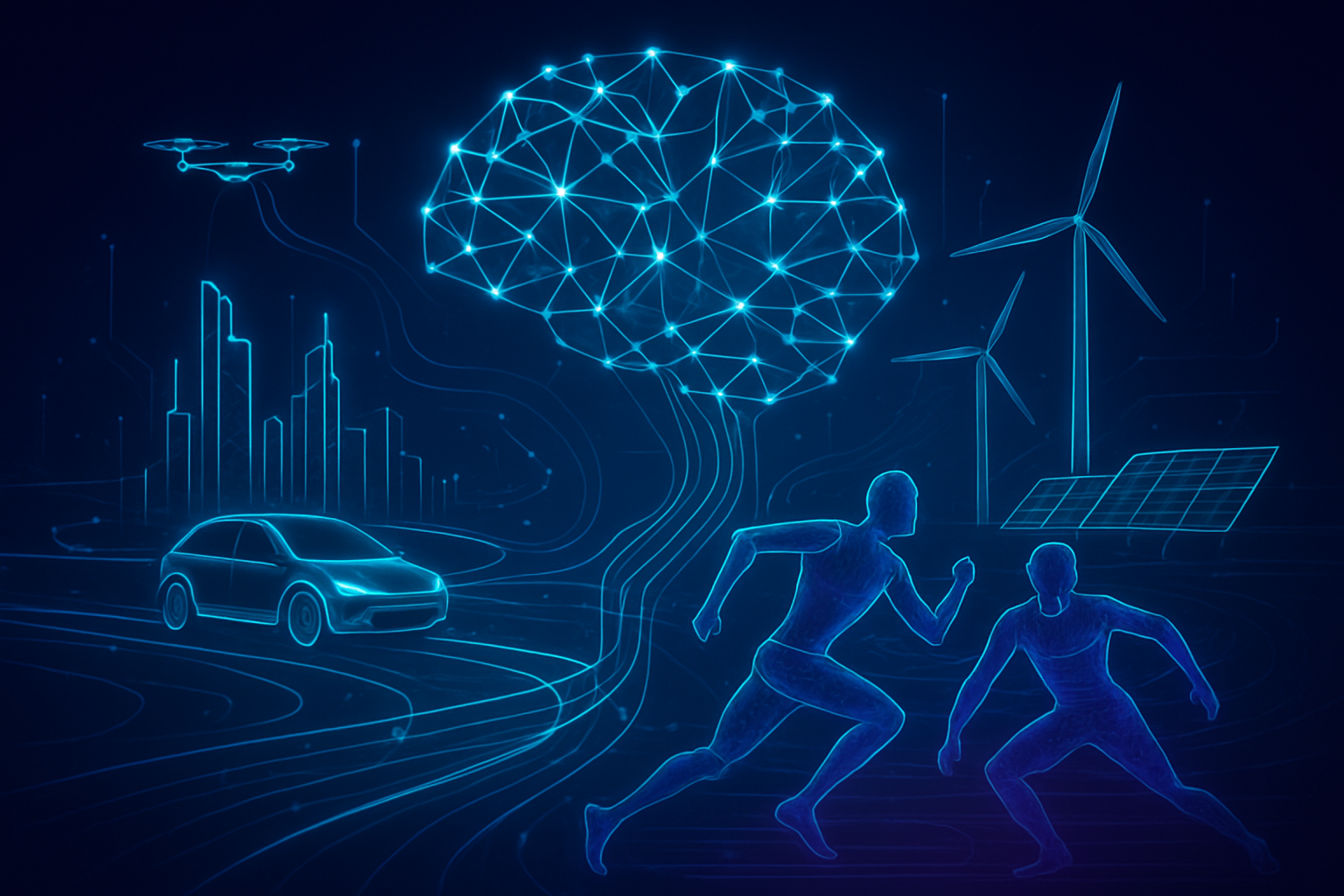
Artificial intelligence is no longer confined to the digital ether; it is rapidly permeating the physical world, fundamentally reshaping industries from the ground up. Across transportation, energy, and sports, AI is driving unprecedented levels of efficiency, safety, and innovation, pushing the boundaries of what was previously thought possible. This transformative wave extends far beyond mere software applications, influencing infrastructure, operational paradigms, and human experiences in profound ways. As AI continues its relentless evolution, its impact is increasingly felt in tangible, real-world applications, signaling a new era of intelligent systems that promise to redefine our interaction with the physical environment.
The Technical Core: Unpacking AI's Advancements in Real-World Sectors
The current wave of AI advancements is characterized by sophisticated technical capabilities that diverge significantly from previous approaches, leveraging machine learning, deep learning, computer vision, and advanced data analytics.
In transportation, AI's most visible impact is in autonomous driving and predictive maintenance. Autonomous driving capabilities are categorized by the Society of Automotive Engineers (SAE) into six levels. While Level 0-2 systems offer driver assistance, Levels 3-5 represent true automated driving where the AI-powered system performs the entire dynamic driving task (DDT). For instance, the Mercedes-Benz EQS (FWB: MBG) now offers Level 3 autonomy in specific regulated environments, allowing the vehicle to handle most driving tasks under certain conditions, though human intervention is still required when alerted. This is a significant leap from traditional Advanced Driver-Assistance Systems (ADAS) which merely provided warnings. At the heart of these systems are machine learning and deep learning models, particularly neural networks, which process vast amounts of sensor data from LiDAR, radar, and cameras for object detection, behavior prediction, and real-time decision-making. Sensor fusion, the integration of data from these heterogeneous sensors, is critical for creating a robust and comprehensive understanding of the vehicle's surroundings, mitigating the limitations of any single sensor. Furthermore, AI-driven predictive maintenance analyzes real-time sensor data—such as vibration signatures and engine temperature—to anticipate vehicle breakdowns, shifting from reactive or time-based maintenance to a proactive, data-driven approach that reduces downtime and costs. Experts generally view these advancements as enhancing safety and efficiency, though challenges remain in ensuring reliability under diverse conditions and navigating complex regulatory and ethical considerations.
The energy sector is witnessing a profound transformation through AI in smart grid management, predictive maintenance, and demand forecasting. Smart grids, powered by AI, move beyond the static, one-way model of traditional grids. AI algorithms continuously monitor and analyze real-time data across the grid to optimize energy distribution, balance supply and demand, and automatically detect and isolate faults, significantly reducing downtime. This is particularly crucial for seamlessly integrating volatile renewable sources like wind and solar, where AI models predict output based on weather forecasts and historical data, aligning grid operations with renewable energy availability. Predictive maintenance in power plants leverages AI to analyze data from critical assets like turbines and transformers, identifying degradation trends before they lead to costly failures, thereby improving reliability and reducing operational costs. For demand forecasting, AI models use advanced machine learning algorithms like Recurrent Neural Networks (RNNs) to predict future energy consumption with high precision, considering historical data, weather patterns, and economic indicators. This provides more reliable predictions than traditional statistical methods, leading to more effective resource allocation. Experts acknowledge AI's critical role in increasing system reliability and sustainability, but highlight challenges related to large, high-quality datasets, computational resources, and cybersecurity.
In sports, AI is revolutionizing athlete performance, biomechanics analysis, and fan engagement. AI in athlete performance tracking uses computer vision and optical tracking systems (e.g., Hawk-Eye, TRACAB) along with wearable sensors to monitor player and ball movements in real-time. Deep learning models process this data to provide granular insights into an athlete's physical condition, detect fatigue, prevent injuries, and inform game strategy—a significant departure from subjective observation and manual tracking. Biomechanics analysis, once confined to expensive lab environments, is now democratized by AI-powered computer vision tools (e.g., MediaPipe), allowing for markerless motion capture from standard video footage. This enables coaches and athletes to analyze joint movements, speed, and posture to refine techniques and prevent injuries, offering objective, data-driven feedback far beyond human perception. For fan engagement, AI analyzes preferences and viewing habits to deliver personalized content, such as tailored highlights and curated news feeds. IBM’s (NYSE: IBM) Watson AI, for instance, can generate highlight reels based on crowd reactions and match statistics, transforming passive viewing into interactive and customized experiences. While coaches and athletes laud AI for objective decision-making, sports organizations face the challenge of integrating data across platforms and continuously innovating digital experiences.
Corporate Chessboard: AI's Impact on Tech Giants, Startups, and Industry Players
The rapid advancements in AI are creating a dynamic landscape, offering immense opportunities for some companies while posing significant disruptive threats to others. The competitive implications are reshaping market positioning and strategic advantages across the transportation, energy, and sports sectors.
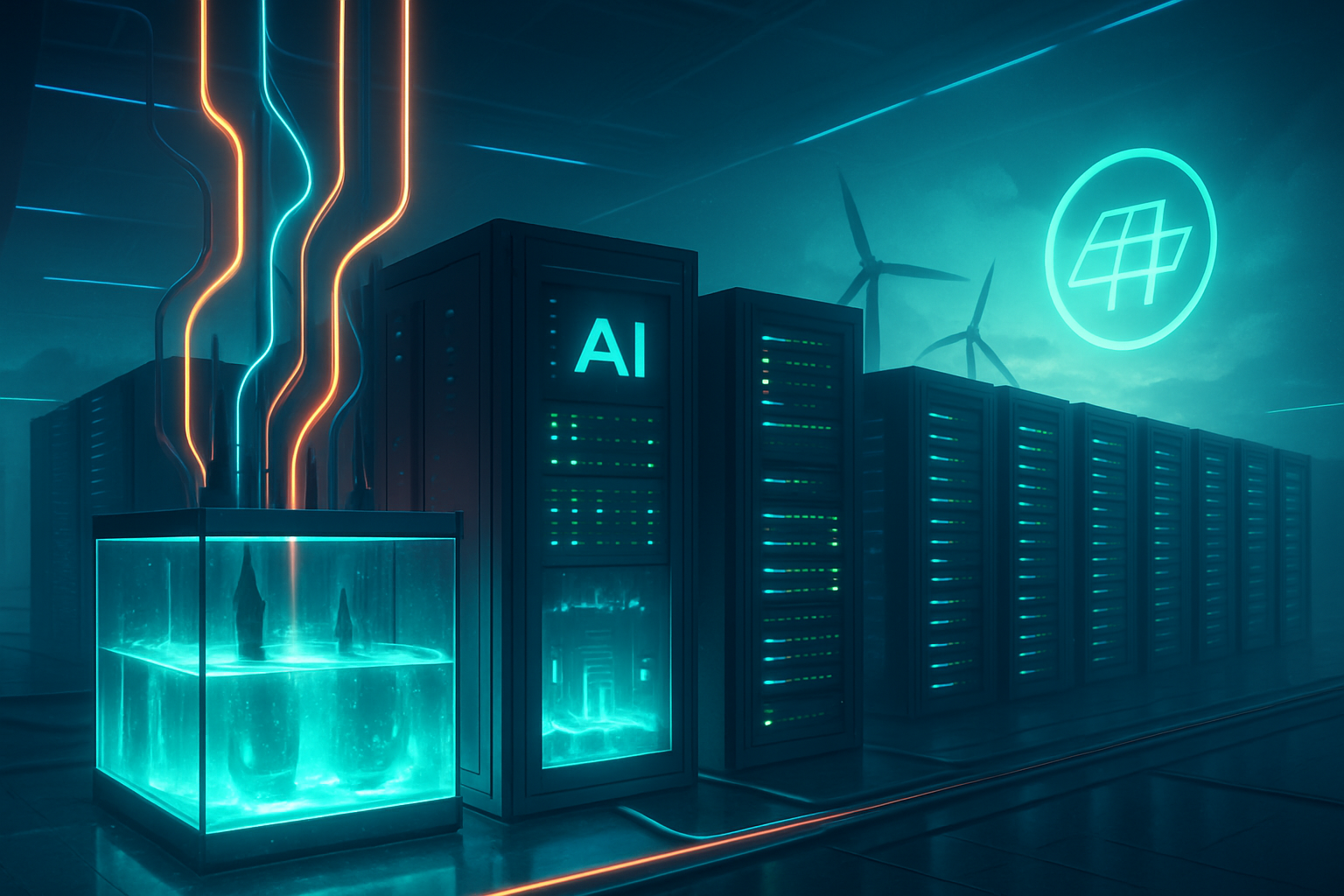
Tech giants like Alphabet (NASDAQ: GOOGL), Amazon (NASDAQ: AMZN), and Microsoft (NASDAQ: MSFT) are at the forefront, leveraging their vast resources, cloud computing infrastructures, and extensive AI research labs to offer comprehensive AI platforms and services. These companies are engaged in an "AI infrastructure arms race," investing billions in specialized AI-optimized data centers to gain a competitive edge in training larger, more complex models and deploying sophisticated AI services. Their ability to provide scalable, high-performance computing resources makes them essential enablers of AI across industries. However, this growth also presents a significant challenge: the soaring energy demand of AI data centers, which is pushing these giants to focus on sustainable energy solutions and efficient hardware, often collaborating directly with utilities.
Dedicated AI companies and startups are also flourishing by identifying and addressing specific pain points within each industry with innovative, often niche, AI solutions. They benefit from the increased adoption of AI as a foundational technology, often leveraging the foundational AI models and cloud infrastructure provided by the tech giants. Many are attracting significant venture capital due to their disruptive potential.
In transportation, automotive manufacturers like Daimler AG (FWB: MBG), Volvo (STO: VOLV-B), and Scania AB are deeply integrating AI for driver assistance, safety, route optimization, and autonomous features. Logistics and supply chain providers such as UPS (NYSE: UPS) and Amazon are leveraging AI for demand forecasting, route optimization (e.g., UPS's ORION platform), and warehouse automation, leading to substantial cost savings and improved efficiency. Autonomous driving technology companies like Intel's (NASDAQ: INTC) Mobileye, Zoox (owned by Amazon), Einride, and Nuro are direct beneficiaries of the development and deployment of self-driving technology, poised to disrupt traditional driving jobs and revolutionize public transport.
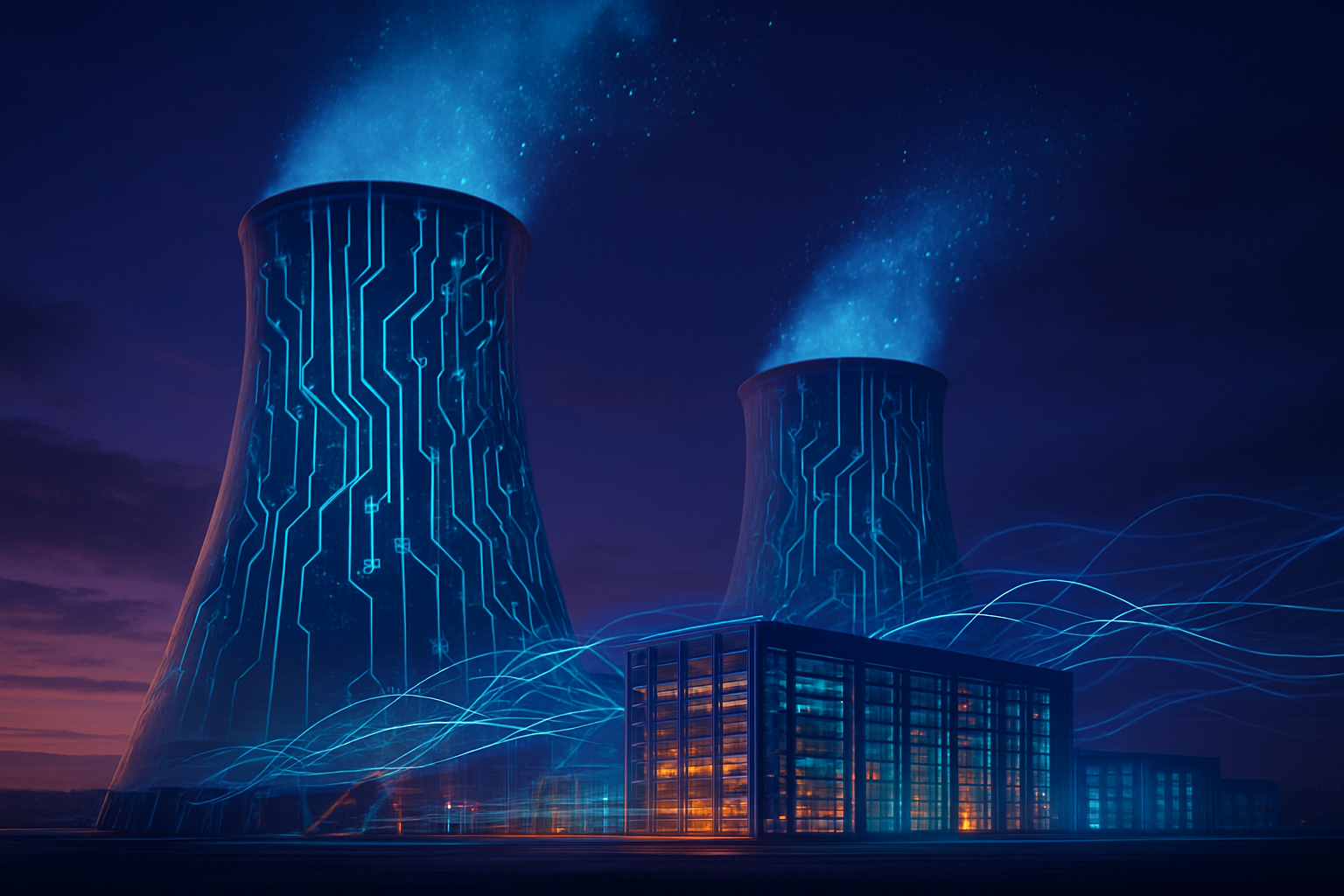
The energy sector sees AI software and platform providers like AutoGrid, C3.ai (NYSE: AI), and SparkCognition as key beneficiaries, offering specialized AI solutions for grid management, predictive maintenance, and operational efficiency. Renewable energy companies and utilities such as Adani Green Energy (NSE: ADANIGREEN), Tesla Energy (NASDAQ: TSLA), and NextEra Energy (NYSE: NEE) are utilizing AI to optimize renewable generation, manage grid stability, and enhance energy storage. Traditional energy companies like Siemens Energy (FWB: ENR), GE (NYSE: GE), and Shell (LSE: SHEL) are also adopting AI for operational efficiencies. A crucial competitive dynamic here is the ability to supply low-carbon baseload power to meet the massive energy demand of AI data centers, benefiting natural gas producers and nuclear power developers.
In sports, AI is boosting sports analytics firms like PlaySight, Sportlogiq, and Stats Perform, which provide revolutionary player performance analysis and strategic planning. Fan engagement platforms such as WSC Sports, which uses AI to automatically create tailored video highlights, are transforming content consumption. Smart equipment manufacturers like Adidas (FWB: ADS) and Wilson are pioneering AI-powered gear. Startups like HomeCourt and Uplift Labs are making strides in personalized training and injury prevention. The competitive landscape in sports is driven by the ability to offer cutting-edge performance analytics, personalized athlete development tools, and engaging fan experiences, with proprietary data sets becoming a strong advantage.
The overall competitive implication is an "AI infrastructure arms race," where access to robust, energy-efficient data centers and the ability to integrate energy into business models are becoming critical differentiators. This could lead to further consolidation among tech giants, potentially raising barriers to entry for smaller startups. AI is disrupting traditional products and services across all three sectors, from traditional driving jobs in transportation to manual grid management in energy and generic content delivery in sports, pushing companies to adopt these technologies to remain competitive.
Wider Significance: AI's Broader Canvas of Impact and Concerns
AI's pervasive influence across transportation, energy, and sports fits into a broader AI landscape characterized by unprecedented innovation and significant societal, economic, ethical, and environmental considerations. The current era of AI, particularly with the rise of generative AI and multimodal systems, marks a profound leap from previous milestones, making it a "general-purpose technology" akin to electricity.
This transformation is projected to add trillions of dollars to the global economy, primarily through labor substitution by automation and increased innovation. While AI can displace jobs, particularly repetitive or dangerous tasks, it also creates new roles in AI development and management and augments existing jobs, fostering new products, services, and markets. However, concerns exist that AI could exacerbate economic inequality by increasing demand for high-skilled workers while potentially pushing down wages for others.
The ethical implications are profound. Bias and discrimination can be inadvertently embedded in AI systems trained on historical data, leading to unfair outcomes in areas like hiring or resource allocation. Privacy and data security are major concerns, as AI systems often require vast amounts of sensitive data, raising questions about collection methods, transparency, and the risk of cyberattacks. The "black box" nature of many advanced AI algorithms poses challenges for accountability and transparency, especially when critical decisions are made by AI. Furthermore, the potential for loss of human control in autonomous systems and the misuse of AI for malicious purposes (e.g., deepfakes, sophisticated cyberattacks) are growing concerns.
Environmentally, the energy consumption of AI is a significant and growing concern. Training and operating large AI models and data centers demand immense computational power and electricity, much of which still comes from fossil fuels. A typical AI-focused data center can consume as much electricity as 100,000 households, with larger ones consuming 20 times more. This leads to substantial greenhouse gas emissions and raises concerns about water consumption for cooling systems and e-waste from frequent hardware upgrades. While AI has the potential to reduce global emissions through efficiency gains in various sectors, its own environmental footprint must be carefully managed to avoid counterproductive energy consumption. Public backlash against the energy consumption and job displacement caused by AI infrastructure is predicted to intensify.
Compared to previous AI milestones, such as early rule-based expert systems or even the machine learning revolution, modern AI's ability to learn, understand, reason, and interact across diverse domains, coupled with its generative capabilities, represents a new level of sophistication and versatility. This transition from task-specific AI to more general-purpose intelligence marks a true breakthrough, but also magnifies the challenges of responsible development and deployment.
The Horizon: Charting AI's Future Trajectory
The future trajectory of AI in transportation, energy, and sports points towards increasingly sophisticated and integrated systems, but also highlights critical challenges that must be addressed.
In transportation, the near-term will see continued optimization of existing systems, with AI-assisted driving becoming more pervasive and smart traffic management systems dynamically adapting to real-time conditions. Predictive maintenance will become a standard operating model, preventing breakdowns and minimizing disruptions. Longer term, fully autonomous fleets for logistics, deliveries, and ride-sharing are expected to become commonplace, with autonomous public transport aiming to ease urban congestion. Smart infrastructure, with AI linked to traffic lights and road sensors, will enable real-time adaptations. Experts predict AI-assisted driving will dominate in the short term, with the global AI in transportation market projected to reach $7.0 billion by 2027. Challenges include regulatory and legal frameworks that struggle to keep pace with innovation, ethical concerns around algorithmic bias and accountability in autonomous vehicle accidents, and technological hurdles such as ensuring robust digital infrastructure and cybersecurity.
For the energy sector, the near-term focus will be on optimizing existing power grids, improving energy efficiency in buildings and industrial processes, and enhancing the integration of renewable energy sources through accurate forecasting. Predictive maintenance for energy infrastructure will become widespread. Longer term, AI is expected to revolutionize the entire energy value chain, leading to modern smart grids that adapt in real-time to fluctuations, advanced energy trading, and significant contributions to carbon emission reduction strategies. AI could also play a significant role in advancing emerging zero-carbon power supply options like nuclear fusion and Small Modular Reactors (SMRs). Experts from Wood Mackenzie predict AI will drive efficiency and cost reductions in over 200 energy transition technologies. However, the "AI energy paradox" – AI's own significant energy consumption – is a major challenge, with warnings of potential public backlash by 2026 due to "unwanted energy demand." Regulatory frameworks, data privacy, and cybersecurity risks in critical infrastructure also demand urgent attention.
In sports, the near-term will see AI continue to enhance player performance analysis, training regimes, and injury prevention through real-time analytics for coaches and personalized insights for athletes. Fan engagement will be transformed through personalized content and automated highlight generation. Longer term, AI's influence will become even more pervasive, with innovations in wearable technology for mental health monitoring, virtual reality (VR) training environments, and AI-powered advancements in sports equipment design. The global AI in sports market is projected to reach just under $30 billion by 2032. Challenges include legal and ethical issues around "technological doping" and maintaining the "human factor" in sports, data privacy concerns for sensitive athlete and fan data, algorithmic bias in athlete evaluation, and cybersecurity risks.
Across all sectors, experts predict a continued convergence of AI with other emerging technologies, leading to more integrated and intelligent systems. The development of "Green AI" practices and energy-efficient algorithms will be crucial to mitigate AI's environmental footprint. Addressing the ethical, regulatory, and technological challenges proactively will be paramount to ensure AI's benefits are realized responsibly and sustainably.
Comprehensive Wrap-up: AI's Enduring Legacy and Future Watchpoints
The transformative impact of AI across transportation, energy, and sports underscores its emergence as a foundational technology, akin to electricity or the internet. The key takeaways from this widespread integration are clear: unprecedented gains in efficiency, enhanced safety, and highly personalized experiences are becoming the new norm. From autonomous vehicles navigating complex urban environments and smart grids dynamically balancing energy supply and demand, to AI-powered analytics revolutionizing athlete training and fan engagement, AI is not just optimizing; it's fundamentally redefining these industries.
This development marks a significant milestone in AI history, moving beyond theoretical applications and digital-only solutions into tangible, physical domains. Unlike previous AI iterations that were often confined to specific, narrow tasks, today's advanced AI, particularly with generative and multimodal capabilities, demonstrates a versatile intelligence that can learn, adapt, and make decisions in real-world scenarios. This widespread adoption signifies AI's maturation into a truly general-purpose technology, capable of addressing some of society's most complex challenges.
However, the long-term impact of AI is not without its complexities. While the economic benefits are substantial, concerns regarding job displacement, exacerbation of inequality, and the ethical dilemmas of bias, transparency, and accountability remain pressing. Perhaps the most critical challenge is AI's burgeoning environmental footprint, particularly its immense energy consumption. The "AI energy paradox" demands urgent attention, necessitating the development of "Green AI" practices and sustainable infrastructure solutions.
In the coming weeks and months, several key areas will be crucial to watch. The evolution of regulatory frameworks will be vital in shaping responsible AI development and deployment, particularly concerning autonomous systems and data privacy. Innovations in energy-efficient AI hardware and algorithms will be critical to addressing environmental concerns. Furthermore, the ongoing public discourse around AI's societal implications, including job market shifts and ethical considerations, will influence policy decisions and public acceptance. The interplay between technological advancement, regulatory guidance, and societal adaptation will determine how effectively humanity harnesses AI's immense potential for a more efficient, sustainable, and intelligent future.
This content is intended for informational purposes only and represents analysis of current AI developments.
TokenRing AI delivers enterprise-grade solutions for multi-agent AI workflow orchestration, AI-powered development tools, and seamless remote collaboration platforms.
For more information, visit https://www.tokenring.ai/.