Tag: Energy Infrastructure

  • Korea and UAE Launch $20.5 Billion ‘Stargate Infra Push’: A New Era for Global AI and Energy Collaboration

    Korea and UAE Launch $20.5 Billion ‘Stargate Infra Push’: A New Era for Global AI and Energy Collaboration

    Abu Dhabi, UAE – December 2, 2025 – In a landmark agreement poised to reshape the landscape of global artificial intelligence and energy infrastructure, the Republic of Korea and the United Arab Emirates (UAE) formally cemented a comprehensive AI partnership on November 18, 2025. This strategic alliance, underpinned by an ambitious $20.5 billion 'Stargate Infra Push', extends far beyond the realm of AI, encompassing critical advancements in nuclear energy, aerospace, healthcare, and logistics. The collaboration signifies a powerful move towards integrated technological development, with both nations leveraging their respective strengths to build a formidable AI ecosystem rooted in robust, sustainable energy solutions.

    The immediate significance of this partnership lies in its scale and strategic depth. At its core is Korea's commitment to join the UAE's monumental Stargate AI project, a visionary initiative to establish a 5-gigawatt (GW) AI data campus in Abu Dhabi. This colossal undertaking, spearheaded by Khazna Data Centers (a subsidiary of G42), aims to create one of the world's largest AI computational hubs. The $20.5 billion investment underscores a shared vision for future-proofing national economies through advanced technology, setting a precedent for international cooperation in high-stakes technological frontiers.

    Unpacking the 'Stargate Infra Push': A Fusion of AI and Advanced Energy

    The Stargate AI project is not merely another data center; it represents a paradigm shift in how large-scale AI infrastructure is conceived and powered. The plan envisions a 5-gigawatt (GW) AI campus, with the first 200-megawatt (MW) site projected to become operational as early as 2026. This immense computing capacity is designed to support the burgeoning demands of AI research, development, and deployment, catering to both national strategic interests and potential global clientele.

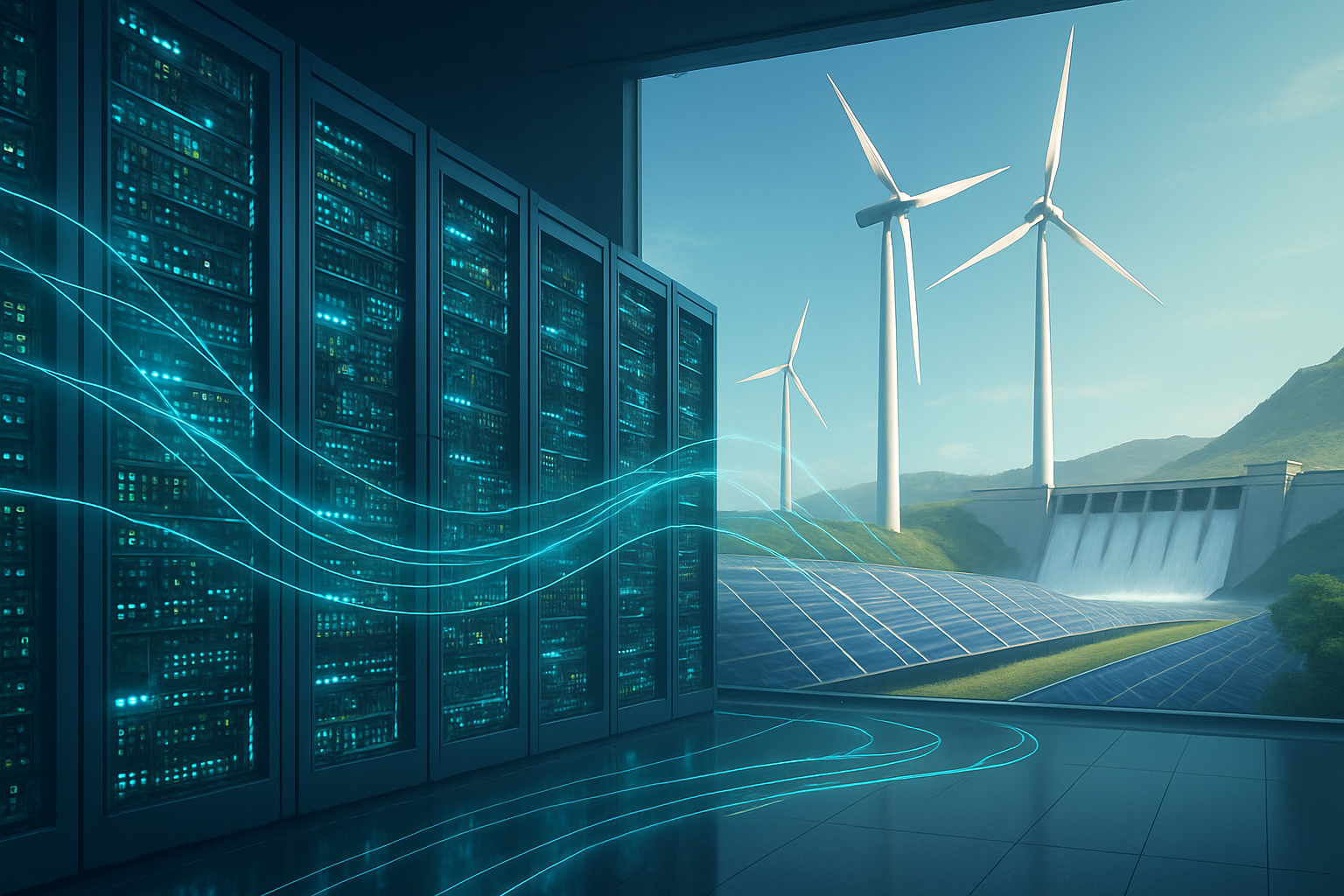
    Korea's role is pivotal, contributing its world-class expertise in building both computing power and the essential energy infrastructure required to sustain such a monumental project. This involves developing a sophisticated power grid capable of integrating diverse energy sources, including nuclear power, natural gas, and renewable energy. The goal is to ensure the stable, efficient, and environmentally responsible operation of the large-scale AI data centers, a challenge that many existing AI hubs grapple with. This integrated approach, combining advanced AI with diversified, sustainable energy solutions, distinctly sets the 'Stargate Infra Push' apart from previous, often energy-intensive, data center developments.

    The project has already attracted global heavyweights, with prominent technology firms such as OpenAI, Oracle (NYSE: ORCL), NVIDIA (NASDAQ: NVDA), Cisco (NASDAQ: CSCO), and SoftBank (TYO: 9984) identified as global partners. Their involvement signals the project's strategic importance and potential to become a nexus for cutting-edge AI development. Initial reactions from the AI research community highlight the project's potential to accelerate advancements in large language models, complex simulations, and other compute-intensive AI applications, while industry experts laud the foresight in integrating energy solutions from the outset.

    Reshaping the Competitive Landscape for AI and Tech Giants

    The Korea-UAE 'Stargate Infra Push' is set to profoundly impact the competitive dynamics within the AI and technology sectors. Companies directly involved, such as G42 and Khazna Data Centers, stand to gain immense strategic advantages, positioning the UAE as a global leader in AI infrastructure. The participation of tech giants like OpenAI, Oracle, NVIDIA, Cisco, and SoftBank not only validates the project's ambition but also ensures their deep integration into a future-defining AI ecosystem, potentially giving them preferential access to unparalleled computing resources.

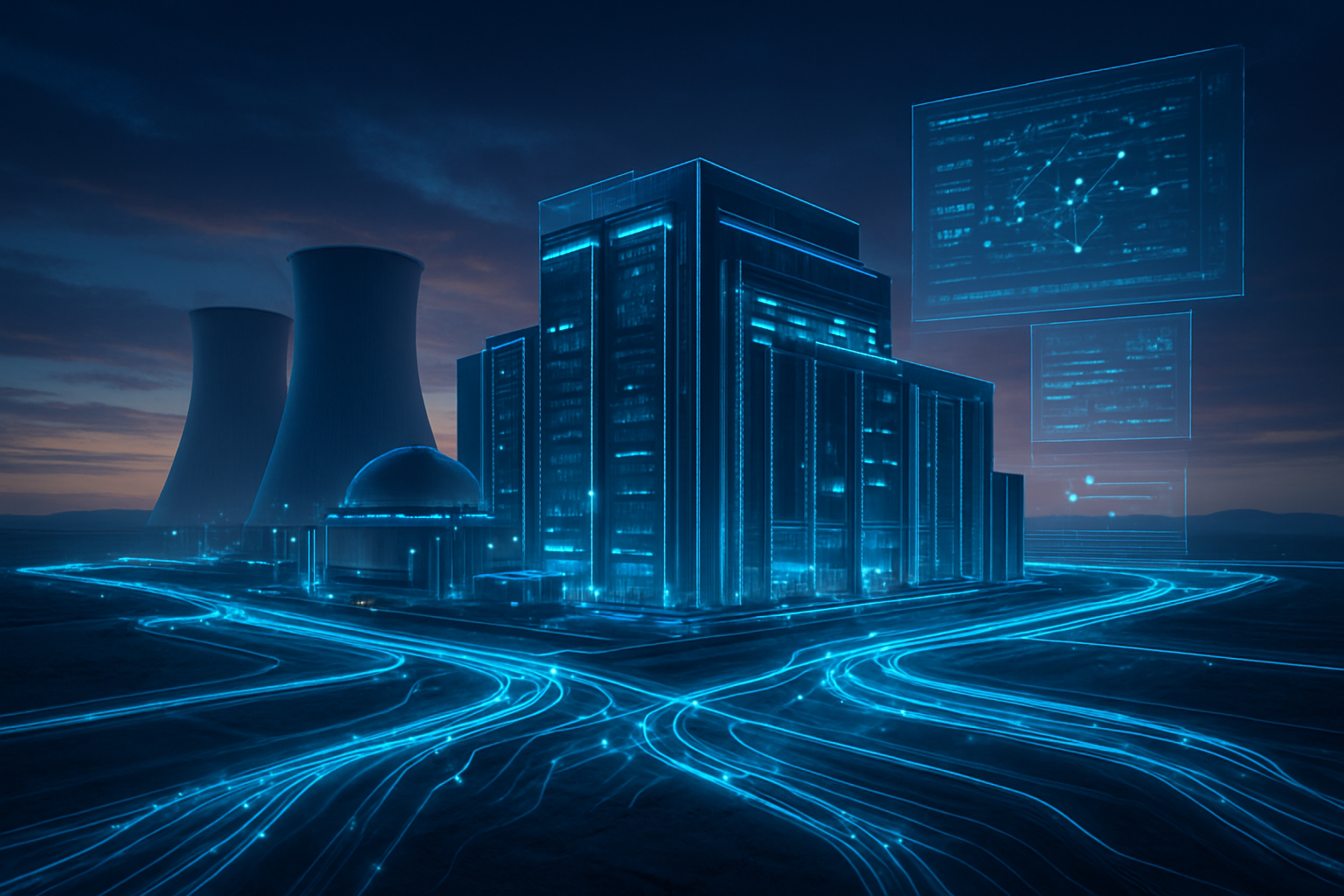
    Korean technology companies, particularly those in energy and IT infrastructure like Korea Electric Power Corporation (KEPCO: KRX), are poised for significant growth and international expansion. KEPCO, in particular, has signed a separate agreement with the UAE’s Emirates Nuclear Energy Company (ENEC) to collaborate on small modular reactors (SMRs) and the integration of AI into nuclear plant operations, aiming for joint entry into global markets. This showcases a strategic advantage for Korean firms, leveraging their nuclear technology for both the Stargate data centers and broader energy initiatives.

    The sheer scale of the Stargate project could disrupt existing data center markets and shift the balance of power in AI development. By offering a comprehensive, energy-integrated solution, it presents a compelling alternative to fragmented or energy-constrained AI infrastructure. This could compel other nations and tech hubs to reconsider their own strategies for AI development, potentially sparking a new wave of investment in sustainable, large-scale AI computing. The UAE’s aggressive push, backed by Korean technological prowess, positions both nations for strategic advantages in the rapidly evolving global AI race.

    Wider Significance: A New Blueprint for International AI Collaboration

    This $20.5 billion partnership between Korea and the UAE transcends a mere commercial agreement; it represents a significant milestone in the broader AI landscape and global technological trends. It underscores a growing trend towards international collaboration in developing sovereign AI capabilities, moving beyond traditional national boundaries to pool resources and expertise. The 'Stargate Infra Push' serves as a blueprint for how nations can collectively address the immense computational and energy demands of advanced AI.

    The initiative has far-reaching impacts, from geopolitical realignments to economic diversification. For the UAE, it solidifies its ambition to become a global hub for future technologies, reducing reliance on hydrocarbon revenues. For Korea, it provides a vast new market for its advanced technological exports, particularly in AI, nuclear energy, and smart infrastructure. The emphasis on integrating diverse energy sources, including nuclear and renewables, also sets a precedent for sustainable AI development, addressing growing concerns about the environmental footprint of large-scale computing.

    Potential concerns, however, include the immense energy consumption even with diversified sources, and questions of data sovereignty and governance within such a large, internationally-backed project. Nevertheless, this collaboration stands as a testament to a new era of AI development, comparable in ambition to previous milestones like the establishment of major internet backbones or the first national supercomputing centers, but with an unprecedented focus on integrated, sustainable infrastructure at a continental scale.

    Future Developments and Expert Outlook

    In the near term, the focus will be on the rapid deployment and operationalization of the first 200MW site of the Stargate AI campus in 2026. This initial phase will provide crucial insights into the project's operational efficiency, energy consumption patterns, and the performance of its integrated power grid. Simultaneously, the collaboration between KEPCO and ENEC on SMRs and AI integration into nuclear plants will likely accelerate, with potential pilot projects and joint ventures on the horizon.

    Looking further ahead, the vision is to scale the Stargate project to its full 5GW capacity, transforming Abu Dhabi into a global AI powerhouse. Experts predict that this massive infrastructure will attract further investment, talent, and R&D initiatives, fostering an innovation ecosystem that could rival established tech hubs. Potential applications and use cases are vast, ranging from advanced scientific research and drug discovery to smart city management, autonomous systems, and next-generation defense technologies.

    Challenges that need to be addressed include attracting and retaining top-tier AI talent globally, navigating complex international regulatory frameworks for data and technology transfer, and continuously optimizing the energy mix to ensure both sustainability and cost-effectiveness. Experts anticipate a strategic arms race in AI infrastructure, with other nations potentially attempting to replicate or even surpass the Stargate model. The success of this partnership will likely dictate the pace and direction of future large-scale international AI collaborations.

    A New Horizon for AI: Comprehensive Wrap-Up

    The Korea-UAE AI partnership and the 'Stargate Infra Push' represent a monumental leap forward in the global pursuit of artificial intelligence. The $20.5 billion investment signifies a profound commitment to building a future where AI is not just powerful, but also supported by robust, sustainable, and integrated energy infrastructure. Key takeaways include the unprecedented scale of the Stargate AI campus, the strategic integration of diverse energy sources, and the powerful synergy created by combining Korea's technological prowess with the UAE's visionary investment.

    This development holds immense significance in AI history, marking a shift towards truly international, large-scale infrastructural projects designed to power the next generation of AI. It challenges the traditional model of AI development, emphasizing collaboration and sustainability. The long-term impact could see the UAE emerge as a dominant force in AI computing, while Korea solidifies its position as a leading exporter of advanced technology and energy solutions.

    In the coming weeks and months, the world will be watching for progress on the Stargate campus construction, further details on the joint R&D initiatives, and the broader implications for global AI governance and competition. This partnership is not just about technology; it's about setting a new standard for how nations can collaborate to build the future.


    This content is intended for informational purposes only and represents analysis of current AI developments.

    TokenRing AI delivers enterprise-grade solutions for multi-agent AI workflow orchestration, AI-powered development tools, and seamless remote collaboration platforms.
    For more information, visit https://www.tokenring.ai/.
  • Powering Tomorrow: The Green Revolution in AI Data Centers Ignites Global Energy Race

    Powering Tomorrow: The Green Revolution in AI Data Centers Ignites Global Energy Race

    The insatiable demand for Artificial Intelligence (AI) is ushering in an unprecedented era of data center expansion, creating a monumental challenge for global energy grids and a powerful impetus for sustainable power solutions. As AI models grow in complexity and pervasiveness, their energy footprint is expanding exponentially, compelling tech giants and nations alike to seek out massive, reliable, and green energy sources. This escalating need is exemplified by the Democratic Republic of Congo (DRC) pitching its colossal Grand Inga hydro site as a power hub for AI, while industry leaders like ABB's CEO express profound confidence in the sector's future.

    The global AI data center market, valued at $13.62 billion in 2024, is projected to skyrocket to approximately $165.73 billion by 2034, with a staggering 28.34% Compound Annual Growth Rate (CAGR). By 2030, an estimated 70% of global data center capacity is expected to be dedicated to AI. This explosion in demand, driven by generative AI and machine learning, is forcing a fundamental rethink of how the digital world is powered, placing sustainable energy at the forefront of technological advancement.

    The Gigawatt Gambit: Unpacking AI's Energy Hunger and Hydro's Promise

    The technical demands of AI are staggering. AI workloads are significantly more energy-intensive than traditional computing tasks; a single ChatGPT query, for instance, consumes 2.9 watt-hours of electricity, nearly ten times that of a typical Google search. Training large language models can consume hundreds of megawatt-hours, and individual AI training locations could demand up to 8 gigawatts (GW) by 2030. Rack power densities in AI data centers are soaring from 40-60 kW to potentially 250 kW, necessitating advanced cooling systems that themselves consume substantial energy and water. Globally, AI data centers could require an additional 10 GW of power capacity in 2025, projected to reach 327 GW by 2030.

    Against this backdrop, the Democratic Republic of Congo's ambitious Grand Inga Dam project emerges as a potential game-changer. Envisioned as the world's largest hydroelectric facility, the full Grand Inga complex is projected to have an installed capacity ranging from 39,000 MW to 44,000 MW, potentially reaching 70 GW. Its annual energy output could be between 250 TWh and 370 TWh, an immense figure that could meet a significant portion of projected global AI data center demands. The project is promoted as a source of "green" hydropower, aligning perfectly with the industry's push for sustainable operations. However, challenges remain, including substantial funding requirements (estimated at $80-150 billion for the full complex), political instability, and the need for robust transmission infrastructure.

    Meanwhile, industry giants like ABB (SIX: ABBN), a leading provider of electrical equipment and automation technologies, are expressing strong confidence in this burgeoning market. ABB's CEO, Morten Wierod, has affirmed the company's "very confident" outlook on future demand from data centers powering AI. This confidence is backed by ABB's Q3 2025 results, showing double-digit order growth in the data center segment. ABB is actively developing and offering a comprehensive suite of technologies for sustainable data center power, including high-efficiency Uninterruptible Power Supplies (UPS) like HiPerGuard and MegaFlex, advanced power distribution and protection systems, and solutions for integrating renewable energy and battery energy storage systems (BESS). Critically, ABB is collaborating with NVIDIA to develop advanced 800V DC power solutions to support 1-MW racks and multi-gigawatt AI campuses, aiming to reduce conversion losses and space requirements for higher-density, liquid-cooled AI infrastructure. This pioneering work on high-voltage DC architectures signifies a fundamental shift in how power will be delivered within next-generation AI data centers.

    The AI Energy Arms Race: Strategic Imperatives for Tech Titans

    The escalating demand for AI data centers and the imperative for sustainable energy are reshaping the competitive landscape for major AI companies, tech giants, and even nascent startups. Access to reliable, affordable, and green power is rapidly becoming a critical strategic asset, akin to data and talent.

    Microsoft (NASDAQ: MSFT), for example, aims to power all its data centers with 100% renewable energy by 2025 and is investing approximately $80 billion in AI infrastructure in 2025 alone. They have secured over 13.5 gigawatts of renewable contracts and are exploring nuclear power. Google (NASDAQ: GOOGL) is committed to 24/7 carbon-free energy (CFE) on every grid where it operates by 2030, adopting a "power-first" strategy by co-locating new data centers with renewable energy projects and investing in nuclear energy. Amazon (NASDAQ: AMZN) (AWS) has also pledged 100% renewable energy by 2025, becoming the world's largest corporate purchaser of renewable energy and investing in energy-efficient data center designs and purpose-built AI chips.

    Even OpenAI, despite its ambitious carbon neutrality goals, highlights the practical challenges, with CEO Sam Altman noting that powering AI in the short term will likely involve more natural gas, and the company reportedly installing off-grid gas turbines for its "Stargate" project. However, OpenAI is also exploring large-scale data center projects in regions with abundant renewable energy, such as Argentina's Patagonia.

    Companies that successfully secure vast amounts of clean energy and develop highly efficient data centers will gain a significant competitive edge. Their ability to achieve 24/7 carbon-free operations will become a key differentiator for their cloud services and AI offerings. Early investments in advanced cooling (e.g., liquid cooling) and energy-efficient AI chips create a further advantage by reducing operational costs. For startups, while the immense capital investment in energy infrastructure can be a barrier, opportunities exist for those focused on energy-efficient AI models, AI-driven data center optimization, or co-locating with renewable energy plants.

    The unprecedented energy demand, however, poses potential disruptions. Grid instability, energy price volatility, and increased regulatory scrutiny are looming concerns. Geopolitical implications arise from the competition for reliable and clean energy sources, potentially shaping trade relations and national security strategies. Securing long-term Power Purchase Agreements (PPAs) for renewable energy, investing in owned generation assets, and leveraging AI for internal energy optimization are becoming non-negotiable strategic imperatives for sustained growth and profitability in the AI era.

    A New Energy Epoch: AI's Broader Global Footprint

    The growing demand for AI data centers and the urgent push for sustainable energy solutions mark a profound inflection point in the broader AI landscape, impacting environmental sustainability, global economies, and geopolitical stability. This era signifies a "green dilemma": AI's immense potential to solve global challenges is inextricably linked to its substantial environmental footprint.

    Environmentally, data centers already consume 1-2% of global electricity, a figure projected to rise dramatically. In the U.S., data centers consumed approximately 4.4% of the nation's total electricity in 2023, with projections ranging from 6.7% to 12% by 2028. Beyond electricity, AI data centers demand massive amounts of water for cooling, straining local resources, particularly in water-stressed regions. The manufacturing of AI hardware also contributes to resource depletion and e-waste. This resource intensity represents a significant departure from previous AI milestones; while AI compute has been growing exponentially for decades, the advent of large language models has dramatically intensified this trend, with training compute doubling roughly every six months since 2020.

    Economically, meeting AI's surging compute demand could require an astounding $500 billion in annual spending on new data centers until 2030. Electricity is already the largest ongoing expense for data center operators. However, this challenge is also an economic opportunity, driving investment in renewable energy, creating jobs, and fostering innovation in energy efficiency. The economic pressure of high energy costs is leading to breakthroughs in more efficient hardware, optimized algorithms, and advanced cooling systems like liquid cooling, which can reduce power usage by up to 90% compared to air-based methods.

    Geopolitically, the race for AI compute and clean energy is reshaping international relations. Countries with abundant and cheap power, especially renewable or nuclear energy, become attractive locations for data center development. Data centers are increasingly viewed as critical infrastructure, leading nations to build domestic capacity for data sovereignty and national security. The demand for critical minerals in AI hardware also raises concerns about global supply chain concentration. This shift underscores the critical need for coordinated efforts between tech companies, utilities, and policymakers to upgrade energy grids and foster a truly sustainable digital future.

    The Horizon of Hyper-Efficiency: Future of AI Energy

    The future of sustainable AI data centers will be characterized by a relentless pursuit of hyper-efficiency and deep integration with diverse energy ecosystems. In the near term (1-5 years), AI itself will become a crucial tool for optimizing data center operations, with algorithms performing real-time monitoring and adjustments of power consumption and cooling systems. Advanced cooling technologies, such as direct-to-chip and liquid immersion cooling, will become mainstream, significantly reducing energy and water usage. Waste heat reuse systems will capture and repurpose excess thermal energy for district heating or agriculture, contributing to a circular energy economy. Modular and prefabricated data centers, optimized for rapid deployment and renewable energy integration, will become more common.

    Longer term (beyond 5 years), the vision extends to fundamental shifts in data center design and location. "Energy campus" models will emerge, situating AI data centers directly alongside massive renewable energy farms or even small modular nuclear reactors (SMRs), fostering self-contained energy ecosystems. Data centers may evolve from mere consumers to active contributors to the grid, leveraging large-scale battery storage and localized microgrids. Research into innovative cooling methods, such as two-phase cooling with phase-change materials and metal foam technology, promises even greater efficiency gains. Furthermore, AI will be used to accelerate and optimize chip design, leading to inherently more energy-efficient processors tailored specifically for AI workloads.

    Experts predict a paradoxical future where AI is both a major driver of increased energy consumption and a powerful tool for achieving energy efficiency and broader sustainability goals across industries. The International Energy Agency (IEA) projects global electricity demand from data centers could surpass 1,000 TWh by 2030, with AI being the primary catalyst. However, AI-driven efficiencies in manufacturing, transportation, and smart grids are expected to save significant amounts of energy annually. An "energy breakthrough" or significant innovations in energy management and sourcing will be essential for AI's continued exponential growth. The emphasis will be on "designing for sustainability," reducing AI model sizes, and rethinking training approaches to conserve energy, ensuring that the AI revolution is both powerful and responsible.

    Charting a Sustainable Course for AI's Future

    The convergence of soaring AI demand and the urgent need for sustainable energy marks a defining moment in technological history. The key takeaway is clear: the future of AI is inextricably linked to the future of clean energy. The industry is undergoing a "ground-up transformation," moving rapidly towards a model where environmental stewardship is not merely a compliance issue but a fundamental driver of innovation, competitive advantage, and long-term viability.

    The significance of this development cannot be overstated. It represents a critical shift from a phase of rapid, often unchecked technological expansion to one that demands accountability for resource consumption. The ability to secure vast, reliable, and green power sources will be the ultimate differentiator in the AI race, influencing which companies thrive and which regions become hubs for advanced computing. Initiatives like the Grand Inga Dam, despite their complexities, highlight the scale of ambition required to meet AI's energy demands sustainably. The confidence expressed by industry leaders like ABB underscores the tangible market opportunity in providing the necessary infrastructure for this green transition.

    In the coming weeks and months, watch for continued massive investments in new AI data center capacity, particularly those explicitly tied to renewable energy projects or next-generation power sources like nuclear. Observe the proliferation of advanced cooling technologies and the deployment of AI-driven optimization solutions within data centers. Pay close attention to new regulatory frameworks and industry standards emerging globally, aiming to mandate greater transparency and efficiency. Finally, track breakthroughs in "Green AI" research, focusing on developing more computationally efficient models and algorithms that prioritize environmental impact from their inception. The journey towards a sustainable AI future is complex, but the path is now undeniably set.


    This content is intended for informational purposes only and represents analysis of current AI developments.

    TokenRing AI delivers enterprise-grade solutions for multi-agent AI workflow orchestration, AI-powered development tools, and seamless remote collaboration platforms.
    For more information, visit https://www.tokenring.ai/.