Tag: EV

  • Revolutionizing Power: Next-Gen Battery Electrode Manufacturing Ignites EV and Energy Storage Future

    Revolutionizing Power: Next-Gen Battery Electrode Manufacturing Ignites EV and Energy Storage Future

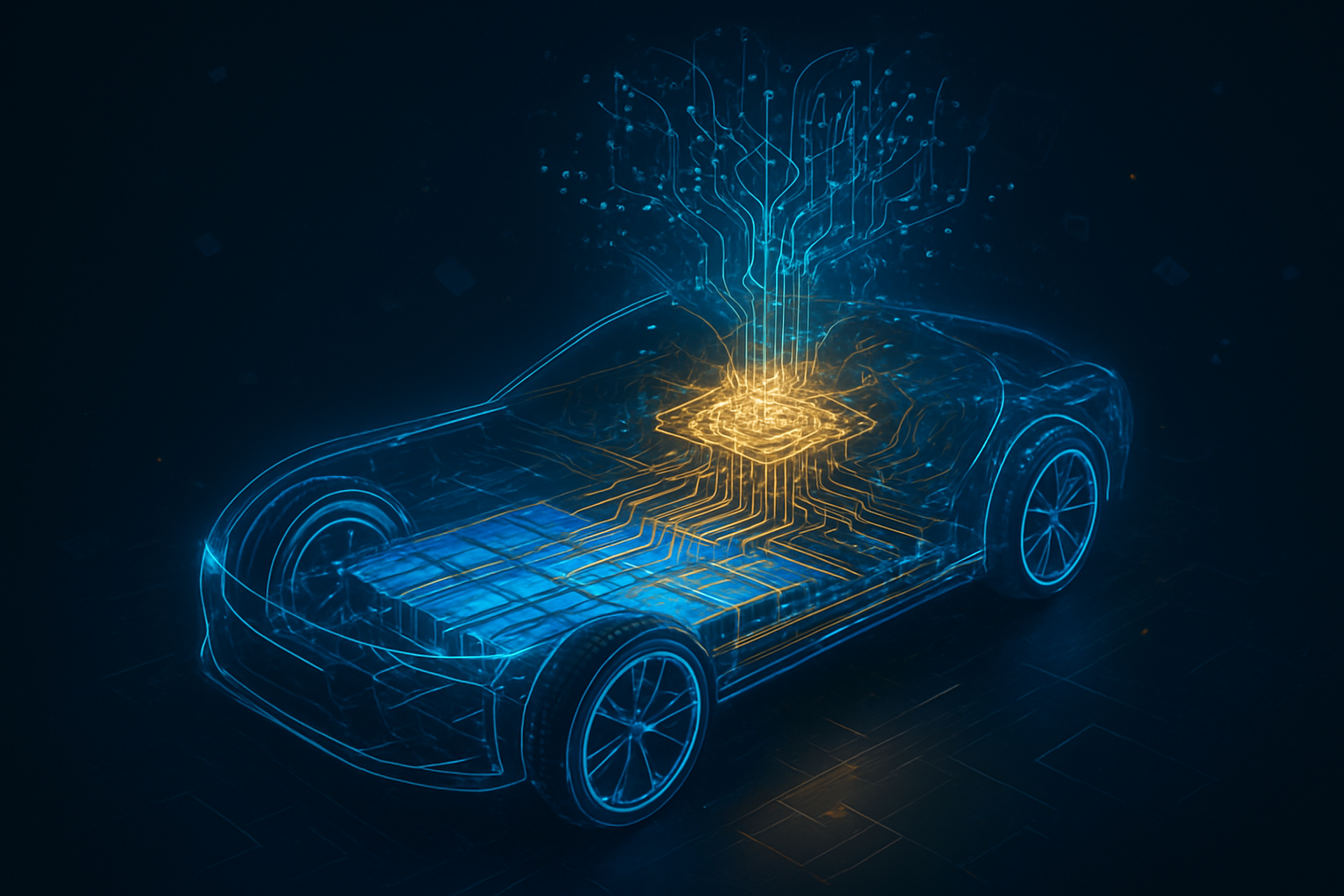
    The world of battery technology, a critical linchpin for the electric vehicle (EV) revolution and the burgeoning energy storage sector, is experiencing an unprecedented wave of innovation in electrode manufacturing. As of late 2025, breakthroughs in dry electrode processes, the rapid progression of solid-state batteries, and the emergence of advanced material chemistries are collectively poised to redefine performance, cost-efficiency, and sustainability across the entire energy landscape. These advancements promise to deliver longer-range EVs, more robust grid-scale storage solutions, and a significantly reduced environmental footprint for battery production.

    The immediate significance of these developments is profound: they address long-standing challenges in battery production, from the high costs and environmental impact of traditional methods to the safety and energy density limitations of current lithium-ion technologies. By making batteries cheaper, safer, and more powerful, these innovations are not just incremental improvements but fundamental shifts that will accelerate the global transition to electrification, impacting everything from personal transportation to renewable energy integration and consumer electronics.

    Unpacking the Technical Revolution in Battery Production

    The core of this transformation lies in several distinct yet interconnected technical advancements. Perhaps most impactful is the dry electrode manufacturing process, a paradigm shift from conventional wet slurry methods that rely heavily on toxic and energy-intensive solvents like N-methyl pyrrolidone (NMP). In the dry process, active materials are mixed dry and directly applied to current collectors, drastically cutting down on manufacturing costs, energy consumption, and environmental waste. Companies like LG Energy Solution (KRX: 051910) are at the forefront, with plans for a dry electrode pilot line by Q4 2024 and commercial production by 2028, projecting cost reductions of 17% to 30%. Tesla (NASDAQ: TSLA) has been actively testing dry-coated cathodes for its 4680 cells, and PowerCo (FWB: VOW3), the battery arm of Volkswagen Group, completed factory acceptance testing of a dry-coating system in 2025. Similarly, Panasonic Energy (TYO: 6752) opened a facility in Osaka in 2024 to validate these technologies at production scale, while China's LEAD announced a high-speed dry-coating process promising over 35% energy reduction and more than 20% cost savings. This solvent-free approach not only slashes expenses and accelerates production but also enables thicker electrodes, potentially boosting battery energy density and durability.

    Parallel to this, solid-state batteries (SSBs) are rapidly moving from theoretical promise to tangible reality. By replacing flammable liquid electrolytes with solid ones, SSBs offer superior safety, higher energy density, and faster charging capabilities. China's GAC Group (HKEX: 2238) has unveiled a pilot production line for large 60+ Ah solid-state EV battery cells, achieving an impressive areal capacity of 7.7 mAh/cm²—far exceeding conventional limits and potentially doubling EV ranges to over 621 miles, with small-scale vehicle testing expected by 2026. Samsung SDI (KRX: 006400) showcased an oxide SSB with a 600-mile range and 9-minute charging, partnering with Toyota for mass production by 2027. Panasonic plans to mass-produce small SSBs for drones by 2025-2029, featuring an 80% charge in 3 minutes. Even LG Chem is advancing solid electrolyte particle uniformity, increasing basic capacity by 15% and fast-discharge capacity by 50%. These breakthroughs promise to unlock unprecedented performance for EVs and compact energy storage.

    Beyond lithium-ion, research into advanced electrode materials and chemistries is diversifying the battery landscape. Lithium-air batteries, with their theoretical energy density rivaling fossil fuels, are seeing progress from Japan's National Institute for Materials Science (NIMS) and Toyo Tanso, developing carbon electrodes for higher output and longer life, crucial for electric aircraft. Lithium-sulfur batteries, offering up to eight times the energy density of Li-ion, are overcoming challenges with robust prototypes. Sodium-ion batteries are experiencing a resurgence, especially in China, with new 20 GWh production plants by companies like Guangde Qingna Technology, offering a 20% cost reduction over Li-ion for urban EVs and stationary storage. NEO Battery Materials (CVE: NBM) is moving to commercial-scale production of silicon-enhanced anodes, which significantly improve energy density and fast-charging. Furthermore, Solidion Technology, in collaboration with Oak Ridge National Laboratory (ORNL), has developed Electrochemical Graphitization in Molten Salts (E-GRIMS) for sustainable, biomass-derived graphite anodes, promising an 83% reduction in carbon footprint.

    Competitive Implications and Corporate Beneficiaries

    These advancements are creating a fierce competitive landscape, with established players and innovative startups vying for market dominance. Companies like LG Energy Solution (KRX: 051910), Tesla (NASDAQ: TSLA), PowerCo (FWB: VOW3) (Volkswagen Group), and Panasonic (TYO: 6752) are making significant investments in dry electrode manufacturing, recognizing its potential to dramatically reduce production costs and improve environmental sustainability. Those who master this technology first will gain a substantial competitive edge in battery cost and efficiency, potentially disrupting the supply chains of traditional wet-slurry equipment manufacturers.

    The race for solid-state battery commercialization is equally intense. GAC Group (HKEX: 2238), Samsung SDI (KRX: 006400), Toyota, and LG Chem are pouring resources into developing and scaling SSBs, aiming to capture the premium EV market and other high-performance applications. Success in solid-state will grant these companies a significant market positioning, offering superior safety and energy density that could redefine vehicle performance and consumer expectations. Meanwhile, companies like NEO Battery Materials (CVE: NBM) with their silicon-enhanced anodes and Solidion Technology with sustainable graphite are carving out niches in material innovation, potentially becoming key suppliers for OEMs looking to boost current Li-ion performance or meet sustainability goals.

    The broader implication is a potential disruption to existing battery manufacturing paradigms. Companies heavily invested in traditional wet processes may face pressure to adapt or risk falling behind. Furthermore, the diversification into sodium-ion, lithium-air, and lithium-sulfur chemistries could reduce the industry's reliance on a limited set of critical minerals like lithium and cobalt, fostering more resilient and localized supply chains. Early movers in these alternative chemistries, particularly in China with sodium-ion, stand to gain strategic advantages in cost-sensitive markets and stationary storage. The integration of AI and machine learning into battery R&D and manufacturing also favors tech giants and AI-driven startups that can leverage advanced analytics to accelerate material discovery, optimize production, and enhance quality control, creating new strategic alliances between material science and artificial intelligence.

    The Broader Significance in the AI and Energy Landscape

    These developments in battery electrode manufacturing fit squarely into the broader AI landscape, where artificial intelligence is increasingly becoming an indispensable tool for accelerating scientific discovery and optimizing complex industrial processes. AI and machine learning models are being used to predict electrochemical performance from microstructural images, design new materials with desired properties, and fine-tune manufacturing parameters in real-time. This symbiotic relationship between AI and materials science is significantly shortening development cycles, reducing costs, and improving the reliability of next-generation batteries.

    The impacts of these advancements are far-reaching. For the energy sector, more efficient and cheaper batteries mean faster decarbonization, enhanced grid stability through better renewable energy integration, and greater energy independence for nations. For transportation, longer-range and faster-charging EVs will accelerate adoption, reducing reliance on fossil fuels and mitigating climate change. In consumer electronics, these batteries will enable smaller, lighter, and longer-lasting devices. Potential concerns, however, include the scalability challenges of entirely new manufacturing processes, the cost premium associated with some of the cutting-edge materials, and the establishment of new, reliable supply chains for novel components. Compared to previous AI milestones, this integration represents a shift from AI as a standalone intelligence to an embedded intelligence that empowers fundamental industrial transformations, potentially as significant as the commercialization of lithium-ion batteries itself, but achieved at an accelerated pace thanks to AI-driven research.

    Charting Future Developments and Expert Predictions

    Looking ahead, the near-term will likely see the widespread adoption of dry electrode manufacturing for mass-market lithium-ion batteries, leading to tangible cost reductions and improved sustainability in EV production. Solid-state batteries are expected to first enter niche markets and premium EVs, gradually scaling up as manufacturing costs decrease and reliability is proven over millions of miles. Concurrently, advancements in lithium-air, lithium-sulfur, and sodium-ion batteries will continue, with the latter seeing significant deployment in compact urban EVs and grid-scale storage where cost is a primary driver. Silicon-enhanced anodes will become a standard upgrade for existing Li-ion cells, offering a bridge to higher energy densities without completely overhauling current production lines.

    Potential applications on the horizon include the electrification of heavy-duty trucks, aviation (electric aircraft and eVTOLs), and advanced robotics, all demanding lightweight, high-energy-density power sources. Grid-scale energy storage will see massive deployments of more affordable and durable batteries, enabling smarter grids and greater renewable penetration. Challenges that need to be addressed include achieving consistent quality and high throughput for dry electrode processes at gigafactory scale, overcoming dendrite formation and interface stability issues in solid-state batteries, and establishing robust, ethical supply chains for new materials. Experts predict a continued convergence of AI, advanced materials science, and manufacturing automation, leading to a continuous cycle of innovation where batteries become increasingly tailored for specific applications, pushing the boundaries of what's possible in energy storage.

    A New Era of Power: Wrapping Up the Battery Revolution

    The latest developments in battery electrode manufacturing mark a pivotal moment in the history of energy technology. The shift towards dry electrode processes, the imminent commercialization of solid-state batteries, and the emergence of diverse, high-performance chemistries are collectively ushering in a new era of power. Key takeaways include significant cost reductions, dramatic improvements in energy density and safety, and a substantial leap forward in environmental sustainability for battery production.

    This moment represents a fundamental re-assessment of battery manufacturing, driven by both market demand and the accelerating capabilities of AI in materials discovery and process optimization. Its significance in the broader tech and energy landscape cannot be overstated; it is not merely an evolution but a revolution that will underpin the global transition to a sustainable, electrified future. The long-term impact will be felt across every sector, from transportation to utilities, making clean energy more accessible and reliable. In the coming weeks and months, industry watchers should keenly observe the progress of pilot lines moving to full-scale production, new strategic partnerships forming between material suppliers and battery manufacturers, and further breakthroughs in AI-driven battery design, all of which will dictate the pace and direction of this transformative journey.


    This content is intended for informational purposes only and represents analysis of current AI developments.

    TokenRing AI delivers enterprise-grade solutions for multi-agent AI workflow orchestration, AI-powered development tools, and seamless remote collaboration platforms.
    For more information, visit https://www.tokenring.ai/.
  • Rivian Stock Soars as CEO’s Multi-Billion Dollar Pay Package Ignites Investor Confidence

    Rivian Stock Soars as CEO’s Multi-Billion Dollar Pay Package Ignites Investor Confidence

    Palo Alto, CA – November 11, 2025 – Rivian Automotive (NASDAQ: RIVN) witnessed a significant surge in its stock price this week, with shares climbing as much as 9% following the disclosure of a new, long-term performance-based compensation package for CEO RJ Scaringe. The ambitious pay structure, potentially worth up to $4.6 billion over the next decade, has been largely interpreted by the market as a strong signal of the electric vehicle (EV) manufacturer's commitment to long-term growth and profitability, effectively aligning the founder's incentives with shareholder value.

    The market's enthusiastic reaction underscores a renewed, albeit cautious, optimism among investors regarding the future trajectory of Rivian and, by extension, the broader EV technology sector. This development comes at a pivotal time for Rivian, as it gears up for the crucial launch of its more affordable R2 SUV model in 2026, aiming to expand its market footprint beyond its premium offerings.

    A Deep Dive into Rivian's Strategic Compensation and Market Dynamics

    The core of Scaringe's new compensation plan, approved by Rivian's board and detailed in an SEC filing around November 6-8, 2025, comprises a performance-based stock option award for up to 36.5 million shares of Rivian's Class A stock. These options are exercisable at $15.22 per share and are structured to vest over a 10-year period, contingent on the company achieving stringent stock price milestones ranging from $40 to $140 per share, alongside specific financial targets related to operating income and cash flow over a seven-year horizon. Additionally, Scaringe's annual base salary has been doubled to $2 million, and he has been granted a 10% economic interest in Mind Robotics, a Rivian spinoff focused on industrial AI applications. This new plan replaces an earlier 2021 award deemed "unlikely to be met" due to its exceedingly high stock price targets.

    The market's immediate response was palpable. On Tuesday, November 11, 2025, Rivian's stock not only surged by 9% but also reached its highest intraday level since July 2024, capping a remarkable 33% increase over the preceding six weeks. This strong performance indicates that investors view the performance-linked incentives as a strategic move to retain key leadership and bolster the company's competitive edge against rivals like Tesla (NASDAQ: TSLA). The structure of this compensation package, mirroring similar performance-based deals, notably Tesla CEO Elon Musk's landmark agreement, reflects an industry-wide trend to tightly link executive rewards with aggressive growth and profitability metrics.

    Initial reactions from the investment community have been largely positive, though tempered with a degree of caution. Retail investors on platforms like Stocktwits expressed optimism, seeing the plan as a clear commitment to enhancing shareholder value. Industry analysts, such as Barclays' Dan Levy, acknowledged it as a "positive development," emphasizing the importance of balancing share price performance with fundamental business metrics. BNP Paribas Equity Research analyst James Picariello anticipates that the upcoming R2 model will strategically position Rivian to thrive in a North American EV landscape potentially less crowded by traditional automakers scaling back their EV investments.

    Competitive Implications and Strategic Positioning in the EV Landscape

    This significant compensation package for Rivian's CEO carries substantial implications for the company itself and the broader competitive dynamics within the rapidly evolving electric vehicle sector. Rivian (NASDAQ: RIVN) stands to significantly benefit from retaining its founder and CEO, RJ Scaringe, whose long-term commitment is now inextricably linked to the company's success. This alignment is particularly crucial as Rivian navigates the complexities of scaling production, achieving profitability, and launching new, more accessible models like the R2.

    The competitive implications are noteworthy. By adopting a performance-based compensation model akin to Tesla's (NASDAQ: TSLA), Rivian signals its intent to compete aggressively and achieve similar levels of market capitalization and operational efficiency. This strategic move could put pressure on other EV startups and even established automakers to re-evaluate their executive compensation structures and long-term strategic plans. As some traditional automakers temper their EV investment enthusiasm, Rivian's reinforced focus on growth and profitability, driven by its CEO's incentives, could allow it to capture a larger share of the North American EV market.

    However, the market positioning also comes with inherent challenges. While the pay package is substantial, it pales in comparison to the potential scale of Elon Musk's compensation plan at Tesla, which could reach up to $1 trillion under certain conditions. This highlights the different stages of maturity and market capitalization between the two EV giants. Furthermore, while the market reaction has been positive, some analysts remain cautious, pointing to the ambitious nature of the targets in a highly competitive and often volatile EV sector. Concerns have also been raised regarding insider selling activity by Rivian's CEO and CFO over the past six months, which warrants continued scrutiny from investors.

    Wider Significance in the Evolving AI and EV Landscape

    Rivian's strategic move with its CEO's compensation package fits into a broader trend within the technology and automotive sectors, where aligning executive incentives with aggressive, long-term performance goals is becoming paramount. This development is not just about an EV company; it also touches upon the growing integration of AI, as evidenced by Scaringe's 10% economic interest in Mind Robotics, a Rivian spinoff focused on industrial AI applications. This signals a strategic foresight to leverage AI for operational efficiencies and potential new revenue streams, a critical component in the future of manufacturing and mobility.

    The impacts of such a high-stakes compensation plan are multi-faceted. On one hand, it can instill confidence in investors by demonstrating a clear pathway for leadership to drive shareholder value. On the other, the sheer scale of the potential payout can raise concerns about executive enrichment versus broader company welfare, especially if the ambitious targets are perceived as unrealistic given market conditions. The global EV market, while experiencing significant growth (global sales doubled in 2021 to 6.6 million and reached 10.5 million in 2022), faces headwinds such as increased competition, tariffs, and fluctuating government subsidies. Consumer excitement, though initially plateauing, has seen a renewed lift due to sustained high gas prices, highlighting the economic benefits of EVs.

    Comparing this to previous milestones, the structure echoes the high-reward, high-risk compensation models seen in other transformative tech companies. While Rivian's package is substantial, it also brings into focus the varying approaches to executive compensation across the EV industry, such as Lucid (NASDAQ: LCID) CEO Peter Rawlinson's approximately $379 million compensation in 2022, largely in stock awards. This diversity underscores the different stages of company development and investor expectations within the dynamic EV landscape.

    The Road Ahead: Future Developments and Challenges

    Looking ahead, the success of Rivian's strategy, and by extension the full realization of CEO Scaringe's pay package, hinges critically on several key developments. The most immediate and significant is the anticipated launch of the R2 SUV in 2026. This model is expected to be more affordable than Rivian's current offerings, positioning the company to tap into a broader consumer base and significantly scale its production volumes. Experts like BNP Paribas' James Picariello view the R2 as a crucial differentiator for Rivian in the evolving North American EV market.

    In the long term, achieving the ambitious stock price milestones ranging from $40 to $140 per share, along with robust financial targets, will be paramount. This will require not only successful product launches but also sustained operational efficiency, effective supply chain management, and a clear path to consistent profitability. The growth of Mind Robotics, Rivian's industrial AI spinoff, also presents a potential avenue for future diversification and technological leadership, though its impact remains to be seen.

    However, the path is fraught with challenges. Intense competition from both established automakers and other EV startups, potential supply chain disruptions, and the fluctuating pace of consumer adoption of EVs will continue to test Rivian's resilience. Moreover, the company must navigate the complexities of achieving economies of scale while maintaining its brand identity and product quality. Experts predict that while the performance-linked compensation is a strong motivator, the ultimate outcome will depend on meticulous execution and the broader market's acceptance of Rivian's evolving product portfolio. Wall Street analysts currently hold a "Hold" consensus rating on RIVN stock, reflecting a cautious optimism.

    Comprehensive Wrap-Up: A Defining Moment for Rivian

    Rivian's recent stock surge, fueled by the announcement of CEO RJ Scaringe's substantial performance-based pay package, marks a defining moment for the electric vehicle manufacturer. The key takeaway is a clear alignment of the CEO's long-term financial incentives with the company's strategic goals and shareholder value creation. This move has been met with a largely positive market reaction, signaling renewed investor confidence in Rivian's potential for growth and profitability, especially as it prepares for the critical launch of its R2 SUV.

    This development holds significant importance in the annals of AI and EV history, showcasing a prevalent strategy in high-growth tech sectors: securing visionary leadership through robust, performance-driven compensation. It underscores the belief that a founder-led company, with its leader directly incentivized for long-term success, can better navigate the turbulent waters of innovation and market competition.

    The long-term impact of this decision will hinge entirely on Rivian's ability to execute its ambitious plans, particularly the successful rollout of the R2 and the consistent achievement of its financial and stock price targets. Investors and industry observers will be keenly watching the company's upcoming financial reports, production figures, and any further developments regarding its industrial AI ventures. The coming weeks and months will provide crucial insights into whether this strategic gamble on executive incentives will indeed propel Rivian to new heights in the fiercely competitive EV landscape.


    This content is intended for informational purposes only and represents analysis of current AI developments.

    TokenRing AI delivers enterprise-grade solutions for multi-agent AI workflow orchestration, AI-powered development tools, and seamless remote collaboration platforms.
    For more information, visit https://www.tokenring.ai/.
  • Semiconductors Driving the Electric Vehicle (EV) and 5G Evolution

    Semiconductors Driving the Electric Vehicle (EV) and 5G Evolution

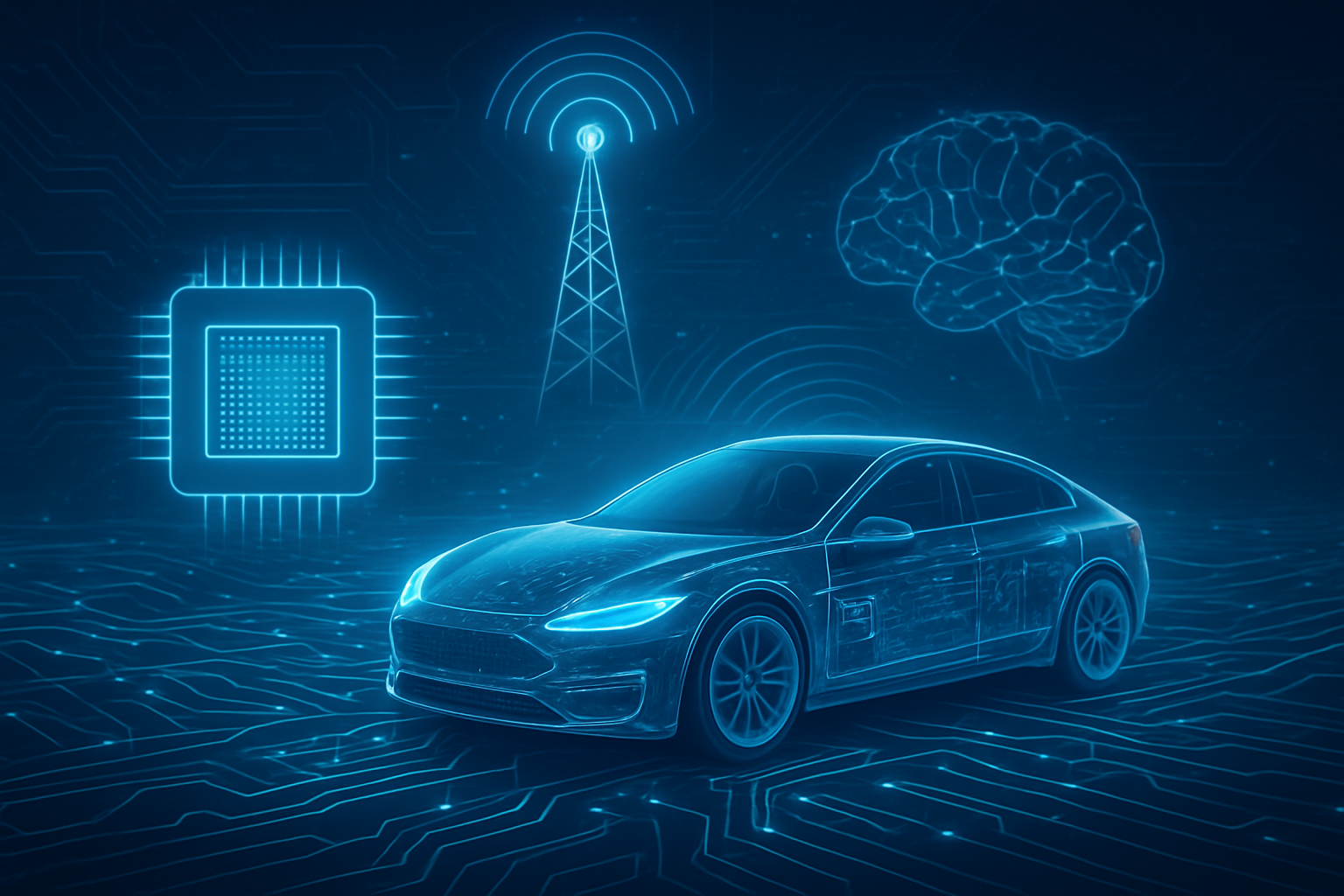
    As of November 11, 2025, the global technological landscape is undergoing a profound transformation, spearheaded by the rapid proliferation of Electric Vehicles (EVs) and the expansive rollout of 5G infrastructure. At the very heart of this dual revolution, often unseen but undeniably critical, lie semiconductors. These tiny, intricate components are far more than mere parts; they are the fundamental enablers, the 'brains and nervous systems,' that empower the advanced capabilities, unparalleled efficiency, and continued expansion of both EV and 5G ecosystems. Their immediate significance is not just in facilitating current technological marvels but in actively shaping the trajectory of future innovations across mobility and connectivity.

    The symbiotic relationship between semiconductors, EVs, and 5G is driving an era of unprecedented progress. From optimizing battery performance and enabling sophisticated autonomous driving features in electric cars to delivering ultra-fast, low-latency connectivity for a hyper-connected world, semiconductors are the silent architects of modern technological advancement. Without continuous innovation in semiconductor design, materials, and manufacturing, the ambitious promises of a fully electric transportation system and a seamlessly integrated 5G society would remain largely unfulfilled.

    The Microscopic Engines of Macro Innovation: Technical Deep Dive into EV and 5G Semiconductors

    The technical demands of both Electric Vehicles and 5G infrastructure push the boundaries of semiconductor technology, necessitating specialized chips with advanced capabilities. In EVs, semiconductors are pervasive, controlling everything from power conversion and battery management to sophisticated sensor processing for advanced driver-assistance systems (ADAS) and autonomous driving. Modern EVs can house upwards of 3,000 semiconductors, a significant leap from traditional internal combustion engine vehicles. Power semiconductors, particularly those made from Wide-Bandgap (WBG) materials like Silicon Carbide (SiC) and Gallium Nitride (GaN), are paramount. These materials offer superior electrical properties—higher breakdown voltage, faster switching speeds, and lower energy losses—which directly translate to increased powertrain efficiency, extended driving ranges (up to 10-15% more with SiC), and more efficient charging systems. This represents a significant departure from older silicon-based power electronics, which faced limitations in high-voltage and high-frequency applications crucial for EV performance.

    For 5G infrastructure, the technical requirements revolve around processing immense data volumes at ultra-high speeds with minimal latency. Semiconductors are the backbone of 5G base stations, managing complex signal processing, radio frequency (RF) amplification, and digital-to-analog conversion. Specialized RF transceivers, high-performance application processors, and Field-Programmable Gate Arrays (FPGAs) are essential components. GaN, in particular, is gaining traction in 5G power amplifiers due to its ability to operate efficiently at higher frequencies and power levels, enabling the robust and compact designs required for 5G Massive MIMO (Multiple-Input, Multiple-Output) antennas. This contrasts sharply with previous generations of cellular technology that relied on less efficient and bulkier semiconductor solutions, limiting bandwidth and speed. The integration of System-on-Chip (SoC) designs, which combine multiple functions like processing, memory, and RF components onto a single die, is also critical for meeting 5G's demands for miniaturization and energy efficiency.

    Initial reactions from the AI research community and industry experts highlight the increasing convergence of AI with semiconductor design for both sectors. AI is being leveraged to optimize chip design and manufacturing processes, while AI accelerators are being integrated directly into EV and 5G semiconductors to enable on-device machine learning for real-time data processing. For instance, chips designed for autonomous driving must perform billions of operations per second to interpret sensor data and make instantaneous decisions, a feat only possible with highly specialized AI-optimized silicon. Similarly, 5G networks are increasingly employing AI within their semiconductor components for dynamic traffic management, predictive maintenance, and intelligent resource allocation, pushing the boundaries of network efficiency and reliability.

    Corporate Titans and Nimble Startups: Navigating the Semiconductor-Driven Competitive Landscape

    The escalating demand for specialized semiconductors in the EV and 5G sectors is fundamentally reshaping the competitive landscape, creating immense opportunities for established chipmakers and influencing the strategic maneuvers of major AI labs and tech giants. Companies deeply entrenched in automotive and communication chip manufacturing are experiencing unprecedented growth. Infineon Technologies AG (ETR: IFX), a leader in automotive semiconductors, is seeing robust demand for its power electronics and SiC solutions vital for EV powertrains. Similarly, STMicroelectronics N.V. (NYSE: STM) and Onsemi (NASDAQ: ON) are significant beneficiaries, with Onsemi's SiC technology being designed into a substantial percentage of new EV models, including partnerships with major automakers like Volkswagen. Other key players in the EV space include Texas Instruments Incorporated (NASDAQ: TXN) for analog and embedded processing, NXP Semiconductors N.V. (NASDAQ: NXPI) for microcontrollers and connectivity, and Renesas Electronics Corporation (TYO: 6723) which is expanding its power semiconductor capacity.

    In the 5G arena, Qualcomm Incorporated (NASDAQ: QCOM) remains a dominant force, supplying critical 5G chipsets, modems, and platforms for mobile devices and infrastructure. Broadcom Inc. (NASDAQ: AVGO) and Marvell Technology, Inc. (NASDAQ: MRVL) are instrumental in providing networking and data processing units essential for 5G infrastructure. Advanced Micro Devices, Inc. (NASDAQ: AMD) benefits from its acquisition of Xilinx, whose FPGAs are crucial for adaptable 5G deployment. Even Nvidia Corporation (NASDAQ: NVDA), traditionally known for GPUs, is seeing increased relevance as its processors are vital for handling the massive data loads and AI requirements within 5G networks and edge computing. Ultimately, Taiwan Semiconductor Manufacturing Company Ltd. (NYSE: TSM), as the world's largest contract chip manufacturer, stands as a foundational beneficiary, fabricating a vast array of chips for nearly all players in both the EV and 5G ecosystems.

    The intense drive for AI capabilities, amplified by EV and 5G, is also pushing tech giants and AI labs towards aggressive in-house semiconductor development. Companies like Google (NASDAQ: GOOGL, NASDAQ: GOOG) with its Tensor Processing Units (TPUs) and new Arm-based Axion CPUs, Microsoft (NASDAQ: MSFT) with its Azure Maia AI Accelerator and Azure Cobalt CPU, and Amazon (NASDAQ: AMZN) with its Inferentia and Trainium series, are designing custom ASICs to optimize for specific AI workloads and reduce reliance on external suppliers. Meta Platforms, Inc. (NASDAQ: META) is deploying new versions of its custom MTIA chip, and even OpenAI is reportedly exploring proprietary AI chip designs in collaboration with Broadcom and TSMC for potential deployment by 2026. This trend represents a significant competitive implication, challenging the long-term market dominance of traditional AI chip leaders like Nvidia, who are responding by expanding their custom chip business and continuously innovating their GPU architectures.

    This dual demand also brings potential disruptions, including exacerbated global chip shortages, particularly for specialized components, leading to supply chain pressures and a push for diversified manufacturing strategies. The shift to software-defined vehicles in the EV sector is boosting demand for high-performance microcontrollers and memory, potentially disrupting traditional automotive electronics supply chains. Companies are strategically positioning themselves through specialization (e.g., Onsemi's SiC leadership), vertical integration, long-term partnerships with foundries and automakers, and significant investments in R&D and manufacturing capacity. This dynamic environment underscores that success in the coming years will hinge not just on technological prowess but also on strategic foresight and resilient supply chain management.

    Beyond the Horizon: Wider Significance in the Broader AI Landscape

    The confluence of advanced semiconductors, Electric Vehicles, and 5G infrastructure is not merely a collection of isolated technological advancements; it represents a profound shift in the broader Artificial Intelligence landscape. This synergy is rapidly pushing AI beyond centralized data centers and into the "edge"—embedding intelligence directly into vehicles, smart devices, and IoT sensors. EVs, increasingly viewed as "servers on wheels," leverage high-tech semiconductors to power complex AI functionalities for autonomous driving and advanced driver-assistance systems (ADAS). These chips process vast amounts of sensor data in real-time, enabling critical decisions with millisecond latency, a capability fundamental to safety and performance. This represents a significant move towards pervasive AI, where intelligence is distributed and responsive, minimizing reliance on cloud-only processing.

    Similarly, 5G networks, with their ultra-fast speeds and low latency, are the indispensable conduits for edge AI. Semiconductors designed for 5G enable AI algorithms to run efficiently on local devices or nearby servers, critical for real-time applications in smart factories, smart cities, and augmented reality. AI itself is being integrated into 5G semiconductors to optimize network performance, manage resources dynamically, and reduce latency further. This integration fuels key AI trends such as pervasive AI, real-time processing, and the demand for highly specialized hardware like Neural Processing Units (NPUs) and custom ASICs, which are tailored for specific AI workloads far exceeding the capabilities of traditional general-purpose processors.

    However, this transformative era also brings significant concerns. The concentration of advanced chip manufacturing in specific regions creates geopolitical risks and vulnerabilities in global supply chains, directly impacting production across critical industries like automotive. Over half of downstream organizations express doubt about the semiconductor industry's ability to meet their needs, underscoring the fragility of this vital ecosystem. Furthermore, the massive interconnectedness facilitated by 5G and the pervasive nature of AI raise substantial questions regarding data privacy and security. While edge AI can enhance privacy by processing data locally, the sheer volume of data generated by EVs and billions of IoT devices presents an unprecedented challenge in safeguarding sensitive information. The energy consumption associated with chip production and the powering of large-scale AI models also raises sustainability concerns, demanding continuous innovation in energy-efficient designs and manufacturing processes.

    Comparing this era to previous AI milestones reveals a fundamental evolution. Earlier AI advancements were often characterized by systems operating in more constrained or centralized environments. Today, propelled by semiconductors in EVs and 5G, AI is becoming ubiquitous, real-time, and distributed. This marks a shift where semiconductors are not just passive enablers but are actively co-created with AI, using AI-driven Electronic Design Automation (EDA) tools to design the very chips that power future intelligence. This profound hardware-software co-optimization, coupled with the unprecedented scale and complexity of data, distinguishes the current phase as a truly transformative period in AI history, far surpassing the capabilities and reach of previous breakthroughs.

    The Road Ahead: Future Developments and Emerging Challenges

    The trajectory of semiconductors in EVs and 5G points towards a future characterized by increasingly sophisticated integration, advanced material science, and a relentless pursuit of efficiency. In the near term for EVs, the widespread adoption of Wide-Bandgap (WBG) materials like Silicon Carbide (SiC) and Gallium Nitride (GaN) is set to become even more pronounced. These materials, already gaining traction, will further replace traditional silicon in power electronics, driving greater efficiency, extended driving ranges, and significantly faster charging times. Innovations in packaging technologies, such as silicon interposers and direct liquid cooling, will become crucial for managing the intense heat generated by increasingly compact and integrated power electronics. Experts predict the global automotive semiconductor market to nearly double from just under $70 billion in 2022 to $135 billion by 2028, with SiC adoption in EVs expected to exceed 60% by 2030.

    Looking further ahead, the long-term vision for EVs includes highly integrated Systems-on-Chip (SoCs) capable of handling the immense data processing requirements for Level 3 to Level 5 autonomous driving. The transition to 800V EV architectures will further solidify the demand for high-performance SiC and GaN semiconductors. For 5G, near-term developments will focus on enhancing performance and efficiency through advanced packaging and the continued integration of AI directly into semiconductors for smarter network operations and faster data processing. The deployment of millimeter-wave (mmWave) components will also see significant advancements. Long-term, the industry is already looking beyond 5G to 6G, expected around 2030, which will demand even more advanced semiconductor devices for ultra-high speeds and extremely low latency, potentially even exploring the impact of quantum computing on network design. The global 5G chipset market is predicted to skyrocket, potentially reaching over $90 billion by 2030.

    However, this ambitious future is not without its challenges. Supply chain disruptions remain a critical concern, exacerbated by geopolitical risks and the concentration of advanced chip manufacturing in specific regions. The automotive industry, in particular, faces a persistent challenge with the demand for specialized chips on mature nodes, where investment in manufacturing capacity has lagged behind. For both EVs and 5G, the increasing power density in semiconductors necessitates advanced thermal management solutions to maintain performance and reliability. Security is another paramount concern; as 5G networks handle more data and EVs become more connected, safeguarding semiconductor components against cyber threats becomes crucial. Experts predict that some semiconductor supply challenges, particularly for analog chips and MEMS, may persist through 2026, underscoring the ongoing need for strategic investments in manufacturing capacity and supply chain resilience. Overcoming these hurdles will be essential to fully realize the transformative potential that semiconductors promise for the future of mobility and connectivity.

    The Unseen Architects: A Comprehensive Wrap-up of Semiconductor's Pivotal Role

    The ongoing revolution in Electric Vehicles and 5G connectivity stands as a testament to the indispensable role of semiconductors. These microscopic components are the foundational building blocks that enable the high-speed, low-latency communication of 5G networks and the efficient, intelligent operation of modern EVs. For 5G, key takeaways include the critical adoption of millimeter-wave technology, the relentless push for miniaturization and integration through System-on-Chip (SoC) designs, and the enhanced performance derived from materials like Gallium Nitride (GaN) and Silicon Carbide (SiC). In the EV sector, semiconductors are integral to efficient powertrains, advanced driver-assistance systems (ADAS), and robust infotainment, with SiC power chips rapidly becoming the standard for high-voltage, high-temperature applications, extending range and accelerating charging. The overarching theme is the profound convergence of these two technologies, with AI acting as the catalyst, embedded within semiconductors to optimize network traffic and enhance autonomous vehicle capabilities.

    In the grand tapestry of AI history, the advancements in semiconductors for EVs and 5G mark a pivotal and transformative era. Semiconductors are not merely enablers; they are the "unsung heroes" providing the indispensable computational power—through specialized GPUs and ASICs—necessary for the intensive AI tasks that define our current technological age. The ultra-low latency and high reliability of 5G, intrinsically linked to advanced semiconductor design, are critical for real-time AI applications such as autonomous driving and intelligent city infrastructure. This era signifies a profound shift towards pervasive, real-time AI, where intelligence is distributed to the edge, driven by semiconductors optimized for low power consumption and instantaneous processing. This deep hardware-software co-optimization is a defining characteristic, pushing AI beyond theoretical concepts into ubiquitous, practical applications that were previously unimaginable.

    Looking ahead, the long-term impact of these semiconductor developments will be nothing short of transformative. We can anticipate sustainable mobility becoming a widespread reality as SiC and GaN semiconductors continue to make EVs more efficient and affordable, significantly reducing global emissions. Hyper-connectivity and smart environments will flourish with the ongoing rollout of 5G and future wireless generations, unlocking the full potential of the Internet of Things (IoT) and intelligent urban infrastructures. AI will become even more ubiquitous, embedded in nearly every device and system, leading to increasingly sophisticated autonomous systems and personalized AI experiences across all sectors. This will be driven by continued technological integration through advanced packaging and SoC designs, creating highly optimized and compact systems. However, this growth will also intensify geopolitical competition and underscore the critical need for resilient supply chains to ensure technological sovereignty and mitigate disruptions.

    In the coming weeks and months, several key areas warrant close attention. The evolving dynamics of global supply chains and the impact of geopolitical policies, particularly U.S. export restrictions on advanced AI chips, will continue to shape the industry. Watch for further innovations in wide-bandband materials and advanced packaging techniques, which are crucial for performance gains in both EVs and 5G. In the automotive sector, monitor collaborations between major automakers and semiconductor manufacturers, such as the scheduled mid-November 2025 meeting between Samsung Electronics Co., Ltd. (KRX: 005930) Chairman Jay Y Lee and Mercedes-Benz Chairman Ola Kallenius to discuss EV batteries and automotive semiconductors. The accelerating adoption of 5G RedCap technology for cost-efficient connected vehicle features will also be a significant trend. Finally, keep a close eye on the market performance and forecasts from leading semiconductor companies like Onsemi (NASDAQ: ON), as their projections for a "semiconductor supercycle" driven by AI and EV growth will be indicative of the industry's health and future trajectory.


    This content is intended for informational purposes only and represents analysis of current AI developments.

    TokenRing AI delivers enterprise-grade solutions for multi-agent AI workflow orchestration, AI-powered development tools, and seamless remote collaboration platforms.
    For more information, visit https://www.tokenring.ai/.

  • Navitas Semiconductor Soars on AI Hopes: A Deep Dive into its Market Ascent and Future Prospects

    Navitas Semiconductor Soars on AI Hopes: A Deep Dive into its Market Ascent and Future Prospects

    San Jose, CA – October 21, 2025 – Navitas Semiconductor (NASDAQ: NVTS), a pure-play, next-generation power semiconductor company, has captured significant market attention throughout 2025, experiencing an extraordinary rally in its stock price. This surge is primarily fueled by burgeoning optimism surrounding its pivotal role in the artificial intelligence (AI) revolution and the broader shift towards highly efficient power solutions. While the company's all-time high was recorded in late 2021, its recent performance, particularly in the latter half of 2024 and through 2025, underscores a renewed investor confidence in its wide-bandgap (WBG) Gallium Nitride (GaN) and Silicon Carbide (SiC) technologies.

    The company's stock, which had already shown robust growth, saw an accelerated climb, soaring over 520% year-to-date by mid-October 2025 and nearly 700% from its year-to-date low in early April. As of October 19, 2025, NVTS shares were up approximately 311% year-to-date, closing around $17.10 on October 20, 2025. This remarkable performance reflects a strong belief in Navitas's ability to address critical power bottlenecks in high-growth sectors, particularly electric vehicles (EVs) and, most significantly, the rapidly expanding AI data center infrastructure. The market's enthusiasm is a testament to the perceived necessity of Navitas's innovative power solutions for the next generation of energy-intensive computing.

    The Technological Edge: Powering the Future with GaN and SiC

    Navitas Semiconductor's market position is fundamentally anchored in its pioneering work with Gallium Nitride (GaN) and Silicon Carbide (SiC) power semiconductors. These advanced materials represent a significant leap beyond traditional silicon-based power electronics, offering unparalleled advantages in efficiency, speed, and power density. Navitas's GaNFast™ and GeneSiC™ technologies integrate power, drive, control, sensing, and protection onto a single chip, effectively creating highly optimized power ICs.

    The technical superiority of GaN and SiC allows devices to operate at higher voltages and temperatures, switch up to 100 times faster, and achieve superior energy conversion efficiency. This directly translates into smaller, lighter, and more energy-efficient power systems. For instance, in fast-charging applications, Navitas's GaN solutions enable compact, high-power chargers that can rapidly replenish device batteries. In more demanding environments like data centers and electric vehicles, these characteristics are critical. The ability to handle high voltages (e.g., 800V architectures) with minimal energy loss and thermal dissipation is a game-changer for systems that consume massive amounts of power. This contrasts sharply with previous silicon-based approaches, which often required larger form factors, more complex cooling systems, and inherently suffered from greater energy losses, making them less suitable for the extreme demands of modern AI computing and high-performance EVs. Initial reactions from the AI research community and industry experts highlight GaN and SiC as indispensable for the next wave of technological innovation, particularly as power consumption becomes a primary limiting factor for AI scale.

    Reshaping the AI and EV Landscape: Who Benefits?

    Navitas Semiconductor's advancements are poised to significantly impact a wide array of AI companies, tech giants, and startups. Companies heavily invested in building and operating AI data centers stand to benefit immensely. Tech giants like NVIDIA (NASDAQ: NVDA), a recent strategic partner, will find Navitas's GaN and SiC solutions crucial for their next-generation 800V DC AI factory computing platforms. This partnership not only validates Navitas's technology but also positions it as a key enabler for the leading edge of AI infrastructure.

    The competitive implications for major AI labs and tech companies are substantial. Those who adopt advanced WBG power solutions will gain strategic advantages in terms of energy efficiency, operational costs, and the ability to scale their computing power more effectively. This could disrupt existing products or services that rely on less efficient power delivery, pushing them towards obsolescence. For instance, traditional power supply manufacturers might need to rapidly integrate GaN and SiC into their offerings to remain competitive. Navitas's market positioning as a pure-play specialist in these next-generation materials gives it a significant strategic advantage, as it is solely focused on optimizing these technologies for emerging high-growth markets. Its ability to enable a 100x increase in server rack power capacity by 2030 speaks volumes about its potential to redefine data center design and operation.

    Beyond AI, the electric vehicle (EV) sector is another major beneficiary. Navitas's GaN and SiC solutions facilitate faster EV charging, greater design flexibility, and are essential for advanced 800V architectures that support bidirectional charging and help meet stringent emissions targets. Design wins, such as the GaN-based EV onboard charger with China's leading EV manufacturer Changan Auto, underscore its growing influence in this critical market.

    Wider Significance: Powering the Exascale Future

    Navitas Semiconductor's rise fits perfectly into the broader AI landscape and the overarching trend towards sustainable and highly efficient technology. As AI models grow exponentially in complexity and size, the energy required to train and run them becomes a monumental challenge. Traditional silicon power conversion is reaching its limits, making wide-bandgap semiconductors like GaN and SiC not just an improvement, but a necessity. This development highlights a critical shift in the AI industry: while focus often remains on chips and algorithms, the underlying power infrastructure is equally vital for scaling AI.

    The impacts extend beyond energy savings. Higher power density means smaller, lighter systems, reducing the physical footprint of data centers and EVs. This is crucial for environmental sustainability and resource optimization. Potential concerns, however, include the rapid pace of adoption and the ability of the supply chain to keep up with demand for these specialized materials. Comparisons to previous AI milestones, such as the development of powerful GPUs, show that enabling technologies for underlying infrastructure are just as transformative as the computational engines themselves. Navitas’s role is akin to providing the high-octane fuel and efficient engine management system for the AI supercars of tomorrow.

    The Road Ahead: What to Expect

    Looking ahead, Navitas Semiconductor is poised for significant near-term and long-term developments. The partnership with Powerchip Semiconductor Manufacturing Corp (PSMC) for 200mm GaN-on-Si wafer production, with initial output expected in the first half of 2026, aims to expand manufacturing capacity, lower costs, and support its ambitious roadmap for AI data centers. The company also reported over 430 design wins in 2024, representing a potential associated revenue of $450 million, indicating a strong pipeline for future growth, though the conversion of these wins into revenue can take 2-4 years for complex projects.

    Potential applications and use cases on the horizon include further penetration into industrial power, solar energy, and home appliances, leveraging the efficiency benefits of GaN and SiC. Experts predict that Navitas will continue to introduce advanced power platforms, with 4.5kW GaN/SiC platforms pushing power densities and 8-10kW platforms planned by late 2024 to meet 2025 AI power requirements. Challenges that need to be addressed include Navitas's current unprofitability, as evidenced by revenue declines in Q1 and Q2 2025, and periods of anticipated market softness in sectors like solar and EV in the first half of 2025. Furthermore, its high valuation (around 61 times expected sales) places significant pressure on future growth to justify current prices.

    A Crucial Enabler in the AI Era

    In summary, Navitas Semiconductor's recent stock performance and the surrounding market optimism are fundamentally driven by its strategic positioning at the forefront of wide-bandband semiconductor technology. Its GaN and SiC solutions are critical enablers for the next generation of high-efficiency power conversion, particularly for the burgeoning demands of AI data centers and the rapidly expanding electric vehicle market. The strategic partnership with NVIDIA is a key takeaway, solidifying Navitas's role in the most advanced AI computing platforms.

    This development marks a significant point in AI history, underscoring that infrastructure and power efficiency are as vital as raw computational power for scaling artificial intelligence. The long-term impact of Navitas's technology could be profound, influencing everything from the environmental footprint of data centers to the range and charging speed of electric vehicles. What to watch for in the coming weeks and months includes the successful ramp-up of its PSMC manufacturing partnership, the conversion of its extensive design wins into tangible revenue, and the company's progress towards sustained profitability. The market will closely scrutinize how Navitas navigates its high valuation amidst continued investment in scaling its innovative power solutions.


    This content is intended for informational purposes only and represents analysis of current AI developments.

    TokenRing AI delivers enterprise-grade solutions for multi-agent AI workflow orchestration, AI-powered development tools, and seamless remote collaboration platforms.
    For more information, visit https://www.tokenring.ai/.

  • The Silicon Engine: How EVs and Autonomous Driving Are Reshaping the Automotive Semiconductor Landscape

    The Silicon Engine: How EVs and Autonomous Driving Are Reshaping the Automotive Semiconductor Landscape

    October 4, 2025 – The automotive industry is in the midst of a profound transformation, shifting from mechanical conveyances to sophisticated, software-defined computing platforms. At the heart of this revolution lies the humble semiconductor, now elevated to a mission-critical component. As of October 2025, the escalating demand from Electric Vehicles (EVs) and advanced autonomous driving (AD) systems is not merely fueling unprecedented growth in the chip market but is fundamentally reshaping vehicle architecture, manufacturing strategies, and the broader technological landscape. The global automotive semiconductor market, valued at approximately $50 billion in 2023, is projected to surpass $100 billion by 2030, with EVs and ADAS/AD systems serving as the primary catalysts for this exponential expansion.

    This surge is driven by a dramatic increase in semiconductor content per vehicle. While a traditional internal combustion engine (ICE) vehicle might contain 400 to 600 semiconductors, an EV can house between 1,500 and 3,000 chips, with a value ranging from $1,500 to $3,000. Autonomous vehicles demand an even higher value of semiconductors due to their immense computational needs. This paradigm shift has repositioned the automotive sector as a primary growth engine for the chip industry, pushing the boundaries of innovation and demanding unprecedented levels of performance, reliability, and efficiency from semiconductor manufacturers.

    The Technical Revolution Under the Hood: Powering the Future of Mobility

    The technical advancements in automotive semiconductors are multifaceted, addressing the unique and stringent requirements of modern vehicles. A significant development is the widespread adoption of Wide-Bandgap (WBG) materials such as Silicon Carbide (SiC) and Gallium Nitride (GaN). These materials are rapidly replacing traditional silicon in power electronics due to their superior efficiency, higher voltage tolerance, and significantly lower energy loss. For EVs, this translates directly into extended driving ranges and faster charging times. The adoption of SiC in EVs alone is projected to exceed 60% by 2030, a substantial leap from less than 20% in 2022. This shift is particularly crucial for the transition to 800V architectures in many new EVs, which necessitate advanced SiC MOSFETs capable of handling higher voltages with minimal switching losses.

    Beyond power management, the computational demands of autonomous driving have spurred the development of highly integrated Advanced System-on-Chip (SoC) Architectures. These powerful SoCs integrate multiple processing units—CPUs, GPUs, and specialized AI accelerators (NPUs)—onto a single chip. This consolidation is essential for handling the massive amounts of data generated by an array of sensors (LiDAR, radar, cameras, ultrasonic) in real-time, enabling complex tasks like sensor fusion, object detection, path planning, and instantaneous decision-making. This approach marks a significant departure from previous, more distributed electronic control unit (ECU) architectures, moving towards centralized, domain-controller-based designs that are more efficient and scalable for software-defined vehicles (SDVs). Initial reactions from the automotive research community highlight the necessity of these integrated solutions, emphasizing the critical role of custom AI hardware for achieving higher levels of autonomy safely and efficiently.

    The focus on Edge AI and High-Performance Computing (HPC) within the vehicle itself is another critical technical trend. Autonomous vehicles must process terabytes of data locally, in real-time, rather than relying solely on cloud-based processing, which introduces unacceptable latency for safety-critical functions. This necessitates the development of powerful, energy-efficient AI processors and specialized memory solutions, including dedicated Neural Processing Units (NPUs) optimized for machine learning inference. These chips are designed to operate under extreme environmental conditions, meet stringent automotive safety integrity levels (ASIL), and consume minimal power, a stark contrast to the less demanding environments of consumer electronics. The transition to software-defined vehicles (SDVs) further accentuates this need, as advanced semiconductors enable continuous over-the-air (OTA) updates and personalized experiences, transforming the vehicle into a continuously evolving digital platform.

    Competitive Dynamics: Reshaping the Industry's Major Players

    The burgeoning demand for automotive semiconductors is profoundly impacting the competitive landscape, creating both immense opportunities and strategic challenges for chipmakers, automakers, and AI companies. Traditional semiconductor giants like Intel Corporation (NASDAQ: INTC), through its subsidiary Mobileye, and QUALCOMM Incorporated (NASDAQ: QCOM), with its Snapdragon Digital Chassis, are solidifying their positions as key players in the autonomous driving and connected car segments. These companies benefit from their deep expertise in complex SoC design and AI acceleration, providing integrated platforms that encompass everything from advanced driver-assistance systems (ADAS) to infotainment and telematics.

    The competitive implications are significant. Automakers are increasingly forming direct partnerships with semiconductor suppliers and even investing in in-house chip design capabilities to secure long-term supply and gain more control over their technological roadmaps. For example, Tesla, Inc. (NASDAQ: TSLA) has been a pioneer in designing its own custom AI chips for autonomous driving, demonstrating a strategic move to internalize critical technology. This trend poses a potential disruption to traditional Tier 1 automotive suppliers, who historically acted as intermediaries between chipmakers and car manufacturers. Companies like NVIDIA Corporation (NASDAQ: NVDA), with its DRIVE platform, are also aggressively expanding their footprint, leveraging their GPU expertise for AI-powered autonomous driving solutions, challenging established players and offering high-performance alternatives.

    Startups specializing in specific areas, such as neuromorphic computing or specialized AI accelerators, also stand to benefit by offering innovative solutions that address niche requirements for efficiency and processing power. However, the high barriers to entry in automotive—due to rigorous safety standards, long development cycles, and significant capital investment—mean that consolidation and strategic alliances are likely to become more prevalent. Market positioning is increasingly defined by the ability to offer comprehensive, scalable, and highly reliable semiconductor solutions that can meet the evolving demands of software-defined vehicles and advanced autonomy, compelling tech giants to deepen their automotive focus and automakers to become more vertically integrated in their electronics supply chains.

    Broader Significance: A Catalyst for AI and Supply Chain Evolution

    The escalating need for sophisticated semiconductors in the automotive industry is a significant force driving the broader AI landscape and related technological trends. Vehicles are rapidly becoming "servers on wheels," generating terabytes of data that demand immediate, on-device processing. This imperative accelerates the development of Edge AI, pushing the boundaries of energy-efficient, high-performance computing in constrained environments. The automotive sector's rigorous demands for reliability, safety, and long-term support are also influencing chip design methodologies and validation processes across the entire semiconductor industry.

    The impacts extend beyond technological innovation to economic and geopolitical concerns. The semiconductor shortages of 2021-2022 served as a stark reminder of the critical need for resilient supply chains. As of October 2025, while some short-term oversupply in certain automotive segments due to slowing EV demand in specific regions has been noted, the long-term trend remains one of robust growth, particularly for specialized components like SiC and AI chips. This necessitates ongoing efforts from governments and industry players to diversify manufacturing bases, invest in domestic chip production, and foster greater transparency across the supply chain. Potential concerns include the environmental impact of increased chip production and the ethical implications of AI decision-making in autonomous systems, which require robust regulatory frameworks and industry standards.

    Comparisons to previous AI milestones reveal that the automotive industry is acting as a crucial proving ground for real-world AI deployment. Unlike controlled environments or cloud-based applications, automotive AI must operate flawlessly in dynamic, unpredictable real-world scenarios, making it one of the most challenging and impactful applications of artificial intelligence. This pushes innovation in areas like computer vision, sensor fusion, and reinforcement learning, with breakthroughs in automotive AI often having ripple effects across other industries requiring robust edge intelligence. The industry's push for high-performance, low-power AI chips is a direct response to these demands, shaping the future trajectory of AI hardware.

    The Road Ahead: Anticipating Future Developments

    Looking ahead, the automotive semiconductor landscape is poised for continuous innovation. In the near-term, we can expect further advancements in Wide-Bandgap materials, with SiC and GaN becoming even more ubiquitous in EV power electronics, potentially leading to even smaller, lighter, and more efficient power modules. There will also be a strong emphasis on chiplet-based designs and advanced packaging technologies, allowing for greater modularity, higher integration density, and improved manufacturing flexibility for complex automotive SoCs. These designs will enable automakers to customize their chip solutions more effectively, tailoring performance and cost to specific vehicle segments.

    Longer-term, the focus will shift towards more advanced AI architectures, including exploration into neuromorphic computing for highly efficient, brain-inspired processing, particularly for tasks like pattern recognition and real-time learning in autonomous systems. Quantum computing, while still nascent, could also play a role in optimizing complex routing and logistics problems for fleets of autonomous vehicles. Potential applications on the horizon include highly personalized in-cabin experiences driven by AI, predictive maintenance systems that leverage real-time sensor data, and sophisticated vehicle-to-everything (V2X) communication that enables seamless interaction with smart city infrastructure.

    However, significant challenges remain. Ensuring the cybersecurity of increasingly connected and software-dependent vehicles is paramount, requiring robust hardware-level security features. The development of universally accepted safety standards for AI-driven autonomous systems continues to be a complex undertaking, necessitating collaboration between industry, academia, and regulatory bodies. Furthermore, managing the immense software complexity of SDVs and ensuring seamless over-the-air updates will be a continuous challenge. Experts predict a future where vehicle hardware platforms become increasingly standardized, while differentiation shifts almost entirely to software and AI capabilities, making the underlying semiconductor foundation more critical than ever.

    A New Era for Automotive Intelligence

    In summary, the automotive semiconductor industry is undergoing an unprecedented transformation, driven by the relentless march of Electric Vehicles and autonomous driving. Key takeaways include the dramatic increase in chip content per vehicle, the pivotal role of Wide-Bandgap materials like SiC, and the emergence of highly integrated SoCs and Edge AI for real-time processing. This shift has reshaped competitive dynamics, with automakers seeking greater control over their semiconductor supply chains and tech giants vying for dominance in this lucrative market.

    This development marks a significant milestone in AI history, demonstrating how real-world, safety-critical applications are pushing the boundaries of semiconductor technology and AI research. The automotive sector is serving as a crucible for advanced AI, driving innovation in hardware, software, and system integration. The long-term impact will be a fundamentally re-imagined mobility ecosystem, characterized by safer, more efficient, and more intelligent vehicles.

    In the coming weeks and months, it will be crucial to watch for further announcements regarding strategic partnerships between automakers and chip manufacturers, new breakthroughs in energy-efficient AI processors, and advancements in regulatory frameworks for autonomous driving. The journey towards fully intelligent vehicles is well underway, and the silicon beneath the hood is paving the path forward.

    This content is intended for informational purposes only and represents analysis of current AI developments.

    TokenRing AI delivers enterprise-grade solutions for multi-agent AI workflow orchestration, AI-powered development tools, and seamless remote collaboration platforms. For more information, visit https://www.tokenring.ai/.