Tag: EVs

  • India Unveils Its First Commercial Compound Semiconductor Fab: A New Era for Domestic Tech Manufacturing

    India Unveils Its First Commercial Compound Semiconductor Fab: A New Era for Domestic Tech Manufacturing

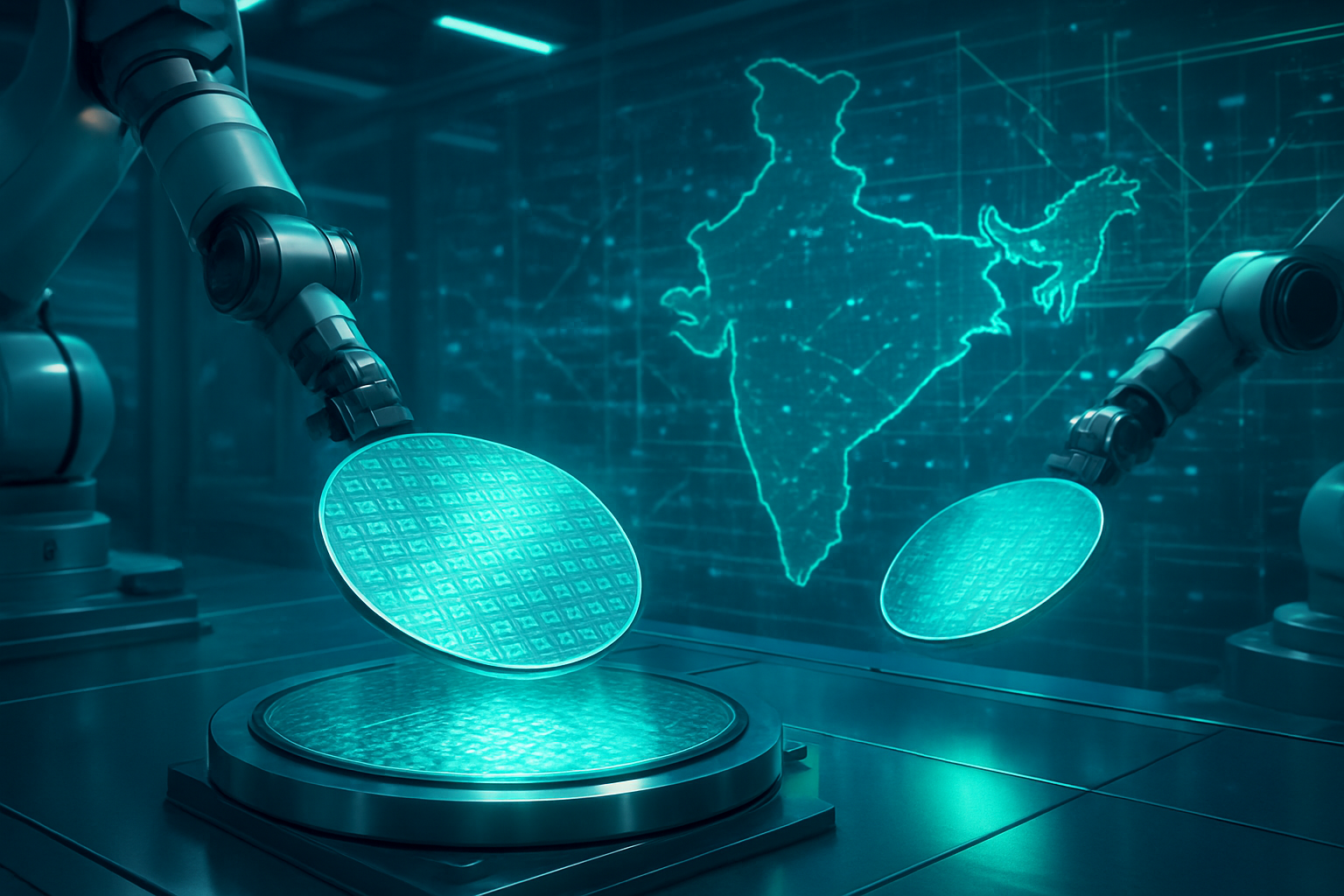
    Bhubaneswar, Odisha – November 1, 2025 – Today marks a pivotal moment in India’s technological journey as the groundbreaking ceremony for SiCSem Private Limited’s compound semiconductor unit takes place in Infovalley, Jatni, Bhubaneswar. Hailed as India's first commercial compound semiconductor fabrication facility and an end-to-end silicon carbide (SiC) semiconductor production plant, this development is set to significantly bolster the nation's capabilities in advanced electronics manufacturing and reduce its reliance on foreign imports. This facility, a subsidiary of Archean Chemical Industries Ltd. (NSE: ACI, BSE: 543665) in collaboration with Clas-SiC Wafer Fab Ltd., UK, positions India at the forefront of the burgeoning global SiC market, critical for the next generation of electric vehicles, renewable energy systems, and high-efficiency power electronics.

    The establishment of this cutting-edge unit signifies a monumental leap for India’s "Make in India" and "Atmanirbhar Bharat" (self-reliant India) initiatives. With an initial investment of approximately ₹2,067 crore, the plant is designed to process 60,000 SiC wafers annually and achieve a packaging capacity of around 96 million units of MOSFETs and diodes. This strategic move is not just about manufacturing; it's about building a foundational technology that underpins numerous high-growth sectors, ensuring India's technological sovereignty and fostering a robust domestic supply chain.

    Technical Prowess and Strategic Differentiation

    The SiCSem facility will specialize in producing Silicon Carbide (SiC) devices, including advanced MOSFETs (Metal-Oxide-Semiconductor Field-Effect Transistors) and diodes. These components are paramount for high-power, high-frequency, and high-temperature applications where traditional silicon-based semiconductors fall short. The technical specifications of SiC devices offer superior efficiency, lower energy losses, and enhanced thermal performance compared to their silicon counterparts, making them indispensable for modern technological demands.

    Specifically, these SiC MOSFETs and diodes will be crucial for the rapidly expanding electric vehicle (EV) sector, enabling more efficient power conversion in inverters and charging systems. Beyond EVs, their applications extend to renewable energy systems (solar inverters, wind turbine converters), smart grid infrastructure, defense equipment, railway systems, fast chargers for consumer electronics, data center racks requiring efficient power management, and a wide array of consumer appliances. The "end-to-end" nature of this plant, covering the entire production process from wafer fabrication to packaging, distinguishes it significantly from previous Indian ventures that often focused on assembly or design. This integrated approach ensures greater control over quality, intellectual property, and supply chain resilience.

    Initial reactions from the Indian tech community and industry experts have been overwhelmingly positive, hailing it as a game-changer. The ability to domestically produce such critical components will not only reduce import costs but also accelerate innovation within Indian industries that rely on these advanced semiconductors. The collaboration with Clas-SiC Wafer Fab Ltd., UK, brings invaluable expertise and technology transfer, further solidifying the technical foundation of the project. It is also important to note that this is part of a broader push in Odisha, with RIR Power Electronics Ltd. also having broken ground on a silicon carbide semiconductor manufacturing facility in September 2024, focusing on high-voltage SiC wafers and devices with an investment of ₹618 crore, further cementing the region's emerging role in advanced semiconductor manufacturing.

    Reshaping the Competitive Landscape

    The establishment of SiCSem’s unit carries profound implications for various companies, from established tech giants to burgeoning startups, both within India and globally. Archean Chemical Industries Ltd. (NSE: ACI, BSE: 543665), through its subsidiary SiCSem, stands to benefit immensely, diversifying its portfolio into a high-growth, high-tech sector. Clas-SiC Wafer Fab Ltd., UK, strengthens its global footprint and partnership strategy.

    Domestically, Indian EV manufacturers, renewable energy solution providers, defense contractors, and electronics companies will find a reliable, local source for critical SiC components, potentially leading to cost reductions, faster product development cycles, and enhanced supply chain security. This development could significantly reduce India's reliance on semiconductor imports from countries like Taiwan, South Korea, and China, fostering greater economic self-sufficiency.

    Competitively, this move positions India as an emerging player in the global compound semiconductor market, which has historically been dominated by a few international giants. While it may not immediately disrupt the market share of established players like Infineon, Wolfspeed, or STMicroelectronics, it signals India's intent to become a significant producer rather than solely a consumer. For major AI labs and tech companies, particularly those developing advanced hardware for data centers and edge computing, the availability of domestically produced, efficient power management components could accelerate the development and deployment of energy-intensive AI solutions within India. This strategic advantage could lead to new partnerships and collaborations, further solidifying India's market positioning in the global tech ecosystem.

    Wider Significance and Global Aspirations

    This groundbreaking ceremony transcends mere industrial expansion; it represents a strategic pivot for India in the global technology arena. Silicon Carbide semiconductors are foundational to the ongoing energy transition and the burgeoning AI revolution. As AI models grow more complex and data centers expand, the demand for highly efficient power electronics to manage energy consumption becomes paramount. SiCSem’s unit directly addresses this need, fitting seamlessly into the broader trends of electrification, digitalization, and sustainable technology.

    The impacts are multi-faceted: economically, it promises to create approximately 5,000 direct and indirect employment opportunities for SiCSem alone, fostering a skilled workforce and boosting regional development in Odisha. Technologically, it enhances India’s self-reliance, a critical aspect of national security in an era of geopolitical uncertainties and supply chain vulnerabilities. Environmentally, the high efficiency of SiC devices contributes to reduced energy consumption and a lower carbon footprint in numerous applications.

    While the immediate focus is on SiC, this development can be seen as a stepping stone, comparable to India's early efforts in establishing silicon wafer fabrication plants. It signals the nation's commitment to mastering advanced semiconductor manufacturing, potentially paving the way for future investments in other compound semiconductors like Gallium Nitride (GaN), which are vital for 5G, radar, and satellite communications. Potential concerns, however, include the significant capital expenditure required, the challenge of attracting and retaining highly specialized talent, and navigating intense global competition from well-established players. Nevertheless, this milestone marks a significant stride towards India's ambition of becoming a global manufacturing and innovation hub.

    The Road Ahead: Future Developments and Predictions

    The near-term future will focus on the rapid construction and operationalization of SiCSem’s facility, with a keen eye on the ramp-up of production of SiC MOSFETs and diodes. We can expect to see initial products entering the market within the next few years, catering to domestic demand and potentially exploring export opportunities. Concurrently, RIR Power Electronics’ facility will progress, with Phase 2 targeting completion by December 2027 to establish a full SiC wafer fabrication plant.

    Longer-term developments could include the expansion of SiCSem's capacity, the diversification into other compound semiconductor materials, and the attraction of more ancillary industries and research institutions to the Odisha region, creating a vibrant semiconductor ecosystem. Potential applications on the horizon include advanced power modules for high-speed rail, further integration into aerospace and defense systems, and highly specialized power management solutions for quantum computing and advanced AI hardware.

    Challenges that need to be addressed include continuous investment in research and development to stay competitive, fostering a robust talent pipeline through specialized educational programs, and navigating the complexities of global trade and intellectual property. Experts predict that this initiative will cement India's position as a significant regional hub for compound semiconductor manufacturing, attracting further foreign direct investment and fostering indigenous innovation. The success of these initial ventures will be crucial in demonstrating India's capability to execute complex, high-tech manufacturing projects on a global scale.

    A New Dawn for Indian Electronics

    The groundbreaking ceremony for SiCSem Private Limited’s compound semiconductor unit in Odisha today is more than just a ceremonial event; it represents a strategic inflection point in India's technological narrative. It signifies India's determined entry into the high-stakes world of advanced semiconductor manufacturing, moving beyond mere assembly to foundational production. The key takeaways are clear: India is committed to self-reliance in critical technologies, fostering economic growth, and securing its position in the global digital economy.

    This development holds immense significance in the broader history of technology in India. While not directly an AI chip fabrication plant, the efficient power electronics enabled by SiC are indispensable for the sustainable and scalable deployment of advanced AI infrastructure, from energy-hungry data centers to edge AI devices. It lays a crucial foundation for India's ambitions in AI, EVs, renewable energy, and defense.

    The long-term impact of this venture will be felt across generations, transforming India from a technology consumer to a technology producer and innovator. It will inspire further investments, cultivate a highly skilled workforce, and bolster national security. In the coming weeks and months, all eyes will be on the progress of construction, the initiation of production, and further policy announcements supporting India's burgeoning semiconductor ambitions. This is a journey that promises to reshape India's technological destiny.


    This content is intended for informational purposes only and represents analysis of current AI developments.

    TokenRing AI delivers enterprise-grade solutions for multi-agent AI workflow orchestration, AI-powered development tools, and seamless remote collaboration platforms.
    For more information, visit https://www.tokenring.ai/.
  • October’s Battery Pulse: Geopolitics, Innovation, and Supply Chain Reshaping

    October’s Battery Pulse: Geopolitics, Innovation, and Supply Chain Reshaping

    October 2025 proved to be a pivotal month for the global battery industry, characterized by a complex interplay of geopolitical strategy, technological innovation, and significant shifts in supply chain dynamics. From the unexpected collapse of a major battery component plant in Michigan to a landmark critical minerals deal between the United States and Australia, and General Motors' (NYSE: GM) ambitious strides in Lithium Manganese Rich (LMR) battery technology, the month underscored the rapid evolution and strategic importance of energy storage. These developments collectively highlight a global race for battery dominance, driven by the escalating demand for electric vehicles (EVs) and renewable energy solutions, while also revealing the intricate challenges of international collaboration and material sourcing.

    Strategic Shifts and Technical Frontiers in Battery Technology

    The month's battery news painted a vivid picture of an industry in flux, marked by both setbacks and breakthroughs. The highly anticipated $2.4 billion electric vehicle (EV) battery plant by Gotion Inc. (SHE: 002074) near Big Rapids, Michigan, officially became defunct on October 23, 2025. Michigan state officials announced Gotion was in default of its agreement, citing the company's failure to meet contractual milestones and lack of meaningful progress for over a year. This cancellation, stemming from years of controversy, lawsuits, local opposition, and intense scrutiny over Gotion's ties to China, represents a significant blow to Michigan's aspirations of localizing EV battery component manufacturing and creating 2,350 jobs. The state is now seeking to recoup $23.6 million used for land purchase and has halted a $125 million state grant, underscoring the geopolitical sensitivities impacting foreign direct investment in critical sectors.

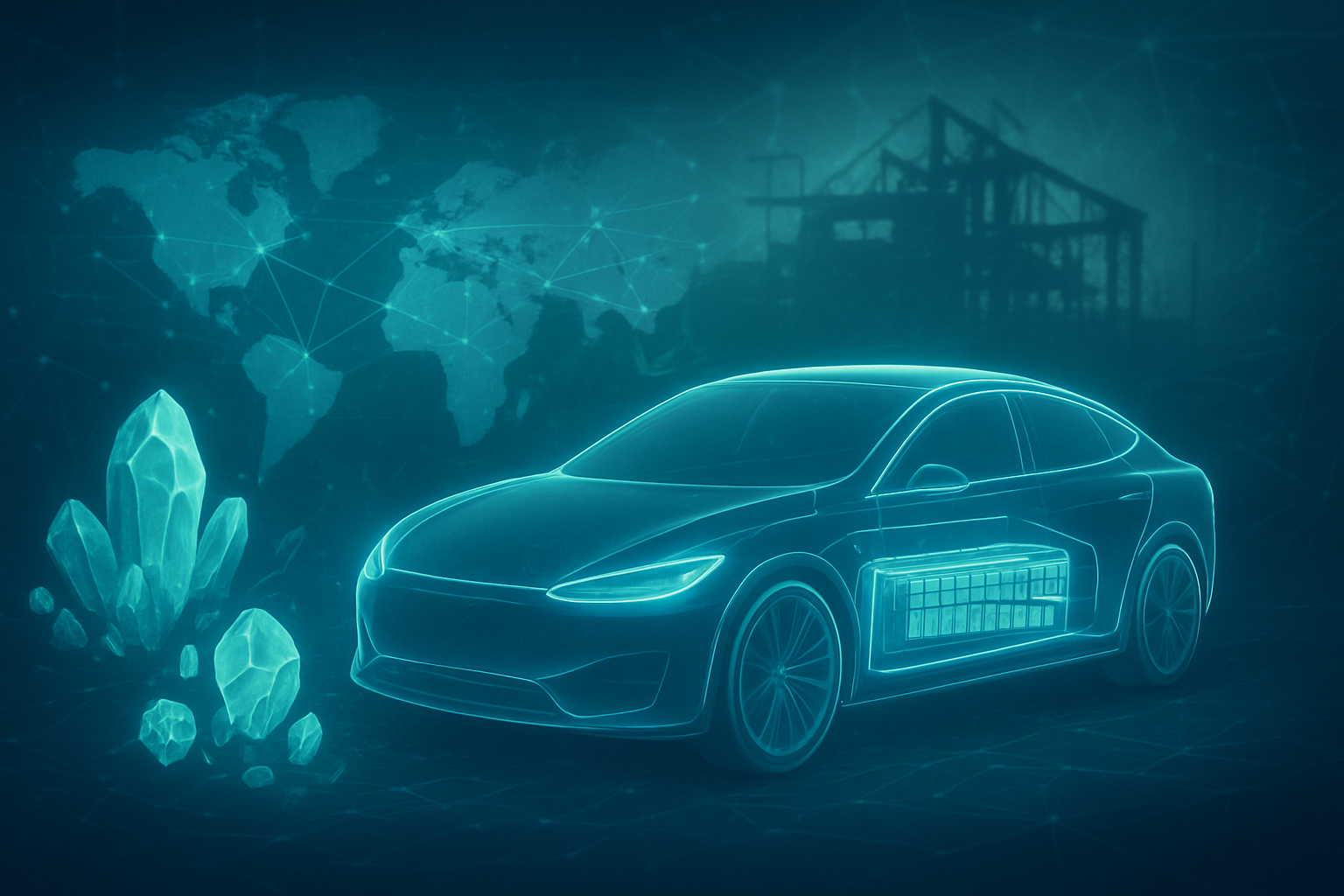
    In stark contrast, a monumental critical minerals deal was formally signed between the United States and Australia on October 20, 2025. This agreement, a key outcome of a bilateral summit between US President Donald Trump and Australian Prime Minister Anthony Albanese, involves an $8.5 billion pipeline of "ready-to-go" projects. The initiative aims to significantly expand Australia's mining and processing capabilities for rare earths and other critical minerals essential for batteries, defense, and clean energy. Specific projects include a US-backed 100-tonne-per-year advanced gallium refinery in Western Australia and a $100 million equity commitment for Arafura Rare Earths Limited's (ASX: ARU) Nolans Rare Earths Development, targeting production by 2027. This strategic alliance is designed to reduce global reliance on Chinese-dominated supply chains, with both nations pledging at least $1 billion each within six months to unlock these projects. The framework also addresses price stabilization, stockpiling, tightened foreign investment screening, and accelerated permitting, signaling a comprehensive approach to securing a resilient supply chain.

    Adding to the technological advancements, General Motors (NYSE: GM) provided an insightful update on its Lithium Manganese Rich (LMR) battery technology at The Battery Show in Detroit on October 10, 2025. Kurt Kelty, GM's Vice President of Batteries, highlighted LMR's potential to deliver a compelling combination of high energy density and lower costs by substantially reducing the need for expensive nickel and cobalt. Instead, LMR leverages more abundant manganese. GM aims for LMR chemistry to provide over 400 miles of range in vehicles like the Silverado EV, targeting an impressive energy density of 270-280 Wh/kg. The company plans to commence mass production of LMR batteries in partnership with LG Energy Solutions by early 2028, initially targeting large electric pickups and SUVs. This technology is positioned to bridge the performance and cost gap between high-nickel chemistries (like NMC) and Lithium Iron Phosphate (LFP) batteries, representing a crucial step in making EVs more accessible and profitable.

    Competitive Implications and Market Repositioning

    These October developments carry profound implications for AI companies, tech giants, and startups across the battery and EV ecosystems. Gotion's Michigan setback is a cautionary tale for foreign companies navigating complex geopolitical landscapes and local opposition. While Gotion loses a strategic US manufacturing foothold, other domestic or less controversial foreign battery manufacturers might see opportunities to fill the void, particularly those aligned with US supply chain localization efforts. For Michigan, it's a missed economic opportunity, potentially damaging its reputation for attracting large-scale foreign investment in critical industries.

    The US-Australia mineral deal, however, stands to significantly benefit Australian mining companies, particularly those involved in rare earths and critical minerals like Arafura Rare Earths Limited (ASX: ARU) and Iluka Resources (ASX: ILU), whose shares surged post-announcement. US battery manufacturers and defense contractors will also gain from a more secure and diversified supply of essential raw materials. This strategic partnership directly challenges China's long-standing dominance in critical mineral processing, fostering a more competitive global landscape and potentially spurring investment in Western processing capabilities. For tech giants heavily invested in EVs and renewable energy, this deal offers a pathway to de-risk their supply chains and reduce exposure to geopolitical tensions. Startups focusing on advanced mining, processing, and recycling technologies for critical minerals could also see increased investment and partnership opportunities.

    General Motors' (NYSE: GM) advancements in LMR battery technology are a strategic play to gain a competitive edge in the fiercely contested EV market. By reducing reliance on expensive and geopolitically sensitive materials like cobalt and nickel, GM aims to lower EV production costs and increase profitability, a crucial factor for mainstream EV adoption. This move could disrupt competitors heavily invested in traditional high-nickel chemistries, forcing them to accelerate their own research into alternative, more cost-effective battery chemistries. If successful, LMR technology could allow GM to offer more affordable, long-range EVs, potentially "winning back battery leadership" and strengthening its market positioning against both established automakers and emerging EV pure-plays. The partnership with LG Energy Solutions also underscores the importance of strategic alliances in battery development and manufacturing.

    Broader Significance and Global Trends

    October's battery news fits squarely into the broader AI landscape and trends, particularly concerning the foundational energy infrastructure required to power AI's exponential growth, from data centers to autonomous systems. The Gotion plant's cancellation highlights the increasing scrutiny on supply chain origins and national security concerns, influencing where critical manufacturing assets are located. This trend of "friend-shoring" or reshoring supply chains is a direct response to geopolitical tensions and the desire for greater economic resilience.

    The US-Australia critical minerals deal is a landmark event in the global effort to diversify supply chains away from single points of failure, particularly China. It signals a new era of resource nationalism and strategic alliances, where governments actively coordinate to secure access to essential materials. This initiative will not only impact the battery industry but also defense, advanced manufacturing, and other high-tech sectors reliant on rare earths and critical minerals. It represents a significant step towards creating a more robust and geographically diversified mineral supply chain, mitigating risks associated with trade disputes and geopolitical leverage. This compares to previous milestones where globalized supply chains were favored; now, resilience and security are paramount.

    GM's LMR battery work is a testament to the ongoing innovation within battery chemistry, driven by the dual imperatives of performance and cost reduction. As AI-powered design tools accelerate material discovery, advancements like LMR are crucial for democratizing EV access and reducing the environmental footprint associated with mining rare and controversial elements. The shift towards more abundant materials like manganese aligns with broader sustainability goals and could mitigate potential concerns over resource depletion and ethical sourcing. While LMR still faces challenges regarding long-term longevity and degradation, its potential to offer a compelling balance of range and affordability makes it a significant development for the future of transportation and energy storage.

    Future Developments and Expert Predictions

    Looking ahead, the fallout from the Gotion project's cancellation will likely see Michigan continuing its efforts to recoup funds and reassess its foreign investment strategies, potentially prioritizing partnerships with companies having stronger domestic ties or less geopolitical baggage. This event could also prompt other states and nations to review their critical industry investment policies, emphasizing supply chain security and local economic benefits.

    The US-Australia critical minerals deal is expected to accelerate investment in Australian mining and processing capabilities significantly. We can anticipate more announcements regarding specific projects, financing mechanisms, and regulatory streamlining in the coming months. This bilateral framework could serve as a blueprint for similar deals between the US and other mineral-rich nations, further reshaping global critical mineral supply chains. Experts predict a gradual but significant reduction in reliance on Chinese processing, fostering a more diversified and resilient global market for battery materials. The focus will also likely expand to include recycling technologies for critical minerals, creating a circular economy approach.

    For General Motors (NYSE: GM), the next few years will be critical for validating LMR battery technology. Expect continued rigorous testing for durability, cycle life, and safety, as well as further refinement of manufacturing processes in collaboration with LG Energy Solutions. The 2028 mass production target for LMR batteries for large electric pickups and SUVs suggests that GM is confident in overcoming current technical hurdles, but the industry will be closely watching for updates on performance and cost metrics. Experts predict that if GM successfully deploys LMR, other automakers will likely follow suit, accelerating the adoption of manganese-rich chemistries and further driving down EV costs, making electric mobility a more viable option for a broader consumer base. Challenges around scaling production and ensuring consistent quality will need to be addressed.

    A Month That Reshaped Battery Futures

    October 2025 will be remembered as a month of profound shifts in the battery landscape, underscoring the interconnectedness of geopolitics, technological innovation, and economic strategy. The termination of Gotion's Michigan plant serves as a stark reminder of the complexities and sensitivities involved in securing critical manufacturing capabilities, particularly in an era of heightened international competition. It highlights the imperative for robust due diligence and community engagement in large-scale industrial projects.

    Conversely, the US-Australia critical minerals deal represents a decisive move towards building resilient and diversified supply chains for the materials essential to the clean energy transition. This strategic alliance is a powerful statement about the future of global resource allocation, prioritizing security and stability over unchecked globalization. It marks a significant step in de-risking the supply of materials crucial for everything from EV batteries to advanced AI hardware.

    Finally, General Motors' (NYSE: GM) continued advancements in LMR battery technology showcase the relentless pursuit of innovation aimed at making electric vehicles more affordable and accessible. By targeting a balance of high energy density and lower costs through the use of more abundant materials, GM is pushing the boundaries of what's possible in battery chemistry. This could be a game-changer for EV adoption, ultimately accelerating the transition to a sustainable transportation future.

    In the coming weeks and months, the industry will be watching for further details on the implementation of the US-Australia mineral deal, the strategic realignment of battery manufacturing investments in the US, and critical updates on GM's LMR battery development and testing. These events collectively signify a dynamic and transformative period for the battery industry, with far-reaching implications for global economies, environmental sustainability, and technological progress.


    This content is intended for informational purposes only and represents analysis of current AI developments.

    TokenRing AI delivers enterprise-grade solutions for multi-agent AI workflow orchestration, AI-powered development tools, and seamless remote collaboration platforms.
    For more information, visit https://www.tokenring.ai/.

  • Wolfspeed’s Pivotal Earnings: A Bellwether for AI’s Power-Hungry Future

    Wolfspeed’s Pivotal Earnings: A Bellwether for AI’s Power-Hungry Future

    As the artificial intelligence industry continues its relentless expansion, demanding ever more powerful and energy-efficient hardware, all eyes are turning to Wolfspeed (NYSE: WOLF), a critical enabler of next-generation power electronics. The company is set to release its fiscal first-quarter 2026 earnings report on Wednesday, October 29, 2025, an event widely anticipated to offer significant insights into the health of the wide-bandgap semiconductor market and its implications for the broader AI ecosystem. This report comes at a crucial juncture for Wolfspeed, following a recent financial restructuring and amidst a cautious market sentiment, making its upcoming disclosures pivotal for investors and AI innovators alike.

    Wolfspeed's performance is more than just a company-specific metric; it serves as a barometer for the underlying infrastructure powering the AI revolution. Its specialized silicon carbide (SiC) and gallium nitride (GaN) technologies are foundational to advanced power management solutions, directly impacting the efficiency and scalability of data centers, electric vehicles (EVs), and renewable energy systems—all pillars supporting AI's growth. The upcoming report will not only detail Wolfspeed's financial standing but will also provide a glimpse into the demand trends for high-performance power semiconductors, revealing the pace at which AI's insatiable energy appetite is being addressed by cutting-edge hardware.

    Wolfspeed's Wide-Bandgap Edge: Powering AI's Efficiency Imperative

    Wolfspeed stands at the forefront of wide-bandgap (WBG) semiconductor technology, specializing in silicon carbide (SiC) and gallium nitride (GaN) materials and devices. These materials are not merely incremental improvements over traditional silicon; they represent a fundamental shift, offering superior properties such as higher thermal conductivity, greater breakdown voltages, and significantly faster switching speeds. For the AI sector, these technical advantages translate directly into reduced power losses and lower thermal loads, critical factors in managing the escalating energy demands of AI chipsets and data centers. For instance, Wolfspeed's Gen 4 SiC technology, introduced in early 2025, boasts the ability to slash thermal loads in AI data centers by a remarkable 40% compared to silicon-based systems, drastically cutting cooling costs which can comprise up to 40% of data center operational expenses.

    Despite its technological leadership and strategic importance, Wolfspeed has faced recent challenges. Its Q4 fiscal year 2025 results revealed a decline in revenue, negative GAAP gross margins, and a GAAP loss per share, attributed partly to sluggish demand in the EV and renewable energy markets. However, the company recently completed a Chapter 11 financial restructuring in September 2025, which significantly reduced its total debt by 70% and annual cash interest expense by 60%, positioning it on a stronger financial footing. Management has provided a cautious outlook for fiscal year 2026, anticipating lower revenue than consensus estimates and continued net losses in the short term. Nevertheless, with new leadership at the helm, Wolfspeed is aggressively focusing on scaling its 200mm SiC wafer production and forging strategic partnerships to leverage its robust technological foundation.

    The differentiation of Wolfspeed's technology lies in its ability to enable power density and efficiency that silicon simply cannot match. SiC's superior thermal conductivity allows for more compact and efficient server power supplies, crucial for meeting stringent efficiency standards like 80+ Titanium in data centers. GaN's high-frequency capabilities are equally vital for AI workloads that demand minimal energy waste and heat generation. While the recent financial performance reflects broader market headwinds, Wolfspeed's core innovation remains indispensable for the future of high-performance, energy-efficient AI infrastructure.

    Competitive Currents: How Wolfspeed's Report Shapes the AI Hardware Landscape

    Wolfspeed's upcoming earnings report carries substantial weight for a wide array of AI companies, tech giants, and burgeoning startups. Companies heavily invested in AI infrastructure, such as hyperscale cloud providers (e.g., Amazon (NASDAQ: AMZN), Google (NASDAQ: GOOGL), Microsoft (NASDAQ: MSFT)) and specialized AI hardware manufacturers, rely on efficient power solutions to manage the colossal energy consumption of their data centers. A strong performance or a clear strategic roadmap from Wolfspeed could signal stability and availability in the supply of critical SiC components, reassuring these companies about their ability to scale AI operations efficiently. Conversely, any indications of prolonged market softness or production delays could force a re-evaluation of supply chain strategies and potentially slow down the deployment of next-generation AI hardware.

    The competitive implications are also significant. Wolfspeed is a market leader in SiC, holding over 30% of the global EV semiconductor supply chain, and its technology is increasingly vital for power modules in high-voltage EV architectures. As autonomous vehicles become a key application for AI, the reliability and efficiency of power electronics supplied by companies like Wolfspeed directly impact the performance and range of these sophisticated machines. Any shifts in Wolfspeed's market positioning, whether due to increased competition from other WBG players or internal execution, will ripple through the automotive and industrial AI sectors. Startups developing novel AI-powered devices, from advanced robotics to edge AI applications, also benefit from the continued innovation and availability of high-efficiency power components that enable smaller form factors and extended battery life.

    Potential disruption to existing products or services could arise if Wolfspeed's technological advancements or production capabilities outpace competitors. For instance, if Wolfspeed successfully scales its 200mm SiC wafer production faster and more cost-effectively, it could set a new industry benchmark, putting pressure on competitors to accelerate their own WBG initiatives. This could lead to a broader adoption of SiC across more applications, potentially disrupting traditional silicon-based power solutions in areas where energy efficiency and power density are paramount. Market positioning and strategic advantages will increasingly hinge on access to and mastery of these advanced materials, making Wolfspeed's trajectory a key indicator for the direction of AI-enabling hardware.

    Broader Significance: Wolfspeed's Role in AI's Sustainable Future

    Wolfspeed's earnings report transcends mere financial figures; it is a critical data point within the broader AI landscape, reflecting key trends in energy efficiency, supply chain resilience, and the drive towards sustainable computing. The escalating power demands of AI models and infrastructure are well-documented, making the adoption of highly efficient power semiconductors like SiC and GaN not just an economic choice but an environmental imperative. Wolfspeed's performance will offer insights into how quickly industries are transitioning to these advanced materials to curb energy consumption and reduce the carbon footprint of AI.

    The impacts of Wolfspeed's operations extend to global supply chains, particularly as nations prioritize domestic semiconductor manufacturing. As a major producer of SiC, Wolfspeed's production ramp-up, especially at its 200mm SiC wafer facility, is crucial for diversifying and securing the supply of these strategic materials. Any challenges or successes in their manufacturing scale-up will highlight the complexities and investments required to meet the accelerating demand for advanced semiconductors globally. Concerns about market saturation in specific segments, like the cautious outlook for EV demand, could also signal broader economic headwinds that might affect AI investments in related hardware.

    Comparing Wolfspeed's current situation to previous AI milestones, its role is akin to that of foundational chip manufacturers during earlier computing revolutions. Just as Intel (NASDAQ: INTC) provided the processors for the PC era, and NVIDIA (NASDAQ: NVDA) became synonymous with AI accelerators, Wolfspeed is enabling the power infrastructure that underpins these advancements. Its wide-bandgap technologies are pivotal for managing the energy requirements of large language models (LLMs), high-performance computing (HPC), and the burgeoning field of edge AI. The report will help assess the pace at which these essential power components are being integrated into the AI value chain, serving as a bellwether for the industry's commitment to sustainable and scalable growth.

    The Road Ahead: Wolfspeed's Strategic Pivots and AI's Power Evolution

    Looking ahead, Wolfspeed's strategic focus on scaling its 200mm SiC wafer production is a critical near-term development. This expansion is vital for meeting the anticipated long-term demand for high-performance power devices, especially as AI continues to proliferate across industries. Experts predict that successful execution of this ramp-up will solidify Wolfspeed's market leadership and enable broader adoption of SiC in new applications. Potential applications on the horizon include more efficient power delivery systems for next-generation AI accelerators, compact power solutions for advanced robotics, and enhanced energy storage systems for AI-driven smart grids.

    However, challenges remain. The company's cautious outlook regarding short-term revenue and continued net losses suggests that market headwinds, particularly in the EV and renewable energy sectors, are still a factor. Addressing these demand fluctuations while simultaneously investing heavily in manufacturing expansion will require careful financial management and strategic agility. Furthermore, increased competition in the WBG space from both established players and emerging entrants could put pressure on pricing and market share. Experts predict that Wolfspeed's ability to innovate, secure long-term supply agreements with key partners, and effectively manage its production costs will be paramount for its sustained success.

    What experts predict will happen next is a continued push for higher efficiency and greater power density in AI hardware, making Wolfspeed's technologies even more indispensable. The company's renewed financial stability post-restructuring, coupled with its new leadership, provides a foundation for aggressive pursuit of these market opportunities. The industry will be watching for signs of increased order bookings, improved gross margins, and clearer guidance on the utilization rates of its new manufacturing facilities as indicators of its recovery and future trajectory in powering the AI revolution.

    Comprehensive Wrap-up: A Critical Juncture for AI's Power Backbone

    Wolfspeed's upcoming earnings report is more than just a quarterly financial update; it is a significant event for the entire AI industry. The key takeaways will revolve around the demand trends for wide-bandgap semiconductors, Wolfspeed's operational efficiency in scaling its SiC production, and its financial health following restructuring. Its performance will offer a critical assessment of the pace at which the AI sector is adopting advanced power management solutions to address its growing energy consumption and thermal challenges.

    In the annals of AI history, this period marks a crucial transition towards more sustainable and efficient hardware infrastructure. Wolfspeed, as a leader in SiC and GaN, is at the heart of this transition. Its success or struggle will underscore the broader industry's capacity to innovate at the foundational hardware level to meet the demands of increasingly complex AI models and widespread deployment. The long-term impact of this development lies in its potential to accelerate the adoption of energy-efficient AI systems, thereby mitigating environmental concerns and enabling new frontiers in AI applications that were previously constrained by power limitations.

    In the coming weeks and months, all eyes will be on Wolfspeed's ability to convert its technological leadership into profitable growth. Investors and industry observers will be watching for signs of improved market demand, successful ramp-up of 200mm SiC production, and strategic partnerships that solidify its position. The October 29th earnings call will undoubtedly provide critical clarity on these fronts, offering a fresh perspective on the trajectory of a company whose technology is quietly powering the future of artificial intelligence.


    This content is intended for informational purposes only and represents analysis of current AI developments.

    TokenRing AI delivers enterprise-grade solutions for multi-agent AI workflow orchestration, AI-powered development tools, and seamless remote collaboration platforms.
    For more information, visit https://www.tokenring.ai/.

  • Navitas and Nvidia Forge Alliance: GaN Powering the AI Revolution

    Navitas and Nvidia Forge Alliance: GaN Powering the AI Revolution

    SAN JOSE, CA – October 2, 2025 – In a landmark development that promises to reshape the landscape of artificial intelligence infrastructure, Navitas Semiconductor (NASDAQ: NVTS), a leading innovator in Gallium Nitride (GaN) and Silicon Carbide (SiC) power semiconductors, announced a strategic partnership with AI computing titan Nvidia (NASDAQ: NVDA). Unveiled on May 21, 2025, this collaboration is set to revolutionize power delivery in AI data centers, enabling the next generation of high-performance computing through advanced 800V High Voltage Direct Current (HVDC) architectures. The alliance underscores a critical shift towards more efficient, compact, and sustainable power solutions, directly addressing the escalating energy demands of modern AI workloads and laying the groundwork for exascale computing.

    The partnership sees Navitas providing its cutting-edge GaNFast™ and GeneSiC™ power semiconductors to support Nvidia's 'Kyber' rack-scale systems, designed to power future GPUs such as the Rubin Ultra. This move is not merely an incremental upgrade but a fundamental re-architecture of data center power, aiming to push server rack capacities to 1-megawatt (MW) and beyond, far surpassing the limitations of traditional 54V systems. The implications are profound, promising significant improvements in energy efficiency, reduced operational costs, and a substantial boost in the scalability and reliability of the infrastructure underpinning the global AI boom.

    The Technical Backbone: GaN, SiC, and the 800V Revolution

    The core of this AI advancement lies in the strategic deployment of wide-bandgap semiconductors—Gallium Nitride (GaN) and Silicon Carbide (SiC)—within an 800V HVDC architecture. As AI models, particularly large language models (LLMs), grow in complexity and computational appetite, the power consumption of data centers has become a critical bottleneck. Nvidia's next-generation AI processors, like the Blackwell B100 and B200 chips, are anticipated to demand 1,000W or more each, pushing traditional 54V power distribution systems to their physical limits.

    Navitas' contribution includes its GaNSafe™ power ICs, which integrate control, drive, sensing, and critical protection features, offering enhanced reliability and robustness with features like sub-350ns short-circuit protection. Complementing these are GeneSiC™ Silicon Carbide MOSFETs, optimized for high-power, high-voltage applications with proprietary 'trench-assisted planar' technology that ensures superior performance and extended lifespan. These technologies, combined with Navitas' patented IntelliWeave™ digital control technique, enable Power Factor Correction (PFC) peak efficiencies of up to 99.3% and reduce power losses by 30% compared to existing solutions. Navitas has already demonstrated 8.5 kW AI data center power supplies achieving 98% efficiency and 4.5 kW platforms pushing densities over 130W/in³.

    This 800V HVDC approach fundamentally differs from previous 54V systems. Legacy 54V DC systems, while established, require bulky copper busbars to handle high currents, leading to significant I²R losses (power loss proportional to the square of the current) and physical limits around 200 kW per rack. Scaling to 1MW with 54V would demand over 200 kg of copper, an unsustainable proposition. By contrast, the 800V HVDC architecture significantly reduces current for the same power, drastically cutting I²R losses and allowing for a remarkable 45% reduction in copper wiring thickness. Furthermore, Nvidia's strategy involves converting 13.8 kV AC grid power directly to 800V HVDC at the data center perimeter using solid-state transformers, streamlining power conversion and maximizing efficiency by eliminating several intermediate AC/DC and DC/DC stages. GaN excels in high-speed, high-efficiency secondary-side DC-DC conversion, while SiC handles the higher voltages and temperatures of the initial stages.

    Initial reactions from the AI research community and industry experts have been overwhelmingly positive. The partnership is seen as a major validation of Navitas' leadership in next-generation power semiconductors. Analysts and investors have responded enthusiastically, with Navitas' stock experiencing a significant surge of over 125% post-announcement, reflecting the perceived importance of this collaboration for the future of AI infrastructure. Experts emphasize Navitas' crucial role in overcoming AI's impending "power crisis," stating that without such advancements, data centers could literally run out of power, hindering AI's exponential growth.

    Reshaping the Tech Landscape: Benefits, Disruptions, and Competitive Edge

    The Navitas-Nvidia partnership and the broader expansion of GaN collaborations are poised to significantly impact AI companies, tech giants, and startups across various sectors. The inherent advantages of GaN—higher efficiency, faster switching speeds, increased power density, and superior thermal management—are precisely what the power-hungry AI industry demands.

    Which companies stand to benefit?
    At the forefront is Navitas Semiconductor (NASDAQ: NVTS) itself, validated as a critical supplier for AI infrastructure. The Nvidia partnership alone represents a projected $2.6 billion market opportunity for Navitas by 2030, covering multiple power conversion stages. Its collaborations with GigaDevice for microcontrollers and Powerchip Semiconductor Manufacturing Corporation (PSMC) for 8-inch GaN wafer production further solidify its supply chain and ecosystem. Nvidia (NASDAQ: NVDA) gains a strategic advantage by ensuring its cutting-edge GPUs are not bottlenecked by power delivery, allowing for continuous innovation in AI hardware. Hyperscale cloud providers like Amazon (NASDAQ: AMZN), Microsoft (NASDAQ: MSFT), and Google (NASDAQ: GOOGL), which operate vast AI-driven data centers, stand to benefit immensely from the increased efficiency, reduced operational costs, and enhanced scalability offered by GaN-powered infrastructure. Beyond AI, electric vehicle (EV) manufacturers like Changan Auto, and companies in solar and energy storage, are already adopting Navitas' GaN technology for more efficient chargers, inverters, and power systems.

    Competitive implications are significant. GaN technology is challenging the long-standing dominance of traditional silicon, offering an order of magnitude improvement in performance and the potential to replace over 70% of existing architectures in various applications. While established competitors like Infineon Technologies (ETR: IFX), Wolfspeed (NYSE: WOLF), STMicroelectronics (NYSE: STM), and Power Integrations (NASDAQ: POWI) are also investing heavily in wide-bandgap semiconductors, Navitas differentiates itself with its integrated GaNFast™ ICs, which simplify design complexity for customers. The rapidly growing GaN and SiC power semiconductor market, projected to reach $23.52 billion by 2032 from $1.87 billion in 2023, signals intense competition and a dynamic landscape.

    Potential disruption to existing products or services is considerable. The transition to 800V HVDC architectures will fundamentally disrupt existing 54V data center power systems. GaN-enabled Power Supply Units (PSUs) can be up to three times smaller and achieve efficiencies over 98%, leading to a rapid shift away from larger, less efficient silicon-based power conversion solutions in servers and consumer electronics. Reduced heat generation from GaN devices will also lead to more efficient cooling systems, impacting the design and energy consumption of data center climate control. In the EV sector, GaN integration will accelerate the development of smaller, more efficient, and faster-charging power electronics, affecting current designs for onboard chargers, inverters, and motor control.

    Market positioning and strategic advantages for Navitas are bolstered by its "pure-play" focus on GaN and SiC, offering integrated solutions that simplify design. The Nvidia partnership serves as a powerful validation, securing Navitas' position as a critical supplier in the booming AI infrastructure market. Furthermore, its partnership with Powerchip for 8-inch GaN wafer production helps secure its supply chain, particularly as other major foundries scale back. This broad ecosystem expansion across AI data centers, EVs, solar, and mobile markets, combined with a robust intellectual property portfolio of over 300 patents, gives Navitas a strong competitive edge.

    Broader Significance: Powering AI's Future Sustainably

    The integration of GaN technology into critical AI infrastructure, spearheaded by the Navitas-Nvidia partnership, represents a foundational shift that extends far beyond mere component upgrades. It addresses one of the most pressing challenges facing the broader AI landscape: the insatiable demand for energy. As AI models grow exponentially, data centers are projected to consume a staggering 21% of global electricity by 2030, up from 1-2% today. GaN and SiC are not just enabling efficiency; they are enabling sustainability and scalability.

    This development fits into the broader AI trend of increasing computational intensity and the urgent need for green computing. While previous AI milestones focused on algorithmic breakthroughs – from Deep Blue to AlphaGo to the advent of large language models like ChatGPT – the significance of GaN is as a critical infrastructural enabler. It's not about what AI can do, but how AI can continue to grow and operate at scale without hitting insurmountable power and thermal barriers. GaN's ability to offer higher efficiency (over 98% for power supplies), greater power density (tripling it in some cases), and superior thermal management is directly contributing to lower operational costs, reduced carbon footprints, and optimized real estate utilization in data centers. The shift to 800V HVDC, facilitated by GaN, can reduce energy losses by 30% and copper usage by 45%, translating to thousands of megatons of CO2 savings annually by 2050.

    Potential concerns, while overshadowed by the benefits, include the high market valuation of Navitas, with some analysts suggesting that the full financial impact may take time to materialize. Cost and scalability challenges for GaN manufacturing, though addressed by partnerships like the one with Powerchip, remain ongoing efforts. Competition from other established semiconductor giants also persists. It's crucial to distinguish between Gallium Nitride (GaN) power electronics and Generative Adversarial Networks (GANs), the AI algorithm. While not directly related, the overall AI landscape faces ethical concerns such as data privacy, algorithmic bias, and security risks (like "GAN poisoning"), all of which are indirectly impacted by the need for efficient power solutions to sustain ever-larger and more complex AI systems.

    Compared to previous AI milestones, which were primarily algorithmic breakthroughs, the GaN revolution is a paradigm shift in the underlying power infrastructure. It's akin to the advent of the internet itself – a fundamental technological transformation that enables everything built upon it to function more effectively and sustainably. Without these power innovations, the exponential growth and widespread deployment of advanced AI, particularly in data centers and at the edge, would face severe bottlenecks related to energy supply, heat dissipation, and physical space. GaN is the silent enabler, the invisible force allowing AI to continue its rapid ascent.

    The Road Ahead: Future Developments and Expert Predictions

    The partnership between Navitas Semiconductor and Nvidia, along with Navitas' expanded GaN collaborations, signals a clear trajectory for future developments in AI power infrastructure and beyond. Both near-term and long-term advancements are expected to solidify GaN's position as a cornerstone technology.

    In the near-term (1-3 years), we can expect to see an accelerated rollout of GaN-based power supplies in data centers, pushing efficiencies above 98% and power densities to new highs. Navitas' plans to introduce 8-10kW power platforms by late 2024 to meet 2025 AI requirements illustrate this rapid pace. Hybrid solutions integrating GaN with SiC are also anticipated, optimizing cost and performance for diverse AI applications. The adoption of low-voltage GaN devices for 48V power distribution in data centers and consumer electronics will continue to grow, enabling smaller, more reliable, and cooler-running systems. In the electric vehicle sector, GaN is set to play a crucial role in enabling 800V EV architectures, leading to more efficient vehicles, faster charging, and lighter designs, with companies like Changan Auto already launching GaN-based onboard chargers. Consumer electronics will also benefit from smaller, faster, and more efficient GaN chargers.

    Long-term (3-5+ years), the impact will be even more profound. The Navitas-Nvidia partnership aims to enable exascale computing infrastructure, targeting a 100x increase in server rack power capacity and addressing a $2.6 billion market opportunity by 2030. Furthermore, AI itself is expected to integrate with power electronics, leading to "cognitive power electronics" capable of predictive maintenance and real-time health monitoring, potentially predicting failures days in advance. Continued advancements in 200mm GaN-on-silicon production, leveraging advanced CMOS processes, will drive down costs, increase manufacturing yields, and enhance the performance of GaN devices across various voltage ranges. The widespread adoption of 800V DC architectures will enable highly efficient, scalable power delivery for the most demanding AI workloads, ensuring greater reliability and reducing infrastructure complexity.

    Potential applications and use cases on the horizon are vast. Beyond AI data centers and cloud computing, GaN will be critical for high-performance computing (HPC) and AI clusters, where stable, high-power delivery with low latency is paramount. Its advantages will extend to electric vehicles, renewable energy systems (solar inverters, energy storage), edge AI deployments (powering autonomous vehicles, industrial IoT, smart cities), and even advanced industrial applications and home appliances.

    Challenges that need to be addressed include the ongoing efforts to further reduce the cost of GaN devices and scale up production, though partnerships like Navitas' with Powerchip are directly tackling these. Seamless integration of GaN devices with existing silicon-based systems and power delivery architectures requires careful design. Ensuring long-term reliability and robustness in demanding high-power, high-temperature environments, as well as managing thermal aspects in ultra-high-density applications, remain key design considerations. Furthermore, a limited talent pool with expertise in these specialized areas and the need for resilient supply chains are important factors for sustained growth.

    Experts predict a significant and sustained expansion of GaN's market, particularly in AI data centers and electric vehicles. Infineon Technologies anticipates GaN reaching major adoption milestones by 2025 across mobility, communication, AI data centers, and rooftop solar, with plans for hybrid GaN-SiC solutions. Alex Lidow, CEO of EPC, sees GaN making significant inroads into AI server cards' DC/DC converters, with the next logical step being the AI rack AC/DC system. He highlights multi-level GaN solutions as optimal for addressing tight form factors as power levels surge beyond 8 kW. Navitas' strategic partnerships are widely viewed as "masterstrokes" that will secure a pivotal role in powering AI's next phase. Despite the challenges, the trends of mass production scaling and maturing design processes are expected to drive down GaN prices, solidifying its position as an indispensable complement to silicon in the era of AI.

    Comprehensive Wrap-Up: A New Era for AI Power

    The partnership between Navitas Semiconductor and Nvidia, alongside Navitas' broader expansion of Gallium Nitride (GaN) collaborations, represents a watershed moment in the evolution of AI infrastructure. This development is not merely an incremental improvement but a fundamental re-architecture of how artificial intelligence is powered, moving towards vastly more efficient, compact, and scalable solutions.

    Key takeaways include the critical shift to 800V HVDC architectures, enabled by Navitas' GaN and SiC technologies, which directly addresses the escalating power demands of AI data centers. This move promises up to a 5% improvement in end-to-end power efficiency, a 45% reduction in copper wiring, and a 70% decrease in maintenance costs, all while enabling server racks to handle 1 MW of power and beyond. The collaboration validates GaN as a mature and indispensable technology for high-performance computing, with significant implications for energy sustainability and operational economics across the tech industry.

    In the grand tapestry of AI history, this development marks a crucial transition from purely algorithmic breakthroughs to foundational infrastructural advancements. While previous milestones focused on what AI could achieve, this partnership focuses on how AI can continue to scale and thrive without succumbing to power and thermal limitations. It's an assessment of this development's significance as an enabler – a "paradigm shift" in power electronics that is as vital to the future of AI as the invention of the internet was to information exchange. Without such innovations, the exponential growth of AI and its widespread deployment in data centers, autonomous vehicles, and edge computing would face severe bottlenecks.

    Final thoughts on long-term impact point to a future where AI is not only more powerful but also significantly more sustainable. The widespread adoption of GaN will contribute to a substantial reduction in global energy consumption and carbon emissions associated with computing. This partnership sets a new standard for power delivery in high-performance computing, driving innovation across the semiconductor, cloud computing, and electric vehicle industries.

    What to watch for in the coming weeks and months includes further announcements regarding the deployment timelines of 800V HVDC systems, particularly as Nvidia's next-generation GPUs come online. Keep an eye on Navitas' production scaling efforts with Powerchip, which will be crucial for meeting anticipated demand, and observe how other major semiconductor players respond to this strategic alliance. The ripple effects of this partnership are expected to accelerate GaN adoption across various sectors, making power efficiency and density a key battleground in the ongoing race for AI supremacy.

    This content is intended for informational purposes only and represents analysis of current AI developments.

    TokenRing AI delivers enterprise-grade solutions for multi-agent AI workflow orchestration, AI-powered development tools, and seamless remote collaboration platforms.
    For more information, visit https://www.tokenring.ai/.
  • Electric Revolution Fuels Semiconductor Boom: A New Era for Automotive Innovation

    Electric Revolution Fuels Semiconductor Boom: A New Era for Automotive Innovation

    The automotive industry is undergoing a profound transformation, spearheaded by the rapid ascent of Electric Vehicles (EVs). This electrifying shift is not merely about sustainable transportation; it's a powerful catalyst reshaping the global semiconductor market, driving unprecedented demand and accelerating innovation at an astounding pace. As the world transitions from gasoline-powered engines to electric powertrains, the humble automobile is evolving into a sophisticated, software-defined supercomputer on wheels, with semiconductors becoming its very nervous system.

    This monumental change signifies a new frontier for technological advancement. EVs, by their very nature, are far more reliant on complex electronic systems for everything from propulsion and power management to advanced driver-assistance systems (ADAS) and immersive infotainment. Consequently, the semiconductor content per vehicle is skyrocketing, creating a massive growth engine for chipmakers and fundamentally altering strategic priorities across the tech and automotive sectors. The immediate significance of this trend lies in its potential to redefine competitive landscapes, forge new industry partnerships, and push the boundaries of what's possible in mobility, while also presenting significant challenges related to supply chain resilience and production costs.

    Unpacking the Silicon Heartbeat of Electric Mobility

    The technical demands of electric vehicles are pushing semiconductor innovation into overdrive, moving far beyond the traditional silicon-based chips of yesteryear. An average internal combustion engine (ICE) vehicle contains approximately $400 to $600 worth of semiconductors, but an EV's semiconductor content can range from $1,500 to $3,000 – a two to three-fold increase. This exponential rise is primarily driven by several key areas requiring highly specialized and efficient chips.

    Power semiconductors, constituting 30-40% of an EV's total semiconductor demand, are the backbone of electric powertrains. They manage critical functions like charging, inverter operation, and energy conversion. A major technical leap here is the widespread adoption of Wide-Bandgap (WBG) materials, specifically Silicon Carbide (SiC) and Gallium Nitride (GaN). These materials offer superior efficiency, higher voltage tolerance, and significantly lower energy loss compared to traditional silicon. For instance, SiC demand in automotive power electronics is projected to grow by 30% annually, with SiC adoption in EVs expected to exceed 60% by 2030, up from less than 20% in 2022. This translates to longer EV ranges, faster charging times, and improved overall power density.

    Beyond power management, Battery Management Systems (BMS) are crucial for EV safety and performance, relying on advanced semiconductors to monitor charge, health, and temperature. The market for EV BMS semiconductors is expected to reach $7 billion by 2028, with intelligent BMS chips seeing a 15% CAGR between 2023 and 2030. Furthermore, the push for Advanced Driver-Assistance Systems (ADAS) and, eventually, autonomous driving, necessitates high-performance processors, AI accelerators, and a plethora of sensors (LiDAR, radar, cameras). These systems demand immense computational power to process vast amounts of data in real-time, driving a projected 20% CAGR for AI chips in automotive applications. The shift towards Software-Defined Vehicles (SDVs) also means greater reliance on advanced semiconductors to enable over-the-air updates, real-time data processing, and enhanced functionalities, transforming cars into sophisticated computing platforms rather than just mechanical machines.

    Corporate Maneuvers in the Chip-Driven Automotive Arena

    The surging demand for automotive semiconductors is creating a dynamic competitive landscape, with established chipmakers, automotive giants, and innovative startups all vying for a strategic advantage. Companies like Infineon Technologies AG (ETR: IFX), NXP Semiconductors N.V. (NASDAQ: NXP), STMicroelectronics N.V. (NYSE: STM), and ON Semiconductor Corporation (NASDAQ: ON) are among the primary beneficiaries, experiencing substantial growth in their automotive divisions. These companies are heavily investing in R&D for SiC and GaN technologies, as well as high-performance microcontrollers (MCUs) and System-on-Chips (SoCs) tailored for EV and ADAS applications.

    The competitive implications are significant. Major AI labs and tech companies, such as NVIDIA Corporation (NASDAQ: NVDA) and Intel Corporation (NASDAQ: INTC), are also making aggressive inroads into the automotive sector, particularly in the realm of AI and autonomous driving platforms. NVIDIA's Drive platform, for example, offers a comprehensive hardware and software stack for autonomous vehicles, directly challenging traditional automotive suppliers. This influx of tech giants brings advanced AI capabilities and software expertise, potentially disrupting existing supply chains and forcing traditional automotive component manufacturers to adapt quickly or risk being marginalized. Automakers, in turn, are increasingly forming direct partnerships with semiconductor suppliers, and some, like Tesla Inc. (NASDAQ: TSLA), are even designing their own chips to secure supply and gain a competitive edge in performance and cost.

    This strategic pivot is leading to potential disruptions for companies that fail to innovate or secure critical supply. The market positioning is shifting from a focus on mechanical prowess to electronic and software sophistication. Companies that can deliver integrated, high-performance, and energy-efficient semiconductor solutions, particularly those leveraging advanced materials and AI, stand to gain significant market share. The ability to manage complex software-hardware co-design and ensure robust supply chain resilience will be critical strategic advantages in this evolving ecosystem.

    Broader Implications and the Road Ahead for AI

    The growth of the automotive semiconductor market, propelled by EV adoption, fits perfectly into the broader AI landscape and the increasing trend of "edge AI" – bringing artificial intelligence capabilities closer to the data source. Modern EVs are essentially mobile data centers, generating terabytes of sensor data that need to be processed in real-time for ADAS, autonomous driving, and personalized in-cabin experiences. This necessitates powerful, energy-efficient AI processors and specialized memory solutions, driving innovation not just in automotive, but across the entire AI hardware spectrum.

    The impacts are far-reaching. On one hand, it's accelerating the development of robust, low-latency AI inference engines, pushing the boundaries of what's possible in real-world, safety-critical applications. On the other hand, it raises significant concerns regarding supply chain vulnerabilities. The "chip crunch" of recent years painfully highlighted the automotive sector's dependence on a concentrated number of semiconductor manufacturers, leading to production halts and significant economic losses. This has spurred governments, like the U.S. with its CHIPS Act, to push for reshoring manufacturing and diversifying supply chains to mitigate future disruptions, adding a geopolitical dimension to semiconductor development.

    Comparisons to previous AI milestones are apt. Just as the smartphone revolution drove miniaturization and power efficiency in consumer electronics, the EV revolution is now driving similar advancements in high-performance, safety-critical computing. It's a testament to the idea that AI's true potential is unlocked when integrated deeply into physical systems, transforming them into intelligent agents. The convergence of AI, electrification, and connectivity is creating a new paradigm for mobility that goes beyond mere transportation, impacting urban planning, energy grids, and even societal interaction with technology.

    Charting the Course: Future Developments and Challenges

    Looking ahead, the automotive semiconductor market is poised for continuous, rapid evolution. Near-term developments will likely focus on further optimizing SiC and GaN power electronics, achieving even higher efficiencies and lower costs. We can expect to see more integrated System-on-Chips (SoCs) that combine multiple vehicle functions—from infotainment to ADAS and powertrain control—into a single, powerful unit, reducing complexity and improving performance. The development of AI-native chips specifically designed for automotive edge computing, capable of handling complex sensor fusion and decision-making for increasingly autonomous vehicles, will also be a major area of focus.

    On the horizon, potential applications and use cases include truly autonomous vehicles operating in diverse environments, vehicles that can communicate seamlessly with city infrastructure (V2I) and other vehicles (V2V) to optimize traffic flow and safety, and highly personalized in-cabin experiences driven by advanced AI. Experts predict a future where vehicles become dynamic platforms for services, generating new revenue streams through software subscriptions and data-driven offerings. The move towards zonal architectures, where vehicle electronics are organized into computing zones rather than distributed ECUs, will further drive the need for centralized, high-performance processors and robust communication networks.

    However, significant challenges remain. Ensuring the functional safety and cybersecurity of increasingly complex, AI-driven automotive systems is paramount. The cost of advanced semiconductors can still be a barrier to mass-market EV adoption, necessitating continuous innovation in manufacturing processes and design efficiency. Furthermore, the talent gap in automotive software and AI engineering needs to be addressed to keep pace with the rapid technological advancements. What experts predict next is a continued arms race in chip design and manufacturing, with a strong emphasis on sustainability, resilience, and the seamless integration of hardware and software to unlock the full potential of electric, autonomous, and connected mobility.

    A New Dawn for Automotive Technology

    In summary, the growth of the automotive semiconductor market, fueled by the relentless adoption of electric vehicles, represents one of the most significant technological shifts of our time. It underscores a fundamental redefinition of the automobile, transforming it from a mechanical conveyance into a highly sophisticated, AI-driven computing platform. Key takeaways include the dramatic increase in semiconductor content per vehicle, the emergence of advanced materials like SiC and GaN as industry standards, and the intense competition among traditional chipmakers, tech giants, and automakers themselves.

    This development is not just a chapter in AI history; it's a foundational re-architecture of the entire mobility ecosystem. Its significance lies in its power to accelerate AI innovation, drive advancements in power electronics, and fundamentally alter global supply chains. The long-term impact will be felt across industries, from energy and infrastructure to urban planning and consumer electronics, as the lines between these sectors continue to blur.

    In the coming weeks and months, watch for announcements regarding new partnerships between chip manufacturers and automotive OEMs, further breakthroughs in SiC and GaN production, and the unveiling of next-generation AI processors specifically designed for autonomous driving. The journey towards a fully electric, intelligent, and connected automotive future is well underway, and semiconductors are undeniably at the heart of this revolution.


    This content is intended for informational purposes only and represents analysis of current AI developments.

    TokenRing AI delivers enterprise-grade solutions for multi-agent AI workflow orchestration, AI-powered development tools, and seamless remote collaboration platforms.
    For more information, visit https://www.tokenring.ai/.