Tag: Executive Order

  • Trump Unveils ‘Genesis Mission’ Executive Order: A Bold AI Play for Scientific Supremacy and National Power

    Trump Unveils ‘Genesis Mission’ Executive Order: A Bold AI Play for Scientific Supremacy and National Power

    Washington D.C. – December 1, 2025 – In a landmark move poised to reshape the landscape of American science and technology, President Donald Trump, on November 24, 2025, issued the "Genesis Mission" executive order. This ambitious directive establishes a comprehensive national effort to harness the transformative power of artificial intelligence (AI) to accelerate scientific discovery, bolster national security, and solidify the nation's energy dominance. Framed with an urgency "comparable to the Manhattan Project," the Genesis Mission aims to position the United States as the undisputed global leader in AI-driven science and research, addressing the most challenging problems of the 21st century.

    The executive order, led by the Department of Energy (DOE), is a direct challenge to the nation's competitors, seeking to double the productivity and impact of American science and engineering within a decade. It envisions a future where AI acts as the central engine for breakthroughs, from advanced manufacturing to fusion energy, ensuring America's long-term strategic advantage in a rapidly evolving technological "cold war" for global AI capability.

    The AI Engine Behind a New Era of Discovery and Dominance

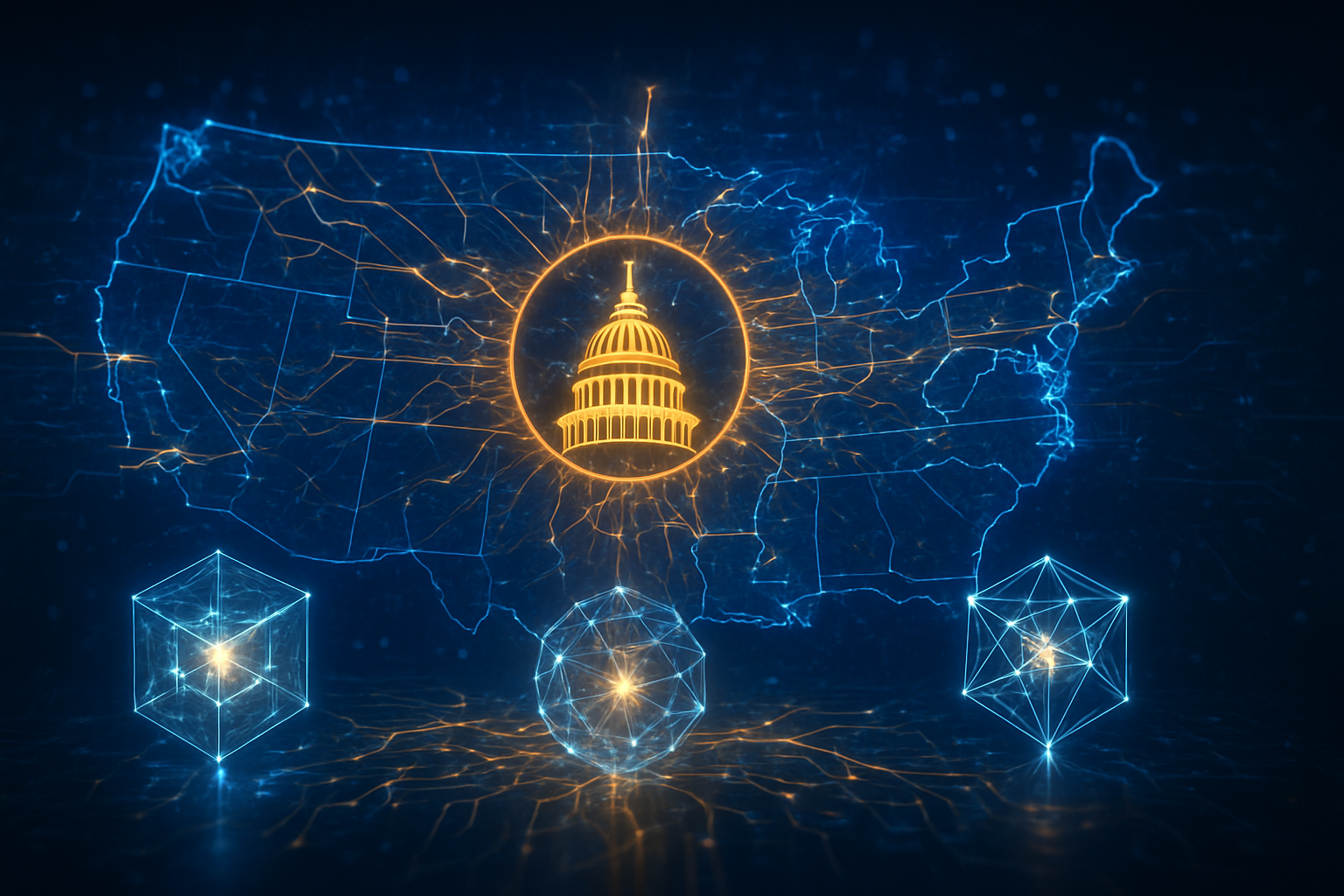
    The Genesis Mission's technical core revolves around the creation of an "integrated AI platform" to be known as the "American Science and Security Platform." This monumental undertaking will unify national laboratory supercomputers, secure cloud-based AI computing environments, and vast federally curated scientific datasets. This platform is not merely an aggregation of resources but a dynamic ecosystem designed to train cutting-edge scientific foundation models and develop sophisticated AI agents. These agents are envisioned to test new hypotheses, automate complex research workflows, and facilitate rapid, iterative scientific breakthroughs, fundamentally altering the pace and scope of discovery.

    Central to this vision is the establishment of a closed-loop AI experimentation platform. This innovative system, mandated for development by the DOE, will combine world-class supercomputing capabilities with unique data assets to power robotic laboratories. This integration will enable AI to not only analyze data but also design and execute experiments autonomously, learning and adapting in real-time. This differs significantly from traditional scientific research, which often relies on human-driven hypothesis testing and manual experimentation, promising an exponential acceleration of the scientific method. Initial reactions from the AI research community have been cautiously optimistic, with many experts acknowledging the immense potential of such an integrated platform while also highlighting the significant technical and ethical challenges inherent in its implementation.

    Reshaping the AI Industry Landscape

    The Genesis Mission stands to profoundly impact AI companies, tech giants, and startups across the spectrum. Companies specializing in AI infrastructure, particularly those offering secure cloud computing solutions, high-performance computing (HPC) technologies, and large-scale data integration services, are poised to benefit immensely from the substantial federal investment. Major tech giants like Alphabet (NASDAQ: GOOGL), Microsoft (NASDAQ: MSFT), and Amazon (NASDAQ: AMZN) with their extensive cloud platforms and AI research divisions, could become key partners in developing and hosting components of the American Science and Security Platform. Their existing expertise in large language models and foundation model training will be invaluable.

    For startups focused on specialized AI agents, scientific AI, and robotic automation for laboratories, the Genesis Mission presents an unprecedented opportunity for collaboration, funding, and market entry. The demand for AI solutions tailored to specific scientific domains, from materials science to biotechnology, will surge. This initiative could disrupt existing research methodologies and create new market segments for AI-powered scientific tools and services. Competitive implications are significant; companies that can align their offerings with the mission's objectives – particularly in areas like quantum computing, secure AI, and energy-related AI applications – will gain a strategic advantage, potentially leading to new alliances and accelerated innovation cycles.

    Broader Implications and Societal Impact

    The Genesis Mission fits squarely into the broader global AI landscape, where nations are increasingly viewing AI as a critical component of national power and economic competitiveness. It signals a decisive shift towards a government-led, strategic approach to AI development, moving beyond purely commercial or academic initiatives. The impacts could be far-reaching, accelerating breakthroughs in medicine, sustainable energy, and defense capabilities. However, potential concerns include the concentration of AI power, ethical implications of AI-driven scientific discovery, and the risk of exacerbating the digital divide if access to these advanced tools is not equitably managed.

    Comparisons to previous AI milestones, such as the development of deep learning or the rise of large language models, highlight the scale of ambition. Unlike those, which were largely driven by private industry and academic research, the Genesis Mission represents a concerted national effort to direct AI's trajectory towards specific strategic goals. This top-down approach, reminiscent of Cold War-era scientific initiatives, underscores the perceived urgency of maintaining technological superiority in the age of AI.

    The Road Ahead: Challenges and Predictions

    In the near term, expected developments include the rapid formation of inter-agency task forces, the issuance of detailed solicitations for research proposals, and significant budgetary allocations towards the Genesis Mission's objectives. Long-term, we can anticipate the emergence of entirely new scientific fields enabled by AI, a dramatic reduction in the time required for drug discovery and material development, and potentially revolutionary advancements in clean energy technologies.

    Potential applications on the horizon include AI-designed materials with unprecedented properties, autonomous scientific laboratories capable of continuous discovery, and AI systems that can predict and mitigate national security threats with greater precision. However, significant challenges need to be addressed, including attracting and retaining top AI talent, ensuring data security and privacy within the integrated platform, and developing robust ethical guidelines for AI-driven research. Experts predict that the success of the Genesis Mission will hinge on its ability to foster genuine collaboration between government, academia, and the private sector, while navigating the complexities of large-scale, multidisciplinary AI deployment.

    A New Chapter in AI-Driven National Strategy

    The Genesis Mission executive order marks a pivotal moment in the history of artificial intelligence and its integration into national strategy. By framing AI as the central engine for scientific discovery, national security, and energy dominance, the Trump administration has launched an initiative with potentially transformative implications. The order's emphasis on an "integrated AI platform" and the development of advanced AI agents represents a bold vision for accelerating innovation at an unprecedented scale.

    The significance of this development cannot be overstated. It underscores a growing global recognition of AI as a foundational technology for future power and prosperity. While the ambitious goals and potential challenges are substantial, the Genesis Mission sets a new benchmark for national investment and strategic direction in AI. In the coming weeks and months, all eyes will be on the Department of Energy and its partners as they begin to lay the groundwork for what could be one of the most impactful scientific endeavors of our time. The success of this mission will not only define America's technological leadership but also shape the future trajectory of AI's role in society.


    This content is intended for informational purposes only and represents analysis of current AI developments.

    TokenRing AI delivers enterprise-grade solutions for multi-agent AI workflow orchestration, AI-powered development tools, and seamless remote collaboration platforms.
    For more information, visit https://www.tokenring.ai/.

  • Federal AI Preemption Stalls: White House Pauses Sweeping Executive Order Amid State Backlash

    Federal AI Preemption Stalls: White House Pauses Sweeping Executive Order Amid State Backlash

    Washington D.C. – November 24, 2025 – The federal government's ambitious push to centralize artificial intelligence (AI) governance and preempt a growing patchwork of state-level regulations has hit a significant roadblock. Reports emerging this week indicate that the White House has paused a highly anticipated draft Executive Order (EO), tentatively titled "Eliminating State Law Obstruction of National AI Policy." This development injects a fresh wave of uncertainty into the rapidly evolving landscape of AI regulation, signaling a potential recalibration of the administration's strategy to assert federal dominance over AI policy and its implications for state compliance strategies.

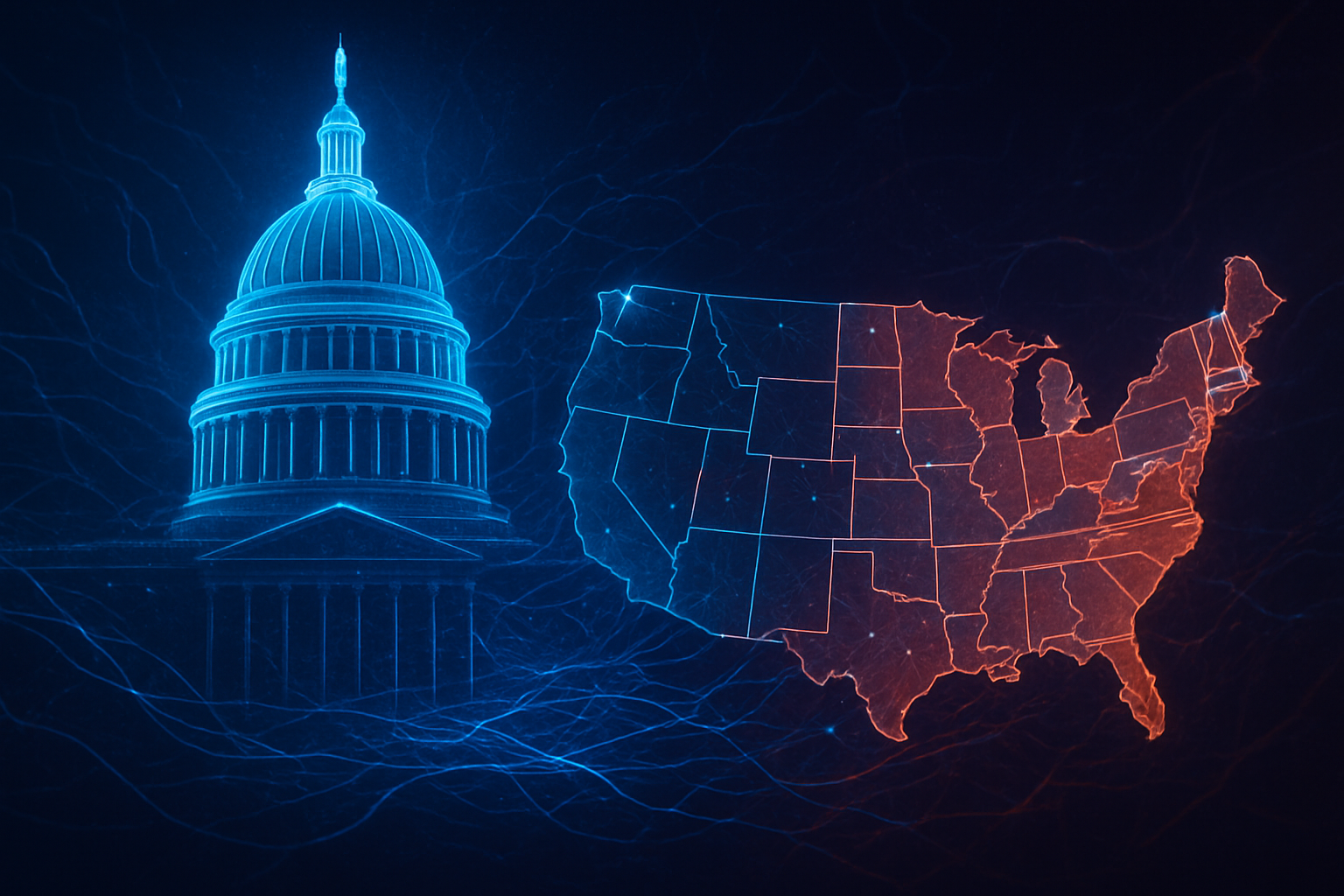
    The now-paused draft EO represented a stark departure in federal AI policy, aiming to establish a uniform national framework by actively challenging and potentially invalidating state AI laws. Its immediate significance lies in the temporary deferral of a direct federal-state legal showdown over AI oversight, a conflict that many observers believed was imminent. While the pause offers states a brief reprieve from federal legal challenges and funding threats, it does not diminish the underlying federal intent to shape a unified, less burdensome regulatory environment for AI development and deployment across the United States.

    A Bold Vision on Hold: Unpacking the Paused Preemption Order

    The recently drafted and now paused Executive Order, "Eliminating State Law Obstruction of National AI Policy," was designed to be a sweeping directive, fundamentally reshaping the regulatory authority over AI in the U.S. Its core premise was that the proliferation of diverse state AI laws created a "complex and burdensome patchwork" that threatened American competitiveness and innovation in the global AI race. This approach marked a significant shift from previous federal strategies, including the rescinded Executive Order 14110, "Safe, Secure, and Trustworthy Development and Use of Artificial Intelligence," signed by former President Biden in October 2023, which largely focused on agency guidance and voluntary standards.

    The draft EO's provisions were notably aggressive. It reportedly directed the Attorney General to establish an "AI Litigation Task Force" within 30 days, specifically charged with challenging state AI laws in federal courts. These challenges would likely have leveraged arguments such as unconstitutional regulation of interstate commerce or preemption by existing federal statutes. Furthermore, the Commerce Secretary, in consultation with White House officials, was to evaluate and publish a list of "onerous" state AI laws, particularly targeting those requiring AI models to alter "truthful outputs" or mandate disclosures that could infringe upon First Amendment rights. The draft explicitly cited California's Transparency in Frontier Artificial Intelligence Act (S.B. 53) and Colorado's Artificial Intelligence Act (S.B. 24-205) as examples of state legislation that presented challenges to a unified national framework.

    Perhaps the most contentious aspect of the draft was its proposal to withhold certain federal funding, such as Broadband Equity Access and Deployment (BEAD) program funds, from states that maintained "onerous" AI laws. States would have been compelled to repeal such laws or enter into binding agreements not to enforce them to secure these crucial funds. This mirrors previously rejected legislative proposals and underscores the administration's determination to exert influence. Agencies like the Federal Communications Commission (FCC) and the Federal Trade Commission (FTC) were also slated to play a role, with the FCC directed to consider a federal reporting and disclosure standard for AI models that would preempt conflicting state laws, and the FTC instructed to issue policy statements on how Section 5 of the FTC Act (prohibiting unfair and deceptive acts or practices) could preempt state laws requiring alterations to AI model outputs. This comprehensive federal preemption effort stands in contrast to President Trump's earlier Executive Order 14179, "Removing Barriers to American Leadership in Artificial Intelligence," signed in January 2025, which primarily focused on promoting AI development with minimal regulation and preventing "ideological bias or social agendas" in AI systems, without a direct preemptive challenge to state laws.

    Navigating the Regulatory Labyrinth: Implications for AI Companies

    The pause of the federal preemption Executive Order creates a complex and somewhat unpredictable environment for AI companies, from nascent startups to established tech giants. Initially, the prospect of a unified federal standard was met with mixed reactions. While some companies, particularly those operating across state lines, might have welcomed a single set of rules to simplify compliance, others expressed concerns about the potential for federal overreach and the stifling of state-level innovation in addressing unique local challenges.

    With the preemption order on hold, AI companies face continued adherence to a fragmented regulatory landscape. This means that major AI labs and tech companies, including publicly traded entities like Alphabet (NASDAQ: GOOGL), Microsoft (NASDAQ: MSFT), Amazon (NASDAQ: AMZN), and Meta Platforms (NASDAQ: META), must continue to monitor and comply with a growing array of state-specific AI regulations. This multi-jurisdictional compliance adds significant overhead in legal review, product development, and deployment strategies, potentially impacting the speed at which new AI products and services can be rolled out nationally.

    For startups and smaller AI developers, the continued existence of diverse state laws could pose a disproportionate burden, as they often lack the extensive legal and compliance resources of larger corporations. The threat of federal litigation against state laws, though temporarily abated, also means that any state-specific compliance efforts could still be subject to future legal challenges. This uncertainty could influence investment decisions and market positioning, potentially favoring larger, more diversified tech companies that are better equipped to navigate complex regulatory environments. The administration's underlying preference for "minimally burdensome" regulation, as articulated in President Trump's EO 14179, suggests that while direct preemption is paused, the federal government may still seek to influence the regulatory environment through other means, such as agency guidance or legislative proposals, which could eventually disrupt existing products or services by either easing or tightening requirements.

    Broader Significance: A Tug-of-War for AI's Future

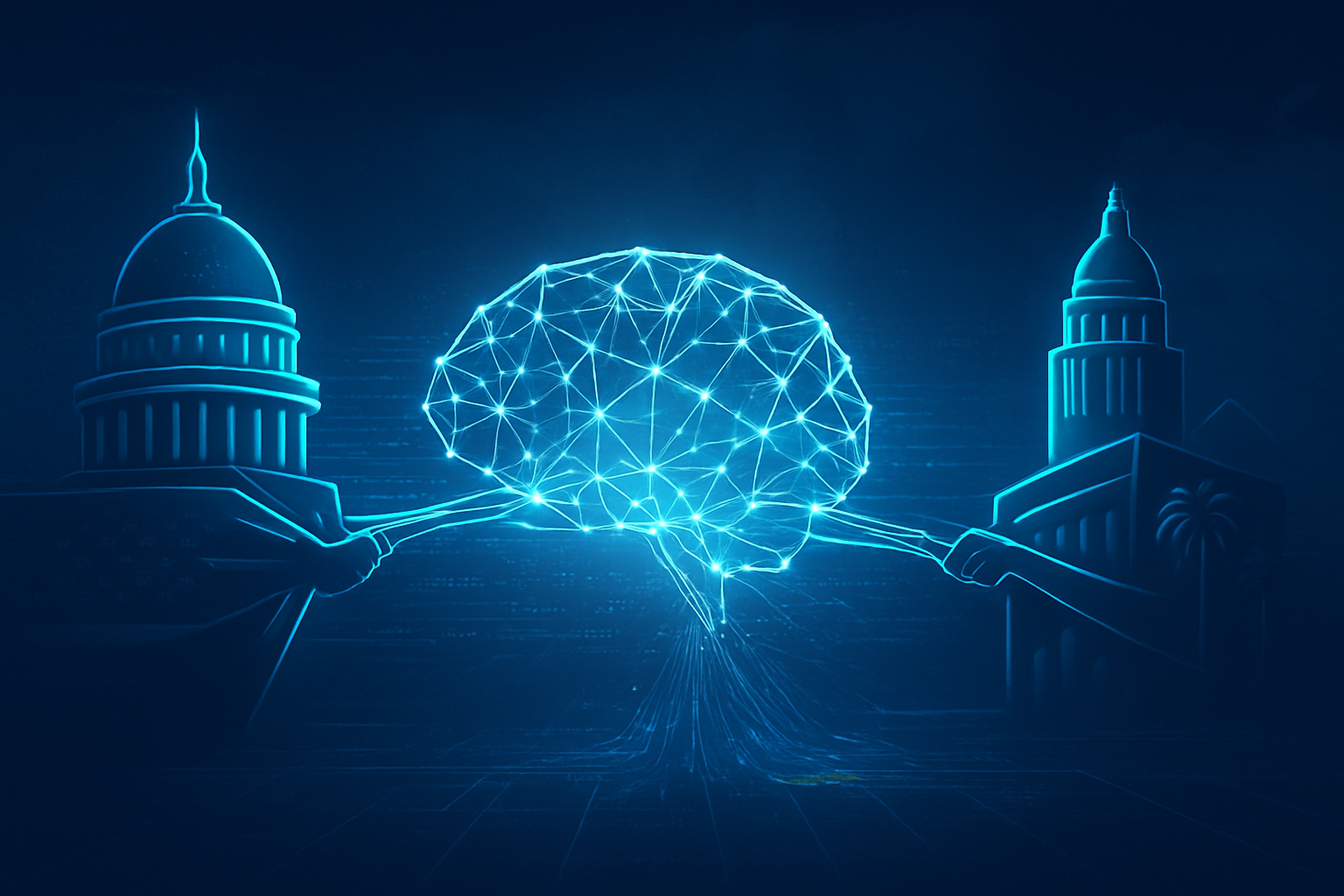
    The federal government's attempt to exert preemption over state AI laws and the subsequent pause of the Executive Order highlight a fundamental tension in the broader AI landscape: the balance between fostering innovation and ensuring responsible, ethical deployment. This tug-of-war is not new to technological regulation, but AI's pervasive and transformative nature amplifies its stakes. The administration's argument for a uniform national policy underscores a concern that a "50 discordant" state approach could hinder the U.S.'s global leadership in AI, especially when compared to more centralized regulatory efforts in regions like the European Union.

    The potential impacts of federal preemption, had the EO proceeded, would have been profound. It would have significantly curtailed states' abilities to address local concerns regarding algorithmic bias, privacy, and consumer protection, areas where states have traditionally played a crucial role. Critics of the preemption effort, including many state officials and federal lawmakers, argued that it represented an overreach of federal power, potentially undermining democratic processes at the state level. This bipartisan backlash likely contributed to the White House's decision to pause the draft, suggesting a recognition of the significant legal and political hurdles involved in unilaterally preempting state authority.

    This episode also draws comparisons to previous AI milestones and regulatory discussions. The National Institute of Standards and Technology (NIST) AI Risk Management Framework, for example, emerged as a consensus-driven, voluntary standard, reflecting a collaborative approach to AI governance. The recent federal preemption attempt, in contrast, signaled a more top-down, assertive strategy. Potential concerns regarding the paused EO included the risk of a regulatory vacuum if state laws were struck down without a robust federal replacement, and the chilling effect on states' willingness to experiment with novel regulatory approaches. The ongoing debate underscores the difficulty in crafting AI governance that is agile enough for rapid technological advancement while also robust enough to address societal impacts.

    Future Developments: A Shifting Regulatory Horizon

    Looking ahead, the pause of the federal preemption Executive Order does not signify an end to the federal government's desire for a more unified AI regulatory framework. Instead, it suggests a strategic pivot, with expected near-term developments likely focusing on alternative pathways to achieve similar policy goals. We can anticipate the administration to explore legislative avenues, working with Congress to craft a federal AI law that could explicitly preempt state regulations. This approach, while more time-consuming, would provide a stronger legal foundation for preemption than an executive order alone, which legal scholars widely argue cannot unilaterally displace state police powers without statutory authority.

    In the long term, the focus will remain on balancing innovation with safety and ethical considerations. We may see continued efforts by federal agencies, such as the FTC, FCC, and even the Department of Justice, to use existing statutory authority to influence AI governance, perhaps through policy statements, enforcement actions, or litigation against specific state laws deemed to conflict with federal interests. The development of national AI standards, potentially building on frameworks like NIST's, will also continue, aiming to provide a baseline for responsible AI development and deployment. Potential applications and use cases on the horizon will continue to drive the need for clear guidelines, particularly in high-stakes sectors like healthcare, finance, and critical infrastructure.

    The primary challenges that need to be addressed include overcoming the political polarization surrounding AI regulation, finding common ground between federal and state governments, and ensuring that any regulatory framework is flexible enough to adapt to rapidly evolving AI technologies. Experts predict that the conversation will shift from outright preemption via executive order to a more nuanced engagement with Congress and a strategic deployment of existing federal powers. What will happen next is a continued period of intense debate and negotiation, with a strong likelihood of legislative proposals for a uniform federal AI regulatory framework emerging in the coming months, albeit with significant congressional debate and potential amendments.

    Wrapping Up: A Crossroads for AI Governance

    The White House's decision to pause its sweeping Executive Order on AI governance, aimed at federal preemption of state laws, marks a pivotal moment in the history of AI regulation in the United States. It underscores the immense complexity and political sensitivity inherent in governing a technology with such far-reaching societal and economic implications. While the immediate threat of a direct federal-state legal clash has receded, the underlying tension between national uniformity and state-level autonomy in AI policy remains a defining feature of the current landscape.

    The key takeaway from this development is that while the federal government under President Trump has articulated a clear preference for a "minimally burdensome, uniform national policy," the path to achieving this is proving more arduous than a unilateral executive action. The bipartisan backlash against the preemption effort highlights the deeply entrenched principle of federalism and the robust role states play in areas traditionally associated with police powers, such as consumer protection, privacy, and public safety. This development signifies that any truly effective and sustainable AI governance framework in the U.S. will likely require significant congressional engagement and a more collaborative approach with states.

    In the coming weeks and months, all eyes will be on Washington D.C. to see how the administration recalibrates its strategy. Will it pursue aggressive legislative action? Will federal agencies step up their enforcement efforts under existing statutes? Or will a more conciliatory approach emerge, seeking to harmonize state efforts rather than outright preempt them? The outcome will profoundly shape the future of AI innovation, deployment, and public trust across the nation, making this a critical period for stakeholders in government, industry, and civil society to watch closely.


    This content is intended for informational purposes only and represents analysis of current AI developments.

    TokenRing AI delivers enterprise-grade solutions for multi-agent AI workflow orchestration, AI-powered development tools, and seamless remote collaboration platforms.
    For more information, visit https://www.tokenring.ai/.
  • Federal Gauntlet Thrown: White House Moves to Block State AI Laws, Igniting Regulatory Showdown

    Federal Gauntlet Thrown: White House Moves to Block State AI Laws, Igniting Regulatory Showdown

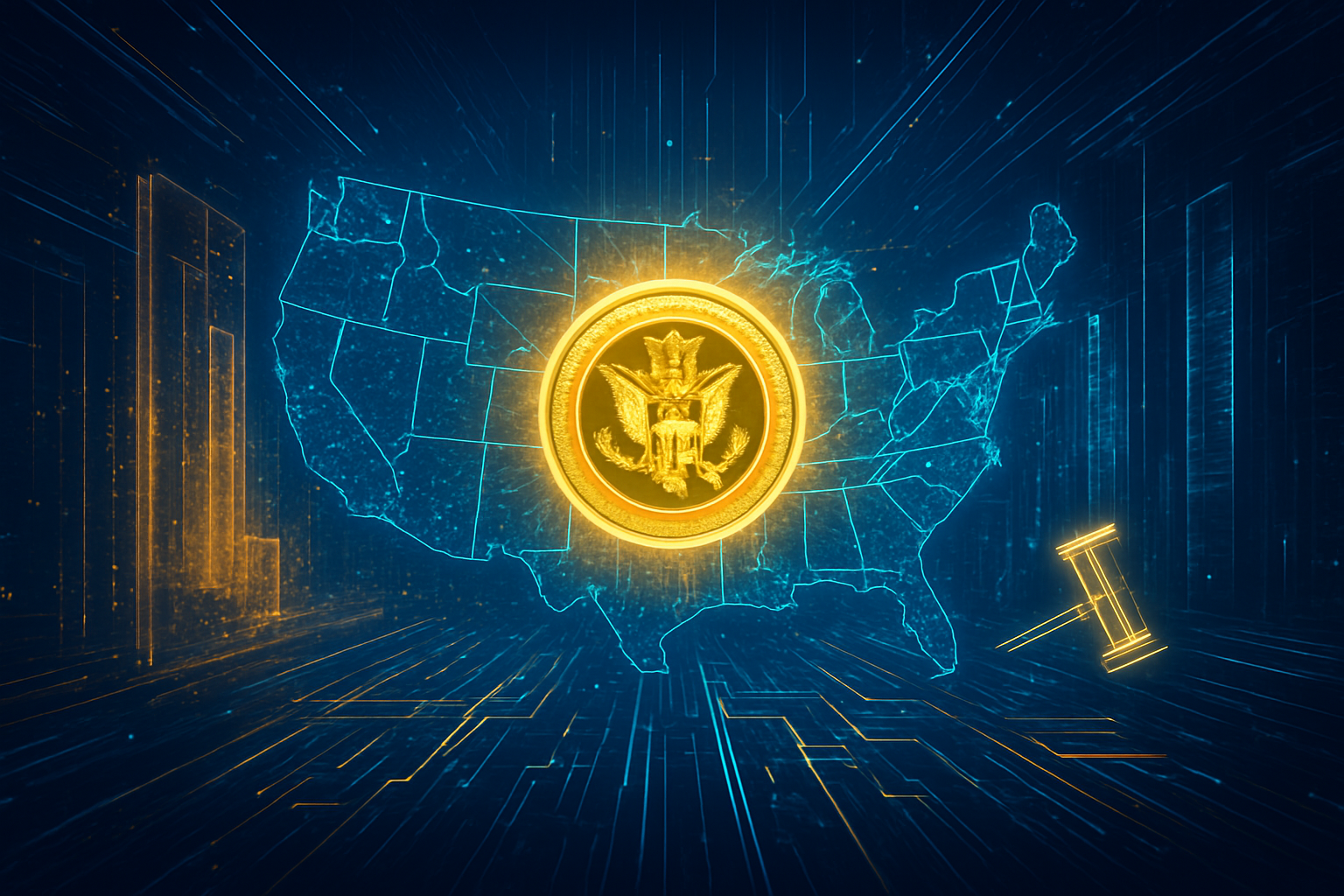
    Washington D.C., November 19, 2025 – In a significant escalation of the ongoing debate surrounding artificial intelligence governance, the White House has reportedly finalized an executive order aimed at preempting state-level AI regulations. A draft of this assertive directive, confirmed to be in its final stages, signals the Trump administration's intent to centralize control over AI policy, effectively challenging the burgeoning patchwork of state laws across the nation. This move, poised to reshape the regulatory landscape for one of the most transformative technologies of our era, immediately sets the stage for a contentious legal and political battle between federal and state authorities, with profound implications for innovation, privacy, and public safety.

    The executive order, revealed on November 19, 2025, underscores a federal strategy to assert dominance in AI regulation, arguing that a unified national approach is critical for fostering innovation and maintaining global competitiveness. However, it simultaneously raises alarms among states and advocacy groups who fear that federal preemption could dismantle crucial safeguards already being implemented at the local level, leaving citizens vulnerable to the potential harms of unchecked AI development. The directive is a clear manifestation of the administration's consistent efforts throughout 2025 to streamline AI governance under federal purview, prioritizing what it views as a cohesive national strategy over fragmented state-by-state regulations.

    Federal Preemption Takes Center Stage: Unpacking the Executive Order's Mechanisms

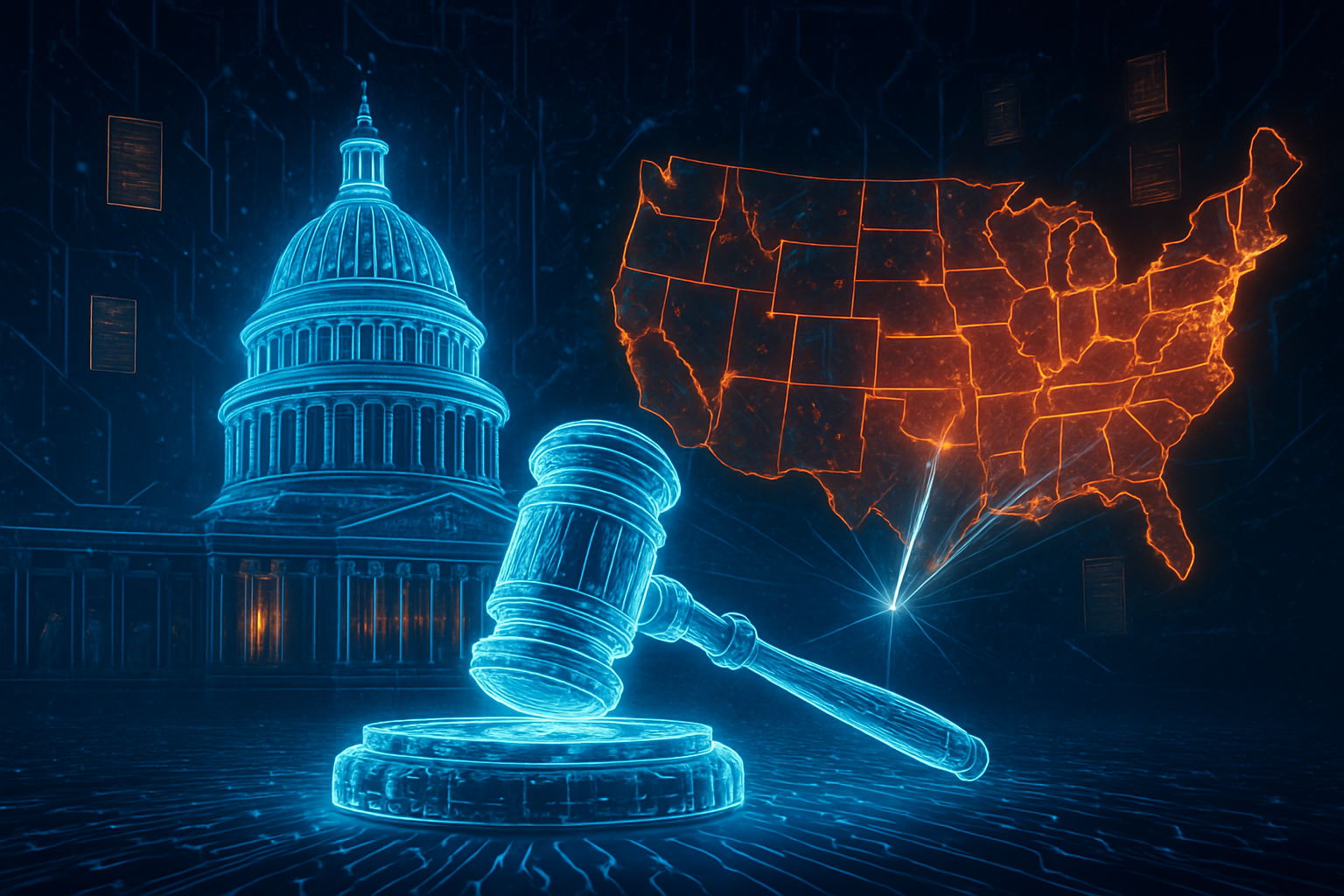
    The leaked draft of the executive order, dated November 19, 2025, outlines several aggressive mechanisms designed to curtail state authority over AI. At its core is the establishment of an "AI Litigation Task Force," explicitly charged with challenging state AI laws. These challenges are anticipated to leverage constitutional arguments, particularly the "dormant Commerce Clause," contending that state regulations unduly burden interstate commerce and thus fall under federal jurisdiction. This approach mirrors arguments previously put forth by prominent venture capital firms, who have long advocated for a unified regulatory environment to prevent a "patchwork of 50 State Regulatory Regimes" from stifling innovation.

    Beyond direct legal challenges, the executive order proposes a powerful financial lever: federal funding. It directs the Secretary of Commerce to issue a policy notice that would deem states with "onerous" AI laws ineligible for specific non-deployment funds, including those from critical programs like the Broadband Equity Access and Deployment (BEAD) initiative. This unprecedented linkage of federal funding to state AI policy represents a significant escalation in the federal government's ability to influence local governance. Furthermore, the order directs the Federal Communications Commission (FCC) chairman and the White House AI czar to initiate proceedings to explore adopting a federal reporting and disclosure standard for AI models, explicitly designed to preempt conflicting state laws. The draft also specifically targets state laws that might compel AI developers or deployers to disclose information in a manner that could violate First Amendment or other constitutional provisions, citing California's SB 53 as an example of a "complex and burdensome disclosure and reporting law premised on purely speculative" concerns.

    This federal preemption strategy marks a stark departure from the previous administration's approach, which had focused on safety, security, and trustworthy AI through Executive Order 14179 in October 2023. The Trump administration, throughout 2025, has consistently championed an AI policy focused on promoting innovation free from "ideological bias or engineered social agendas." This was evident in President Trump's January 23, 2025, Executive Order 14179, which revoked the Biden administration's directive, and further solidified by "America's AI Action Plan" and three additional executive orders signed on July 23, 2025. These actions collectively emphasize removing restrictive regulations and withholding federal funding from states with "unduly burdensome" AI laws, culminating in the current executive order that seeks to definitively centralize AI governance under federal control.

    Corporate Implications: Winners, Losers, and Strategic Shifts in the AI Industry

    The White House's move to preempt state AI laws is poised to significantly impact the competitive landscape for AI companies, tech giants, and startups alike. Large technology companies and major AI labs, particularly those with extensive lobbying capabilities and a national or global presence, stand to benefit significantly from a unified federal regulatory framework. These entities have consistently argued that a fragmented regulatory environment, with differing rules across states, creates substantial compliance burdens, increases operational costs, and hinders the scaling of AI products and services. A single federal standard would simplify compliance, reduce legal overhead, and allow for more streamlined product development and deployment across the United States. Companies like Microsoft (NASDAQ: MSFT), Google (NASDAQ: GOOGL), and Amazon (NASDAQ: AMZN), which invest heavily in AI research and deployment, are likely to welcome this development as it could accelerate their market penetration and solidify their competitive advantages by removing potential state-level impediments.

    Conversely, startups and smaller AI firms that might have found niches in states with less stringent or uniquely tailored regulations could face new challenges. While a unified standard could simplify their path to market by reducing the complexity of navigating diverse state laws, it also means that the regulatory bar, once set federally, might be higher or more prescriptive than what they might have encountered in certain states. Furthermore, states that have been proactive in developing their own AI governance frameworks, often driven by specific local concerns around privacy, bias, or employment, may see their efforts undermined. This could lead to a chilling effect on local innovation where state-specific AI solutions were being cultivated. The competitive implications extend to the types of AI products that are prioritized; a federal standard, especially one focused on "innovation free from ideological bias," could inadvertently favor certain types of AI development over others, potentially impacting ethical AI research and deployment that often finds stronger advocacy at the state level.

    The potential disruption to existing products and services will depend heavily on the specifics of the federal standard that ultimately emerges. If the federal standard is perceived as lighter-touch or more industry-friendly than anticipated state laws, it could open up new markets or accelerate the deployment of certain AI applications that were previously stalled by regulatory uncertainty. However, if the federal standard incorporates elements that require significant redesign or re-evaluation of AI models, it could lead to temporary disruptions as companies adapt. For market positioning, companies that align early with the anticipated federal guidelines and actively participate in shaping the federal discourse will gain strategic advantages. This move also reinforces the trend of AI regulation becoming a central strategic concern for all tech companies, shifting the focus from individual state compliance to a broader federal lobbying and policy engagement strategy.

    Broader Implications: AI Governance at a Crossroads

    The White House's assertive move to preempt state AI laws marks a critical juncture in the broader AI landscape, highlighting the fundamental tension between fostering innovation and ensuring public safety and ethical deployment. This federal thrust fits into a global trend of nations grappling with how to govern rapidly evolving AI technologies. While some, like the European Union, have opted for comprehensive, proactive regulatory frameworks such as the AI Act, the United States appears to be leaning towards a more unified, federally controlled approach, with a strong emphasis on limiting what it perceives as burdensome state-level interventions. This strategy aims to prevent a fragmented regulatory environment, often referred to as a "patchwork," that could hinder the nation's global competitiveness against AI powerhouses like China.

    The impacts of this federal preemption are multifaceted. On the one hand, proponents argue that a single national standard will streamline development, reduce compliance costs for businesses, and accelerate the deployment of AI technologies, thereby boosting economic growth and maintaining American leadership in the field. It could also provide clearer guidelines for researchers and developers, fostering a more predictable environment for innovation. On the other hand, significant concerns have been raised by civil liberties groups, consumer advocates, and state legislators. They argue that federal preemption, particularly if it results in a less robust or slower-to-adapt regulatory framework, could dismantle crucial safeguards against AI harms, including algorithmic bias, privacy violations, and job displacement. Public Citizen, for instance, has voiced strong opposition, stating that federal preemption would allow "Big Tech to operate without accountability" in critical areas like civil rights and data privacy, effectively negating the proactive legislative efforts already undertaken by several states.

    This development can be compared to previous milestones in technology regulation, such as the early days of internet governance or telecommunications. In those instances, the debate between federal and state control often revolved around economic efficiency versus local control and consumer protection. The current AI debate mirrors this, but with the added complexity of AI's pervasive and rapidly evolving nature, impacting everything from healthcare and finance to national security. The potential for a federal standard to be less responsive to localized issues or to move too slowly compared to the pace of technological advancement is a significant concern. Conversely, a chaotic mix of 50 different state laws could indeed create an untenable environment for companies operating nationwide, potentially stifling the very innovation it seeks to regulate. The administration's focus on removing "woke" AI models from federal procurement, as outlined in earlier 2025 executive orders, also injects a unique ideological dimension into this regulatory push, suggesting a desire to shape the ethical guardrails of AI from a particular political viewpoint.

    The Road Ahead: Navigating Federal Supremacy and State Resistance

    Looking ahead, the immediate future will likely be characterized by intense legal challenges and political maneuvering as states and advocacy groups push back against the federal preemption. We can expect lawsuits to emerge, testing the constitutional limits of the executive order, particularly concerning the dormant Commerce Clause and states' Tenth Amendment rights. The "AI Litigation Task Force" established by the order will undoubtedly be active, setting precedents that will shape the legal interpretation of federal versus state authority in AI. In the near term, states with existing or pending AI legislation, such as California with its SB 53, will be closely watching how the federal government chooses to enforce its directive and whether they will be forced to roll back their efforts.

    In the long term, this executive order could serve as a powerful signal to Congress, potentially spurring the development of comprehensive federal AI legislation that includes explicit preemption clauses. Such legislation, if enacted, would supersede the executive order and provide a more enduring framework for national AI governance. Potential applications and use cases on the horizon will heavily depend on the nature of the federal standard that ultimately takes hold. A lighter-touch federal approach might accelerate the deployment of AI in areas like autonomous vehicles and advanced robotics, while a more robust framework could prioritize ethical AI development in sensitive sectors like healthcare and criminal justice.

    The primary challenge that needs to be addressed is striking a delicate balance between fostering innovation and ensuring robust protections for citizens. Experts predict that the debate will continue to be highly polarized, with industry advocating for minimal regulation and civil society groups pushing for strong safeguards. What happens next will hinge on the judiciary's interpretation of the executive order's legality, the willingness of Congress to legislate, and the ability of stakeholders to find common ground. The administration's focus on a unified federal approach, as evidenced by its actions throughout 2025, suggests a continued push for centralization, but the extent of its success will ultimately be determined by the resilience of state opposition and the evolving legal landscape.

    A Defining Moment for AI Governance: The Path Forward

    The White House's executive order to block state AI laws represents a defining moment in the history of artificial intelligence governance in the United States. It is a clear declaration of federal intent to establish a unified national standard for AI regulation, prioritizing what the administration views as innovation and national competitiveness over a decentralized, state-led approach. The key takeaways are the immediate establishment of an "AI Litigation Task Force," the leveraging of federal funding to influence state policies, and the explicit aim to preempt state laws deemed "onerous" or constitutionally problematic. This aggressive stance is a culmination of the Trump administration's consistent efforts throughout 2025 to centralize AI policy, moving away from previous administrations' more collaborative approaches.

    This development's significance in AI history cannot be overstated. It marks a decisive shift towards federal preemption, potentially setting a precedent for how future emerging technologies are regulated. While proponents argue it will foster innovation and prevent a chaotic regulatory environment, critics fear it could lead to a race to the bottom in terms of protections, leaving critical areas like civil rights, data privacy, and public safety vulnerable. The long-term impact will depend on the legal battles that ensue, the legislative response from Congress, and the ability of the federal framework to adapt to the rapid advancements of AI technology without stifling responsible development or neglecting societal concerns.

    In the coming weeks and months, all eyes will be on the courts as the "AI Litigation Task Force" begins its work, and on state legislatures to see how they respond to this federal challenge. The dialogue between federal and state governments, industry, and civil society will intensify, shaping not just the future of AI regulation in the U.S. but also influencing global approaches to this transformative technology. The ultimate outcome will determine whether the nation achieves a truly unified and effective AI governance strategy, or if the regulatory landscape remains a battleground of competing authorities.


    This content is intended for informational purposes only and represents analysis of current AI developments.

    TokenRing AI delivers enterprise-grade solutions for multi-agent AI workflow orchestration, AI-powered development tools, and seamless remote collaboration platforms.
    For more information, visit https://www.tokenring.ai/.