Tag: Fall Prevention

  • AI Revolutionizes Senior Safety: Cutting-Edge Tech Prevents Falls, Enhances Independence

    AI Revolutionizes Senior Safety: Cutting-Edge Tech Prevents Falls, Enhances Independence

    The global demographic shift towards an aging population has brought with it a critical challenge: ensuring the safety and independence of seniors, particularly concerning falls. Falls are a leading cause of injury and death among older adults, often leading to severe health complications, reduced quality of life, and substantial healthcare costs. In a groundbreaking response, a new wave of artificial intelligence (AI)-powered technologies is emerging, poised to transform senior care by moving beyond reactive fall detection to proactive prediction and prevention. These innovations, encompassing advanced fall detection devices, smart locks, and a suite of assistive technologies, are not merely incremental improvements but represent a fundamental paradigm shift in how we safeguard our elders, promising to enhance their autonomy and provide invaluable peace of mind for families and caregivers.

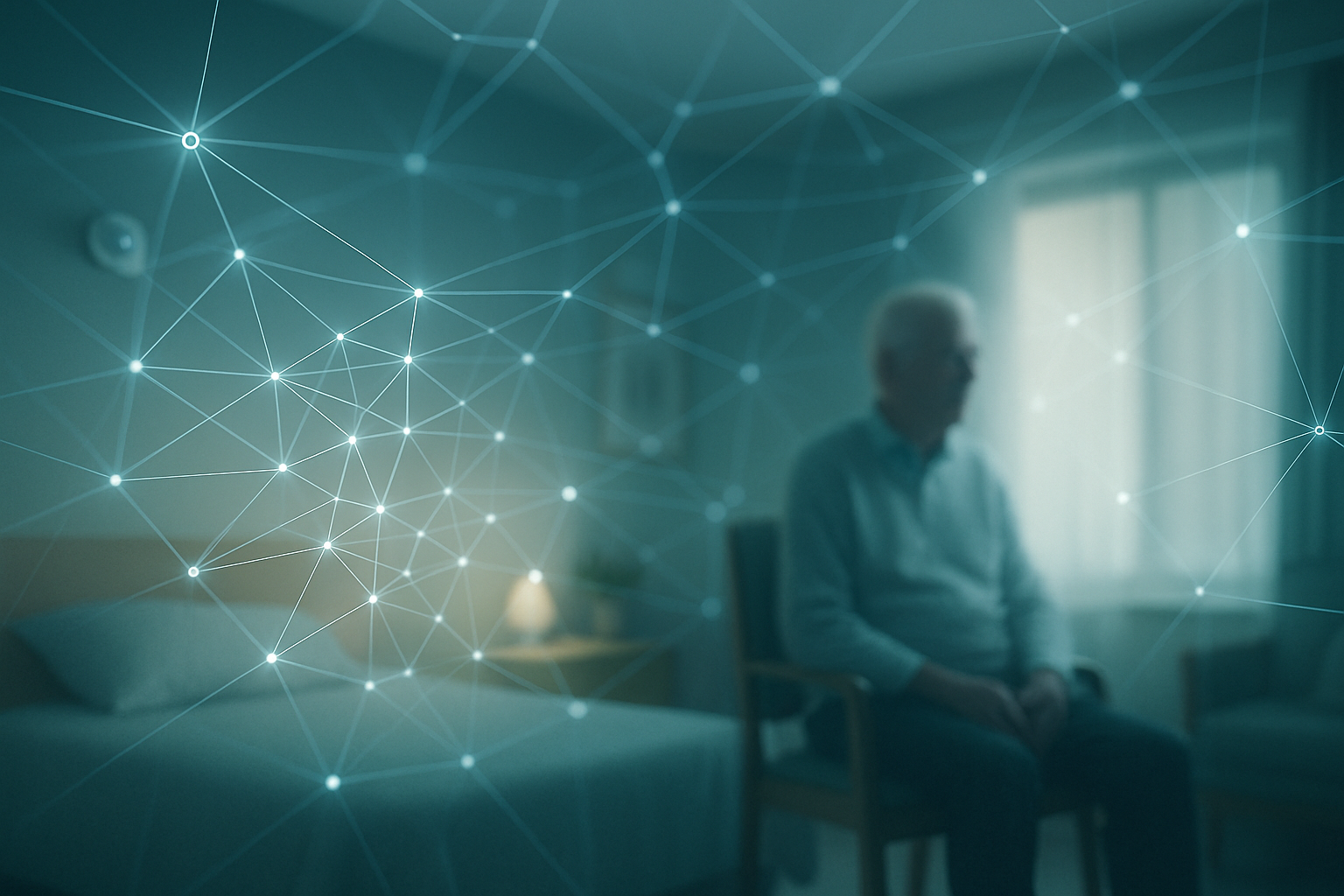
    These cutting-edge solutions integrate sophisticated sensors, machine learning algorithms, and seamless connectivity to create intelligent environments that continuously monitor, assess, and mitigate fall risks. From discreet wearables that track gait and balance to non-intrusive ambient sensors that map movement patterns, and smart home systems that automate safety features, the immediate significance of these developments lies in their ability to offer real-time vigilance and rapid intervention. By reducing the incidence of falls and the severity of their consequences, these technologies are empowering seniors to "age in place" with greater confidence and dignity, fostering a future where independence is sustained through intelligent support.

    The Technical Core: AI's Precision in Fall Prevention

    The technical sophistication of modern fall prevention systems for seniors is a testament to the rapid advancements in AI and sensor technology. At their heart are diverse sensor modalities coupled with advanced machine learning (ML) and deep learning algorithms, enabling unprecedented accuracy and predictive capabilities.

    Fall Detection Devices: These systems integrate a combination of accelerometers, gyroscopes, and sometimes barometric pressure sensors in wearables like smartwatches (e.g., Samsung (KRX: 005930) Galaxy Watch 6, Medical Guardian MGMove) or specialized pendants. These sensors continuously monitor movement, orientation, and changes in altitude. Non-wearable solutions are also gaining prominence, utilizing AI-powered video systems (e.g., Kami Home's Fall Detect, boasting 99.5% accuracy), radar, infrared, and thermal occupancy sensors. These ambient technologies monitor movement through anonymized data (heat signatures or radar signals), prioritizing privacy by analyzing patterns rather than capturing personally identifiable images. Fusion systems, combining both wearable and non-wearable data, further enhance reliability. The AI/ML algorithms analyze this multimodal data to create personalized movement profiles, distinguish between normal activities and actual falls, and even predict potential falls by identifying subtle changes in gait or balance. This marks a significant departure from older, reactive "panic button" systems or basic threshold-based accelerometers, which often suffered from high false alarm rates and only reacted after a fall occurred.

    Smart Locks: While not directly detecting falls, smart locks play a crucial indirect role in fall prevention by enhancing home security and convenience. Technically, they offer various keyless entry methods, including keypads, biometrics (fingerprint, facial recognition), smartphone apps, and voice control via assistants like Amazon (NASDAQ: AMZN) Alexa or Google (NASDAQ: GOOGL) Assistant. They feature robust security through encryption, tamper alerts, and auto-locking functions. Crucially, they enable remote access management for caregivers and can provide inactivity monitoring, alerting if a door hasn't been opened for an unusual period. This differs from traditional locks by eliminating the need for physical keys, which can be difficult for seniors with dexterity issues, and offering remote management and enhanced security features that traditional mechanical locks simply cannot provide.

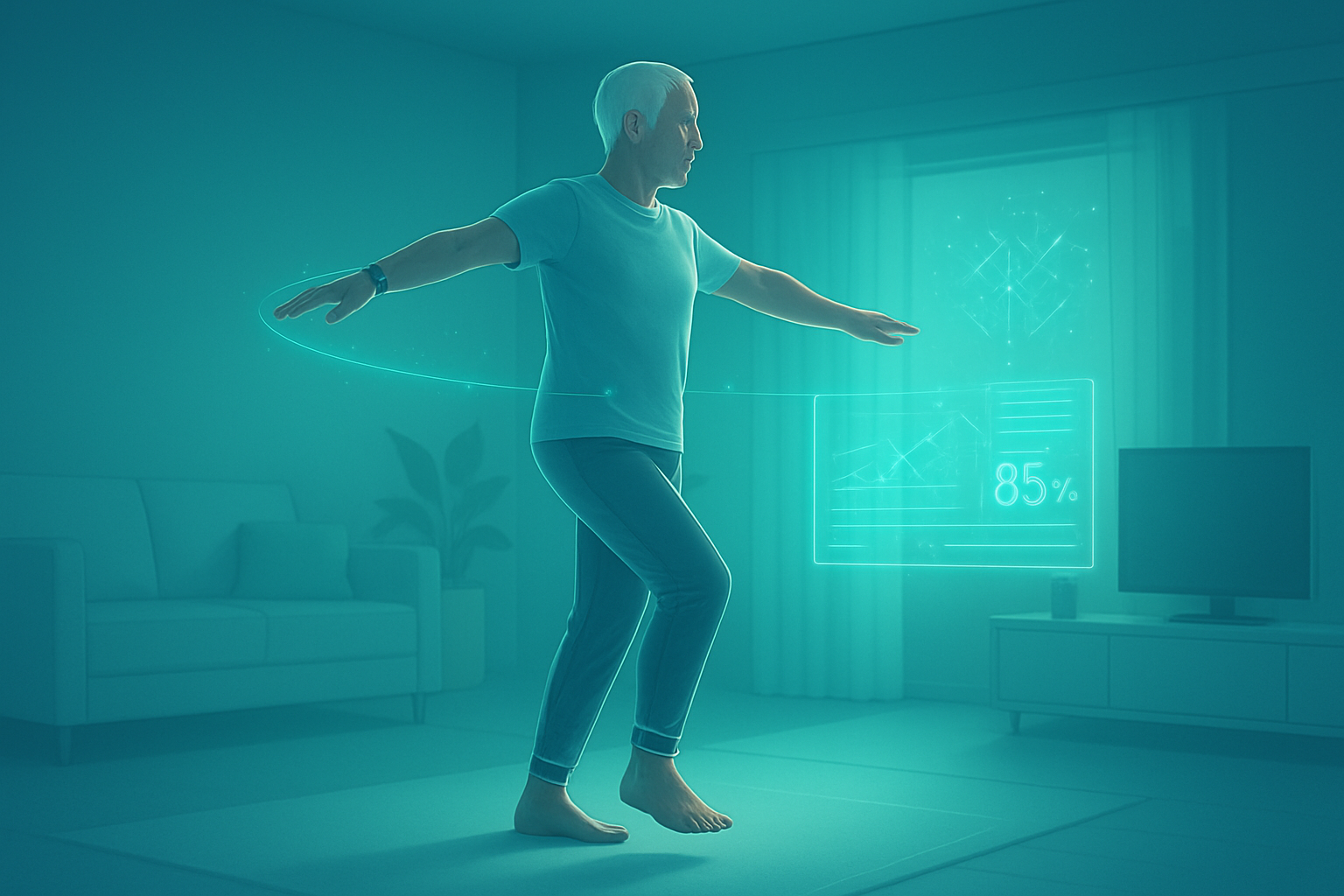
    Assistive Technologies: A broader array of assistive technologies further leverages AI, IoT, and robotics. Smart lighting systems, often motion-activated or voice-controlled, automatically illuminate pathways, directly addressing poor lighting—a significant fall risk. Voice-activated assistants enable hands-free control of home environments, reducing the need for physical movement. More advanced solutions include robotics for physical support, like MIT's E-BAR (Elderly Bodily Assistance Robot), which can provide stability and even actively catch a falling person. Smart flooring systems, such as SensFloor, embed sensors that detect falls and alert caregivers. Virtual Reality (VR) programs (e.g., GaitBetter) are emerging for rehabilitation, using AI to improve gait and balance. These differ from earlier, simpler assistive devices by offering integrated, intelligent, and often proactive support, learning from user behavior and adapting to individual needs.

    Initial reactions from the AI research community and industry experts are overwhelmingly positive. They emphasize AI's potential to transition from mere detection to sophisticated prediction and prevention, significantly reducing fall incidents and their associated injuries. Experts highlight the profound psychological impact, restoring confidence in older adults and alleviating the pervasive fear of falling. However, concerns around privacy, data use, algorithmic bias, and the need for user-friendly interfaces remain active areas of discussion and research.

    Corporate Landscape: Beneficiaries, Disruption, and Strategic Advantages

    The advent of cutting-edge AI fall prevention technology is profoundly reshaping the competitive dynamics across AI companies, tech giants, and nimble startups, creating a burgeoning market driven by both humanitarian need and significant economic opportunity.

    Specialized AI Fall Prevention Companies are the primary beneficiaries. Companies like SafelyYou, which uses AI-enhanced cameras in senior living communities to reduce falls by 40%, and VirtuSense Technologies, whose VSTAlert uses machine vision to predict bed exits, are leaders in this space. Connect America and Dozee are also making strides with AI-driven fall prevention programs. These companies benefit by carving out specialized niches, attracting significant investment, and partnering directly with healthcare providers and senior living facilities. Startups such as Nobi (smart lamp for fall detection), CarePredict (AI-powered predictive analytics), GaitQ, Buddi, MintT, Kinesis Health Technologies, and Kaspard are rapidly innovating with diverse solutions, benefiting from investor interest and strategic partnerships.

    Tech Giants, with their vast resources in AI, IoT, and cloud infrastructure, are positioned to integrate fall prevention features into their broader smart home and wearable ecosystems. Companies like Amazon (NASDAQ: AMZN) and Google (NASDAQ: GOOGL) can embed fall detection into their smart speakers and security cameras, leveraging their cloud services for data processing and AI model training. Apple (NASDAQ: AAPL) and Samsung (KRX: 005930) are already incorporating fall detection into their smartwatches, benefiting from their massive user bases and established hardware platforms. Their strategic advantage lies in their ability to offer holistic, integrated solutions and to acquire promising startups to quickly expand their elder tech footprint.

    This technological wave is causing significant disruption to traditional, reactive fall prevention methods. Simple bed alarms and inconsistent manual risk assessments are being rendered less effective by AI's precise, adaptable, and real-time data-driven approaches. The shift from merely reacting to falls to proactively predicting and preventing them fundamentally alters care delivery, reducing the burden of constant physical staff monitoring and addressing staff shortages and burnout. High false alarm rates, a common issue with older sensor-based systems, are being drastically reduced by AI, improving efficiency and credibility.

    Companies are establishing strategic advantages by focusing on predictive analytics and early warning systems, moving beyond simple detection to identify subtle changes indicative of increased fall risk. Real-time intervention capabilities, personalized care plans based on AI-driven insights, and demonstrable cost-effectiveness for healthcare facilities are crucial for market positioning. Furthermore, developing privacy-by-design solutions (e.g., using radar over cameras) and adhering to ethical AI principles are becoming competitive differentiators, building trust among seniors and their families. The fall management market is projected to reach USD 302.49 million by 2033, underscoring the immense growth potential for companies that can effectively leverage AI to offer accurate, proactive, and ethically sound fall prevention solutions.

    Wider Significance: AI's Role in a Greying World

    The widespread adoption of AI-driven fall prevention technology transcends mere technological advancement; it represents a profound shift in how society approaches elder care, aligning with broader AI trends and impacting healthcare systems globally. This development fits squarely into the burgeoning "AgeTech" revolution, where AI is increasingly applied to address the complex needs of an aging population.

    Broader AI Landscape and Trends: This technology exemplifies AI's maturation into specialized, predictive applications. It leverages sophisticated machine learning algorithms, computer vision, and predictive analytics to move from reactive data analysis to proactive forecasting of individual health events. This mirrors trends seen in other sectors, such as personalized medicine and predictive maintenance in industry. The integration of AI with IoT and smart home ecosystems for continuous, unobtrusive monitoring aligns with the vision of intelligent environments that adapt to human needs. The global market for AI in elderly care is experiencing rapid growth, signaling a fundamental transformation from traditional, often fragmented, care models to integrated, preemptive strategies.

    Impacts on Society and Healthcare: The societal impacts are immense. By significantly reducing falls, AI technology prevents not only physical injuries and hospitalizations but also the subsequent decline in independence, allowing seniors to maintain active, dignified lives. Falls are a leading cause of accidental deaths and injuries for older adults, and AI's ability to mitigate this has significant humanitarian value. Economically, preventing falls translates into substantial cost savings for healthcare systems, reducing emergency room visits, hospital admissions, and long-term care needs. For instance, fall injuries in the U.S. alone cost $50 billion in 2015. AI also enhances care precision and efficiency, optimizing caregiver schedules and freeing staff to focus on direct patient interaction, potentially alleviating burnout in care facilities. Emotionally, the reduced fear of falling and rapid response times contribute to improved peace of mind for both seniors and their families.

    Potential Concerns: Despite the undeniable benefits, the widespread adoption of AI fall prevention technology raises critical ethical and privacy concerns. The collection and analysis of personal health data, particularly through camera-based systems, necessitate robust data security and clear protocols to prevent misuse. The ethical dilemma of balancing continuous monitoring for safety with an individual's autonomy and right to privacy remains a central debate. Technical limitations, such as the reliance on high-quality data for accurate algorithms and the potential for AI to struggle with rare or complex situations, also need addressing. Furthermore, concerns about over-reliance on technology leading to decreased human interaction and the potential for technological failures to compromise safety are valid. The cost of implementation and potential accessibility barriers for certain socioeconomic groups also highlight the need for equitable solutions.

    Comparisons to Previous AI Milestones: This development builds upon earlier AI breakthroughs in machine learning and computer vision. It represents an evolution from traditional, threshold-based fall detection systems that often produced false alarms, to highly accurate, adaptive, and predictive models. The shift from merely detecting falls after they happen to predicting and preventing them is analogous to AI's progression in other fields, moving from simple classification to complex pattern analysis and forecasting. This predictive capability, leveraging algorithms to analyze historical data and real-time factors, signifies a maturation of AI applications in health, echoing the transformative impact of AI in fields like medical diagnostics.

    Future Developments: The Horizon of Intelligent Senior Care

    The trajectory of AI in senior fall prevention points towards an increasingly integrated, proactive, and personalized future, fundamentally transforming how older adults experience safety and independence.

    Near-term developments will focus on refining predictive analytics, with AI systems becoming even more adept at analyzing vast datasets from EHRs, wearables, and ambient sensors to identify subtle fall risks. Expect enhanced real-time monitoring through advanced, privacy-preserving sensors like radar, which can detect movement through walls without cameras. Automated alerts will become faster and more efficient, significantly reducing caregiver response times. Crucially, AI will increasingly contribute to personalized care plans, suggesting customized exercise programs or environmental modifications based on individual risk factors. Stronger integration with existing healthcare infrastructure, such as EHRs and care management platforms, will ensure seamless data exchange and interoperability.

    Long-term developments envision AI moving beyond simple alerts to active intervention. Future systems may incorporate real-time auditory, visual, and tactile cues to correct postural deviations before a fall occurs, potentially integrating with mobility aids. Holistic health data integration will become standard, with AI considering comorbidities, medications, and chronic diseases for a more intricate understanding of fall risk. AI-powered Virtual Reality (VR) will be utilized for balance and mobility training, offering adaptive programs in safe, simulated environments. Robotics may play a more direct role in assisted mobility. Crucially, Explainable AI (XAI) will become vital, providing transparent insights into fall risk assessments and recommendations, coupled with intuitive natural language interfaces to foster trust and improve human-AI interaction. Advanced privacy-preserving techniques like federated learning and homomorphic encryption will also become standard to safeguard sensitive data.

    Potential applications and use cases on the horizon are extensive. In nursing homes and long-term care facilities, AI will provide continuous real-time monitoring, personalized risk assessments, and AI-driven physical therapy. Hospitals will utilize AI to monitor high-risk elderly patients, optimizing resource allocation. In home-based elderly care, remote monitoring via smart sensors and cameras will offer family members and caregivers real-time oversight. AI will also power personalized rehabilitation programs and assist in the early detection of cognitive decline by analyzing behavioral patterns.

    Challenges that need to be addressed include ensuring the absolute accuracy and reliability of AI systems to prevent false positives or negatives, which can have serious consequences. Data privacy and security remain paramount, demanding robust protocols and privacy-preserving techniques. User acceptance and adoption will depend on intuitive interfaces and comprehensive training for both seniors and caregivers. Seamless integration with existing, often complex, healthcare systems is another hurdle. Ethical considerations, such as algorithmic bias and the potential for AI to dehumanize care, must be continually addressed. Finally, the cost of these advanced systems and ensuring equitable accessibility remain significant challenges.

    Experts predict a continued, decisive shift towards proactive and personalized fall prevention, fundamentally driven by AI. The next frontier is not just detecting falls, but predicting them before they happen, enabling timely interventions. AI will act as an "always vigilant assistant" for caregivers, automating routine monitoring and freeing staff for higher-quality human interaction. The focus will be on hyper-personalization, hybrid monitoring systems combining various sensor types, and leveraging AI for early detection of subtle signs of frailty. The overarching theme is that AI will transform fall prevention from a reactive measure into a dynamic, continuously adaptive system, significantly improving the safety and well-being of seniors globally.

    Comprehensive Wrap-Up: A New Era of Elder Care

    The emergence of cutting-edge AI-driven fall prevention technology marks a pivotal moment in elder care, fundamentally redefining how we approach the safety and independence of our senior population. This transformative development is not merely an incremental improvement but a profound paradigm shift from reactive intervention to proactive prediction and prevention.

    Key Takeaways highlight the diversity and sophistication of these solutions. AI-powered wearables, non-wearable ambient sensors (including privacy-preserving radar systems), and multi-sensor devices are creating a robust safety net. The core advancement lies in AI's ability to move beyond simple detection to accurately predict fall risks by analyzing complex data, leading to personalized risk assessments and real-time alerts. The tangible benefits are clear: reduced falls and injuries, enhanced response times, greater independence for seniors, and significant cost savings for healthcare systems.

    In the history of AI, this application stands out as a powerful demonstration of AI's maturation into a domain that directly addresses pressing societal challenges. It showcases AI's capability to integrate multiple modalities—computer vision, sensor data analysis, predictive modeling—into comprehensive, life-enhancing solutions. Furthermore, the strong emphasis on non-invasive, privacy-respecting technologies underscores the growing importance of ethical AI deployment, particularly in sensitive areas of personal care and health.

    The long-term impact of AI in senior fall prevention is poised to be truly transformative. It promises to create safer, smarter, and more compassionate living environments, significantly improving the quality of life for older adults by reducing their fear of falling and fostering greater autonomy. This will contribute to more sustainable healthcare systems by alleviating the burden of fall-related injuries and hospitalizations. AI will continue to personalize care, adapting to individual needs and evolving health conditions, augmenting caregivers' capabilities by automating routine tasks and enabling them to focus on higher-quality human interaction.

    What to watch for in the coming weeks and months includes the continued advancement of highly sophisticated predictive analytics, integrating an even wider array of health data for more precise risk assessments. Expect seamless integration of these systems with electronic health records (EHRs) and broader smart home ecosystems, creating truly holistic care environments. Further developments in highly accurate, privacy-preserving non-invasive sensing technologies will likely minimize the need for wearables or cameras. Also, keep an eye on the emergence of clearer regulatory frameworks and industry standards, which will be crucial for ensuring effectiveness, safety, and data privacy as these technologies become more widespread. Finally, continuous real-world impact data and cost-benefit analyses will further solidify the value proposition of AI in senior fall prevention. This is an exciting and rapidly evolving field, promising a future where aging is met with enhanced safety and sustained independence.


    This content is intended for informational purposes only and represents analysis of current AI developments.

    TokenRing AI delivers enterprise-grade solutions for multi-agent AI workflow orchestration, AI-powered development tools, and seamless remote collaboration platforms.
    For more information, visit https://www.tokenring.ai/.

  • AI’s Watchful Eye: How Intelligent Systems Like AUGi Are Revolutionizing Senior Safety and Dignity

    AI’s Watchful Eye: How Intelligent Systems Like AUGi Are Revolutionizing Senior Safety and Dignity

    The landscape of senior care is undergoing a profound transformation, spearheaded by the innovative application of artificial intelligence. At the forefront of this revolution are AI-powered tools designed to tackle one of the most pressing challenges in elder care: fall prevention, especially within memory care centers. Solutions such as AUGi (Augmented Intelligence) are not merely incremental improvements; they represent a paradigm shift from reactive incident response to proactive, predictive intervention. This critical development promises to significantly enhance resident safety, preserve dignity, and alleviate the immense physical and emotional burden on caregivers, marking a pivotal moment in the integration of AI into human-centric services.

    The immediate significance of AI in this domain cannot be overstated. Falls are a devastating reality for older adults, with the Centers for Disease Control and Prevention (CDC) reporting tens of thousands of fall-related deaths annually. In memory care settings, the risk escalates dramatically, with individuals facing an eightfold higher chance of falling and triple the risk of serious injuries. AI systems like AUGi, co-developed by Maplewood Senior Living and privately-held Inspiren, Inc., are leveraging advanced computer vision and machine learning to continuously monitor, learn, and anticipate resident needs, fundamentally redefining what is possible in safeguarding our most vulnerable populations.

    Technical Prowess: Unpacking AUGi's Predictive Power

    AUGi, developed by Inspiren, Inc., stands as a prime example of this technological leap. It is an AI-powered care companion device, discreetly installed in resident apartments, built upon proprietary Geometric Exoskeletal Monitoring (GEM) technology. This innovative system continuously tracks the skeletal geometry and movement of a human body, providing 24/7 smart monitoring. Crucially, AUGi prioritizes privacy through its HIPAA-compliant design, using blurred stick-figure imagery and computer vision skeleton representations instead of clear, identifying visuals, thereby ensuring dignity while maintaining vigilant oversight.

    Technically, AUGi differentiates itself significantly from previous approaches. Traditional fall detection systems, often found in wearables or basic motion sensors, are largely reactive; they detect a fall after it has occurred. These systems typically rely on accelerometers and gyroscopes to register sudden impacts. In contrast, AUGi's advanced AI algorithms learn individual movement patterns, sleep rhythms, and daily routines. By analyzing subtle anomalies in gait, balance, and out-of-bed habits, it can predict instability and potential falls, alerting caregivers before an incident happens. This predictive capability allows for proactive intervention, a fundamental shift from post-fall response. Furthermore, its non-intrusive, wall-mounted design avoids the issues of resident non-compliance or privacy concerns associated with wearables and traditional video surveillance.

    Initial reactions from the senior living industry and experts have been overwhelmingly positive. Pilot programs and implementations have demonstrated remarkable effectiveness, with studies reporting an average reduction of 64% in falls and falls with injury in assisted living facilities. This success is not just statistical; it translates into real-world benefits, such as significantly faster response times (from an average of 45 minutes to as little as four minutes in some cases) and the detection of critical events like unreported falls or even strokes. Caregivers praise AUGi for reducing false alarms, enabling more targeted care, and providing a "virtual rounding" feature that can increase staff "touchpoints" with residents by as much as 250%, all while enhancing peace of mind for families.

    Competitive Landscape: AI's Footprint in Senior Care

    The burgeoning market for AI in senior living, projected to reach USD 322.4 billion by 2034, presents immense opportunities and competitive implications across the tech industry. Specialized AI companies and startups, like privately-held Inspiren, Inc. (developer of AUGi), are clear beneficiaries. These companies are innovating rapidly, creating AI-native software tailored to the unique demands of elder care. Inspiren's recent securing of $100 million in Series B funding highlights strong investor confidence in this niche, signaling a robust growth trajectory for specialized solutions. Other startups such as CarePredict and ElliQ (Intuition Robotics Inc.) are also gaining traction with their predictive analytics and companion robots.

    For tech giants, the impact is multifaceted. Cloud service providers such as Amazon Web Services (NASDAQ: AMZN), Microsoft Azure (NASDAQ: MSFT), and Google Cloud (NASDAQ: GOOGL) stand to benefit from the increasing demand for robust infrastructure to support AI model deployment and data processing. Hardware manufacturers like Samsung (KRX: 005930) and Apple (NASDAQ: AAPL) will find new avenues for their smart home devices and wearables as integral components of AI-driven senior care. The competitive landscape is shifting towards integrated ecosystems, pushing major players to either offer comprehensive platforms or forge strategic partnerships and acquisitions with specialized startups to gain expertise in this vertical, as exemplified by Microsoft's collaboration with KPMG on AI solutions in healthcare.

    The potential disruption to existing products and services is significant. Traditional reactive monitoring systems and fragmented care management software face obsolescence as AI offers proactive, integrated, and more efficient solutions. AI's ability to automate administrative tasks, predict risks, and personalize care fundamentally challenges older, less data-driven models. This disruption necessitates a re-evaluation of current offerings and a strategic pivot towards AI integration. Companies that can demonstrate clear ROI through reduced falls, improved staff efficiency, and enhanced resident well-being will secure a dominant market position. Privacy-first design, as championed by AUGi's blurred imagery, is also emerging as a crucial strategic advantage in this sensitive sector, building trust and fostering wider adoption.

    Broader Implications: AI's Role in an Aging Society

    The integration of AI into senior living facilities, particularly through innovations like AUGi, represents a profound shift in the broader AI landscape and healthcare trends. It aligns perfectly with the overarching movement towards personalized medicine, predictive analytics, and the augmentation of human capabilities. Rather than merely automating tasks, this application of AI is tackling complex human needs, such as maintaining independence, preventing critical health incidents, and combating social isolation, thereby enhancing the overall quality of life for an aging global population. This signifies AI's evolution beyond computational tasks into deeply human-centric applications.

    The societal impacts are largely positive, offering extended independence and improved safety for seniors, which in turn reduces the immense burden on healthcare systems and family caregivers. Proactive fall prevention and continuous health monitoring translate into fewer hospitalizations and emergency room visits, leading to substantial cost savings and ensuring timely, appropriate care. As the global population ages and caregiver-to-senior ratios dwindle, AI provides an innovative and scalable solution to address labor shortages and meet the escalating demand for quality care. This empowers seniors to age in place with greater dignity and autonomy, offering peace of mind to their families.

    However, the widespread adoption of AI in senior living is not without its concerns. Privacy and data security remain paramount. While AUGi's privacy-preserving imagery is a commendable step, the continuous collection of sensitive personal and health data raises questions about data ownership, potential misuse, and breaches. Ethical considerations surrounding autonomy, informed consent (especially for those with cognitive decline), and the potential for dehumanization of care are critical. There's a delicate balance to strike between technological efficiency and maintaining the "human touch" essential for compassionate care. While AI is largely seen as augmenting human caregivers, concerns about job displacement in certain administrative or less complex monitoring roles persist, necessitating a focus on reskilling and upskilling the workforce.

    Compared to previous AI milestones, such as expert systems or early machine learning applications, AI in senior living marks a significant advancement due to its shift from reactive treatment to proactive, predictive prevention. This level of personalized, adaptive care, continuously informed by real-time data, was previously unachievable at scale. The seamless integration of AI into daily living environments, encompassing smart homes, wearables, and comprehensive monitoring systems, underscores its ubiquitous and transformative impact, comparable to the integration of AI into diagnostics or autonomous systems in its potential to redefine a critical sector of society.

    The Road Ahead: Future Developments in AI Senior Care

    The trajectory for AI in senior living, exemplified by the continued evolution of tools like AUGi, points towards an increasingly sophisticated and integrated future. In the near term, we can expect to see enhanced real-time monitoring with even greater accuracy in anomaly detection and personalized risk assessment. AI algorithms will become more adept at integrating diverse data sources—from medical records to environmental sensors—to create dynamic, continuously adapting care plans. Medication management systems will grow more intelligent, not just reminding but actively predicting potential adverse effects or interactions that could lead to falls.

    Looking further ahead, the long-term vision includes highly sophisticated predictive analytics that function as a "smoke detector for your health," anticipating a broader spectrum of health deteriorations well in advance, not just falls. This will lead to integrated health ecosystems where AI seamlessly connects operational, clinical, and lifestyle data for a holistic understanding of resident well-being. Experts predict the rise of more empathetic and adaptive socially assistive robots capable of complex interactions, profoundly addressing loneliness and mental health. Automated care plan generation, personalized wellness programs, and smart incontinence monitoring are also on the horizon, all designed to foster greater engagement and dignity.

    However, several challenges must be addressed for this future to be realized ethically and effectively. Paramount among these are ethical considerations surrounding privacy, autonomy, and the potential for dehumanization. Robust regulatory and policy frameworks are urgently needed to govern data security, informed consent, and accountability for AI-driven decisions. Technical limitations, such as ensuring data quality, reducing false alarms, and overcoming the "black box" nature of some AI models, also require ongoing research and development. Furthermore, the cost of implementing advanced AI solutions and ensuring digital literacy among both seniors and caregivers remain significant adoption barriers that need innovative solutions. Experts, including Dylan Conley, CTO for Lifeloop, predict that AI will have "staying power" in senior living, emphasizing its role in augmenting human care and improving operational efficiency, while urging policymakers to enforce ethical standards and mandate rigorous audits of AI systems in eldercare.

    A New Era of Elder Care: Concluding Thoughts

    The application of AI technology in senior living facilities, particularly through innovations like AUGi, marks a pivotal moment in the evolution of elder care. The key takeaway is a fundamental shift towards proactive and predictive care, significantly enhancing resident safety and dignity by anticipating risks like falls before they occur. This represents a transformative leap from traditional reactive models, offering profound benefits in reducing injuries, improving response times, and providing personalized care that respects individual privacy through sophisticated, non-intrusive monitoring.

    This development's significance in AI history lies in its successful deployment of complex AI (computer vision, machine learning, predictive analytics) to address deeply human and societal challenges. It showcases AI's capacity to augment, rather than replace, human caregivers, enabling them to deliver more focused and compassionate care. The positive outcomes observed in fall reduction and operational efficiency underscore AI's potential to revolutionize not just senior living, but the broader healthcare industry, setting a new benchmark for smart, empathetic technology.

    In the coming weeks and months, watch for continued advancements in AI's predictive capabilities, further integration with holistic health ecosystems, and the emergence of more sophisticated personalized care solutions. Critical attention will also be paid to the development of ethical guidelines and regulatory frameworks that ensure these powerful technologies are deployed responsibly, safeguarding privacy and maintaining the human element of care. The journey of AI in senior living is just beginning, promising a future where technology truly empowers older adults to live safer, more independent, and more fulfilling lives.

    This content is intended for informational purposes only and represents analysis of current AI developments.

    TokenRing AI delivers enterprise-grade solutions for multi-agent AI workflow orchestration, AI-powered development tools, and seamless remote collaboration platforms.
    For more information, visit https://www.tokenring.ai/.