Tag: Frontier Technologies

  • India’s Defence Symposium 2.0: Charting the Future of National Security with AI and Frontier Tech

    India’s Defence Symposium 2.0: Charting the Future of National Security with AI and Frontier Tech

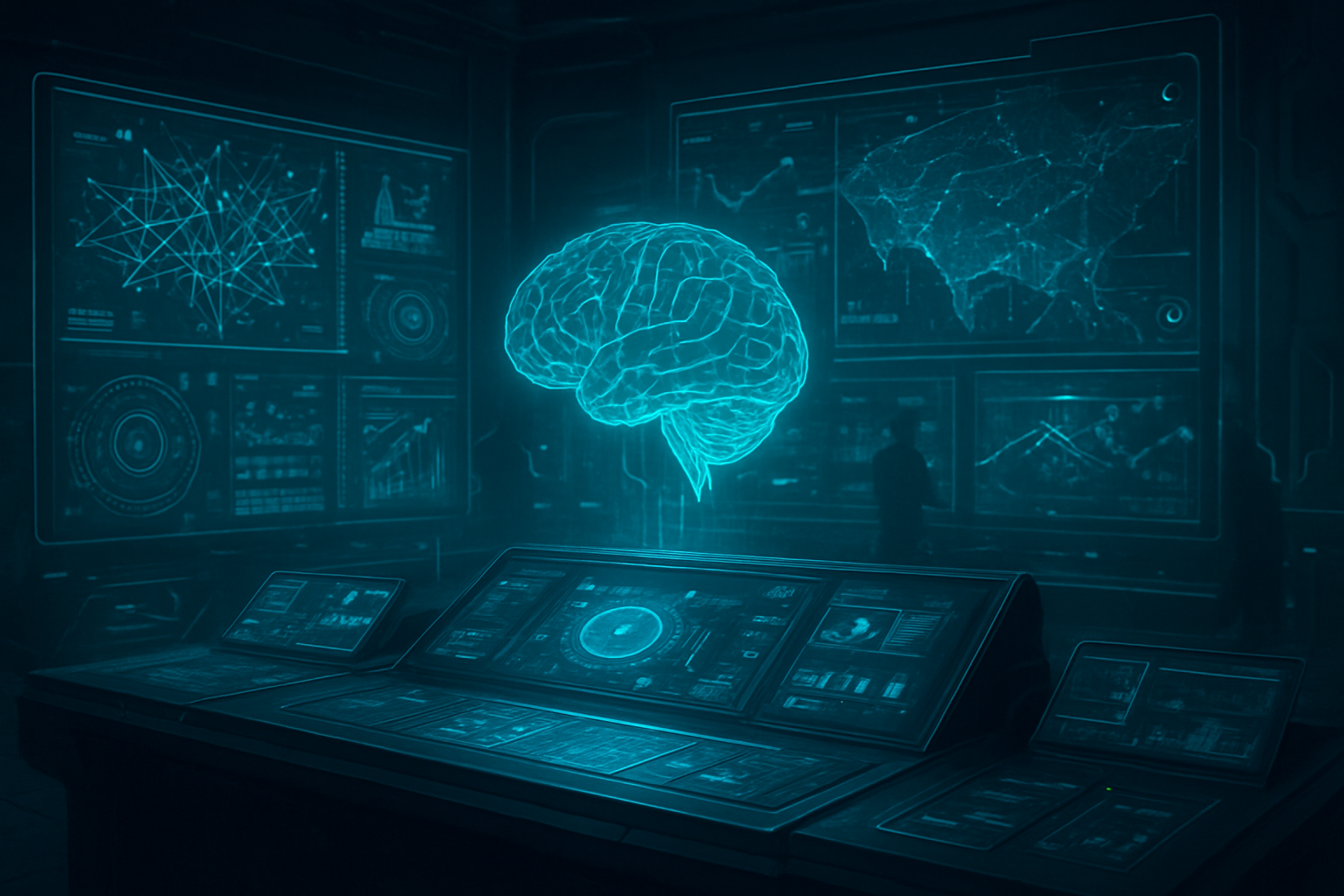
    The upcoming India's Defence Symposium 2.0, slated to unfold at IIT Bombay from December 22 to 24, 2025, is poised to be a landmark event in the nation's strategic discourse. Bringing together India's most distinguished military minds, the symposium will delve into the critical nexus of national security, modern warfare, and the transformative power of frontier technologies, with a particular emphasis on Artificial Intelligence. This gathering underscores India's proactive stance in leveraging cutting-edge advancements to fortify its defence capabilities and navigate the complexities of future conflicts.

    Set against the backdrop of IIT Bombay's annual Techfest, the symposium will serve as a crucial platform for high-level discussions on India's evolving national security priorities, the dynamics of modern warfare, and the ongoing defence transformation within the country. With a focus on joint operations, cross-service cooperation, and long-term strategic planning, the event highlights India's commitment to integrating advanced technologies like AI, cybersecurity, and robotics into its defence operations, signaling an ambitious push towards global leadership in military innovation.

    Frontier Technologies and AI in Modern Warfare: A Deep Dive

    The Defence Symposium 2.0 is expected to offer an unparalleled exploration into the specific applications and strategic implications of frontier technologies in enhancing India's defence posture. While the symposium's agenda broadly covers AI, cybersecurity, and robotics, the discussions are anticipated to delve into several key areas of AI advancement critical for modern warfare. This includes the integration of AI for enhanced situational awareness through advanced sensor fusion and data analytics, enabling faster and more accurate threat detection and response. Machine learning algorithms are increasingly being deployed for predictive maintenance of military hardware, optimizing operational readiness and reducing downtime.

    Furthermore, AI-powered decision support systems are becoming indispensable for commanders, offering real-time intelligence analysis, strategic planning assistance, and even autonomous or semi-autonomous operational capabilities in complex environments. The symposium is likely to highlight advancements in AI for electronic warfare, swarm robotics for reconnaissance and combat, and sophisticated cybersecurity measures powered by AI to defend against increasingly complex digital threats. These approaches represent a significant departure from traditional, human-centric methods, offering unprecedented speed, precision, and scale in military operations. Initial reactions from the defence and AI research community suggest a strong interest in how these theoretical advancements are being practically implemented and integrated into India's defence infrastructure, with experts eager to see the balance struck between automation and human oversight in critical military functions.

    Competitive Landscape and Market Implications for AI Companies

    The strategic focus on frontier technologies, particularly AI, at India's Defence Symposium 2.0 carries significant implications for both established tech giants and emerging startups in the AI sector. Companies specializing in AI for defence, such as those developing solutions for surveillance, data analytics, autonomous systems, and cybersecurity, stand to benefit immensely from India's renewed emphasis on technological self-reliance and modernization. Indian defence public sector undertakings (PSUs) like Hindustan Aeronautics Limited (NSE: HAL) and Bharat Electronics Limited (NSE: BEL) are likely to be key beneficiaries, as they are at the forefront of integrating indigenous AI capabilities into platforms and systems.

    Beyond the PSUs, a vibrant ecosystem of private Indian AI startups and mid-sized tech firms, often collaborating with academic institutions like IIT Bombay, could see increased opportunities for partnerships, funding, and contracts within the defence sector. These companies, which are agile and often specialize in niche AI applications, could provide innovative solutions that complement the capabilities of larger defence contractors. Globally, major AI labs and tech companies with defence divisions, such as those from the United States or Europe, might also explore collaborations or technology transfers, though India's push for indigenous development will prioritize local solutions. This strategic shift could potentially disrupt existing market dynamics, fostering a more competitive environment where innovation and specialized AI expertise become paramount, challenging the dominance of traditional defence suppliers and creating new market positioning opportunities for AI-first companies.

    Broader Significance in the AI Landscape and Global Trends

    India's Defence Symposium 2.0 signifies a critical juncture in the nation's strategic embrace of Artificial Intelligence, aligning with a broader global trend where AI is increasingly recognized as a pivotal factor in national security and geopolitical power. This event underscores India's ambition to not just adopt, but to lead in the development and deployment of military AI, positioning itself alongside other major global powers actively investing in AI-driven defence capabilities. The emphasis on indigenous development and collaboration between academia and the military reflects a strategic imperative to build sovereign capabilities, reducing reliance on foreign technology and fostering a robust domestic AI ecosystem.

    The symposium's focus on AI in defence also highlights the dual-use nature of many AI technologies, raising important ethical and regulatory considerations. Discussions around autonomous weapon systems, algorithmic bias, and the implications of AI on international stability are likely to be underlying themes, even if not explicitly stated. This development fits into the larger narrative of an AI arms race, where nations are vying for technological superiority to maintain strategic advantage. Compared to previous AI milestones, this symposium marks a shift from theoretical exploration to practical implementation and strategic integration of AI into the core of national defence, reflecting a maturation of AI's role from a research curiosity to a critical component of national security infrastructure.

    Exploring Future Developments and Challenges on the Horizon

    Looking ahead, the insights and collaborations forged at India's Defence Symposium 2.0 are expected to catalyze several near-term and long-term developments in military AI. In the near term, we can anticipate increased investment in AI research and development within India's defence sector, leading to accelerated prototyping and deployment of AI-powered solutions for surveillance, logistics, and command and control systems. The symposium's emphasis on joint operations suggests a future where AI facilitates seamless interoperability between different branches of the armed forces, creating a more cohesive and effective defence apparatus.

    Longer-term developments could include the widespread adoption of advanced autonomous systems, AI-driven cyber-defence platforms capable of self-healing and proactive threat neutralization, and the integration of AI into next-generation warfare platforms. However, significant challenges remain. These include ensuring the ethical deployment of AI, developing robust testing and validation frameworks for AI systems in critical applications, and addressing the talent gap in AI and data science within the defence sector. Experts predict a continued focus on human-AI teaming, where AI augments human capabilities rather than fully replacing them, ensuring human oversight in critical decision-making processes. The symposium will likely lay the groundwork for addressing these challenges, fostering a collaborative environment to navigate the complex future of military AI.

    A Comprehensive Wrap-Up: India's Strategic AI Leap

    India's Defence Symposium 2.0 at IIT Bombay stands as a testament to the nation's unwavering commitment to integrating cutting-edge Artificial Intelligence and frontier technologies into its national security framework. The symposium, featuring India's top military brass, underscores a strategic vision to transform defence capabilities, enhance operational readiness, and secure a prominent position in the global landscape of military innovation. Key takeaways from the discussions will undoubtedly revolve around the imperative of indigenous AI development, the critical role of academia-industry-military collaboration, and the strategic implications of AI in modern warfare.

    This event marks a significant milestone in India's AI journey, moving beyond theoretical discussions to concrete plans for deployment and integration of advanced AI systems. Its significance in AI history lies in its clear articulation of a national strategy for military AI, reflecting a global trend of nations prioritizing technological superiority in defence. In the coming weeks and months, observers should watch for announcements regarding new defence AI initiatives, increased funding for AI research, and potential partnerships between defence organizations and technology companies. The symposium is not just an event; it is a declaration of intent, signaling India's firm resolve to harness the power of AI for a more secure and resilient future.


    This content is intended for informational purposes only and represents analysis of current AI developments.

    TokenRing AI delivers enterprise-grade solutions for multi-agent AI workflow orchestration, AI-powered development tools, and seamless remote collaboration platforms.
    For more information, visit https://www.tokenring.ai/.
  • India Unveils Ambitious Tech-Led Farming Revolution: NITI Aayog’s Roadmap for an AI-Powered Agricultural Future

    India Unveils Ambitious Tech-Led Farming Revolution: NITI Aayog’s Roadmap for an AI-Powered Agricultural Future

    GANDHINAGAR, INDIA – November 3, 2025 – In a landmark move set to redefine the future of Indian agriculture, NITI Aayog, India's premier policy think tank, today unveiled a comprehensive roadmap titled "Reimagining Agriculture: A Roadmap for Frontier Technology Led Transformation." Launched in collaboration with global consulting firm BCG, tech giant Google (NASDAQ: GOOGL), and the Confederation of Indian Industry (CII), this ambitious initiative charts a 10-year course to integrate cutting-edge frontier technologies, including Artificial Intelligence (AI) and Agentic AI, into the nation's farmlands. The vision, announced at a pivotal event in Gandhinagar, aims to dramatically enhance productivity, ensure sustainability, and significantly boost farmer incomes, aligning directly with India's overarching goal of becoming a developed nation by 2047 (Viksit Bharat 2047).

    This groundbreaking roadmap signifies a proactive stride towards leveraging the power of advanced technology to address longstanding challenges in the agricultural sector, from climate change impacts and resource management to market access and income stability. By democratizing access to sophisticated tools and data-driven insights, NITI Aayog seeks to foster inclusive rural prosperity and solidify India's position as a global leader in agri-tech innovation. The initiative is poised to unlock new levels of agricultural resilience, ensuring food security for its vast population while creating new economic opportunities across the value chain.

    Engineering a Smarter Harvest: The Technical Blueprint for Agricultural Transformation

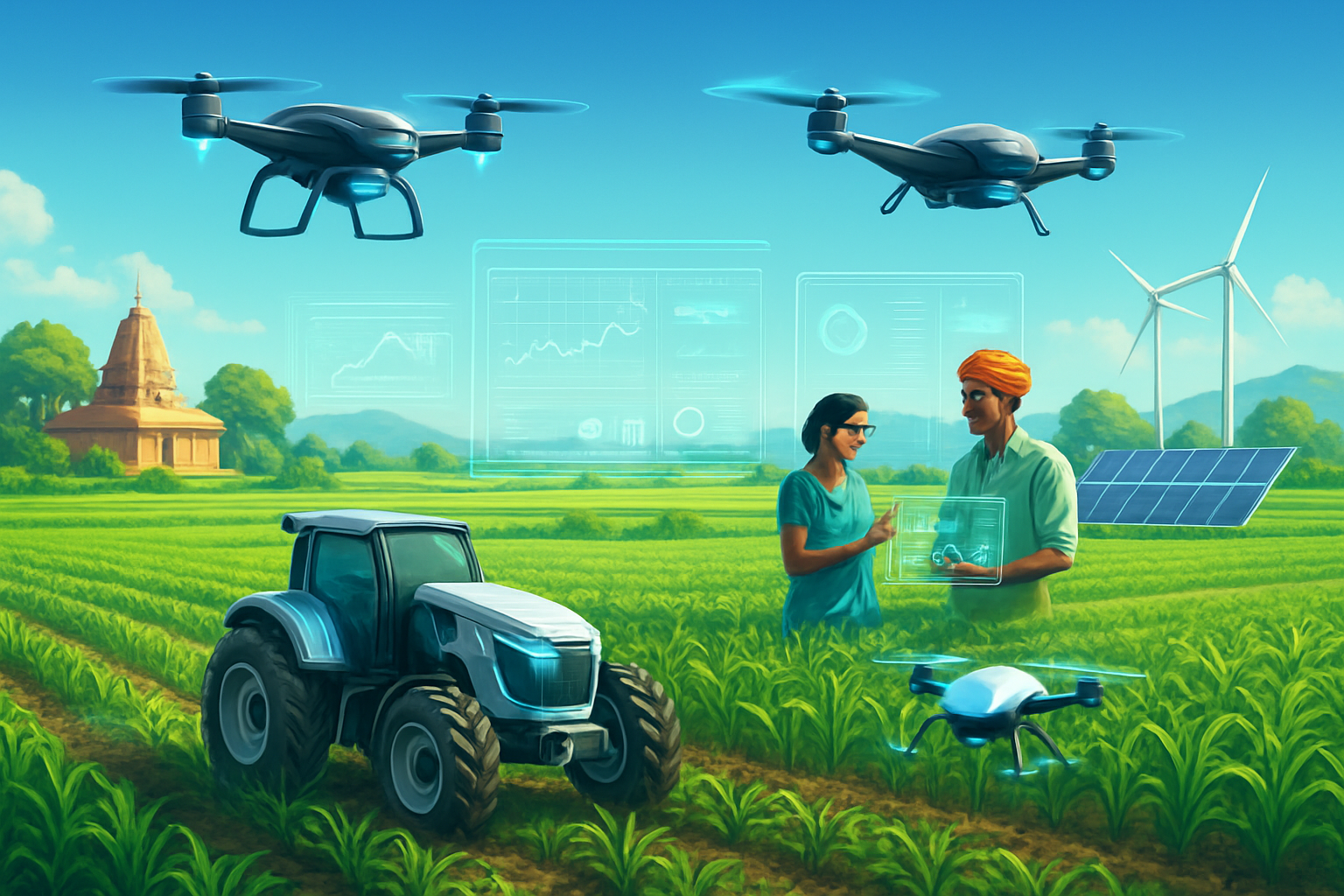
    The "Reimagining Agriculture" roadmap is not merely a conceptual framework but a detailed technical blueprint for integrating a diverse array of frontier technologies into every facet of farming. At its core are advancements in Artificial Intelligence (AI), including sophisticated Agentic AI, which will power applications such as hyper-local AI-driven weather forecasts, early pest and disease detection, and predictive farming models that optimize planting and harvesting schedules. This move towards intelligent automation marks a significant departure from traditional, often reactive, agricultural practices, enabling proactive decision-making based on real-time data and predictive analytics.

    Beyond AI, the roadmap champions Digital Twins, allowing for the creation of virtual models of entire farm ecosystems to simulate and predict outcomes, optimize resource allocation, and test different scenarios without physical intervention. Precision Agriculture techniques, combined with Smart Sensors and the Internet of Things (IoT), will enable granular monitoring of crop health, soil conditions, and water usage, ensuring efficient input management. This contrasts sharply with previous, often generalized, approaches to resource application, promising substantial reductions in waste and environmental impact. Furthermore, Advanced Mechanization and Robotics are set to address labor shortages and improve operational efficiency, while the development of Climate-Resilient Seeds and the promotion of Verticalized Farming will enhance adaptability to changing climatic conditions and optimize land use. Drones are earmarked for widespread use in monitoring, spraying, and data collection, while Blockchain Technology will be deployed to enhance data integrity, traceability, and provide quality certification across the agricultural supply chain, bridging existing data silos and fostering trust.

    The Agri-Tech Gold Rush: Implications for Companies and Market Dynamics

    NITI Aayog's vision for tech-led farming is set to ignite a significant "agri-tech gold rush," creating immense opportunities for a diverse range of companies, from established tech giants to nimble startups. Google (NASDAQ: GOOGL), already a collaborator in this initiative, stands to benefit significantly through its cloud services, AI platforms, and data analytics capabilities, which will be crucial for processing the vast amounts of agricultural data generated. Similarly, other cloud providers and AI solution developers will find a burgeoning market for specialized agricultural applications.

    The competitive landscape will see intensified innovation, particularly among agri-tech startups focusing on precision farming, drone technology, IoT sensors, and AI-driven predictive analytics. Companies like Mahindra & Mahindra (NSE: M&M), a major player in agricultural machinery, could see increased demand for advanced, robot-enabled farm equipment, while also potentially venturing deeper into integrated smart farming solutions. The emphasis on data systems and blockchain will open doors for companies specializing in secure data management and supply chain transparency. This development could disrupt traditional agricultural input suppliers by shifting focus towards data-driven recommendations and optimized resource use, forcing them to adapt or partner with tech providers. Market positioning will favor companies that can offer end-to-end solutions, integrate seamlessly with existing farm infrastructure, and demonstrate tangible improvements in farmer profitability and sustainability.

    A New Green Revolution: Wider Significance and Global Implications

    NITI Aayog's "Reimagining Agriculture" roadmap represents a pivotal moment in the broader AI landscape, signaling a dedicated national effort to harness frontier technologies for a foundational sector. It aligns with global trends where AI is increasingly being deployed to tackle complex challenges like food security, climate change, and sustainable resource management. This initiative positions India as a significant player in the global agri-tech innovation ecosystem, potentially serving as a model for other developing nations facing similar agricultural challenges.

    The impacts are far-reaching: from boosting rural economies and creating new skilled jobs to enhancing national food security and reducing agriculture's environmental footprint. By fostering climate resilience and diversifying farming practices, the roadmap directly addresses the existential threat of climate change to agriculture. However, potential concerns include the digital divide, ensuring equitable access to technology for all farmers, data privacy, and the ethical deployment of AI. Comparisons to previous "Green Revolutions" highlight this initiative's potential to usher in a new era of productivity, but this time driven by intelligence and sustainability rather than just chemical inputs and mechanization. It represents a paradigm shift from input-intensive to knowledge-intensive agriculture.

    Cultivating the Future: Expected Developments and Emerging Horizons

    In the near term, we can expect a rapid rollout of pilot projects and the establishment of "centers of excellence" to foster interdisciplinary research and talent development in agri-tech. The government's role as a facilitator will likely see the creation of robust policy frameworks, incentives for technology adoption, and significant investments in digital and physical infrastructure to bridge the 'phygital divide.' Over the long term, the widespread integration of Agentic AI could lead to fully autonomous farm management systems, where AI agents manage everything from planting to harvesting, optimizing for yield, resource efficiency, and market demand.

    Potential applications on the horizon include hyper-personalized crop management based on individual plant health, AI-driven market prediction tools that advise farmers on optimal selling times, and advanced robotics for delicate tasks like fruit picking. Challenges that need to be addressed include overcoming farmer skepticism and ensuring trust in new technologies, developing user-friendly interfaces for complex AI tools, and securing adequate capital flows for agri-tech startups. Experts predict a significant transformation of the agricultural workforce, requiring new skill sets and a collaborative ecosystem involving technologists, agronomists, and policymakers to realize the full potential of this vision.

    Harvesting Innovation: A New Era for Indian Agriculture

    NITI Aayog's "Reimagining Agriculture" roadmap marks a monumental commitment to transforming Indian farming through frontier technologies. The key takeaways are clear: a strategic, holistic, and technology-driven approach is being adopted to enhance productivity, sustainability, and farmer incomes, with AI at its forefront. This development is not just another milestone; it represents a fundamental re-evaluation of how agriculture will operate in the 21st century, placing India at the vanguard of this global shift.

    Its significance in AI history lies in demonstrating a national-level commitment to deploying advanced AI and related technologies in a critical sector, with a clear focus on practical, scalable solutions tailored to diverse needs. The long-term impact could be a more resilient, efficient, and prosperous agricultural sector, contributing substantially to India's economic growth and global food security. In the coming weeks and months, stakeholders will be keenly watching for the detailed implementation plans, the first wave of public-private partnerships, and the initial pilot project outcomes, which will set the stage for this ambitious and transformative journey.


    This content is intended for informational purposes only and represents analysis of current AI developments.

    TokenRing AI delivers enterprise-grade solutions for multi-agent AI workflow orchestration, AI-powered development tools, and seamless remote collaboration platforms.
    For more information, visit https://www.tokenring.ai/.