
Tag: Gemini

  • Google’s Gemini-Powered Vision: The Return of Smart Glasses as the Ultimate AI Interface

    Google’s Gemini-Powered Vision: The Return of Smart Glasses as the Ultimate AI Interface

    As the tech world approaches the end of 2025, the race to claim the "prime real estate" of the human face has reached a fever pitch. Reports from internal sources at Alphabet Inc. (NASDAQ: GOOGL) and recent industry demonstrations suggest that Google is preparing a massive, coordinated return to the smart glasses market. Unlike the ill-fated Google Glass of a decade ago, this new generation of wearables is built from the ground up to serve as the physical vessel for Gemini, Google’s most advanced multimodal AI. By integrating the real-time visual processing of "Project Astra," Google aims to provide users with a "universal AI agent" that can see, hear, and understand the world alongside them in real-time.

    The significance of this move cannot be overstated. For years, the industry has theorized that the smartphone’s dominance would eventually be challenged by ambient computing—technology that exists in the background of our lives rather than demanding our constant downward gaze. With Gemini-integrated glasses, Google is betting that the combination of high-fashion frames and low-latency AI reasoning will finally move smart glasses from a niche enterprise tool to an essential consumer accessory. This development marks a pivotal shift for Google, moving away from being a search engine you "go to" and toward an intelligence that "walks with" you.

    The Brain Behind the Lens: Project Astra and Multimodal Mastery

    At the heart of the upcoming Google glasses is Project Astra, a breakthrough from Google DeepMind designed to handle multimodal inputs with near-zero latency. Technically, these glasses differ from previous iterations by moving beyond simple notifications or basic photo-taking. Leveraging the Gemini 2.5 and Ultra models, the glasses can perform "contextual reasoning" on a continuous video feed. In recent developer previews, a user wearing the glasses was able to look at a complex mechanical engine and ask, "What part is vibrating?" The AI, identifying the movement through the camera and correlating it with acoustic data, highlighted the specific bolt in the user’s field of view using an augmented reality (AR) overlay.

    The hardware itself is reportedly split into two distinct categories to maximize market reach. The first is an "Audio-Only" model, focusing on sleek, lightweight frames that look indistinguishable from standard eyewear. These rely on bone-conduction audio and directional microphones to provide a conversational interface. The second, more ambitious model features a high-resolution Micro-LED display engine developed by Raxium—a startup Google acquired in 2022. These "Display AI" glasses utilize advanced waveguides to project private, high-contrast text and graphics directly into the user’s line of sight, enabling real-time translation subtitles and turn-by-turn navigation that anchors 3D arrows to the physical street.

    Initial reactions from the AI research community have been largely positive, particularly regarding Google’s "long context window" technology. This allows the glasses to "remember" visual inputs for up to 10 minutes, solving the "where are my keys?" problem by allowing the AI to recall exactly where it last saw an object. However, experts note that the success of this technology hinges on battery efficiency. To combat heat and power drain, Google is utilizing the Snapdragon XR2+ Gen 2 chip from Qualcomm Inc. (NASDAQ: QCOM), offloading heavy computational tasks to the user’s smartphone via the new "Android XR" operating system.

    The Battle for the Face: Competitive Stakes and Strategic Shifts

    The intensifying rumors of Google's smart glasses have sent ripples through the boardrooms of Silicon Valley. Google’s strategy is a direct response to the success of the Ray-Ban Meta glasses produced by Meta Platforms, Inc. (NASDAQ: META). While Meta initially held a lead in the "fashion-first" category, Google has pivoted after being blocked from a partnership with EssilorLuxottica (EPA: EL) by a $3 billion investment from Meta. In response, Google has formed a strategic alliance with Warby Parker Inc. (NYSE: WRBY) and the high-end fashion label Gentle Monster. This "open platform" approach, branded as Android XR, is intended to make Google the primary software provider for all eyewear manufacturers, mirroring the strategy that made Android the dominant mobile OS.

    This development poses a significant threat to Apple Inc. (NASDAQ: AAPL), whose Vision Pro headset remains a high-end, tethered experience focused on "spatial computing" rather than "daily-wear AI." While Apple is rumored to be working on its own lightweight glasses, Google’s integration of Gemini gives it a head start in functional utility. Furthermore, the partnership with Samsung Electronics (KRX: 005930) to develop a "Galaxy XR" ecosystem ensures that Google has the manufacturing muscle to scale quickly. For startups in the AI hardware space, such as those developing standalone pins or pendants, the arrival of a functional, stylish glass from Google could prove disruptive, as the eyes and ears of a pair of glasses offer a far more natural data stream for an AI than a chest-mounted camera.

    Privacy, Subtitles, and the "Glasshole" Legacy

    The wider significance of Google’s return to eyewear lies in how it addresses the societal scars left by the original Google Glass. To avoid the "Glasshole" stigma of the mid-2010s, the 2025/2026 models are rumored to include significant privacy-first hardware features. These include a physical shutter for the camera and a highly visible LED ring that glows brightly when the device is recording or processing visual data. Google is also reportedly implementing an "Incognito Mode" that uses geofencing to automatically disable cameras in sensitive locations like hospitals or bathrooms.

    Beyond privacy, the cultural impact of real-time visual context is profound. The ability to have live subtitles during a conversation with a foreign-language speaker or to receive "social cues" via AI analysis could fundamentally change human interaction. However, this also raises concerns about "reality filtering," where users may begin to rely too heavily on an AI’s interpretation of their surroundings. Critics argue that an always-on AI assistant could further erode human memory and attention spans, creating a world where we only "see" what the algorithm deems relevant to our current task.

    The Road to 2026: What Lies Ahead

    In the near term, we expect Google to officially unveil the first consumer-ready Gemini glasses at Google I/O in early 2026, with a limited "Explorer Edition" potentially shipping to developers by the end of this year. The focus will likely be on "utility-first" use cases: helping users with DIY repairs, providing hands-free cooking instructions, and revolutionizing accessibility for the visually impaired. Long-term, the goal is to move the glasses from a smartphone accessory to a standalone device, though this will require breakthroughs in solid-state battery technology and 6G connectivity.

    The primary challenge remains the social friction of head-worn cameras. While the success of Meta’s Ray-Bans has softened public resistance, a device that "thinks" and "reasons" about what it sees is a different beast entirely. Experts predict that the next year will be defined by a "features war," where Google, Meta, and potentially OpenAI—through their rumored partnership with Jony Ive and Luxshare Precision Industry Co., Ltd. (SZSE: 002475)—will compete to prove whose AI is the most helpful in the real world.

    Final Thoughts: A New Chapter in Ambient Computing

    The rumors of Gemini-integrated Google Glasses represent more than just a hardware refresh; they signal the beginning of the "post-smartphone" era. By combining the multimodal power of Gemini with the design expertise of partners like Warby Parker, Google is attempting to fix the mistakes of the past and deliver on the original promise of wearable technology. The key takeaway is that the AI is no longer a chatbot in a window; it is becoming a persistent layer over our physical reality.

    As we move into 2026, the tech industry will be watching closely to see if Google can successfully navigate the delicate balance between utility and intrusion. If they succeed, the glasses could become as ubiquitous as the smartphone, turning every glance into a data-rich experience. For now, the world waits for the official word from Mountain View, but the signals are clear: the future of AI is not just in our pockets—it’s right before our eyes.


    This content is intended for informational purposes only and represents analysis of current AI developments.

    TokenRing AI delivers enterprise-grade solutions for multi-agent AI workflow orchestration, AI-powered development tools, and seamless remote collaboration platforms.
    For more information, visit https://www.tokenring.ai/.

  • The Rise of the Universal Agent: How Google’s Project Astra is Redefining the Human-AI Interface

    The Rise of the Universal Agent: How Google’s Project Astra is Redefining the Human-AI Interface

    As we close out 2025, the landscape of artificial intelligence has shifted from the era of static chatbots to the age of the "Universal Agent." At the forefront of this revolution is Project Astra, a massive multi-year initiative from Google, a subsidiary of Alphabet Inc. (NASDAQ:GOOGL), designed to create an ambient, proactive AI that doesn't just respond to prompts but perceives and interacts with the physical world in real-time.

    Originally unveiled as a research prototype at Google I/O in 2024, Project Astra has evolved into the operational backbone of the Gemini ecosystem. By integrating vision, sound, and persistent memory into a single low-latency framework, Google has moved closer to the "JARVIS-like" vision of AI—an assistant that lives in your glasses, controls your smartphone, and understands your environment as intuitively as a human companion.

    The Technical Foundation of Ambient Intelligence

    The technical foundation of Project Astra represents a departure from the "token-in, token-out" architecture of early large language models. To achieve the fluid, human-like responsiveness seen in late 2025, Google DeepMind engineers focused on three core pillars: multimodal synchronicity, sub-300ms latency, and persistent temporal memory. Unlike previous iterations of Gemini, which processed video as a series of discrete frames, Astra-powered models like Gemini 2.5 and the newly released Gemini 3.0 treat video and audio as a continuous, unified stream. This allows the agent to identify objects, read code, and interpret emotional nuances in a user’s voice simultaneously without the "thinking" delays that plagued earlier AI.

    One of the most significant breakthroughs of 2025 was the rollout of "Agentic Intuition." This capability allows Astra to navigate the Android operating system autonomously. In a landmark demonstration earlier this year, Google showed the agent taking a single voice command—"Help me fix my sink"—and proceeding to open the camera to identify the leak, search for a digital repair manual, find the necessary part on a local hardware store’s website, and draft an order for pickup. This level of "phone control" is made possible by the agent's ability to "see" the screen and interact with UI elements just as a human would, bypassing the need for specific app API integrations.

    Initial reactions from the AI research community have been a mix of awe and caution. Dr. Andrej Karpathy and other industry luminaries have noted that Google’s integration of Astra into the hardware level—specifically via the Tensor G5 chips in the latest Pixel devices—gives it a distinct advantage in power efficiency and speed. However, some researchers argue that the "black box" nature of Astra’s decision-making in autonomous tasks remains a challenge for safety, as the agent must now be trusted to handle sensitive digital actions like financial transactions and private communications.

    The Strategic Battle for the AI Operating System

    The success of Project Astra has ignited a fierce strategic battle for what analysts are calling the "AI OS." Alphabet Inc. (NASDAQ:GOOGL) is leveraging its control over Android to ensure that Astra is the default "brain" for billions of devices. This puts direct pressure on Apple Inc. (NASDAQ:AAPL), which has taken a more conservative approach with Apple Intelligence. While Apple remains the leader in user trust and privacy-centric "Private Cloud Compute," it has struggled to match the raw agentic capabilities and cross-app autonomy that Google has demonstrated with Astra.

    In the wearable space, Google is positioning Astra as the intelligence behind the Android XR platform, a collaborative hardware effort with Samsung (KRX:005930) and Qualcomm (NASDAQ:QCOM). This is a direct challenge to Meta Platforms Inc. (NASDAQ:META), whose Ray-Ban Meta glasses have dominated the early "smart eyewear" market. While Meta’s Llama 4 models offer impressive "Look and Ask" features, Google’s Astra-powered glasses aim for a deeper level of integration, offering real-time world-overlay navigation and a "multimodal memory" that remembers where you left your keys or what a colleague said in a meeting three days ago.

    Startups are also feeling the ripples of Astra’s release. Companies that previously specialized in "wrapper" apps for specific AI tasks—such as automated scheduling or receipt tracking—are finding their value propositions absorbed into the native capabilities of the universal agent. To survive, the broader AI ecosystem is gravitating toward the Model Context Protocol (MCP), an open standard that allows agents from different companies to share data and tools, though Google’s "A2UI" (Agentic User Interface) standard is currently vying to become the dominant framework for how AI interacts with visual software.

    Societal Implications and the Privacy Paradox

    Beyond the corporate horse race, Project Astra signals a fundamental shift in the broader AI landscape: the transition from "Information Retrieval" to "Physical Agency." We are moving away from a world where we ask AI for information and toward a world where we delegate our intentions. This shift carries profound implications for human productivity, as "mundane admin"—the thousands of small digital tasks that consume our days—begins to vanish into the background of an ambient AI.

    However, this "always-on" vision has sparked significant ethical and privacy concerns. With Astra-powered glasses and phone-sharing features, the AI is effectively recording and processing a constant stream of visual and auditory data. Privacy advocates, including Signal President Meredith Whittaker, have warned that this creates a "narrative authority" over our lives, where a single corporation has a complete, searchable record of our physical and digital interactions. The EU AI Act, which saw its first major wave of enforcement in 2025, is currently scrutinizing these "autonomous systems" to determine if they violate bystander privacy or manipulate user behavior through proactive suggestions.

    Comparisons to previous milestones, like the release of GPT-4 or the original iPhone, are common, but Astra feels different. It represents the "eyes and ears" of the internet finally being connected to a "brain" that can act. If 2023 was the year AI learned to speak and 2024 was the year it learned to reason, 2025 is the year AI learned to inhabit our world.

    The Horizon: From Smartphones to Smart Worlds

    Looking ahead, the near-term roadmap for Project Astra involves a wider rollout of "Project Mariner," a desktop-focused version of the agent designed to handle complex professional workflows in Chrome and Workspace. Experts predict that by late 2026, we will see the first "Agentic-First" applications—software designed specifically to be navigated by AI rather than humans. These apps will likely have no traditional buttons or menus, consisting instead of data structures that an agent like Astra can parse and manipulate instantly.

    The ultimate challenge remains the "Reliability Gap." For a universal agent to be truly useful, it must achieve a near-perfect success rate in its actions. A 95% success rate is impressive for a chatbot, but a 5% failure rate is catastrophic when an AI is authorized to move money or delete files. Addressing "Agentic Hallucination"—where an AI confidently performs the wrong action—will be the primary focus of Google’s research as they move toward the eventual release of Gemini 4.0.

    A New Chapter in Human-Computer Interaction

    Project Astra is more than just a feature update; it is a blueprint for the future of computing. By bridging the gap between digital intelligence and physical reality, Google has established a new benchmark for what an AI assistant should be. The move from a reactive tool to a proactive agent marks a turning point in history, where the boundary between our devices and our environment begins to dissolve.

    The key takeaways from the Astra initiative are clear: multimodal understanding and low latency are the new prerequisites for AI, and the battle for the "AI OS" will be won by whoever can best integrate these agents into our daily hardware. In the coming months, watch for the public launch of the first consumer-grade Android XR glasses and the expansion of Astra’s "Computer Use" features into the enterprise sector. The era of the universal agent has arrived, and the way we interact with the world will never be the same.


    This content is intended for informational purposes only and represents analysis of current AI developments.

    TokenRing AI delivers enterprise-grade solutions for multi-agent AI workflow orchestration, AI-powered development tools, and seamless remote collaboration platforms.
    For more information, visit https://www.tokenring.ai/.

  • The Dawn of the Autonomous Investigator: Google Unveils Gemini Deep Research and Gemini 3 Pro

    The Dawn of the Autonomous Investigator: Google Unveils Gemini Deep Research and Gemini 3 Pro

    In a move that marks the definitive transition from conversational AI to autonomous agentic systems, Google (NASDAQ:GOOGL) has officially launched Gemini Deep Research, a groundbreaking investigative agent powered by the newly minted Gemini 3 Pro model. Announced in late 2025, this development represents a fundamental shift in how information is synthesized, moving beyond simple query-and-response interactions to a system capable of executing multi-hour research projects without human intervention.

    The immediate significance of Gemini Deep Research lies in its ability to navigate the open web with the precision of a human analyst. By browsing hundreds of disparate sources, cross-referencing data points, and identifying knowledge gaps in real-time, the agent can produce exhaustive, structured reports that were previously the domain of specialized research teams. As of late December 2025, this technology is already being integrated across the Google Workspace ecosystem, signaling a new era where "searching" for information is replaced by "delegating" complex objectives to an autonomous digital workforce.

    The technical backbone of this advancement is Gemini 3 Pro, a model built on a sophisticated Sparse Mixture-of-Experts (MoE) architecture. While the model boasts a total parameter count exceeding 1 trillion, its efficiency is maintained by activating only 15 to 20 billion parameters per query, allowing for high-speed reasoning and lower latency. One of the most significant technical leaps is the introduction of a "Thinking" mode, which allows users to toggle between standard responses and extended internal reasoning. In "High" thinking mode, the model engages in deep chain-of-thought processing, making it ideal for the complex causal chains required for investigative research.

    Gemini Deep Research differentiates itself from previous "browsing" features by its level of autonomy. Rather than just summarizing a few search results, the agent operates in a continuous loop: it creates a research plan, browses hundreds of sites, reads PDFs, analyzes data tables, and even accesses a user’s private Google Drive or Gmail if permitted. If it encounters conflicting information, it autonomously seeks out a third source to resolve the discrepancy. The final output is not a chat bubble, but a multi-page structured report exported to Google Canvas, PDF, or even an interactive "Audio Overview" that summarizes the findings in a podcast-like format.

    Initial reactions from the AI research community have been focused on the new "DeepSearchQA" benchmark released alongside the tool. This benchmark, consisting of 900 complex "causal chain" tasks, suggests that Gemini 3 Pro is the first model to consistently solve research problems that require more than 20 independent steps of logic. Industry experts have noted that the model’s 10 million-token context window—specifically optimized for the "Code Assist" and "Research" variants—allows it to maintain perfect "needle-in-a-haystack" recall over massive datasets, a feat that previous generations of LLMs struggled to achieve consistently.

    The release of Gemini Deep Research has sent shockwaves through the competitive landscape, placing immense pressure on rivals like OpenAI and Anthropic. Following the initial November launch of Gemini 3 Pro, reports surfaced that OpenAI—heavily backed by Microsoft (NASDAQ:MSFT)—declared an internal "Code Red," leading to the accelerated release of GPT-5.2. While OpenAI's models remain highly competitive in creative reasoning, Google’s deep integration with Chrome and Workspace gives Gemini a strategic advantage in "grounding" its research in real-world, real-time data that other labs struggle to access as seamlessly.

    For startups and specialized research firms, the implications are disruptive. Services that previously charged thousands of dollars for market intelligence or due diligence reports are now facing a reality where a $20-a-month subscription can generate comparable results in minutes. This shift is likely to benefit enterprise-scale companies that can now deploy thousands of these agents to monitor global supply chains or legal filings. Meanwhile, Amazon (NASDAQ:AMZN)-backed Anthropic has responded with Claude Opus 4.5, positioning it as the "safer" and more "human-aligned" alternative for sensitive corporate research, though it currently lacks the sheer breadth of Google’s autonomous browsing capabilities.

    Market analysts suggest that Google’s strategic positioning is now focused on "Duration of Autonomy"—a new metric measuring how long an agent can work without human correction. By winning the "agent wars" of 2025, Google has effectively pivoted from being a search engine company to an "action engine" company. This transition is expected to bolster Google’s cloud revenue as enterprises move their data into the Google Cloud (NASDAQ:GOOGL) environment to take full advantage of the Gemini 3 Pro reasoning core.

    The broader significance of Gemini Deep Research lies in its potential to solve the "information overload" problem that has plagued the internet for decades. We are moving into a landscape where the primary value of AI is no longer its ability to write text, but its ability to filter and synthesize the vast, messy sea of human knowledge into actionable insights. However, this breakthrough is not without its concerns. The "death of search" as we know it could lead to a significant decline in traffic for independent publishers and journalists, as AI agents scrape content and present it in summarized reports, bypassing the original source's advertising or subscription models.

    Furthermore, the rise of autonomous investigative agents raises critical questions about academic integrity and misinformation. If an agent can browse hundreds of sites to support a specific (and potentially biased) hypothesis, the risk of "automated confirmation bias" becomes a reality. Critics point out that while Gemini 3 Pro is highly capable, its ability to distinguish between high-quality evidence and sophisticated "AI-slop" on the web will be the ultimate test of its utility. This marks a milestone in AI history comparable to the release of the first web browser; it is not just a tool for viewing the internet, but a tool for reconstructing it.

    Comparisons are already being drawn to the "AlphaGo moment" for general intelligence. While AlphaGo proved AI could master a closed system with fixed rules, Gemini Deep Research is proving that AI can master the open, chaotic system of human information. This transition from "Generative AI" to "Agentic AI" signifies the end of the first chapter of the LLM era and the beginning of a period where AI is defined by its agency and its ability to impact the physical and digital worlds through independent action.

    Looking ahead, the next 12 to 18 months are expected to see the expansion of these agents into "multimodal action." While Gemini Deep Research currently focuses on information gathering and reporting, the next logical step is for the agent to execute tasks based on its findings—such as booking travel, filing legal paperwork, or even initiating software patches in response to a discovered security vulnerability. Experts predict that the "Thinking" parameters of Gemini 3 will continue to scale, eventually allowing for "overnight" research tasks that involve thousands of steps and complex simulations.

    One of the primary challenges that remains is the cost of compute. While the MoE architecture makes Gemini 3 Pro efficient, running a "Deep Research" query that hits hundreds of sites is still significantly more expensive than a standard search. We can expect to see a tiered economy of agents, where "Flash" agents handle quick lookups and "Pro" agents are reserved for high-stakes strategic decisions. Additionally, the industry must address the "robot exclusion" protocols of the web; as more sites block AI crawlers, the "open" web that these agents rely on may begin to shrink, leading to a new era of gated data and private knowledge silos.

    Google’s announcement of Gemini Deep Research and the Gemini 3 Pro model marks a watershed moment in the evolution of artificial intelligence. By successfully bridging the gap between a chatbot and a fully autonomous investigative agent, Google has redefined the boundaries of what a digital assistant can achieve. The ability to browse, synthesize, and report on hundreds of sources in a matter of minutes represents a massive leap in productivity for researchers, analysts, and students alike.

    As we move into 2026, the key takeaway is that the "agentic era" has arrived. The significance of this development in AI history cannot be overstated; it is the moment AI moved from being a participant in human conversation to a partner in human labor. In the coming weeks and months, the tech world will be watching closely to see how OpenAI and Anthropic respond, and how the broader internet ecosystem adapts to a world where the most frequent "visitors" to a website are no longer humans, but autonomous agents searching for the truth.


    This content is intended for informational purposes only and represents analysis of current AI developments.

    TokenRing AI delivers enterprise-grade solutions for multi-agent AI workflow orchestration, AI-powered development tools, and seamless remote collaboration platforms.
    For more information, visit https://www.tokenring.ai/.
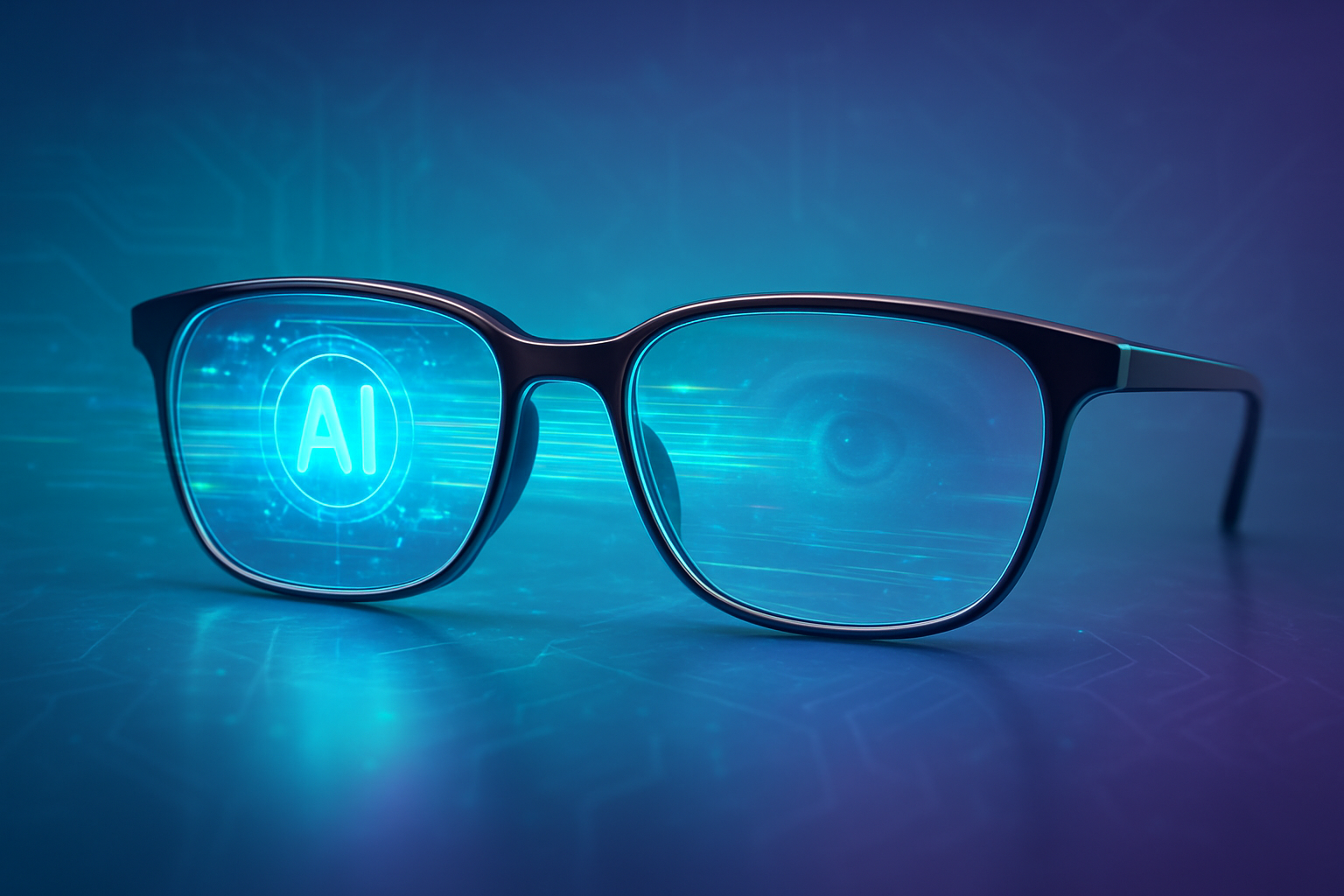
  • Google’s AI-Powered Smart Glasses Set for 2026: A New Era of Ambient Computing

    Google’s AI-Powered Smart Glasses Set for 2026: A New Era of Ambient Computing

    Google (NASDAQ: GOOGL) is poised to make a monumental return to the wearable technology arena in 2026 with the launch of its highly anticipated AI-powered smart glasses. This strategic move signals Google's most ambitious push into smart eyewear since the initial Google Glass endeavor, aiming to redefine daily interaction with digital assistance through advanced artificial intelligence. Leveraging its powerful Gemini AI platform and the Android XR operating system, Google intends to usher in a new era of "context-aware computing" that seamlessly integrates into the fabric of everyday life, transforming how individuals access information and interact with their environment.

    The announcement of a fixed launch window for 2026 has already sent ripples across the tech industry, reportedly "reshuffling rival plans" and compelling hardware partners and app developers to accelerate their own strategies. This re-entry into wearables signifies a major paradigm shift, pushing AI beyond the confines of smartphones and into "constant proximity" on a user's face. Google's multi-tiered product strategy, encompassing both audio-only and display-enabled glasses, aims to foster gradual adoption while intensifying the burgeoning competition in the wearable AI market, directly challenging existing players like Meta's (NASDAQ: META) Ray-Ban Meta AI glasses and anticipating entries from other tech giants such as Apple (NASDAQ: AAPL).

    The Technical Rebirth: Gemini AI at the Forefront of Wearable Computing

    Google's 2026 smart glasses represent a profound technological evolution from its predecessor, Google Glass. At the core of this advancement is the deep integration of Google's Gemini AI assistant, which will power both the screen-free and display-enabled variants. Gemini enables multimodal interaction, allowing users to converse naturally with the glasses, leveraging input from built-in microphones, speakers, and cameras to "see" and "hear" the world as the user does. This contextual awareness facilitates real-time assistance, from identifying objects and translating signs to offering proactive suggestions based on observed activities or overheard conversations.

    The product lineup will feature two primary categories, both running on Android XR: lightweight Audio-Only AI Glasses for all-day wear, prioritizing natural conversational interaction with Gemini, and Display AI Glasses which will incorporate an in-lens display visible only to the wearer. The latter is envisioned to present helpful information like turn-by-turn navigation, real-time language translation captions, appointment reminders, and message previews. Some prototypes even show monocular or binocular displays capable of true mixed-reality visuals. While much of the heavy AI processing will be offloaded to a wirelessly connected smartphone to maintain a lightweight form factor, some on-device processing for immediate tasks and privacy considerations is expected, potentially utilizing specialized AR chipsets from partners like Qualcomm Technologies (NASDAQ: QCOM).

    This approach significantly differs from Google Glass, which focused on general-purpose computing with limited AI. The new glasses are fundamentally AI-centric, designed to be an ambient AI companion rather than merely a screen replacement. Privacy, a major concern with Google Glass, is being addressed with "intelligence around privacy and interaction," including features like dimming content when someone is in proximity and local processing of sensitive data. Furthermore, strategic partnerships with eyewear brands like Warby Parker and Gentle Monster aim to overcome past design and social acceptance hurdles, ensuring the new devices are stylish, comfortable, and discreet. Initial reactions from the AI research community express excitement for the potential of advanced AI to transform wearables, though skepticism remains regarding design, usability, and real-world utility, given past challenges.

    Reshaping the Tech Landscape: Competitive Dynamics and Market Disruption

    Google's re-entry into the smart glasses market with an AI-first strategy is set to profoundly impact the tech industry, creating new beneficiaries and intensifying competition. Hardware partners, particularly Samsung (KRX: 005930) for co-development and chip manufacturers like Qualcomm Technologies (NASDAQ: QCOM), stand to gain significantly from their involvement in the manufacturing and design of these sophisticated devices. Eyewear fashion brands like Warby Parker (NYSE: WRBY) and Gentle Monster will also play a crucial role in ensuring the glasses are aesthetically appealing and socially acceptable. Moreover, the Android XR platform and the Gemini Live API will open new avenues for AI developers, content creators, and service providers to innovate within a burgeoning ecosystem for spatial computing.

    The competitive implications for major AI labs and tech companies are substantial. Meta (NASDAQ: META), a current leader with its Ray-Ban Meta smart glasses, will face direct competition from Google's Gemini-integrated offering. This rivalry is expected to drive rapid innovation in design, AI capabilities, and ecosystem development. Apple (NASDAQ: AAPL), also rumored to be developing its own AI-based smart glasses, could enter the market by late 2026, setting the stage for a major platform battle between Google's Android XR and Apple's rumored ecosystem. While Samsung (KRX: 005930) is partnering with Google on Android XR, it is also pursuing its own XR headset development, indicating a dual strategy to capture market share.

    These AI smart glasses have the potential to disrupt several existing product categories. While designed to complement rather than replace smartphones, they could reduce reliance on handheld devices for quick information access and notifications. Current voice assistants on smartphones and smart speakers might face disruption as users shift to more seamless, always-on, and contextually aware interactions directly through their glasses. Furthermore, the integration of many smartwatch and headphone functionalities with added visual or contextual intelligence could consolidate the wearable market. Google's strategic advantages lie in its vast ecosystem, the power of Gemini AI, a tiered product strategy for gradual adoption, and critical partnerships, all built on the lessons learned from past ventures.

    A New Frontier for AI: Broader Significance and Ethical Considerations

    Google's 2026 AI-powered smart glasses represent a critical inflection point in the broader AI landscape, embodying the vision of ambient computing. This paradigm envisions technology as an invisible, ever-present assistant that anticipates user needs, operating proactively and contextually to blend digital information into the physical world. Central to this is multimodal AI, powered by Gemini, which allows the glasses to process visual, audio, and textual data simultaneously, enabling real-time assistance that understands and reacts to the user's surroundings. The emphasis on on-device AI for immediate tasks also enhances responsiveness and privacy by minimizing cloud reliance.

    Societally, these glasses could offer enhanced accessibility, providing hands-free assistance, real-time language translation, and visual aids, thereby streamlining daily routines and empowering individuals. They promise to redefine human-technology interaction, moving beyond discrete device interactions to a continuous, integrated digital overlay on reality. However, the transformative potential comes with significant concerns. The presence of always-on cameras and microphones in discreet eyewear raises profound privacy invasion and surveillance risks, potentially leading to a normalization of "low-grade, always-on surveillance" and questions about bystander consent. The digital divide could also be exacerbated by the high cost of such advanced technology, creating an "AI divide" that further marginalizes underserved communities.

    Comparing this to previous AI milestones, Google's current initiative is a direct successor to the ill-fated Google Glass (2013), aiming to learn from its failures in privacy, design, and utility by integrating far more powerful multimodal AI. It also enters a market where Meta's (NASDAQ: META) Ray-Ban Smart Glasses have already paved the way for greater consumer acceptance. The advanced AI capabilities in these forthcoming glasses are a direct result of decades of AI research, from IBM's Deep Blue (1997) to DeepMind's AlphaGo (2016) and the revolution brought by Large Language Models (LLMs) like GPT-3 and Google's BERT in the late 2010s and early 2020s, all of which contribute to making context-aware, multimodal AI in a compact form factor a reality today.

    The Road Ahead: Anticipated Developments and Lingering Challenges

    Looking beyond the 2026 launch, Google's AI smart glasses are expected to undergo continuous evolution in both hardware and AI capabilities. Near-term developments will focus on refining the initial audio-only and display-enabled models, improving comfort, miniaturization, and the seamless integration of Gemini. Long-term, hardware iterations will likely lead to even lighter devices, more powerful on-device AI chips to reduce smartphone reliance, advanced displays with wider fields of view, and potentially new control mechanisms like wrist-wearable controllers. AI model improvements will aim for deeper contextual understanding, enabling "proactive AI" that anticipates user needs, enhanced multimodal capabilities, and a personalized "copilot" that learns user behavior for highly tailored assistance.

    The potential applications and use cases are vast, spanning everyday assistance like hands-free messaging and navigation, to communication with real-time language translation, and information access for identifying objects or learning about surroundings. Professional applications in healthcare, logistics, and manufacturing could also see significant benefits. However, several challenges must be addressed for widespread adoption. Technical limitations such as battery life, weight and comfort, and the balance between processing power and heat generation remain critical hurdles. Social acceptance and the lingering stigma from Google Glass are paramount, requiring careful attention to privacy concerns and transparency. Furthermore, robust regulatory frameworks for data privacy and control will be essential to build consumer trust.

    Experts predict a multi-phase evolution for the smart glasses market, with the initial phase focusing on practical AI assistance. Google's strategy is viewed as a "comprehensive ecosystem play," leveraging Android and Gemini to gradually acclimate users to spatial computing. Intense competition from Meta (NASDAQ: META), Apple (NASDAQ: AAPL), and other players is expected, driving innovation. Many believe AI glasses are not meant to replace smartphones but to become a ubiquitous, intelligent interface that blends digital information with the real world. Ultimately, the success of Google's AI smart glasses hinges on earning user trust, effectively addressing privacy concerns, and providing meaningful control over data and interactions.


    This content is intended for informational purposes only and represents analysis of current AI developments.

    TokenRing AI delivers enterprise-grade solutions for multi-agent AI workflow orchestration, AI-powered development tools, and seamless remote collaboration platforms.
    For more information, visit https://www.tokenring.ai/.
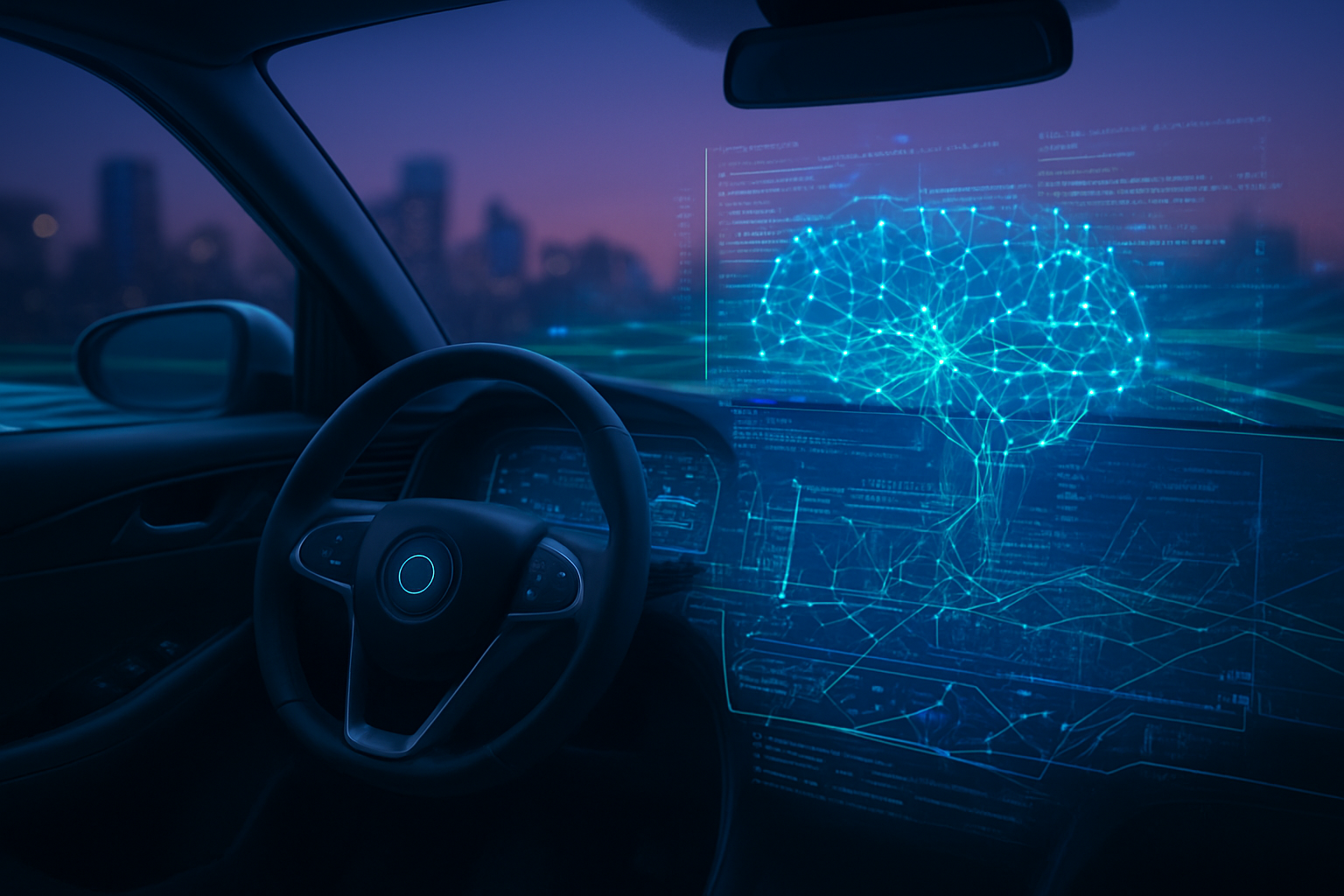
  • General Motors Recharges Digital Future: A Strategic Pivot Towards Software-Defined Vehicles and AI Integration

    General Motors Recharges Digital Future: A Strategic Pivot Towards Software-Defined Vehicles and AI Integration

    General Motors (NYSE: GM) is undergoing a profound strategic overhaul of its technology divisions, signaling a significant shift in its pursuit of digital growth and innovation. The automotive giant is recalibrating its focus from the capital-intensive robotaxi business to a more disciplined and integrated approach centered on advanced driver-assistance systems (ADAS), proprietary in-vehicle software, and pervasive AI integration. This restructuring, marked by executive leadership changes and a consolidation of tech operations, underscores a broader industry trend where traditional automakers are transforming into software-driven mobility providers, aiming for greater efficiency and a more direct control over the customer experience.

    The immediate significance of GM's pivot is multi-faceted. It reflects a re-evaluation of the timelines and profitability of fully autonomous robotaxi services, especially in the wake of the highly publicized incident involving its Cruise subsidiary in late 2023. By redirecting resources, GM aims to accelerate the development and deployment of advanced features in personal vehicles, promising tangible benefits to consumers sooner while bolstering its long-term revenue streams through subscription services and software-defined functionalities. This move also highlights the increasing pressure on major corporations to demonstrate clear pathways to profitability in their ambitious tech ventures, balancing innovation with financial prudence.

    A Deep Dive into GM's Tech Transformation: From Robotaxis to Integrated Intelligence

    GM's strategic restructuring is a comprehensive effort touching several critical technological pillars. At its core is a significant recalibration of its autonomous driving strategy. The company has publicly scaled back its ambition for a large-scale robotaxi business, instead refocusing Cruise's development on advanced driver-assistance systems (ADAS) and autonomous features destined for personal vehicles. This involves increasing GM's stake in Cruise to over 97% and integrating Cruise's technical teams directly into GM's ADAS development. The goal is to expand the reach of hands-free driving technologies like Super Cruise and eventually introduce "eyes-off" driving capabilities in personal vehicles by 2028, starting with models like the Cadillac ESCALADE IQ electric SUV. This contrasts sharply with the previous approach of developing a separate, high-cost robotaxi service, signaling a pragmatic shift towards more scalable and immediately deployable autonomous solutions for the mass market.

    The Software and Services organization has also seen substantial changes, including the consolidation of software engineering and global product units into a single organization under newly appointed Chief Product Officer Sterling Anderson. This streamlining aims to accelerate the development and delivery of in-vehicle experiences, with GM's proprietary Ultifi software platform remaining a central focus. Ultifi is designed to enable over-the-air updates, new applications, and subscription services, transforming the vehicle into an evolving digital platform. Furthermore, GM is integrating conversational AI powered by Google's Gemini technology into its vehicles starting in 2026, alongside developing its own proprietary GM AI tailored to drivers. This dual approach to AI, combining external partnerships with in-house development, demonstrates a commitment to advanced intelligent features within the vehicle ecosystem.

    Beyond autonomous driving and in-vehicle software, GM is also consolidating its IT footprint, with the closure of its Georgia IT Innovation Center by the end of 2025, following a similar closure in Arizona in 2023. These moves are aimed at enhancing collaboration, improving efficiency, and optimizing technical resources, especially as AI reshapes the workforce. Looking ahead, GM plans to introduce a new centralized computing platform in 2028, beginning with the Cadillac ESCALADE IQ. This platform is envisioned to revolutionize vehicle design and functionality by integrating propulsion, steering, and infotainment into a unified, high-speed computing system, promising lower costs and enabling more advanced software features. This holistic approach to restructuring, encompassing hardware, software, and AI, represents a fundamental re-engineering of GM's technological backbone.

    Competitive Ripples: Reshaping the AI and Automotive Landscape

    General Motors' strategic pivot has significant competitive implications across the AI and automotive industries. Companies heavily invested in the robotaxi space, such as Waymo (a subsidiary of Alphabet (NASDAQ: GOOGL)) and Amazon's (NASDAQ: AMZN) Zoox, will face a shifting landscape. While GM's retreat from large-scale robotaxi operations might reduce one competitor, it also underscores the immense technical and financial challenges of achieving profitability in that sector, potentially prompting other players to reassess their own strategies or timelines. Conversely, companies specializing in ADAS technologies, such as Mobileye (NASDAQ: MBLY) or NVIDIA (NASDAQ: NVDA) with its DRIVE platform, could see increased demand as automakers like GM double down on advanced features for personal vehicles.

    For tech giants, GM's deepening integration of AI, particularly with Google's (NASDAQ: GOOGL) Gemini, highlights the growing influence of big tech in the automotive sector. This partnership demonstrates how traditional automakers are increasingly relying on established AI and cloud providers to accelerate their digital transformation, rather than building every component in-house. This could intensify competition among tech companies to secure similar deals with other major car manufacturers. Startups in the in-vehicle software and AI application space also stand to benefit, as GM's Ultifi platform aims to create an open ecosystem for new services and features, potentially opening doors for smaller innovators to integrate their solutions into millions of vehicles.

    The restructuring also reflects the ongoing challenge for traditional automakers to attract and retain top-tier Silicon Valley tech talent. High-profile departures from GM's AI and software leadership, including the company's first Chief Artificial Intelligence Officer Barak Turovsky, indicate the difficulties of integrating agile tech cultures into established corporate structures. This ongoing talent war will likely continue to shape the competitive landscape, with companies that successfully bridge this cultural divide gaining a significant strategic advantage in the race to develop software-defined vehicles and AI-powered mobility solutions.

    Broader Implications: The Software-Defined Vehicle Era Solidifies

    GM's strategic restructuring is a powerful testament to the broader industry trend of the "software-defined vehicle" (SDV) becoming the new paradigm. This shift signifies that a vehicle's value is increasingly determined not just by its hardware and performance, but by its digital capabilities, connectivity, and the intelligence it offers through software and AI. GM's commitment to its Ultifi platform and a centralized computing architecture by 2028 positions it firmly within this trend, aiming to unlock new revenue streams through subscription services, personalized experiences, and continuous over-the-air updates. This move also reflects a growing recognition among traditional automakers that they must become software companies first and foremost to remain competitive.

    The impacts extend beyond the automotive sector, influencing the wider AI landscape. GM's decision to scale back robotaxi ambitions, while still pursuing advanced autonomy for personal vehicles, underscores a pivot in AI investment from highly specialized, capital-intensive "moonshot" projects towards more scalable and immediately applicable AI solutions. This could encourage a broader industry focus on ADAS and in-car AI, which offer clearer pathways to commercialization and profitability in the near term. Potential concerns include the consolidation of power among a few large tech and automotive players, and the challenge of ensuring data privacy and cybersecurity as vehicles become increasingly connected and intelligent. However, this strategic move by GM, alongside similar efforts by rivals like Ford (NYSE: F) and Volkswagen (XTRA: VW), marks a significant milestone in the evolution of AI applications, moving from niche research to widespread consumer integration.

    This strategic realignment by GM also draws comparisons to previous AI milestones. Just as deep learning breakthroughs shifted the focus from symbolic AI to neural networks, the current industry recalibration in autonomous driving signals a maturation of expectations. It's a move from the initial hype cycle of full Level 5 autonomy to a more pragmatic, incremental approach, prioritizing robust and safe Level 2 and Level 3 ADAS features that can be deployed at scale. This measured approach, while potentially slower in achieving full autonomy, aims to build consumer trust and generate revenue to fund future, more advanced AI research and development.

    The Road Ahead: Navigating AI's Automotive Horizon

    Looking ahead, the near-term and long-term developments stemming from GM's restructuring are poised to reshape the automotive experience. In the near term, consumers can expect an acceleration in the rollout of advanced ADAS features across GM's vehicle lineup, with a strong emphasis on enhancing safety and convenience through technologies like expanded Super Cruise capabilities. The integration of Google's Gemini-powered conversational AI by 2026 will also bring more sophisticated in-car voice assistants, promising a more intuitive and personalized user interface. The focus will be on demonstrating tangible benefits of these software-driven features, encouraging adoption of subscription services, and establishing Ultifi as a robust platform for continuous innovation.

    Longer term, the introduction of GM's new centralized computing platform by 2028 is expected to be a game-changer. This architecture will enable a deeper integration of AI across all vehicle functions, from predictive maintenance and energy management to highly personalized infotainment and autonomous driving. Potential applications include vehicles that can learn driver preferences, optimize routes based on real-time conditions and personal schedules, and even offer health and wellness monitoring. Experts predict a future where vehicles are not just modes of transport but intelligent, connected companions that evolve over their lifespan through software updates.

    However, significant challenges remain. Attracting and retaining top software and AI talent will continue to be critical, as will ensuring the robustness and security of increasingly complex software systems. The regulatory landscape for autonomous features is also evolving, requiring continuous adaptation. What experts predict next is a fierce battle for software differentiation among automakers. The success of GM's pivot will hinge on its ability to execute flawlessly on its Ultifi platform, deliver compelling AI-powered experiences, and effectively integrate its revamped Cruise unit into its broader ADAS strategy, all while maintaining financial discipline in its ambitious EV rollout.

    Charting a New Course: GM's Defining Moment in AI History

    General Motors' strategic restructuring represents a pivotal moment not just for the company, but for the broader AI and automotive industries. The key takeaways are clear: the era of the software-defined vehicle is here, the pursuit of AI-driven mobility requires a disciplined and integrated approach, and traditional automakers are aggressively transforming to compete in a tech-first world. GM's shift away from a pure robotaxi focus towards a more integrated ADAS and in-vehicle software strategy is a pragmatic response to market realities and technological maturity.

    This development holds significant historical weight, marking a maturation in the application of AI to complex real-world problems. It signals a move beyond the initial "move fast and break things" ethos often seen in tech startups, towards a more considered, safety-first, and revenue-driven deployment of AI in mission-critical systems like automobiles. The long-term impact will likely be a profound reshaping of how vehicles are designed, purchased, and experienced, with software and AI becoming central to brand identity and customer loyalty.

    In the coming weeks and months, industry watchers will be closely monitoring GM's execution of its Ultifi strategy, the progress of its integrated ADAS development, and the market reception to its new AI-powered features. The success of this ambitious pivot will not only determine GM's future trajectory but will also provide a crucial blueprint for how other major corporations navigate the complex and rapidly evolving landscape of artificial intelligence and digital transformation.


    This content is intended for informational purposes only and represents analysis of current AI developments.

    TokenRing AI delivers enterprise-grade solutions for multi-agent AI workflow orchestration, AI-powered development tools, and seamless remote collaboration platforms.
    For more information, visit https://www.tokenring.ai/.

  • Google Gemini 3 Unleashes Generative UI: AI Takes the Reins in Interface Design

    Google Gemini 3 Unleashes Generative UI: AI Takes the Reins in Interface Design

    In a monumental announcement just six days ago, on November 18, 2025, Google (NASDAQ: GOOGL) unveiled a groundbreaking update to its Gemini artificial intelligence platform: Generative UI. This revolutionary capability, powered by the newly introduced Gemini 3—hailed as Google's "most intelligent model"—allows AI to dynamically construct entire user interfaces on the fly, from interactive web pages and simulations to bespoke applications, all based on simple user prompts. This development signifies a profound paradigm shift, moving beyond traditional static interfaces to an era where AI acts as a co-designer, fundamentally reshaping how users interact with digital experiences and how developers build them.

    The immediate significance of Generative UI cannot be overstated. It ushers in an era of unprecedented personalization and dynamism in user experience, where interfaces are no longer pre-designed but emerge contextually from the user's intent. For the first time, AI is not merely generating content but is actively involved in the architectural and aesthetic design of interactive software, promising to democratize design capabilities and accelerate development cycles across the tech industry.

    Gemini 3's Generative UI: A Deep Dive into Dynamic Interface Creation

    The core of Google's latest innovation lies in Gemini 3's "generative UI" capabilities, which extend far beyond previous AI models' abilities to generate text or images. Gemini 3 can now interpret complex prompts and instantly render fully functional, interactive user experiences. This includes everything from a bespoke mortgage calculator generated from a financial query to an interactive simulation explaining RNA polymerase to a biology student. The AI doesn't just provide information; it crafts the very tool needed to engage with that information.

    Technically, Generative UI is being rolled out through experimental features within the Gemini app, notably "dynamic view" and "visual layout." In "dynamic view," Gemini actively designs and codes a customized interactive response for each prompt, adapting both content and interface features contextually. For instance, explaining a complex topic like the human microbiome to a five-year-old would result in a vastly different interface and content presentation than explaining it to a seasoned scientist. This adaptability is also integrated into Google Search's AI Mode, providing dynamic visual experiences with interactive tools and simulations generated specifically for user questions. For developers, Gemini 3 offers advanced "agentic coding" and "vibe coding" capabilities within Google AI Studio's Build mode and the new agentic development platform, Google Antigravity. These tools enable the rapid generation of high-fidelity front-end prototypes from text prompts or even sketches, complete with sophisticated UI components and superior aesthetics.

    This approach dramatically differs from previous UI/UX design methodologies, which relied heavily on human designers and front-end developers to meticulously craft every element. While previous AI tools might assist with code generation or design suggestions, Gemini 3's Generative UI takes the leap into autonomous, on-the-fly interface creation. Initial reactions from the AI research community and industry experts have been overwhelmingly positive, with many calling it a "third user-interface paradigm" in computing history, reversing the locus of control from the user specifying how to achieve an outcome to the AI dynamically determining and creating the interface to achieve it.

    Reshaping the AI and Tech Landscape: Competitive Implications

    Google's Generative UI update is poised to significantly impact AI companies, tech giants, and startups alike. Google (NASDAQ: GOOGL) itself stands to benefit immensely, solidifying its position at the forefront of AI innovation and potentially creating a new competitive moat. By integrating Generative UI into its Gemini app and Google Search, the company can offer unparalleled user experiences that are deeply personalized and highly dynamic, potentially increasing user engagement and loyalty.

    For other major AI labs and tech companies, this development presents a formidable challenge and an urgent call to action. Companies like Microsoft (NASDAQ: MSFT), Amazon (NASDAQ: AMZN), and Meta Platforms (NASDAQ: META), all heavily invested in AI, will likely accelerate their efforts in generative AI for interface design. The competitive implications are clear: the race to develop equally sophisticated or even superior generative UI capabilities will intensify, potentially leading to a new arms race in AI-powered design tools and user experience platforms. Smaller AI startups specializing in design automation or low-code/no-code platforms might find their existing products disrupted, but also present new opportunities for integration or specialization in niche generative UI applications.

    The potential disruption to existing products and services is vast. Traditional UI/UX design agencies and even in-house design teams may need to rapidly evolve their skill sets, shifting from manual design to prompt engineering and AI-guided design refinement. Front-end development frameworks and tools could also see significant changes, as AI begins to handle more of the boilerplate code generation. Market positioning will increasingly depend on a company's ability to leverage generative AI for creating intuitive, efficient, and highly customized user experiences, granting strategic advantages to those who can master this new paradigm.

    Wider Significance: A New Era for Human-Computer Interaction

    Google's Generative UI update fits squarely into the broader AI landscape as a monumental step towards truly intelligent and adaptive systems. It represents a significant stride in the quest for AI that can not only understand but also act creatively and autonomously to solve user problems. This development pushes the boundaries of human-computer interaction, moving beyond static interfaces and predetermined pathways to a fluid, conversational interaction where the interface itself is a dynamic construct of the AI's understanding.

    The impacts are far-reaching. Users will experience a more intuitive and less frustrating digital world, where tools and information are presented in the most effective way for their immediate needs. This could lead to increased productivity, improved learning experiences, and greater accessibility for individuals with diverse needs, as interfaces can be instantly tailored. However, potential concerns also arise, particularly regarding the "black box" nature of AI-generated designs. Ensuring transparency, control, and ethical considerations in AI-driven design will be paramount. There's also the question of job displacement in traditional design and development roles, necessitating a focus on reskilling and upskilling the workforce.

    Comparing this to previous AI milestones, Generative UI stands alongside breakthroughs like large language models generating coherent text and image generation models creating photorealistic art. However, it surpasses these by adding an interactive, functional dimension. While previous AI models could create content, Gemini 3 can create the means to interact with content and achieve tasks, effectively making AI a software architect. This marks a pivotal moment, signaling AI's increasing ability to not just augment human capabilities but to autonomously create and manage complex digital environments.

    The Horizon: Future Developments and Applications

    Looking ahead, the near-term and long-term developments stemming from Generative UI are poised to be transformative. In the near term, we can expect to see rapid iterations and refinements of Gemini 3's generative capabilities. Google will likely expand the types of interfaces AI can create, moving towards more complex, multi-modal applications. Integration with other Google services, such as Workspace and Android, will undoubtedly deepen, allowing for AI-generated UIs across a wider ecosystem. Experts predict a surge in "prompt engineering" for UI design, where the ability to articulate precise and effective prompts becomes a critical skill for designers and developers.

    Potential applications and use cases on the horizon are vast. Imagine AI-generated educational platforms that dynamically adapt their interface and learning tools to a student's progress and learning style, or e-commerce sites that present entirely personalized shopping experiences with unique navigation and product displays for each user. In enterprise settings, AI could generate custom internal tools and dashboards on demand, dramatically accelerating business process automation. The concept of "adaptive environments" where digital spaces continuously reshape themselves based on user behavior and intent could become a reality.

    However, significant challenges need to be addressed. Ensuring the security and robustness of AI-generated code, maintaining design consistency and brand identity across dynamic interfaces, and establishing clear ethical guidelines for AI in design are crucial. Furthermore, the ability for humans to override or fine-tune AI-generated designs will be essential to prevent a complete loss of creative control. Experts predict that the next phase will involve more sophisticated "human-in-the-loop" systems, where AI generates initial designs, and human designers provide critical feedback and final polish, fostering a symbiotic relationship between human creativity and AI efficiency.

    A New Chapter in AI History: The Age of Generative Interfaces

    Google's Gemini 3 update, with its groundbreaking Generative UI, represents a definitive turning point in the history of artificial intelligence and human-computer interaction. The key takeaway is clear: AI is no longer merely a tool for content creation or analysis; it is now a powerful co-creator of the digital world itself, capable of architecting and rendering interactive user experiences on demand. This development fundamentally alters the landscape of UI/UX design, shifting it from a purely human-centric craft to a collaborative endeavor with highly intelligent machines.

    This development's significance in AI history cannot be overstated. It marks a critical step towards truly intelligent agents that can not only understand and reason but also build and adapt. It's a leap from AI assisting design to AI performing design, opening up unprecedented possibilities for personalized, dynamic, and context-aware digital interactions. The long-term impact will likely include a democratization of design, accelerated software development cycles, and a redefinition of what constitutes a "user interface."

    In the coming weeks and months, the tech world will be closely watching several key areas. We'll be looking for further demonstrations of Generative UI's capabilities, particularly in diverse application domains. The adoption rate among developers and early users will be a crucial indicator of its immediate success. Furthermore, the responses from competing tech giants and their own generative UI initiatives will shape the competitive landscape. As AI continues its relentless march forward, Google's Generative UI stands as a powerful testament to the ever-expanding frontiers of artificial intelligence, heralding a new, exciting, and perhaps challenging chapter in our digital lives.


    This content is intended for informational purposes only and represents analysis of current AI developments.

    TokenRing AI delivers enterprise-grade solutions for multi-agent AI workflow orchestration, AI-powered development tools, and seamless remote collaboration platforms.
    For more information, visit https://www.tokenring.ai/.

  • Alphabet Races Towards $4 Trillion Valuation, Fueled by Groundbreaking AI Innovations

    Alphabet Races Towards $4 Trillion Valuation, Fueled by Groundbreaking AI Innovations

    Mountain View, CA – November 24, 2025 – Alphabet (NASDAQ: GOOGL), the parent company of Google, is on an accelerated trajectory to achieve a staggering $4 trillion market capitalization, a monumental leap largely attributed by market analysts and industry insiders to its relentless pursuit and groundbreaking advancements in artificial intelligence. The tech behemoth's stock has surged dramatically throughout 2025, with recent AI breakthroughs and strategic investments solidifying its position as a dominant force in the rapidly evolving AI landscape. This unprecedented growth underscores a profound shift in how the market values companies at the forefront of AI innovation, signaling a new era of tech leadership defined by intelligent systems.

    The momentum behind Alphabet's valuation is not merely speculative; it is firmly rooted in a series of tangible AI developments that are already translating into significant business results across its diverse portfolio. From enhancing core search functionalities and driving advertising revenue to bolstering its burgeoning cloud services and integrating advanced AI into its hardware, Alphabet's comprehensive AI strategy is proving to be a powerful catalyst for financial success and market confidence.

    Unpacking the AI Engine: Gemini 3, Ironwood TPUs, and a New Era of Intelligence

    Alphabet's recent surge is intricately linked to a suite of cutting-edge AI advancements, most notably the unveiling of its next-generation large language models and dedicated AI hardware. In mid-November 2025, Google introduced Gemini 3, a model that immediately garnered widespread acclaim for setting new benchmarks in AI performance. Gemini 3 boasts significant improvements in reasoning capabilities, multimodal understanding, and a vastly expanded context window of up to one million tokens, enabling it to process and comprehend more complex and extensive information than its predecessors. This leap allows for more concise, accurate, and contextually relevant responses, pushing the boundaries of what conversational AI can achieve.

    Hot on the heels of Gemini 3, Alphabet further elevated expectations with the internal announcement on November 21, 2025, of a new Gemini Ultra 2.0 architecture. This advanced iteration, being integrated into Google Cloud and Search divisions, demonstrates unprecedented capabilities in natural language understanding, multimodal reasoning, and sophisticated problem-solving, leading to an immediate 3.5% surge in GOOGL shares. Unlike previous models that often specialized in specific modalities, Gemini Ultra 2.0 aims for a more holistic intelligence, capable of seamlessly integrating and reasoning across text, images, audio, and video. This integrated approach marks a significant departure from fragmented AI systems, offering a unified intelligence platform that promises to revolutionize how users interact with information and technology. Initial reactions from the AI research community have been overwhelmingly positive, with experts praising Google's commitment to pushing the frontiers of generalized AI.

    Complementing these software advancements, Alphabet has also made significant strides in hardware, announcing the general availability of its seventh-generation Tensor Processing Unit (TPU), codenamed Ironwood, in November 2025. These custom-designed chips are purpose-built to accelerate demanding AI workloads, offering superior performance for large-scale model training and high-volume inference at optimized costs. By strategically deploying both Nvidia's Blackwell GPUs and its own Ironwood TPUs, Alphabet ensures it has the robust infrastructure required to power its increasingly complex AI models. Furthermore, the integration of AI-powered features like "AI Overviews" and "AI Mode" into Google Search has significantly boosted query growth, particularly among younger demographics, with "AI Mode" alone attracting over 75 million daily active users globally. These AI-enhanced summaries not only improve user experience but also drive commercial searches, directly contributing to advertising revenue.

    Reshaping the Competitive Landscape: A Multi-Rail AI Platform Emerges

    Alphabet's aggressive AI strategy is not only propelling its own valuation but also profoundly reshaping the competitive dynamics within the tech industry. The company is increasingly being viewed by the market not just as an advertising powerhouse but as a sophisticated "multi-rail AI platform" – a vertically integrated ecosystem spanning hardware, foundational models, cloud services, and consumer applications. This comprehensive approach gives Alphabet a distinct strategic advantage, allowing it to rapidly integrate AI innovations across its vast product suite.

    Tech giants like Microsoft (NASDAQ: MSFT), Amazon (NASDAQ: AMZN), and Meta (NASDAQ: META) are undoubtedly feeling the competitive pressure. While these companies are also heavily invested in AI, Alphabet's recent breakthroughs, particularly with the Gemini series and the Ironwood TPUs, position it as a formidable leader in foundational AI research and deployment. Google Cloud, a significant beneficiary of this AI-driven momentum, reported a 34% revenue increase in Q3 2025, primarily fueled by demand for its AI infrastructure and generative AI solutions. Its backlog surged by 46% quarter-over-quarter to $155 billion, indicating substantial long-term commitments from enterprises seeking to leverage Google's AI capabilities. This directly competes with Amazon Web Services (AWS) and Microsoft Azure for lucrative cloud contracts, especially those requiring advanced AI services.

    Startups in the AI space, while potentially benefiting from the broader AI ecosystem, also face the challenge of competing with Alphabet's immense resources and integrated offerings. However, Google's extensive API access for Gemini models and its developer programs also present opportunities for startups to build on its powerful AI platforms. The continuous integration of AI into core products like Search, YouTube, and Android (with the Pixel 10 series featuring the Gemini-optimized Tensor G5 chip) has the potential to disrupt existing services by offering more intelligent, personalized, and efficient user experiences. Alphabet's ability to seamlessly weave AI into its existing user base of billions provides a powerful network effect that is difficult for competitors to replicate.

    Broader Significance: AI's Economic Engine and Ethical Considerations

    Alphabet's ascent highlights the broader trend of artificial intelligence becoming the primary engine of economic growth and technological advancement. The combined market capitalization of leading AI firms, including Alphabet, Nvidia (NASDAQ: NVDA), Microsoft, Amazon, and Meta, has collectively surged by over $12 trillion in less than three years, with AI and data centers contributing approximately one-fifth of the US GDP growth in Q2 2025. This demonstrates AI's profound impact on global economies and its potential to drive unprecedented productivity gains and innovation across all sectors.

    This period of rapid AI advancement is often compared to previous technological revolutions, such as the internet boom or the advent of mobile computing, but with an even more pervasive and transformative potential. However, this rapid progress also brings important considerations. CEO Sundar Pichai, while optimistic about AI's potential, has voiced caution regarding potential "irrationality" in parts of the AI market, acknowledging that no company, including Alphabet, would be entirely immune to a market downturn. This underscores the need for responsible development and deployment of AI, addressing concerns around ethical AI, bias, data privacy, and the societal impact of increasingly powerful autonomous systems.

    The partnership secured by Google Cloud with the NATO Communication and Information Agency on November 24, 2025, to enhance NATO's digital infrastructure and AI capabilities, further illustrates the wider significance of AI. It shows how critical AI has become not just for commercial enterprises but also for national security and international cooperation, pushing the boundaries of digital governance and classified workload handling. As AI capabilities expand, so too does the imperative for robust regulatory frameworks and international collaboration to ensure its beneficial and equitable deployment.

    The Horizon of Innovation: What Comes Next for Alphabet's AI Journey

    Looking ahead, Alphabet's trajectory suggests a future dominated by increasingly sophisticated and integrated AI. Near-term developments are likely to focus on the further refinement and deployment of Gemini Ultra 2.0 across all Google products and services, making AI an even more seamless part of the user experience. We can expect to see more personalized and predictive capabilities in Search, more intelligent content creation and moderation tools in YouTube, and enhanced productivity features in Google Workspace, all powered by Gemini. The aggressive capital expenditure projections for 2025, ranging from $91 billion to $93 billion, primarily allocated to AI-focused technical infrastructure, including new data centers in Texas and Germany, signal a sustained commitment to building the foundational backbone for future AI breakthroughs.

    Long-term, the potential applications and use cases are vast. Experts predict that Google's continued investment in multimodal AI will lead to breakthroughs in areas like personalized education, advanced robotics, drug discovery, and climate modeling. The Gemini ecosystem, with over 650 million monthly active users of the Gemini app and 70% of Google Cloud customers utilizing Gemini, is poised for further expansion, fostering a vibrant developer community that will unlock unforeseen applications. However, challenges remain, including the need to continuously improve AI's ability to understand nuance, prevent biases, and operate ethically at scale. The energy consumption of massive AI models and data centers also presents an environmental challenge that needs to be addressed through more efficient architectures and renewable energy sources.

    What experts predict will happen next is a continued race for AI supremacy, with Alphabet leveraging its integrated technology pipeline to maintain a leading edge. The focus will likely shift from merely demonstrating AI capabilities to deeply embedding them in every aspect of daily life, making AI an invisible yet indispensable assistant.

    A New Benchmark in AI History: Alphabet's Enduring Impact

    Alphabet's accelerated path towards a $4 trillion valuation, driven by its profound advancements in artificial intelligence, marks a pivotal moment in the history of technology. It underscores the transformative power of AI not just as a technological innovation but as a fundamental economic driver. The consistent rollout of advanced AI models like Gemini 3 and Gemini Ultra 2.0, coupled with massive infrastructure investments and the successful integration of AI across its core products and cloud services, are undeniably the key takeaways from this period of explosive growth.

    This development signifies a new benchmark in AI history, demonstrating how a company can leverage deep research and strategic deployment to create a comprehensive AI ecosystem that fuels unprecedented market value. Alphabet's journey will undoubtedly influence how other tech giants approach AI, emphasizing the importance of vertical integration, foundational model development, and ethical considerations.

    In the coming weeks and months, all eyes will be on Alphabet's continued financial reports, further AI announcements, and the integration of Gemini into more products. The industry will be watching to see how Alphabet navigates the competitive landscape, addresses the ethical implications of advanced AI, and continues to push the boundaries of what artificial intelligence can achieve. The company's trajectory not only reflects its own success but also offers a powerful glimpse into the AI-powered future that is rapidly unfolding.


    This content is intended for informational purposes only and represents analysis of current AI developments.

    TokenRing AI delivers enterprise-grade solutions for multi-agent AI workflow orchestration, AI-powered development tools, and seamless remote collaboration platforms.
    For more information, visit https://www.tokenring.ai/.

  • Apple’s iOS 26.2 Unveils Advanced Podcast AI, Siri Set for Gemini-Powered Revolution

    Apple’s iOS 26.2 Unveils Advanced Podcast AI, Siri Set for Gemini-Powered Revolution

    Cupertino, CA – November 6, 2025 – Apple (NASDAQ: AAPL) is once again pushing the boundaries of intelligent user experiences with the imminent release of iOS 26.2, slated for mid-December 2025. This latest update brings a suite of enhancements, most notably a significant leap forward in AI-driven podcast features. However, the most profound announcement reverberating through the tech world is the confirmed strategic partnership between Apple and Google (NASDAQ: GOOGL), wherein Google's advanced Gemini AI model will power a major overhaul of Siri, promising a dramatically more capable and intuitive voice assistant. These developments signal a pivotal moment for Apple's AI strategy, aiming to redefine content consumption and personal digital interaction.

    The immediate impact of iOS 26.2 will be felt by podcast listeners and creators, with new AI capabilities designed to enhance discoverability and engagement. The longer-term implications of the Gemini-Siri collaboration, while expected to fully materialize with iOS 26.4 in Spring 2026, represent a bold move by Apple to rapidly elevate Siri's intelligence and address the growing demand for sophisticated conversational AI. This pragmatic yet privacy-conscious approach underscores Apple's determination to remain at the forefront of the AI arms race, leveraging external innovation while meticulously safeguarding user data.

    Under the Hood: The Technical Architecture of Apple's AI Evolution

    iOS 26.2 introduces several key AI advancements within Apple Podcasts. Foremost among these is the automatic generation of chapters for episodes that lack them, leveraging sophisticated natural language processing (NLP) to identify segment boundaries and topics. This feature significantly improves navigation and accessibility, allowing listeners to jump directly to points of interest. Furthermore, the updated Podcasts app will intelligently detect mentions of other podcasts within an episode, enabling listeners to view and follow those recommended shows directly from the transcript or player interface. This builds upon Apple's existing AI-powered transcript function, which, as of November 2025, supports 13 languages and has processed over 125 million back-catalog episodes, making content searchable and interactively navigable.

    The more groundbreaking technical development, however, lies in the Gemini-Siri partnership. Apple is reportedly finalizing a deal to license a custom 1.2 trillion-parameter version of Google's Gemini AI model. This massive model is specifically designed to handle complex tasks such as summarization, multi-step task planning, and more nuanced conversational understanding – areas where Siri has historically faced challenges. Crucially, to maintain Apple's stringent privacy standards, the Gemini model will operate within Apple's proprietary Private Cloud Compute infrastructure. This innovative architecture ensures that Google does not gain direct access to Apple user data, processing requests securely within Apple's ecosystem. This hybrid approach allows Apple to rapidly integrate cutting-edge AI capabilities without compromising its commitment to user privacy, a significant differentiator from previous cloud-based AI integrations. Initial reactions from the AI research community have praised Apple's pragmatic strategy, recognizing it as a swift and effective method to bridge the gap in Siri's capabilities while Apple continues to mature its own in-house AI models.

    Competitive Ripples: Reshaping the AI and Tech Landscape

    The ramifications of these announcements extend across the entire technology industry, impacting tech giants, AI labs, and startups alike. Apple (NASDAQ: AAPL) stands to be a primary beneficiary, as the enhanced Podcast AI features are expected to drive increased engagement and discoverability within its ecosystem, potentially boosting its advertising revenue streams. The revitalized Siri, powered by Gemini, could significantly improve the iPhone and Apple device user experience, strengthening customer loyalty and providing a powerful competitive edge against rival platforms. Google (NASDAQ: GOOGL), in turn, benefits from a substantial annual licensing fee – reportedly around $1 billion – and the validation of Gemini's enterprise-grade capabilities, expanding its reach into Apple's vast user base.

    The competitive implications are particularly acute for other voice assistant providers such as Amazon (NASDAQ: AMZN) with Alexa and Microsoft (NASDAQ: MSFT) with Cortana. Siri's substantial upgrade will intensify the race for AI assistant dominance, forcing competitors to accelerate their own development roadmaps or seek similar strategic partnerships. For podcast platforms and content creators, the new AI features in Apple Podcasts could disrupt existing content management and analytics tools, favoring those that can integrate seamlessly with Apple's new capabilities. Startups specializing in AI-driven content analysis, transcription, or personalized recommendations may find new opportunities for collaboration or face heightened competition from Apple's native offerings. Apple's strategic move positions it to reclaim its innovative edge in the AI assistant space, while its privacy-centric approach to integrating external AI sets a new standard for responsible AI deployment among tech giants.

    A Broader Canvas: AI's Evolving Role in Daily Life

    These developments fit squarely within the broader trends of ambient computing, multimodal AI, and hyper-personalized content delivery. The enhanced Podcast AI makes audio content more accessible and intelligent, moving towards a future where media intuitively adapts to user needs. The Gemini-Siri integration signifies a significant step towards truly proactive and contextually aware personal assistants, capable of handling complex requests that span multiple applications and data sources. This evolution moves beyond simple command-and-response systems to a more natural, conversational interaction model.

    The impacts are predominantly positive for the end-user, promising a more seamless, efficient, and enjoyable digital experience. Content consumption becomes less passive and more interactive, while device interaction becomes more intuitive and less reliant on precise commands. However, as with any major AI advancement, potential concerns around data privacy and algorithmic bias remain pertinent. While Apple's Private Cloud Compute addresses the immediate privacy concerns related to Google's access, the sheer volume of data processed by these AI models necessitates ongoing vigilance. The potential for AI to introduce or amplify biases in content summarization or recommendations is a challenge that both Apple and Google will need to continually address through robust ethical AI frameworks and transparent development practices. This milestone can be compared to the initial launch of Siri itself, or the introduction of deep learning into search engines, marking a fundamental shift in how we interact with information and technology.

    The Road Ahead: Anticipating Future AI Horizons

    The immediate future will see the public release of iOS 26.2 in mid-December 2025, bringing its new Podcast AI features to millions. The more transformative shift, the Gemini-powered Siri, is targeted for the iOS 26.4 update in Spring 2026. This will be a critical release, showcasing the initial capabilities of the revamped Siri, including enhanced summarization and multi-step task planning. Beyond this, experts predict Apple will continue to refine its hybrid AI strategy, with the ultimate goal of transitioning to its own in-house 1 trillion-parameter cloud-based AI model, which is reportedly on track for deployment by 2026. This would allow Apple to achieve full vertical integration of its AI stack.

    Potential future applications are vast, ranging from real-time, context-aware translation across all forms of communication, to deeply personalized proactive assistance that anticipates user needs before they are explicitly stated. Imagine Siri not just answering questions, but intelligently managing your schedule, optimizing your smart home, and even assisting with creative tasks by understanding complex natural language prompts. Challenges remain, including the ethical development of increasingly powerful AI, ensuring scalability to meet global demand, and seamlessly integrating these advanced models across Apple's diverse hardware ecosystem. Experts predict an intensified focus on multimodal AI, where Siri can process and respond to queries involving text, voice, images, and video, truly becoming an omnipresent and indispensable digital companion.

    A New Chapter for Apple Intelligence

    The iOS 26.2 update and the groundbreaking Gemini-Siri partnership represent a significant new chapter in Apple's AI journey. The immediate enhancements to Apple Podcasts demonstrate Apple's commitment to refining existing experiences with smart AI, making content more accessible and engaging. The strategic collaboration with Google's Gemini, however, is a clear signal of Apple's ambitious long-term vision for Siri – one that aims to overcome previous limitations and establish a new benchmark for intelligent personal assistants. By leveraging external cutting-edge AI while prioritizing user privacy through Private Cloud Compute, Apple is setting a new precedent for how tech giants can innovate responsibly.

    The coming weeks and months will be crucial. We will be watching closely for the public reception of iOS 26.2's podcast features and, more significantly, the initial demonstrations and user experiences of the Gemini-powered Siri in Spring 2026. The success of this partnership, and Apple's subsequent transition to its own in-house AI models, will not only reshape the competitive landscape of AI assistants but also fundamentally alter how users interact with their devices and the digital world. This moment marks a decisive step in Apple's quest to embed sophisticated intelligence seamlessly into every aspect of the user experience.


    This content is intended for informational purposes only and represents analysis of current AI developments.

    TokenRing AI delivers enterprise-grade solutions for multi-agent AI workflow orchestration, AI-powered development tools, and seamless remote collaboration platforms.
    For more information, visit https://www.tokenring.ai/.

  • Google Maps Gets a Brain: Gemini AI Transforms Navigation with Conversational Intelligence

    Google Maps Gets a Brain: Gemini AI Transforms Navigation with Conversational Intelligence

    Google Maps, the ubiquitous navigation platform, is undergoing a revolutionary transformation with the rollout of an AI-driven conversational interface powered by Gemini. This significant upgrade, replacing the existing Google Assistant, is poised to redefine how billions of users interact with and navigate the world, evolving the application into a more intuitive, proactive, and hands-free "AI copilot." The integration, which is rolling out across Android and iOS devices in regions where Gemini is available, with future expansion to Android Auto, promises to make every journey smarter, safer, and more personalized.

    The immediate significance for user interaction is a profound shift from rigid commands to natural, conversational dialogue. Users can now engage with Google Maps using complex, multi-step, and nuanced natural language questions, eliminating the need for specific keywords or menu navigation. This marks a pivotal moment, fundamentally changing how individuals seek information, plan routes, and discover points of interest, promising a seamless and continuous conversational flow that adapts to their needs in real-time.

    The Technical Leap: Gemini's Intelligence Under the Hood

    The integration of Gemini into Google Maps represents a substantial technical leap, moving beyond basic navigation to offer a truly intelligent and conversational experience. At its core, this advancement leverages Gemini's sophisticated capabilities to understand and respond to complex, multi-turn natural language queries, making the interaction feel more akin to speaking with a knowledgeable human co-pilot.

    Specific details of this AI advancement include conversational, multi-step queries, allowing users to ask nuanced questions like, "Is there a budget-friendly Japanese restaurant along my route within a couple of miles?" and then follow up with "Does it have parking?" or "What dishes are popular there?" A groundbreaking feature is landmark-based navigation, where Gemini provides directions referencing real-world landmarks (e.g., "turn left after the Thai Siam Restaurant," with the landmark visually highlighted) rather than generic distances. This aims to reduce cognitive load and improve situational awareness. Furthermore, proactive traffic and road disruption alerts notify users of issues even when not actively navigating, and Lens integration with Gemini enables users to point their phone at an establishment and ask questions about it. With user permission, Gemini also facilitates cross-app functionality, allowing tasks like adding calendar events without leaving Maps, and simplified traffic reporting through natural voice commands.

    Technically, Gemini's integration relies on its Large Language Model (LLM) capabilities for nuanced conversation, extensive geospatial data analysis that cross-references Google Maps' (NASDAQ: GOOGL) vast database of over 250 million places with Street View imagery, and real-time data processing for dynamic route adjustments. Crucially, Google has introduced "Grounding with Google Maps" within the Gemini API, creating a direct bridge between Gemini's generative AI and Maps' real-world data to minimize AI hallucinations and ensure accurate, location-aware responses. This multimodal and agentic nature of Gemini allows it to handle free-flowing conversations and complete tasks by integrating various data types.

    This approach significantly differs from previous iterations, particularly Google Assistant. While Google Assistant was efficient for single-shot commands, Gemini excels in conversational depth, maintaining context across multi-step interactions. It offers a deeper AI experience with more nuanced understanding and predictive capabilities, unlike Assistant's more task-oriented nature. The underlying AI model foundation for Gemini, built on state-of-the-art LLMs, allows for processing detailed information and engaging in more complex dialogues, a significant upgrade from Assistant's more limited NLP and machine learning framework. Initial reactions from the AI research community and industry experts are largely positive, hailing it as a "pivotal evolution" that could "redefine in-car navigation" and provide Google with a significant competitive edge. Concerns, however, include the potential for AI hallucinations (though Google emphasizes grounding with Maps data) and data privacy implications.

    Market Reshaping: Competitive Implications and Strategic Advantages

    The integration of Gemini-led conversational AI into Google Maps is not merely an incremental update; it is a strategic move that significantly reshapes the competitive landscape for AI companies, tech giants, and startups, creating both immense opportunities and formidable challenges.

    For Google (NASDAQ: GOOGL), this move solidifies its market leadership in navigation and local search. By leveraging its unparalleled data moat—including Street View imagery, 250 million logged locations, and two decades of user reviews—Gemini in Maps offers a level of contextual intelligence and personalized guidance that competitors will struggle to match. This deep, native integration ensures that the AI enhancement feels seamless, cementing Google's ecosystem and positioning Google Maps as an "all-knowing copilot." This strategic advantage reinforces Google's image as an innovation leader and deepens user engagement, creating a powerful data flywheel effect for continuous AI refinement.

    The competitive pressure on rivals is substantial. Apple (NASDAQ: AAPL), while focusing on privacy-first navigation, may find its Apple Maps appearing less dynamic and intelligent compared to Google's AI sophistication. Apple will likely need to accelerate its own AI integration into its mapping services to keep pace. Other tech giants like Microsoft (NASDAQ: MSFT), Meta (NASDAQ: META), and Amazon (NASDAQ: AMZN), all heavily invested in AI, will face increased pressure to demonstrate tangible, real-world applications of their AI models in consumer products. Even Waze, a Google-owned entity, might see some overlap in its community-driven traffic reporting with Gemini's proactive alerts, though their underlying data collection methods differ.

    For startups, the landscape presents a mixed bag. New opportunities emerge for companies specializing in niche AI-powered location services, such as hyper-localized solutions for logistics, smart cities, or specific industry applications. These startups can leverage the advanced mapping capabilities offered through Gemini's APIs, building on Google's foundational AI and mapping data without needing to develop their own LLMs or extensive geospatial databases from scratch. Urban planners and local businesses, for instance, stand to benefit from enhanced insights and visibility. However, startups directly competing with Google Maps in general navigation will face significantly higher barriers to entry, given Google's immense data, infrastructure, and now advanced AI integration. Potential disruptions include traditional navigation apps, which may appear "ancient" by comparison, dedicated local search and discovery platforms, and even aspects of travel planning services, as Gemini consolidates information and task management within the navigation experience.

    Wider Significance: A Paradigm Shift in AI and Daily Life

    The integration of Gemini-led conversational AI into Google Maps transcends a mere feature update; it signifies a profound paradigm shift in the broader AI landscape, impacting daily life, various industries, and raising critical discussions about reliability, privacy, and data usage.

    This move aligns perfectly with the overarching trend of embedding multimodal AI directly into core products to create seamless and intuitive user experiences. It showcases the convergence of language models, vision systems, and spatial data, moving towards a holistic AI ecosystem. Google (NASDAQ: GOOGL) is strategically leveraging Gemini to maintain a competitive edge in the accelerated AI race, demonstrating the practical, "grounded" applications of its advanced AI models to billions of users. This emphasizes a shift from abstract AI hype to tangible products with demonstrable benefits, where grounding AI responses in reliable, real-world data is paramount for accuracy.

    The impacts on daily life are transformative. Google Maps evolves from a static map into a dynamic, AI-powered "copilot." Users will experience conversational navigation, landmark-based directions that reduce cognitive load, proactive alerts for traffic and disruptions, and integrated task management with other Google services. Features like Lens with Gemini will allow real-time exploration and information retrieval about surroundings, enhancing local discovery. Ultimately, by enabling hands-free, conversational interactions and clearer directions, the integration aims to minimize driver distraction and enhance road safety. Industries like logistics, retail, urban planning, and automotive stand to benefit from Gemini's predictive capabilities for route optimization, customer behavior analysis, sustainable development insights, and in-vehicle AI systems.

    However, the wider significance also encompasses potential concerns. The risk of AI hallucinations—where chatbots provide inaccurate information—is a major point of scrutiny. Google addresses this by "grounding" Gemini's responses in Google Maps' verified data, though maintaining accuracy with dynamic information remains an ongoing challenge. Privacy and data usage are also significant concerns. Gemini collects extensive user data, including conversations, location, and usage information, for product improvement and model training. While Google advises against sharing confidential information and provides user controls for data management, the nuances of data retention and use, particularly for model training in unpaid services, warrant continued transparency and scrutiny.

    Compared to previous AI milestones, Gemini in Google Maps represents a leap beyond basic navigation improvements. Earlier breakthroughs focused on route efficiency or real-time traffic (e.g., Waze's community data). Gemini, however, transforms the experience into a conversational, interactive "copilot" capable of understanding complex, multi-step queries and proactively offering contextual assistance. Its inherent multimodality, combining voice with visual data via Lens, allows for a richer, more human-like interaction. This integration underscores AI's growing role as a foundational economic layer, expanding the Gemini API to foster new location-aware applications across diverse sectors.

    Future Horizons: What Comes Next for AI-Powered Navigation

    The integration of Gemini-led conversational AI into Google Maps is just the beginning of a profound evolution in how we interact with our physical world through technology. The horizon promises even more sophisticated and seamless experiences, alongside persistent challenges that will require careful navigation.

    In the near-term, we can expect the continued rollout and refinement of currently announced features. This includes the full deployment of conversational navigation, landmark-based directions, proactive traffic alerts, and the Lens with Gemini functionality across Android and iOS devices in more regions. Crucially, the extension of these advanced conversational AI features to Android Auto is a highly anticipated development, promising a truly hands-free and intelligent experience directly within vehicle infotainment systems. This will allow drivers to leverage Gemini's capabilities without needing to interact with their phones, further enhancing safety and convenience.

    Long-term developments hint at Google's ambition for Gemini to become a "world model" capable of making plans and simulating experiences. While not exclusive to Maps, this foundational AI advancement could lead to highly sophisticated, predictive, and hyper-personalized navigation. Experts predict the emergence of "Agentic AI" within Maps, where Gemini could autonomously perform multi-step tasks like booking restaurants or scheduling appointments based on an end goal. Enhanced contextual awareness will see Maps learning user behavior and anticipating preferences, offering proactive recommendations that adapt dynamically to individual lifestyles. The integration with future Android XR Glasses is also envisioned, providing a full 3D map for navigation and allowing users to search what they see and ask questions of Gemini without pulling out their phone, blurring the lines between the digital and physical worlds.

    Potential applications and use cases on the horizon are vast. From hyper-personalized trip planning that accounts for complex preferences (e.g., EV charger availability, specific dietary needs) to real-time exploration that provides instant, rich information about unfamiliar surroundings via Lens, the possibilities are immense. Proactive assistance will extend beyond traffic, potentially suggesting optimal times to leave based on calendar events and anticipated delays. The easier, conversational reporting of traffic incidents could lead to more accurate and up-to-date crowdsourced data for everyone.

    However, several challenges need to be addressed. Foremost among them is maintaining AI accuracy and reliability, especially in preventing "hallucinations" in critical navigation scenarios. Google's commitment to "grounding" Gemini's responses in verified Maps data is crucial, but ensuring this accuracy with dynamic, real-time information remains an ongoing task. User adoption and trust are also vital; users must feel confident relying on AI for critical travel decisions. Ongoing privacy concerns surrounding data collection and usage will require continuous transparency and robust user controls. Finally, the extent to which conversational interactions might still distract drivers will need careful evaluation and design refinement to ensure safety remains paramount.

    Experts predict that this integration will solidify Google's (NASDAQ: GOOGL) competitive edge in the AI race, setting a new baseline for what an AI-powered navigation experience should be. The consensus is that Maps is fundamentally transforming into an "AI-powered copilot" or "knowledgeable local friend" that provides insights and takes the stress out of travel. This marks a shift where AI is no longer just a feature but the foundational framework for Google's products. For businesses and content creators, this also signals a move towards "AI search optimization," where content must be structured for AI comprehension.

    A New Era of Navigation: The AI Copilot Takes the Wheel

    The integration of Google's advanced Gemini-led conversational AI into Google Maps represents a seminal moment in the history of artificial intelligence and its application in everyday life. It is not merely an update but a fundamental reimagining of what a navigation system can be, transforming a utility into an intelligent, interactive, and proactive "AI copilot."

    The key takeaways are clear: Google Maps is evolving into a truly hands-free, conversational experience capable of understanding complex, multi-step queries and performing tasks across Google's ecosystem. Landmark-based directions promise clearer guidance, while proactive traffic alerts and Lens integration offer unprecedented contextual awareness. This shift fundamentally enhances user interaction, making navigation safer and more intuitive.

    In the broader AI history, this development marks a pivotal step towards pervasive, context-aware AI that seamlessly integrates into our physical world. It showcases the power of multimodal AI, combining language, vision, and vast geospatial data to deliver grounded, reliable intelligence. This move solidifies Google's (NASDAQ: GOOGL) position as an AI innovation leader, intensifying the competitive landscape for other tech giants and setting a new benchmark for practical AI applications. The long-term impact points towards a future of highly personalized and predictive mobility, where AI anticipates our needs and adapts to our routines, making travel significantly more intuitive and less stressful. Beyond individual users, the underlying Gemini API, now enriched with Maps data, opens up a new frontier for developers to create geospatial-aware AI products across diverse industries like logistics, urban planning, and retail.

    However, as AI becomes more deeply embedded in our daily routines, ongoing discussions around privacy, data usage, and AI reliability will remain crucial. Google's efforts to "ground" Gemini's responses in verified Maps data are essential for building user trust and preventing critical errors.

    In the coming weeks and months, watch for the broader rollout of these features across more regions and, critically, the full integration into Android Auto. User adoption and feedback will be key indicators of success, as will the real-world accuracy and reliability of landmark-based directions and the Lens with Gemini feature. Further integrations with other Google services will likely emerge, solidifying Gemini's role as a unified AI assistant across the entire Google ecosystem. This development heralds a new era where AI doesn't just guide us but actively assists us in navigating and understanding the world around us.


    This content is intended for informational purposes only and represents analysis of current AI developments.

    TokenRing AI delivers enterprise-grade solutions for multi-agent AI workflow orchestration, AI-powered development tools, and seamless remote collaboration platforms.
    For more information, visit https://www.tokenring.ai/.

  • Apple Eyes Gemini Integration for a Revitalized Siri: A New Era for On-Device AI

    Apple Eyes Gemini Integration for a Revitalized Siri: A New Era for On-Device AI

    Apple (NASDAQ: AAPL) is reportedly on the verge of a groundbreaking strategic shift, planning to integrate a customized version of Google's (NASDAQ: GOOGL) powerful Gemini artificial intelligence model into its venerable Siri voice assistant. This highly anticipated move, rumored to coincide with the iOS 26.4 update around March 2026, signals a pivotal moment for AI in consumer devices, promising to transform Siri from a functional assistant into a truly intelligent and conversational entity. The collaboration underscores a growing trend of strategic partnerships in the AI landscape, as even tech giants recognize the immense resources required to compete at the forefront of generative AI.

    This potential integration is set to dramatically enhance Siri's capabilities, moving beyond its current limitations to offer a more sophisticated and context-aware user experience. By leveraging Gemini's advanced natural language processing and reasoning abilities, Apple aims to position Siri as a formidable competitor to other leading generative AI platforms, fundamentally reshaping how users interact with their devices. Crucially, Apple's commitment to user privacy remains paramount, with plans to run these advanced AI computations on its secure Private Cloud Compute (PCC) servers, ensuring that cutting-edge AI can be delivered without compromising personal data.

    The Technical Core: Gemini's Brainpower Meets Apple's Ecosystem

    The reported integration involves a bespoke version of Google's Gemini, tailored to operate within Apple's stringent ecosystem. While Google's flagship Gemini models boast trillions of parameters, reports suggest Apple will utilize an optimized variant, potentially a lightweight version (around 1.2 billion parameters) distilled for low-latency inference on Apple's neural engines, while still benefiting from Gemini's vast training data (exceeding 10 trillion tokens). This hybrid approach aims to balance the raw power of a large language model with the efficiency and privacy demands of on-device and private cloud processing.

    The revamped Siri architecture is expected to feature a sophisticated three-component system: a query planner, a knowledge search system, and a summarizer. Gemini is slated to handle the core computations for query planning and summarization, and potentially bolster the knowledge search capabilities. This contrasts sharply with Siri's previous approach, which often relied on predefined scripts, simpler natural language understanding, and direct web searches, leading to a less fluid and often frustrating user experience. The infusion of Gemini's generative AI prowess means Siri will be able to understand complex, multi-step queries, generate coherent and contextually relevant responses, and provide spoken summaries rather than merely directing users to external links. Initial reactions from the AI research community, though unofficial, suggest excitement about the potential for such a large-scale integration to push the boundaries of practical, privacy-preserving AI in consumer electronics.

    Reshaping the AI Battleground: Implications for Tech Giants and Startups

    This strategic alliance between Apple (NASDAQ: AAPL) and Google (NASDAQ: GOOGL) carries profound implications for the competitive landscape of the AI industry. Google stands to benefit immensely, as the integration would significantly expand Gemini's market reach to hundreds of millions of Apple users, validating its technological prowess and establishing a lucrative new revenue stream. This move also reinforces Google's position as a leading AI infrastructure provider, capable of powering even its fiercest competitors.

    For Apple, the partnership represents a pragmatic acceleration in the AI race. Instead of solely relying on its own developing Foundation Models, which require immense investment and time, Apple can rapidly equip Siri with state-of-the-art generative AI capabilities. This helps Apple regain competitive ground against rivals like Samsung, which has integrated Google's Gemini Nano into its devices, and other companies pushing advanced AI assistants. The existing multi-billion dollar search deal, where Google remains the default search engine in Safari, likely paved the way for this deeper AI collaboration, creating a "win-win" scenario that could positively influence both companies' stock valuations. This move could also disrupt existing AI startups and services that aim to provide similar conversational AI, as Apple's native integration will offer a seamless and deeply integrated experience that third-party apps might struggle to match.

    Wider Significance: A New Paradigm for AI Adoption

    The integration of Google's Gemini into Apple's Siri represents a significant milestone in the broader AI landscape, signaling a maturation of the industry towards strategic collaboration and a hybrid approach to AI deployment. It underscores the immense computational and data requirements of cutting-edge large language models, making "build-everything-yourself" an increasingly challenging strategy even for the wealthiest tech companies. This partnership sets a new precedent for delivering advanced AI capabilities while meticulously safeguarding user privacy, a critical concern for mass adoption. By running Gemini on Apple's Private Cloud Compute, the collaboration demonstrates a viable path for integrating powerful, externally developed AI models into privacy-focused ecosystems.

    This development fits into a broader trend of AI moving from niche applications to pervasive integration in everyday consumer devices. It has the potential to accelerate the adoption of generative AI features, making sophisticated conversational AI accessible to a mainstream audience. However, potential concerns include the continued consolidation of AI power among a few major players and the ongoing debate around data governance and algorithmic transparency, even within a private cloud environment. Comparisons to previous AI milestones, such as the introduction of the original Siri or the advent of personal computing, highlight this as a moment that could fundamentally change human-computer interaction, bringing truly intelligent agents into the hands of millions.

    The Road Ahead: Anticipated Developments and Challenges

    Looking ahead, the integration of Gemini into Siri is expected to usher in a wave of near-term and long-term developments. In the immediate future, users can anticipate a dramatically more intuitive and capable Siri, able to handle complex queries, manage schedules with greater intelligence, and even assist with creative tasks. Long-term, this foundation could enable Siri to become a proactive assistant, anticipating user needs, offering personalized recommendations, and seamlessly integrating across Apple's ecosystem, from smart homes to health monitoring. Potential applications include advanced on-device content creation, highly personalized educational tools, and sophisticated accessibility features.

    However, challenges remain. Ensuring seamless integration across Apple's diverse product line, maintaining consistent performance, and continuously updating the underlying AI models will be crucial. Addressing potential biases in the AI, refining its contextual understanding, and managing user expectations will also be ongoing tasks. Experts predict that this move will force other device manufacturers and AI developers to accelerate their own efforts, leading to an intensified AI arms race focused on both capability and privacy. What to watch for in the coming weeks and months includes official announcements from Apple, further technical details about the custom Gemini implementation, and the initial user reception to the revamped Siri experience.

    A New Chapter for Apple and AI

    The rumored integration of Google's Gemini into Apple's Siri marks a pivotal moment in the history of consumer AI. It signals a pragmatic evolution in Apple's strategy, embracing strategic partnerships to rapidly advance its AI capabilities while steadfastly upholding its commitment to user privacy through its Private Cloud Compute infrastructure. This collaboration is a testament to the immense complexity and cost of developing cutting-edge large language models, even for industry titans, and heralds a new era where advanced AI can be delivered at scale without necessarily compromising user data.

    The significance of this development cannot be overstated. It sets the stage for a truly intelligent and conversational Siri, potentially transforming human-device interaction across the Apple ecosystem. As the tech world watches, the success of this integration will undoubtedly influence future AI collaborations and shape the trajectory of on-device AI for years to come. The coming months will be critical, offering insights into how Apple and Google navigate this ambitious partnership and redefine the boundaries of what a personal AI assistant can achieve.


    This content is intended for informational purposes only and represents analysis of current AI developments.

    TokenRing AI delivers enterprise-grade solutions for multi-agent AI workflow orchestration, AI-powered development tools, and seamless remote collaboration platforms.
    For more information, visit https://www.tokenring.ai/.