Tag: Gen Z

  • Zillennials Turn to AI for Health Insurance: A New Era of Personalized Coverage Dawns

    Zillennials Turn to AI for Health Insurance: A New Era of Personalized Coverage Dawns

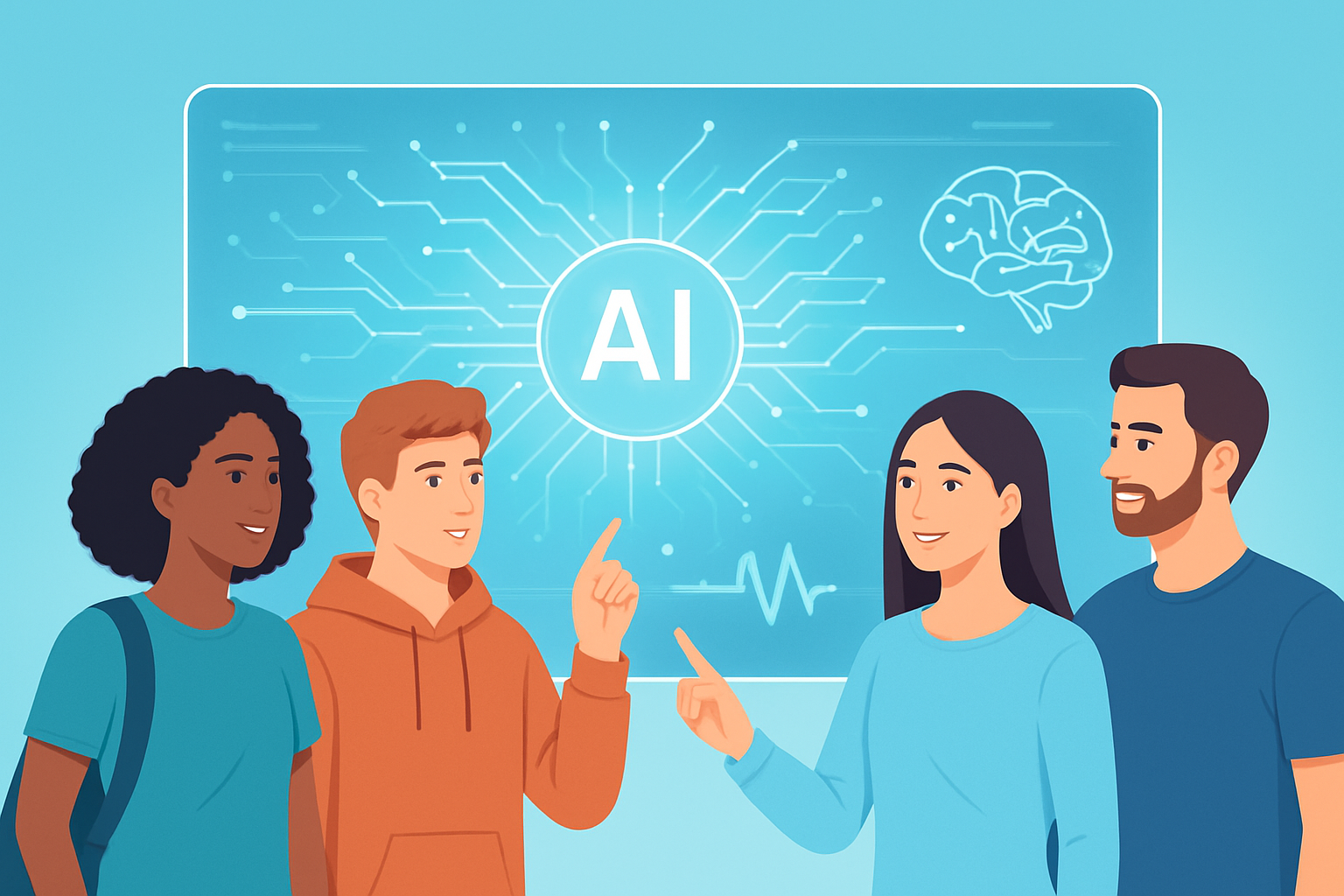
    Older members of Generation Z, often dubbed "zillennials," are rapidly reshaping the landscape of health insurance, demonstrating a pronounced reliance on artificial intelligence (AI) tools to navigate, understand, and secure their coverage. This demographic, characterized by its digital nativism and pragmatic approach to complex systems, is increasingly turning away from traditional advisors in favor of AI-driven platforms. This significant shift in consumer behavior is challenging the insurance industry to adapt, pushing providers to innovate and embrace technological solutions to meet the expectations of a tech-savvy generation. As of late 2025, this trend is not just a preference but a necessity, especially with health insurance premiums on ACA marketplaces projected to increase by an average of 26% in 2026, making the need for efficient, easy-to-use tools more critical than ever.

    AI's Technical Edge: Precision, Personalization, and Proactivity

    The health insurance landscape for consumers is undergoing a significant transformation driven by advancements in Artificial Intelligence (AI) technology. These new AI tools aim to simplify the often complex and overwhelming process of selecting health insurance, moving beyond traditional, generalized approaches to offer highly personalized and efficient solutions.

    Consumers are increasingly interacting with AI-powered tools that leverage various AI subfields. Conversational AI and chatbots are emerging as a primary interface, with tools like HealthBird and Cigna Healthcare's virtual assistant utilizing advanced natural language processing (NLP) to engage in detailed exchanges about health and insurance plan options. These systems are designed to understand and respond to consumer queries 24/7, provide policy information, and even assist with basic claims or identifying in-network providers. Technical specifications include the ability to ingest and process personal data such as income, health conditions, anticipated coverage needs, prescriptions, and preferred doctors to offer tailored guidance. UnitedHealth Group (NYSE: UNH) anticipates that AI will direct over half of all customer calls by the end of 2025.

    Natural Language Processing (NLP) is crucial for interpreting unstructured data, which is abundant in health insurance. NLP algorithms can read and analyze extensive policy documents, medical records, and claim forms to extract key information, explain complex jargon, and answer specific questions. This allows consumers to upload plan PDFs and receive a clear breakdown of benefits and costs. Furthermore, by analyzing unstructured data from various sources alongside structured medical and financial data, NLP helps create detailed risk profiles to suggest highly personalized insurance plans.

    Predictive analytics and Machine Learning (ML) form the core of personalized risk assessment and plan matching. AI/ML models analyze vast datasets, including customer demographics, lifestyle choices, medical history, genetic predispositions, and real-time data from wearable devices. This enables insurers to predict risks more accurately and in real time, allowing for dynamic pricing strategies where premiums can be adjusted based on an individual's actual behavior and health metrics. This proactive approach, in contrast to traditional reactive models, allows for forecasting future healthcare needs and suggesting preventative interventions. This differs significantly from previous approaches that relied on broad demographic factors and generalized risk categories, often leading to one-size-fits-all policies. AI-driven tools offer superior fraud detection and enhanced efficiency in claims processing and underwriting, moving from weeks of manual review to potentially seconds for simpler claims.

    Initial reactions from the AI research community and industry experts as of November 2025 are characterized by both strong optimism and significant caution. There's a consensus that AI will streamline operations, enhance efficiency, and improve decision-making, with many health insurers "doubling down on investments for 2025." However, pervasive compliance concerns mean that AI adoption in this sector lags behind others. Ethical quandaries, particularly concerning algorithmic bias, transparency, data privacy, and accountability, are paramount. There is a strong call for "explainable AI" and robust ethical frameworks, with experts stressing that AI should augment human judgment rather than replace it, especially in critical decision-making. Regulations like the EU AI Act and Colorado's SB21-169 are early examples mandating transparency and auditability for healthcare AI tools, reflecting the growing need for oversight.

    Competitive Landscape: Who Benefits in the AI-Powered Insurance Race

    The increasing reliance of zillennials on AI for health insurance selection is profoundly reshaping the landscape for AI companies, tech giants, and startups. This demographic, driven by their digital fluency and desire for personalized, efficient, and cost-effective solutions, is fueling significant innovation and competition within the health insurance technology sector.

    AI Companies (Specialized Firms) are experiencing a surge in demand for their advanced solutions. These firms develop the core AI technologies—machine learning, natural language processing, and computer vision—that power various insurance applications. They are critical in enabling streamlined operations, enhanced fraud detection, personalized offerings, and improved customer experience through AI-powered chatbots and virtual assistants. Firms specializing in AI for fraud detection like Shift Technology and dynamic pricing like Earnix, along with comprehensive AI platforms for insurers such as Gradient AI and Shibumi, will see increased adoption.

    Tech Giants like Alphabet (NASDAQ: GOOGL), Amazon (NASDAQ: AMZN), Apple (NASDAQ: AAPL), and Microsoft (NASDAQ: MSFT) are well-positioned to capitalize on this trend due to their extensive AI research, cloud infrastructure, and existing ecosystems. They can offer scalable AI platforms and cloud services (e.g., Google Cloud's Vertex AI, Microsoft Azure AI) that health insurers and startups use to build and deploy their solutions. Leveraging their expertise in big data analytics, they can process and integrate diverse health data sources for deeper insights. Companies like Apple (HealthKit) and Google (Google Health) can integrate health insurance offerings seamlessly into their consumer devices and platforms, leveraging wearable data for proactive health management and premium adjustments. Strategic partnerships and acquisitions of promising AI healthtech startups are also likely.

    The health insurance AI market is a fertile ground for Startups (Insurtech and Healthtech), attracting robust venture investment. Startups are currently capturing a significant majority (85%) of generative AI spending in healthcare. They often focus on specific pain points, developing innovative solutions like AI-powered virtual health assistants, remote patient monitoring tools, and personalized nutrition apps. Their agility allows for rapid development and deployment of cutting-edge AI technologies, quickly adapting to evolving zillennial demands. Insurtechs like Lemonade (NYSE: LMND), known for its AI-driven low premiums, and Oscar Health (NYSE: OSCR), which leverages AI for personalized plans, are prime examples.

    The competitive implications are clear: hyper-personalization will become a standard, demanding tailored products and services. Companies that effectively leverage AI for automation will achieve significant cost savings and operational efficiencies, enabling more competitive premiums. Data will become a strategic asset, favoring tech companies with strong data infrastructure. The customer experience, driven by AI-powered chatbots and user-friendly digital platforms, will be a key battleground for attracting and retaining zillennial customers. Potential disruptions include a shift to real-time and continuous underwriting, the emergence of value-based healthcare models, and a significant transformation of the insurance workforce. However, regulatory and ethical challenges, such as concerns about data privacy, security, and algorithmic bias (highlighted by lawsuits like the one against UnitedHealthcare regarding its naviHealth predict tool), pose significant hurdles.

    A Broader Lens: AI's Footprint in Healthcare and Society

    The increasing reliance of older Gen Zers on AI for health insurance is a microcosm of larger AI trends transforming various industries, deeply intertwined with the broader evolution of AI and presenting a unique set of opportunities and challenges as of November 2025. This demographic, having grown up in a digitally native world, is demonstrating a distinct preference for tech-driven solutions in managing their health insurance needs. Surveys indicate that around 23% of Gen Z in India are already using generative AI for insurance research, a higher percentage than any other group.

    This trend fits into the broader AI landscape through ubiquitous AI adoption, with 84% of health insurers reporting AI/ML use in some capacity; hyper-personalization and predictive analytics, enabling tailored recommendations and dynamic pricing; and the rise of generative AI and Natural Language Processing (NLP), enabling more natural, human-like interactions with AI systems. The impact is largely positive, offering enhanced accessibility and convenience through 24/7 digital platforms, personalized coverage options, improved decision-making by decoding complex plans, and proactive health management through early risk identification.

    However, significant concerns loom large. Ethical concerns include algorithmic bias, where AI trained on skewed data could perpetuate healthcare disparities, and the "black box" nature of some AI models, which makes decision-making opaque and erodes trust. There's also the worry that AI might prioritize cost over care, potentially leading to unwarranted claim denials. Regulatory concerns highlight a fragmented and lagging landscape, with state-level AI legislation struggling to keep pace with rapid advancements. The EU AI Act, for example, categorizes most healthcare AI as "high-risk," imposing stringent rules. Accountability when AI makes errors remains a complex legal challenge. Data privacy concerns are paramount, with current regulations like HIPAA seen as insufficient for the era of advanced AI. The vast data collection required by AI systems raises significant risks of breaches, misuse, and unauthorized access, underscoring the need for explicit, informed consent and robust cybersecurity.

    Compared to previous AI milestones, the current reliance of Gen Z on AI in health insurance represents a significant leap. Early AI in healthcare, such as expert systems in the 1970s and 80s (e.g., Stanford's MYCIN), relied on rule-based logic. Today's AI leverages vast datasets, machine learning, and predictive analytics to identify complex patterns, forecast health risks, and personalize treatments with far greater sophistication and scale. This moves beyond basic automation to generative capabilities, enabling sophisticated chatbots and personalized communication. Unlike earlier systems that operated in discrete tasks, modern AI offers real-time and continuous engagement, reflecting a more integrated and responsive AI presence. Crucially, this era sees AI directly interacting with consumers, guiding their decisions, and shaping their user experience in unprecedented ways, a direct consequence of Gen Z's comfort with digital interfaces.

    The Horizon: Anticipating AI's Next Evolution in Health Insurance

    The integration of Artificial Intelligence (AI) in health insurance is rapidly transforming the landscape, particularly as Generation Z (Gen Z) enters and increasingly dominates the workforce. As of November 2025, near-term developments are already visible, while long-term predictions point to a profound shift towards hyper-personalized, preventative, and digitally-driven insurance experiences.

    In the near term (2025-2027), AI is set to further enhance the efficiency and personalization of health insurance selection for Gen Z. We can expect more sophisticated AI-powered personalization and selection platforms that guide customers through the entire process, analyzing data and preferences to recommend tailored life, medical, and critical illness coverage options. Virtual assistants and chatbots will become even more prevalent for real-time communication, answering complex policy questions, streamlining purchasing, and assisting with claims submissions, catering to Gen Z's demand for swift, efficient, and digital communication. AI will also continue to optimize underwriting and claims processing, providing "next best action" recommendations and automating simpler tasks to expedite approvals and reduce manual oversight. Integration with digital health tools and wearable technology will become more seamless, allowing for real-time health monitoring and personalized nudges for preventative care.

    Looking to the long term (beyond 2027), AI is expected to revolutionize health insurance with more sophisticated and integrated applications. The industry will move towards preventative AI and adaptive risk intelligence, integrating wearable data, causal AI, and reinforcement learning to enable proactive health interventions at scale. This includes identifying emerging health risks in real time and delivering personalized recommendations or rewards. Hyper-personalized health plans will become the norm, based on extensive data including lifestyle habits, medical history, genetic factors, and behavioral data, potentially leading to dynamically adjusted premiums for those maintaining healthy lifestyles. AI will play a critical role in advanced predictive healthcare, forecasting health risks and disease progression, leading to earlier interventions and significant reductions in chronic disease costs. We will see a shift towards value-based insurance models, where AI analyzes health outcomes data to prioritize clinical efficacy and member health outcomes. Integrated mental health AI, combining chatbots for routine support with human therapists for complex guidance, is also on the horizon. The ultimate vision involves seamless digital ecosystems where AI manages everything from policy selection and proactive health management to claims processing and customer support.

    However, significant challenges persist. Data privacy and security remain paramount concerns, demanding transparent consent for data use and robust cybersecurity measures. Algorithmic bias and fairness in AI models must be continuously addressed to prevent perpetuating healthcare disparities. Transparency and explainability of AI's decision-making processes are crucial to build and maintain trust, especially for a generation that values clarity. Regulatory hurdles continue to evolve, with the rapid advancement of AI often outpacing current frameworks. The insurance industry also faces a talent crisis, as Gen Z professionals are hesitant to join sectors perceived as slow to adopt technology, necessitating investment in digital tools and workforce reskilling.

    Expert predictions reinforce this transformative outlook. By 2025, AI will be crucial for "next best action" recommendations in underwriting and claims, with insurers adopting transparent, AI-driven models to comply with regulations. The World Economic Forum's Future Jobs Report 2025 indicates that 91% of insurance employers plan to hire people skilled in AI. By 2035, AI is expected to automate 60-80% of claims, reducing processing time by 70%, and AI-powered fraud detection could save insurers up to $50 billion annually. McKinsey experts predict generative AI could lead to productivity gains of 10-20% and premium growth of 1.5-3.0% for insurers. The consensus is that AI will redefine efficiency, compliance, and innovation, with early adopters shaping the industry's future.

    Conclusion: A Digital-First Future for Health Insurance

    The rapid embrace of AI by older Gen Zers for health insurance selection is not merely a passing trend but a fundamental redefinition of how individuals interact with this critical service. This generation's digital fluency, coupled with their desire for personalized, efficient, and transparent solutions, has created an undeniable momentum for AI integration within the insurance sector.

    The key takeaways are clear: Gen Z is confidently navigating health insurance with AI, driven by a need for personalization, efficiency, and a desire to overcome "benefit burnout" and "planxiety." This shift represents a pivotal moment in AI history, mainstreaming advanced AI into crucial personal finance decisions and accelerating the modernization of a traditionally conservative industry. The long-term impact will be transformative, leading to hyper-personalized, dynamic insurance plans, largely AI-driven customer support, and a deeper integration with preventive healthcare. However, this evolution is inextricably linked to critical challenges surrounding data privacy, algorithmic bias, transparency, and the need for adaptive regulatory frameworks.

    As of November 17, 2025, what to watch for in the coming weeks and months includes how AI tools perform under the pressure of rising premiums during the current open enrollment season, and how insurers accelerate their AI integration with new features and digital platforms to attract Gen Z. We must also closely monitor the evolution of AI governance and ethical frameworks, especially any public "fallout" from AI-related issues that could shape future regulations and consumer trust. Furthermore, observing how employers adapt their benefits education strategies and the impact of AI-driven personalization on uninsured rates will be crucial indicators of this trend's broader societal effects. The talent acquisition strategies within the insurance industry, particularly how companies address the "AI disconnect" among Gen Z professionals, will also be vital to watch.

    The convergence of Gen Z's digital-first mindset and AI's capabilities is setting the stage for a more personalized, efficient, and technologically advanced future for the health insurance industry. This is not just about technology; it's about a generational shift in how we approach healthcare and financial well-being, demanding a proactive, transparent, and intelligent approach from providers and regulators alike.


    This content is intended for informational purposes only and represents analysis of current AI developments.

    TokenRing AI delivers enterprise-grade solutions for multi-agent AI workflow orchestration, AI-powered development tools, and seamless remote collaboration platforms.
    For more information, visit https://www.tokenring.ai/.
  • AI’s Unseen Hand: Gen Z Grapples with Shrinking Entry-Level Job Market

    AI’s Unseen Hand: Gen Z Grapples with Shrinking Entry-Level Job Market

    The year 2025 marks a pivotal moment for recent graduates and young professionals as artificial intelligence (AI) increasingly reshapes the global job landscape. Far from being a distant threat, AI's rapid integration into businesses is having an immediate and profound impact on entry-level job opportunities, particularly for Gen Z adults. This technological surge is not merely automating mundane tasks; it's fundamentally altering the traditional career ladder, making the initial rungs harder to reach and forcing a re-evaluation of what "entry-level" truly means.

    As companies leverage AI and large language models for tasks ranging from data entry and customer service to basic research and content moderation, the demand for human resources in these foundational roles is demonstrably decreasing. This shift is creating a challenging environment for Gen Z, who are finding fewer traditional pathways to gain essential experience, sparking widespread anxiety and a pressing need for new skill sets to navigate an increasingly automated professional world.

    The Automated Gauntlet: How AI is Redefining Entry-Level Work

    The current wave of artificial intelligence is not merely an incremental technological advancement; it represents a fundamental paradigm shift that is actively dismantling the traditional structure of entry-level employment. As of late 2025, specific AI advancements, particularly in generative AI and robotic process automation (RPA), are directly automating tasks that were once the exclusive domain of new hires, creating an unprecedented challenge for Gen Z.

    Generative AI models, such as those powering ChatGPT, Claude, and DALL-E, possess sophisticated capabilities to generate human-like text, code, and imagery. This translates into AI systems drafting emails, summarizing reports, generating basic code snippets, creating marketing copy, and even performing initial legal research. Consequently, roles in junior administration, basic marketing, entry-level programming, and legal support are seeing significant portions of their work automated. Similarly, RPA tools from companies like UiPath are efficiently handling data entry, invoice processing, and customer inquiries, further reducing the need for human intervention in finance and data management roles. Advanced AI agents are also stepping into project management, social media analytics, and IT support, executing routine tasks with speed and consistency that often surpass human capabilities.

    This current disruption differs significantly from previous technological shifts. Unlike the Industrial Revolution or the advent of personal computers, which primarily automated manual or repetitive physical labor, AI is now automating cognitive and administrative tasks that have historically served as crucial learning experiences for new graduates. This phenomenon is leading to a "breaking of the bottom rung" of the career ladder, where the very tasks that provided foundational training and mentorship are being absorbed by machines. Furthermore, the pace of this change is far more rapid and broad-reaching than past revolutions, affecting a wider array of white-collar and knowledge-based jobs simultaneously. Employers are increasingly demanding "day one" productivity, leaving little room for the on-the-job training that defined earlier generations' entry into the workforce.

    Initial reactions from the AI research community and industry experts as of late 2025 reflect a mixture of concern and a call for adaptation. Reports from institutions like Goldman Sachs and the Stanford Digital Economy Lab indicate significant declines in new graduate hires, particularly in tech and AI-exposed fields. While AI promises increased productivity and the creation of new specialized roles—such as prompt engineers and AI ethics specialists—it is simultaneously eroding traditional entry points. Experts like Bill Gates emphasize that mere AI tool proficiency is insufficient; the demand is shifting towards uniquely human skills like creative problem-solving, critical thinking, emotional intelligence, and complex communication, alongside a deep understanding of AI literacy. The paradox remains that entry-level jobs now often require experience that the automated entry-level roles no longer provide, necessitating a fundamental rethinking of education, training, and hiring infrastructure to prevent a widening skills gap for Gen Z.

    Corporate Giants and Agile Startups Adapt to the AI-Driven Workforce Shift

    The seismic shift in entry-level employment, largely attributed to AI, is profoundly impacting the strategies and market positioning of AI companies, tech giants, and even nimble startups as of late 2025. While Gen Z grapples with a shrinking pool of traditional entry-level roles, these corporate players are recalibrating their operations, product development, and talent acquisition strategies to harness AI's transformative power.

    AI companies, the architects of this revolution, stand to benefit immensely. Firms like OpenAI (private), Google (NASDAQ: GOOGL), and Anthropic (private) are experiencing a surge in demand for their advanced AI solutions. As businesses across all sectors seek to integrate AI for efficiency and to upskill their existing workforces, these providers gain significant market traction and investment. Their competitive edge lies in continuous innovation, driving the "AI arms race" by constantly evolving their products to automate increasingly complex tasks. This relentless disruption is their core business, fundamentally changing how work is conceived and executed across industries.

    For established tech giants such as Microsoft (NASDAQ: MSFT), Amazon (NASDAQ: AMZN), and Meta Platforms (NASDAQ: META), AI is a dual-edged sword. On one hand, they are investing billions to enhance productivity, fill skill gaps, and significantly reduce operational costs. AI is being deeply integrated into their flagship products—think Google Gemini and Microsoft 365—to offer advanced functionalities and automate tasks previously requiring human input. This allows existing employees to take on more strategic responsibilities earlier in their careers. However, this also leads to significant "manpower reallocation," with reports indicating cuts in entry-level roles while simultaneously increasing hiring for more experienced professionals, signaling a shift towards immediate contribution rather than potential. These companies are positioning themselves as comprehensive leaders in AI adoption, yet they face public scrutiny over mass layoffs partially attributed to AI-driven efficiency gains.

    Startups, particularly those not exclusively focused on AI, are leveraging readily available AI tools to operate with unprecedented leanness and agility. A junior marketer, augmented by AI, can now manage full-stack campaigns that previously required a team. This allows startups to scale rapidly and generate value faster with smaller teams, disrupting established industries with more efficient operational models. However, they face intense competition for experienced talent, as tech giants also prioritize skilled professionals. While graduate hiring has decreased, many startups are opting for seasoned experts as equity advisors, a cost-effective way to gain specialized experience without the overhead of full-time hires. Startups effectively integrating AI can position themselves as agile, efficient, and innovative disruptors, even amidst tighter funding rounds and increased scrutiny on profitability.

    The broader competitive landscape is defined by an overarching "AI arms race," where efficiency and cost reduction are primary drivers. This often translates to reduced entry-level hiring across the board. The market is shifting towards skills-based hiring, prioritizing candidates with demonstrable AI proficiency and the ability to contribute from day one. This disrupted talent pipeline risks breaking the traditional "apprenticeship dividend," potentially leading to slower career progression and a loss of the crucial learning cycles that cultivate future leaders. While new roles like AI ethics leads and prompt engineers are emerging, a small group of major AI players continues to attract the majority of significant investments, raising concerns about market concentration and the long-term health of the talent ecosystem.

    A Broader Canvas: Societal Shifts and Economic Repercussions

    The impact of artificial intelligence on Gen Z's entry-level job prospects is not an isolated phenomenon but a central thread woven into the broader tapestry of the AI landscape in late 2025. This shift carries profound societal and economic implications, demanding a critical examination of education, labor markets, and the very definition of human value in an increasingly automated world.

    This development fits squarely into several overarching AI trends. We are witnessing a rapid evolution from basic AI tools to "agentic" AI systems capable of planning and executing multi-step tasks autonomously. Furthermore, multimodal AI, combining vision, language, and action, is advancing, enabling more sophisticated interactions with the physical world through robotics. Crucially, the democratization of AI, driven by falling inference costs and the rise of open-weight models, means that AI capabilities are no longer confined to tech giants but are accessible to a wider array of businesses and individuals. Organizations are moving beyond simple productivity gains, investing in custom AI solutions for complex industry-specific challenges, underscoring AI's deep integration into core business functions.

    The societal and economic repercussions for Gen Z are substantial. Economically, research suggests a potential 5% decline in the labor share of income due to AI and big data technologies, which could exacerbate existing wealth disparities. For Gen Z, this translates into heightened anxiety about job security, with nearly half of U.S. Gen Z job hunters believing AI has already reduced the value of their college education. While AI automates routine tasks, it simultaneously creates a demand for a new hybrid skill set: critical thinking, data literacy, creativity, adaptability, and human-AI collaboration, alongside enduring soft skills like communication, empathy, and teamwork. There's a paradox where AI can accelerate career progression by automating "grunt work," yet also risks hindering the development of fundamental skills traditionally acquired through entry-level roles, potentially leading to a "skill loss" for younger workers. On a more optimistic note, AI-driven tools are also serving as catalysts for entrepreneurship and the gig economy, empowering Gen Z to forge novel career paths.

    However, several critical concerns accompany this transformation. The primary worry remains widespread job displacement, particularly in white-collar roles that have historically provided entry points to careers. This could lead to a "jobless profit boom," where companies generate more output with fewer employees, exacerbating unemployment among new entrants. There's also the risk that over-reliance on AI for tasks like drafting and problem-solving could erode essential human skills such as critical thinking, emotional intelligence, and complex communication. The disappearance of entry-level positions fundamentally "breaks" the traditional corporate ladder, making it difficult for Gen Z to gain the initial experience and tacit knowledge crucial for career growth. Furthermore, as AI becomes embedded in hiring and decision-making, concerns about algorithmic bias and the need for robust ethical AI frameworks become paramount to ensure fair employment opportunities.

    Comparing this current AI milestone to previous technological revolutions reveals both parallels and distinct differences. Like the Industrial Revolution, which led to initial job losses and social disruption before creating new industries, AI is expected to displace jobs while simultaneously creating new ones. The World Economic Forum predicts that while 85 million jobs may be displaced by 2025, 97 million new roles, primarily in technology-intensive fields, could emerge. However, a key difference lies in the unprecedented speed of AI diffusion; technologies like the steam engine took decades to reach peak adoption, whereas generative AI has seen astonishingly fast uptake. This rapid pace means that the workforce, and particularly Gen Z, has less time to adapt and acquire the necessary skills, making the current shift uniquely challenging.

    The Road Ahead: Navigating AI's Evolving Impact on Gen Z Careers

    As AI continues its inexorable march into every facet of the professional world, the future for Gen Z in the entry-level job market promises both profound transformation and significant challenges. As of late 2025, experts anticipate a continued redefinition of work, demanding an unprecedented level of adaptability and continuous learning from the newest generation of professionals.

    In the near term, the scarcity of traditional entry-level roles is expected to intensify. Reports indicate a sustained decline in job postings for starting positions, with applications per role surging dramatically. This trend is driven not only by economic uncertainties but, more critically, by AI's increasing proficiency in automating tasks that have historically formed the bedrock of junior employment. Industries such as customer service, sales, and office support are projected to see the most significant shifts, with AI handling data entry, scheduling, report drafting, and basic administrative duties more efficiently and cost-effectively. Consequently, businesses are increasingly prioritizing AI solutions over human hires, a preference that could fundamentally alter hiring practices for years to come. The measurable decline in employment for young professionals in AI-exposed occupations underscores the immediate breaking of the traditional corporate ladder's first rung.

    Looking further ahead, the long-term impact of AI is not predicted to lead to mass unemployment but rather a fundamental reshaping of the labor market. The very concept of "entry-level" will evolve, shifting from the execution of basic tasks to the skillful leveraging of AI technologies. While AI may displace millions of jobs, the World Economic Forum forecasts the creation of an even greater number of new roles, predominantly in fields demanding advanced technological skills. Gen Z, as digital natives, possesses an inherent advantage in adapting to these changes, often already integrating AI tools into their workflows. However, the need for advanced AI literacy—understanding its limitations, evaluating its outputs critically, and applying it strategically—will become paramount.

    On the horizon, potential applications and use cases of AI will continue to expand, both automating existing tasks and giving rise to entirely new job functions. AI will further streamline routine tasks across all sectors, enhance productivity tools used by Gen Z for brainstorming, summarizing, debugging, and data analysis, and take on a larger share of customer service and content creation. Critically, the growth of the global AI market will fuel a surge in demand for specialized AI-centric roles, including AI Engineers, Machine Learning Engineers, Data Scientists, and Natural Language Processing Specialists. These roles, focused on creating, implementing, and maintaining AI systems, represent new frontiers for career development.

    However, significant challenges must be addressed. The ongoing job displacement and scarcity of traditional entry-level positions risk hindering Gen Z's ability to gain initial work experience and develop crucial foundational skills. A persistent skill gap looms, as educational institutions struggle to adapt curricula quickly enough to impart the necessary AI literacy and "human" skills like critical thinking and emotional intelligence. Employer expectations have shifted, demanding practical AI skills and a growth mindset from day one, often requiring experience that new graduates find difficult to acquire. Ethical concerns surrounding AI, including potential biases and its environmental impact, also demand careful consideration as these systems become more deeply embedded in society.

    Experts predict a future where work is redefined by tasks rather than static job titles, with AI automating certain tasks and profoundly augmenting human capabilities in others. This necessitates a workforce with strong digital and AI literacy, capable of working seamlessly alongside AI tools. Uniquely human skills—creativity, critical thinking, problem-solving, collaboration, and emotional intelligence—will become increasingly valuable, as these are areas where humans retain a distinct advantage. Lifelong learning and continuous upskilling will be essential for career relevance, demanding collaboration between organizations and educational institutions. While some experts foresee a period of "scary economic instability," the consensus points towards the emergence of new pathways, including portfolio careers and freelancing, where Gen Z can leverage AI expertise to thrive.

    Comprehensive Wrap-Up: A New Era of Work for Gen Z

    The advent of artificial intelligence has irrevocably altered the entry-level job market for Gen Z adults, marking a profound shift in the history of work. The key takeaway is clear: the traditional "grunt work" that once provided essential training and a foundational understanding of corporate operations is rapidly being automated, leading to a demonstrable decrease in traditional entry-level opportunities. This forces Gen Z to confront a job market that demands immediate AI literacy, advanced "human" skills, and an unwavering commitment to continuous learning.

    This development's significance in AI history is monumental, representing a faster and more pervasive disruption than previous technological revolutions. Unlike past shifts that primarily automated manual labor, AI is now automating cognitive and administrative tasks, fundamentally reshaping white-collar entry points. This creates a paradox where entry-level jobs now require experience that the automated roles no longer provide, challenging traditional career progression models.

    Looking ahead, the long-term impact will likely see a redefined labor market where human-AI collaboration is the norm. While job displacement is a valid concern, the emergence of new, AI-centric roles and the augmentation of existing ones offer pathways for growth. The ultimate outcome hinges on the proactive adaptation of Gen Z, the responsiveness of educational systems, and the strategic investments of businesses in upskilling their workforces.

    In the coming weeks and months, watch for continued reports on entry-level hiring trends, particularly in tech and service industries. Observe how educational institutions accelerate their integration of AI literacy and critical thinking into curricula. Most importantly, monitor the innovative ways Gen Z adults are leveraging AI to carve out new career paths, demonstrate unique human skills, and redefine what it means to enter the professional world in an age of intelligent machines. The future of work is not just about AI; it's about how humanity, particularly its newest generation, learns to thrive alongside it.


    This content is intended for informational purposes only and represents analysis of current AI developments.

    TokenRing AI delivers enterprise-grade solutions for multi-agent AI workflow orchestration, AI-powered development tools, and seamless remote collaboration platforms.
    For more information, visit https://www.tokenring.ai/.
  • The AI Paradox: How Automation is Fueling a Blue-Collar Boom and Drawing Gen Z to Skilled Trades

    The AI Paradox: How Automation is Fueling a Blue-Collar Boom and Drawing Gen Z to Skilled Trades

    The relentless march of Artificial Intelligence (AI) is dramatically reconfiguring the global employment landscape, ushering in an era where the perceived security of traditional white-collar professions is being challenged. Far from rendering human labor obsolete, AI's increasing sophistication in automating repetitive tasks is paradoxically sparking a renaissance in blue-collar industries and skilled trades. This seismic shift is profoundly influencing career aspirations, particularly among Generation Z, who are increasingly turning away from four-year degrees in favor of vocational training, recognizing the enduring value and AI-resilience of hands-on expertise.

    Recent developments indicate that while AI and advanced automation are streamlining operations in sectors like manufacturing, construction, and logistics, they are simultaneously creating a robust demand for human skills that AI cannot replicate. This includes complex problem-solving, manual dexterity, critical decision-making, and direct human interaction. As AI takes on the mundane, it elevates the human role, transforming existing jobs and creating entirely new ones that require a blend of technical acumen and practical application.

    AI's Precision Hand: Augmenting, Not Eradicating, the Trades

    The technical advancements driving this transformation are multifaceted, rooted in breakthroughs in machine learning, robotics, and large language models (LLMs) that allow for unprecedented levels of automation and augmentation. Specific details reveal a nuanced integration of AI into blue-collar workflows, enhancing efficiency, safety, and precision.

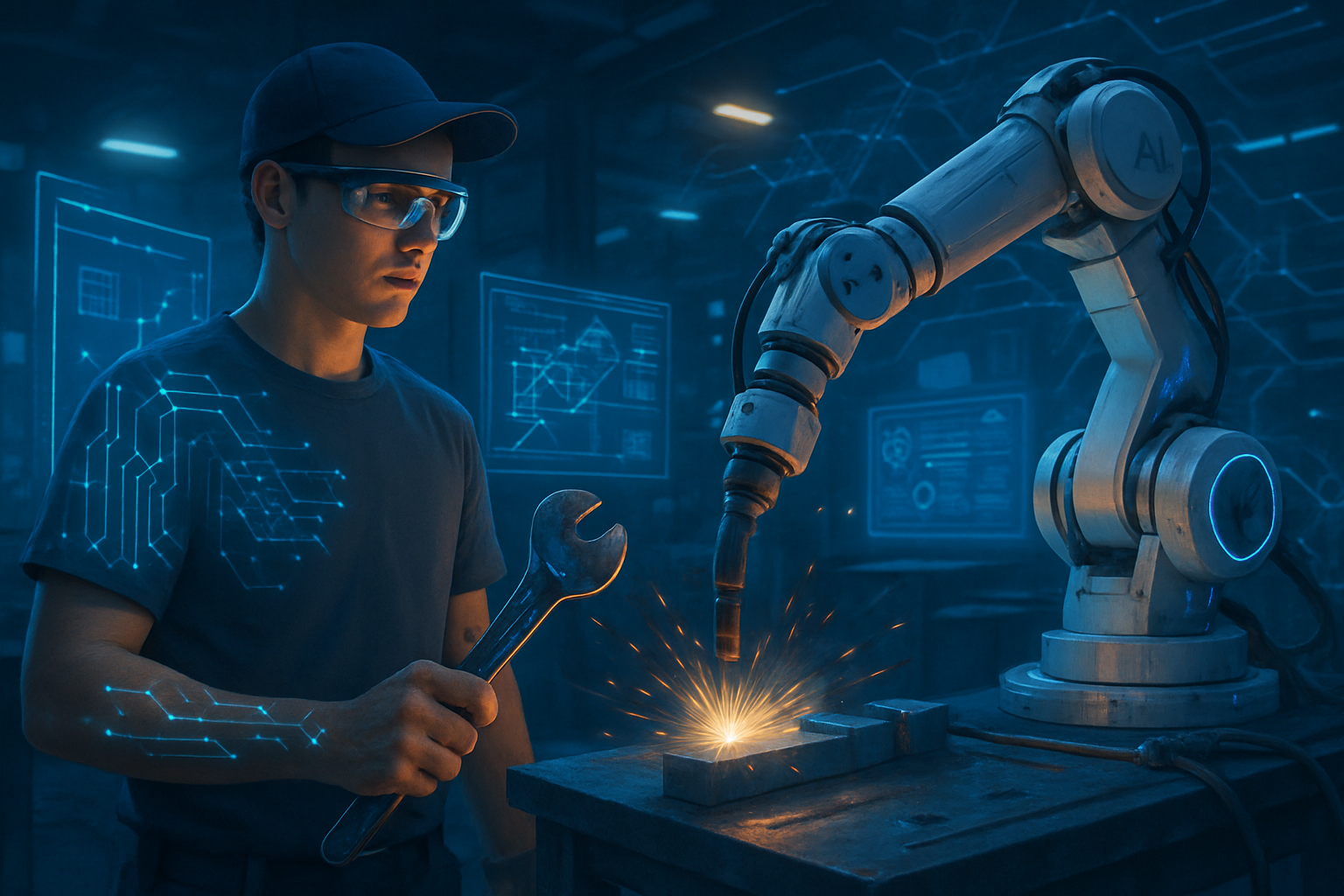
    One significant area is the deployment of AI-driven robotics and automated machinery in manufacturing and construction. For instance, AI-powered Computer Numerical Control (CNC) machines are achieving higher precision and efficiency in material processing, from cutting intricate designs in stone to shaping metals with microscopic accuracy. In construction, robotic bricklayers, autonomous surveying drones, and AI-optimized material handling systems are becoming more common. These systems leverage computer vision and machine learning algorithms to interpret blueprints, navigate complex environments, and execute tasks with a consistency and speed that human workers cannot match. This differs from previous approaches, which often relied on simpler, pre-programmed automation, by incorporating adaptive learning and real-time decision-making capabilities. AI systems can now learn from new data, adapt to changing conditions, and even predict maintenance needs, leading to fewer errors and less downtime. Initial reactions from the AI research community and industry experts highlight this shift from mere automation to intelligent augmentation, where AI acts as a sophisticated co-worker, handling the heavy lifting and repetitive tasks while humans oversee, troubleshoot, and innovate. Experts point out that the integration of AI also significantly improves workplace safety by removing humans from hazards and predicting potential accidents.

    Furthermore, the rise of predictive analytics, powered by machine learning, is revolutionizing maintenance and operational efficiency across blue-collar sectors. AI algorithms analyze vast datasets from sensors (Internet of Things or IoT devices) embedded in machinery and equipment, such as temperature, vibration, pressure, and fluid levels. These algorithms identify subtle patterns and anomalies that indicate potential failures before they occur. For example, in HVAC, marine construction, mining, and manufacturing, ML systems predict equipment breakdowns, optimize maintenance schedules, reduce unplanned downtime, and extend equipment lifespans. This proactive approach saves costs and enhances safety, moving beyond traditional reactive or time-based scheduled maintenance. In quality control, ML-powered apps can process images of weld spatter pixel by pixel to provide quantitative, unbiased feedback to welders, accelerating competency buildup. Large language models (LLMs) are also playing a crucial role, not in direct physical labor, but in streamlining project management, generating safety protocols, and providing on-demand technical documentation, making complex information more accessible to on-site teams. Technicians can use LLMs to navigate complex repair manuals, access remote expert assistance for troubleshooting, and receive guided instructions, reducing errors and improving efficiency in the field. This blend of physical automation and intelligent information processing underscores a profound evolution in how work gets done in traditionally manual professions, offering real-time feedback and adaptive learning capabilities that far surpass static manuals or purely theoretical instruction.

    Shifting Sands: Competitive Implications for Tech Giants and Skilled Labor Platforms

    The evolving landscape of AI-augmented blue-collar work presents a complex web of opportunities and competitive implications for AI companies, tech giants, and startups alike. Companies specializing in industrial automation, robotics, and predictive maintenance stand to benefit immensely from this development. Firms like Boston Dynamics (privately held), known for advanced robotics, and Siemens AG (ETR: SIE), with its industrial automation solutions, are well-positioned to capitalize on the increasing demand for intelligent machines in manufacturing and logistics. Similarly, companies developing AI-powered construction technology, such as Procore Technologies (NYSE: PCOR) with its project management software integrating AI analytics, are seeing increased adoption.

    The competitive implications for major AI labs and tech companies are significant. While some tech giants like Google (NASDAQ: GOOGL) and Microsoft (NASDAQ: MSFT) are primarily focused on LLMs and enterprise AI, their cloud platforms are crucial for hosting and processing the vast amounts of data generated by industrial AI applications. Their competitive advantage lies in providing the underlying infrastructure and AI development tools that power these specialized blue-collar solutions. Startups focusing on niche applications, such as AI for welding inspection or AR guidance for electricians, are also emerging rapidly, often partnering with larger industrial players to scale their innovations. This creates a potential disruption to existing products or services that rely on older, less intelligent automation systems, pushing them towards obsolescence unless they integrate advanced AI capabilities.

    Market positioning is also critical. Companies that can offer end-to-end solutions, combining hardware (robots, sensors) with intelligent software (AI algorithms, predictive models), will gain a strategic advantage. This includes not only the developers of the AI technology but also platforms that connect skilled tradespeople with these new tools and opportunities. For instance, online platforms that facilitate apprenticeships or offer specialized training in AI-assisted trades are becoming increasingly valuable. The demand for skilled workers who can operate, maintain, and troubleshoot these advanced AI systems also creates a new market for training and certification providers, potentially drawing investment from tech companies looking to build out the ecosystem for their products. The overall trend suggests a move towards integrated solutions where AI is not just a tool but an integral part of the workflow, demanding a symbiotic relationship between advanced technology and skilled human labor.

    The Broader Tapestry: AI, Labor, and Societal Transformation

    This shift towards AI-augmented blue-collar work fits into the broader AI landscape as a critical counter-narrative to the widespread fear of mass job displacement. Instead of a dystopian vision of AI replacing all human labor, we are witnessing a more nuanced reality where AI serves as a powerful enhancer, particularly in sectors previously considered less susceptible to technological disruption. This trend aligns with the concept of "AI augmentation," where AI's primary role is to improve human capabilities and efficiency, rather than to fully automate. It also highlights the growing recognition of the economic and societal value of skilled trades, which have often been overlooked in the pursuit of white-collar careers.

    The impacts are profound and far-reaching. Economically, it promises increased productivity, reduced operational costs, and potentially a more resilient workforce less vulnerable to economic downturns that disproportionately affect service-oriented or highly repetitive office jobs. Socially, it offers a pathway to stable, well-paying careers for Gen Z without the burden of crippling student debt, addressing concerns about educational accessibility and economic inequality. However, potential concerns include the need for massive reskilling and upskilling initiatives to ensure the existing workforce can adapt to these new technologies. There's also the risk of a widening gap between those who have access to such training and those who don't, potentially exacerbating existing social divides. This moment draws comparisons to previous industrial revolutions, where new technologies transformed labor markets, creating new categories of work while rendering others obsolete. The key difference now is the speed of change and the cognitive nature of AI's capabilities, demanding a more proactive and agile response from educational institutions and policymakers.

    Furthermore, the environmental impact is also noteworthy. AI-driven optimization in manufacturing and logistics can lead to more efficient resource use and reduced waste. Predictive maintenance, for example, extends the lifespan of machinery, reducing the need for new equipment production. In construction, AI can optimize material usage and reduce rework, contributing to more sustainable practices. However, the energy consumption of AI systems themselves, particularly large language models and complex neural networks, remains a concern that needs to be balanced against the efficiency gains in other sectors. This broader significance underscores that the impact of AI on blue-collar jobs is not merely an economic or labor issue, but a multifaceted phenomenon with wide-ranging societal, educational, and environmental implications, demanding a holistic approach to understanding and managing its trajectory.

    The Horizon of Augmentation: Future Developments and Challenges

    Looking ahead, the integration of AI into skilled trades is expected to accelerate, leading to even more sophisticated applications and use cases. In the near-term, we can anticipate more widespread adoption of AI-powered diagnostic tools, augmented reality (AR) for real-time guidance in complex repairs, and collaborative robots (cobots) working alongside human technicians in manufacturing and assembly. Imagine an electrician using AR glasses that overlay circuit diagrams onto a physical panel, or a plumber receiving real-time AI-driven diagnostics from a smart home system. These tools will not replace the skilled worker but empower them with superhuman precision and knowledge.

    Long-term developments include fully autonomous systems capable of handling a wider range of tasks, particularly in hazardous environments, reducing human exposure to risk. AI will also play a larger role in personalized training and skill development, using adaptive learning platforms to tailor educational content to individual needs, making it easier for new entrants to acquire complex trade skills. Experts predict a future where every skilled trade will have an AI counterpart or assistant, making professions more efficient, safer, and intellectually stimulating. However, challenges remain. The development of robust, reliable, and ethically sound AI systems for critical infrastructure and safety-sensitive trades is paramount. Ensuring data privacy and security in interconnected AI systems is another significant hurdle. Furthermore, the societal challenge of bridging the skills gap and ensuring equitable access to training and job opportunities will need continuous attention. What experts predict will happen next is a continued blurring of lines between "blue-collar" and "white-collar" skills, with a new category of "new-collar" jobs emerging that demand both technical proficiency and digital literacy, making lifelong learning an imperative for all.

    A New Era for Labor: Reshaping Perceptions and Pathways

    In summary, the impact of AI on blue-collar jobs is not one of wholesale replacement, but rather a profound transformation that is simultaneously enhancing productivity and redirecting a new generation towards skilled trades. Key takeaways include the rise of AI as an augmentation tool, the increasing job security and financial appeal of trades for Gen Z, and the imperative for continuous reskilling and upskilling across the workforce. This development signifies a critical juncture in AI history, challenging long-held assumptions about automation's effects on employment and highlighting the enduring value of human ingenuity, adaptability, and hands-on expertise.

    The significance of this development lies in its potential to rebalance the labor market, address critical skill shortages, and offer diverse, financially rewarding career paths that are resilient to future technological disruptions. It also underscores a shift in societal perception, elevating the status of skilled trades as vital, technologically advanced professions. In the coming weeks and months, we should watch for increased investment in vocational training programs, further integration of AI tools into trade-specific education, and continued public discourse on the evolving relationship between humans and intelligent machines. The blue-collar boom, powered by AI, is not just a trend; it's a fundamental reshaping of our economic and social fabric, demanding attention and proactive engagement from all stakeholders.


    This content is intended for informational purposes only and represents analysis of current AI developments.

    TokenRing AI delivers enterprise-grade solutions for multi-agent AI workflow orchestration, AI-powered development tools, and seamless remote collaboration platforms.
    For more information, visit https://www.tokenring.ai/.